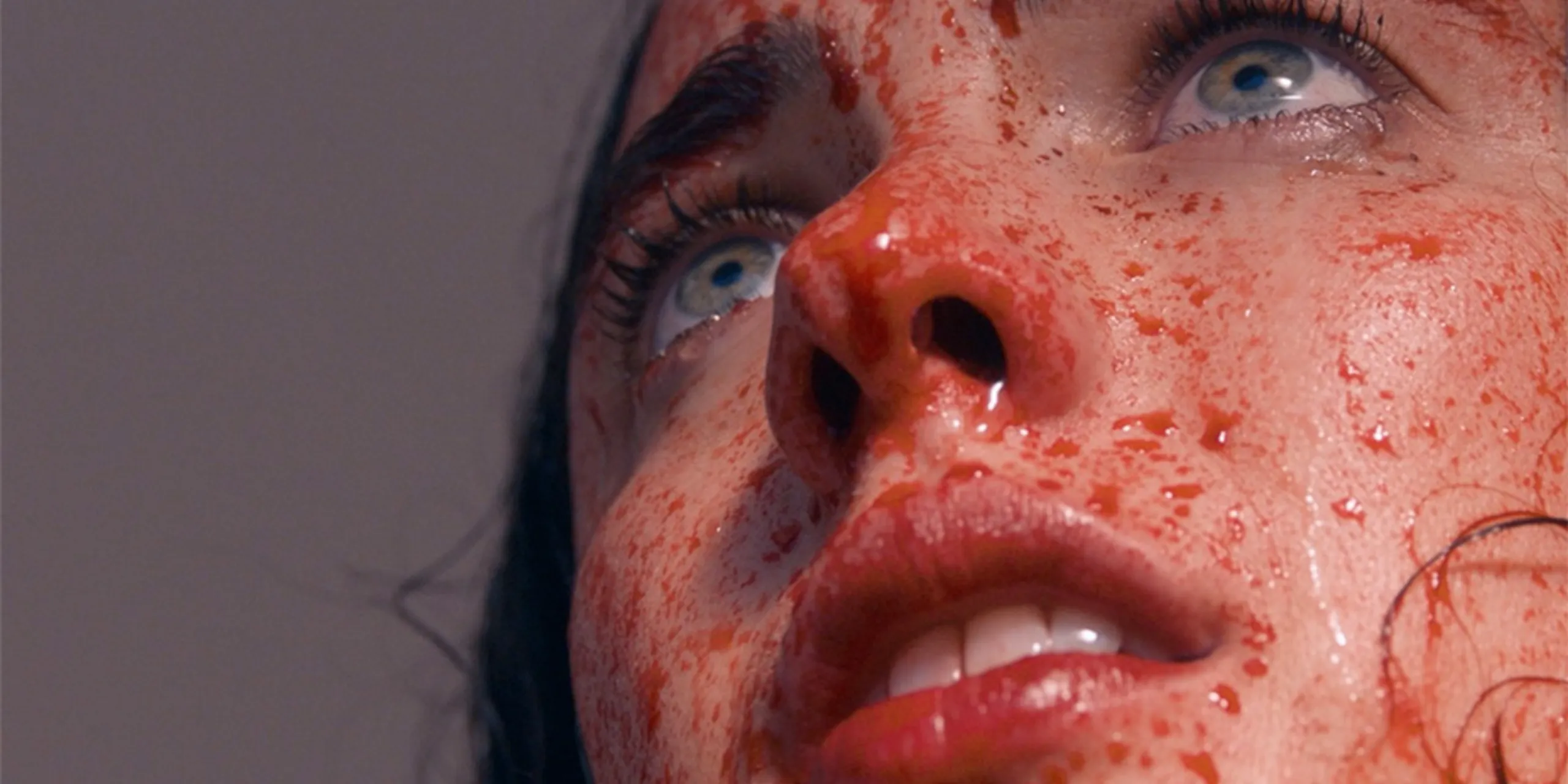
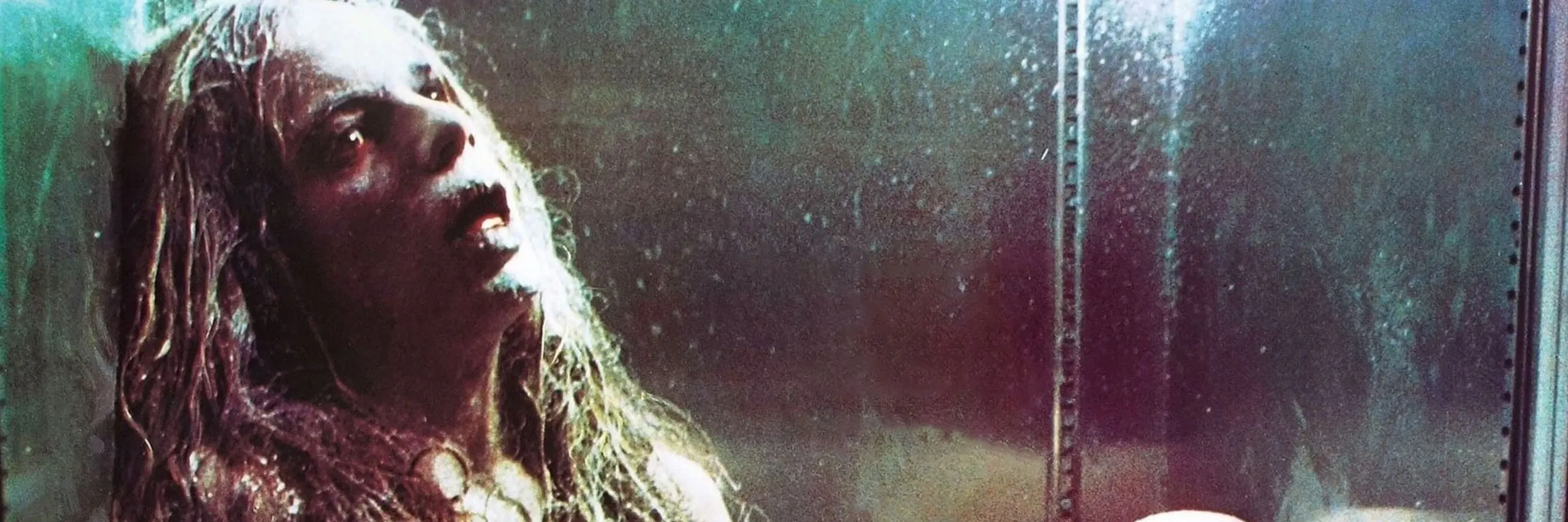
 Rabid (1977)
Virus / Pandemic
Invisible organisms spreading with exponential, unstoppable efficiency. The everyday acts of breathing, touching, and gathering become sources of mortal danger.
History & Origins
Pandemic horror taps into a fear that requires no imagination at all: the knowledge that invisible organisms can spread through populations with exponential, unstoppable efficiency. These films transform public health crisis into visceral terror, making the everyday acts of breathing, touching, and gathering into sources of mortal danger. In a pandemic, the threat is everywhere and nowhere — carried by the air, by the people you love, by your own body. The form sits within the body & contagion family alongside body horror (transformation as horror) and parasite (invading-other as horror) — virus-pandemic horror's distinct register is collective threat at population scale.
The tradition predates COVID by decades. Robert Wise's The Andromeda Strain (1971) approached pandemic horror through the lens of hard science fiction — a military satellite brings back an extraterrestrial microorganism, and scientists race to understand it before it can spread. George A. Romero's The Crazies (1973) used a government bioweapon to explore the collapse of social order in a small town. David Cronenberg's Shivers (1975) and Rabid (1977) ran the parallel body-and-virus register — what Newman quotes Cronenberg as "the AIDS virus: look at it from his point of view... See the movies from the point of view of the disease."
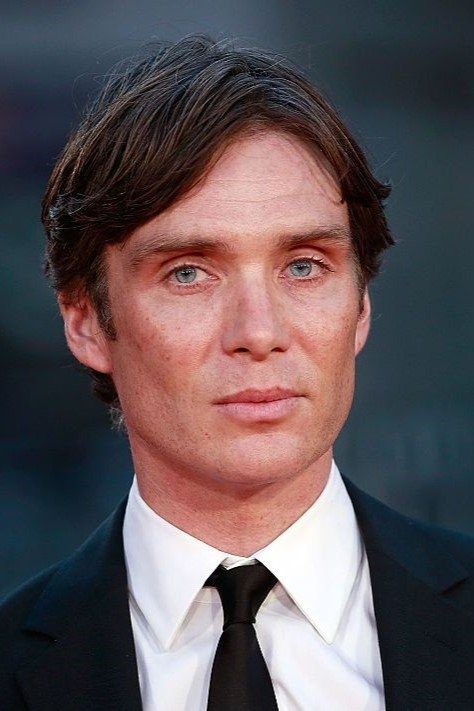
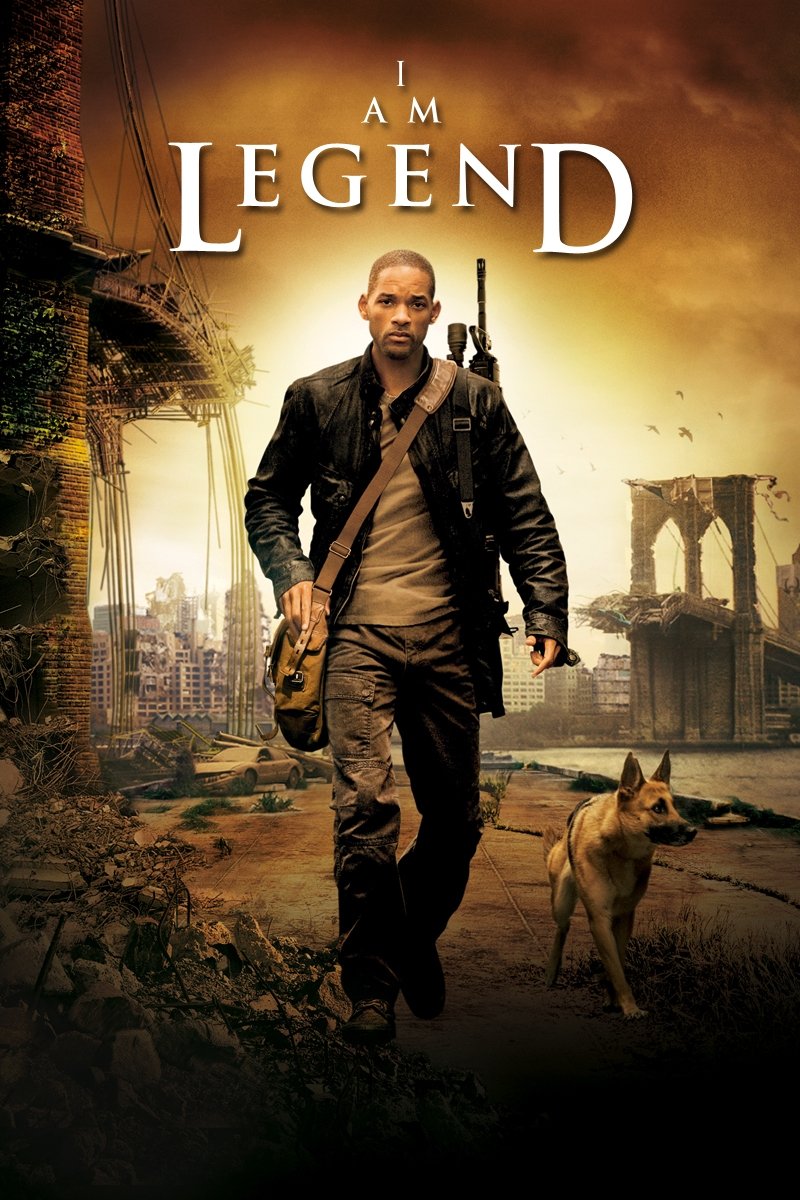
Danny Boyle's 28 Days Later (2002), with Cillian Murphy and Naomie Harris, reinvented both the pandemic and the zombie film simultaneously — the Rage virus created infected humans who were fast, feral, and terrifyingly immediate. Eli Roth's Cabin Fever (2003) ran the flesh-eating-bacteria variant; Paul W. S. Anderson's Resident Evil franchise (2002-) with Milla Jovovich and Michelle Rodriguez brought the corporate-bioweapon variant to commercial-blockbuster register. Francis Lawrence's I Am Legend (2007), with Will Smith, adapted Richard Matheson's post-apocalyptic vampire-virus novel for mainstream cinema. Juan Carlos Fresnadillo's 28 Weeks Later (2007), with Robert Carlyle, extended Boyle's franchise.
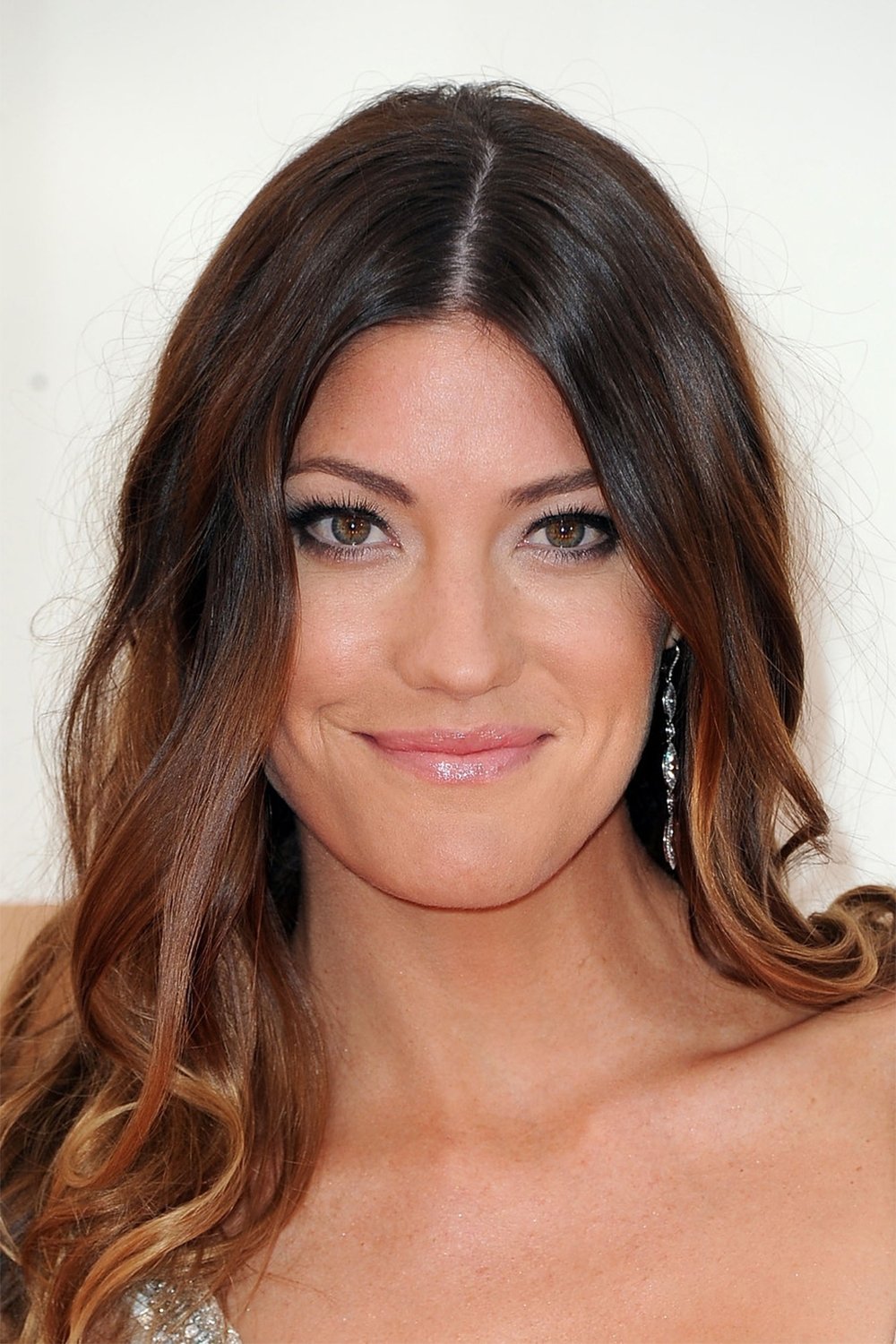
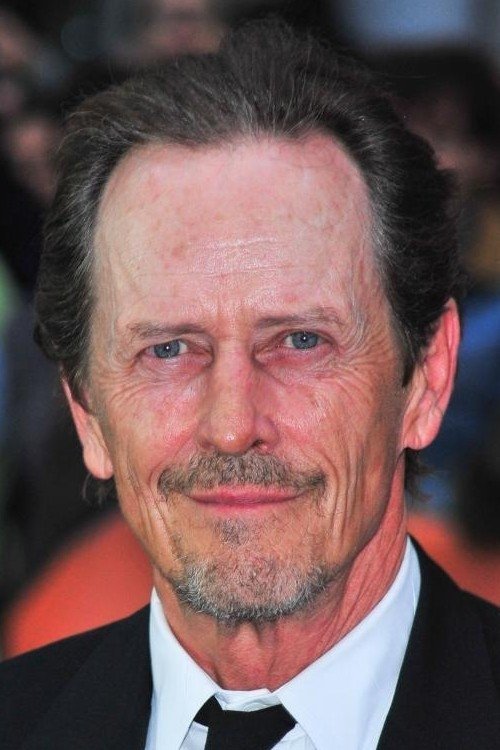
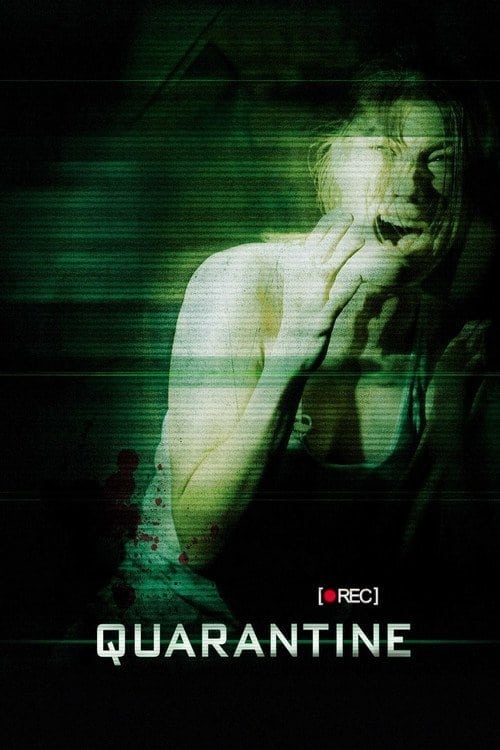
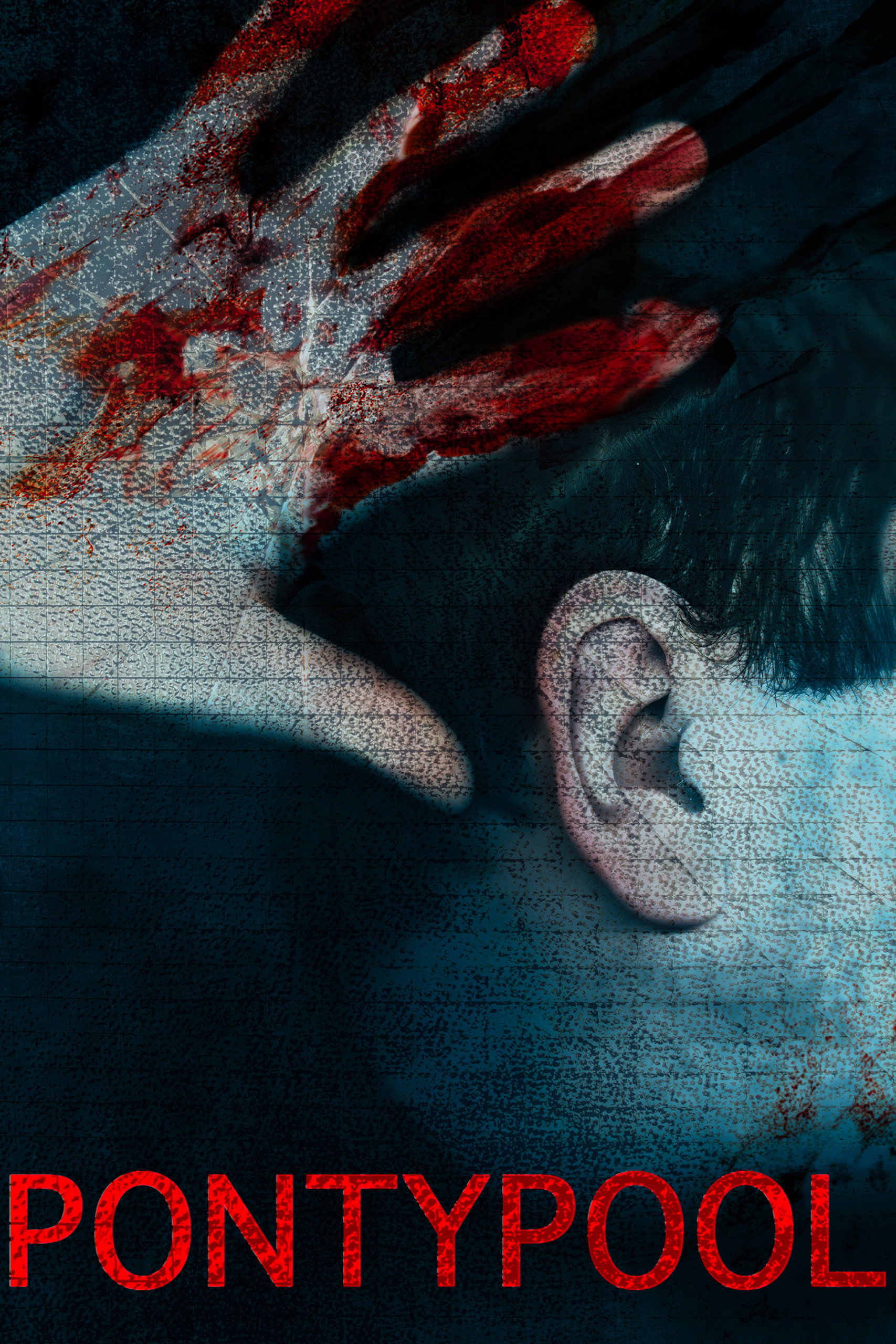
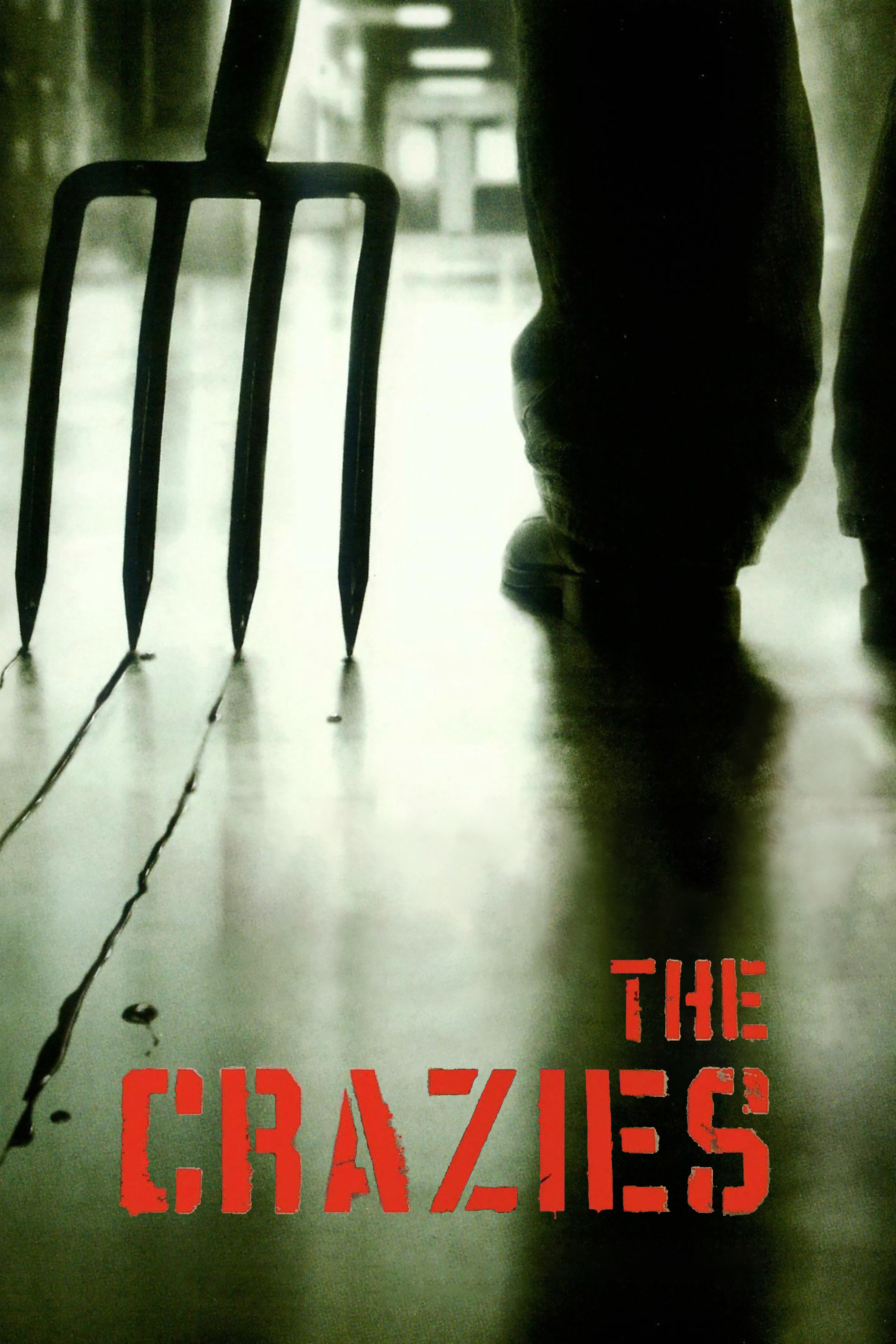
The found-footage register supplied a parallel 2007-2009 wave. Jaume Balagueró and Paco Plaza's Spanish [REC] (2007) sealed a news crew and a fire brigade inside a Barcelona apartment block infected with a "rabies-like disease," per Hutchings — "credible reasons for characters continuing to film" through unbearable contagion-claustrophobia. John Erick Dowdle's American remake Quarantine (2008), with Jennifer Carpenter, ran the same scenario in Los Angeles. Bruce McDonald's Pontypool (2009), with Stephen McHattie, reduced the contagion to a single radio booth where the virus was language itself. Breck Eisner's The Crazies (2010), with Timothy Olyphant, remade Romero's 1973 original.
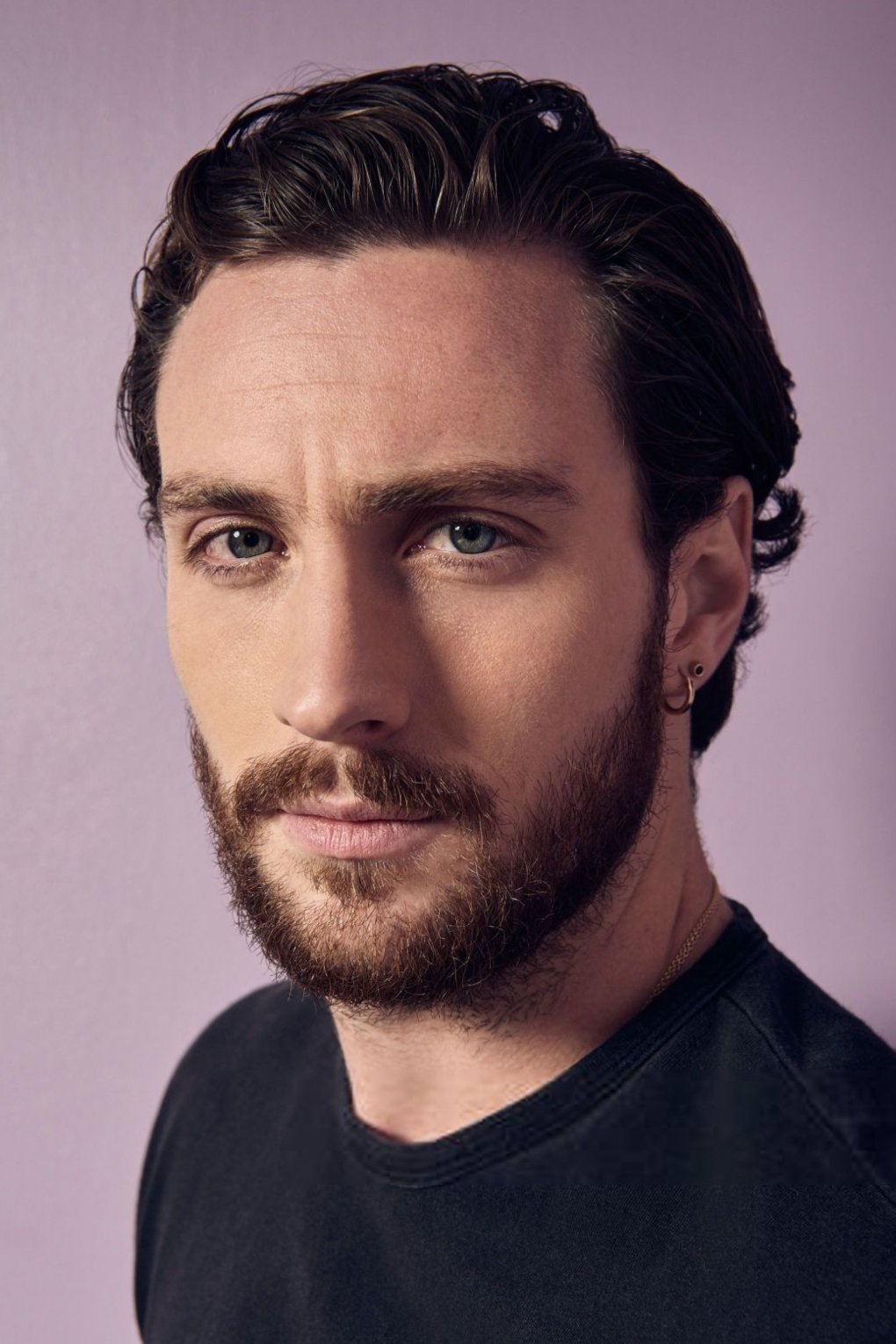
The post-COVID landscape has given pandemic horror a new resonance — and a new challenge. Films made after 2020 must contend with an audience that has lived through a real pandemic. Steven Soderbergh's Contagion (2011), with Matt Damon, Kate Winslet, and Gwyneth Paltrow, was widely rewatched during the early pandemic and proved almost prophetically accurate in its depiction of institutional failure and public panic. Marc Forster's World War Z (2013), with Brad Pitt, ran the global zombie-pandemic on blockbuster scale. Trey Edward Shults's It Comes at Night (2017), with Joel Edgerton, ran the post-pandemic family-isolation variant. Rob Jabbaz's Taiwanese The Sadness (2021) extended the form into extreme-territory pandemic body-horror. Boyle returned with 28 Years Later (2025), with Aaron Taylor-Johnson and Jodie Comer, closing the franchise's three-decade arc. The subgenre now operates in a space where fiction and lived experience overlap in ways that are both more powerful and more uncomfortable than before.
Essential Films
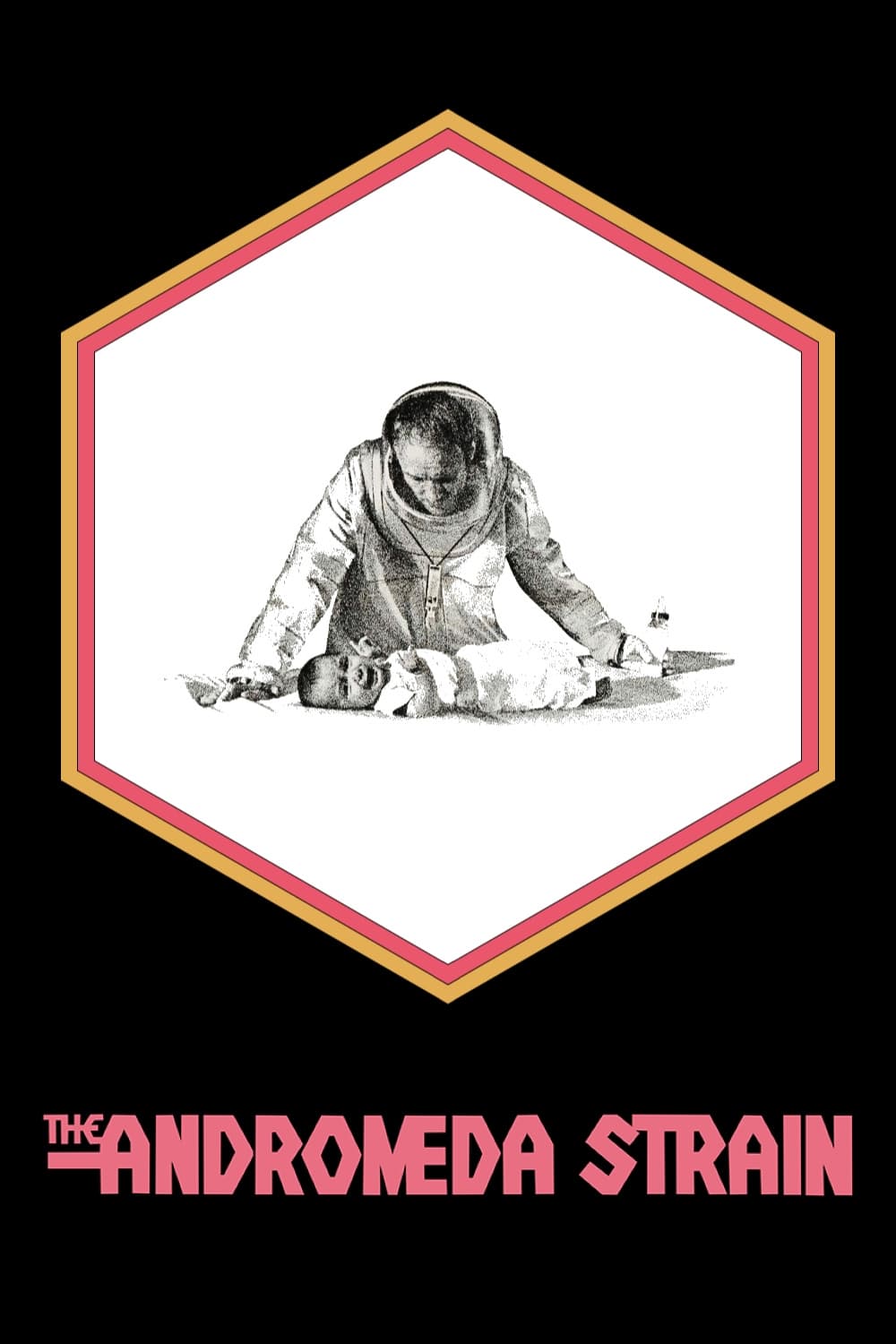
The Andromeda Strain
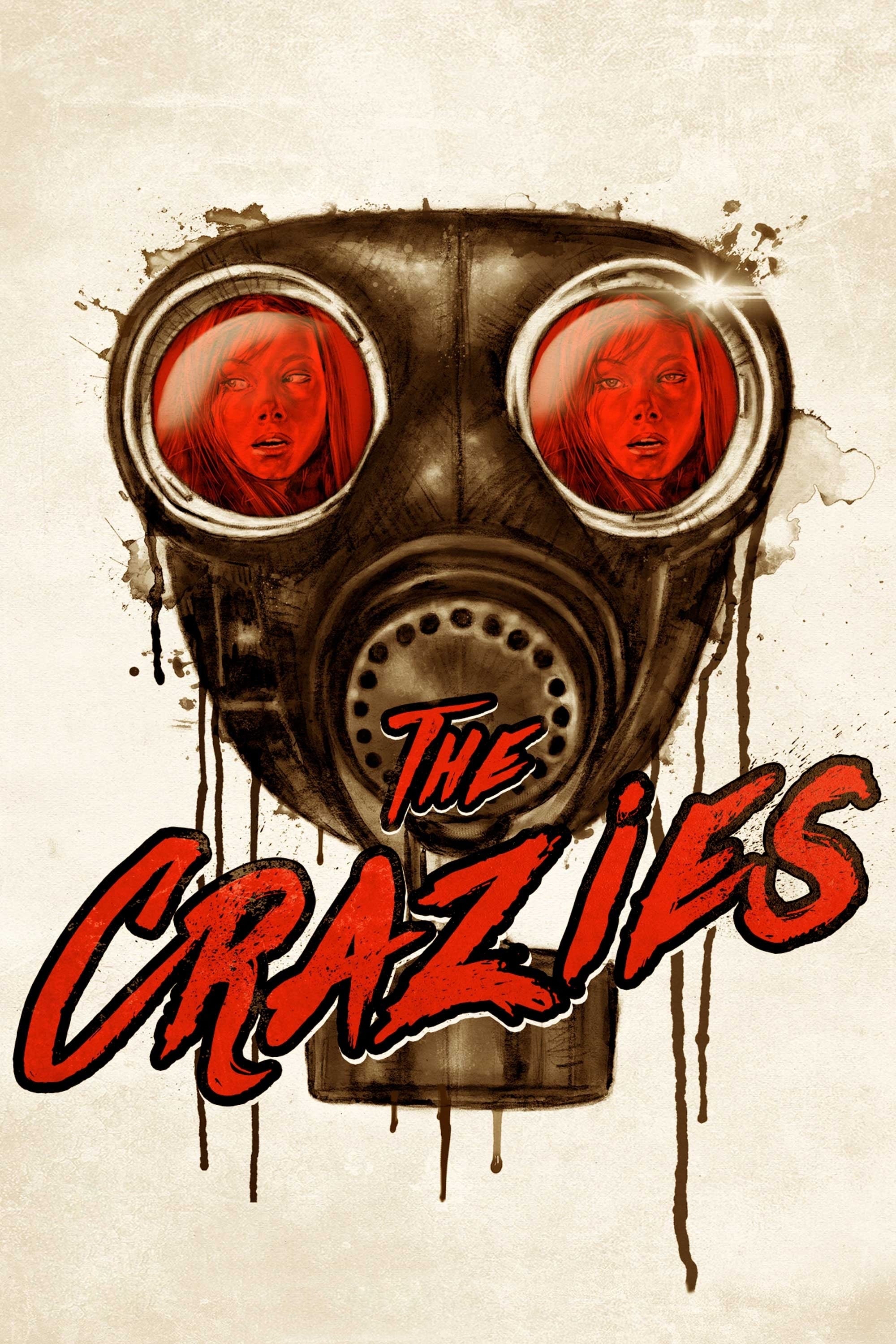
The Crazies
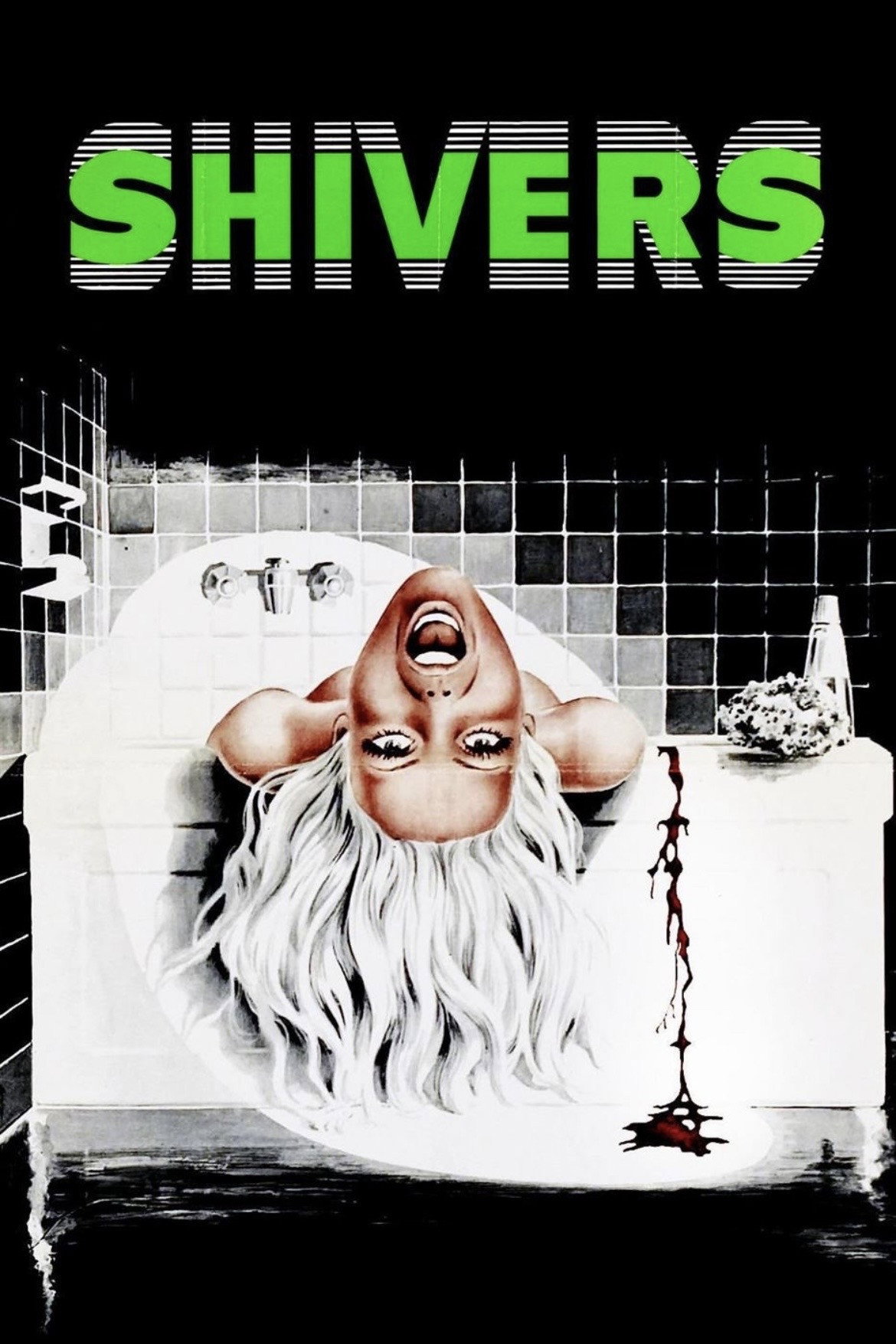
Shivers
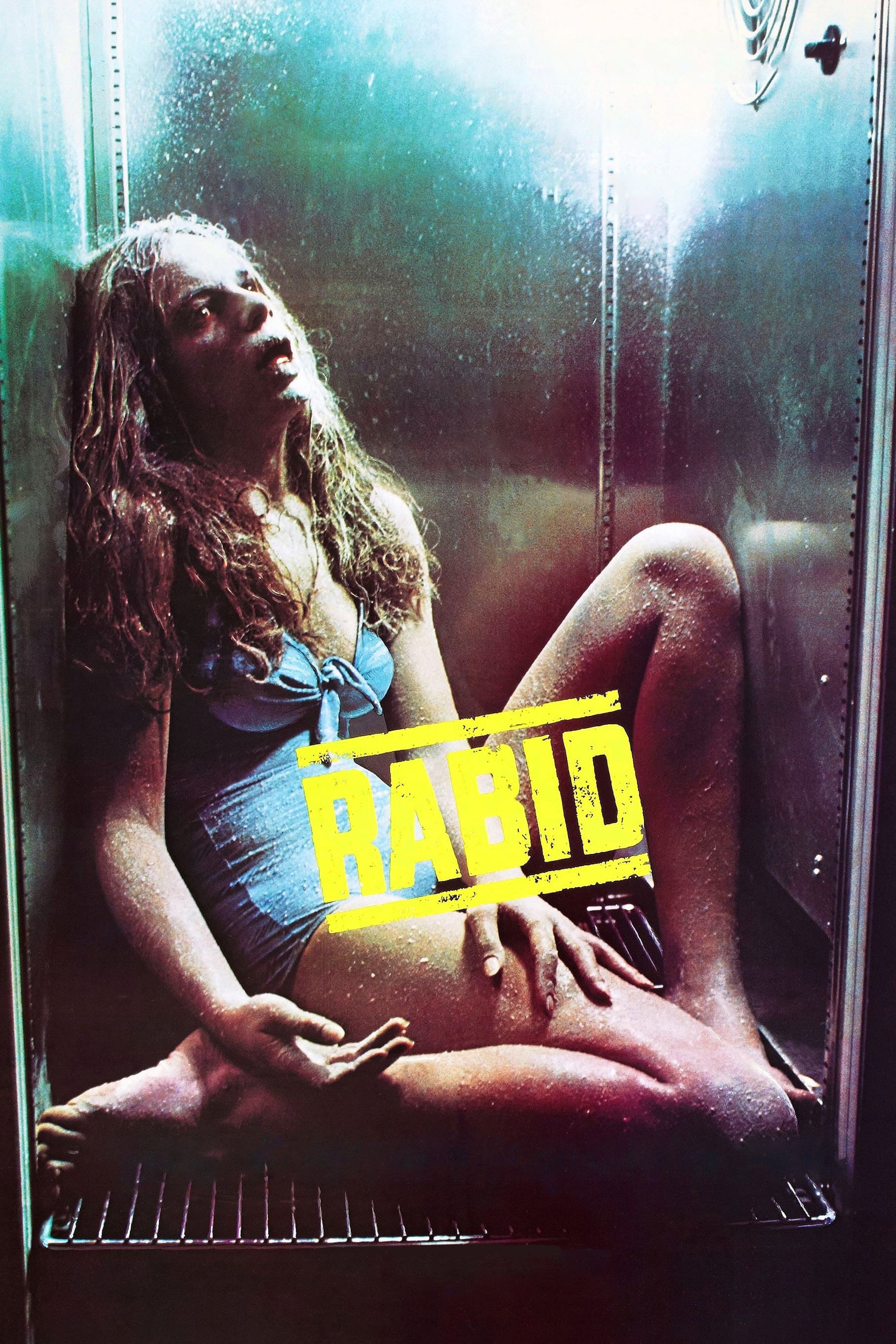
Rabid
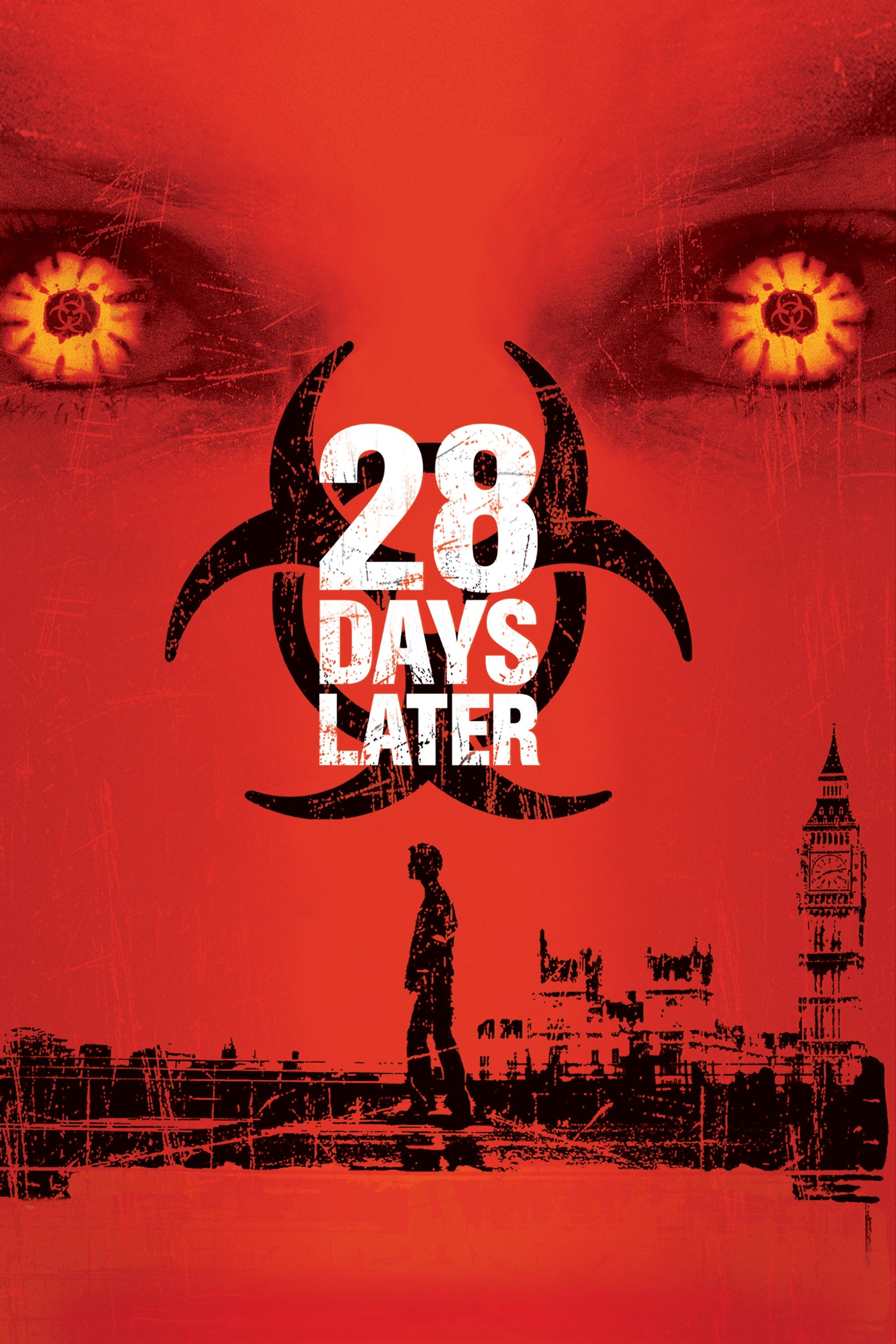
28 Days Later
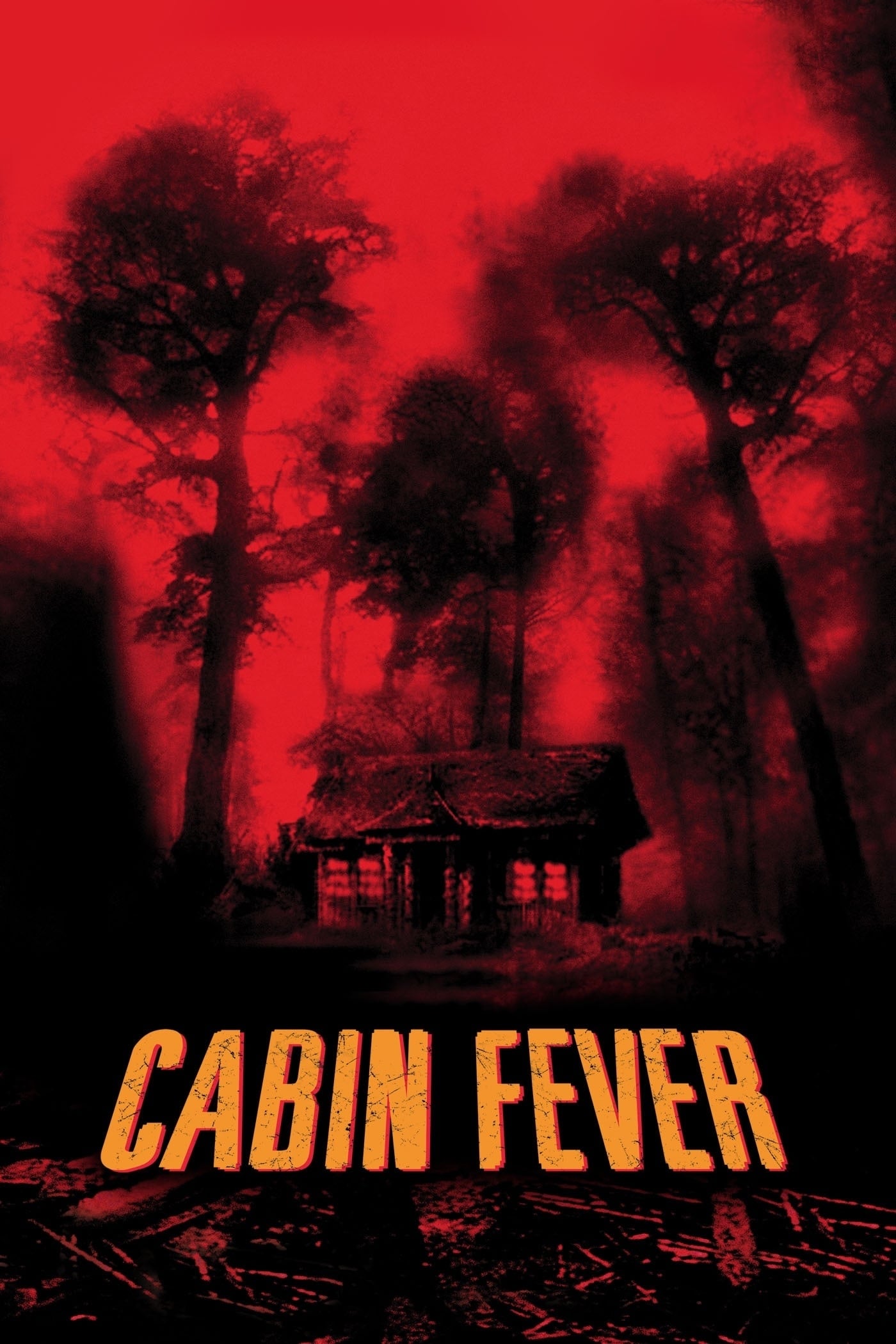
Cabin Fever
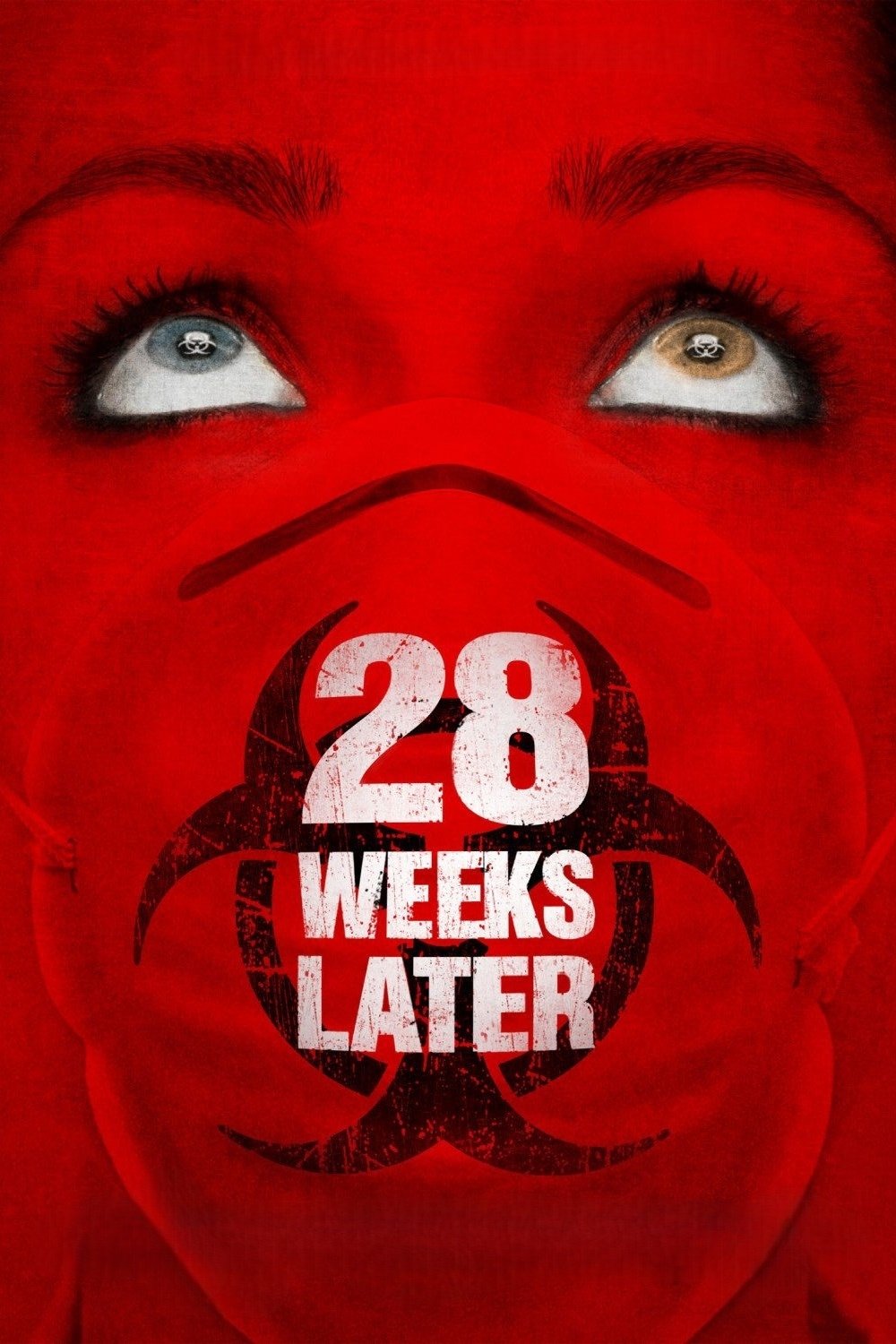
28 Weeks Later
![[REC]](https://image.tmdb.org/t/p/original/hgyJR4sgMsee6xMFM3xYiG6cDCh.jpg)
[REC]
I Am Legend
Quarantine
Pontypool
The Crazies
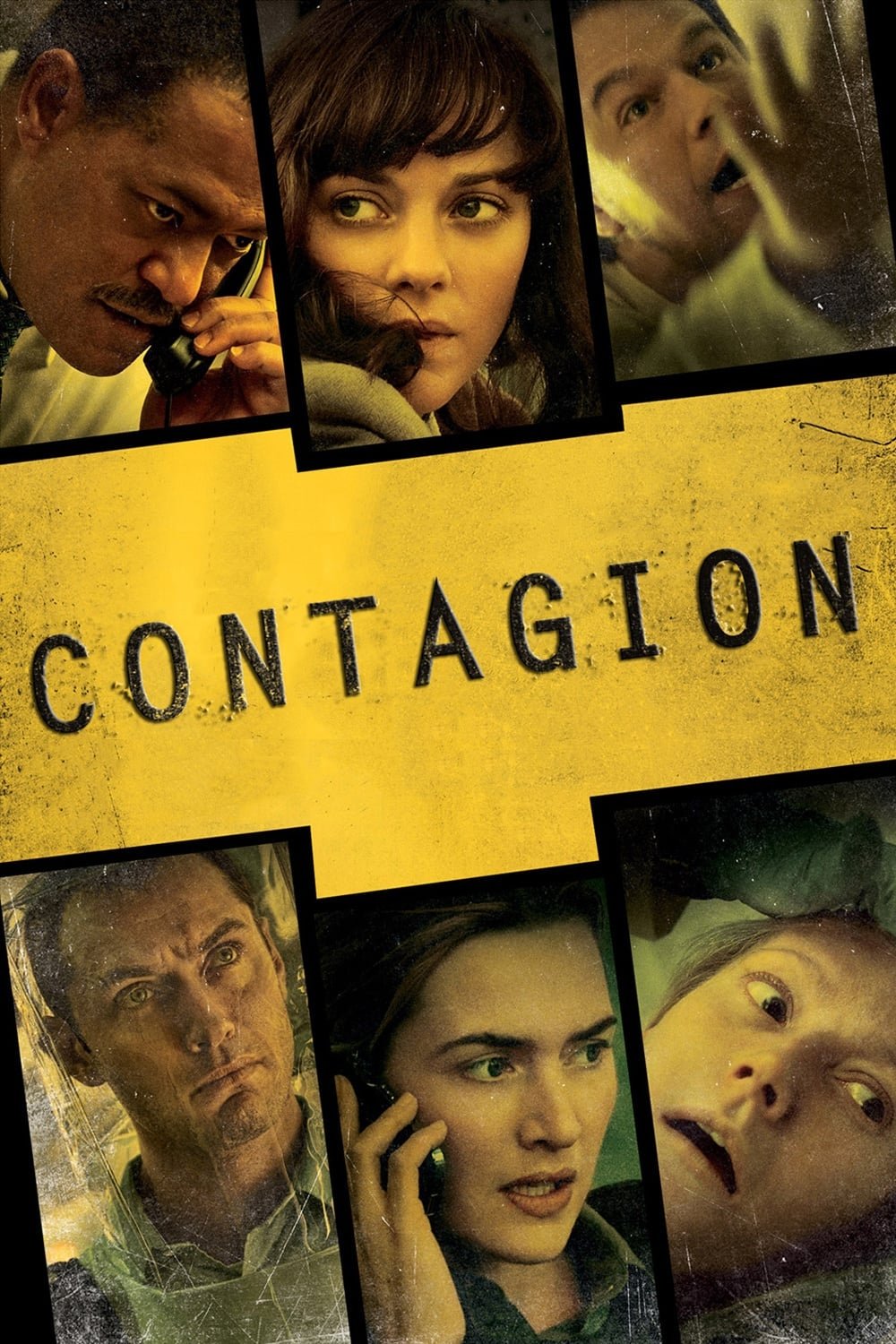
Contagion

World War Z
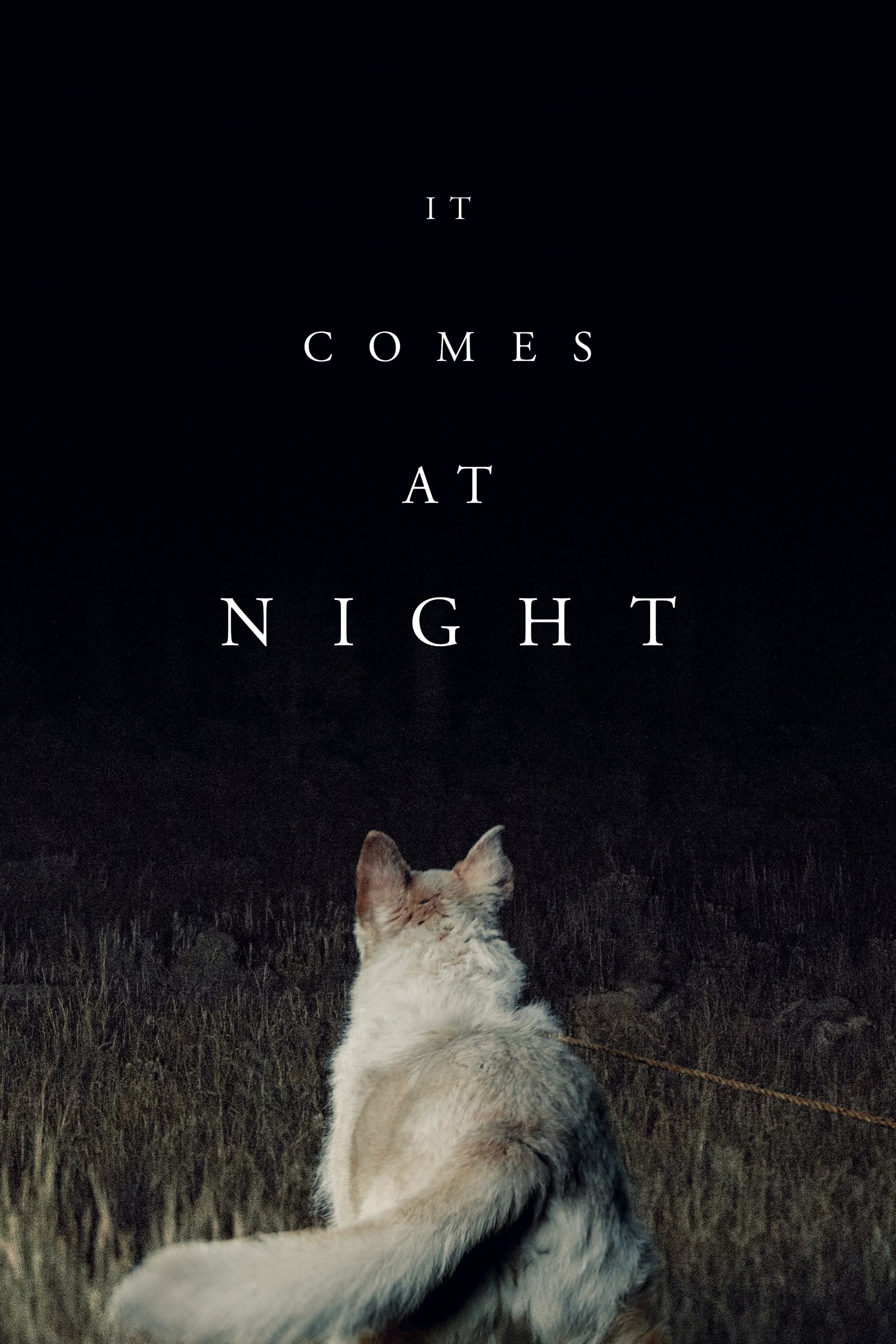
It Comes at Night
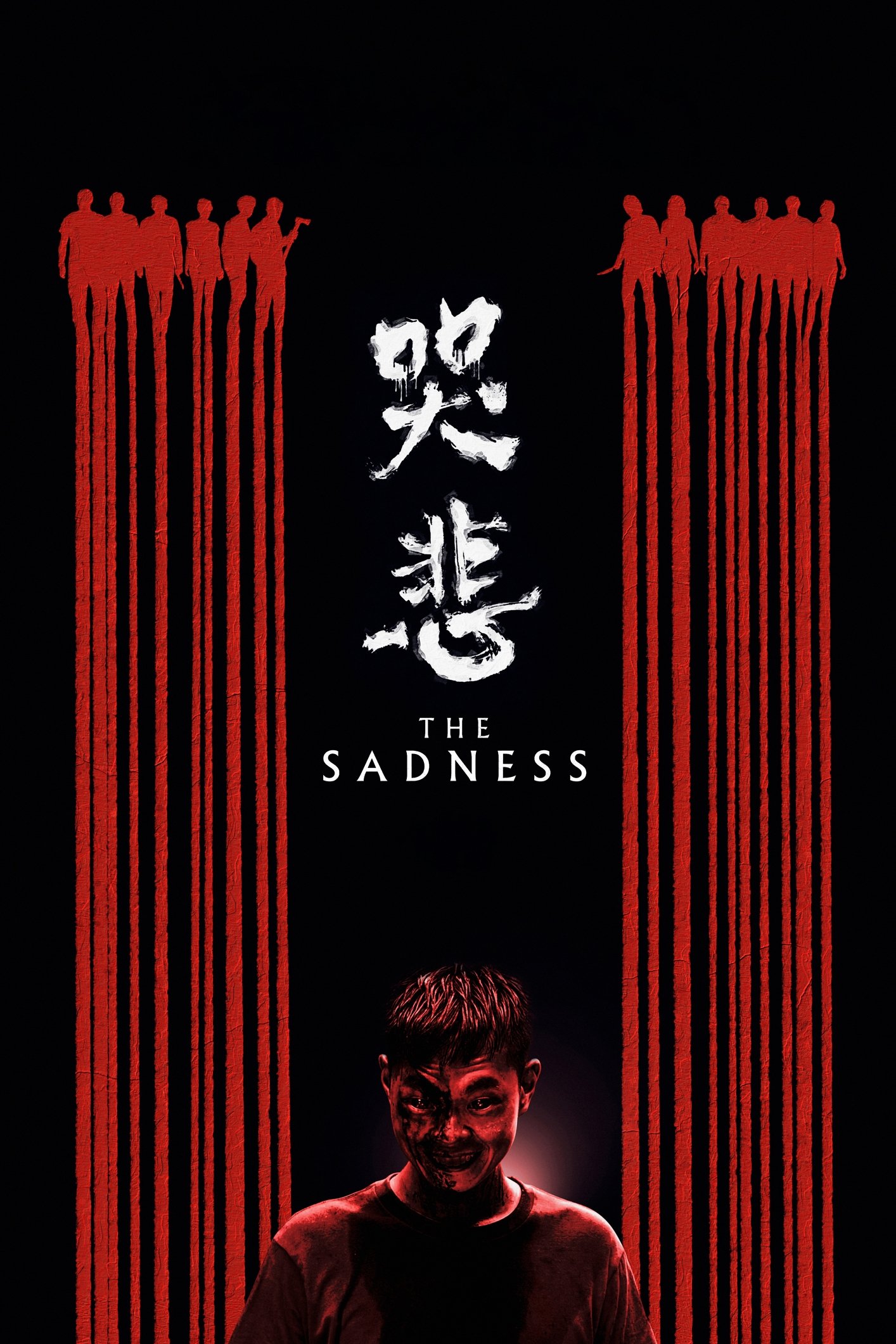
The Sadness
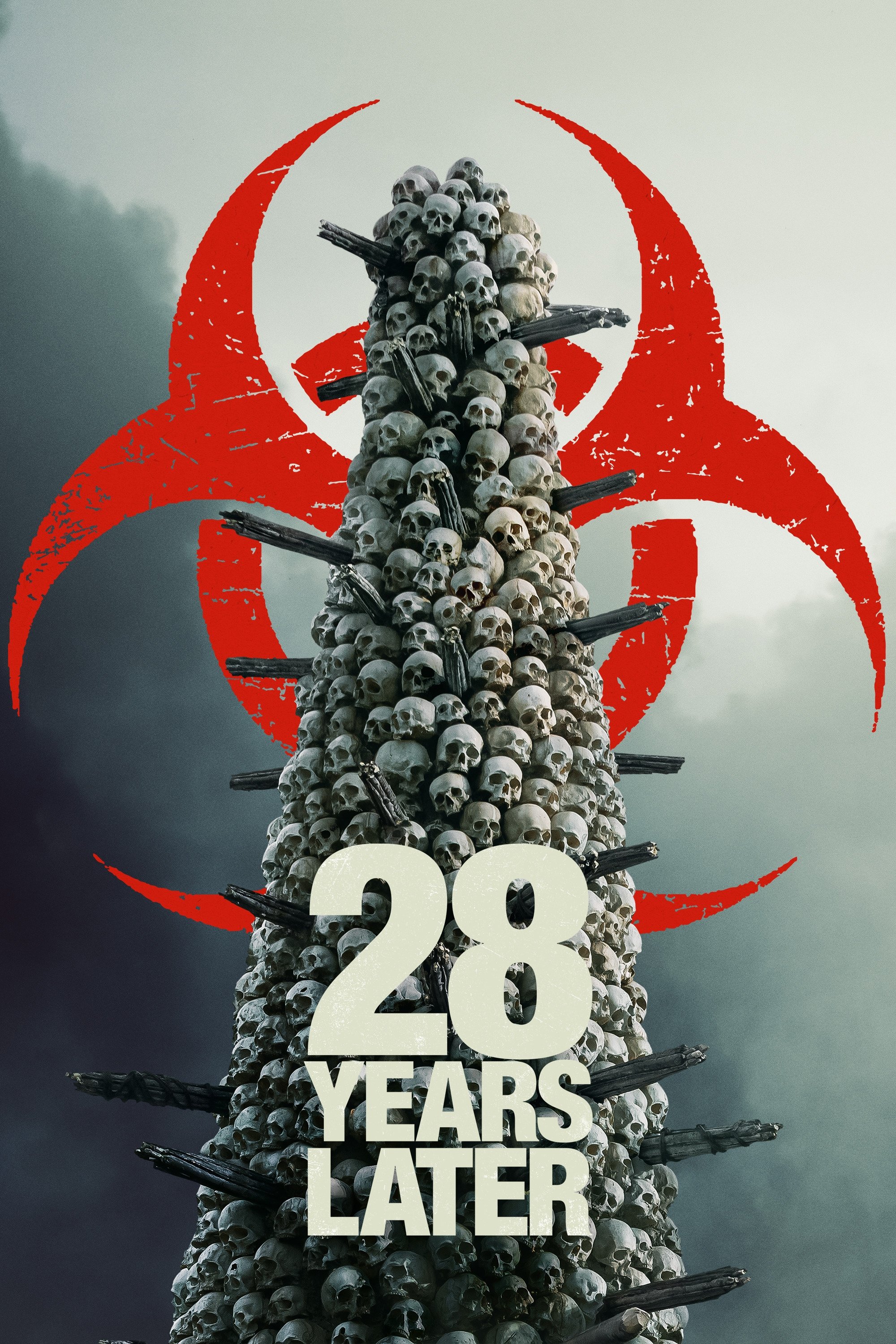
28 Years Later
Statistics
Popularity by Decade
Share of each decade's horror films classified as Virus / Pandemic. Counts films with at least 5 TMDB ratings, so very obscure titles are not represented.
Popularity by Country
Share of each country's horror output classified as Virus / Pandemic. Counts films with at least 5 TMDB ratings, so very obscure titles are not represented.