 The Substance (2024)
Splatter
Gore as spectacle. Blood, viscera, and creative destruction elevated to the status of set piece — horror committed to the body's physical limits and the audience's tolerance.
History & Origins
Splatter is horror committed to the spectacle of the body's destruction. These films prioritise the graphic, often exaggerated depiction of violence — blood, viscera, dismemberment — as their primary mode of engagement. Where other horror subgenres use violence as a means to an end, splatter makes it the end itself: the set piece, the attraction, the reason the audience bought a ticket. Where the torture page treats infliction-of-pain as confrontation, splatter treats it as exhibition — gore as theatre, often comic, often celebratory, almost always transgressive.
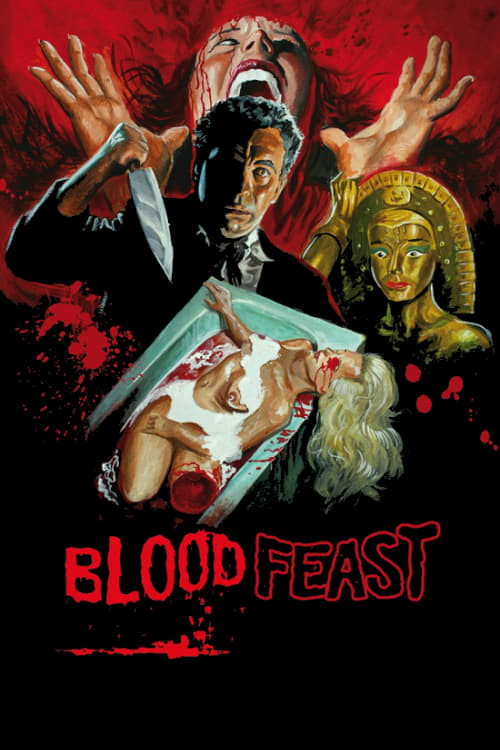
The form's foundational text is Herschell Gordon Lewis's Blood Feast (1963), what Peter Hutchings credits with making Lewis "the father of the gore movie": a low-budget story about a caterer assembling body parts for a "blood feast" that established splatter's characteristic combination of poor acting and relentless gore as a self-sufficient cinematic register. The Two Thousand Maniacs! (1964) follow-up confirmed Lewis as the cycle's pioneer. The Andy Warhol Factory's Paul Morrissey-directed Flesh for Frankenstein (1973) brought the gore aesthetic into art-cinema register; Lucio Fulci's Zombie Flesh Eaters (1979) extended it into the Italian zombie cycle. But the form's commercial coining moment came when George A. Romero's Dawn of the Dead (1978), Tom Savini's makeup-effects breakthrough, deployed unprecedented explicit gore — Kim Newman calls Romero's sequel "a radical revision of the original nightmare movie" — and gave the term splatter (Romero's own coinage) its enduring cinematic meaning.
The 1980s produced the form's peak decade. Fulci's Gates of Hell trilogy — The Beyond (1981), with Catriona MacColl, and its companion entries — supplied the era's most operatic Italian splatter. Sam Raimi's The Evil Dead (1981), with Bruce Campbell, established the cabin-in-the-woods splatter blueprint; its sequel Evil Dead II (1987) perfected what became known as splatstick — splatter combined with physical comedy, gore played for laughs and screams simultaneously. John Carpenter's The Thing (1982), with Rob Bottin's transformative makeup effects, supplied the era's most technically virtuosic body-horror splatter. Stuart Gordon's Re-Animator (1985), with Jeffrey Combs and Barbara Crampton, brought Lovecraftian splatter to the H.P. Lovecraft canon; his From Beyond (1986) extended the cycle. J. Michael Muro's Street Trash (1987) delivered the era's signature New York-scuzz splatter; Troma's Lloyd Kaufman ran the parallel exploitation-comedy strand. Brian Yuzna's Society (1989), with its closing "shunting" sequence, closed the decade on one of horror's most memorable practical-effects finales.
Peter Jackson's early career took the splatstick mode to its commercial peak. Bad Taste (1987) announced him as a New Zealand outsider with unprecedented blood-volume ambitions; Braindead (1992) — the lawnmower-massacre climax remains, by some accounts, the highest blood-volume scene in cinema — perfected the splatter-comedy fusion before Jackson moved on to mainstream prestige. The 2000s opened the form to international register: Noboru Iguchi's Machine Girl (2008), Yoshihiro Nishimura's Tokyo Gore Police (2008), with Asami, brought J-splatter to international cult audiences. James Gunn's Slither (2006) returned the form to American mainstream comedy-horror.
The 2010s and 2020s have continued the splatter tradition in both independent and major-distribution registers. Damien Leone's Terrifier trilogy, with David Howard Thornton's Art the Clown, became the era's most commercially successful new splatter franchise — Terrifier 3 (2024) reached wider distribution than any practical-effects-driven gore film since the 1980s; Adam Green's Hatchet series, with Kane Hodder, kept the slasher-splatter variant alive; Panos Cosmatos's Mandy (2018), with Nicolas Cage, brought psychedelic splatter into A24-prestige register; Rob Jabbaz's Taiwanese The Sadness (2021) extended the form into pandemic-era extreme territory. Splatter endures because it serves a specific audience need: the desire to see the body's boundaries violated in ways that are simultaneously repulsive and exhilarating, transgressive and fun.
Essential Films
Blood Feast
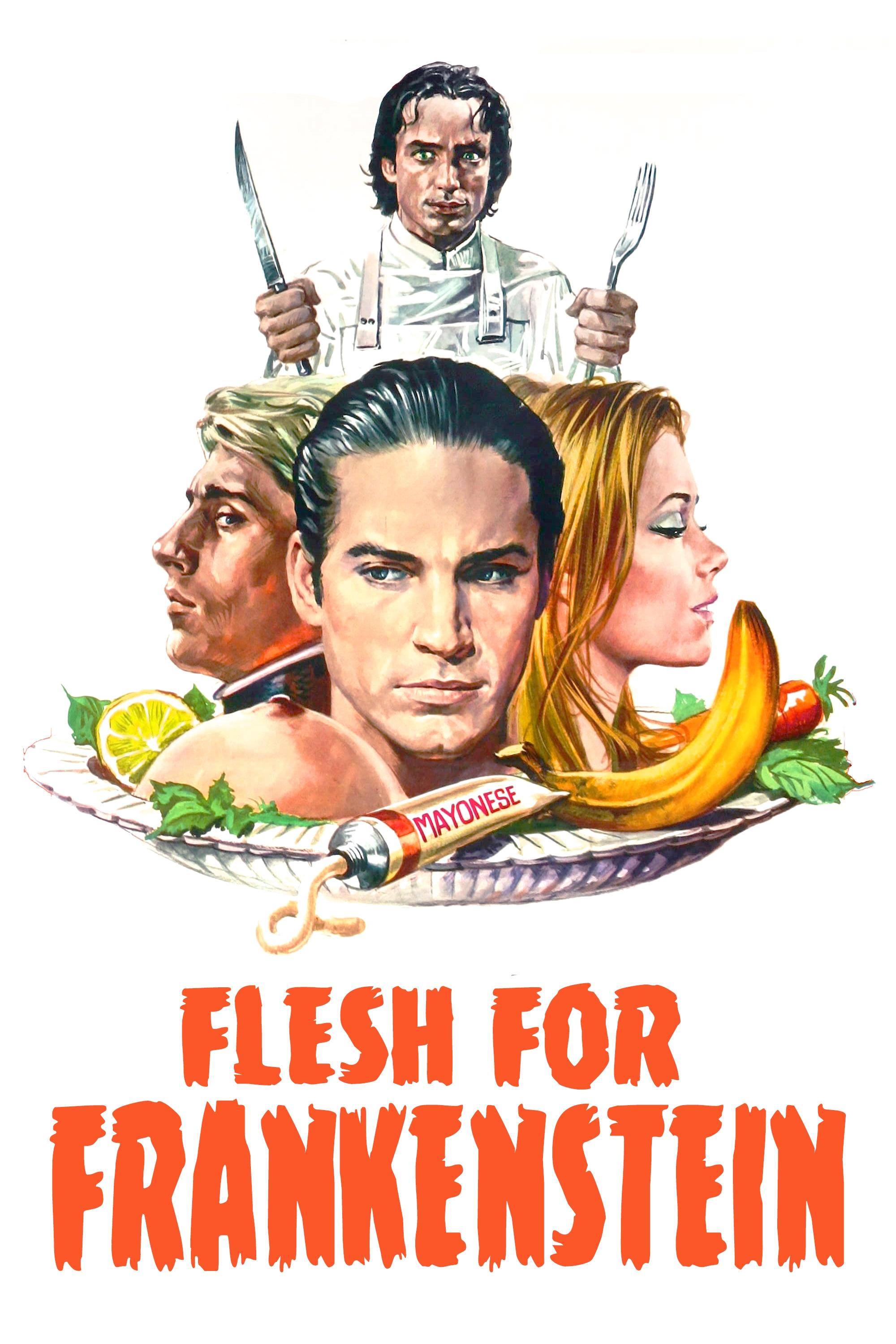
Flesh for Frankenstein
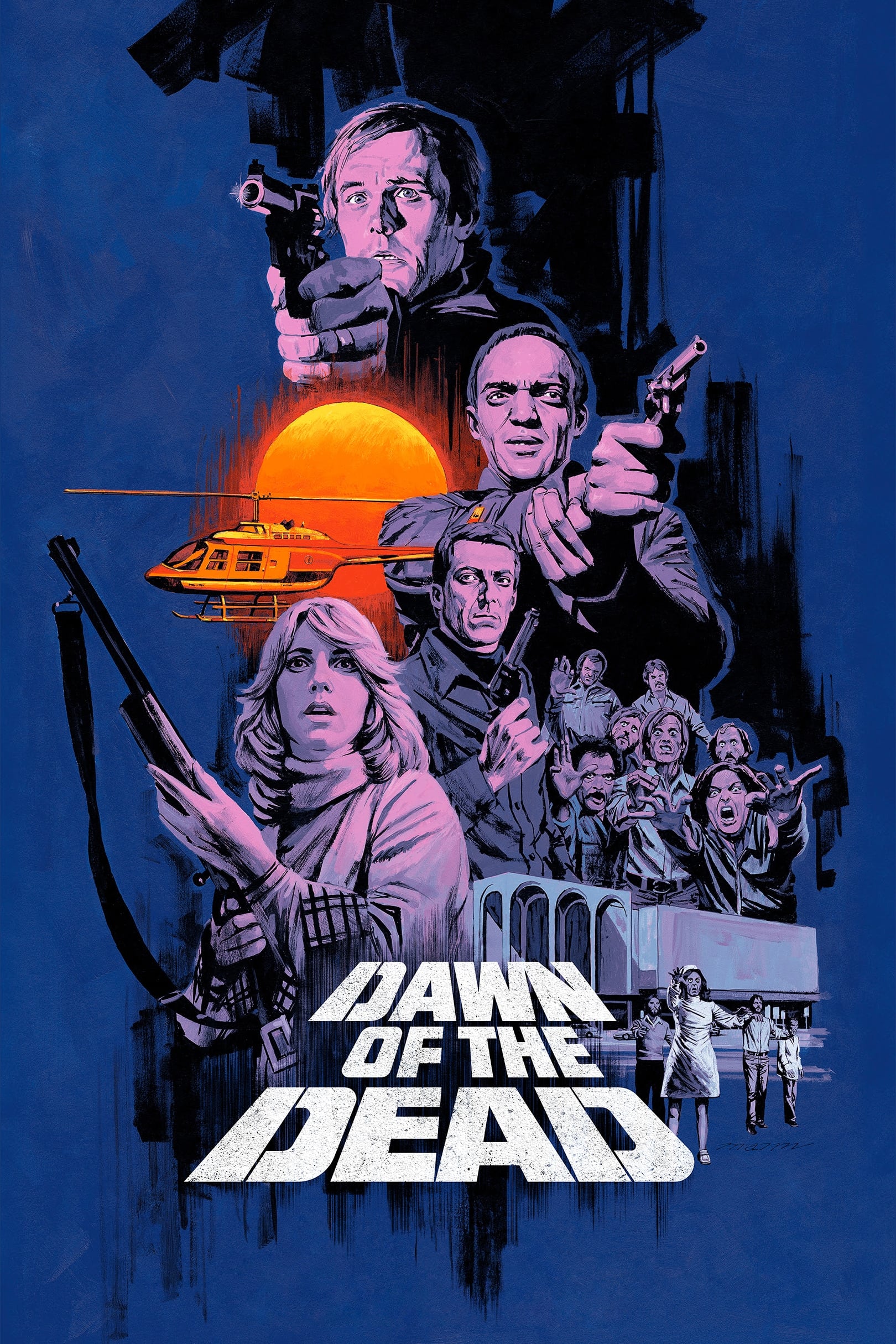
Dawn of the Dead
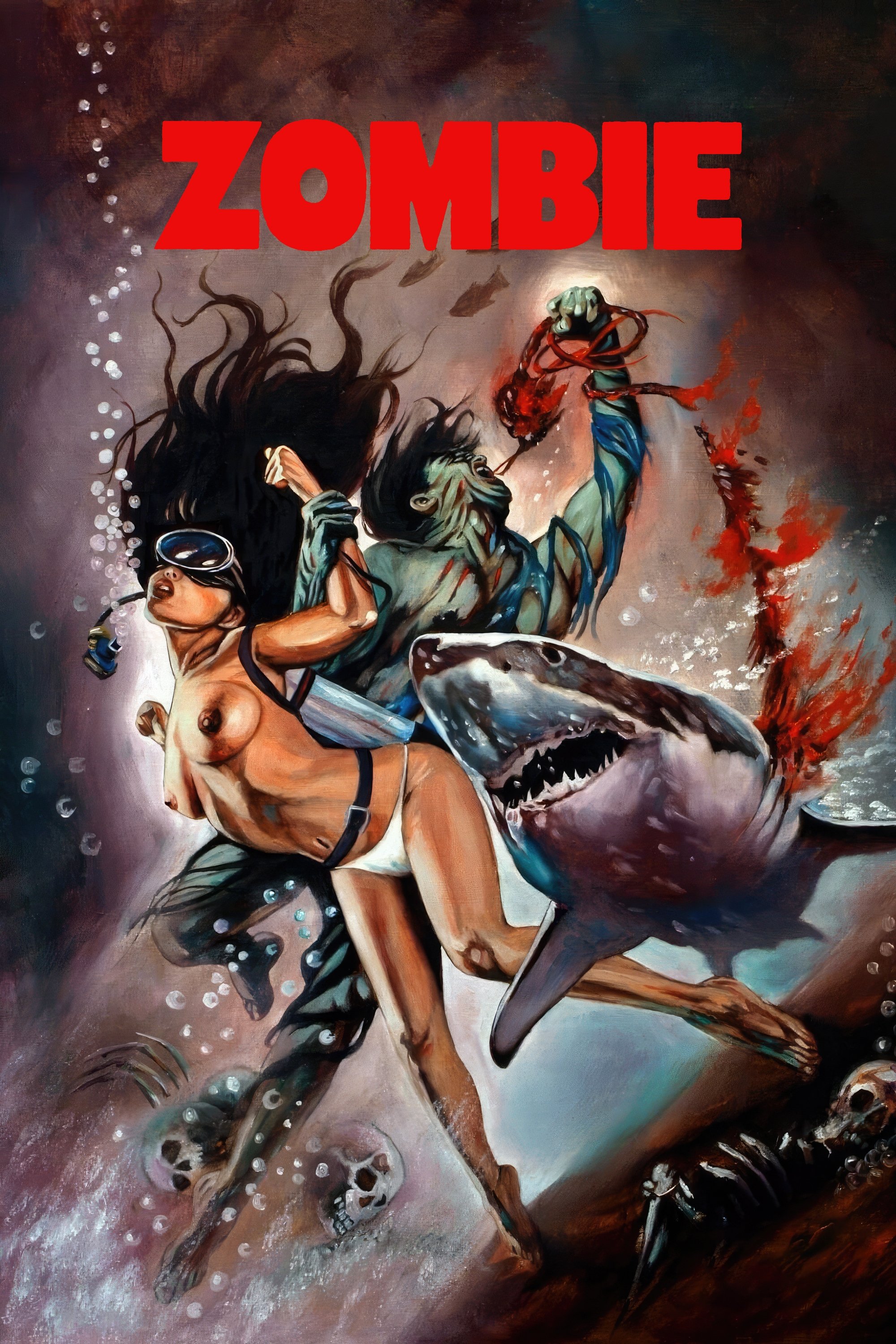
Zombie Flesh Eaters
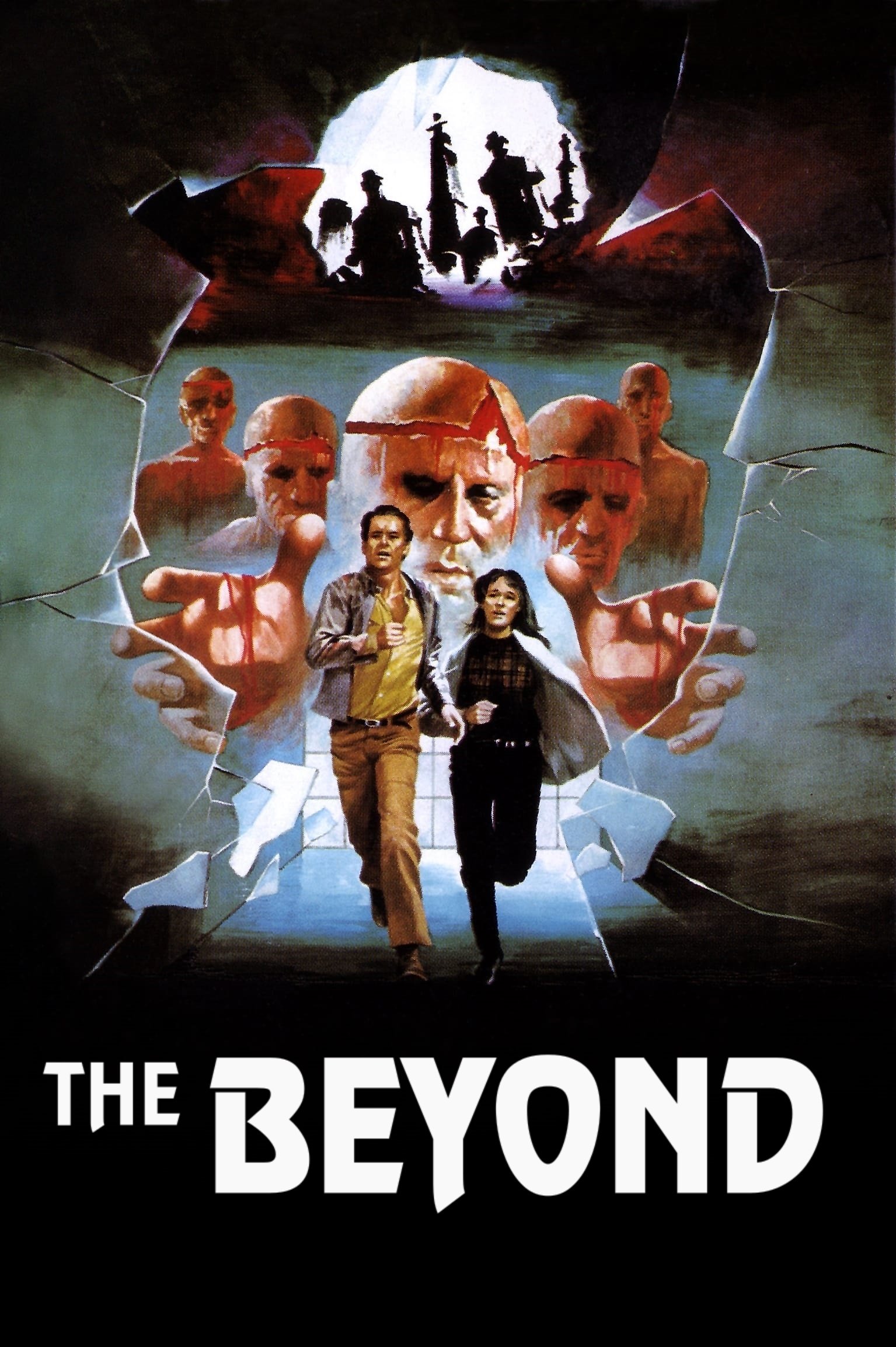
The Beyond
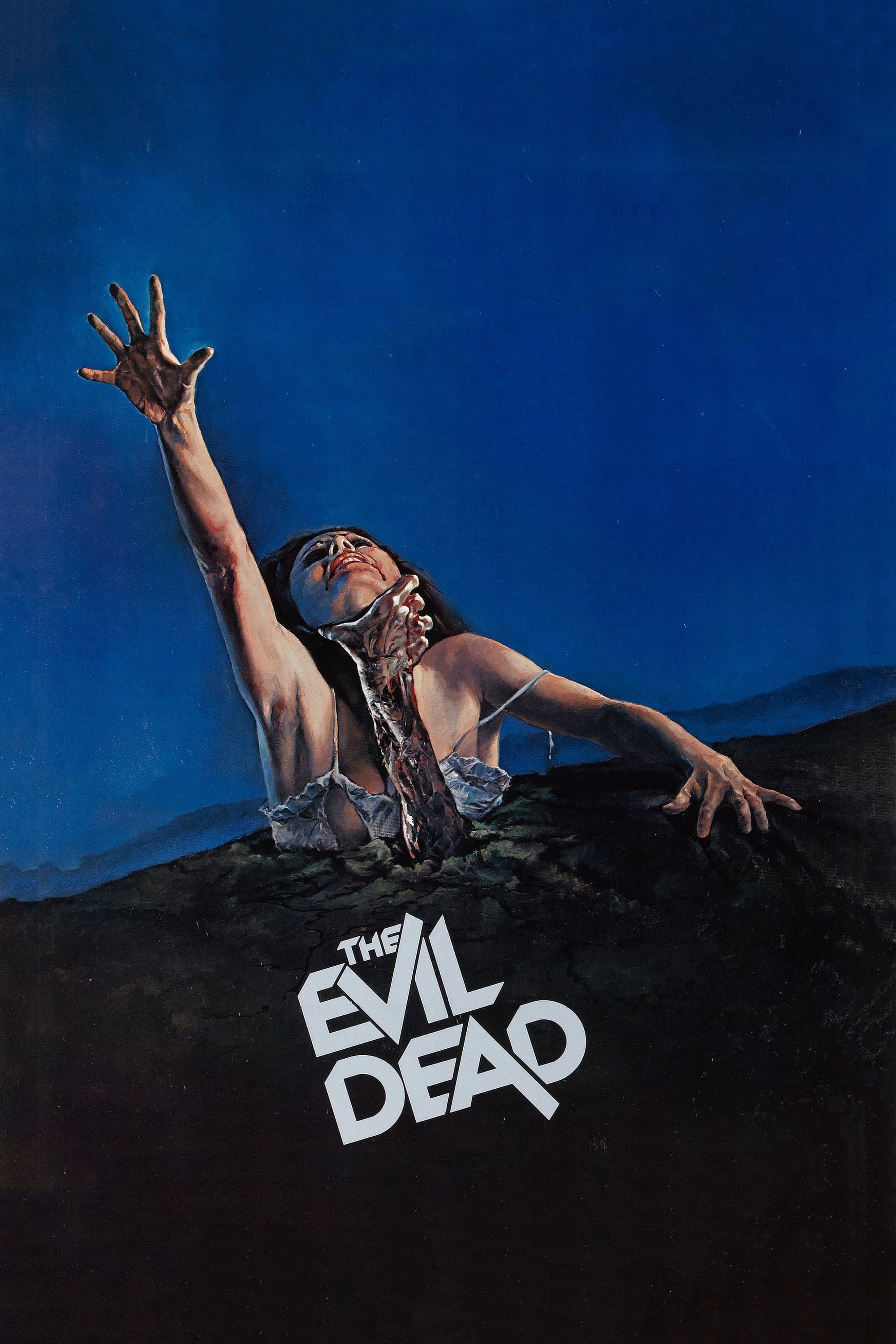
The Evil Dead
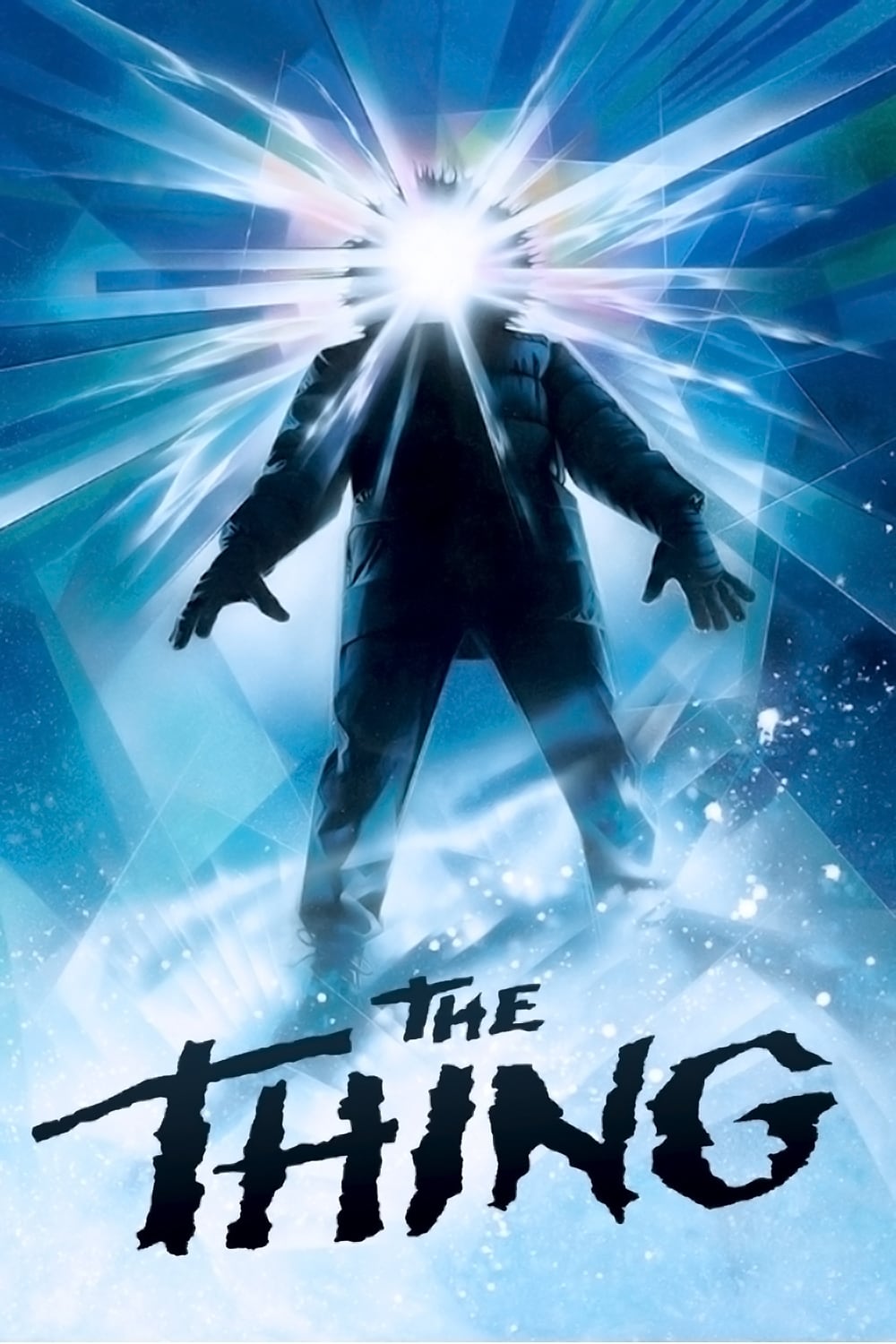
The Thing

Re-Animator
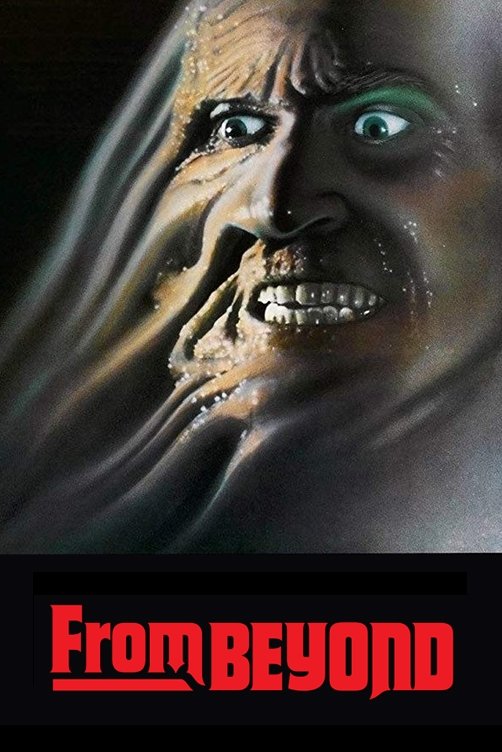
From Beyond

Street Trash
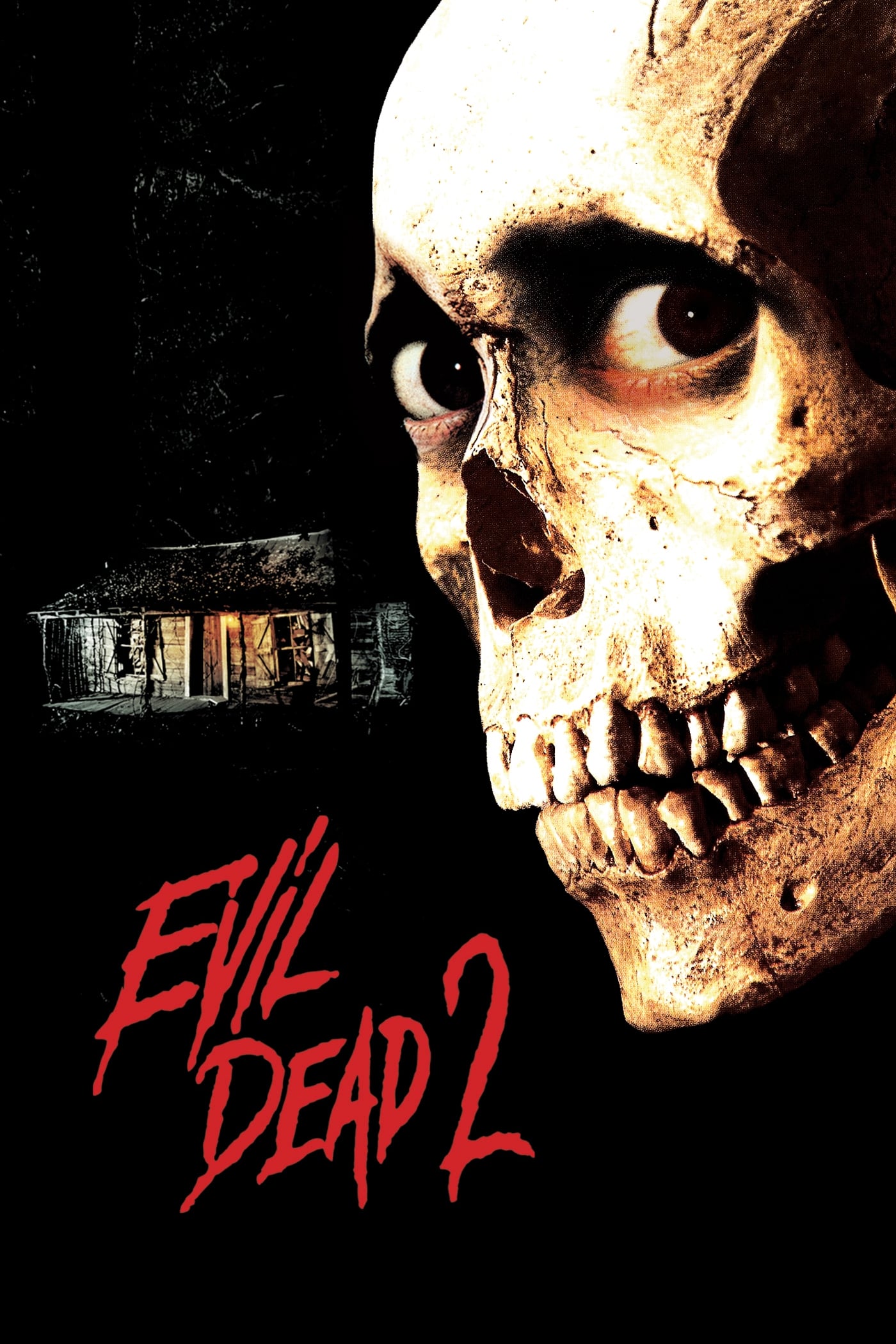
Evil Dead II
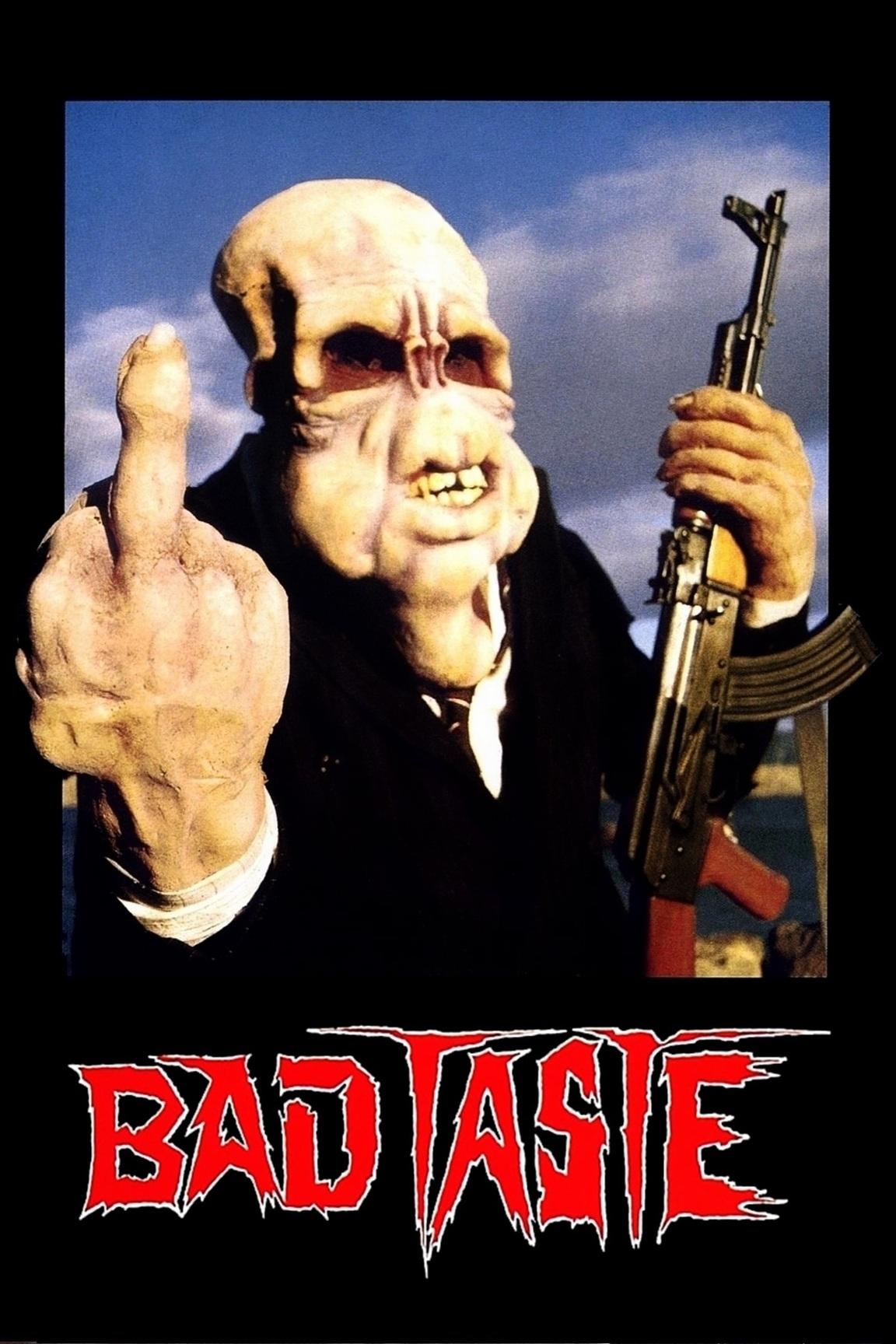
Bad Taste
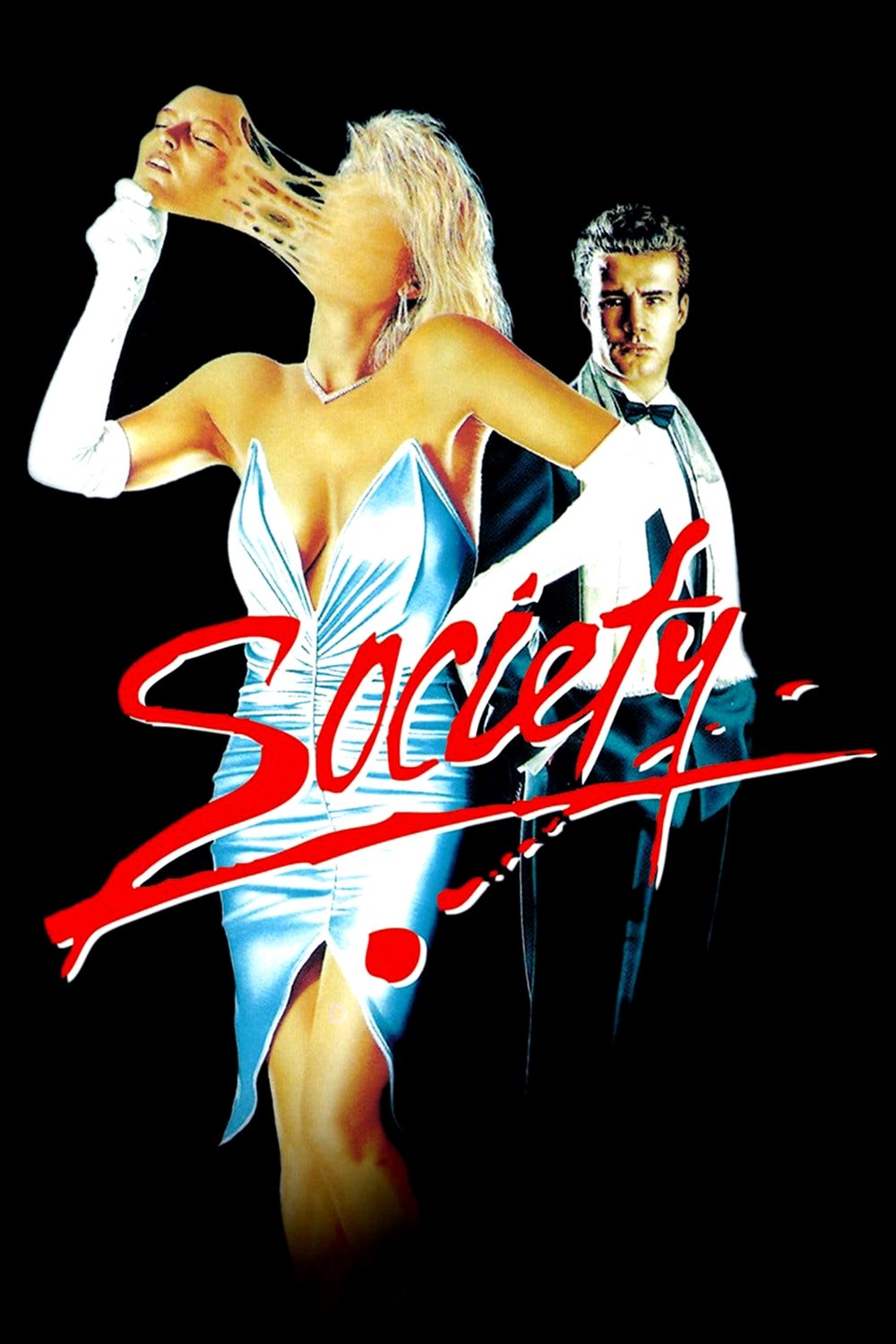
Society
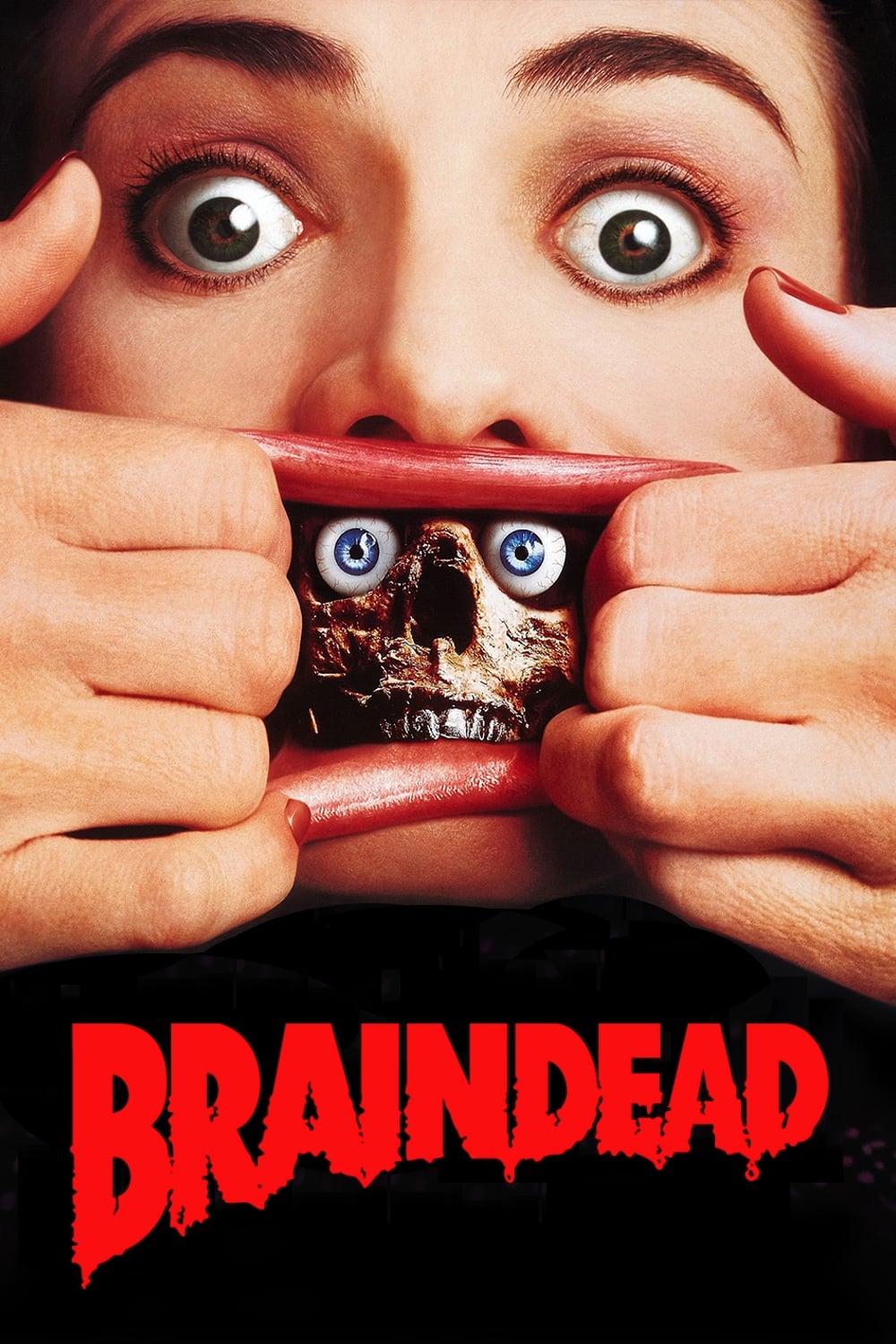
Braindead
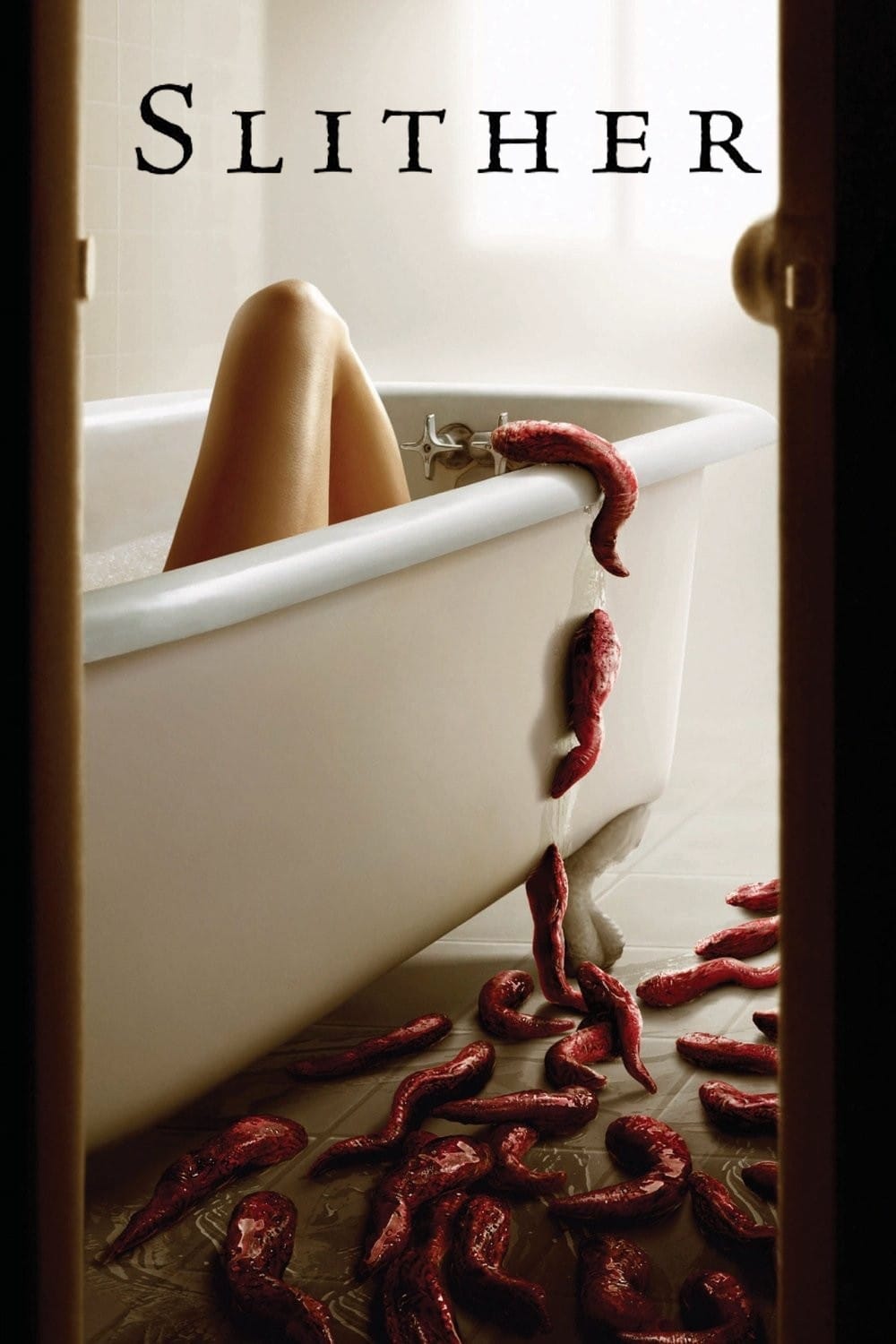
Slither

Tokyo Gore Police
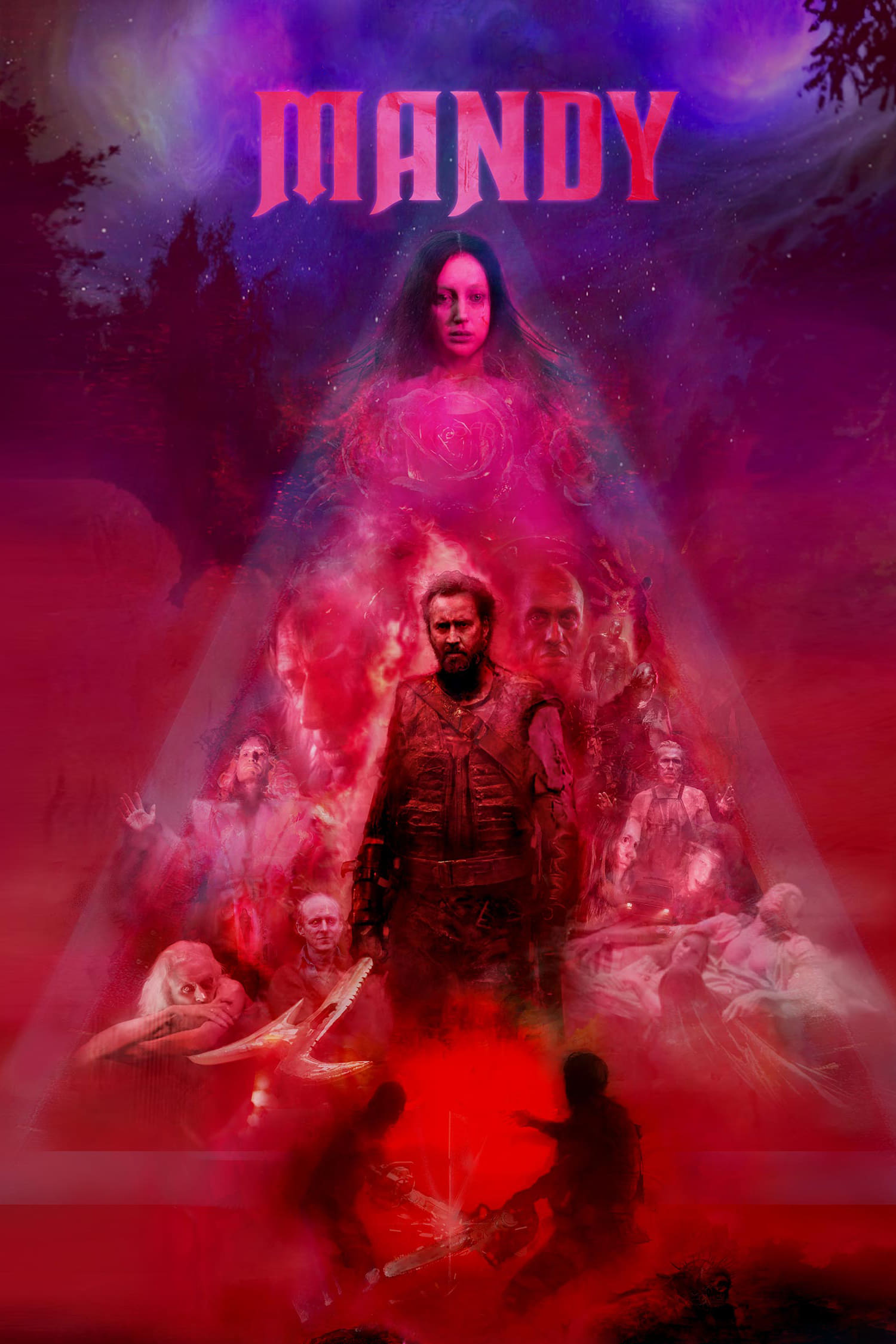
Mandy
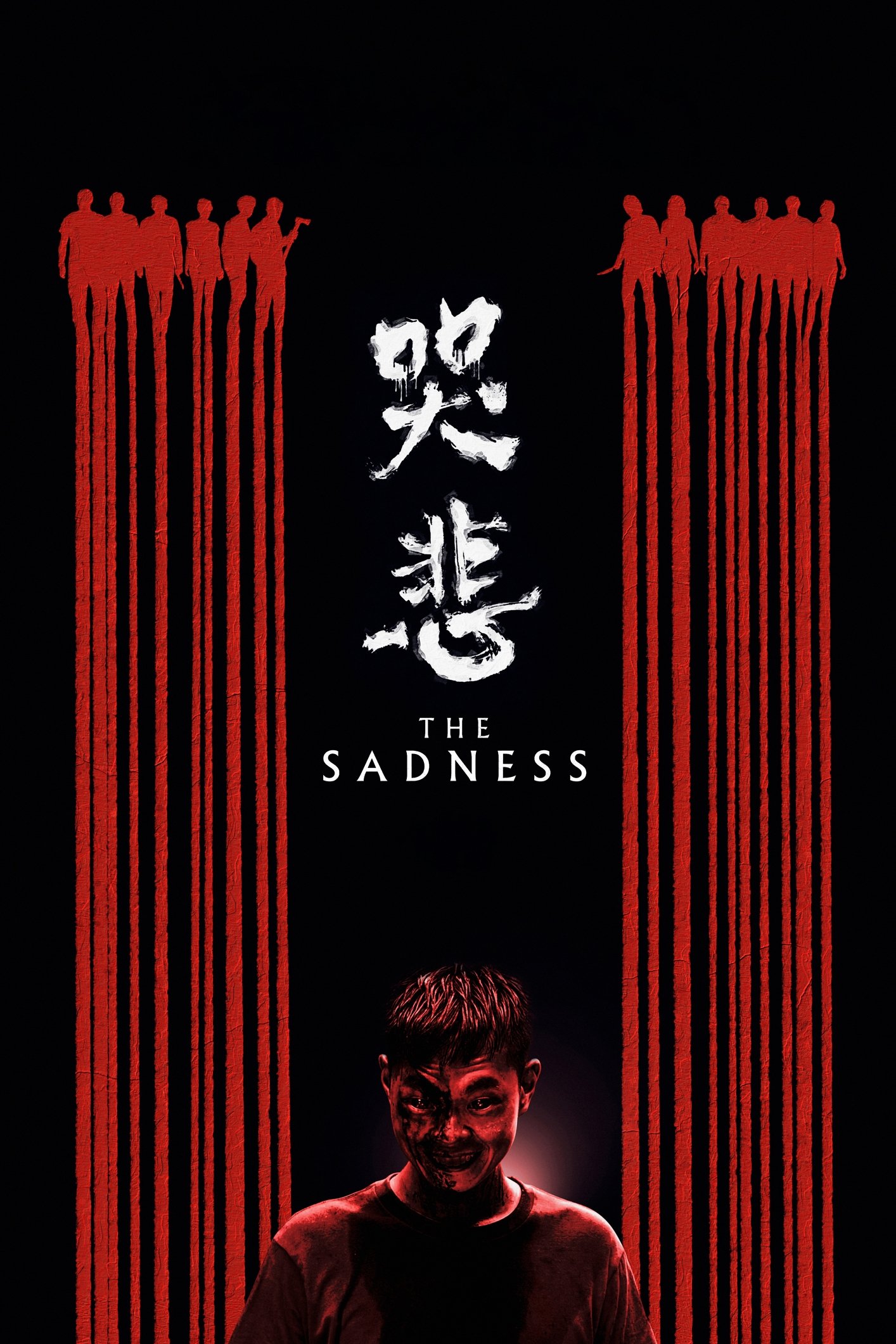
The Sadness

Terrifier 3
Statistics
Popularity by Decade
Share of each decade's horror films classified as Splatter. Counts films with at least 5 TMDB ratings, so very obscure titles are not represented.
Popularity by Country
Share of each country's horror output classified as Splatter. Counts films with at least 5 TMDB ratings, so very obscure titles are not represented.