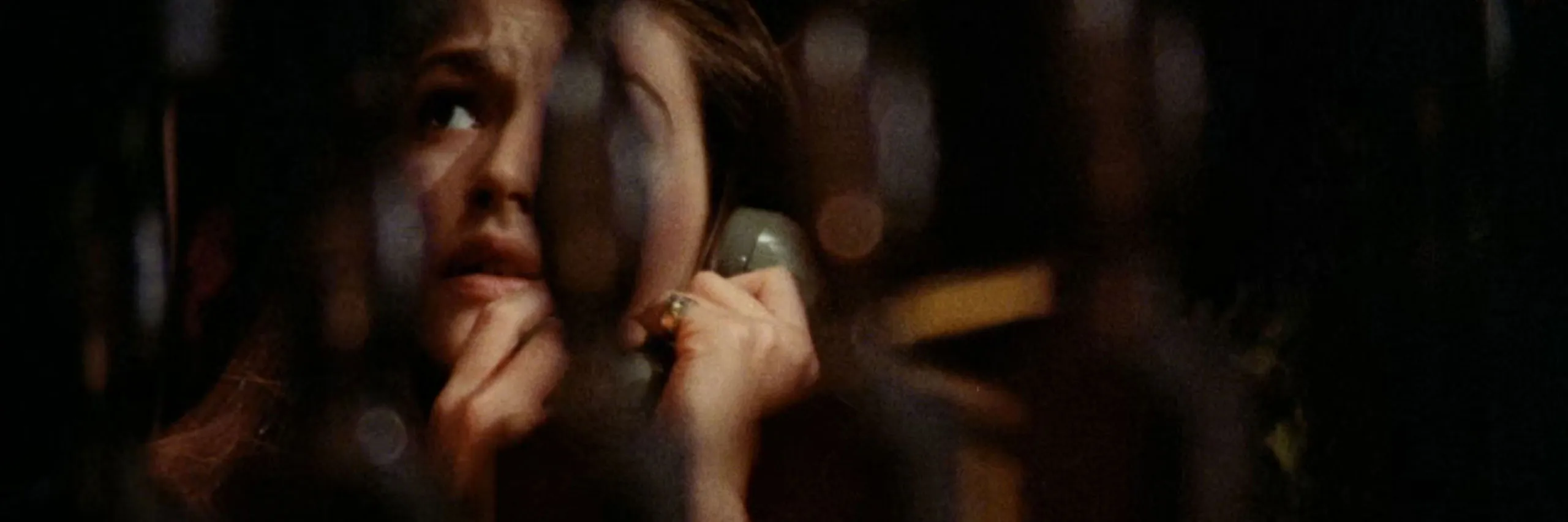
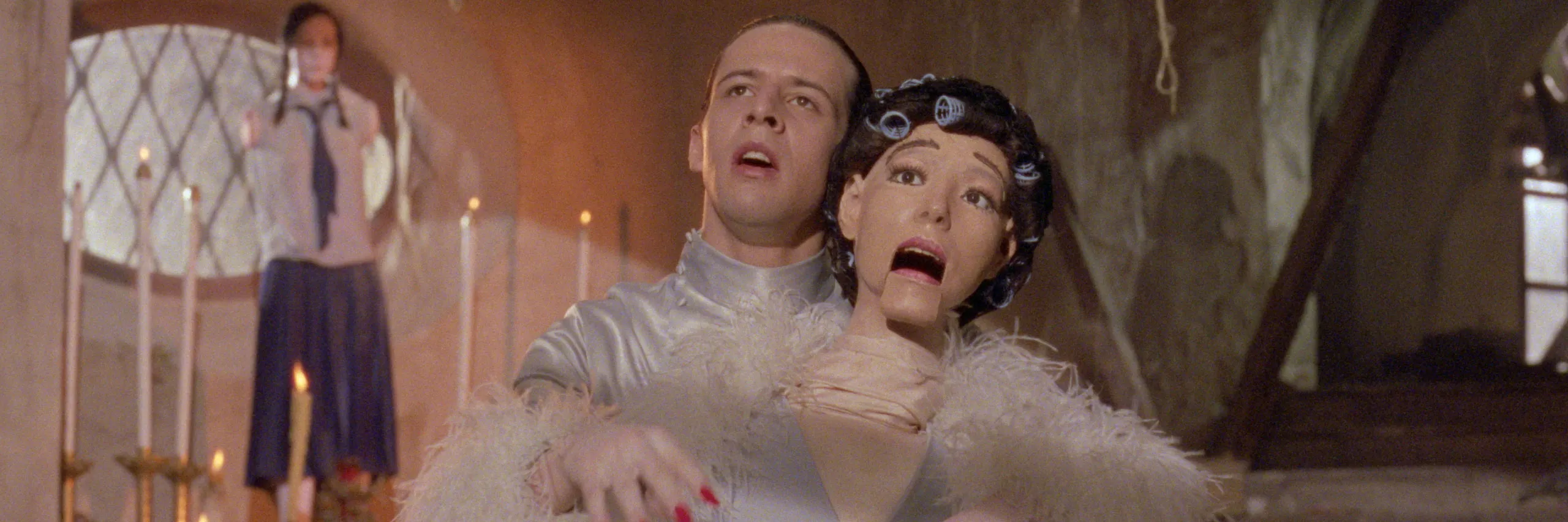
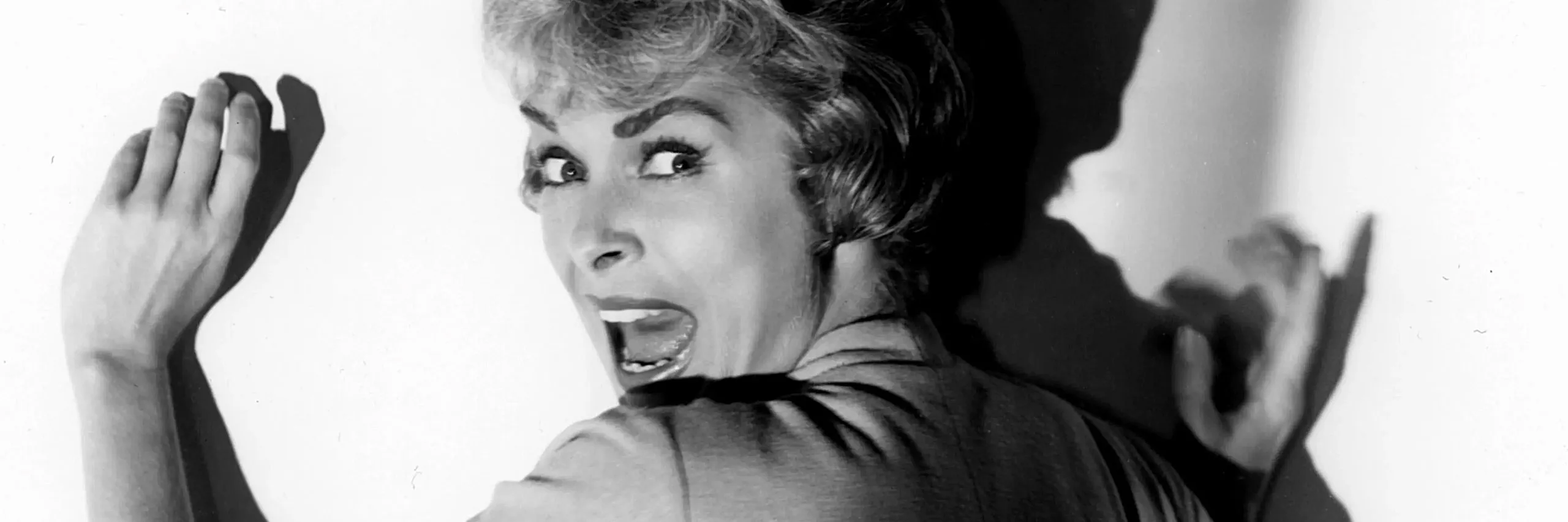
 Psycho (1960)
🇺🇸United States
The birthplace and restless reinventor of horror cinema — from Universal's monsters through the slasher cycle to Blumhouse's micro-budget empire, American horror never stops remaking itself.
History
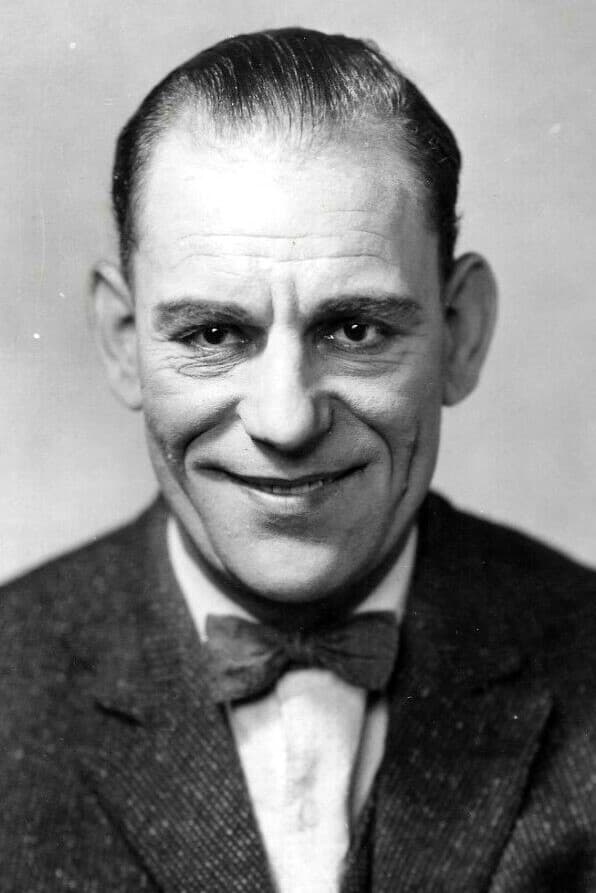
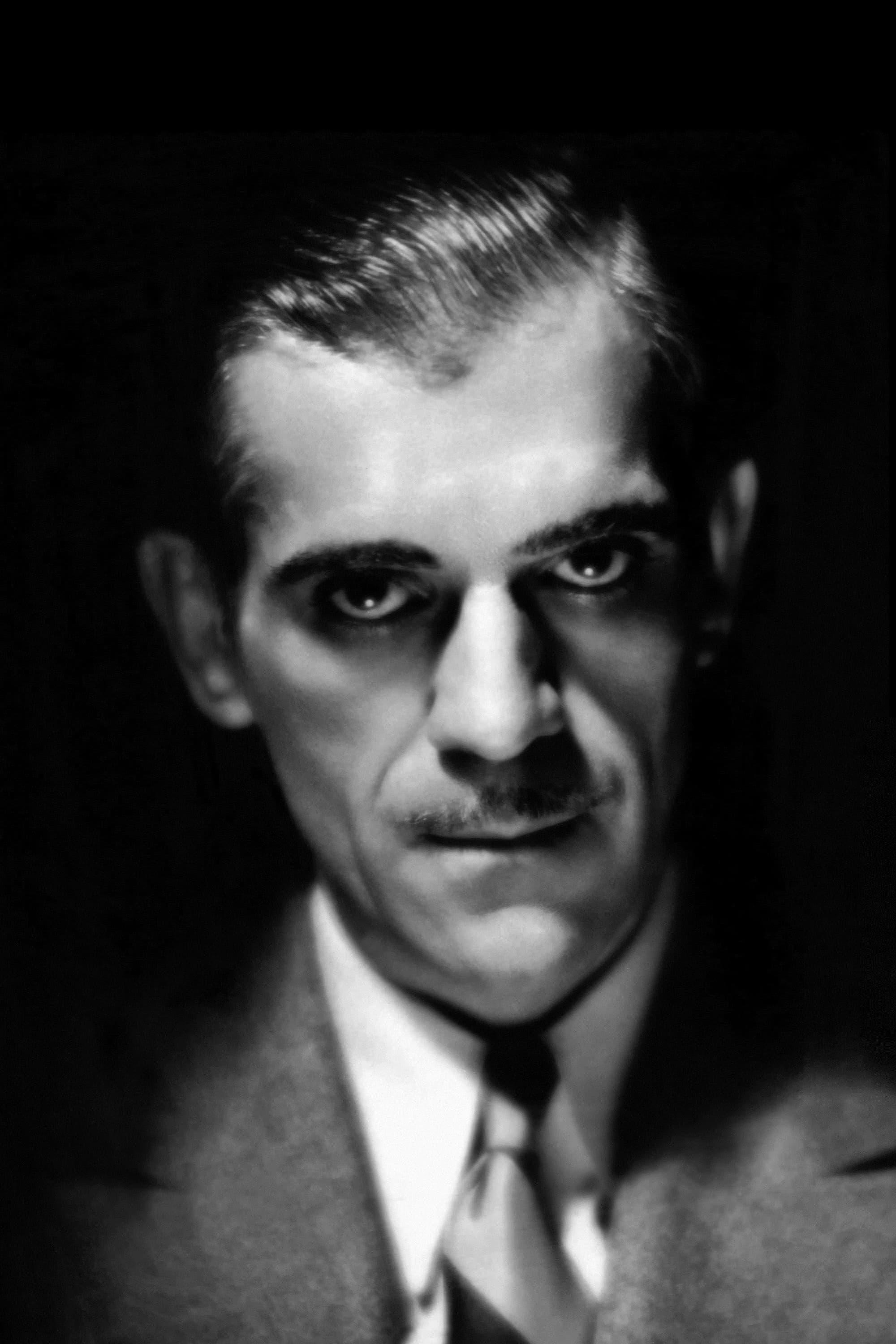
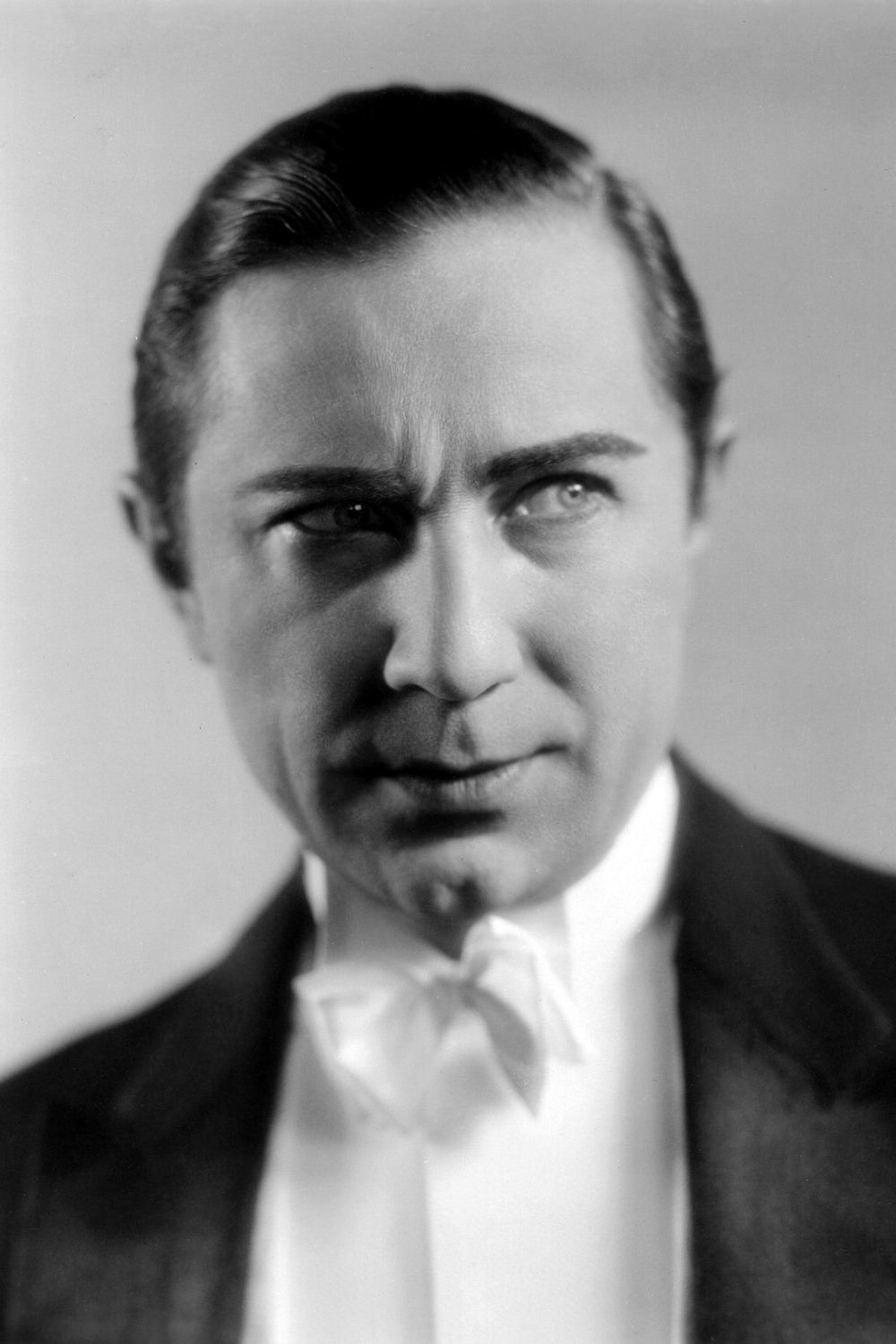
American horror cinema's roots lie in the silent-era horror-spectaculars Universal Pictures built around Lon Chaney — The Hunchback of Notre Dame (1923) and The Phantom of the Opera (1925) blended Gothic literature, makeup virtuosity, and a postwar fascination with the disfigured body that would soon be inherited by the talkies. The studio found its voice in the early 1930s when Carl Laemmle Jr. gambled on adapting Gothic horror literature for mainstream audiences. Tod Browning's Dracula (1931), starring Bela Lugosi, and James Whale's Frankenstein (1931), with Boris Karloff's iconic Monster, proved that audiences would embrace horror as popular entertainment. Whale continued to push boundaries with Bride of Frankenstein (1935), which smuggled dark humour and sexual undertones past the newly implemented Production Code, while Karl Freund's The Mummy (1932) and Whale's The Invisible Man (1933) expanded Universal's mythology. Browning's Freaks (1932), made at MGM, scandalised audiences with its use of real sideshow performers and was banned for decades. By the end of the decade, Universal had invented the horror franchise, creating a shared mythology of monsters that transcended individual films.
The 1940s shifted horror from spectacle toward suggestion. While Universal continued producing monster sequels with diminishing returns — eventually handing its creatures to Abbott and Costello — Russian-born producer Val Lewton revolutionised the genre at RKO. Working with tiny budgets and often lurid titles imposed by the studio, Lewton and director Jacques Tourneur crafted Cat People (1942), which contained what many consider the genre's first true jump scare, and I Walked with a Zombie (1943), which relocated Gothic atmosphere to the Caribbean. Young directors Mark Robson and Robert Wise cut their teeth under Lewton's guidance, pioneering techniques of lighting and sound design that proved shadows and implication could be more terrifying than any monster suit. Lewton's nine RKO films established an enduring counter-tradition in American horror: the power of what you don't see.
The 1950s replaced Gothic castles with atomic anxieties. Giant irradiated creatures — the ants of Them! (1954), the titular Tarantula (1955) — embodied fears of nuclear fallout, while Don Siegel's Invasion of the Body Snatchers (1956) channelled Cold War paranoia about conformity and infiltration into one of the genre's most enduring allegories. Meanwhile, a young Roger Corman began building an empire of low-budget genre filmmaking at American International Pictures, producing and directing dozens of films that trained a generation of future Hollywood talent — Francis Ford Coppola, Martin Scorsese, Ron Howard, James Cameron, and Jonathan Demme all emerged from the Corman school. William Castle brought carnival showmanship to horror with gimmick-laden productions like House on Haunted Hill (1959), making the theatrical experience itself part of the scare. The decade established horror's capacity to externalise contemporary social fears, a pattern the genre would exploit with increasing sophistication.
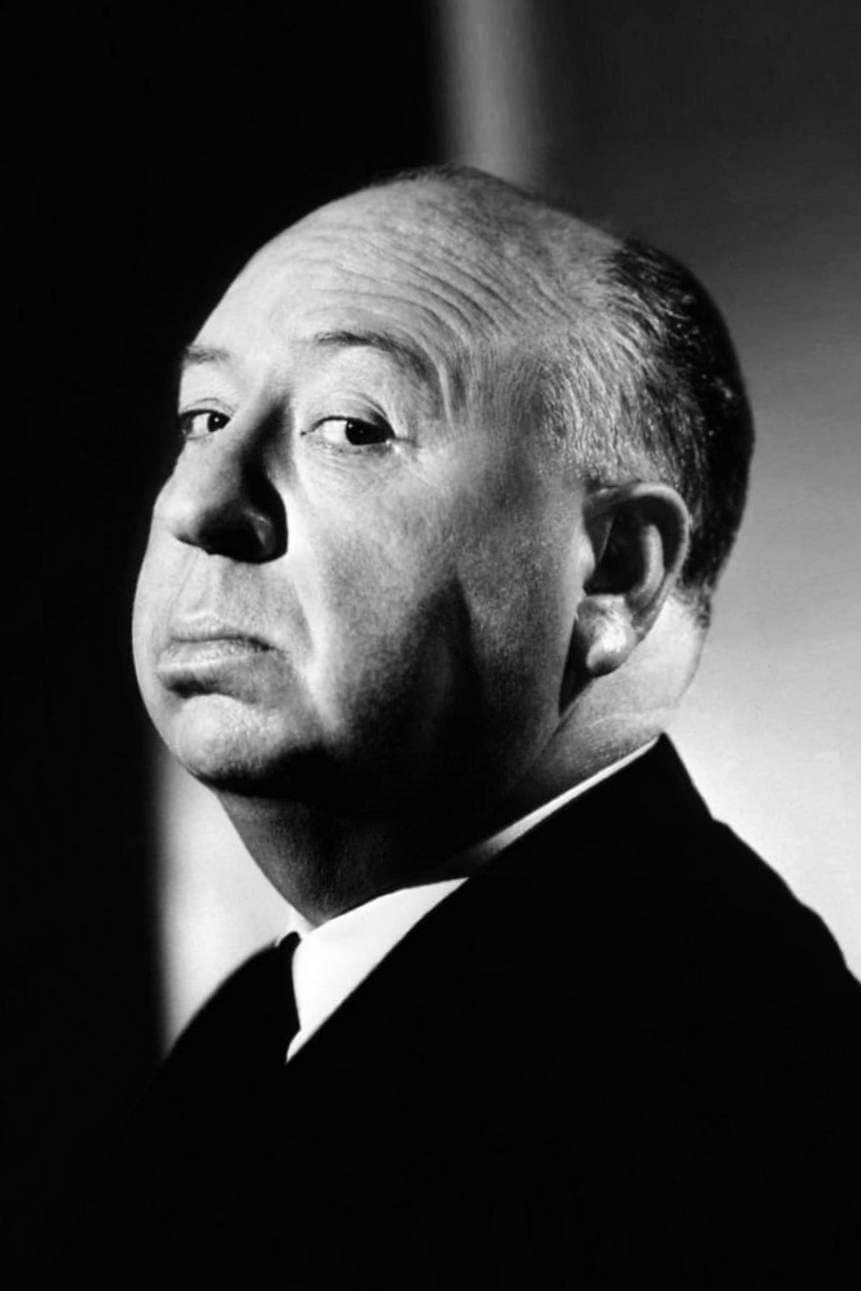
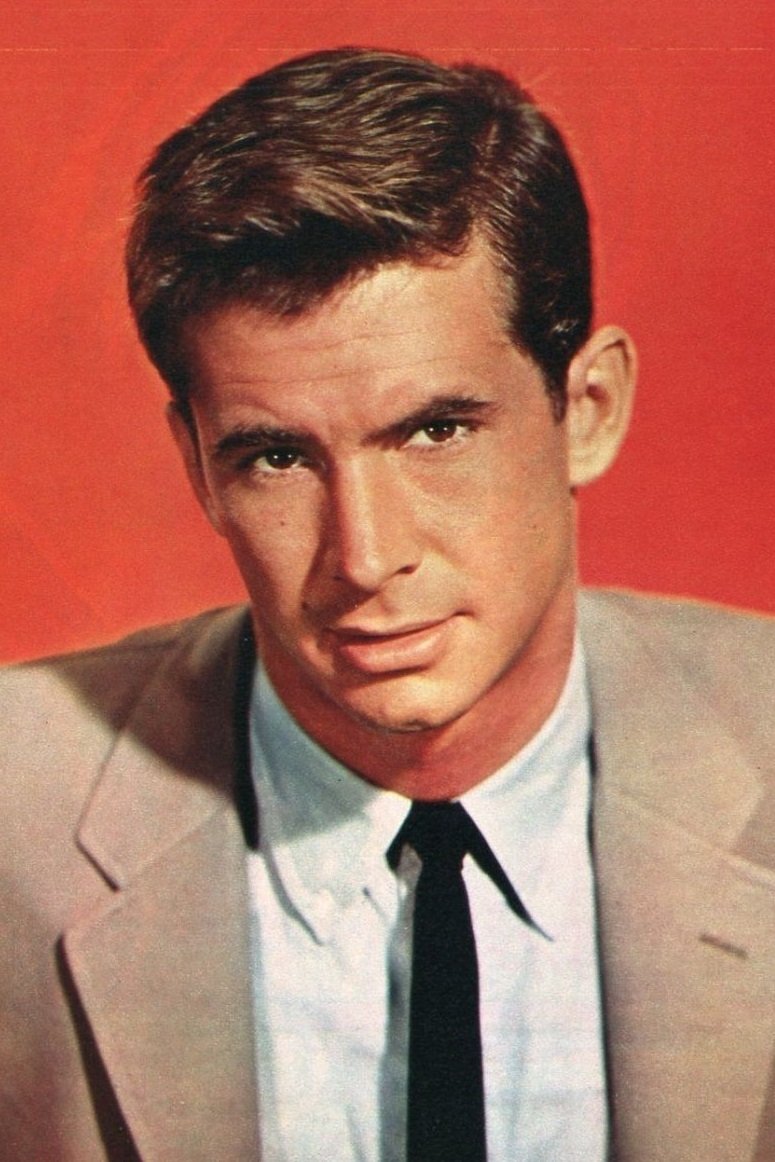
Alfred Hitchcock's Psycho (1960) demolished horror's reliance on supernatural threats, relocating terror to a roadside motel and a seemingly ordinary young man. Its influence was seismic — the killing of the apparent heroine midway through the film shattered audience expectations, while Anthony Perkins' Norman Bates and Bernard Herrmann's strings-only score became permanently embedded in popular culture. Roger Corman's Edgar Allan Poe adaptations for AIP, particularly House of Usher (1960) and The Masque of the Red Death (1964), brought literary respectability and baroque colour to drive-in horror. Roman Polanski's Rosemary's Baby (1968), adapted from Ira Levin's novel, brought satanic horror into the New York apartment and the prestige multiplex, opening the door to the demonic-occult cycle that would explode in the following decade. But the decade's most consequential film was George A. Romero's Night of the Living Dead (1968), an ultra-low-budget independent production that reinvented the zombie by relocating it to rural Pennsylvania and making its ghouls flesh-eaters. The film's nihilistic ending and undercurrent of racial tension — never explicit but impossible to ignore — proved that horror could function as serious social commentary.
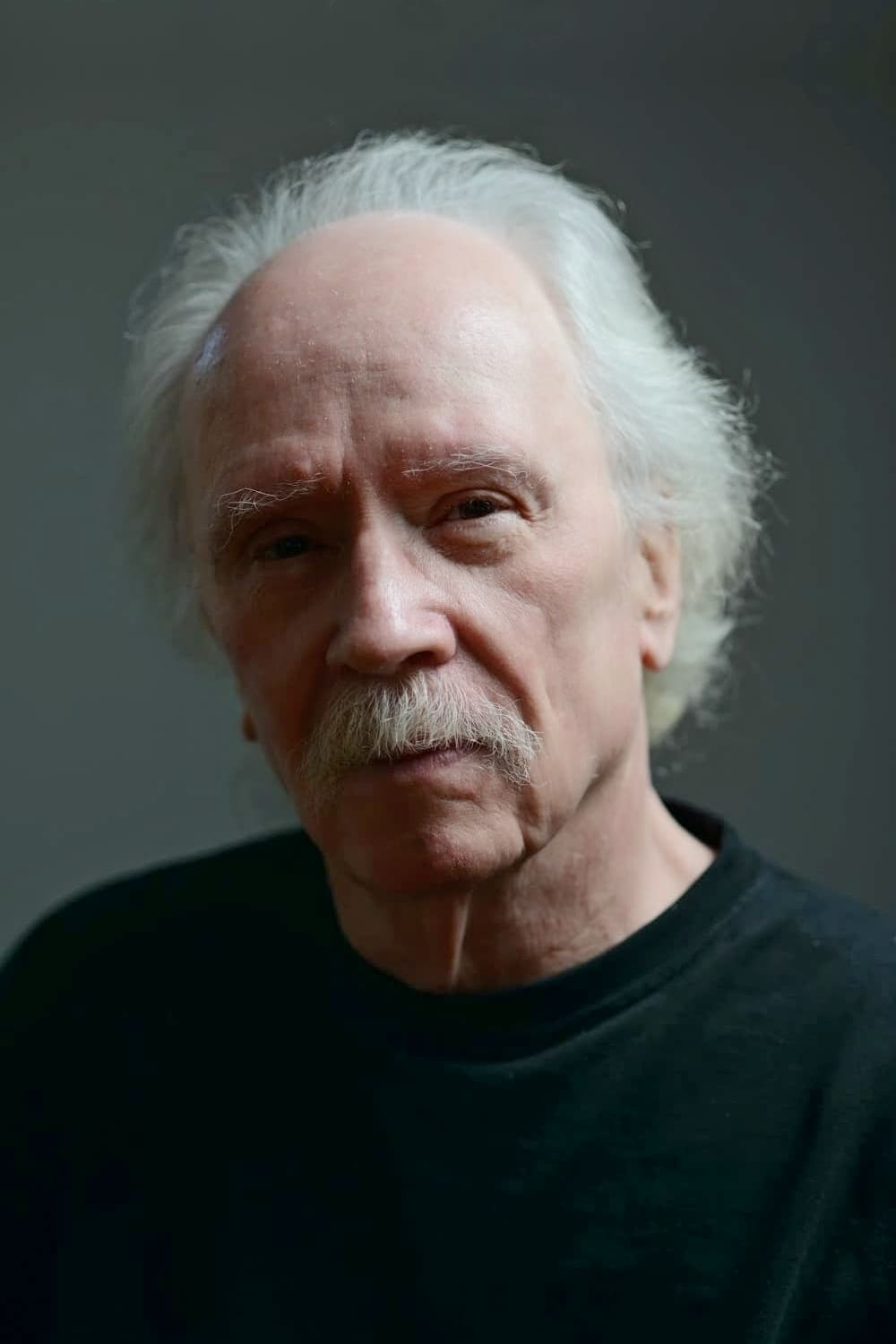
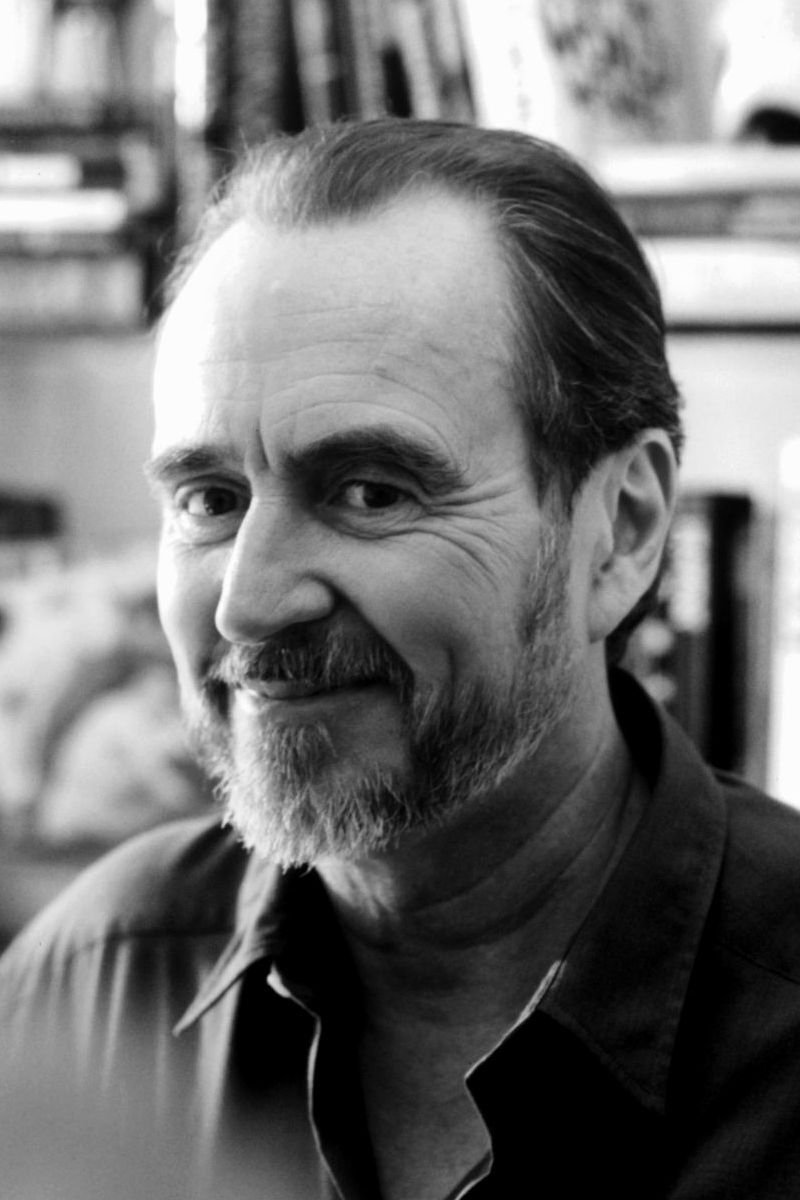
The 1970s represent American horror's richest decade. William Friedkin's The Exorcist (1973), adapted from William Peter Blatty's novel, became the first horror film nominated for Best Picture and triggered a cycle of demonic possession films, extended into the studio mainstream by Richard Donner's The Omen (1976). Tobe Hooper's The Texas Chain Saw Massacre (1974) and Wes Craven's The Last House on the Left (1972) stripped horror of Gothic distance, finding terror in American backroads and domestic spaces. Steven Spielberg's Jaws (1975) fused creature feature and Hitchcockian suspense into the first modern blockbuster, dragging horror's commercial possibilities into a new register. Brian De Palma's Carrie (1976), the first major Stephen King adaptation, brought operatic Hitchcock-pastiche to the high-school setting and earned Sissy Spacek an Oscar nomination — a credibility marker for the genre at the level of major studio production. Romero's Dawn of the Dead (1978) set its zombie apocalypse in a shopping mall, drawing unmistakable parallels between the undead and consumer culture, with Tom Savini's groundbreaking gore effects pushing the boundaries of on-screen violence. John Carpenter's Halloween (1978) — produced for roughly $300,000, it earned over $100 million worldwide — established the slasher template that would dominate the next decade. The era's horror reflected post-Vietnam, post-Watergate disillusionment: a sense that American institutions had failed and that evil could not be safely contained.
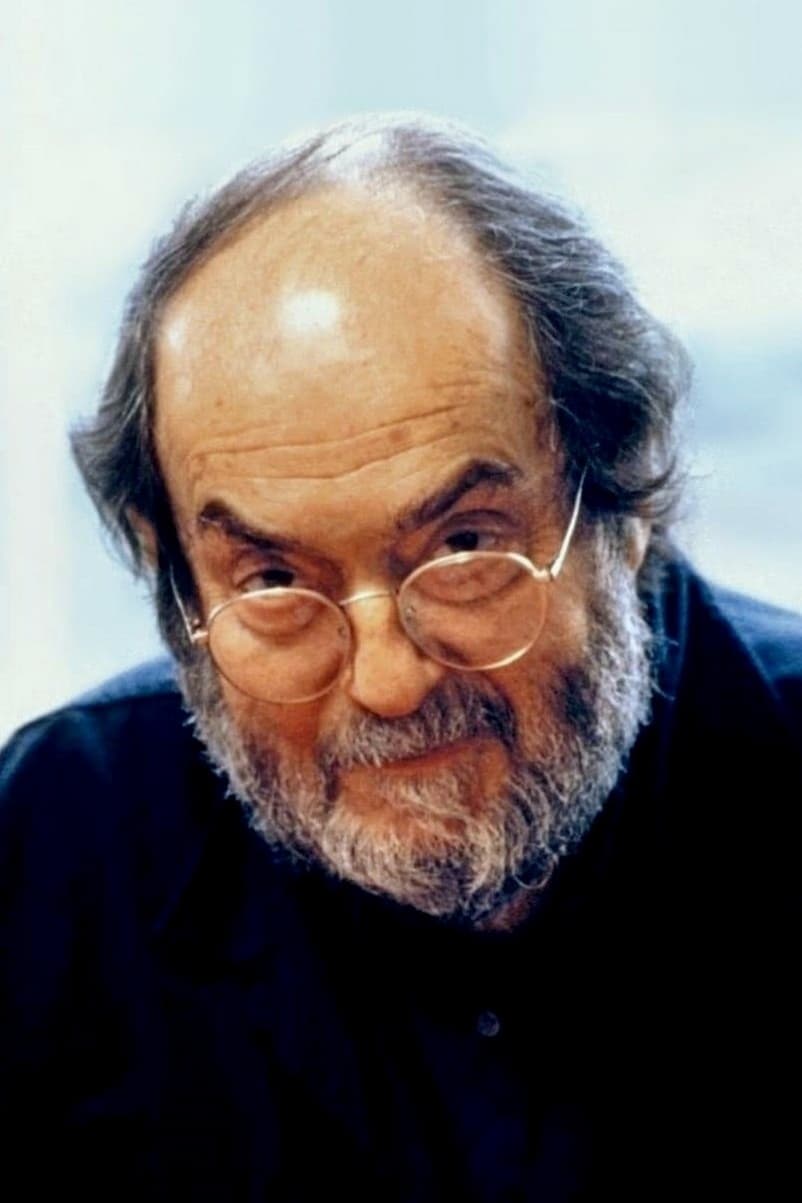
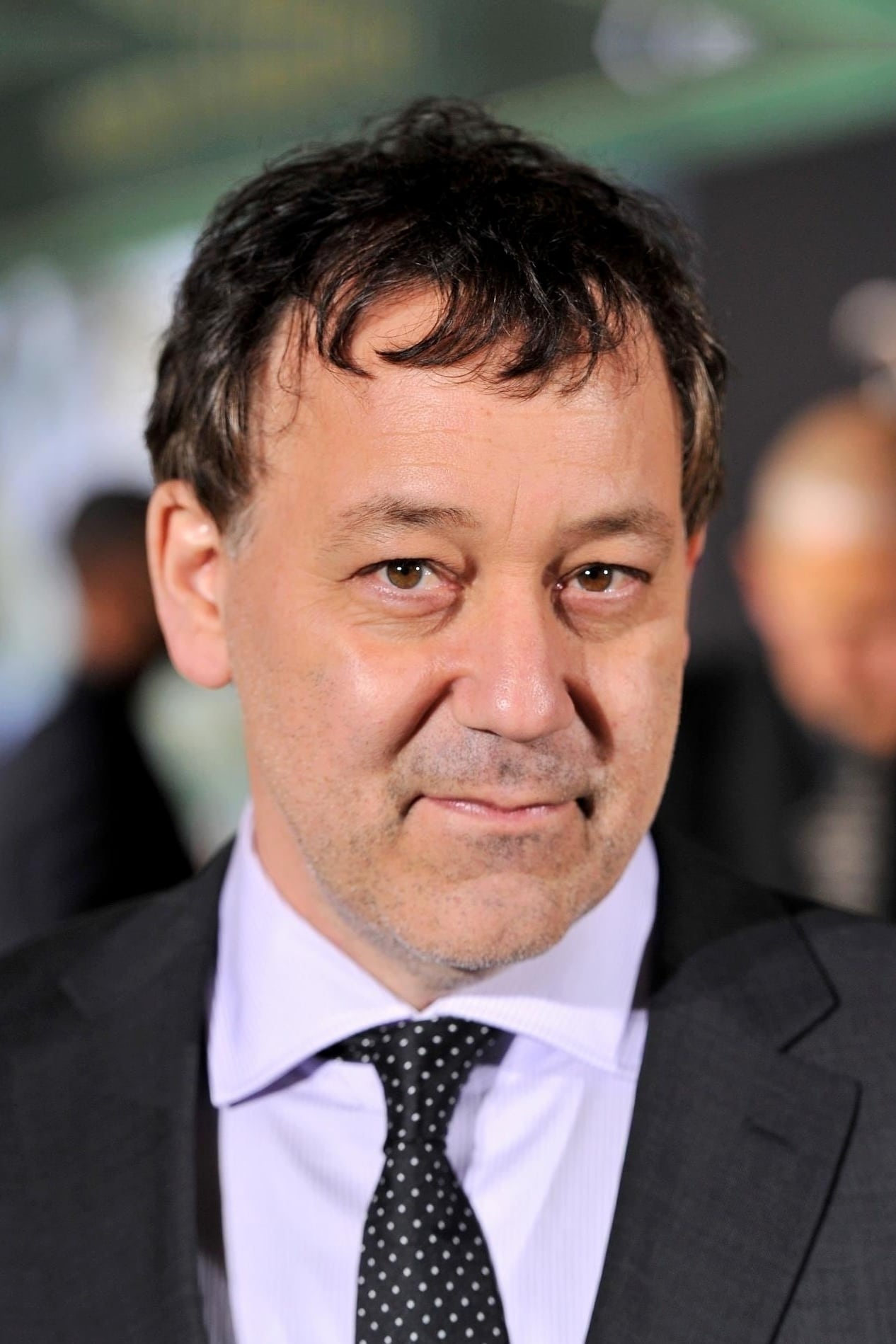
The 1980s saw horror achieve unprecedented commercial success. Stanley Kubrick's The Shining (1980), adapted from Stephen King with deliberate hostility toward the source, set a new bar for what a major auteur could do inside the genre. Friday the 13th (1980) and A Nightmare on Elm Street (1984) launched franchise empires, with Jason Voorhees and Freddy Krueger becoming pop-culture icons whose reach extended far beyond cinema. Practical effects artists like Tom Savini, Rob Bottin, and Rick Baker pushed the boundaries of physical transformation — Bottin's work on Carpenter's The Thing (1982) and Baker's transformation sequence in An American Werewolf in London (1981) remain high-water marks of the craft. Sam Raimi's The Evil Dead (1981) brought slapstick splatter to the cabin-in-the-woods premise on a $375,000 budget; Tobe Hooper and Steven Spielberg's Poltergeist (1982) made suburban television itself a haunt; Stuart Gordon's Re-Animator (1985) adapted Lovecraft with an unhinged comic register that opened a parallel horror-comedy tradition; Clive Barker's Hellraiser (1987) introduced the Cenobites and a baroque visual vocabulary the studio cycle was incapable of producing; and Kathryn Bigelow's Near Dark (1987) reinvented the vampire film as a contemporary Western. The rise of home video transformed horror consumption, creating a thriving market for both studio releases and low-budget independents. By decade's end, the major slasher franchises had produced diminishing sequels, but the period had permanently established horror as a reliable commercial genre and created its most recognisable monsters since Universal's golden age.
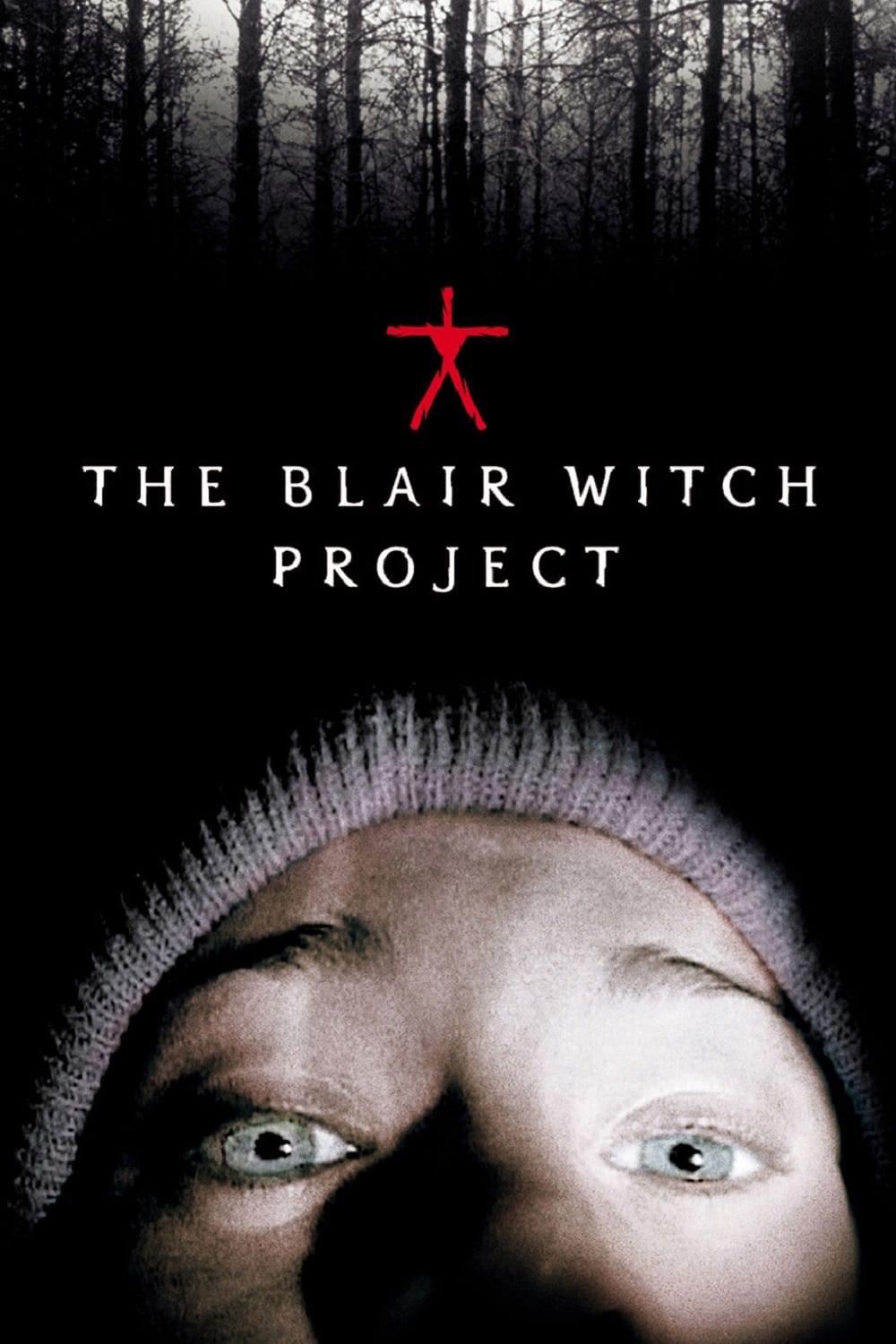
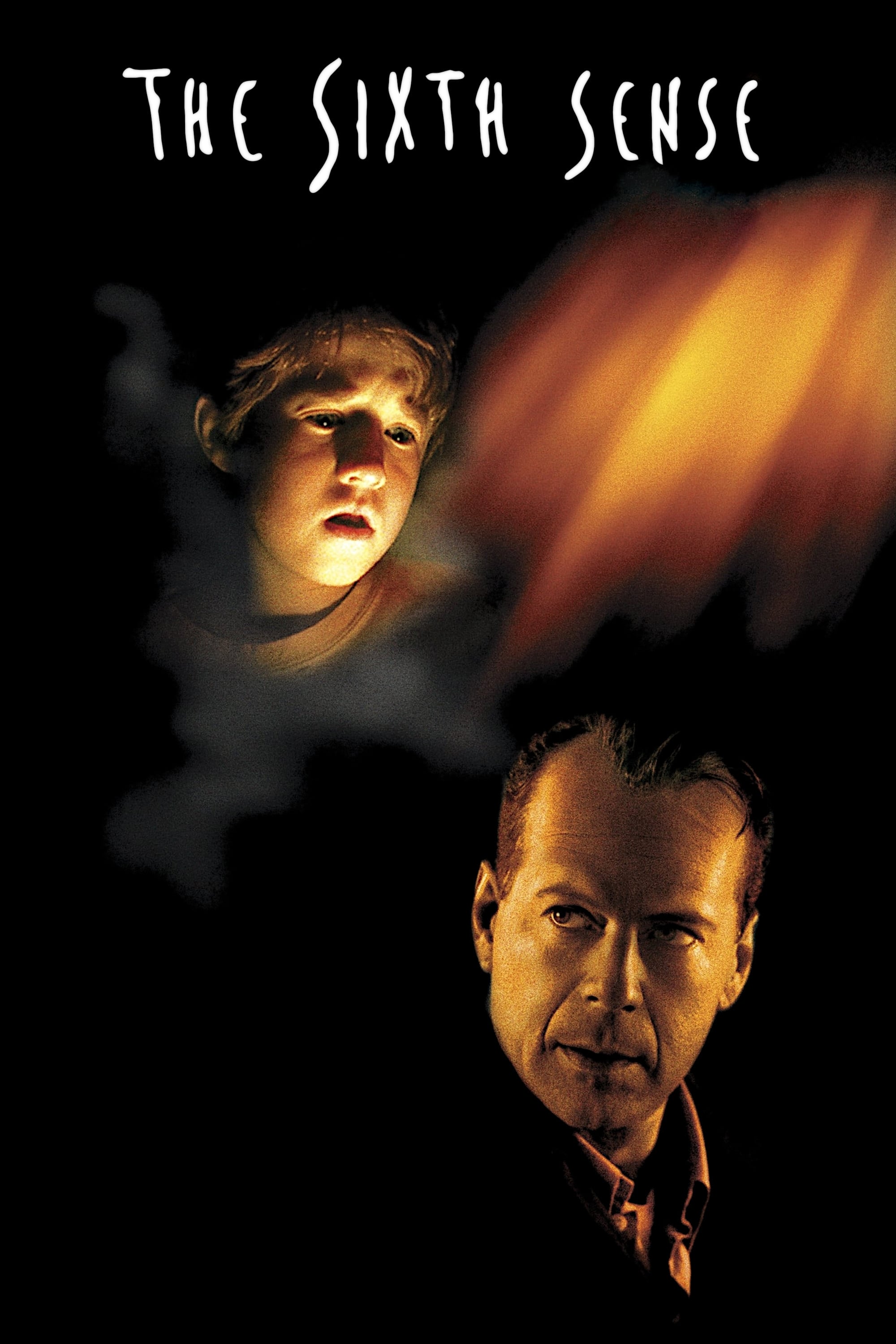
Jonathan Demme's The Silence of the Lambs (1991) achieved what no horror film had before, sweeping the five major Academy Awards — Best Picture, Director, Actor, Actress, and Screenplay. Its success elevated the serial killer subgenre and proved horror could attract prestige audiences, though it also prompted years of imitators that dulled the format's edge. Bernard Rose's Candyman (1992), adapted from Clive Barker's short story and relocated to Chicago's Cabrini-Green housing project, fused supernatural slasher with American urban segregation in a film that has only grown in reputation. After a fallow mid-decade, Wes Craven's Scream (1996), written by Kevin Williamson, revived the slasher film by making its characters aware of horror conventions. The film grossed over $100 million domestically and spawned a cycle of glossier, better-budgeted teen horror. The decade closed with two seismic events: M. Night Shyamalan's The Sixth Sense (1999) demonstrated the commercial power of atmospheric supernatural horror, while The Blair Witch Project (1999) — shot for roughly $60,000, earning nearly $250 million — pioneered found-footage filmmaking and viral internet marketing, fundamentally changing how low-budget horror could reach audiences.
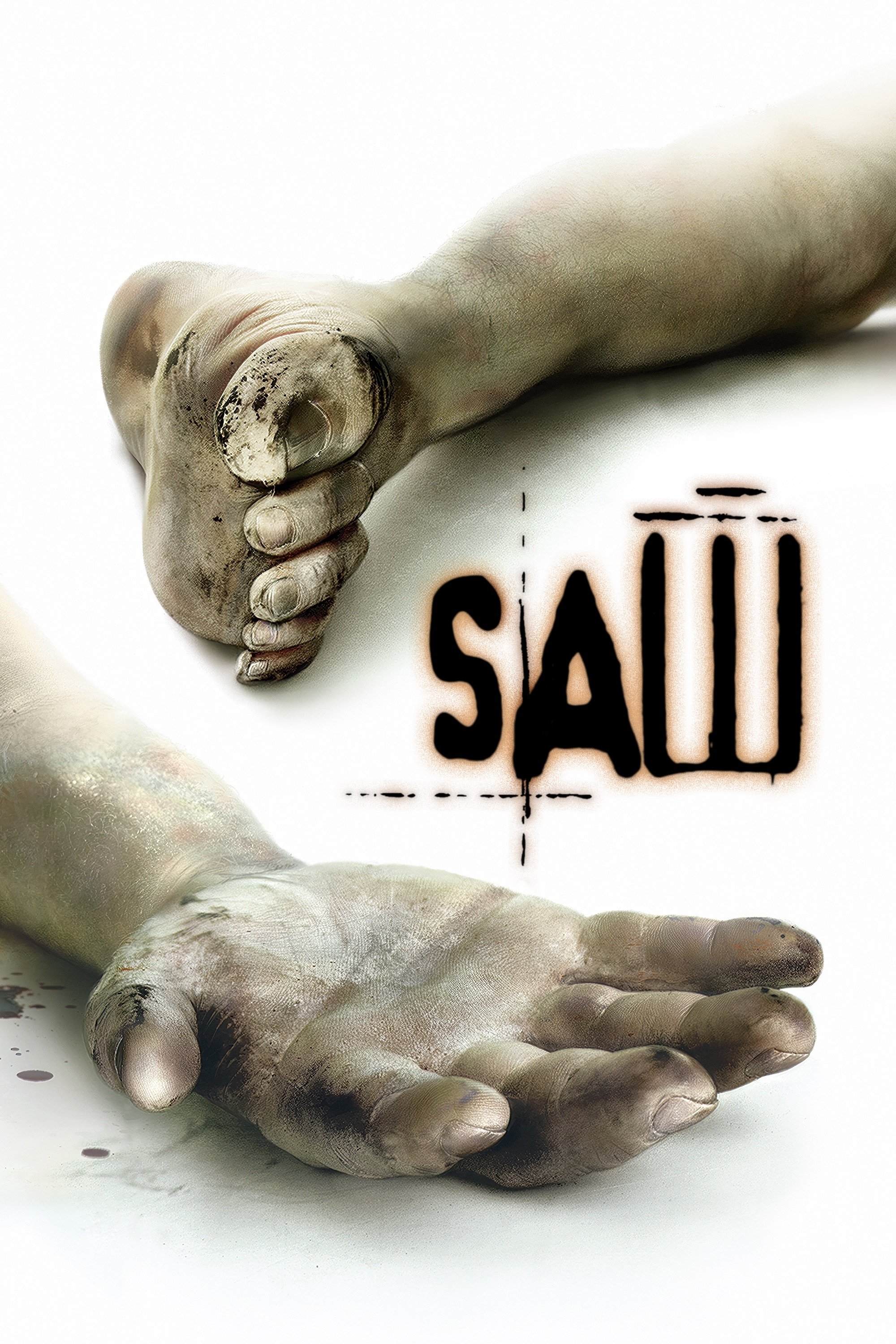
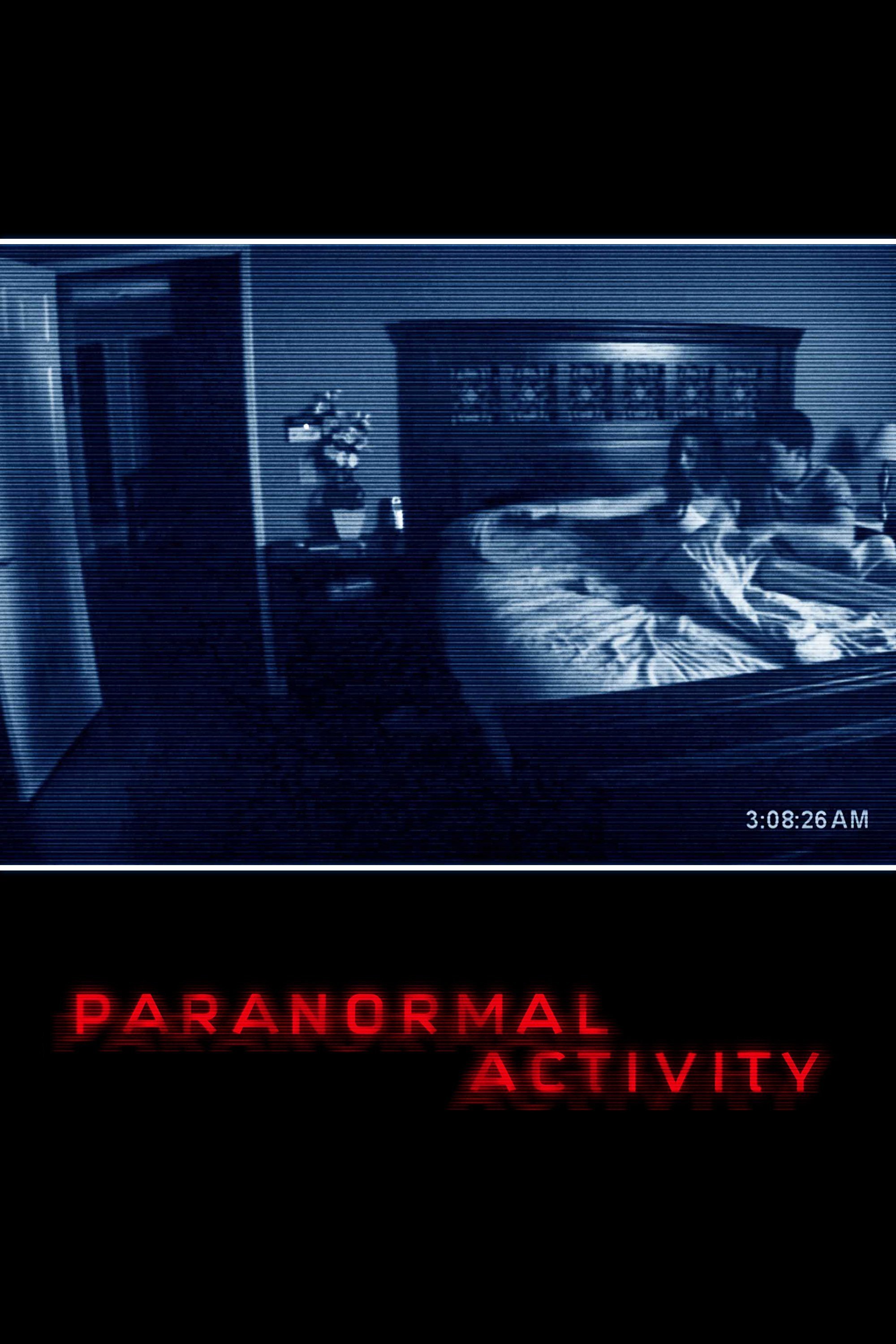
The 2000s opened with a wave of Hollywood remakes of Asian horror, beginning with Gore Verbinski's The Ring (2002), which brought J-horror's atmospheric dread to American multiplexes. The cycle quickly exhausted itself through diminishing imitations. Simultaneously, James Wan's Saw (2004) and Eli Roth's Hostel (2005) pushed on-screen violence to new extremes, tapping into post-9/11 anxieties about vulnerability and institutional cruelty. Critics labelled these films "torture porn," but their commercial success was undeniable. The decade's most consequential development was the found-footage boom ignited by Oren Peli's Paranormal Activity (2007), which grossed nearly $200 million on a micro-budget and proved that digital filmmaking had permanently lowered the barrier to entry for horror.
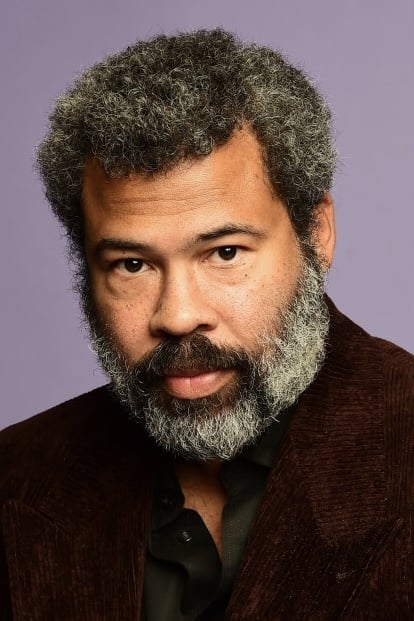
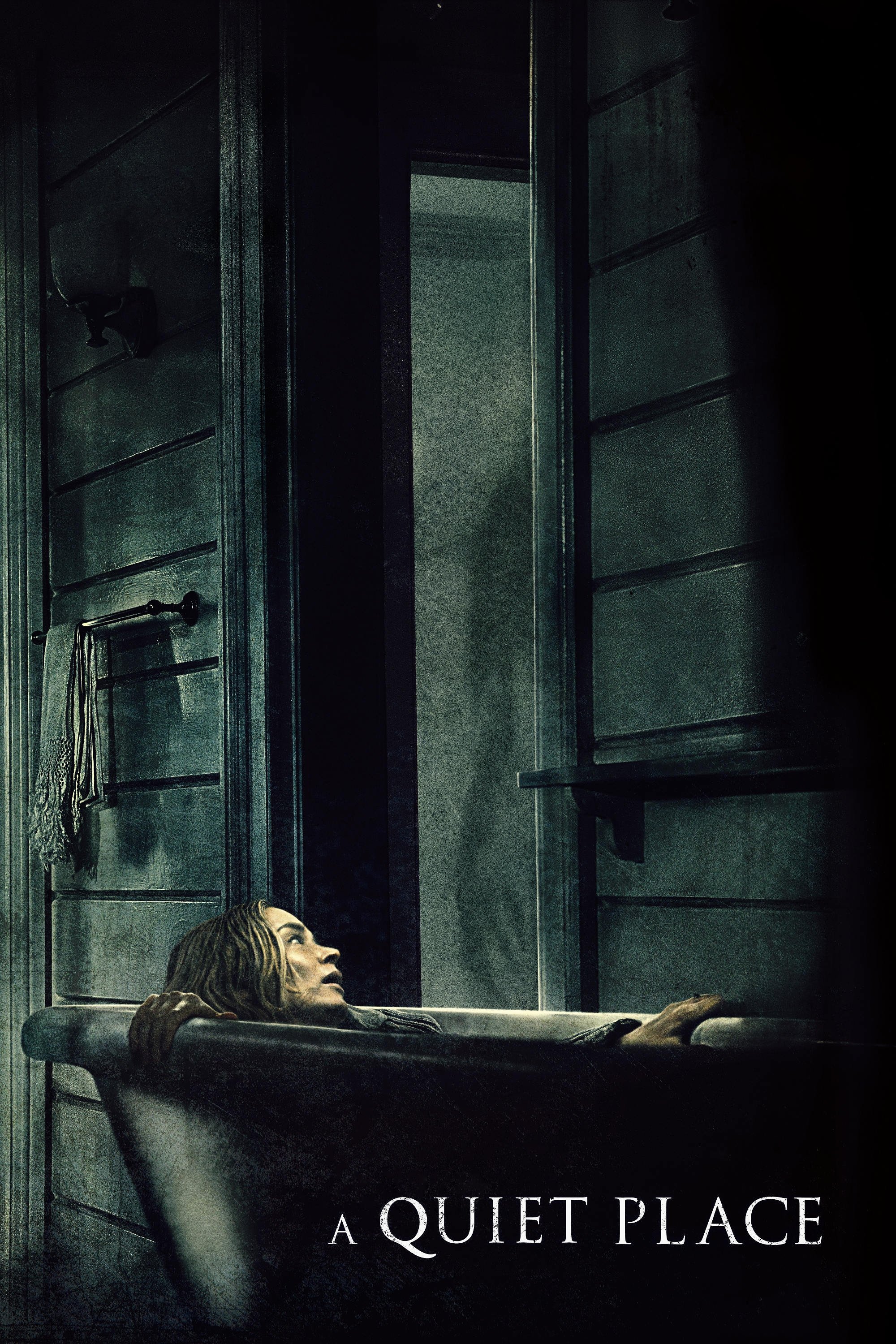
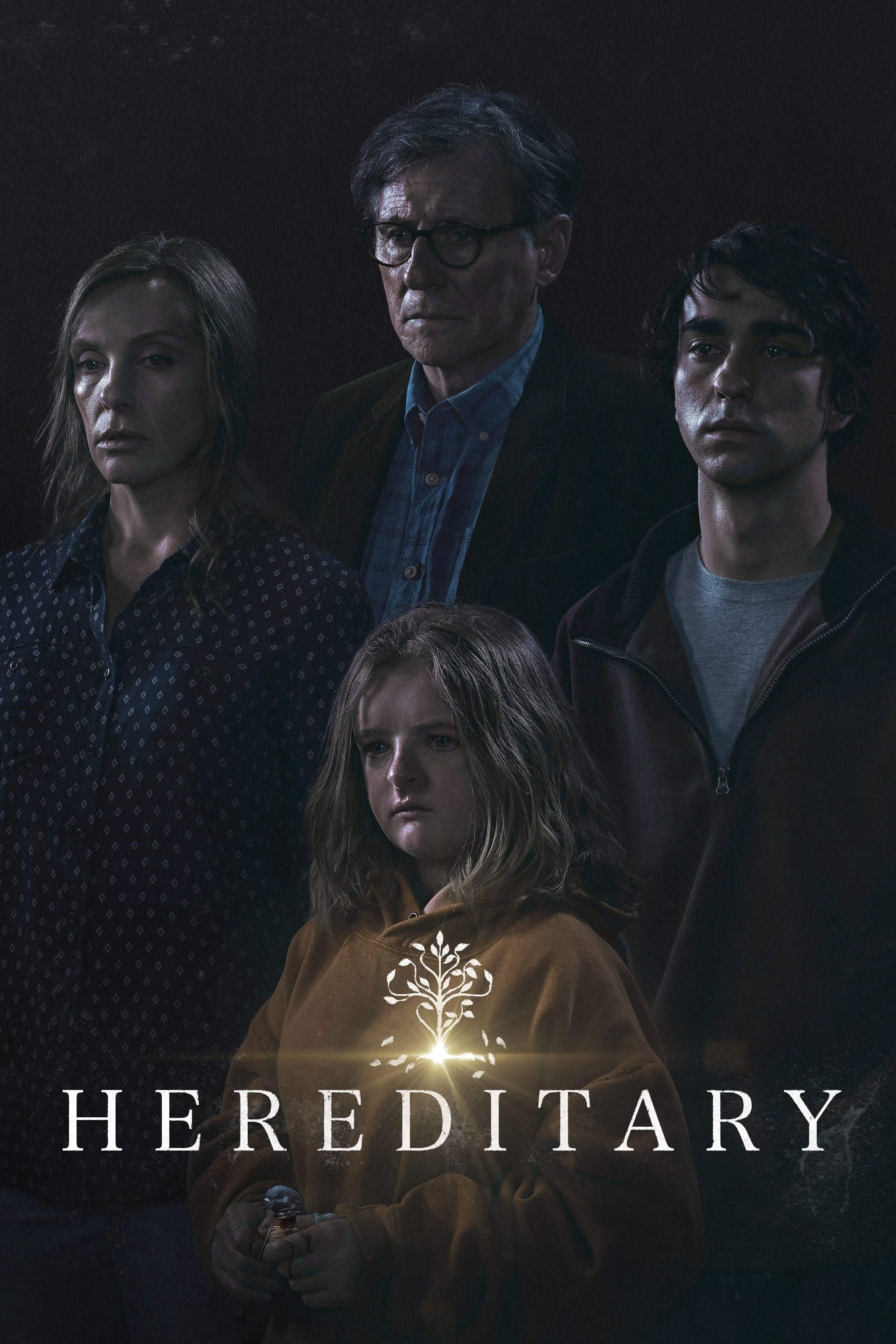
Jason Blum's Blumhouse Productions refined the low-budget, high-return model into an industry-shaping force, producing hit franchises like Insidious, The Purge, and The Conjuring while also backing riskier work. Drew Goddard and Joss Whedon's The Cabin in the Woods (2012) dismantled the slasher's grammar from inside the genre, and David Robert Mitchell's It Follows (2015) translated the dread of contagion into a coming-of-age allegory whose central conceit became one of the decade's most-imitated. Jordan Peele's Get Out (2017), produced by Blumhouse, used horror conventions to examine American racism and became a cultural phenomenon, earning Peele an Academy Award for Best Original Screenplay. Meanwhile, filmmakers like Robert Eggers (The Witch (2016)), Ari Aster (Hereditary (2018)), Ti West (the X (2022) / Pearl / MaXXXine trilogy), and Mike Flanagan brought art-house sensibility to genre filmmaking, attracting critical acclaim and dividing longtime horror fans in equal measure. John Krasinski's A Quiet Place (2018) proved a high-concept genre premise could still anchor a wide-release tentpole. The rise of streaming platforms — particularly Netflix and Shudder — reshaped distribution, while Peele and contemporaries brought perspectives to the genre that had been historically underrepresented. American horror's current landscape is defined by this tension between commercial franchise-building and ambitious independent work, a dynamic that has driven the genre since its earliest days.
Essential Films
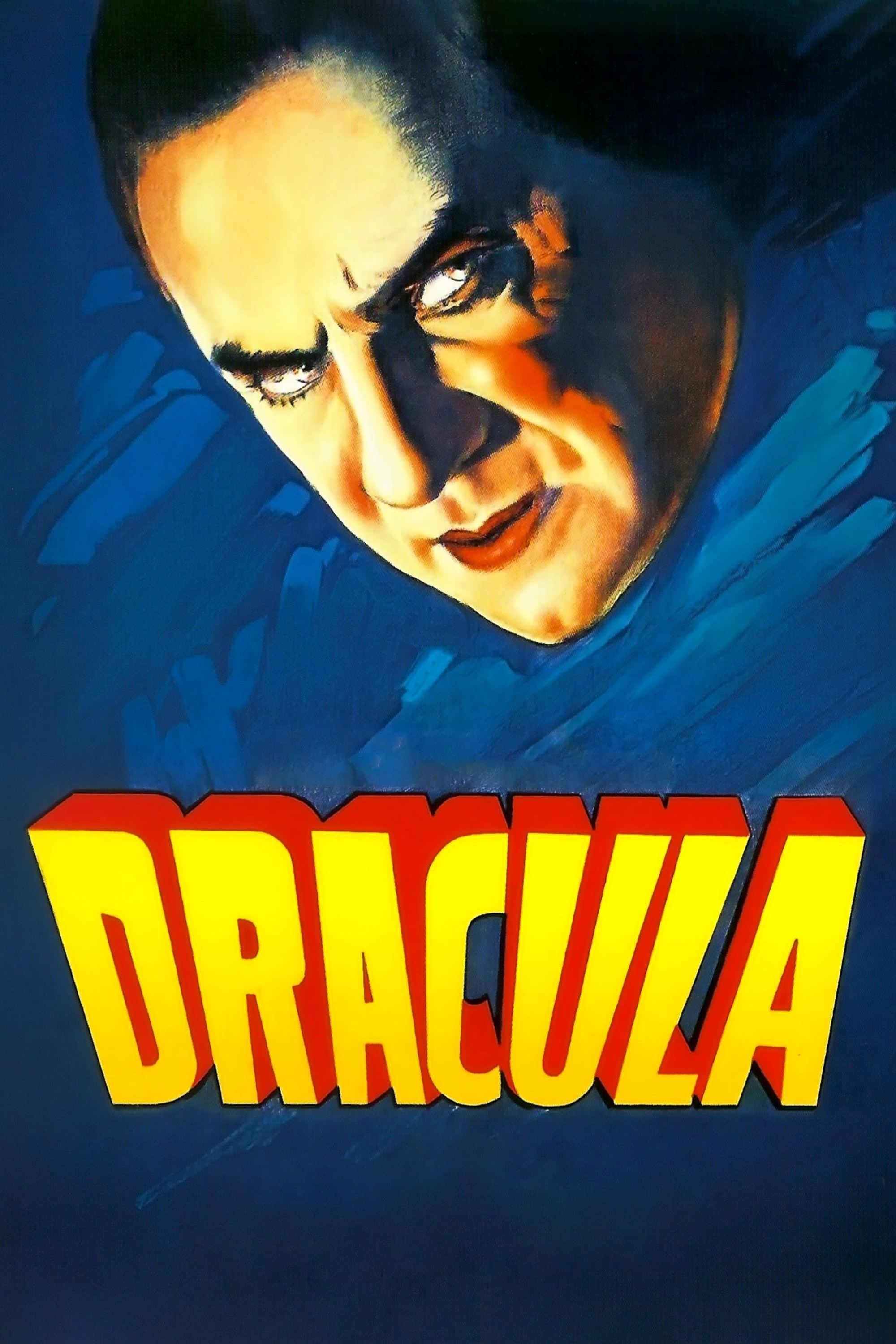
Dracula
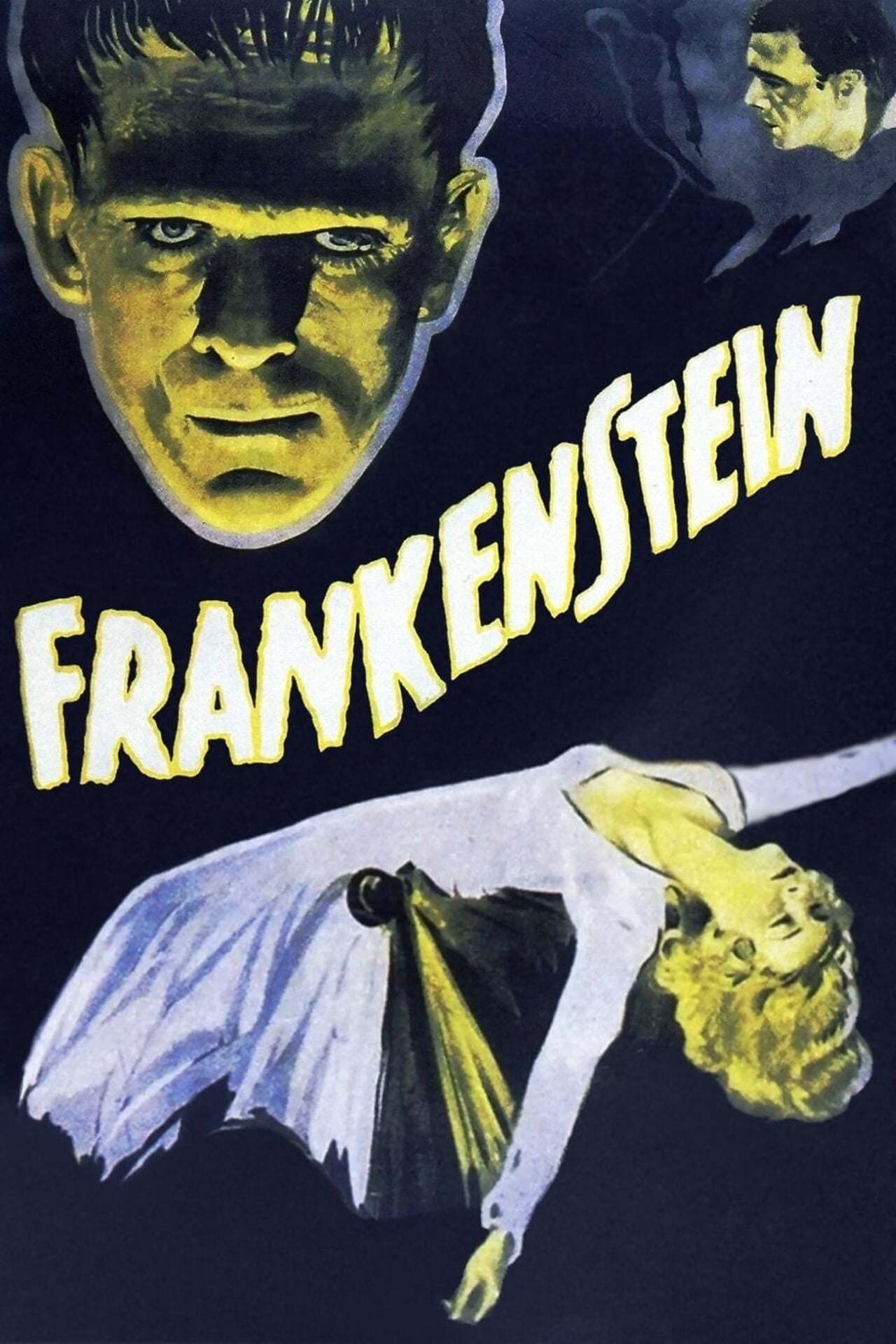
Frankenstein
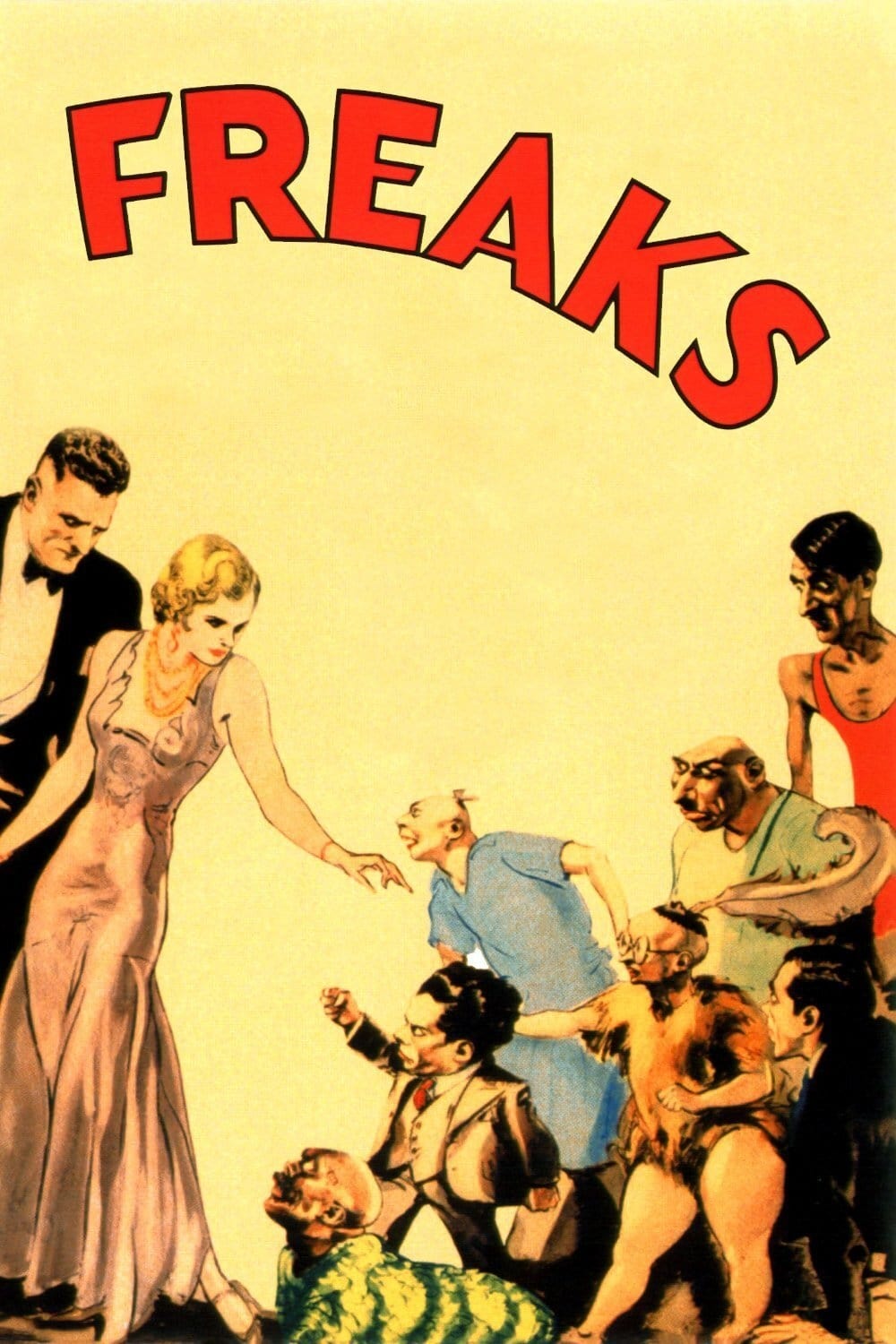
Freaks

Bride of Frankenstein
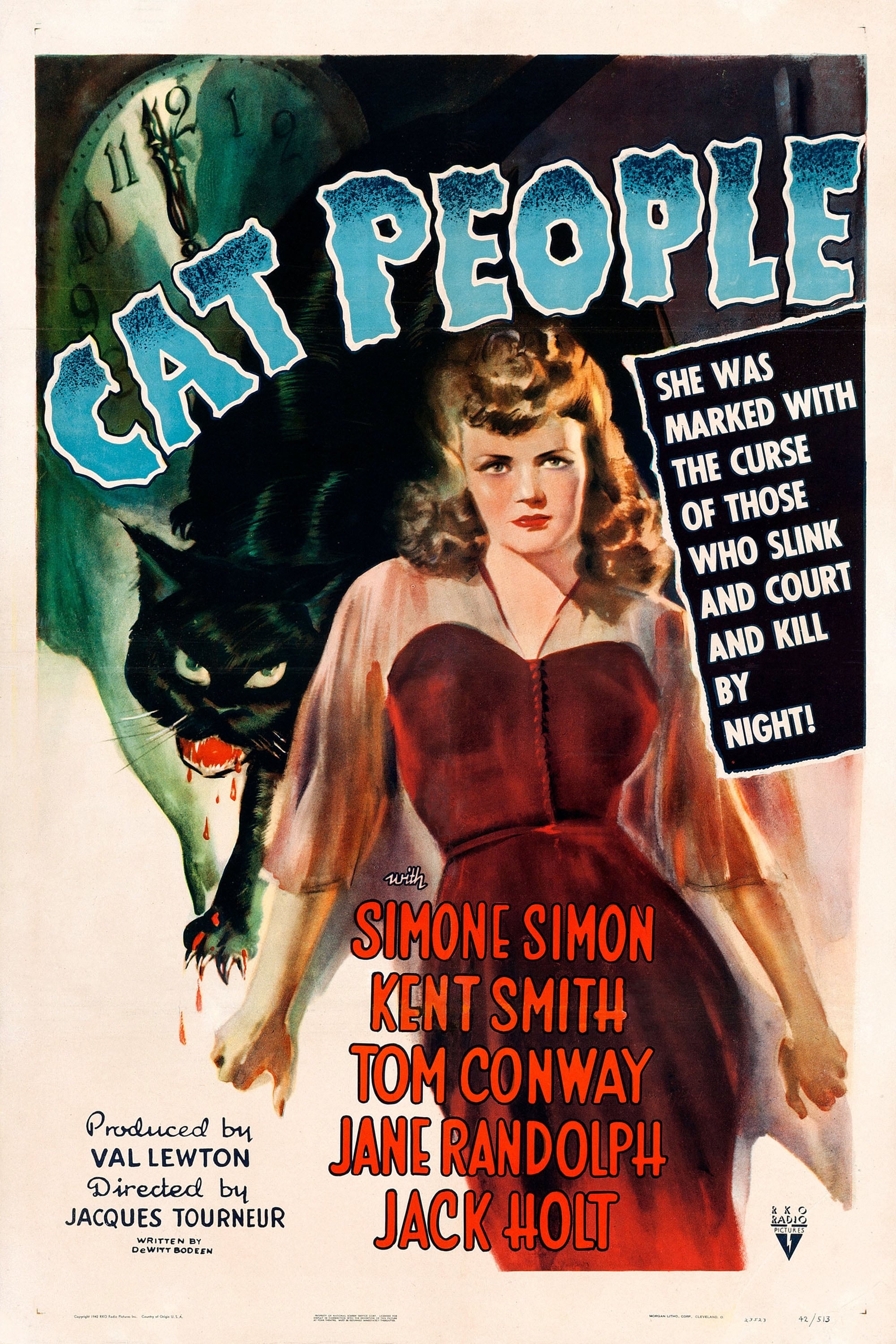
Cat People
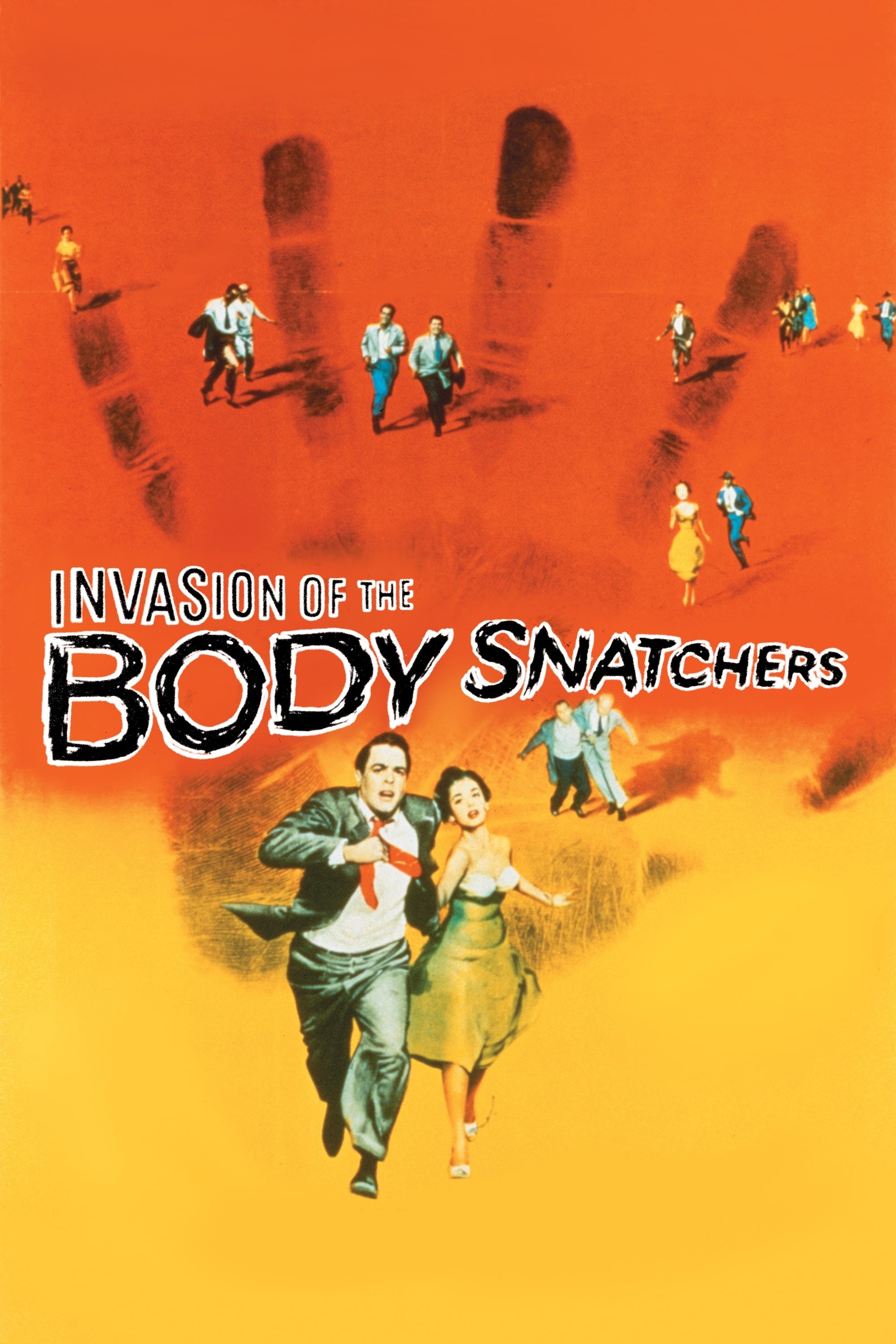
Invasion of the Body Snatchers
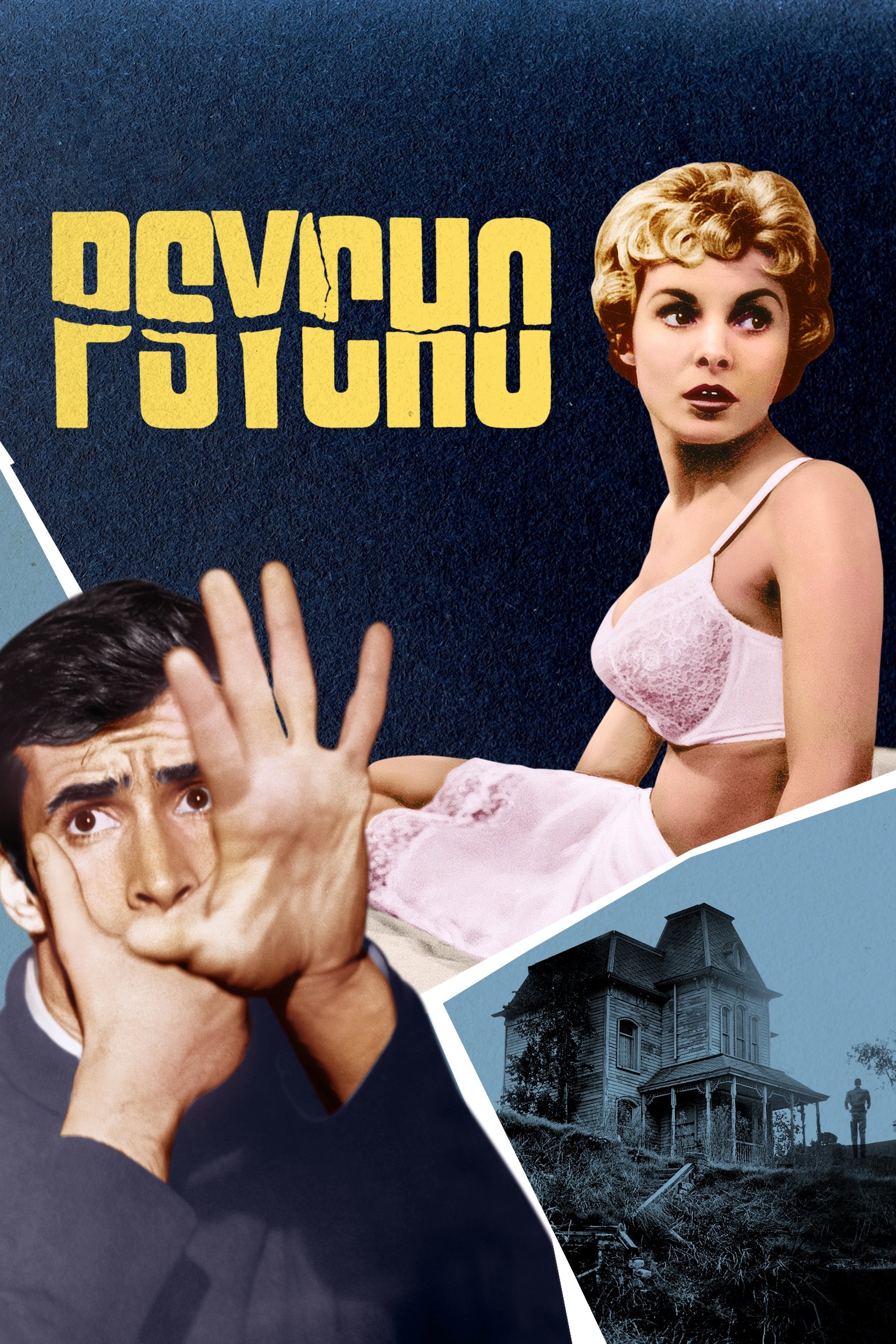
Psycho
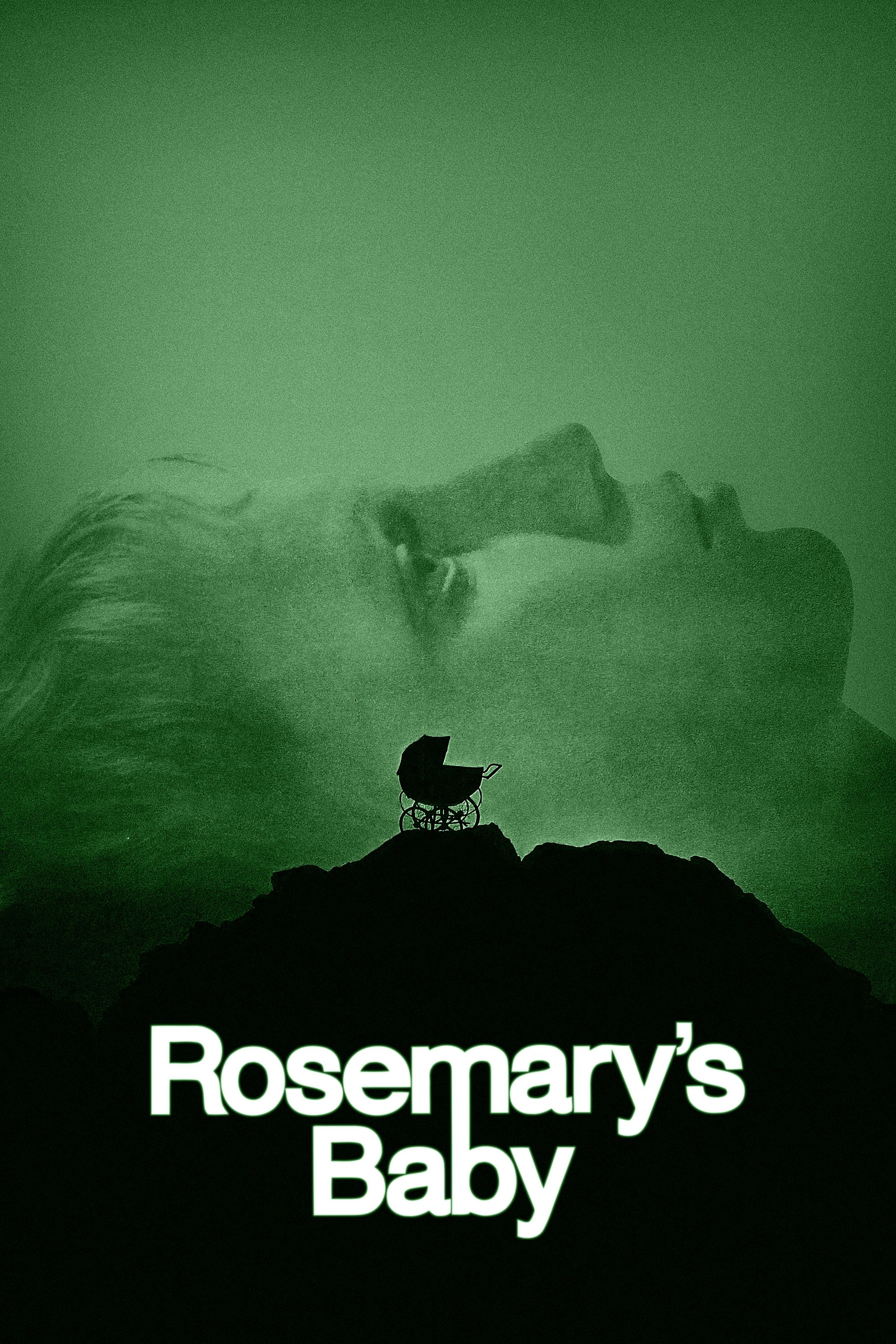
Rosemary's Baby
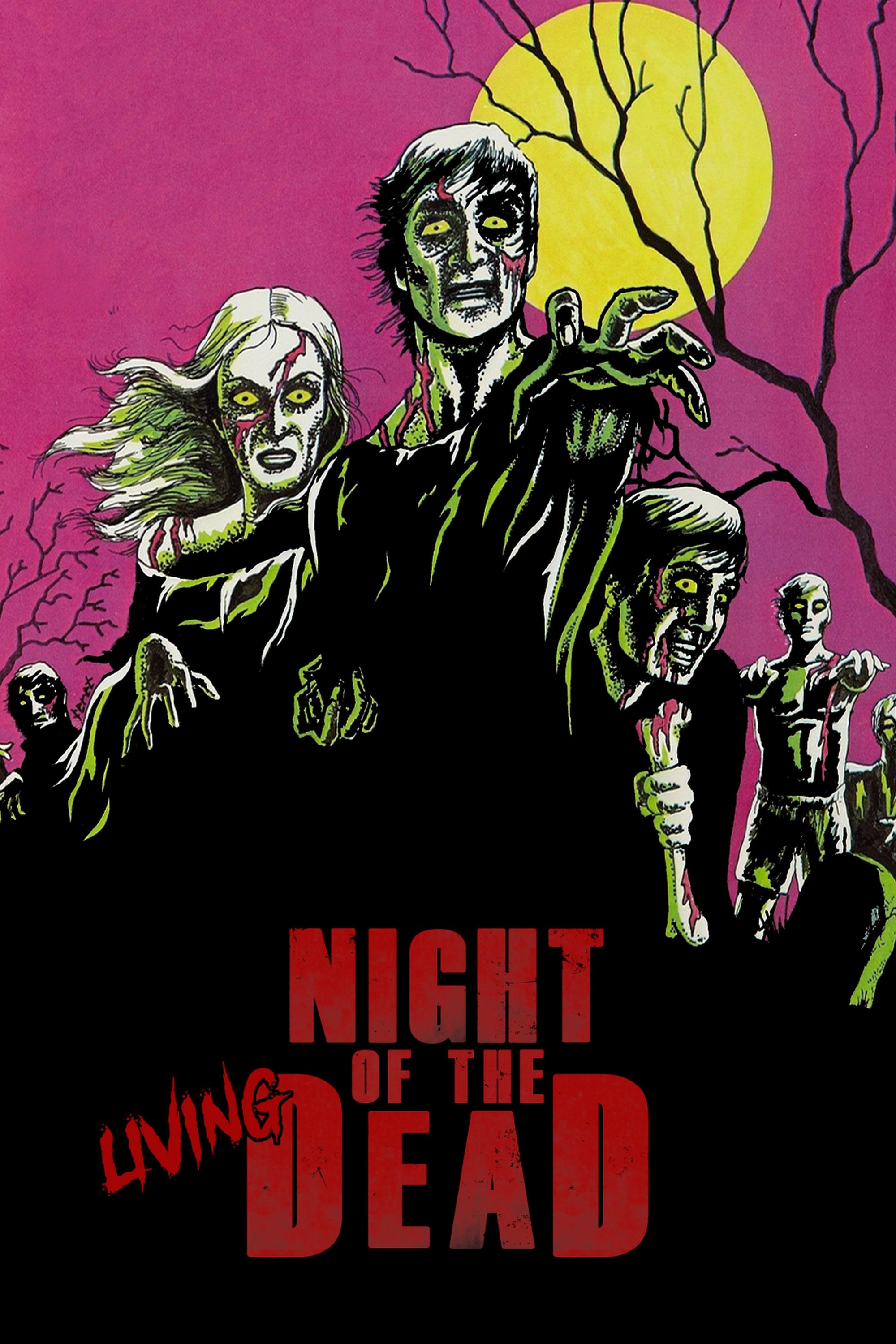
Night of the Living Dead

The Exorcist
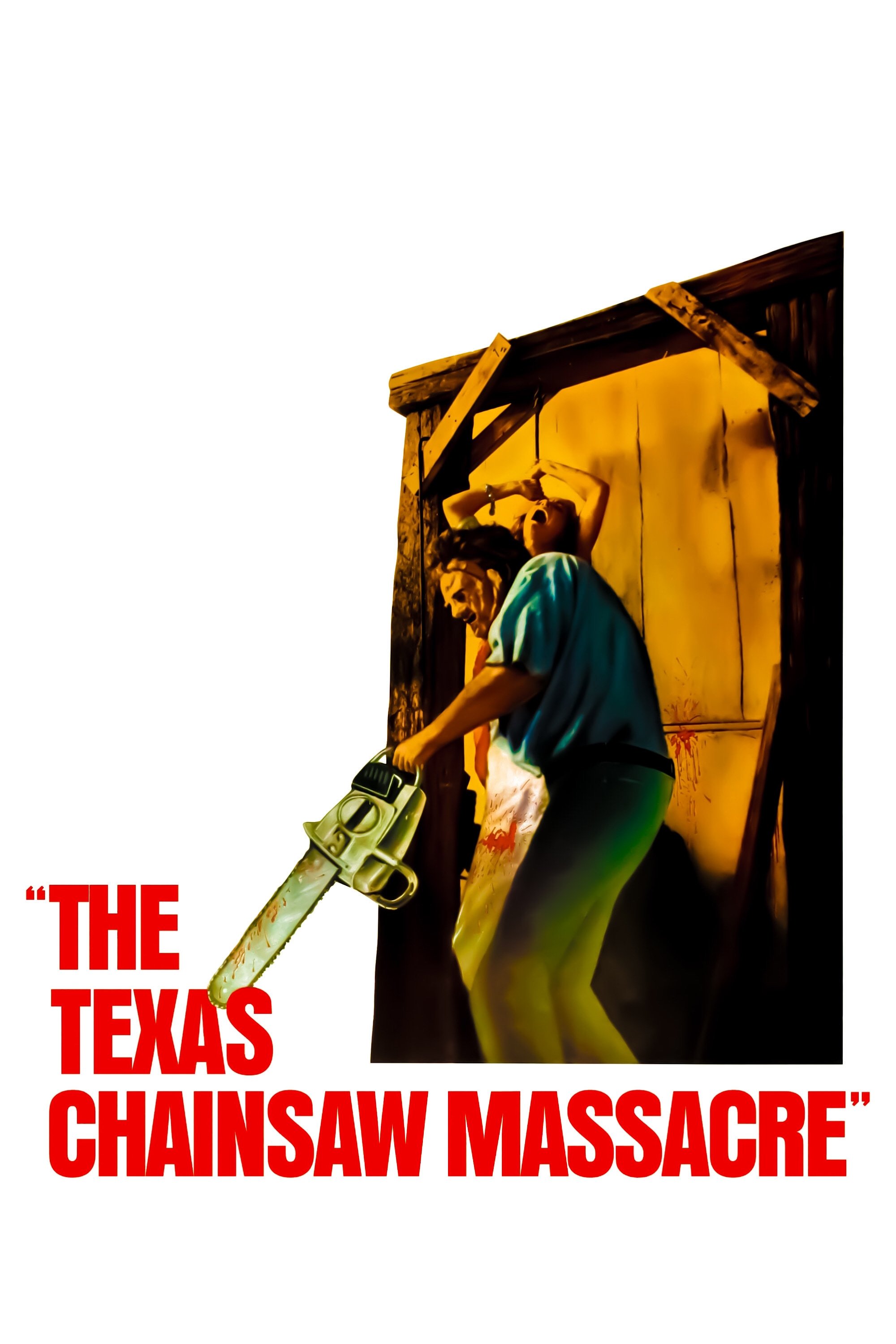
The Texas Chain Saw Massacre
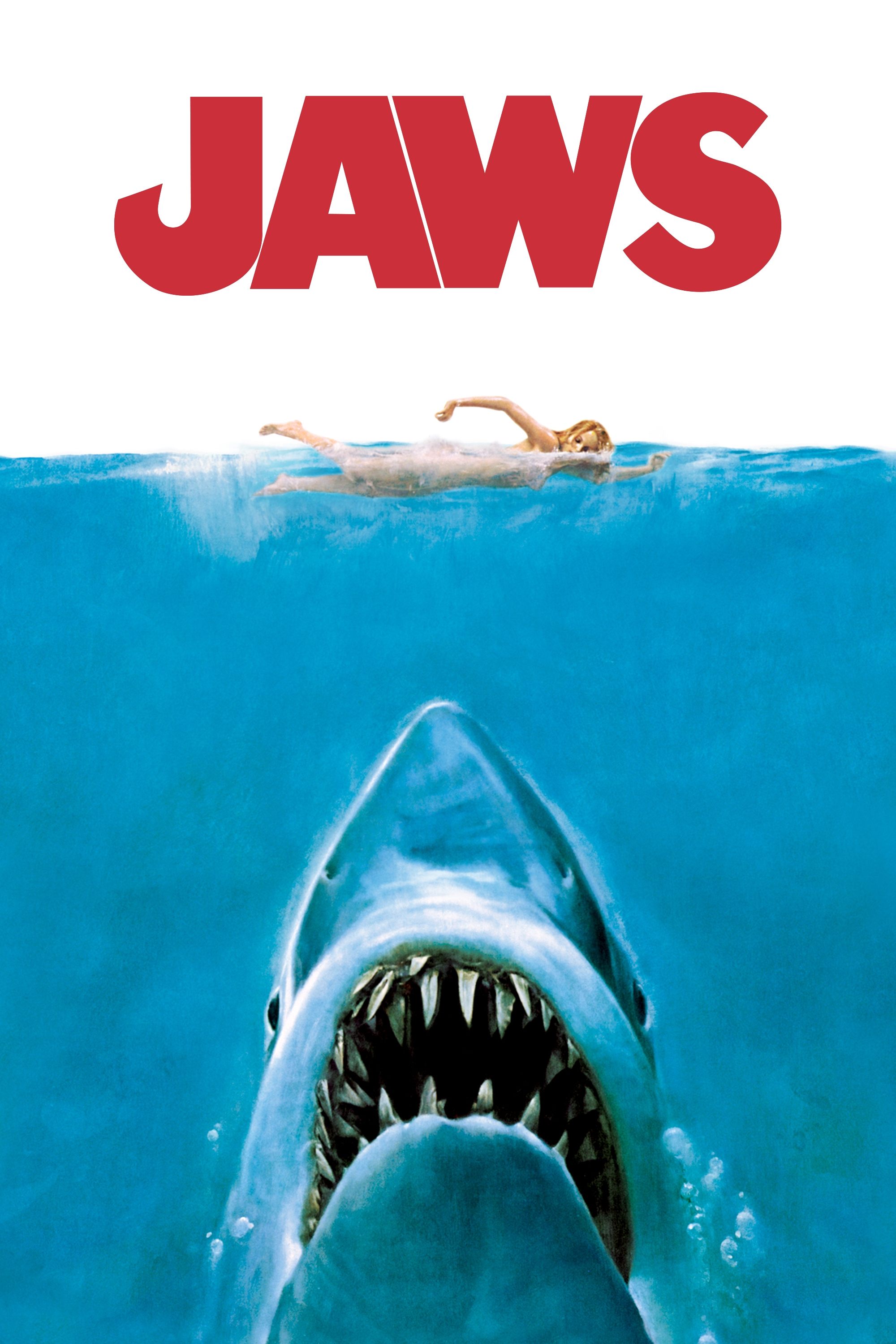
Jaws
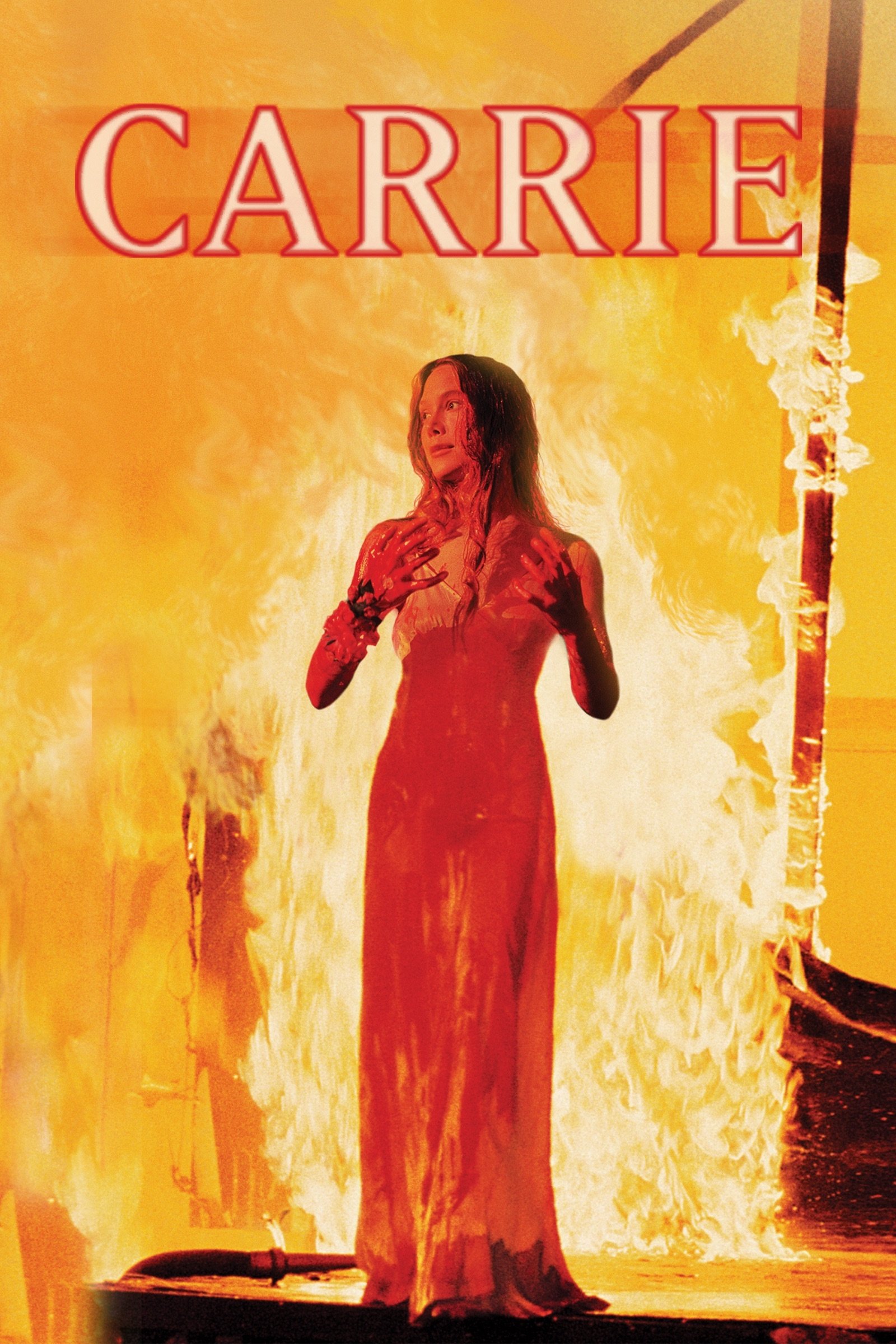
Carrie
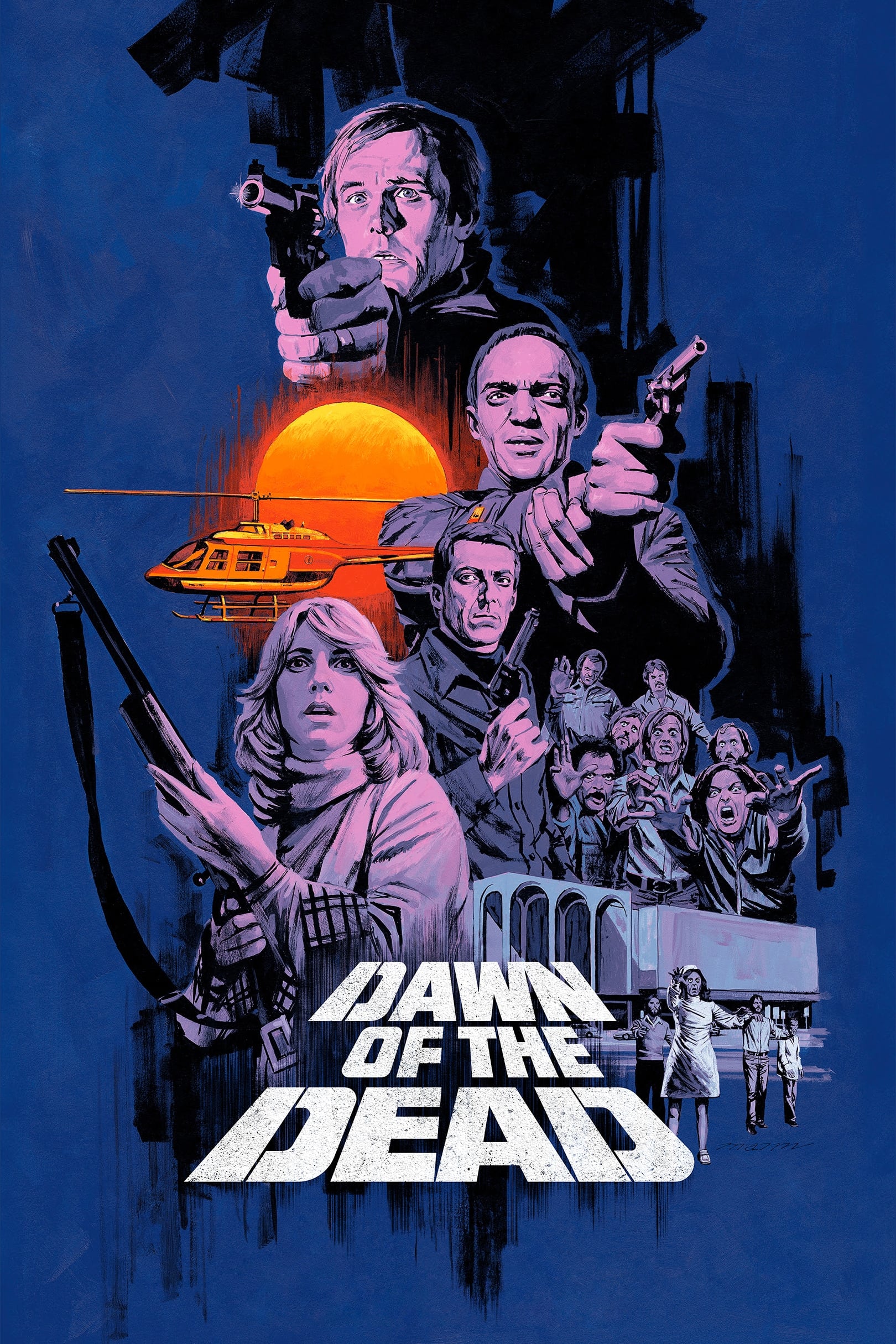
Dawn of the Dead
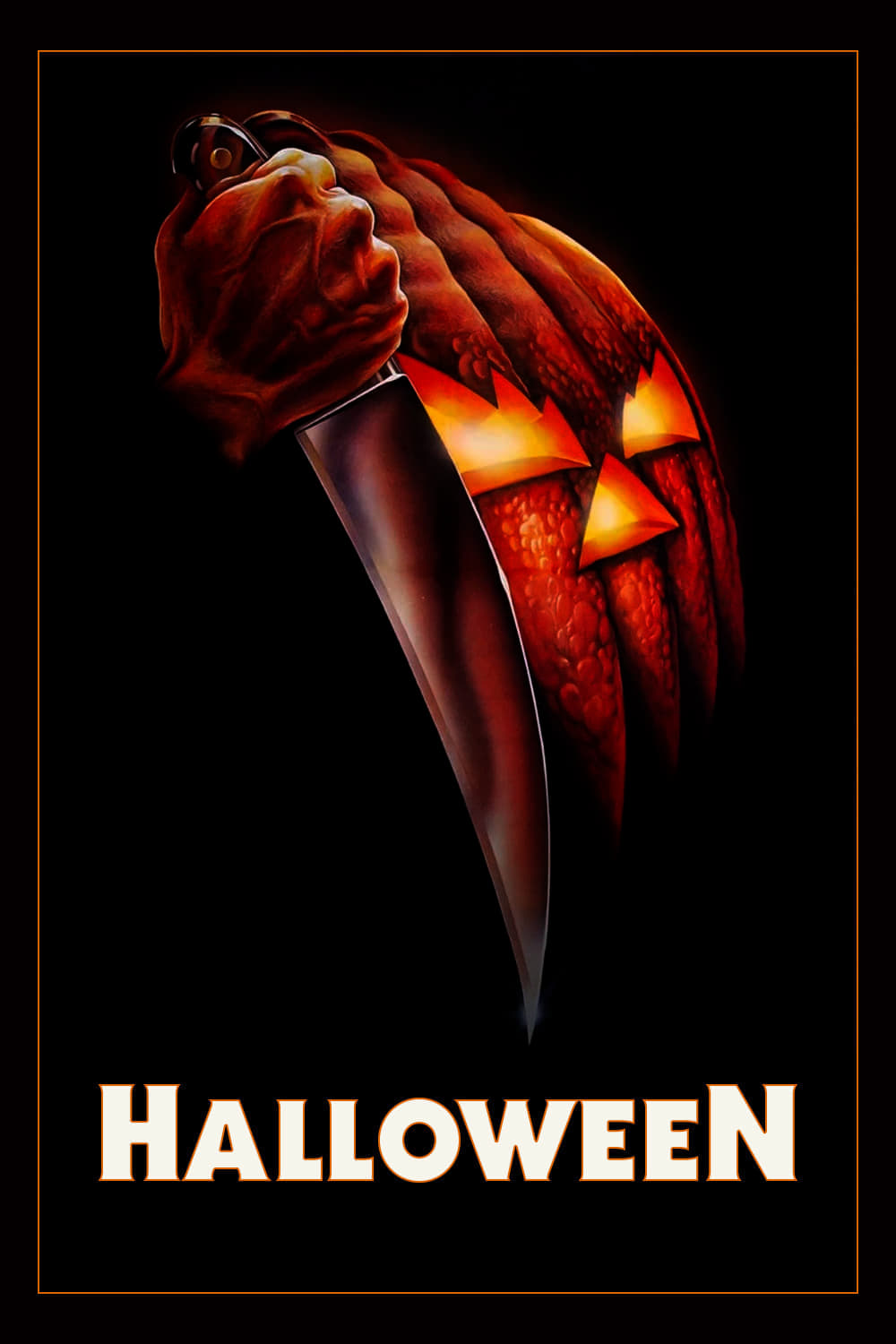
Halloween
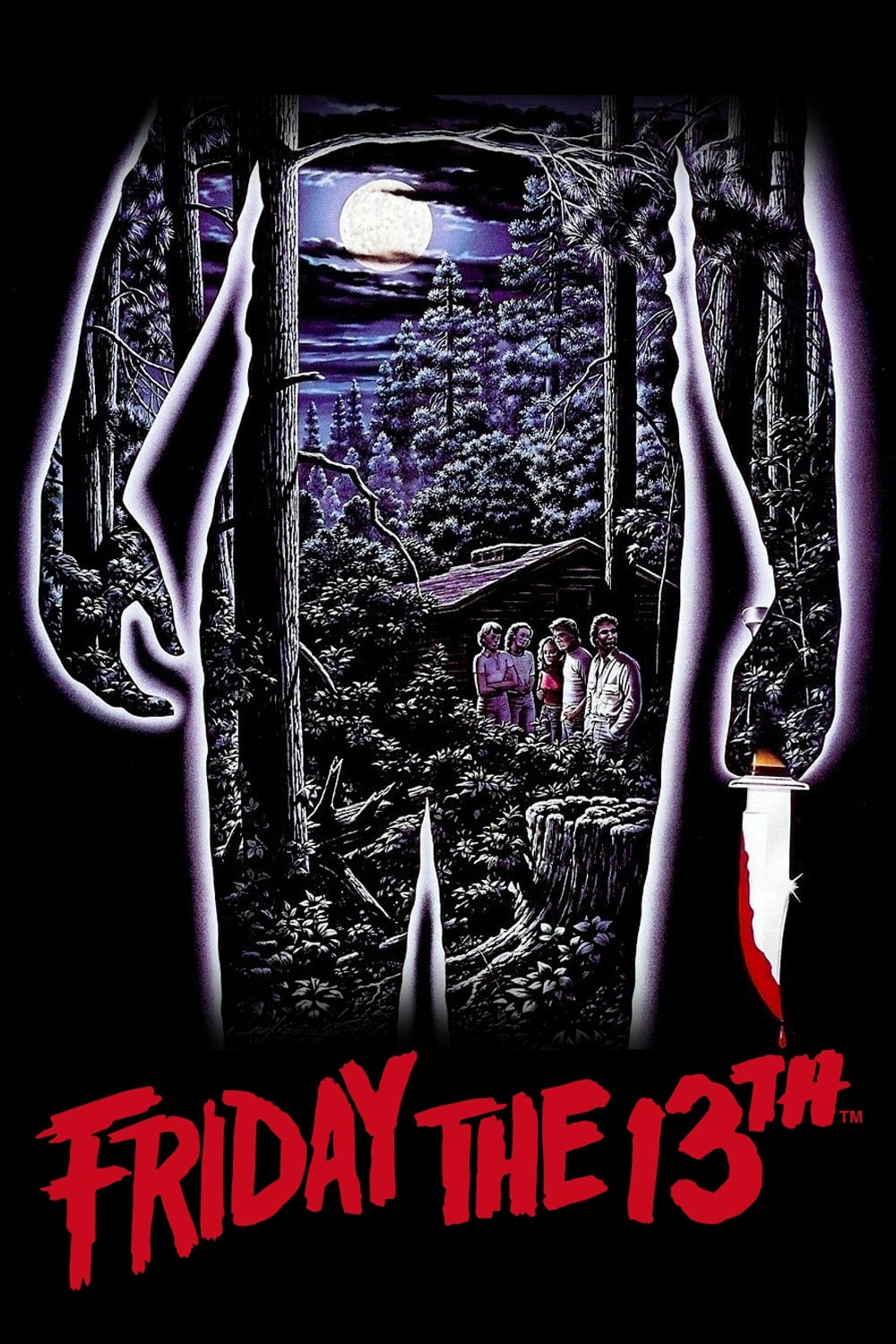
Friday the 13th
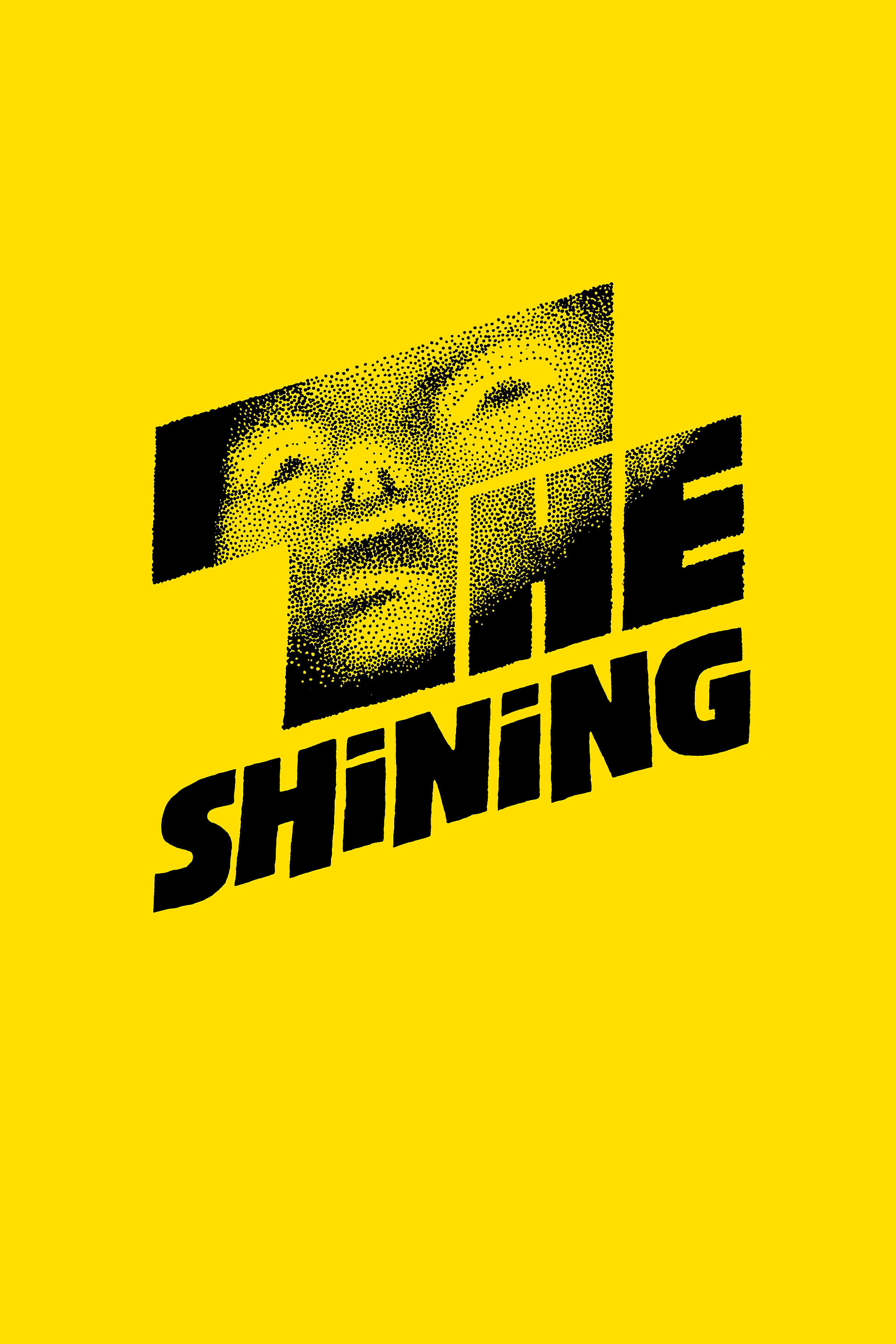
The Shining
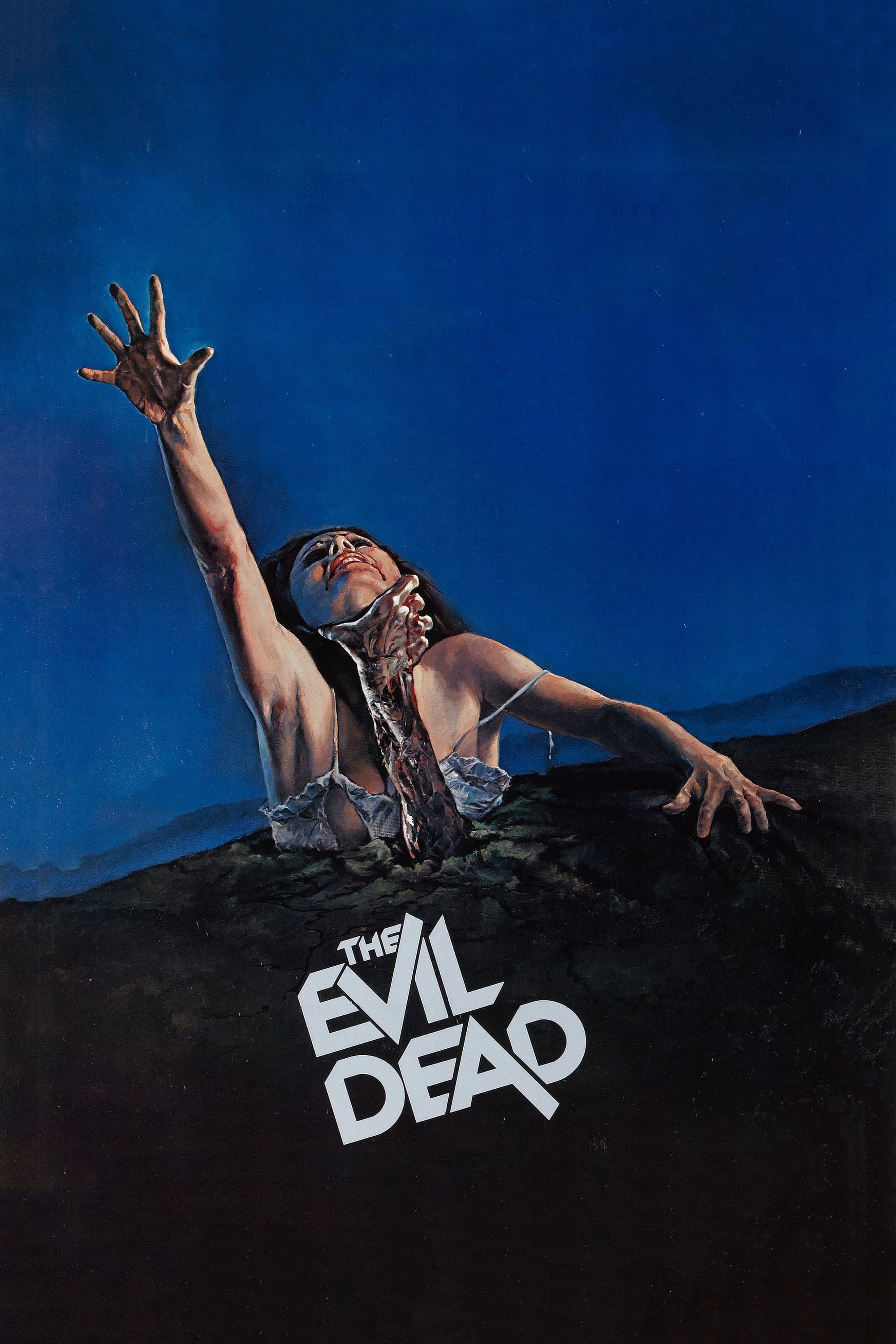
The Evil Dead
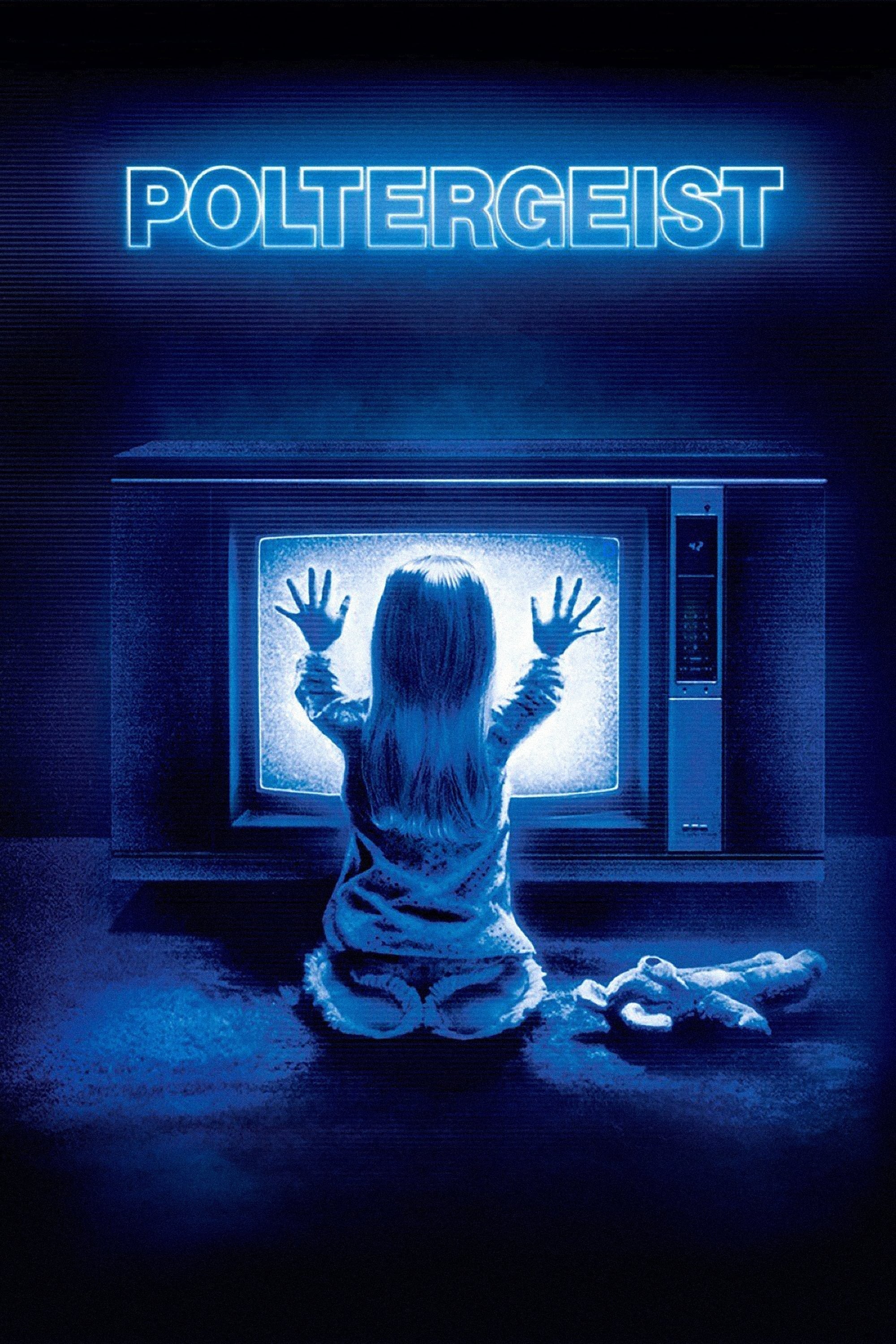
Poltergeist
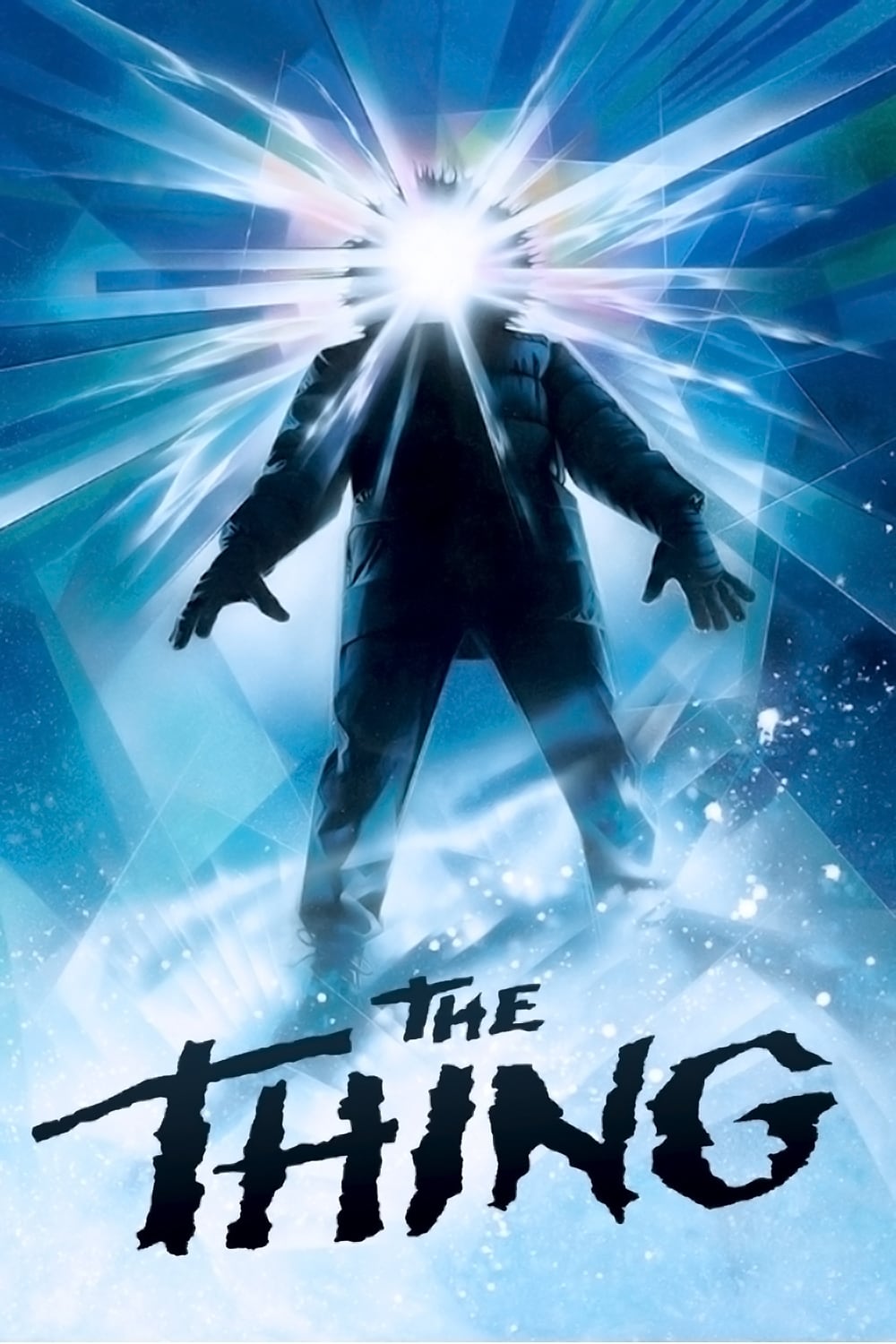
The Thing
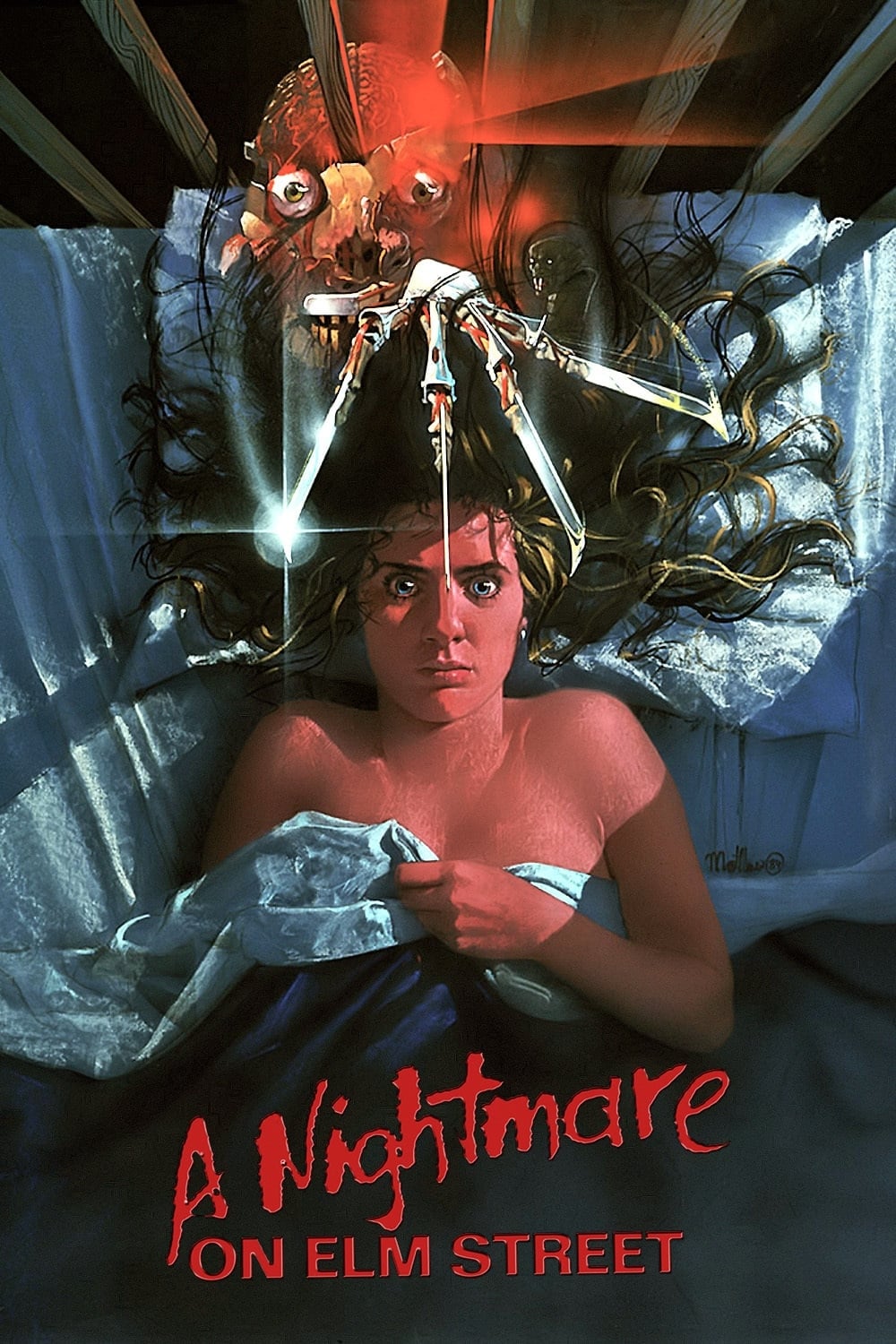
A Nightmare on Elm Street

Re-Animator
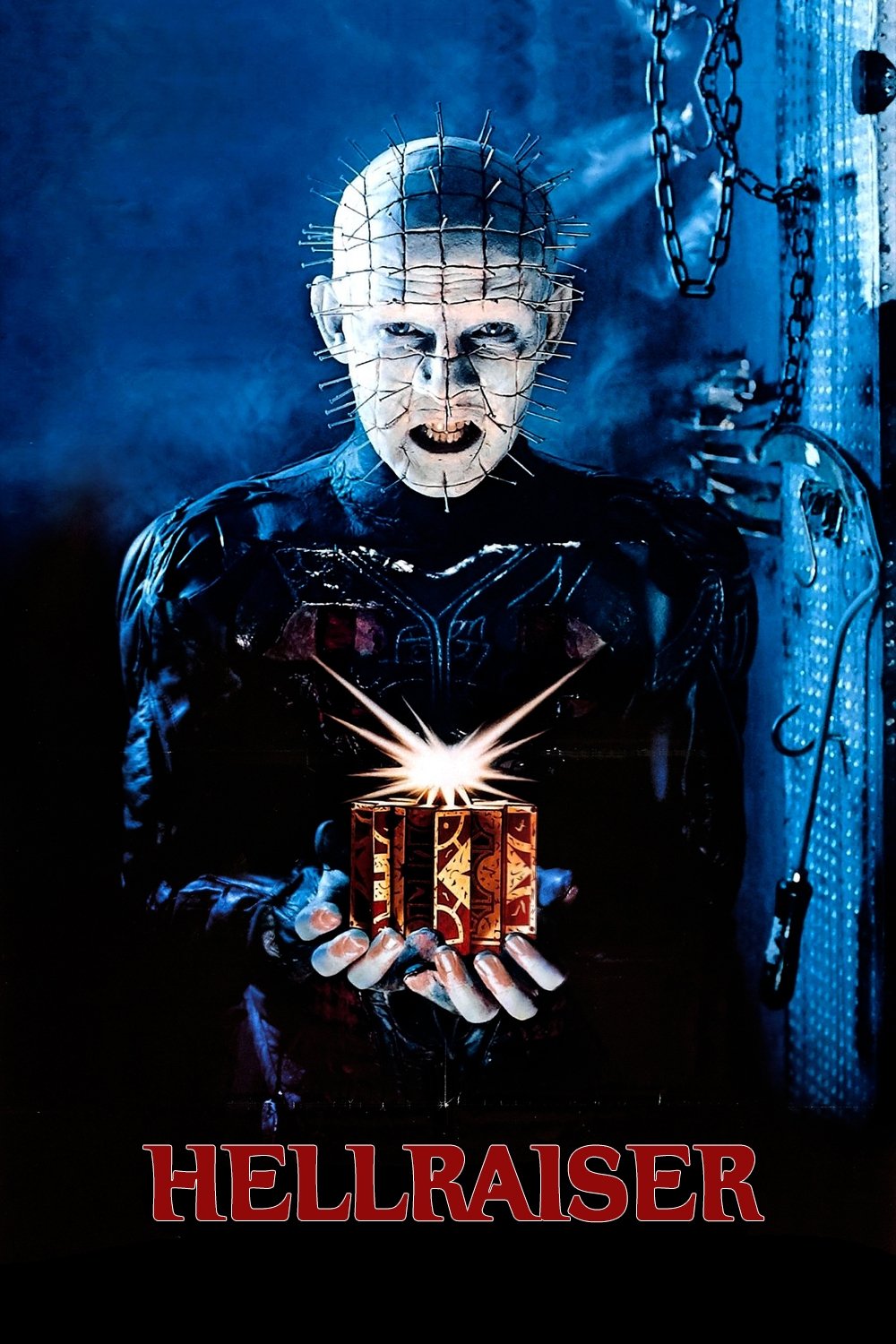
Hellraiser
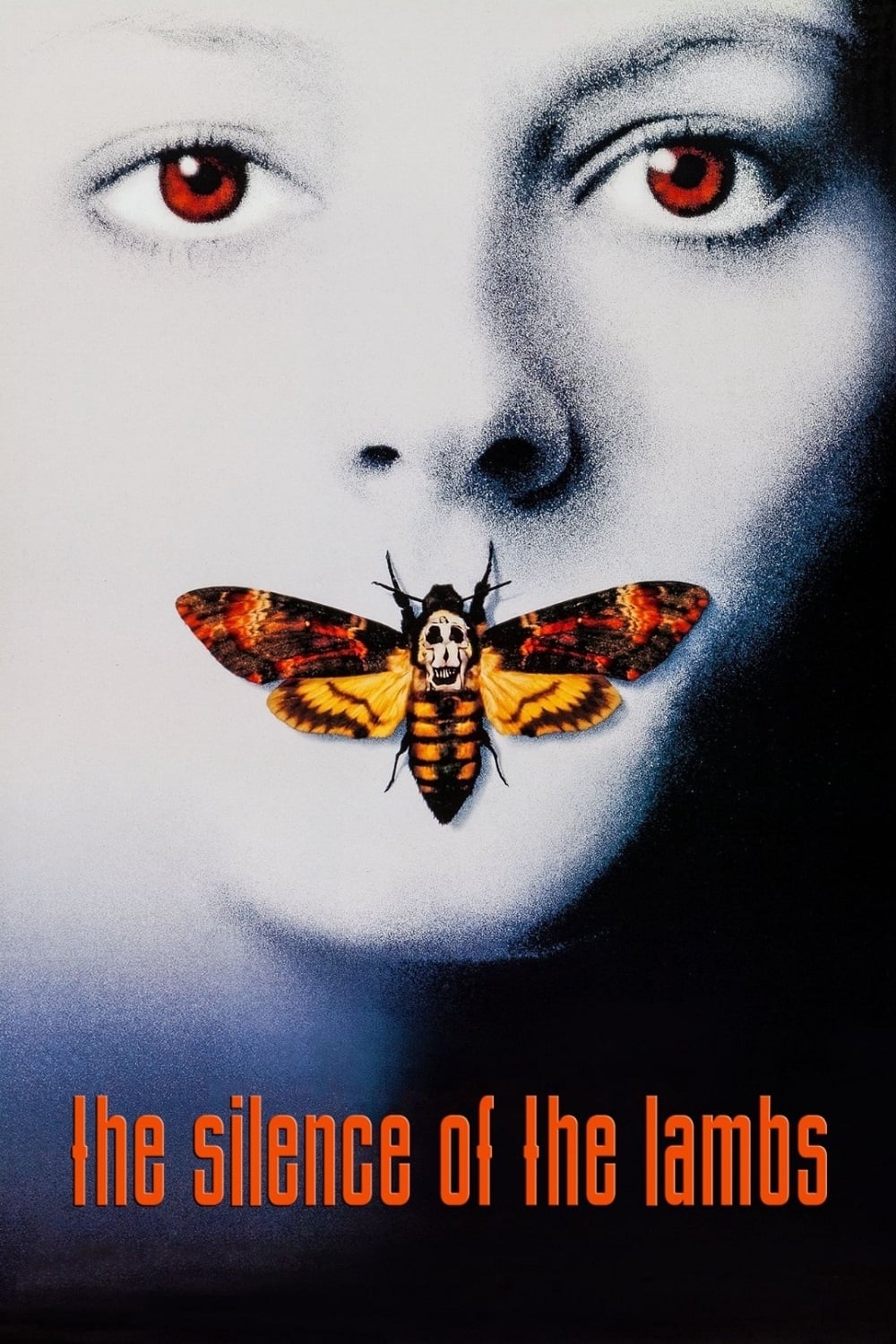
The Silence of the Lambs
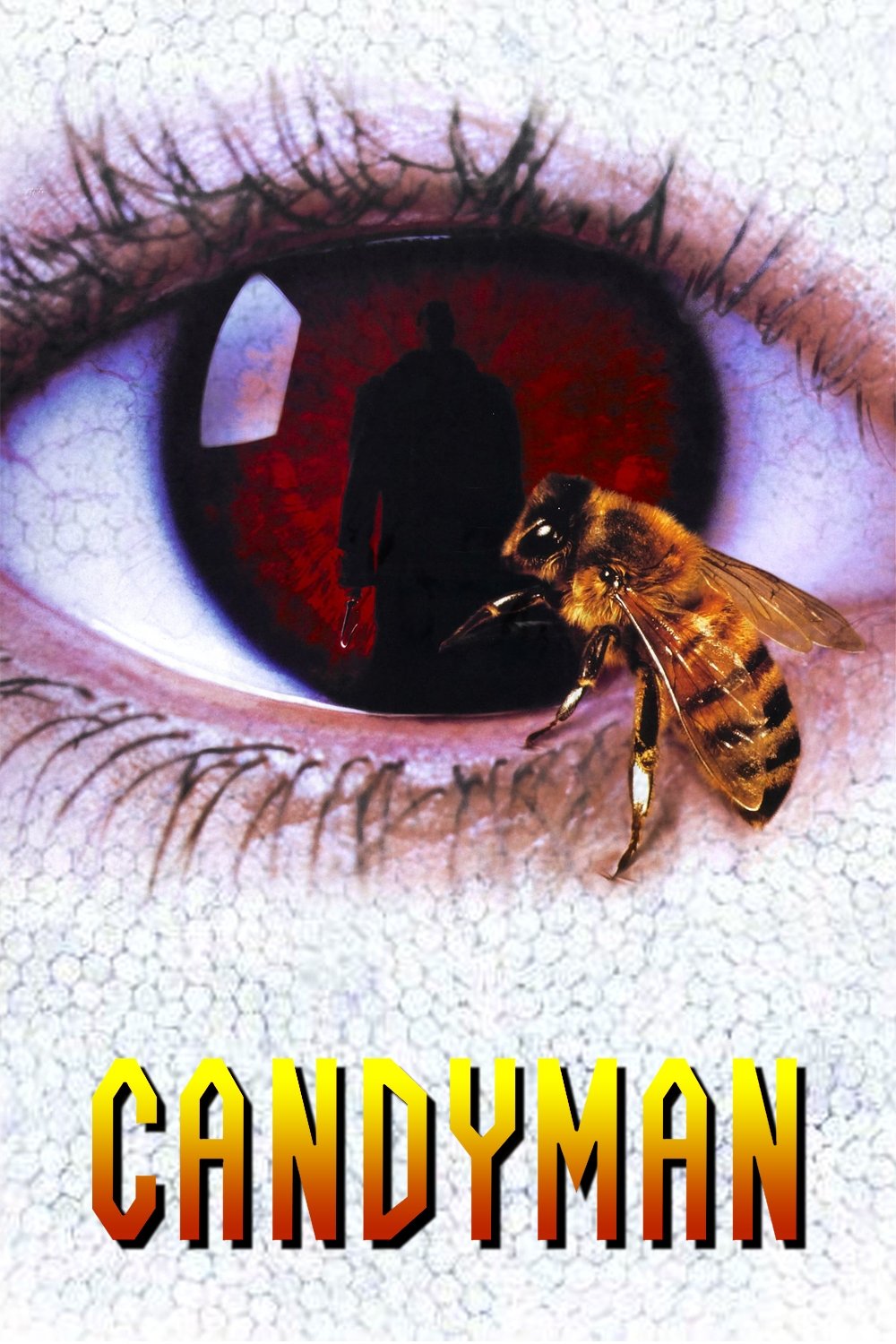
Candyman
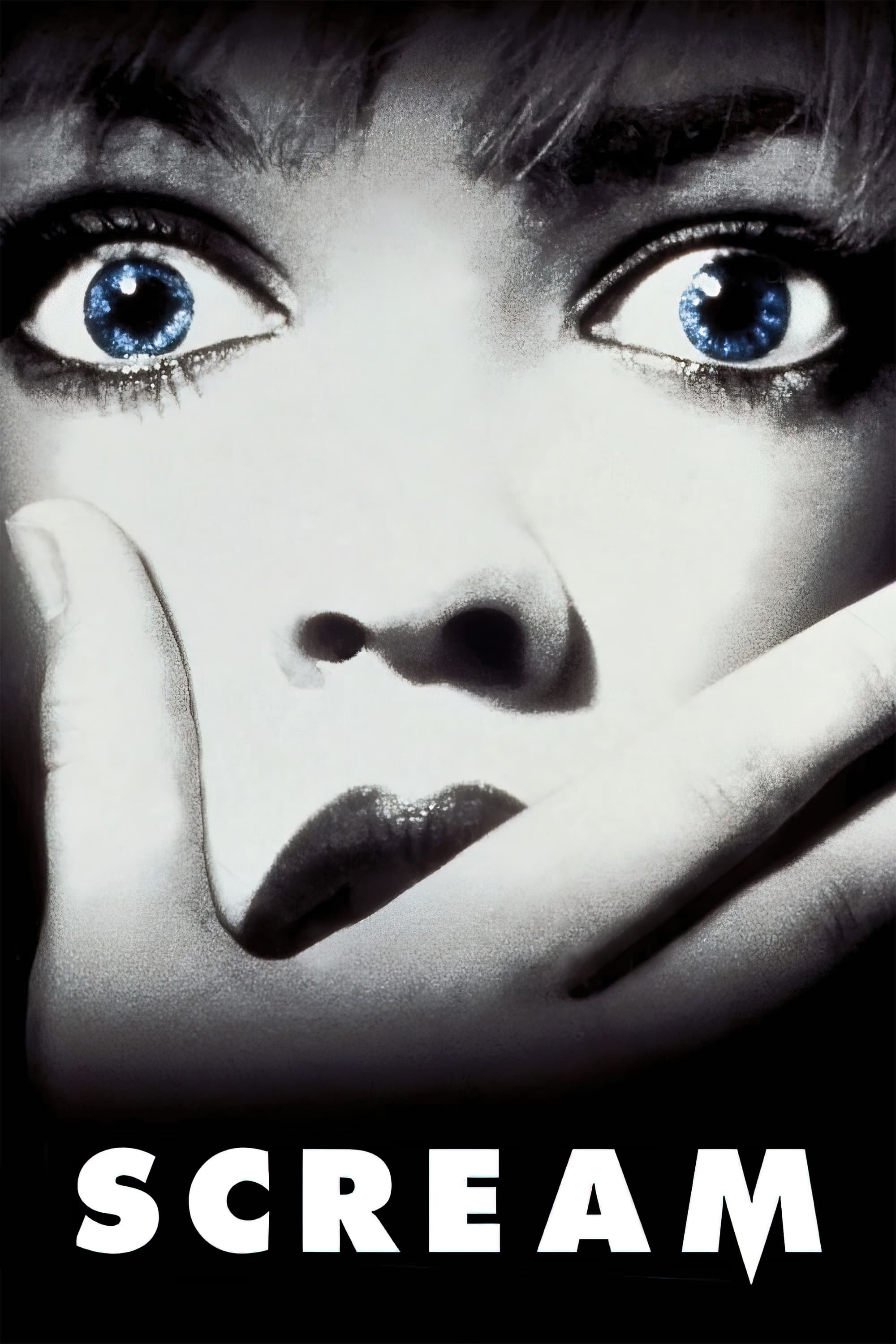
Scream
The Blair Witch Project
The Sixth Sense
Saw
Paranormal Activity
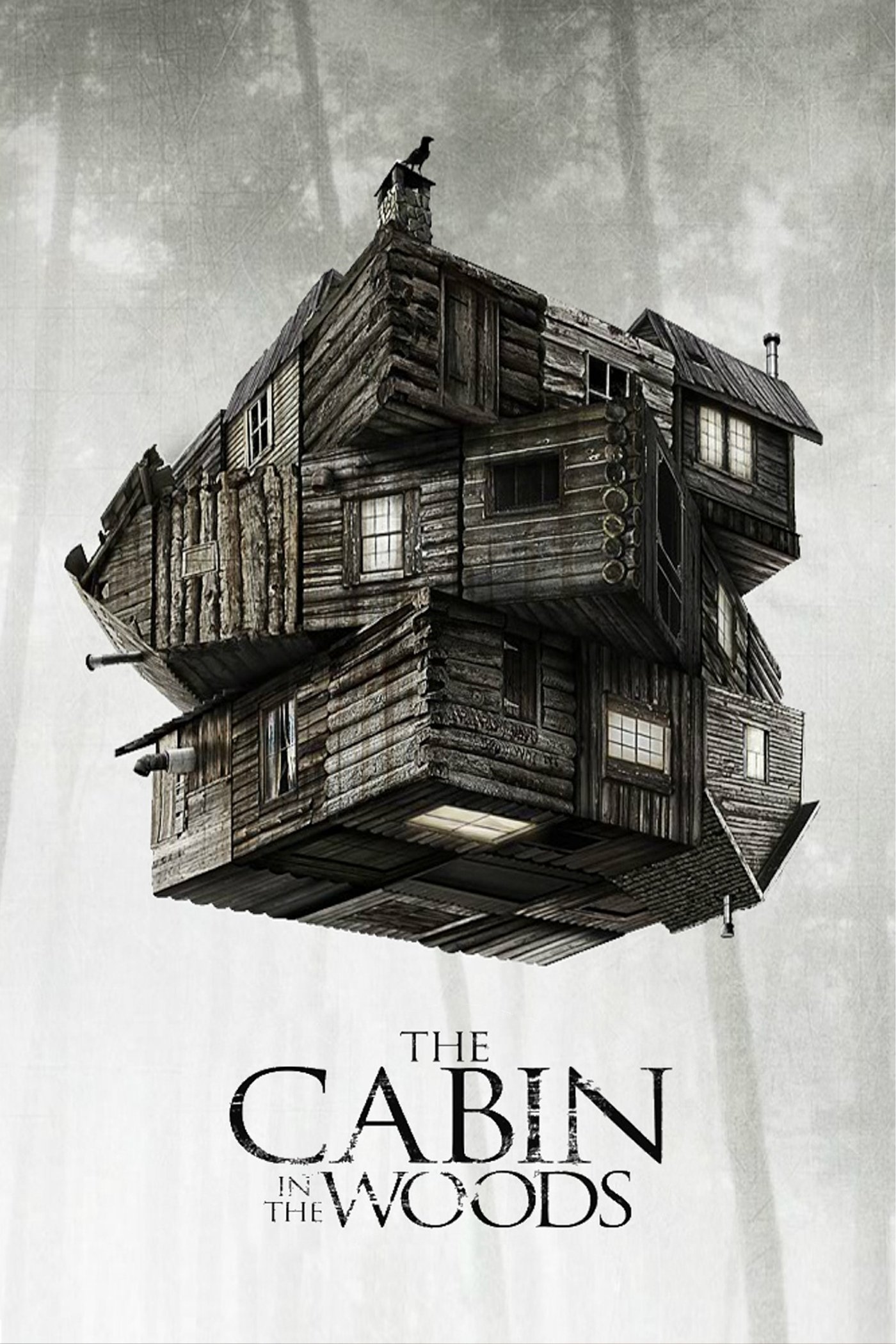
The Cabin in the Woods
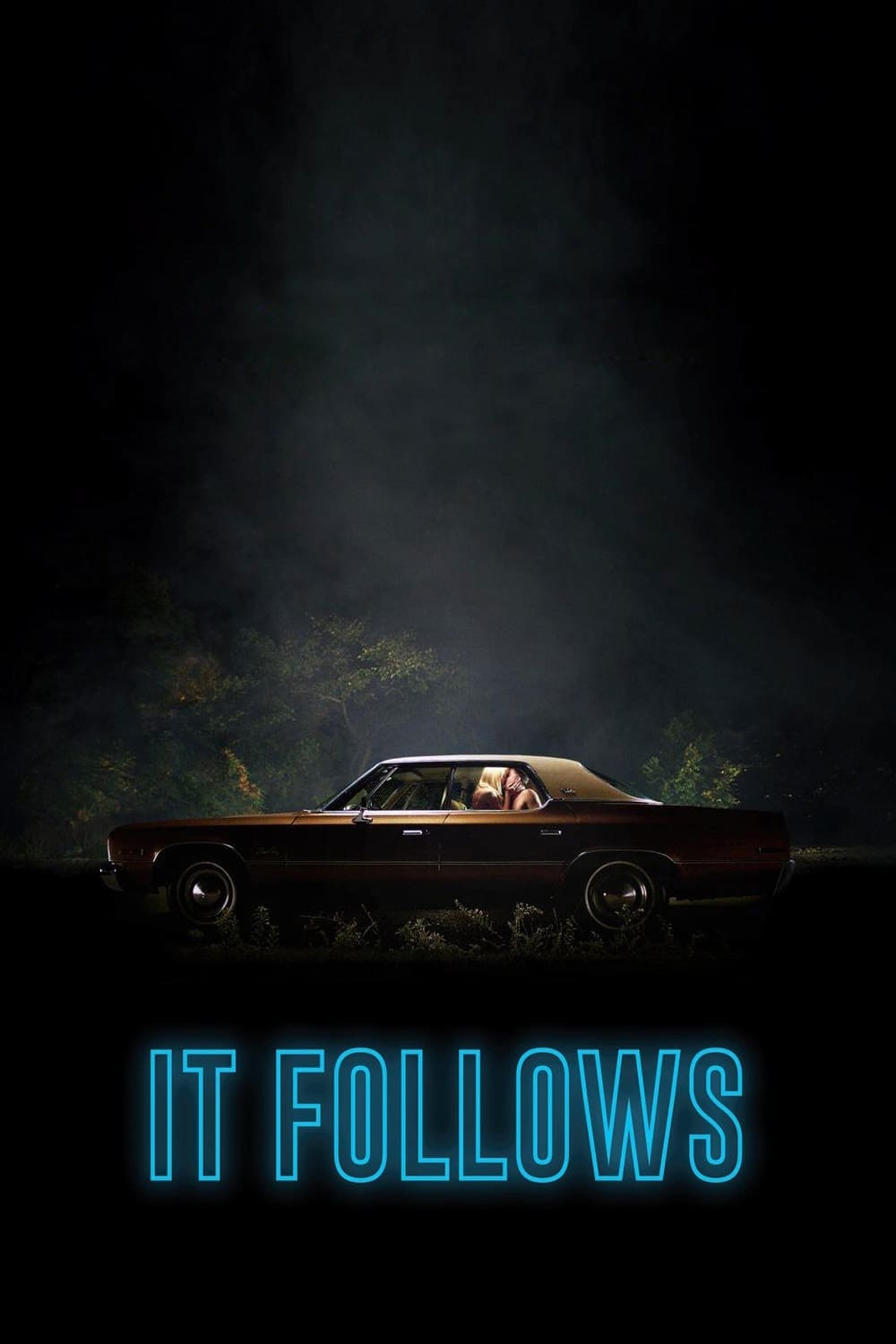
It Follows
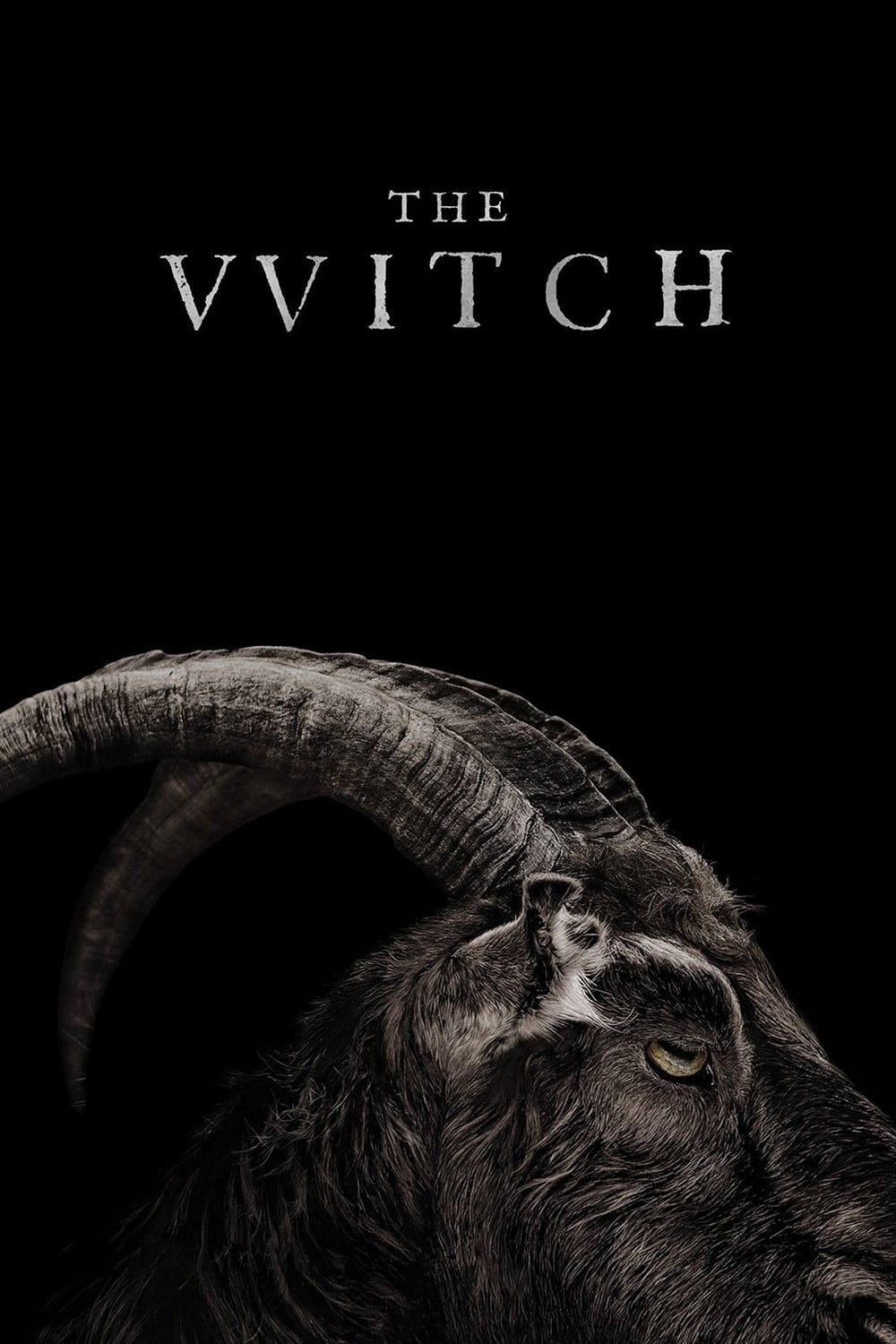
The Witch
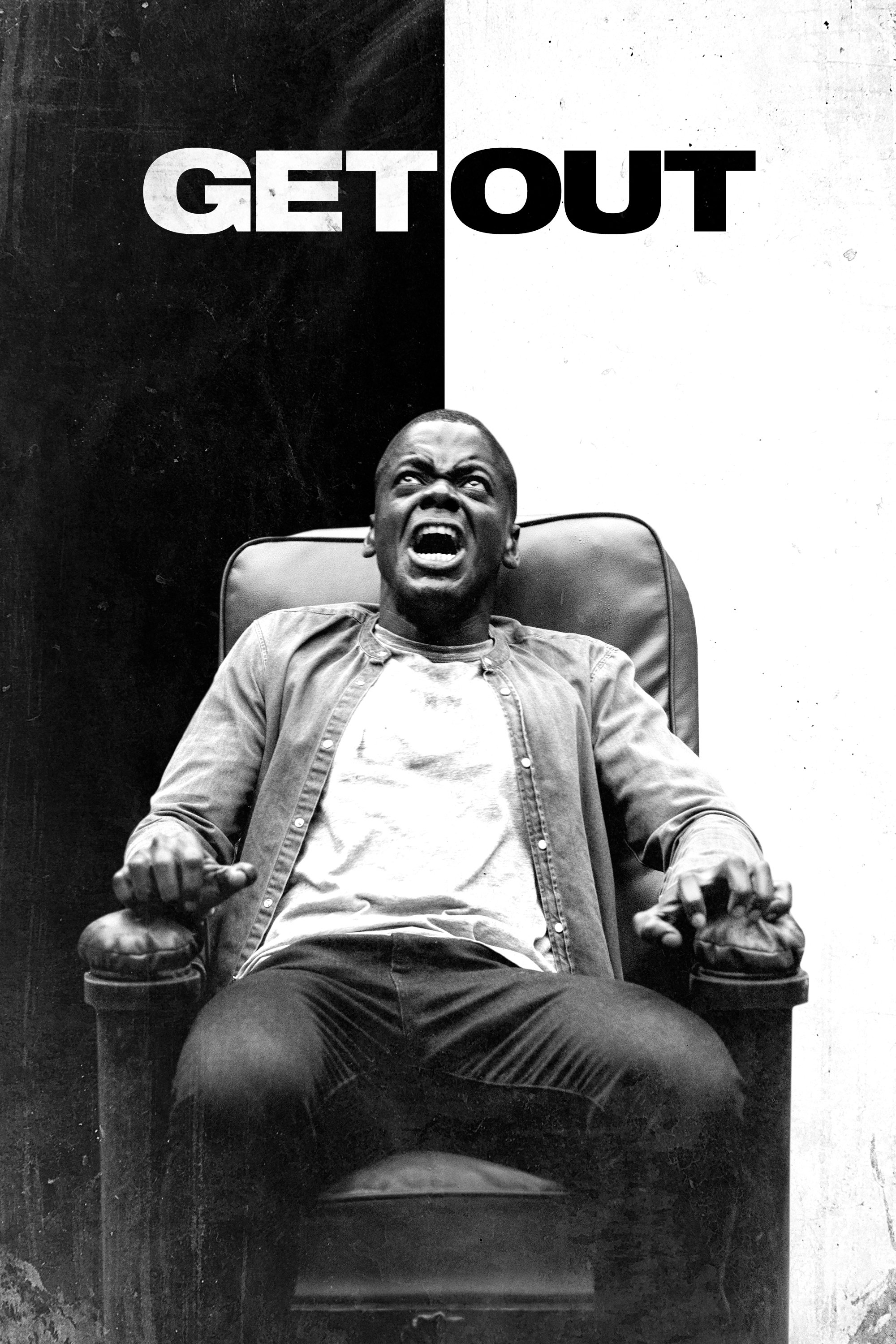
Get Out
A Quiet Place
Hereditary
Statistics
Top Subgenres
Top subgenres among United States horror films.
Popularity by Decade
Share of each decade's horror films classified as United States horror. Counts films with at least 5 TMDB ratings, so very obscure titles are not represented.