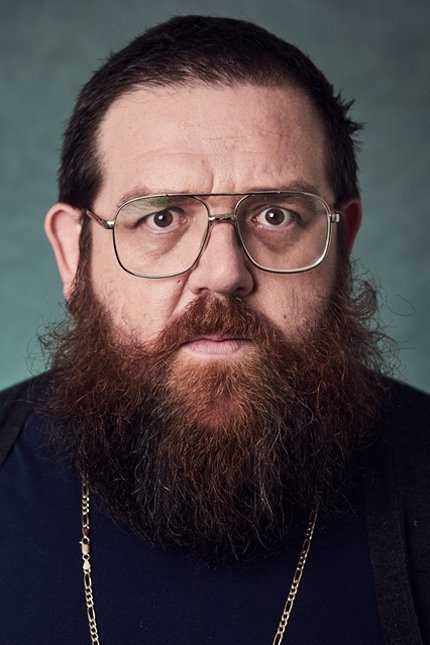
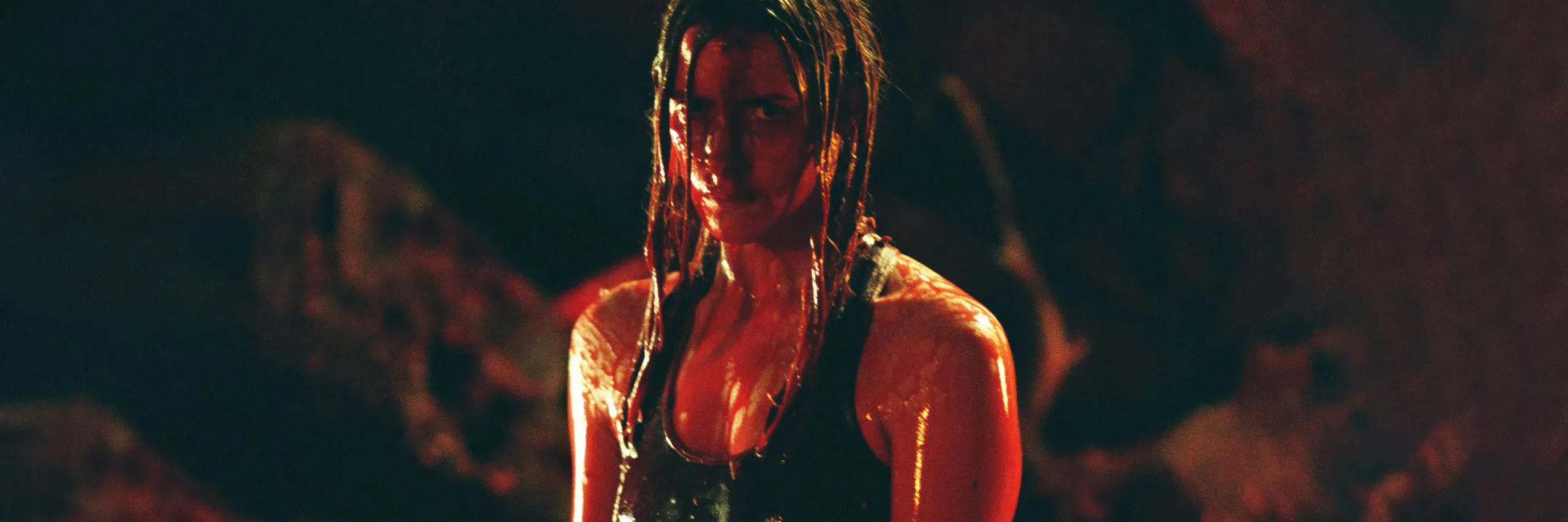
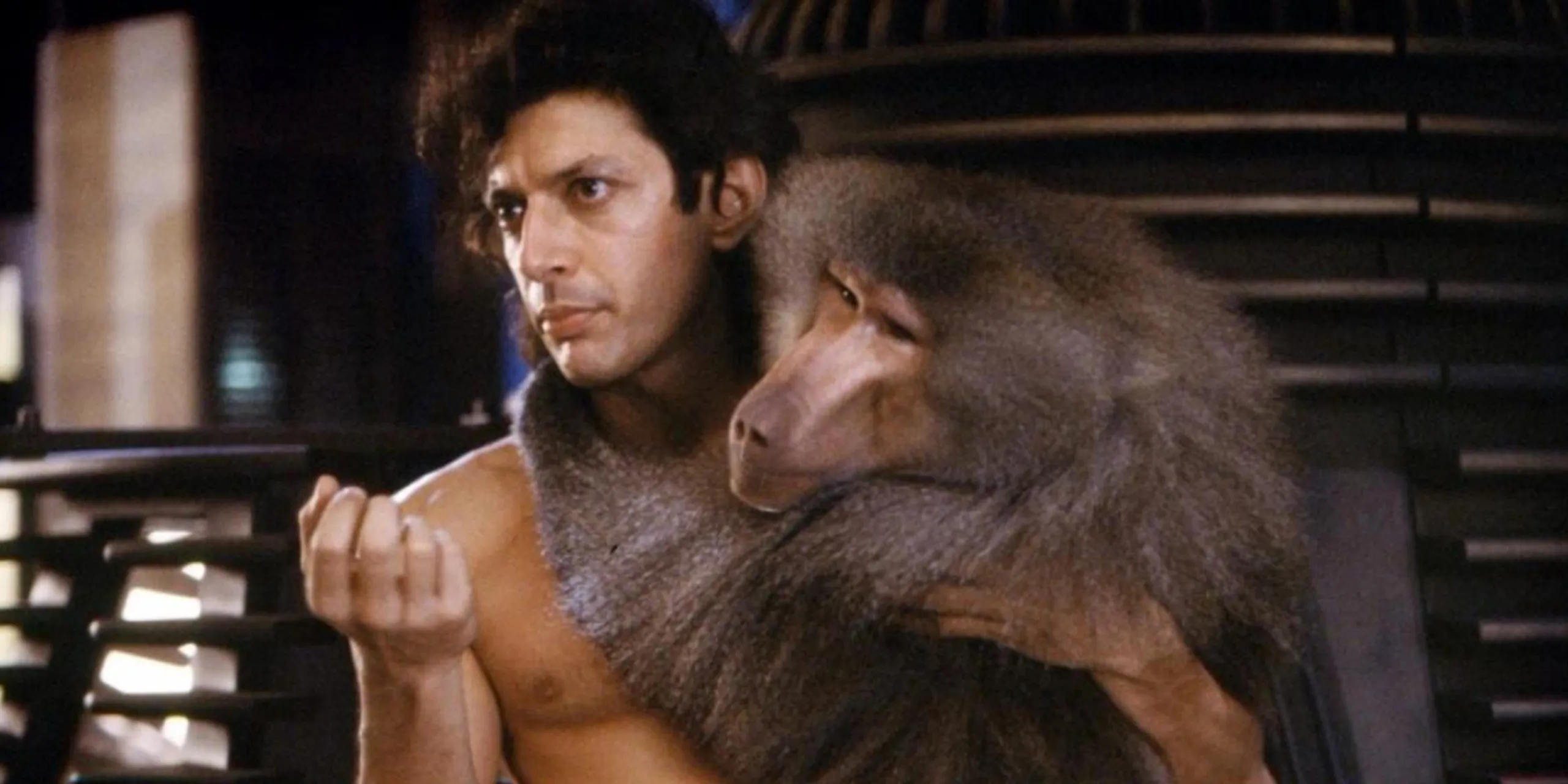
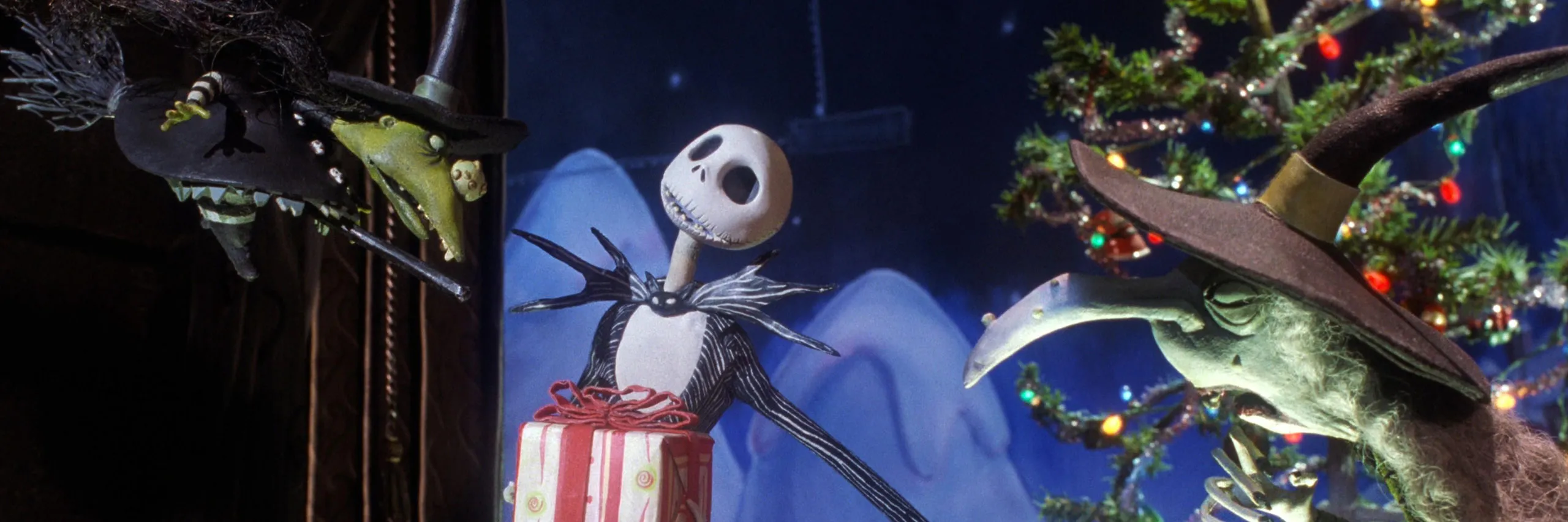
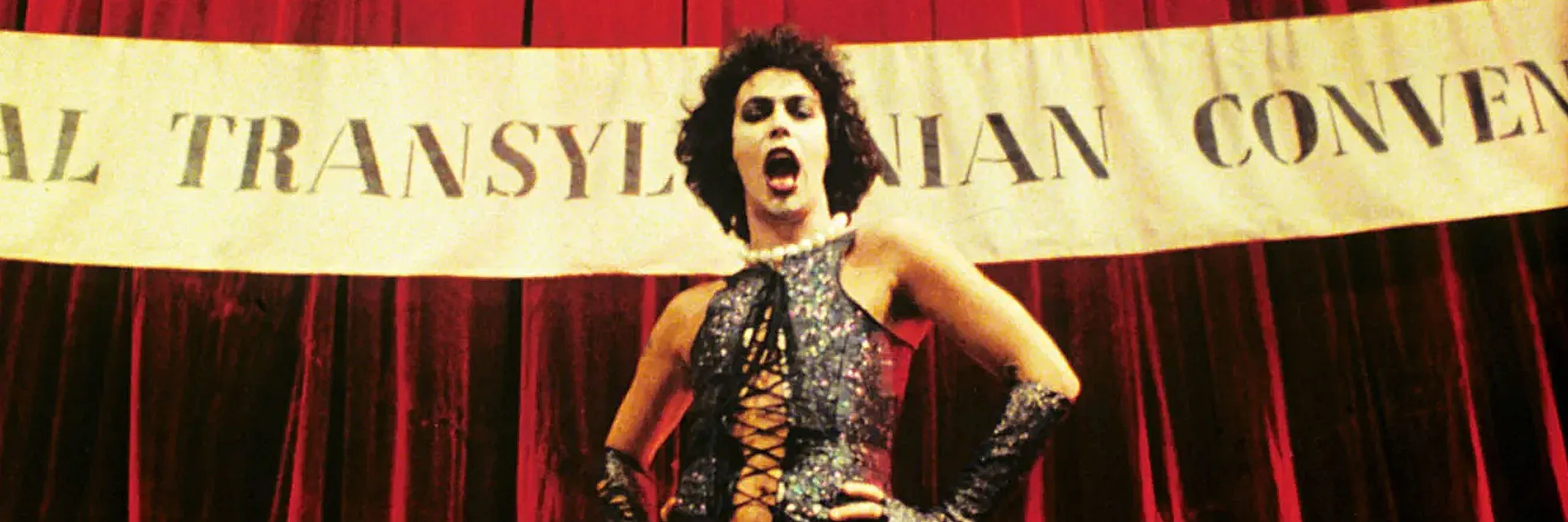
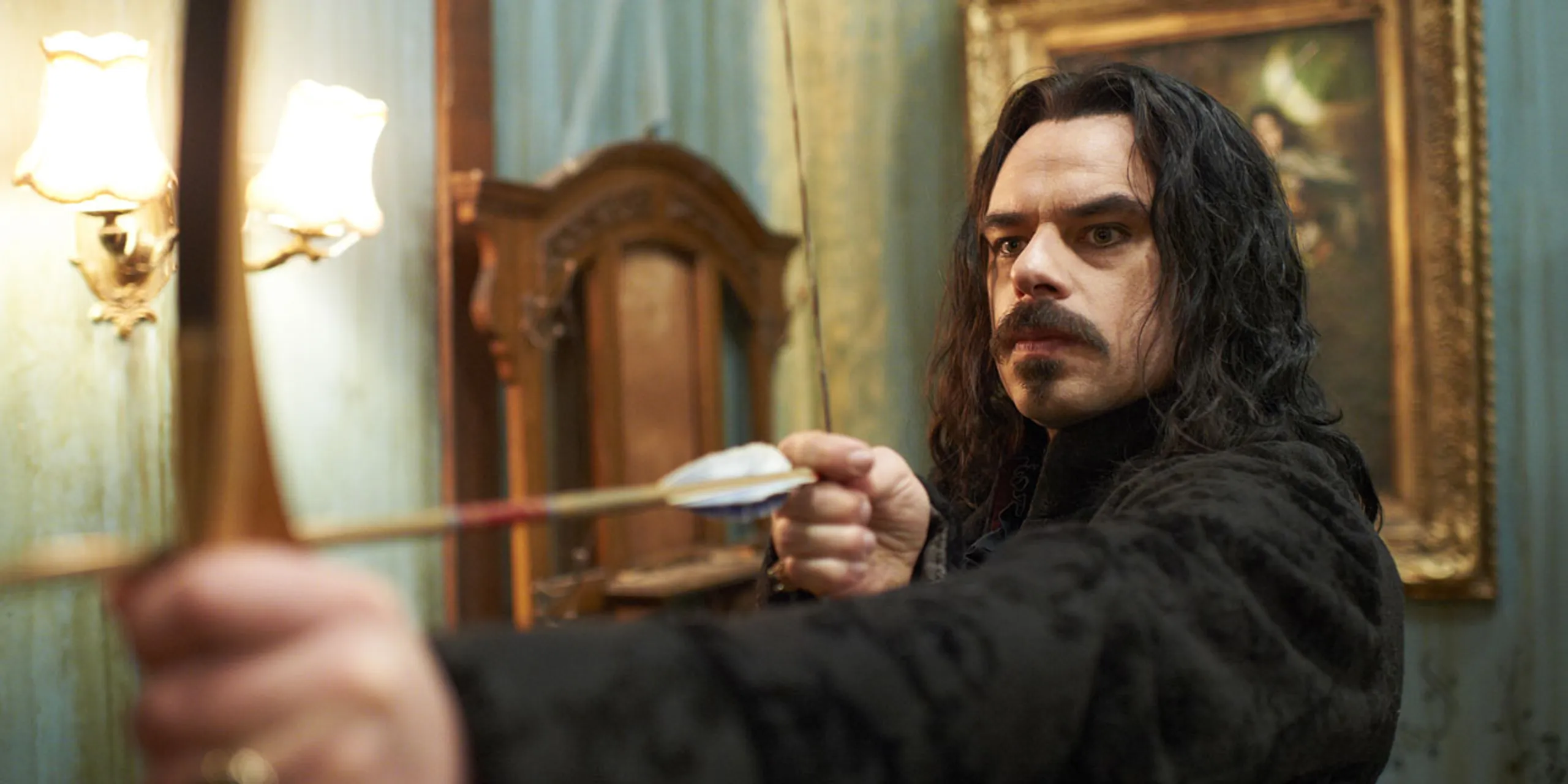
 What We Do In the Shadows (2014)
Horror Comedy
Fear and laughter from the same breath. The best horror comedies don't alternate between scares and jokes — they fuse them, creating moments where the audience screams and laughs simultaneously.
History & Origins
Horror comedy is one of the genre's oldest and most commercially successful hybrids — a combination that works because fear and laughter share the same physiological response: the sudden release of tension. Bruce Kawin writes in Horror and the Horror Film (2012) that "to succeed, such pictures must be funny and scary at once — that is, they must work as horror films and as comedies." Murray Leeder's Horror Film: A Critical Introduction (2018) traces the "serio-comedic 'old, dark house' tradition" back to silent and early-sound cinema; William Paul's Laughing Screaming (1994) reads horror and comedy as twin "fun house" forms in which "an indulgence... takes place within a safe environment which permits us to acquiesce without fear of consequence."
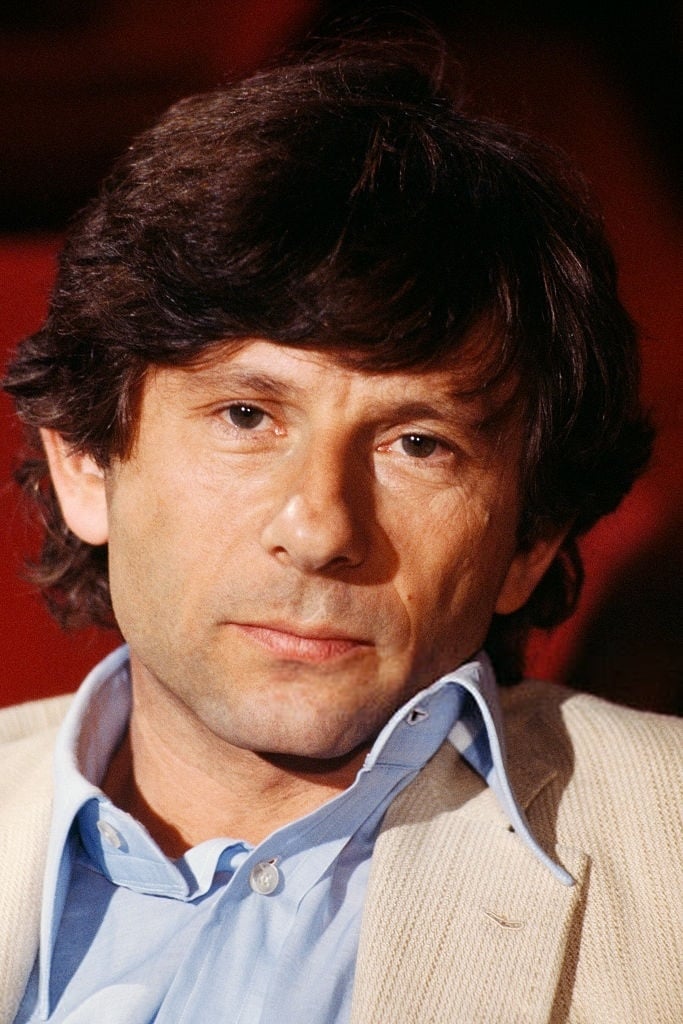
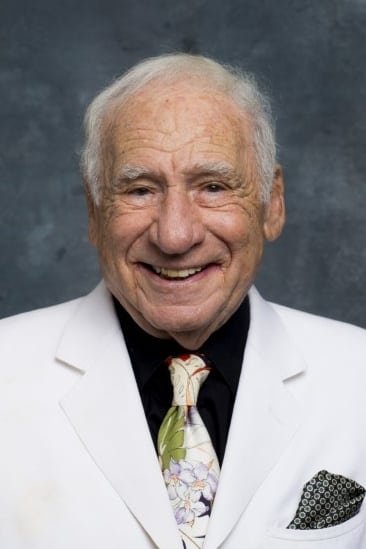
The Universal monster cycle ended on the form's commercial template. Charles Barton's Bud Abbott and Lou Costello Meet Frankenstein (1948) resurrected the Universal pantheon for one final round, demonstrating that horror's iconic monsters could coexist with slapstick without either element being diminished — a film James Neibaur in The Monster Movies of Universal Studios (2017) calls the team's biggest box-office success. Roman Polanski's The Fearless Vampire Killers (1967) parodied Hammer's gothic conventions in a register more melancholic than slapstick. Mel Brooks's Young Frankenstein (1974) ran the form to its highest reach of literary affection.
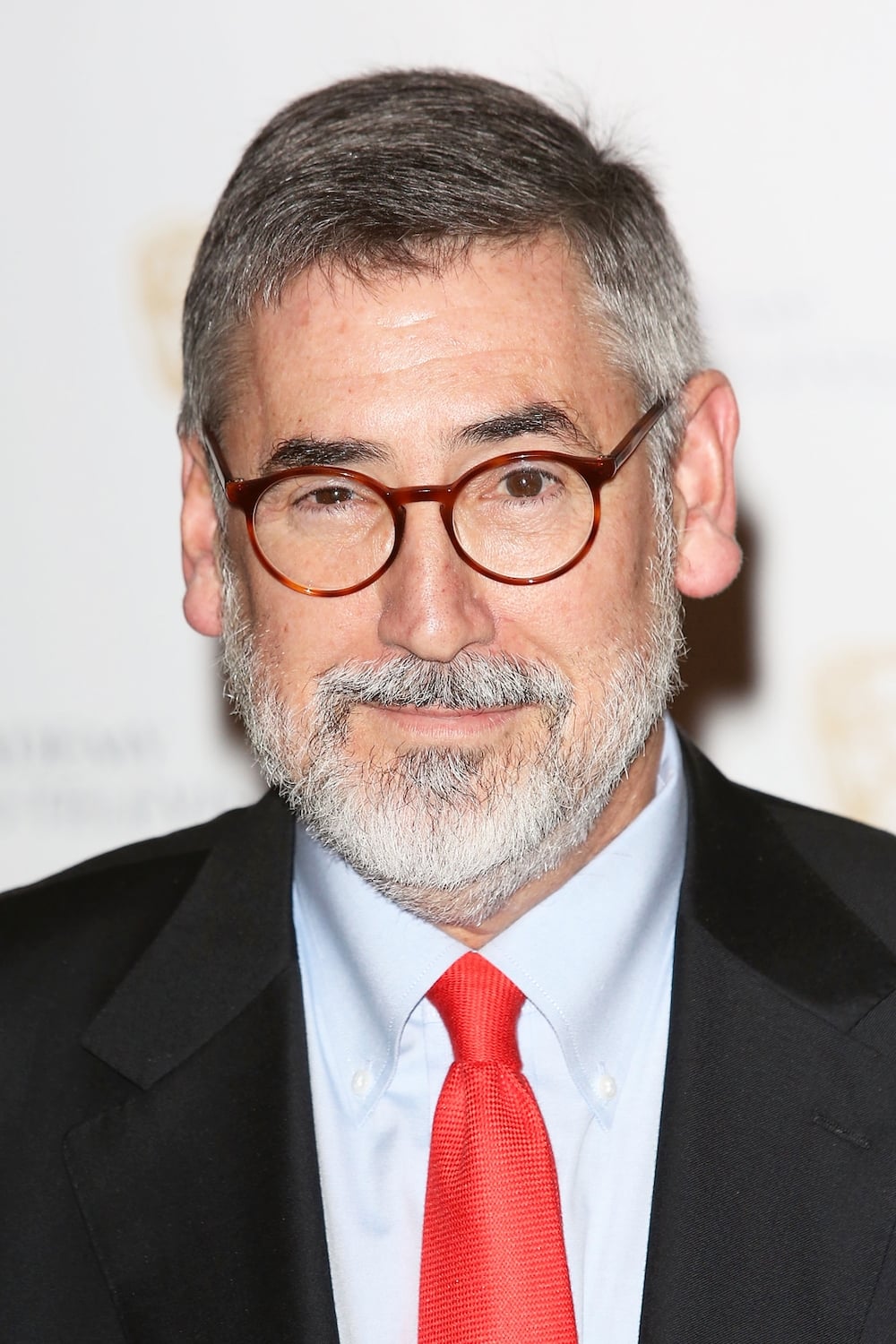
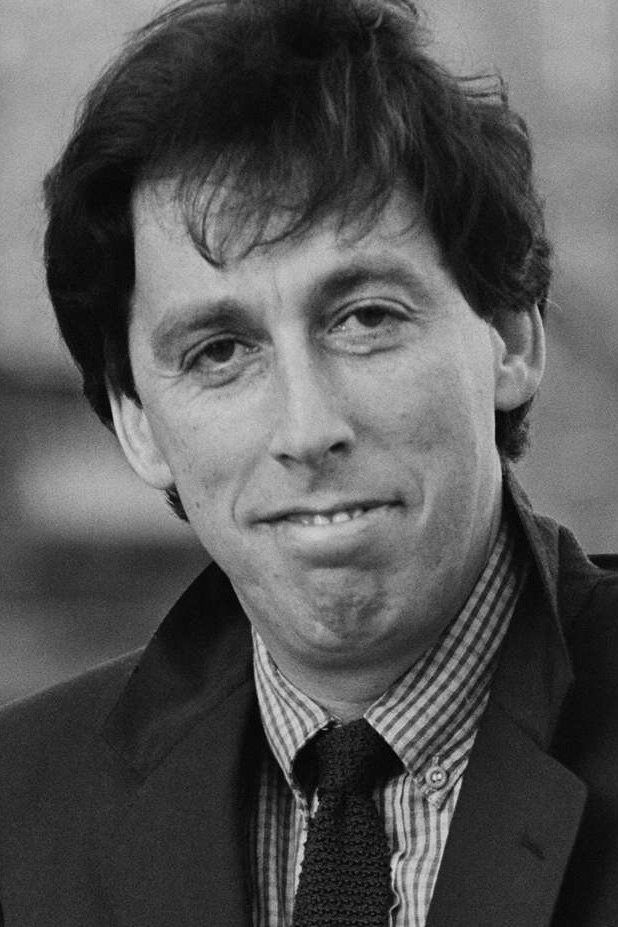
The 1980s were horror comedy's peak decade. John Landis's An American Werewolf in London (1981) — the canonical example of the form's mature mode — achieved what A History of Horror, Fear, and the Uncanny (2026) calls the rarest fusion: "both scary and funny" simultaneously, with Rick Baker's transformation effects winning the first Academy Award for Makeup. Stuart Gordon's Re-Animator (1985) ran Lovecraft into splatter-comedy. Frank Oz's Little Shop of Horrors (1986) made a man-eating plant the occasion for doo-wop and Motown. Sam Raimi's Evil Dead II (1987) invented splatstick — physical comedy performed with chainsaws and geysers of blood. Tim Burton's Beetlejuice (1988), with Michael Keaton's title performance, brought the form to mainstream commercial success. John Carpenter's They Live (1988), per Michele Brittany's Horror in Space (2017), explored invasion horror "in a less claustrophobic, more outwardly comedic and mainstream package." Ivan Reitman's Ghostbusters (1984) and Joe Dante's Gremlins (1984) colonized blockbuster real estate for the form.
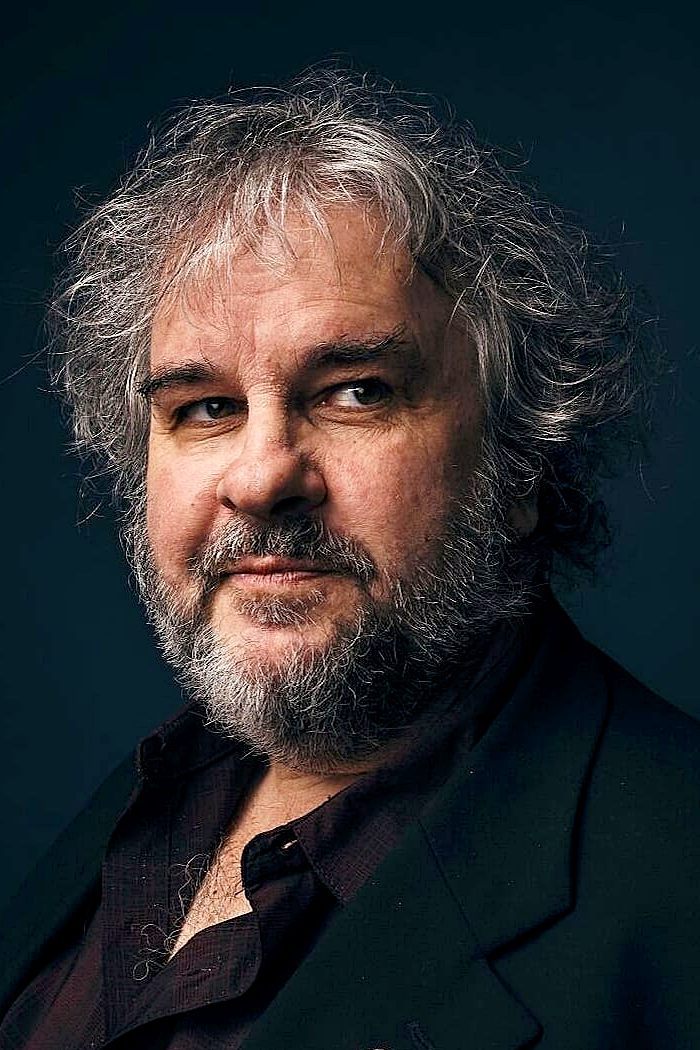
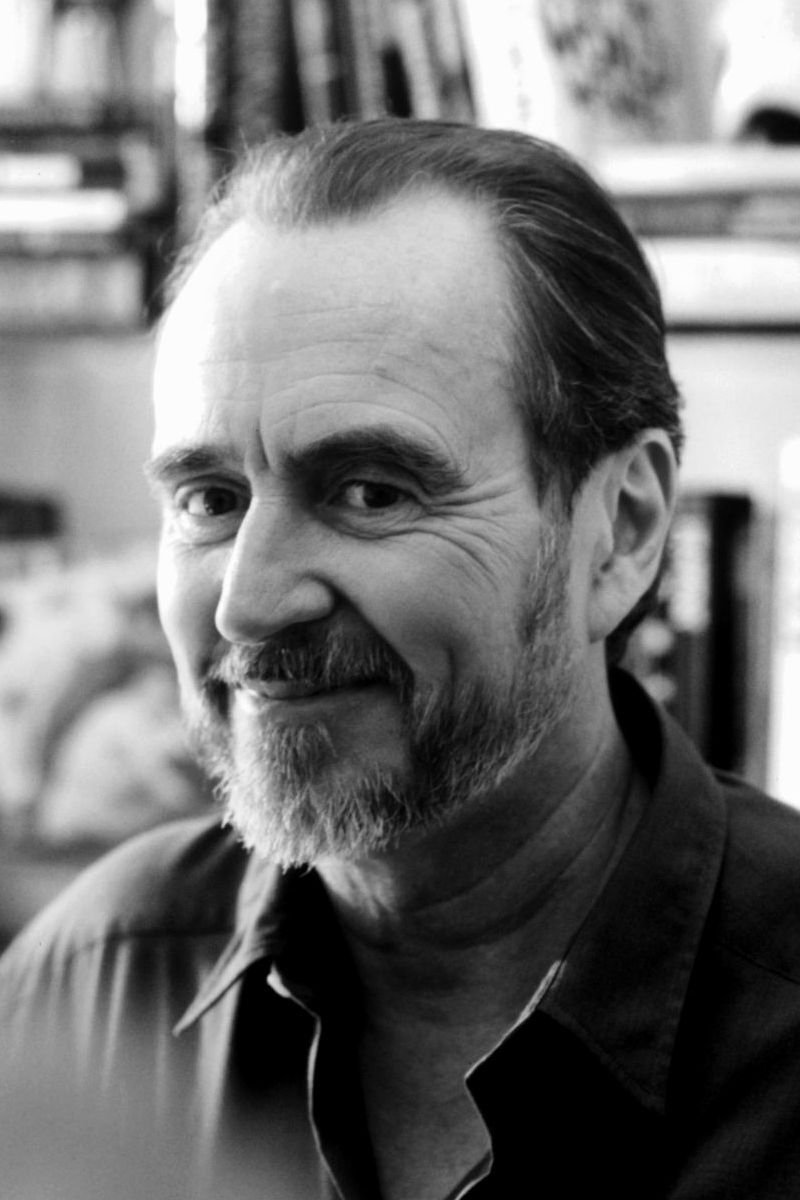
The 1990s ran through the Raimi/Jackson splatstick lineage and into self-aware meta-horror. Peter Jackson's Braindead (1992) produced the form's most baroque gore set-piece — the lawnmower massacre — and Raimi's Army of Darkness (1992) converted the Evil Dead trilogy into action-fantasy. Robert Zemeckis's Death Becomes Her (1992) brought the form into A-list Hollywood satire. Jackson's The Frighteners (1996) ran ghosts through a CGI-heavy detective story. Wes Craven's Scream (1996), which A History of Horror, Fear, and the Uncanny credits with managing "to be both darkly funny and genuinely shocking," opened the meta-horror decade. Robert Rodriguez's From Dusk Till Dawn (1996), scripted by Quentin Tarantino, ran a heist film through a vampire bar.
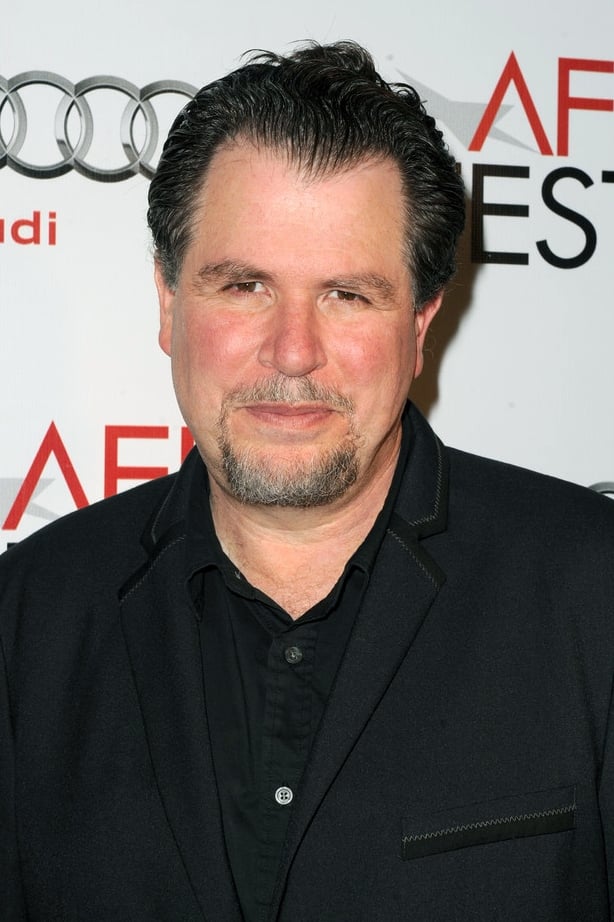
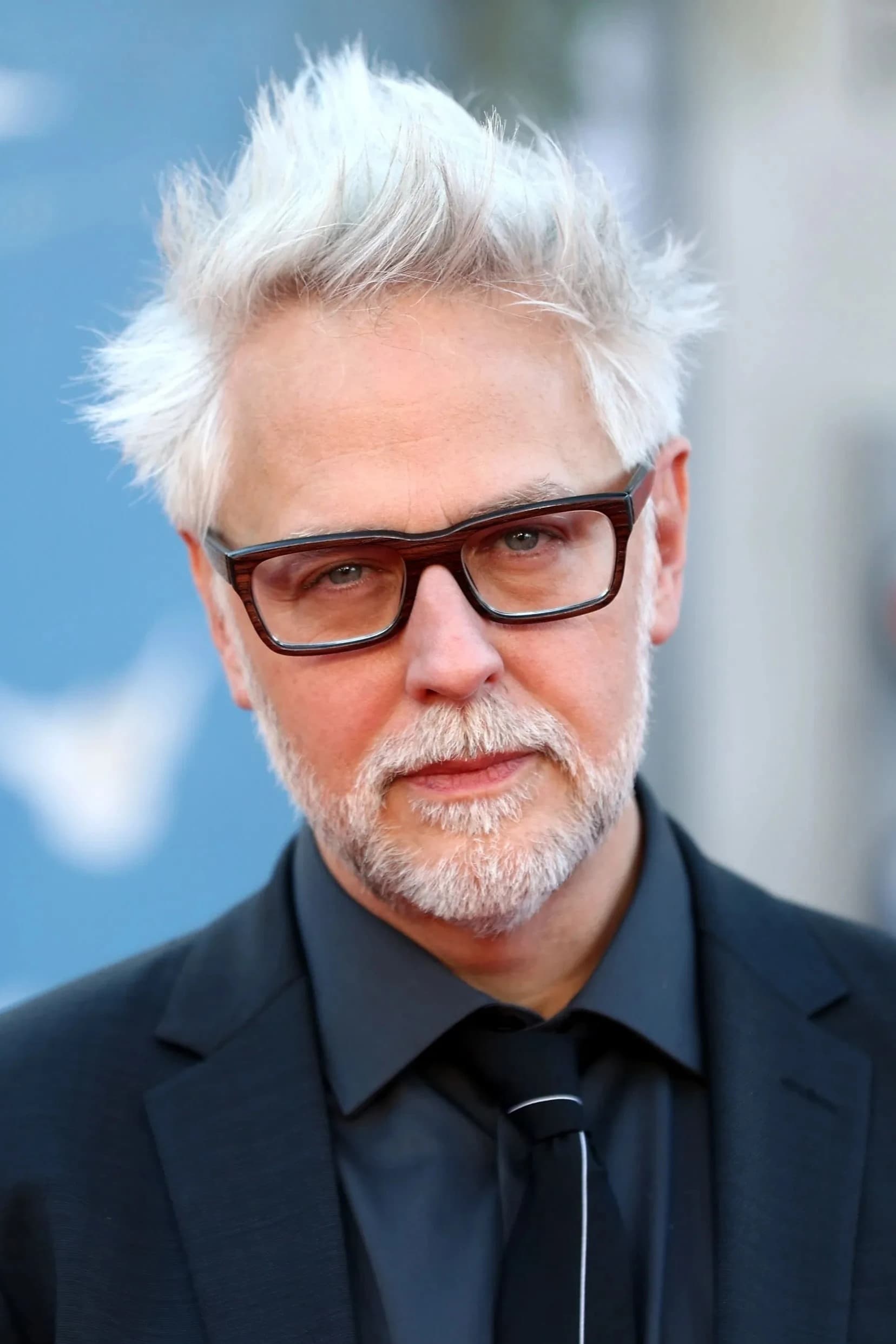
The 2000s-2020s wave has been the form's most internationally distributed. Edgar Wright's Shaun of the Dead (2004) — what Ian Fryer in The British Horror Film calls a "RomZomCom" mix of slacker comedy and Romero homage — proved that affection for the genre and the ability to satirize it were not just compatible but complementary. Don Coscarelli's Bubba Ho-tep (2002) cast Bruce Campbell as an elderly Elvis fighting an Egyptian mummy in a Texas nursing home. James Gunn's Slither (2006), Michael Dougherty's Trick 'r Treat (2007), Sam Raimi's Drag Me to Hell (2009), and Ruben Fleischer's Zombieland (2009) carried the splatstick tradition into the 21st century. Eli Craig's Tucker and Dale vs. Evil (2010) inverted slasher conventions with elegant simplicity. Drew Goddard and Joss Whedon's The Cabin in the Woods (2012) ran the form's most ambitious meta-genre dissection — what Clark Collis's Screaming and Conjuring (2025) records Wes Craven calling "a fun, meta feel and a lot of quotes to films of mine and my friends." Taika Waititi and Jemaine Clement's What We Do in the Shadows (2014) ran the vampire-mockumentary to its most-quoted register, spawning a television franchise. Christopher Landon's Happy Death Day (2017), Matt Bettinelli-Olpin and Tyler Gillett's Ready or Not (2019), and Gerard Johnstone's M3GAN (2022) have continued the form's commercial dominance. Horror comedy endures because, as Kawin notes, the distance between a scream and a laugh is measured in milliseconds.
Sources: Michele Brittany, Horror in Space (2017); Clark Collis, Screaming and Conjuring (2025); DK, A History of Horror, Fear, and the Uncanny (2026); Bruce F. Kawin, Horror and the Horror Film (2012); Murray Leeder, Horror Film: A Critical Introduction (2018); William Paul, Laughing Screaming (1994).
Essential Films
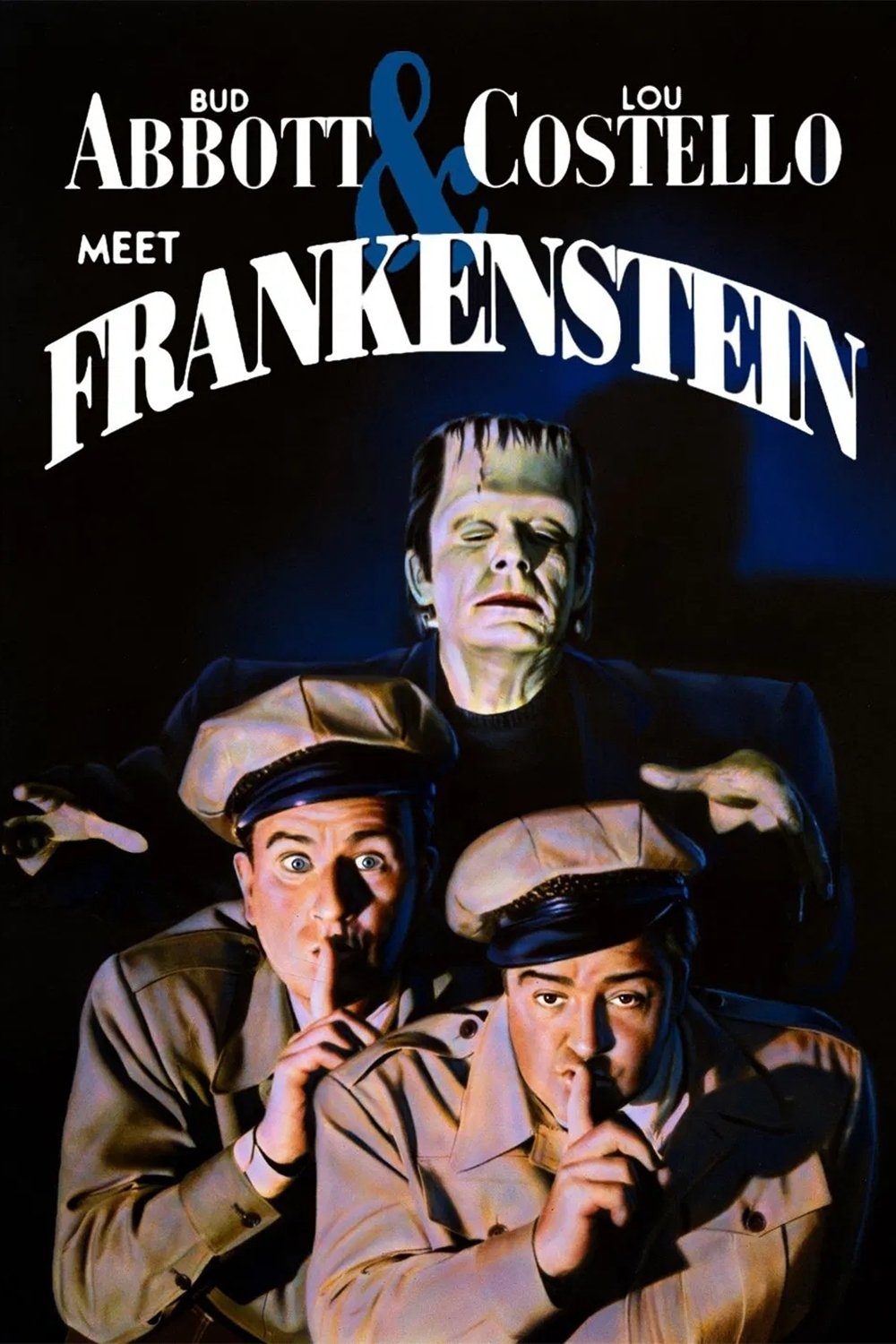
Bud Abbott and Lou Costello Meet Frankenstein
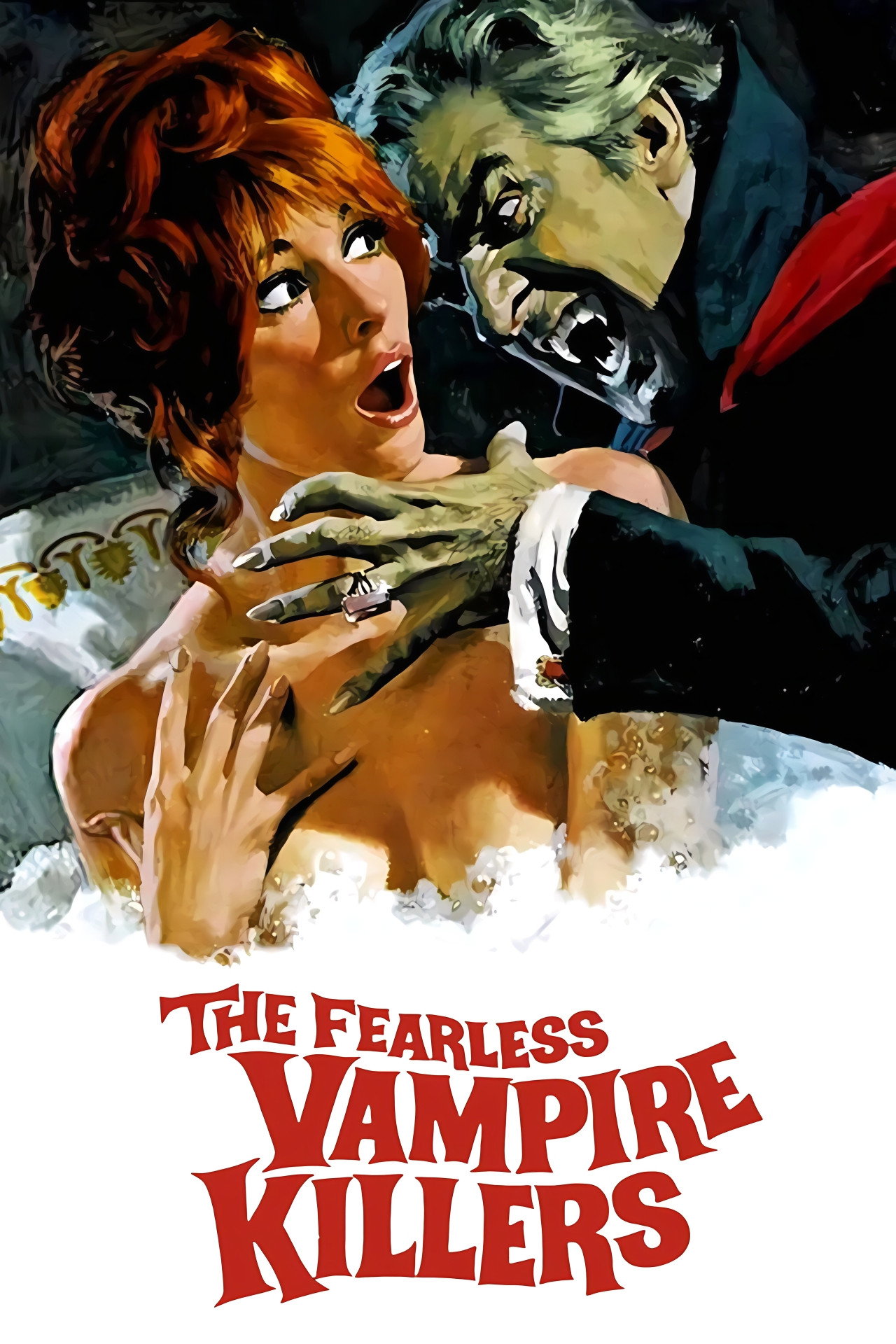
The Fearless Vampire Killers

Young Frankenstein
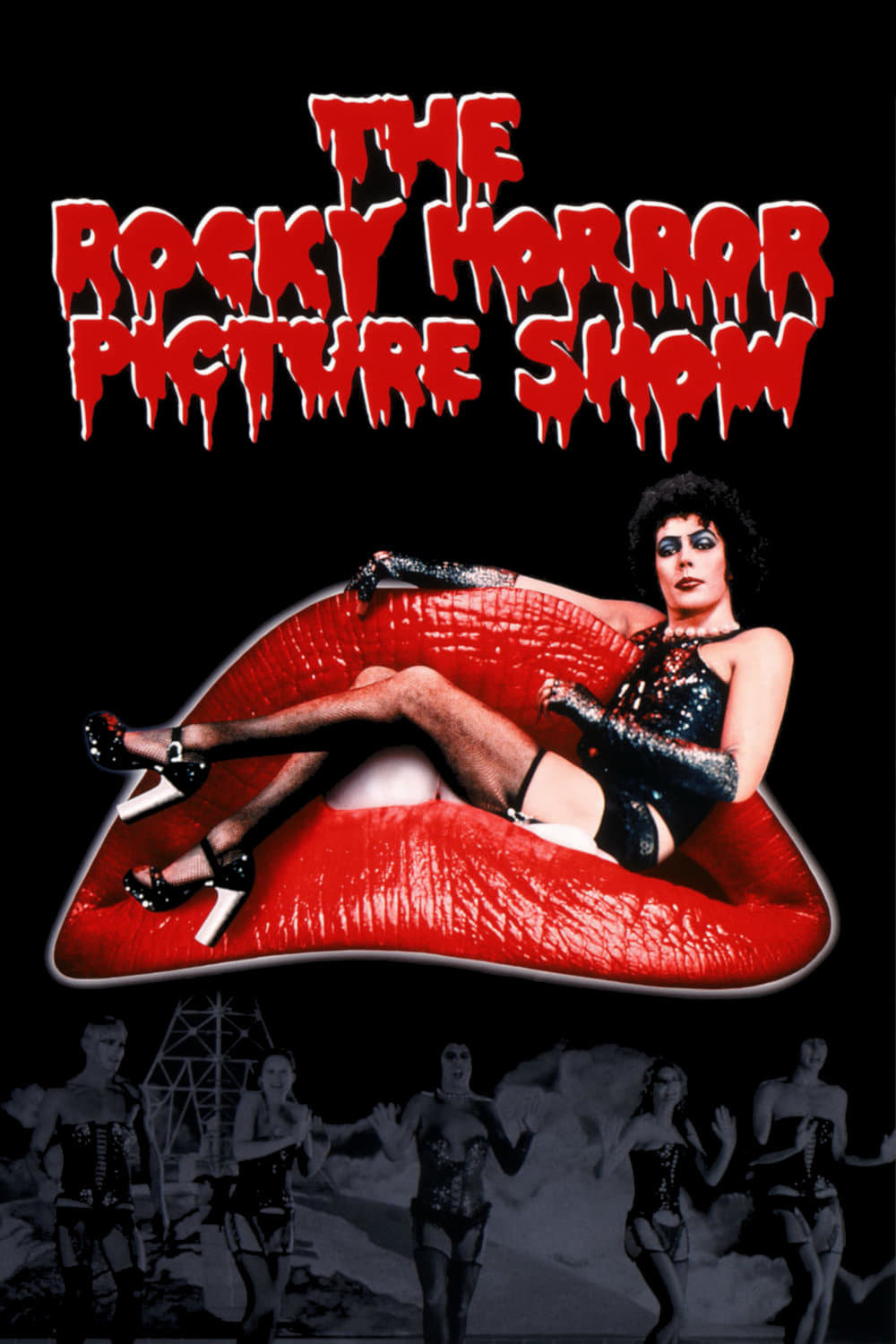
The Rocky Horror Picture Show
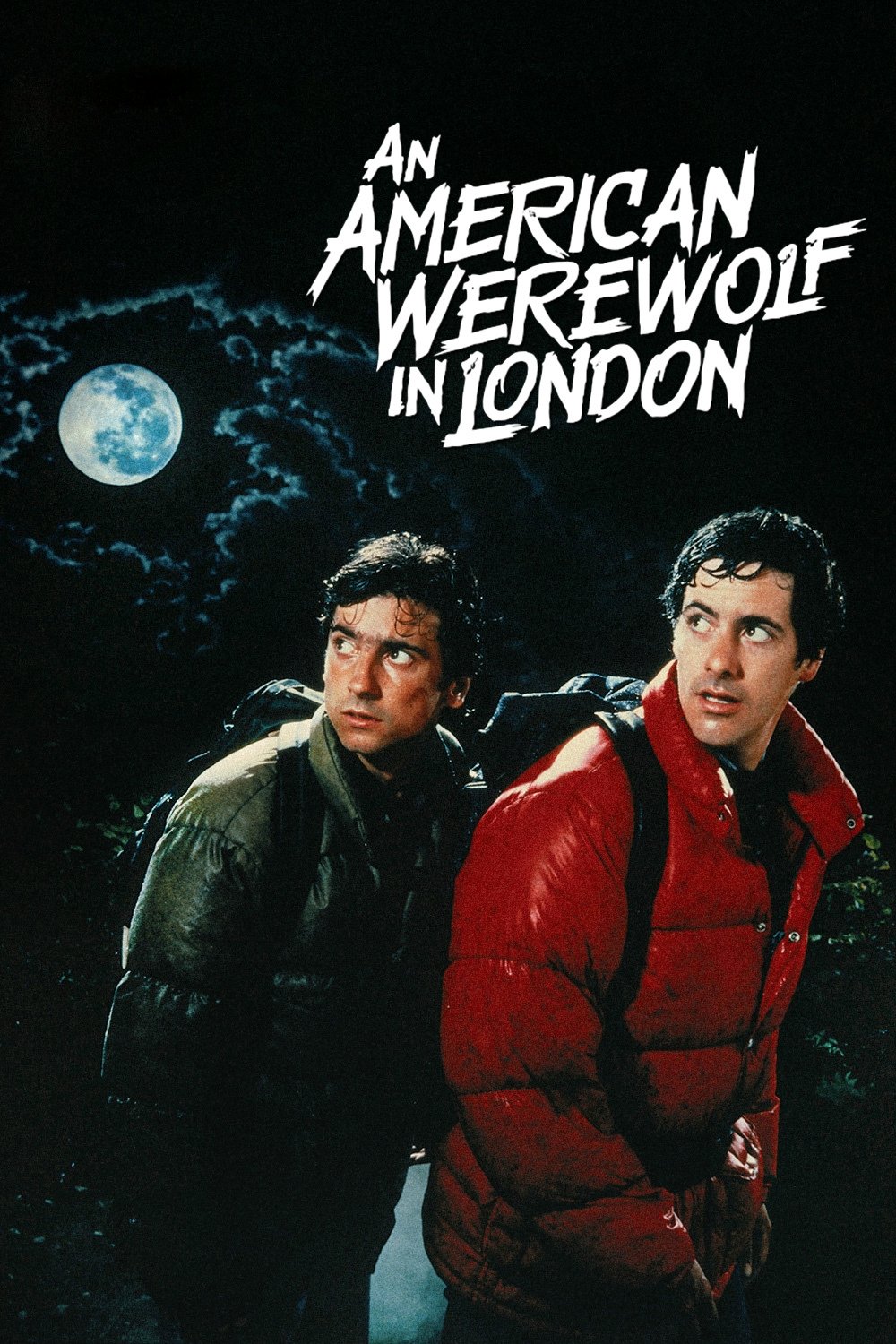
An American Werewolf in London
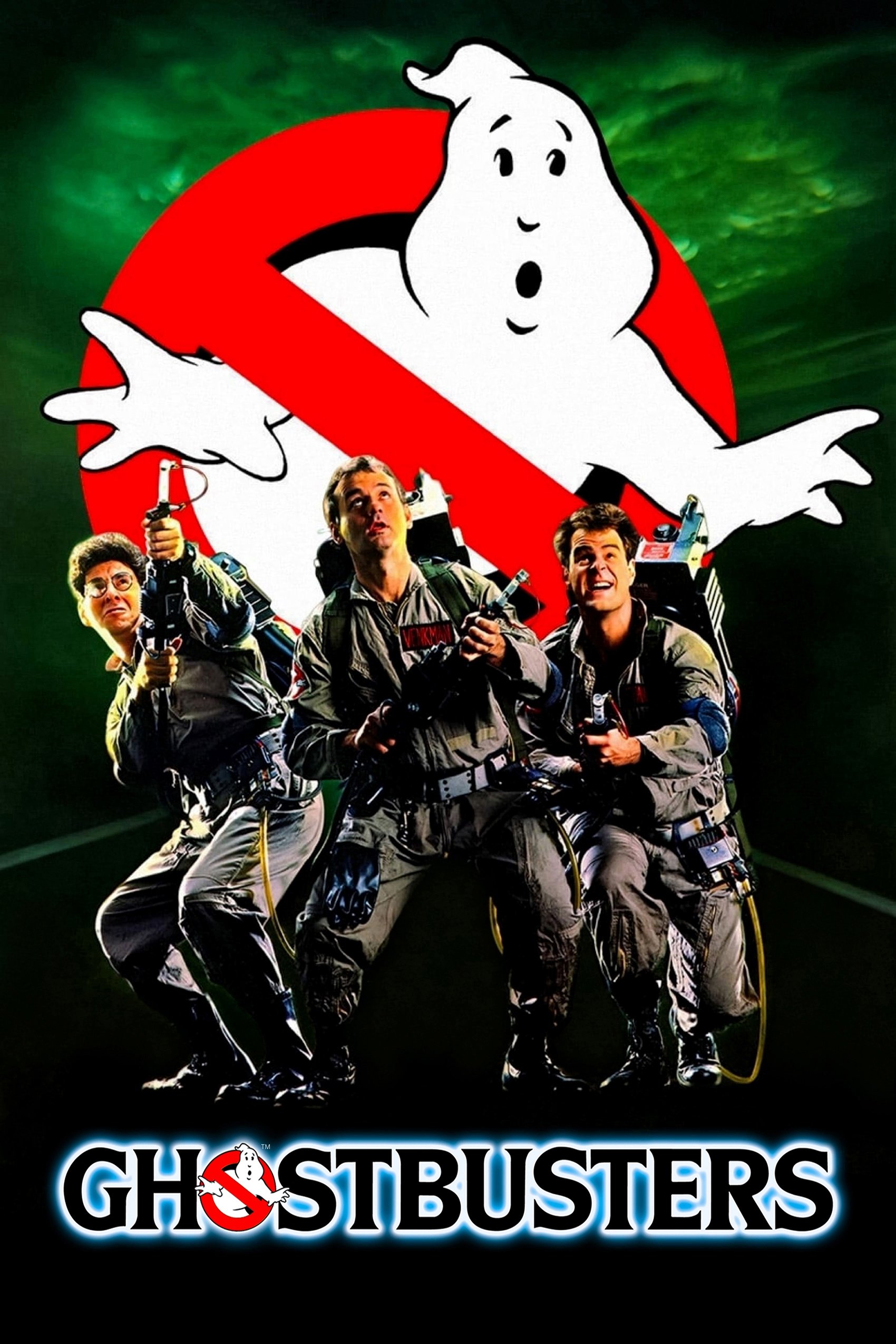
Ghostbusters
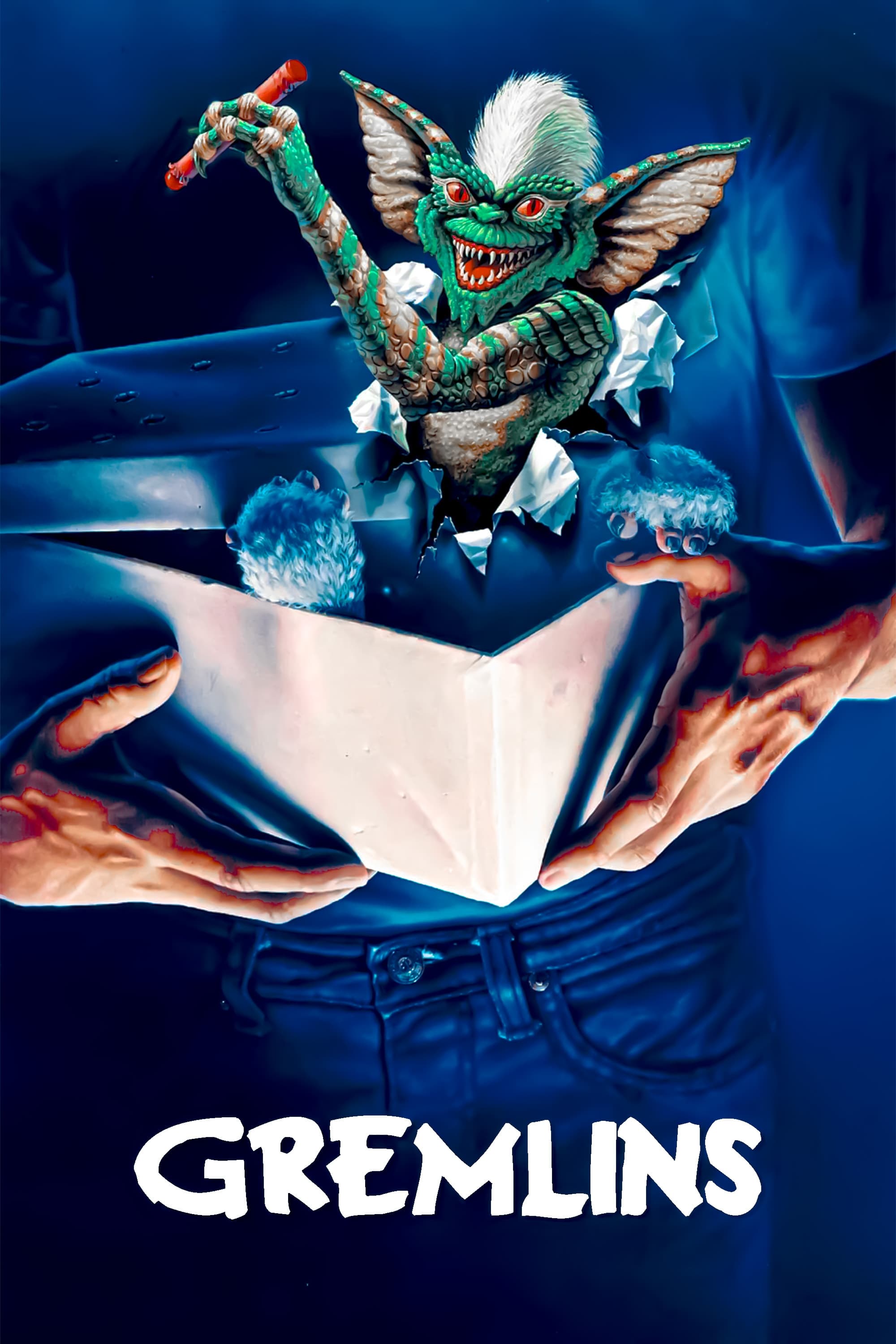
Gremlins

Re-Animator
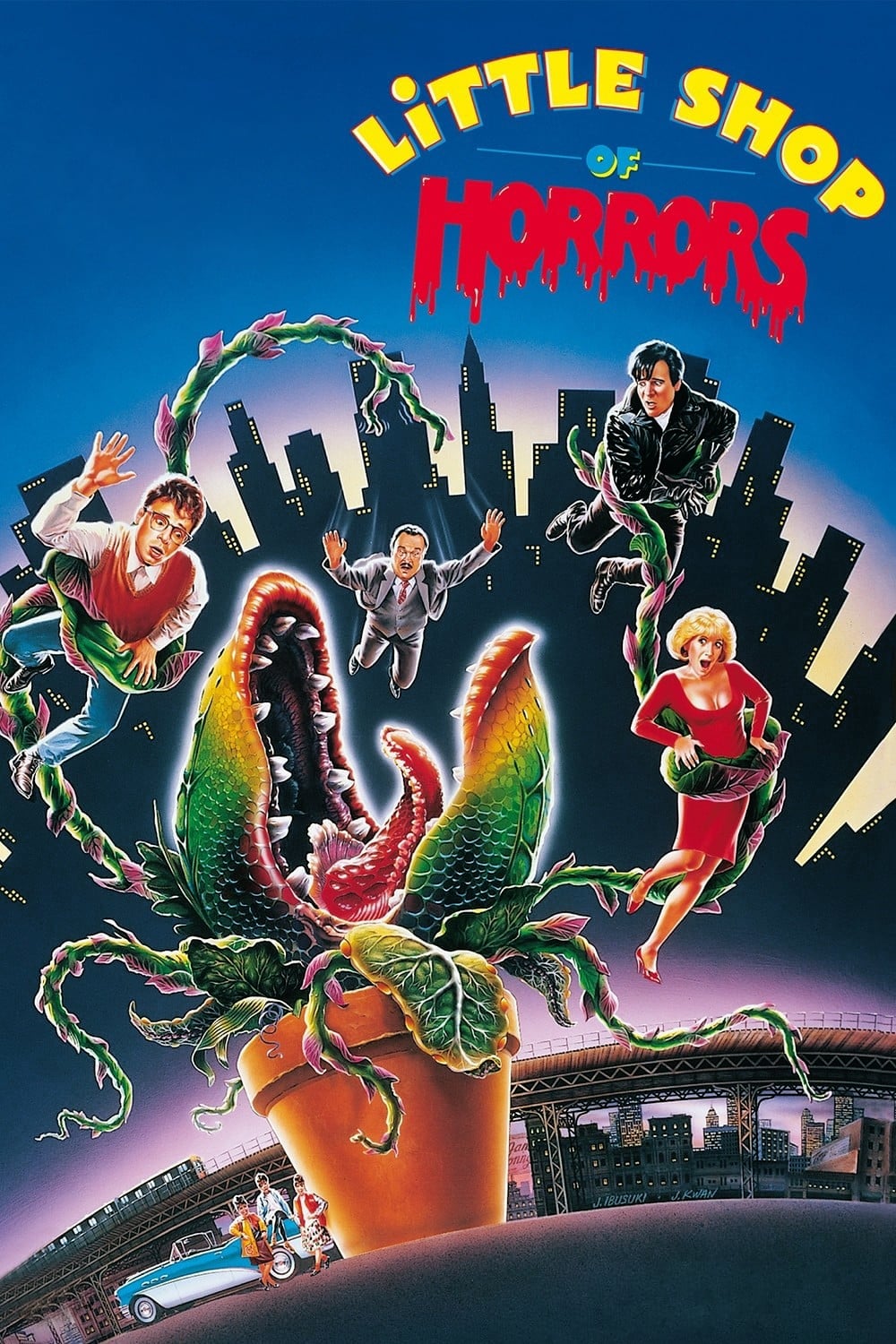
Little Shop of Horrors
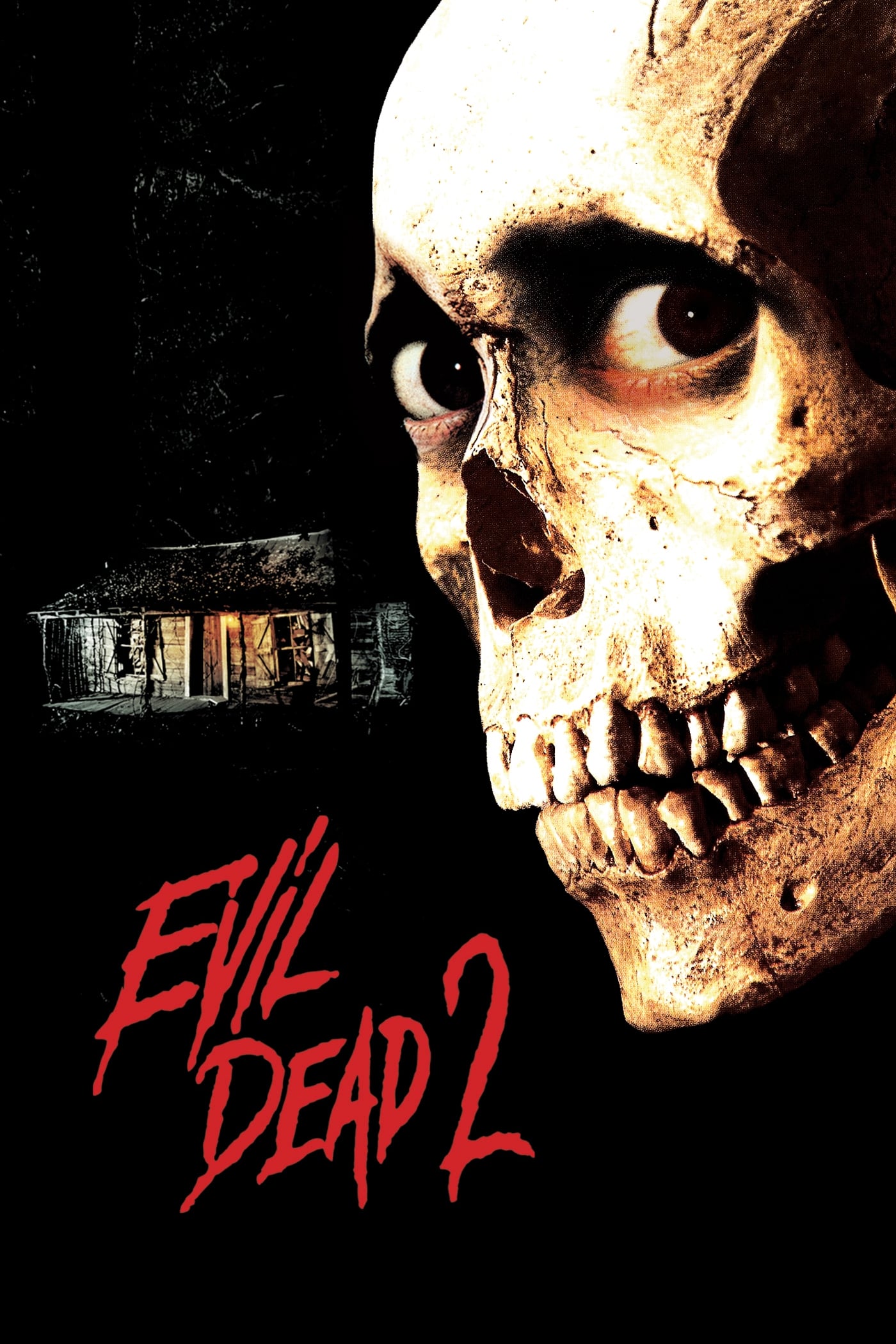
Evil Dead II
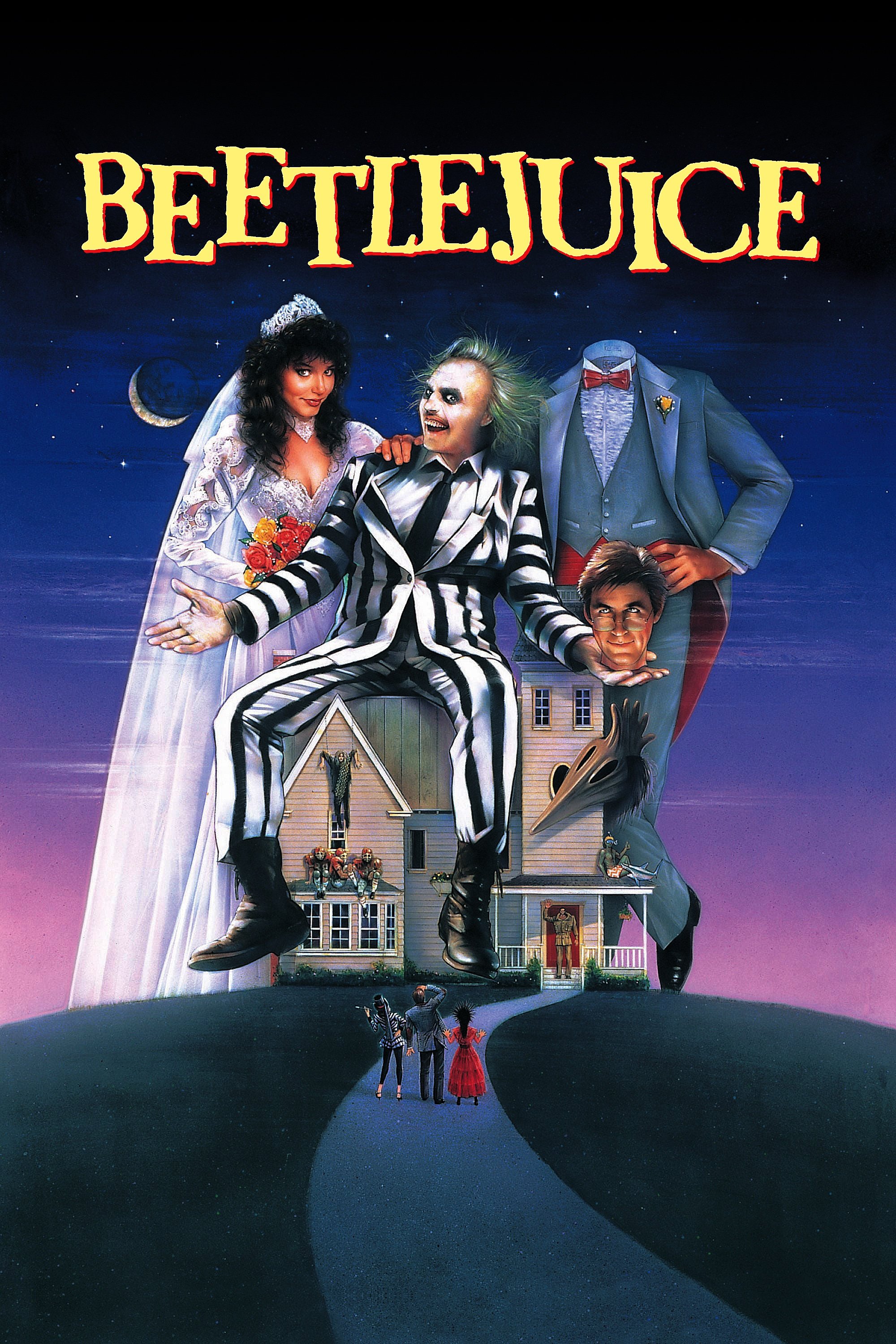
Beetlejuice
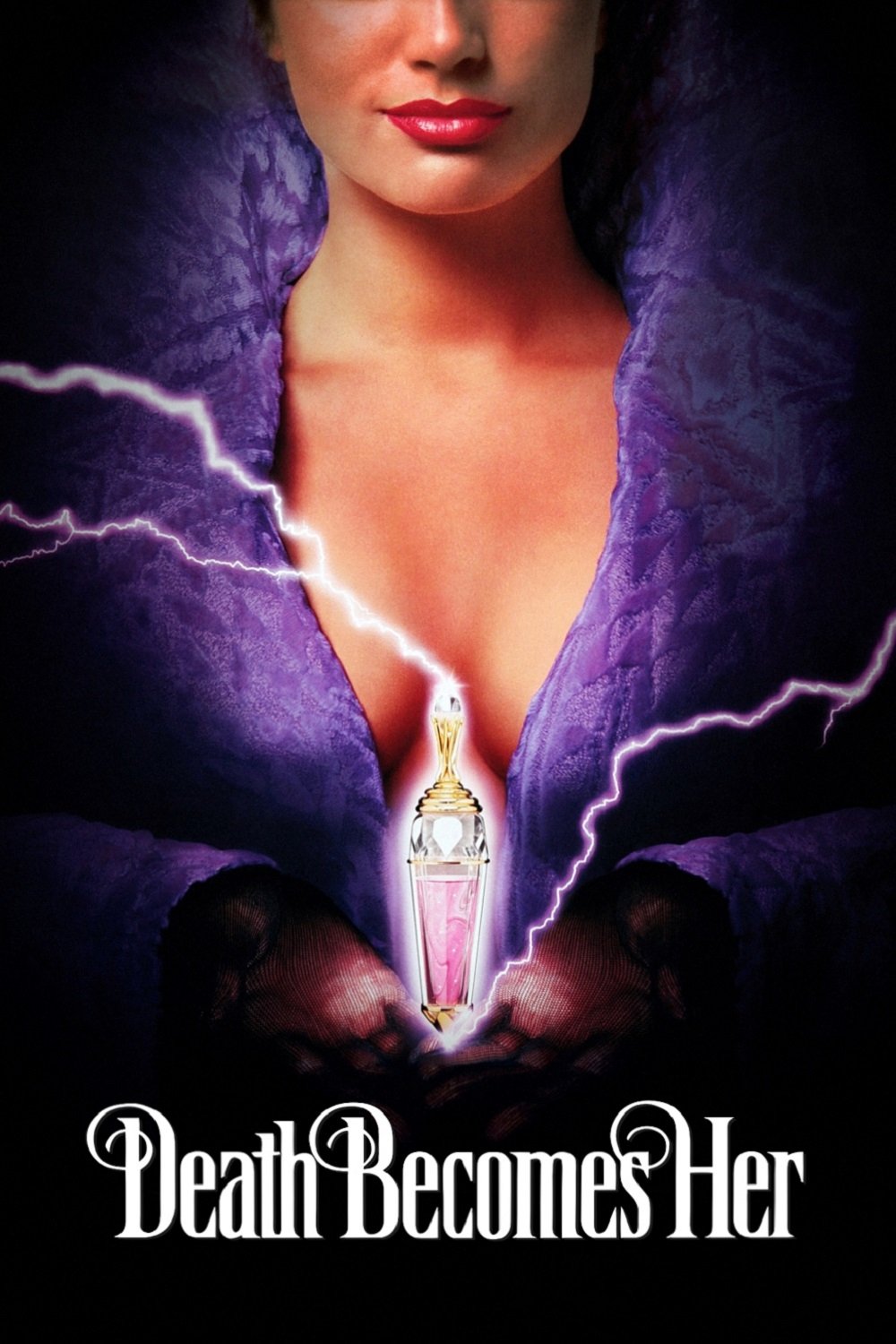
Death Becomes Her
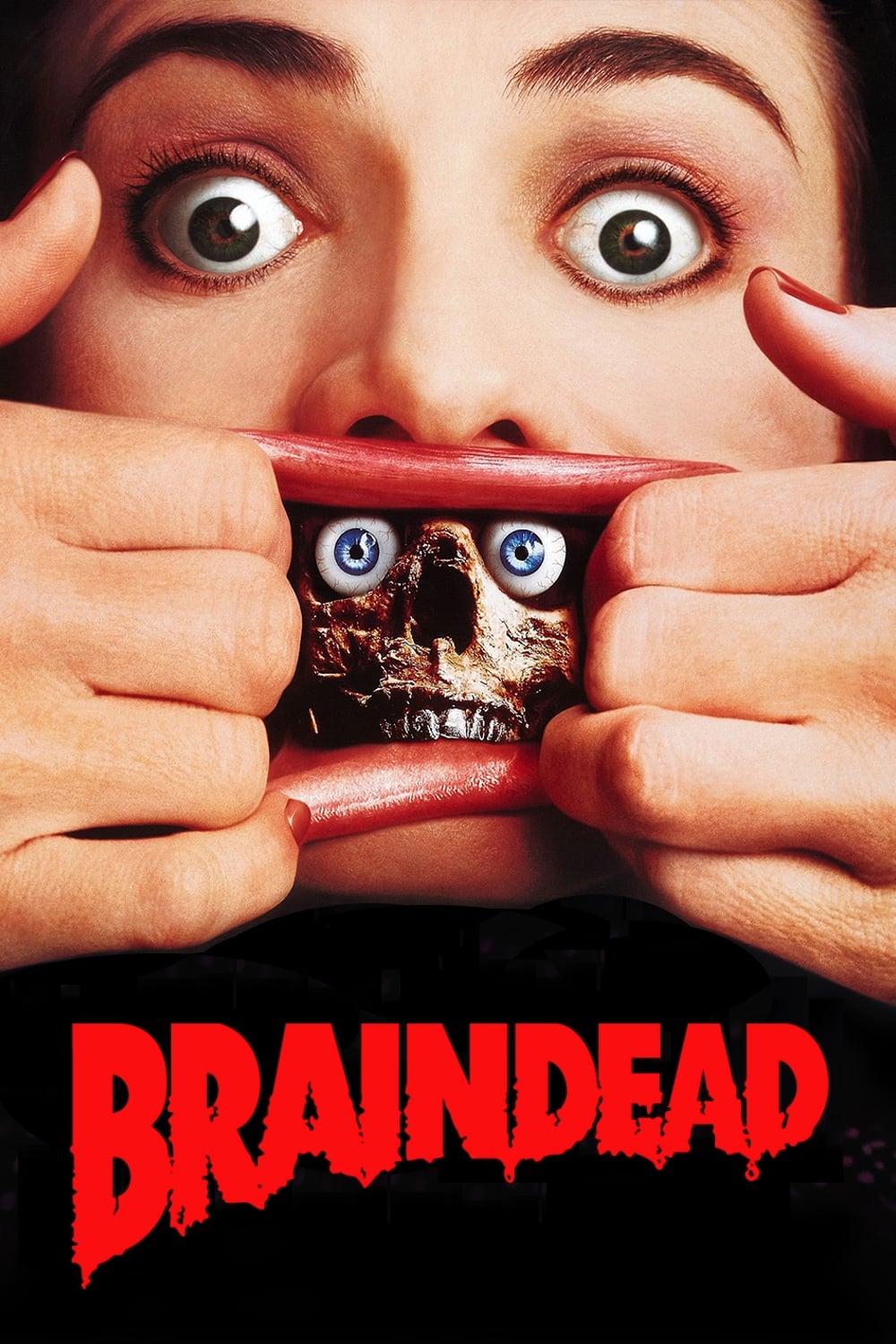
Braindead
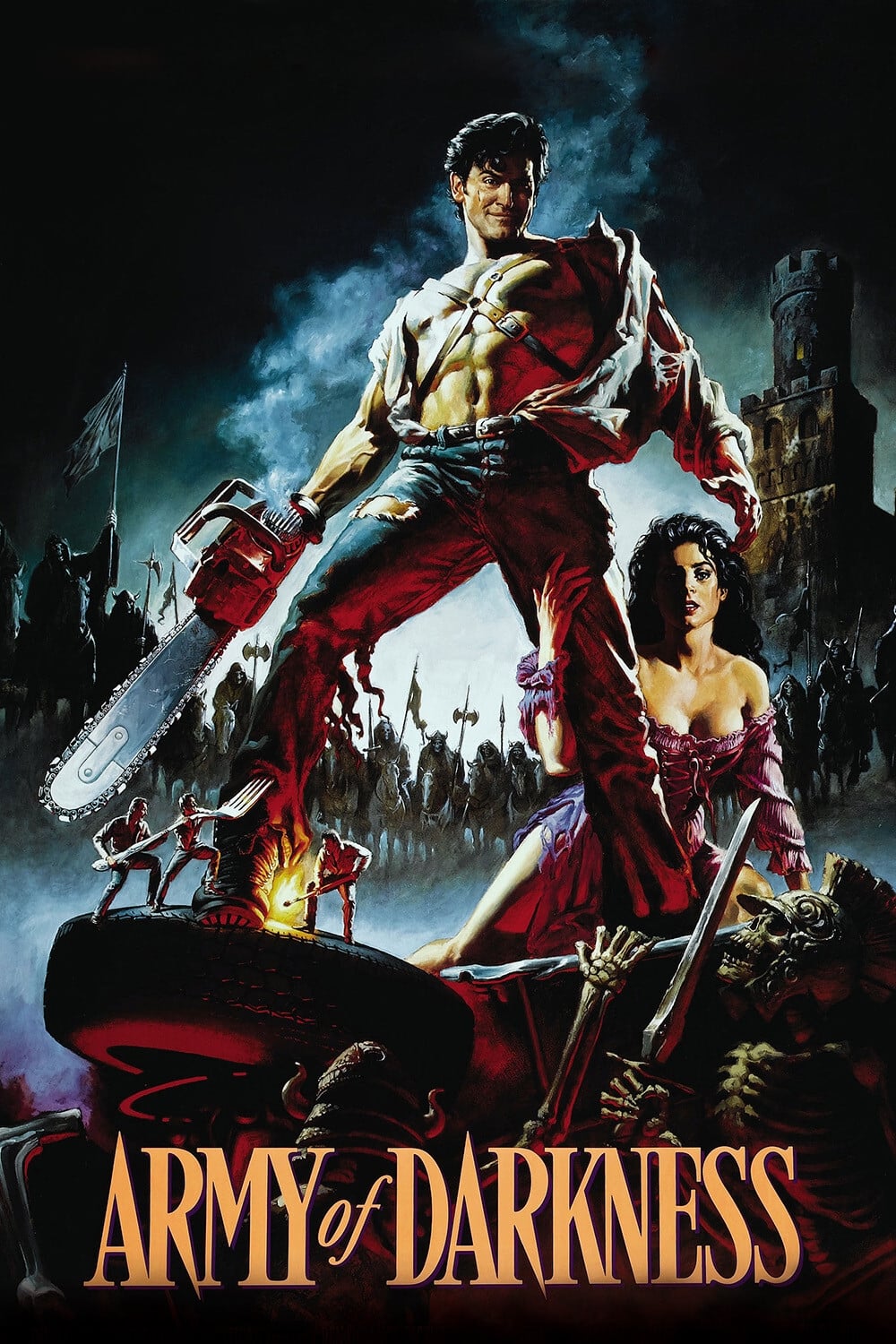
Army of Darkness

The Frighteners
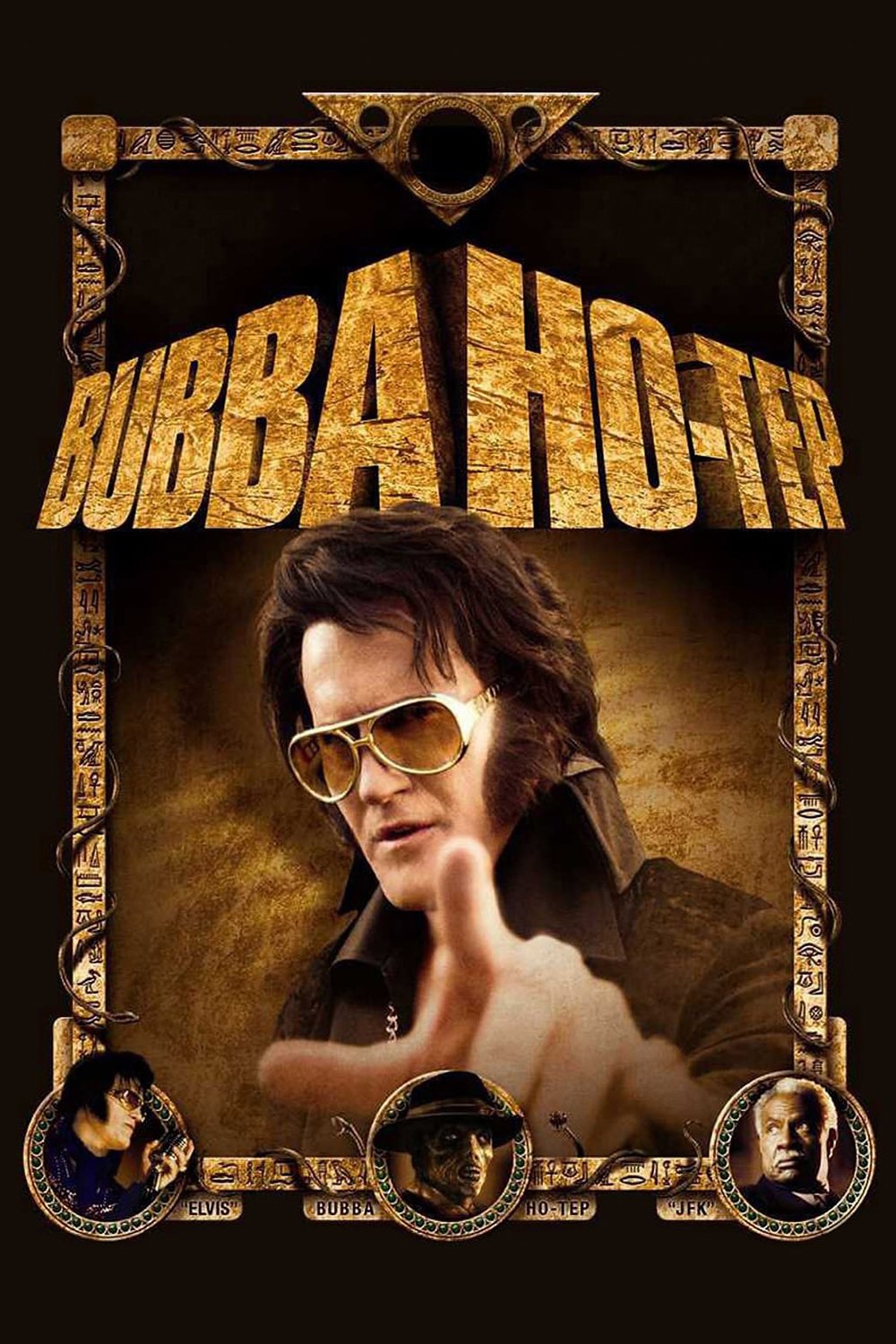
Bubba Ho-tep
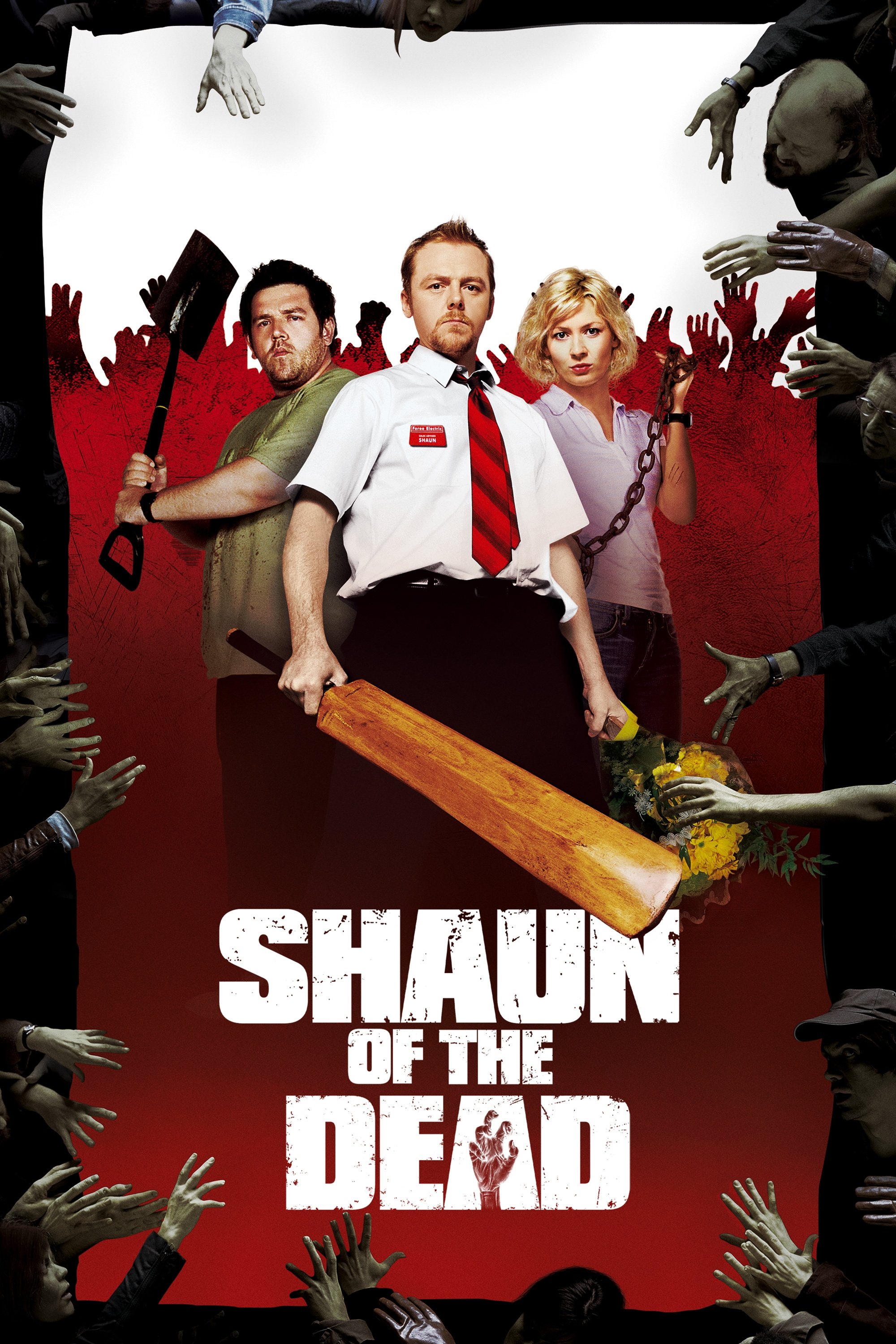
Shaun of the Dead
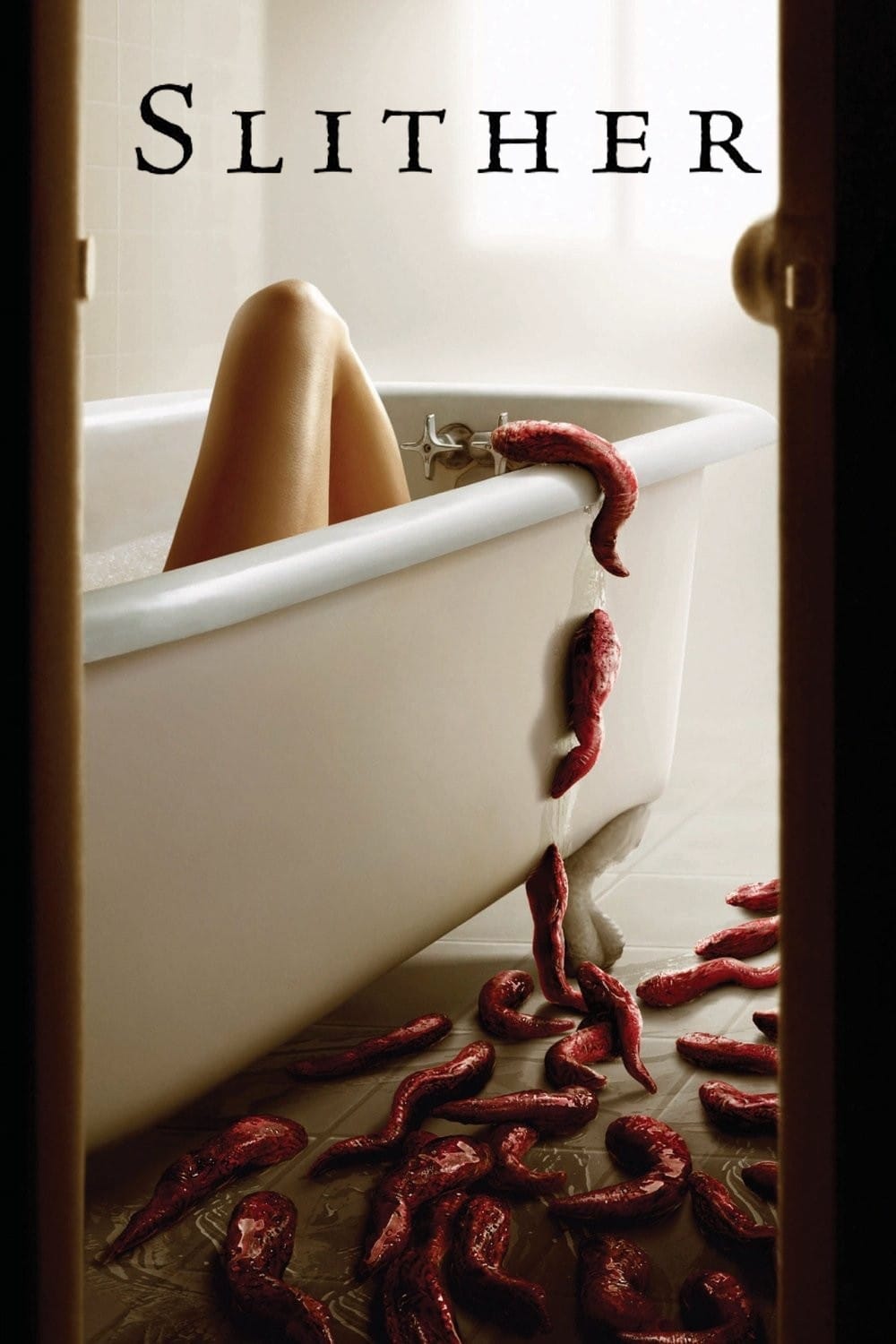
Slither
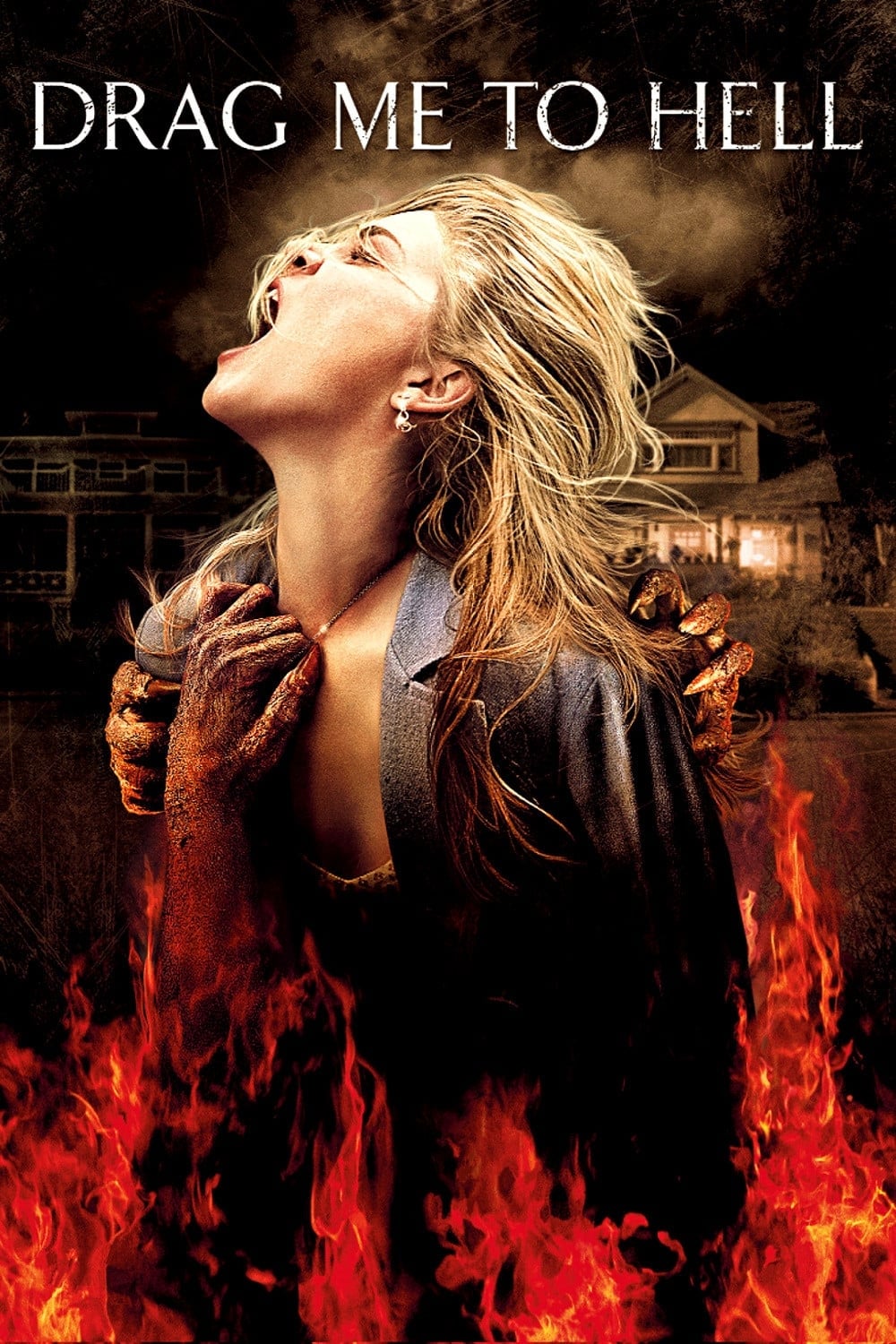
Drag Me to Hell
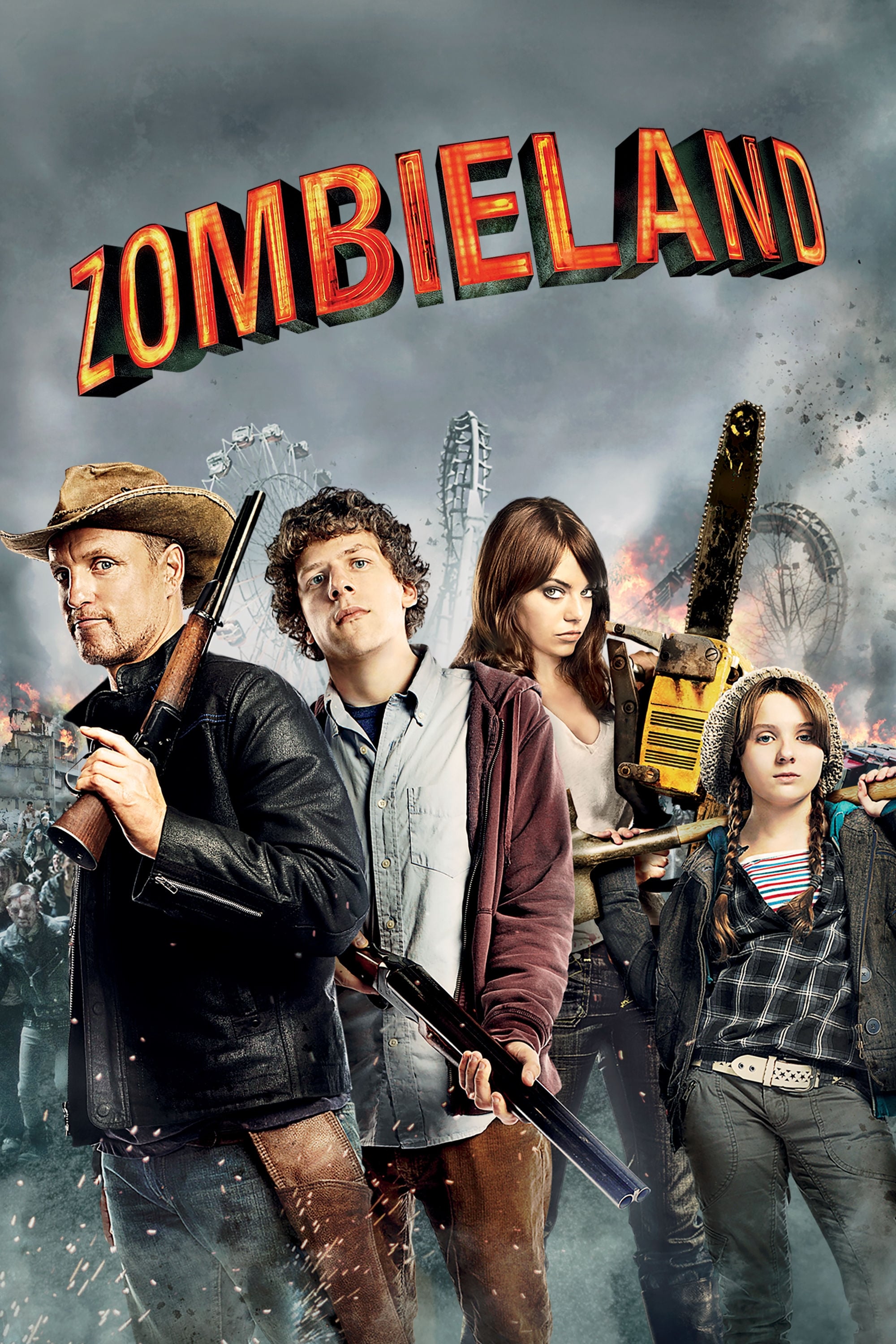
Zombieland
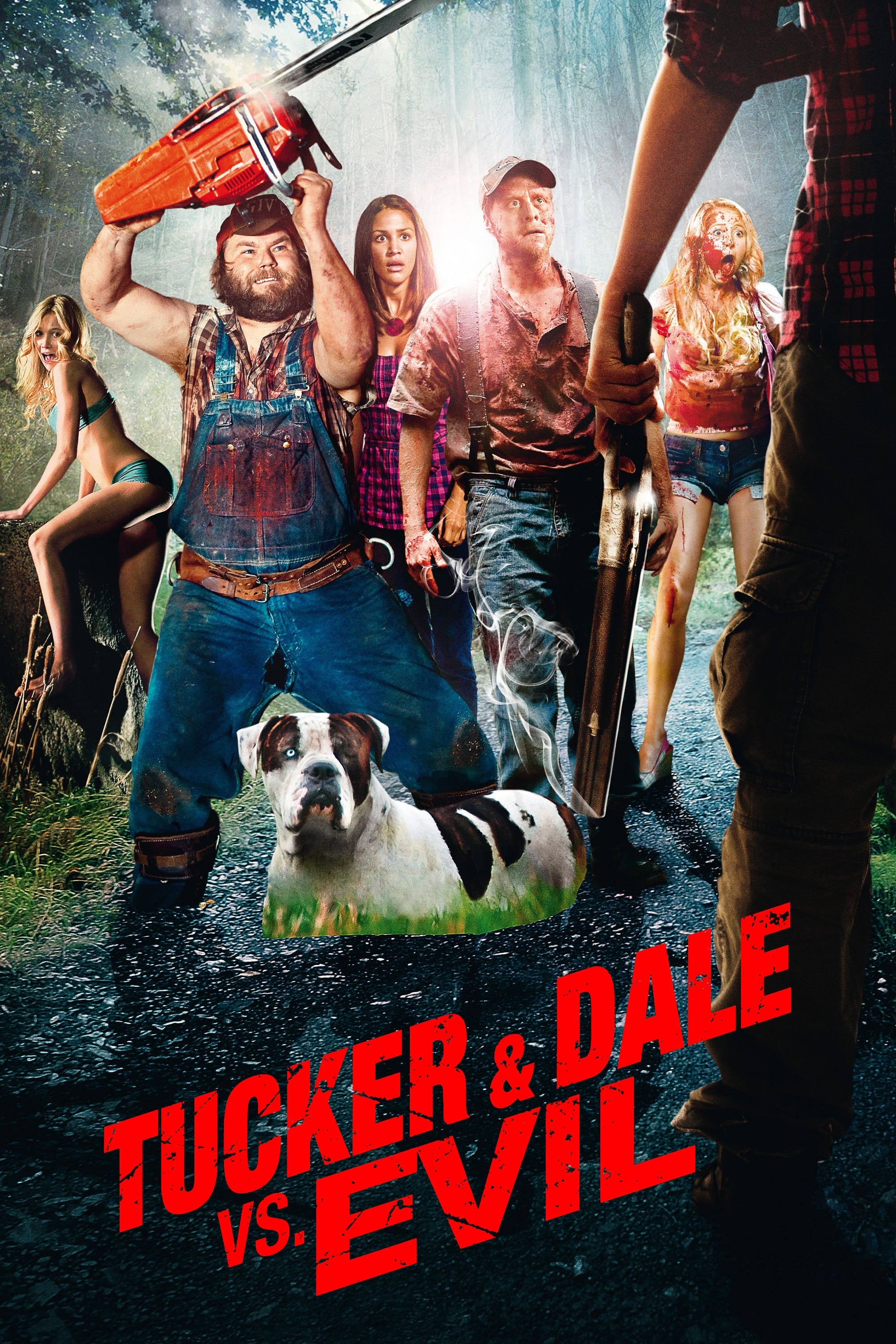
Tucker and Dale vs. Evil
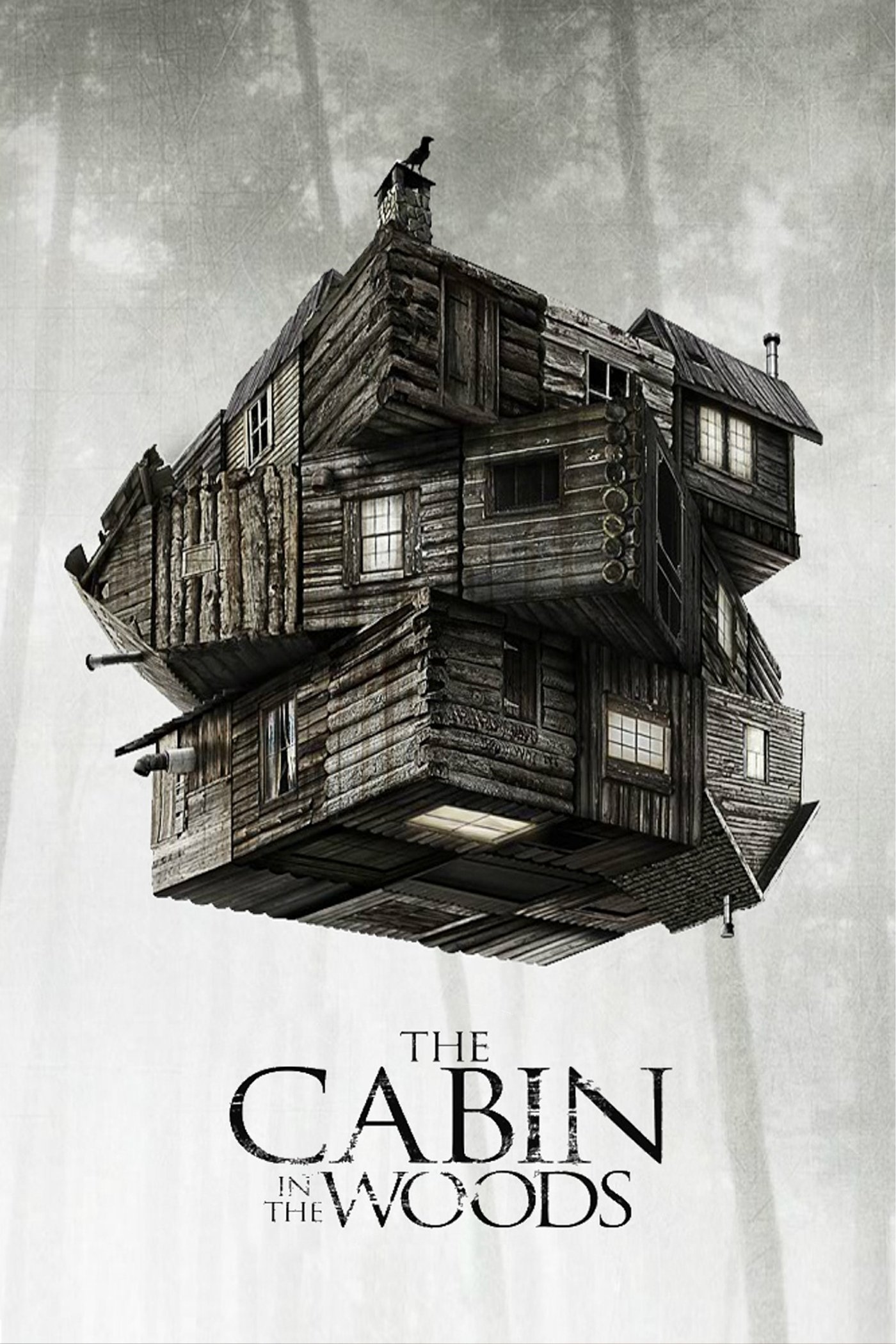
The Cabin in the Woods
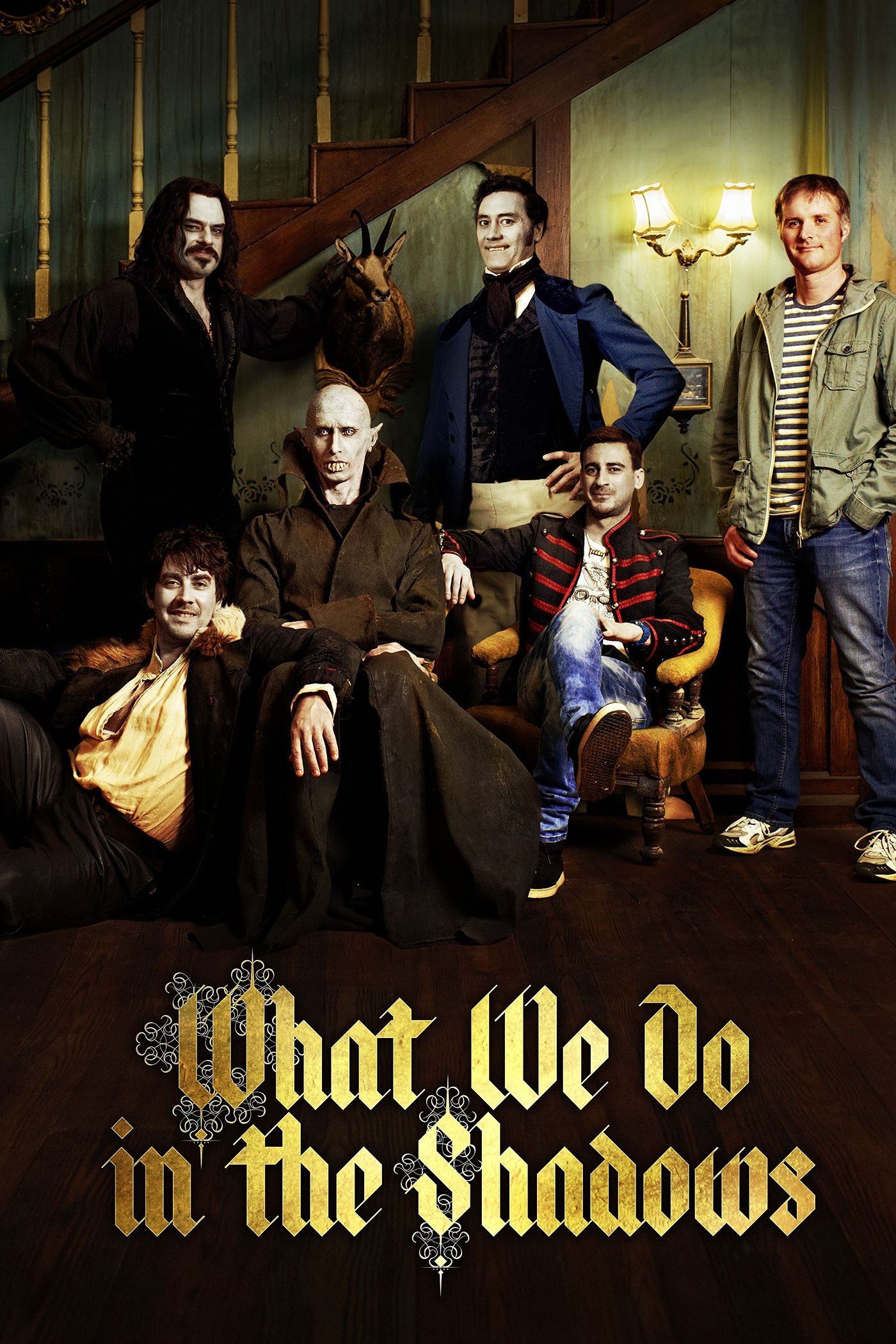
What We Do in the Shadows
Statistics
Popularity by Decade
Share of each decade's horror films classified as Horror Comedy. Counts films with at least 5 TMDB ratings, so very obscure titles are not represented.
Popularity by Country
Share of each country's horror output classified as Horror Comedy. Counts films with at least 5 TMDB ratings, so very obscure titles are not represented.