Adventure
Characters venture into an exotic or unfamiliar setting drawn by discovery, wonder, or the experience itself — treasure, knowledge, the unknown — with horror as the obstacle between them and what they came for. The pursuit must be intrinsic; paid missions and forced escapes don't qualify.
History & Origins
Adventure horror sends characters chasing treasure, knowledge, or wonder into territory the genre uses as a hostile envelope. The form's defining structural feature is intrinsic motivation: characters who chose the pursuit. As the catalog's behavioral test puts it, the pursuit must be intrinsic — paid missions and forced escapes don't qualify. The archaeologist who excavates the tomb, the explorer who maps the unknown island, the diver who descends to the wreck — these protagonists carry their own reasons for entering the danger. The horror is the wall between them and what they came for.
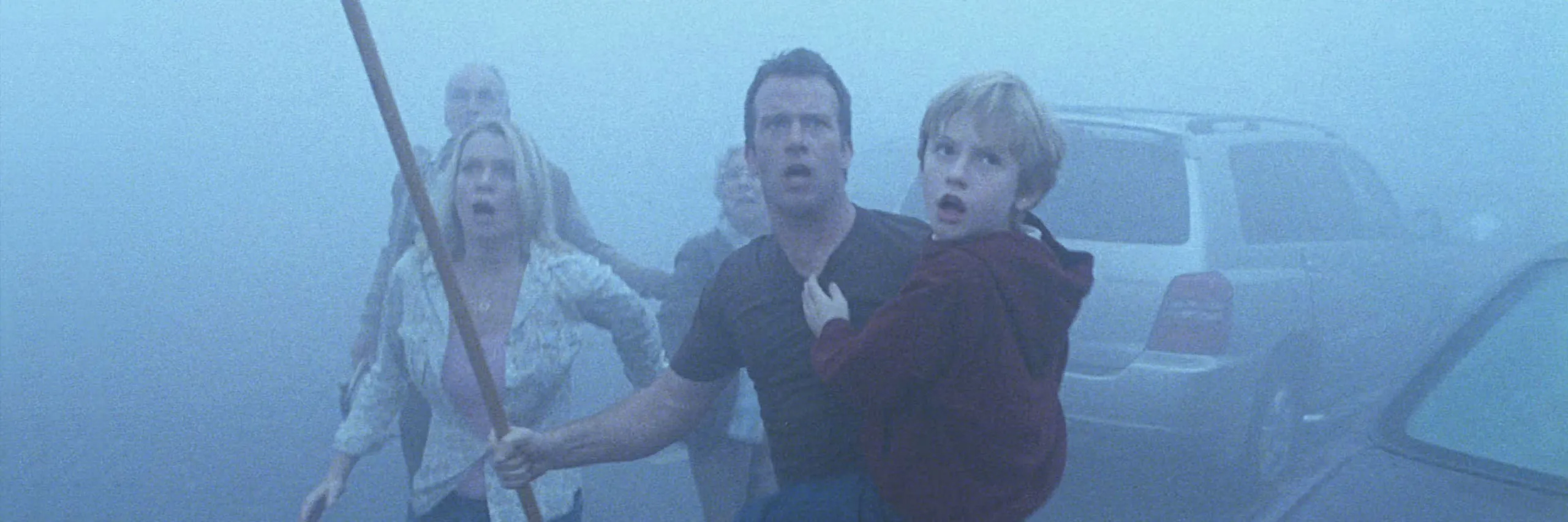
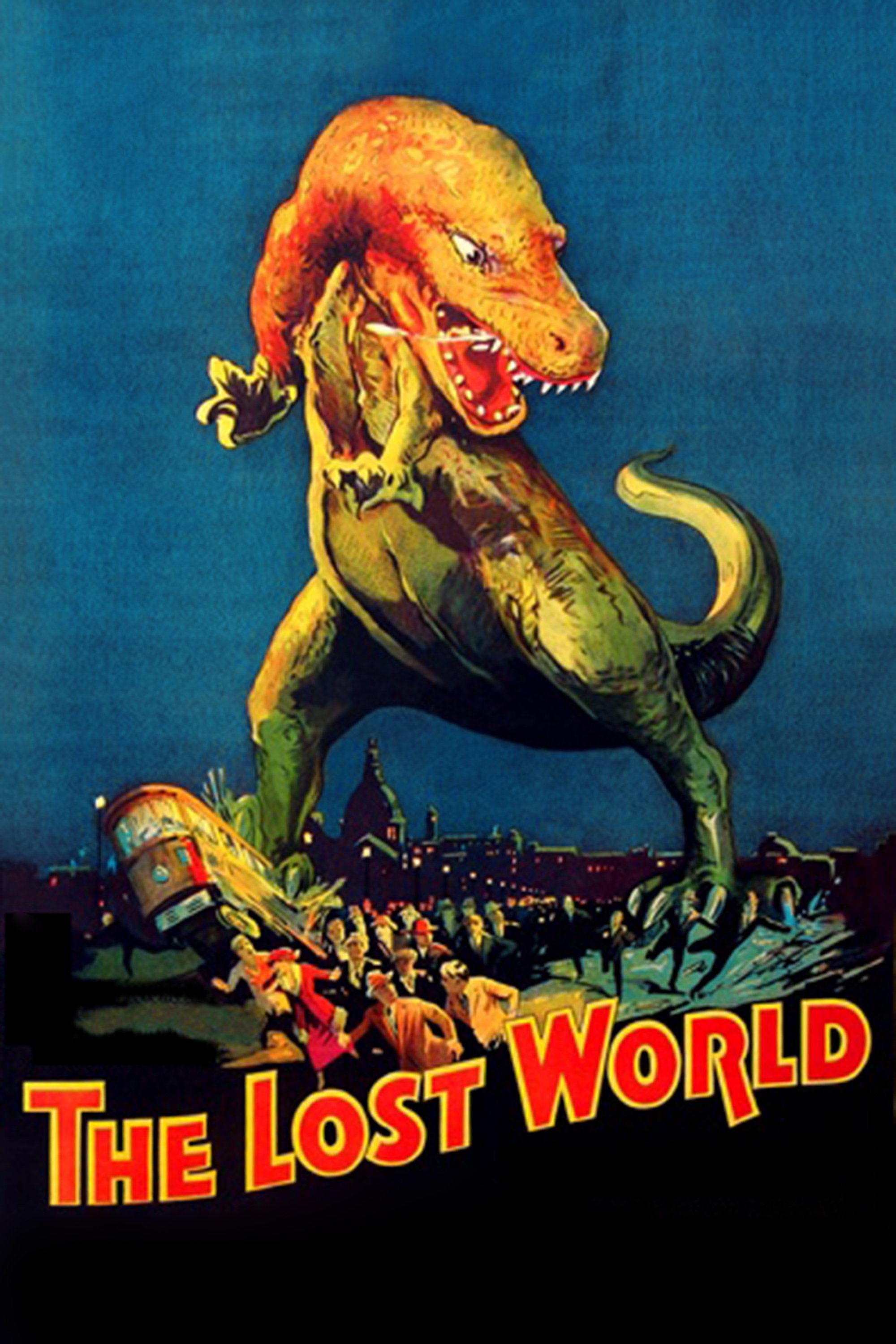
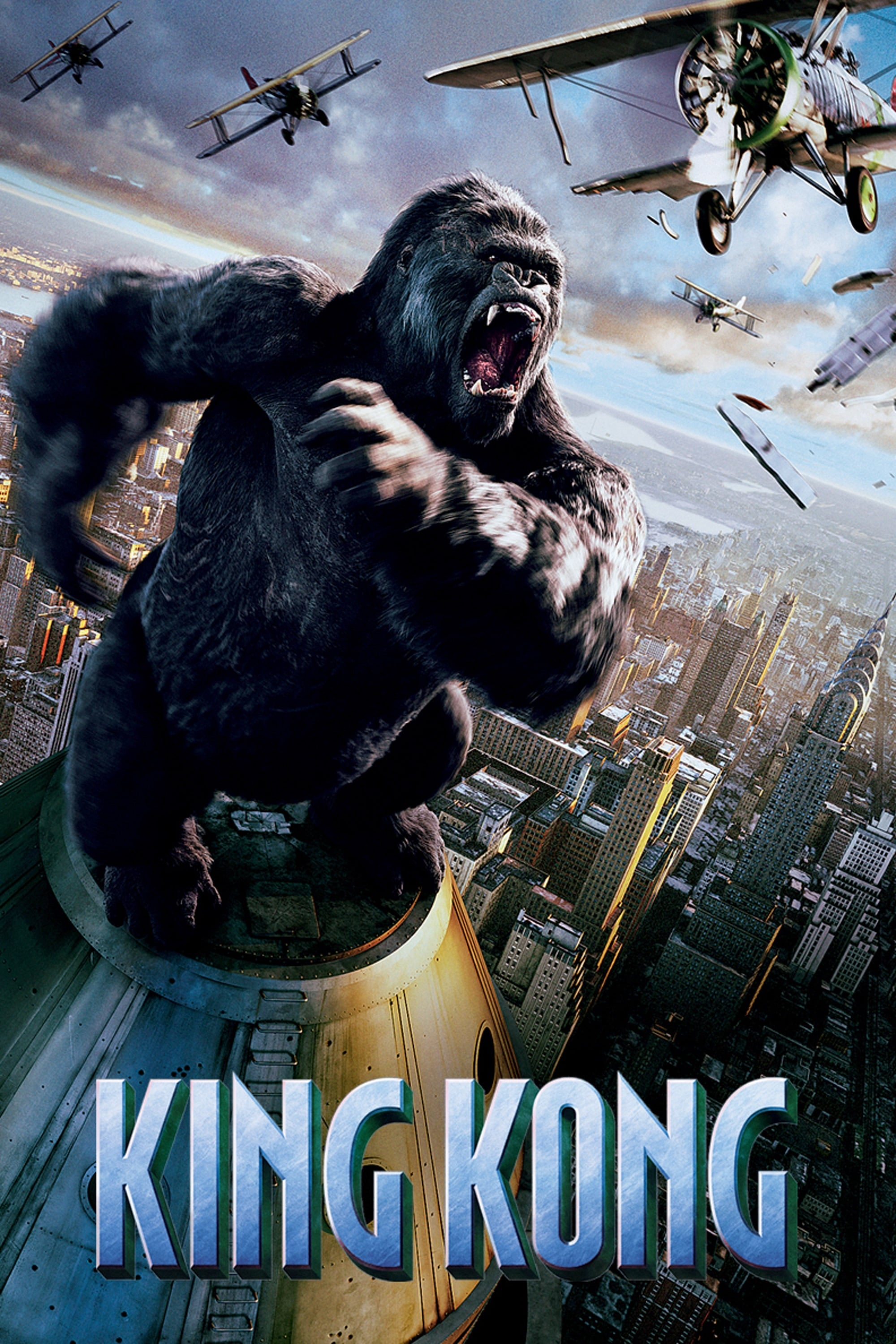
The form's silent-era foundation arrived with Harry O. Hoyt's The Lost World (1925), an Arthur Conan Doyle adaptation that sent Willis O'Brien's stop-motion dinosaurs against an expedition to a Venezuelan plateau, and Merian C. Cooper and Ernest B. Schoedsack's King Kong (1933), the canonical exotic-island expedition film — Carl Denham's chosen pursuit of cinematic wonder bringing back the eighth wonder of the world, with Fay Wray screaming on Skull Island and a giant ape atop the Empire State Building. Peter Hutchings's Historical Dictionary of Horror Cinema (2018) notes the long shadow Kong cast across monster cinema; what is less often emphasized is its template-establishing role for the adventurer-meets-horror form.
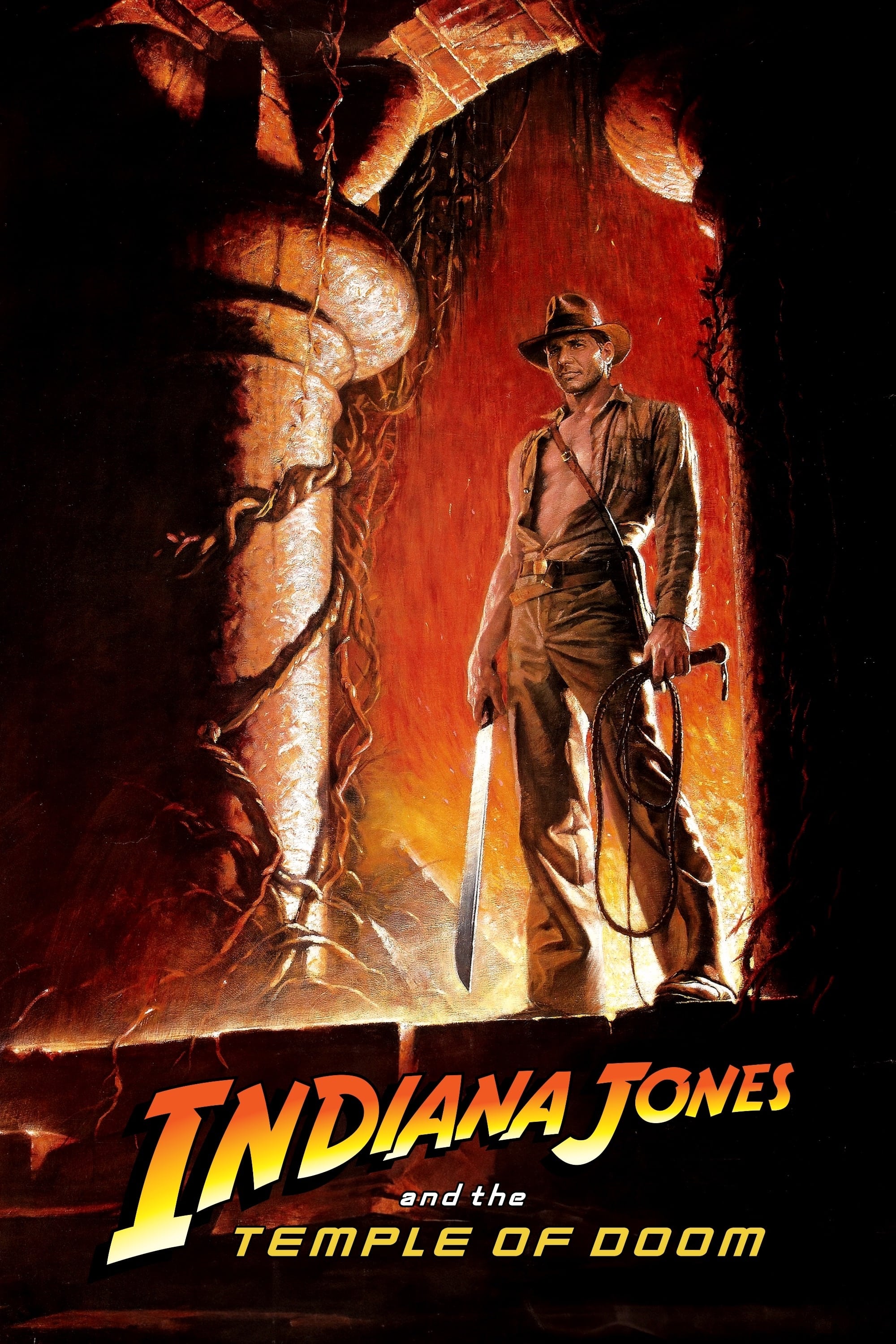
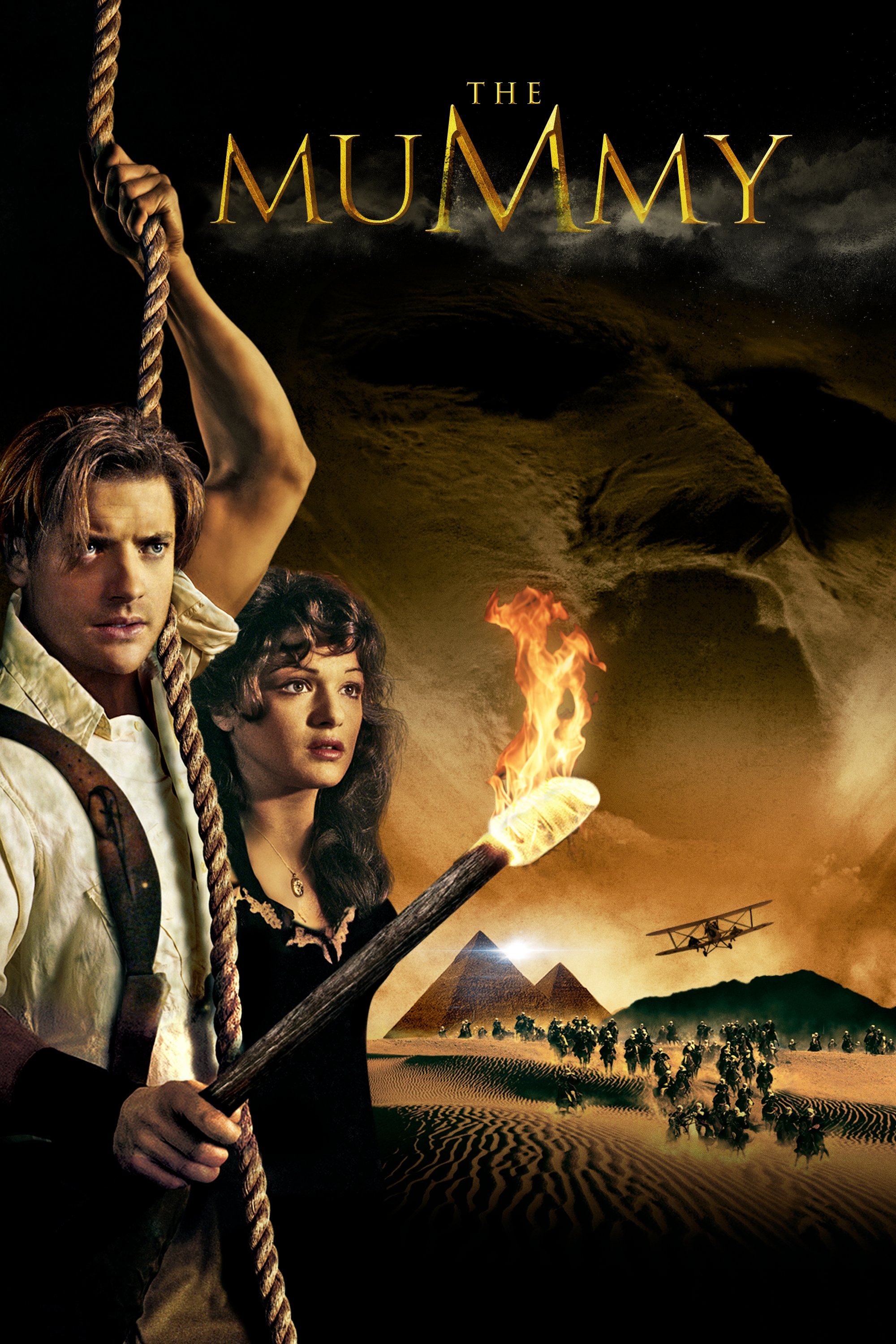
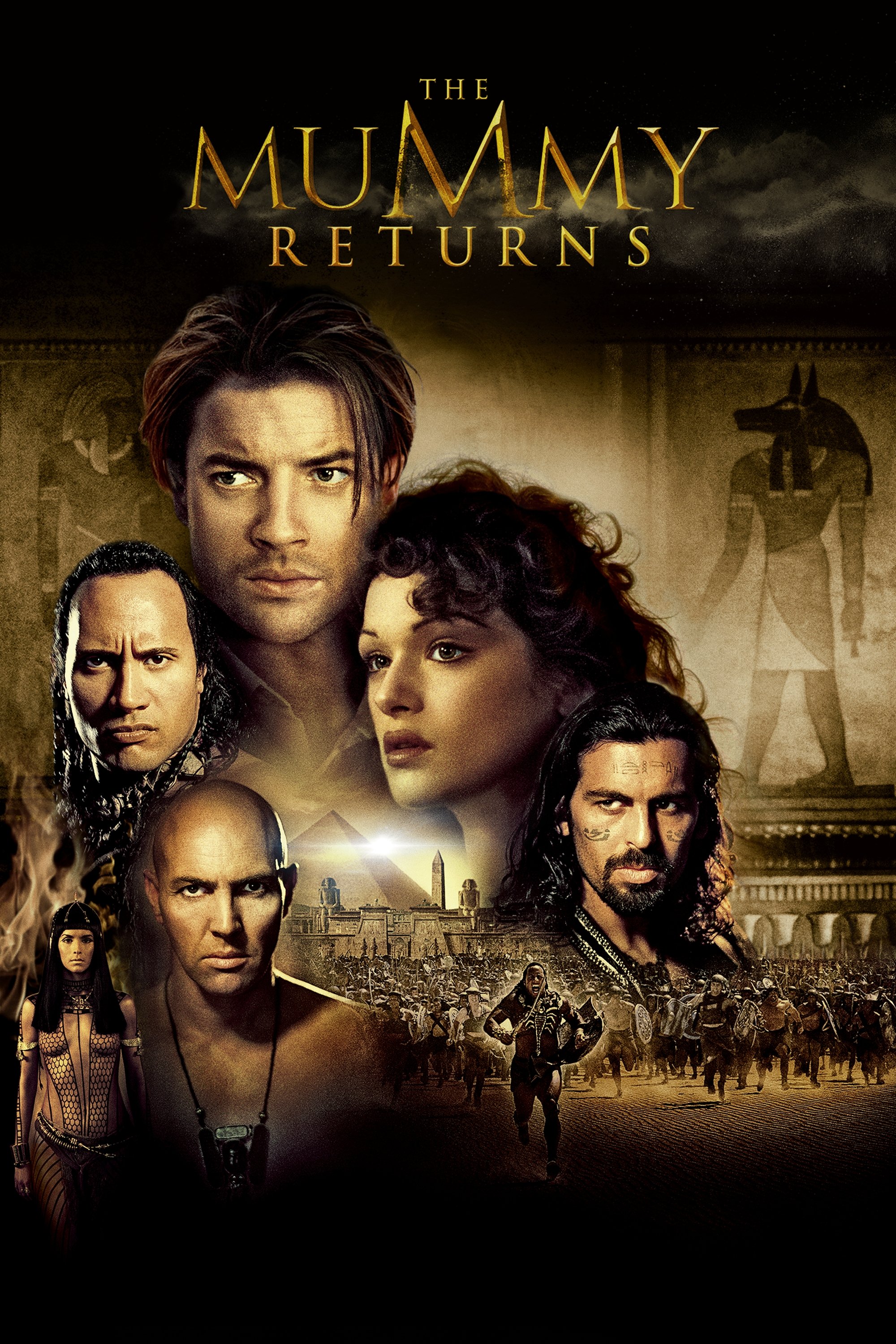
The Spielberg blockbuster era inherited and reshaped the tradition. Steven Spielberg's Raiders of the Lost Ark (1981) closed on the face-melting horror of the Ark's opening; Hutchings catalogs Spielberg's "darkness... apparent in some of his work," with Indiana Jones and the Temple of Doom (1984)'s "graphic scenes of human sacrifice" the clearest case of his Indiana Jones films crossing into outright horror register. Jurassic Park (1993), the same director's adventure-horror peak, ran the chosen-park-visit into Velociraptor terror. Stephen Sommers's The Mummy (1999) — what Hutchings explicitly names as an "Indiana Jones-like hero" reframing of Universal's horror canon — and its sequel The Mummy Returns (2001) converted Egyptology into PG-13 family-adventure horror with Brendan Fraser, Rachel Weisz, and the digitally-resurrected Imhotep.
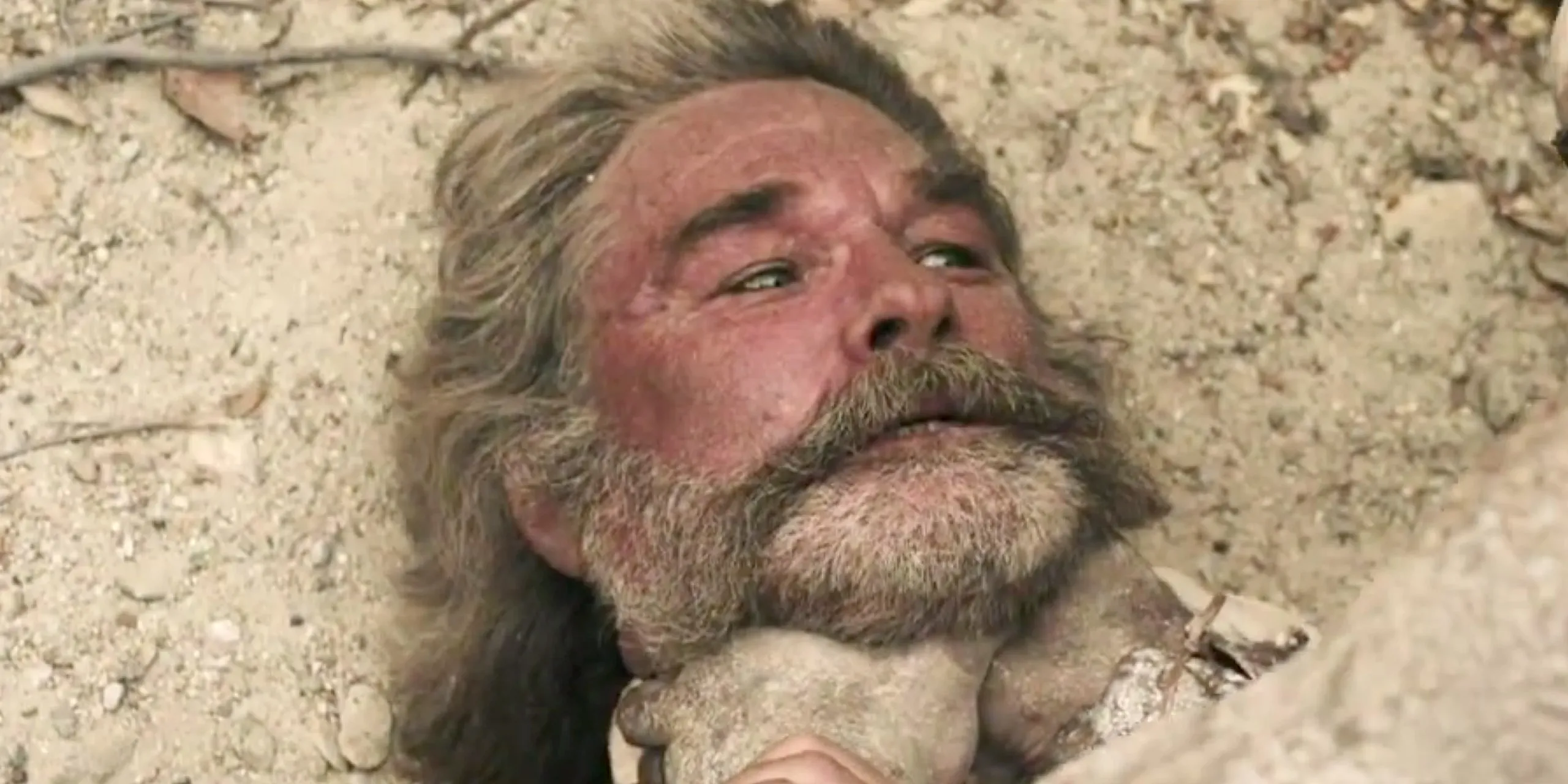
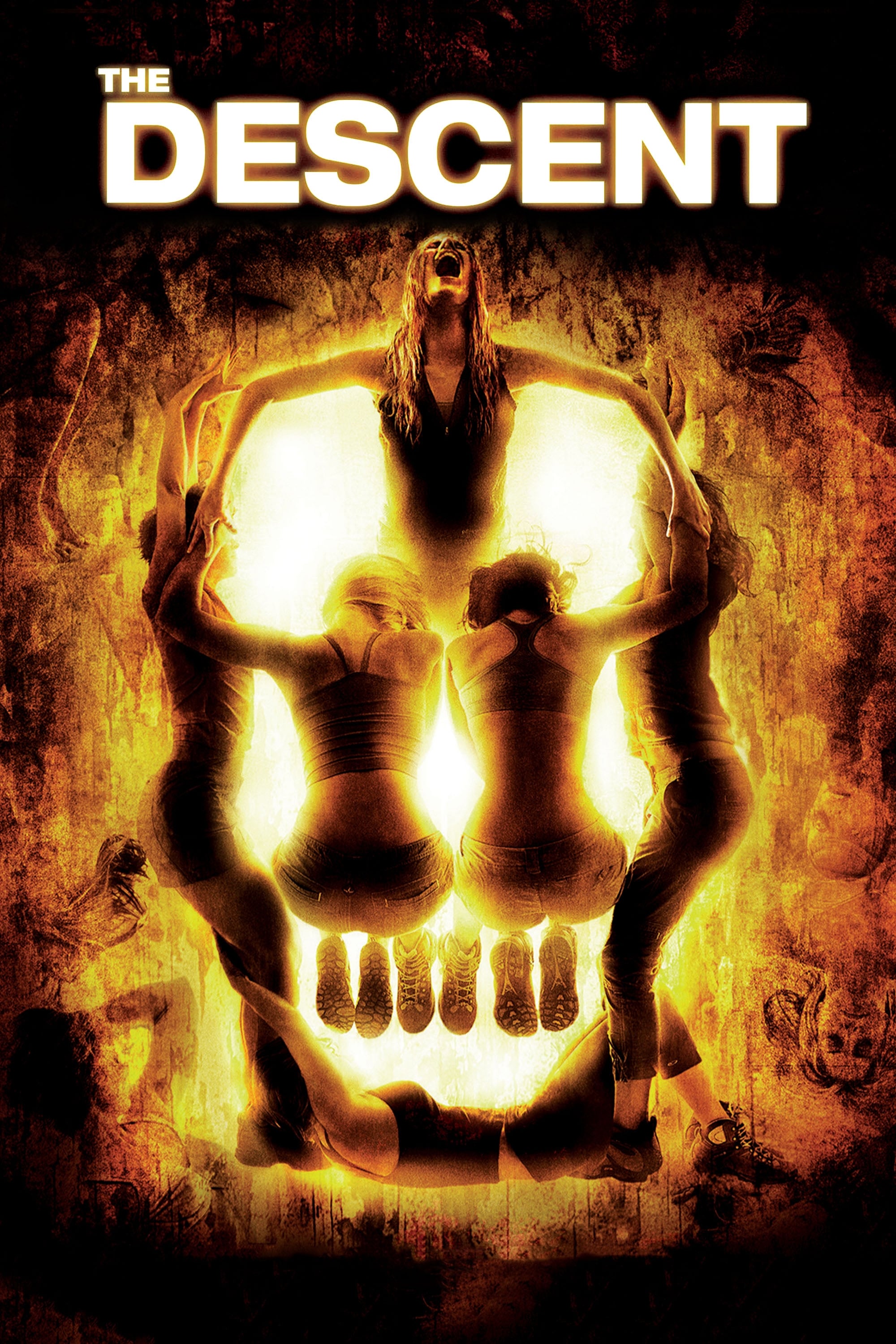
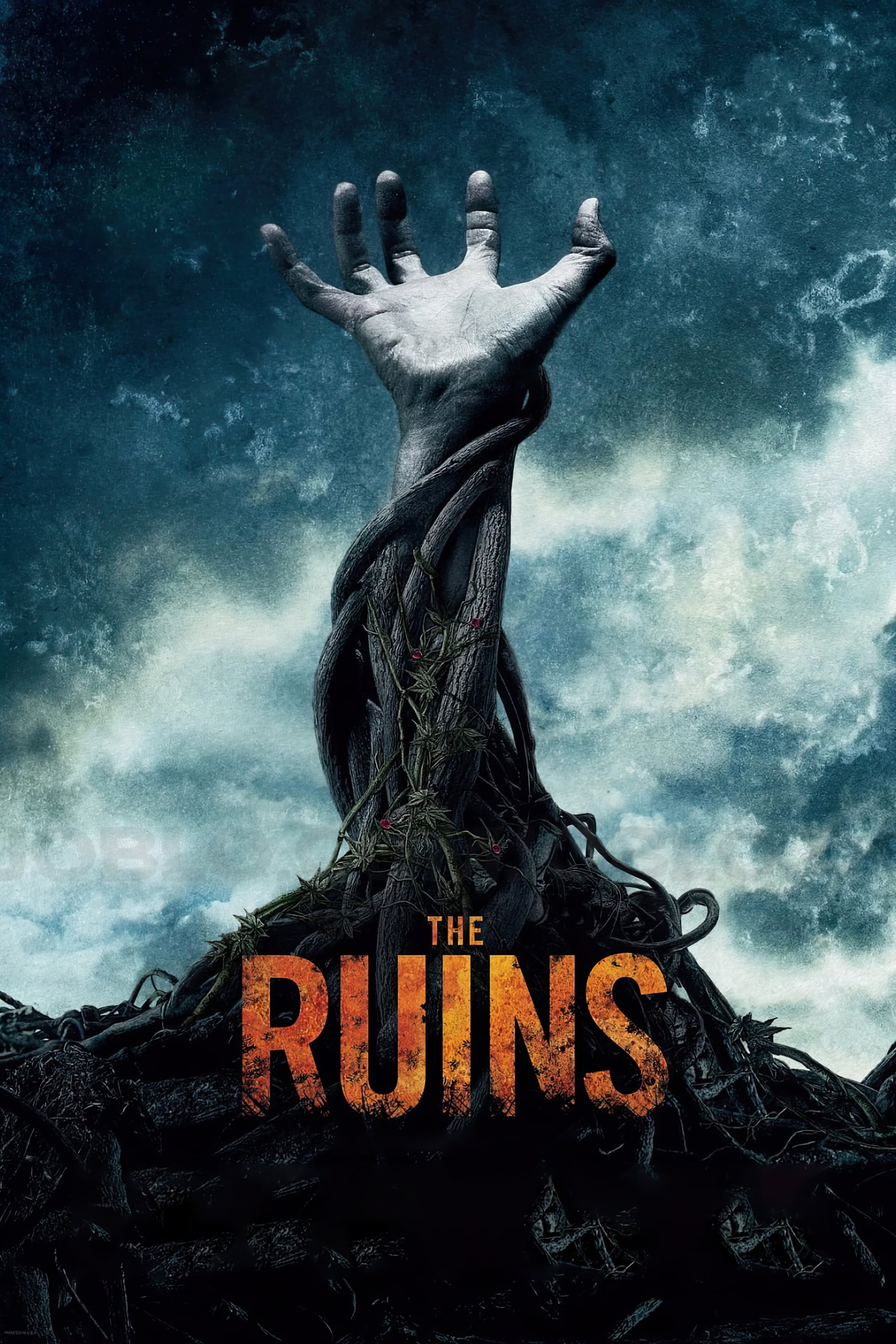
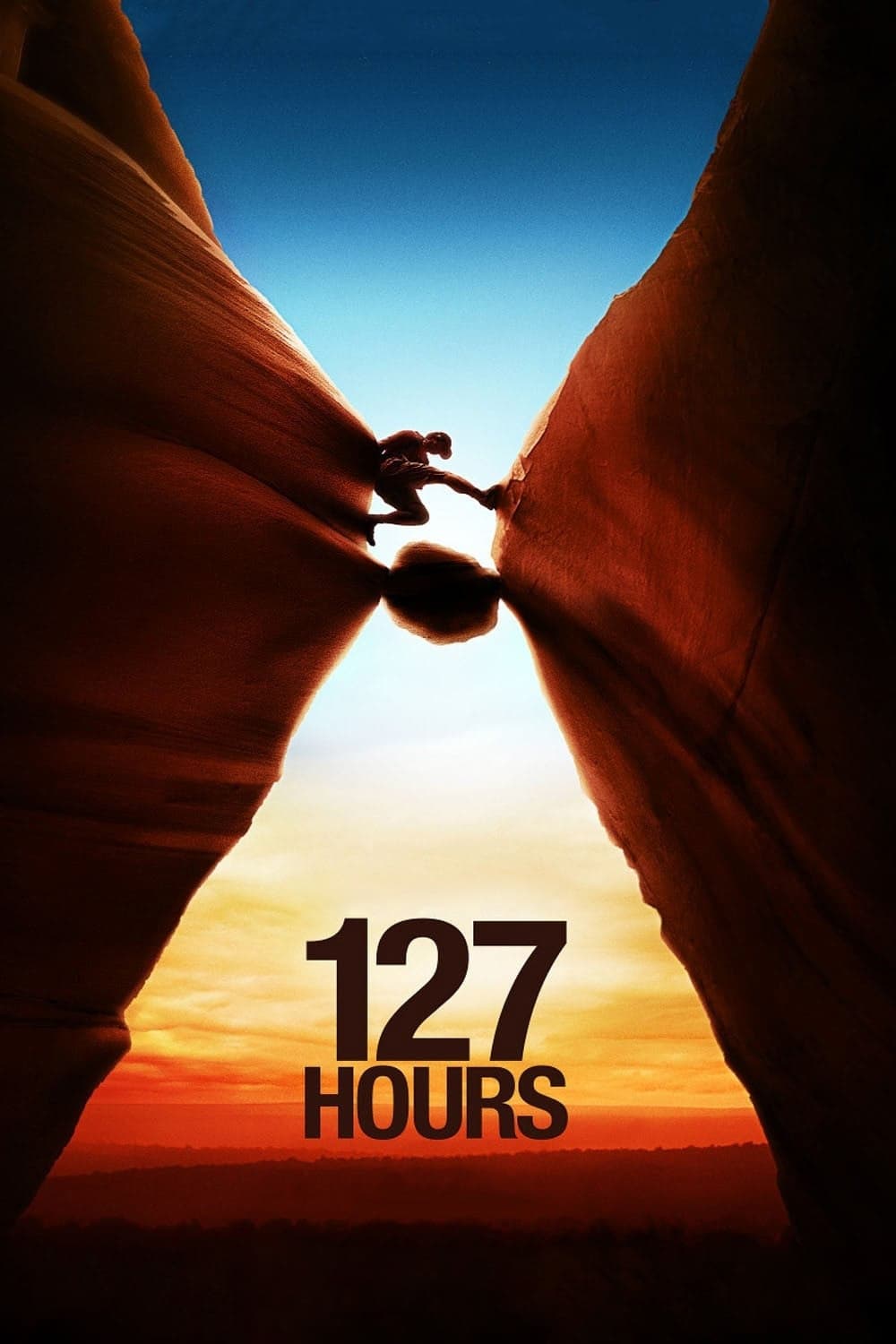
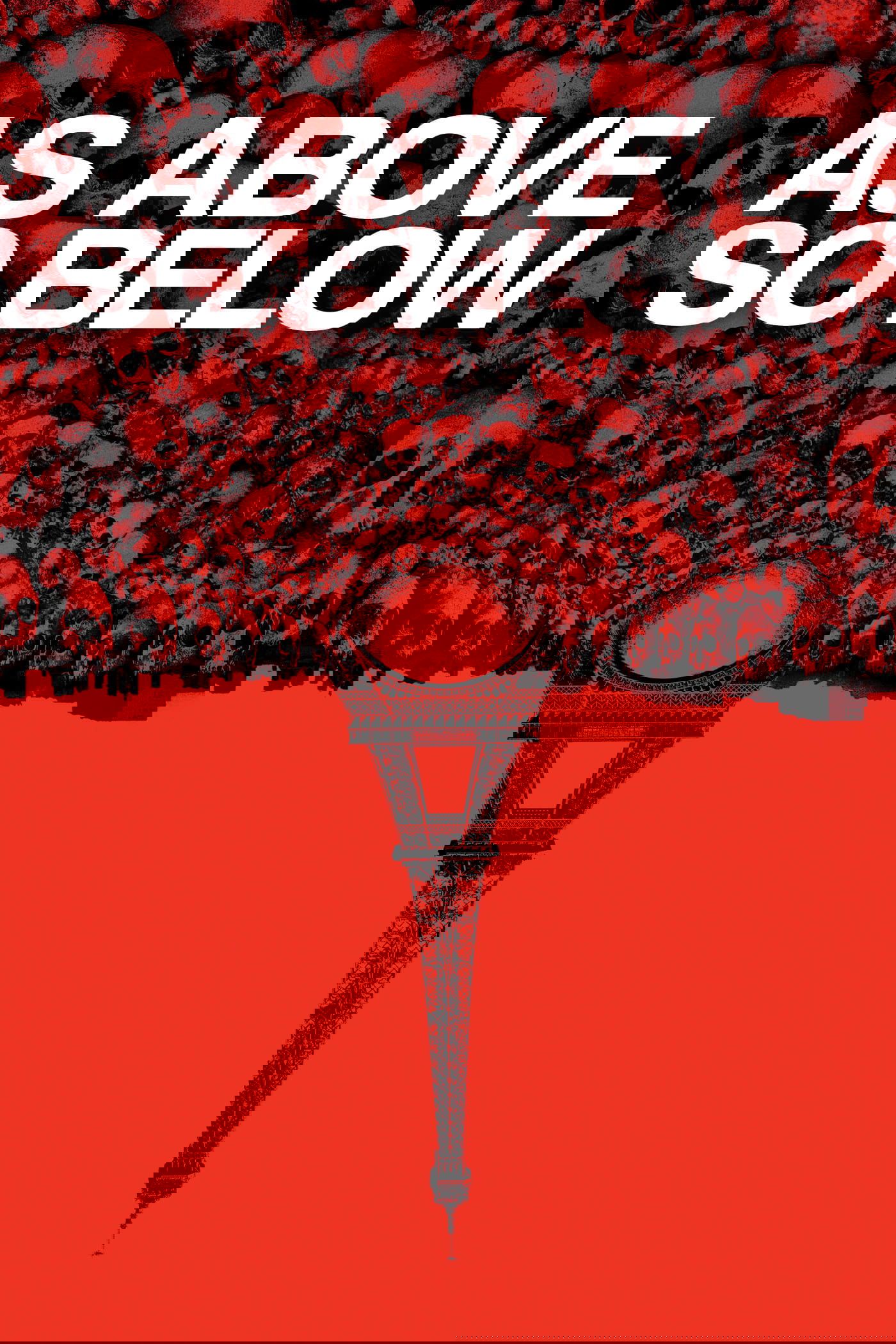
The 2005-2014 wave reframed the form as art-horror or survival-cinema. Neil Marshall's The Descent (2005), treated separately on survival horror, ran a six-woman caving expedition into Appalachian-cave creatures — chosen extreme-sport adventure as opening, body-horror as outcome. Peter Jackson's King Kong (2005), his pet remake of the 1933 anchor, returned Cooper's expedition narrative with three-hour CGI ambition. Carter Smith's The Ruins (2008), adapted from Scott Smith's novel, sent four young Americans to a Yucatán Mayan ruin overgrown with carnivorous vines — chosen vacation-adventure as opening. Danny Boyle's 127 Hours (2010), dramatizing Aron Ralston's solo canyon-hike, ran the form as one-man-pinned-by-a-boulder survivalism. John Erick Dowdle's As Above, So Below (2014) sent a treasure-hunt documentary crew into the Paris catacombs — chosen pursuit of Nicolas Flamel's philosopher's stone leading them into supernatural Hell.
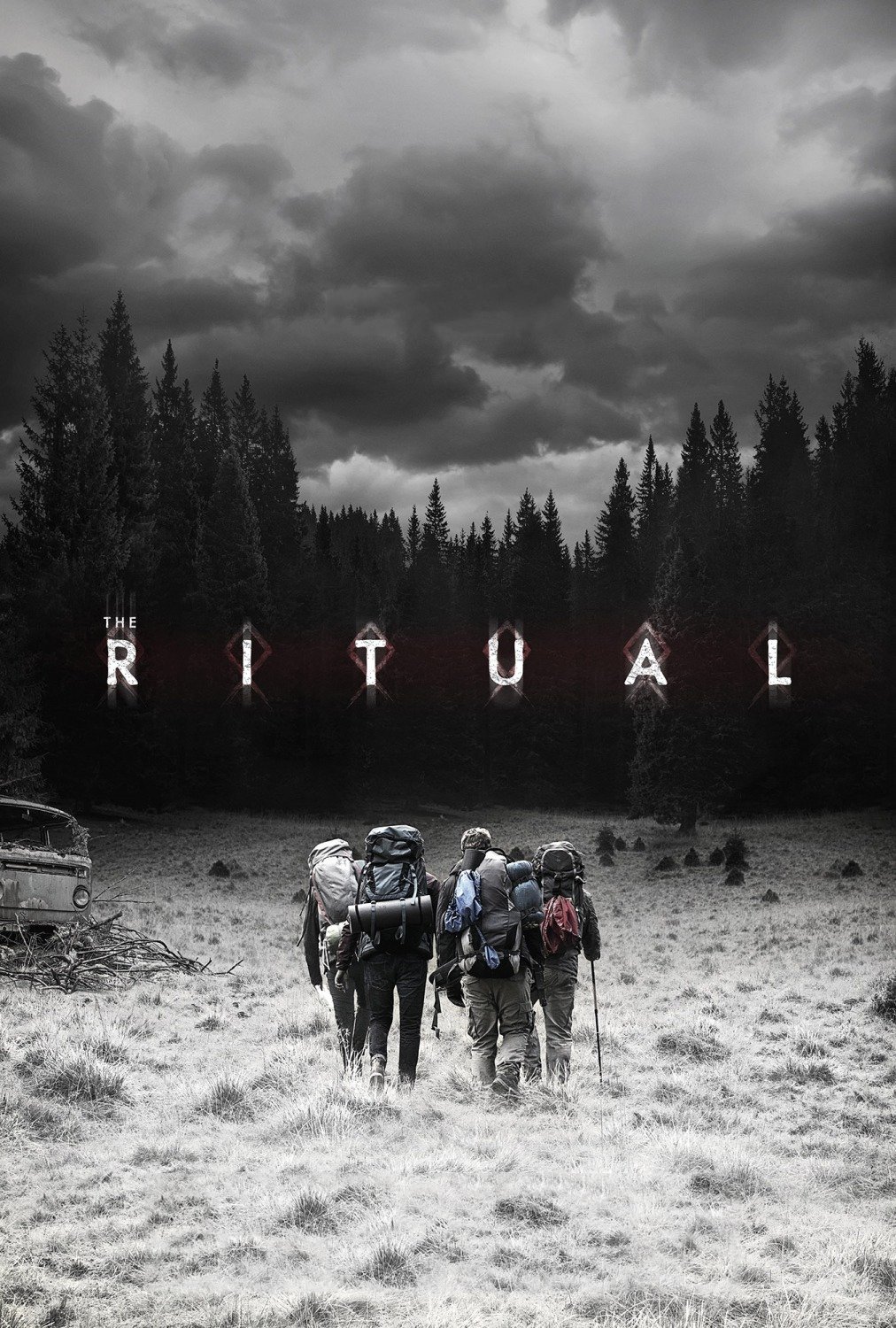
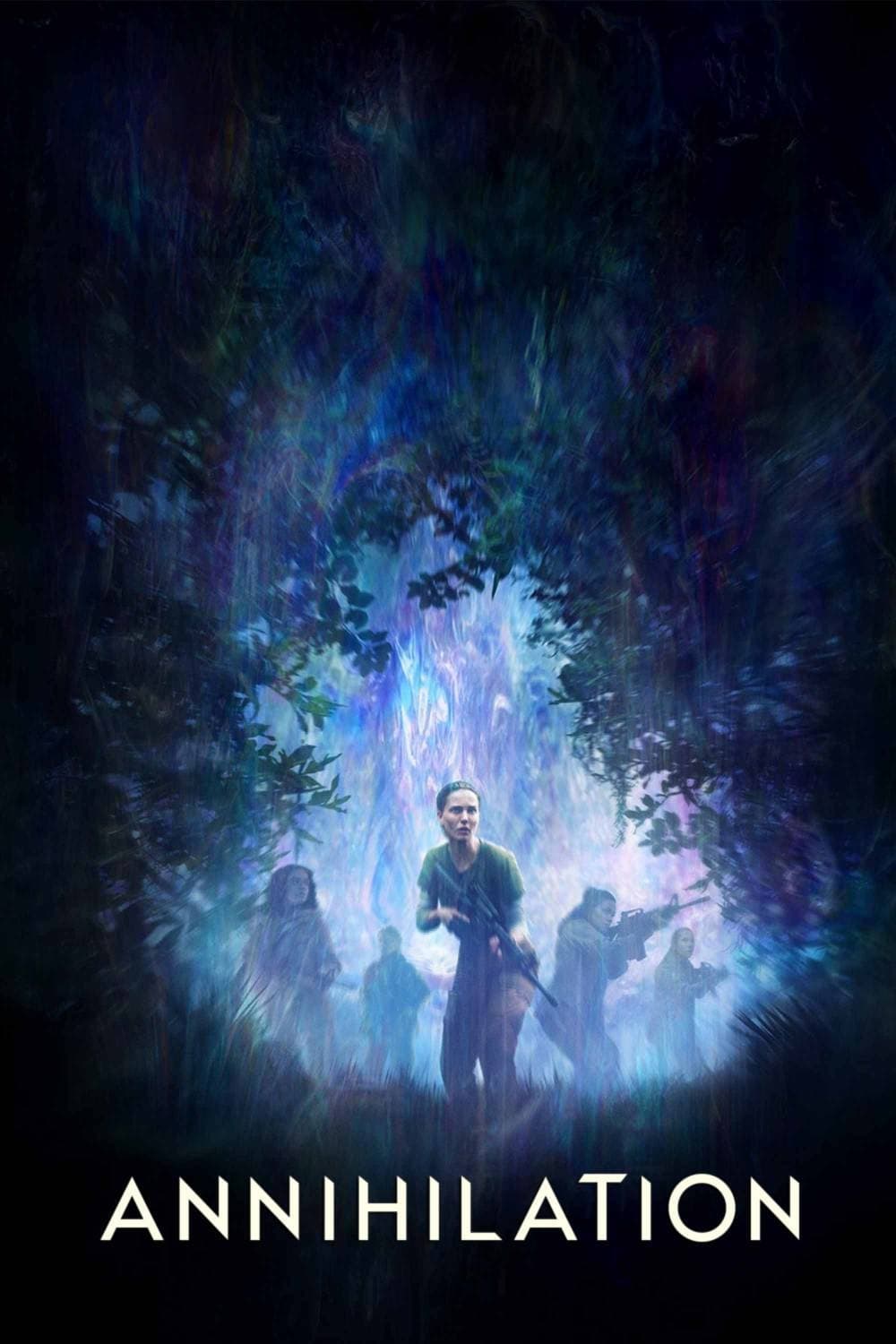
The 2017-2020 cycle has been the form's most thematically ambitious. David Bruckner's The Ritual (2017), treated separately on folk horror, ran a Stockholm hiking-tribute expedition into Jötunn territory. Alex Garland's Annihilation (2018), treated separately on sci-fi horror, sent five scientists into the Shimmer on a volunteered mission — chosen confrontation with the unknown. The form's continuing argument is that adventure stories have always been horror stories told from a more optimistic angle: the explorer who finds something unimaginable, the archaeologist who unearths something best left buried, the traveler who learns that some places are warnings.
Essential Films


Statistics
Popularity by Decade
Share of each decade's horror films classified as Adventure. Counts films with at least 5 TMDB ratings, so very obscure titles are not represented.
Popularity by Country
Share of each country's horror output classified as Adventure. Counts films with at least 5 TMDB ratings, so very obscure titles are not represented.