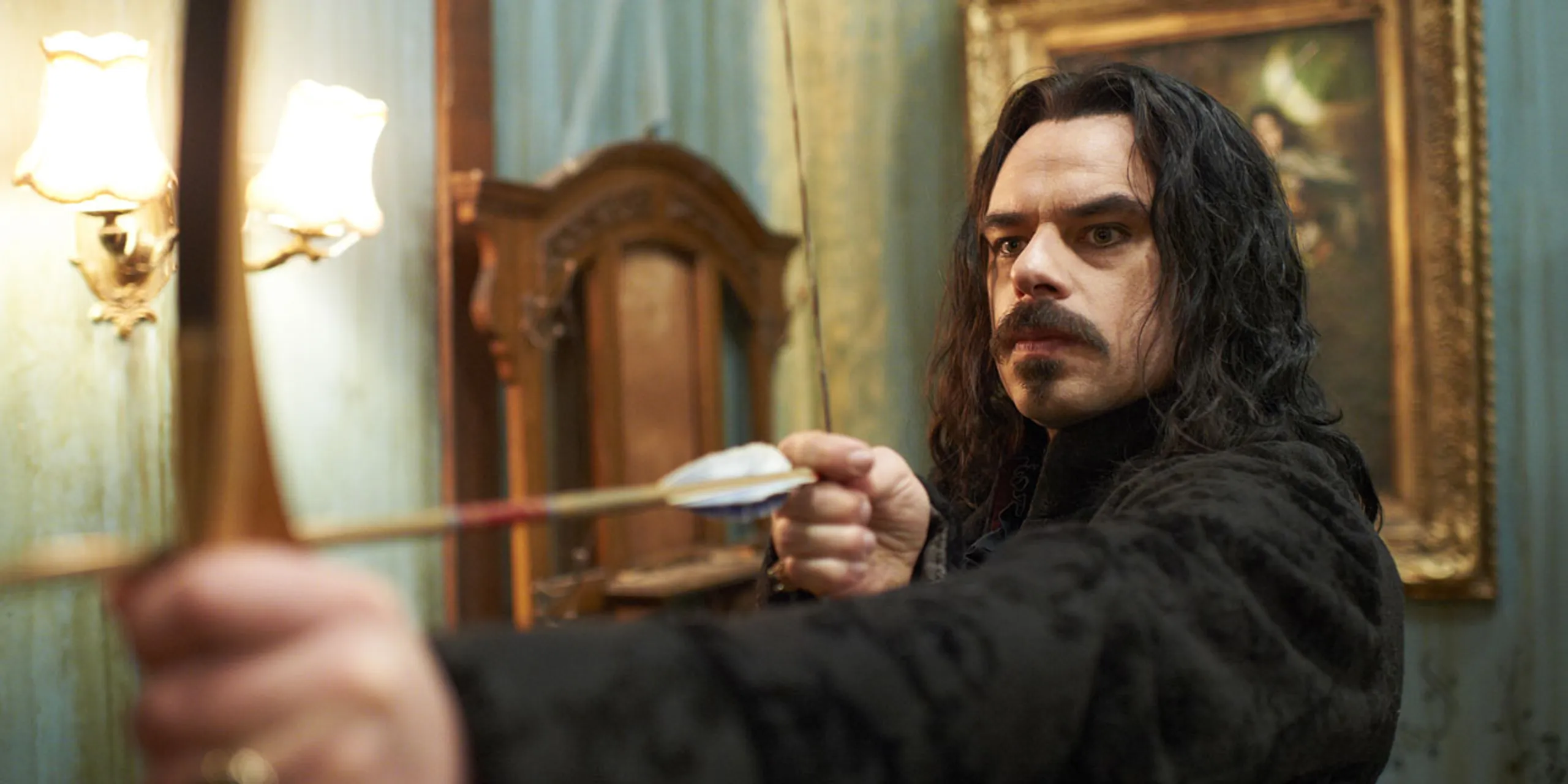
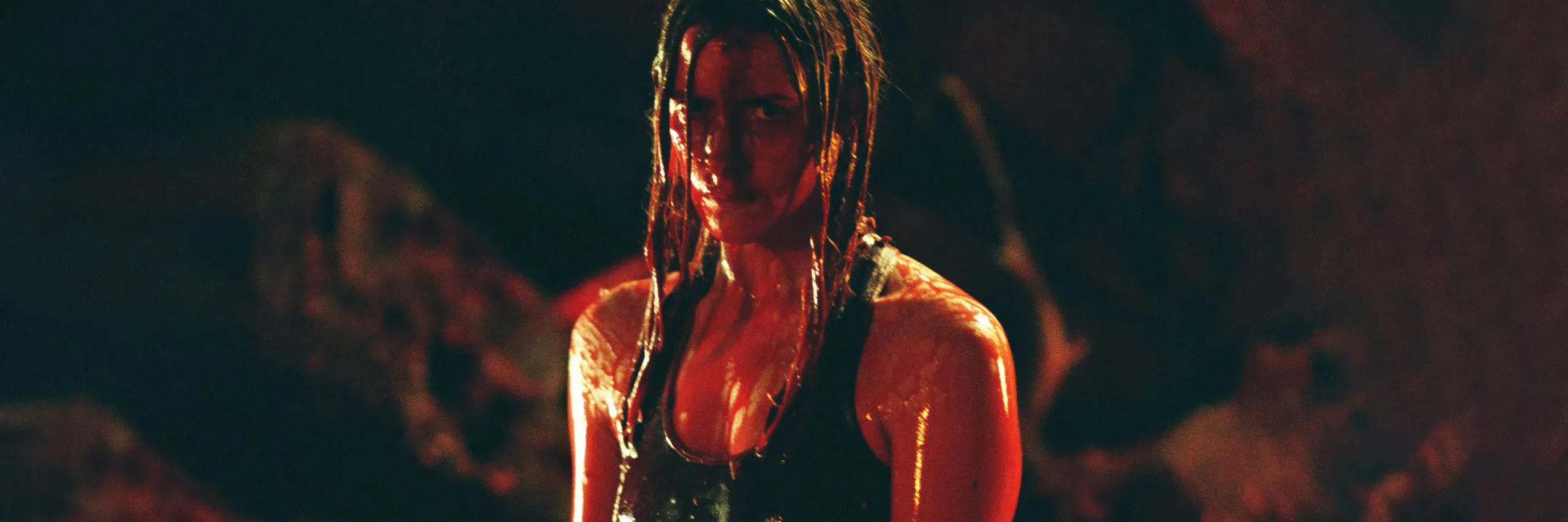
 The Descent (2005)
Survival Horror
Stay alive. Resources dwindling, options closing, every decision potentially fatal. The horror is not what's hunting you but the systematic elimination of everything that might save you.
History & Origins
Survival horror strips the genre to its most primal scenario: stay alive. The threats vary — wilderness, captivity, pursuit, disaster, indifferent nature — but the core experience is constant. Resources are limited, help is unavailable, and every decision is a potential death sentence. The audience's engagement is tactical — could I make that choice, would I think of that solution, how long could I endure? Kim Newman frames the form's mode of address as one of horror's most consistent across decades: "outdoor action pictures about people hunted like animals" and "claustrophobic abduction or home invasion dramas" both feed into the survival-horror register.
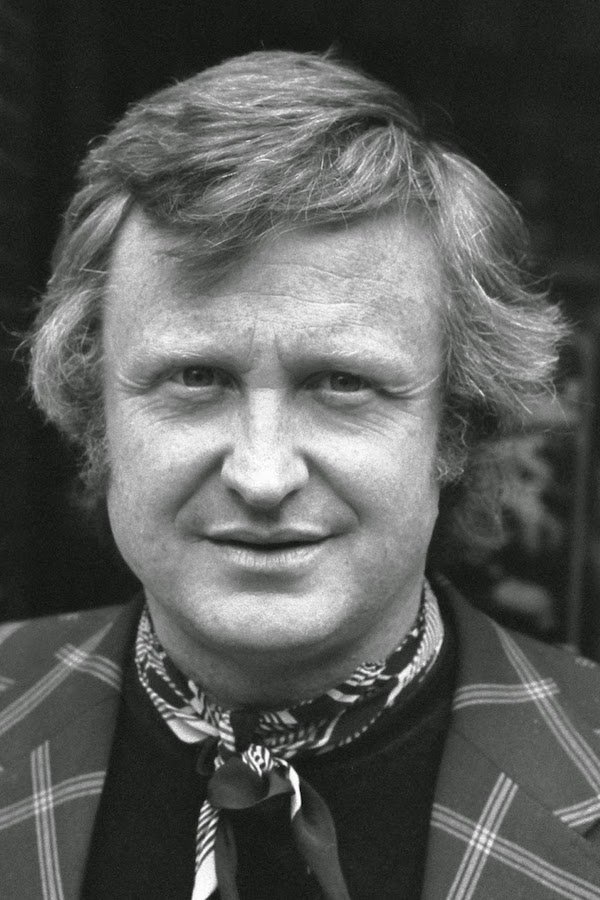
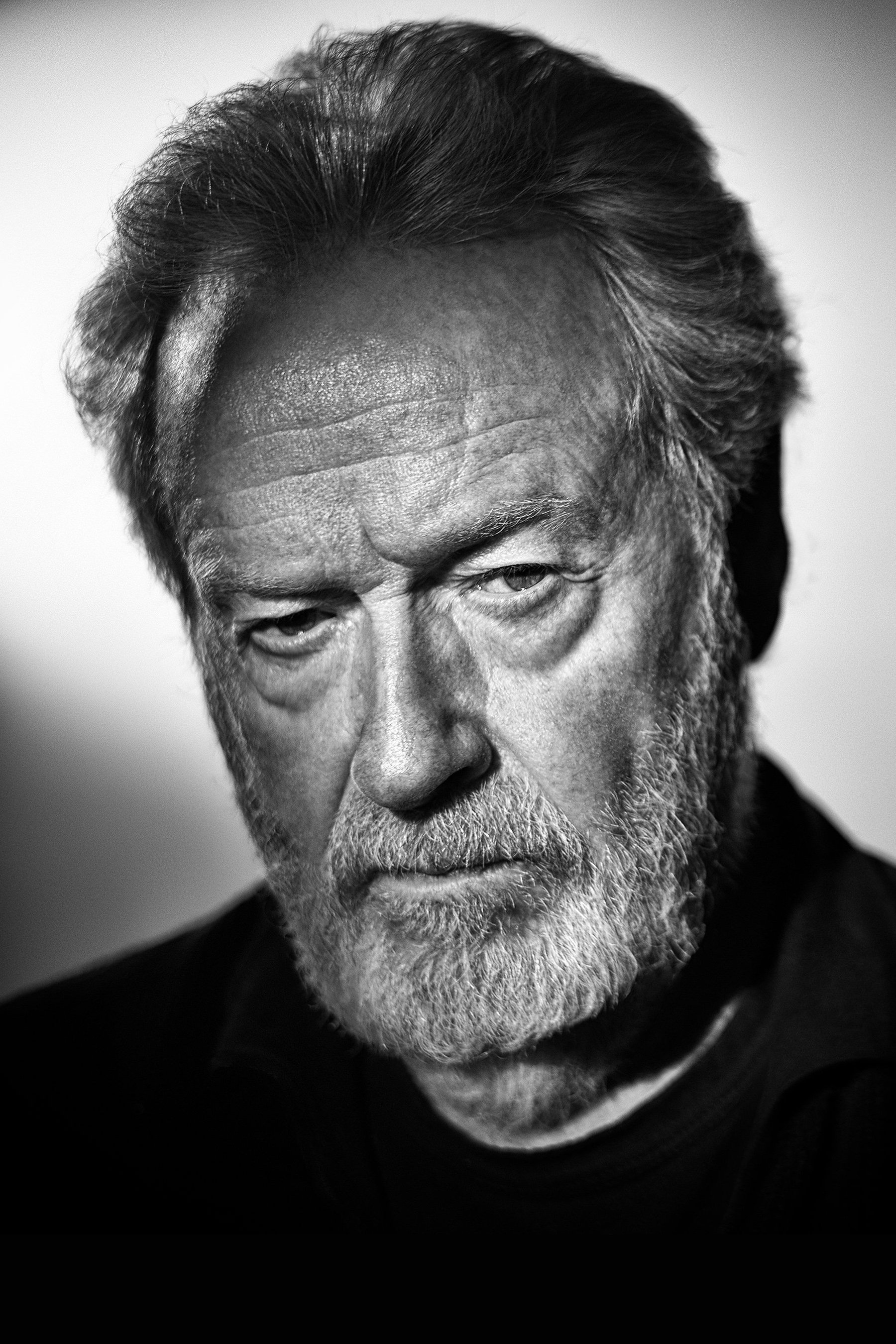
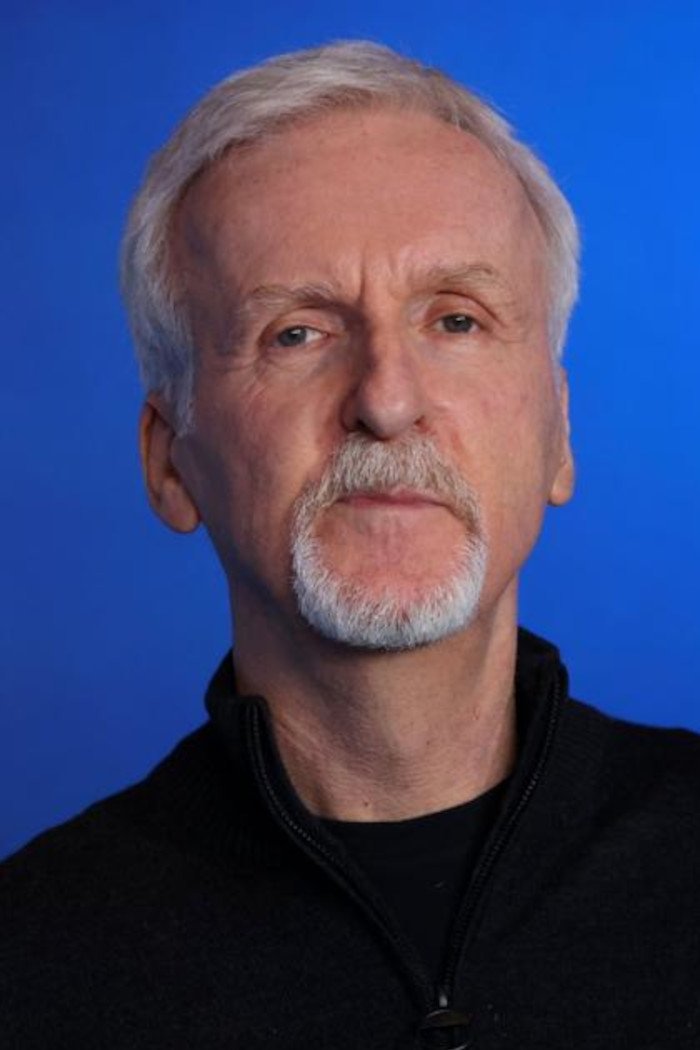
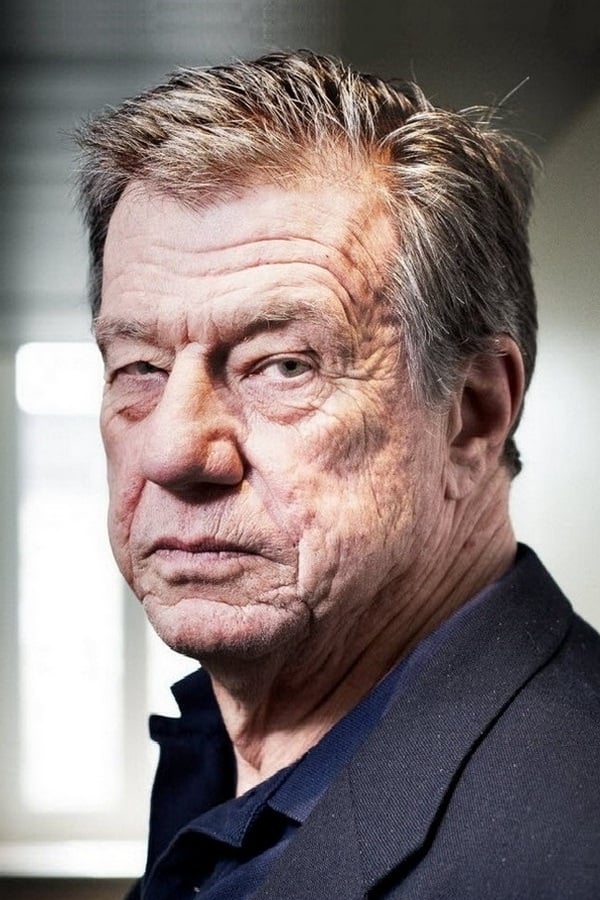
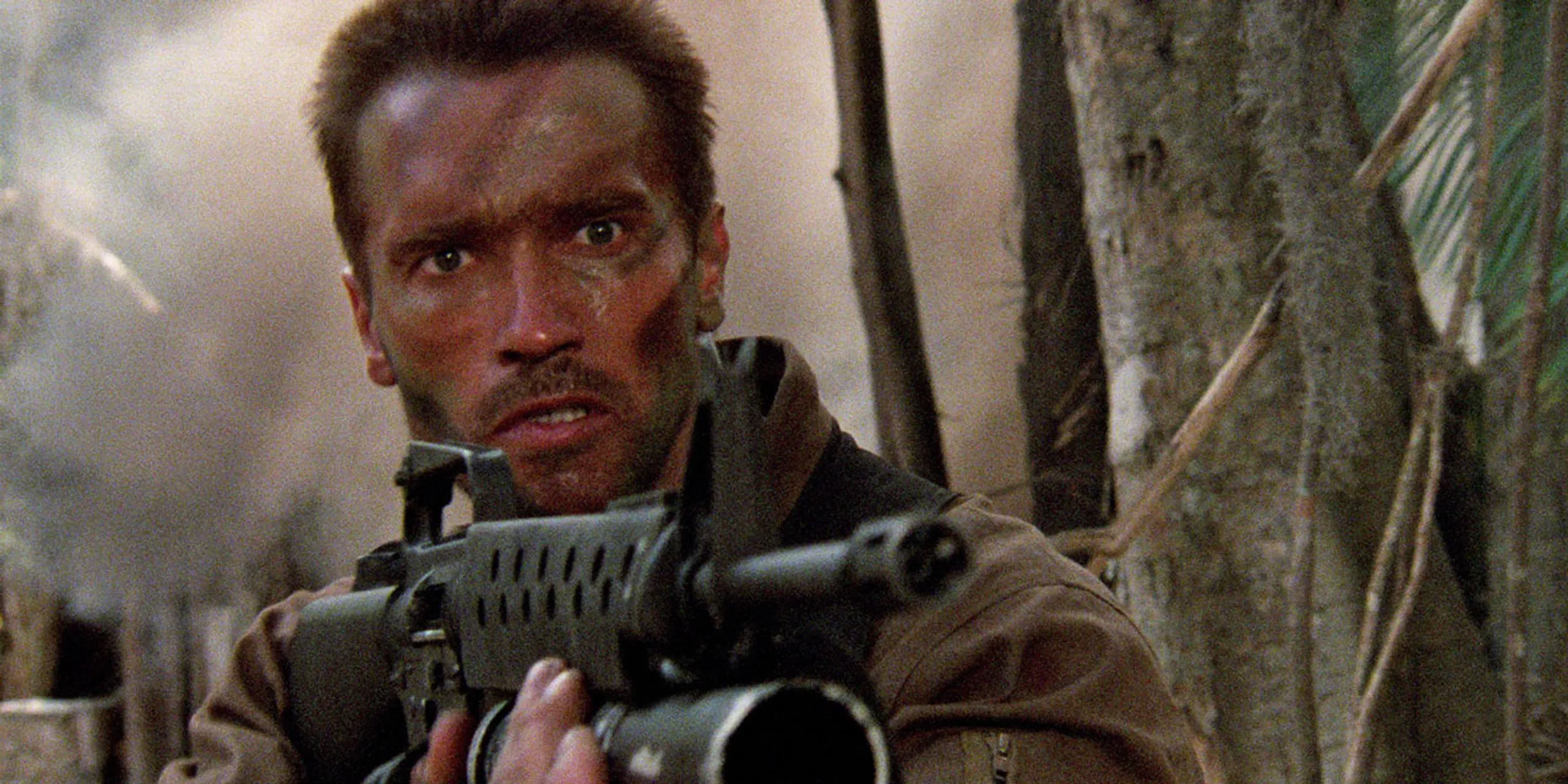
The form's foundations are dispersed across genres. John Boorman's Deliverance (1972), with Burt Reynolds and Jon Voight, established the modern wilderness-survival template, weaponizing the river-trip premise into horror. Ridley Scott's Alien (1979), with Sigourney Weaver's Ripley, fused survival-horror with science fiction in a way that became foundational to both genres — the Nostromo's crew picked off in confined corridors gave the form its definitive structural blueprint. James Cameron's Aliens (1986), with Lance Henriksen and Michael Biehn, extended the lineage into siege-survival; Lewis Teague's Cujo (1983), adapting Stephen King, reduced the form to a stalled Pinto and a rabid dog. John McTiernan's Predator (1987), with Arnold Schwarzenegger, took the form into Central American jungle and made invisibility the threat. Narciso Ibáñez Serrador's Spanish Who Can Kill a Child? (1976) ran the variant where the threat is the local population — children, in this case.
The 2000s produced the form's defining decade. Kim Newman identifies "the most significant titles of the decade" as Neil Marshall's The Descent (2005), with Shauna Macdonald — six women in an Appalachian cave system that narrows as they go deeper, the caving expedition functioning as Newman puts it as "also a descent into madness" — and Fabrice Du Welz's Belgian Calvaire (2005), the rural-captivity Ardennes variant. Chris Kentis's Open Water (2004) stripped the form to its starkest minimalism: two scuba divers stranded in the ocean, the camera handheld and the predators real sharks. Greg McLean's Rogue (2007) brought the form to the Australian Northern Territory; Carter Smith's The Ruins (2008), adapted from Scott Smith's novel, made the threat a sentient plant on a Mayan archaeological site.
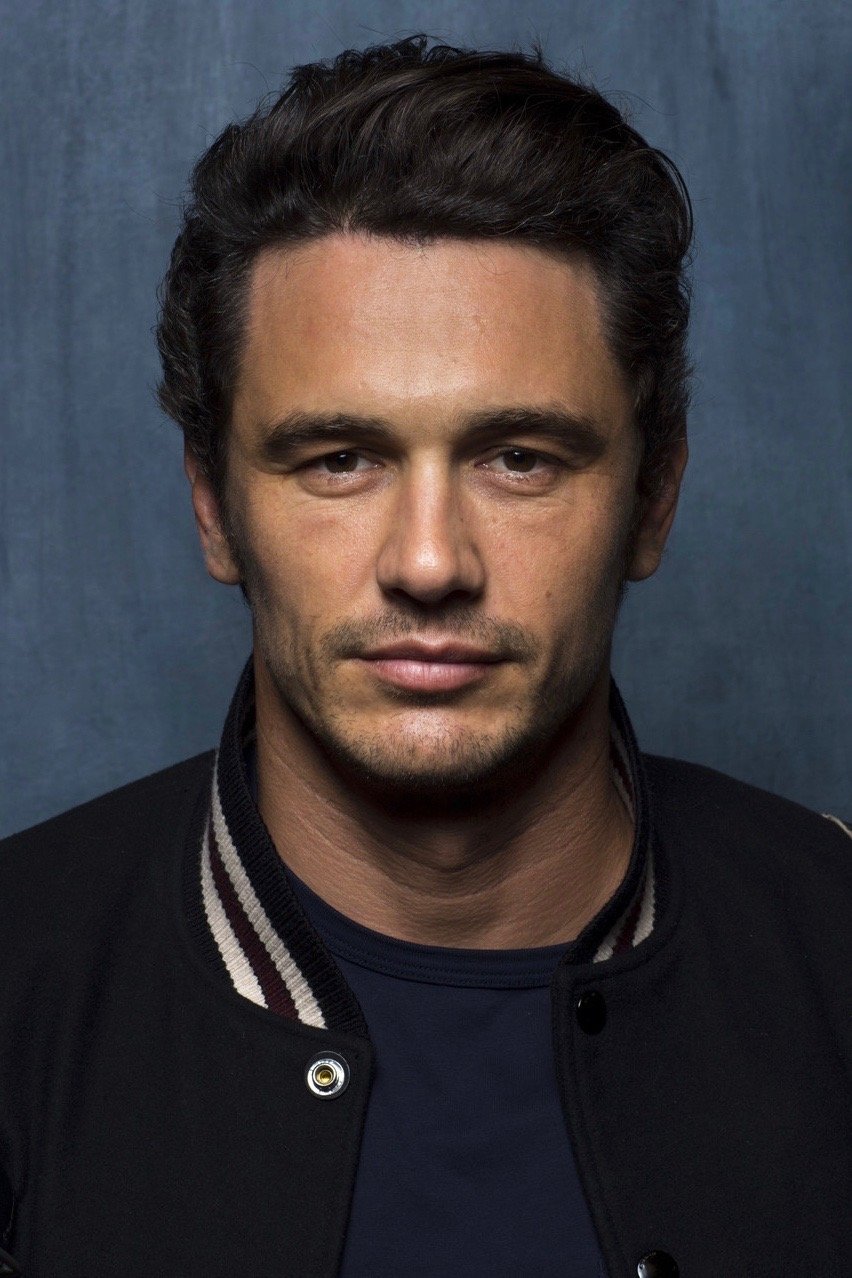
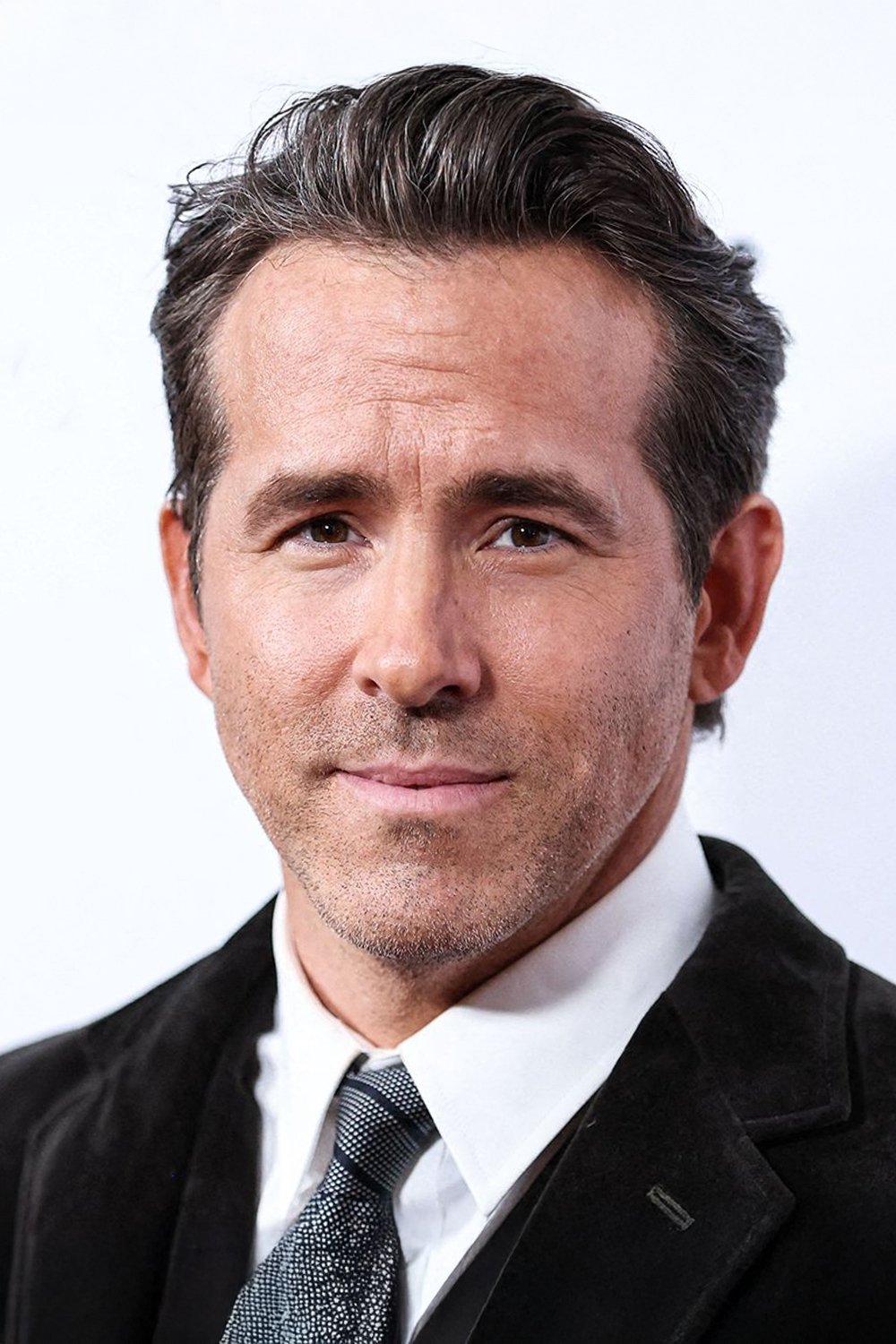
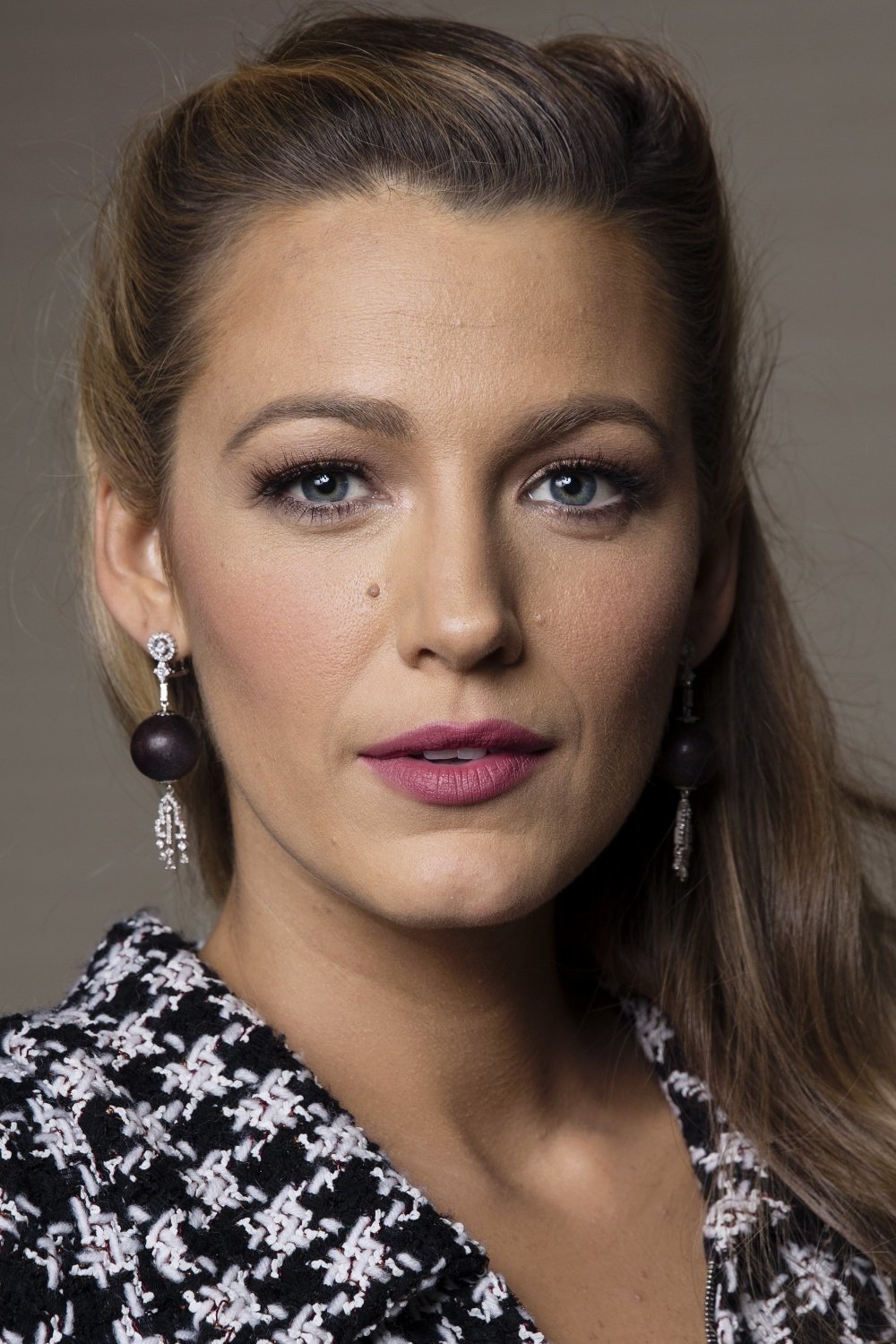
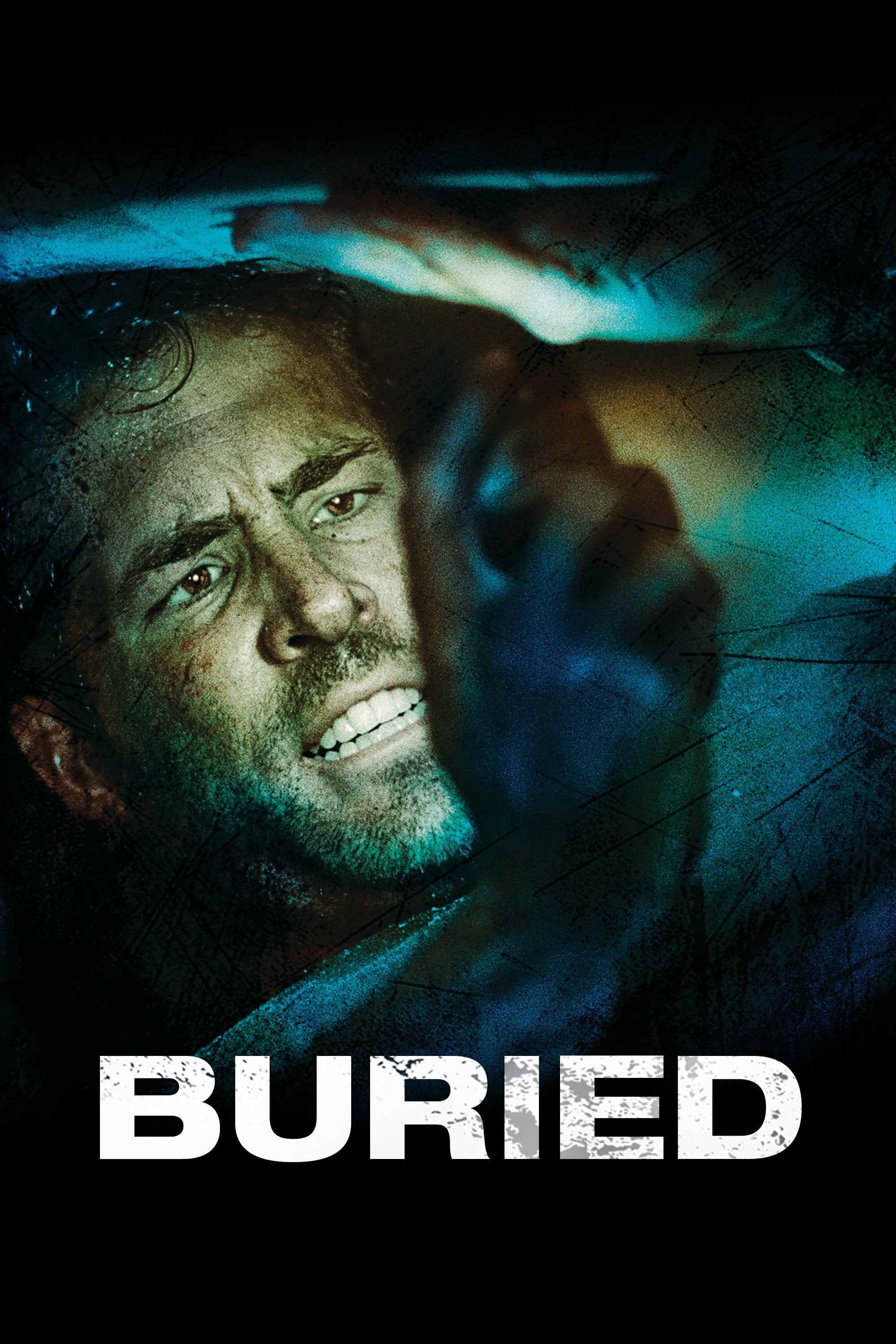
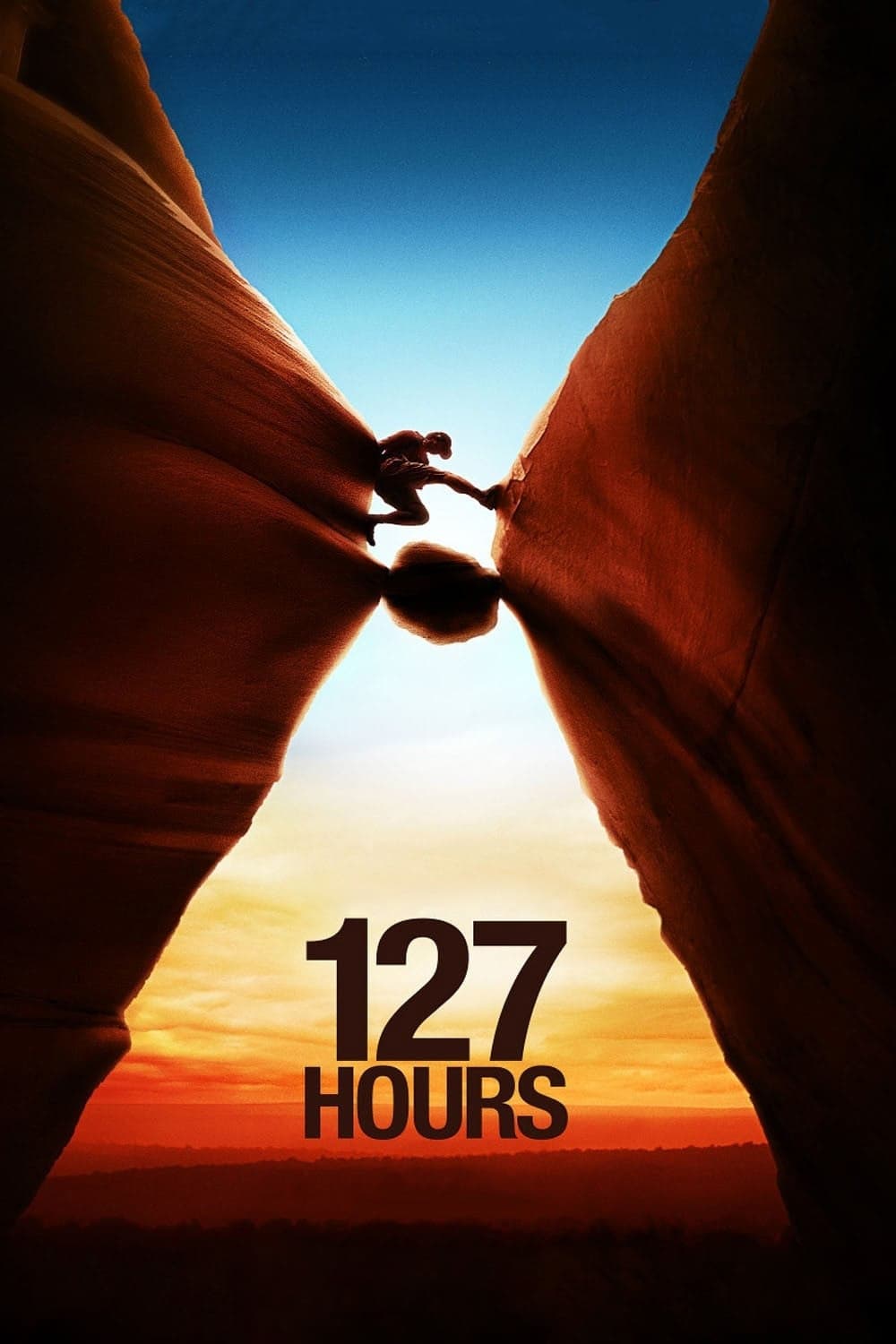
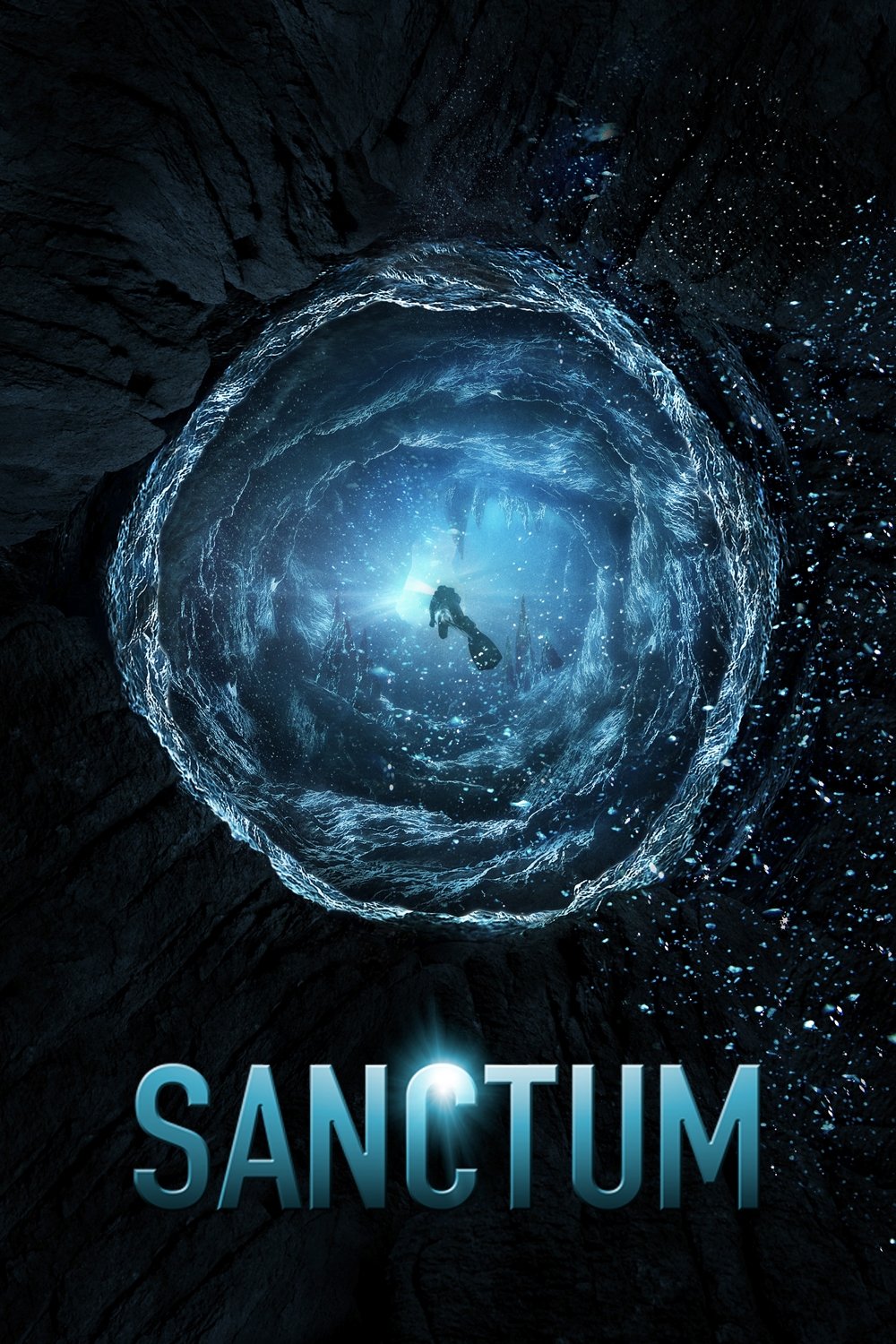
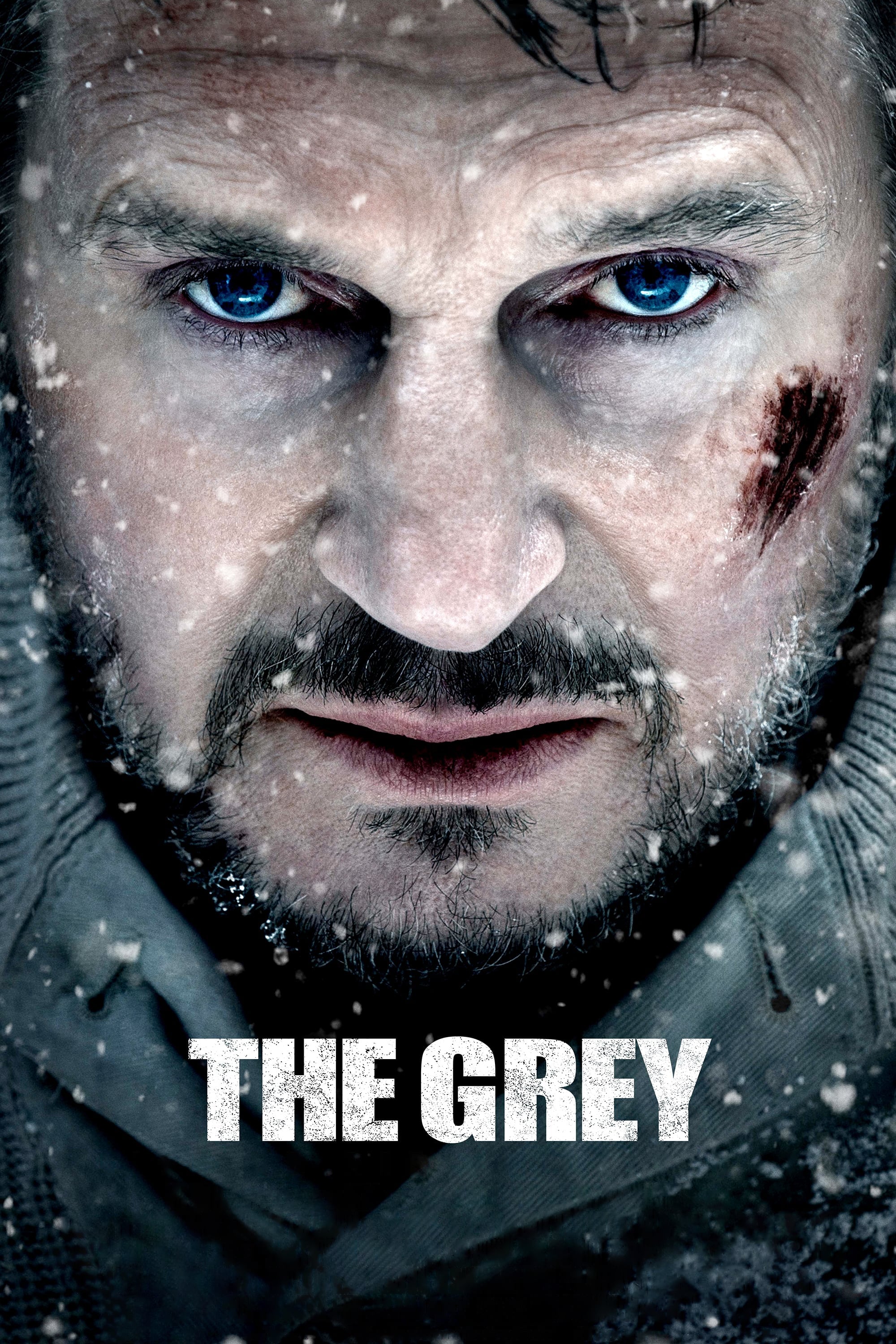
The 2010s opened the form to an unprecedented commercial wave. Rodrigo Cortés's Buried (2010), with Ryan Reynolds, confined its entire narrative to a coffin. Danny Boyle's 127 Hours (2010), with James Franco as the Aron Ralston-surrogate hiker who escalates to self-amputation, found horror in the most ordinary hiking accident. Adam Green's Frozen (2010) stranded three friends on a ski lift; Andrew Traucki's The Reef (2010) ran the shark variant in the Coral Sea. Alister Grierson's Sanctum (2011) returned the form to caves; Joe Carnahan's The Grey (2012), with Liam Neeson versus an Alaskan wolf pack, became the era's most spiritually serious entry. Adam MacDonald's Canadian Backcountry (2015) brought the bear-attack premise to documentary-aesthetic realism. Jaume Collet-Serra's The Shallows (2016), with Blake Lively versus a great white off the Mexican coast, ran the commercial-thriller variant.
The form's contemporary register has fused with major franchises and prestige adaptation. Mike Flanagan's Gerald's Game (2017), with Carla Gugino, adapted what King had called his "unfilmable" novel about a wife handcuffed to a bed by her dead husband; Johannes Roberts's 47 Meters Down (2017), with Mandy Moore, extended the shark-cage variant; John Krasinski's A Quiet Place (2018), with Emily Blunt, fused survival with siege and became the era's most commercially successful new horror franchise; Alexandre Aja's Crawl (2019), with Kaya Scodelario versus alligators in a Florida hurricane, became a sleeper hit; Fede Álvarez's Alien: Romulus (2024), with Cailee Spaeny, returned Scott's foundational text to its survival-horror roots and became the franchise's commercial revival. The form persists because the question it poses — what would you do to survive? — is one that every viewer answers differently, and one that no viewer can answer honestly until they are tested.
Sources: Kim Newman, Nightmare Movies: Horror on Screen Since the 1960s.
Essential Films
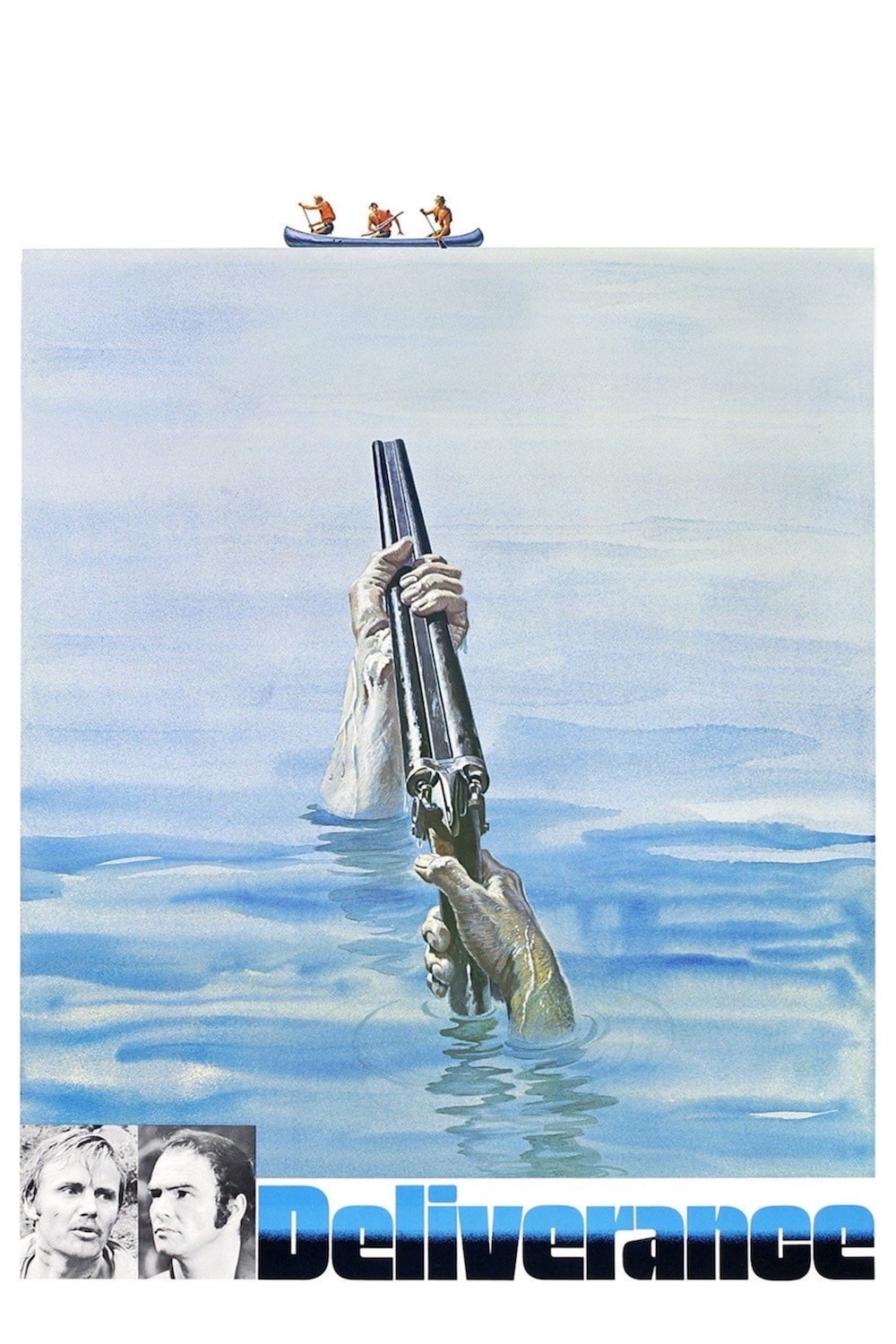
Deliverance
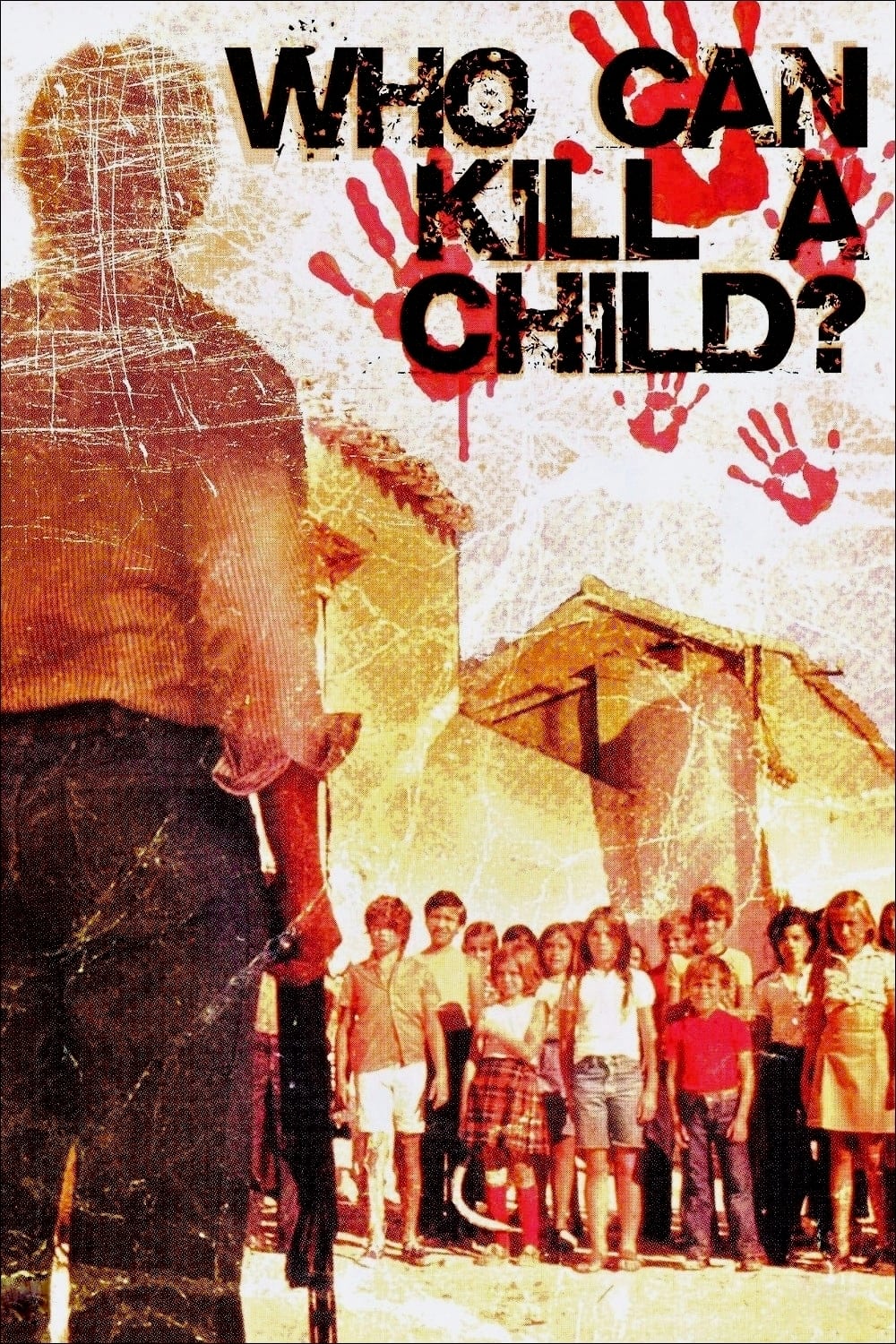
Who Can Kill a Child?
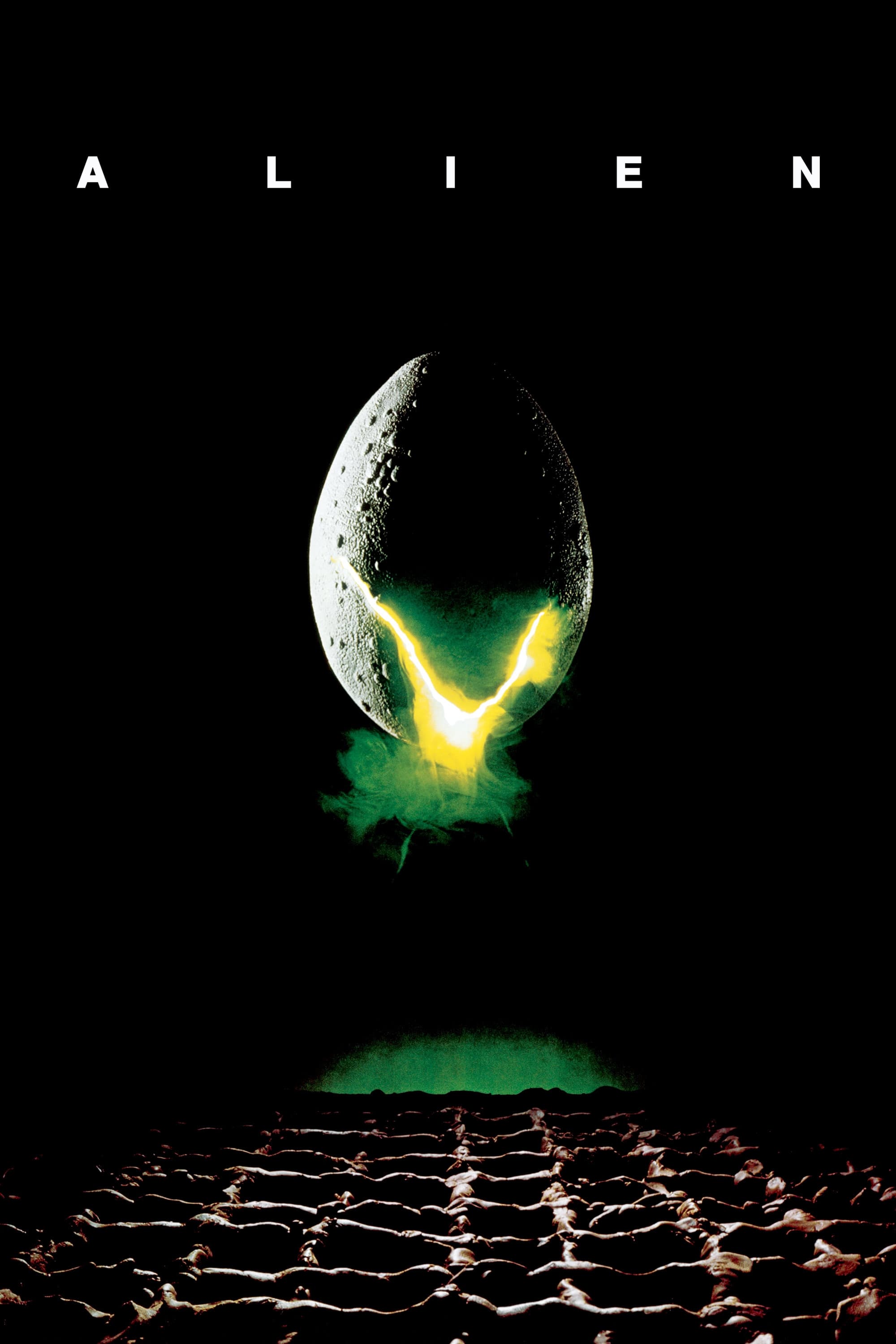
Alien
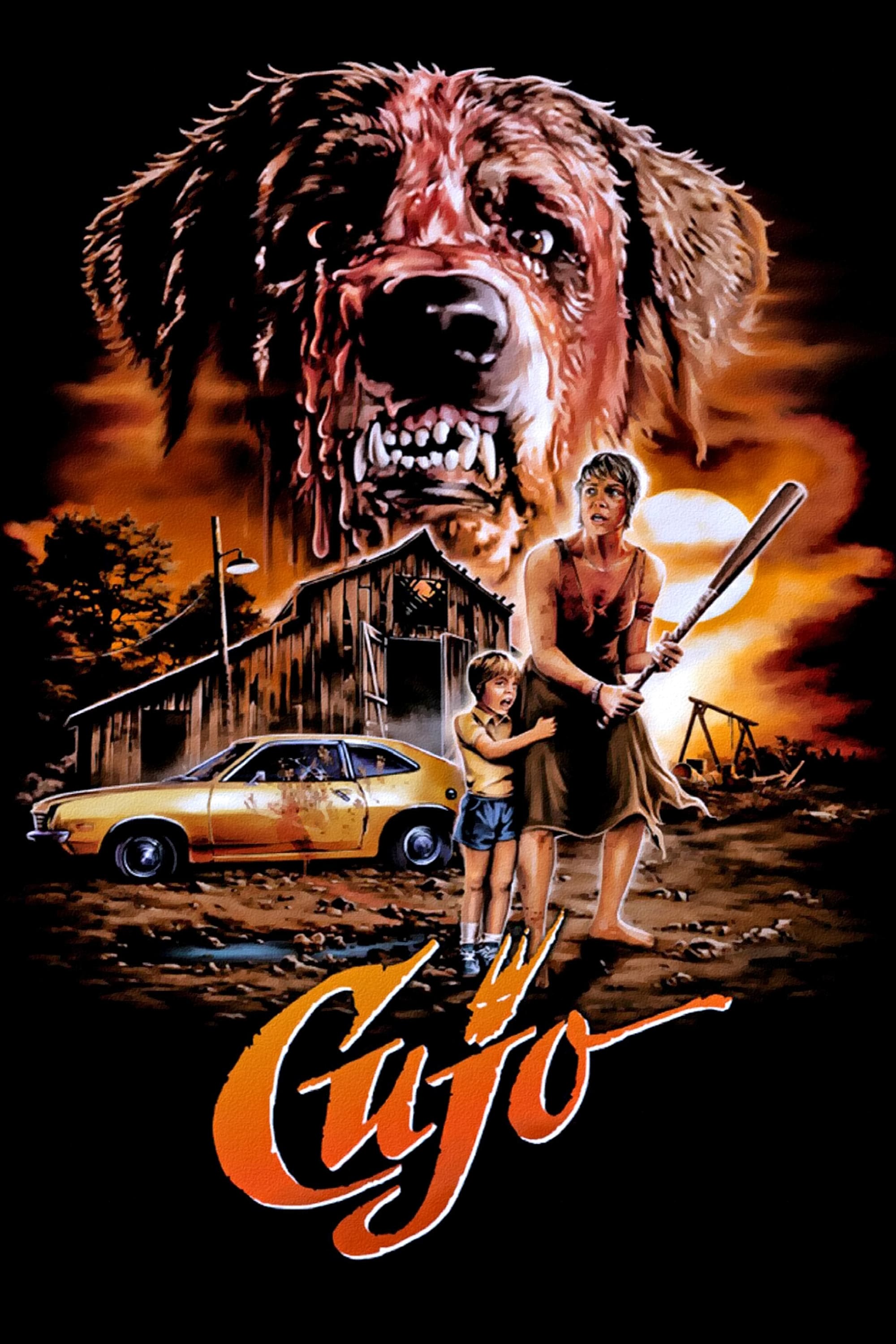
Cujo
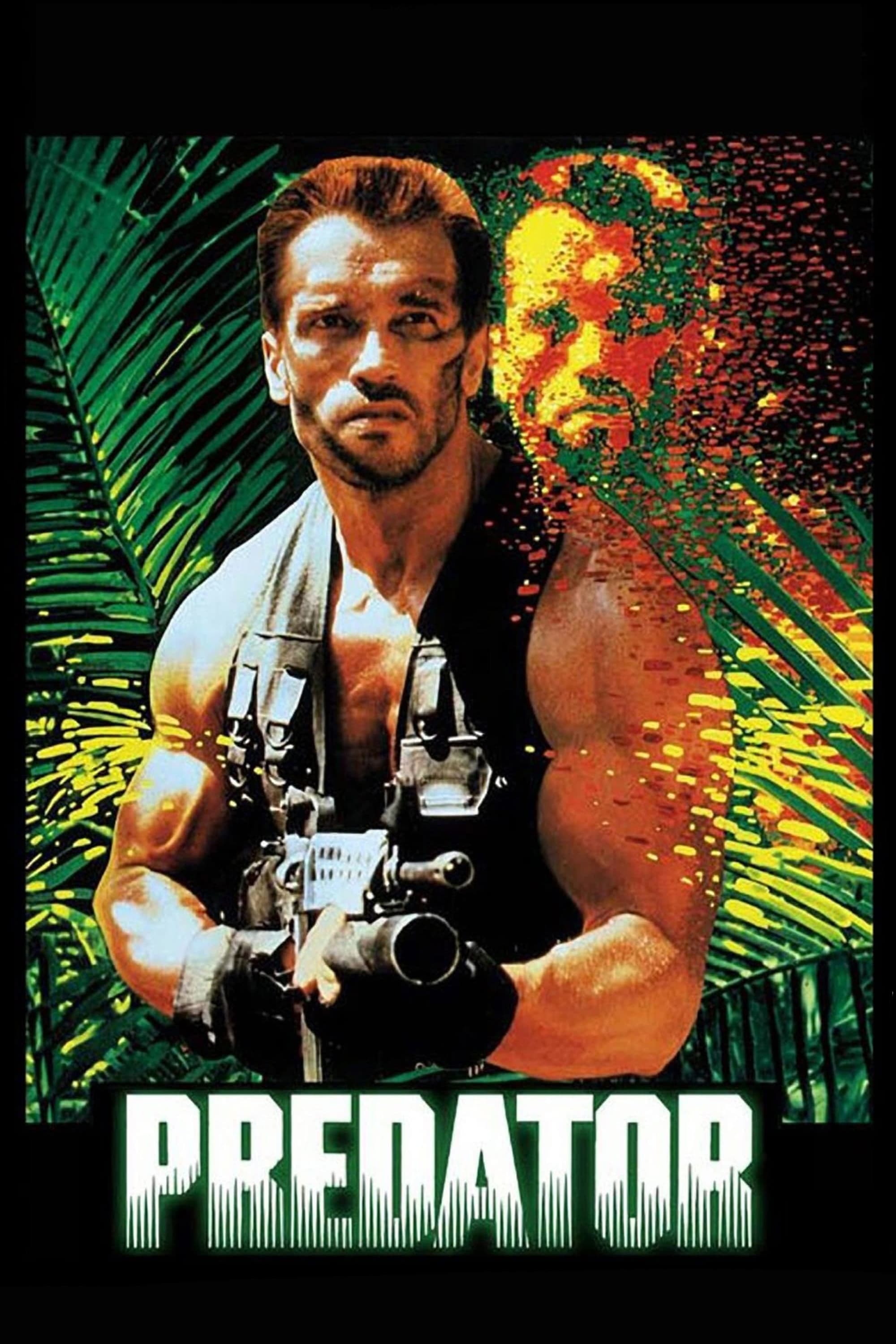
Predator
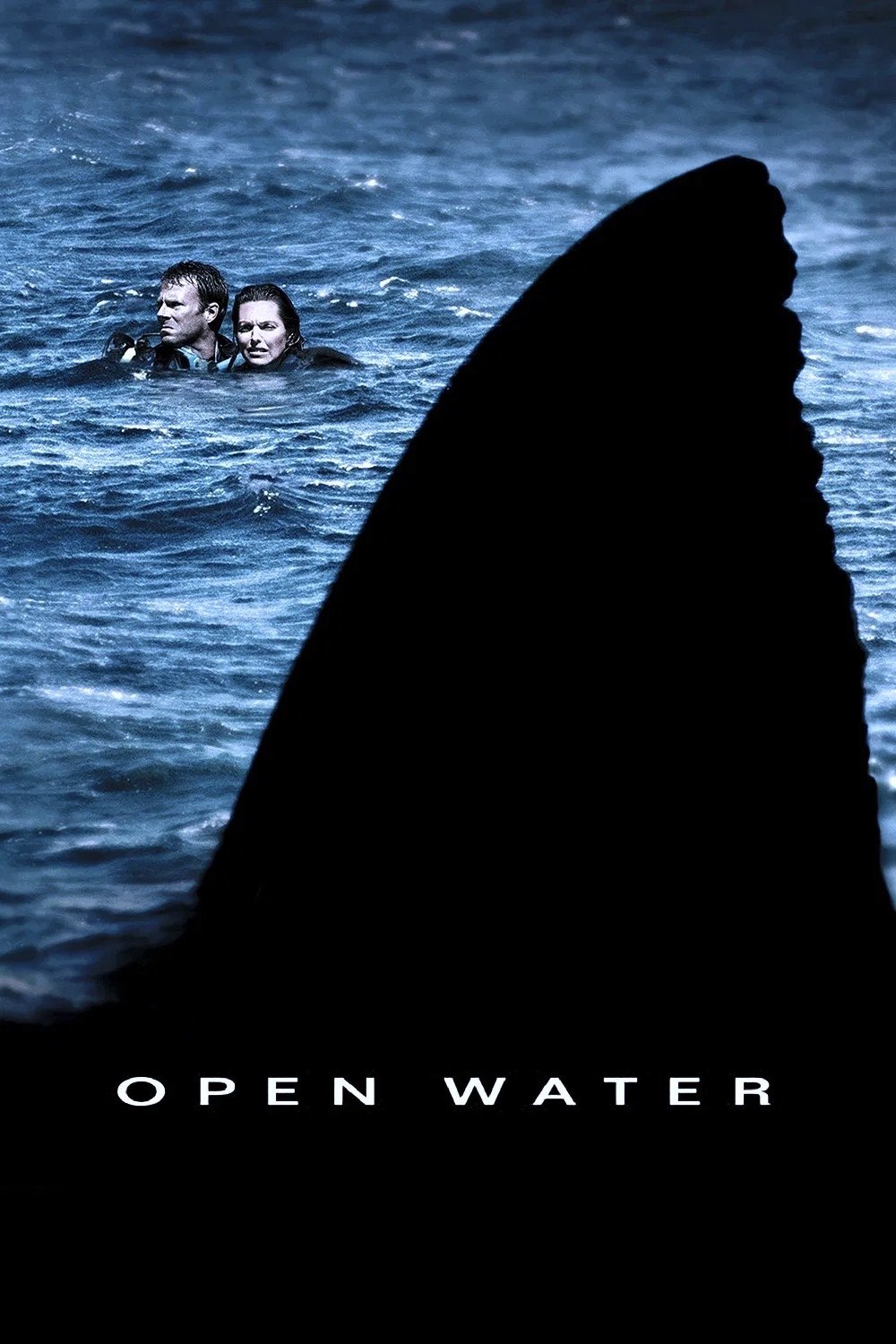
Open Water
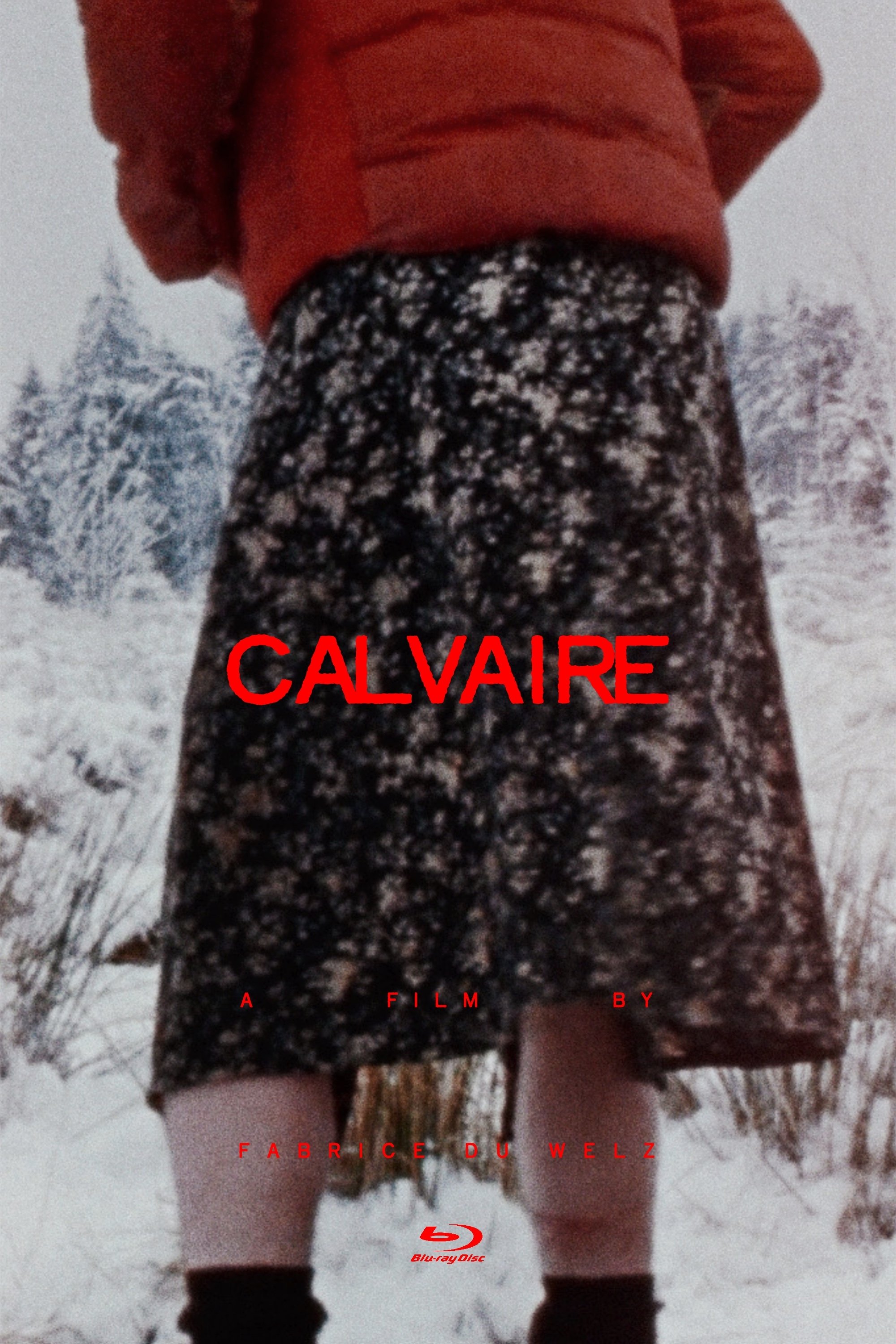
Calvaire
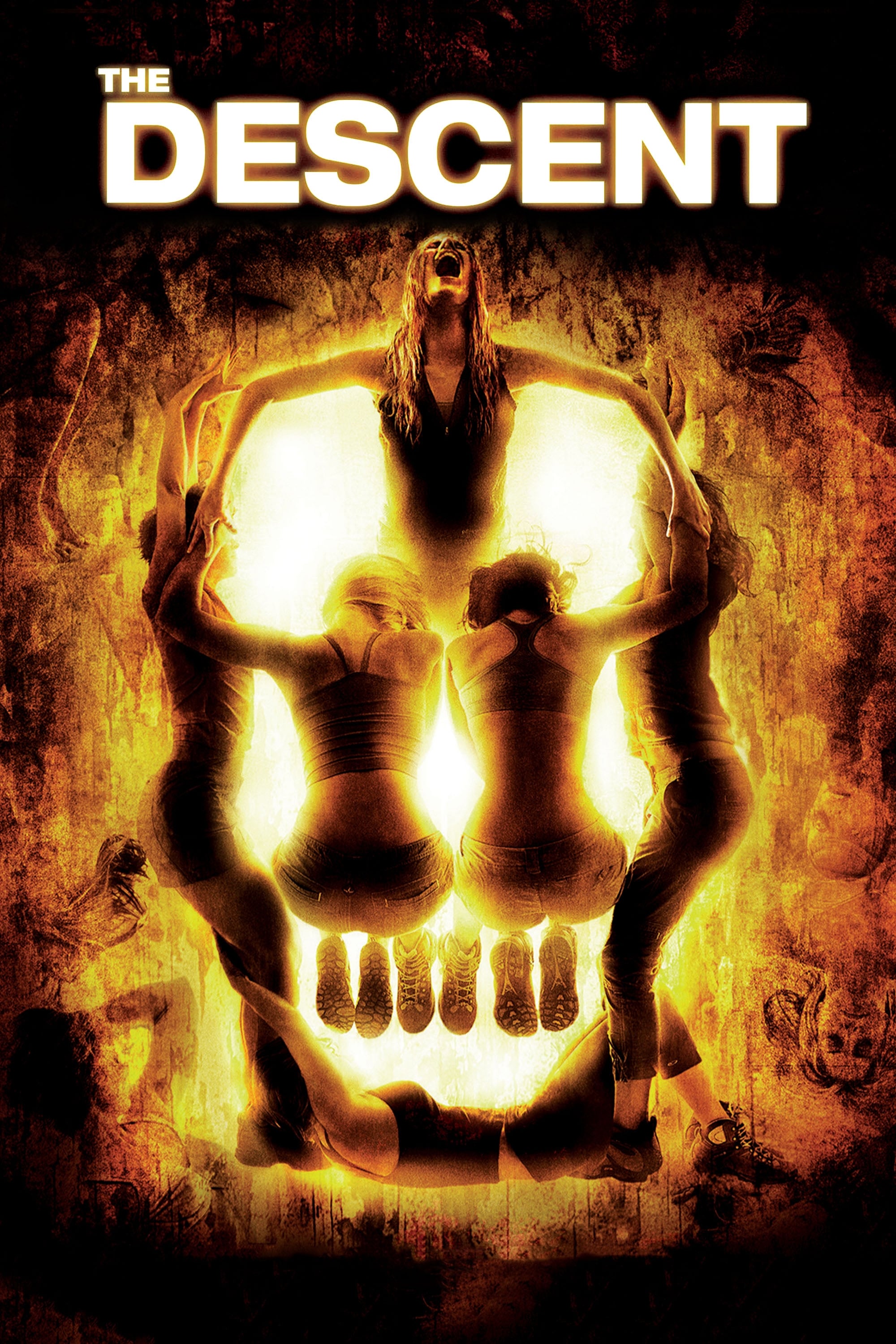
The Descent
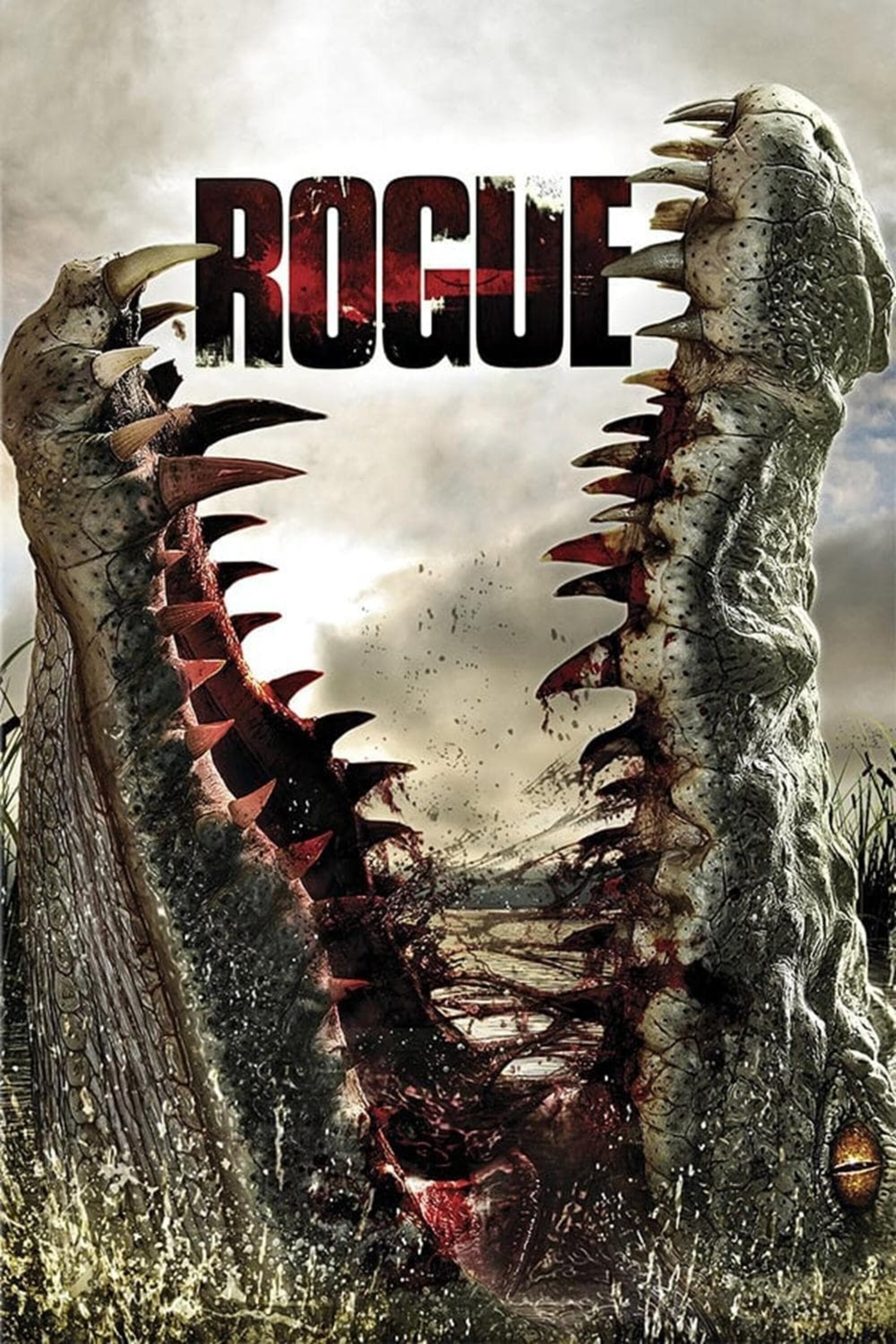
Rogue
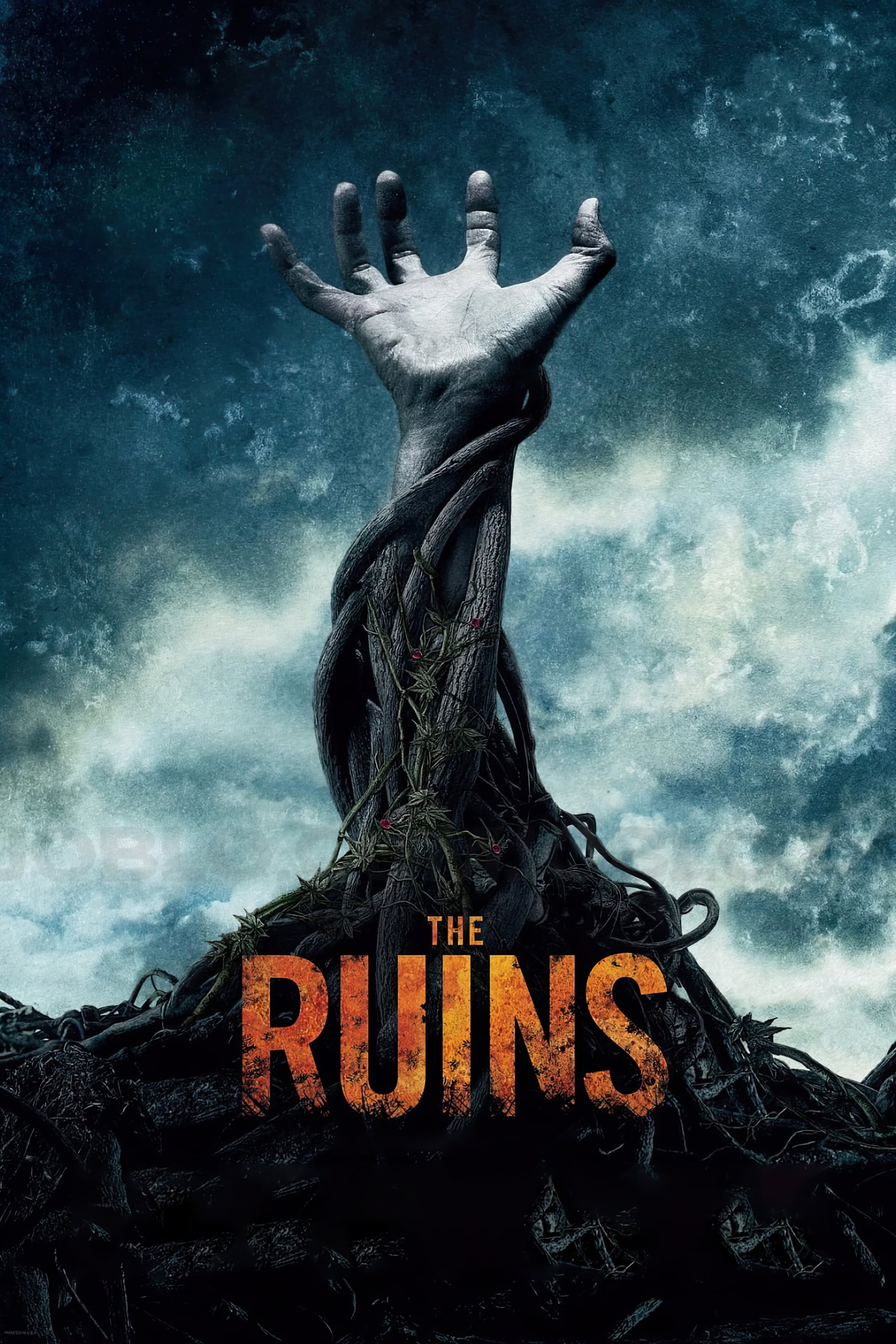
The Ruins
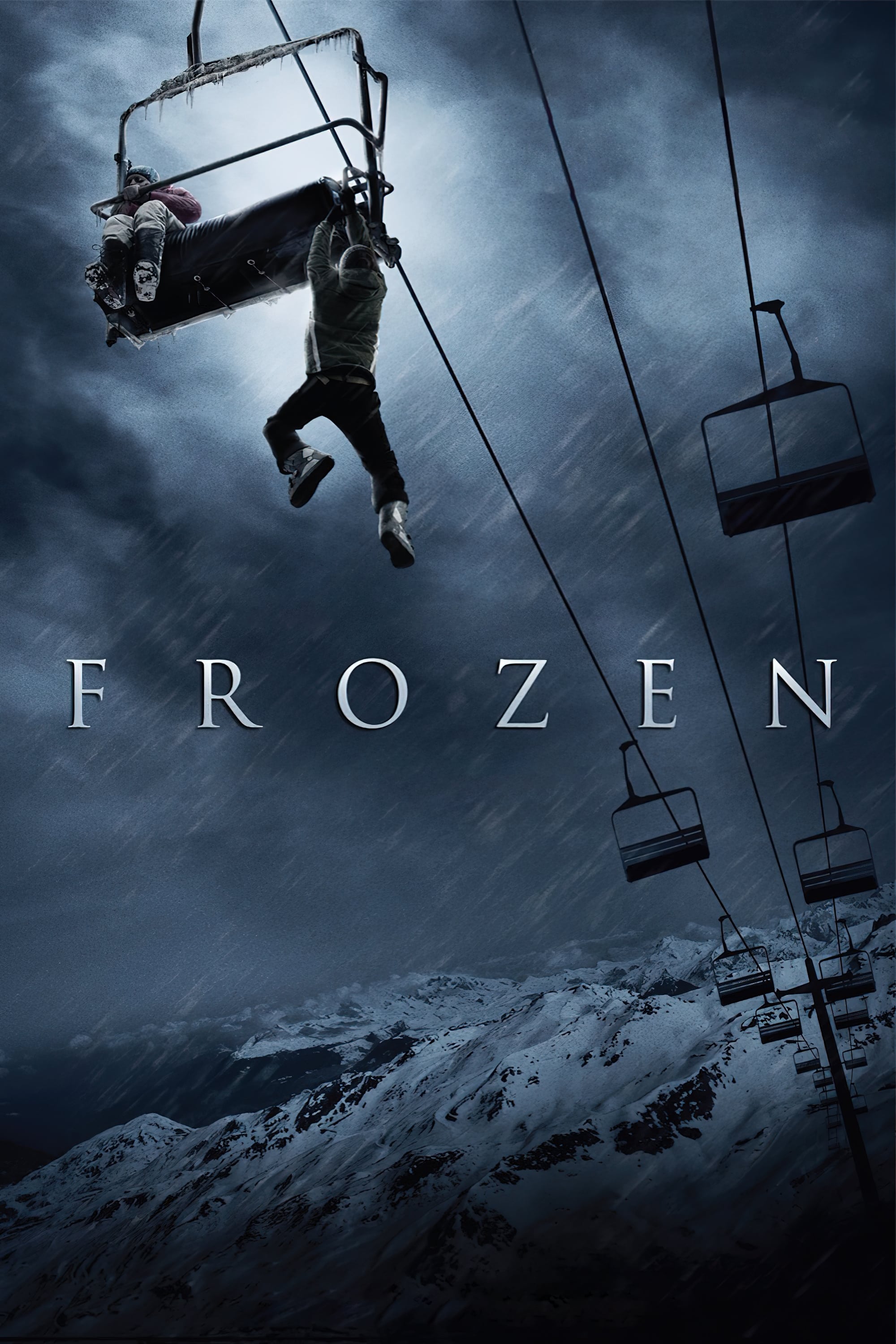
Frozen
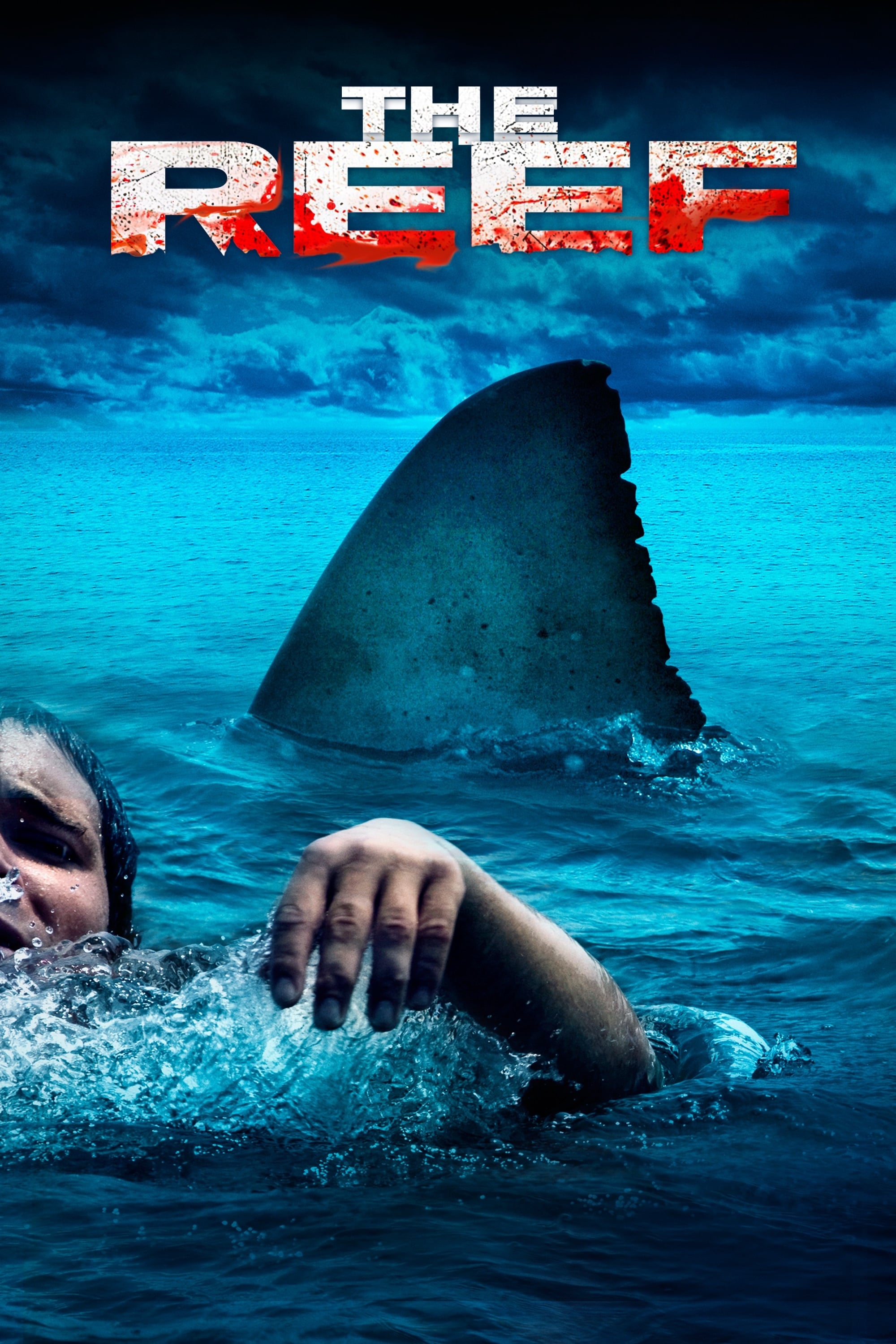
The Reef
Buried
127 Hours
Sanctum
The Grey
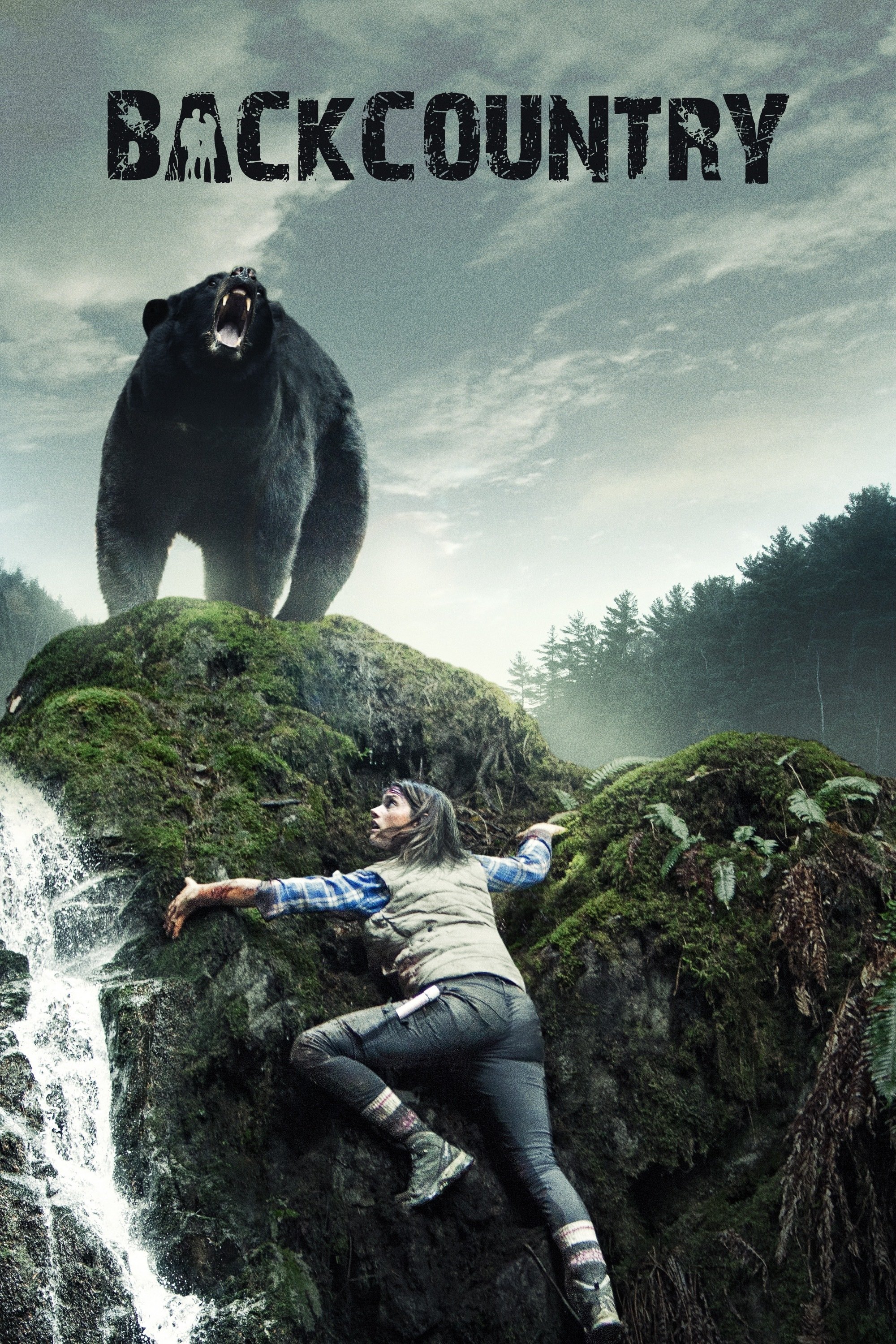
Backcountry
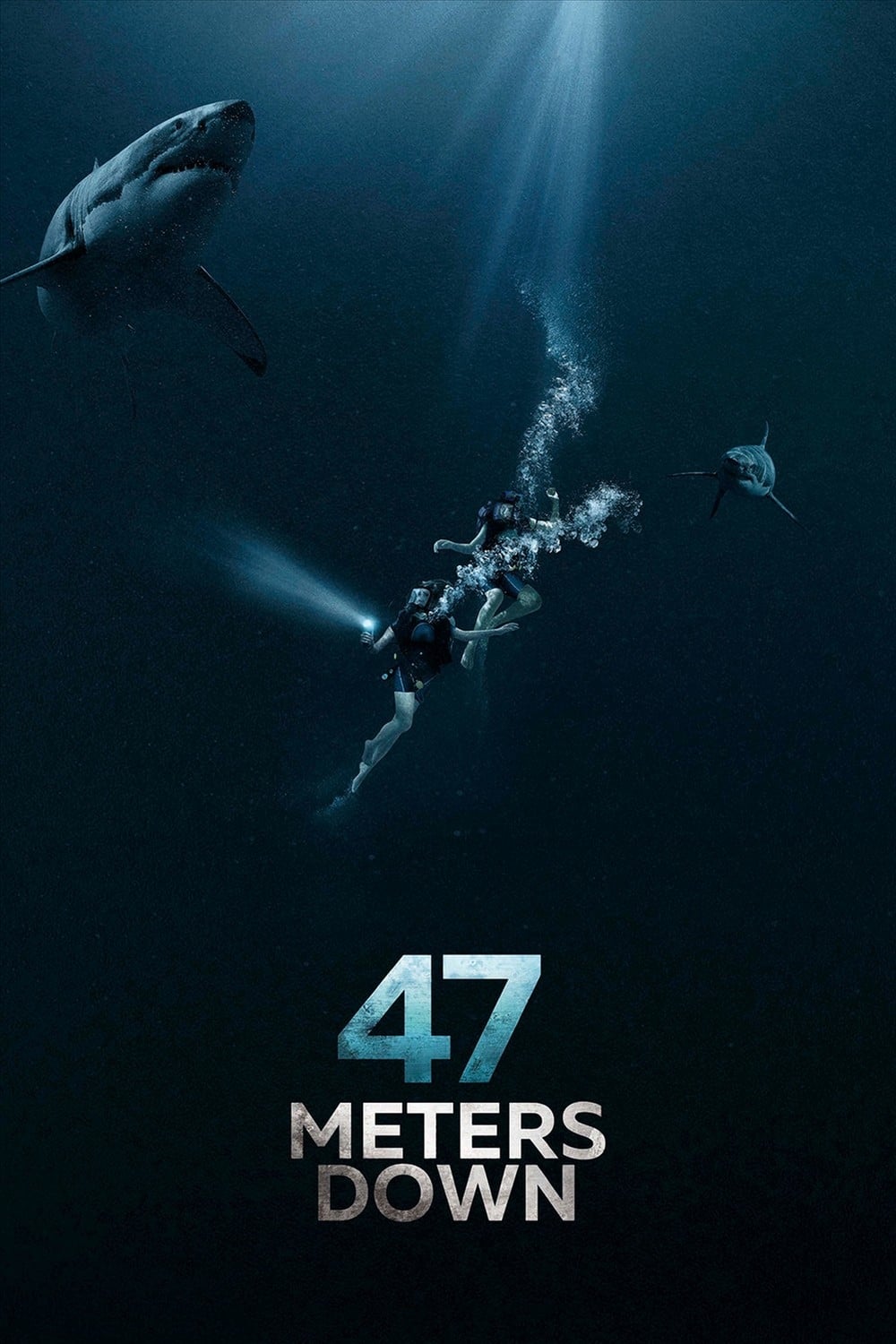
47 Meters Down

Gerald's Game
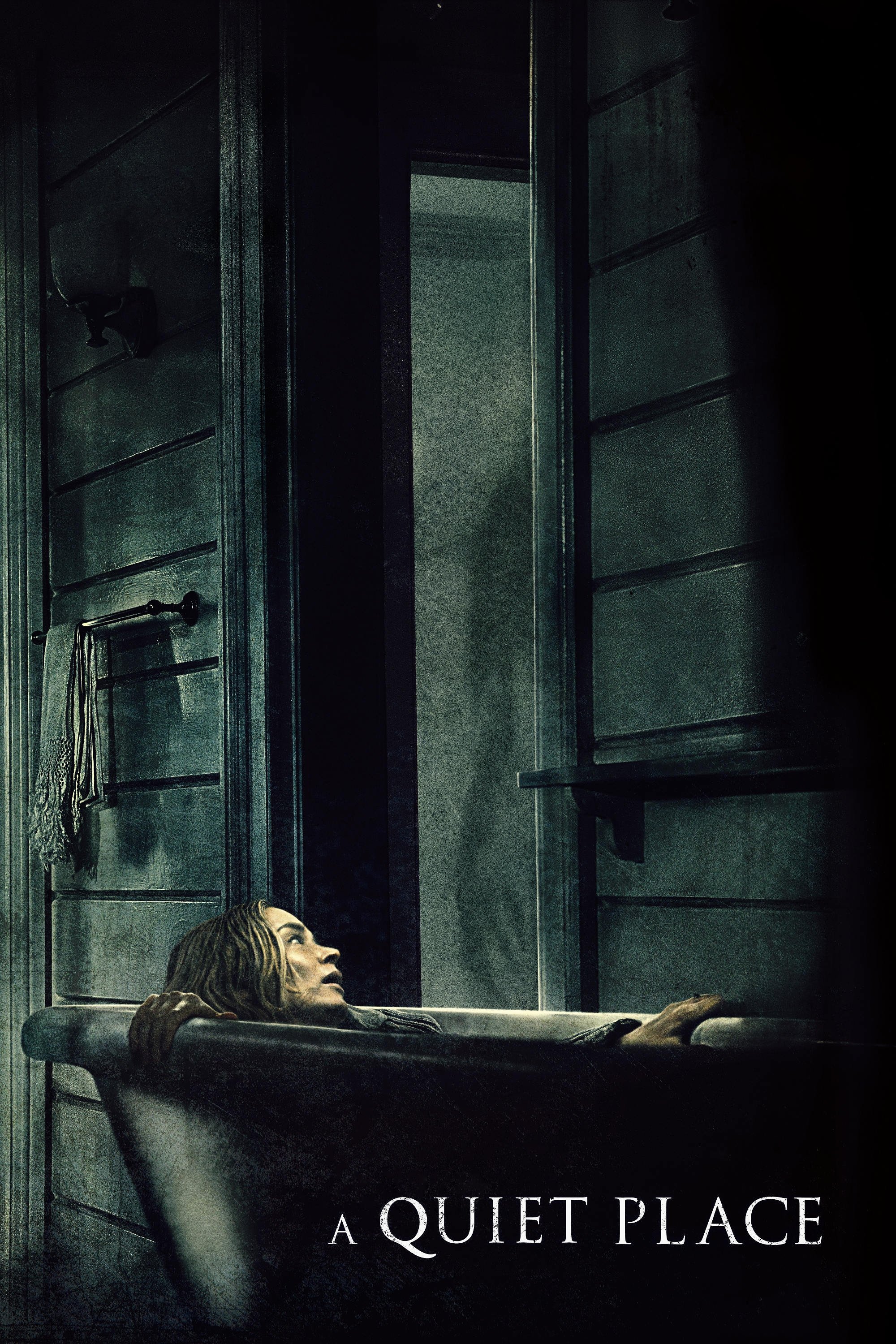
A Quiet Place

Crawl
Statistics
Popularity by Decade
Share of each decade's horror films classified as Survival Horror. Counts films with at least 5 TMDB ratings, so very obscure titles are not represented.
Popularity by Country
Share of each country's horror output classified as Survival Horror. Counts films with at least 5 TMDB ratings, so very obscure titles are not represented.