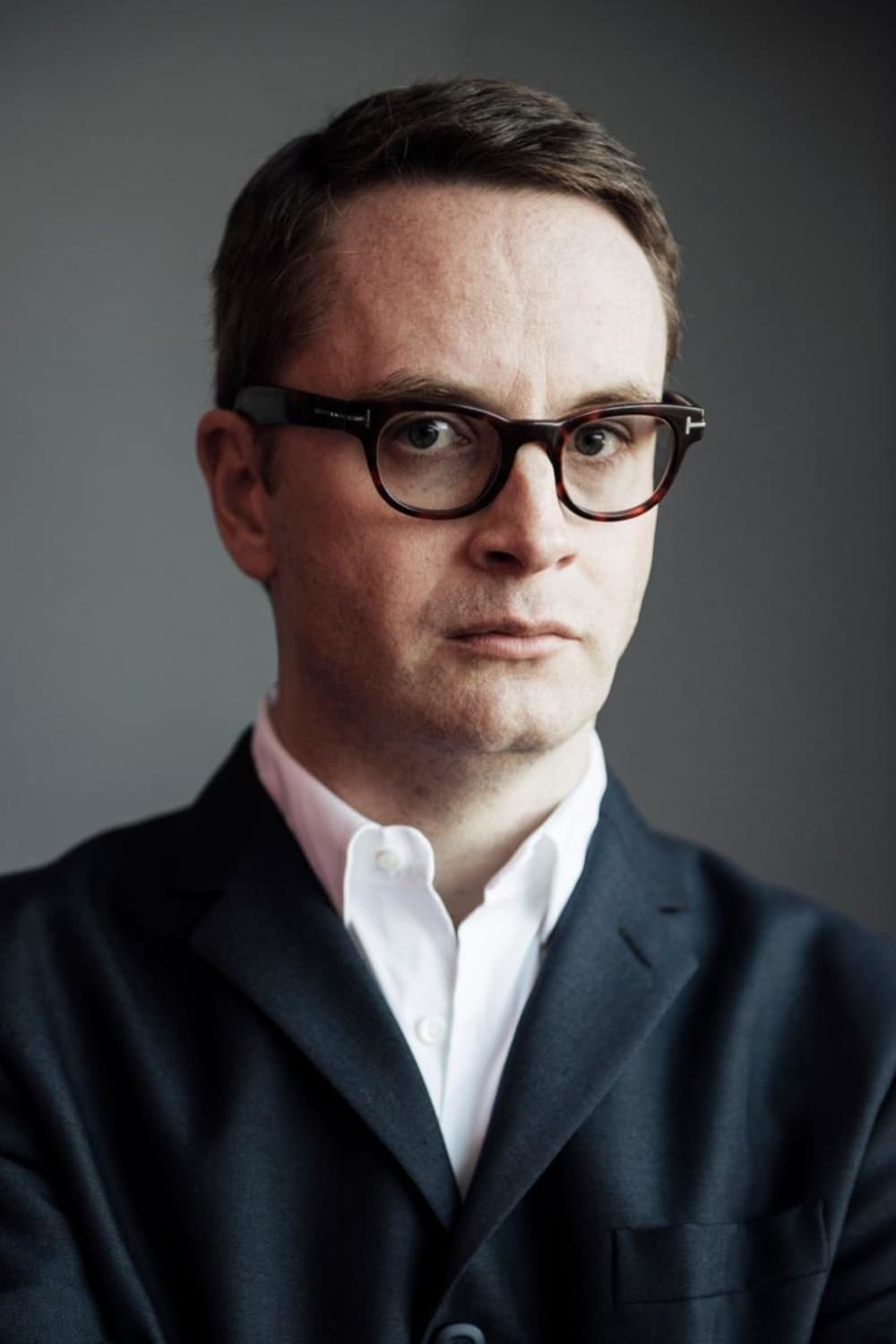
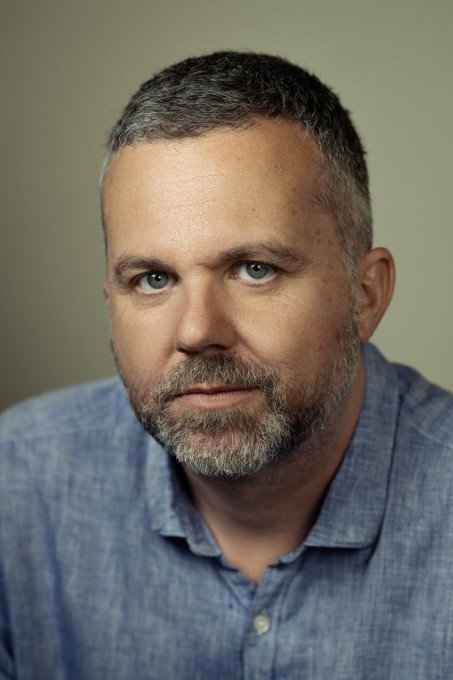
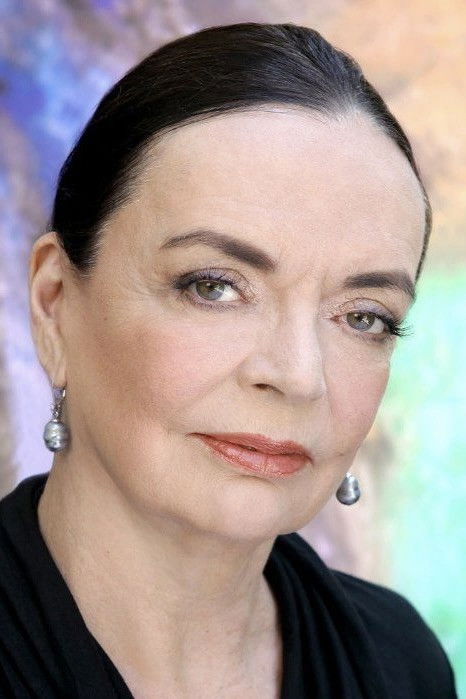
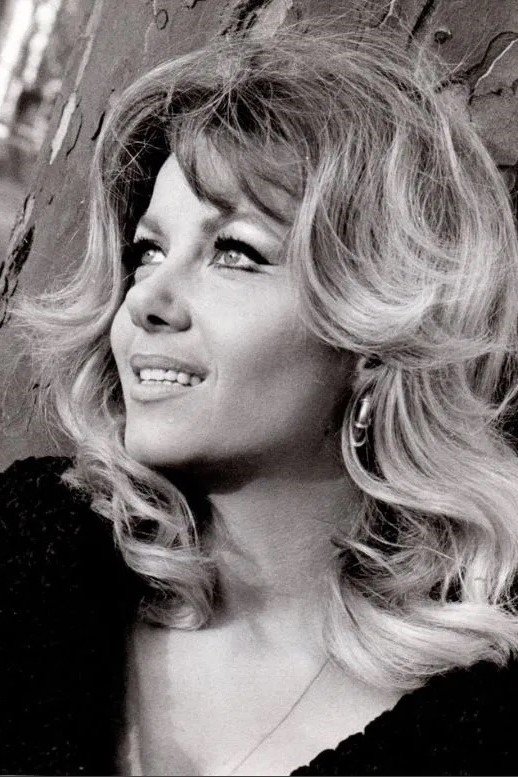
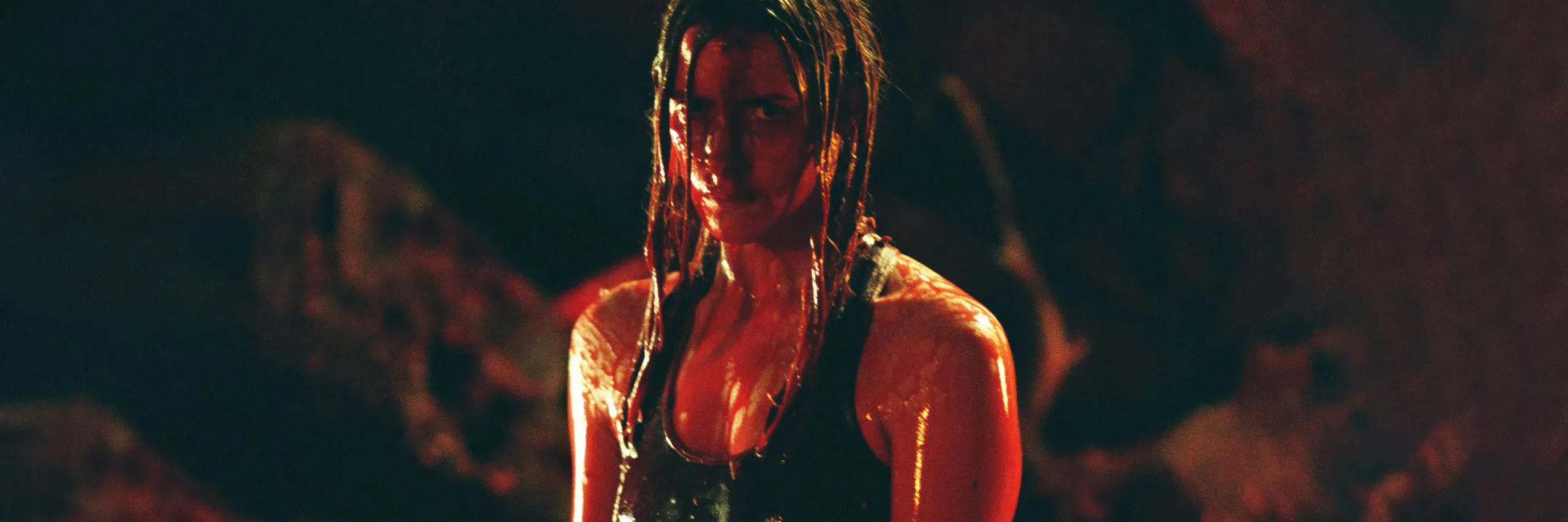
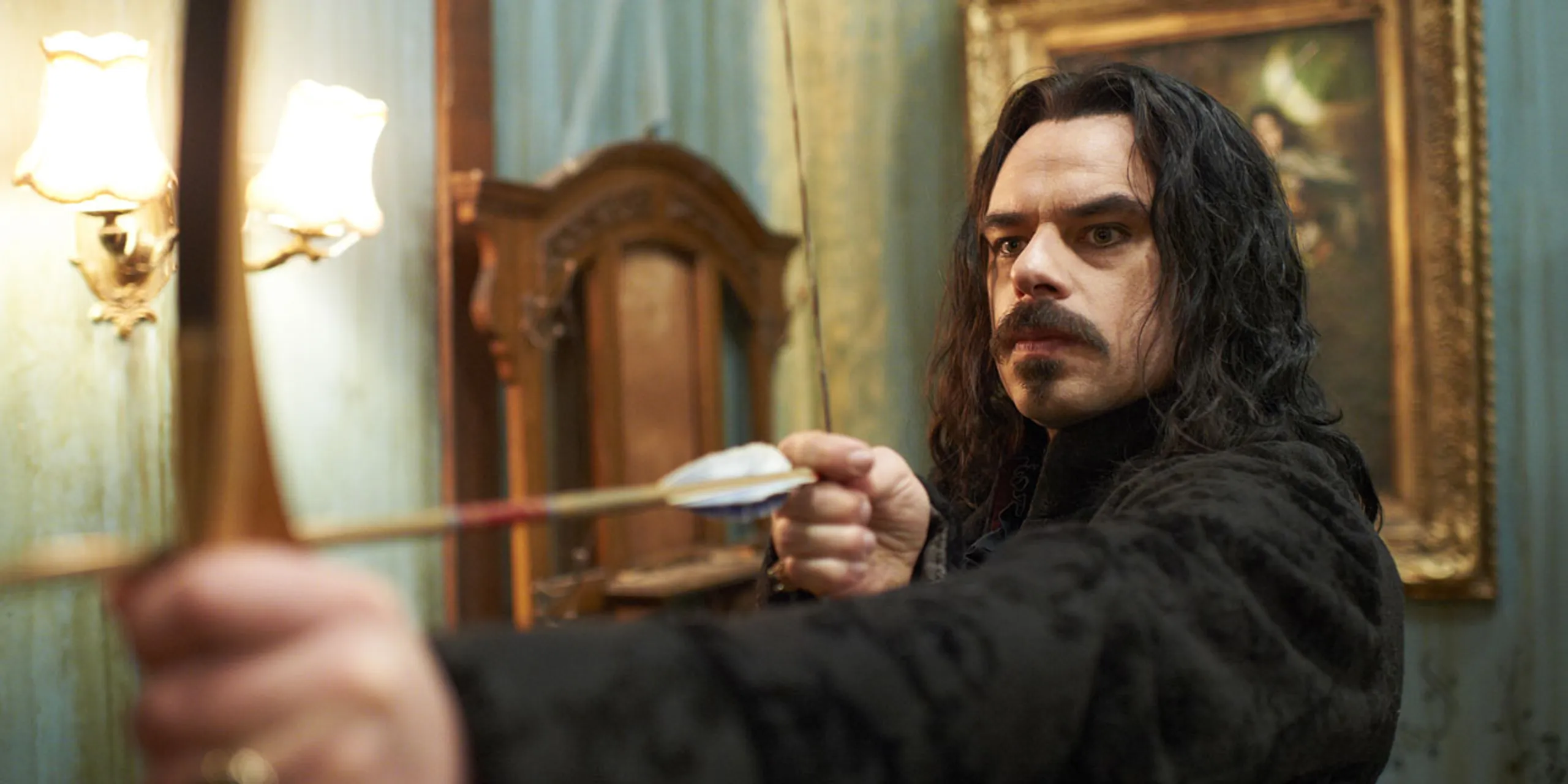
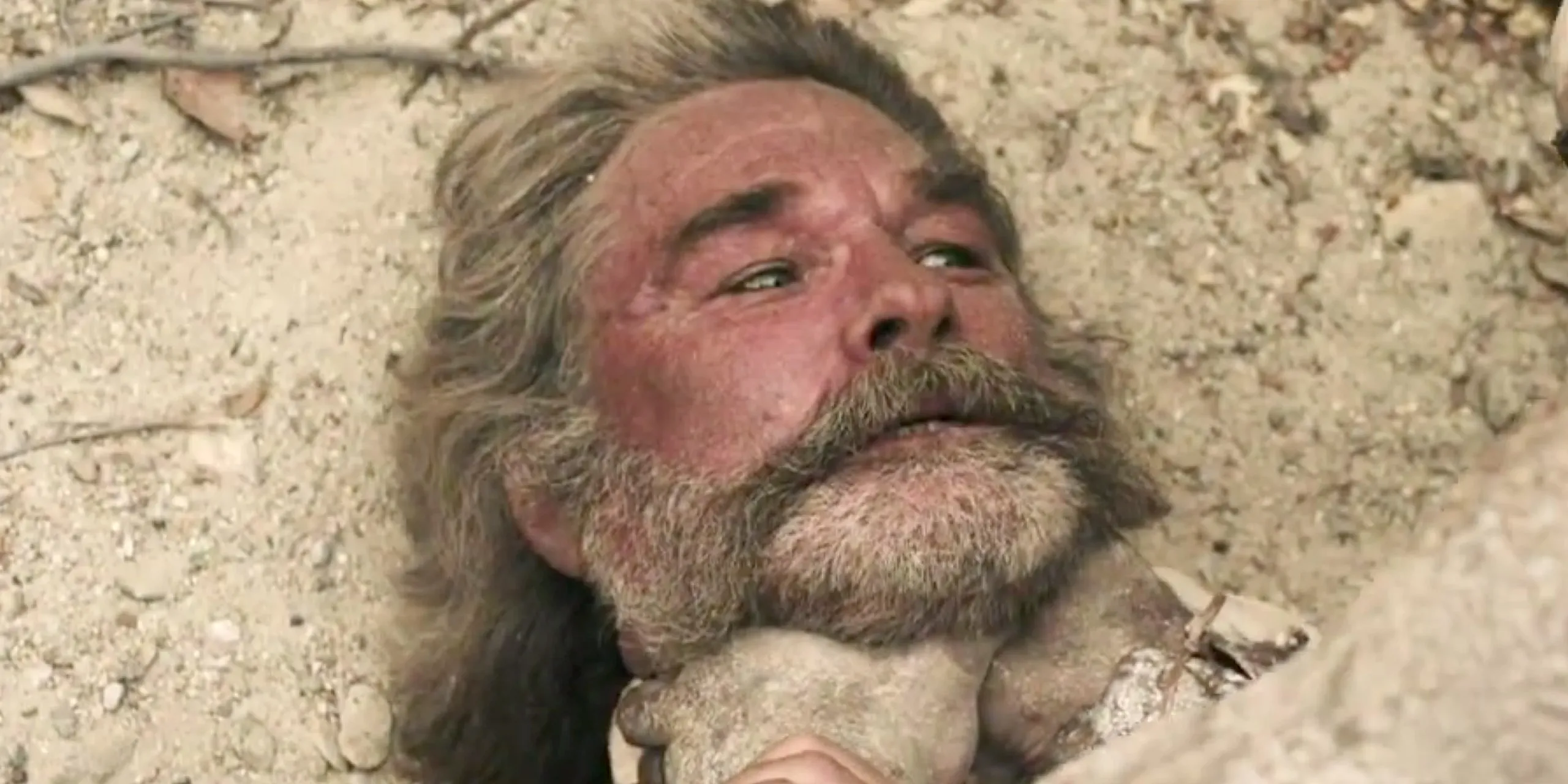
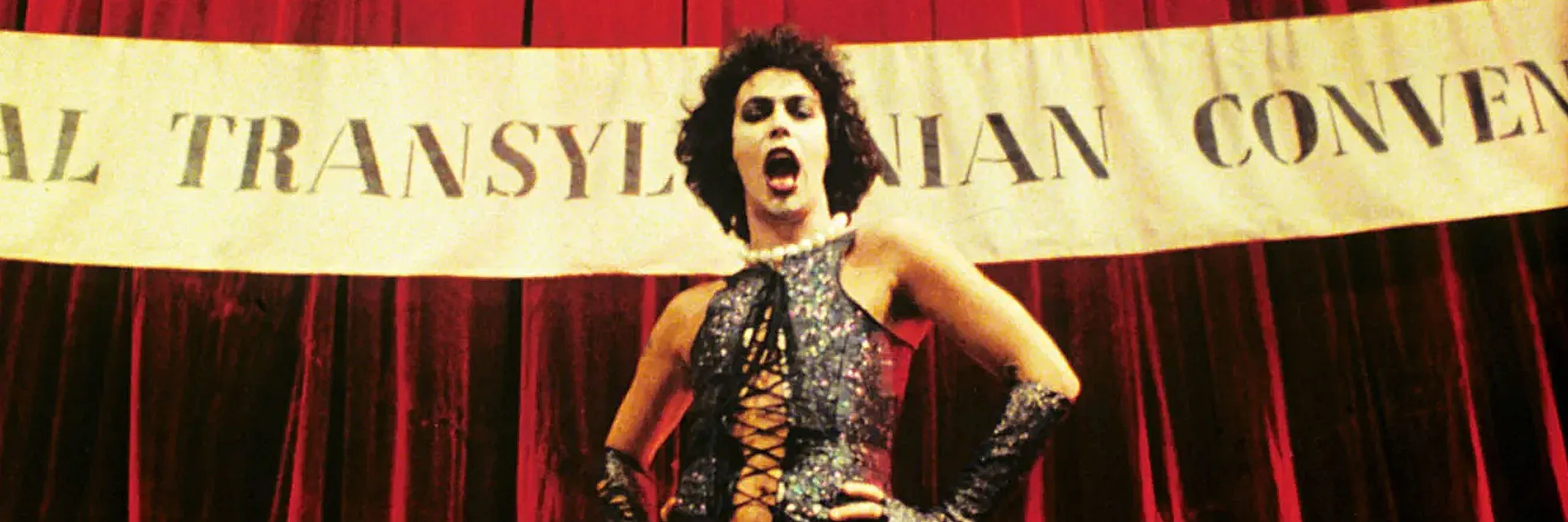
 Daughters of Darkness (1971)
Erotic Horror
Where desire meets dread. The recognition that sexuality and fear share a common physiology — accelerated pulse, heightened sensitivity, the surrender of rational control.
History & Origins
Erotic horror explores the intersection of desire and dread — the recognition that sexuality and fear share a common physiology of accelerated pulse, heightened sensitivity, and the surrender of rational control. These films understand that the boundary between attraction and revulsion is thinner than we'd like to believe, and that crossing it can produce experiences that are simultaneously arousing and terrifying.
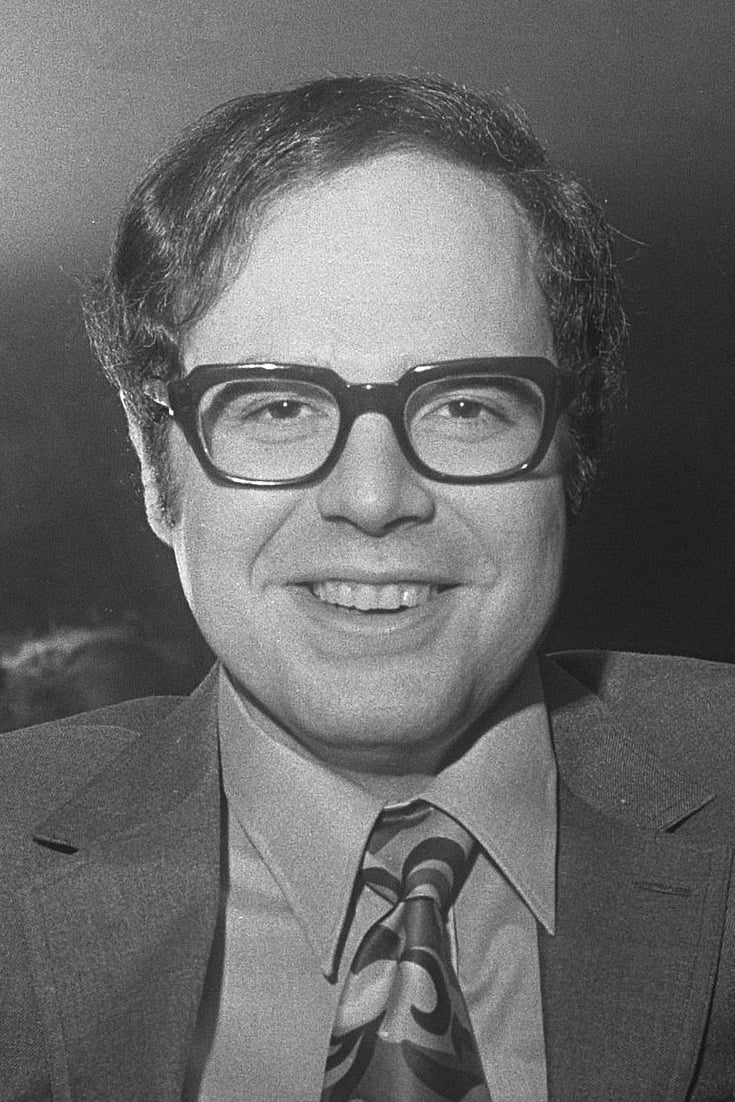
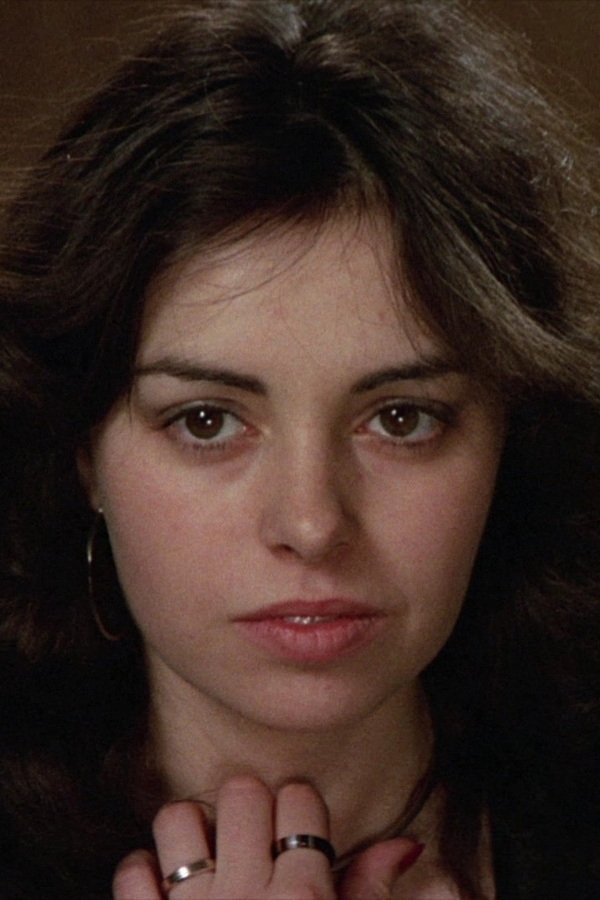
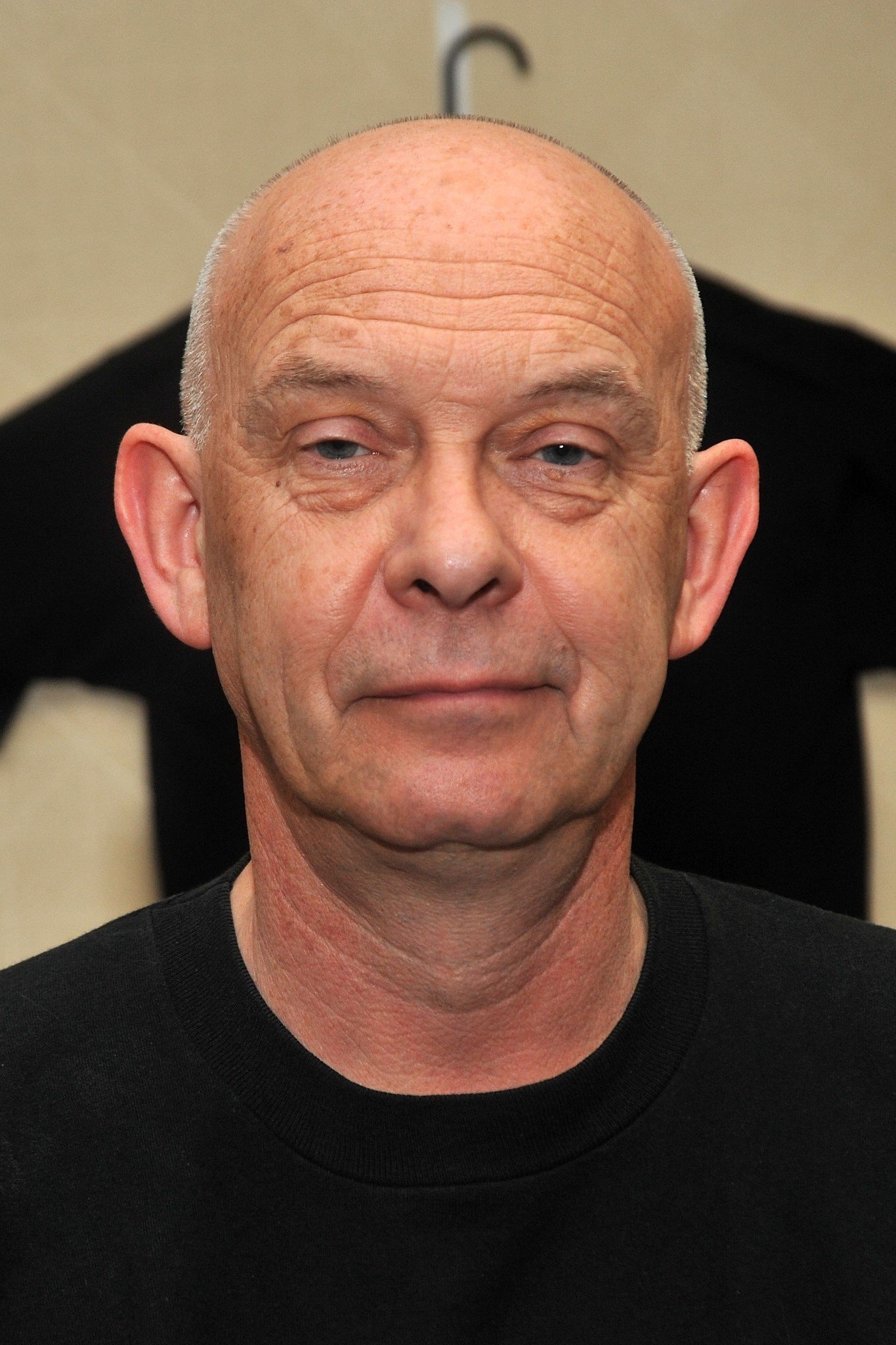
The form's foundational text is Jacques Tourneur's Cat People (1942), with Simone Simon — the first of Val Lewton's RKO horror cycle and what Barry Keith Grant identifies as the move that pushed the genre "in a more psychological direction than the earlier Universal movies with their reliance on monsters." Sex repression and desire codified into the form's first psychological grammar. Three decades later, Hammer Films and its European parallels made the subtext text: Roy Ward Baker's The Vampire Lovers (1970), with Ingrid Pitt, opened the lesbian-vampire cycle adapted from Sheridan Le Fanu's Carmilla; Harry Kümel's Belgian Daughters of Darkness (1971), with Delphine Seyrig, brought the Bathory variant to an Ostend hotel. The cycle's strongest exploitation entries — Jesús Franco's Vampyros Lesbos (1971), John Hough's Hammer Twins of Evil (1971), Vicente Aranda's Spanish The Blood Spattered Bride (1972) — established the lesbian-vampire as a cinematic figure in its own right, alongside Jean Rollin's dreamlike French erotic-horror tradition with Lina Romay and Laura Gemser, and the eurosleaze register of Joe D'Amato and Walerian Borowczyk.
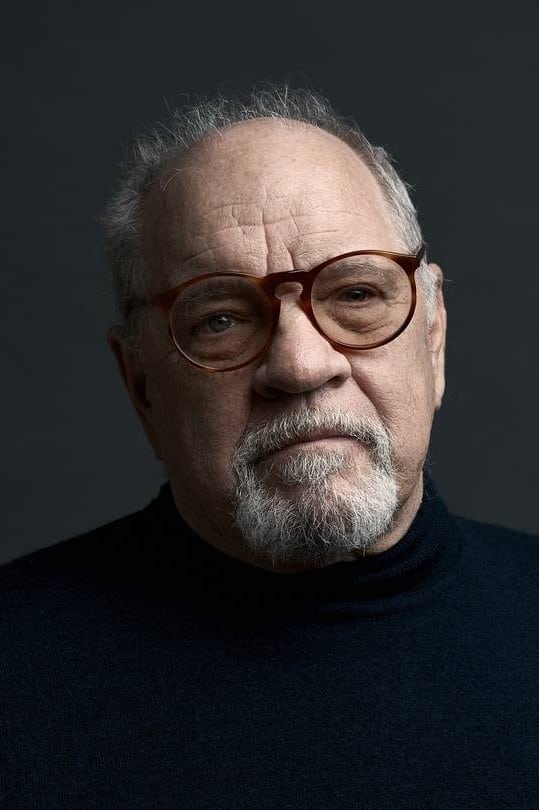
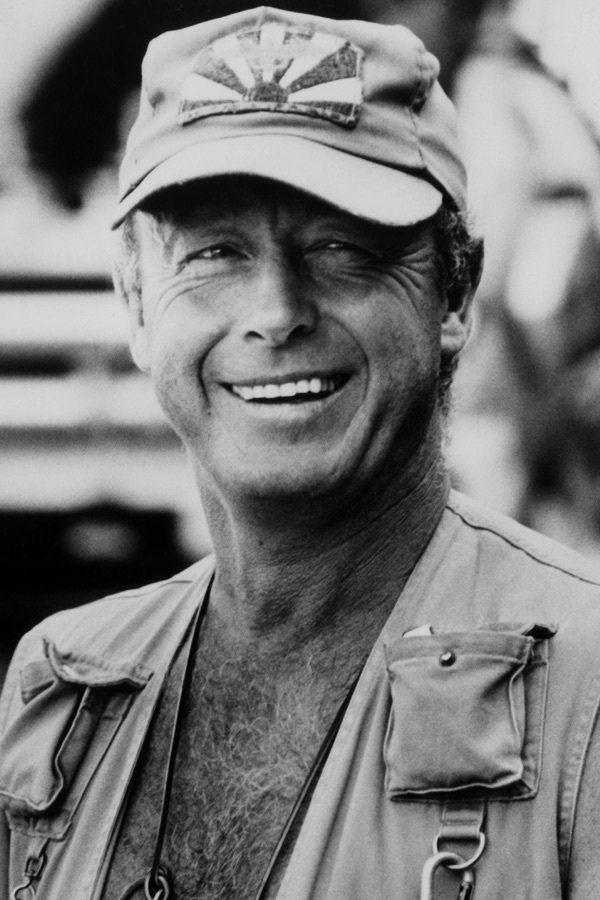
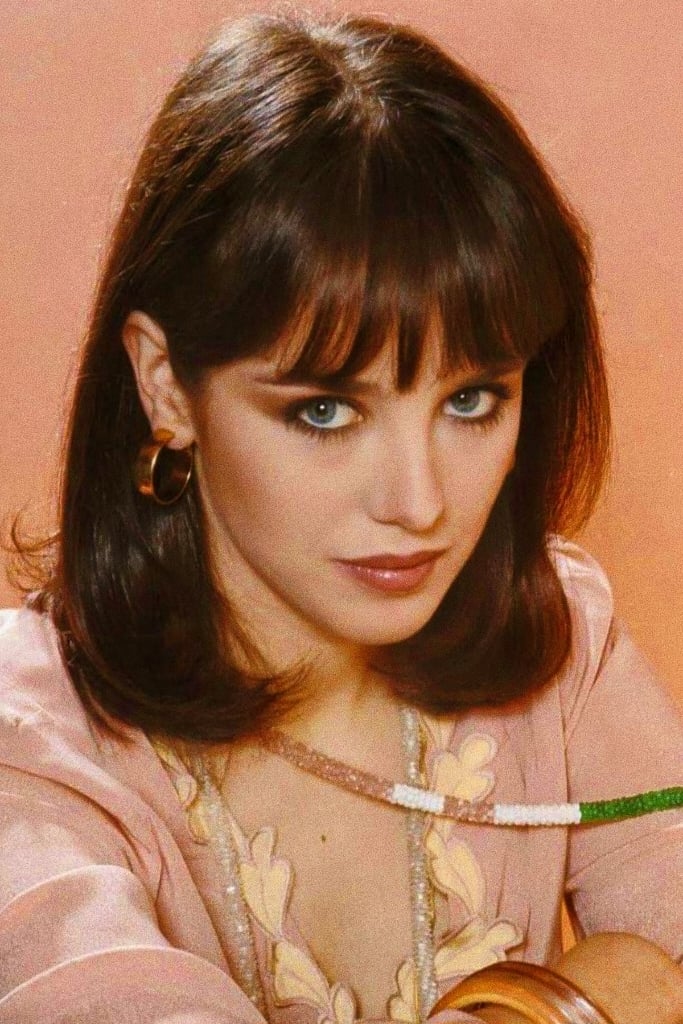
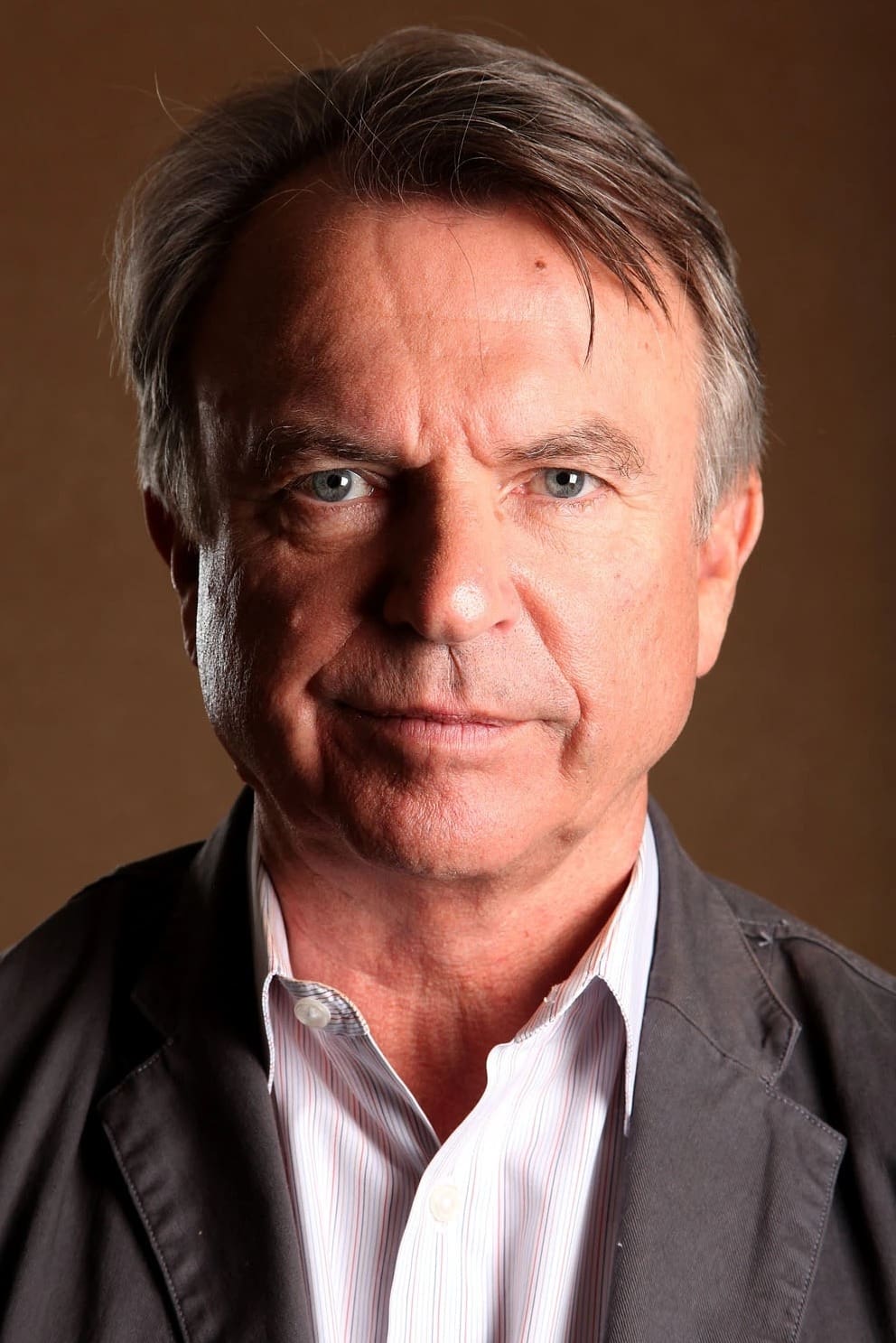
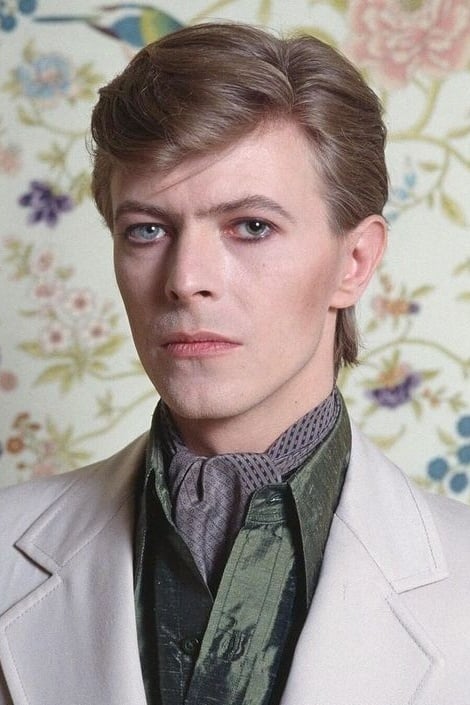
The 1980s produced the form's prestige decade. Andrzej Żuławski's Possession (1981), with Isabelle Adjani (whose Cannes Best Actress performance remains one of horror cinema's most unhinged) and Sam Neill, fused Berlin-Wall politics, marital horror, and tentacle-monster lovemaking into one of the genre's most uncompromising entries. Paul Schrader's Cat People (1982) remake, with Nastassja Kinski, brought Tourneur's psychological architecture into explicit register. Tony Scott's The Hunger (1983), with Catherine Deneuve, David Bowie, and Susan Sarandon, supplied the era's iconic post-punk vampire-romance. Clive Barker's Hellraiser (1987), with Doug Bradley's Pinhead, made the Cenobite philosophy explicit (Mathijs and Mendik: "the underworld extremes of sexuality, sadism and the flesh with cruel and calculating intent") and gave erotic horror its enduring sadomasochistic-philosophy text.
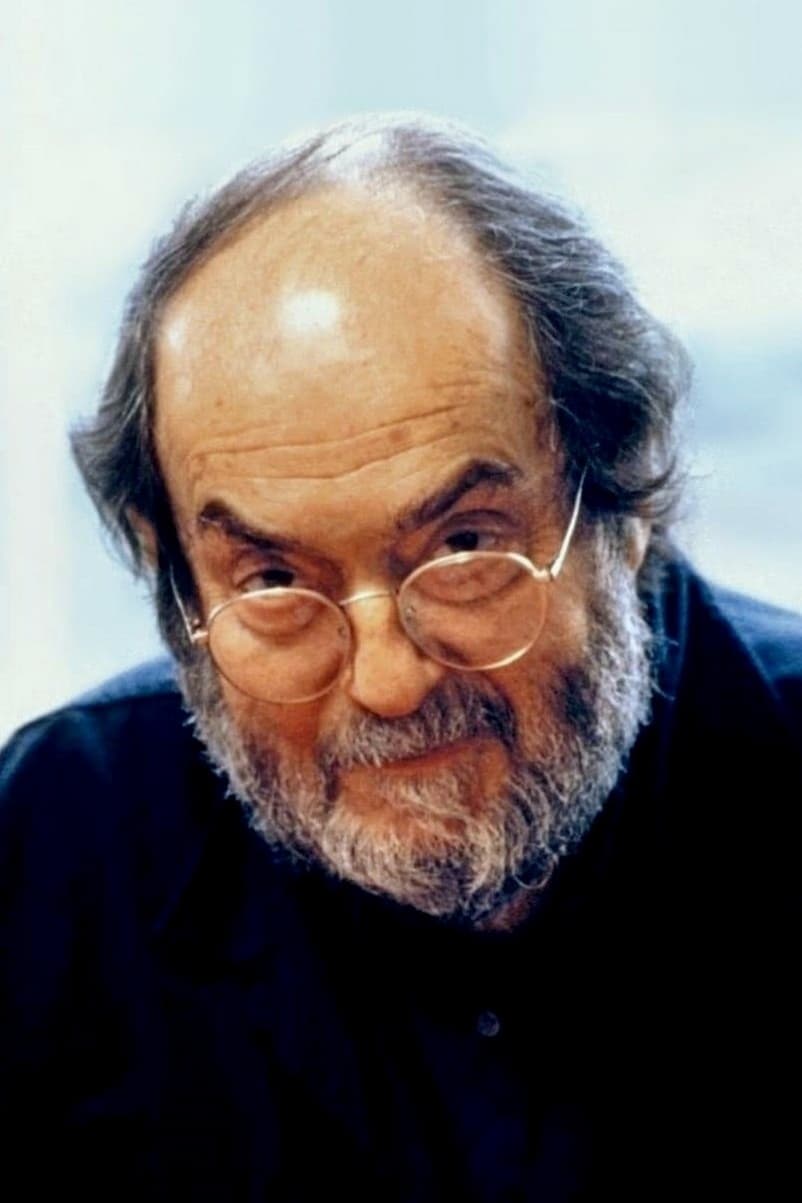
The 1990s and 2000s opened the form to prestige cinema. Stanley Kubrick's Eyes Wide Shut (1999), with Tom Cruise and Nicole Kidman, presented sexual ritual as horror via the masked-orgy mansion sequence. Park Chan-wook's Thirst (2009) fused vampire-eroticism with Korean Catholic guilt. Jonathan Glazer's Under the Skin (2014), with Scarlett Johansson, made alien seduction genuinely unsettling (Matt Glasby: "a hallucinatory sci-fi horror... uncanny exploration of an alien consciousness").
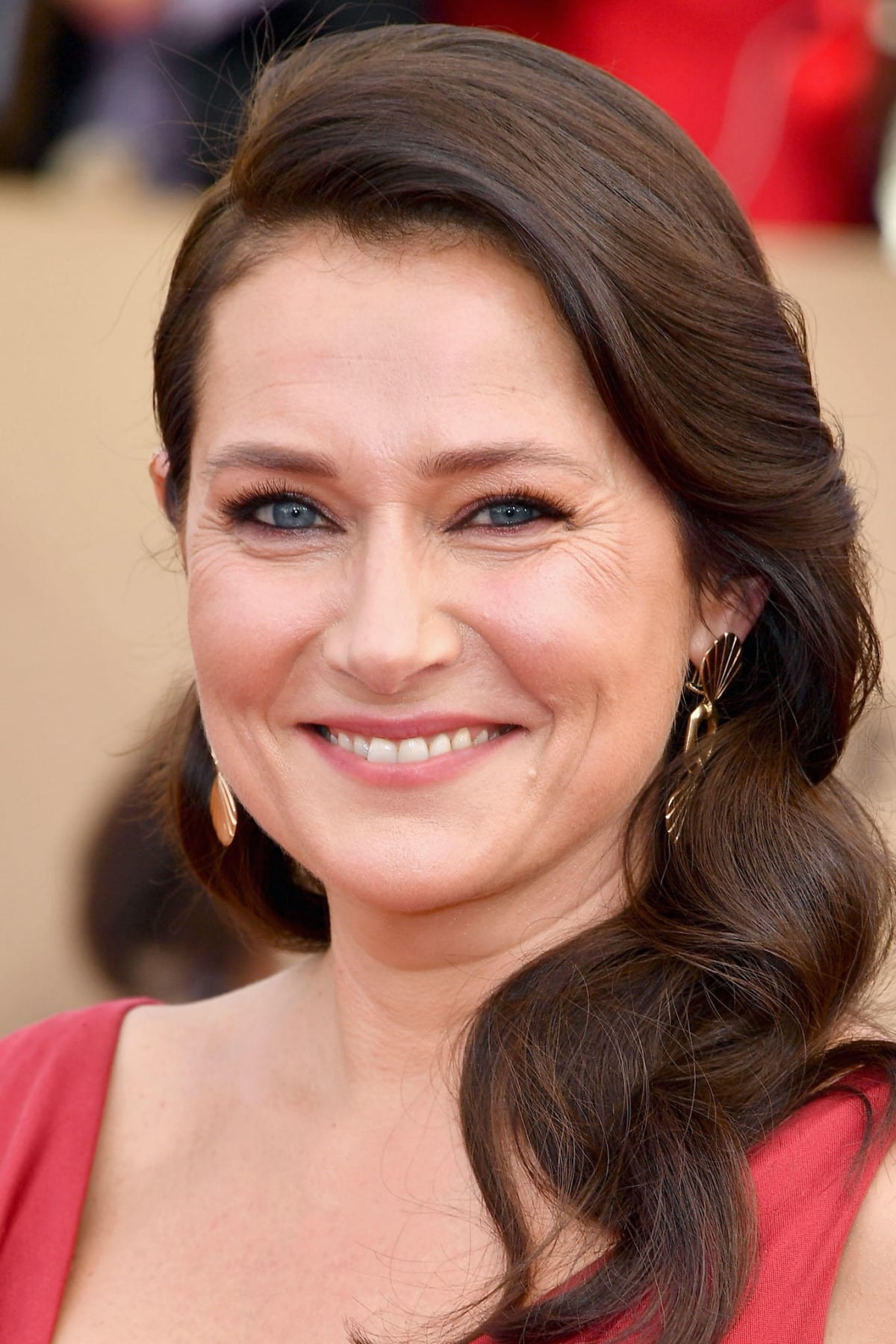
The 2010s and 2020s produced an explicit auteur-driven wave. Peter Strickland's The Duke of Burgundy (2015), with Sidse Babett Knudsen, explored a lesbian S&M relationship in lepidopterology-laden English-Italian Gothic register; his In Fabric (2018) ran the cursed-red-dress variant. Nicolas Winding Refn's The Neon Demon (2016), with Elle Fanning, pushed L.A. fashion-world envy into vampiric-cannibal horror. Yann Gonzalez's Knife+Heart (2018), with Vanessa Paradis, brought the giallo register back via gay-porn-production stalker. Brandon Cronenberg's Possessor (2020), with Andrea Riseborough, and his Infinity Pool (2023), extended his father's body-horror register into explicitly erotic territory. Julia Ducournau's Palme d'Or-winning Titane (2021), with Agathe Rousselle, pushed automobile-erotic body-horror to one of the cycle's most striking contemporary entries. What connects these diverse approaches is the recognition that desire makes us vulnerable — that the moment we want something badly enough to pursue it, we have already begun to surrender the self-preservation instincts that keep us safe.
Sources: Barry Keith Grant, 100 American Horror Films; Ernest Mathijs and Xavier Mendik, 100 Cult Films.
Essential Films
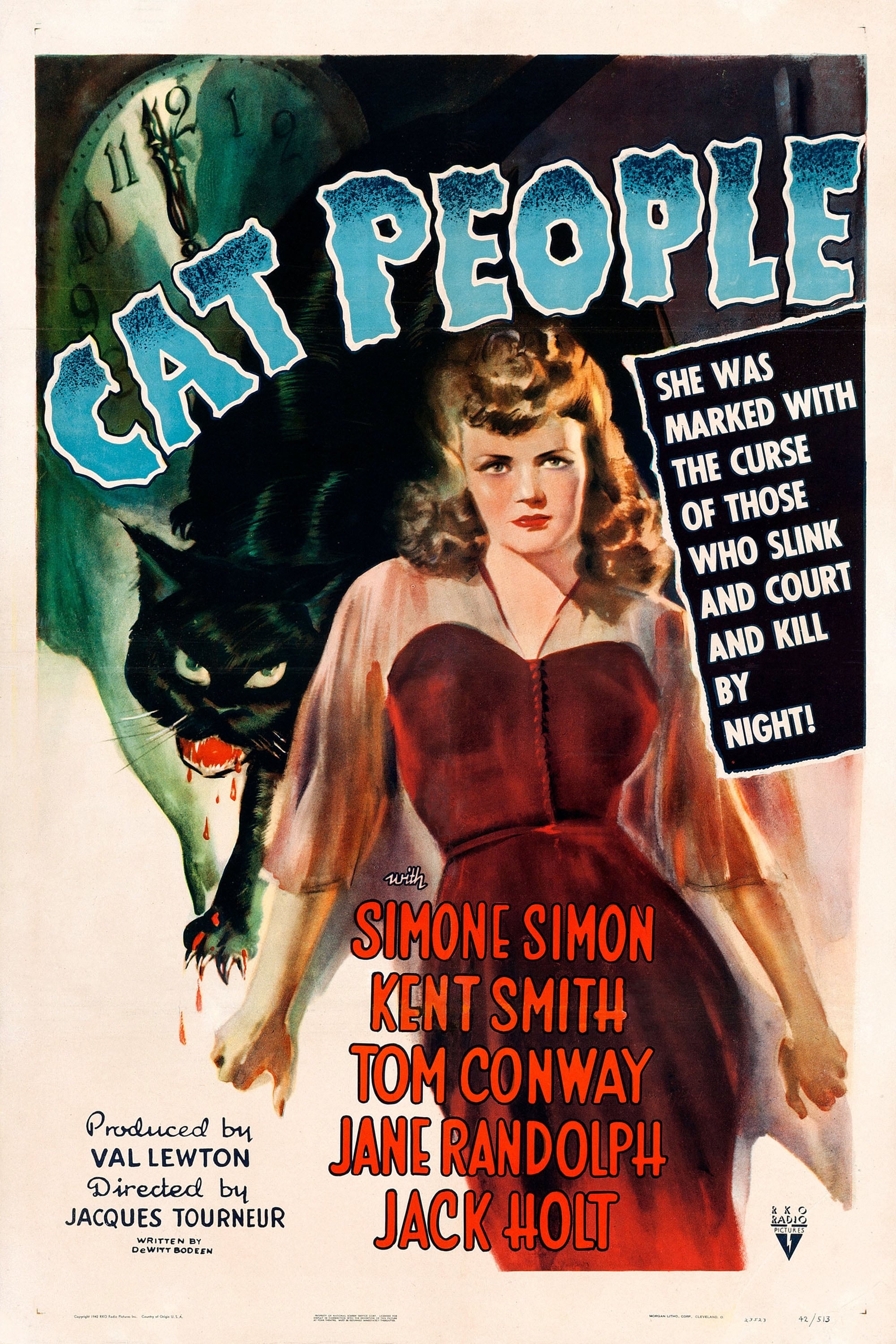
Cat People
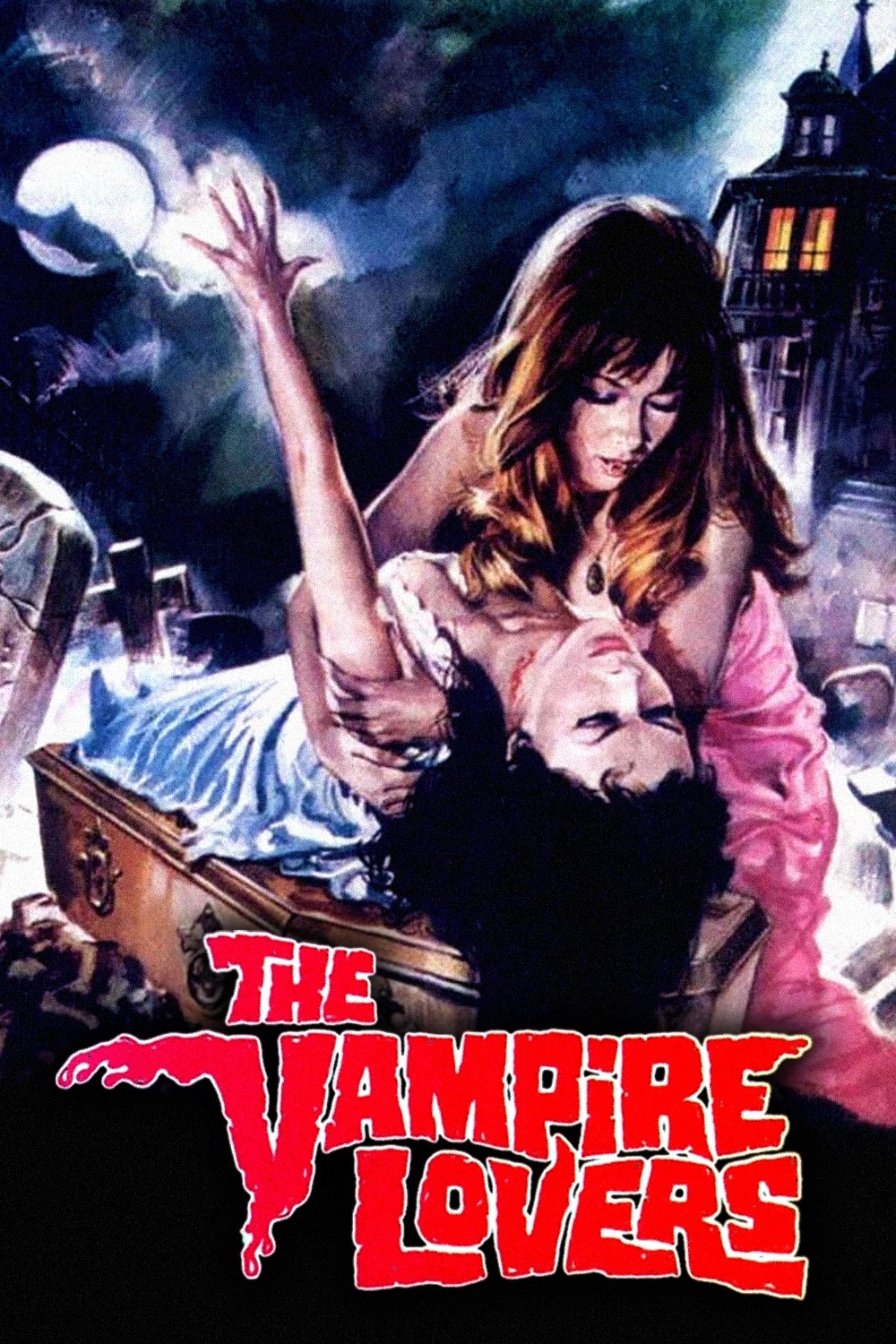
The Vampire Lovers

Daughters of Darkness
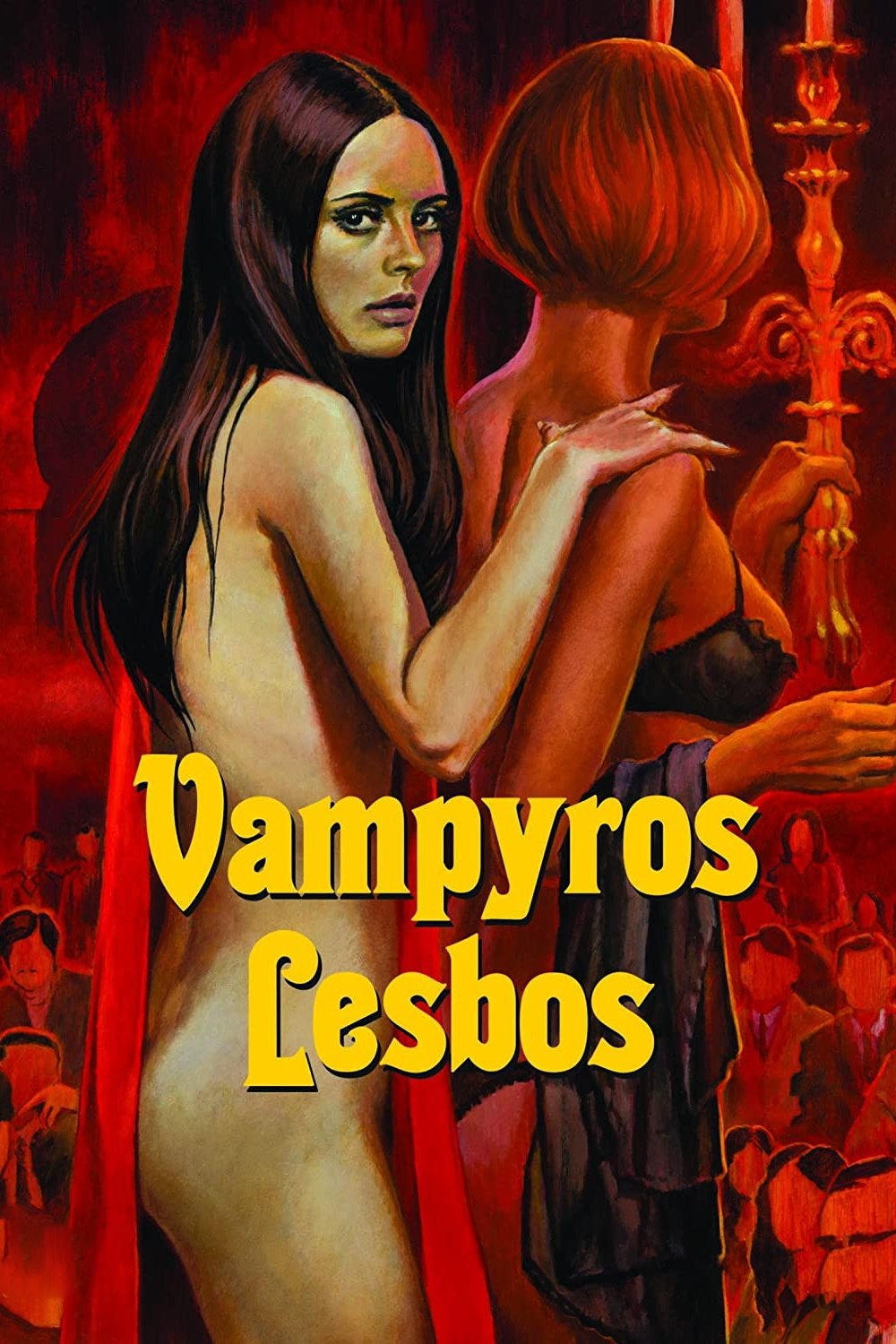
Vampyros Lesbos

Twins of Evil
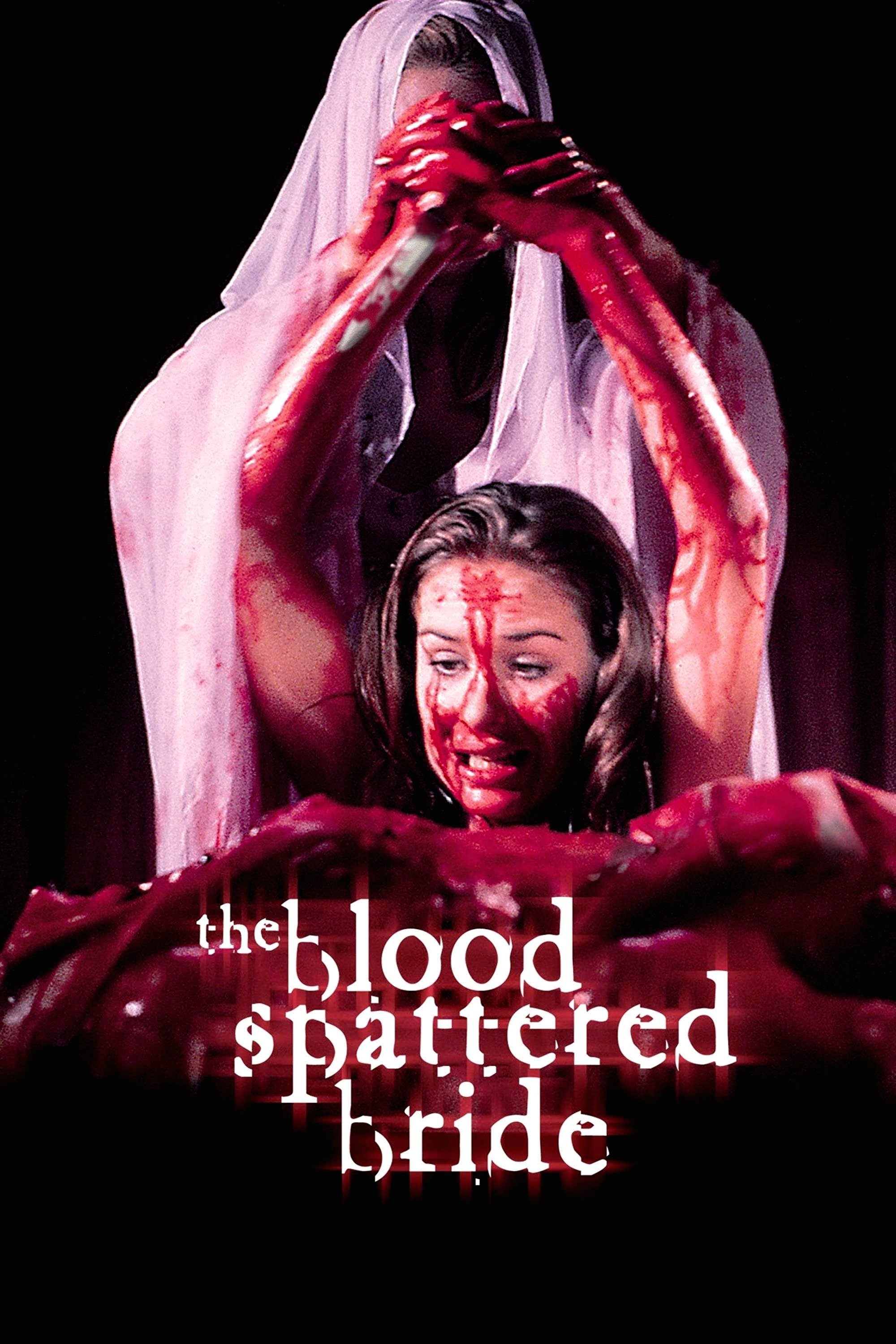
The Blood Spattered Bride
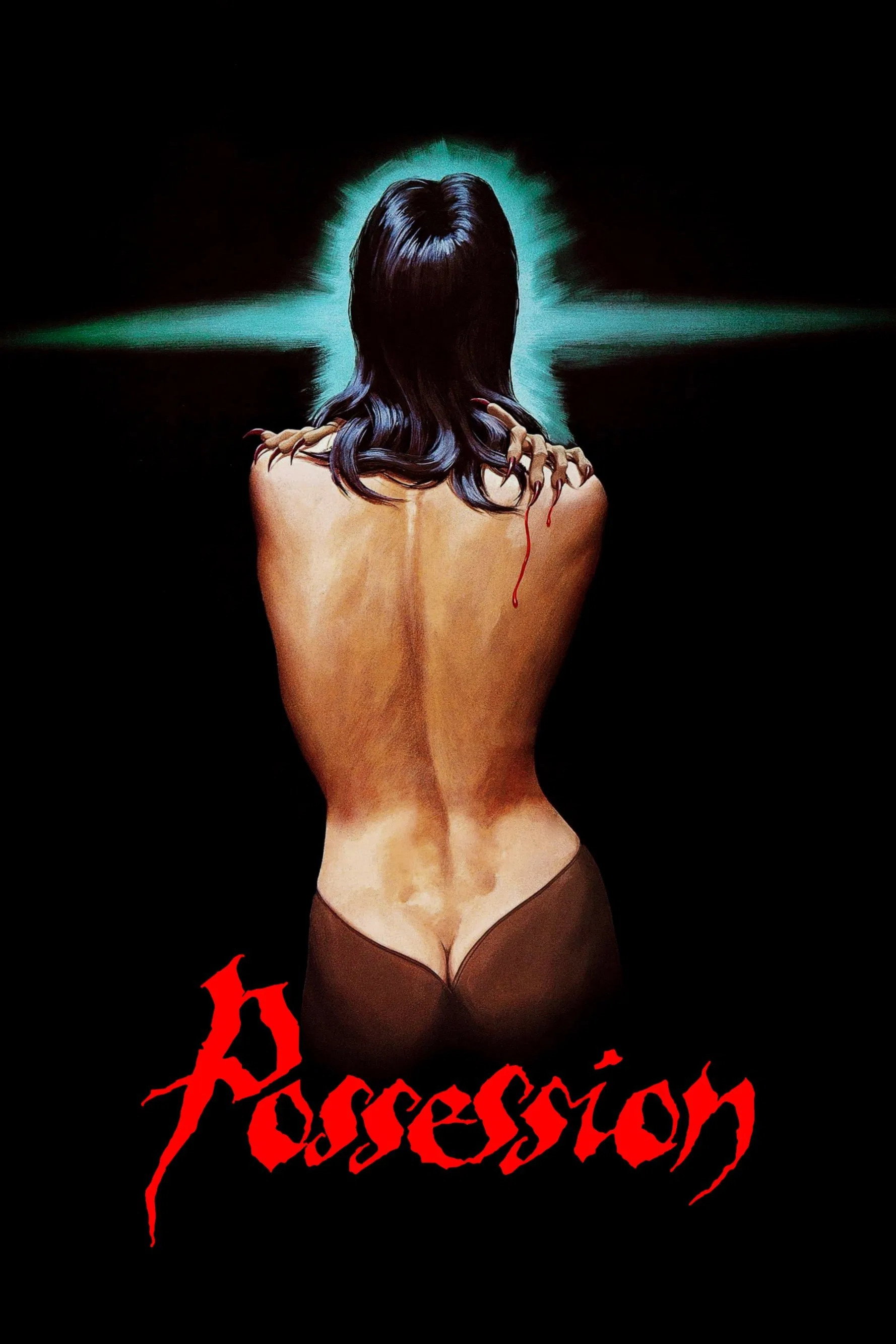
Possession
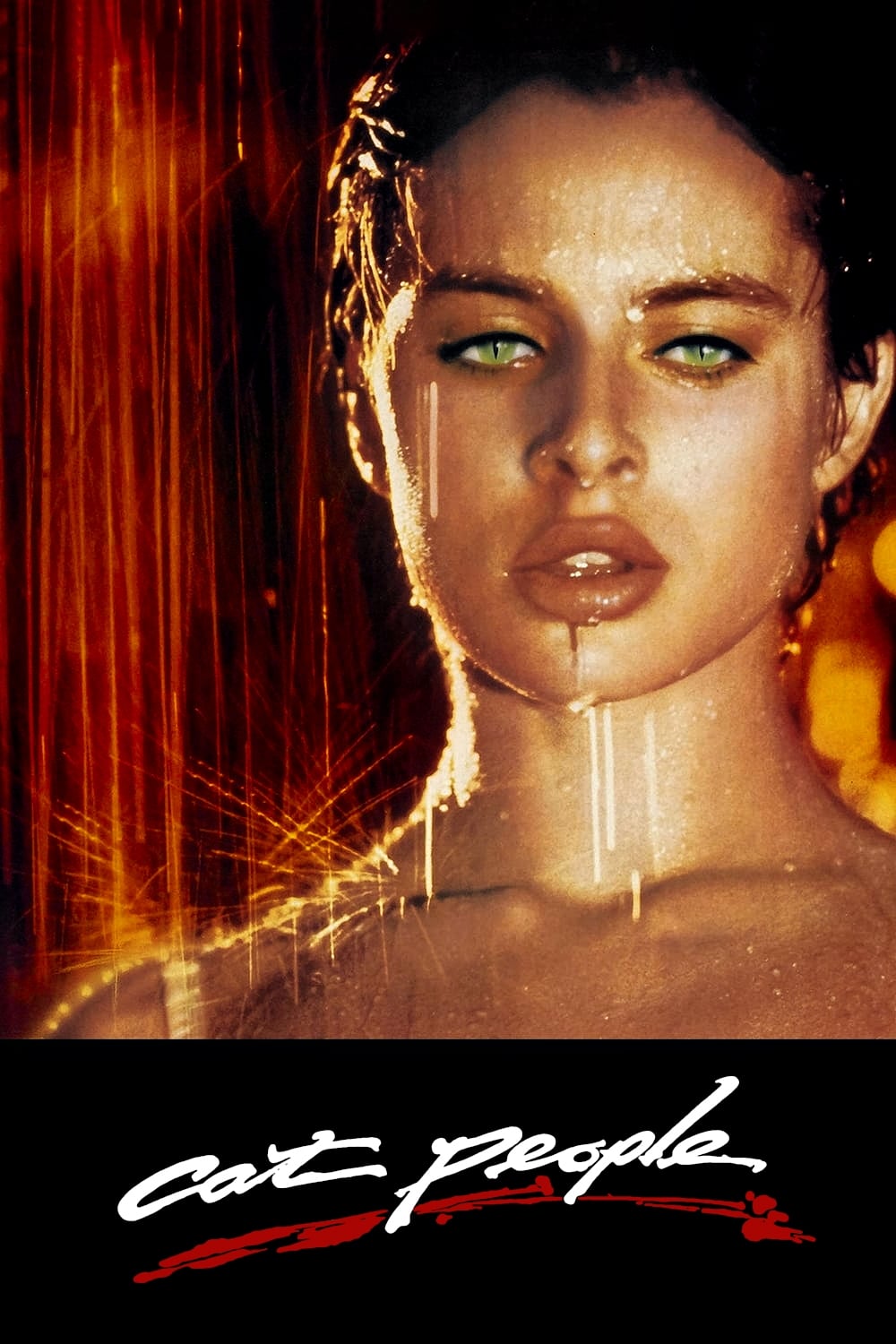
Cat People
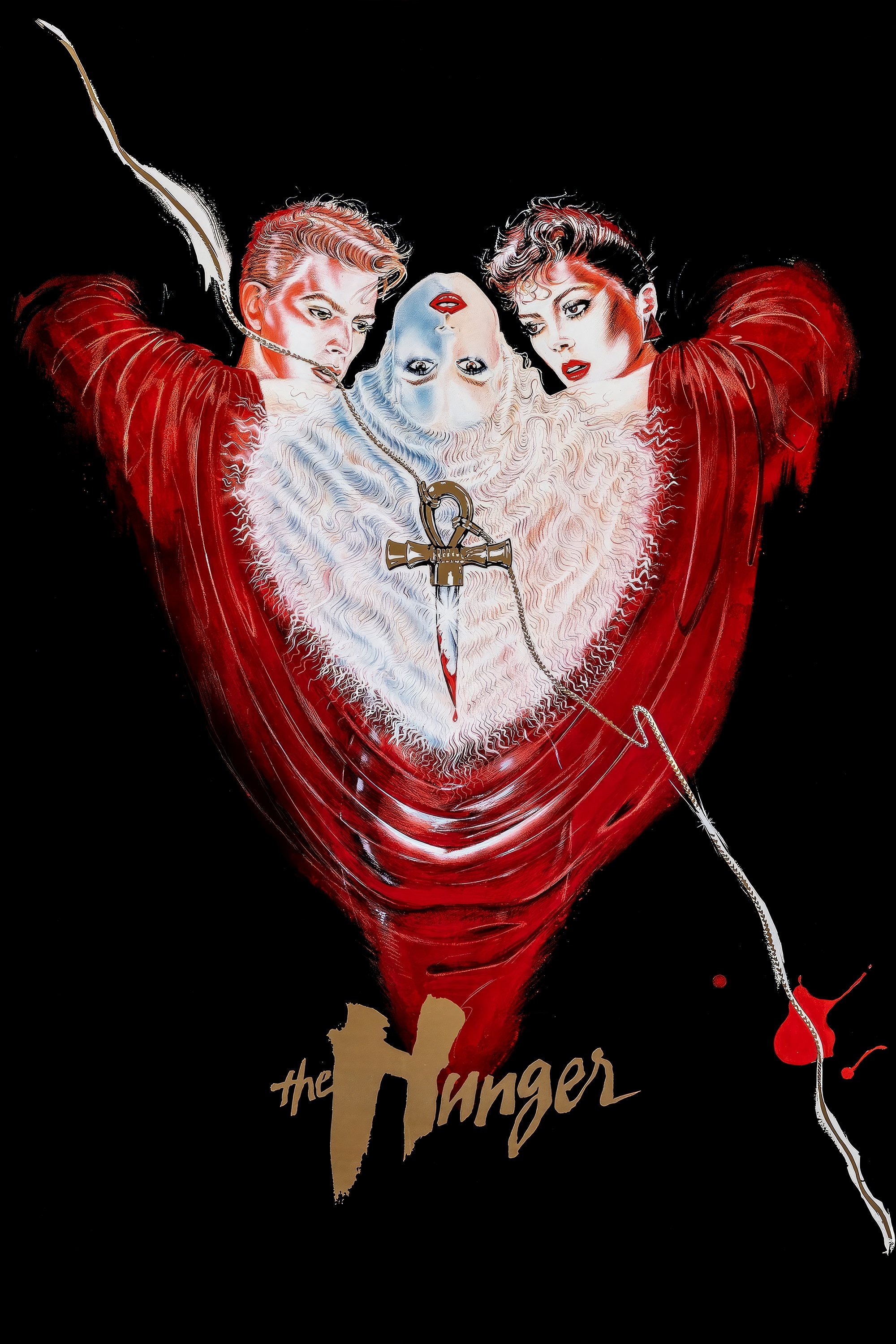
The Hunger
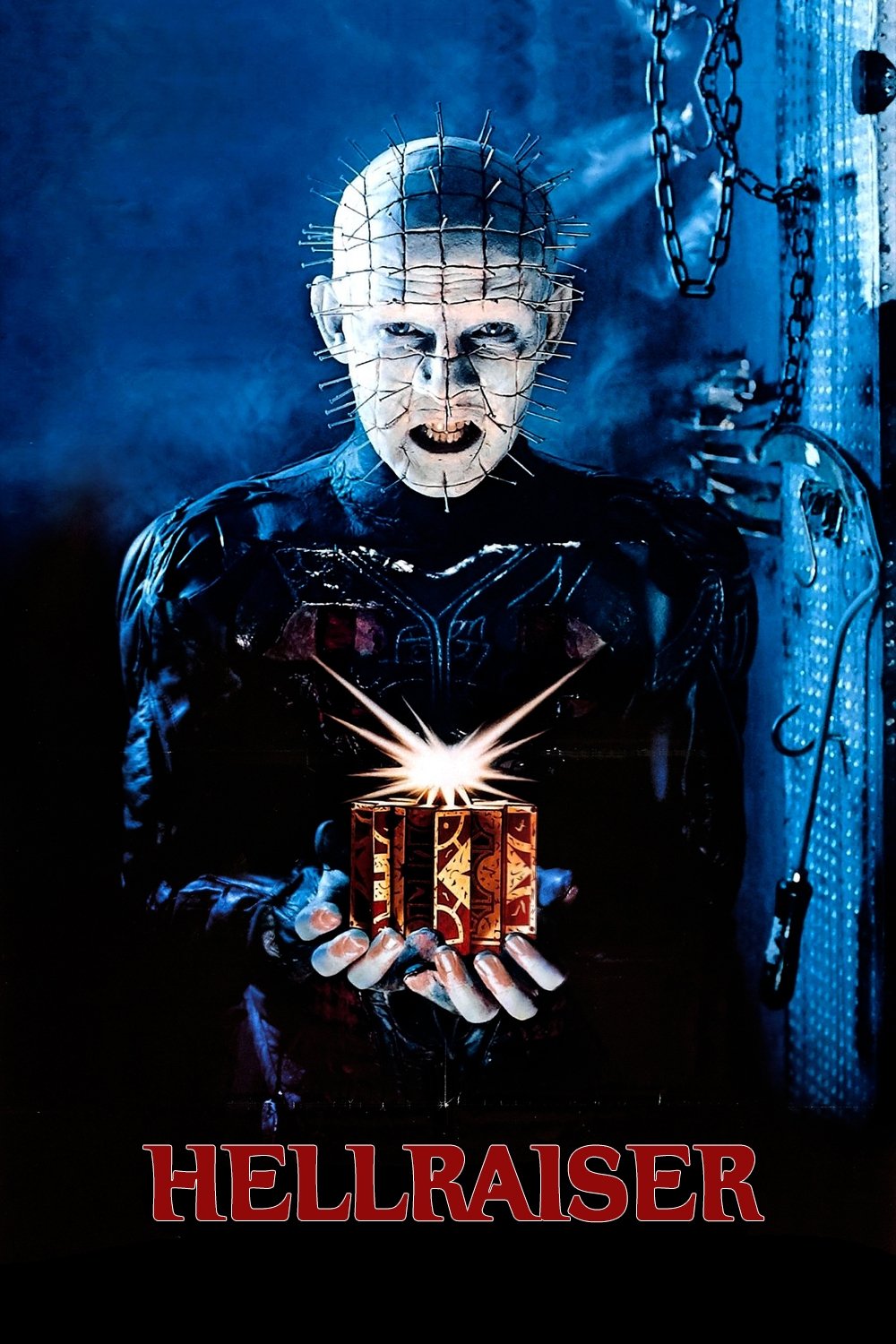
Hellraiser

Eyes Wide Shut
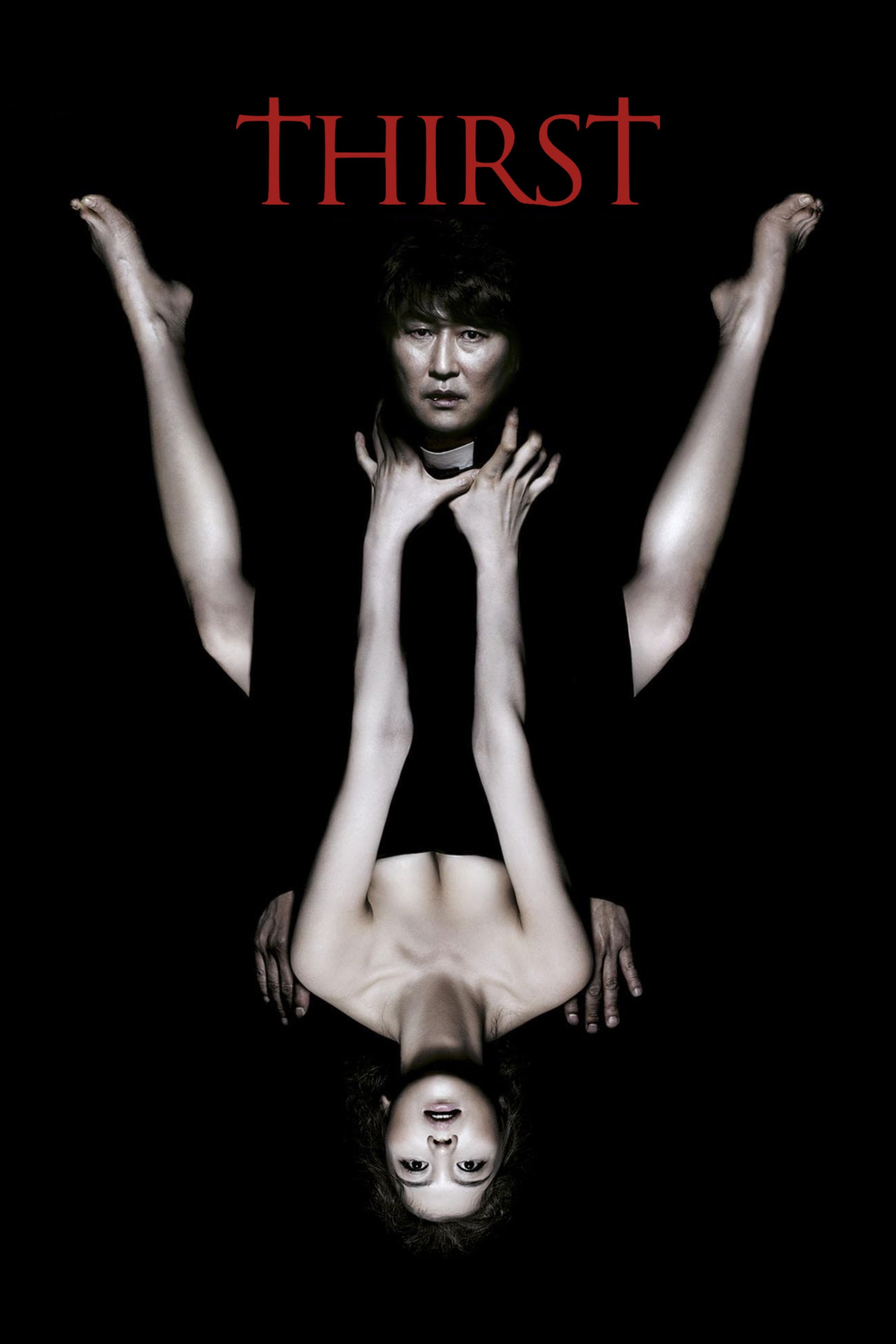
Thirst
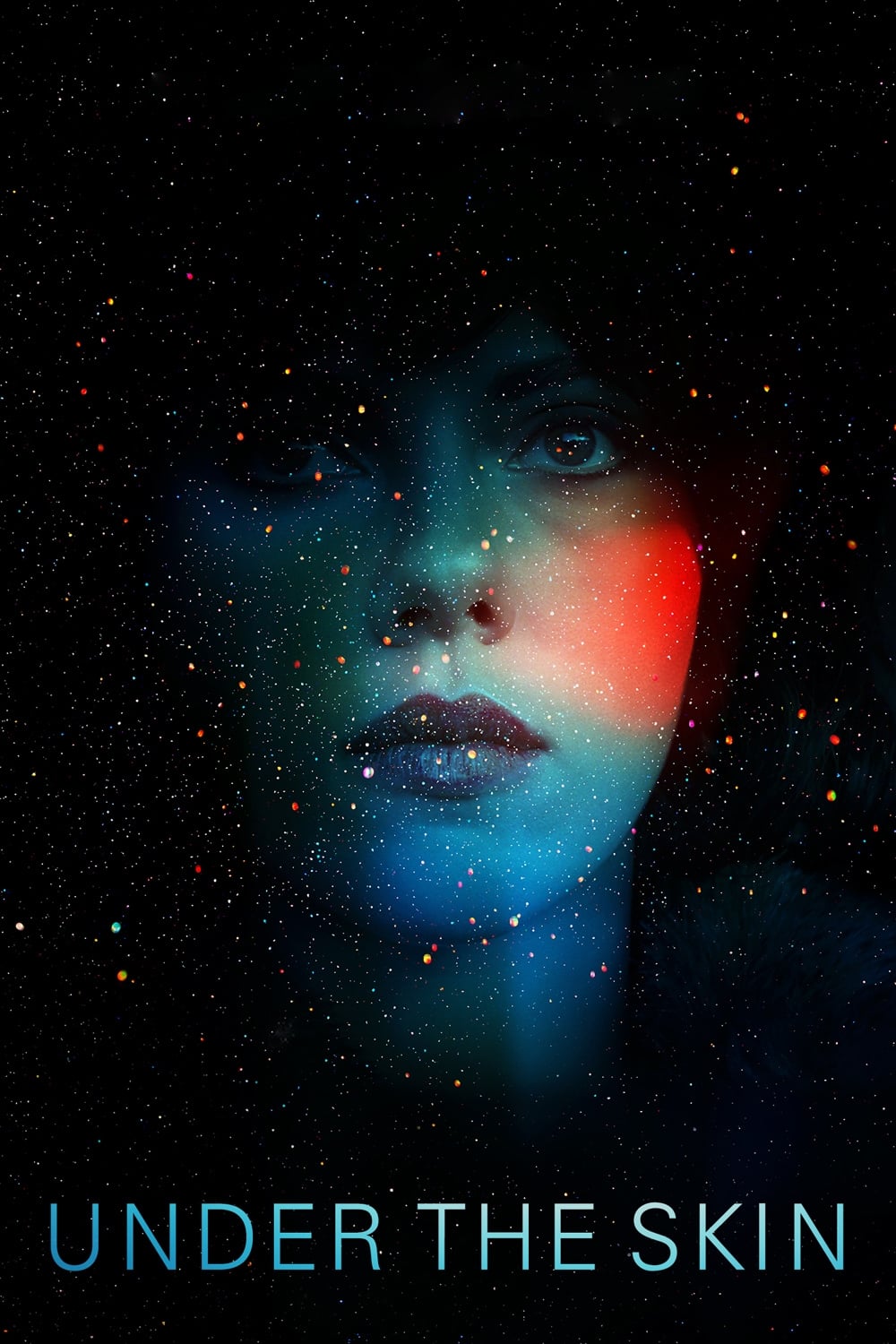
Under the Skin

The Duke of Burgundy
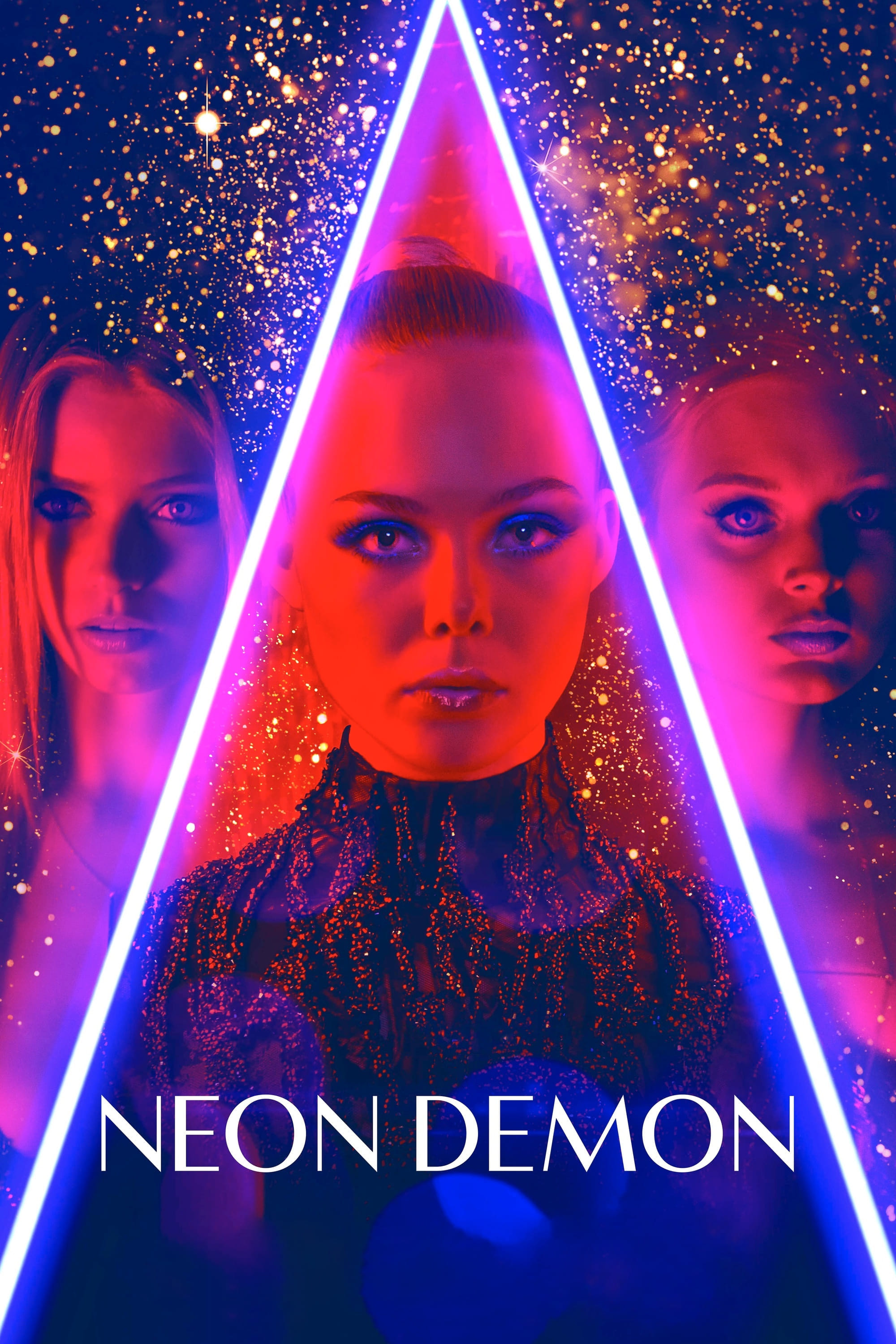
The Neon Demon

Knife+Heart
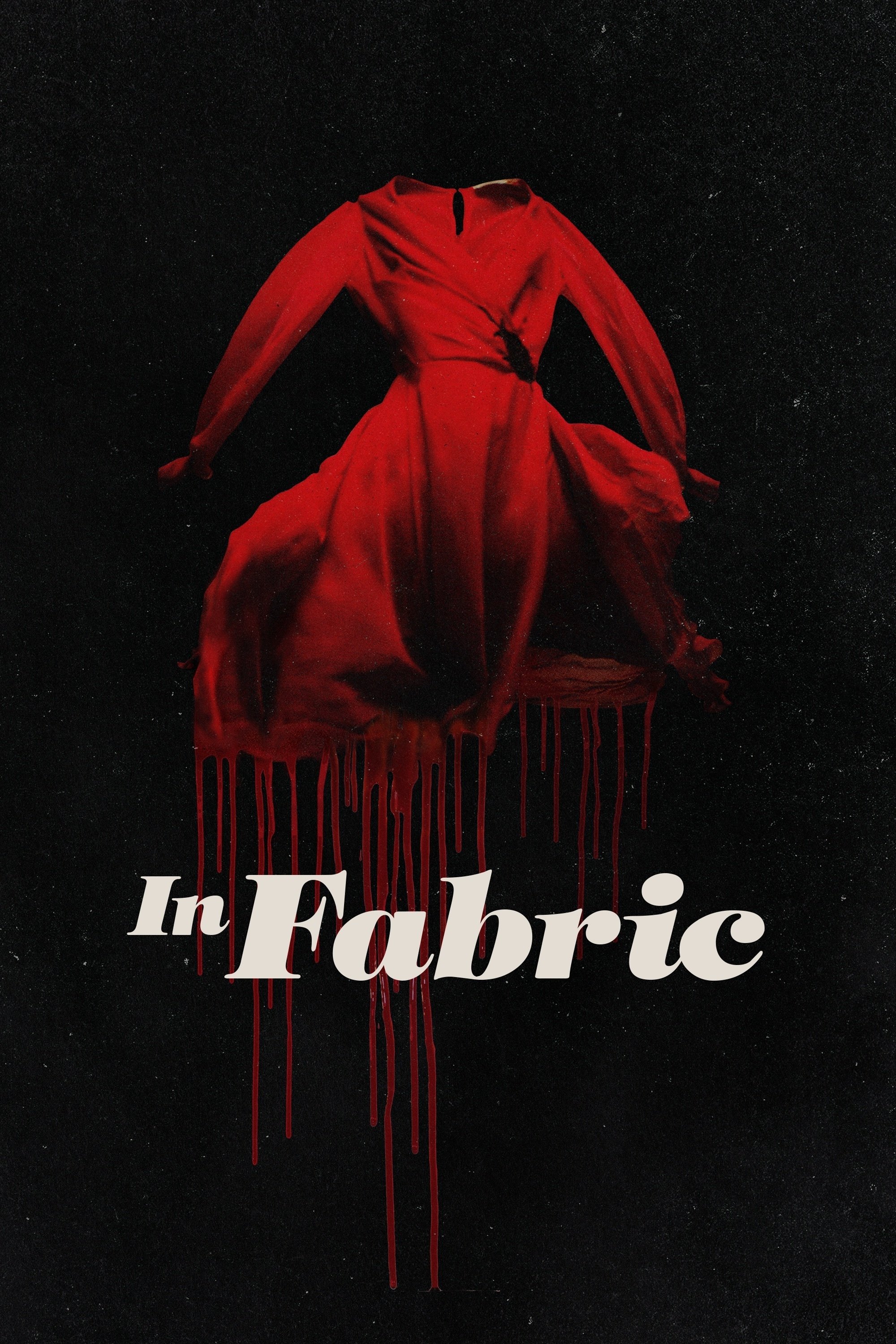
In Fabric

Possessor
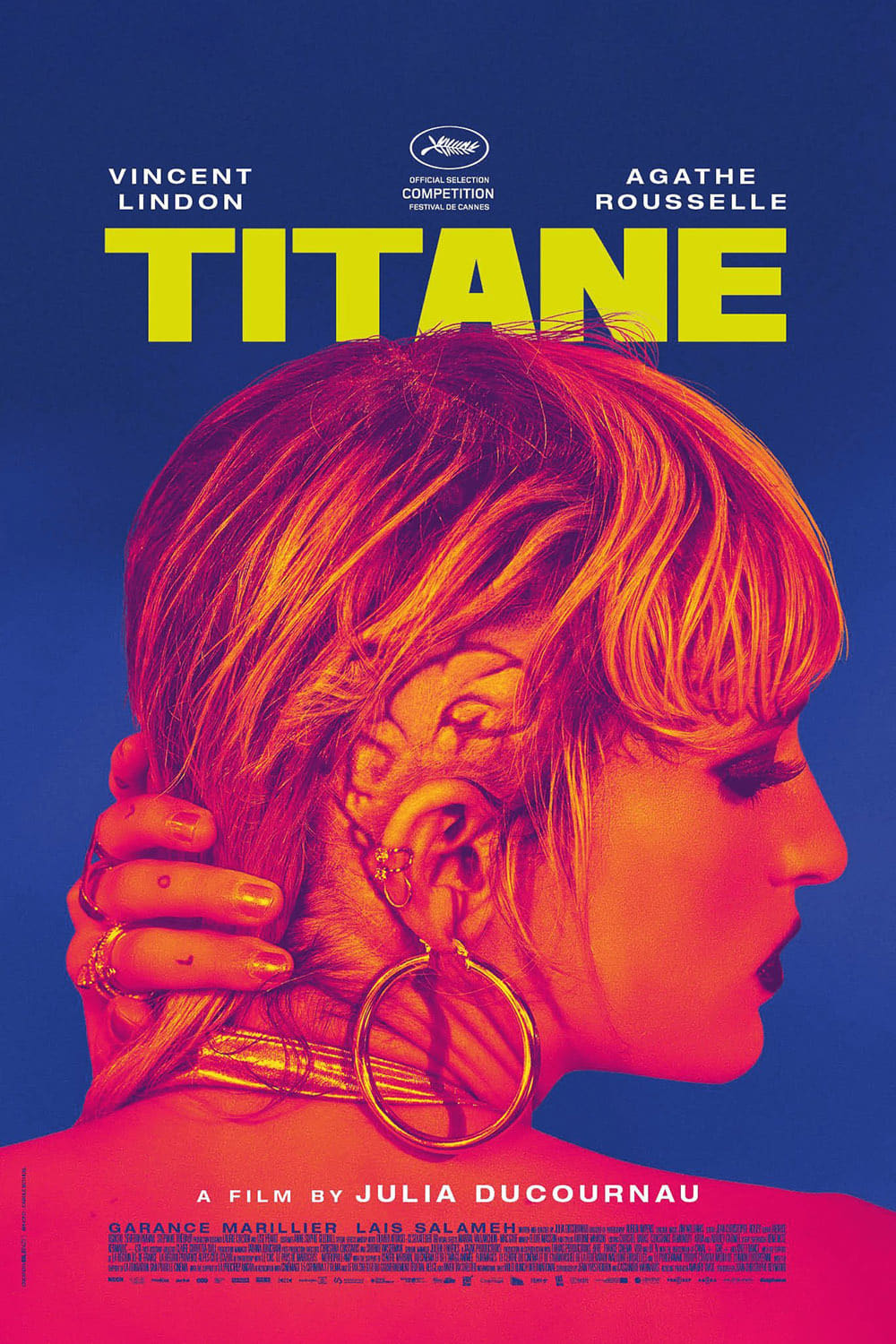
Titane
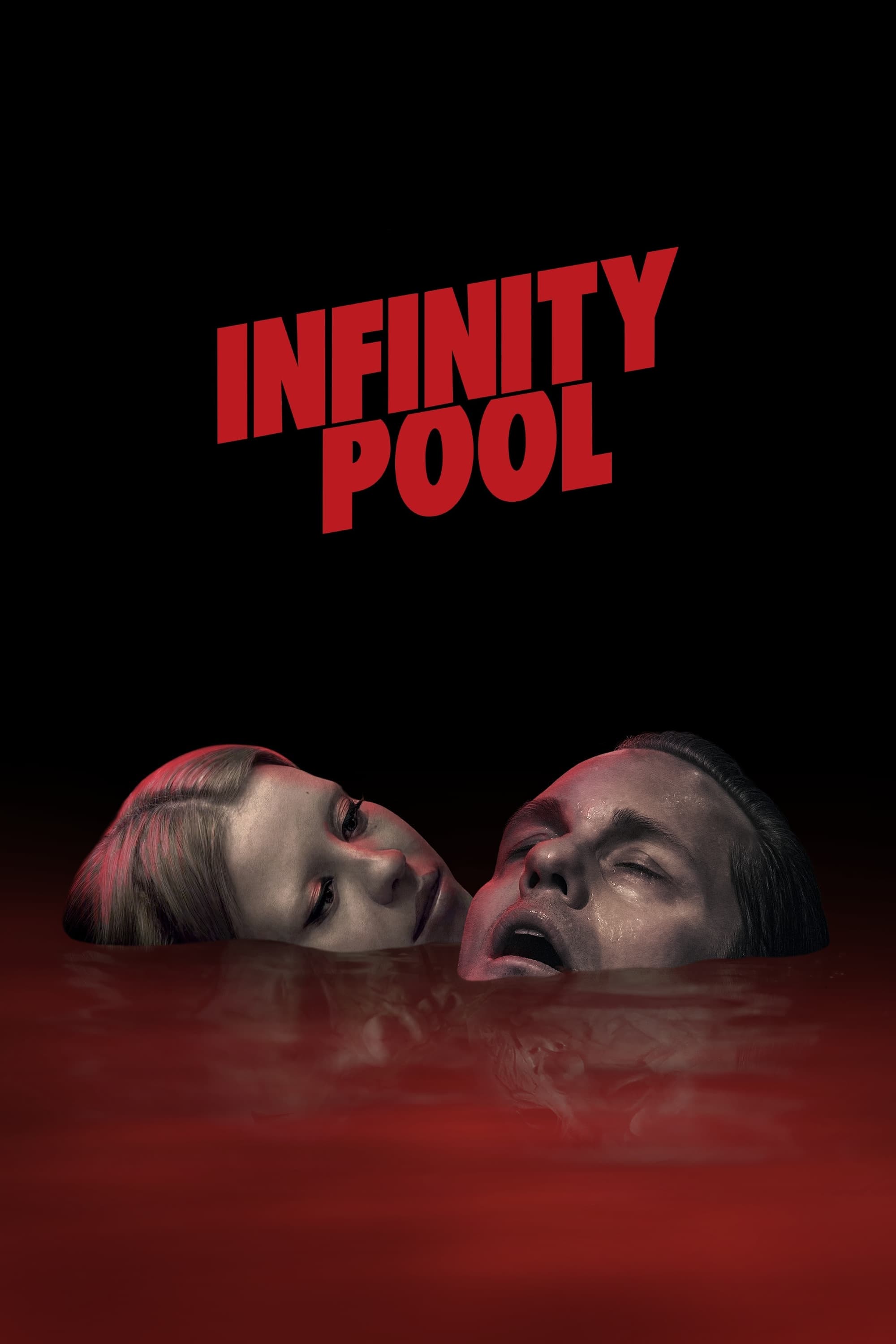
Infinity Pool
Statistics
Popularity by Decade
Share of each decade's horror films classified as Erotic Horror. Counts films with at least 5 TMDB ratings, so very obscure titles are not represented.
Popularity by Country
Share of each country's horror output classified as Erotic Horror. Counts films with at least 5 TMDB ratings, so very obscure titles are not represented.