 Predator (1987)
War Horror
Combat is already horror. The addition of supernatural or monstrous elements merely makes visible what soldiers have always known — that war reduces human beings to meat.
History & Origins
War horror recognizes what soldiers have always known: that combat is already horror, and that the addition of supernatural or monstrous elements to warfare merely makes visible what is already true — that war reduces human beings to meat, that battlefields are haunted, and that the things people do to each other in wartime are indistinguishable from the worst nightmares fiction can invent. Brian E. Crim's Planet Auschwitz: Holocaust Representation in Science Fiction and Horror Film and Television (2020) treats the cycle as an extended argument that historical atrocity refuses to remain past tense — that "what's lost in the war never really stays lost."
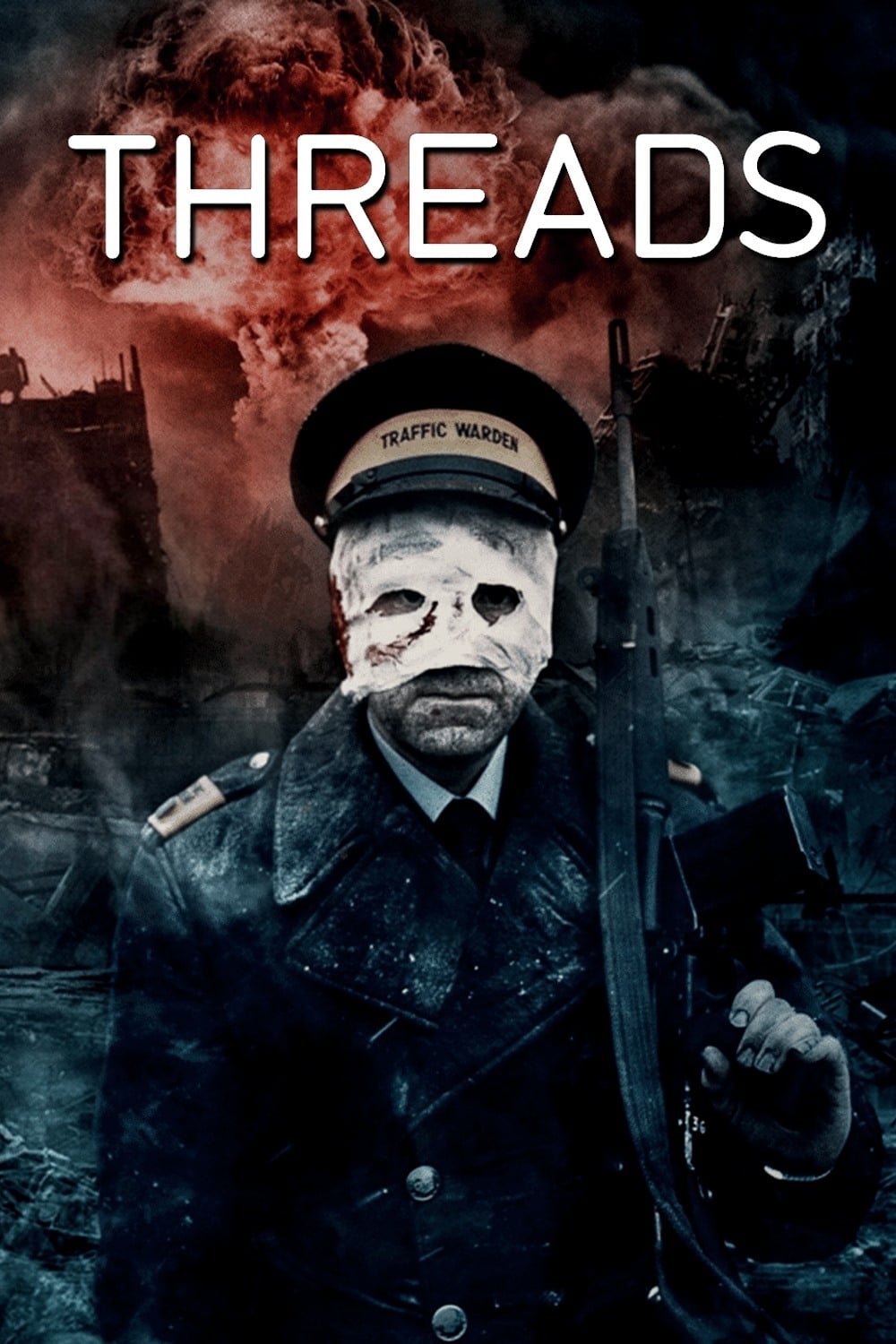
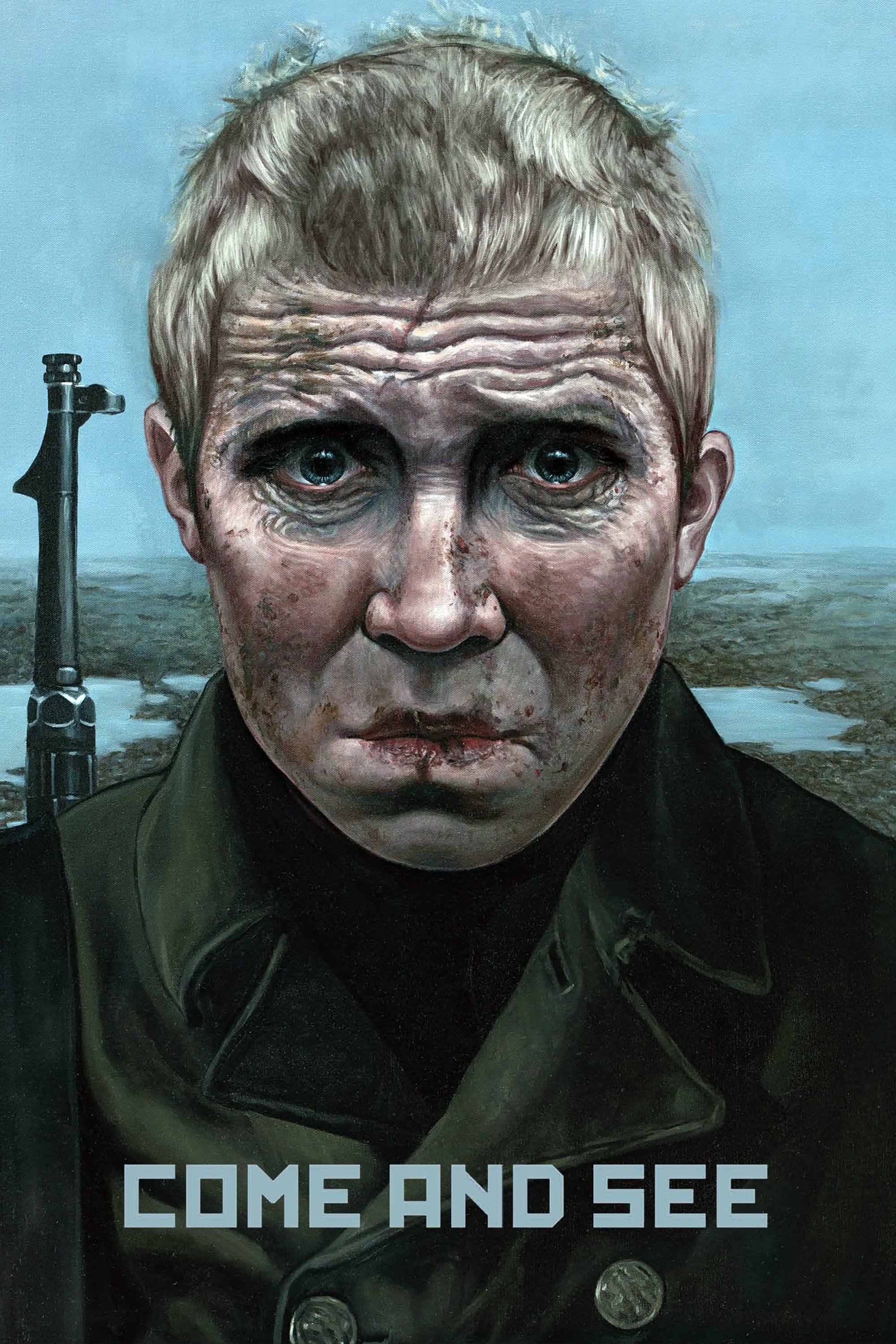
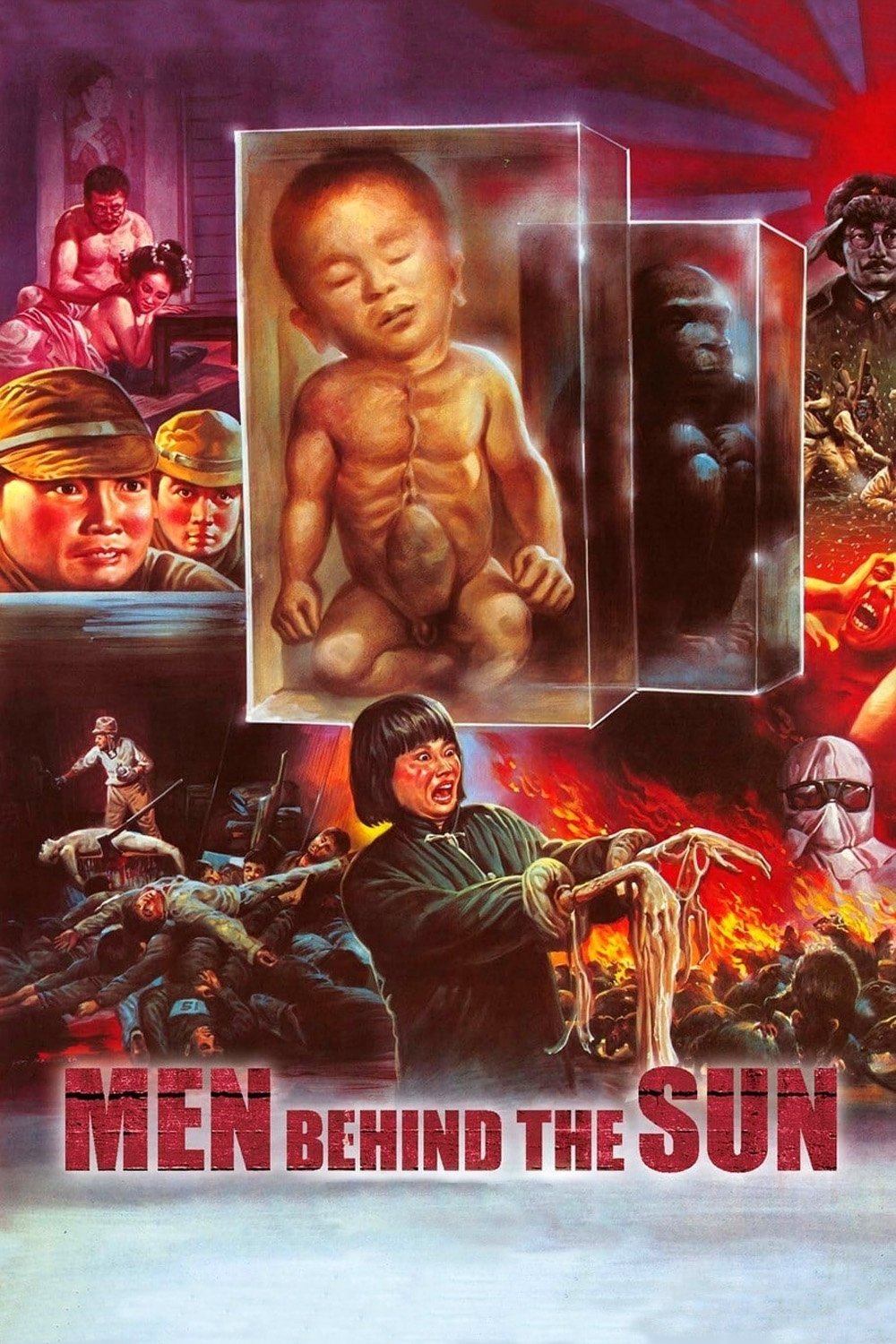
The subgenre has two distinct registers. The first is the horror of war itself, depicted with sufficient unflinching honesty that no supernatural element is required to qualify as horror. Elem Klimov's Come and See (1985), set in occupied Belarus during World War II, follows a teenage partisan through atrocities that the film offers no buffer against. Mick Jackson's Threads (1985), the BBC's nuclear-apocalypse counterpart to The Day After, drew on the WWIII television-movie tradition Amanda Reyes describes in Are You in the House Alone as "deeply cynical" about "society's chance for survival after a nuclear war." Mou Tun-Fei's Men Behind the Sun (1988), a Hong Kong dramatization of Imperial Japan's Unit 731 biological-warfare experiments, ran the historical-atrocity register to its most provocative extreme. Adrian Lyne's Jacob's Ladder (1990) reframed PTSD as supernatural assault, the Vietnam veteran as the haunted protagonist.
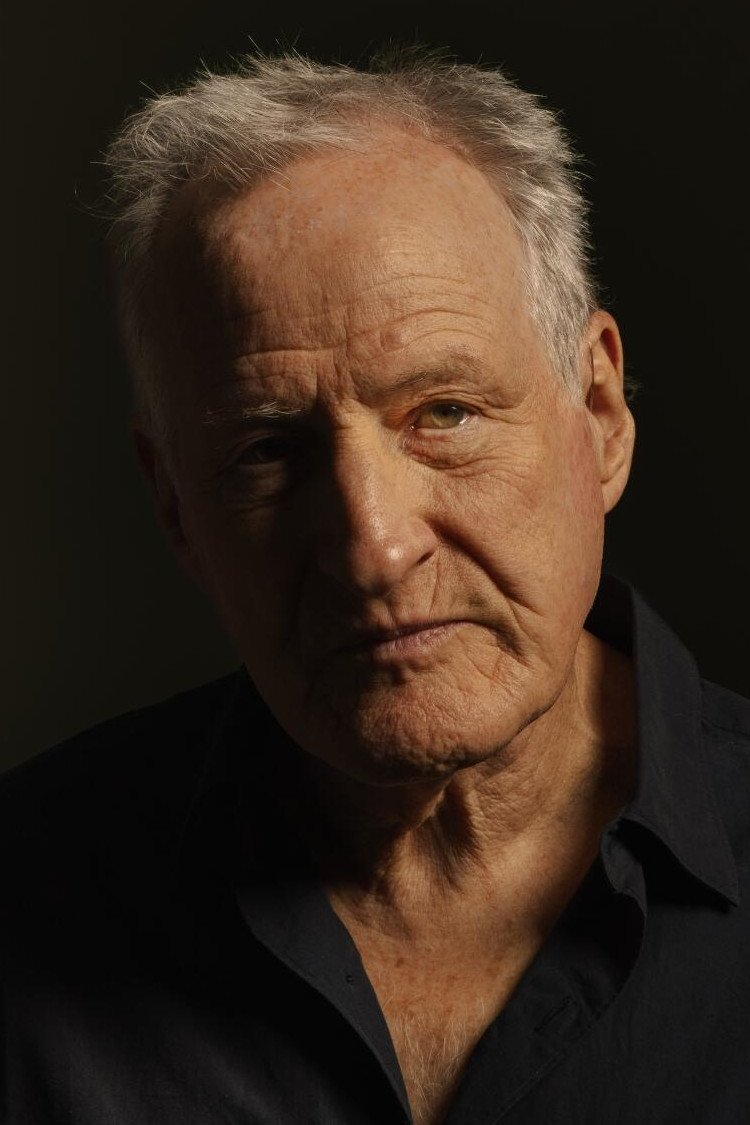
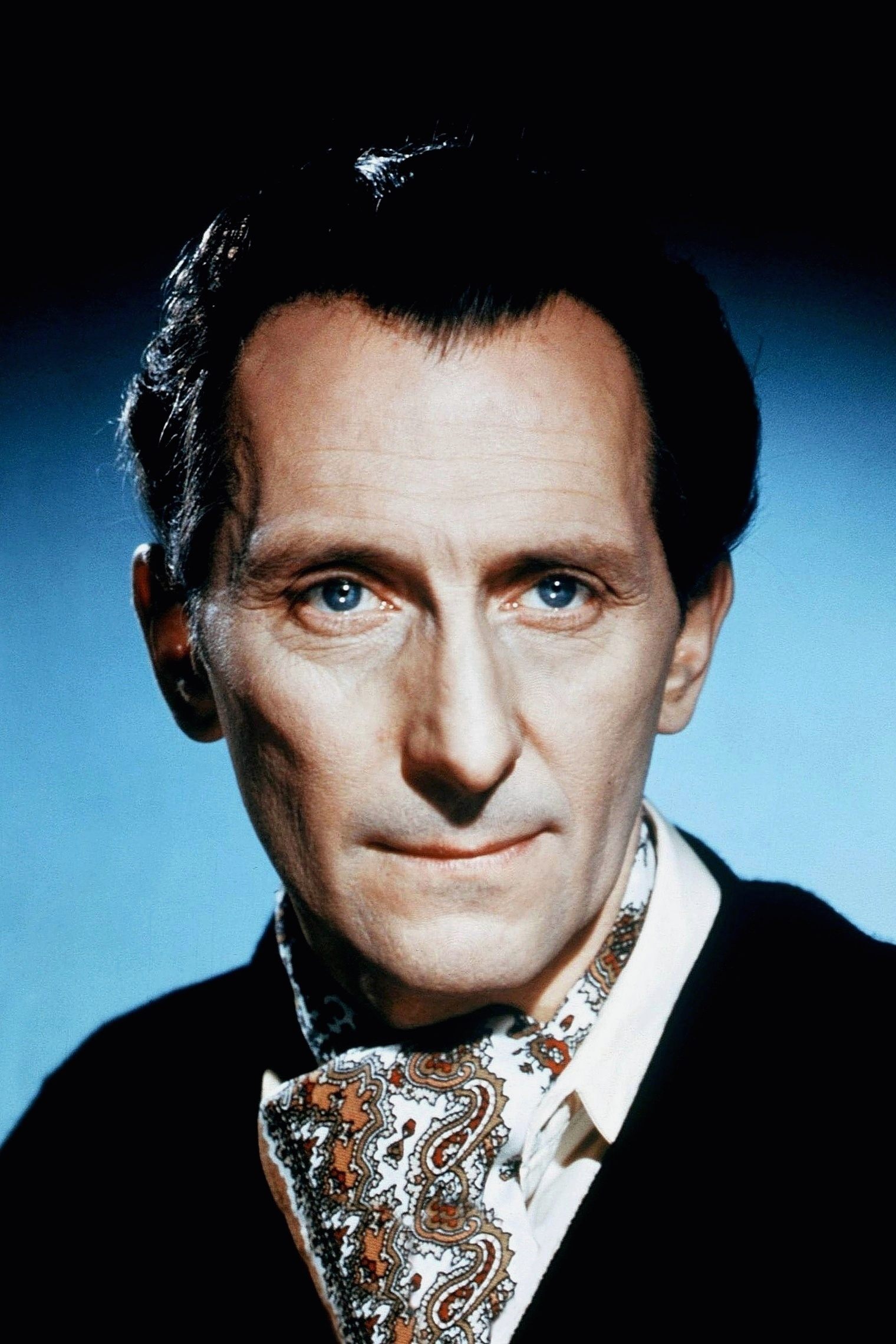
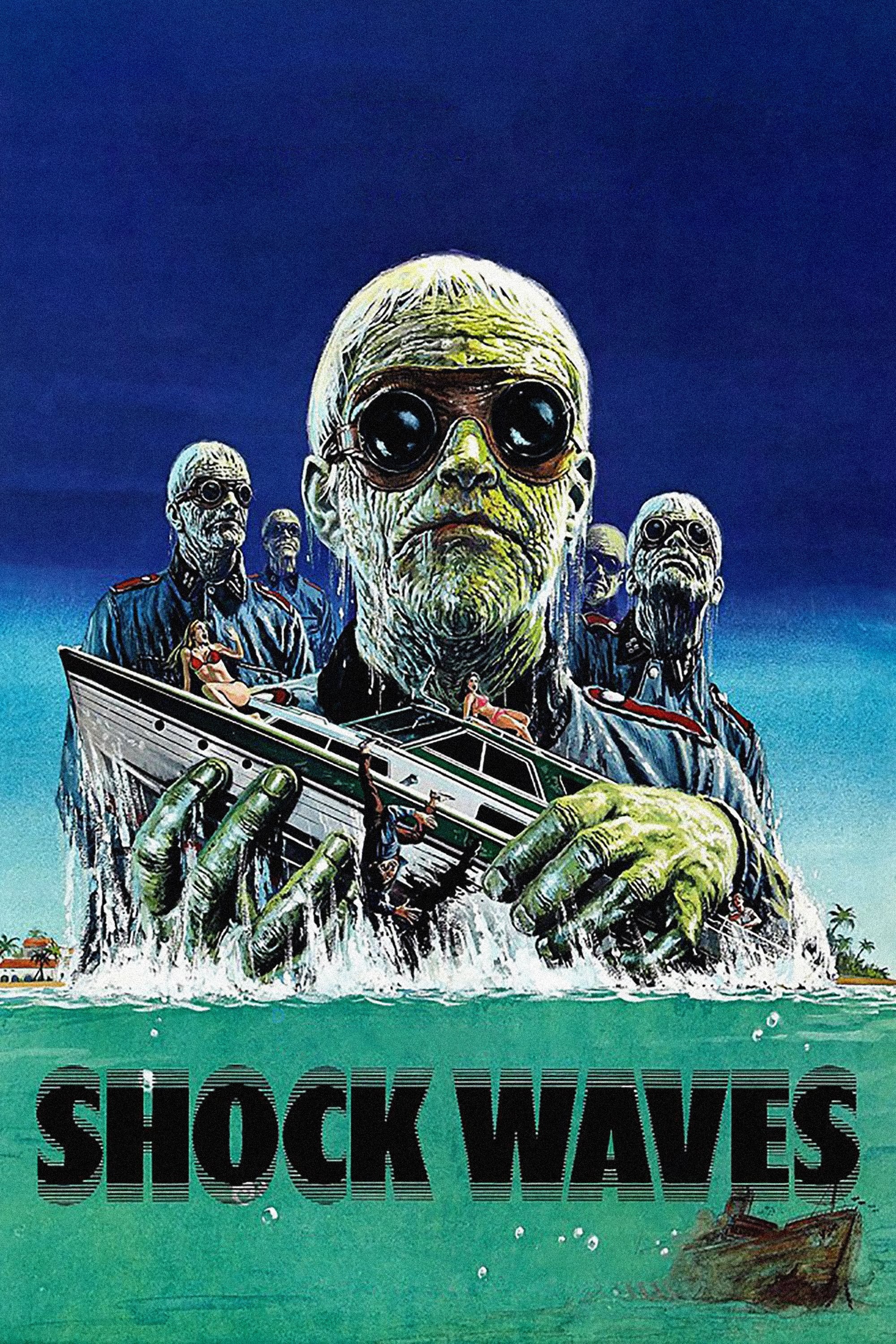
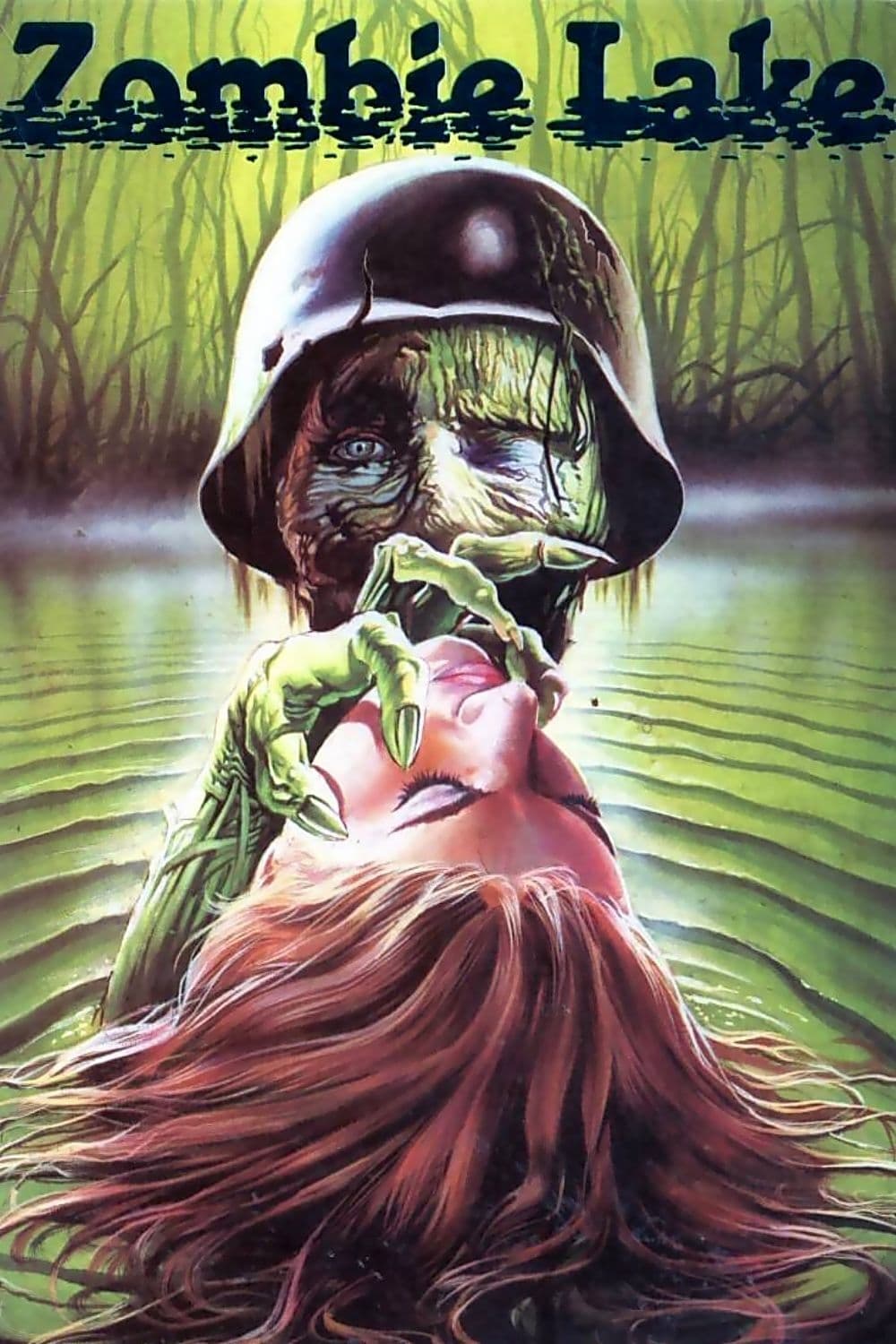
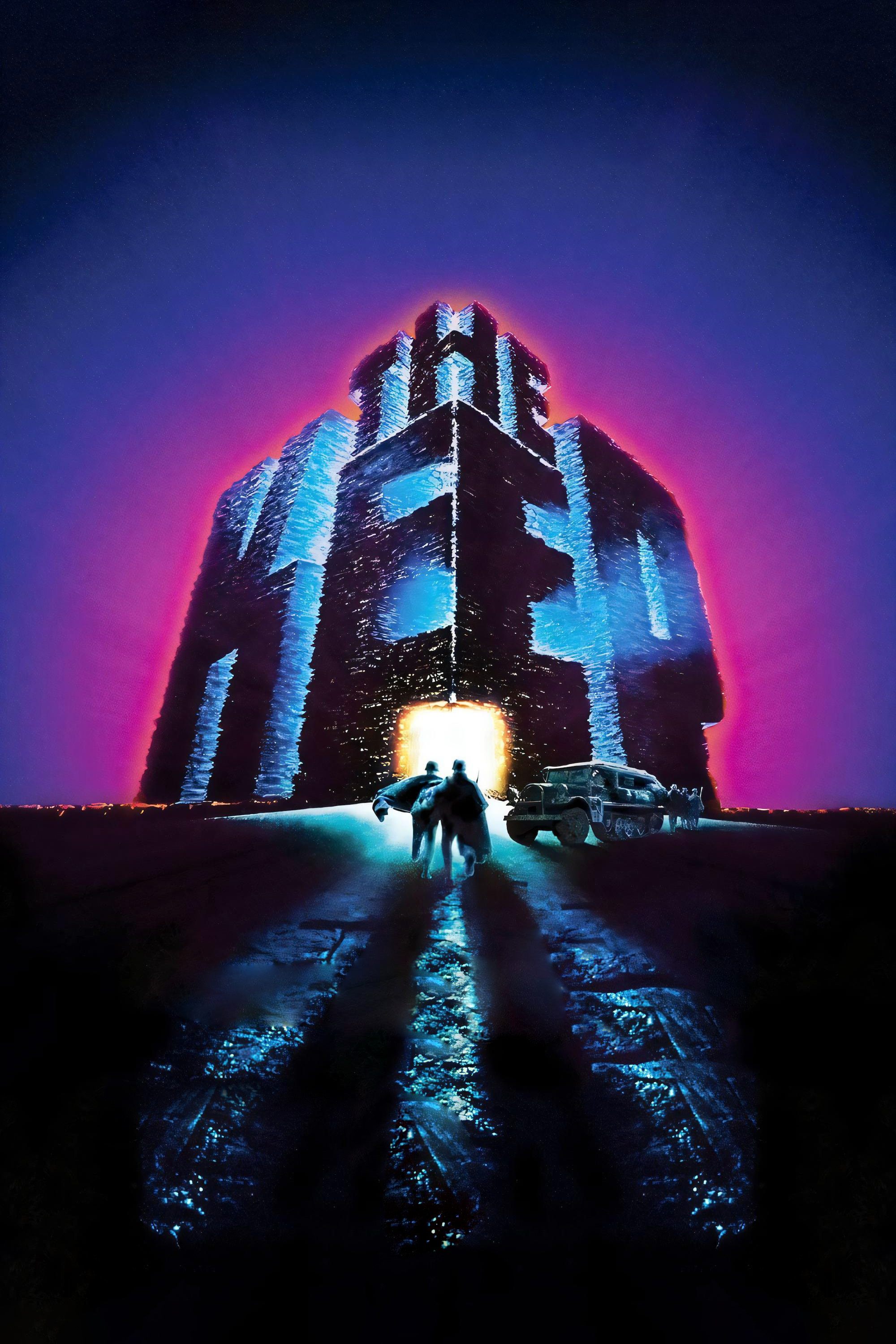
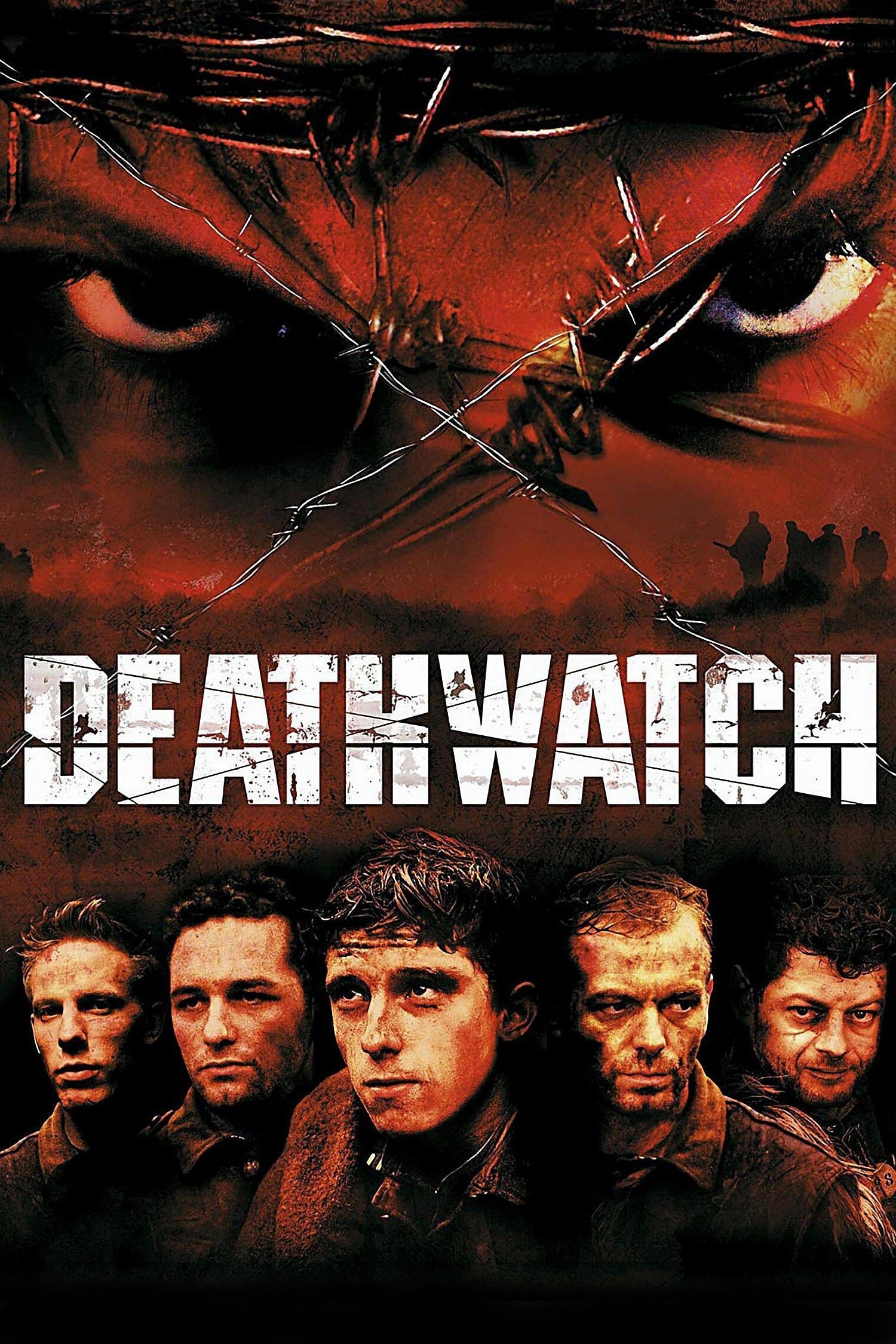
The second register adds explicit horror elements — usually ghosts, zombies, or occult forces — to a war setting. The Nazi-horror cycle is the most concentrated tradition, surveyed extensively by Crim. Ken Wiederhorn's Shock Waves (1977), with Peter Cushing as a former SS commander on a Caribbean island, established the underwater Nazi-zombie image that Crim identifies as "imitated by subsequent films in the genre, including Dead Snow (2009), Zombie Lake (1981), and the viral trailers for the unmade Richard Raaphorst film Worst Case Scenario." Michael Mann's The Keep (1983) sent a German army detachment into a Carpathian fortress containing something older than the war. The subgenre's WWI strain emerged in the 2000s with MJ Bassett's Deathwatch (2002), in which trench fighters discover that the German trench system they've captured is alive and malevolent.
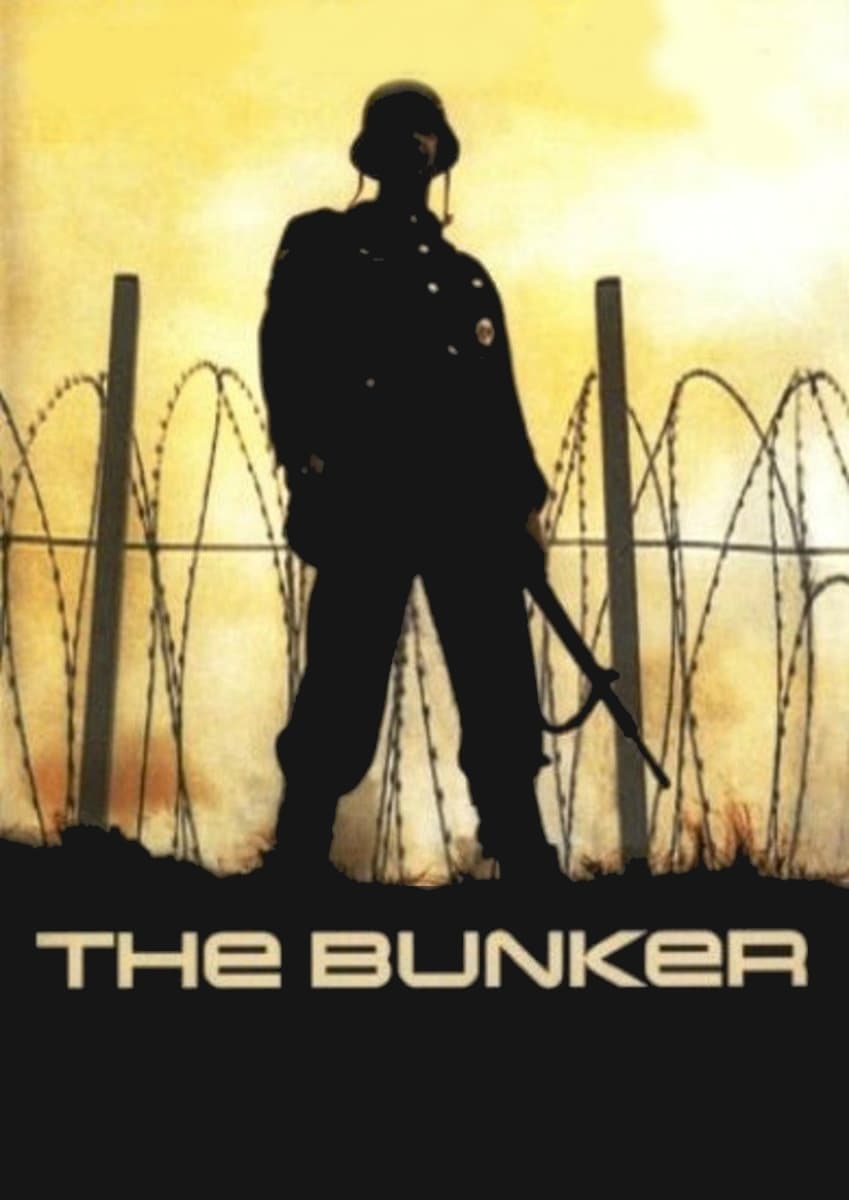
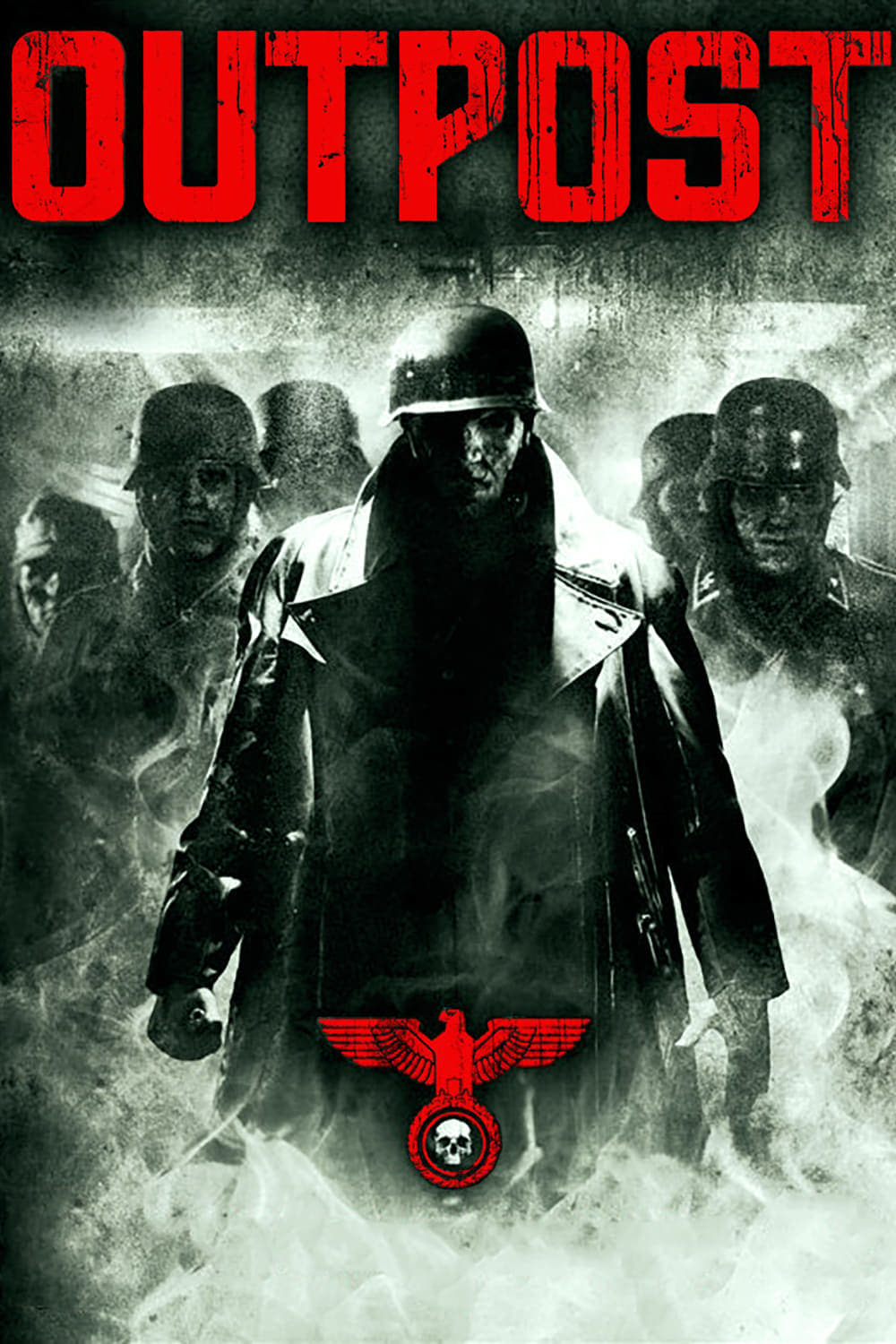
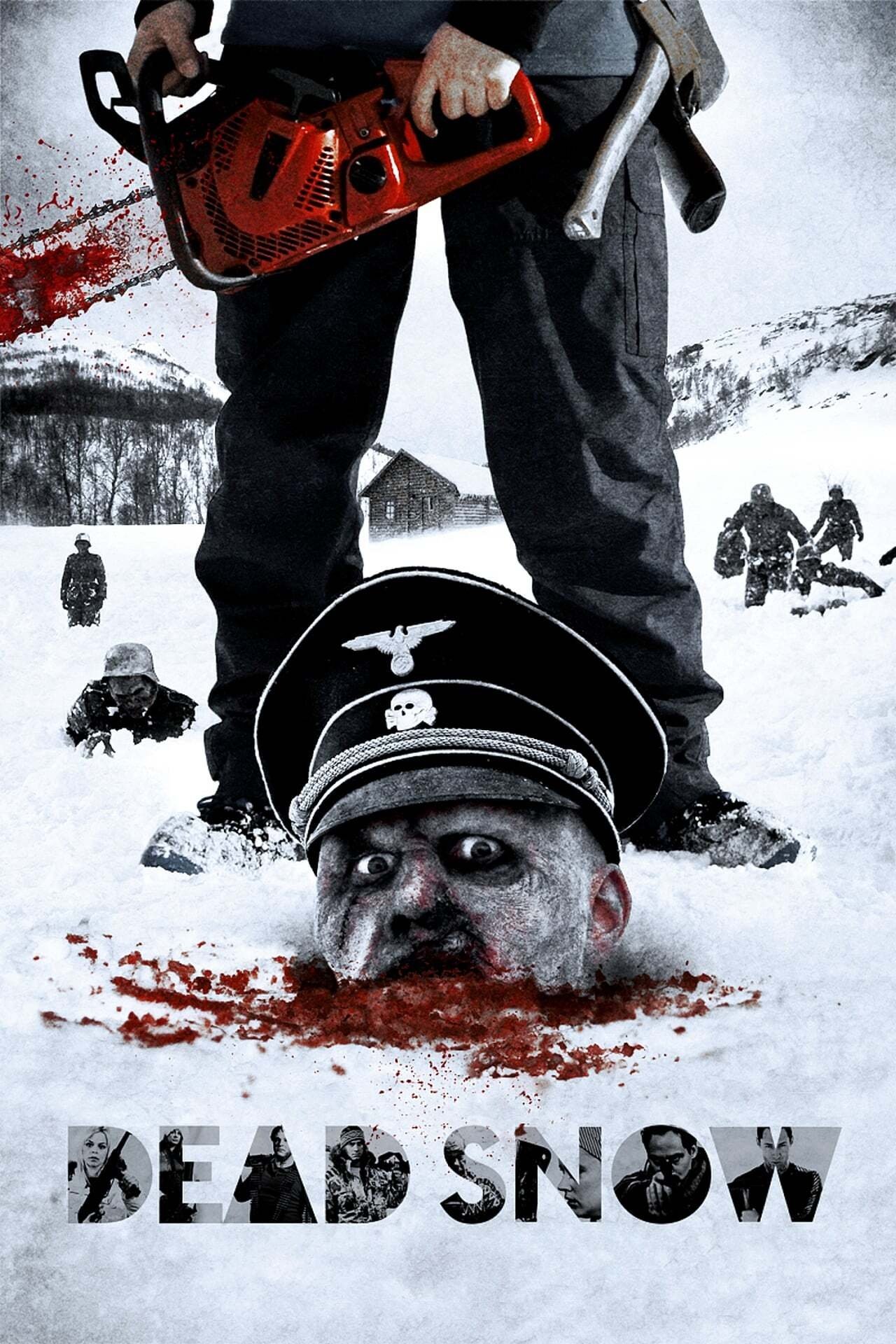
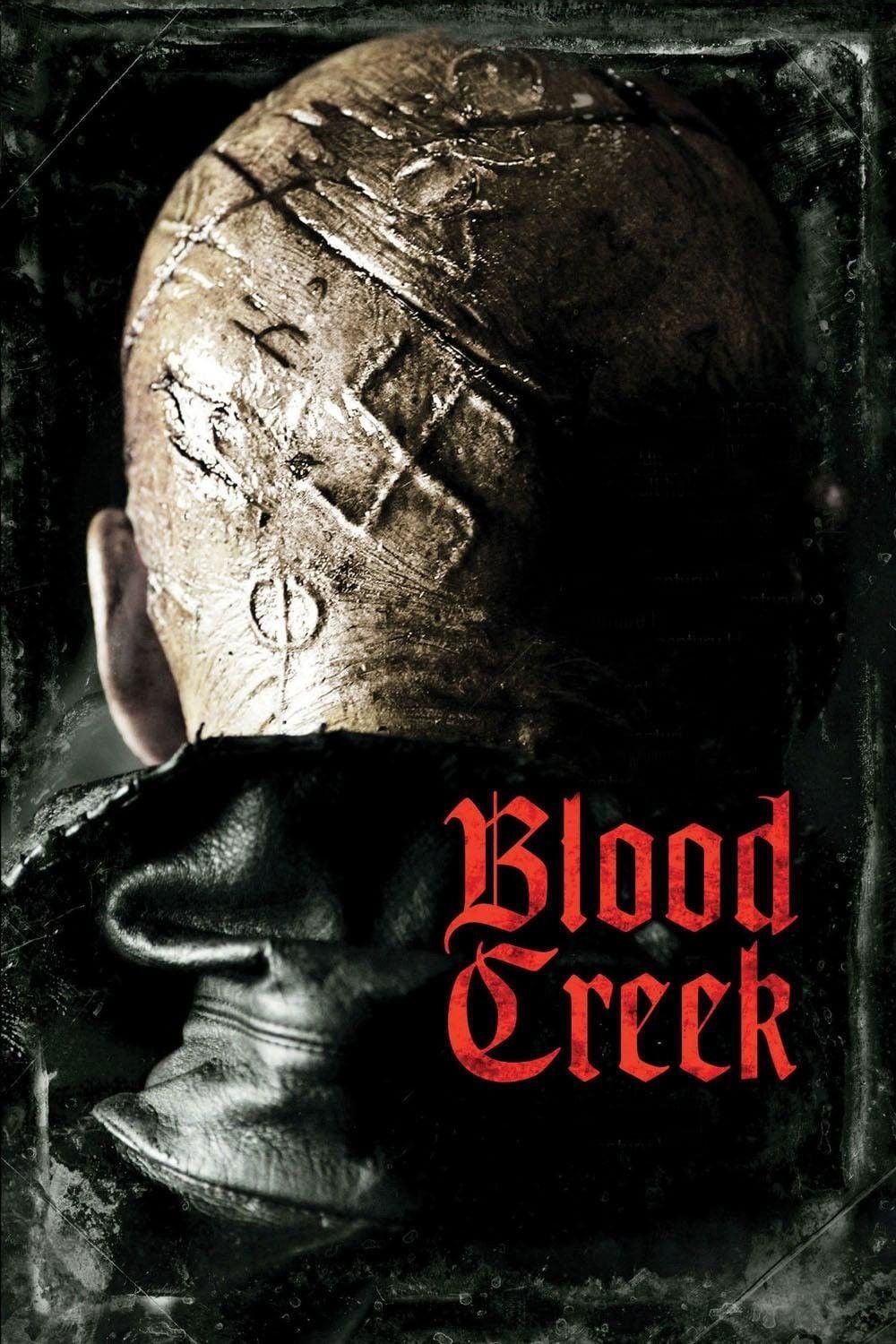
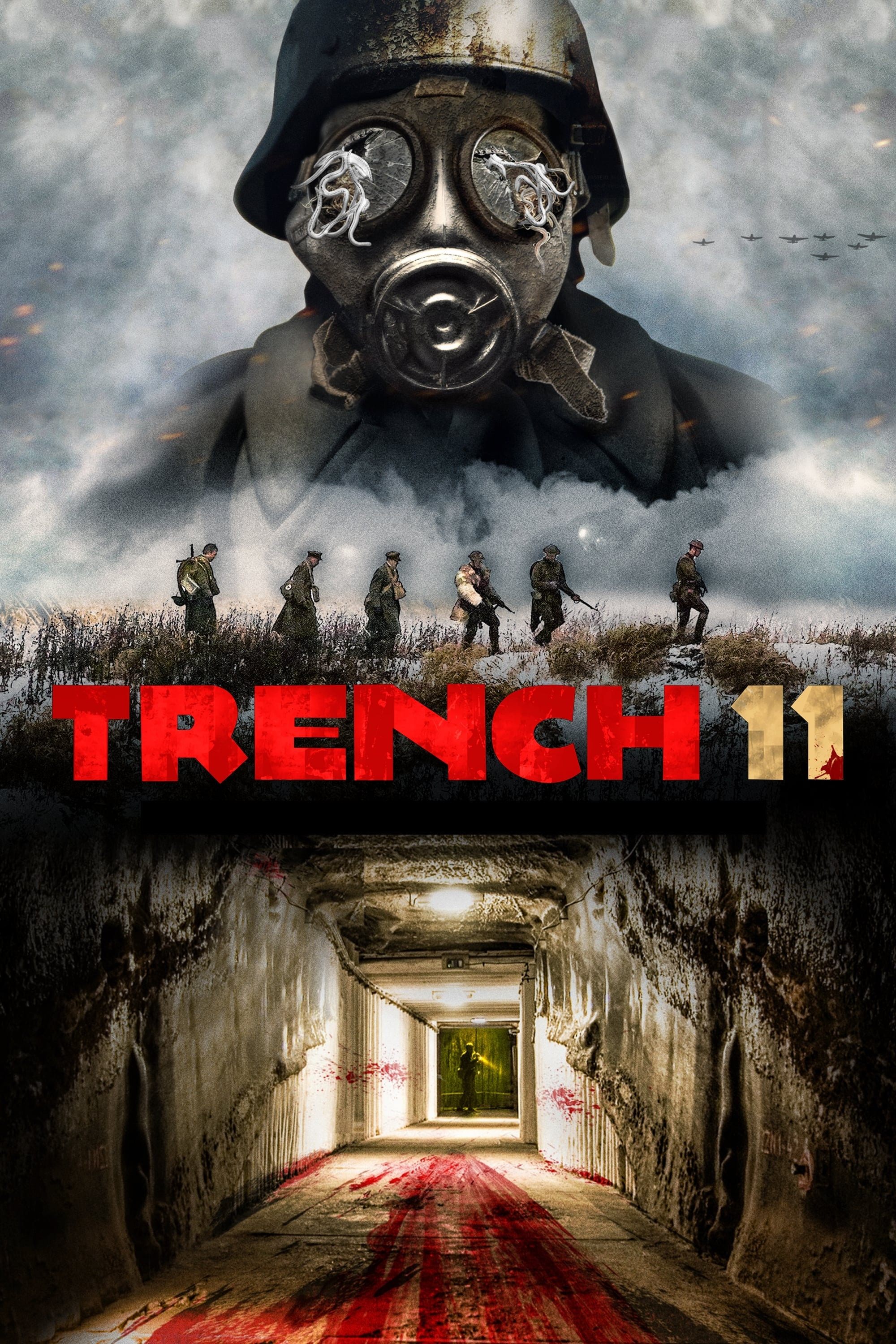
The 2008-2018 wave produced the form's commercial peak. Steve Barker's Outpost (2008) franchise placed mercenaries against reanimated SS soldiers in a forgotten Eastern European bunker. Tommy Wirkola's Dead Snow, per Crim, "is also about the repressed past of a nation occupied by the Third Reich" — Norway's reckoning with collaboration and resistance staged as ski-cabin zombie comedy. Joel Schumacher's Blood Creek (2009) ran the Nazi-occult premise as 21st-century farmland chase film. Kong Su-chang's Korean R-Point (2004) relocated the form to the Vietnam War, sending South Korean soldiers into a coordinate point where Vietcong ghosts conduct one final operation. Leo Scherman's Trench 11 (2017) returned to WWI for a Canadian-sappers vs. biological-weapon picture. Rob Green's The Bunker (2001) closed out the WWII-claustrophobia cycle with a German garrison's hallucinatory final hours.
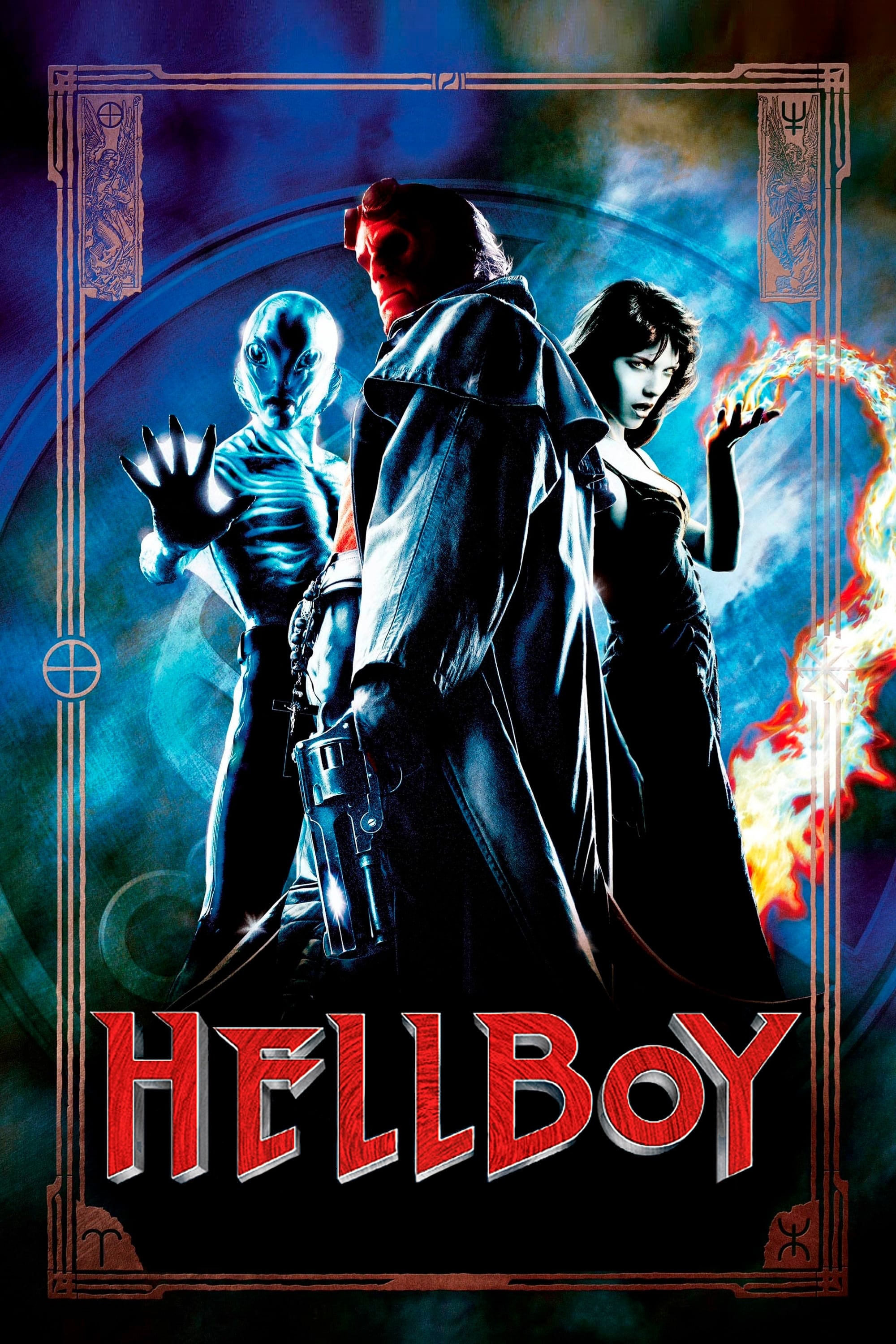
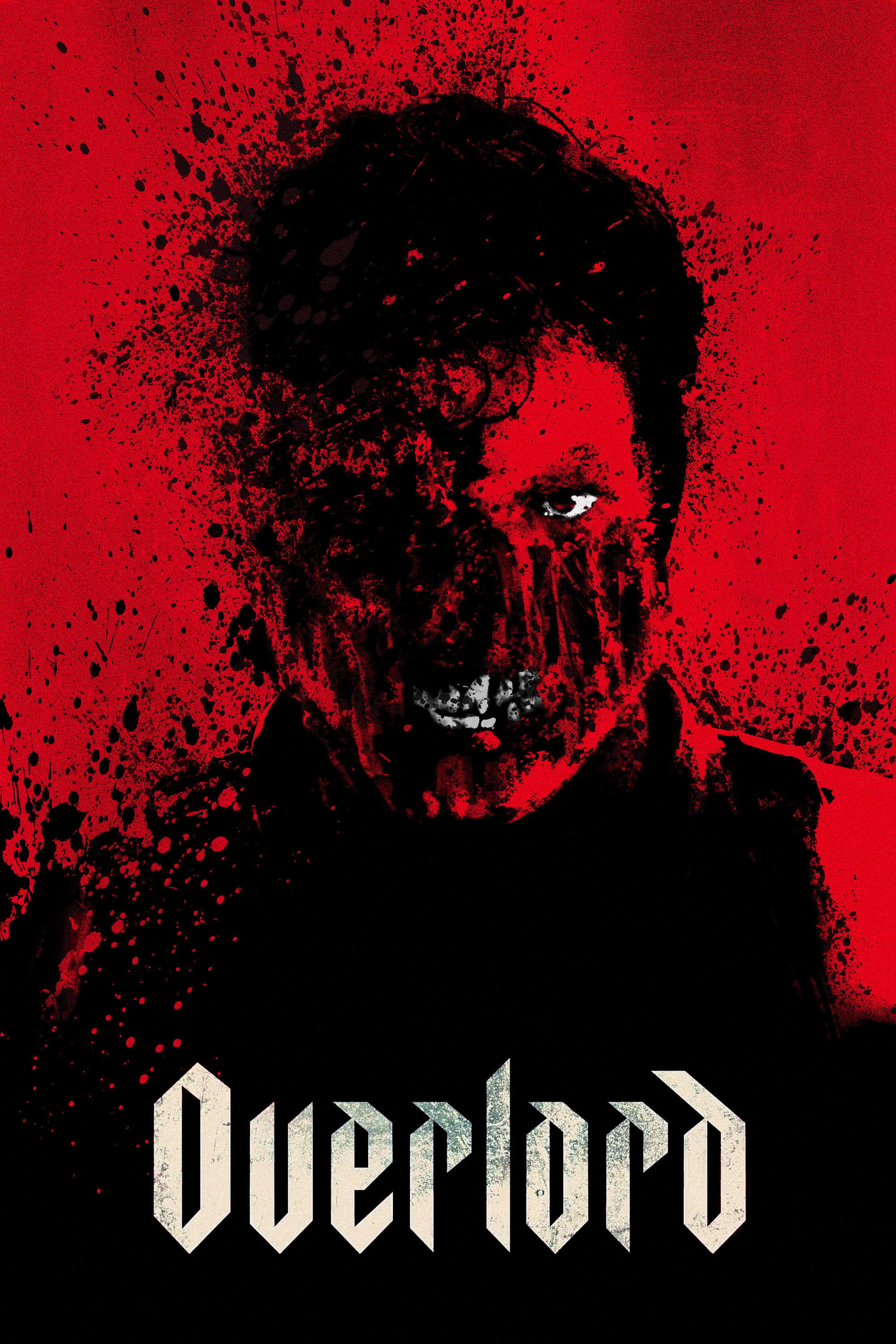
Julius Avery's Overlord (2018), produced by J. J. Abrams and shot in the action register but committed to horror conventions, combined D-Day with Nazi medical experimentation and reanimated soldiers — the subgenre's most commercially successful entry to date. Guillermo del Toro's Hellboy (2004) treated the Third Reich's occult ambitions as superhero-origin foundation. Takashi Yamazaki's Godzilla Minus One (2023) — surveying postwar Japan from the ruins of the firebombing campaign — re-anchored the kaiju film as war horror. The form's most powerful entries understand that the real horror of war is not the monster lurking in the trench but the fact that the trench exists at all.
Essential Films



Statistics
Popularity by Decade
Share of each decade's horror films classified as War Horror. Counts films with at least 5 TMDB ratings, so very obscure titles are not represented.
Popularity by Country
Share of each country's horror output classified as War Horror. Counts films with at least 5 TMDB ratings, so very obscure titles are not represented.