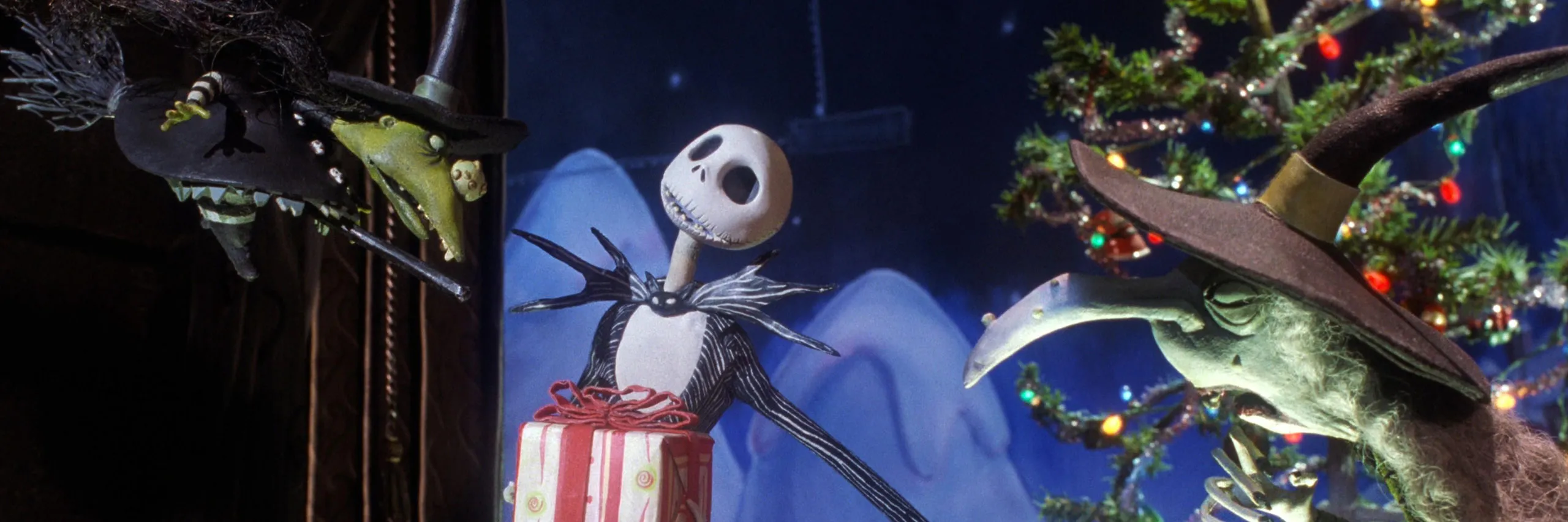
 The Nightmare Before Christmas (1993)
Holiday Horror
Celebration corrupted. Christmas, Halloween, and every occasion meant to bring people together, filled with murder and dread — the decorations become ominous, the traditions become traps.
History & Origins
Holiday horror corrupts celebration. These films take the occasions meant to bring people together — Christmas, Halloween, Valentine's Day, Thanksgiving — and fill them with murder, dread, and the systematic destruction of everything the holiday represents. Chris Vander Kaay's Horror Films by Subgenre (2016) names the form's defining quality: "the fear and isolation of a horror movie taking place right in the middle of the festivities. The injury may be that you're going to die, but the insult is that all of those presents are going to forever go unopened." The decorations become ominous, the traditions become traps, and the seasonal cheer becomes a mask for something terrible.
The form's two foundational texts arrived four years apart. Bob Clark's Black Christmas (1974), what Nina Nesseth in Nightmare Fuel calls "the first of the new slasher subgenre," placed an unseen killer inside a sorority house during the winter break — a film Murray Leeder identifies in Horror Film: A Critical Introduction (2018) as the inspiration that producer Irwin Yablans took to John Carpenter for what would become Halloween (1978). Carpenter's film is both the subgenre's most famous example and its least typical: the holiday is more setting than subject, a backdrop of jack-o'-lanterns and trick-or-treaters for Michael Myers's homecoming. Halloween became, per Clark Collis in Screaming and Conjuring (2025), "the most successful independent film of all time" with a $46 million domestic gross.
The 1980s slasher cycle ran through every holiday on the calendar. Lewis Jackson's Christmas Evil (1980) and Silent Night, Deadly Night (1984) — the latter provoking, per Adam Rockoff's Going to Pieces (2002), "100 concerned citizens picket[ing] the film and protest[ing] by singing Christmas carols" — turned the Santa Claus figure into killer. George Mihalka's My Bloody Valentine (1981), Fred Walton's April Fool's Day (1986), and Tommy Lee Wallace's Halloween III: Season of the Witch (1982) — Carpenter's attempt at converting the Halloween franchise into a stand-alone-stories anthology — each claimed their respective celebrations. Joe Dante's Gremlins (1984), treated separately on horror comedy, ran the Christmas-corruption template as A-list studio commercial. René Manzor's French Dial Code Santa Claus (1990) — long forgotten, finally rediscovered as a Home Alone precursor — pushed the form into family-horror territory.
The 1990s-2000s expansion produced franchise extensions and the post-Scream meta-slasher application. Mark Jones's Leprechaun (1993) built a St. Patrick's Day franchise from a Warwick Davis vehicle. Jamie Blanks's Valentine (2001) ran the corrupted-celebration template into the post-Scream slasher revival. Michael Dougherty's Trick 'r Treat (2007) — what Mike Mendez called "the ultimate Halloween film" per Collis — arrived as a four-story Halloween anthology that built its cult following on home video after Warner Bros. declined a theatrical release; Dougherty returned in 2015 with Krampus, the Christmas-monster picture that grossed $42 million theatrically with Toni Collette in the lead.
The 2017-2024 wave has been the form's most commercially confident. Chris Peckover's Better Watch Out (2017) flipped the home-invasion premise inside-out for a Christmas-night-with-the-babysitter setup. John McPhail's Scottish Anna and the Apocalypse (2018), treated separately on horror musical, ran the Christmas zom-com as song-and-dance. David Gordon Green's Halloween (2018) trilogy restarted Carpenter's franchise with Jamie Lee Curtis returning as Laurie Strode. Joe Begos's Christmas Bloody Christmas (2022) ran a killer-animatronic-Santa rampage in 1980s-coded video-store register. Eli Roth's Thanksgiving (2023), adapted from his 2007 Grindhouse fake-trailer, claimed the November holiday. Damien Leone's Terrifier 3 (2024) relocated Art the Clown to a December Christmas-mall massacre — the form's contemporary commercial peak. Holiday horror endures because the holiday calendar itself is unlimited: anywhere people gather to celebrate is somewhere the form can colonize.
Sources: Clark Collis, Screaming and Conjuring (2025); Chris Vander Kaay and Kathleen Fernandez-Vander Kaay, Horror Films by Subgenre (2016); Nina Nesseth, Nightmare Fuel: The Science of Horror Films; Adam Rockoff, Going to Pieces: The Rise and Fall of the Slasher Film, 1978–1986 (2002).
Essential Films
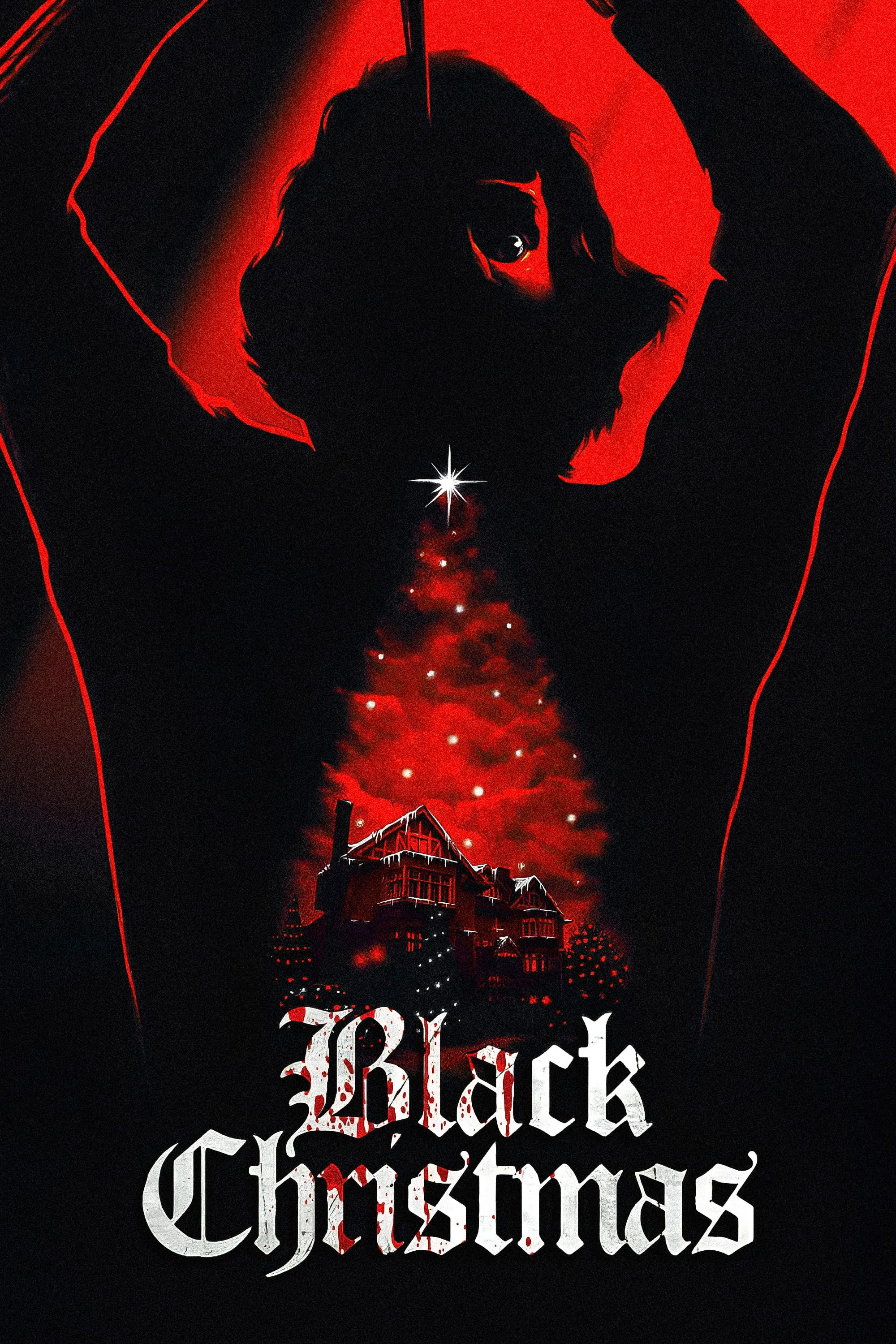
Black Christmas
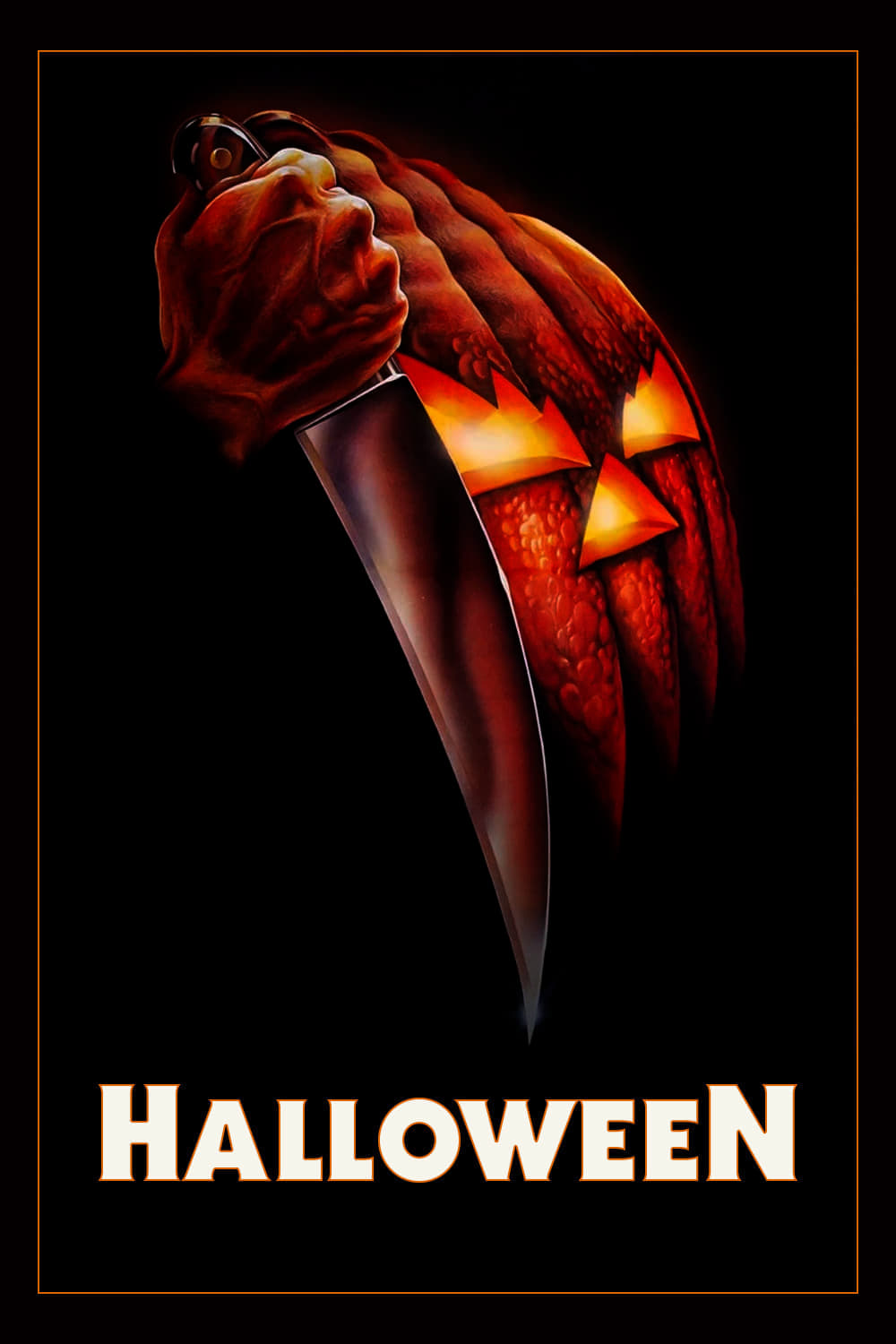
Halloween
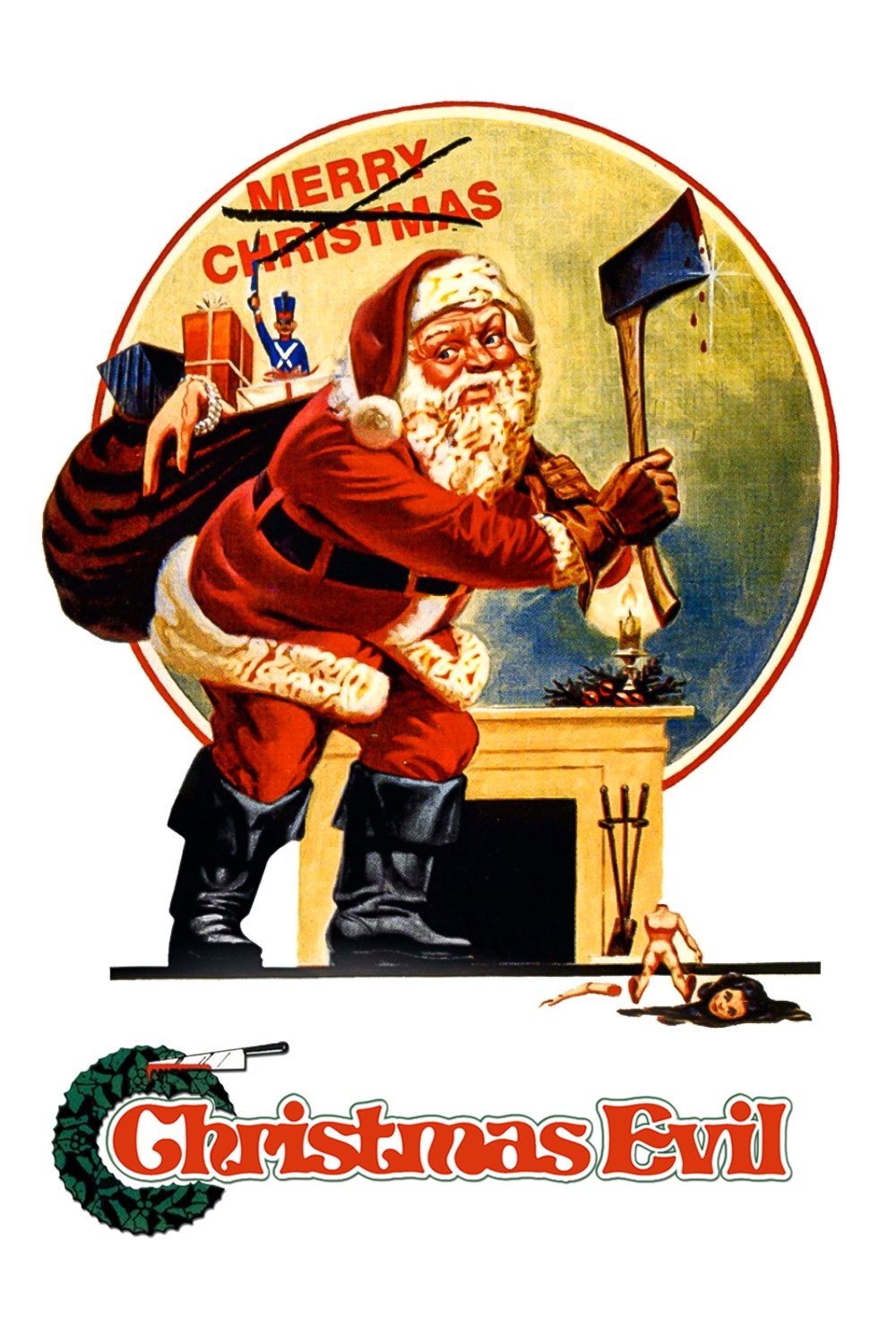
Christmas Evil
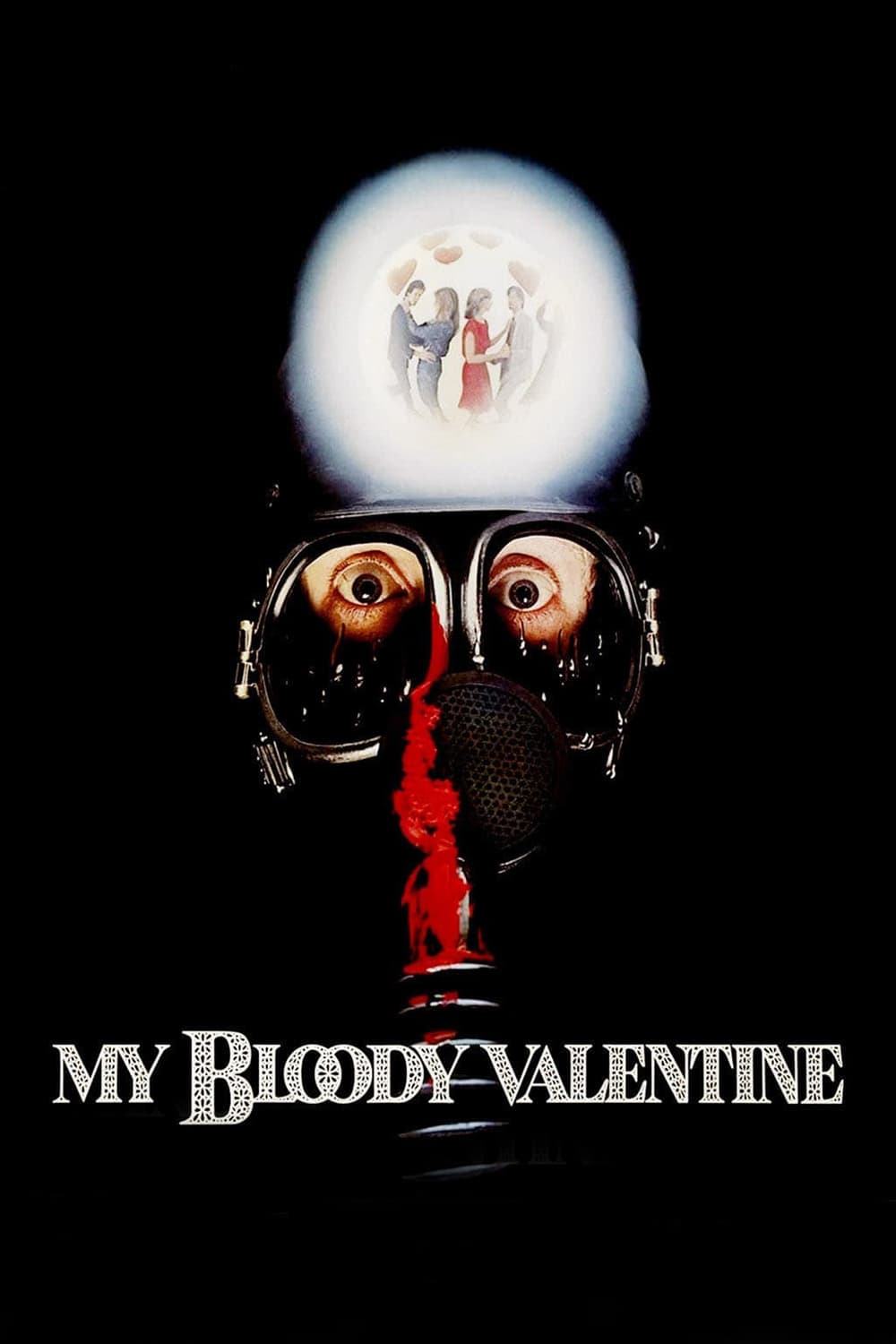
My Bloody Valentine
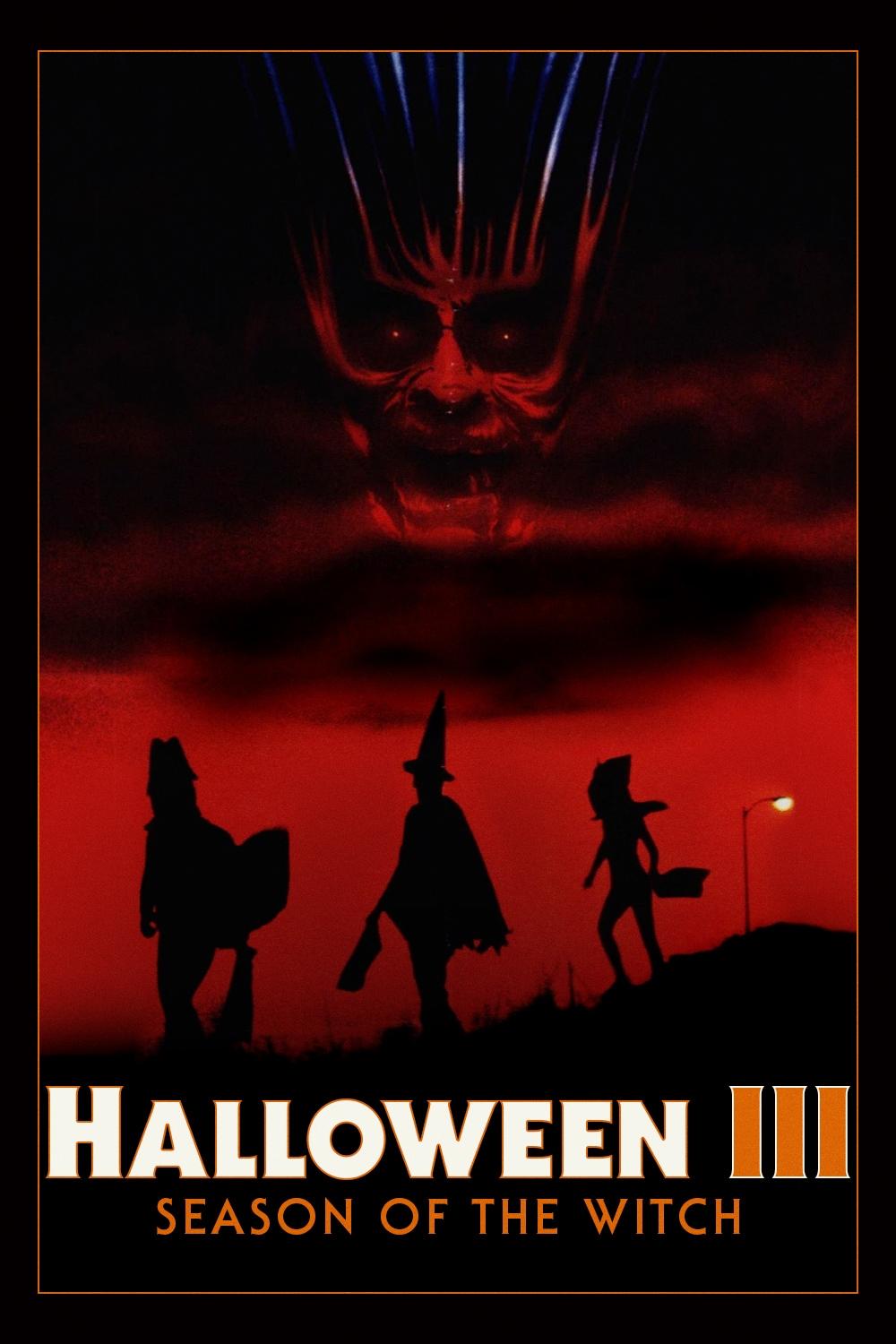
Halloween III: Season of the Witch
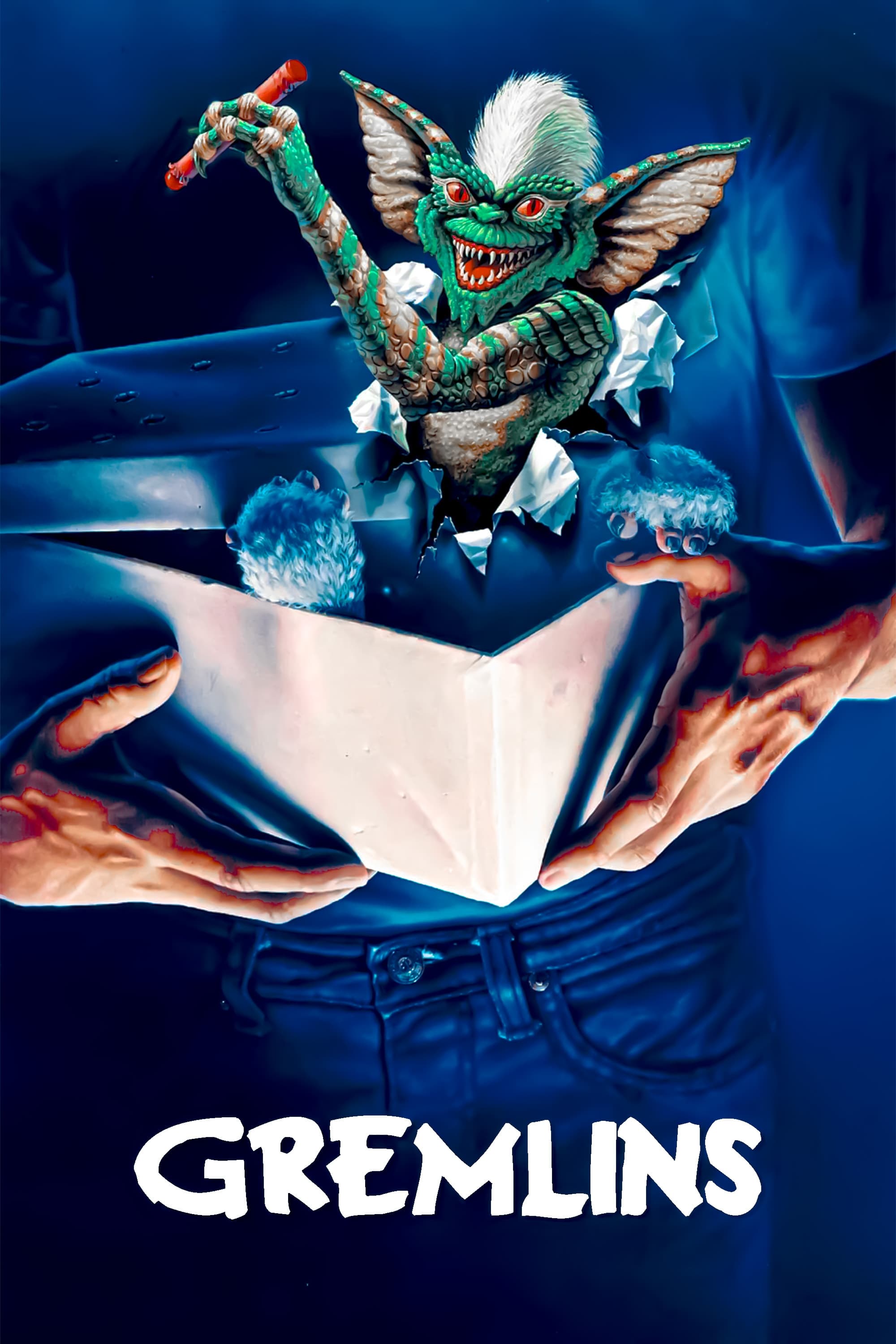
Gremlins
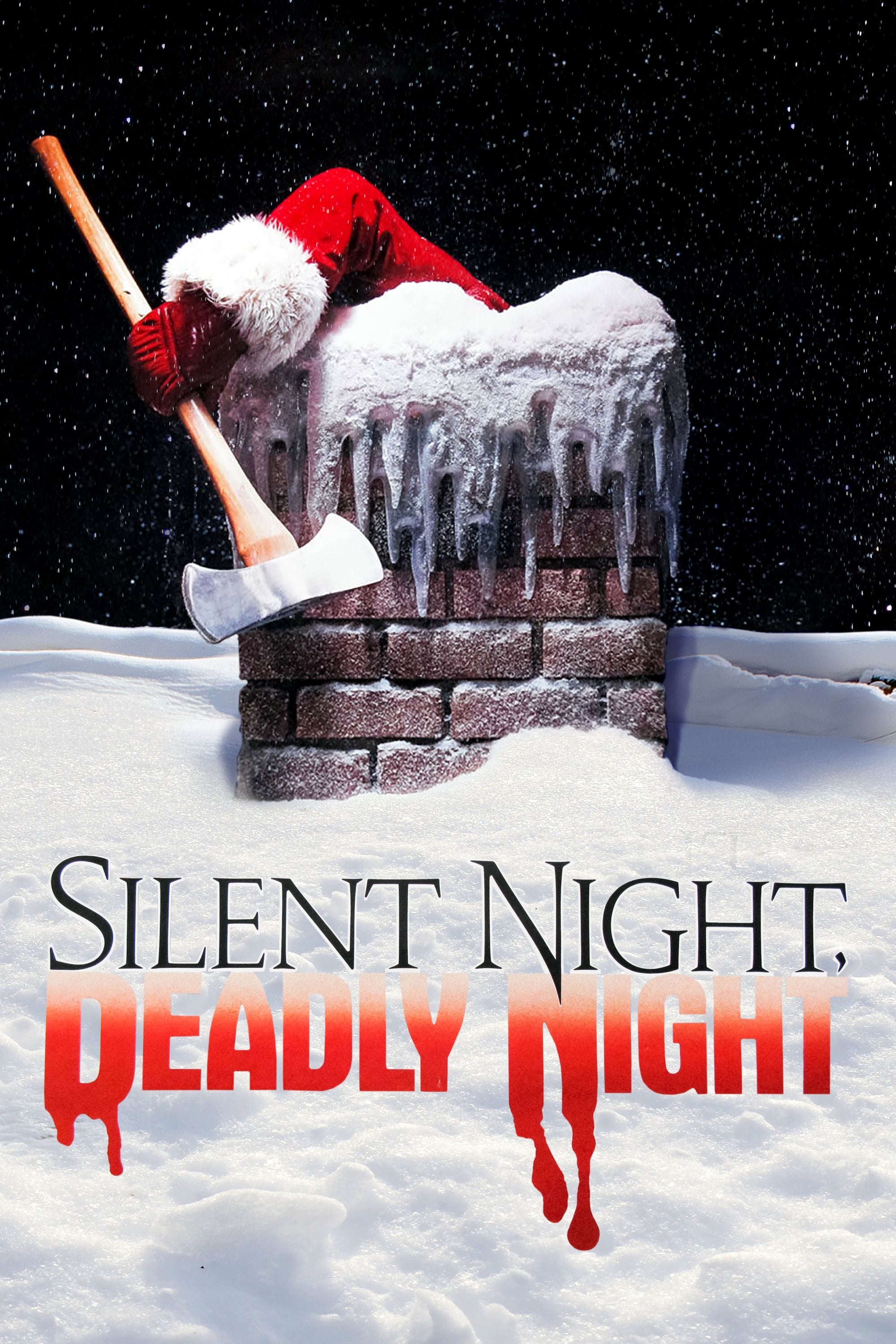
Silent Night, Deadly Night
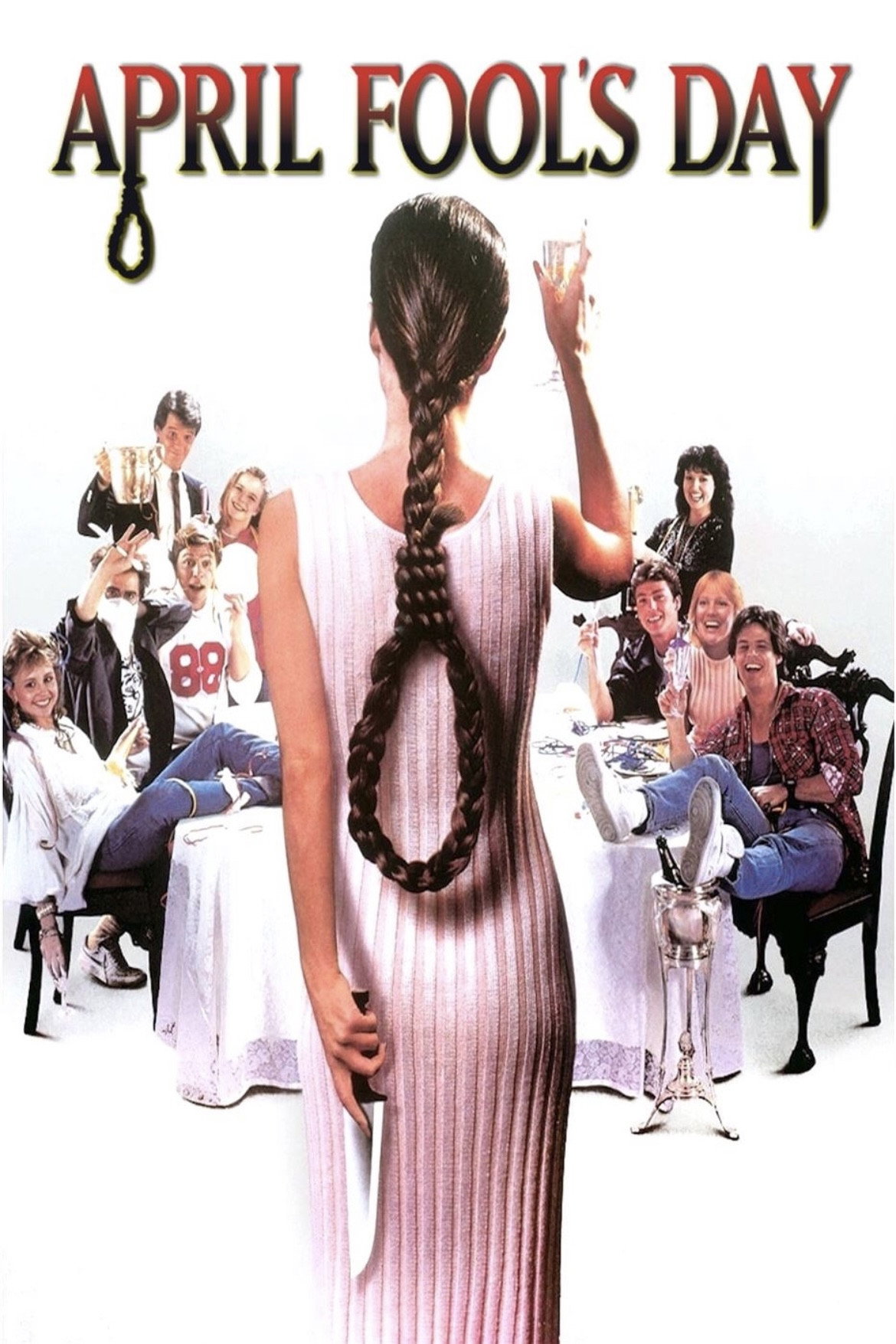
April Fool's Day
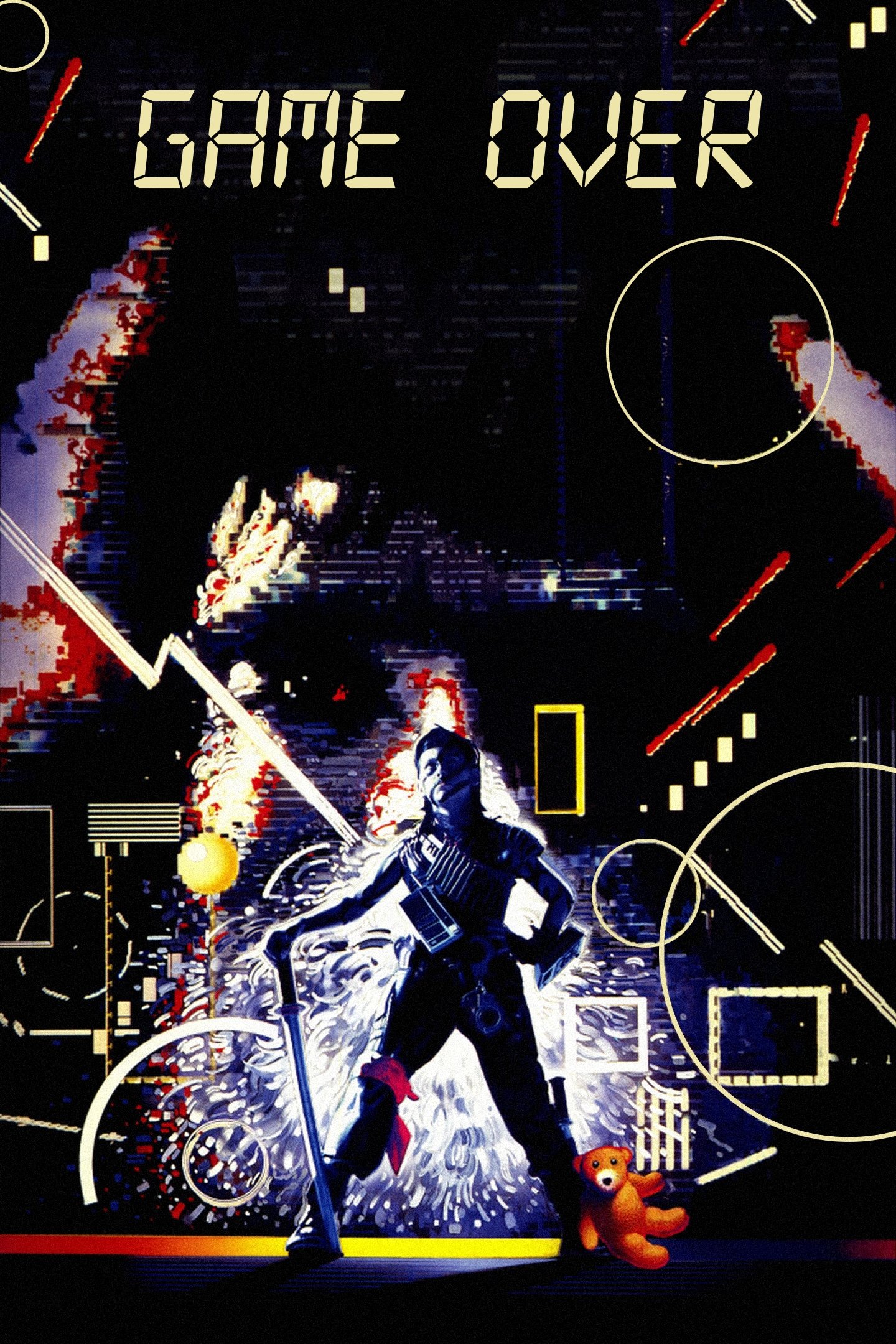
Dial Code Santa Claus
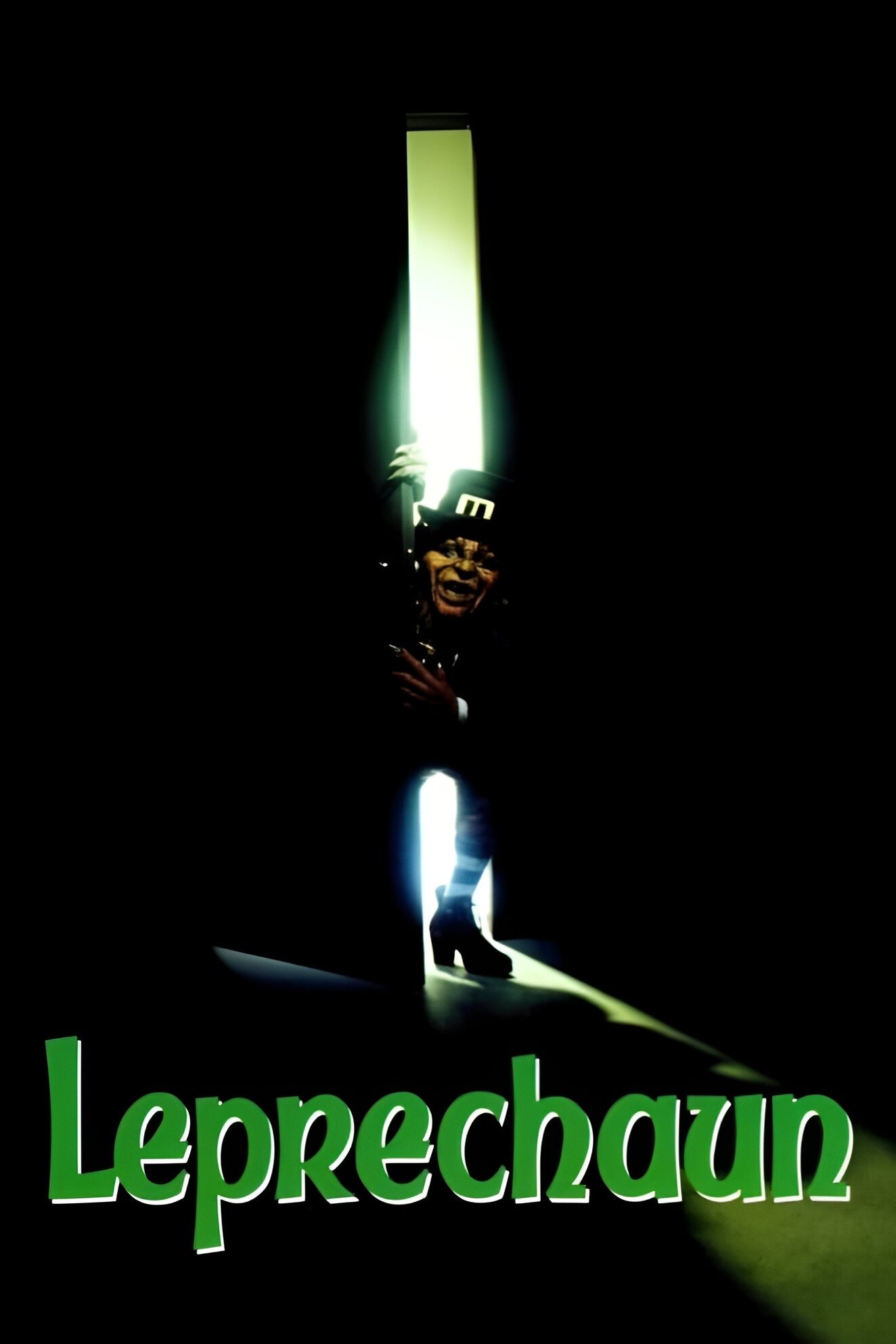
Leprechaun
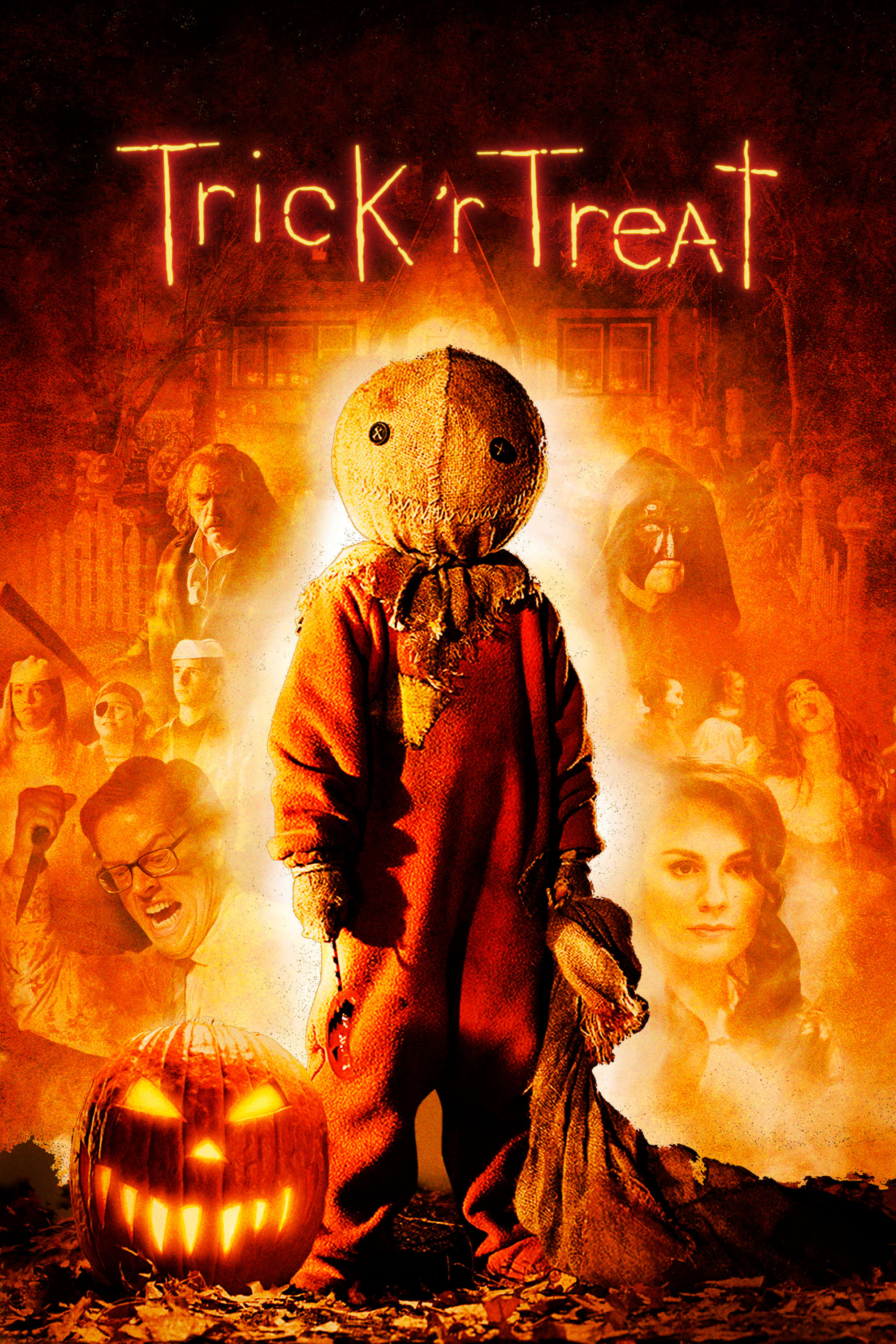
Trick 'r Treat
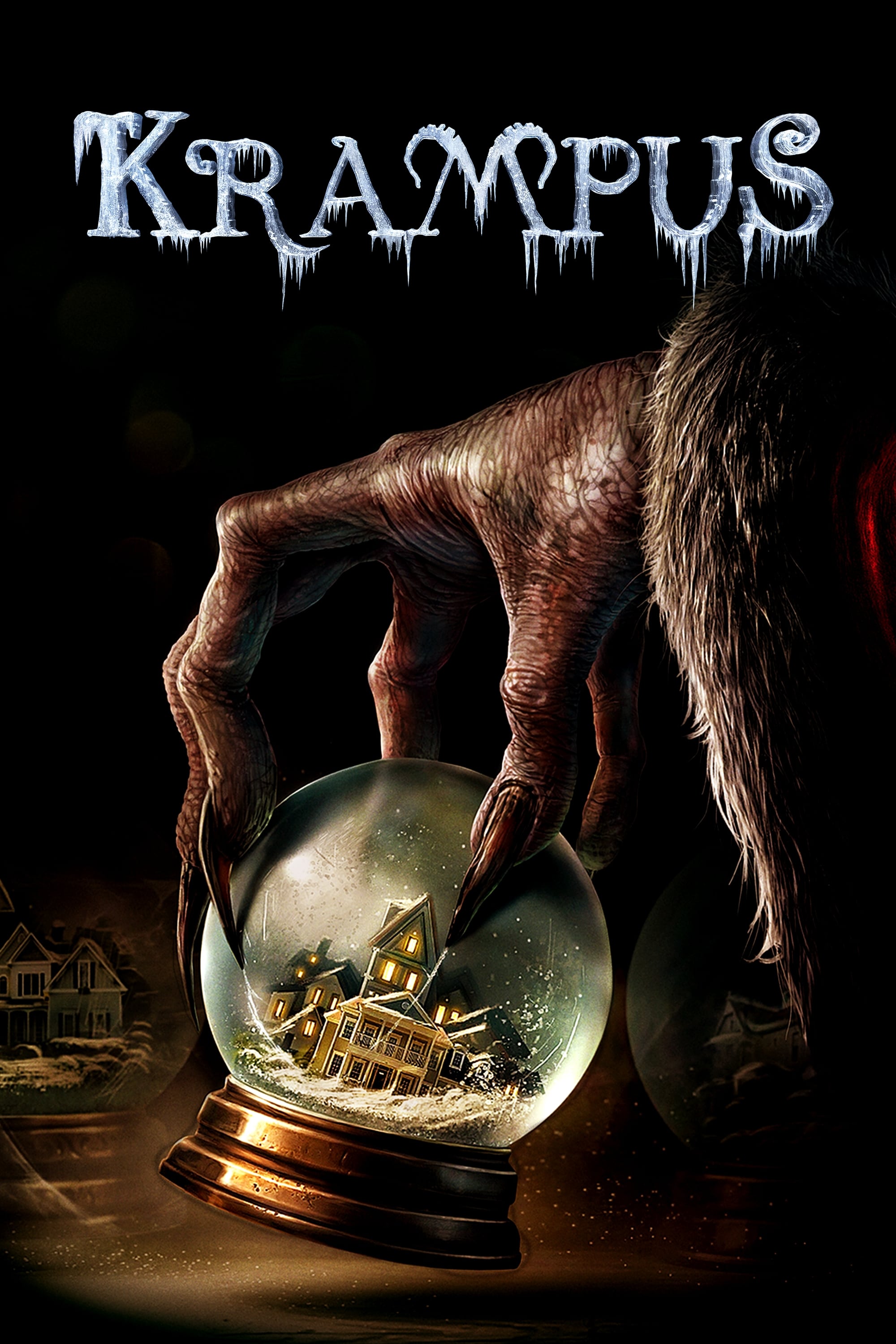
Krampus
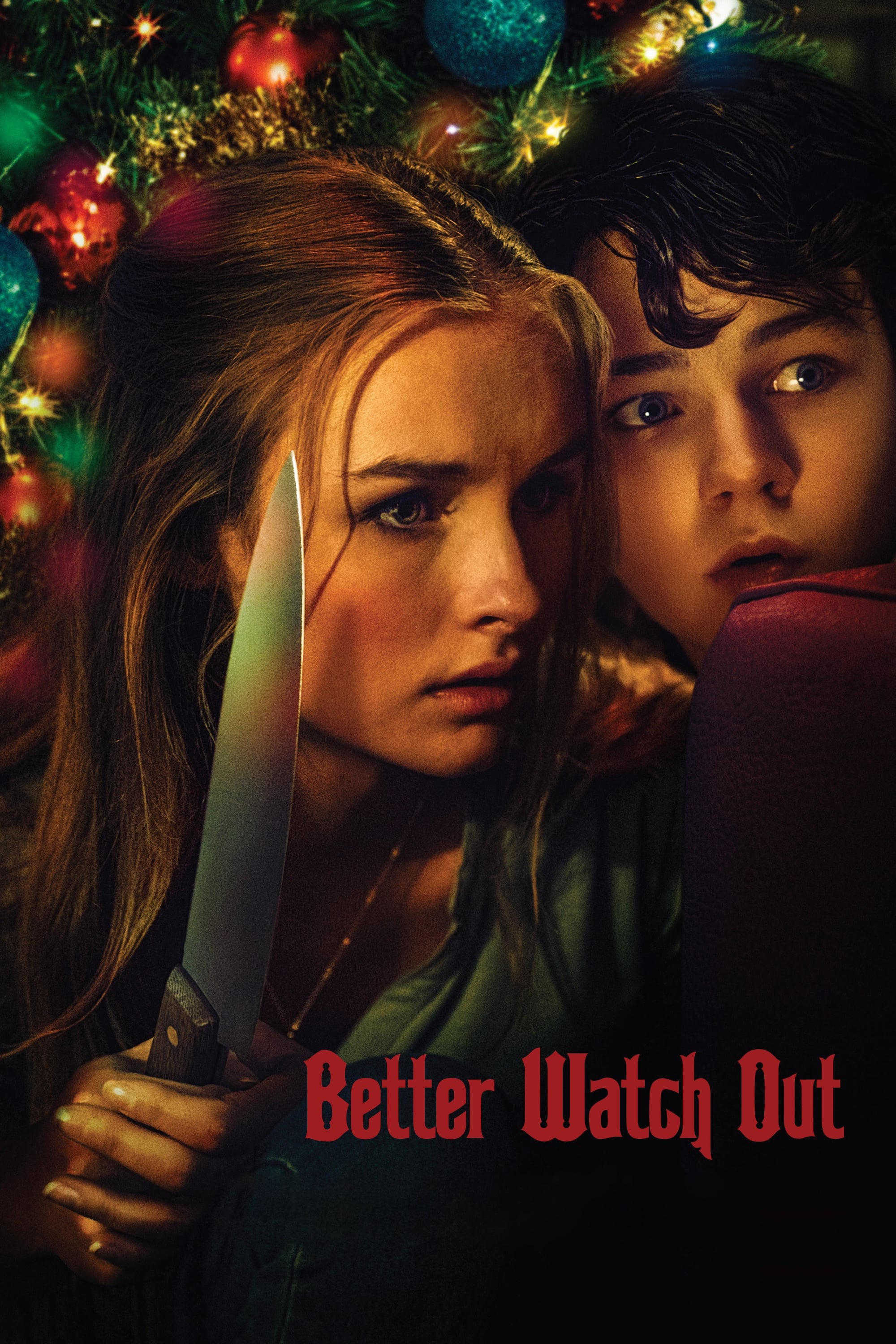
Better Watch Out
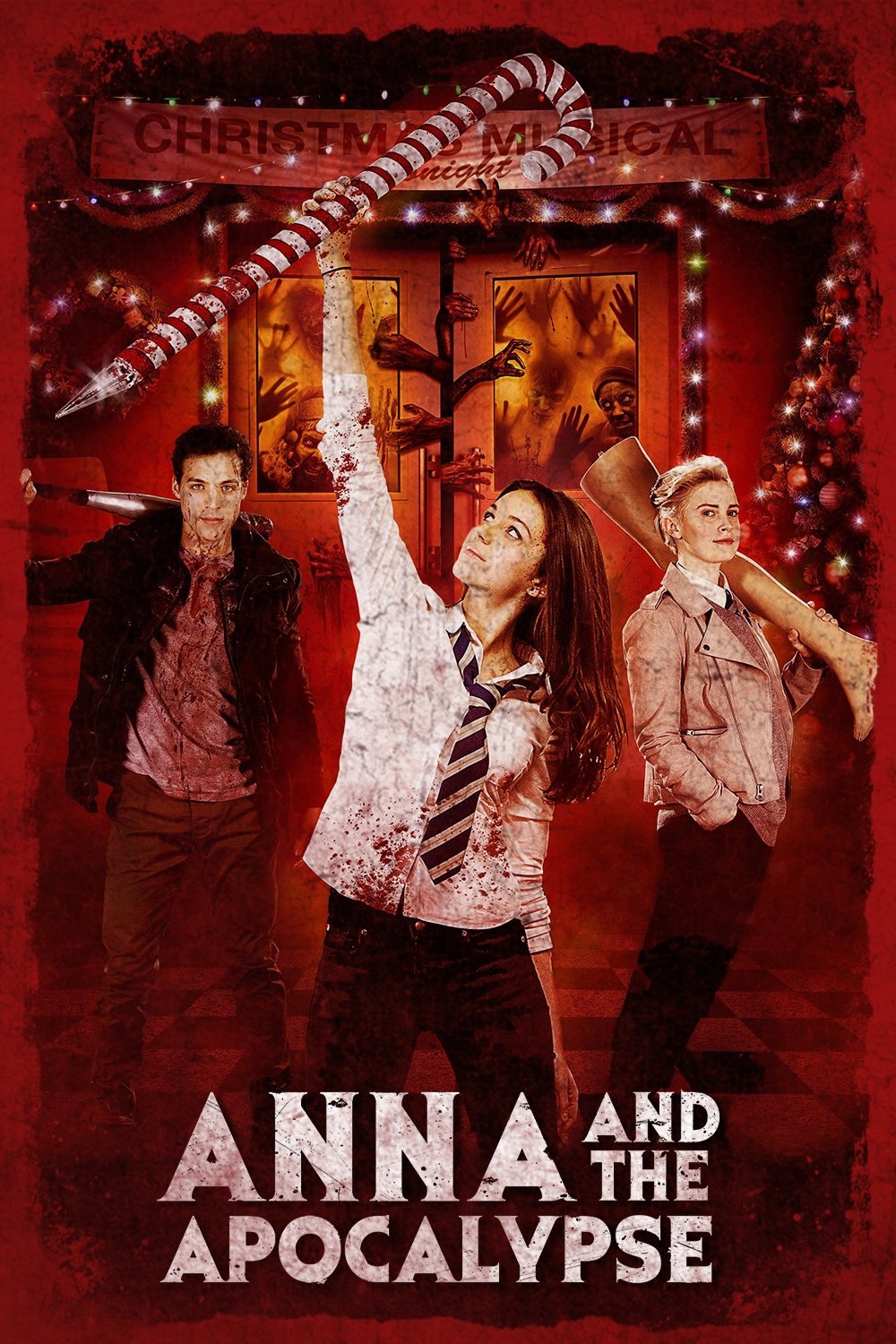
Anna and the Apocalypse
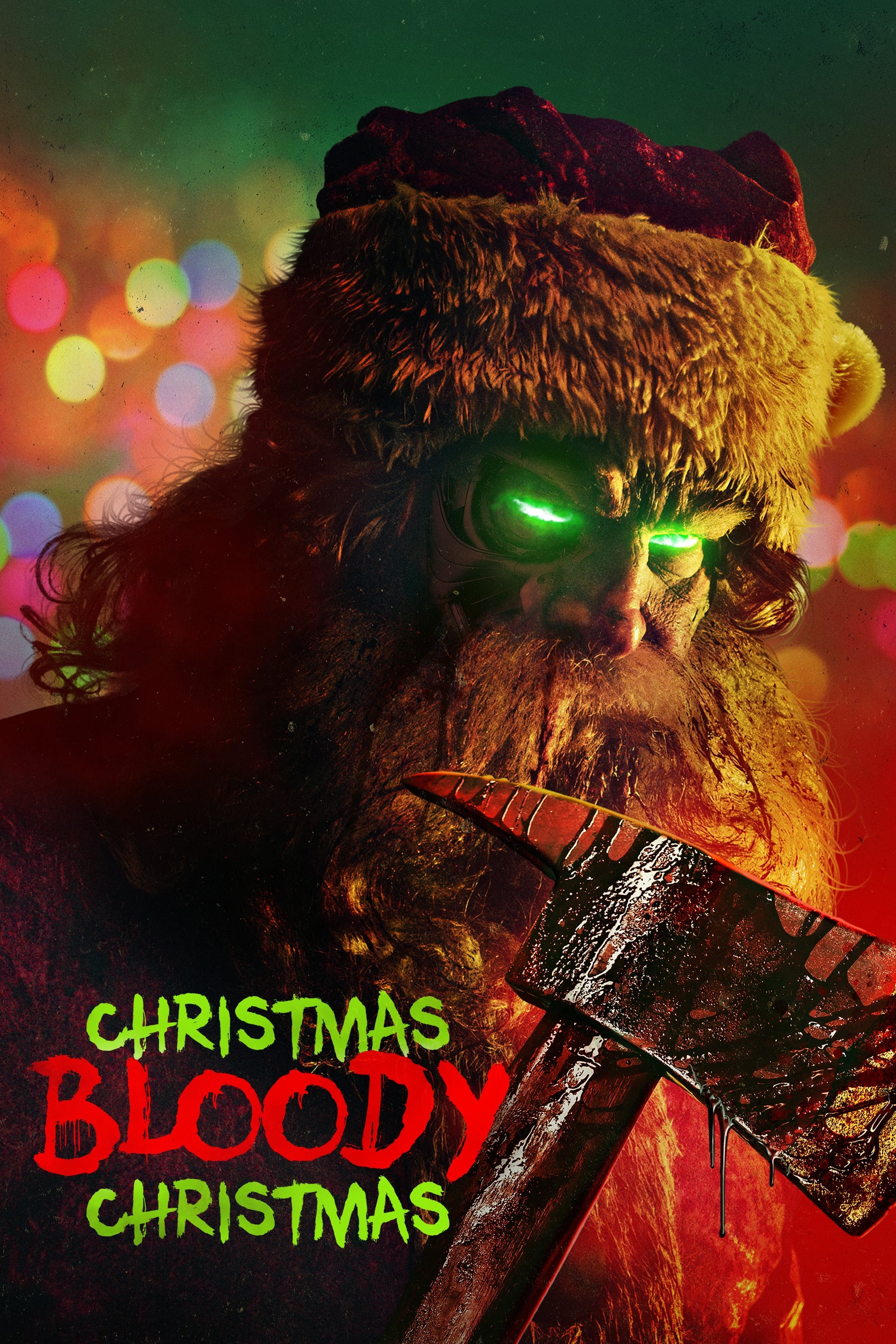
Christmas Bloody Christmas
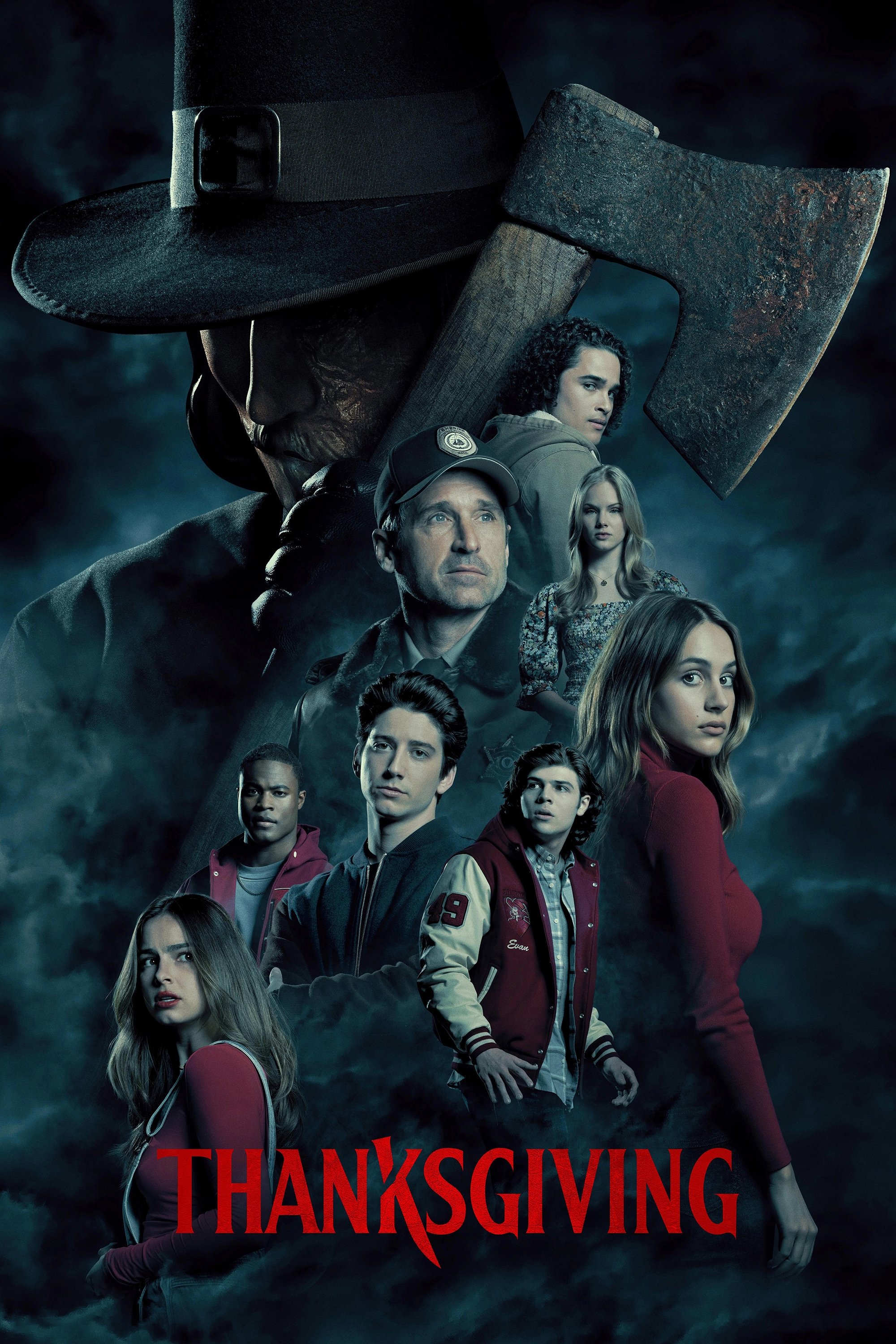
Thanksgiving

Terrifier 3
Statistics
Popularity by Decade
Share of each decade's horror films classified as Holiday Horror. Counts films with at least 5 TMDB ratings, so very obscure titles are not represented.
Popularity by Country
Share of each country's horror output classified as Holiday Horror. Counts films with at least 5 TMDB ratings, so very obscure titles are not represented.