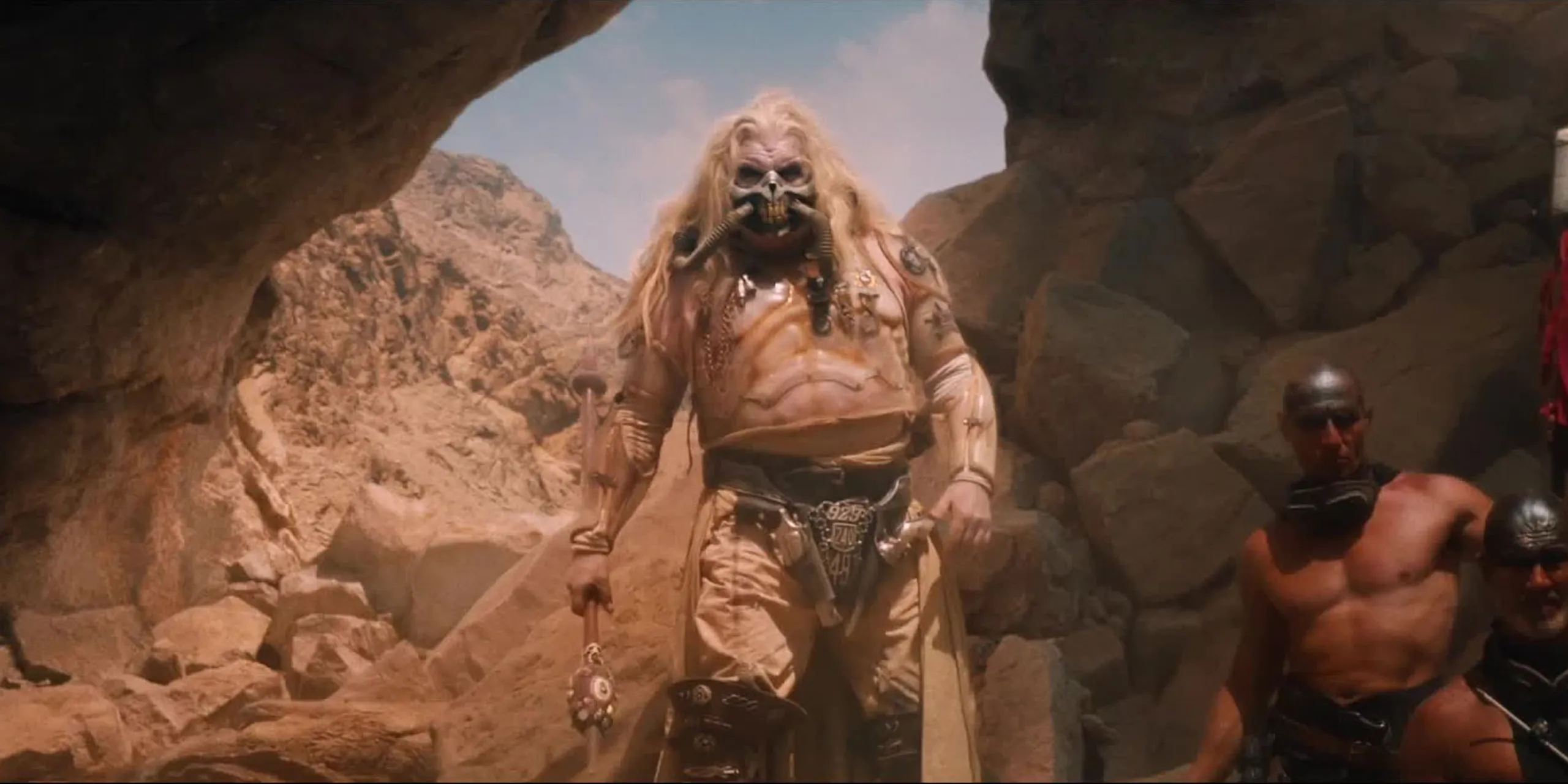
 Mad Max: Fury Road (2015)
Post-Apocalyptic
After the end. Civilization gone, social structures erased, and the survivors discovering what human nature defaults to when every system fails.
History & Origins
Post-apocalyptic horror takes place after the end — after the bombs, the plague, the collapse, the extinction event. Civilization is gone or reduced to remnants, and the survivors must navigate a world where every social structure they depended on has been erased. The horror is not the apocalypse itself but what comes after: the discovery that in the absence of law, community, and hope, human nature defaults to something terrifying.
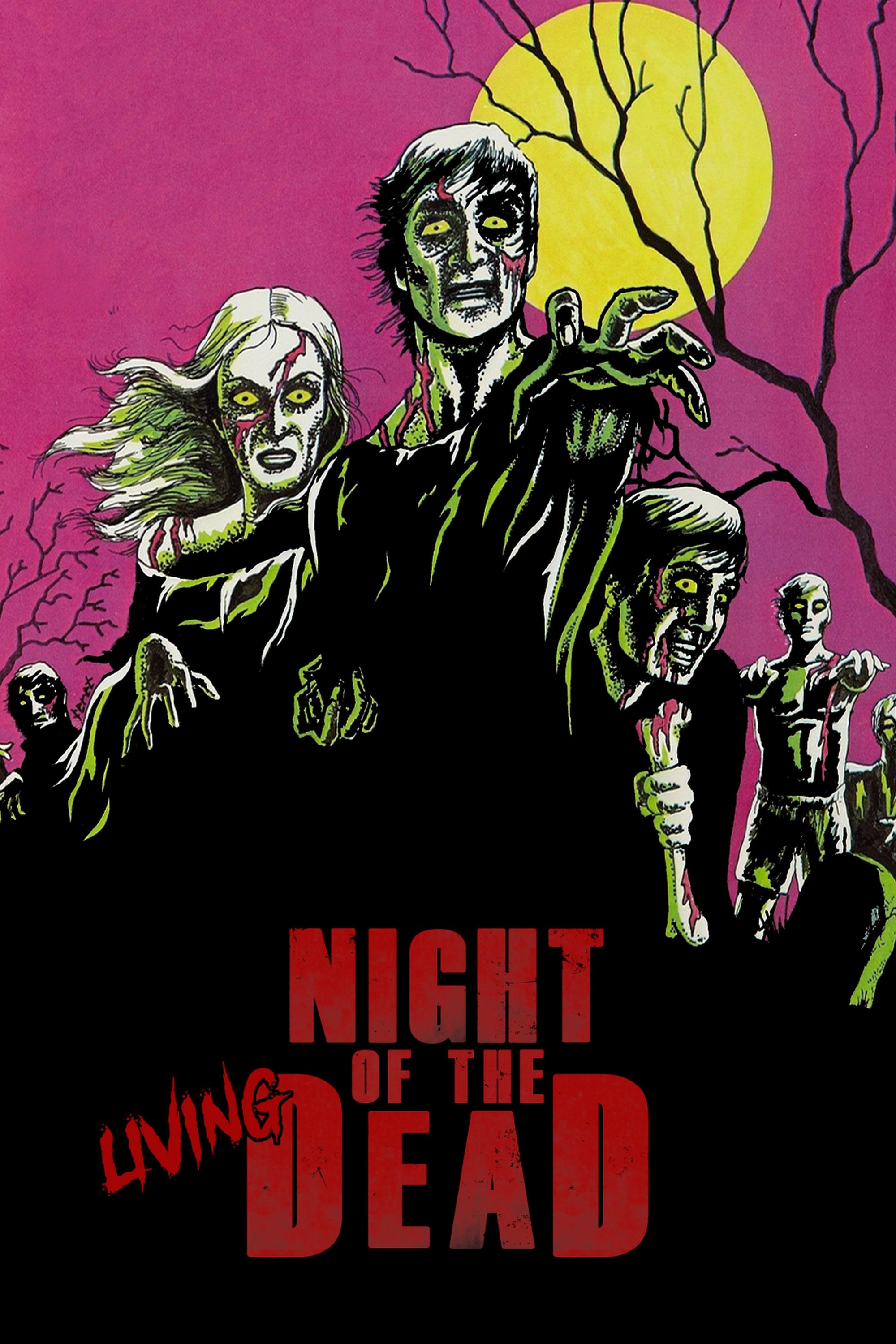
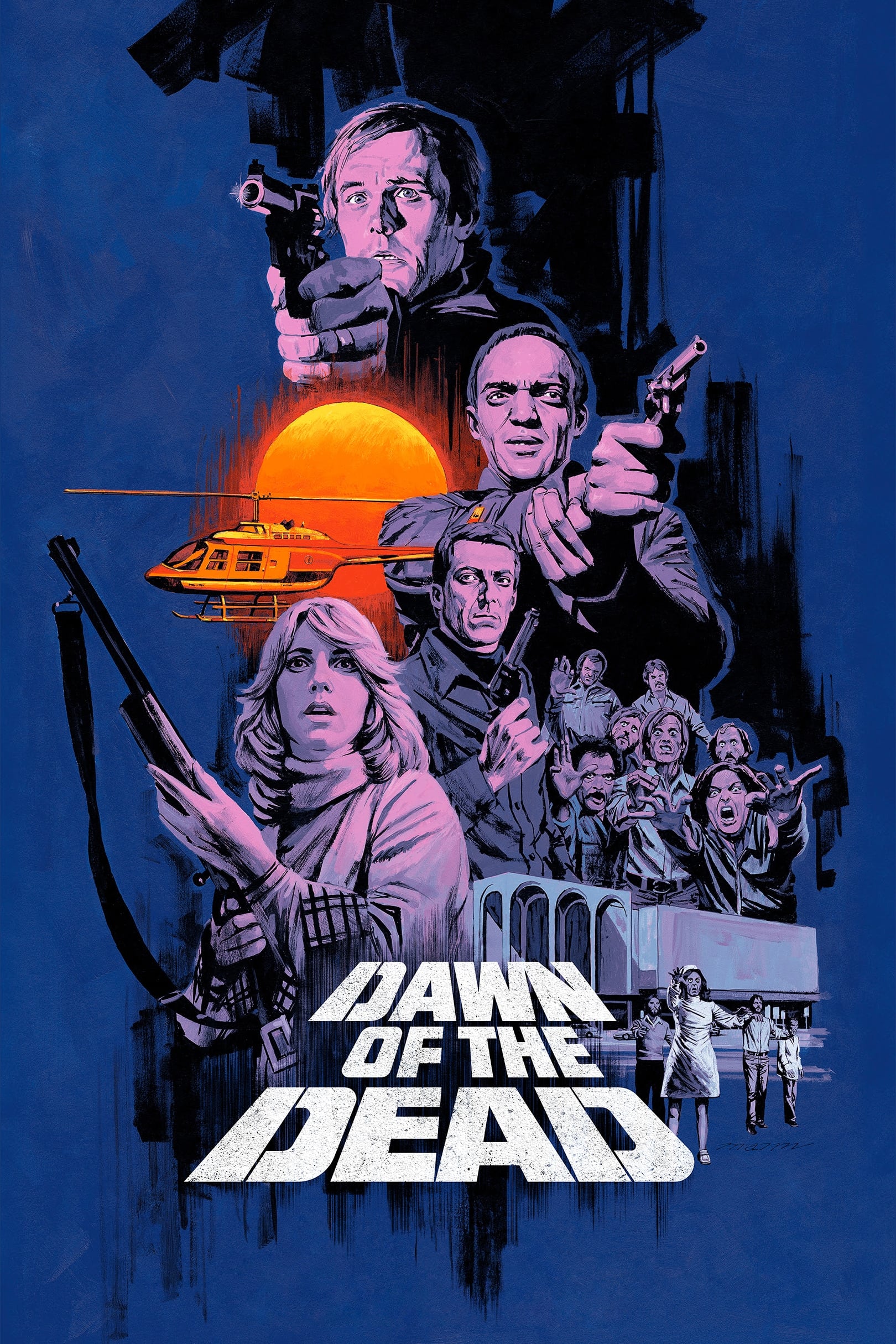
George A. Romero's living-dead trilogy provides the form's foundational template. Robin Wood's Hollywood from Vietnam to Reagan (1986) identifies Night of the Living Dead (1968) and Dawn of the Dead (1978) as Romero's "Apocalypse Now" — "among the most powerful, fascinating and complex of modern horror films." Day of the Dead (1985) closed the original trilogy in a military-bunker register. Each successive film takes place in a world further along the curve of collapse, from the farmhouse of Night to the mall of Dawn to the military bunker of Day — the most influential structural argument the subgenre has ever made.
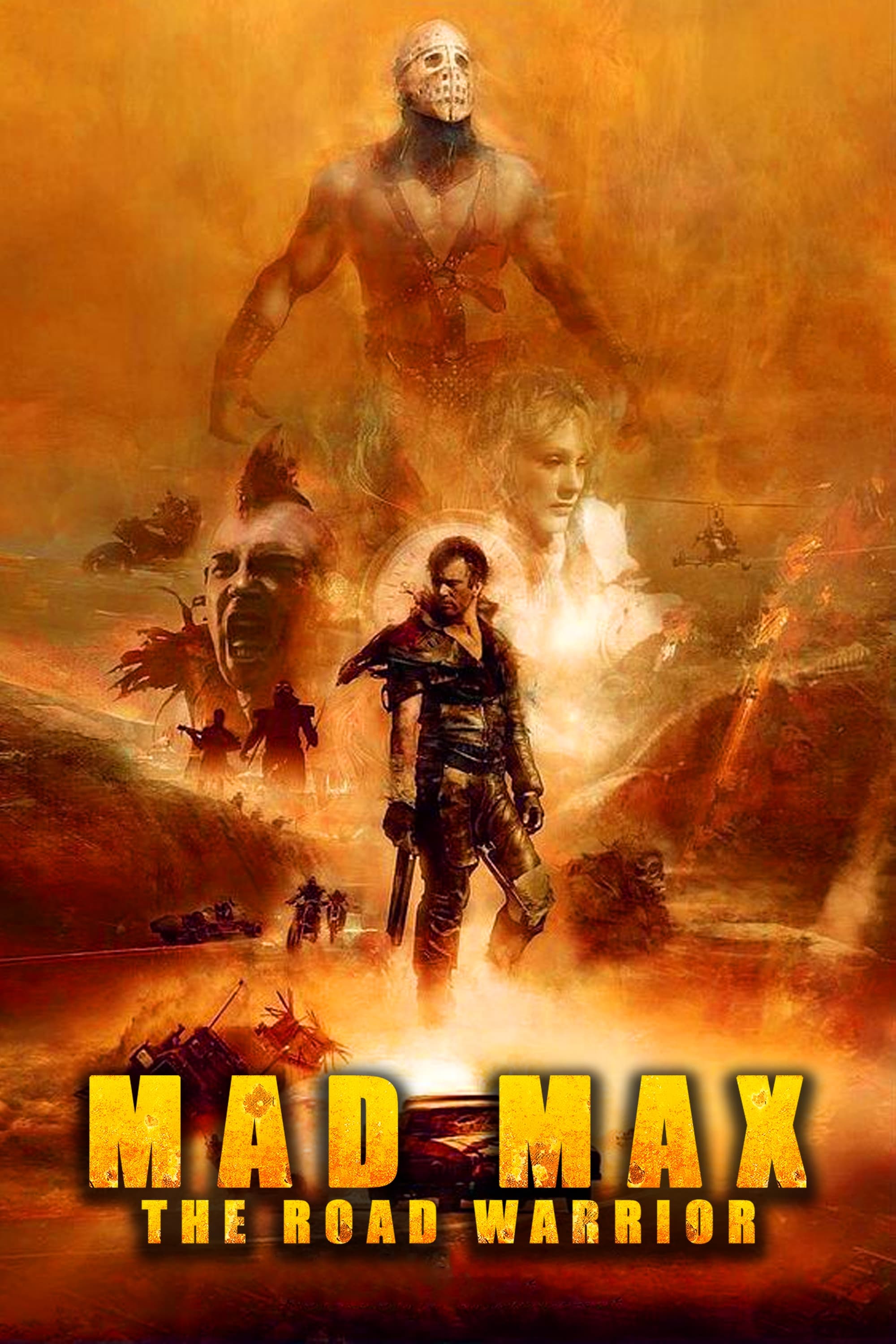
The 1981-1985 wave parallels Romero with two other foundational projects. George Miller's Mad Max 2 (1981), the Australian film Mathijs and Mendik's 100 Cult Films (2011) describe as having "no order, not even some vigilante justice... a maelstrom of decay," established the dust-and-leather post-collapse aesthetic every subsequent wasteland picture has either followed or reacted against. Geoff Murphy's New Zealand The Quiet Earth (1985) ran the last-man-on-Earth premise as quiet metaphysical horror. Mick Jackson's BBC Threads (1985), treated separately on war horror, dramatized the long aftermath of a nuclear strike on Sheffield. The Reagan-Thatcher era's nuclear anxieties produced a subgenre whose tone was unrelievedly bleak.
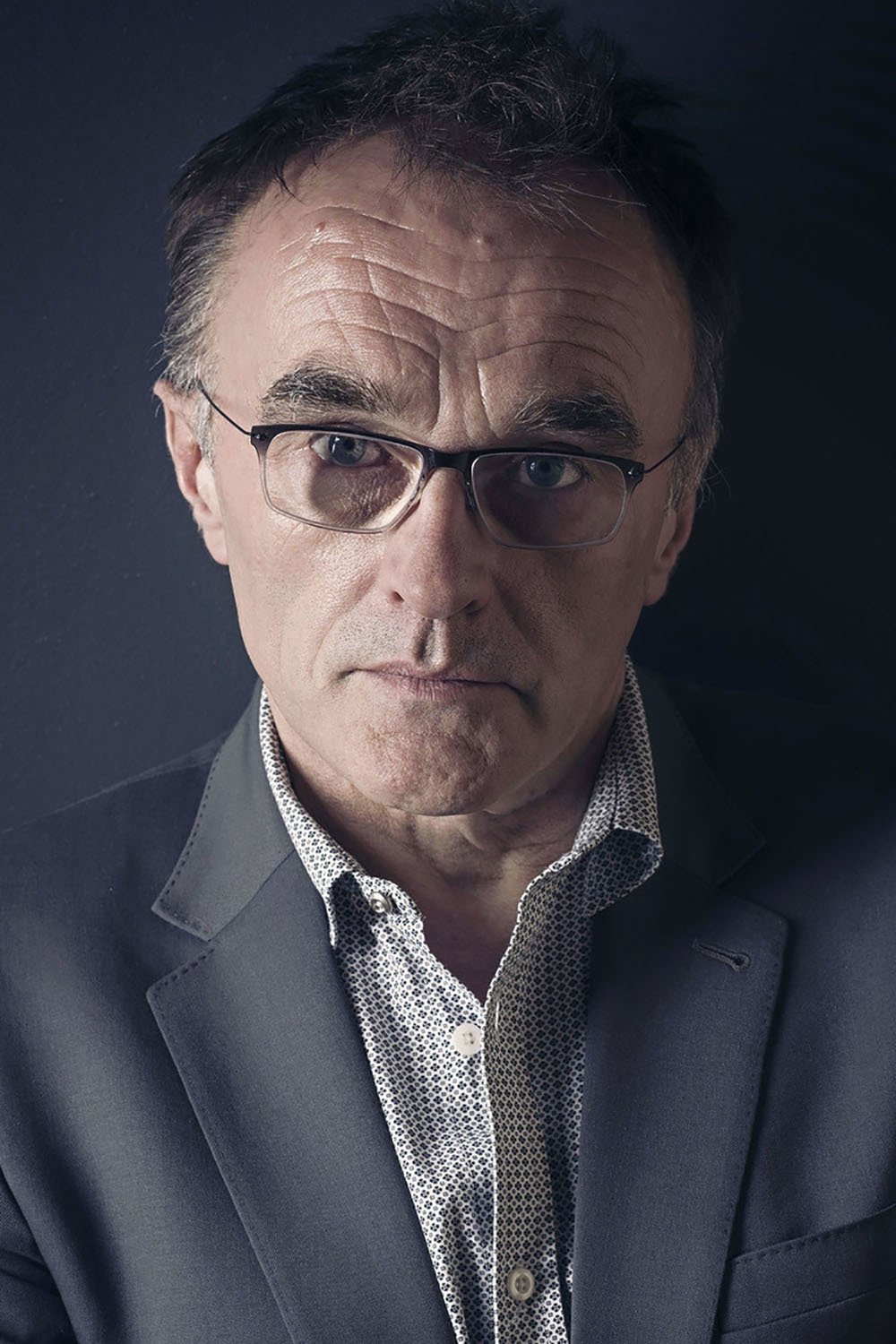
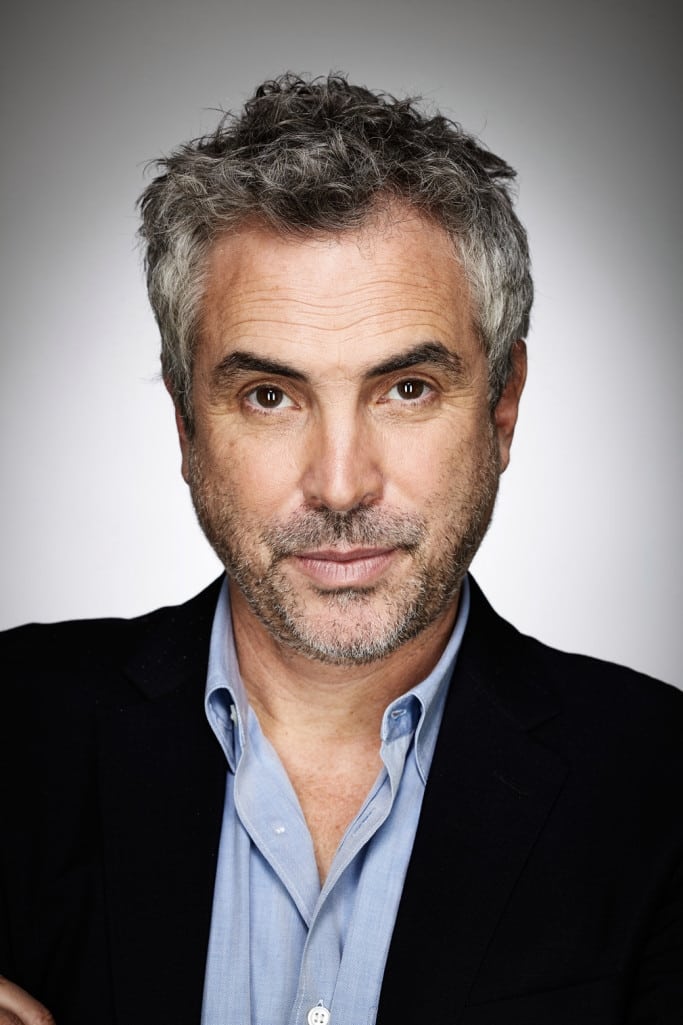
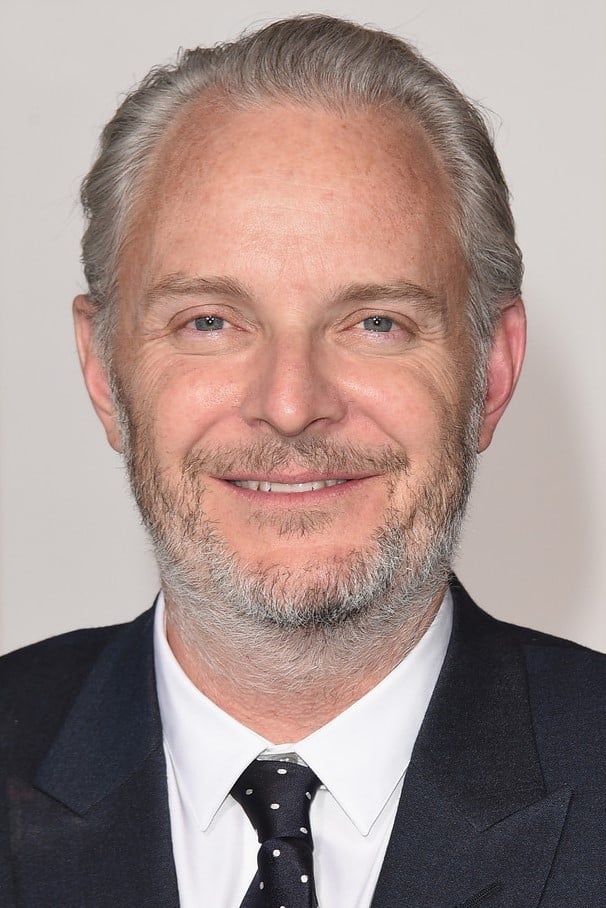
The 21st-century revival began with two anchor texts. Danny Boyle's 28 Days Later (2002), what Ian Fryer in The British Horror Film calls Boyle's "reinvention of the zombie movie," sent Cillian Murphy's bicycle courier through depopulated London after a Rage virus outbreak — its fast-moving infected dramatically updating the lurching-corpse aesthetic. Alfonso Cuarón's Children of Men (2006), with its long-take refugee-camp battle sequence, transferred the form to a barren-of-children Britain. Francis Lawrence's I Am Legend (2007), the third major adaptation of Richard Matheson's novel, ran the depopulated Manhattan premise as Will Smith vehicle. Juan Carlos Fresnadillo's 28 Weeks Later (2007) extended Boyle's universe under the occupation register. John Hillcoat's The Road (2009) adapted Cormac McCarthy's novel with Viggo Mortensen on a cannibal-haunted highway. Albert Hughes's The Book of Eli (2010), with Denzel Washington, ran the religious-pilgrimage variant.
The 2013-2025 cycle has been the form's most internationally distributed. Bong Joon Ho's Snowpiercer (2013) located the post-collapse society inside a perpetual-motion train. George Miller's Mad Max: Fury Road (2015) relaunched his decades-dormant franchise with Charlize Theron's Furiosa as new central figure. Yeon Sang-ho's Train to Busan (2016), treated separately on South Korea, fused Romero with K-melodrama and became the highest-grossing zombie film outside Hollywood. Trey Edward Shults's It Comes at Night (2017) ran the form as paranoid family-cabin horror. John Krasinski's A Quiet Place (2018) and its sequel Part II (2021) converted the form into sensory-cinema event with Emily Blunt and Krasinski as the survivors of a post-creature world. Cho Il-hyung's Korean #Alive (2020) ran the form as smartphone-isolated Seoul apartment-block survival. Susanne Bier's Bird Box (2018) did the same trick with blindfolds. Danny Boyle returned with 28 Years Later (2025), closing the franchise that opened the modern cycle. Post-apocalyptic horror persists because the question it poses is no longer hypothetical: it is the logical extension of anxieties we carry every day.
Sources: Ian Fryer, The British Horror Film: From the Silent to the Multiplex; Ernest Mathijs and Xavier Mendik, 100 Cult Films.
Essential Films
Night of the Living Dead
Dawn of the Dead
Mad Max 2
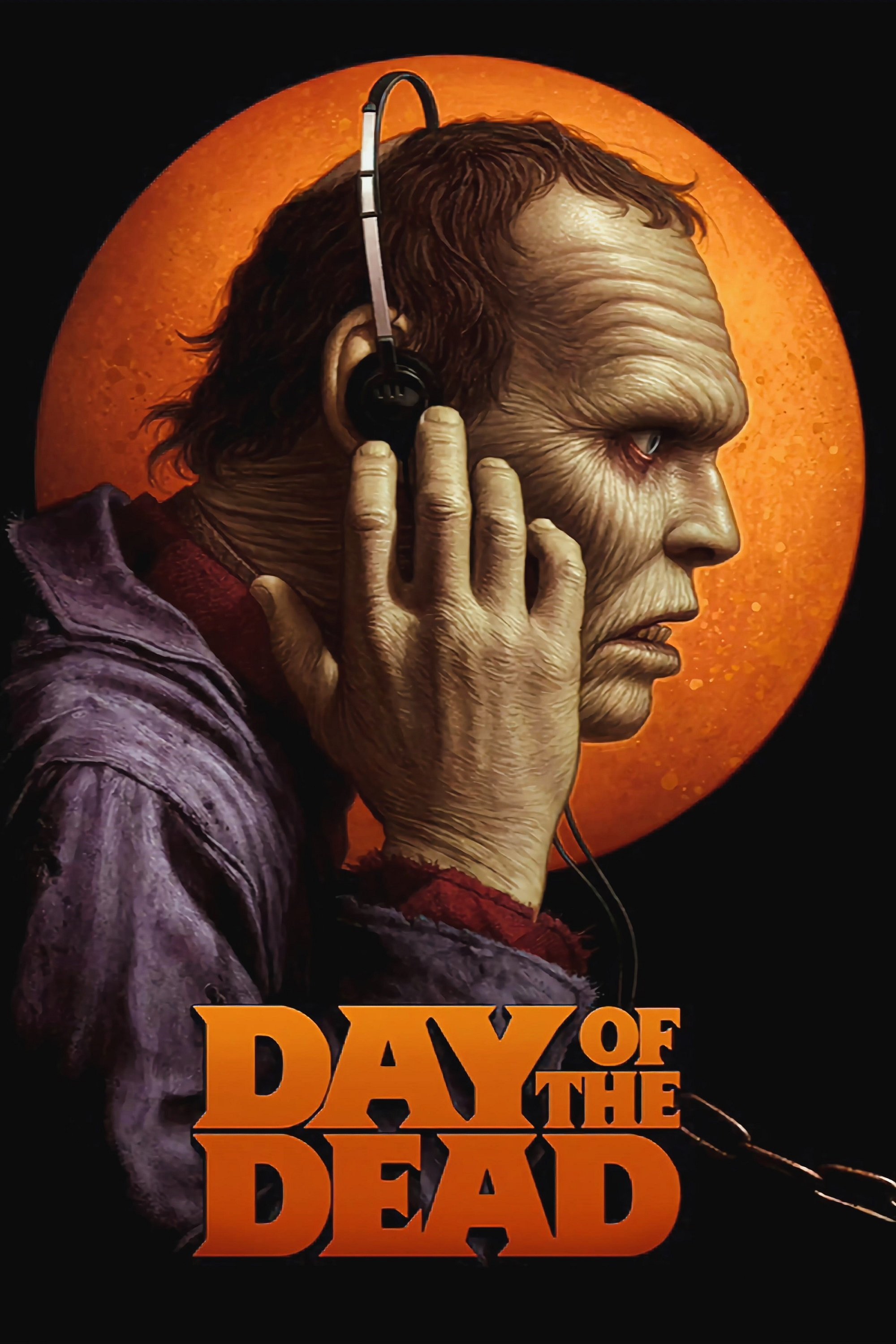
Day of the Dead
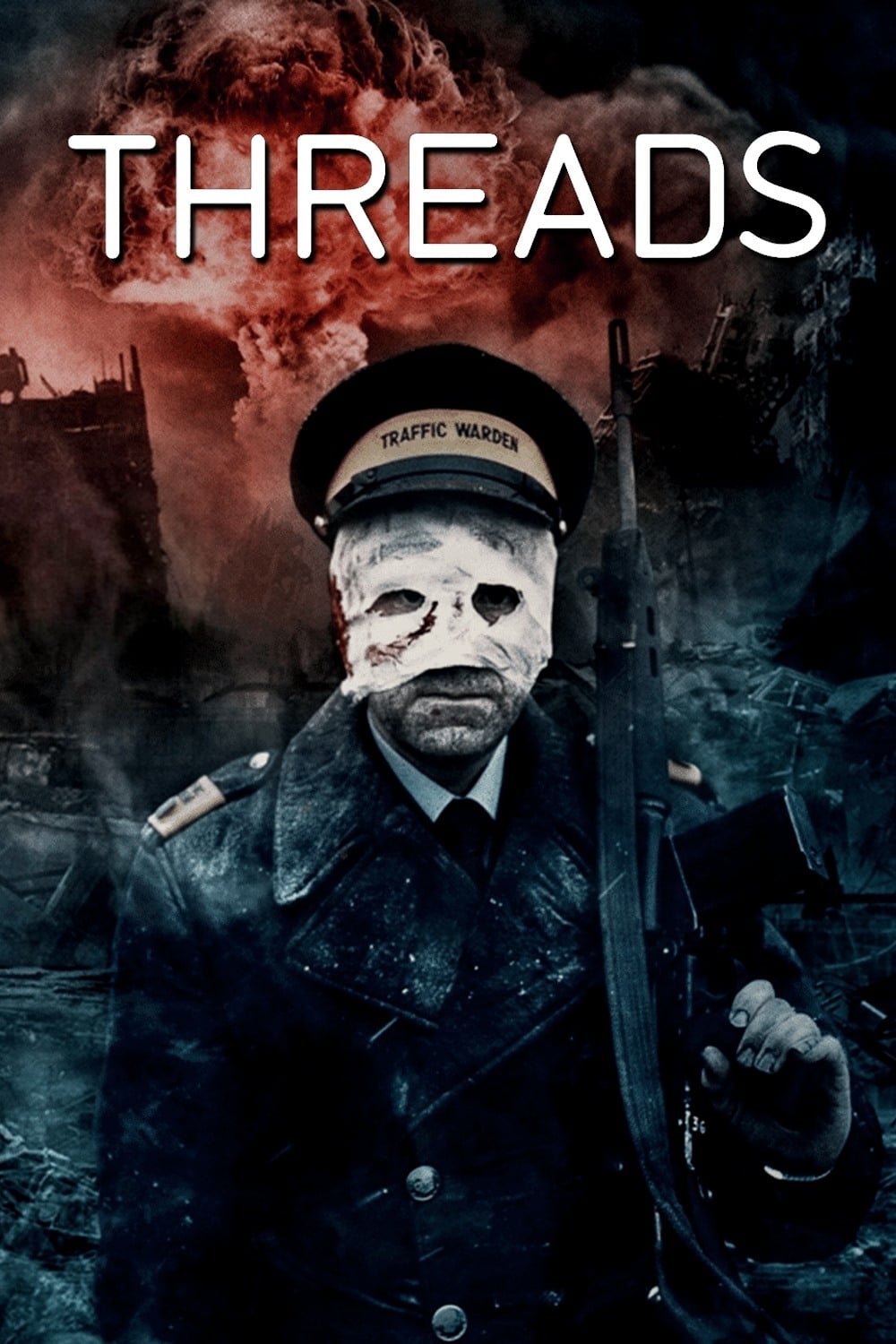
Threads
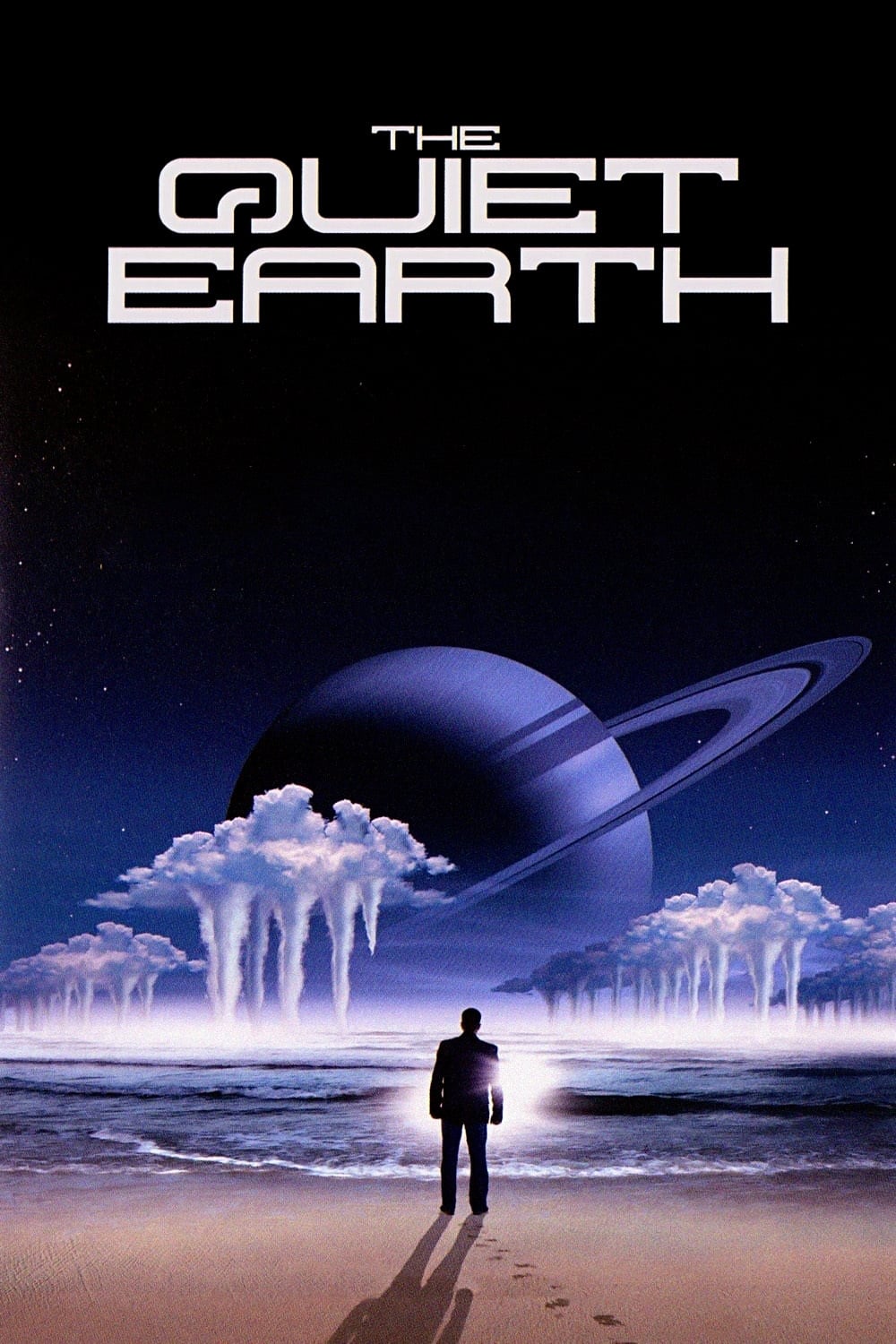
The Quiet Earth
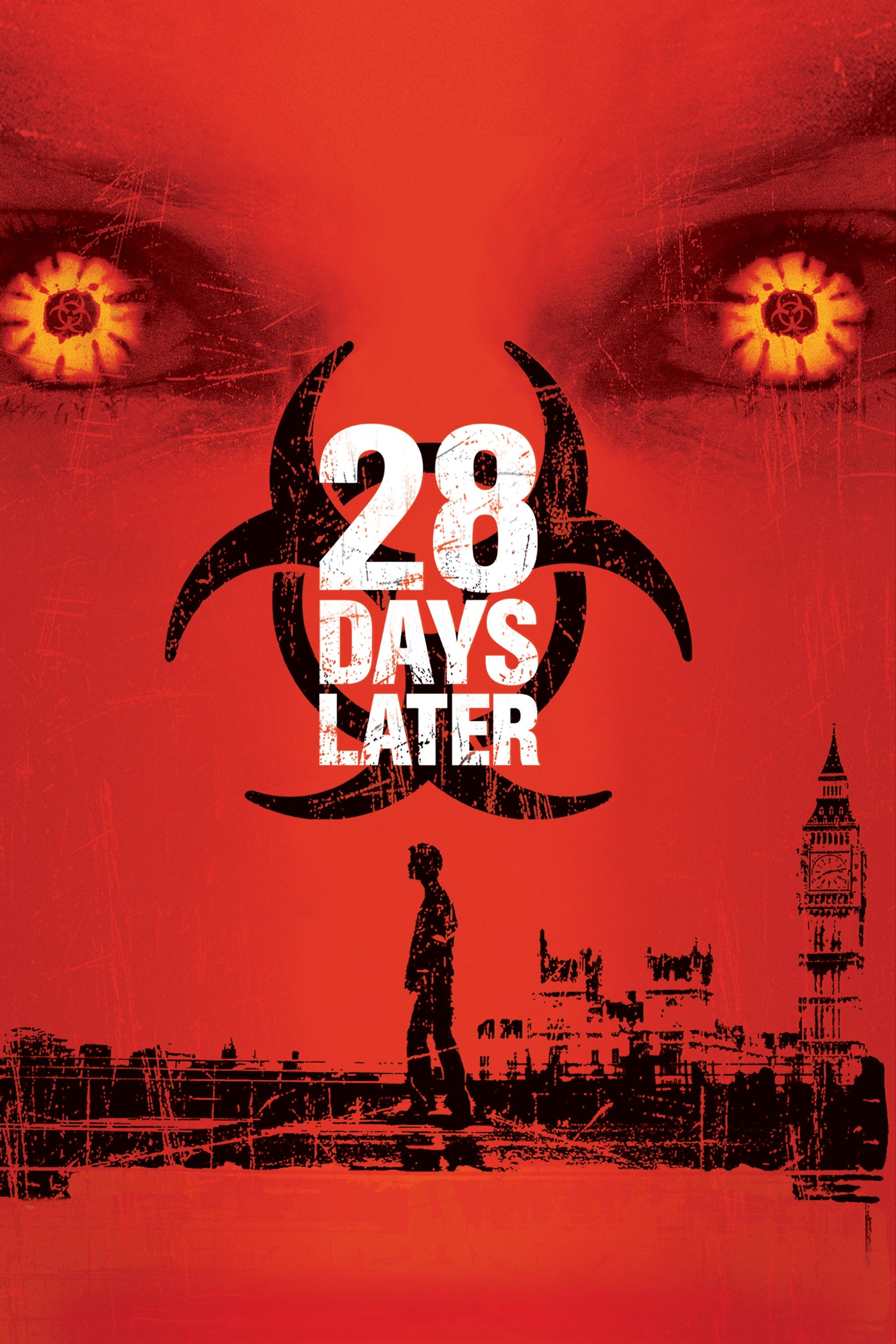
28 Days Later
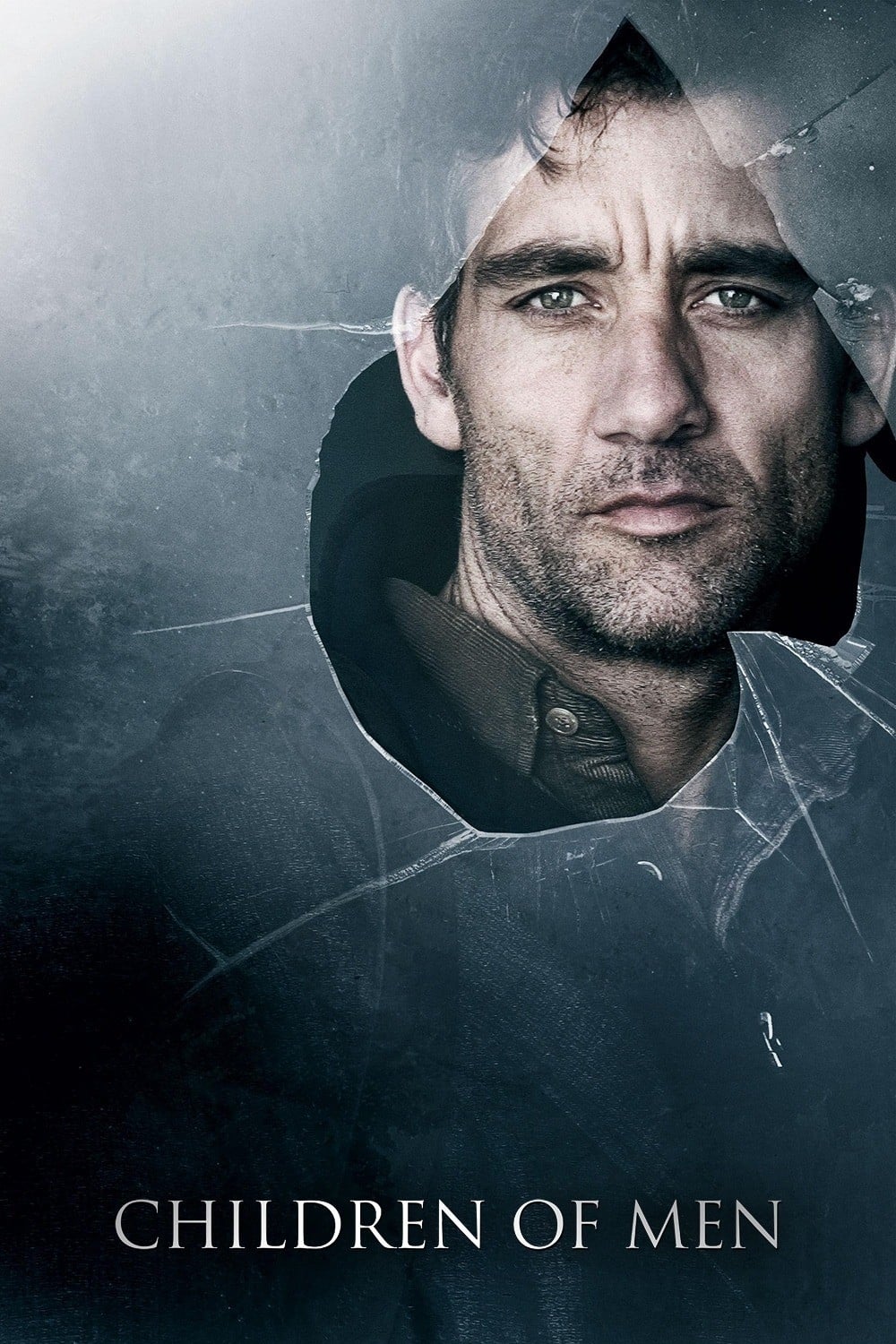
Children of Men
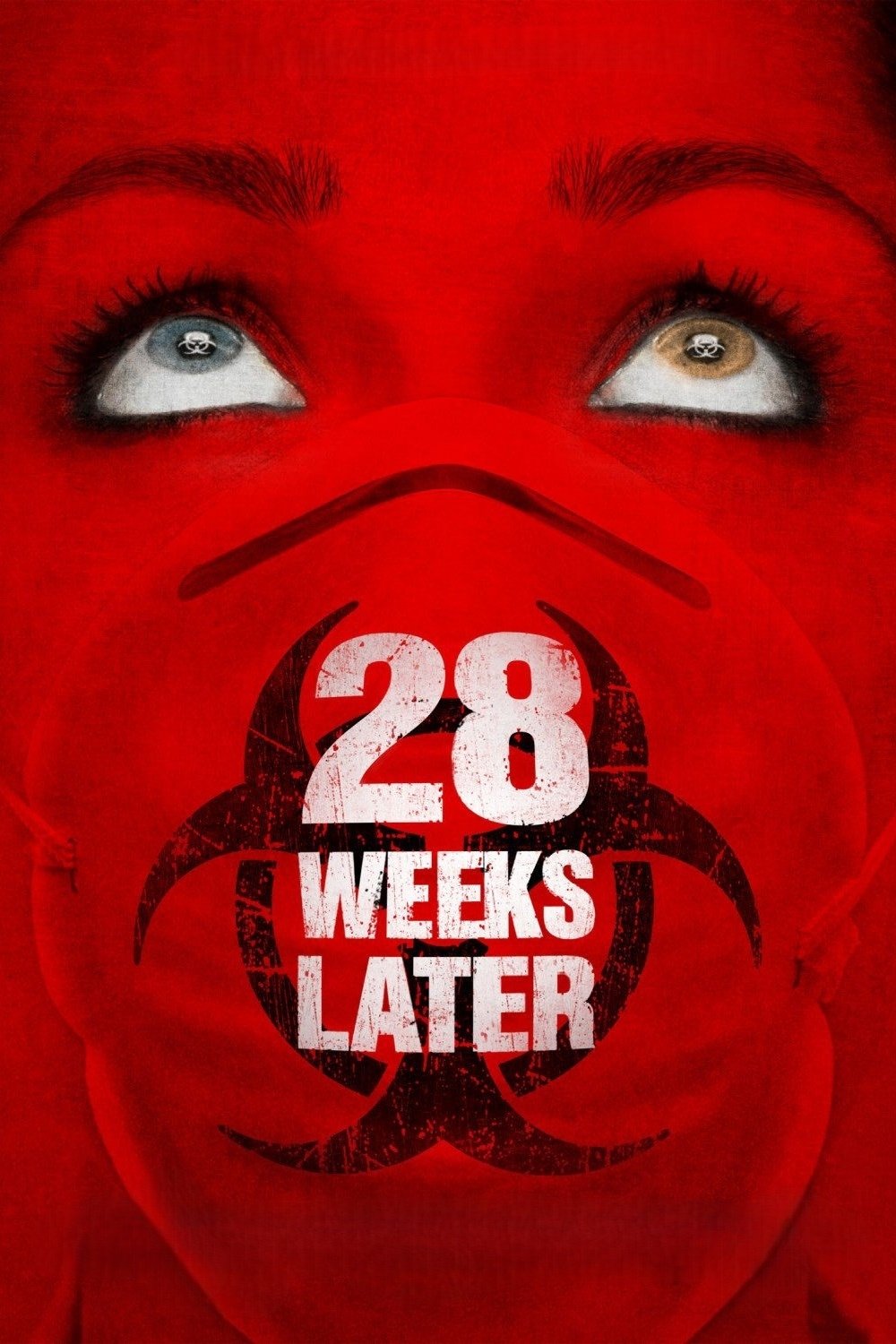
28 Weeks Later
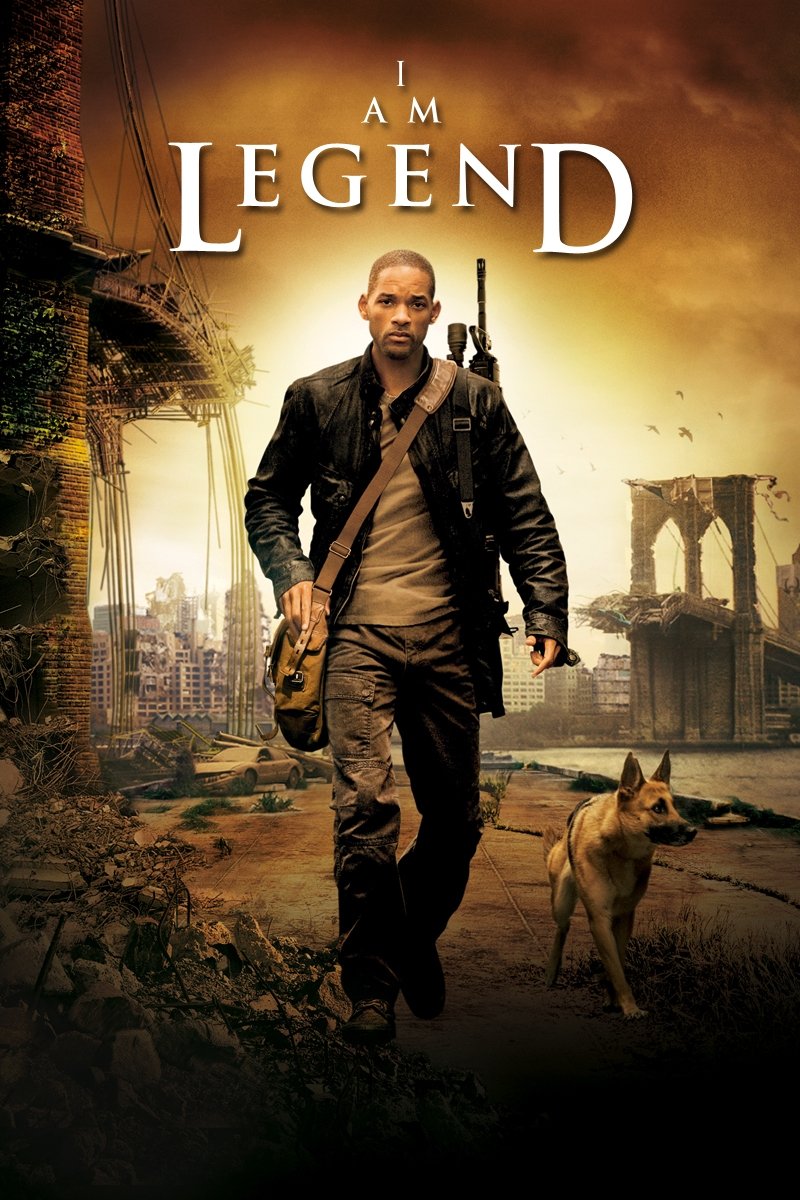
I Am Legend
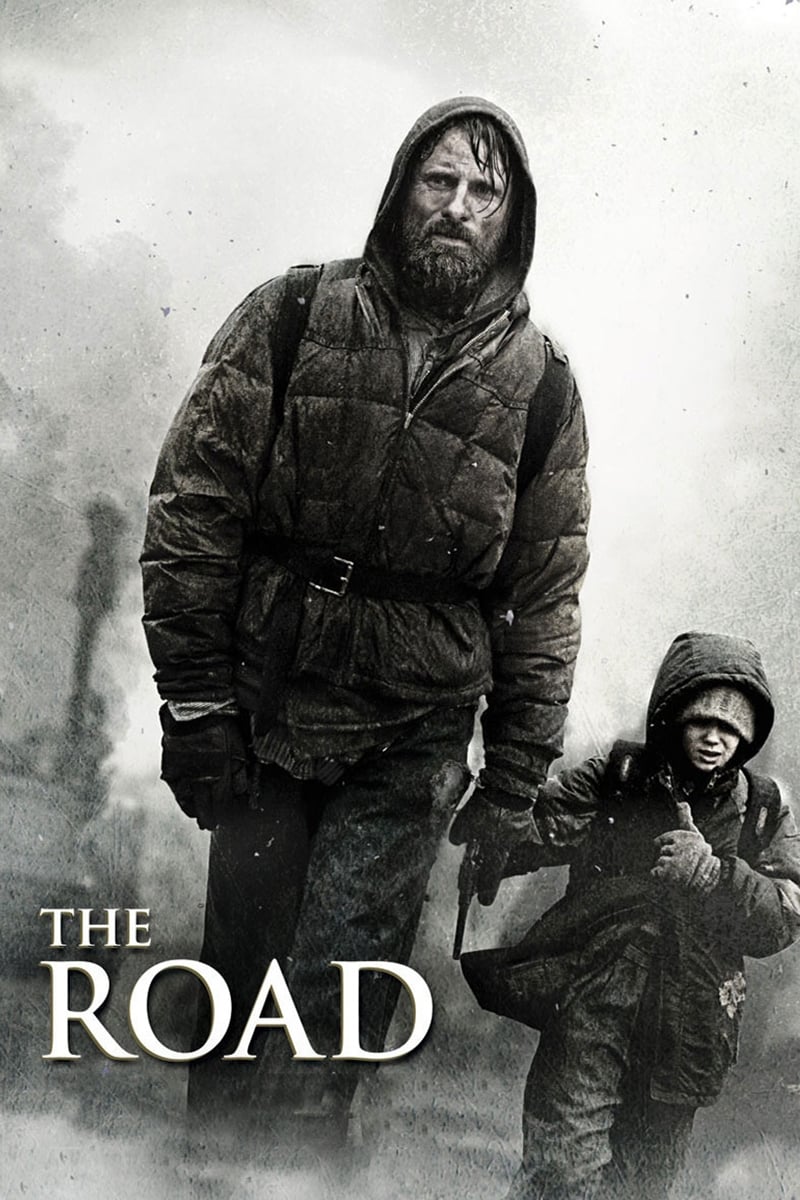
The Road
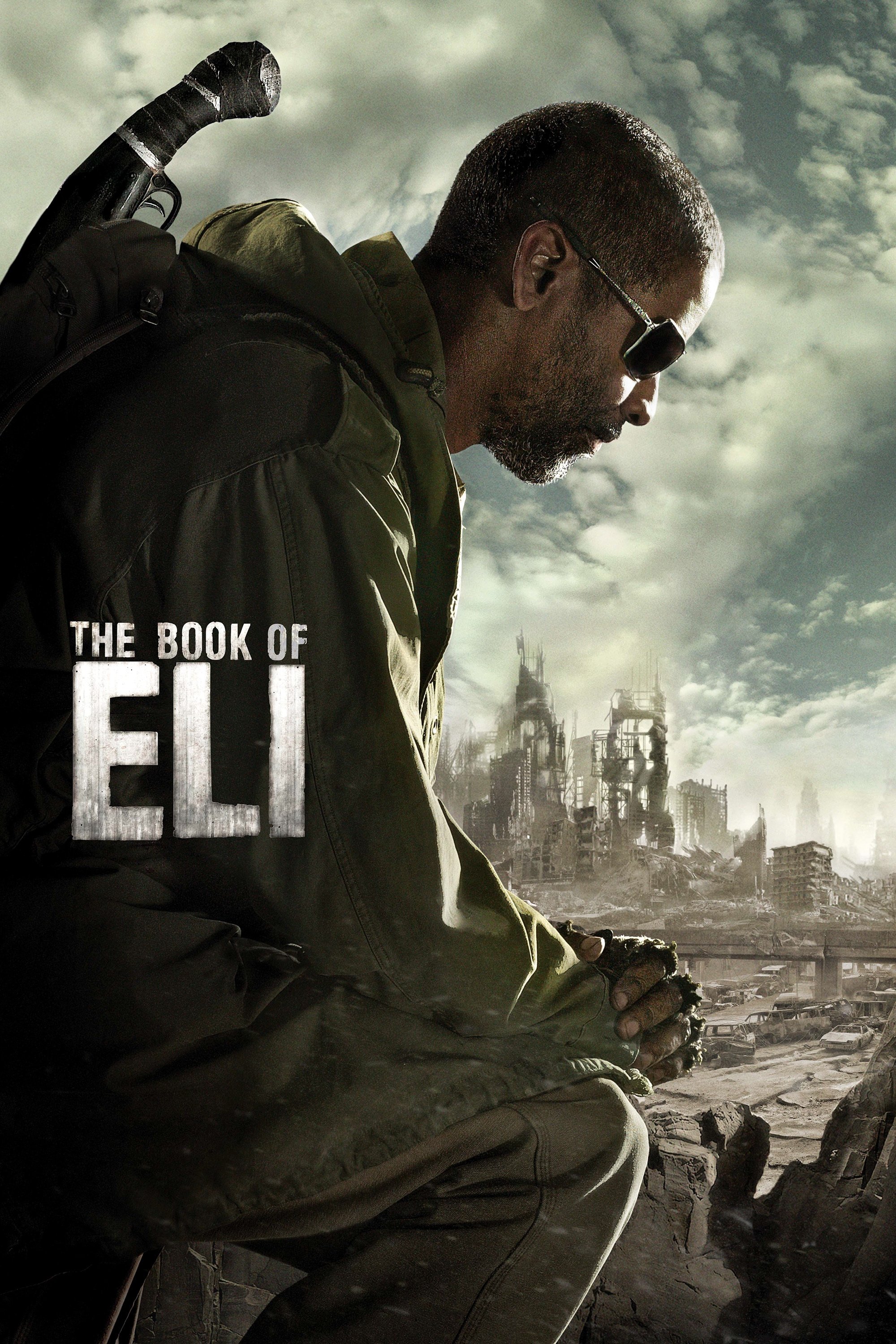
The Book of Eli

Snowpiercer
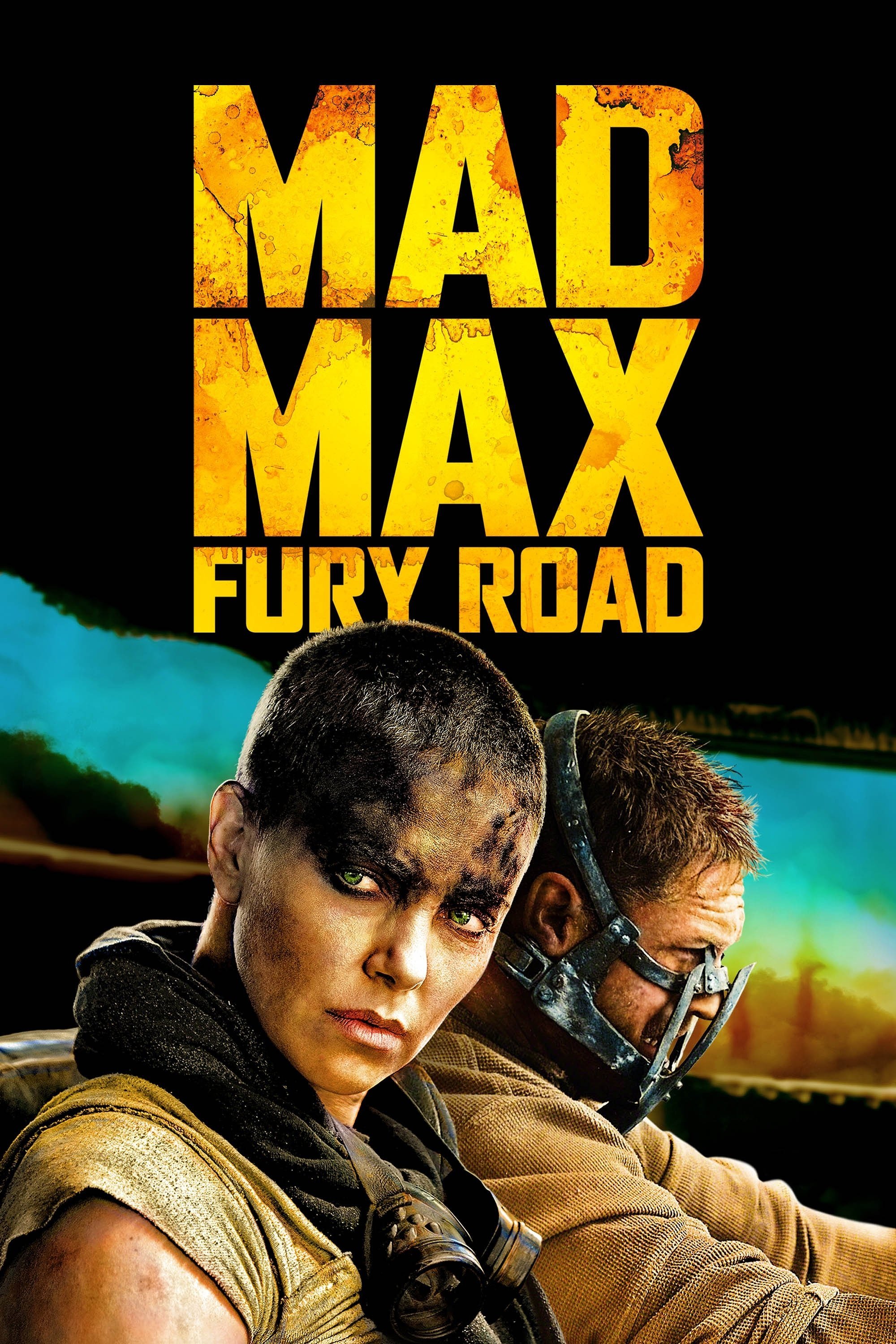
Mad Max: Fury Road
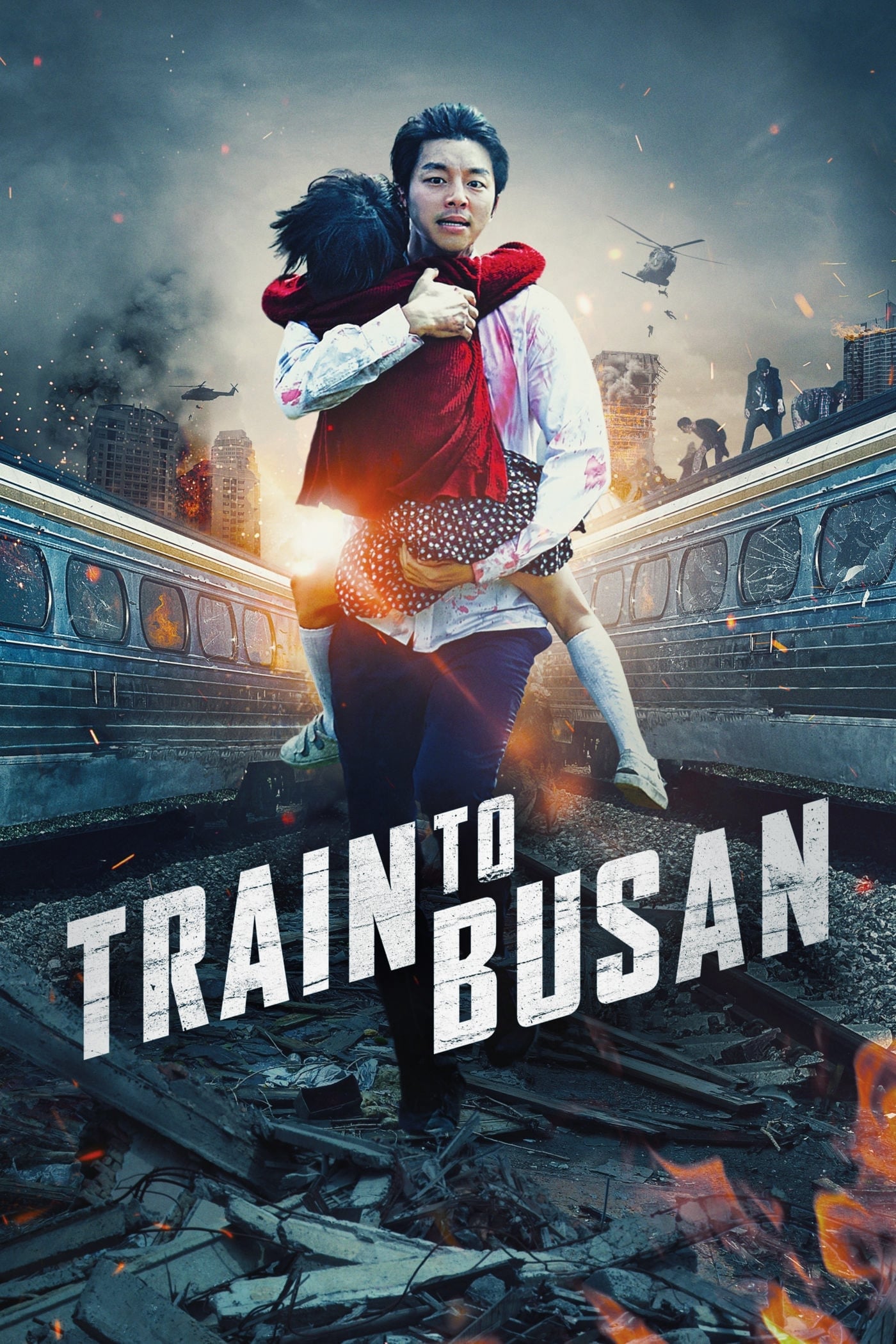
Train to Busan
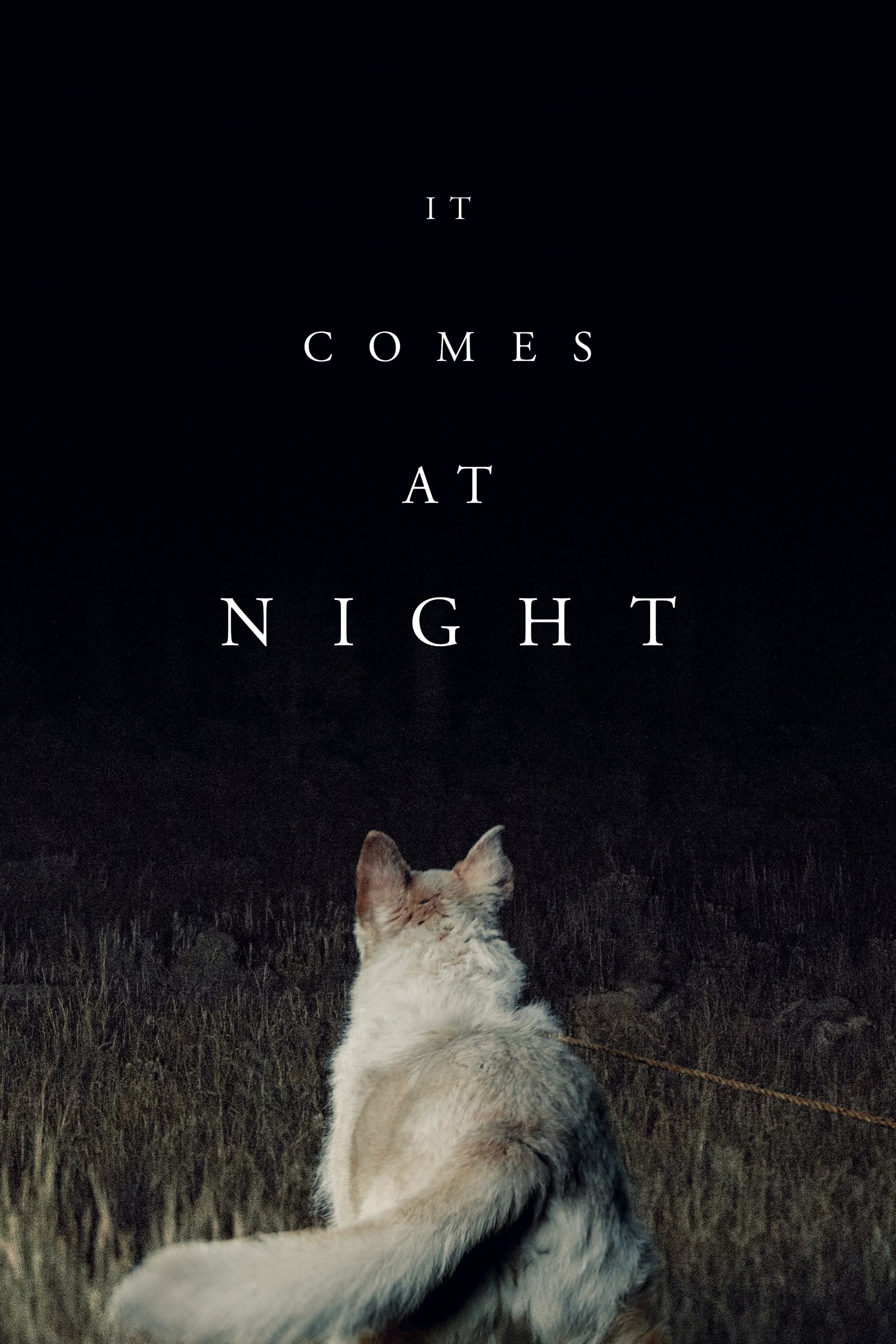
It Comes at Night
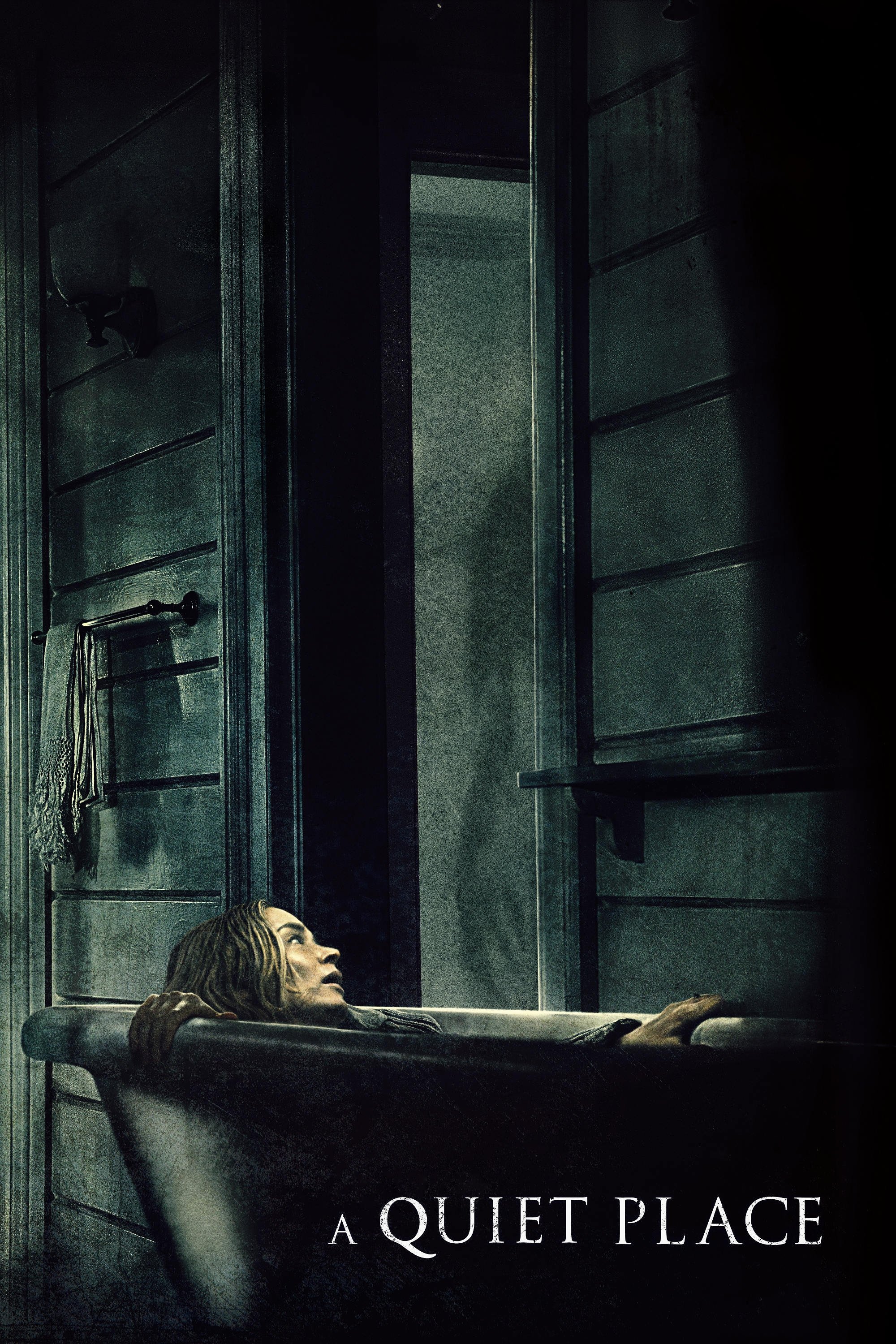
A Quiet Place
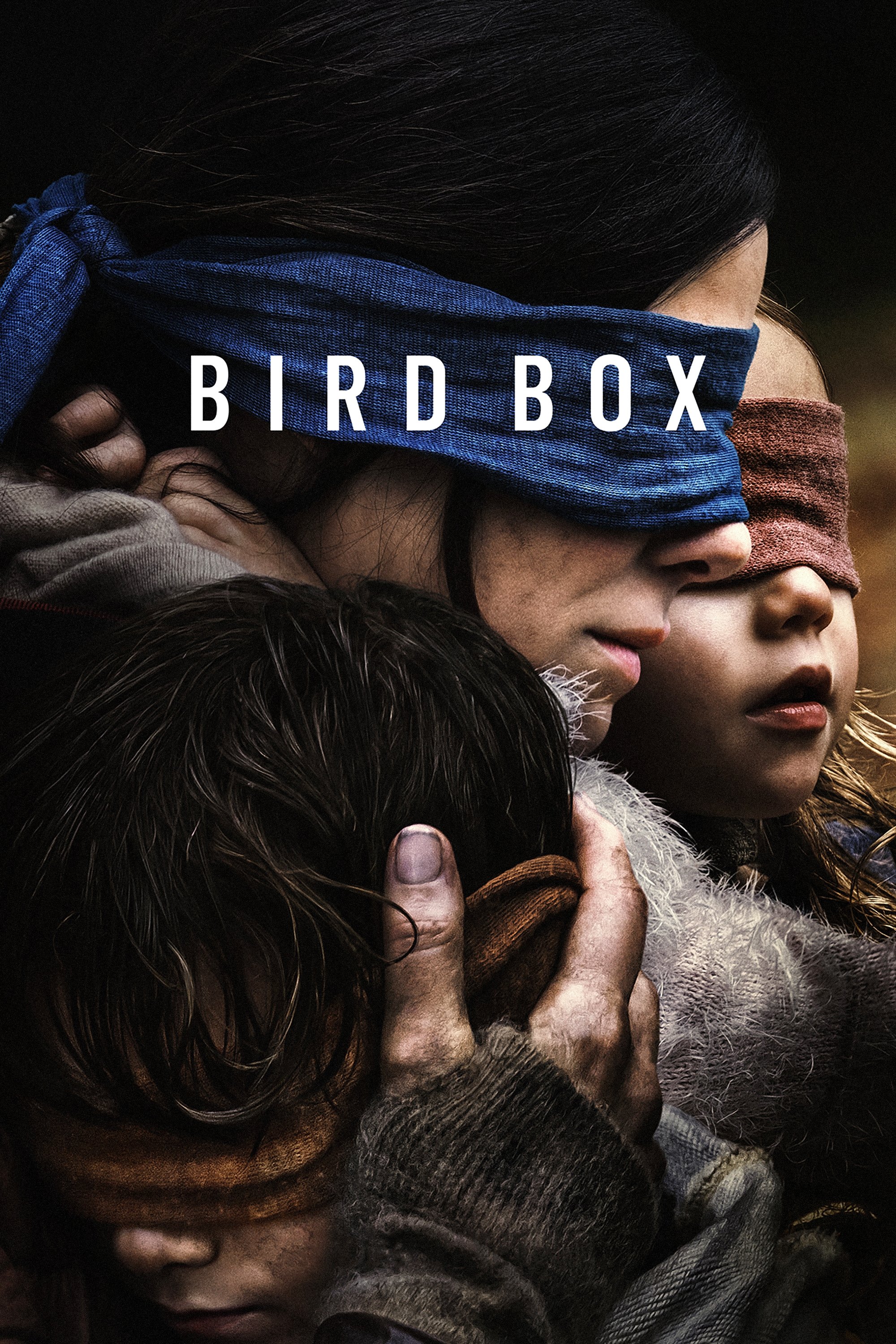
Bird Box
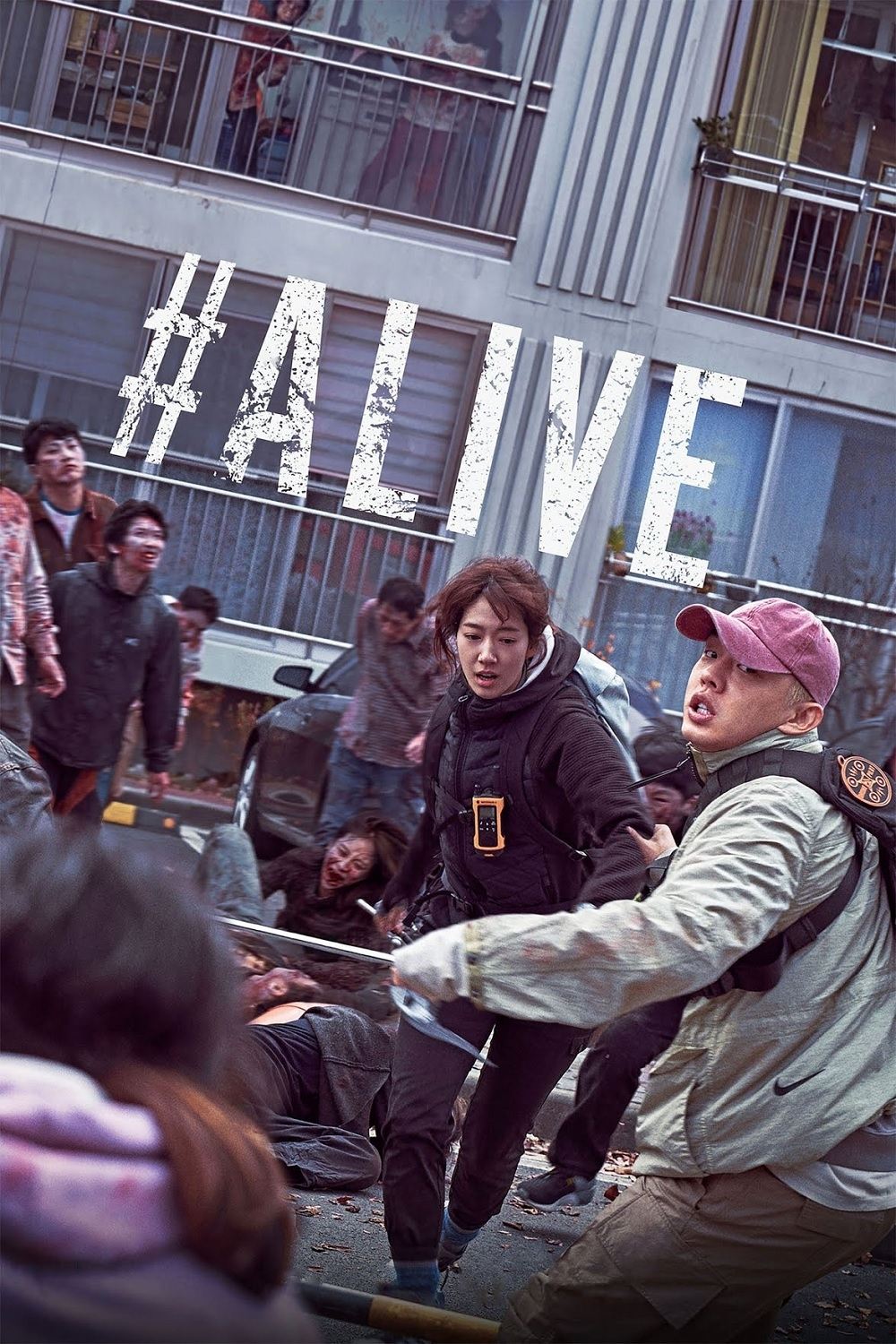
#Alive
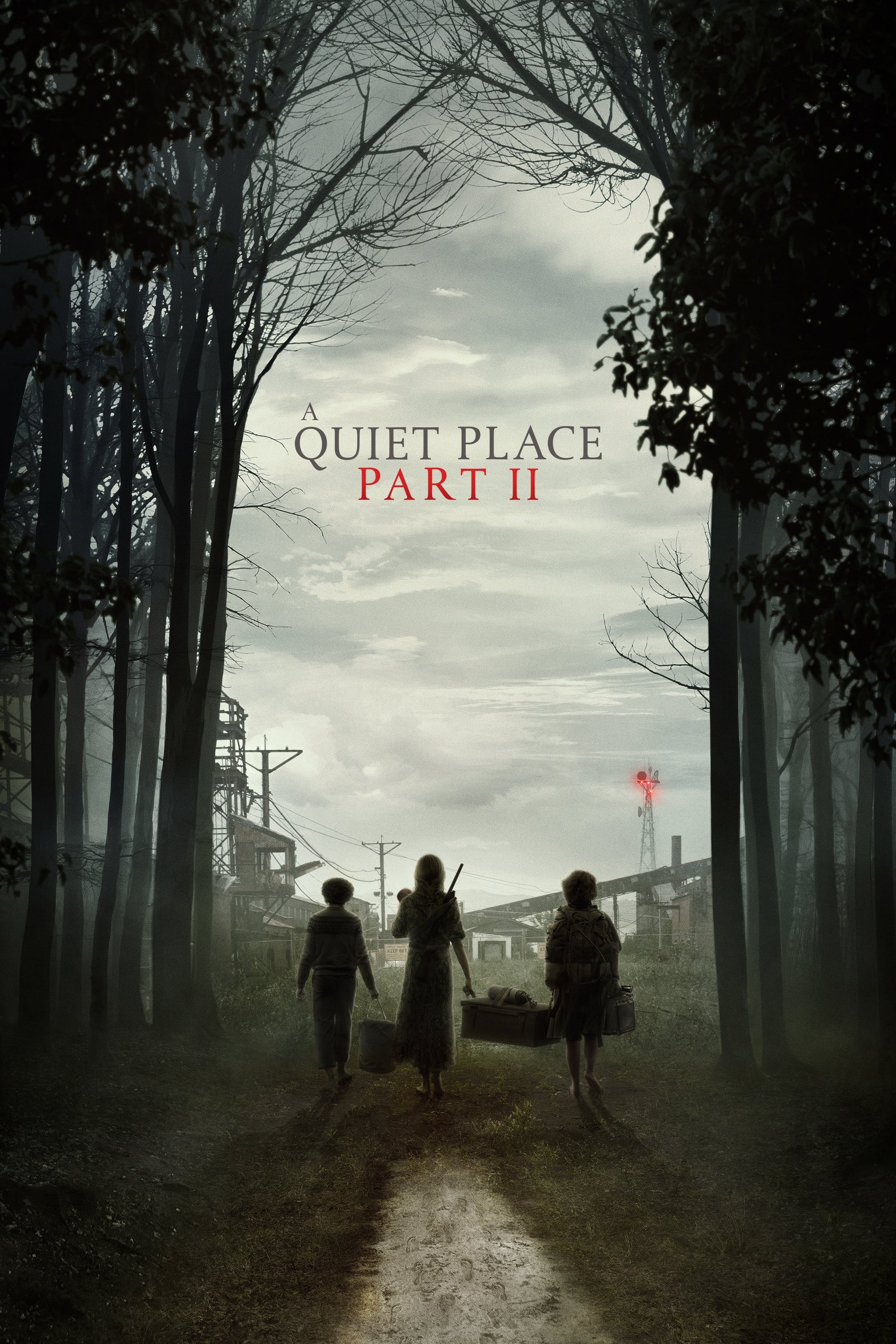
A Quiet Place Part II
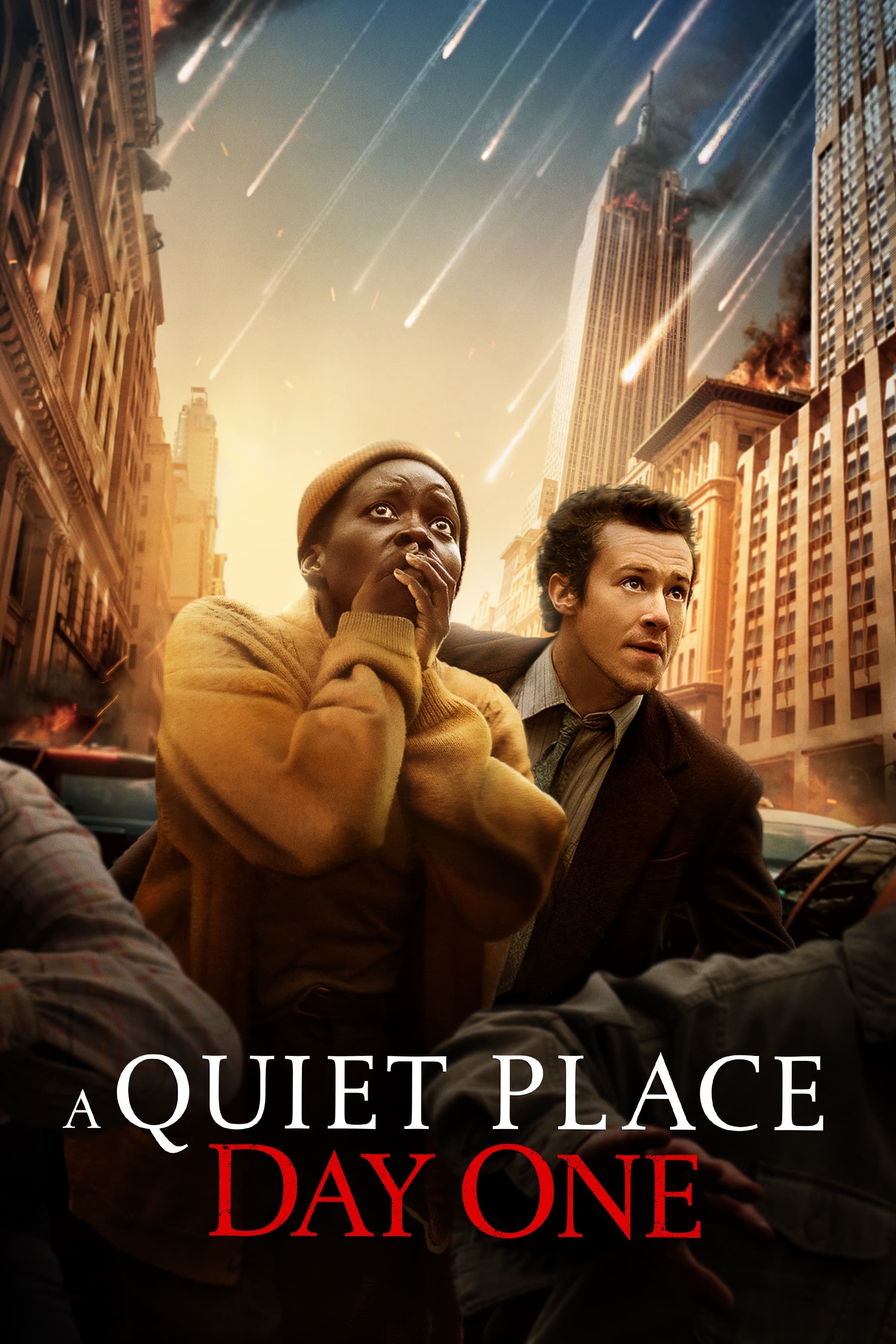
A Quiet Place: Day One
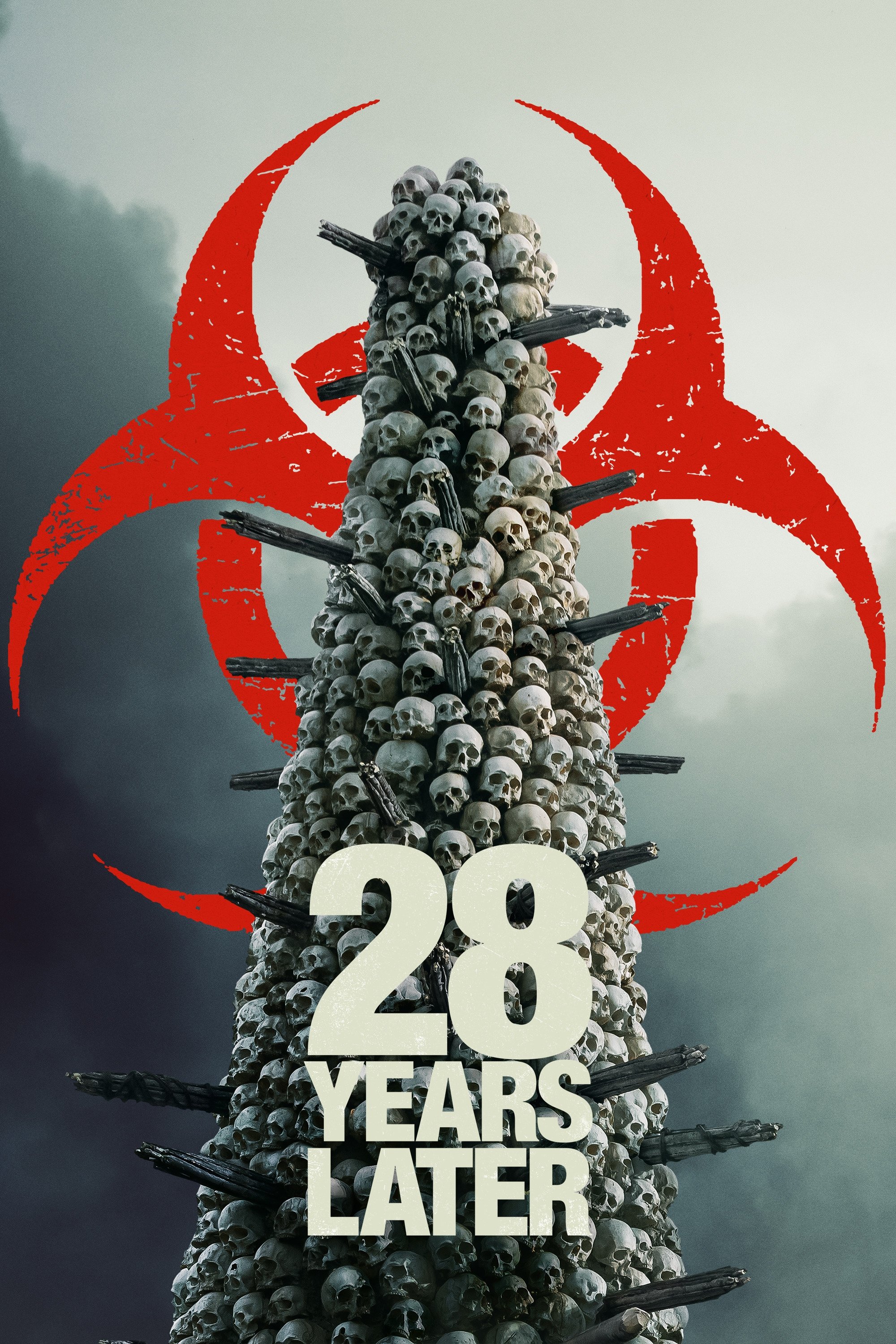
28 Years Later
Statistics
Popularity by Decade
Share of each decade's horror films classified as Post-Apocalyptic. Counts films with at least 5 TMDB ratings, so very obscure titles are not represented.
Popularity by Country
Share of each country's horror output classified as Post-Apocalyptic. Counts films with at least 5 TMDB ratings, so very obscure titles are not represented.