
 Shaun of the Dead (2004)
Genre Hybrids
Horror cross-pollinated with other genres. Sci-fi, comedy, western, war, musical, holiday, and post-apocalyptic — proof that fear is not confined to any single setting, tone, or narrative structure.
History & Origins
Genre hybrids are the films where horror collides with another mode entirely — science fiction, comedy, the western, the war film, the musical, the holiday picture, the post-apocalyptic survival story, the treasure-hunt adventure — and finds that the resulting friction sharpens both registers rather than diluting either. Peter Hutchings's Historical Dictionary of Horror Cinema (2018) makes the underlying point in his SCIENCE FICTION entry, but the principle applies across the cluster: "the boundaries between horror and other genres have often proved permeable... the reality is considerably messier and more compromised" than tidy critical categories suggest. Horror is a promiscuous form. It absorbs other genres and transforms them, finding the fear hiding inside every story.
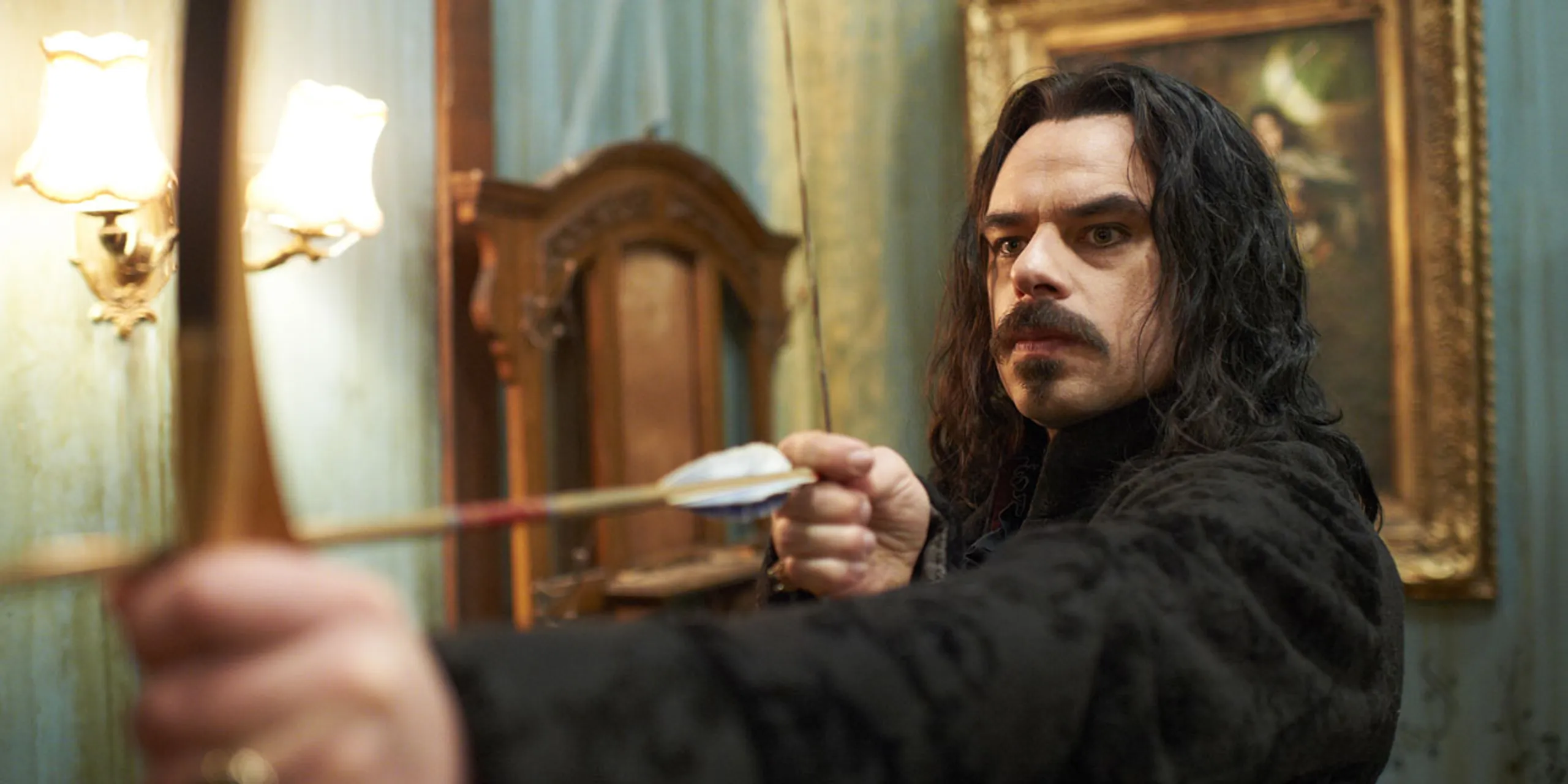
Twelve forms are gathered on this branch of the taxonomy, each treated on its own page. Sci-fi horror combines the genre's physical threats with science fiction's cosmic scale, producing films where the danger is not just an organism but an implication about the universe itself. Horror comedy — one of the oldest hybrids per Bruce Kawin in Horror and the Horror Film (2012) — exploits the physiological kinship between fear and laughter. Western horror transplants the genre to the American frontier, where lawlessness and isolation become natural conditions for terror. War horror recognizes that combat is already a horror experience, with supernatural elements making visible what soldiers already know. The horror musical achieves the seemingly impossible: making people sing about things that should be unspeakable. Holiday horror corrupts celebration, turning Christmas and Halloween and Valentine's Day into elaborate stages for cruelty. Post-apocalyptic horror takes place after the end, when civilization is gone and survival is the only remaining principle. Adventure horror sends characters chasing treasure, knowledge, or wonder into territory the genre uses as a hostile envelope. Mystery horror grafts horror onto the whodunit, where the threat is a name and a face that have to be uncovered before the bodies finish accumulating. Survival horror foregrounds the prey rather than the predator — the structural mode in which the audience experiences the genre from the inside of the body being hunted. Siege horror traps its characters in a single defensible space and surrounds it with threat. And erotic horror runs the form through the body, the gaze, and the fetish — the tradition in which desire and death become indistinguishable.
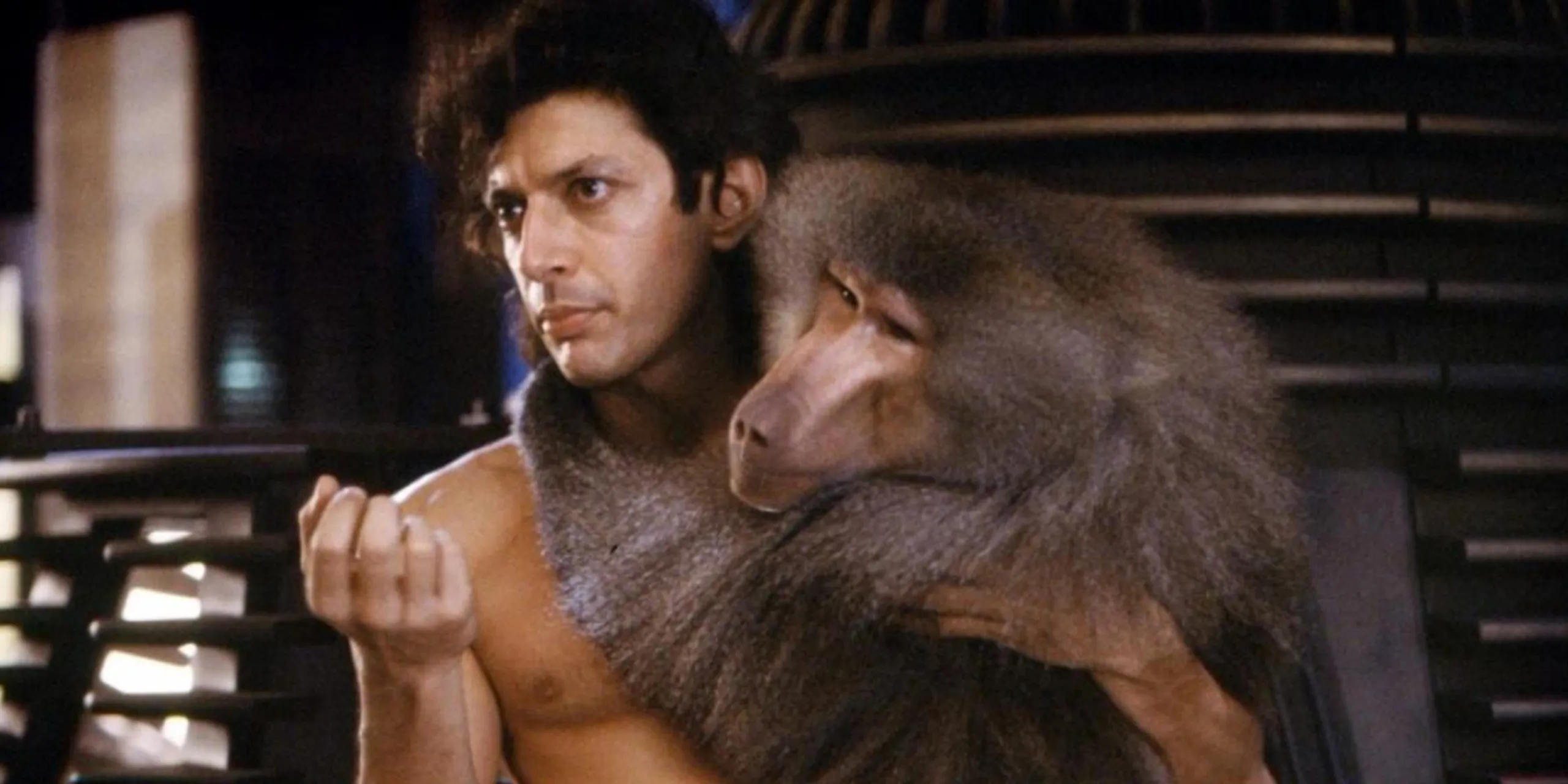
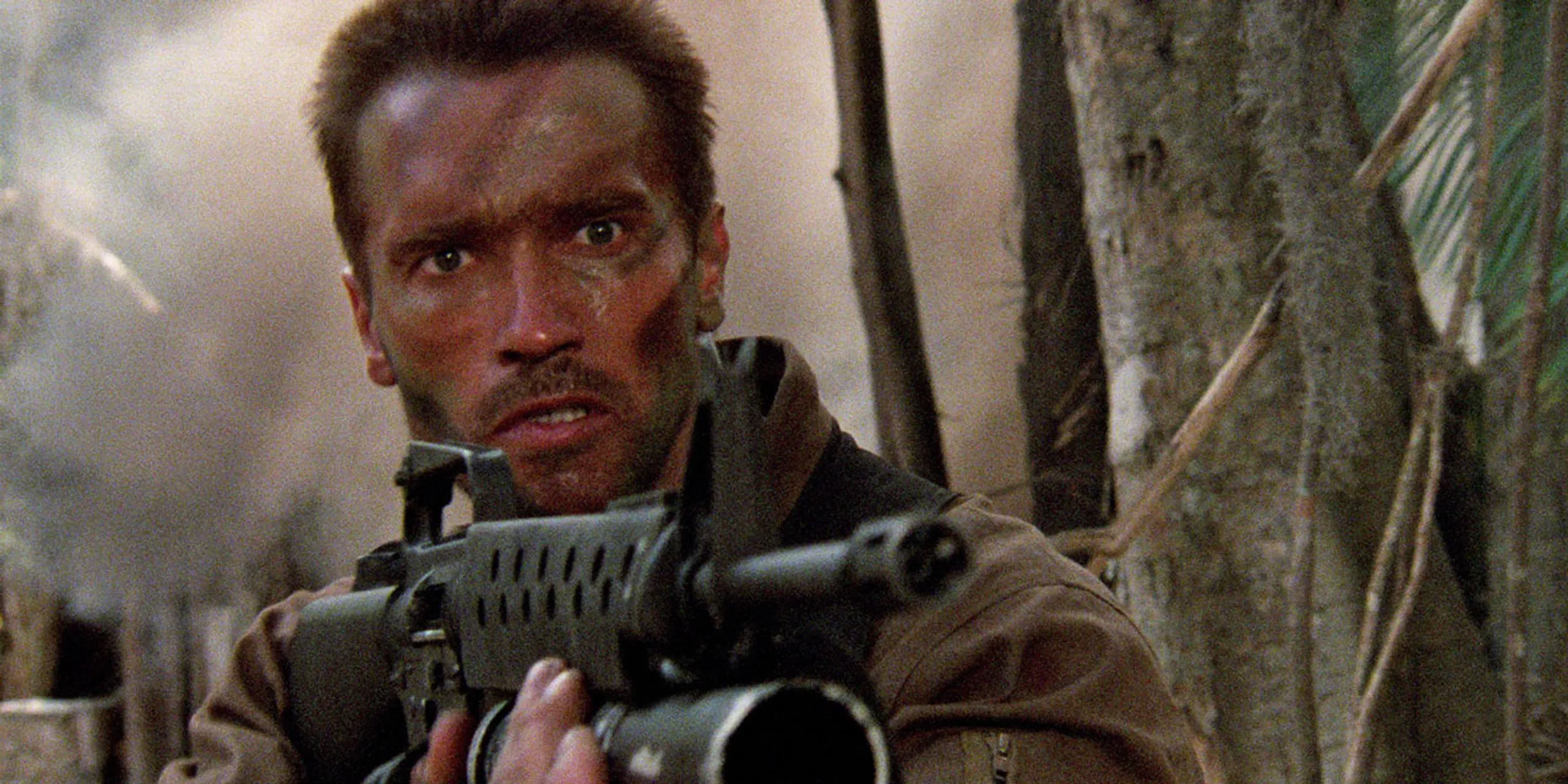
The science-fiction hybrid is the most theorized of the cluster. Hutchings traces the shared origin in Mary Shelley's 1818 Frankenstein, or the Modern Prometheus — "a key text for both" — and notes that 1950s monster-and-invasion cinema flowed freely between the two marketing categories depending on what was selling. The Thing from Another World (1951) and Howard Hawks's Arctic-research-station claustrophobia template arrived in the same decade as Forbidden Planet (1956)'s Freudian psychodrama on a distant world; Ridley Scott's Alien (1979) perfected the fusion as a horror film that happens to be set in space. Comedy and horror's intertwining is older still — Murray Leeder in Horror Film: A Critical Introduction (2018) traces the "serio-comedic 'old, dark house' tradition" back to silent and early-sound cinema, with Abbott and Costello Meet Frankenstein (1948) demonstrating the commercial viability of the combination. The 1980s saw the form's peak: An American Werewolf in London (1981), Evil Dead II (1987), Beetlejuice (1988), and the 1990s arrival of Scream (1996) sustained it through the next decade.
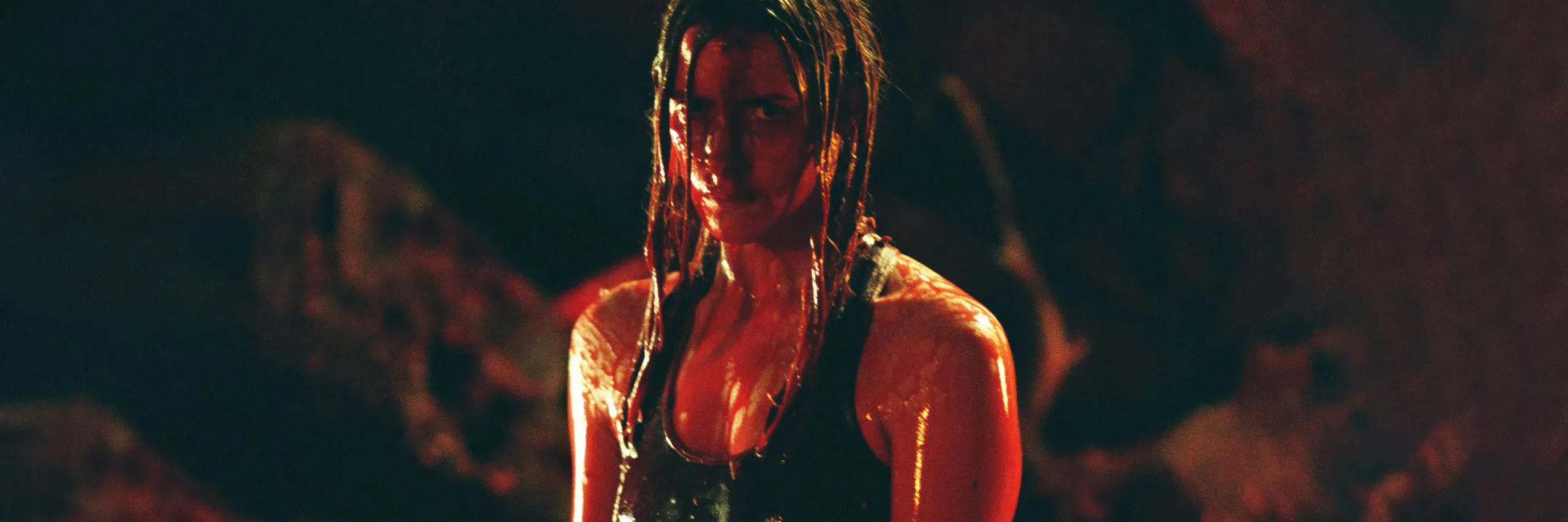
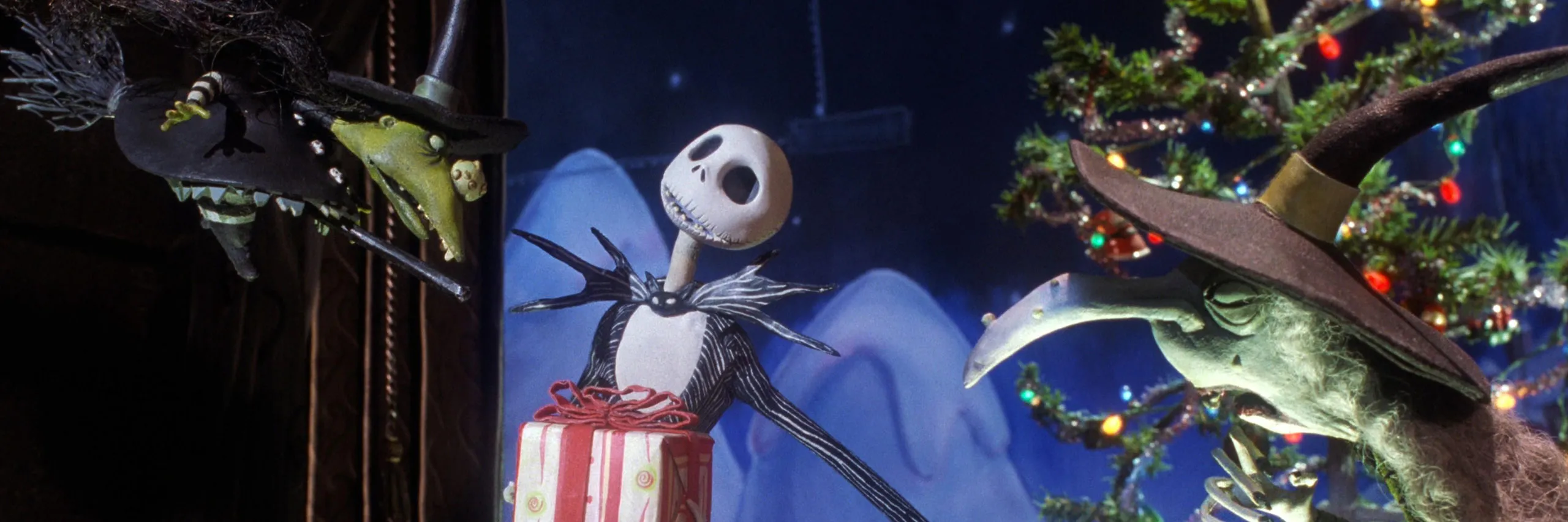
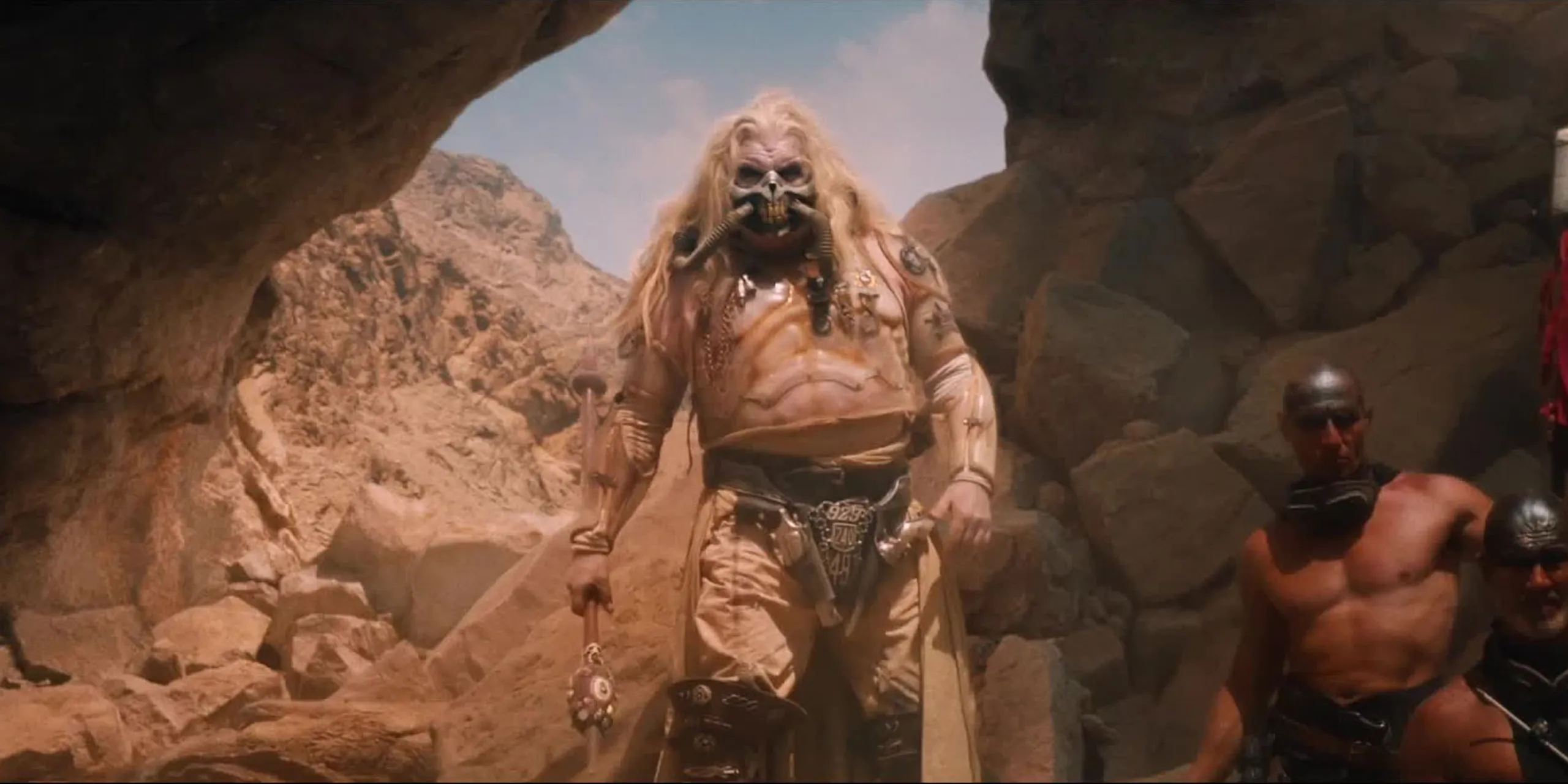
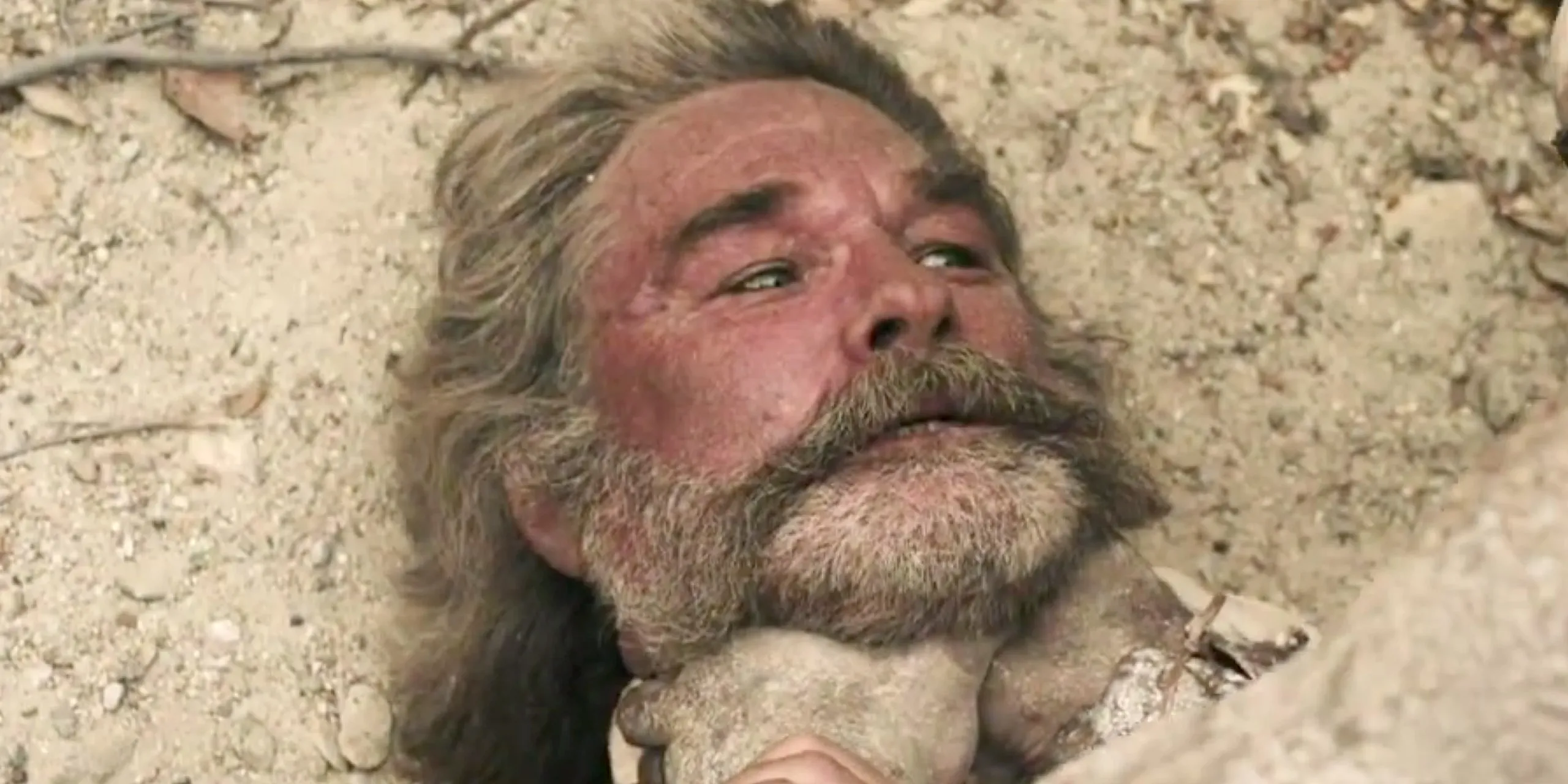
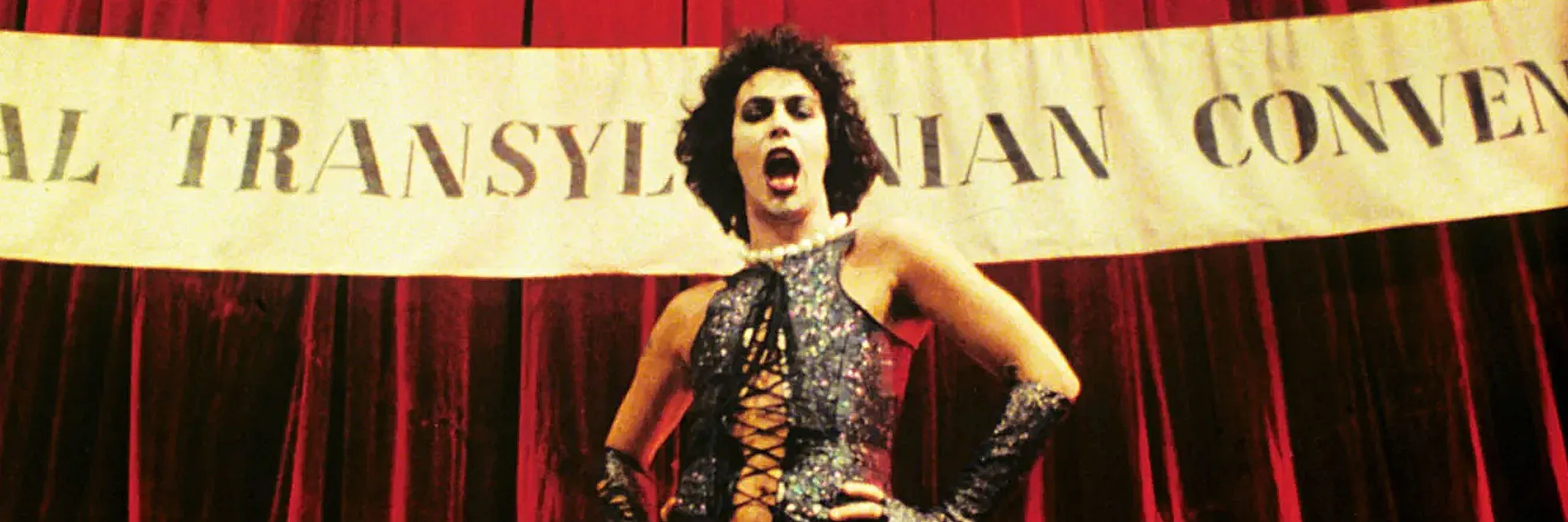
The remaining six forms each emerged from specific historical moments. Western horror surfaces whenever the American frontier is open to being reread — from Near Dark (1987)'s outlaw-vampire RV drifters to S. Craig Zahler's Bone Tomahawk (2015). War horror produces its most concentrated work around the centenaries of major conflicts: WWI in Deathwatch (2002), WWII in Julius Avery's Overlord (2018). The horror musical's foundational text is The Rocky Horror Picture Show (1975), which Danny Peary (per Mathijs and Mendik's 100 Cult Films) identified as "the very definition of the term 'cult picture'." Holiday horror runs from Black Christmas (1974) and Halloween (1978) through the 1980s' Christmas-corruption wave to the present. Post-apocalyptic horror found its modern template in George Miller's Mad Max trilogy and Danny Boyle's 28 Days Later (2002). Adventure horror distinguishes itself by intrinsic motivation: characters who choose the journey, drawn by wonder or treasure rather than forced into it.
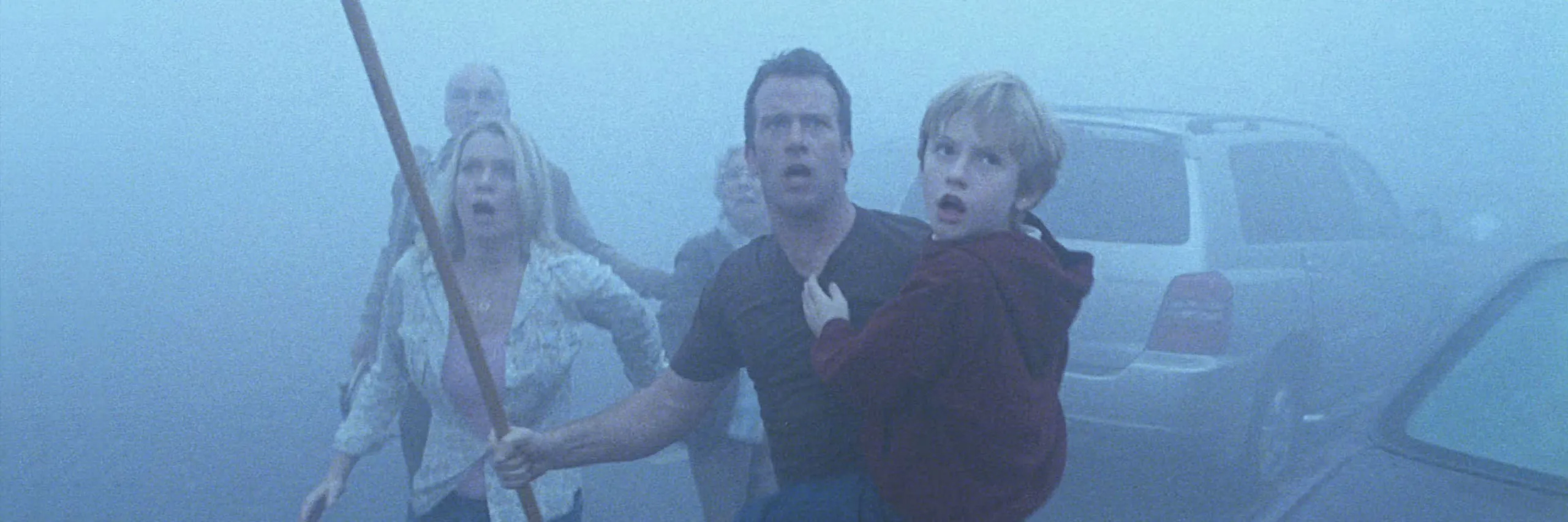
Mystery horror's defining cycle is the Italian giallo: Mario Bava's Blood and Black Lace (1964) established the form, and Dario Argento's The Bird with the Crystal Plumage (1970) and Deep Red (1975) perfected it — what Matthew Edwards and Fernando Gabriel Pagnoni Berns in Bloodstained Narratives: The Giallo Film in Italy and Abroad (2023) describe as detective stories whose "murder mysteries" play out "within insular environments, such as university campuses or isolated villas, not only to limit the number of potential suspects, but also to circumscribe the investigative spaces in which heroes can reasonably discover truths." Siege horror's foundational text is George Romero's Night of the Living Dead (1968), in which — as Bruce Kawin notes in Horror and the Horror Film (2012) — "zombies are coming in through the only door." John Carpenter's Assault on Precinct 13 (1976), whose working title was The Siege, transplanted the structure to a decommissioned police station; he then refined it across The Thing (1982)'s Antarctic outpost and Prince of Darkness (1987)'s abandoned Los Angeles church. Survival horror's theoretical foundation is Carol Clover's Men, Women, and Chain Saws (1992), which named the Final Girl as the genre's structural anchor — "intelligent, watchful, and levelheaded; the first character to sense something amiss and the only one to deduce from the accumulating evidence the pattern and extent of the threat." Where slasher cinema centers the killer, survival horror centers the prey: The Descent (2005), 28 Days Later (2002), and A Quiet Place (2018) all foreground the audience's identification with the hunted. Erotic horror's lineage opens with Jacques Tourneur's Cat People (1942), the first of the Val Lewton-produced "terror" cycle at RKO — what Kier-La Janisse in House of Psychotic Women calls "almost unique in its sympathetic depiction of a woman haunted by the fear of her own jealousy." The cycle ran through Hammer's lesbian-vampire pictures The Vampire Lovers (1970) and Harry Kümel's Daughters of Darkness (1971) — the latter a film whose "chic eroticism was designed in from its inception," as Mark Goodall writes in Reappraising Cult Horror Films — through Paul Schrader's Cat People (1982) remake and Tony Scott's The Hunger (1983), to Claire Denis's art-cinema reinvention in Trouble Every Day (2001) and David Cronenberg's Crash (1996).
What unites these twelve subgenres is a structural confidence: that horror is not a genre of limitations but a genre of possibilities. Any setting can become frightening. Any tone can accommodate dread. Any story, pushed far enough — to the frontier, to the trench, to the holiday table, to the moment after the end — reveals the darkness at its foundation. The hybrid mode is horror's continuing argument that nothing is safe.
Sources: Matthew Edwards and Fernando Gabriel Pagnoni Berns, Bloodstained Narratives (2023); Peter Hutchings, Historical Dictionary of Horror Cinema (2018); Kier-La Janisse, House of Psychotic Women; Bruce F. Kawin, Horror and the Horror Film (2012); Murray Leeder, Horror Film: A Critical Introduction (2018); Ernest Mathijs and Xavier Mendik, 100 Cult Films; Reappraising Cult Horror Films, ed. Lee Broughton (2024).
Explore Genre Hybrids



Statistics
Popularity by Decade
Share of each decade's horror films classified as Genre Hybrids. Counts films with at least 5 TMDB ratings, so very obscure titles are not represented.
Popularity by Country
Share of each country's horror output classified as Genre Hybrids. Counts films with at least 5 TMDB ratings, so very obscure titles are not represented.