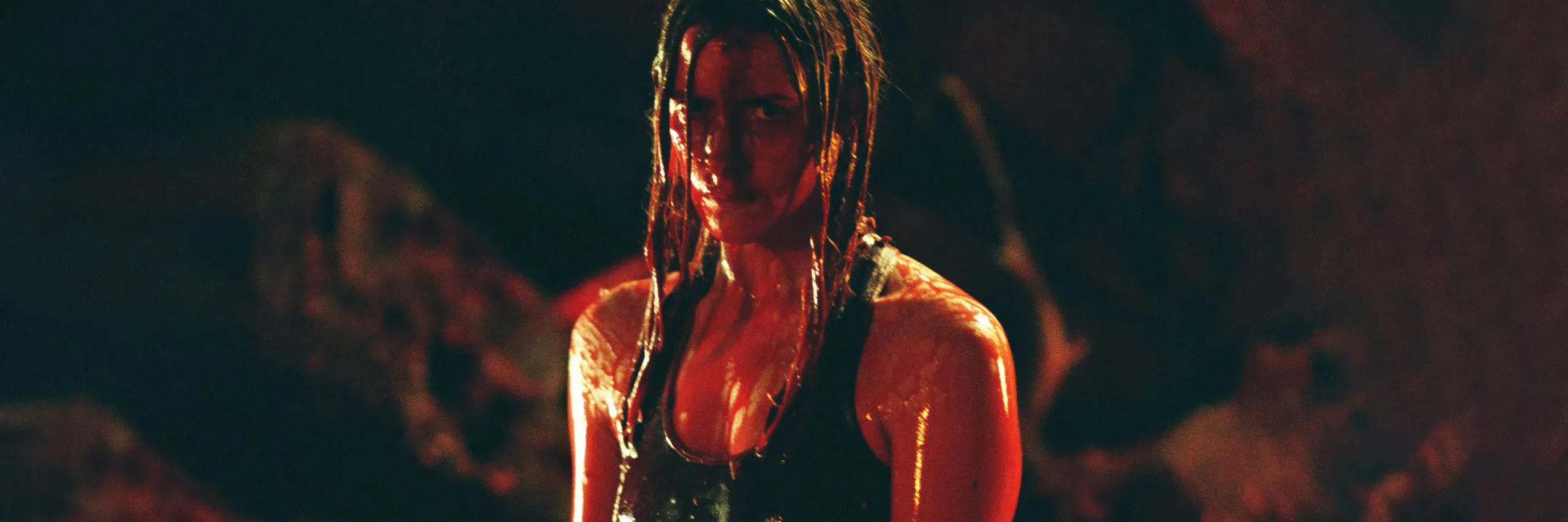
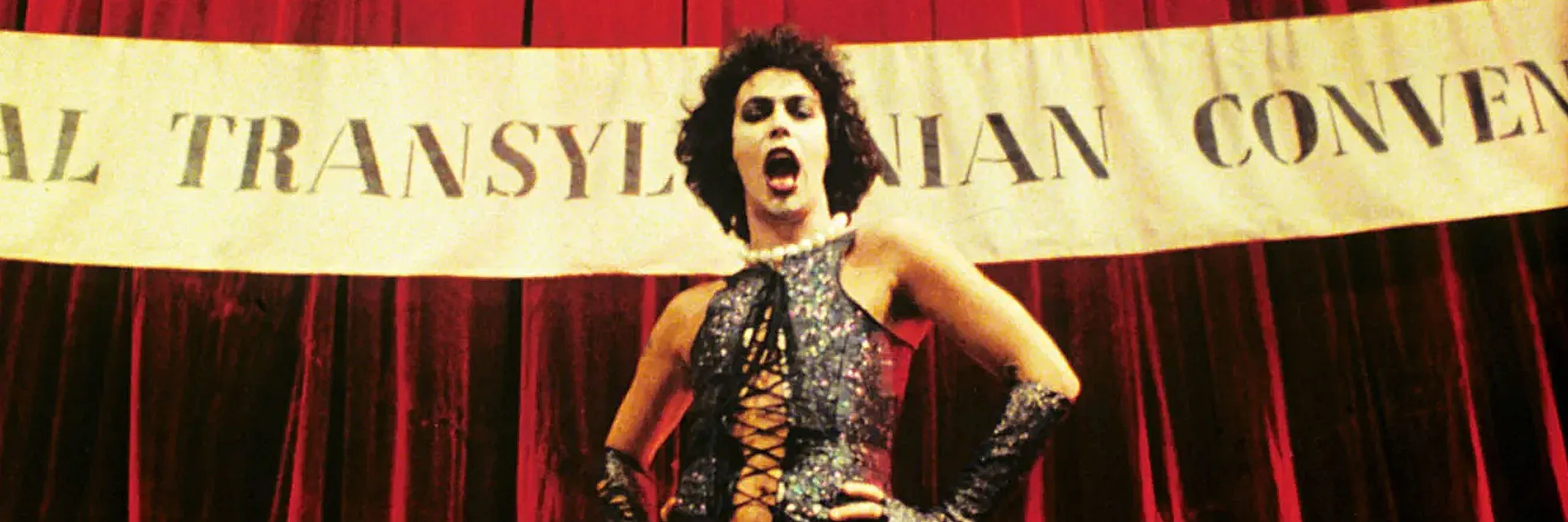
The Others (2001)
Mystery Horror
The investigation leads somewhere you don't want to go. Horror structured as a puzzle, where uncovering the truth is both the goal and the punishment.
History & Origins
Mystery horror combines the intellectual pleasure of the puzzle with the visceral impact of dread. These films promise answers — who is responsible, what is happening, why — but the process of discovering those answers leads the protagonist (and the audience) deeper into territory that becomes increasingly frightening. Where the slasher film centers the killer-figure and the crime horror film centers the procedural investigation, mystery horror centers the audience-aligned puzzle itself: the unreliable narrator, the locked room, the impossible event, the twist that recontextualises everything that came before.
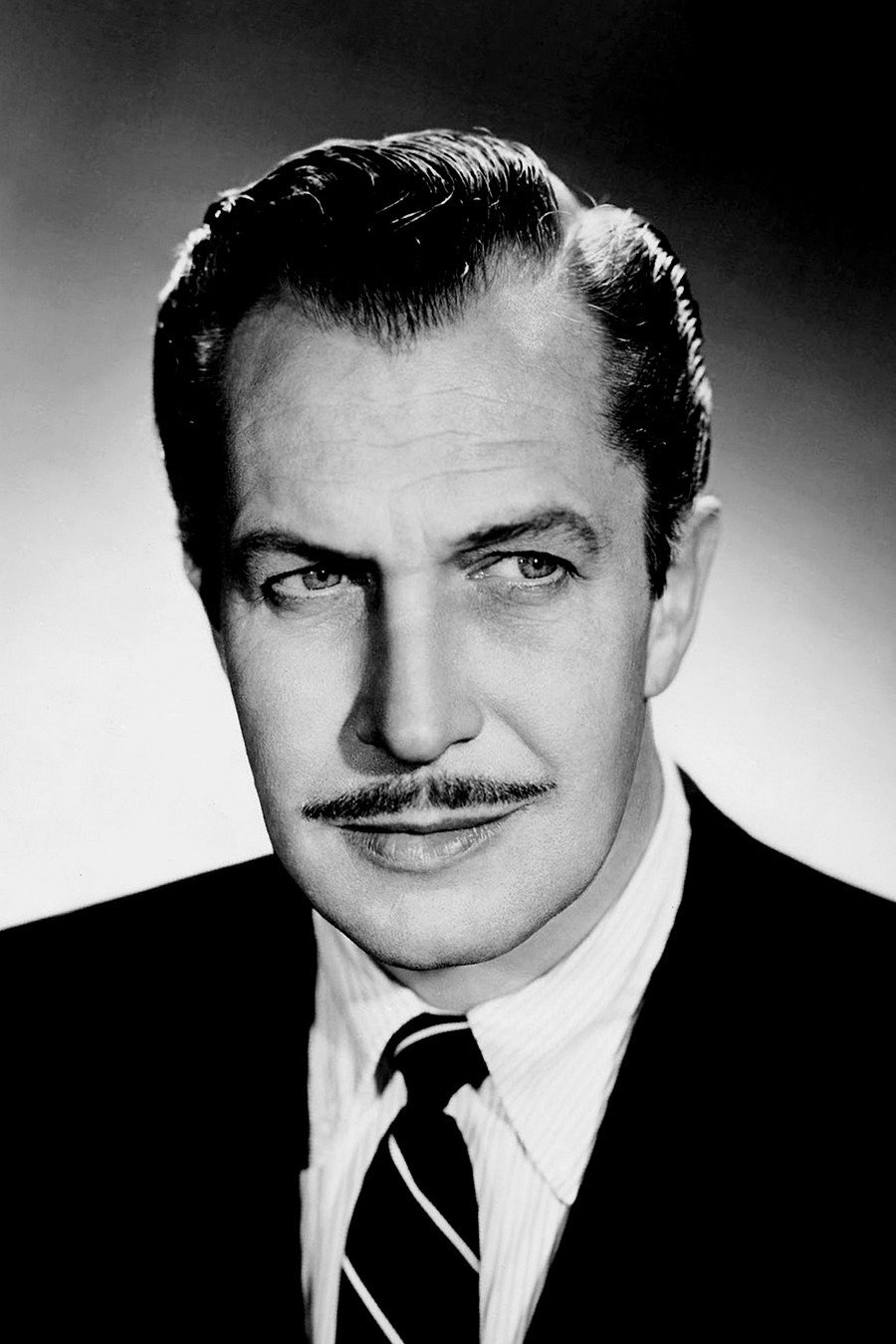
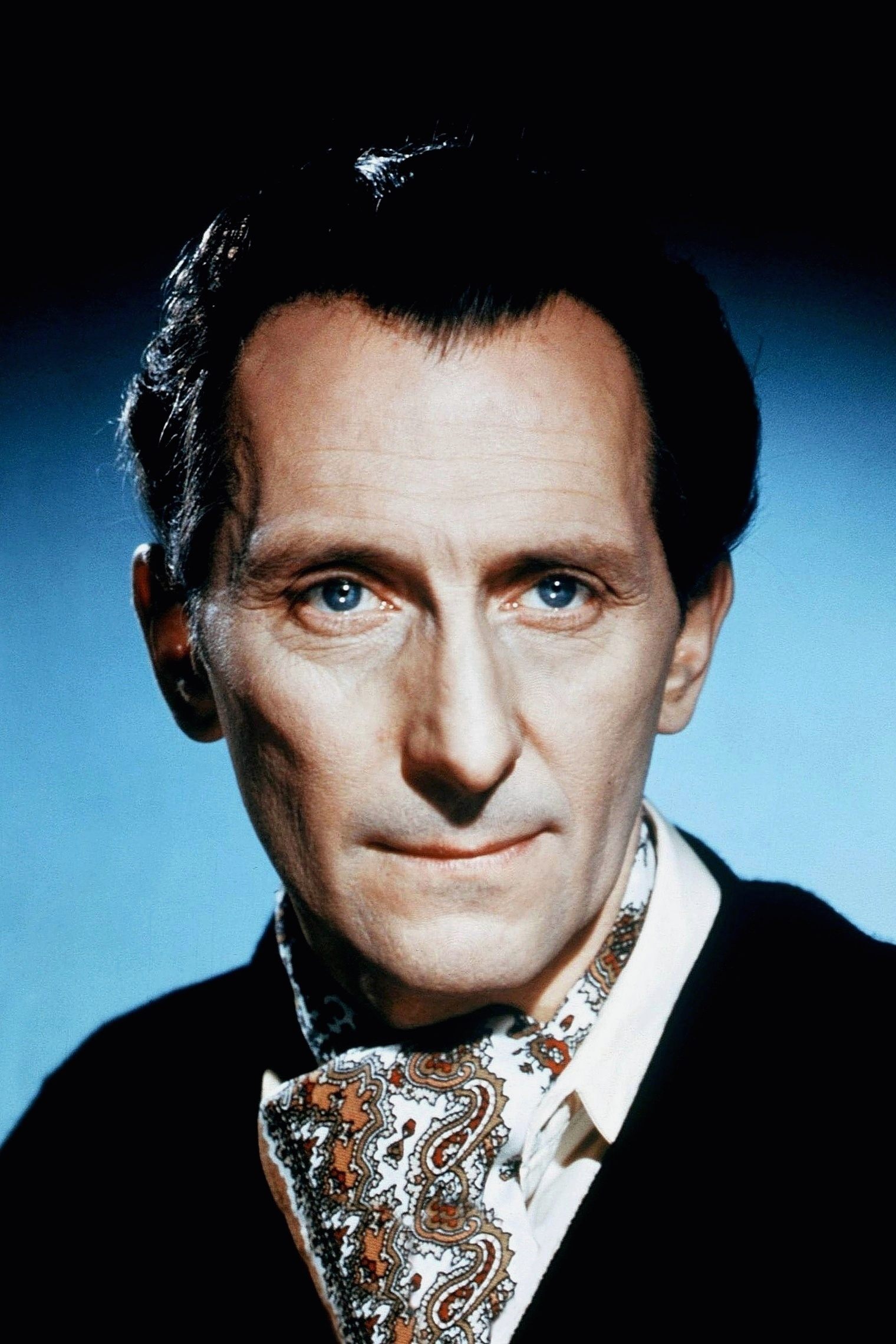
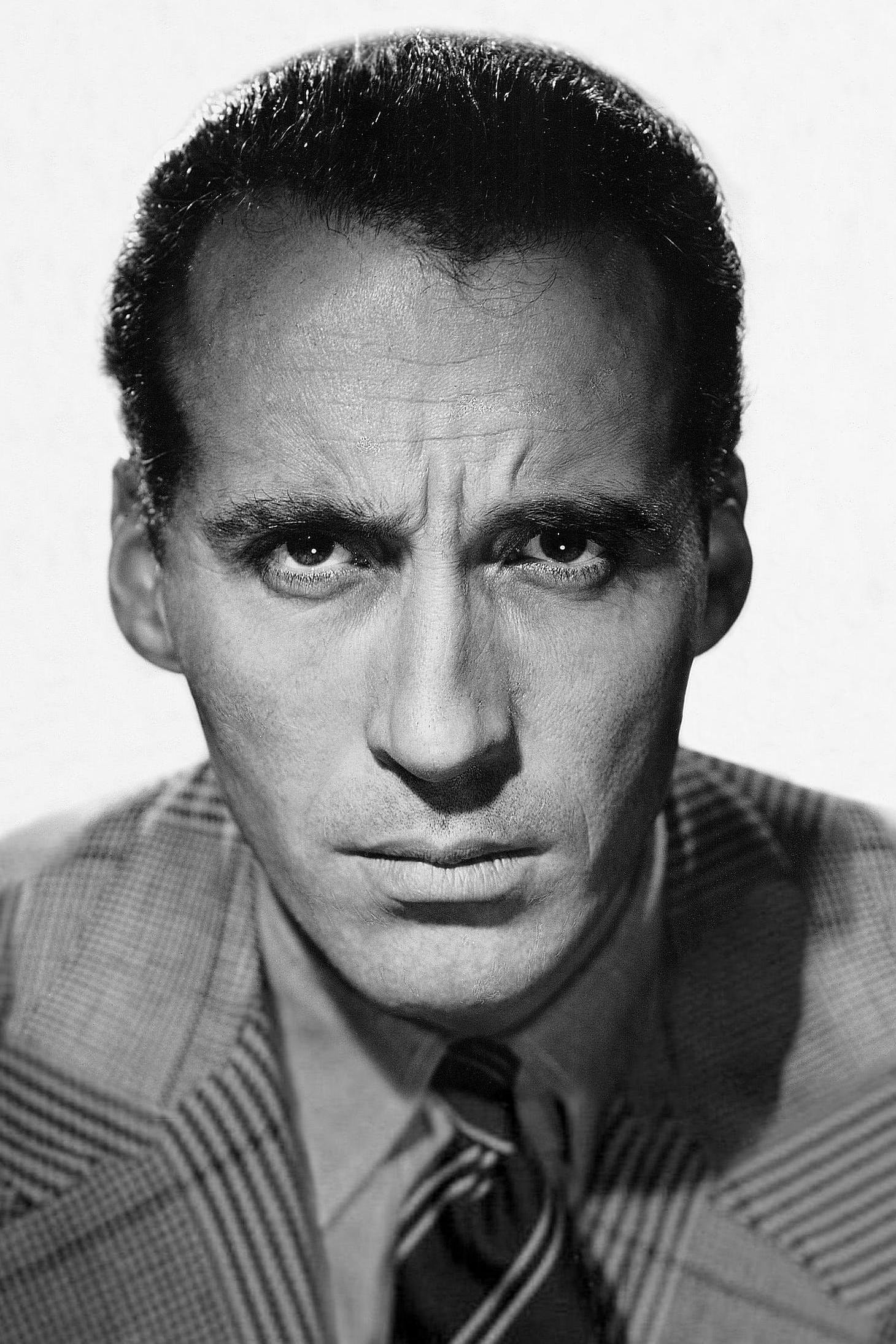
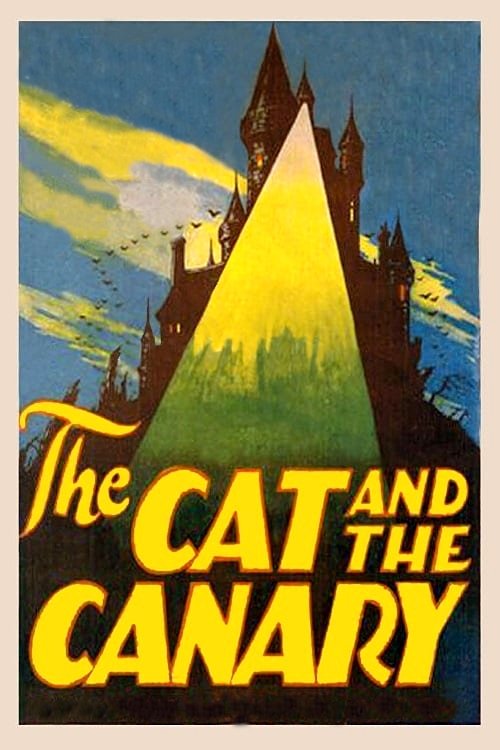
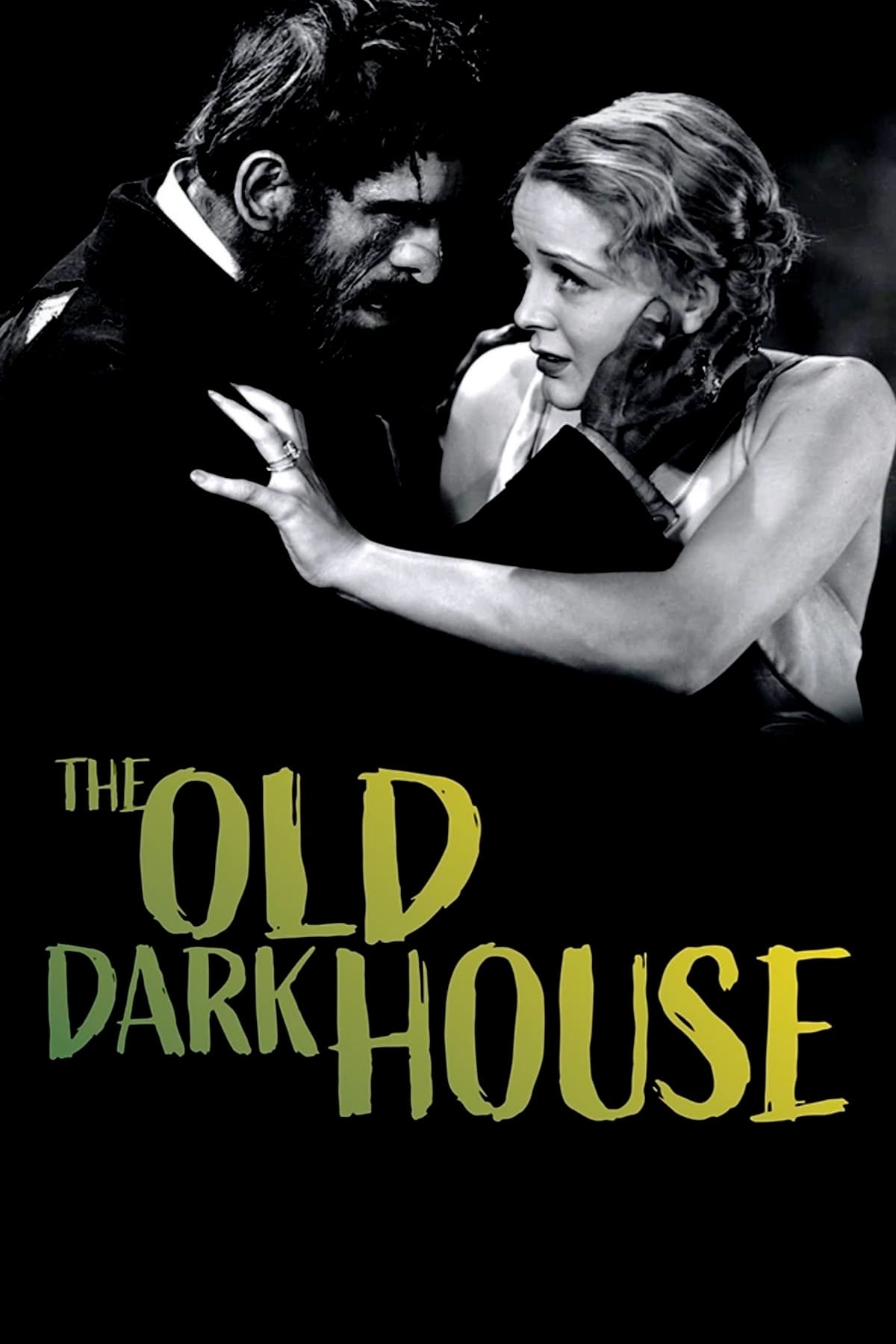
The form's roots run through the Old Dark House cycle of silent and early-sound cinema. Paul Leni's The Cat and the Canary (1927) — what New York Times critic Mordaunt Hall called "an exception to the rule in mystery pictures" — established the template that persists today: a group gathered in an isolated location, a will to be read, sliding panels and trick walls, the gradual revelation that someone among them is not who they seem. Bruce Hallenbeck notes that the type became known as the "Old Dark House" film, after James Whale's landmark The Old Dark House (1932), which marooned a cast led by Boris Karloff and Charles Laughton with the disturbingly idiosyncratic Femm family. William Castle's gimmick-driven late-1950s cycle revived the form — most famously House on Haunted Hill (1959) with Vincent Price — while Hammer's The Hound of the Baskervilles (1959) with Peter Cushing and Christopher Lee carried the Holmes-procedural strain into Gothic color. The high-water mark of the Old Dark House structure remained Agatha Christie's And Then There Were None (1974).
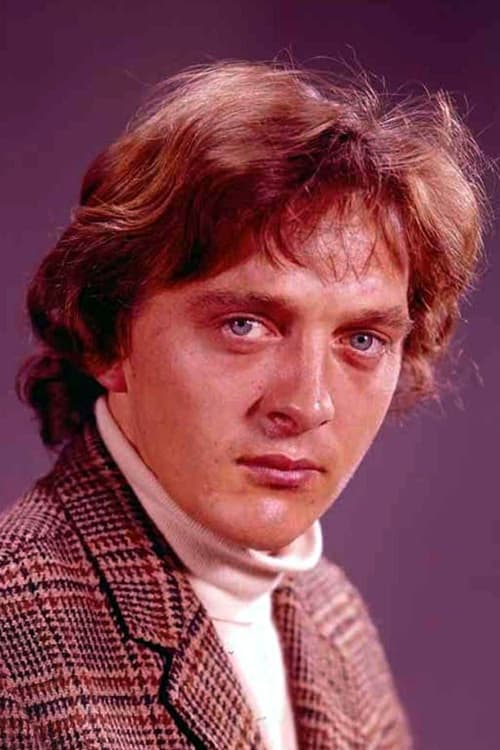
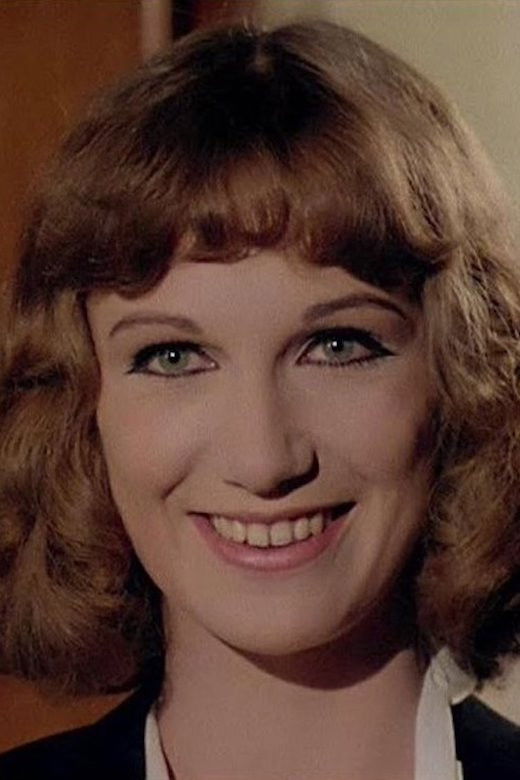
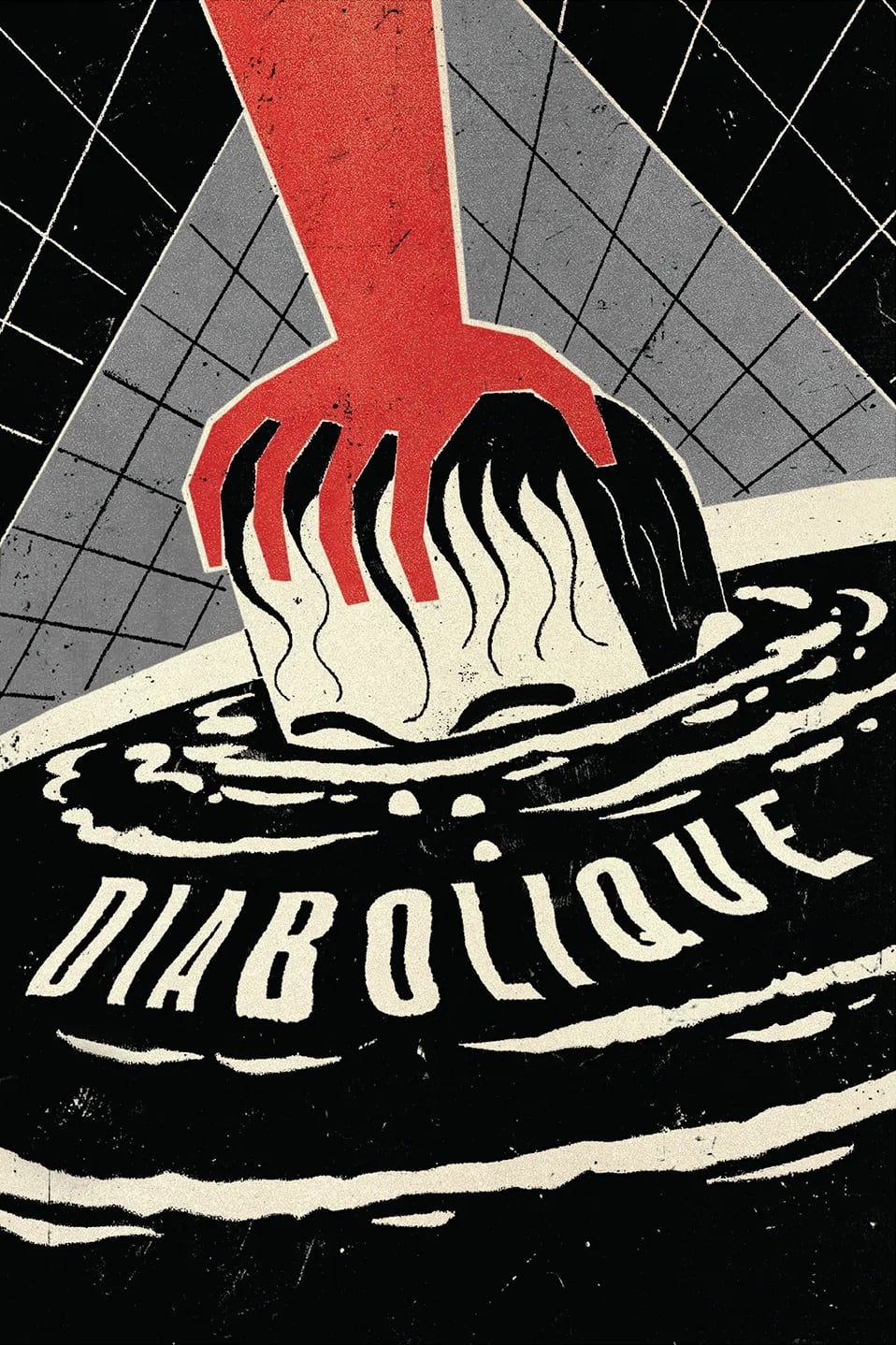
Italian giallo reinvented mystery-horror in the 1960s and 70s — the form's most influential cycle and the one that fused the puzzle-whodunit with horror's visceral apparatus. Mario Bava's The Girl Who Knew Too Much (1963) is widely identified as the foundational giallo; his Blood and Black Lace (1964) codified the form's iconography (the black-gloved killer, the fashion-house setting). Dario Argento's debut The Bird with the Crystal Plumage (1970) launched the second wave; his masterwork Deep Red (1975), with David Hemmings as the amateur jazz-pianist investigator and Daria Nicolodi as the journalist drawn in alongside him, supplied what Mathijs and Mendik describe as giallo's defining narrative shape — the male amateur detective forced to mount an unofficial investigation. Across the Atlantic, Henri-Georges Clouzot's Diabolique (1955) had already shown what mystery-horror was capable of: tops "best films ever made" lists half a century later (Muir), with the bathtub reveal that Psycho would borrow five years later.
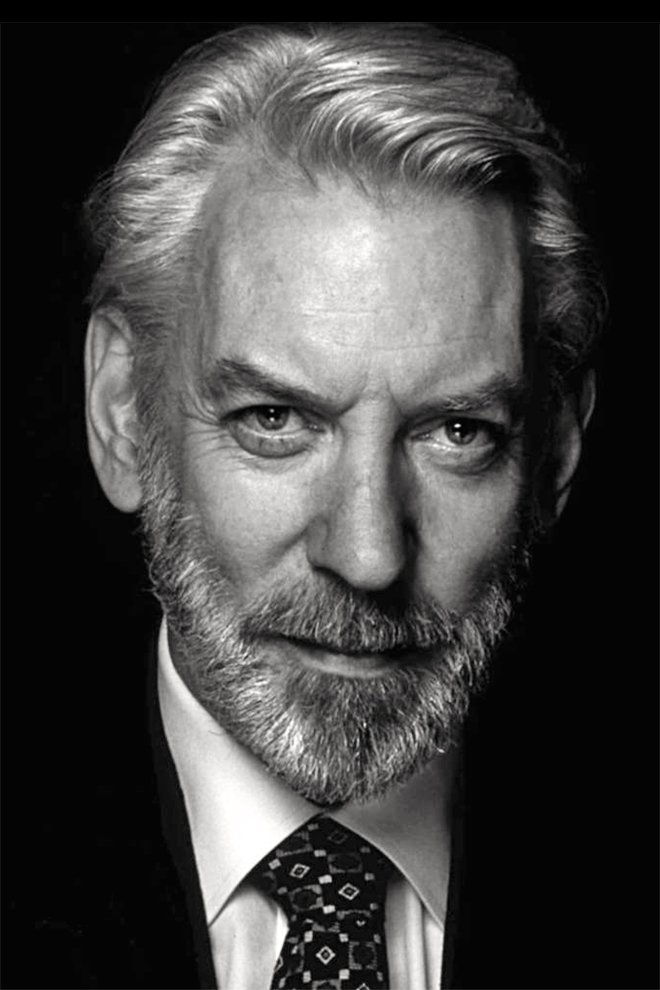
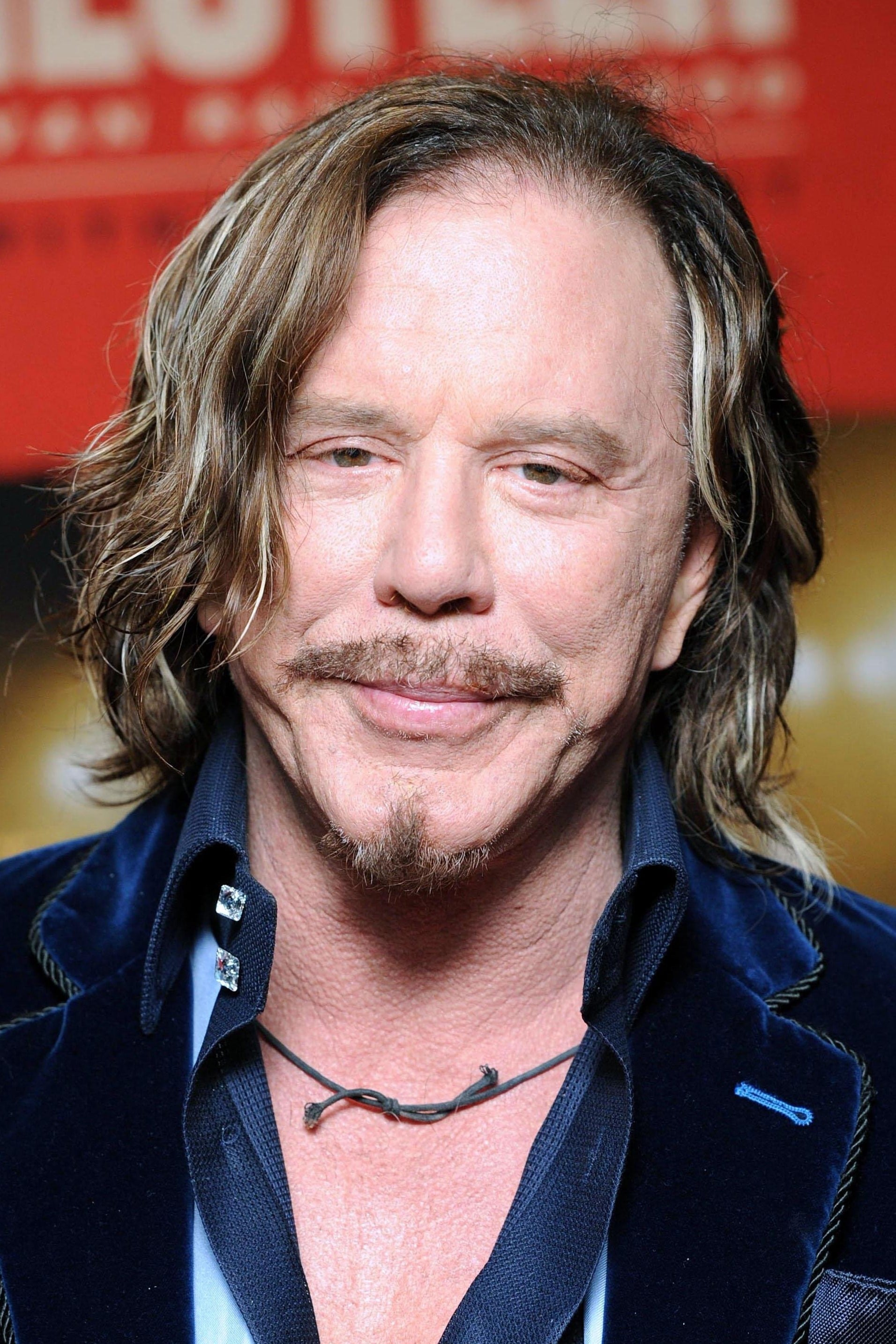
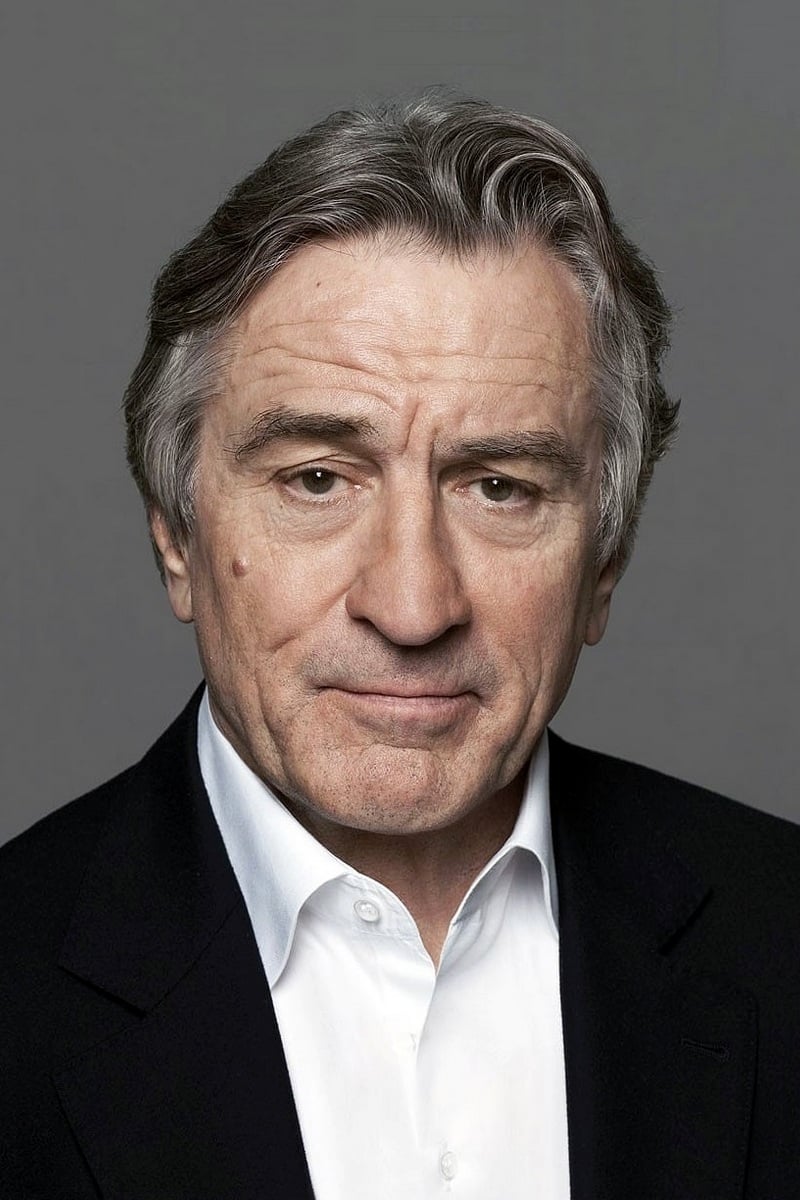
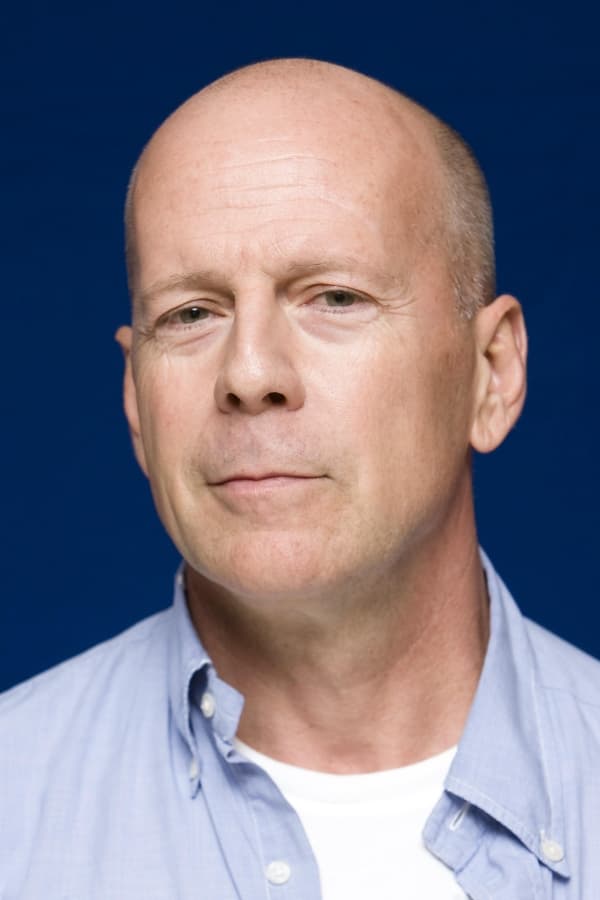
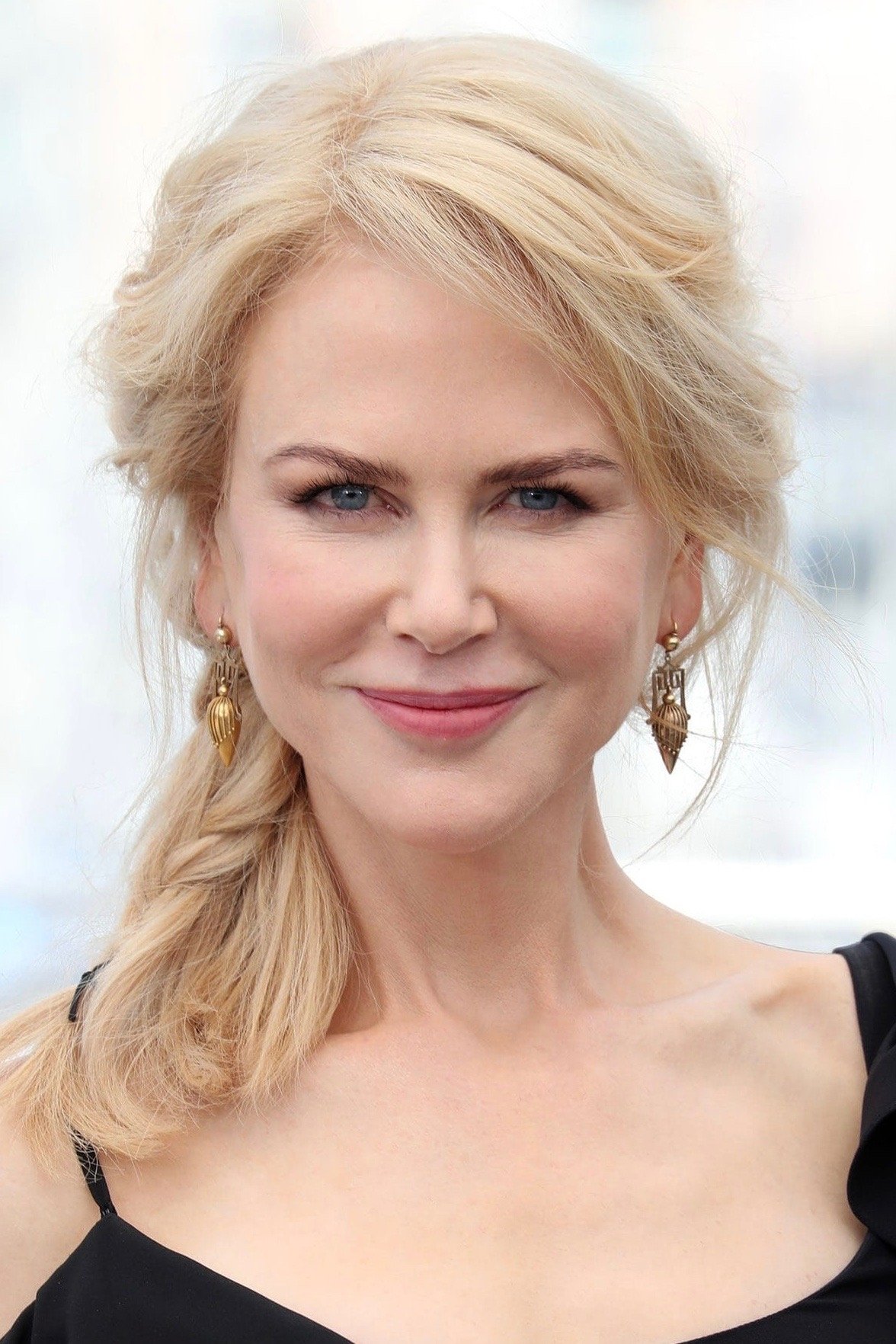
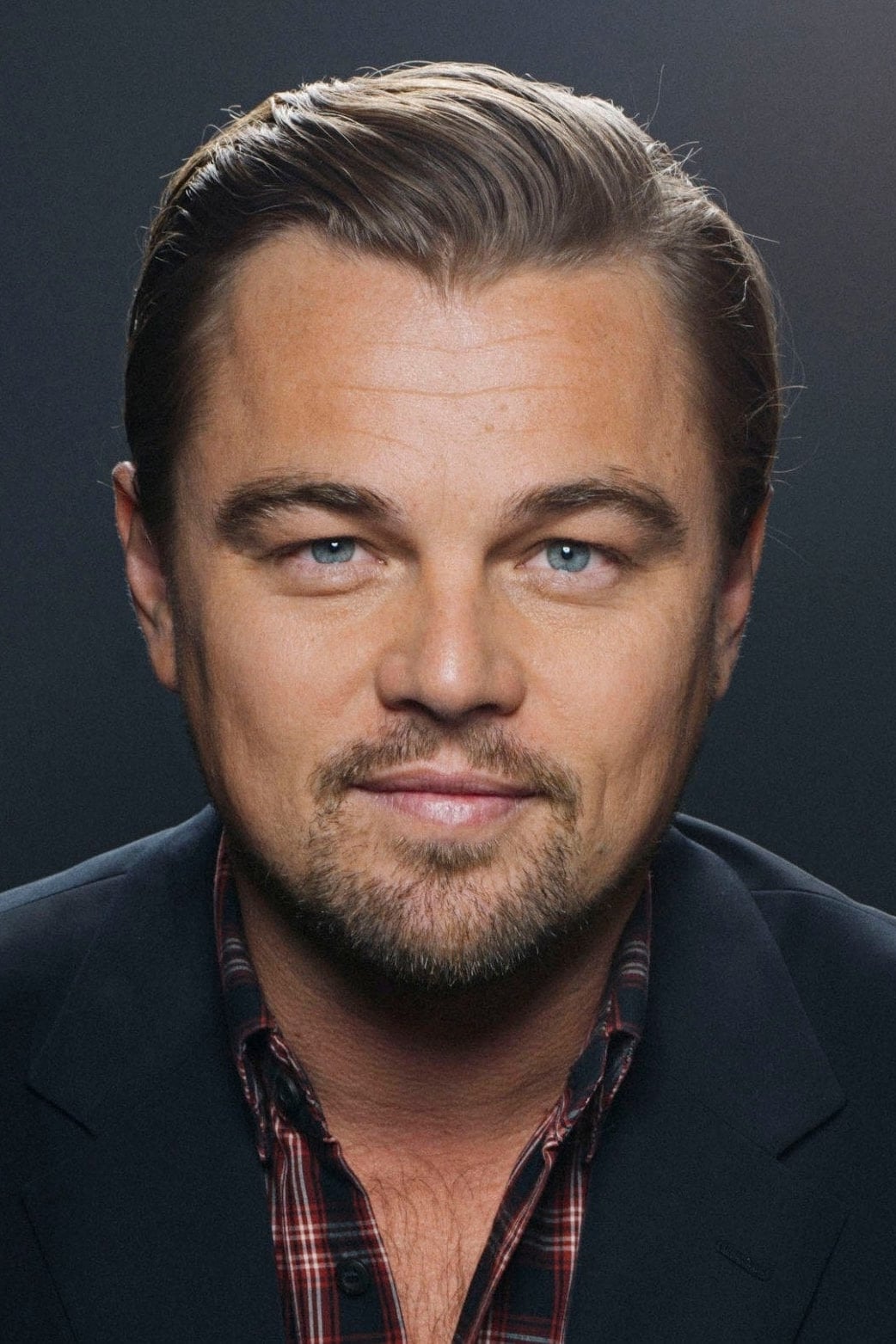
The 1970s through the early 2000s extended the form into supernatural-mystery territory. Nicolas Roeg's Don't Look Now (1973), with Donald Sutherland and Julie Christie in Venice grieving their drowned daughter, fused premonition with murder-mystery into one of horror's most quietly devastating reveals. Alan Parker's Angel Heart (1987), with Mickey Rourke's gumshoe and Robert De Niro's Louis Cyphre, weaponized the detective procedural into deal-with-the-Devil revelation. M. Night Shyamalan's The Sixth Sense (1999), with Bruce Willis, was — per Kim Newman — "If a film was ever oversold on the strength of a final twist," it was this one; Alejandro Amenábar's The Others (2001) with Nicole Kidman pulled the same trick again two years later. James Mangold's Identity (2003) brought the Christie-island-puzzle structure back to mainstream horror, and Martin Scorsese's Shutter Island (2010), with Leonardo DiCaprio, returned to the asylum-mystery on prestige terms.
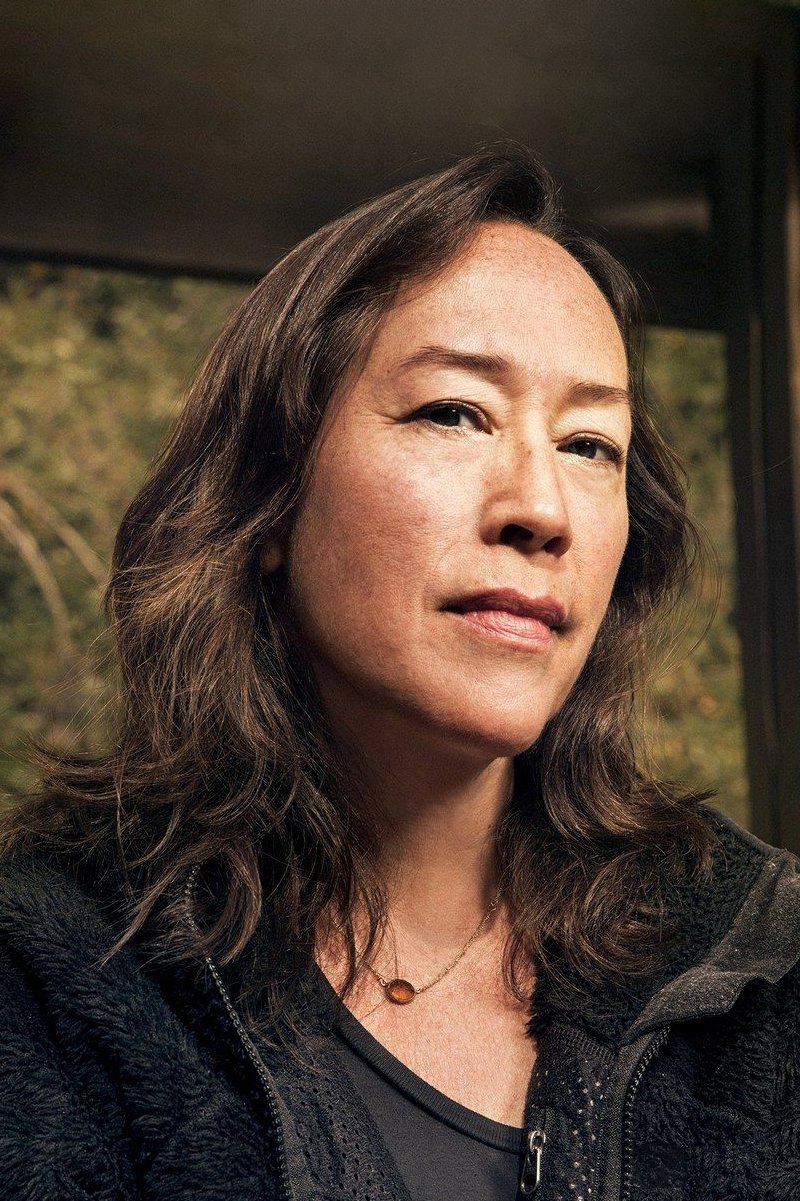
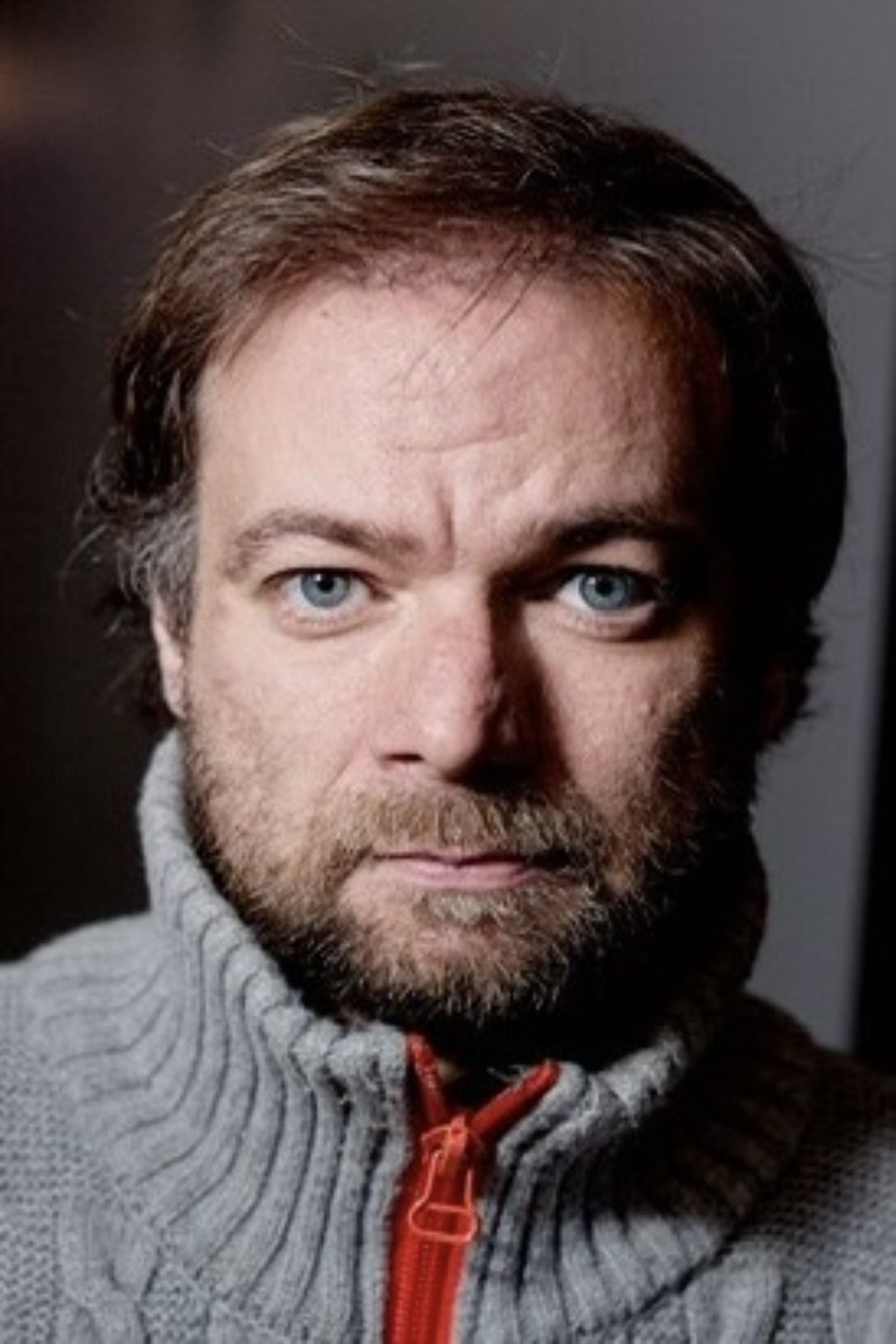
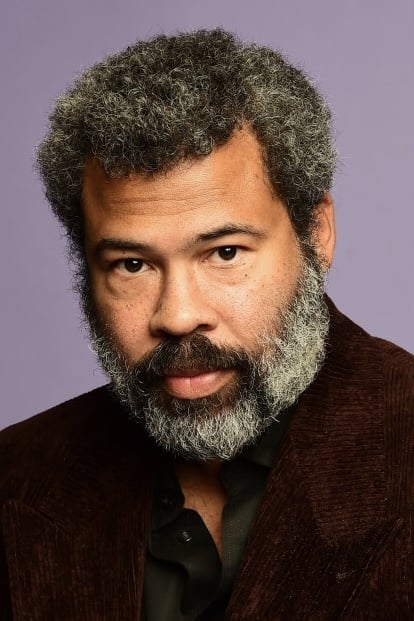
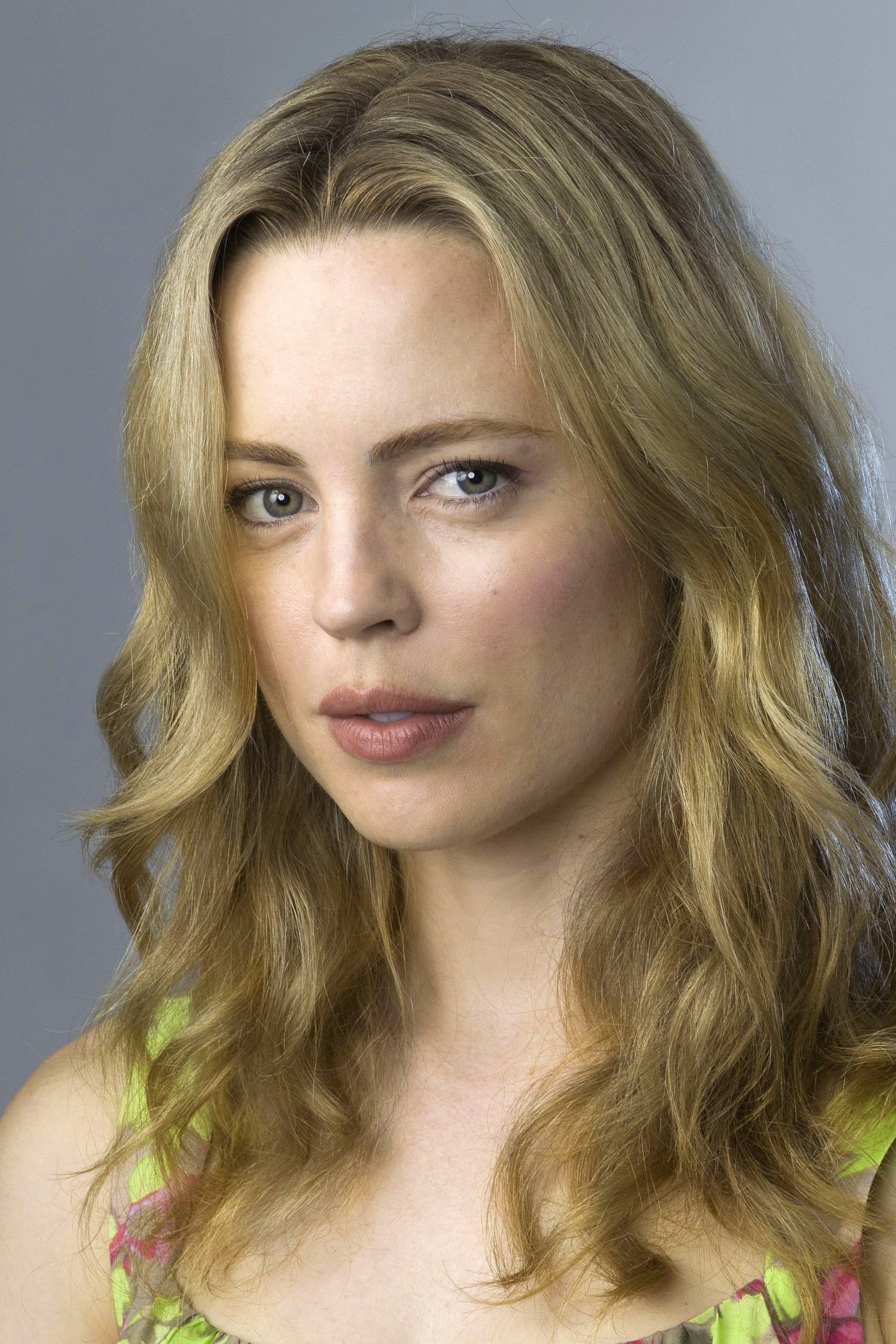
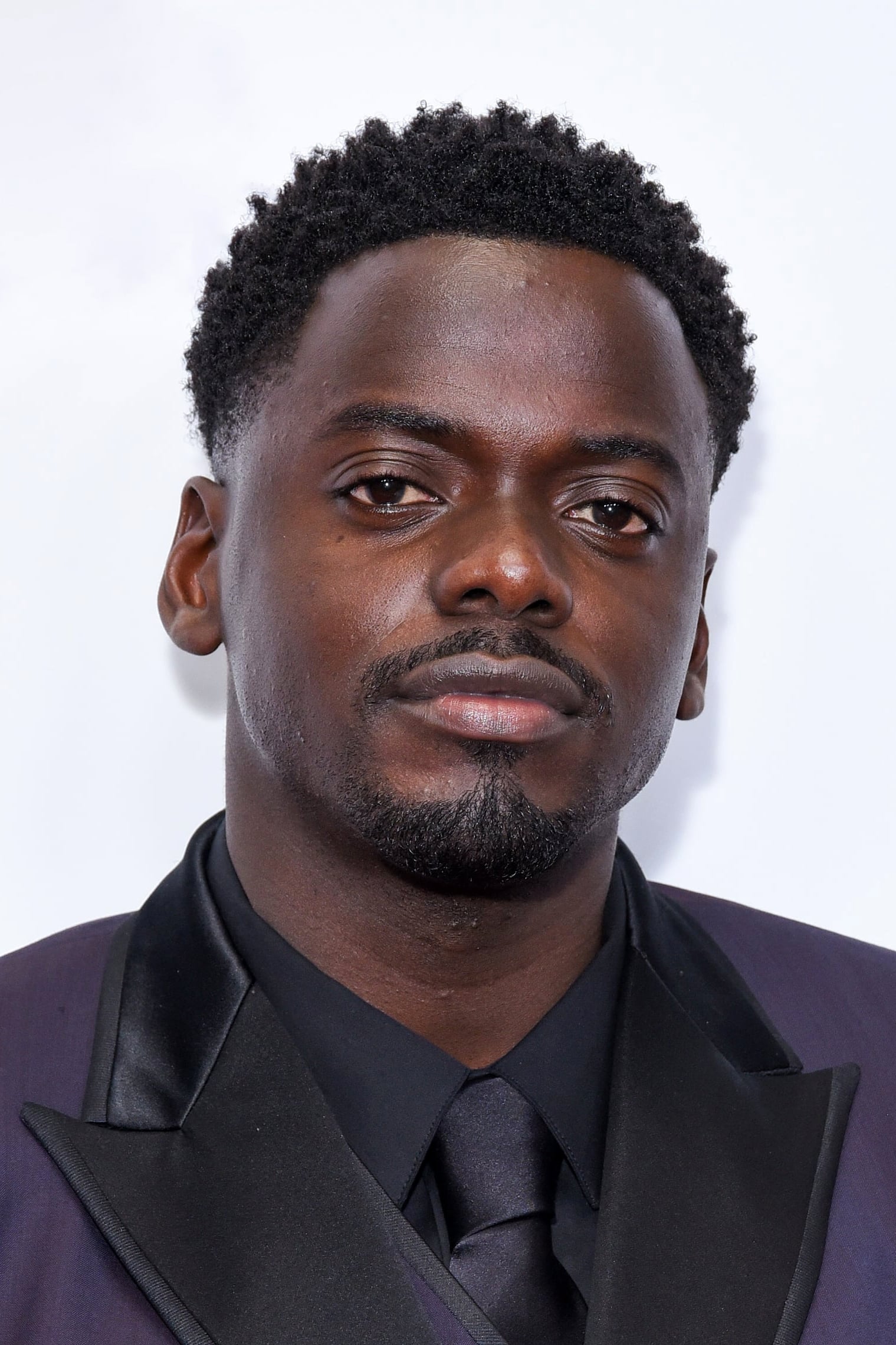
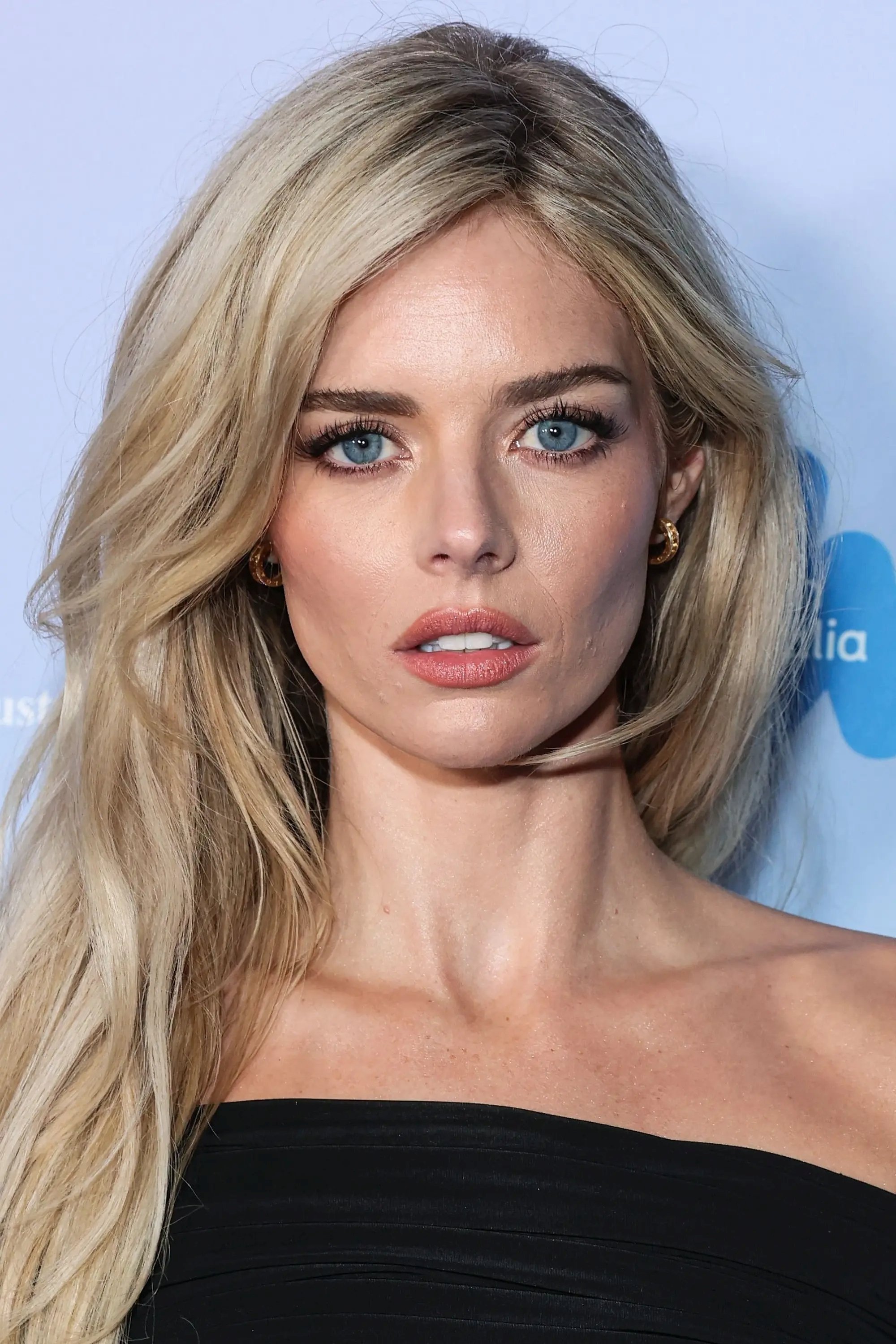
The 21st century opened mystery-horror to new structures. James Wan's Saw (2004), with Tobin Bell's Jigsaw, introduced the puzzle-game framework as horror engine and launched the era's most commercially durable franchise; Joel Anderson's Lake Mungo (2009), with Talia Zucker, used the mockumentary form to construct one of mystery-horror's most patient and devastating reveals; Christopher Smith's Triangle (2009) (Melissa George) built a Möbius-strip mystery aboard a derelict ocean liner; Karyn Kusama's The Invitation (2016) turned a dinner-party reunion into one of the decade's most precise slow-burn mysteries; André Øvredal's The Autopsy of Jane Doe (2016) made the morgue procedural a vehicle for occult horror; Jordan Peele's Get Out (2017), with Daniel Kaluuya, became the decade's most culturally consequential mystery-horror by transforming a meet-the-parents weekend into a slow-build revelation of racial body-horror; Radio Silence's Ready or Not (2019) (Samara Weaving) rebuilt the murder-game whodunit as black comedy; Halina Reijn's Bodies Bodies Bodies (2022) brought the locked-room-mystery into the smartphone era. The form persists because it offers what no other corner of horror quite provides: the doubled pleasure of solving and surviving at once.
Sources: Bruce G. Hallenbeck, Comedy-Horror Films (2009); Kim Newman, Nightmare Movies: Horror on Screen Since the 1960s.
Essential Films
The Cat and the Canary
The Old Dark House
Diabolique
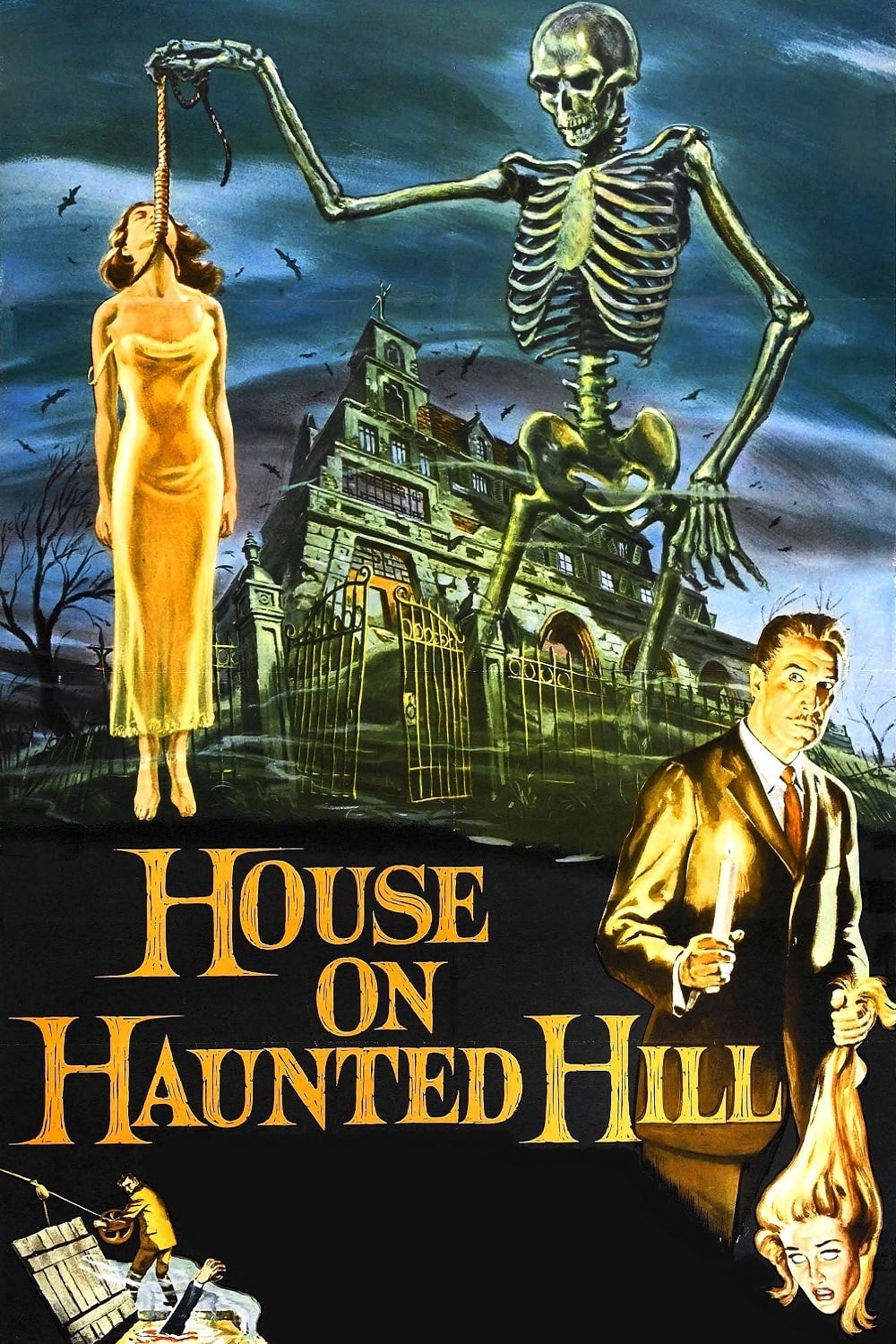
House on Haunted Hill
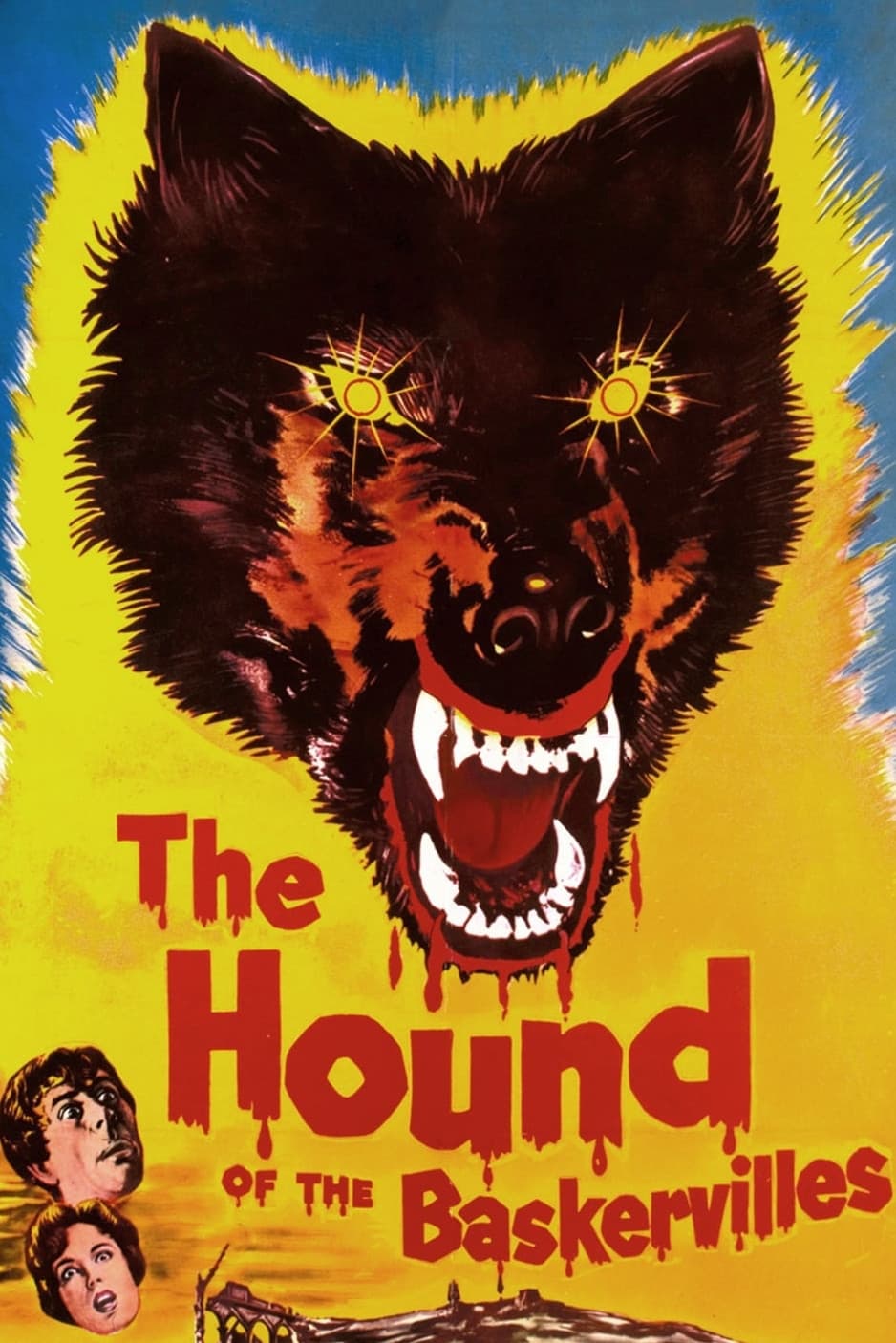
The Hound of the Baskervilles

The Girl Who Knew Too Much
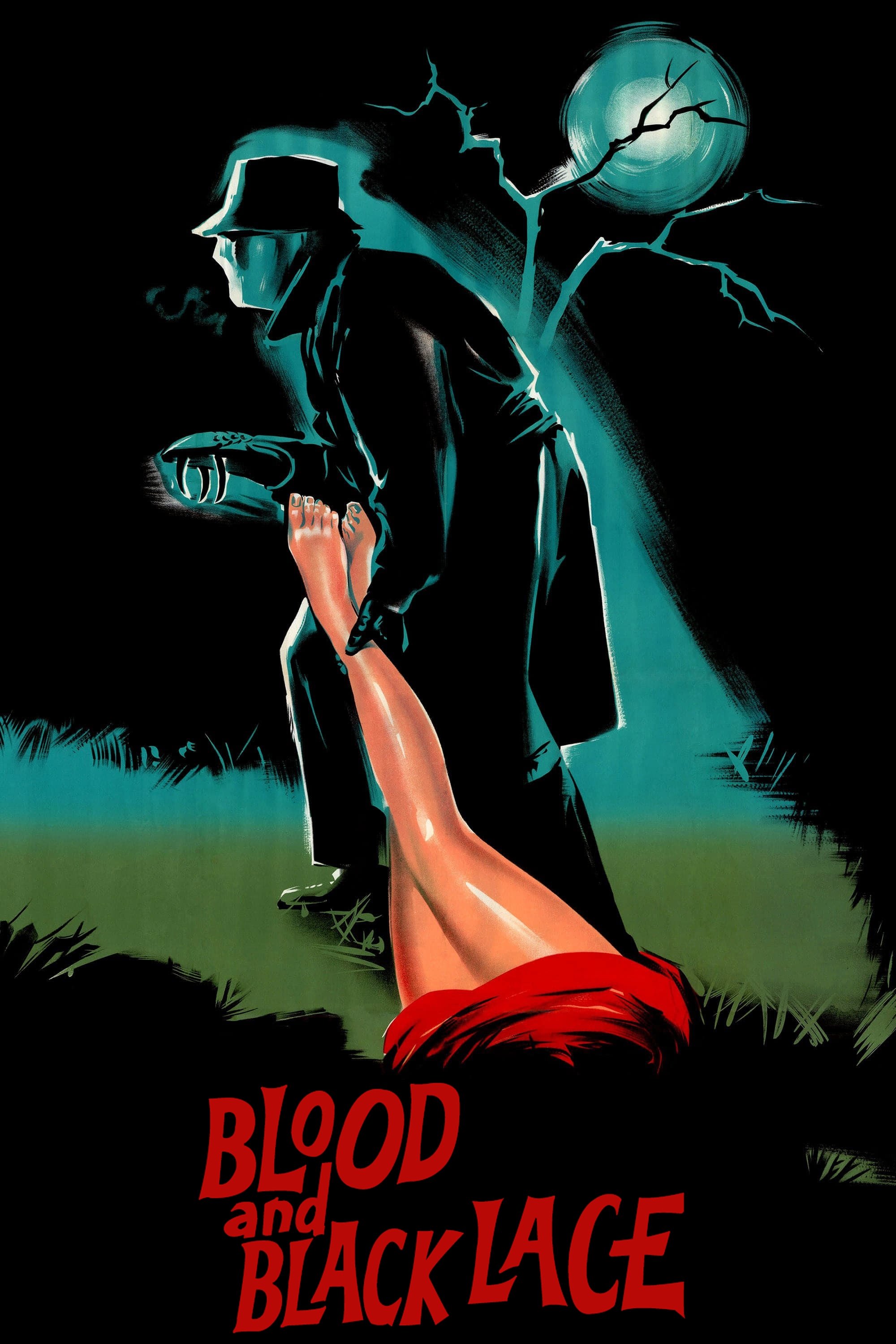
Blood and Black Lace
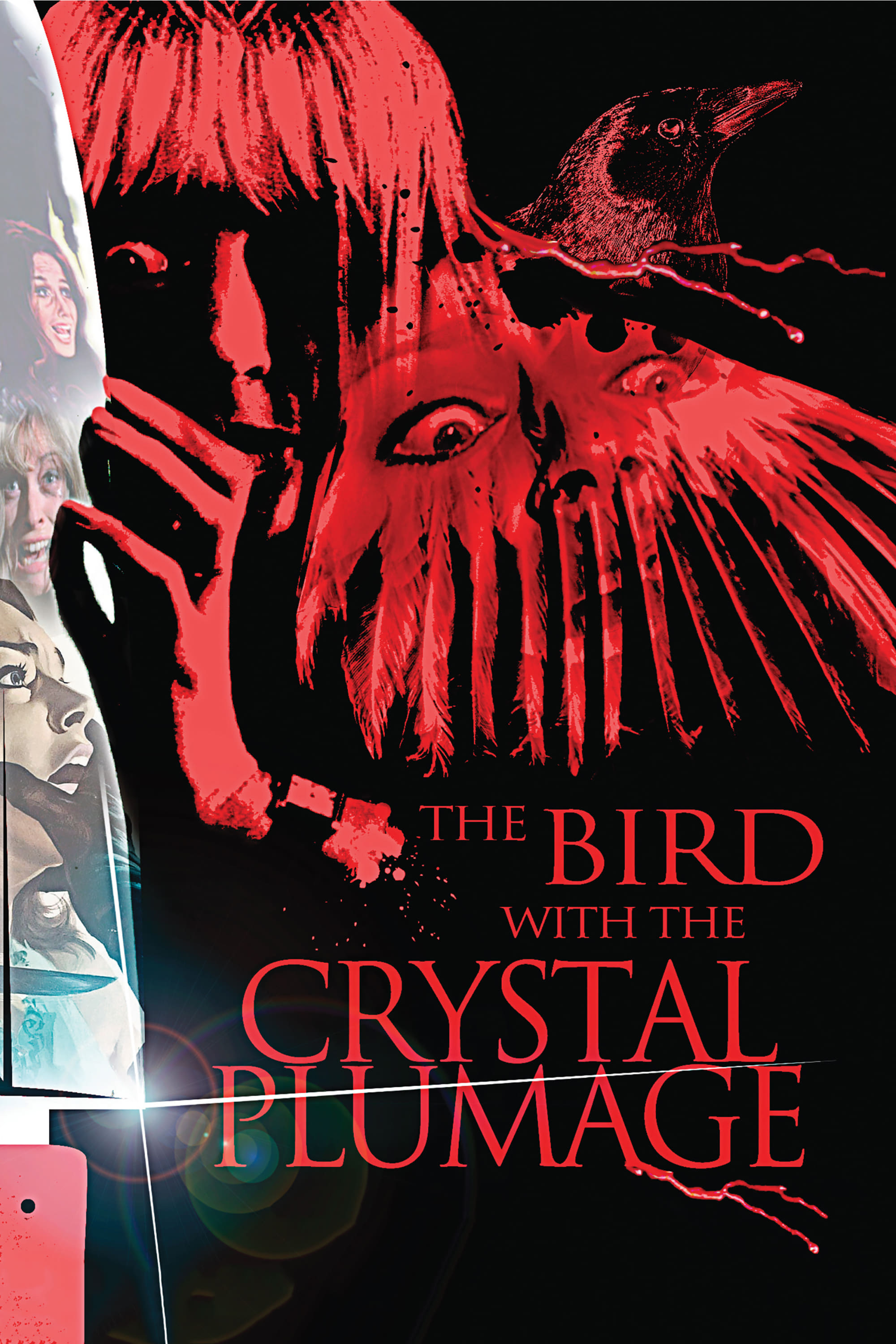
The Bird with the Crystal Plumage
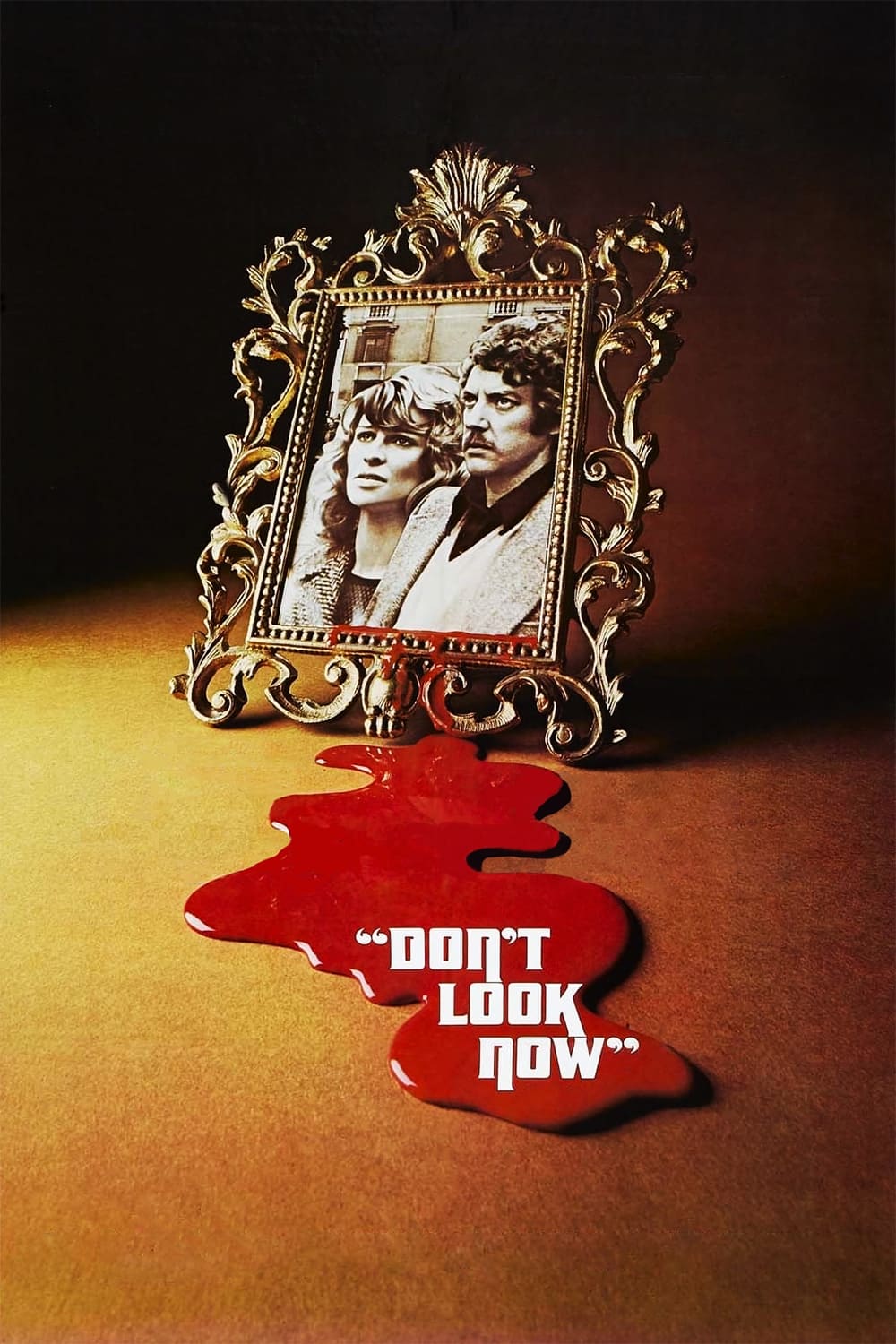
Don't Look Now
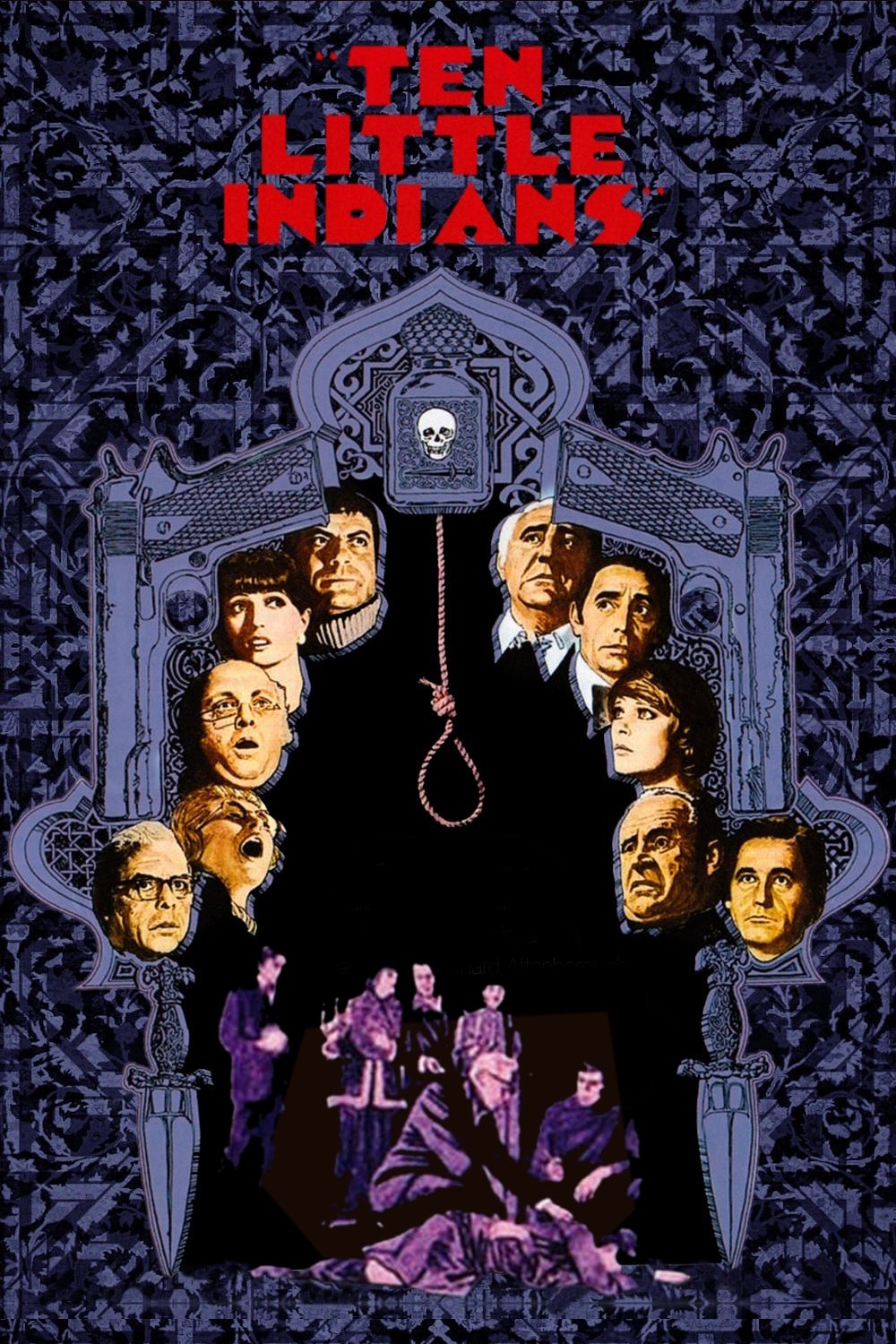
And Then There Were None
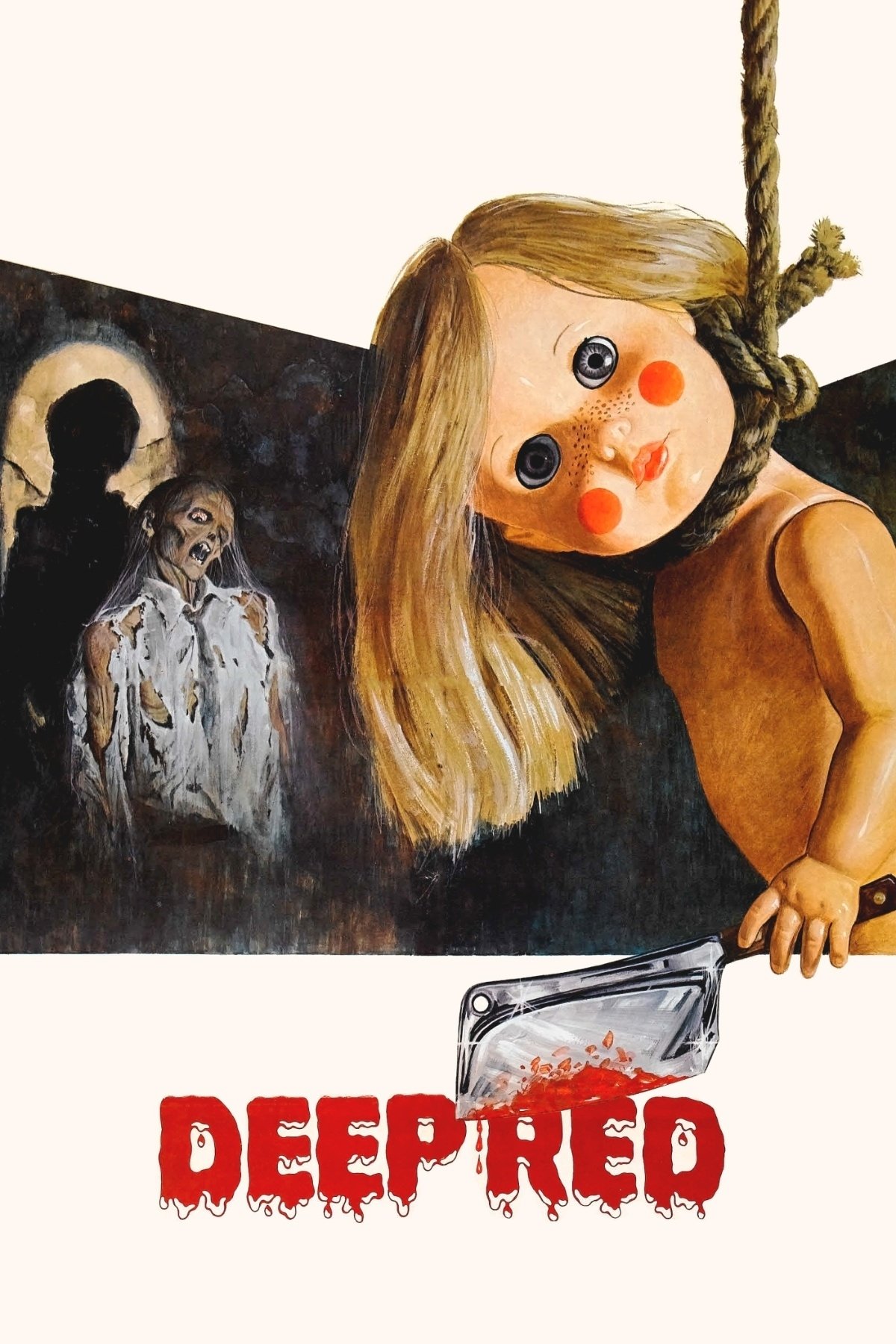
Deep Red
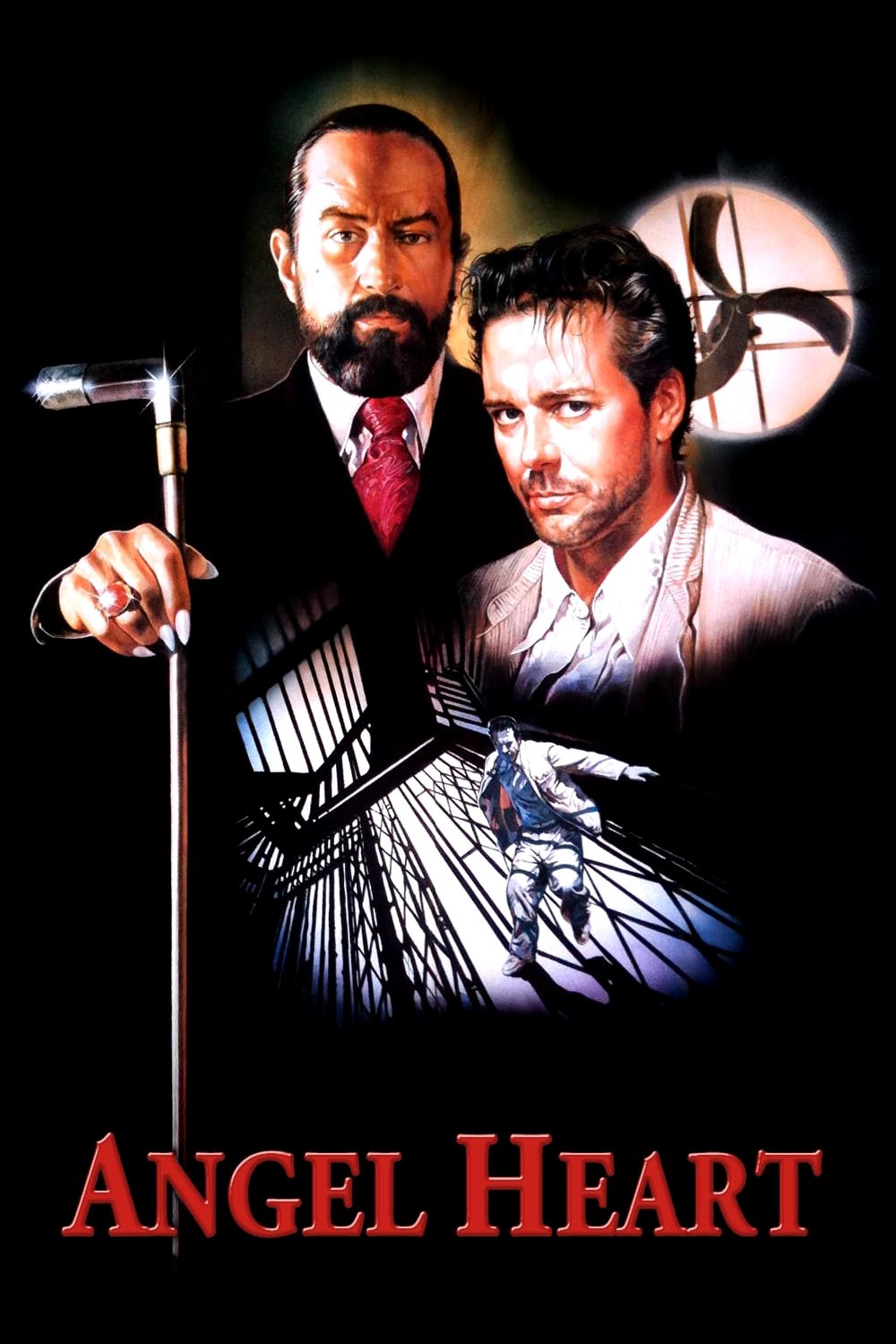
Angel Heart
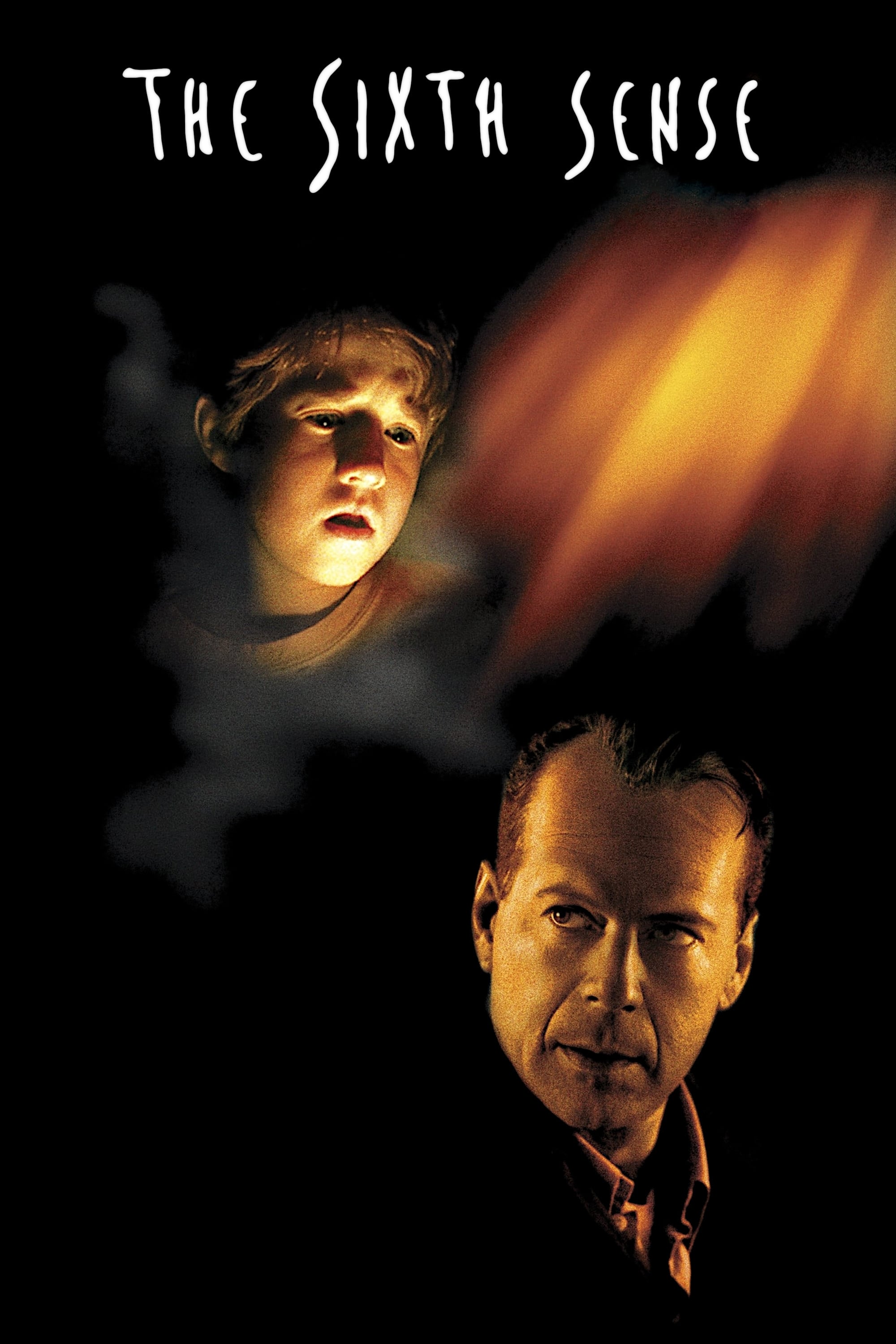
The Sixth Sense
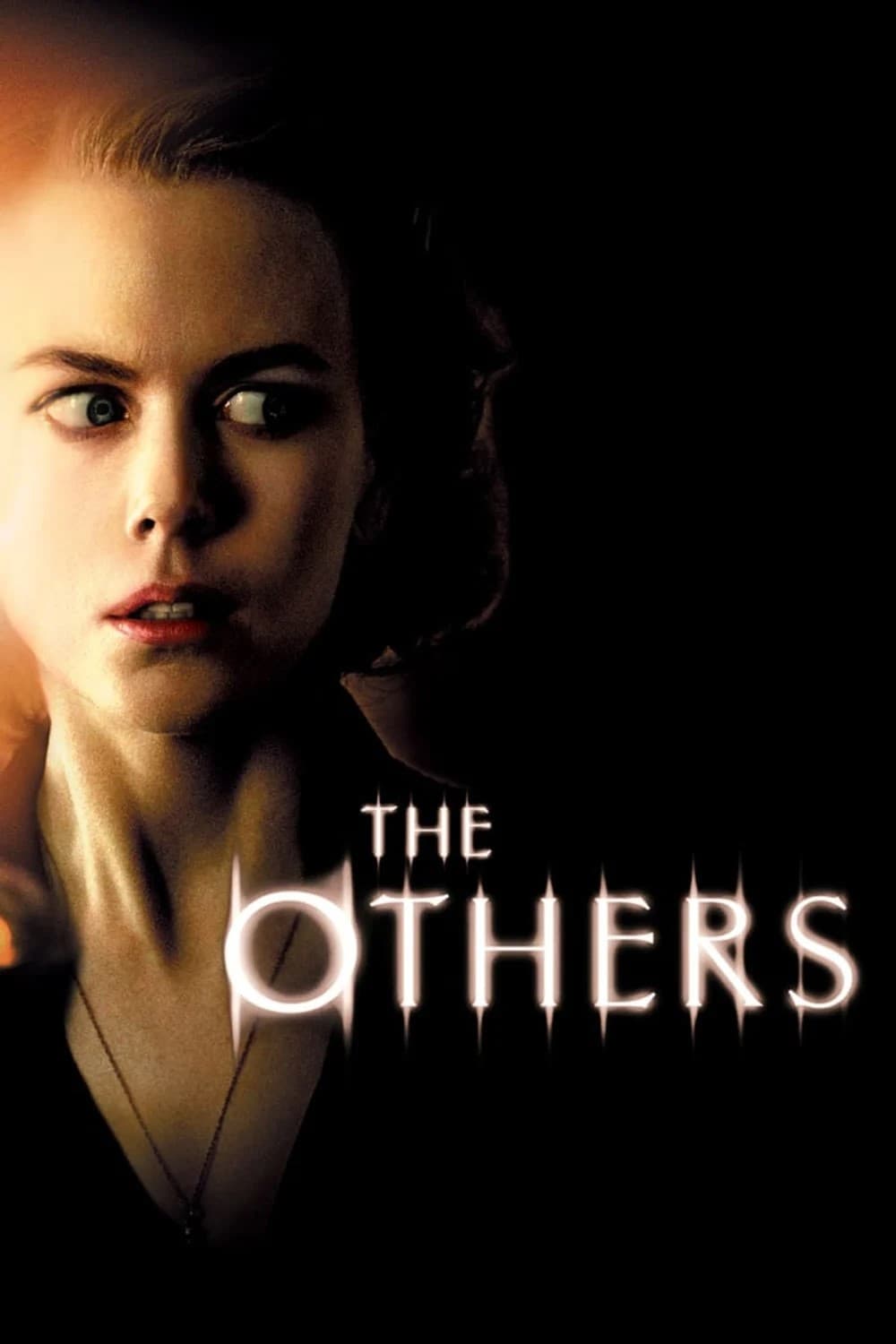
The Others
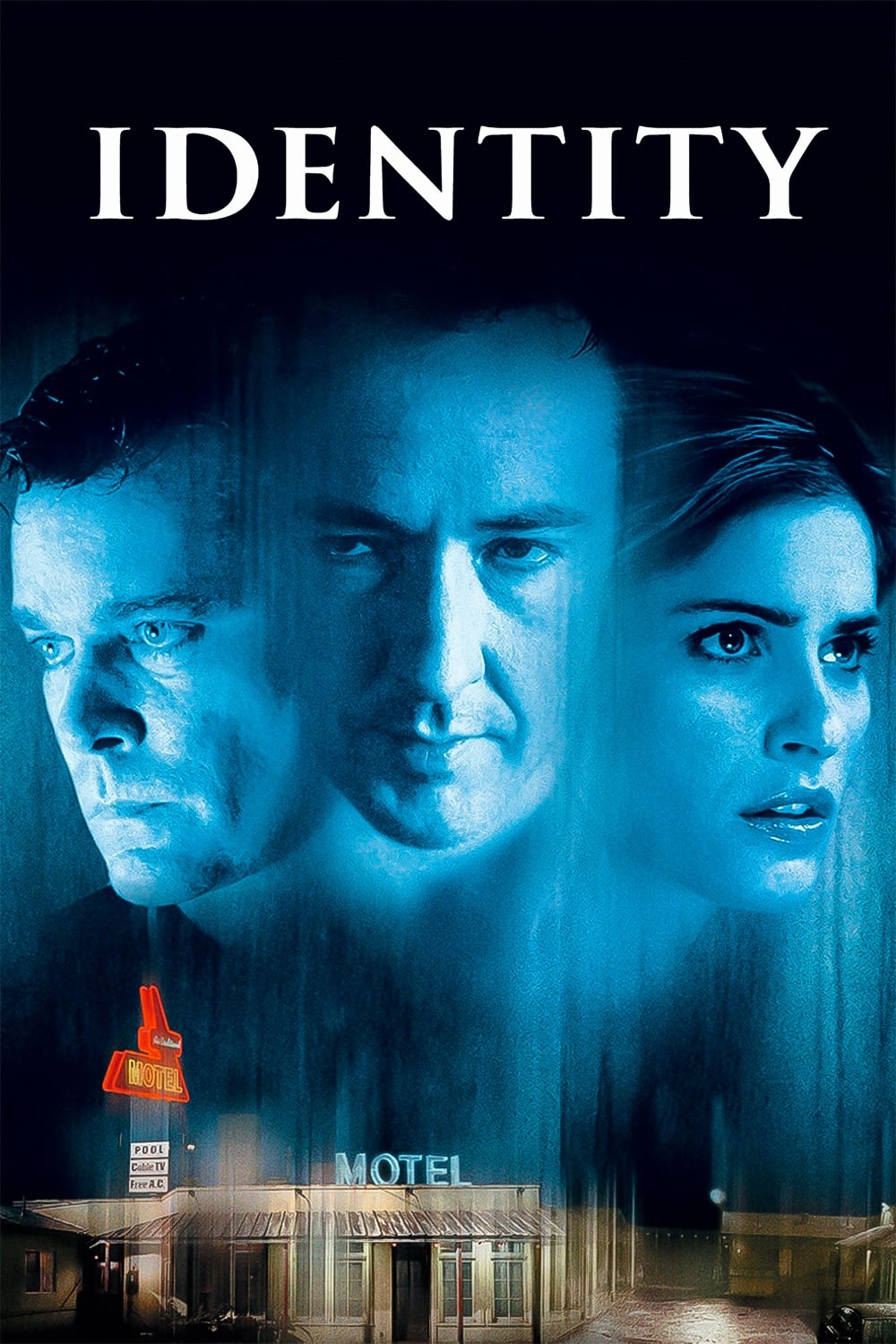
Identity
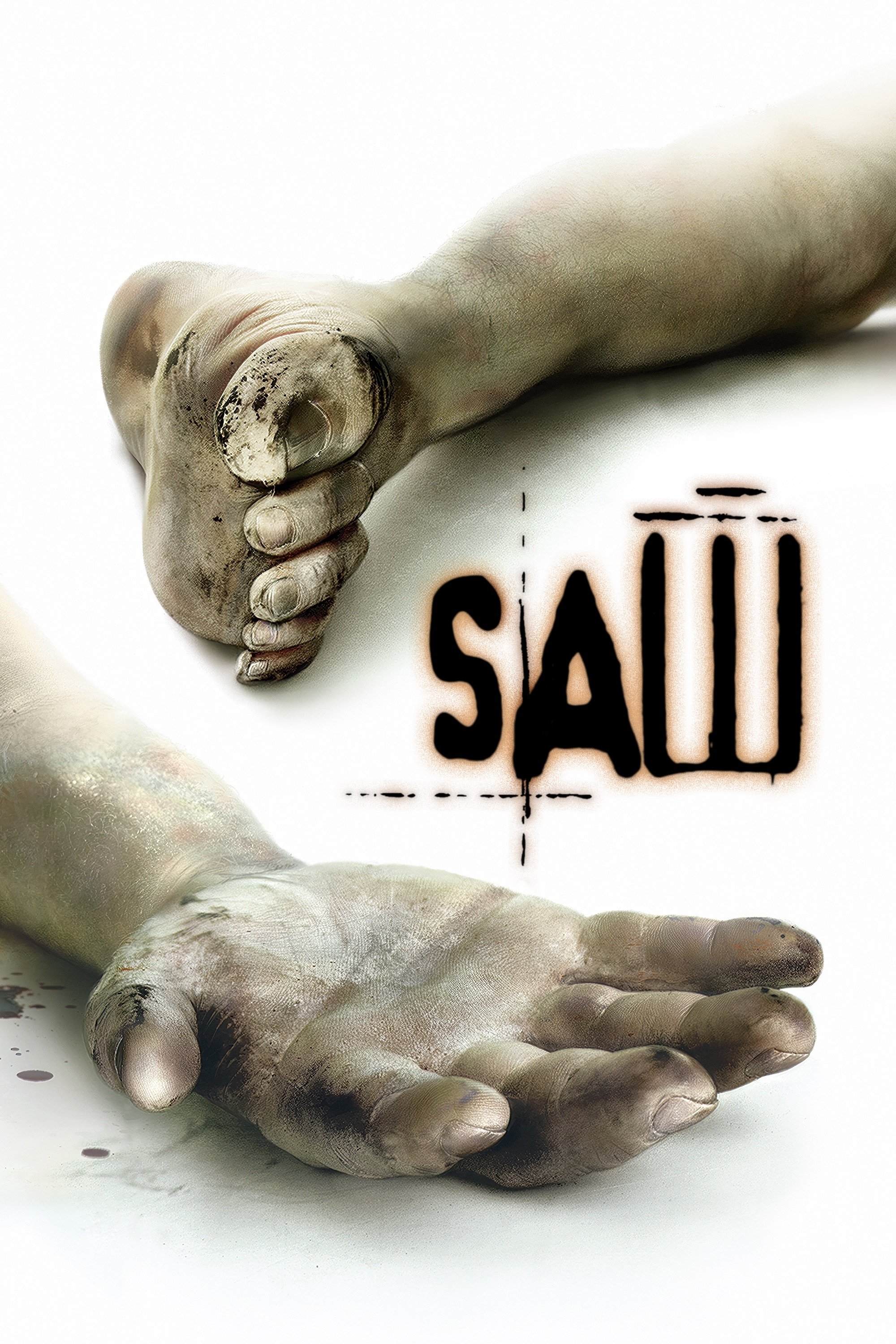
Saw
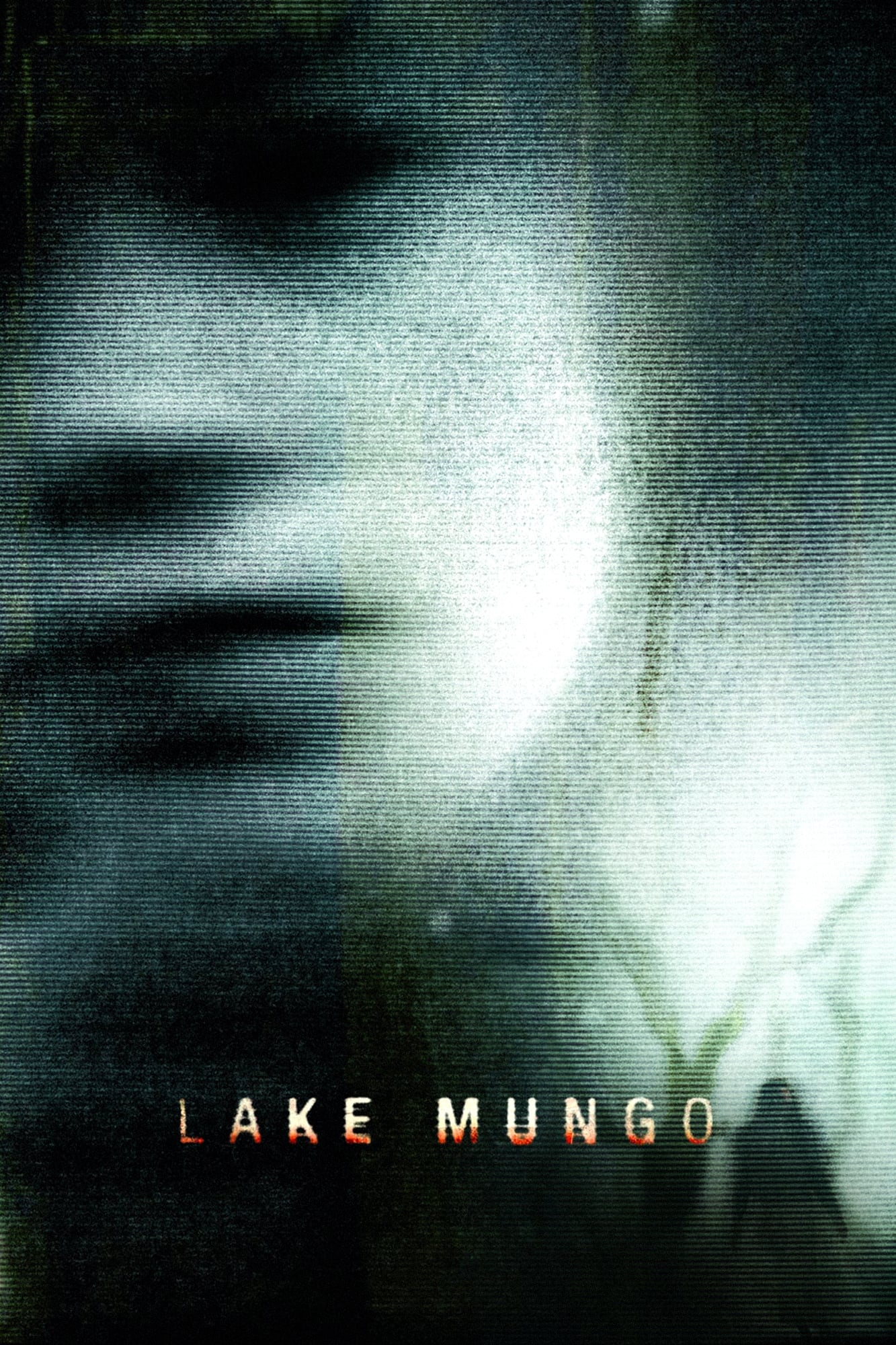
Lake Mungo
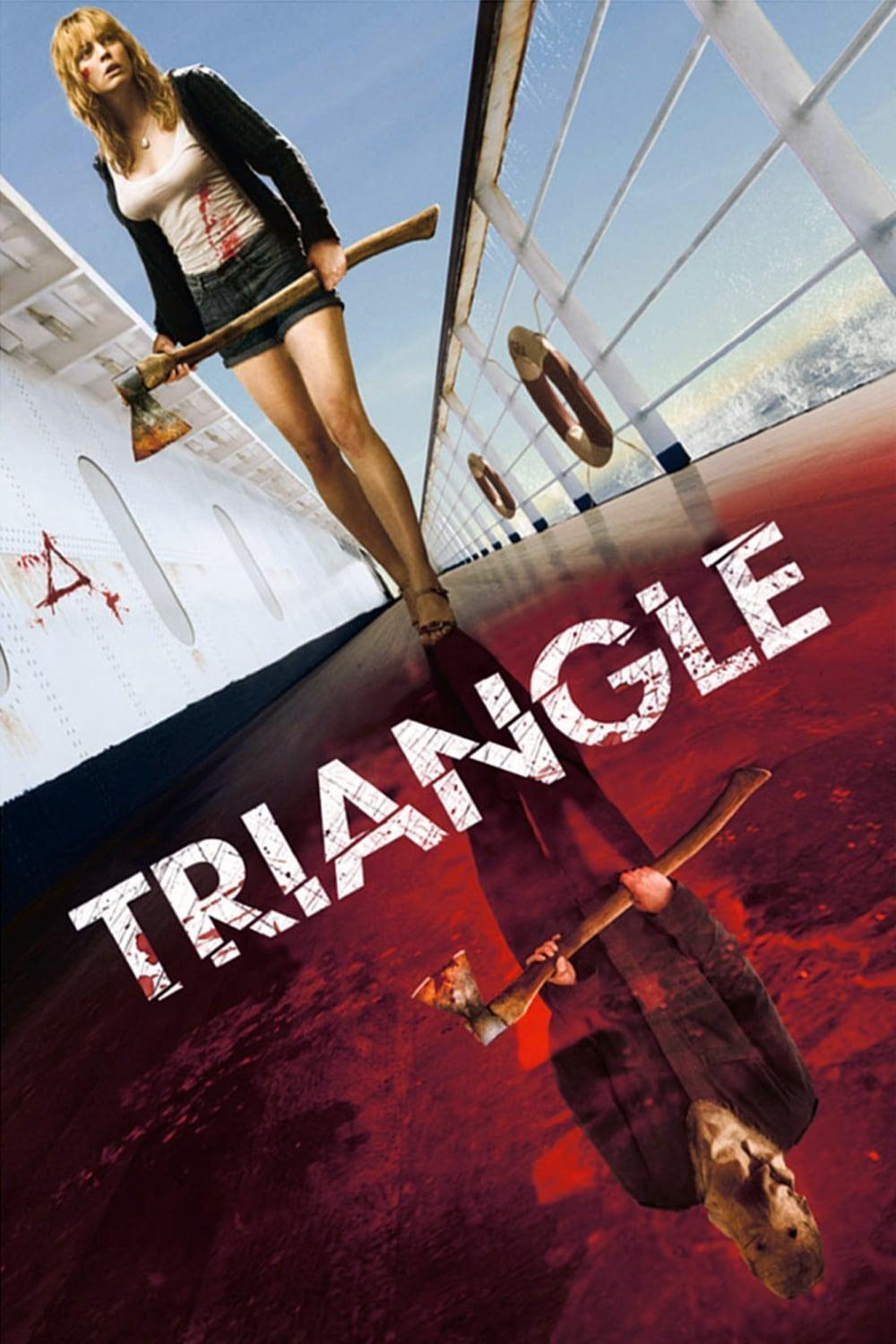
Triangle
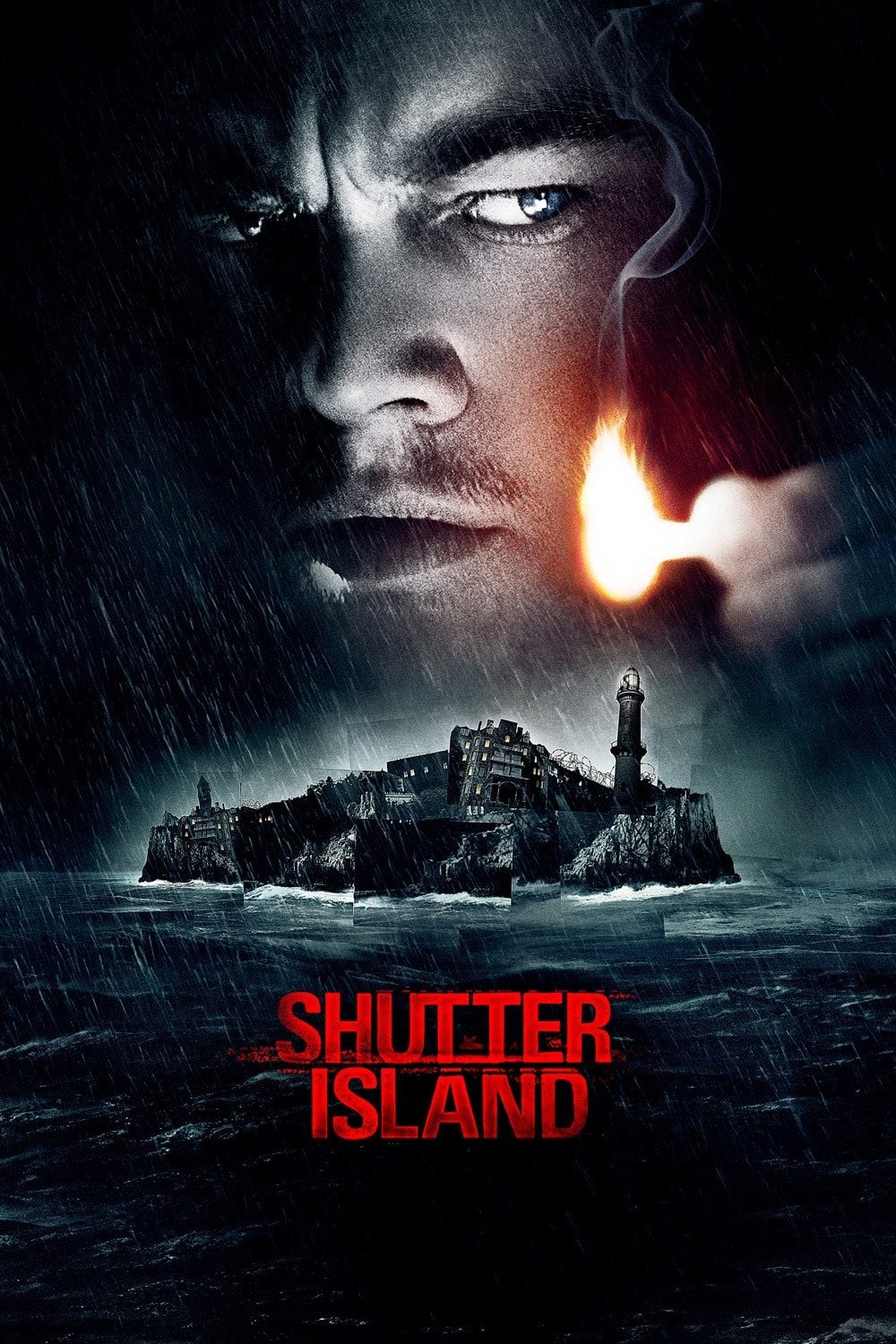
Shutter Island
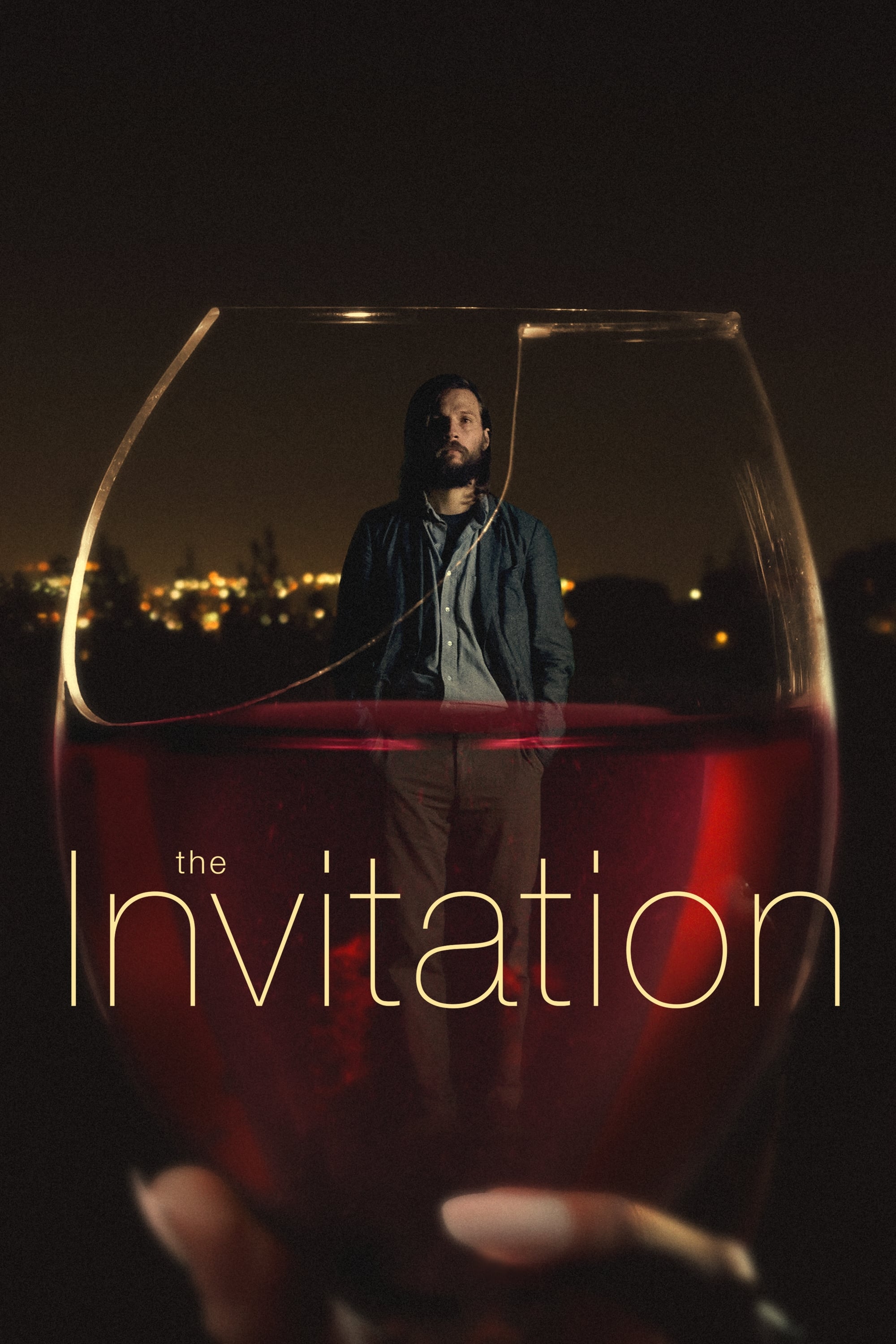
The Invitation
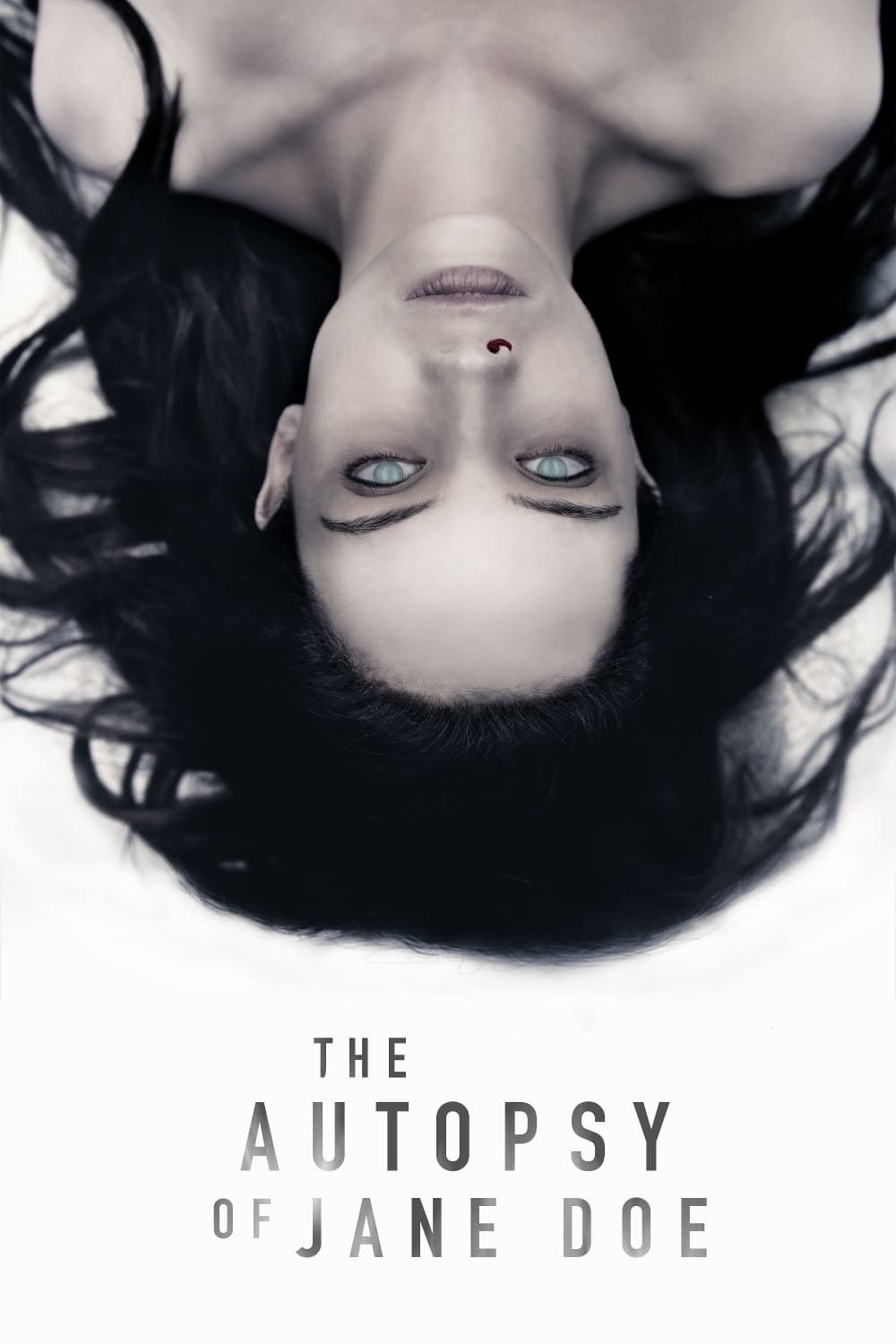
The Autopsy of Jane Doe
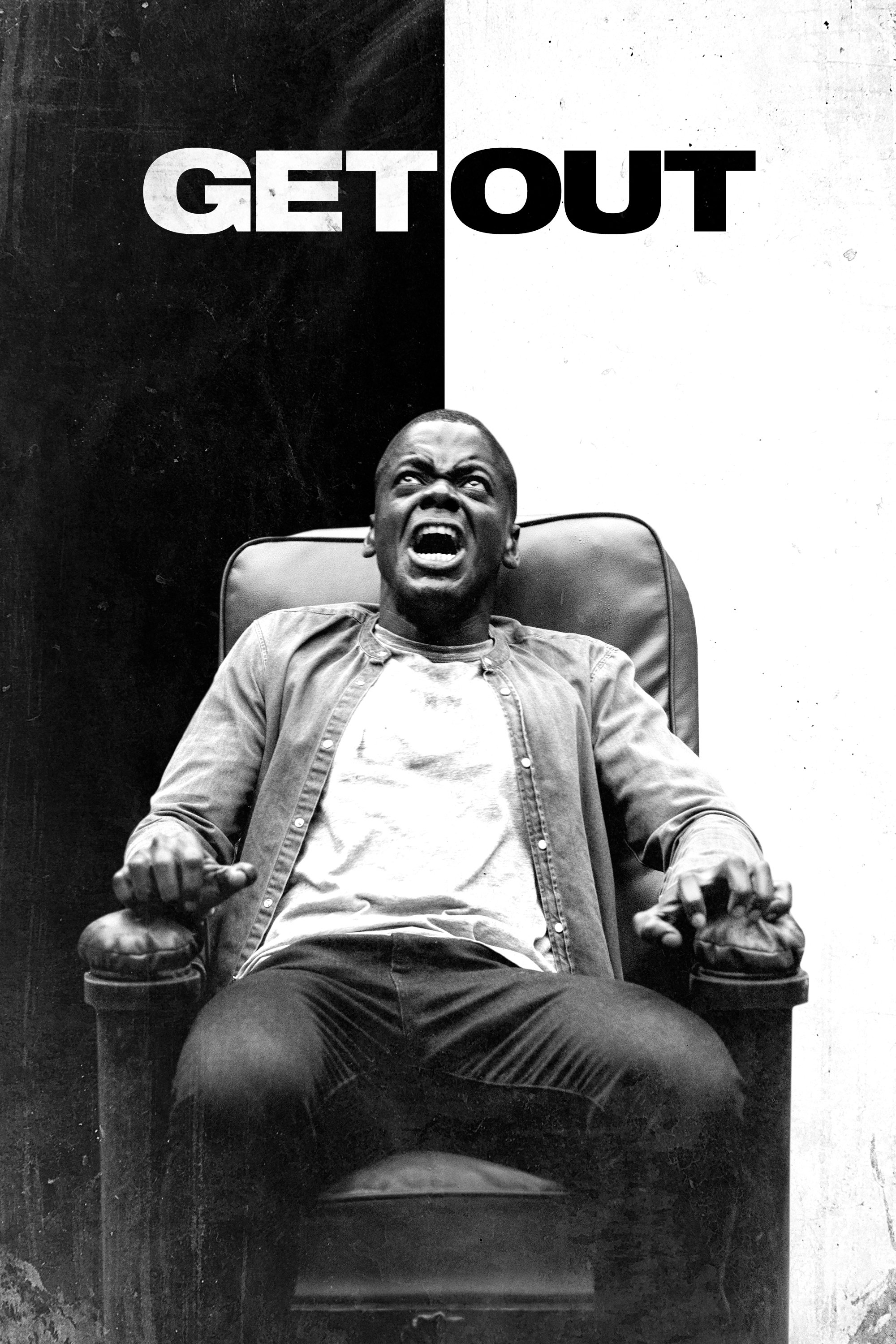
Get Out
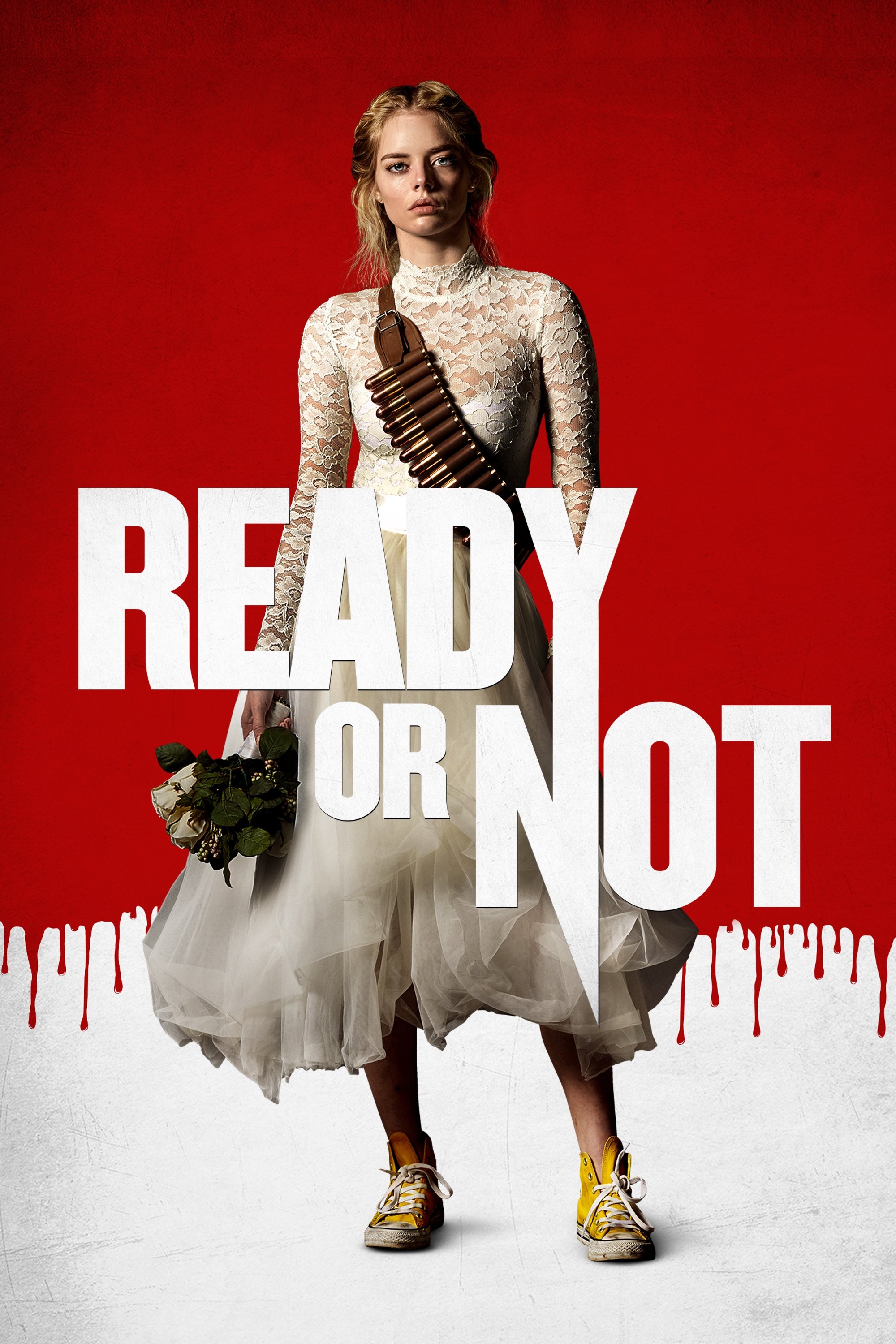
Ready or Not
Statistics
Popularity by Decade
Share of each decade's horror films classified as Mystery Horror. Counts films with at least 5 TMDB ratings, so very obscure titles are not represented.
Popularity by Country
Share of each country's horror output classified as Mystery Horror. Counts films with at least 5 TMDB ratings, so very obscure titles are not represented.