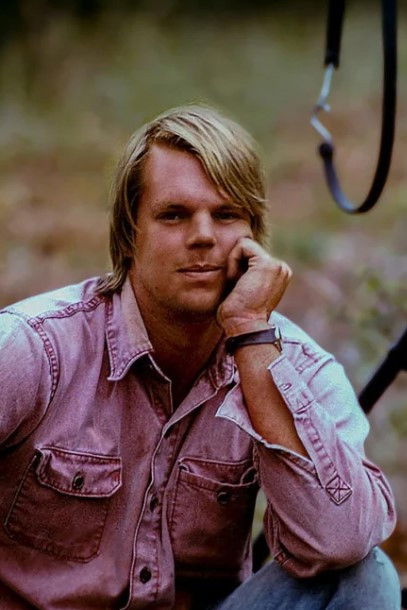
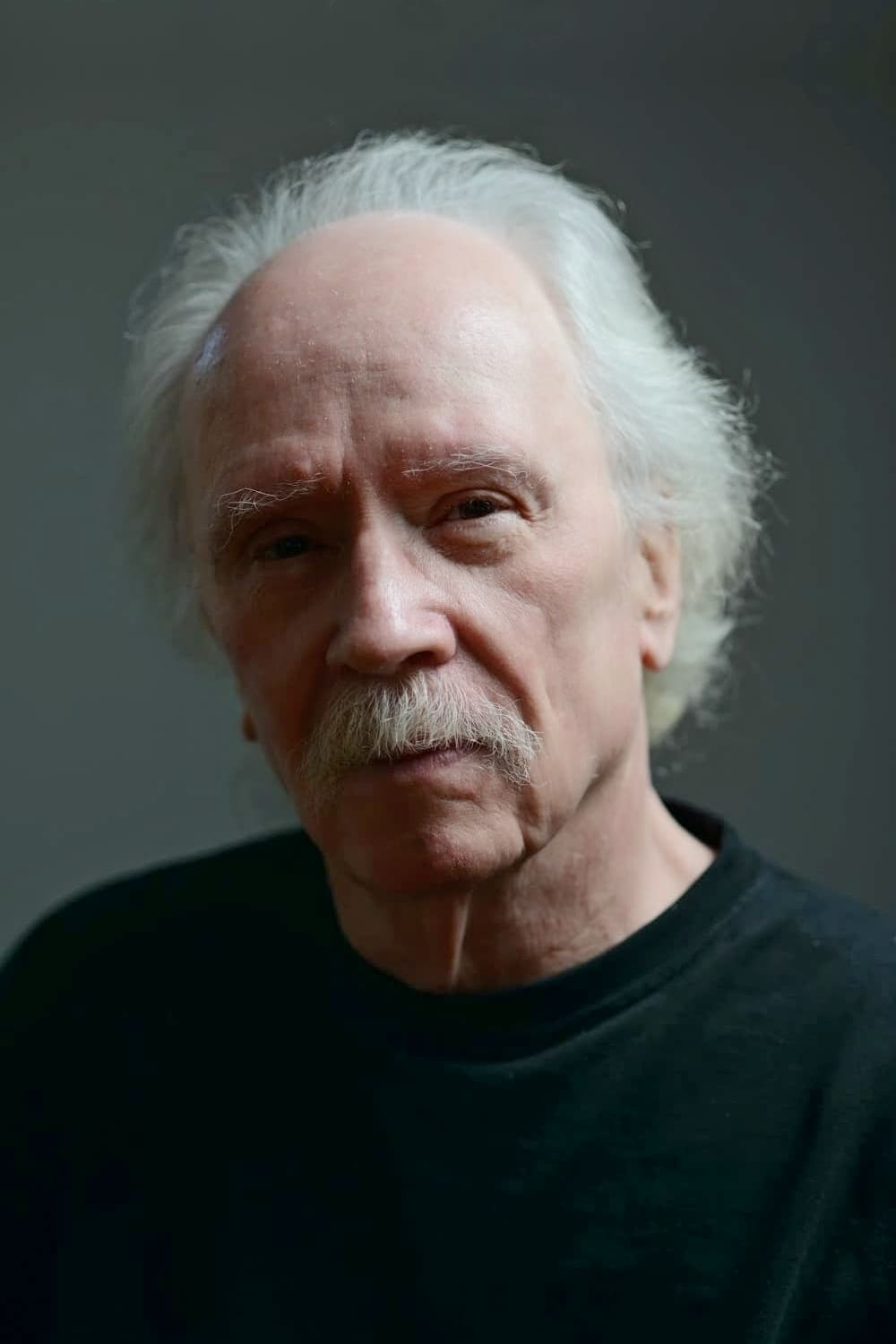
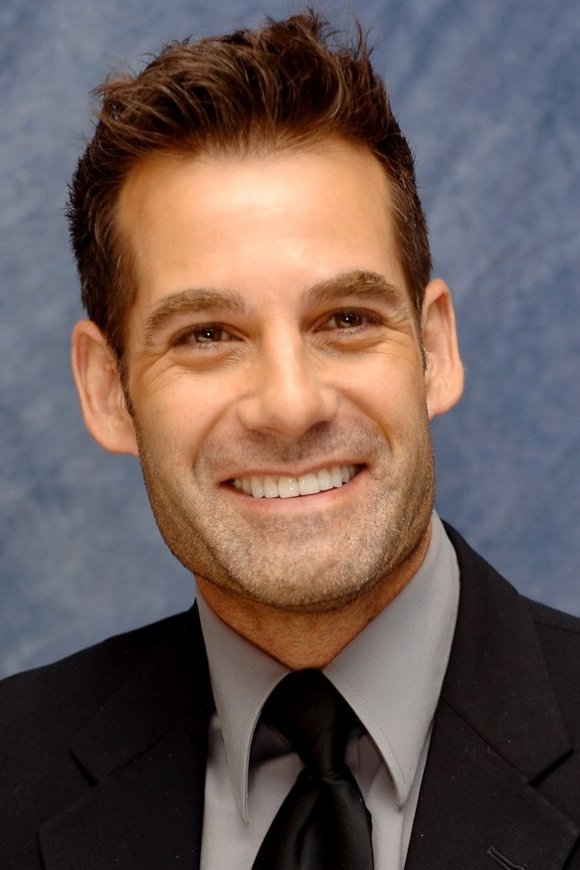
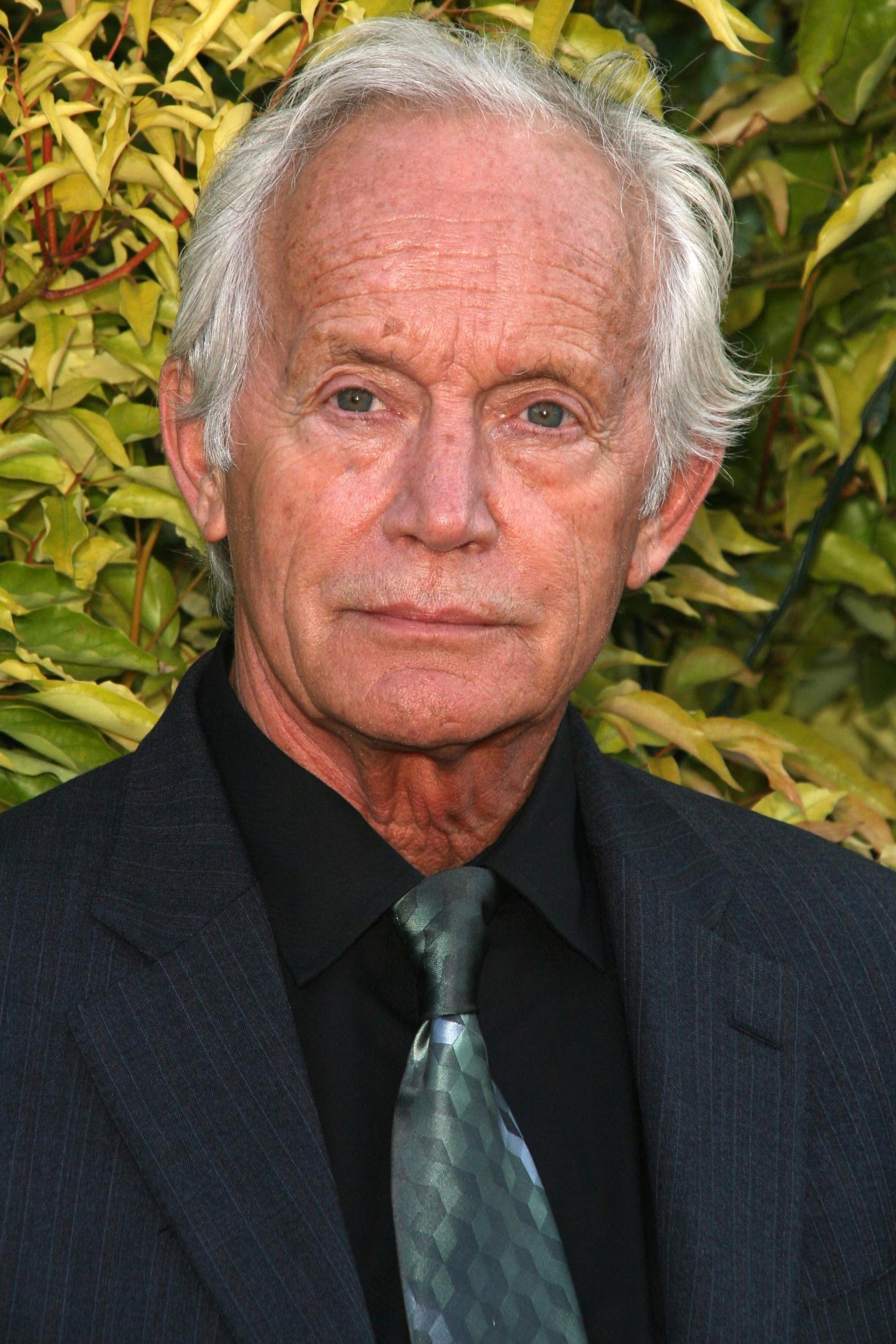
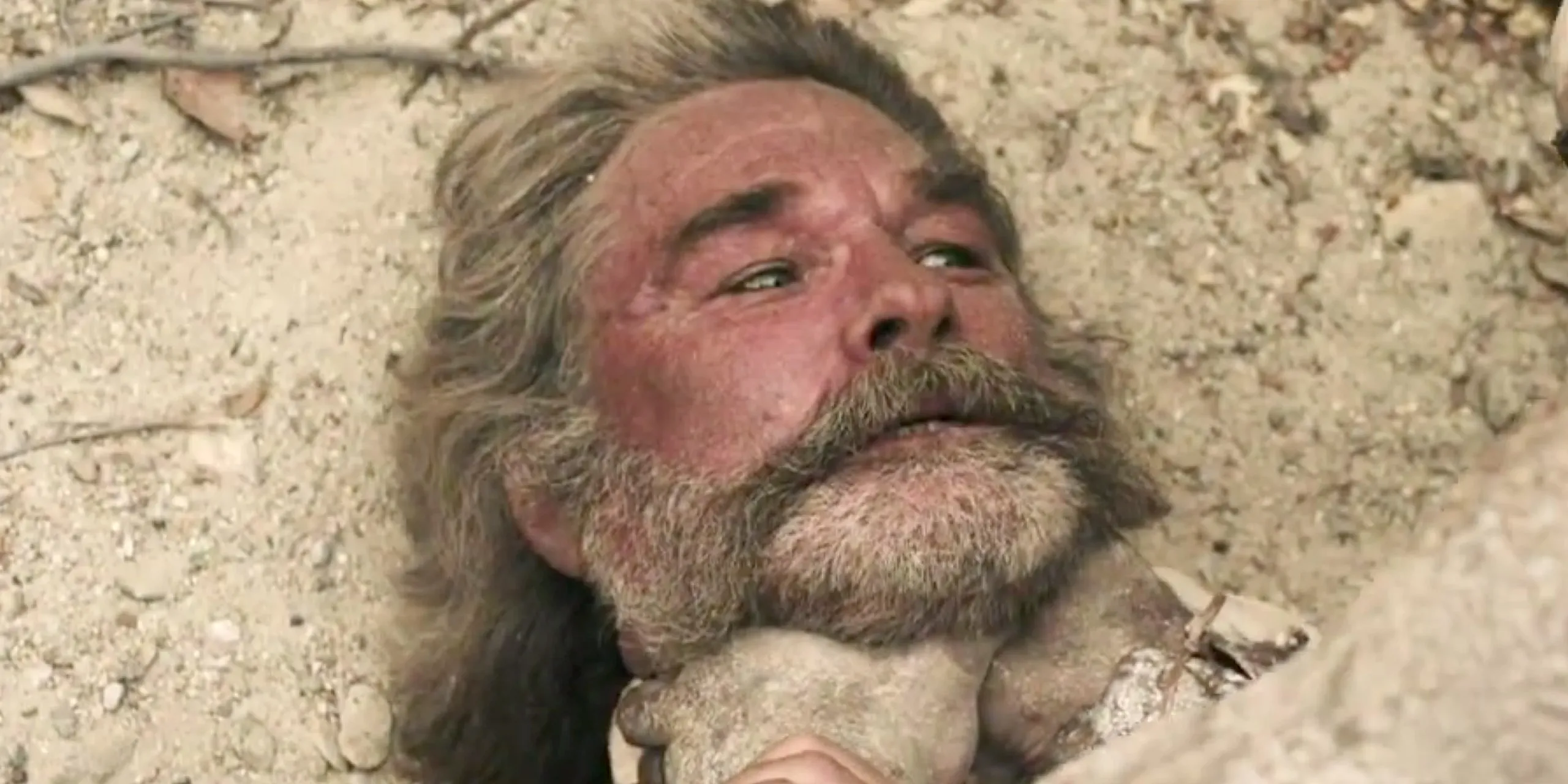
 Bone Tomahawk (2015)
Western Horror
Terror on the frontier. Lawlessness, isolation, and the collision between civilization and wilderness — the American West as a landscape that naturally produces horror when its protections are removed.
History & Origins
Western horror transplants the genre into the frontier — a landscape defined by lawlessness, isolation, and the collision between civilization and wilderness. The American West, with its vast empty spaces, its history of violence, and its mythological weight, provides horror with a setting that is simultaneously beautiful and menacing. John Kenneth Muir in Horror Films of the 1990s (2011) describes the form as a "genre blender... an up-to-date mix of two long-standing formats (the western and the horror film) in the hopes of synthesizing something new and popular from the ashes of the past." Out here, no one can hear you scream because there is no one for miles.
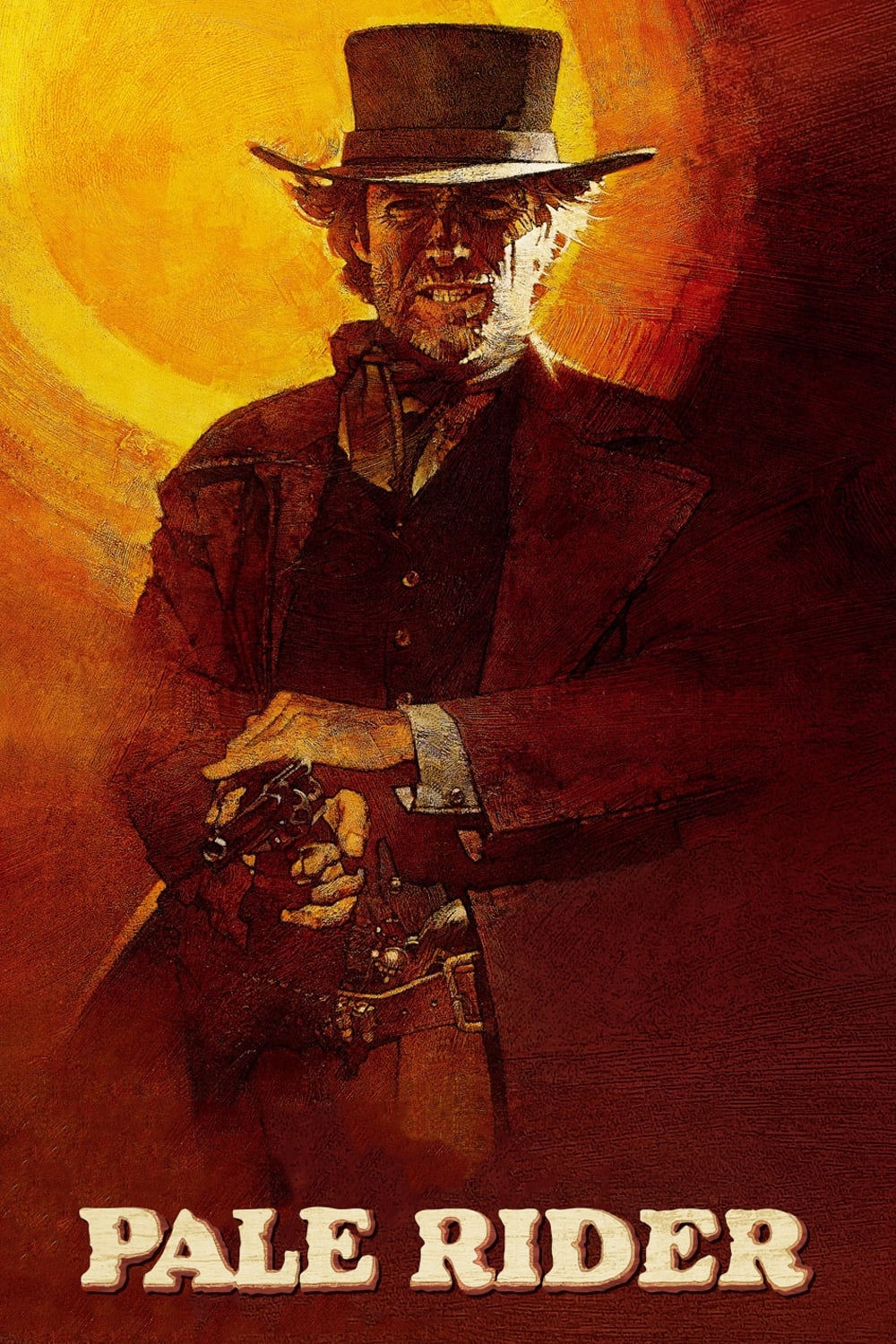
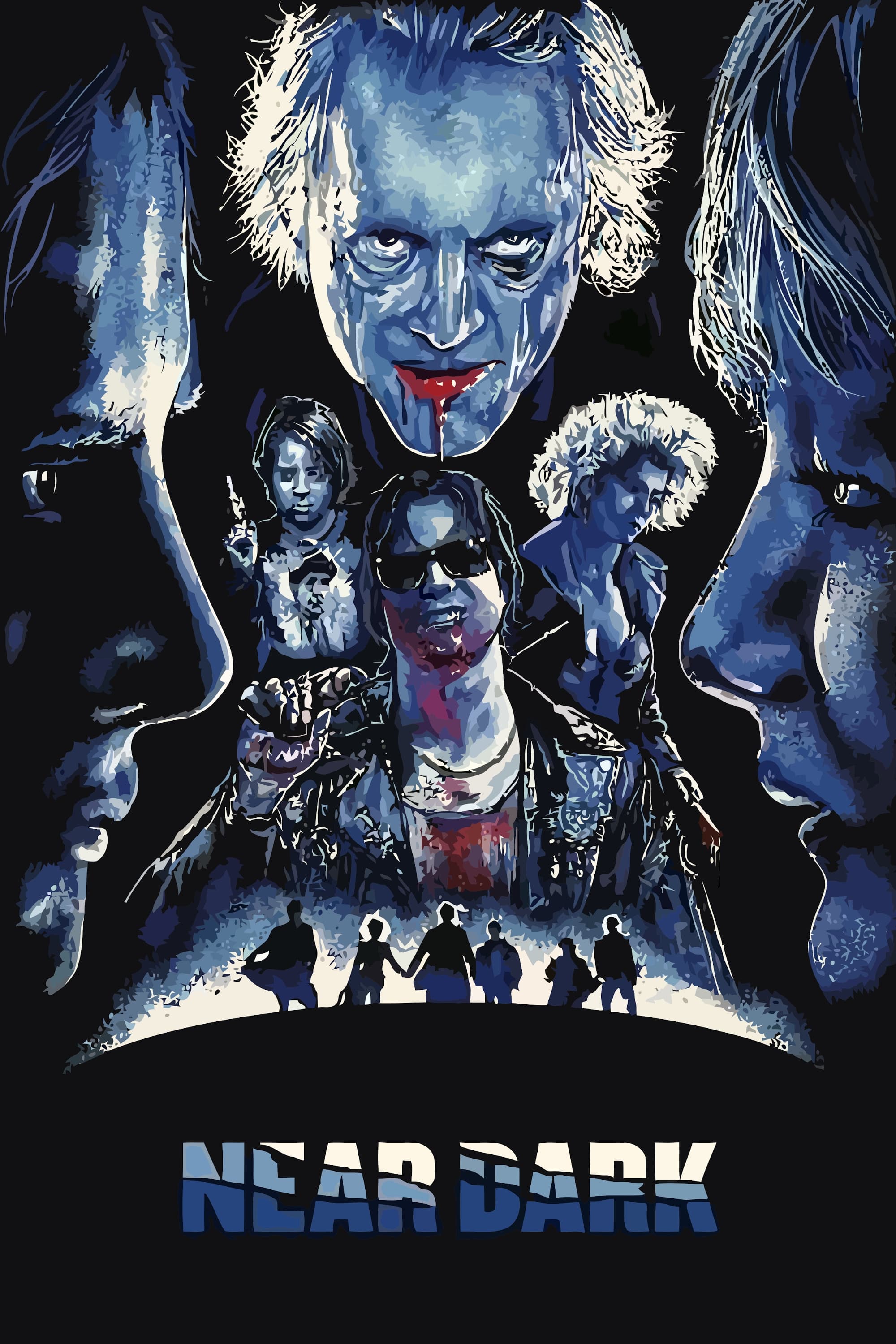
The hybrid surfaced sporadically through the postwar Western's late period. Clint Eastwood's High Plains Drifter (1973) and Pale Rider (1985) treated revenge as supernatural visitation — both films suggest, without confirming, that the gunslinger himself is a ghost. Avery Crounse's Eyes of Fire (1983) is an earlier folk-Western horror entry, set in the 1750s Ohio Valley with a witch-haunted river settlement. The form's modern identity was forged by Kathryn Bigelow's Near Dark (1987), which Mathijs and Mendik's 100 Cult Films (2011) call "shatteringly romantic and tough as nails... a mix of two solidly formulaic genres, the Western and the vampire film." Patricia Pisters in New Blood in Contemporary Cinema (2020), reporting Sara Jones, notes how "idiosyncratically Bigelow imbues the typical American Western genre with the elements of European gothic horror" — vampires as the latest in a long tradition of "intrusion into the idyllic safety of settler life."
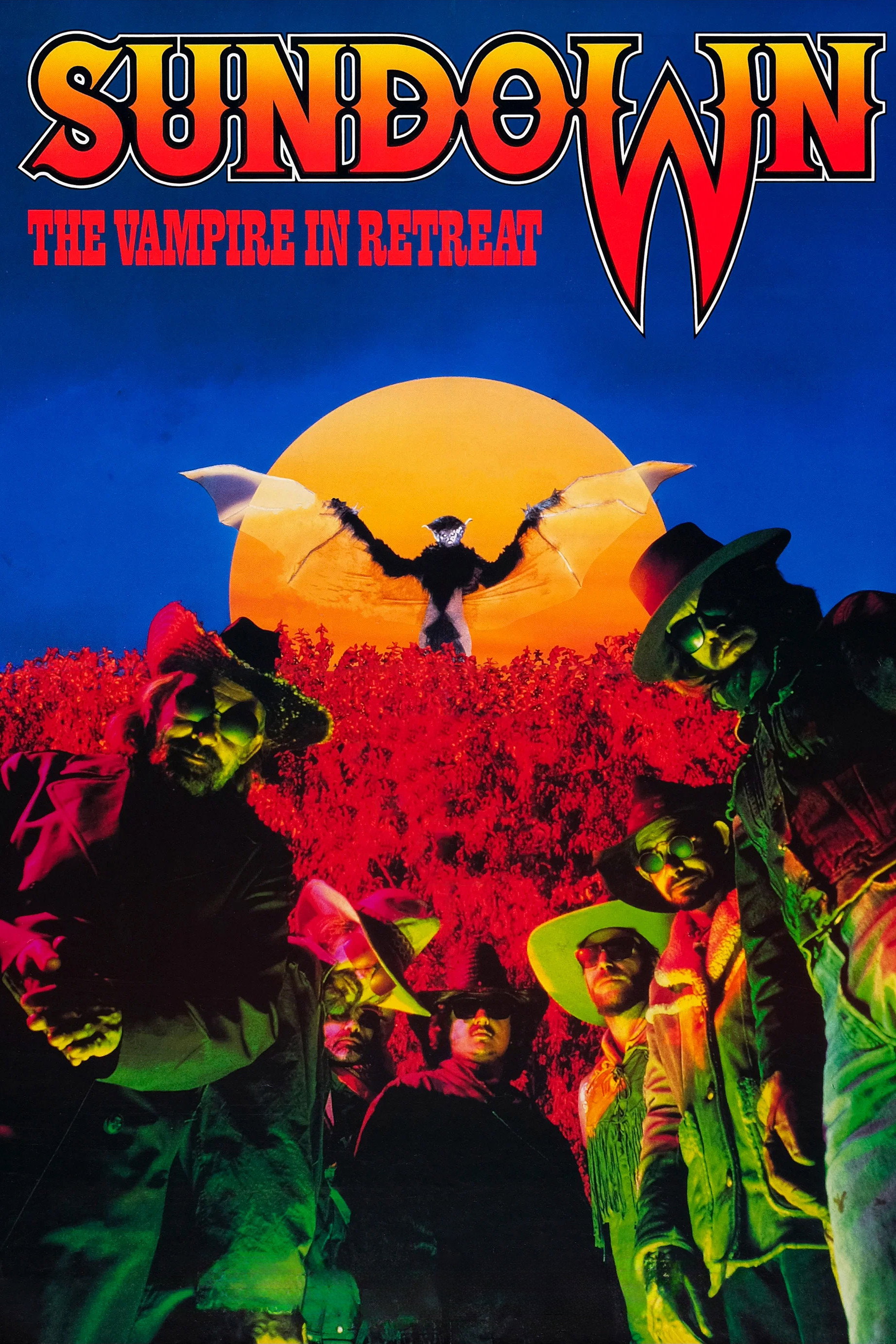
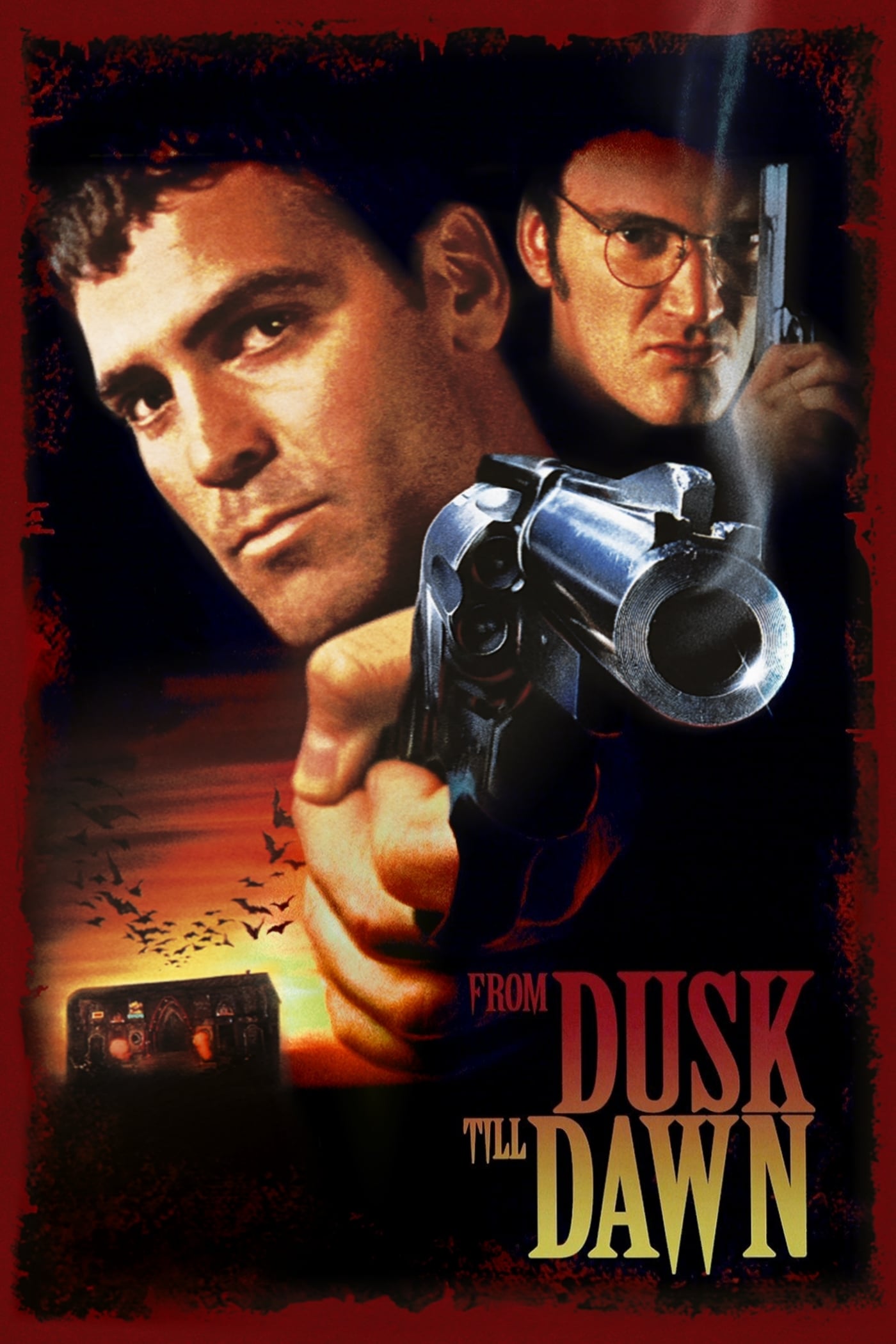
The 1990s revival produced three commercial peaks. Anthony Hickox's Sundown: The Vampire in Retreat (1991) sent a vampire colony to the Arizona desert. Robert Rodriguez's From Dusk Till Dawn (1996), scripted by Quentin Tarantino, ran a heist film through a vampire bar on the Mexican border, splitting the picture cleanly in two. John Carpenter's Vampires (1998) cast James Woods as a Vatican-sponsored vampire hunter in the New Mexico desert, the director's most explicit acknowledgment of his lifelong devotion to Howard Hawks and the Western. Antonia Bird's Ravenous (1999), set at a Sierra Nevada outpost during the Mexican-American War, brought wendigo cannibalism into the Western's frame with Guy Pearce and Robert Carlyle.
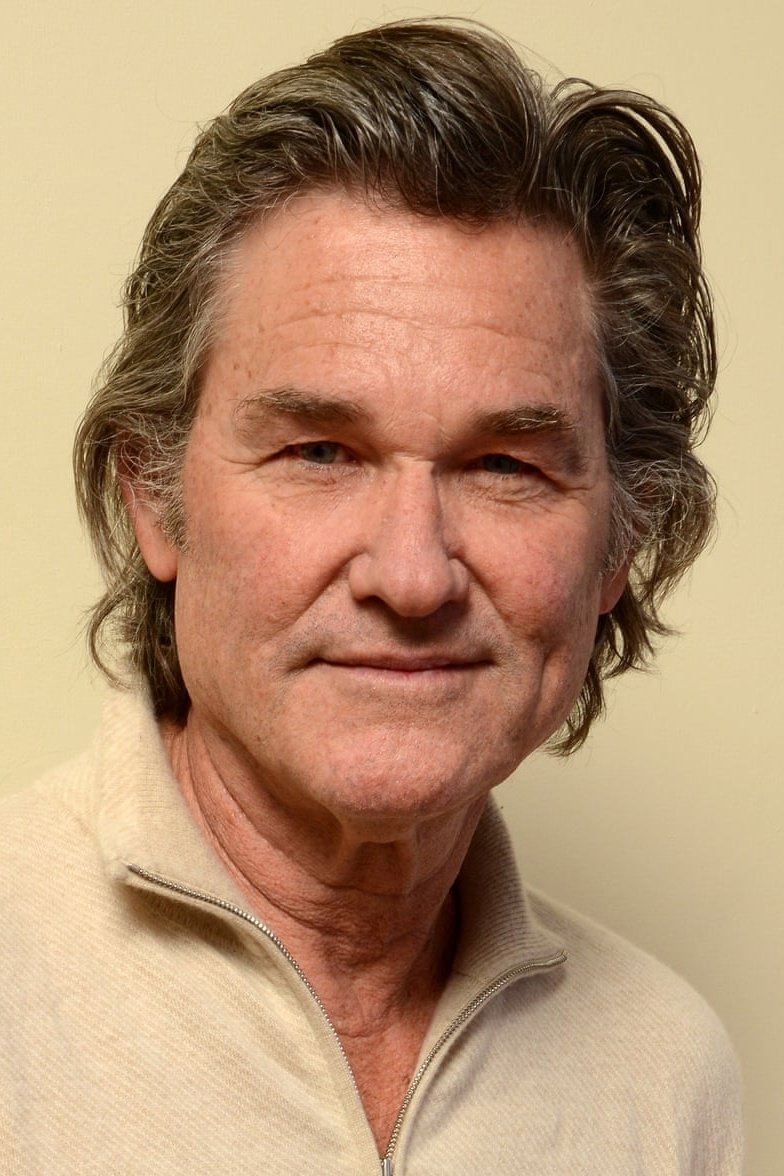
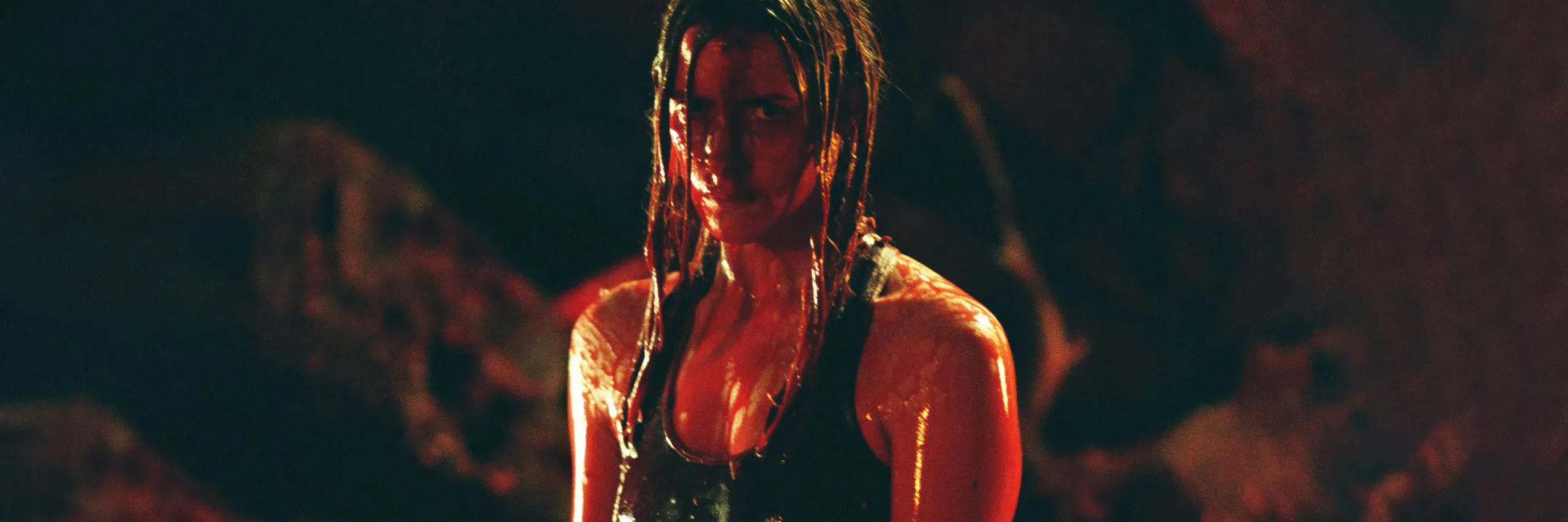
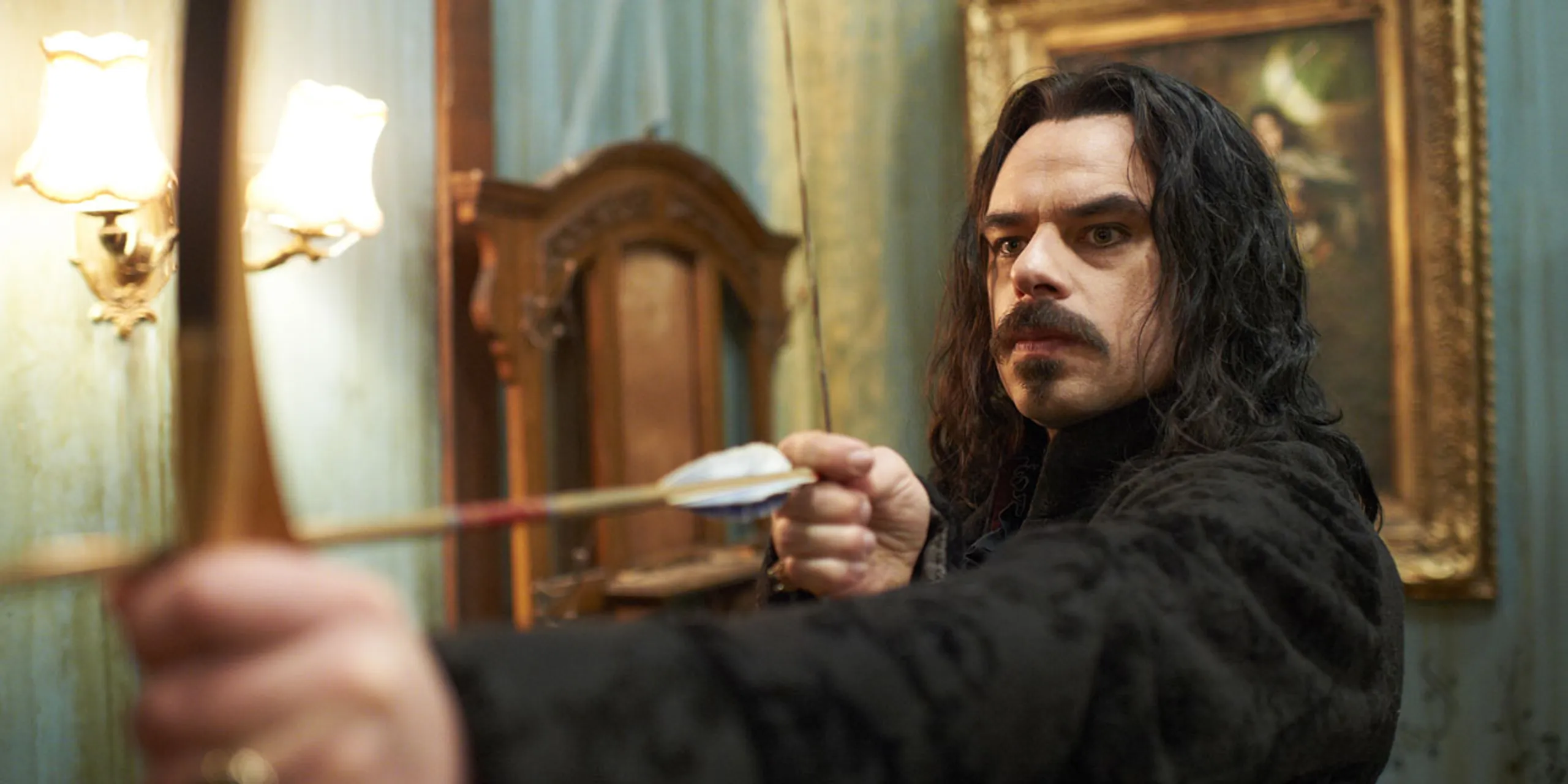
The 21st-century revival is the most thematically ambitious. Alex Turner's Dead Birds (2005) sent a band of Confederate deserters to an abandoned plantation overrun with the spirits of slave-trade black magic — what Chris Vander Kaay's Horror Films by Subgenre (2016) calls a meditation on "forced servitude" filtered through horror conventions. J. T. Petty's The Burrowers (2008) reread frontier Native-American-attack tropes as creature horror about a subterranean species displaced by westward expansion. S. Craig Zahler's Bone Tomahawk (2015) begins as a conventional rescue Western and escalates into one of the most disturbing acts of violence in recent cinema, committed by a tribe of cave-dwelling cannibal troglodytes — the film that effectively defined western horror's contemporary register. Emma Tammi's The Wind (2018) explored frontier isolation as psychological horror — a woman alone on the prairie, her sanity eroding as the landscape itself seems to turn hostile.
The 2020-2025 wave has produced steady output without a defining commercial breakthrough. Aaron B. Koontz's The Pale Door (2020) ran the bank-robbers-meet-witches premise; Sion Sono's Prisoners of the Ghostland (2021), starring Nicolas Cage, fused the form with Japanese ronin cinema; Michael Patrick Jann's Organ Trail (2023) ran a survival-horror story across the Oregon Trail. The subgenre remains small but potent, suggesting that the American frontier's mythological power — the open landscape, the absence of law, the collision of cultures — is far from exhausted as a horror setting.
Sources: Ernest Mathijs and Xavier Mendik, 100 Cult Films; John Kenneth Muir, Horror Films of the 1990s (2011); Patricia Pisters, New Blood in Contemporary Cinema (2020).
Essential Films
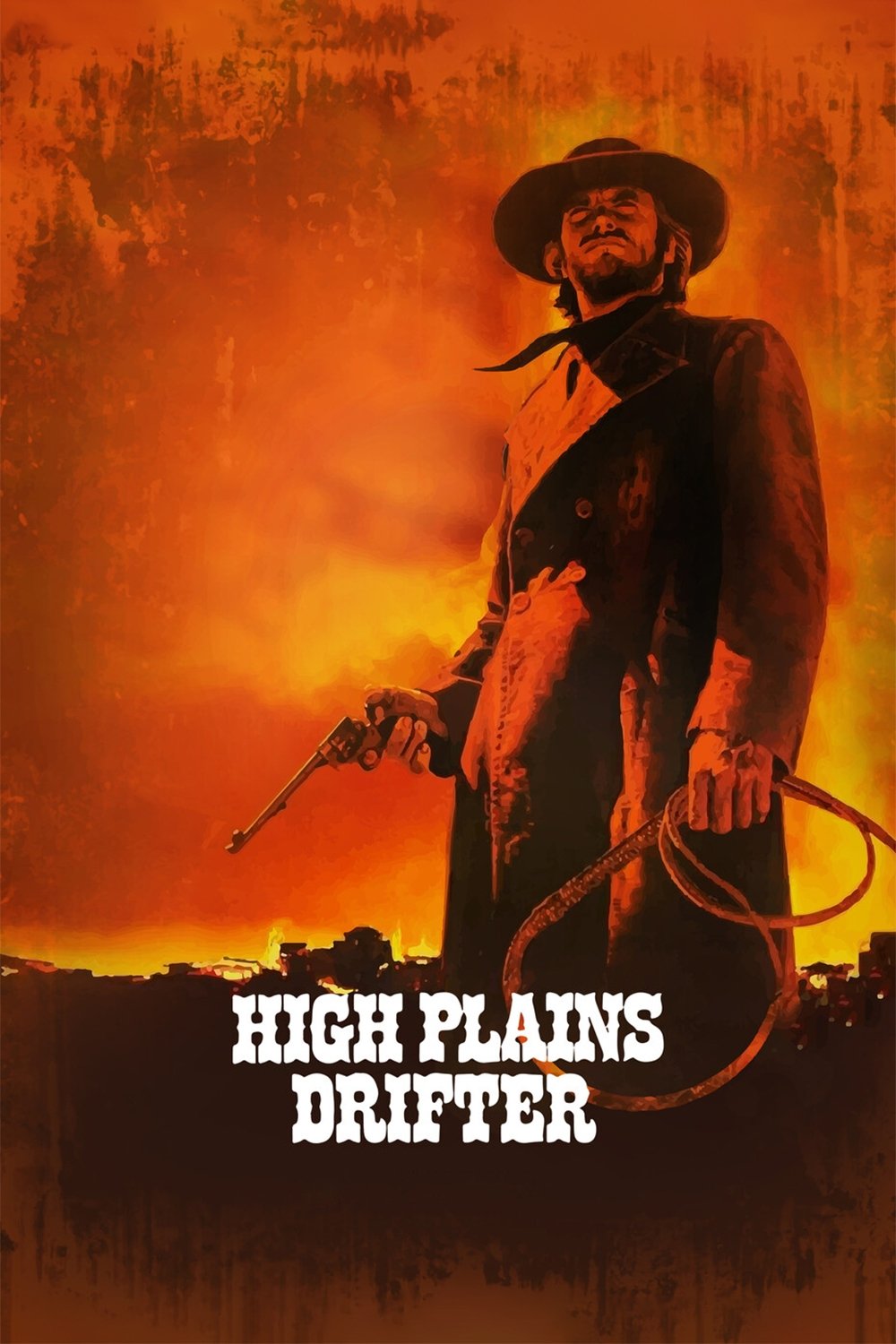
High Plains Drifter
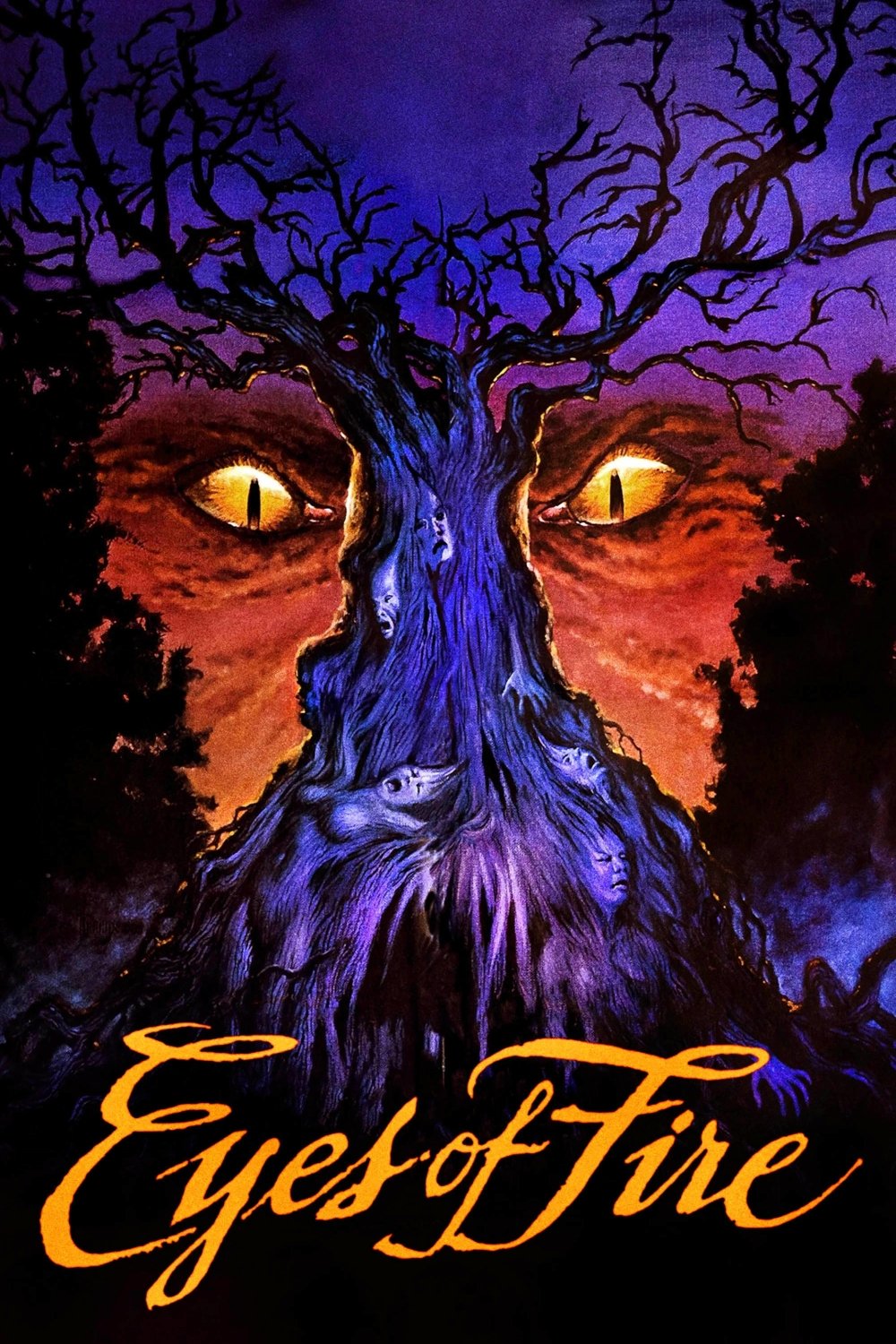
Eyes of Fire
Pale Rider
Near Dark
Sundown: The Vampire in Retreat
From Dusk Till Dawn

Vampires
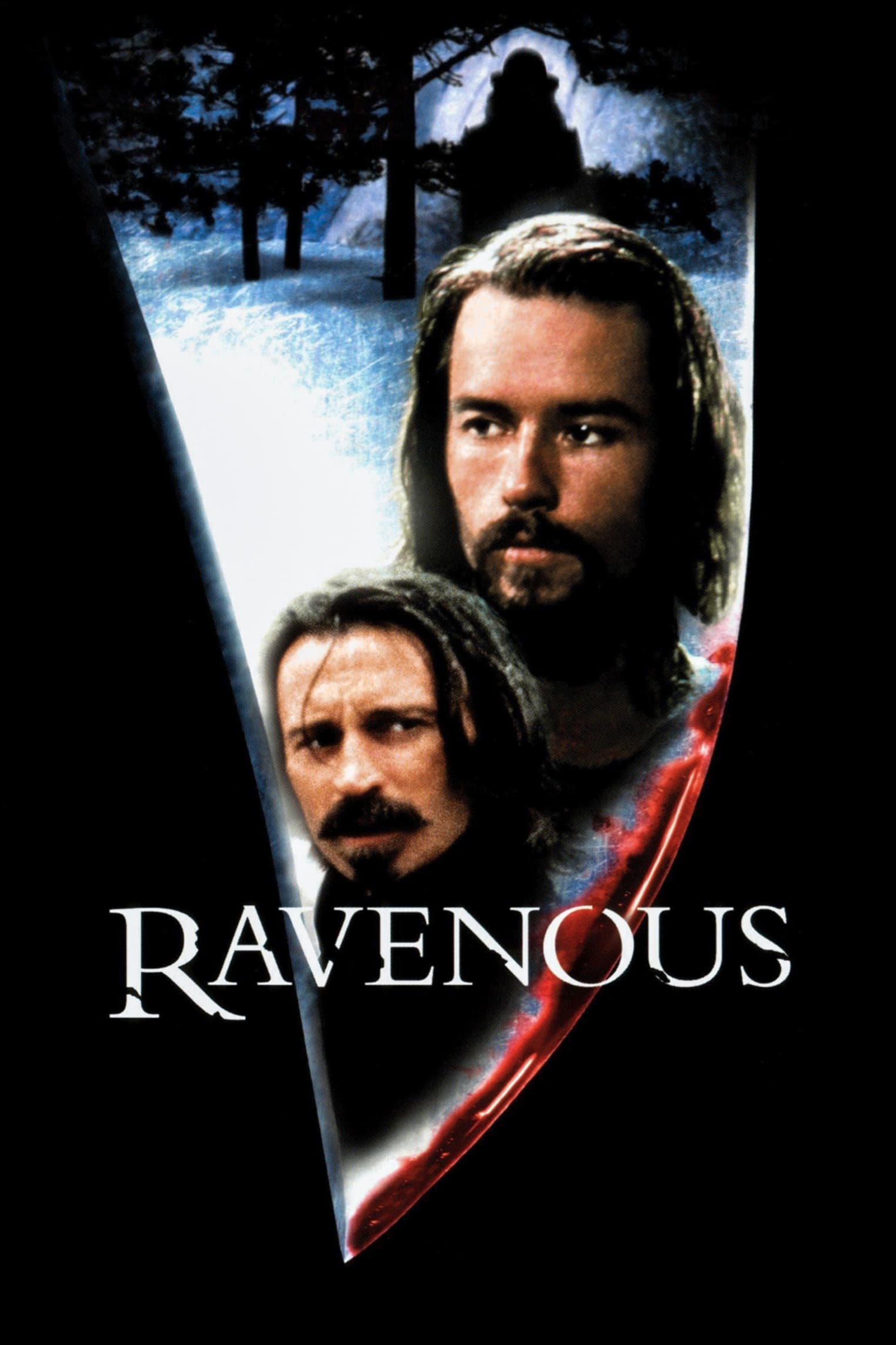
Ravenous
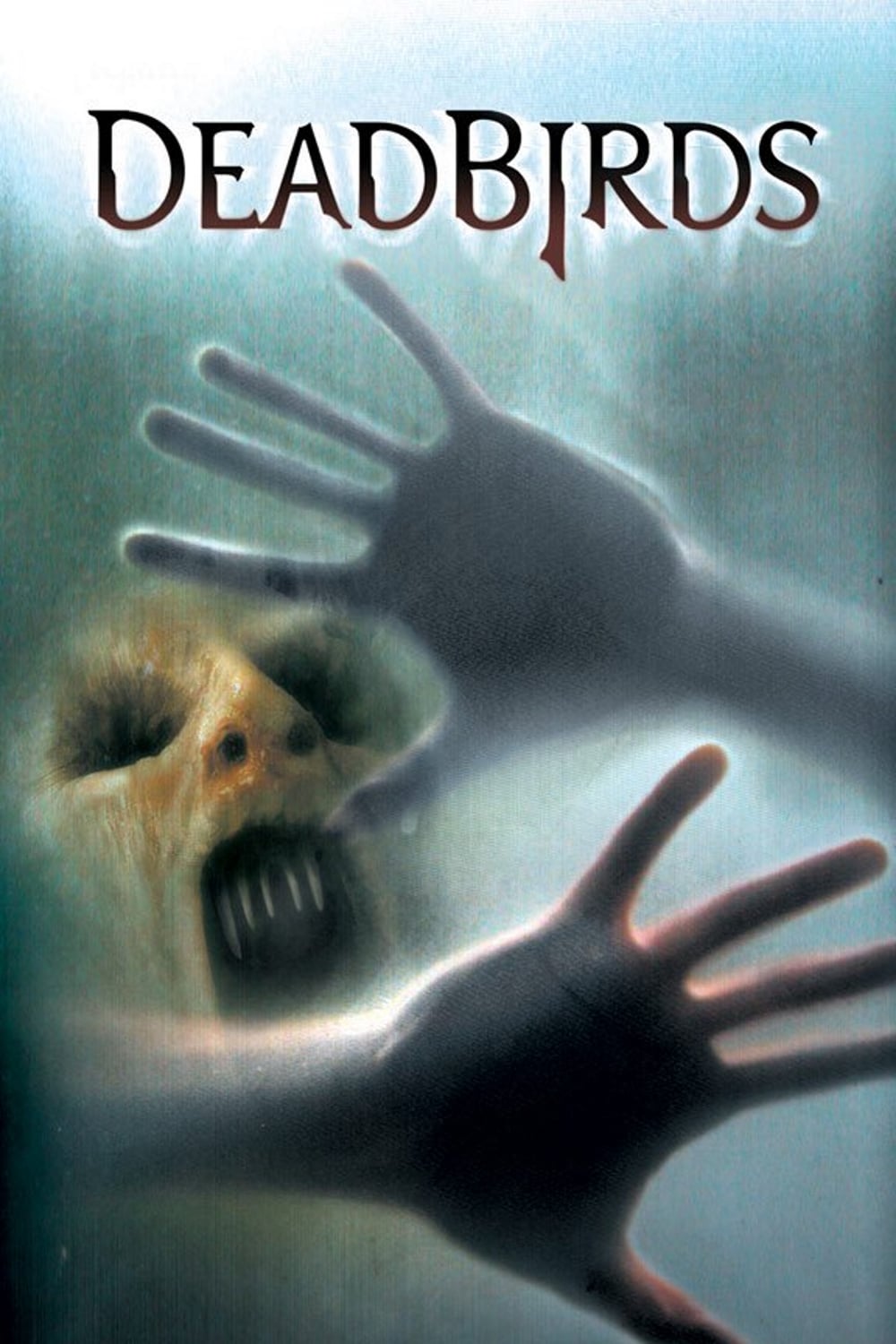
Dead Birds
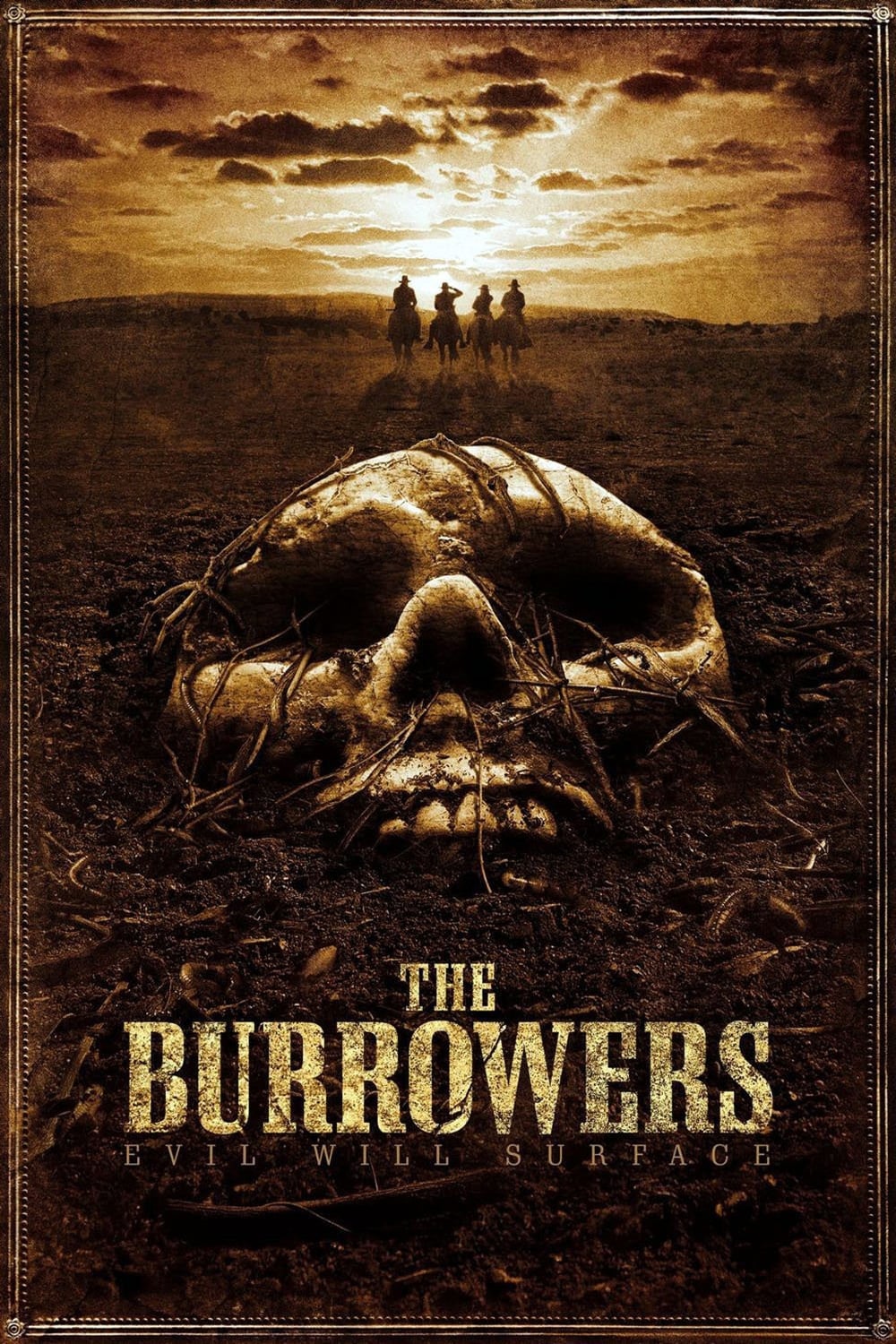
The Burrowers
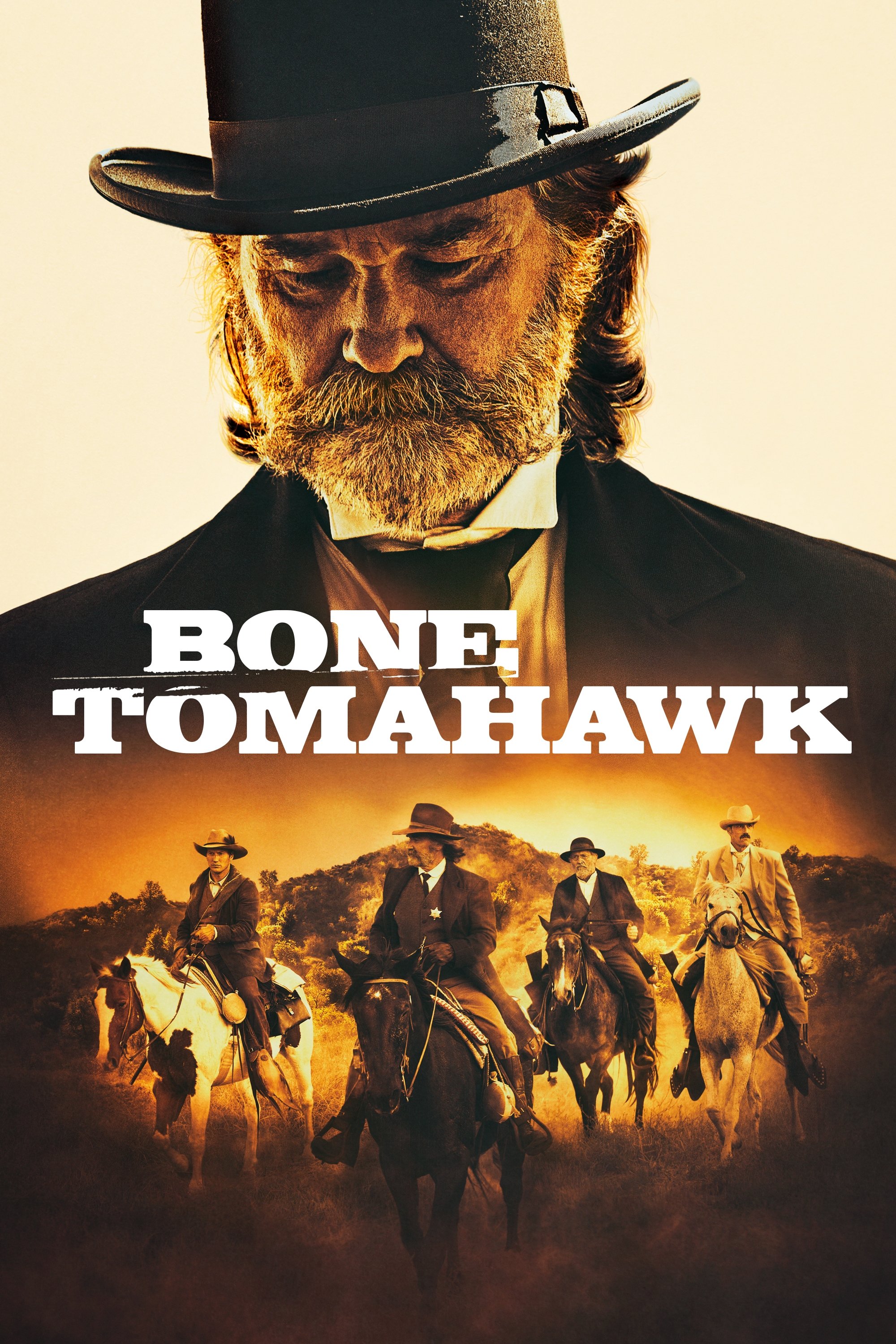
Bone Tomahawk
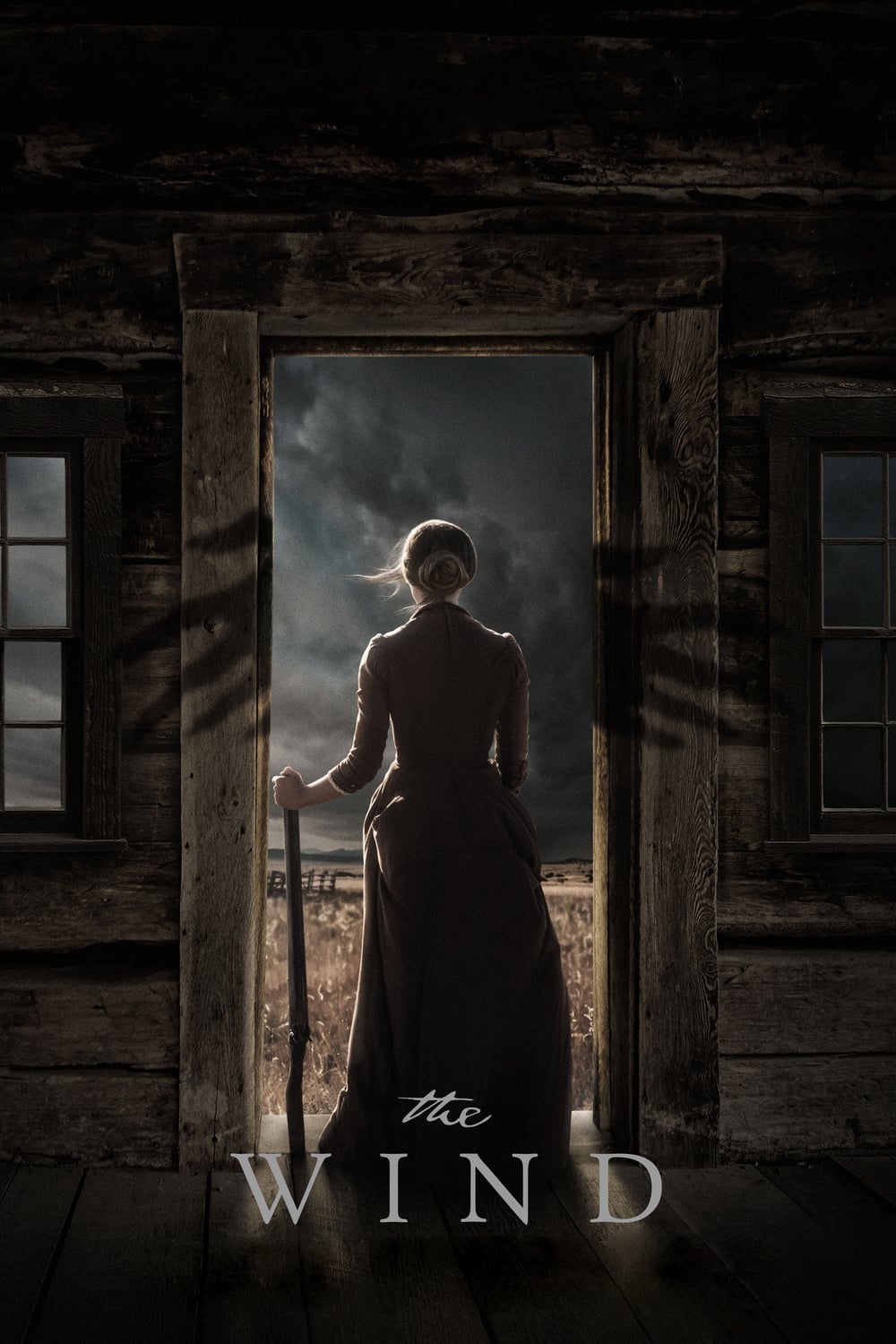
The Wind
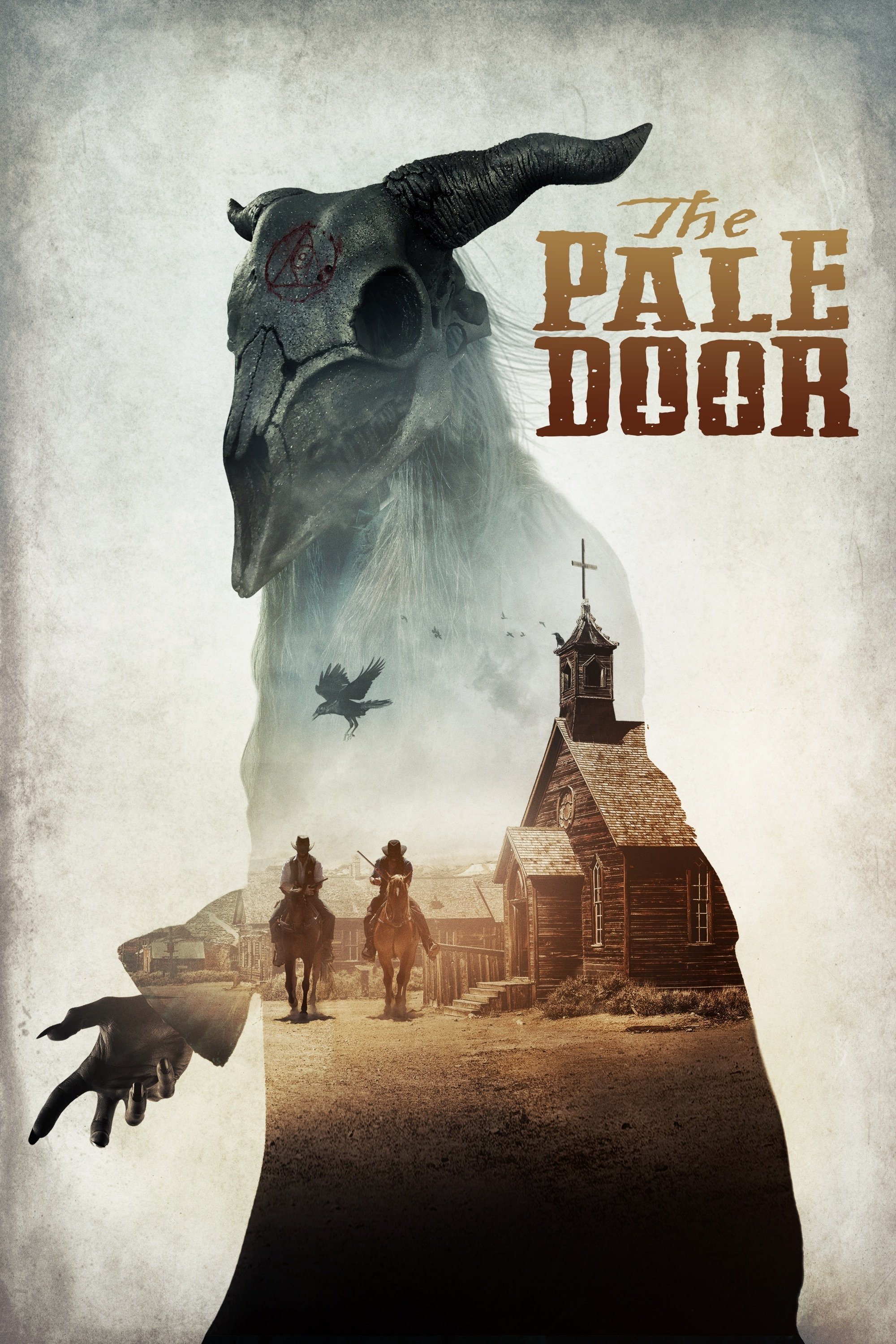
The Pale Door
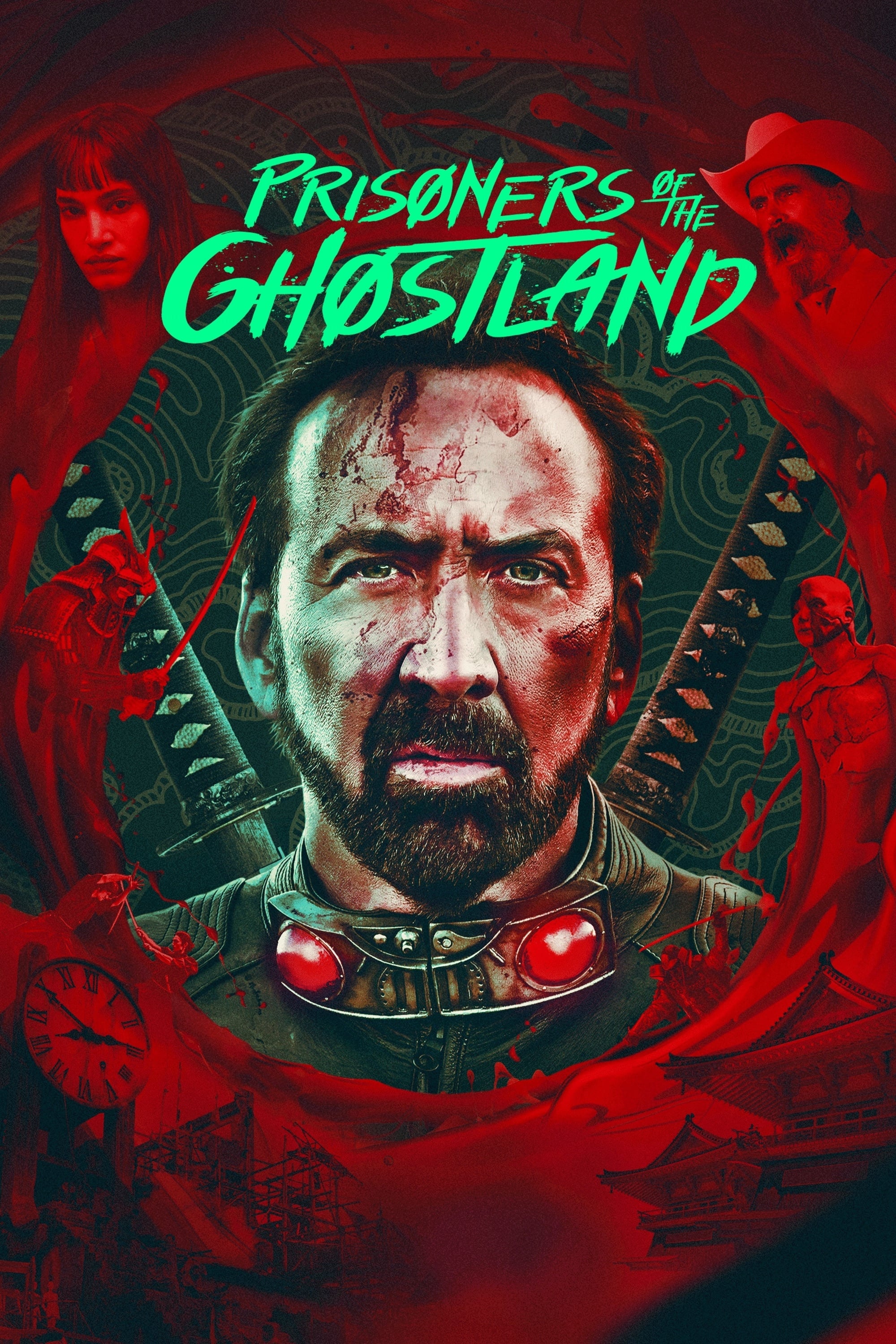
Prisoners of the Ghostland
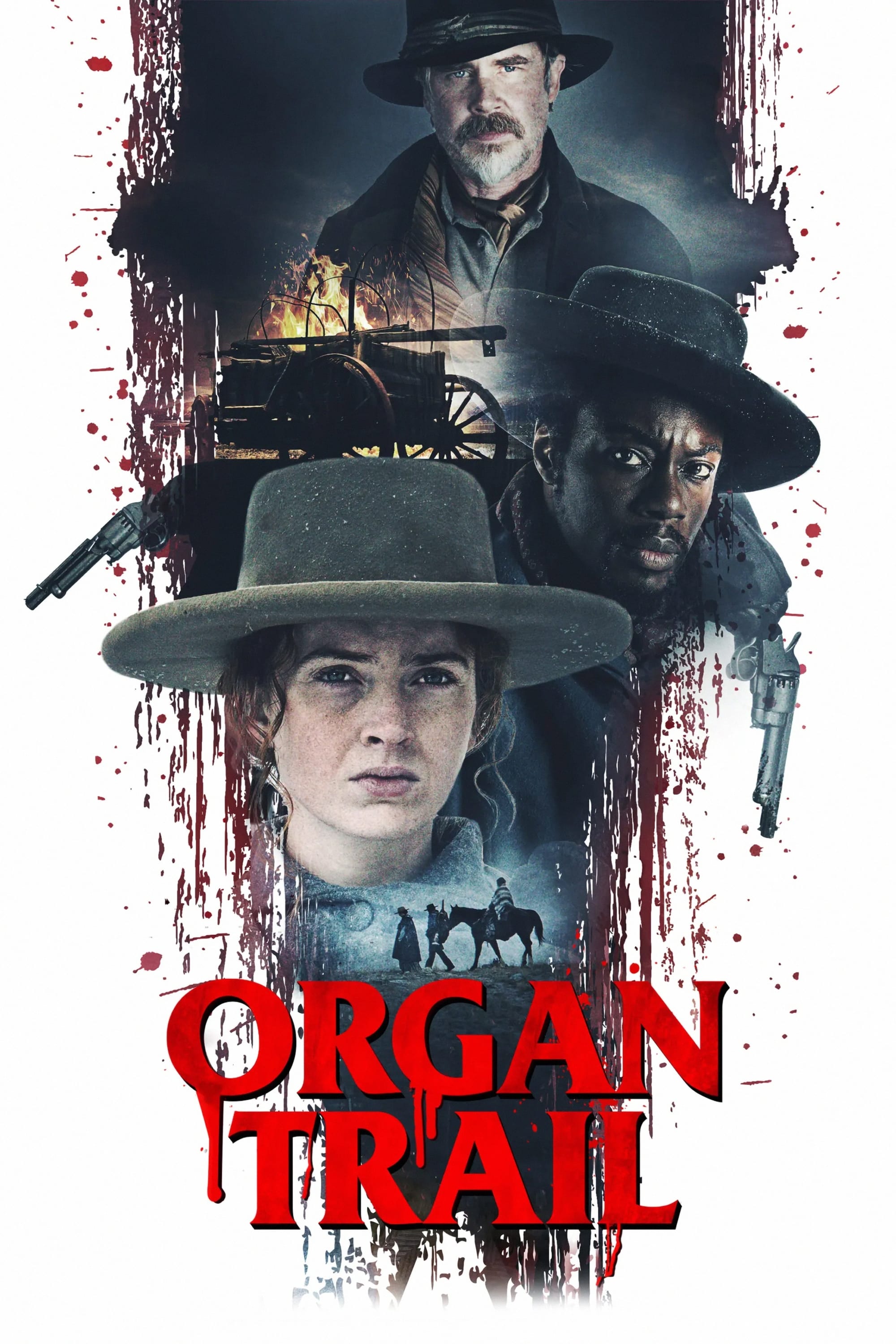
Organ Trail
Statistics
Popularity by Decade
Share of each decade's horror films classified as Western Horror. Counts films with at least 5 TMDB ratings, so very obscure titles are not represented.
Popularity by Country
Share of each country's horror output classified as Western Horror. Counts films with at least 5 TMDB ratings, so very obscure titles are not represented.