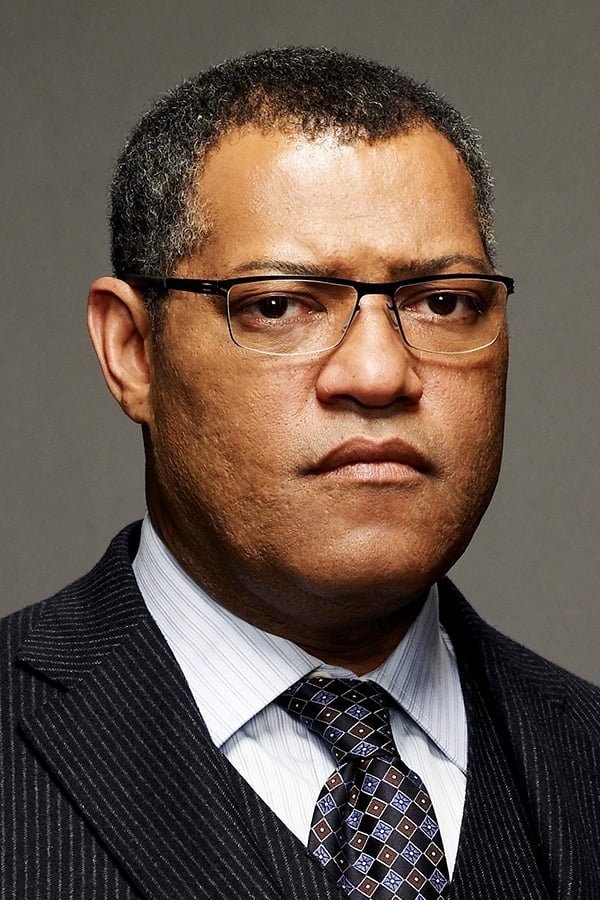
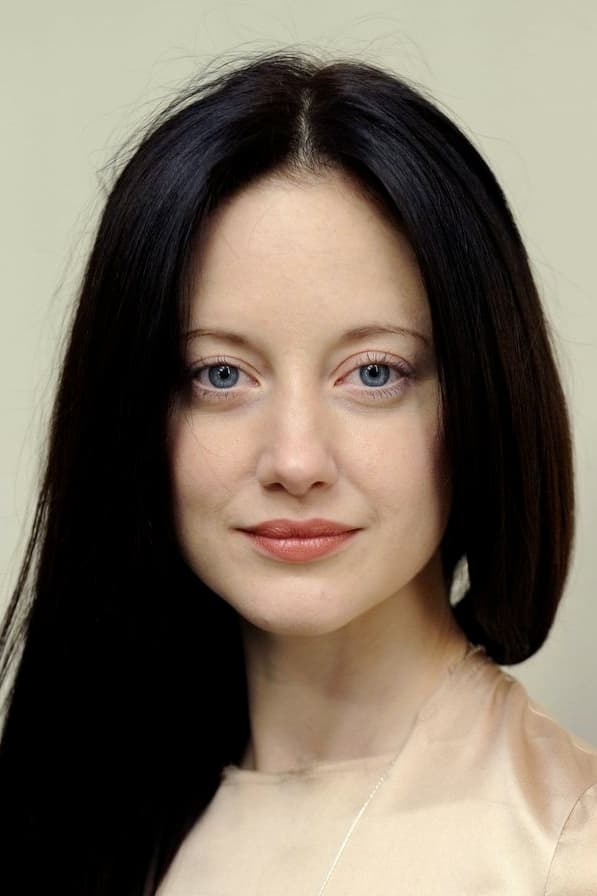
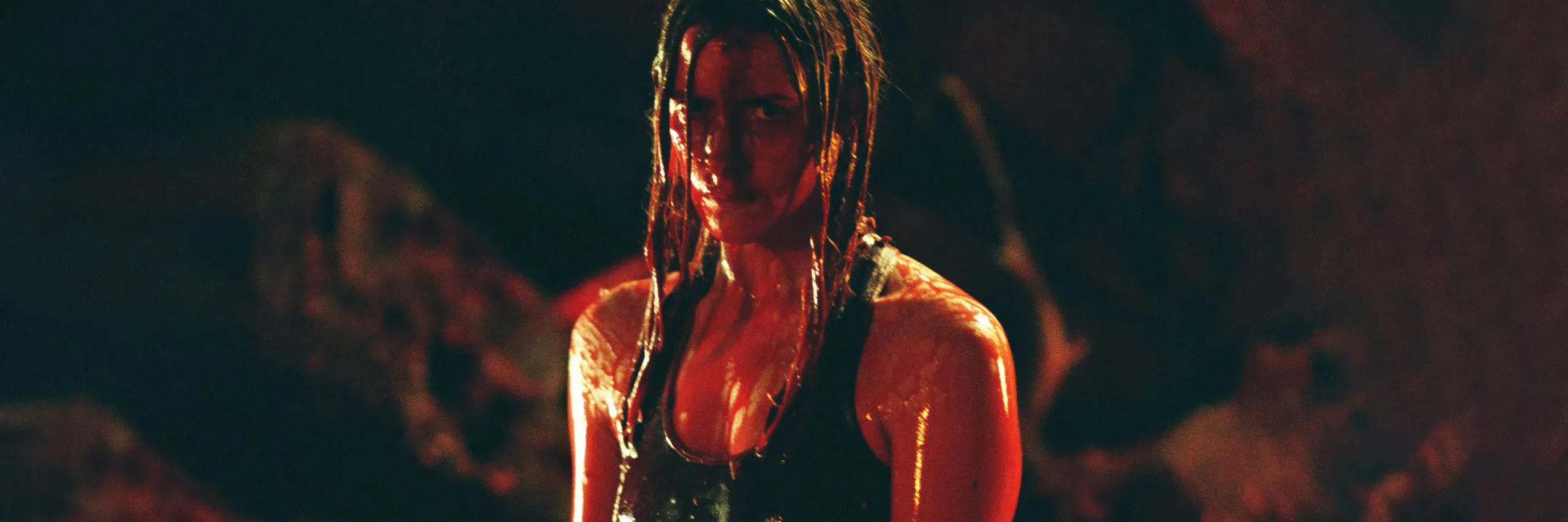
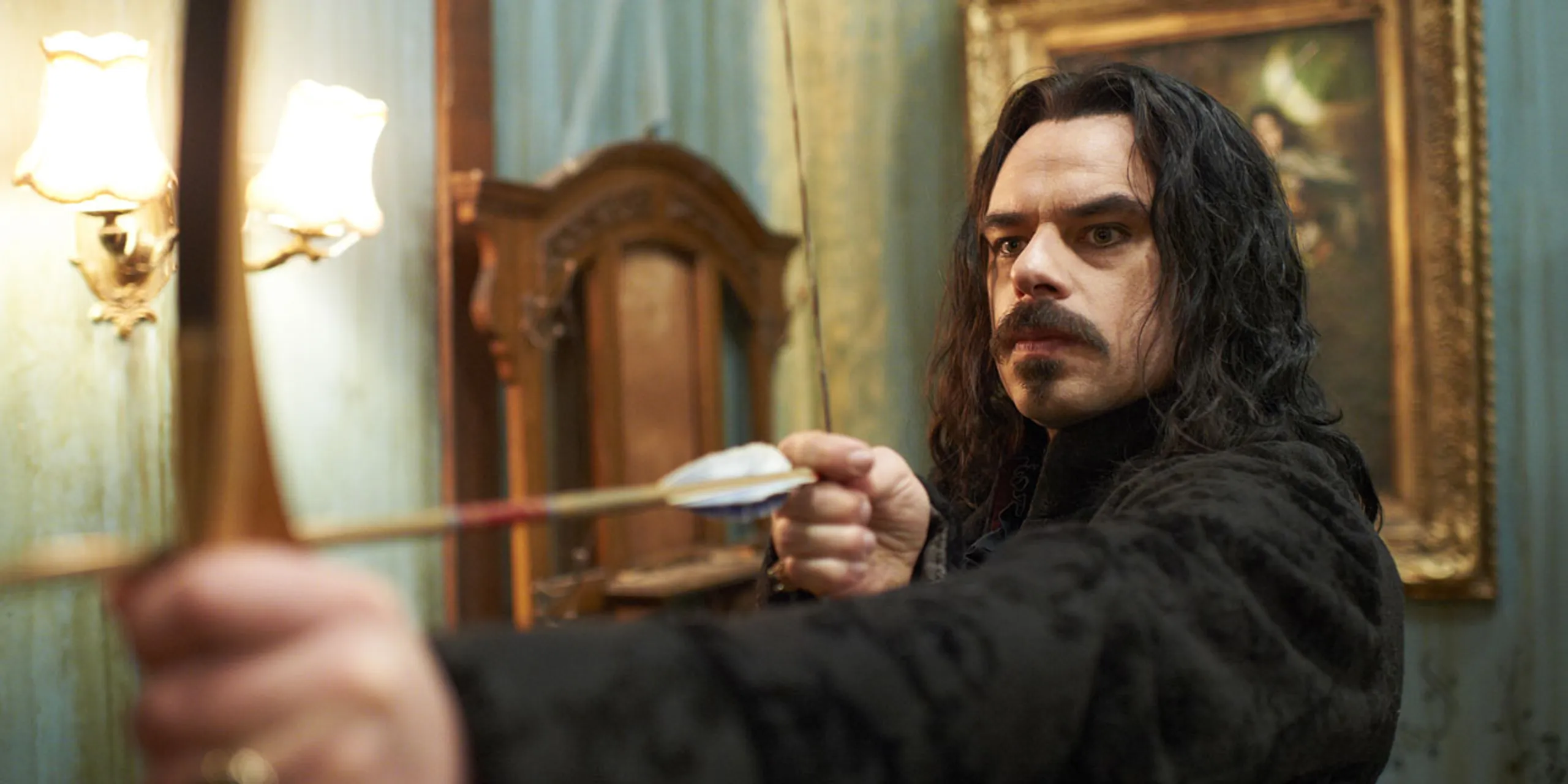
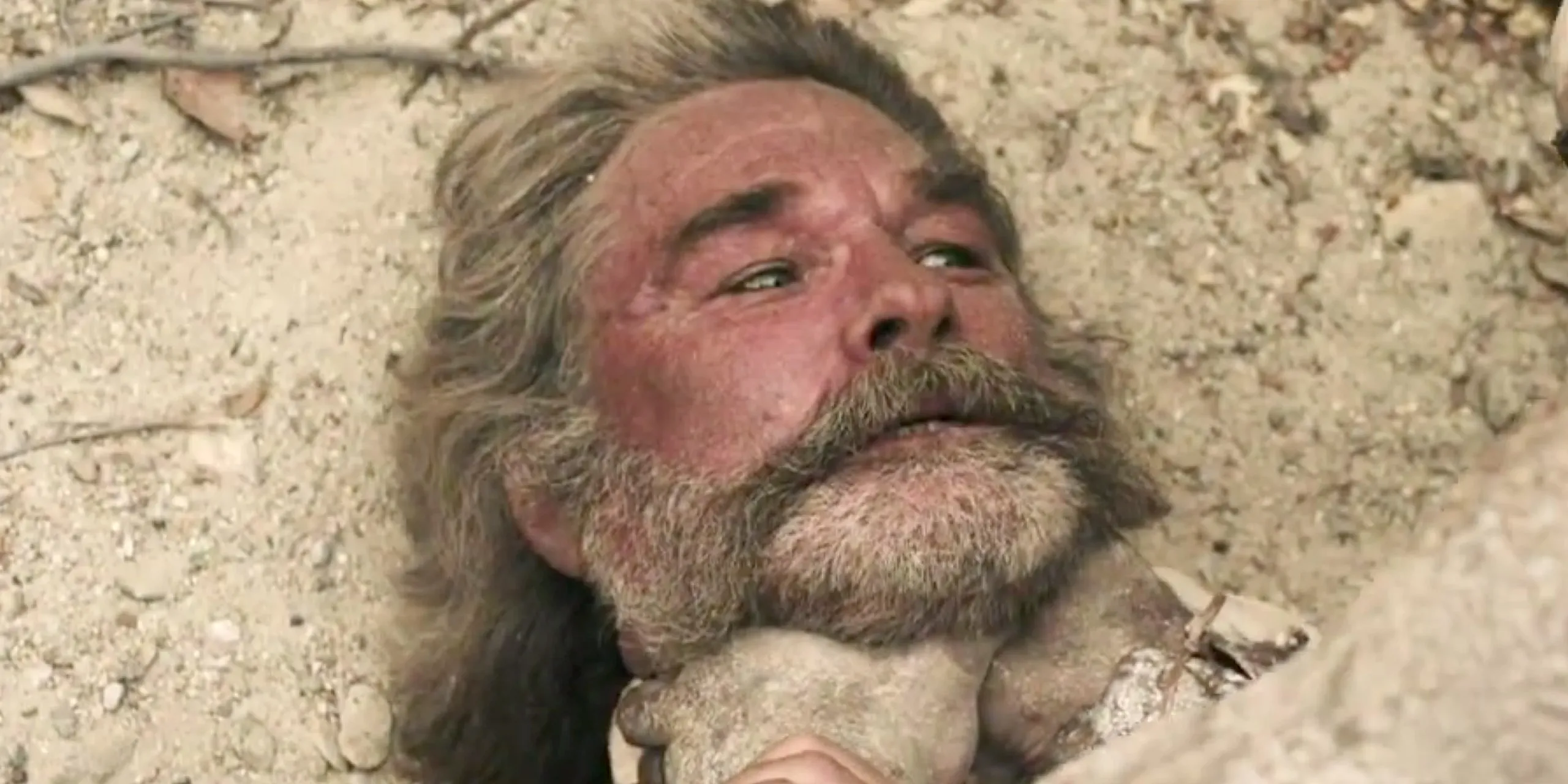
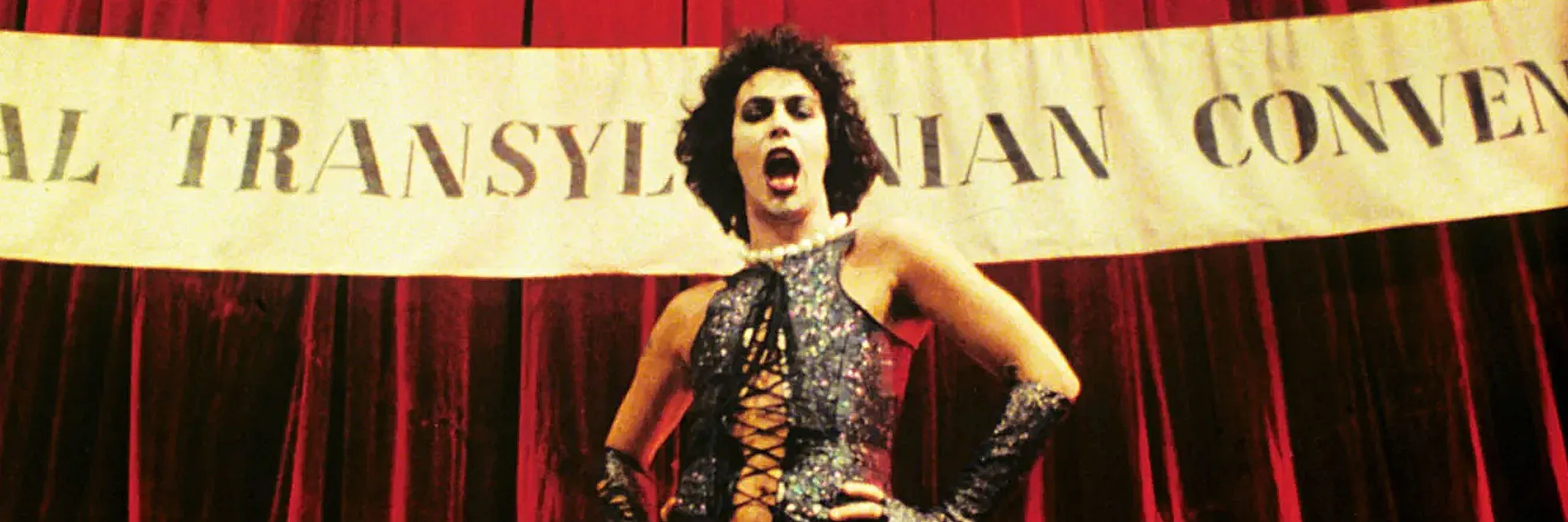
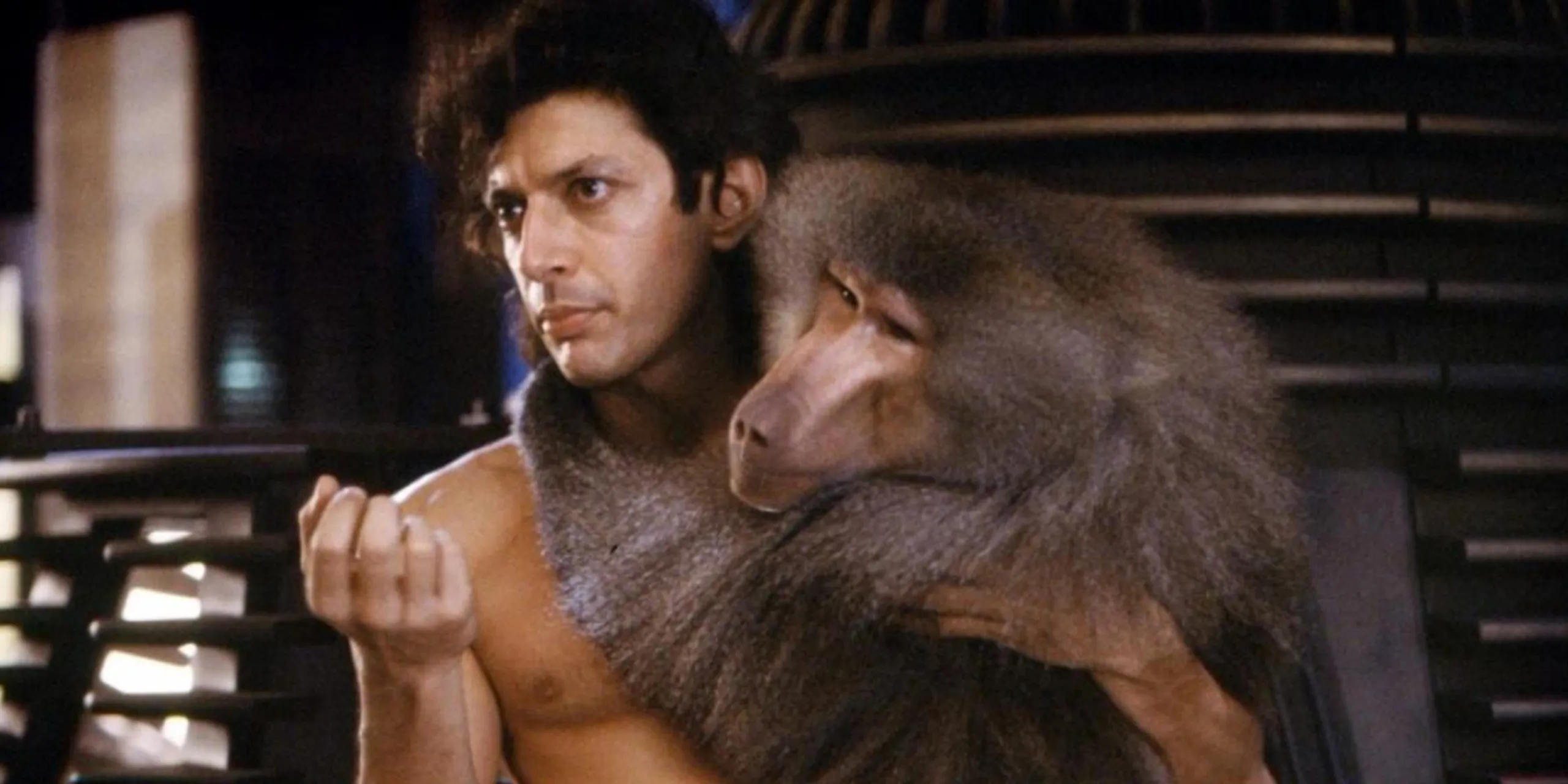
 The Fly (1986)
Sci-Fi Horror
Fear at the frontier of knowledge. Alien organisms, artificial intelligence, and the terrors of deep space — where science fiction's sense of wonder becomes horror's sense of dread.
History & Origins
Science fiction horror fuses two genres that share a fascination with the unknown but approach it from opposite directions: science fiction seeks to understand the cosmos; horror seeks to survive it. Peter Hutchings's Historical Dictionary of Horror Cinema (2018) traces the shared origin to Mary Shelley's 1818 Frankenstein, or the Modern Prometheus — "a key text for both" — and notes that 1950s monster-and-invasion cinema flowed freely between the two marketing categories. When the genres merge, the result is a tradition uniquely capable of generating existential dread — the terror not just of what might kill you but of what your death might mean in the vast, indifferent architecture of the universe.
The 1950s established the modern template. Howard Hawks and Christian Nyby's The Thing from Another World (1951) trapped scientists with an alien organism in an Arctic research station, an isolation chamber John Carpenter would later cite in Michele Brittany's Horror in Space (2017) as one of his earliest formative influences. Them! (1954) delivered the atomic-age big-bug picture as urban catastrophe. Don Siegel's Invasion of the Body Snatchers (1956) translated McCarthyist paranoia into pod-people allegory — what Hand and McRoy's Monstrous Adaptations (2007) reads as both a "patriotic call to arms" and, quoting Hendershot, a "left-wing liberal satire" of right-wing conformity. Forbidden Planet (1956) discovered that the most dangerous technology is the one that amplifies the unconscious mind. Roy Ward Baker's Quatermass and the Pit (1967) closed the Hammer cycle of British sci-fi horror with a Martian-relic excavation that revealed humanity's evolutionary origin as occult terror.
The form's two foundational late-century anchors arrived a year apart. Alien (1979) — what Hutchings calls Ridley Scott's "stylish, expensive, and much-imitated" treatment of Dan O'Bannon's Star Beast script — perfected the fusion as a haunted-house picture set in space, with Sigourney Weaver's Ellen Ripley emerging as one of the genre's defining final-girl figures. Philip Kaufman's Invasion of the Body Snatchers (1978) updated Siegel's allegory for the post-Watergate moment. John Carpenter's The Thing (1982), Mary Wild observes in Psychoanalysing Horror Cinema, made the alien "parasitic... capable of assimilating and perfectly imitating any organism" — extending Hawks's Arctic claustrophobia into the era of practical-effects body horror. David Cronenberg's Videodrome (1983) and The Fly (1986) relocated the sci-fi-horror anxiety to the media-organism interface and the teleporter accident. Tobe Hooper's Lifeforce (1985) sent space vampires to Thatcher's London; Paul W. S. Anderson's Event Horizon (1997) sent a spaceship to Hell.
The 21st-century revival redirected the form toward art-cinema and AI. Richard Kelly's Donnie Darko (2001) reframed teen alienation as quantum tragedy. Neill Blomkamp's District 9 (2009) ran Body Snatchers-era xenophobia through post-apartheid Johannesburg. Jonathan Glazer's Under the Skin (2014) turned alien-as-predator into Scottish-art-cinema austerity. Alex Garland's Ex Machina (2015) delivered the AI-emancipation thriller as gothic chamber piece, and his Annihilation (2018) dramatized environmental transformation as "polymorphous impulses" — Mary Wild reads it as the genre's most committed self-destruction allegory. Jordan Peele's trilogy — Get Out (2017), Us (2019), and Nope (2022) — used sci-fi horror as the vehicle for the period's most-discussed race-and-spectacle parables. Brandon Cronenberg's Possessor (2020) extended the family business into the neural-hijack thriller; William Eubank's Underwater (2020) ran the Alien template at the bottom of the Mariana Trench.
The contemporary cycle is most fixated on machine intelligence. Gerard Johnstone's M3GAN (2022), with its AI doll designed to bond with grieving children, distilled the fear into a commercial peak — what we are building is smarter than us and less inclined to keep us around. The form's enduring power lies in this conviction: that the scientific advances which were supposed to extend humanity's mastery of the universe will instead reveal how small a portion of the universe humanity ever managed to control.
Sources: Richard J. Hand and Jay McRoy (eds.), Monstrous Adaptations (2007); Peter Hutchings, Historical Dictionary of Horror Cinema (2018); Mary Wild, Psychoanalysing Horror Cinema.
Essential Films
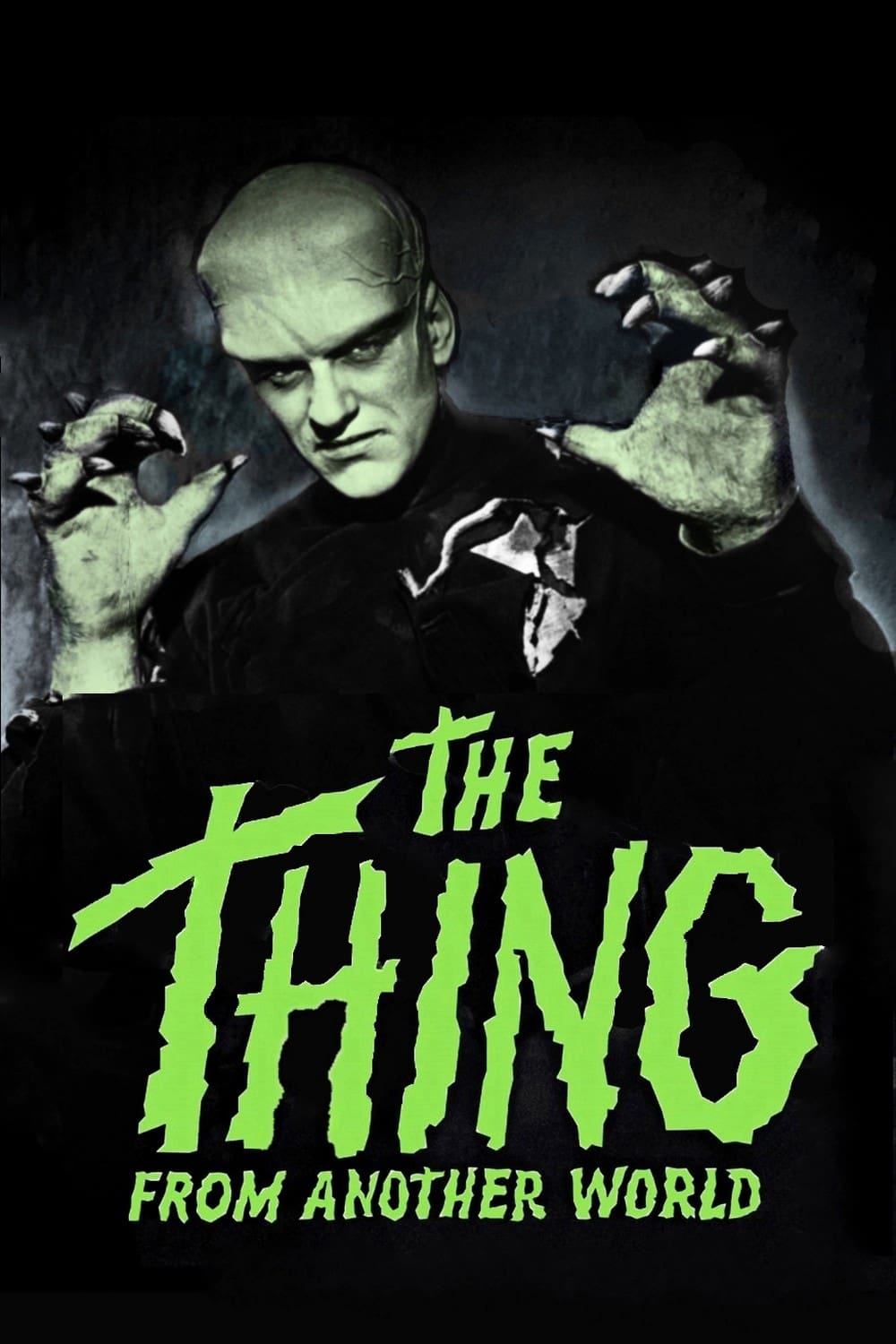
The Thing from Another World
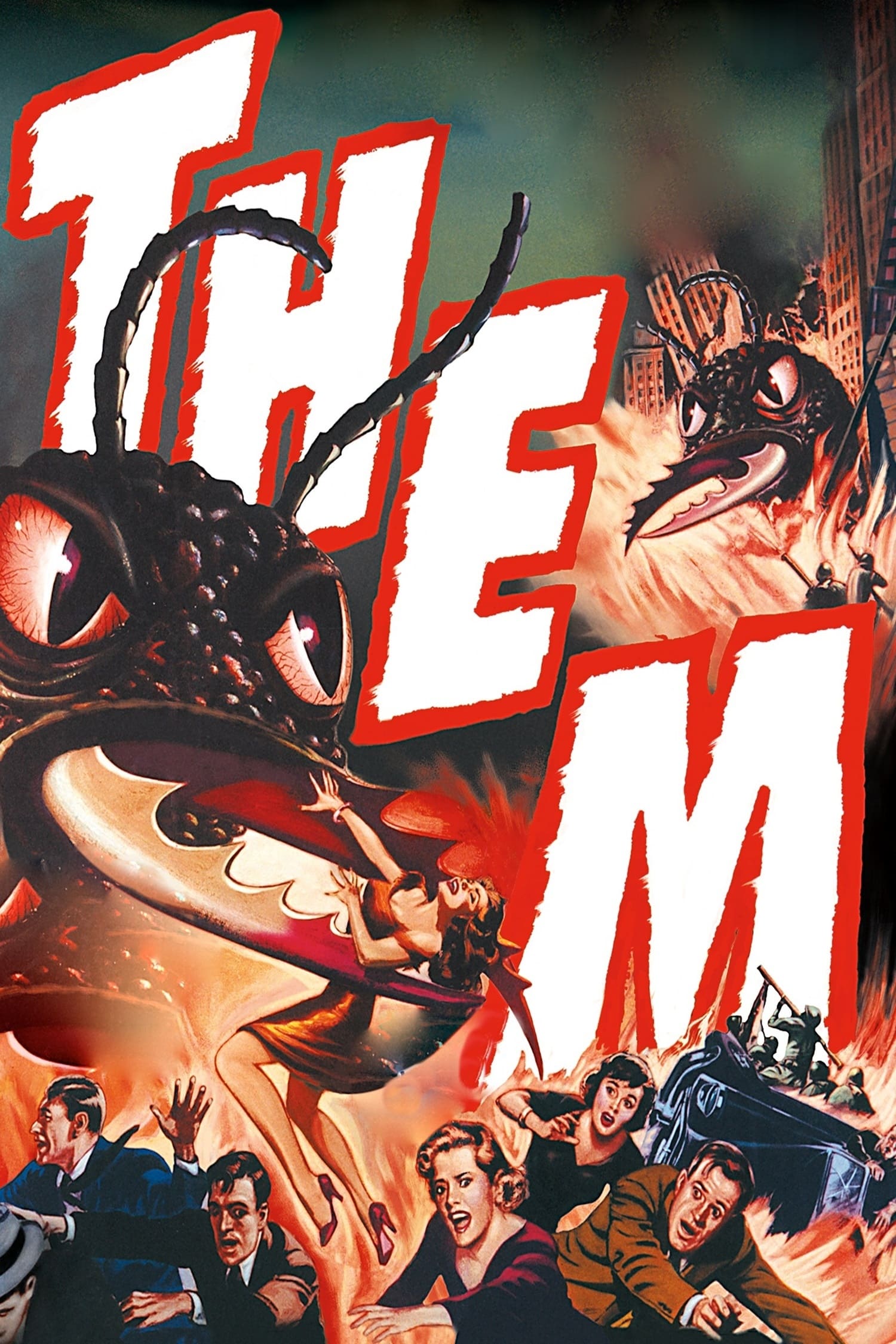
Them!
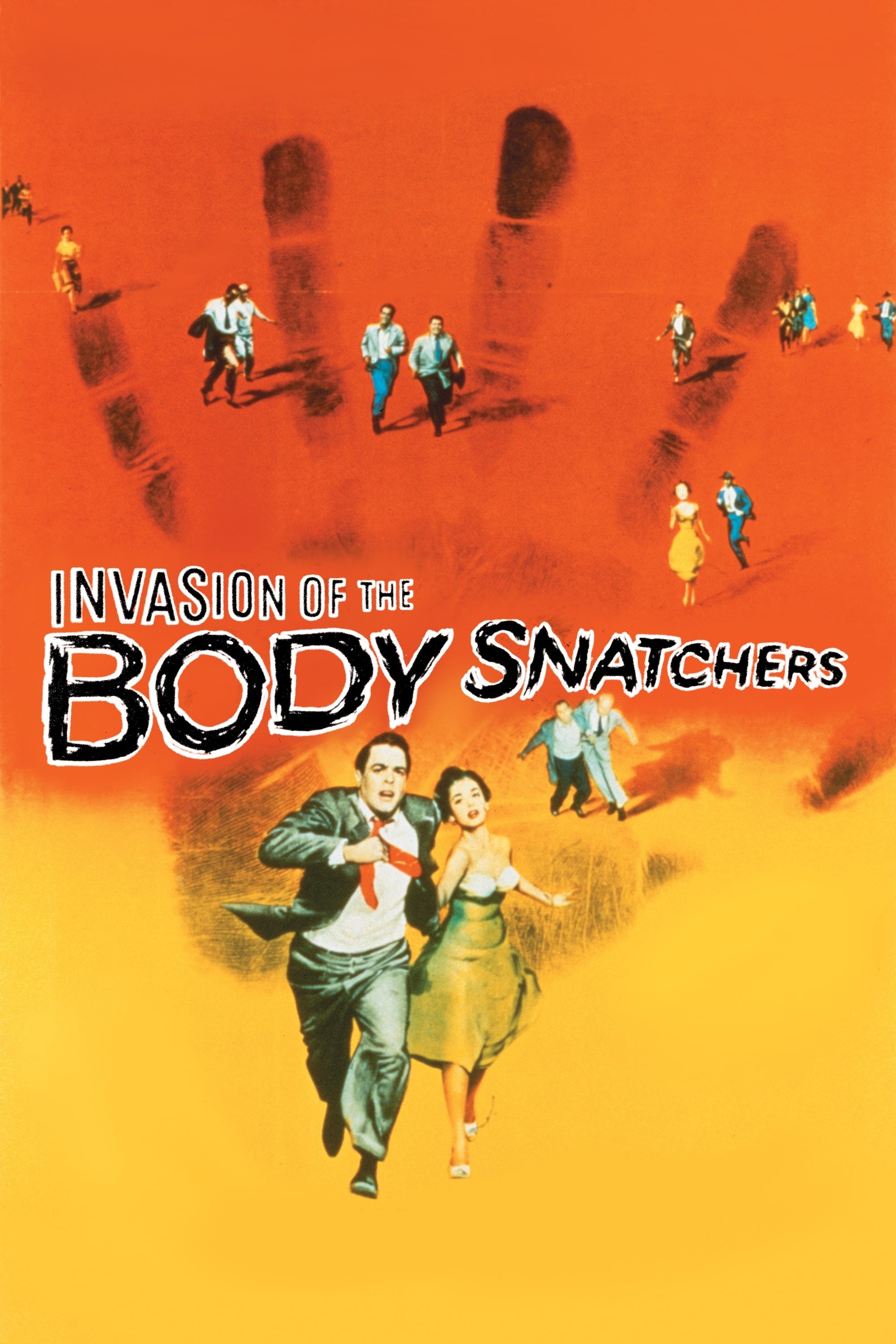
Invasion of the Body Snatchers
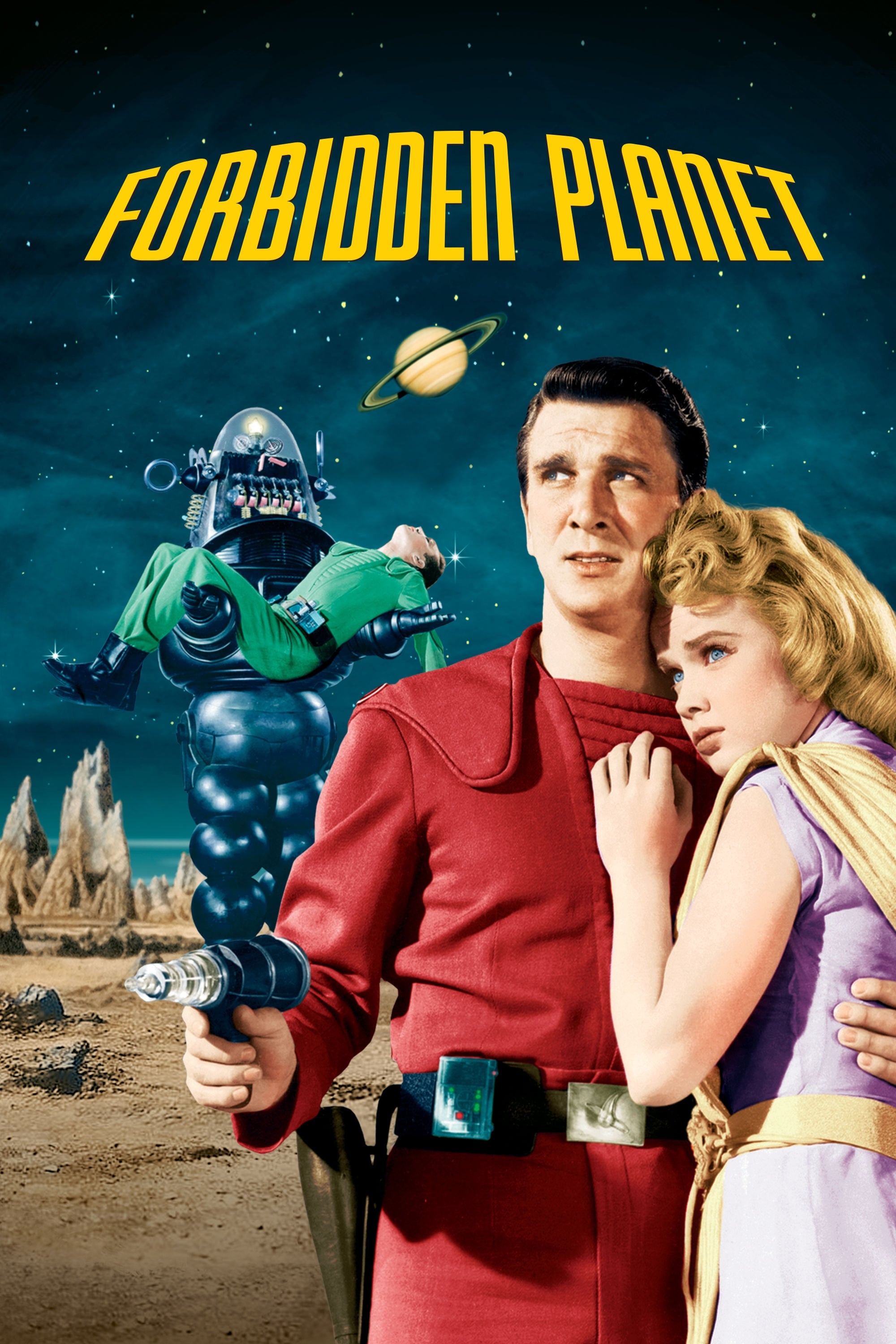
Forbidden Planet
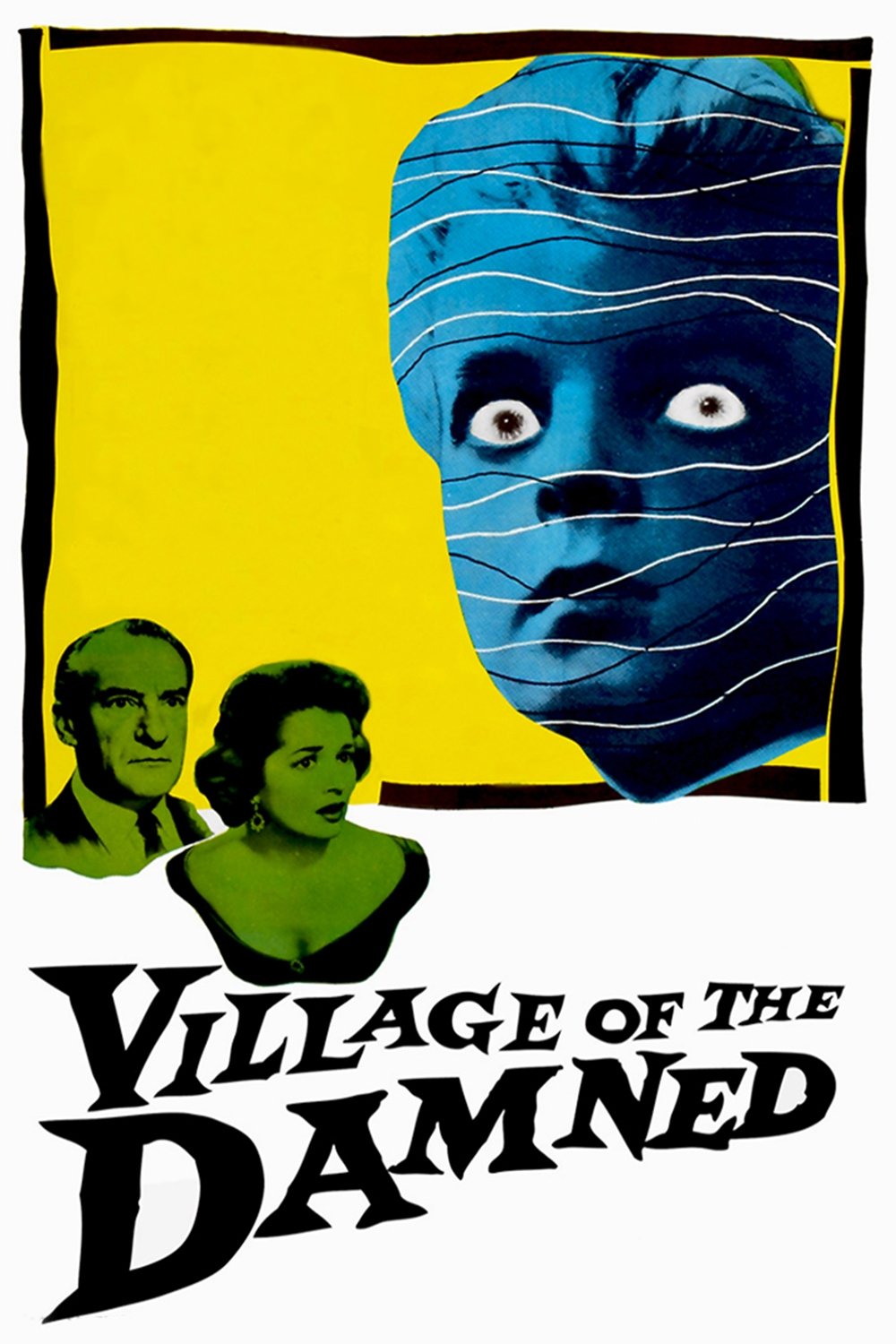
Village of the Damned
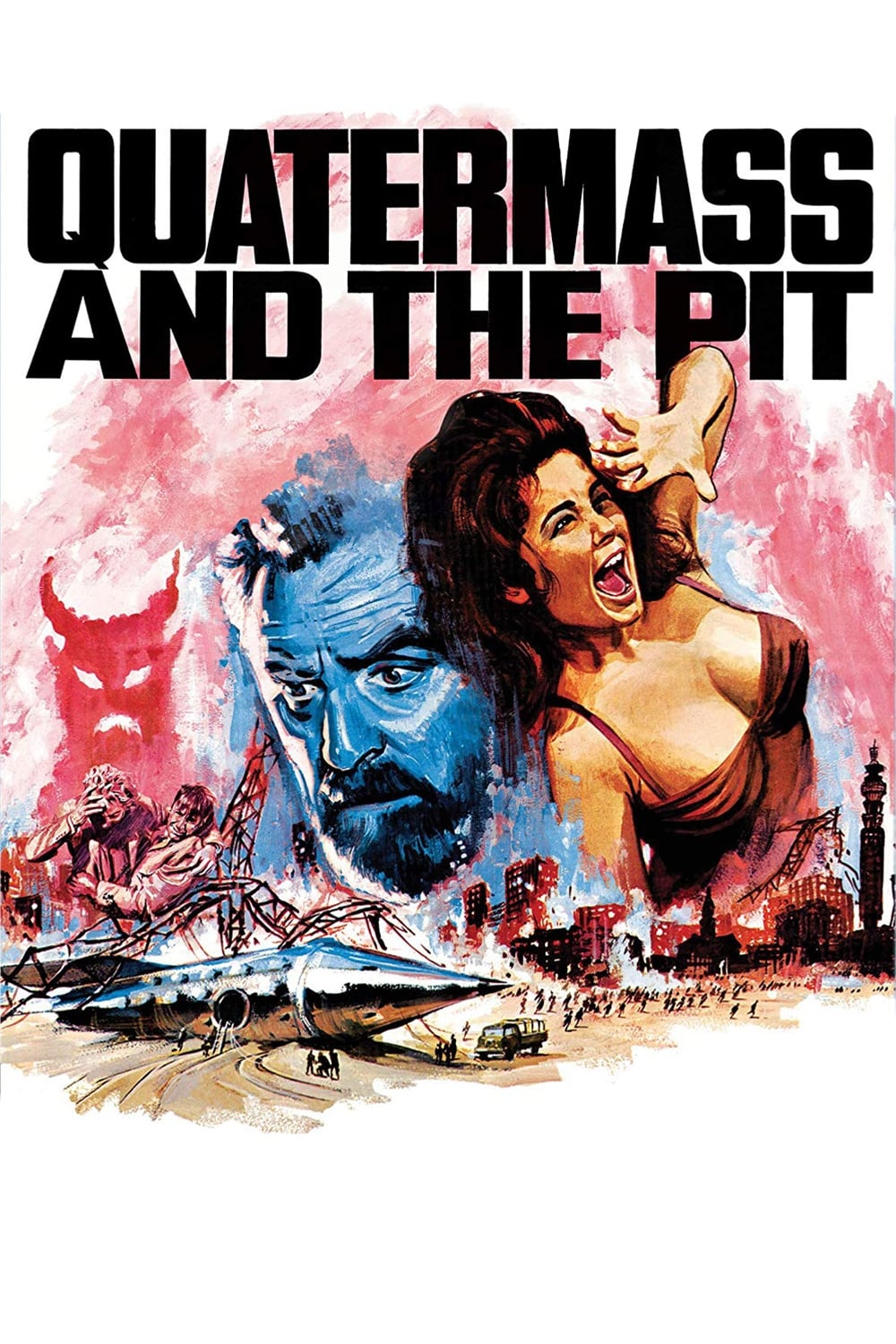
Quatermass and the Pit
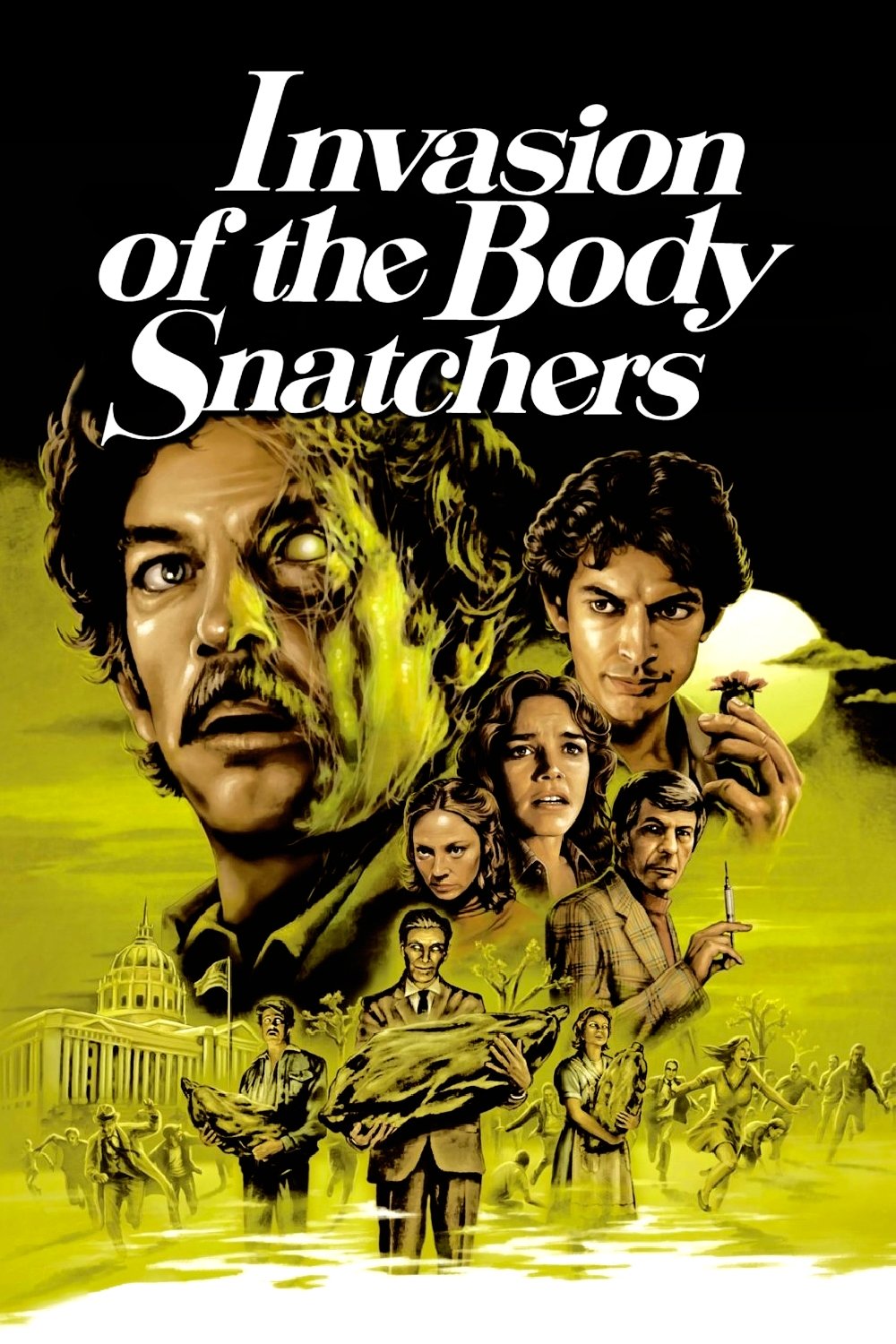
Invasion of the Body Snatchers
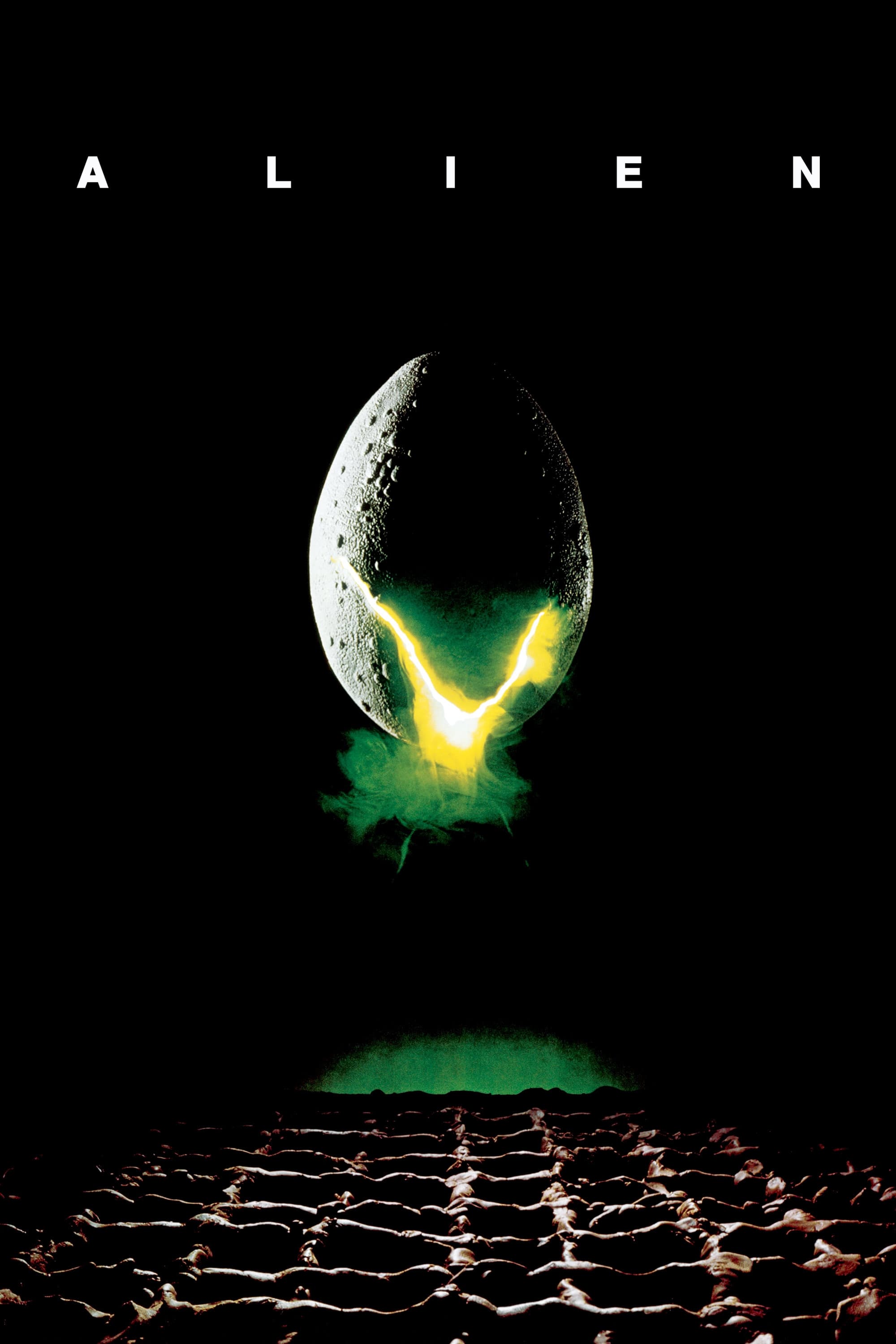
Alien
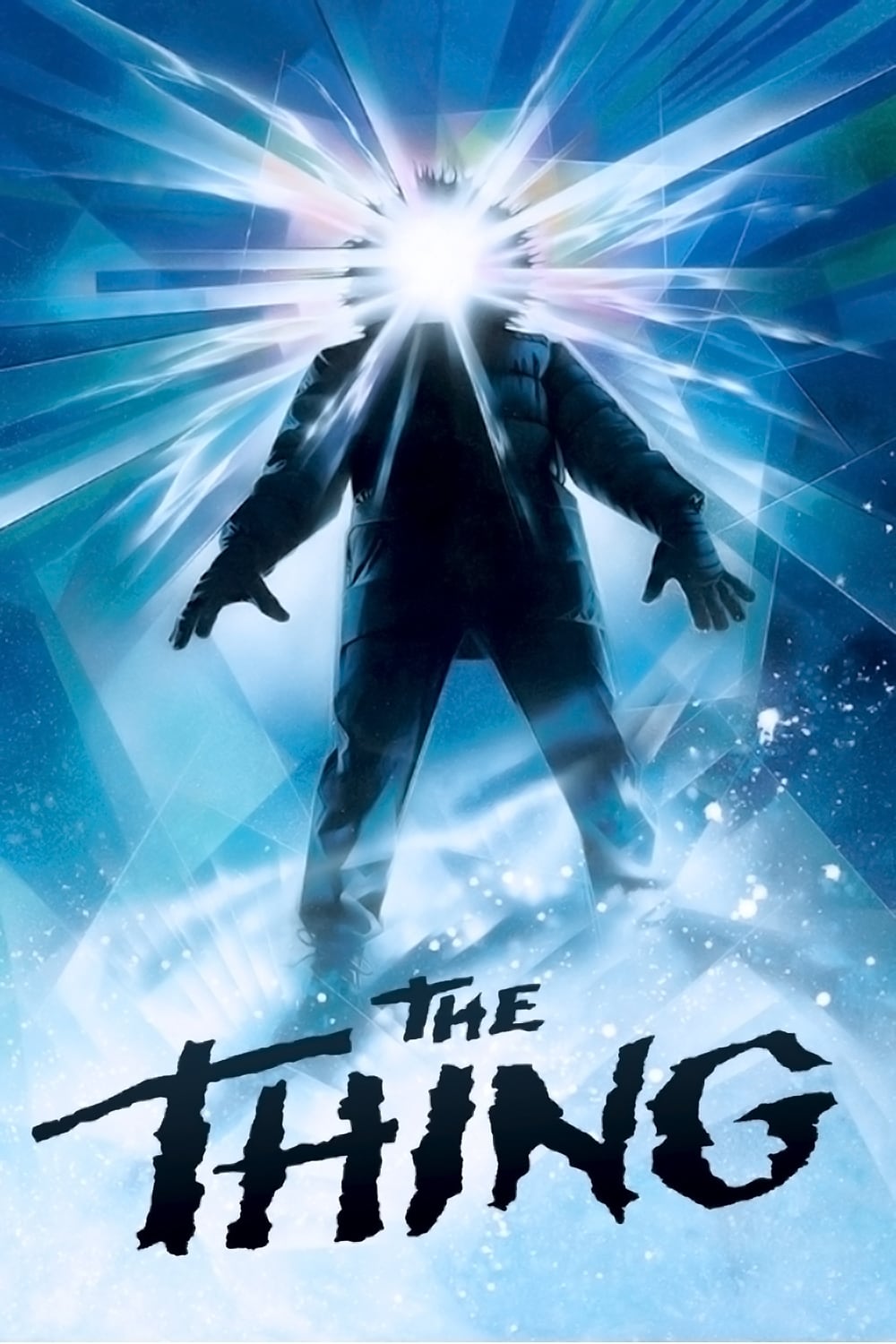
The Thing
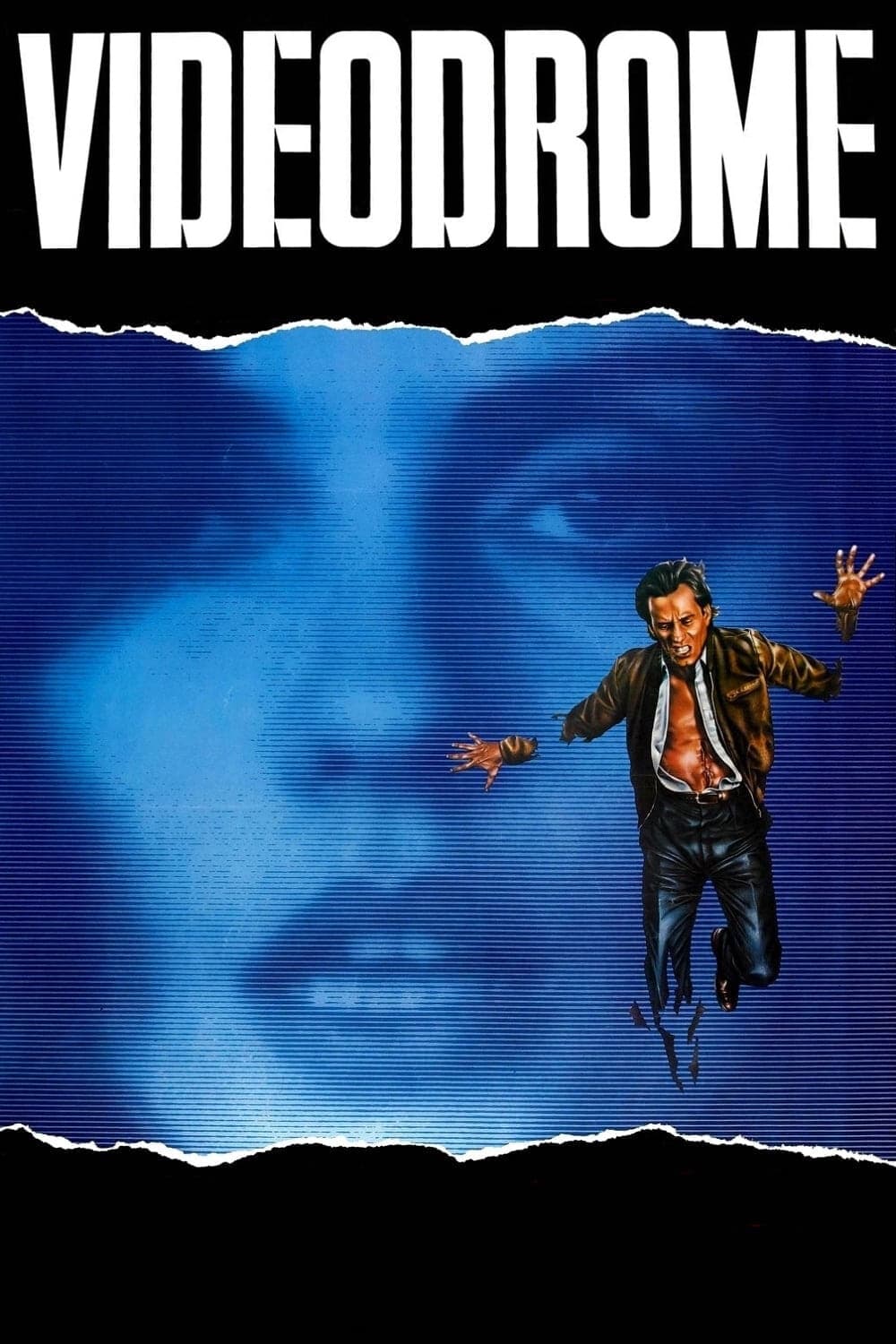
Videodrome

Lifeforce
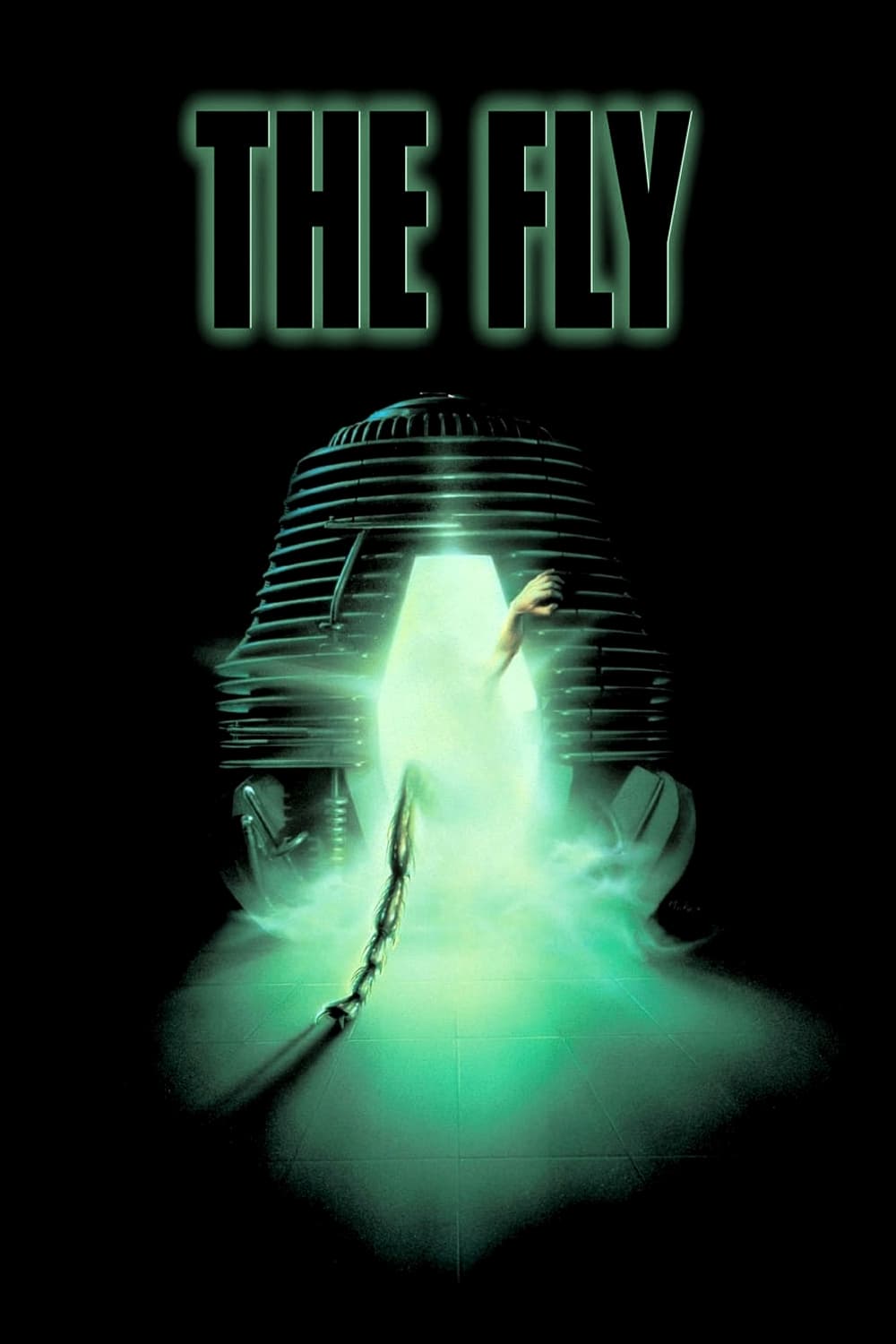
The Fly
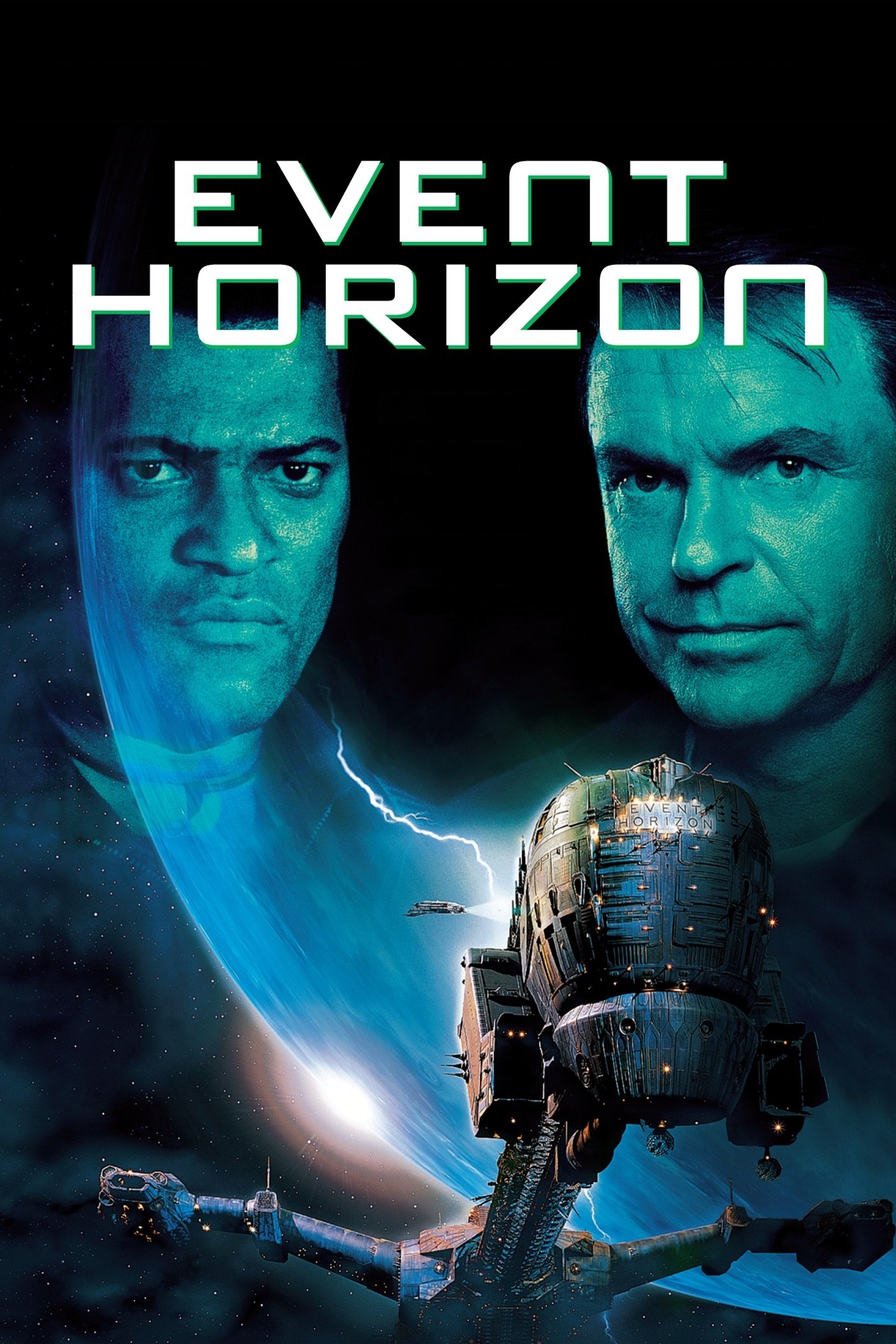
Event Horizon
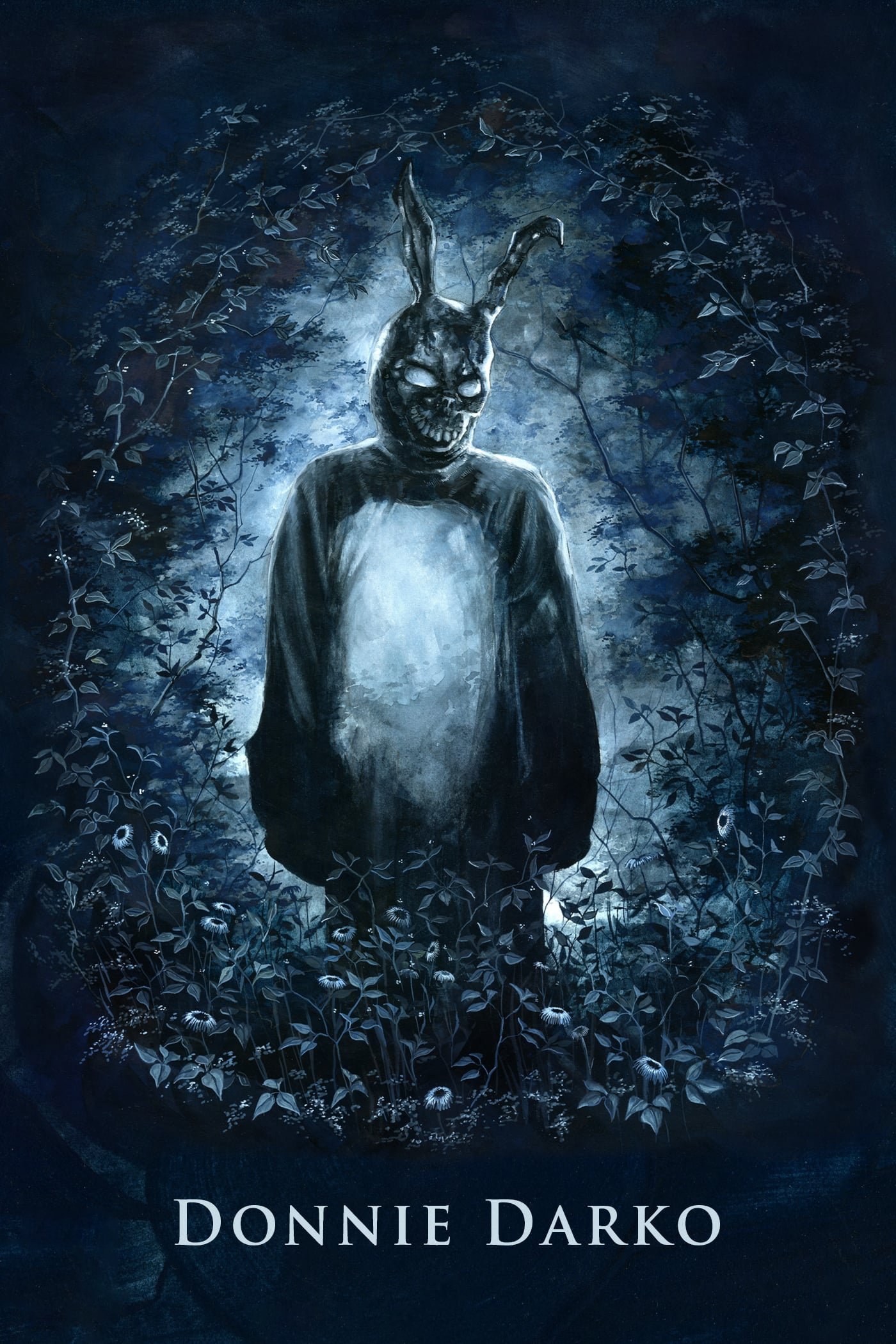
Donnie Darko
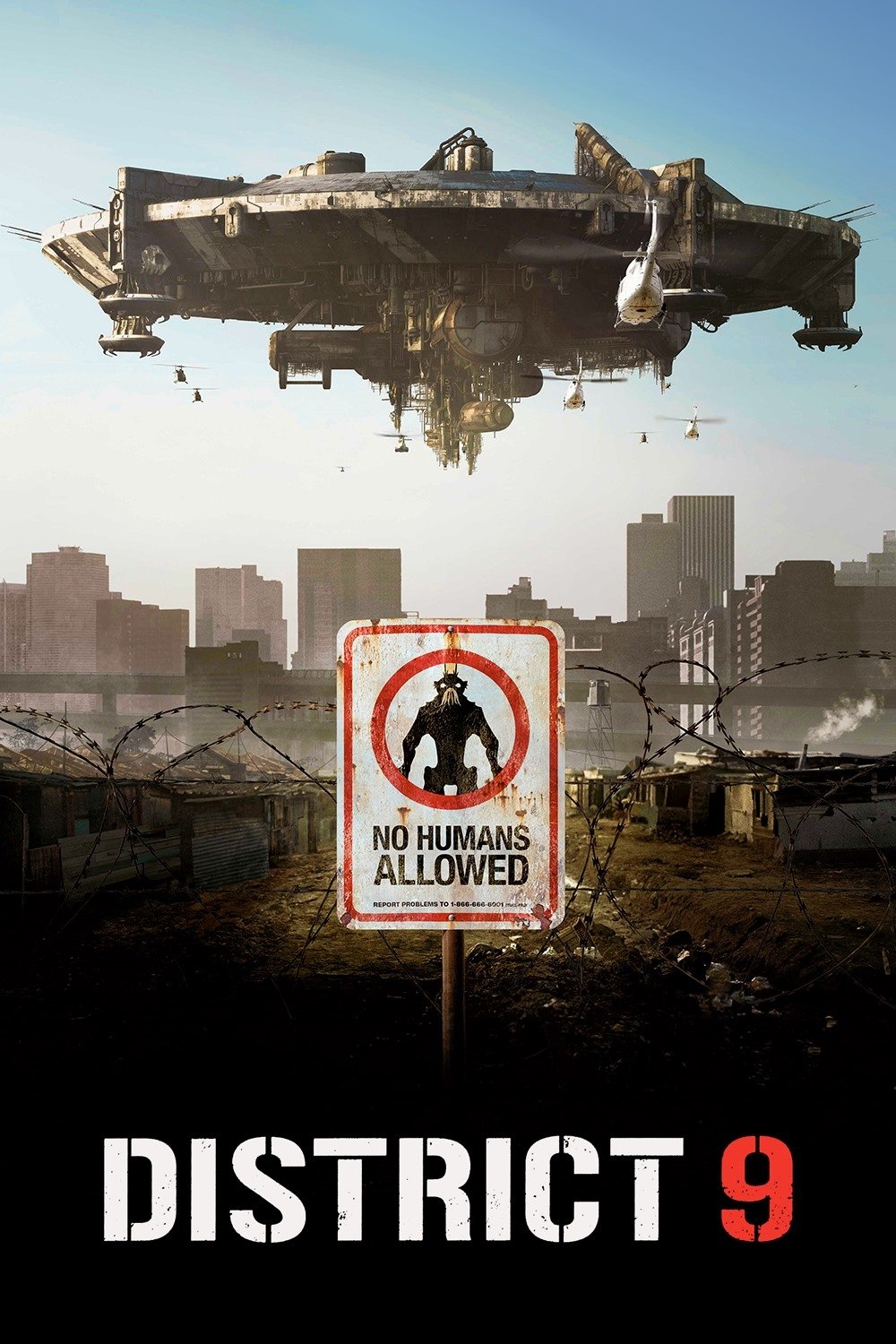
District 9
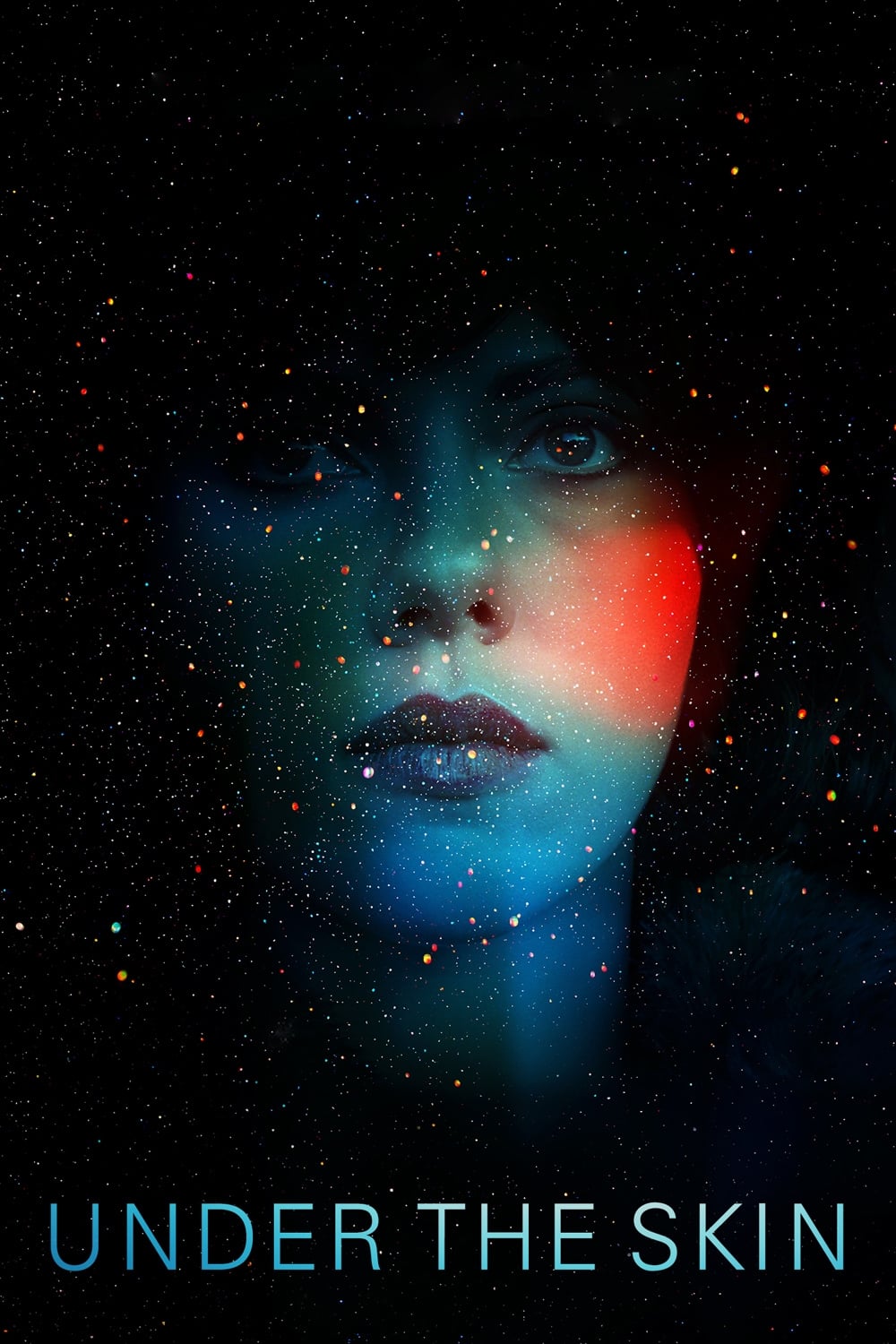
Under the Skin

Ex Machina
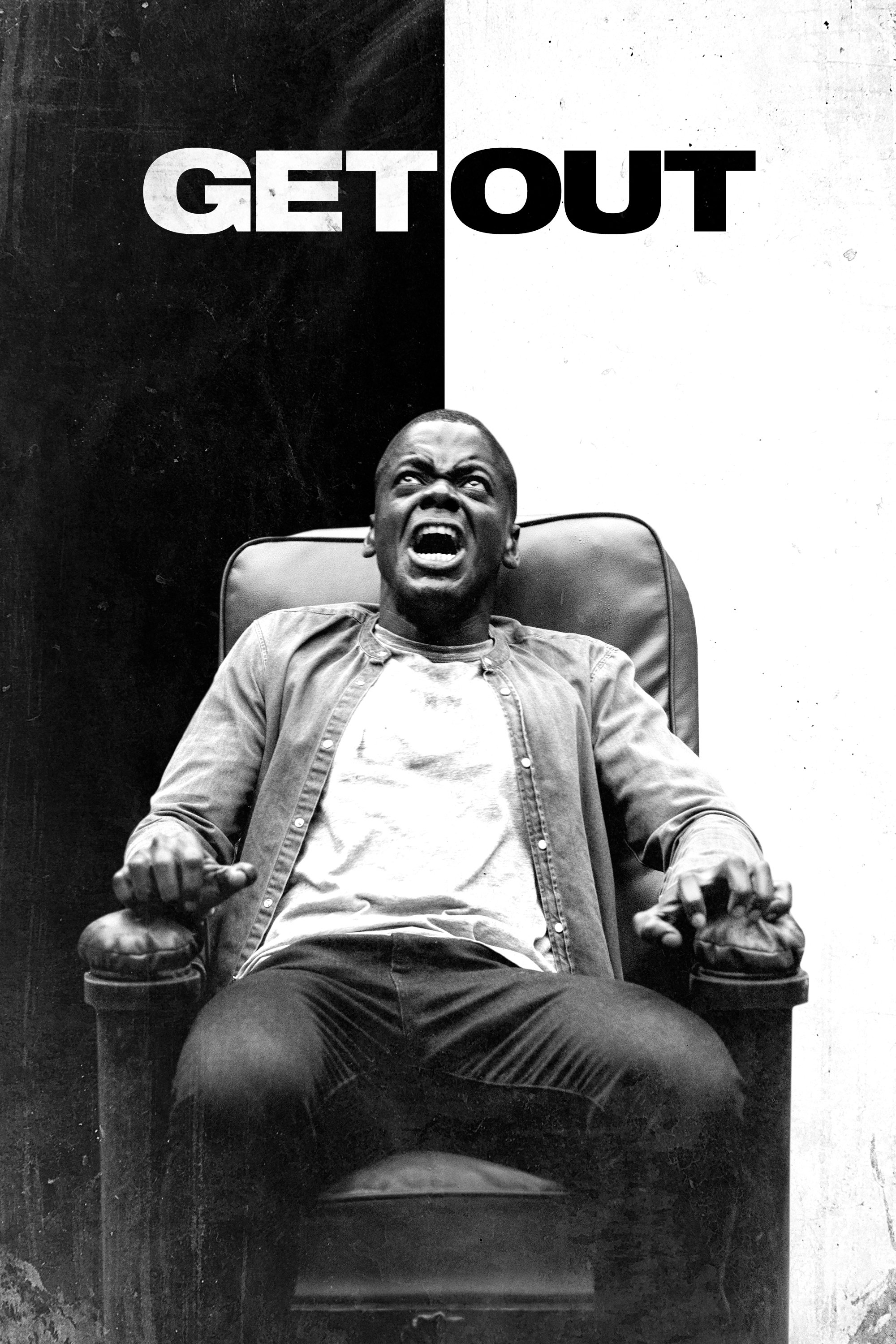
Get Out
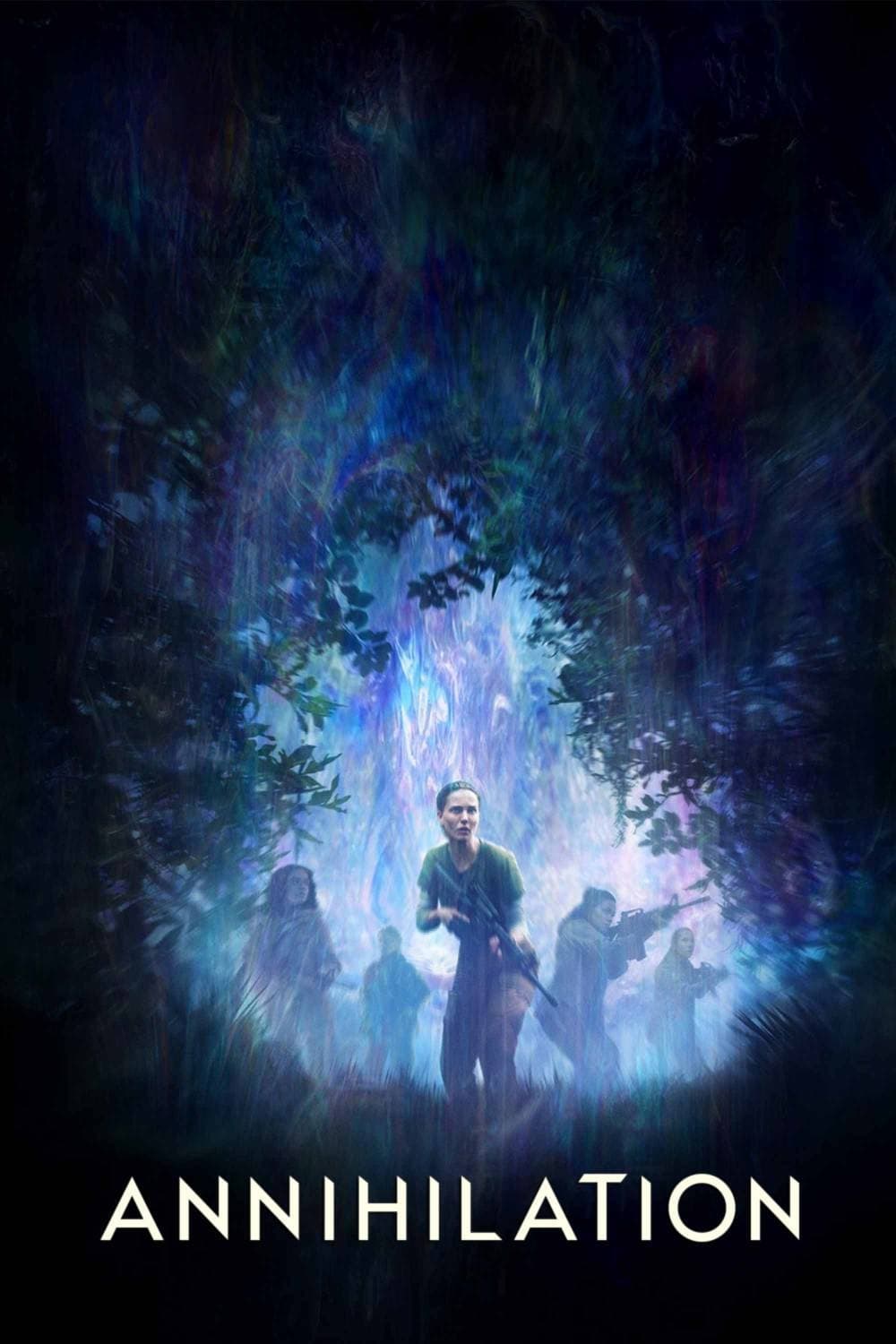
Annihilation
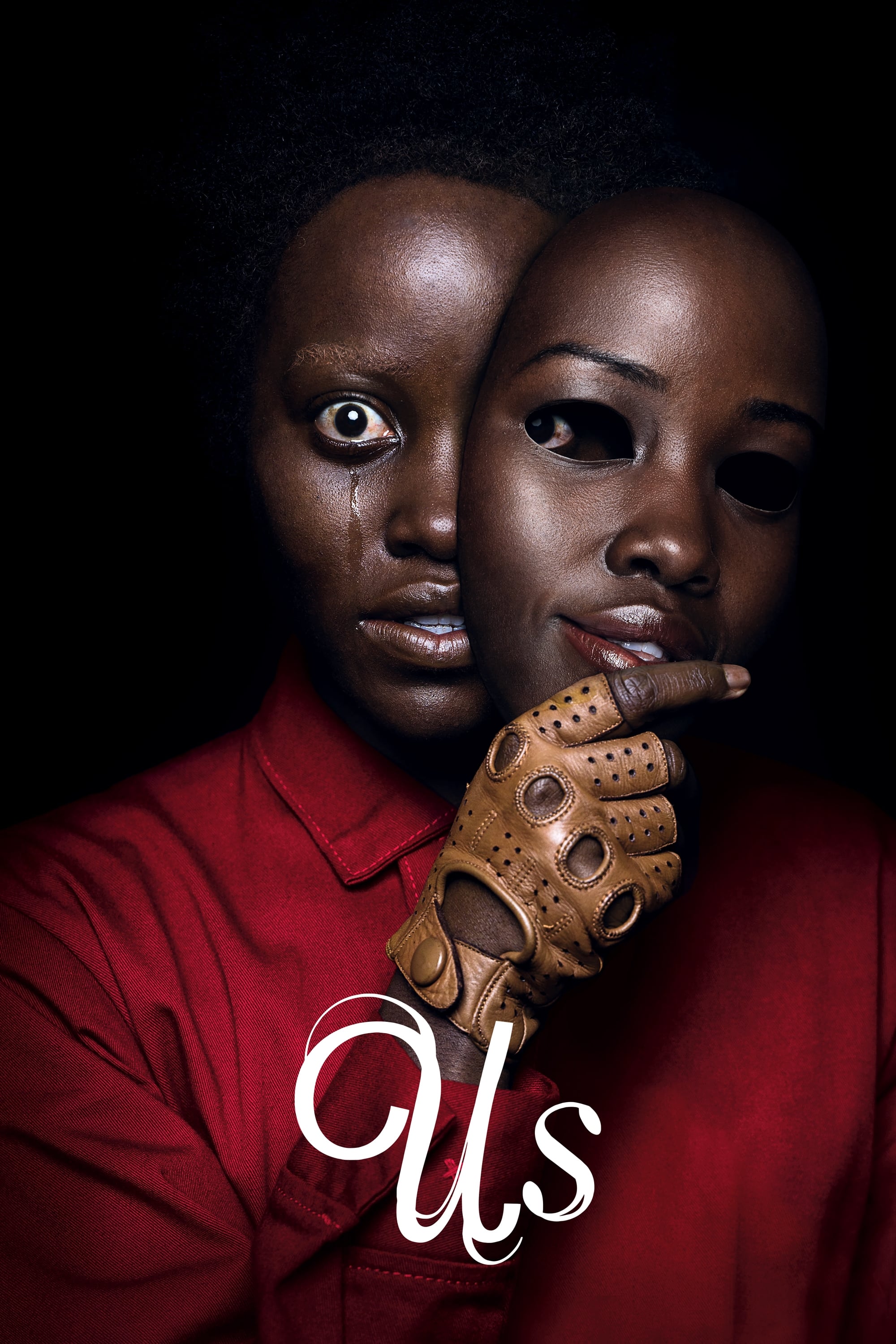
Us
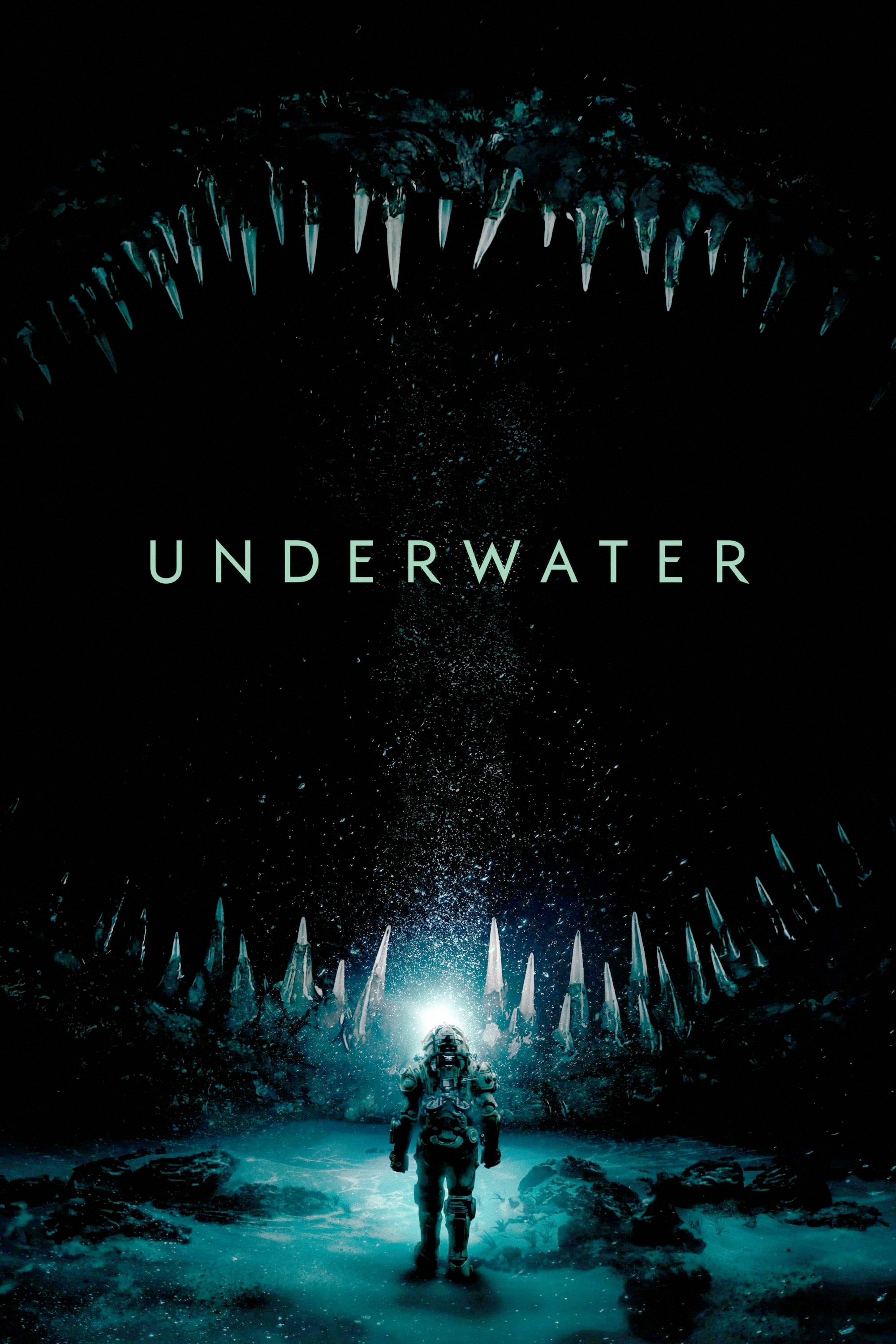
Underwater

Possessor
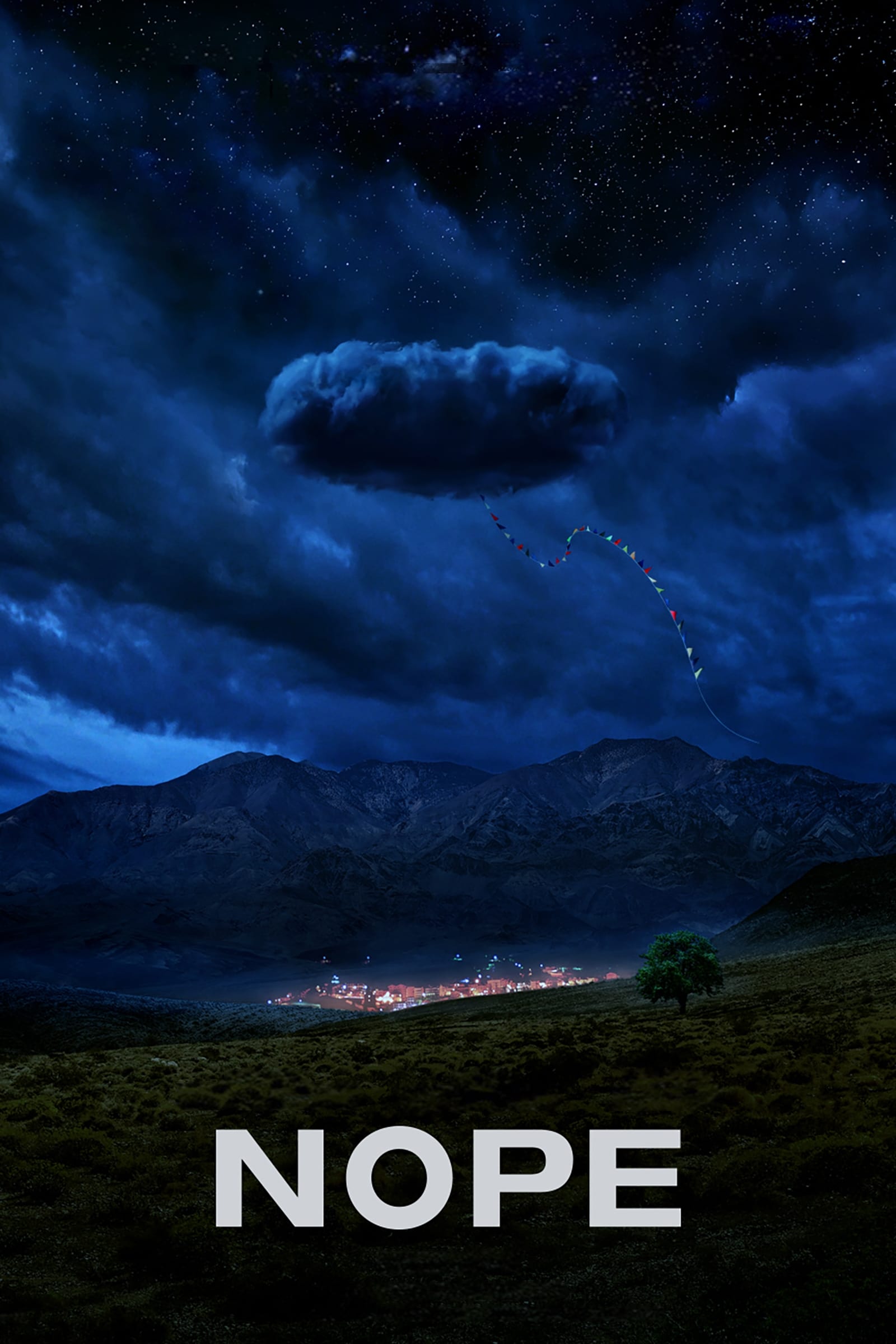
Nope

M3GAN
Statistics
Popularity by Decade
Share of each decade's horror films classified as Sci-Fi Horror. Counts films with at least 5 TMDB ratings, so very obscure titles are not represented.
Popularity by Country
Share of each country's horror output classified as Sci-Fi Horror. Counts films with at least 5 TMDB ratings, so very obscure titles are not represented.