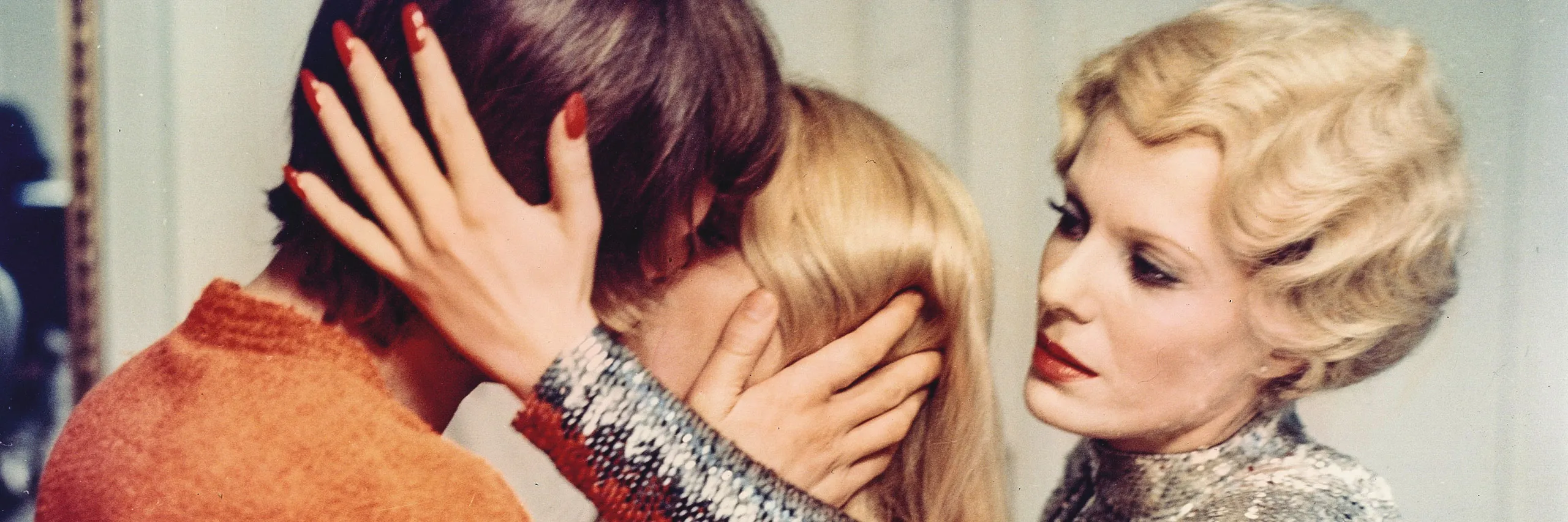
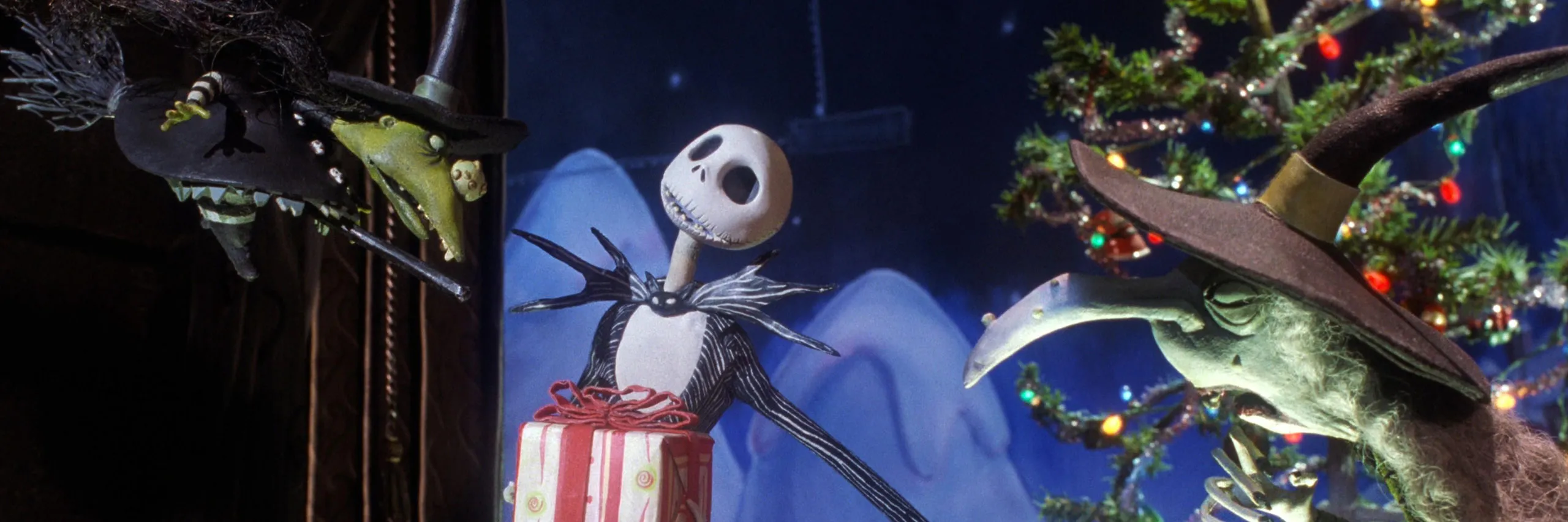
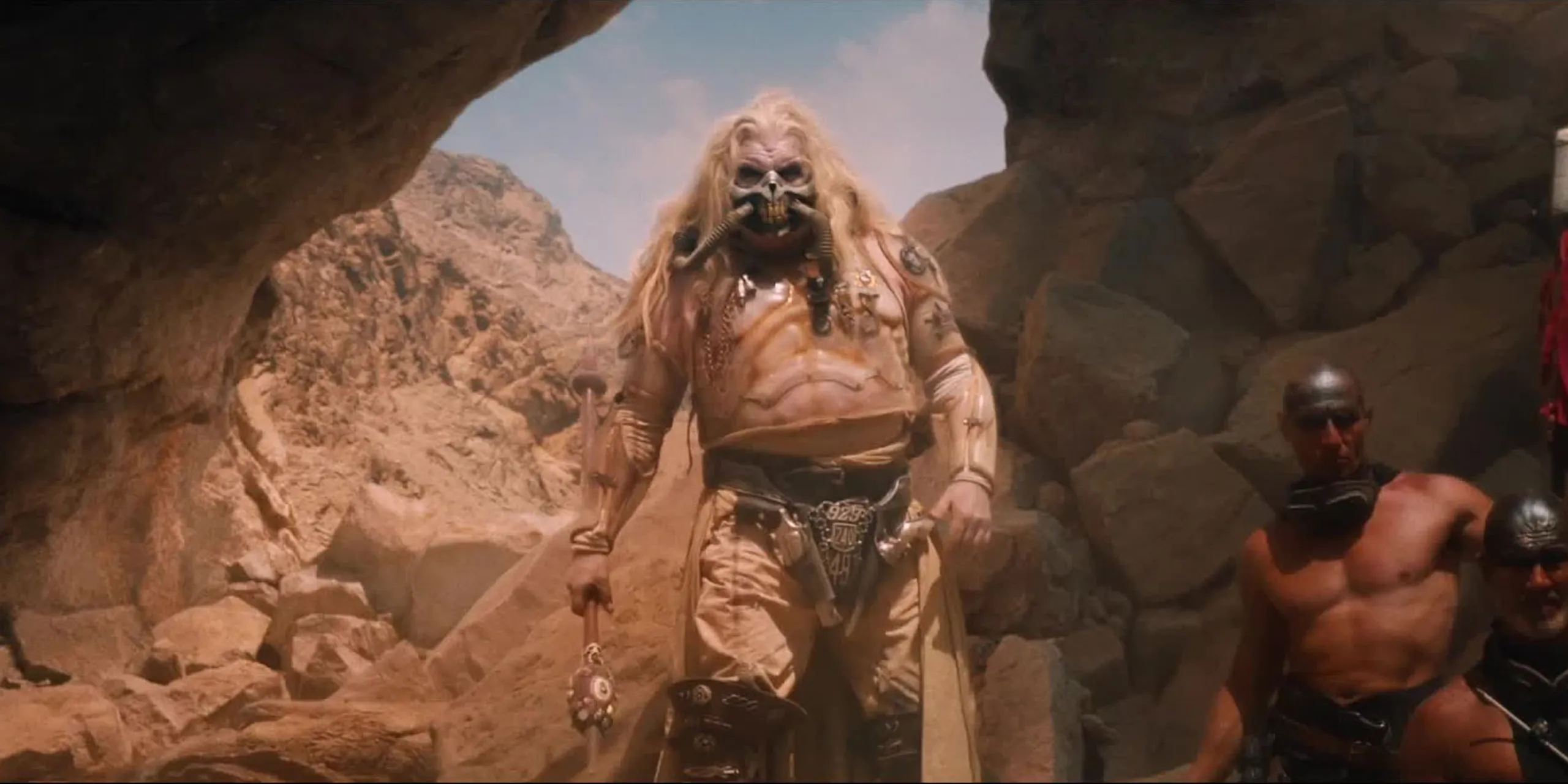
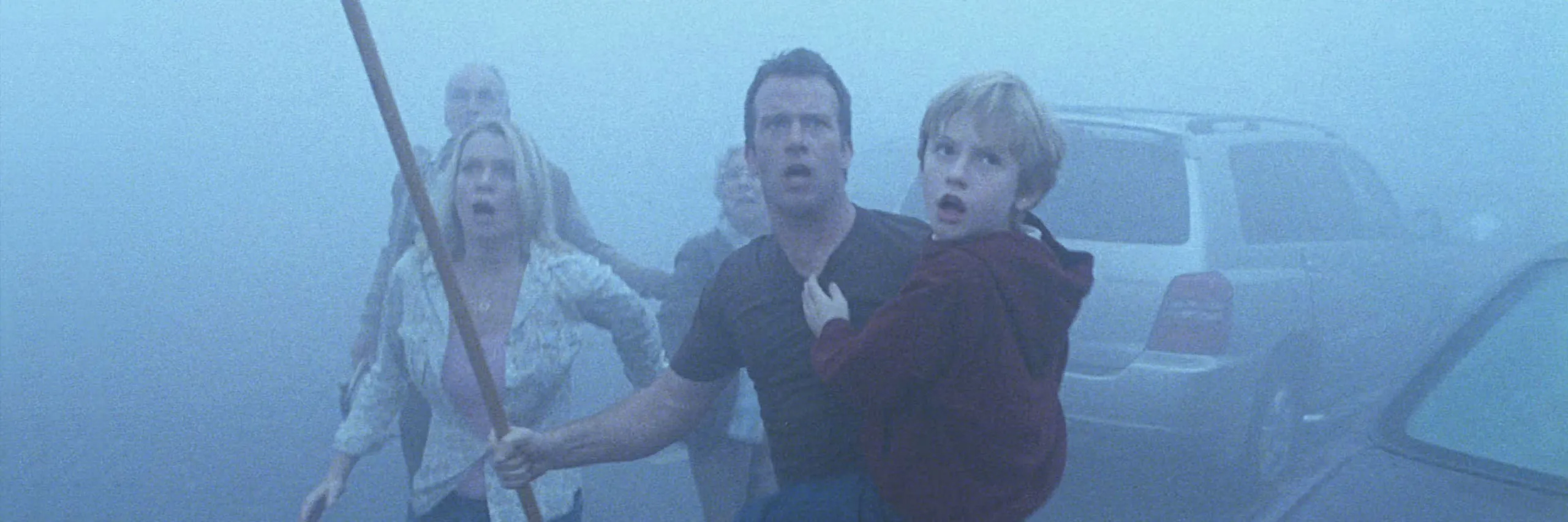
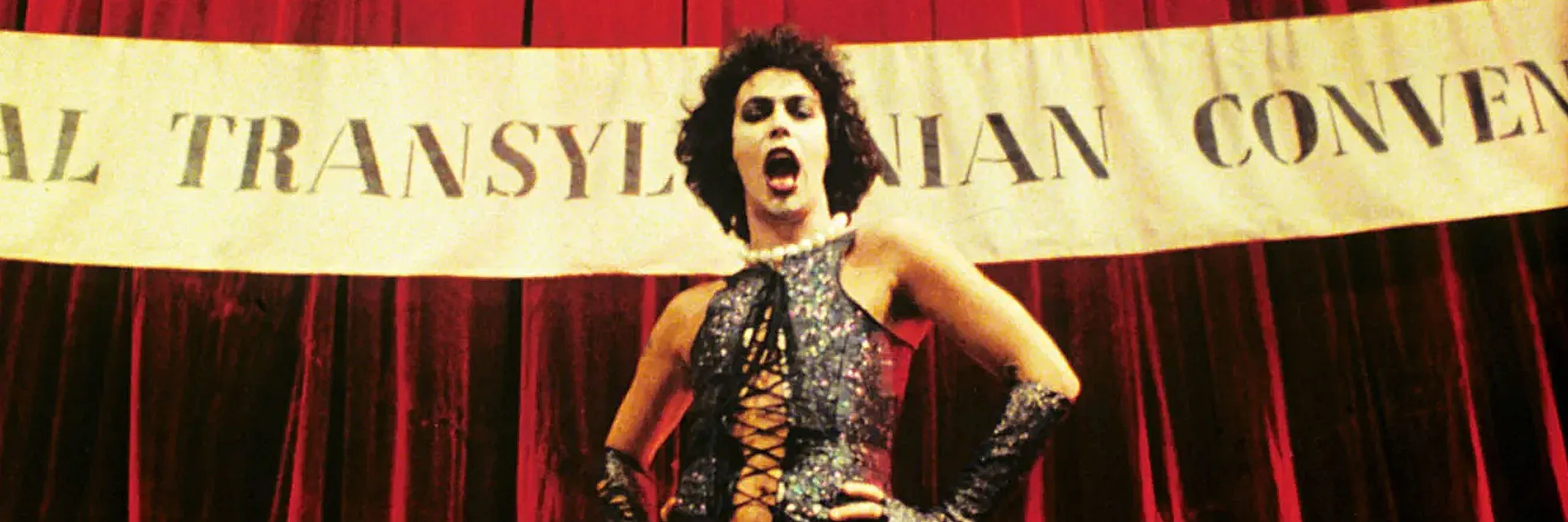
 Rocky Horror Picture Show (1975)
Horror Musical
The unspeakable, sung. Characters who find musical expression for murder, madness, and the macabre — the collision of horror's dread with the musical's commitment to expressed emotion.
History & Origins
The horror musical brings together two forms that should be incompatible — the musical's commitment to expressed emotion and communal joy, and horror's commitment to dread, isolation, and the unspeakable. Peter Hutchings opens his dedicated MUSICALS entry in the Historical Dictionary of Horror Cinema (2018) with the observation that "one does not associate horror cinema with musicals, the life-affirming qualities of the musical usually seen as being at odds with the darker world of horror." The collision produces something genuinely strange: films where characters sing about murder, dance with the dead, and find musical expression for experiences that should be beyond articulation.
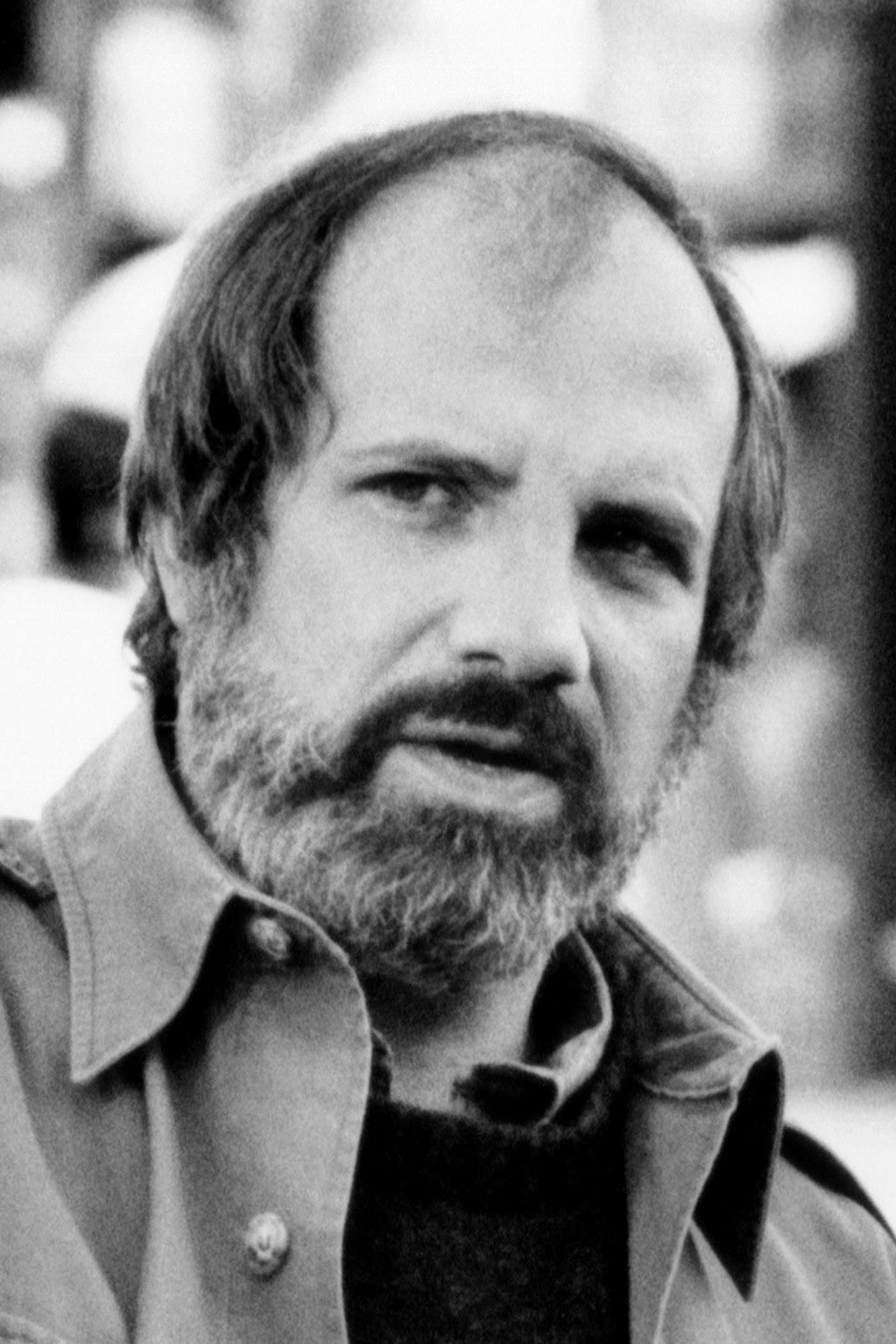
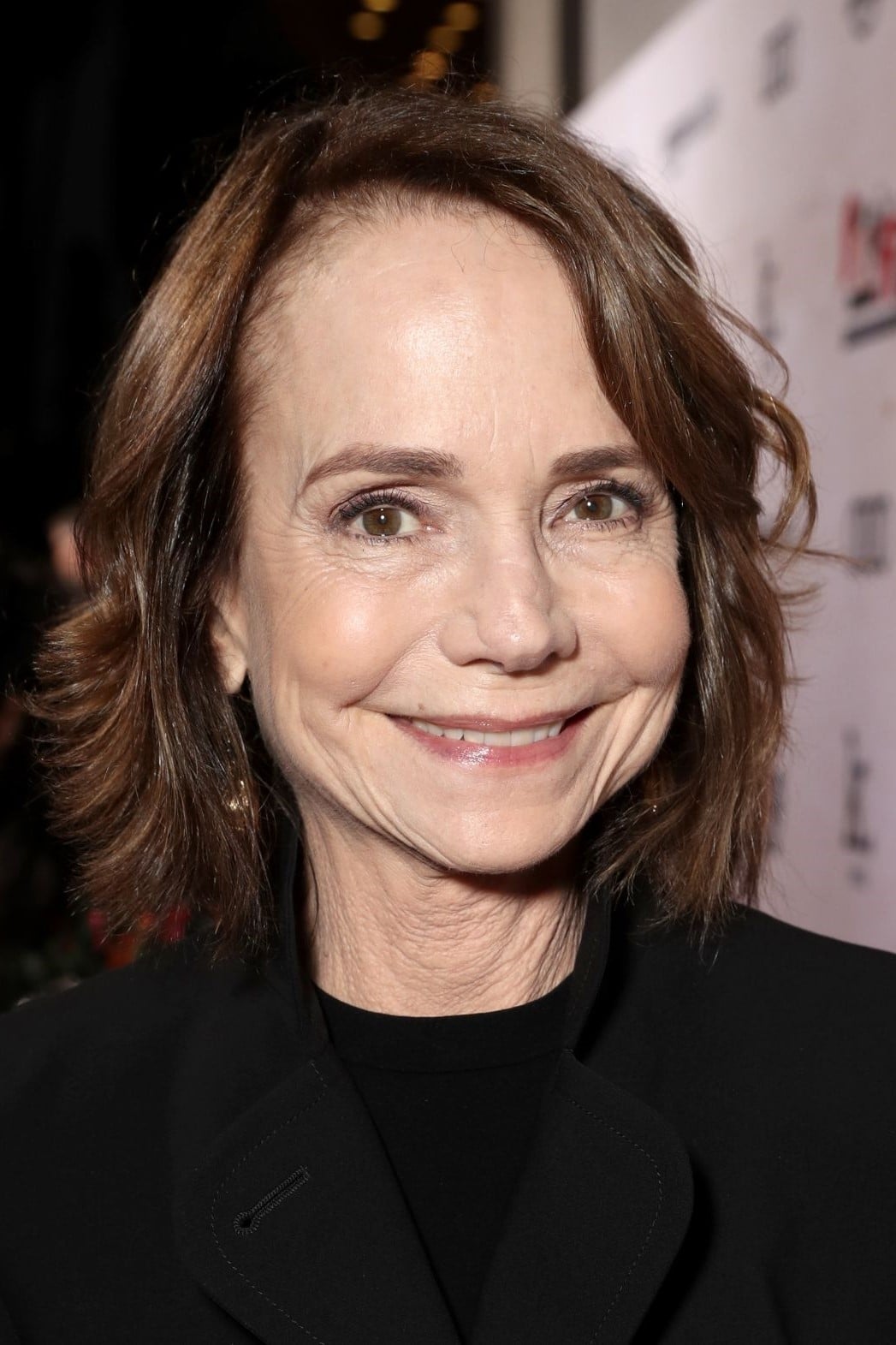
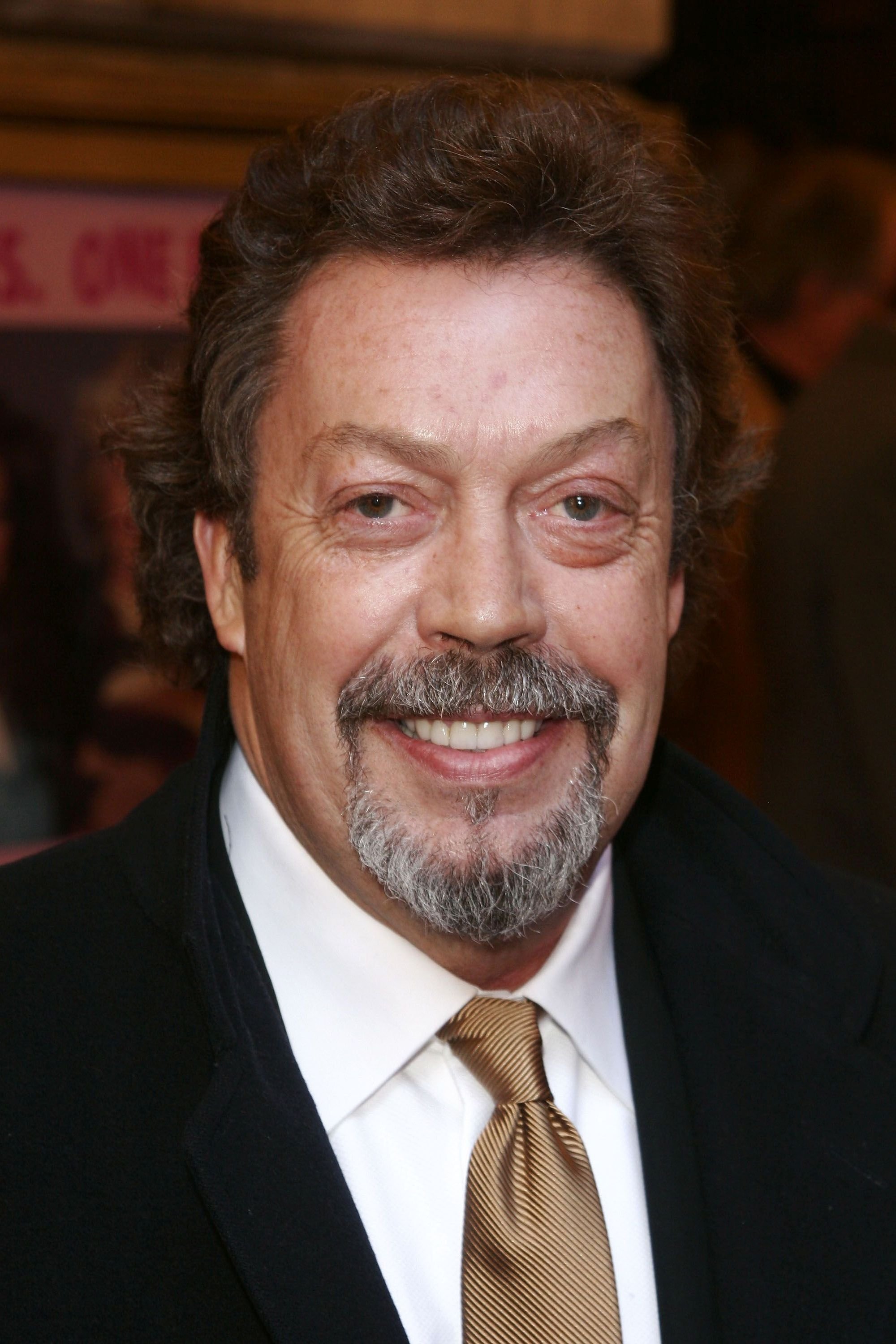
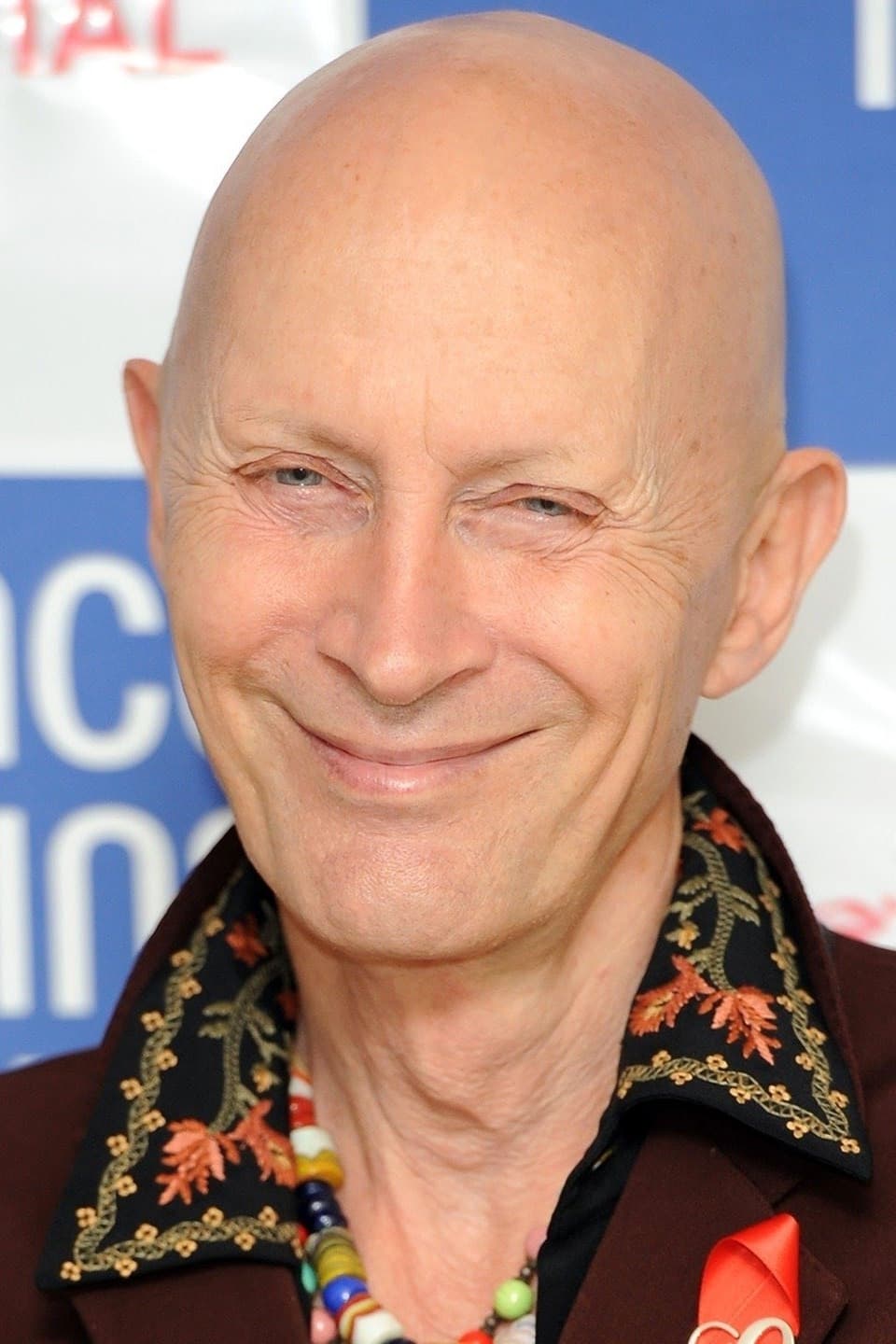
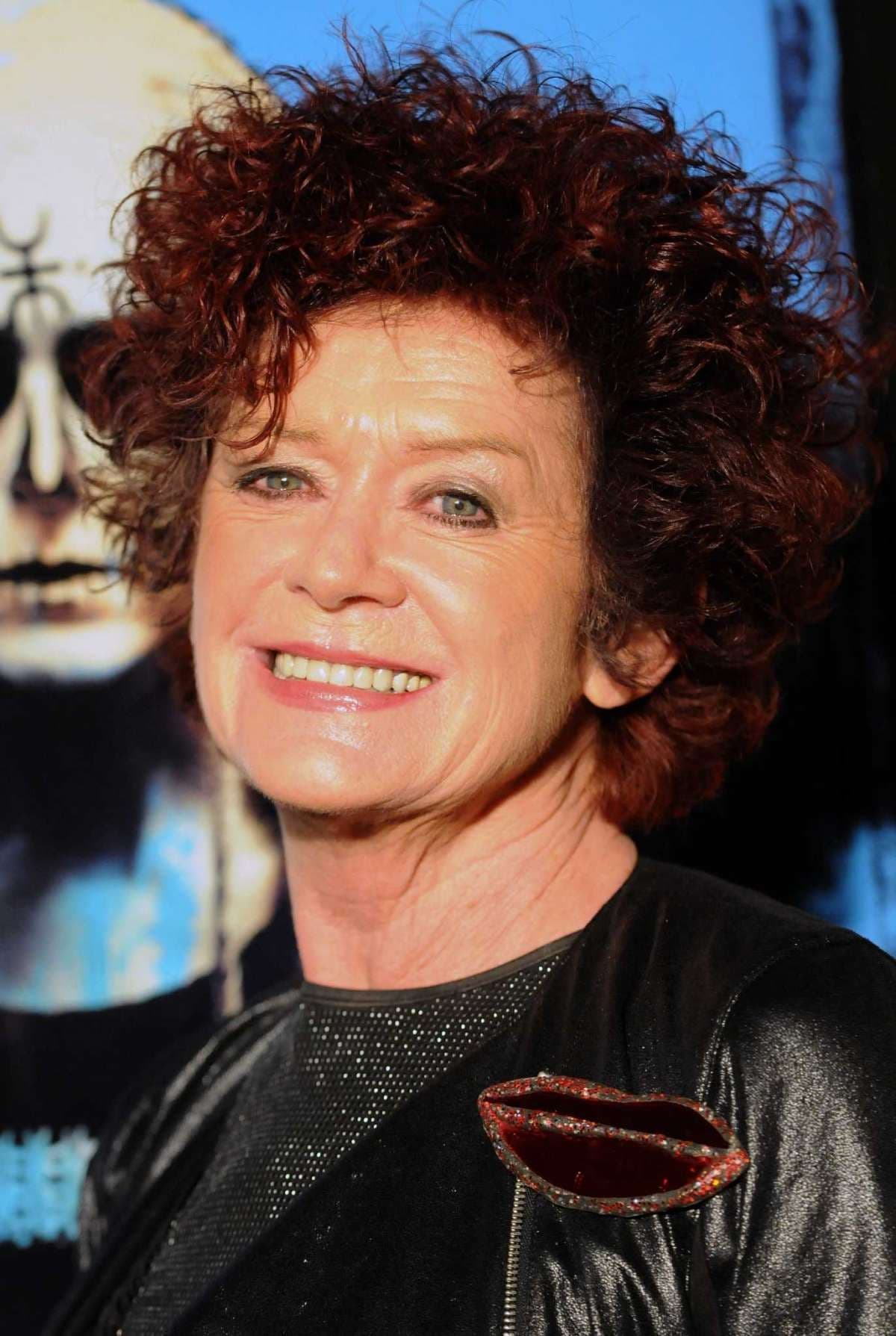
The Rocky Horror Picture Show (1975) is the tradition's defining text — a film Danny Peary (cited by Mathijs and Mendik in 100 Cult Films, 2011) identified as "the very definition of the term 'cult picture': it is the one film that cannot even be discussed without mentioning its fans." Jim Sharman's adaptation of Richard O'Brien's stage musical opened in 1975 and has not closed since; midnight screenings, audience-participation rituals, and the "Time Warp" dance built a participatory subculture no horror film before or since has matched. Brian De Palma's Phantom of the Paradise (1974), released the year before, ran the form in a darker register — what Barry Keith Grant in 100 American Horror Films calls "the only [horror musical] whose satiric target is precisely the institution of popular music itself," a rock opera in which a sold-his-soul music executive (Paul Williams) corrupts a Faustian songwriter. Sharman returned with Shock Treatment (1981), Rocky Horror's official-but-not-quite sequel.
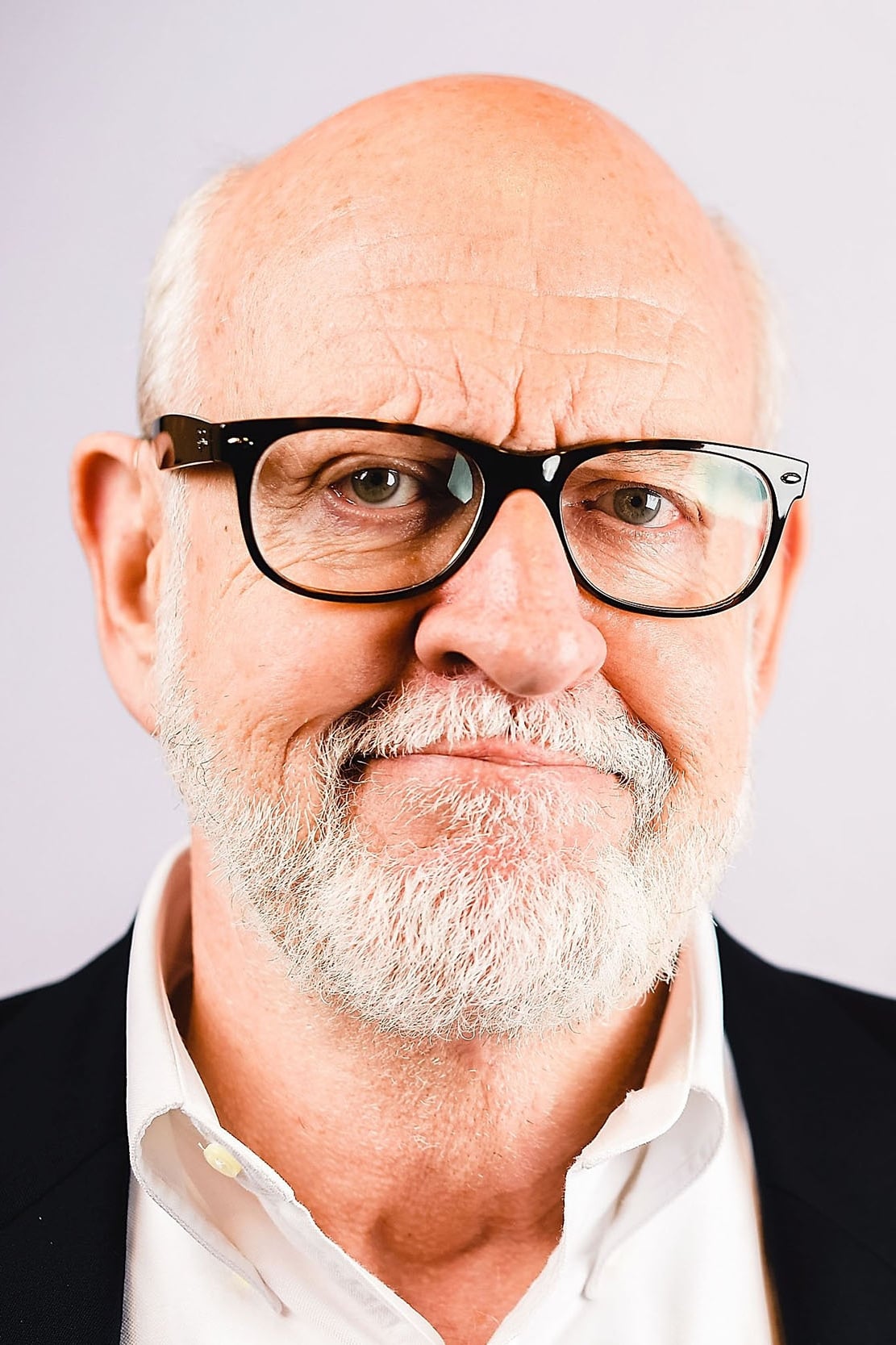
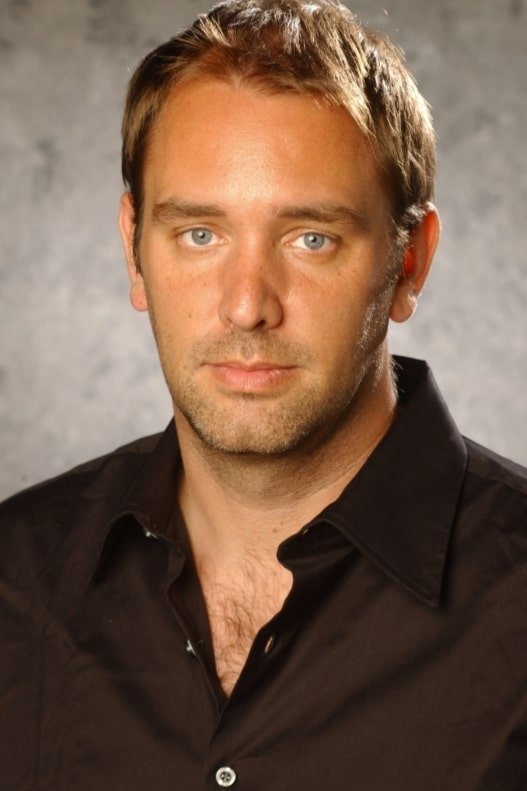
Frank Oz's Little Shop of Horrors (1986) — Hutchings names it the form's most mainstream success — adapted the off-Broadway musical based on Roger Corman's 1960 comedy, making a man-eating plant the occasion for doo-wop and Motown. Trey Parker's pre-South Park Cannibal! The Musical (1996) ran the form through an Old West cannibal trial. Takashi Miike's The Happiness of the Katakuris (2002), a Japanese remake of the Korean The Quiet Family, fused musical numbers with rural innkeeping body-disposal — what Grant groups with the genre's "few horror musical hybrids."
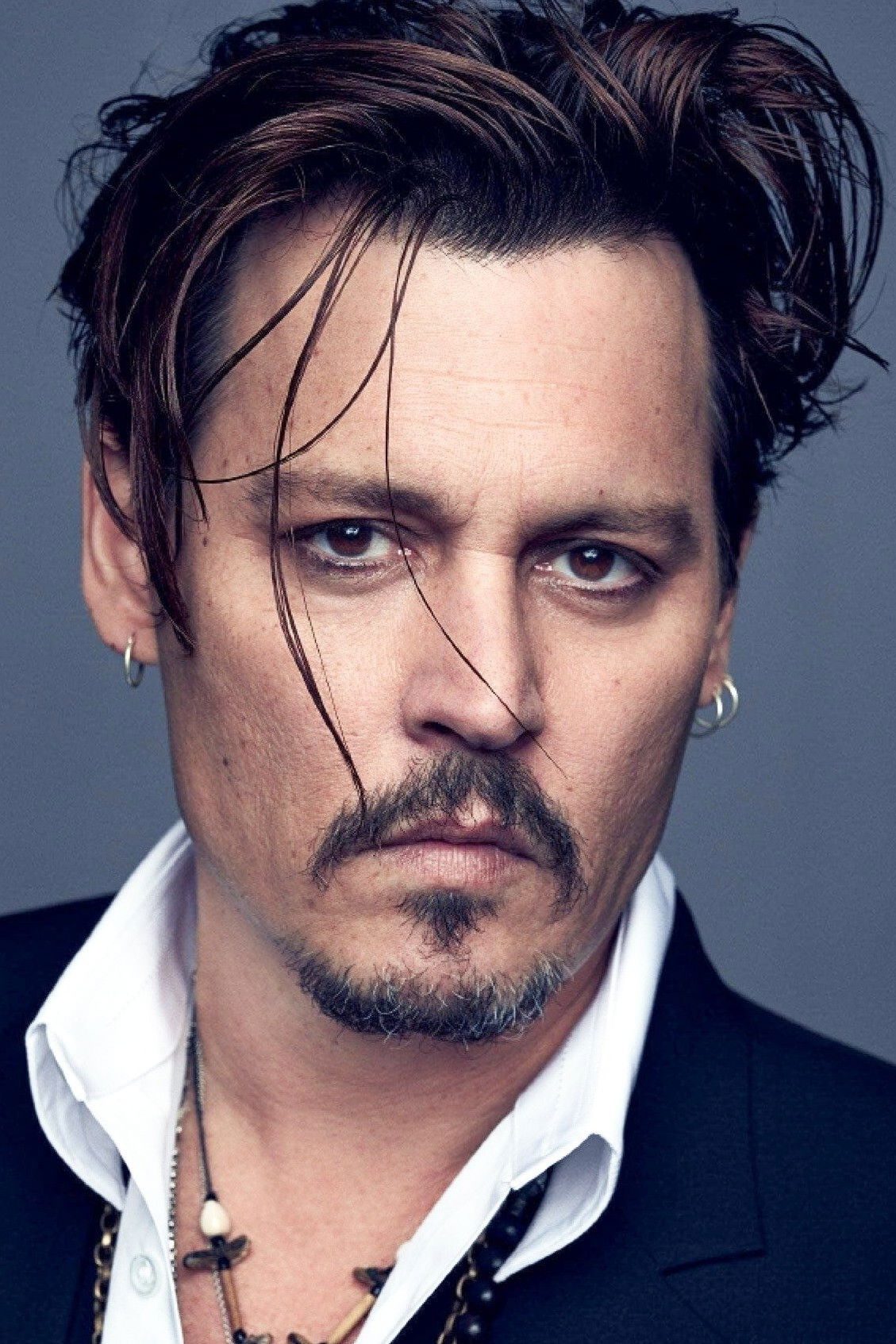
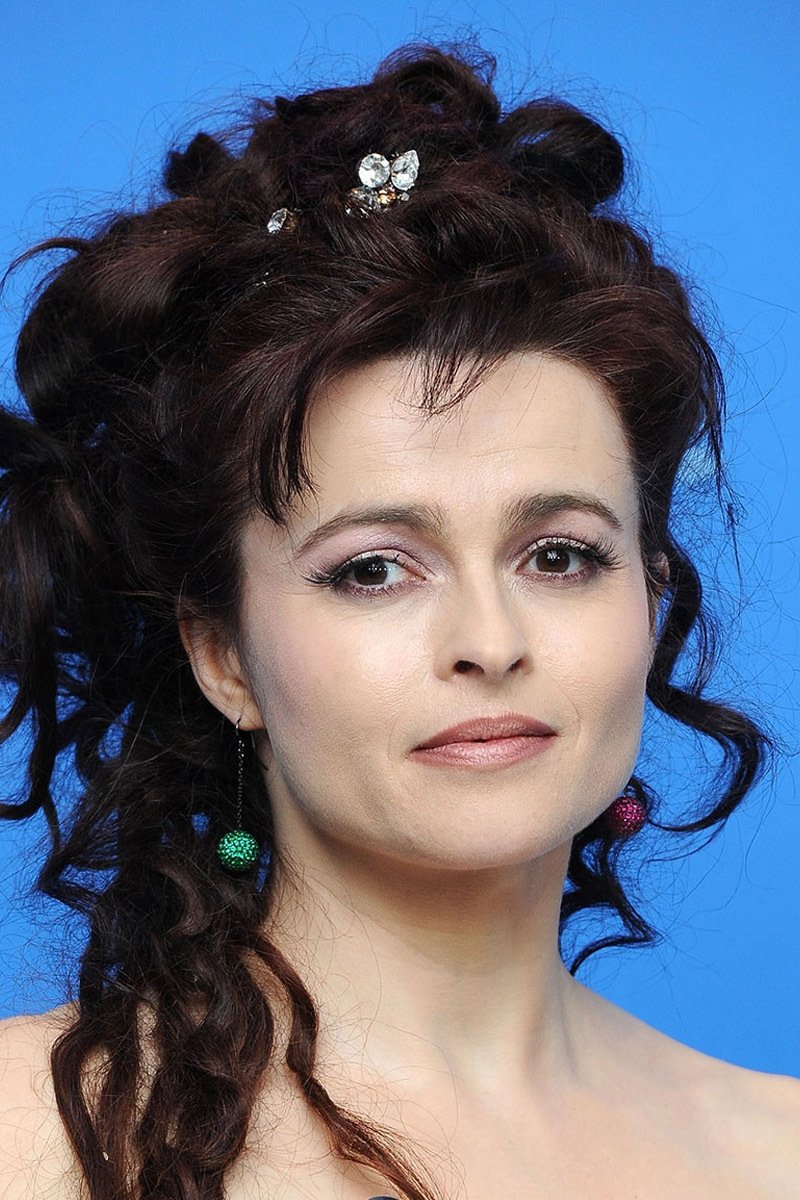
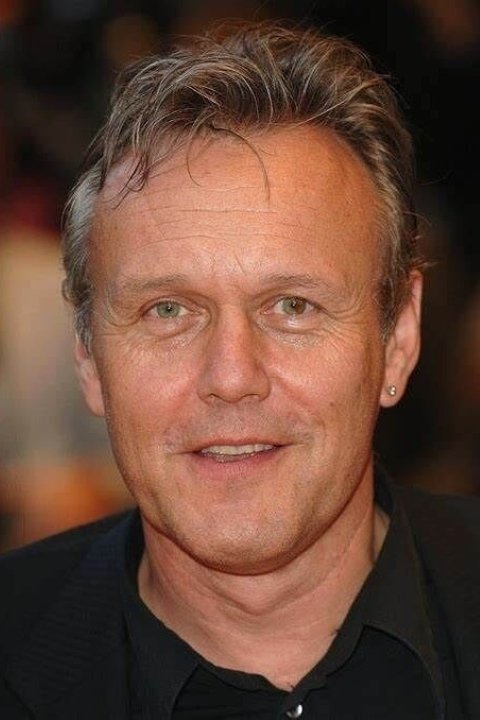
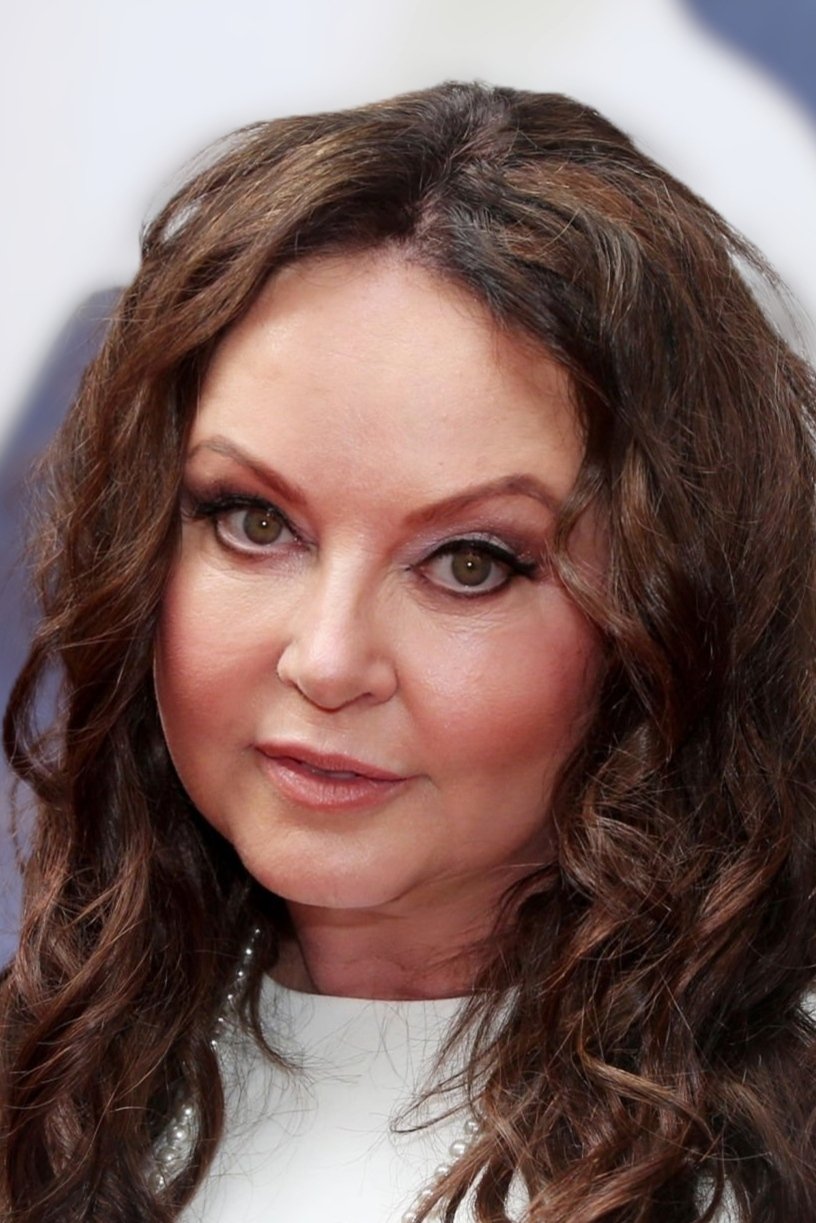
Tim Burton's Sweeney Todd: The Demon Barber of Fleet Street (2007), with Johnny Depp and Helena Bonham Carter, brought Stephen Sondheim's musical about a murderous barber and his meat-pie-making accomplice to the screen with Burton's gothic visual sensibility — Hutchings calls it the form's most successful art-house entry. Darren Lynn Bousman's Repo! The Genetic Opera (2008) created a dystopian rock opera about organ repossession, casting Anthony Stewart Head and Sarah Brightman, and Bousman returned to the form with The Devil's Carnival (2012) and Alleluia! The Devil's Carnival (2016). Jerome Sable's Stage Fright (2014) ran the slasher template through a summer-camp theater workshop.
The 2015-2024 wave has been the form's most internationally varied. Agnieszka Smoczyńska's Polish The Lure (2015), treated separately on Poland, ran the Hans Christian Andersen mermaid tale as 1980s Warsaw nightclub musical. John McPhail's Anna and the Apocalypse (2018), a Scottish high-school zom-com-musical, became a Christmas-season cult favorite. Zelda Williams's Lisa Frankenstein (2024), scripted by Jennifer's Body's Diablo Cody, ran the reanimator romance as 1980s-coded musical-adjacent comedy. The subgenre's rarity reflects its difficulty — sustaining both horror tension and musical performance requires a tonal control that few filmmakers attempt. But when it works, the horror musical achieves something no other form can: the transformation of terror into spectacle, of dread into song, of the unspeakable into something that demands to be sung.
Sources: Barry Keith Grant, 100 American Horror Films; Peter Hutchings, Historical Dictionary of Horror Cinema (2018); Ernest Mathijs and Xavier Mendik, 100 Cult Films.
Essential Films
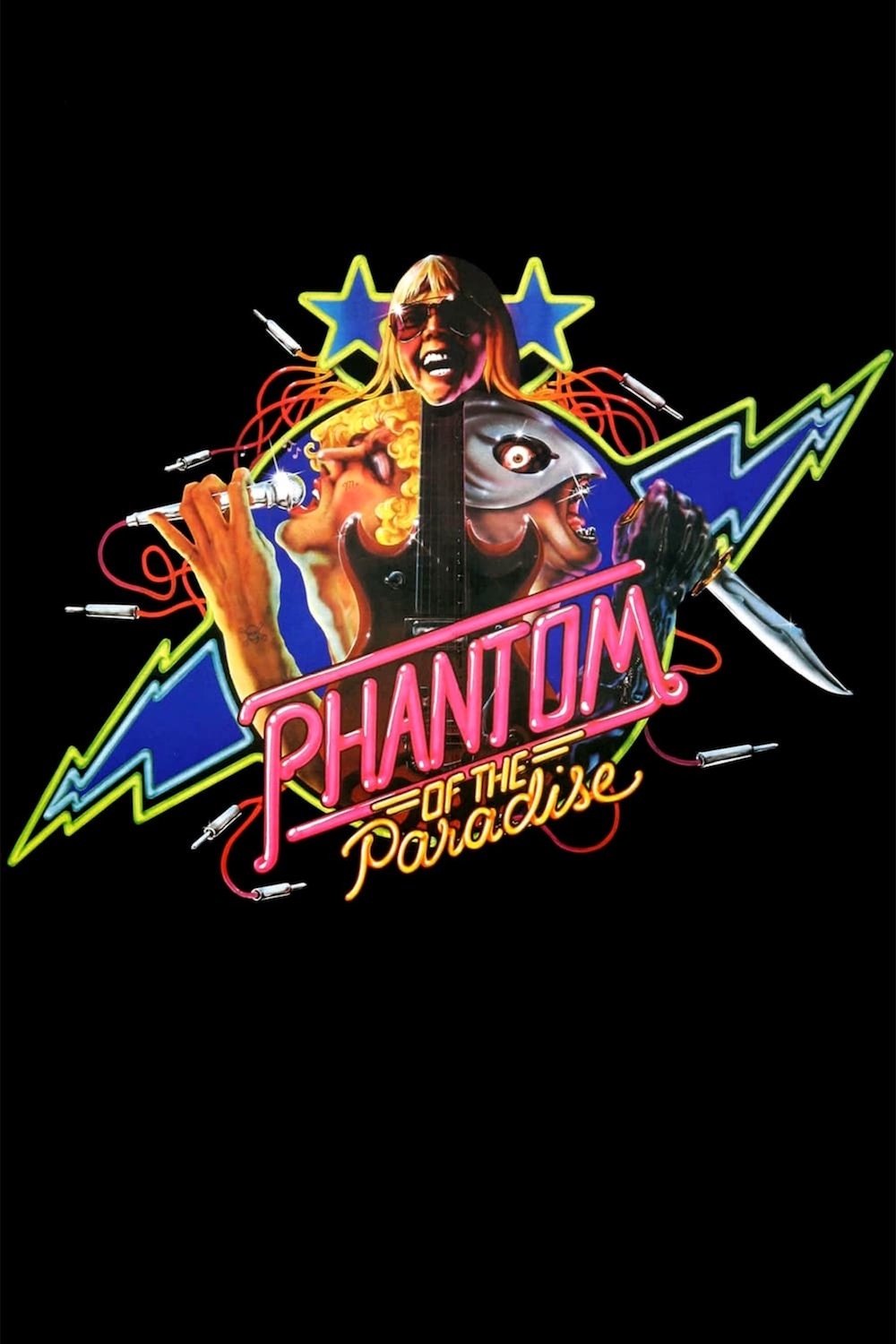
Phantom of the Paradise
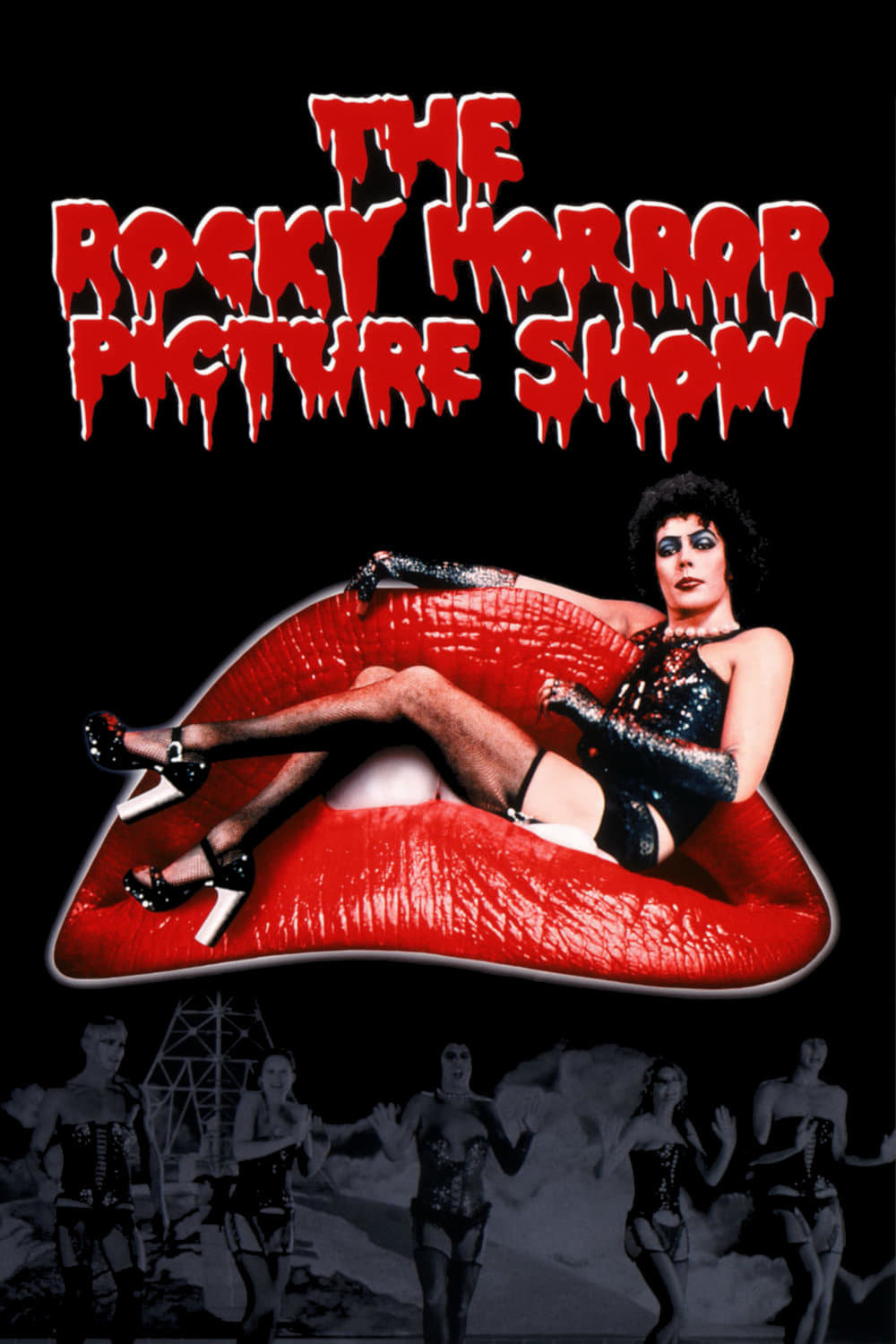
The Rocky Horror Picture Show
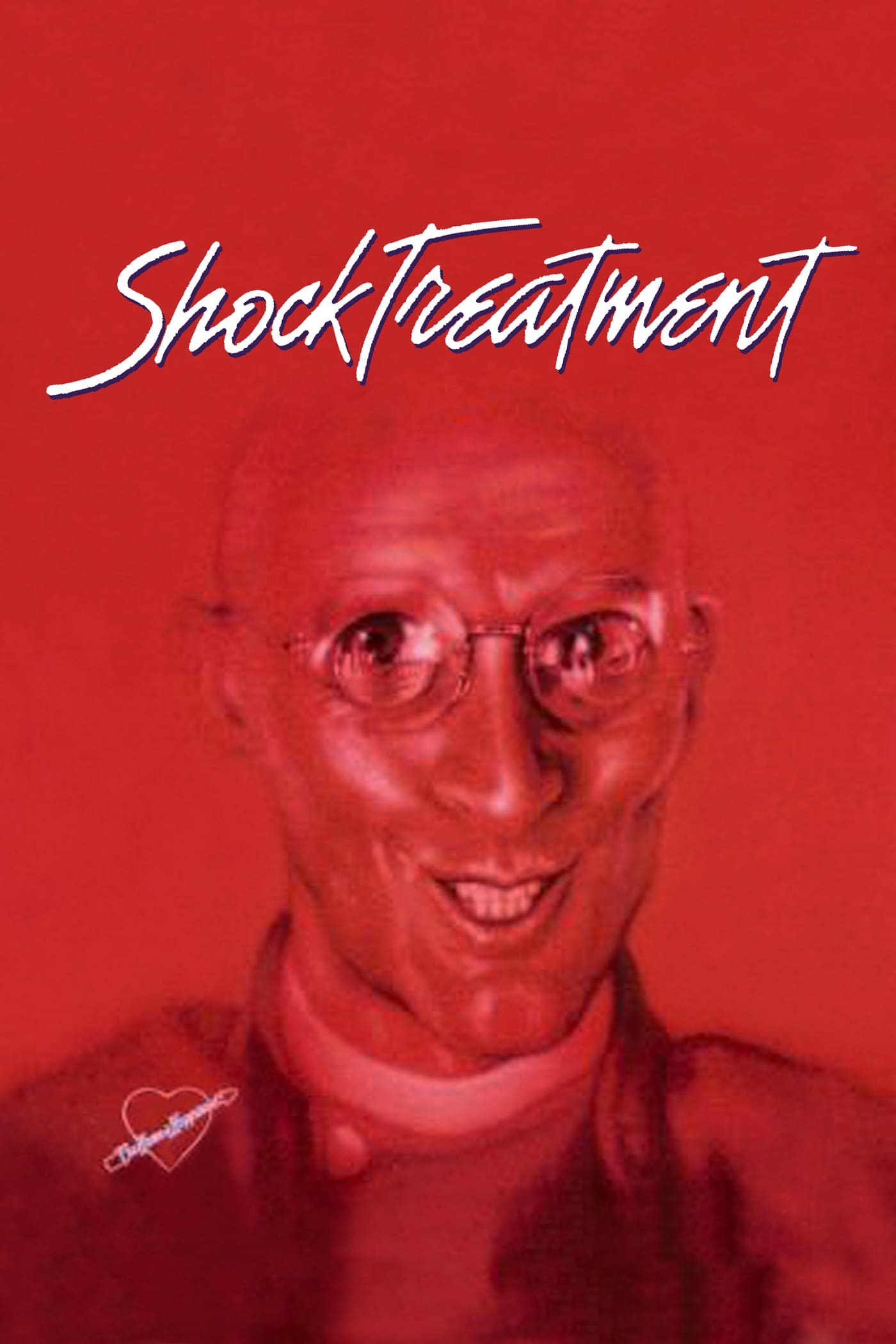
Shock Treatment
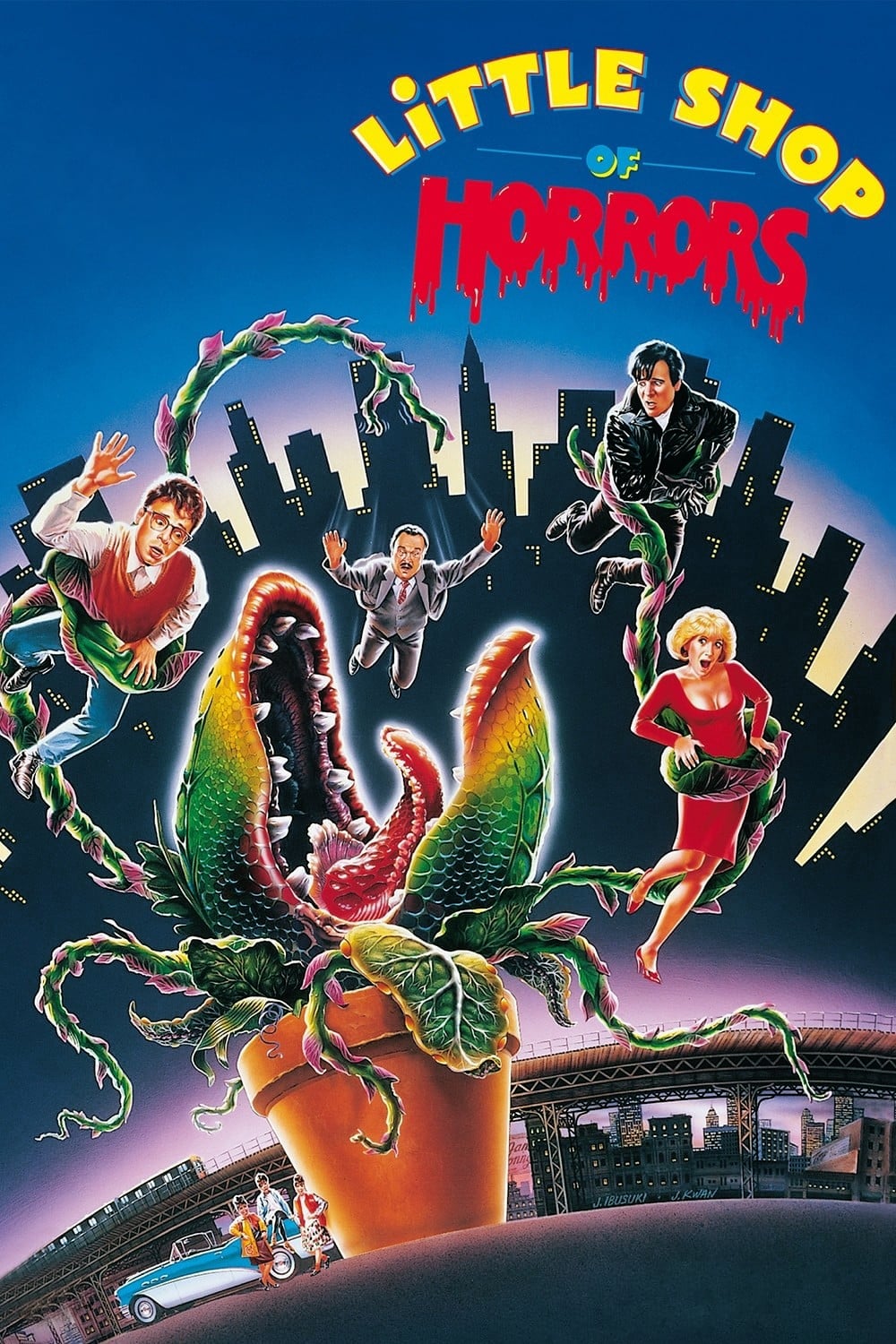
Little Shop of Horrors
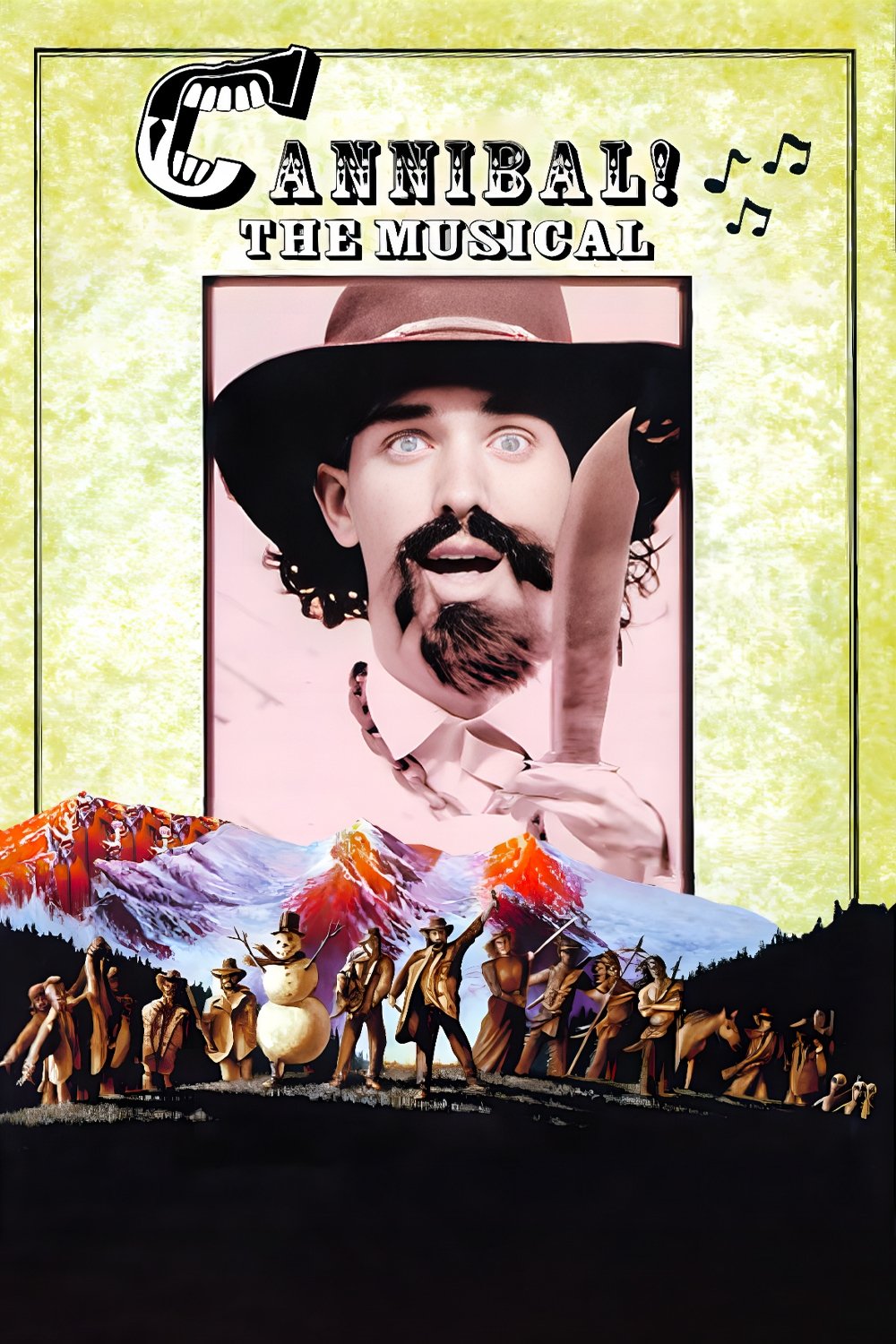
Cannibal! The Musical
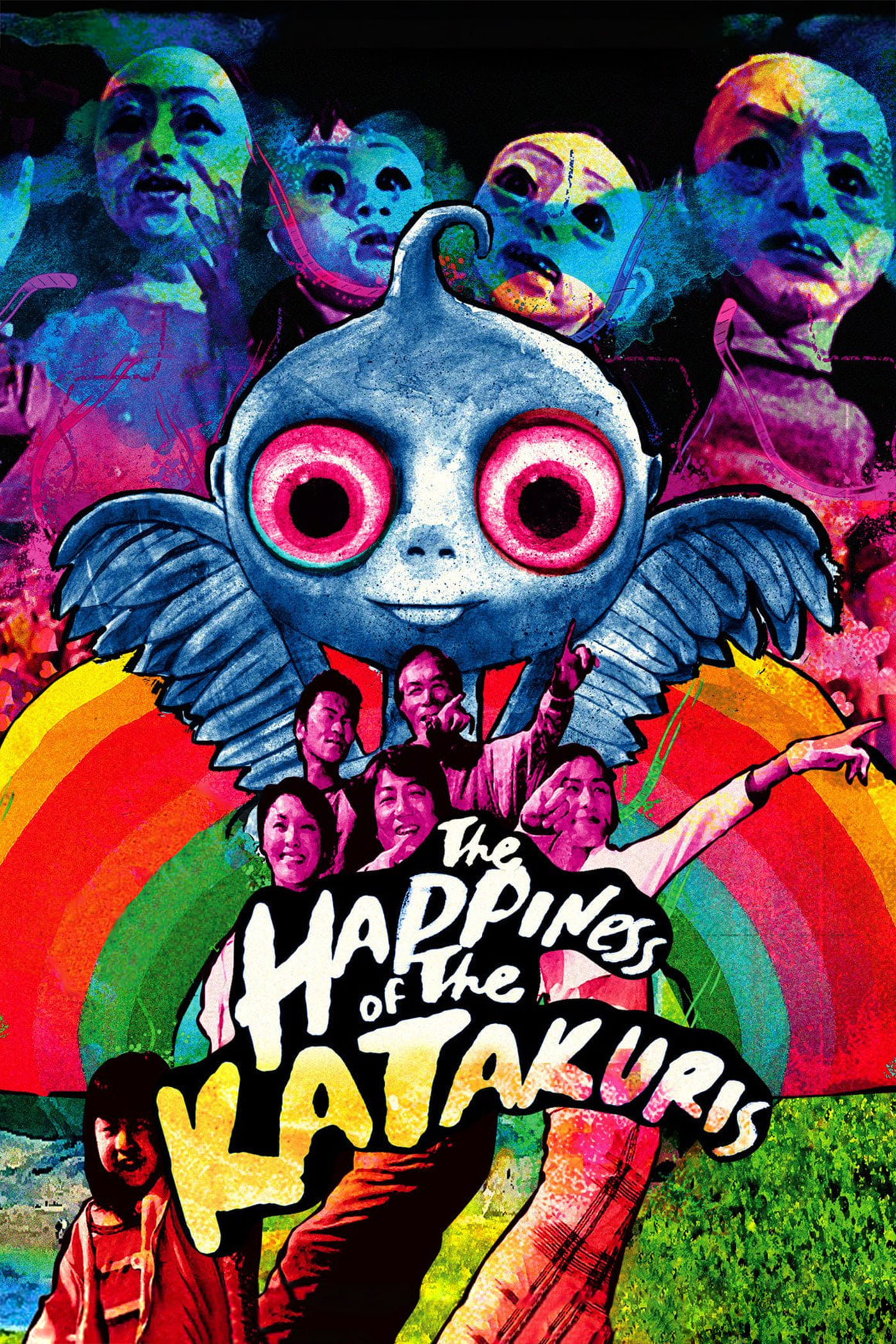
The Happiness of the Katakuris
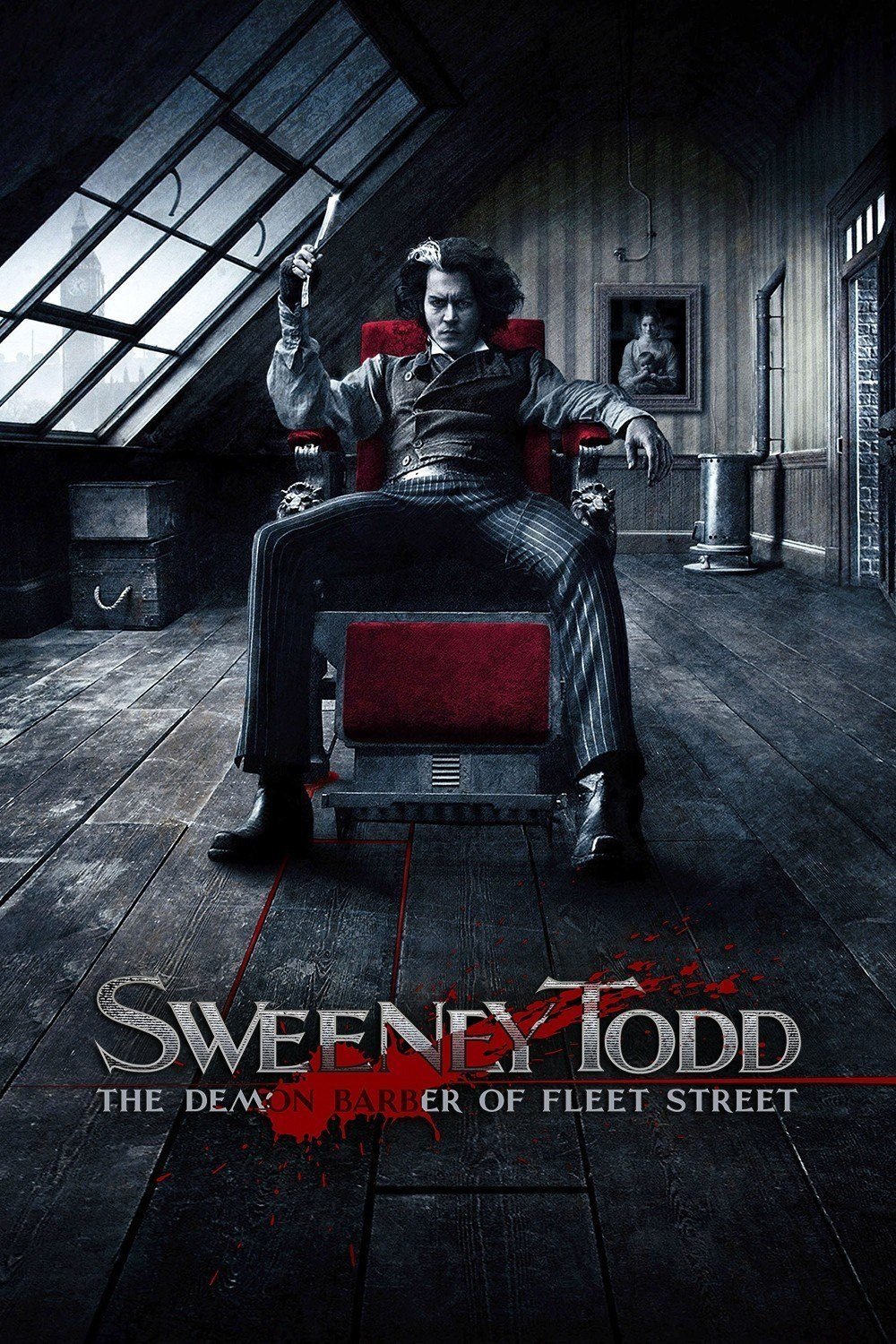
Sweeney Todd: The Demon Barber of Fleet Street
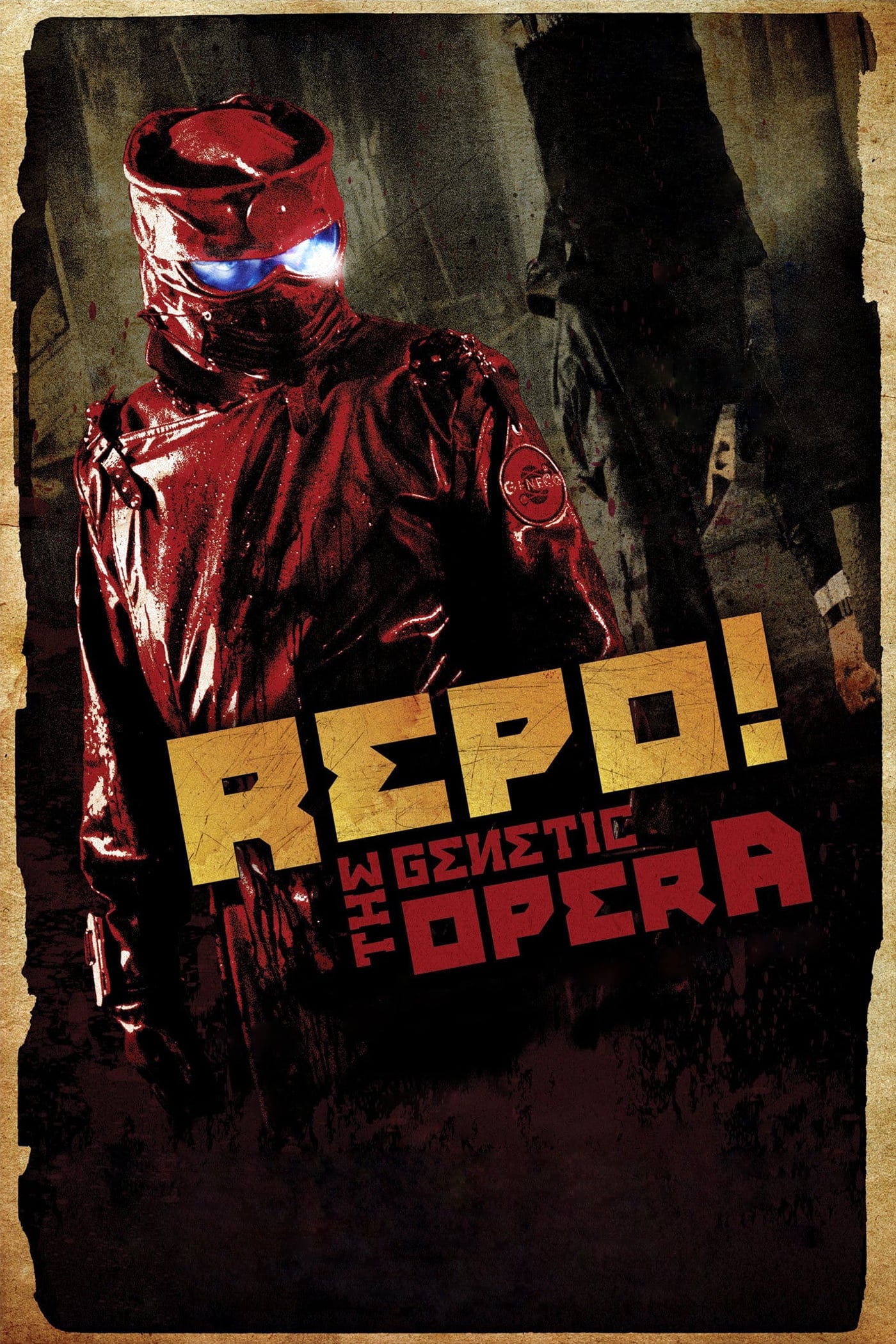
Repo! The Genetic Opera
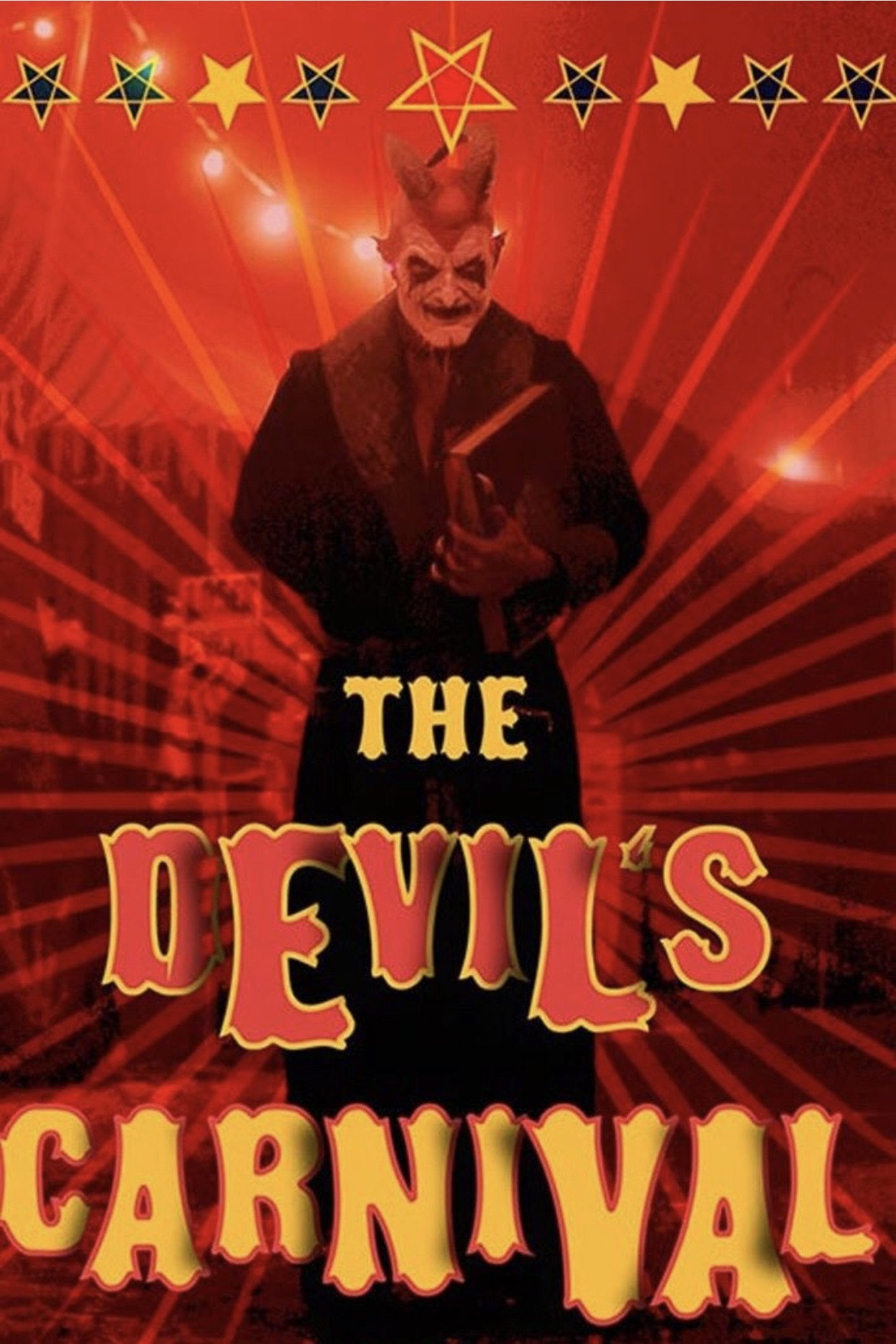
The Devil's Carnival
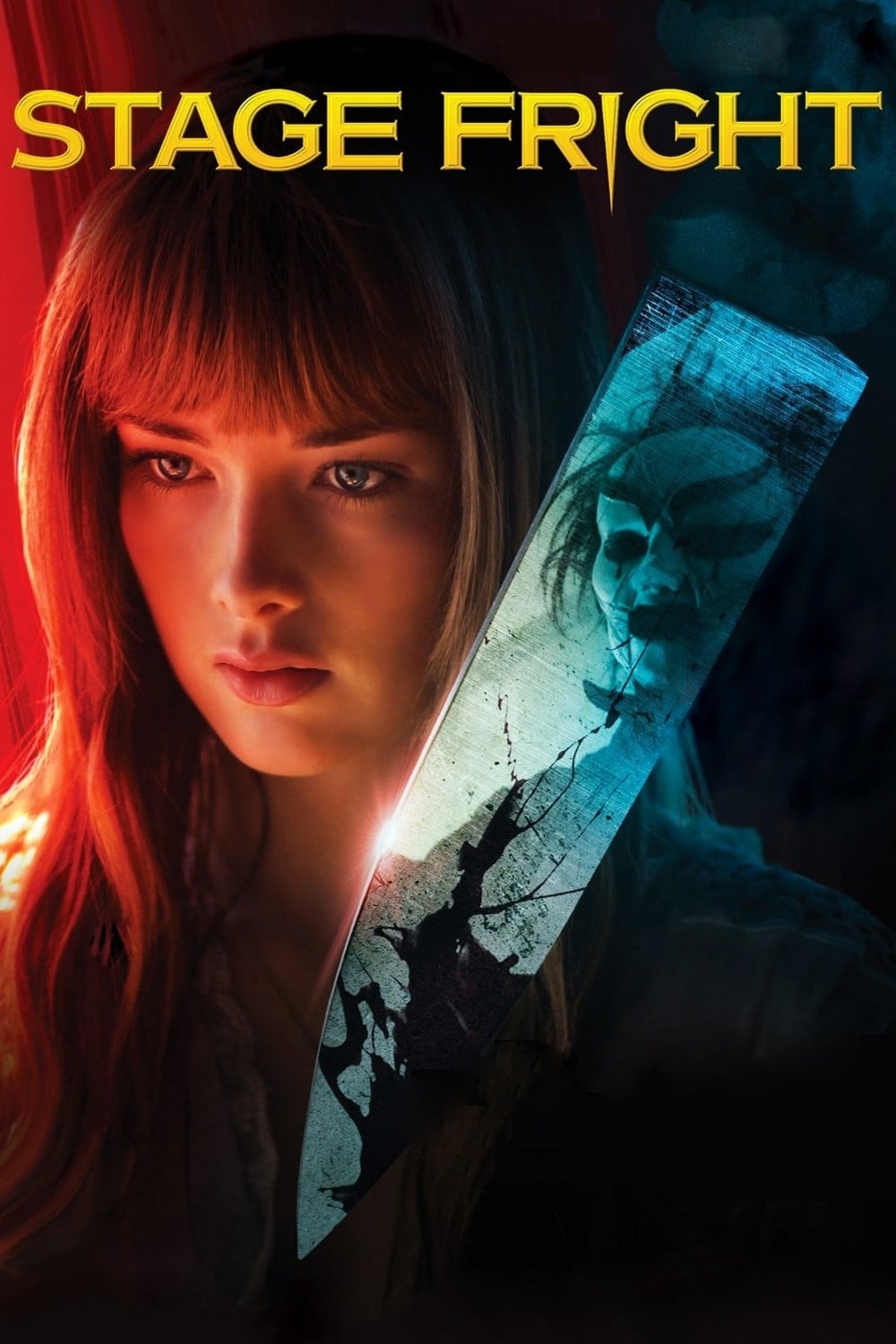
Stage Fright
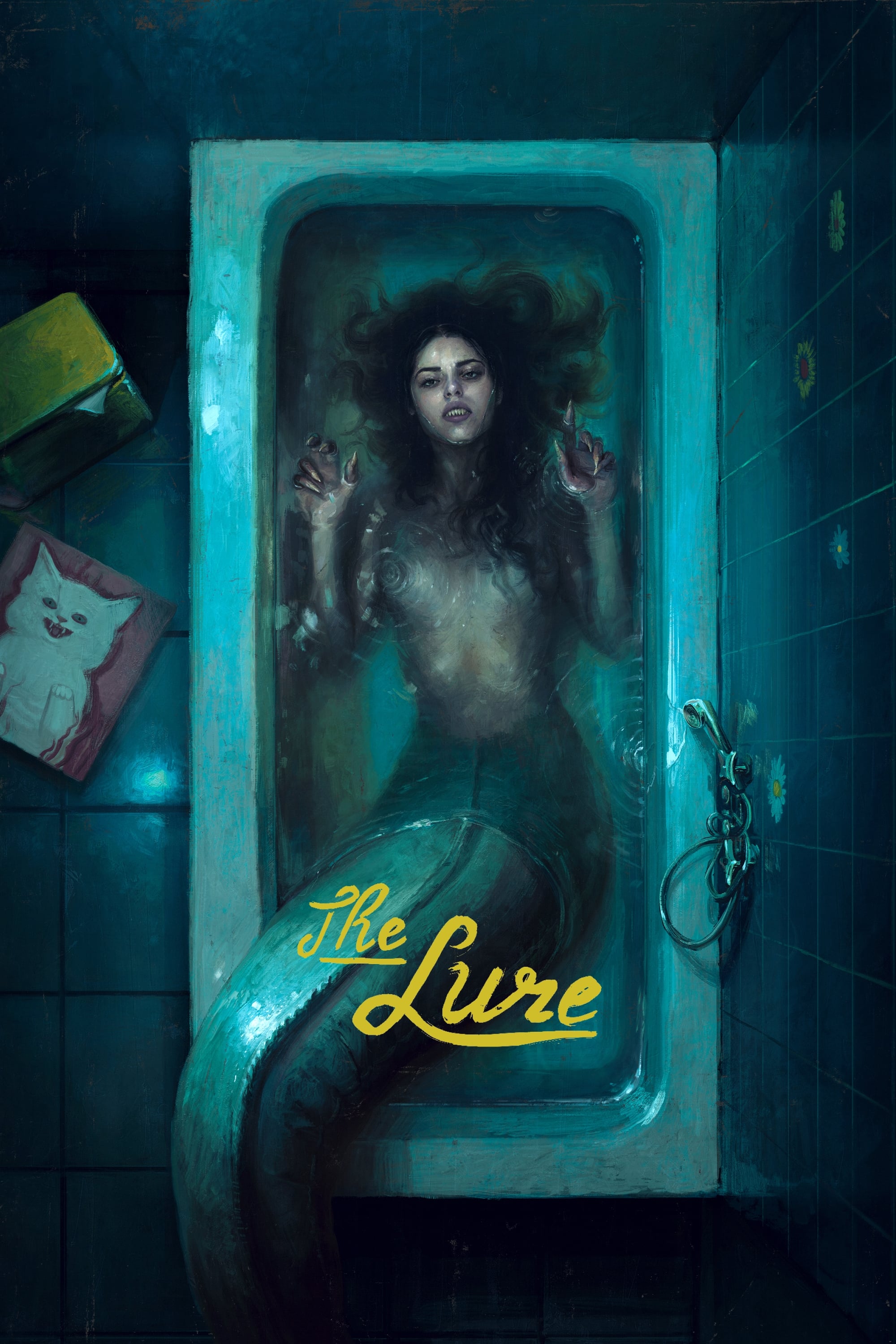
The Lure
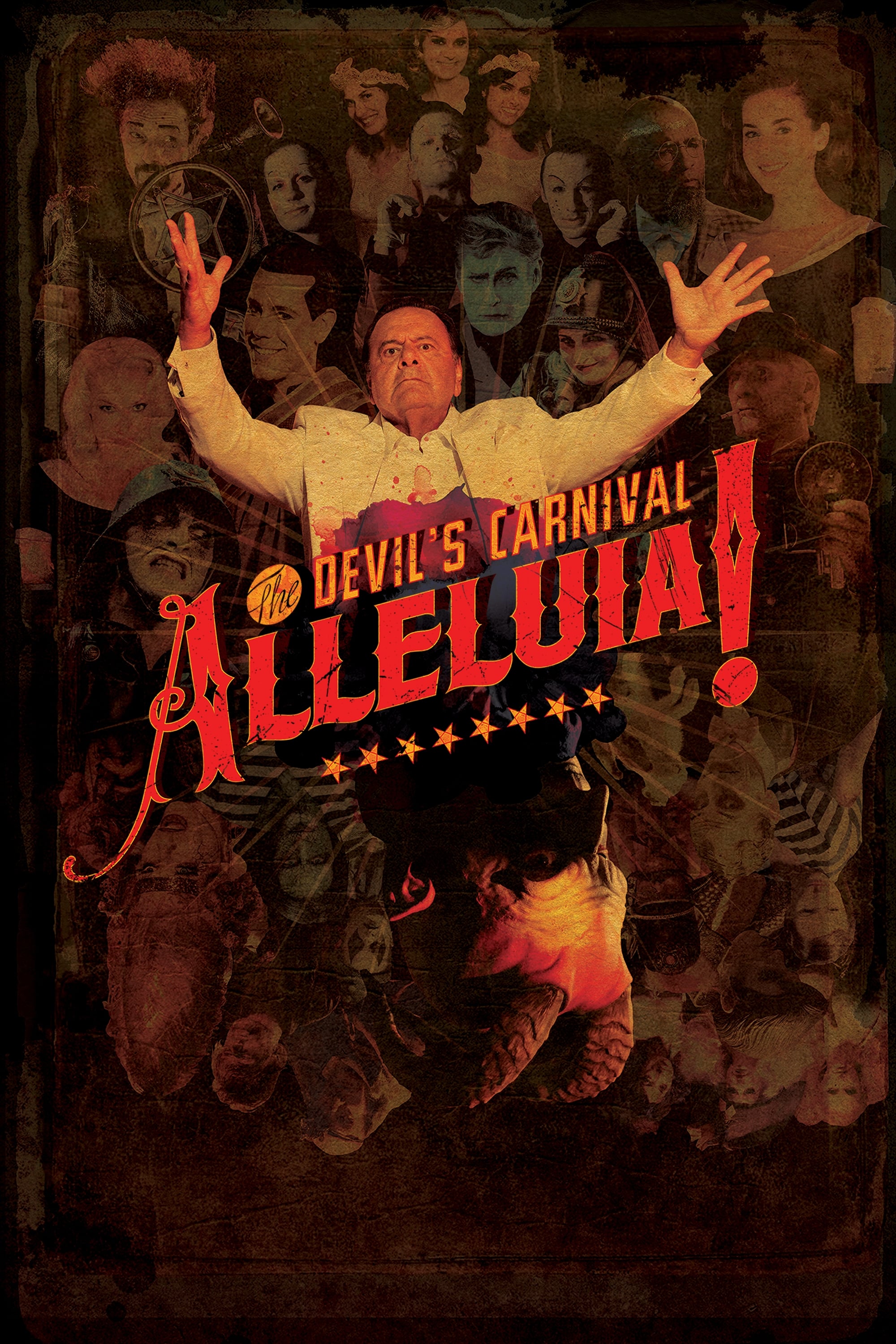
Alleluia! The Devil's Carnival
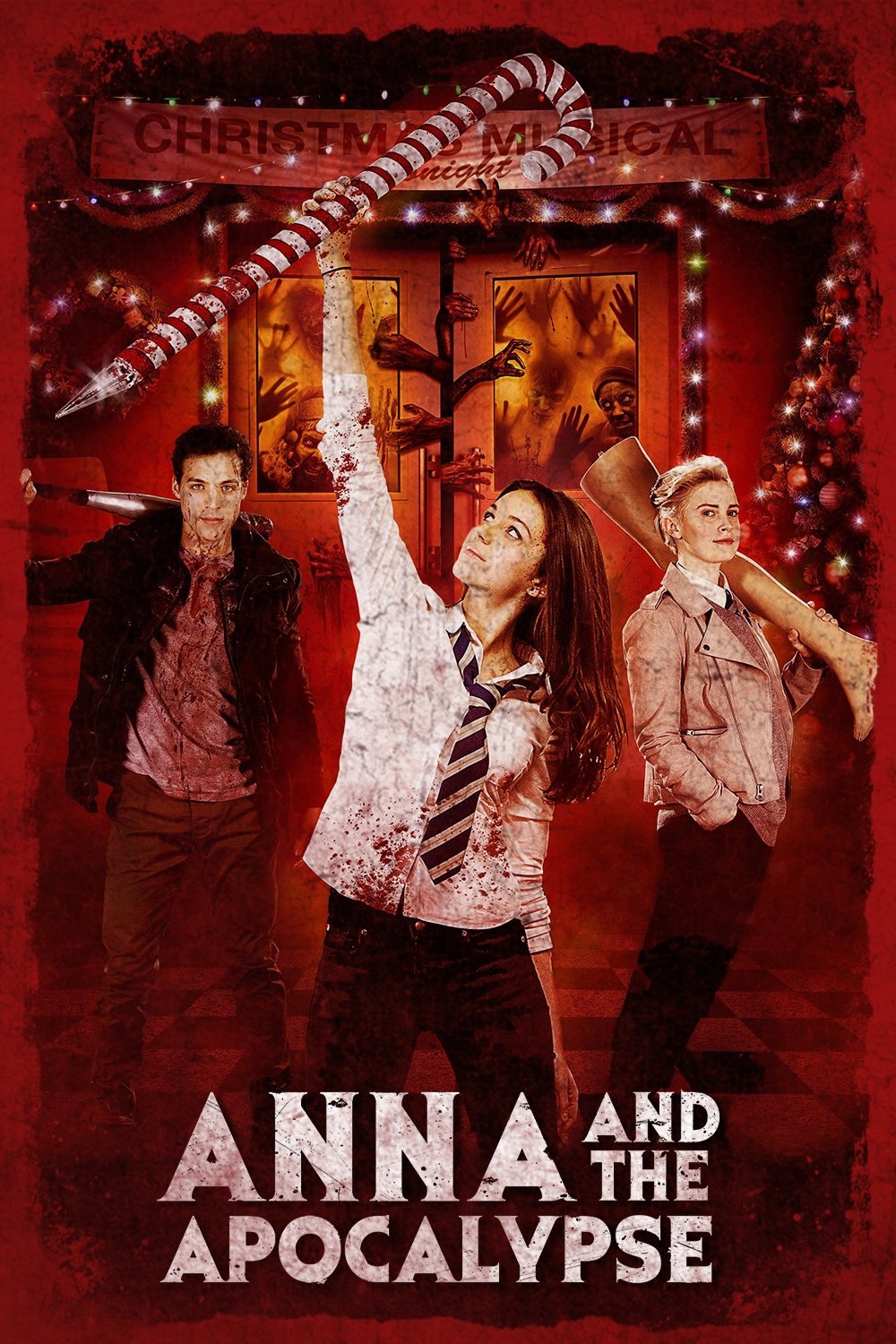
Anna and the Apocalypse
Statistics
Popularity by Decade
Share of each decade's horror films classified as Horror Musical. Counts films with at least 5 TMDB ratings, so very obscure titles are not represented.
Popularity by Country
Share of each country's horror output classified as Horror Musical. Counts films with at least 5 TMDB ratings, so very obscure titles are not represented.