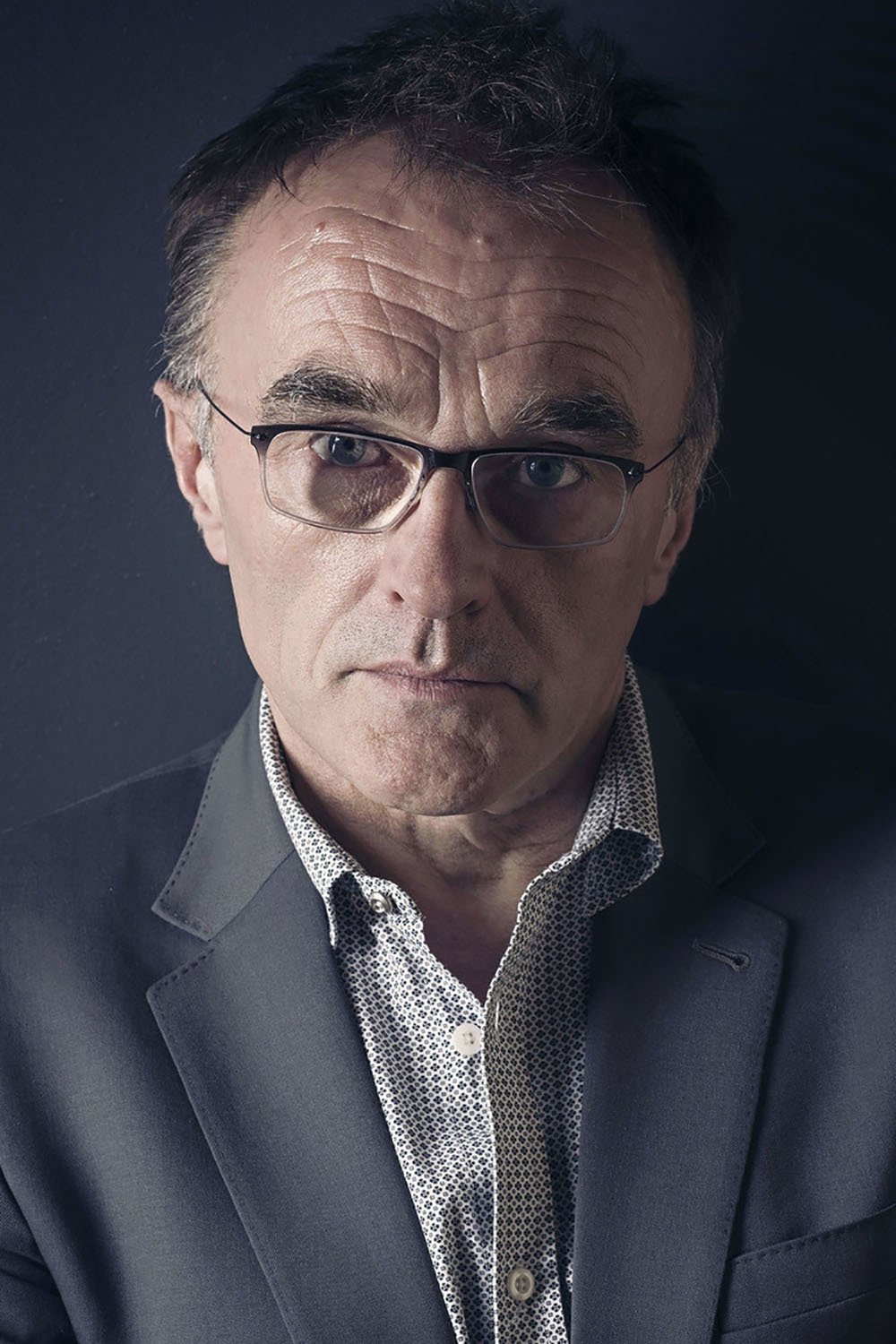
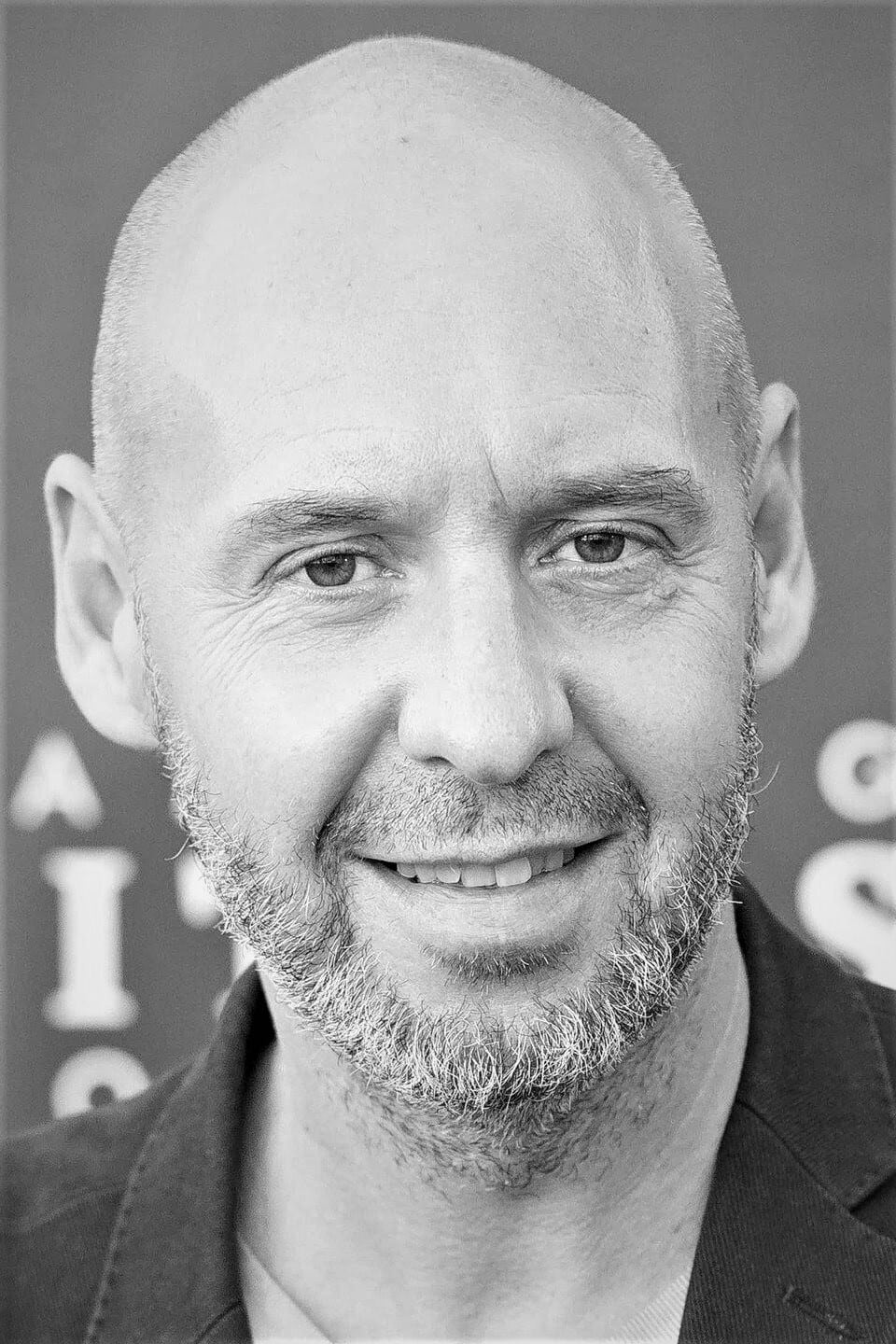
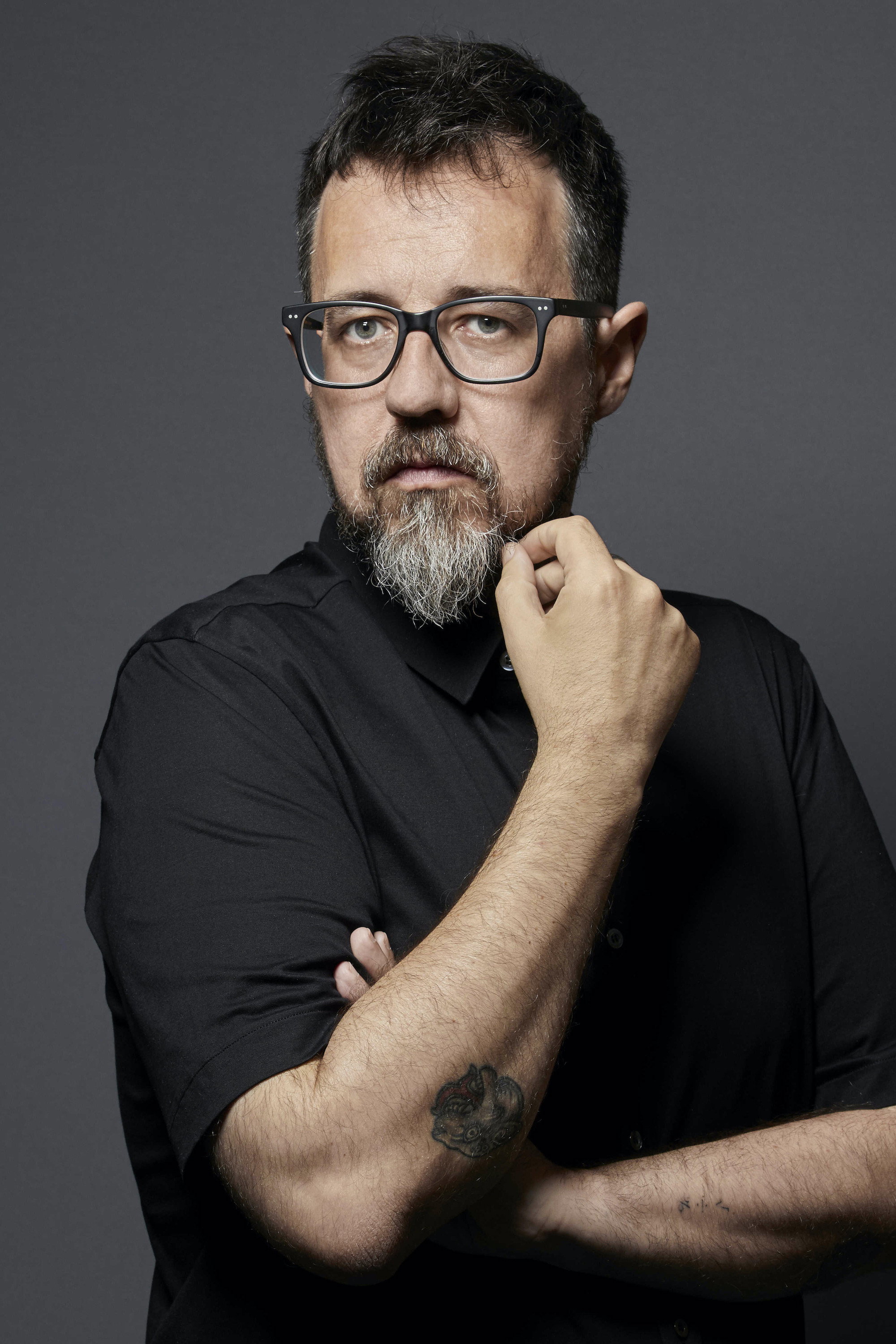
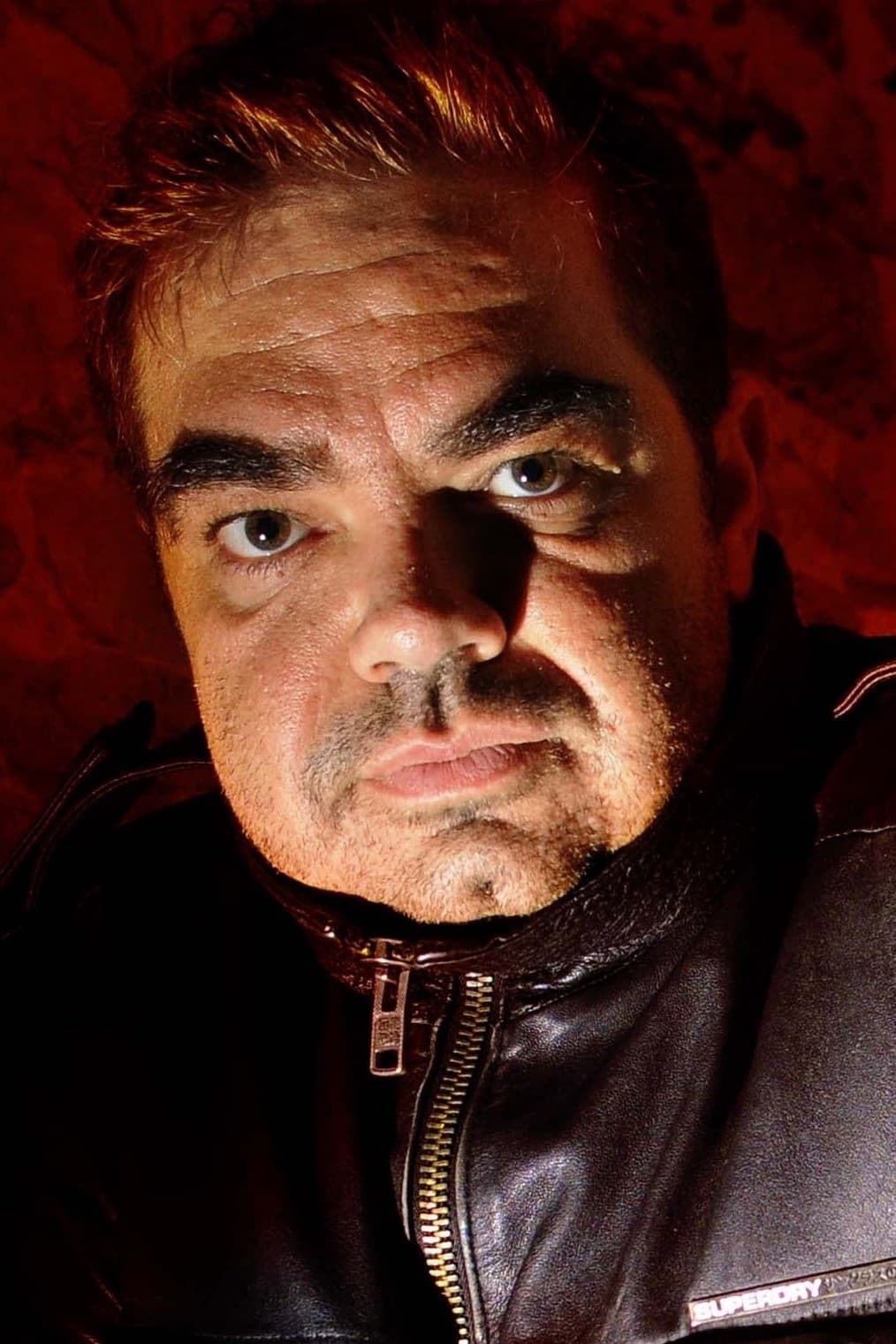
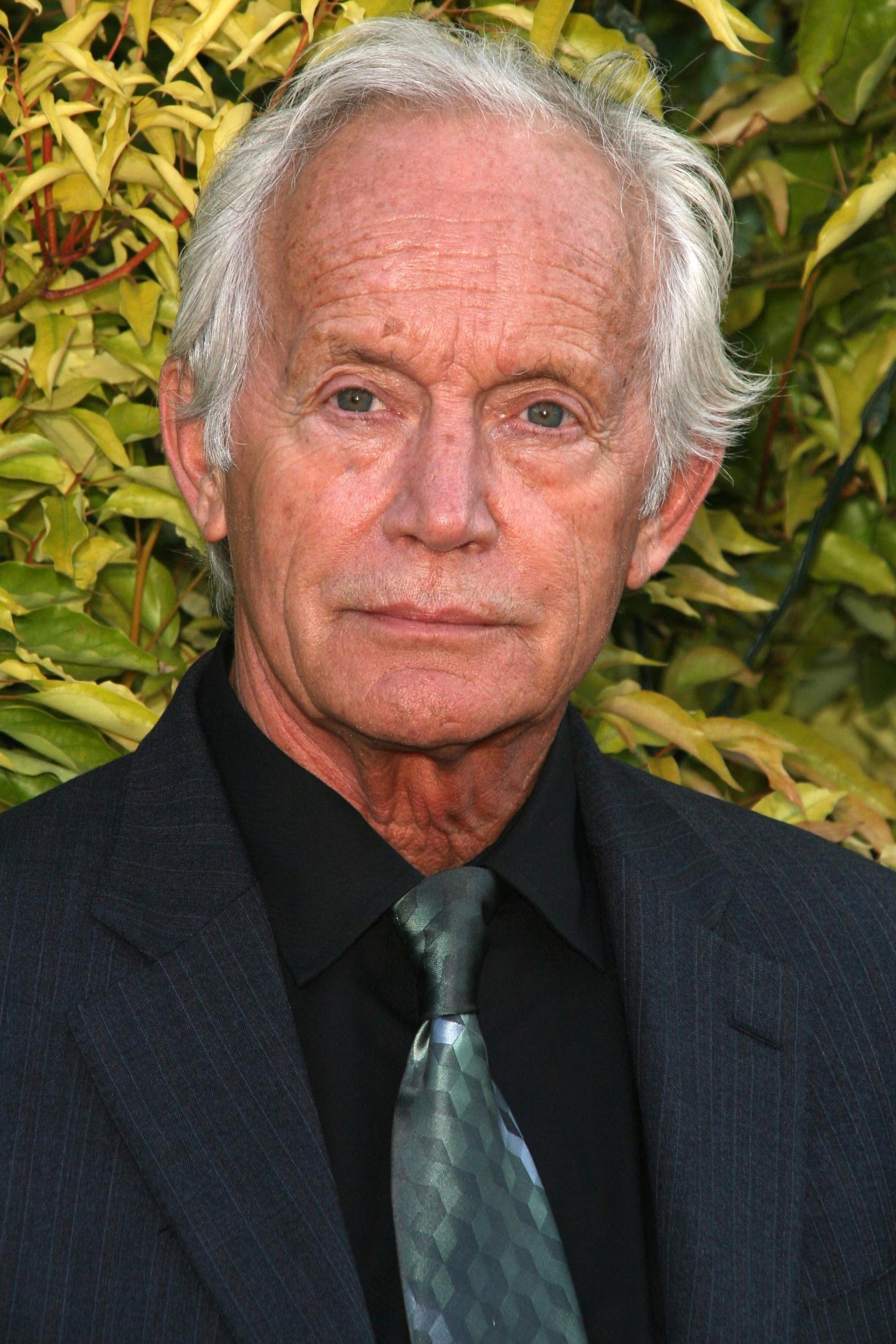
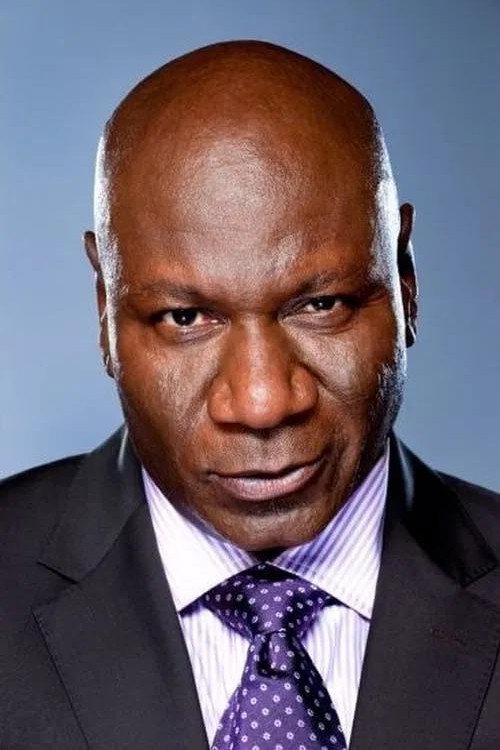
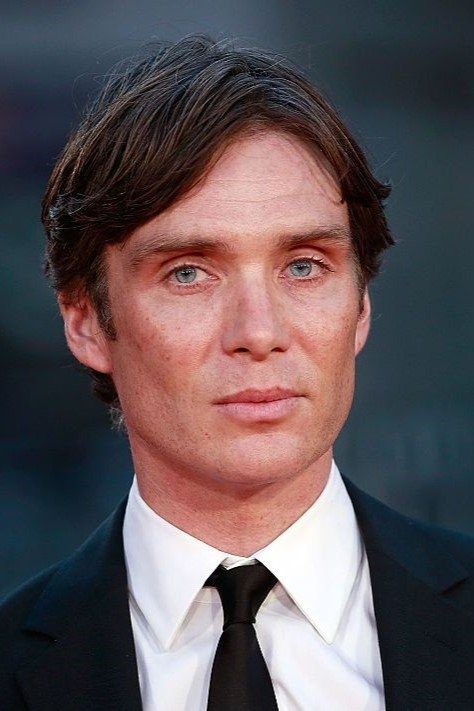
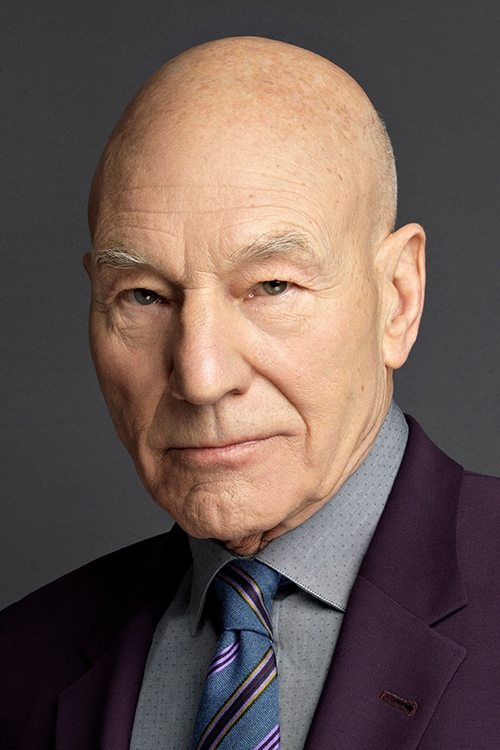
 The Mist (2007)
Siege Horror
Trapped, surrounded, and running out of time. The threat outside and the disintegration within — a pressure cooker where the people you're trapped with may be as dangerous as whatever is trying to get in.
History & Origins
Siege horror traps its characters in a defensible position and then methodically strips away their ability to hold it. The location might be a farmhouse, a police station, a mall, a pub, an apartment block — what matters is that it is surrounded, that escape routes are closing, and that the people inside must cooperate or perish. The format is horror as pressure cooker, and the pressure comes from two directions: the threat outside and the disintegration within. Per the Vander Kaays, the genre's spaces are deliberately ordinary: "you won't find a Fort Knox siege film out there" — the quaint country house, the rundown precinct, the abandoned theater are never built to withstand a battle, and that is what makes the attempted takeover so unbearable.
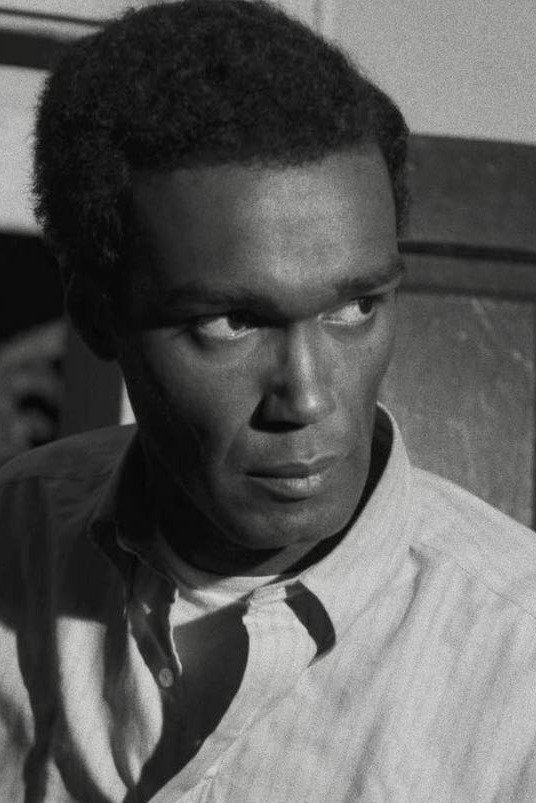
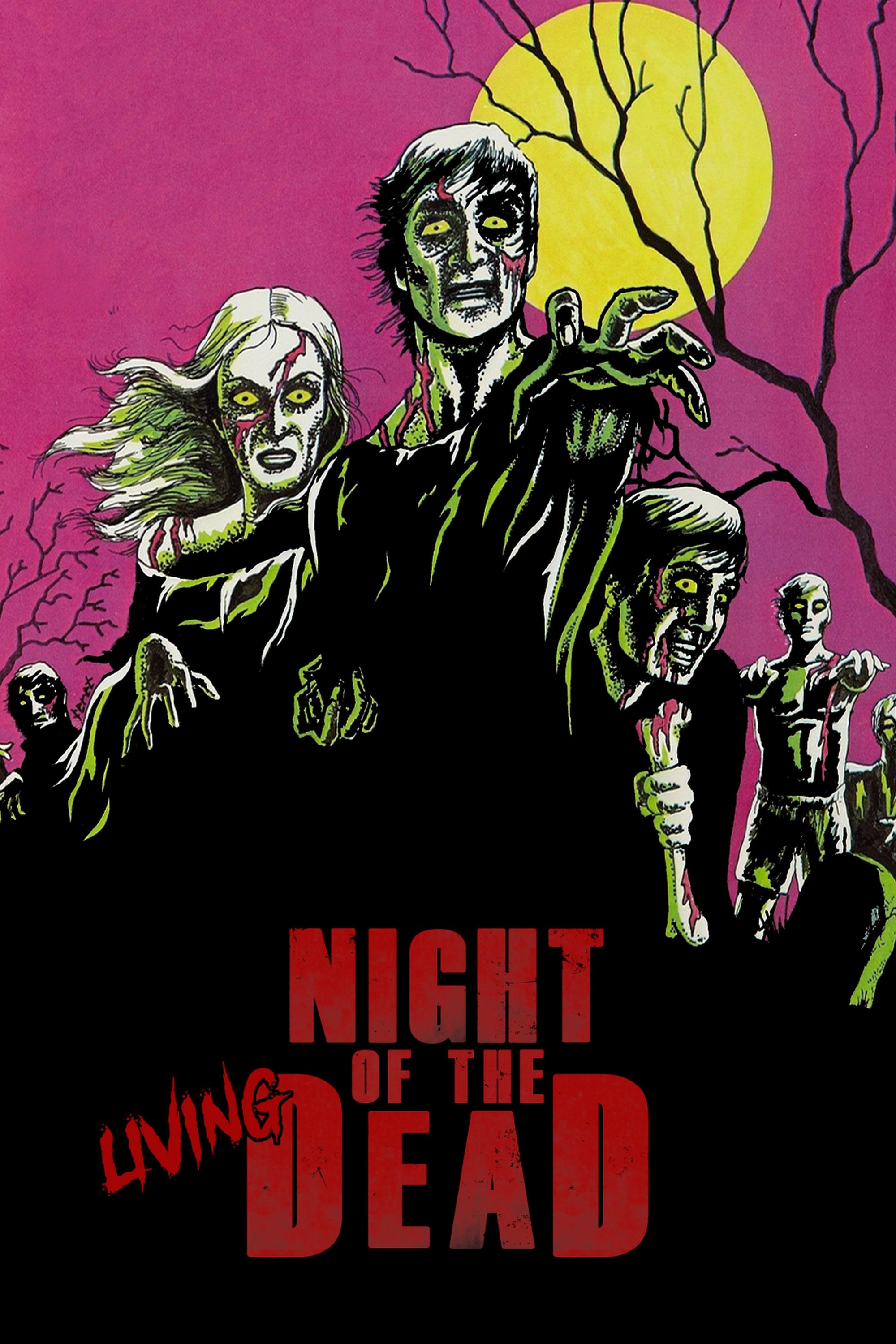
The form's template comes from the Western — Howard Hawks's Rio Bravo (1959) — but its horror identity is forged in 1968. George A. Romero's Night of the Living Dead, with Duane Jones as one of horror's first Black protagonists, makes the farmhouse both fortress and trap; the real horror is not the ghouls at the windows but the failure of the people inside to cooperate, and the film's closing shot — Ben gunned down by a mob mirroring real-world violence against the Civil Rights movement — gives the siege subgenre its political and moral architecture. John Carpenter's Assault on Precinct 13 (1976) translates Hawks's western siege directly into urban horror — Murray Leeder reads its silent, undifferentiated gang as "owing as much to Romero's living dead as to the rampaging 'Indians' of a classical Western" — and pairs it with Carpenter's later The Fog (1980) as the era's defining template for what the form could do.
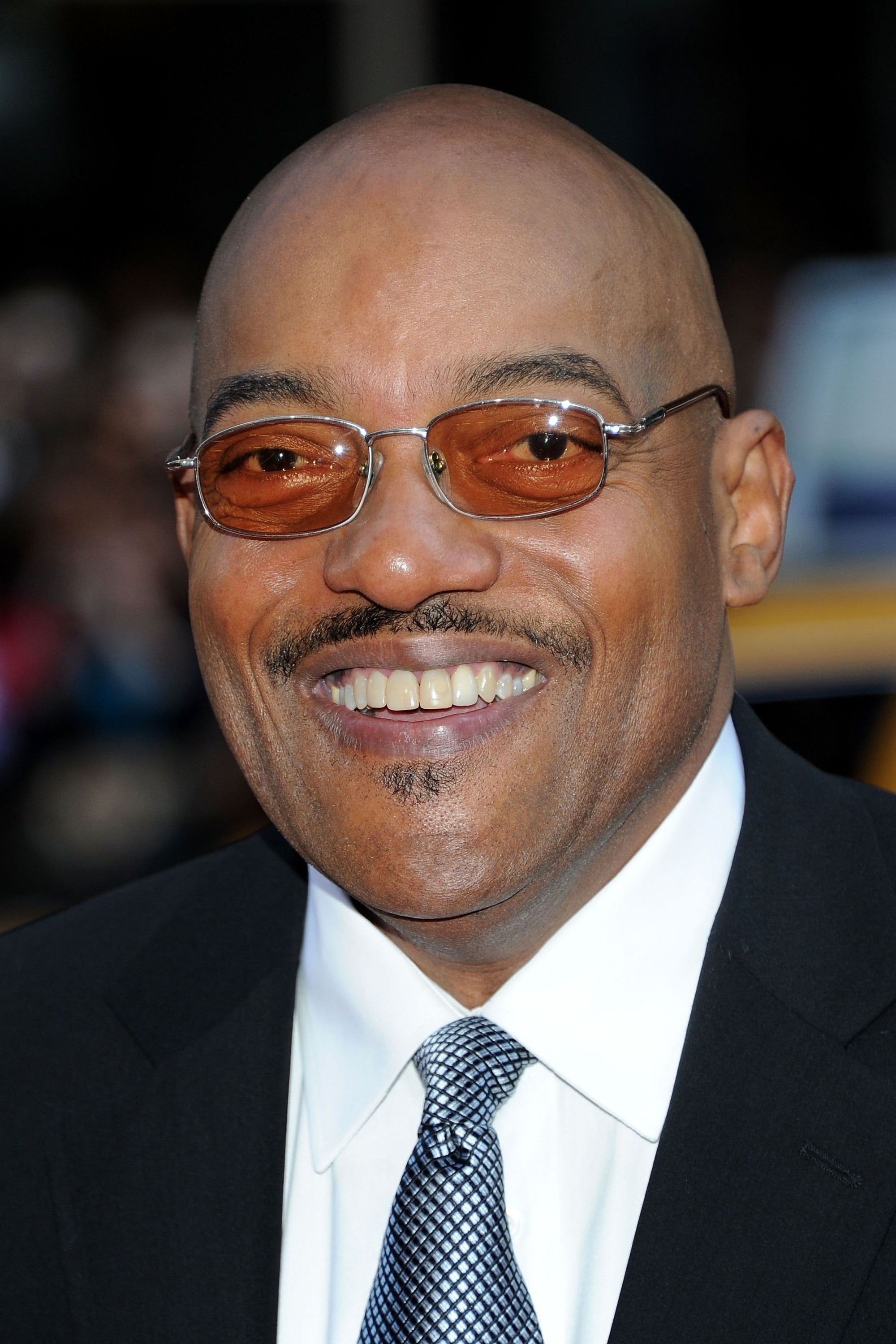
Romero's own follow-ups built the canonical zombie-siege lineage. Dawn of the Dead (1978), set in a shopping mall, with Ken Foree, supplied the genre's most influential consumerist allegory; Day of the Dead (1985), with Lance Henriksen-era genre regulars, brought it underground into a military bunker. Danny Boyle's 28 Days Later (2002), with Cillian Murphy and Naomie Harris, reset the form for the digital era with fast-moving infected and a military-compound finale; Zack Snyder's Dawn of the Dead (2004) remake, with Sarah Polley and Ving Rhames, inherited Boyle's pace and put the mall back at the center; Yeon Sang-ho's Train to Busan (2016), with Gong Yoo and Don Lee, moved the siege onto a high-speed train and became (per A History of Horror, Fear, and the Uncanny) "one of Korean horror cinema's biggest hits." James Cameron's Aliens (1986) extended the form into outer space.
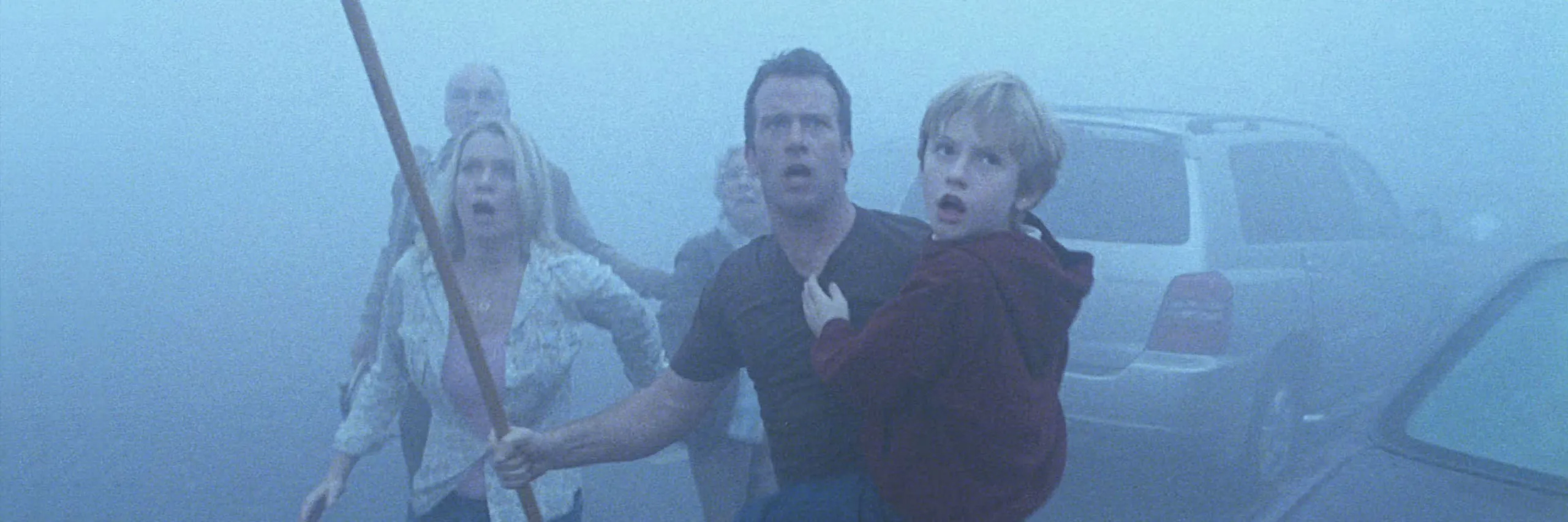
Outside the zombie lineage, the form developed its most distinctive 1980s expressions in Italian and 1990s American cinema. Lamberto Bava's Demons (1985) sealed its cast inside a Berlin movie theater — what Curti reads as a prophecy of the disappearing Italian seconda visione venue. Rob Reiner's Misery (1990) reduced the form to two-hander chamber piece — a writer held captive in a remote farmhouse — and won Kathy Bates an Oscar. Then Frank Darabont's The Mist (2007), adapting Stephen King, trapped its characters in a supermarket surrounded by Lovecraftian creatures and made the genuine threat the religious zealot inside, who turned fear into fanaticism. Jaume Balagueró and Paco Plaza's Spanish [REC] (2007), with Manuela Velasco, sealed a news crew and a fire brigade inside a Barcelona apartment block (Peter Hutchings: "intense claustrophobia and suspense" through the found-footage frame); 30 Days of Night (2007) put a vampire siege in a polar-night Alaskan town.
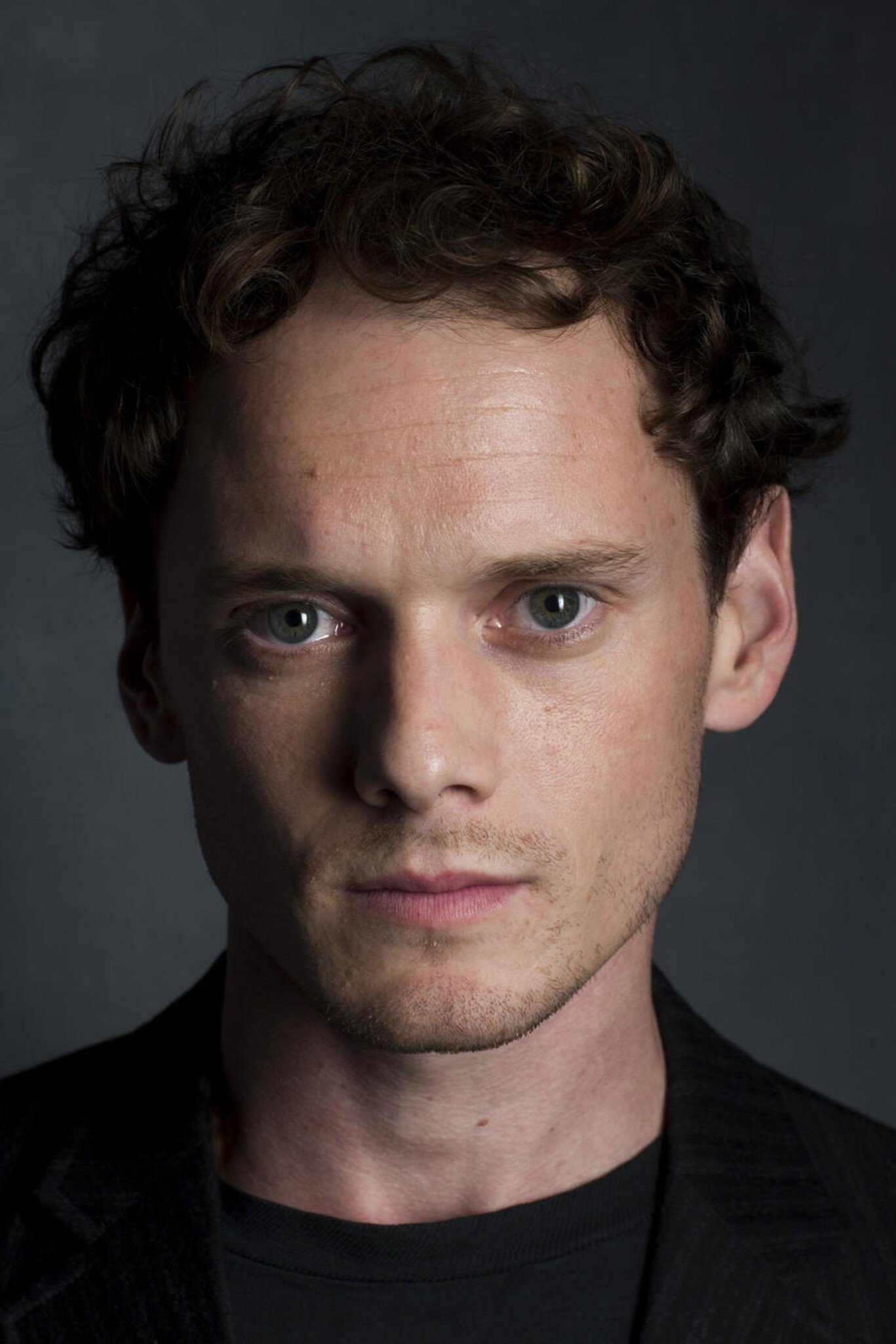
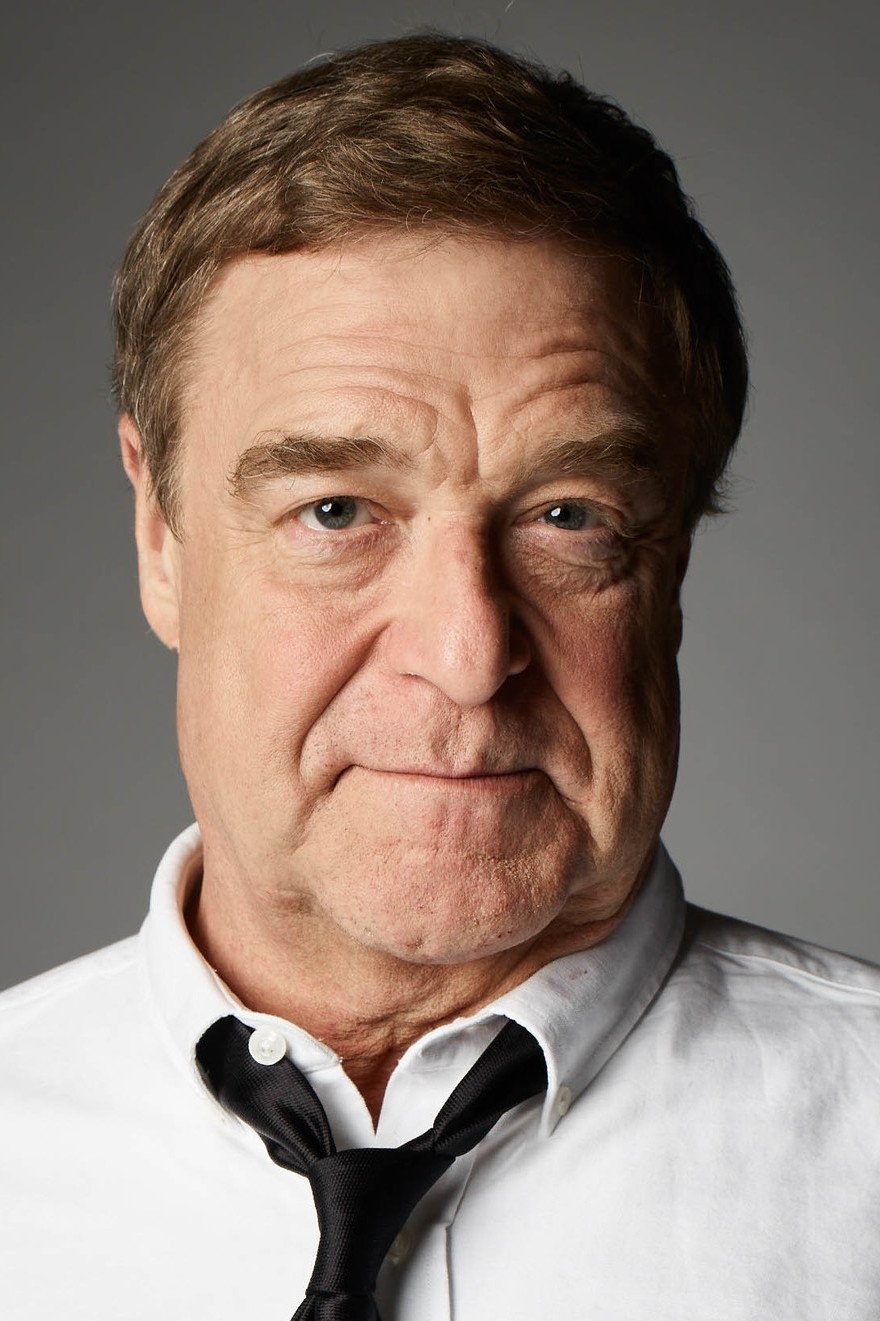
The 2010s and 2020s extended the form across genres and continents. Joe Cornish's Attack the Block (2011) squared a South London council estate against alien invaders; Jeremy Saulnier's Green Room (2015), with Patrick Stewart and Anton Yelchin, became the era's most overtly political siege film — a punk band locked in a backstage by neo-Nazi skinheads; 10 Cloverfield Lane (2016), with John Goodman and Mary Elizabeth Winstead, took the siege underground into a survivalist bunker where the host was the real threat; Bruce McDonald's Pontypool (2009) reduced the siege to a single radio booth where the virus was language itself; John Krasinski's A Quiet Place (2018), with Emily Blunt, made silence the family farmhouse's only defense against sound-tracking aliens; M. Night Shyamalan's Knock at the Cabin (2023), with Dave Bautista, took the four-strangers-at-the-door ritual-siege onto prophecy-theological terms. The form persists because it stages, more nakedly than any other corner of horror, the moment a community discovers what it actually owes to itself.
Sources: DK, A History of Horror, Fear, and the Uncanny (2026); Peter Hutchings, Historical Dictionary of Horror Cinema (2018); Chris Vander Kaay and Kathleen Fernandez-Vander Kaay, Horror Films by Subgenre (2016); Murray Leeder, Horror Film: A Critical Introduction (2018).
Essential Films
Night of the Living Dead
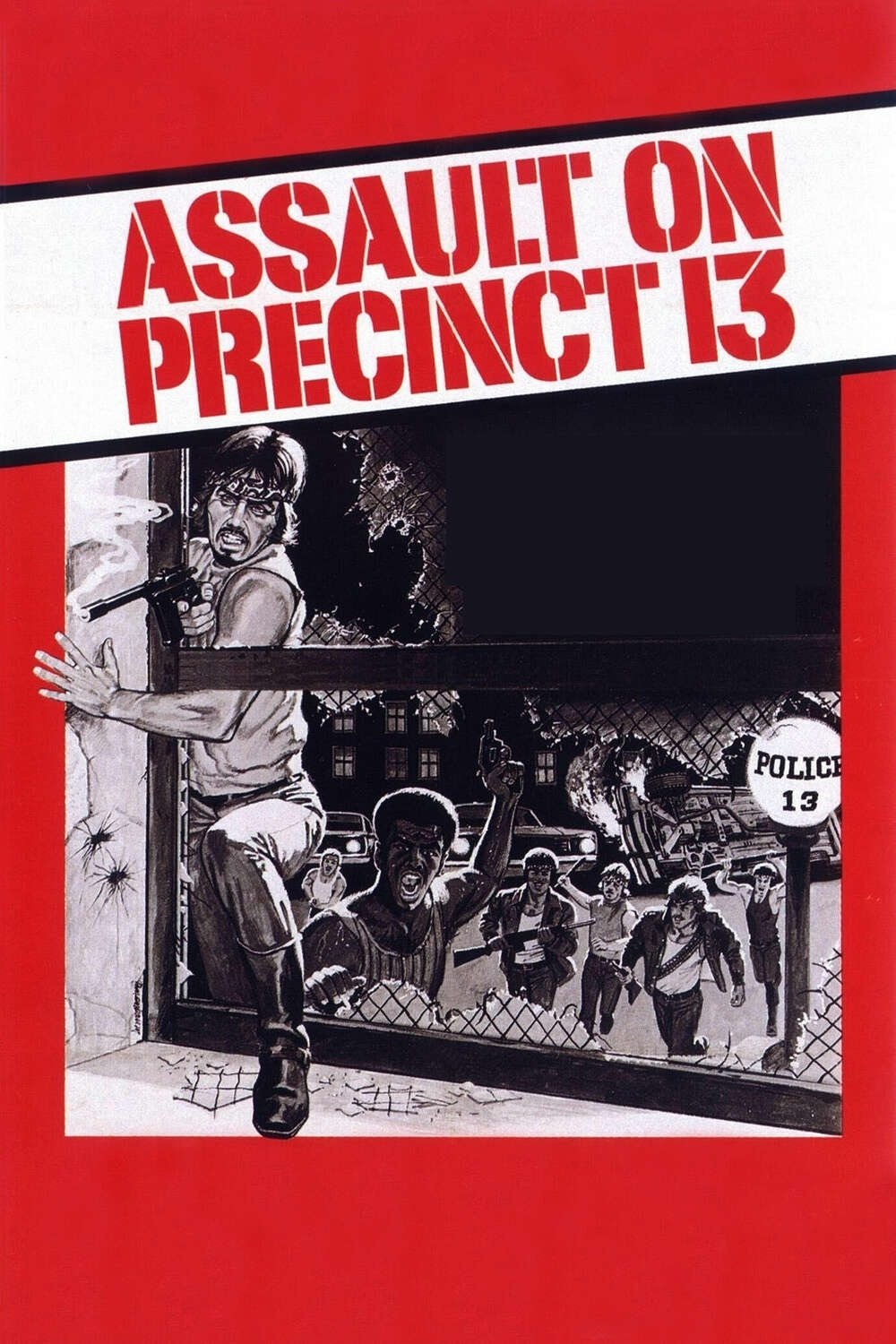
Assault on Precinct 13
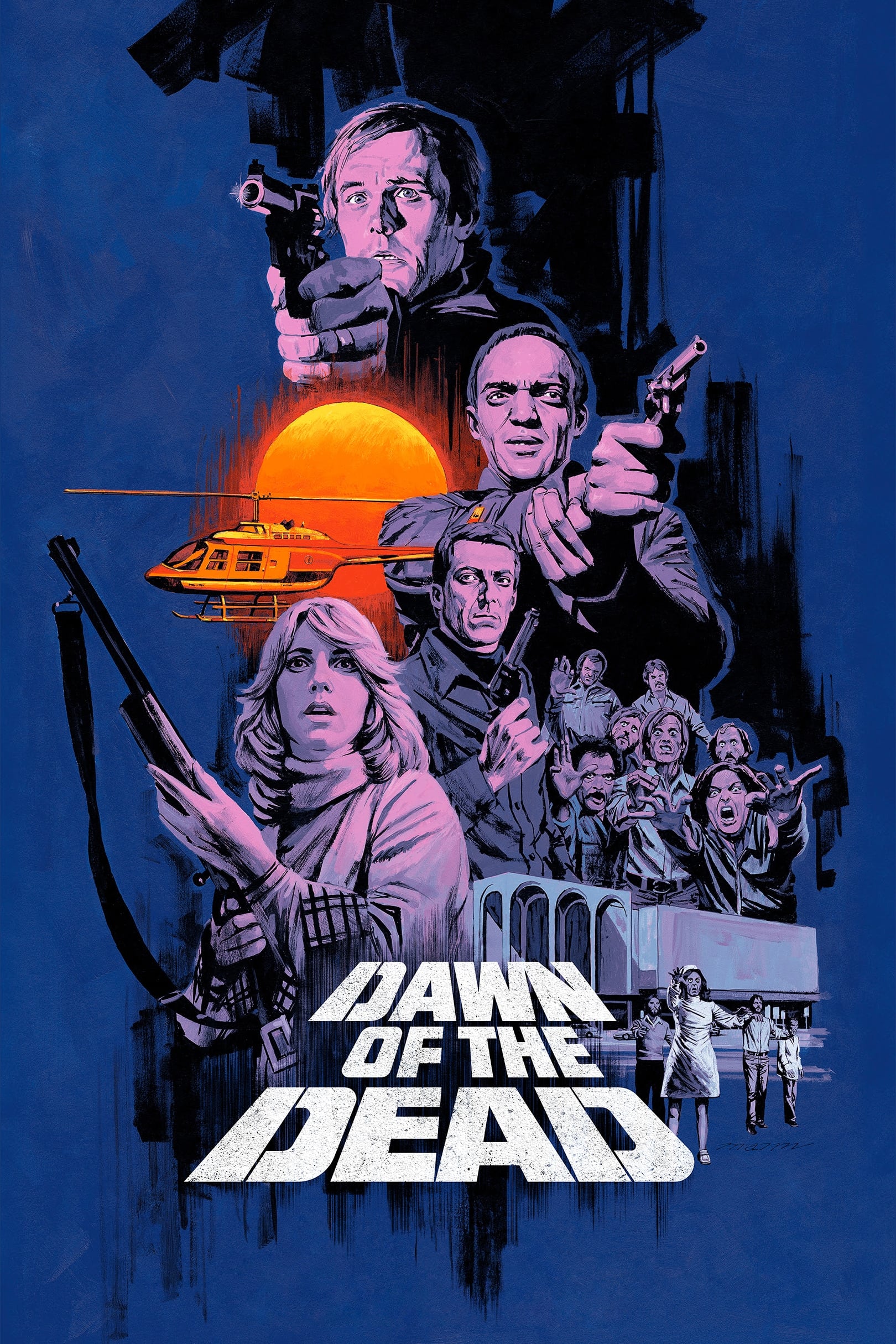
Dawn of the Dead

The Fog
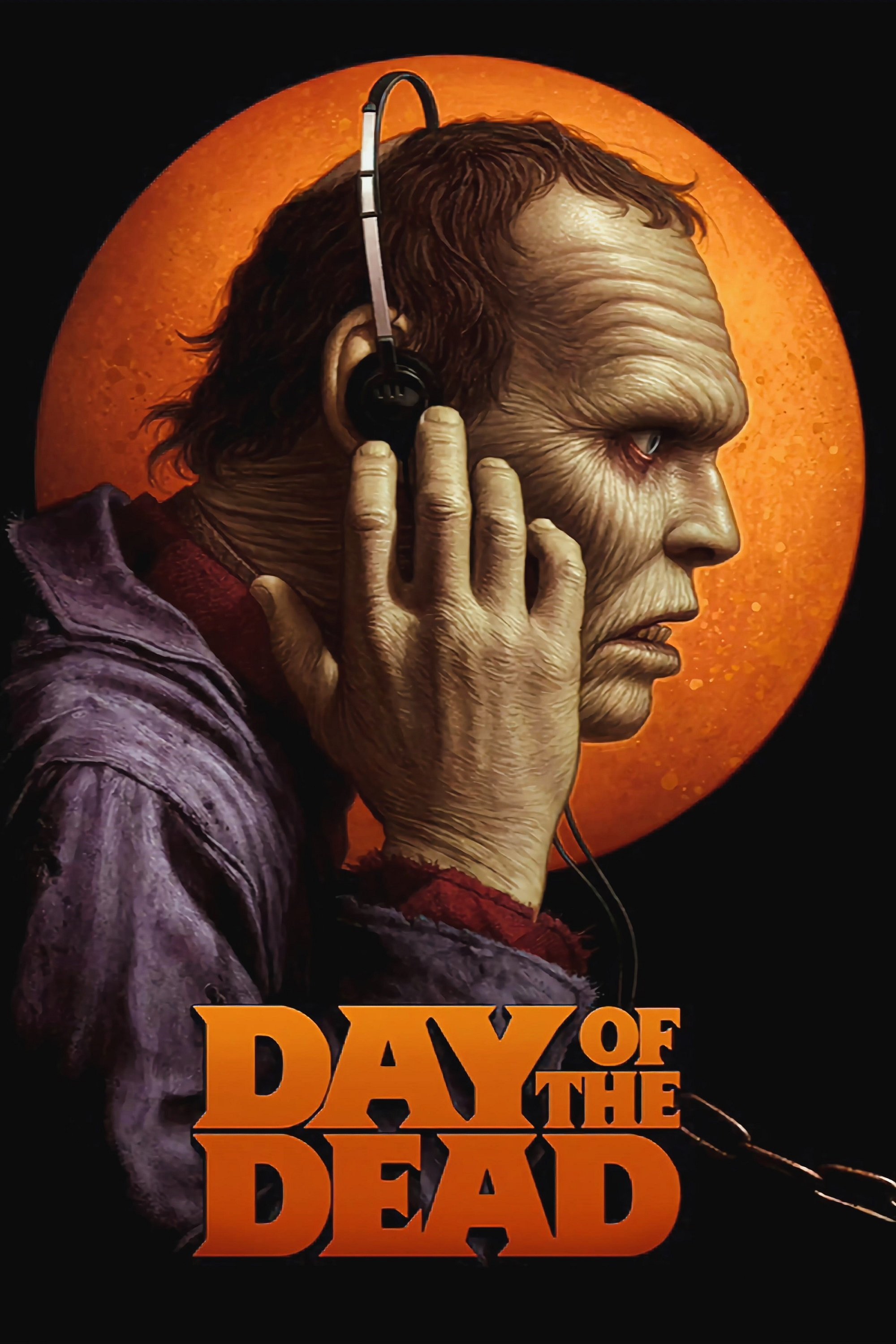
Day of the Dead
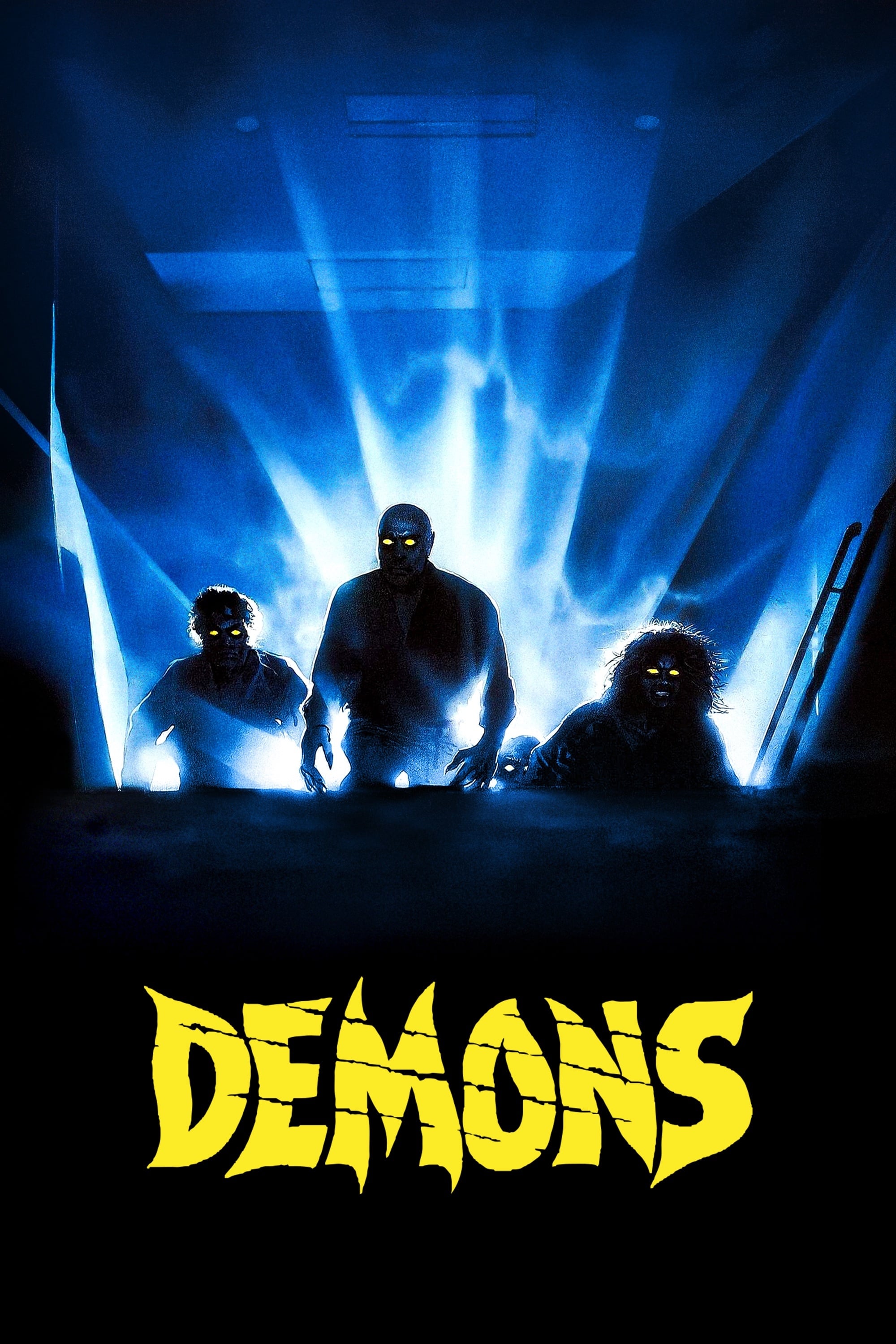
Demons
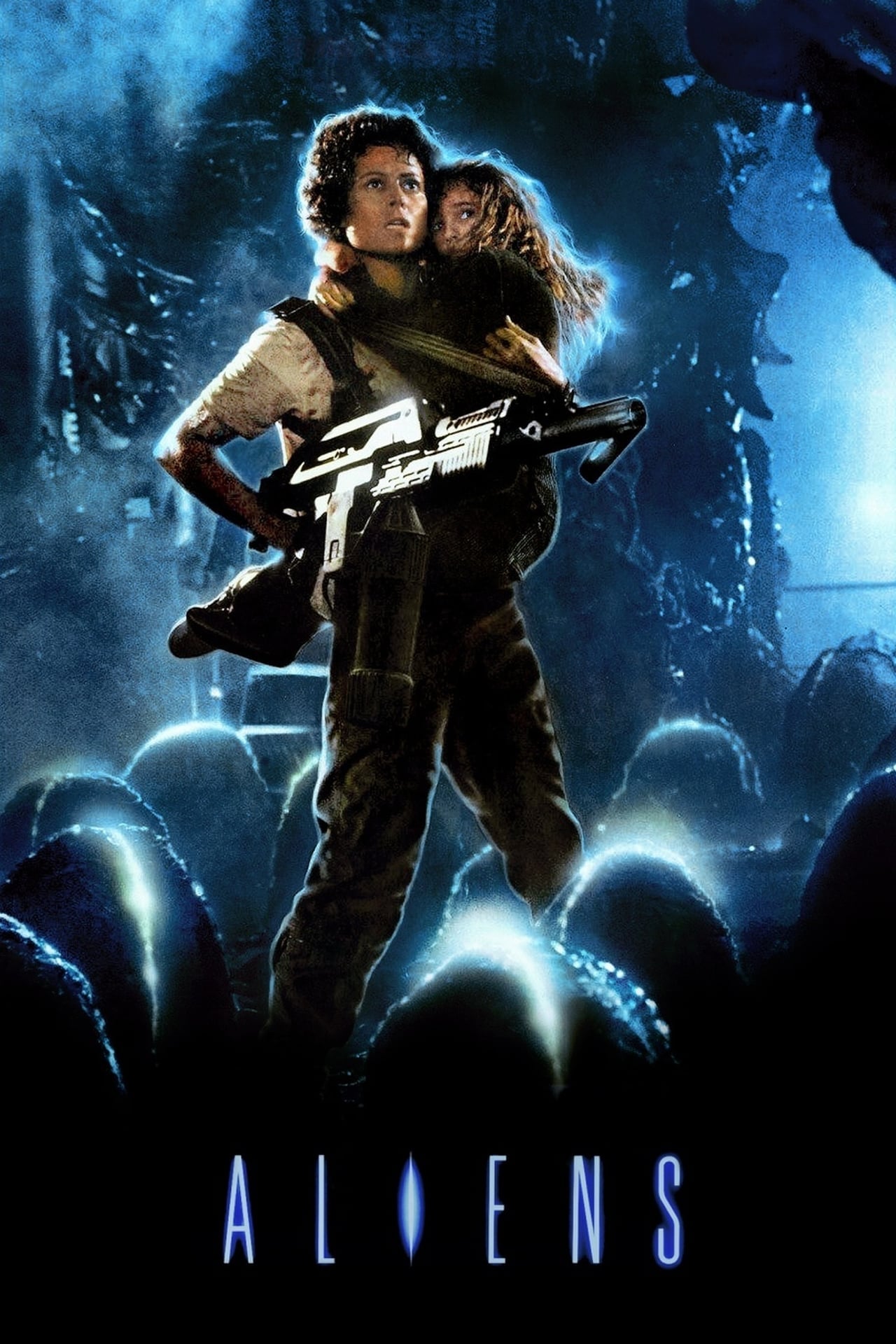
Aliens
Misery
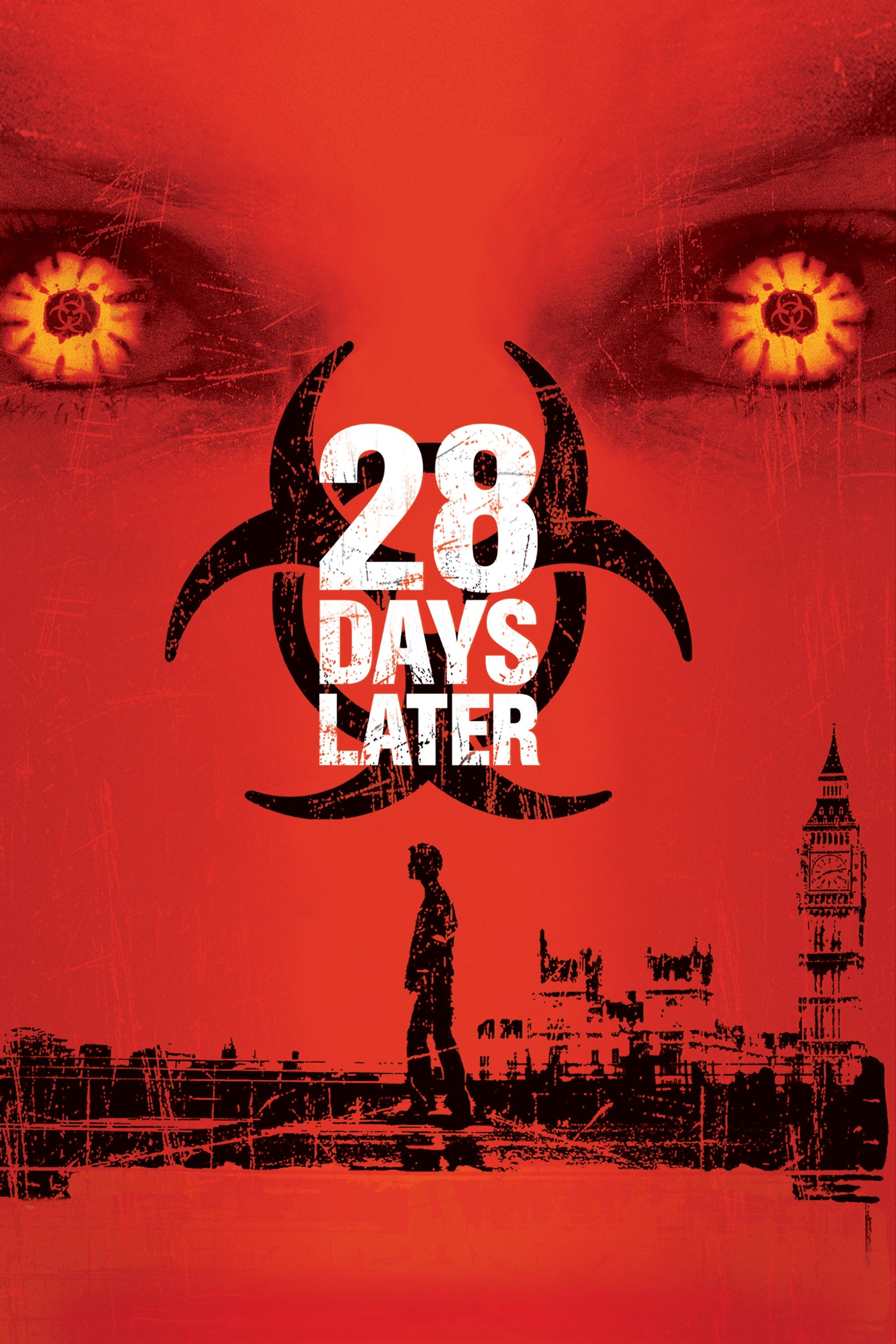
28 Days Later
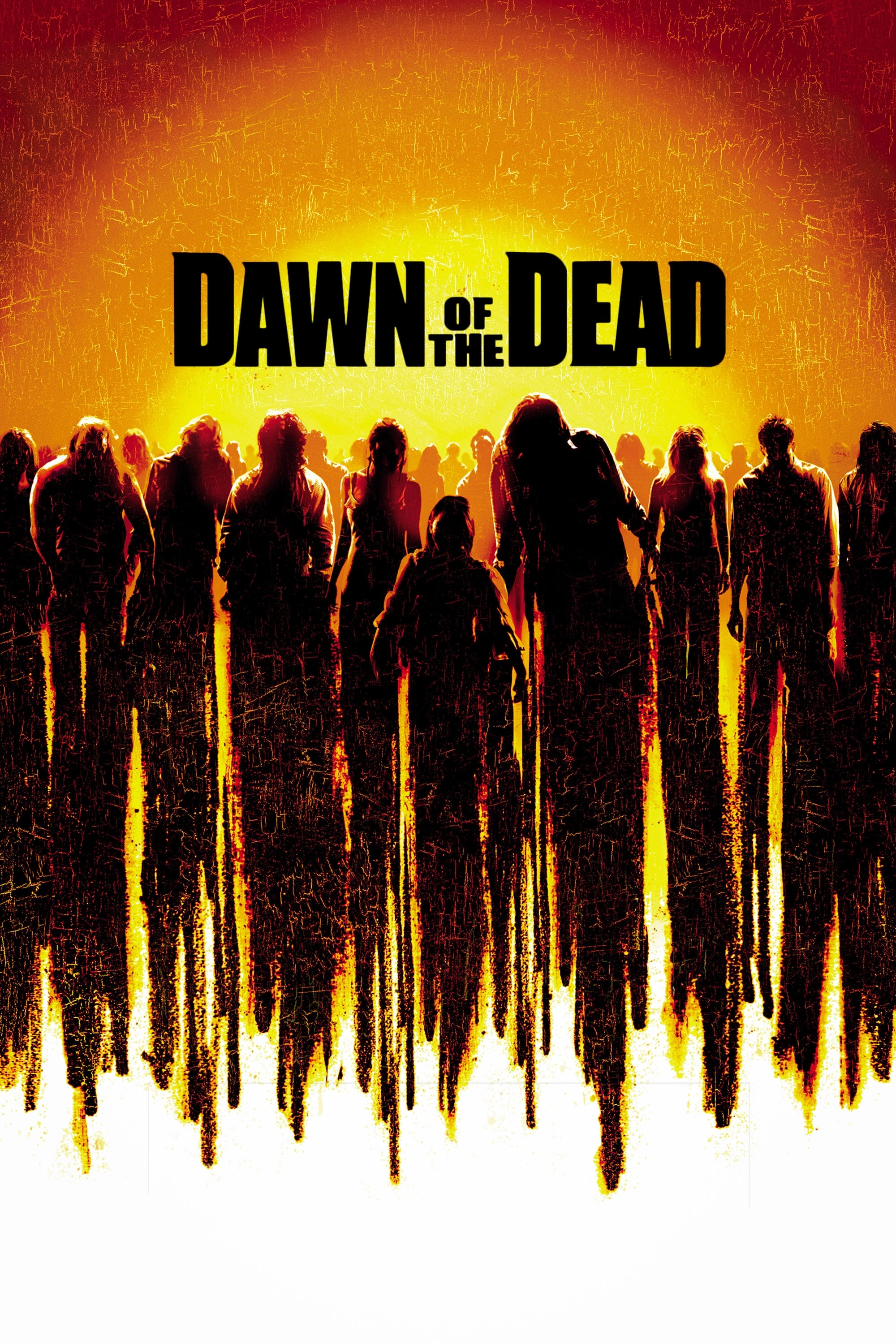
Dawn of the Dead
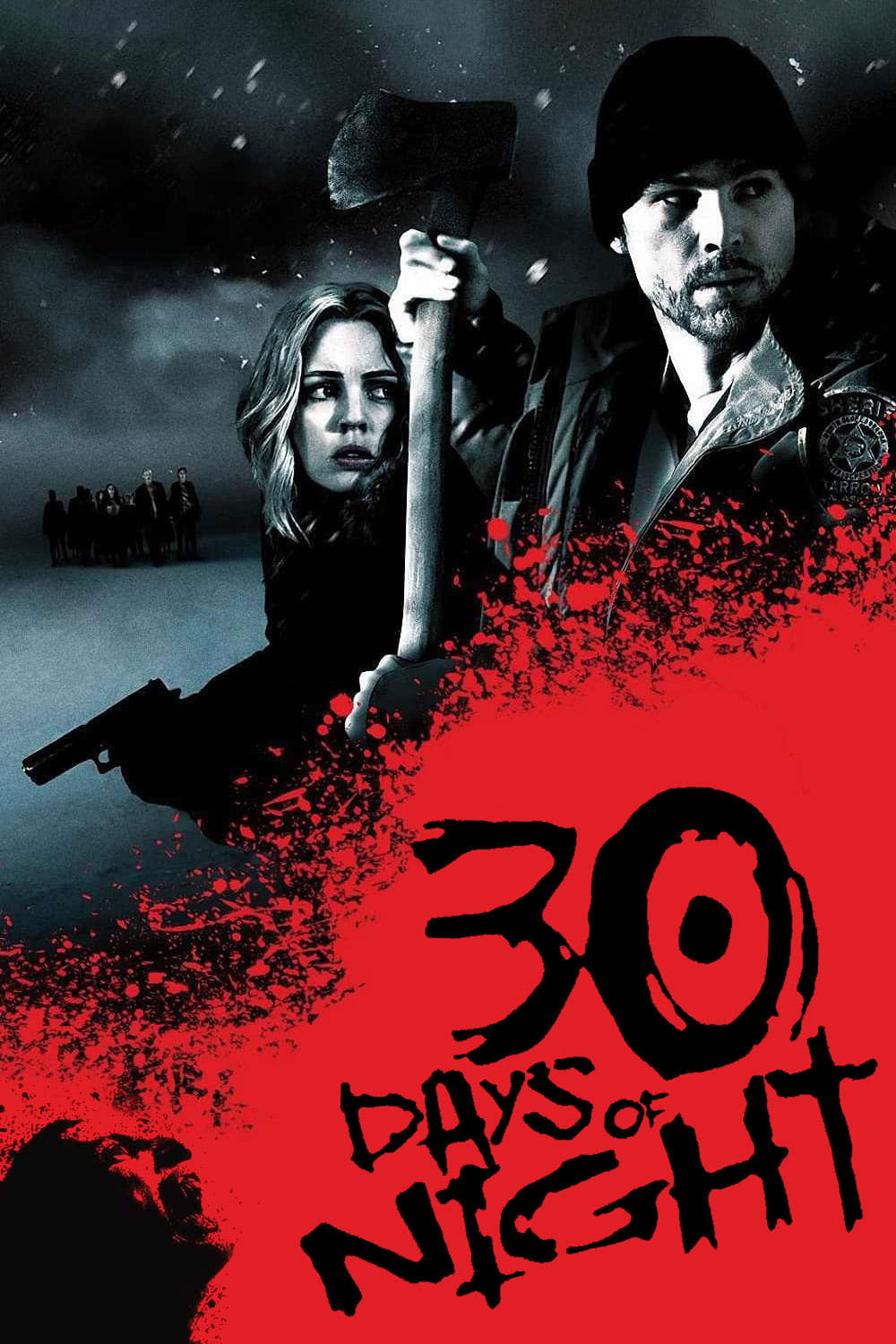
30 Days of Night
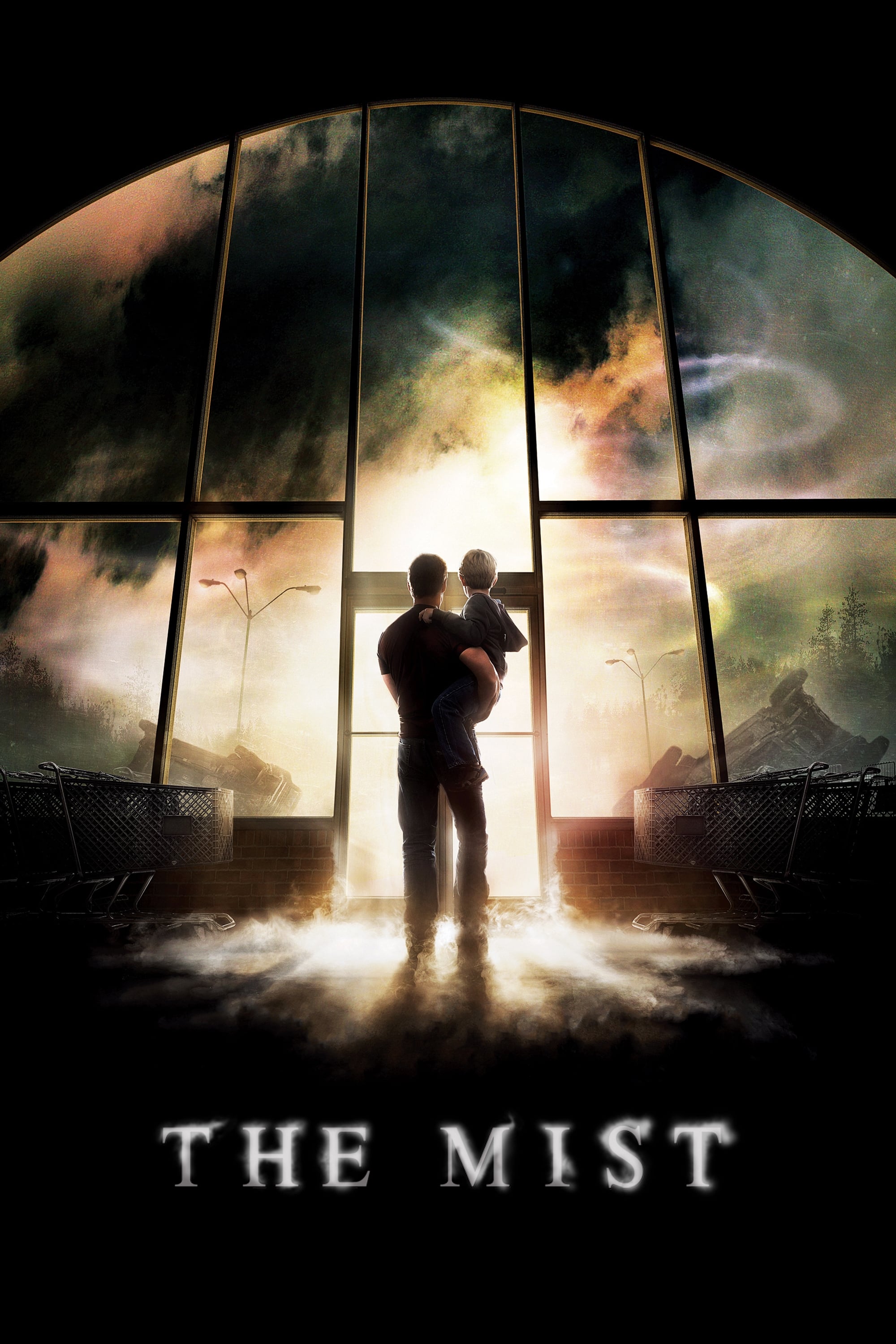
The Mist
![[REC]](https://image.tmdb.org/t/p/original/hgyJR4sgMsee6xMFM3xYiG6cDCh.jpg)
[REC]
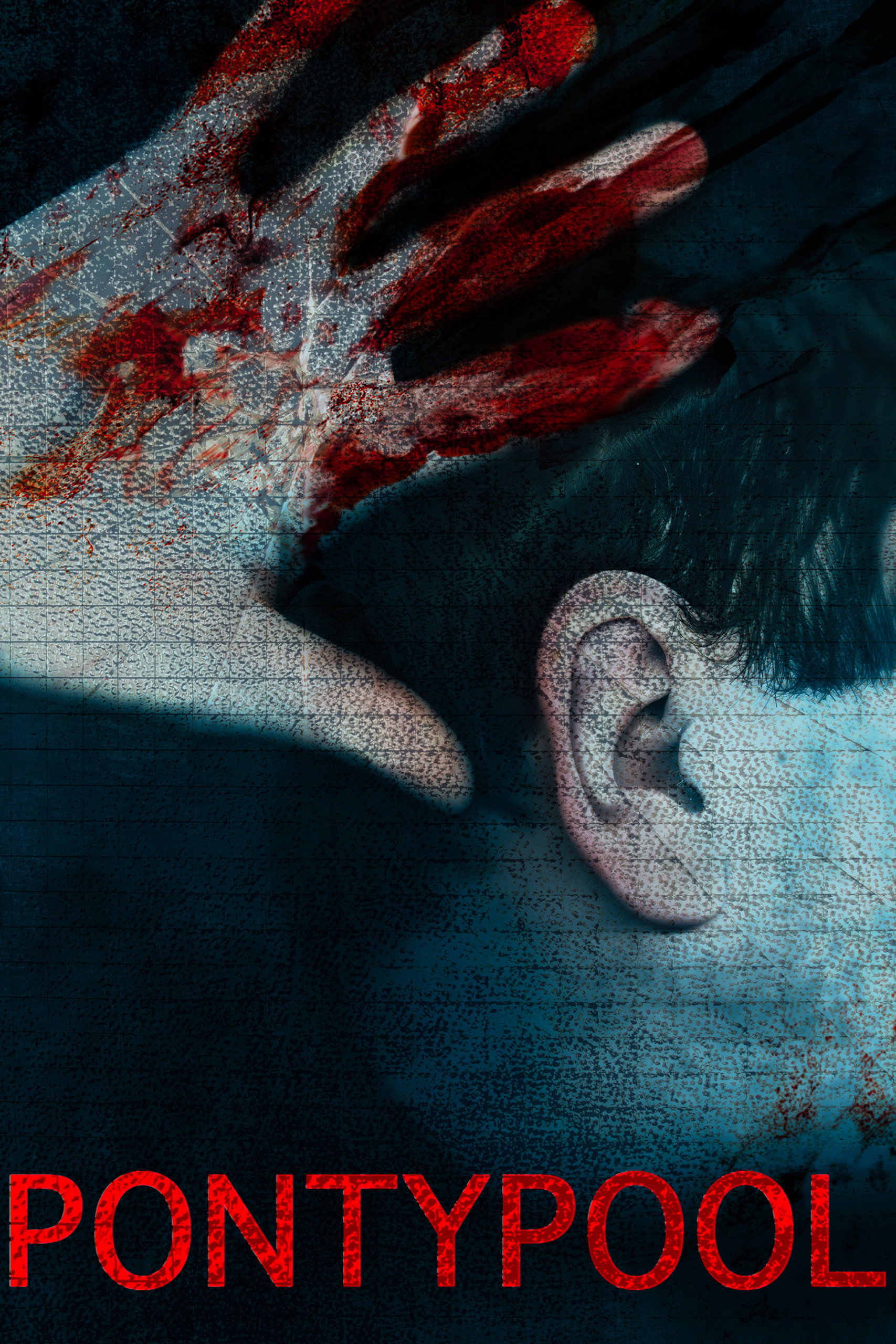
Pontypool
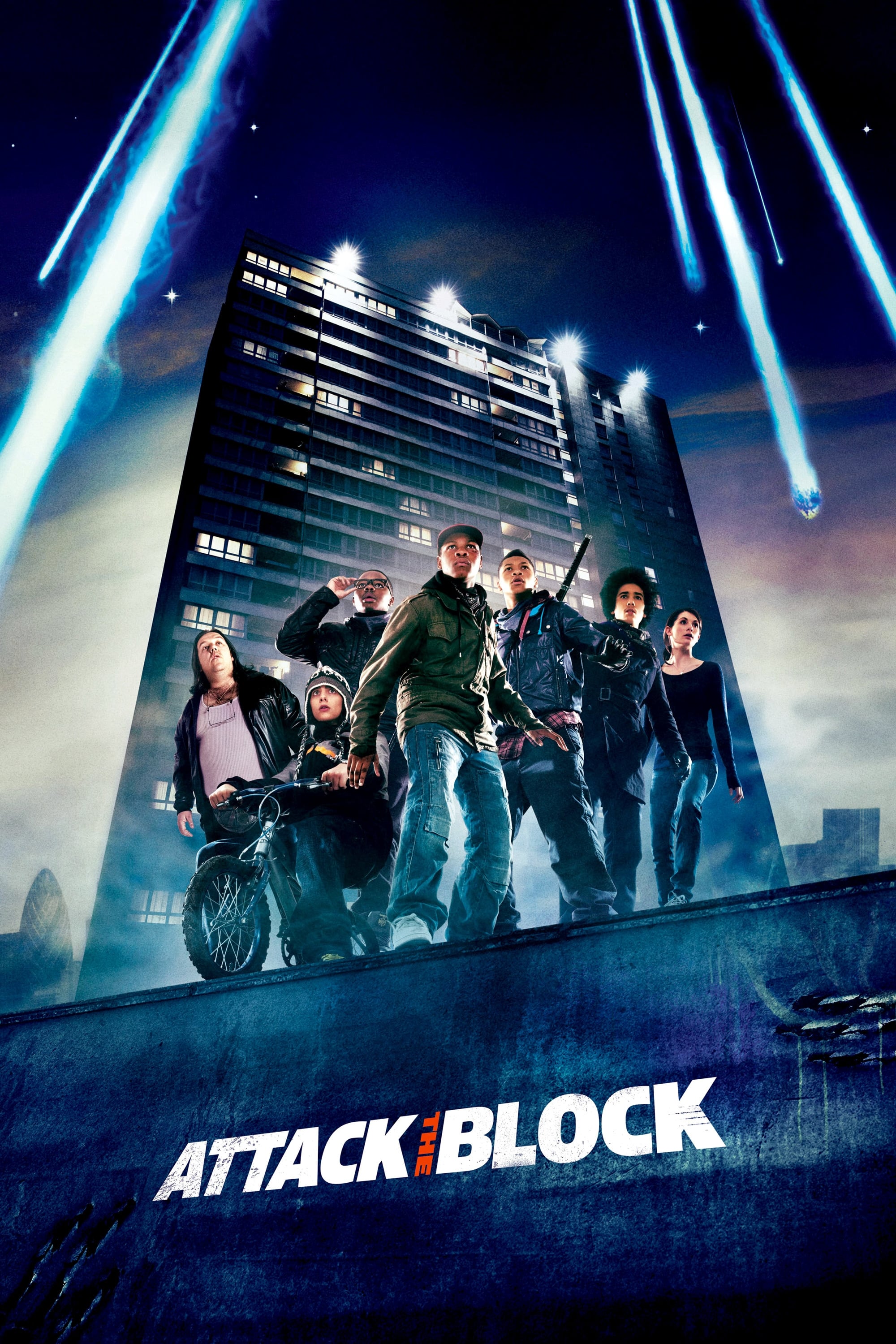
Attack the Block
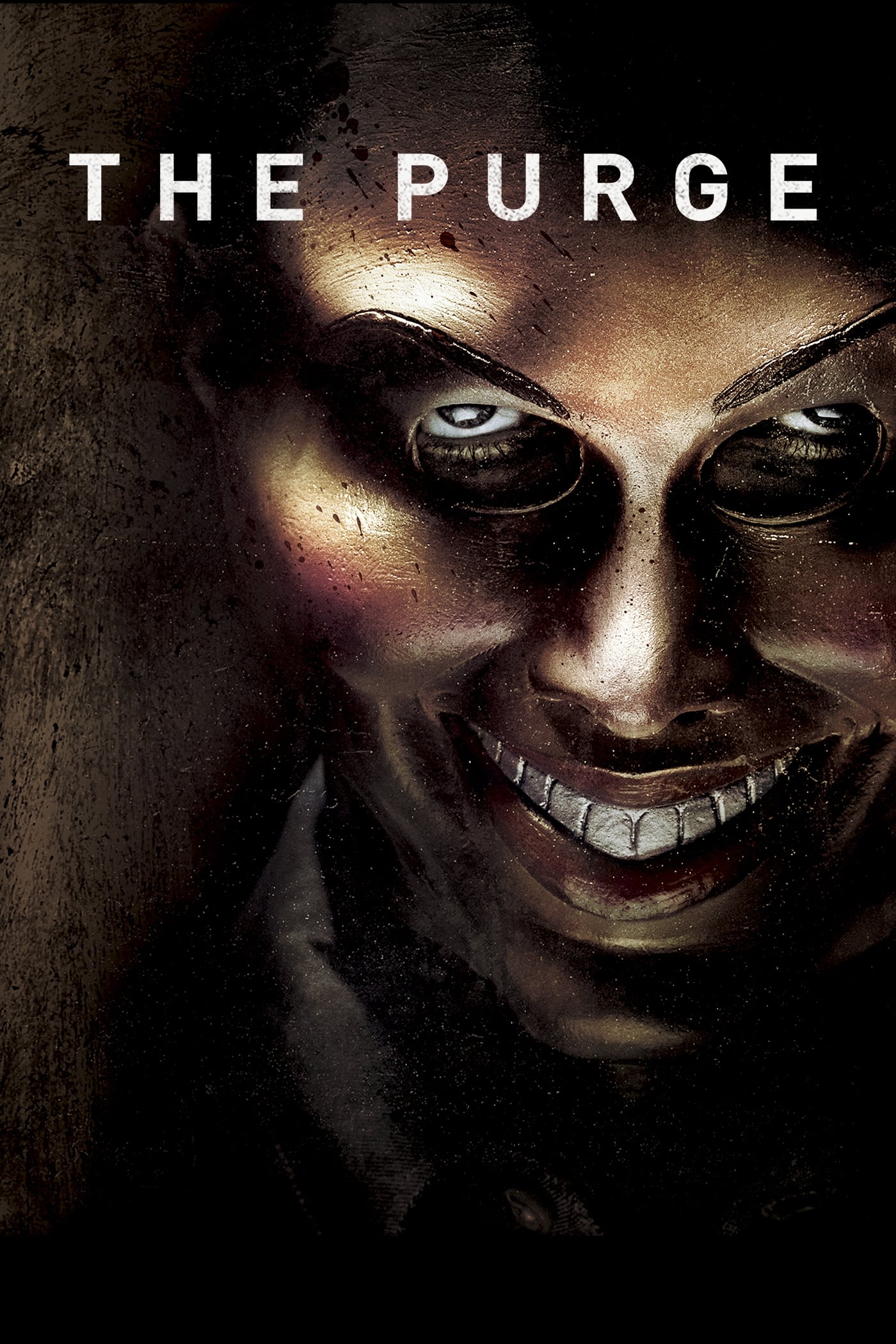
The Purge
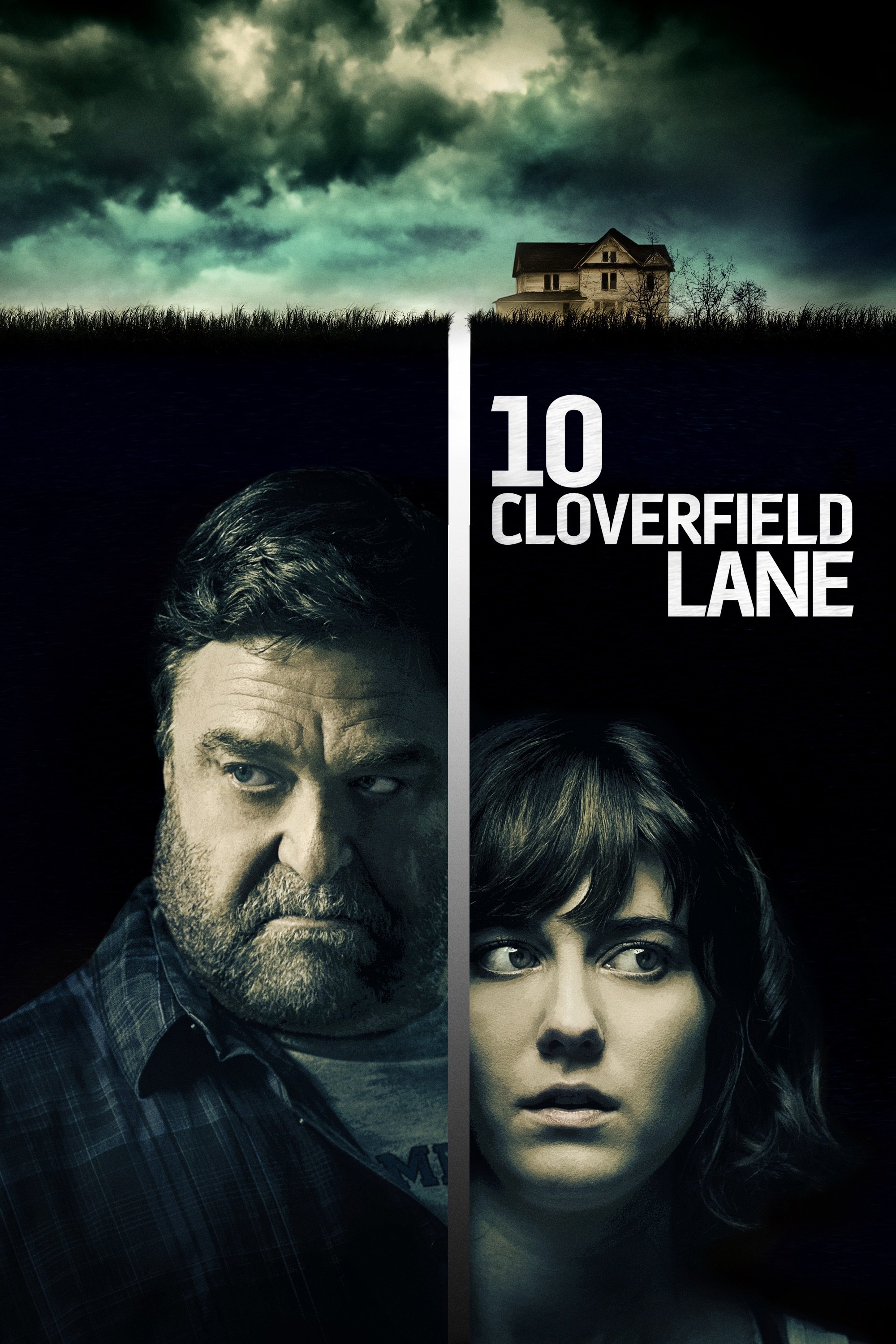
10 Cloverfield Lane
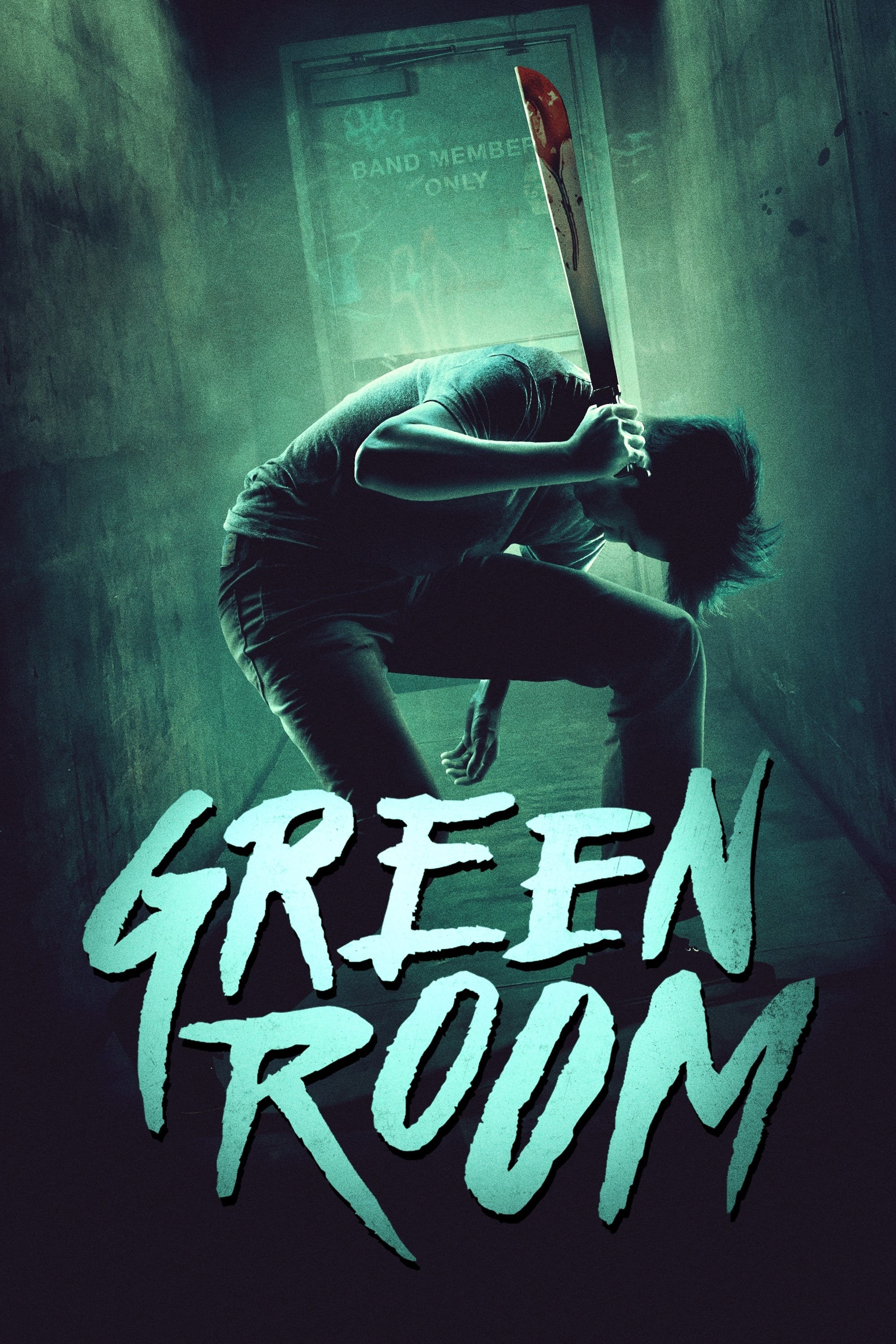
Green Room
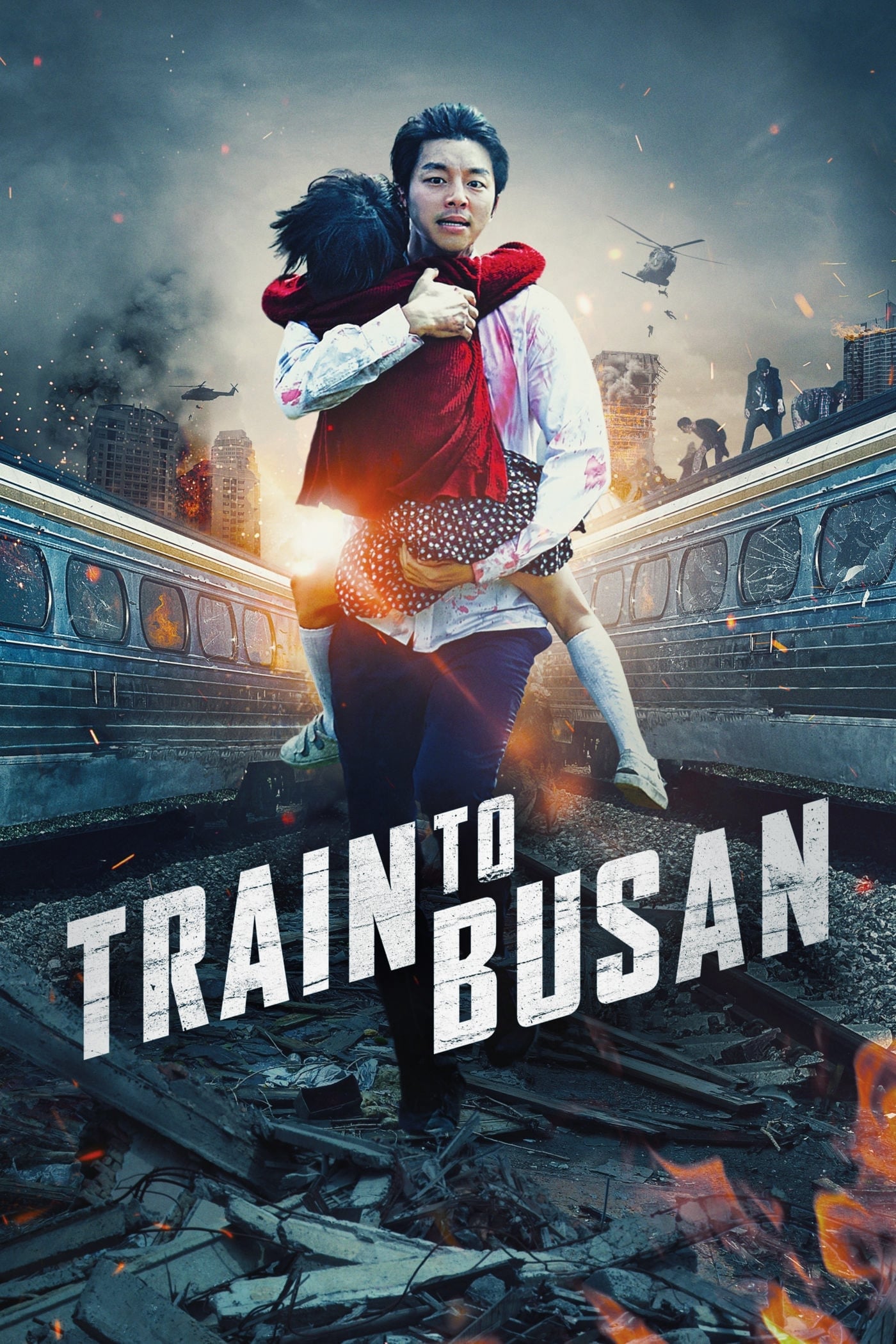
Train to Busan
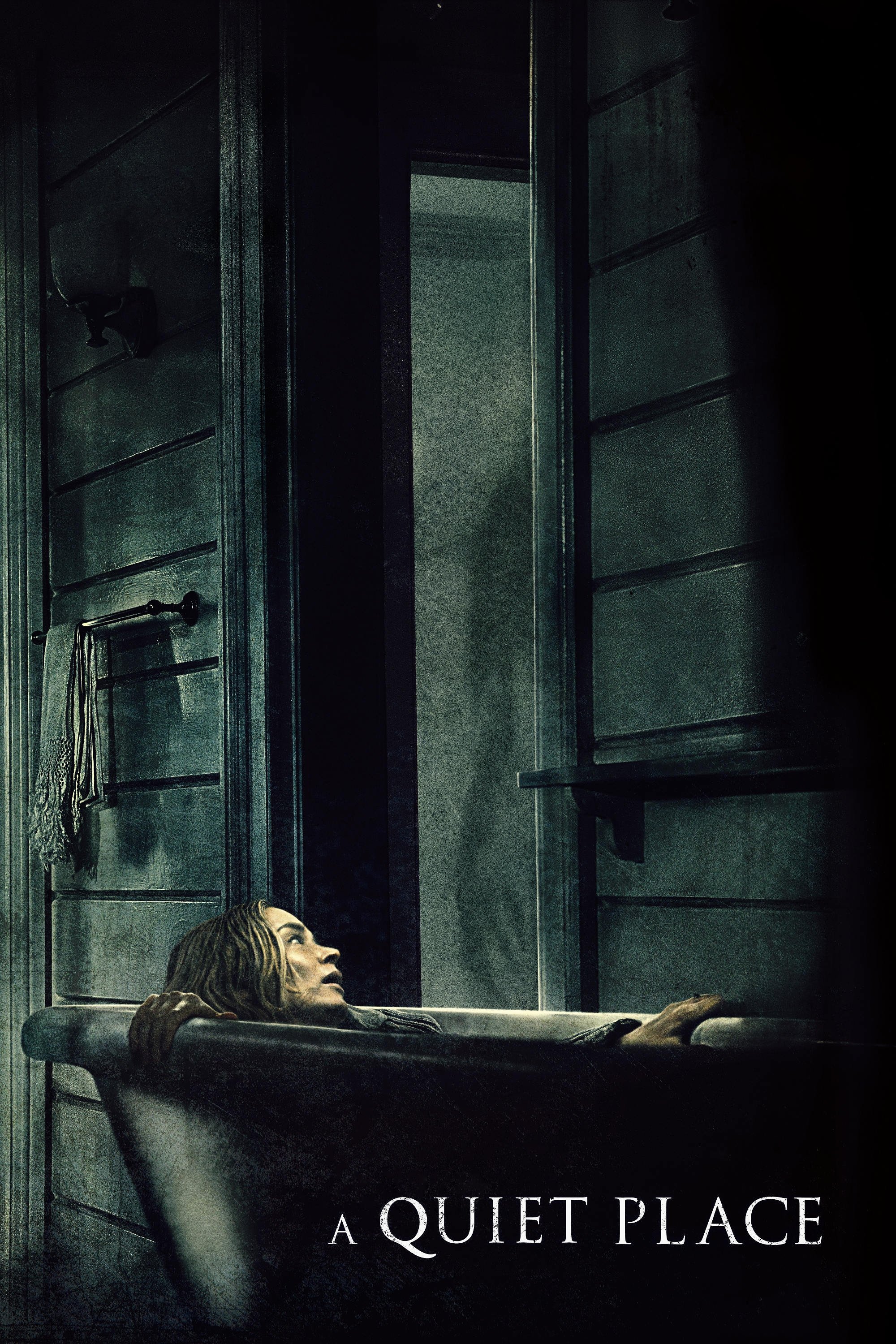
A Quiet Place
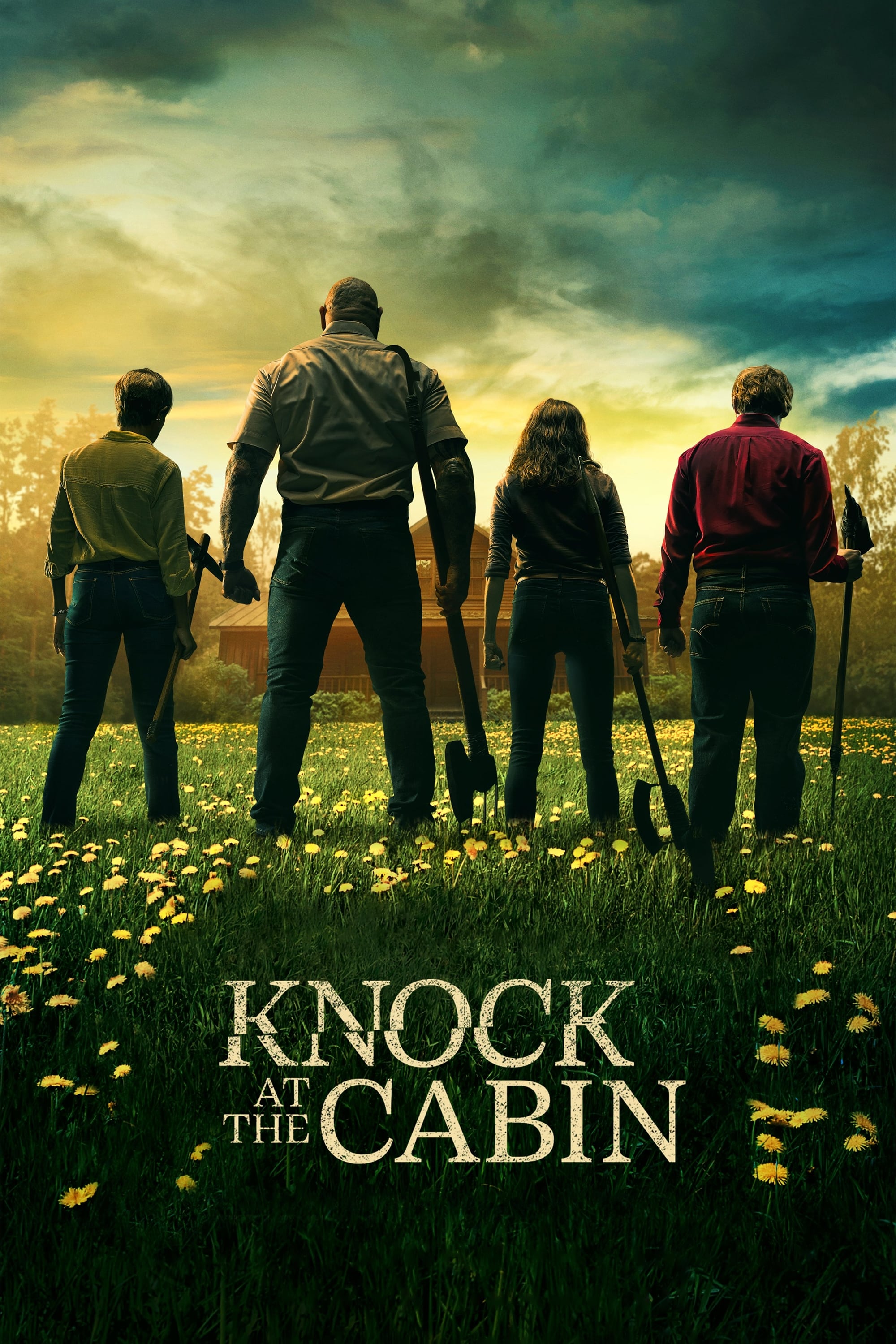
Knock at the Cabin
Statistics
Popularity by Decade
Share of each decade's horror films classified as Siege Horror. Counts films with at least 5 TMDB ratings, so very obscure titles are not represented.
Popularity by Country
Share of each country's horror output classified as Siege Horror. Counts films with at least 5 TMDB ratings, so very obscure titles are not represented.