Friday the 13th Part III (1982)
1980s
Slashers, splatter, and home video — horror's most commercially explosive decade created its most iconic monsters since Universal.
History
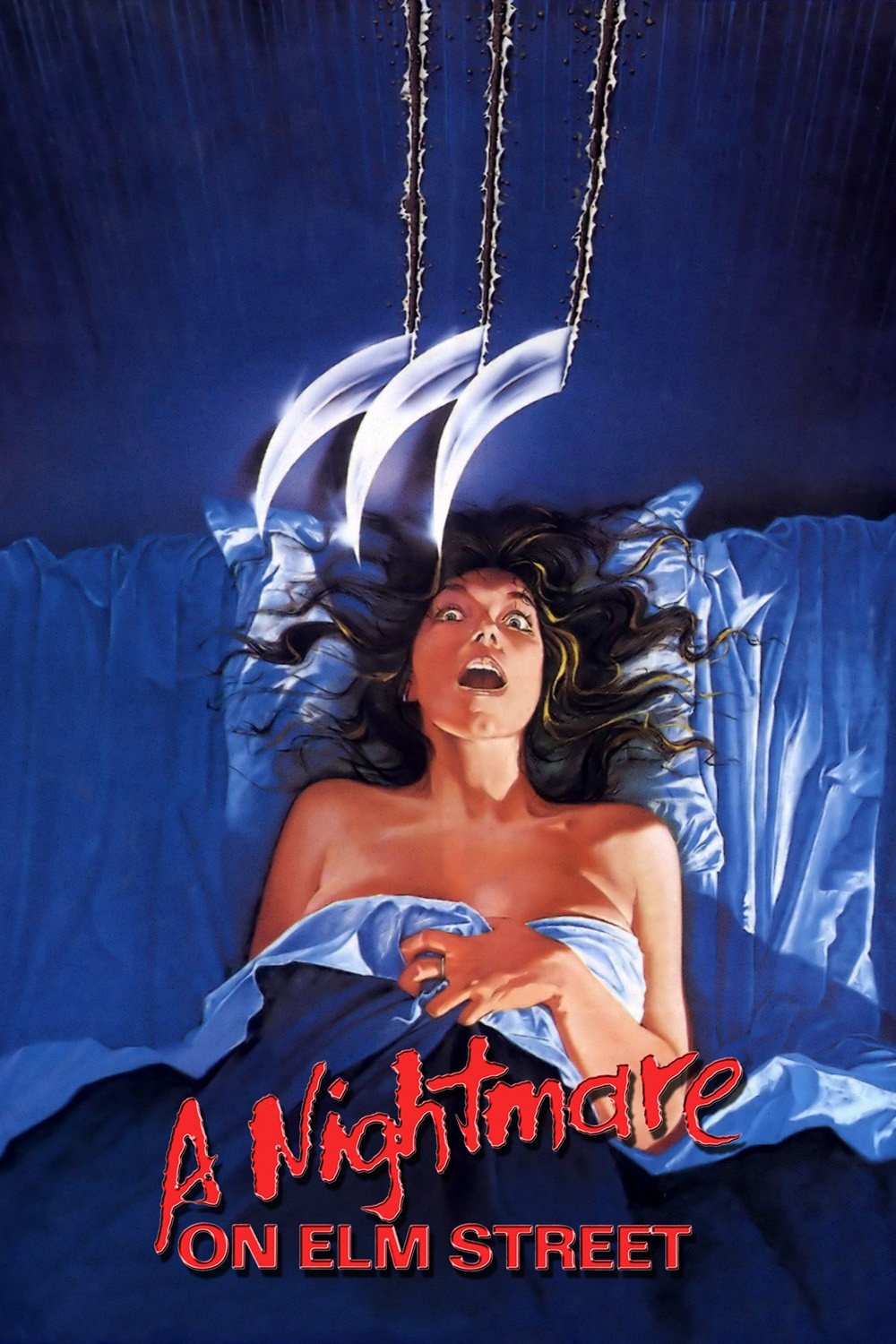
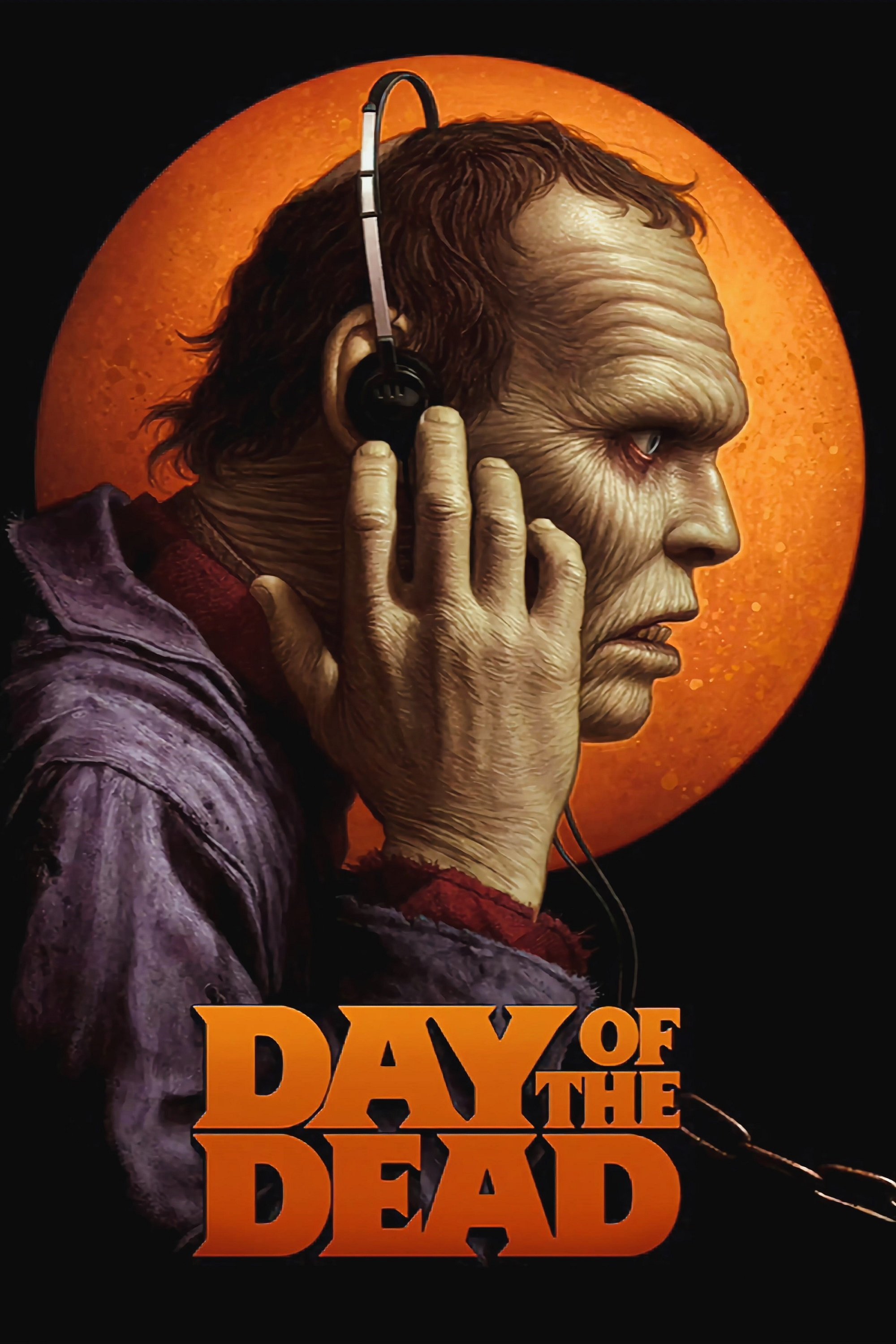
The 1980s saw horror achieve unprecedented commercial success, with the slasher film dominating the early decade. Friday the 13th (1980) launched a franchise empire built on increasingly elaborate kill sequences, while Canada's Capital Cost Allowance tax shelter produced a wave of slashers for the American market — Prom Night (1980), Terror Train (1980), My Bloody Valentine (1981), Happy Birthday to Me (1981) — proving that the format was as exportable as it was profitable. Wes Craven's A Nightmare on Elm Street (1984) revolutionised the subgenre by making sleep itself unsafe, and the killers of these franchises — Jason Voorhees, Freddy Krueger, Michael Myers — became pop-culture icons whose reach extended far beyond cinema. George A. Romero's Day of the Dead (1985) closed his original zombie trilogy with an apocalyptic underground bunker setting, providing the decade's most pessimistic counter-statement to the slasher cycle's exuberance.
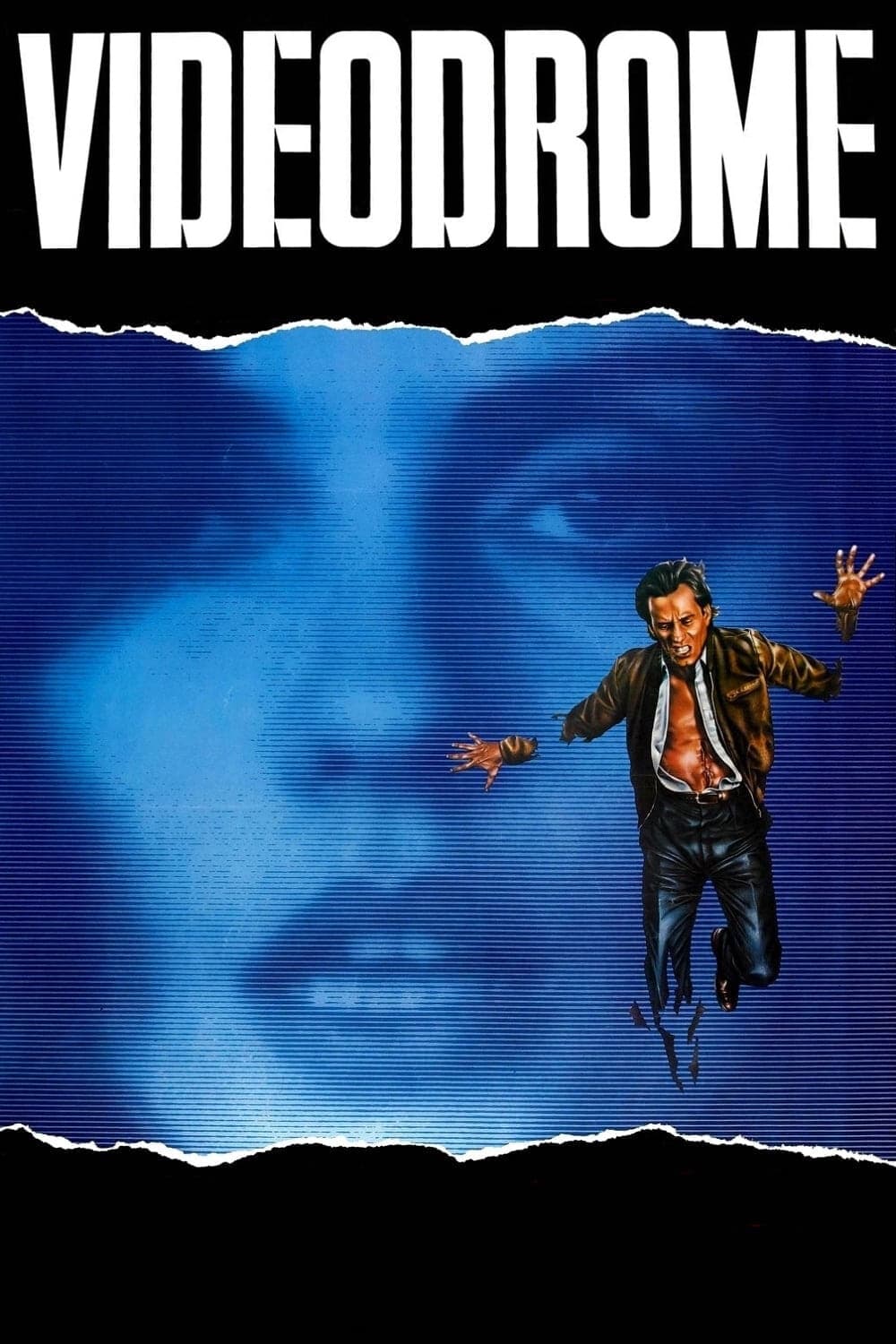
Practical effects artistry reached its zenith. Rob Bottin's shapeshifting alien in John Carpenter's The Thing (1982) and Rick Baker's transformation sequence in John Landis's An American Werewolf in London (1981) remain high-water marks of the craft. Sam Raimi's The Evil Dead (1981) and its more confidently comic sequel Evil Dead II (1987) demonstrated that manic invention could substitute for budget, while Stuart Gordon's Re-Animator (1985) brought Lovecraftian horror-comedy to vivid, gory life. Tobe Hooper and Steven Spielberg's Poltergeist (1982) made suburban television itself a haunt; Joe Dante's The Howling (1981) brought werewolf horror into the studio mainstream. David Cronenberg's Scanners (1981), Videodrome (1983), and The Fly (1986) used body horror as profound metaphor for technological anxiety and physical deterioration, cementing his status as the genre's foremost intellectual. Kathryn Bigelow's Near Dark (1987) reinvented the vampire film as a contemporary Western, and Clive Barker's Hellraiser (1987) introduced the Cenobites and a baroque visual vocabulary the studio cycle was incapable of producing.
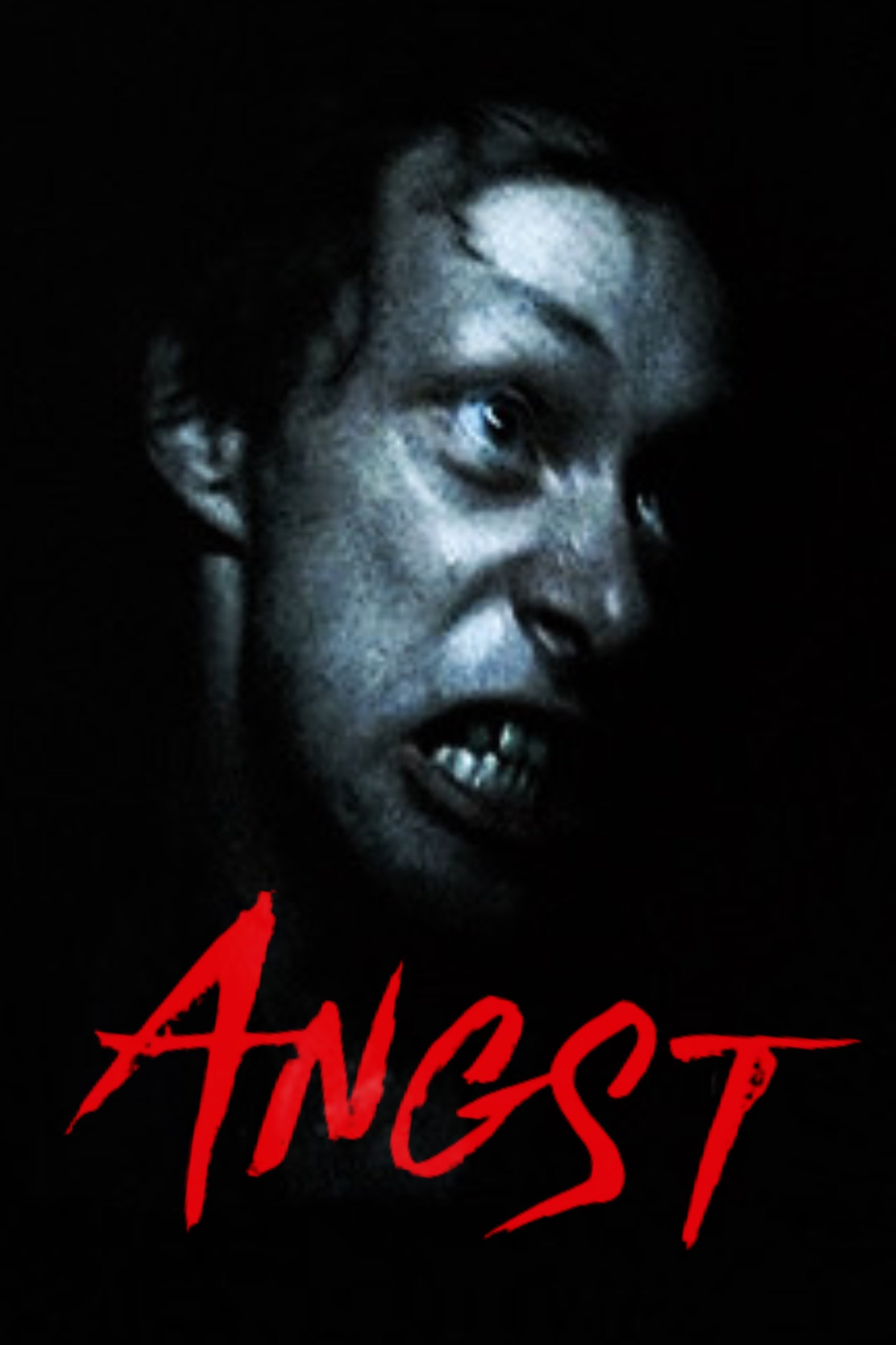
Internationally, Italy's horror industry reached its creative peak and collapsed within the same decade — Lucio Fulci's The Beyond (1981) and Ruggero Deodato's Cannibal Holocaust (1980) represented the apex of extremity before structural changes in the Italian film industry killed genre production, while Dario Argento pushed the giallo into ever more baroque registers with Tenebre (1982) and Opera (1987), and Lamberto Bava's Demons (1985) delivered the era's most viscerally outrageous funhouse-horror entertainment. In Britain, the "video nasties" moral panic led to the Video Recordings Act of 1984, effectively suppressing British horror for nearly two decades — Clive Barker's Hellraiser, funded with American money, was one of the era's few British horror landmarks. In Japan, the underground Guinea Pig films (1985–1990) pushed transgressive horror to its limits, while Shinya Tsukamoto's Tetsuo: The Iron Man (1989) closed the decade with cyberpunk body horror that would influence filmmakers worldwide. In Germany, Jörg Buttgereit's Nekromantik (1988) brought transgressive underground horror to West Berlin; in Austria, Gerald Kargl's Angst (1983) reconstructed a real spree killer's compulsion in unrelenting first-person; and Andrzej Żuławski's French-Polish-German Possession (1981) gave Isabelle Adjani a Cannes-winning breakdown that has only grown in critical reputation.
The rise of home video transformed horror consumption worldwide, creating a thriving market for both studio releases and low-budget independents — and giving previously suppressed transgressive work a route to audiences that theatrical distribution couldn't provide. By decade's end, horror's major franchises were producing diminishing sequels (Adam Rockoff's Going to Pieces dates the slasher cycle's collapse to 1986), but the period had permanently established the genre as a reliable commercial force and created its most recognisable monsters since Universal's golden age — while practical effects innovation had set a standard that wouldn't be matched until the digital revolution.
Sources: Adam Rockoff, Going to Pieces: The Rise and Fall of the Slasher Film, 1978–1986 (2002).
Essential Films
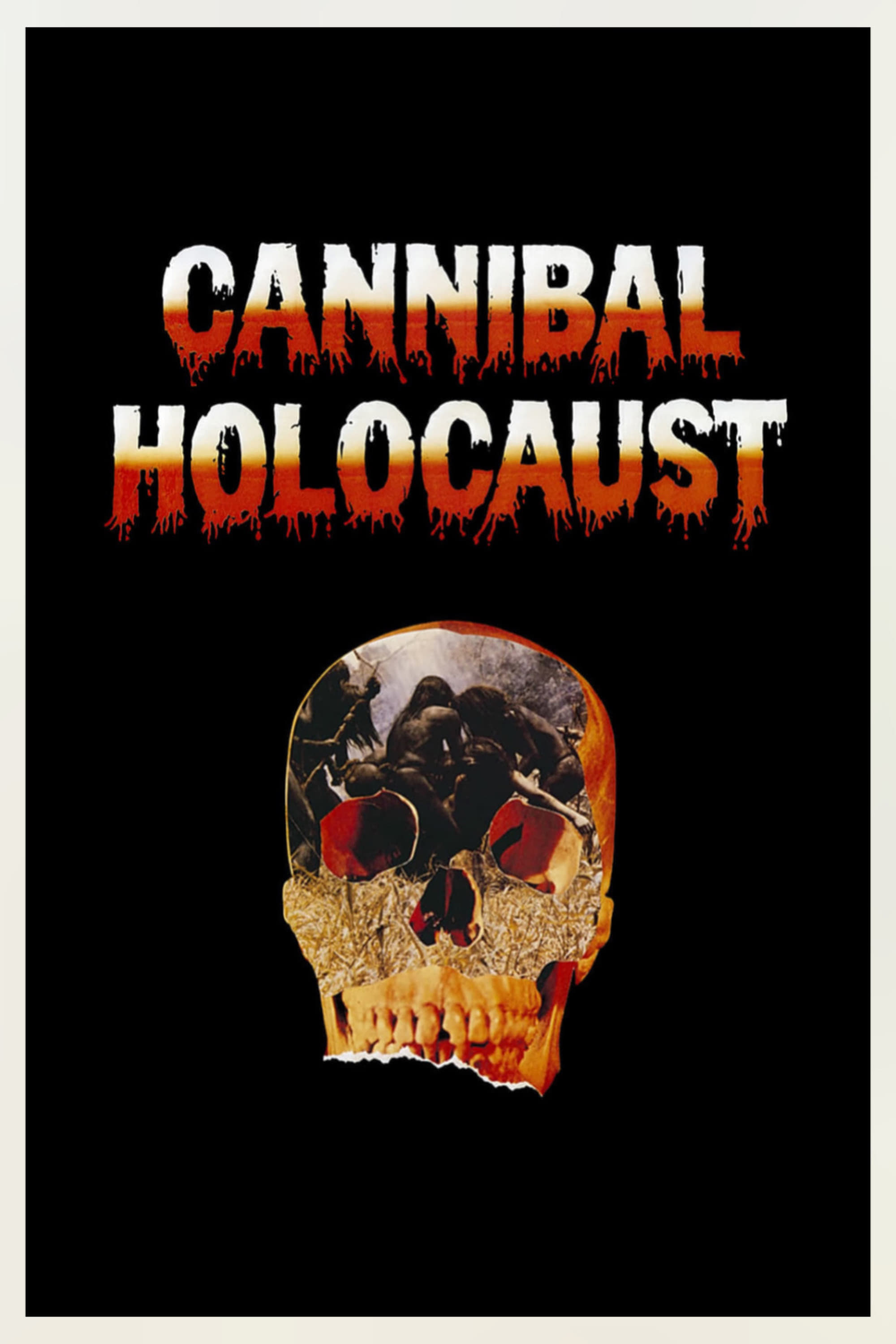
Cannibal Holocaust
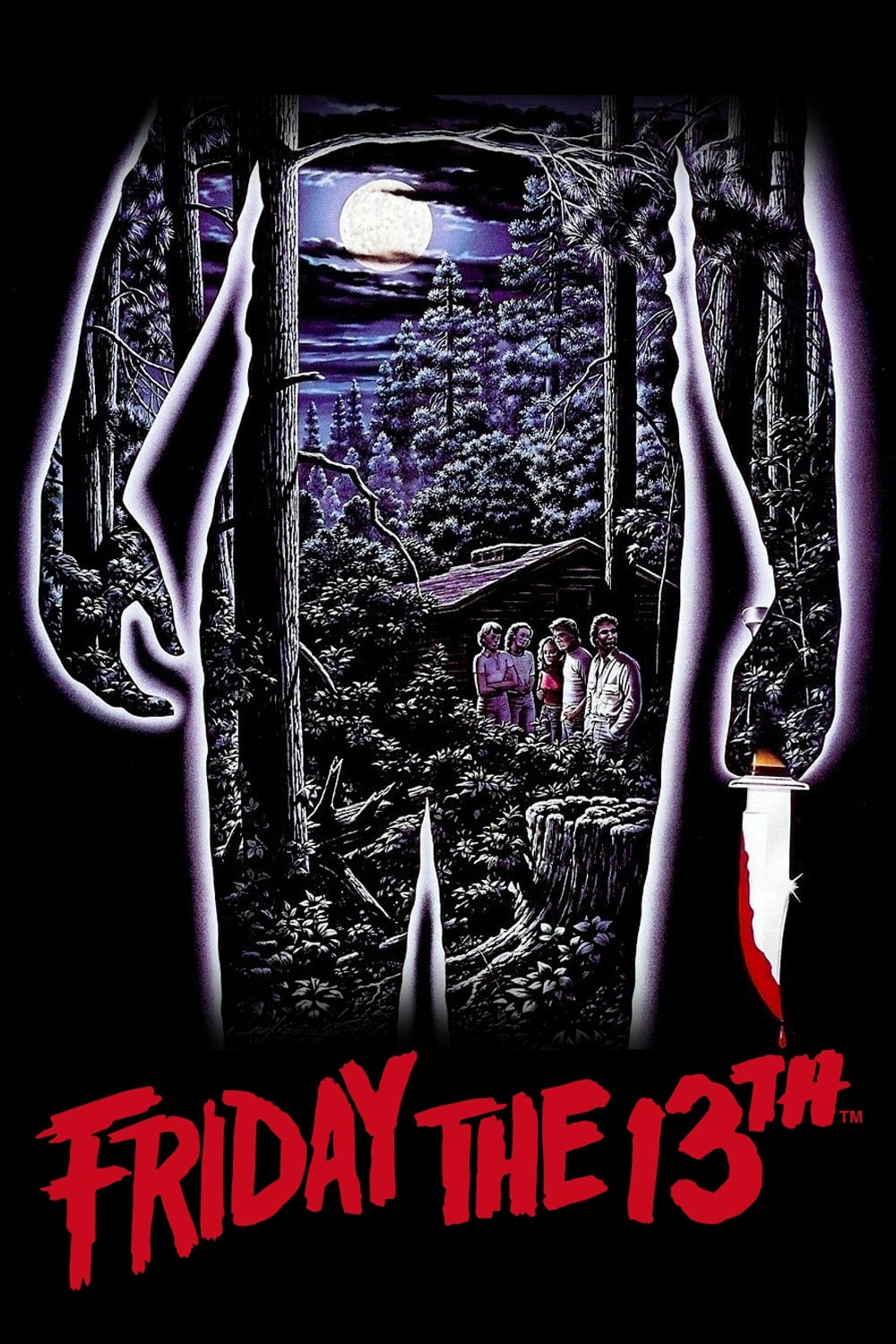
Friday the 13th
The Shining
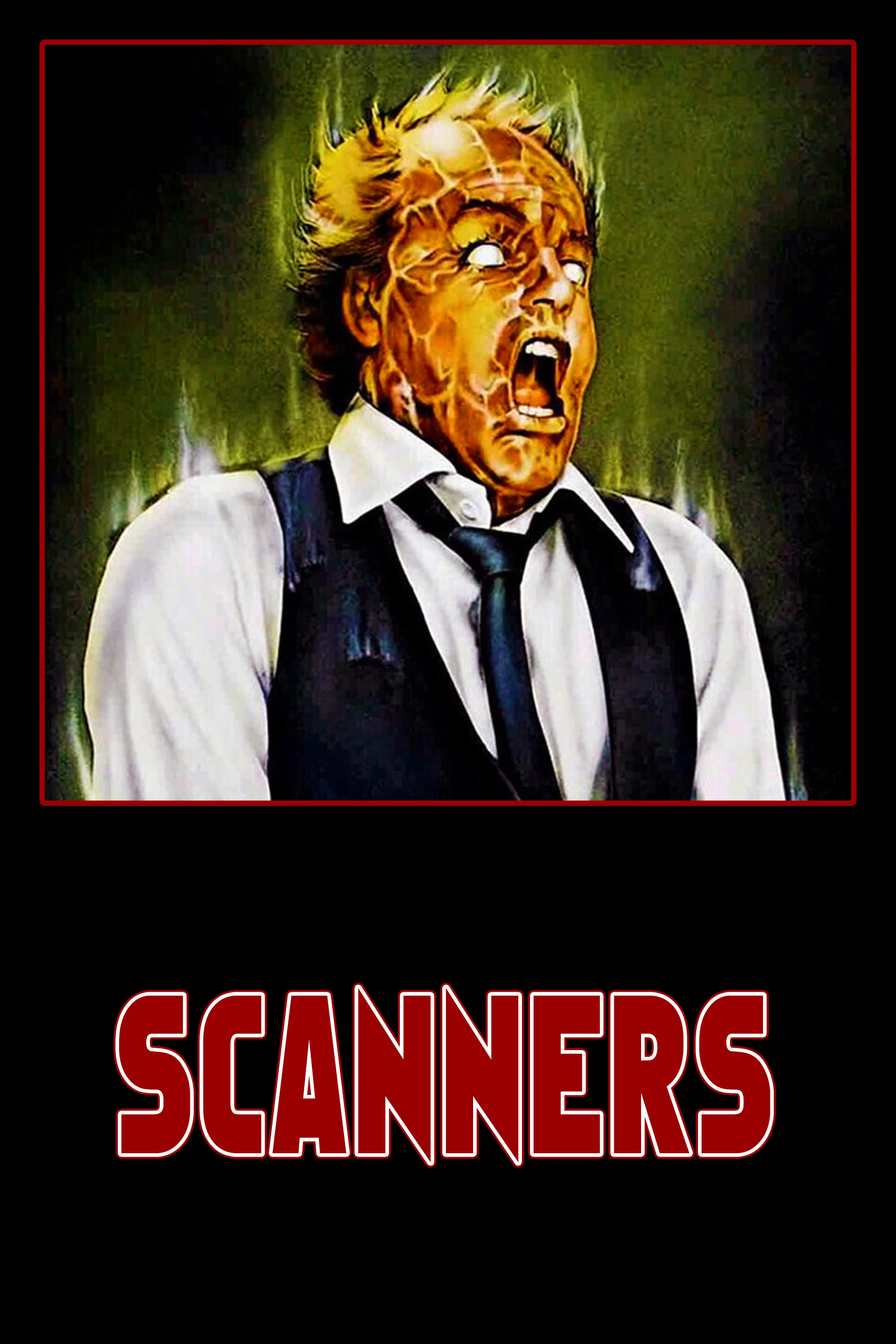
Scanners
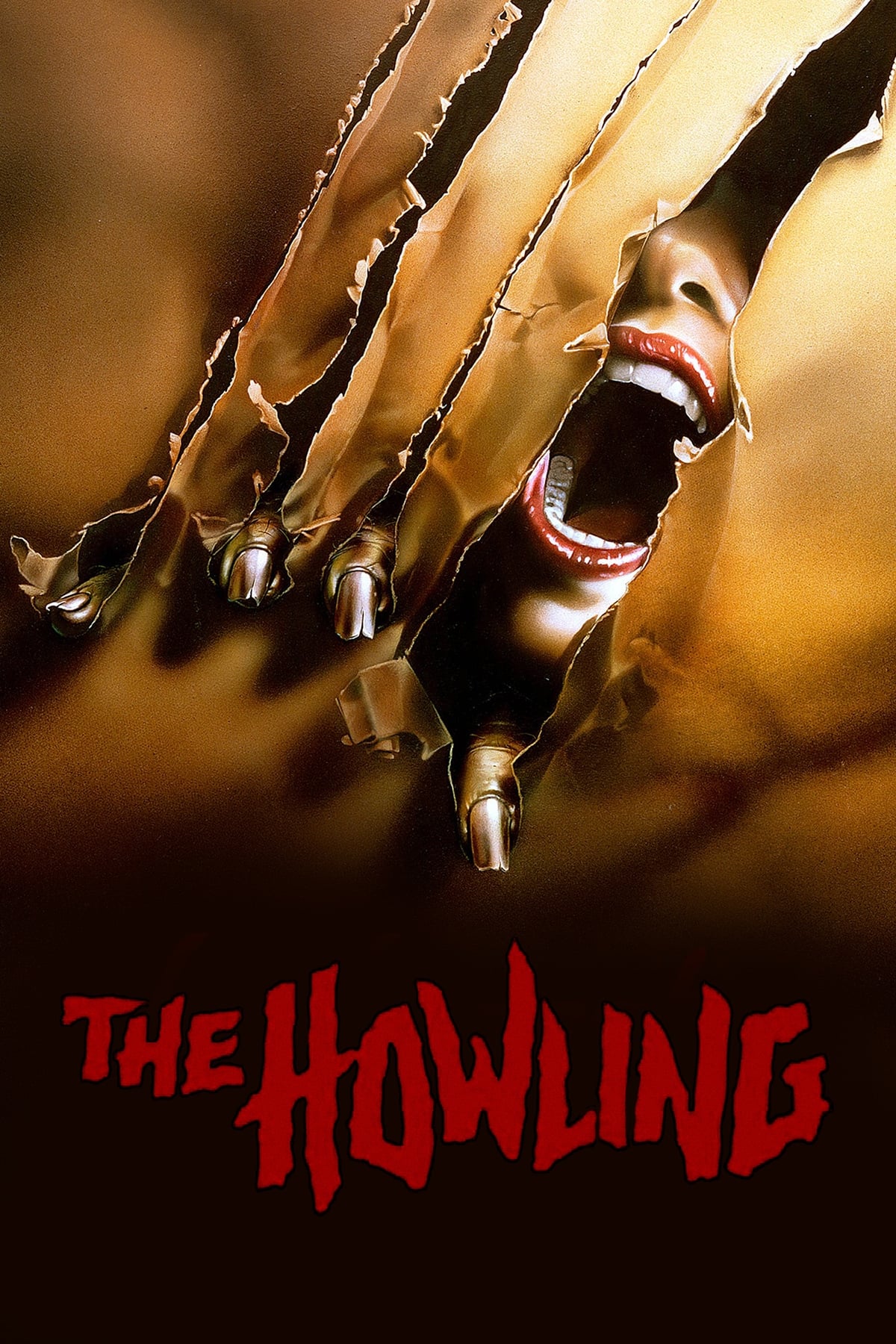
The Howling
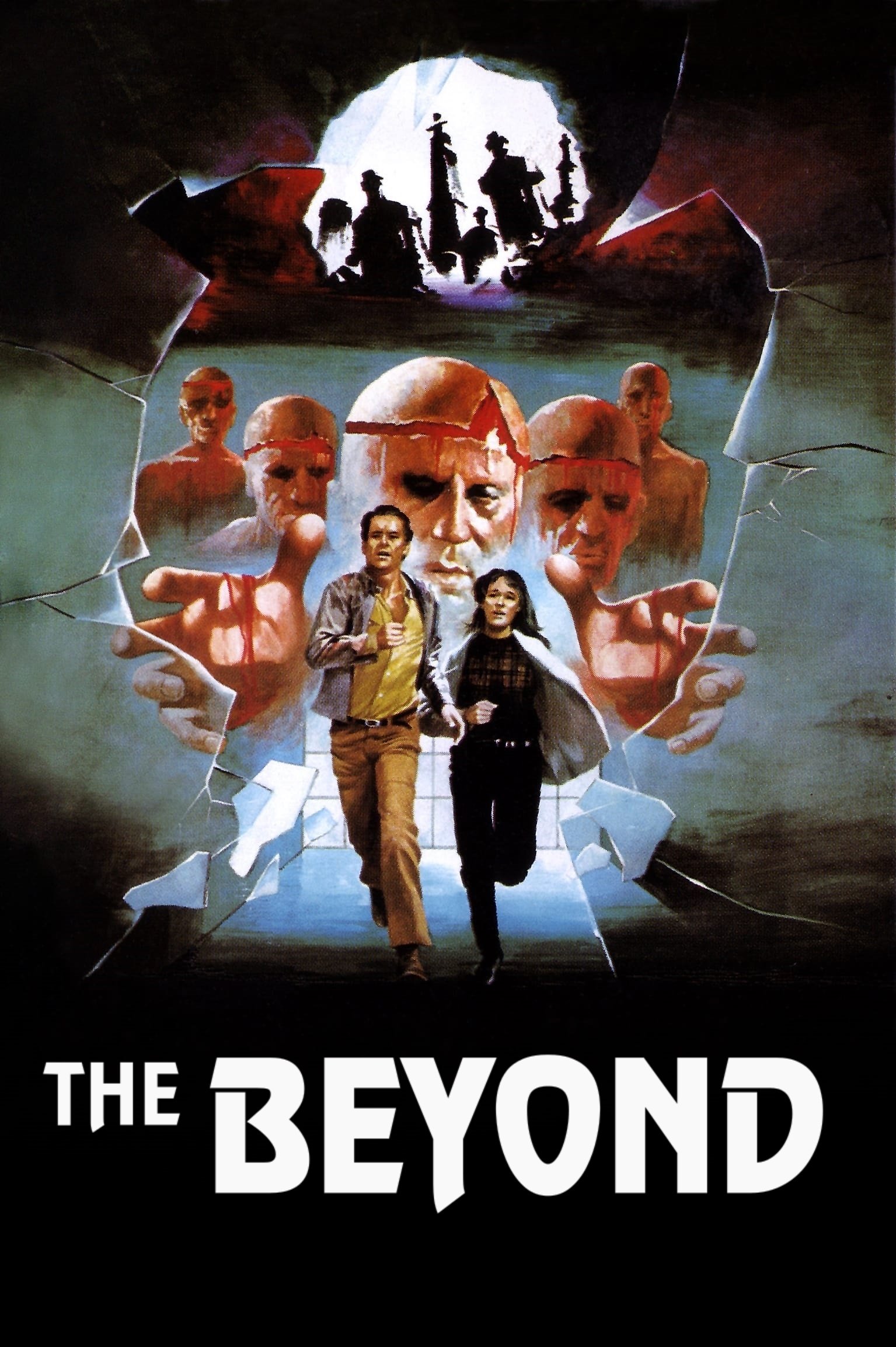
The Beyond
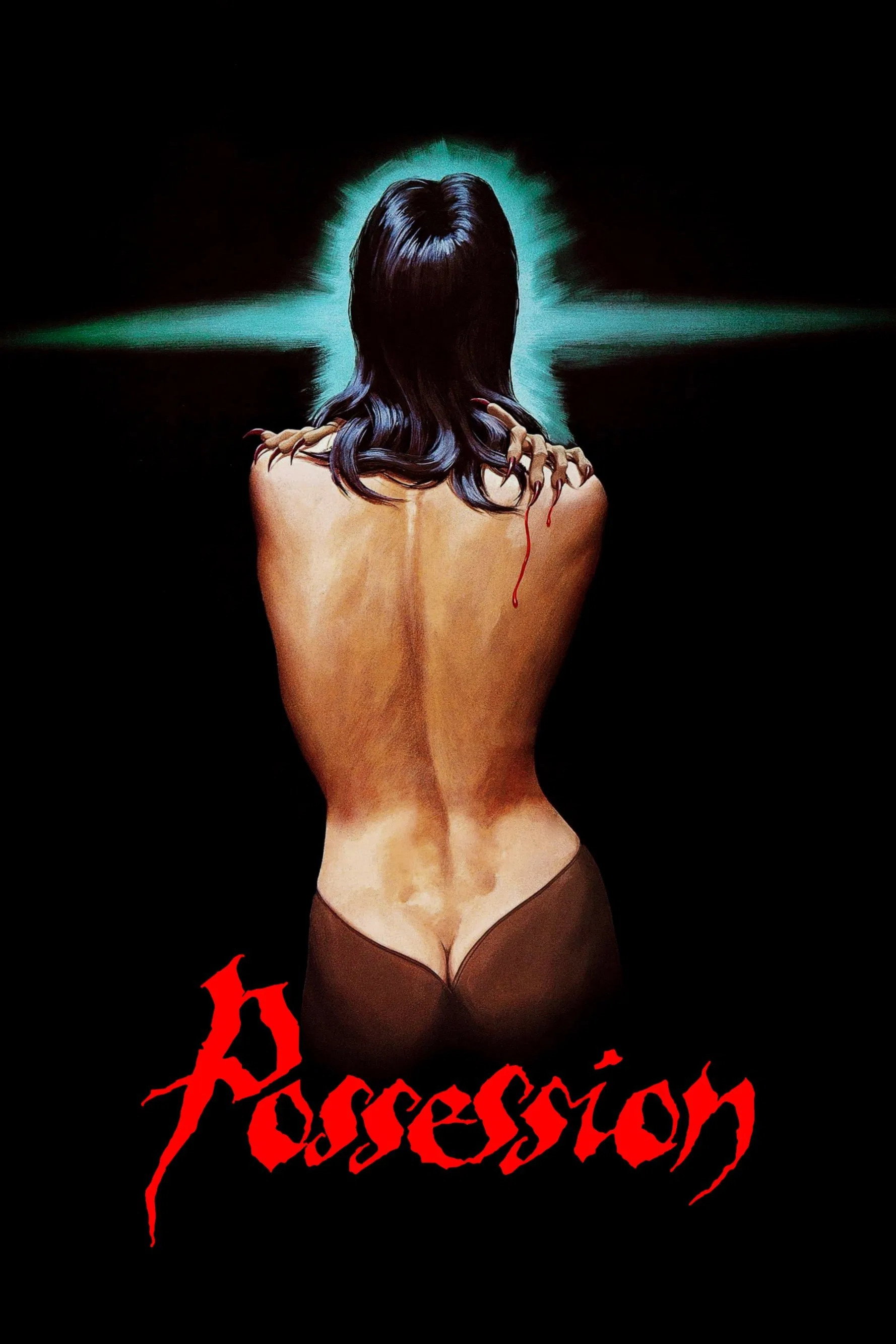
Possession
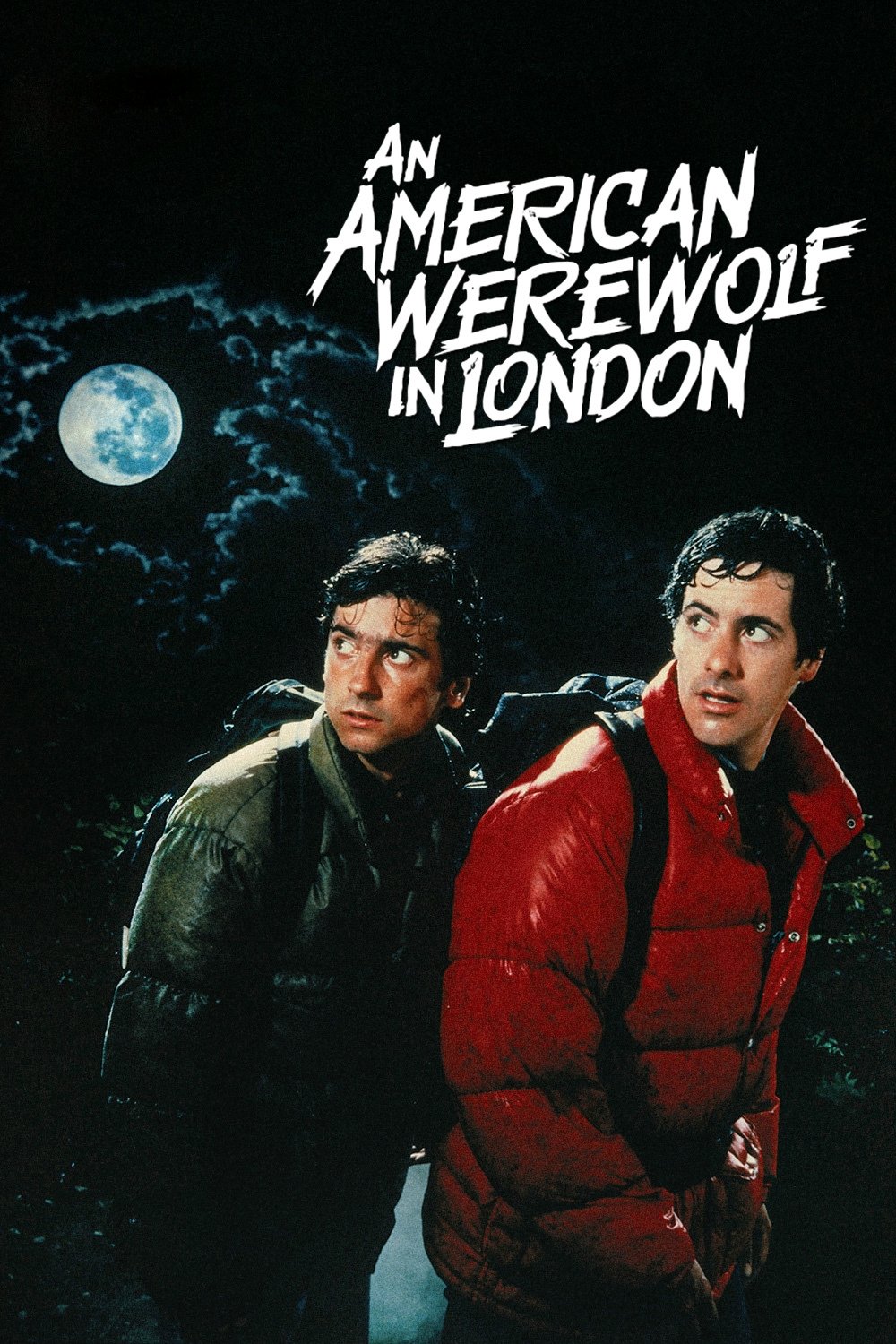
An American Werewolf in London
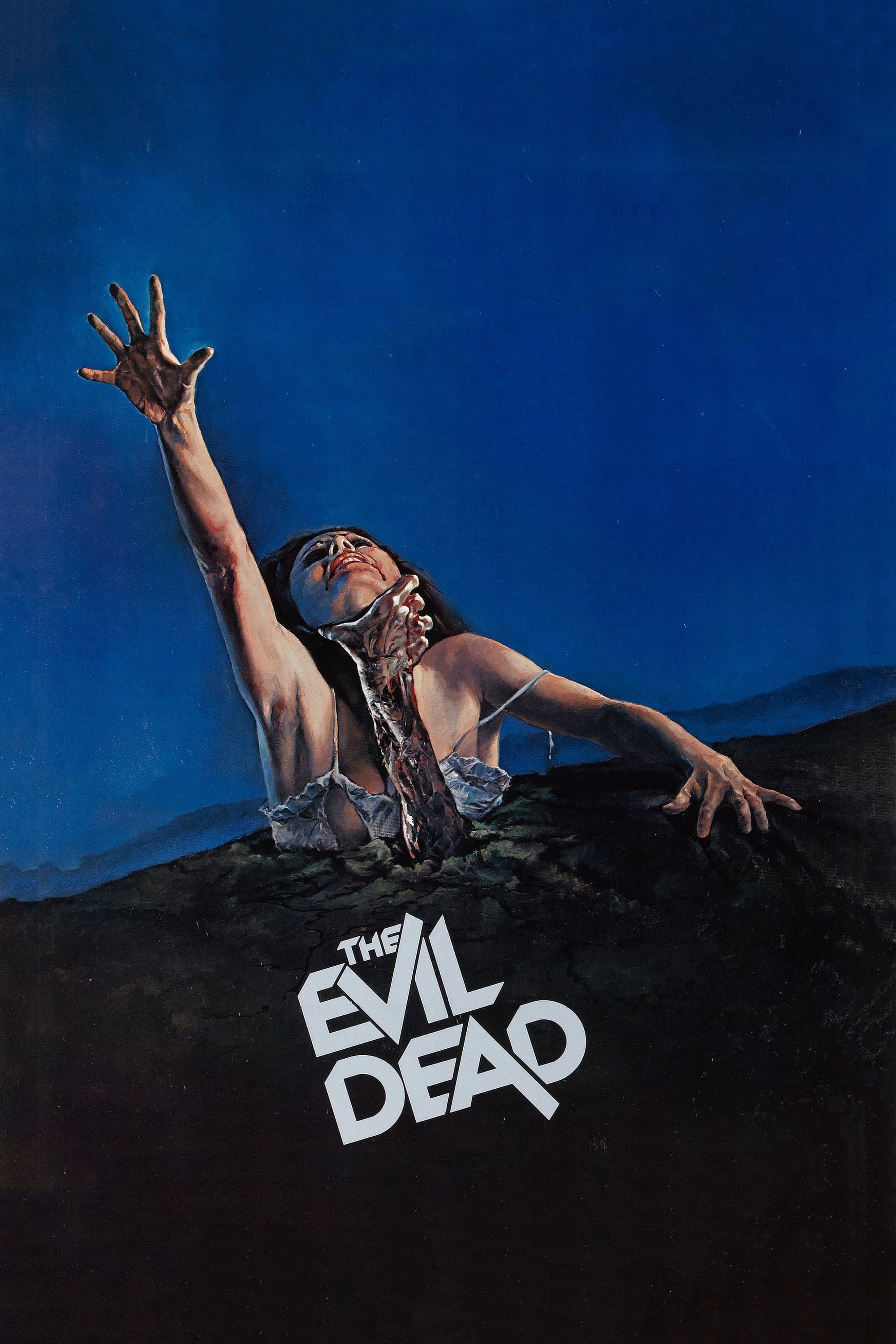
The Evil Dead
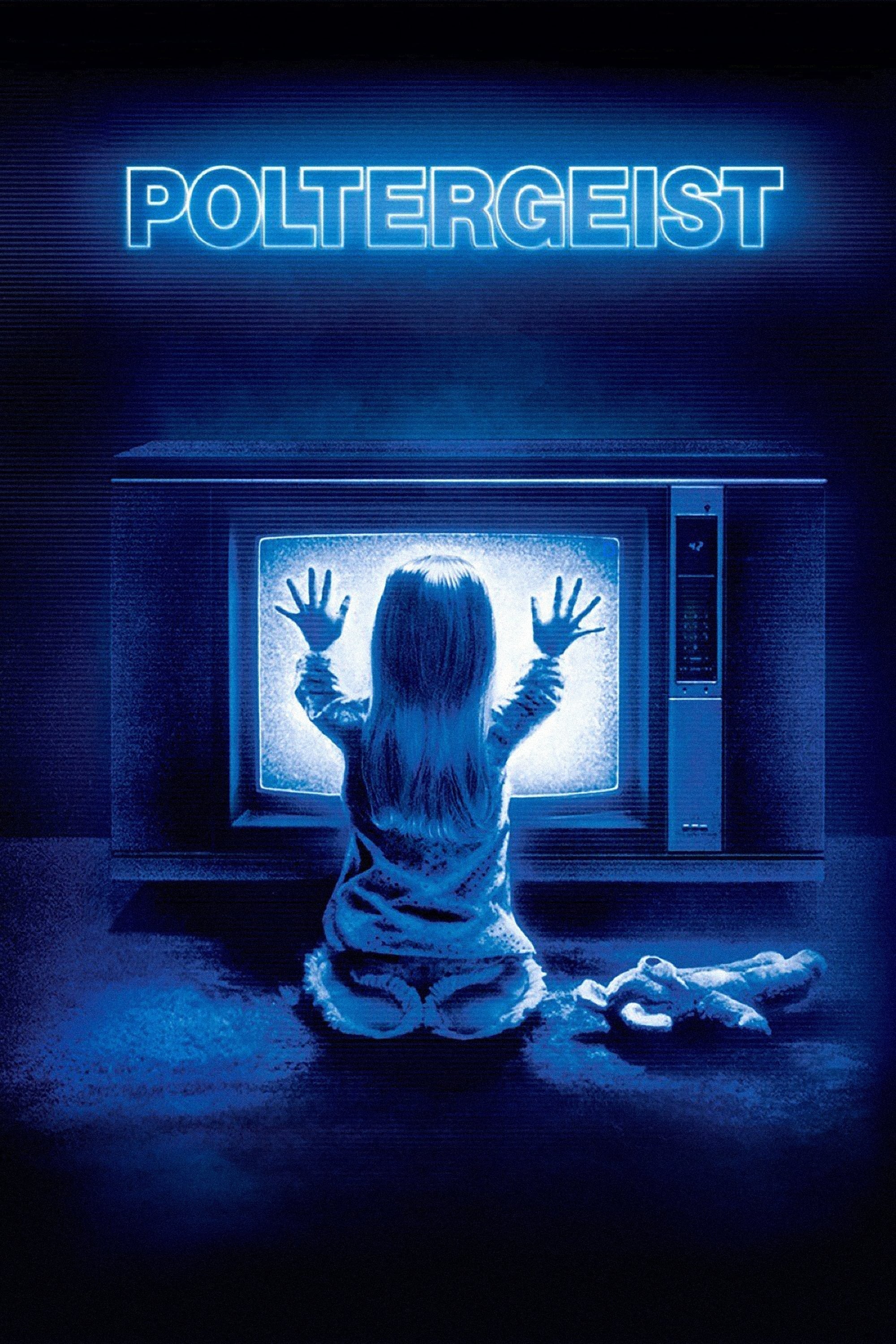
Poltergeist
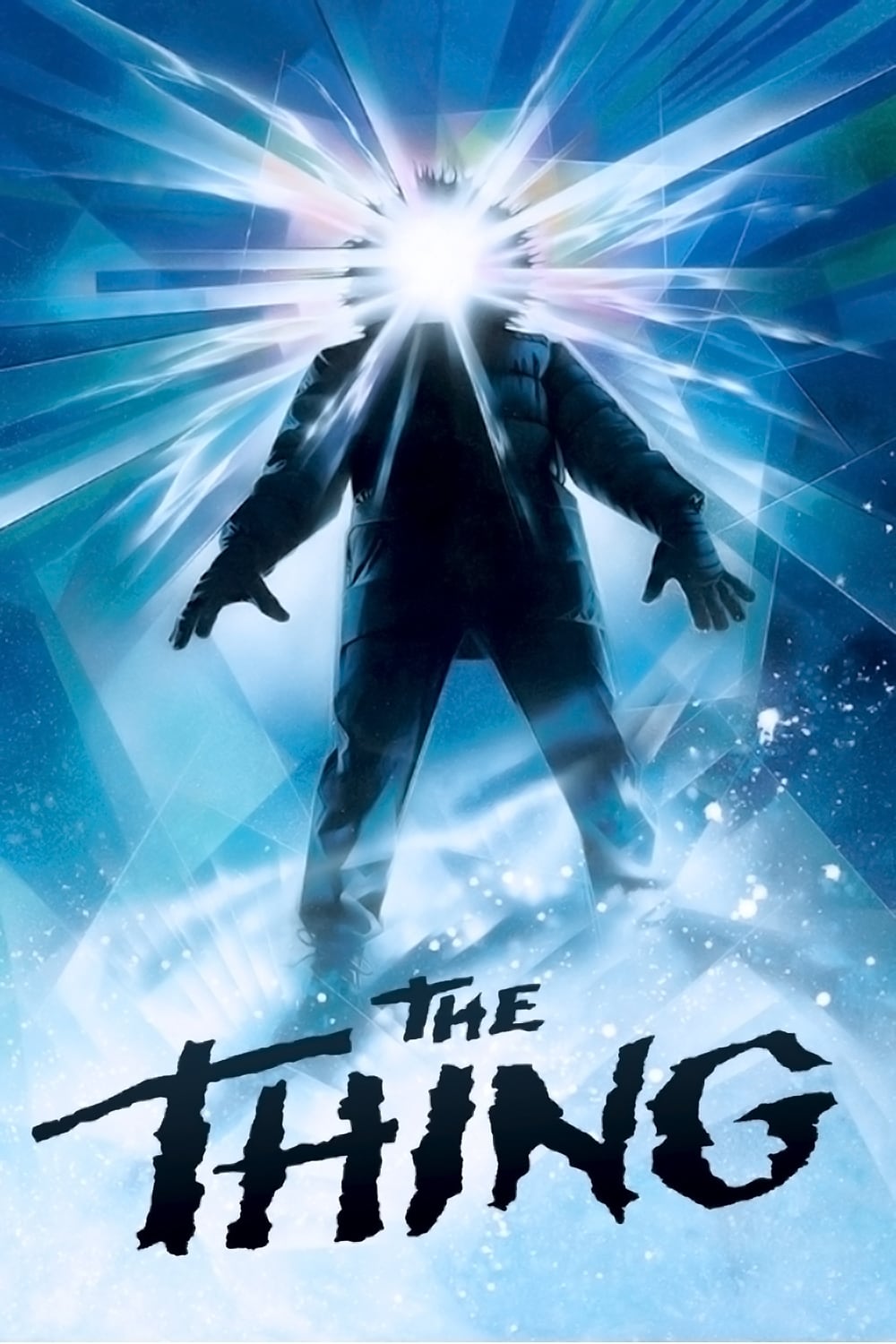
The Thing
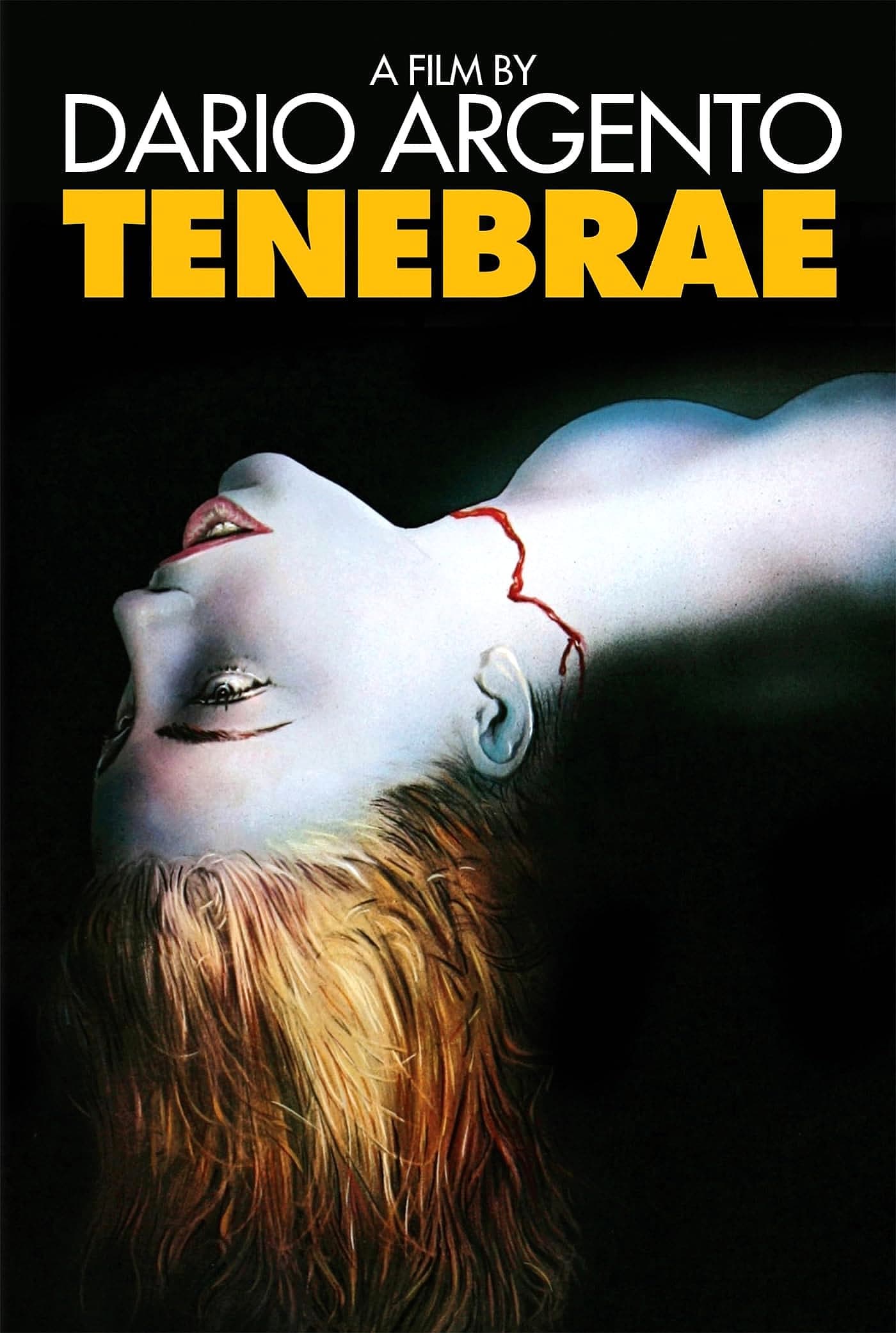
Tenebre
Angst
Videodrome
A Nightmare on Elm Street
Day of the Dead
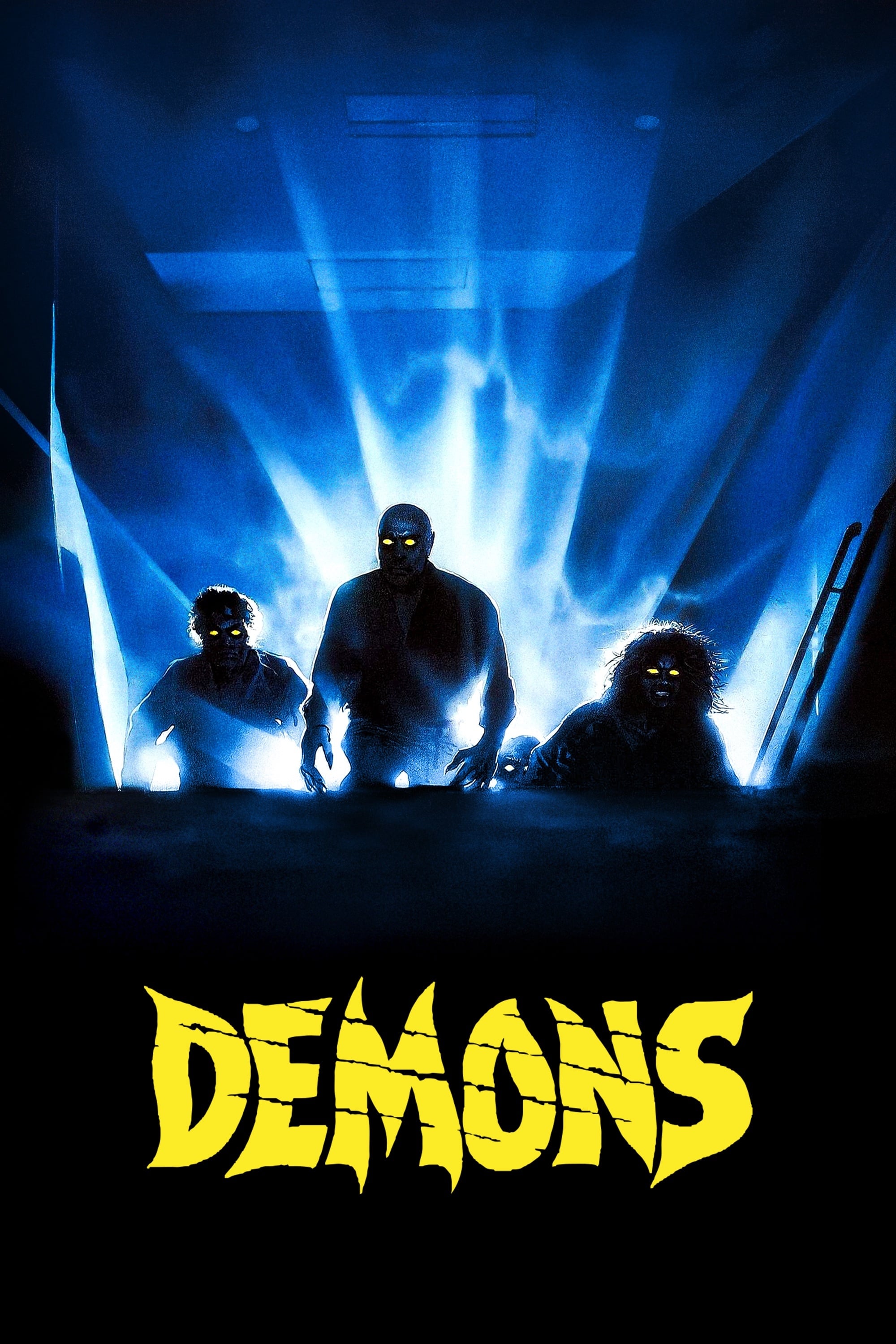
Demons

Re-Animator
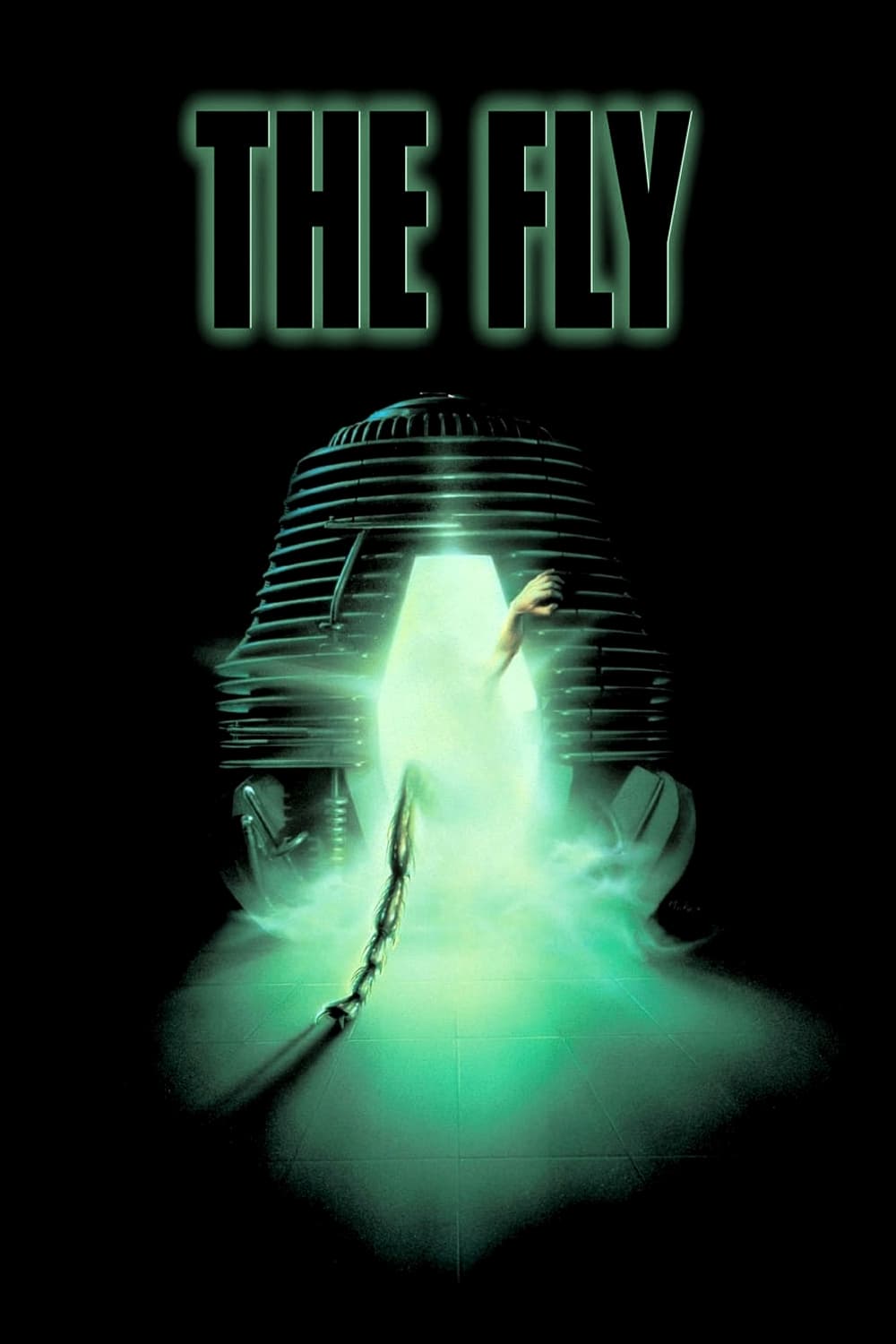
The Fly
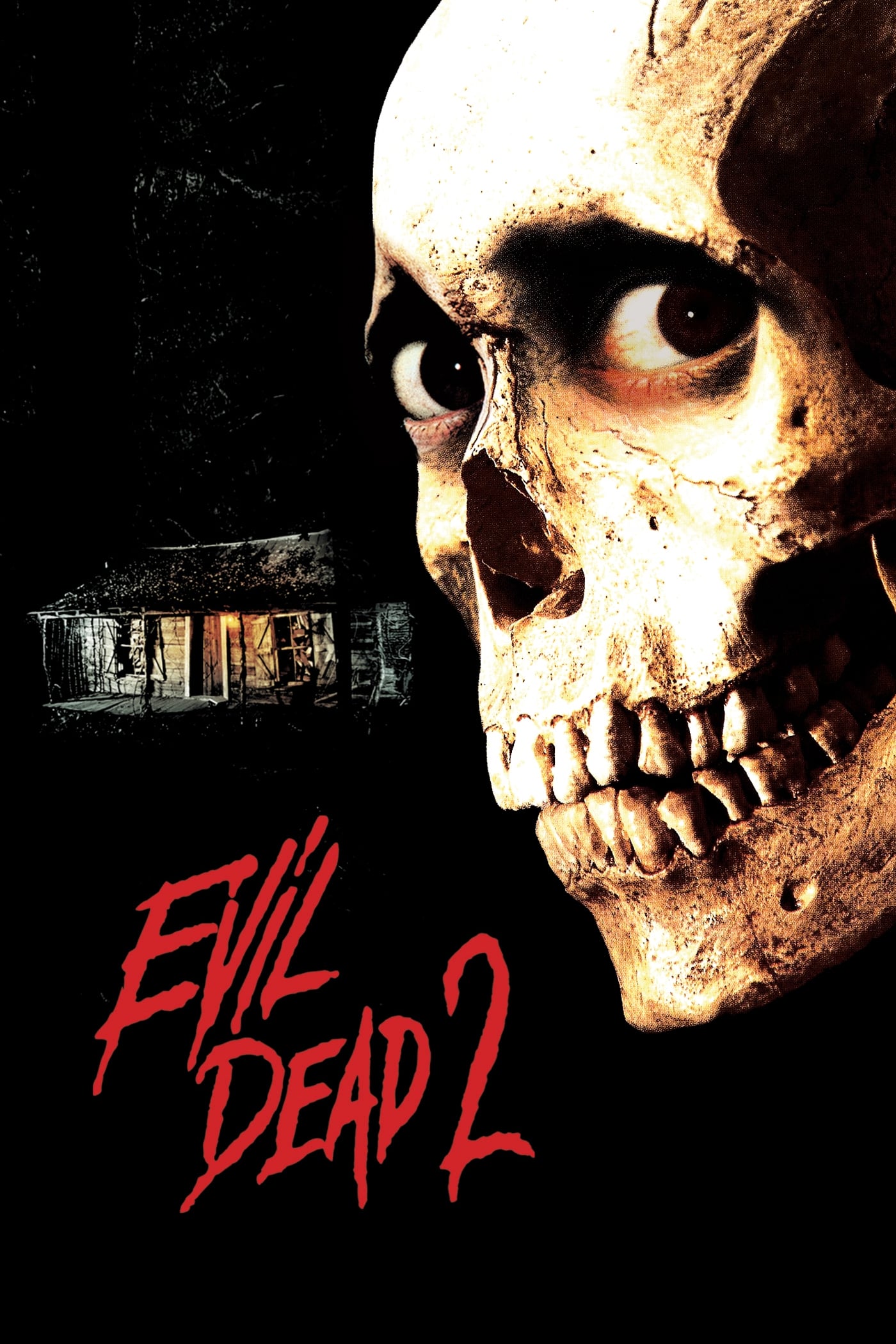
Evil Dead II
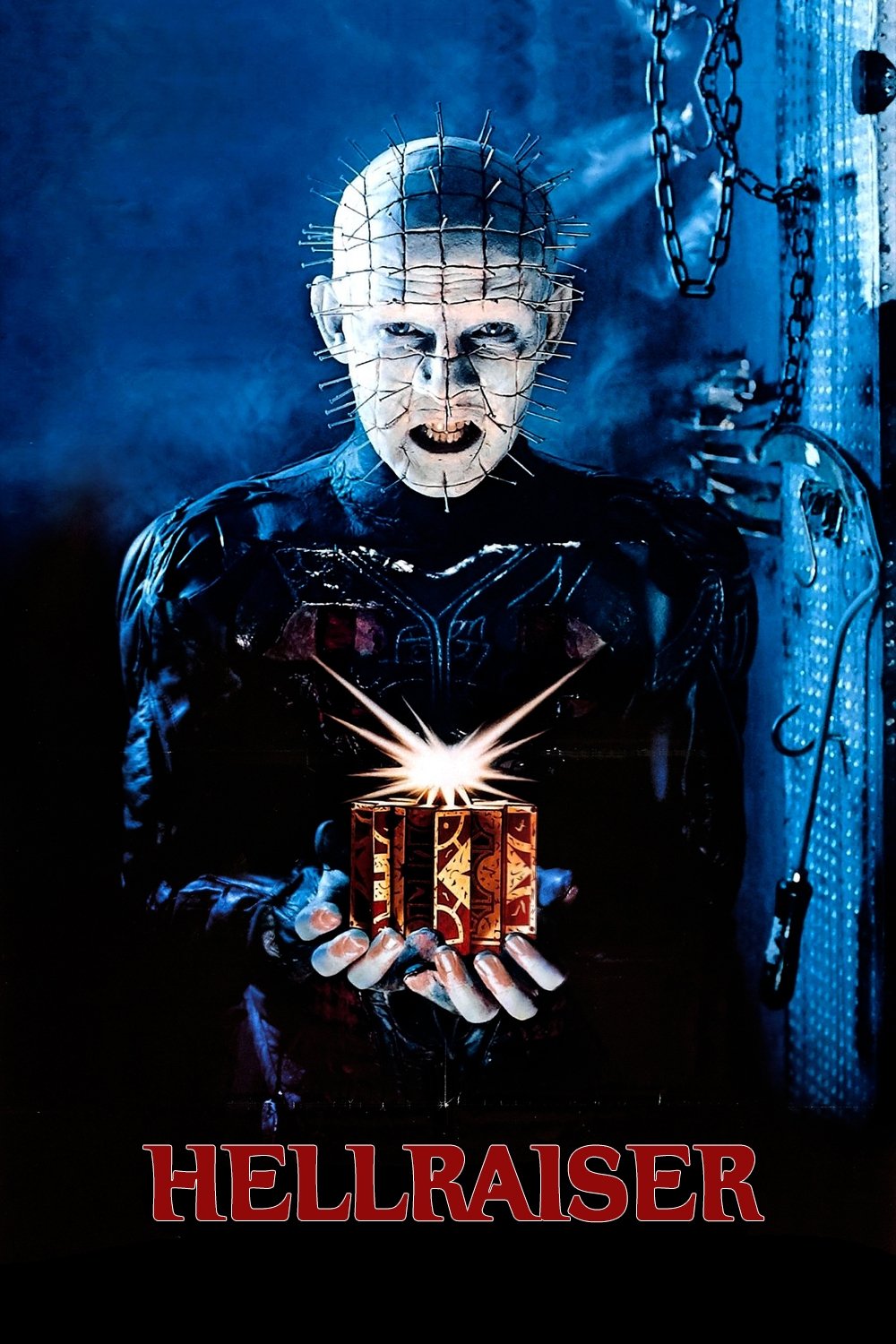
Hellraiser
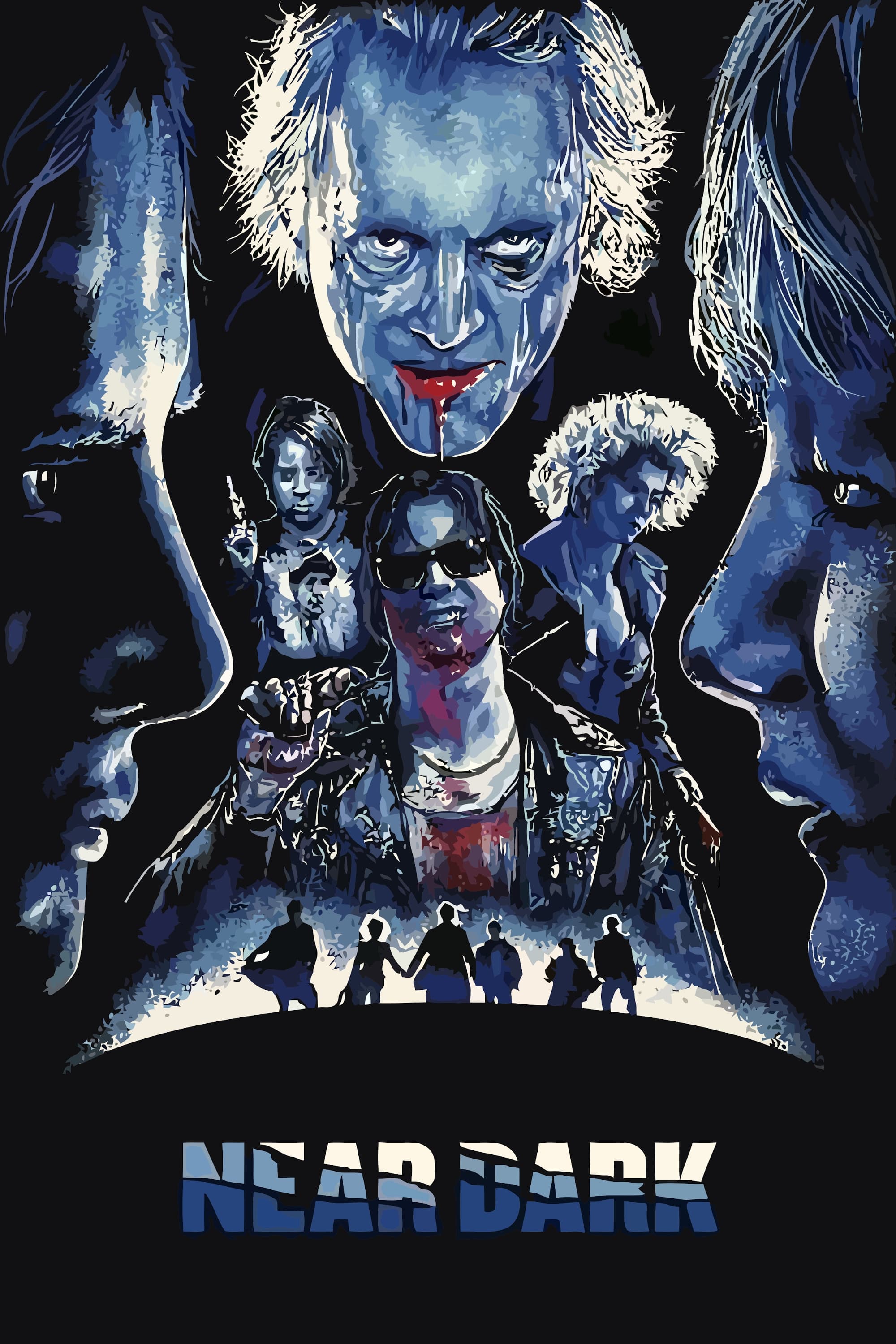
Near Dark
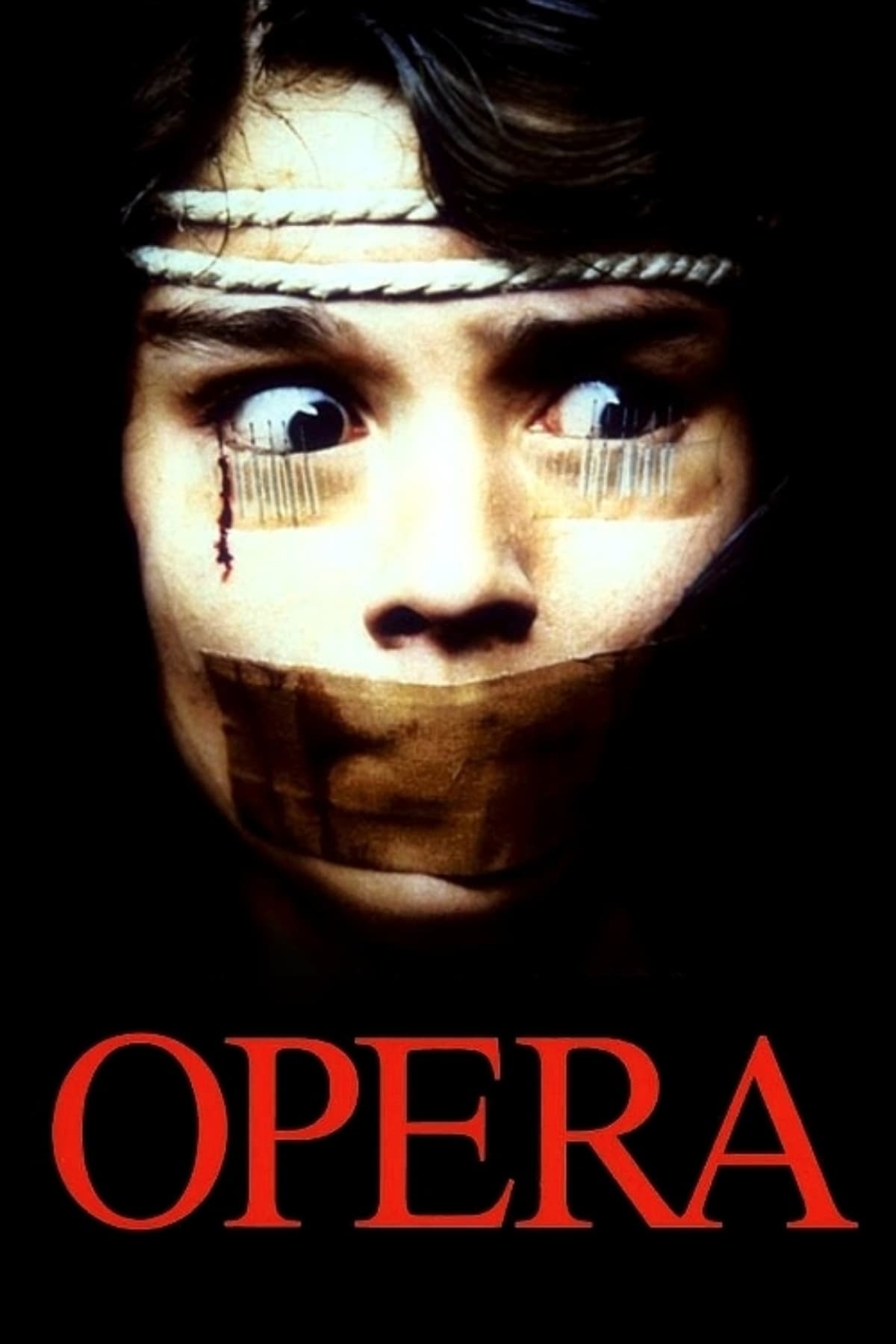
Opera
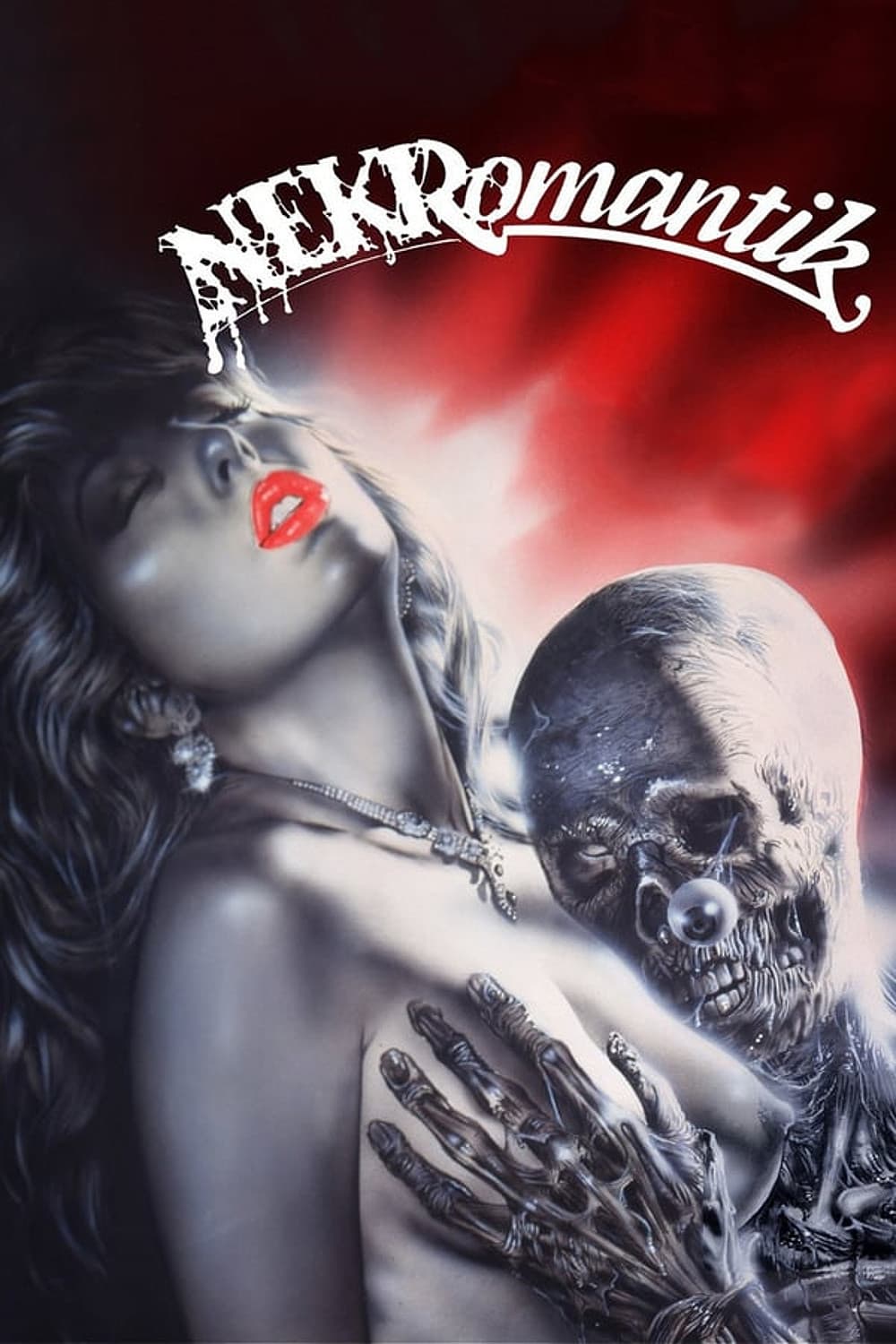
Nekromantik

Tetsuo: The Iron Man
Statistics
Top Subgenres
Top Countries
Percentage of 1980s horror films by country of production.