Funny Games (1997)
🇦🇹Austria
Cold, methodical, philosophically merciless — Austrian horror's small output specializes in dread that reads like critique.
History
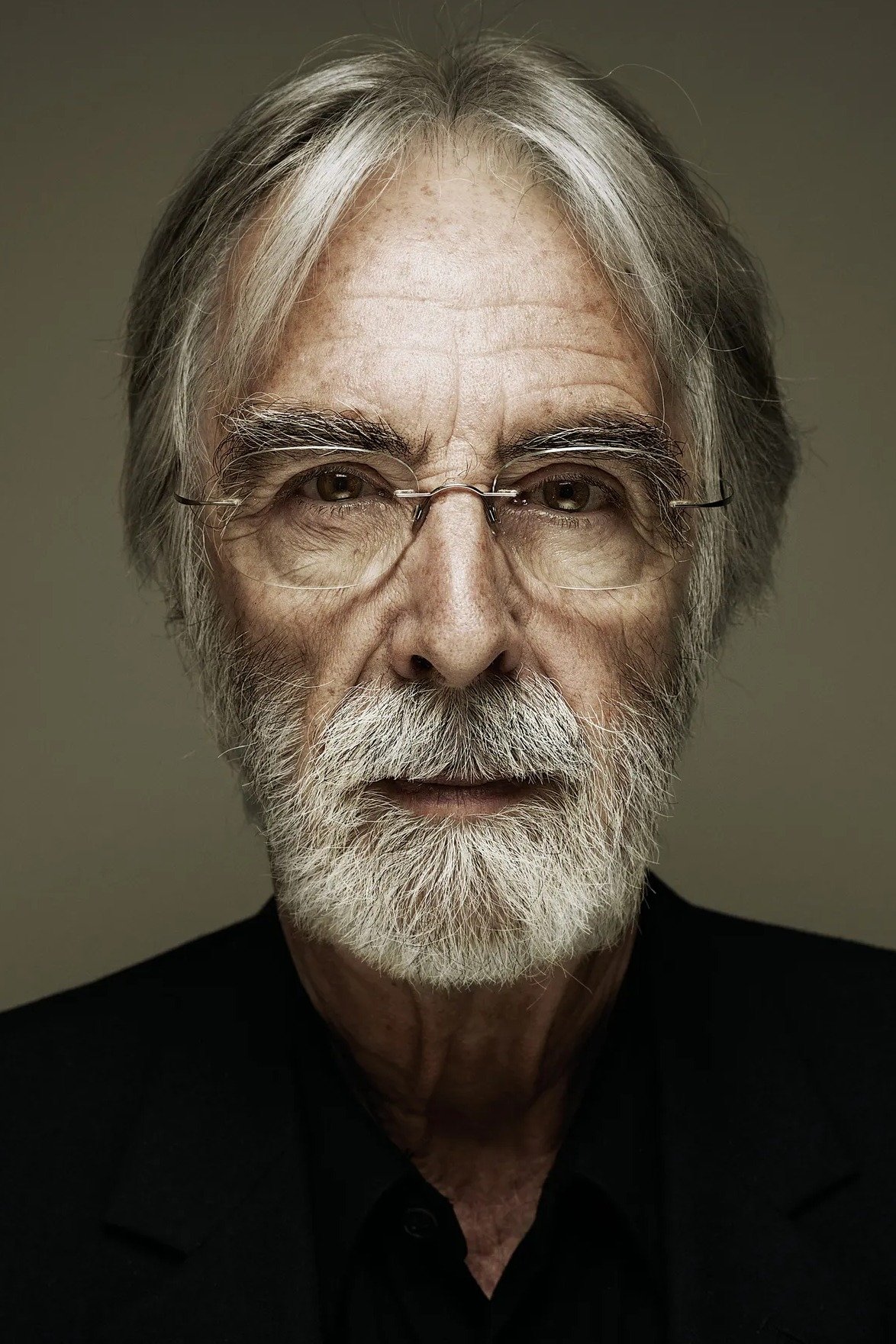
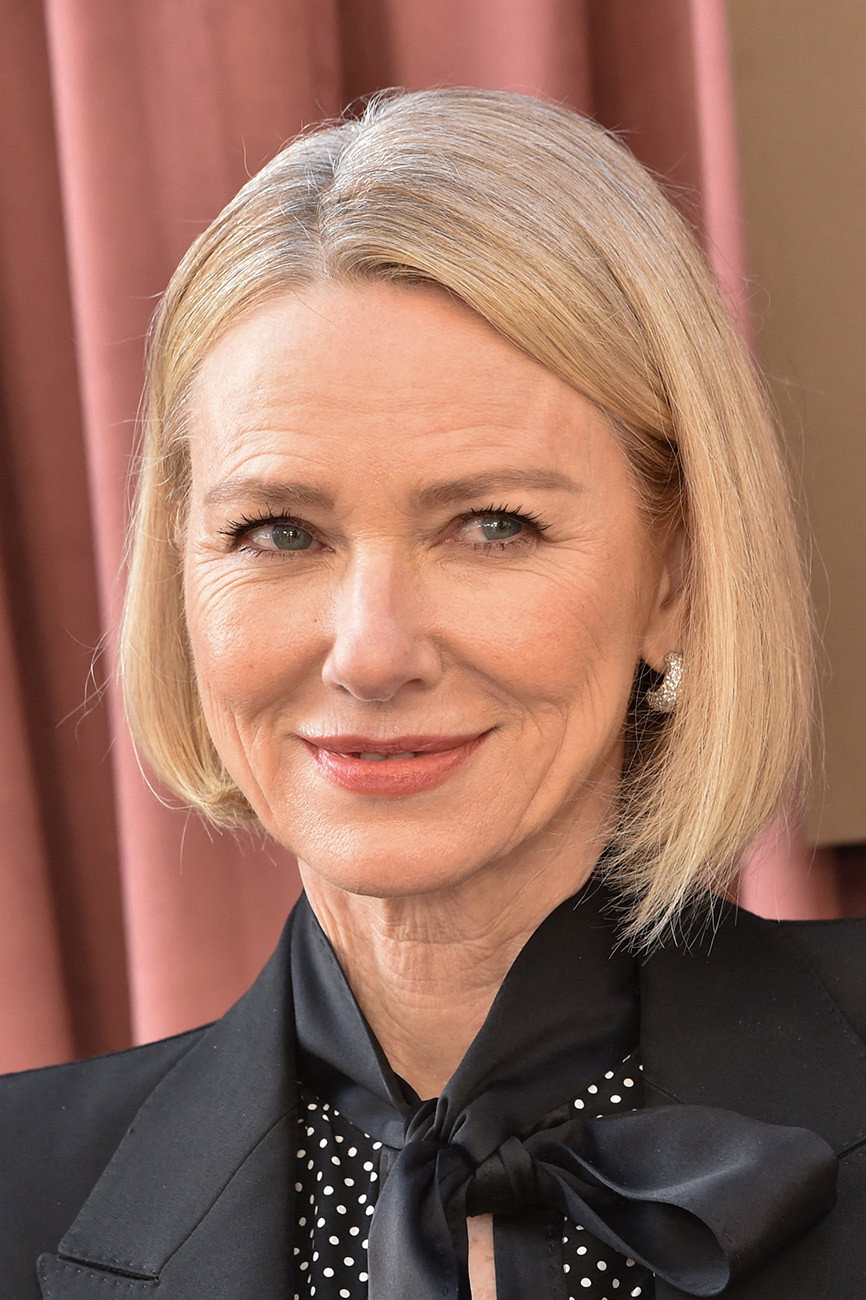
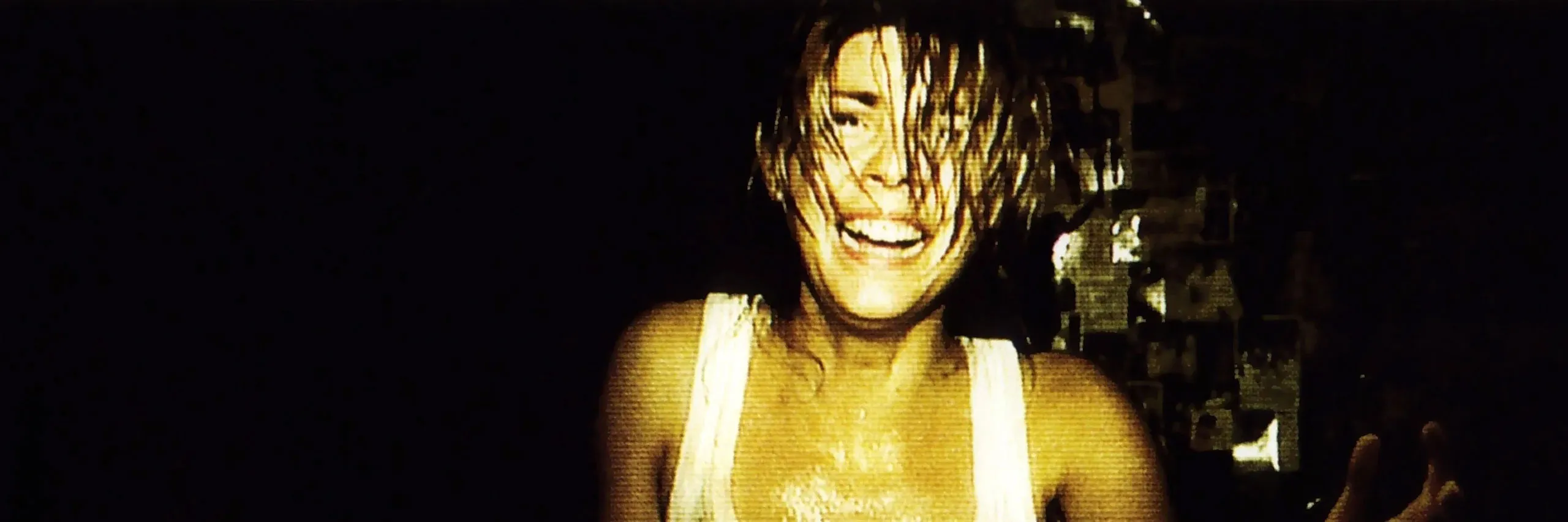
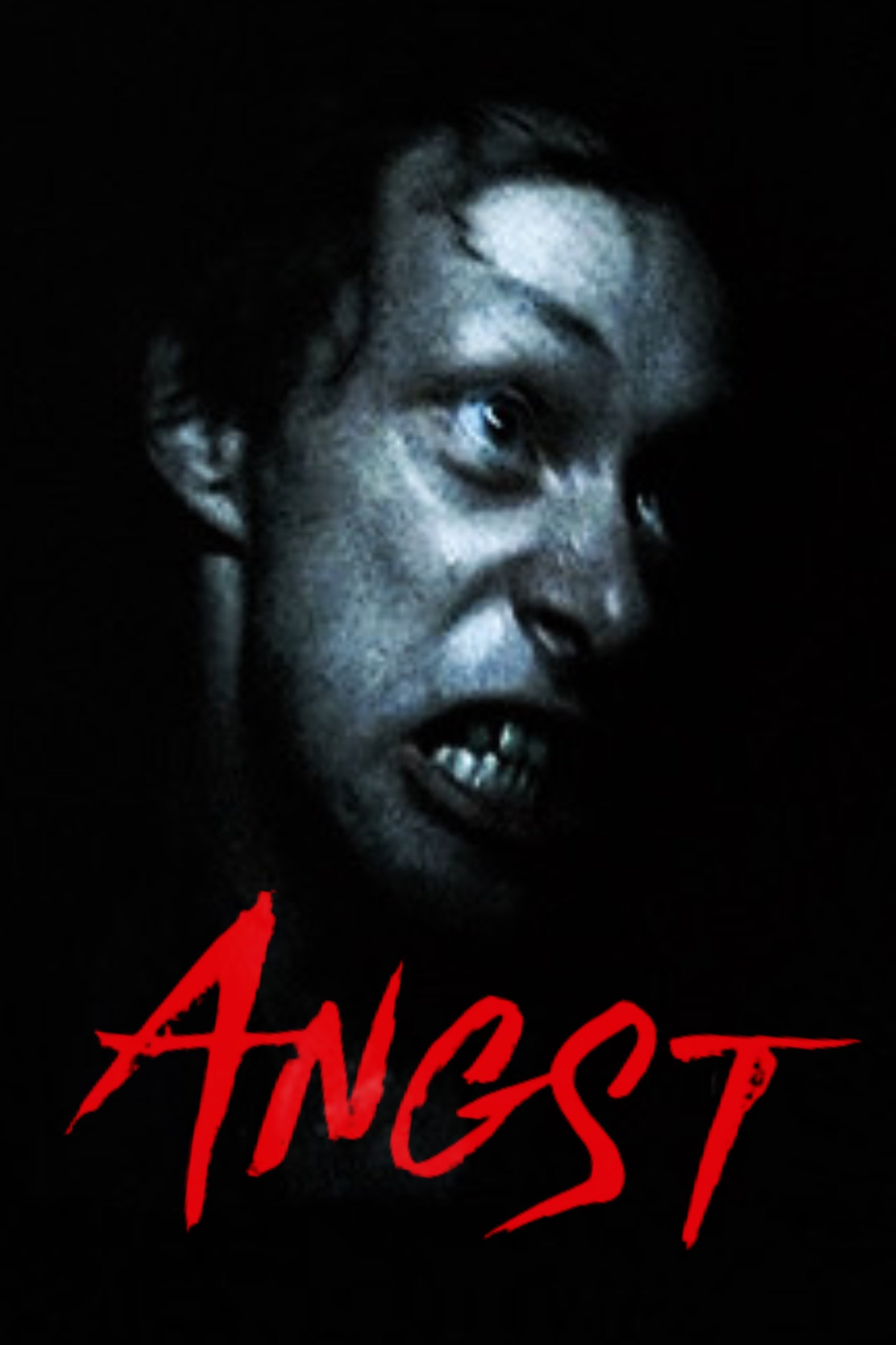
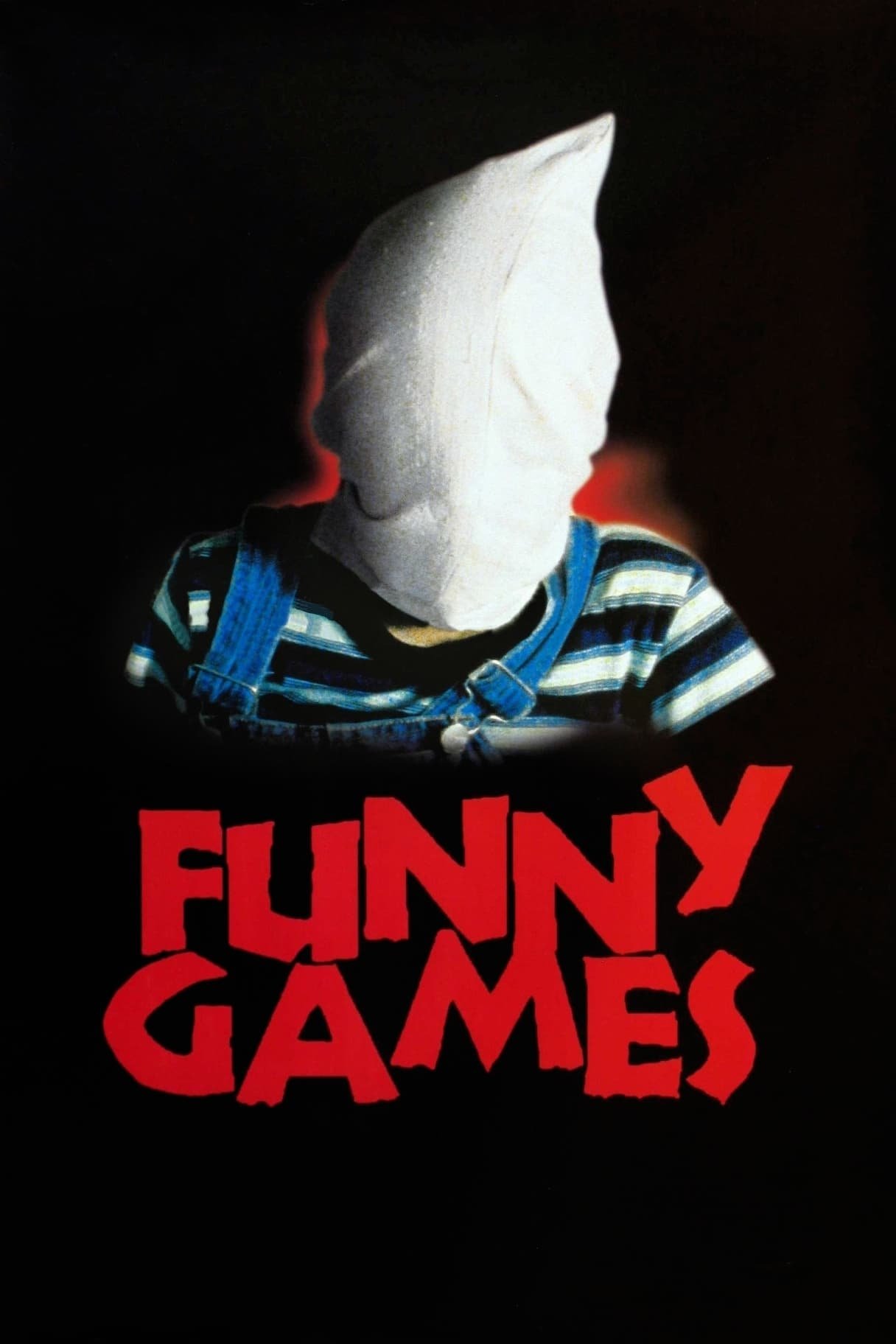
Austria has produced little horror by volume, but a high proportion of what it has produced has been thematically uncompromising and internationally celebrated. The country's first horror landmark is Gerald Kargl's Angst (1983), an unrelenting first-person reconstruction of an Austrian spree killer that was banned in West Germany and remains one of cinema's most disturbing portraits of compulsion — the work of a single short film by a documentary maker who would never make another feature. Michael Haneke's Funny Games (1997) brought Austrian horror into international art-cinema, using an upper-class family's home-invasion ordeal as a thesis on cinematic violence and viewer complicity; Haneke remade the film himself in English a decade later as Funny Games US (2008), starring Naomi Watts and Tim Roth.
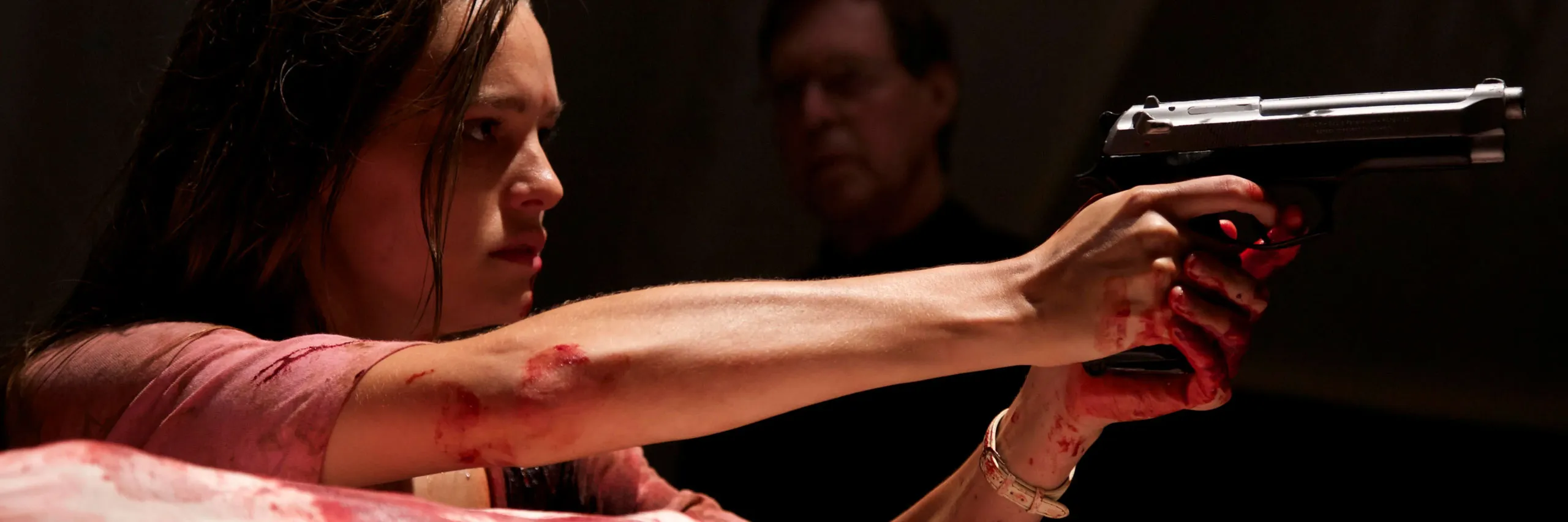
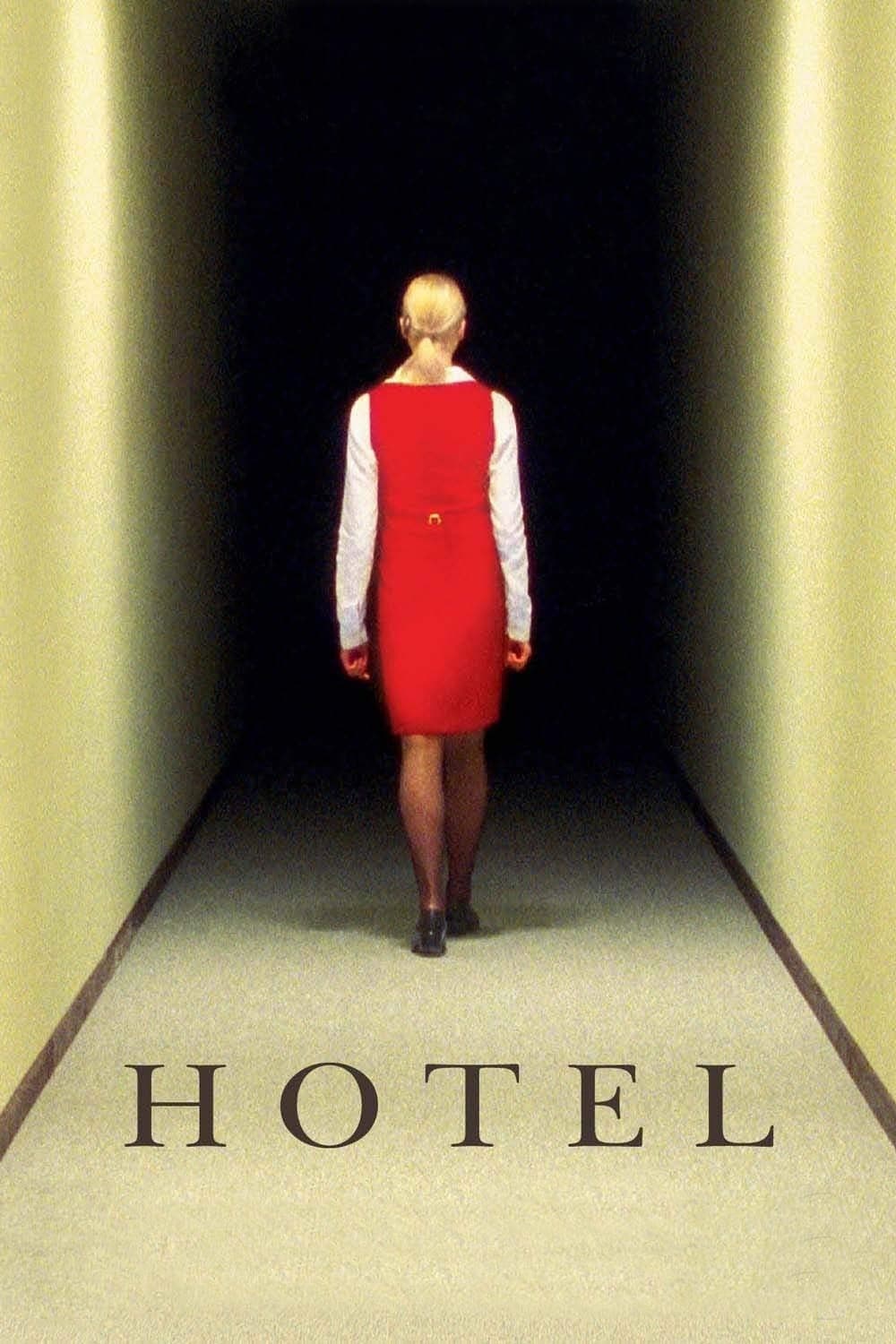
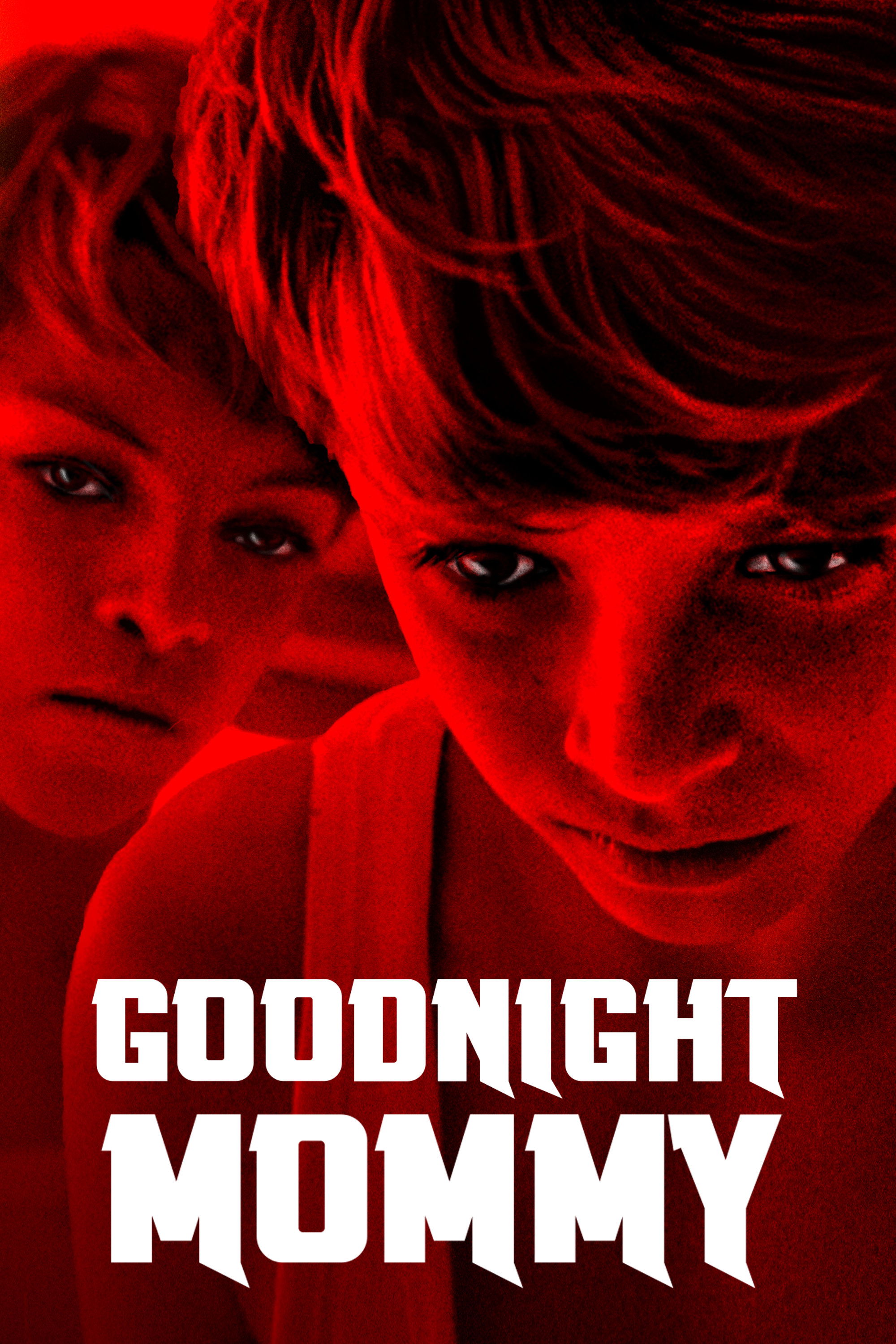
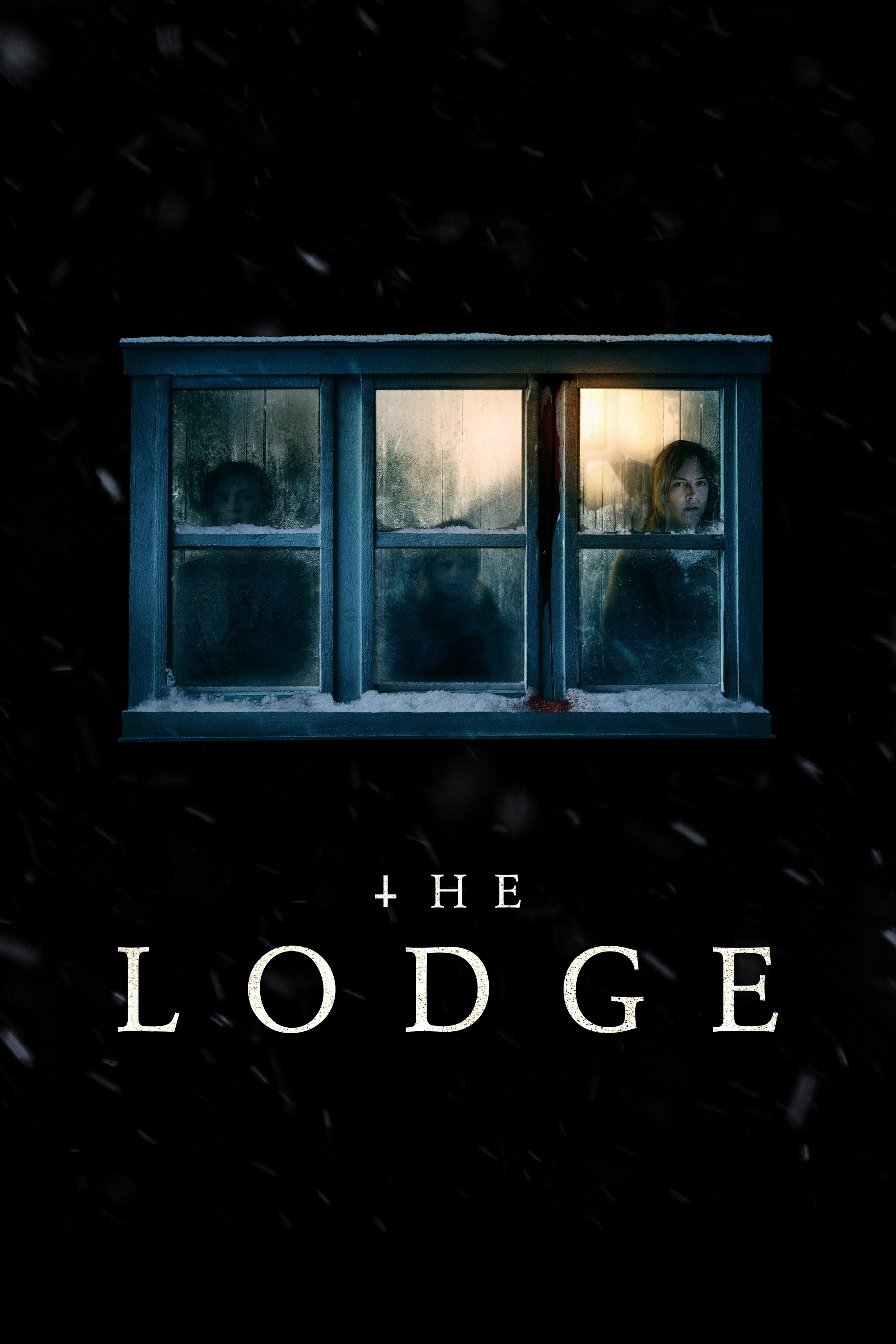
Jessica Hausner's Hotel (2004), a slow-burn dread piece about a chambermaid working in a remote alpine spa, demonstrated that Austrian art-cinema could produce horror without horror's expected vocabulary. The country's defining contemporary horror partnership emerged with Veronika Franz (Haneke's longtime collaborator and wife of his frequent producer) and her nephew Severin Fiala, whose Goodnight Mommy (2015), a twin-brothers domestic horror about a post-surgical mother whose face is hidden in bandages, became one of the decade's most internationally distributed Austrian films. Their follow-up The Lodge (2020), starring Riley Keough as a future stepmother snowbound with her partner's grieving children, extended their reach into Anglophone production.
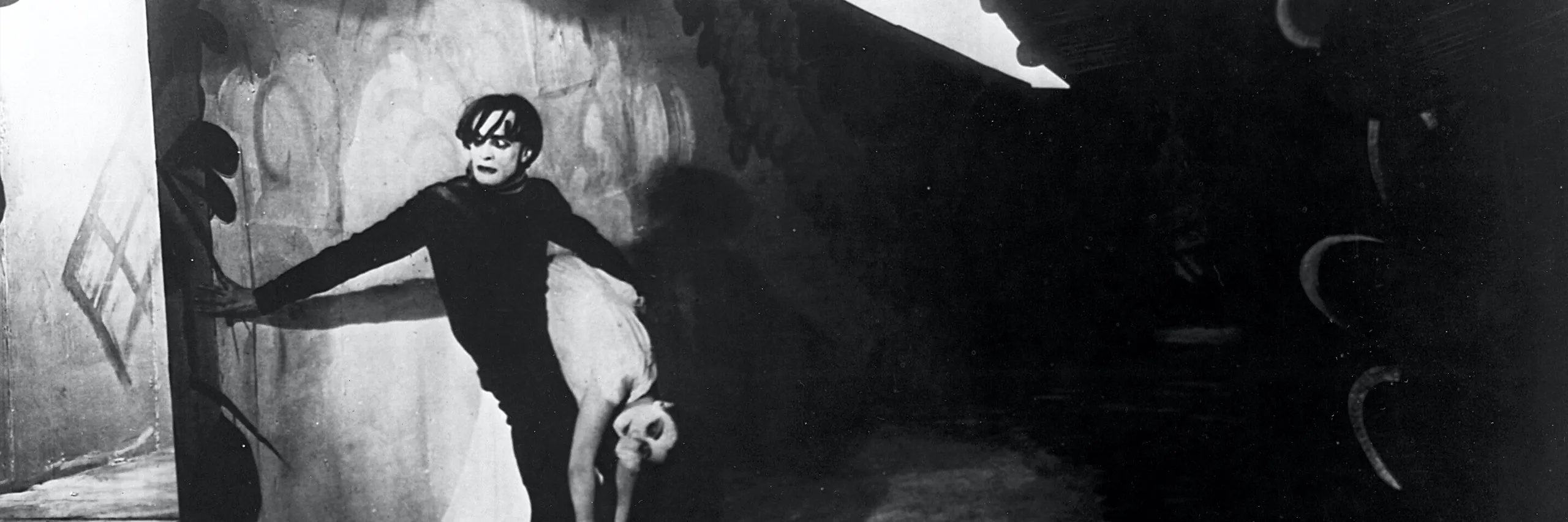
The 2010s also produced Lukas Feigelfeld's Hagazussa (2018), an Alpine folk-horror about a 15th-century goatherd's psychic disintegration that has become one of the decade's most rigorous folk-horror entries. Austrian horror tends to share a distinct register — cold, formally exacting, suspicious of its own audience — that distinguishes it from German horror despite shared language. Where German Expressionism externalized inner states, Austrian horror tends to interrogate why the viewer is watching at all.
Essential Films


Statistics
Top Subgenres
Popularity by Decade
Share of each decade's horror films classified as Austria horror. Counts films with at least 5 TMDB ratings, so very obscure titles are not represented.