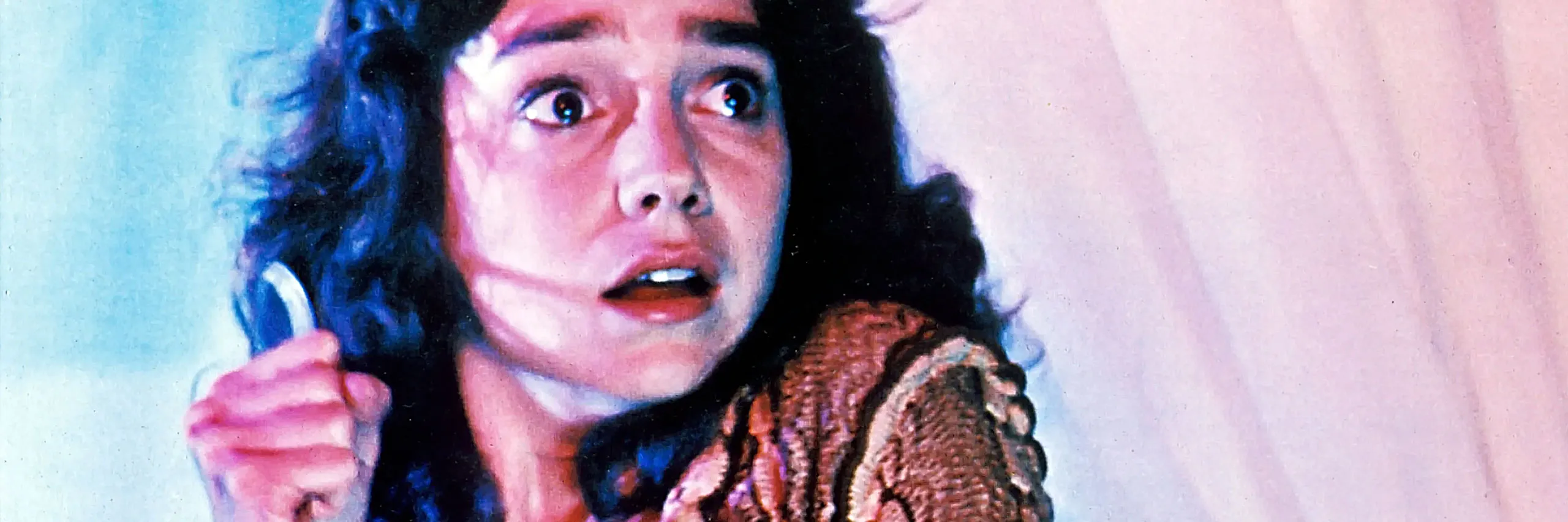
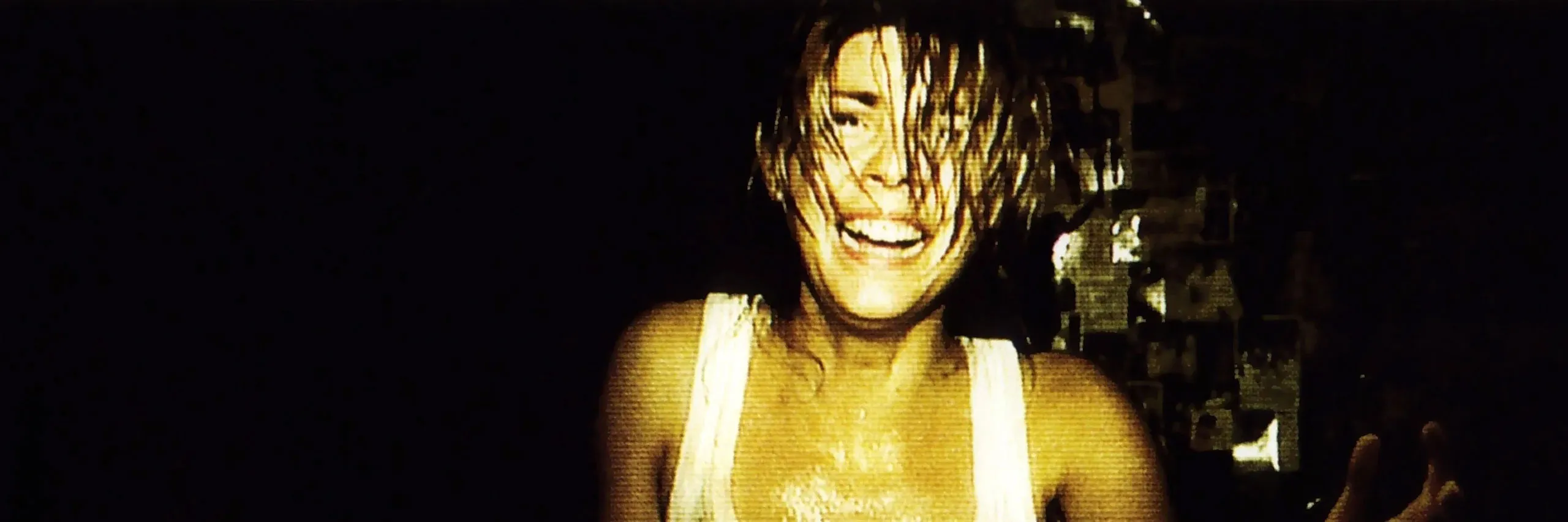
 [rec] (2007)
🇪🇸Spain
Catholic guilt, political coding, masked werewolves, and skeletal Templars — Spanish horror turned Franco-era censorship into creative fuel and never stopped finding new ways to confront the past.
History
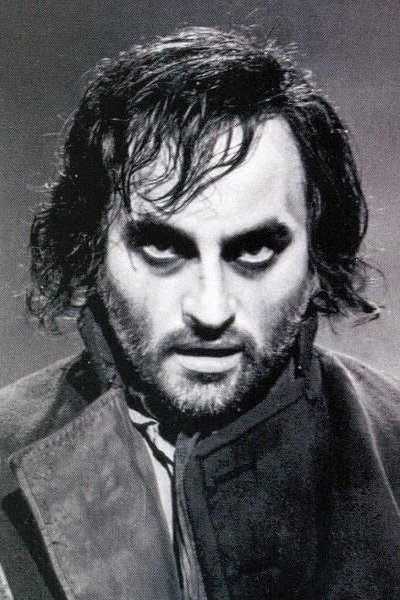
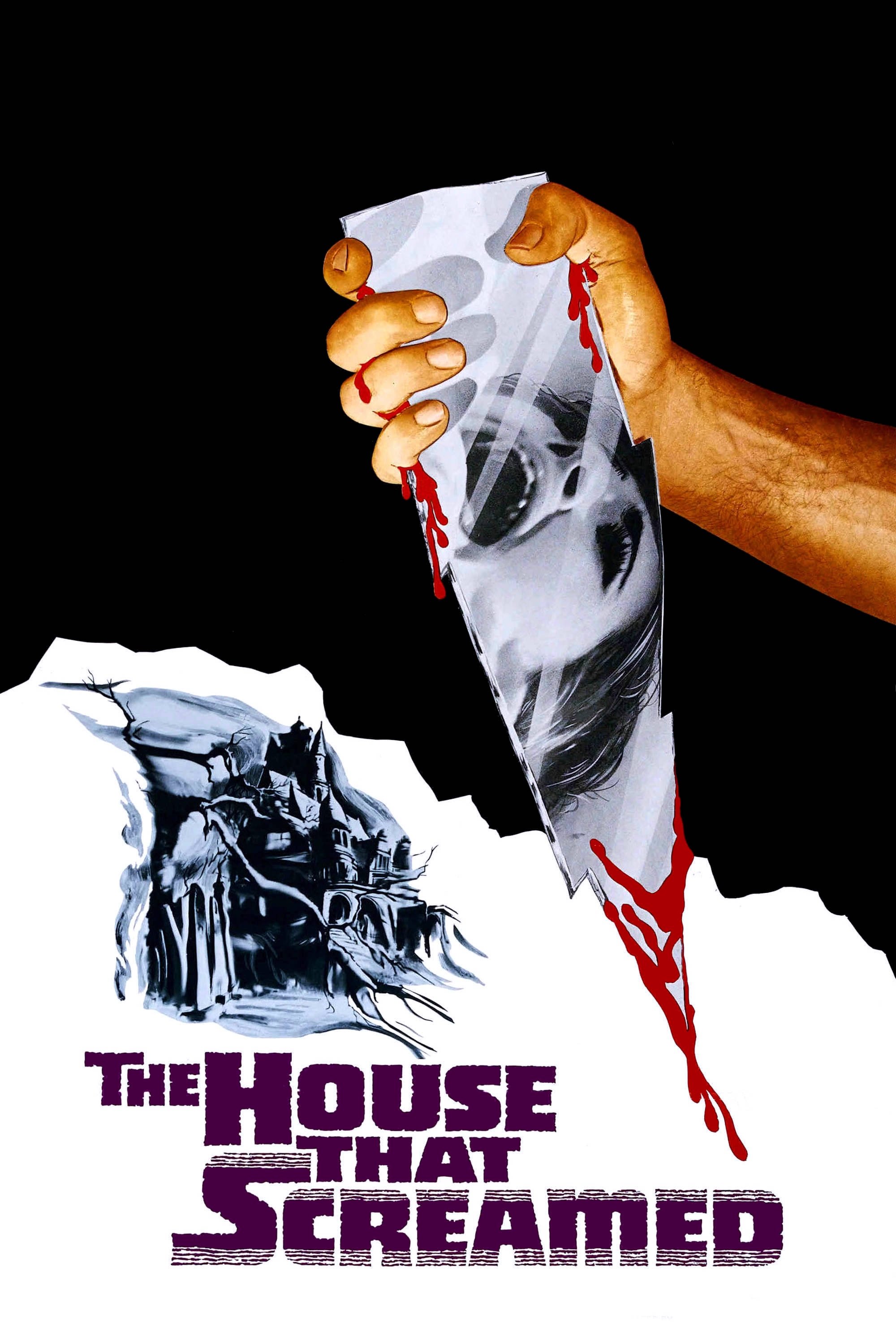
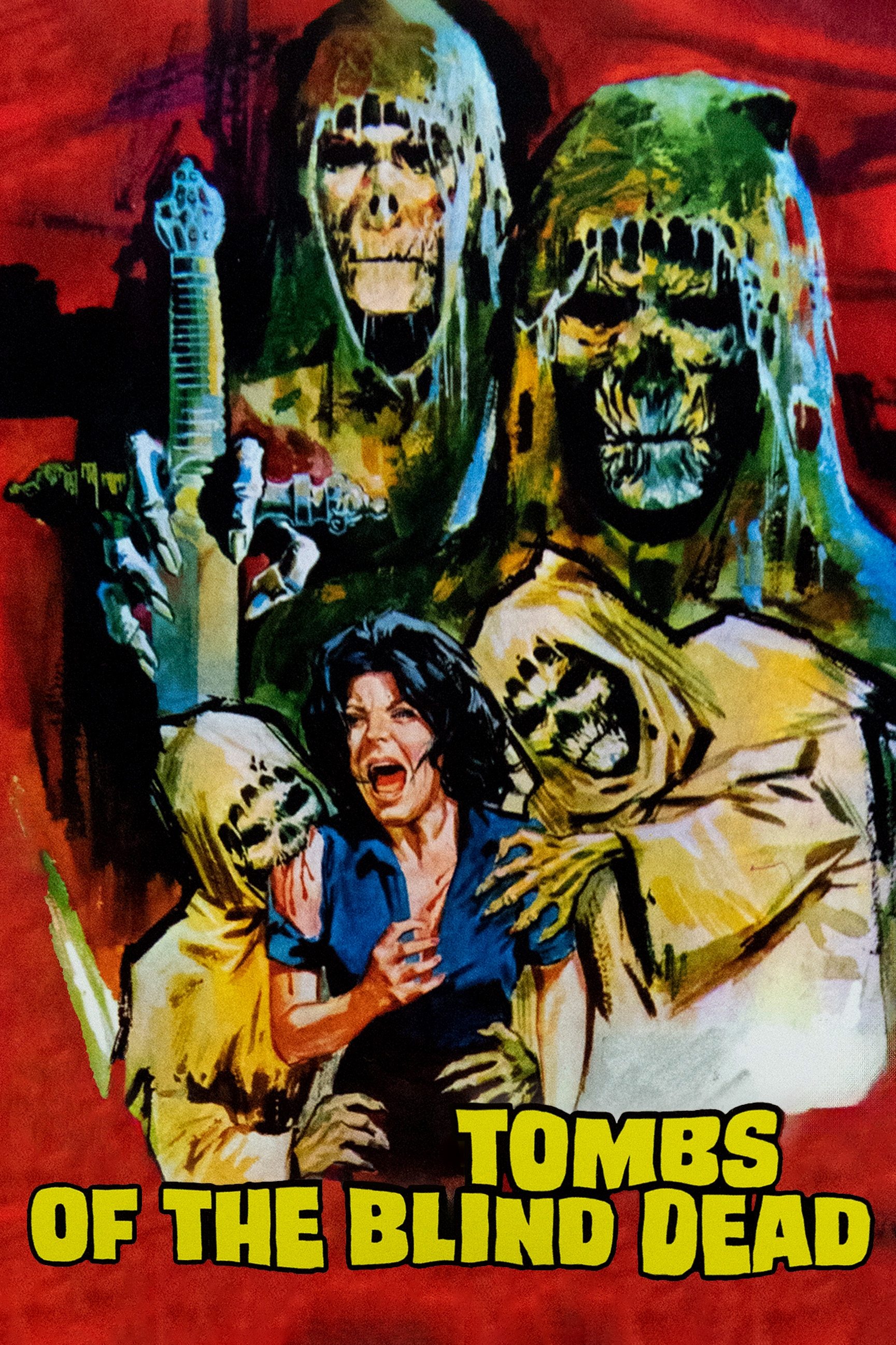
Spanish horror cinema emerged paradoxically under Franco's censorship regime, which restricted political expression but largely tolerated genre filmmaking. Narciso Ibáñez Serrador's television series Historias para no dormir (1966–1968) introduced horror to Spanish audiences, and his boarding-school thriller The House That Screamed (1969) became one of the era's biggest commercial successes. Jesús Franco, Spain's most prolific genre filmmaker, directed over 180 films beginning with The Awful Dr. Orlof (1962), while Paul Naschy — the major star of Spanish horror — created the werewolf Count Waldemar Daninsky in La marca del hombre-lobo (1968), a role he would reprise across dozens of films spanning four decades. Amando de Ossorio's Blind Dead series, beginning with Tombs of the Blind Dead (1972) and featuring skeletal Templar knights, produced Spain's most recognisable horror monsters.
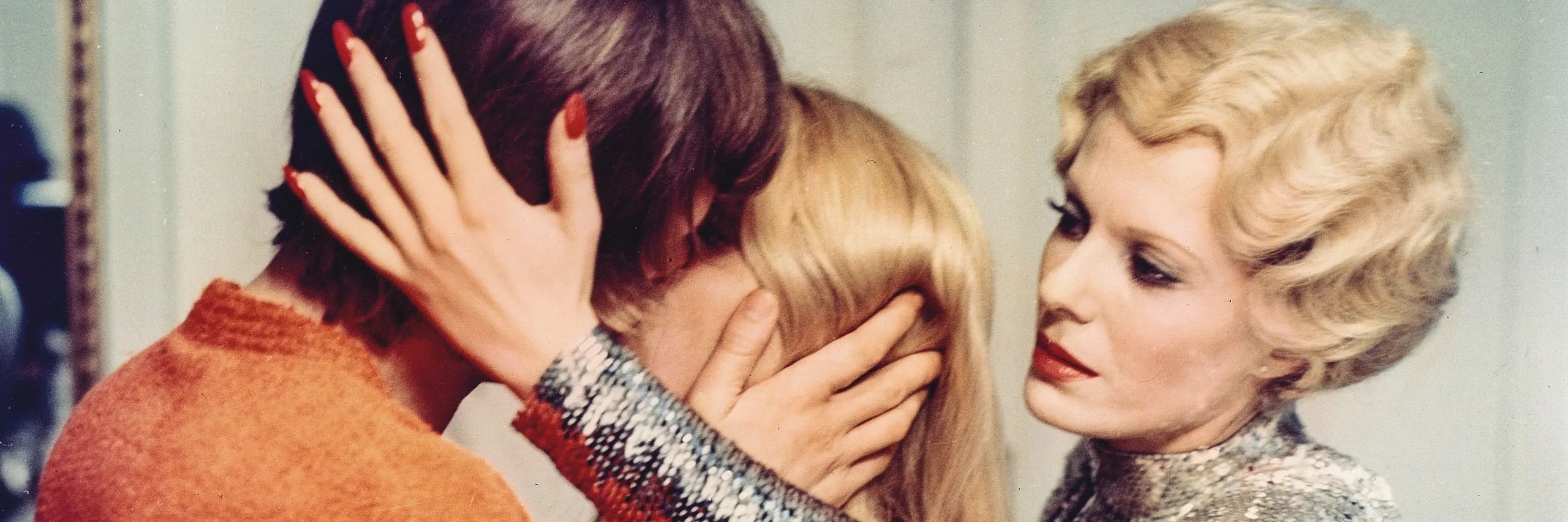
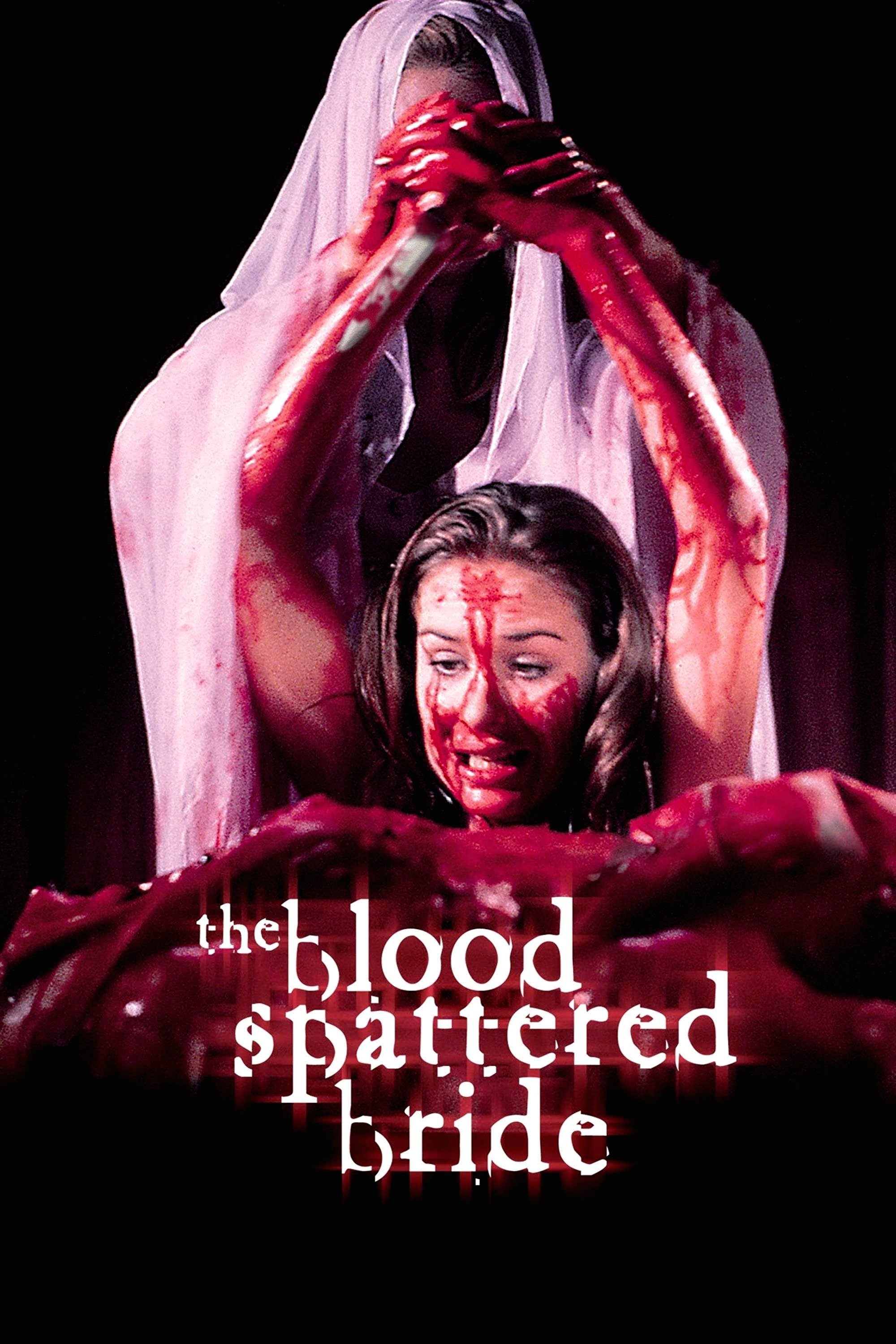
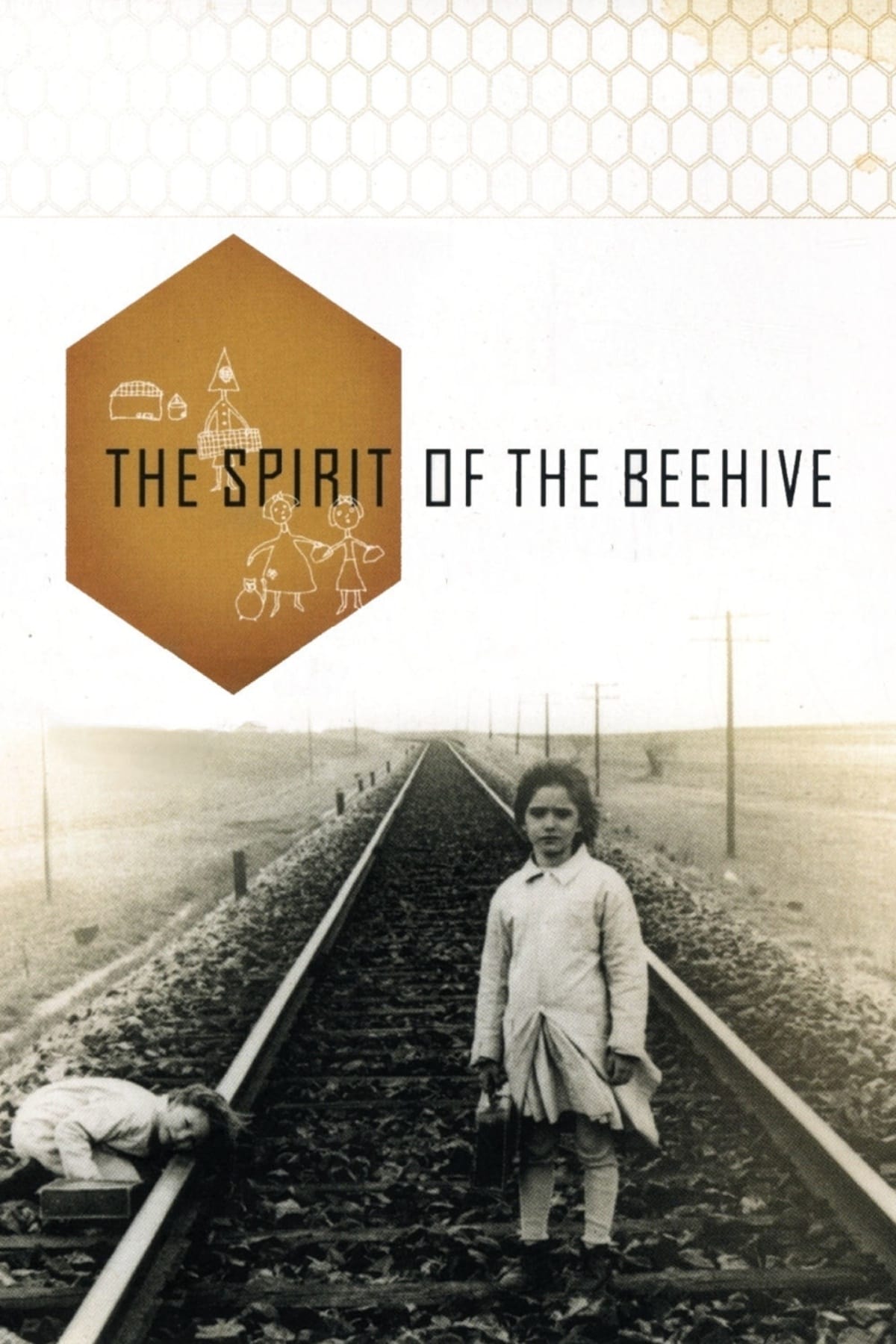
The 1970s saw Spanish horror flourish, encompassing both traditional period Gothic horror and contemporary giallo-influenced thrillers. Film historians have argued that some of these films offered covert critiques of Franco's repressive society, though Antonio Lázaro-Reboll's Spanish Horror Film (2012) locates that reading specifically in Amando de Ossorio's Blind Dead cycle, where "critics have identified a veiled critique of Francoist ideas and beliefs," while holding that Paul Naschy's werewolf cycle "lacked any political commentary." Works like Vicente Aranda's The Blood Spattered Bride (1972) attacked machismo and social conformity through the language of genre. León Klimovsky, an Argentine director working mainly in Spain, became a prolific horror specialist, often collaborating with Naschy. Outside genre proper, Víctor Erice's The Spirit of the Beehive (1973) brought Whale's Frankenstein into a quiet Castilian village to reckon with the early Franco regime — a horror-haunted art film that has become one of Spanish cinema's most studied works. Serrador returned with Who Can Kill a Child? (1976), a sun-drenched horror parable on the violence buried in the previous generation's wars. Franco's death in 1975 removed the political subtext that had given Spanish horror much of its coded power, and production became more fragmented through the 1980s, with the genre producing little of note until the mid-1990s.
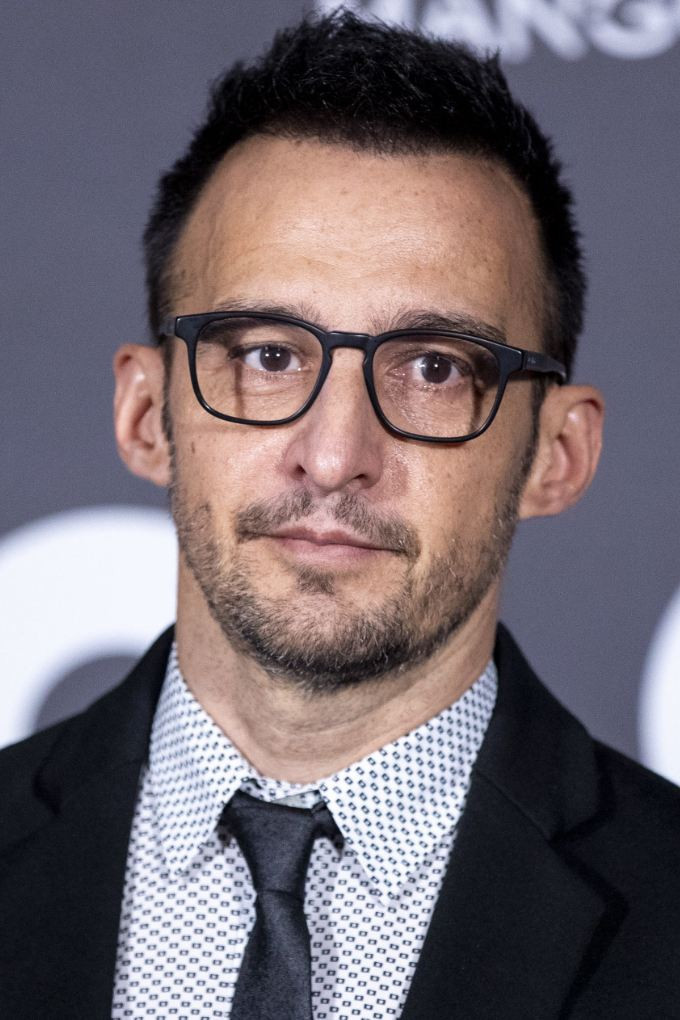
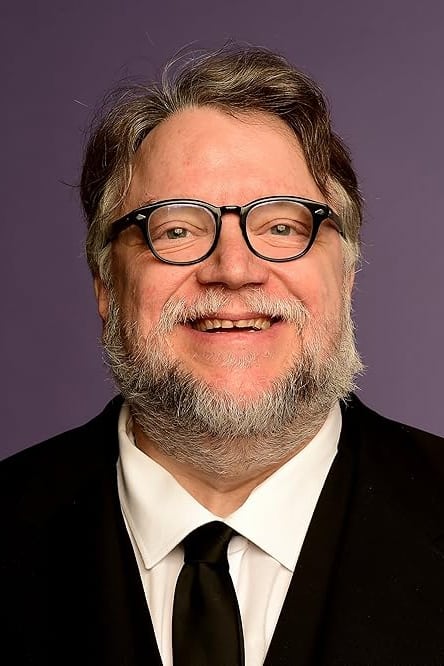
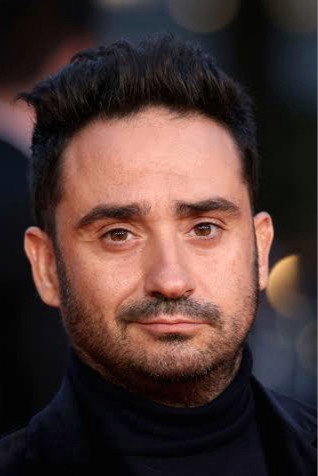
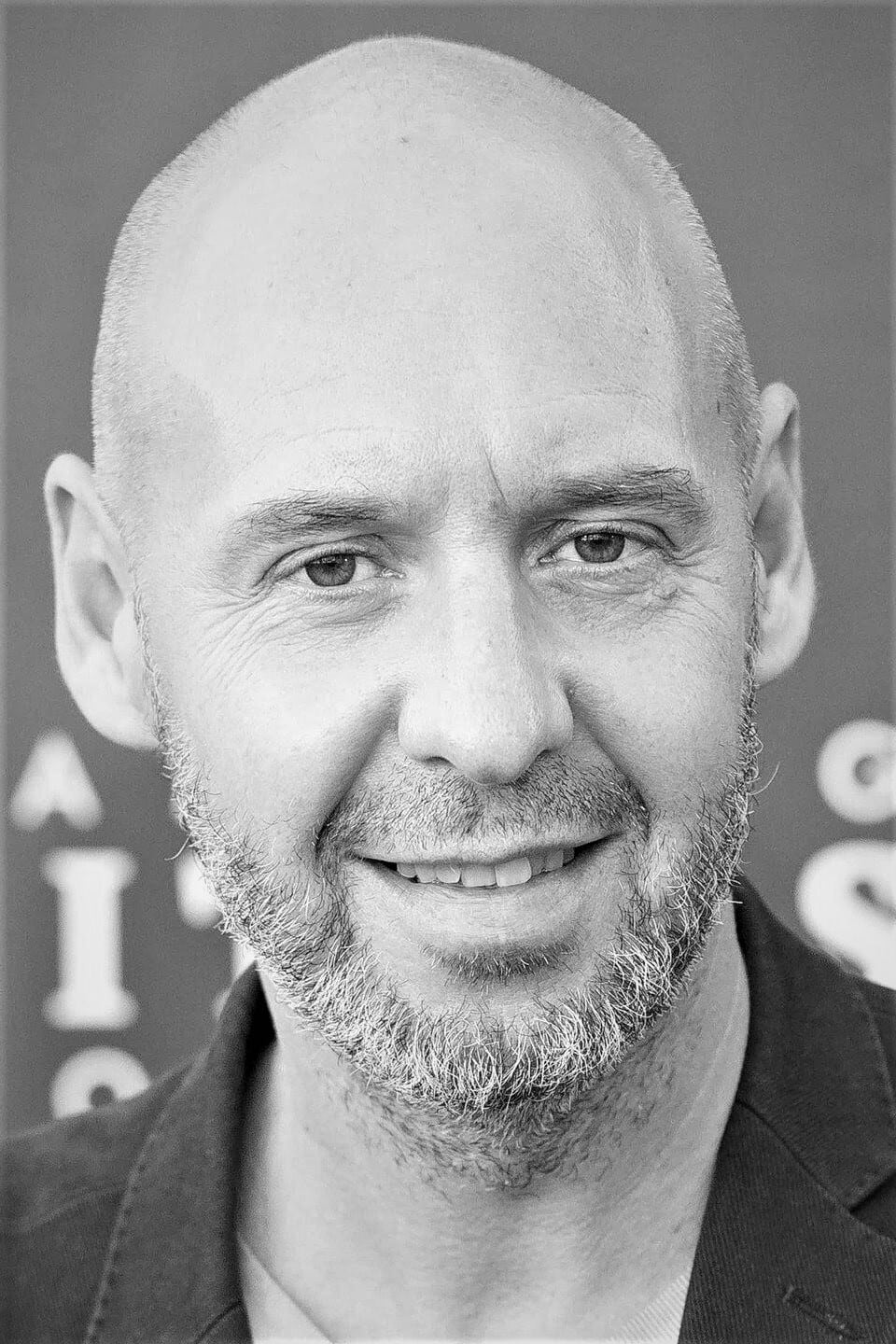
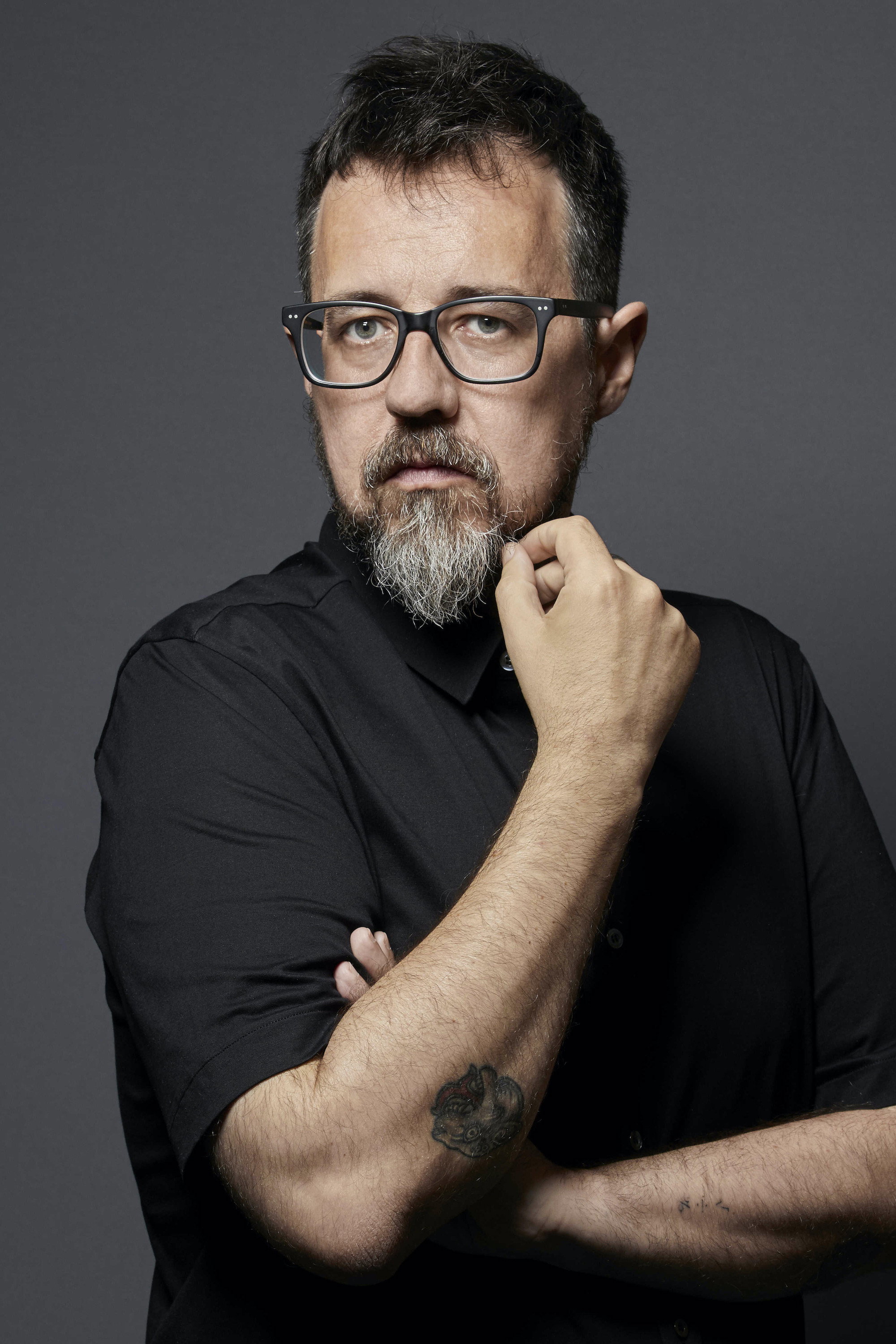
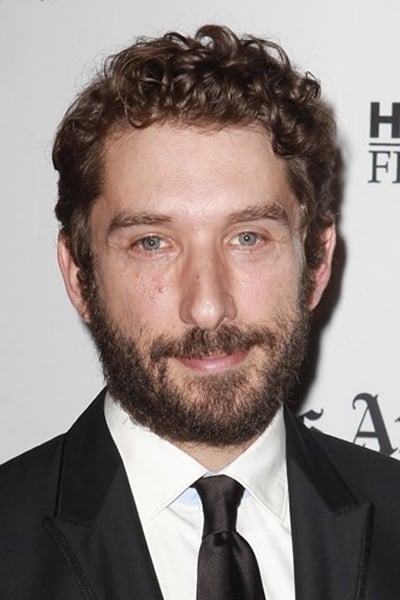
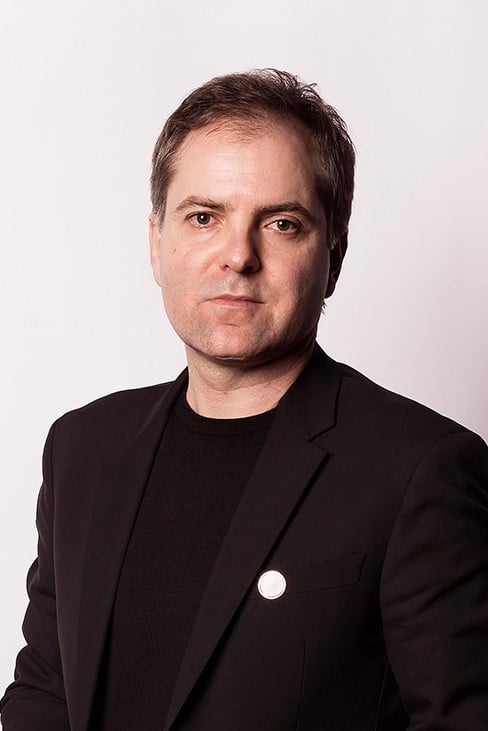
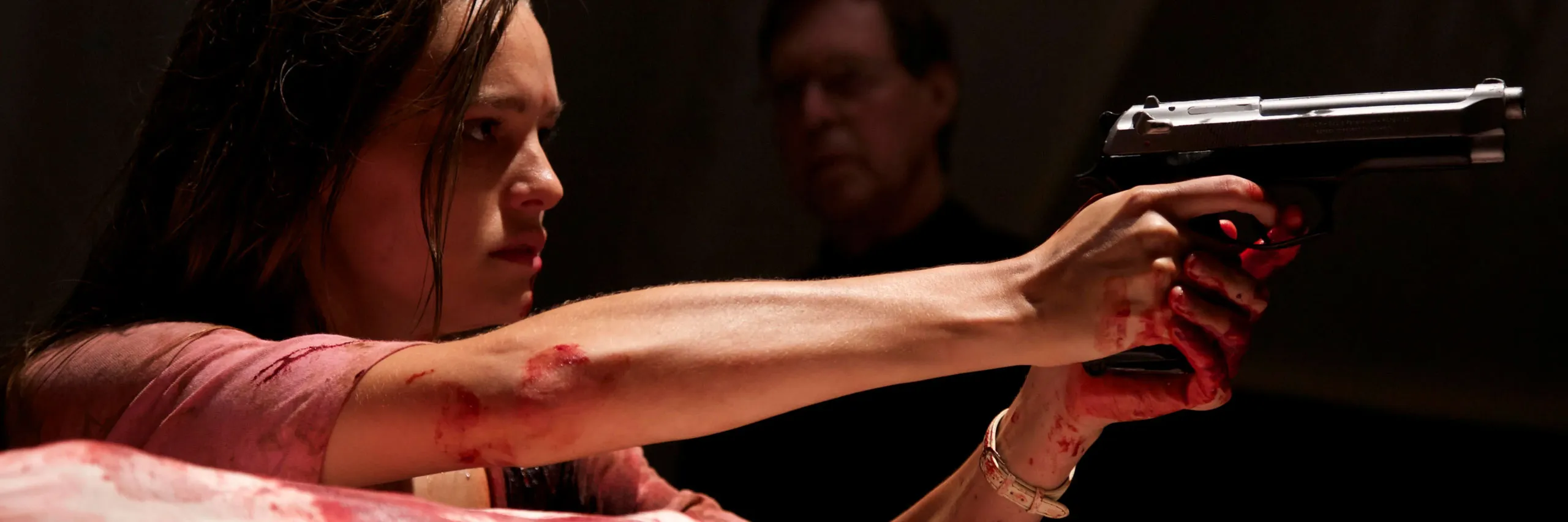
Álex de la Iglesia's anarchic apocalyptic horror-comedy The Day of the Beast (1995) restarted commercial Spanish horror, blending heavy metal, slapstick, and millenarian dread. Alejandro Amenábar followed with the serial-killer thriller Thesis (1996) and achieved international breakthrough with The Others (2001), an atmospheric ghost story starring Nicole Kidman. Mexican director Guillermo del Toro made two of his finest films as Spanish productions — The Devil's Backbone (2001) and Pan's Labyrinth (2006) — using fantastical horror to explore the trauma of the Spanish Civil War. J. A. Bayona's The Orphanage (2007), produced by del Toro, continued this strand of emotionally sophisticated supernatural cinema. Meanwhile, Jaume Balagueró and Paco Plaza's [REC] (2007) revolutionised found-footage filmmaking with its real-time infection-horror set in a quarantined Barcelona apartment building, spawning sequels and an American remake.
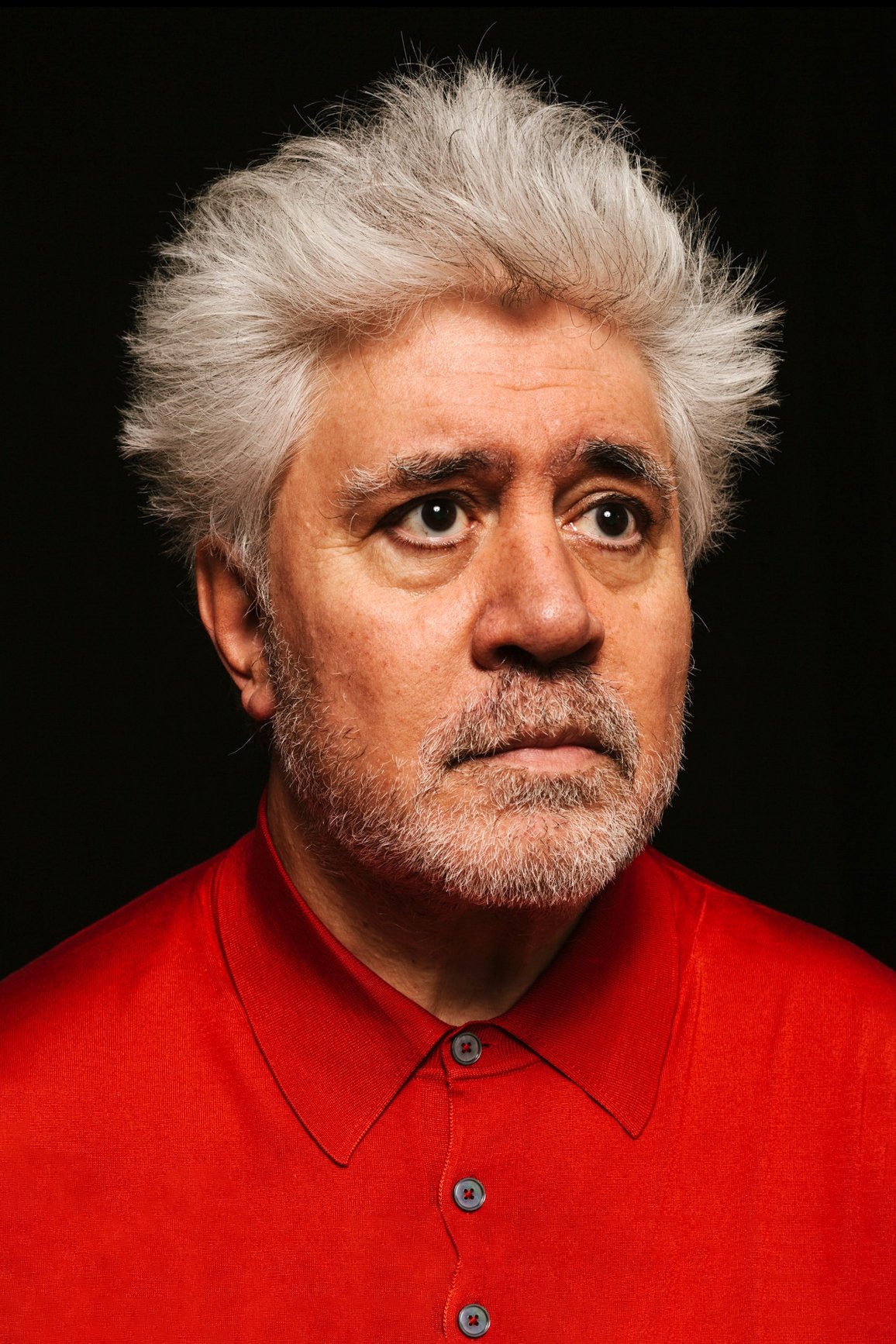
The decades since have produced a second wave of Spanish horror specialists. Pedro Almodóvar's The Skin I Live In (2011) adapted Thierry Jonquet's novel into a clinically beautiful body-horror revenge film led by Antonio Banderas. Balagueró's home-invasion thriller Sleep Tight (2011), de la Iglesia's witch-coven comedy Witching & Bitching (2013), Paco Plaza's possession thriller Veronica (2017), Sergio G. Sánchez's Marrowbone (2017), the Basque-language folk horror Errementari (2018), and Galder Gaztelu-Urrutia's class-allegory horror The Platform (2019) extended the country's genre output across Catholic mysticism, social satire, and historical reckoning. Spanish horror's enduring strength lies in its ability to weave together Catholic guilt, historical trauma, and genre craftsmanship — from the Franco era's coded political messages through the Civil War allegories of the 2000s to the present day. The country's contribution extends beyond individual films to a distinctive sensibility — one that treats the supernatural not as mere spectacle but as a means of confronting grief, guilt, and the weight of history.
Sources: Antonio Lázaro-Reboll, Spanish Horror Film (2012).
Essential Films
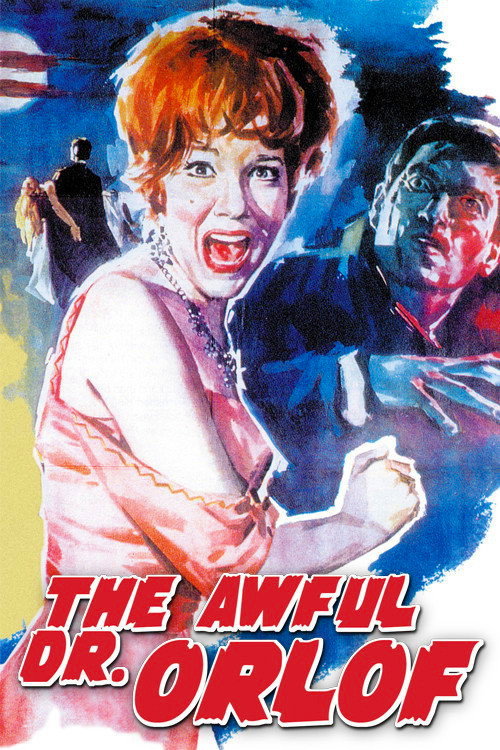
The Awful Dr. Orlof
The House That Screamed
Tombs of the Blind Dead
The Blood Spattered Bride
The Spirit of the Beehive
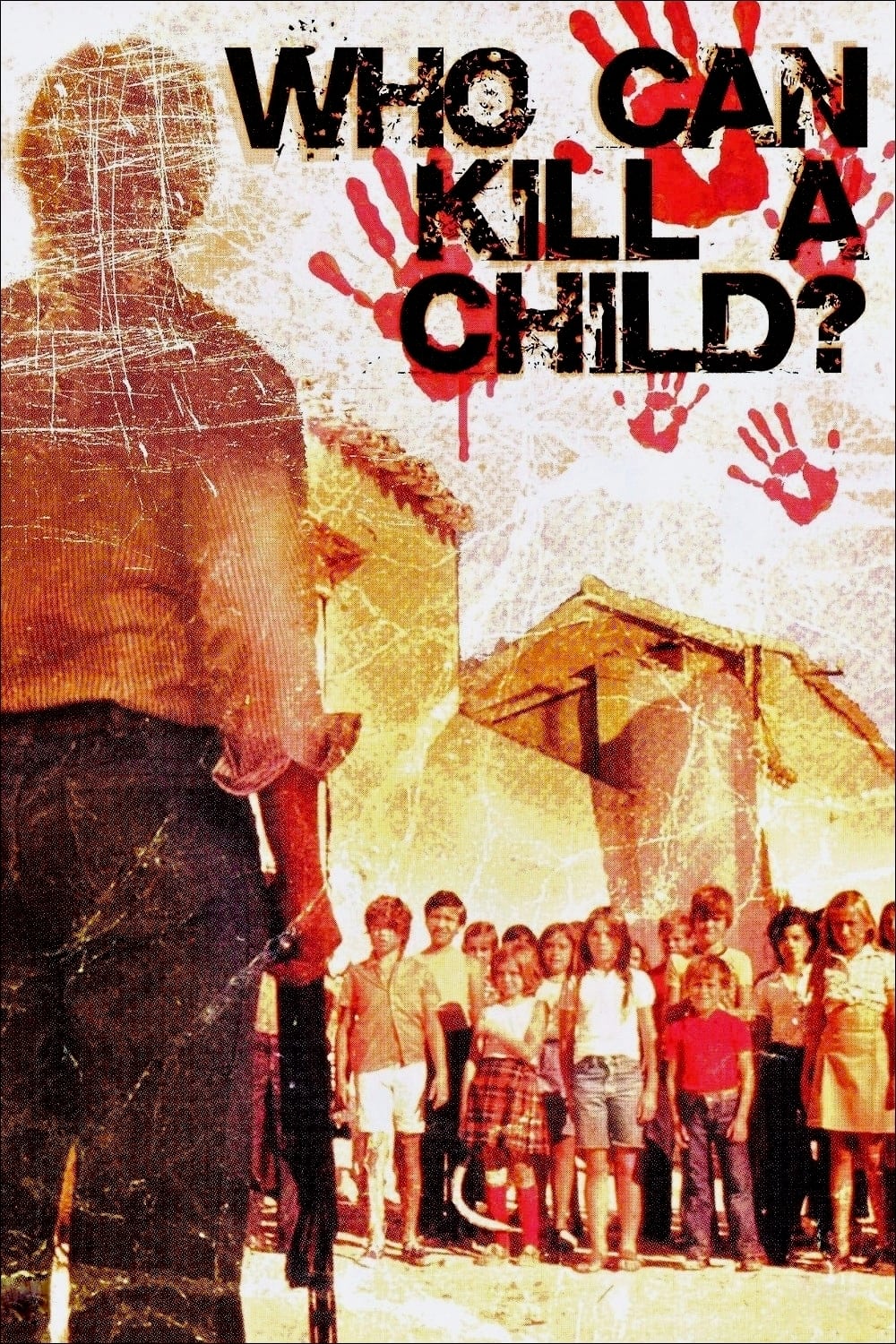
Who Can Kill a Child?
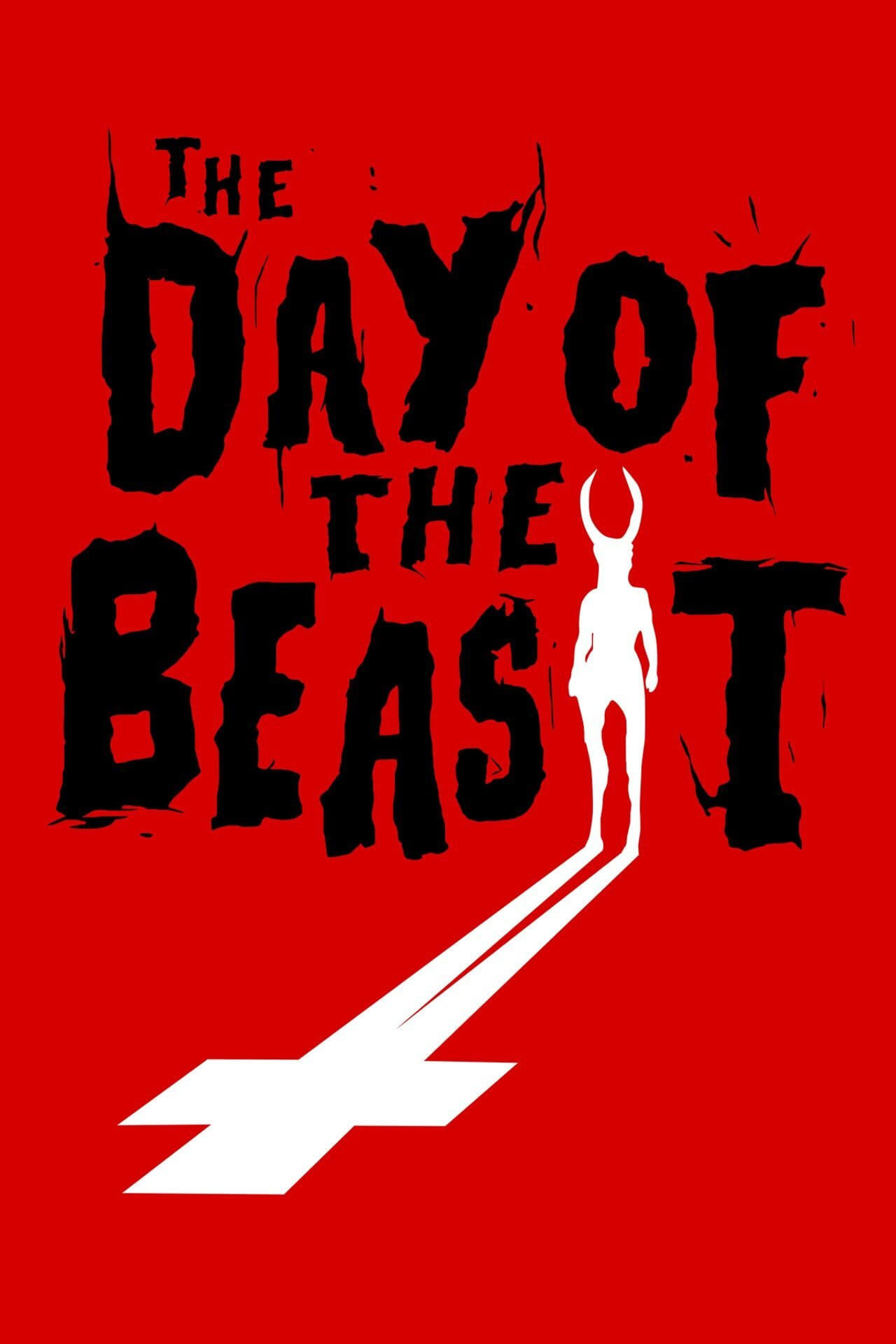
The Day of the Beast
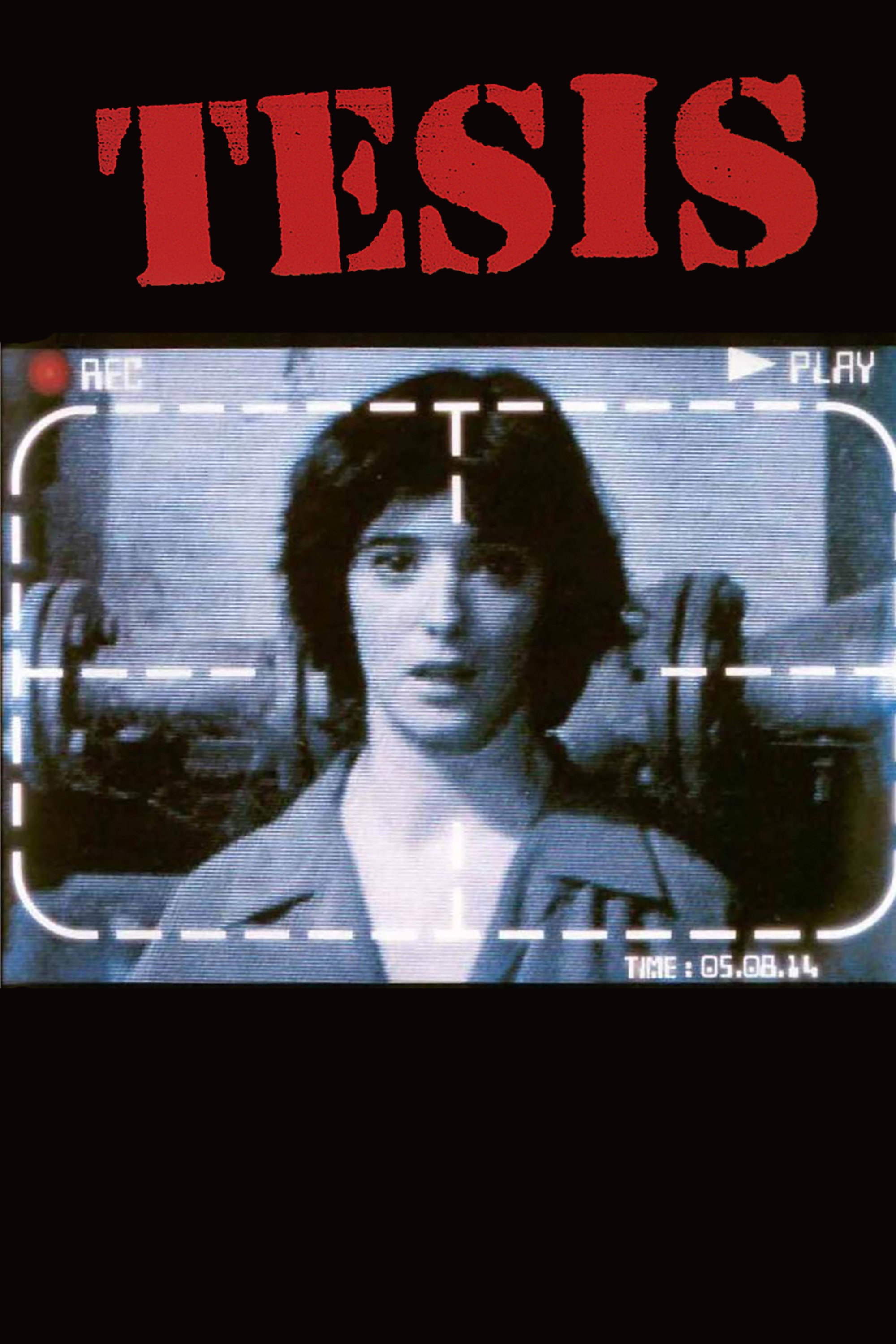
Thesis
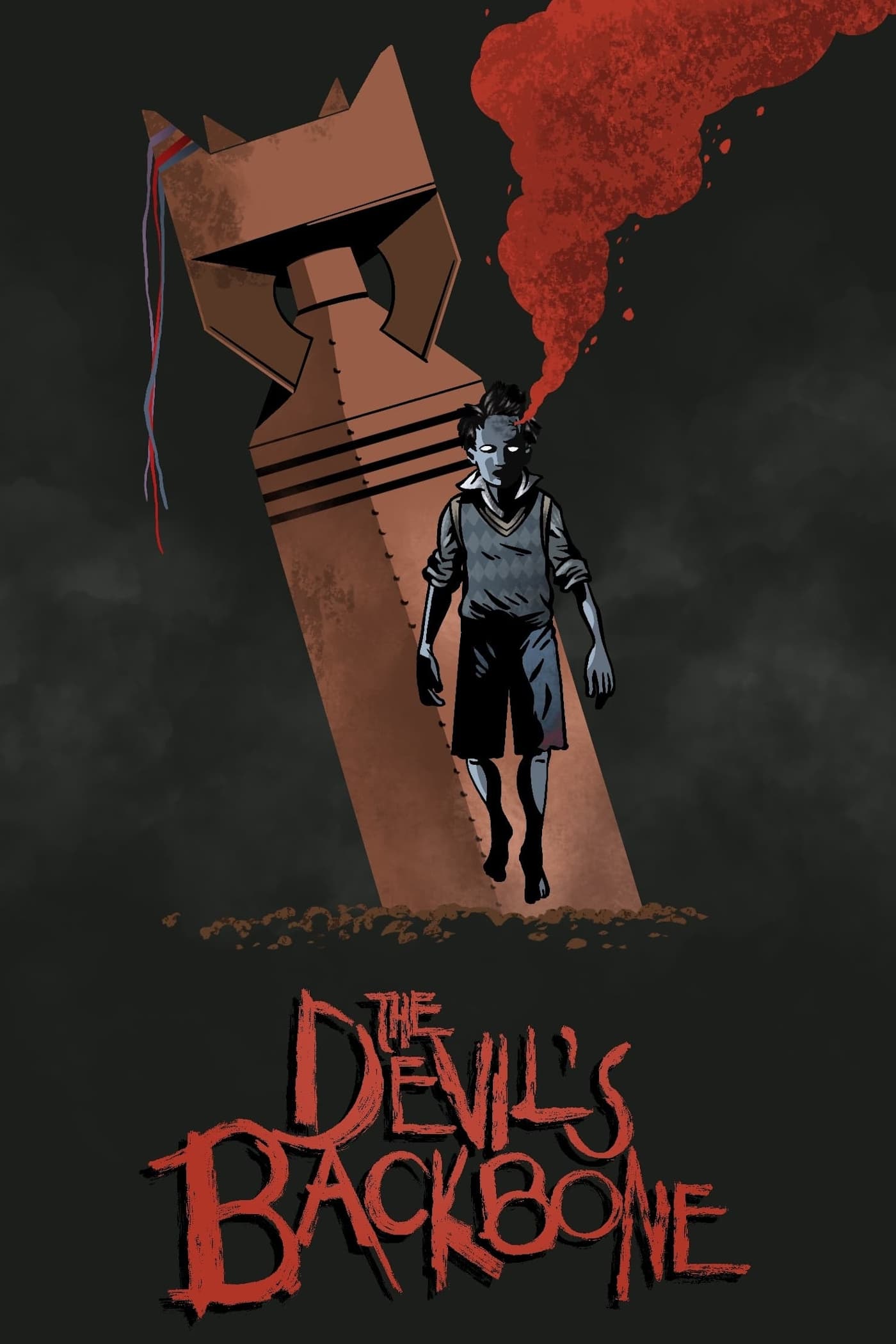
The Devil's Backbone
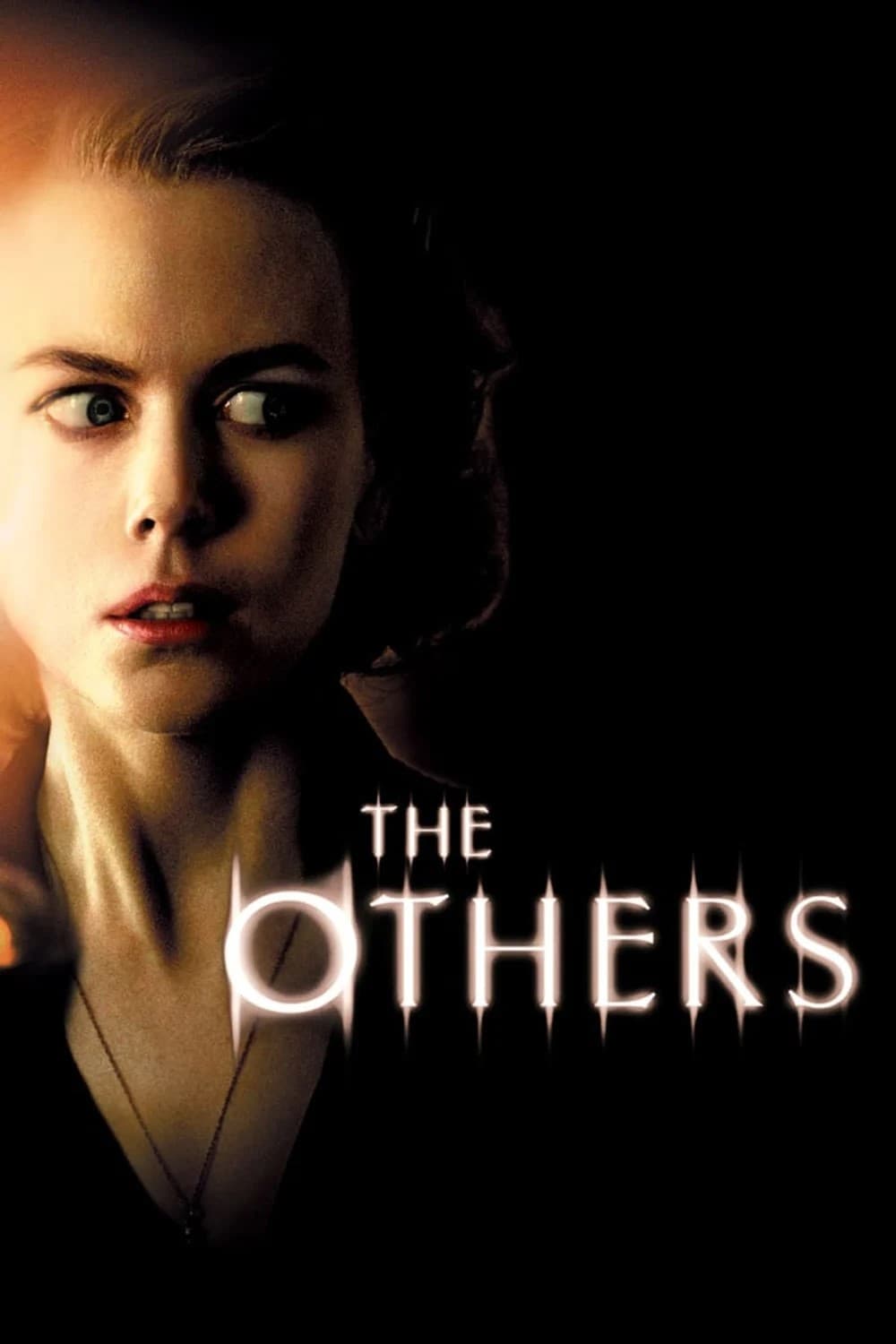
The Others
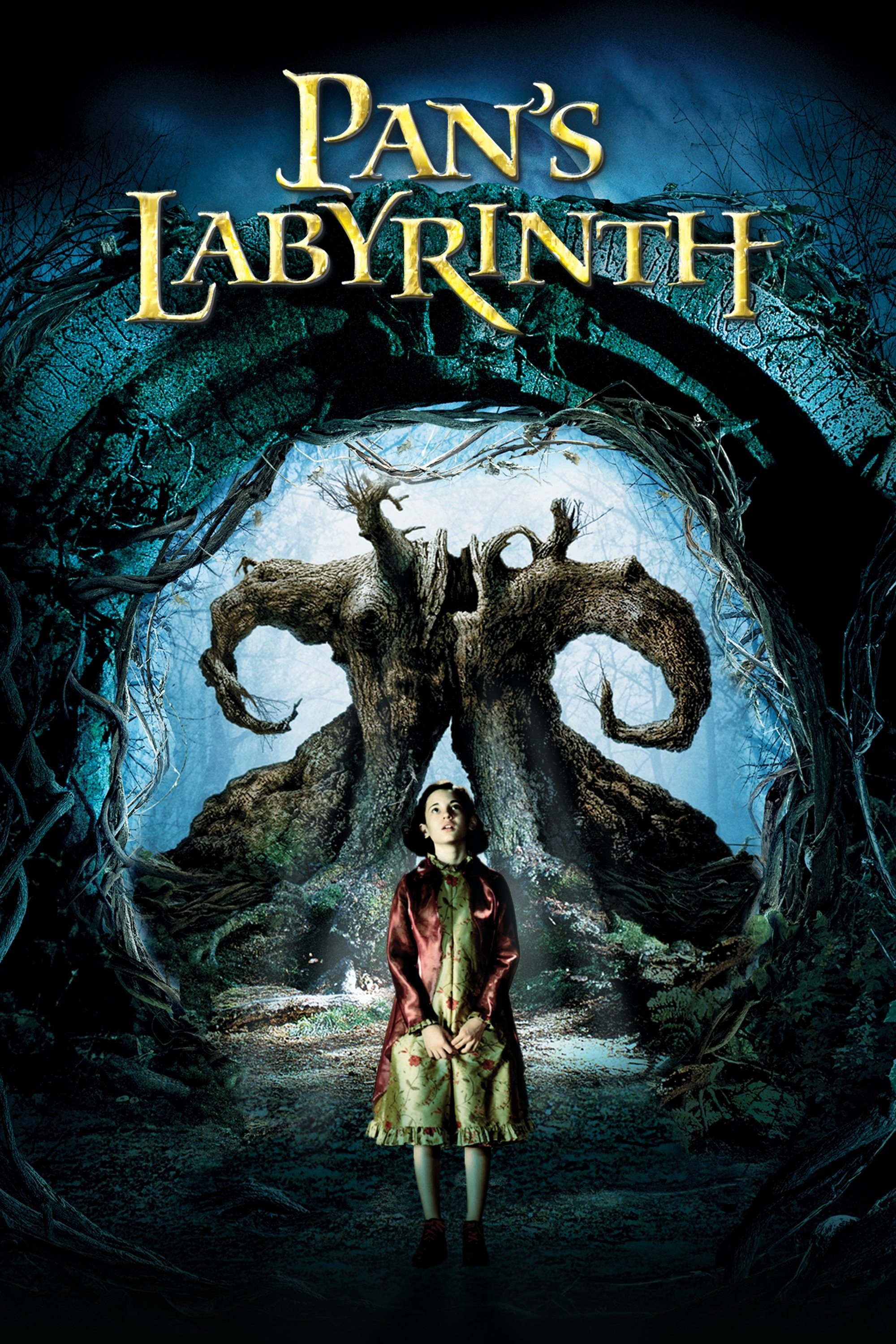
Pan's Labyrinth
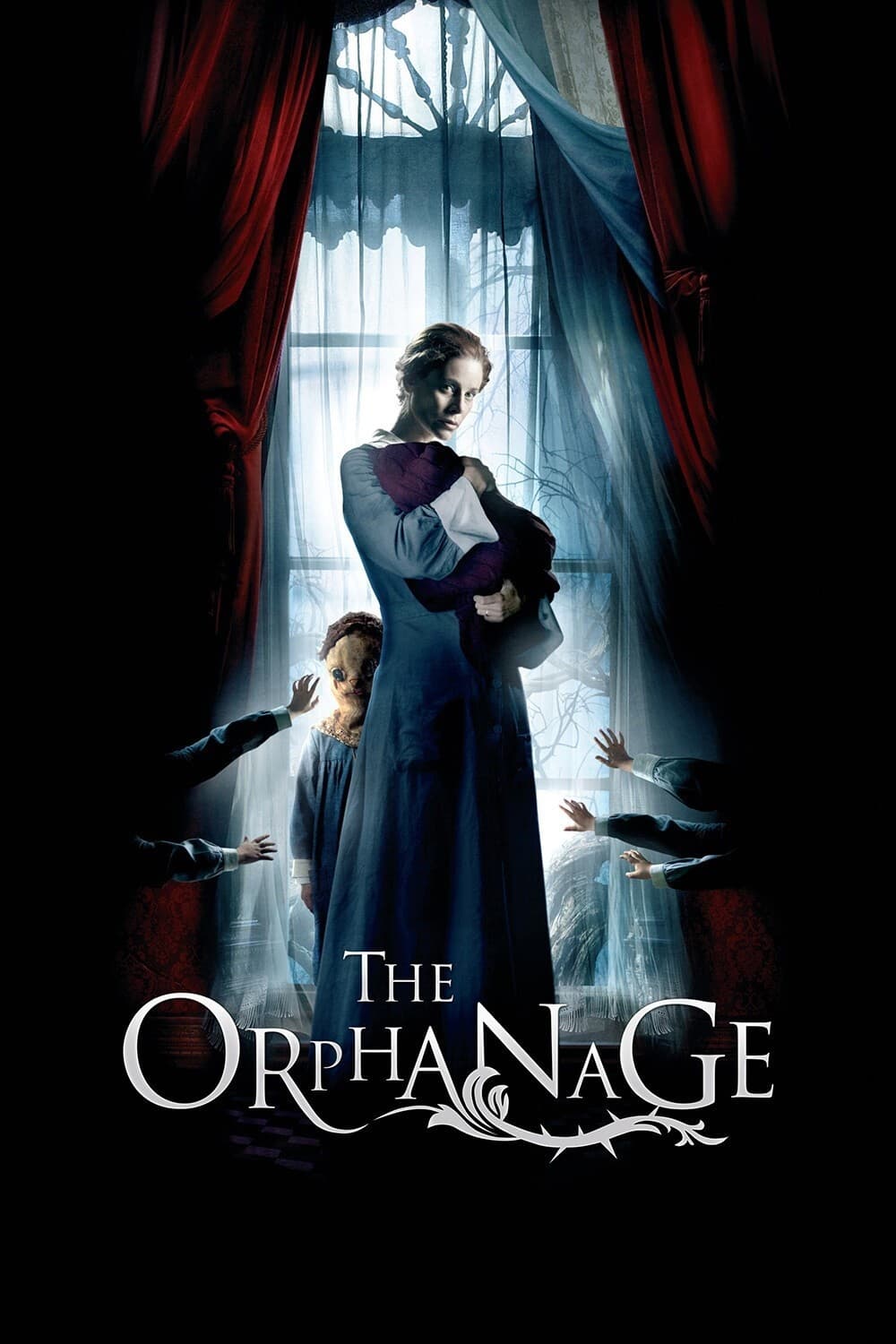
The Orphanage
![[REC]](https://image.tmdb.org/t/p/original/hgyJR4sgMsee6xMFM3xYiG6cDCh.jpg)
[REC]
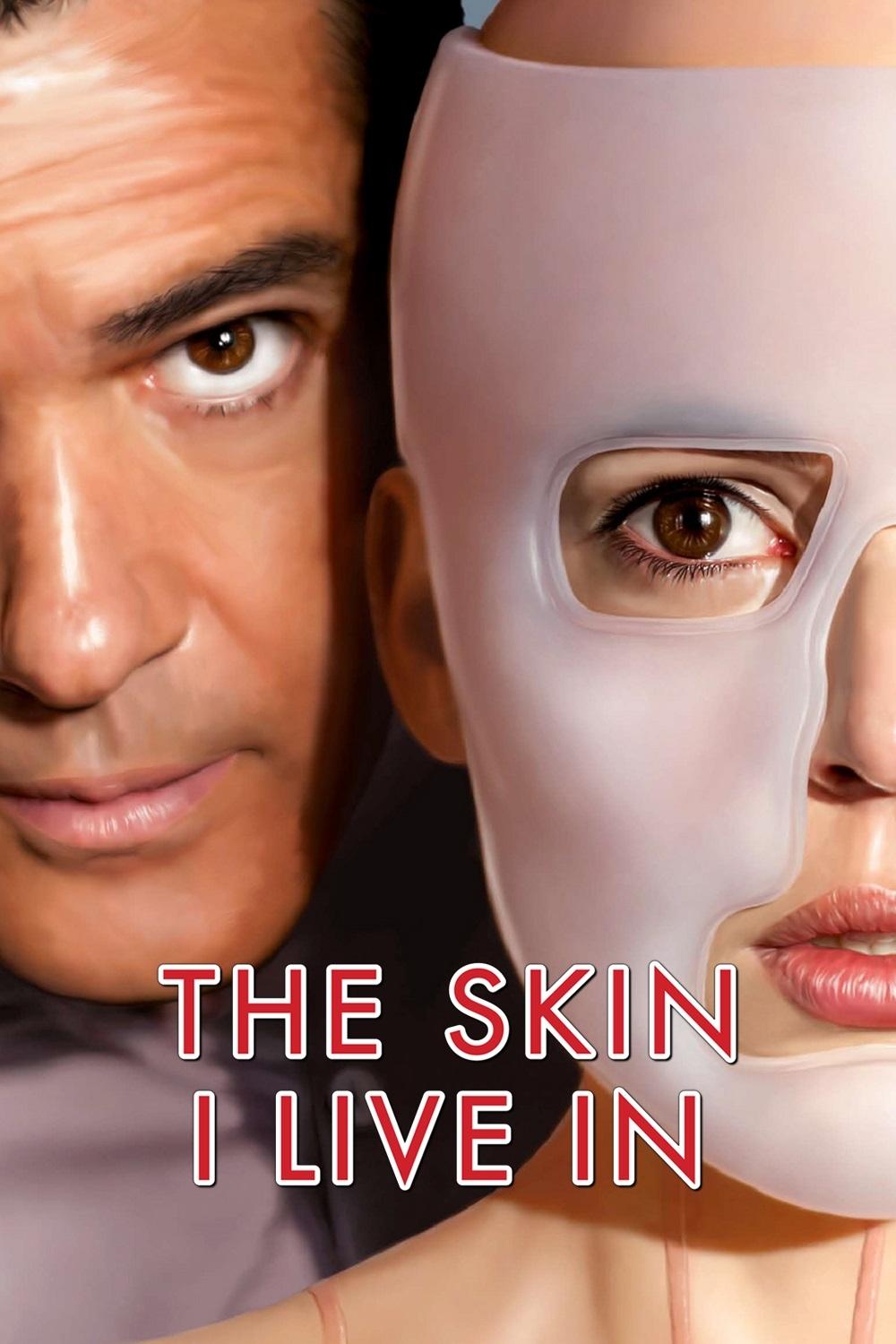
The Skin I Live In
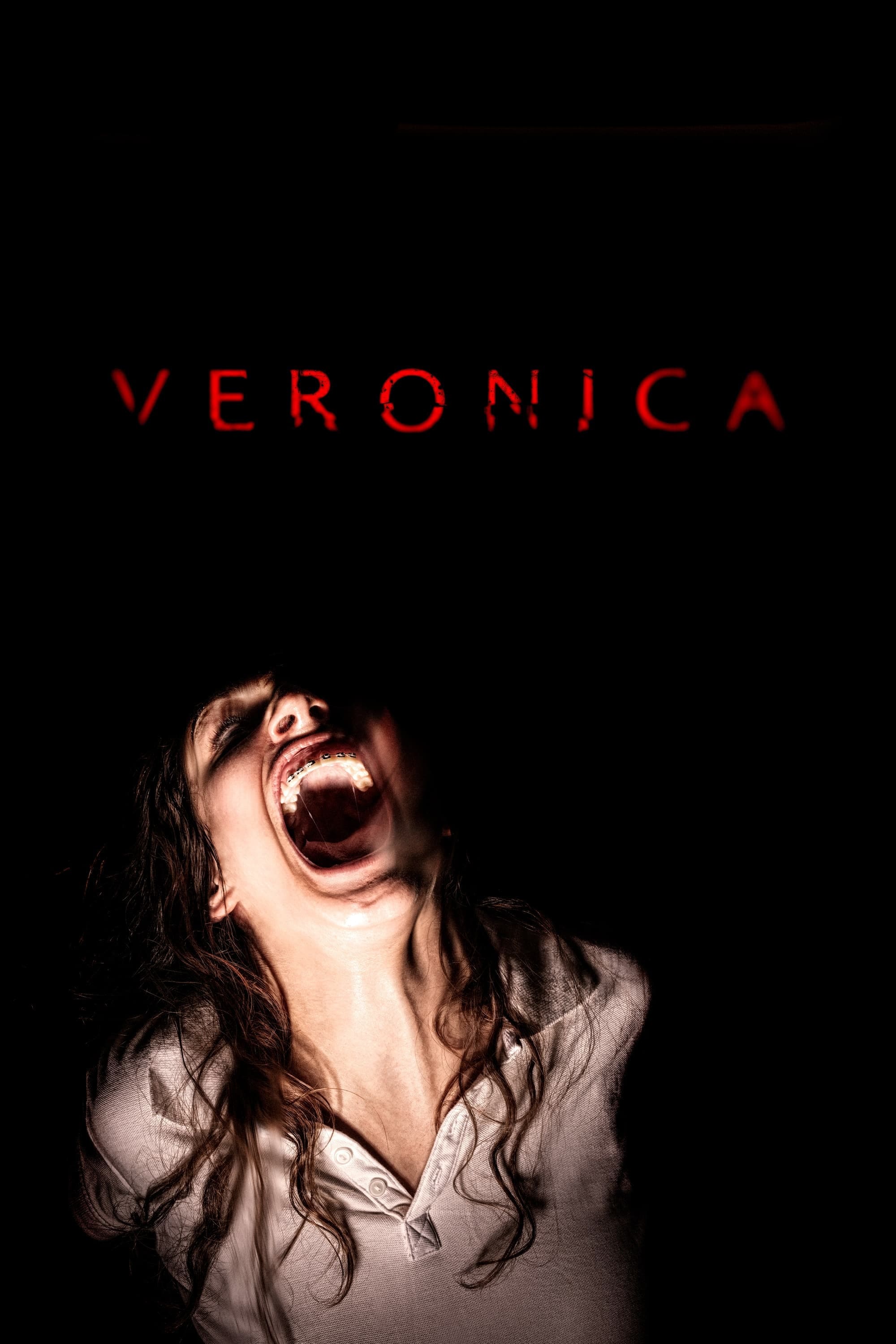
Veronica
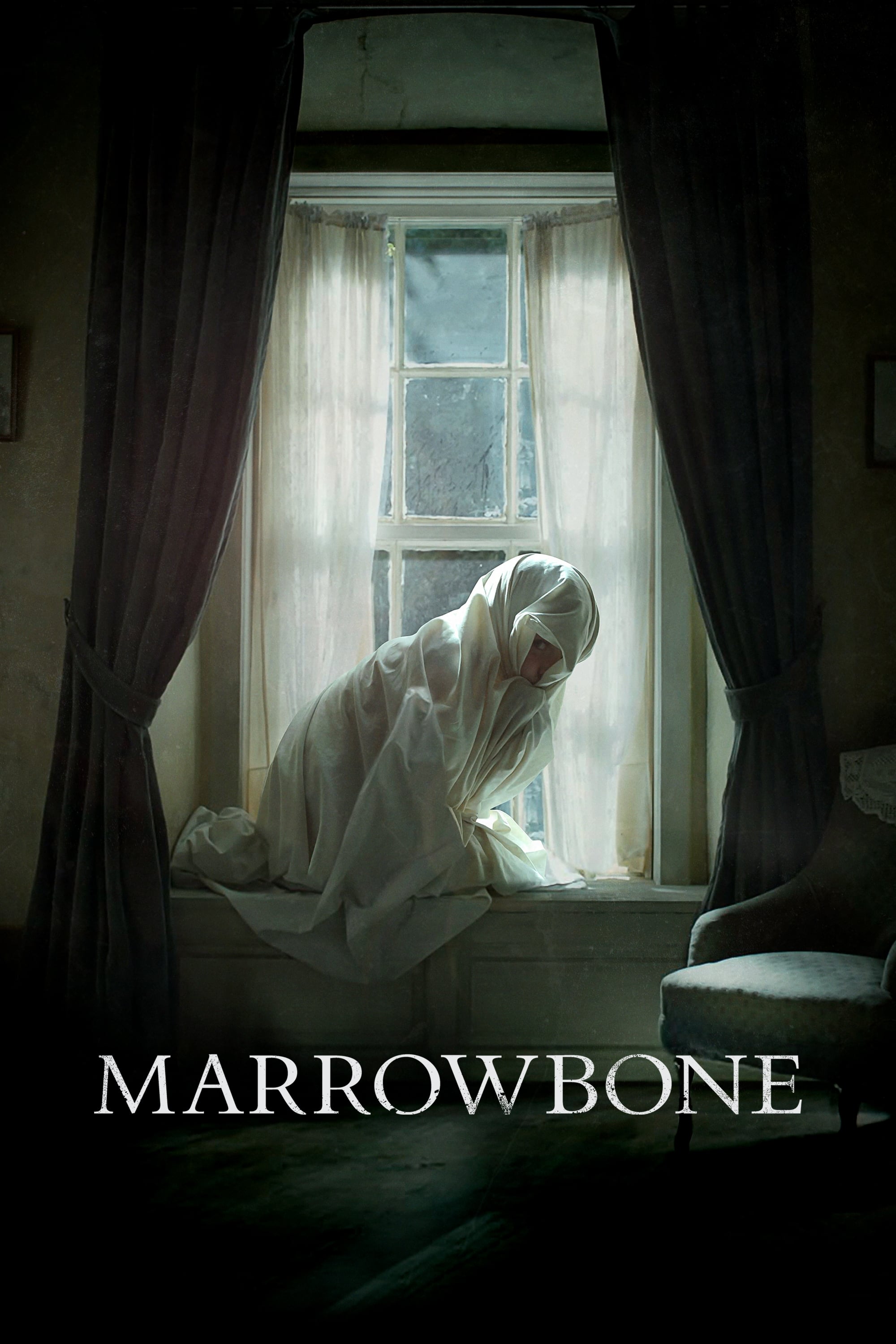
Marrowbone
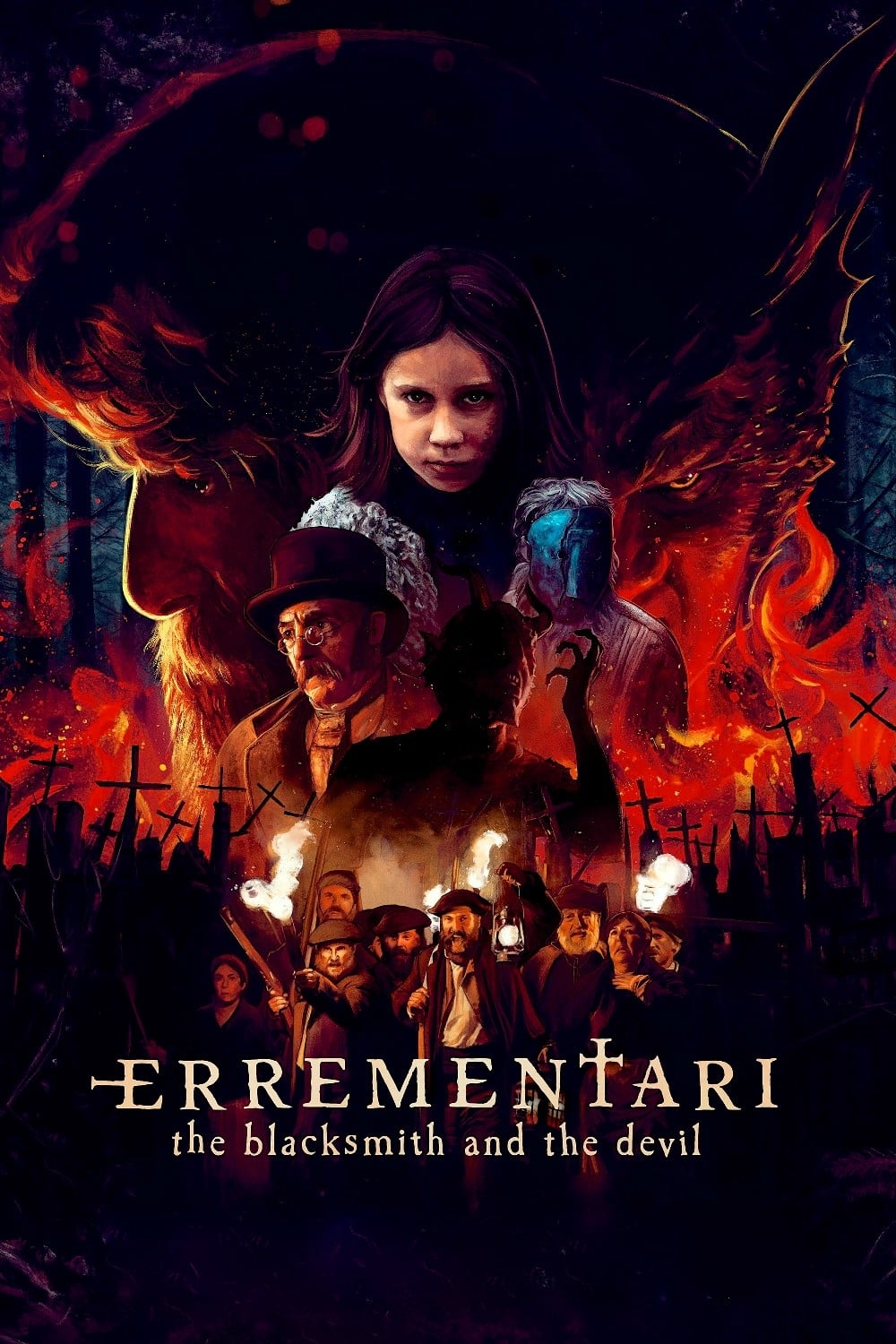
Errementari: The Blacksmith and the Devil
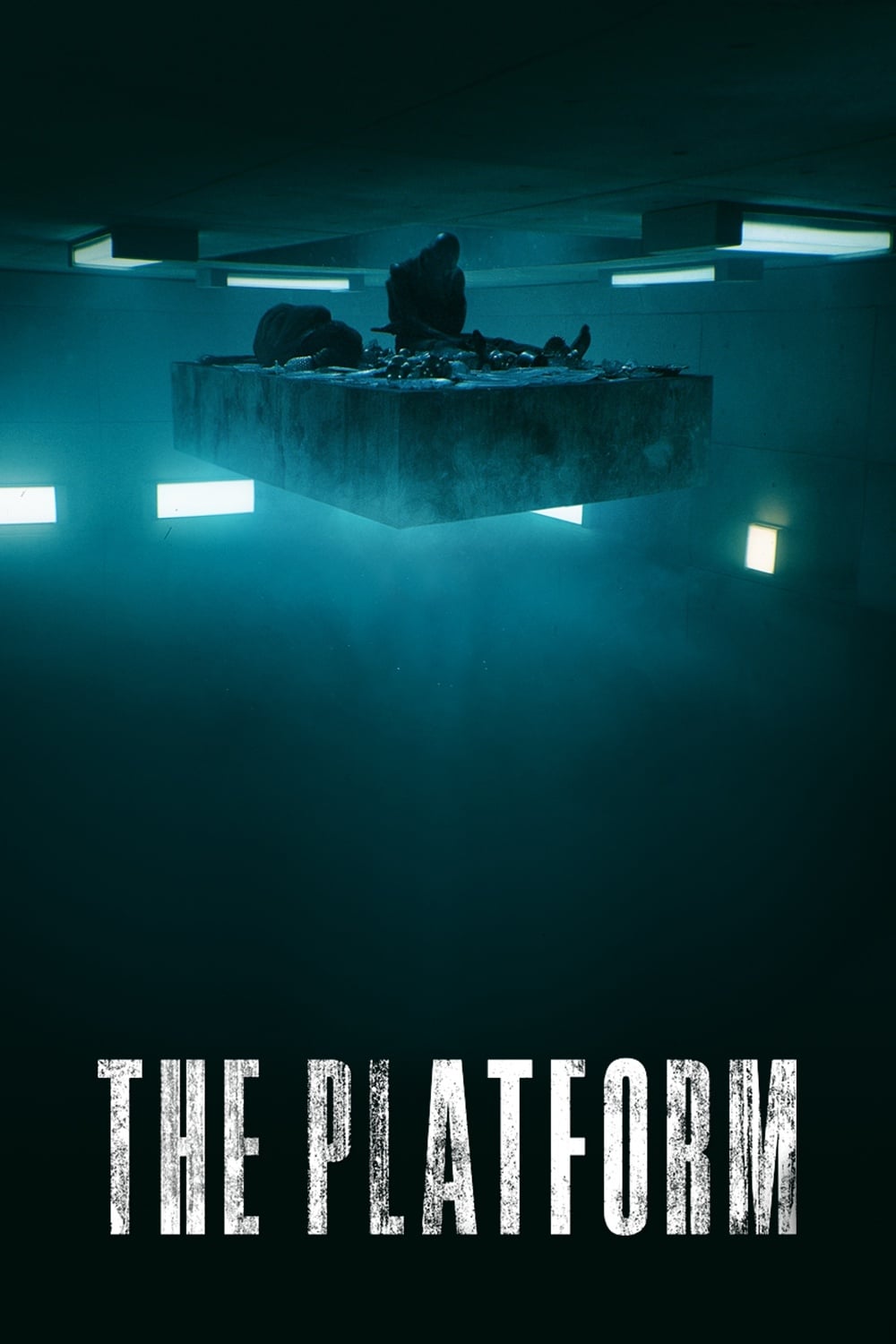
The Platform
Statistics
Top Subgenres
Popularity by Decade
Share of each decade's horror films classified as Spain horror. Counts films with at least 5 TMDB ratings, so very obscure titles are not represented.