 28 Days Later (2002)
History & Origins
The zombie film exists in two distinct traditions that share a name but almost nothing else. The original zombie, rooted in Haitian Vodou practice, is a person whose will has been stolen — a slave, not a predator. The modern zombie, invented wholesale by George A. Romero in Night of the Living Dead (1968), is a reanimated corpse that eats the living. Romero's creation has so thoroughly dominated the cultural imagination that the Haitian original is now largely forgotten, but both traditions explore a common terror: the obliteration of selfhood.
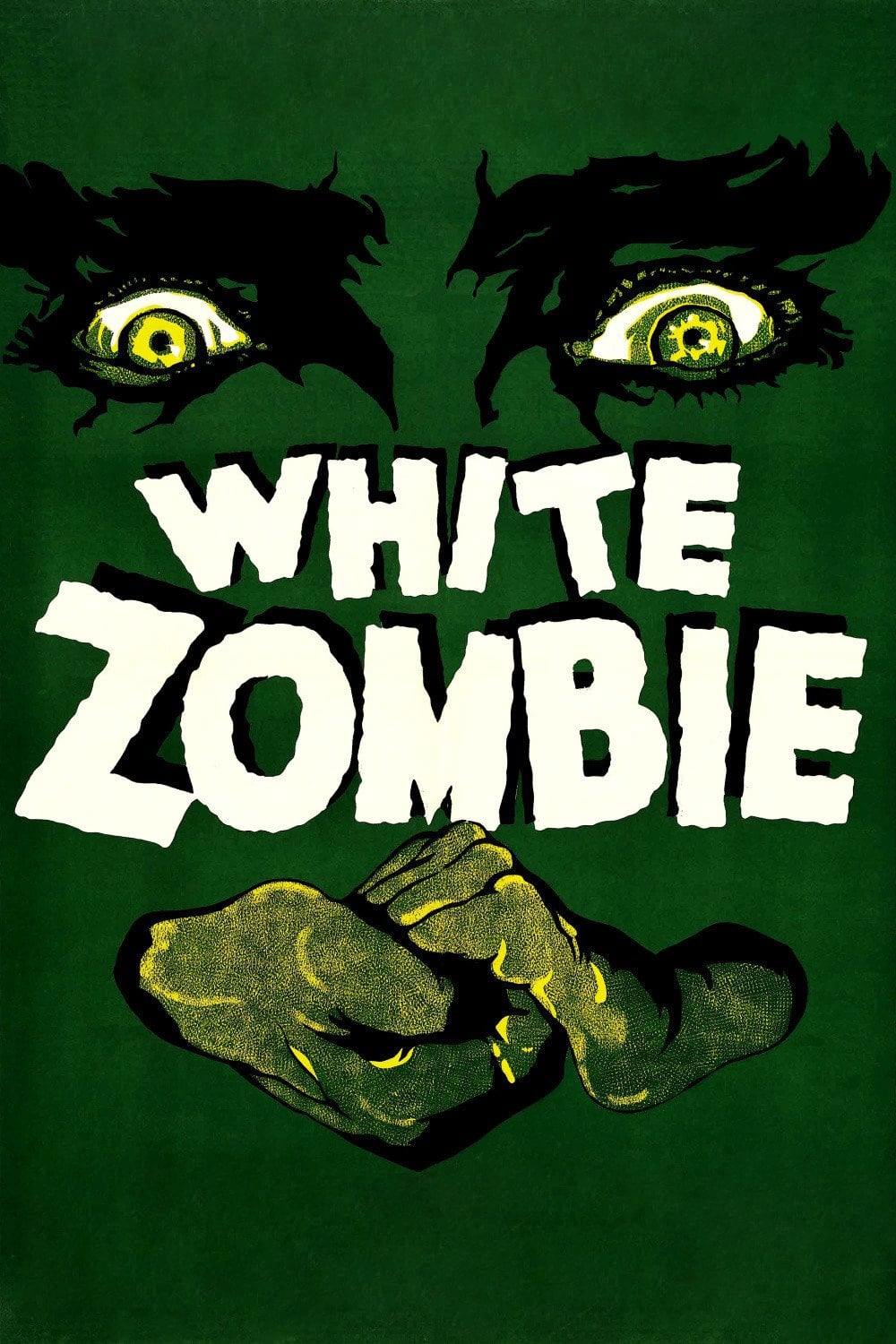
Victor Halperin's White Zombie (1932) introduced cinema to the Haitian zombie — Bela Lugosi as Murder Legendre, a sorcerer who enslaves the dead to work his sugar mills. Jacques Tourneur's I Walked with a Zombie (1943), produced by Val Lewton, brought atmospheric sophistication and genuine engagement with Caribbean culture. These films understood the zombie as a figure of colonial exploitation: a person reduced to property, their consciousness erased. The horror is not that the dead walk, but that a living person can be made to disappear while their body continues. Hammer's The Plague of the Zombies (1966), directed by John Gilling, was the studio's only zombie entry and one of the last serious treatments of the Haitian tradition before Romero rewrote the rules.
Night of the Living Dead changed everything. Romero's zombies — never called that in the original film — are the unburied dead returned to eat the living, a threat that emerges without explanation and cannot be negotiated with. They are, of all the living dead, the closest to simply dead: they cannot speak, cannot reason, cannot be appeased. You destroy them by destroying the brain. The genius of Romero's series — Night, Dawn of the Dead (1978), Day of the Dead (1985), and the later Land of the Dead (2005) and Diary of the Dead (2007) — was to use the zombie apocalypse as a lens for social criticism. In Dawn, the zombies shuffle through a shopping mall, and a character observes, "They're us, that's all." The satirical parallel between mindless consumption and mindless undeath became the zombie film's intellectual signature. In Italy, Lucio Fulci's Zombie Flesh Eaters (1979) — marketed as Zombi 2, an unauthorized sequel to Dawn — opened a parallel Italian zombie cycle whose Gates-of-Hell trilogy (Zombie Flesh Eaters, The Beyond (1981), City of the Living Dead) treated the zombie as a metaphysical rupture rather than social allegory. Stuart Gordon's Re-Animator (1985) ran the Lovecraft variant; The Return of the Living Dead (1985) ran the punk-comic variant; Peter Jackson's New Zealand Braindead (1992) pushed splatter past every previous threshold; Michele Soavi's Italian Cemetery Man (1994) closed the European cycle as metaphysical romance.
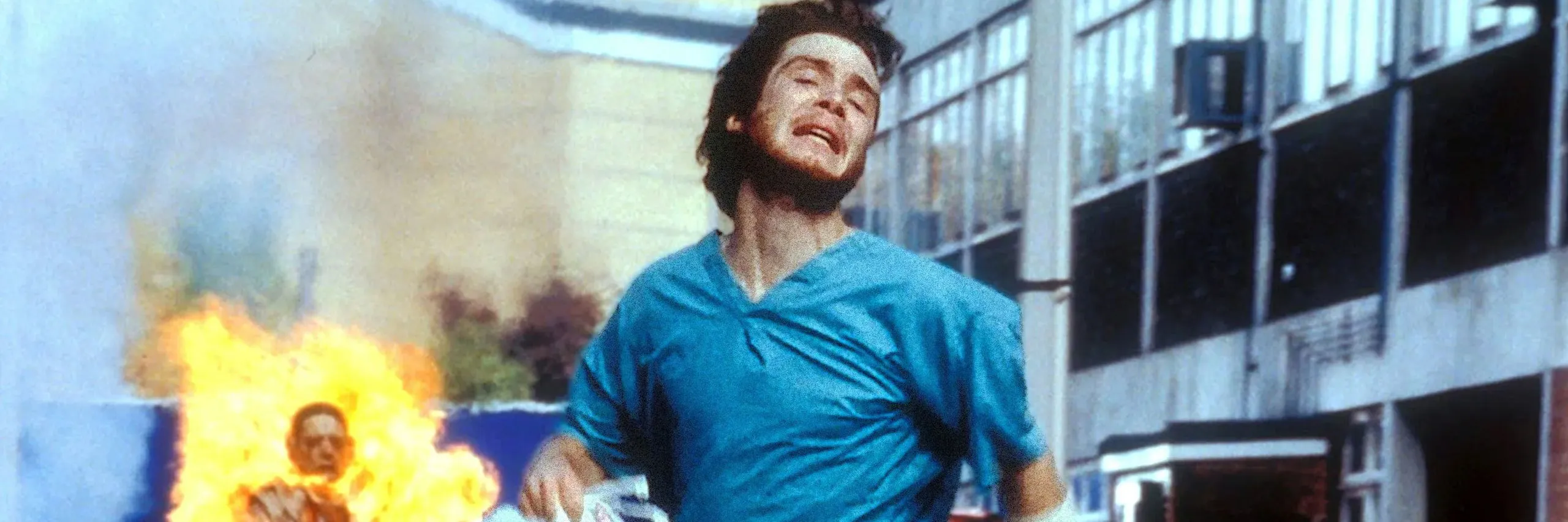
Danny Boyle's 28 Days Later (2002) reinvented the zombie as fast, feral, and terrifyingly immediate — infected rather than undead, a shift that emphasized contagion over resurrection and triggered a wave of 2000s commercial zombie cinema that the genre is still living off. Edgar Wright's Shaun of the Dead (2004) and Zombieland (2009) demonstrated zombie-comedy as its own viable register; Resident Evil (2002) brought video-game franchise economics to the form; [REC] (2007) (Spain) crossed it with found footage; Bruce McDonald's Pontypool (2009) (Canada) located contagion in language itself; Marc Forster's World War Z (2013) took the form to blockbuster scale. The 2010s-20s opened the genre to global perspectives: Yeon Sang-ho's Train to Busan (2016), Peninsula (2020), and #Alive (2020) made Korea the new center of commercial zombie filmmaking; Robin Aubert's Les Affamés (2017) (Canada) and Jeff Barnaby's Blood Quantum (2019) (Mi'kmaq) returned the zombie to its origins as an Indigenous-perspective political form; Cargo (2017) (Australia), Wyrmwood: Road of the Dead (2014), Dead Snow (2009) (Norway), The Girl with All the Gifts (2016) (United Kingdom), and One Cut of the Dead (2017) (Japan) confirmed that every national cinema has now made its own zombie film. Boyle's 28 Years Later (2025) closed the original infected-rage cycle three decades on. The dead keep coming because we keep finding new things to fear in their empty faces.
Essential Films
White Zombie
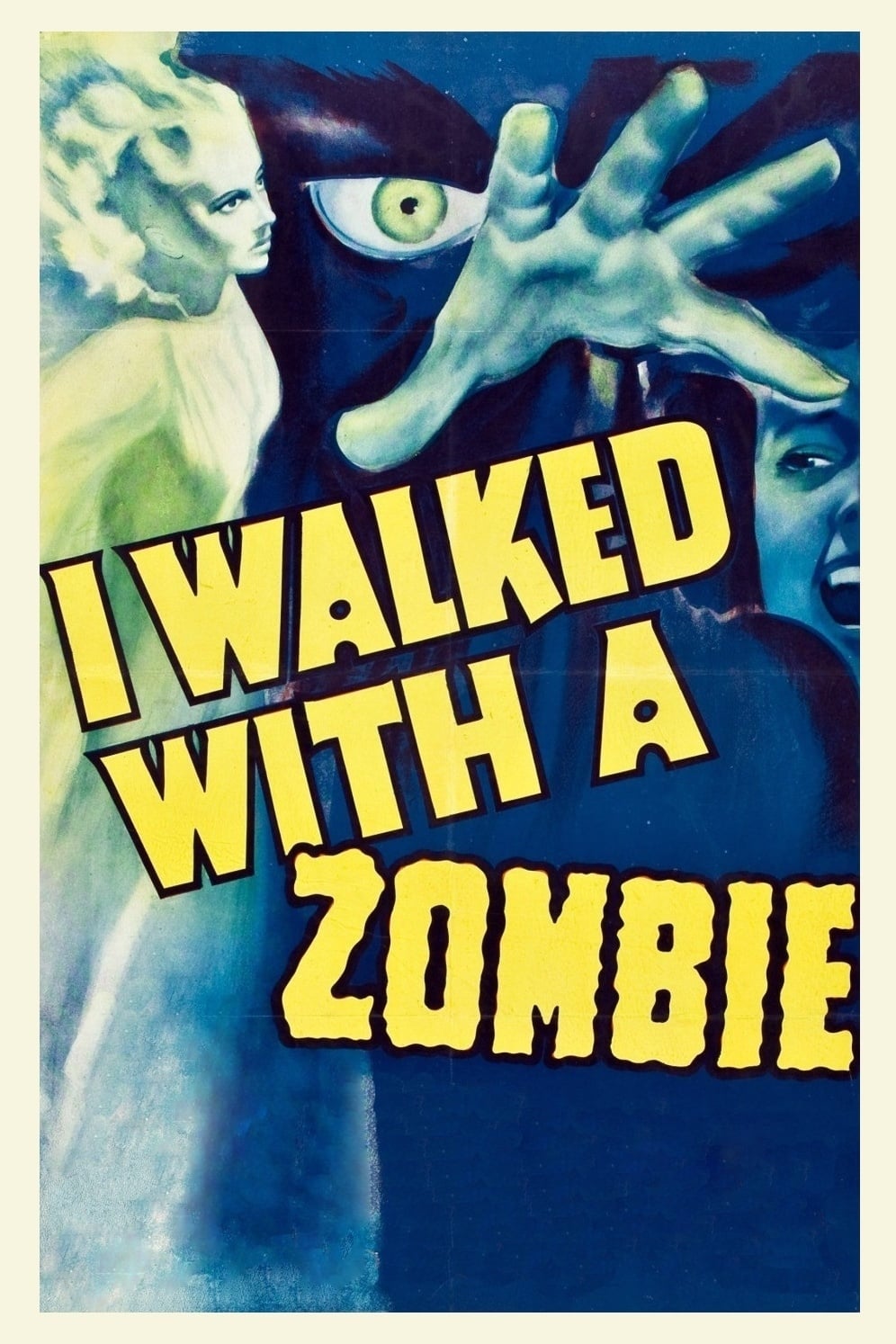
I Walked with a Zombie
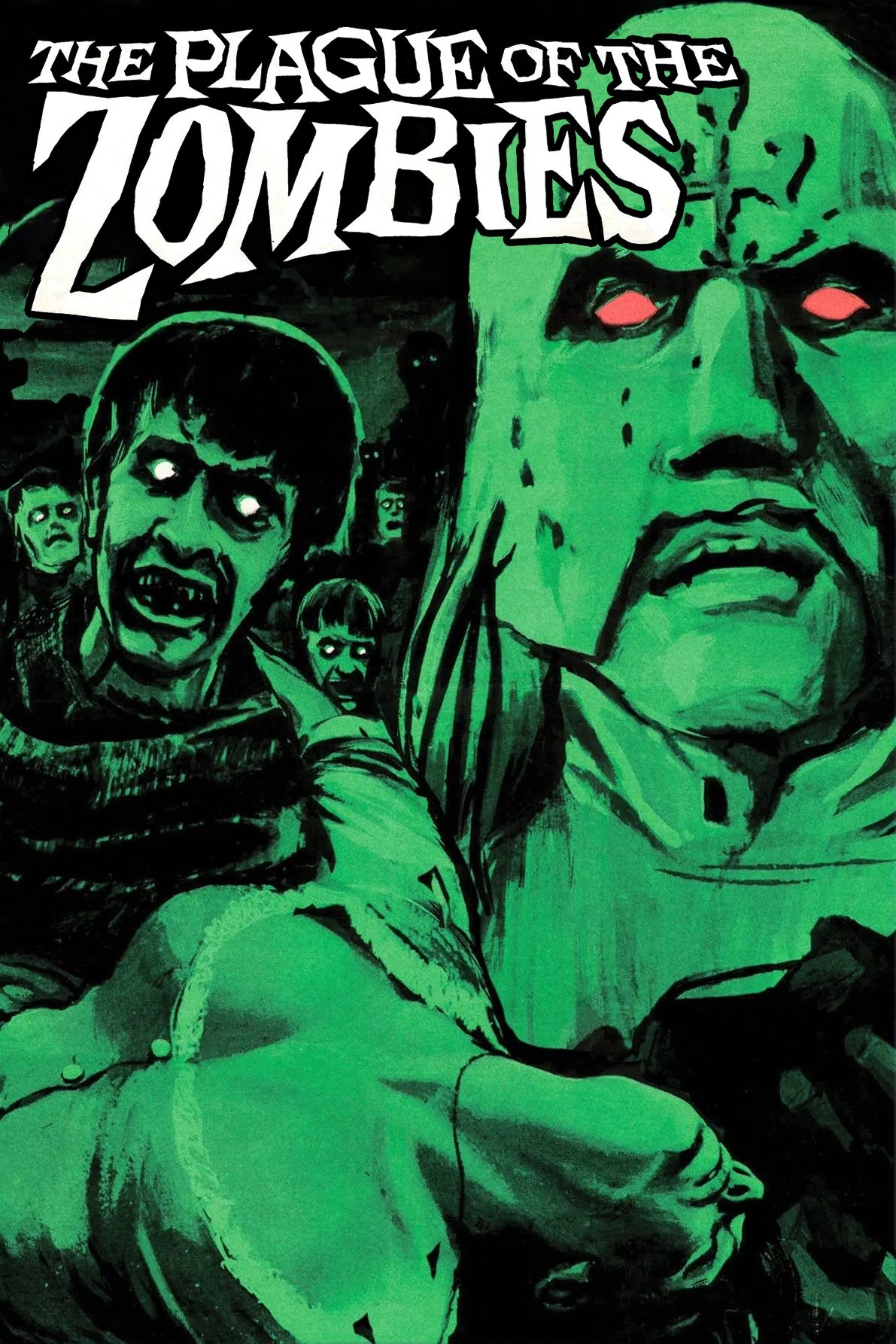
The Plague of the Zombies
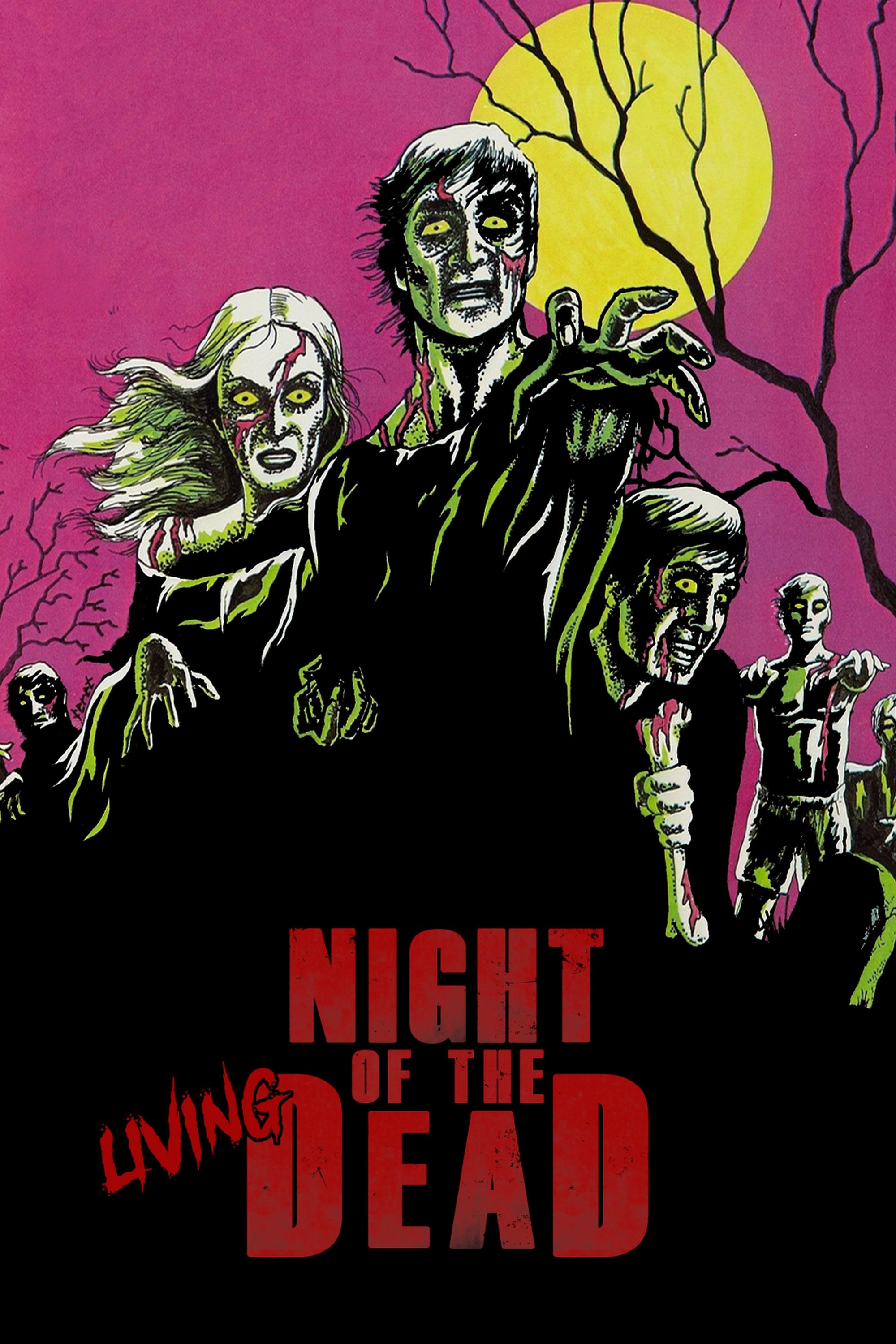
Night of the Living Dead
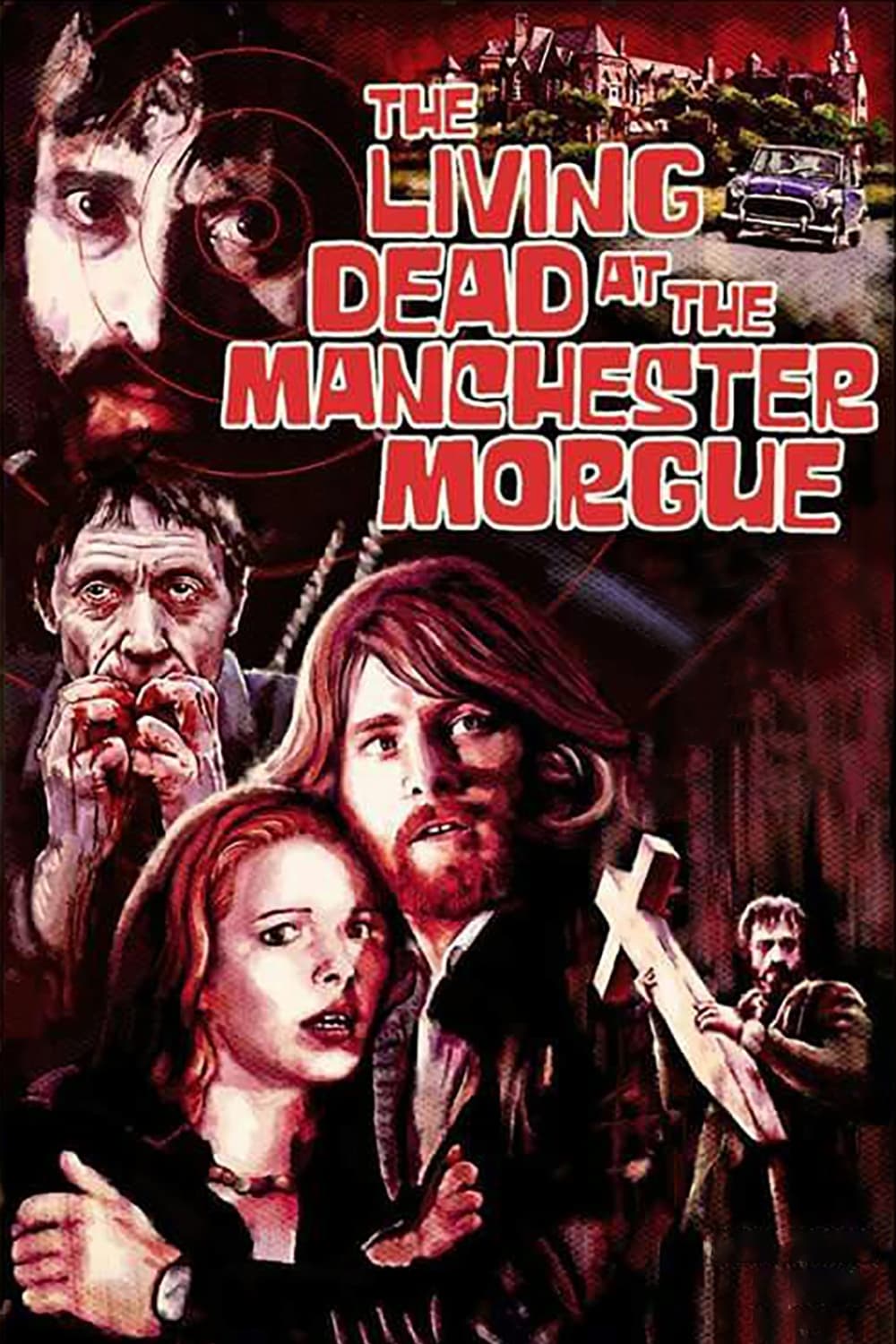
The Living Dead at Manchester Morgue
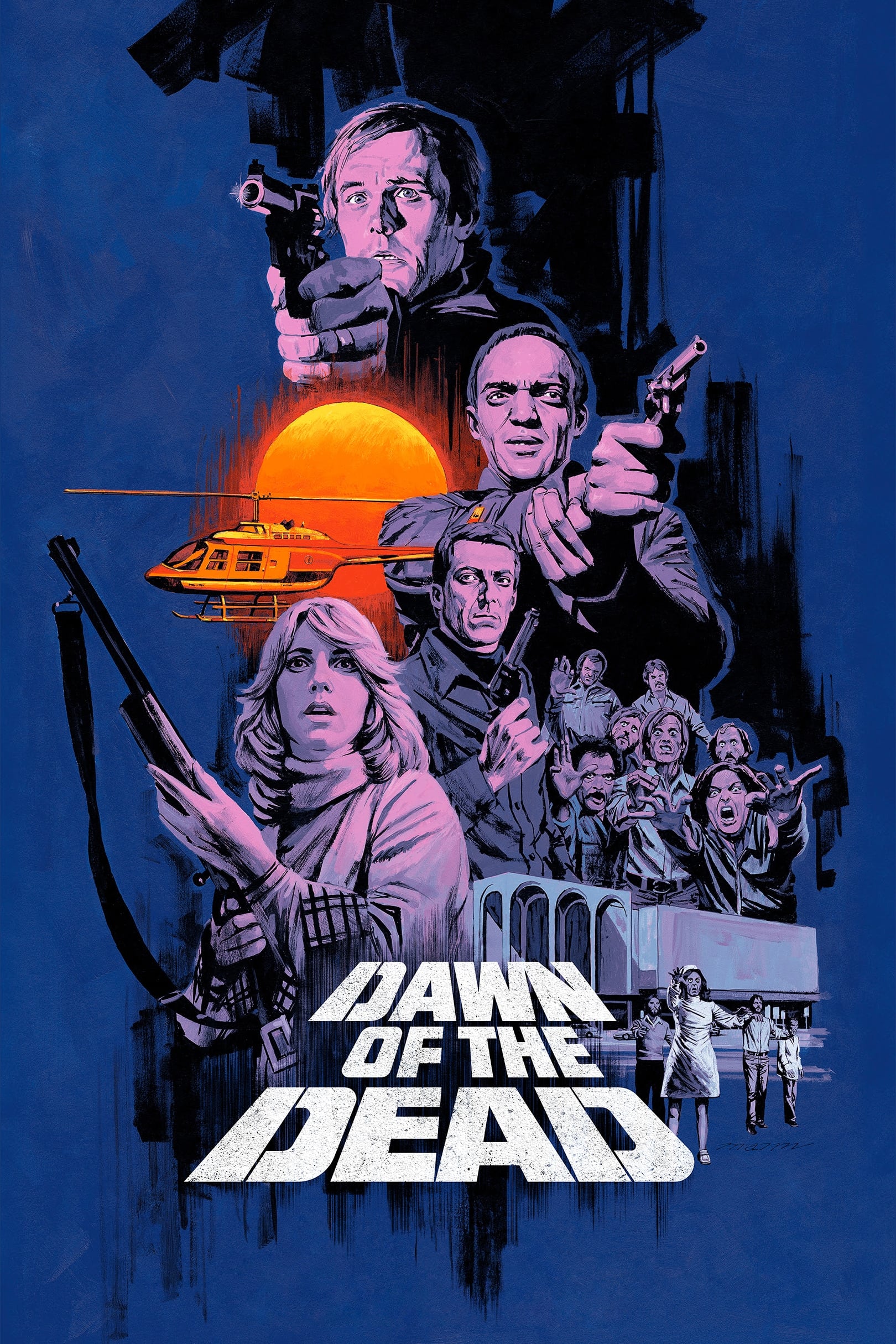
Dawn of the Dead
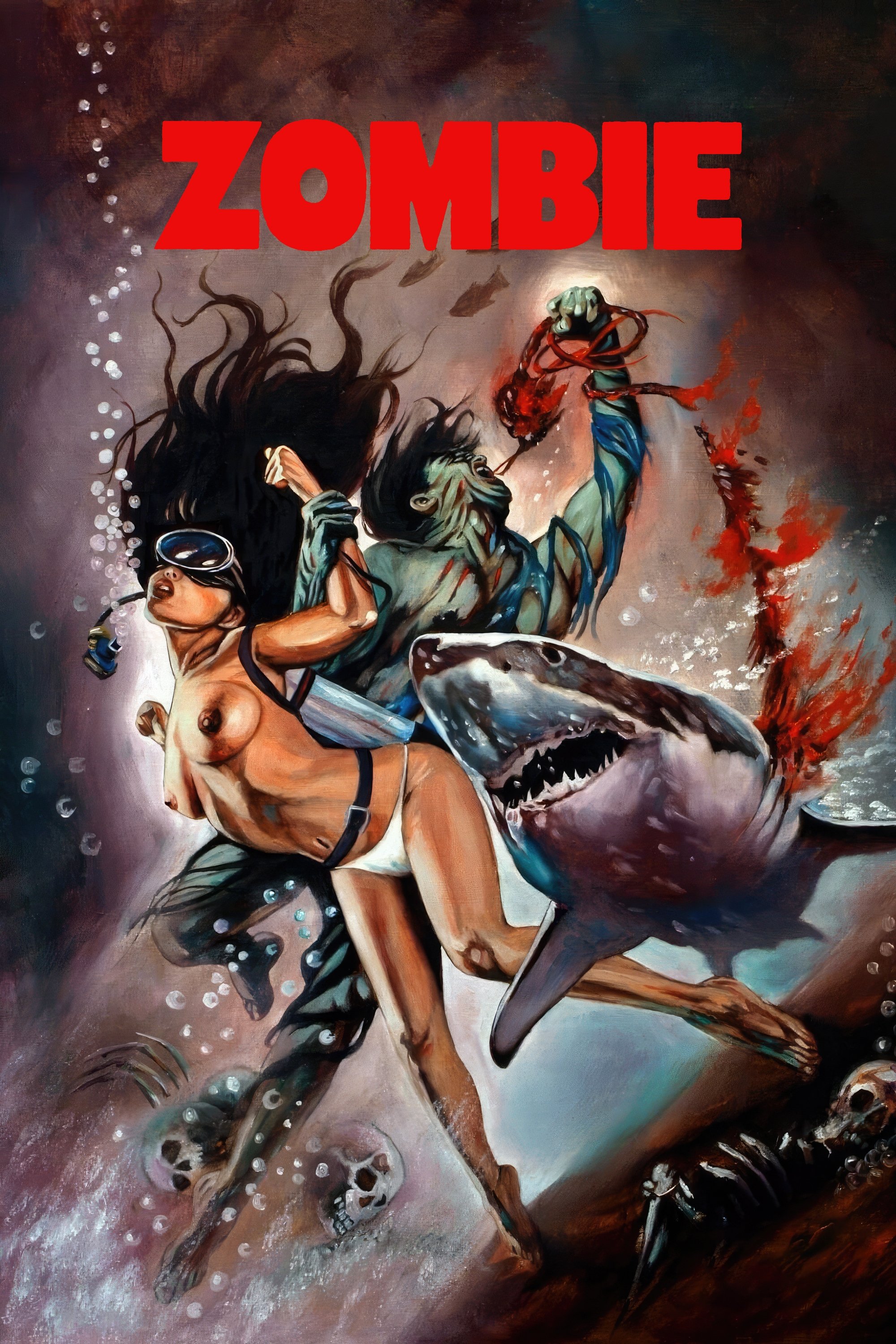
Zombie Flesh Eaters
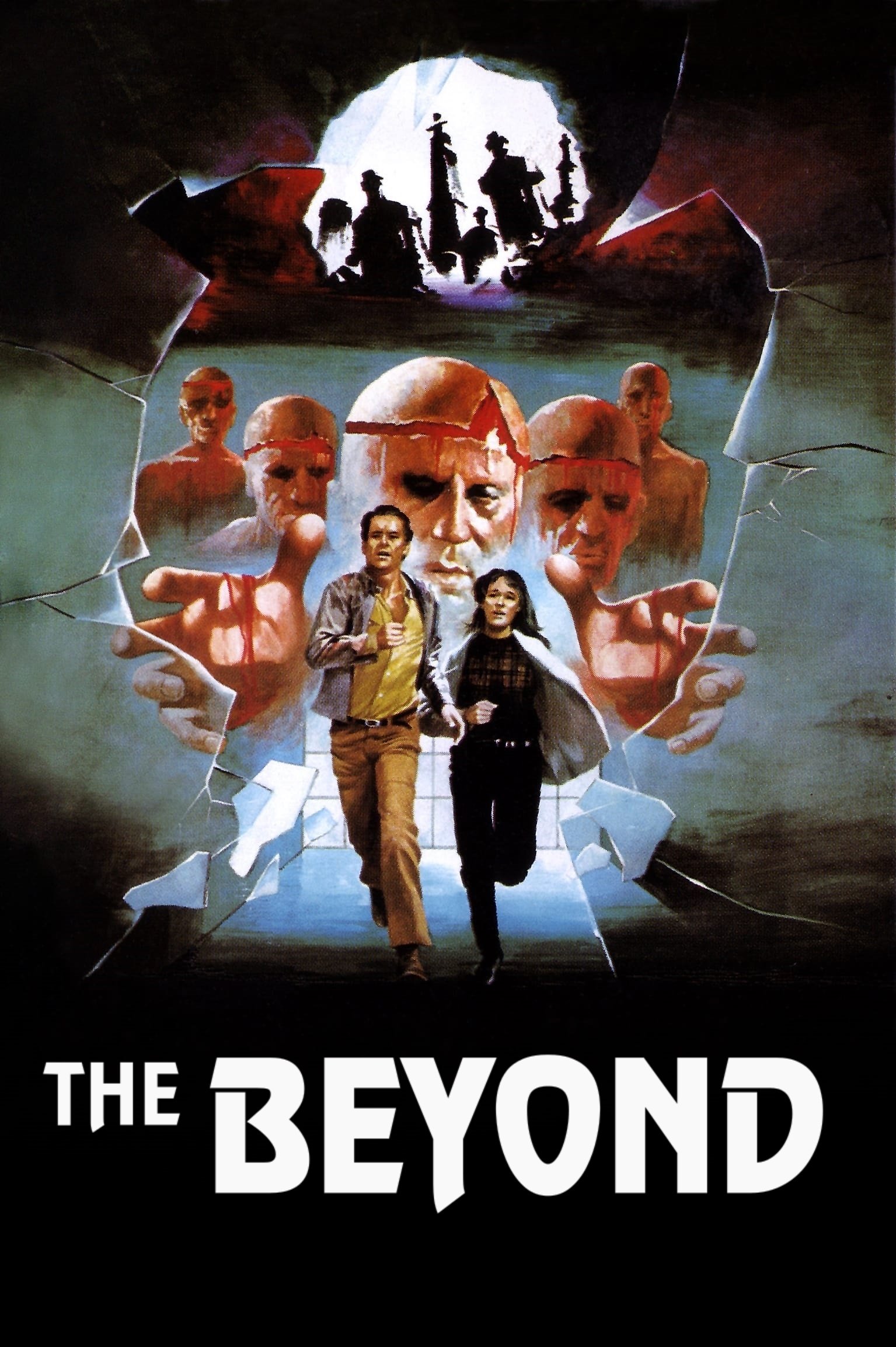
The Beyond
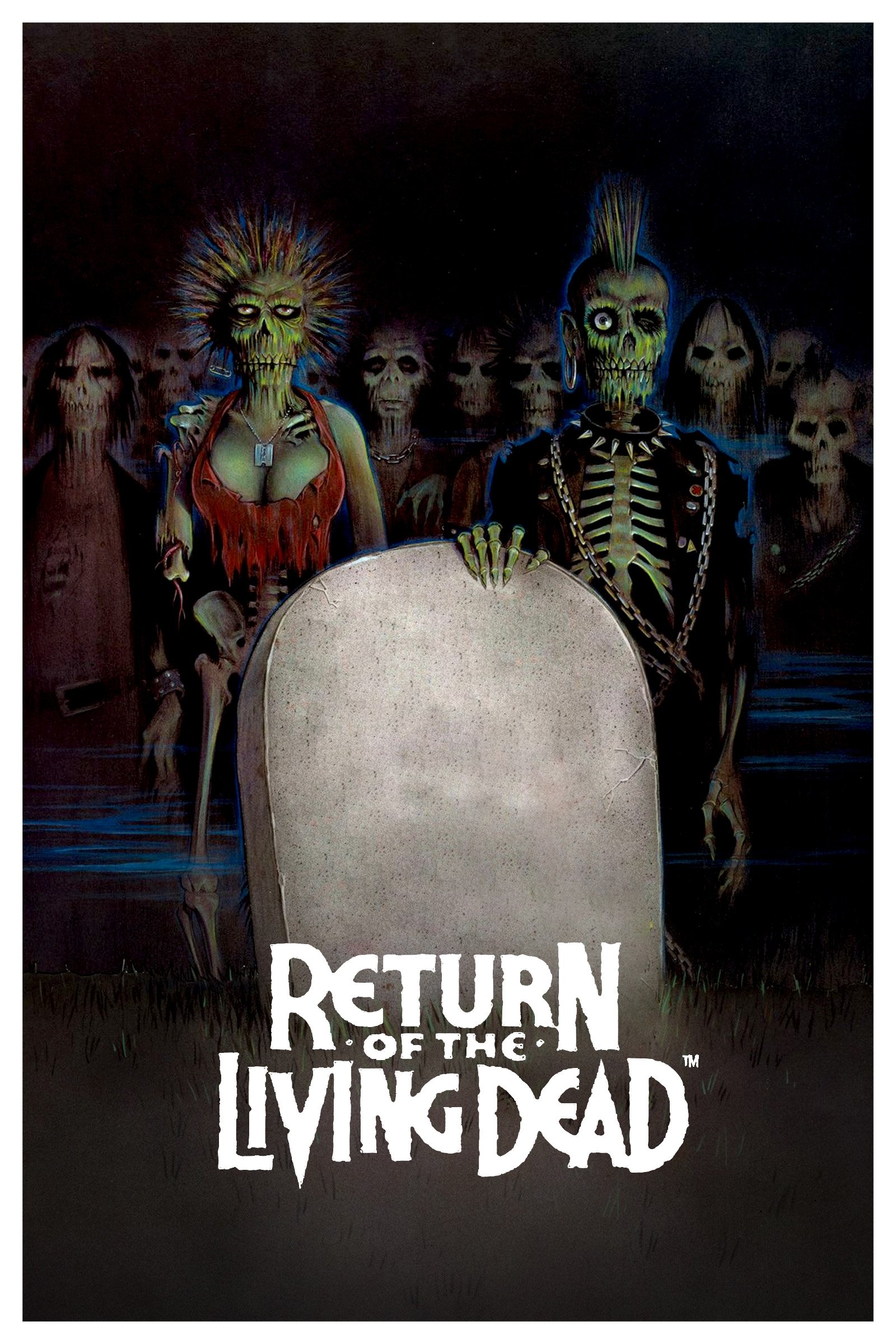
The Return of the Living Dead
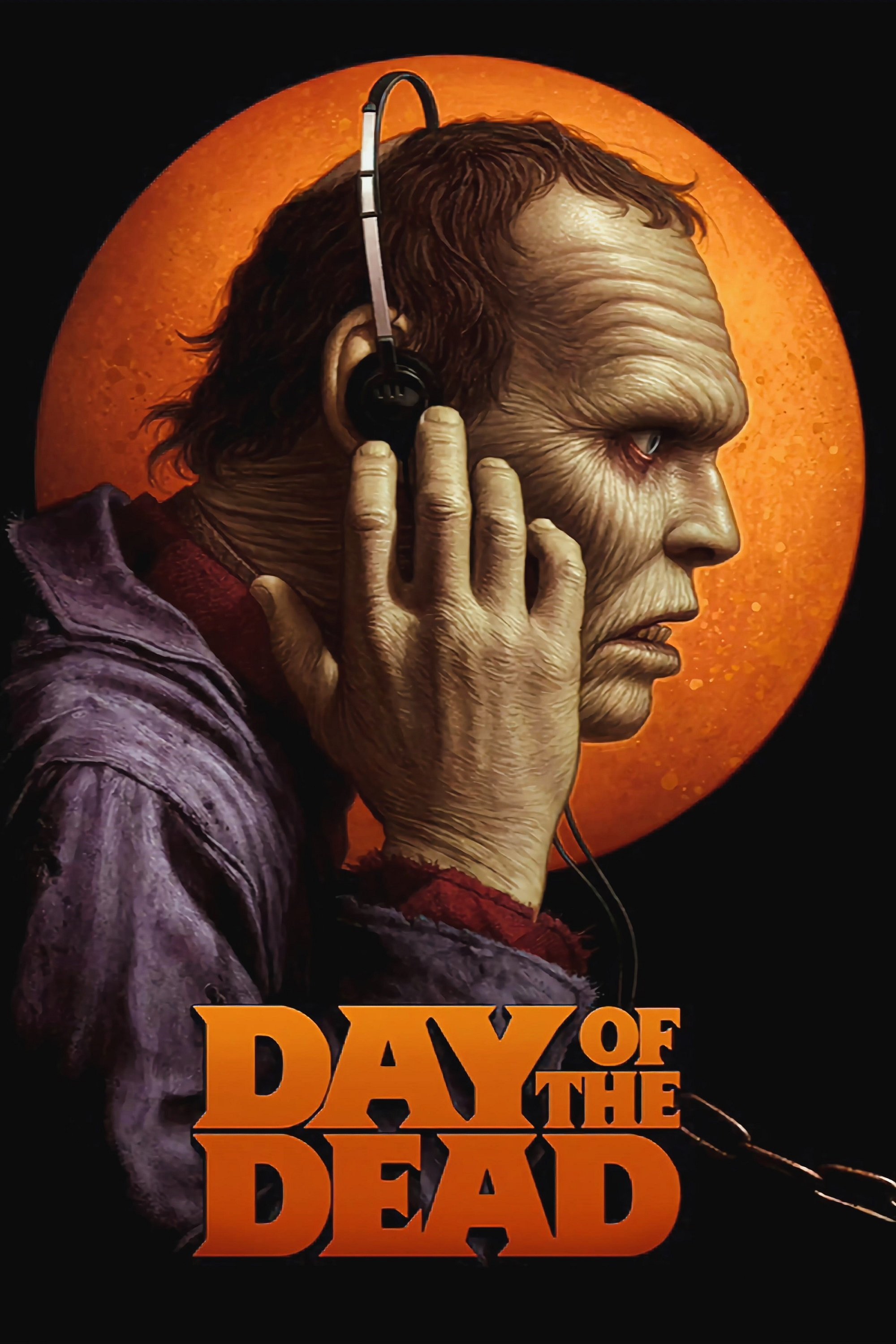
Day of the Dead

Re-Animator
The Serpent and the Rainbow
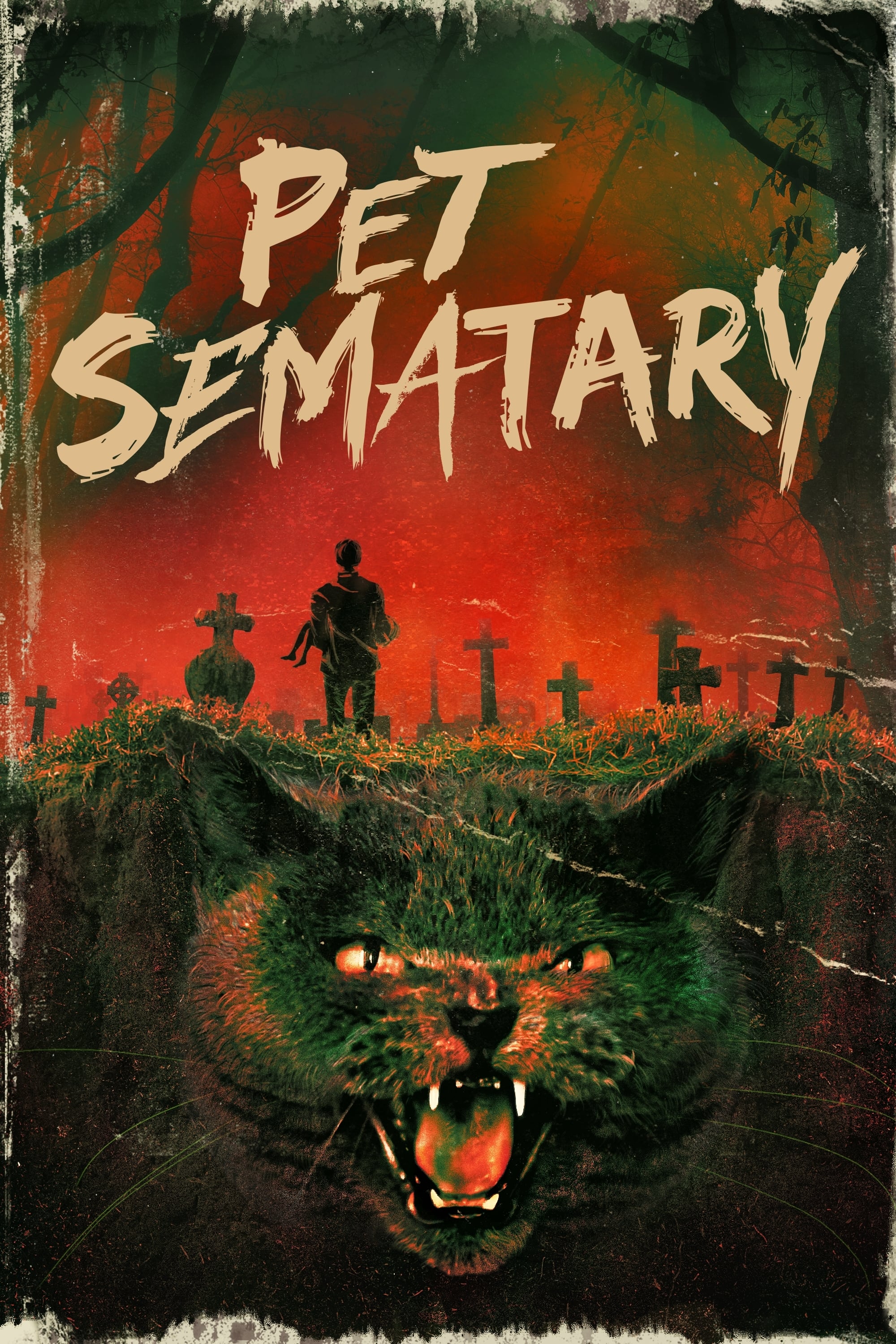
Pet Sematary
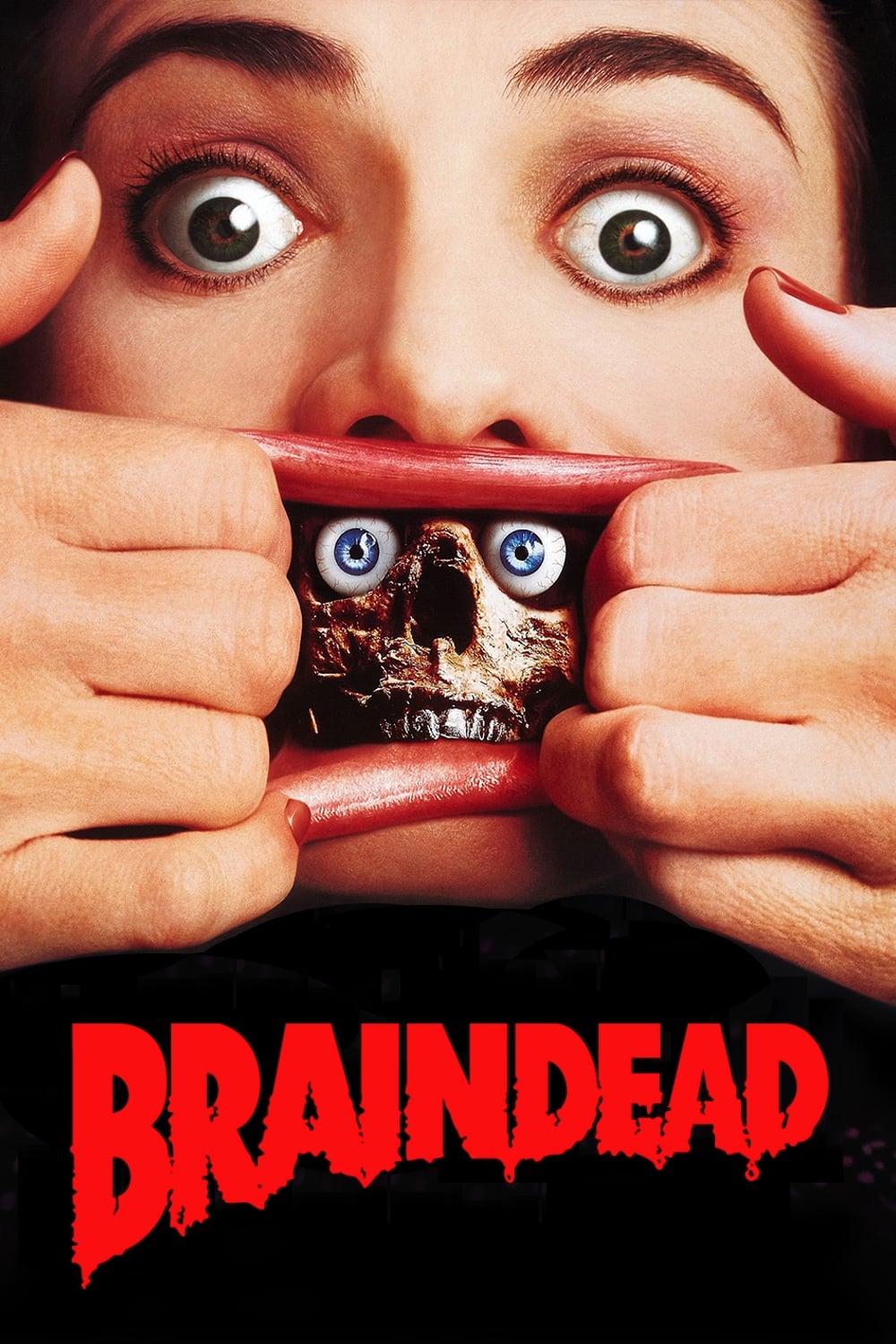
Braindead
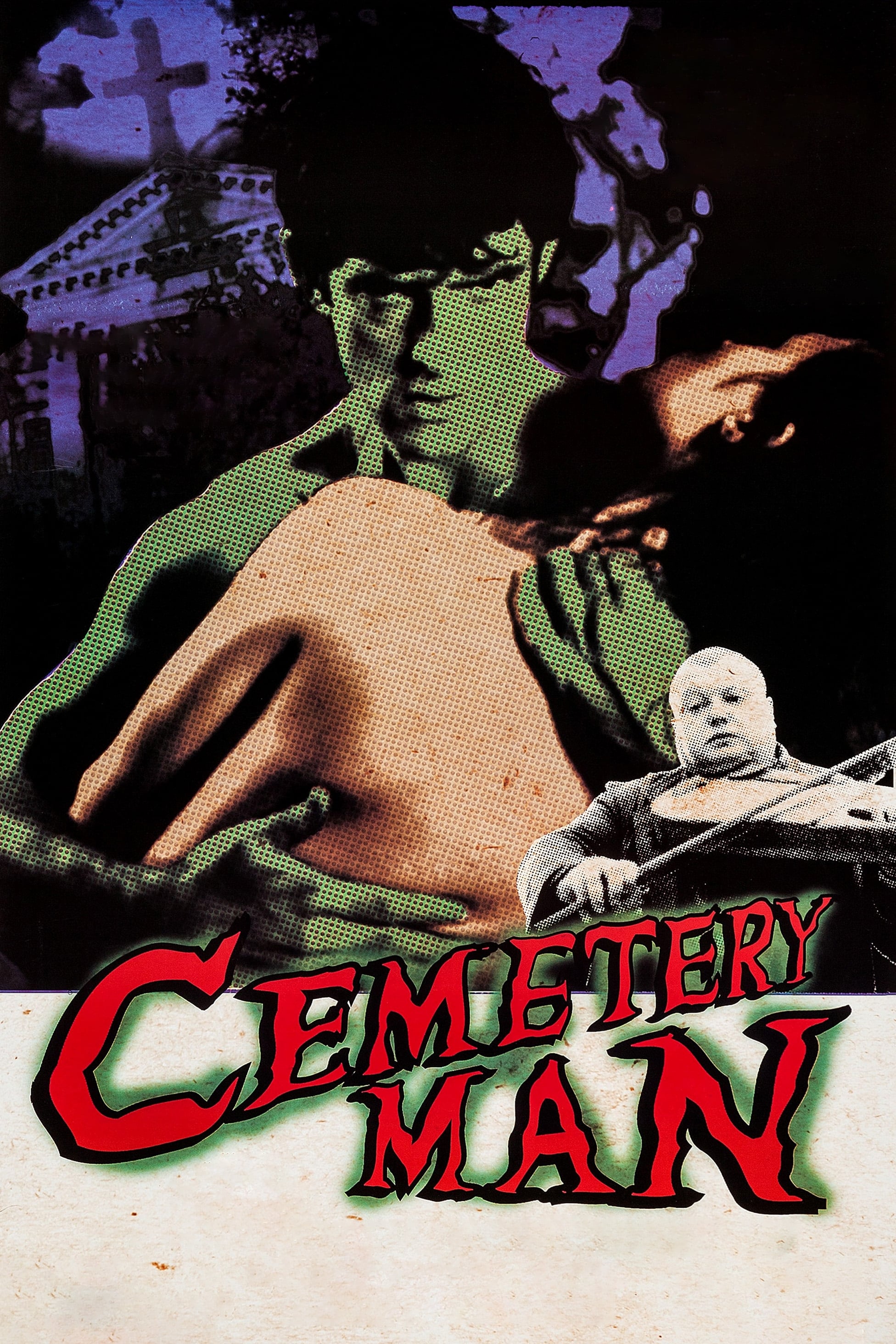
Cemetery Man
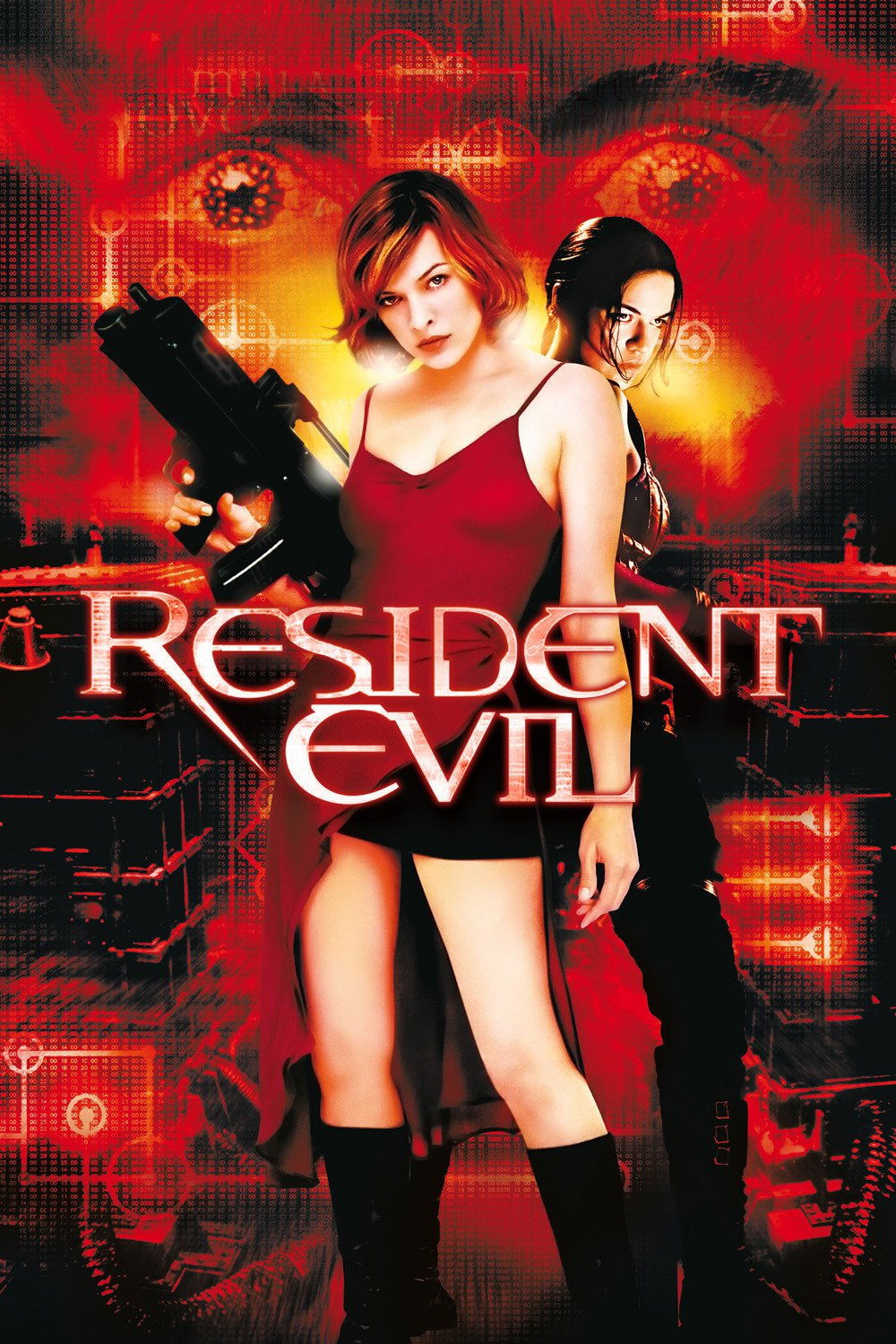
Resident Evil
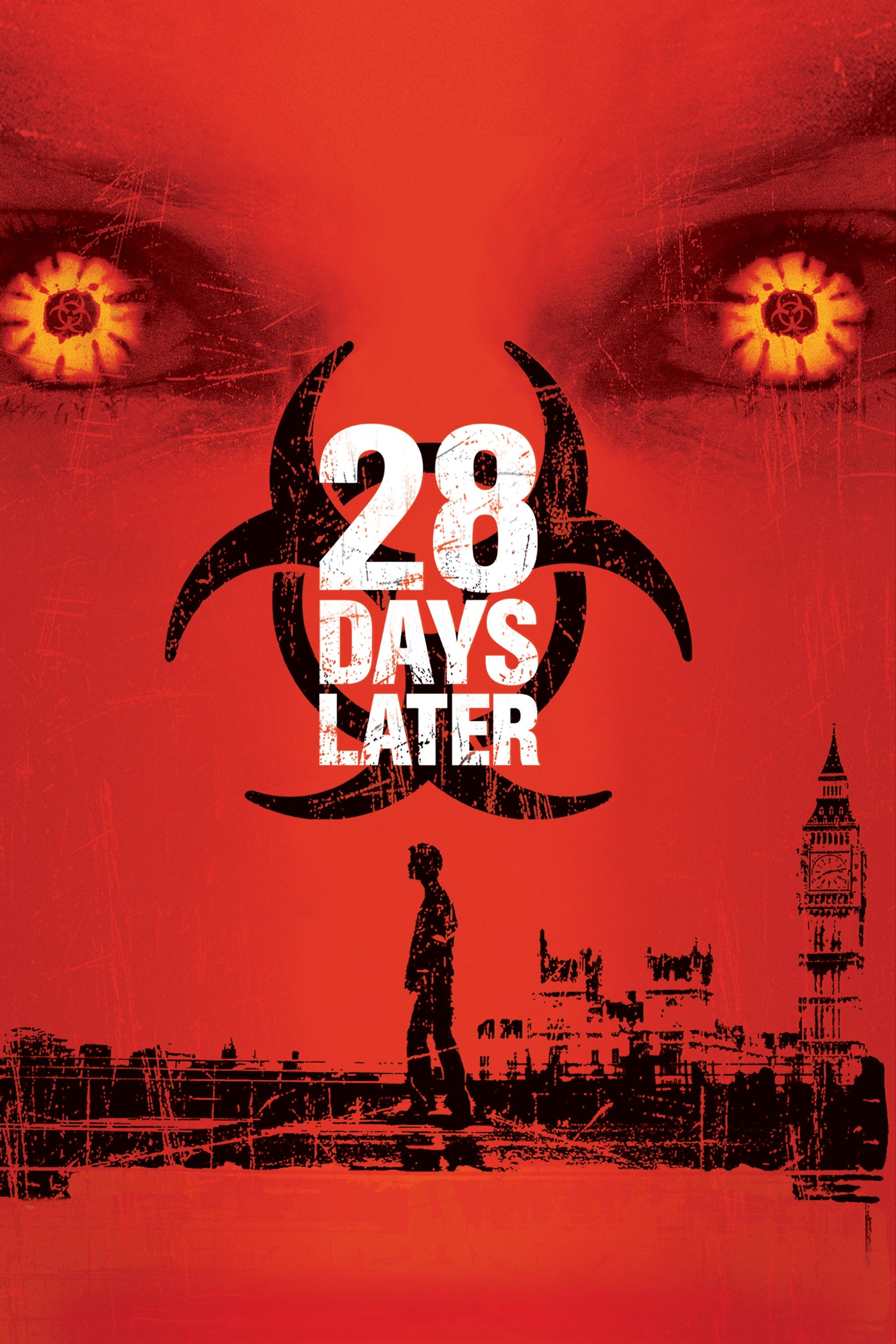
28 Days Later
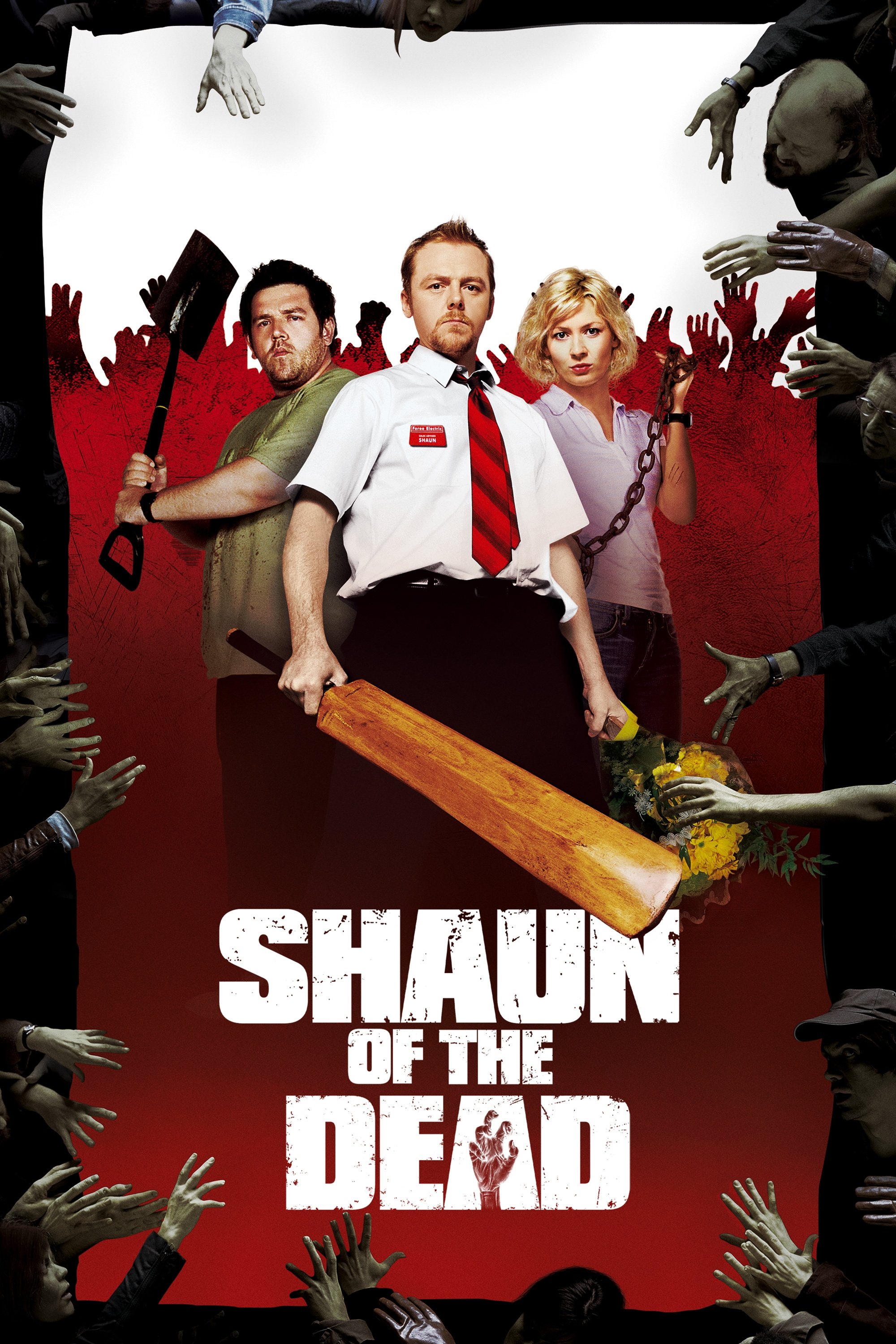
Shaun of the Dead
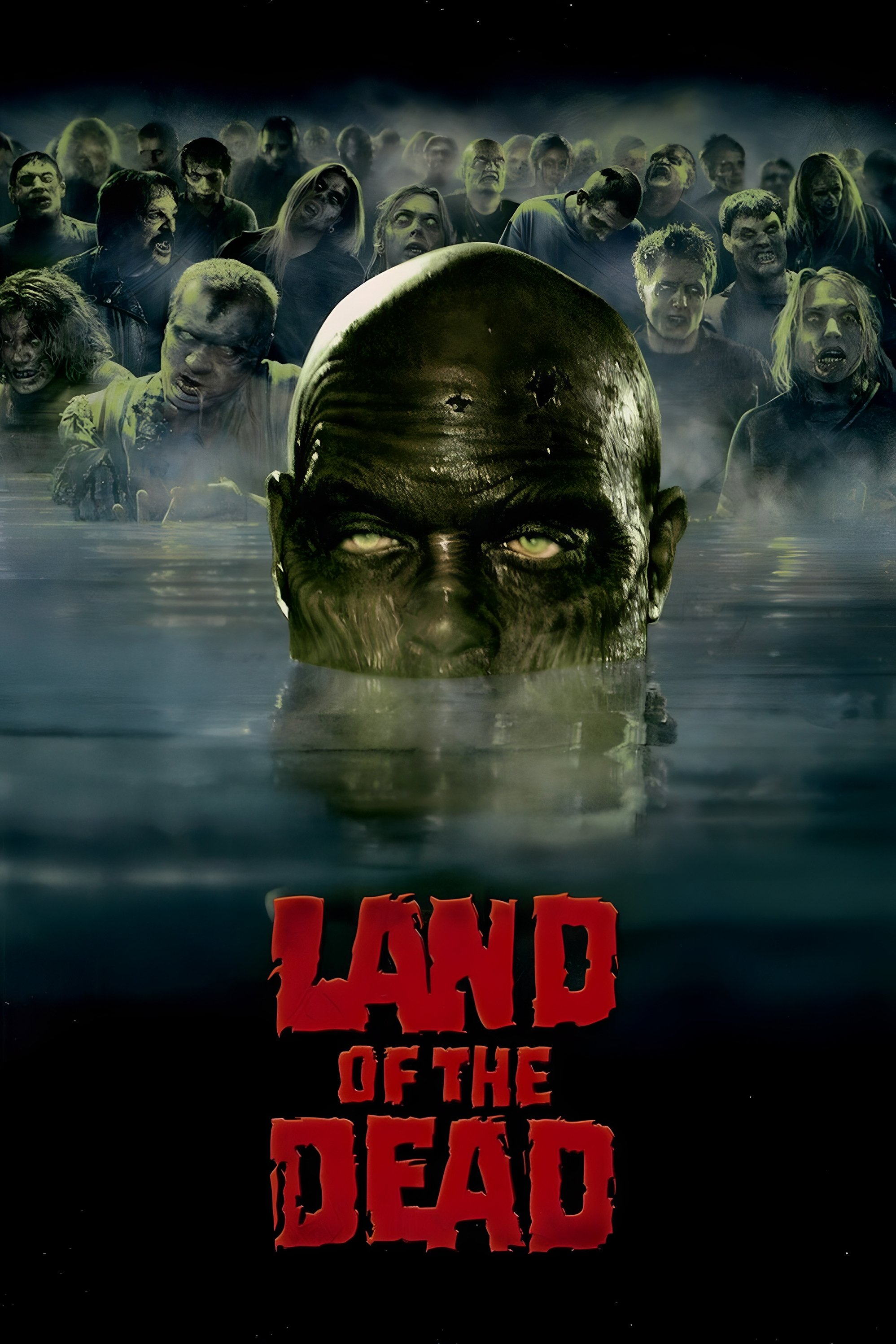
Land of the Dead
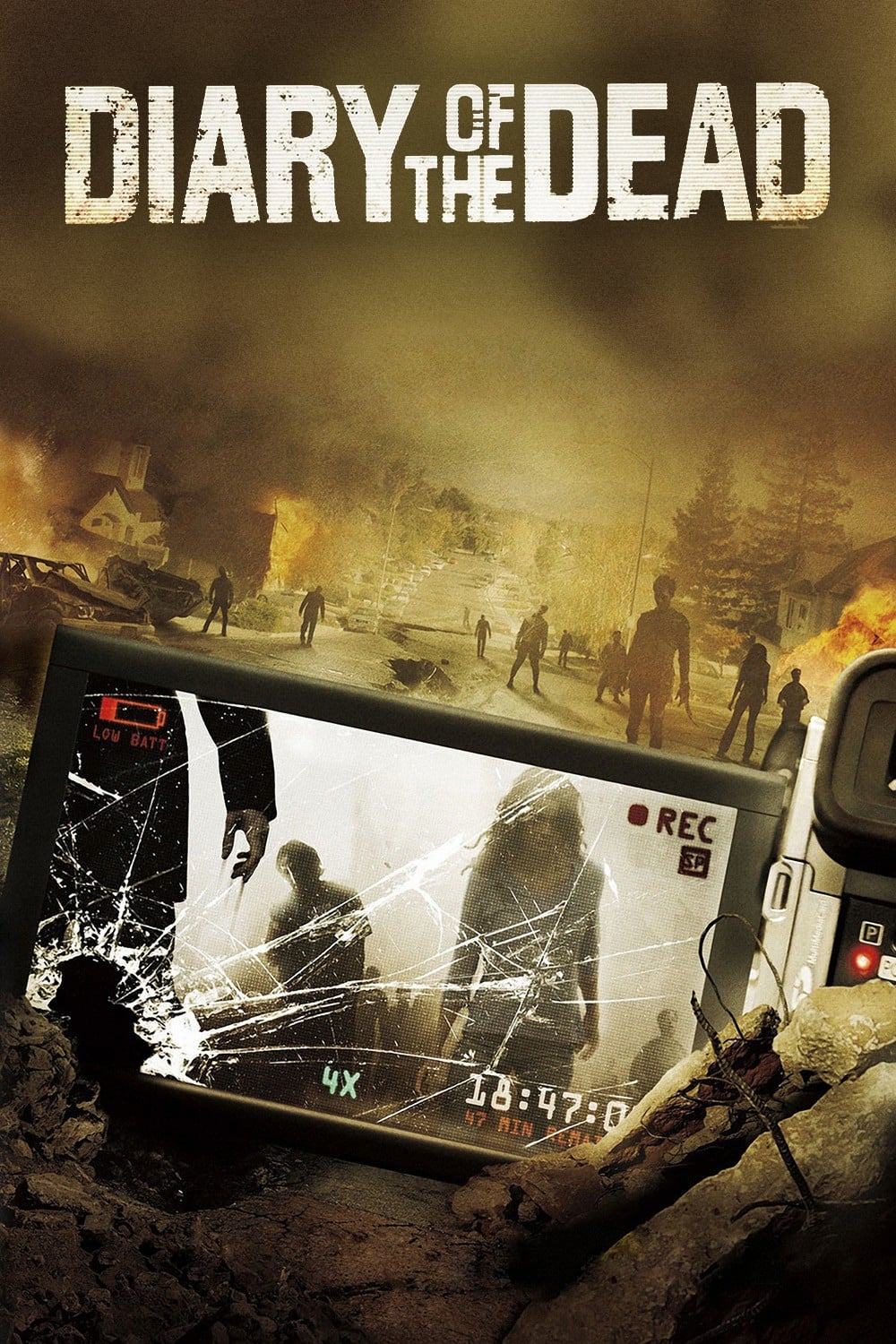
Diary of the Dead
![[REC]](https://image.tmdb.org/t/p/original/hgyJR4sgMsee6xMFM3xYiG6cDCh.jpg)
[REC]
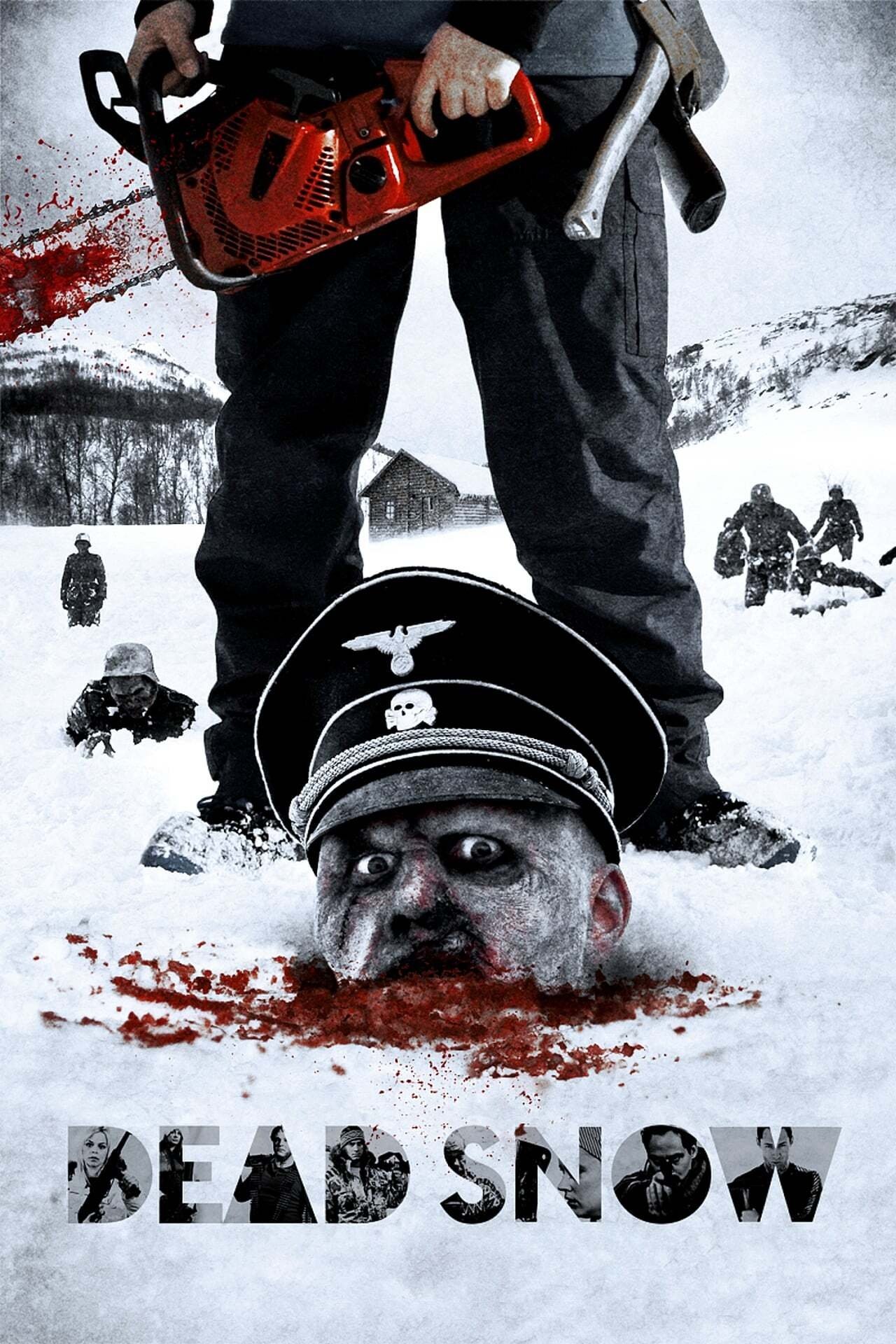
Dead Snow
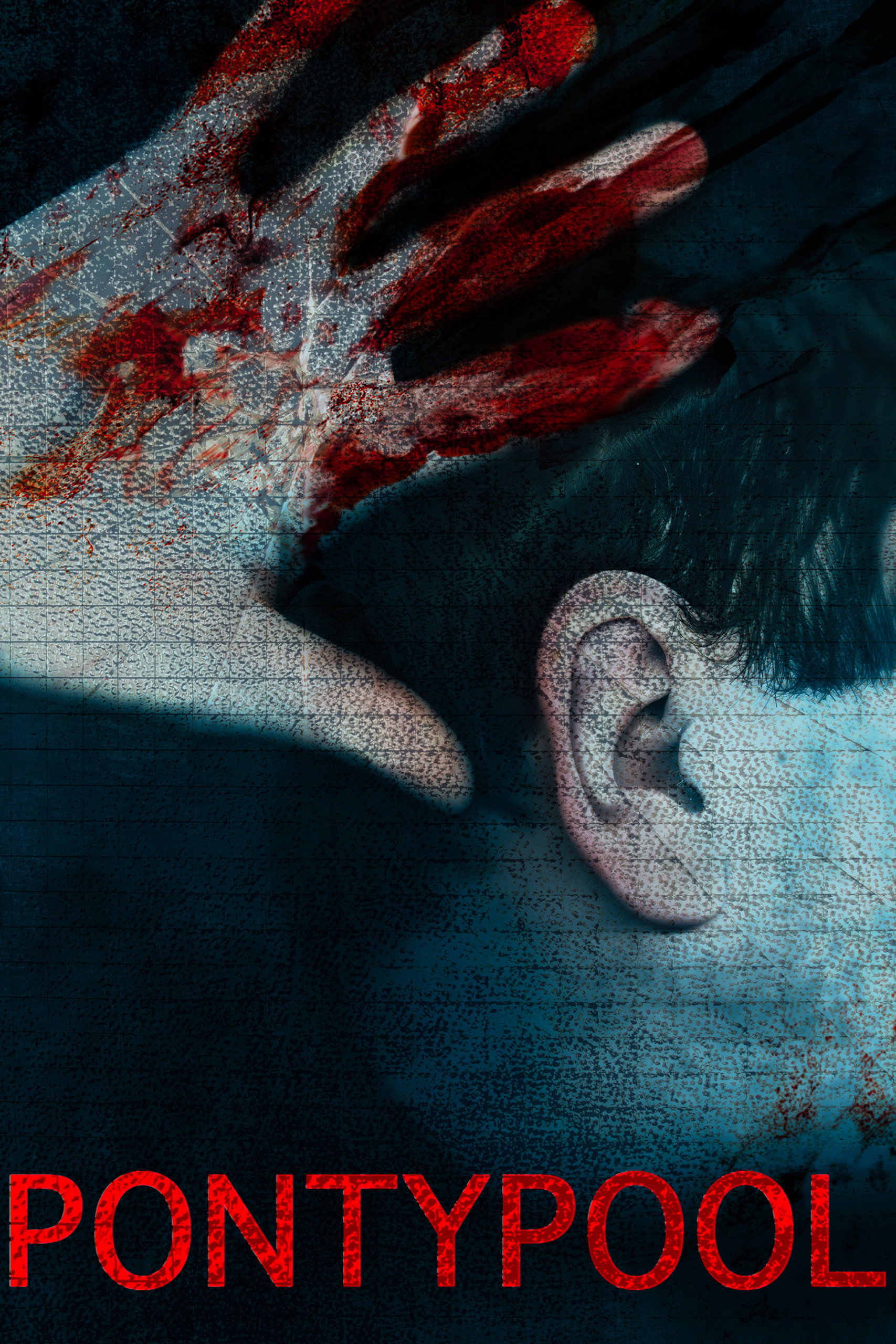
Pontypool
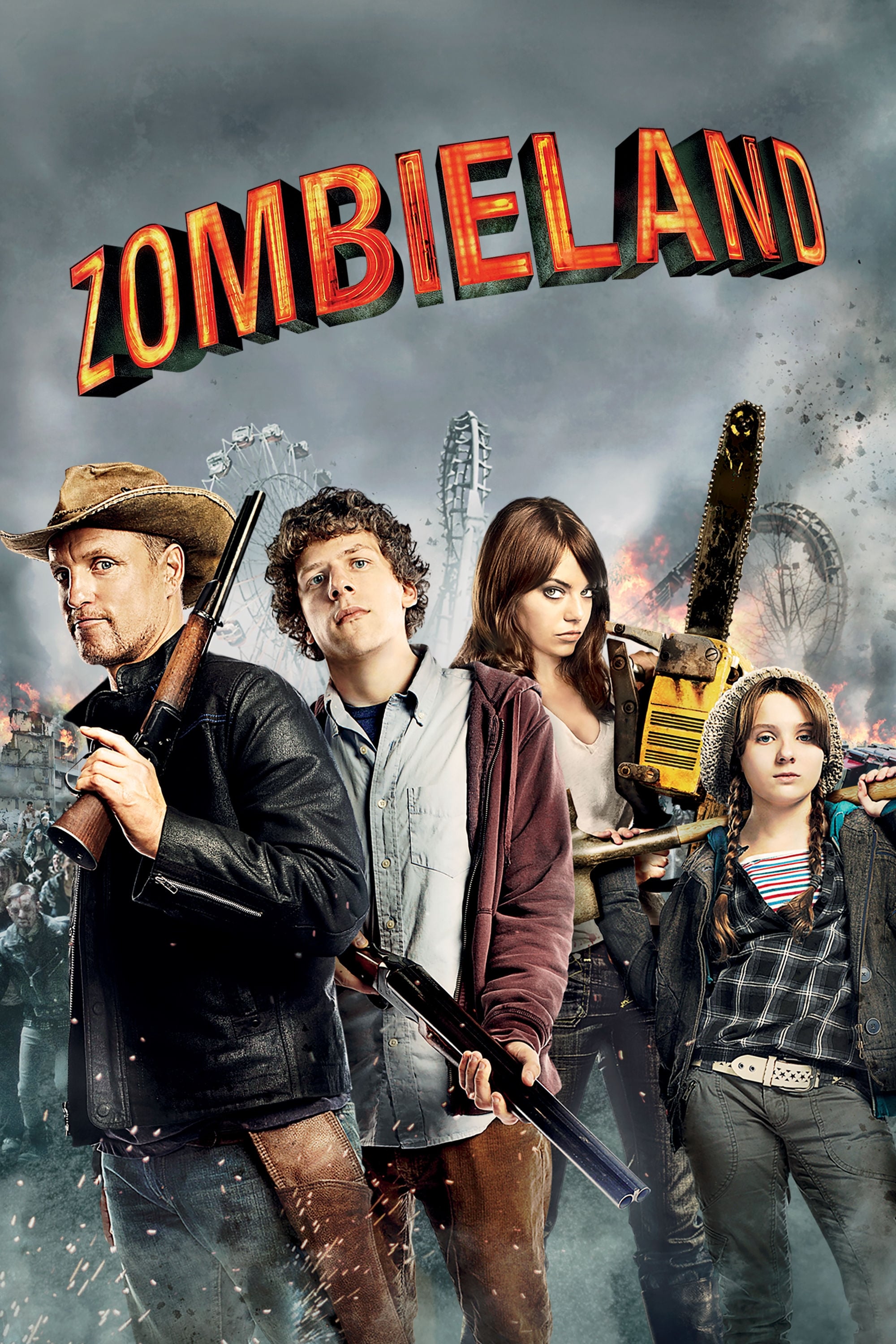
Zombieland
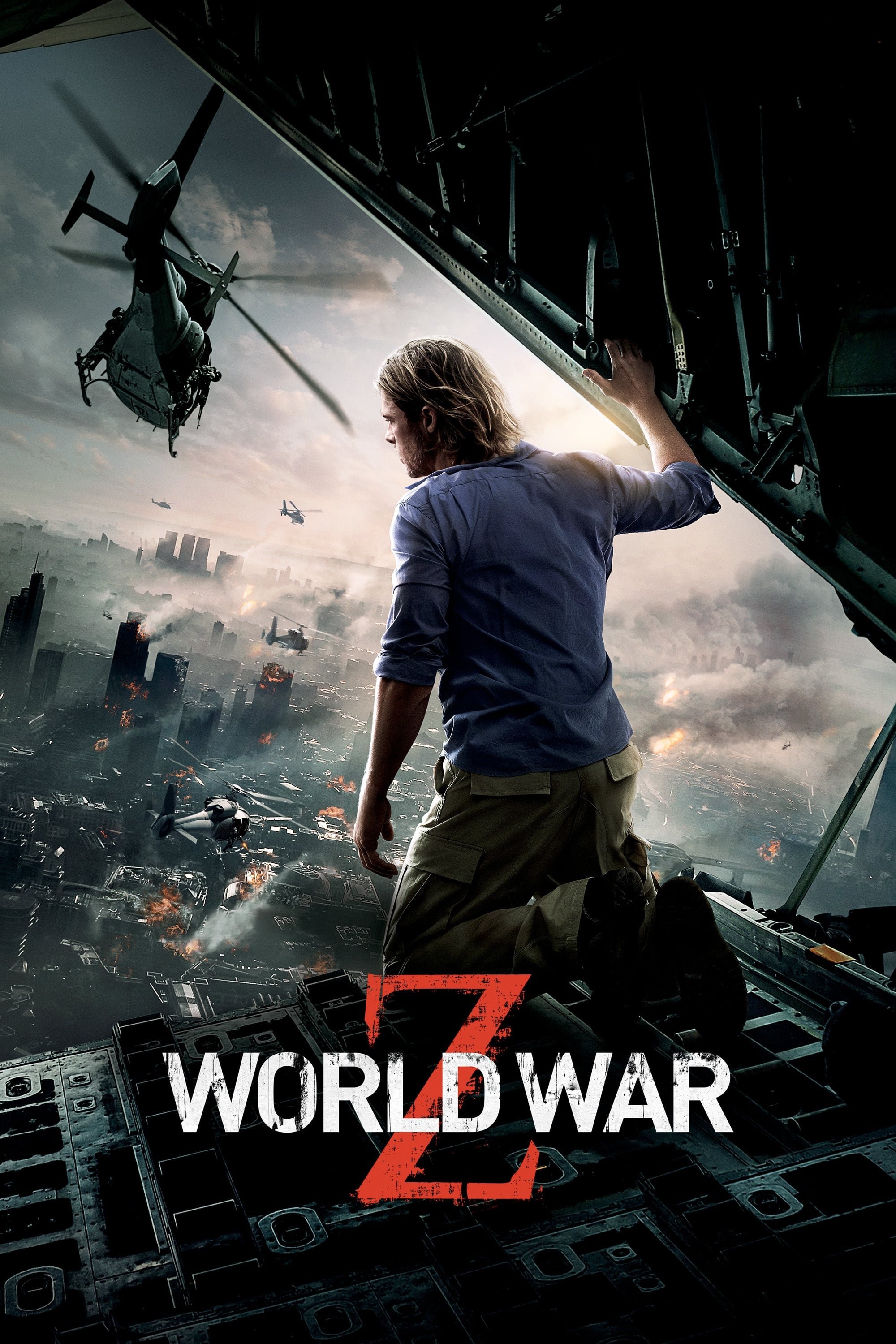
World War Z
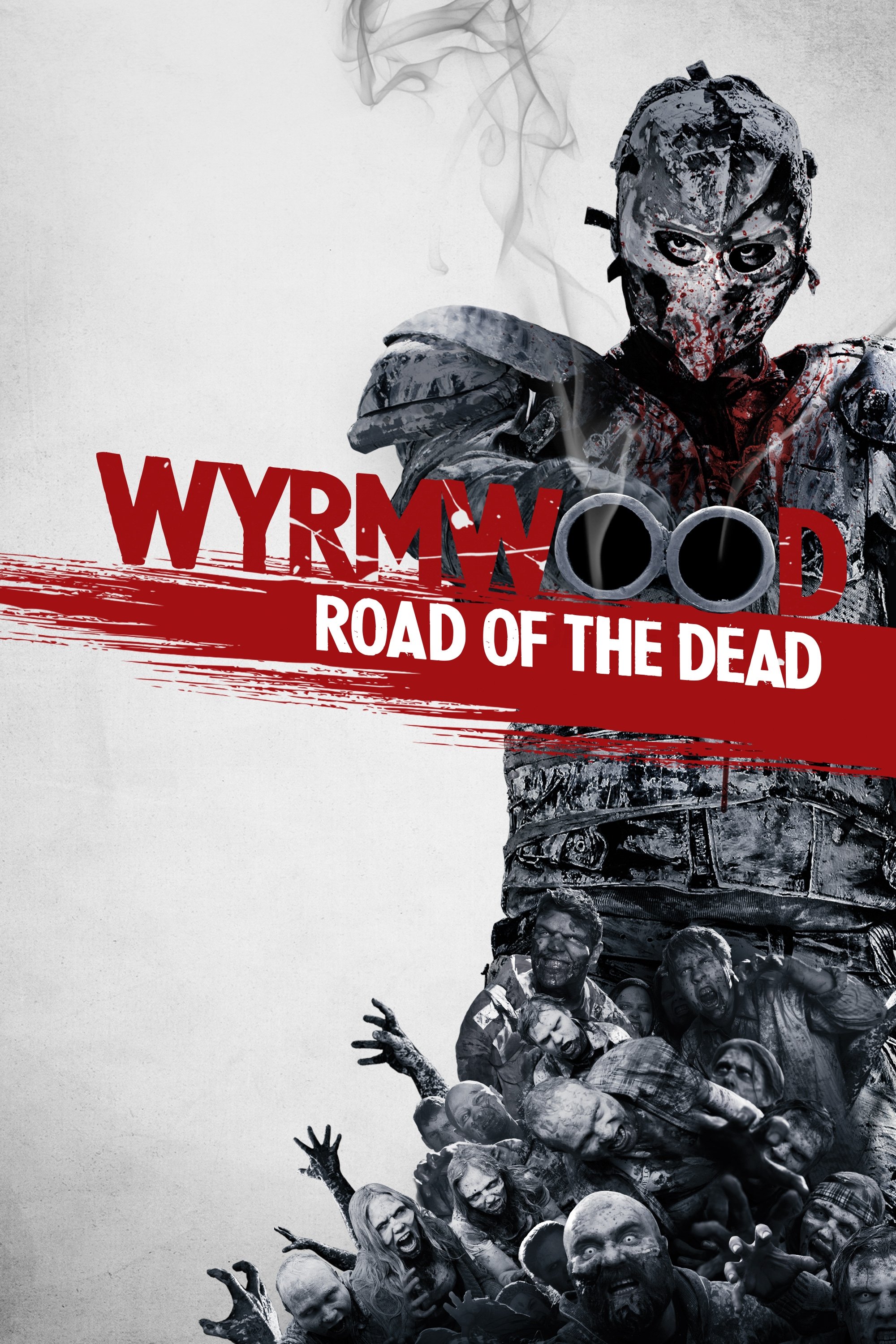
Wyrmwood: Road of the Dead
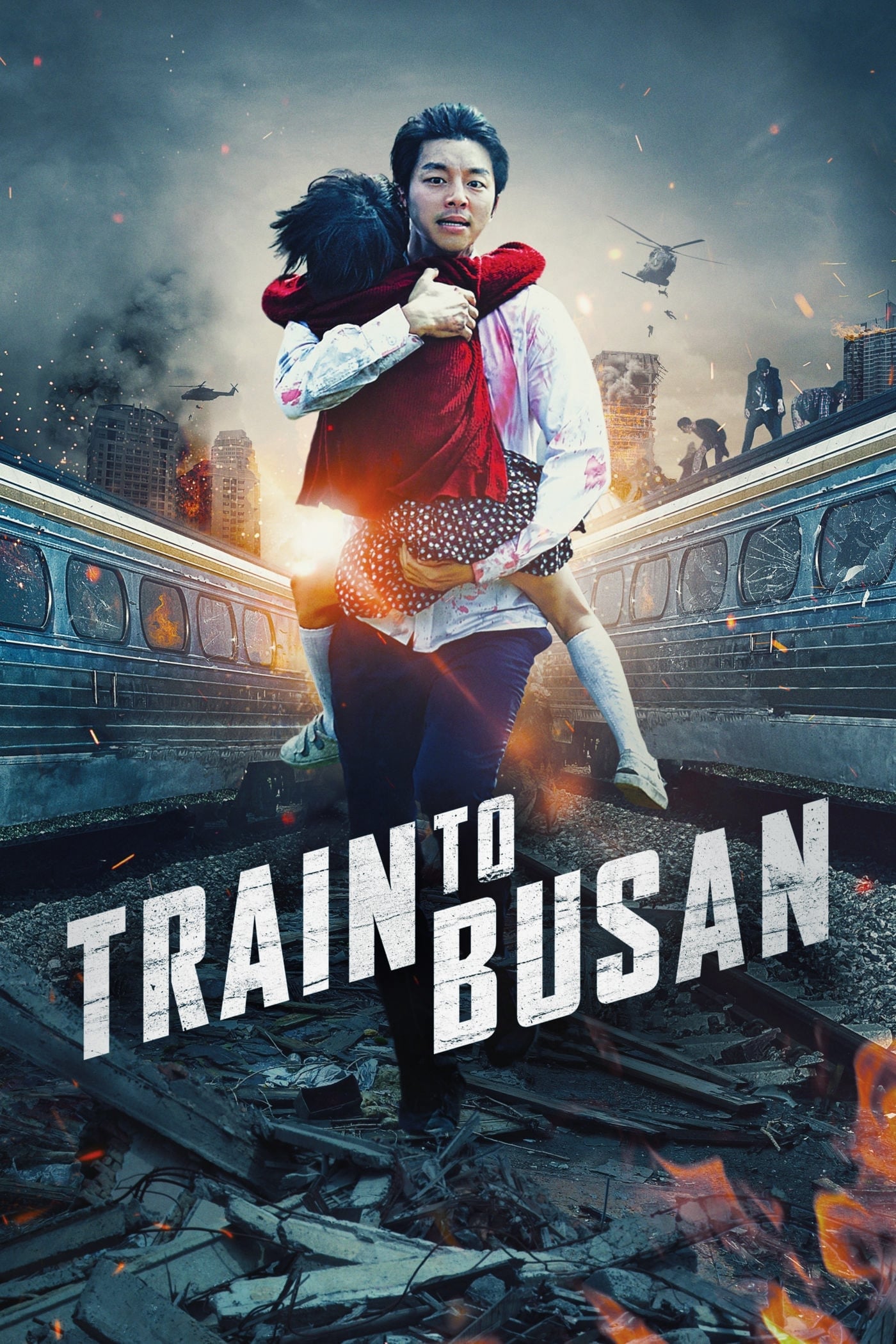
Train to Busan
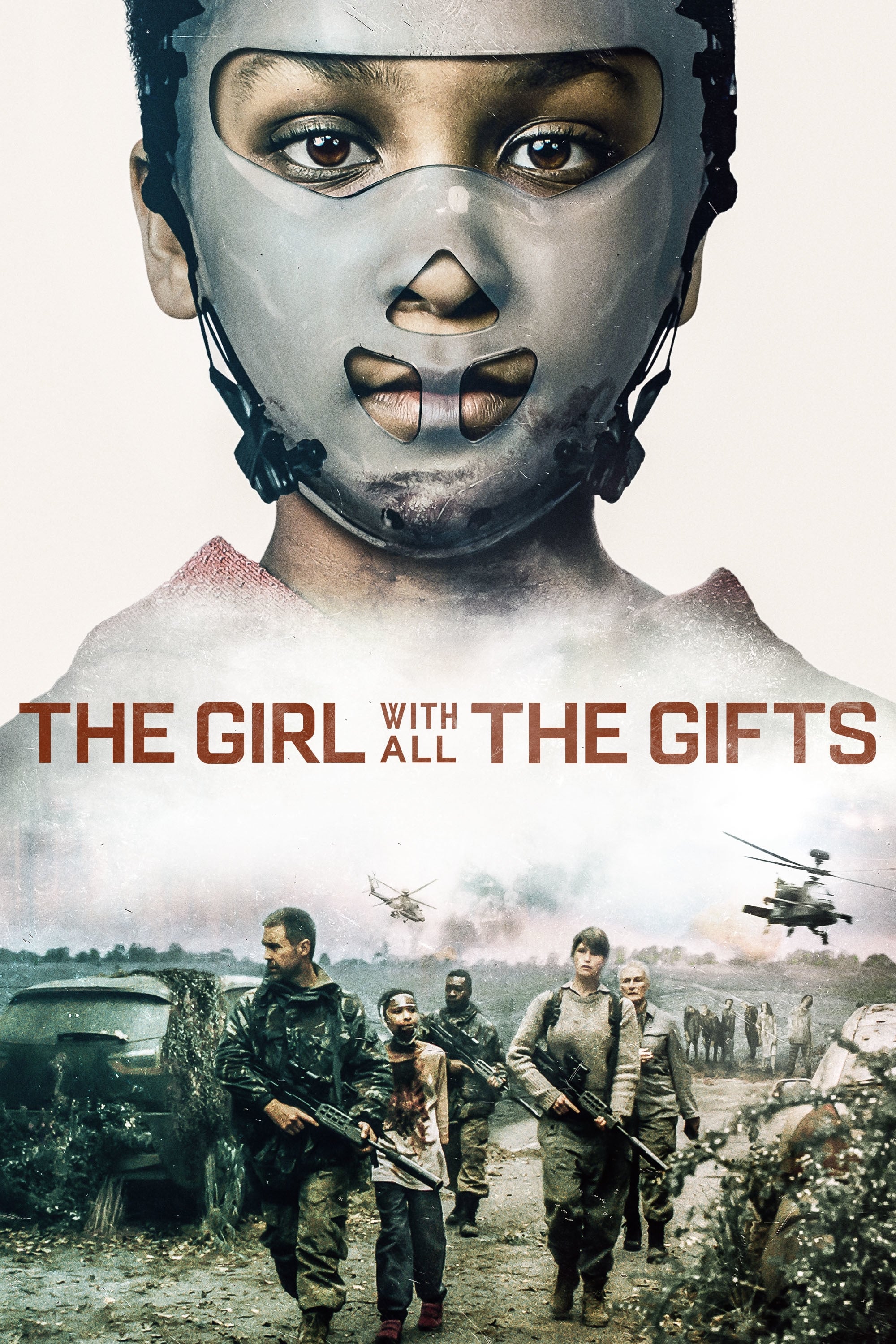
The Girl with All the Gifts
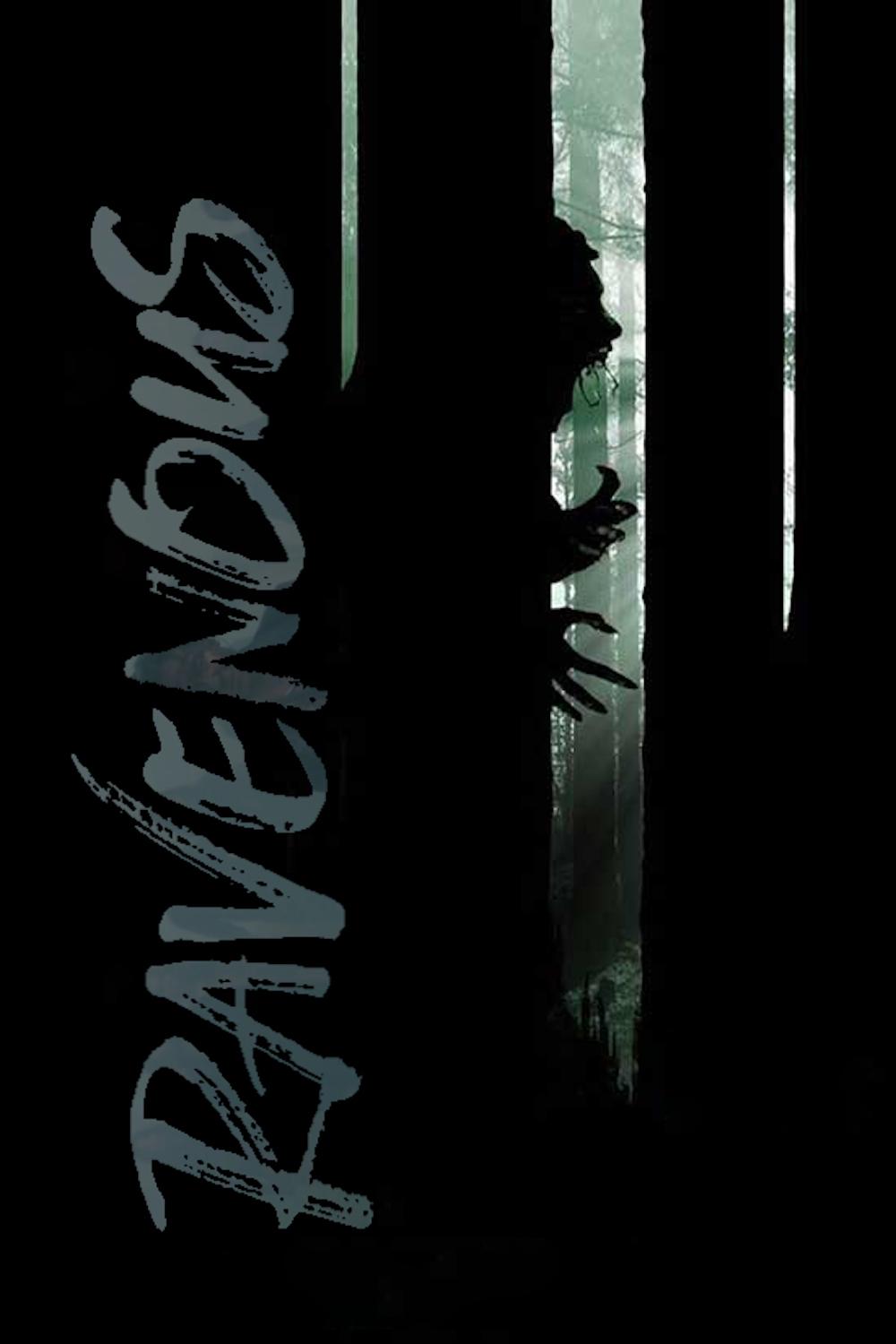
Ravenous
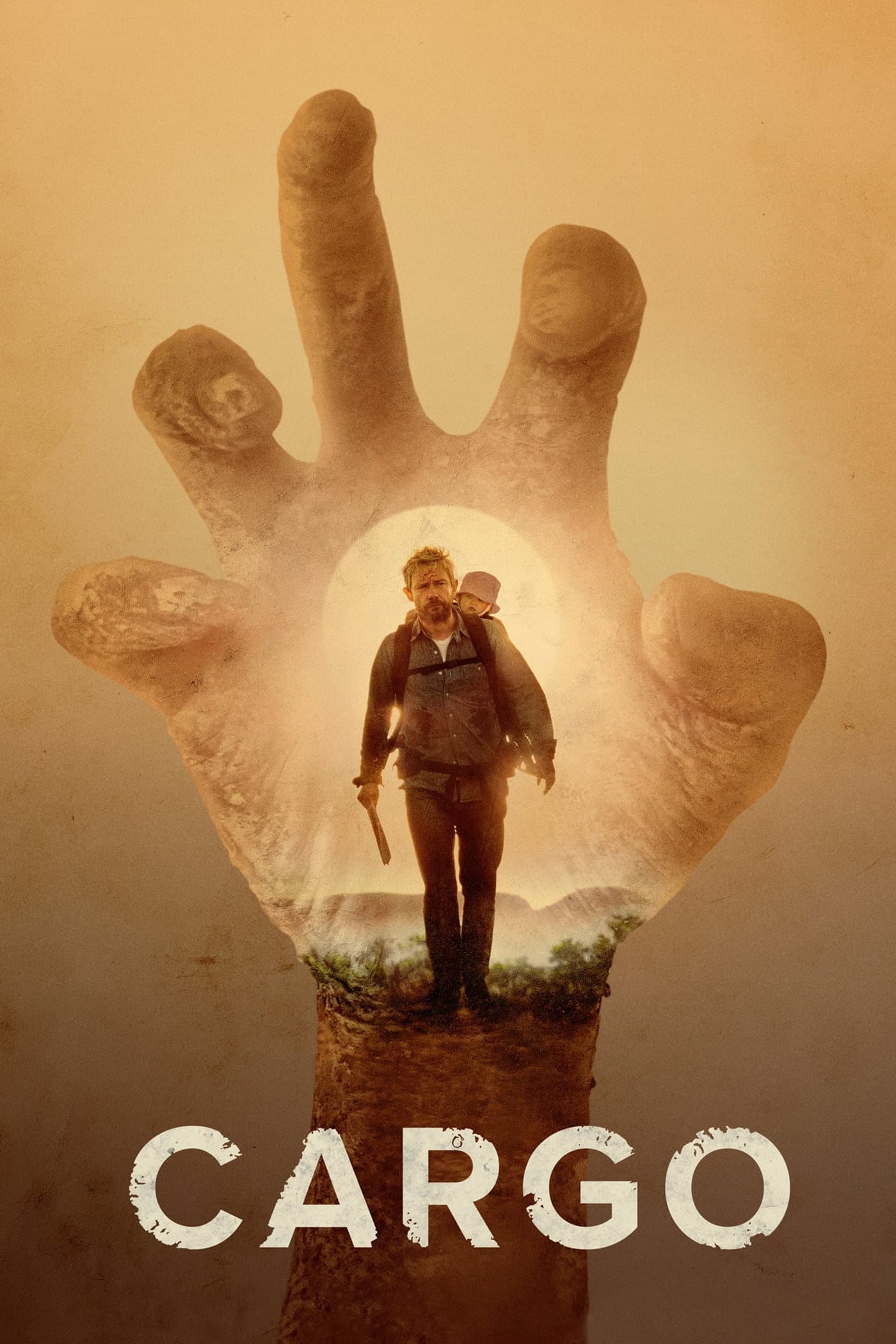
Cargo
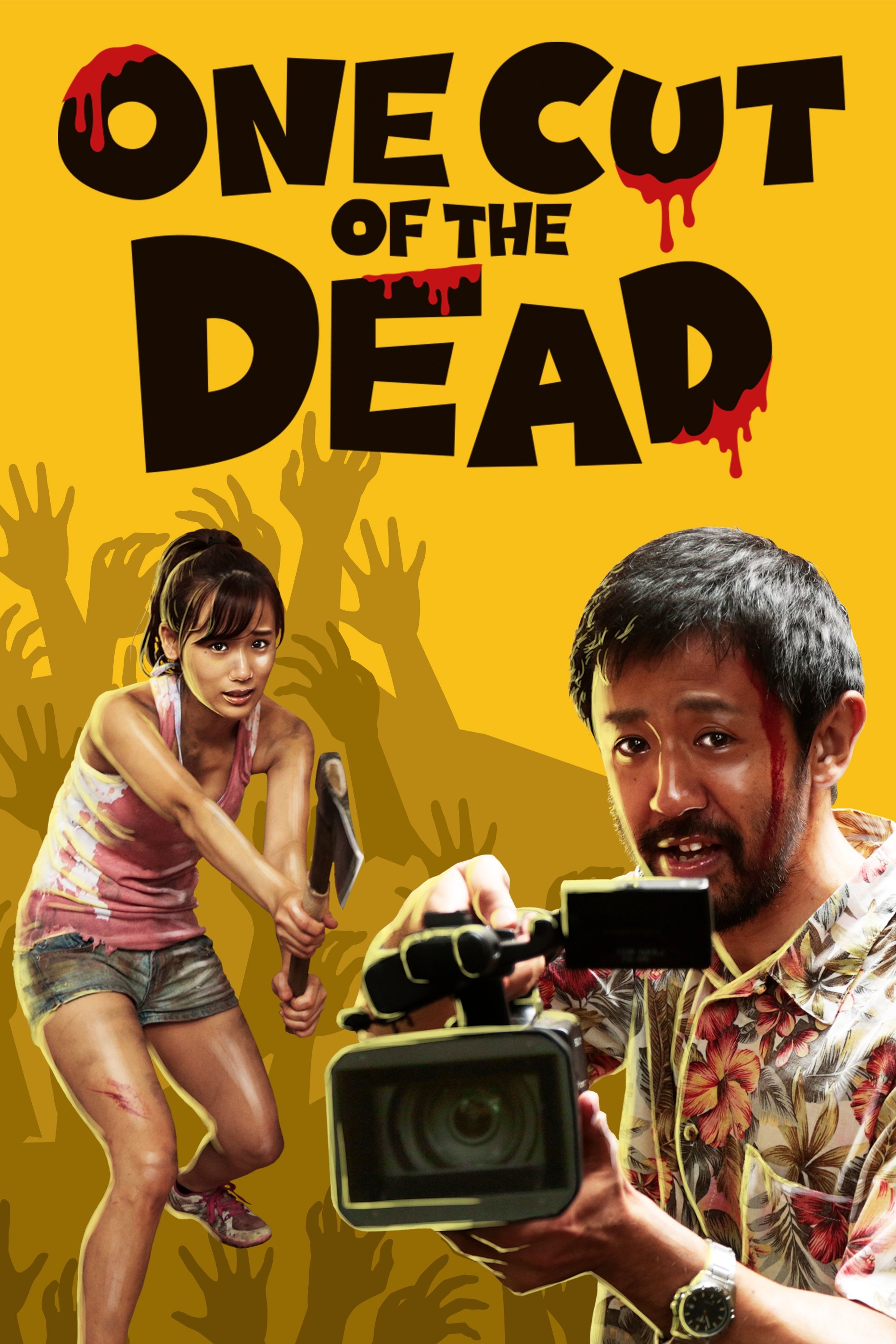
One Cut of the Dead
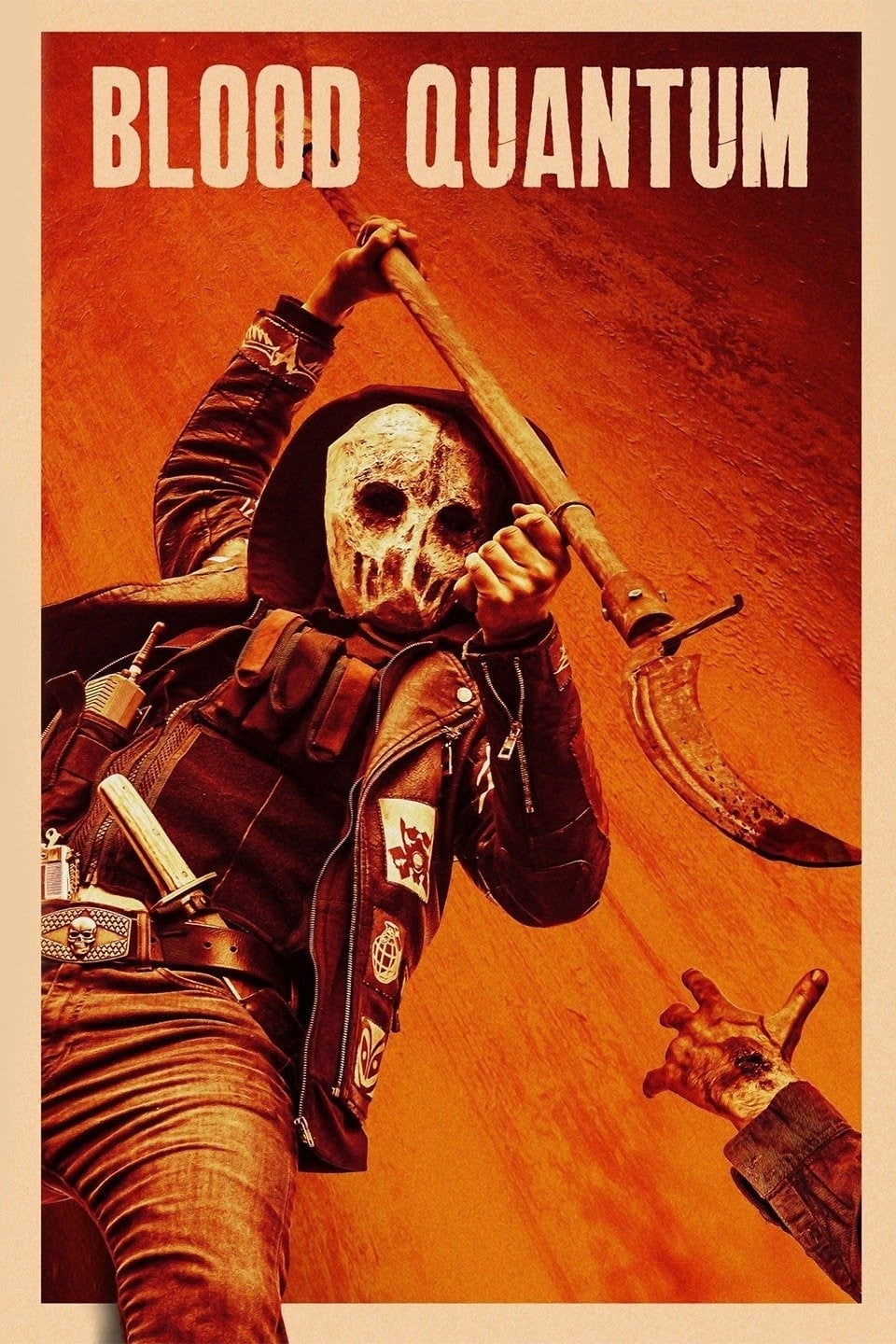
Blood Quantum
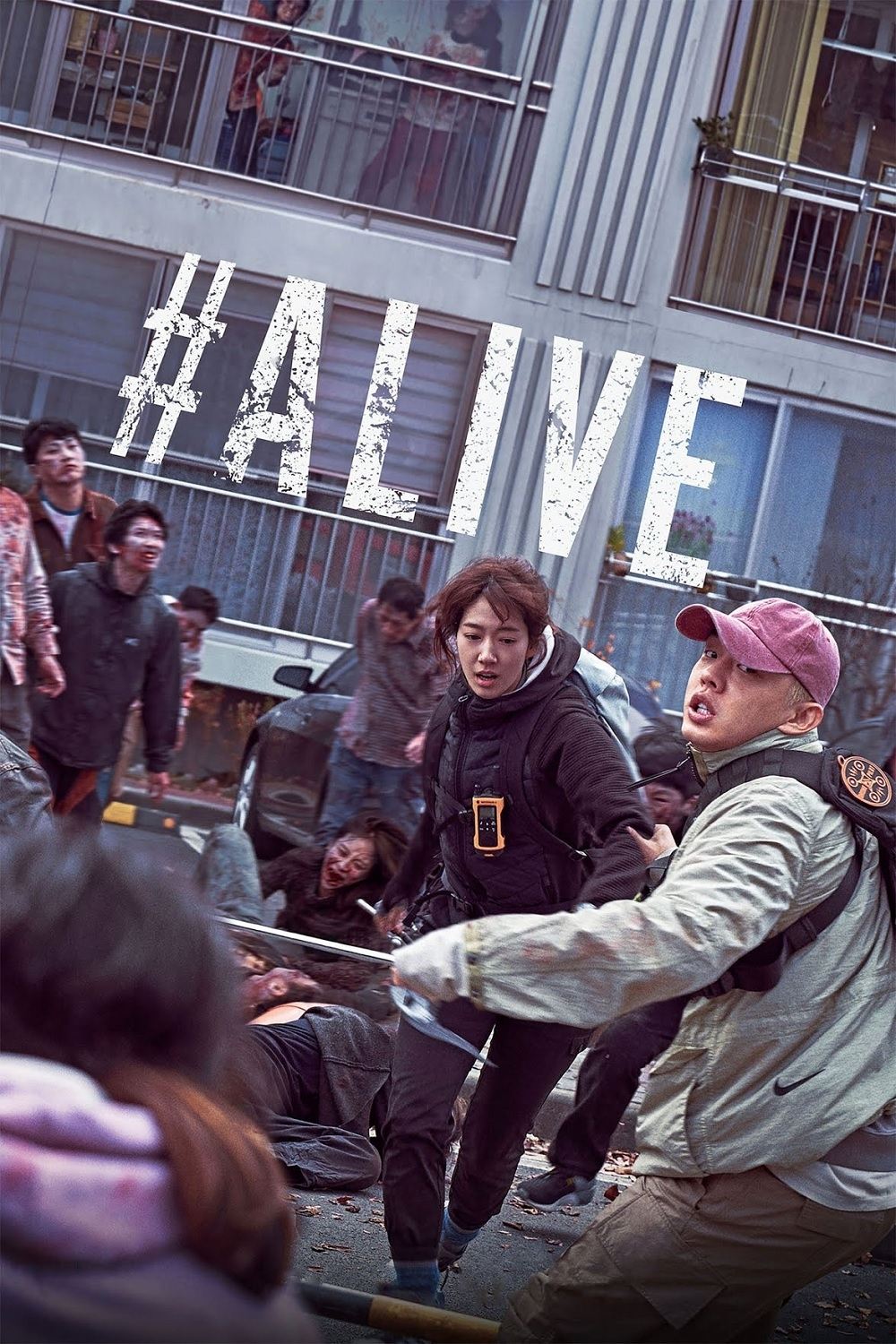
#Alive
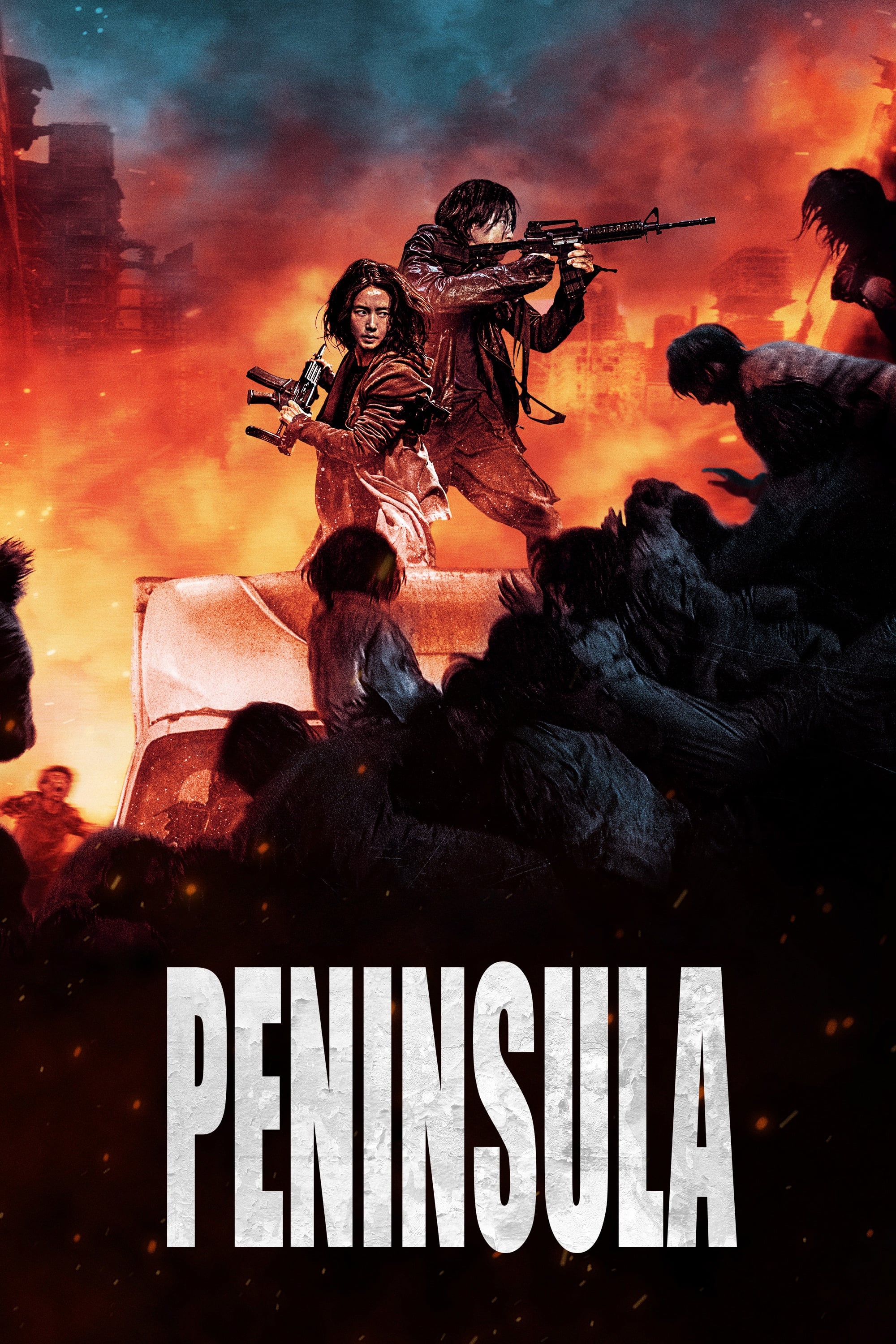
Peninsula
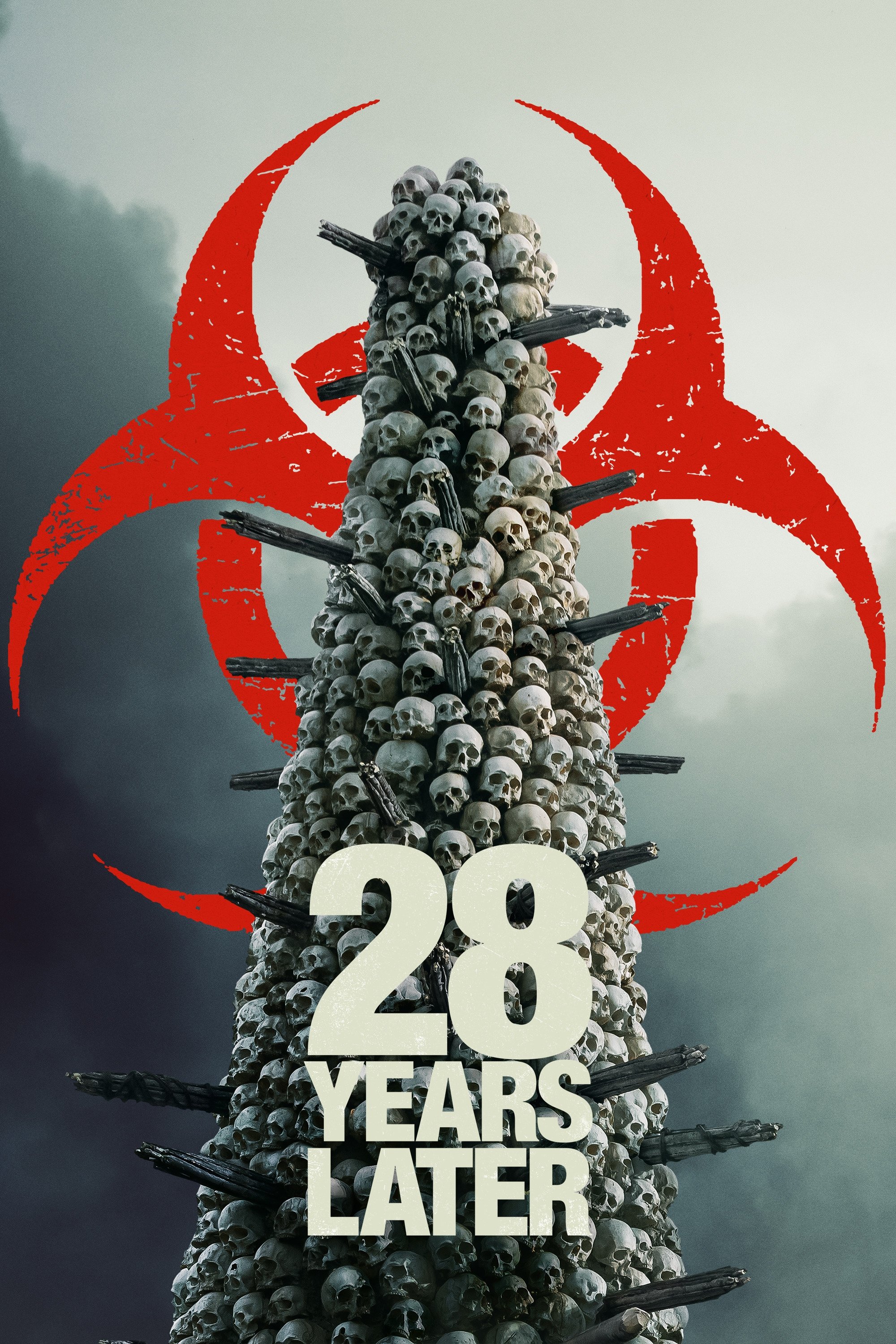
28 Years Later
Statistics
Popularity by Decade
Share of each decade's horror films classified as Zombie. Counts films with at least 5 TMDB ratings, so very obscure titles are not represented.
Popularity by Country
Share of each country's horror output classified as Zombie. Counts films with at least 5 TMDB ratings, so very obscure titles are not represented.