American Psycho (2000)
2000s
J-horror remakes, torture porn, found footage, and a global explosion — horror became a worldwide conversation.
History
The 2000s opened with the J-horror remake wave, as Hollywood scrambled to transplant Asian ghost stories for Western audiences. Gore Verbinski's The Ring (2002), adapting Hideo Nakata's Ringu, proved the concept could work commercially, but subsequent remakes of The Grudge (2004), Dark Water (2005), and Pulse (2006) yielded diminishing returns as the formula exhausted itself. Meanwhile, the originals kept coming from Japan — Takashi Shimizu's Ju-on: The Grudge (2002), Kiyoshi Kurosawa's apocalyptic Pulse (2001), and Kinji Fukasaku's Battle Royale (2000) — while South Korea's A Tale of Two Sisters (2003) (Kim Jee-woon) and The Host (2006) (Bong Joon-ho), Thailand's Shutter (2004), and Spain's [REC] (2007) and The Orphanage (2007) demonstrated that international horror was thriving on its own terms, not just as raw material for Hollywood adaptations. Park Chan-wook's vampire film Thirst (2009) closed the decade with one of the era's most ambitious genre experiments.
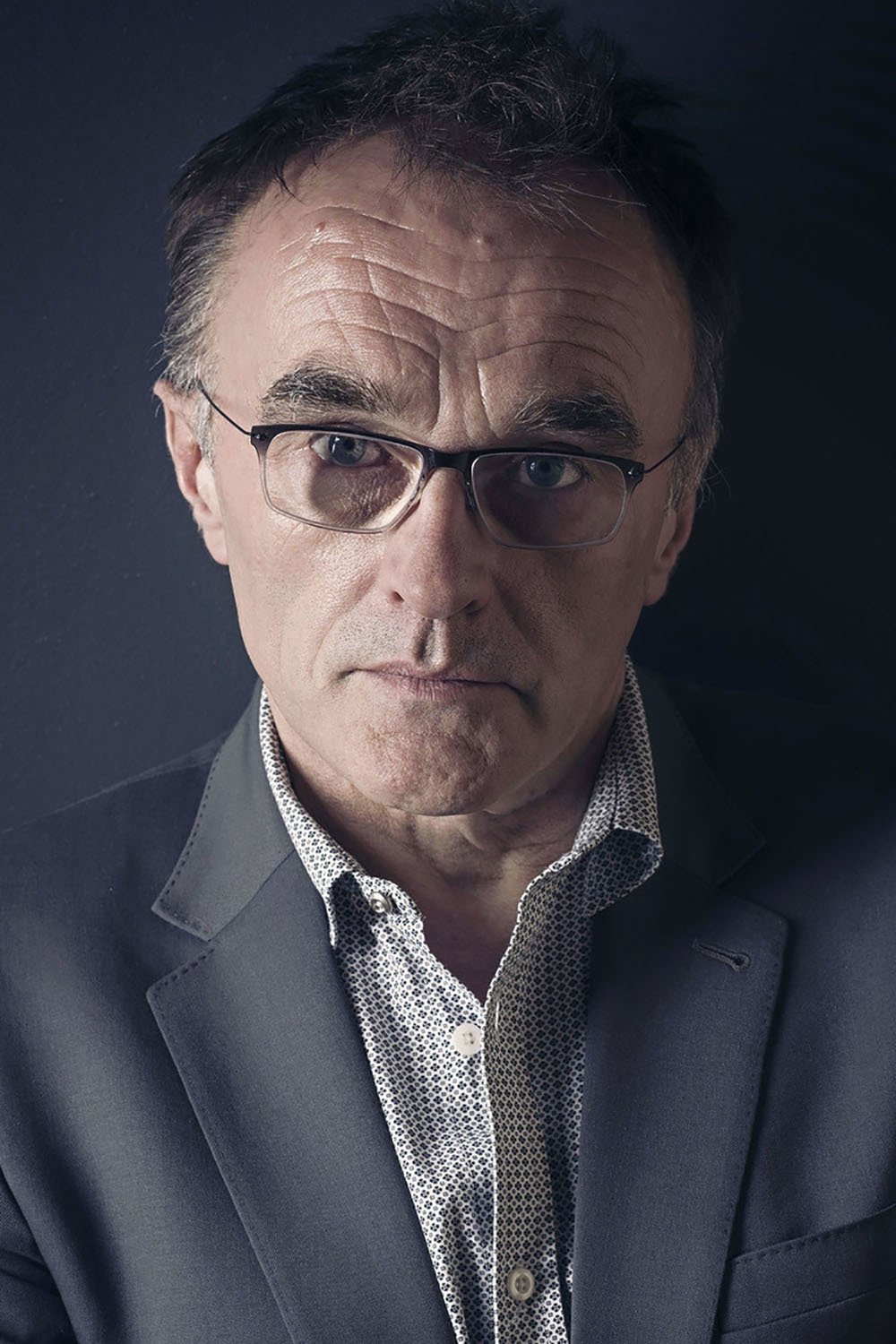
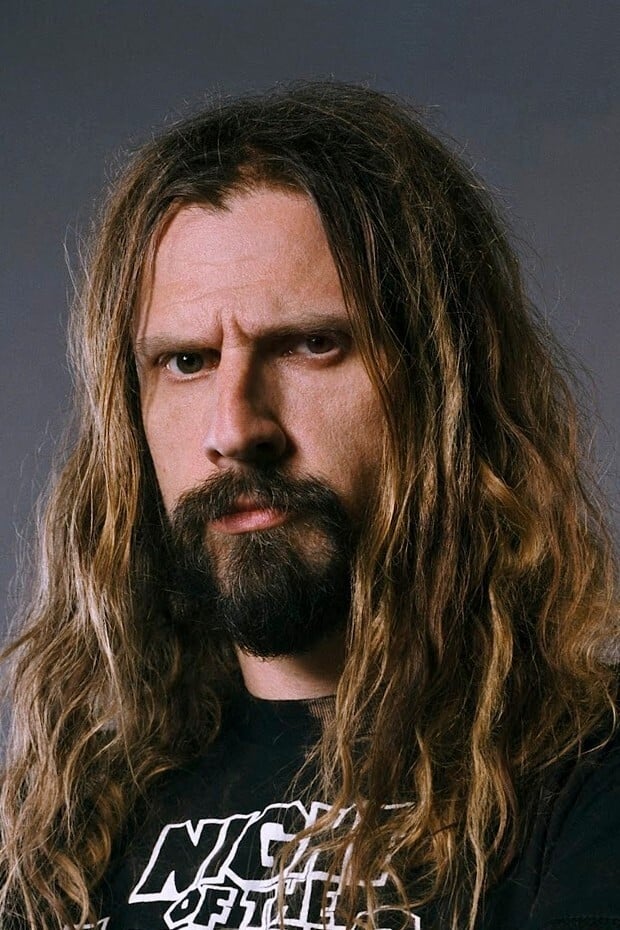
Britain reclaimed horror with two of the era's defining titles. Danny Boyle's 28 Days Later (2002), shot on digital video with scenes of a depopulated London, revived both British horror and the infection subgenre in a single stroke; Neil Marshall's Dog Soldiers (2002) and The Descent (2005) proved that genuinely terrifying films could still emerge from modest budgets and confined spaces. Edgar Wright's Shaun of the Dead (2004) brought the horror-comedy register to international audiences. In France, the New French Extremity produced confrontational works: Alexandre Aja's High Tension (2003), Alexandre Bustillo and Julien Maury's Inside (2007), and Pascal Laugier's Martyrs (2008); Aja's American The Hills Have Eyes (2006) remake demonstrated that the decade's remake wave could occasionally match its sources. Rob Zombie carved out his own niche with The Devil's Rejects (2005), channelling 1970s grindhouse aesthetics into polarising but distinctive work. In Sweden, Tomas Alfredson's Let the Right One In (2008) grounded its vampire story in social-realist Stockholm; in Denmark, Lars von Trier's Antichrist (2009) launched his pessimist-horror trilogy.
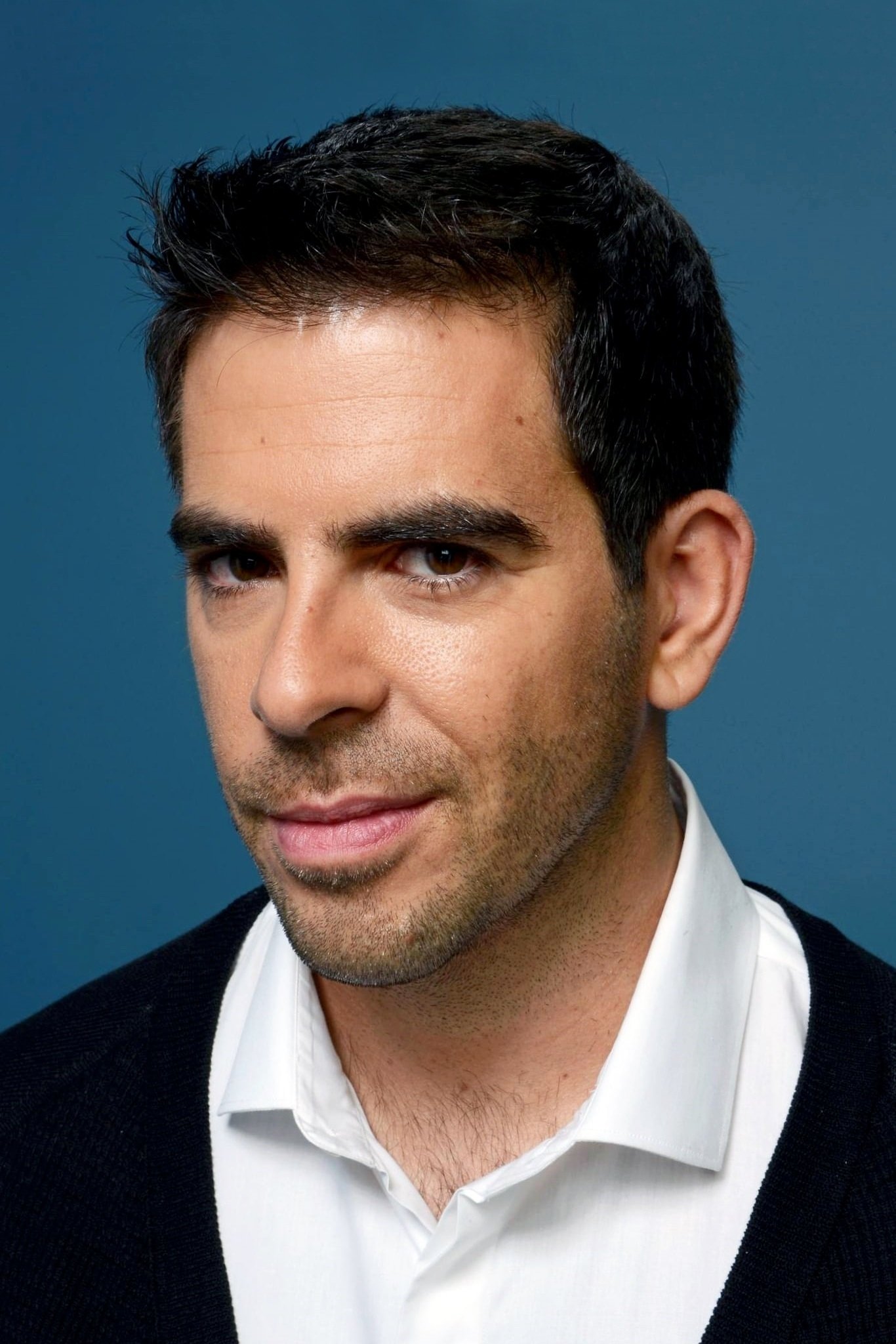
James Wan's Saw (2004) launched a franchise that would dominate Halloween box office for years, while Eli Roth's Hostel (2005) tapped into post-9/11 anxieties about American vulnerability abroad. Critics labelled these films "torture porn," but their commercial success was undeniable, and Wan would prove far more versatile than the label suggested. The decade's most consequential development was the found-footage boom ignited by Oren Peli's Paranormal Activity (2007), which grossed nearly $200 million on a micro-budget and proved that digital filmmaking had permanently lowered the barrier to entry for horror. Frank Darabont's The Mist (2007), Michael Dougherty's Trick 'r Treat (2007), and Bill Paxton's directorial debut Frailty (2002) brought literary horror to studio scale, while Greg McLean's Wolf Creek (2005) brought Australian outback brutality to international audiences. Joel Anderson's found-footage Lake Mungo (2009) closed the decade with one of its most quietly devastating entries, and Ti West's The House of the Devil (2009) announced the throwback art-horror approach that would dominate the 2010s.
Singular American horror entries punctuated the decade. The Alejandro Amenábar–directed Hollywood production The Others (2001) brought Spanish atmospheric craft to mainstream audiences via Nicole Kidman; Bryan Bertino's home-invasion film The Strangers (2008) stripped horror down to anonymous masked terror; and Sam Raimi's Drag Me to Hell (2009) marked his successful return to horror after a decade in superhero blockbusters. By decade's end, horror had become genuinely global — no longer dominated by American and British production but drawing vital energy from South Korea, Japan, France, Spain, Sweden, Thailand, and Australia. The 2000s established the infrastructure for horror's next evolution: streaming platforms were emerging, micro-budget production models had been proven, and a generation of filmmakers who grew up on 1970s and 1980s horror were ready to apply art-house ambition to genre filmmaking.
Essential Films
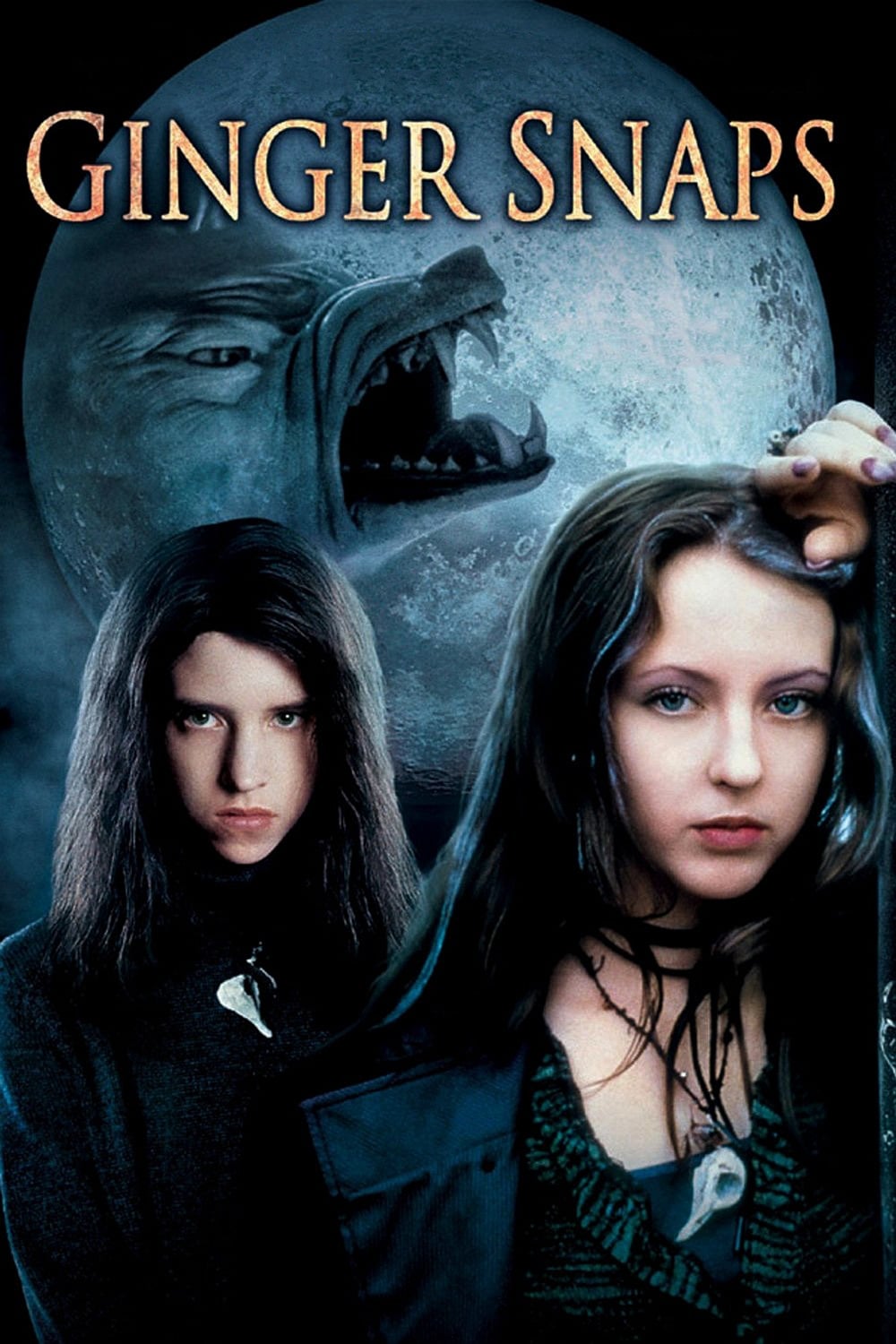
Ginger Snaps
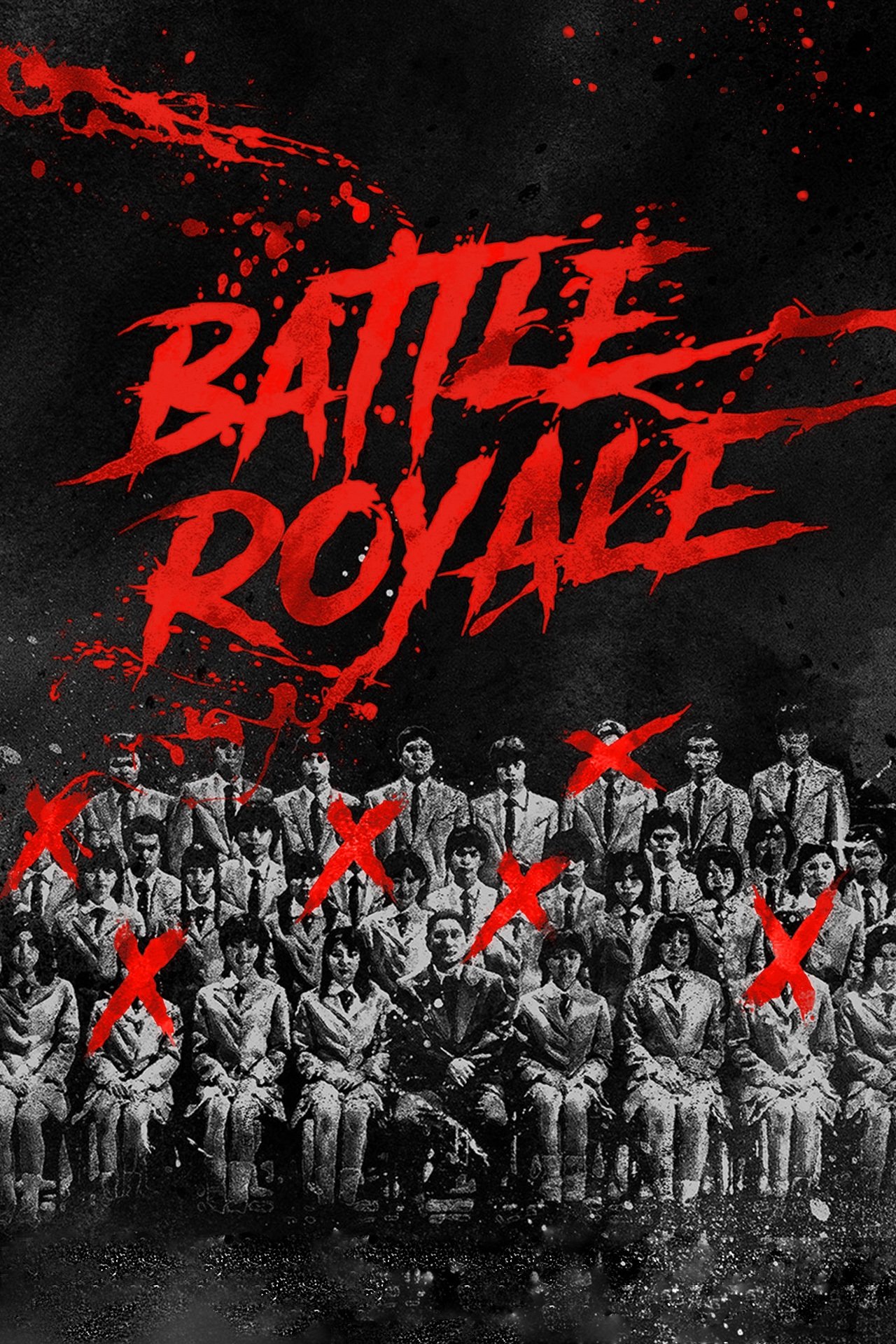
Battle Royale

Pulse
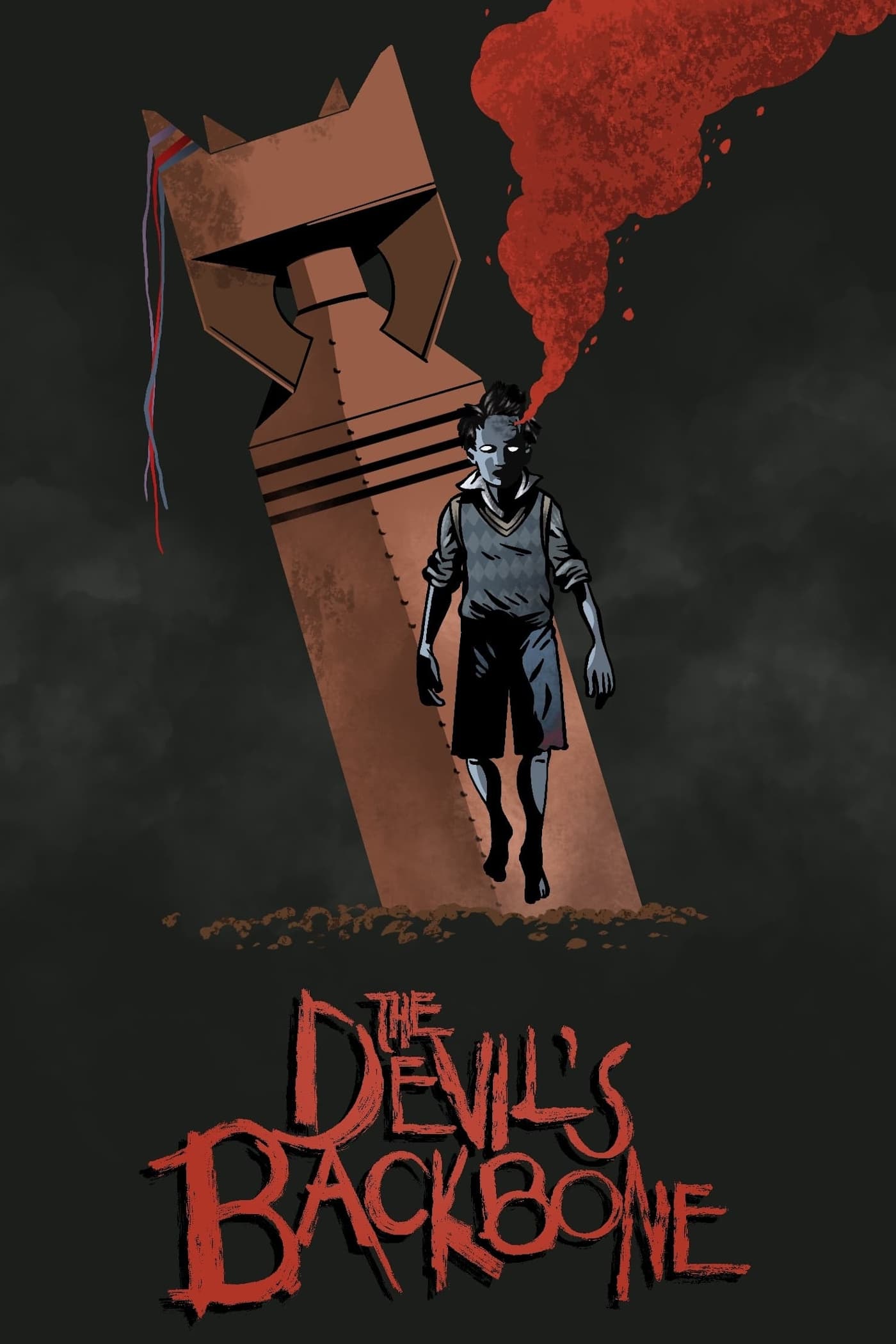
The Devil's Backbone
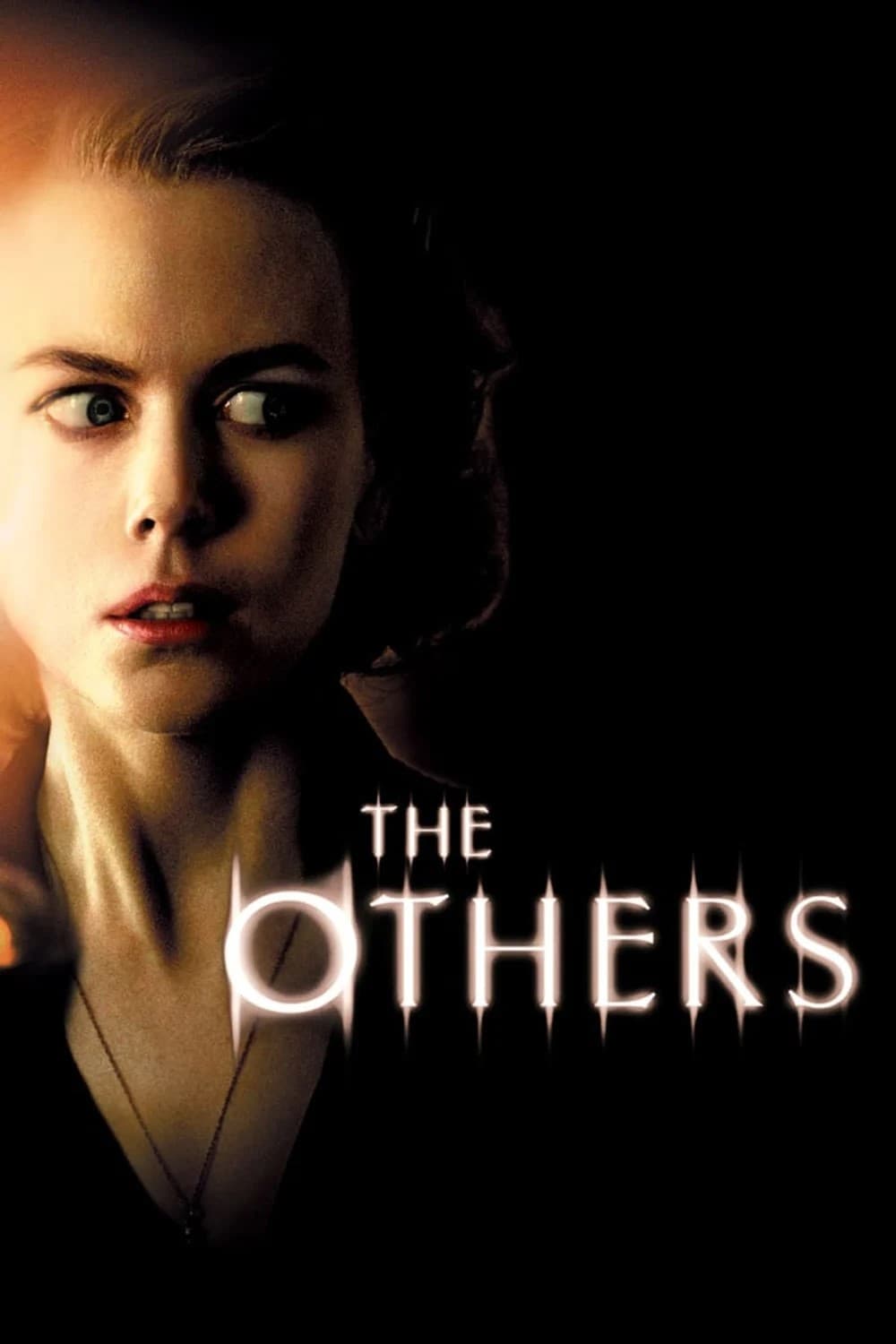
The Others
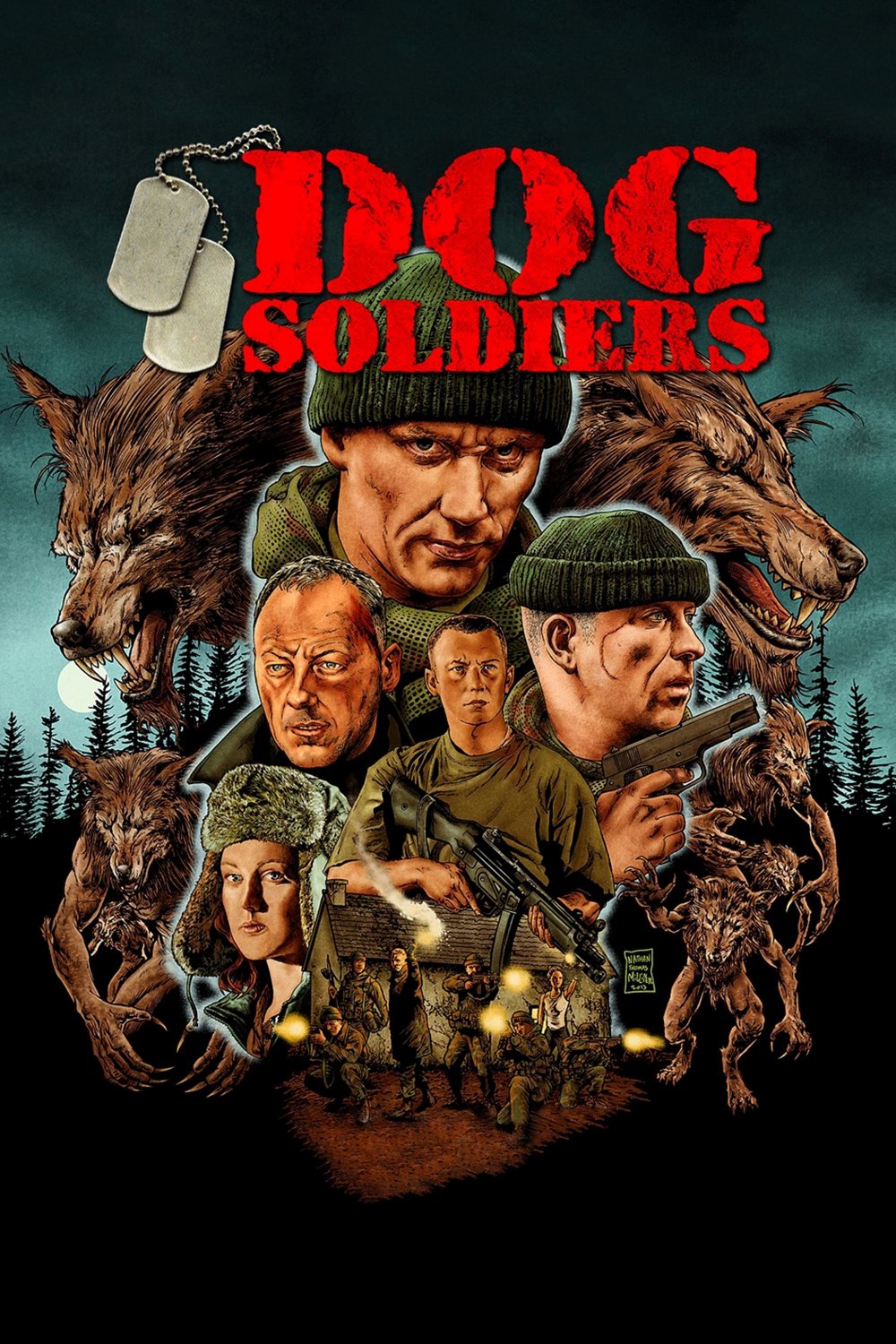
Dog Soldiers
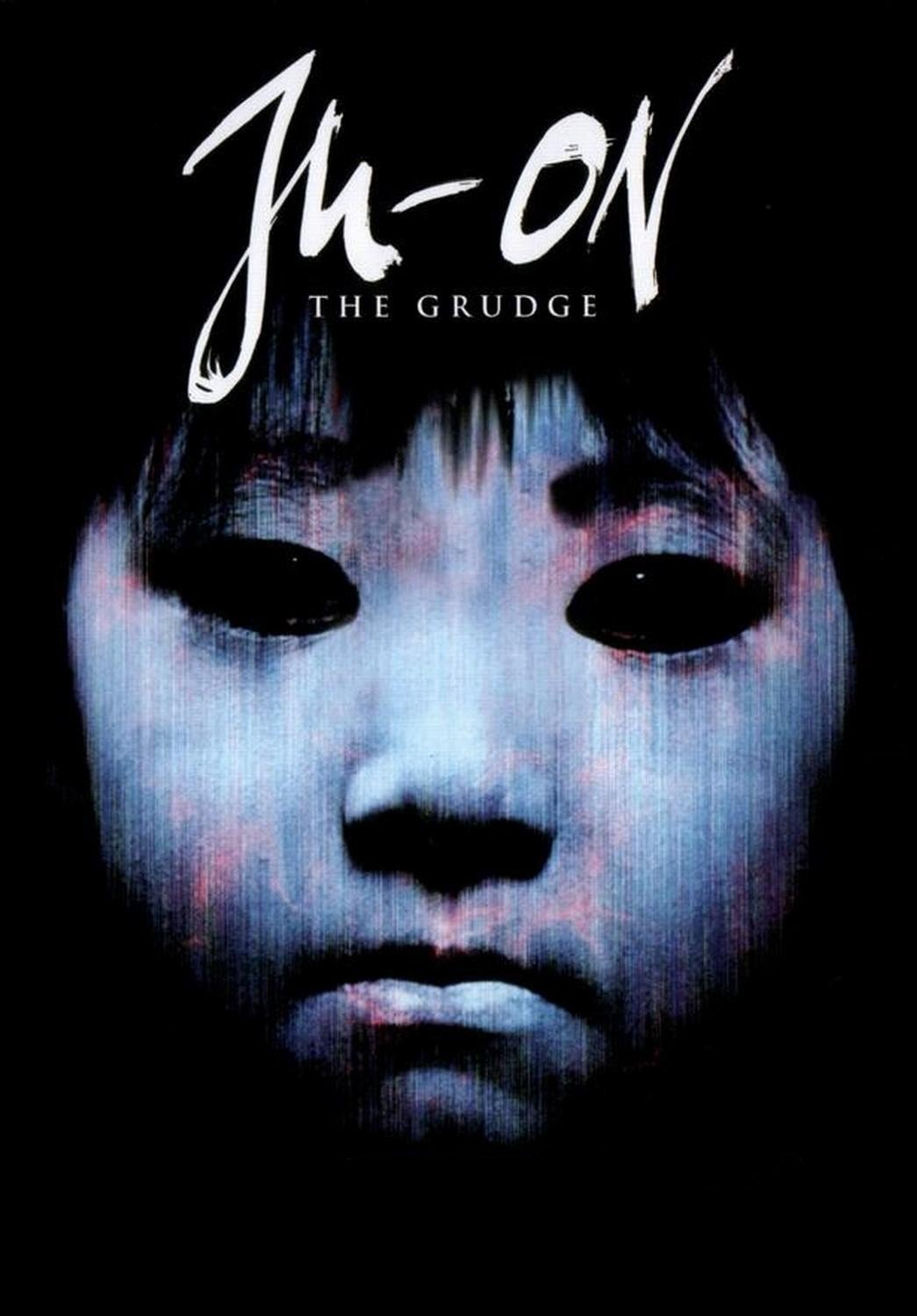
Ju-on: The Grudge
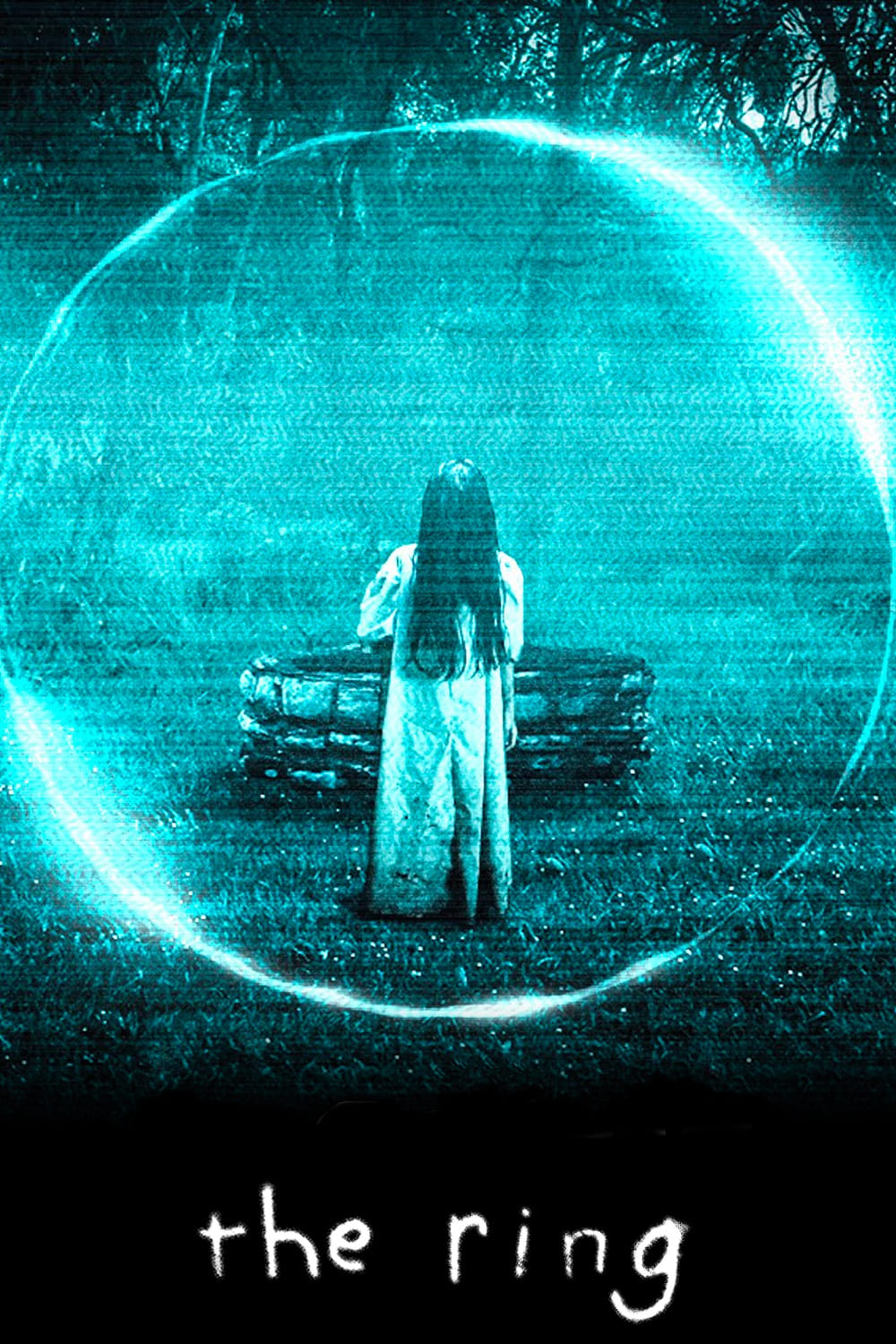
The Ring
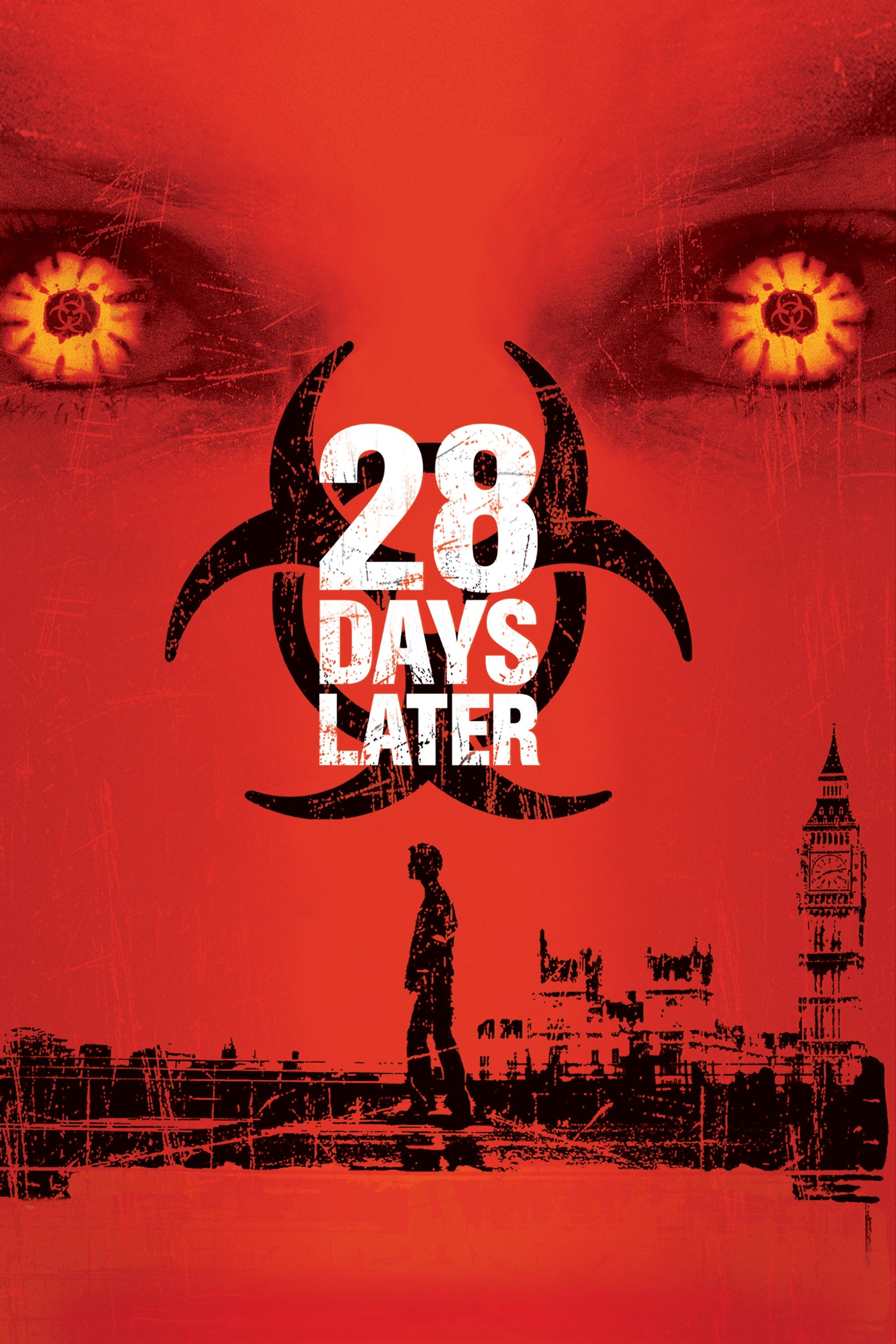
28 Days Later
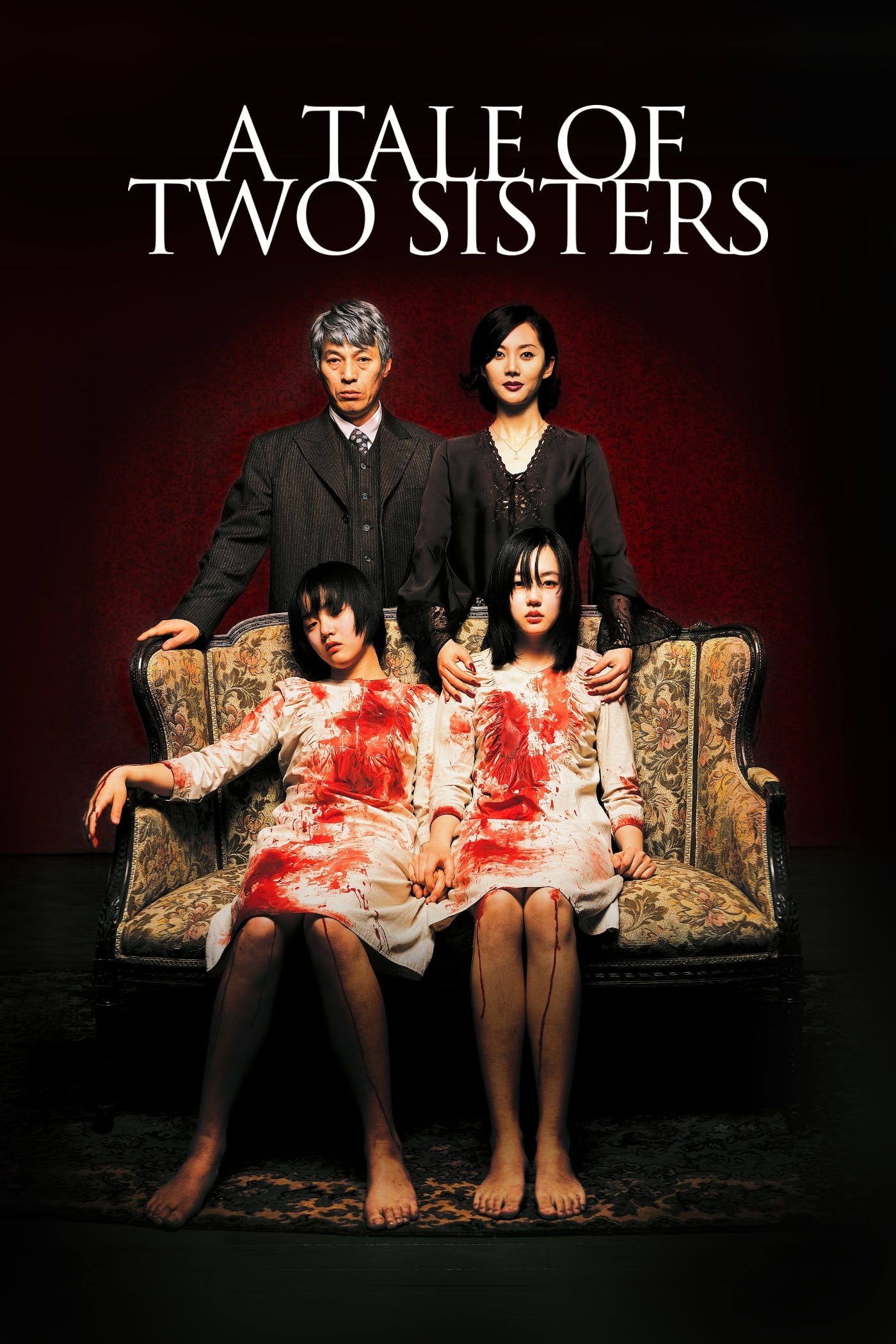
A Tale of Two Sisters
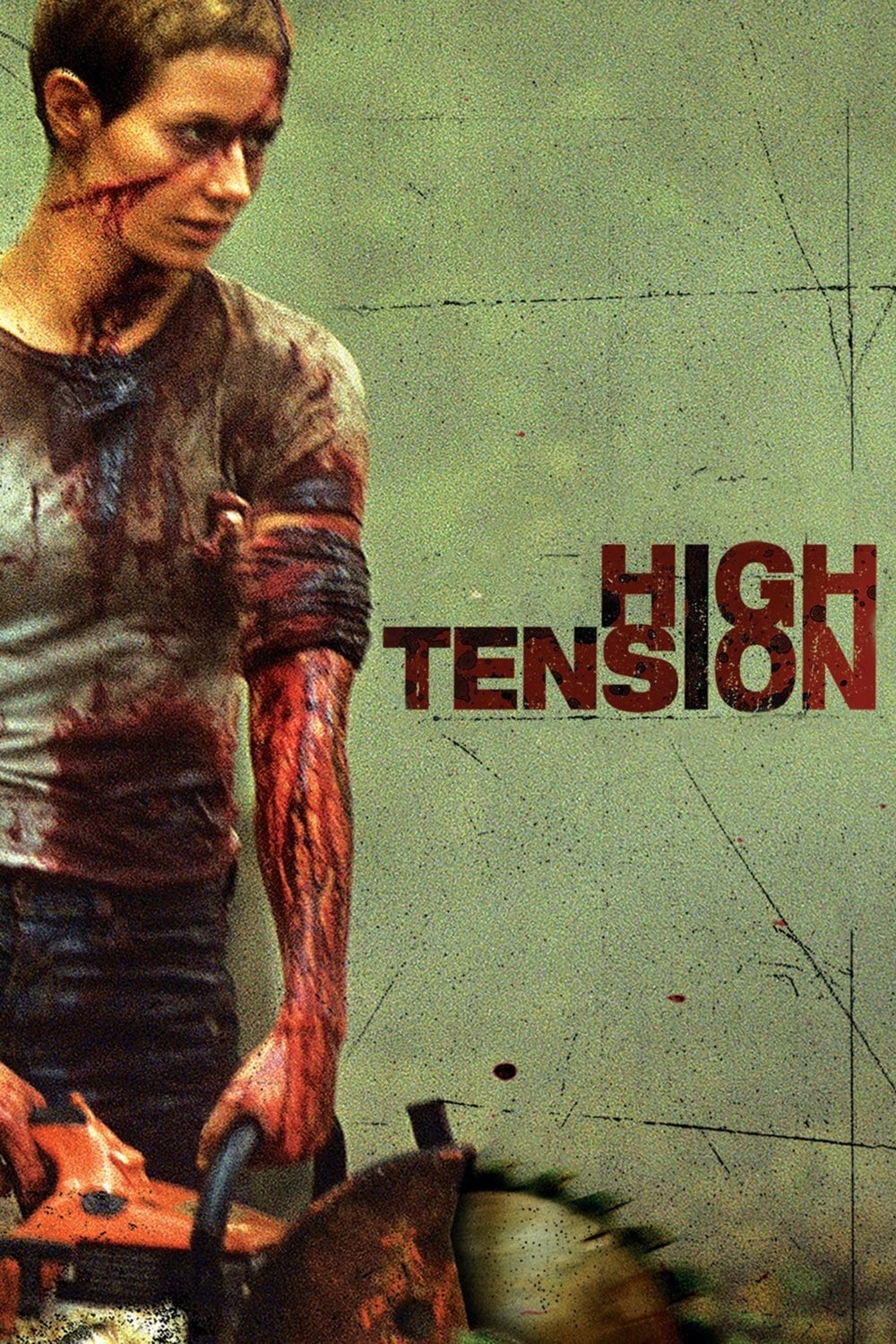
High Tension
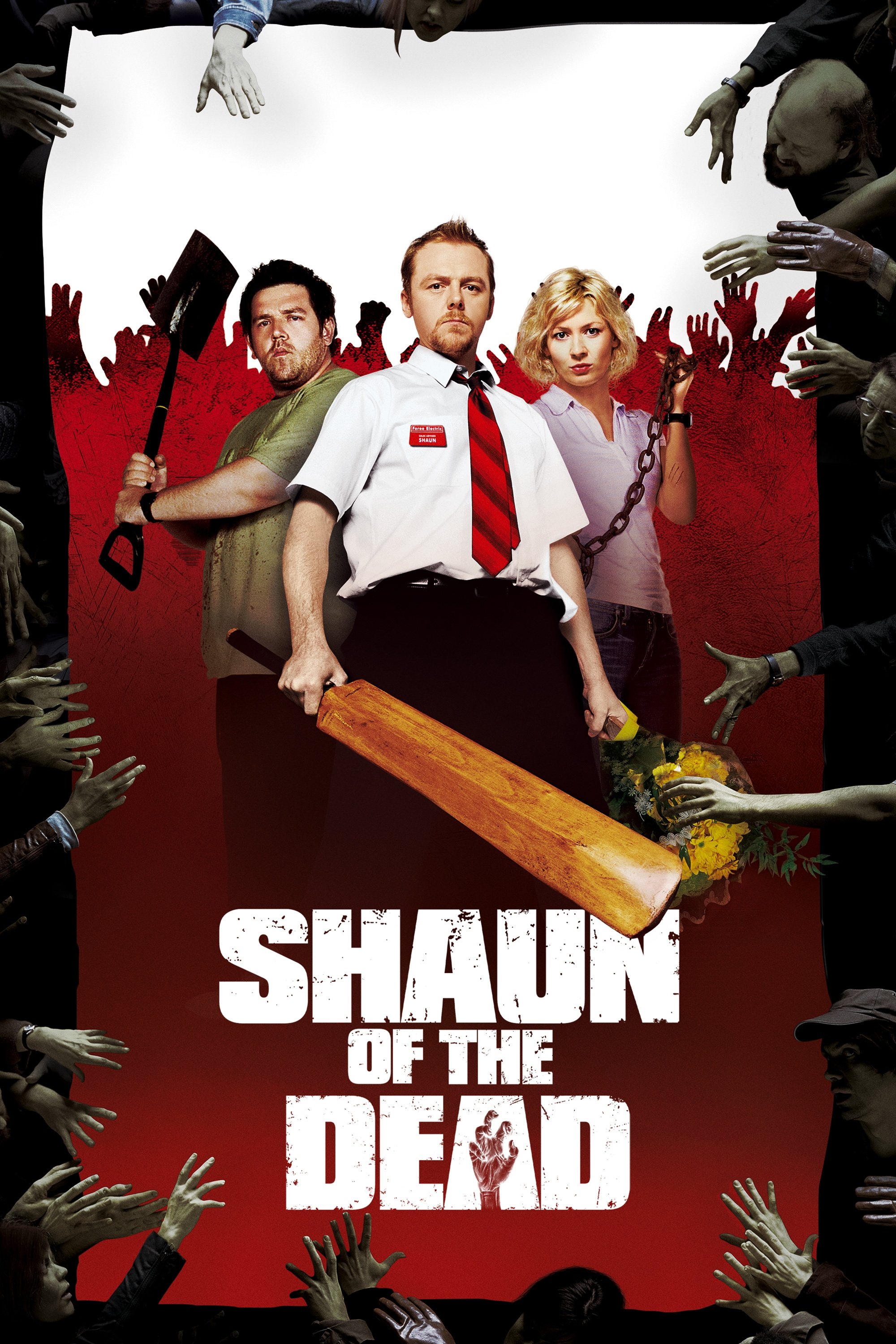
Shaun of the Dead
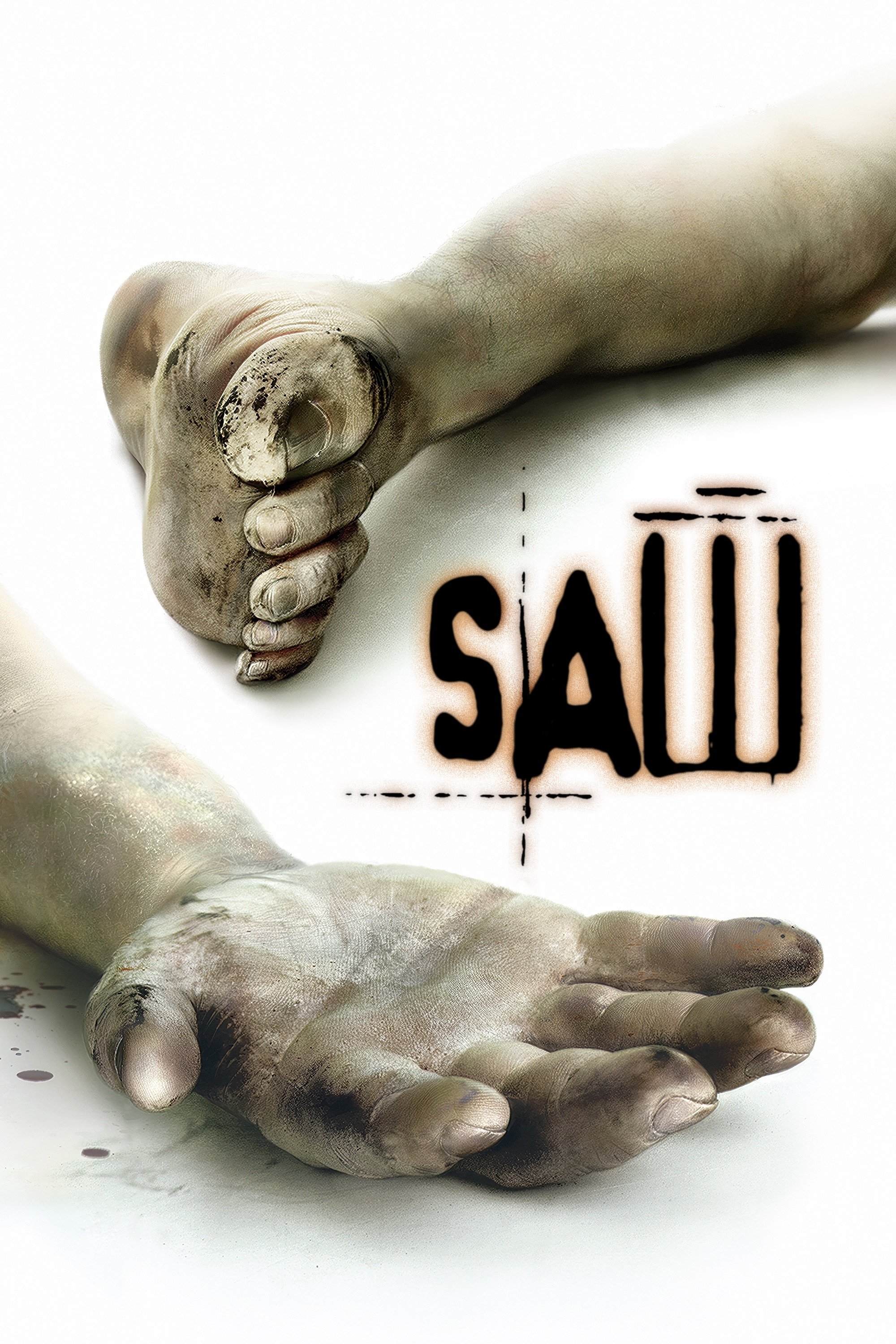
Saw
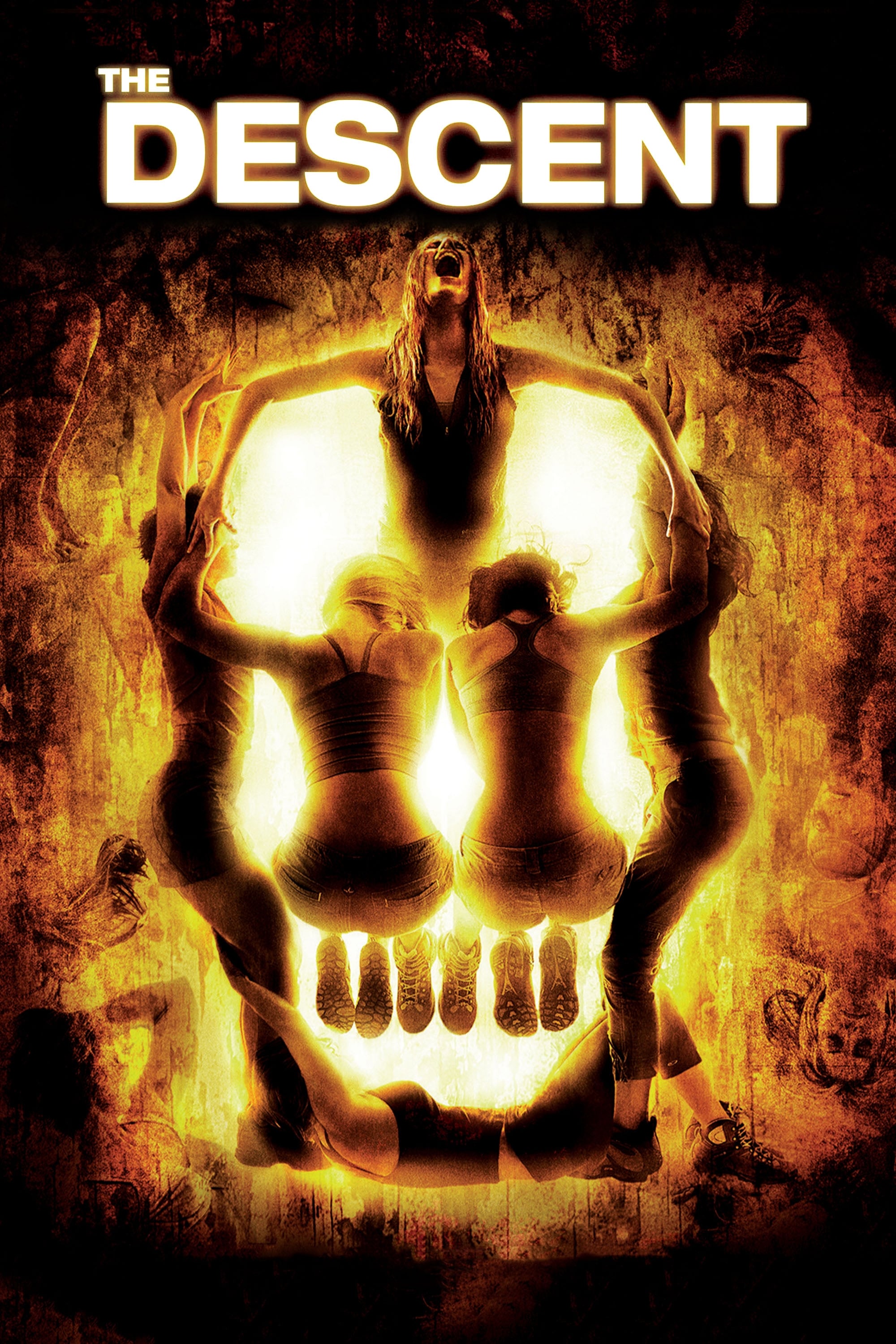
The Descent
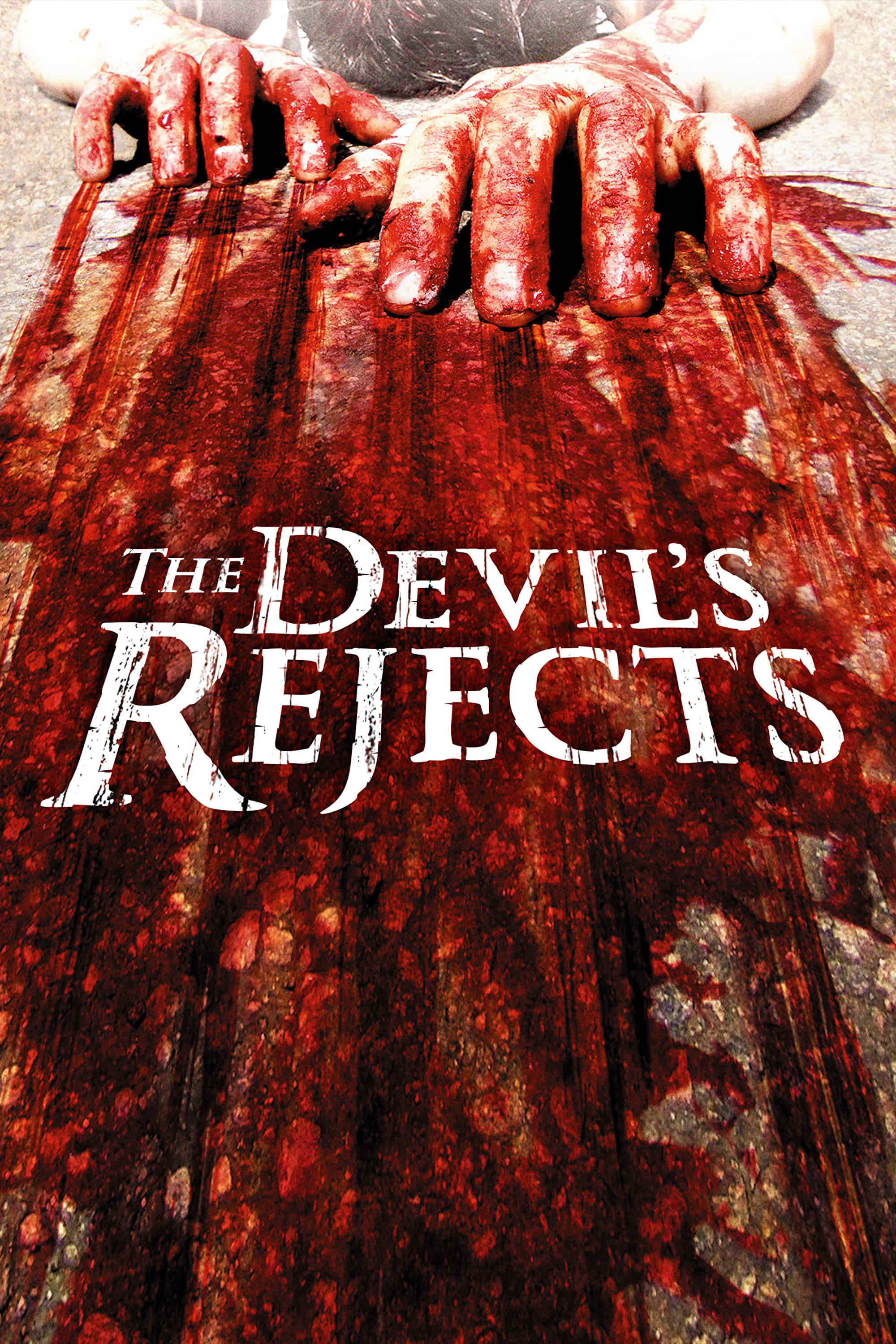
The Devil's Rejects
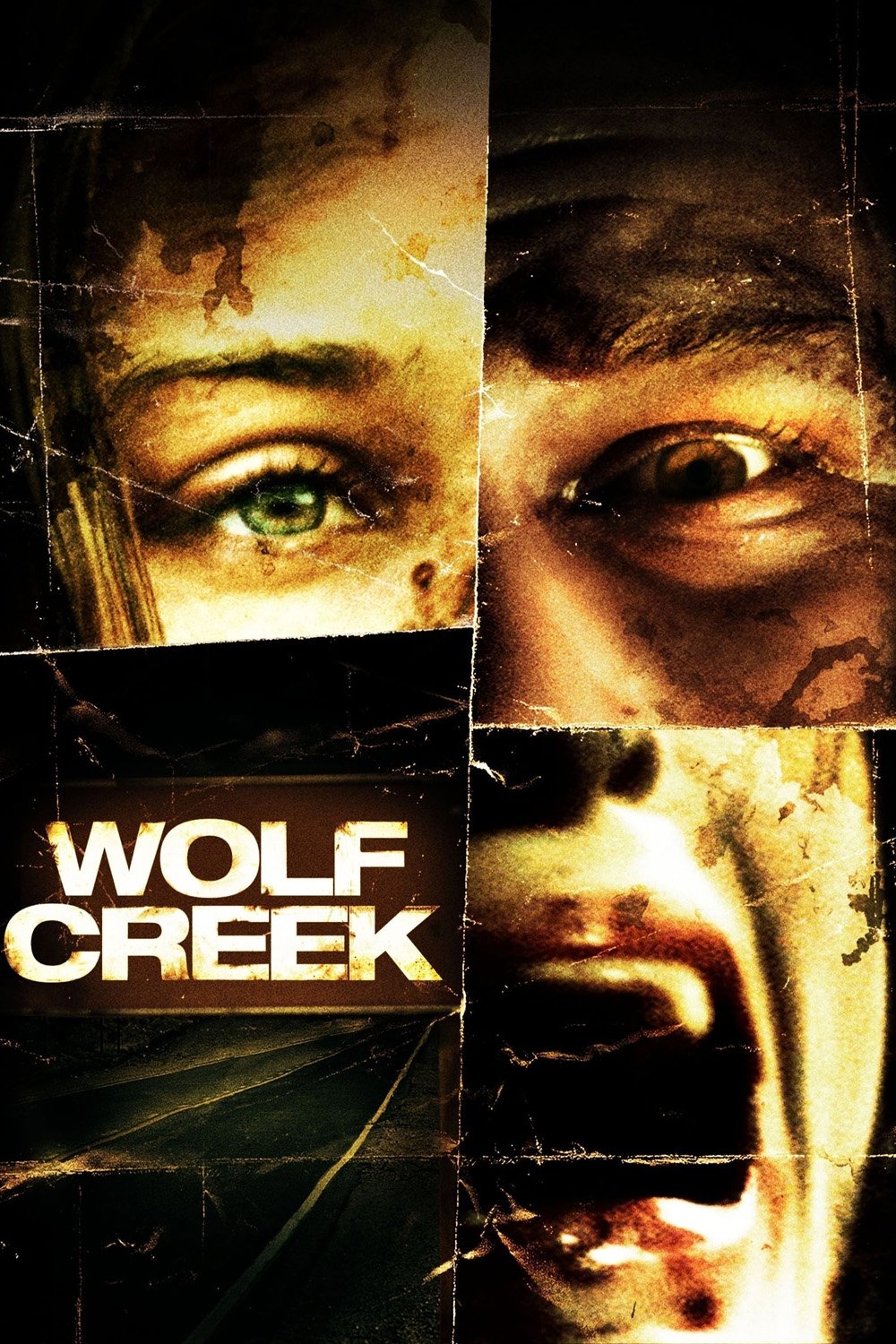
Wolf Creek
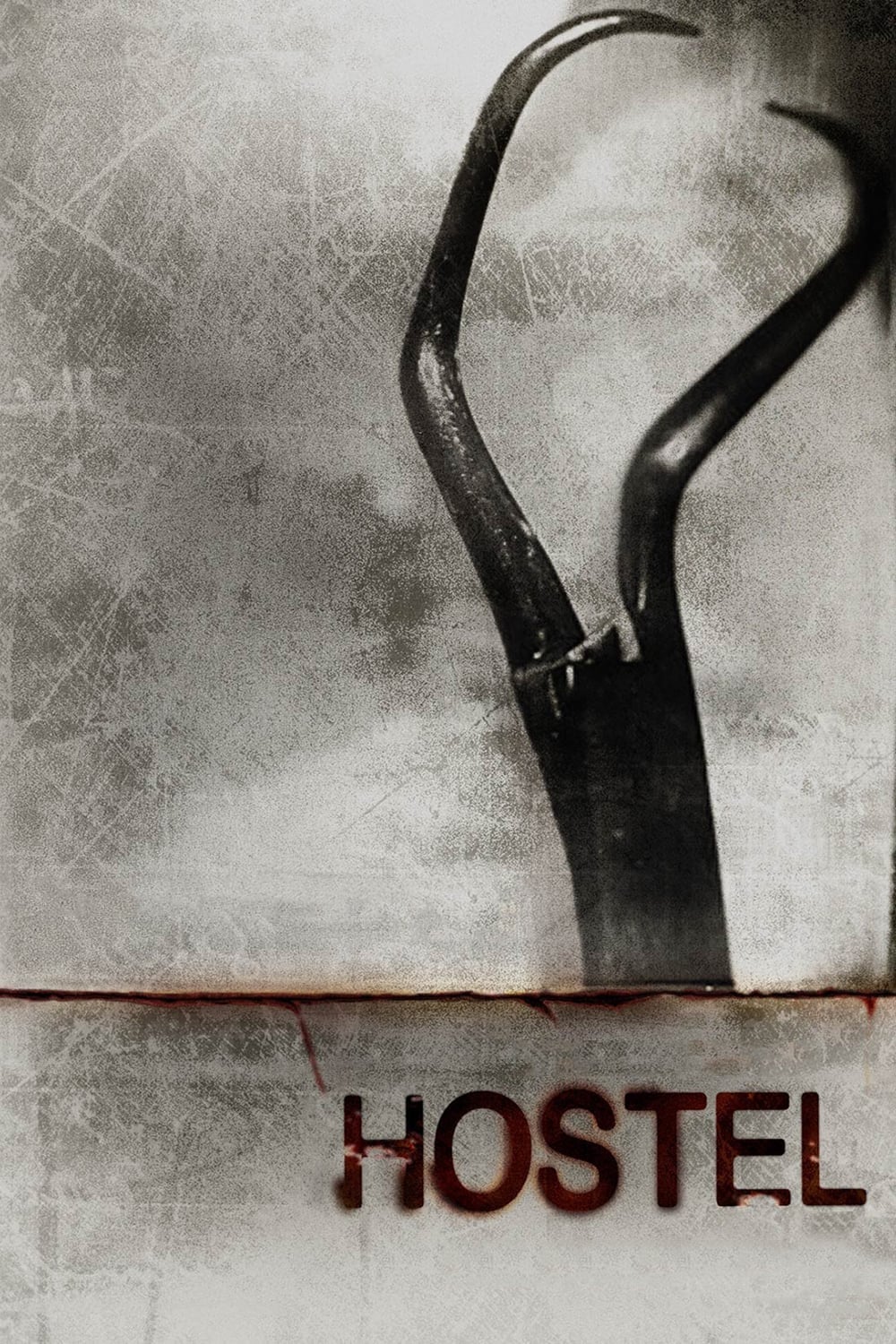
Hostel
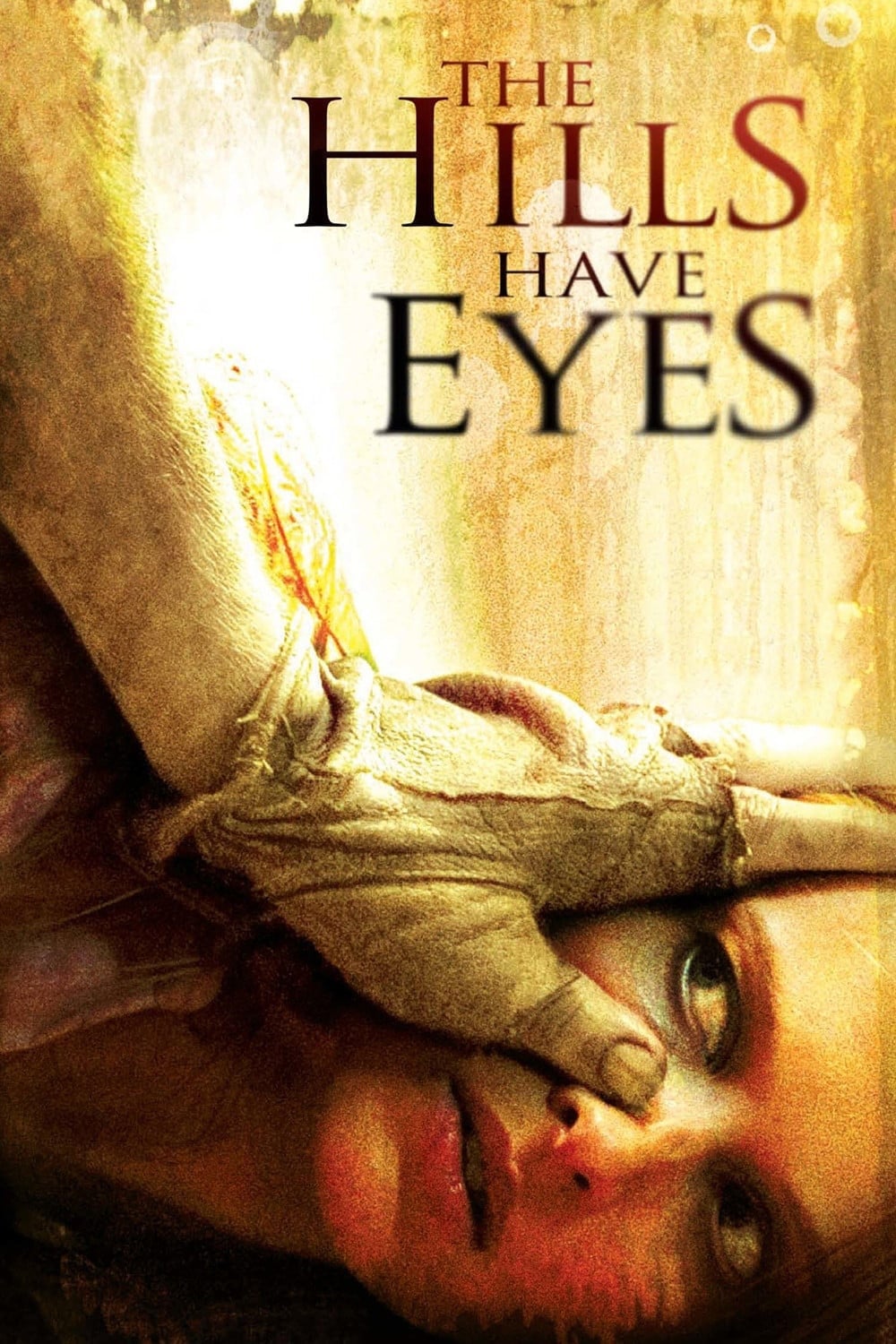
The Hills Have Eyes
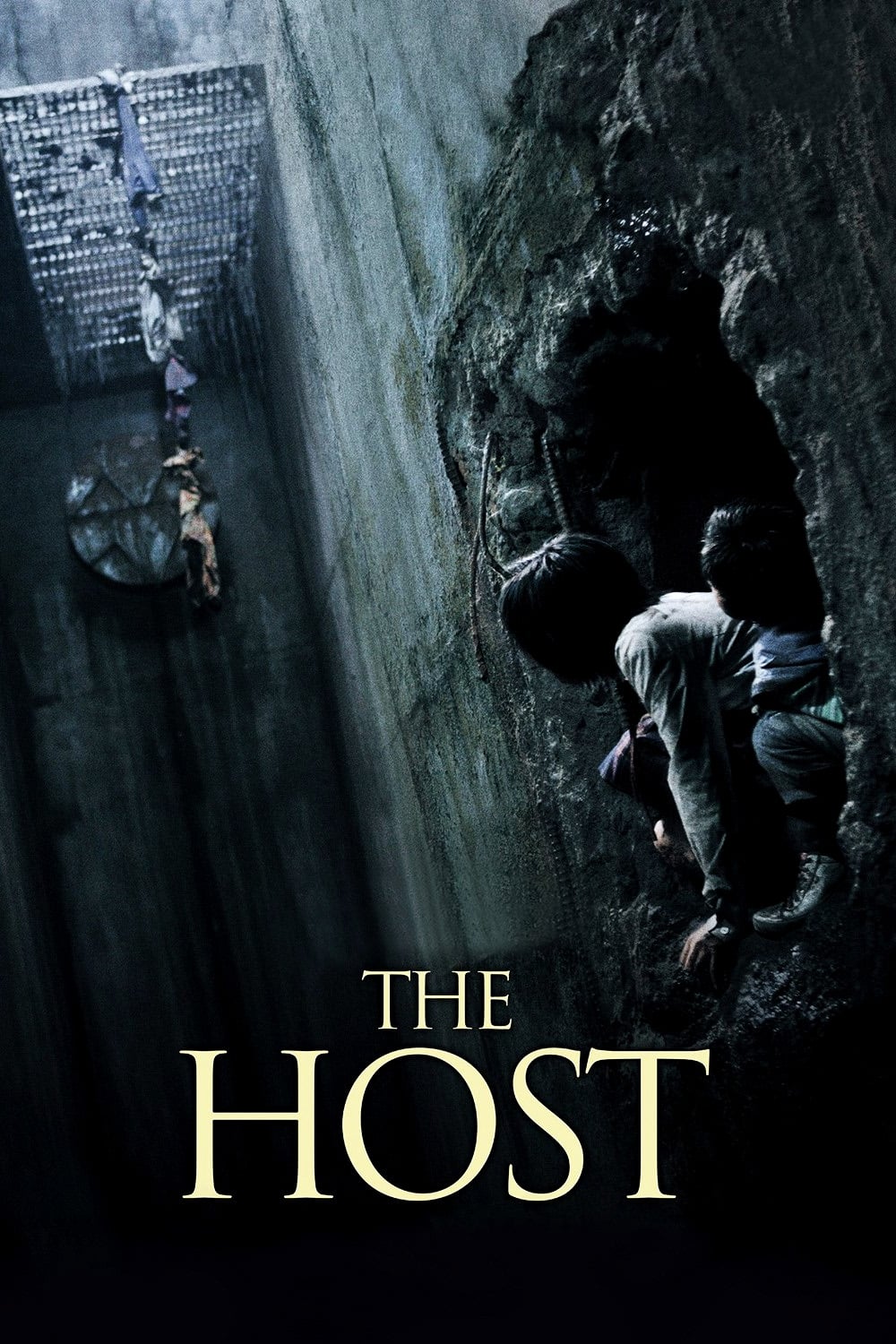
The Host
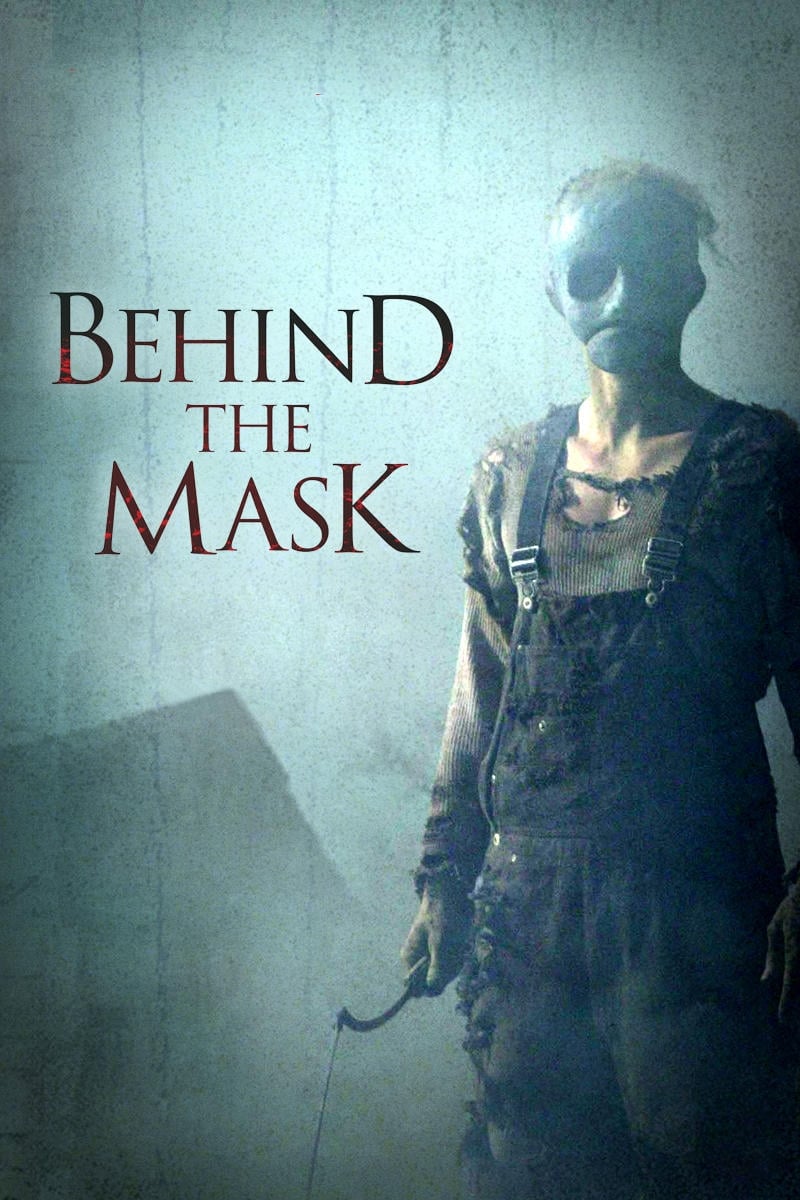
Behind the Mask: The Rise of Leslie Vernon
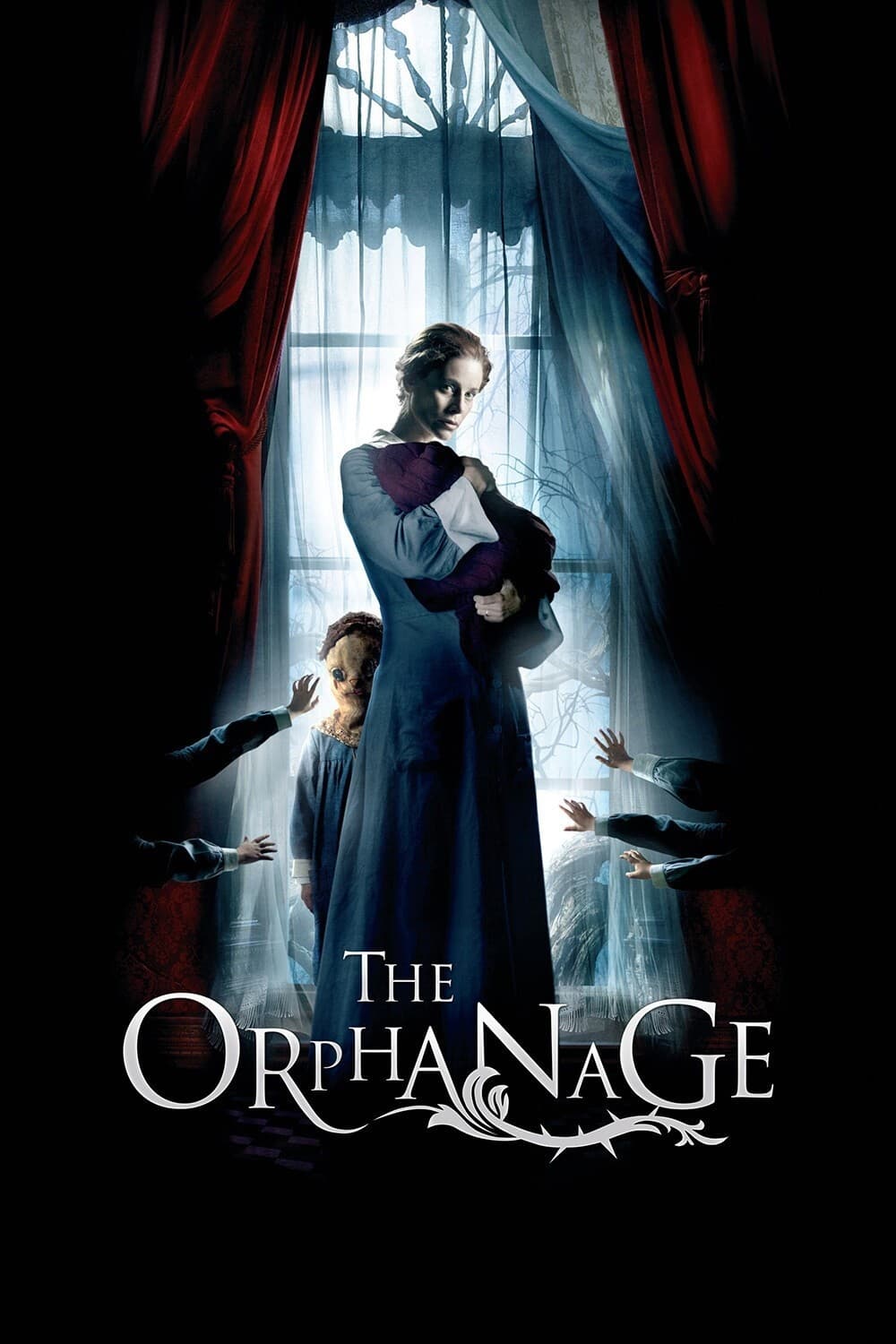
The Orphanage
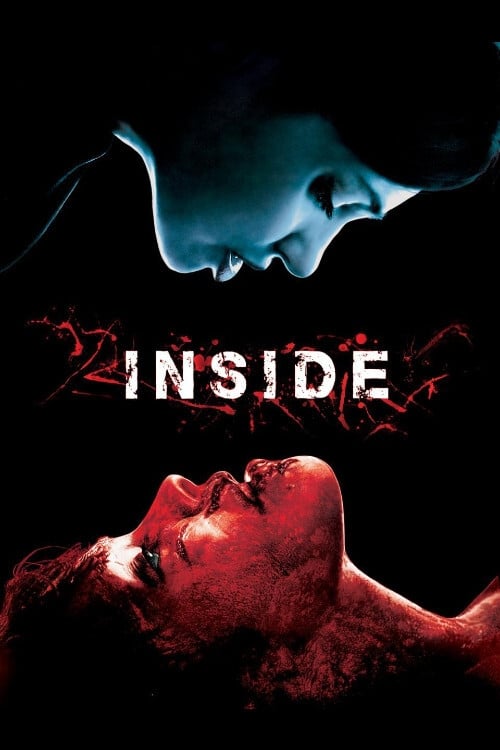
Inside
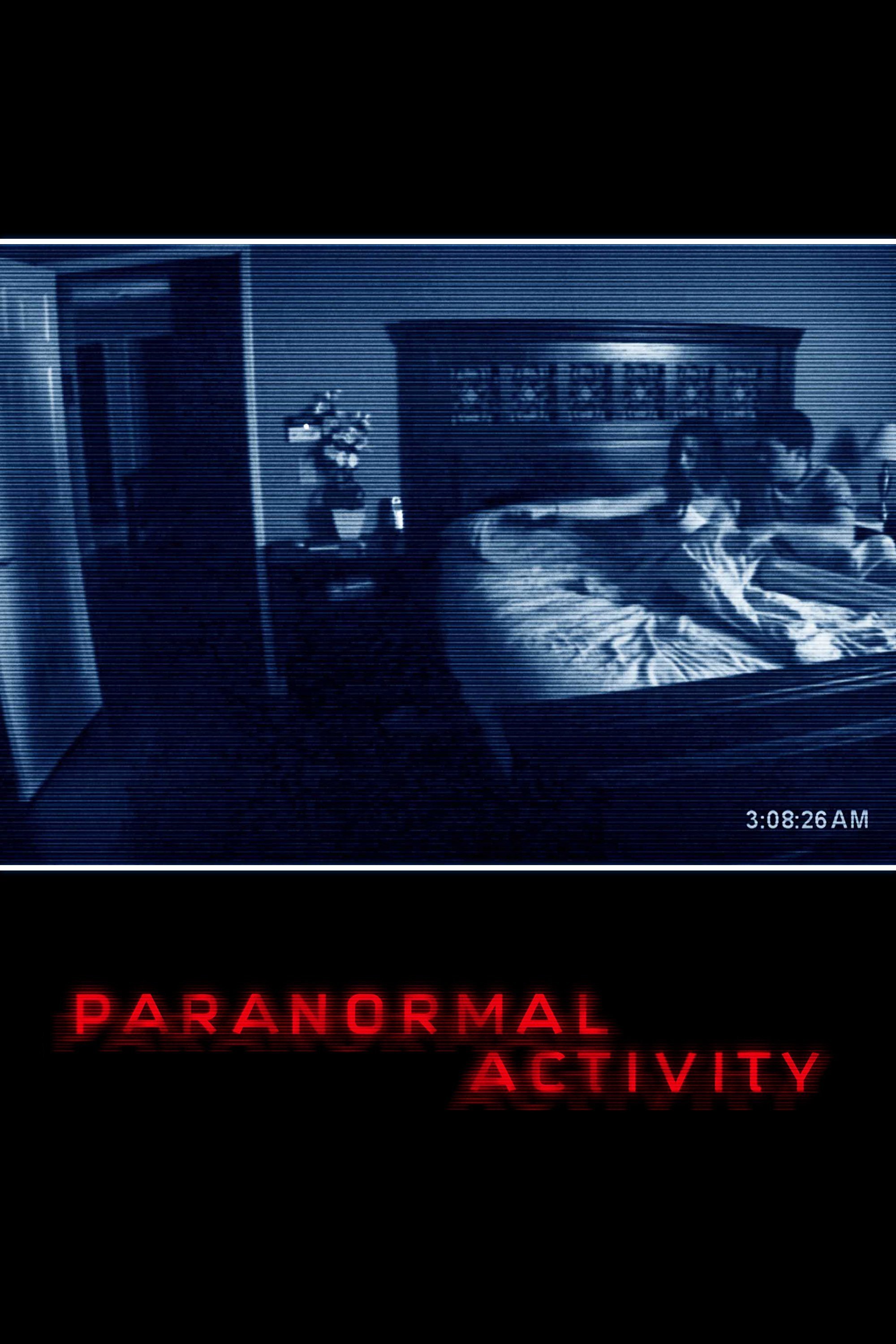
Paranormal Activity
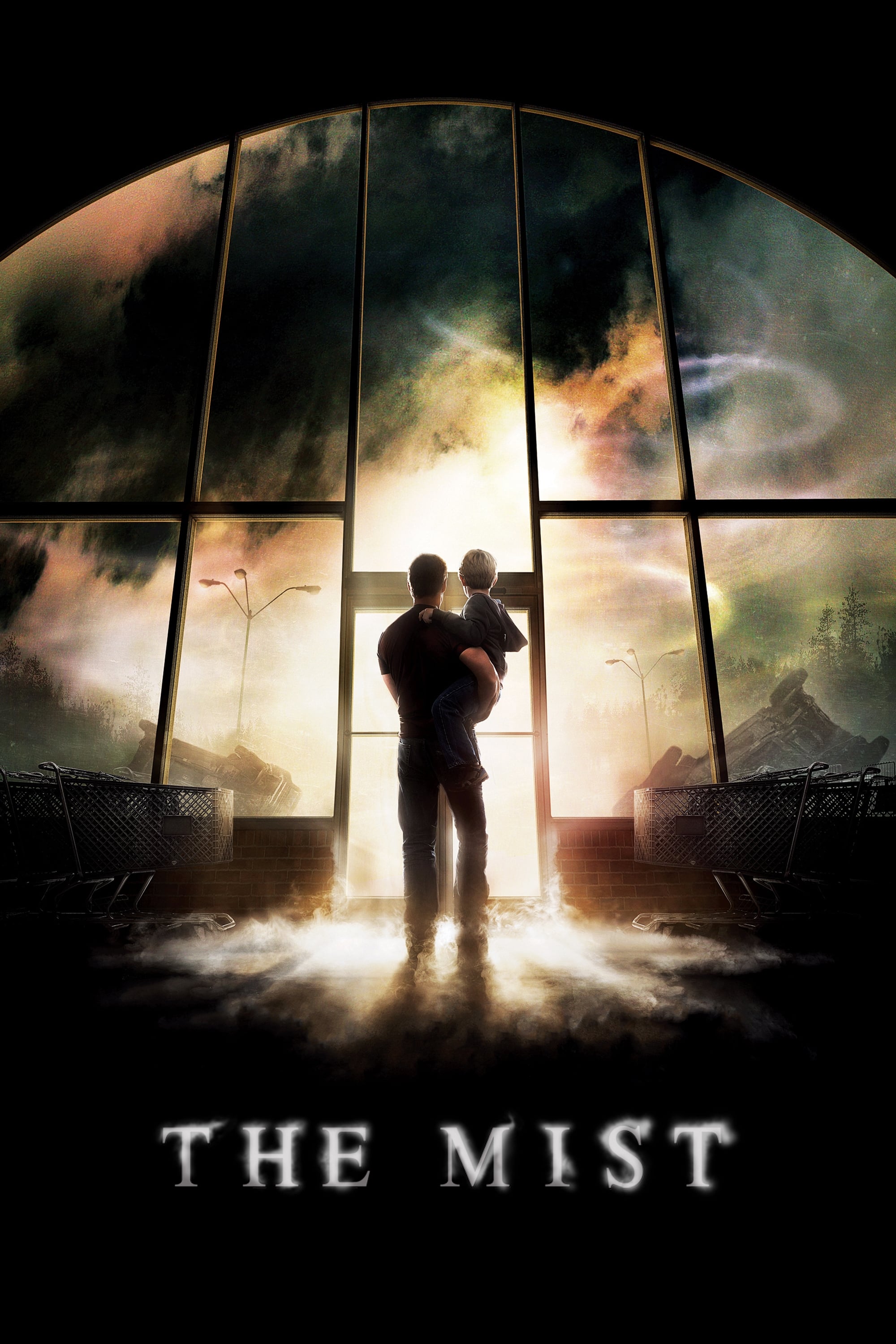
The Mist
![[REC]](https://image.tmdb.org/t/p/original/hgyJR4sgMsee6xMFM3xYiG6cDCh.jpg)
[REC]
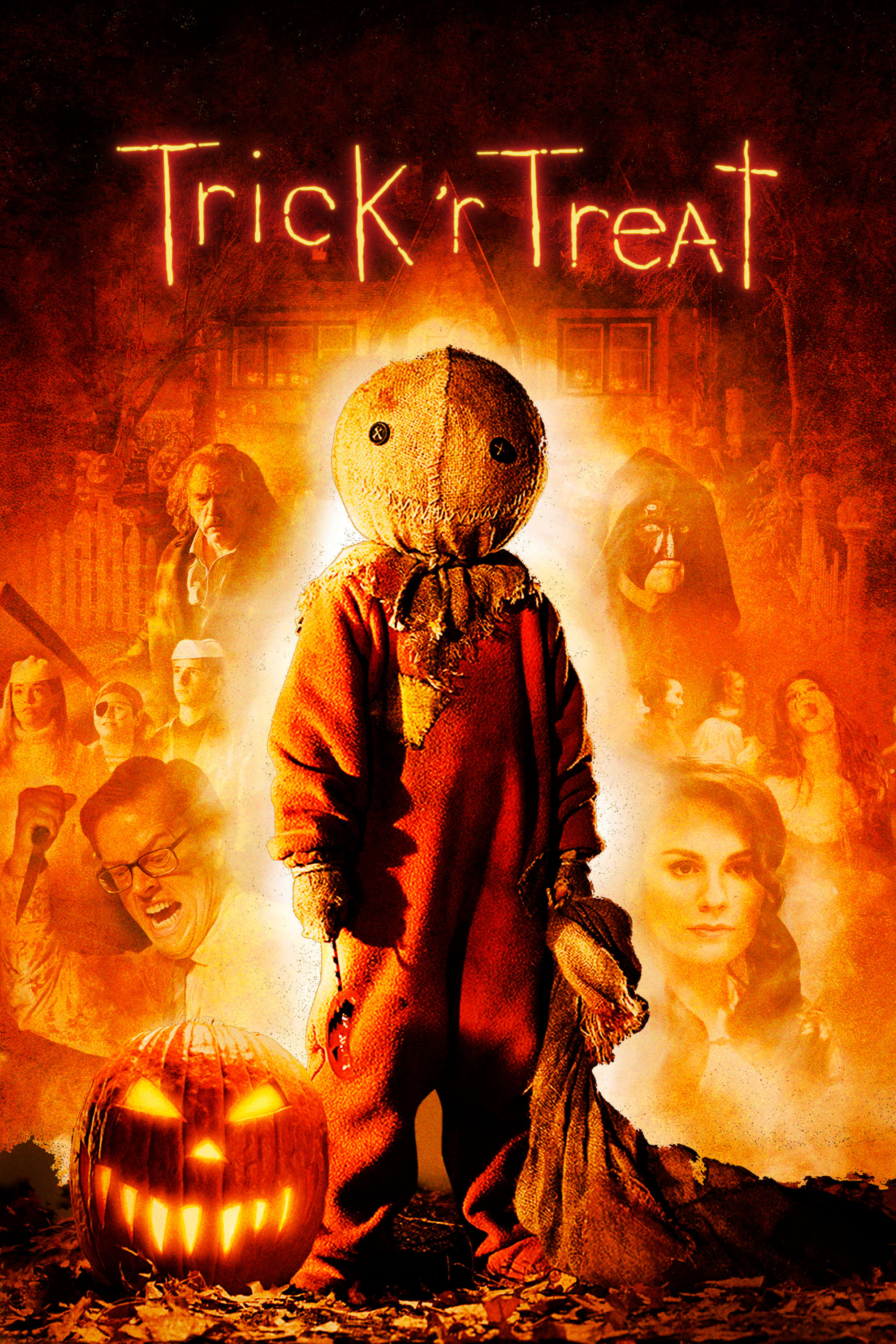
Trick 'r Treat

Martyrs
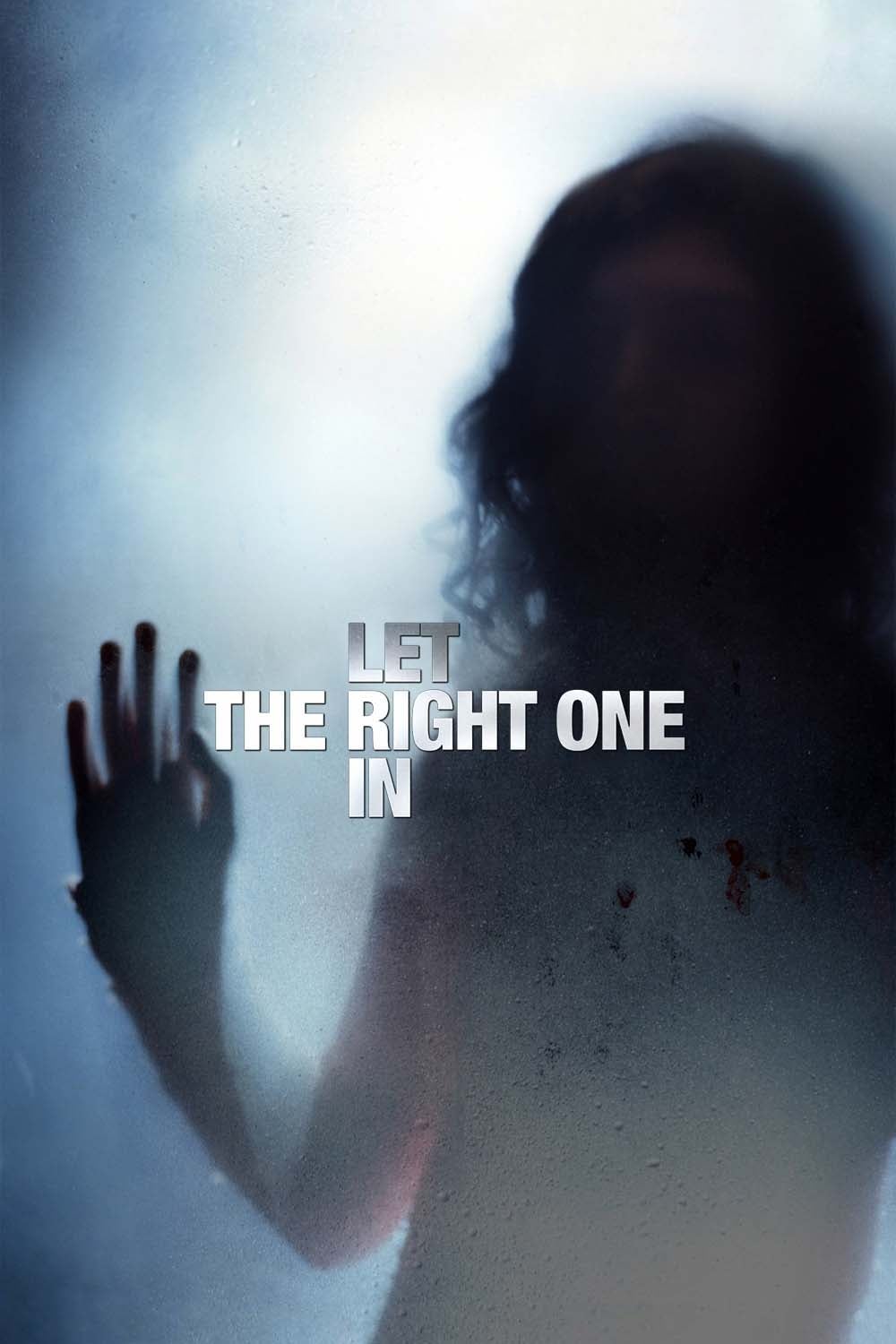
Let the Right One In
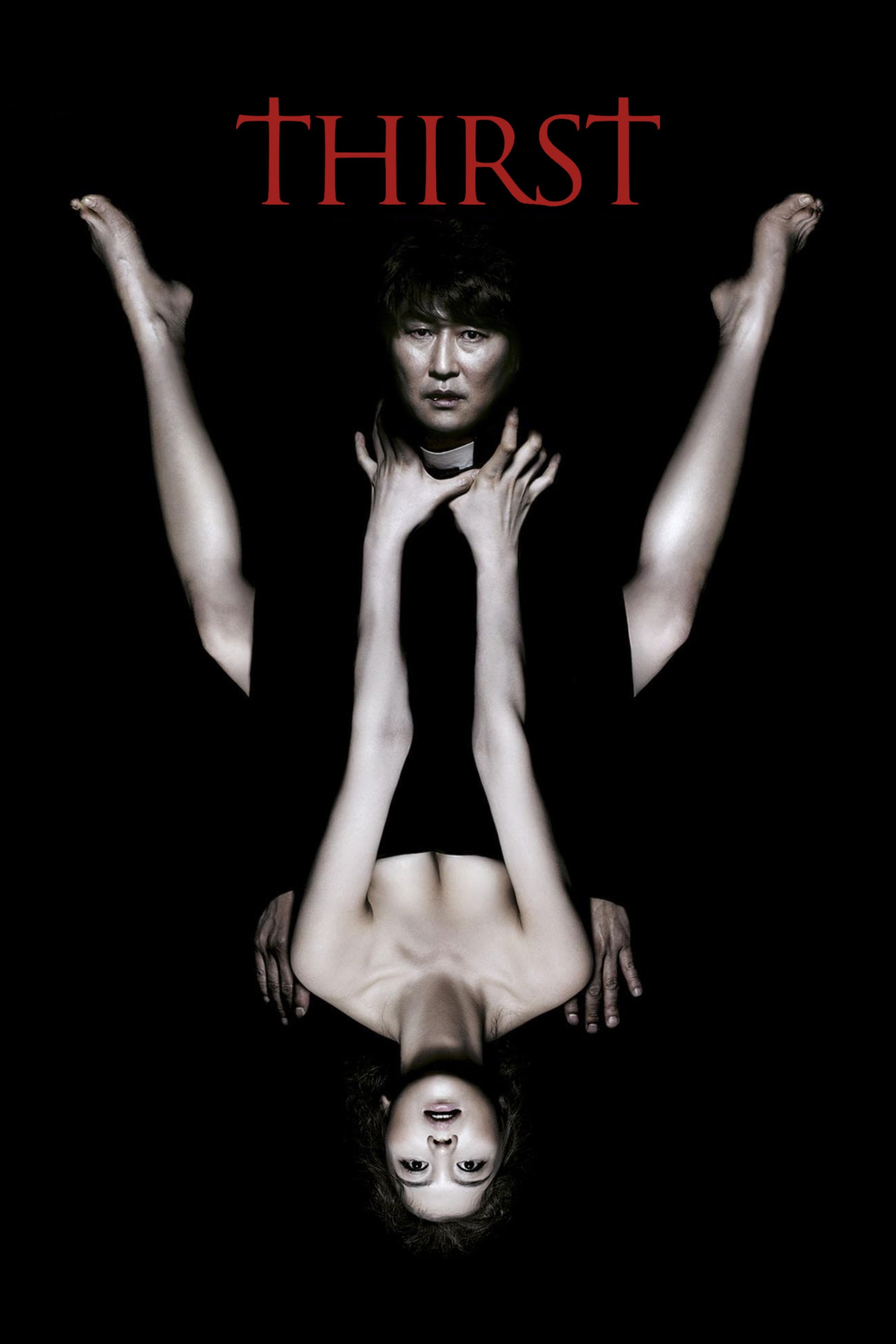
Thirst
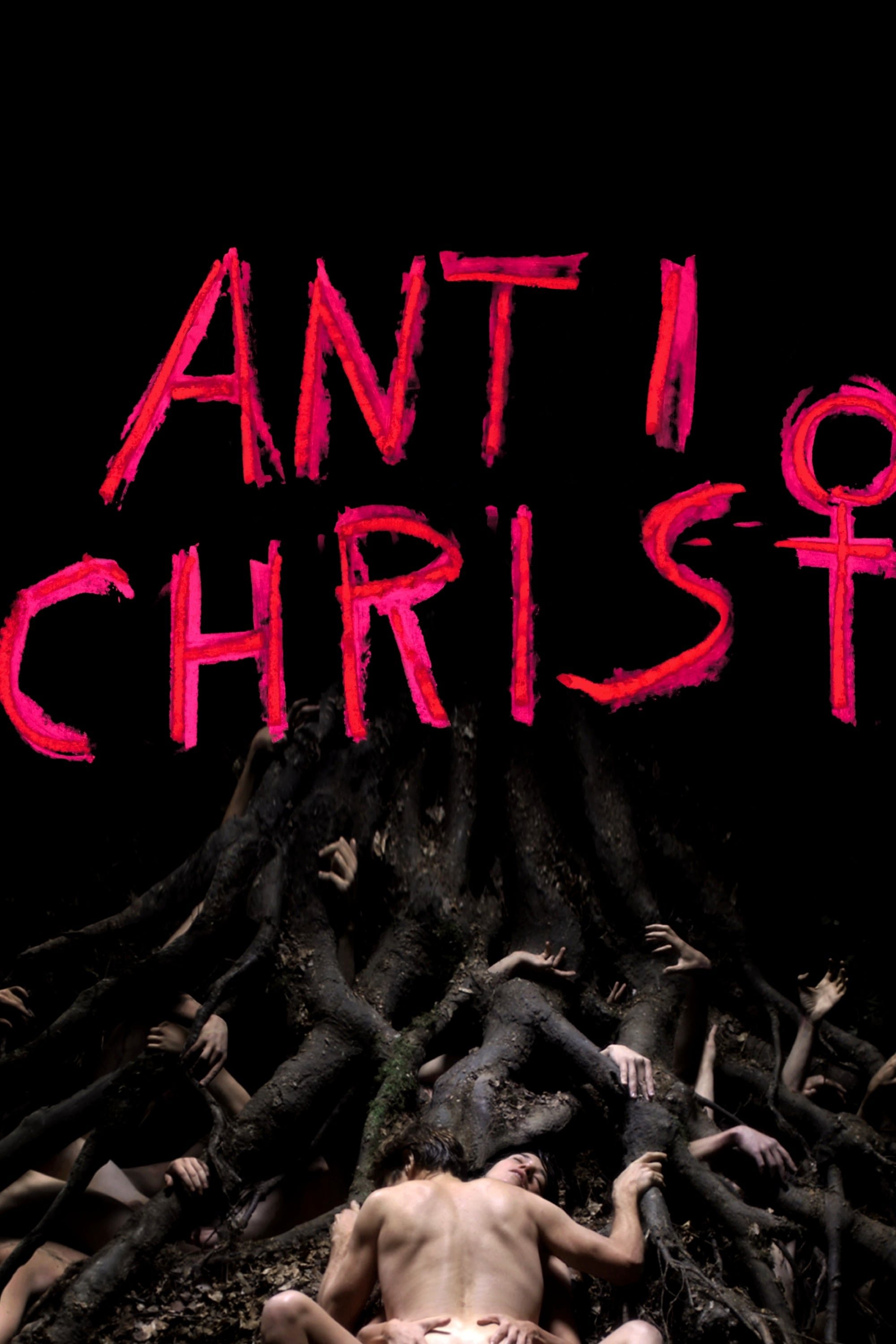
Antichrist
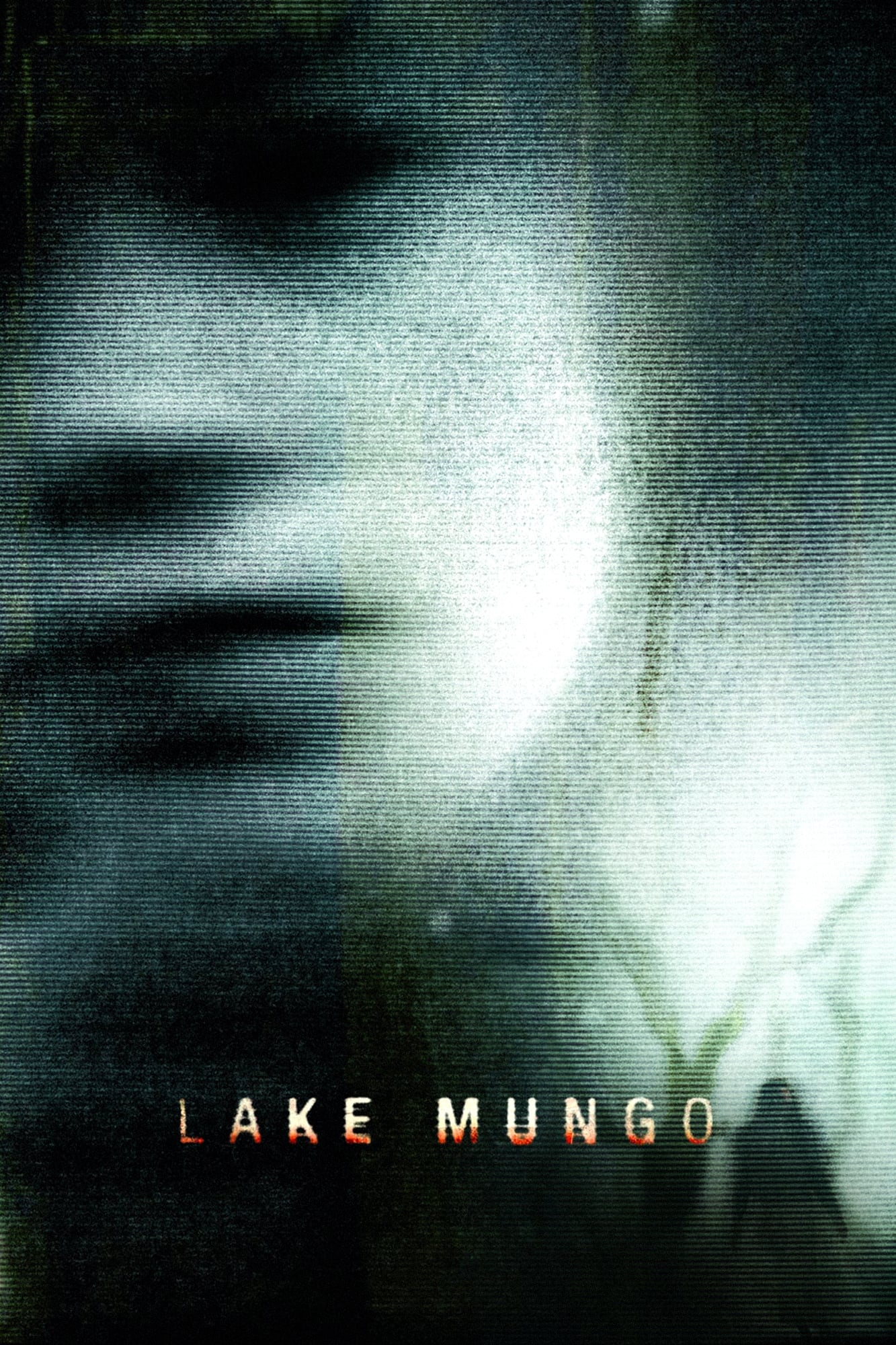
Lake Mungo
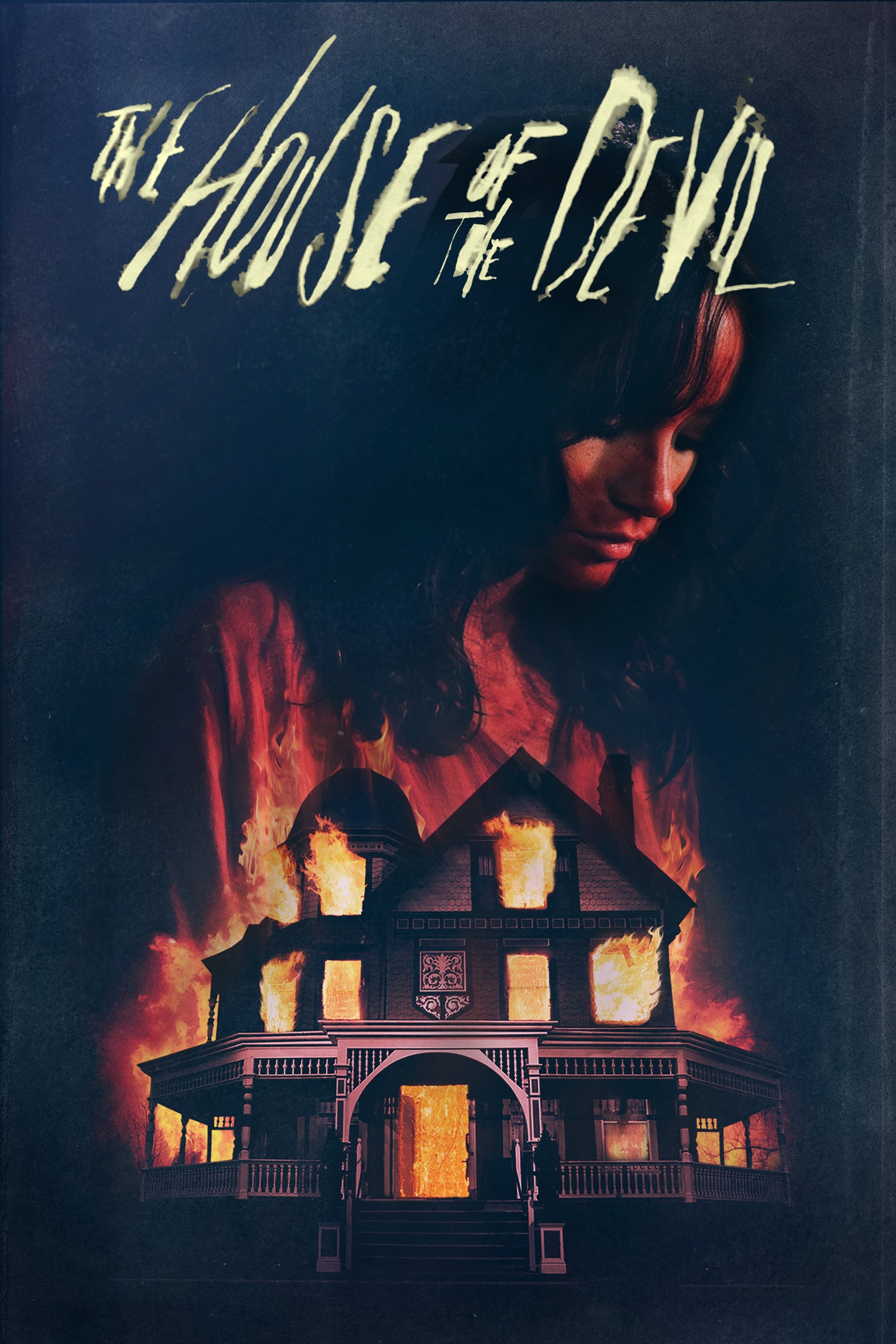
The House of the Devil
Statistics
Top Subgenres
Top Countries
Percentage of 2000s horror films by country of production.