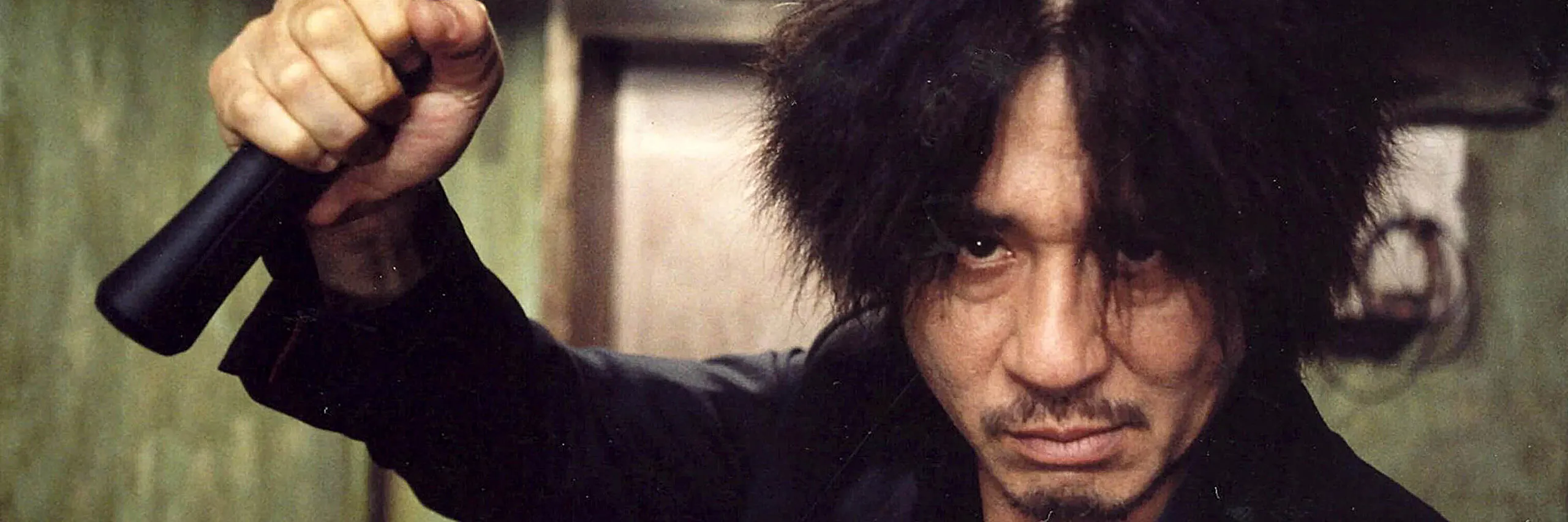
 Oldboy (2003)
🇰🇷South Korea
Social diagnosis disguised as genre cinema — South Korean horror grounds its ghosts, monsters, and violence in the country's schools, families, and institutions.
History
Korean horror cinema has a long pre-wave history that is largely overlooked outside specialist scholarship. The Joseon-era ghost story of Janghwa Hongryeon Jeon — two sisters murdered by a wicked stepmother who return to demand justice — was first adapted to silent film in 1924 and has been remade roughly a dozen times since, providing the country's most durable horror template. Kim Ki-young's The Housemaid (1960) blurred horror, melodrama, and class warfare into a film Bong Joon-ho would later cite as the single most important influence on his own work. The 1960s and 1970s produced a steady cycle of ghost films anchored by suspicious-housemaid premises and vengeful female spirits, alongside occasional kaiju imitations like Yongary, Monster from the Deep (1967), designed to capitalise on the success of the Tōhō Godzilla films. Authoritarian censorship, IMF-era industrial collapse, and the dominance of melodrama in domestic exhibition kept Korean horror as a niche genre until the late 1990s.
Korean horror emerged as a significant international force in the late 1990s, catalysed by the global success of J-horror films like Ringu. Park Ki-hyung's Whispering Corridors (1998) — a haunted-school ghost story whose attempted ban by the Korean National Teachers' Association only amplified its publicity — became the wave's anchor and launched a five-film franchise that continued into the 2020s. Memento Mori (1999) and Phone (2002) pursued the same vein, using vengeful female spirits and modern technology in a deliberately Korean register. Kim Jee-woon's A Tale of Two Sisters (2003), drawing on the Janghwa Hongryeon folktale, crafted one of the era's most psychologically intricate ghost stories, layering family trauma and unreliable narration into a film later remade in Hollywood. R-Point (2004) used the ghost-story format to confront Korean involvement in the Vietnam War, demonstrating the genre's capacity for historical reckoning. Running parallel to the ghost-story wave, Jang Joon-hwan's Save the Green Planet! (2003) blended science-fiction conspiracy, body horror, and class-war satire in a register no other national cinema was producing.
Bong Joon-ho's The Host (2006) used a giant-monster framework to critique American military presence and government incompetence, becoming one of Korean cinema's biggest commercial successes. Park Chan-wook's Oldboy (2003), the centrepiece of his Vengeance Trilogy alongside Sympathy for Mr. Vengeance (2002) and Lady Vengeance (2005), employed horror-like imagery to revolutionise revenge cinema worldwide without ever quite belonging to the genre proper; Park moved into pure horror with the vampire film Thirst (2009). Na Hong-jin debuted with the relentless serial-killer thriller The Chaser (2008) before producing the sprawling The Wailing (2016), which wove shamanism, Christianity, and xenophobia into a supernatural thriller of extraordinary ambiguity — widely regarded as the masterwork of contemporary Korean horror. Kim Jee-woon's I Saw the Devil (2010) pushed the boundaries of on-screen violence in its examination of revenge's moral cost, and Jang Cheol-soo's Bedevilled (2010) relocated Korea's revenge cycle to a rural island setting in a film that reads as folk horror in everything but name. These films shared an unflinching willingness to examine violence not for shock value alone but to expose uncomfortable truths about power, trauma, and human nature.
The 2010s brought a Korean zombie cycle and a new generation of horror specialists. Yeon Sang-ho's Train to Busan (2016) proved Korean horror's commercial reach, using a confined-space zombie scenario to achieve massive international success; its sequel Peninsula (2020) and the loosely connected #Alive (2020) extended the cycle. Gonjiam: Haunted Asylum (2018) broke box-office records as a found-footage hit, and Park Hoon-jung's The Witch: Part 1. The Subversion (2018) fused superhero violence with body-modification anxieties. Jang Jae-hyun's Exhuma (2024) brought the shaman tradition back to the centre of Korean horror with what became the highest-grossing horror film in the country's history. The broader influence of Korean horror is inseparable from the country's cultural export boom — the same industry that produced Bong Joon-ho's Parasite (2019) generates horror filmmakers whose genre fluency and social consciousness distinguish their work from both the atmospheric restraint of J-horror and the graphic extremity of Western traditions. What defines Korean horror is its insistence on grounding supernatural and violent spectacle in recognisable social structures — families, schools, workplaces, institutions — making its terrors feel less like escapist fantasy and more like diagnosis.
Essential Films
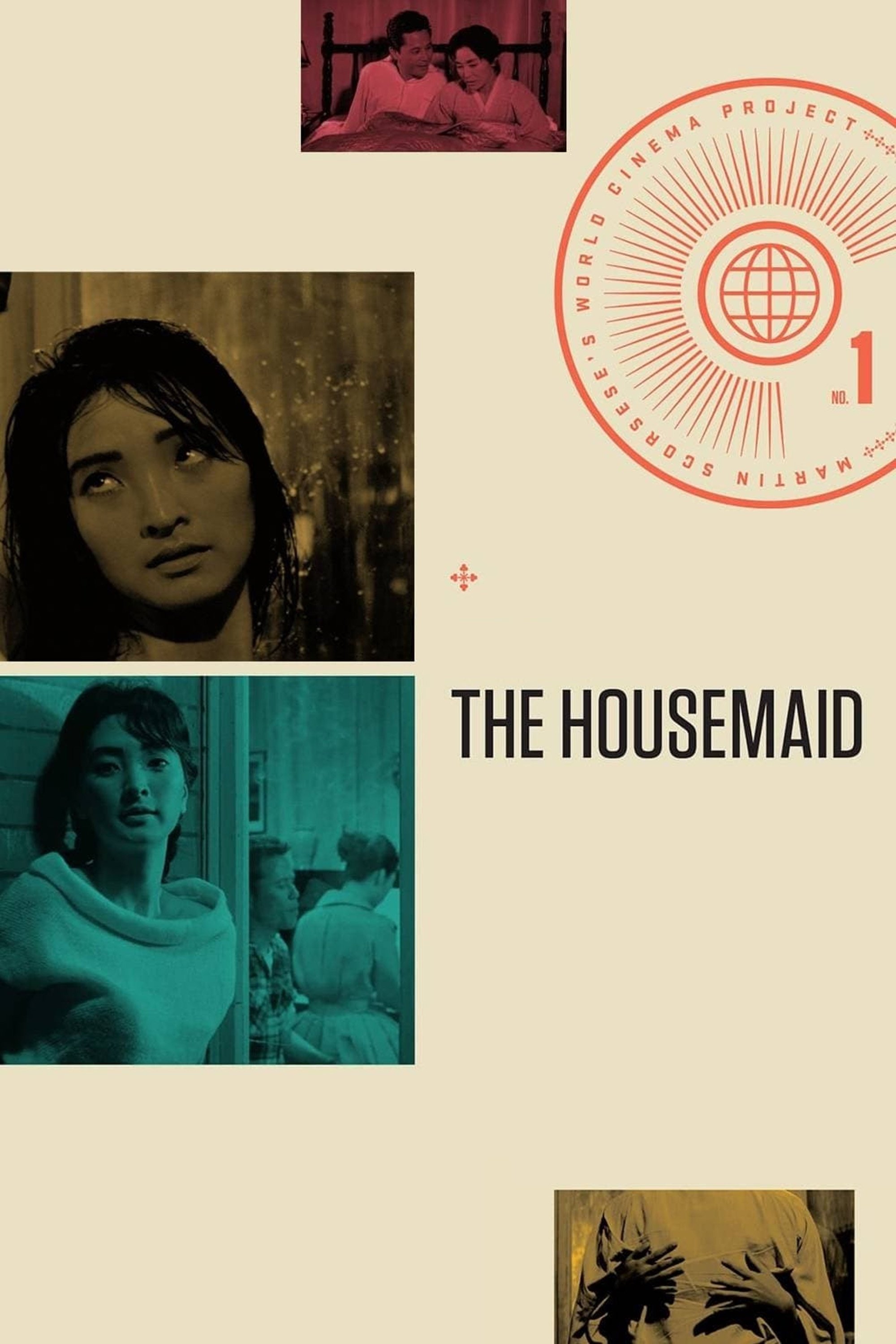
The Housemaid
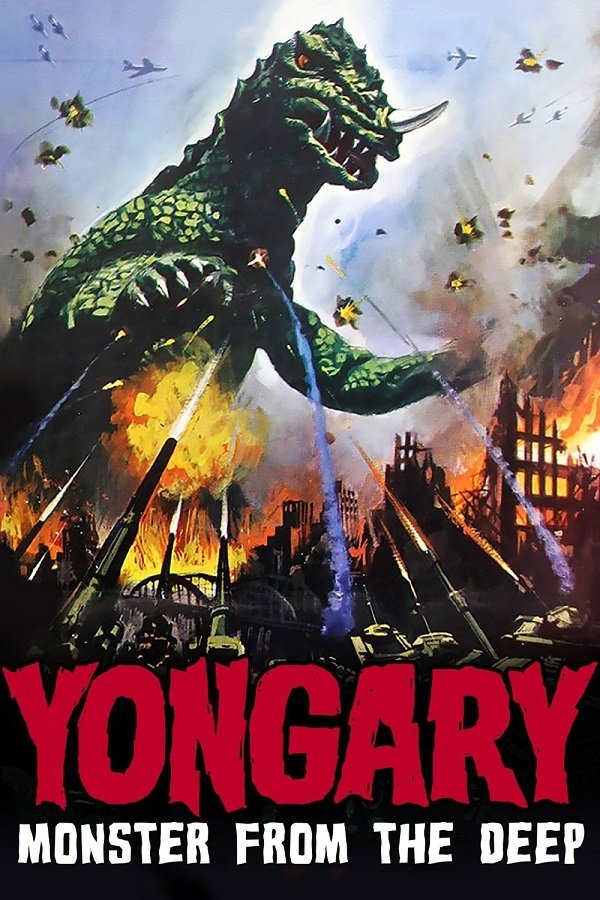
Yongary, Monster from the Deep
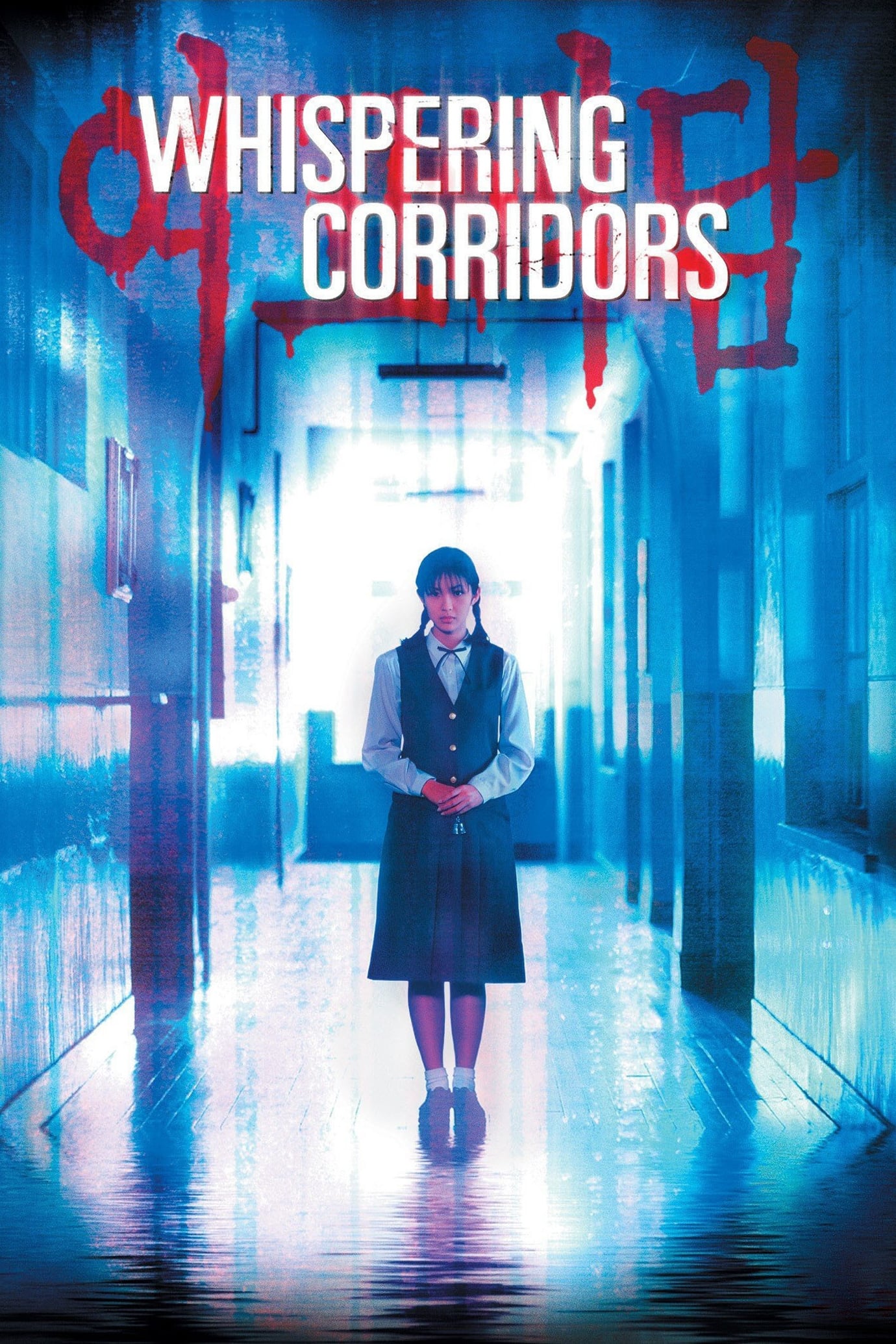
Whispering Corridors
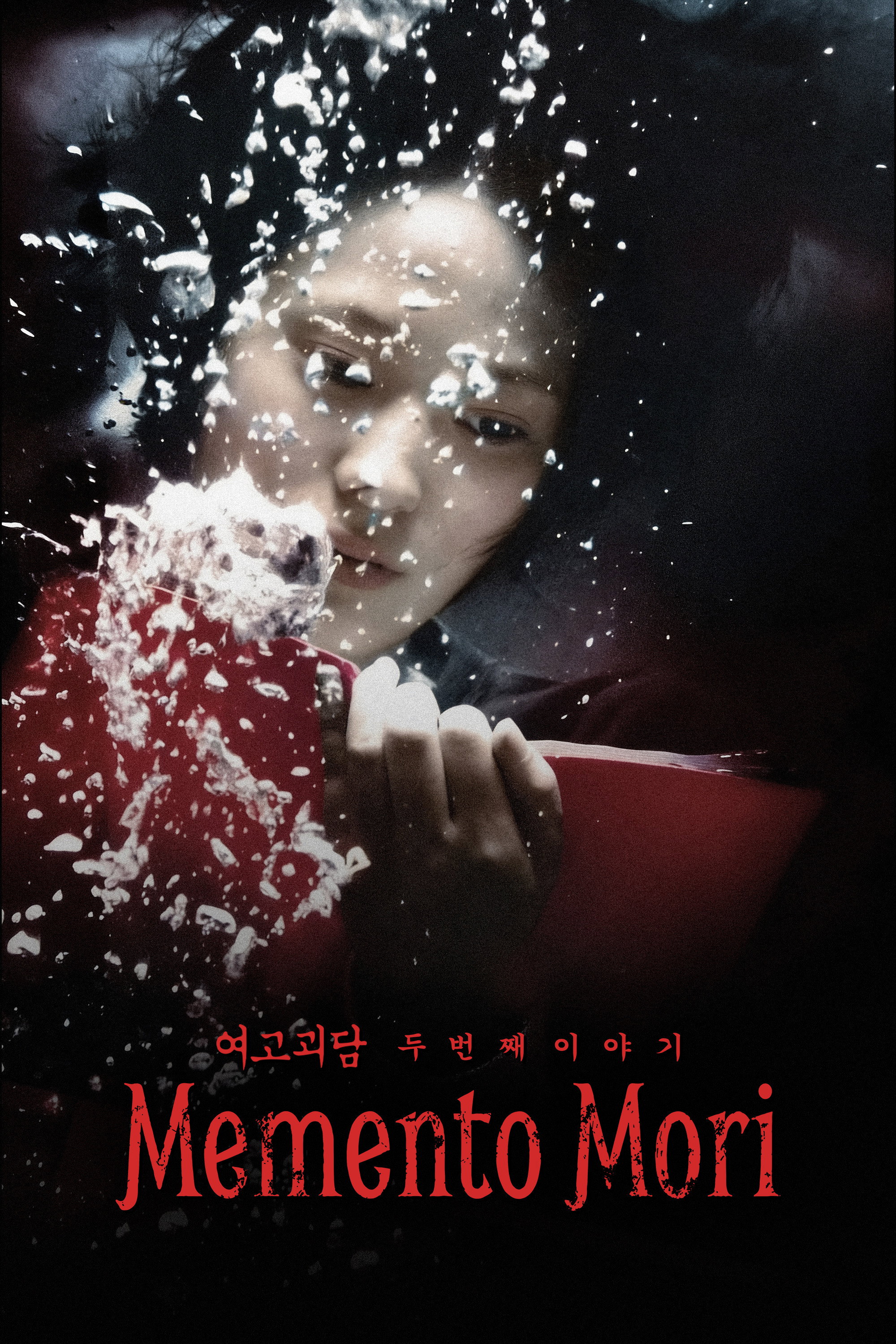
Memento Mori
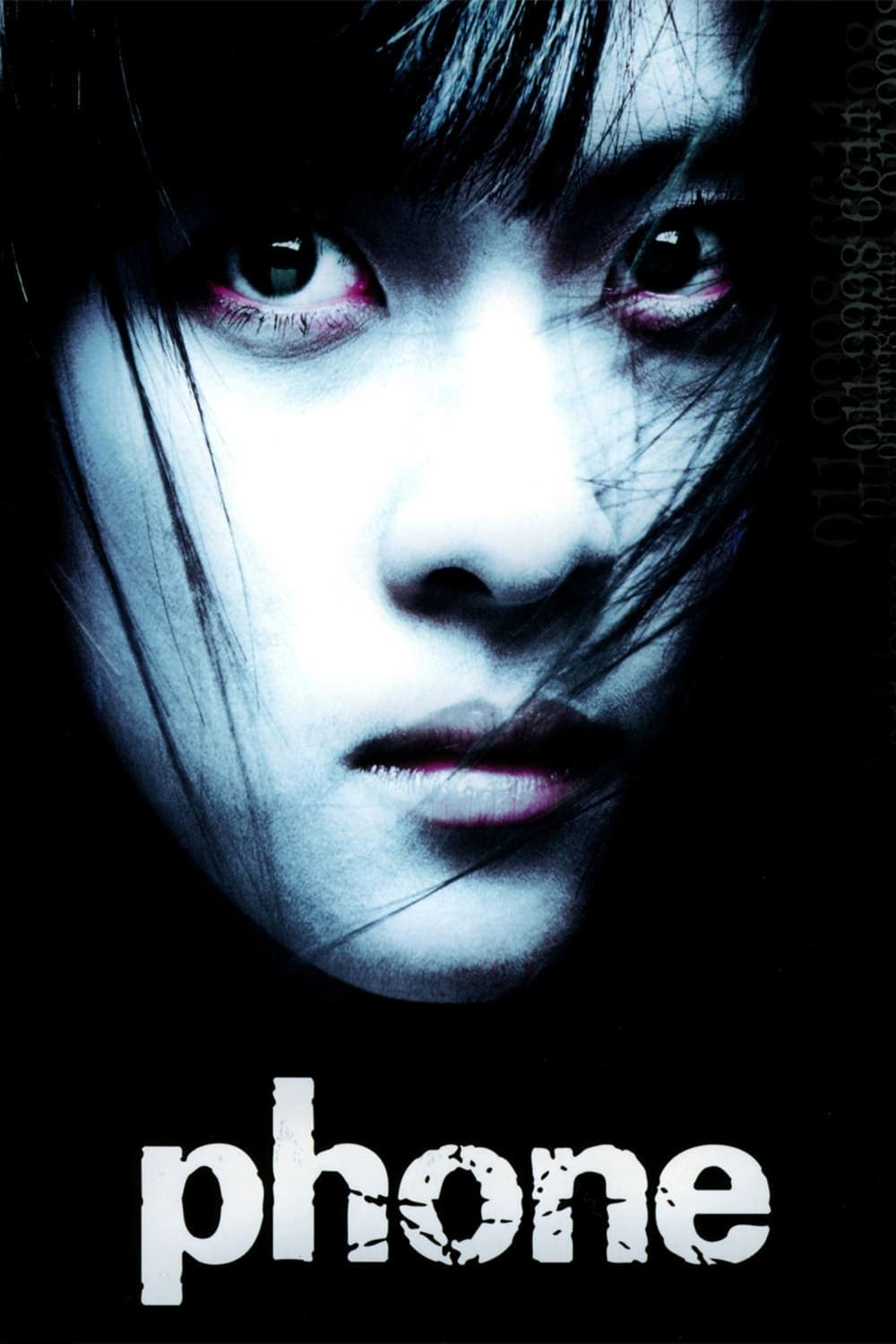
Phone
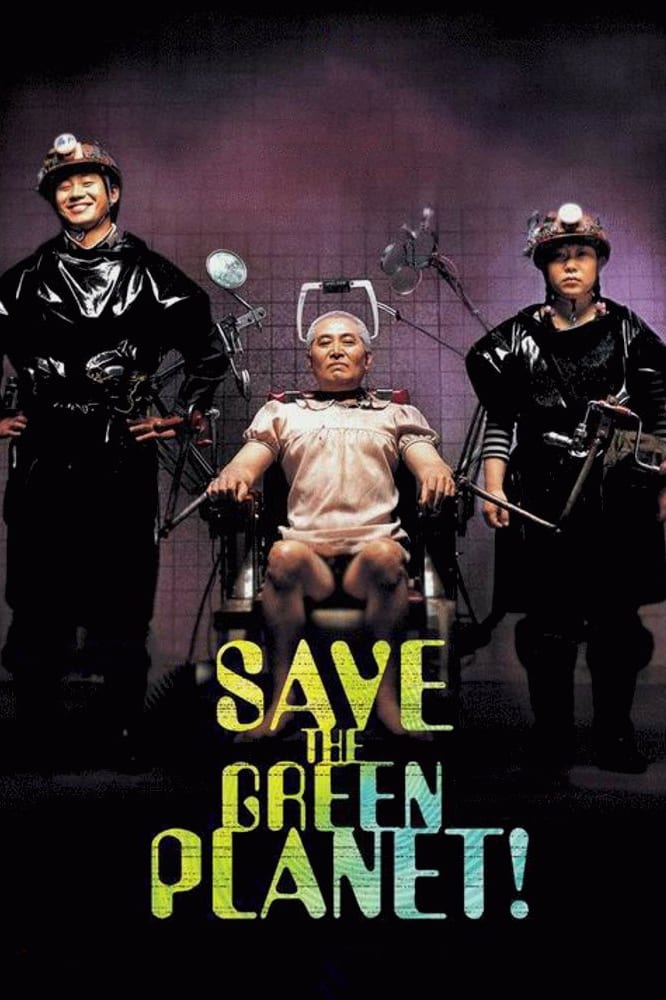
Save the Green Planet!
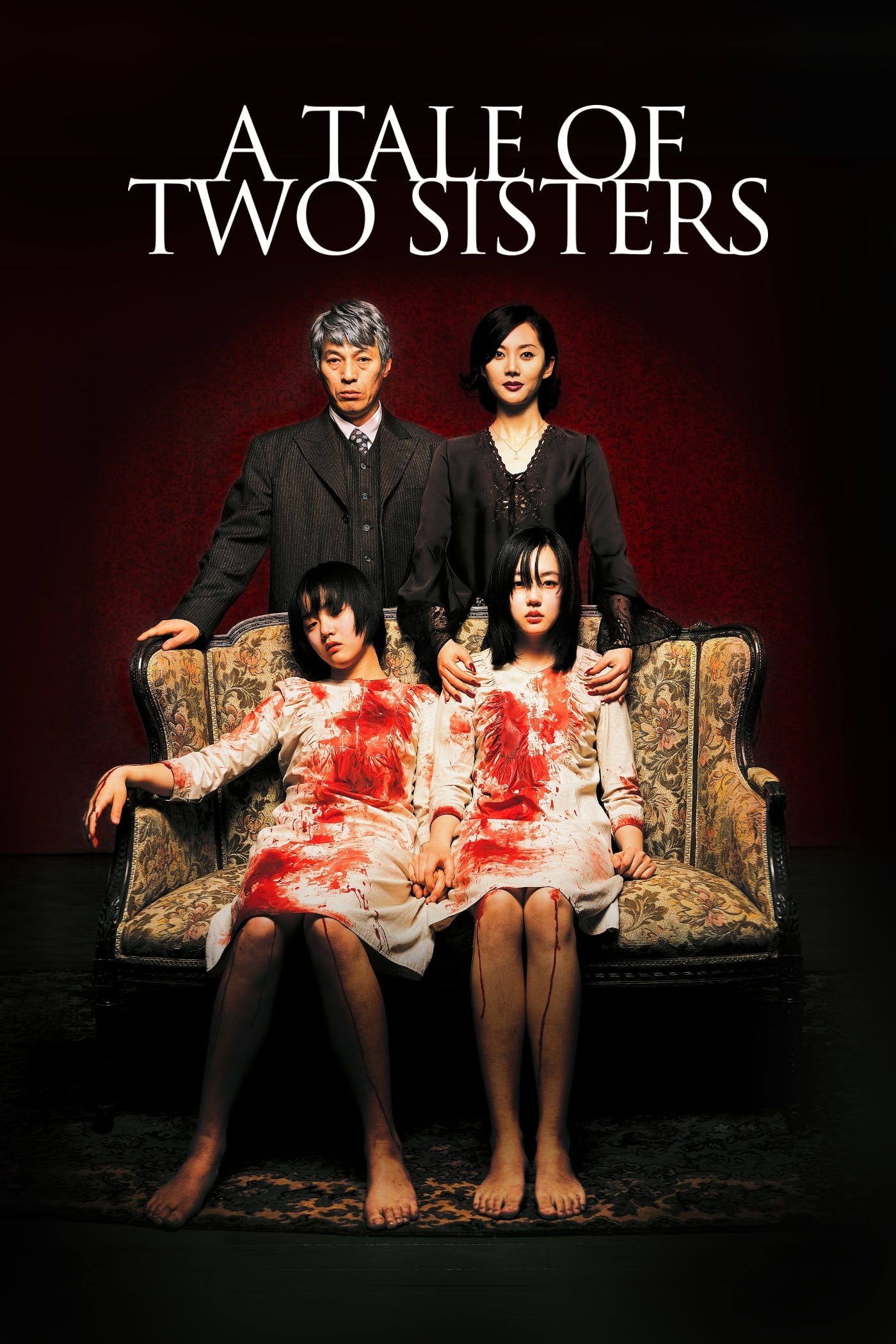
A Tale of Two Sisters

R-Point
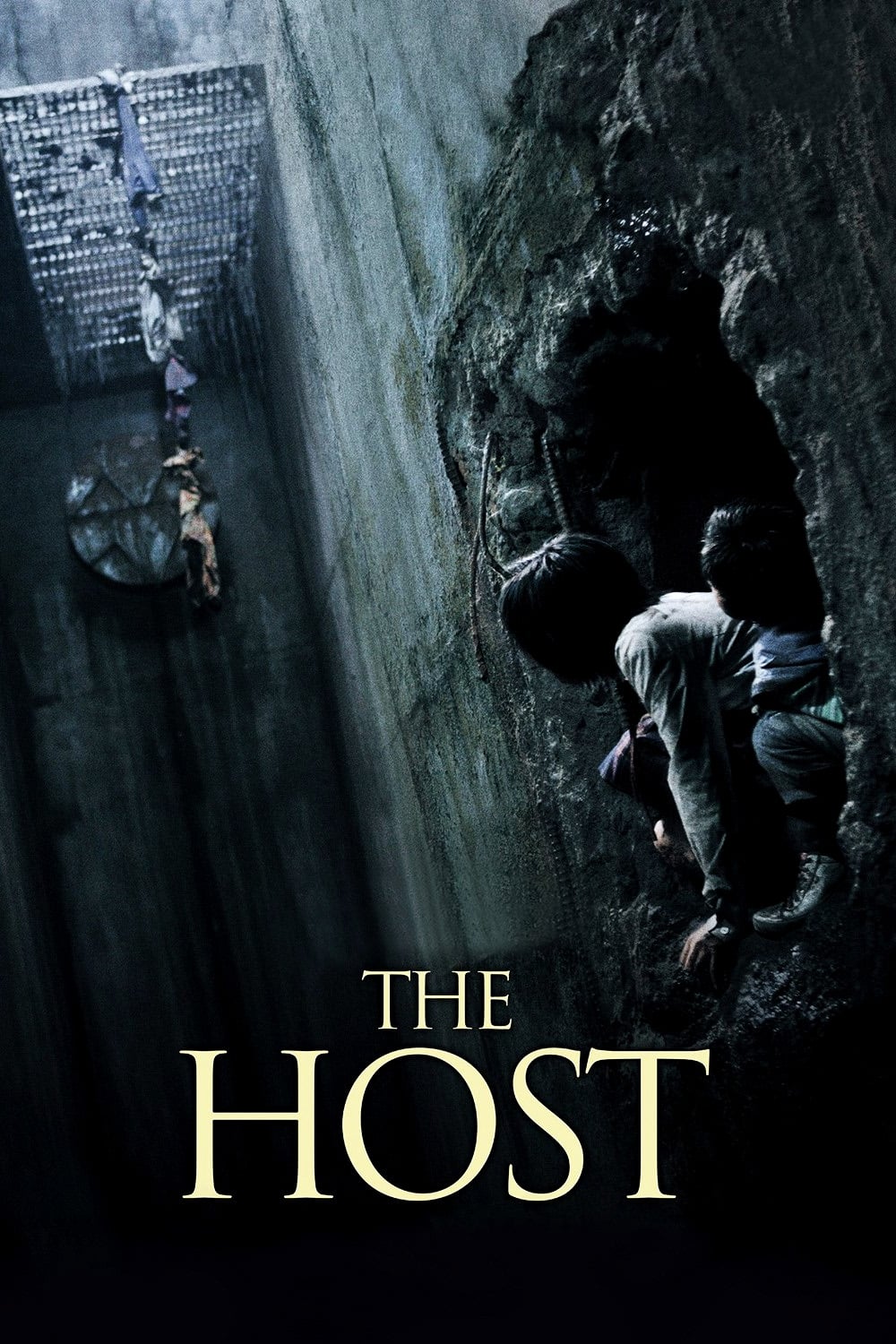
The Host
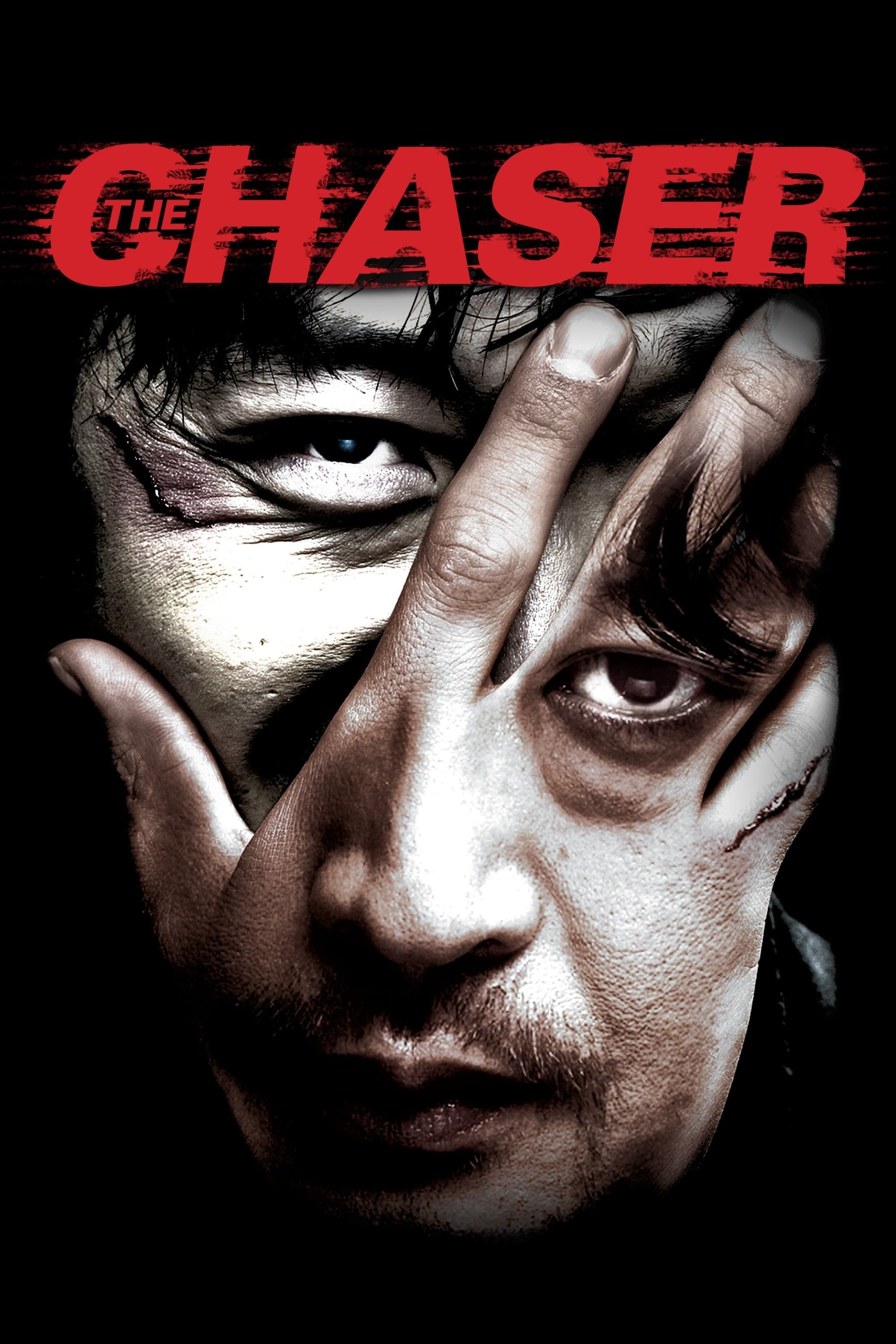
The Chaser
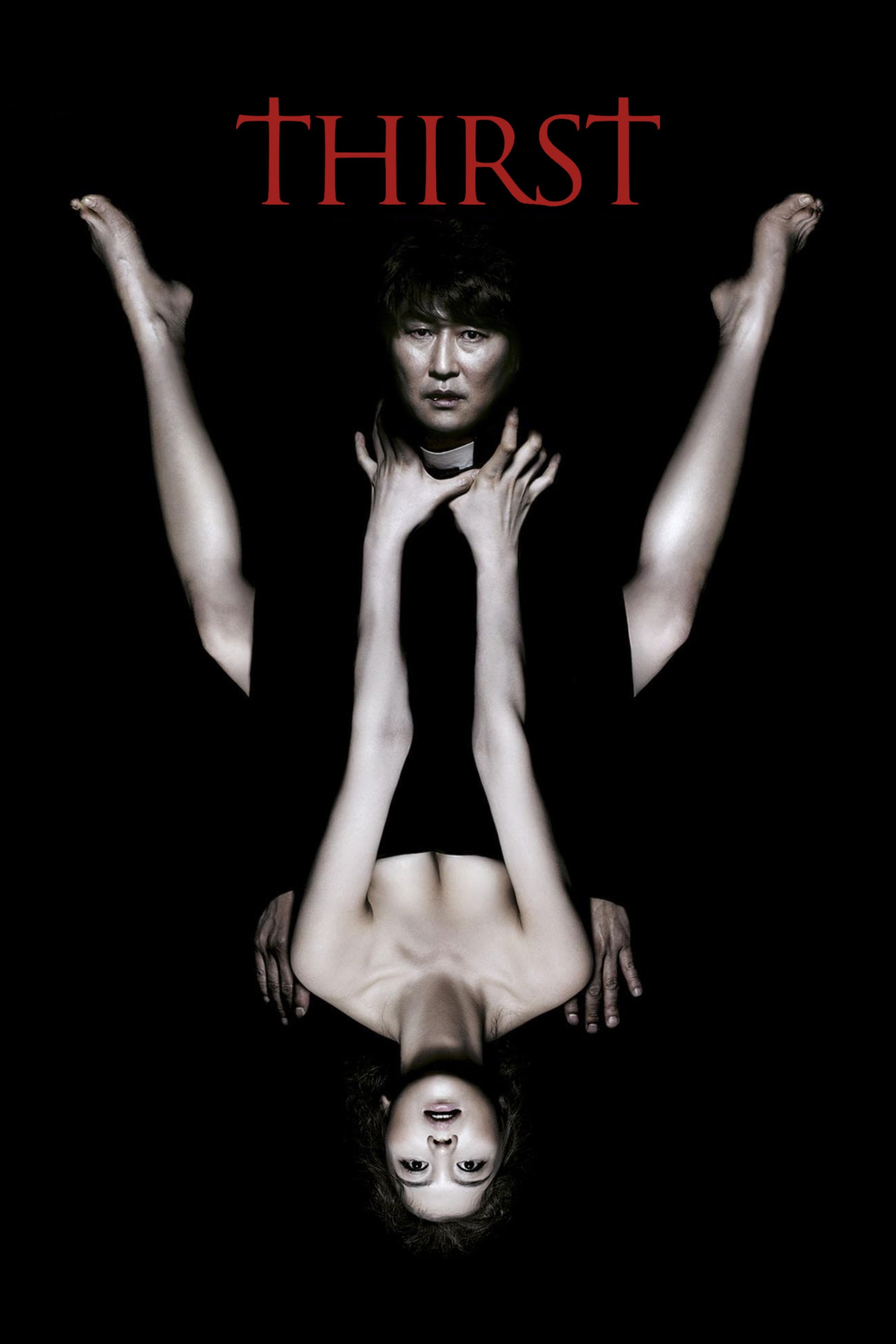
Thirst
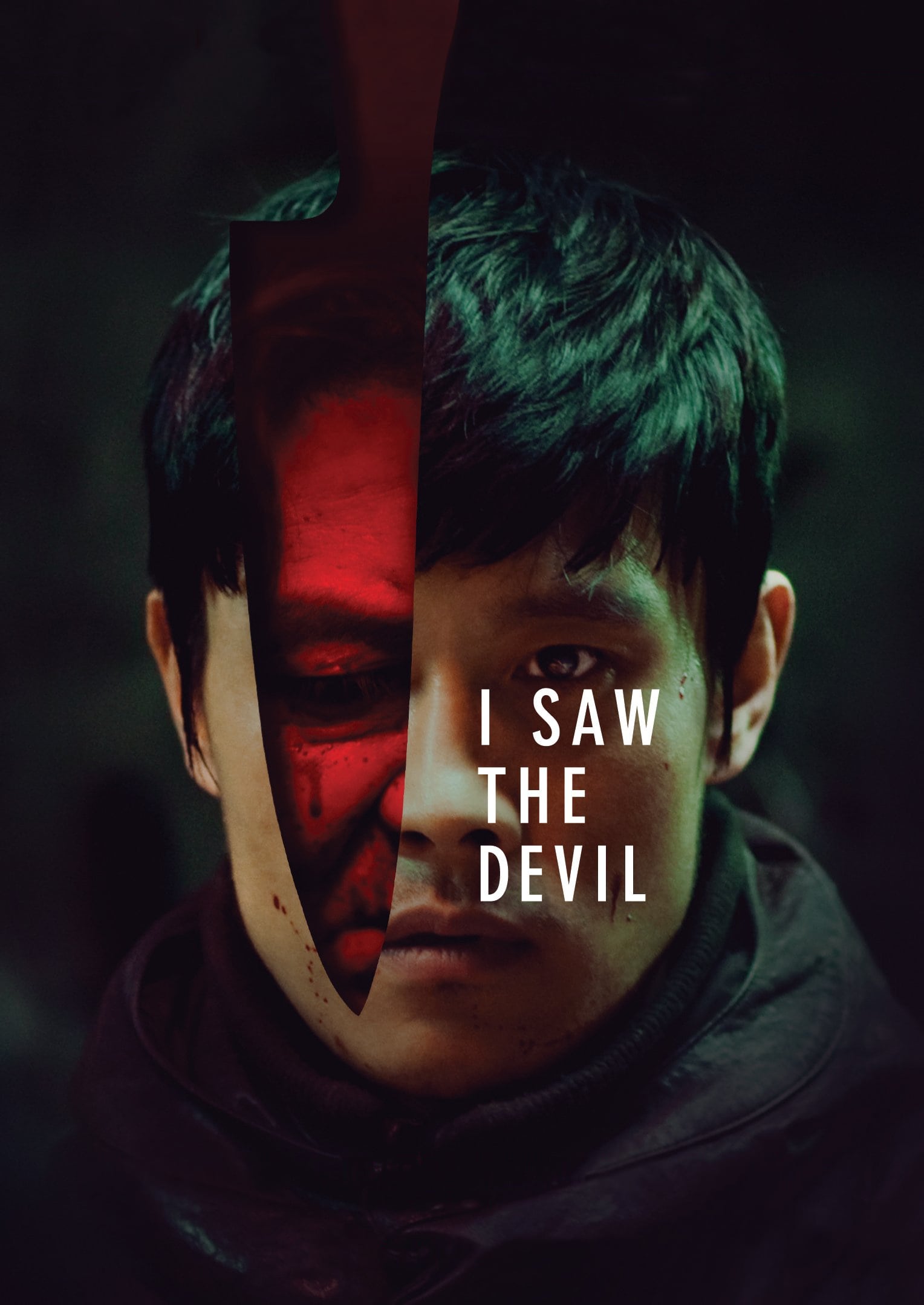
I Saw the Devil
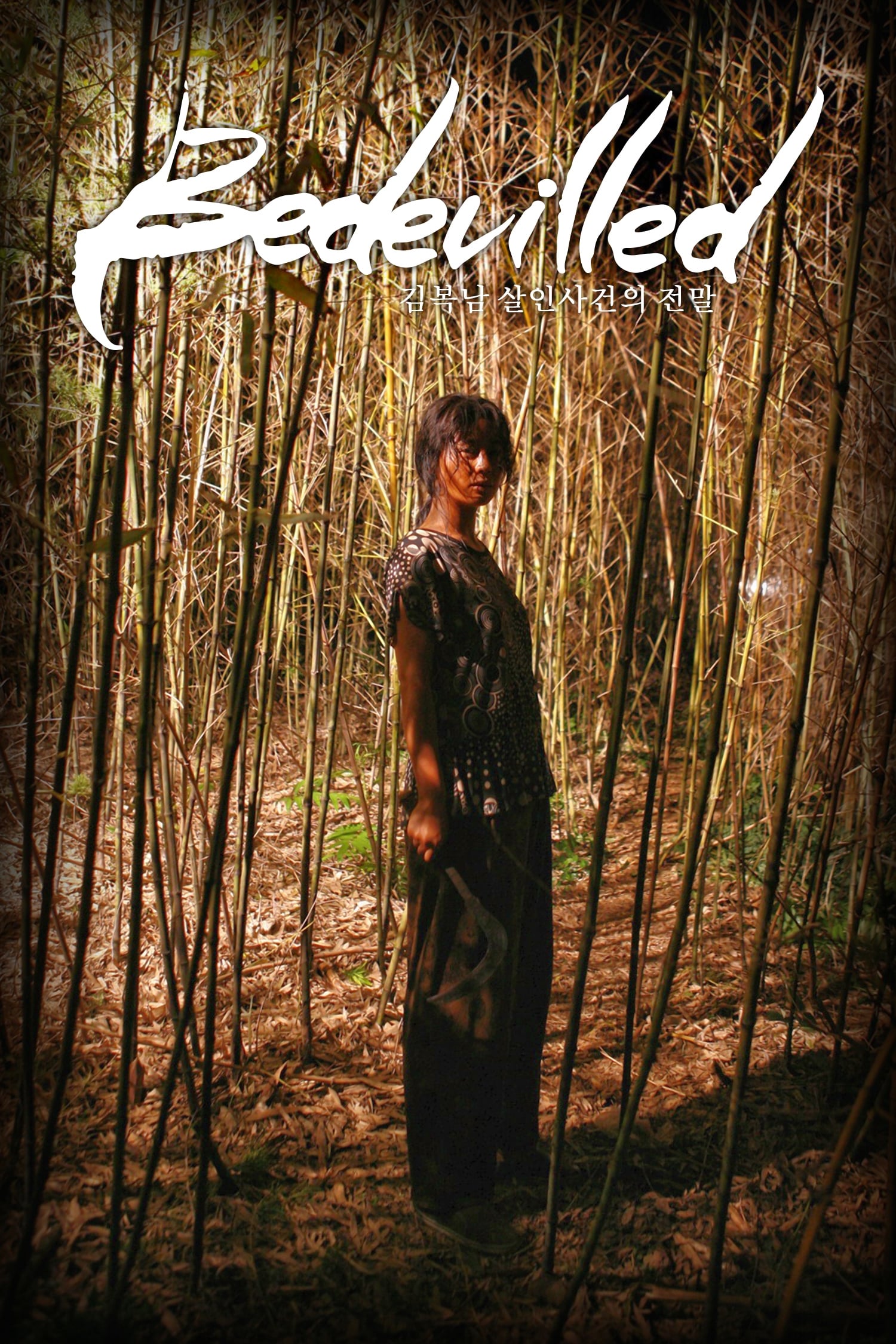
Bedevilled
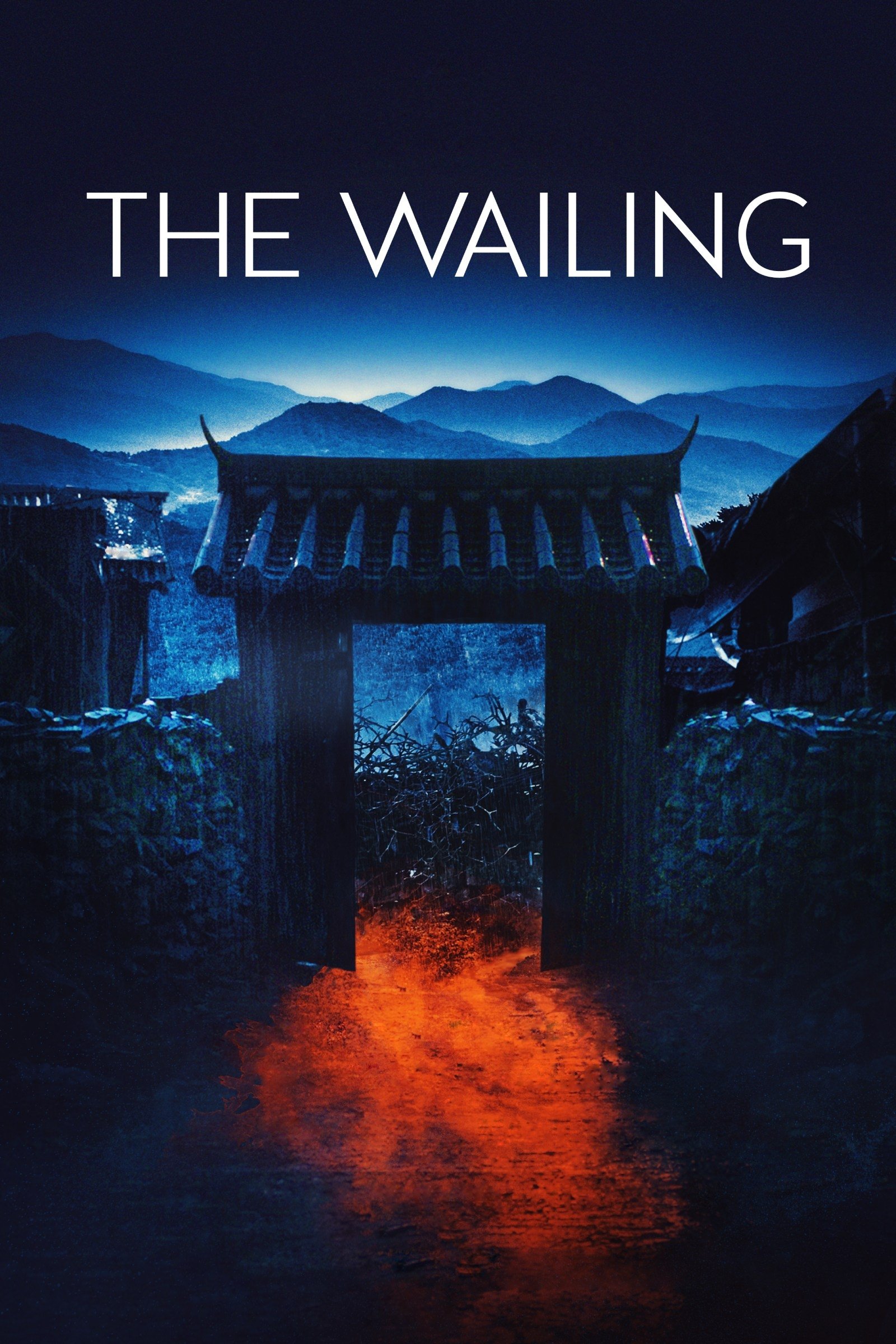
The Wailing
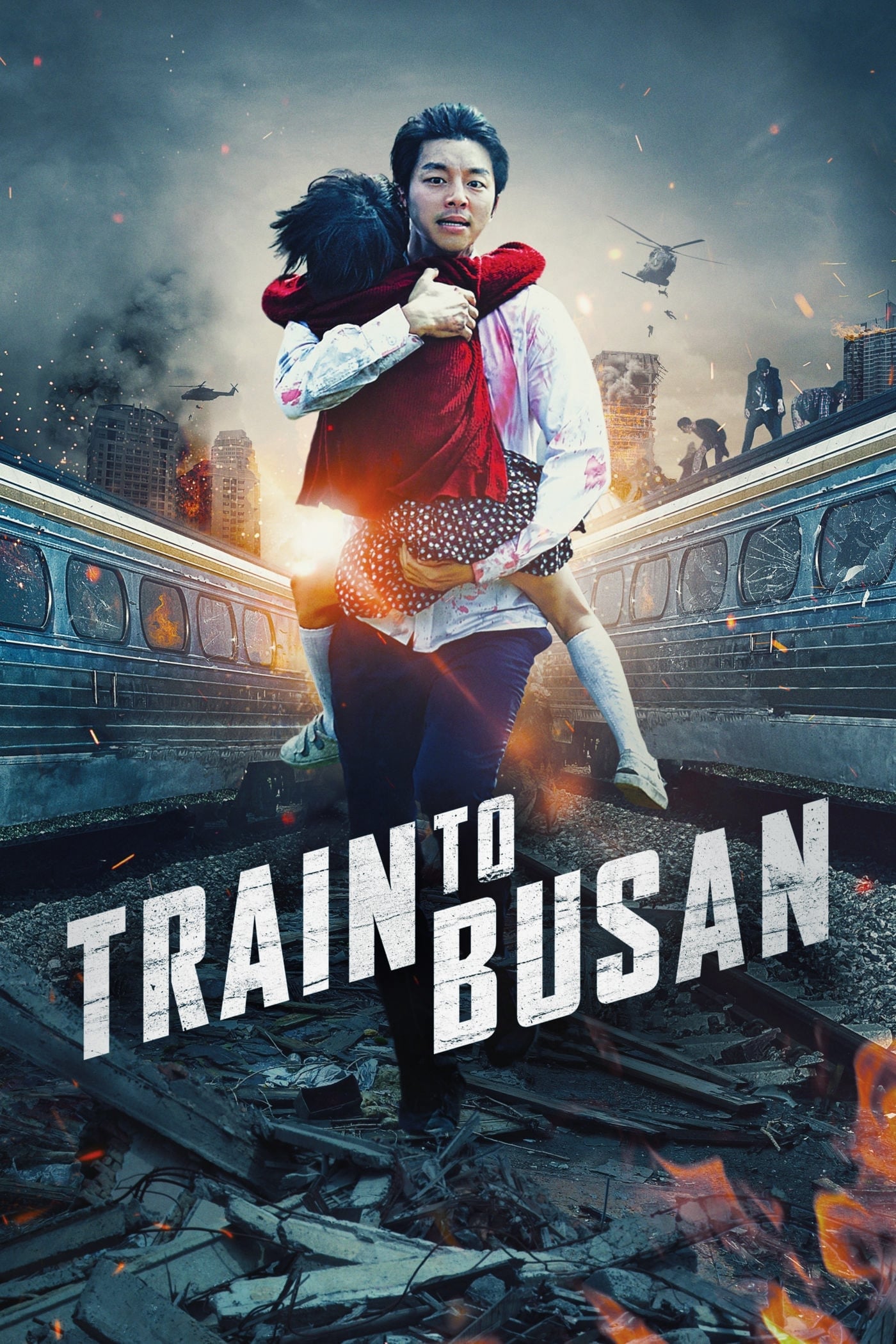
Train to Busan
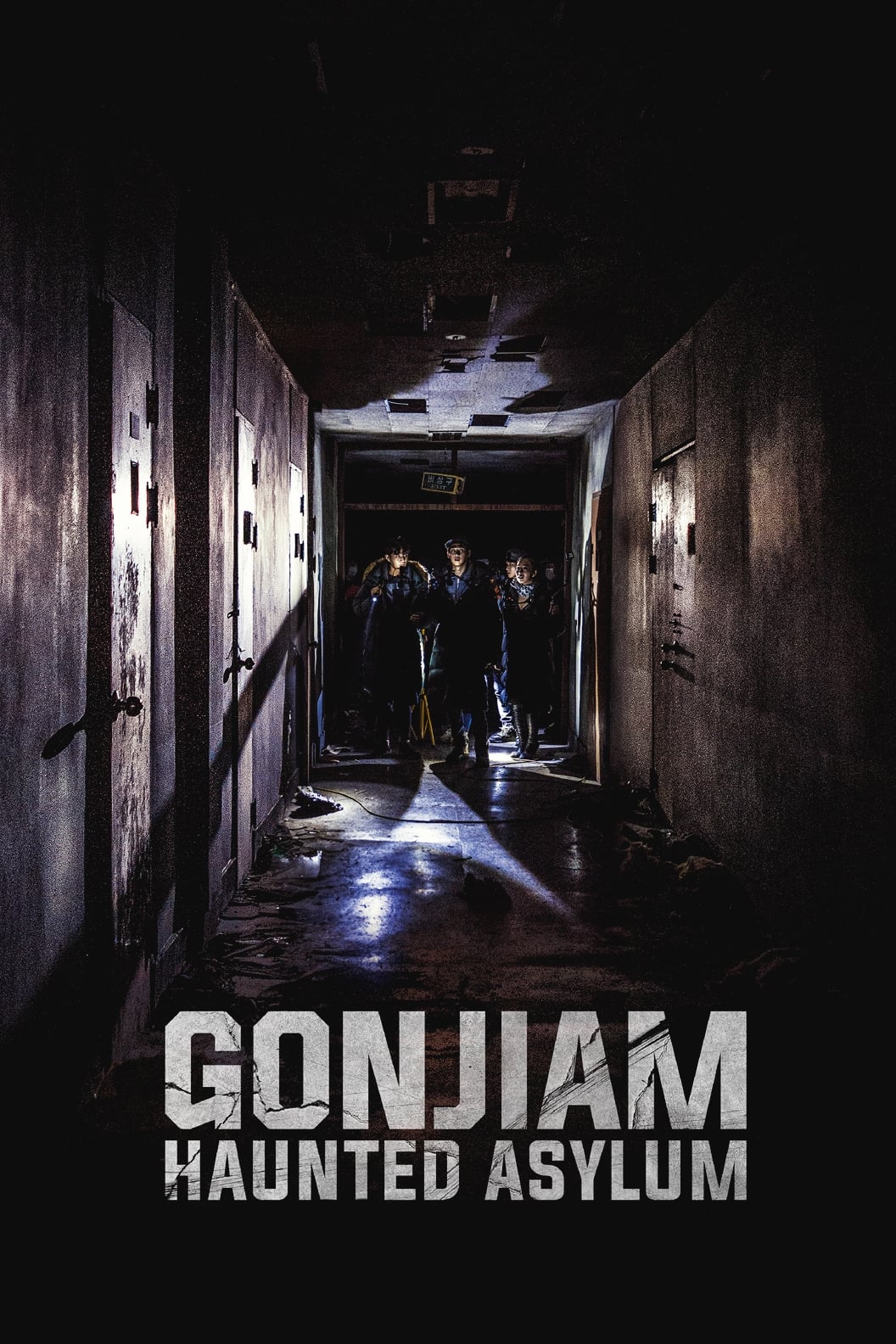
Gonjiam: Haunted Asylum
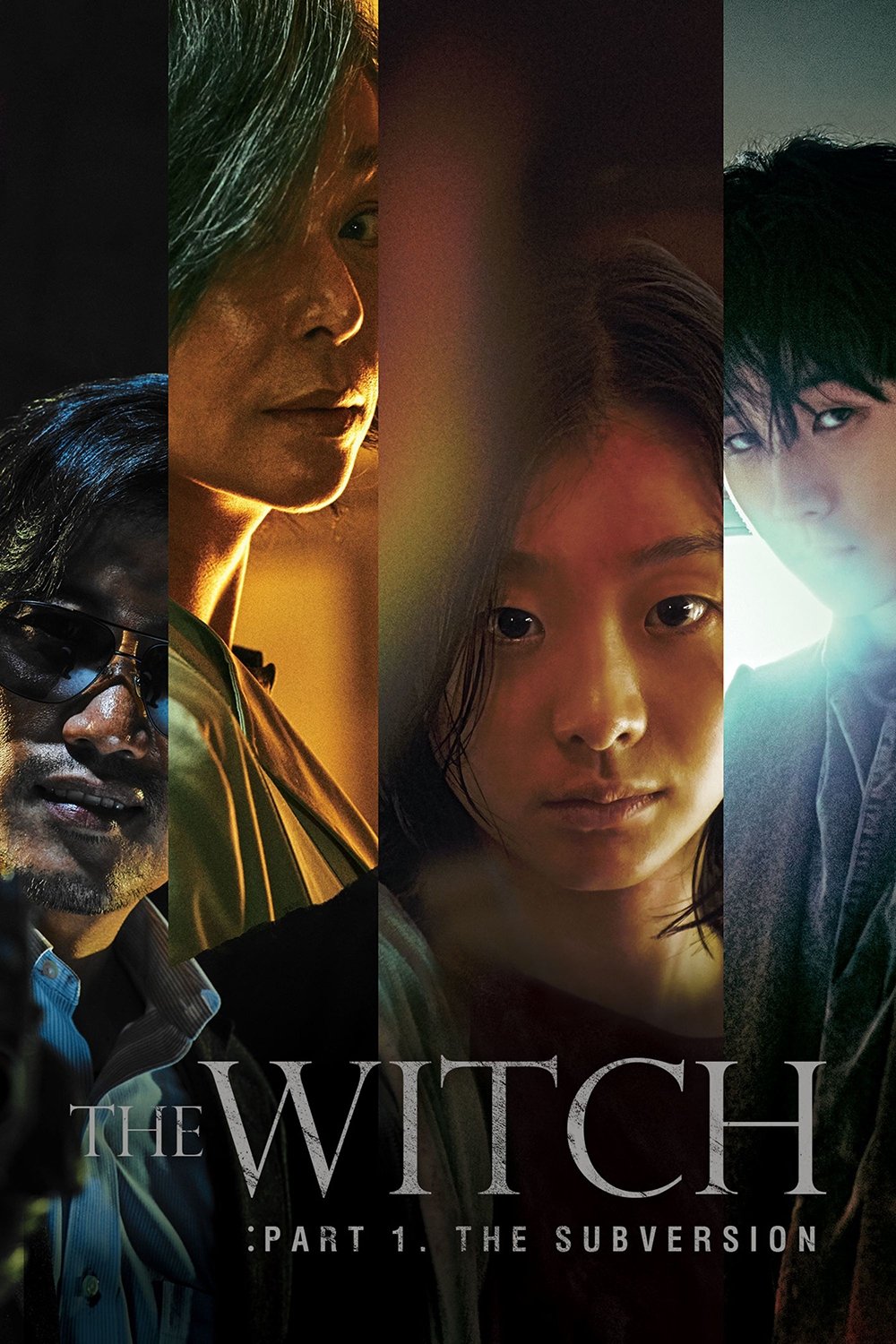
The Witch: Part 1. The Subversion
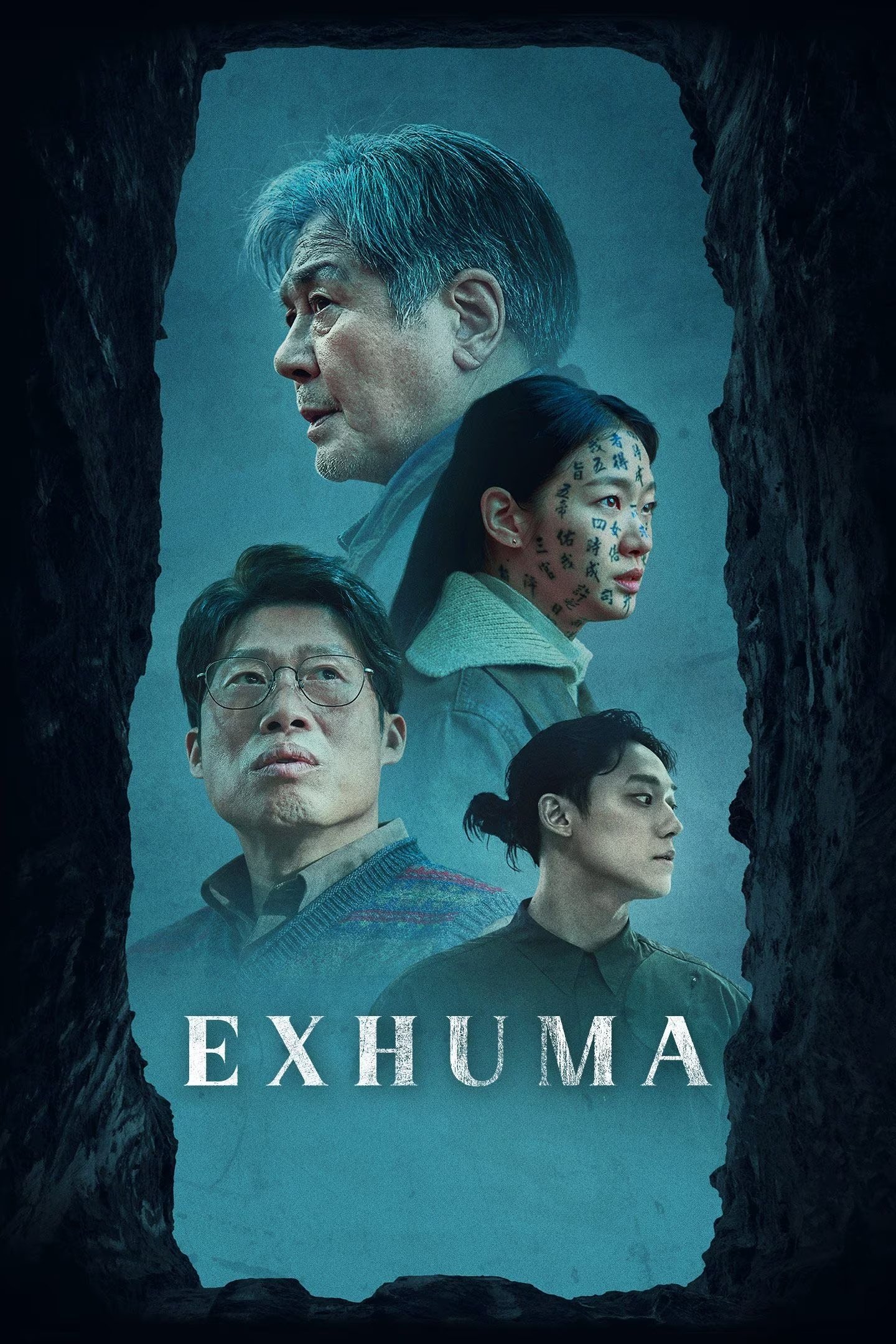
Exhuma
Statistics
Top Subgenres
Popularity by Decade
Share of each decade's horror films classified as South Korea horror. Counts films with at least 5 TMDB ratings, so very obscure titles are not represented.