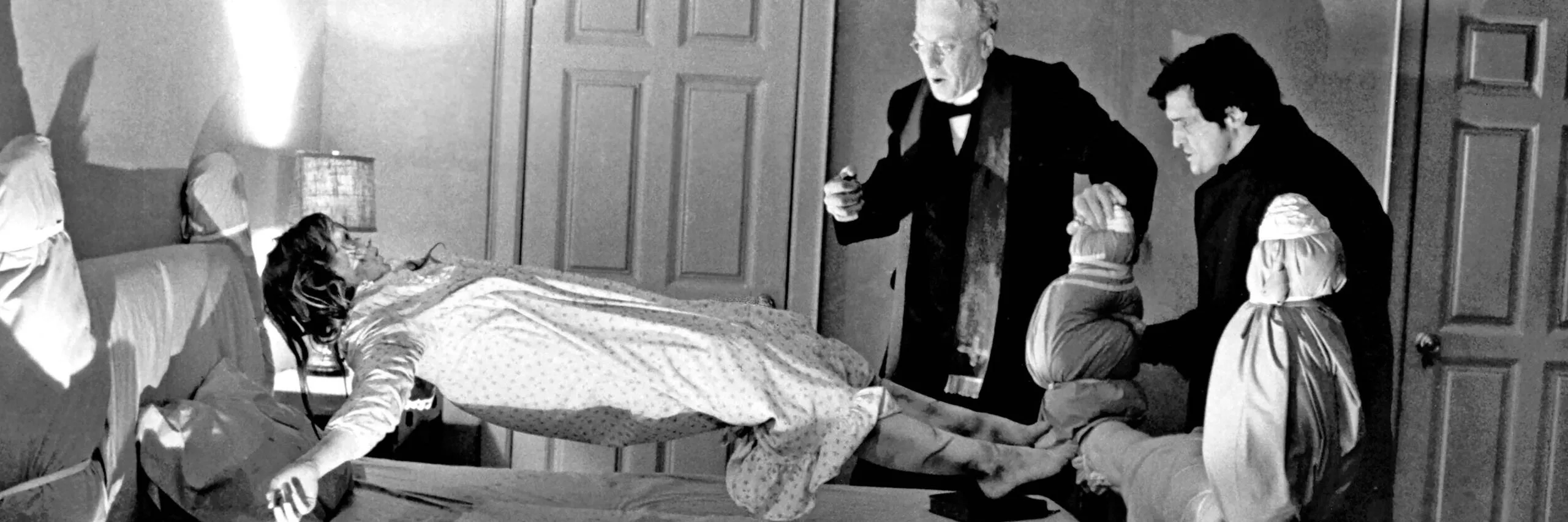
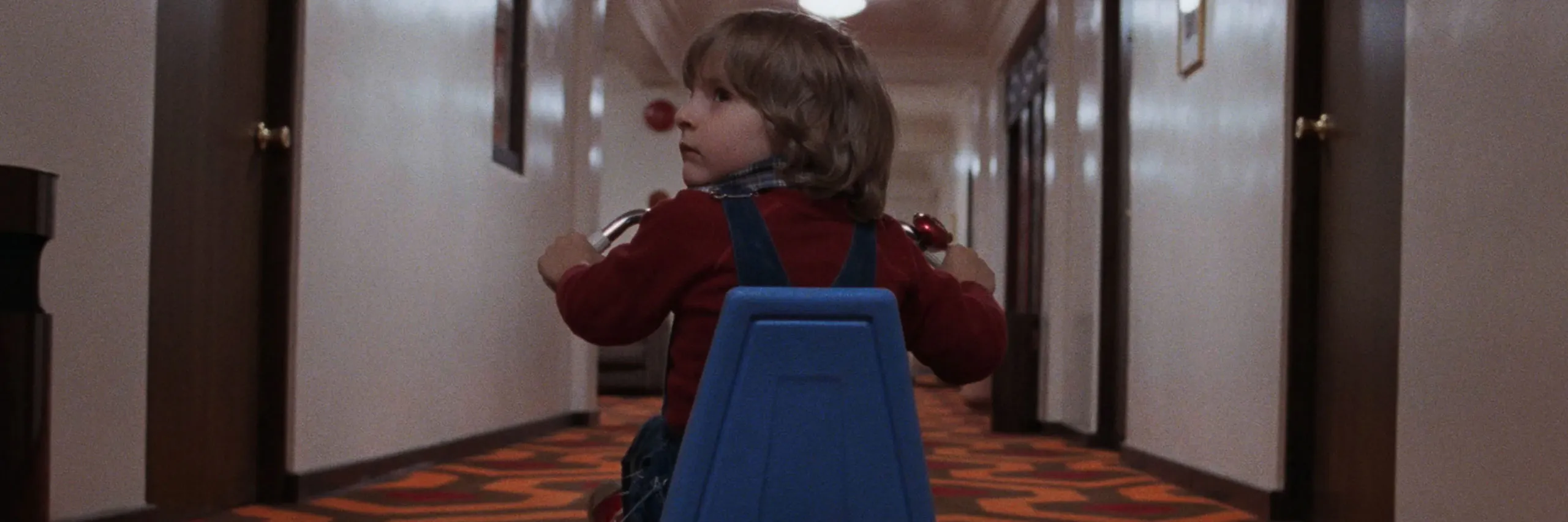
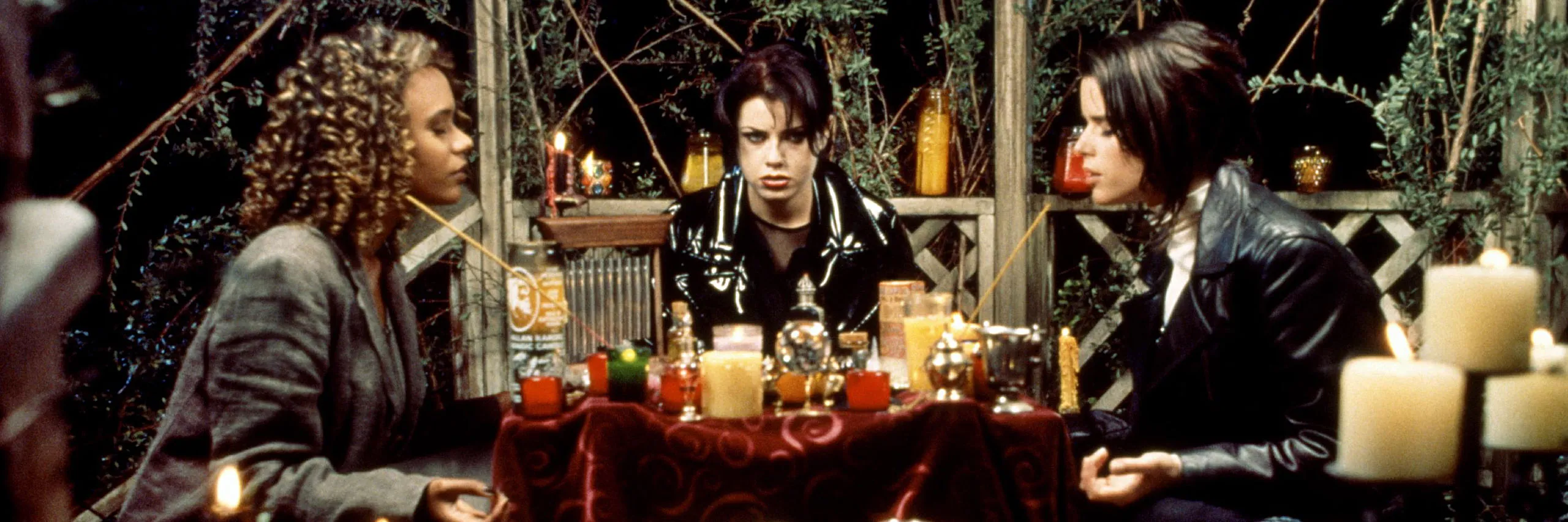
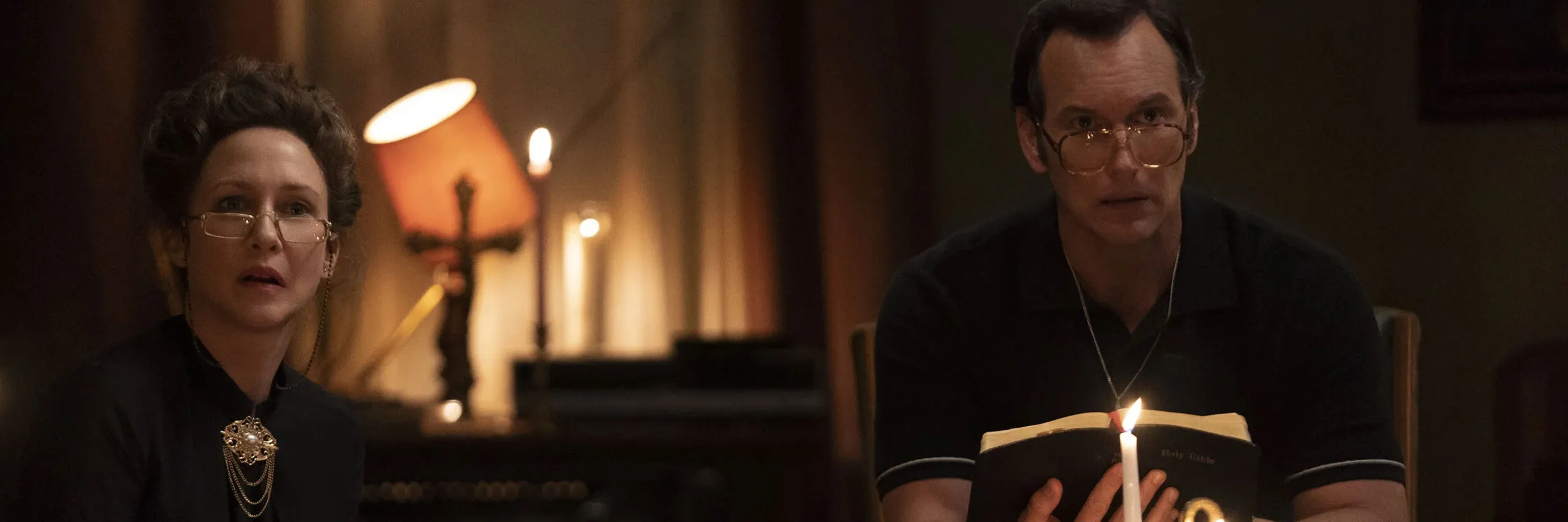
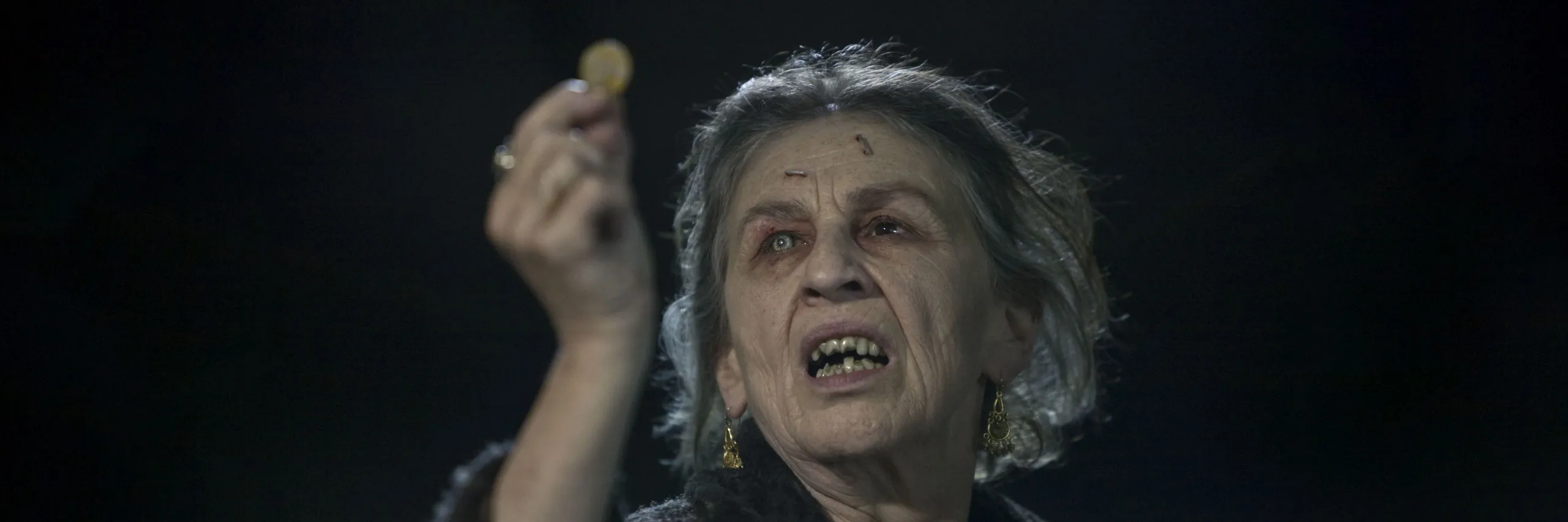
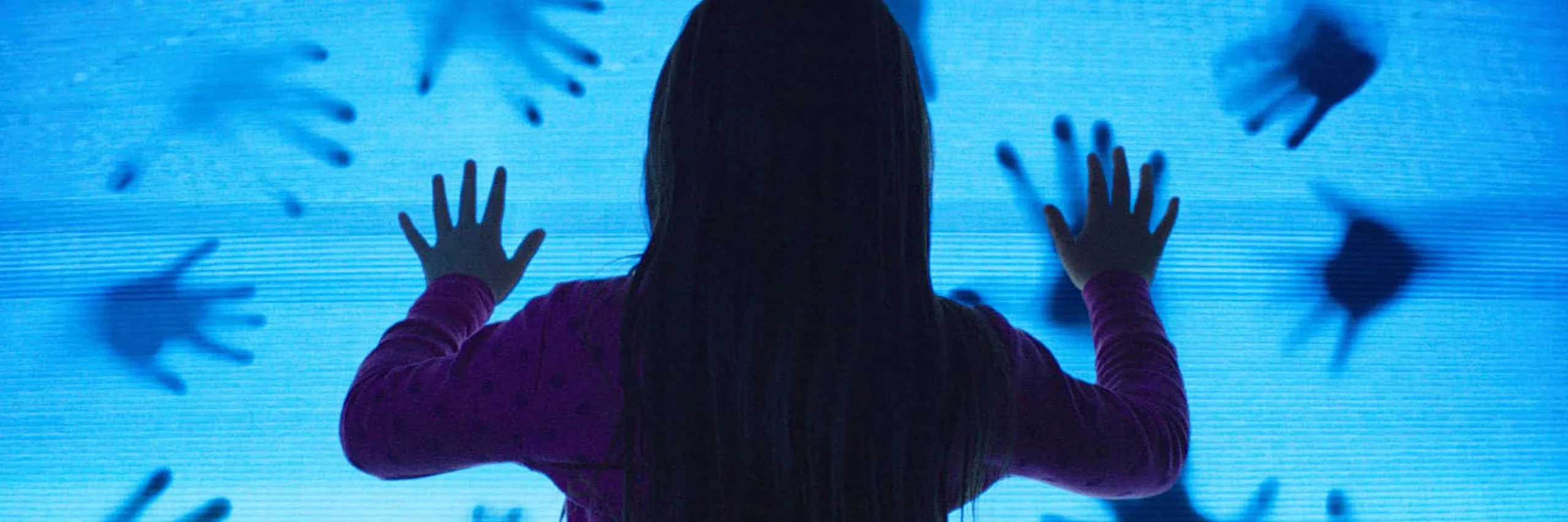
 Poltergeist (1982)
Ghost
The dead who linger. Vengeful, grieving, or trapped between worlds — spirits that refuse to accept the finality of death, haunting the living with unfinished business.
History & Origins
The ghost story may be the most universal form of horror. Every culture, across every era, has produced tales of the dead who will not stay dead — spirits who linger because of unfinished business, unresolved grief, or rage that transcends the boundary between life and death. Ghosts give form to the fear that death is not final, and that the past can reach forward to claim the present.
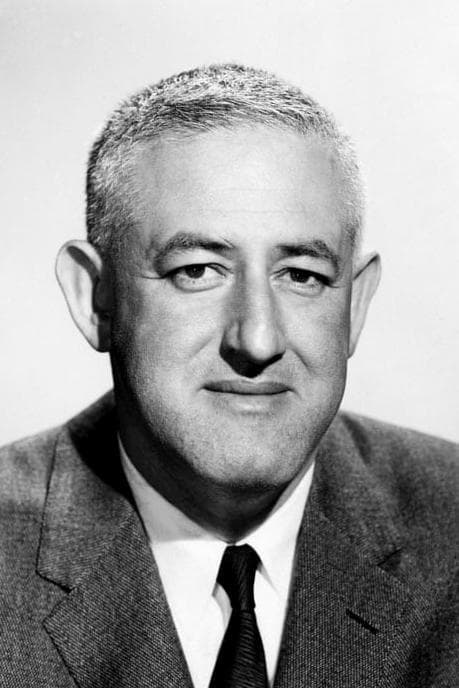
Cinema's ghost tradition draws from a deep literary well — Henry James's "The Turn of the Screw," Shirley Jackson's "The Haunting of Hill House," and the M.R. James tradition of antiquarian ghost stories. The Uninvited (1944) was among the first films to present ghosts as genuinely real rather than explained away as hoaxes or delusions, and it did so through suggestion rather than spectacle — the power of the unseen. Jack Clayton's The Innocents (1961), adapted from James's novella with Deborah Kerr, maintained a devastating ambiguity about whether the ghosts were real or projections of a disturbed mind, a tension that has fueled ghost stories ever since. Robert Wise's The Haunting (1963), from Jackson, ran the same ambiguous register at Hill House. William Castle's gimmick-led House on Haunted Hill (1959) and 13 Ghosts (1960) kept the showman tradition alive.
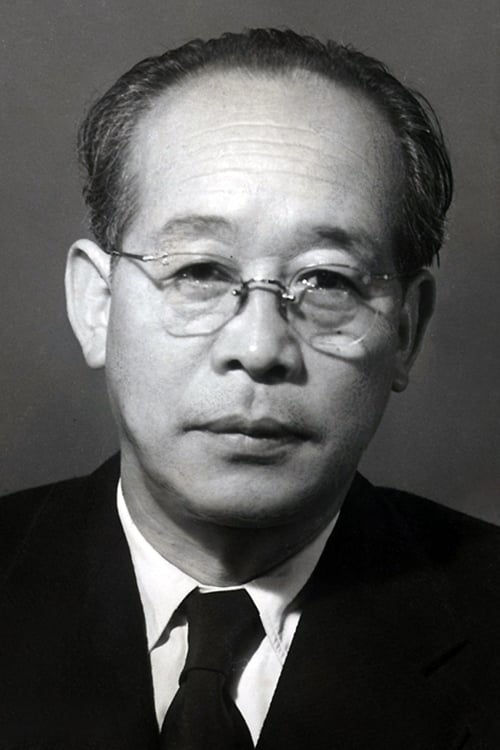
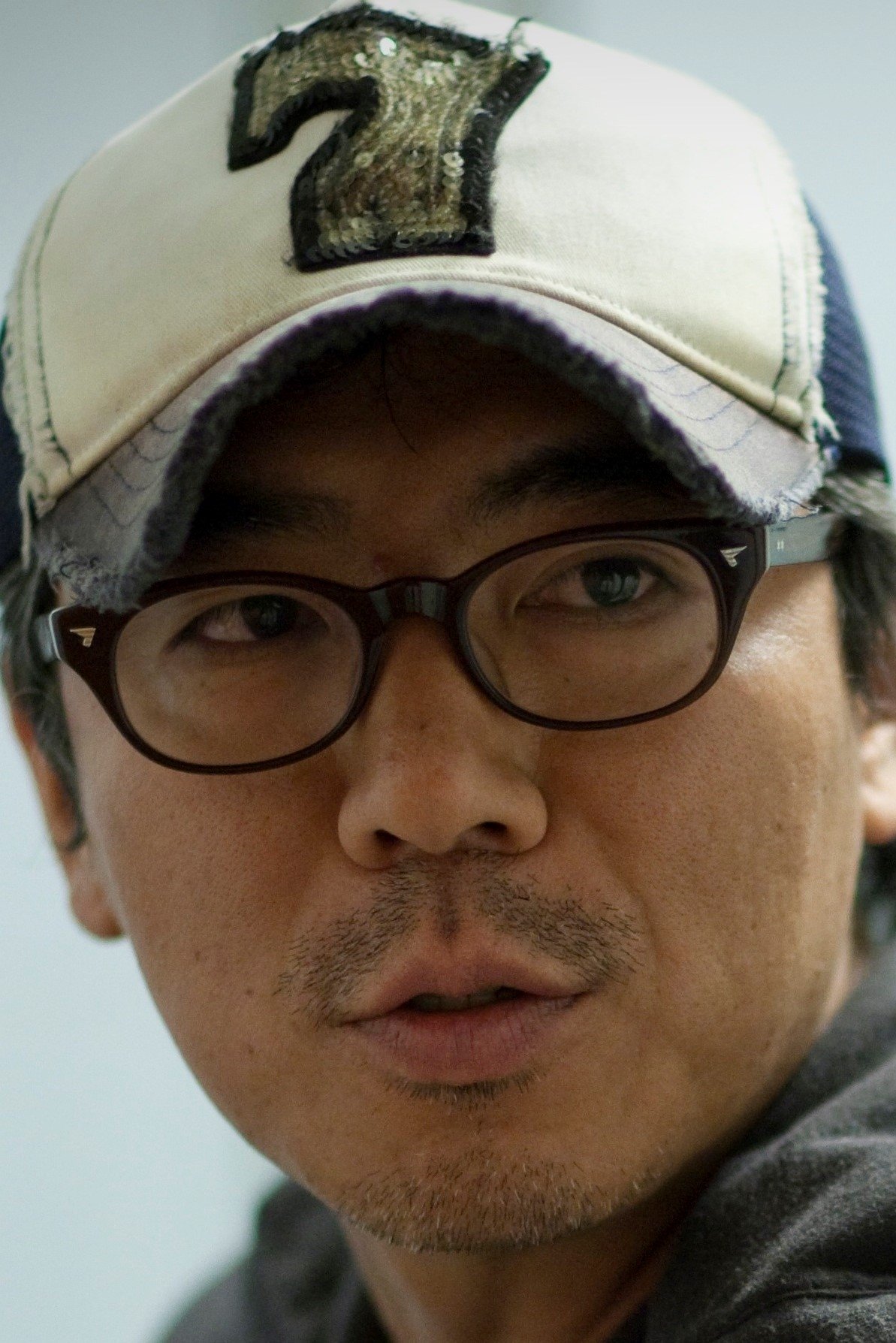
The Japanese ghost tradition runs in a separate channel entirely. Kenji Mizoguchi's Ugetsu (1953), Nobuo Nakagawa's The Ghost of Yotsuya (1959), Masaki Kobayashi's anthology Kwaidan (1965), and Kaneto Shindō's Onibaba (1964) established the classical Japanese kaidan cinema — rooted in kabuki theater's onryō (vengeful female spirit) and folklore. Forty years later, the J-Horror wave brought this tradition to global audiences through Hideo Nakata's Ring (1998) and Dark Water (2002), Takashi Shimizu's Ju-on: The Grudge (2002), and Kiyoshi Kurosawa's Pulse (2001). These films understood that the ghost's power lies in its implacability — Sadako crawling from the television screen, Kayako descending the stairs with a broken-necked creak. The wave spread regionally: Korea's A Tale of Two Sisters (2003) (Kim Jee-woon), Thailand's Shutter (2004), Hong Kong's The Eye (2002) (Pang Brothers).
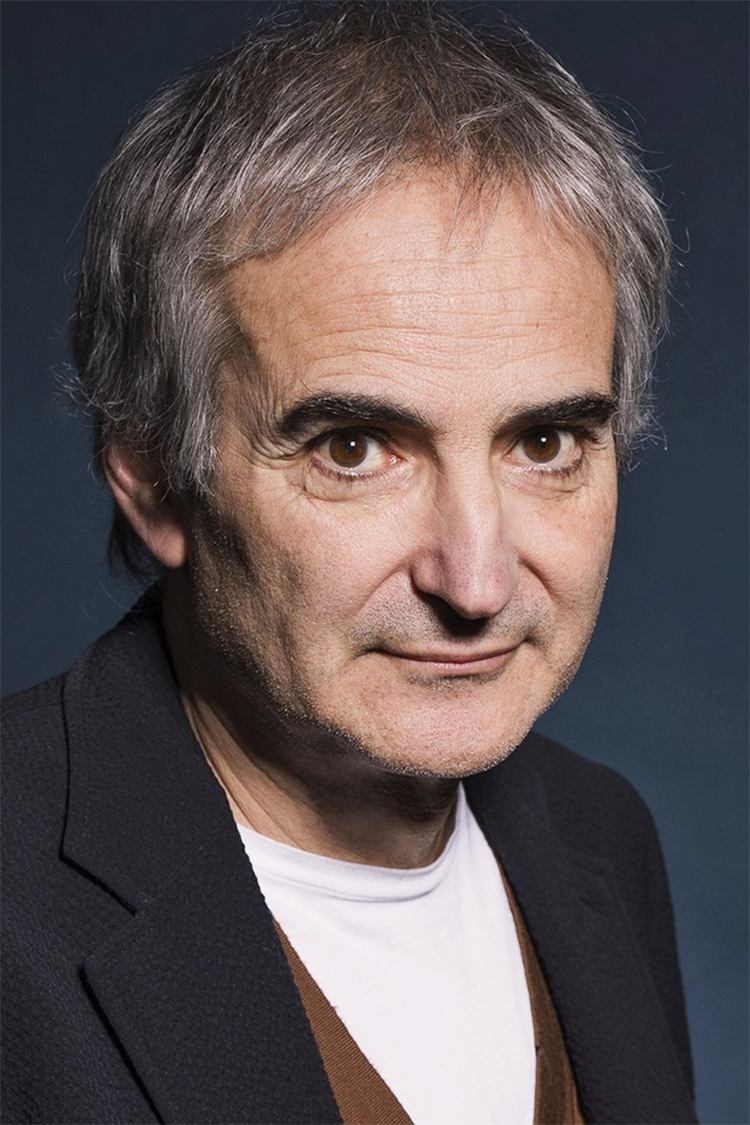
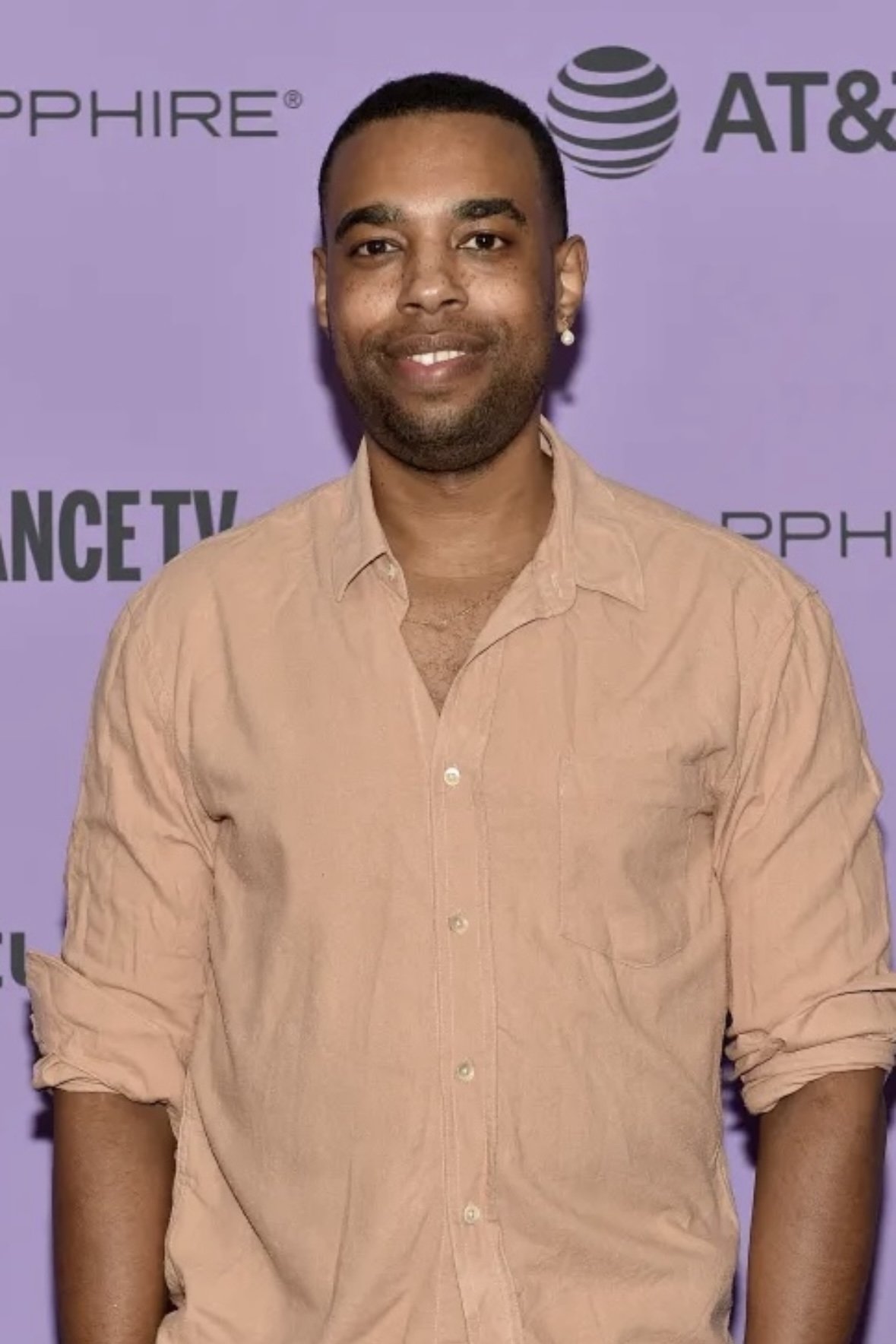
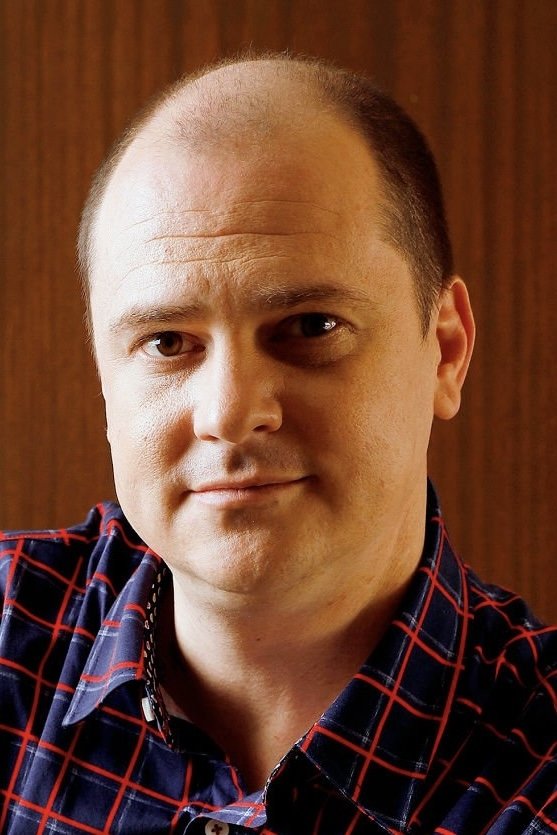
The Western ghost tradition produced its own revival across the 2000s–2020s: The Sixth Sense (1999), Alejandro Amenábar's The Others (2001) with Nicole Kidman, Robert Zemeckis's What Lies Beneath (2000), Guillermo del Toro's Spanish-Civil-War The Devil's Backbone (2001), J. A. Bayona's The Orphanage (2007), Joel Anderson's mockumentary Lake Mungo (2009) (Australia), the Hammer-revival The Woman in Black (2012) with Daniel Radcliffe, del Toro's gothic Crimson Peak (2015), Olivier Assayas's Personal Shopper (2016), Sergio G. Sánchez's Marrowbone (2017), Remi Weekes's Sudanese-refugee His House (2020), and the Philippou brothers' Talk to Me (2023). James Wan's The Conjuring (2013) brought the Warren-files framing to franchise scale. Ghosts are distinguished from other undead figures by their immateriality. They have passed through death into another phase of existence entirely. This makes them both more mysterious and, in some ways, more frightening than corporeal monsters — you cannot fight what you cannot touch, and you cannot outrun what is already where you are going.
Essential Films
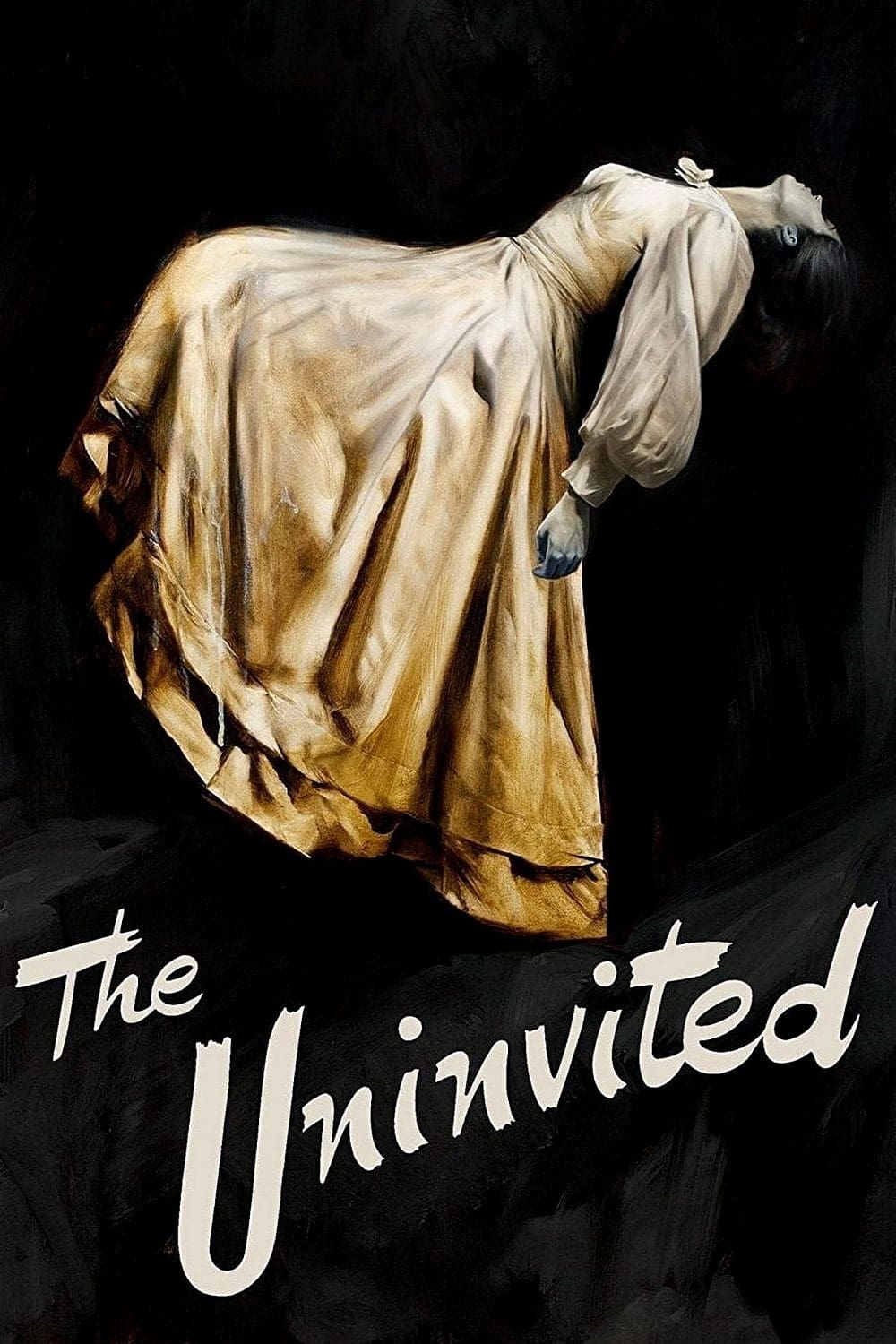
The Uninvited
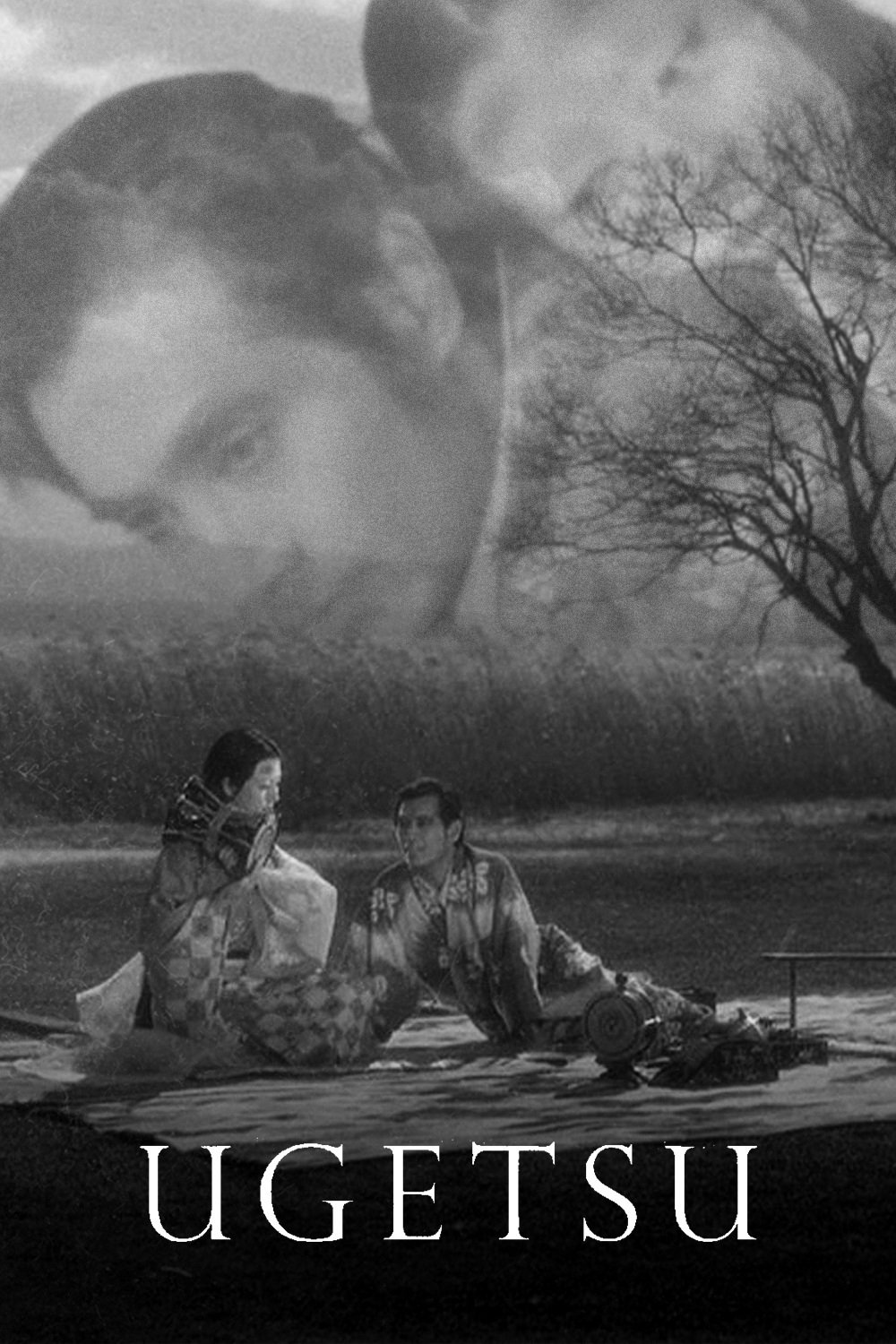
Ugetsu
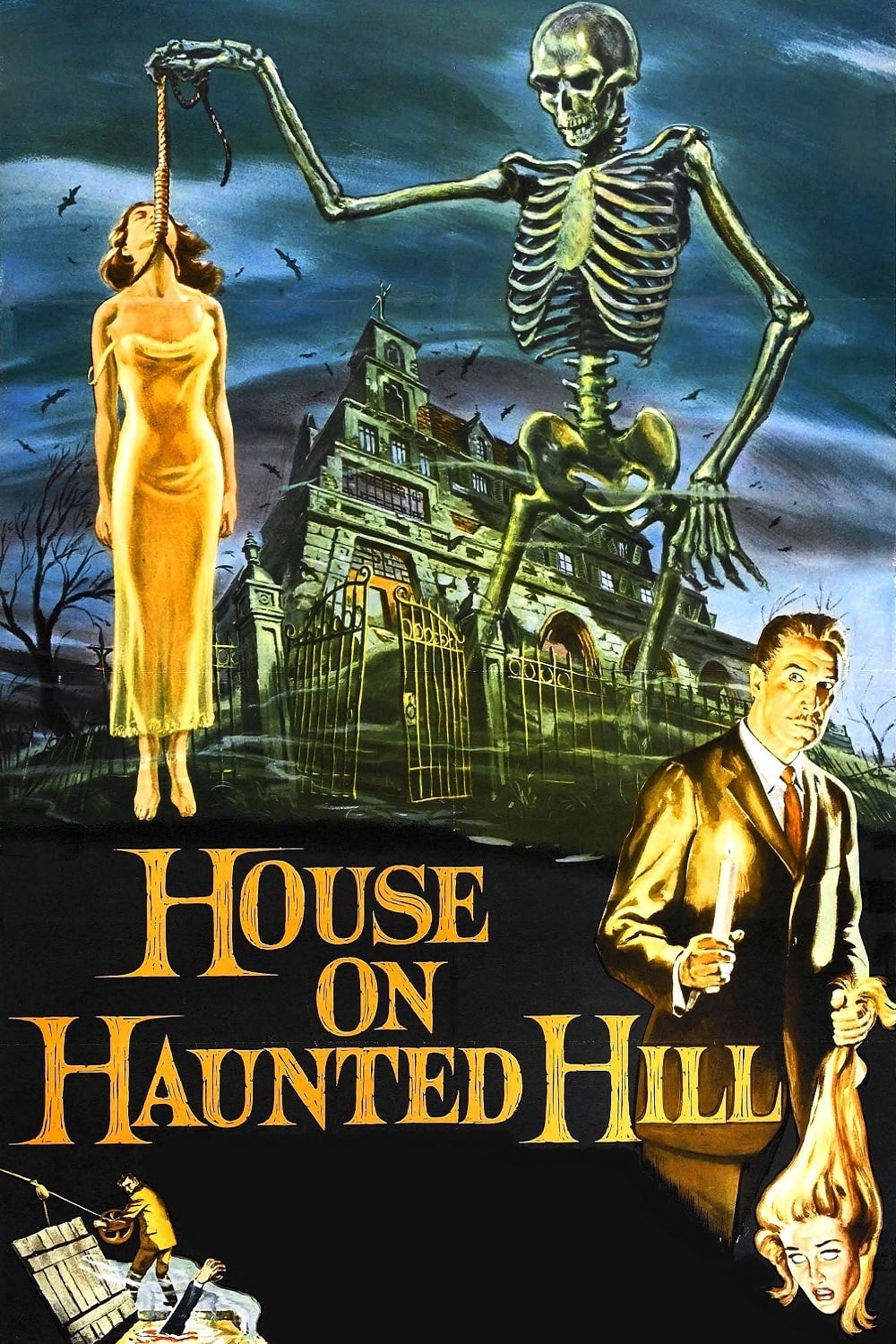
House on Haunted Hill
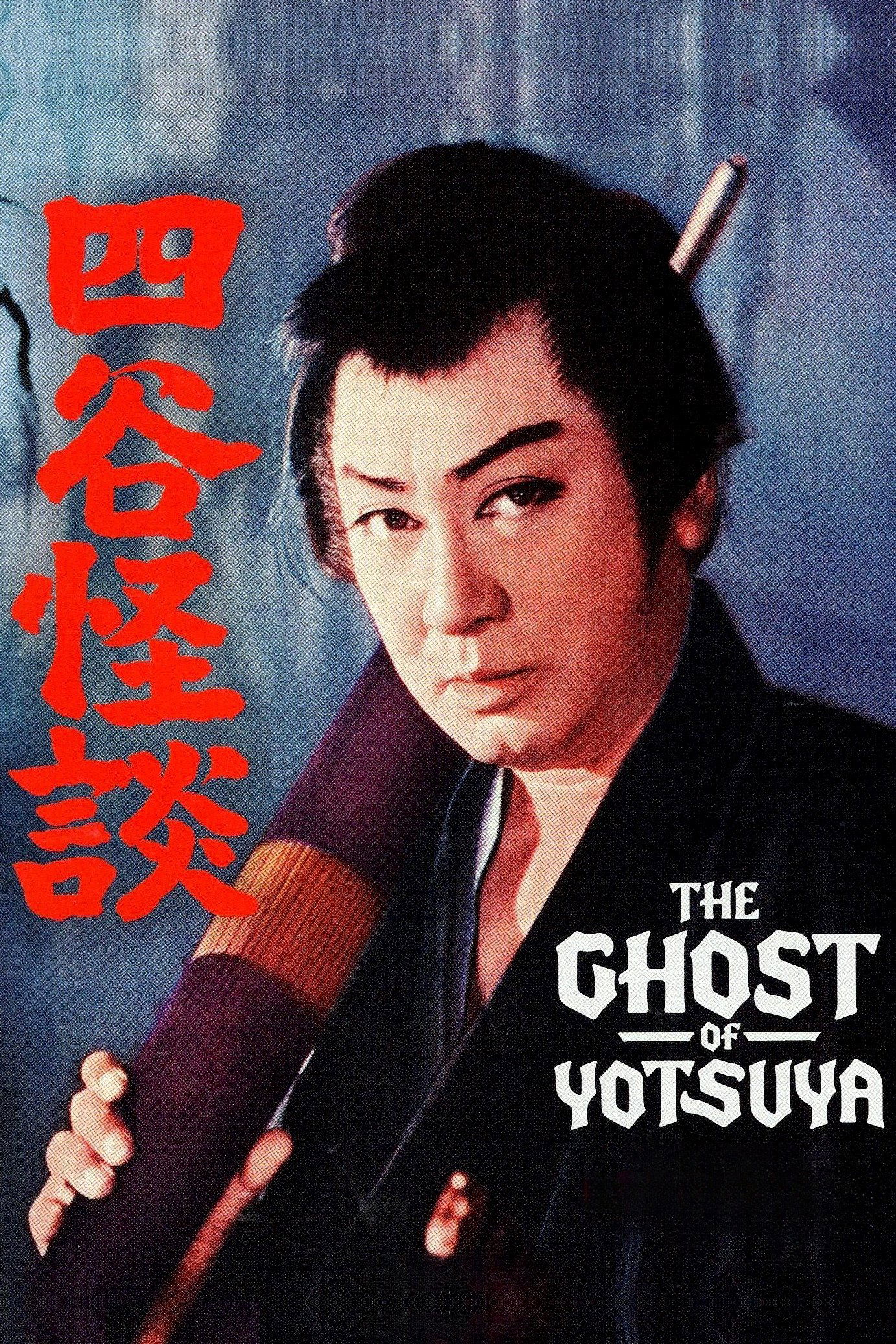
Ghost Story of Yotsuya
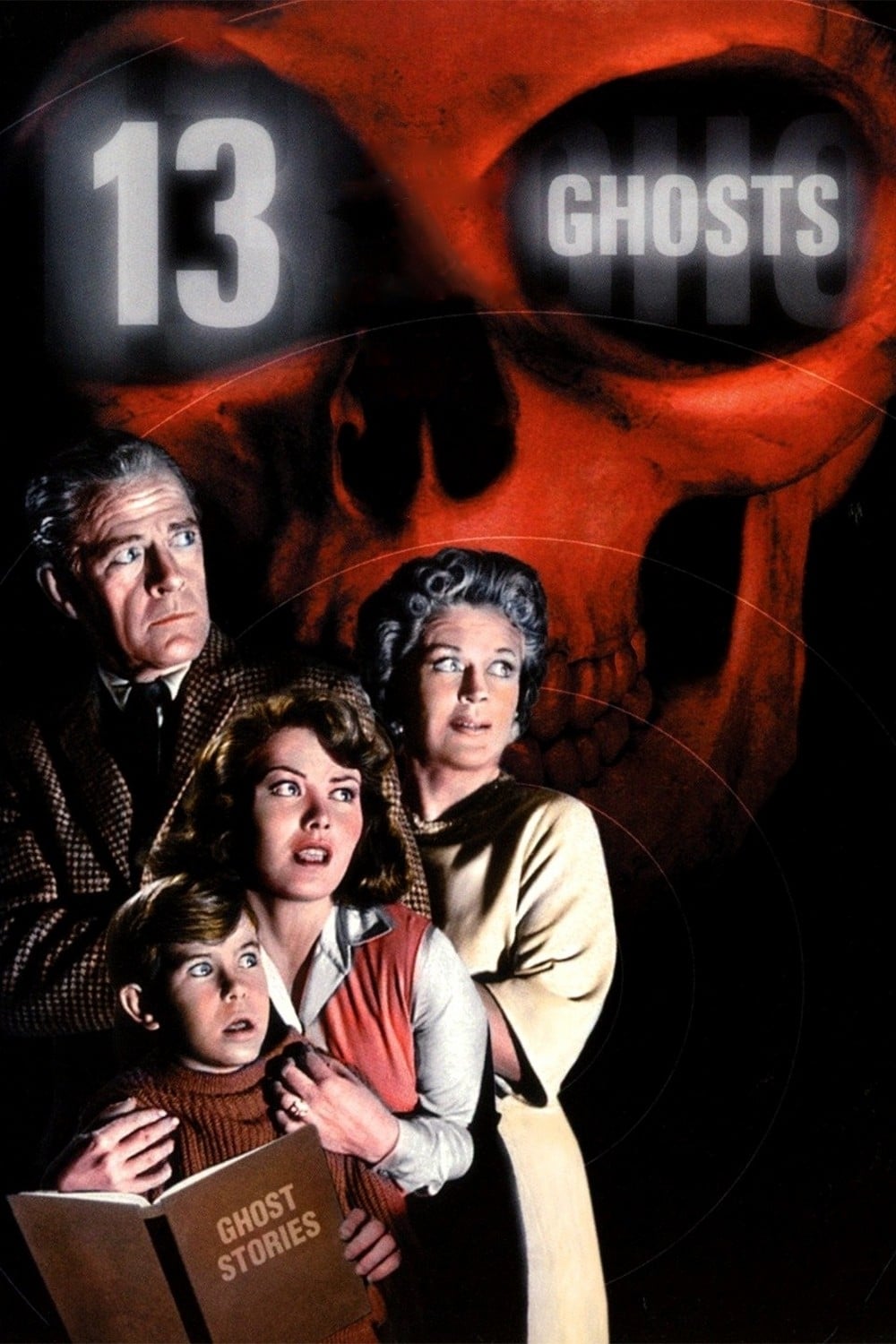
13 Ghosts
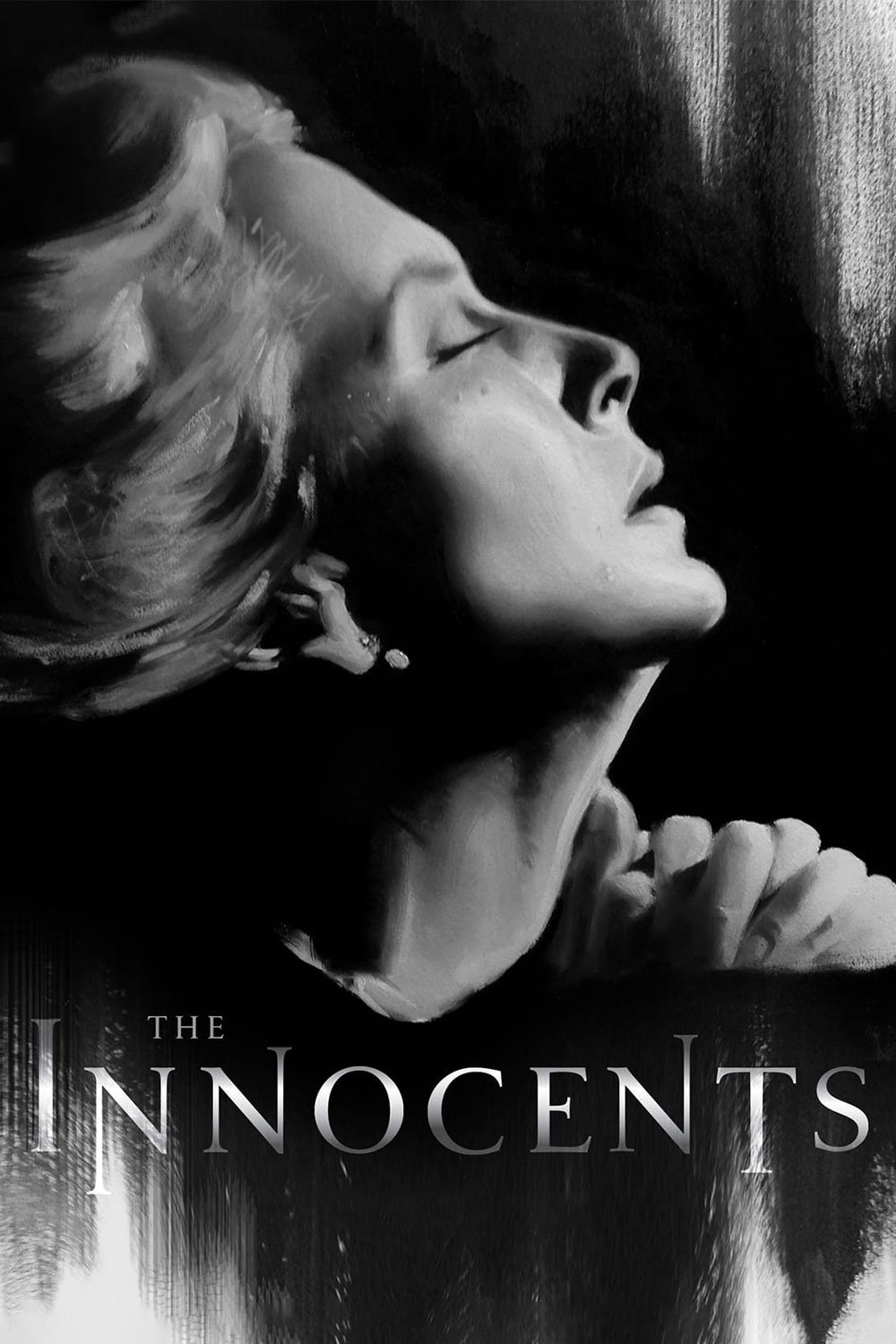
The Innocents
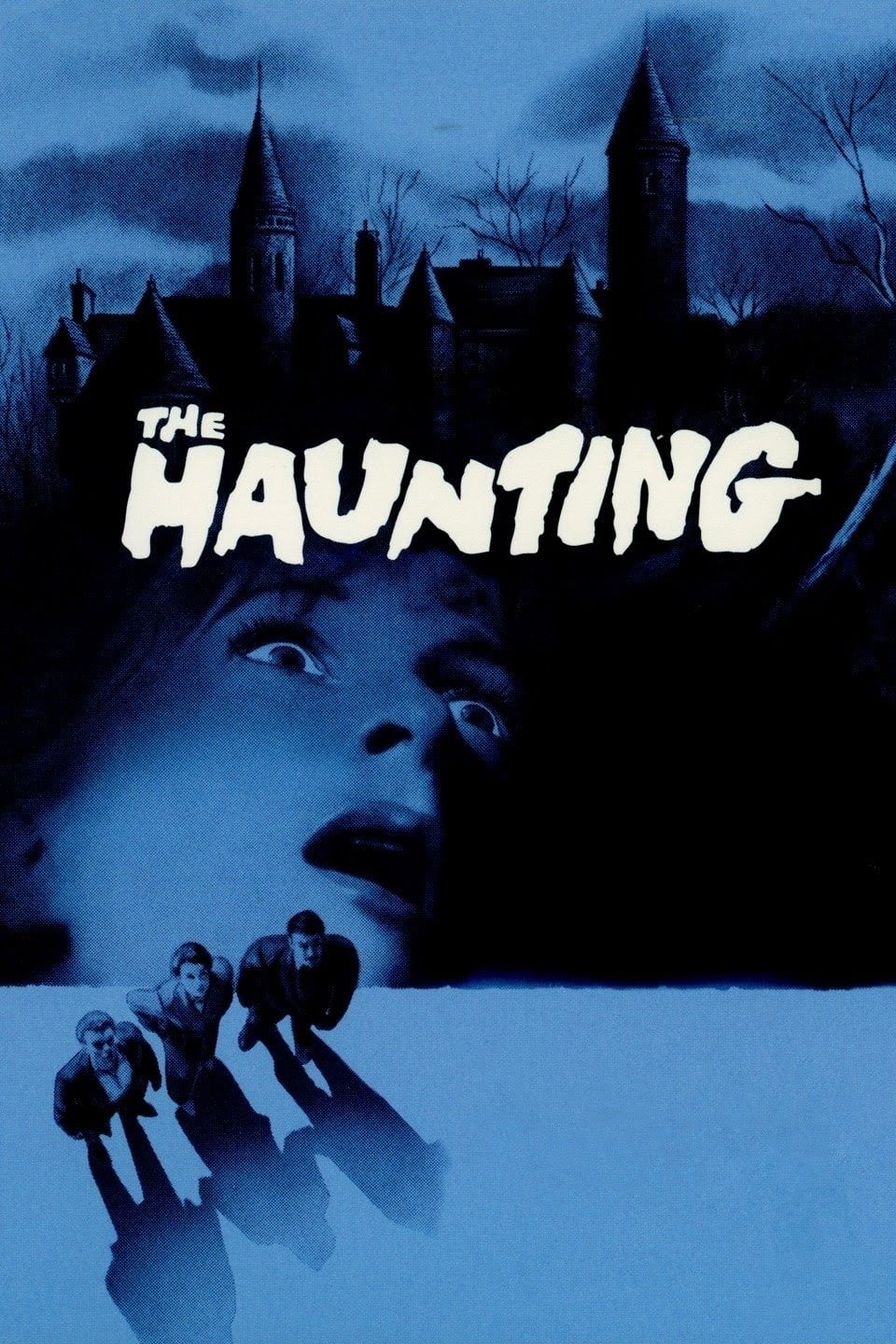
The Haunting
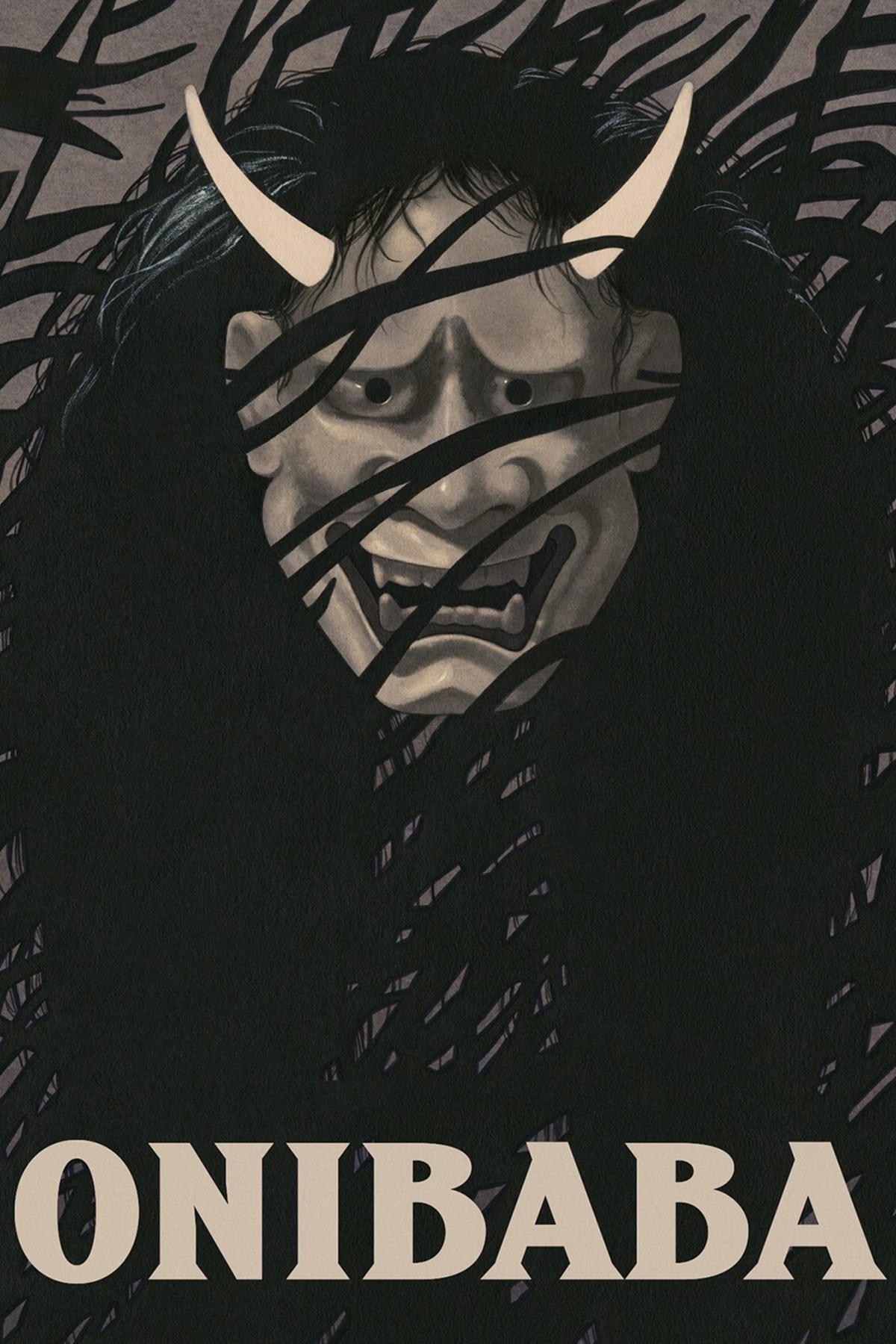
Onibaba

Kwaidan
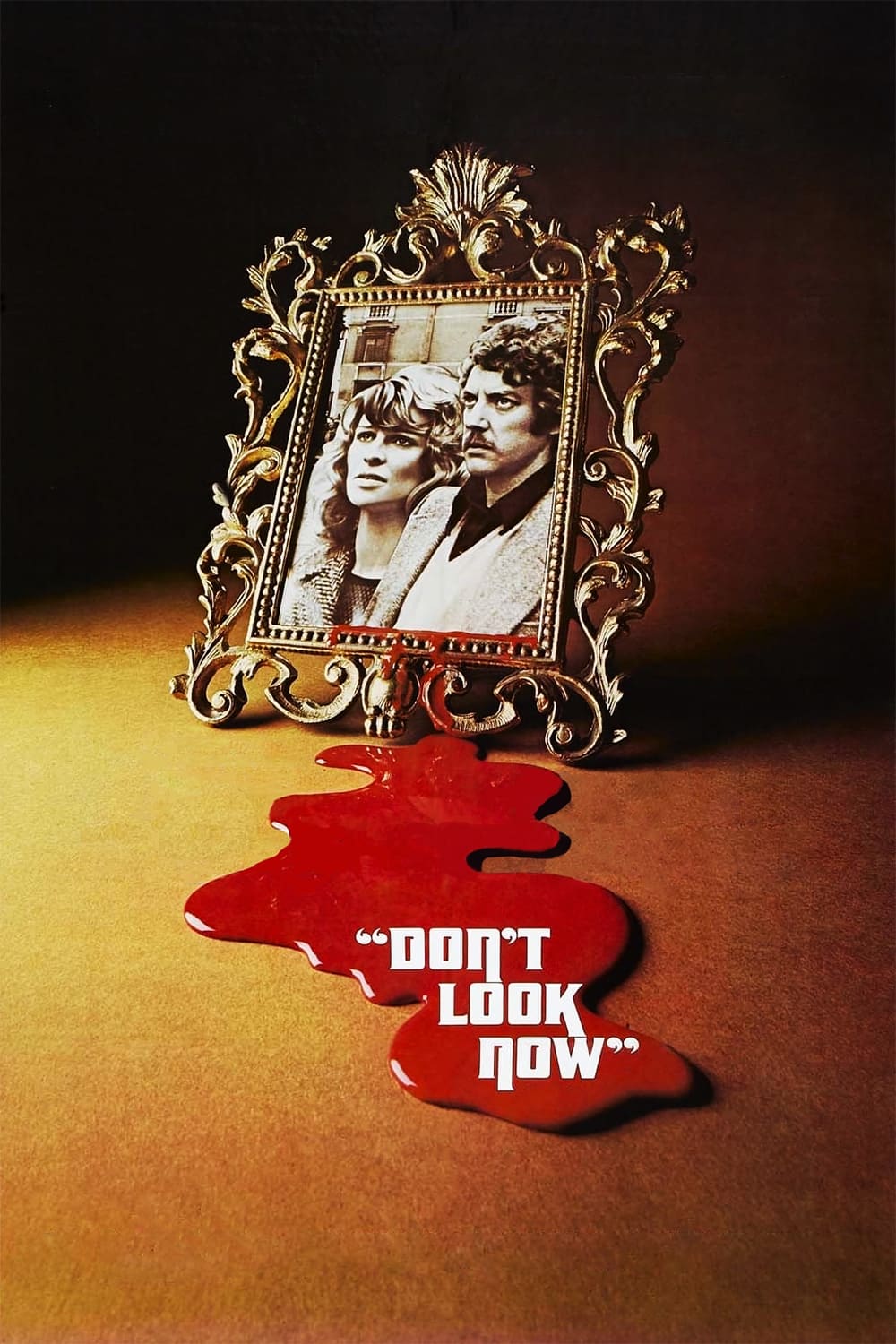
Don't Look Now

The Fog
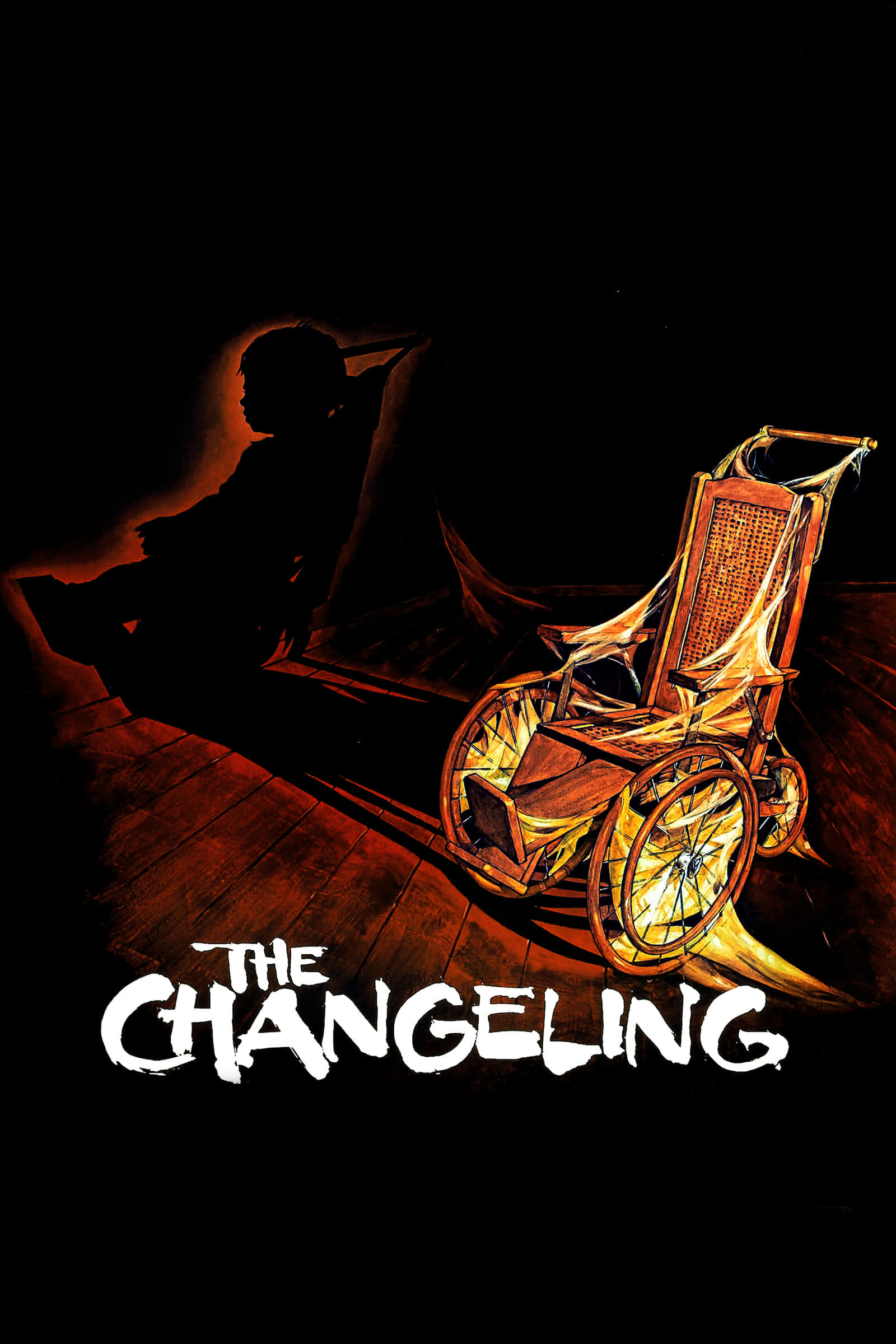
The Changeling
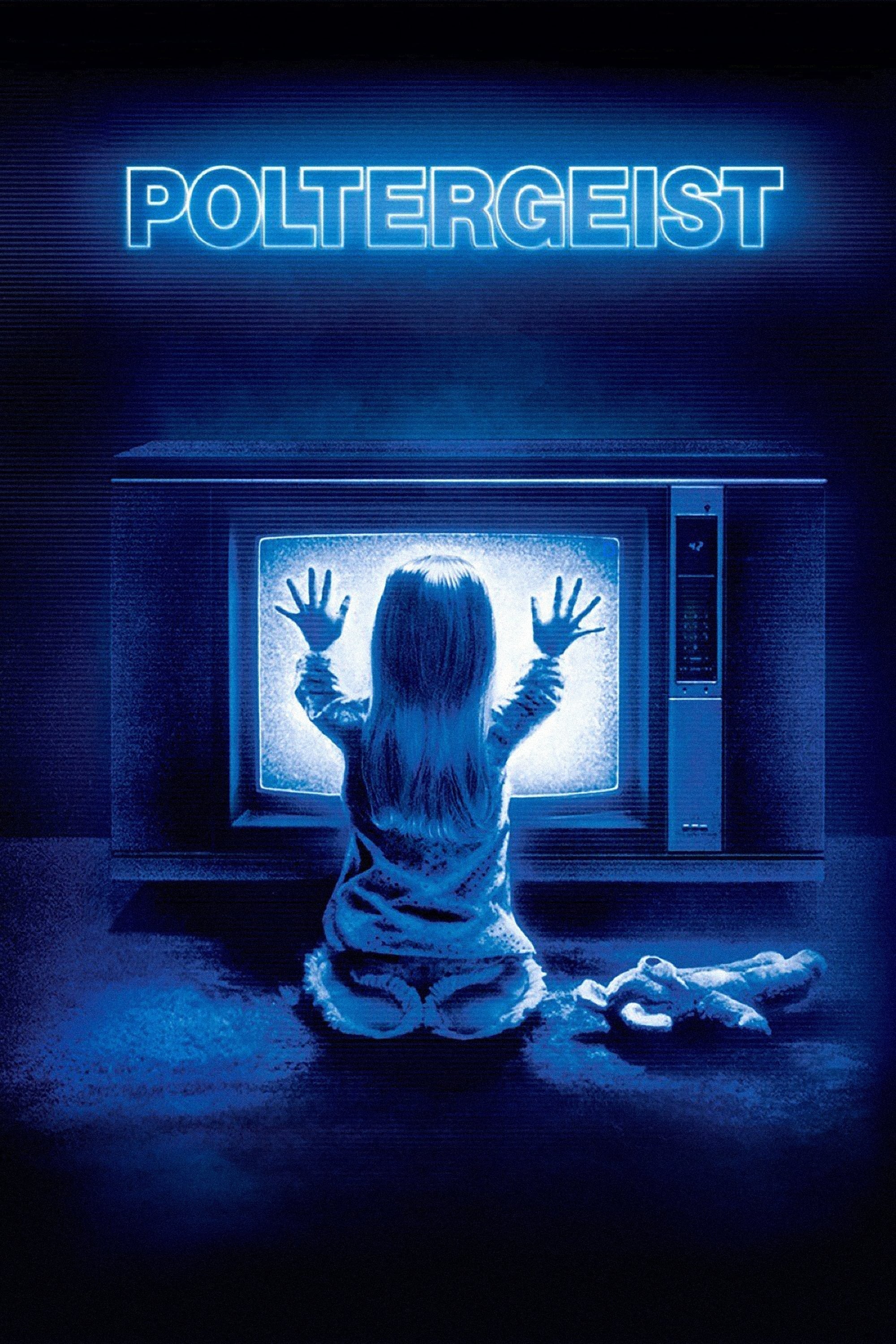
Poltergeist

Candyman

The Frighteners
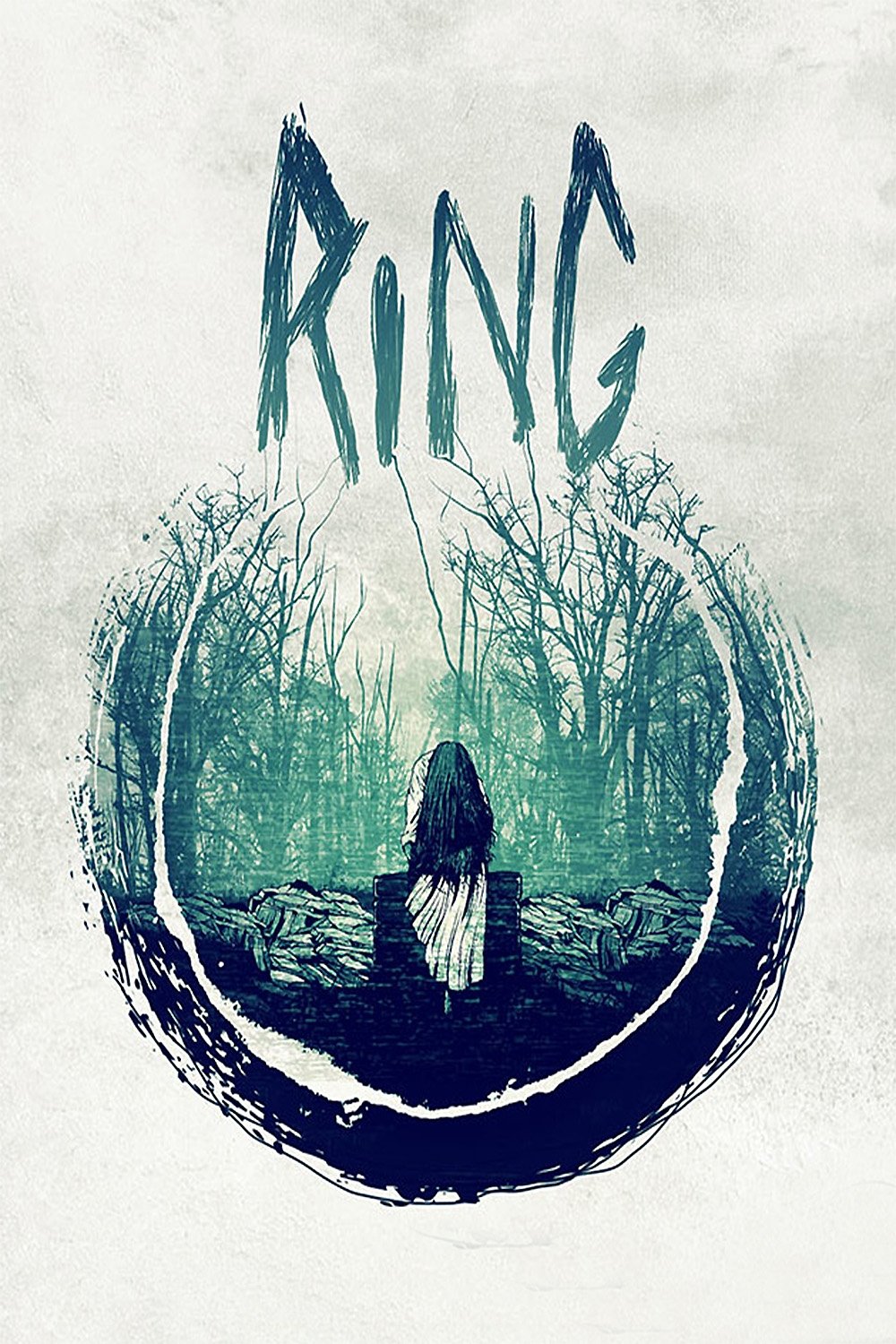
Ring
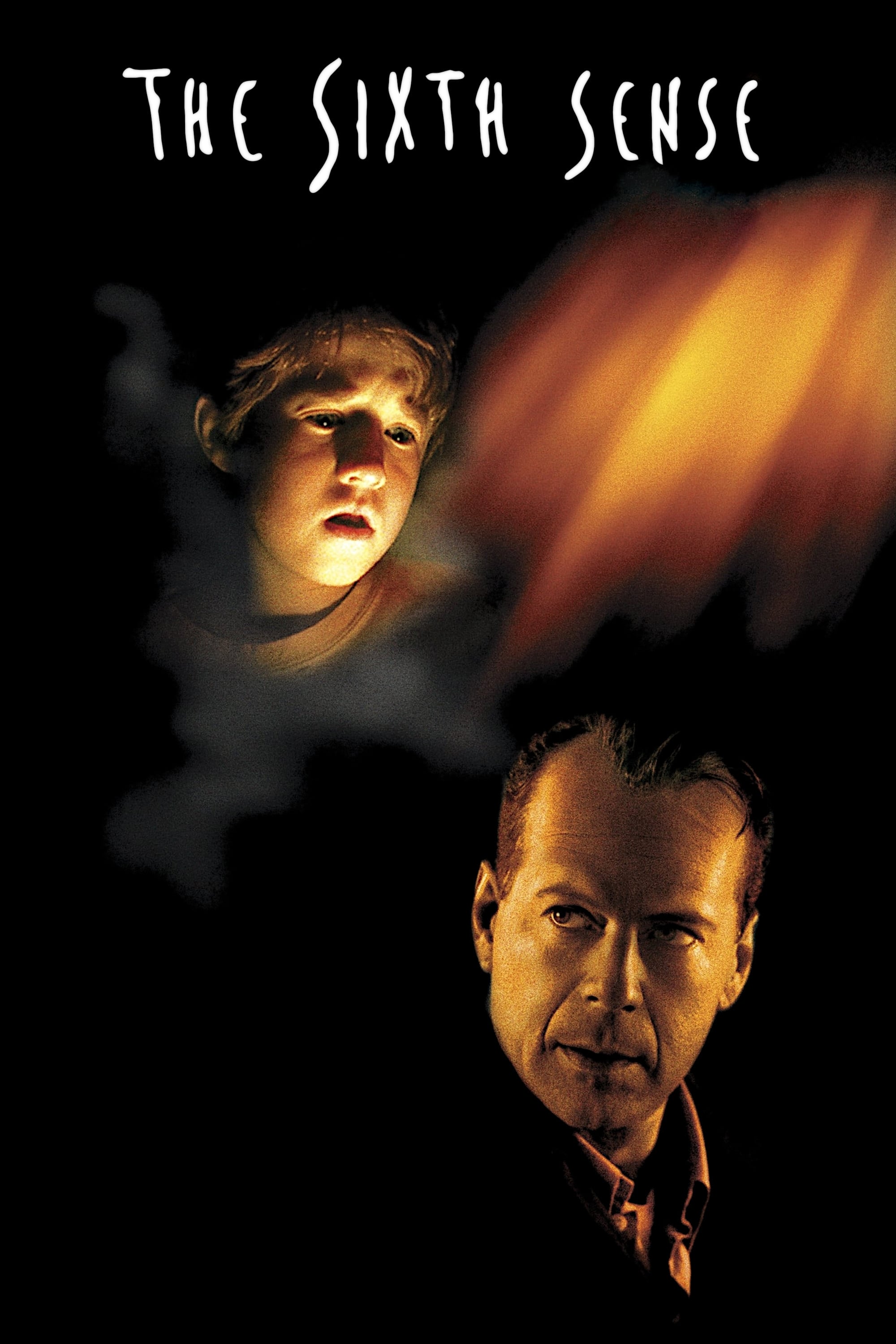
The Sixth Sense
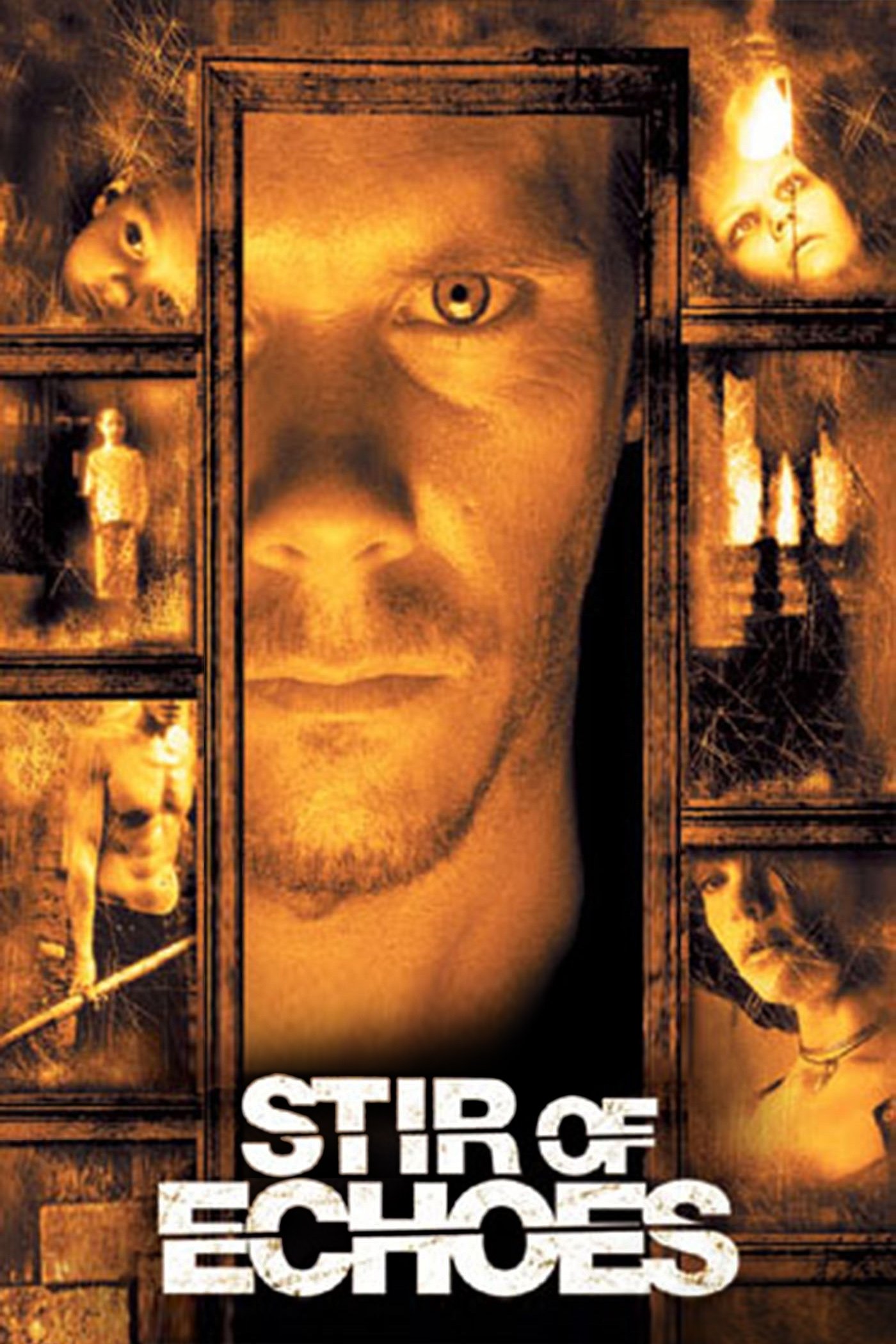
Stir of Echoes
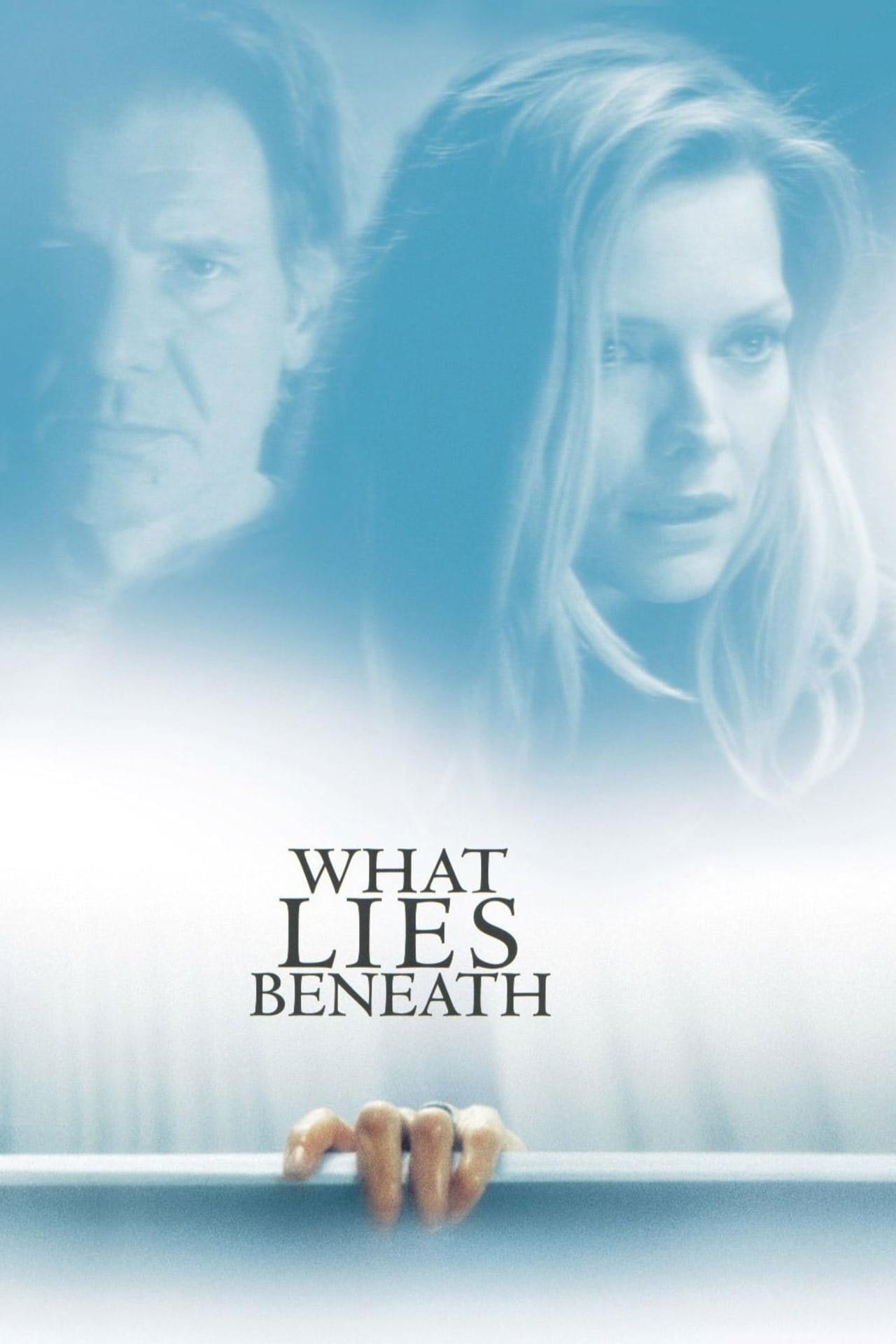
What Lies Beneath

Pulse
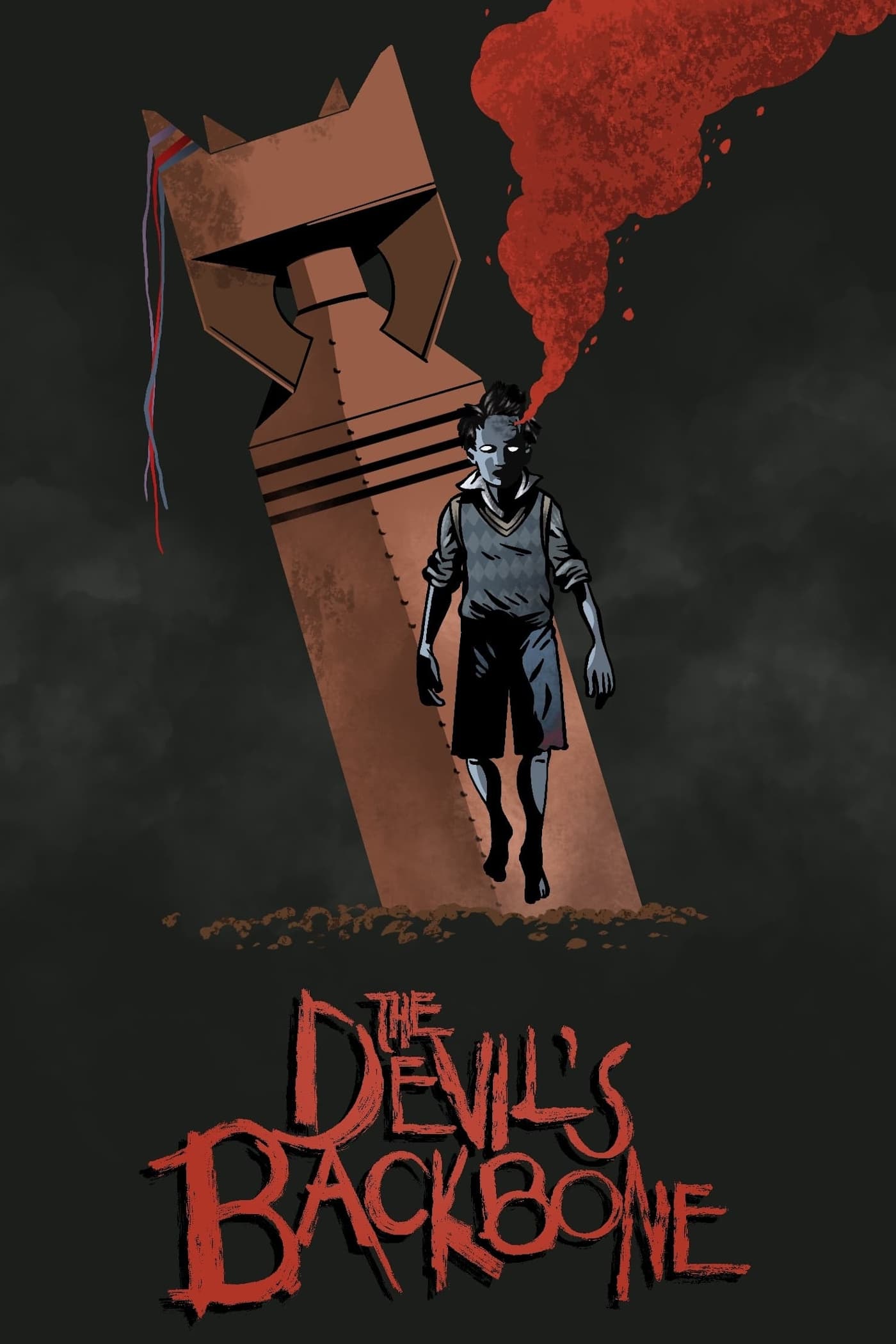
The Devil's Backbone
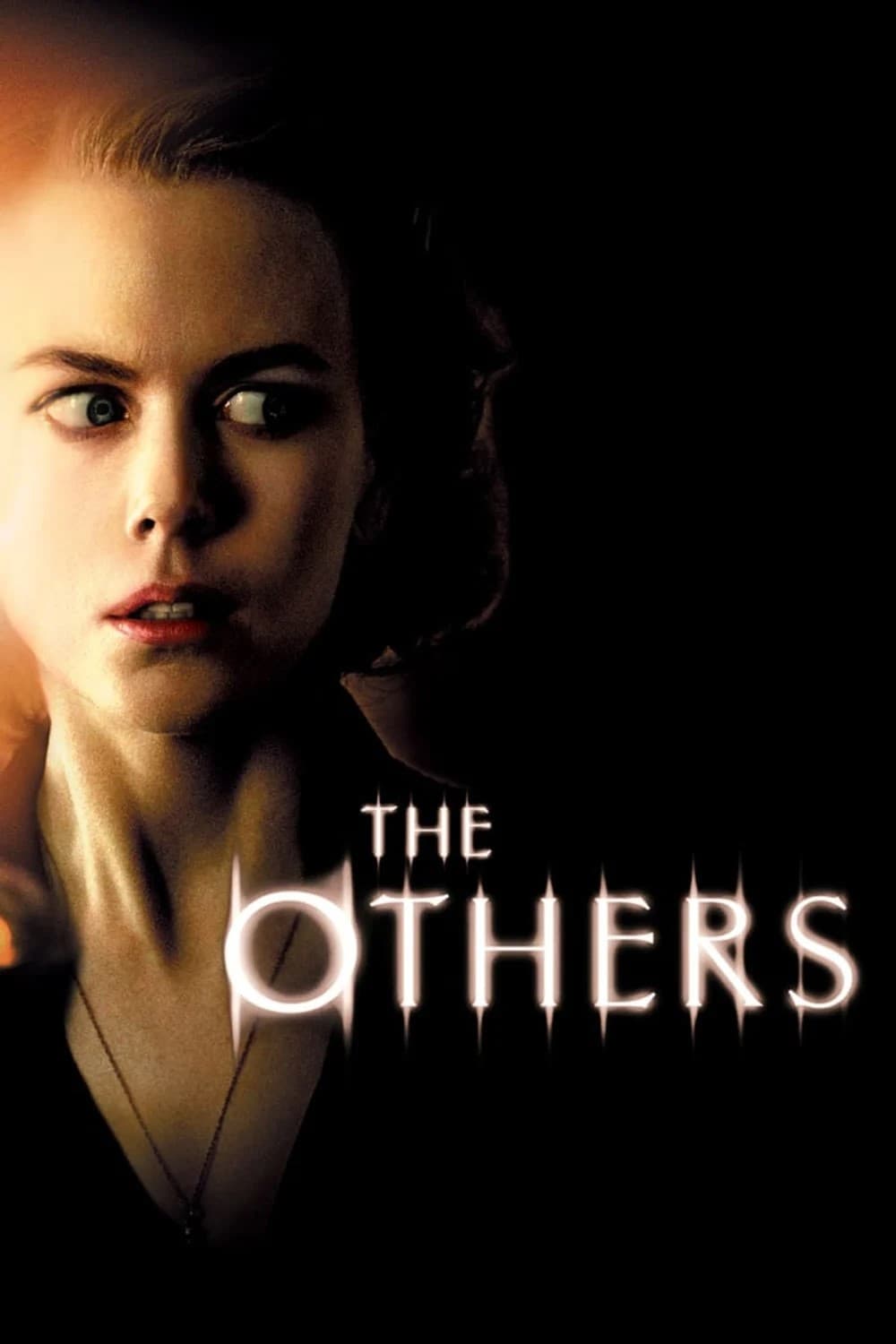
The Others
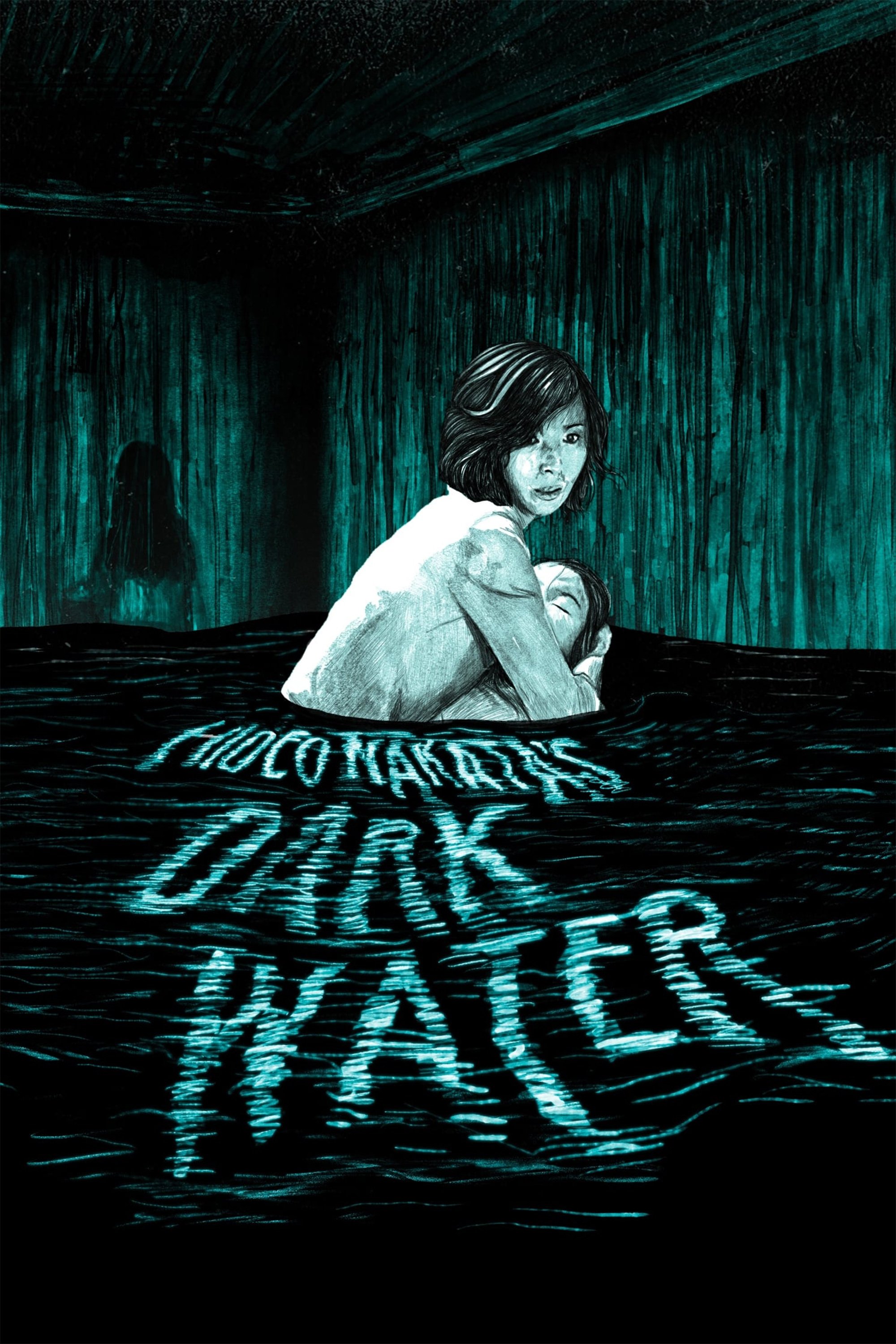
Dark Water
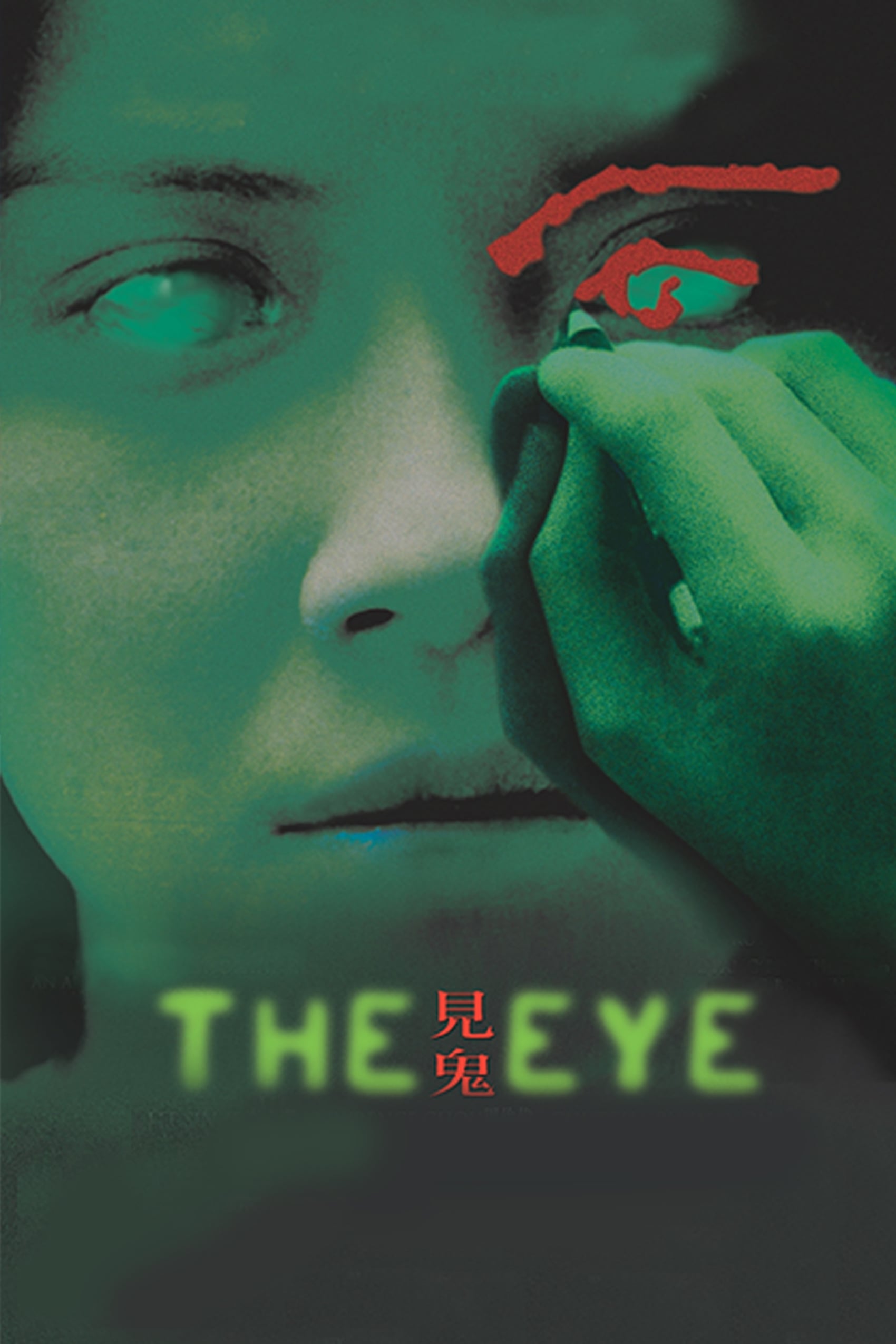
The Eye
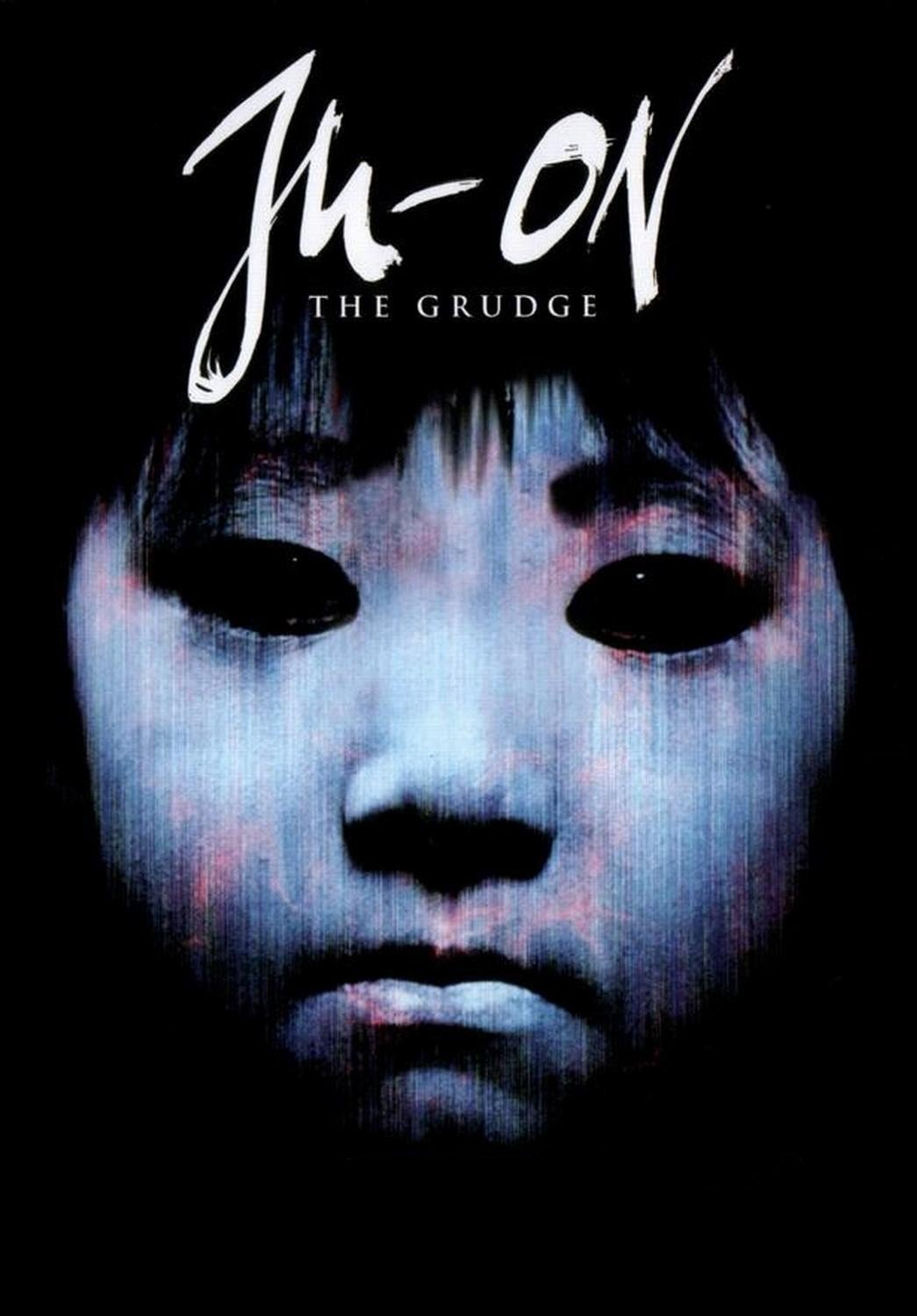
Ju-on: The Grudge
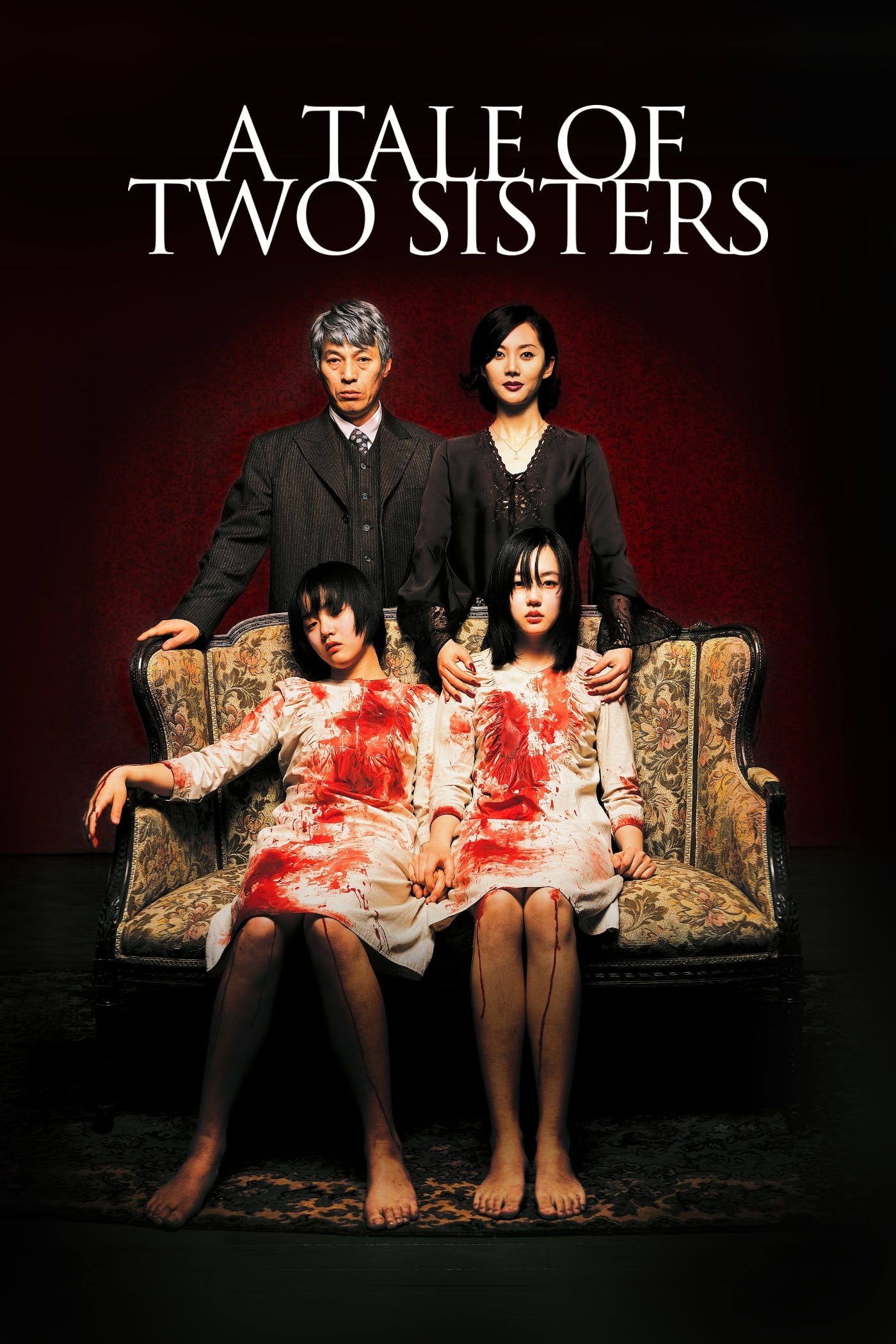
A Tale of Two Sisters
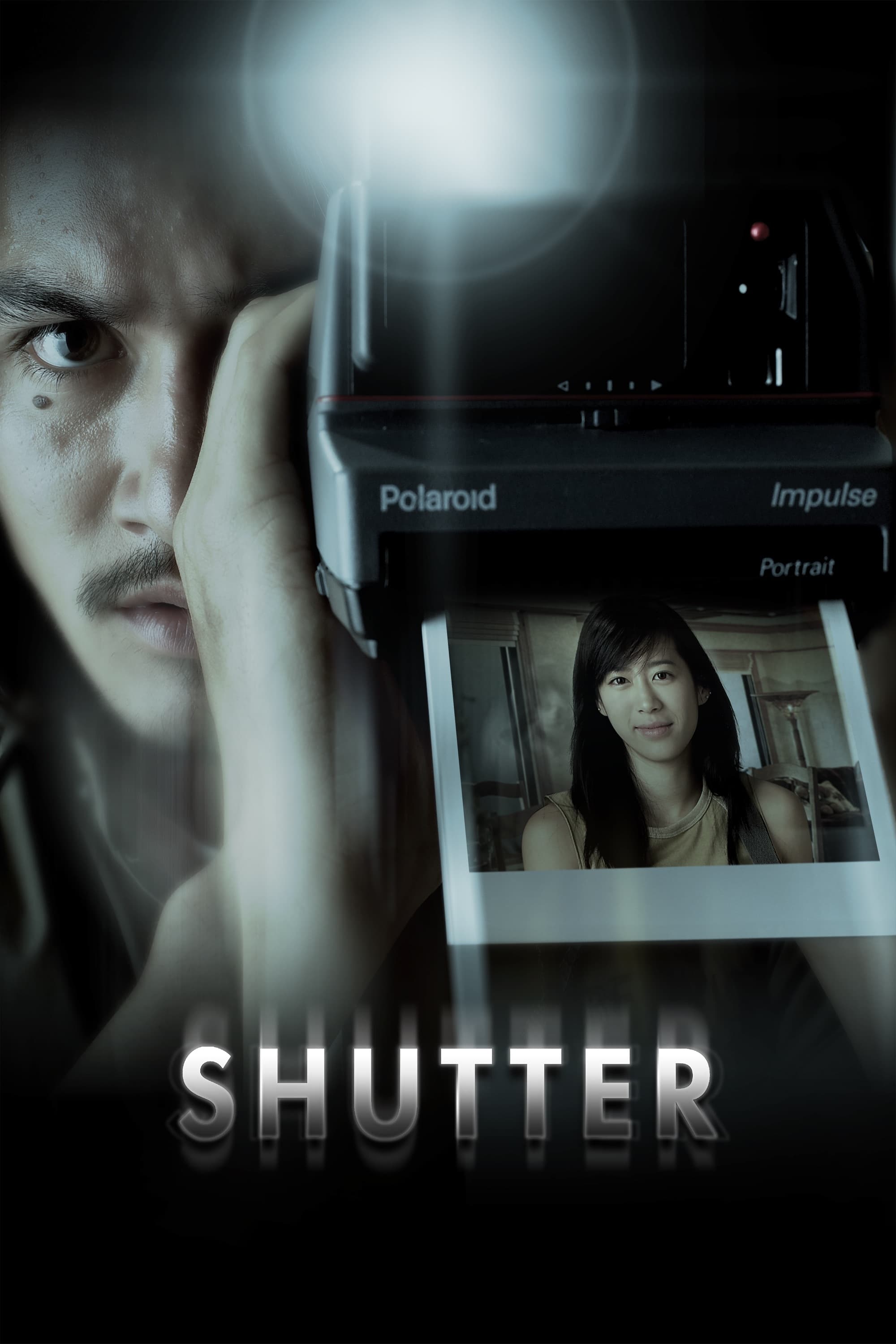
Shutter
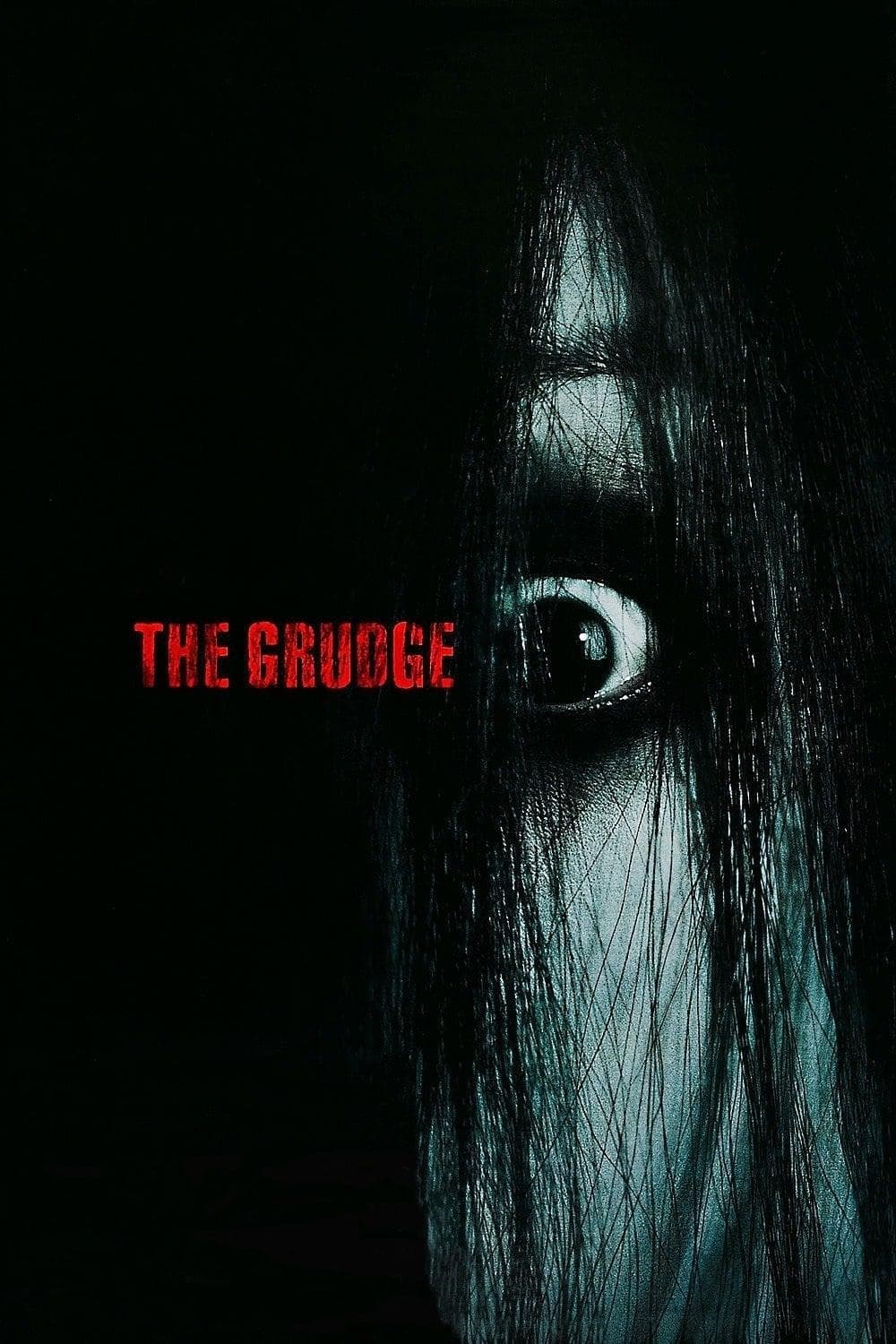
The Grudge
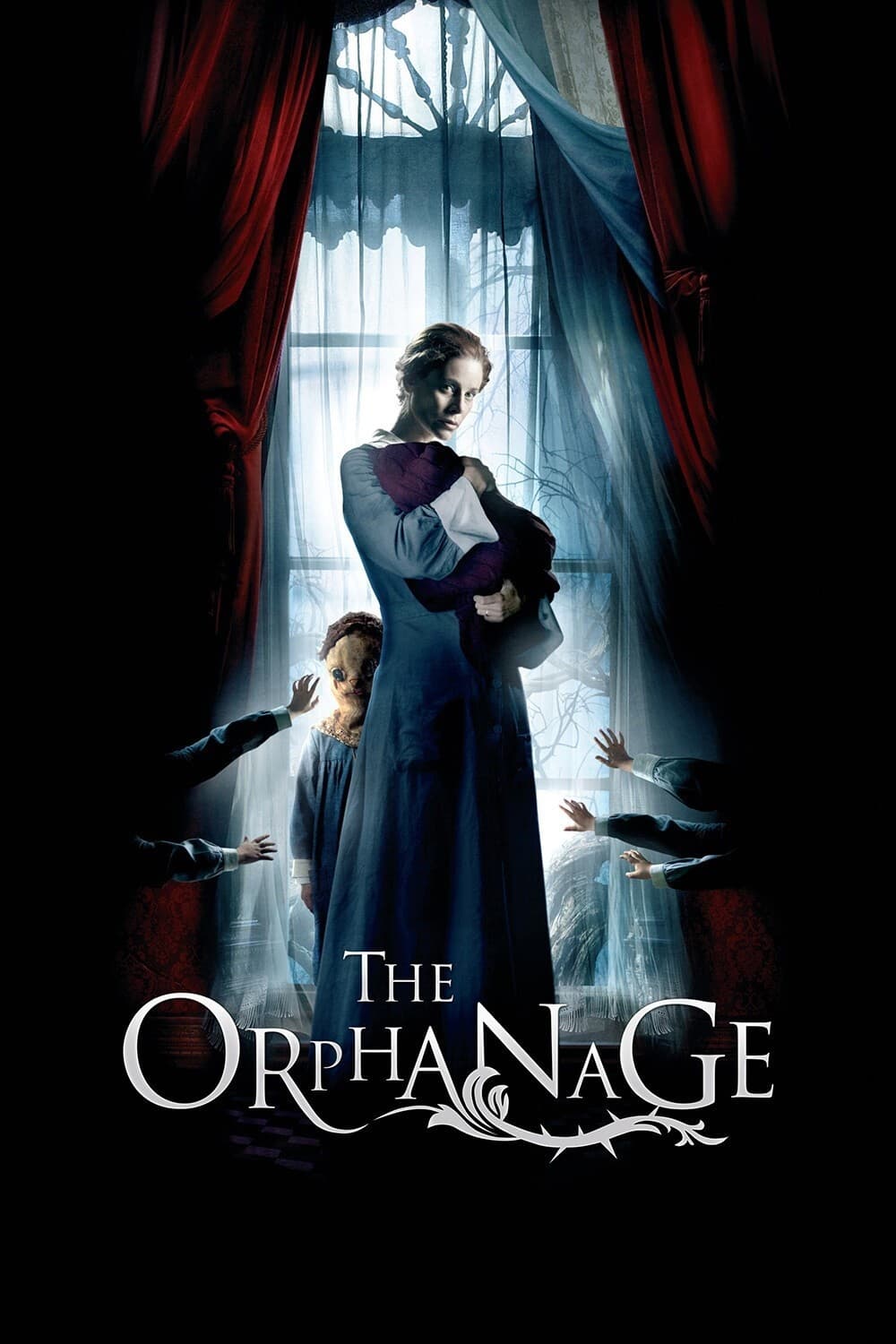
The Orphanage
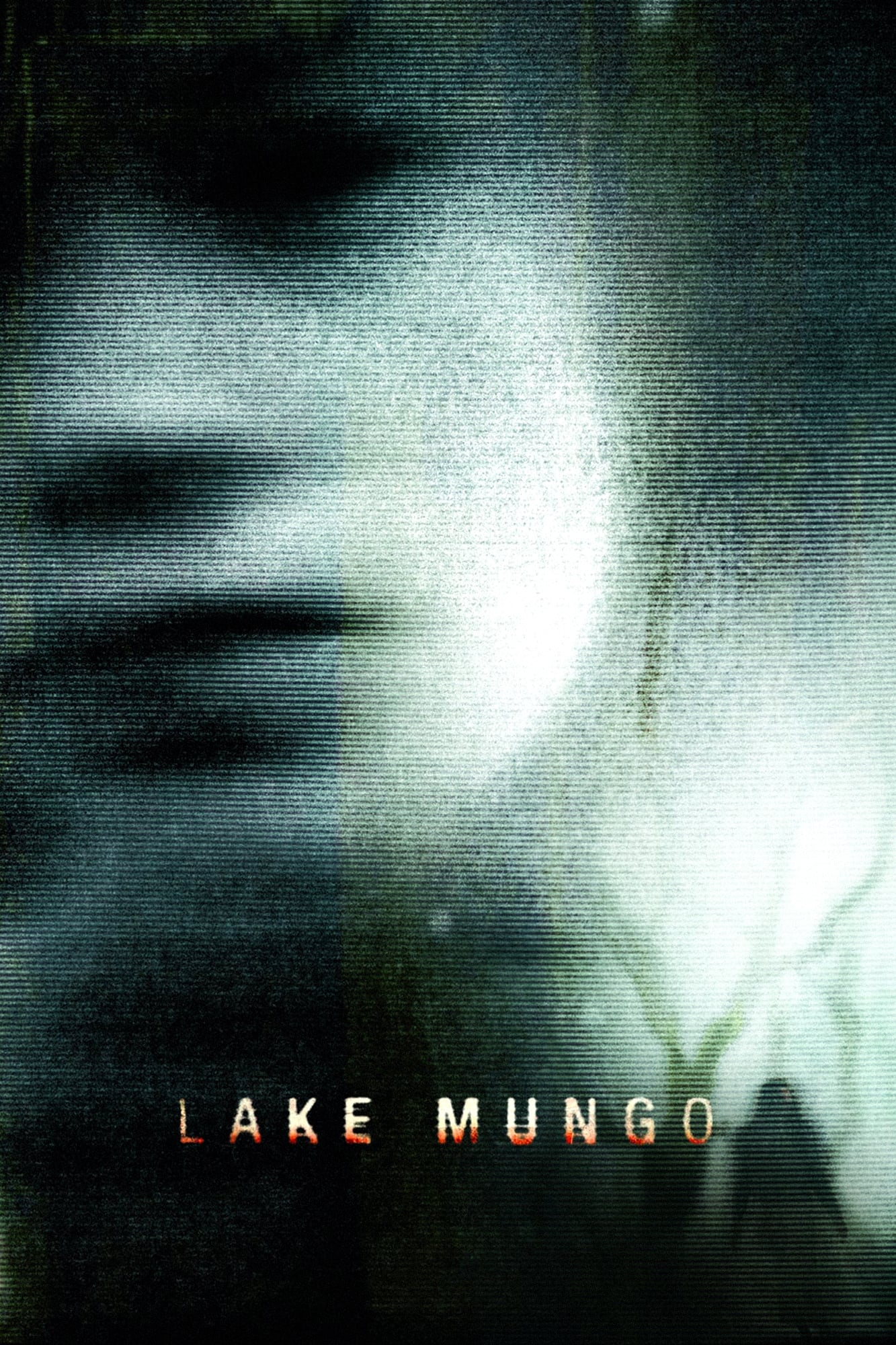
Lake Mungo
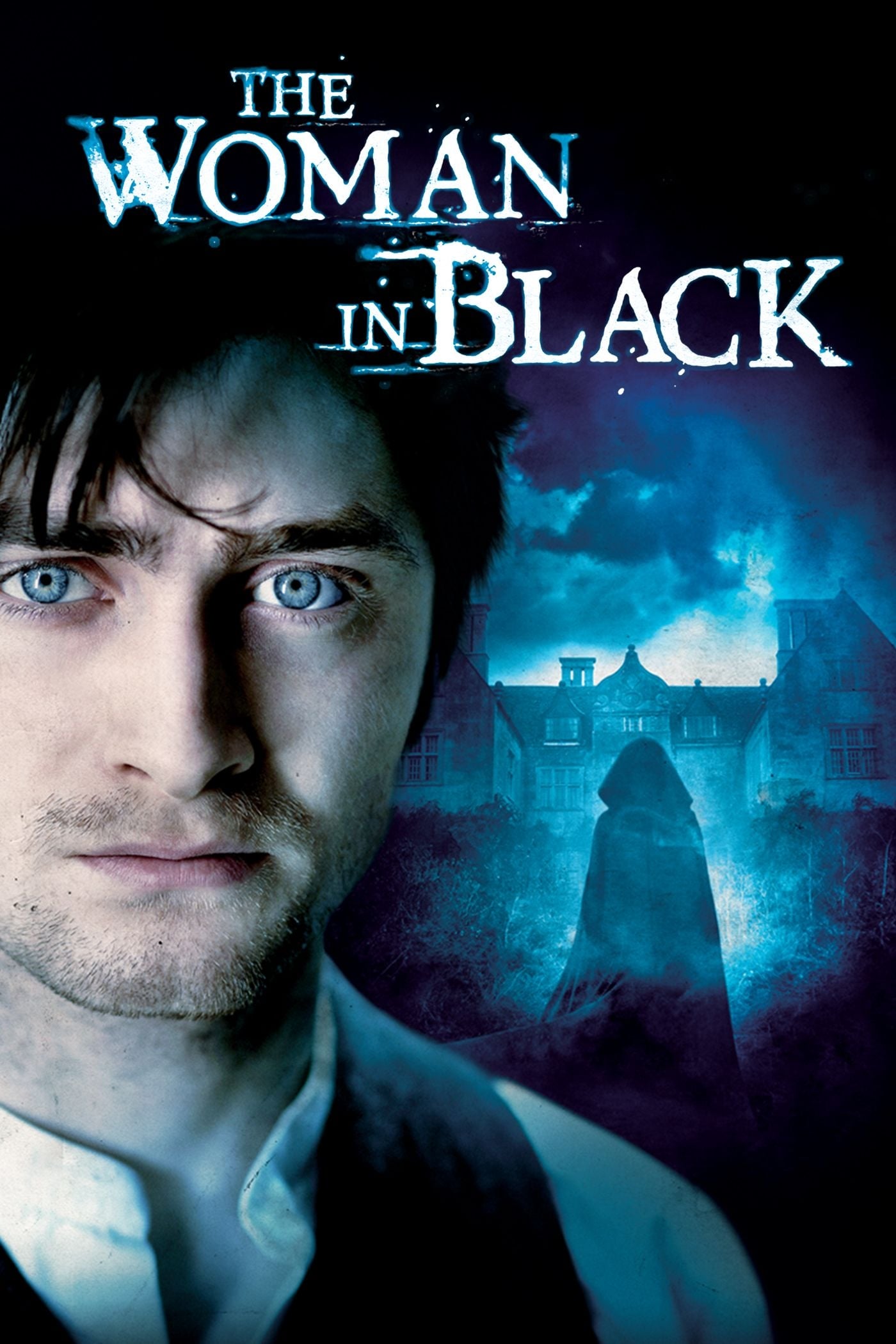
The Woman in Black
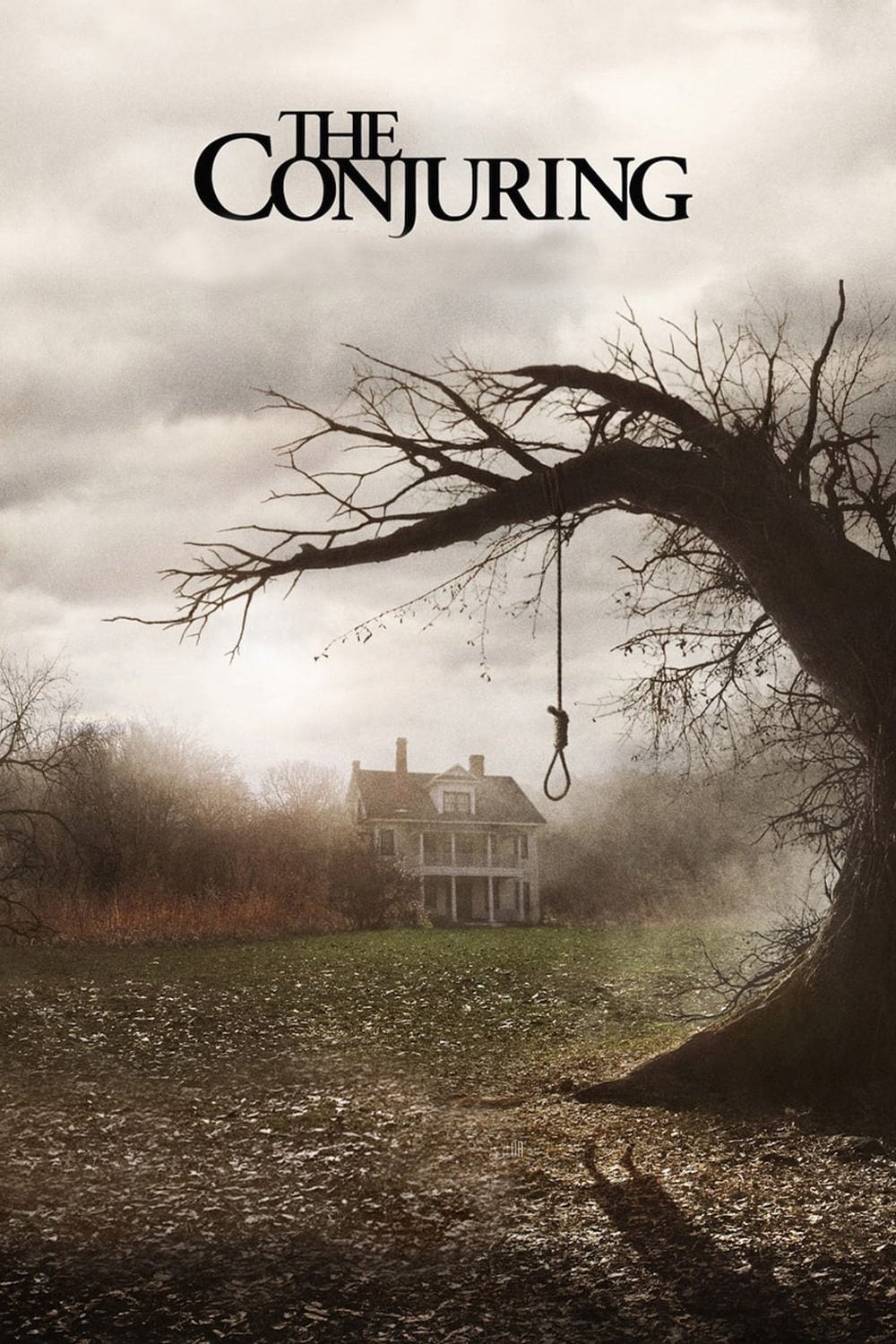
The Conjuring
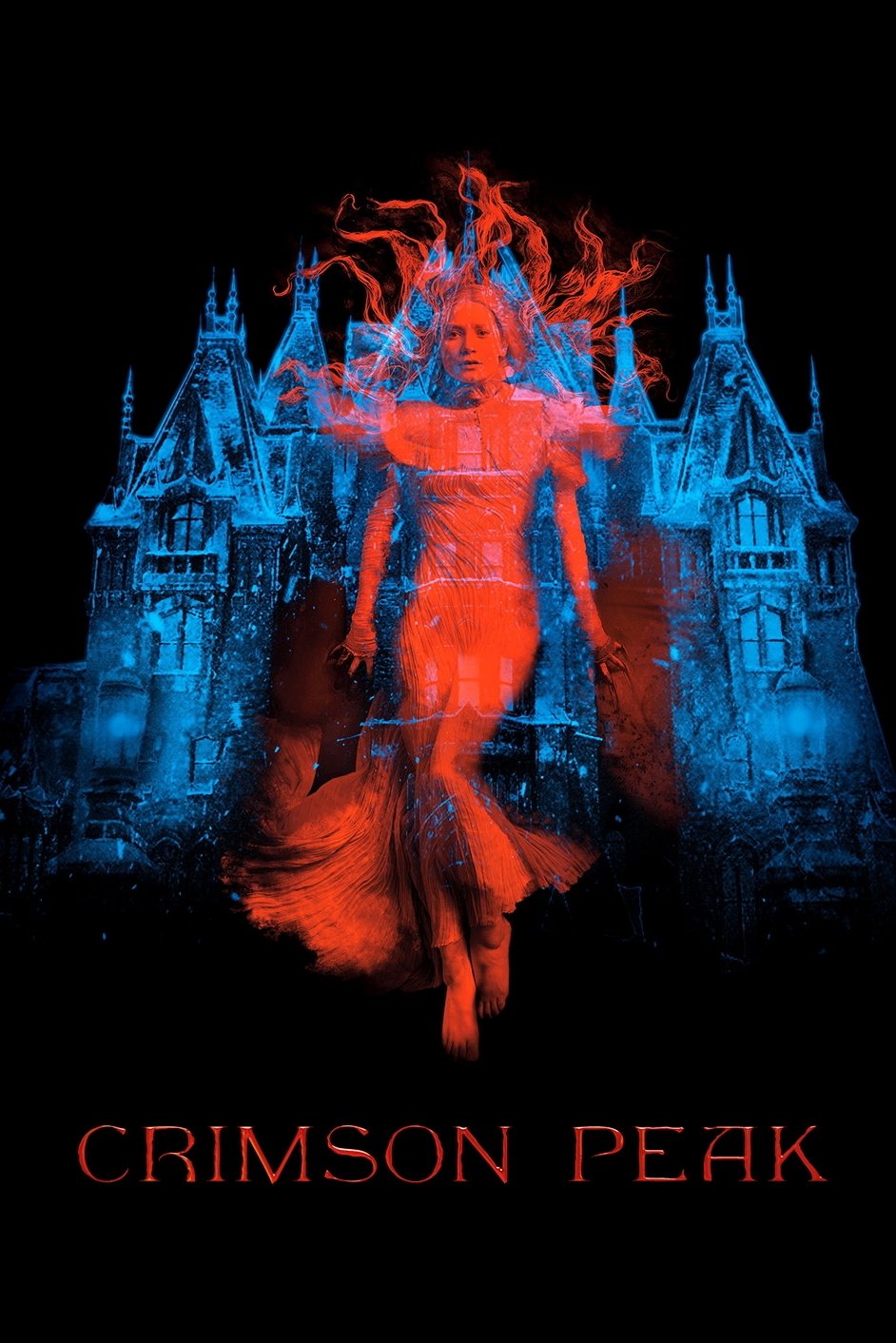
Crimson Peak

Personal Shopper
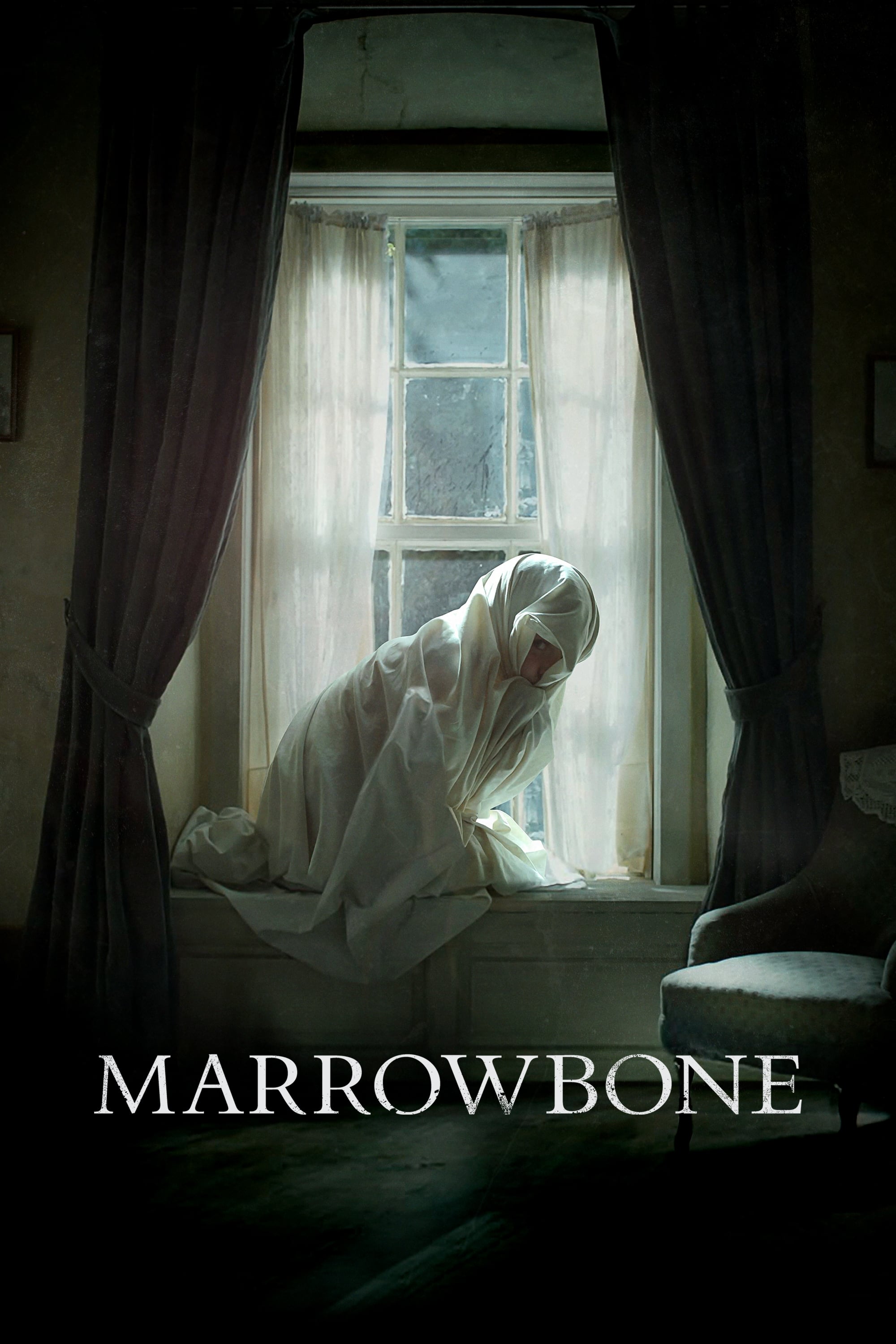
Marrowbone
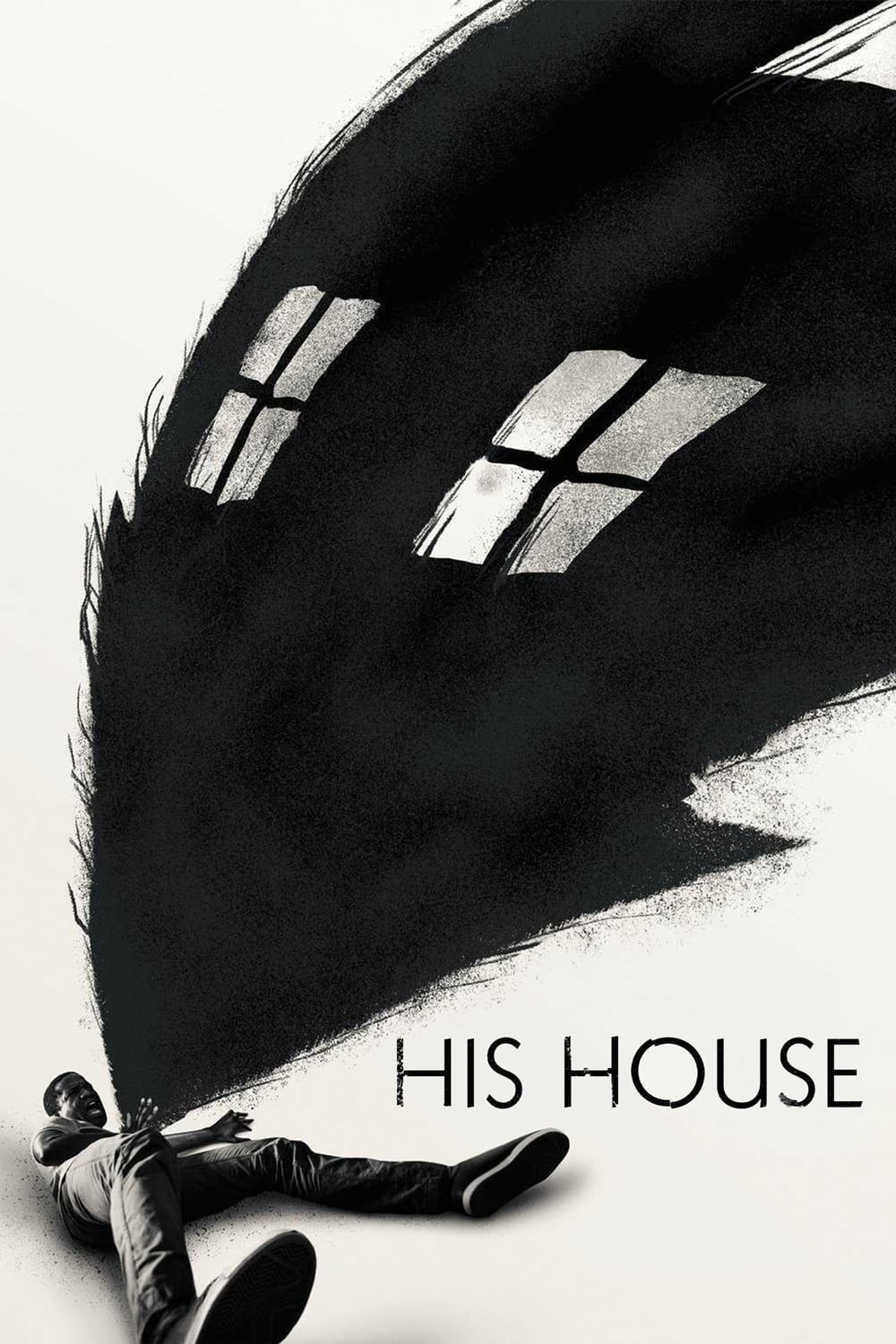
His House
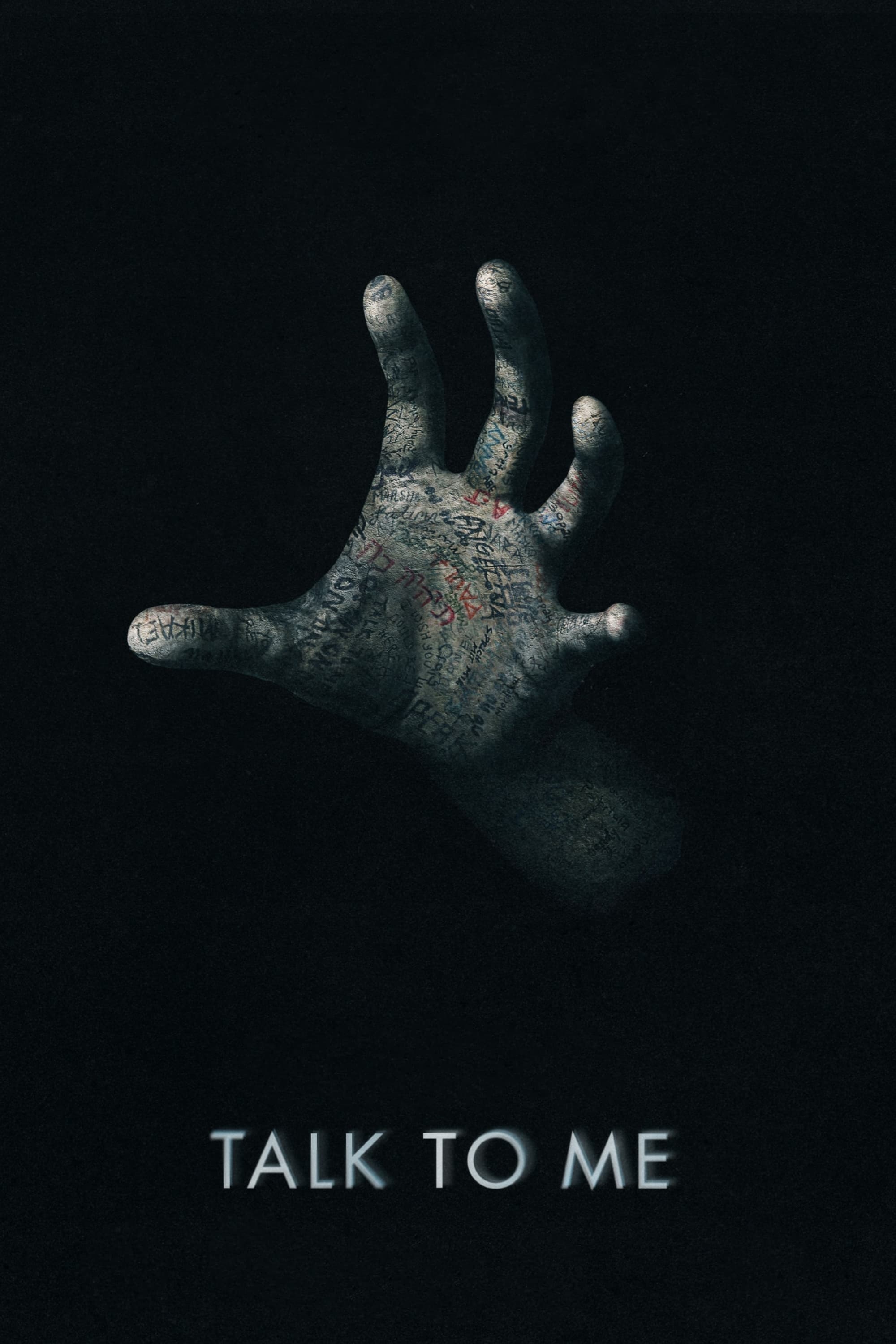
Talk to Me
Statistics
Popularity by Decade
Share of each decade's horror films classified as Ghost. Counts films with at least 5 TMDB ratings, so very obscure titles are not represented.
Popularity by Country
Share of each country's horror output classified as Ghost. Counts films with at least 5 TMDB ratings, so very obscure titles are not represented.