 The Exorcist (1973)
Possession
Something else takes control of the body. The self is erased, the flesh becomes a puppet, and the people who love you must confront a stranger wearing your face.
History & Origins
Possession horror confronts one of humanity's most ancient terrors: the fear that something else can take control of your body — that the self you know can be erased and replaced by an alien intelligence while your flesh continues to walk and speak. The possessed person becomes a battleground, their body the territory over which good and evil wage war.
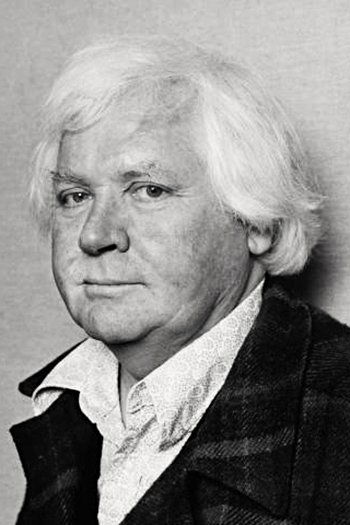
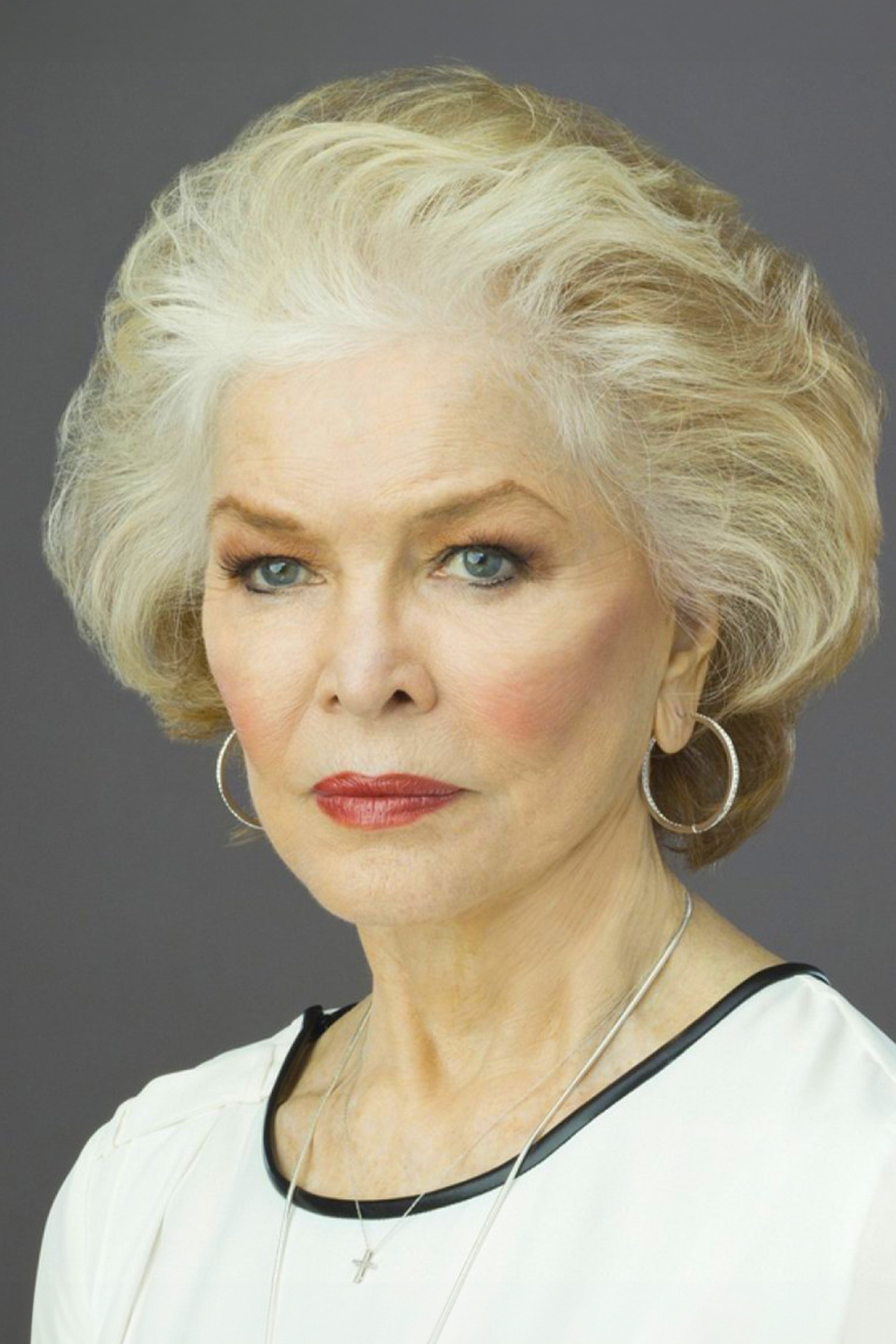
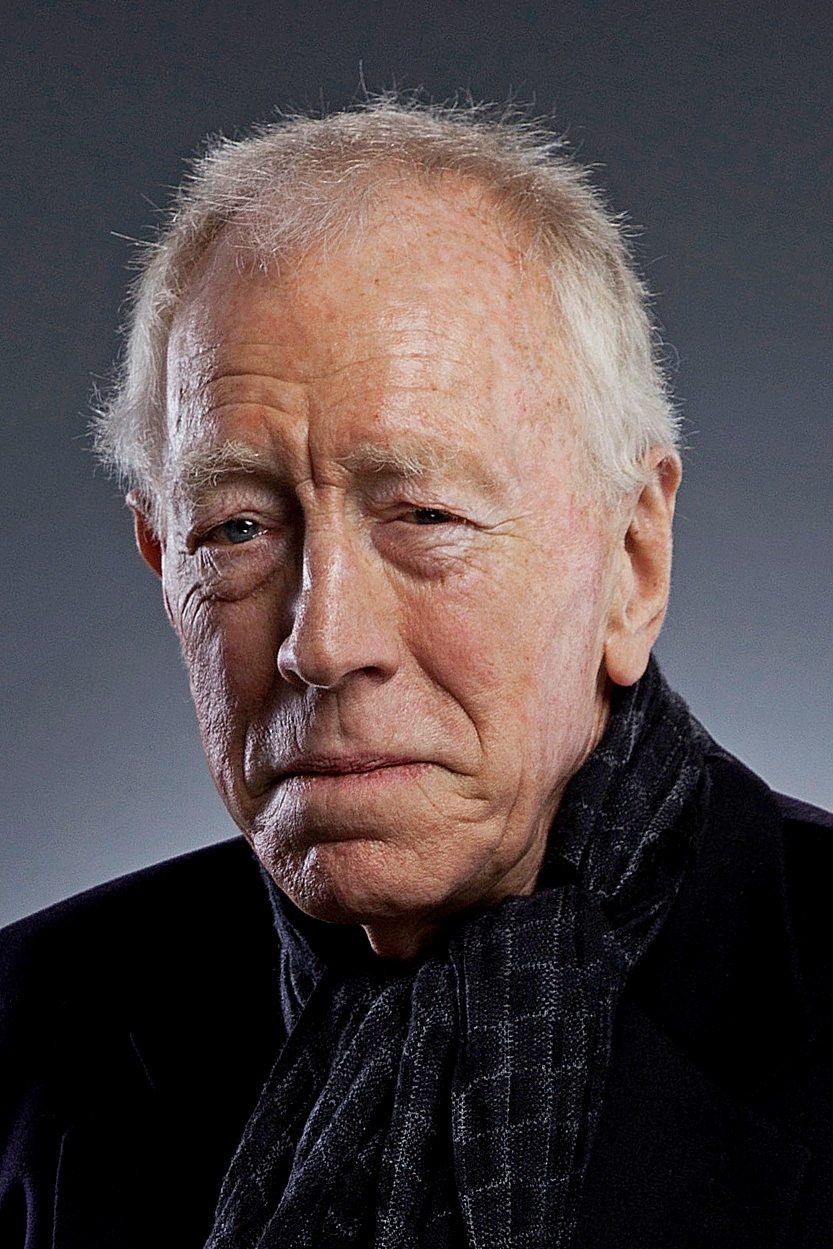
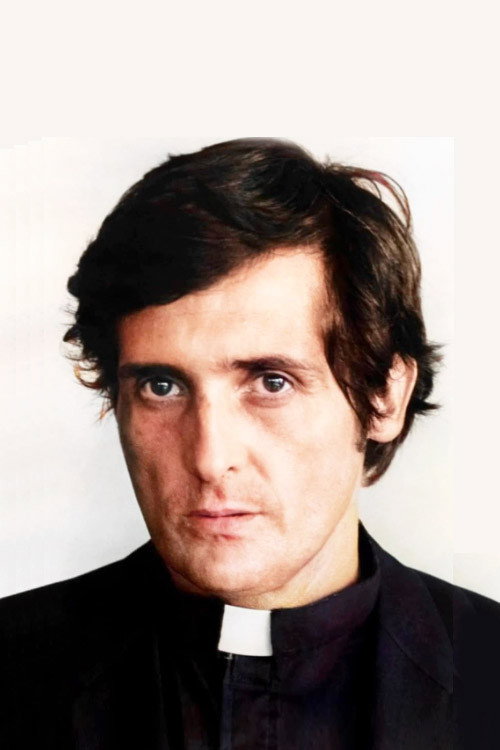
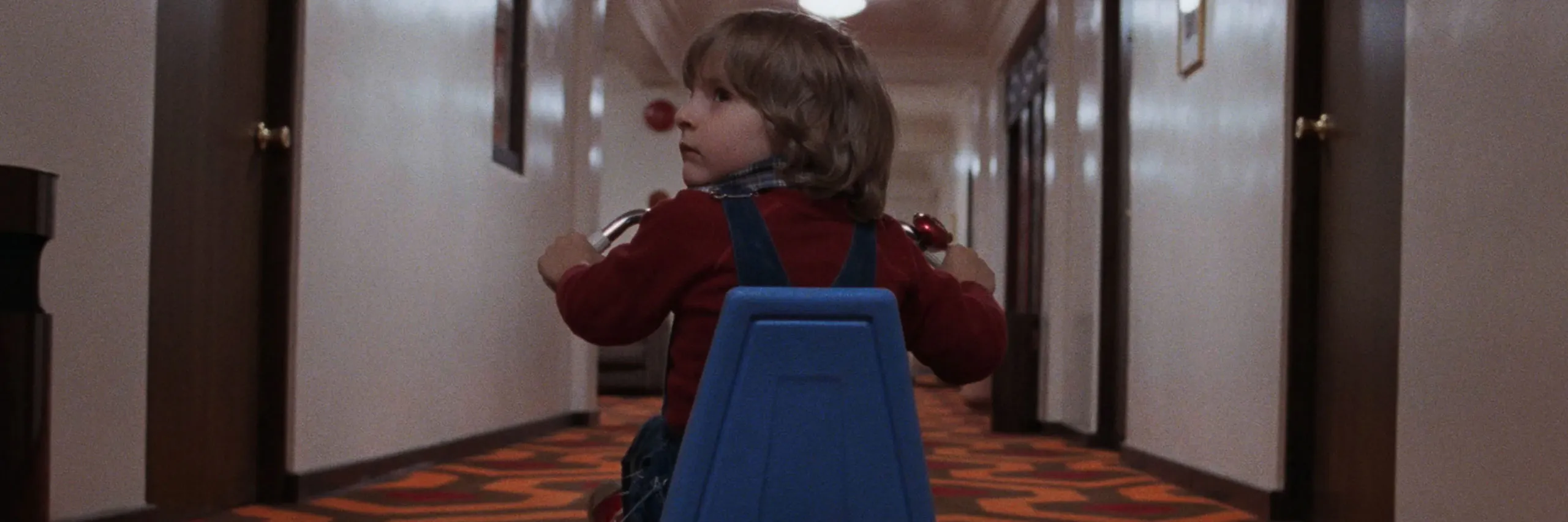
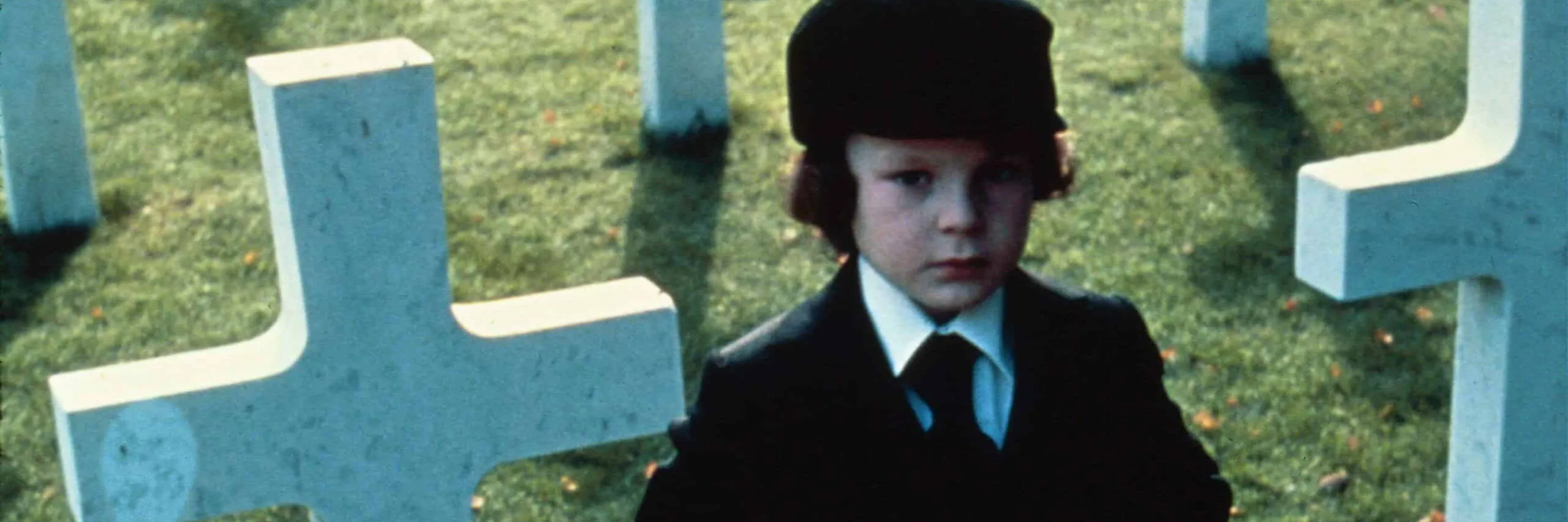
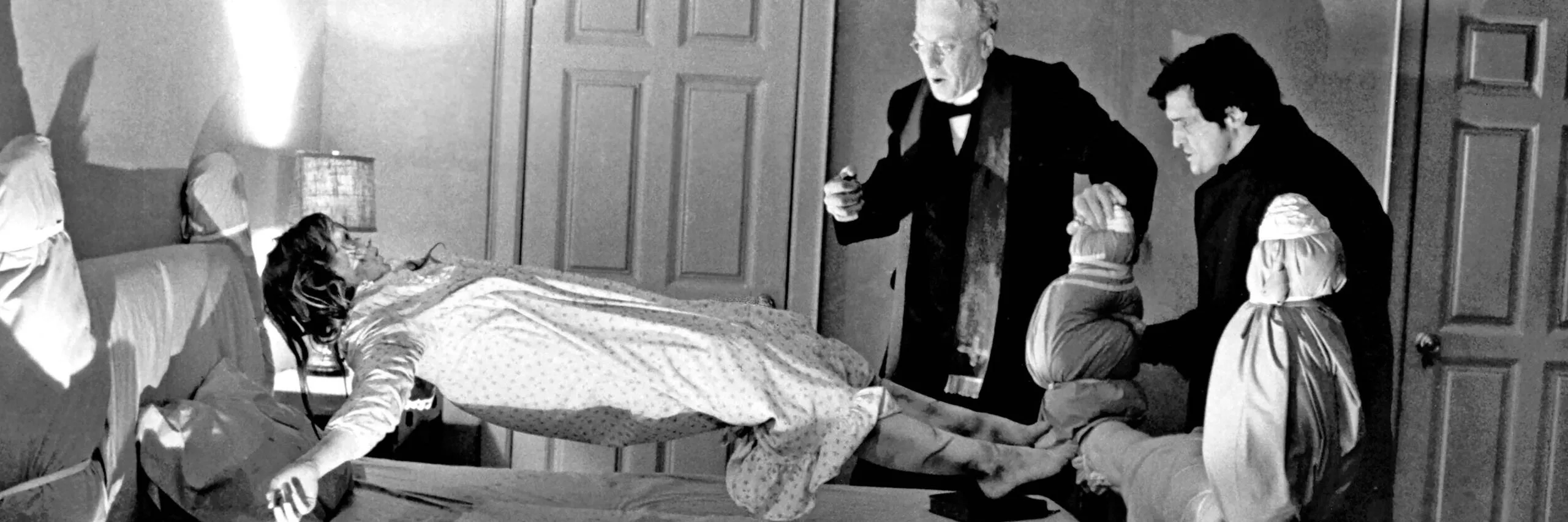
Demonic possession appears in religious traditions across the globe, from the dybbuk of Jewish mysticism to the spirit-possession rituals of Vodou and Candomblé. Cinema found its definitive possession narrative in William Friedkin's The Exorcist (1973), a film that became a cultural phenomenon by making the supernatural feel disturbingly plausible. Friedkin's clinical, almost documentary approach — the medical tests, the psychiatric consultations, the slow exhaustion of rational explanations — created a framework where demonic possession became the only answer left. The image of twelve-year-old Regan (Linda Blair) transformed remains among the most disturbing in cinema because it violates the most fundamental assumption of childhood innocence. Jason Miller's Father Karras gave the form its second register — the priest whose own crisis of faith is the real exorcism — and Max von Sydow's Father Merrin its archetypal exorcist. Ken Russell's near-contemporaneous The Devils (1971) had already pushed the form into convent-possession territory with no equivalent in commercial cinema since.
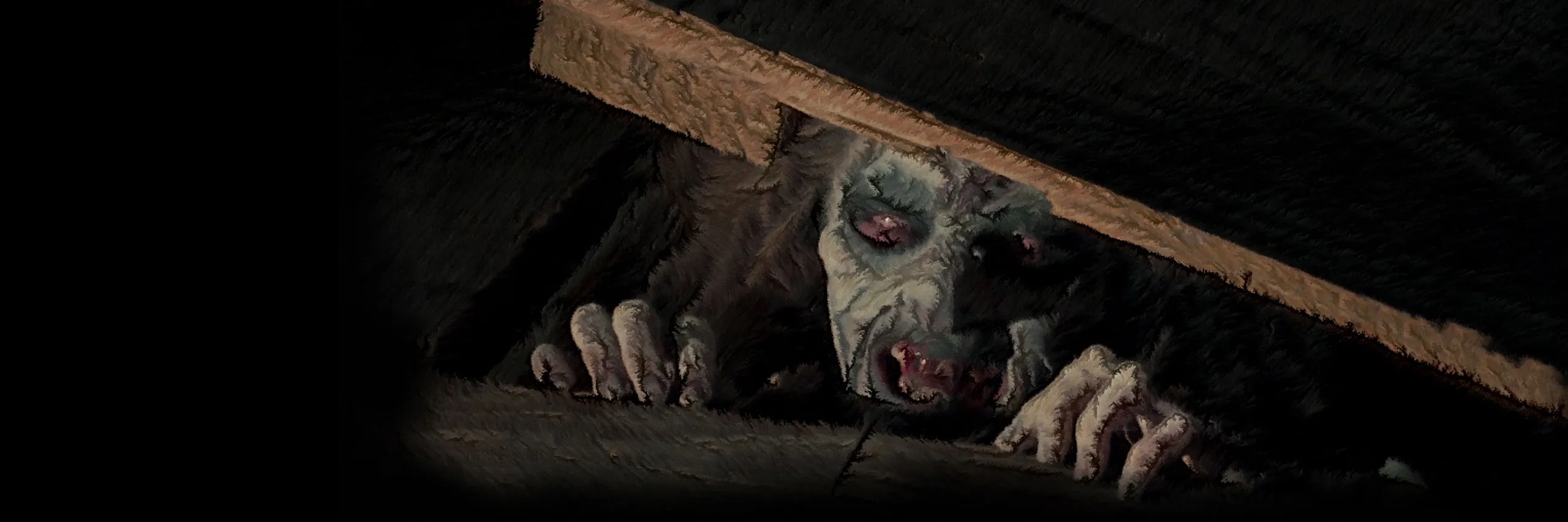
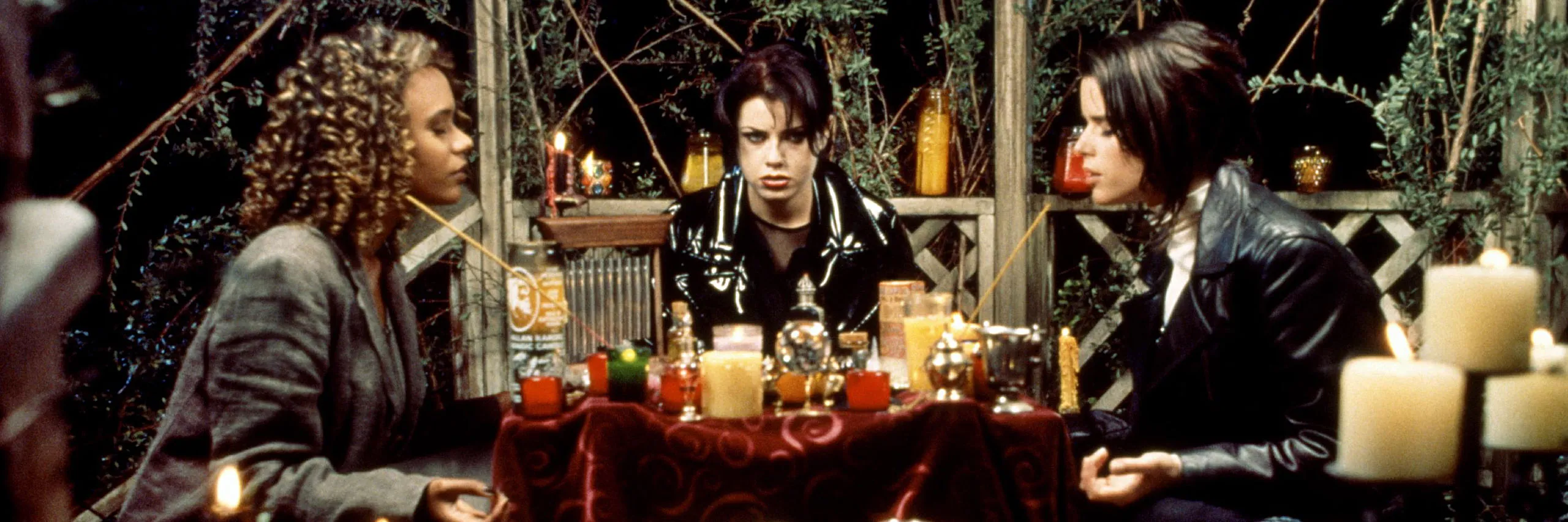
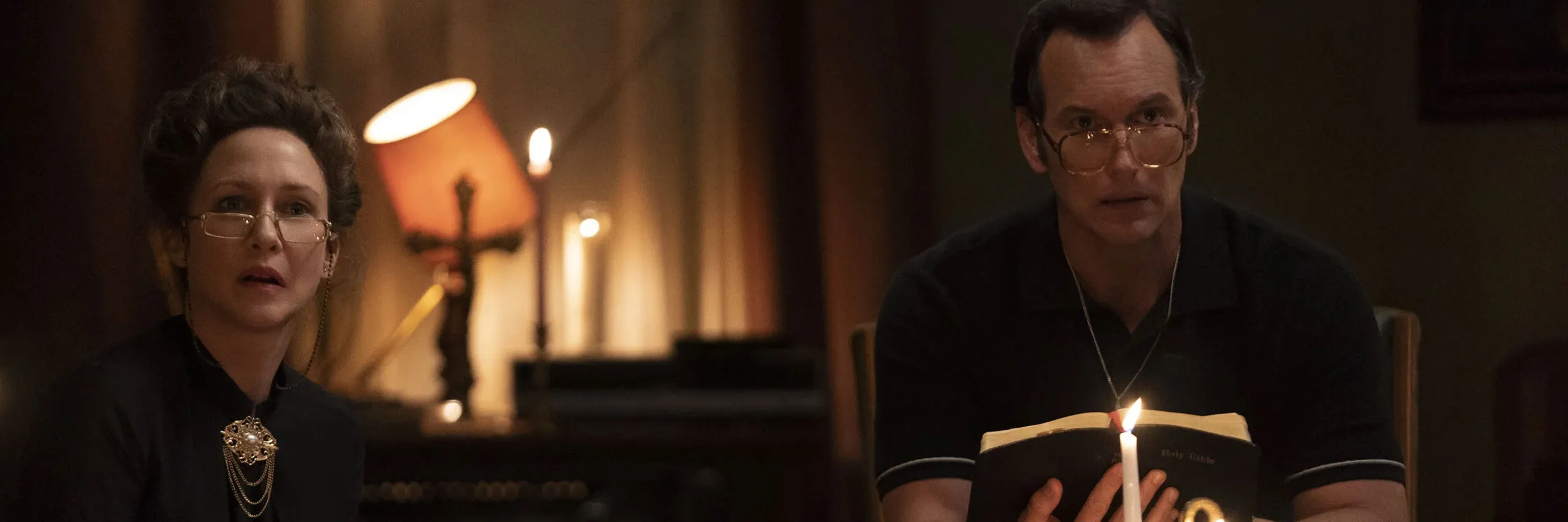
The Exorcist immediately spawned a "Devil cycle" of 1970s imitations — Beyond the Door (1974), Abby (1974) (blaxploitation), The Antichrist (1974) (Italian), eventually Exorcist II: The Heretic (1977). Sam Raimi's The Evil Dead (1981) and Evil Dead II (1987) crossed possession with splatter as cabin-Necronomicon horror; William Peter Blatty's belated The Exorcist III (1990) restated the form as serial-killer-procedural. The 2000s–2010s brought a sustained revival: Stigmata (1999), The Exorcism of Emily Rose (2005), The Last Exorcism (2010), The Possession (2012) (dybbuk variant), and Scott Derrickson's Deliver Us from Evil (2014). James Wan's The Conjuring (2013) and The Conjuring 2 (2016) brought possession horror into the mainstream of 21st-century franchise filmmaking with the Warren-files framing.
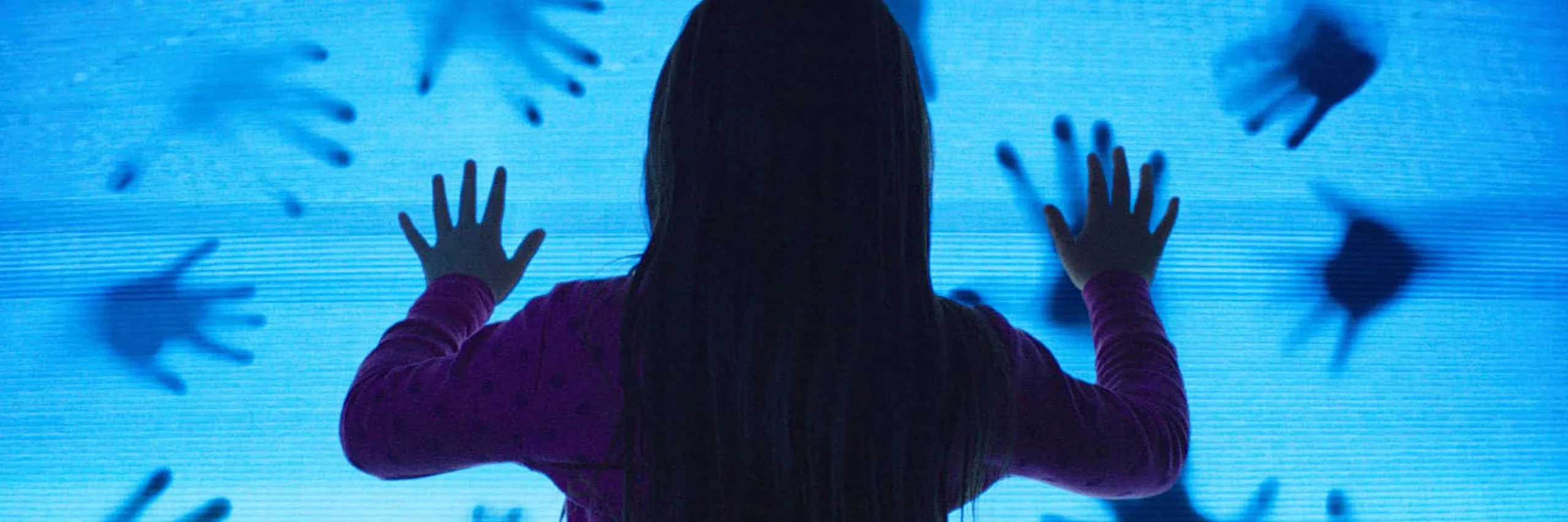
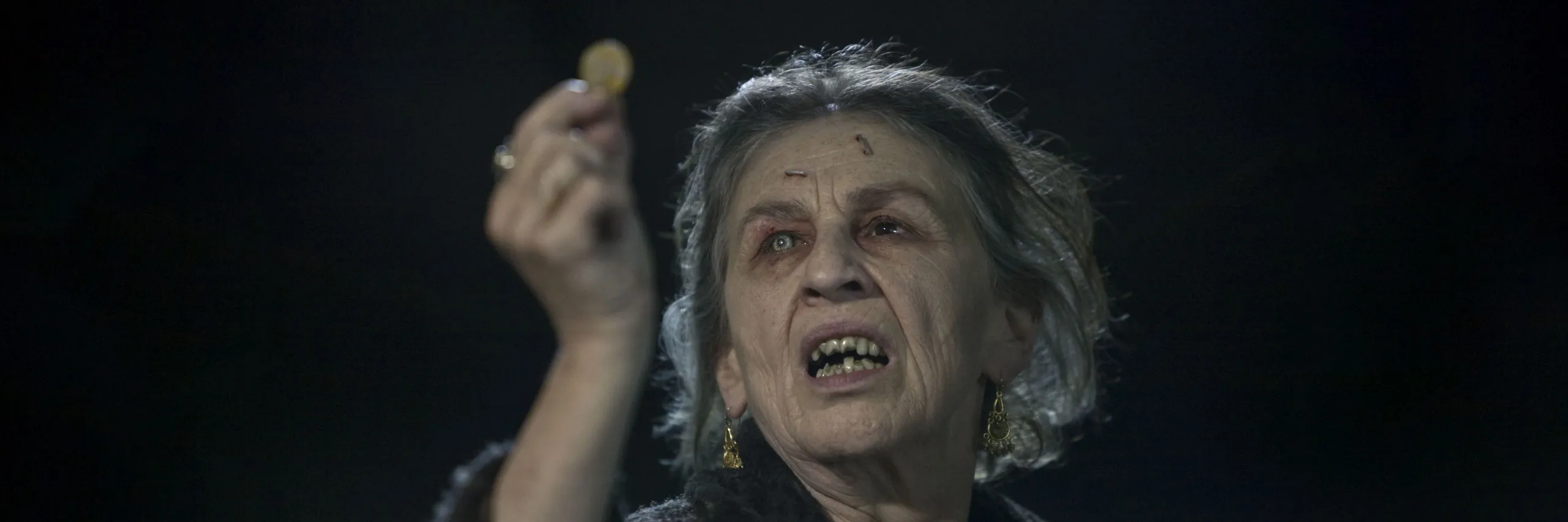
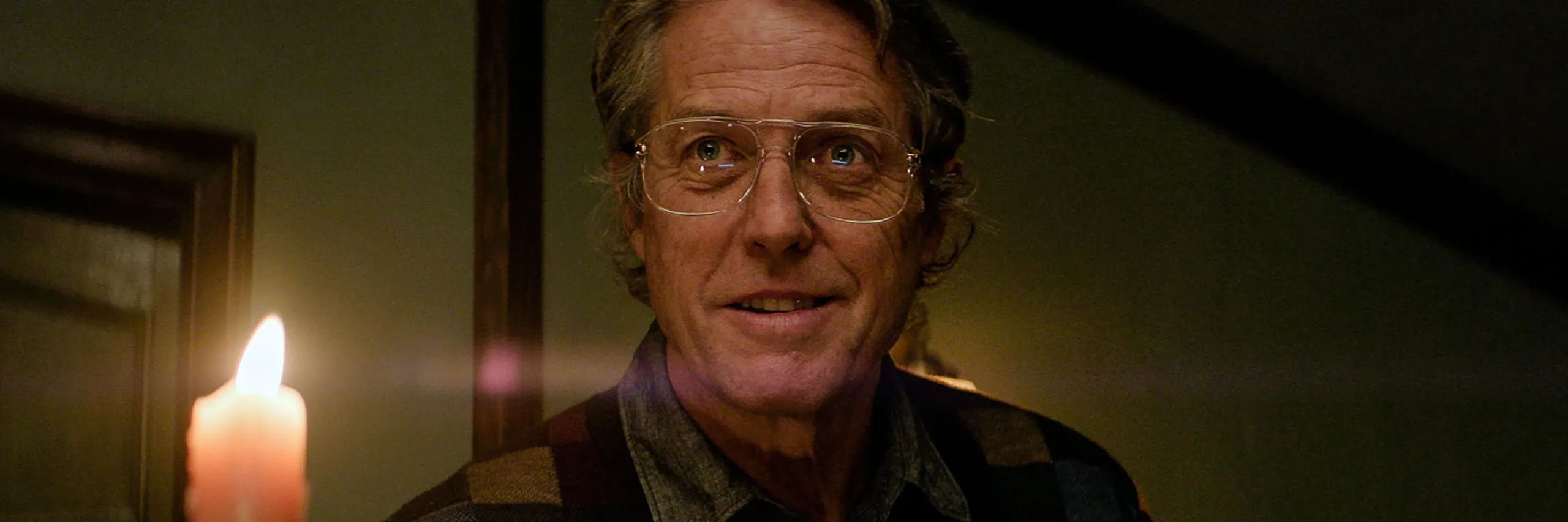
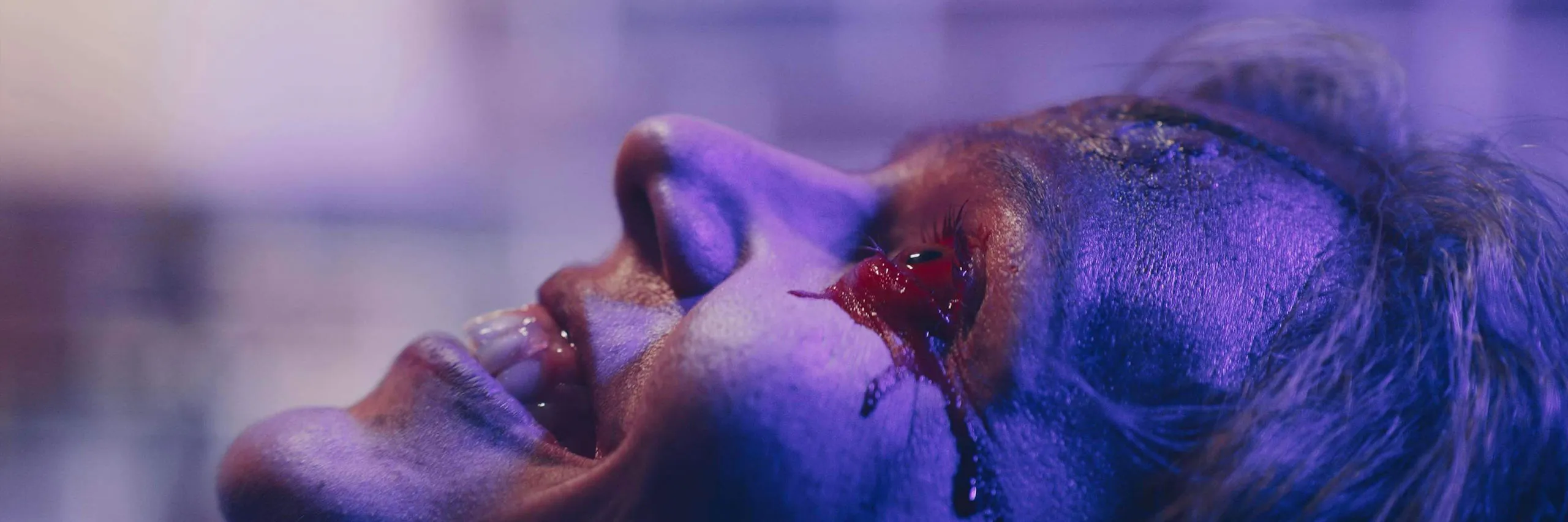
Outside the Anglo-American mainline, Marcin Wrona's Demon (2015) (Poland) recast dybbuk possession as Holocaust-buried-trauma; Paco Plaza's Veronica (2017) (Spain) ran the Ouija-board variant in Madrid. The 2020s have produced the most concentrated wave of possession films since the Devil cycle: Julius Avery's The Pope's Exorcist (2023) with Russell Crowe as Father Amorth, the Philippou brothers' Talk to Me (2023) (severed-hand séance) and Bring Her Back (2025), and the Cairnes brothers' Late Night with the Devil (2024) (live-televised exorcism). What these films share is a common dramatic structure: the slow recognition that something is wrong, the failure of secular explanations, and the terrifying confrontation with a force that speaks through someone you love. The subgenre endures because possession is the ultimate violation of autonomy. The monster is not outside — it is wearing your daughter's face, speaking with your husband's voice. There is no distance between the threat and the person you are trying to save.
Essential Films

The Devils

The Exorcist
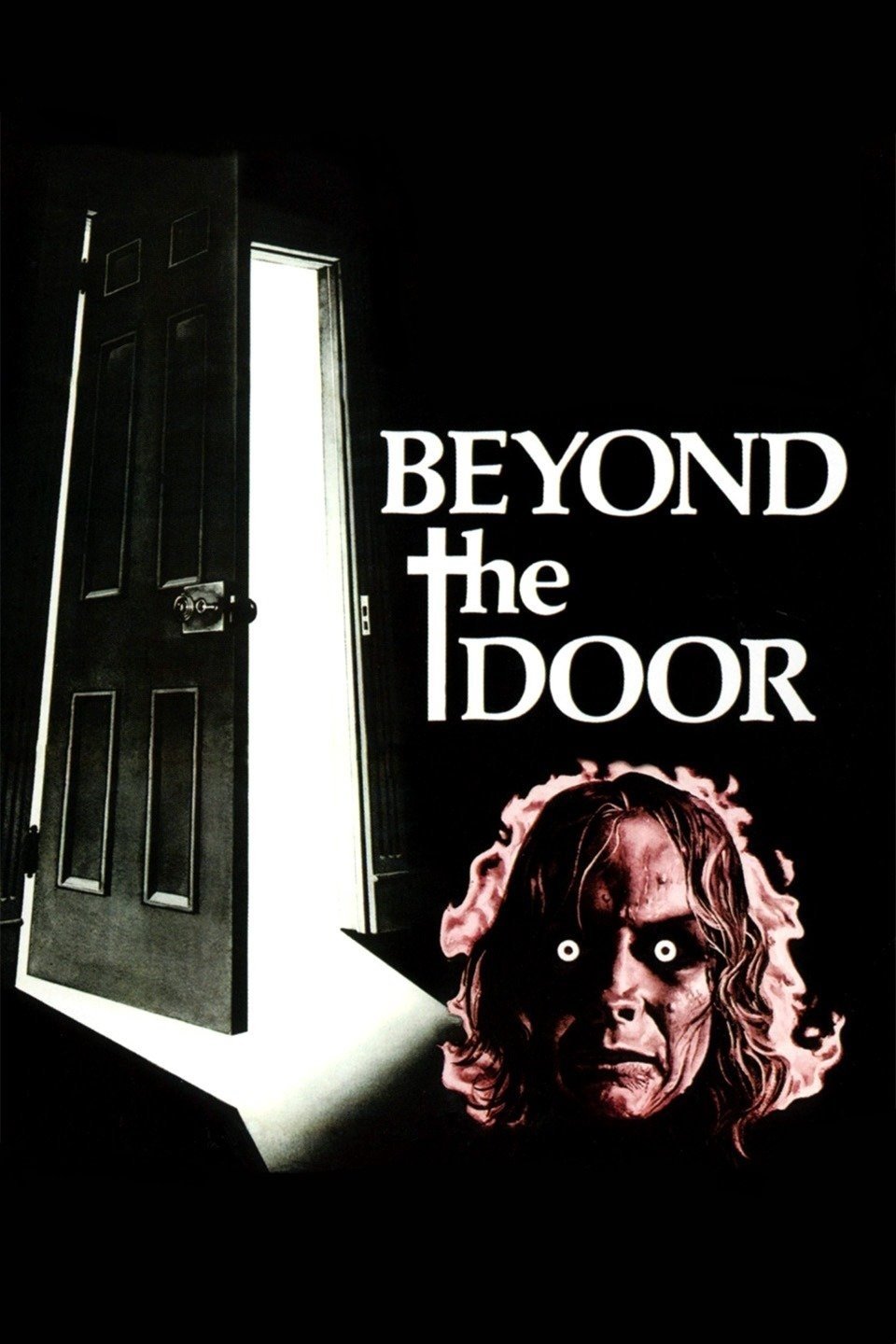
Beyond the Door

The Antichrist
Abby
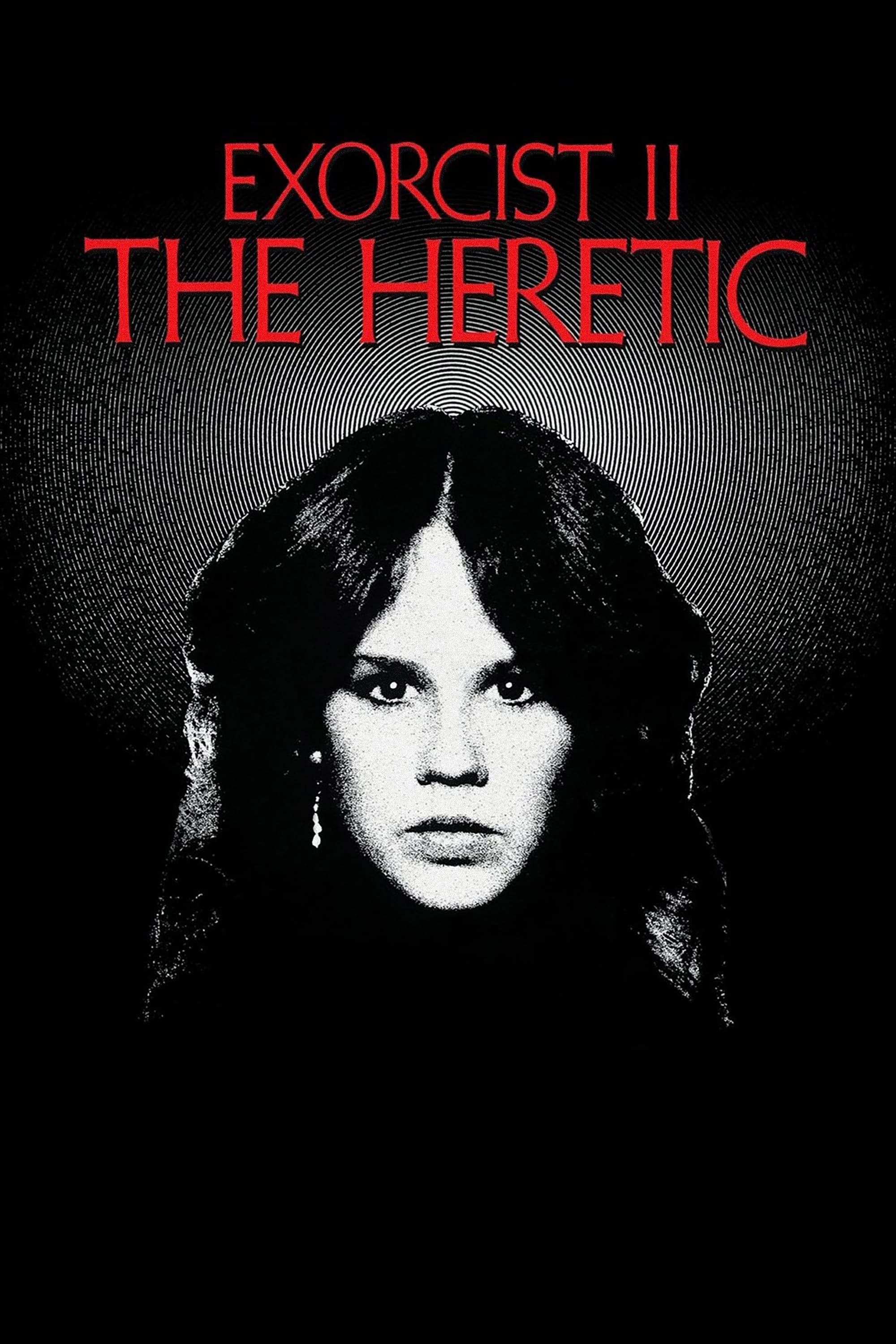
Exorcist II: The Heretic
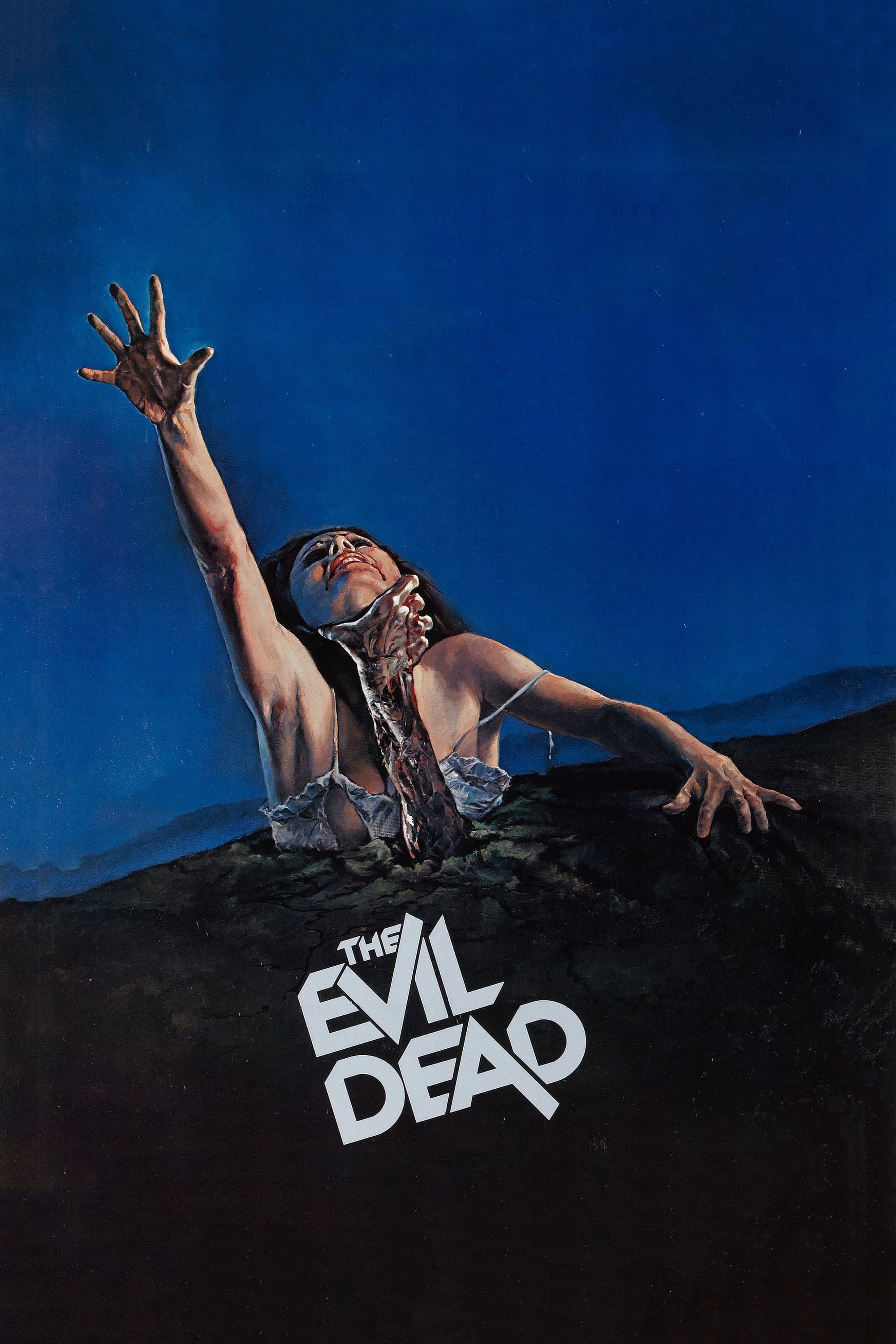
The Evil Dead
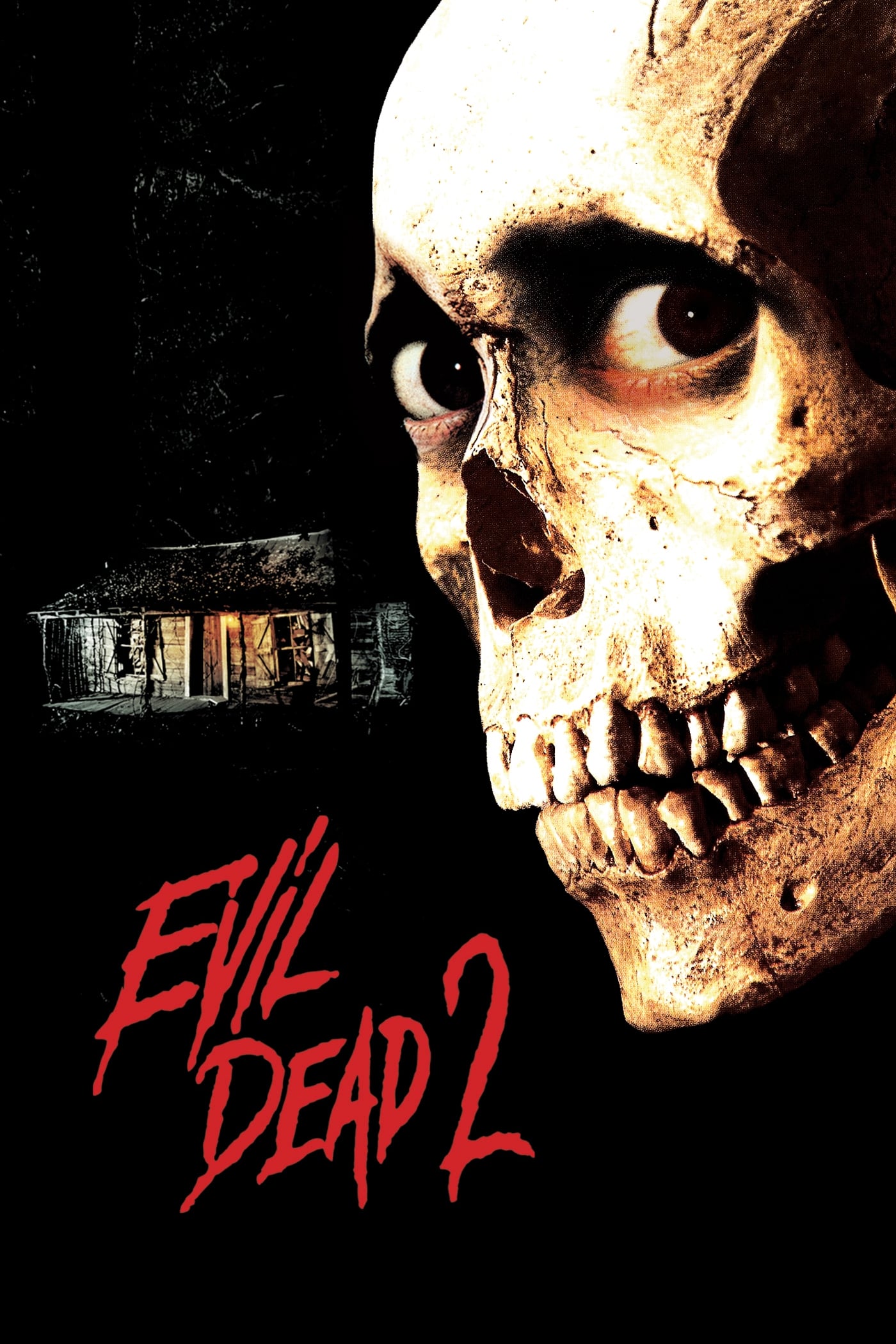
Evil Dead II
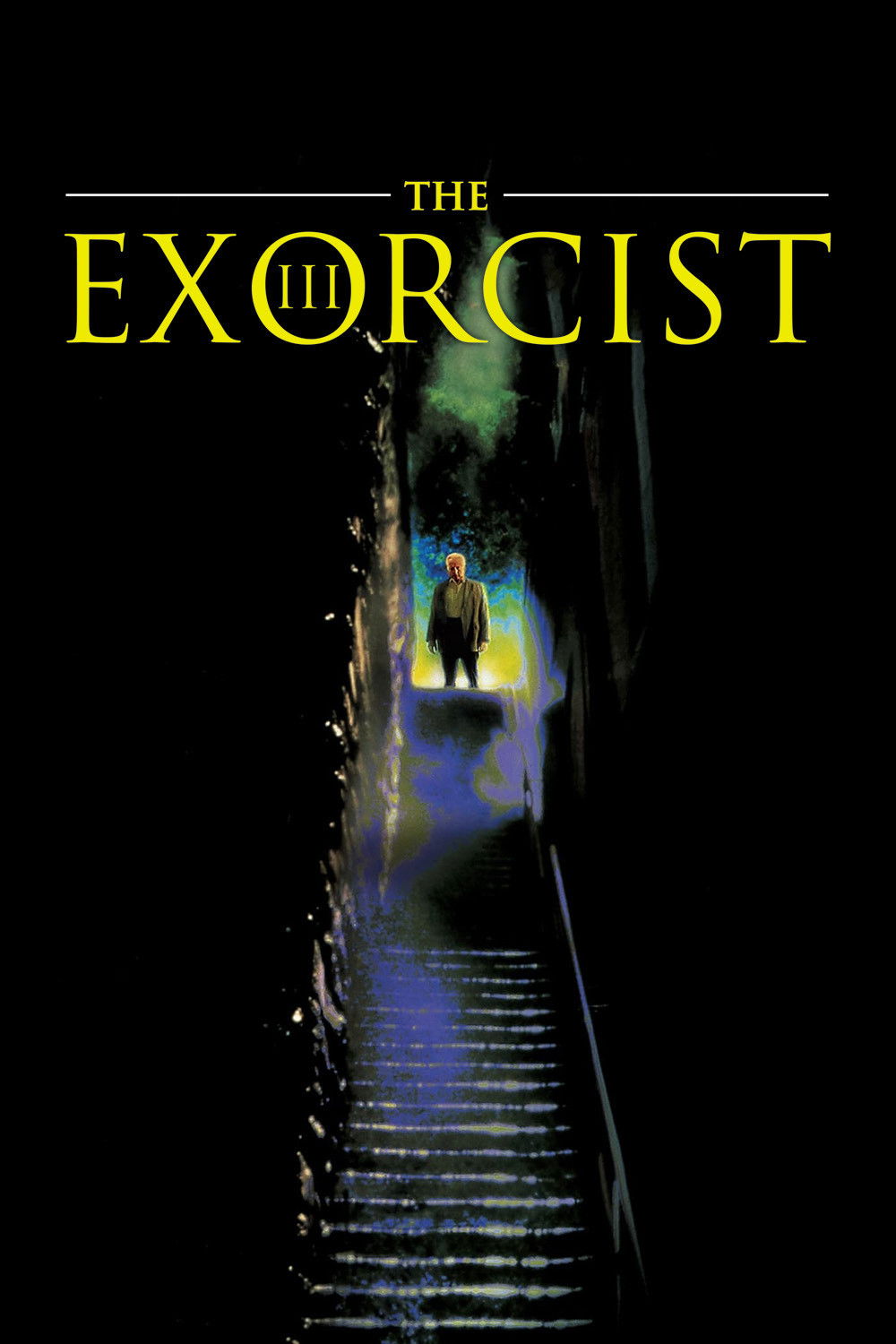
The Exorcist III
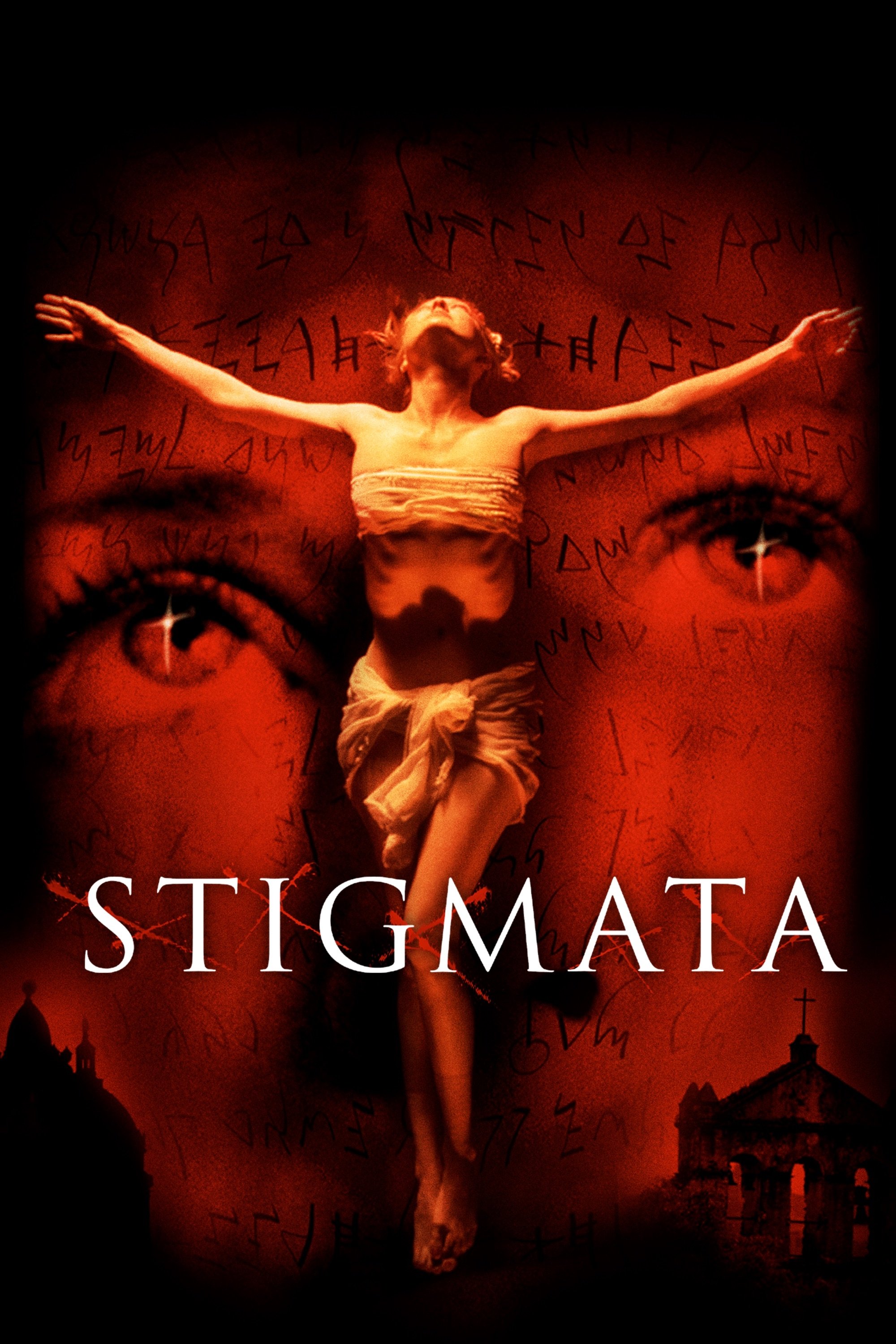
Stigmata
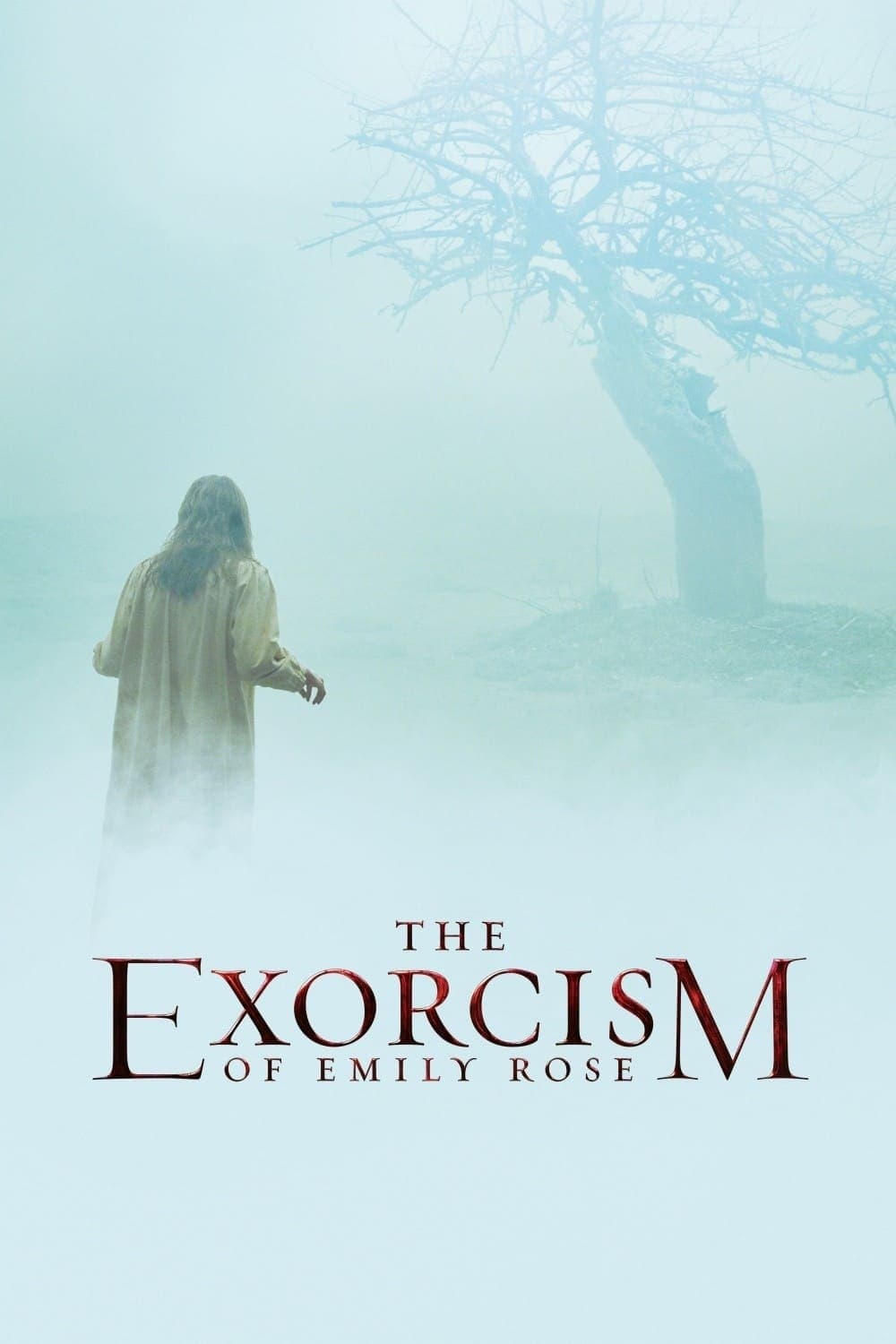
The Exorcism of Emily Rose
![[REC]](https://image.tmdb.org/t/p/original/hgyJR4sgMsee6xMFM3xYiG6cDCh.jpg)
[REC]
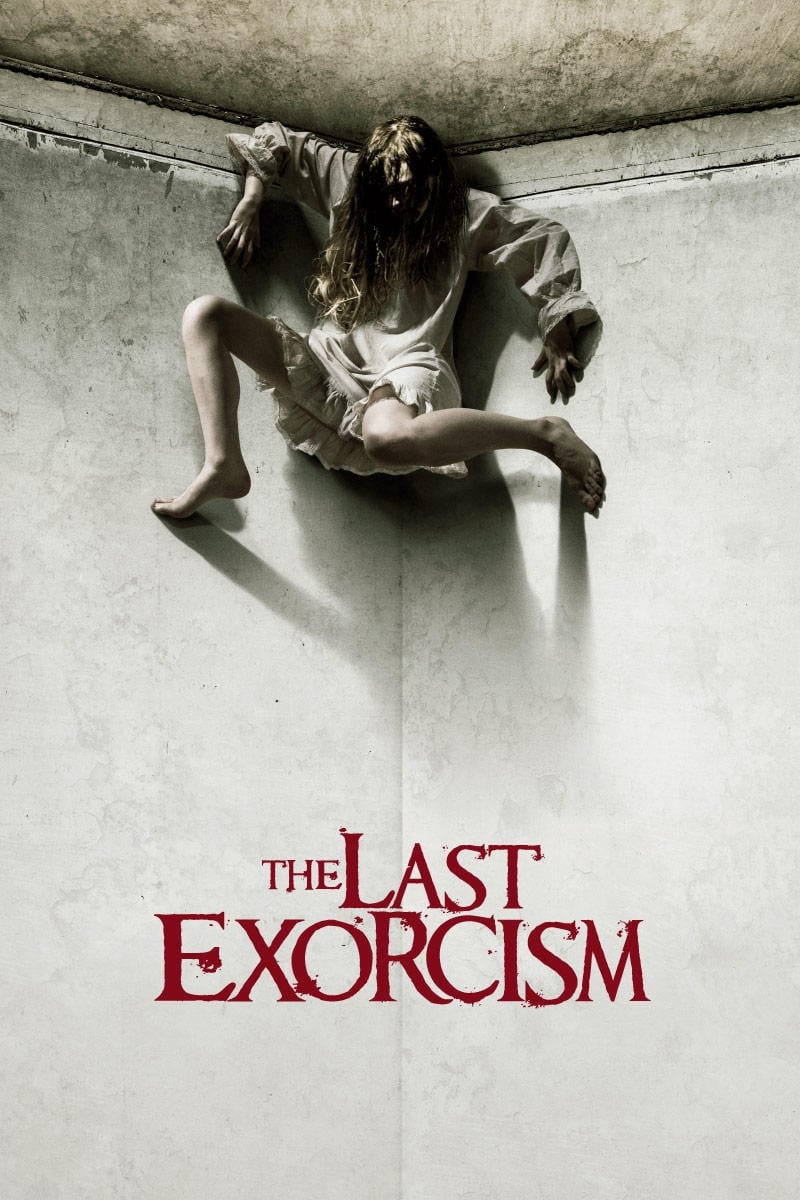
The Last Exorcism
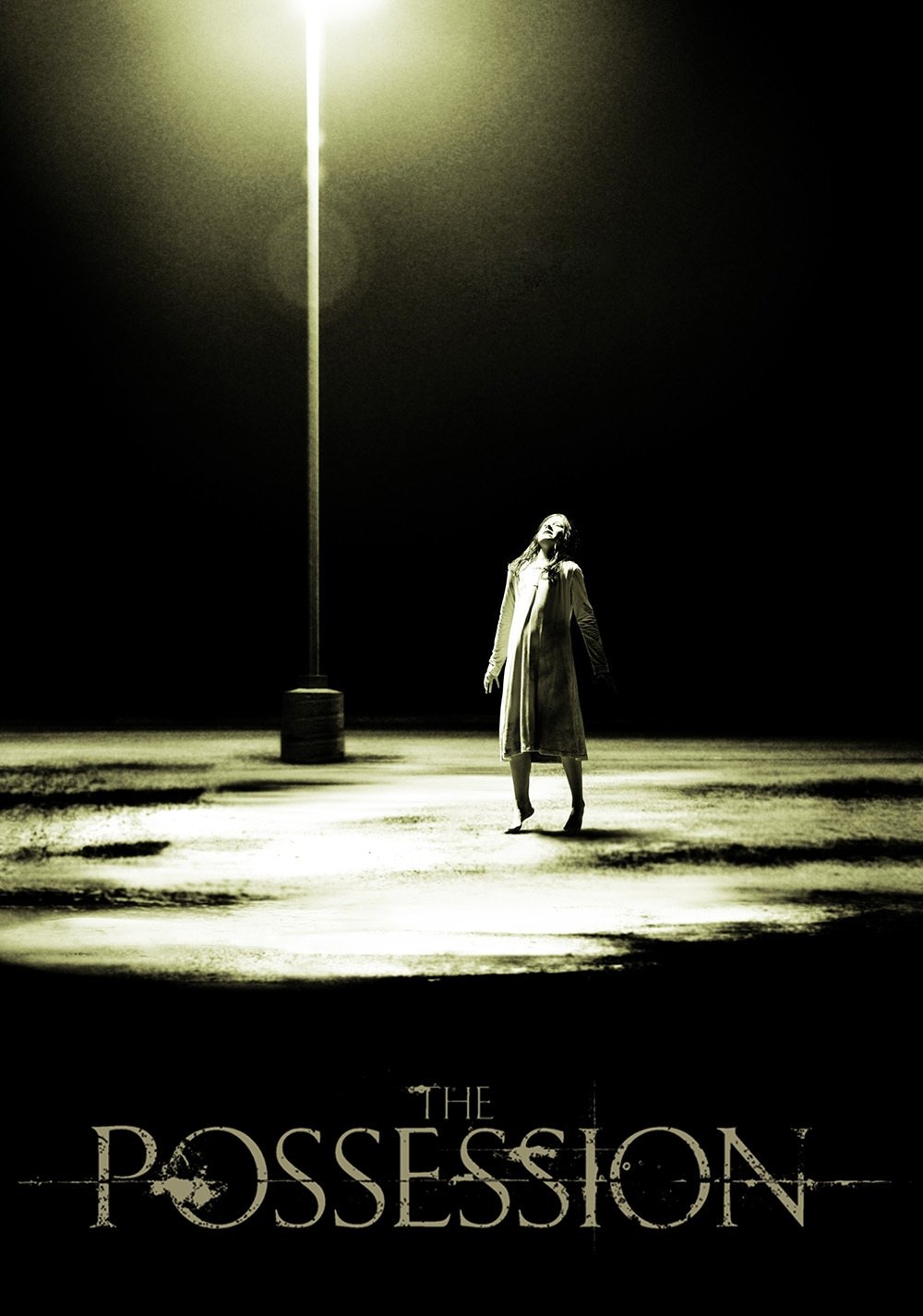
The Possession
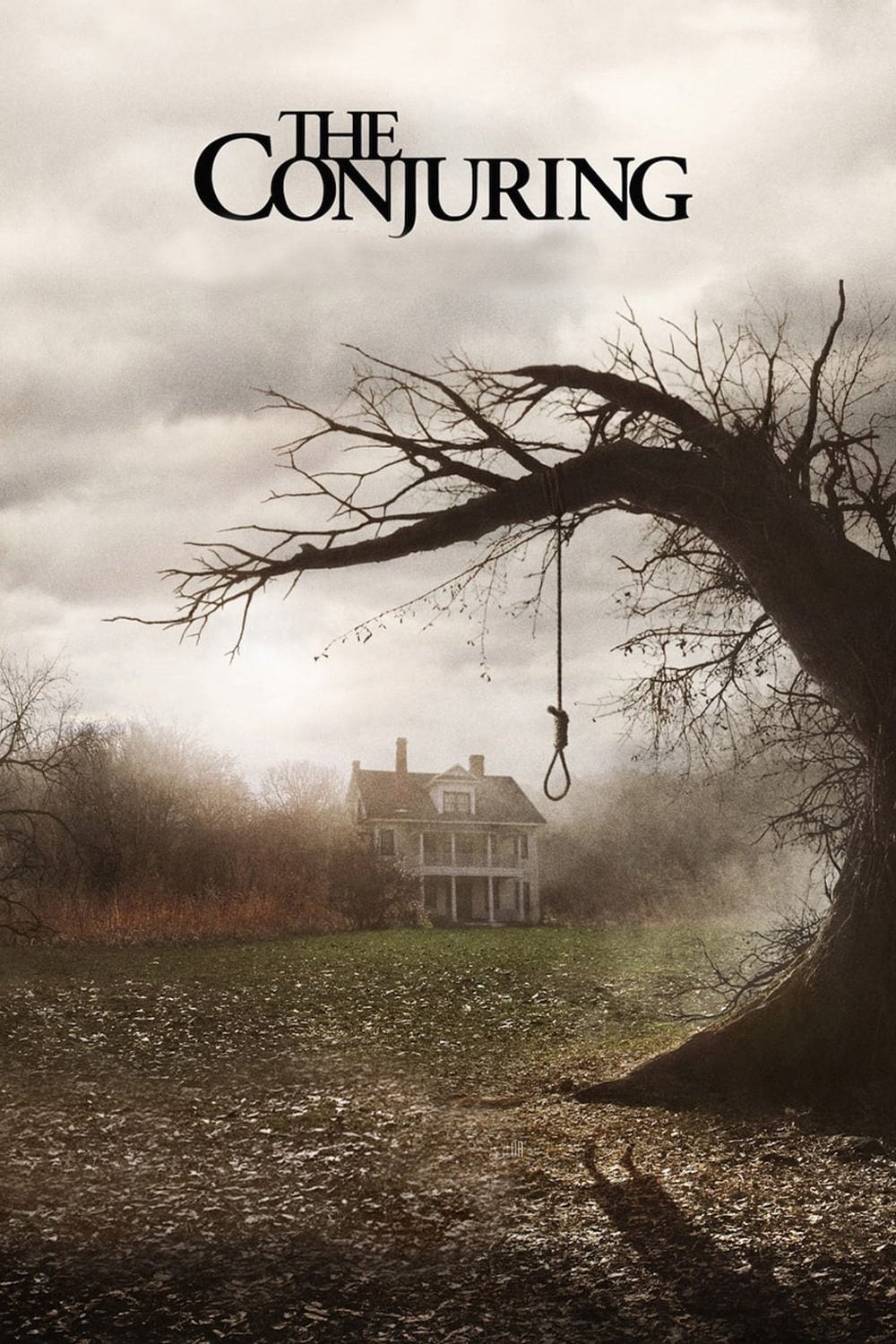
The Conjuring
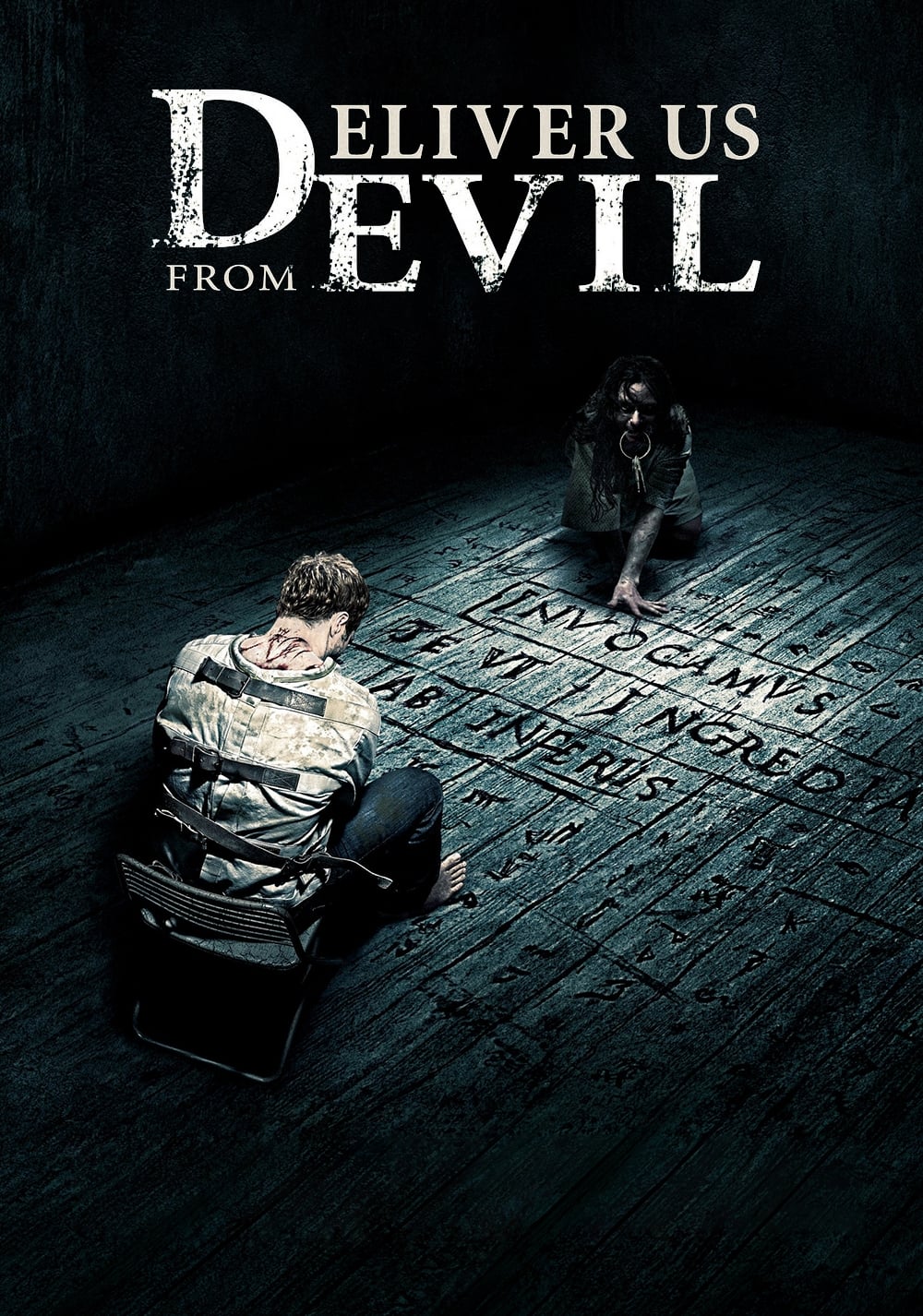
Deliver Us from Evil

Demon
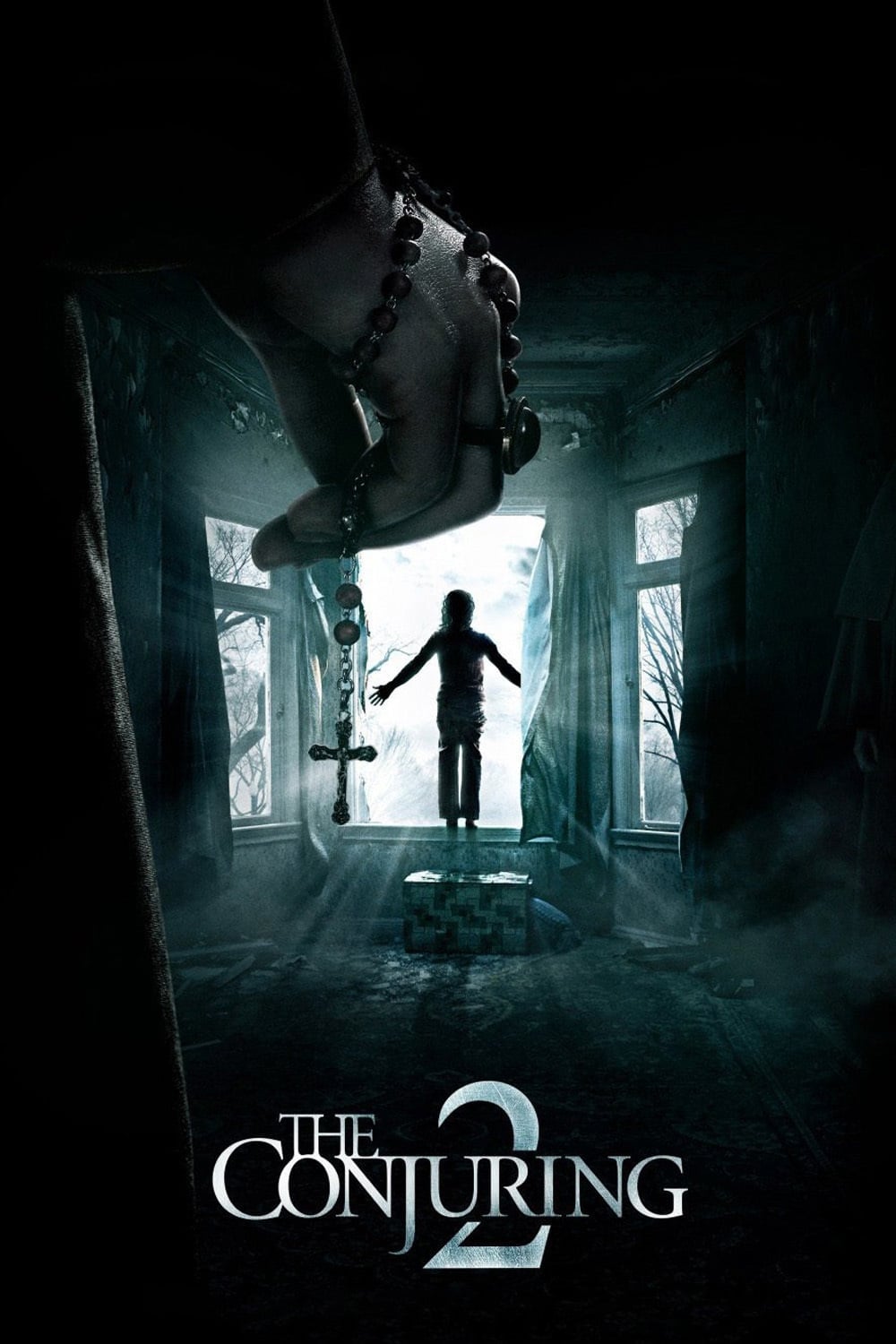
The Conjuring 2
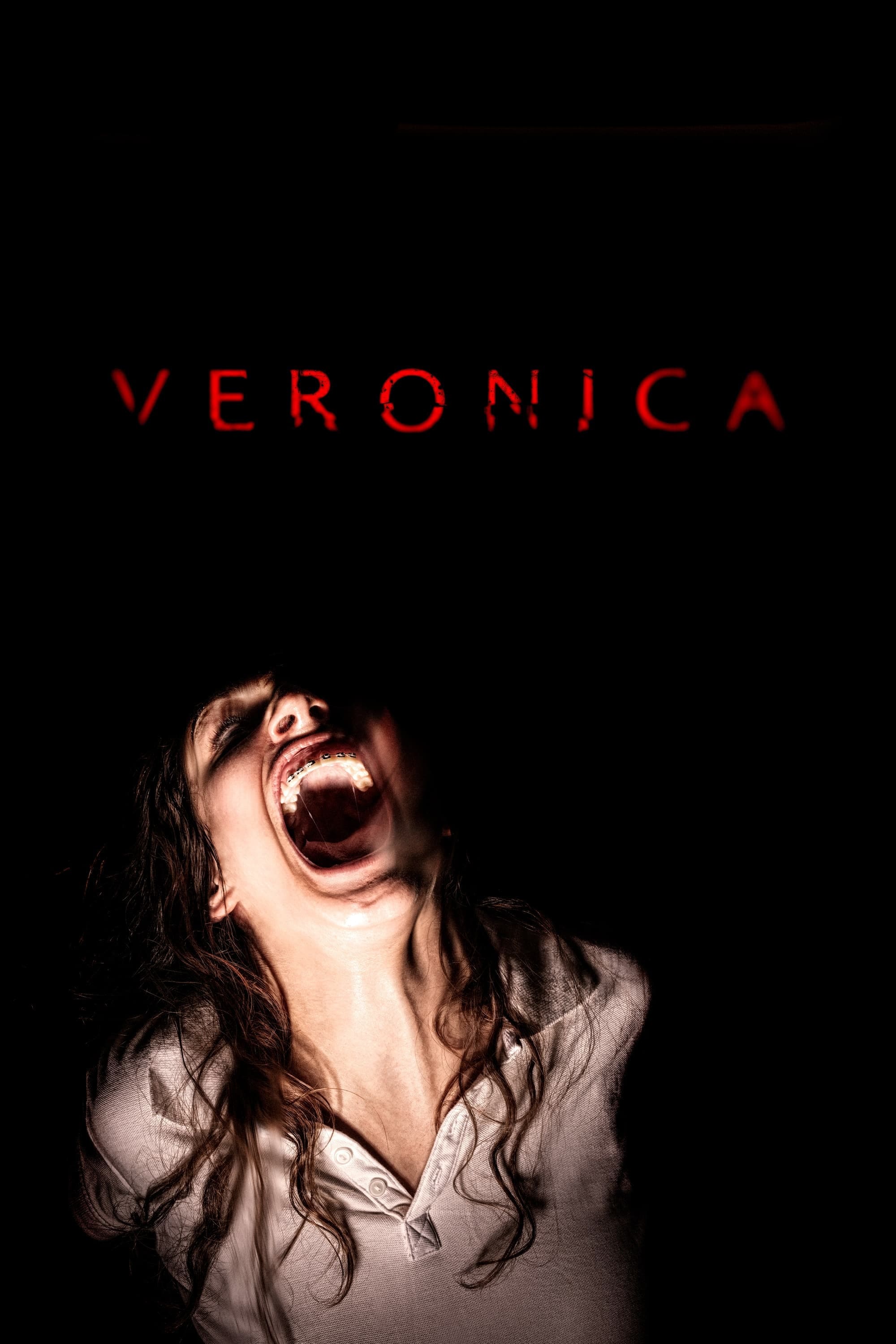
Veronica
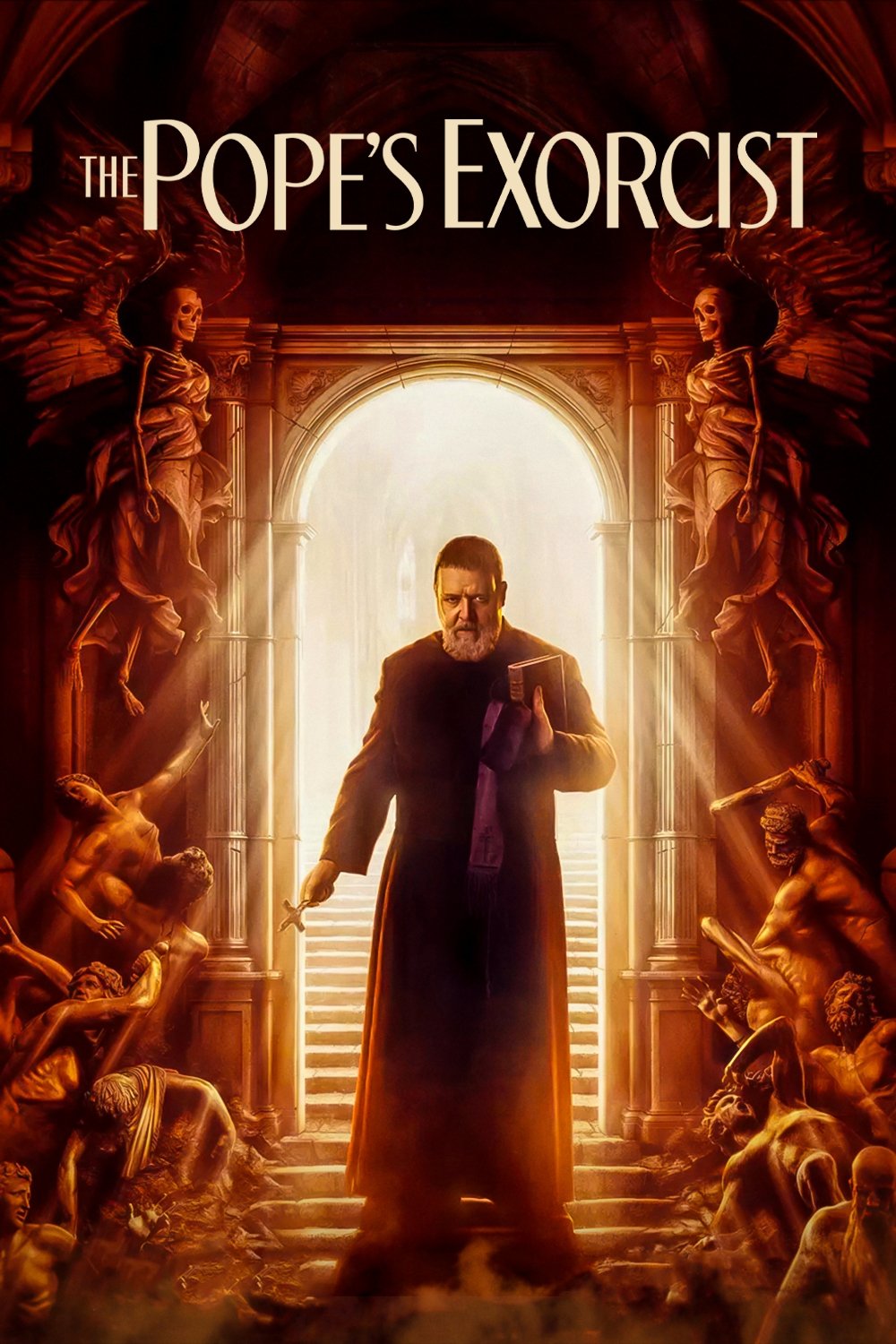
The Pope's Exorcist
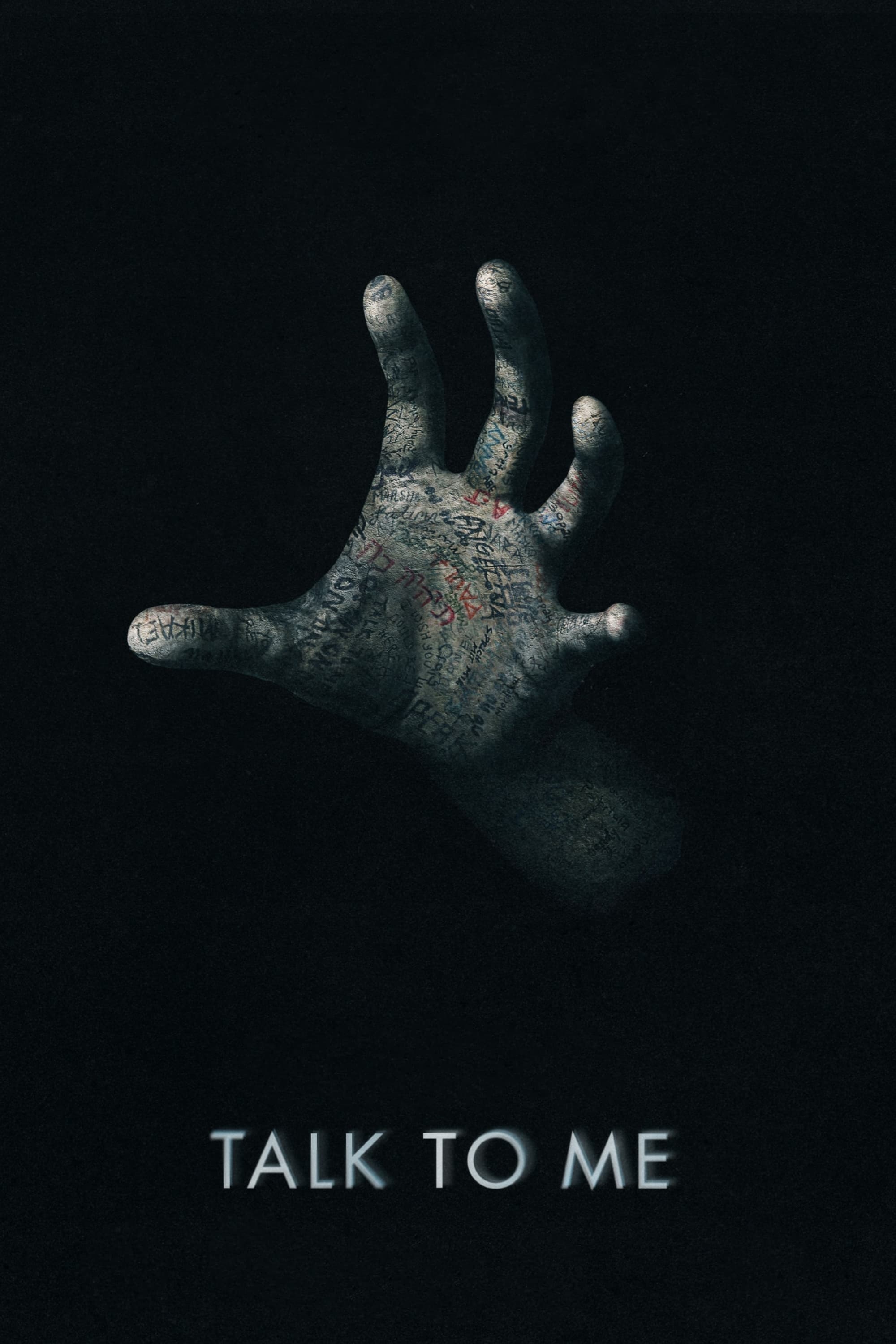
Talk to Me
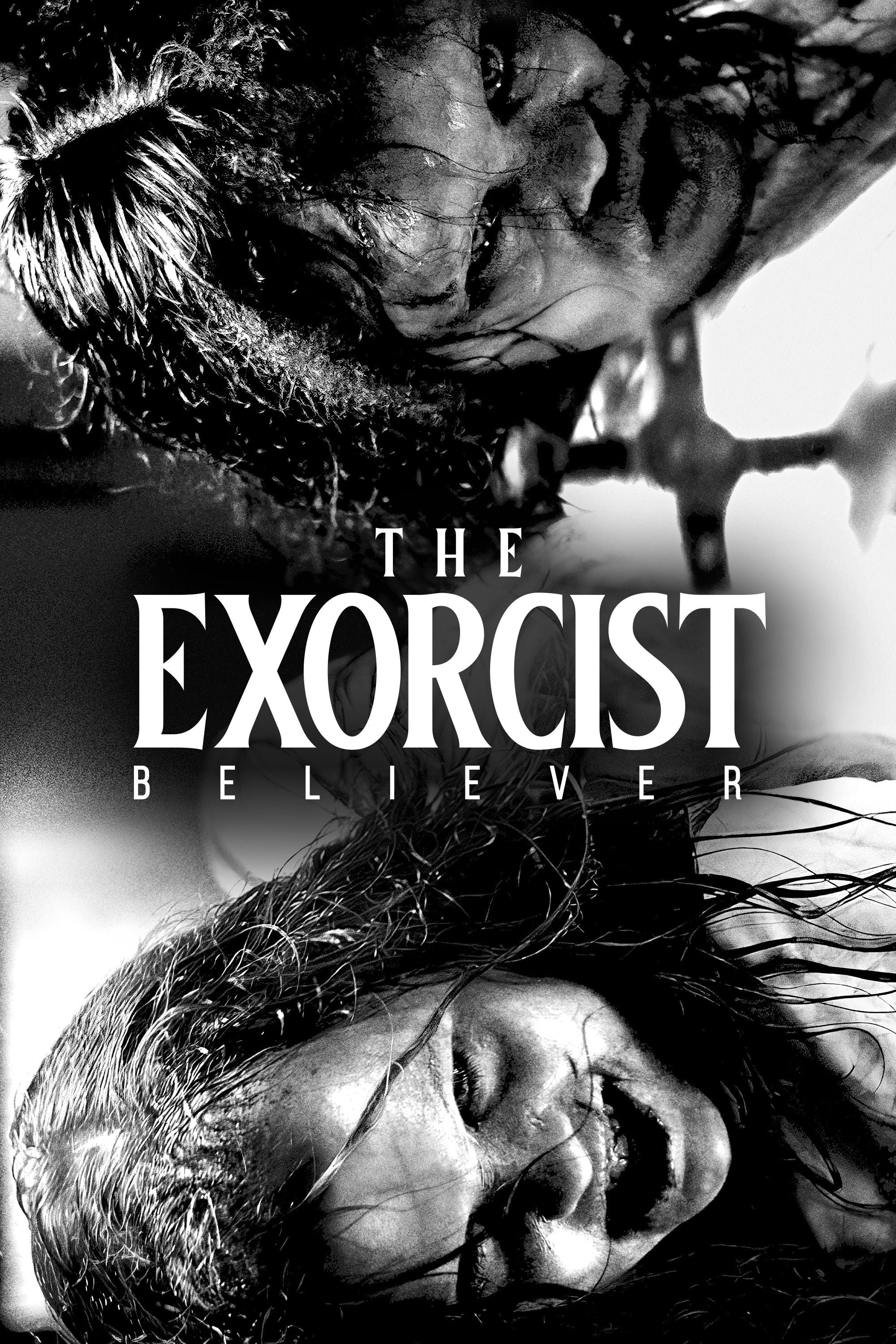
The Exorcist: Believer
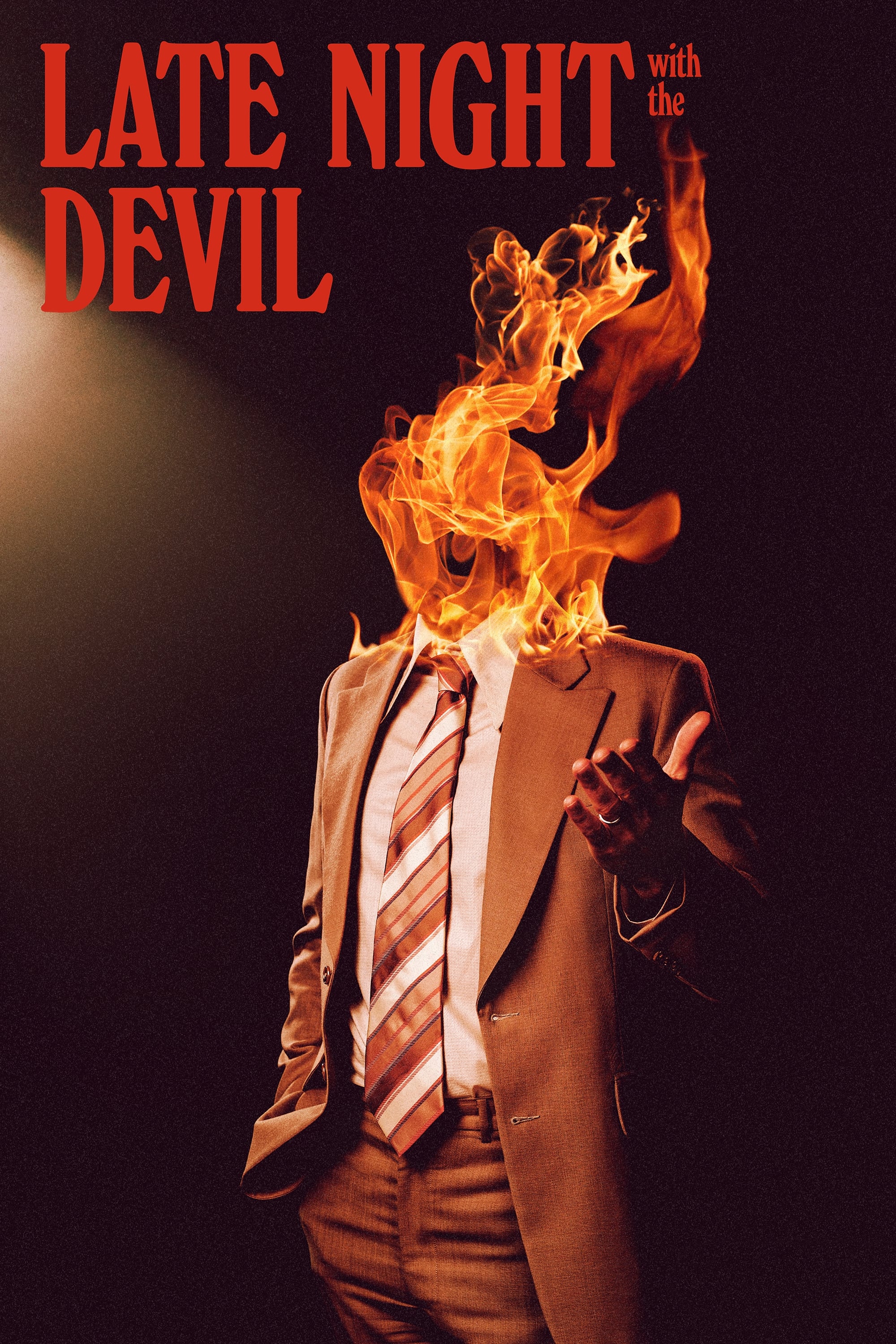
Late Night with the Devil
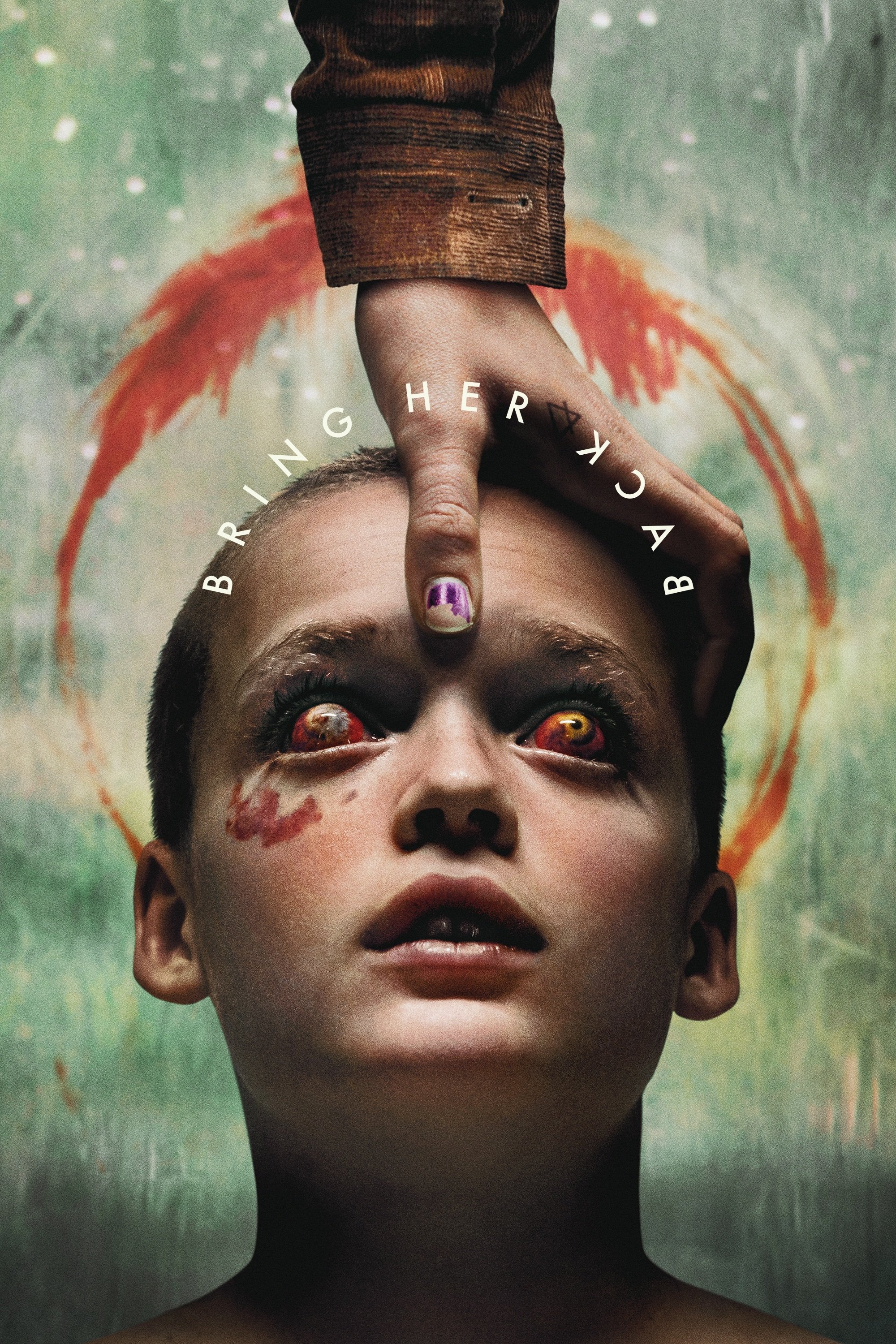
Bring Her Back
Statistics
Popularity by Decade
Share of each decade's horror films classified as Possession. Counts films with at least 5 TMDB ratings, so very obscure titles are not represented.
Popularity by Country
Share of each country's horror output classified as Possession. Counts films with at least 5 TMDB ratings, so very obscure titles are not represented.