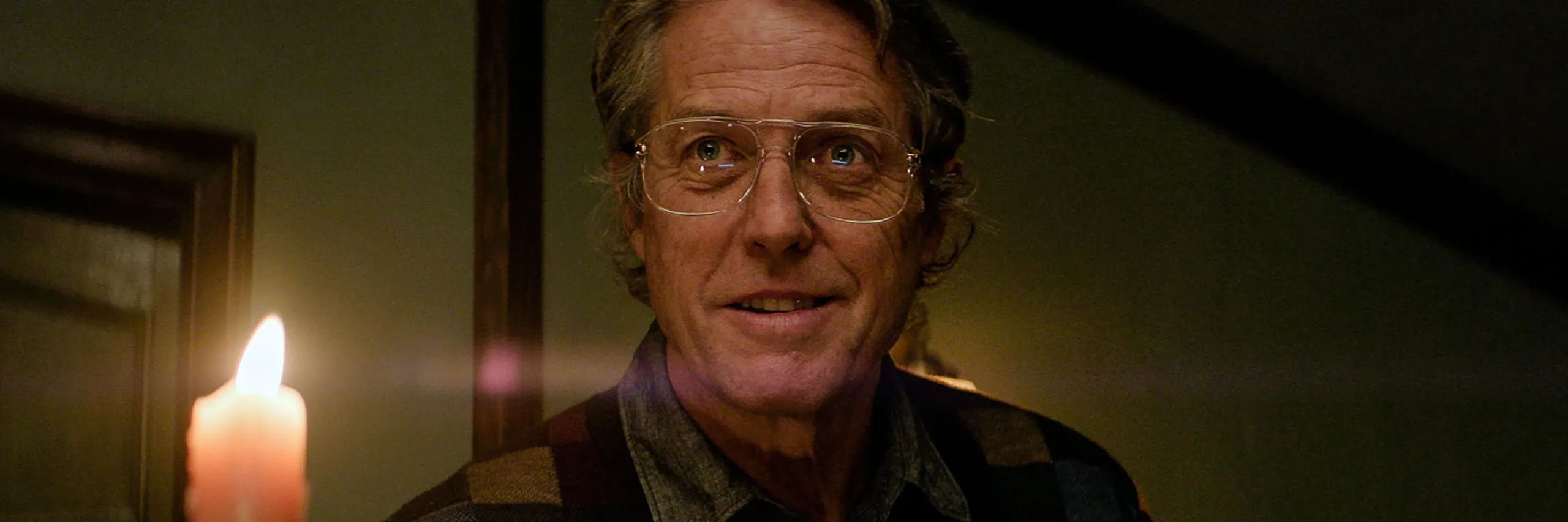
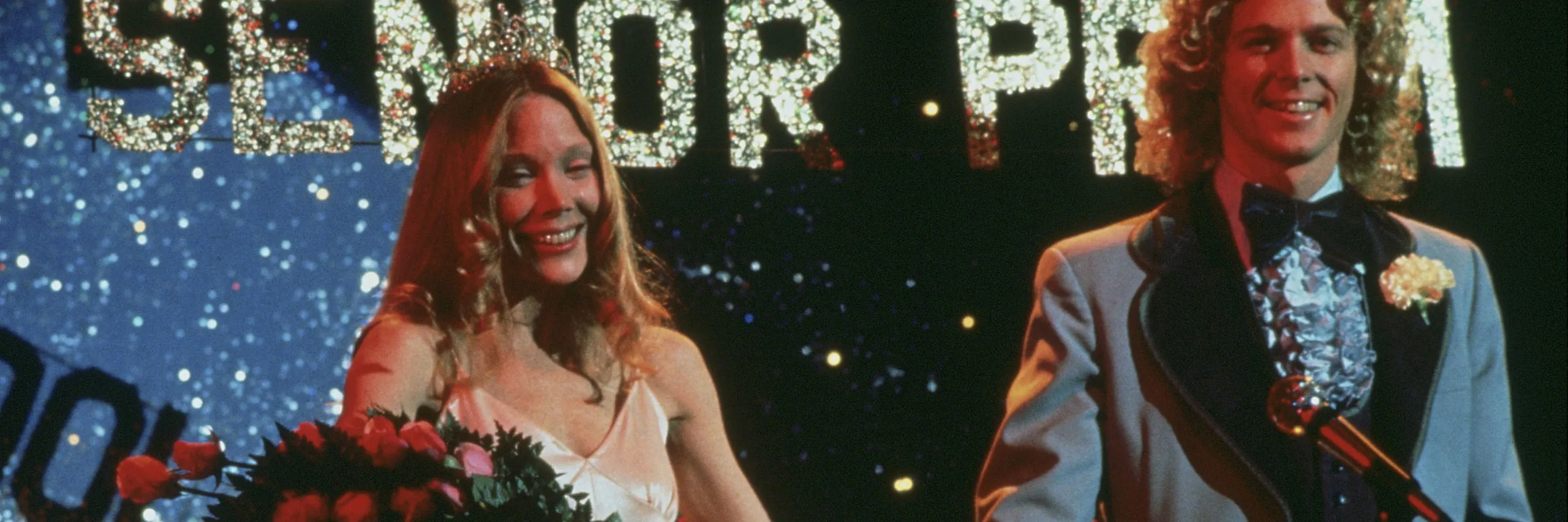
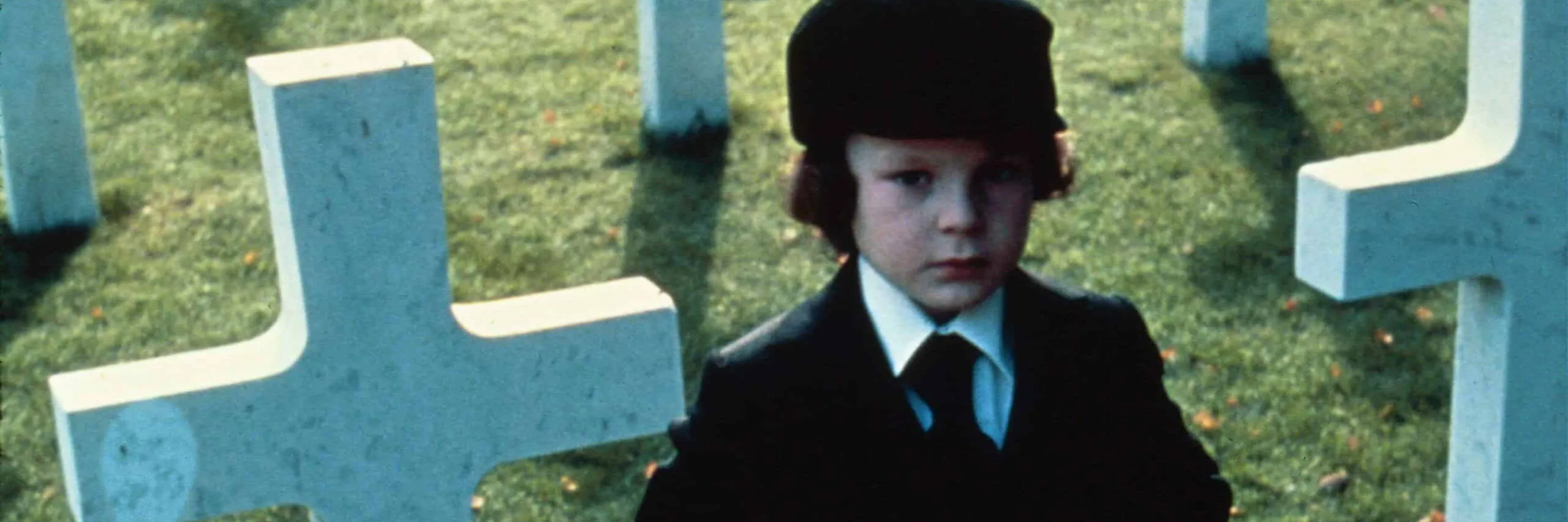
 The Omen (1976)
Satanic Horror
The Devil as an active, intentional antagonist. Not metaphor but cosmic intelligence — ancient, organized, and working through human agents toward ends we cannot fully comprehend.
History & Origins
Satanic horror is a specific branch of religious horror focused on the Devil as an active, intentional antagonist — not a metaphor for human evil but a cosmic intelligence dedicated to the corruption and destruction of humanity. These films presuppose a universe in which Satan is real, powerful, and interested in us. The form overlaps significantly with occult (the systems and rituals that worship him), demon films (his lesser servants), and possession (his most intimate violation) — but the Satanic horror film is specifically organized around the Adversary himself.
The Satanic film has roots in the Faust legend — the bargain with the Devil for knowledge, pleasure, or power, always with hidden costs. F. W. Murnau's Faust (1926) established the visual grandeur of the form: Mephistopheles spreading his wings above a plague-stricken town. Edgar G. Ulmer's The Black Cat (1934), the first Karloff-Lugosi pairing, ran an Art Deco Devil-cult; Mark Robson's The Seventh Victim (1943) was Val Lewton's pre-Rosemary's-Baby treatment of urban Satanism. Terence Fisher's The Devil Rides Out (1968), with Christopher Lee, ran the Wheatley occult-investigator narrative as serious thriller.
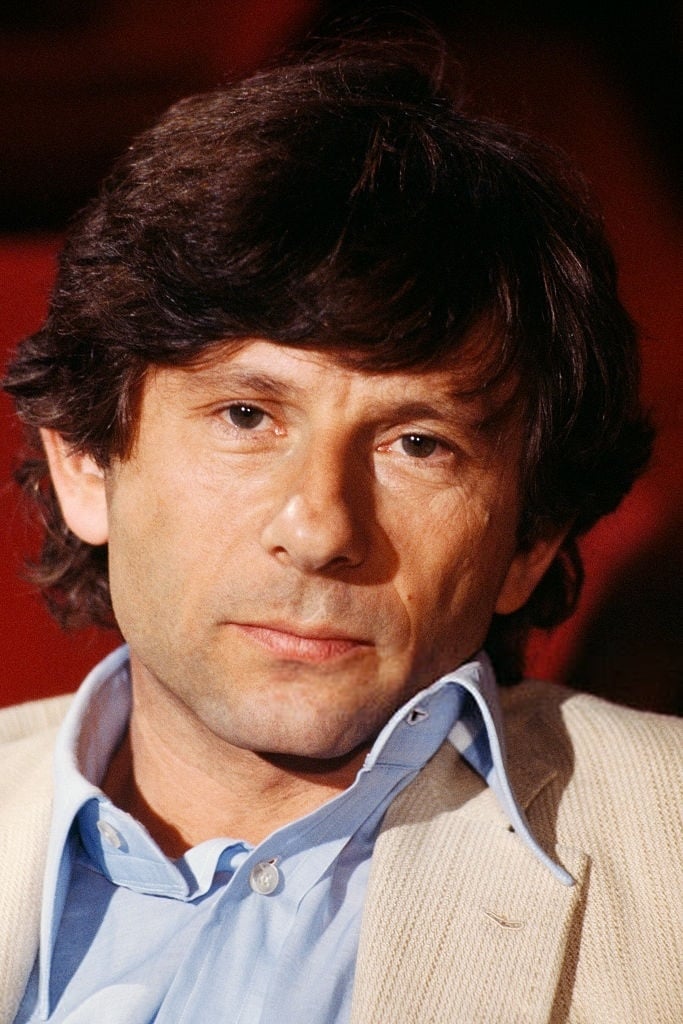
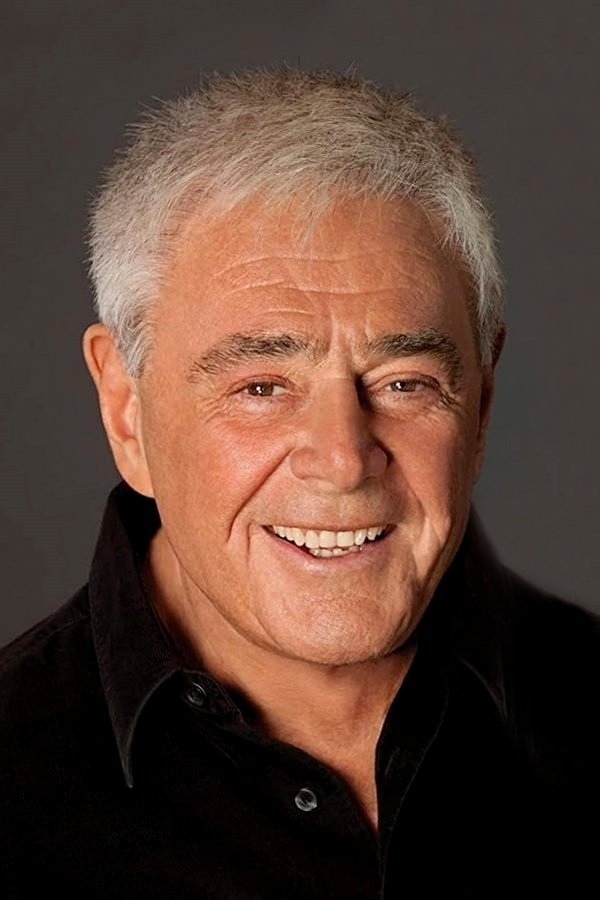
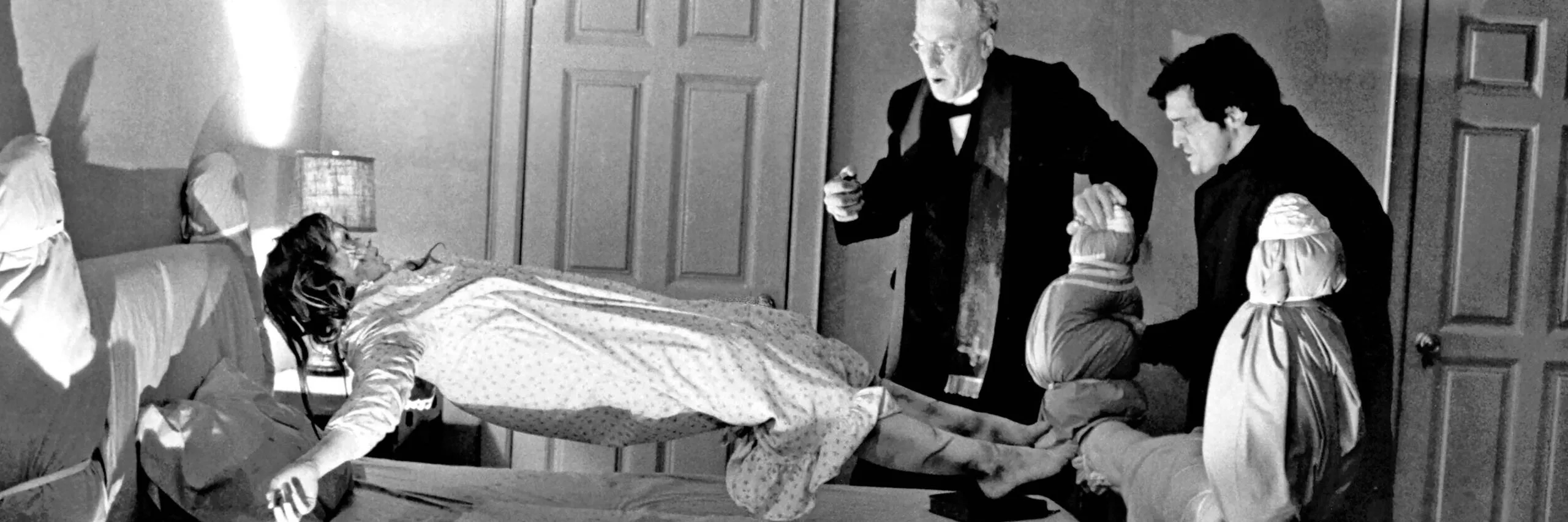
But modern Satanic horror begins with Rosemary's Baby (1968), which relocated the Devil from medieval mythology to a Manhattan apartment building. Ira Levin and Roman Polanski understood that Satan was most terrifying when his worshippers looked like your neighbors — cultured, friendly, and absolutely committed to delivering your child to their master. The 1970s became Satanic horror's golden era. William Friedkin's The Exorcist (1973), Richard Donner's The Omen (1976), Race with the Devil (1975), To the Devil a Daughter (1976), Bernard McEveety's The Brotherhood of Satan (1971), Beyond the Door (1974), and Stuart Rosenberg's The Amityville Horror (1979) each explored different aspects of Satanic threat — possession, prophecy, conspiracy, hidden cults in plain sight. The form's first Hollywood-prestige era closed with Alan Parker's Angel Heart (1987).
The "Satanic Panic" of the 1980s gave these films an unexpected cultural resonance as real American communities convinced themselves that organized devil-worship was widespread; the period produced both serious religious horror and the cycle of films that documented (or fueled) the panic itself. The 1990s–2000s kept the form active: The Devil's Advocate (1997), End of Days (1999), The Ninth Gate (1999). Ti West's The House of the Devil (2009) restated the 1970s pact-with-the-Devil formula as 1980s-pastiche, marking the start of a sustained 2010s–2020s revival: Rob Zombie's The Lords of Salem (2013), Robert Eggers's The Witch (2016) (Black Phillip), Ari Aster's Hereditary (2018) (Paimon), Mandy (2018), and Arkasha Stevenson's The First Omen (2024). These films return to Satanic themes with renewed artistic ambition, treating the Devil not as a cartoon villain but as a genuinely compelling antagonist whose offer of liberation comes with a price the human mind cannot fully comprehend.
Essential Films
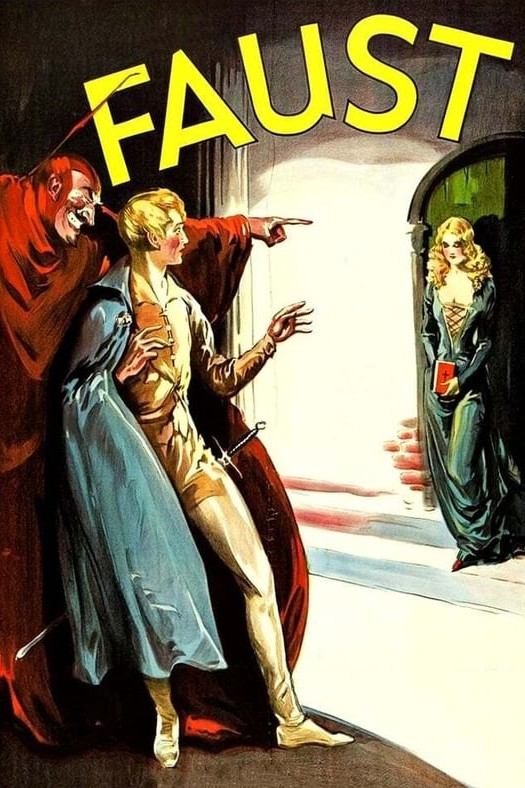
Faust
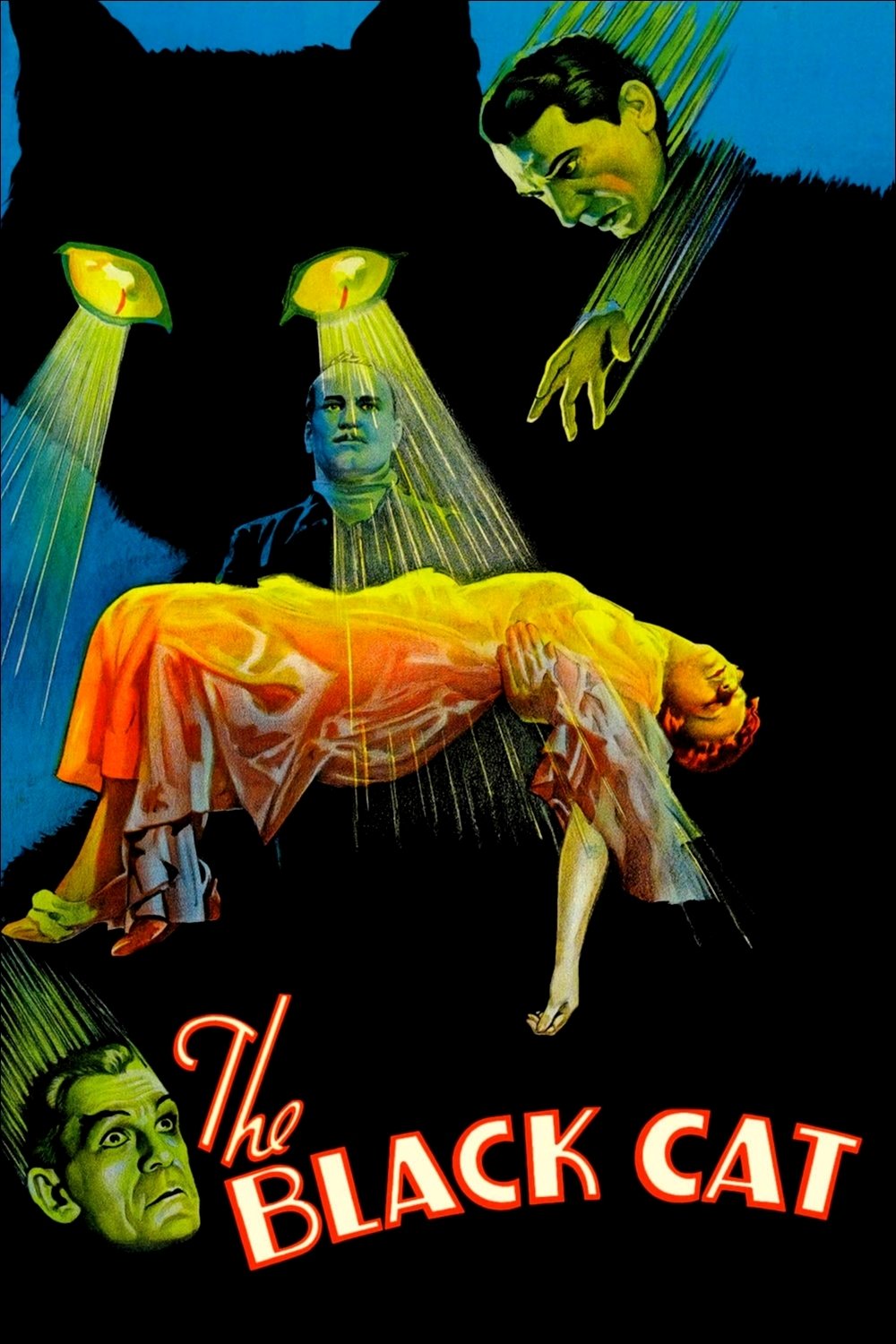
The Black Cat
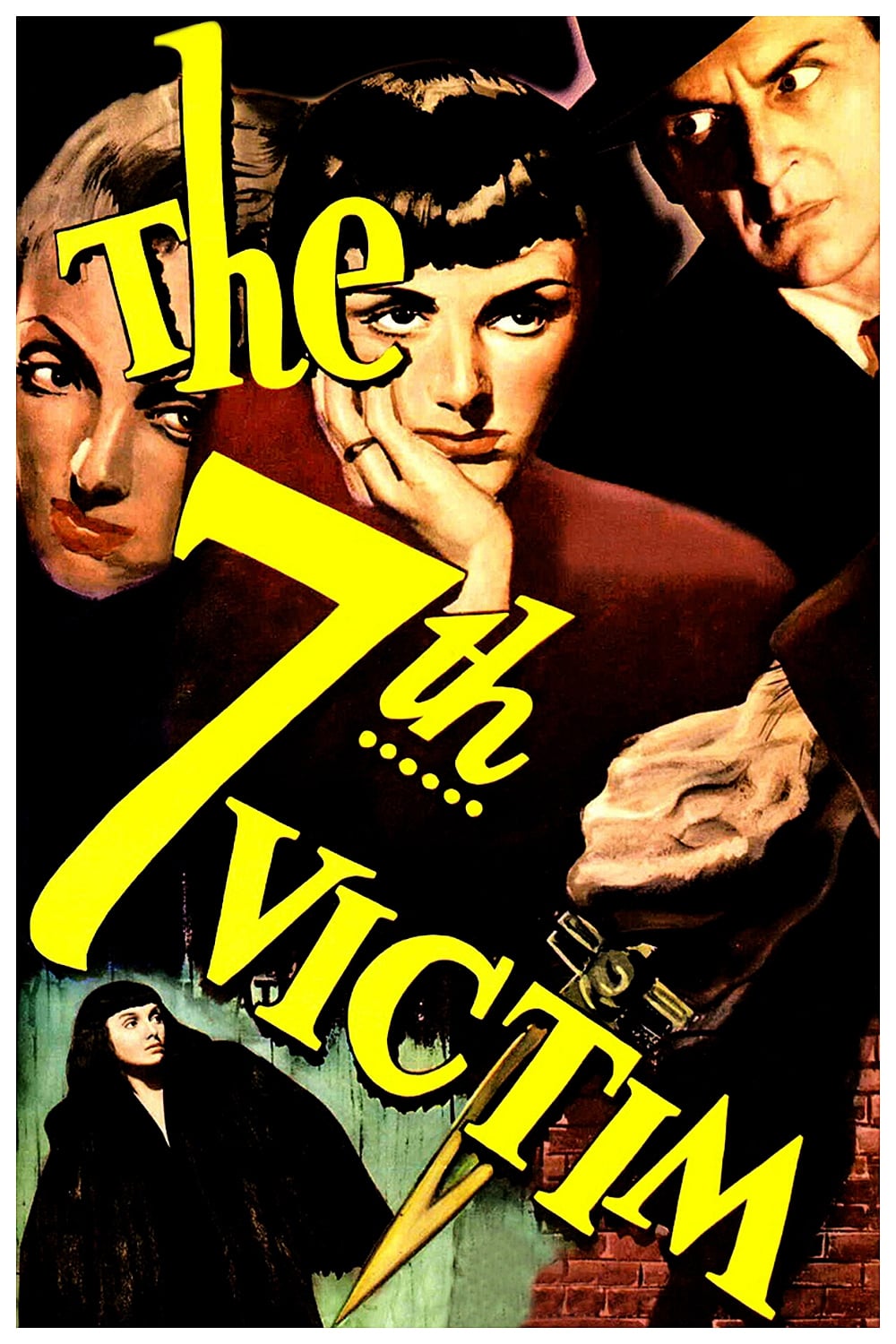
The Seventh Victim
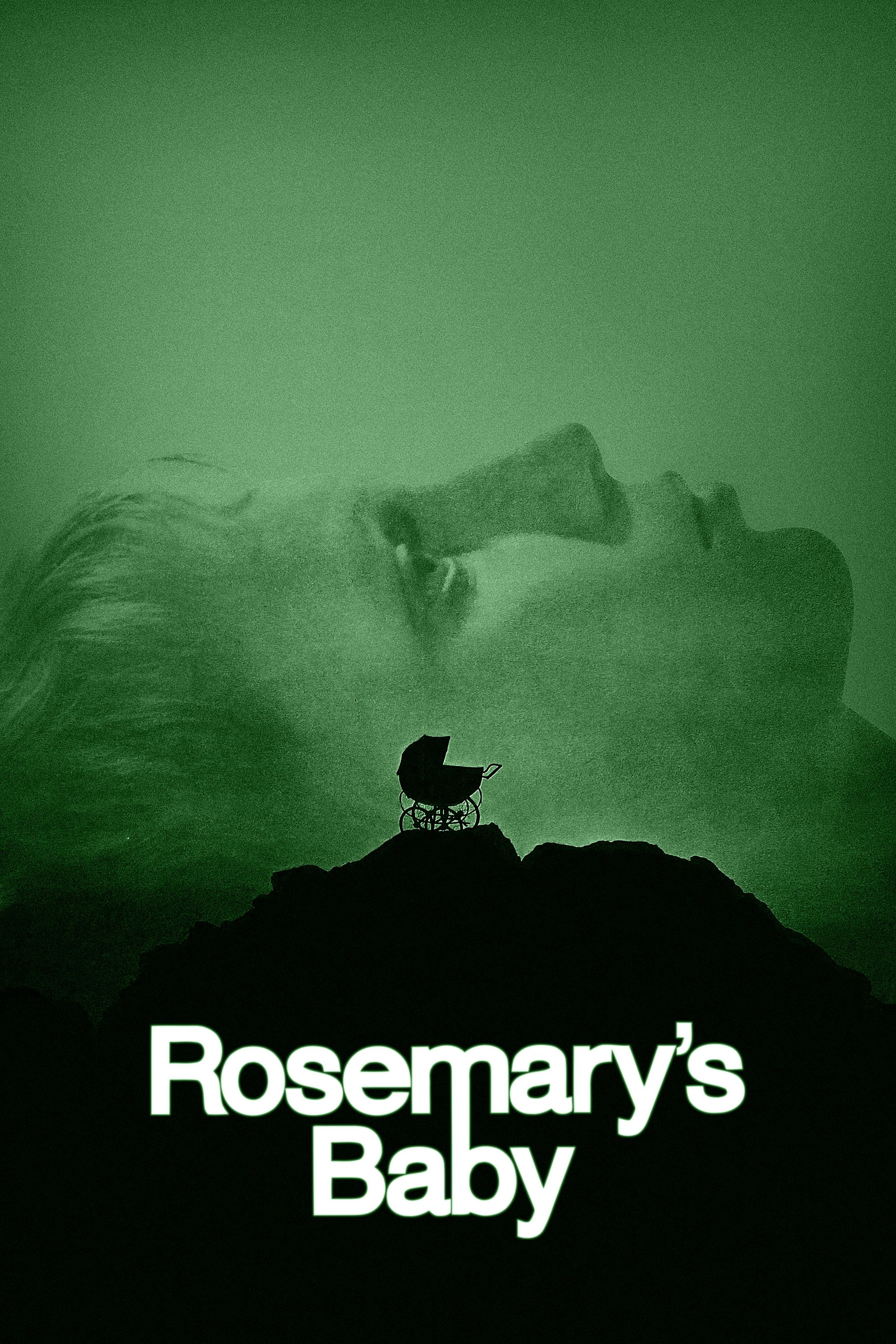
Rosemary's Baby
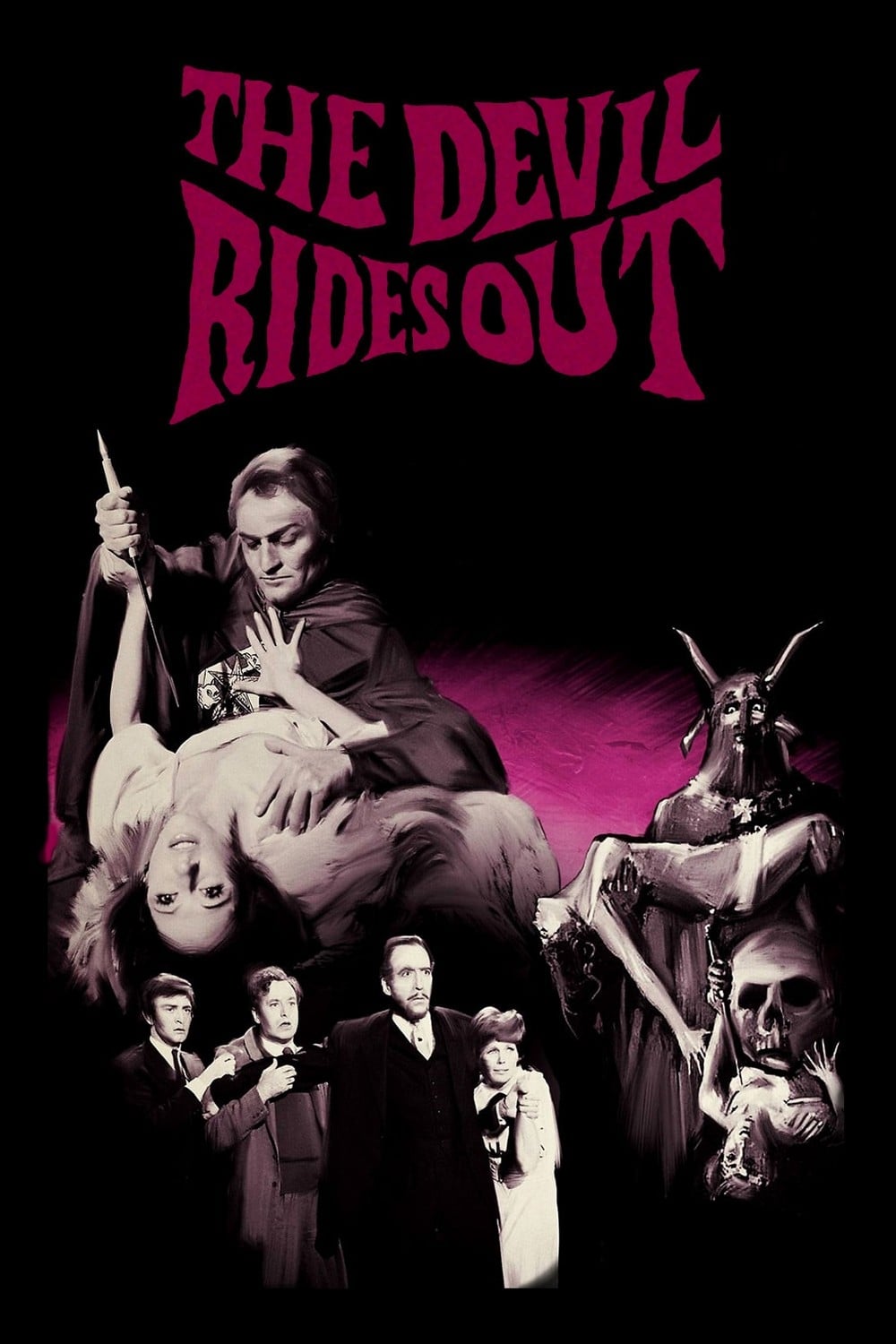
The Devil Rides Out

The Brotherhood of Satan

The Satanic Rites of Dracula

The Exorcist
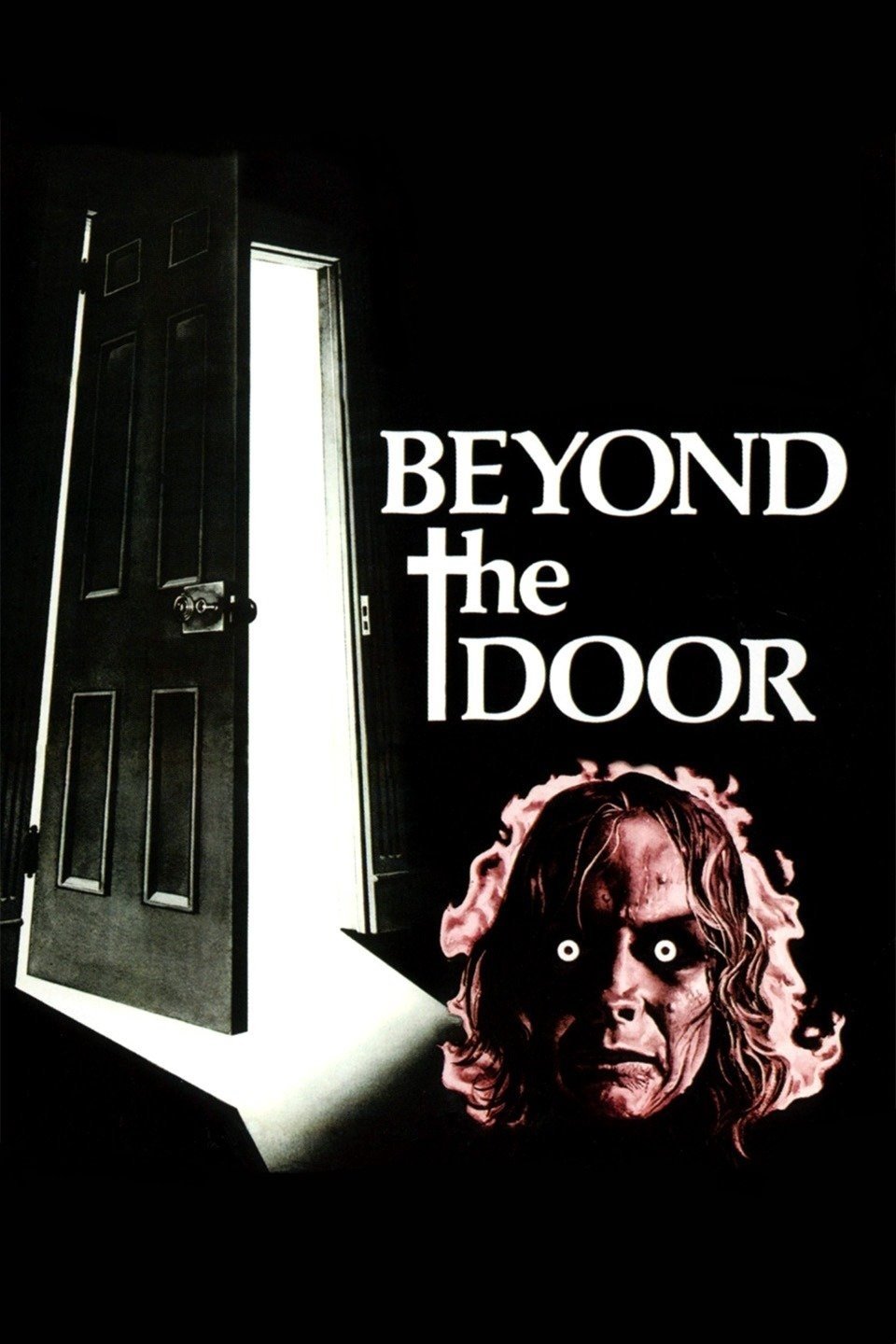
Beyond the Door

Race with the Devil

To the Devil a Daughter
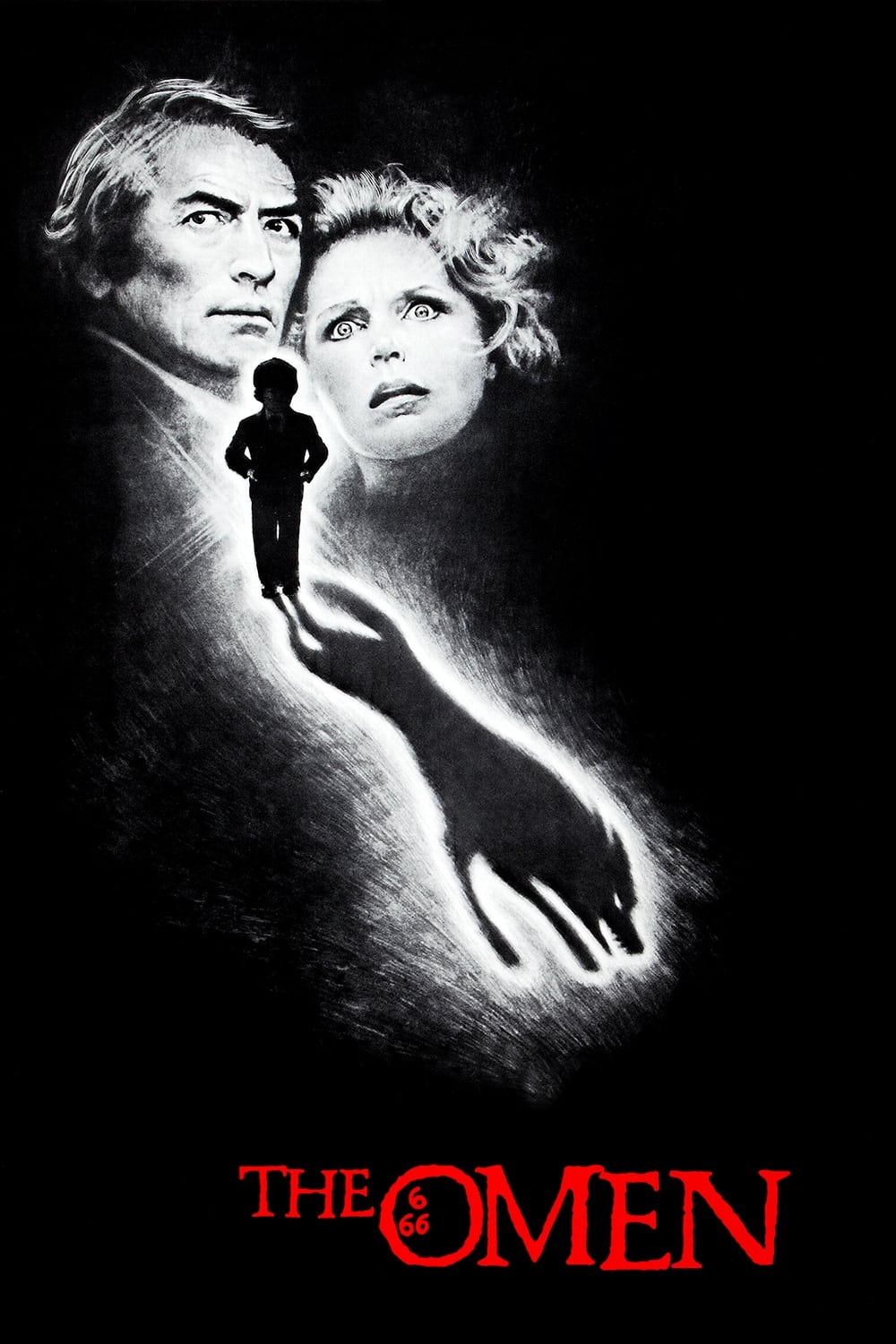
The Omen
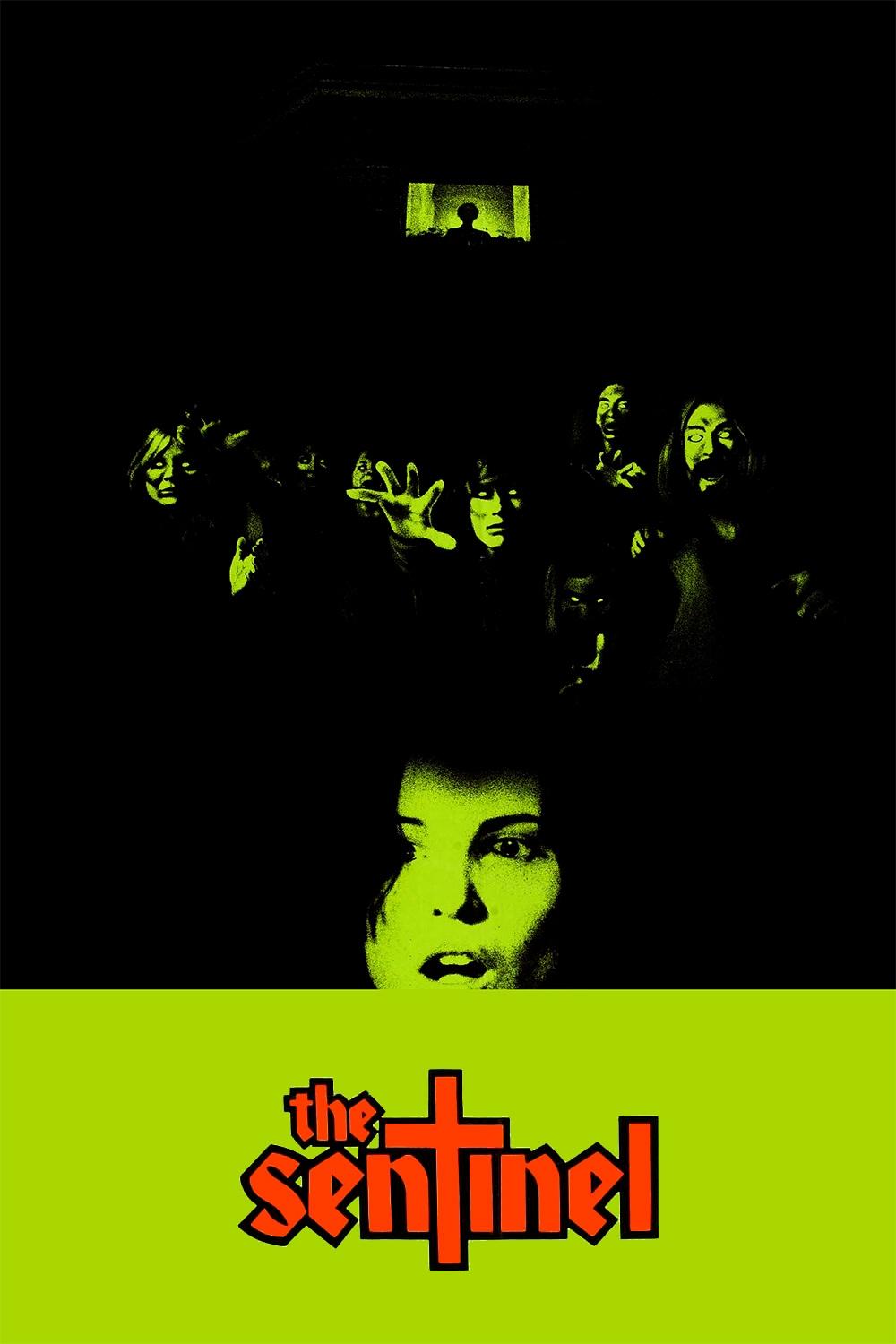
The Sentinel
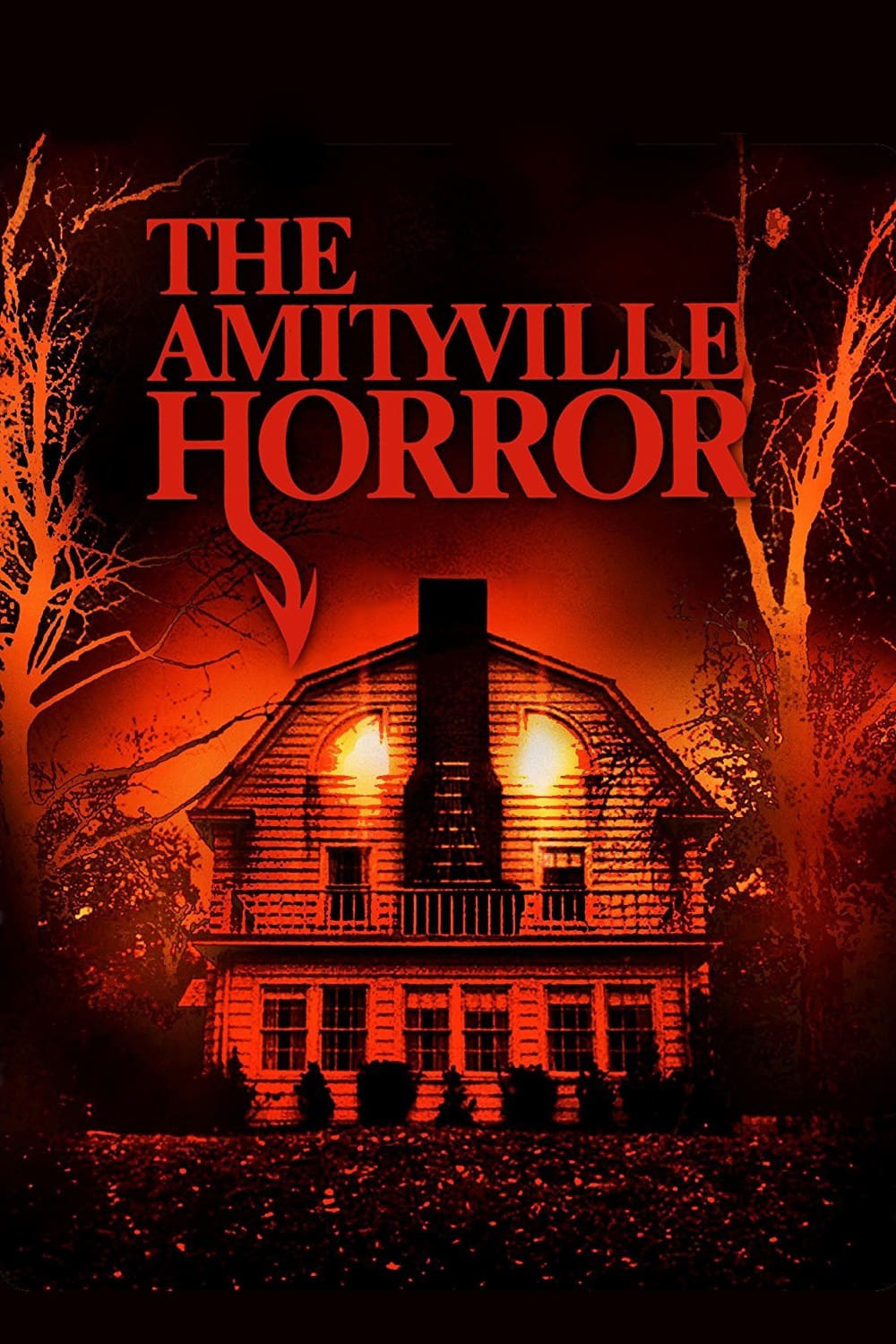
The Amityville Horror
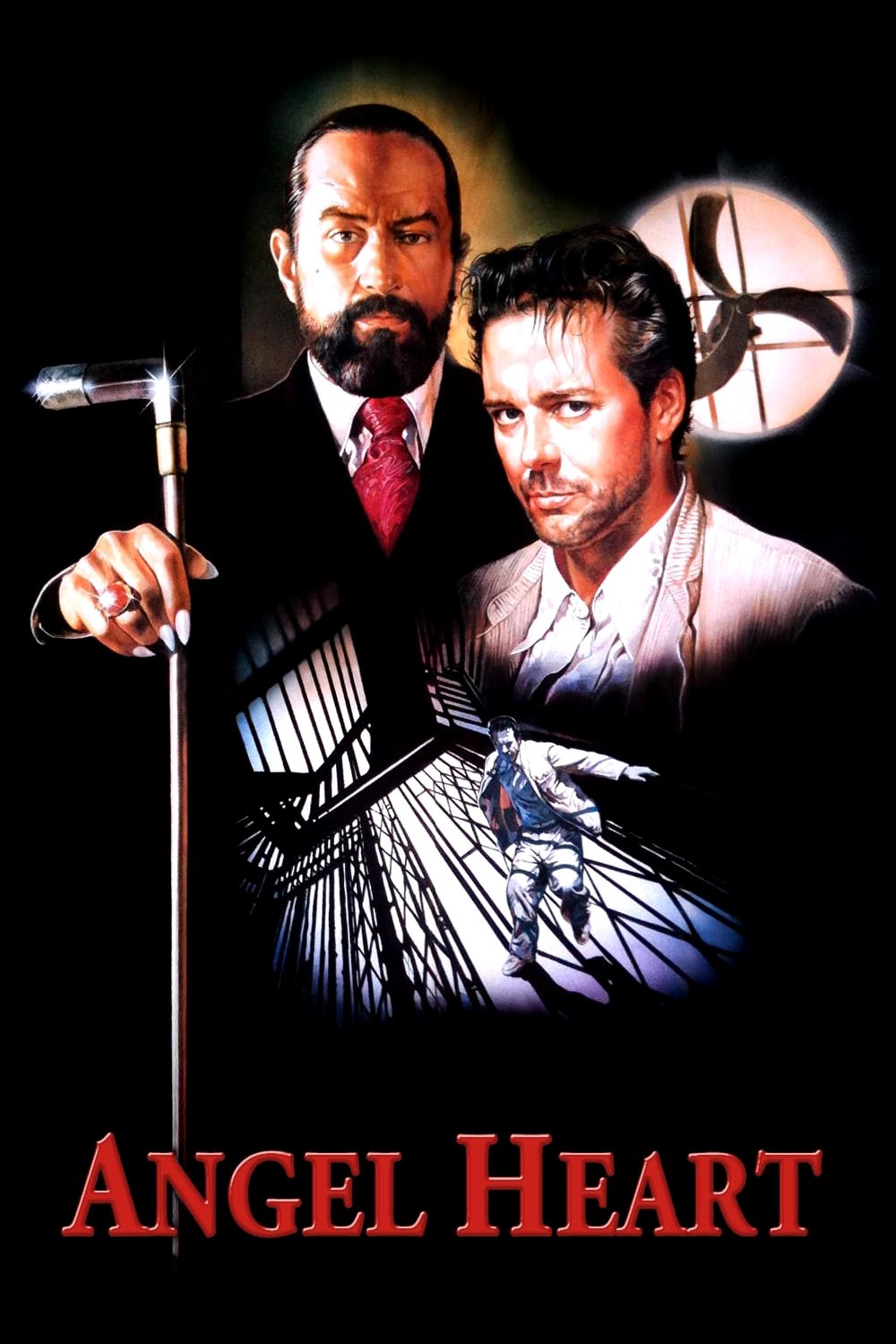
Angel Heart
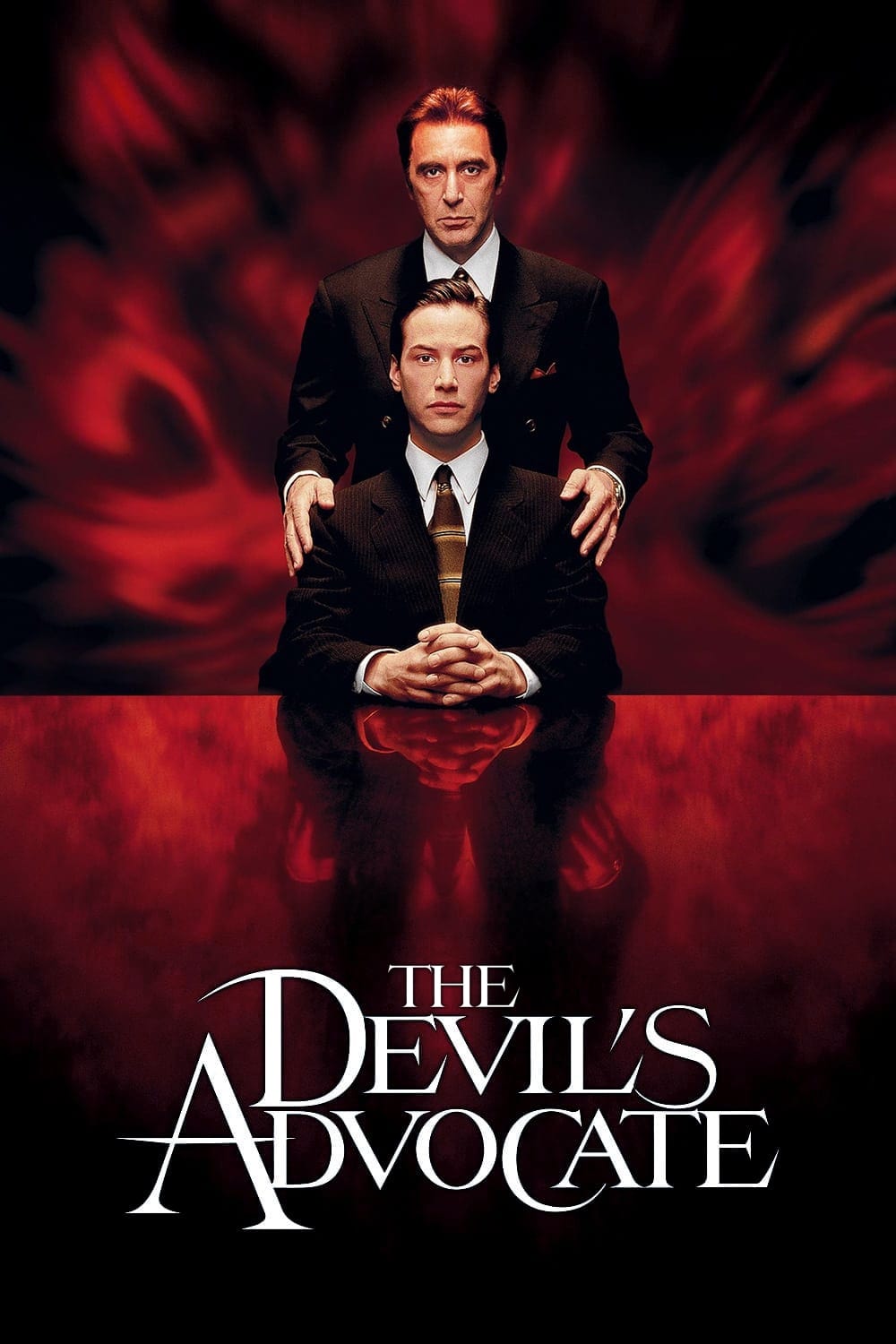
The Devil's Advocate
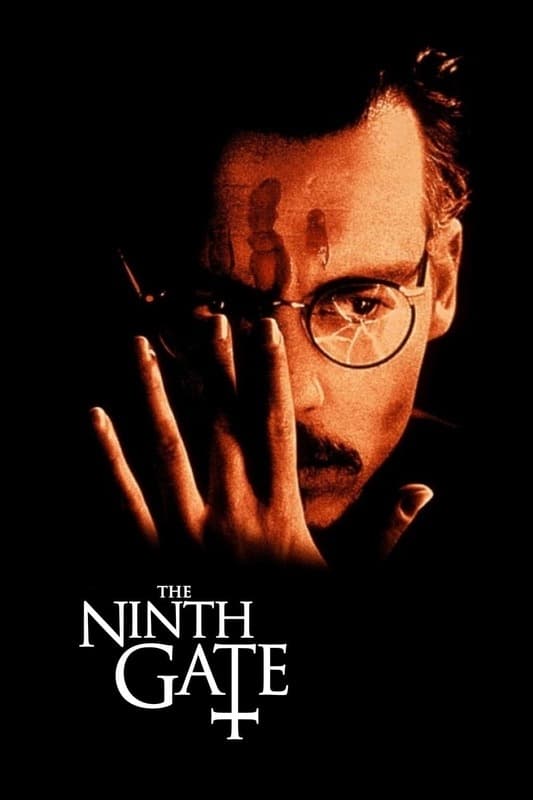
The Ninth Gate
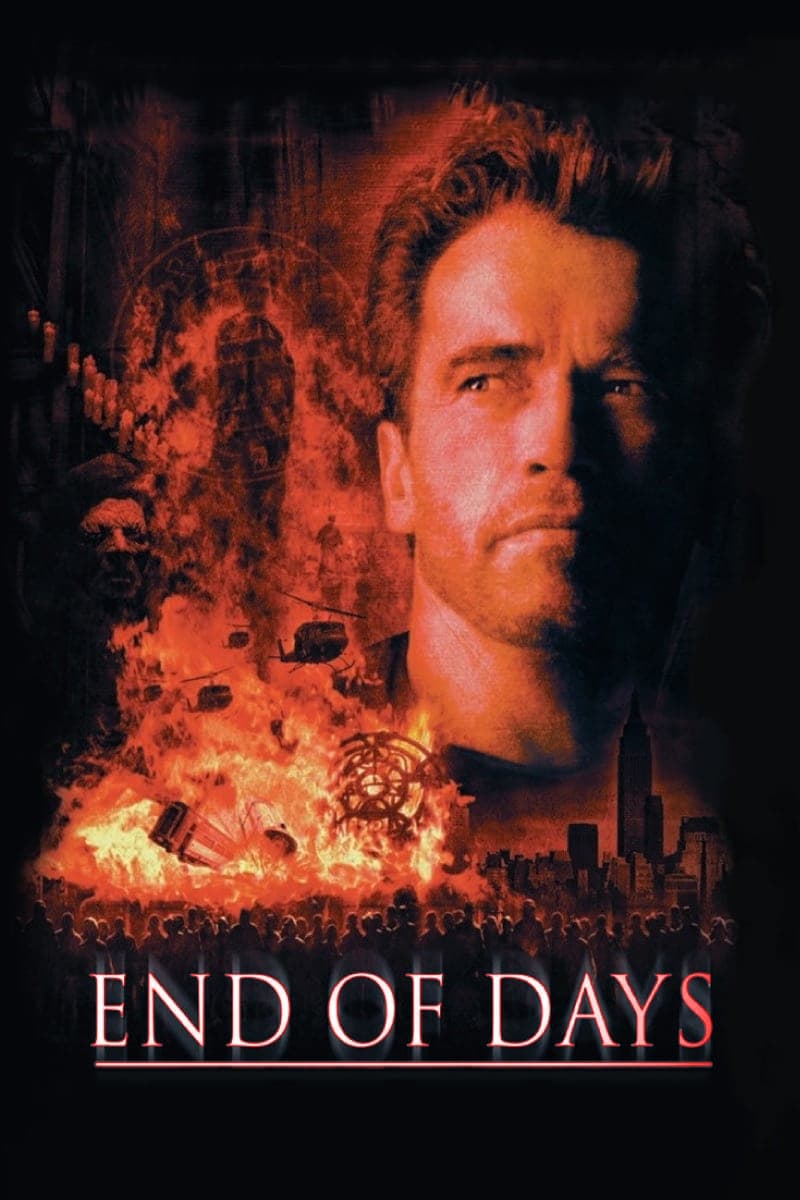
End of Days
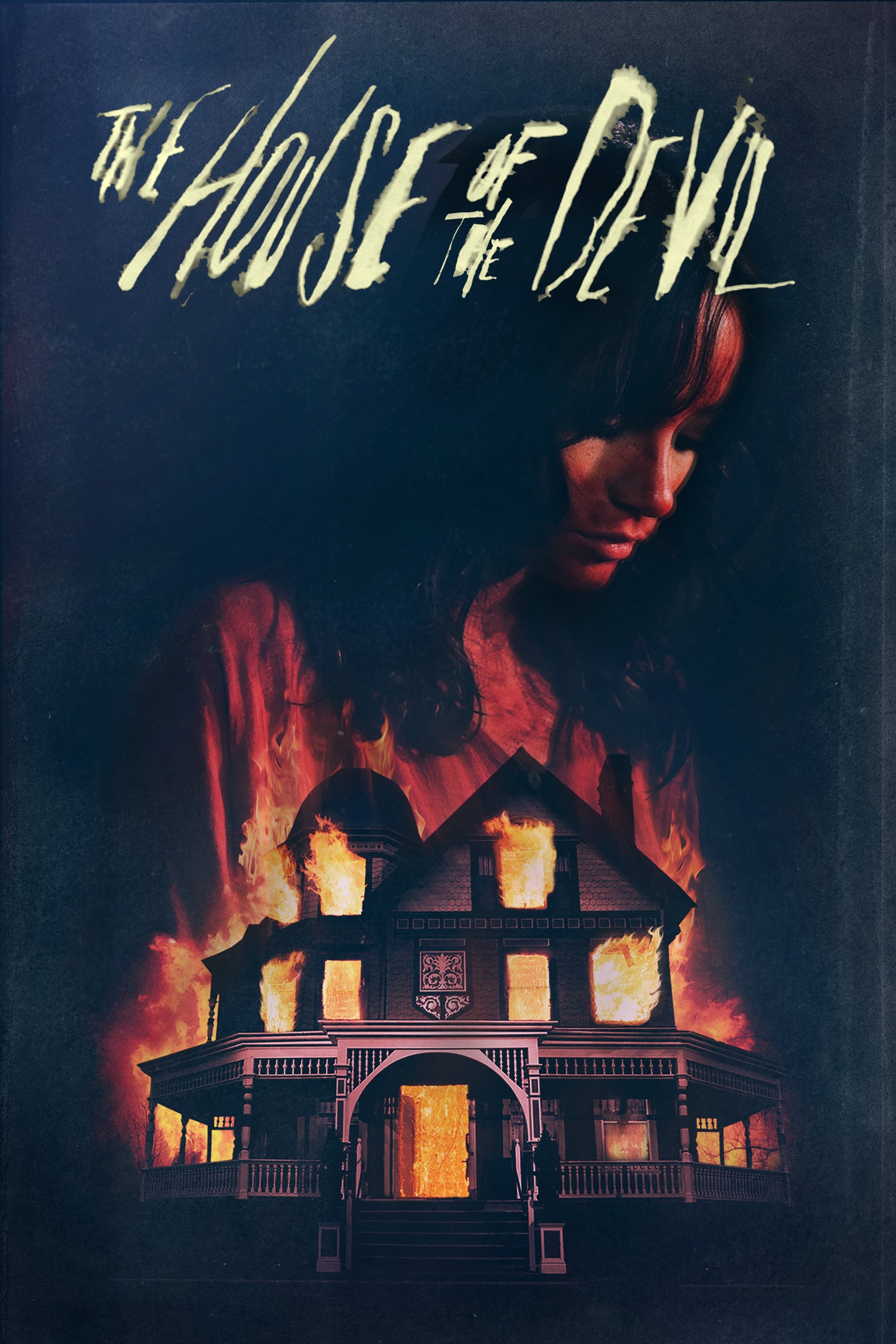
The House of the Devil
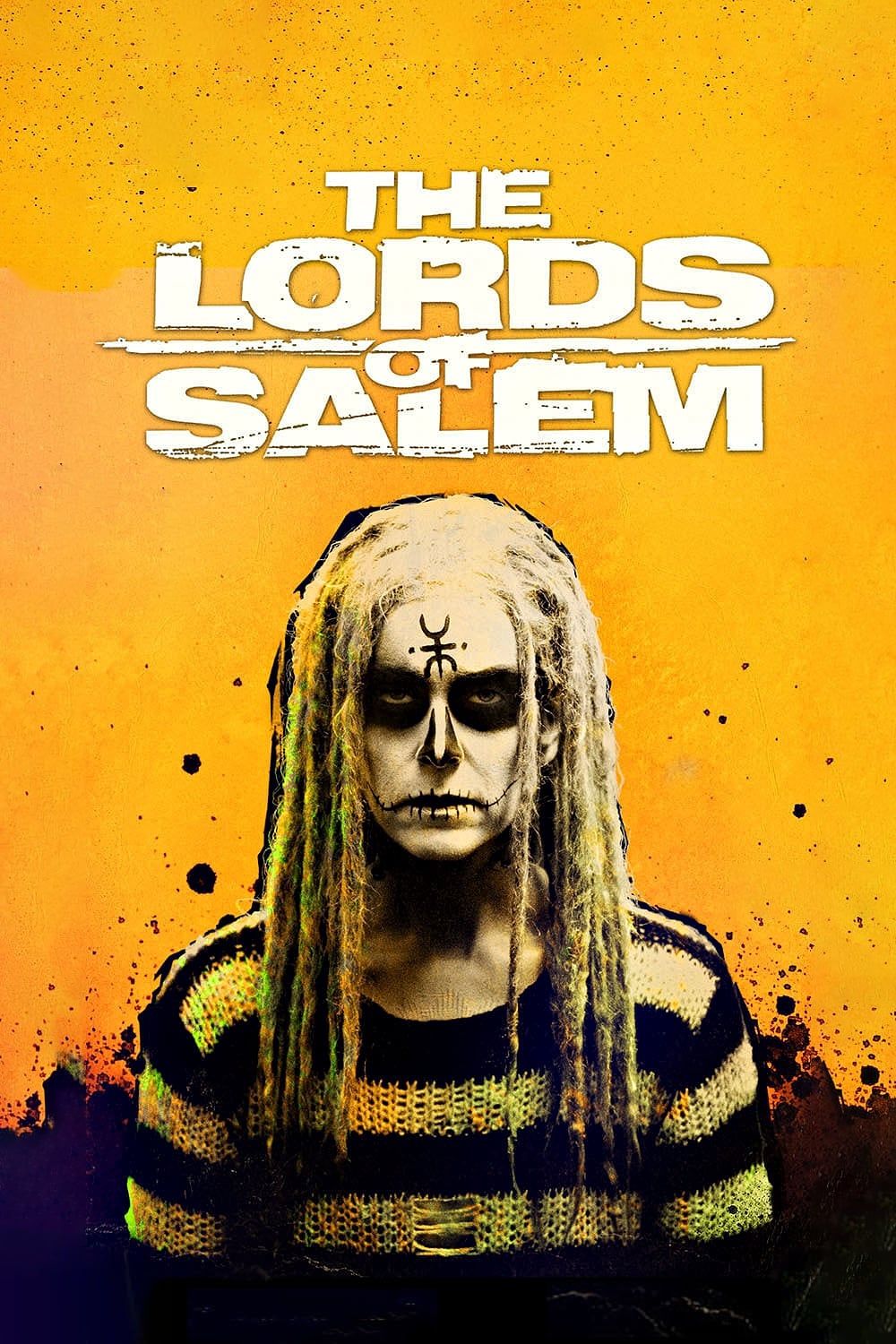
The Lords of Salem
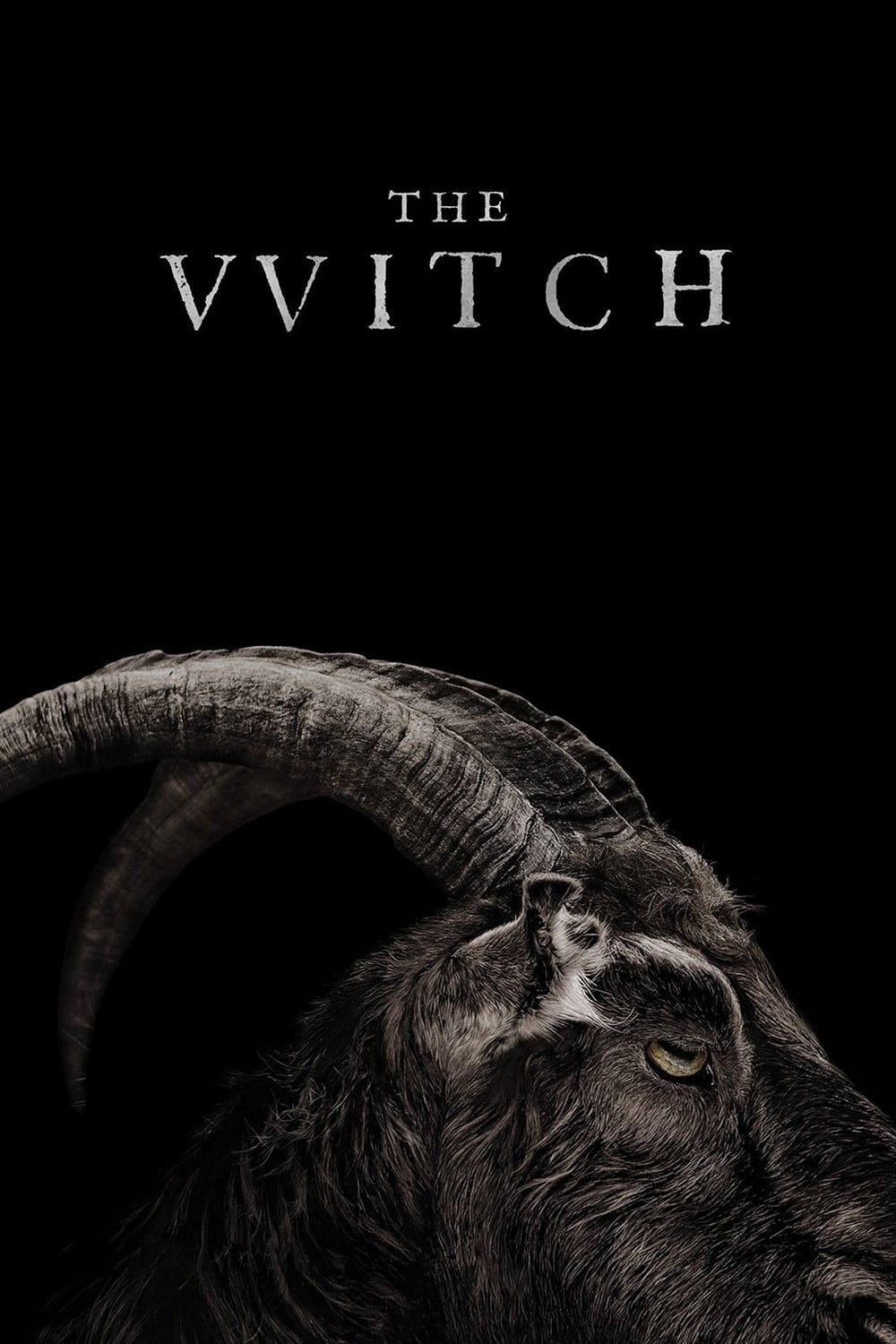
The Witch
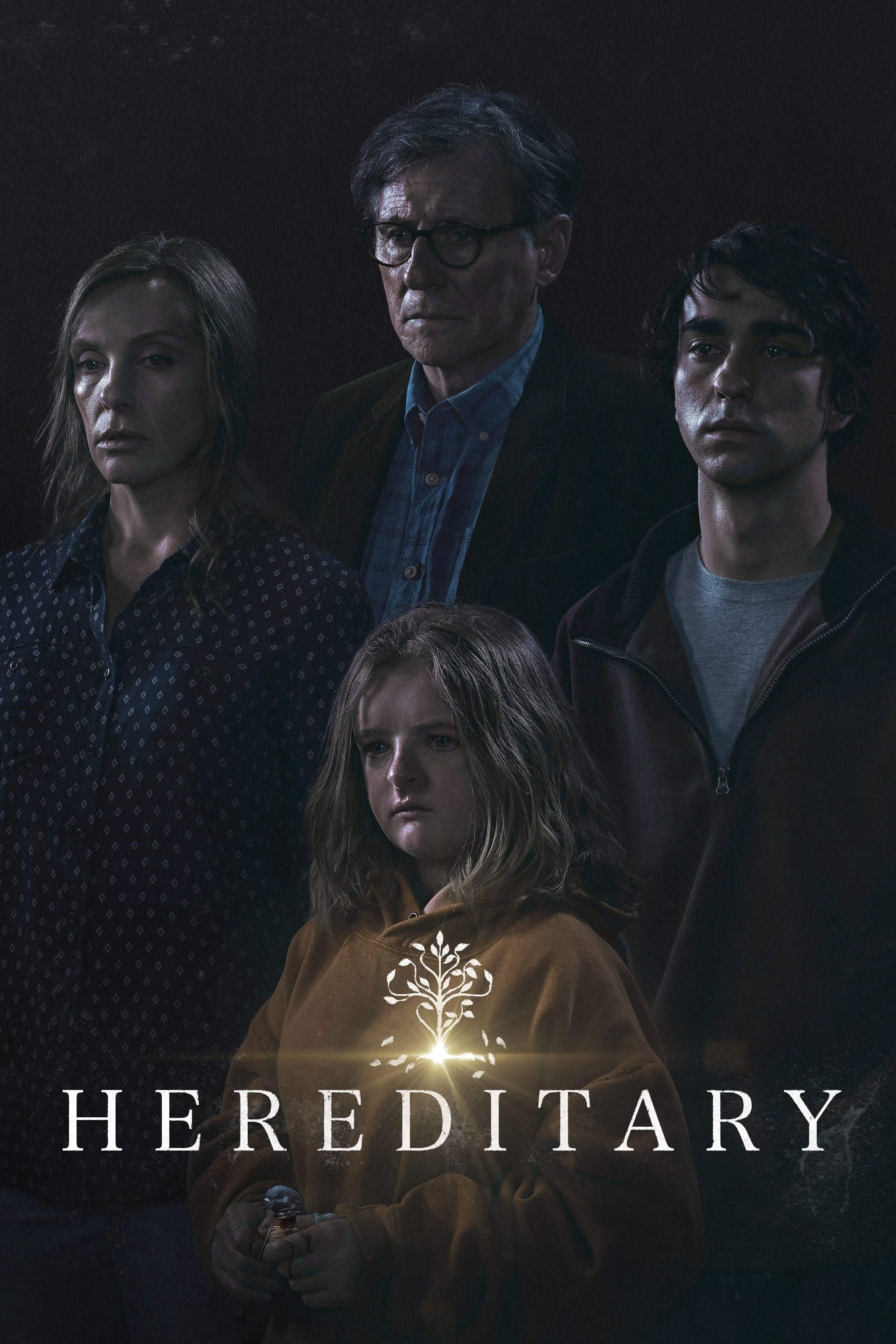
Hereditary
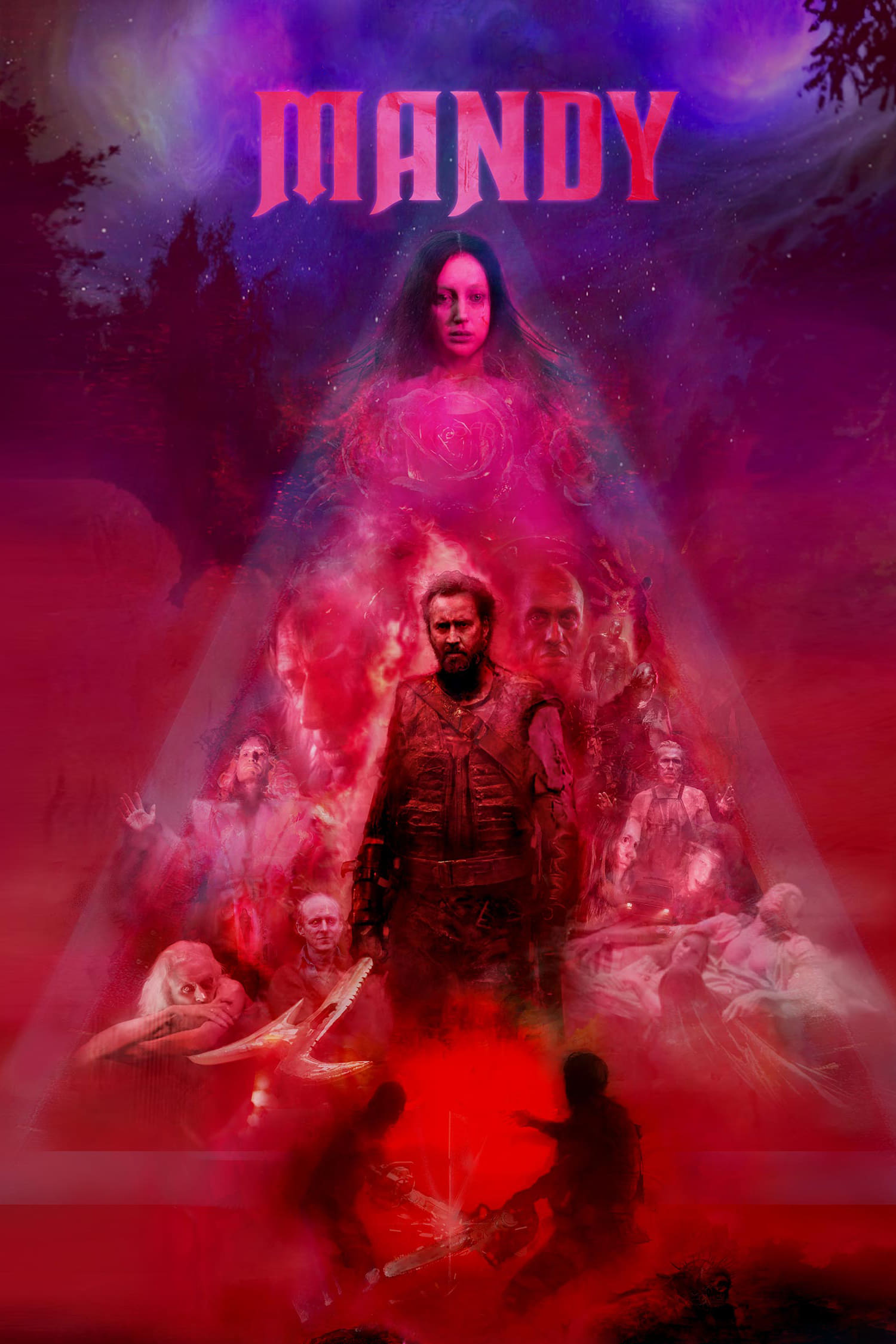
Mandy
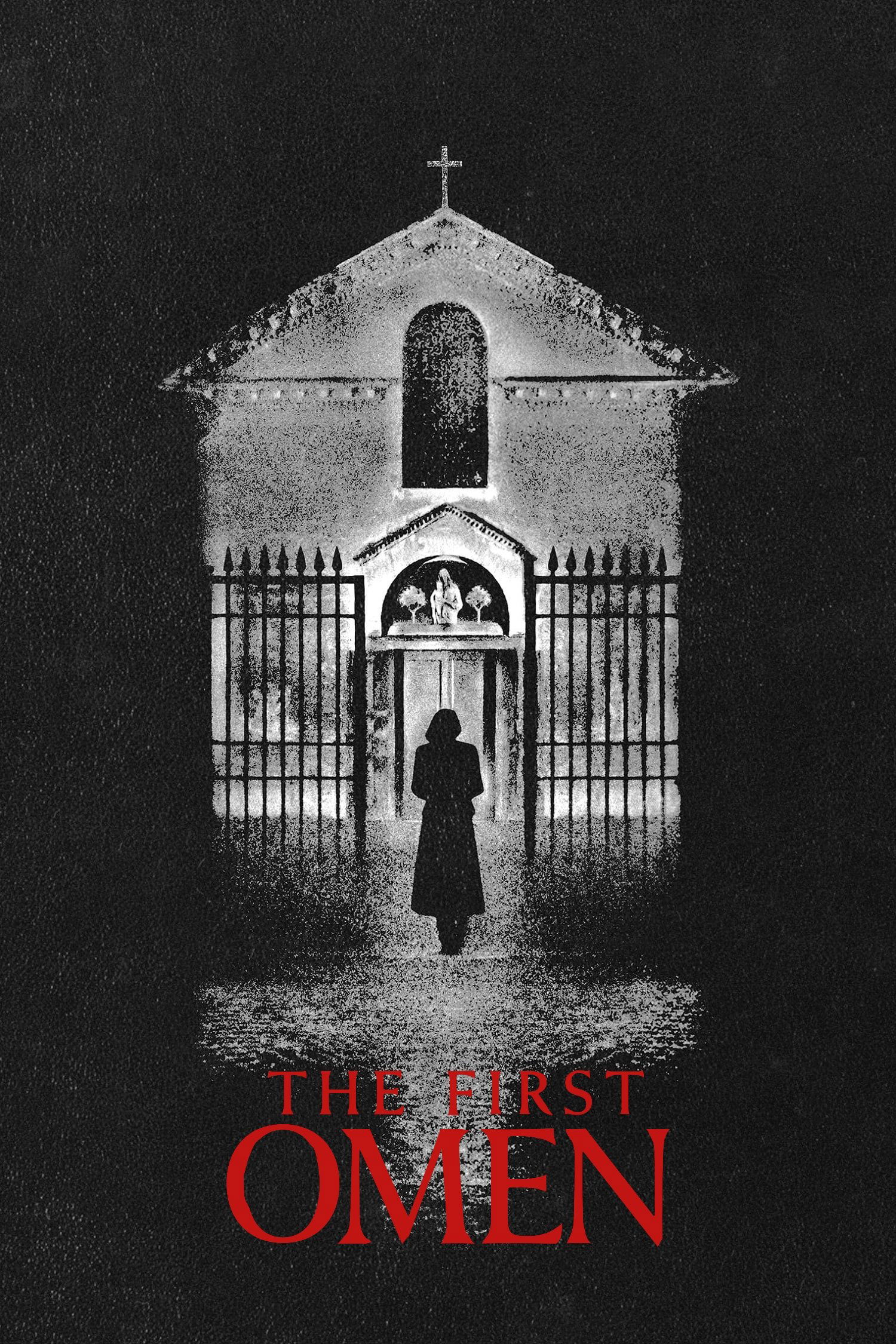
The First Omen
Statistics
Popularity by Decade
Share of each decade's horror films classified as Satanic Horror. Counts films with at least 5 TMDB ratings, so very obscure titles are not represented.
Popularity by Country
Share of each country's horror output classified as Satanic Horror. Counts films with at least 5 TMDB ratings, so very obscure titles are not represented.