Scream (1996)
1990s
Silence of the Lambs won Best Picture. Scream reinvented the slasher. Ringu launched a global wave. Horror refused to die.
History
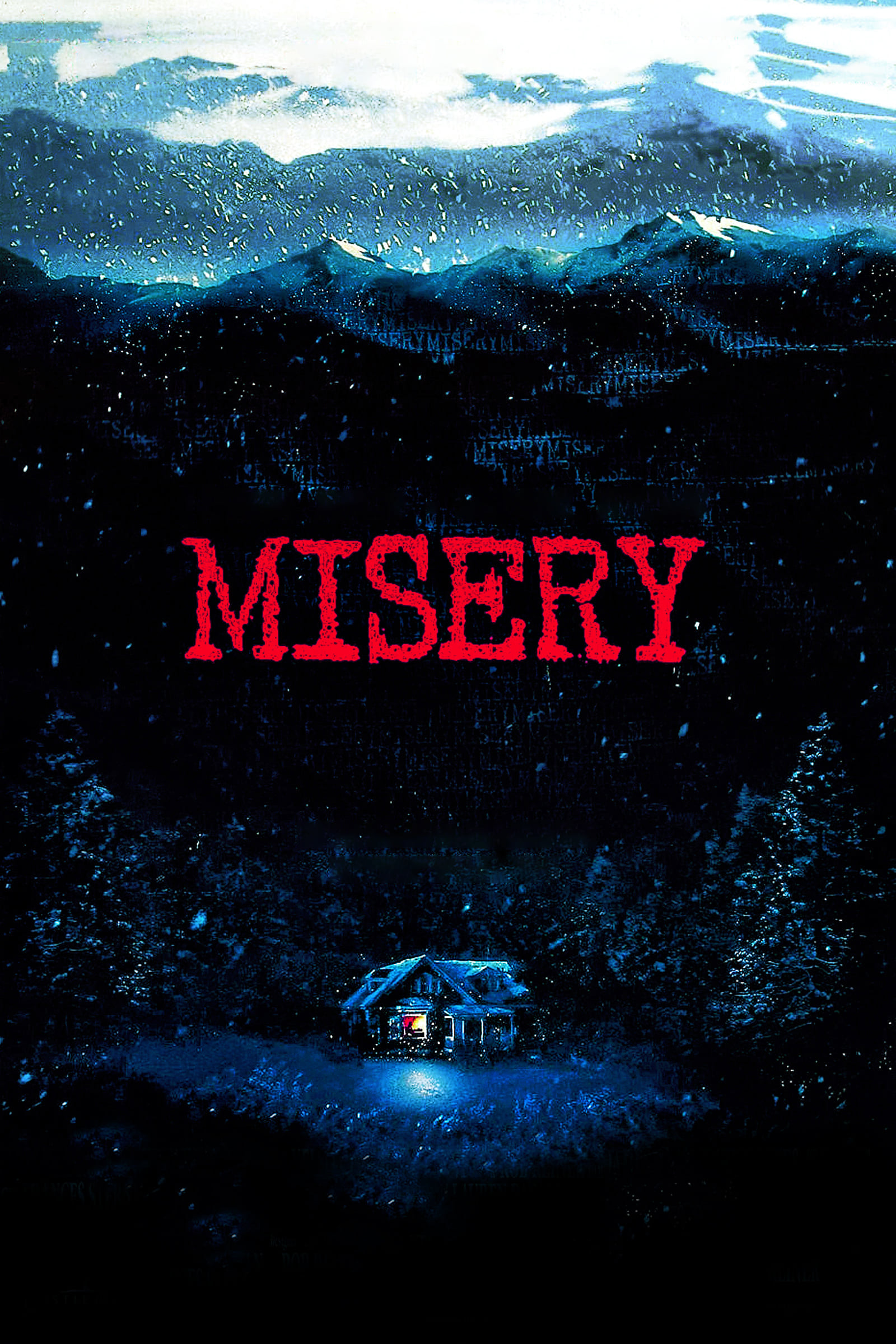
The 1990s opened with Jonathan Demme's The Silence of the Lambs (1991), which achieved what no horror film had before — sweeping the five major Academy Awards for Best Picture, Director, Actor, Actress, and Screenplay. Its success elevated the serial-killer subgenre and proved horror could attract prestige audiences, though it also prompted years of imitators that dulled the format's edge. The early decade saw American horror struggle for identity, with diminishing slasher sequels and a fallow period. Francis Ford Coppola's lavish Bram Stoker's Dracula (1992) brought literary Gothic to A-picture polish, Neil Jordan's Interview with the Vampire (1994) extended the trend with Tom Cruise and Brad Pitt, and Adrian Lyne's Jacob's Ladder (1990) brought Vietnam-era PTSD into psychological-horror territory. Rob Reiner's Misery (1990) won Kathy Bates a Best Actress Oscar, and Bernard Rose's Candyman (1992), adapted from Clive Barker and relocated to Chicago's Cabrini-Green, fused supernatural slasher with American urban segregation. Wes Craven's The People Under the Stairs (1991) used a haunted-house premise to satirise Reagan-era class violence.
John Carpenter's In the Mouth of Madness (1995) brought Lovecraftian cosmic horror back to mainstream theatres, while David Lynch's Twin Peaks: Fire Walk with Me (1992) and Lost Highway (1997) fused horror with experimental art-cinema. David Cronenberg's eXistenZ (1999) extended his body-horror tradition into proto-VR territory. In Italy, Michele Soavi's Cemetery Man (1994) arrived as Italian horror's beautiful closing landmark before the industry's contraction; in Denmark, Ole Bornedal's Nightwatch (1994) and Lars von Trier's television-miniseries The Kingdom (1994) brought Danish horror back to international audiences; in New Zealand, Peter Jackson's Braindead (1992) pushed zombie-comedy to delirious extremes, his Heavenly Creatures (1994) launched Kate Winslet, and The Frighteners (1996) marked his transition to Hollywood; in Austria, Michael Haneke's Funny Games (1997) weaponised home-invasion horror into a thesis on viewer complicity. Vincenzo Natali's Canadian-produced Cube (1998) pioneered the single-location puzzle-horror that Saw would later inherit. Wes Craven's Scream (1996), written by Kevin Williamson, answered the early-decade lull by deconstructing slasher conventions while simultaneously reviving them — its self-aware characters understood horror movie rules, transforming the audience's relationship with the genre.
The decade closed with multiple seismic events that would reshape horror for the new millennium. The Blair Witch Project (1999), shot for roughly $60,000 and earning nearly $250 million, pioneered found-footage filmmaking and viral internet marketing. M. Night Shyamalan's The Sixth Sense (1999) demonstrated the commercial power of atmospheric supernatural horror with patient, twist-driven storytelling. Paul W. S. Anderson's Event Horizon (1997) brought Lovecraftian cosmic horror to sci-fi blockbuster scale. And in Japan, the J-horror wave was already taking shape: Kiyoshi Kurosawa's Cure (1997) established a new model for psychological horror, but the breakthrough came with Hideo Nakata's Ring (1998), whose long-haired vengeful ghost, cursed videotape, and atmosphere of technological dread would dominate international horror through the following decade. Takashi Miike's Audition (1999) closed the decade with a slow-burn study of gender and power that culminates in an extended torture sequence — its international release in 2000 would help bring Japanese horror to Western audiences for the first time.
Shinya Tsukamoto's Tetsuo II: Body Hammer (1992) extended the cyberpunk body horror he'd launched in 1989, and Richard Stanley's Dust Devil (1992) brought folk horror to the Namibian desert. The 1990s proved that horror could reinvent itself through self-awareness, minimalism, and cross-cultural exchange — setting the stage for a genre that would become truly global in the 2000s.
Essential Films

Jacob's Ladder
Misery
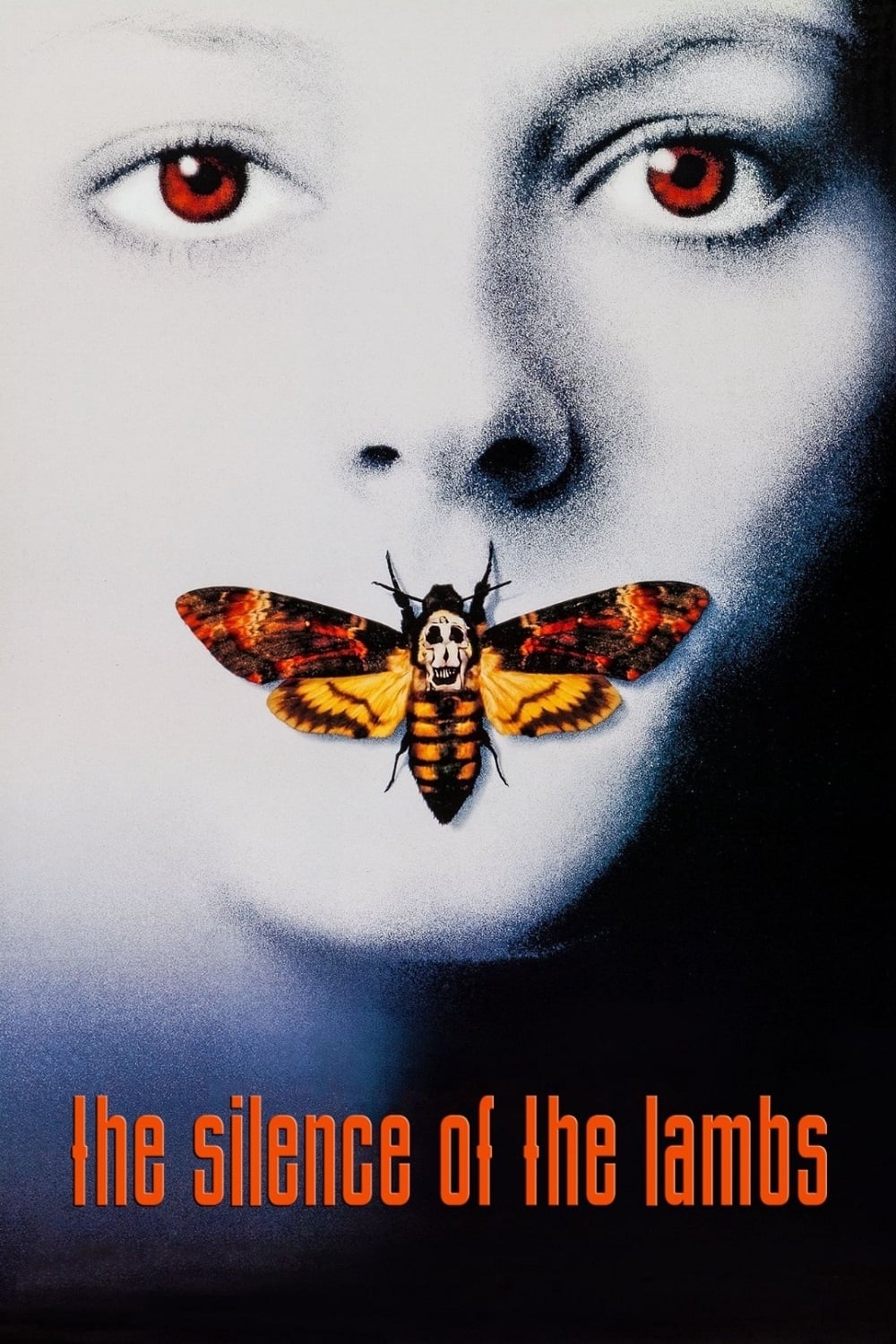
The Silence of the Lambs
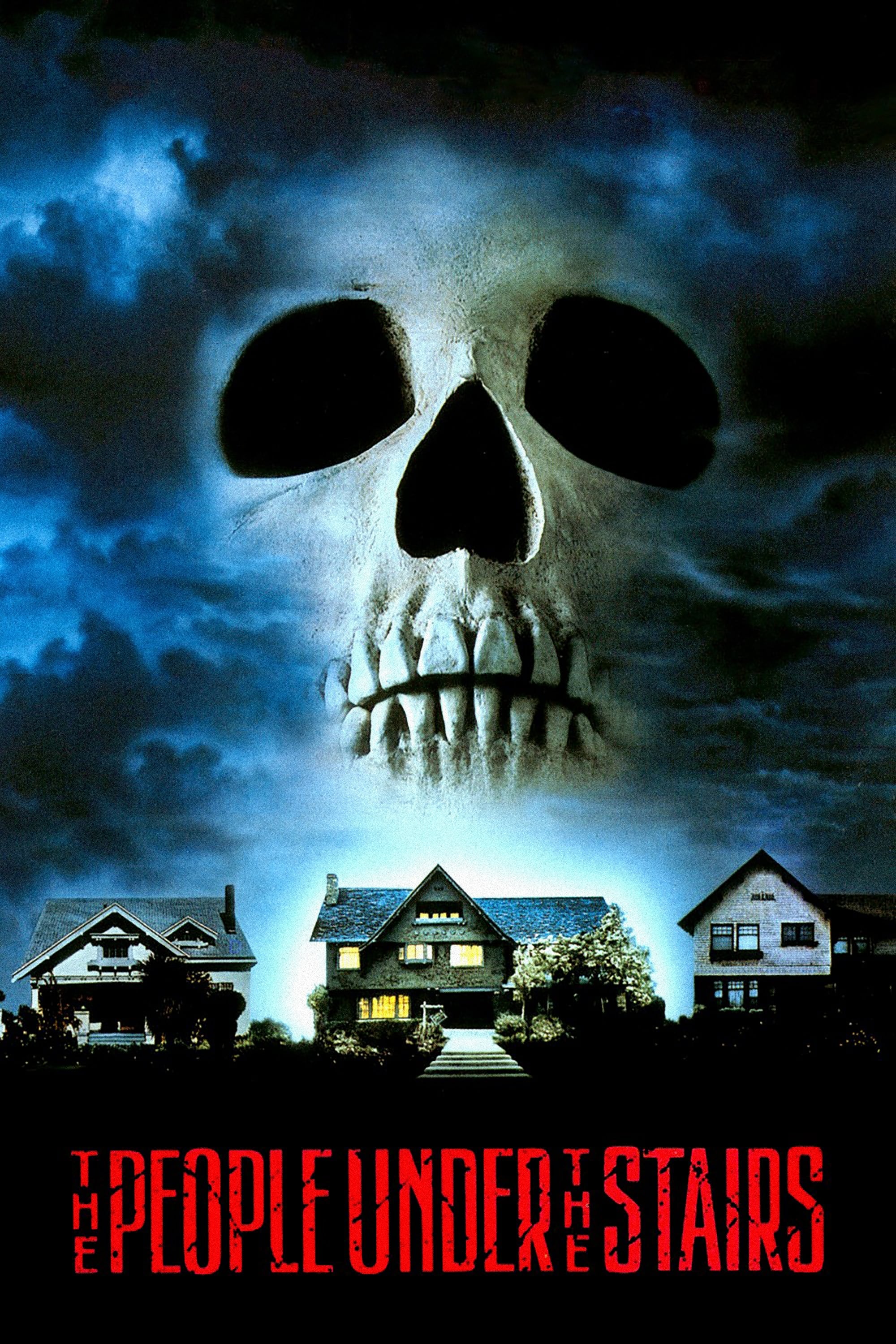
The People Under the Stairs
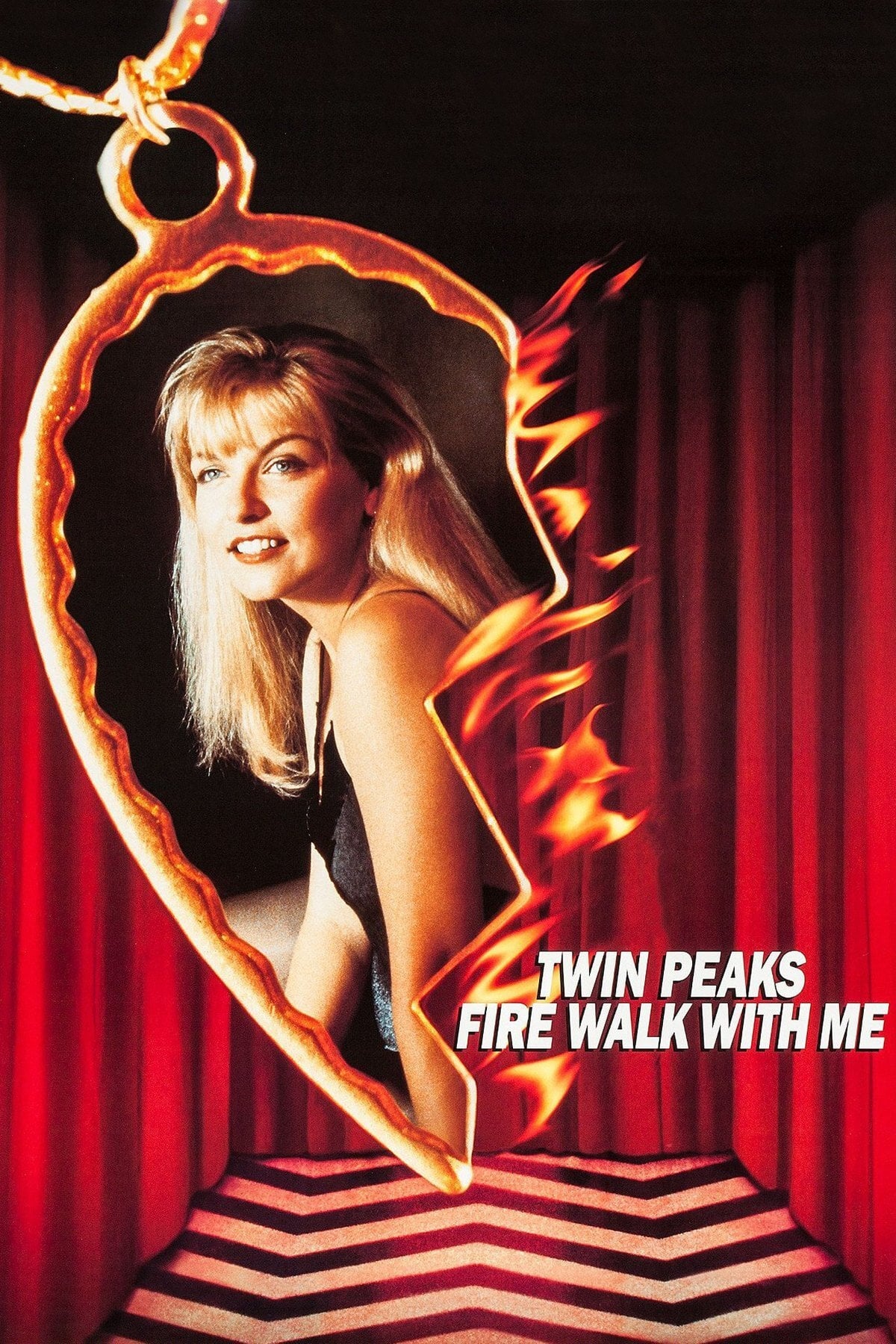
Twin Peaks: Fire Walk with Me
Dust Devil
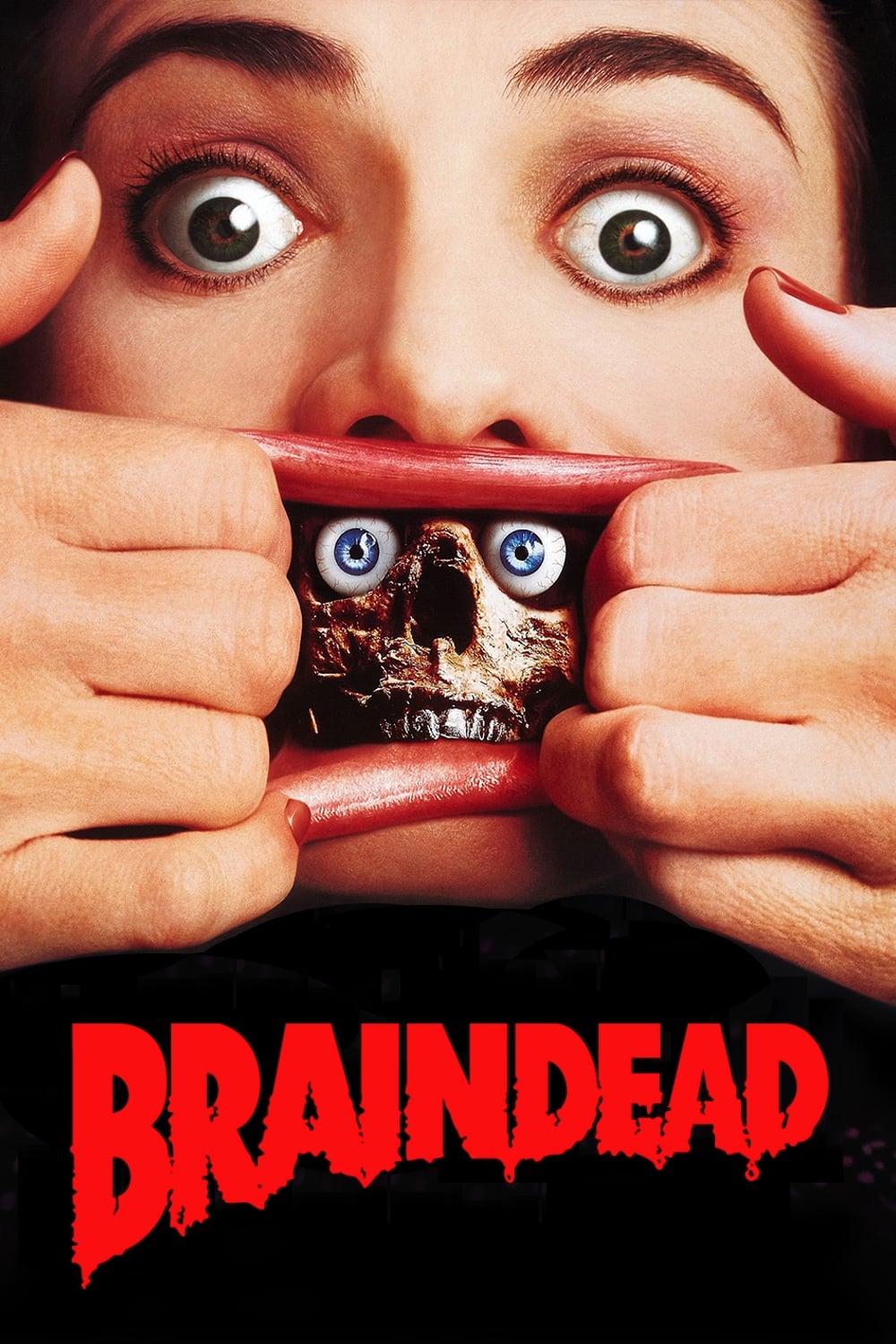
Braindead
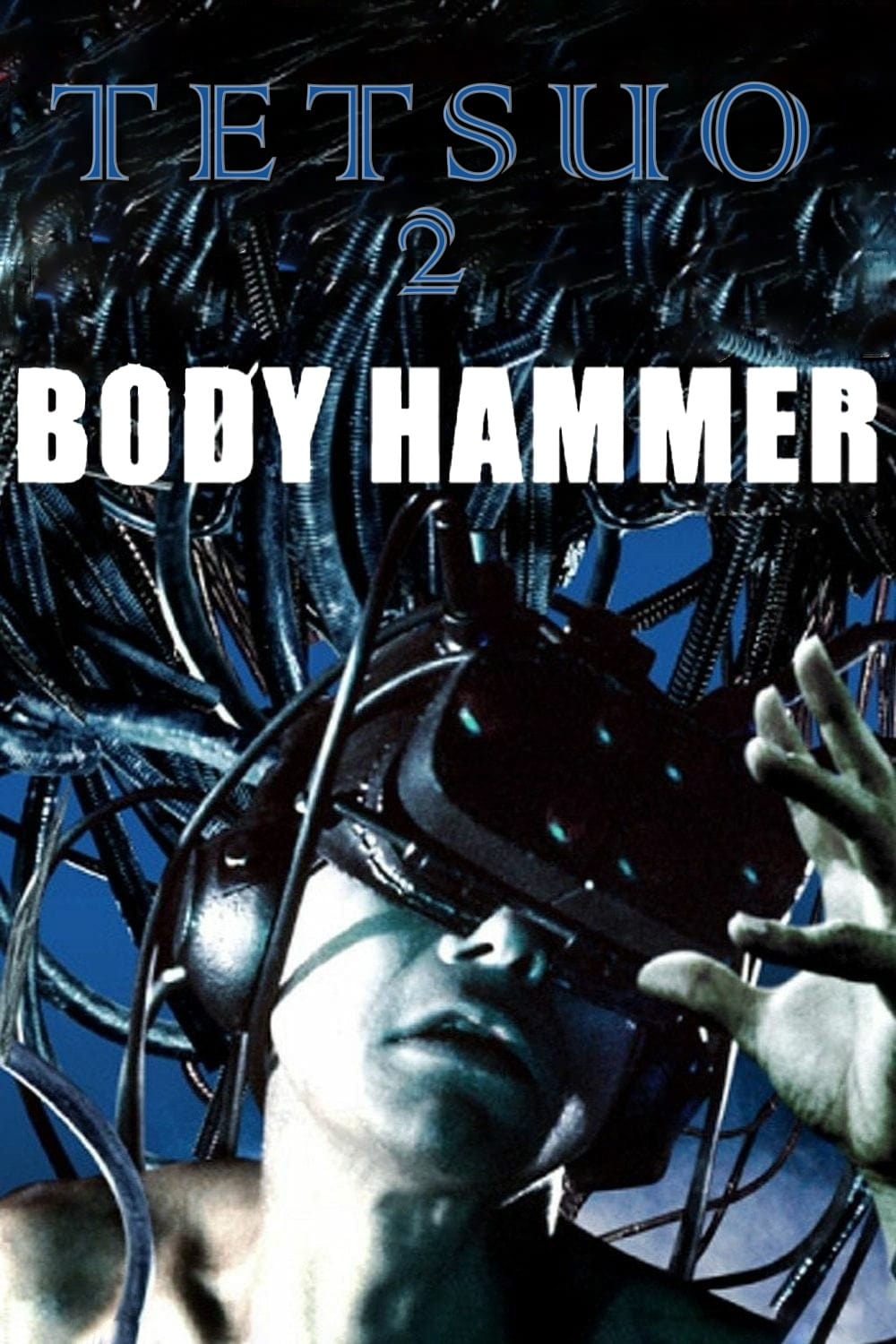
Tetsuo II: Body Hammer
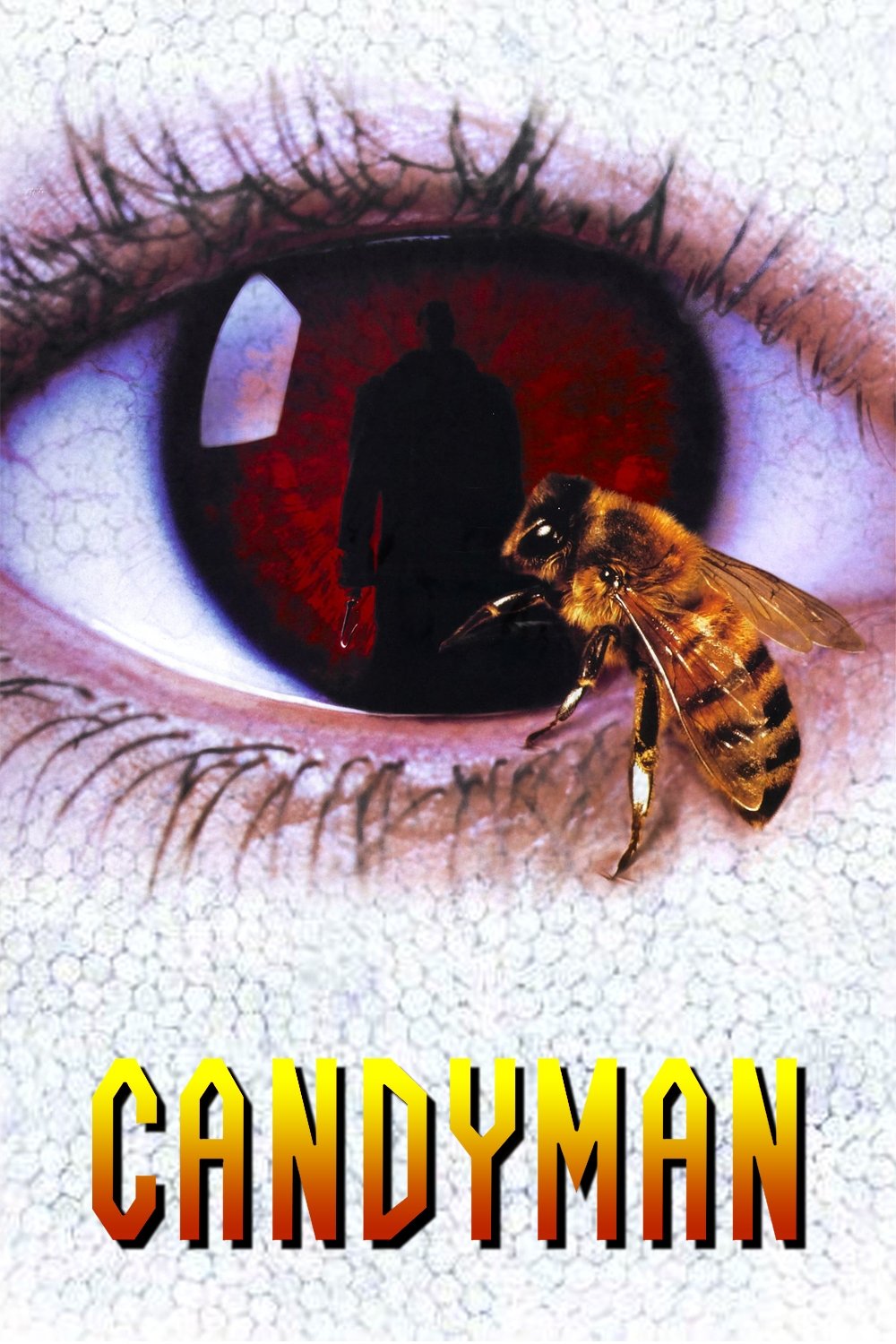
Candyman

Bram Stoker's Dracula
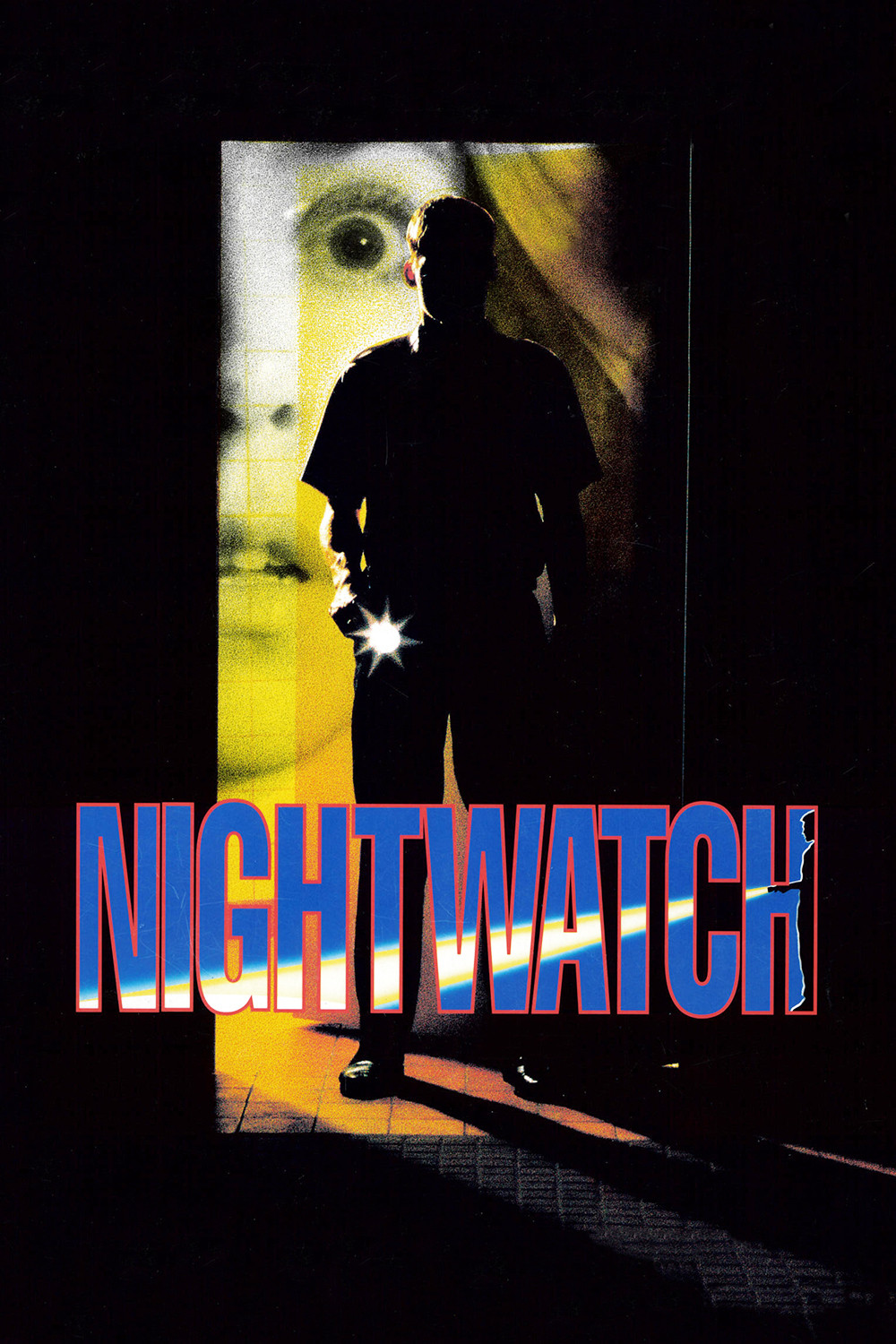
Nightwatch
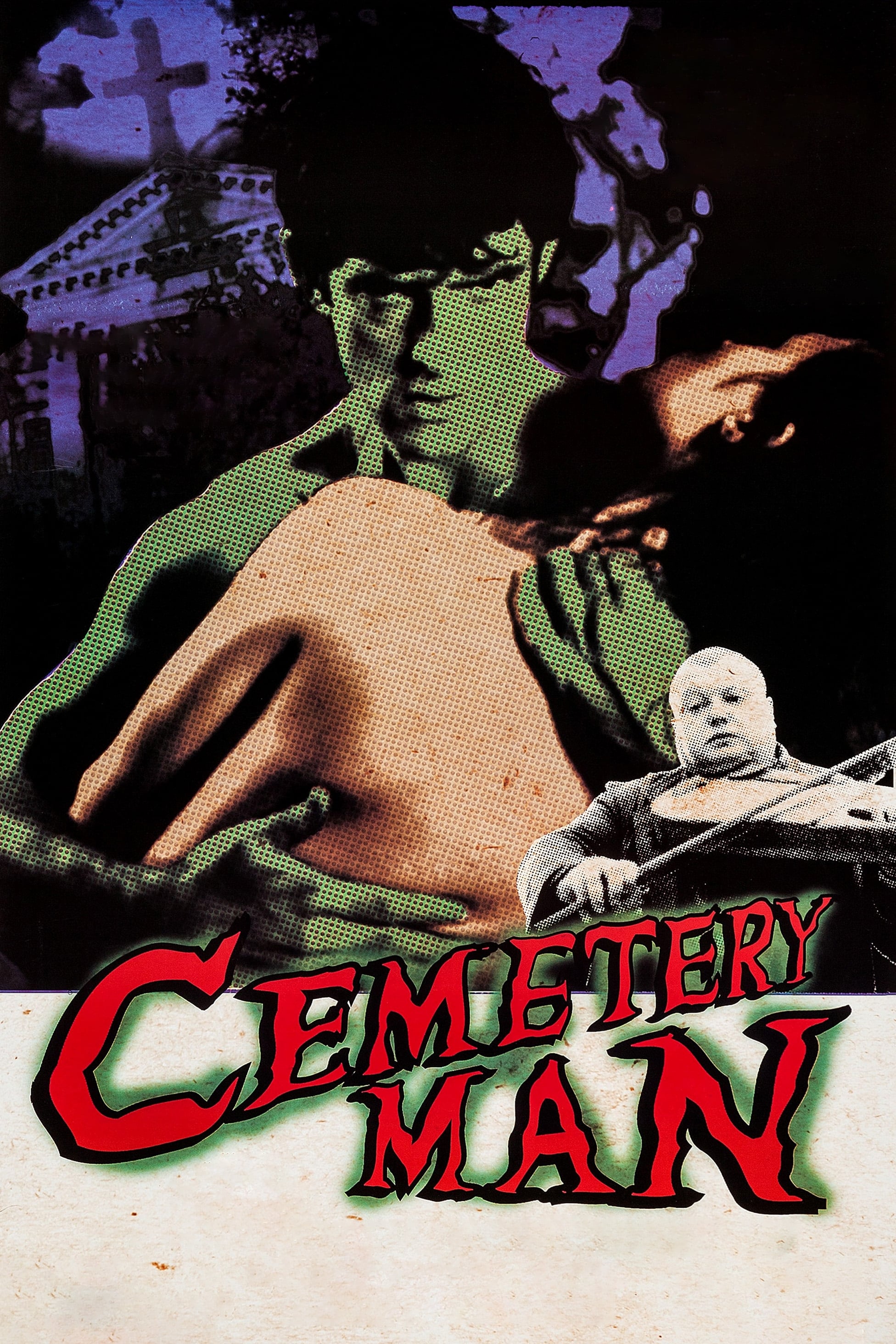
Cemetery Man
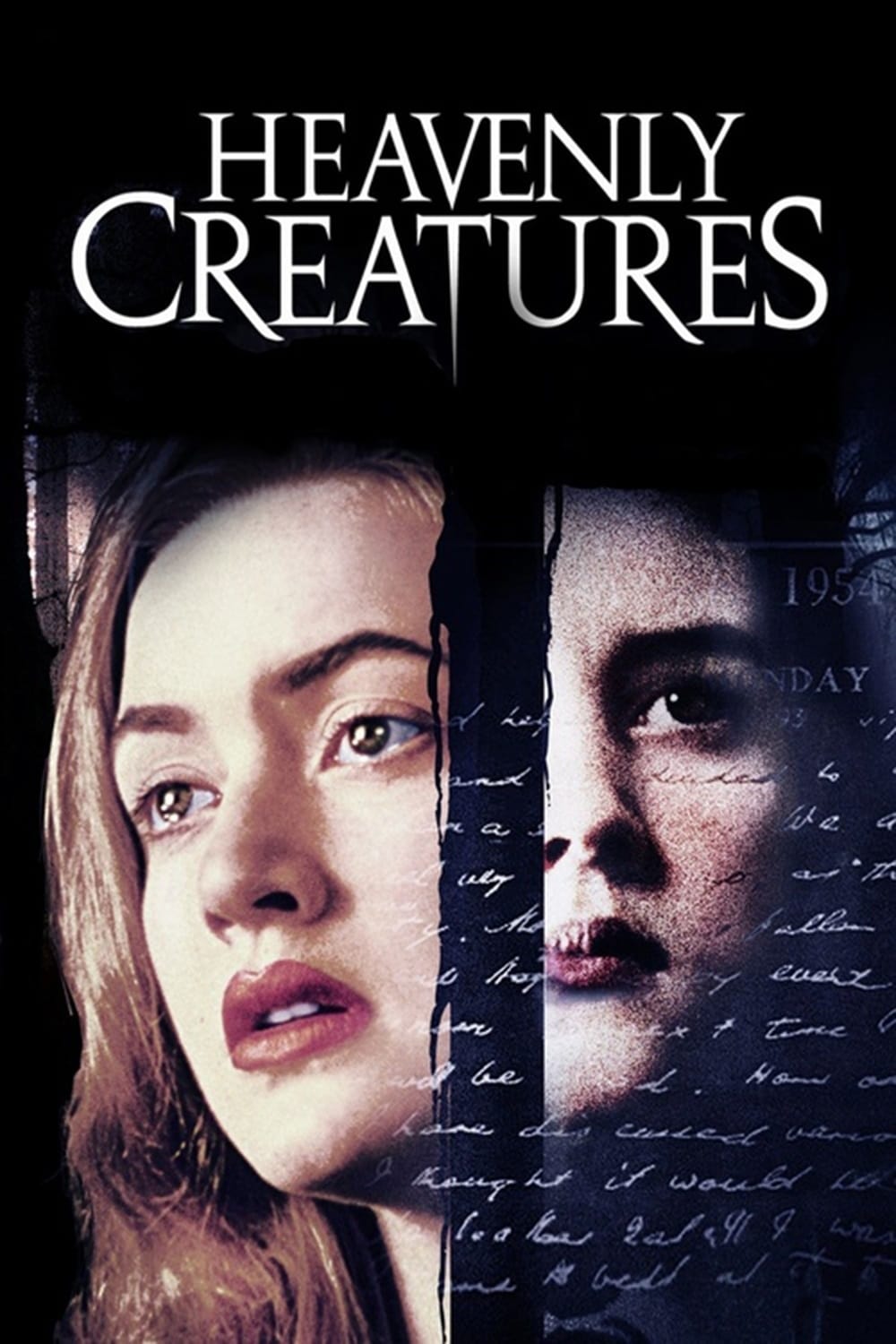
Heavenly Creatures

Interview with the Vampire

The Kingdom
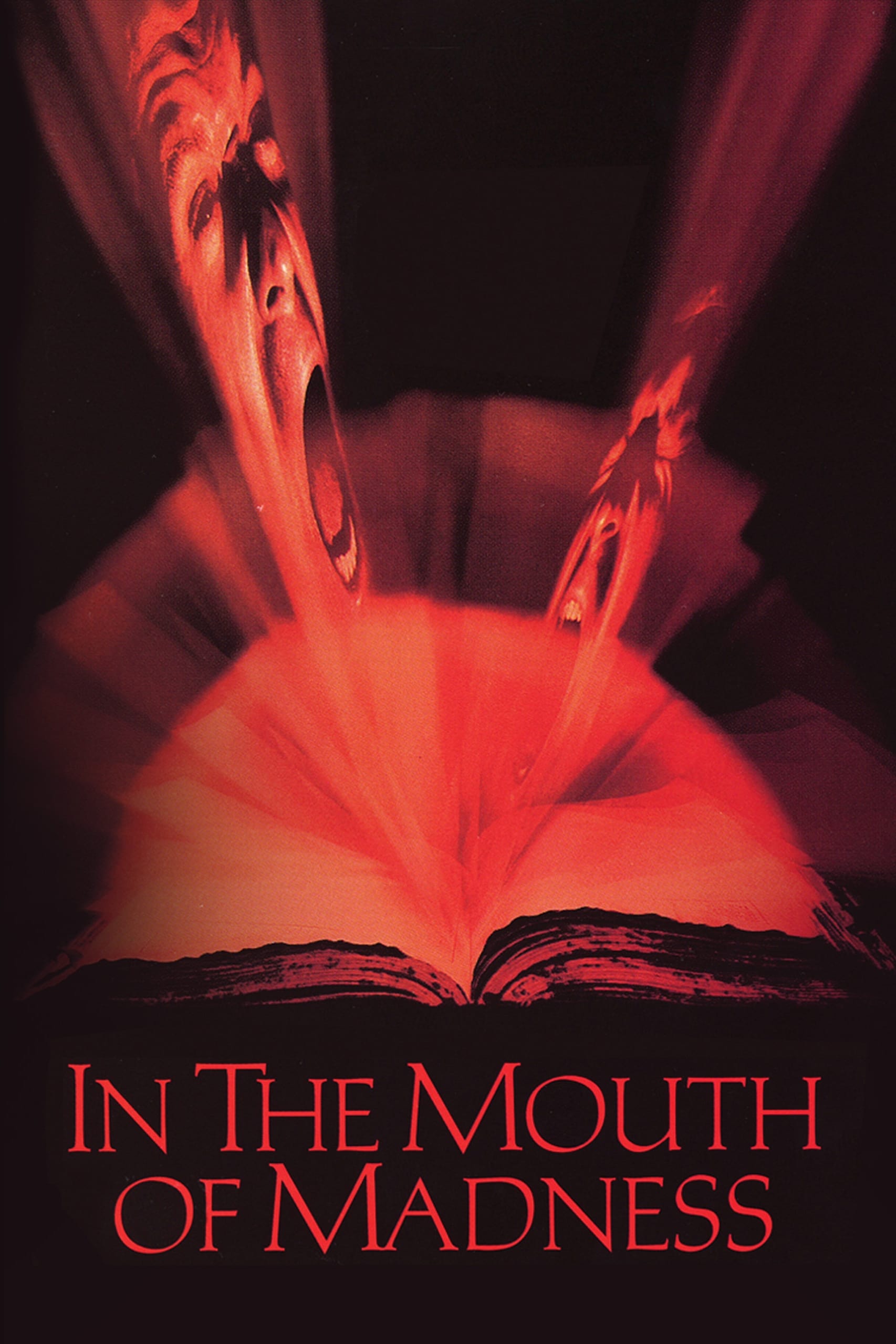
In the Mouth of Madness

The Frighteners
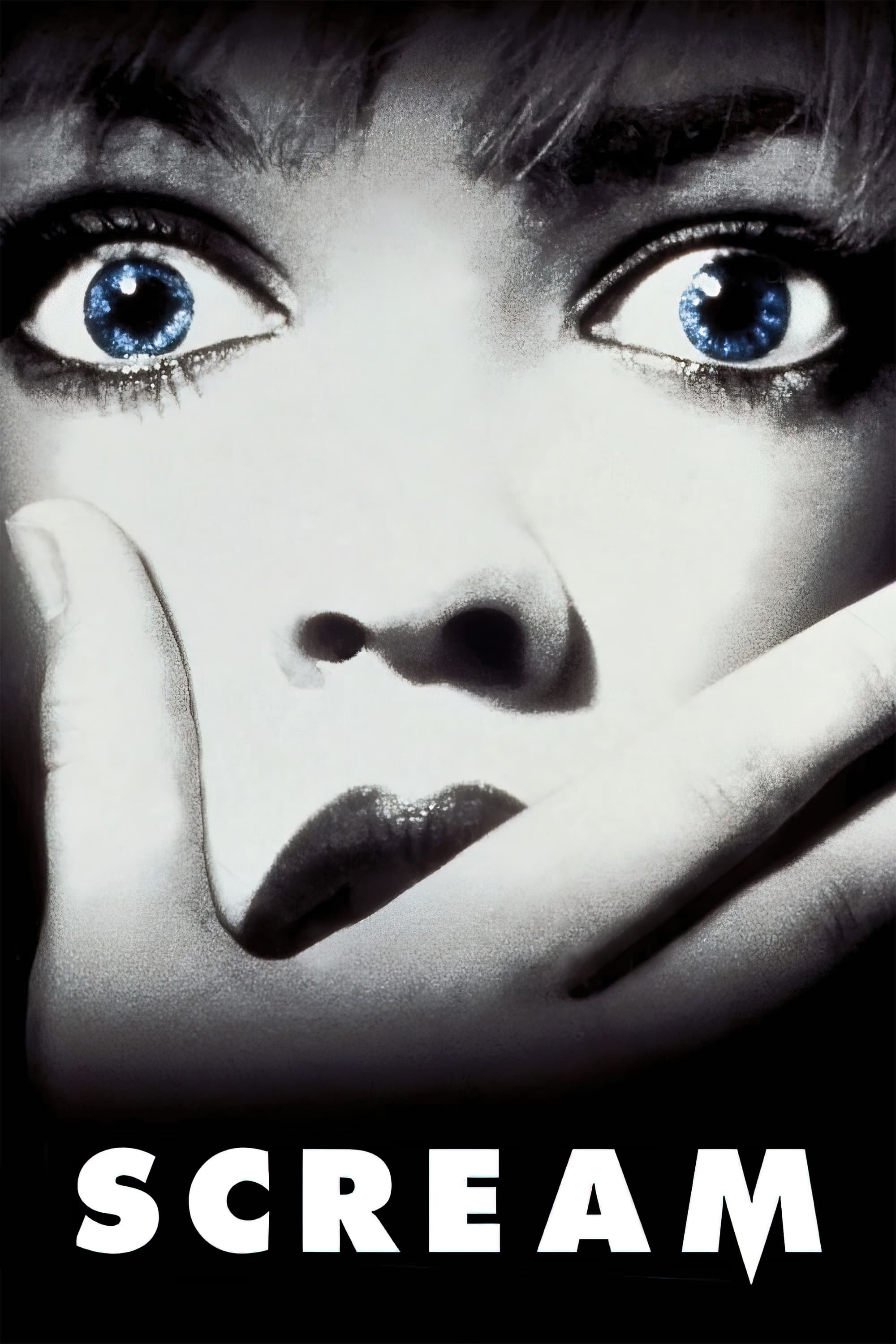
Scream
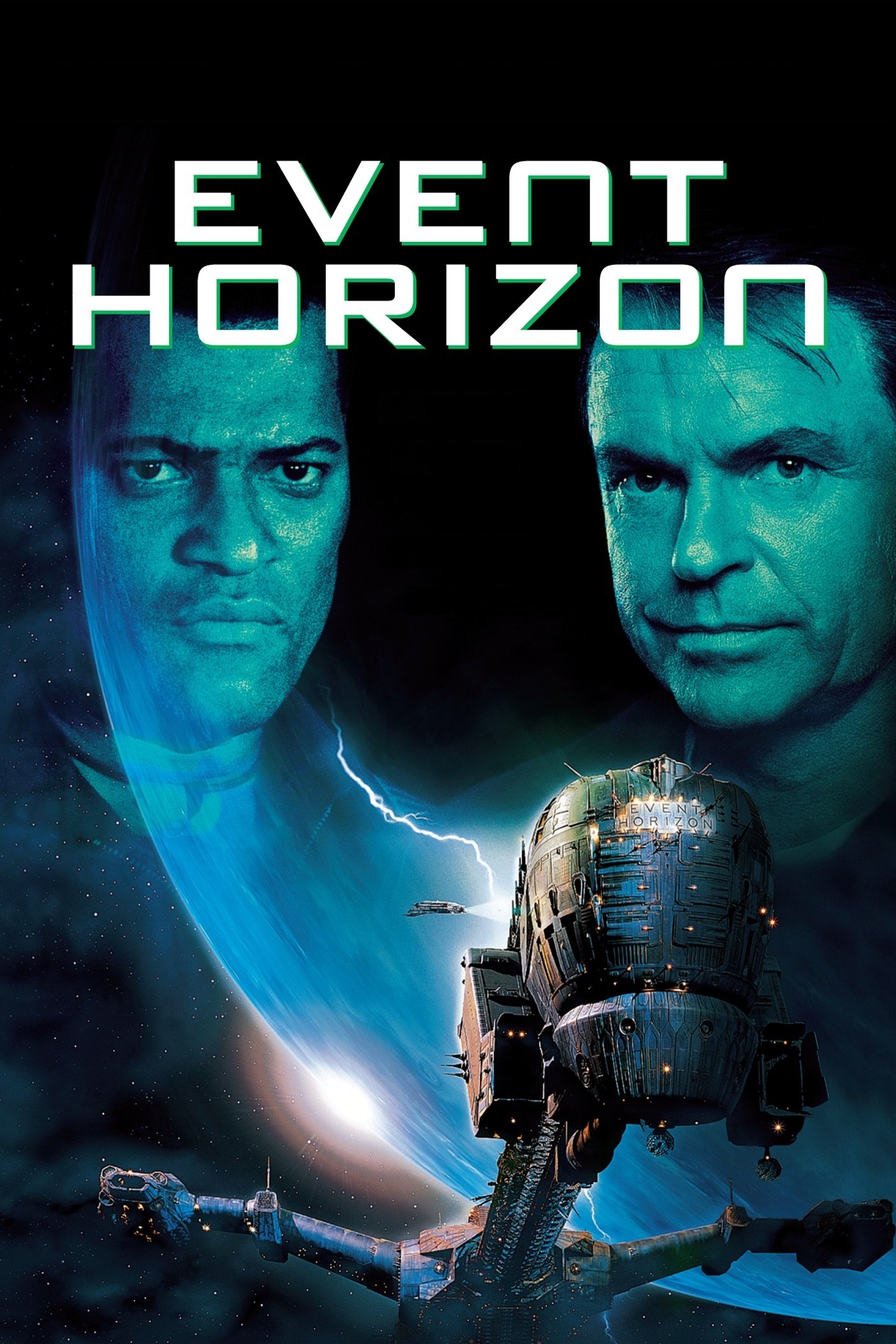
Event Horizon
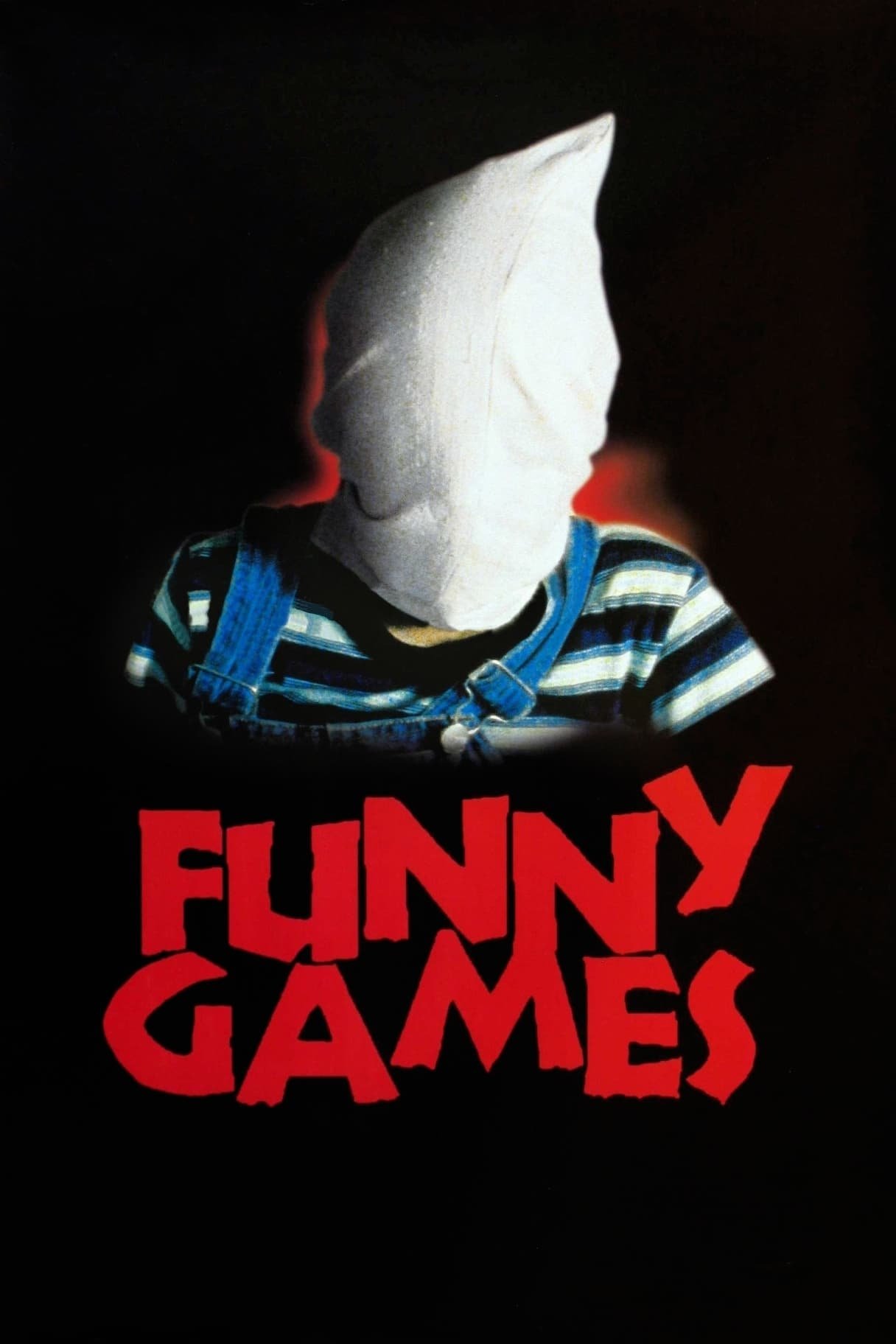
Funny Games
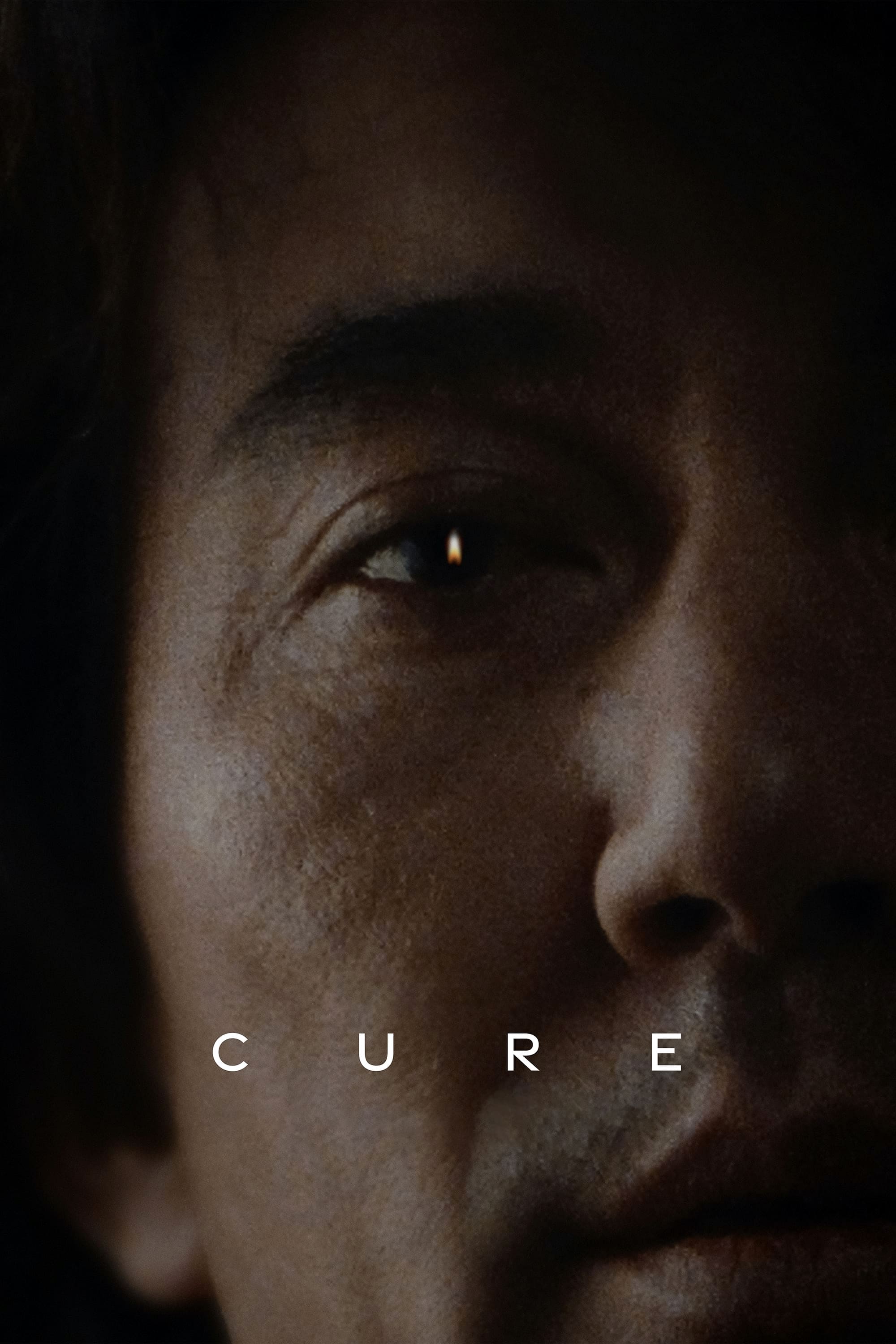
Cure
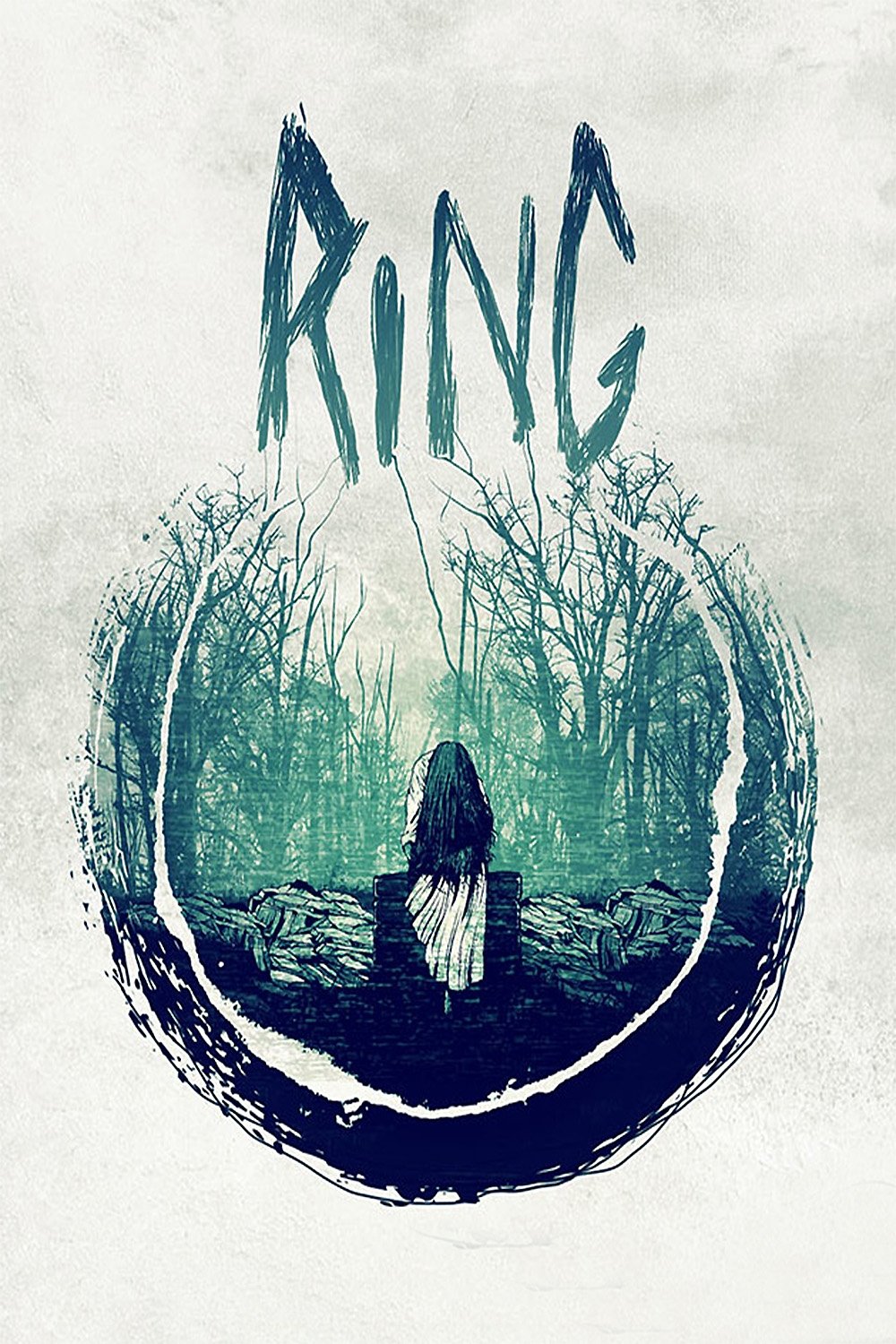
Ring
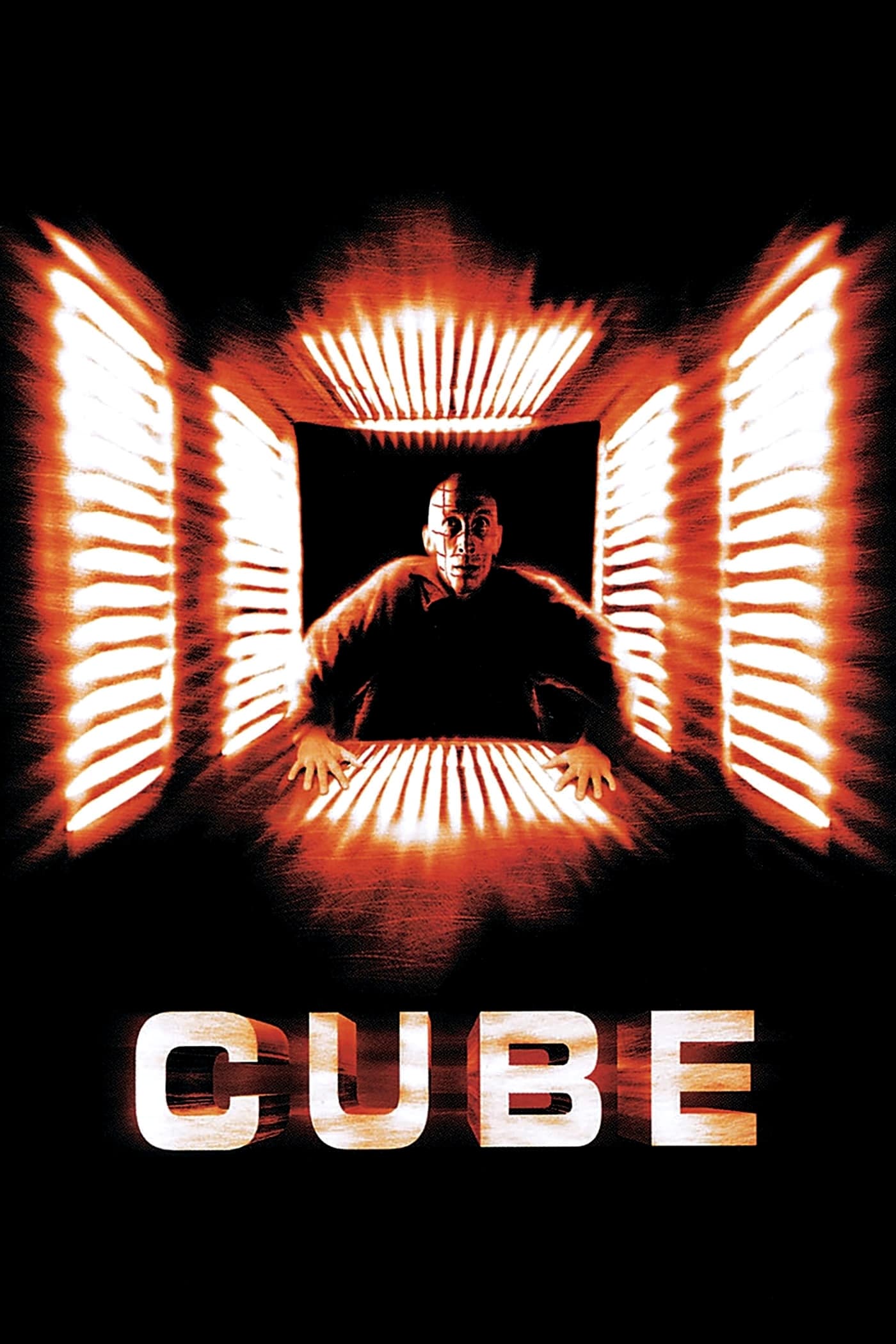
Cube

eXistenZ
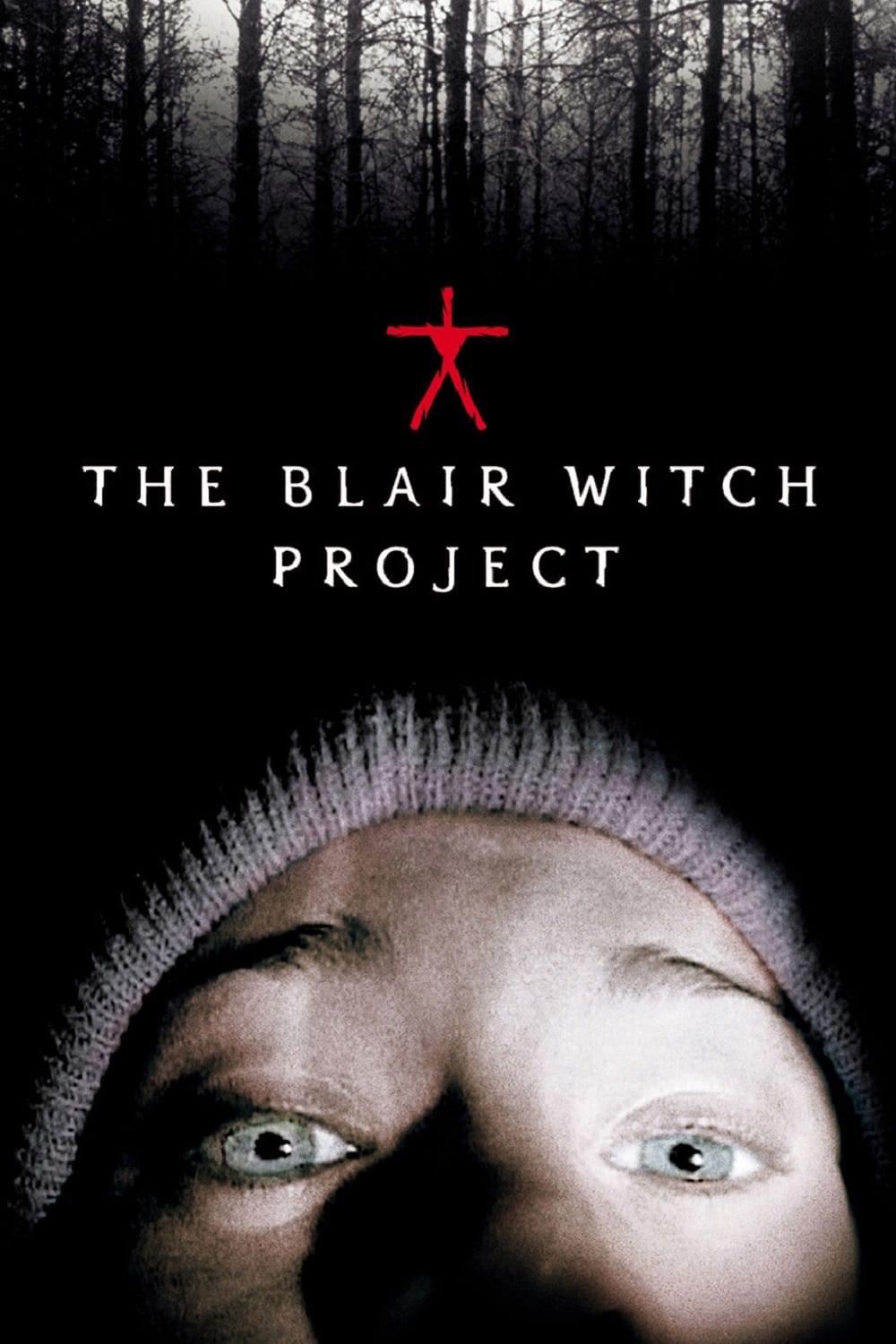
The Blair Witch Project
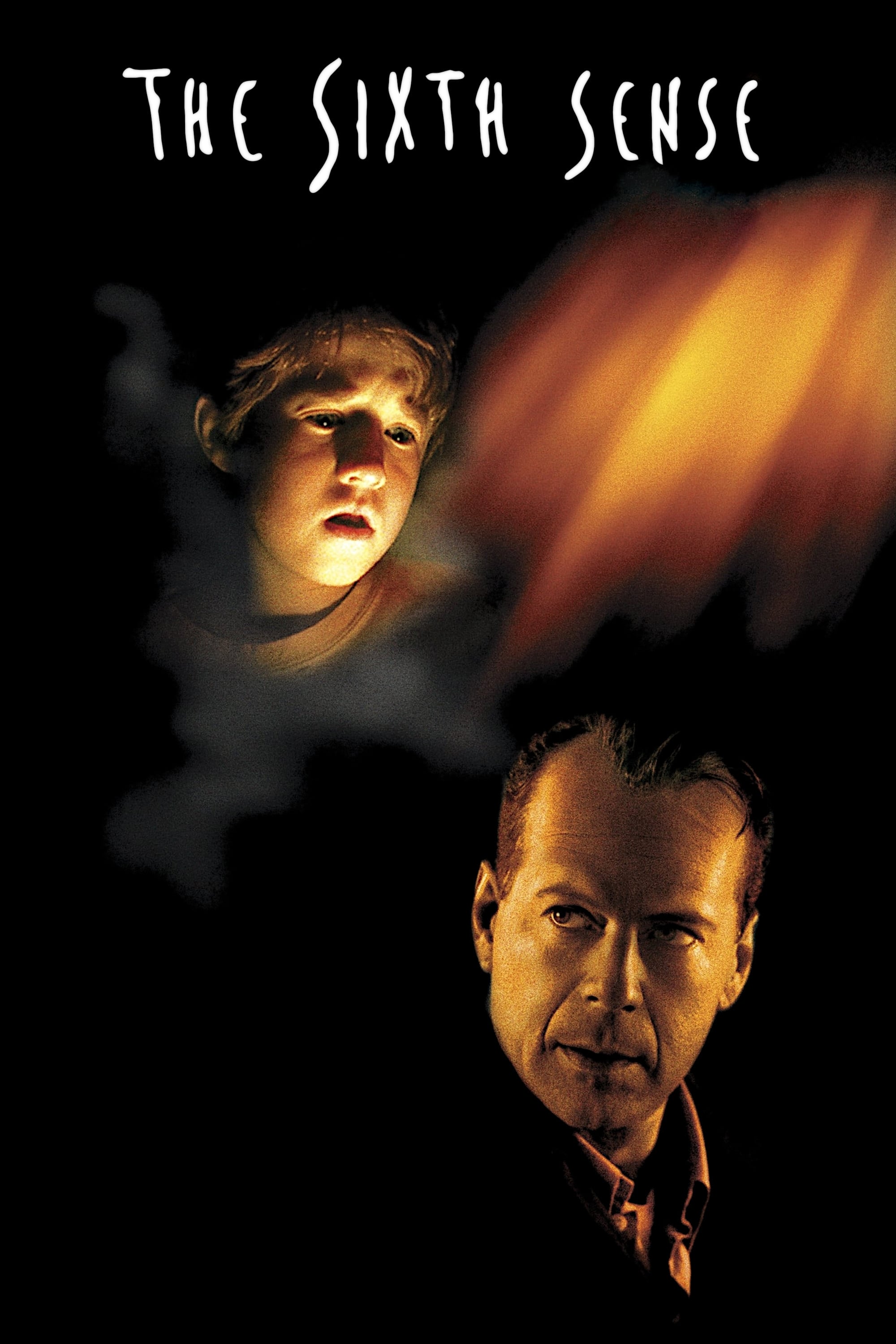
The Sixth Sense

Audition
Statistics
Top Subgenres
Top Countries
Percentage of 1990s horror films by country of production.