What We Do In the Shadows (2014)
🇳🇿New Zealand
Peter Jackson's splatstick revolution proved that boundless enthusiasm and zero budget could produce some of horror's most inventive — and bloodiest — entertainment.
History
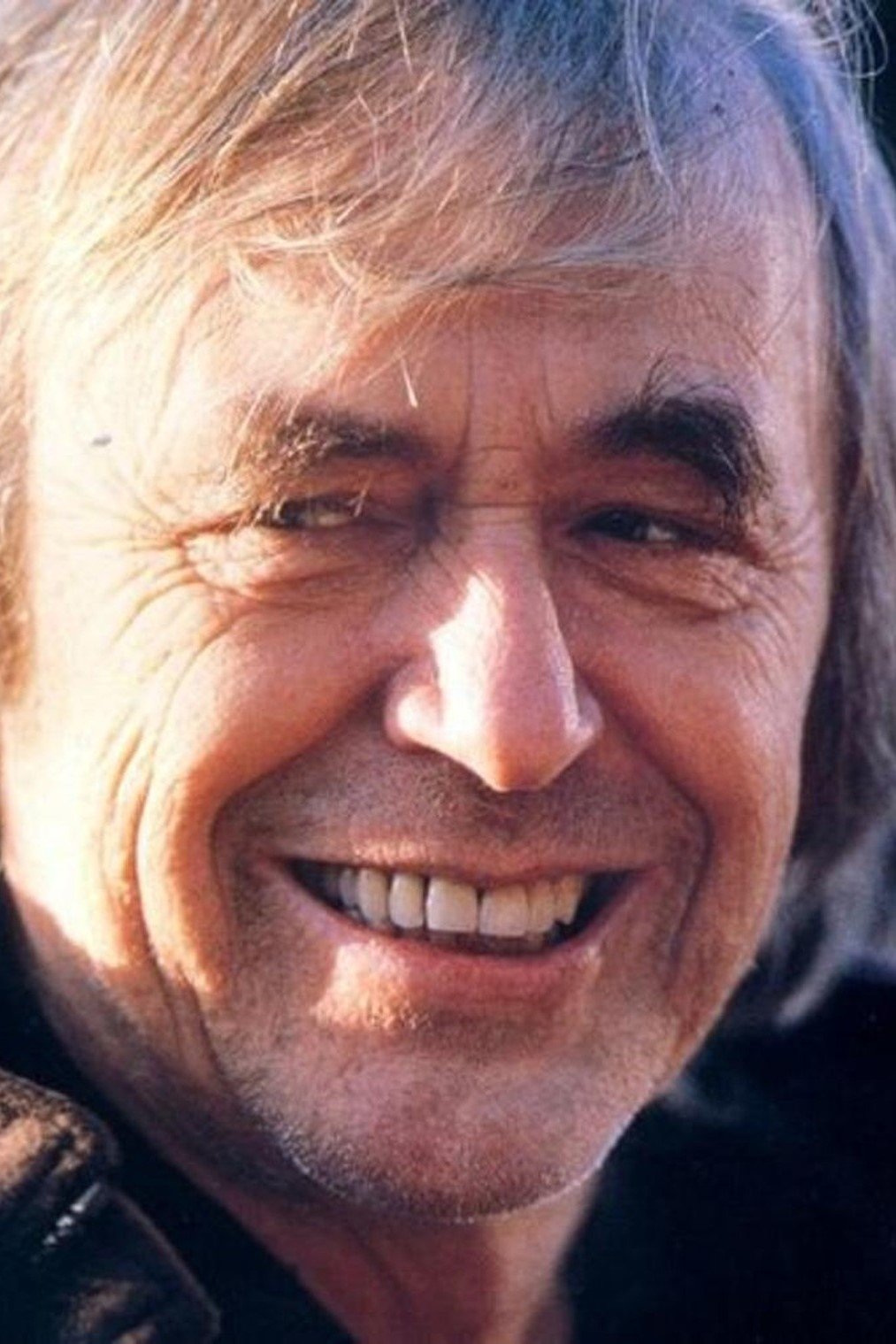
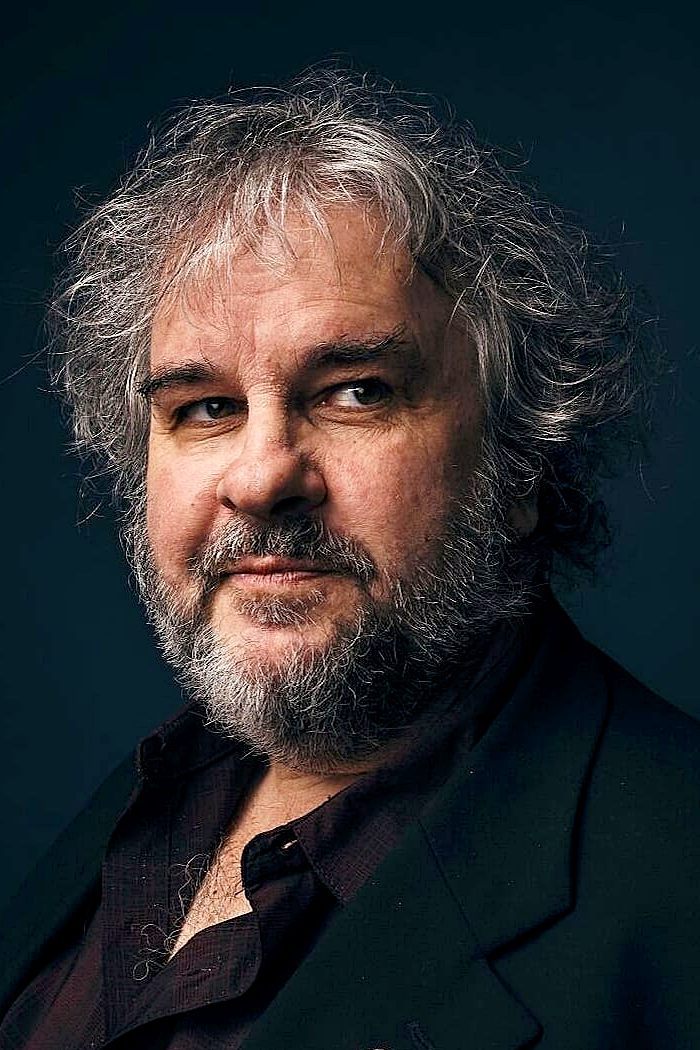
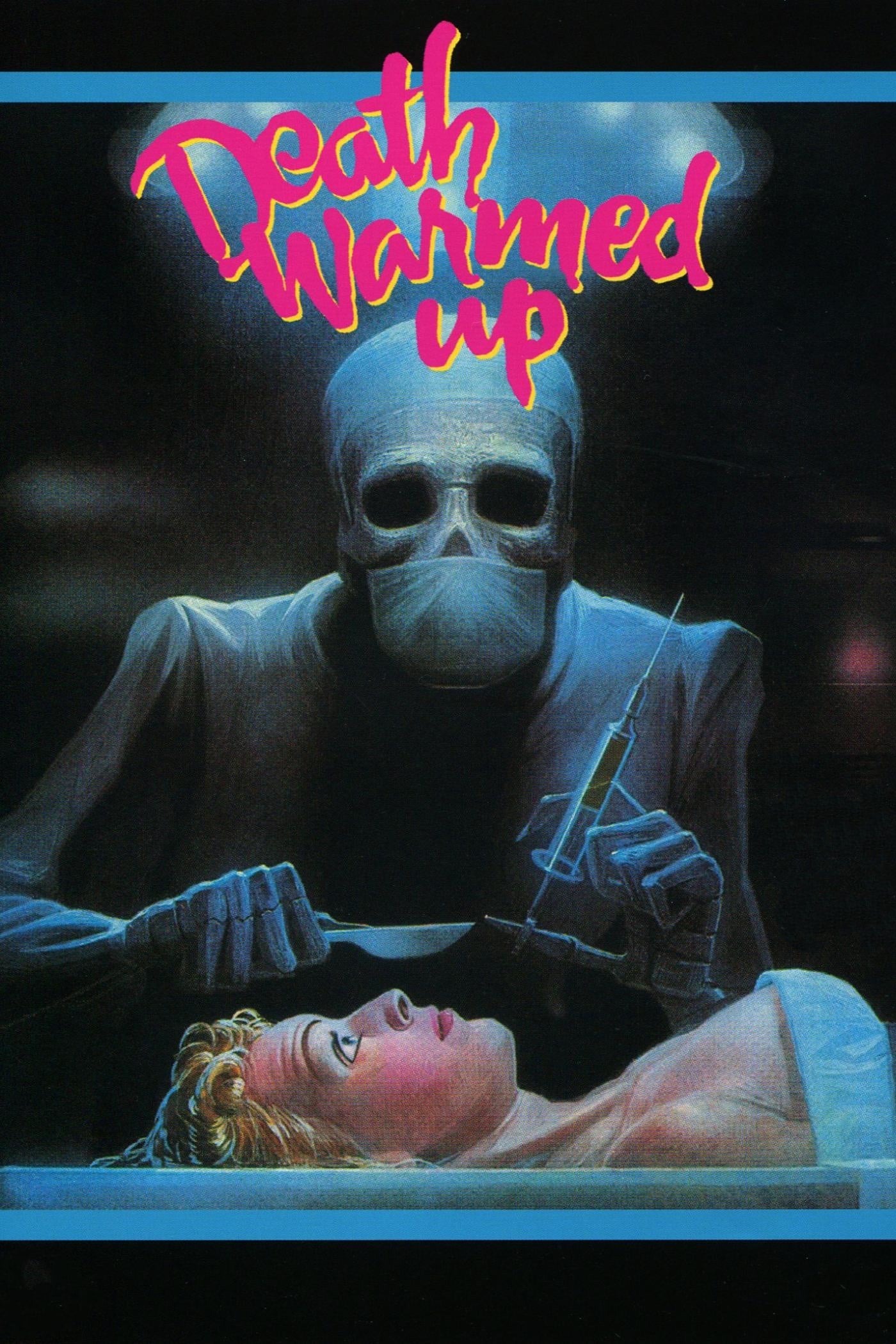
New Zealand's horror tradition emerged in the early 1980s. David Blyth's Death Warmed Up (1984), a mad-scientist exploitation film that won the Festival of Fantastic Films grand prize at Paris, is widely cited as the country's first true horror feature, and Geoff Murphy's The Quiet Earth (1985) — a post-apocalyptic survival fable about the last man on earth — established New Zealand horror's willingness to use existential dread as its primary affect. But the genre is inseparable from the early career of Peter Jackson, who transformed amateur enthusiasm and minuscule budgets into some of horror's most inventive work. Bad Taste (1987), a comedy-horror alien invasion film begun as a weekend project with friends, became a cult favorite and announced a filmmaker with boundless energy and zero squeamishness. Meet the Feebles (1989) pushed his transgressive impulse further with a body-horror-meets-Muppets satire too grotesque for mainstream distribution. Braindead (1992) — released as Dead Alive in the United States — pushed zombie-comedy to delirious extremes, combining slapstick humor with gore so excessive it circled back around to joy; widely regarded as one of the most entertaining horror films ever made, it demonstrated that technical ingenuity could substitute for Hollywood budgets. Jackson then turned to the based-on-true-crime psychological horror Heavenly Creatures (1994), which launched Kate Winslet's film career, before The Frighteners (1996) — his ghost story with Jeffrey Combs and Michael J. Fox — marked his transition toward studio filmmaking and away from horror.
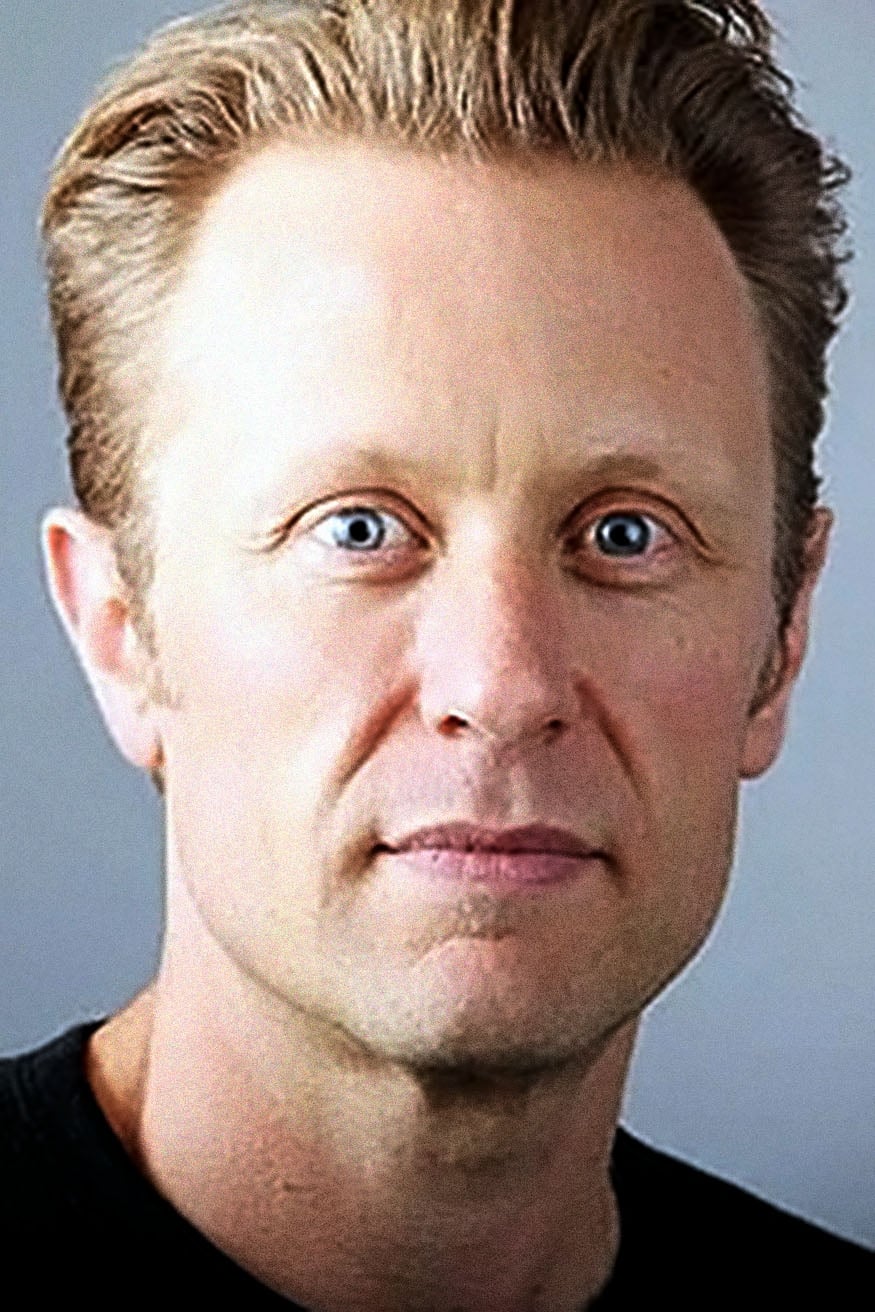
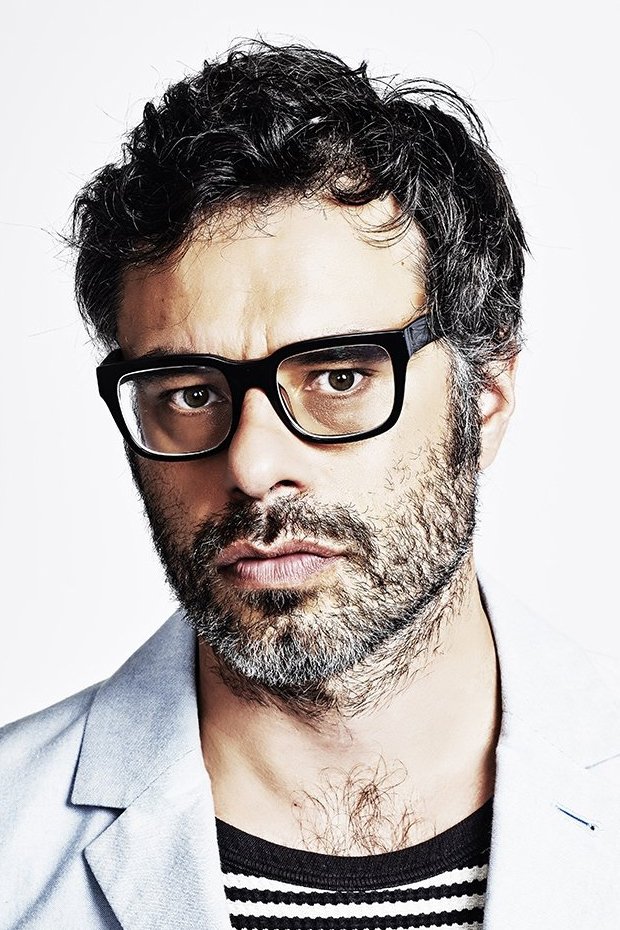
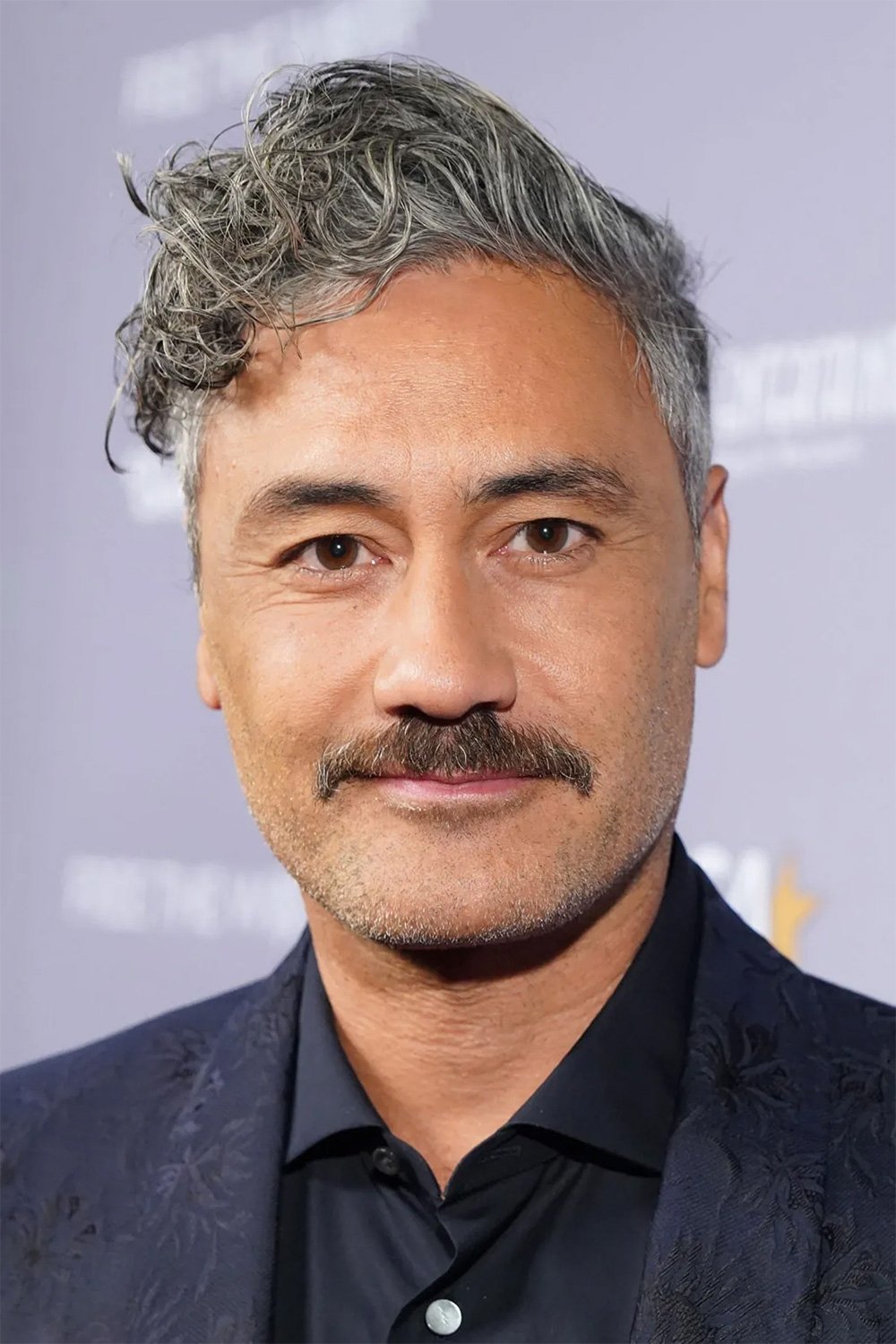
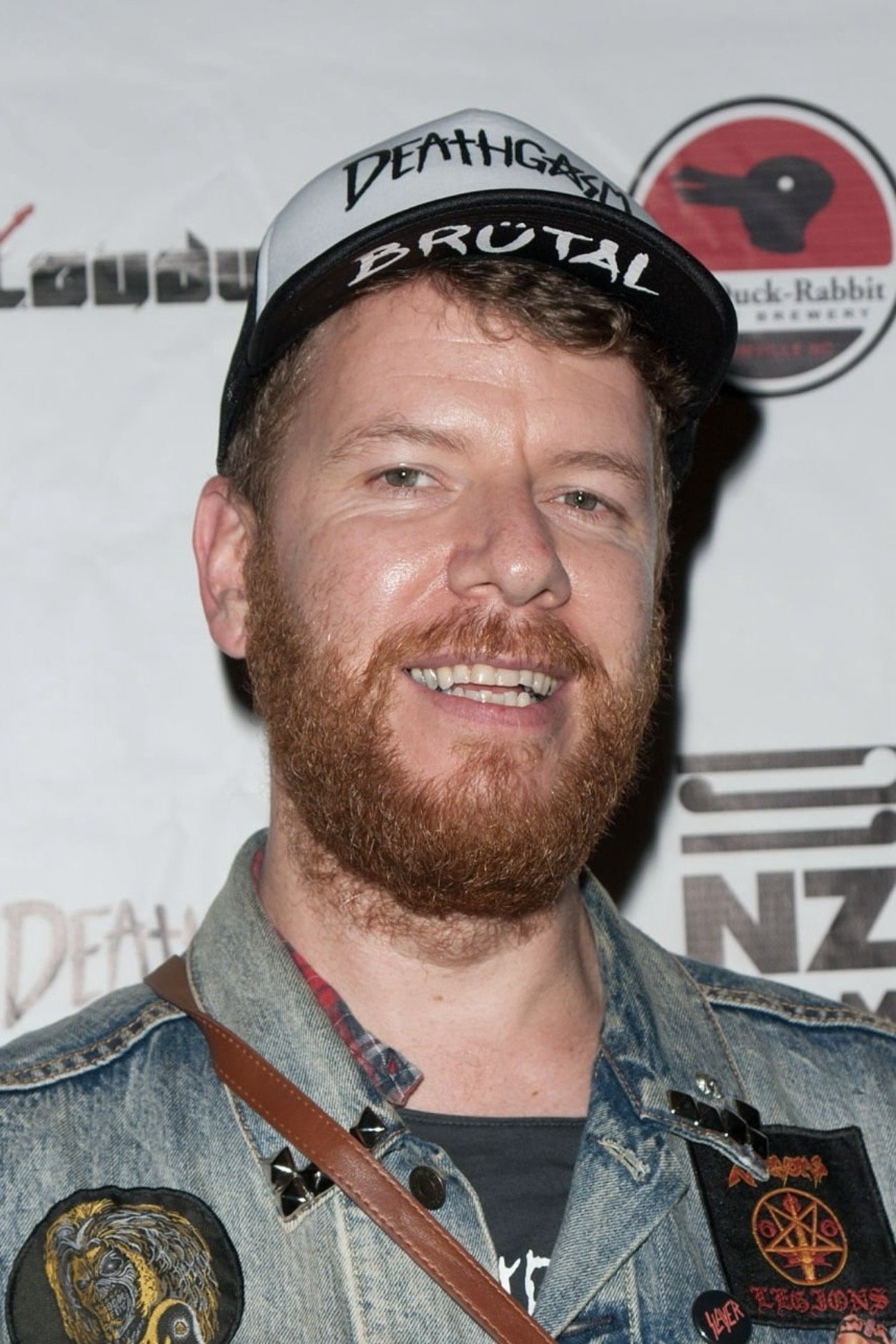
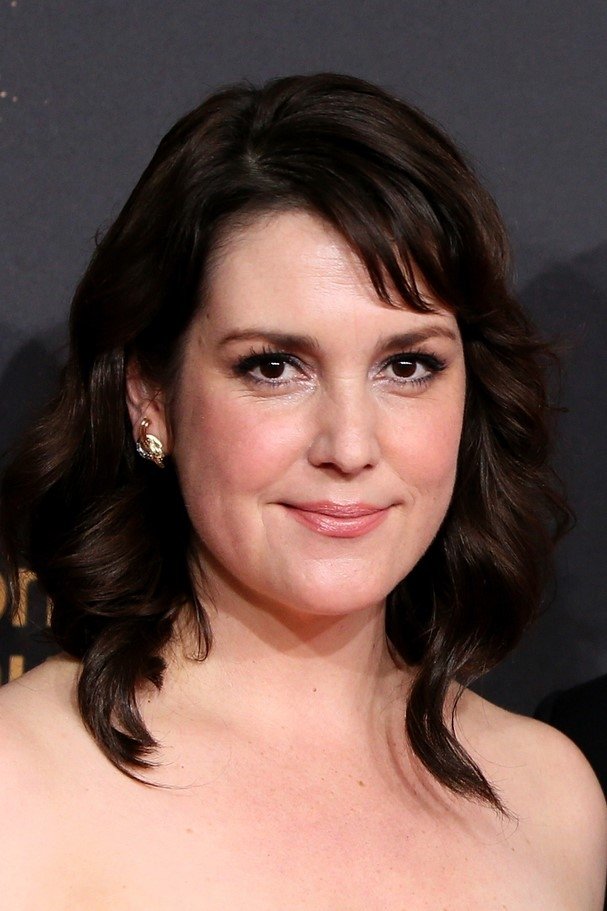
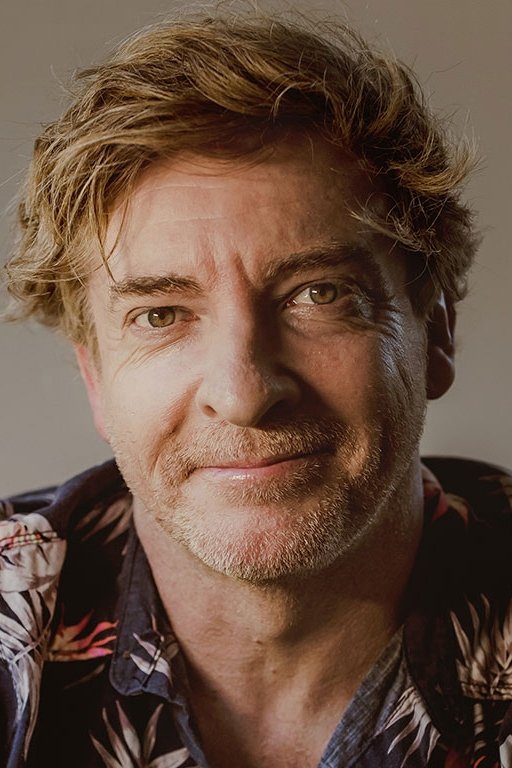
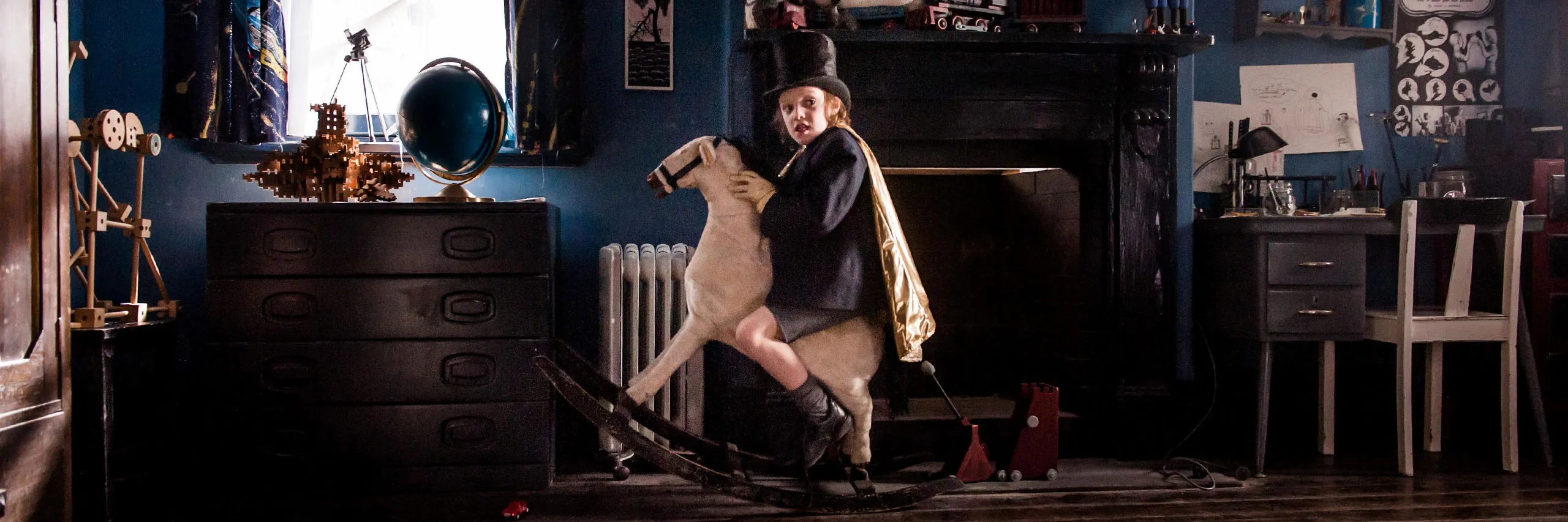
Jackson's departure for Middle-earth left New Zealand horror without its defining figure, but a new generation filled the gap with work that shared his irreverent spirit. Jonathan King's Black Sheep (2006), about genetically modified sheep terrorizing a New Zealand farm, applied the Bad Taste template — rural setting, practical creature effects, comedy-horror tone — to the country's most recognizable cultural symbol. Paul Campion's The Devil's Rock (2011) relocated the wave to a WWII-era Channel Islands bunker, where a Māori commando confronts Nazi occultism. Gerard Johnstone's Housebound (2014), a haunted-house comedy-thriller, earned international festival acclaim. Most significantly, Jemaine Clement and Taika Waititi's What We Do in the Shadows (2014), a mockumentary about vampire flatmates in Wellington, became a global phenomenon that spawned a six-season American television series and a New Zealand spinoff, Wellington Paranormal. Jason Lei Howden's heavy-metal horror-comedy Deathgasm (2015) continued the tradition of exuberant genre filmmaking on modest means.
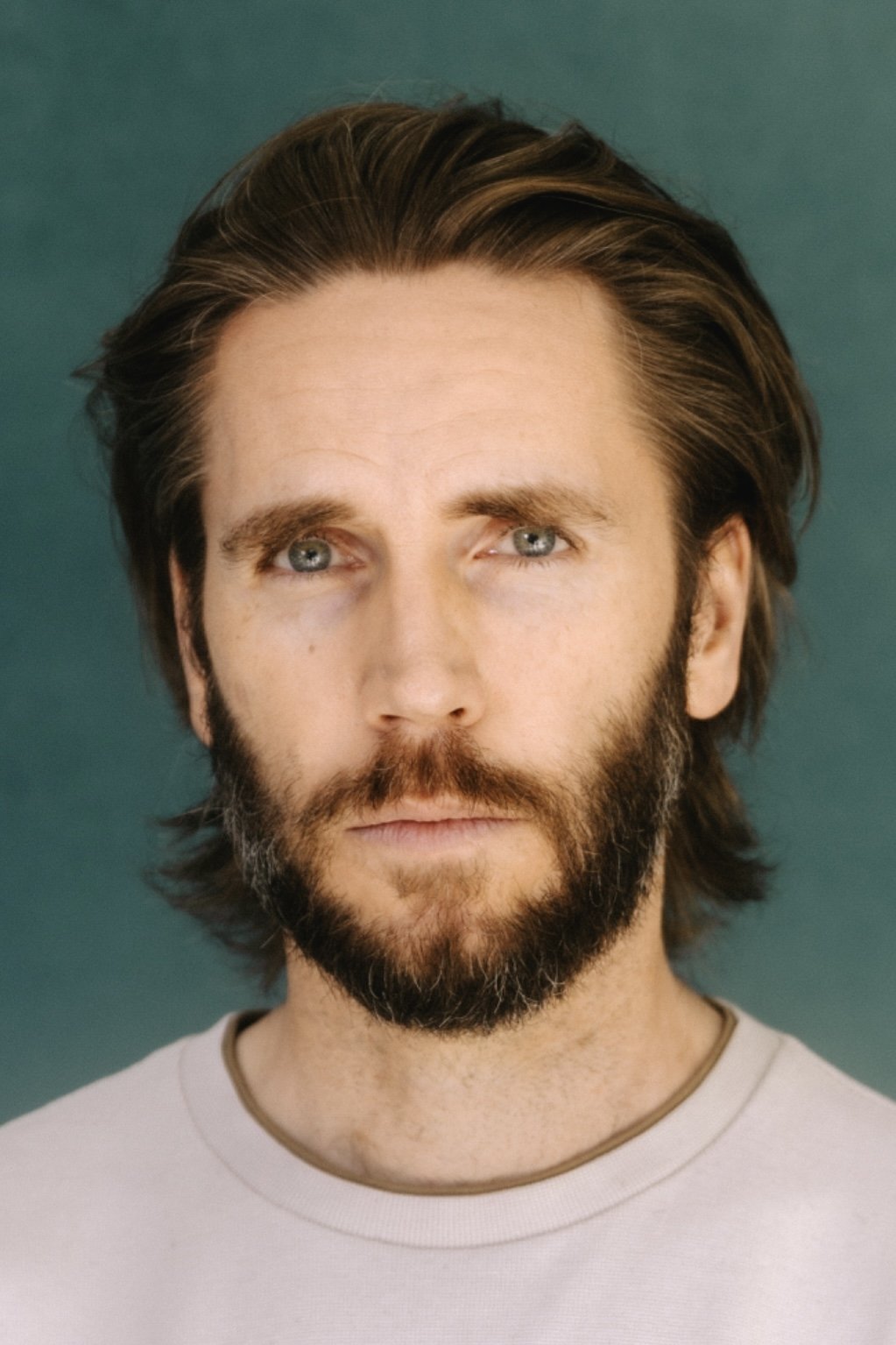
A 2020s tonal shift has carried New Zealand horror toward bleaker, more politically pointed terrain. James Ashcroft's Coming Home in the Dark (2021), in which a family holiday is interrupted by two drifters with knowledge of a buried New Zealand history, marked a deliberate break from the splatter-comedy tradition — a postcolonial trauma horror that explicitly engages settler violence and institutional abuse. Taratoa Stappard's Mārama (2026) carries the same reckoning back to England: in an 1859 gothic, a young Māori woman is summoned from New Zealand to North Yorkshire, where she uncovers what a titled Englishman did to her family. The critical reception to Ashcroft's film, alongside scholarly attention from collections like Gildersleeve's Screening the Gothic in Australia and New Zealand (2022), suggests a maturing national horror identity. New Zealand horror's enduring identity remains shaped by its willingness to find comedy in carnage — a sensibility rooted in Jackson's early work but sustained by a filmmaking culture that treats limited resources as creative fuel rather than constraint, even as a new generation pushes the form toward darker, more ambitious territory.
Sources: Jessica Gildersleeve (ed.), Screening the Gothic in Australia and New Zealand (2022).
Essential Films
Death Warmed Up
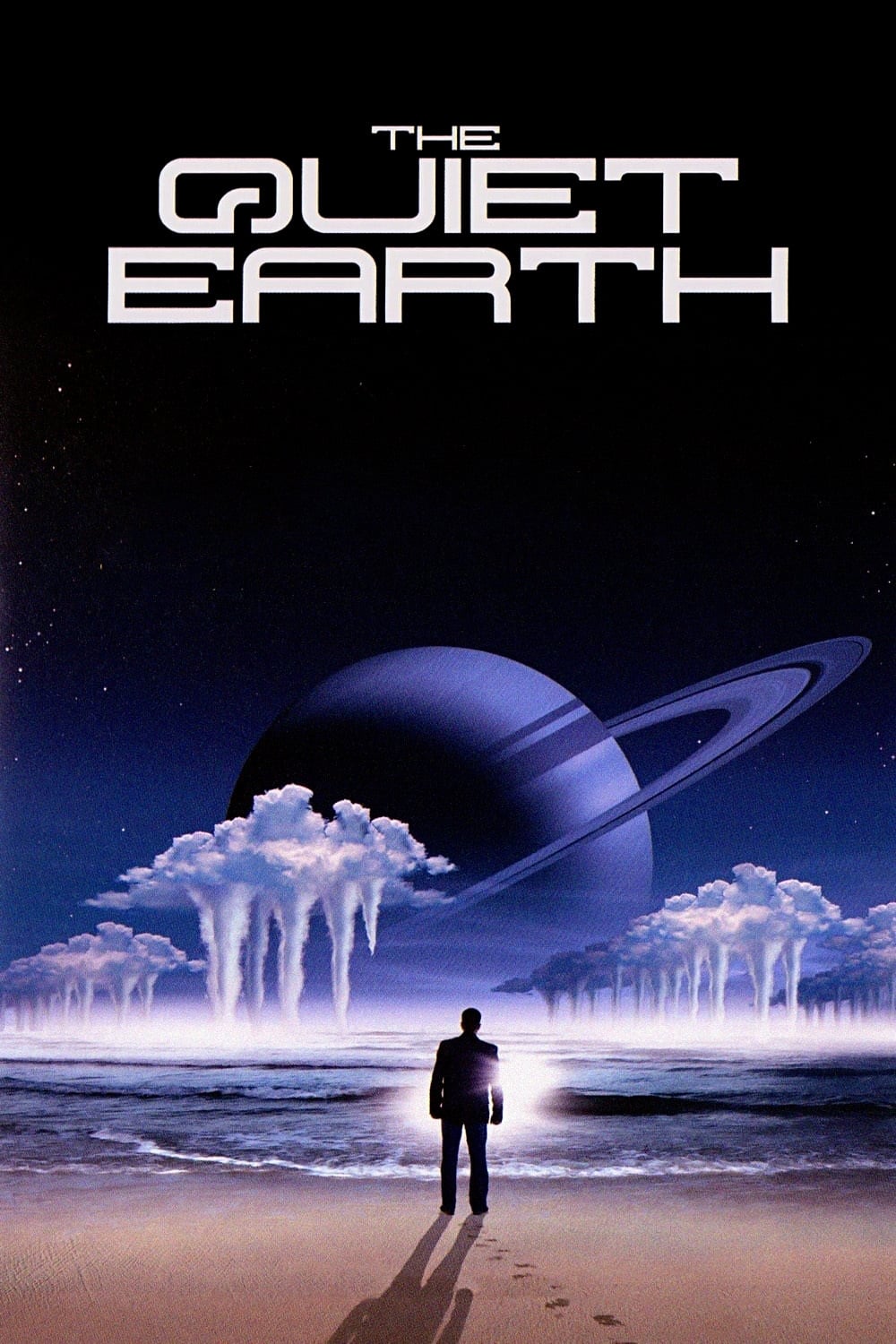
The Quiet Earth
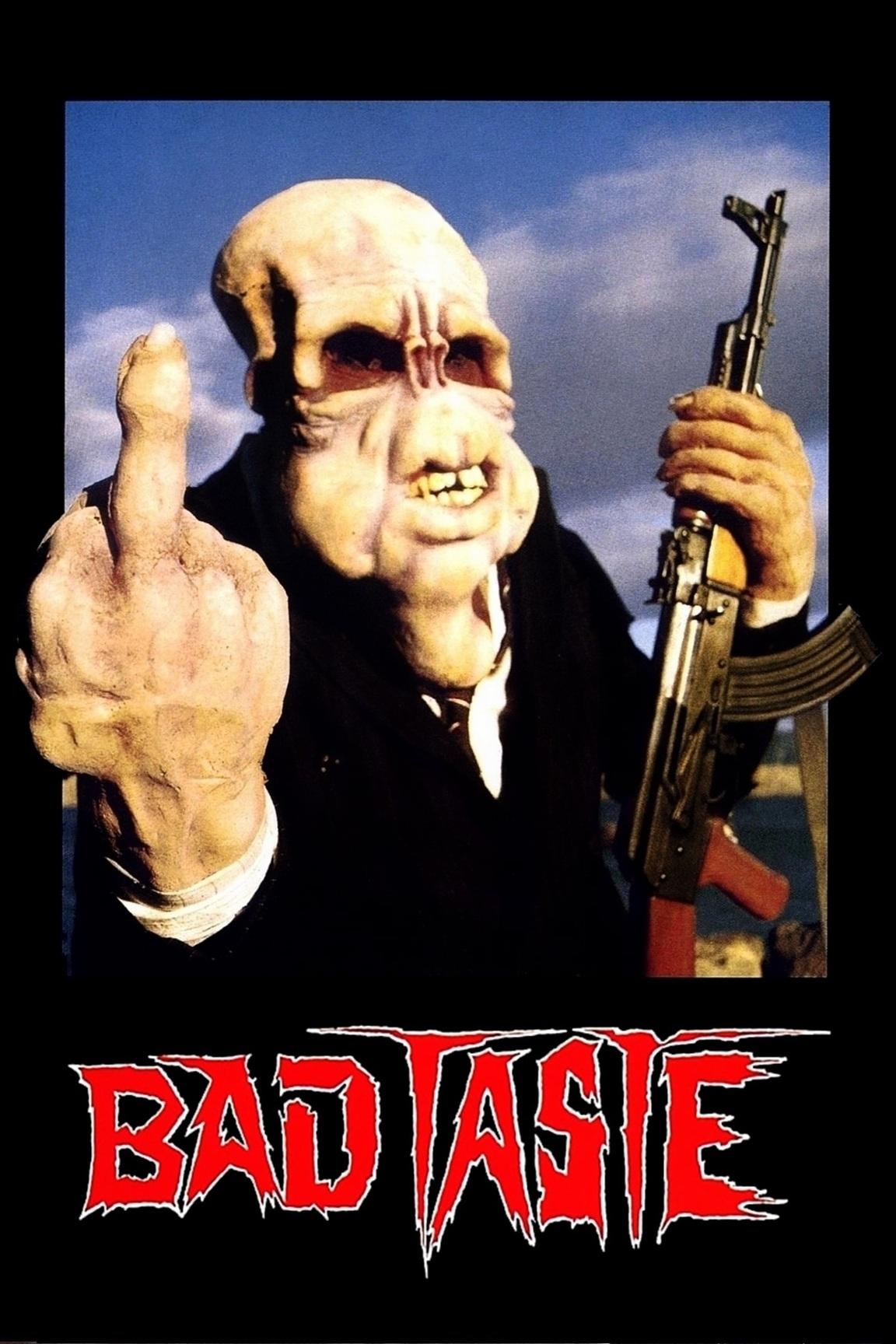
Bad Taste
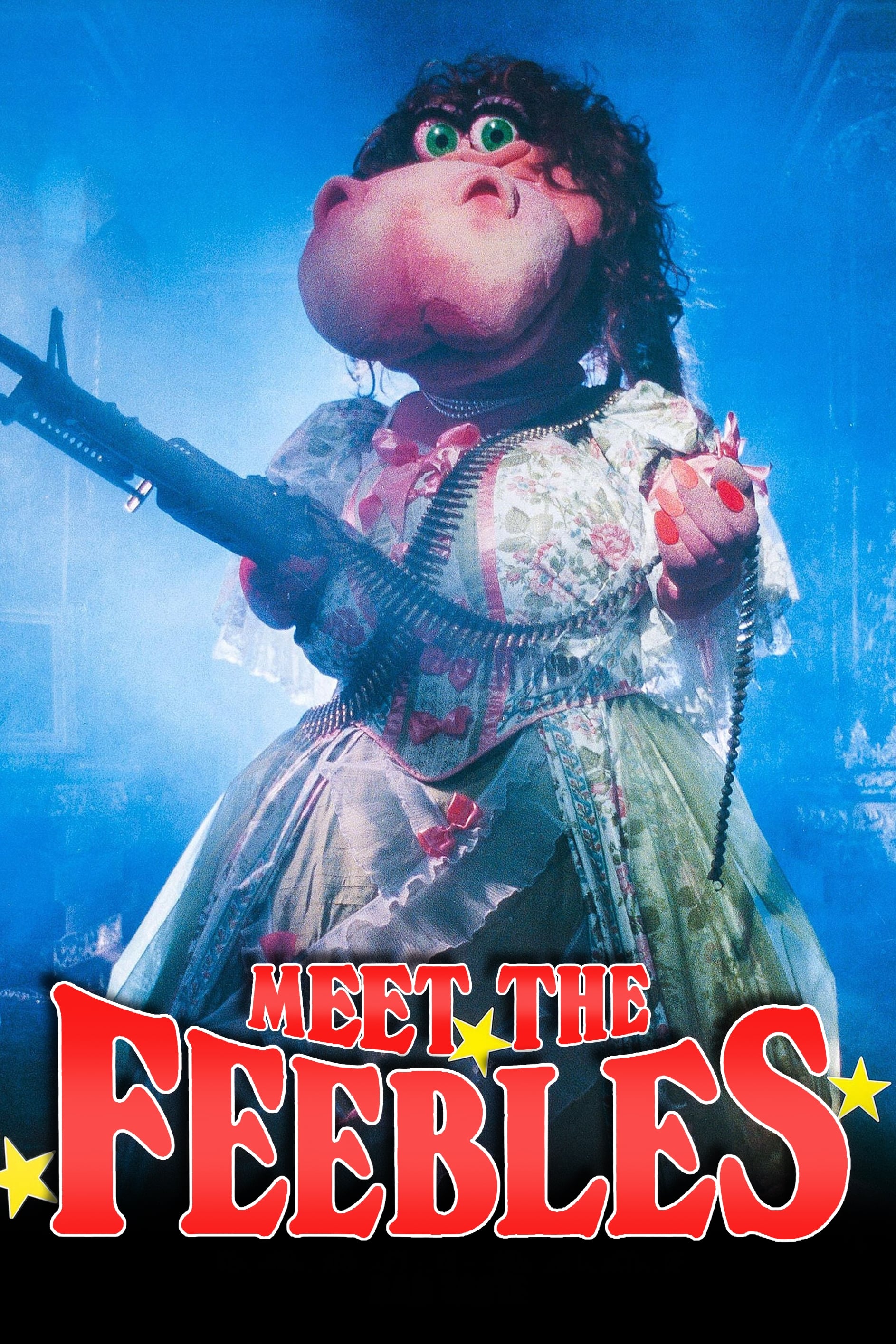
Meet the Feebles
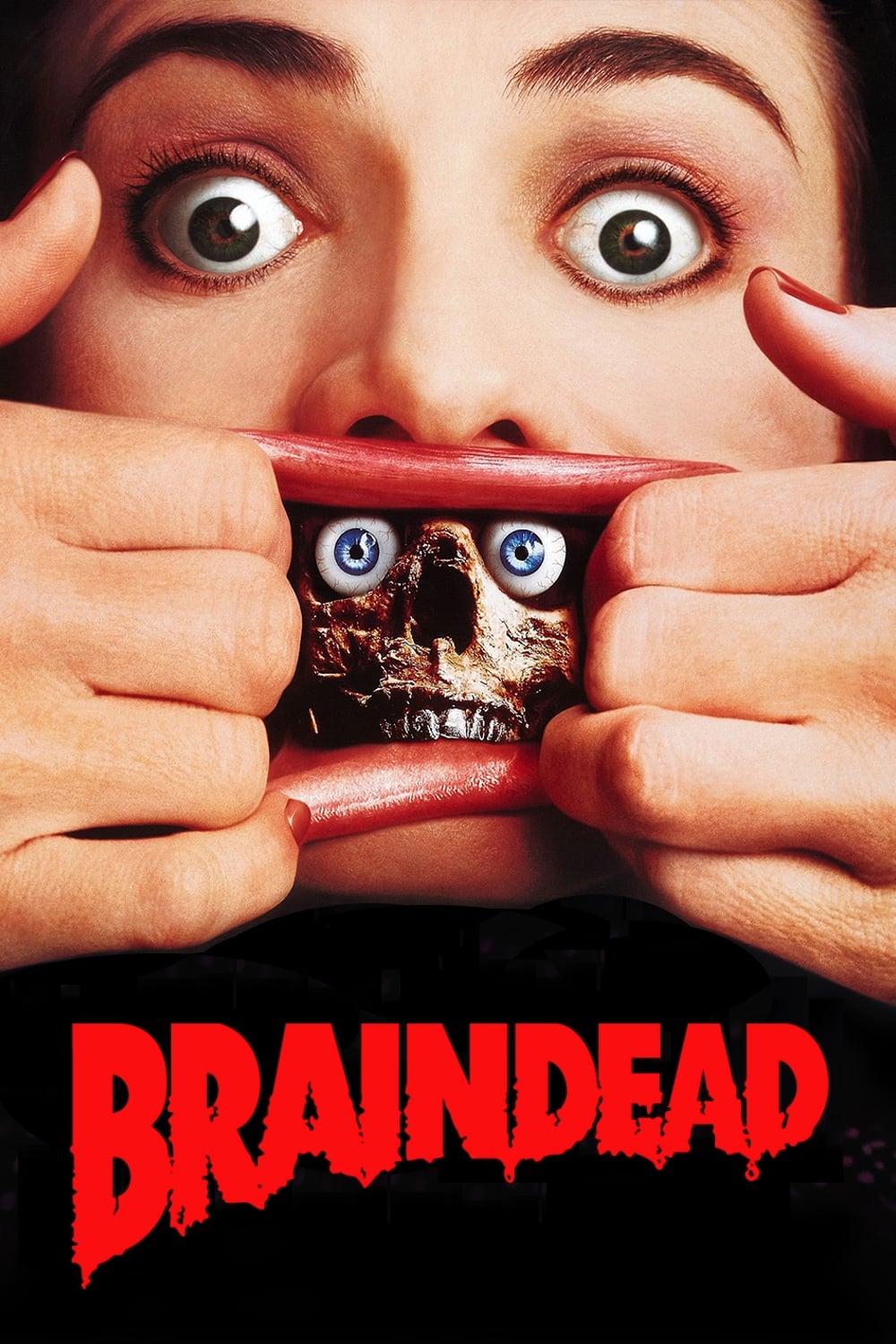
Braindead
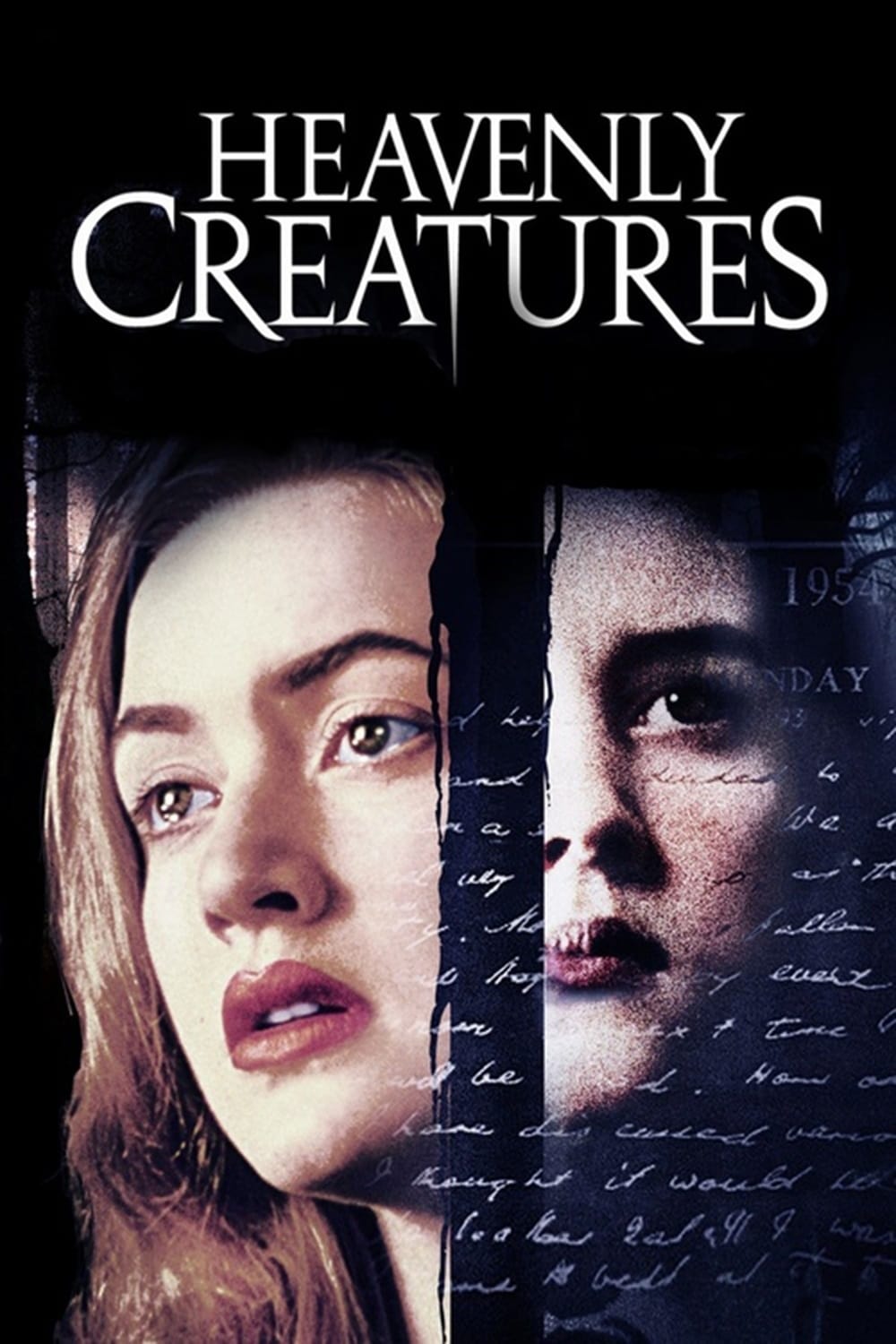
Heavenly Creatures

The Frighteners
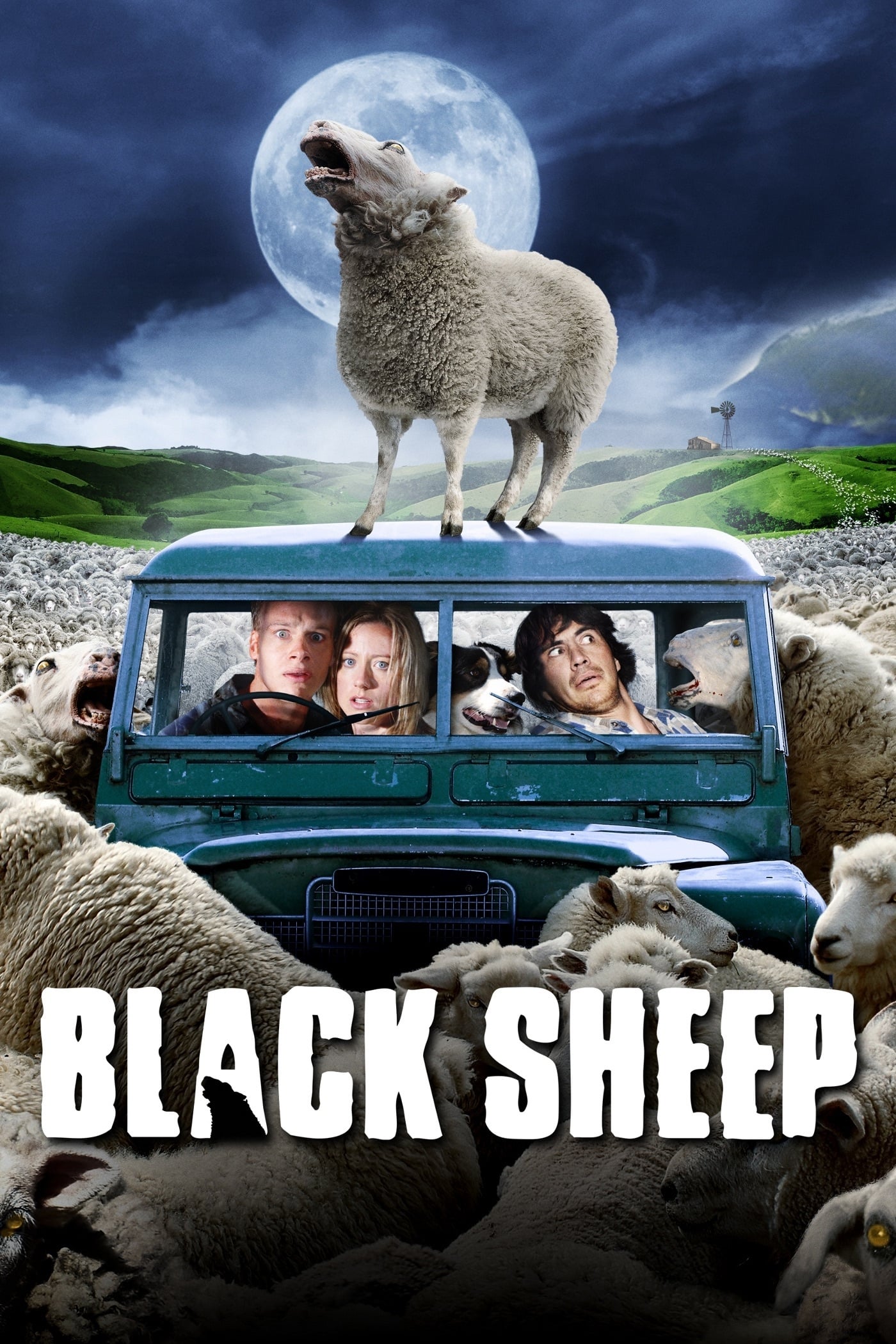
Black Sheep
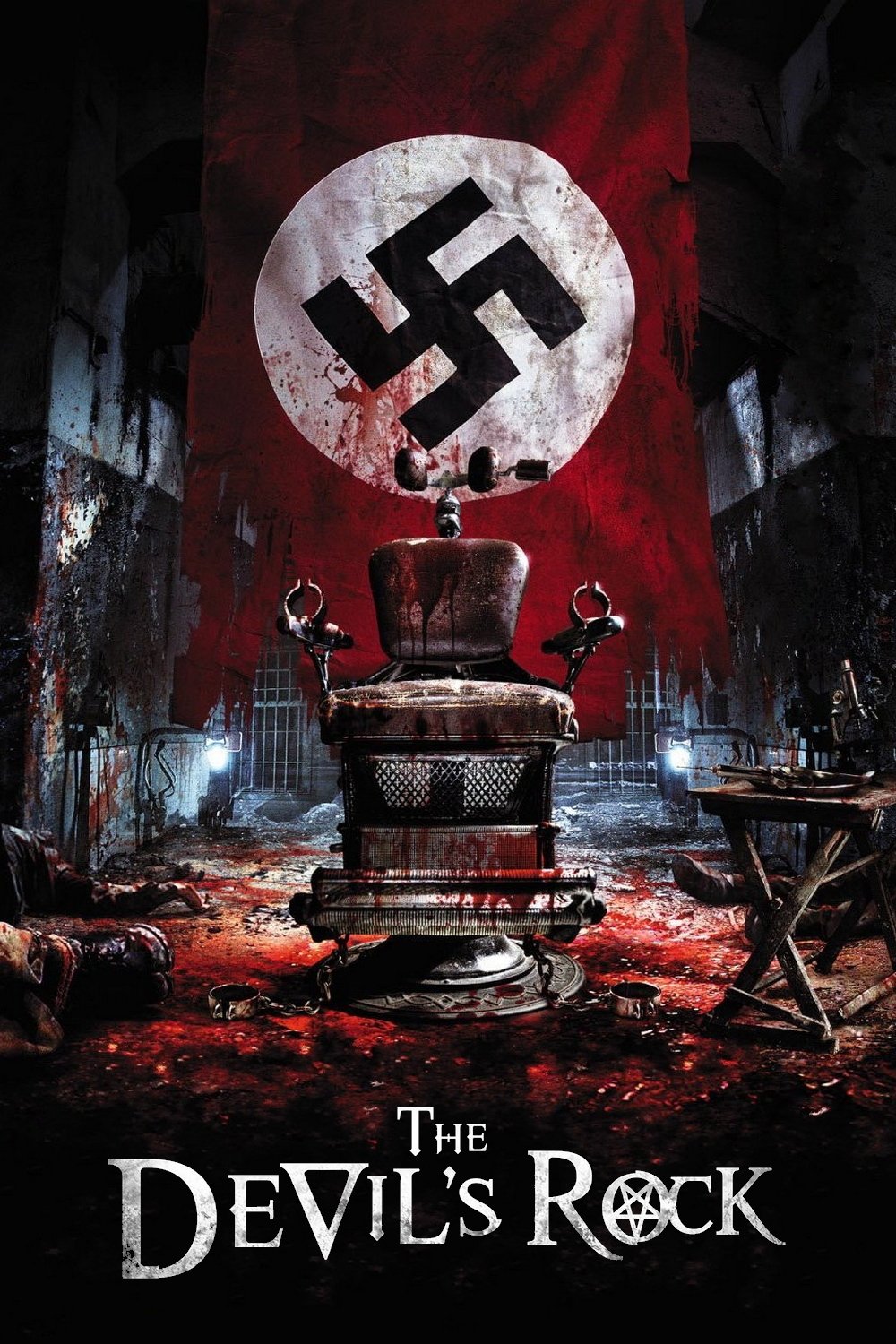
The Devil's Rock
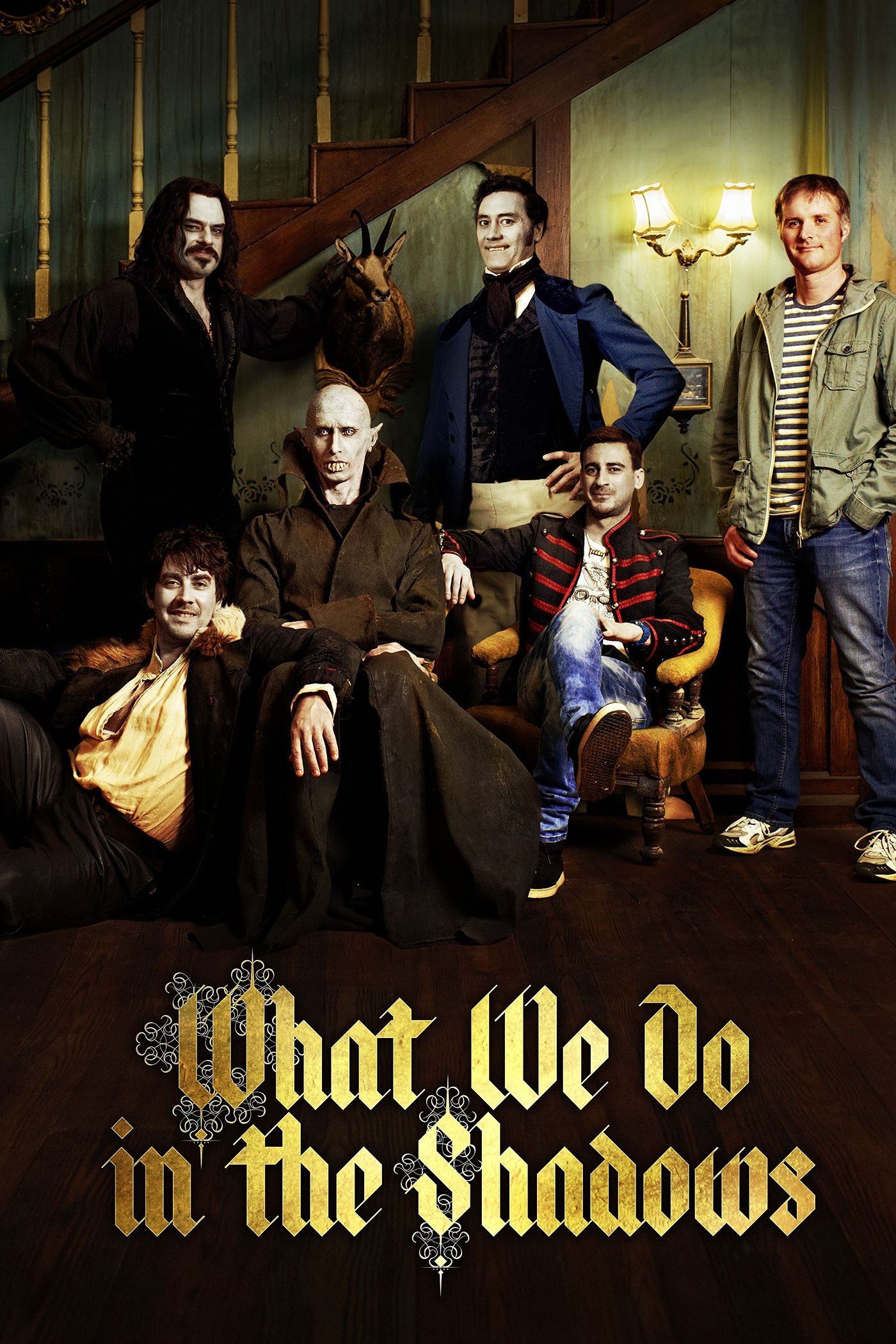
What We Do in the Shadows
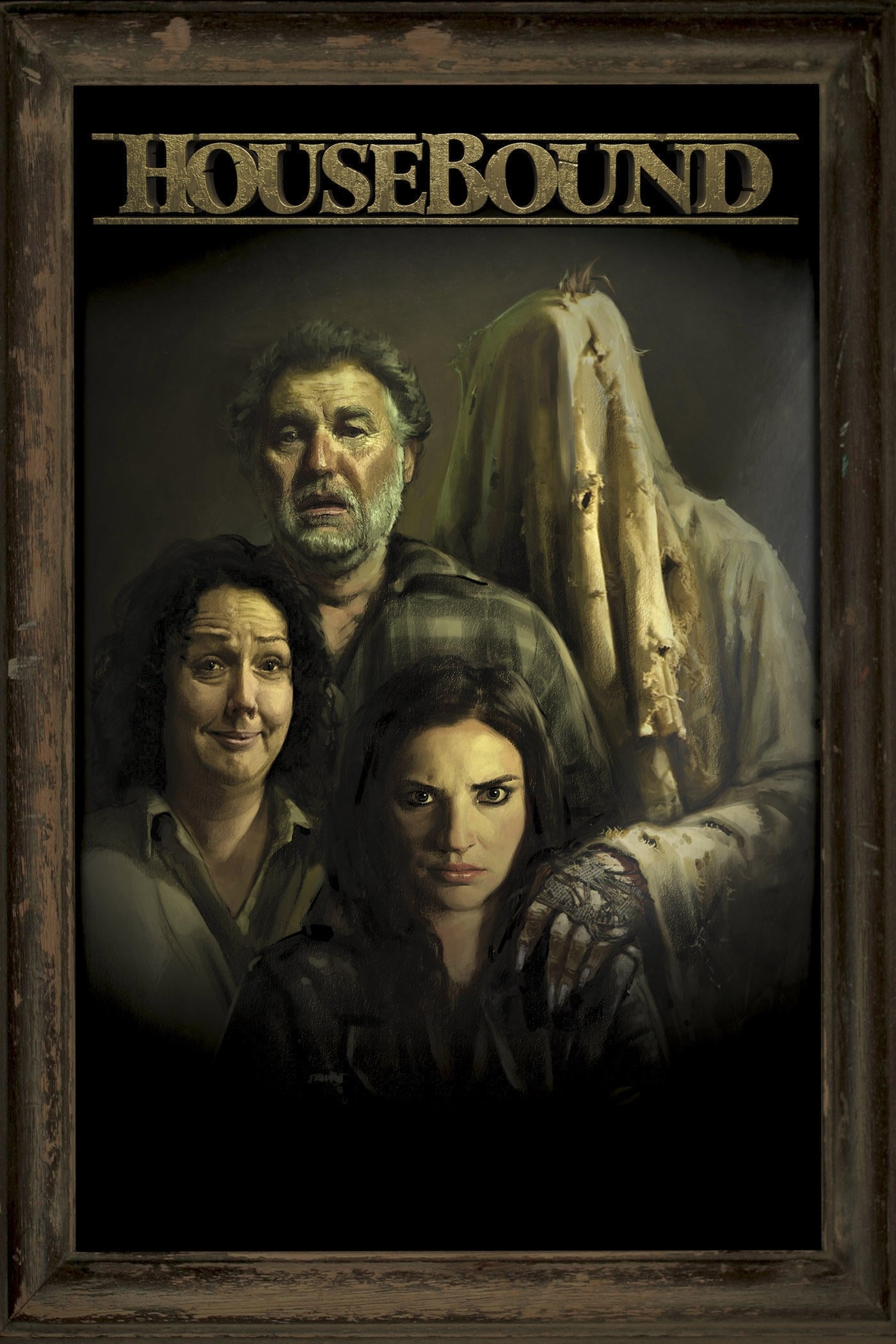
Housebound

Deathgasm
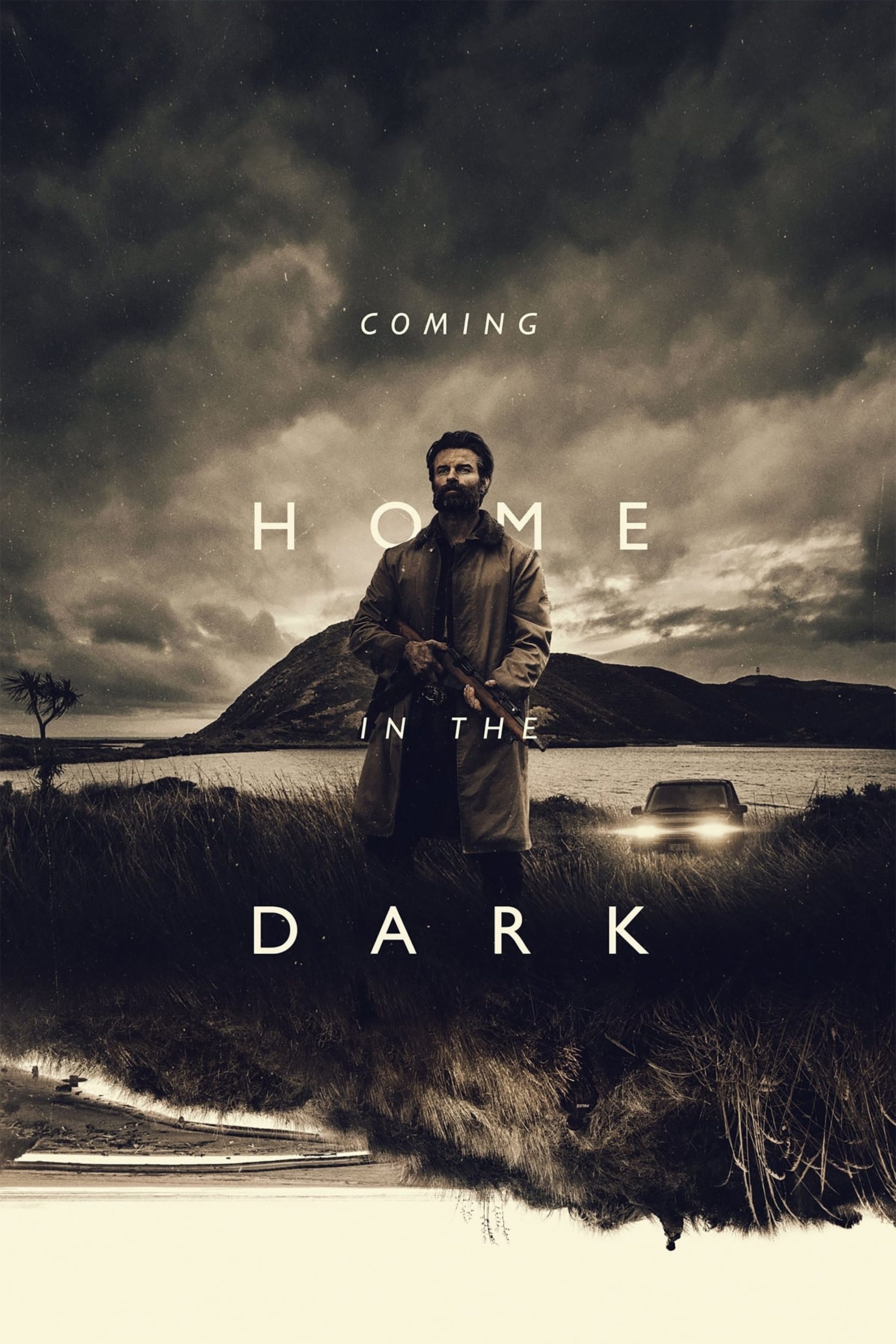
Coming Home in the Dark

Mārama
Statistics
Top Subgenres
Popularity by Decade
Share of each decade's horror films classified as New Zealand horror. Counts films with at least 5 TMDB ratings, so very obscure titles are not represented.