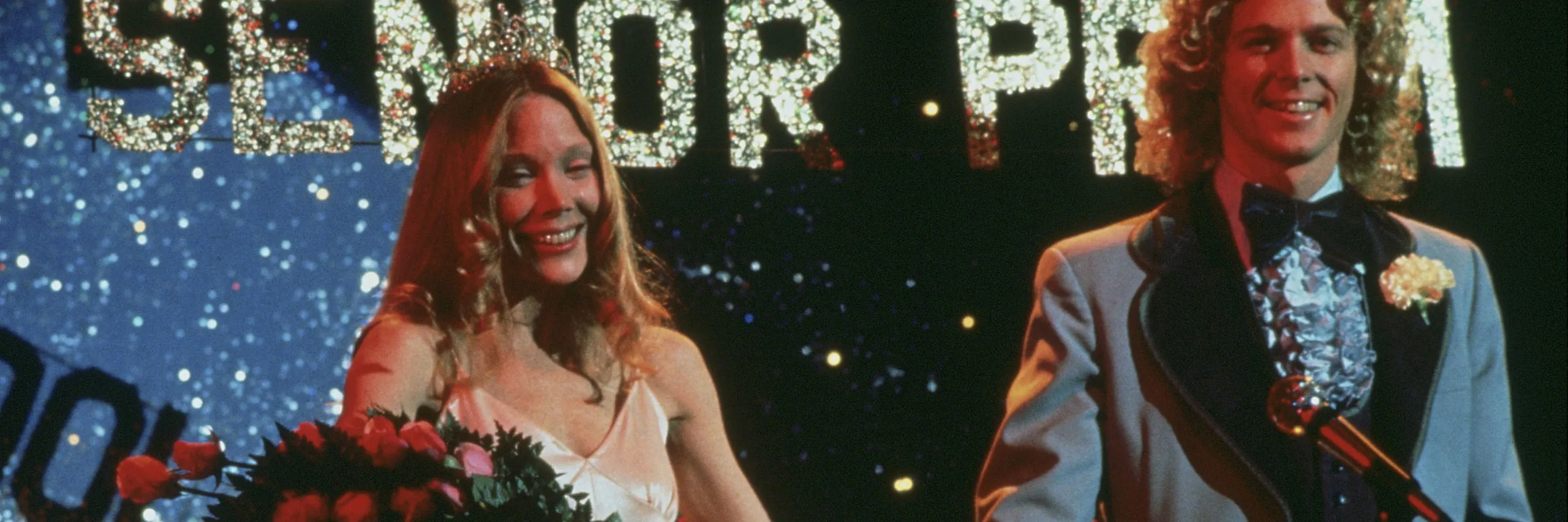
 Carrie (1976)
Supernatural Powers
Abilities that isolate and destroy their bearers. Telekinesis, clairvoyance, and psychic gifts that are indistinguishable from curses — power without control, vision without mercy.
History & Origins
Supernatural powers horror explores what happens when human beings become conduits for forces beyond their control — telekinesis, clairvoyance, psychic destruction, and abilities that blur the line between gift and curse. These films ask a deceptively simple question: what if a person could do the impossible, and what would that power cost them?
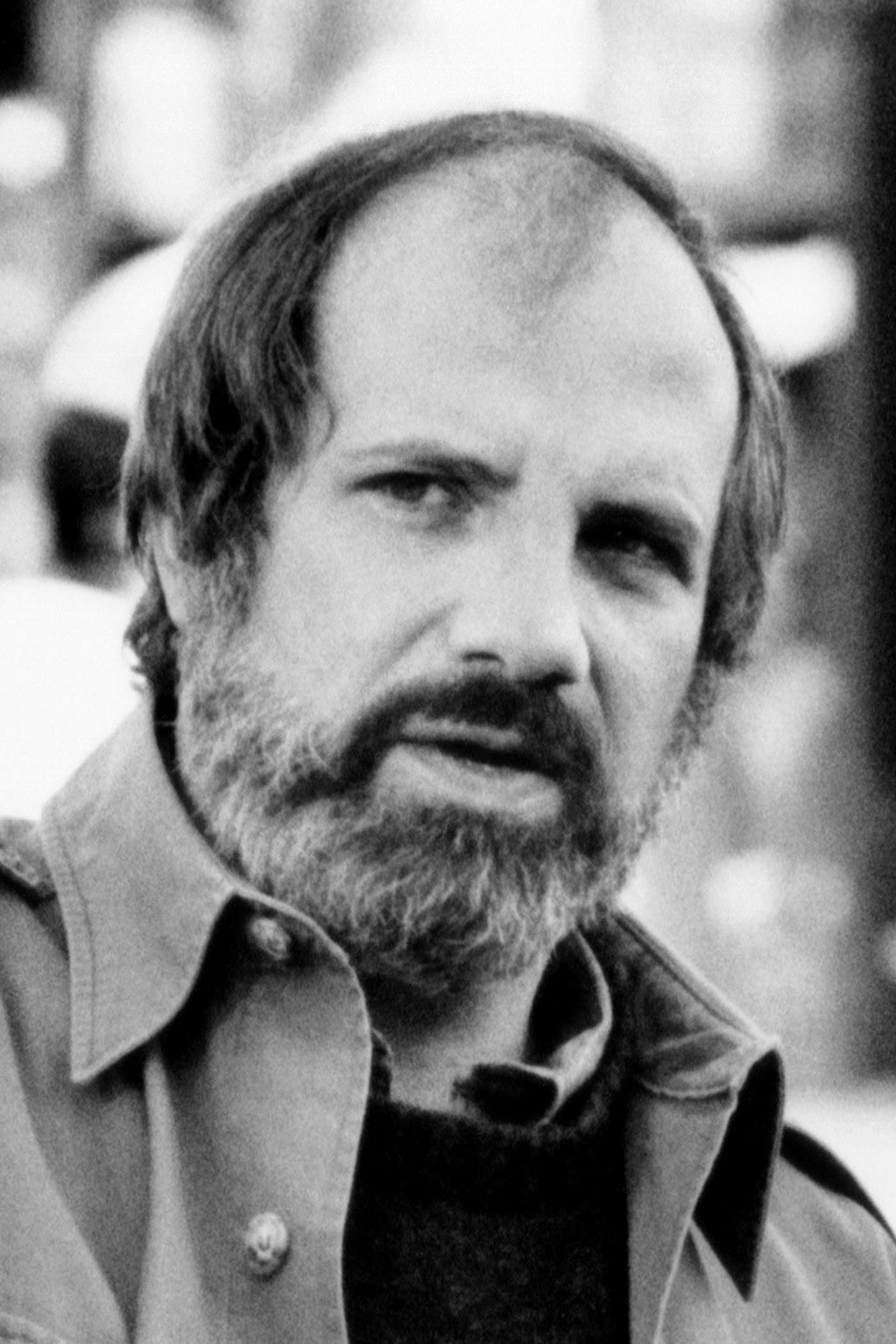
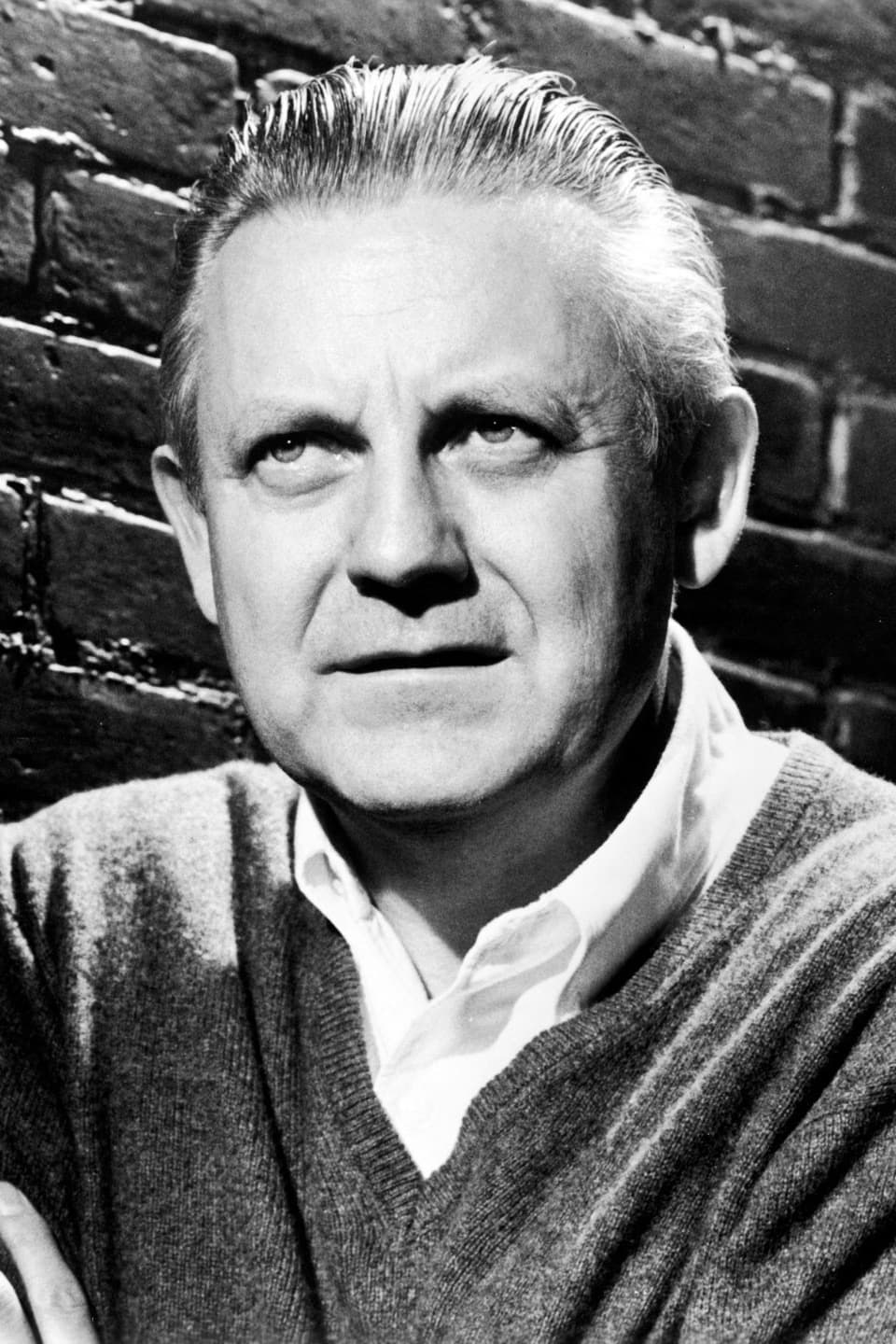
Brian De Palma's Carrie (1976), adapted from Stephen King's first novel, remains the subgenre's defining work. Carrie White's telekinetic abilities are inseparable from her suffering — the power emerges from trauma, and its eventual unleashing is simultaneously cathartic and horrifying. De Palma staged the prom massacre as an almost symphonic sequence of destruction, making the audience complicit in wanting Carrie to finally strike back. The film understands that supernatural power in human hands is not a fantasy of liberation but a guarantee of tragedy. De Palma's follow-up The Fury (1978) ran the same psychic-as-weapon premise; Patrick (1978) (Australia) restated it as coma-telekinesis. Robert Wise's Audrey Rose (1977) ran reincarnation as supernatural-power trauma.
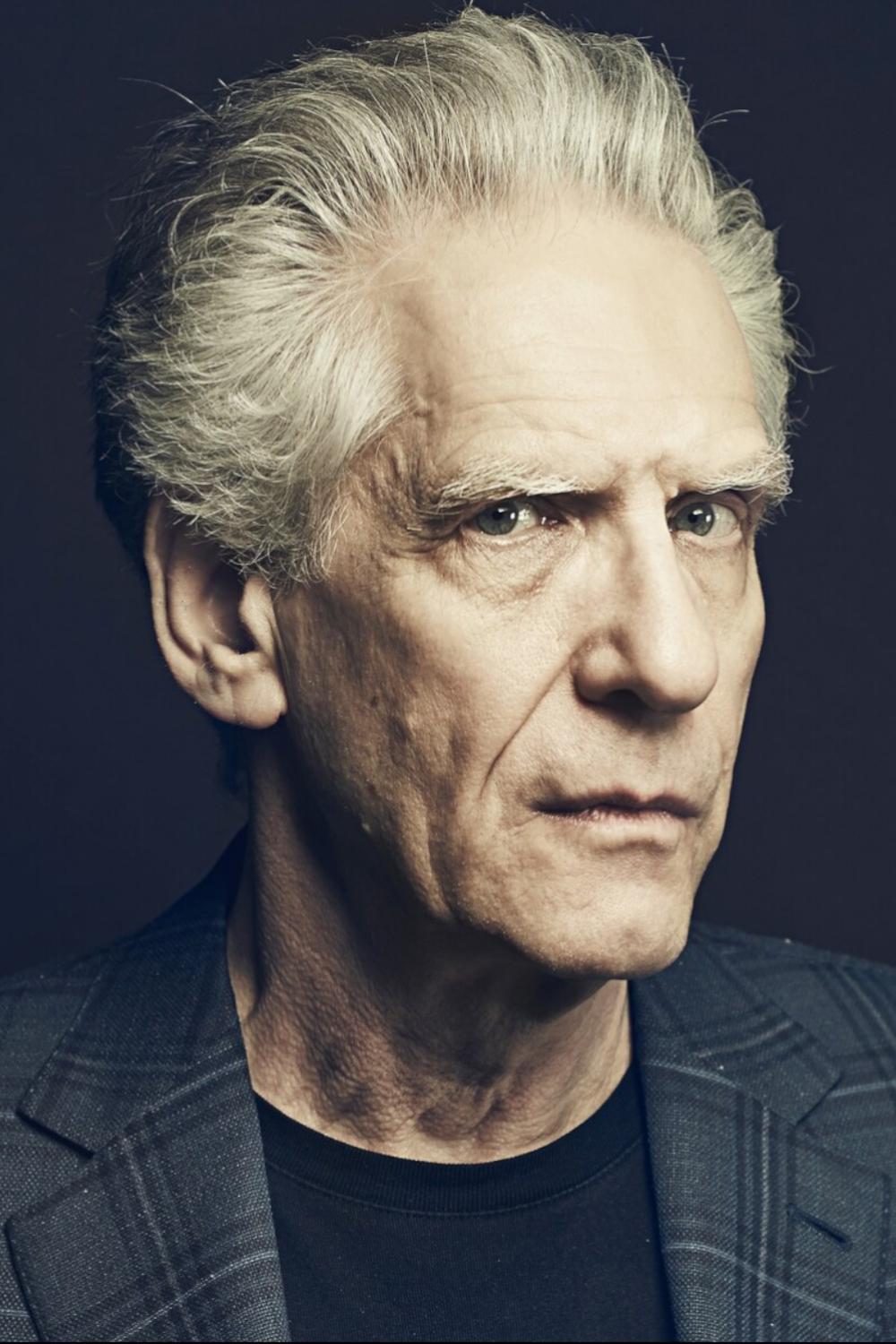
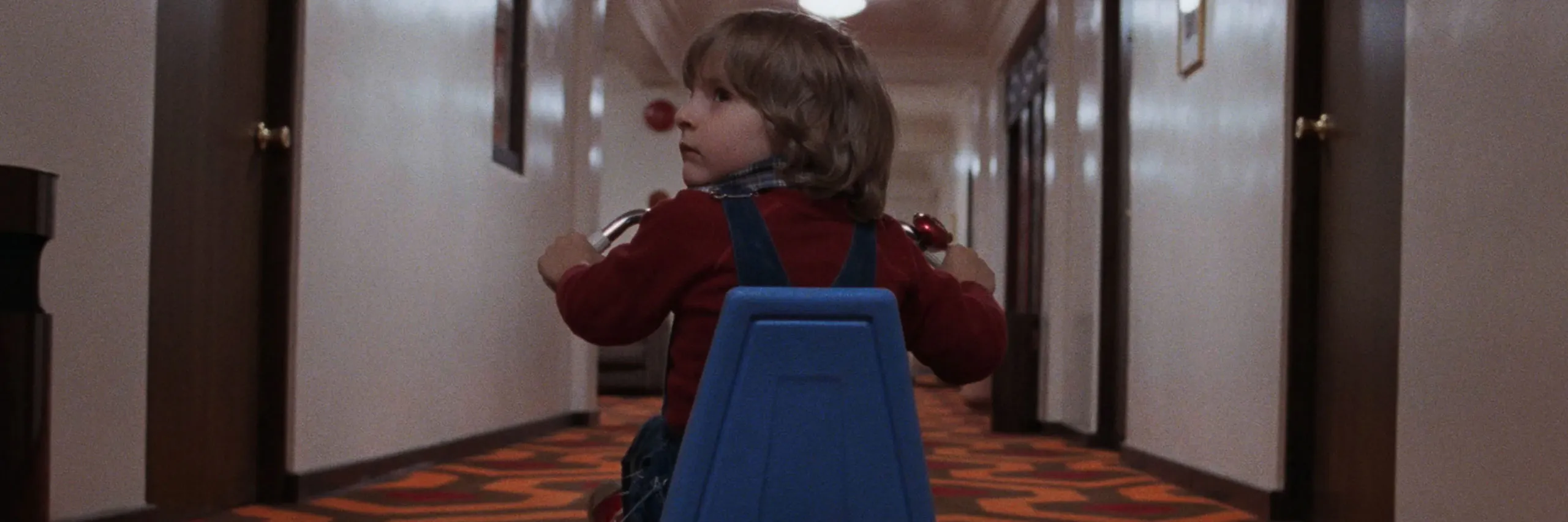
David Cronenberg's Scanners (1981) explored psychic power as a physiological condition — the scanner's abilities are rooted in their nervous system, making the supernatural feel disturbingly biological. The exploding-head sequence became iconic, but the film's real horror is the weaponization of psychic ability by pharmaceutical corporations. The Dead Zone (1983), also from King, examined clairvoyance as a burden — seeing the future and being unable to prevent it, or being forced to make impossible moral choices based on knowledge no one else possesses. Mark L. Lester's Firestarter (1984), with Drew Barrymore, ran the King pyrokinesis premise as government-conspiracy thriller. King's psychic-children continued to dominate the form: Sleepwalkers (1992), Stir of Echoes (1999), the long-delayed Doctor Sleep (2019) (Mike Flanagan, with Ewan McGregor) returning Danny Torrance to the Overlook.
M. Night Shyamalan's Unbreakable (2000) and Glass (2019) ran the superhero-as-horror premise — supernatural abilities as identity-destabilizing curse rather than empowerment. The Pang Brothers' The Eye (2002) (Hong Kong) recast clairvoyance through transplant-acquired second sight; Josh Trank's Chronicle (2012) ran telekinesis as found-footage teen-tragedy. The 2010s–2020s revival pushed the form in many directions: It Follows (2015)'s transmissible curse, Jeff Nichols's Midnight Special (2016), David Yarovesky's anti-Superman Brightburn (2019), Ciarán Foy's psychic-child Netflix entry Eli (2019), Keith Thomas's Firestarter (2022) reboot, Scott Derrickson's The Black Phone (2022) (psychic-call connection across the dead), and the Philippou brothers' Bring Her Back (2025). The subgenre's persistence reflects a genuine anxiety: in a world that increasingly demands we control our impulses, our emotions, our bodies, these films imagine what happens when control fails completely and something vast moves through a fragile human vessel.
Essential Films
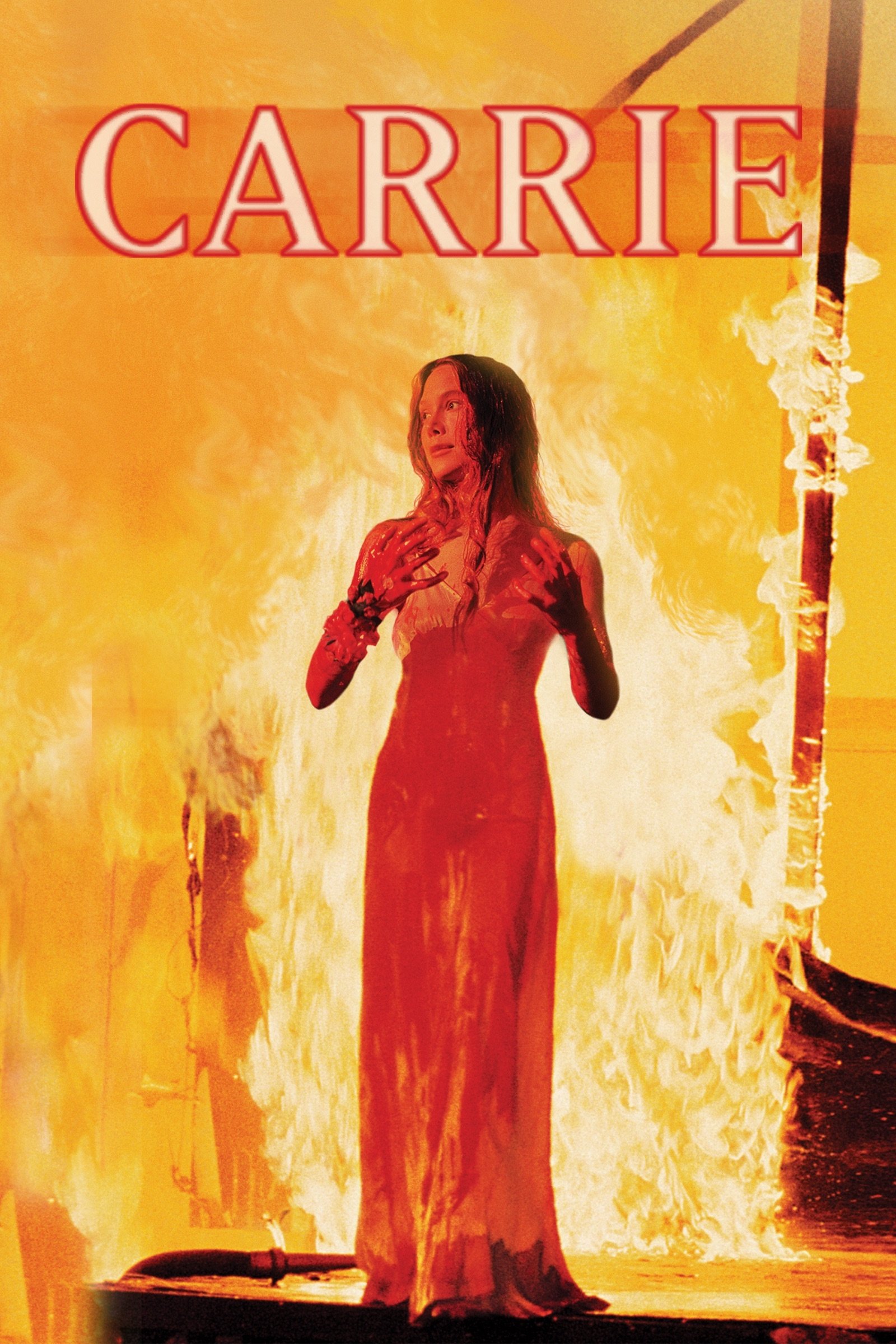
Carrie
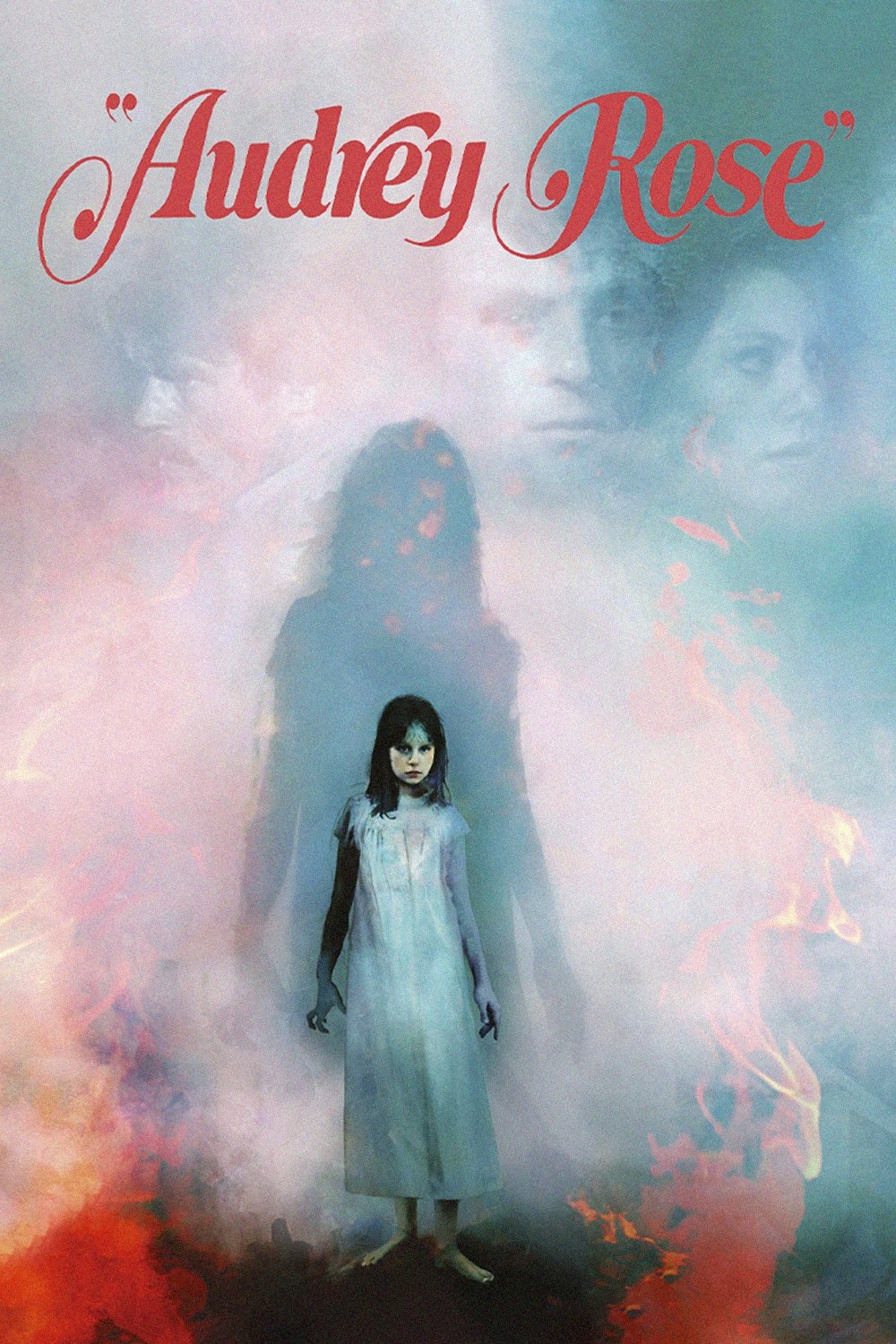
Audrey Rose
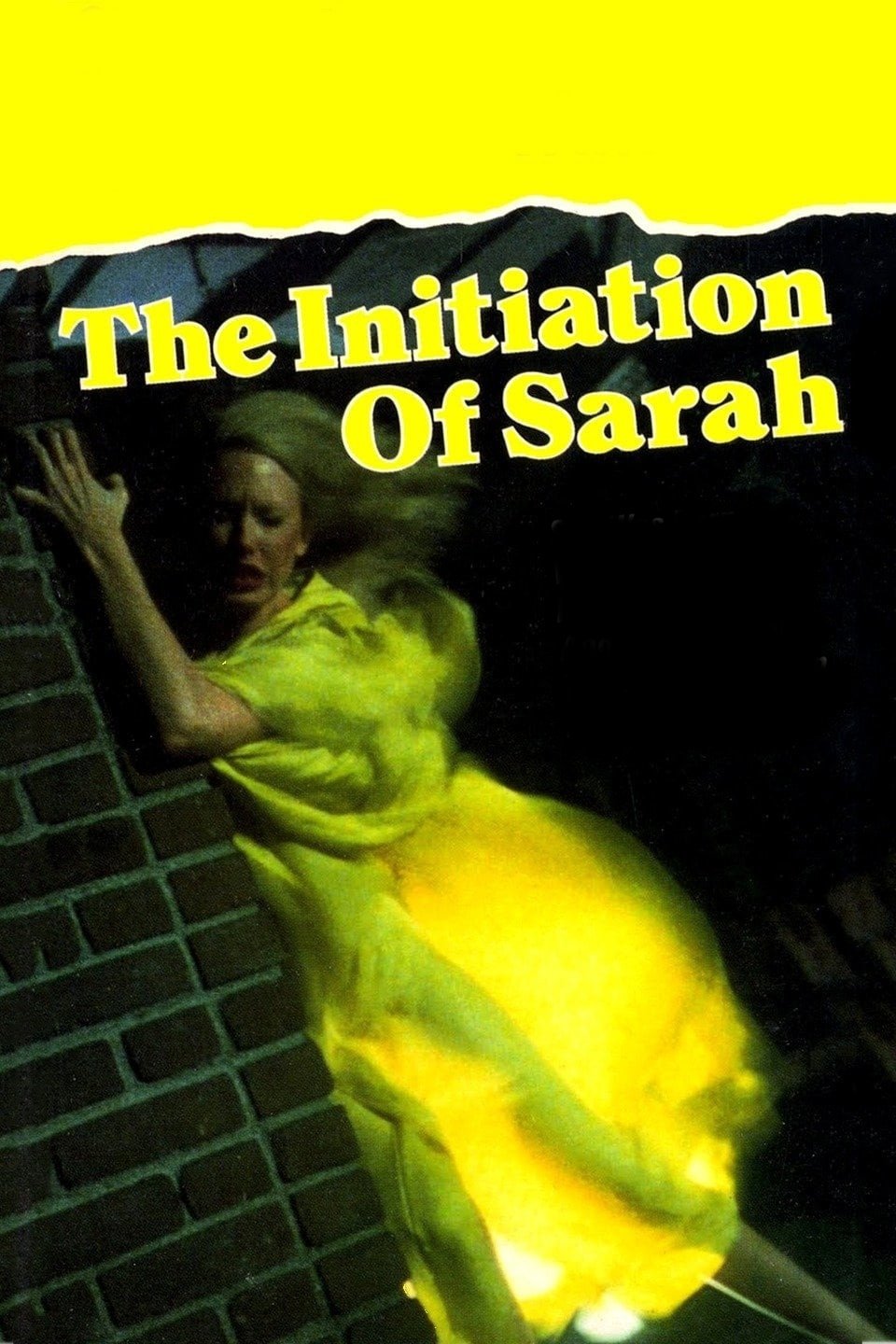
The Initiation of Sarah

The Fury
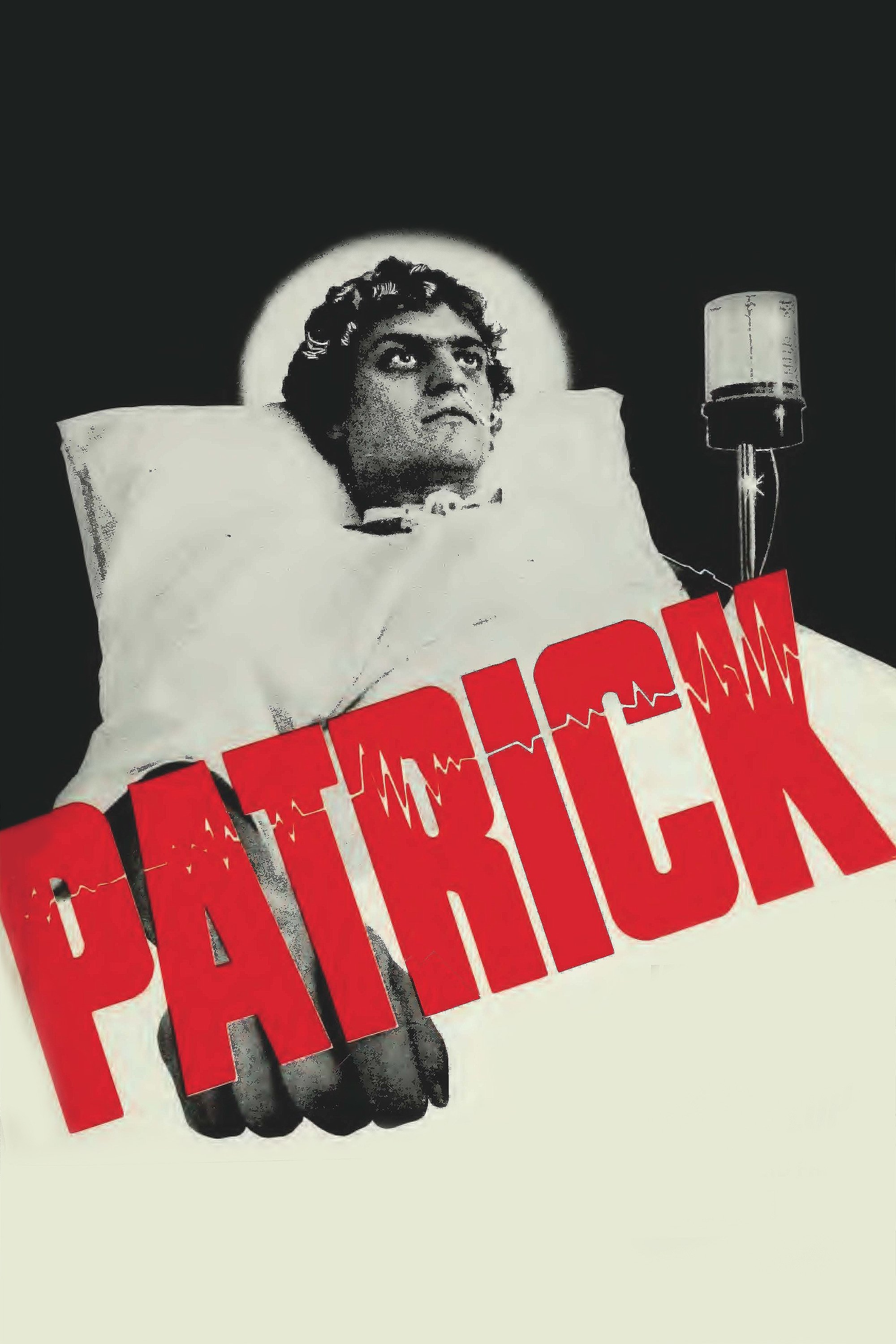
Patrick
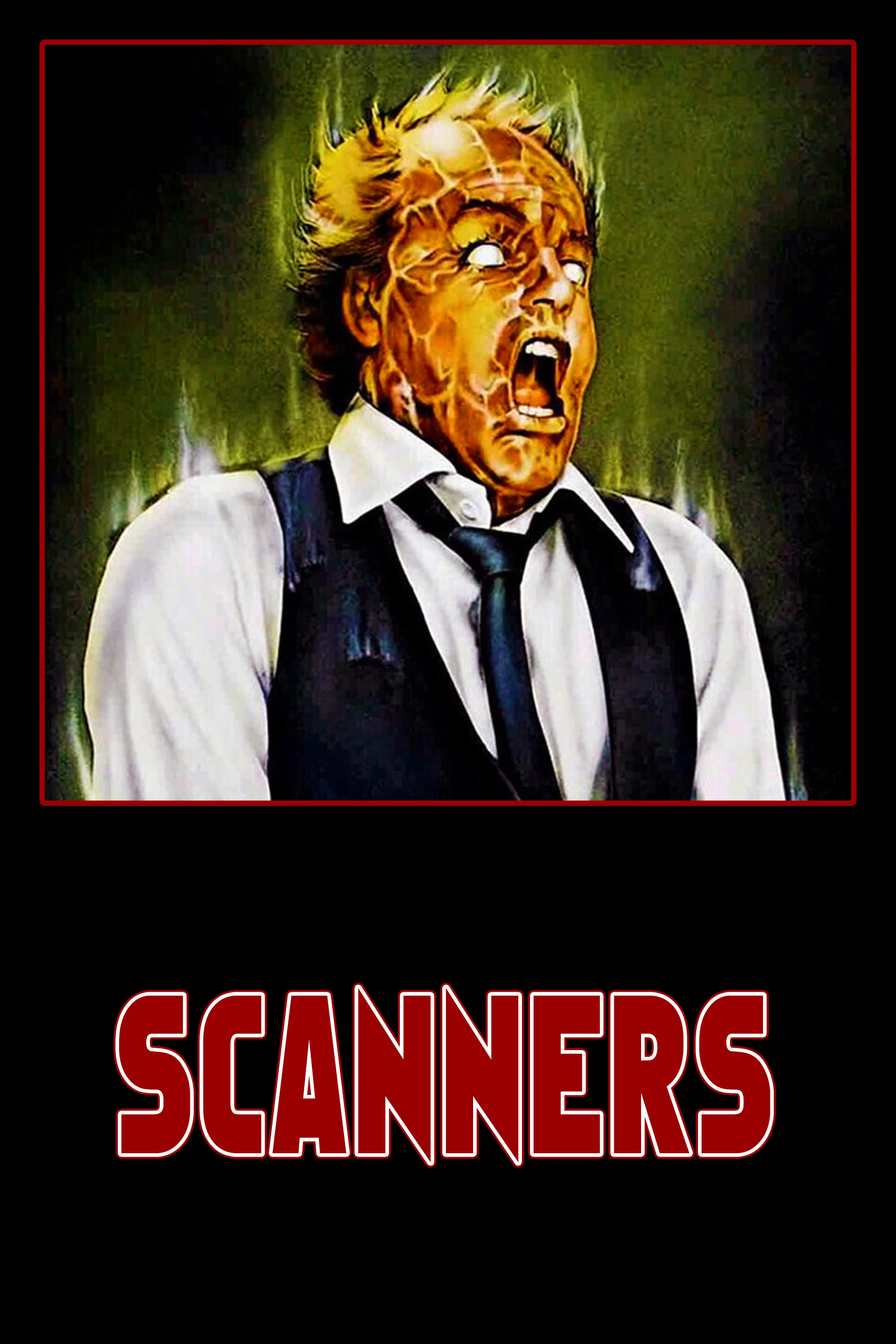
Scanners

The Dead Zone
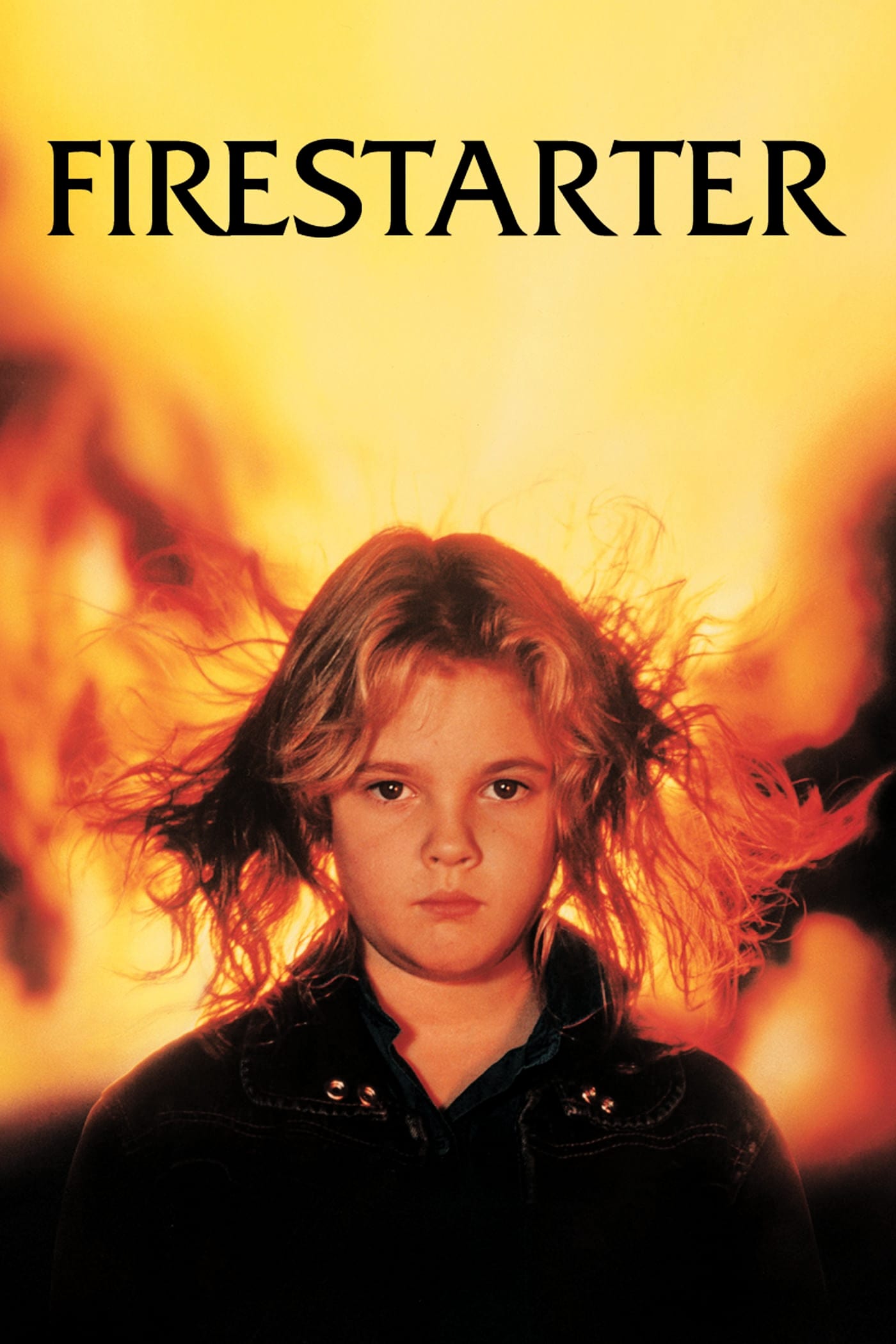
Firestarter
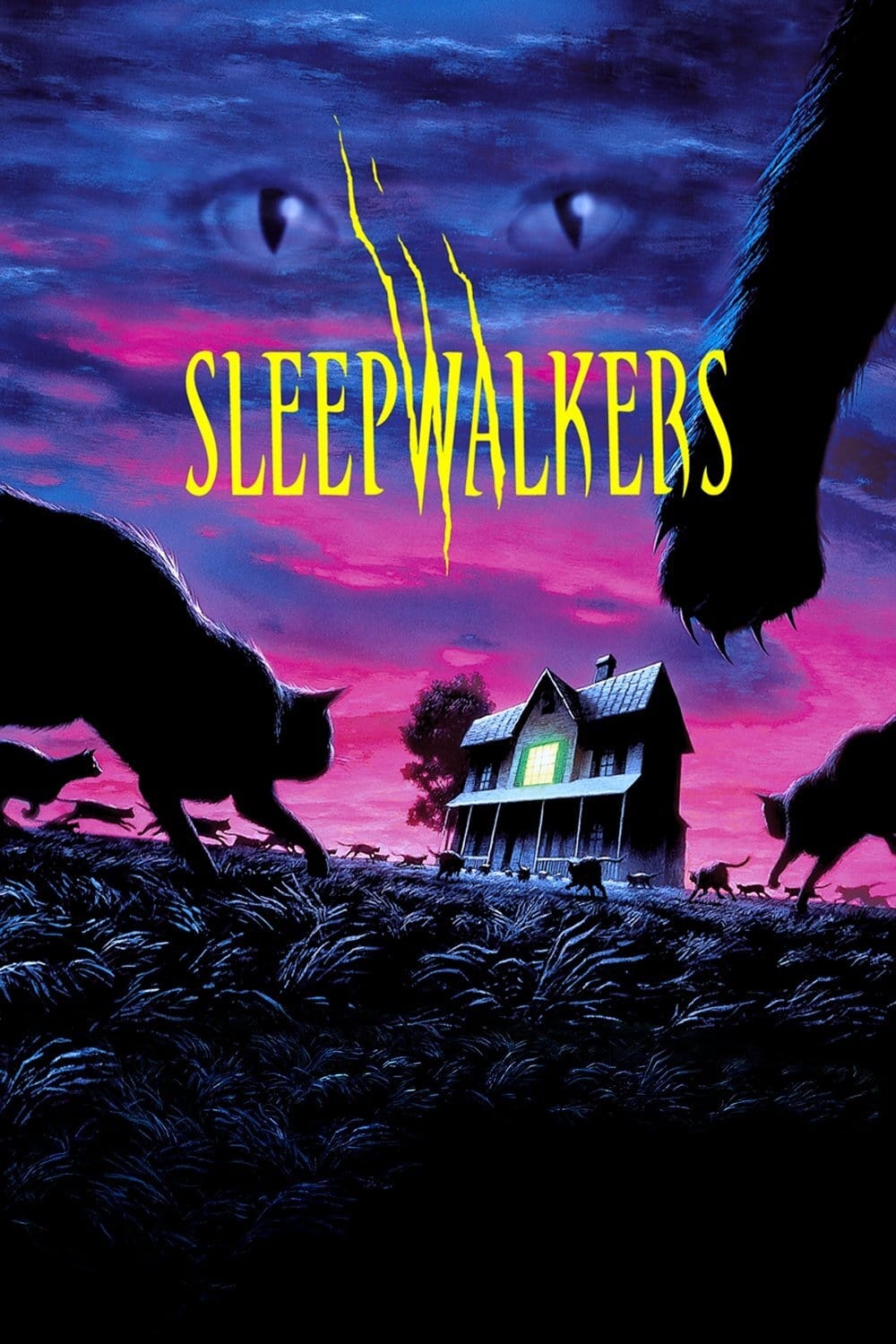
Sleepwalkers
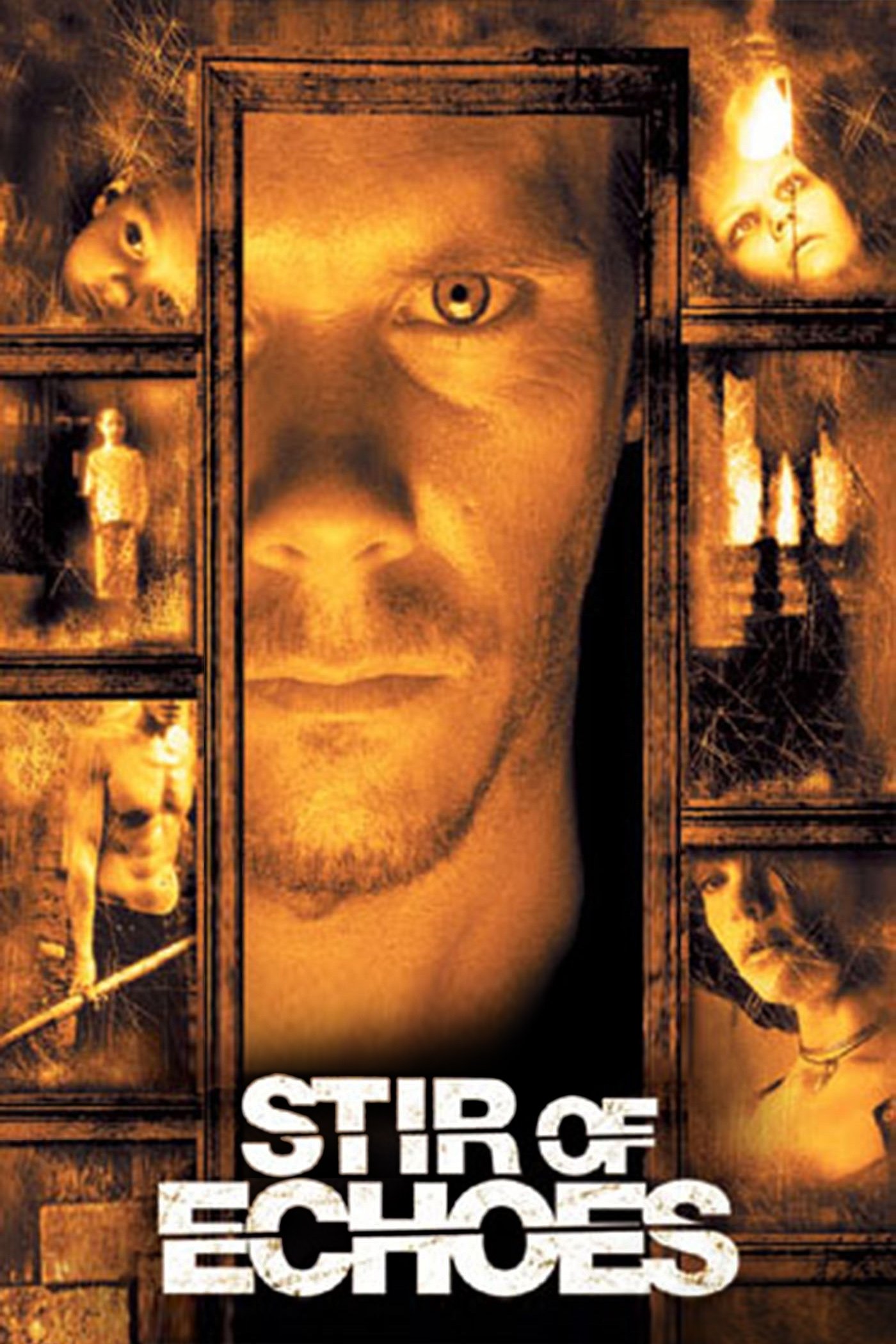
Stir of Echoes
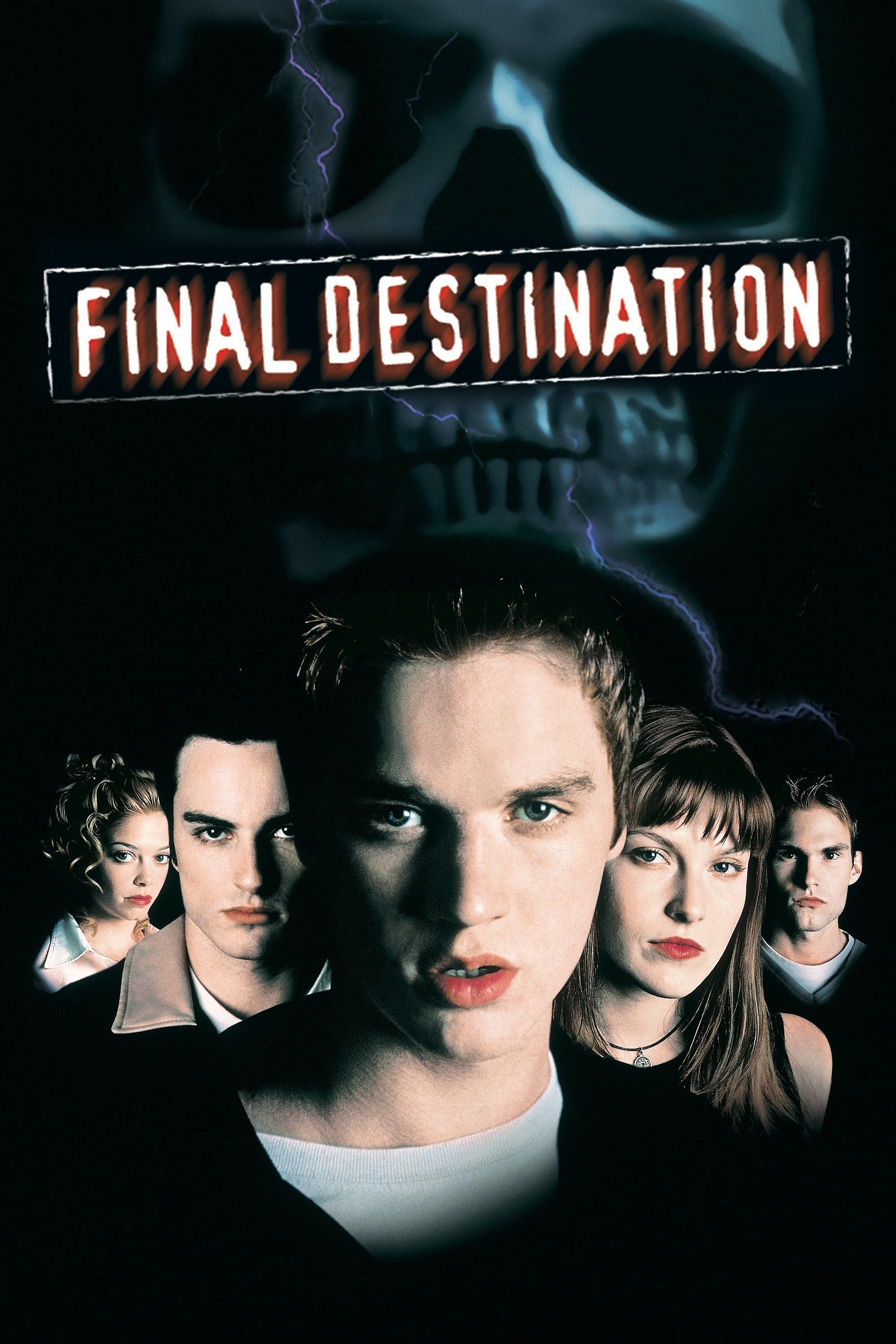
Final Destination
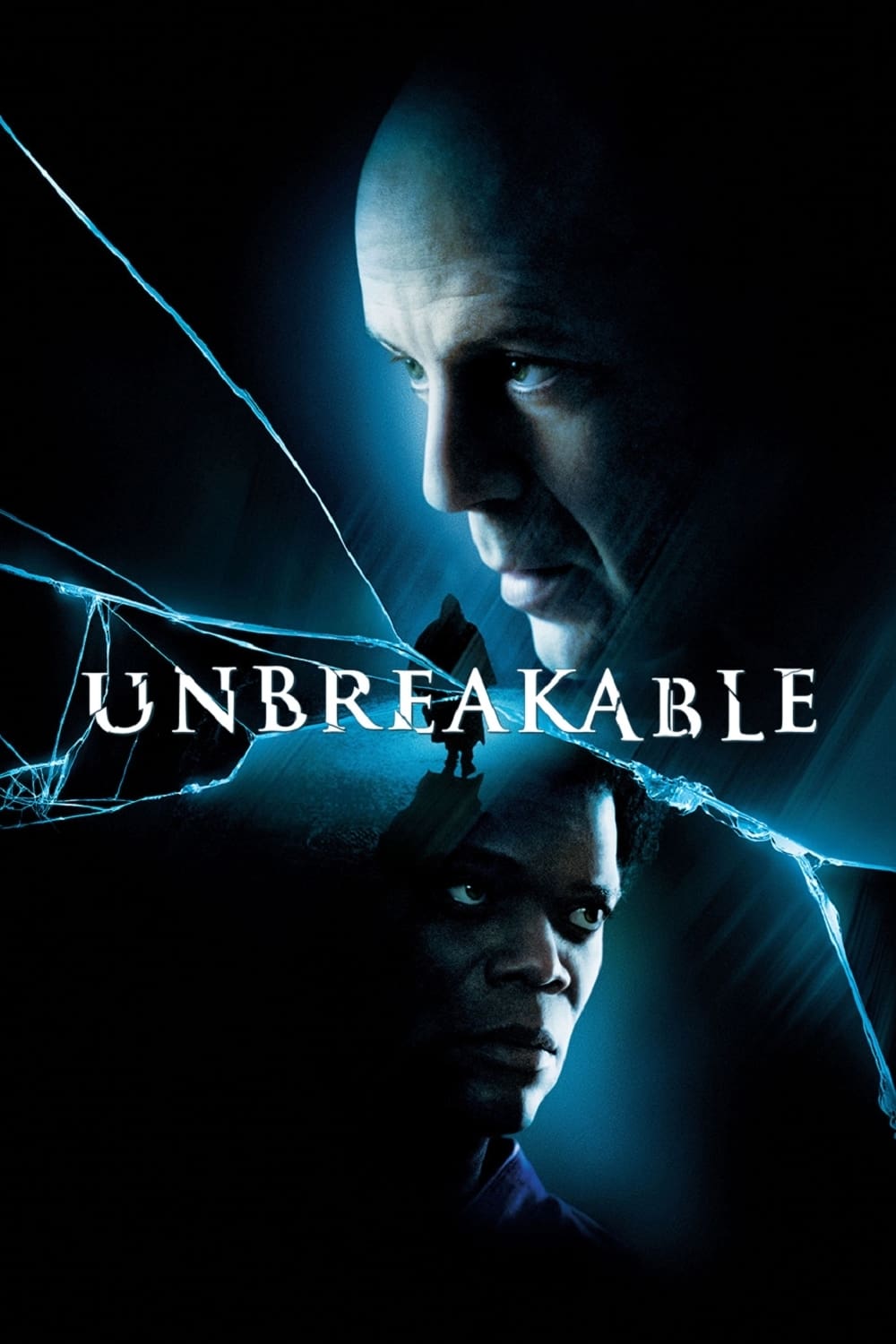
Unbreakable
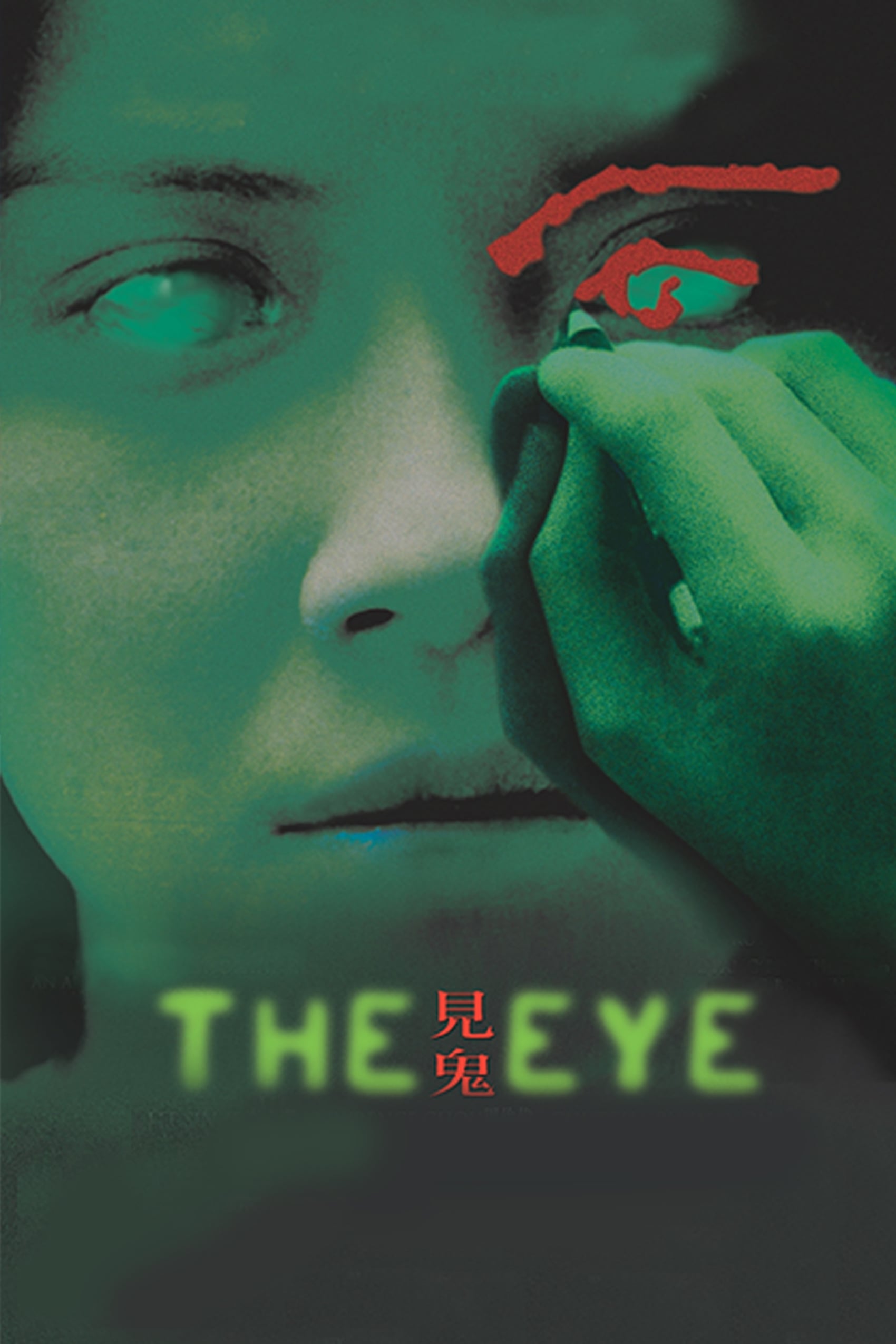
The Eye
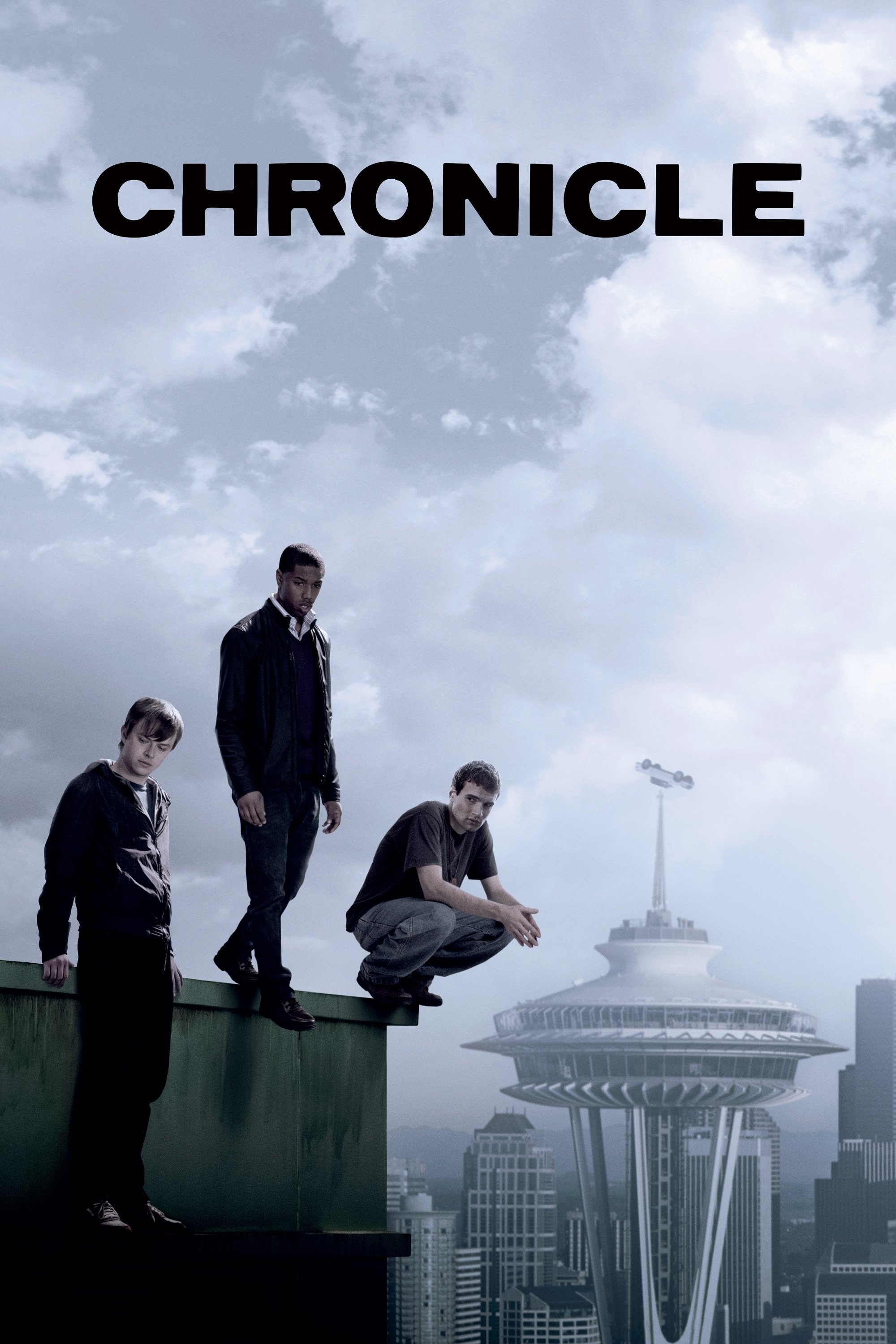
Chronicle
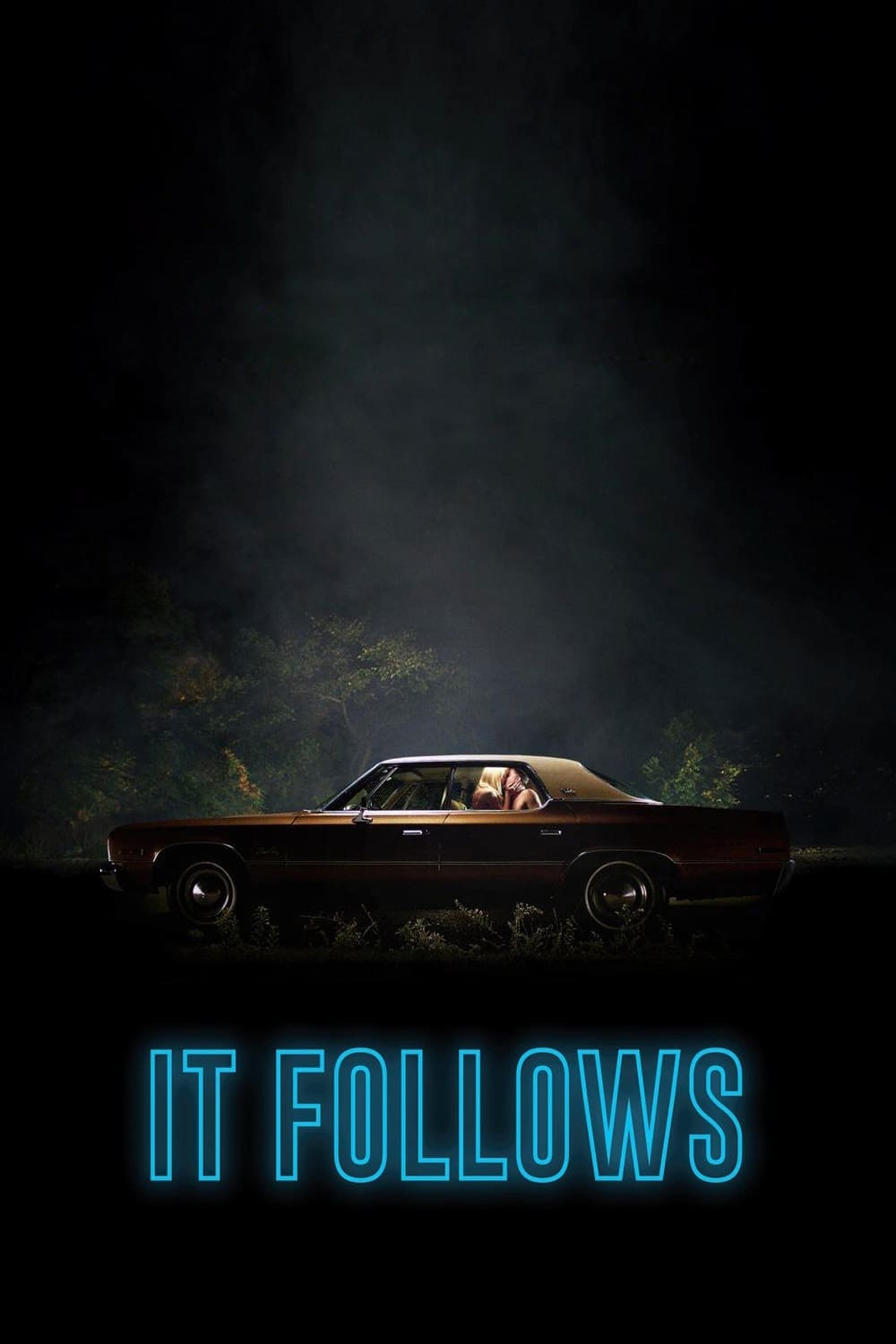
It Follows
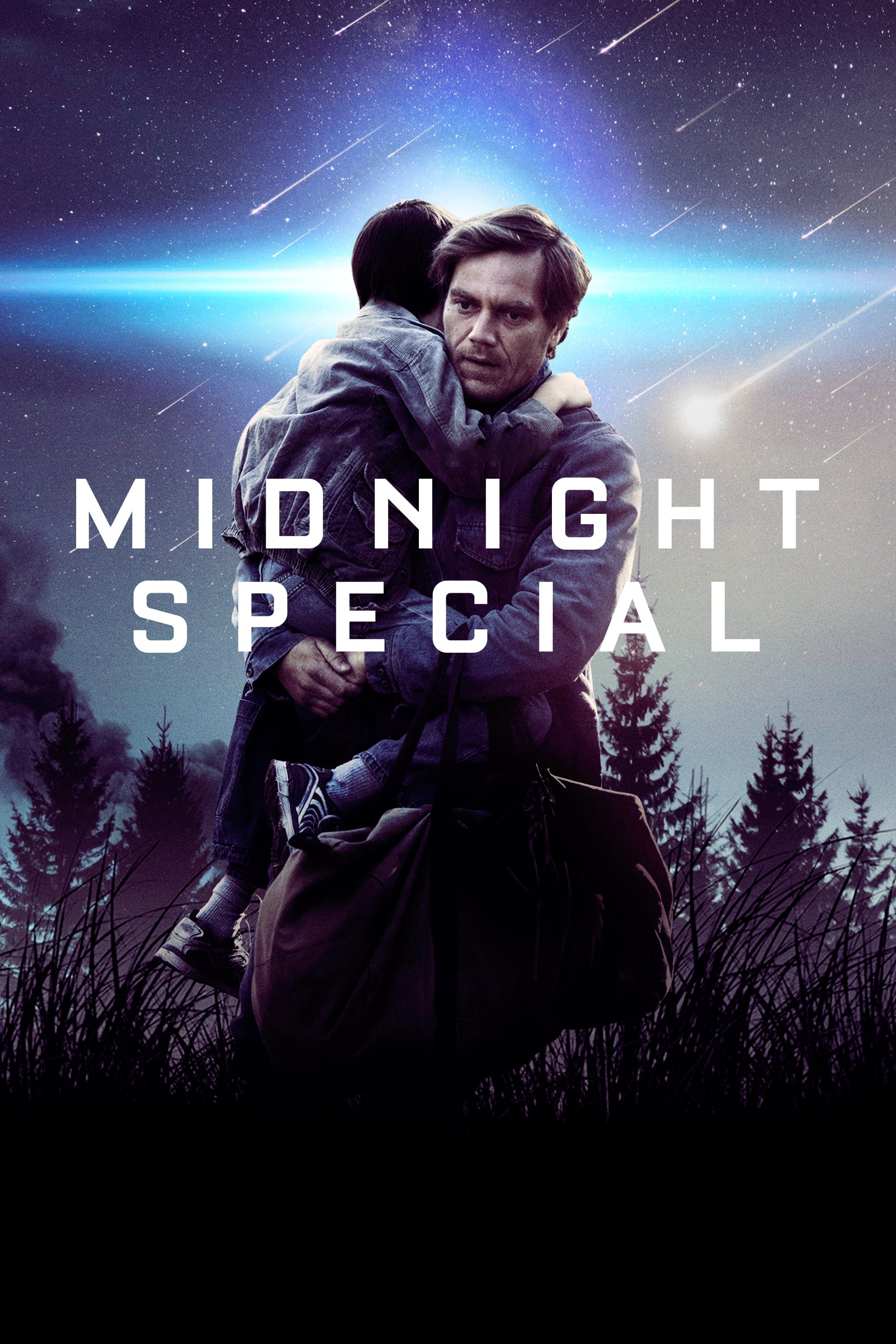
Midnight Special
Slender Man
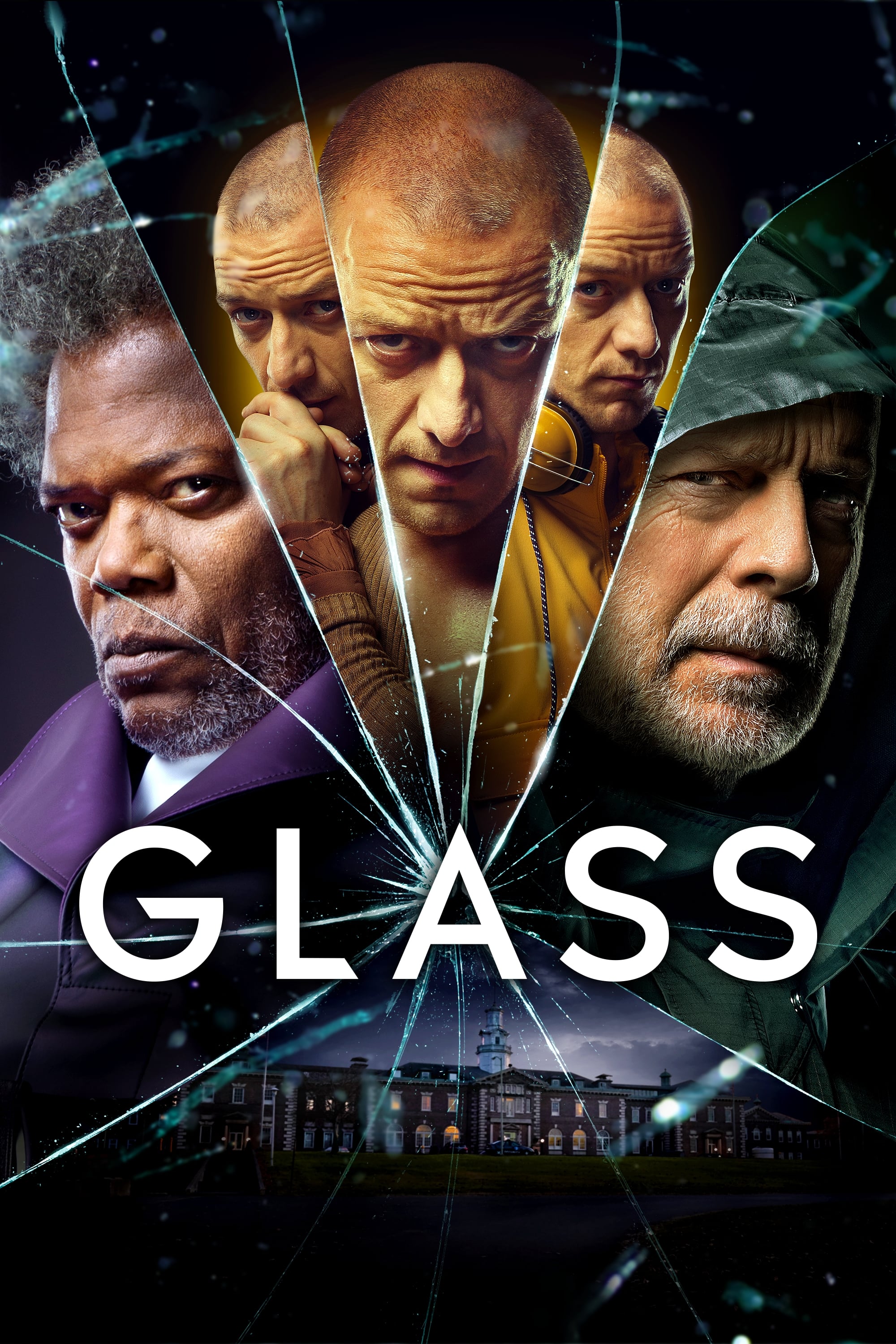
Glass
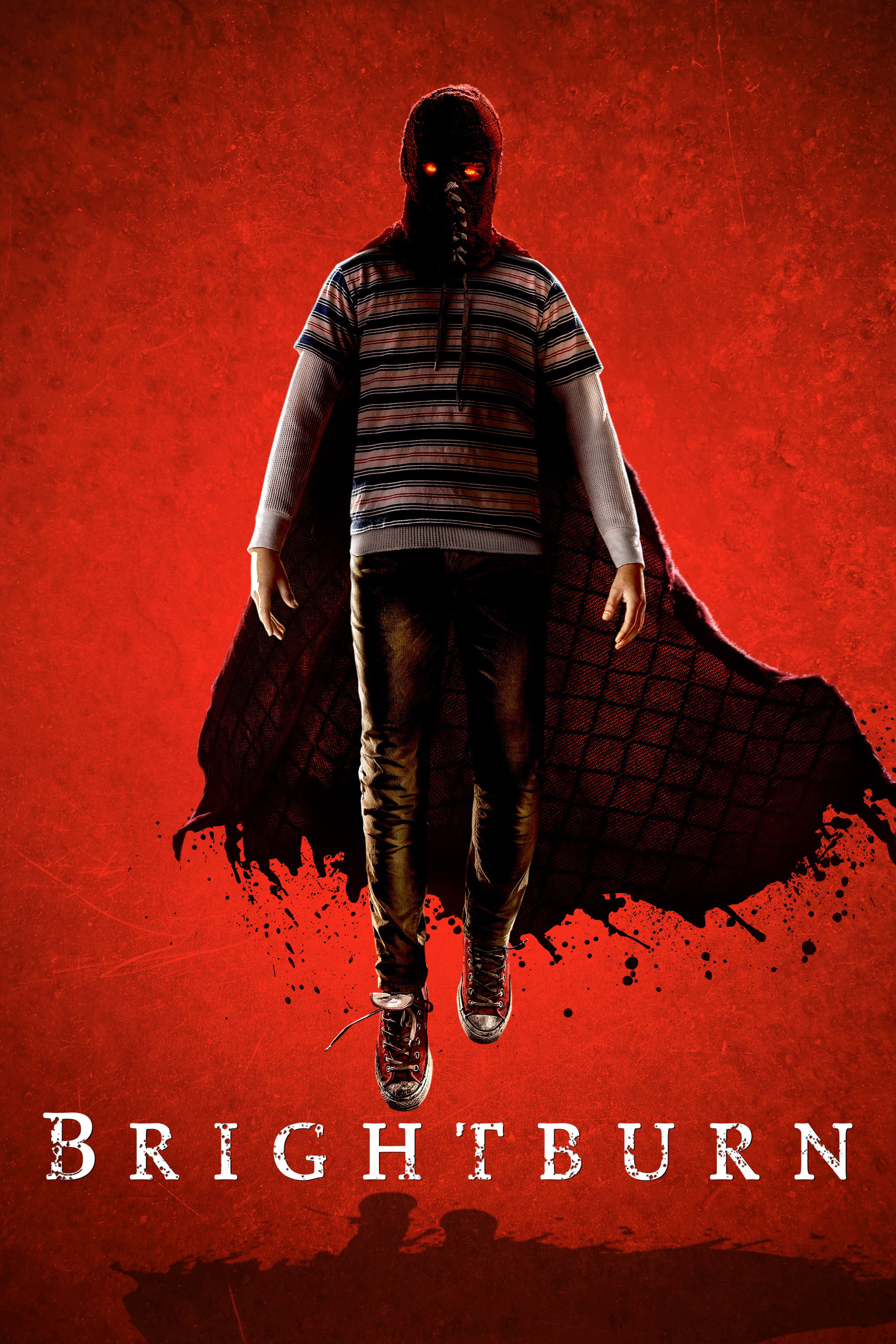
Brightburn
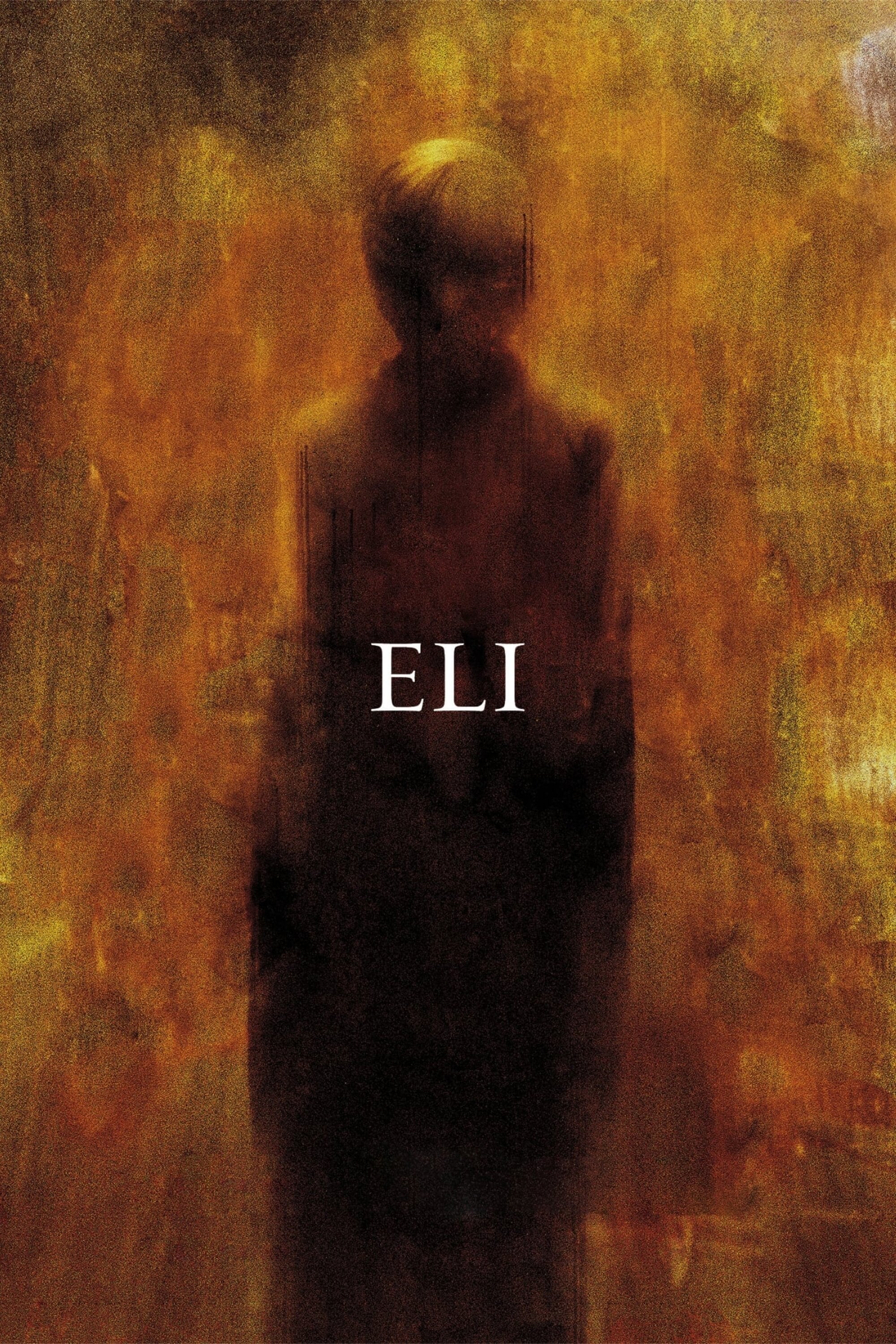
Eli
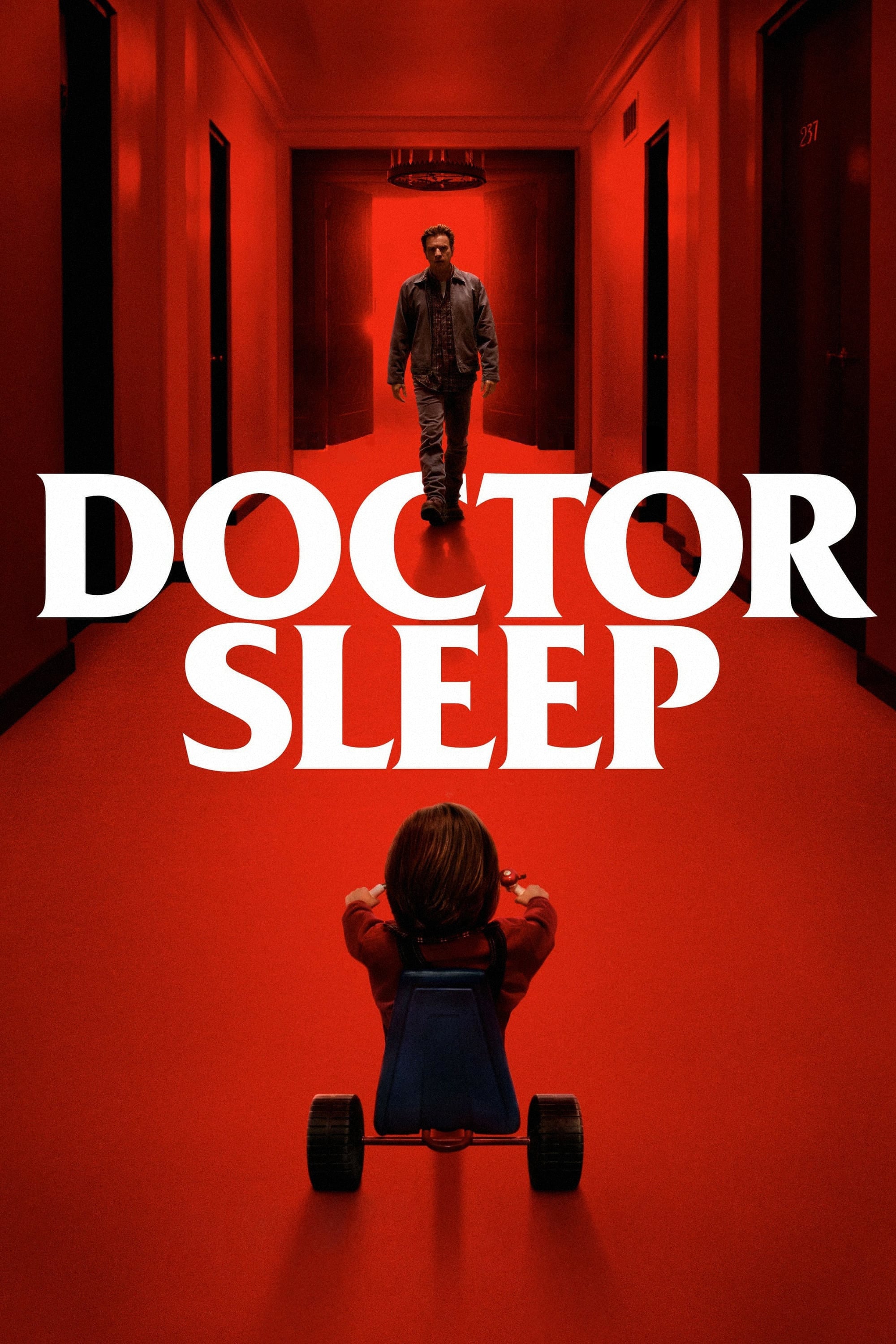
Doctor Sleep

Firestarter
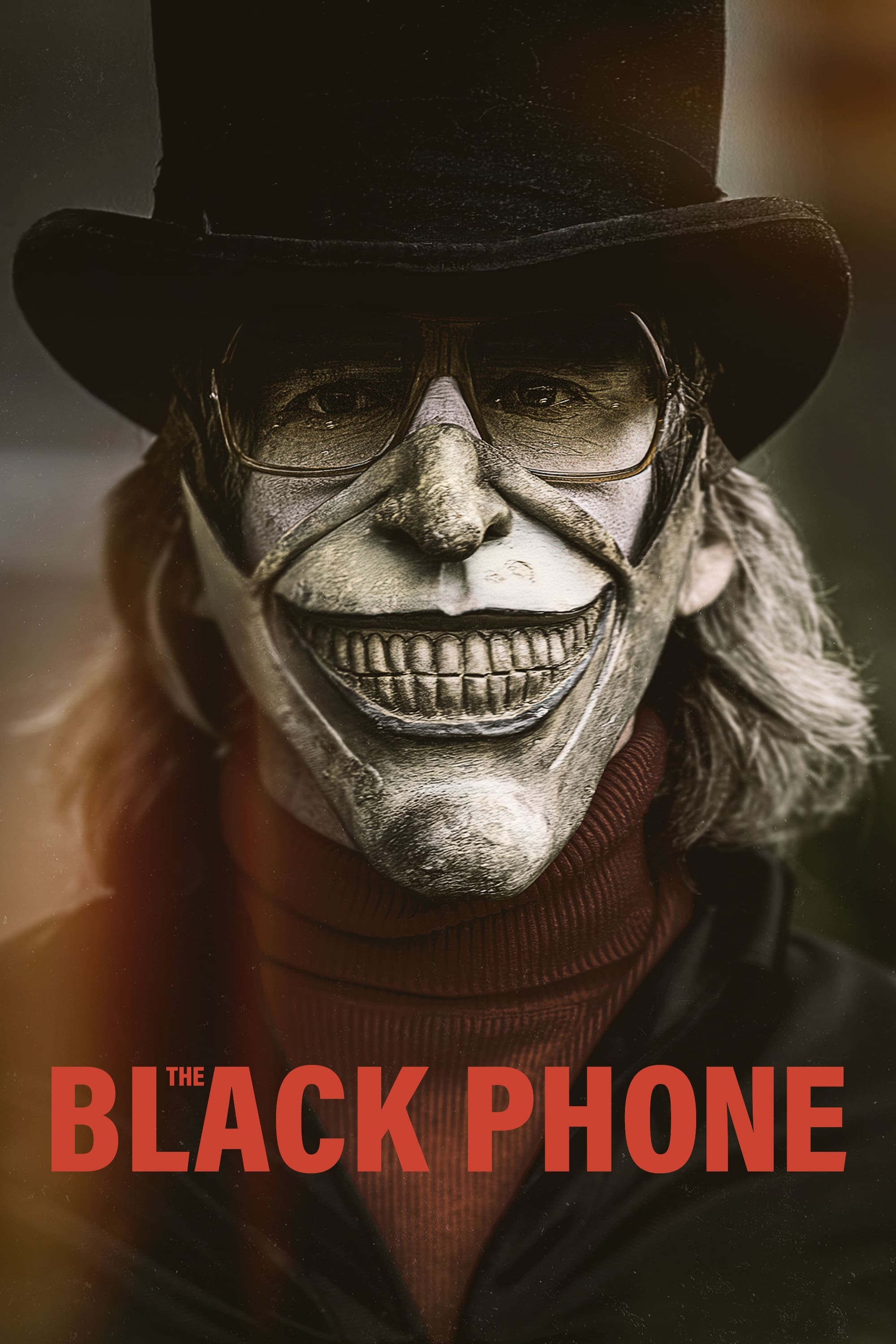
The Black Phone
Statistics
Popularity by Decade
Share of each decade's horror films classified as Supernatural Powers. Counts films with at least 5 TMDB ratings, so very obscure titles are not represented.
Popularity by Country
Share of each country's horror output classified as Supernatural Powers. Counts films with at least 5 TMDB ratings, so very obscure titles are not represented.