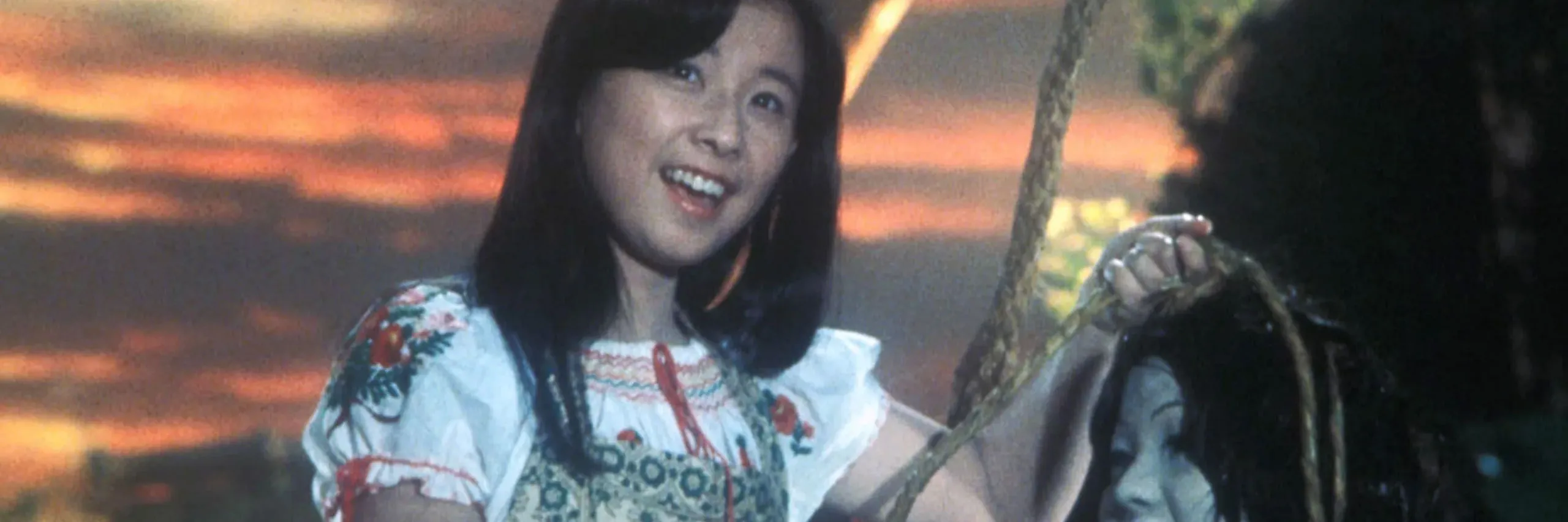
 The Seeding of a Ghost (1983)
🇭🇰Hong Kong
Ghosts meet kung fu, slapstick meets serial killers — Hong Kong horror's genius lies in combinations no other cinema would attempt.
History
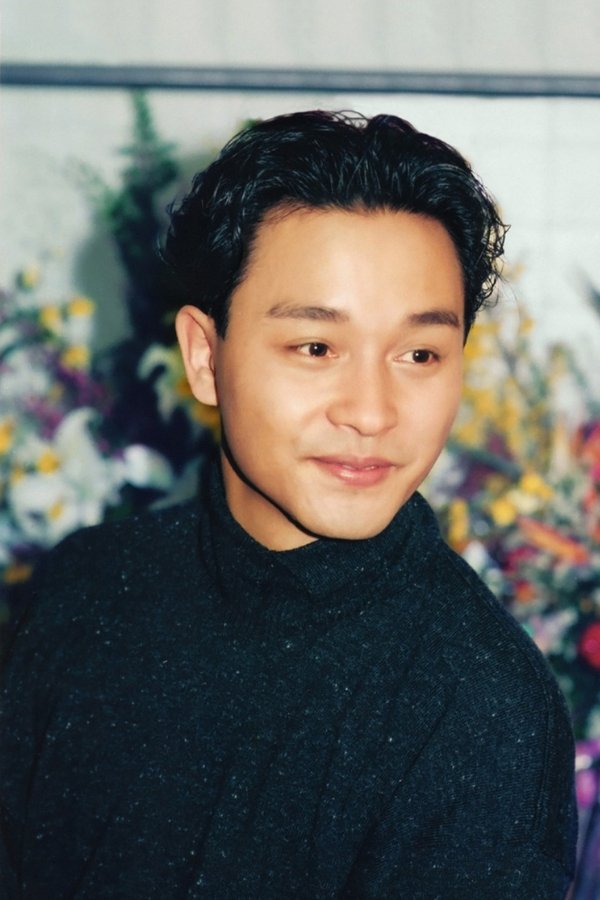
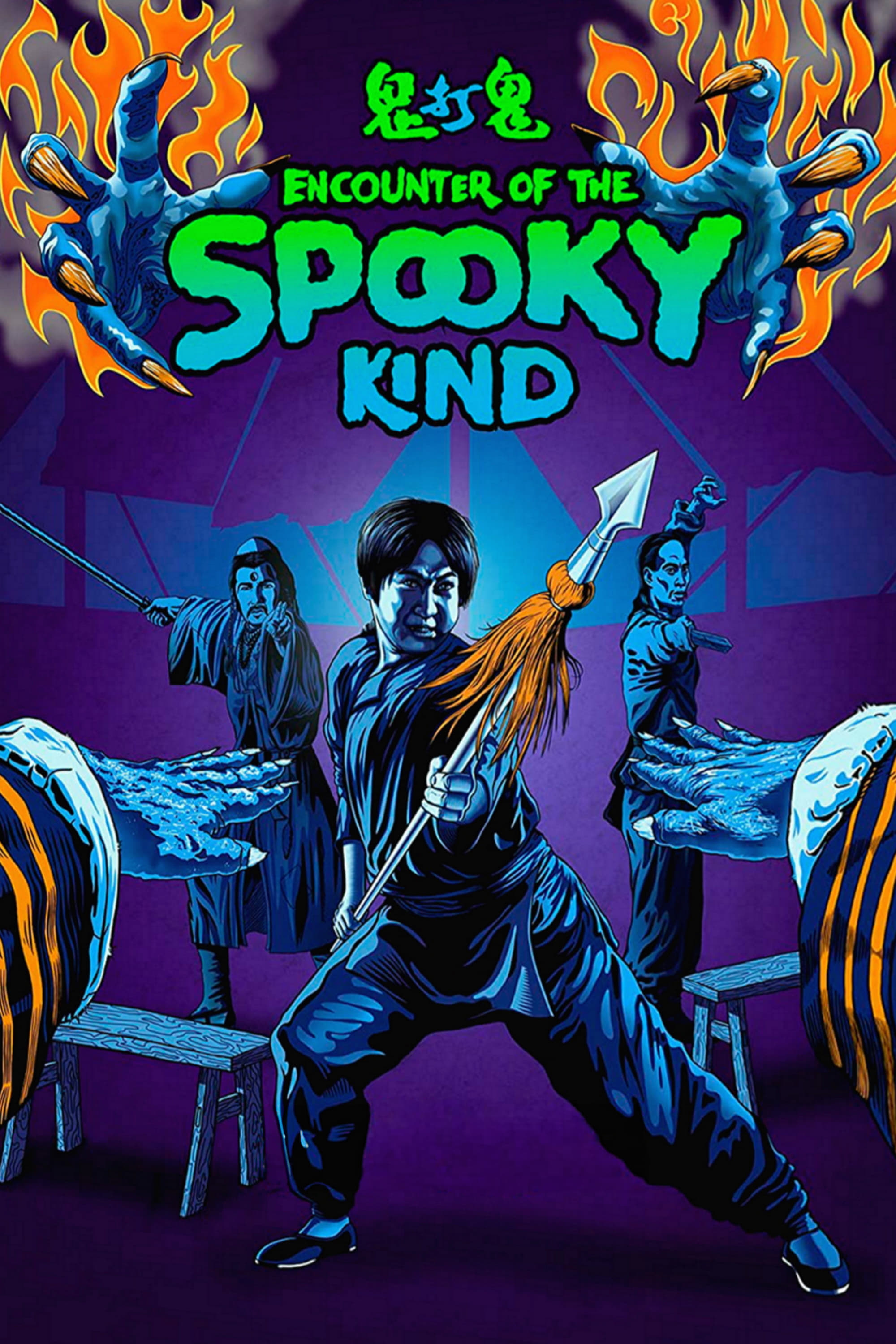
Hong Kong's horror tradition draws from the deep well of Chinese ghost story literature and folk beliefs about the supernatural. Ghost films appeared as early as the 1930s, with Midnight Song (1937) establishing a template of romantic supernatural tragedy, but horror did not become a commercial force until the territory's "Second Wave" — running from roughly 1984 through the mid-1990s, when its film industry was at its most successful and creatively diverse. Sammo Hung's martial-arts horror-comedies Encounters of the Spooky Kind (1980) and The Dead and the Deadly (1982) combined kung fu choreography with supernatural threats, while Ricky Lau's Mr. Vampire (1985) launched the jiangshi — hopping vampire — subgenre, blending horror with slapstick in a style unique to Hong Kong cinema. Tsui Hark produced and Ching Siu-Tung directed A Chinese Ghost Story (1987), a lavish supernatural romance starring Leslie Cheung and Joey Wong that became an international success and spawned sequels.
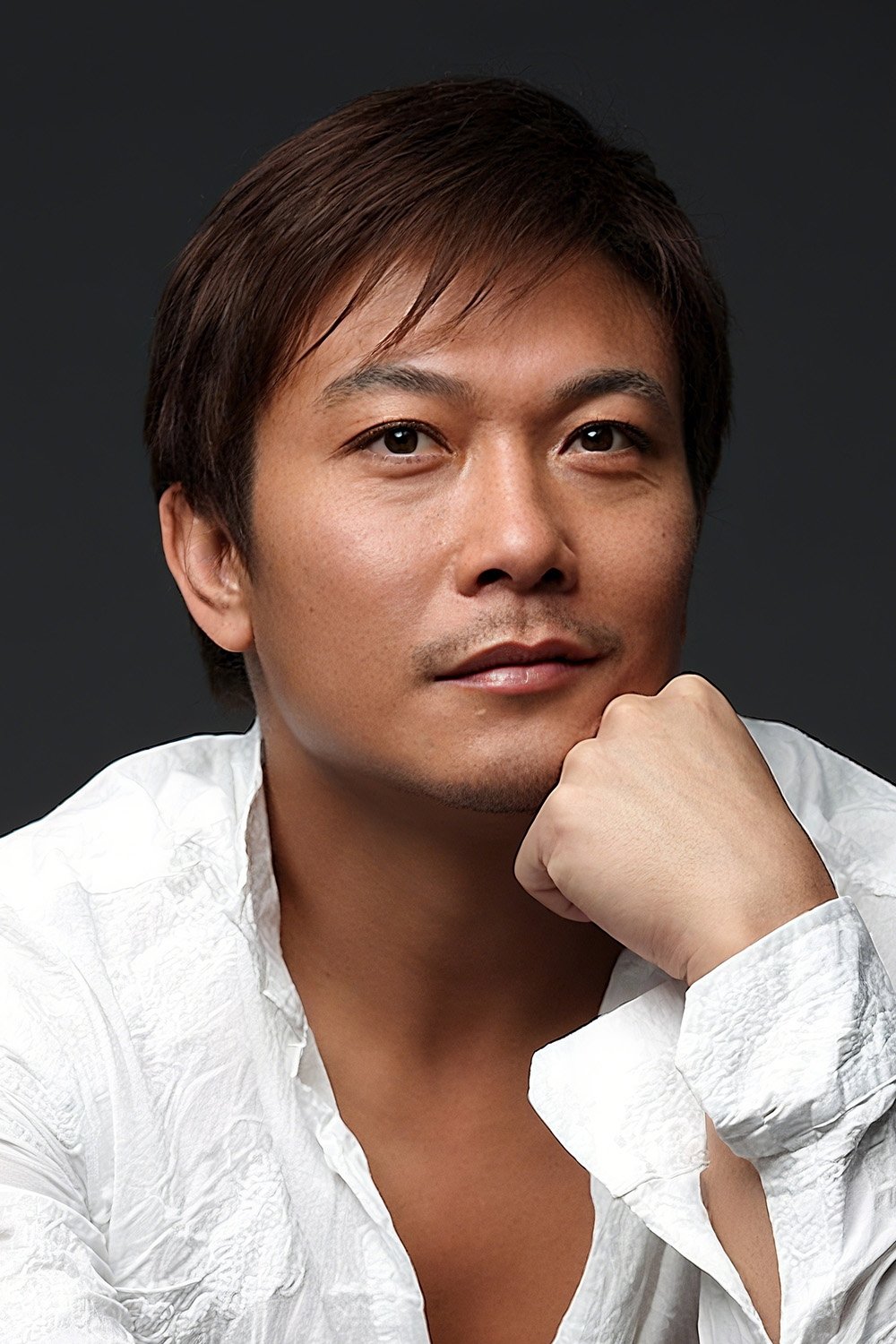
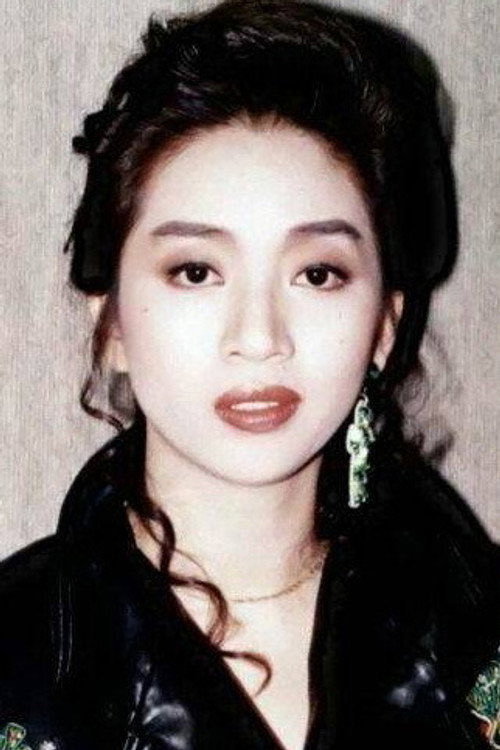
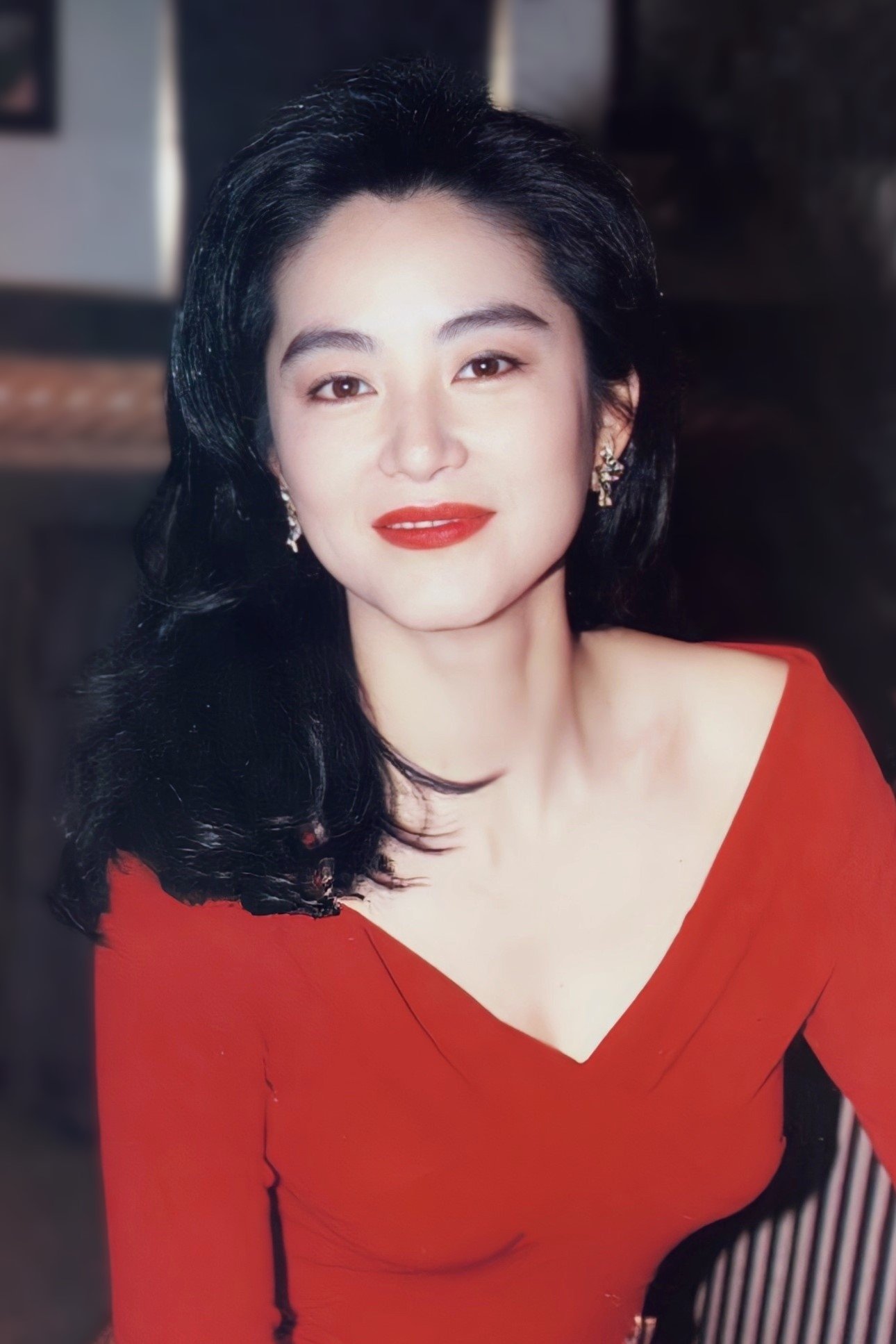
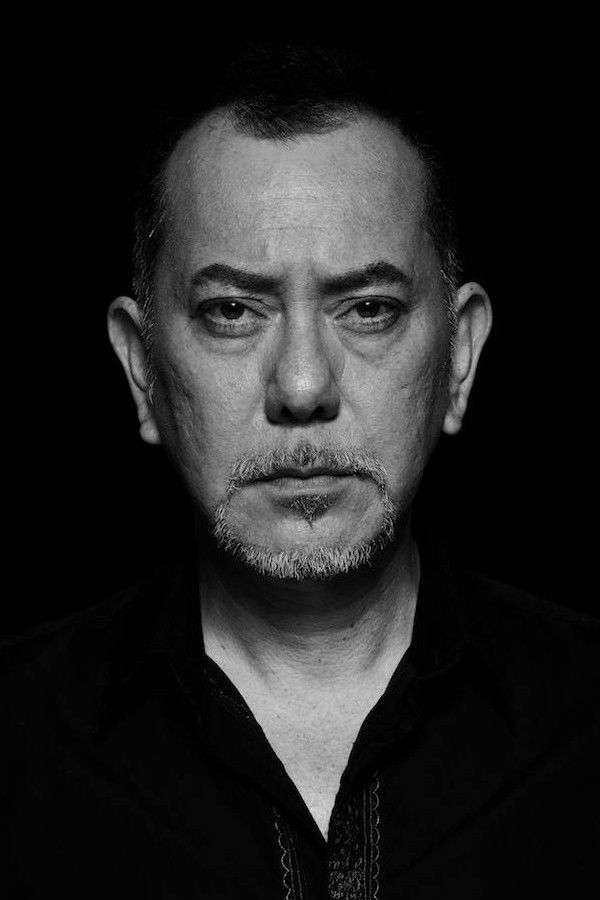
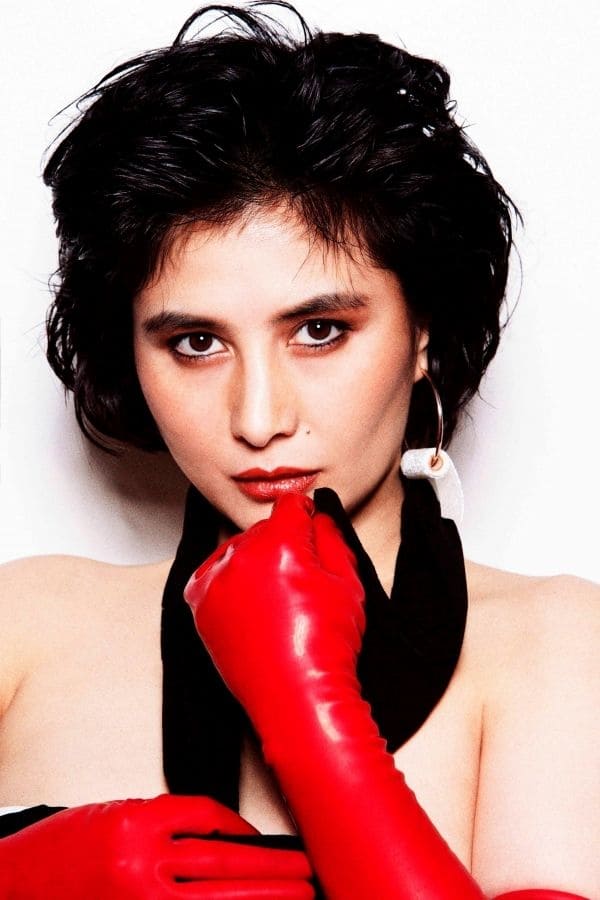
The introduction of the Category III rating system in 1988 enabled a wave of adult-only horror that tested audiences' limits. Herman Yau directed two of its defining works — Dr. Lamb (1992) and The Untold Story (1993) — both showcasing Anthony Wong Chau-Sang's breakthrough serial-killer performances, which would earn him a Hong Kong Film Award for Best Actor. Stanley Kwan's Rouge (1987), with Anita Mui as a ghost-courtesan searching modern Hong Kong for her lover, brought the ghost-romance form into a register of art-cinema melancholy that has only grown in critical reputation. Ronny Yu's The Bride with White Hair (1993), starring Brigitte Lin, fused wuxia choreography with Gothic horror in one of the era's most visually distinctive films. This period also produced the prolific Troublesome Night ghost story franchise, which ran to multiple installments through the late 1990s and early 2000s.
The 1997 handover to China and the subsequent industry contraction reduced Hong Kong horror's output but not its ambition. The Pang Brothers — Oxide and Danny — achieved international recognition with The Eye (2002), a ghost story that refined J-horror's atmospheric approach for Hong Kong audiences and generated an American remake; they extended the cycle with Re-cycle (2006). Fruit Chan contributed a darkly satirical tale of vanity and cannibalism to the anthology Three... Extremes (2004), later expanded into the feature Dumplings (2004). Ann Hui's Visible Secret (2001), Lo Chi-Leung's Inner Senses (2002) — Leslie Cheung's final film before his death — and Yau Nai-Hoi's My Left Eye Sees Ghosts (2002), produced by Johnnie To, demonstrated that the territory's directors remained capable of distinctive supernatural cinema even as commercial production declined.
A late micro-revival has carried Hong Kong horror into the 2010s. Pang Ho-cheung's Dream Home (2010), a class-warfare slasher starring Josie Ho as a woman who murders her way into the city's brutal property market, brought political fury back to the genre; Juno Mak's Rigor Mortis (2013) — co-produced by Takashi Shimizu — turned the jiangshi cycle into a meta-tribute by casting aged stars of the 1980s Mr. Vampire films; and Herman Yau returned with Anthony Wong for The Sleep Curse (2017), a wartime-haunting body horror. Hong Kong's lasting contribution to horror lies in its unique genre hybridity — the willingness to combine ghosts with kung fu, comedy with extreme violence, folklore with modern urban anxiety — creating a tradition that influenced the broader Asian horror wave of the early 2000s and remains unlike anything produced elsewhere in world cinema.
Essential Films
Encounters of the Spooky Kind
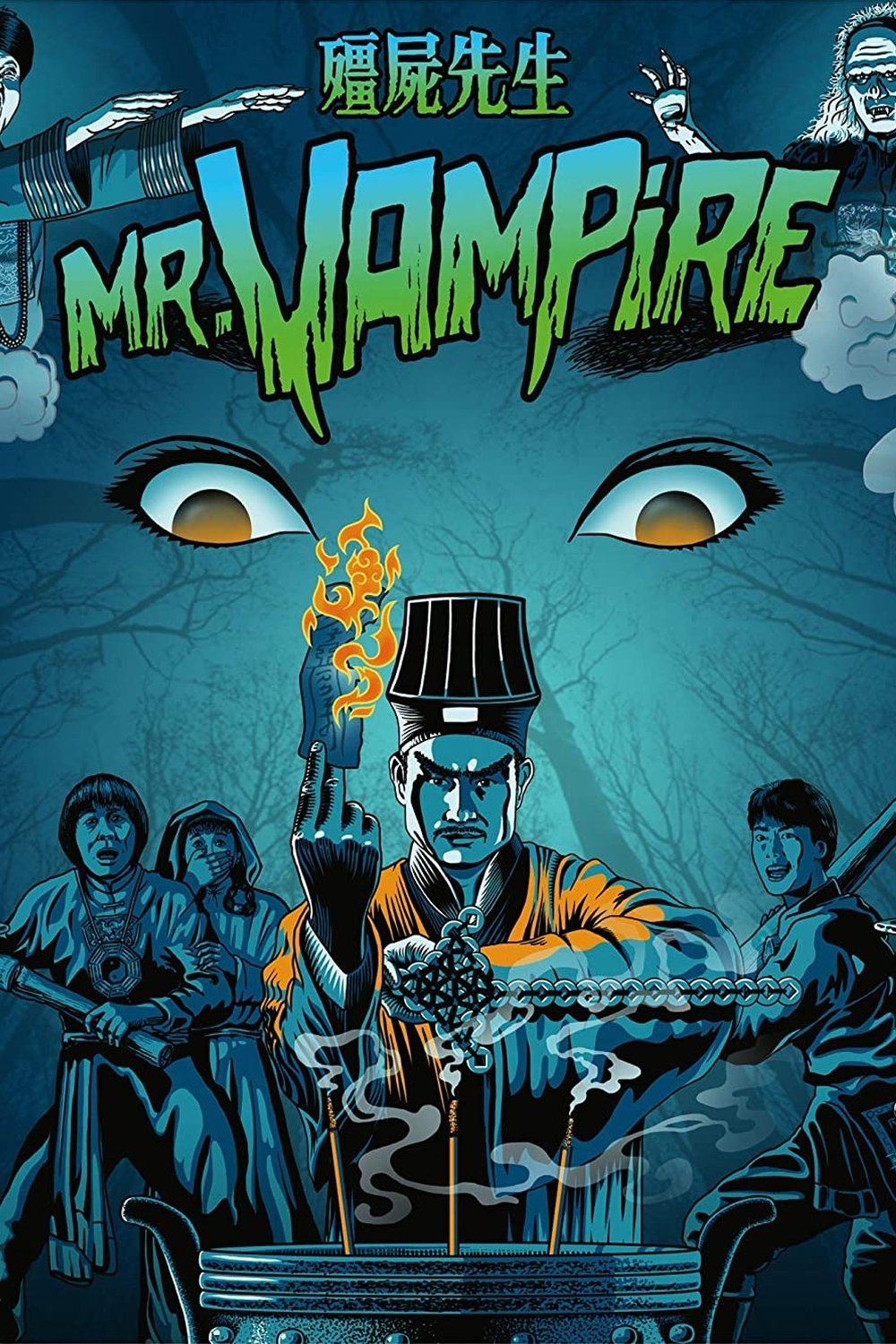
Mr. Vampire
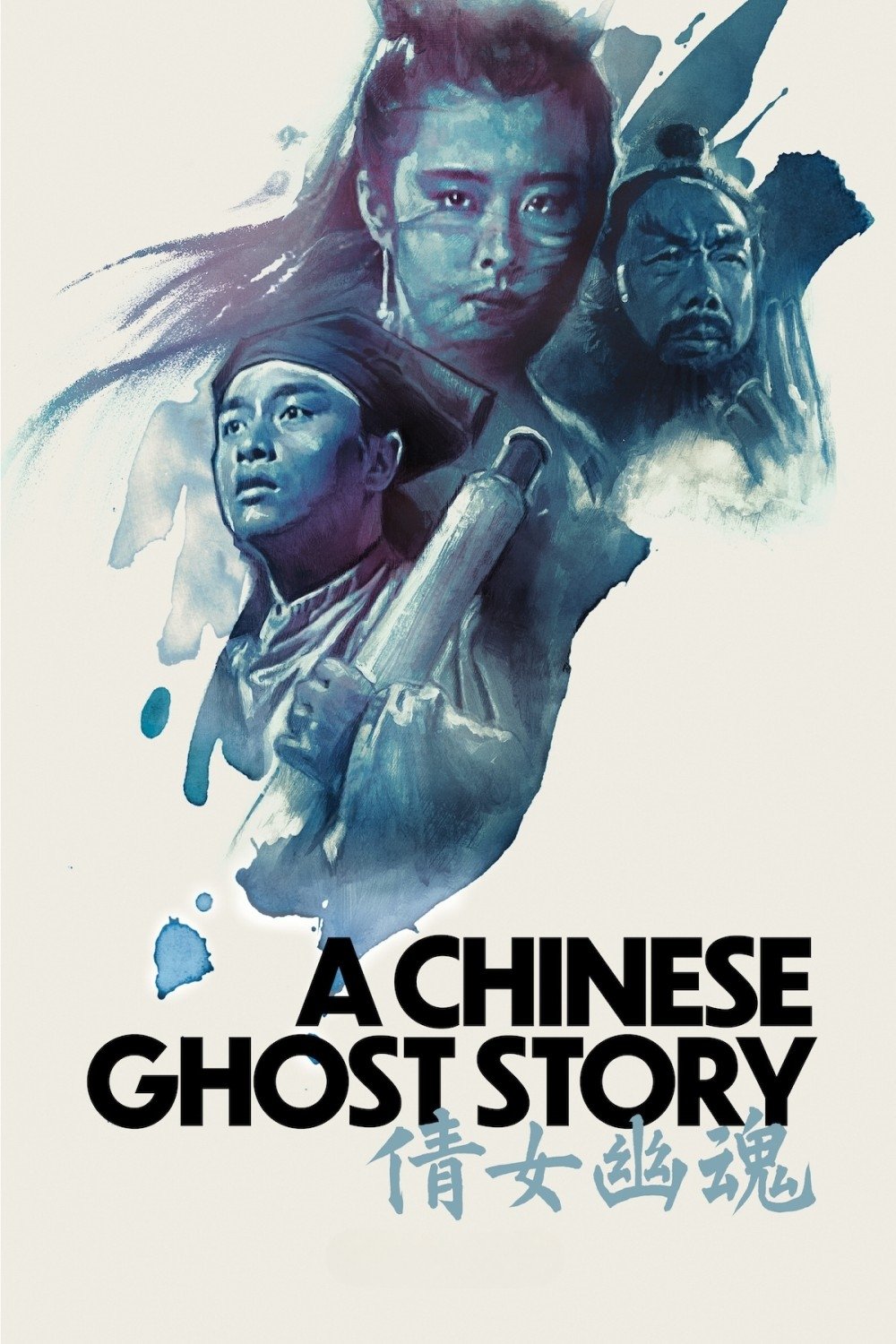
A Chinese Ghost Story
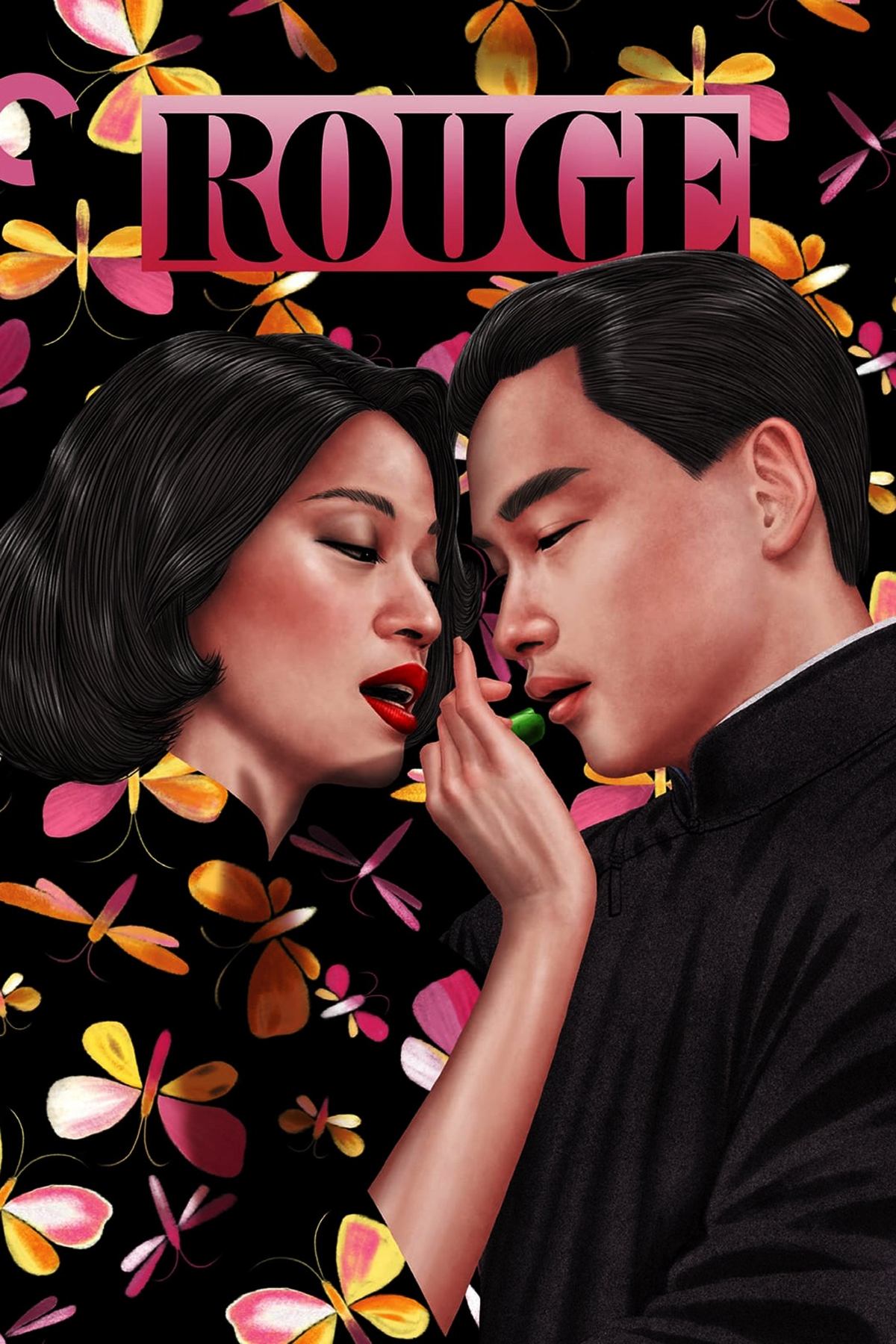
Rouge

Dr. Lamb
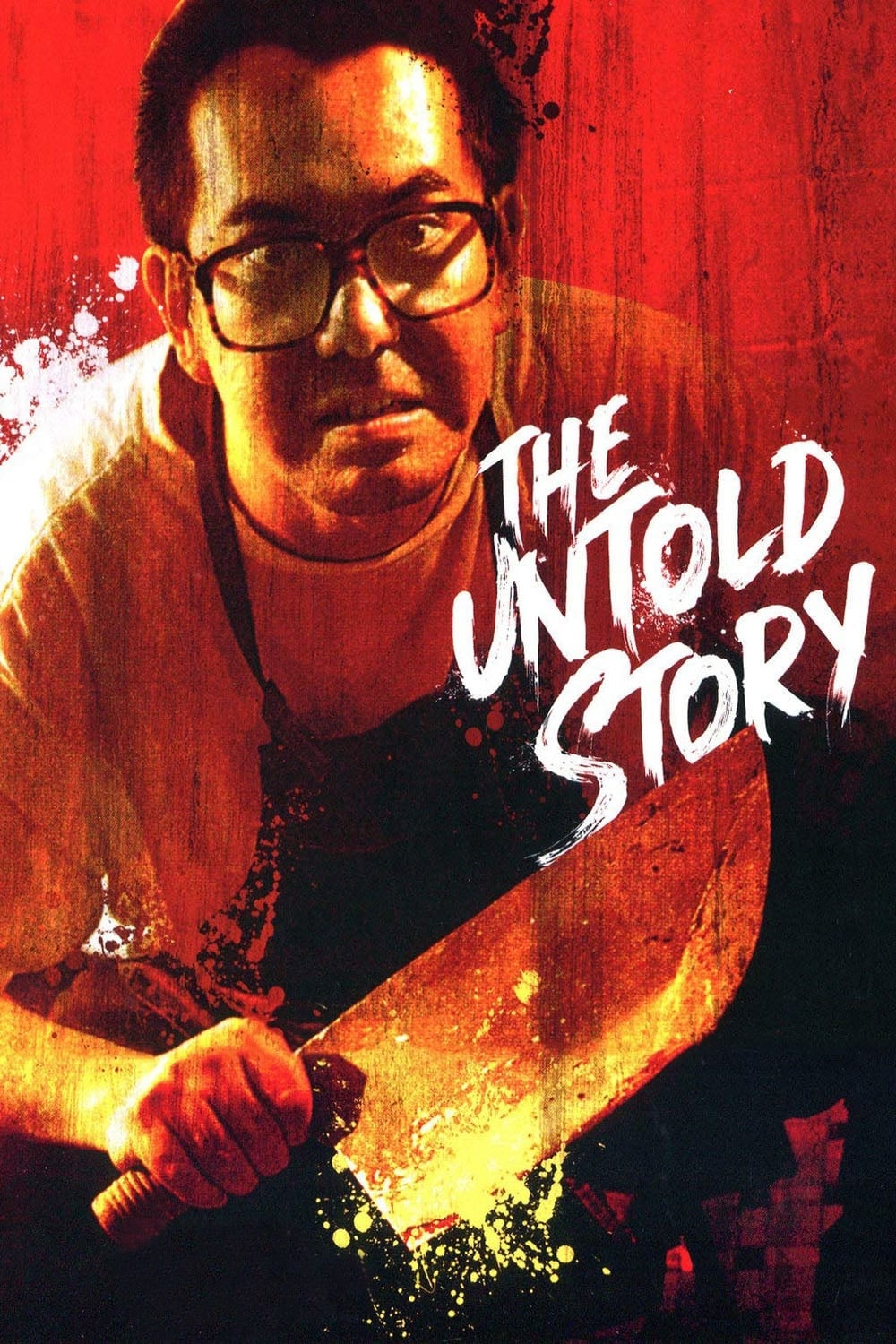
The Untold Story
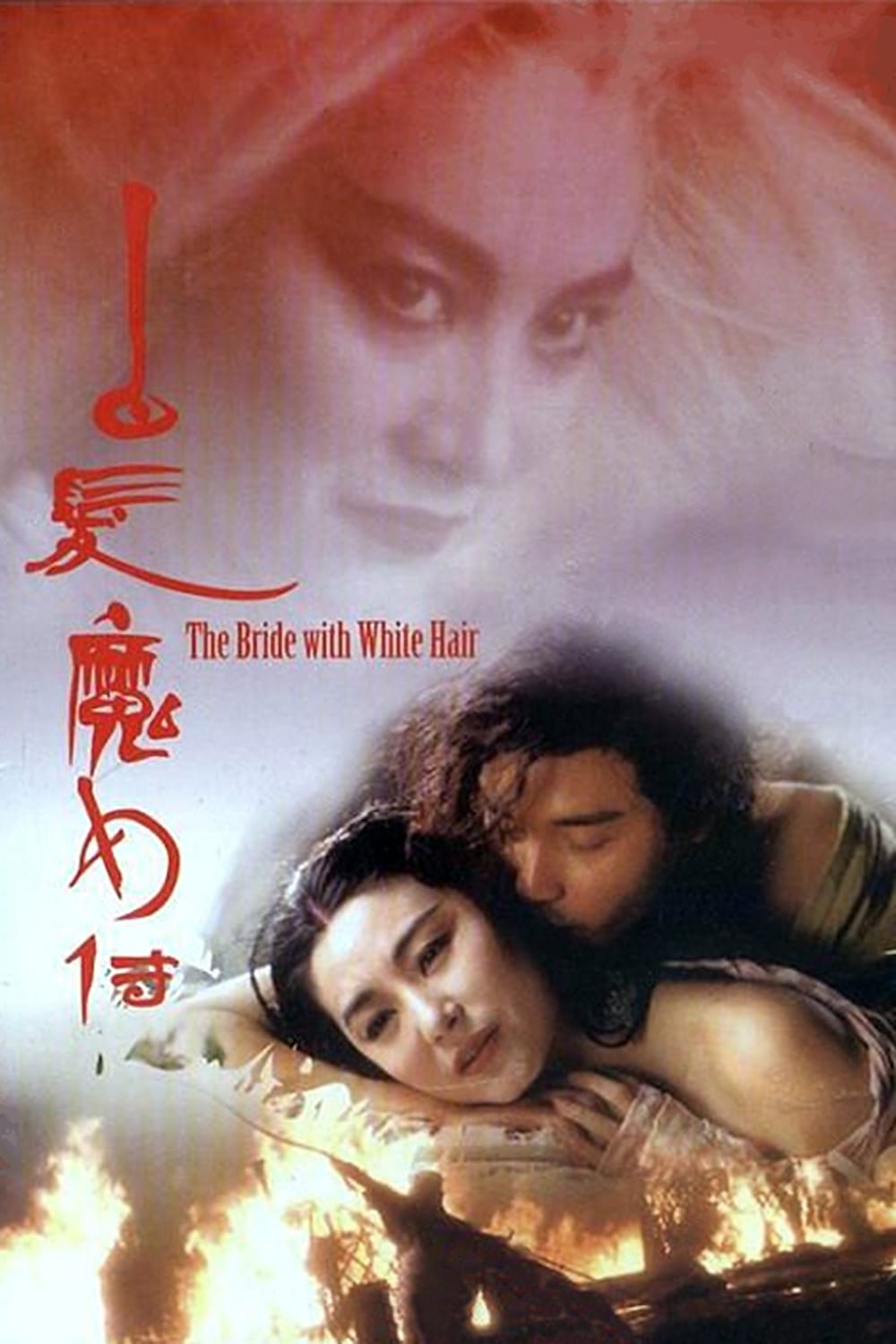
The Bride with White Hair

Visible Secret
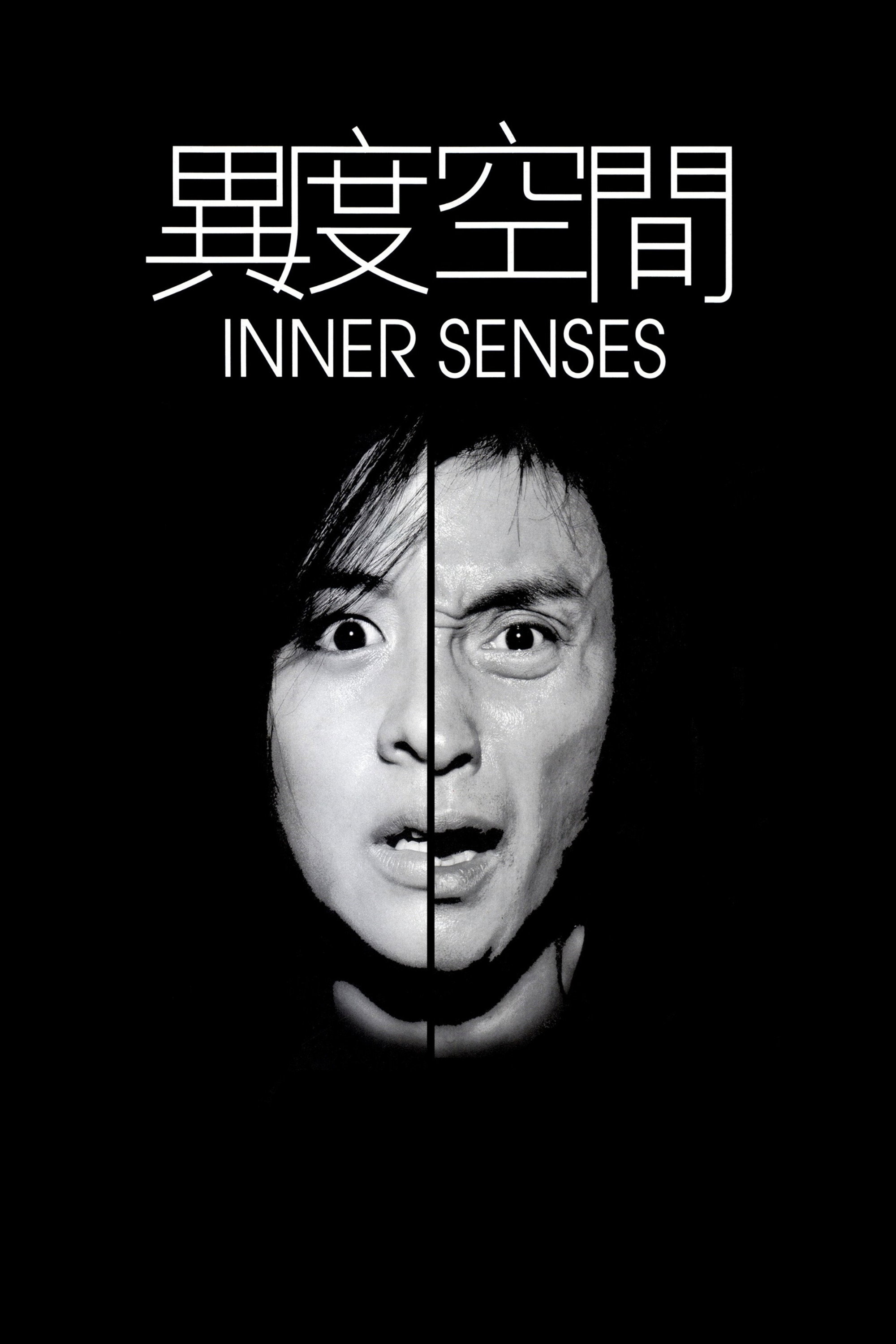
Inner Senses
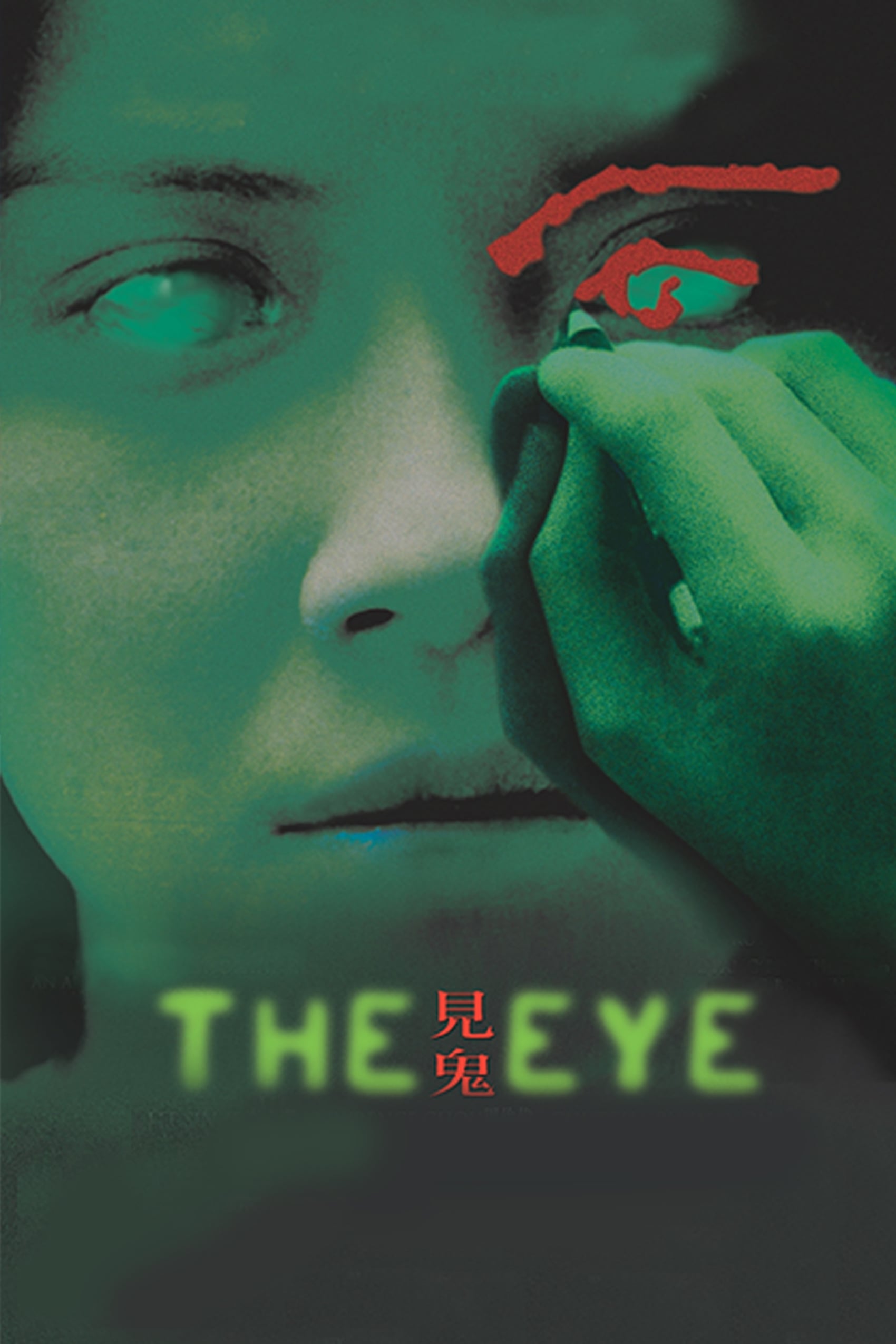
The Eye
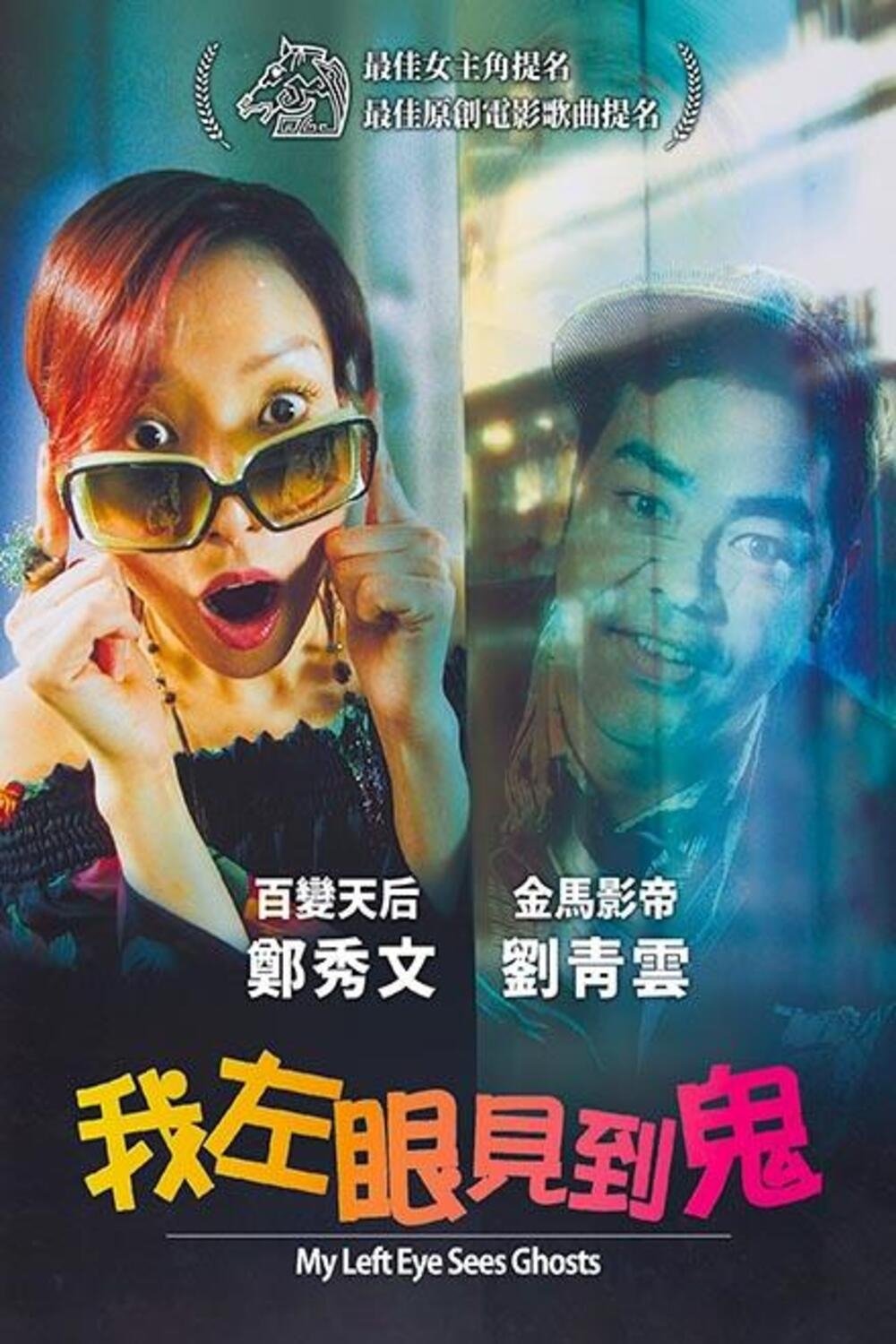
My Left Eye Sees Ghosts
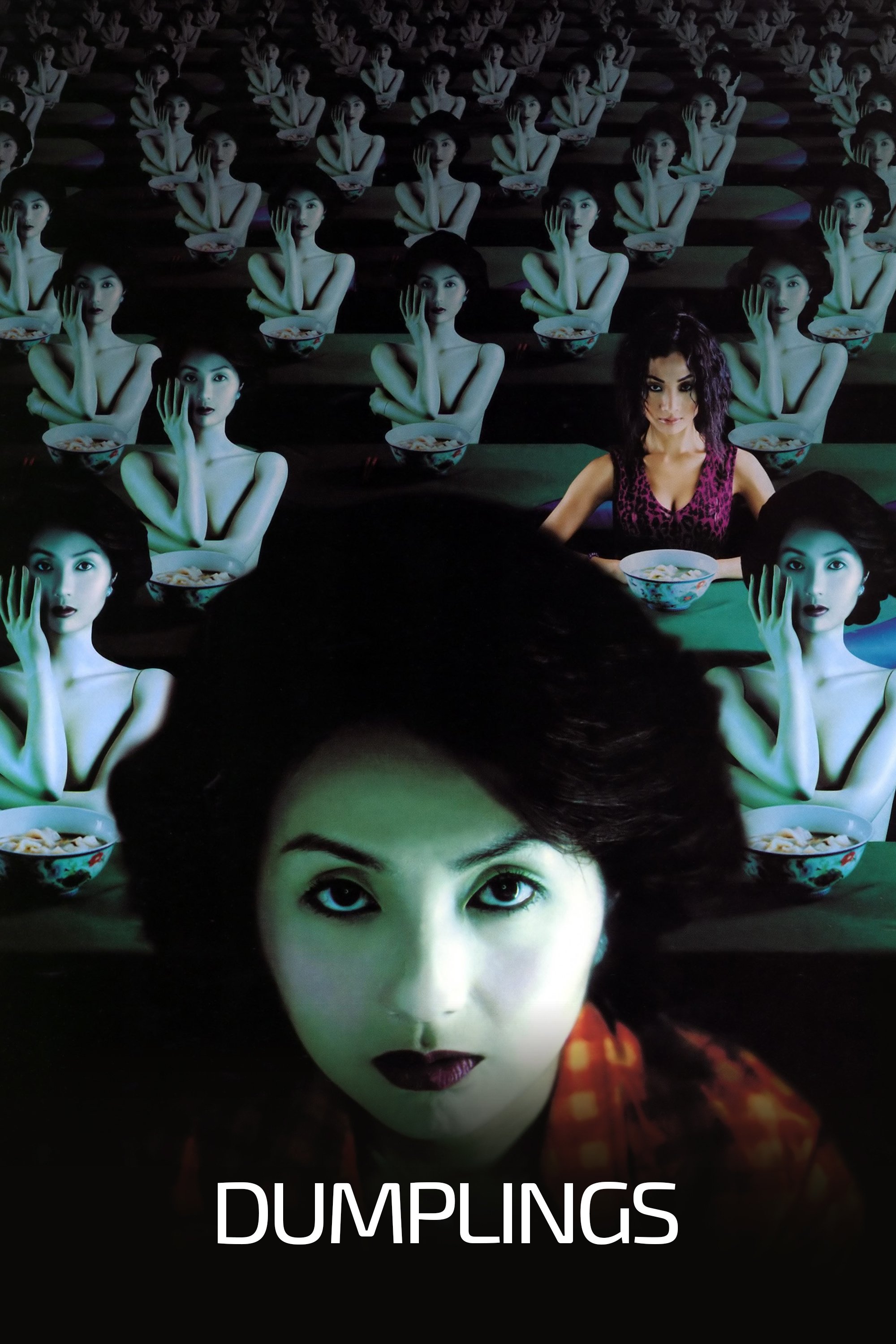
Dumplings
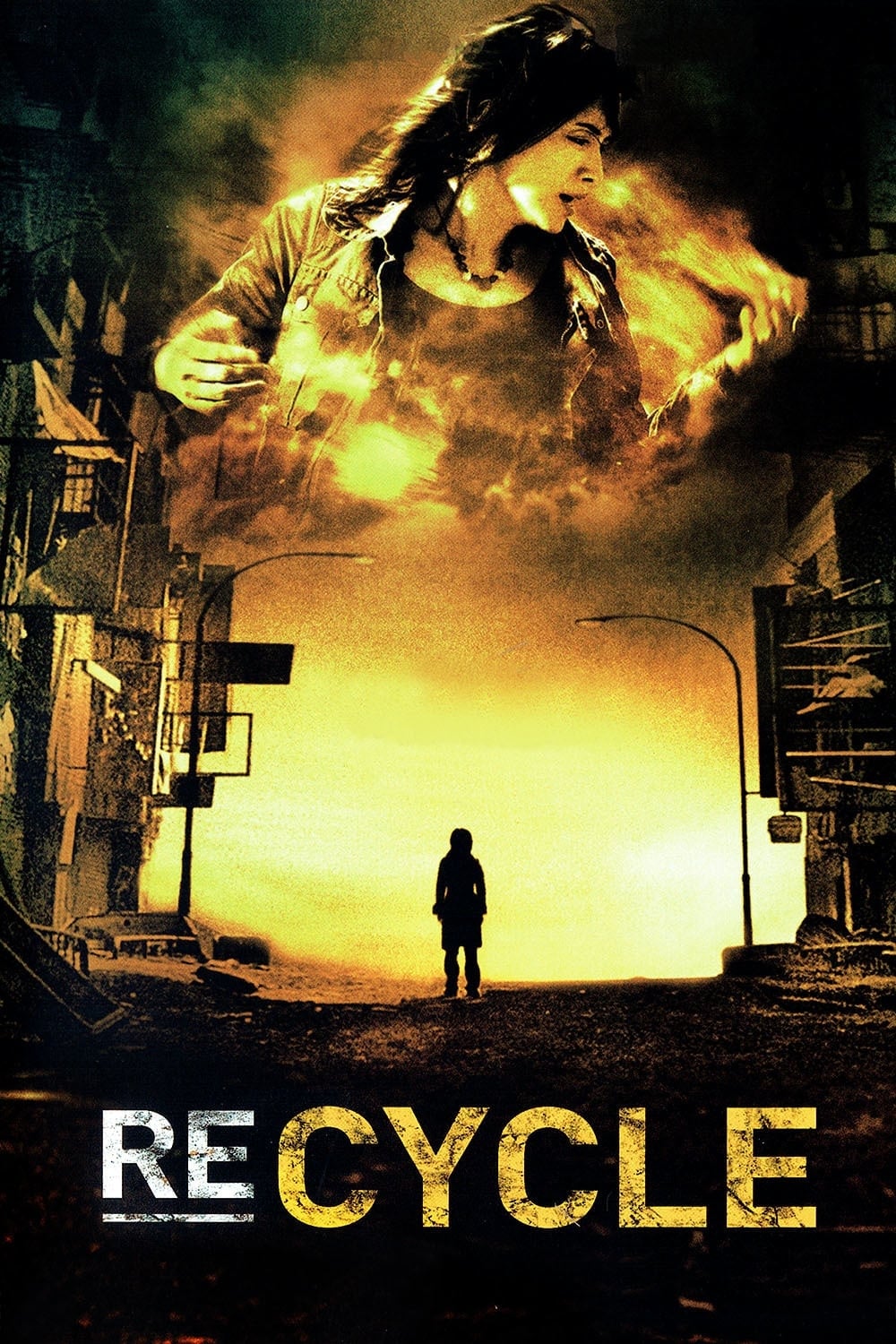
Re-cycle

Dream Home
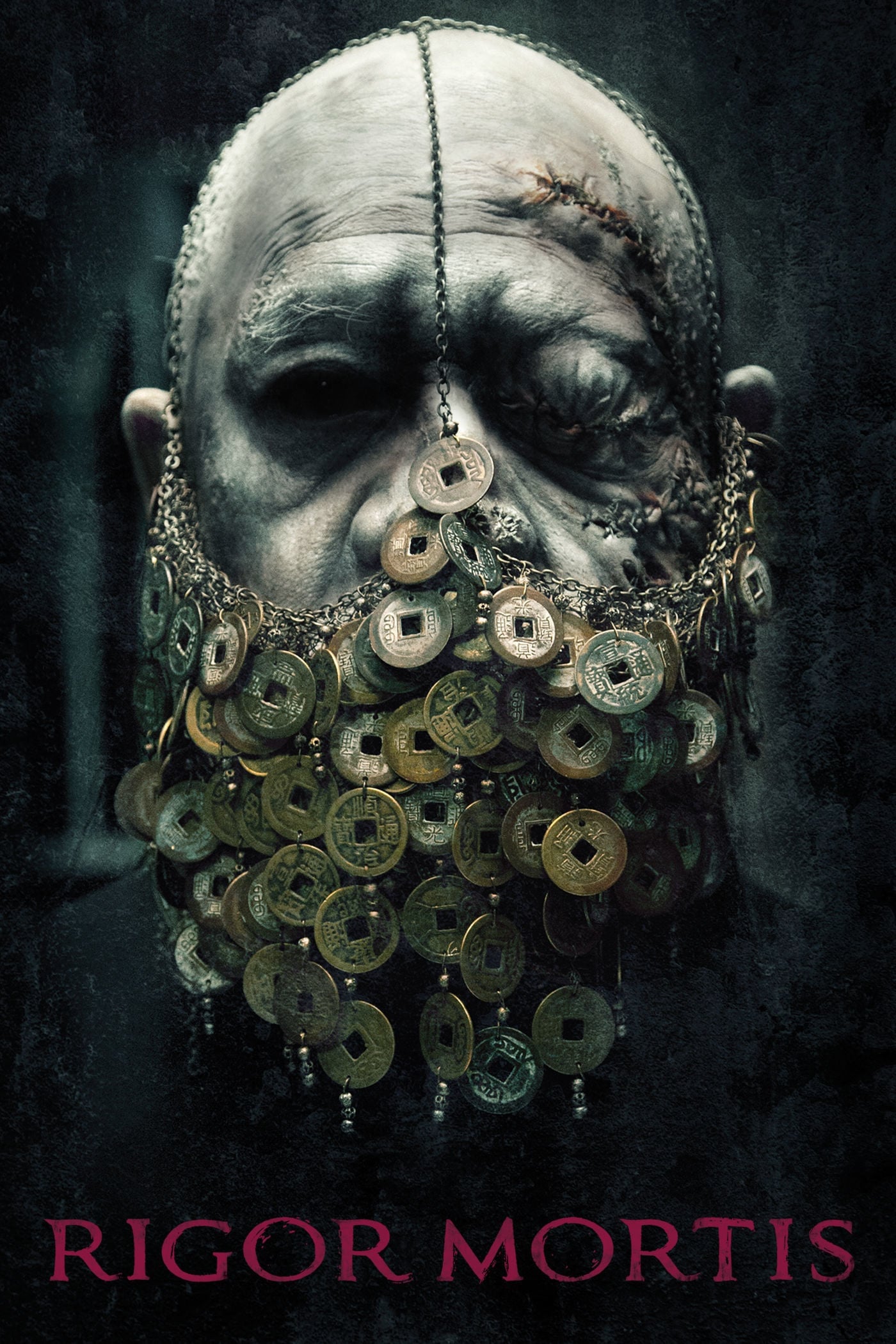
Rigor Mortis
Statistics
Top Subgenres
Popularity by Decade
Share of each decade's horror films classified as Hong Kong horror. Counts films with at least 5 TMDB ratings, so very obscure titles are not represented.