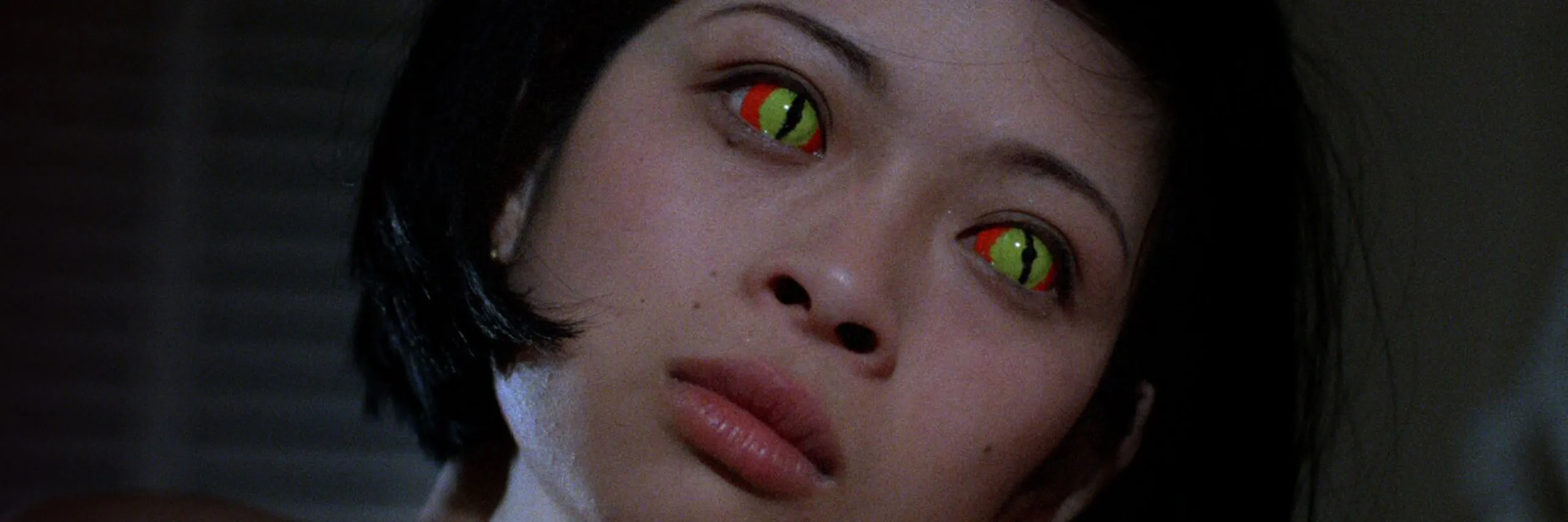
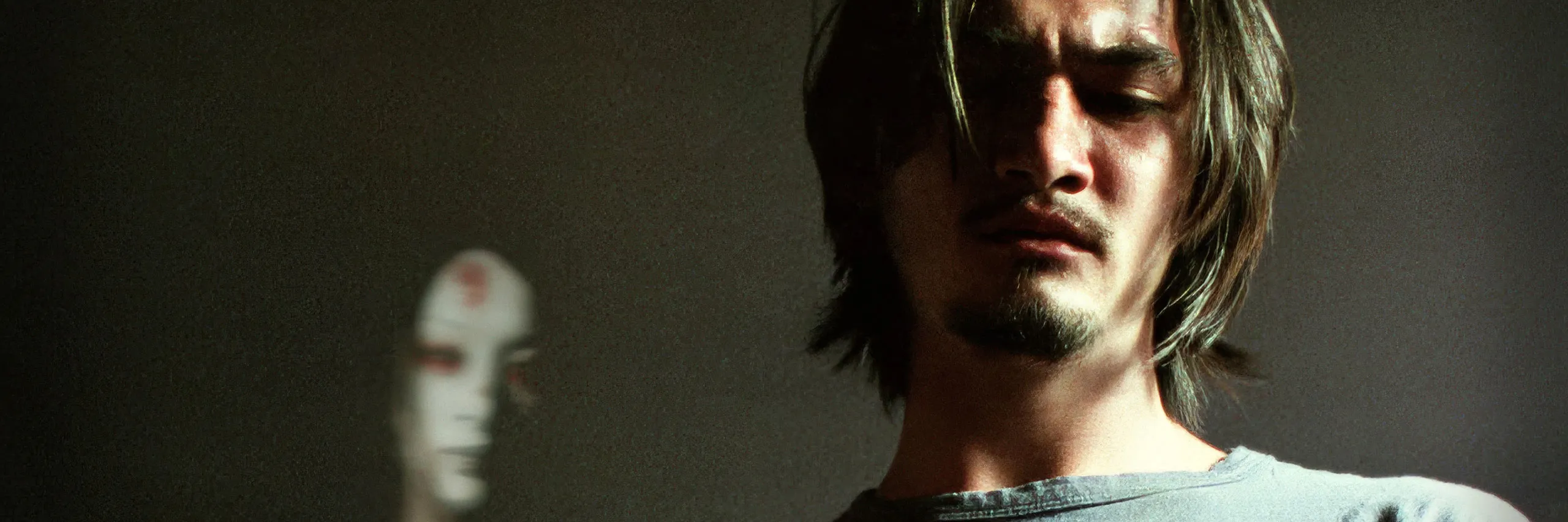
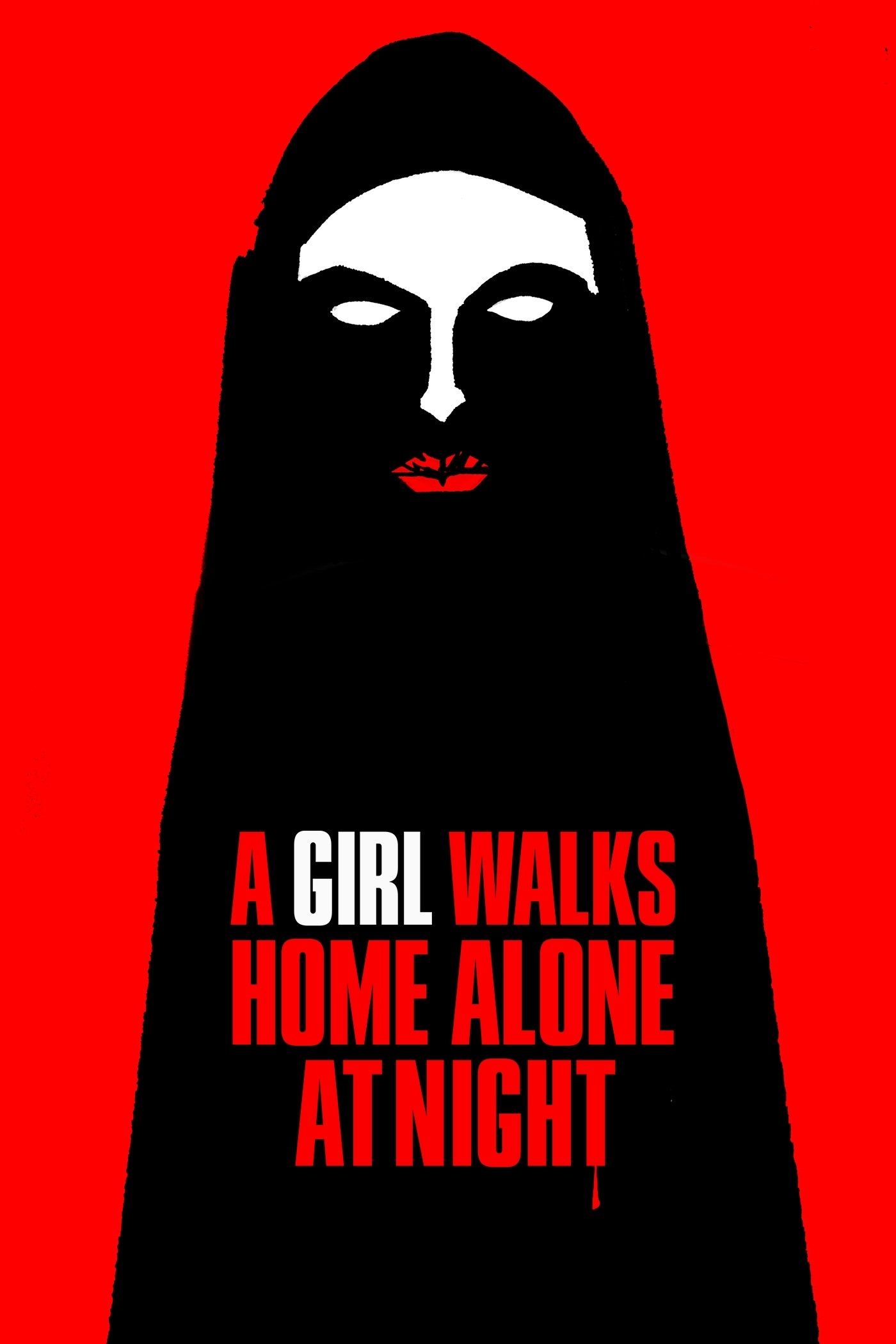
A Girl Walks Home Alone At Night (2014)
🇮🇷Iran
Iran's domestic horror is just emerging, but Iranian-diaspora filmmakers have produced some of the 2010s' most distinctive horror through Persian folklore and the trauma of theocratic rule.
History
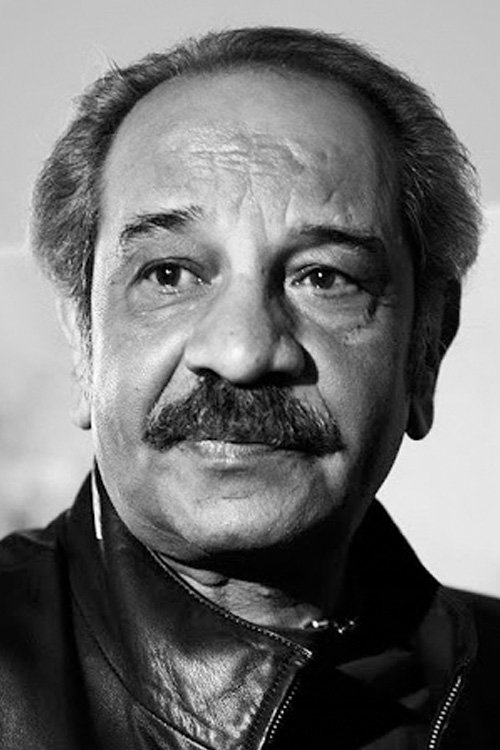
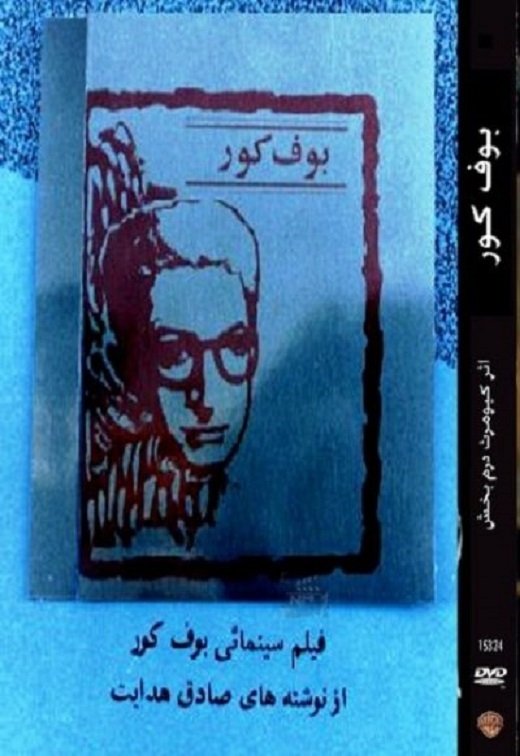
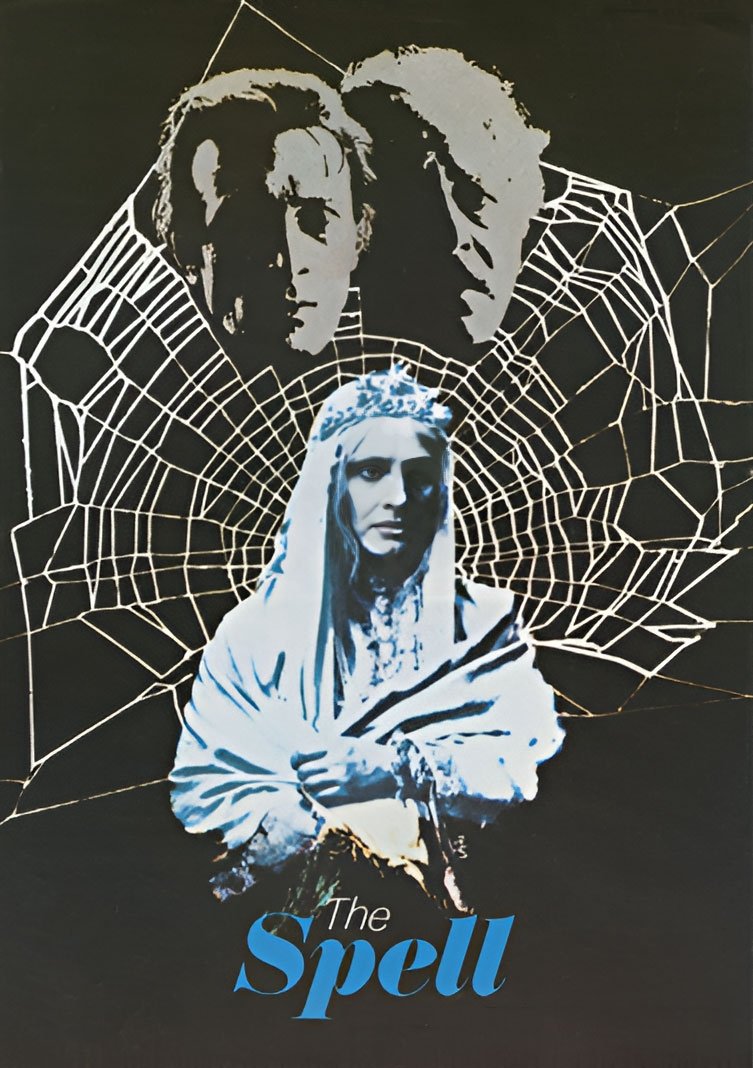
Iranian horror has a complicated identity, split between a thin domestic tradition shaped by post-revolutionary censorship and a much louder diaspora cinema produced abroad by filmmakers of Iranian heritage. Pre-revolution Iran produced occasional genre experiments — most notably Kiumars Derambakhsh's The Blind Owl (1975), an adaptation of Sadegh Hedayat's hallucinatory 1937 novel that remains one of Persian-language literary cinema's most disturbing achievements. After 1979, the Islamic Republic's censorship apparatus restricted depictions of supernatural belief, sexuality, and violence that would normally underpin horror filmmaking, and the genre largely vanished from domestic production. Dariush Farhang's The Spell (1987) was a rare post-revolution exception — a folk-horror tale about a husband's escalating possession that slipped through the censors as a moral fable.
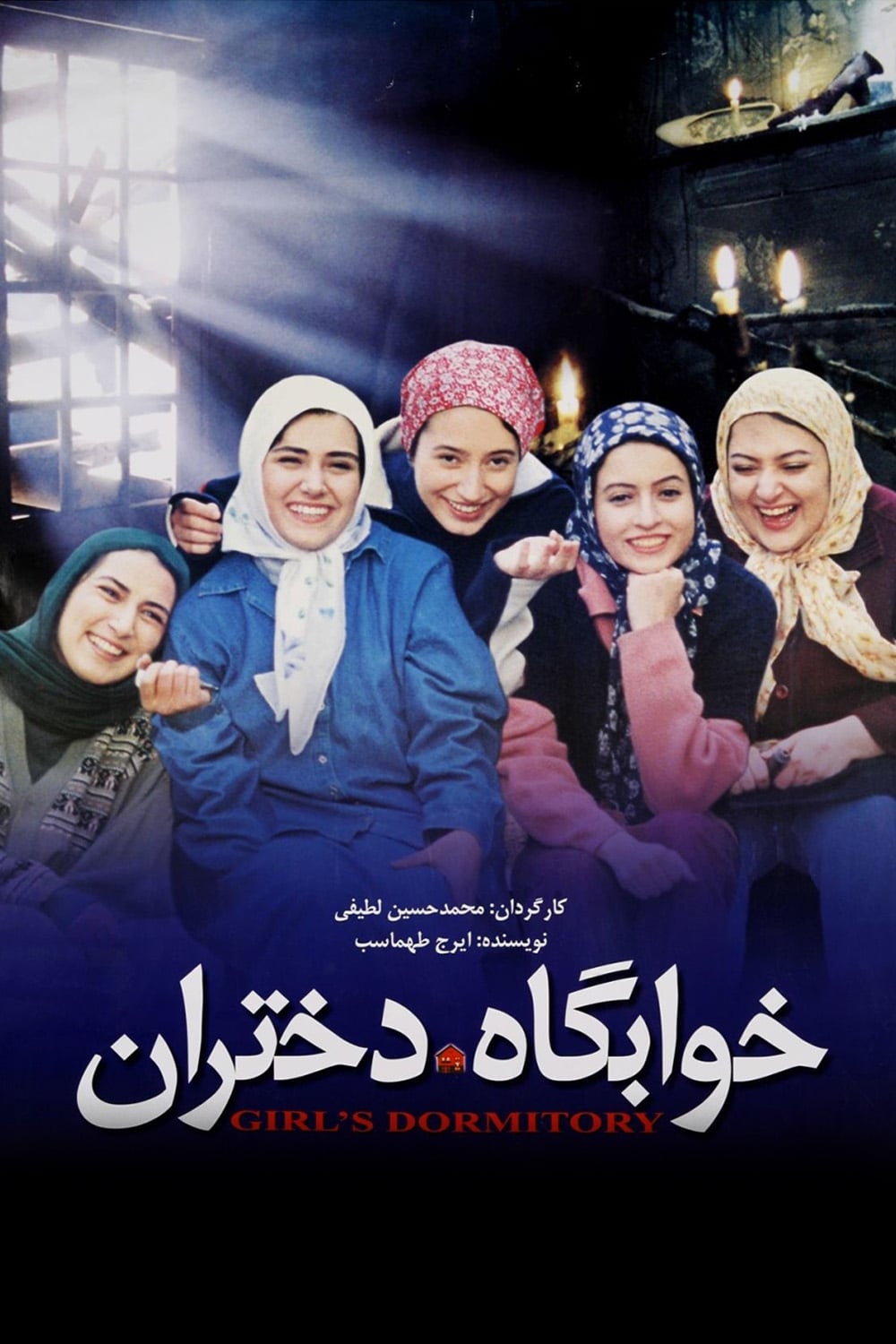
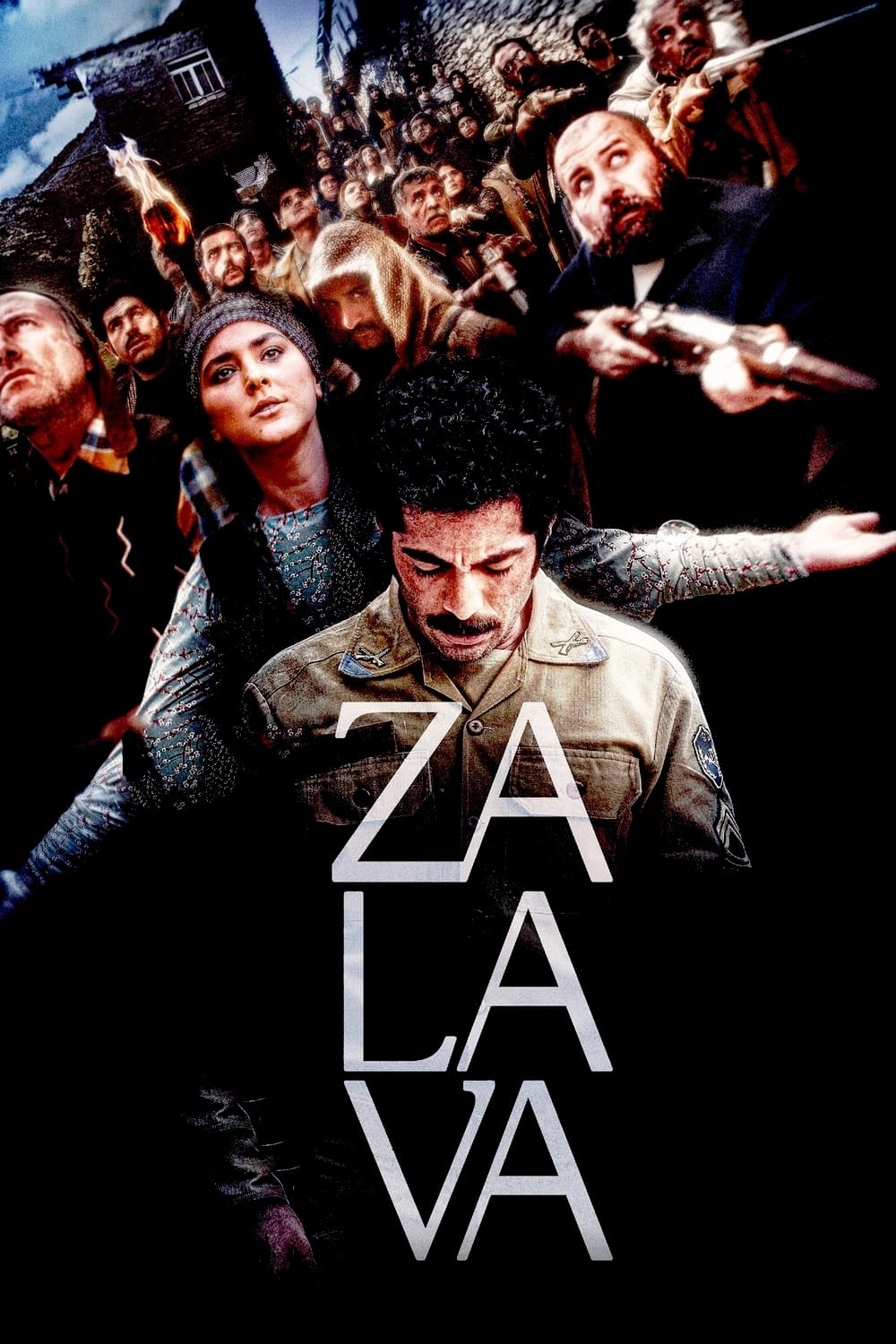
The 21st century has produced a small but distinctive domestic revival. Reza Khatibi's Girl's Dormitory (2004) brought a slasher template to a Tehran women's university. Mani Haghighi's Pig (2018) fused serial-killer thriller with absurdist satire of Iranian cultural anxiety. Arsalan Amiri's Zalava (2021), a Kurdish-region period piece about a village rumored to be possessed, became Iran's first horror film to win awards at Venice — a sign that domestic genre filmmaking had begun to draw international notice.
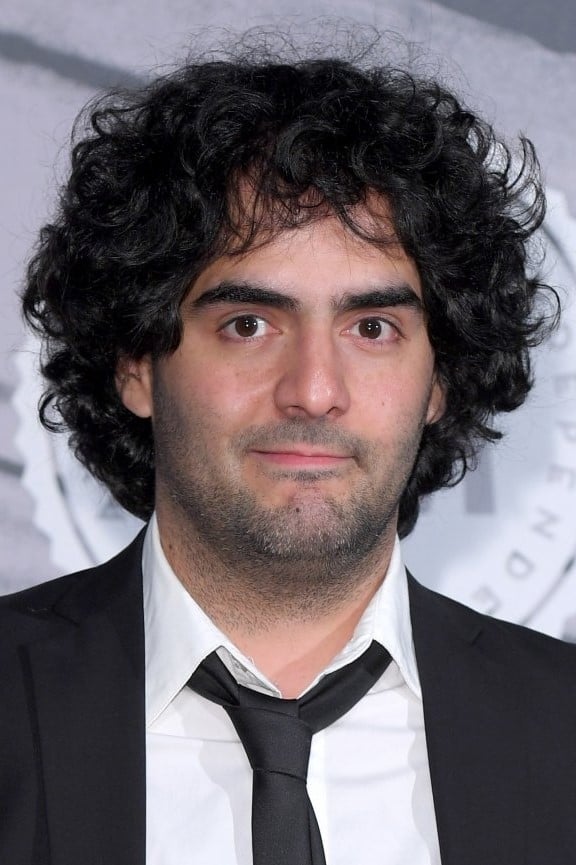
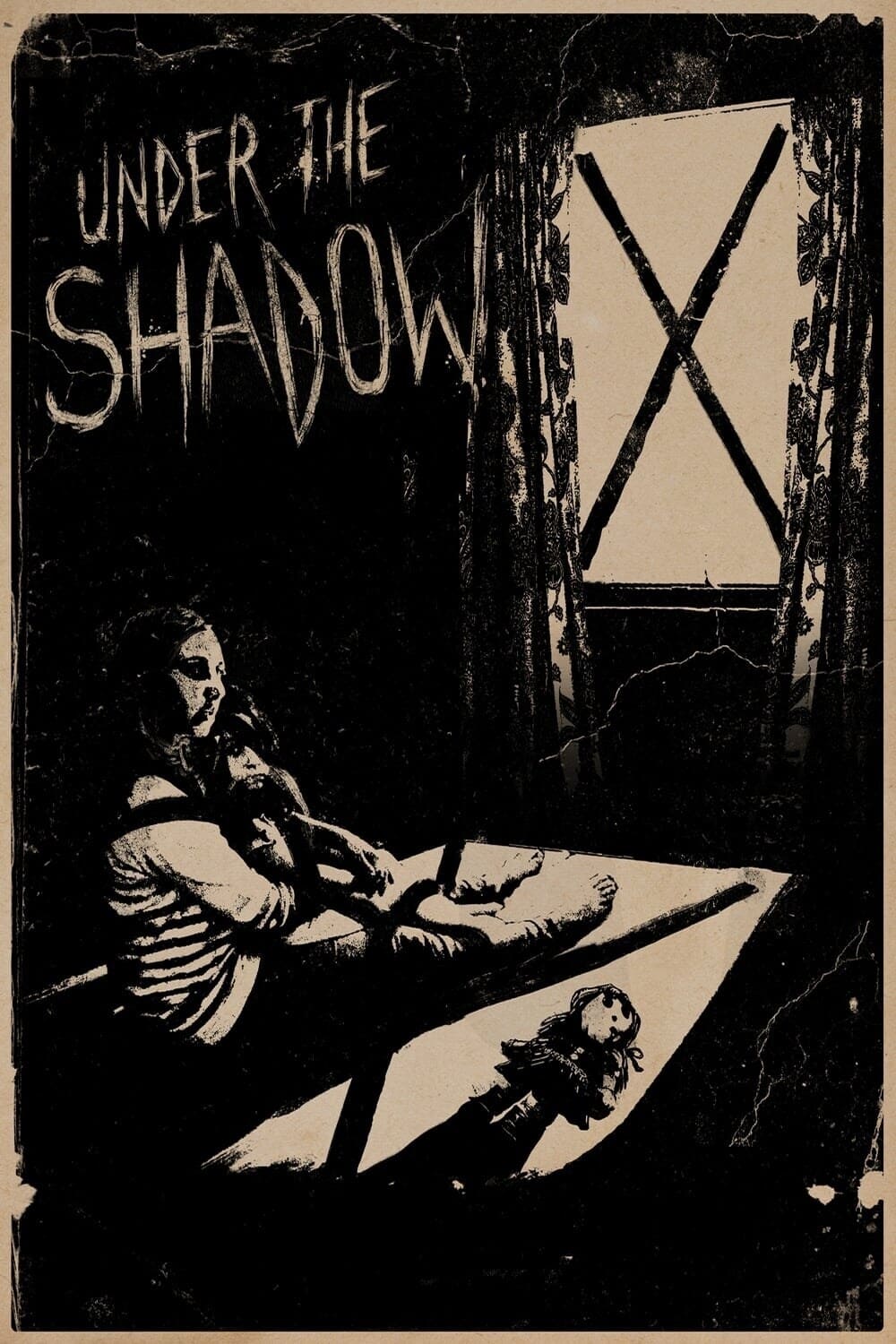
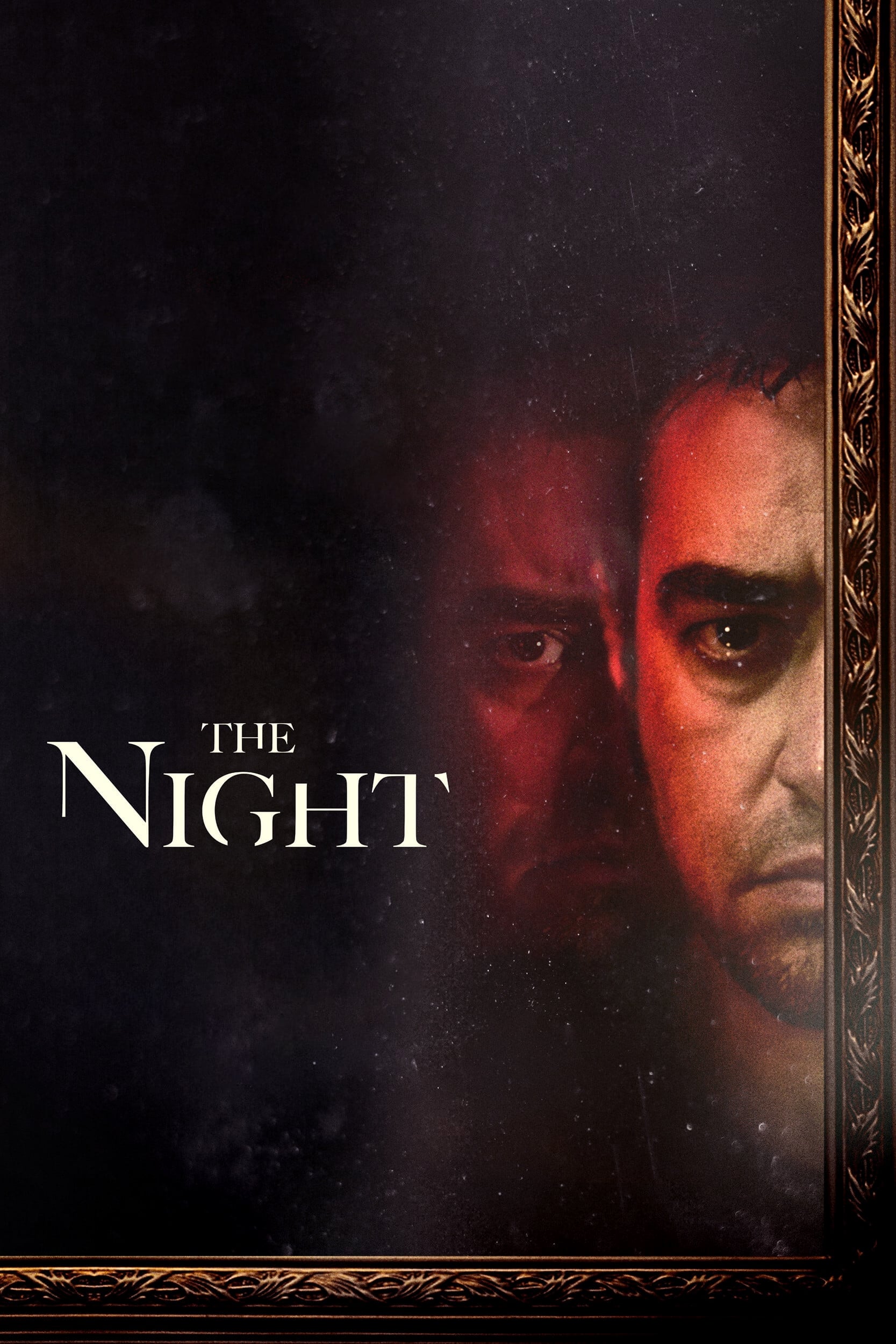
The internationally-visible Iranian horror tradition is largely a diaspora cinema. Ana Lily Amirpour's US-shot A Girl Walks Home Alone at Night (2014), a Persian-language vampire Western set in a fictional "Bad City," became the diaspora's defining film. Babak Anvari's Under the Shadow (2016), shot in Jordan but set in 1980s Tehran during the Iran-Iraq War, used a djinn-haunting premise to interrogate post-revolutionary maternal fear; the film was the UK's official Oscar submission. Kourosh Ahari's The Night (2021) — the first American studio film authorized for theatrical release inside Iran in over forty years — completed a generational trilogy that brought Iranian horror to global audiences. Iran's two horror cinemas now run in parallel: a tightly constrained domestic tradition negotiating with state censorship, and a more visible diaspora cinema treating Persian folklore, exile, and authoritarianism as its native subjects.
Essential Films

Statistics
Top Subgenres
Popularity by Decade
Share of each decade's horror films classified as Iran horror. Counts films with at least 5 TMDB ratings, so very obscure titles are not represented.