Mystics In Bali (1981)
🇮🇩Indonesia
Drawing from one of the world's richest and least-explored supernatural traditions, Indonesian horror offers something genuinely alien to Western audiences.
History
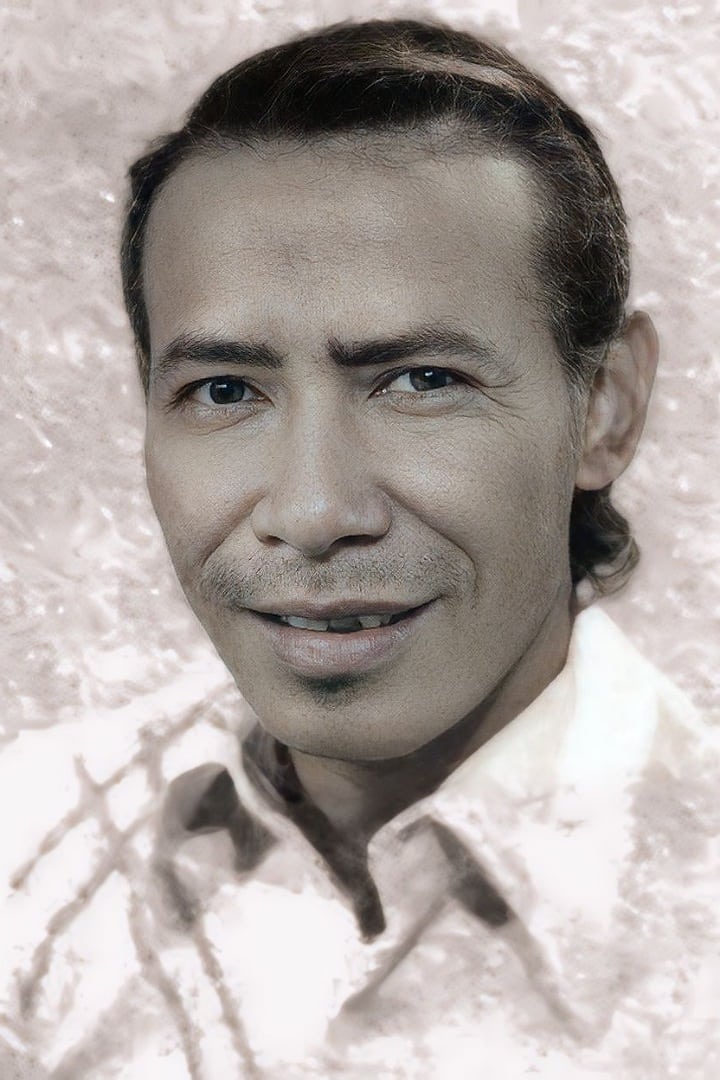
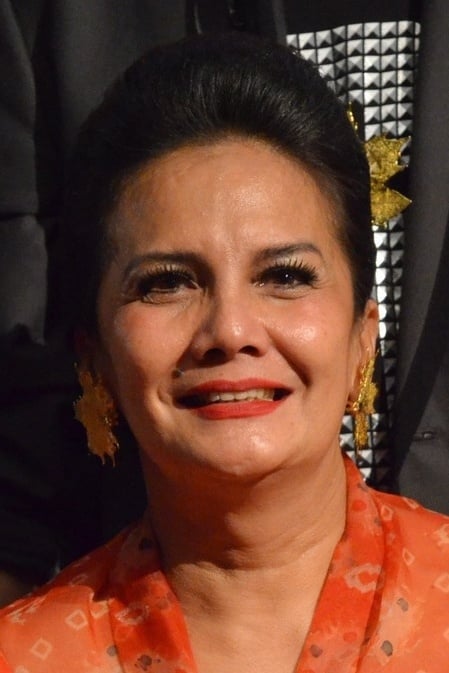
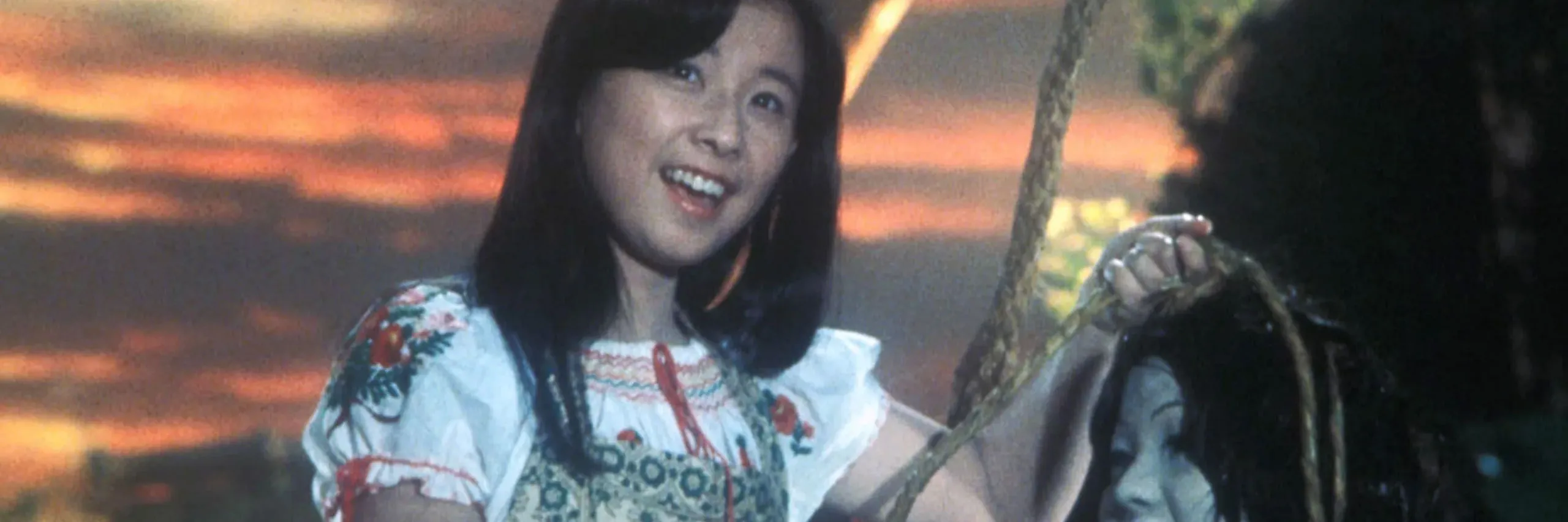
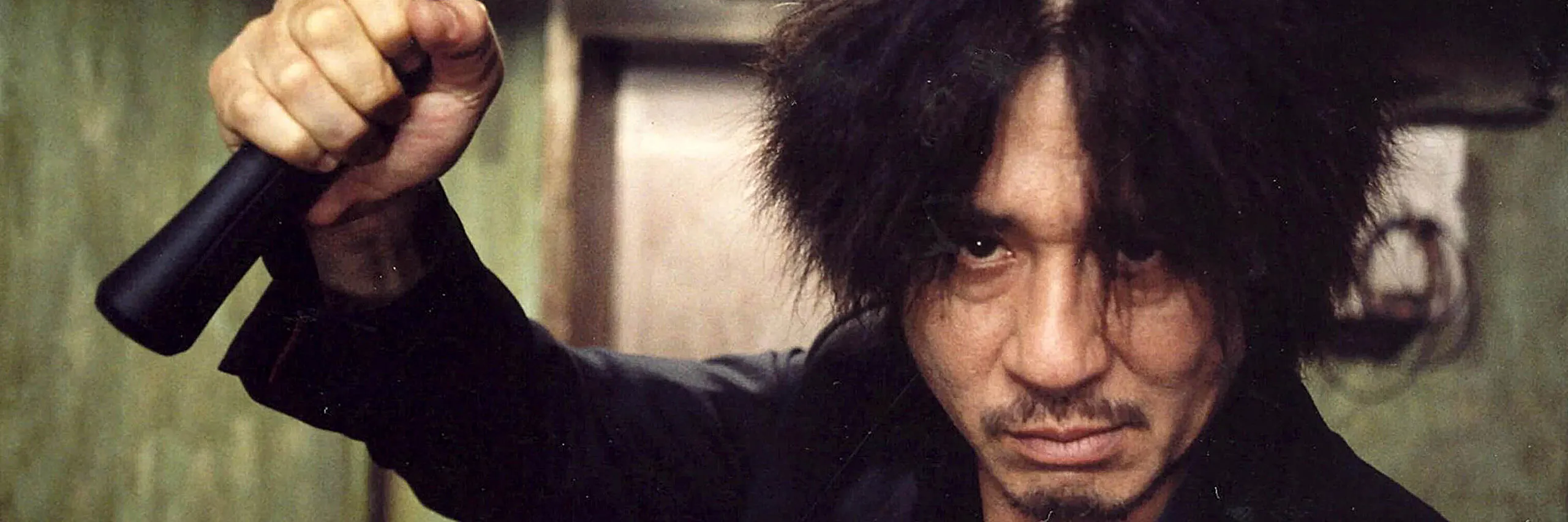
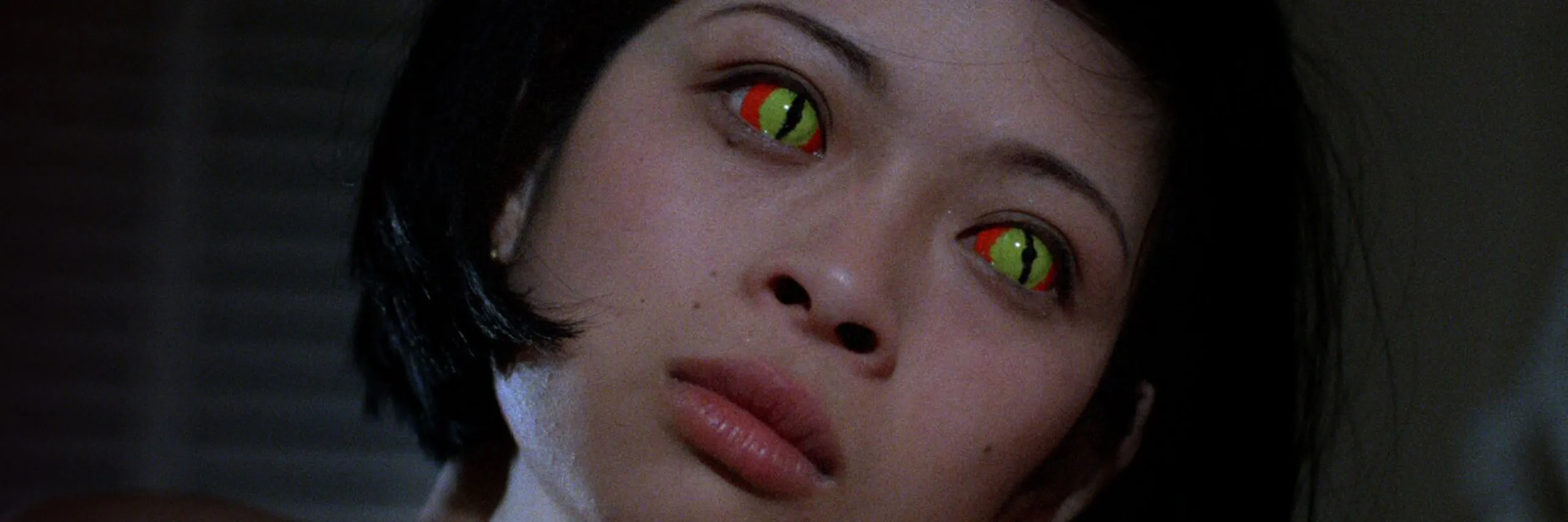
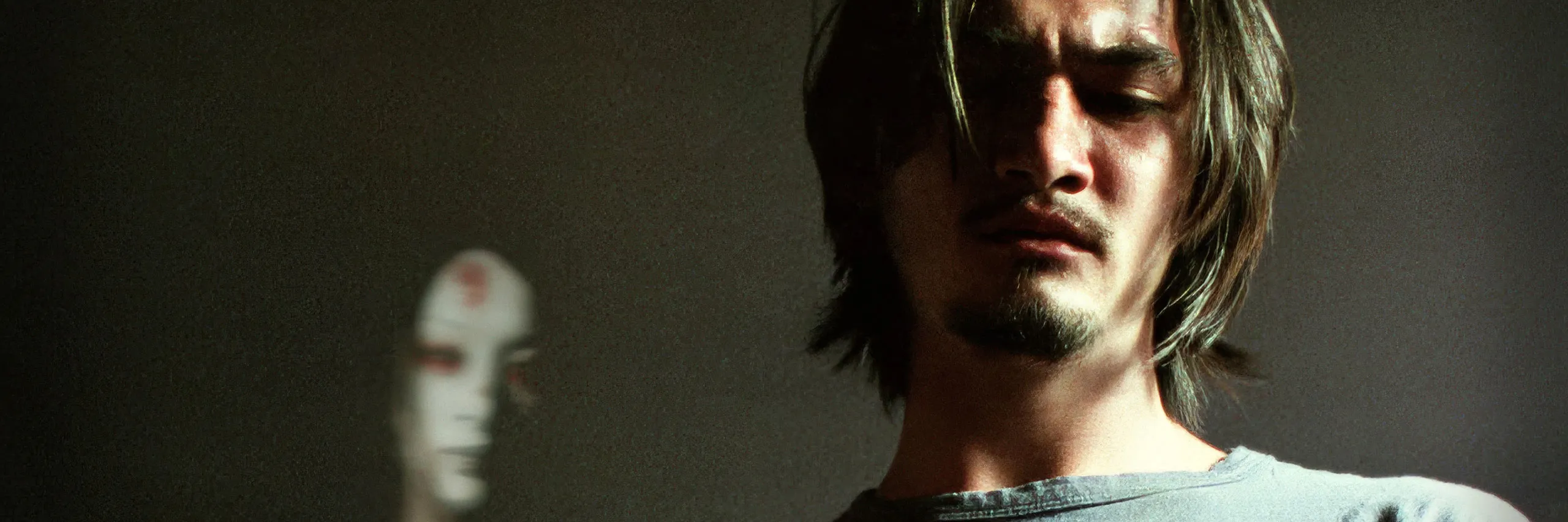
Indonesian horror cinema draws from the archipelago's extraordinarily diverse supernatural traditions — Javanese and Balinese mythology, Islamic beliefs about djinn and black magic, and local spirit folklore that varies from island to island. H. Tjut Djalil's Mystics in Bali (1981), featuring the leak — a Balinese witch whose detached head trails its organs through the night sky — introduced international cult audiences to the visceral strangeness of Indonesian supernatural belief, and his The Queen of Black Magic (1981) extended the cycle into Javanese revenge sorcery. The era's defining figure was Suzzanna, who became Indonesia's horror icon across three decades of films built around her presence — Sundel Bolong (1981), in which she played a wronged woman returned as a vengeful spirit with a hole in her back, anchored a Suzzanna-led tradition that ran from the 1970s into the 1990s. Sisworo Gautama Putra's Pengabdi Setan / Satan's Slave (1980) brought Western demonic-possession horror into a kampung setting, becoming a national landmark that Joko Anwar would later remake. Lady Terminator (1988), a wild reworking of the South Sea Queen legend filtered through American action-film conventions, became a cult favourite abroad and exemplified the era's willingness to hybridise local mythology with imported genre templates.
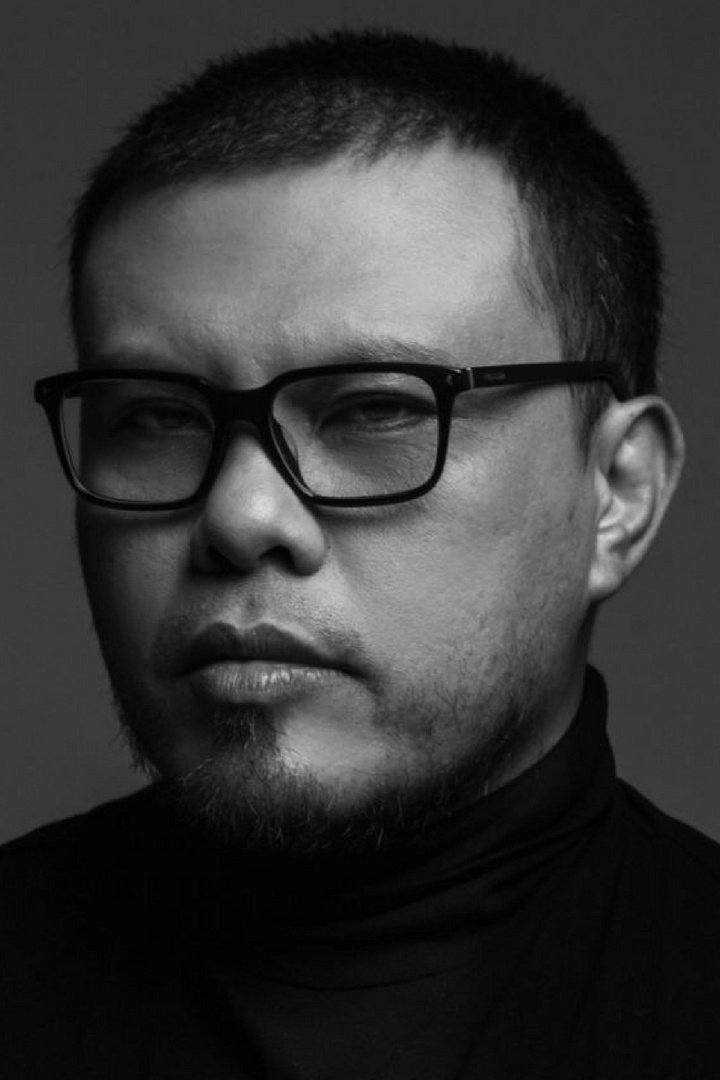
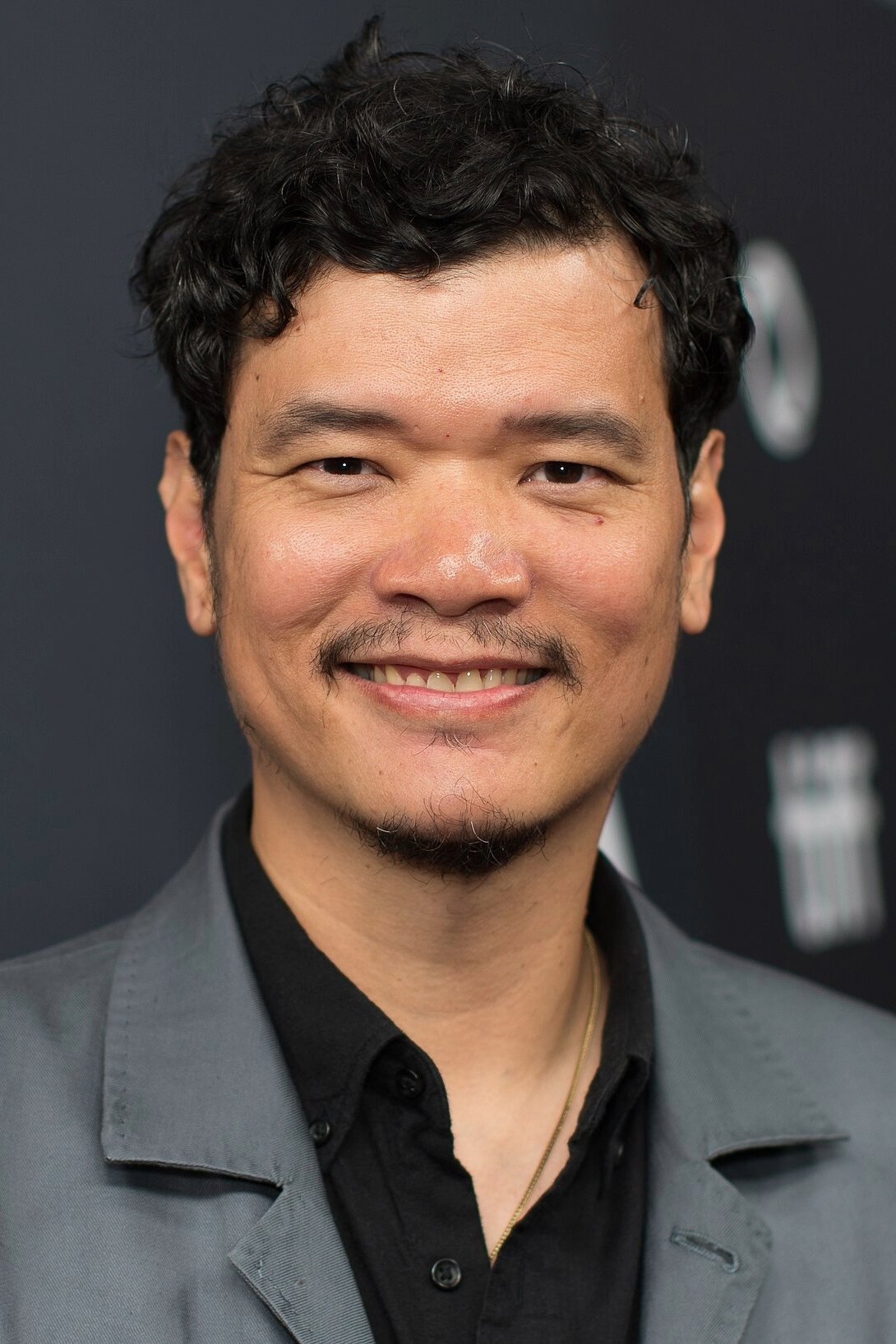
Indonesian horror's global breakthrough came through two forces: director Joko Anwar and the Mo Brothers (Kimo Stamboel and Timo Tjahjanto). The Mo Brothers' Macabre (2009), a brutal cannibal-family home-invasion thriller, announced an extremity register absent from the earlier exploitation era, and Killers (2014) extended their reach into the Japanese-Indonesian co-production space. Anwar's Satan's Slaves (2017), a remake of the 1980 Indonesian classic, demonstrated how traditional folklore could be elevated through exceptional craft, earning festival acclaim and international distribution. His Impetigore (2019) continued to mine Javanese supernatural traditions with increasing visual sophistication, both films anchored by Anwar's recurring lead Tara Basro. Tjahjanto's solo work May the Devil Take You (2018) pushed the demonic-possession tradition toward sustained dread.
The 2020s have consolidated Indonesia's status as one of contemporary horror's most reliable national cinemas. Stamboel's The Queen of Black Magic (2019) reimagined the 1981 Tjut Djalil original from a screenplay by Joko Anwar, restoring a foundational text for a new generation. Anwar himself returned with Satan's Slaves 2: Communion (2022), a high-rise apartment-block extension of the franchise, and Grave Torture (2024), his most overtly theological horror about a girl who has herself buried alive to investigate the existence of an afterlife. What distinguishes contemporary Indonesian horror is its access to a vast, largely untapped reservoir of supernatural belief — traditions that feel genuinely alien to Western audiences, giving Indonesian films a sense of the uncanny that more familiar horror mythologies struggle to achieve.
Essential Films
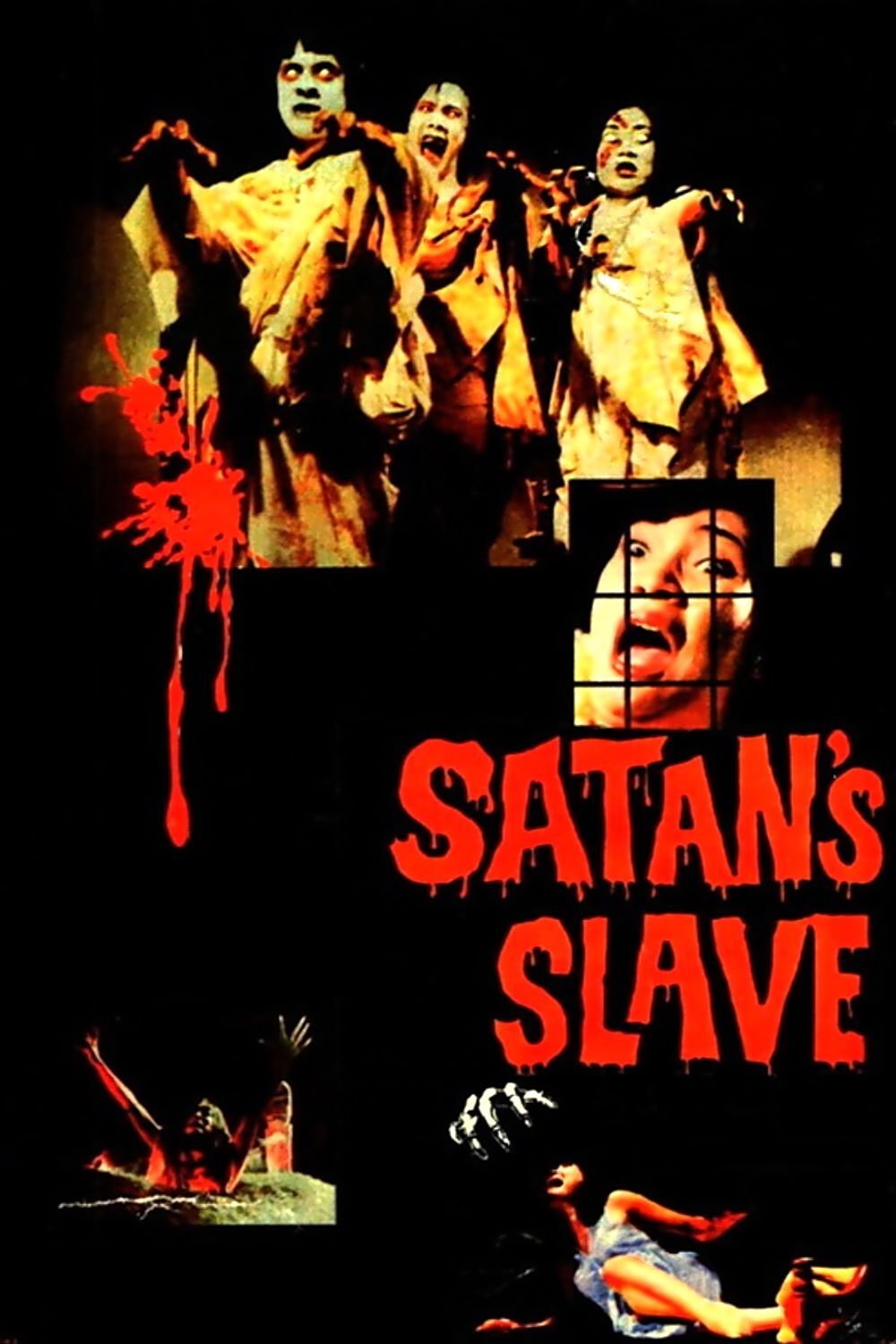
Satan's Slave
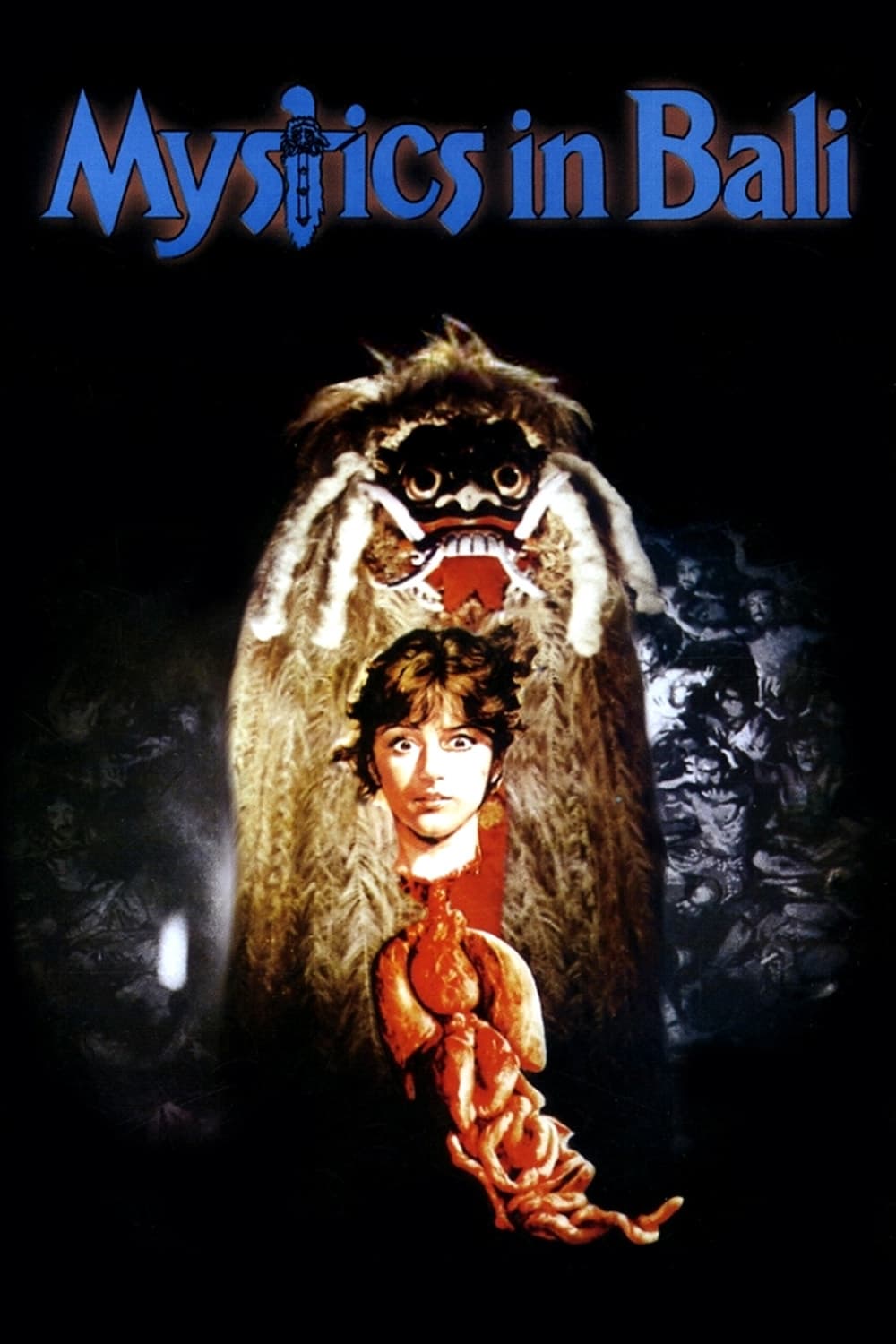
Mystics in Bali
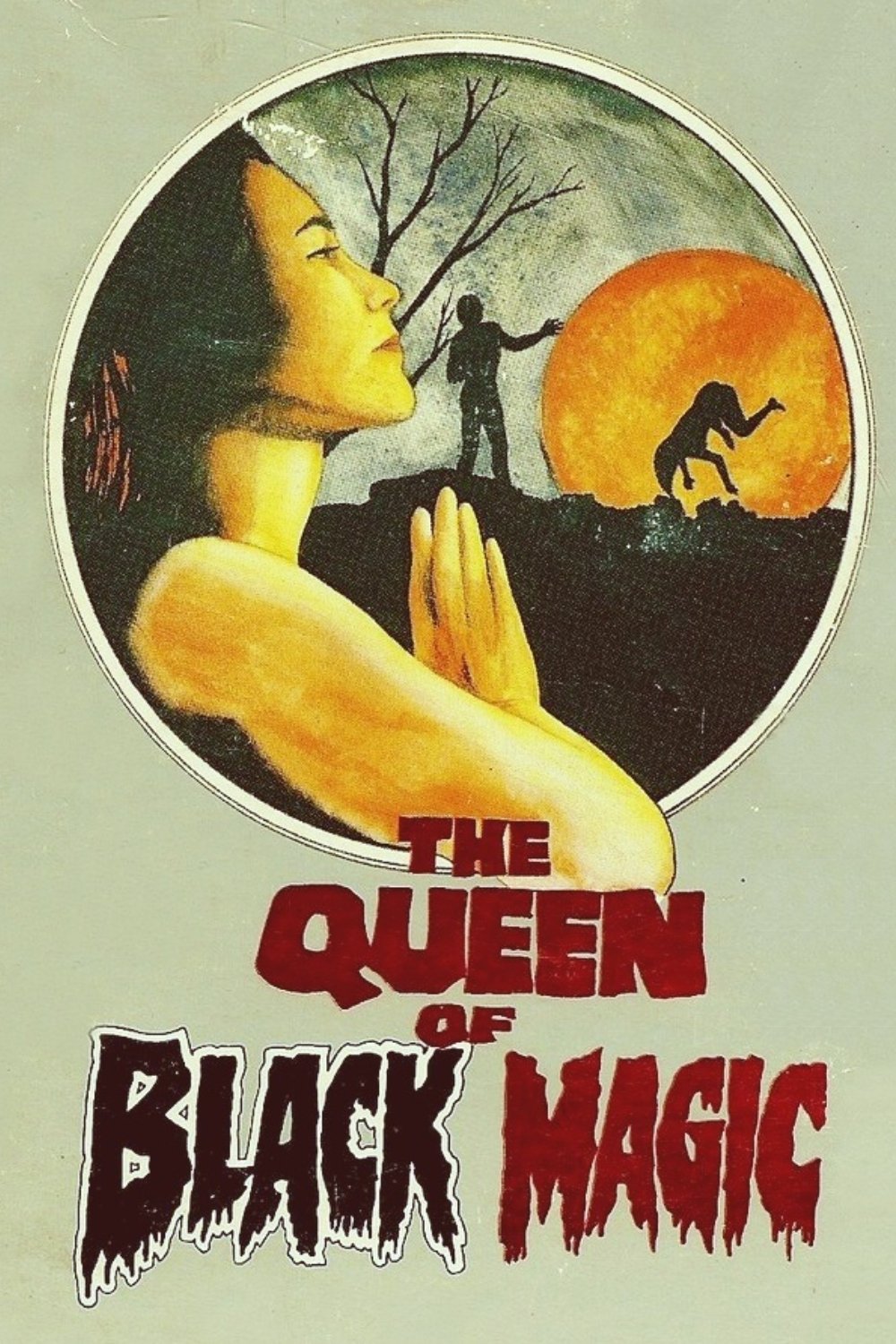
The Queen of Black Magic
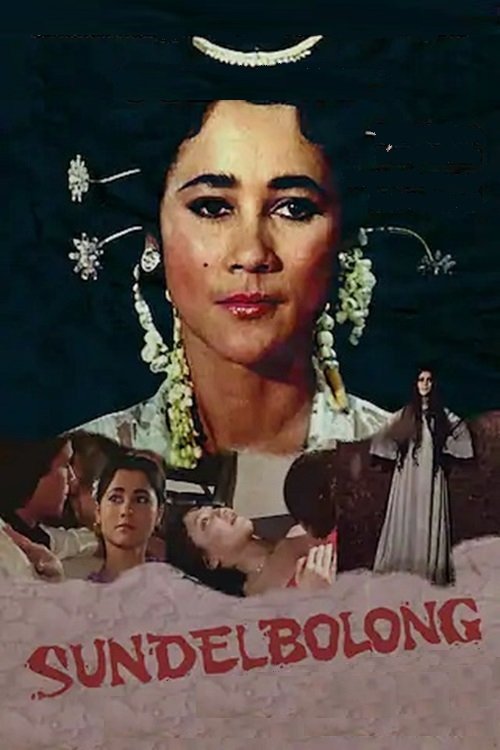
Sundel Bolong
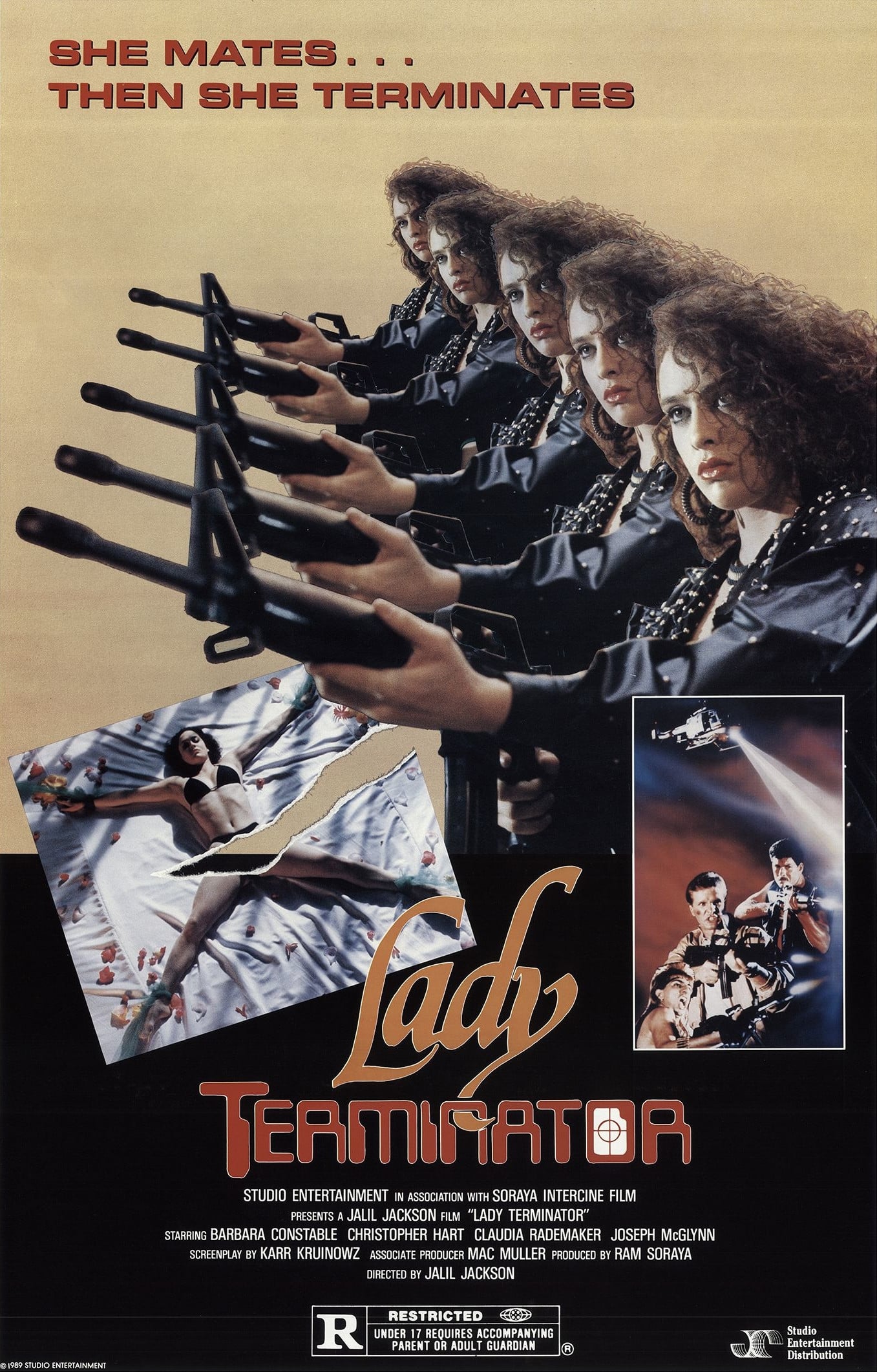
Lady Terminator
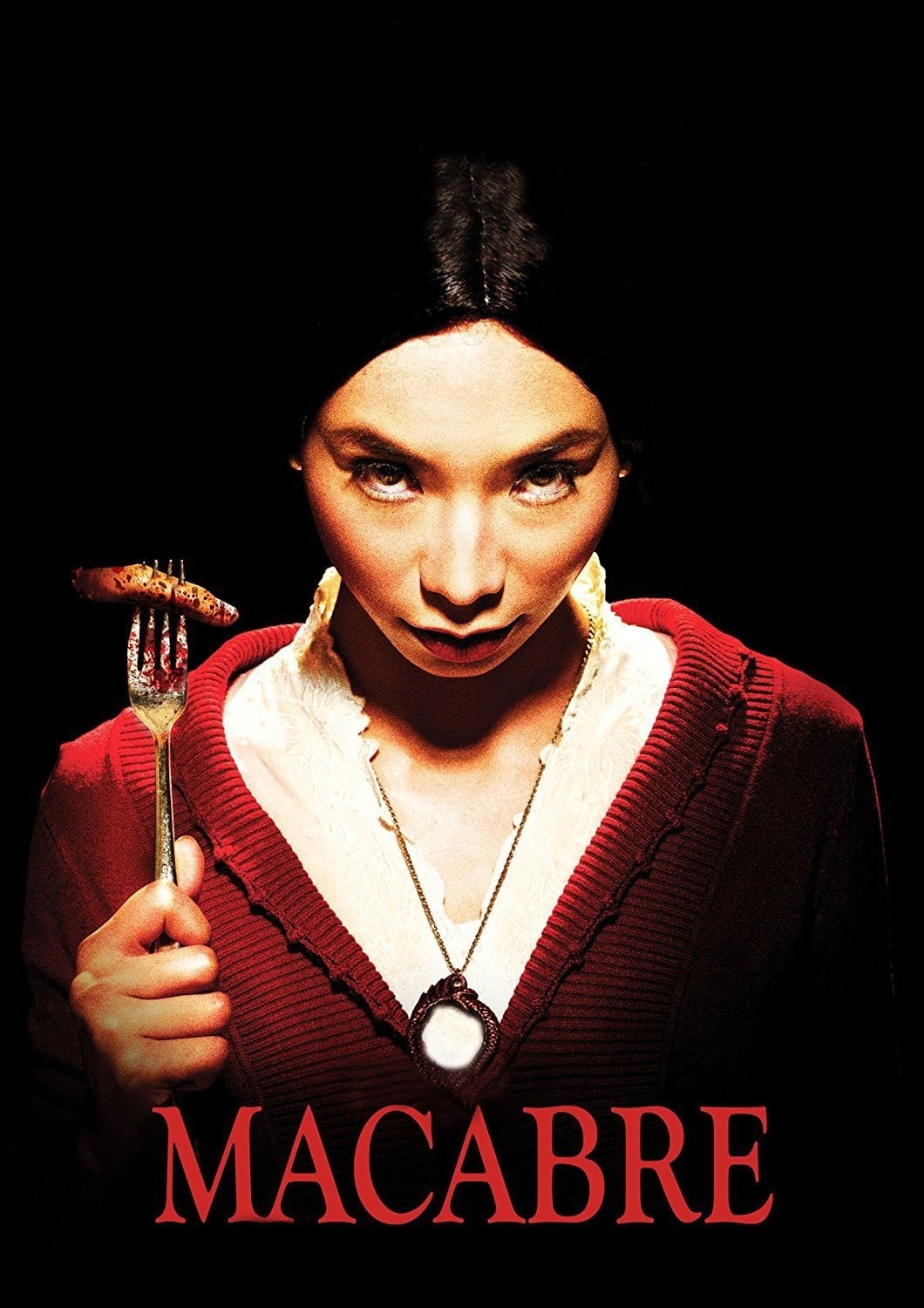
Macabre

Killers
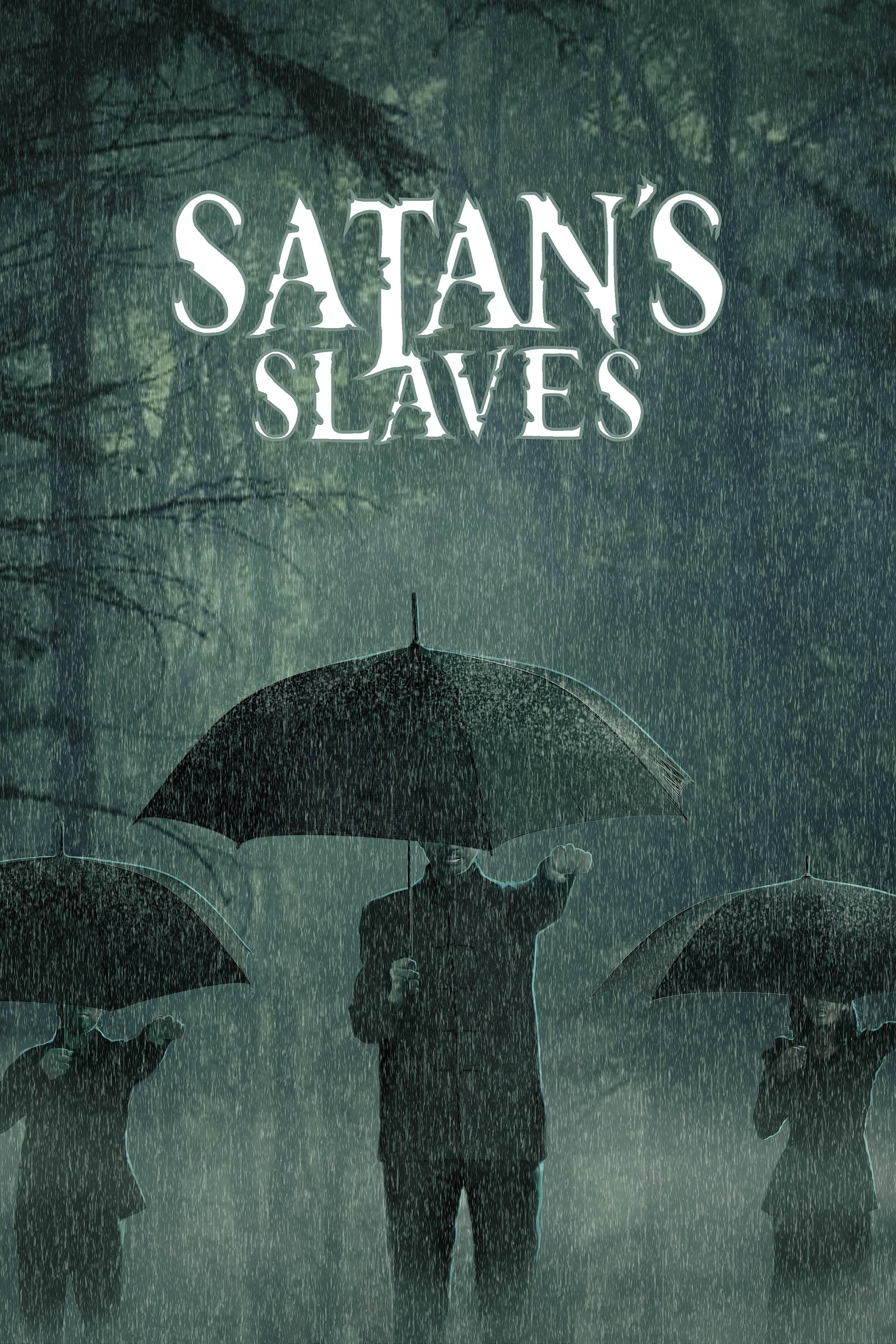
Satan's Slaves
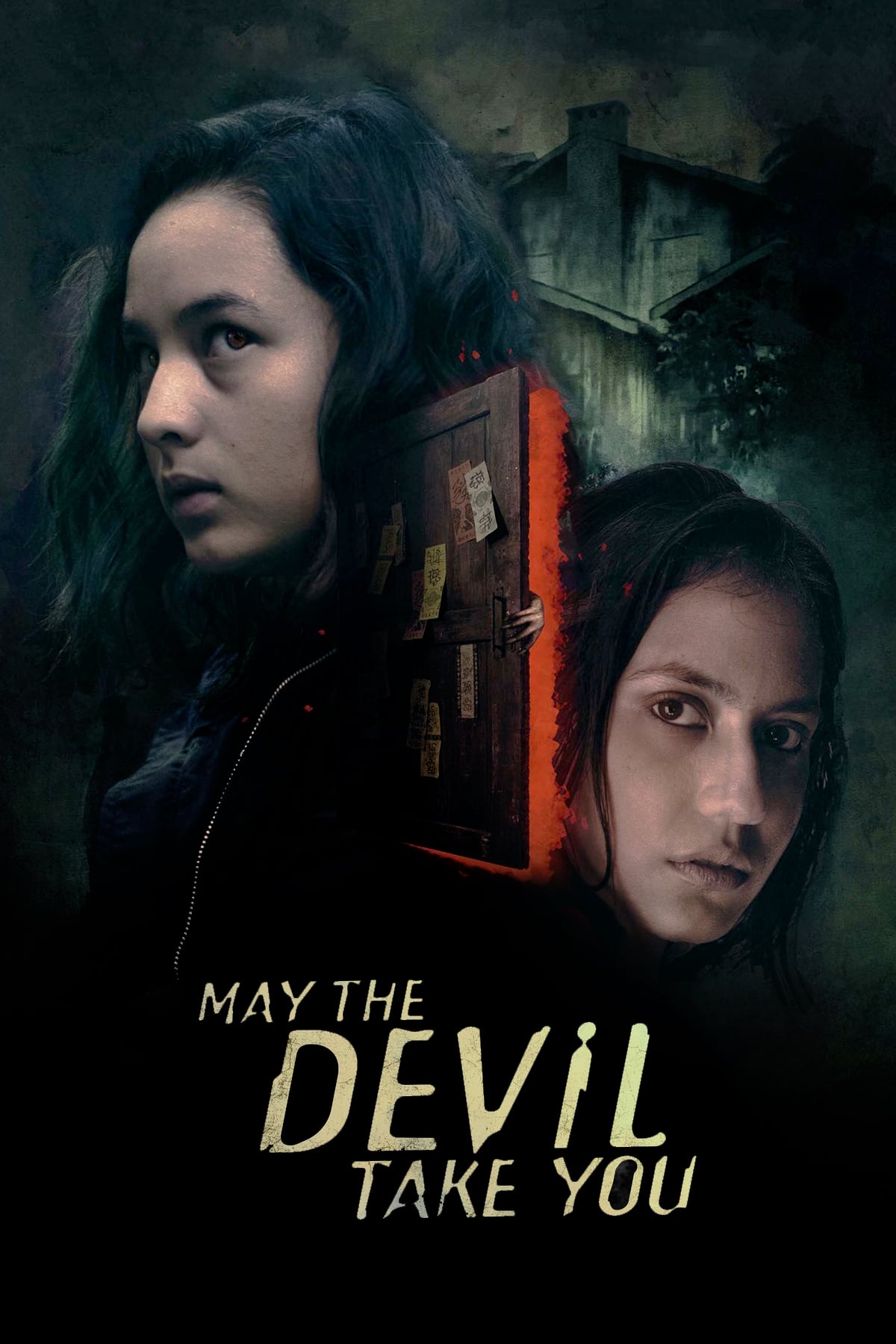
May the Devil Take You
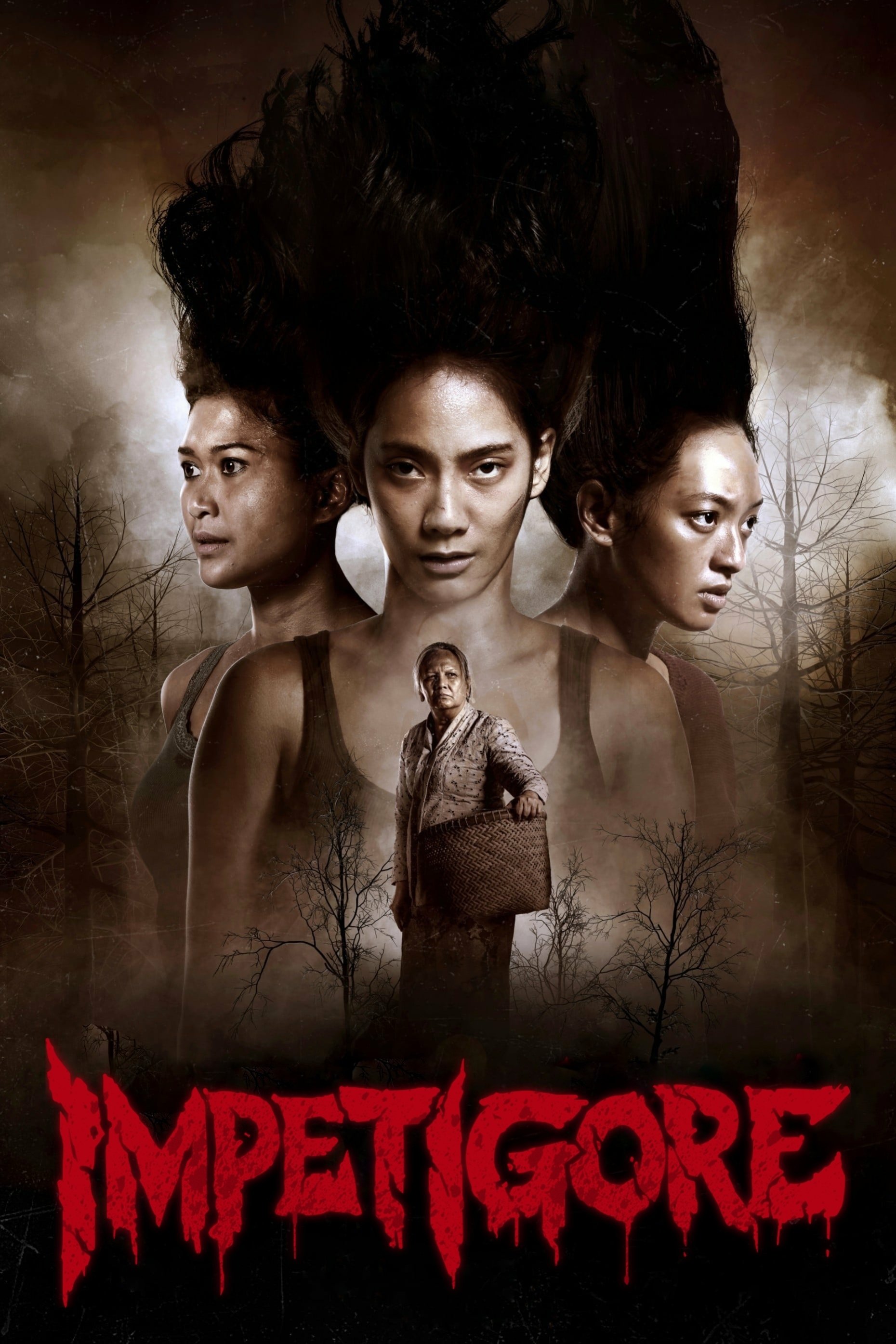
Impetigore
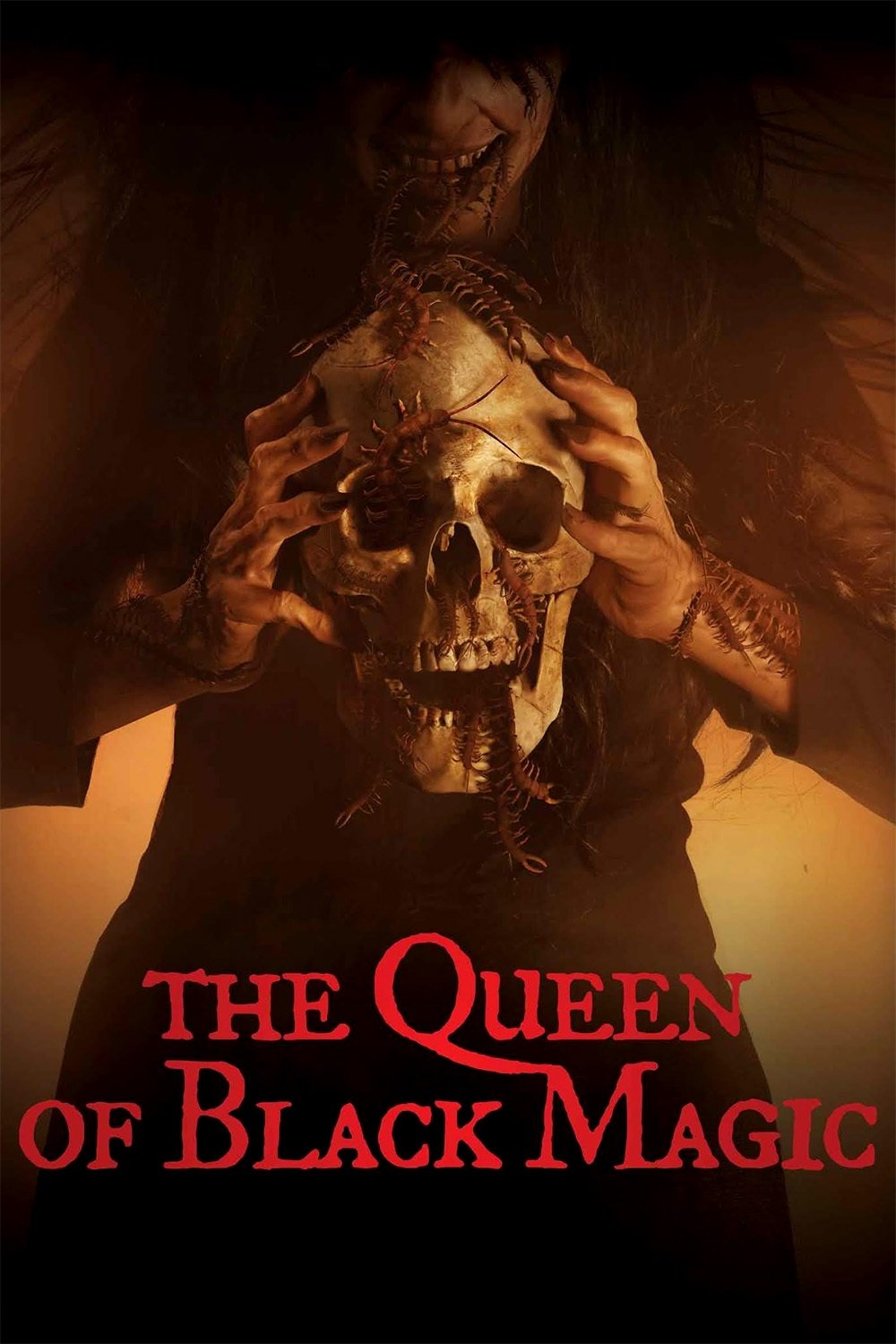
The Queen of Black Magic
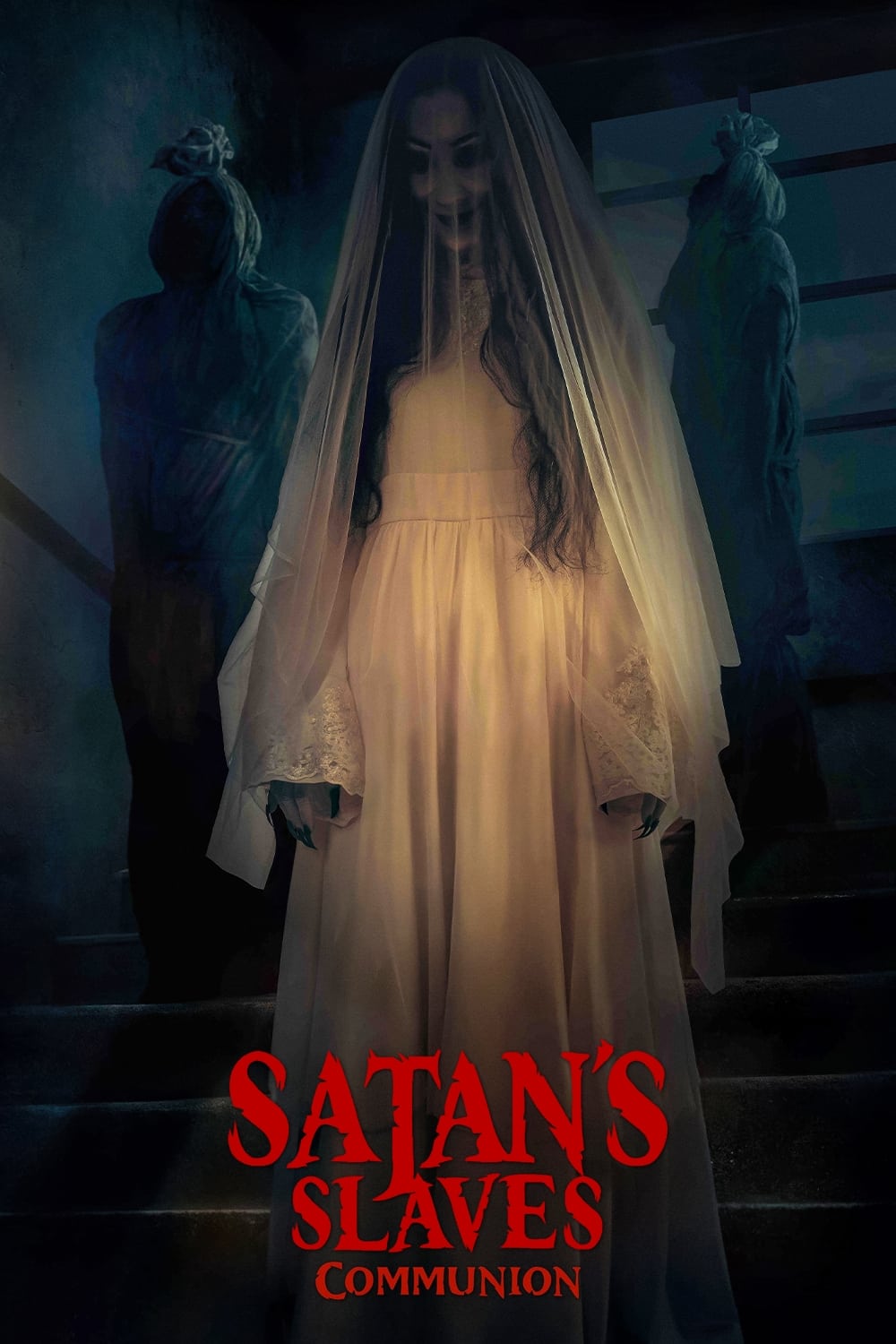
Satan's Slaves 2: Communion
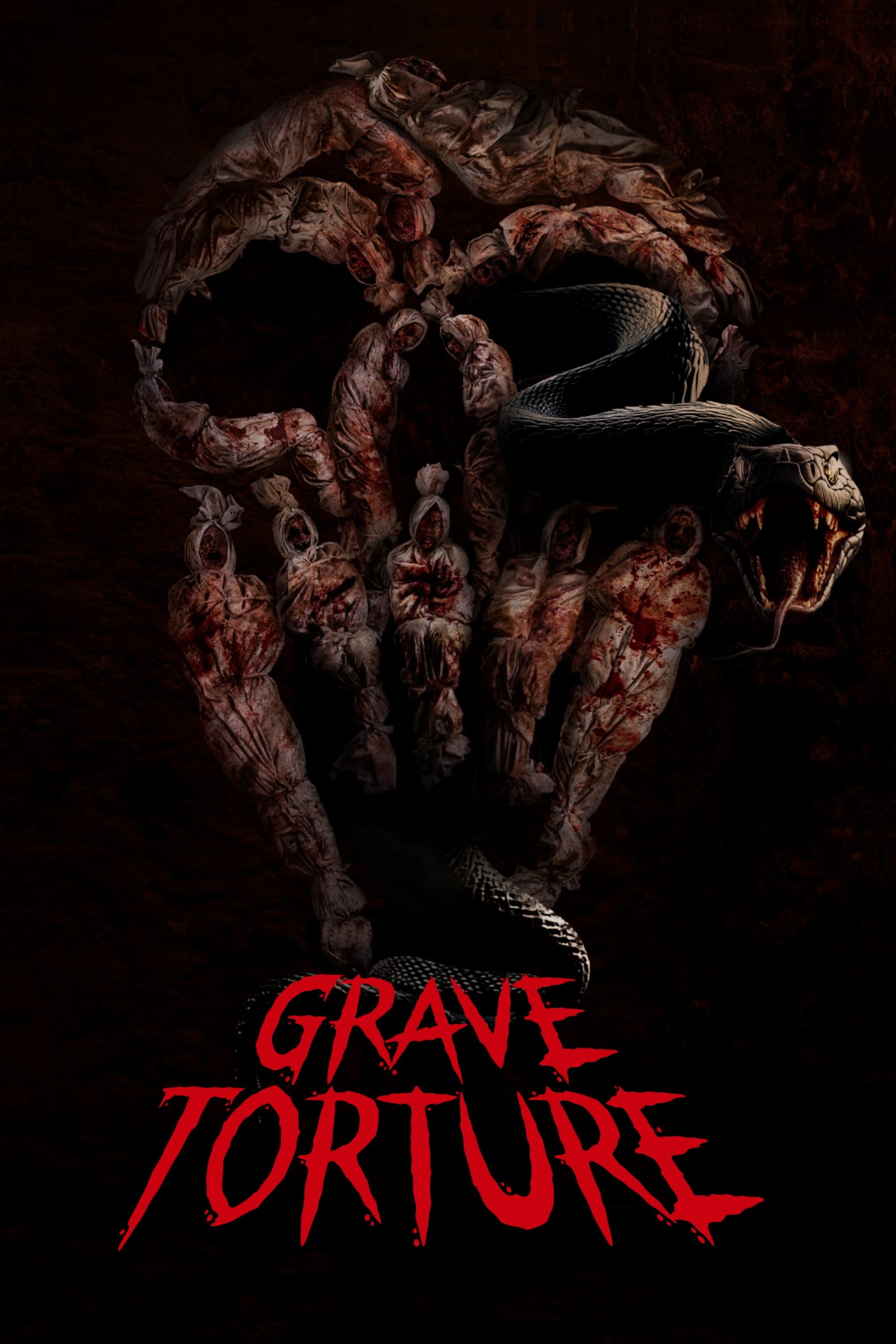
Grave Torture
Statistics
Top Subgenres
Popularity by Decade
Share of each decade's horror films classified as Indonesia horror. Counts films with at least 5 TMDB ratings, so very obscure titles are not represented.