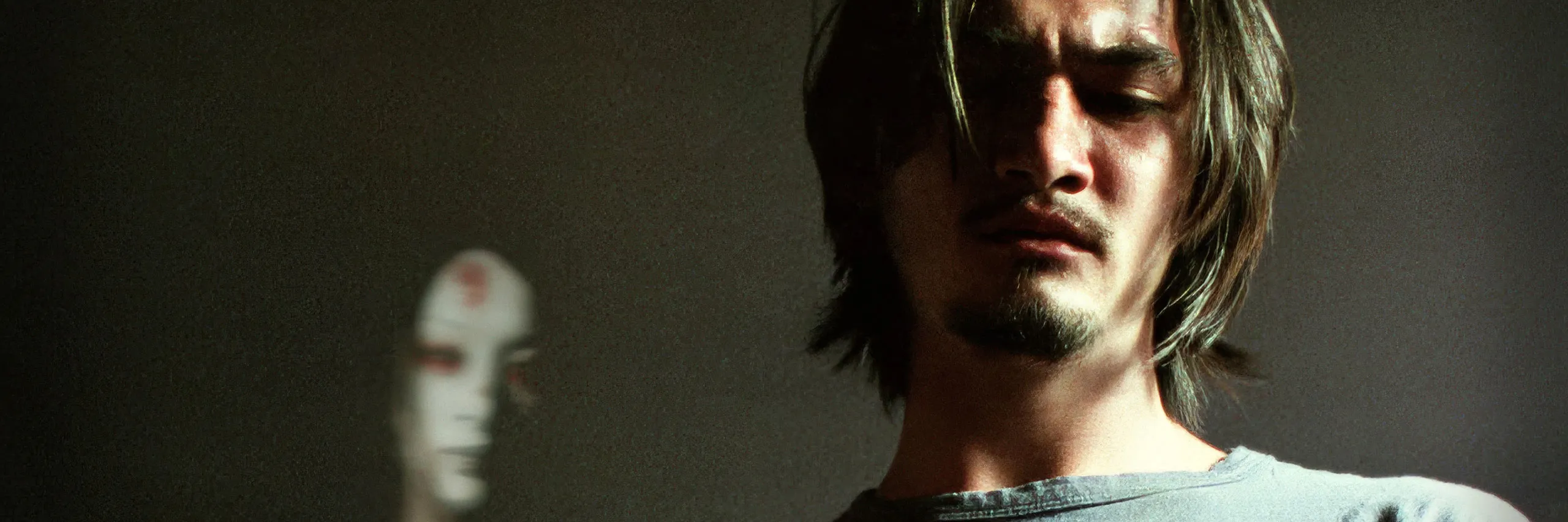
The Blood Drinkers (1964)
🇵🇭Philippines
A century-old tradition of supernatural cinema rooted in pre-Christian folklore — the Philippines has been making horror films since the silent era, and the country's recent international wave is finally letting the world catch up.
History
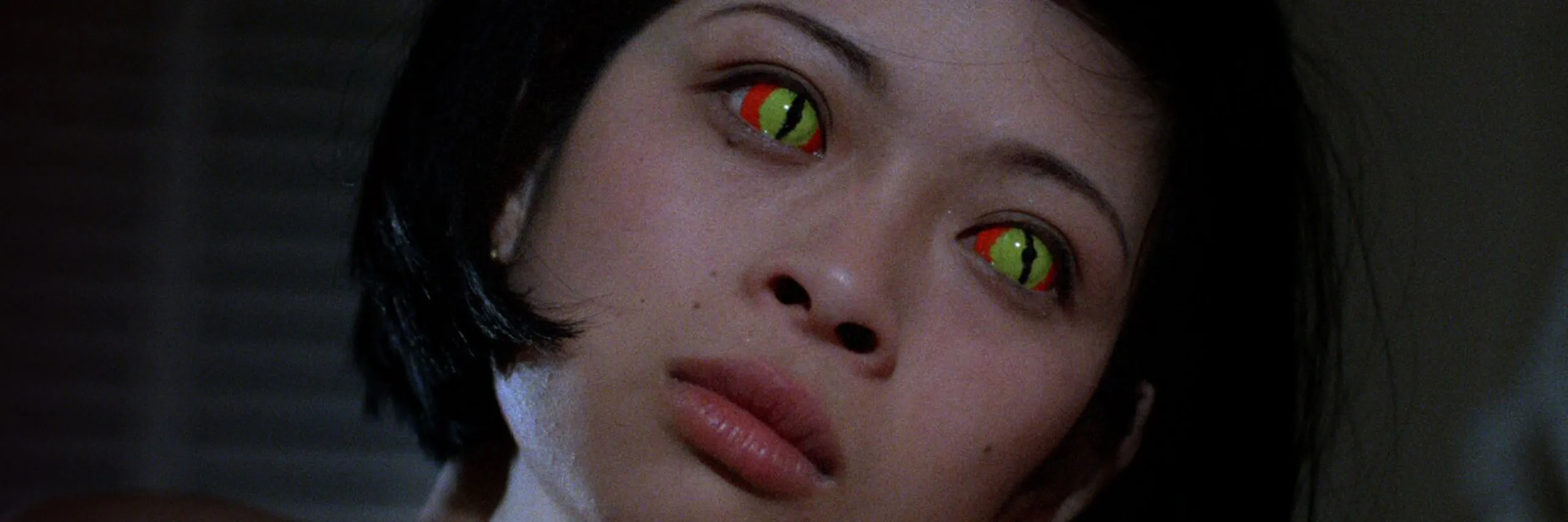
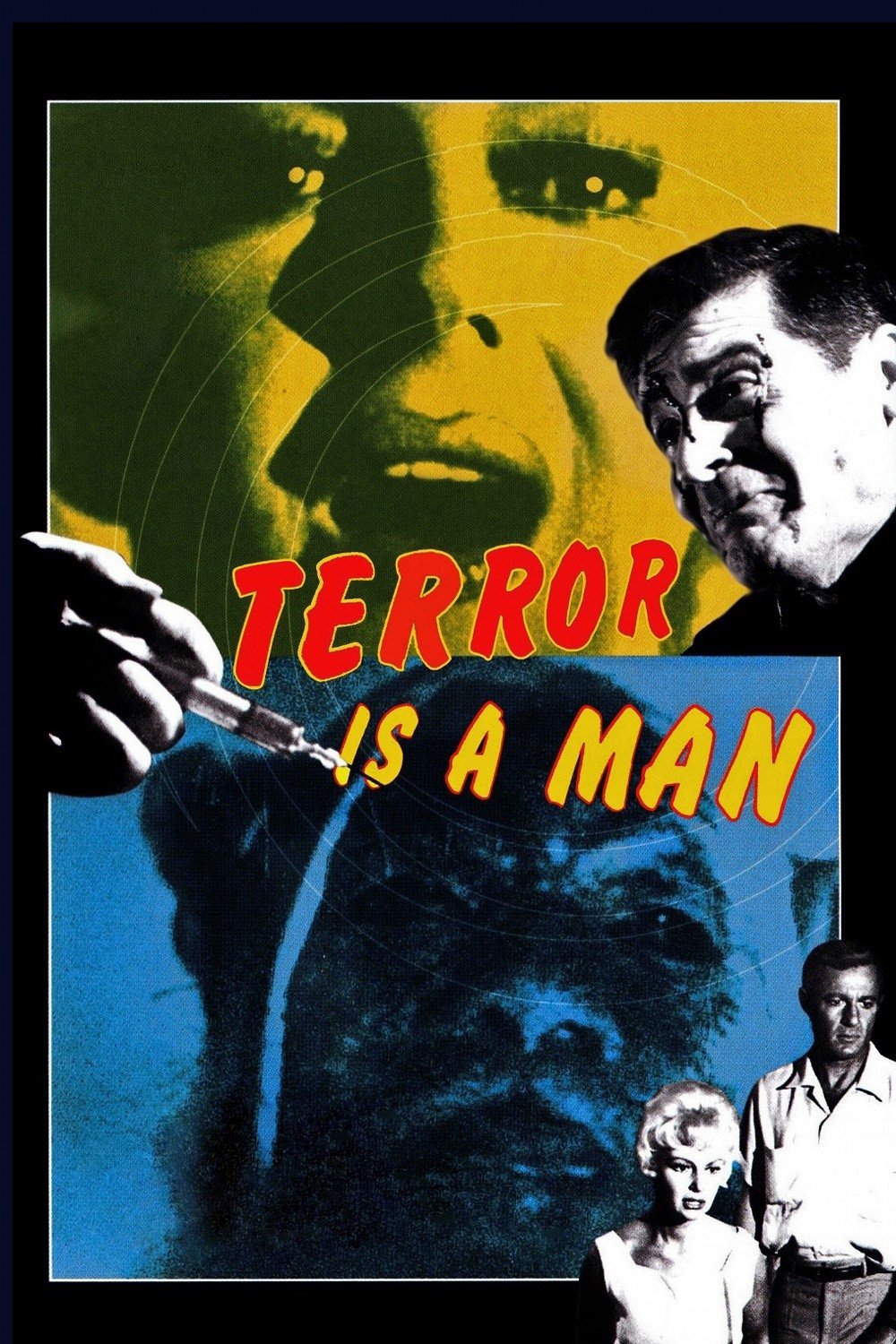
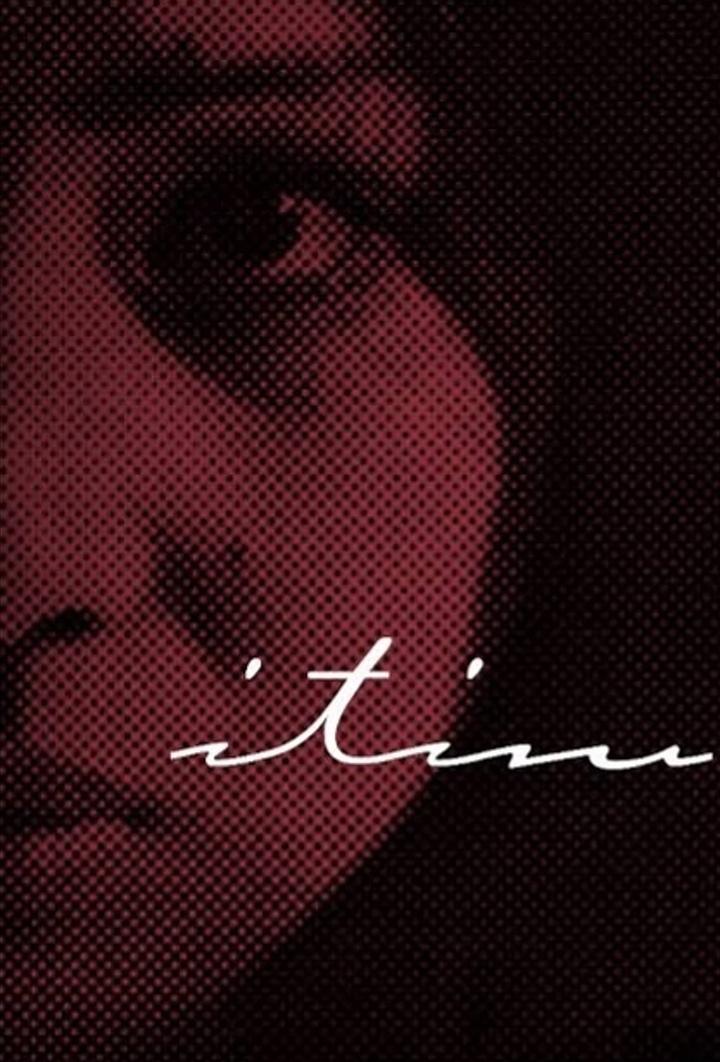
Filipino horror has a tradition of supernatural cinema running back to the silent period — Peter Hutchings notes that films about witches and ghosts were a significant feature of early Philippine cinema, though up until the 1950s these rarely circulated outside the country. International visibility arrived with Gerardo de Leon's Terror Is a Man (1959), an unofficial adaptation of H. G. Wells's The Island of Dr. Moreau that became the country's first internationally-distributed horror feature, and de Leon followed with The Blood Drinkers (1964), a vampire film with documentary footage of Filipino Catholic ritual that has become a cult landmark. Mike de Leon's The Rites of May (1976), known locally as Itim, brought Filipino horror into art-cinema territory through its restrained ghost-story examination of family secrets and Catholic guilt.
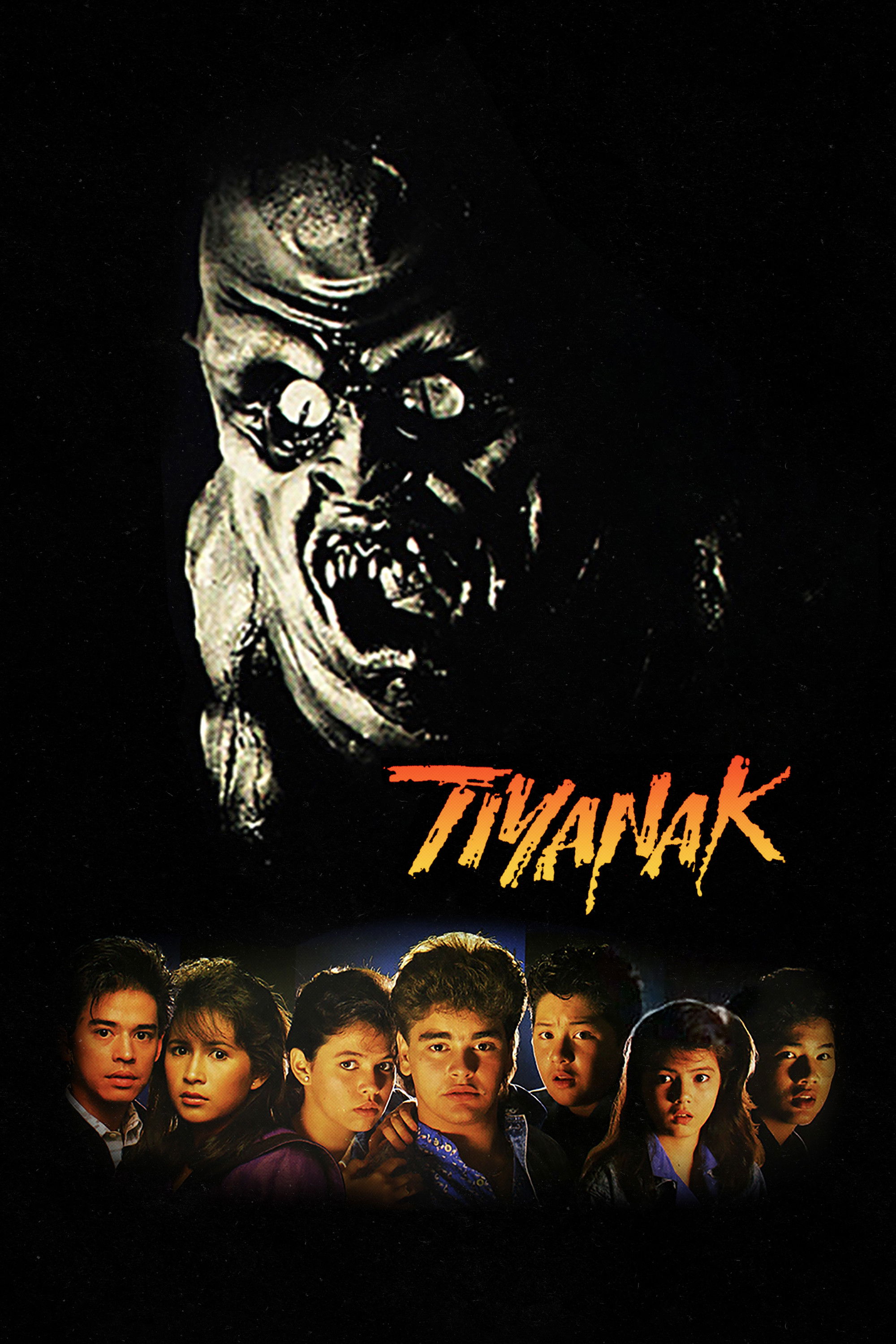
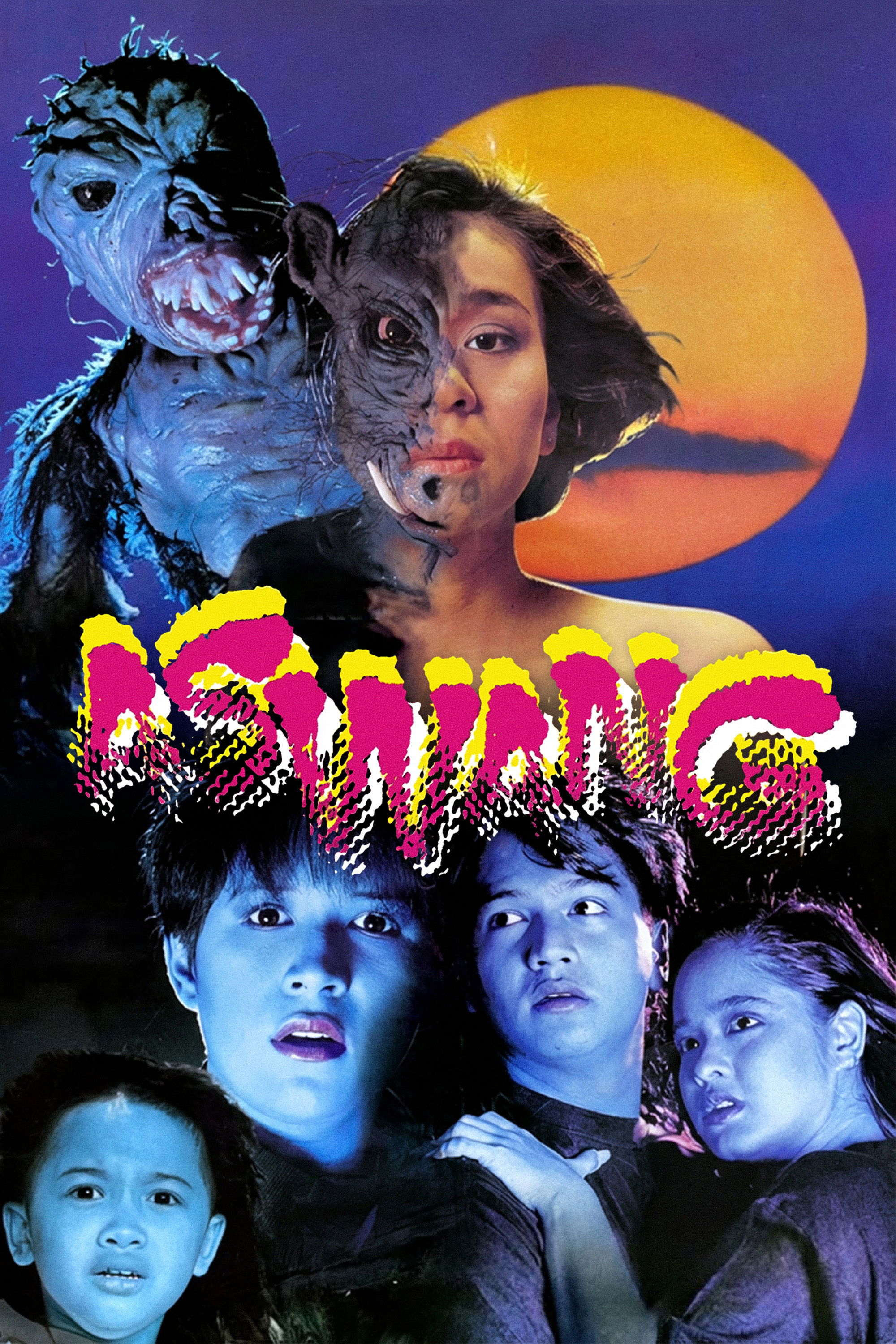
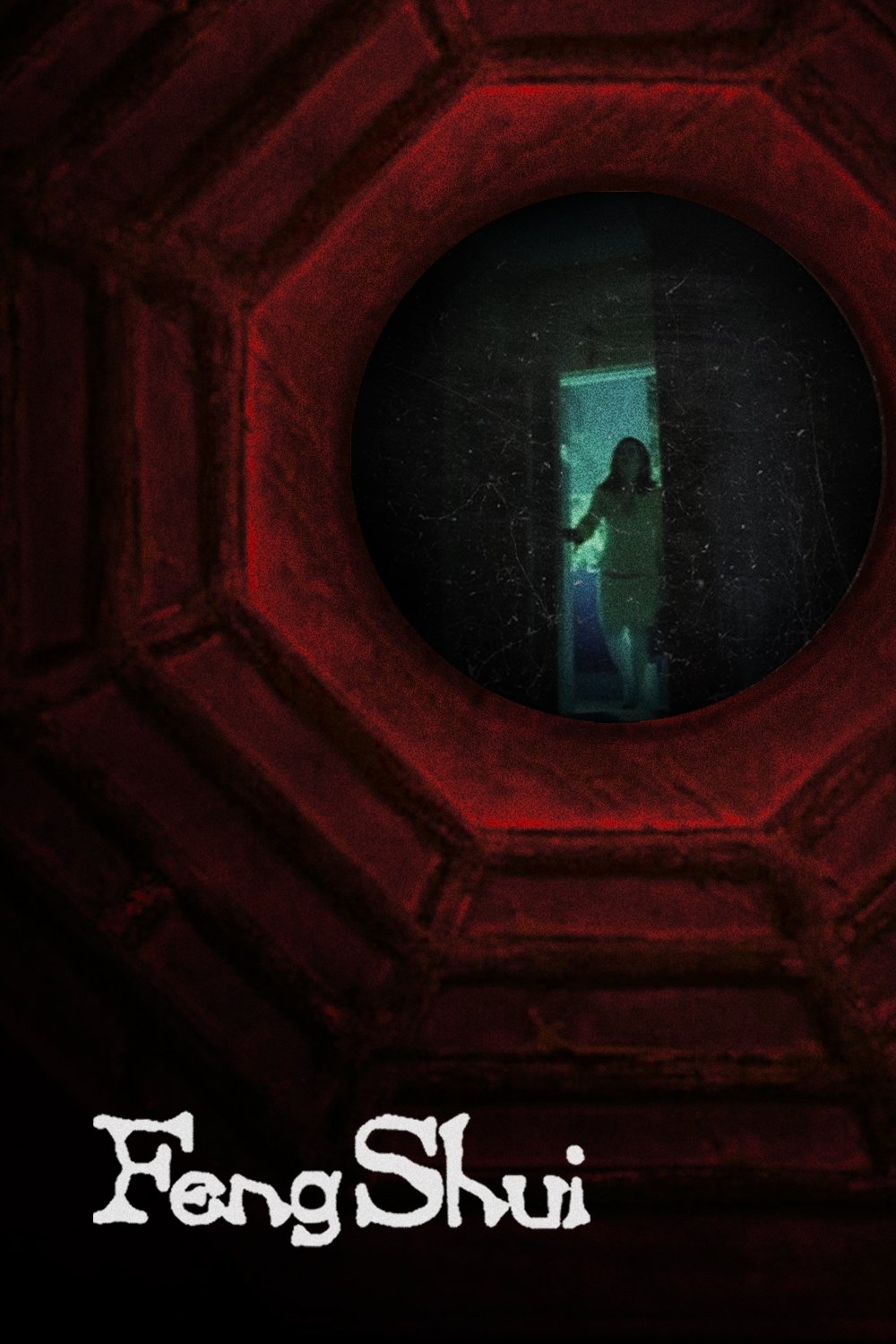
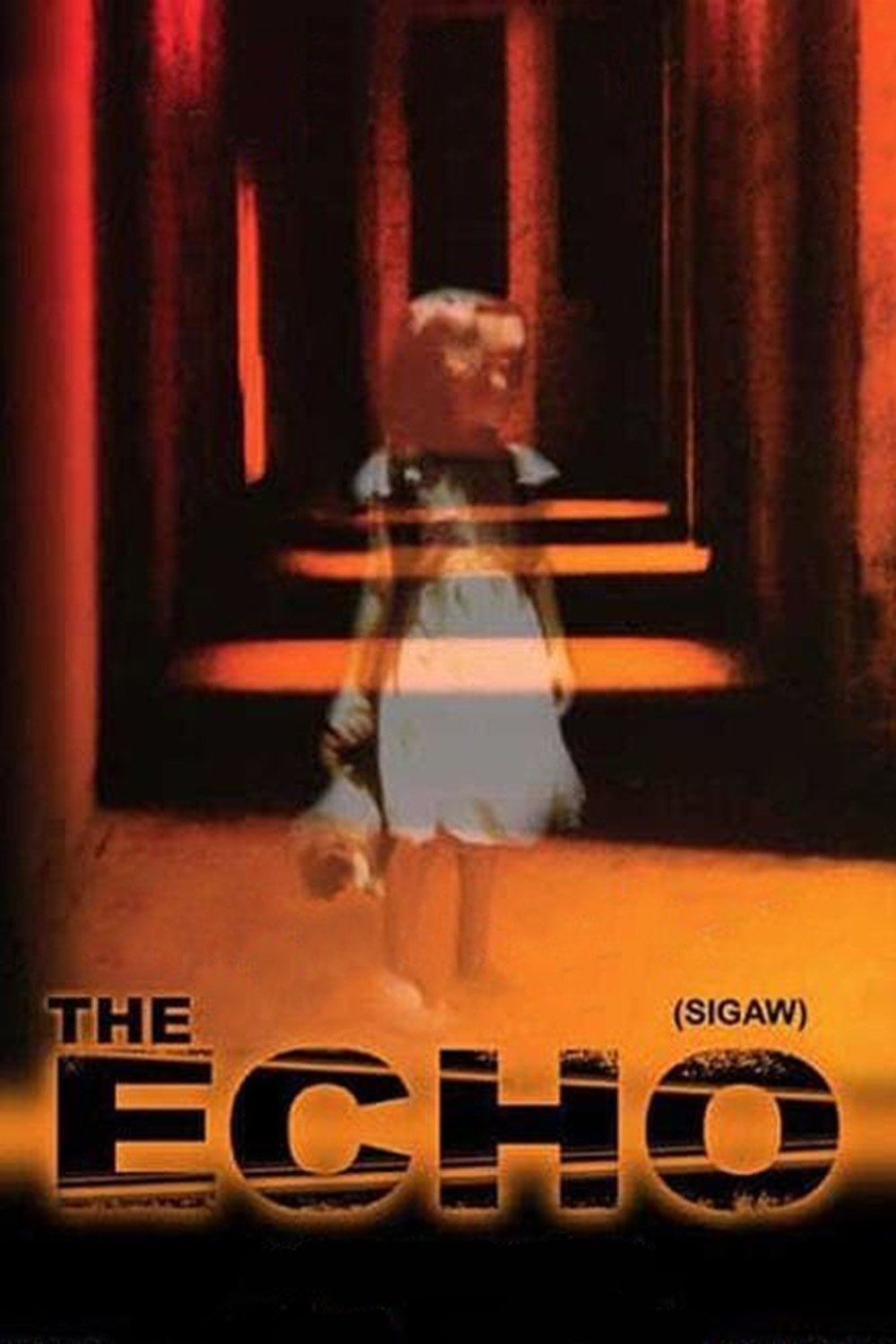
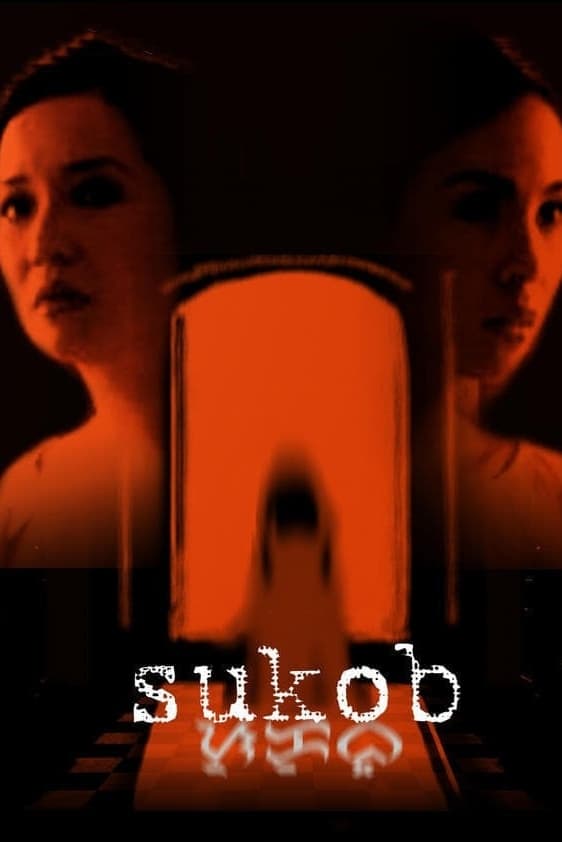
A 1980s-2000s commercial era turned Filipino horror into a reliable box-office mainstay. Peque Gallaga and Lore Reyes's co-directed Tiyanak (1988), drawing on Philippine folklore's vengeful demon-child, and their Aswang (1992) — based on the shape-shifting nocturnal predator from pre-Hispanic mythology — anchored a generation of Filipino genre cinema. The Shake, Rattle & Roll anthology franchise (1984 onward) produced over twenty installments. Yam Laranas's The Echo (2004), originally titled Sigaw, was sufficiently strong that Laranas was hired to direct its Hollywood remake. Star Cinema productions including Roman Perez's Feng Shui (2004) and Sukob (2006) dominated the local box office through the decade.
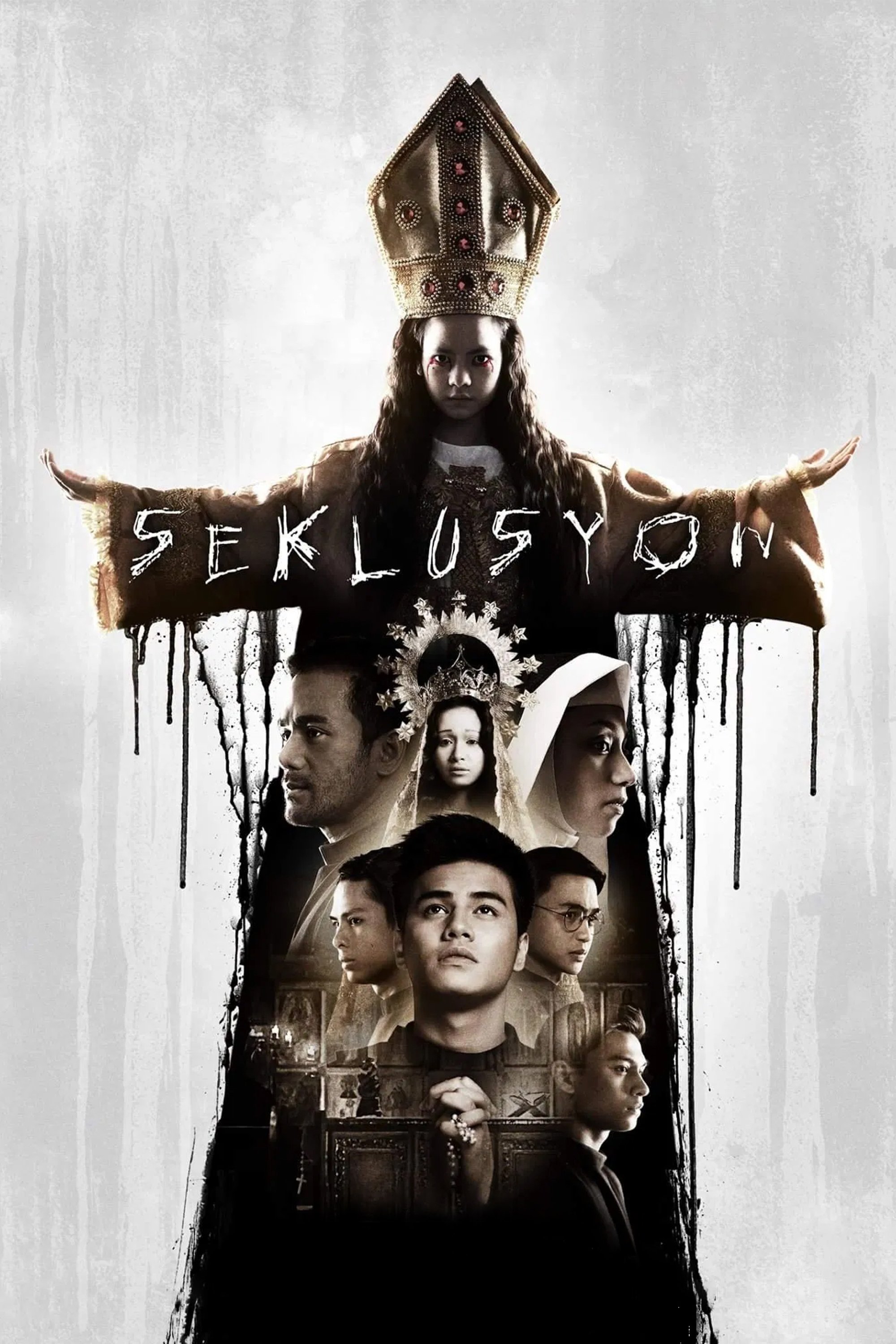
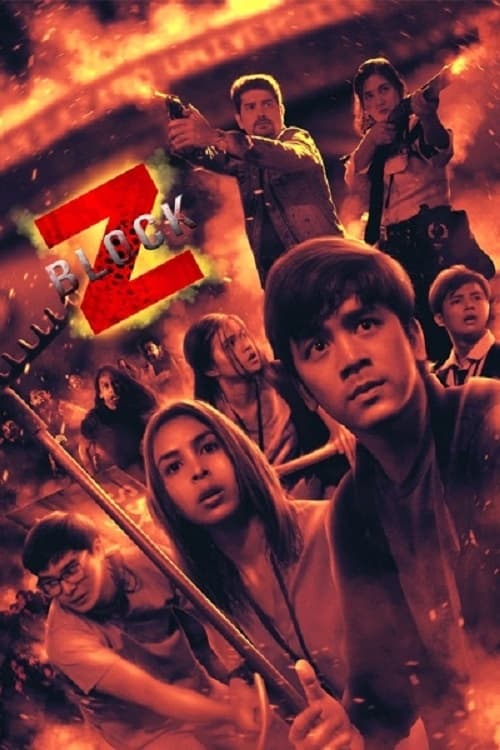
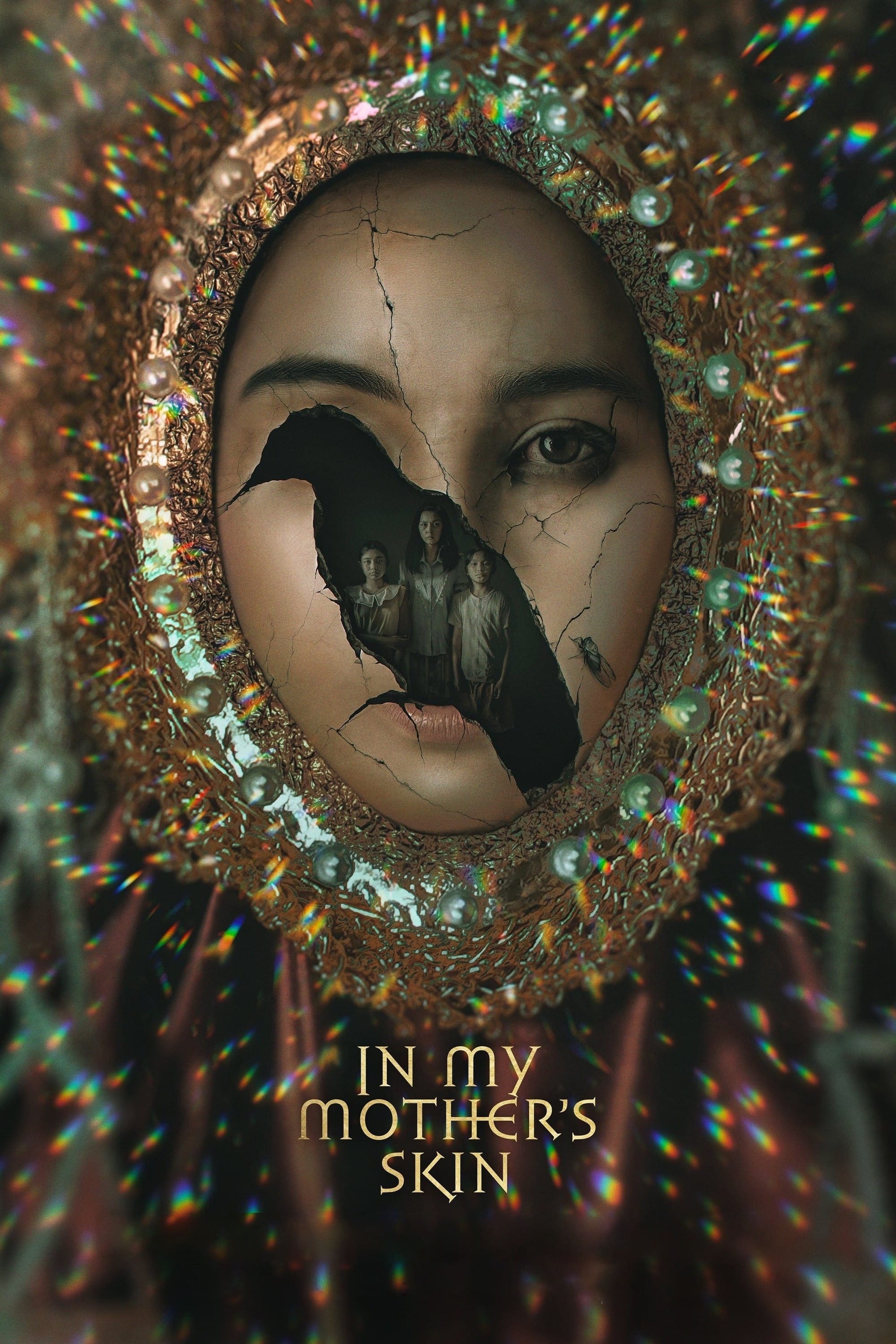
A contemporary international wave has carried Filipino horror back onto the festival circuit. Erik Matti's Seklusyon (2016), a period horror set among seminarians, won multiple awards at the Metro Manila Film Festival. Mikhail Red's Eerie (2019), set in a Catholic school for girls during the Marcos era, became one of the country's most acclaimed recent horror exports, and his Block Z (2020) extended Filipino zombie cinema into pandemic-era allegory. Kenneth Dagatan's In My Mother's Skin (2023), a WWII-set Filipino folkloric horror premiered at Sundance and acquired by Amazon, marked the country's breakthrough into the post-horror art-cinema conversation. The Philippines' horror tradition draws on a uniquely rich folklore — aswang shapeshifters, manananggal flying vampires, tikbalang demons, and the vengeful child-spirits of pre-Hispanic belief — that gives the country an unmatched reservoir of supernatural material that Western audiences are only beginning to encounter.
Essential Films


Statistics
Top Subgenres
Popularity by Decade
Share of each decade's horror films classified as Philippines horror. Counts films with at least 5 TMDB ratings, so very obscure titles are not represented.