

Found Footage
Films presented as recovered or amateur recordings — handheld cameras, security feeds, livestreams, archival tapes. The conceit collapses the distance between viewer and event by replacing the cinematic eye with a diegetic one, with the implicit claim that what's on screen really happened.
History & Origins
Found footage is the youngest format in horror, and the most disruptive. Where every other film tradition asks an audience to believe in fiction, found footage asks the opposite — that fiction be received as fact. The camera is no longer a tool the filmmaker holds outside the frame; it is inside the story, operated by a character, recovered from a crime scene, broadcast across a network the audience is being asked to mistake for their own. The term itself predates this fictional usage: in its original sense, "found footage" referred to a filmmaker's deployment of pre-existing documentary or avant-garde material they had not produced themselves. The 1999 release of The Blair Witch Project gave the phrase its modern meaning — fiction filmed and packaged to read as non-fiction.
The format's first prominent appearance came in Ruggero Deodato's Cannibal Holocaust (1980), structured around the recovered footage of an Amazonian expedition crew that did not survive their own film. The framing was so convincing that Deodato was tried in Italy on suspicion of having actually murdered his cast — a case that collapsed only when the actors appeared in court alive. The trial established the format's defining cultural function: found footage is the horror form that cannot be safely separated from reality. Belgium's Man Bites Dog (1992), a serial-killer mockumentary credited to Rémy Belvaux, André Bonzel and Benoît Poelvoorde, extended the conceit to a 16mm crew documenting their subject's daily violence, while the American horror The Last Broadcast (1998) adapted the idea to amateur paranormal investigation.
Nearly two decades after Cannibal Holocaust, the form found mainstream life. The Blair Witch Project (1999) was made for around $60,000, marketed online with fake missing-persons sites before the term "viral marketing" existed, supplemented by a Curse of the Blair Witch television mockumentary aired two days before release, and grossed nearly $250 million. Its three lost film students were played by unknowns the audience could plausibly believe were dead. The film proved that the format's combination of low budget, ambient terror, and ambiguous reality was not a curiosity but a commercial engine.
The 2000s and 2010s saw the format codified. Paranormal Activity (2007) reduced it to the security camera and the bedroom — solving, in the process, the format's recurring credibility problem ("why would anyone keep filming this?") by leaving the camera running while its operators slept. [REC] (2007) compressed the form into a single quarantined Barcelona apartment block; Cloverfield (2008) used it for a Manhattan kaiju attack; George A. Romero's Diary of the Dead (2008) refreshed his zombie franchise with the format. Japan developed a parallel tradition under Koji Shiraishi, whose Noroi: The Curse (2005) remains the form's most rigorous mockumentary investigation; Australia's Lake Mungo (2008) brought the format to arthouse melancholy, while Norway's Trollhunter (2010) and the American The Last Exorcism (2010) extended the mock-doc register. V/H/S (2012) consolidated the anthology variant. The aesthetic principles consolidated: handheld camera, diegetic recording rationale, deliberate compression artifacts, scenes that begin or end mid-action. The form's strict rules became part of its appeal — when a found-footage film cheats with non-diegetic music or impossible editing, audiences notice.
In the streaming era, found footage has fragmented into native digital forms. Analog horror — typified by Local 58 and The Backrooms — moves the format off the festival circuit and onto YouTube, mimicking VHS rips and PSA broadcasts. The screen-recording film extends the conceit into laptop cameras and group video calls; the United Kingdom's Host (2020), shot during pandemic lockdown over a Zoom séance, became the format's COVID-era landmark. What unites every era of found footage is the same wager: that the most unsettling thing a horror film can do is convince its audience, however briefly, that what they are watching is real.
Essential Films
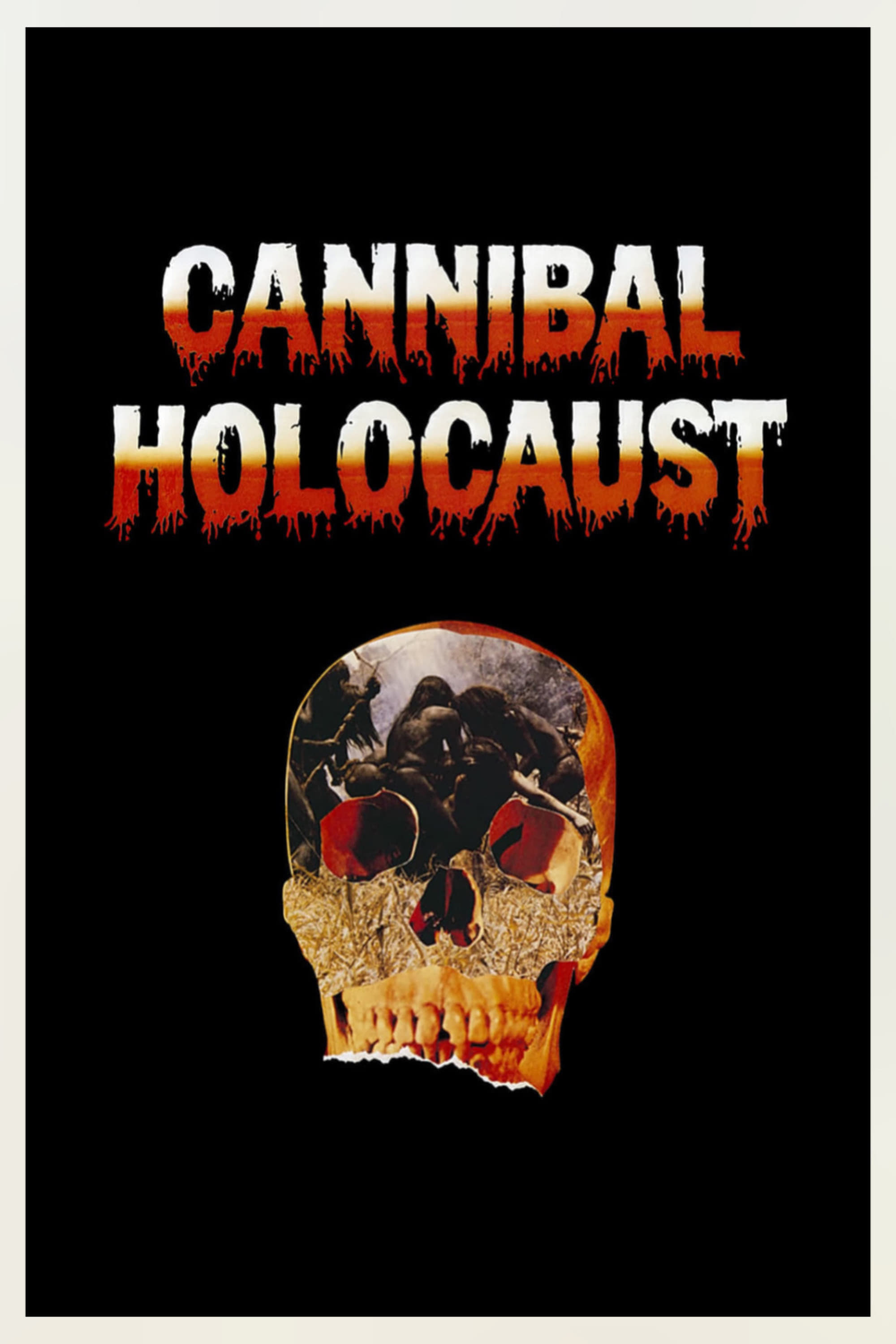
Cannibal Holocaust
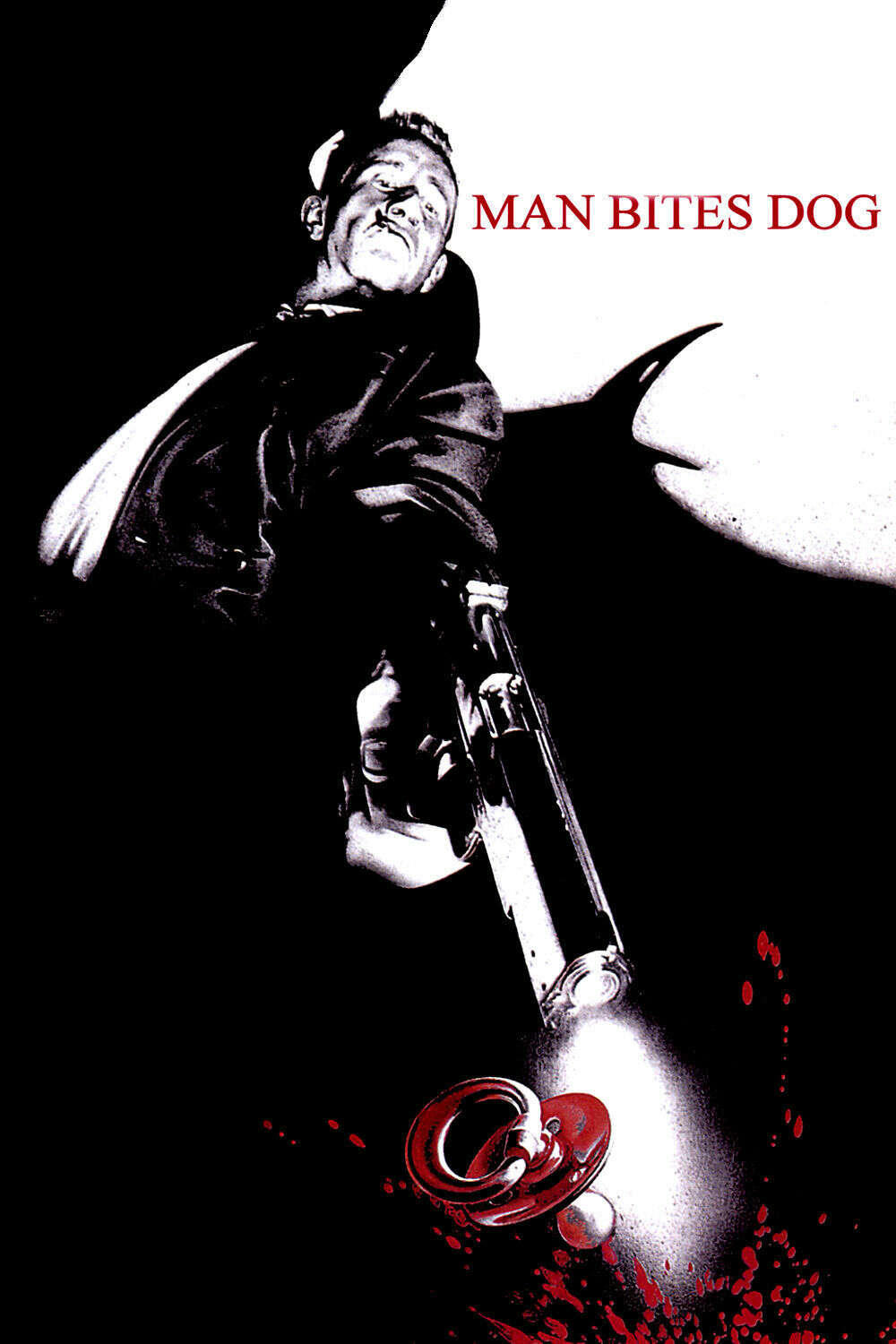
Man Bites Dog
The Last Broadcast
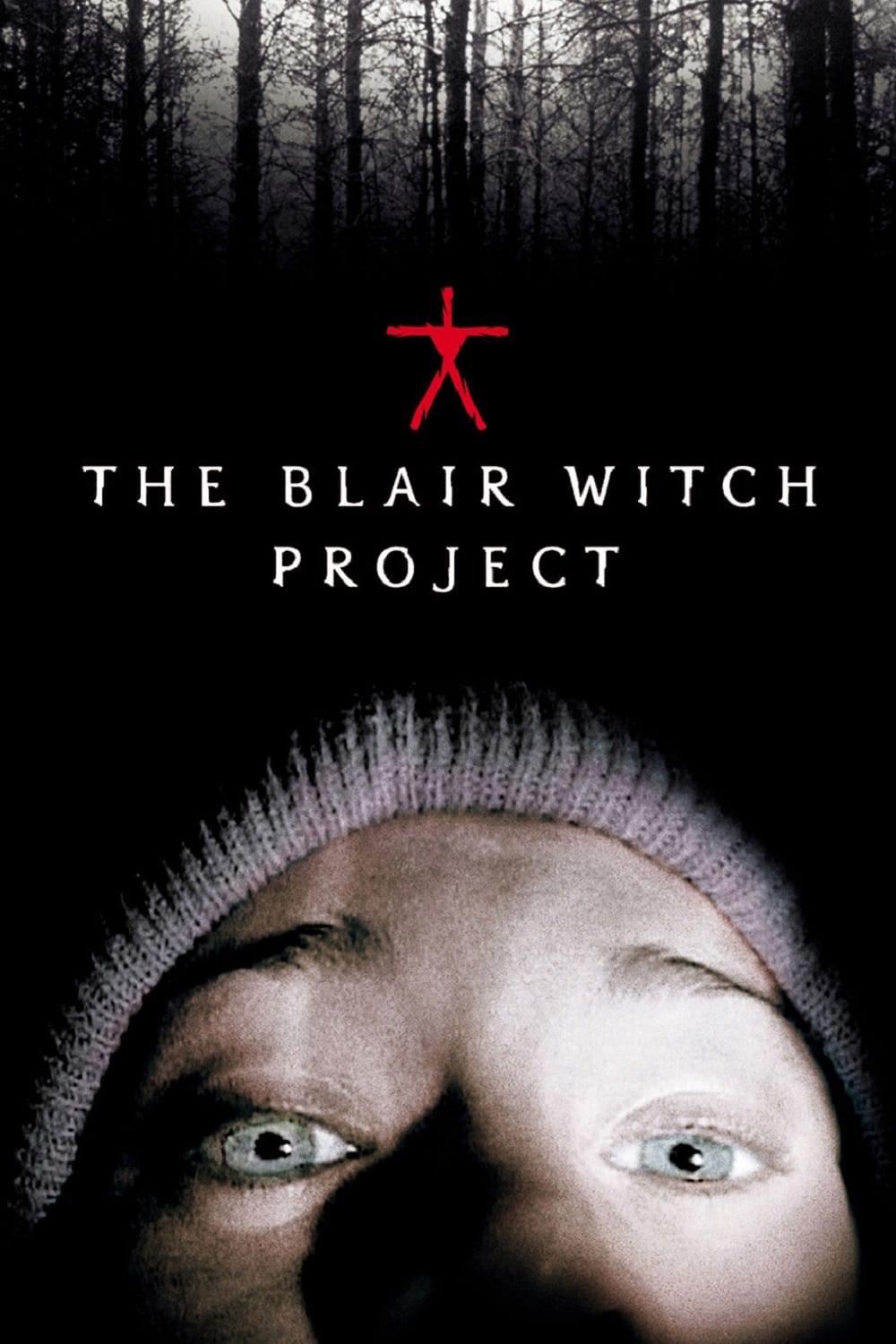
The Blair Witch Project
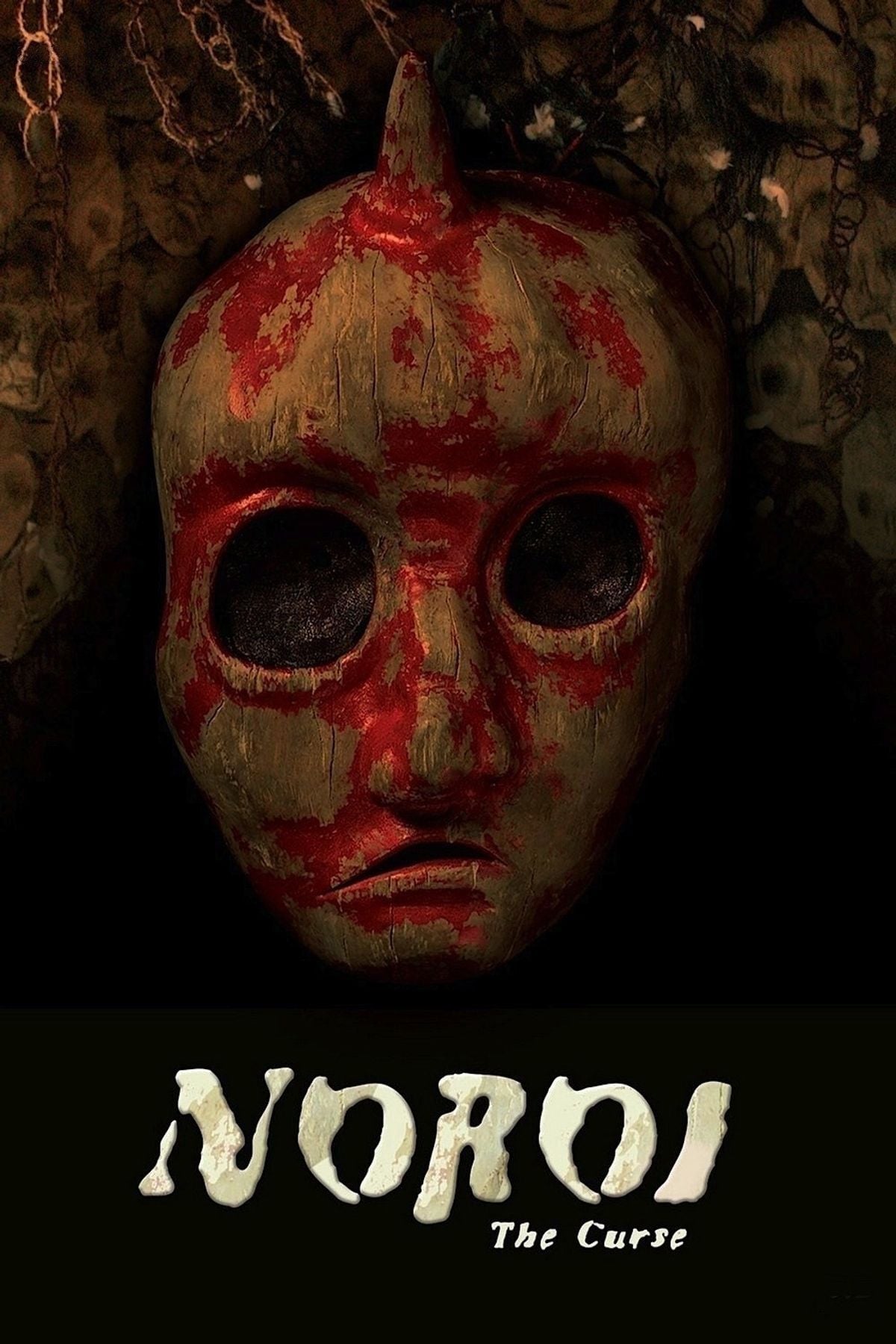
Noroi: The Curse
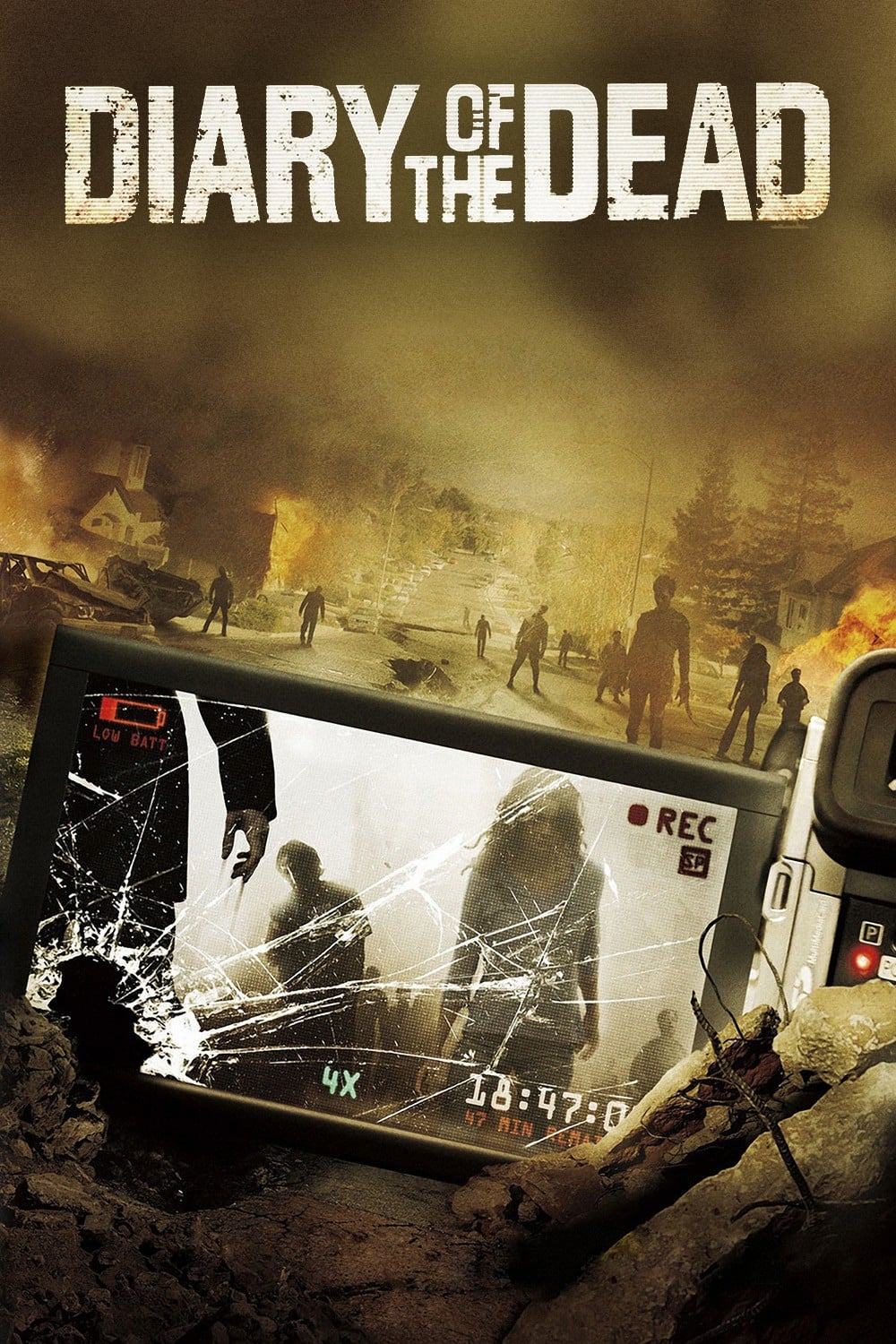
Diary of the Dead
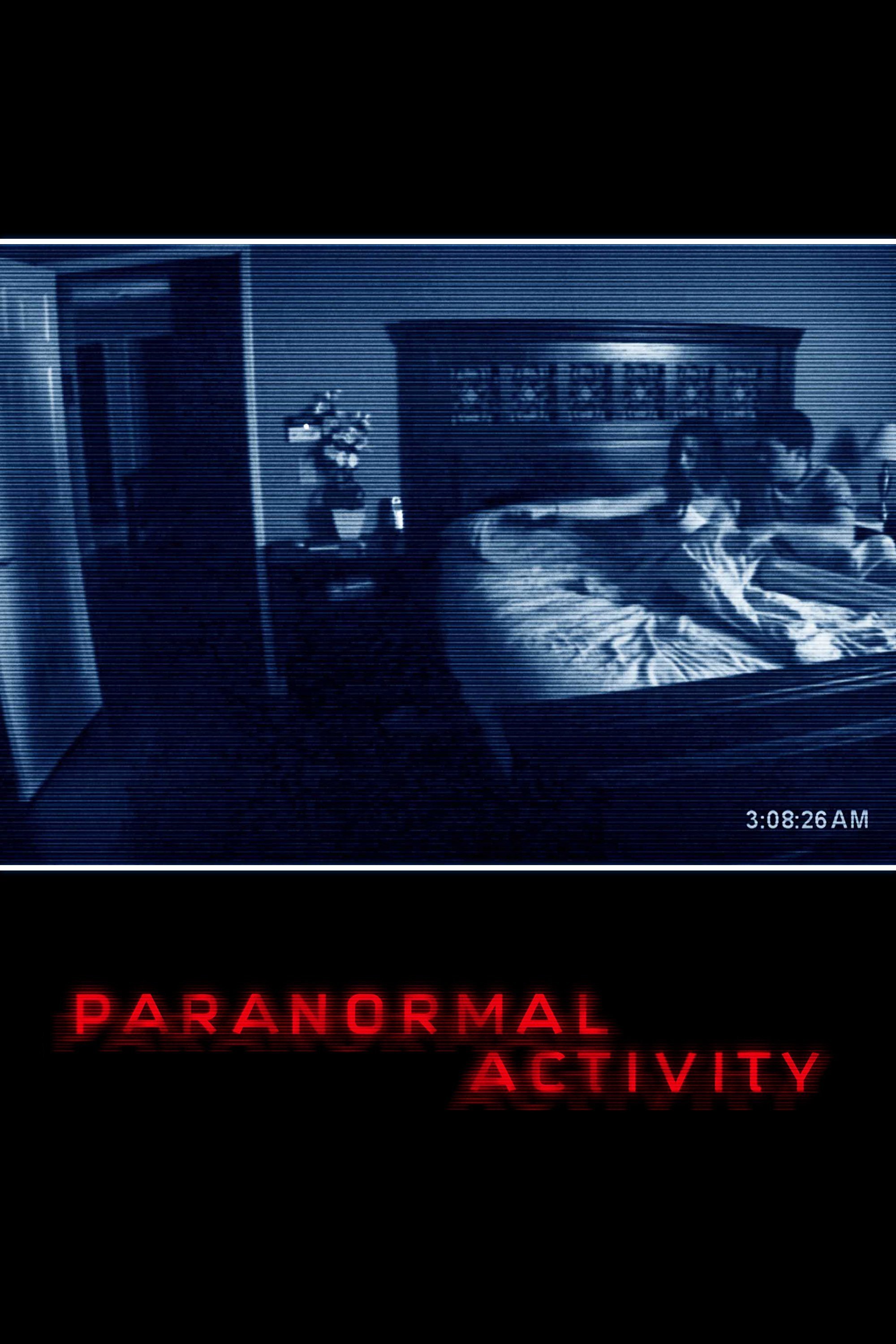
Paranormal Activity
![[REC]](https://image.tmdb.org/t/p/original/hgyJR4sgMsee6xMFM3xYiG6cDCh.jpg)
[REC]
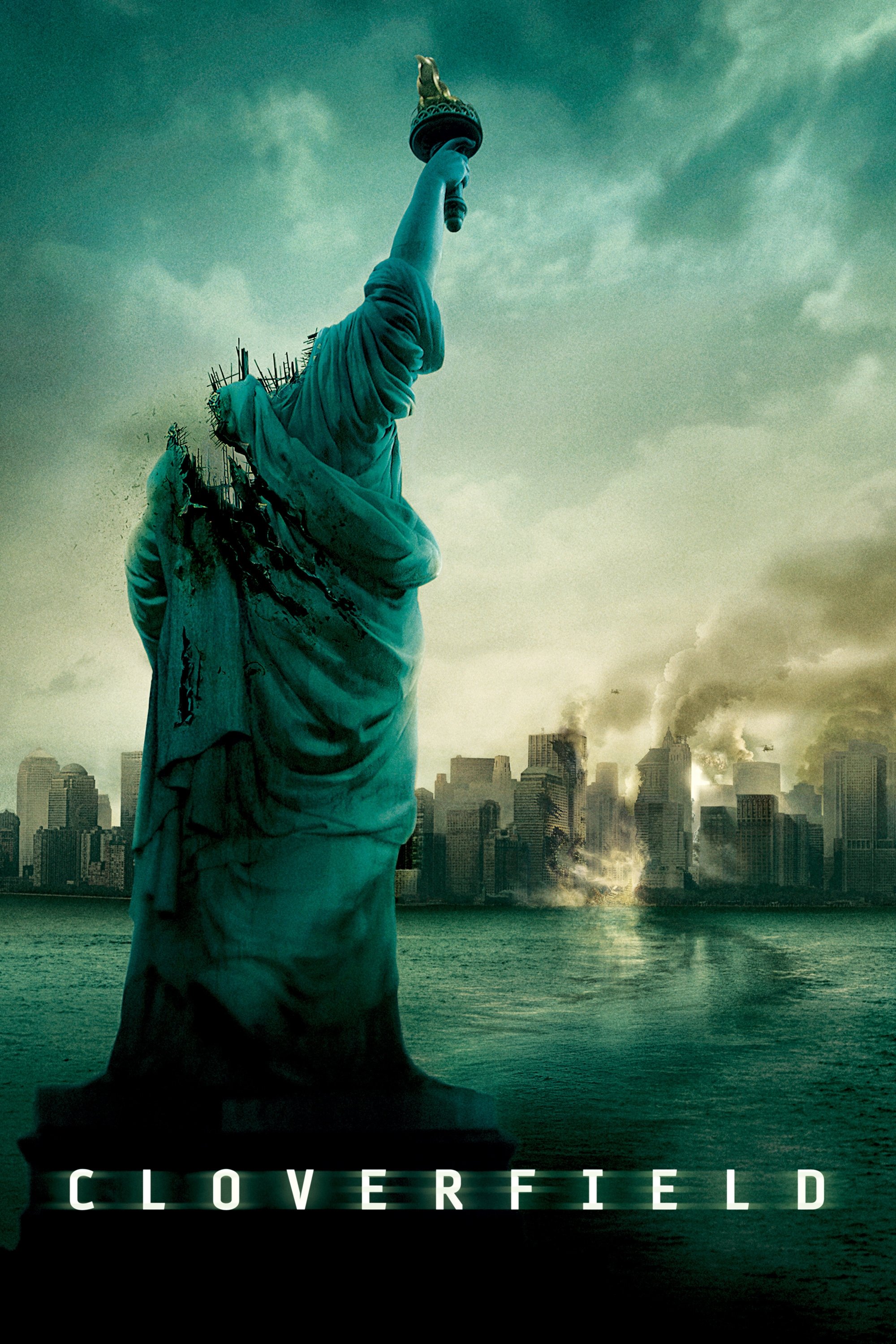
Cloverfield
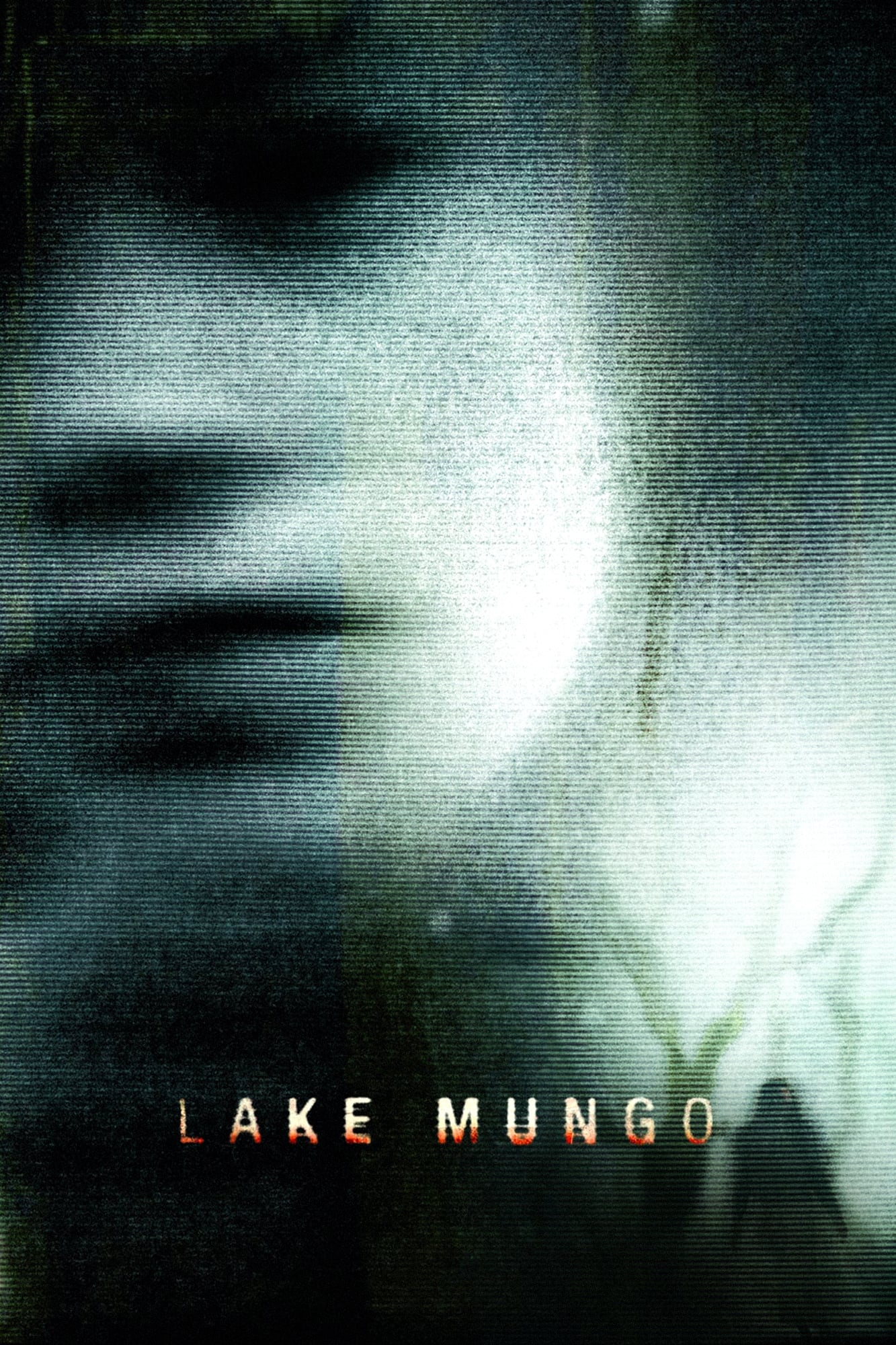
Lake Mungo
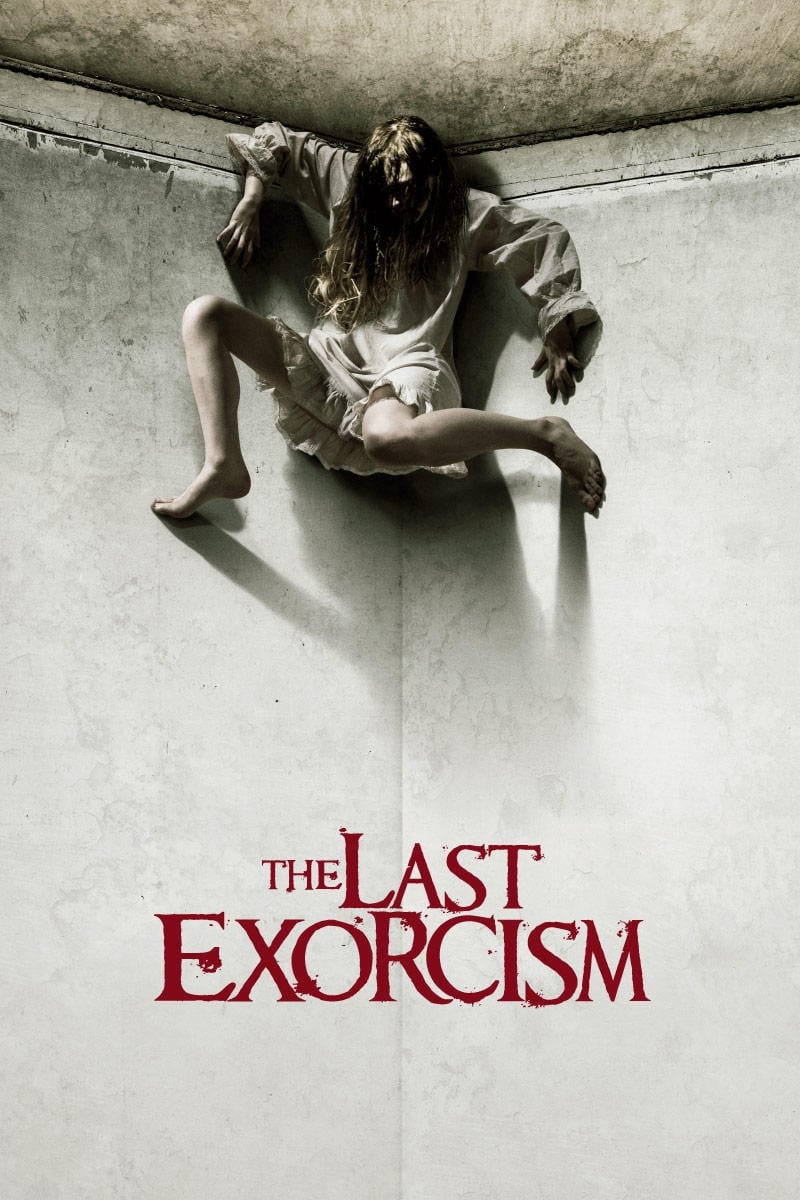
The Last Exorcism
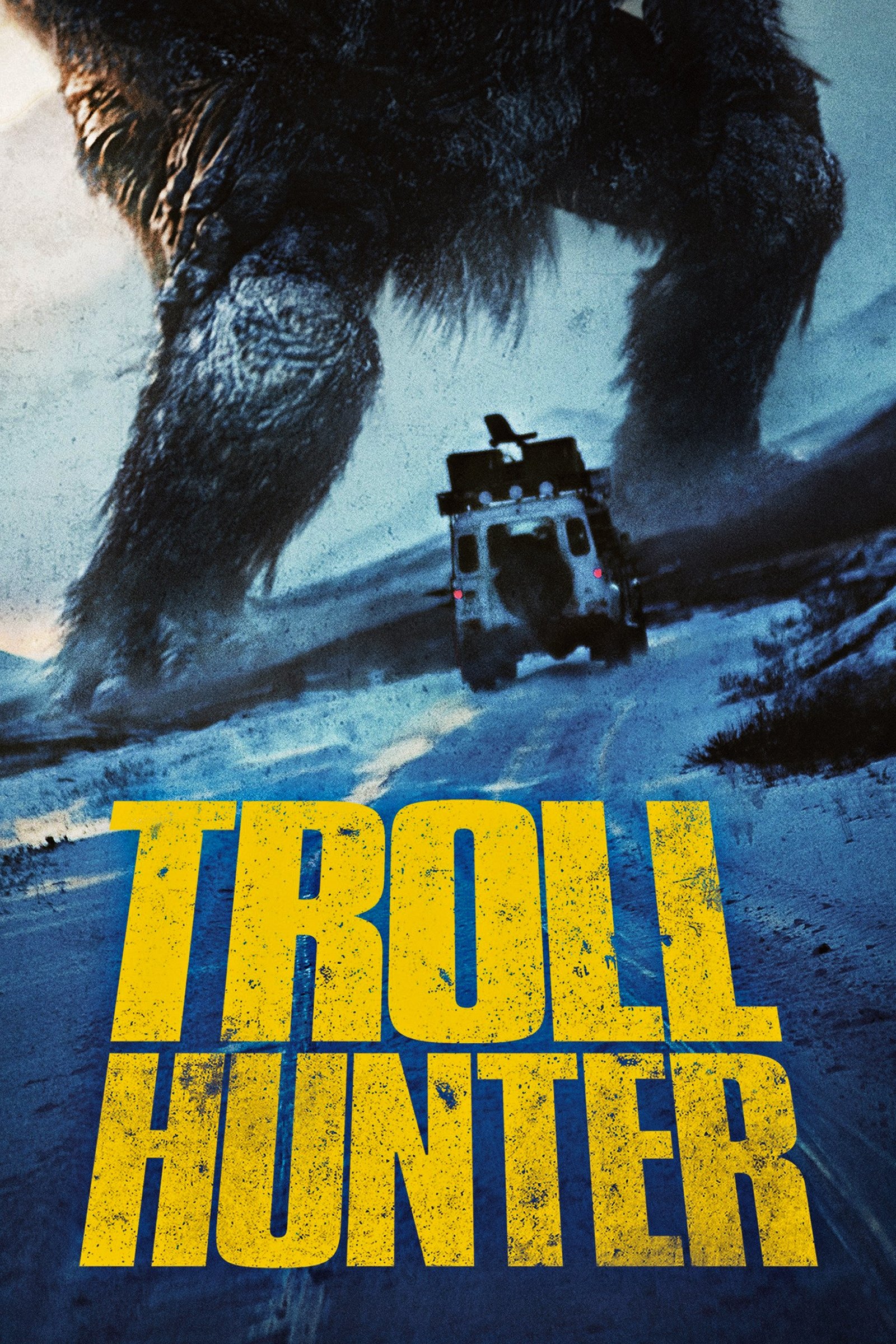
Troll Hunter
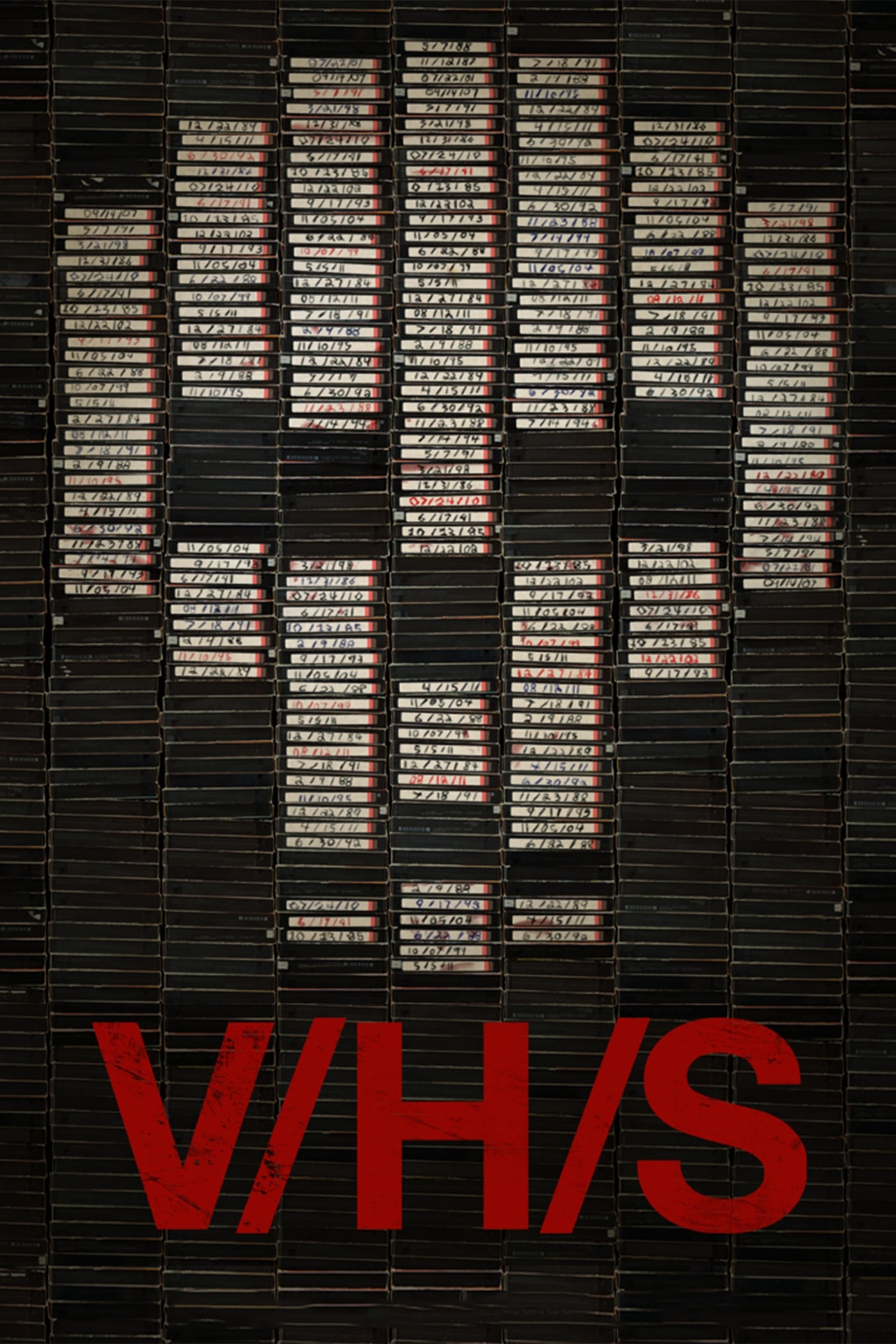
V/H/S
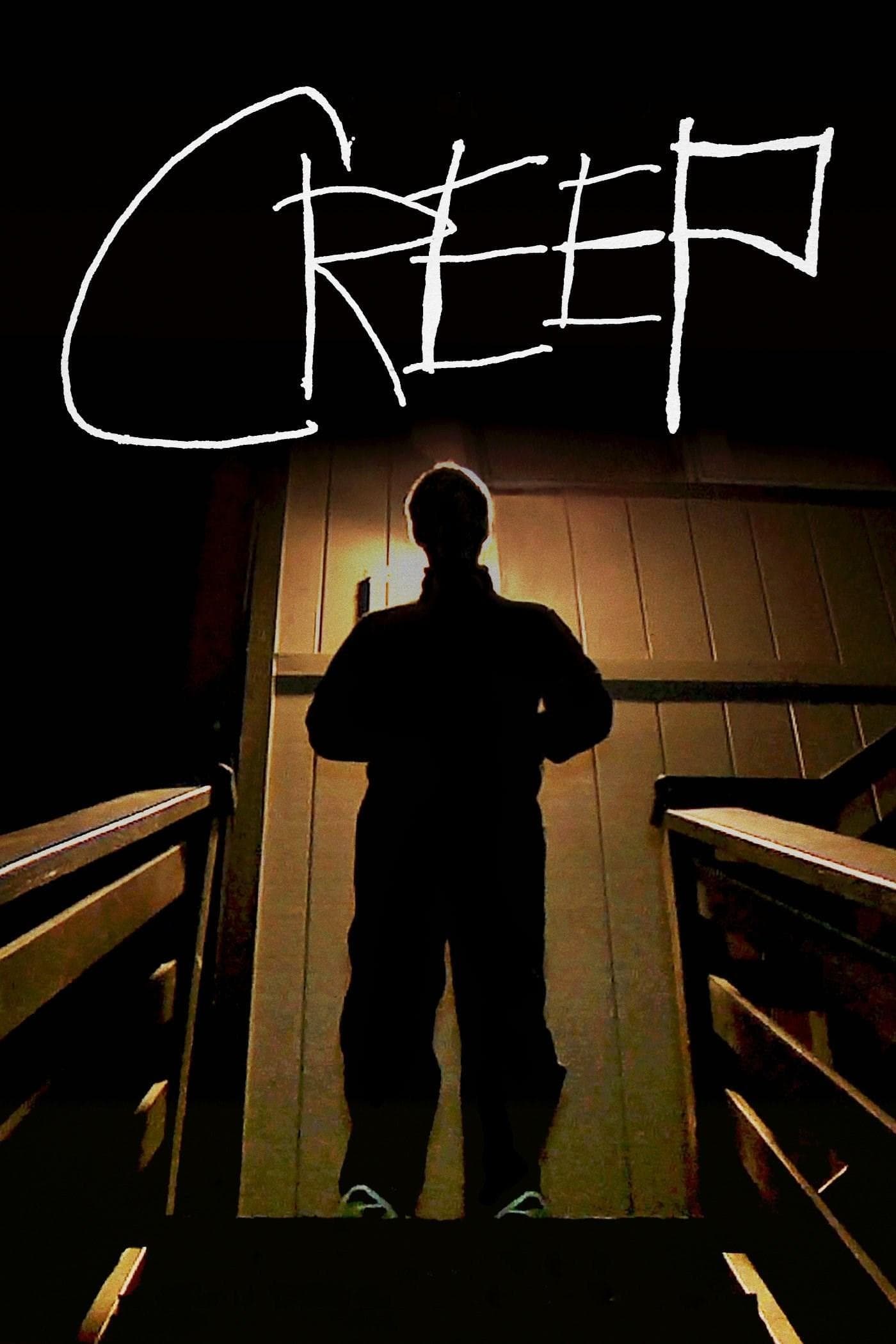
Creep
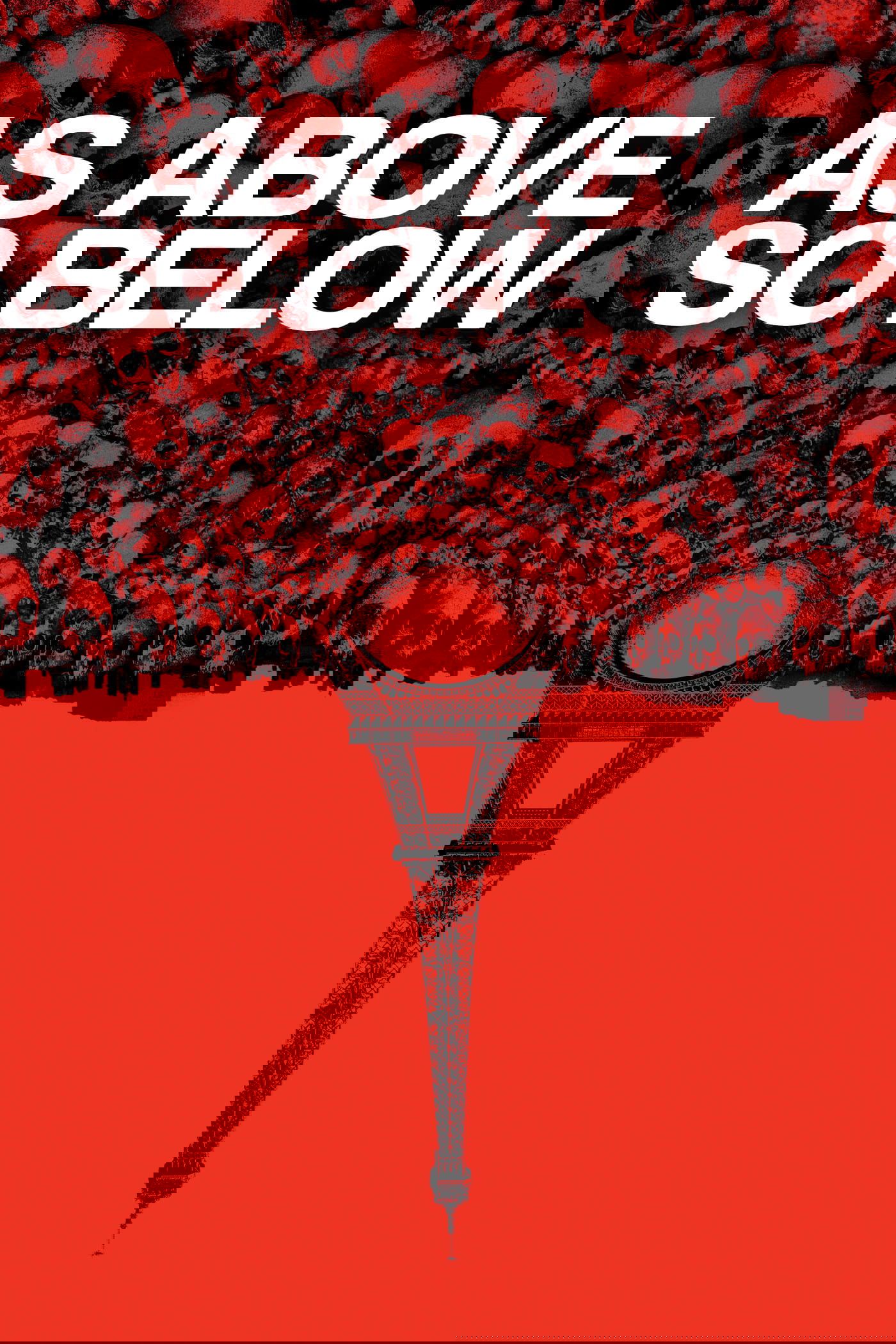
As Above, So Below
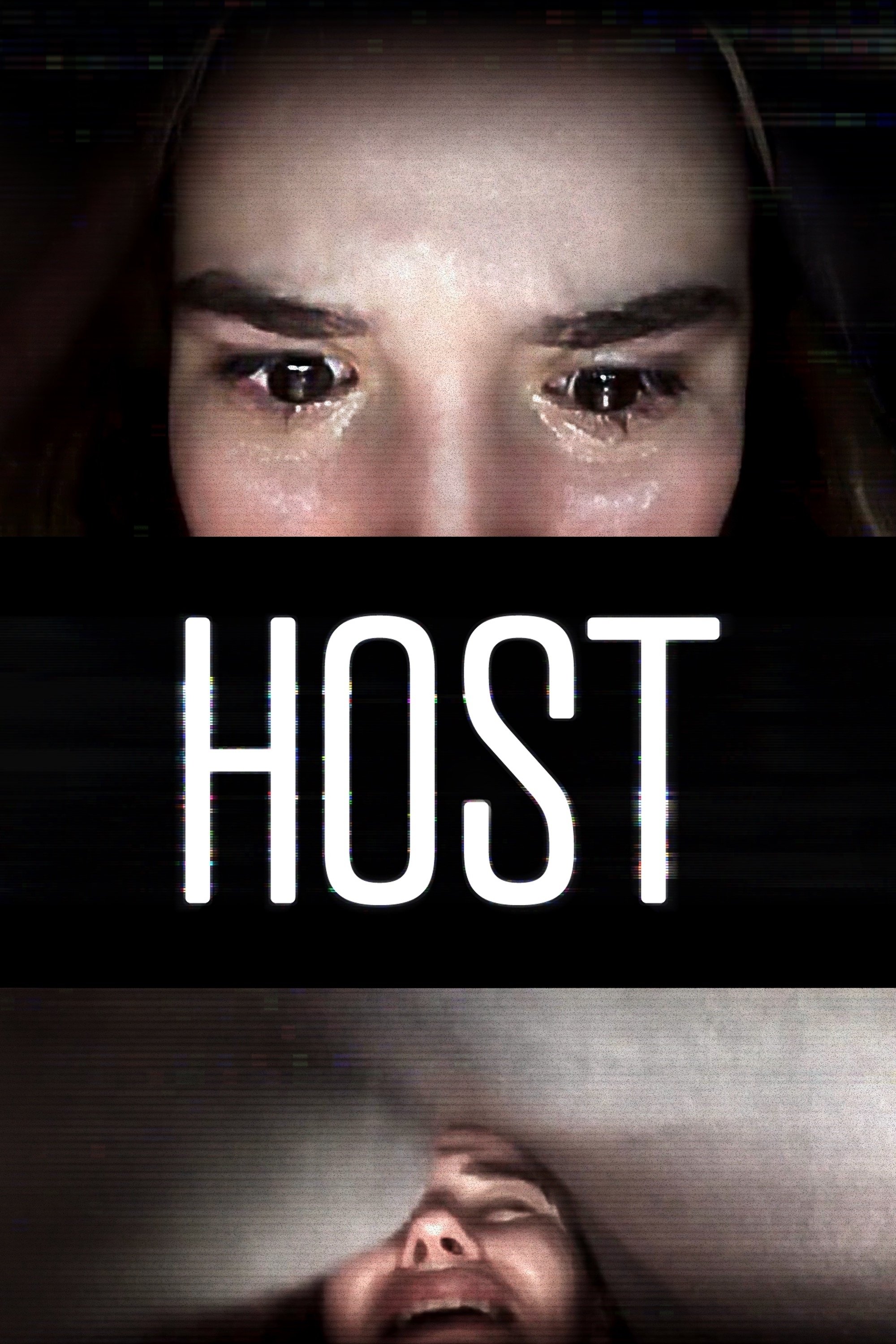
Host
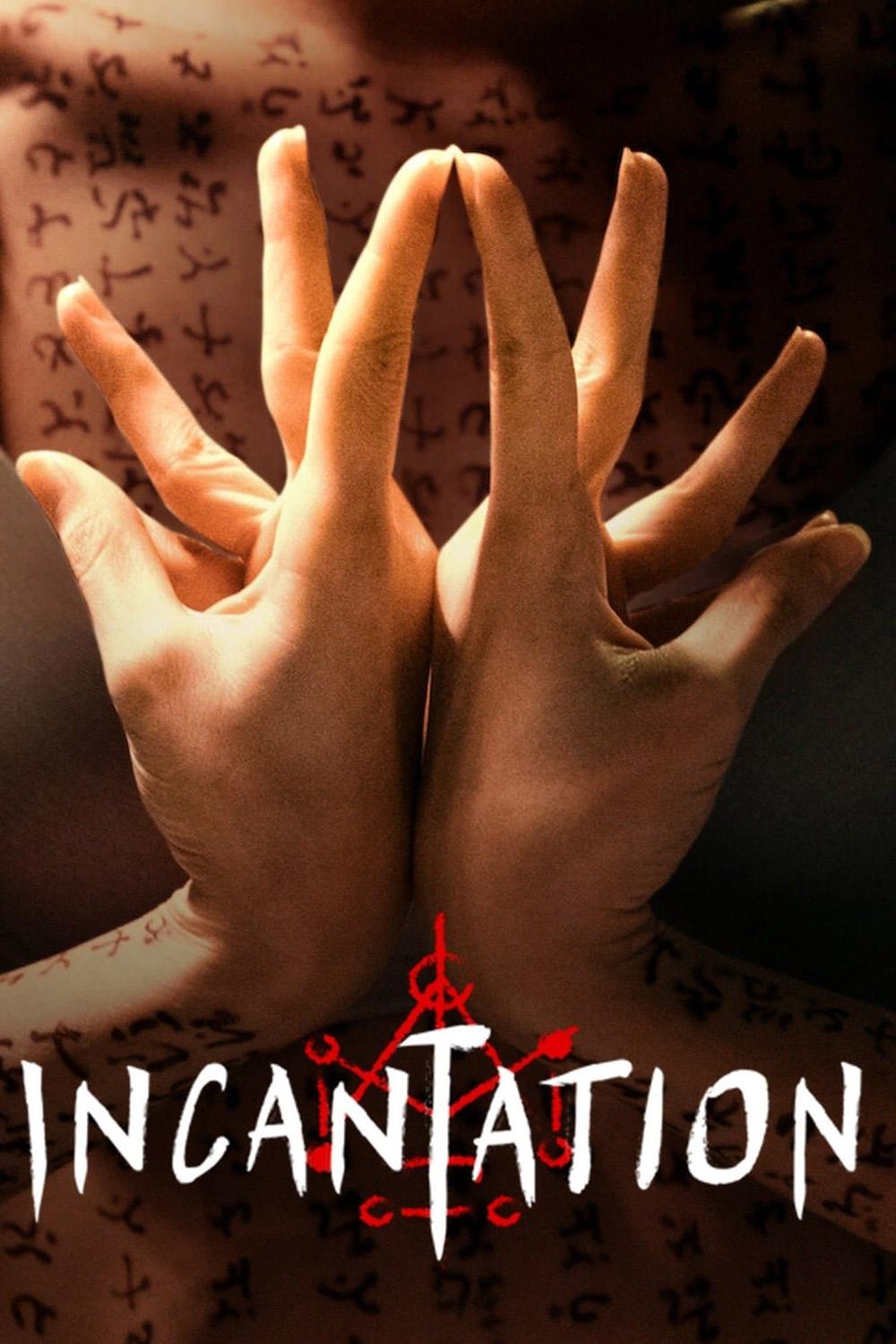
Incantation
Statistics
Popularity by Decade
Share of each decade's horror films classified as Found Footage. Counts films with at least 5 TMDB ratings, so very obscure titles are not represented.
Popularity by Country
Share of each country's horror output classified as Found Footage. Counts films with at least 5 TMDB ratings, so very obscure titles are not represented.