Sinners (2025)
2020s
Pandemic horror, legacy sequels, streaming dominance, and a genre that now drives cinema rather than lurking at its margins.
History
The 2020s began under pandemic conditions that paradoxically energised horror filmmaking. Rob Savage's Host (2020), filmed entirely over Zoom during lockdown, demonstrated that creative constraints could produce genuinely effective scares, while Leigh Whannell's The Invisible Man (2020) reinvented Universal's monster property as a #MeToo-era domestic abuse parable. Brandon Cronenberg's Possessor (2020) extended his father's body-horror tradition into cleaner, colder territory; the United Kingdom's new generation broke through with Rose Glass's Saint Maud (2020), Remi Weekes's His House (2020), and Prano Bailey-Bond's Censor (2021). Ireland's Damian McCarthy debuted with Caveat (2021) and would follow with the festival-conquering Oddity (2024); Norway's Eskil Vogt produced The Innocents (2021), James Ashcroft's Coming Home in the Dark (2021) marked New Zealand's sharpest tonal break from the splatter-comedy tradition, and Thailand's Banjong Pisanthanakun delivered the Na-Hong-jin-produced The Medium (2021).
When cinemas reopened, horror proved one of the most reliable theatrical draws. Ti West's X (2022), Pearl (2022), and MaXXXine (2024) crafted a self-contained trilogy with Mia Goth at its centre rather than extending an existing property, and the Scream franchise returned with new entries that continued its meta-textual tradition. Jordan Peele's Nope (2022) confirmed his status as one of horror's most ambitious voices, using a spectacle-horror framework to examine exploitation and the act of looking itself. Zach Cregger's Barbarian (2022) pivoted from horror-comedy into one of the decade's most discussed structural surprises; Parker Finn's Smile (2022) became one of Paramount's most lucrative original franchise launches; Edgar Wright's Last Night in Soho (2021) brought time-slip Gothic to Soho; Alex Garland's Men (2022) pushed folkloric body horror into psychedelic art-cinema territory. In Australia, the Philippou brothers' Talk to Me (2023) became A24's highest-grossing horror release, paired with the Cairnes brothers' satanic-panic period horror Late Night with the Devil (2024); the Philippou follow-up Bring Her Back (2025) extended the wave.
International horror diversified further. France's Julia Ducournau's Titane (2021) won the Palme d'Or, and Coralie Fargeat's The Substance (2024), starring Demi Moore and Margaret Qualley, earned five Oscar nominations and broke body horror back into mainstream awards-circuit conversation. Denmark's Christian Tafdrup's Speak No Evil (2022) weaponised social politeness into Shudder's strongest international acquisition of the year and was promptly remade in Hollywood. Argentina's Demián Rugna's When Evil Lurks (2023) extended Latin American horror's international visibility. Brandon Cronenberg returned with Infinity Pool (2023); Lee Cronin's Evil Dead Rise (2023) brought Ireland-trained craft to a Hollywood franchise reset. Indonesia's Joko Anwar's Grave Torture (2024) produced his most overtly theological horror; India's Maddock Films-led Stree 2 (2024) became the year's highest-grossing Indian film; South Korea's Jang Jae-hyun's Exhuma (2024) became Korea's highest-grossing horror ever.
A late-decade Hollywood wave continued the genre's commercial dominance. Osgood Perkins's Longlegs (2024) became Neon's biggest opening ever, while Hugh Grant lent his presence to A24's Heretic (2024); Lamb (2021) brought folk-horror to Iceland; Jenna Ortega and Nicolas Cage became the decade's most reliable horror leads. The genre that once occupied cinema's margins now drives its innovation: horror's filmmakers are recruited for major studio tentpoles, its films compete for top awards, and the global infrastructure built across the previous two decades ensures that distinctive horror can emerge from any country with a camera and a story to tell.
Essential Films
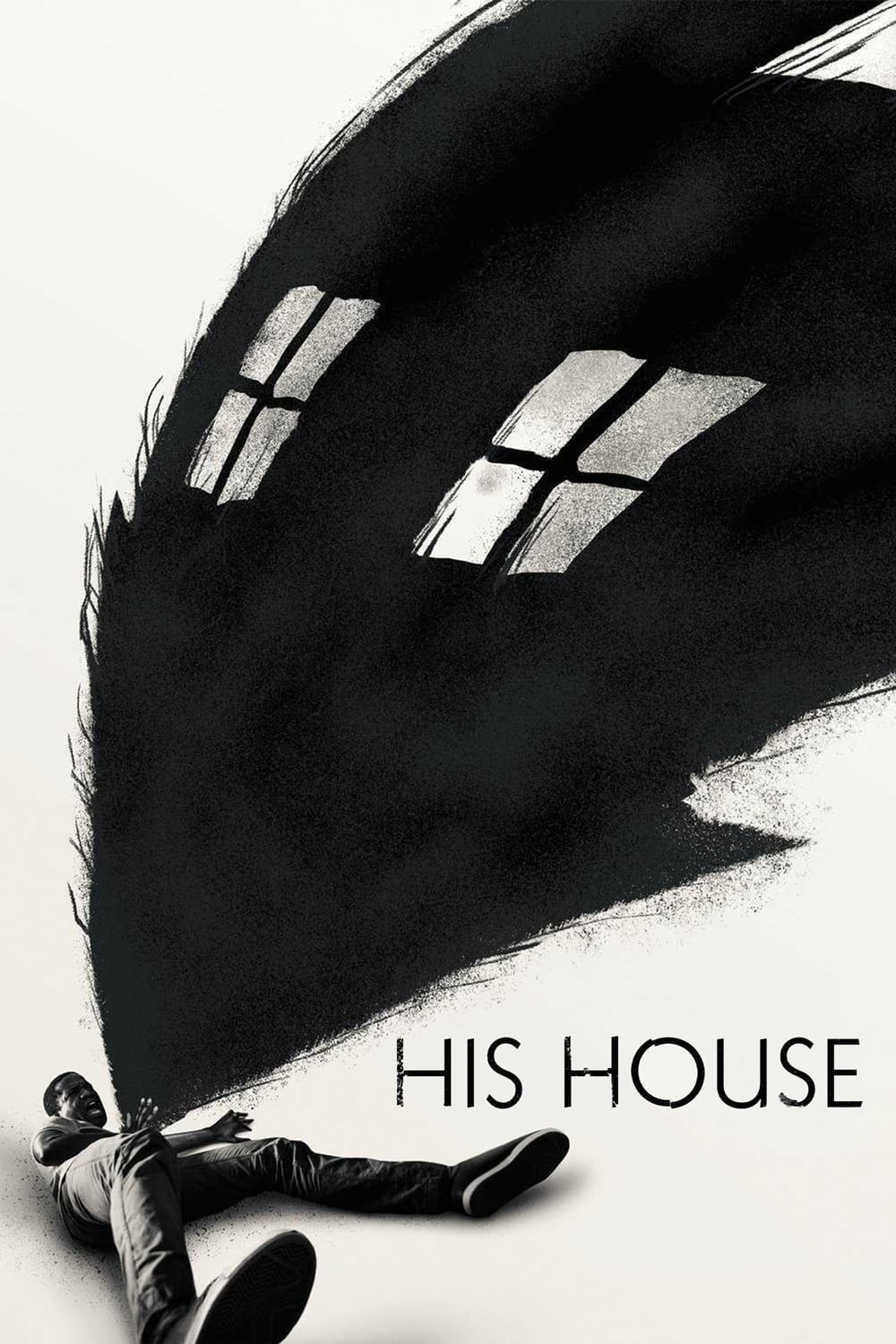
His House
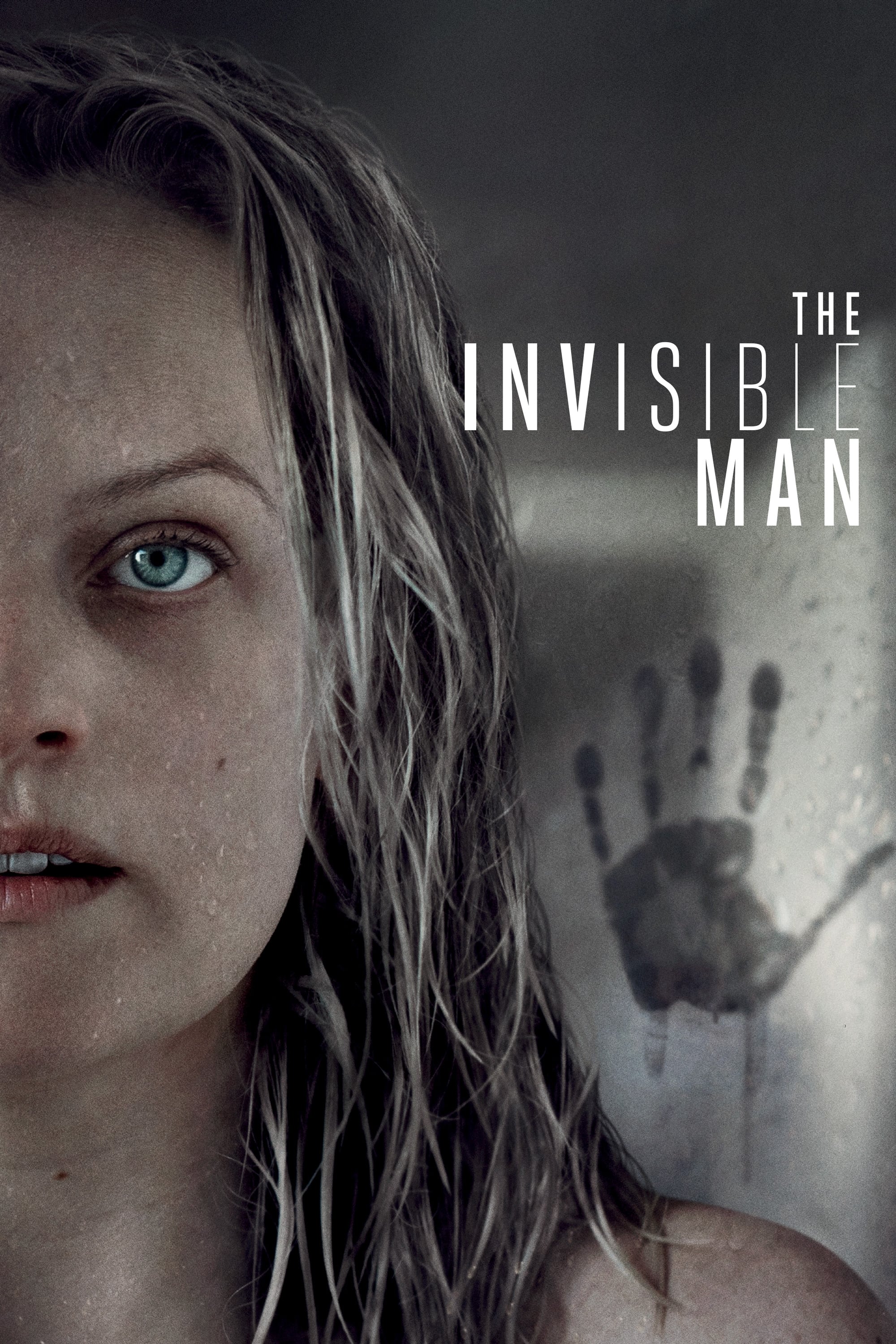
The Invisible Man

Possessor
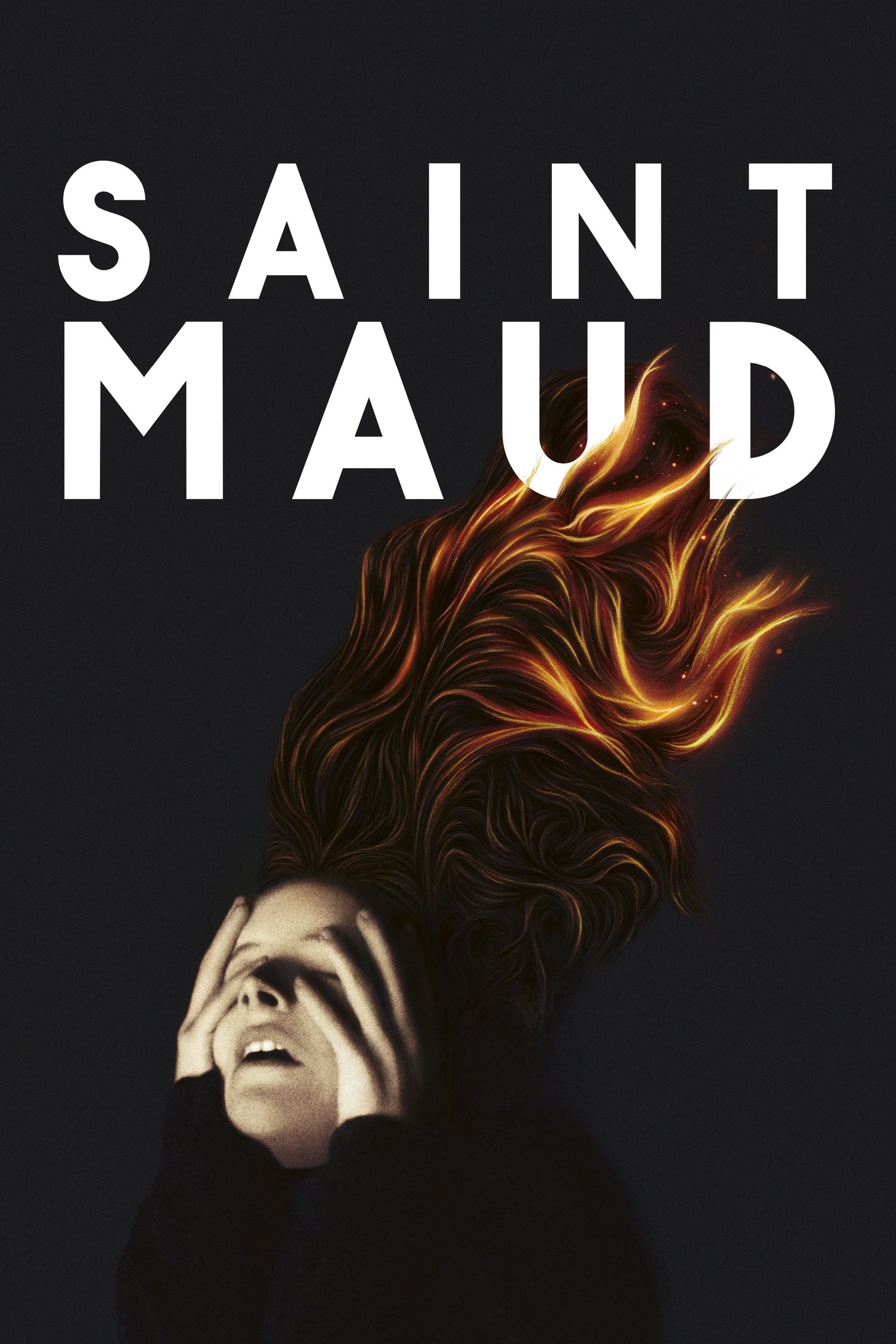
Saint Maud
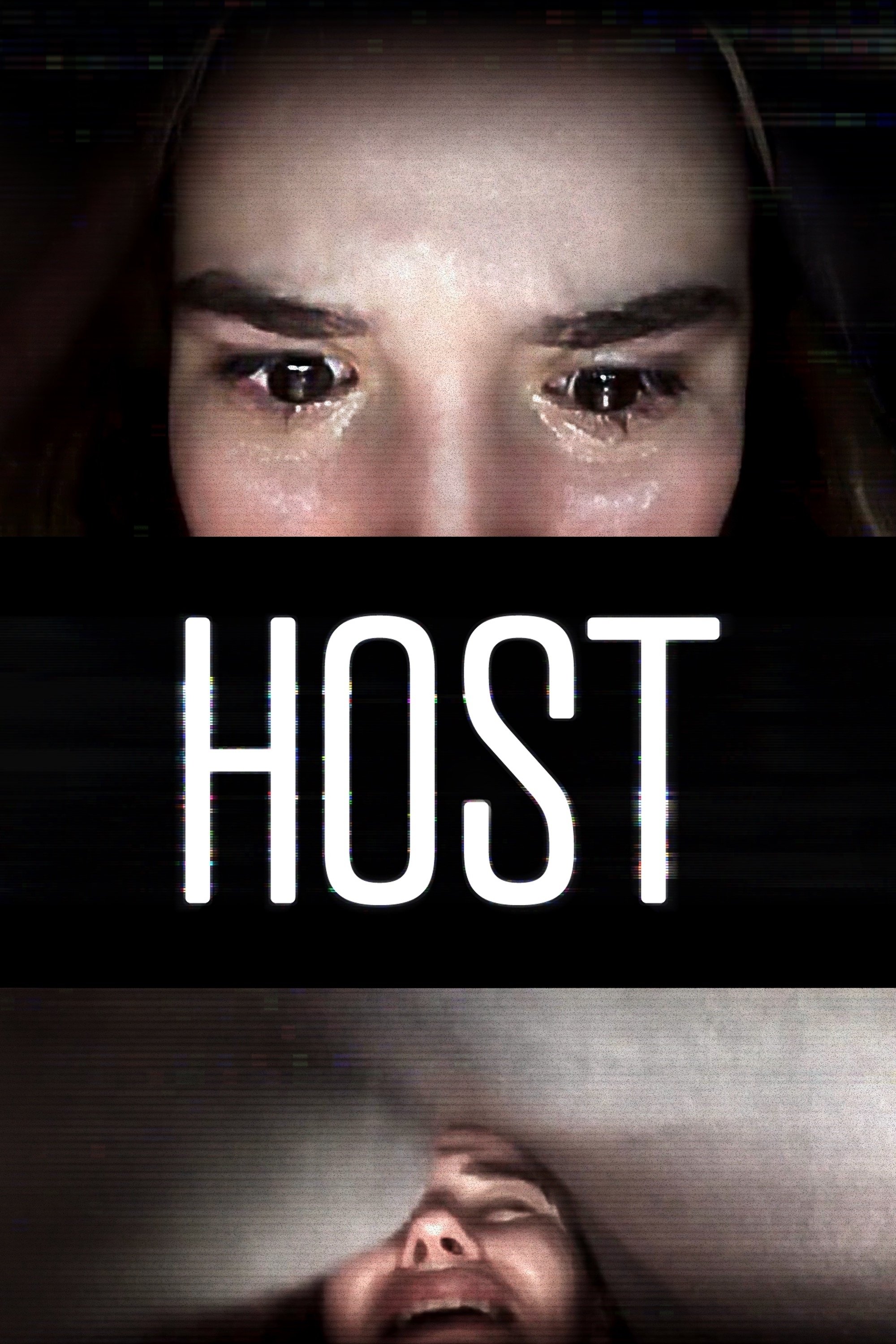
Host
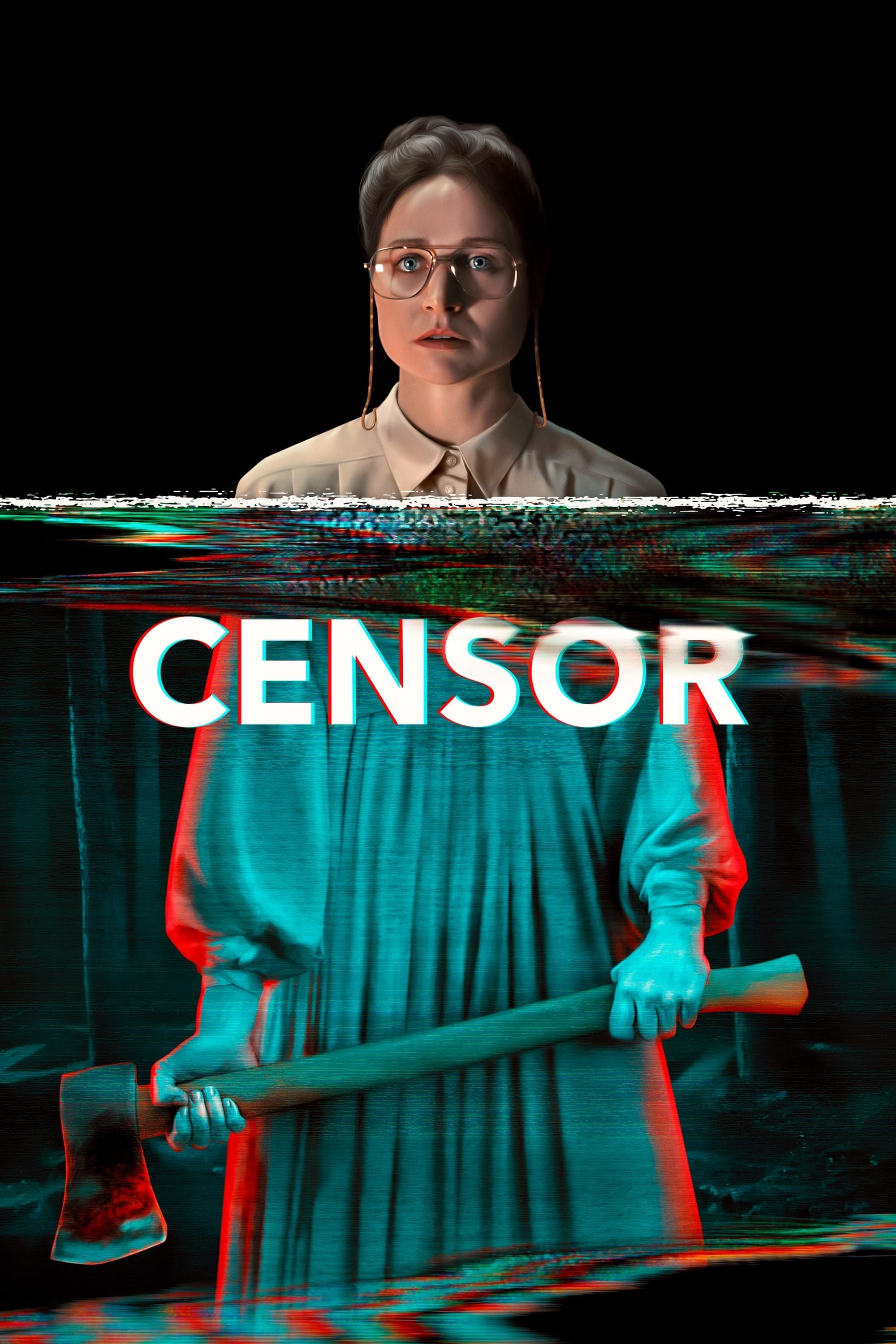
Censor

Titane
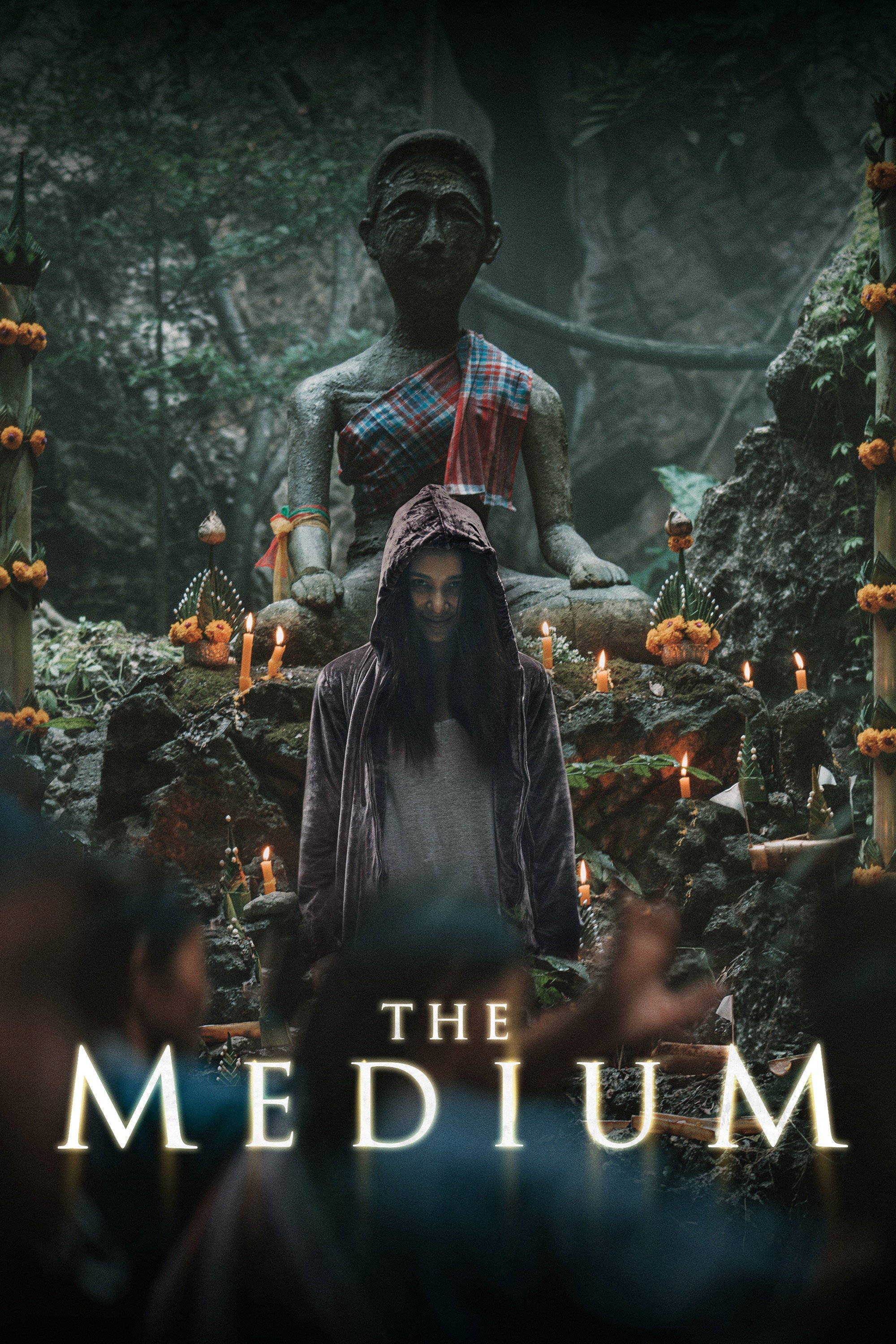
The Medium

Lamb
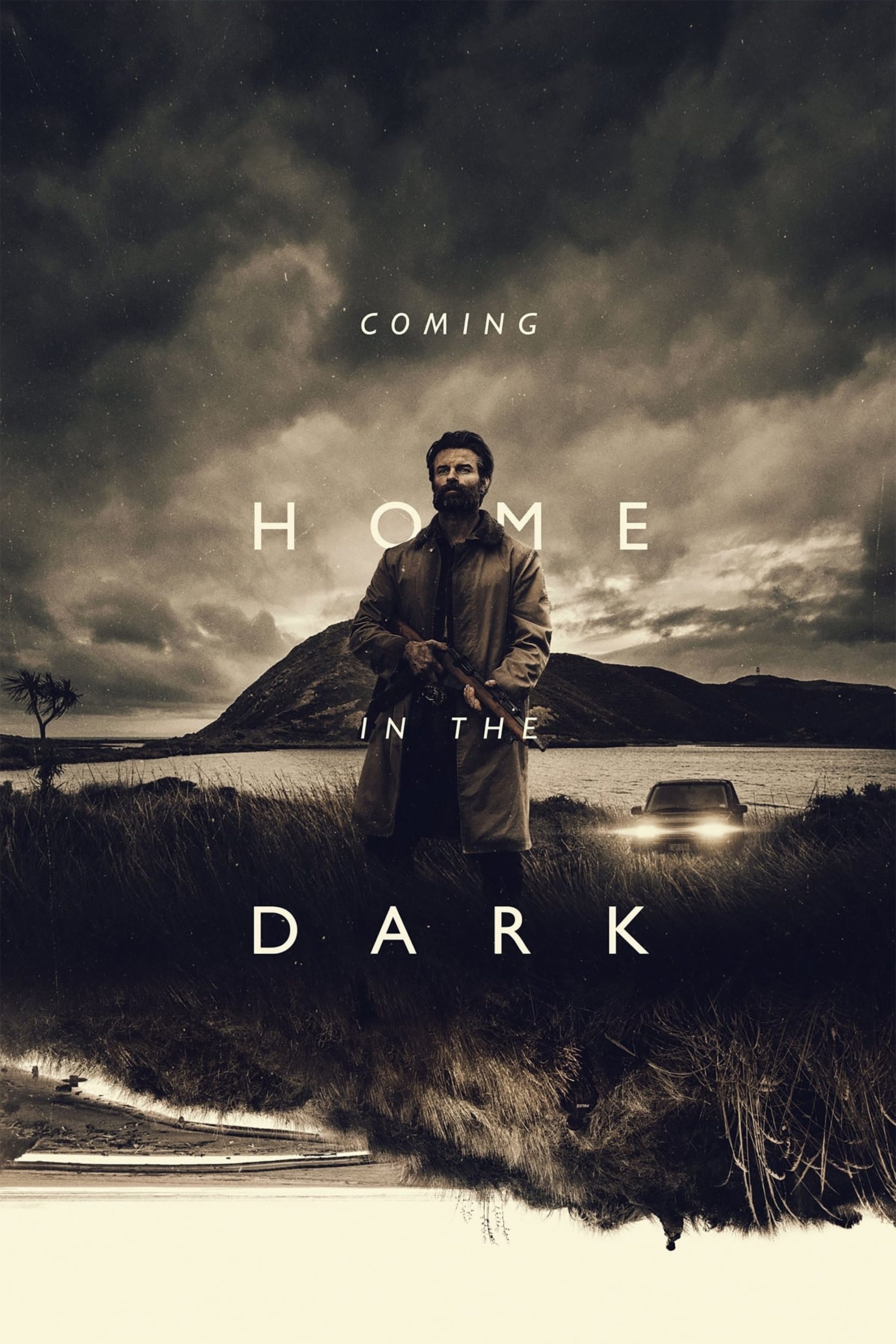
Coming Home in the Dark
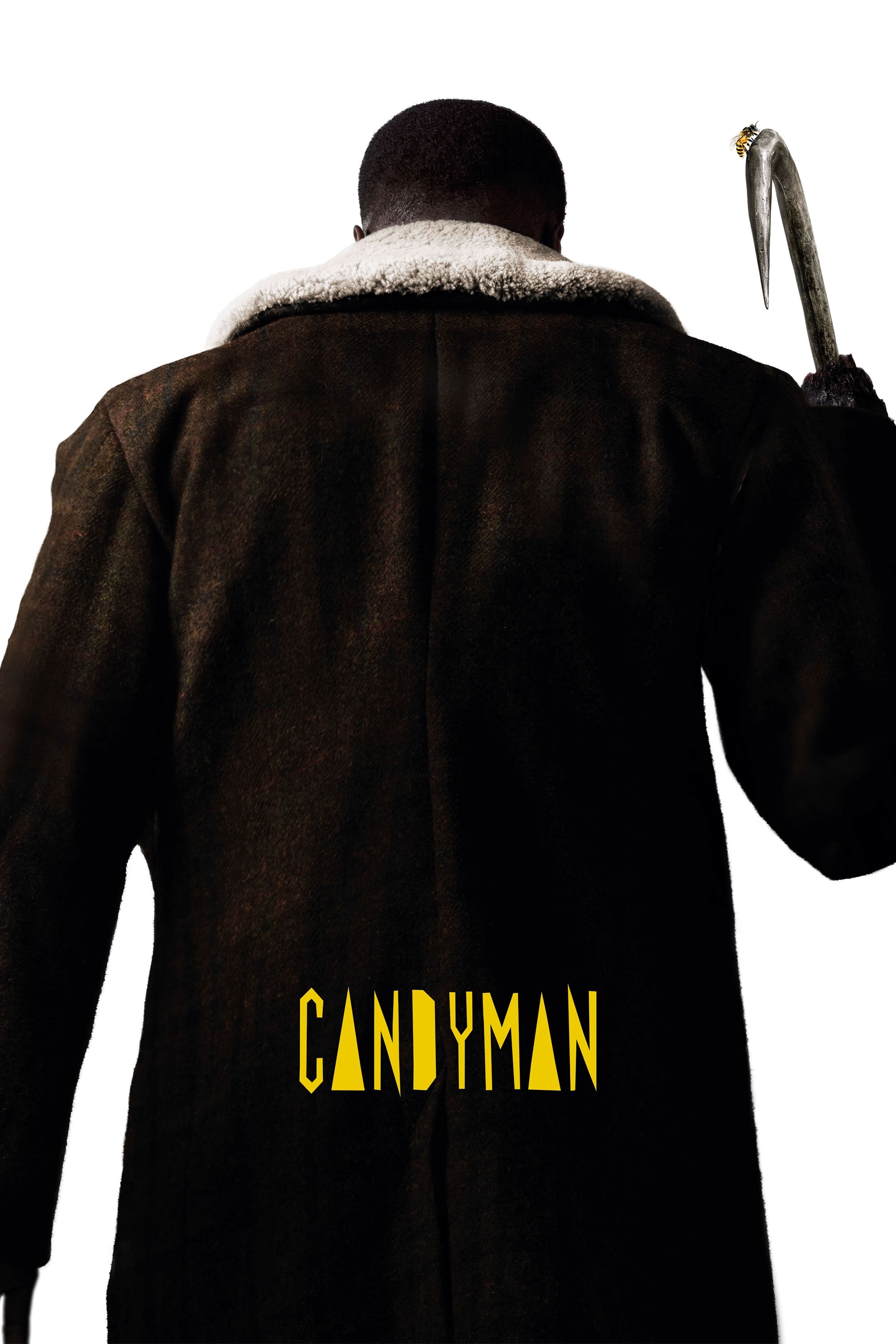
Candyman
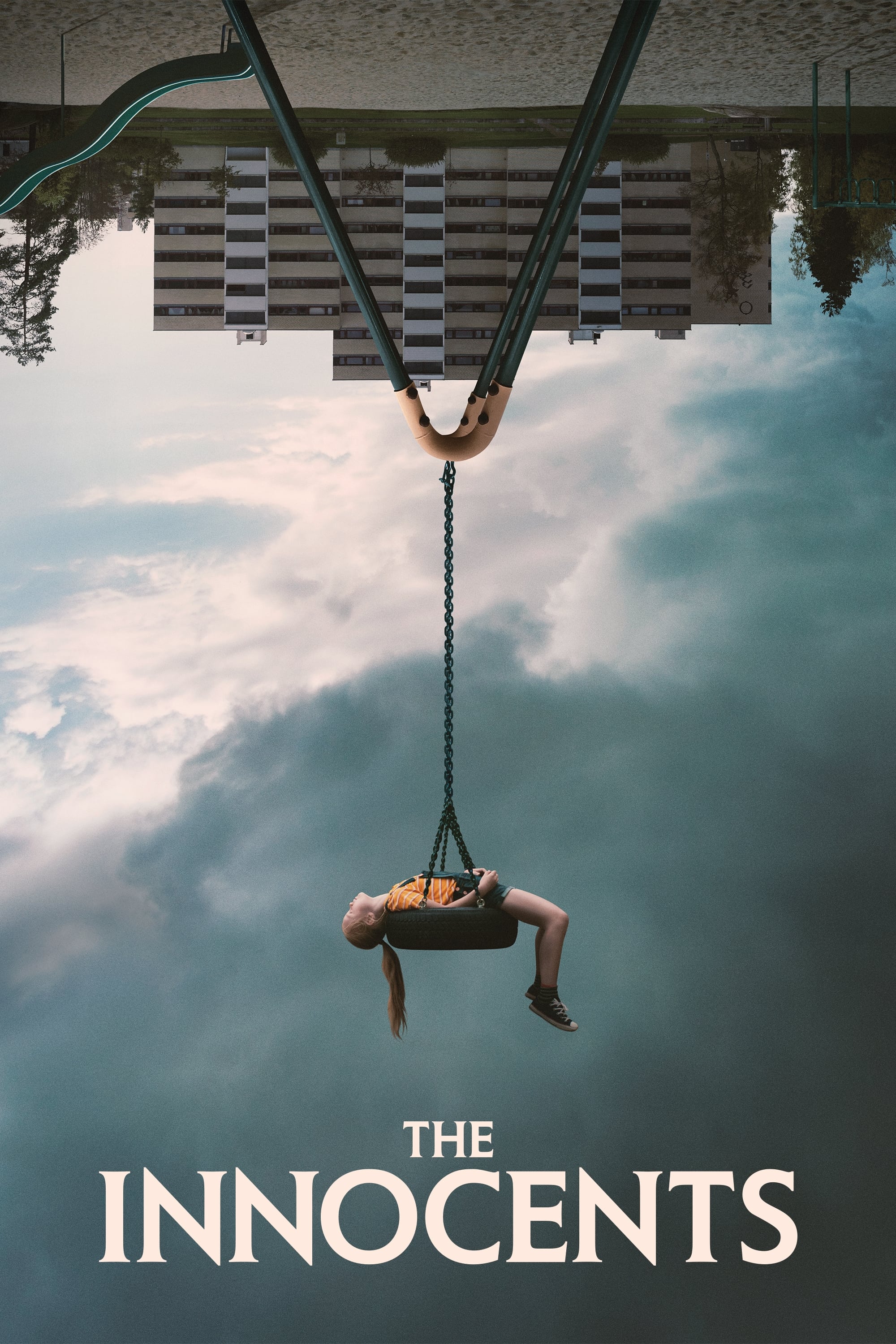
The Innocents
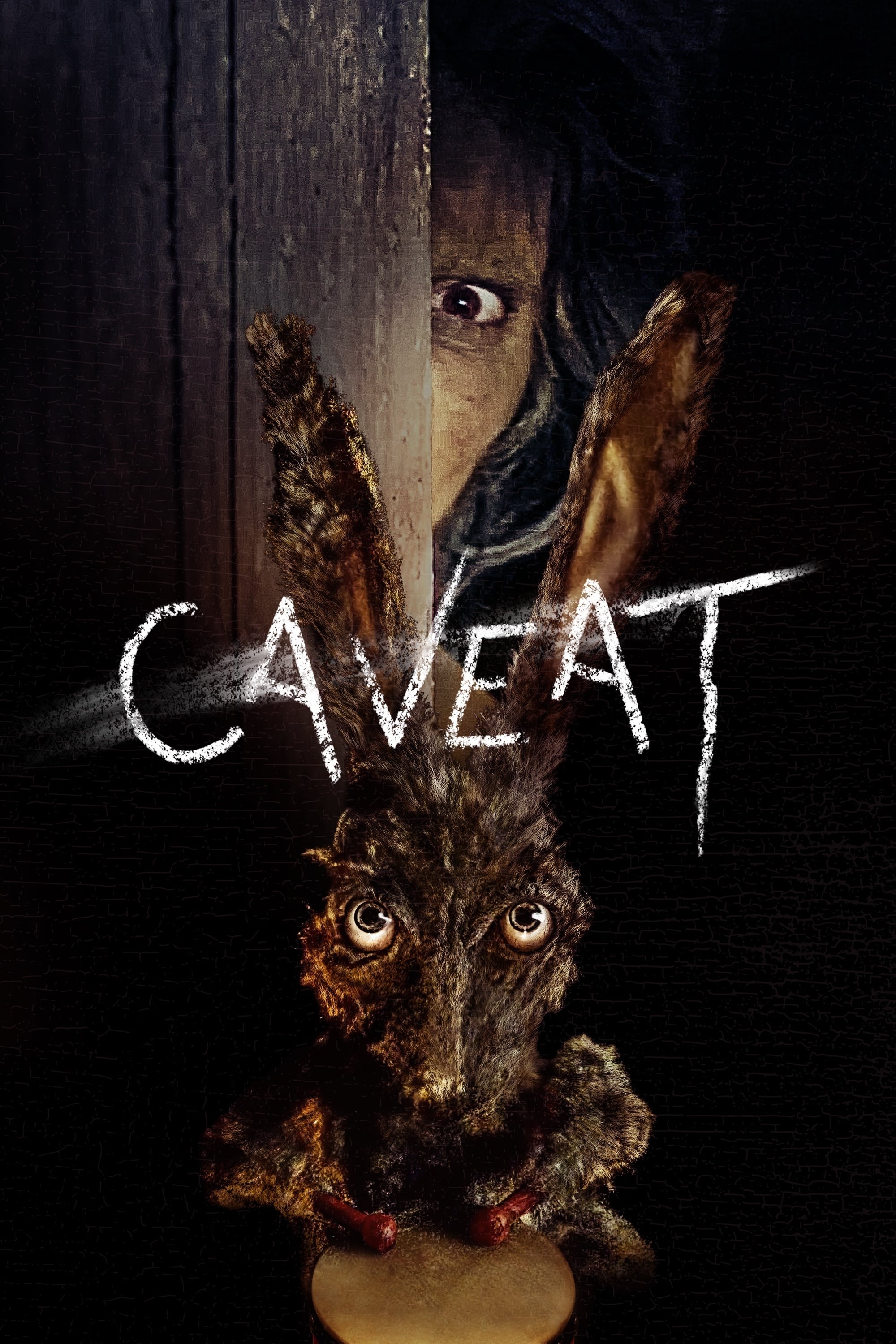
Caveat
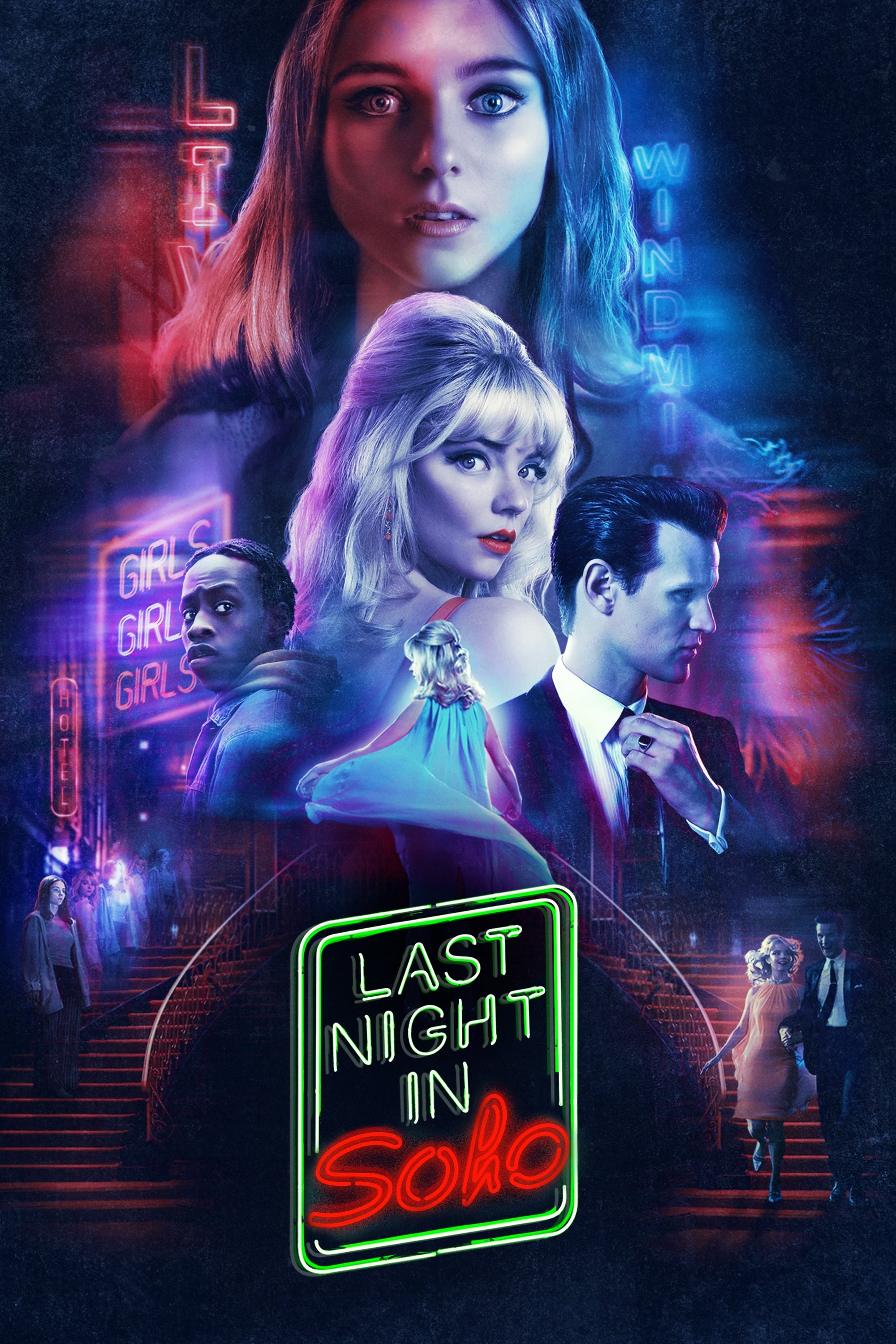
Last Night in Soho

X

Speak No Evil
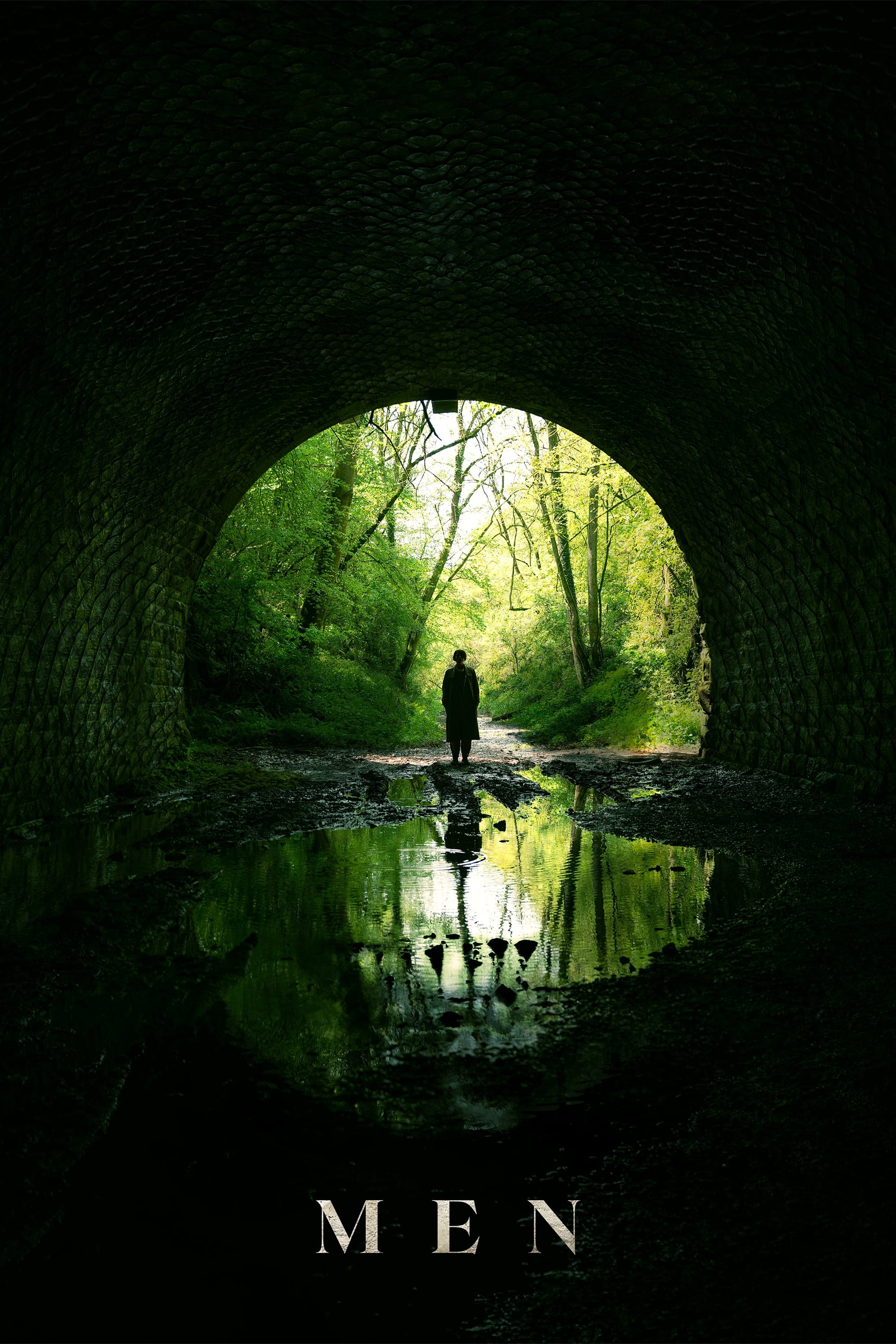
Men
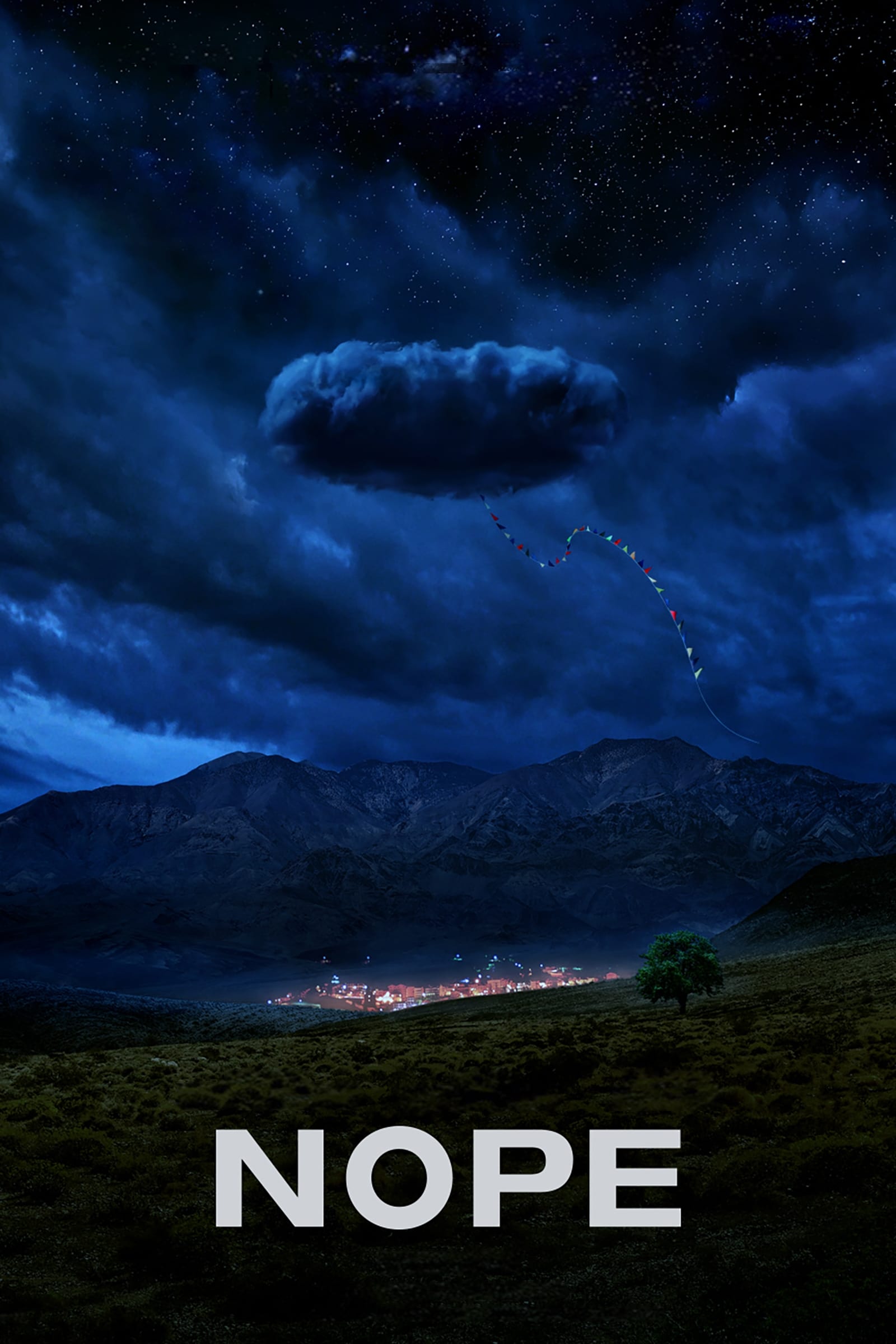
Nope

Barbarian

Pearl
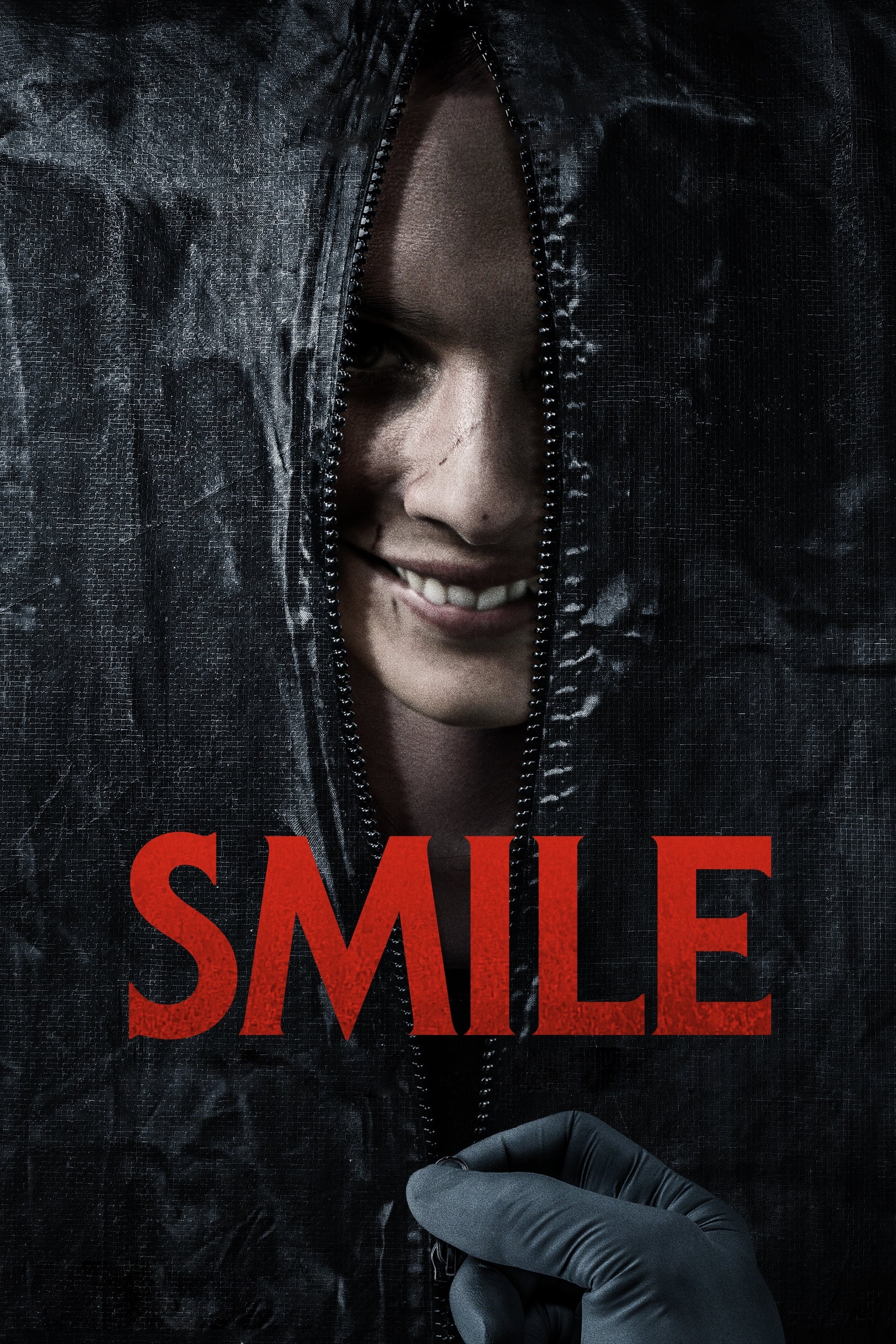
Smile
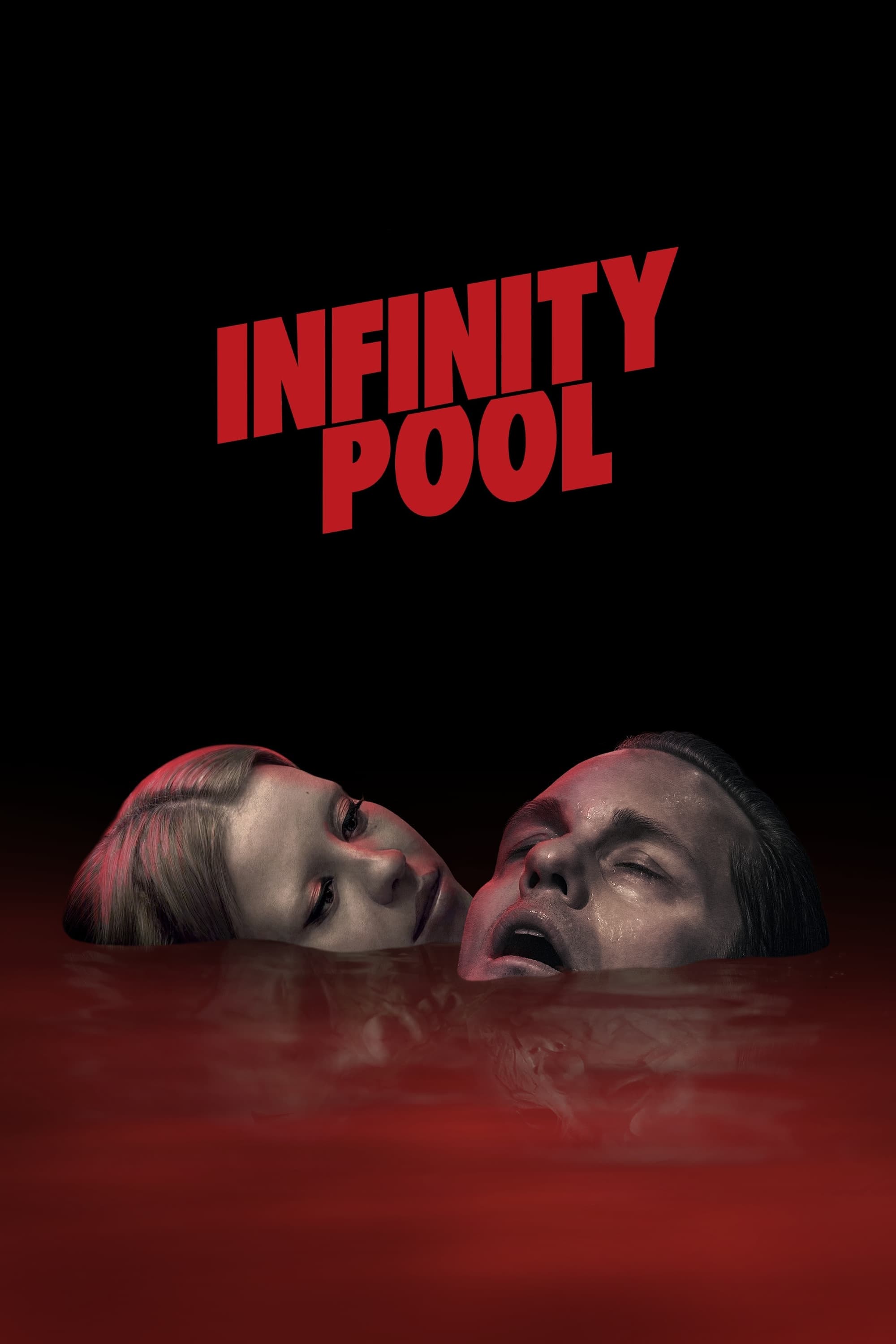
Infinity Pool

Evil Dead Rise
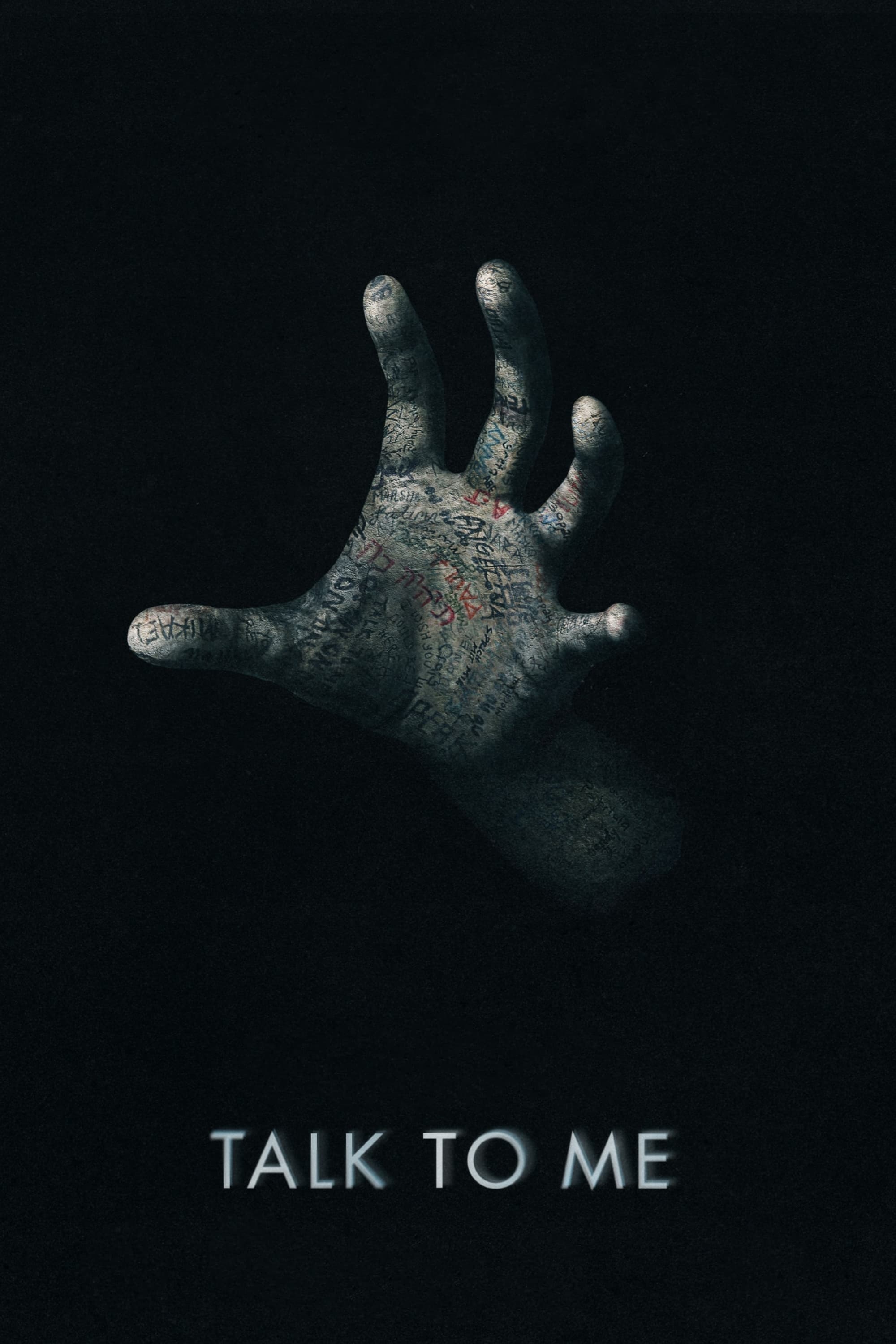
Talk to Me
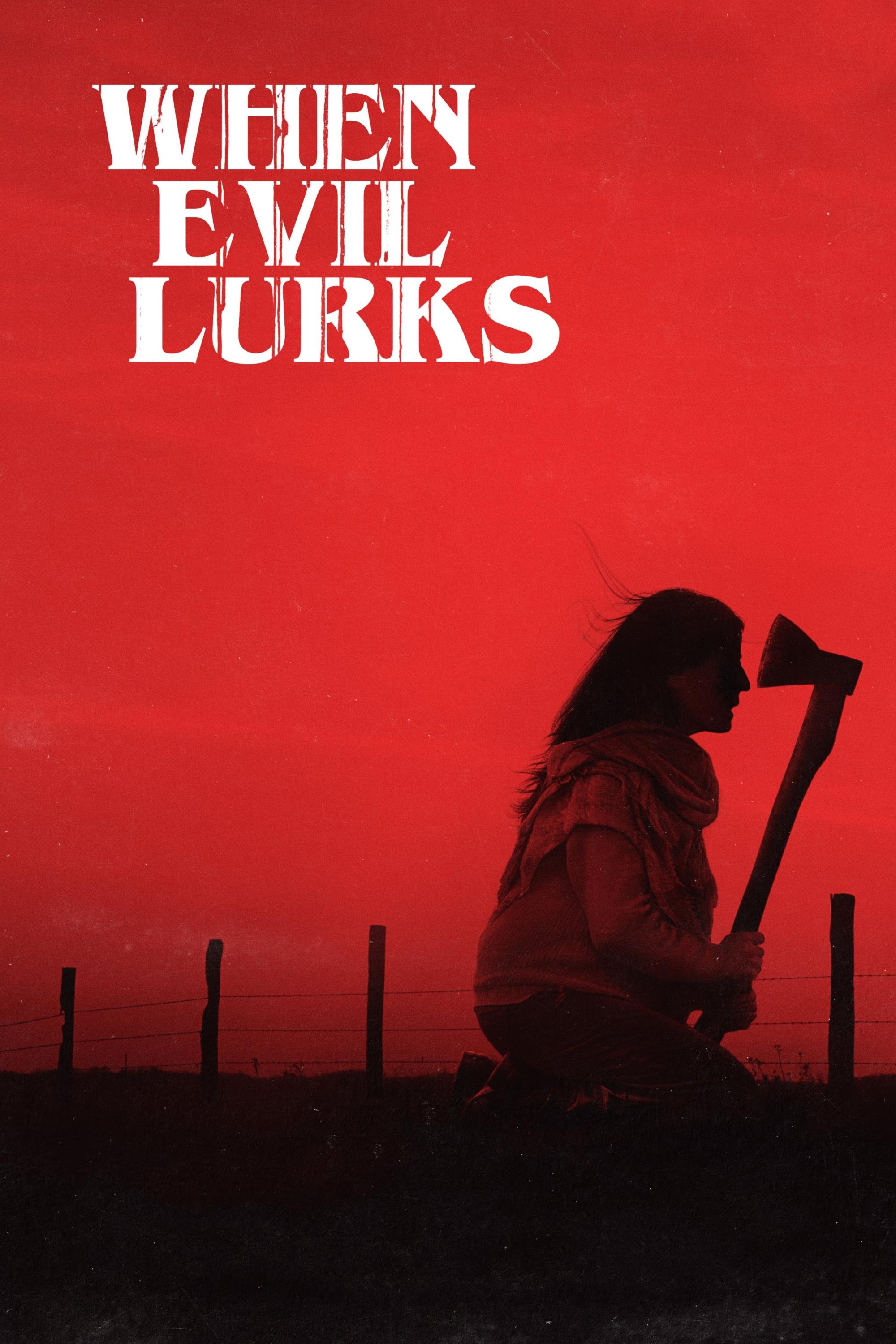
When Evil Lurks
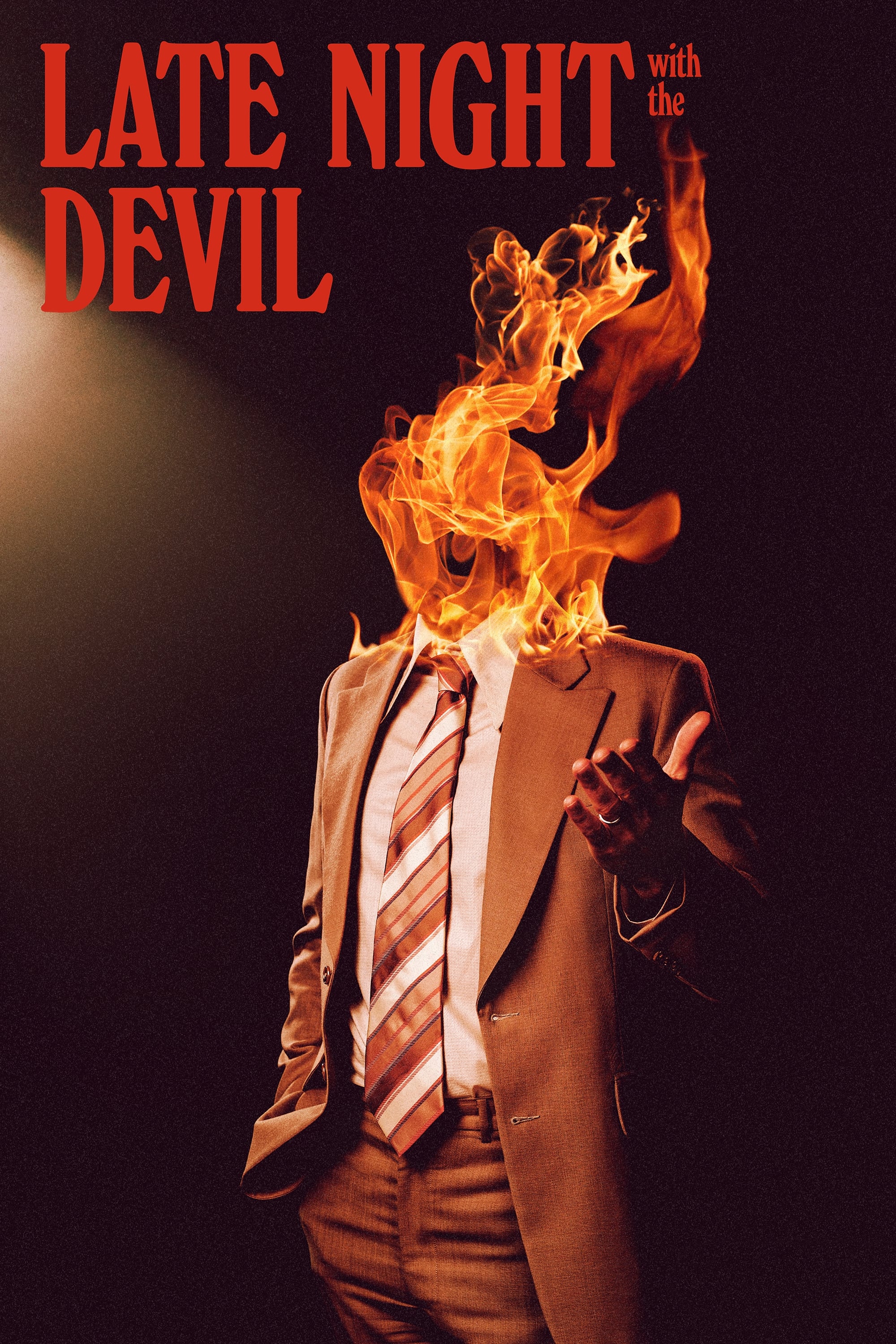
Late Night with the Devil
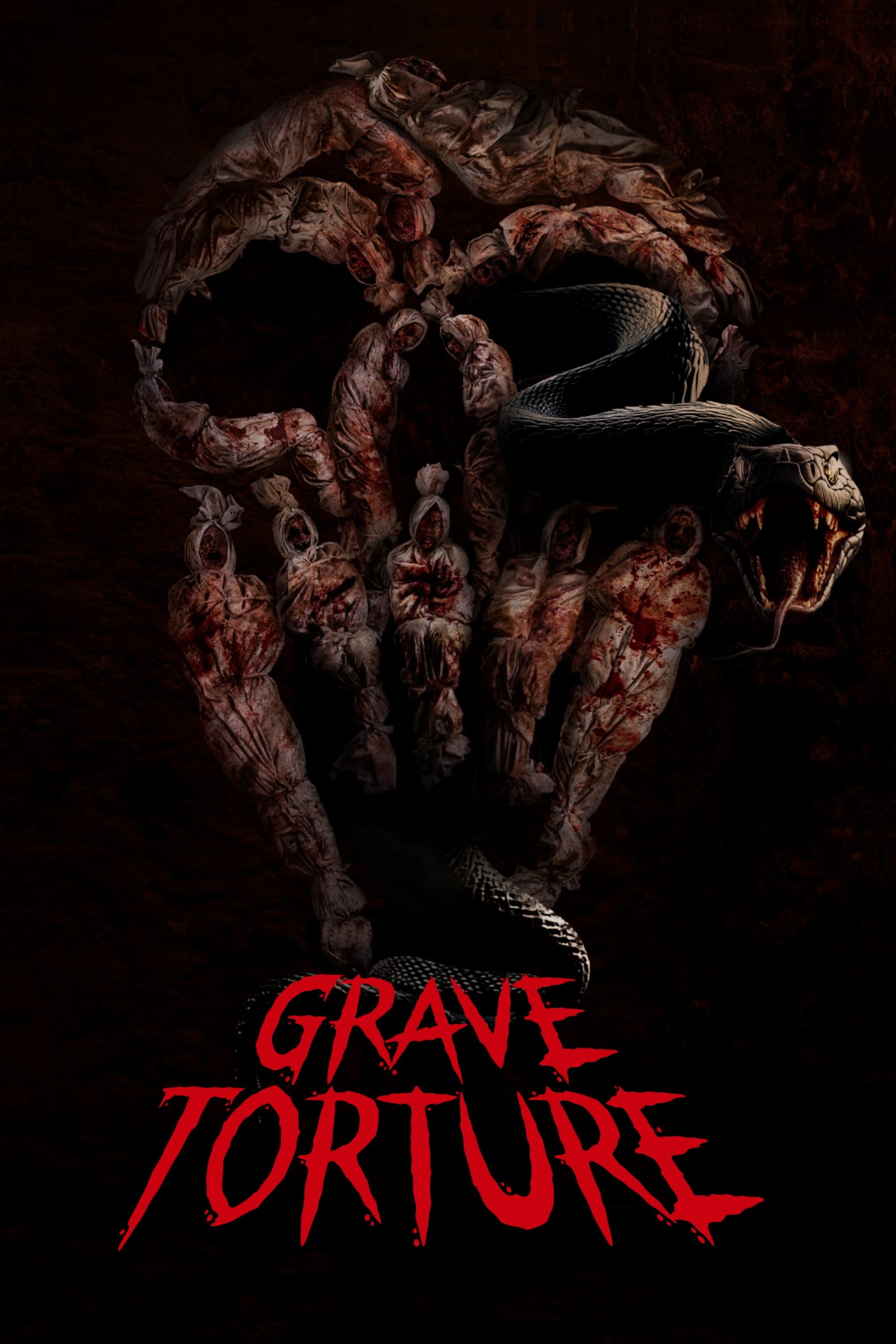
Grave Torture

MaXXXine
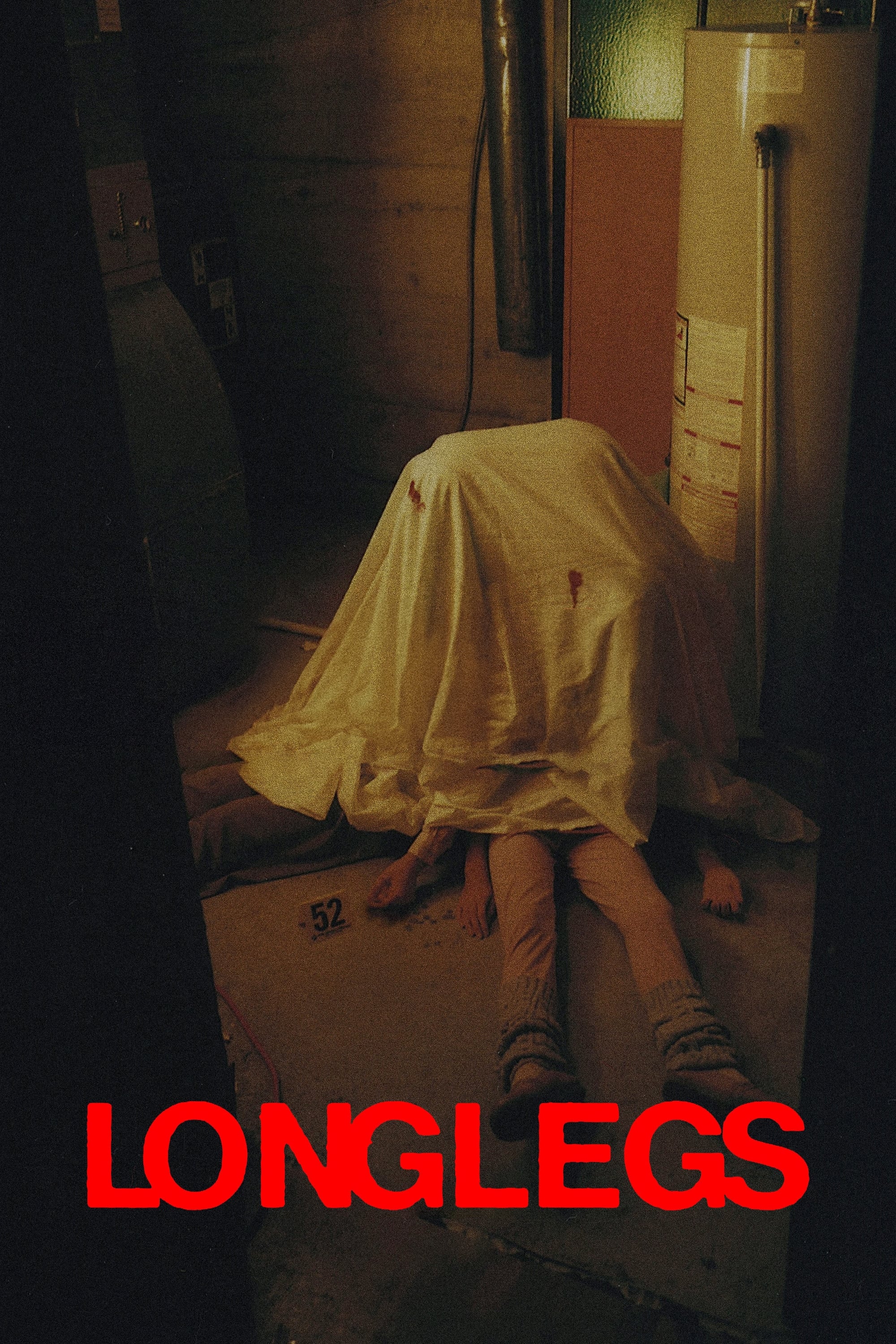
Longlegs
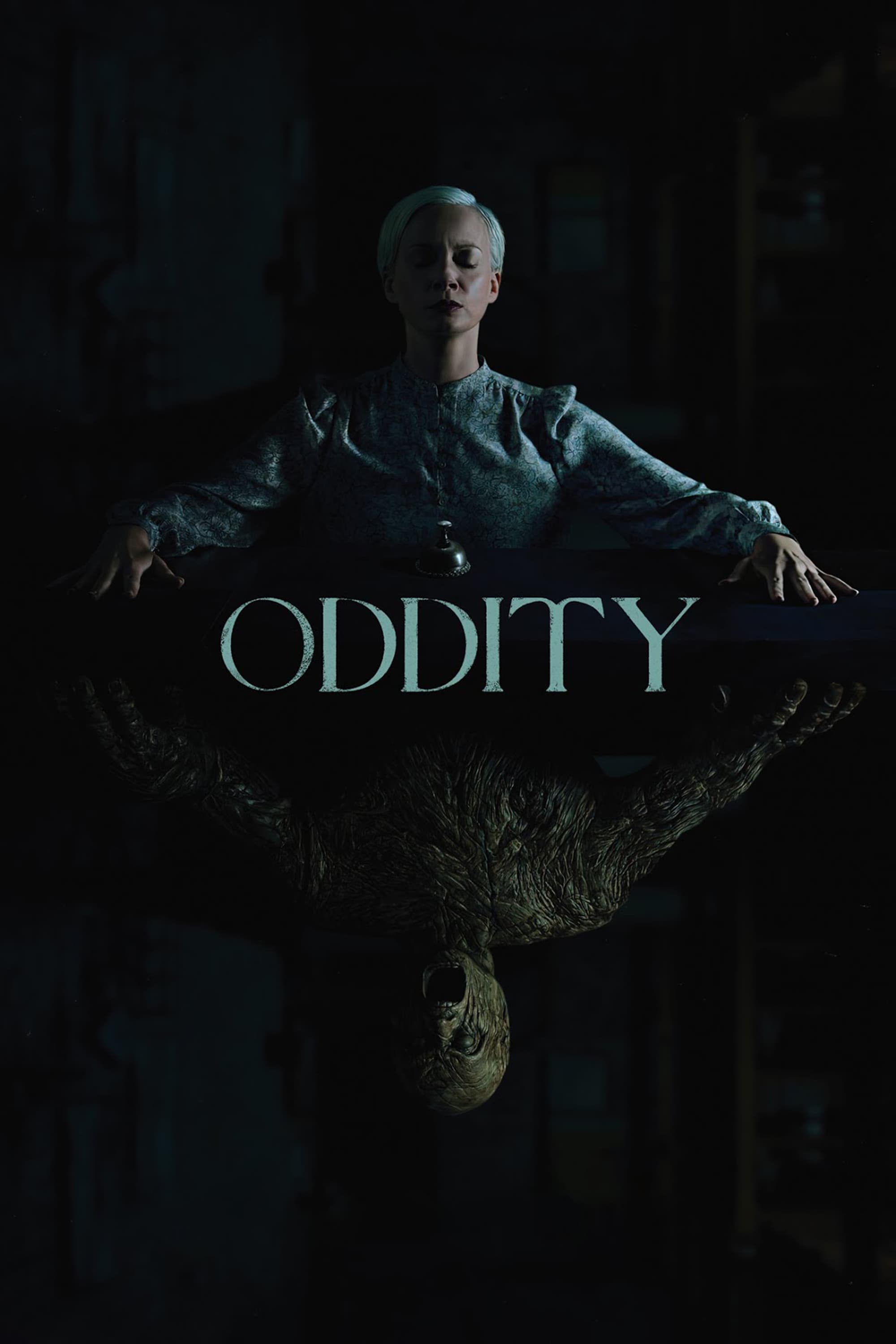
Oddity

The Substance

Heretic
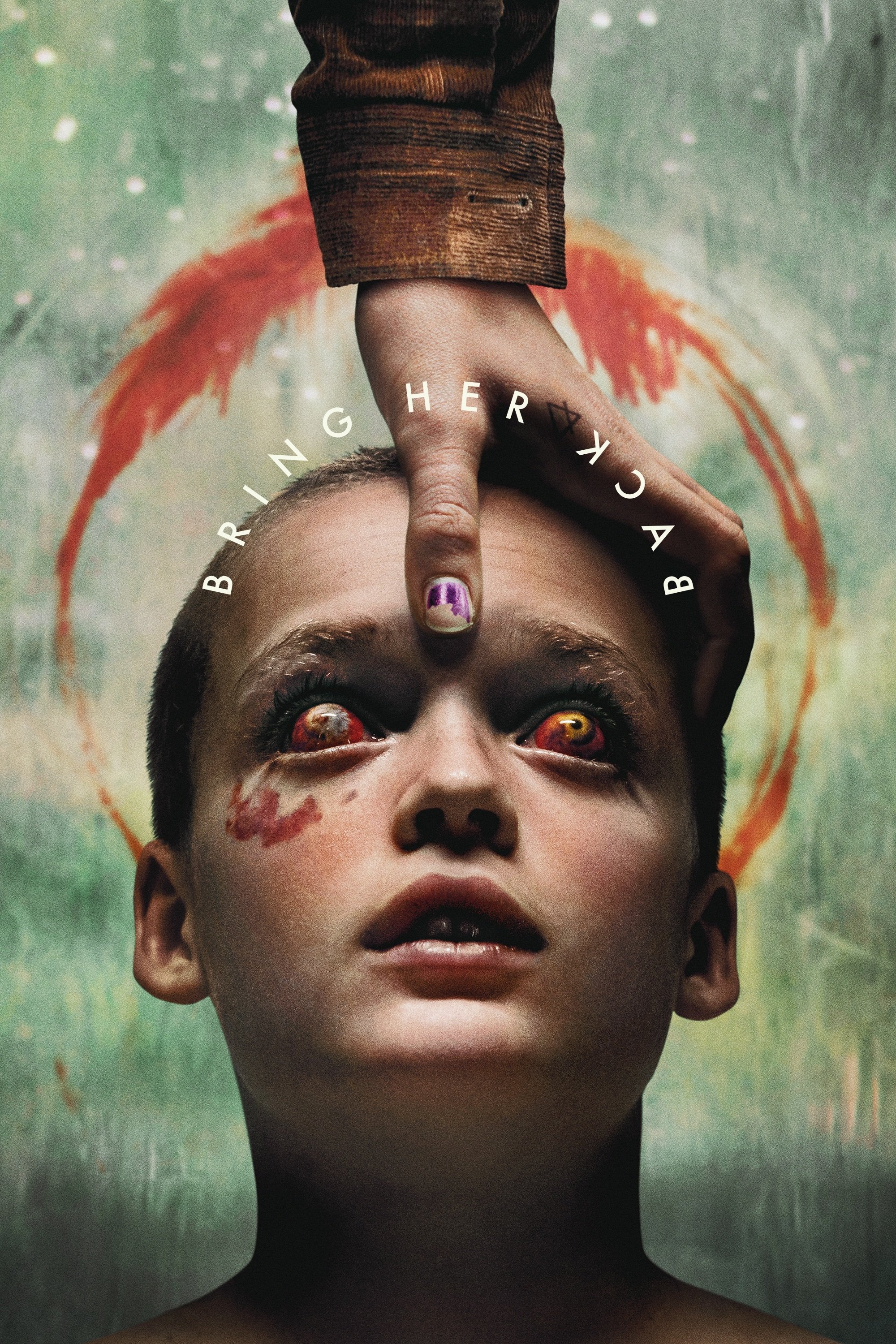
Bring Her Back
Statistics
Top Subgenres
Top Countries
Percentage of 2020s horror films by country of production.