Terrified (2018)
🇦🇷Argentina
From television anthologies in the 1950s to a contemporary wave of supernatural urban nightmares, Argentine horror has emerged against the grain of an industry that long favored art-house drama over genre.
History
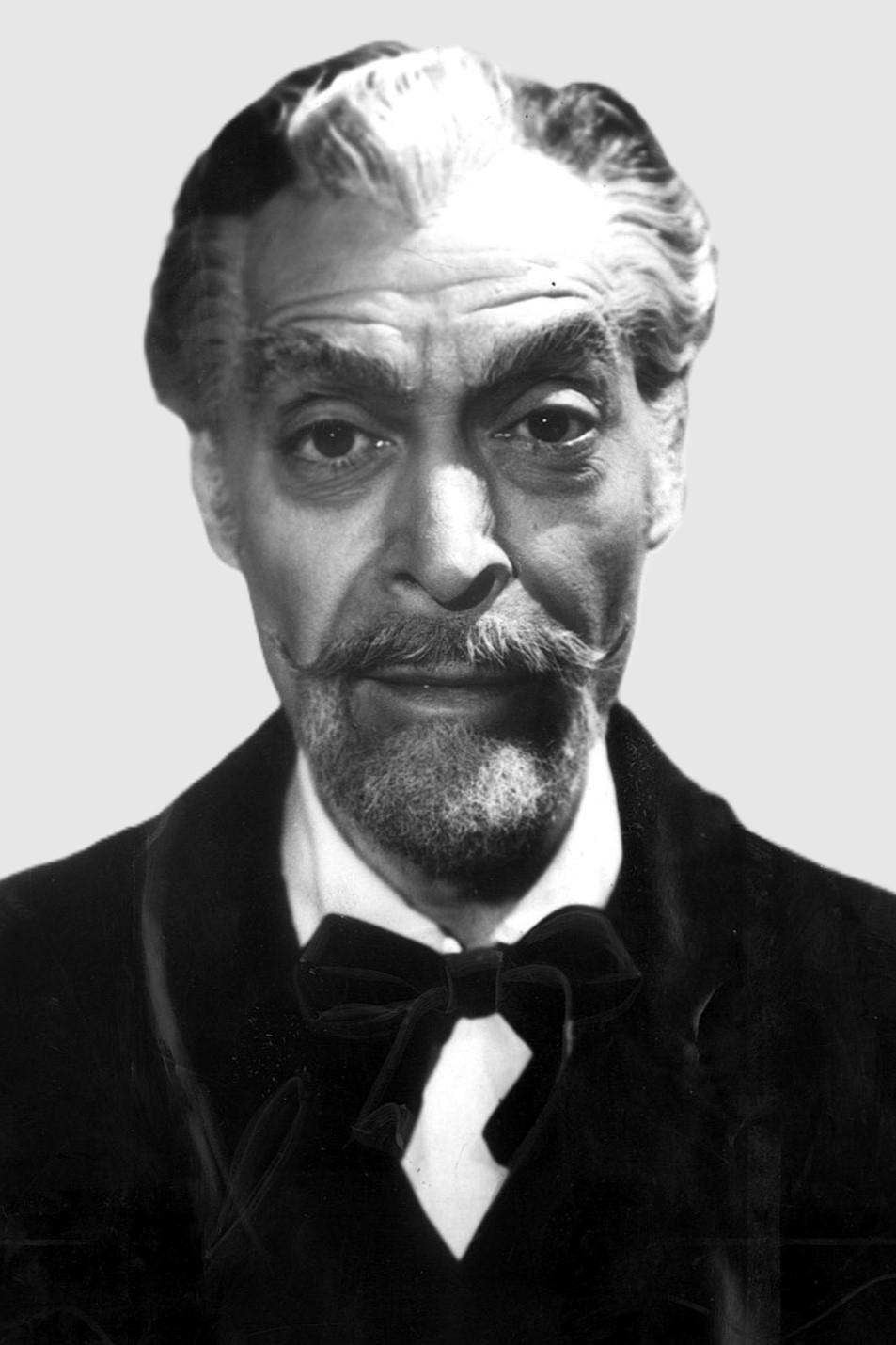
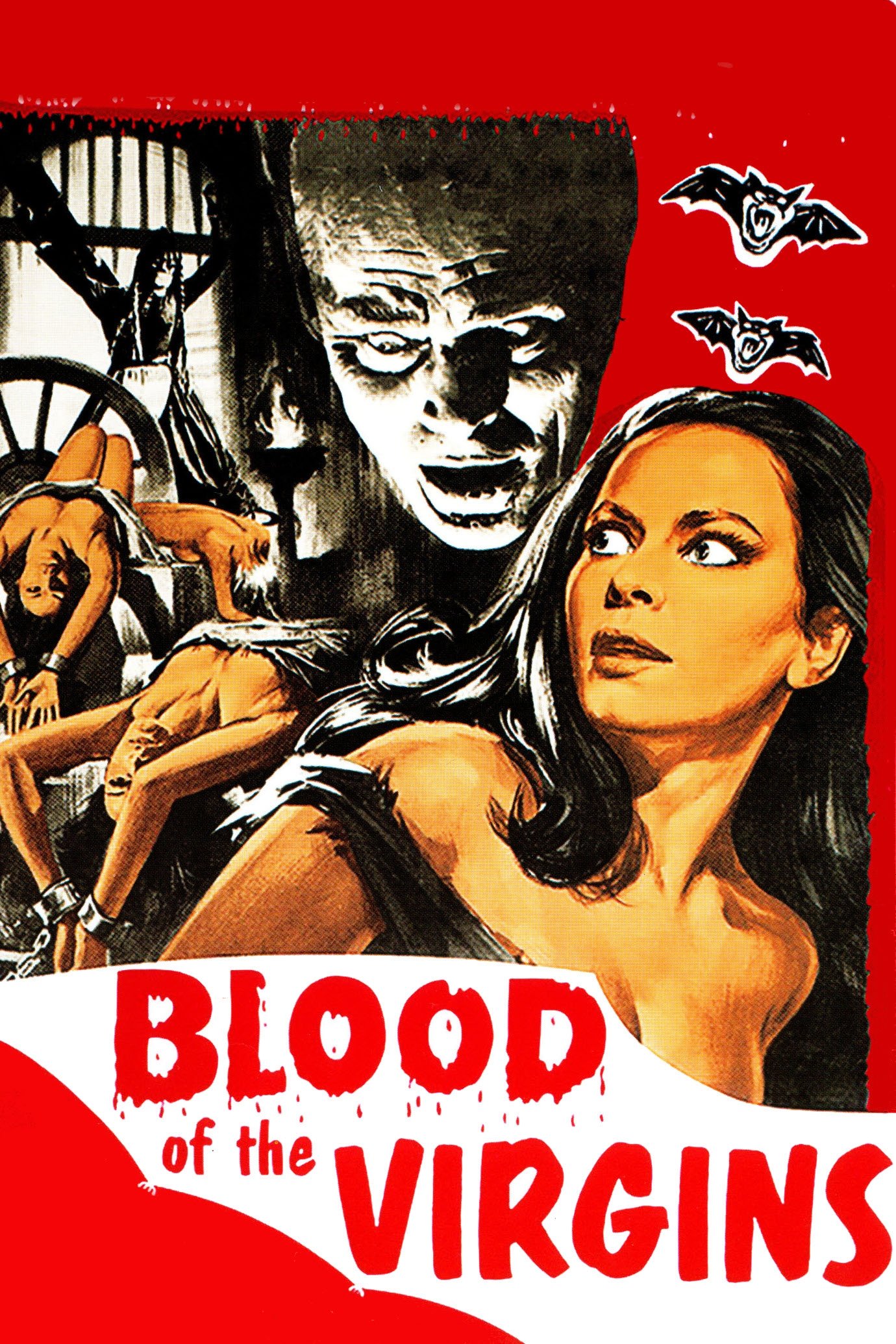
Argentine horror found its earliest expression on television rather than in cinemas. Obras maestras de terror (1958–1960), a horror anthology series starring the Spanish-born actor Narciso Ibáñez Menta, became a popular success and established a local appetite for the macabre. Ibáñez Menta also starred in The Master of Horror (1965), an omnibus film adapting three Poe stories that demonstrated Argentina could produce polished genre work. Emilio Vieyra's Blood of the Virgins (1967), the country's first vampire film, brought exploitation horror to Argentine cinema, while León Klimovsky — Argentina's most prolific horror specialist — made his career in Spain, becoming a key collaborator with Paul Naschy across the Spanish Gothic cycle. Argentine horror remained sporadic through the following decades, never developing the sustained production cycles of its European or North American counterparts.
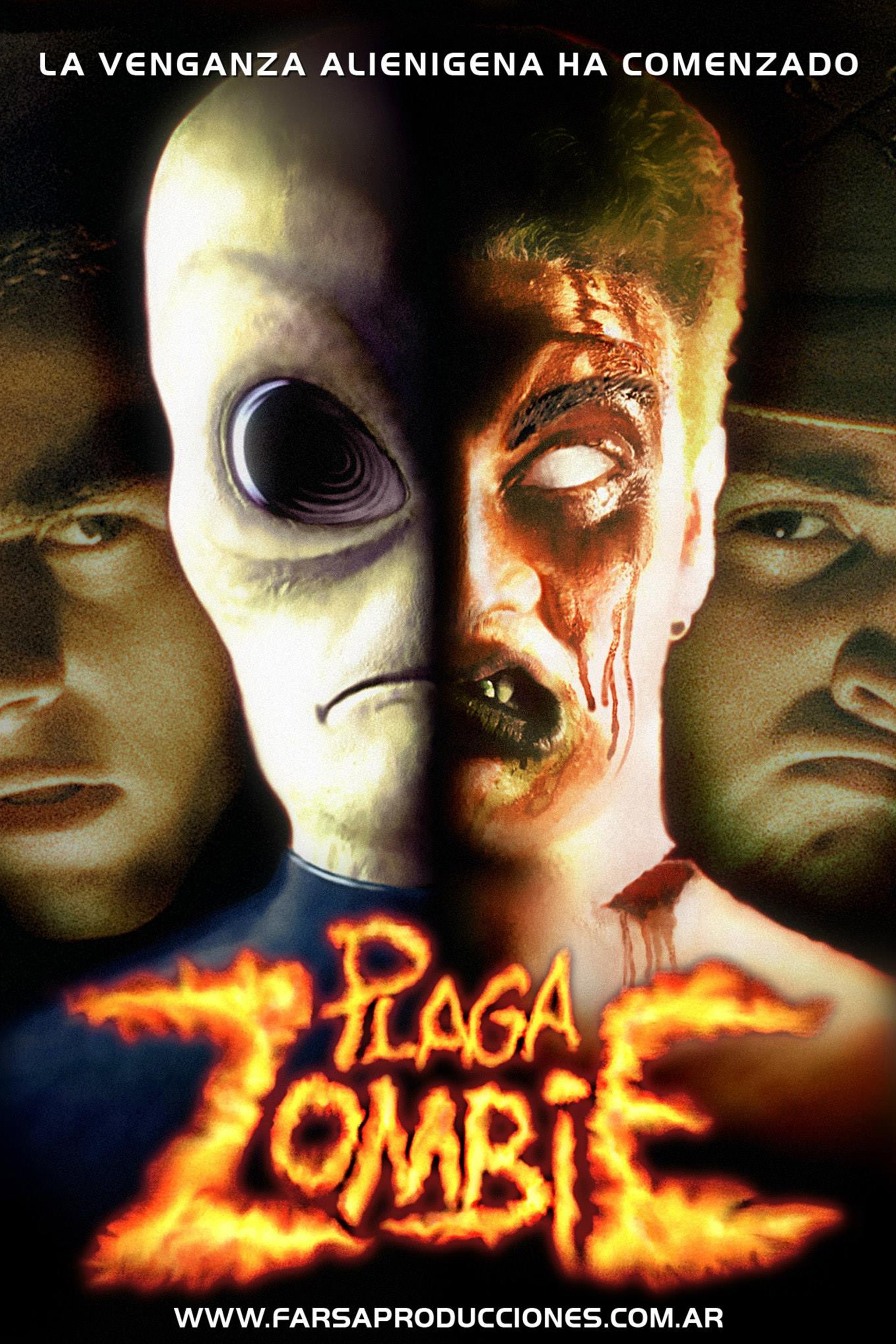
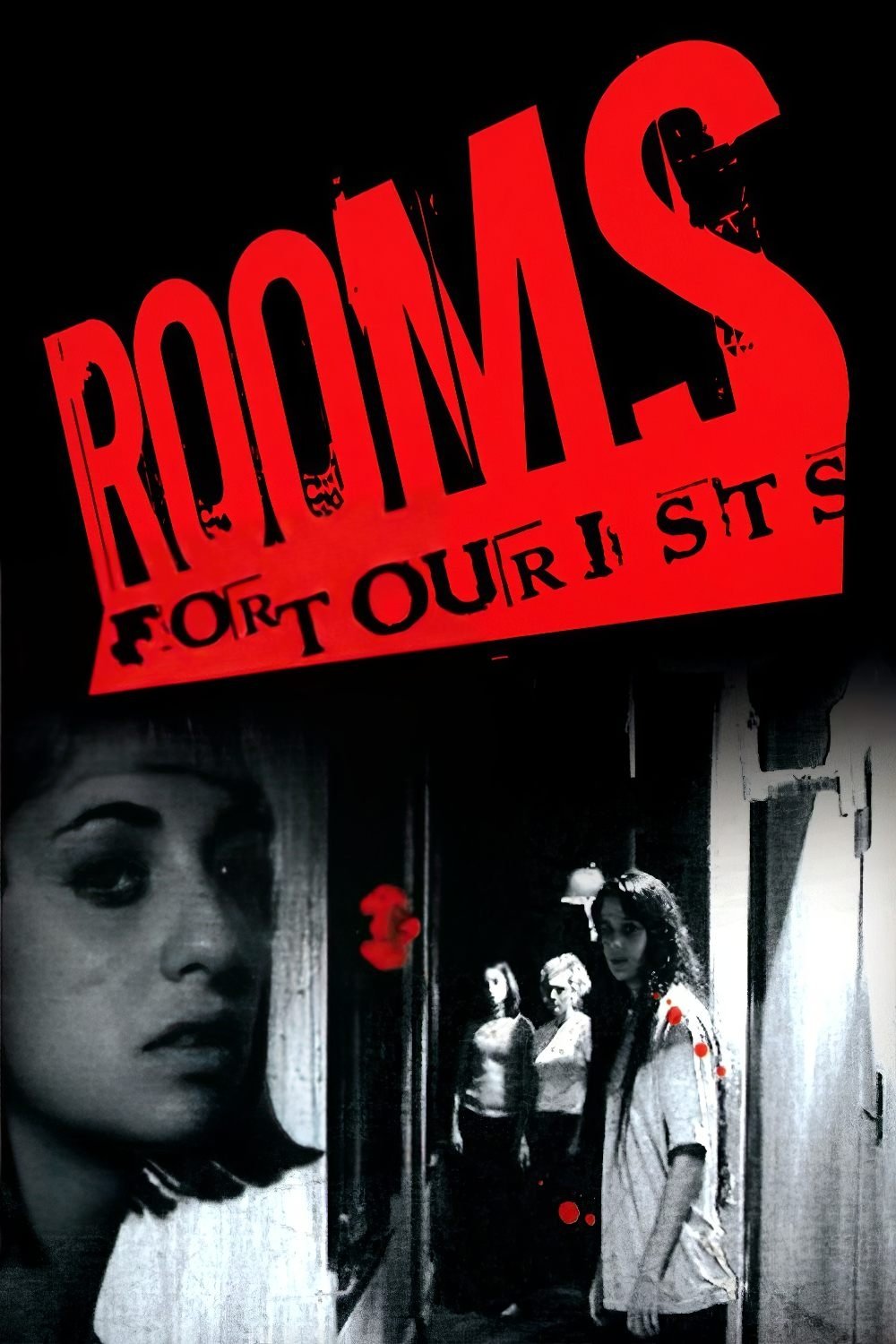
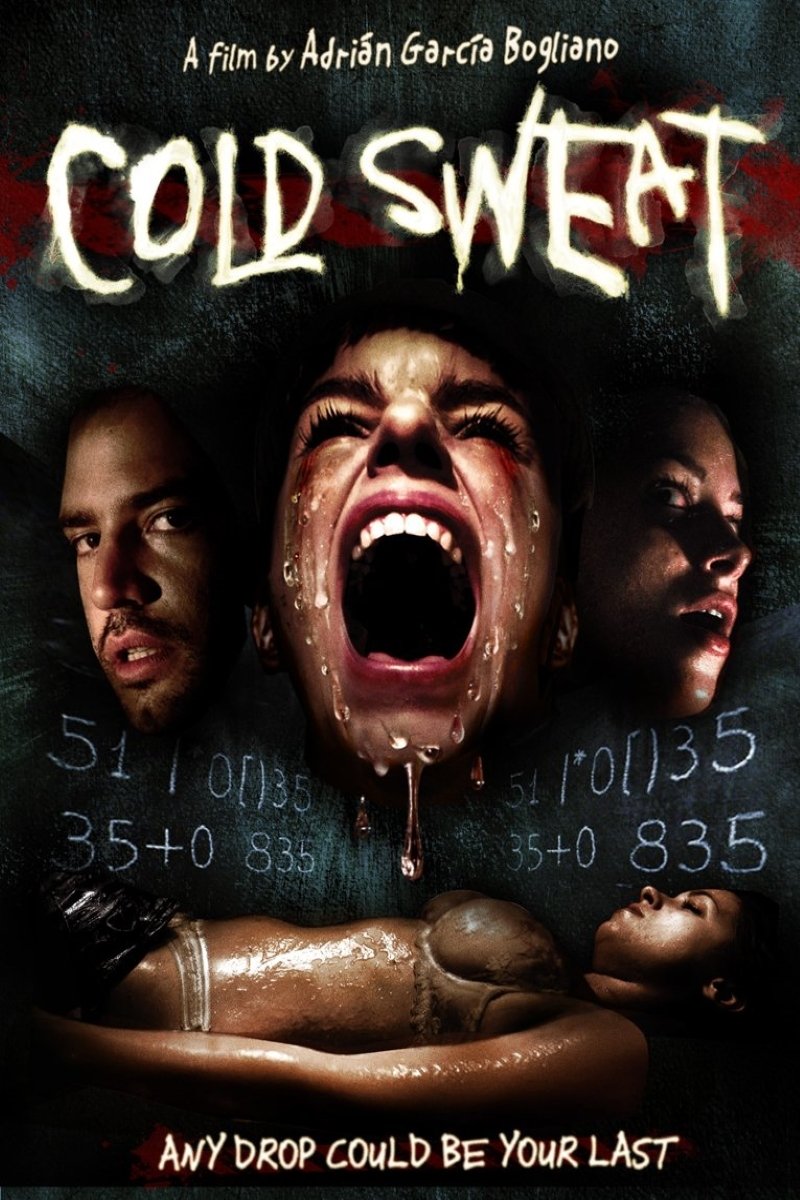
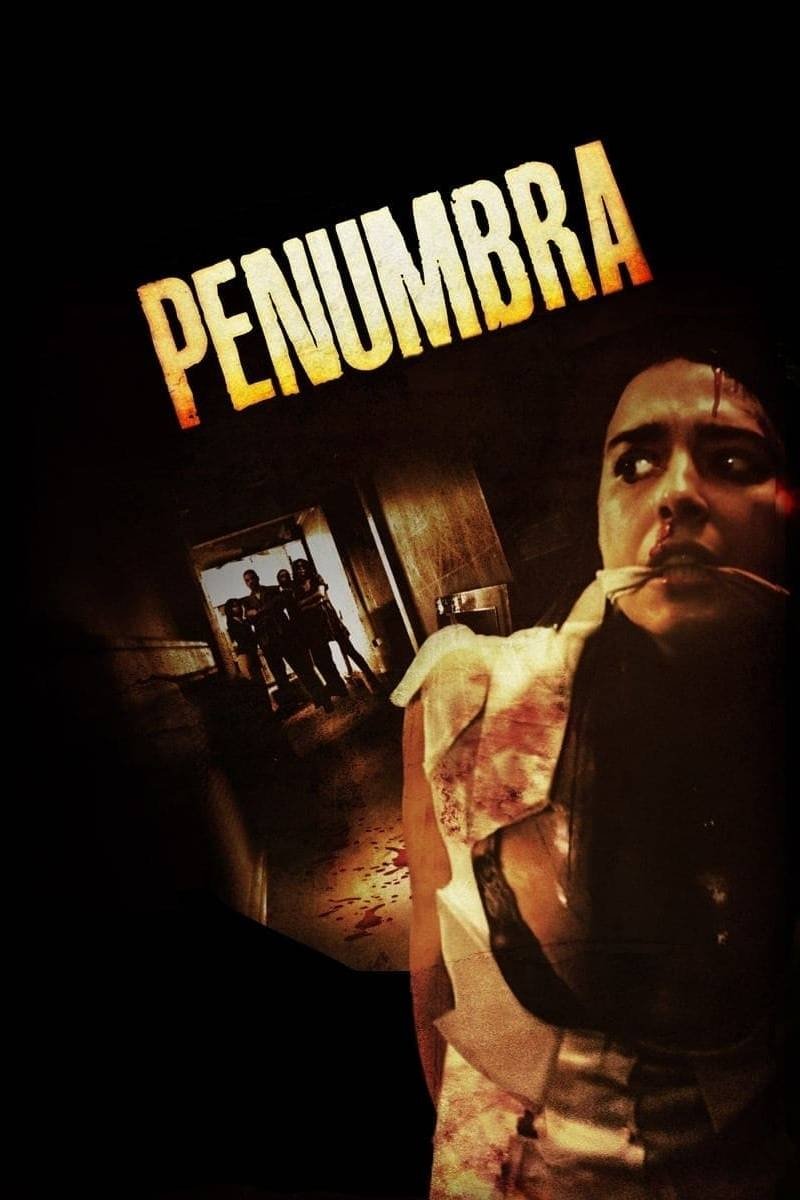
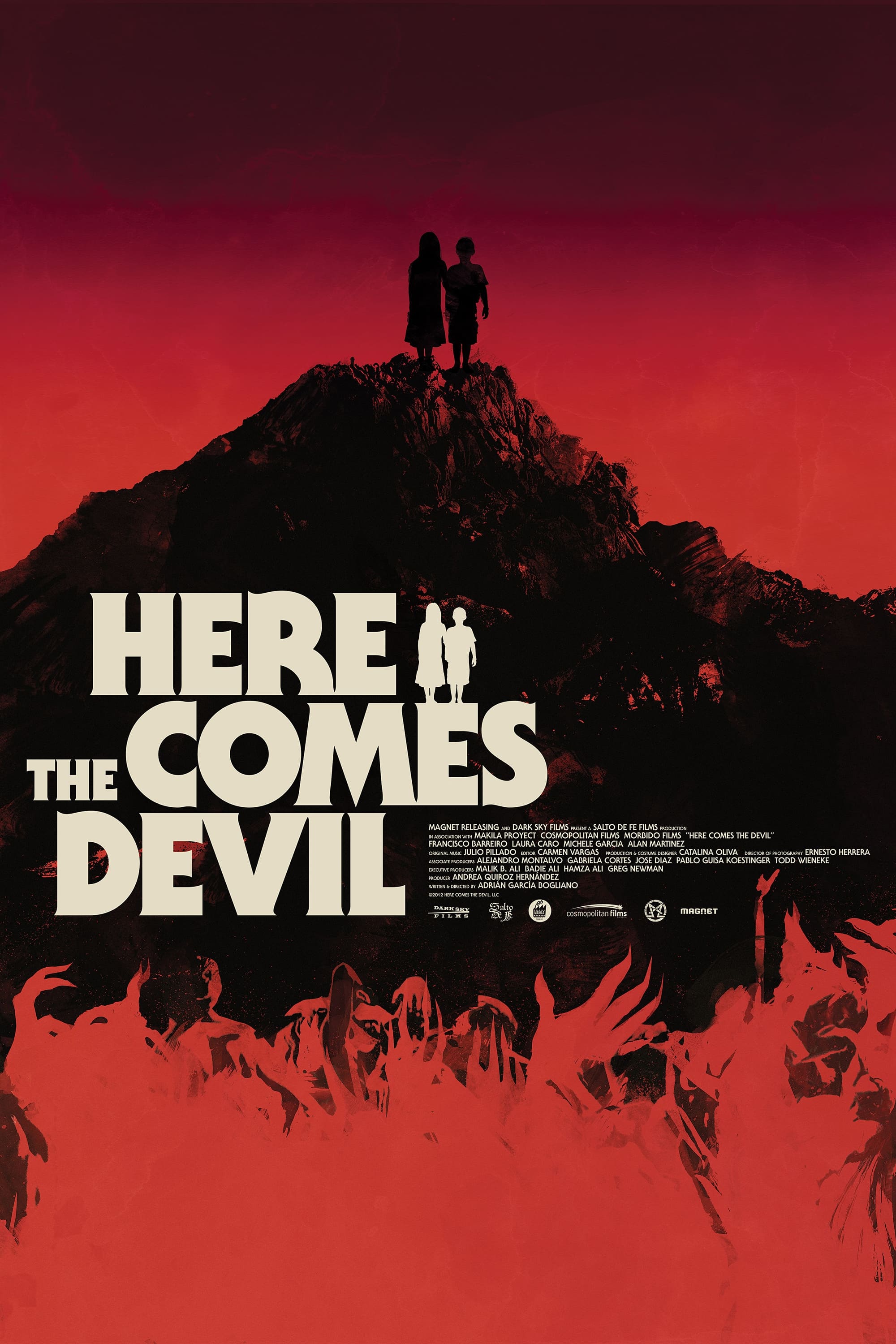
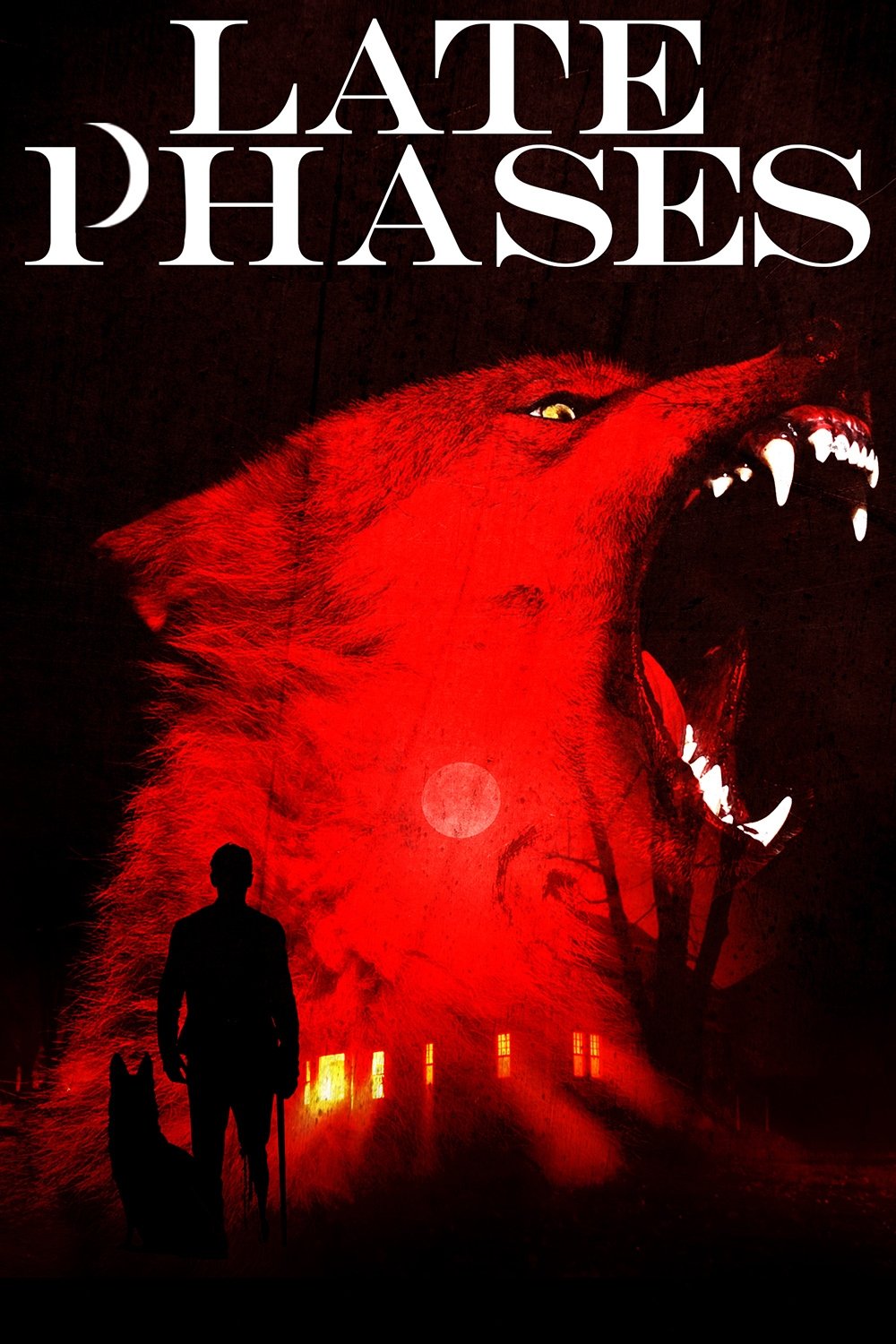
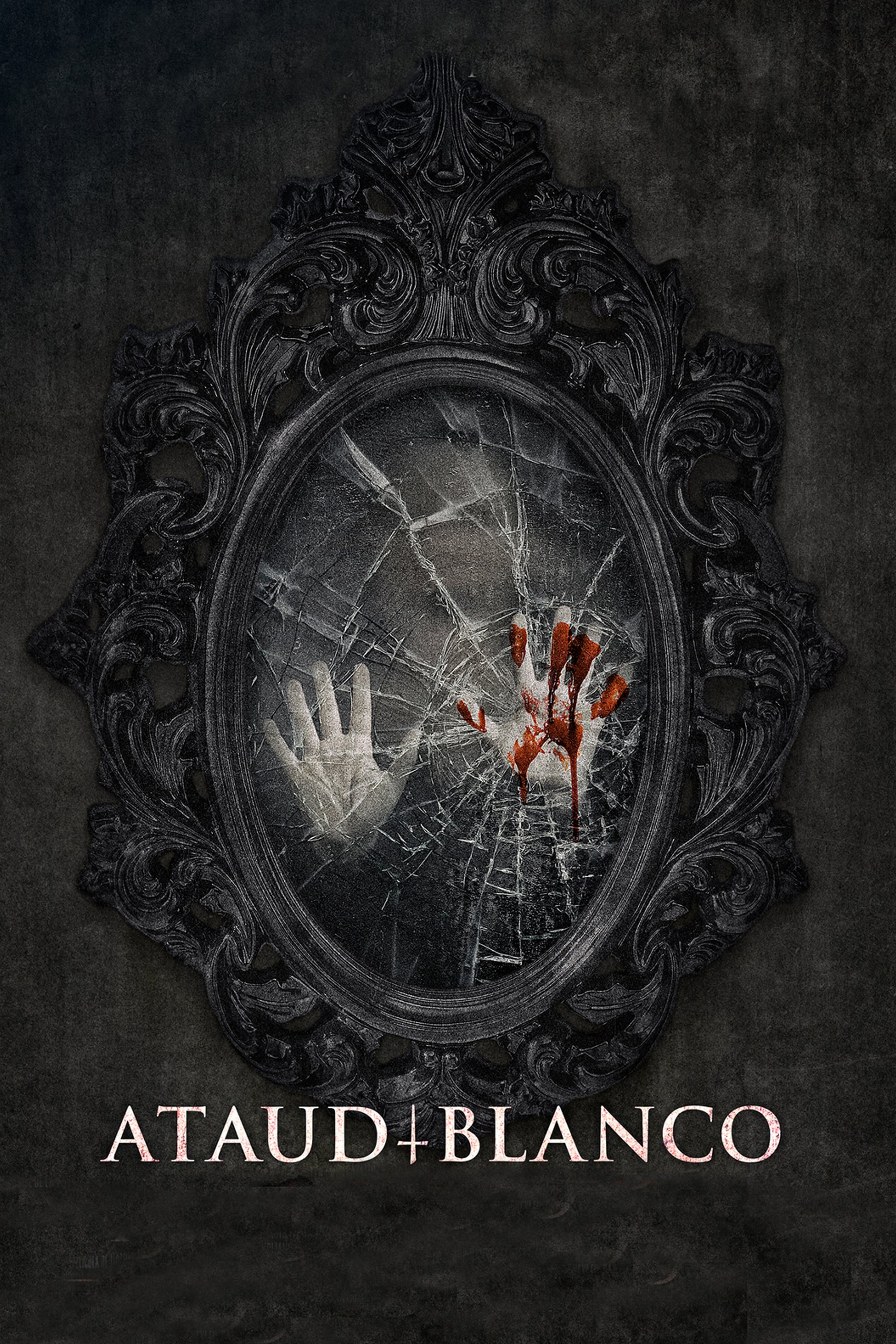
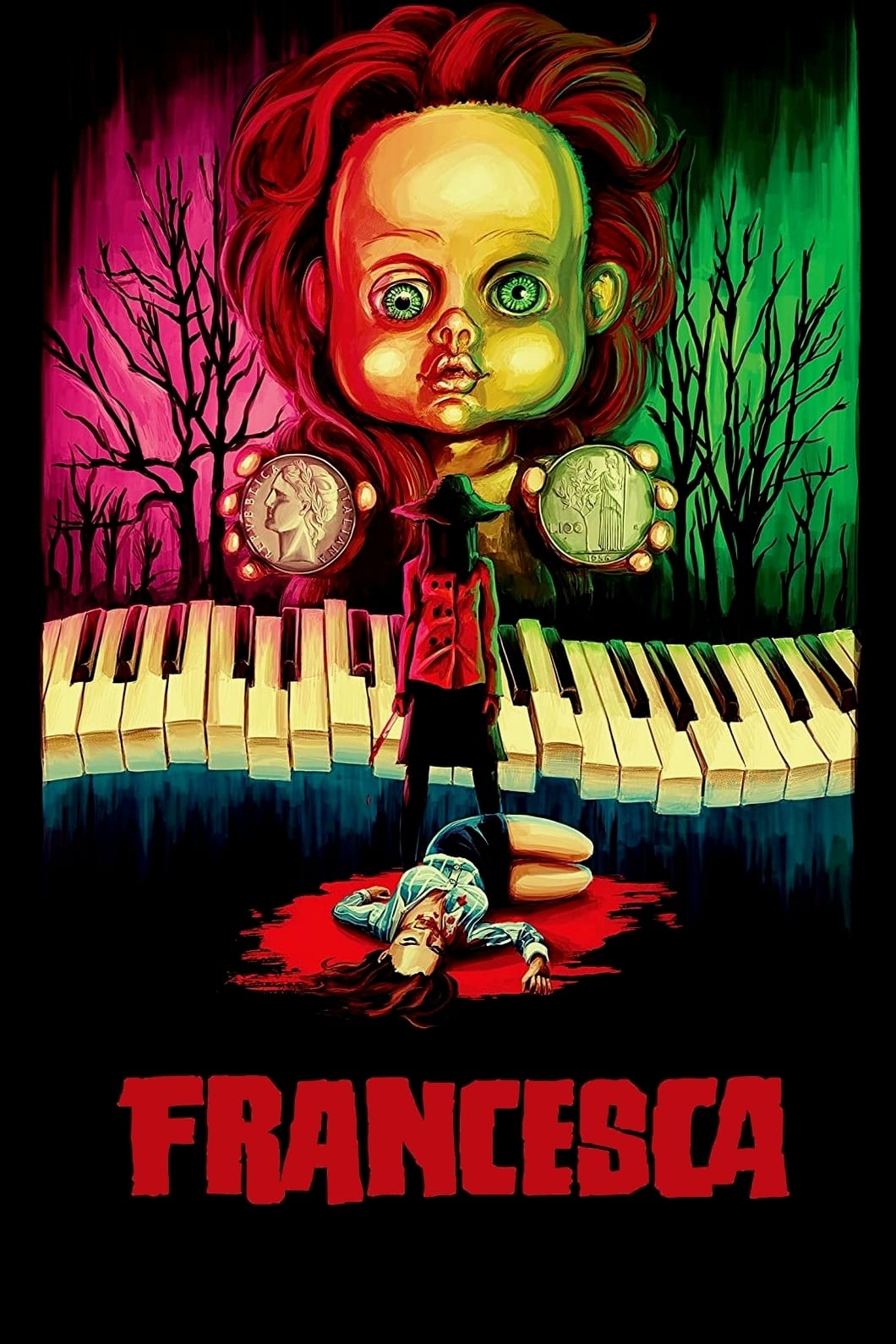
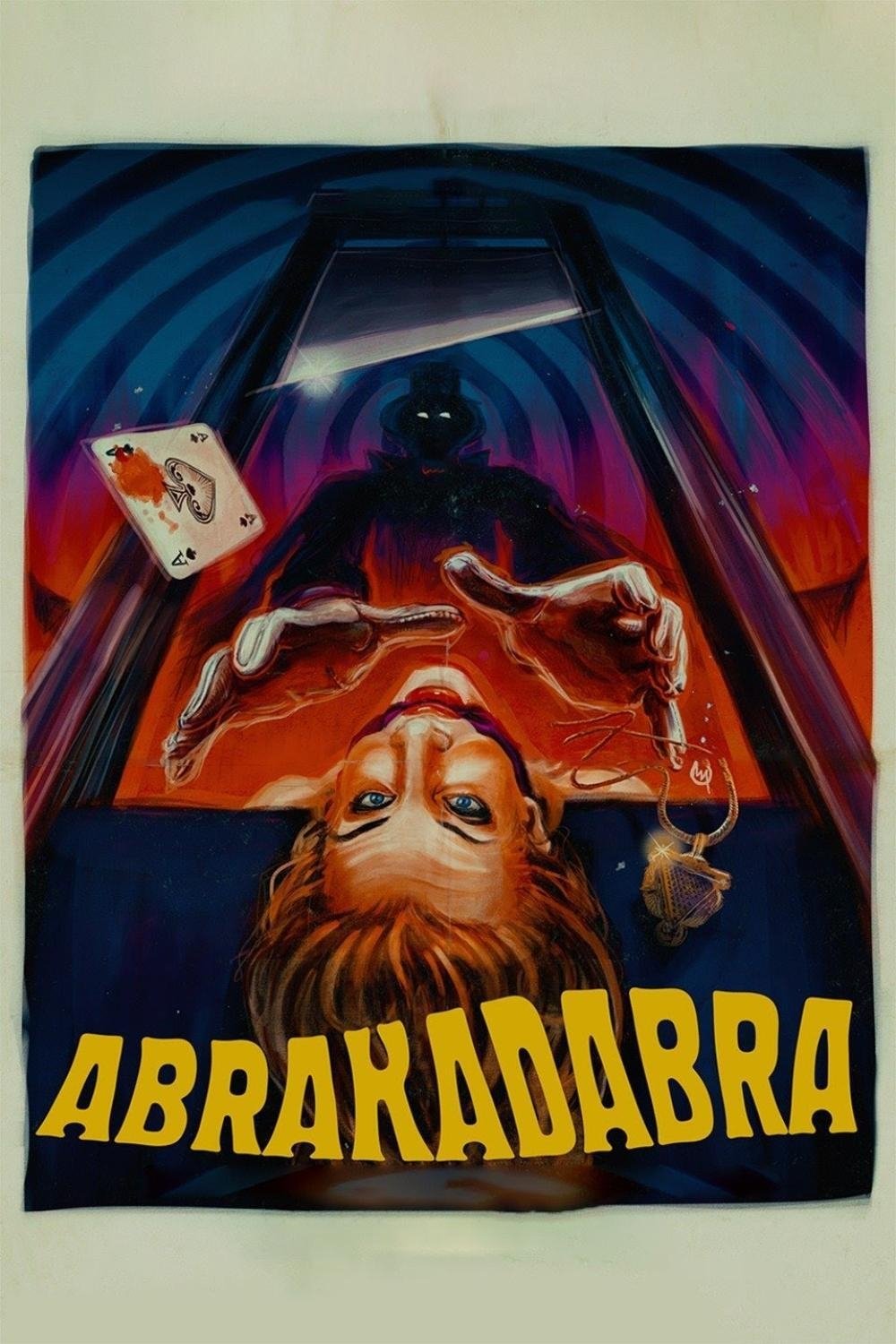
A revival began in the late 1990s with Pablo Parés and Hernán Sáez's micro-budget Plaga zombie (1997), a DIY zombie-comedy that anchored a generation of Argentine genre fans. A new wave of horror filmmakers emerged in the 2010s, working on modest budgets but with growing international ambition. Adrián García Bogliano established himself as the period's most prolific genre director with Rooms for Tourists (2004), Cold Sweat (2010), Penumbra (2012), the Mexican-Argentine Here Comes the Devil (2012), and the US-shot Late Phases (2014). The Luciano Onetti and Nicolás Onetti brothers' Francesca (2017) and Abrakadabra (2018) paid stylish homage to Italian giallo, capturing every detail of Argento and Bava's visual vocabulary on Buenos Aires sets. Daniel de la Vega's White Coffin (2016) brought religious horror to the country's rural highways.
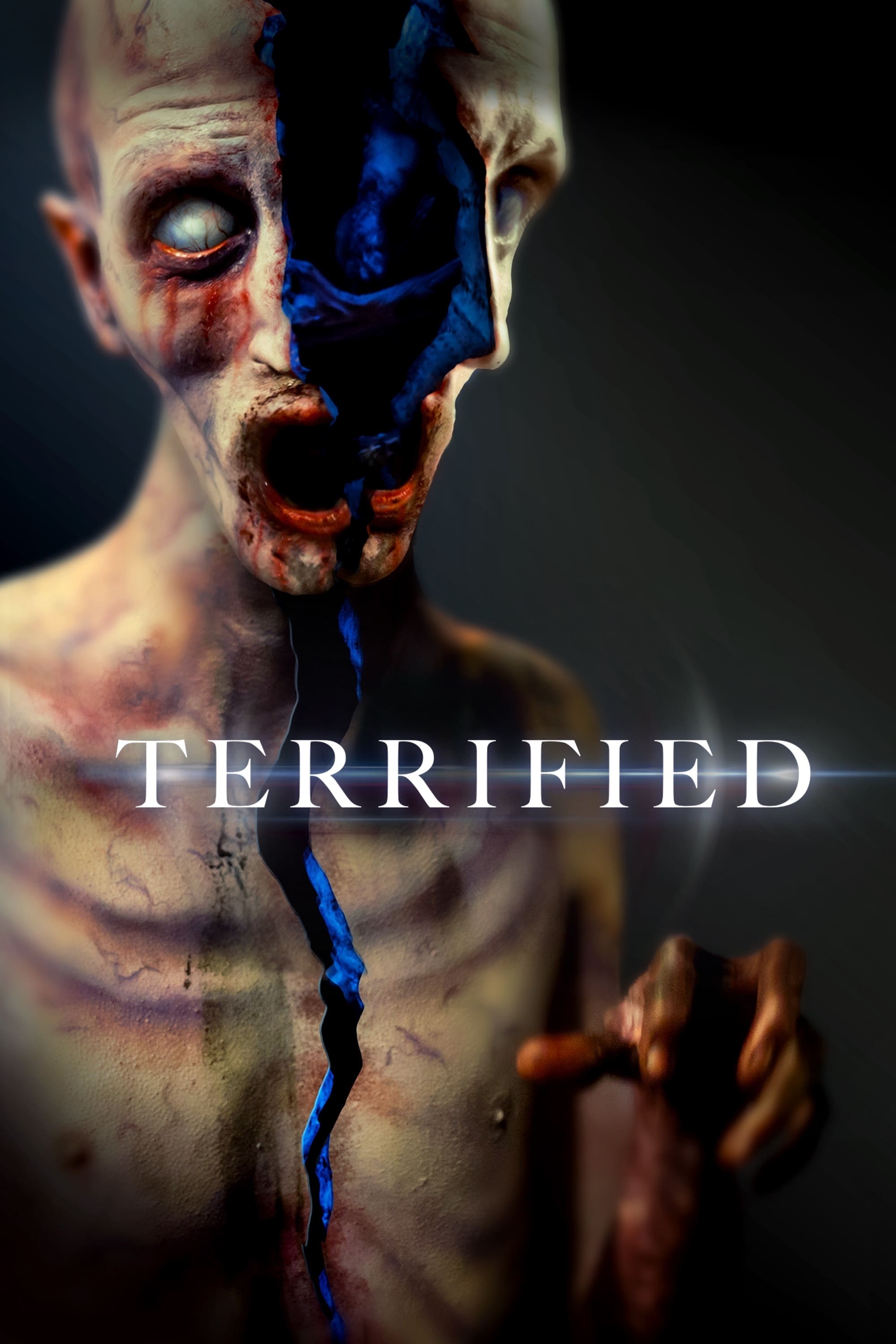
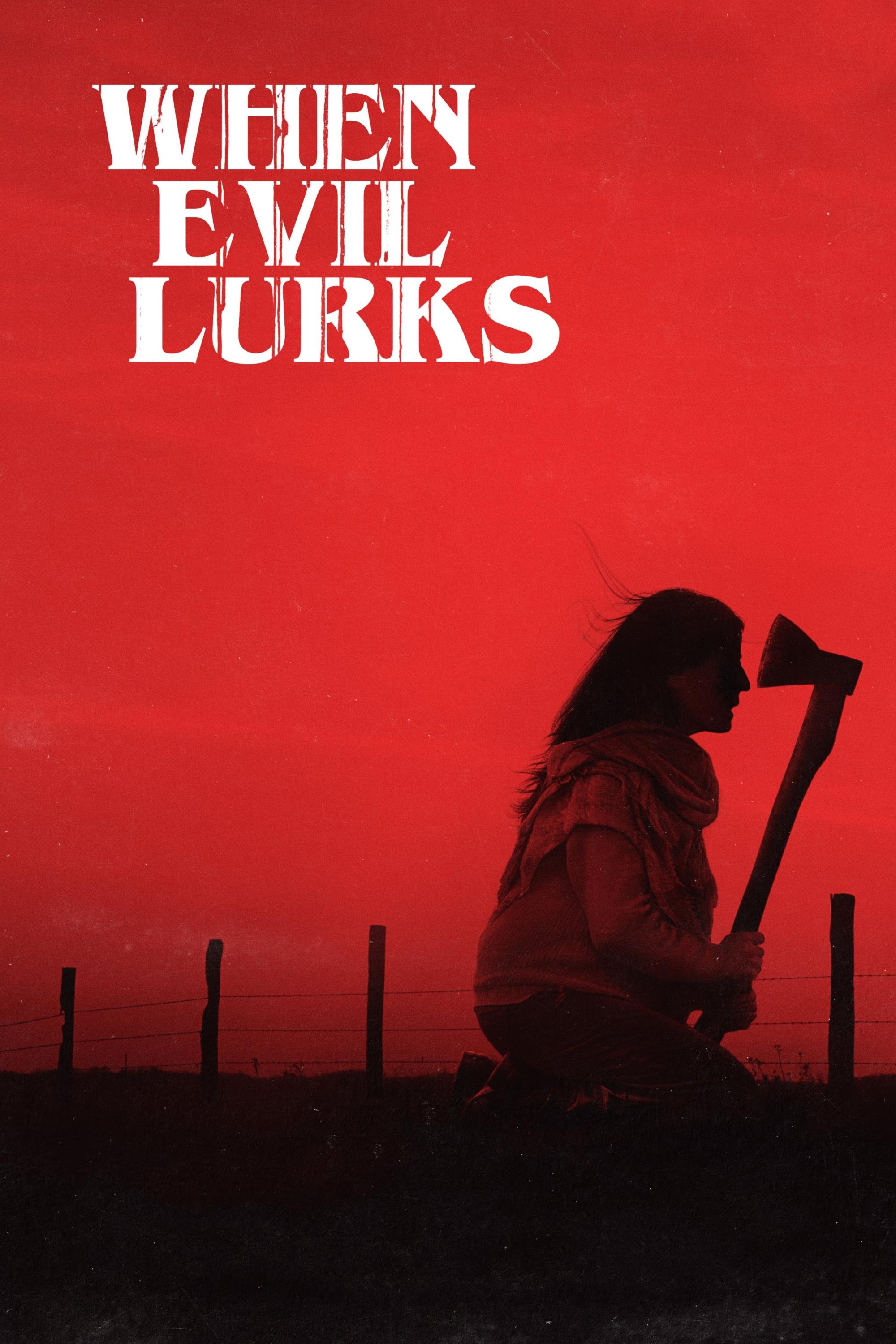
Demián Rugna's Terrified (2018), a supernatural horror about a Buenos Aires neighbourhood besieged by paranormal phenomena, earned international distribution and critical attention — Guillermo del Toro publicly championed the film and announced an American remake. Rugna followed with When Evil Lurks (2023), a brutally pessimistic demonic-possession film whose Shudder pickup made it Argentina's most widely-distributed horror release to date. Argentine horror's contemporary output often features cramped urban settings and domestic spaces turned threatening — a sensibility shaped by the country's experience of economic instability and political trauma, though the genre's practitioners tend to channel these anxieties through supernatural metaphor rather than direct allegory.
Essential Films
Statistics
Top Subgenres
Popularity by Decade
Share of each decade's horror films classified as Argentina horror. Counts films with at least 5 TMDB ratings, so very obscure titles are not represented.