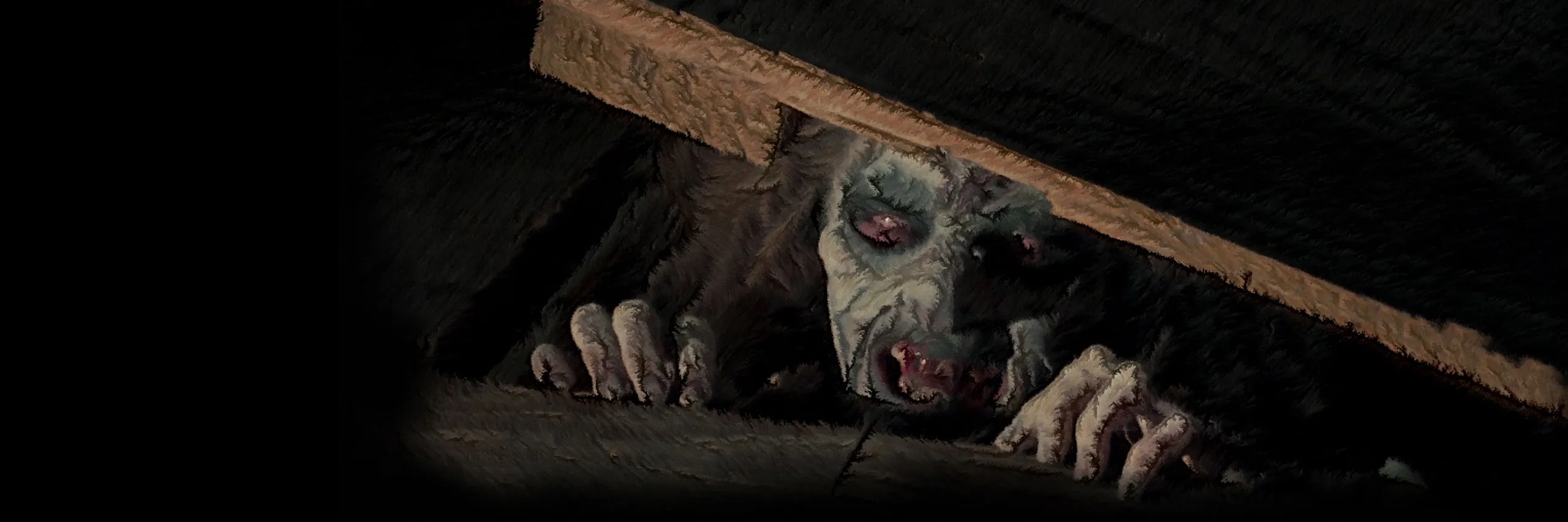
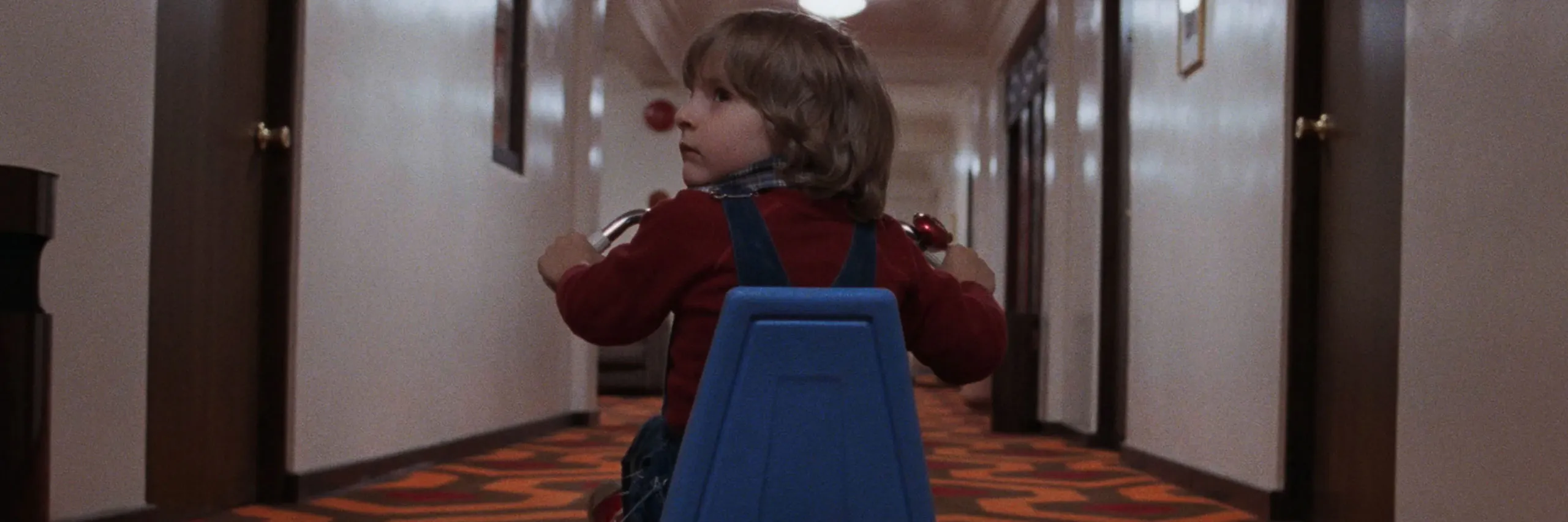
 Color Out of Space (2020)
Cosmic Horror
The horror of insignificance. A universe of incomprehensible scale and indifferent intelligence, where the discovery of what lies beyond human understanding destroys the mind that perceives it.
History & Origins
Cosmic horror is the horror of scale — the realization that the universe is vast beyond comprehension, that it contains intelligences or forces that regard humanity with indifference or incomprehensible purpose, and that our entire civilization is an irrelevant flicker in an infinite darkness. This is not the horror of being hunted. It is the horror of being meaningless.
The tradition is inseparable from H. P. Lovecraft, whose fiction from the 1920s and 30s articulated a philosophical framework for cosmic dread. Lovecraft proposed that the universe is governed by entities — the Great Old Ones — whose nature is so alien that human perception cannot process them without madness. Cthulhu, Nyarlathotep, Azathoth: these are not villains in any conventional sense. They are conditions of existence, as impersonal and devastating as a natural law. The Arkham House publishing operation founded after his death kept the Lovecraft Circle in print for half a century; Stephen King's "Danse Macabre" identified cosmic horror as the most existentially "stupendous, Cyclopean" register the genre can reach.
Cinema has struggled with cosmic horror precisely because its central conceit — the incomprehensible — resists visual representation. The most successful adaptations tend to approach Lovecraft's themes obliquely rather than literally. Roy Ward Baker's Quatermass and the Pit (1967) pulled the Lovecraftian Old-Ones-buried-on-Earth premise into respectable British cinema. Don Coscarelli's Phantasm (1979) ran the form as inter-dimensional dream-logic. Lucio Fulci's Gates of Hell trilogy — City of the Living Dead (1980), The Beyond (1981) — restated cosmic horror as Italian-Gothic metaphysical rupture. John Carpenter's Apocalypse Trilogy is the form's high-water mark: The Thing (1982) captured cosmic horror's paranoia and biological revulsion; Prince of Darkness (1987) located the Anti-God in a Los Angeles church basement; In the Mouth of Madness (1995) explored the blurring of fiction and reality. Stuart Gordon's From Beyond (1986), Castle Freak (1996), and Dagon (2001) are the most direct Lovecraft adaptations of the era. Paul W. S. Anderson's Event Horizon (1997) ran the form as gothic-haunted-spaceship; Vincenzo Natali's Cube (1998) restated it as math-puzzle architecture.
The 2010s-2020s have produced cosmic horror's most concentrated wave yet. Justin Benson and Aaron Moorhead's shared cinematic universe — Resolution (2013), Spring (2014), The Endless (2017) — is the most sustained cosmic-horror project in contemporary cinema. Panos Cosmatos's Beyond the Black Rainbow (2010) and Mandy (2018) ran the form as synth-soaked psychedelic vision. The Borderlands (2014), Steven Kostanski's The Void (2016), Banshee Chapter (2013), and David Prior's The Empty Man (2020) extended the indie wing. Robert Eggers's The Lighthouse (2019) ran cosmic horror as two-man Promethean myth; Richard Stanley's Color Out of Space (2020) and William Eubank's Underwater (2020) brought Lovecraft fully to the mainstream. Alex Garland's Annihilation (2018) may be the most fully realized cosmic horror film of the era — a zone where the fundamental rules of biology have been rewritten, and the horror is not death but transformation into something no longer recognizable as yourself. The subgenre's renaissance is driven by a cultural moment in which the sheer scale of existential threats — climate change, pandemic, artificial intelligence — makes Lovecraft's vision of cosmic indifference feel less like fantasy and more like diagnosis.
Essential Films
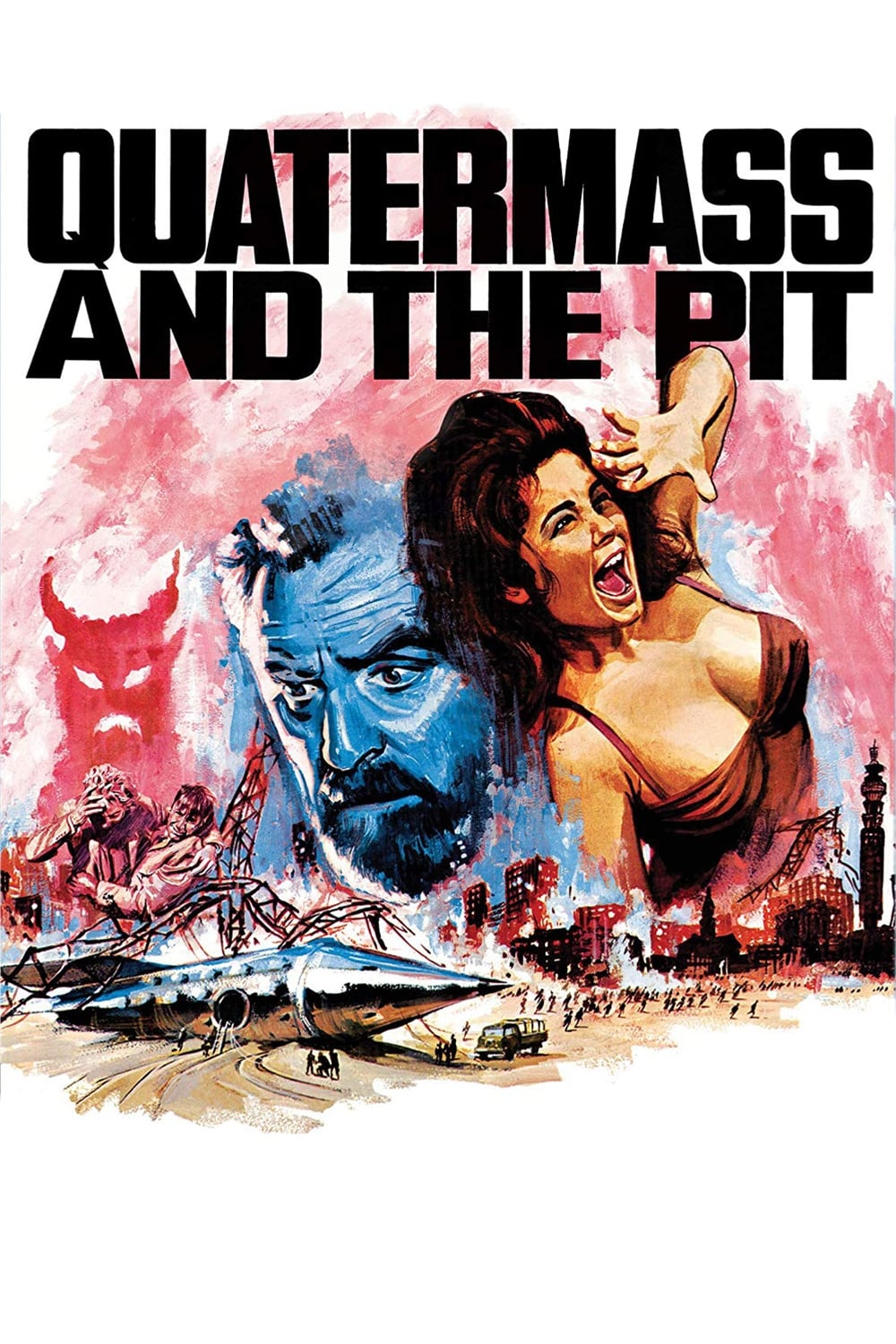
Quatermass and the Pit
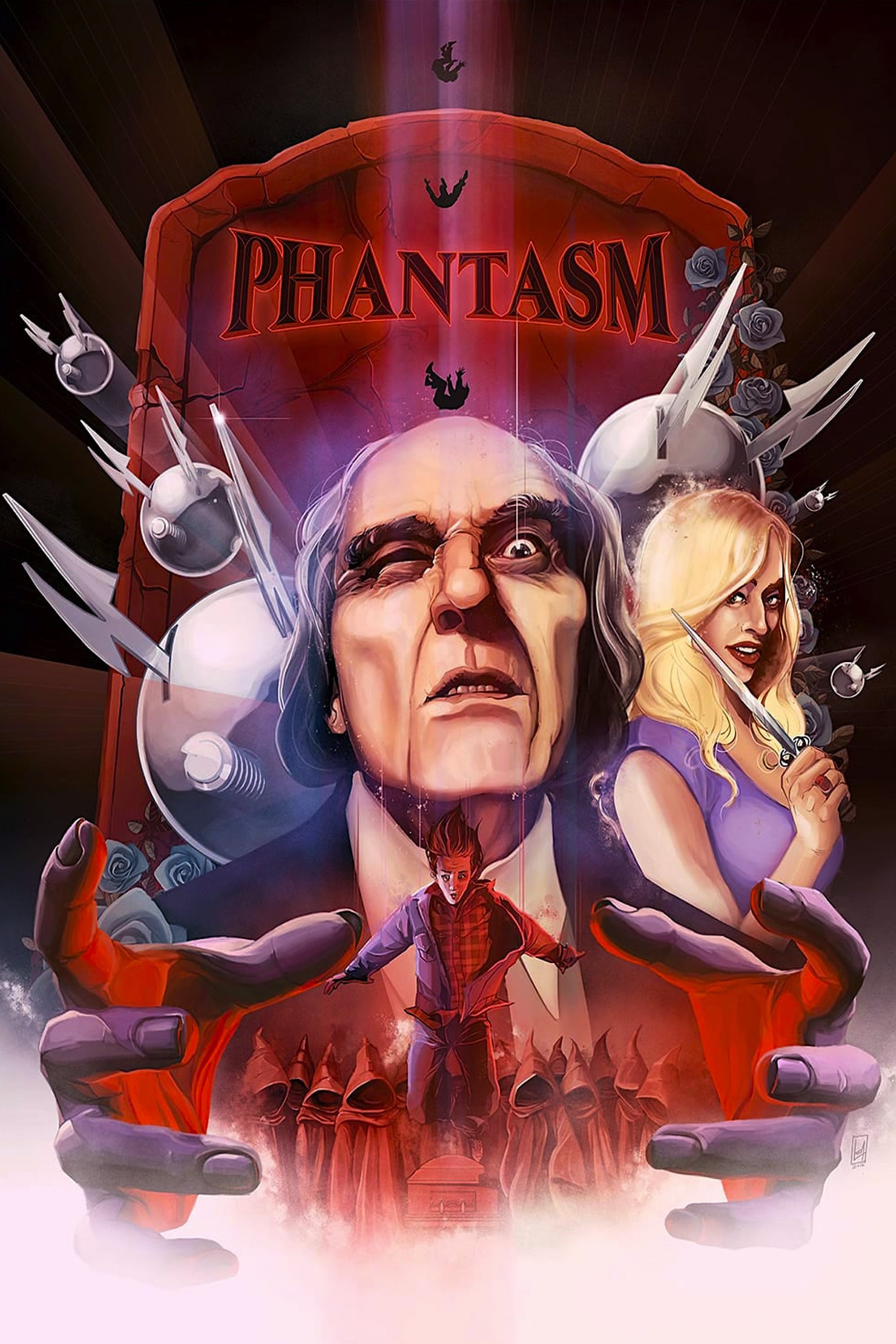
Phantasm
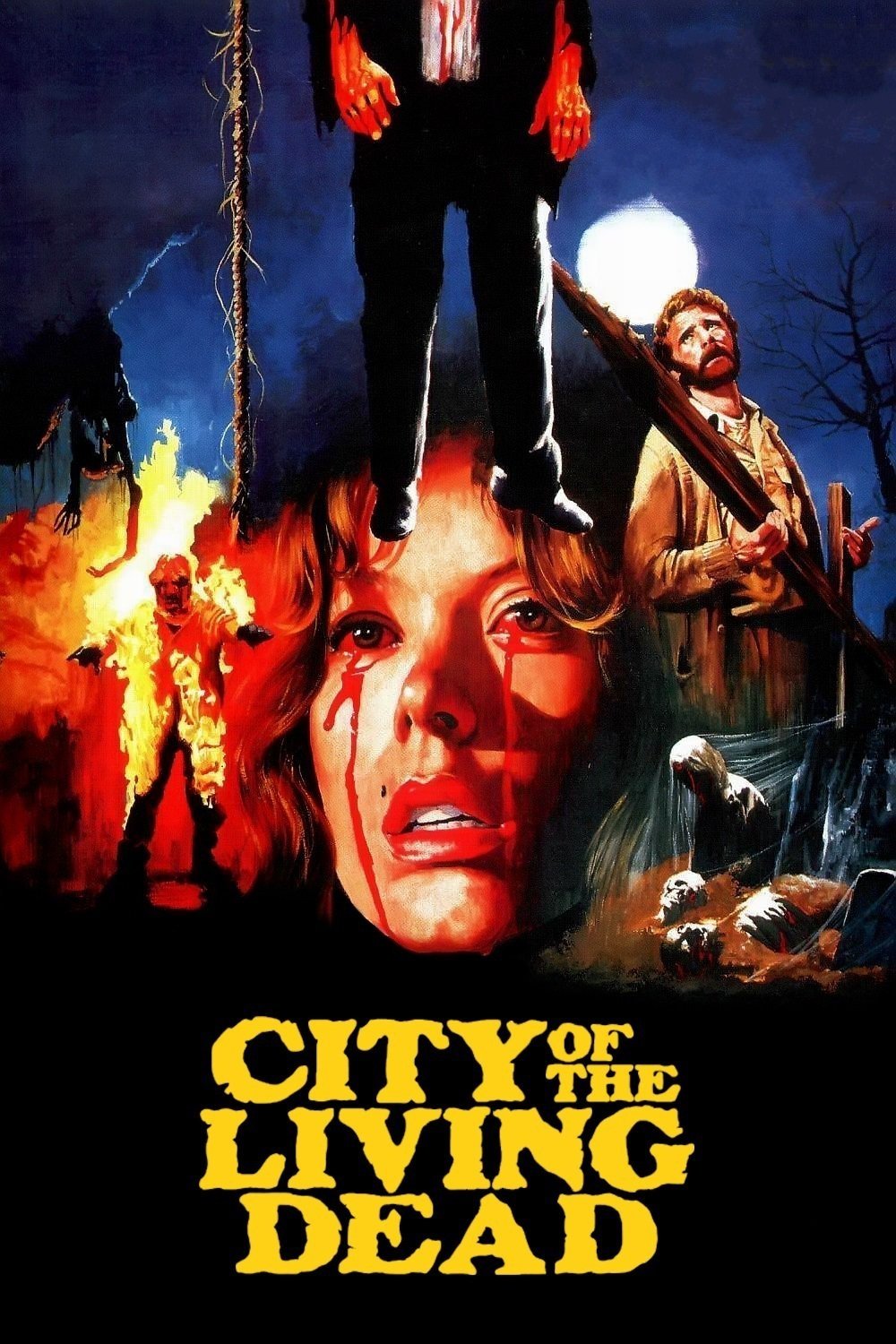
City of the Living Dead
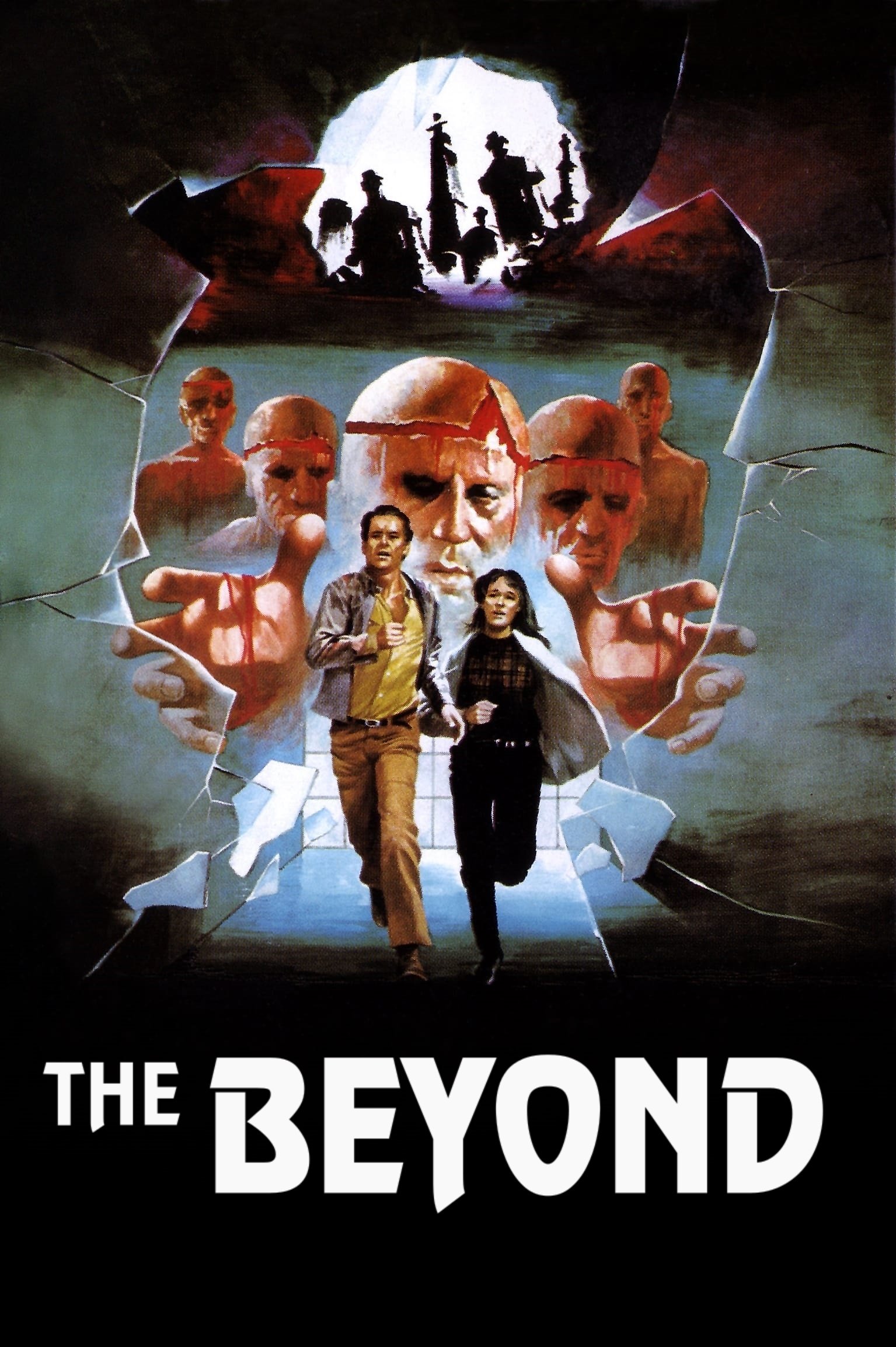
The Beyond
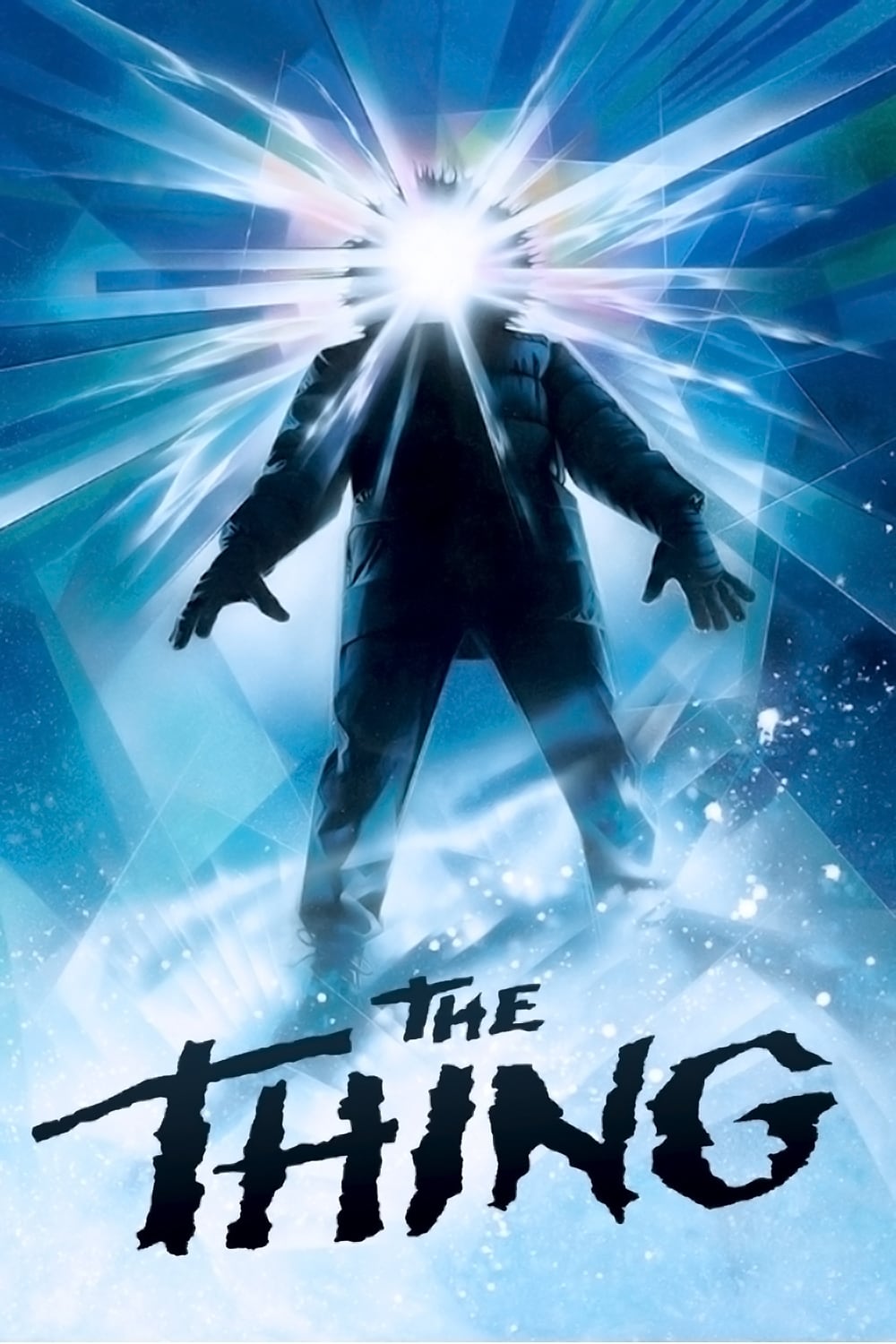
The Thing
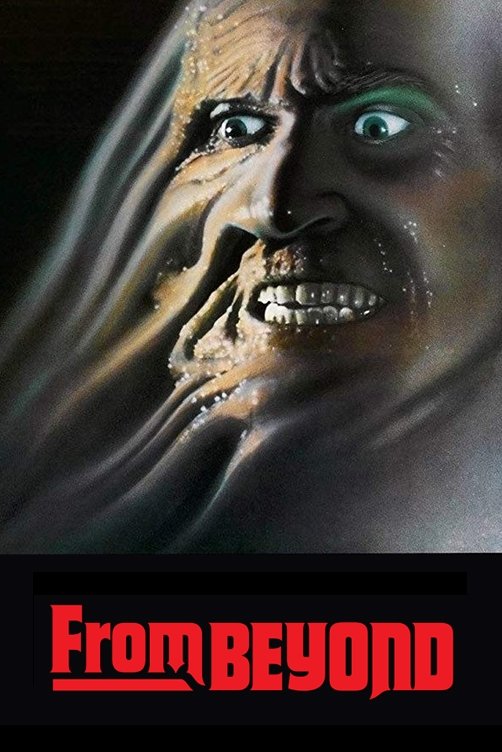
From Beyond
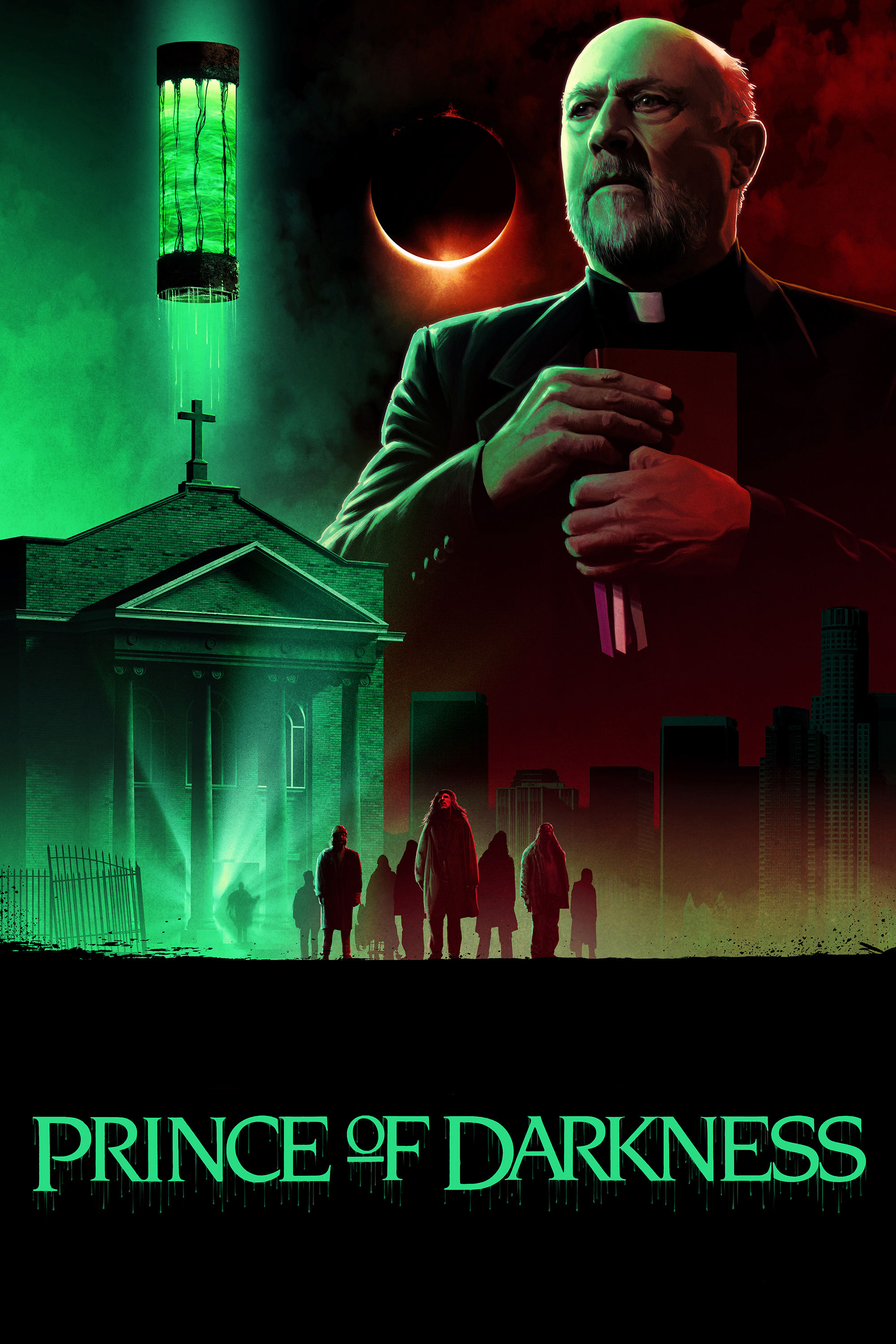
Prince of Darkness
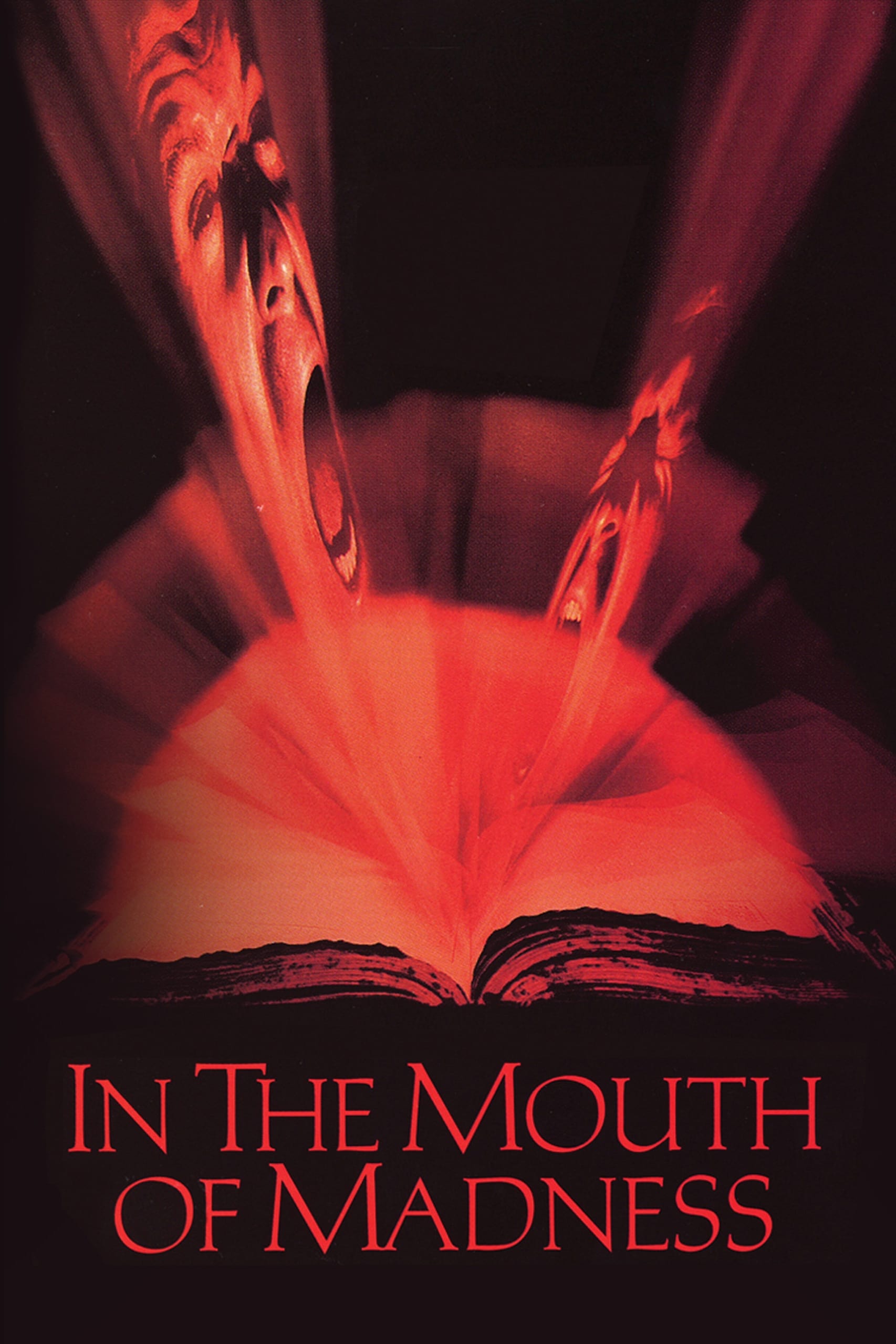
In the Mouth of Madness
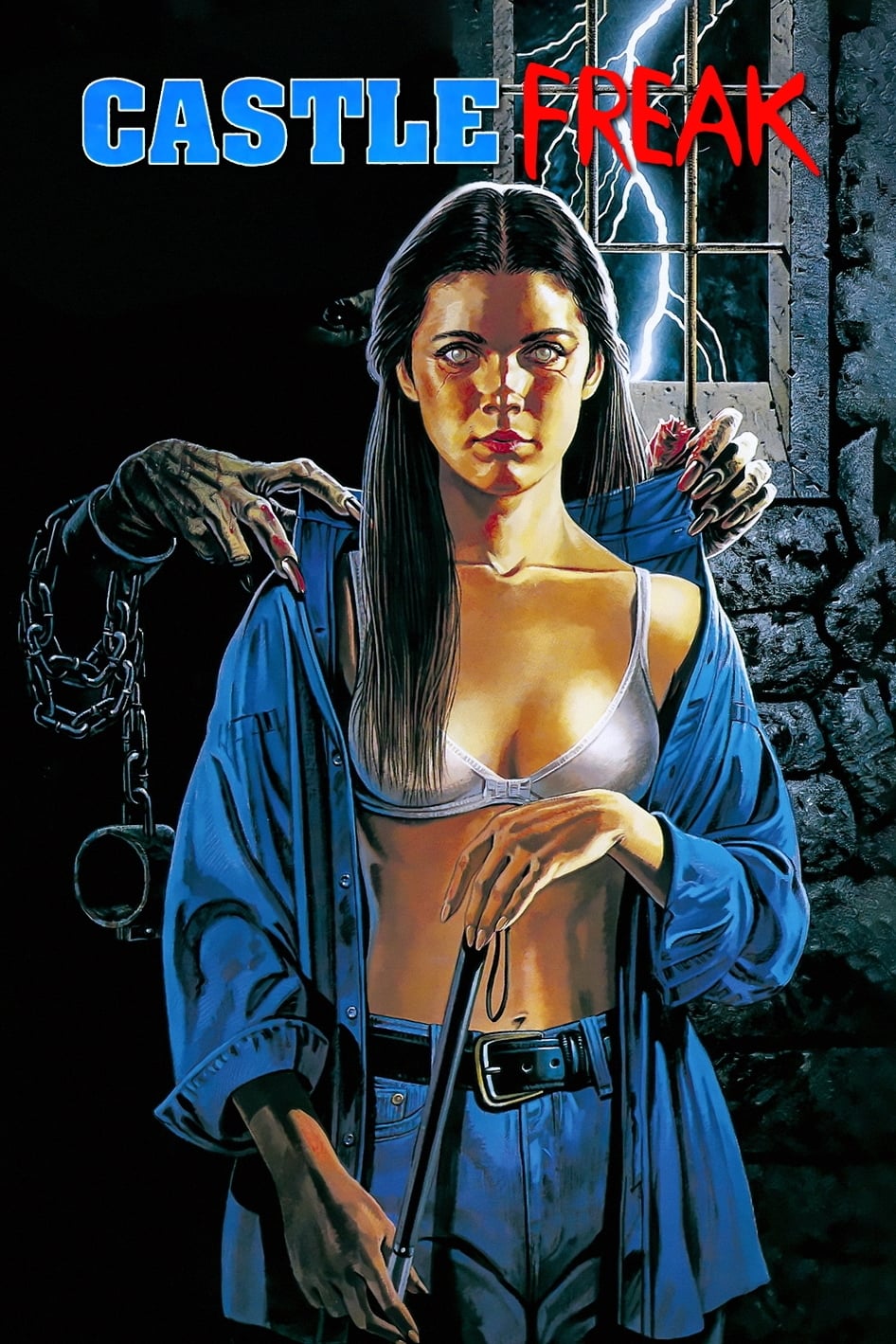
Castle Freak
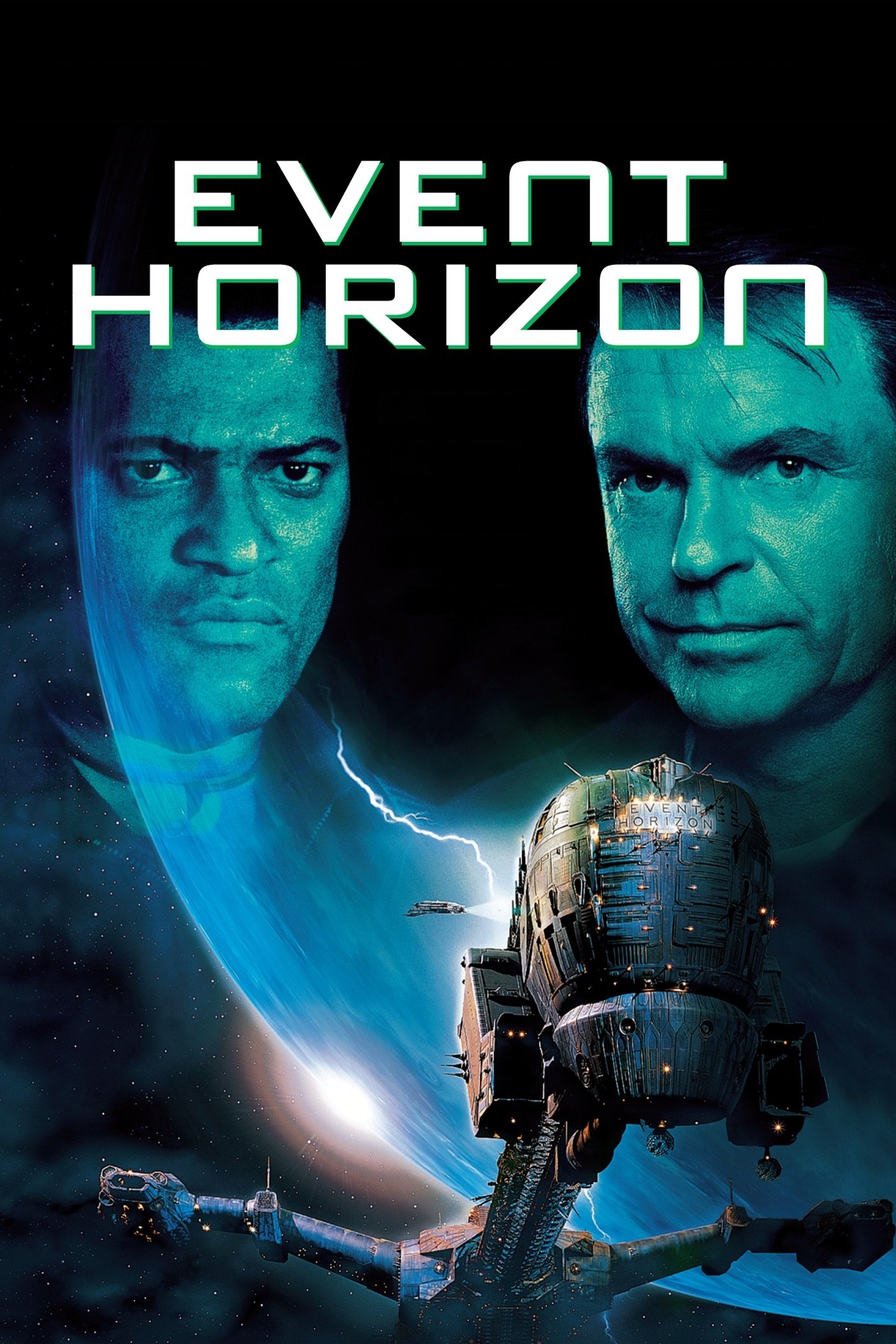
Event Horizon
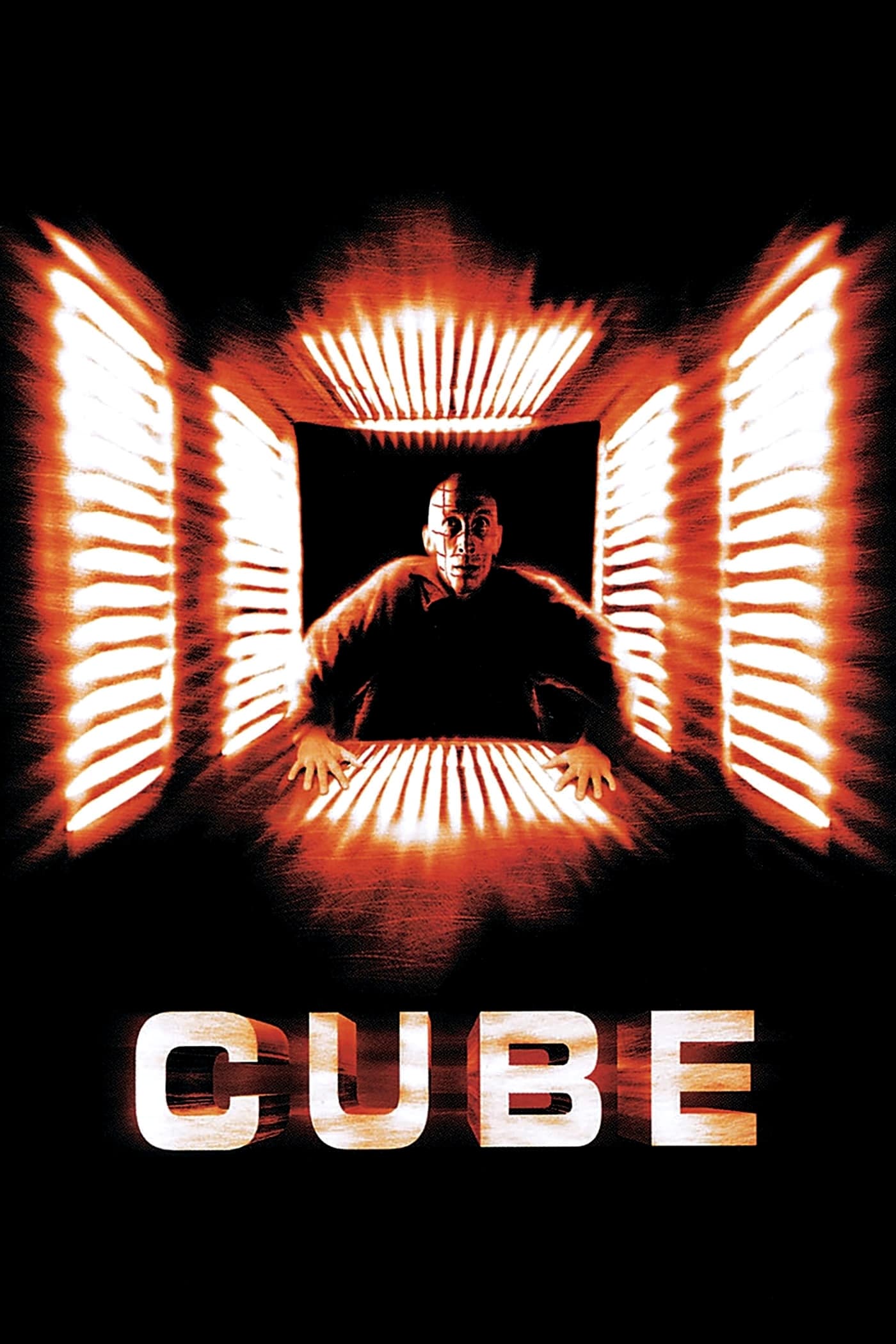
Cube
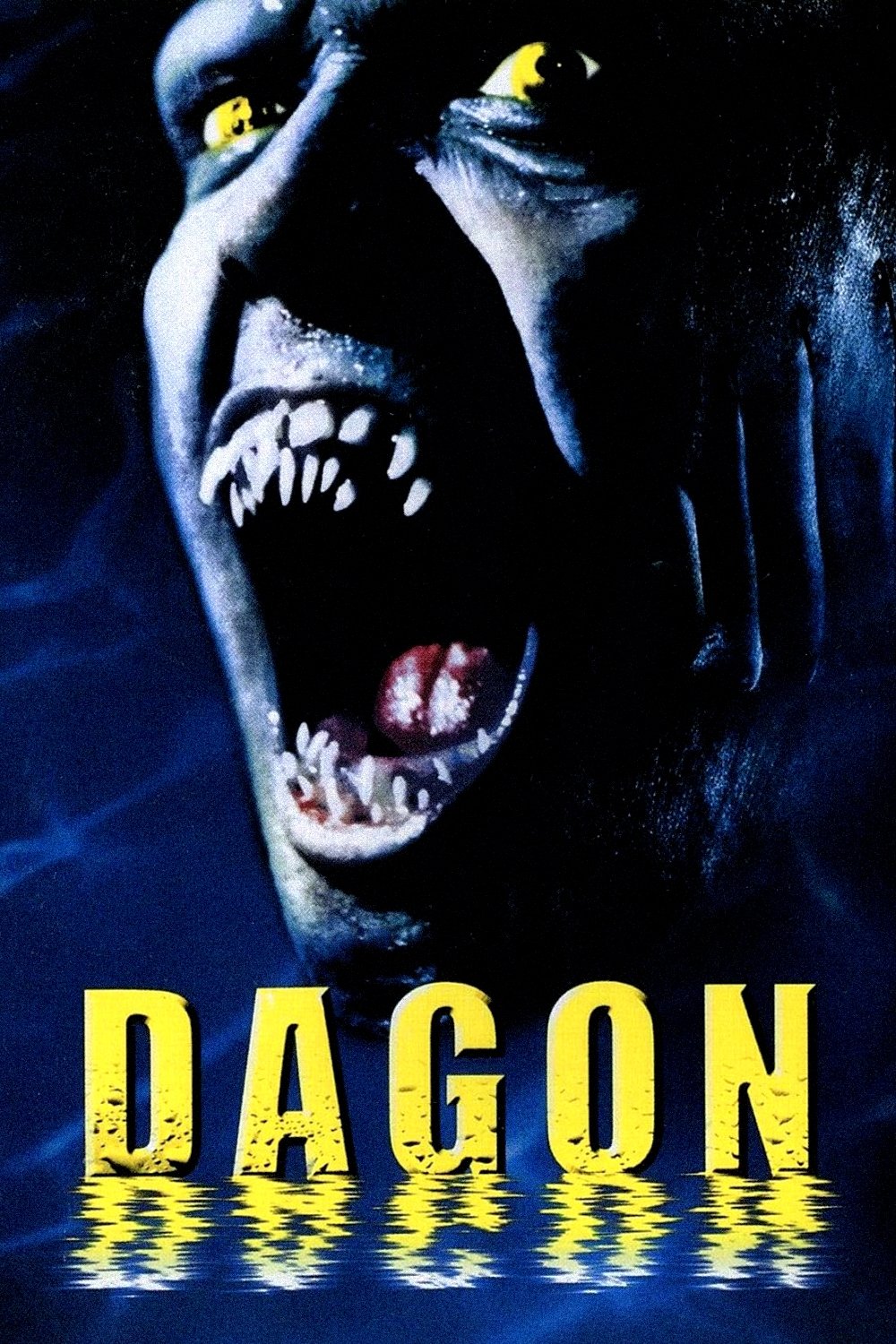
Dagon
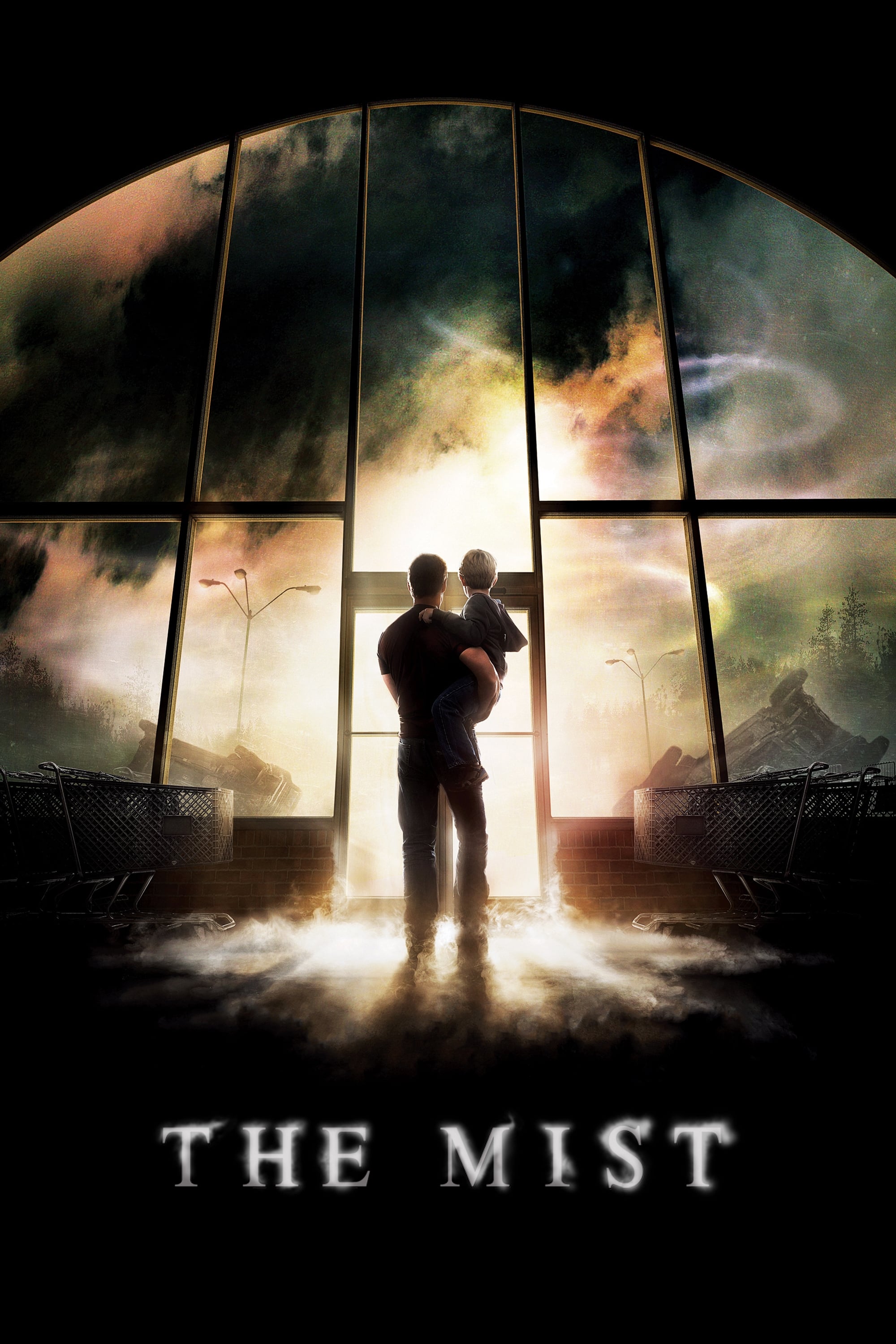
The Mist
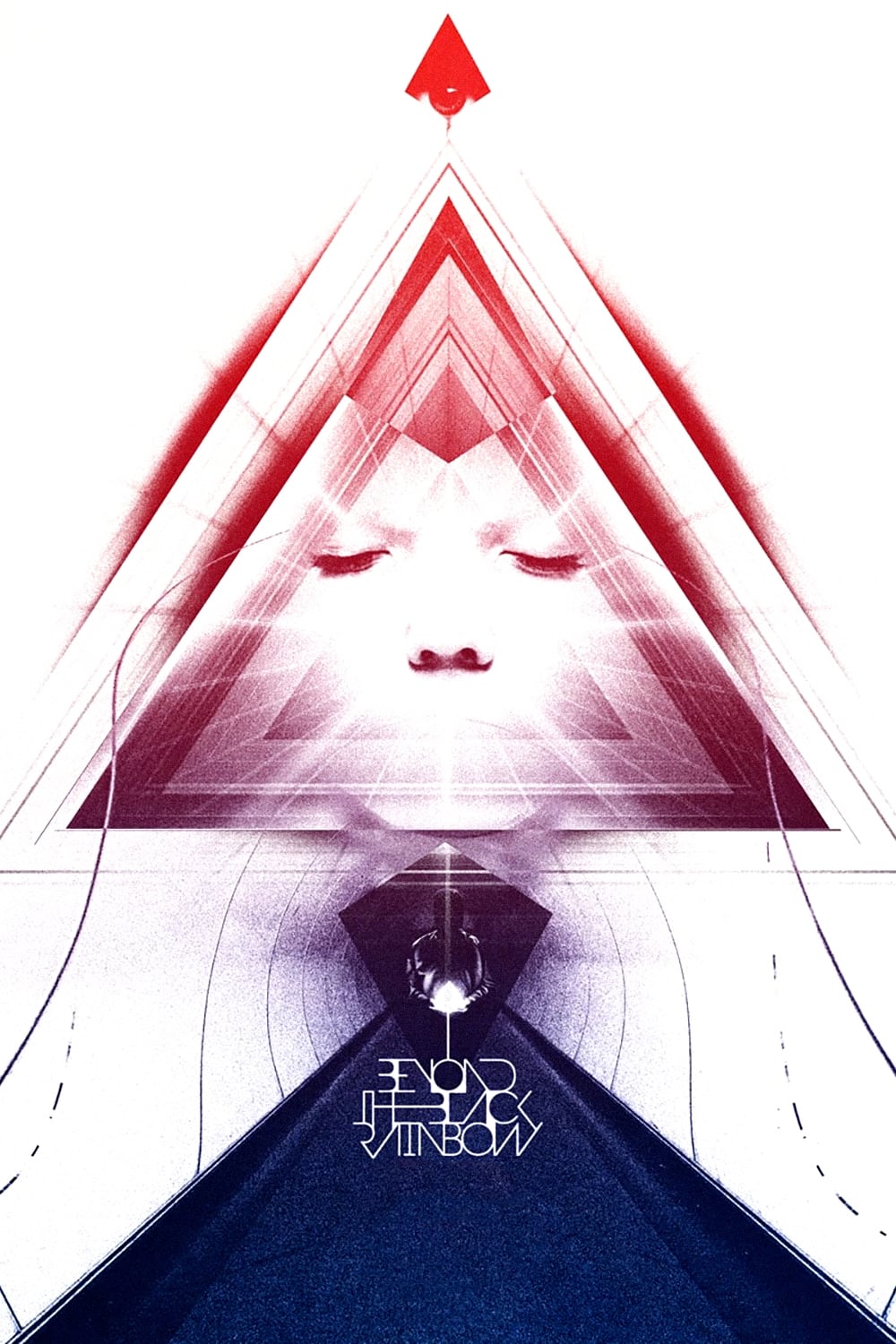
Beyond the Black Rainbow

Resolution

Banshee Chapter
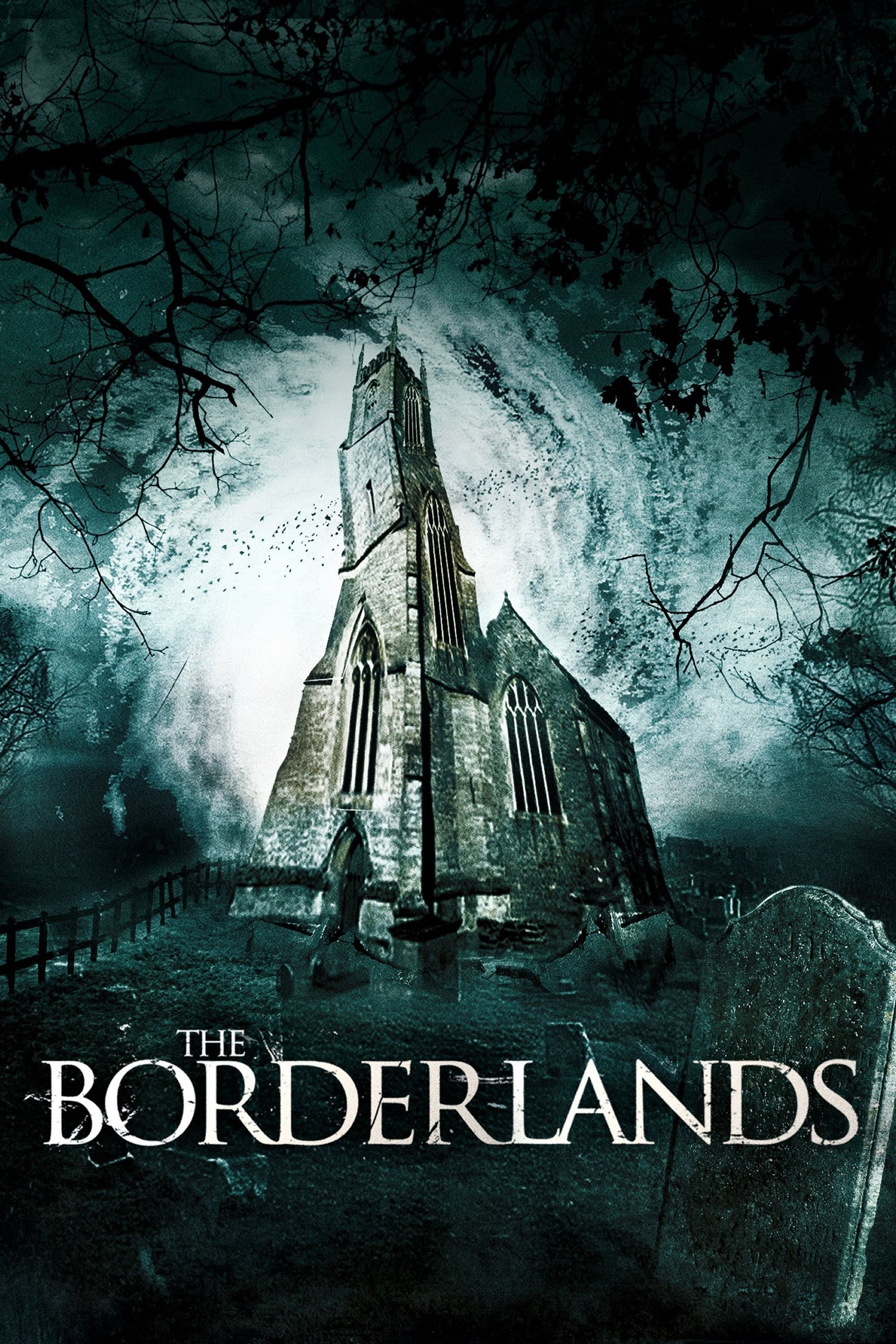
The Borderlands

Spring
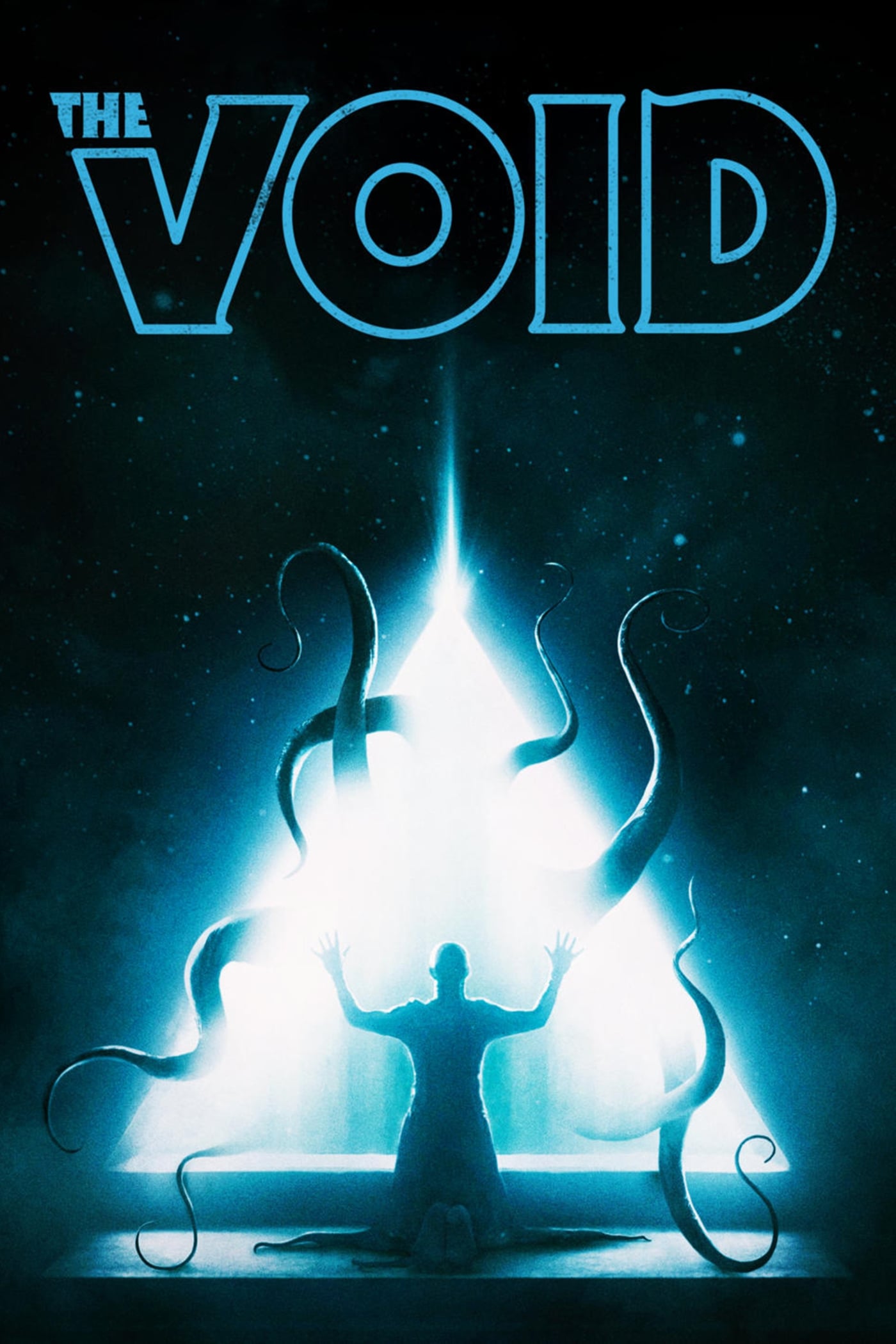
The Void

It
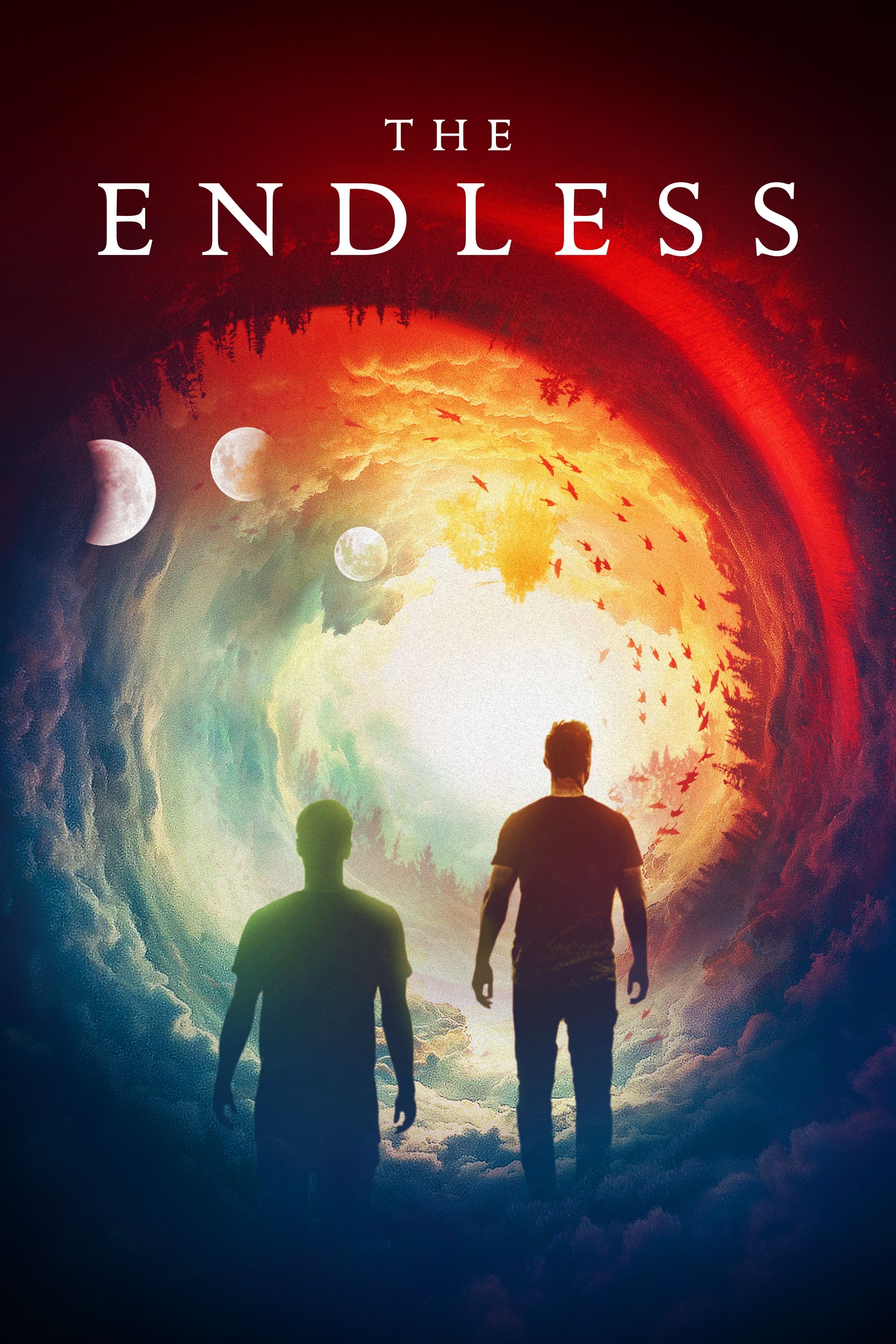
The Endless
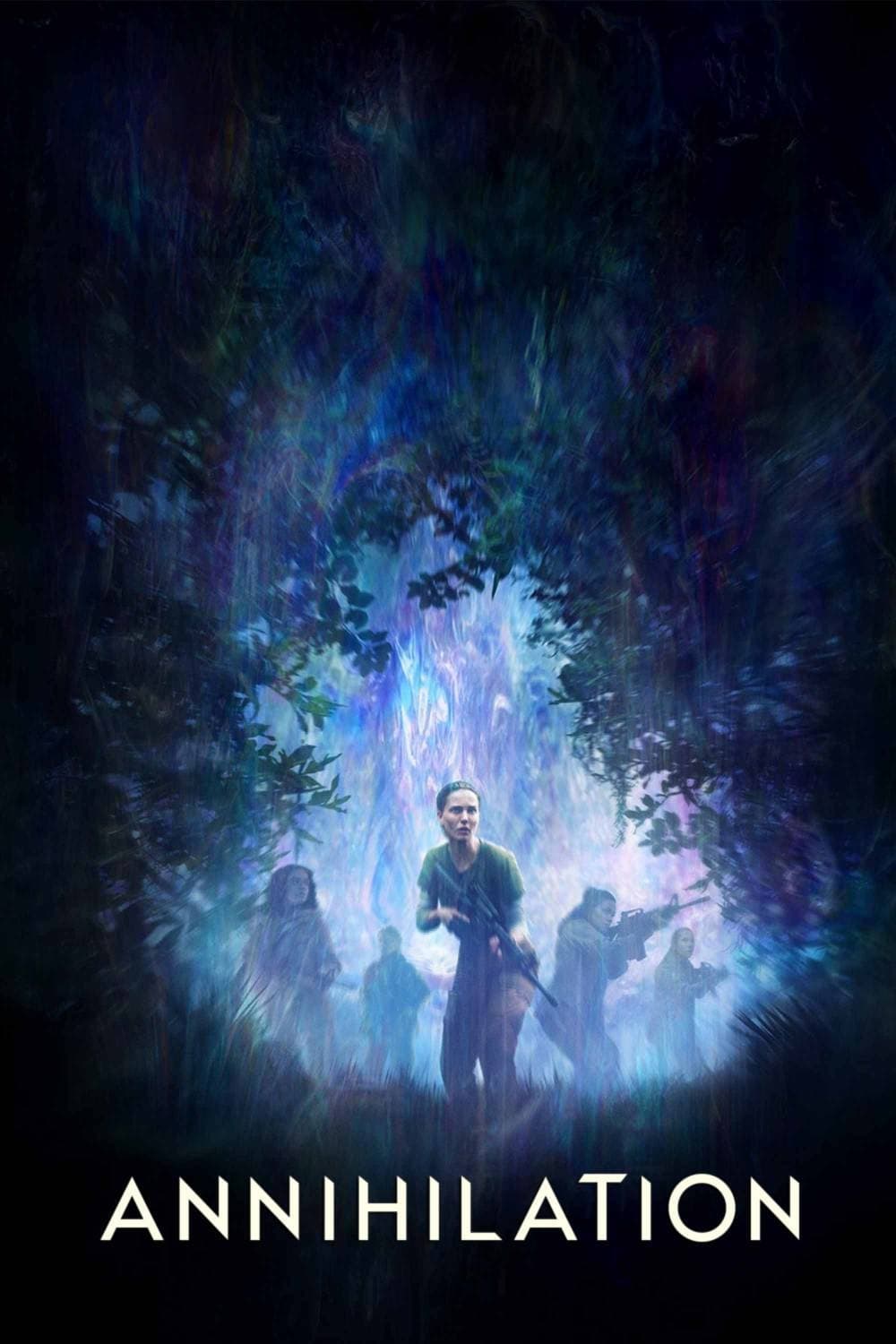
Annihilation
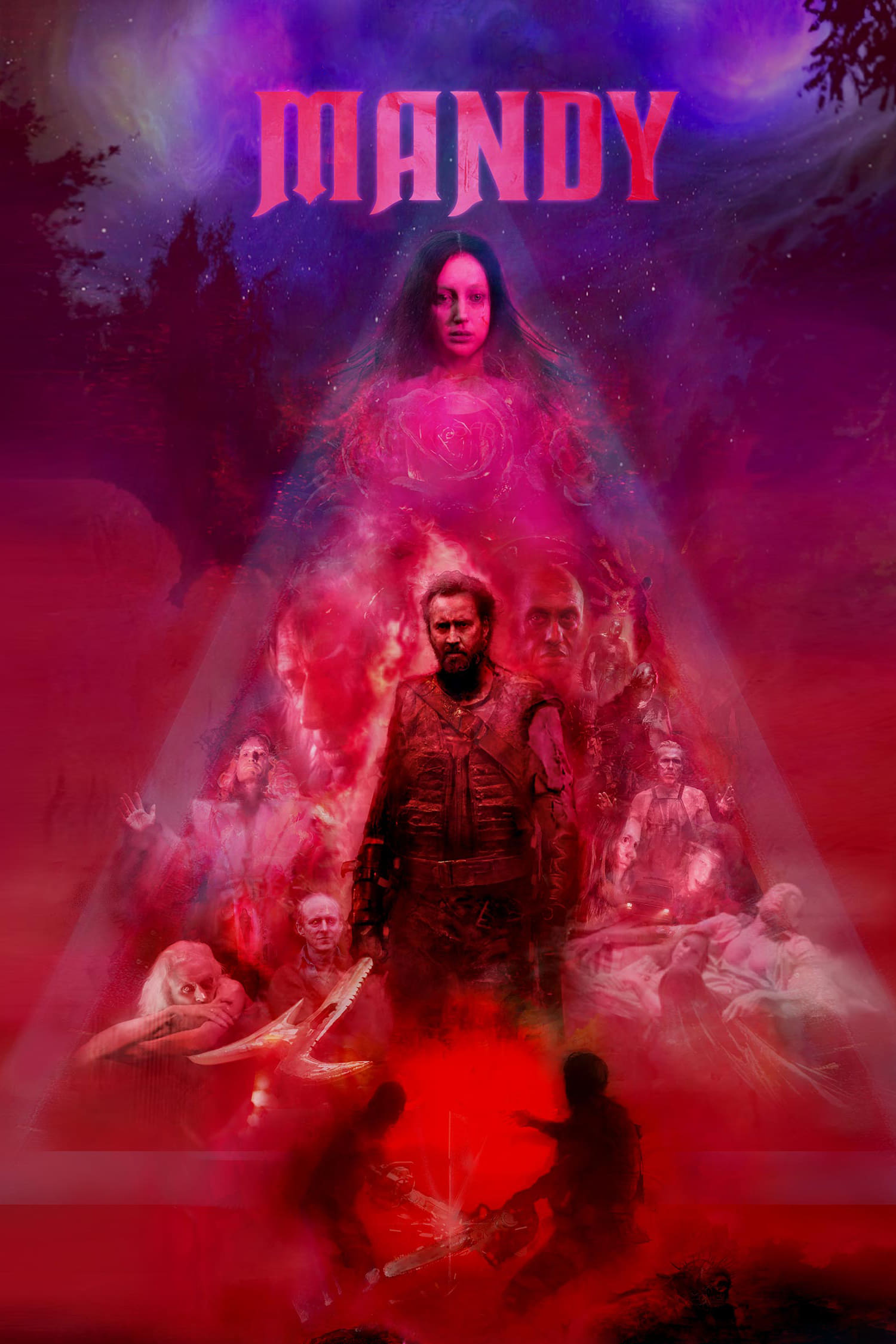
Mandy
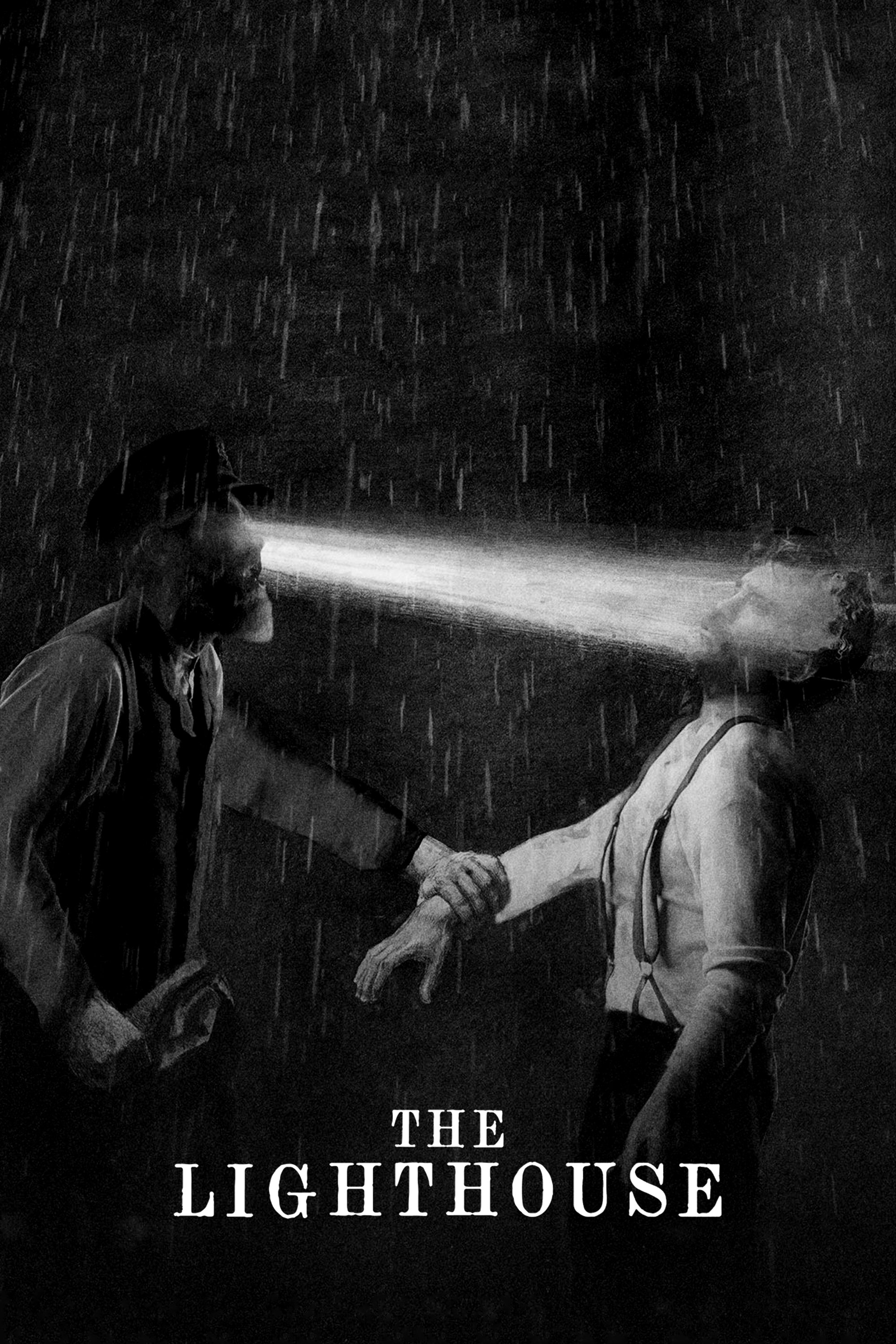
The Lighthouse

Underwater
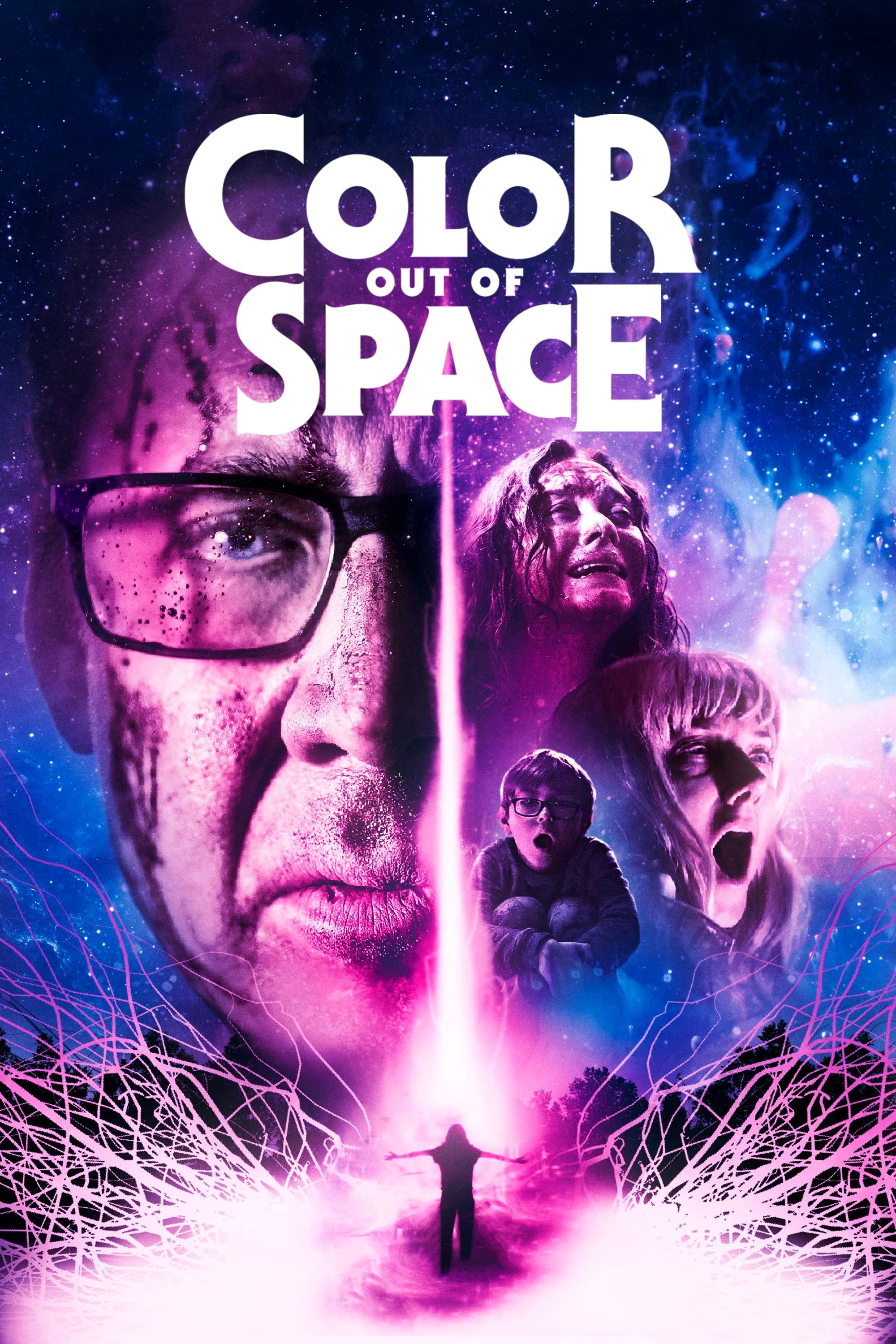
Color Out of Space
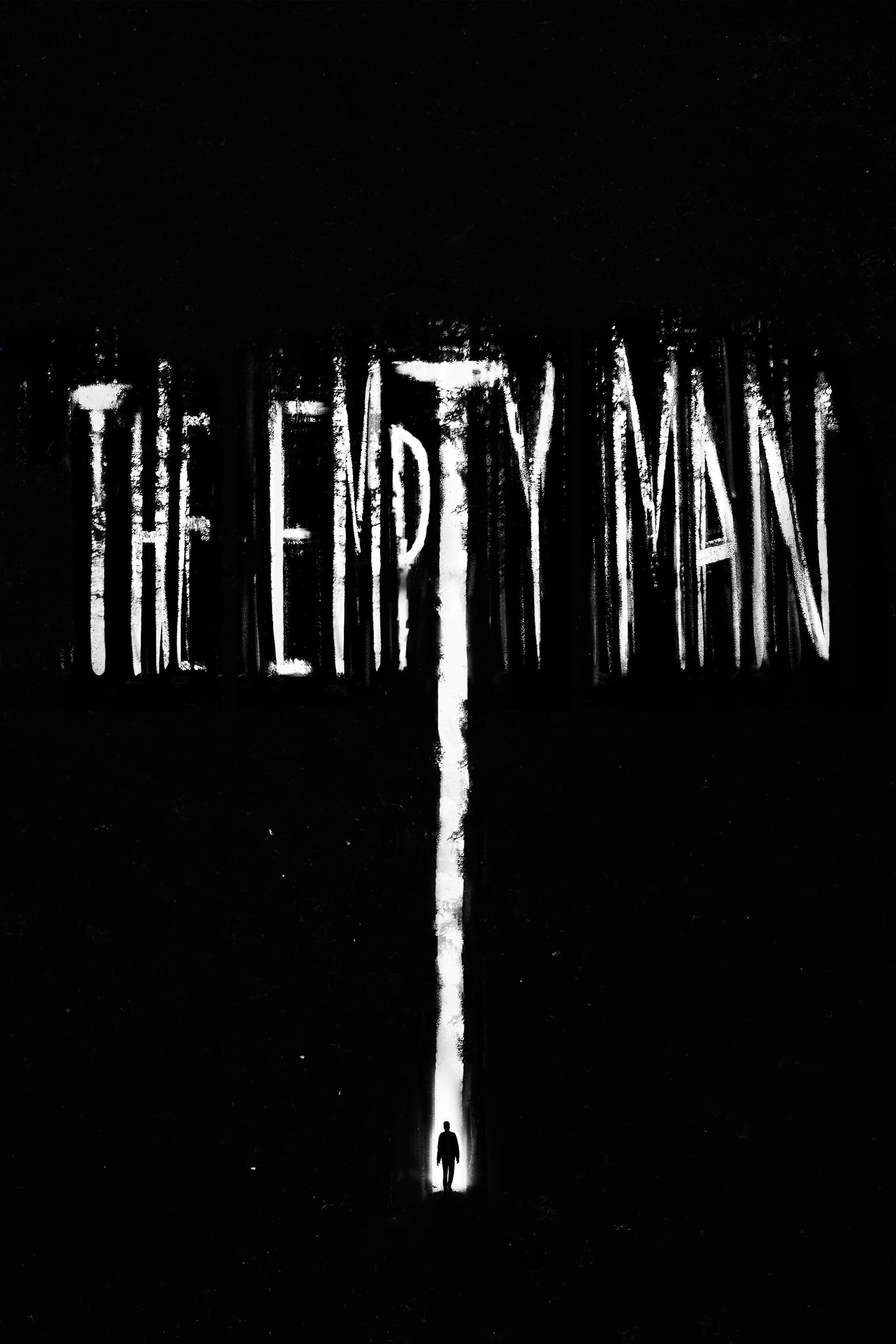
The Empty Man
Statistics
Popularity by Decade
Share of each decade's horror films classified as Cosmic Horror. Counts films with at least 5 TMDB ratings, so very obscure titles are not represented.
Popularity by Country
Share of each country's horror output classified as Cosmic Horror. Counts films with at least 5 TMDB ratings, so very obscure titles are not represented.