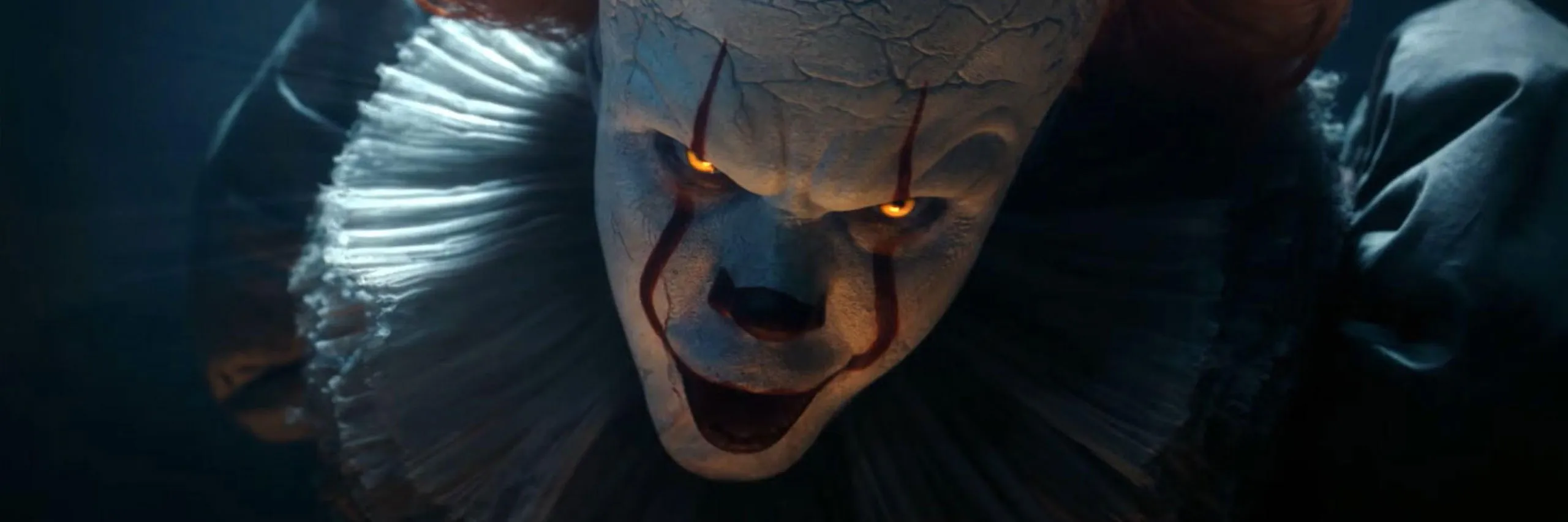
 It (2017)
History & Origins
The horror clown exploits one of the most culturally specific fears in the genre: coulrophobia, the unease triggered by painted faces, exaggerated features, and performative happiness that might conceal anything. The clown is designed to provoke laughter, but the same elements that create comedy — the mask-like makeup, the unpredictable behavior, the violation of social norms — can curdle into something deeply unsettling when recontextualized as threat.
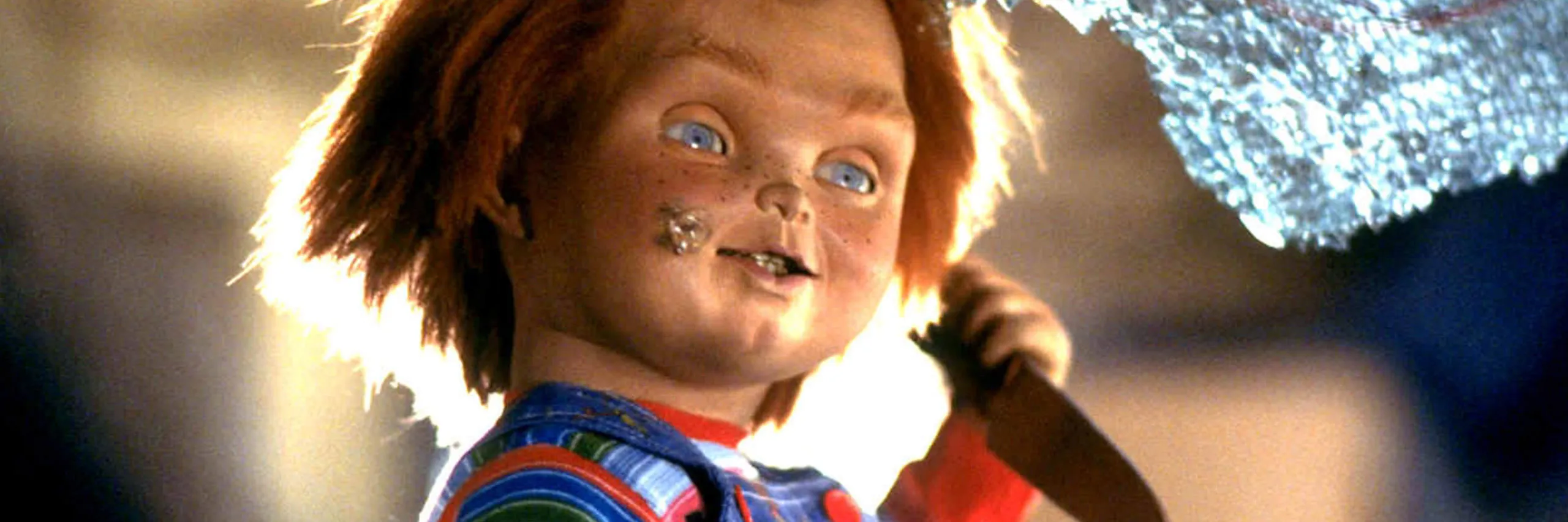
The figure's horror potential was recognized long before Stephen King's "It" (1986) codified the killer clown in popular imagination. The real-life crimes of John Wayne Gacy, who performed as "Pogo the Clown" at children's parties, demonstrated that the clown costume could function as camouflage for predation — a cheerful surface hiding monstrous intent. Tobe Hooper and Steven Spielberg's Poltergeist (1982) weaponized a child's clown doll in one of the 1980s' most reliable scares — a killer-doll crossover that tapped into the specific terror of a familiar object becoming hostile.
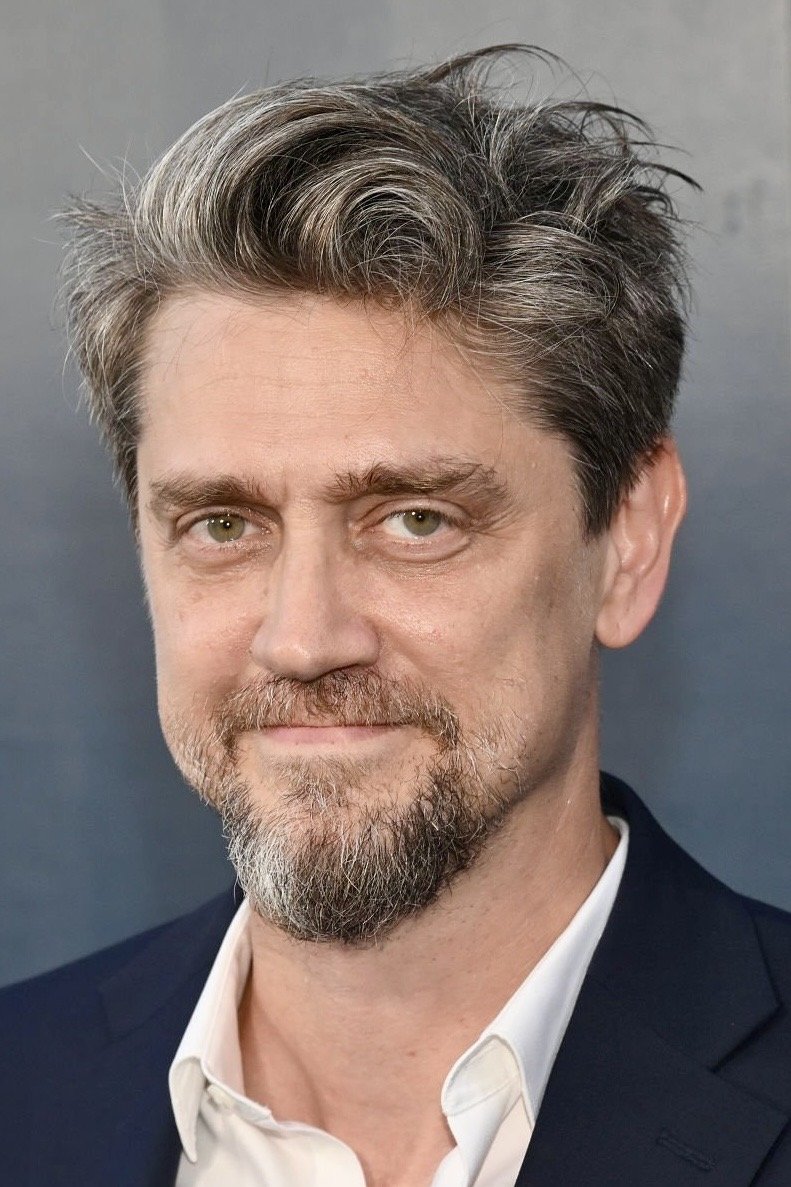
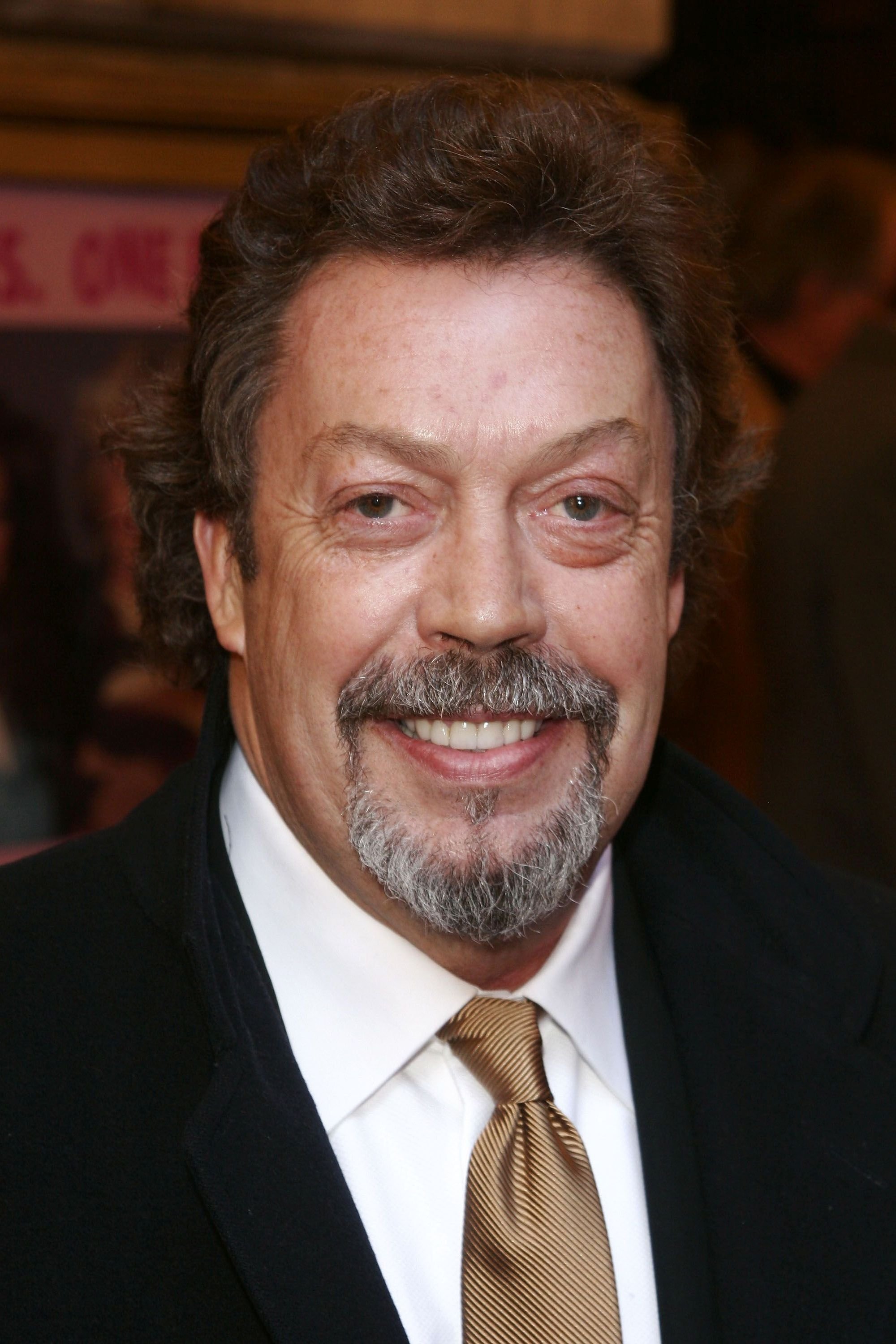
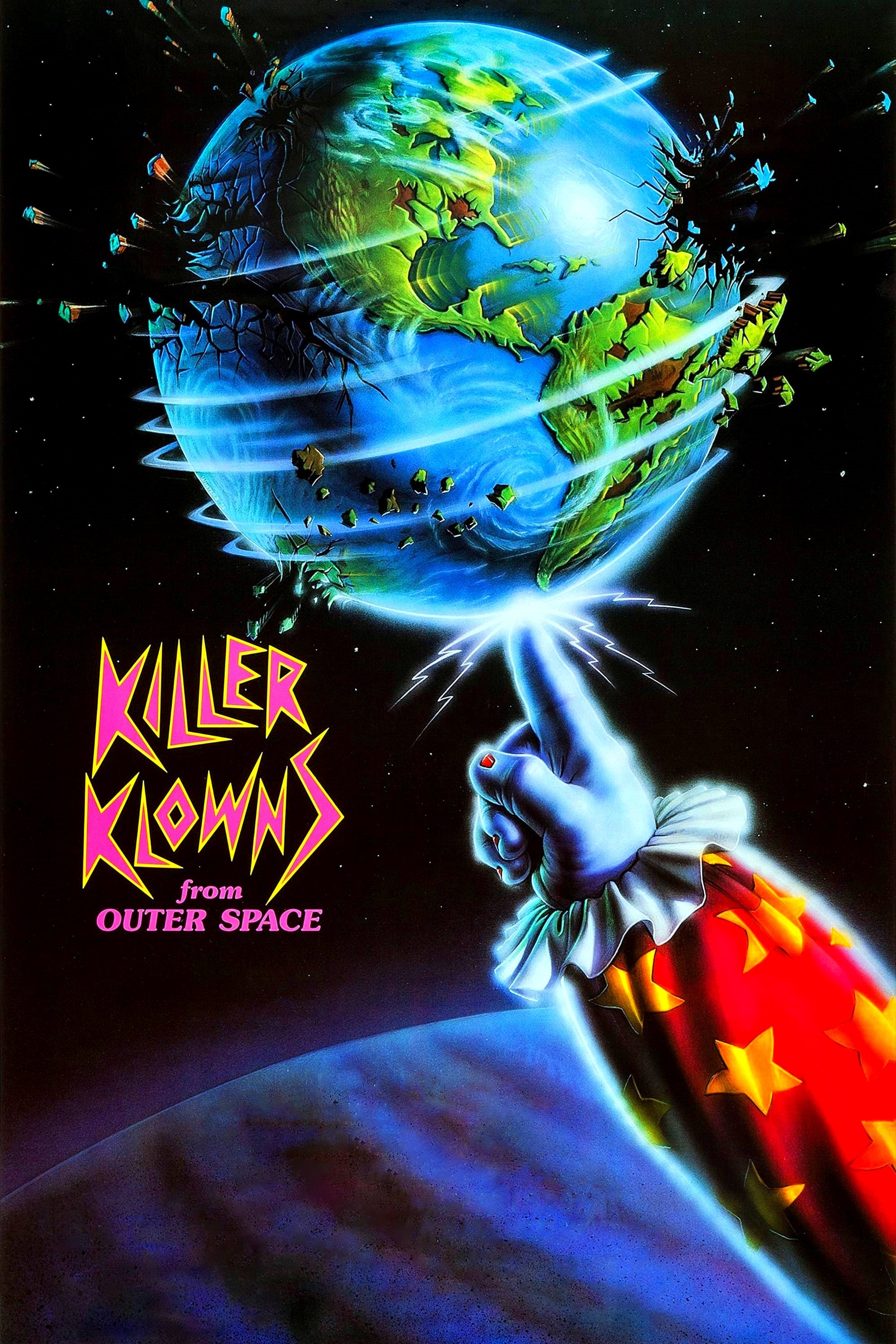
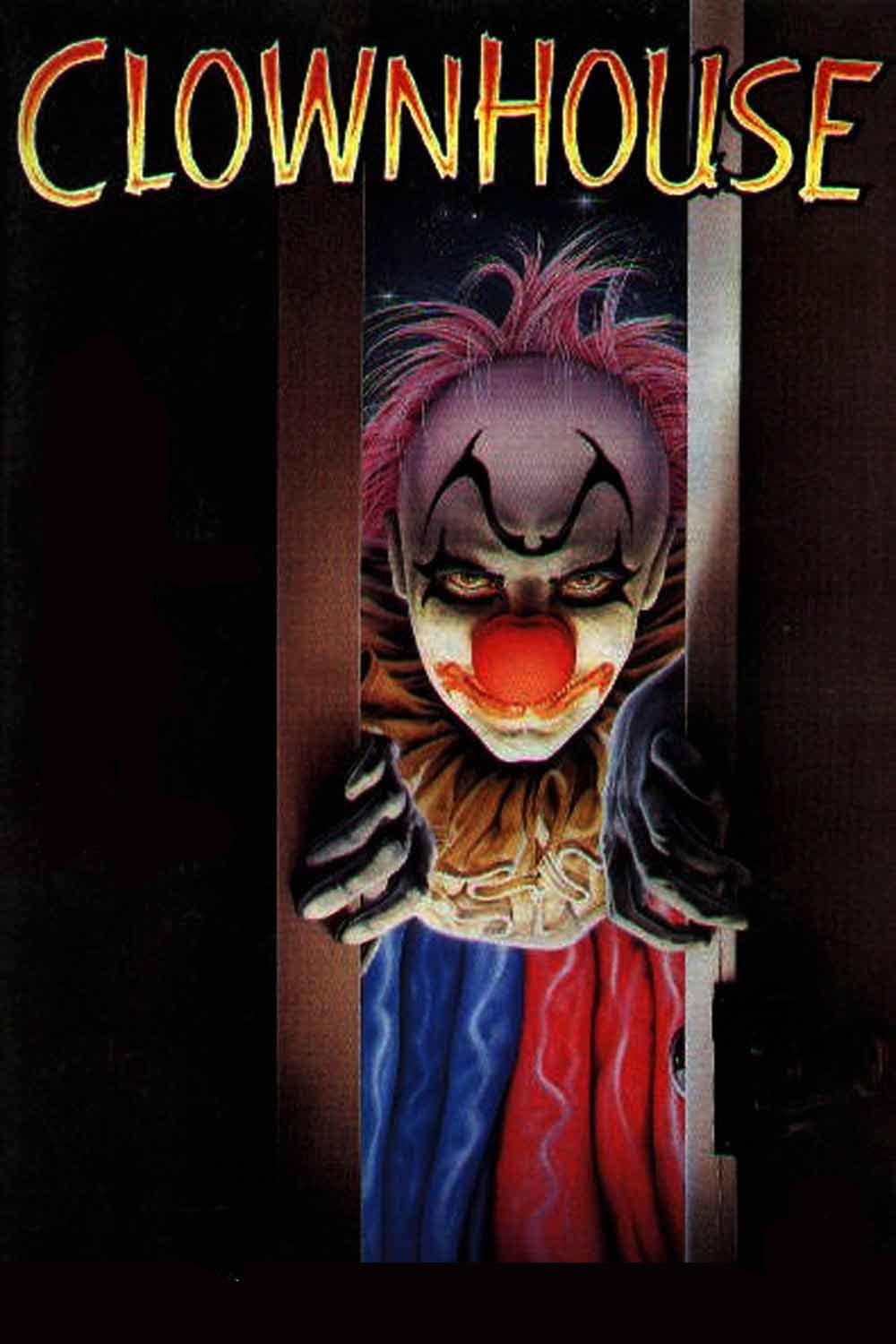
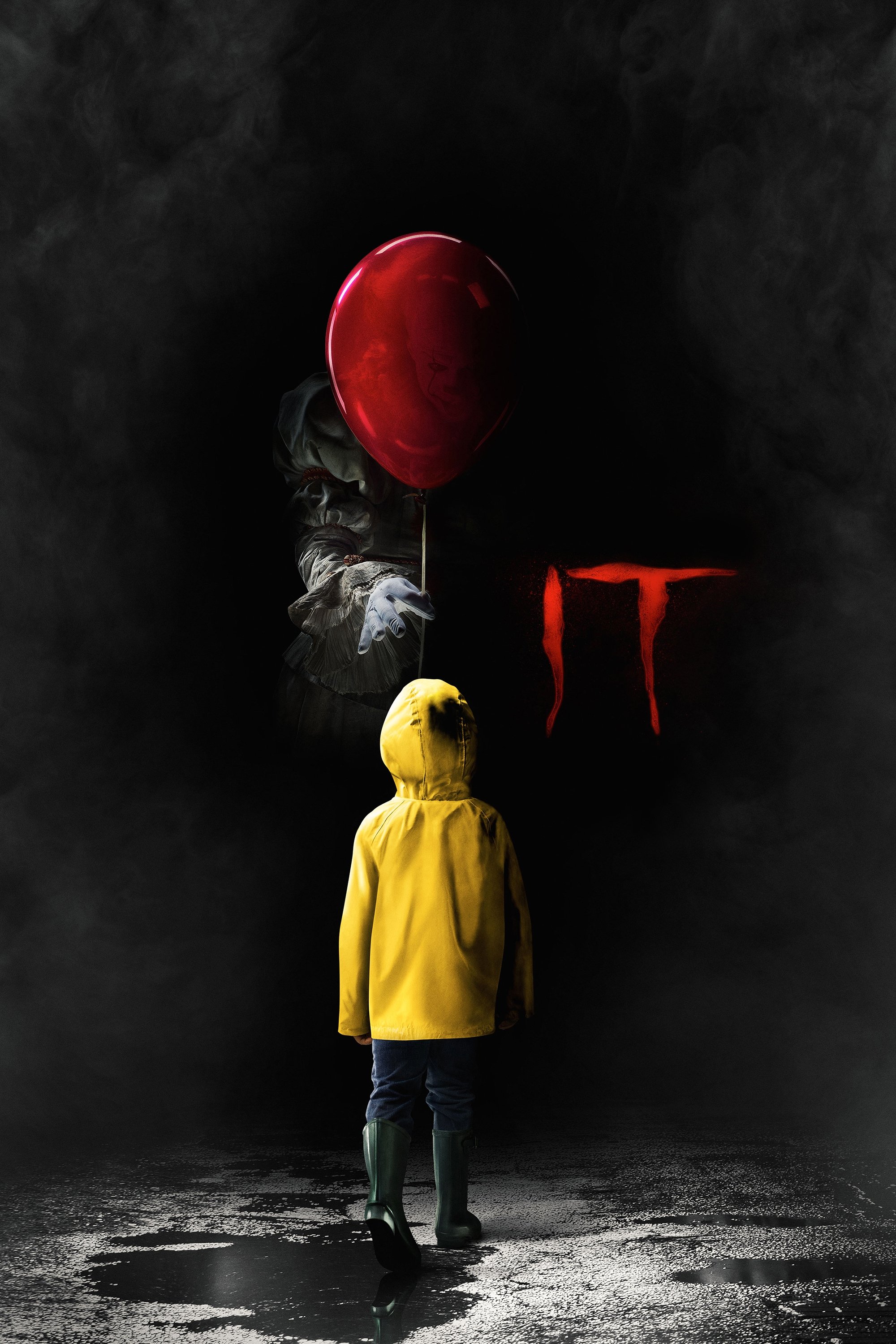
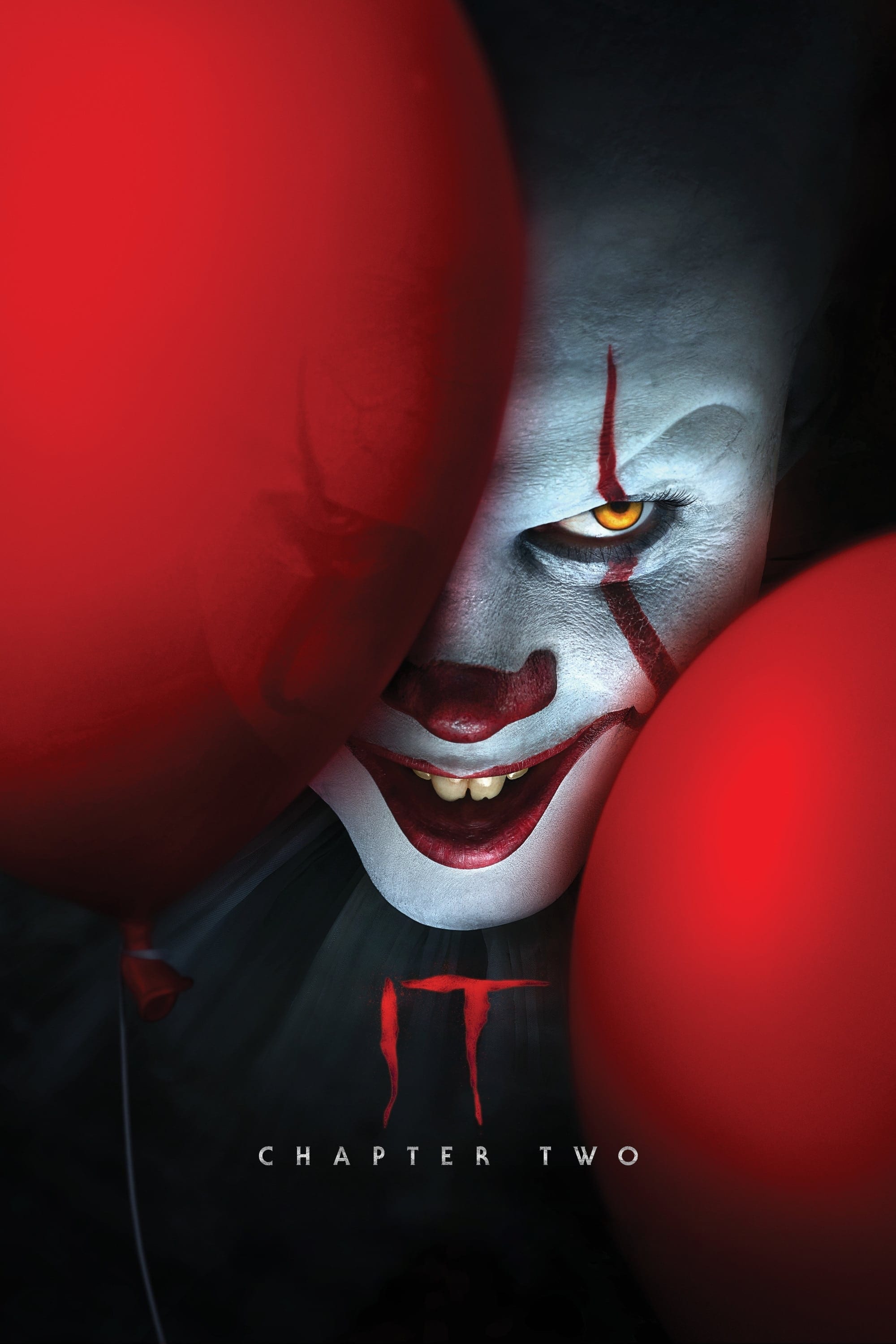
Stephen Chiodo's Killer Klowns from Outer Space (1988) played the concept for absurdist horror-comedy that crossed clown horror with alien invasion; Victor Salva's Clownhouse (1990) ran the home-invasion variant. Tim Curry's Pennywise in the 1990 ABC miniseries of "It" burned the image of the sewer clown into a generation's nightmares. Andy Muschietti's 2017 theatrical It elevated Pennywise (Bill Skarsgård) into a genuine horror icon — a shape-shifting entity that chose the clown form because it understood, on some primal level, that children's entertainment sits uncomfortably close to children's terror — and It Chapter Two (2019) closed the adult half of the story.
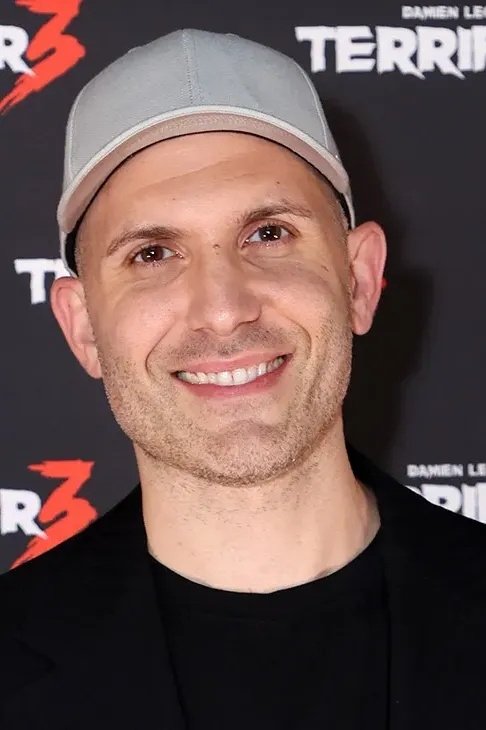
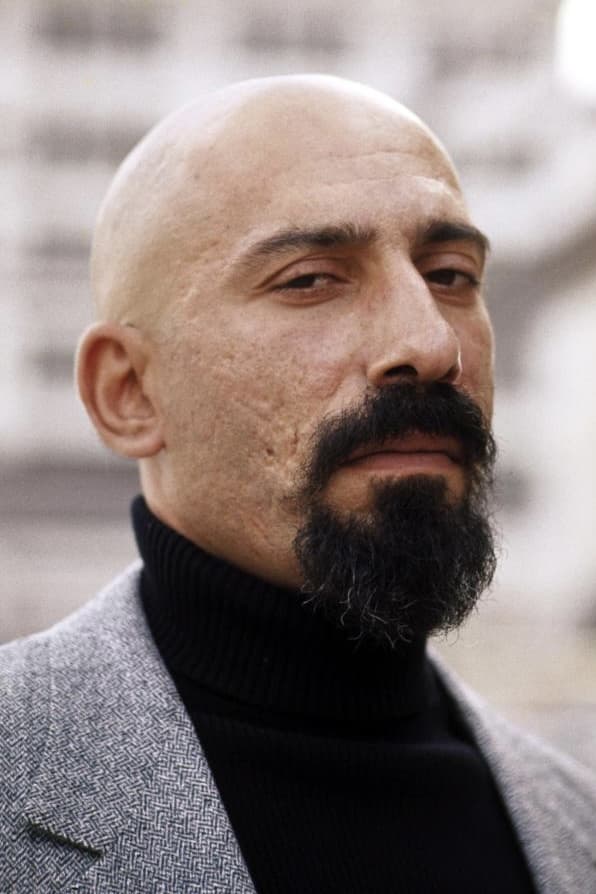
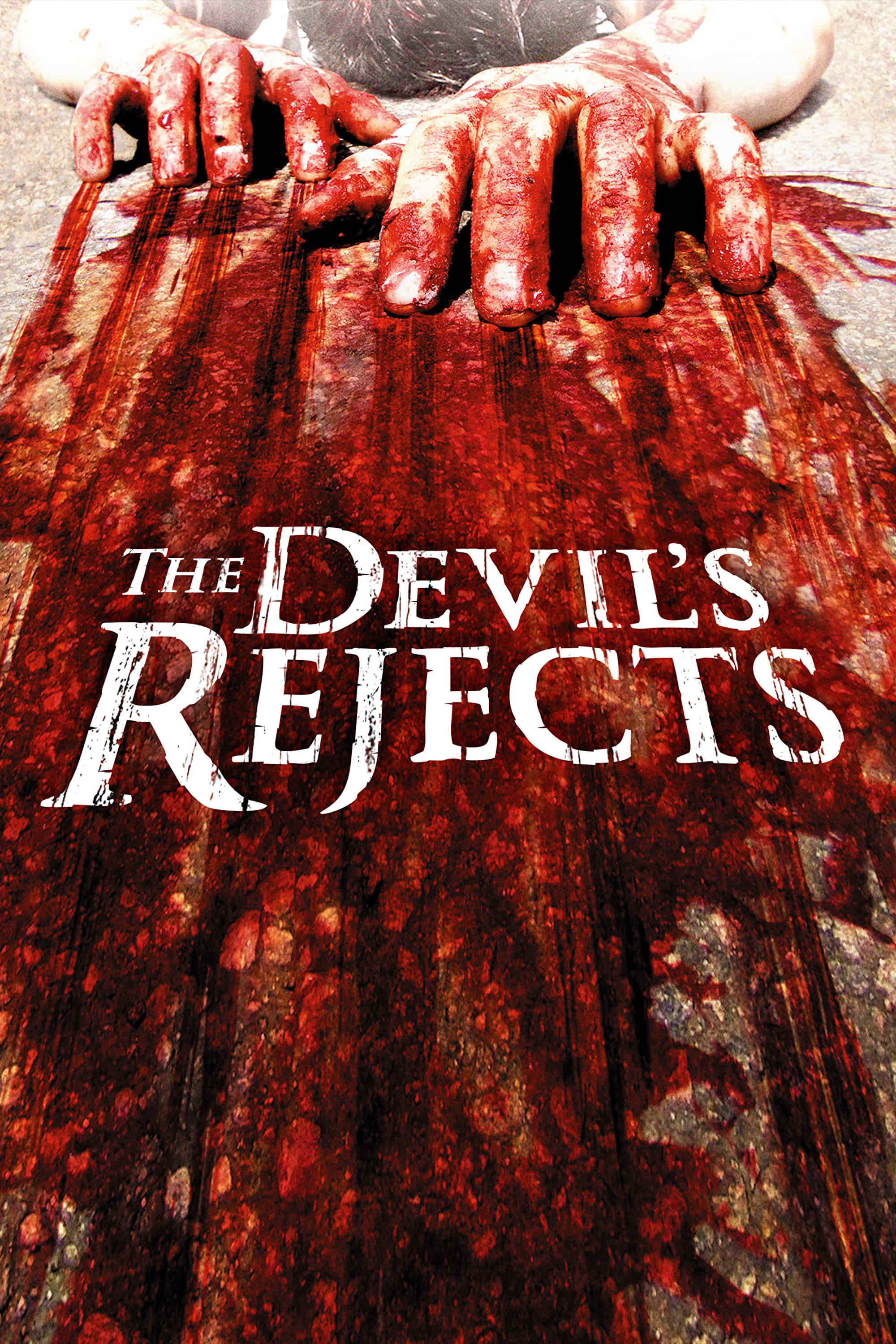
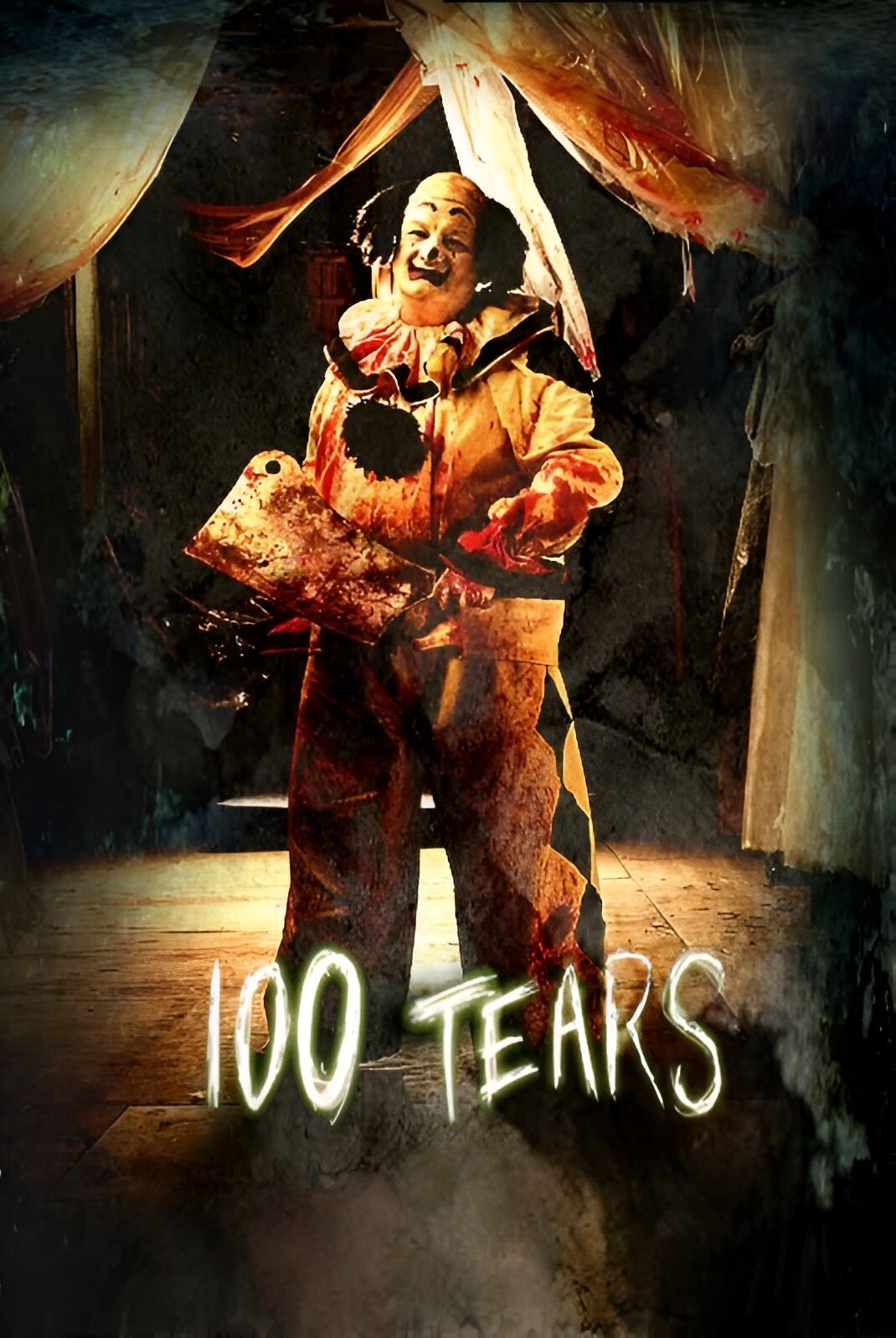
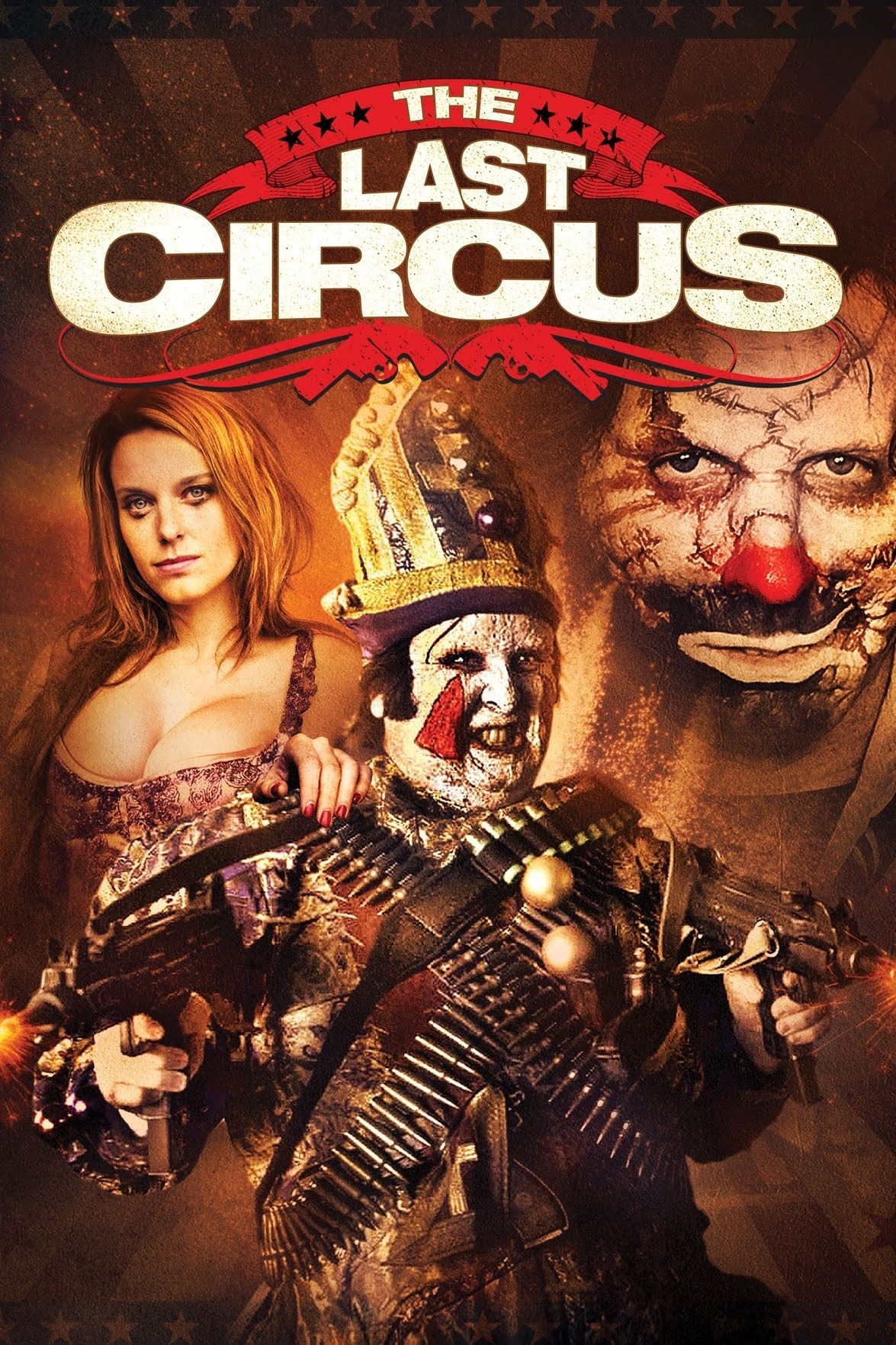
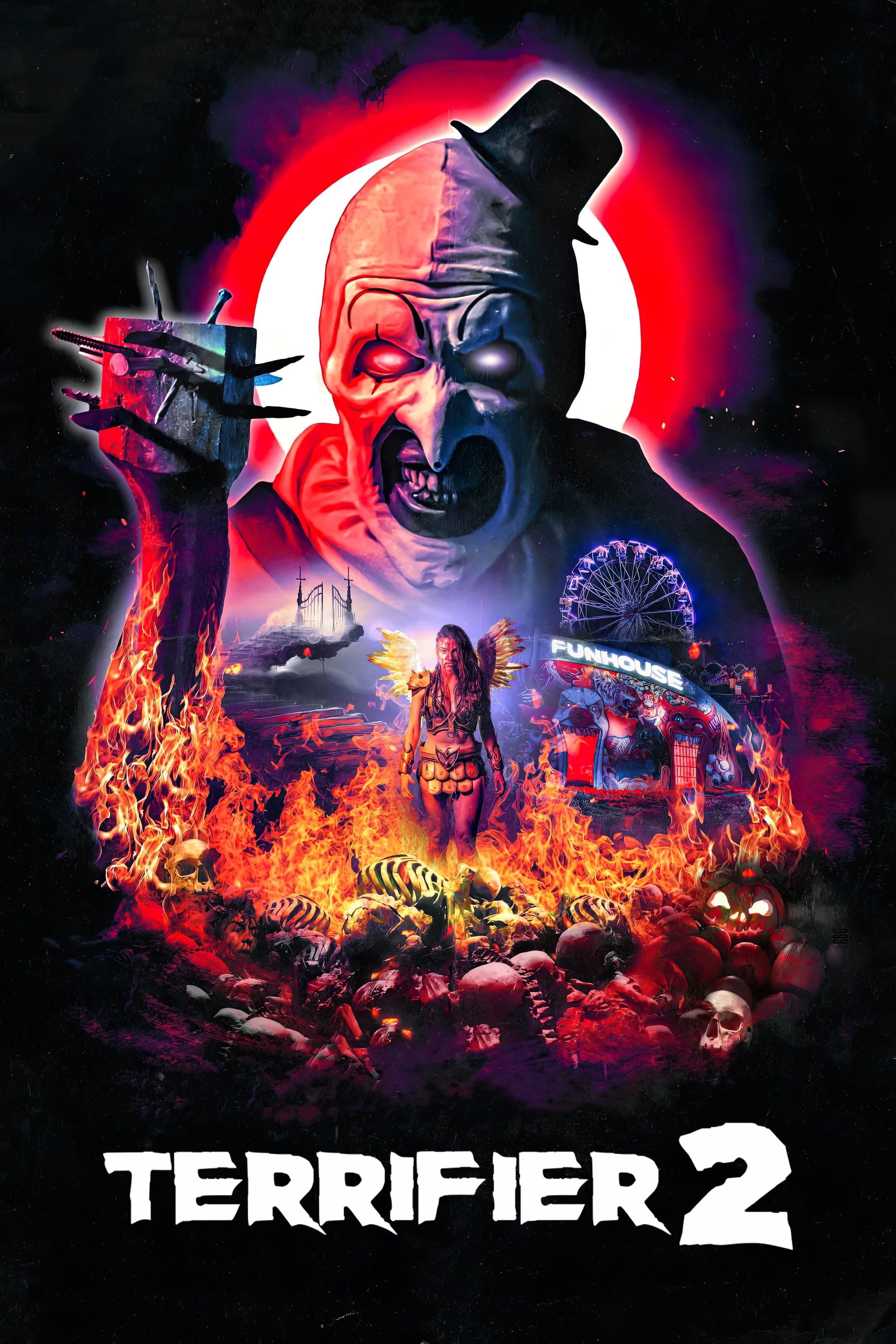
An indie clown-horror tradition has run continuously alongside the major releases. Marcus Koch's extreme-indie 100 Tears (2007), Álex de la Iglesia's The Last Circus (2010) (Spain), Conor McMahon's Stitches (2011) (Ireland), and Jon Watts's Eli-Roth-produced Clown (2014) kept the form alive between high-profile entries. Rob Zombie's Captain Spaulding (Sid Haig) in House of 1000 Corpses (2003) and The Devil's Rejects (2005) brought the killer-clown into Zombie's exploitation-revival idiom. And Damien Leone's Terrifier cycle — Terrifier (2018), Terrifier 2 (2022), Terrifier 3 (2024) — has built David Howard Thornton's Art the Clown into the 2020s' most commercially successful new horror figure, repeatedly outperforming expectations as a splatter-extreme indie release. The clown endures as a horror figure because it represents the anxiety of unreadable intentions — a face that performs emotion without revealing the person behind it.
Essential Films




Statistics
Popularity by Decade
Share of each decade's horror films classified as Clown. Counts films with at least 5 TMDB ratings, so very obscure titles are not represented.
Popularity by Country
Share of each country's horror output classified as Clown. Counts films with at least 5 TMDB ratings, so very obscure titles are not represented.