 Black Christmas (1974)
🇨🇦Canada
Caught between Hollywood proximity and fierce creative independence, Canadian horror has quietly shaped the genre's history — from inventing the slasher film to redefining body horror.
History
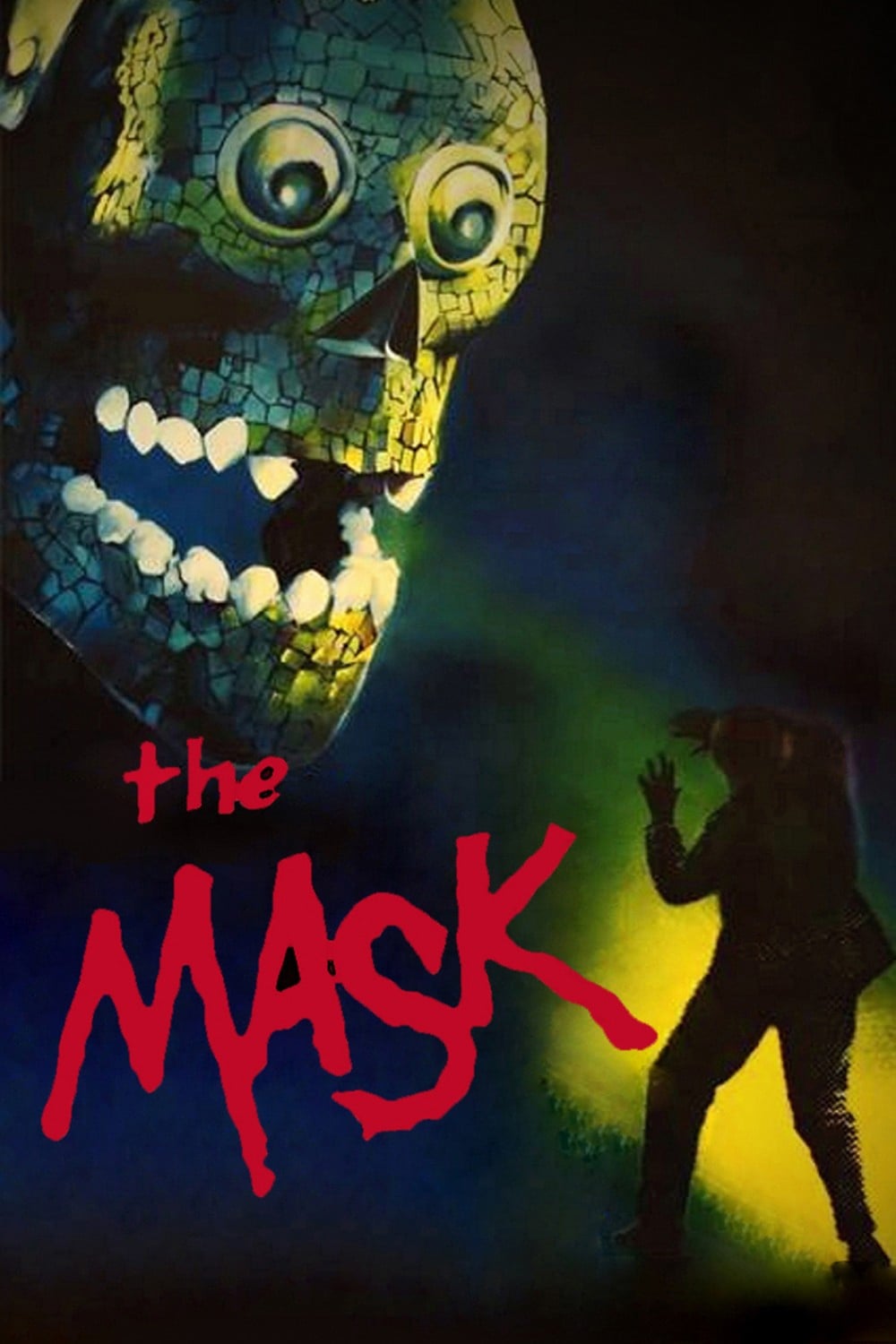
Canadian horror has often been subsumed into American horror cinema — partly because American productions frequently shoot in Canada, and partly because Canadian filmmakers have sometimes downplayed their national origins for commercial reasons. The country's first notable horror film, Julian Roffman's The Mask (1961), was Canada's only 3-D production, but a sustained tradition did not emerge until the 1970s. David Cronenberg, the most prominent Canadian horror filmmaker, came from an avant-garde background and channelled it into visceral explorations of bodily transformation. Shivers (1975), set in a sterile Montreal apartment complex, provoked a parliamentary controversy over whether public funds should finance films combining sex and horror — but its commercial success, along with Rabid (1977) and The Brood (1979), proved that Canadian horror could be both provocative and profitable. Scanners (1981) brought psychic body horror into the action register, and Cronenberg's subsequent work — Videodrome (1983), The Fly (1986), Dead Ringers (1988) — established body horror as a major subgenre and made him an internationally recognised auteur, though the question of whether his work expresses a specifically Canadian sensibility remains debated.
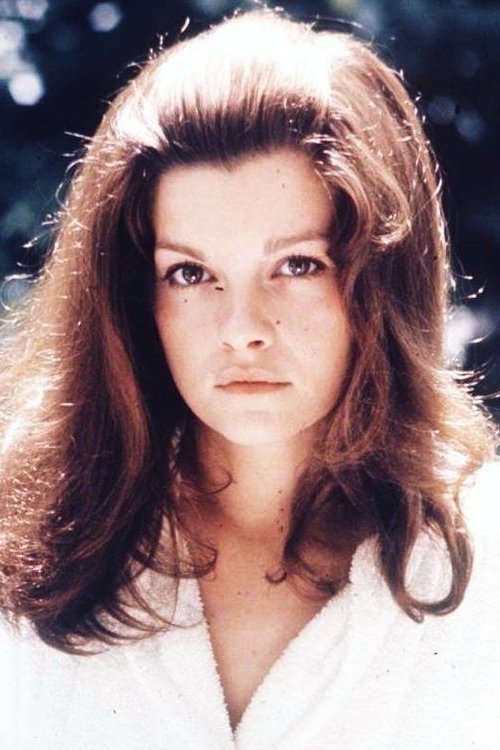
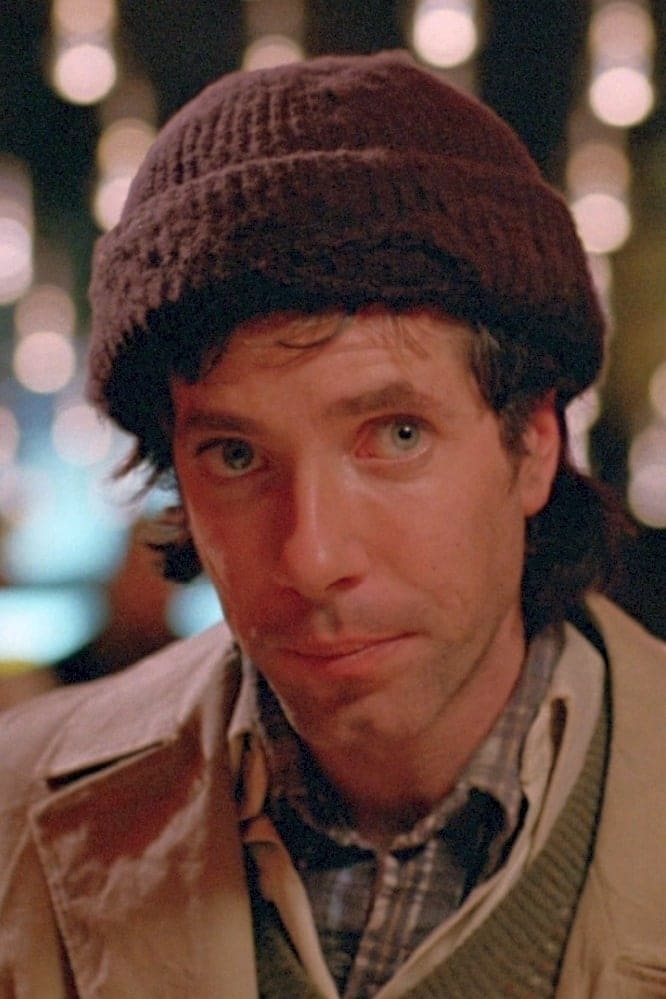
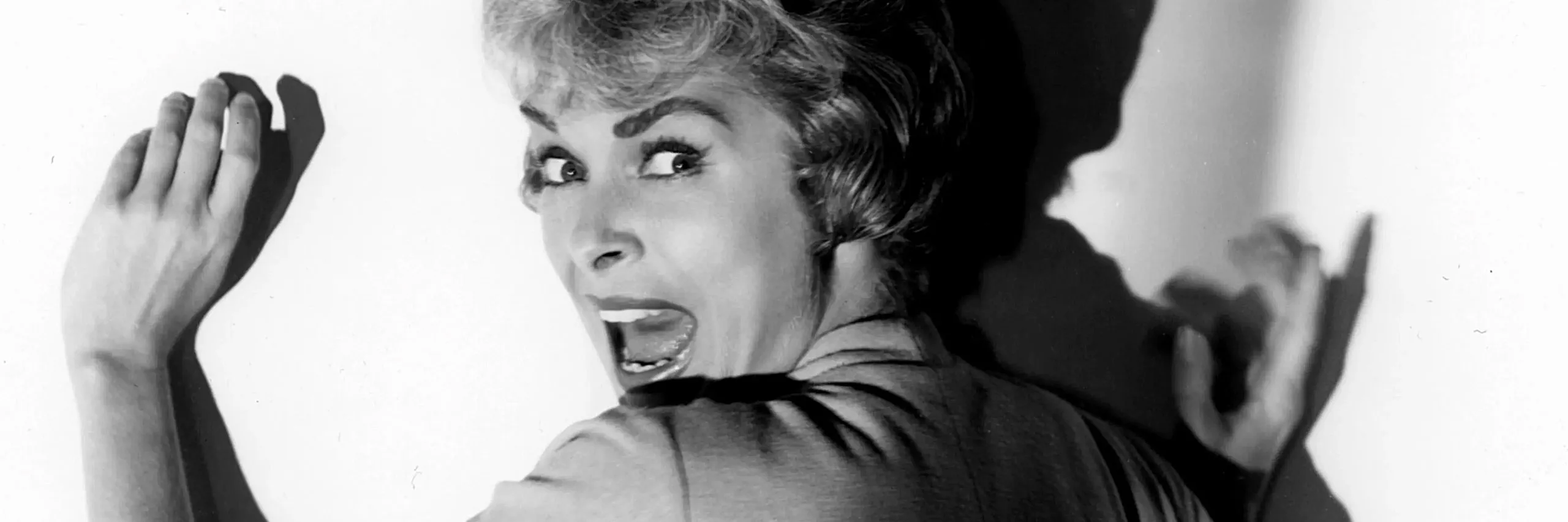
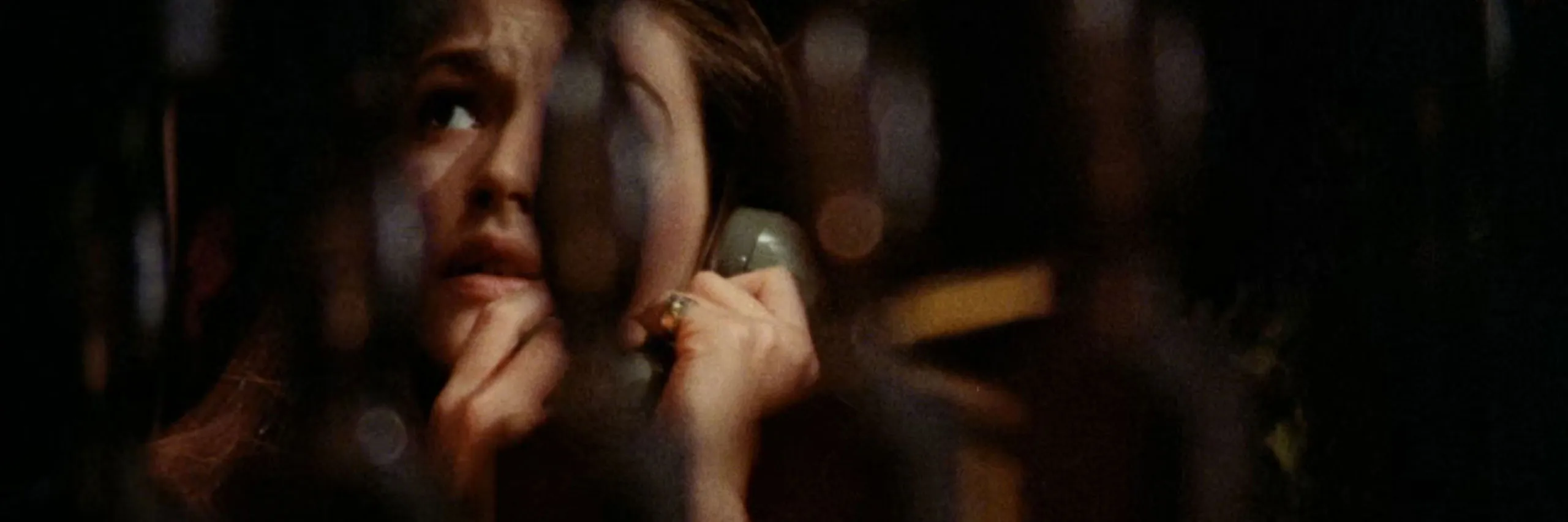
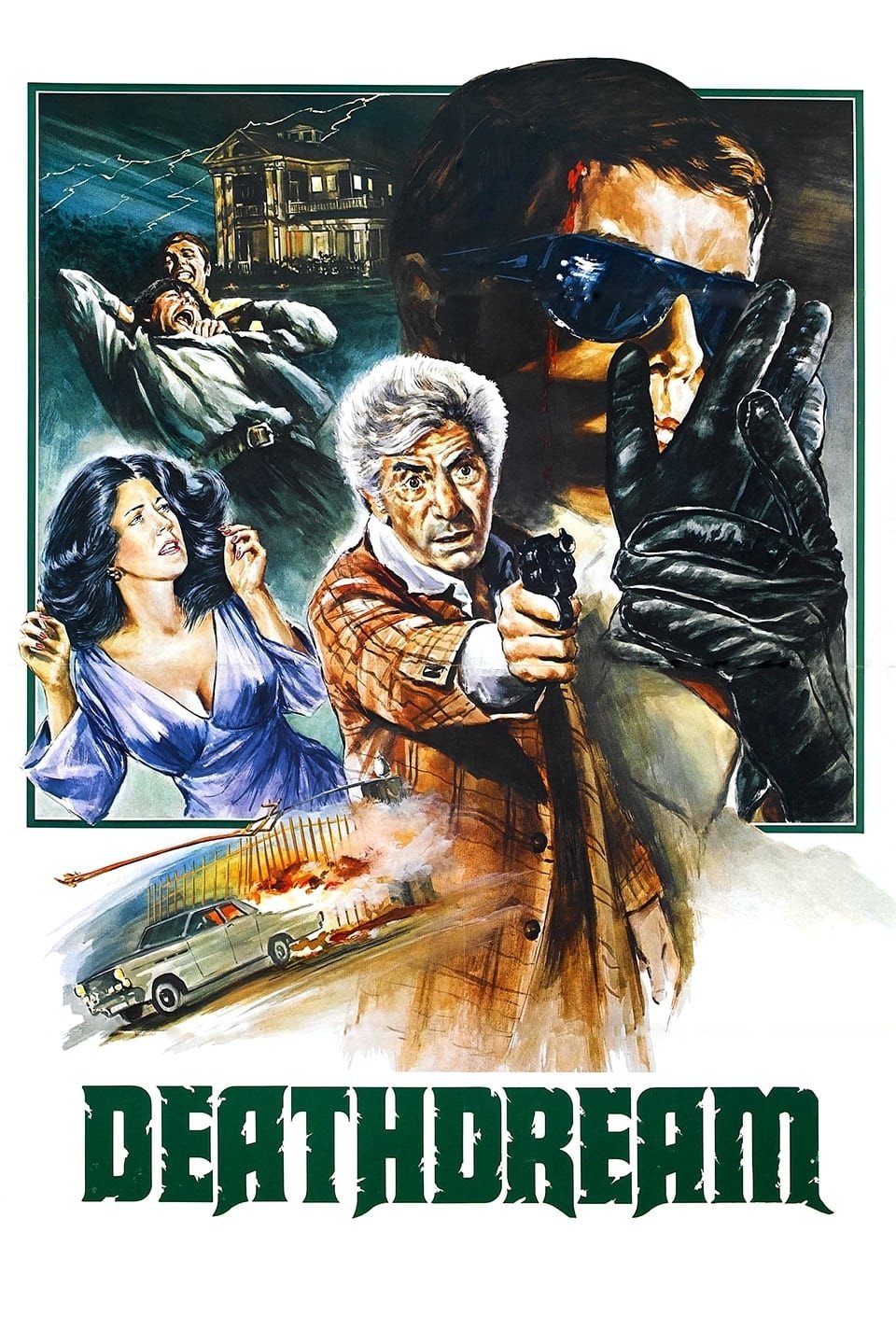
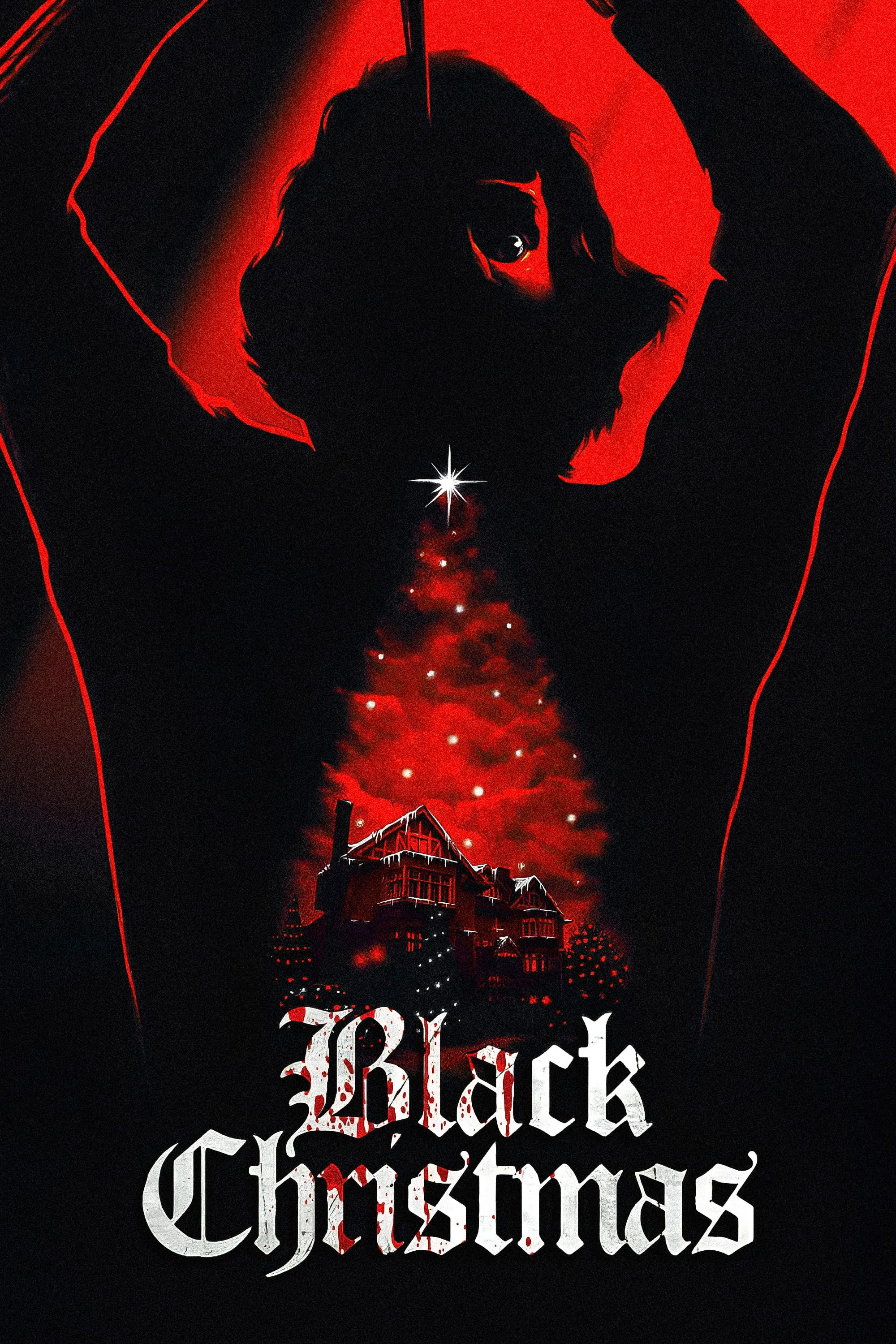
Bob Clark's Black Christmas (1974) may be the most historically consequential Canadian horror film. A sorority-house thriller in which the killer is never identified, it established conventions — the menacing phone calls, the killer's point-of-view shots, the final-girl structure — that would define the slasher genre. Clark reportedly discussed a sequel concept involving the killer escaping on Halloween night; John Carpenter made that film instead. His Deathdream (1974), an Alan Ormsby–scripted Vietnam-veteran zombie allegory released the same year, remains Clark's other corpus-canonical horror work. The late 1970s brought a structural windfall: Canada's Capital Cost Allowance tax shelter, combined with funding from the Canadian Film Development Corporation, made horror production financially attractive. The result was a wave of slasher films produced for the American market: Prom Night (1980), Terror Train (1980), My Bloody Valentine (1981), and Happy Birthday to Me (1981). These films were not incidental to the slasher cycle — they were central to it, with Canada producing a disproportionate share of the genre's key entries.
Canadian horror became less visible through the late 1980s and 1990s as Cronenberg moved toward art-house cinema and the tax shelter incentives expired. The revival came through inventive genre work: Vincenzo Natali's Cube (1997), a minimalist sci-fi horror about strangers trapped in a deadly maze, proved influential on later films including Saw, and his Splice (2009) extended the body-horror tradition into genetic engineering. Ginger Snaps (2000), which used lycanthropy as a metaphor for female adolescence, became the most acclaimed Canadian horror of the new century and spawned two sequels. Bruce McDonald's Pontypool (2008) reimagined the zombie film as a linguistic infection transmitted through the English language. The Soska Sisters brought body horror back to Canadian cinema with American Mary (2012), while Panos Cosmatos's Mandy (2018) channelled psychedelic grief and heavy-metal fury into a revenge nightmare that defied genre classification.
A second contemporary wave has expanded Canadian horror beyond its Toronto/Montreal axis. Brandon Cronenberg extended his father's body-horror tradition into a colder, more clinical register — Antiviral (2012), Possessor (2020), and Infinity Pool (2023) all use disquieting cosmetic and consciousness-transfer premises to interrogate celebrity, complicity, and bodily autonomy. Steven Kostanski's The Void (2016), produced through the Astron-6 collective, returned Canadian horror to Lovecraftian cosmic body horror with practical effects throwbacks. Robin Aubert's Les Affamés (2017) relocated the zombie film to rural Québec, while Mi'kmaw filmmaker Jeff Barnaby's Blood Quantum (2019) centred an Indigenous community whose blood proves immune to a zombie virus — a horror reframing of settler-colonial violence. Canadian horror's identity remains shaped by a tension between its proximity to Hollywood — which provides market access but threatens cultural erasure — and a domestic tradition that, from Cronenberg's surgical nightmares to Black Christmas's anonymous killer, has consistently favoured psychological unease over simple spectacle.
Essential Films
The Mask
Dead of Night
Black Christmas
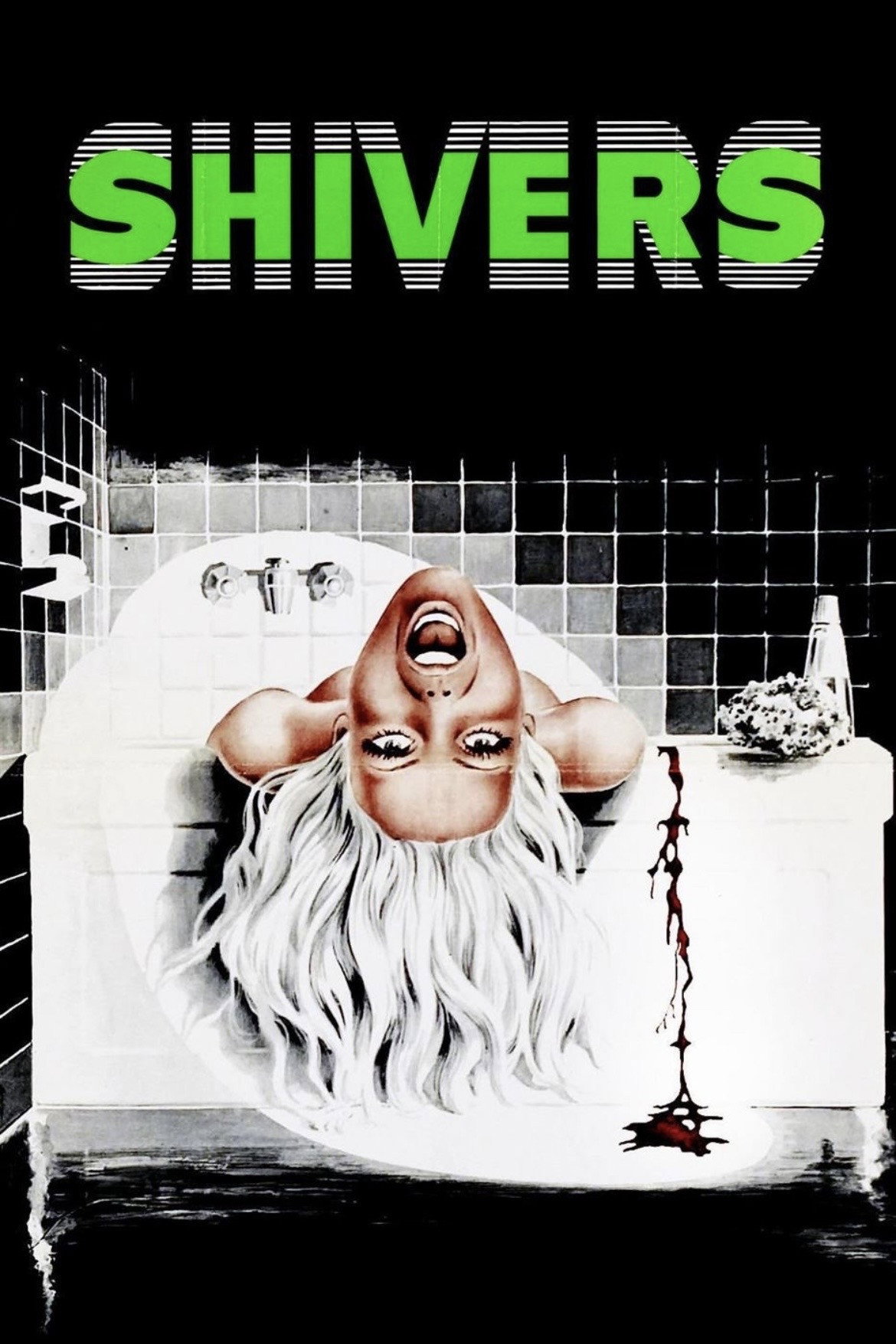
Shivers
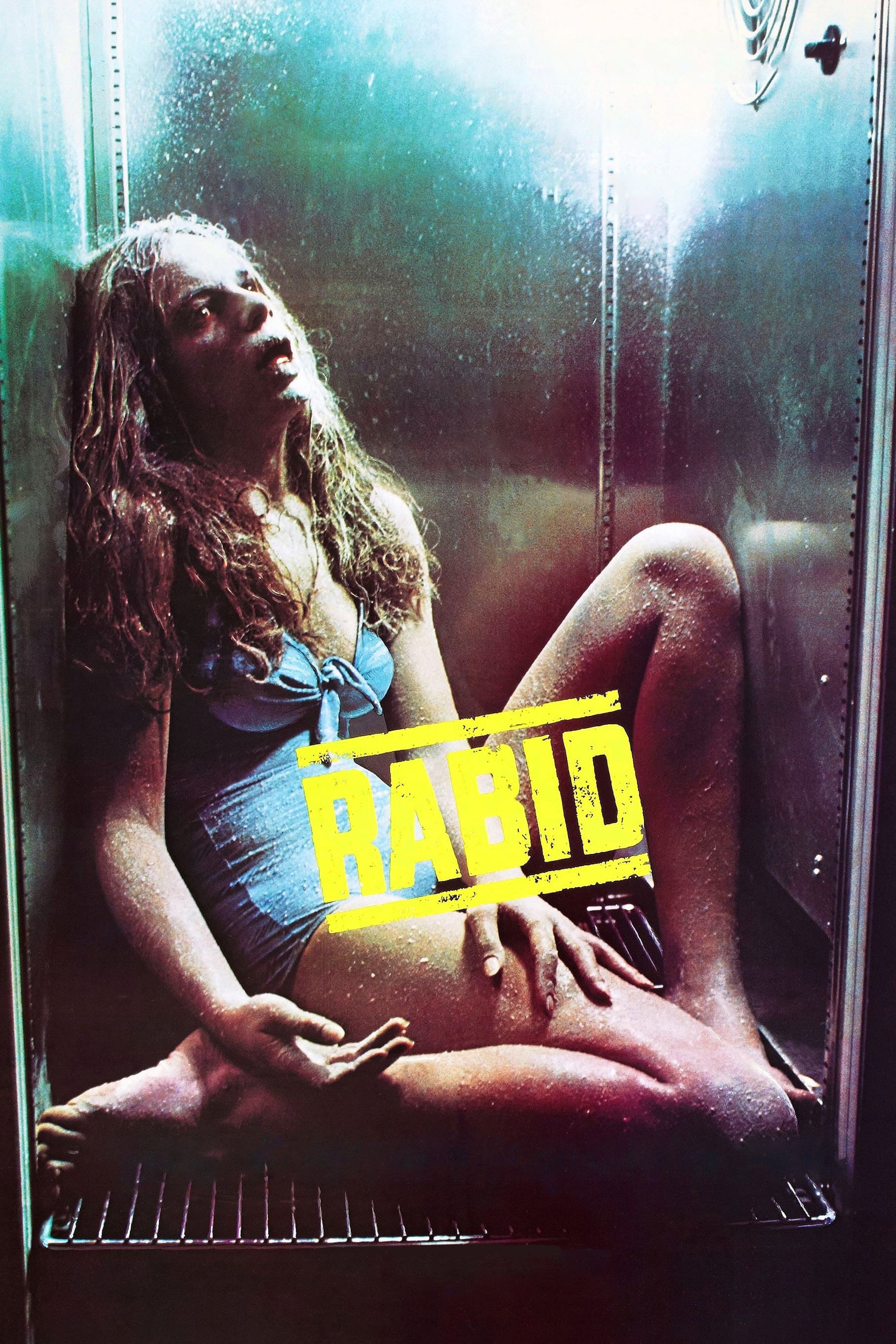
Rabid
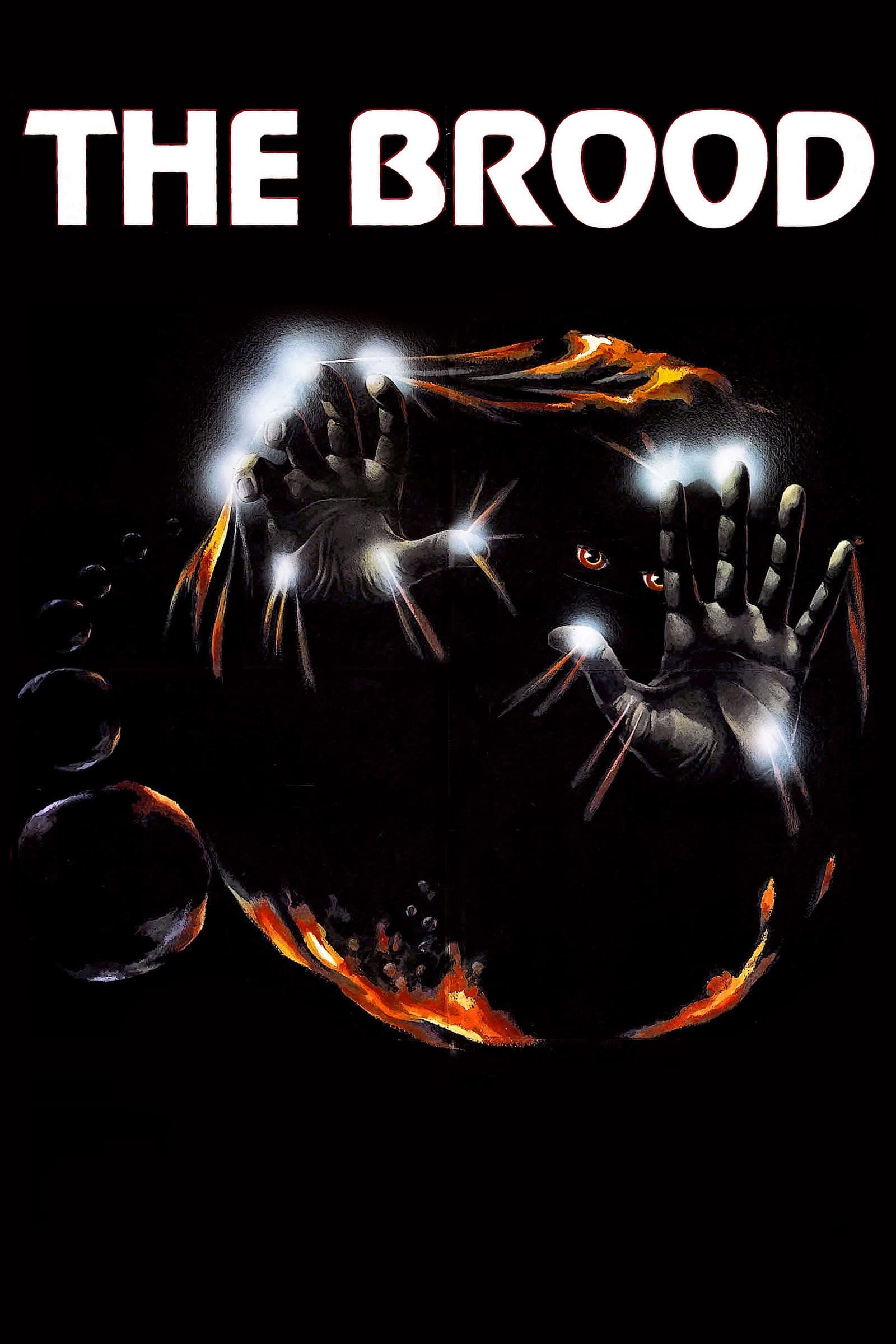
The Brood
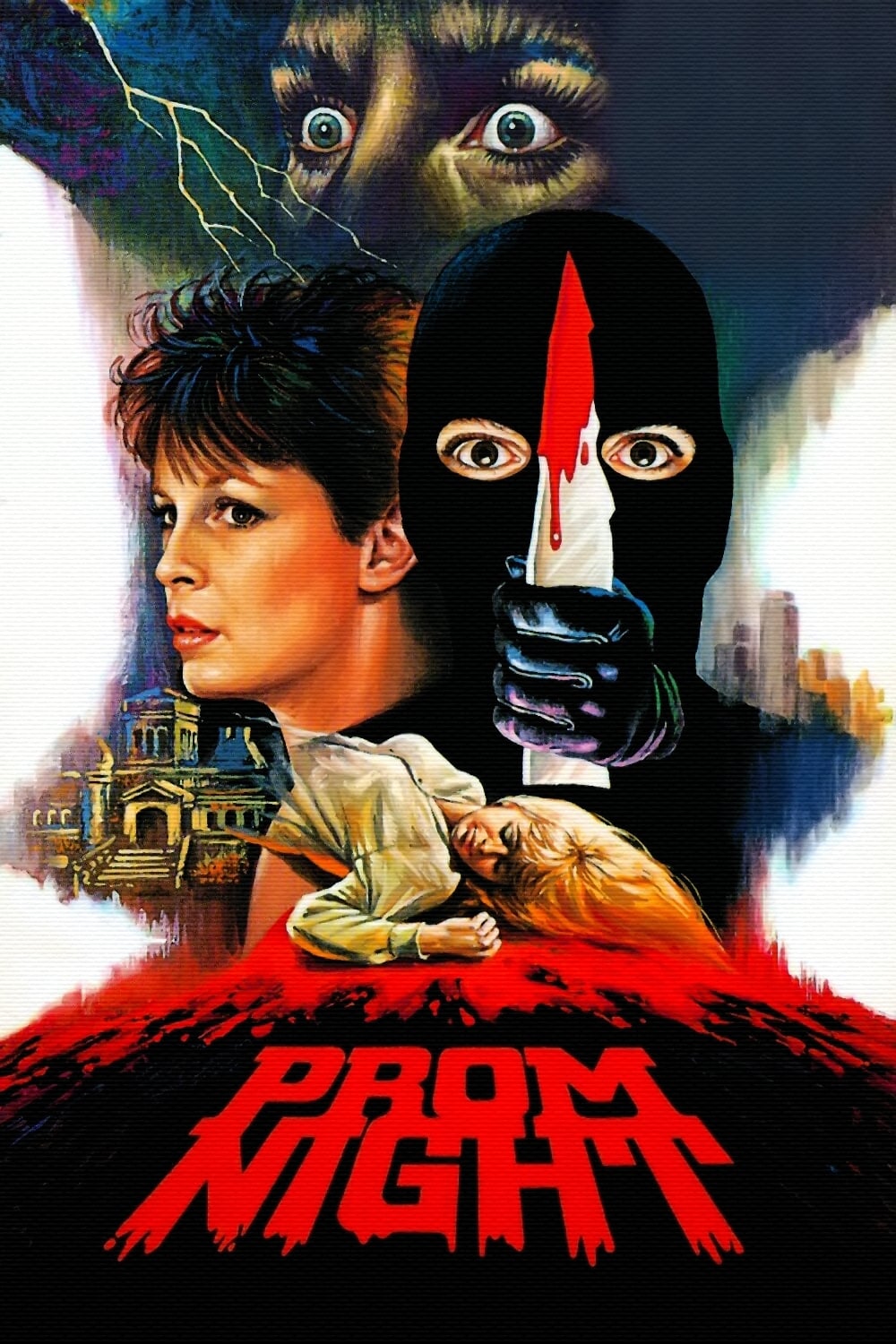
Prom Night
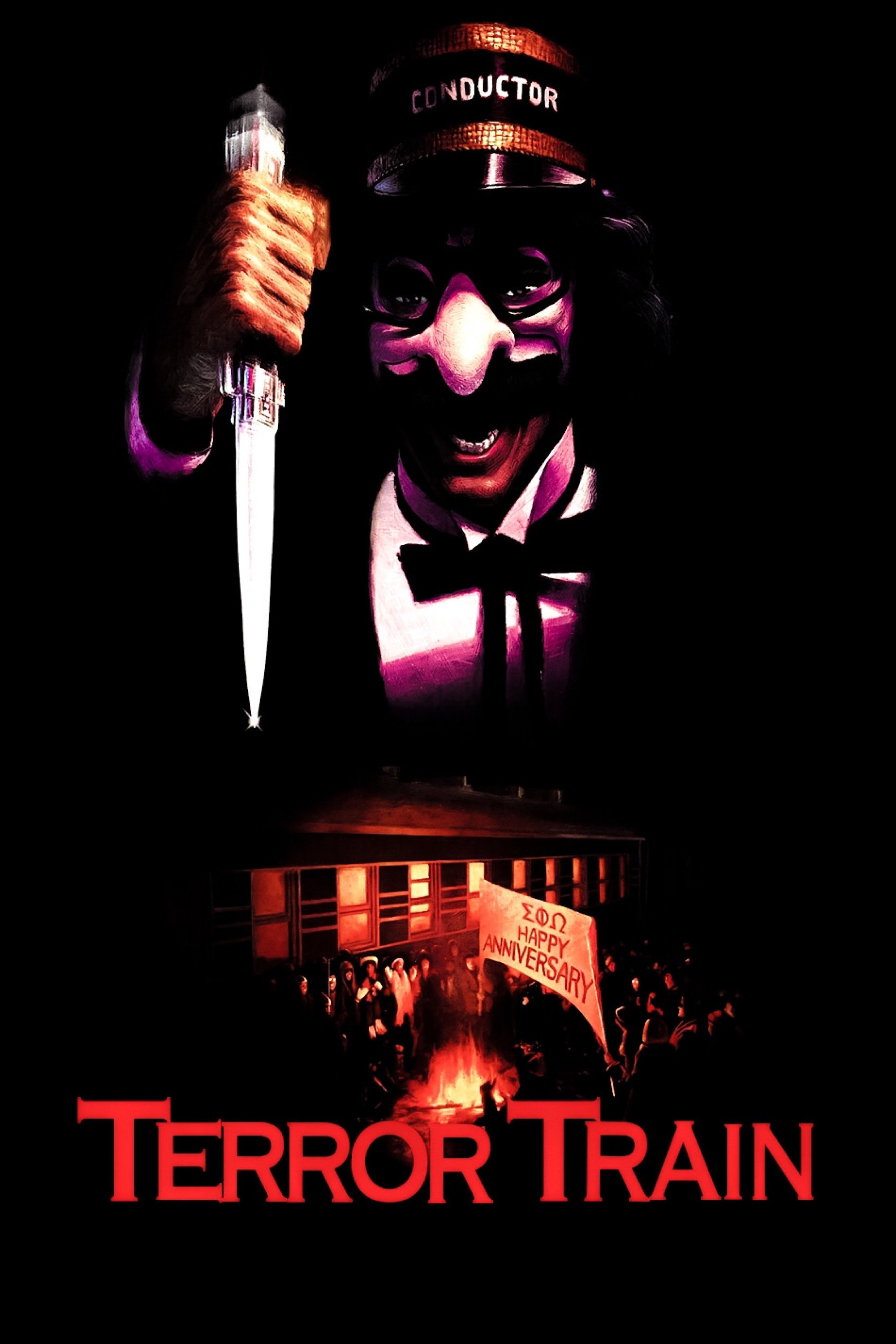
Terror Train
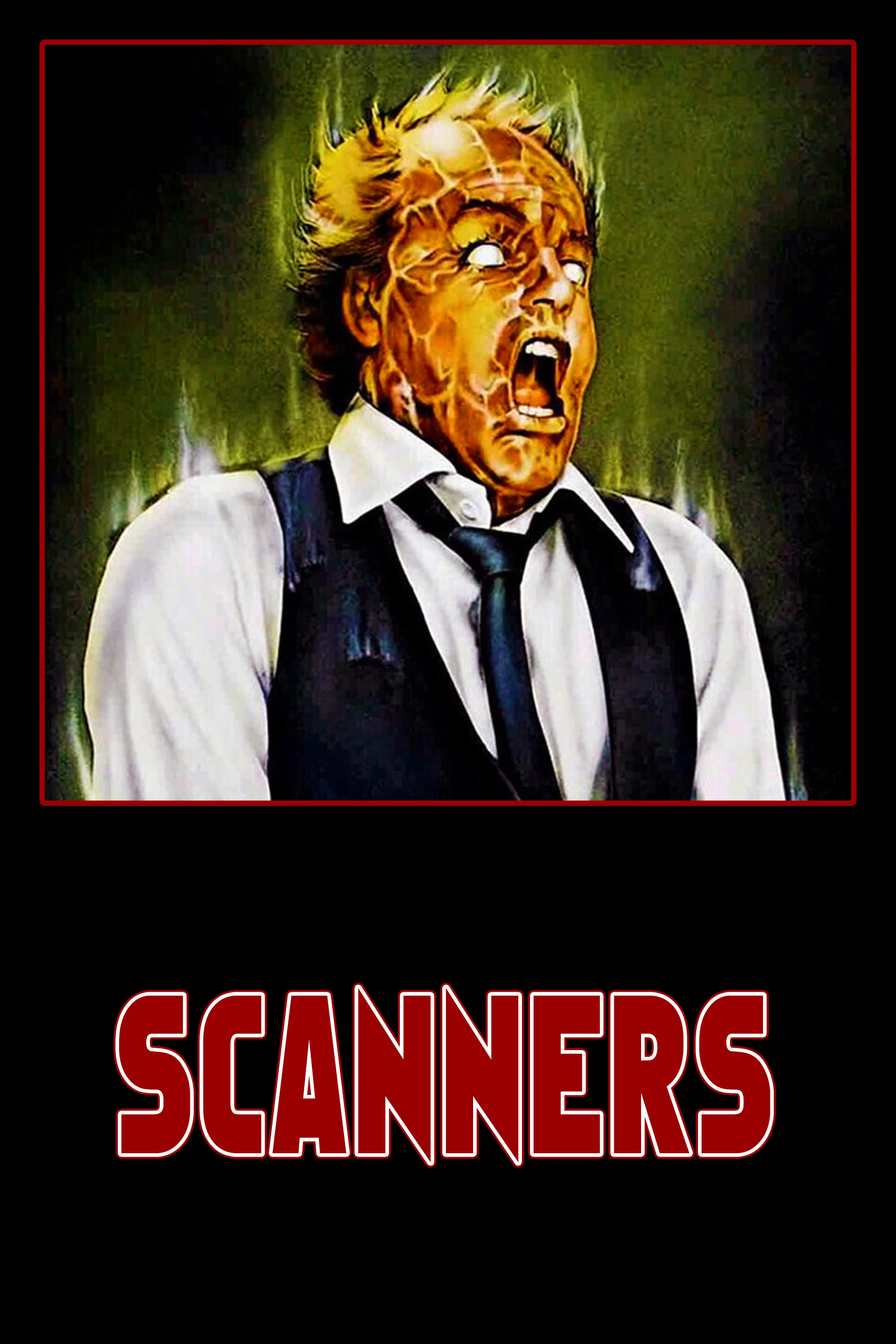
Scanners
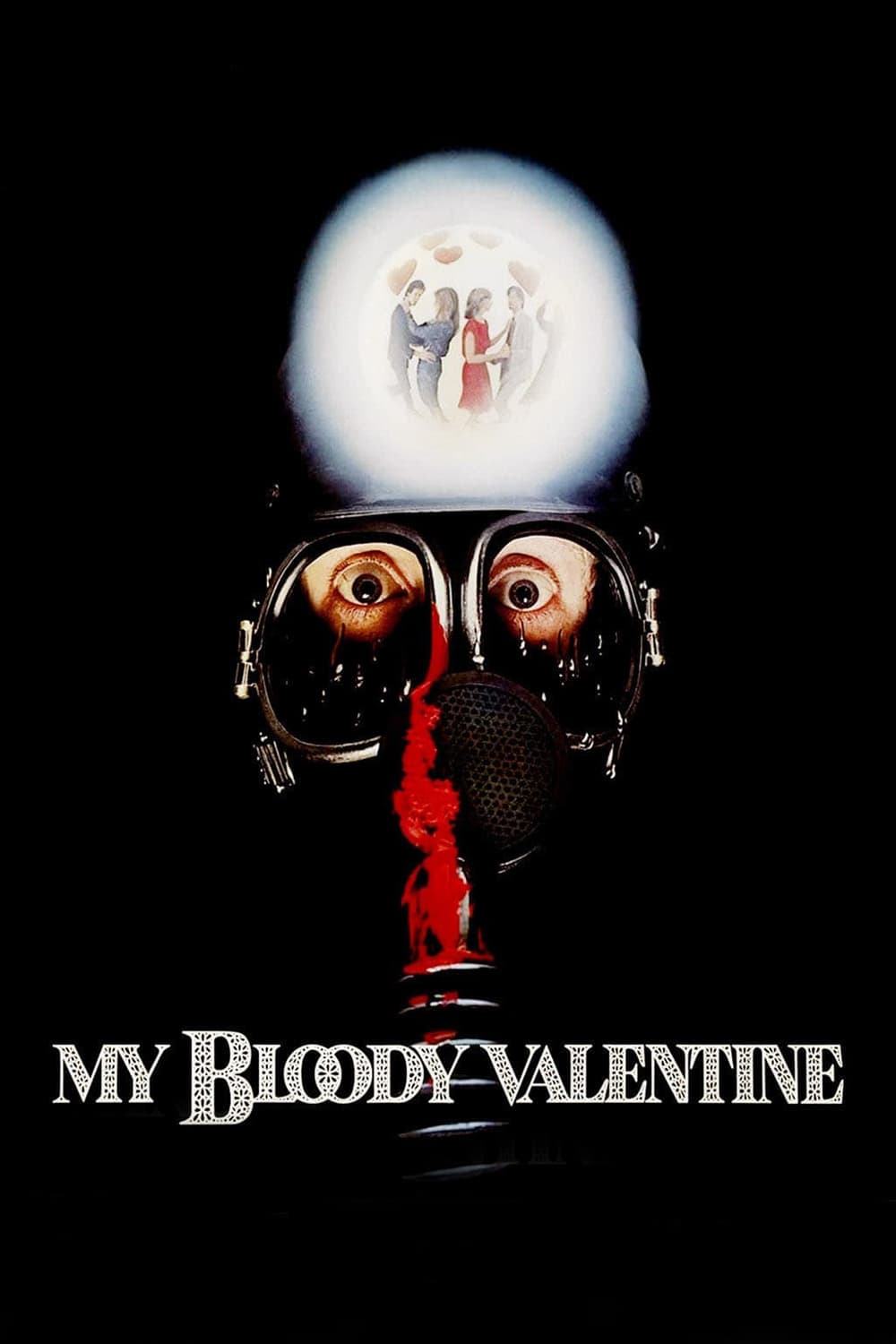
My Bloody Valentine
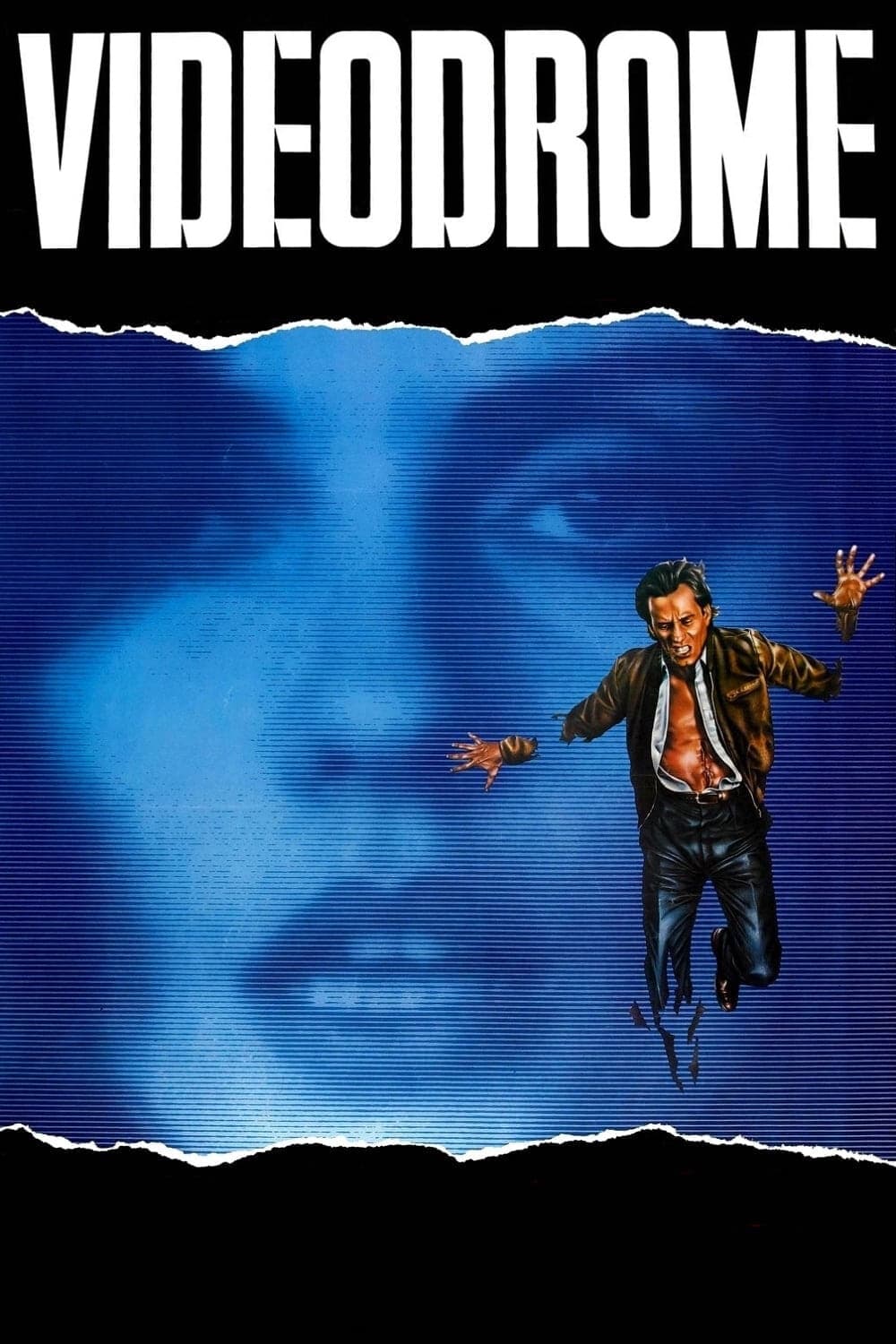
Videodrome
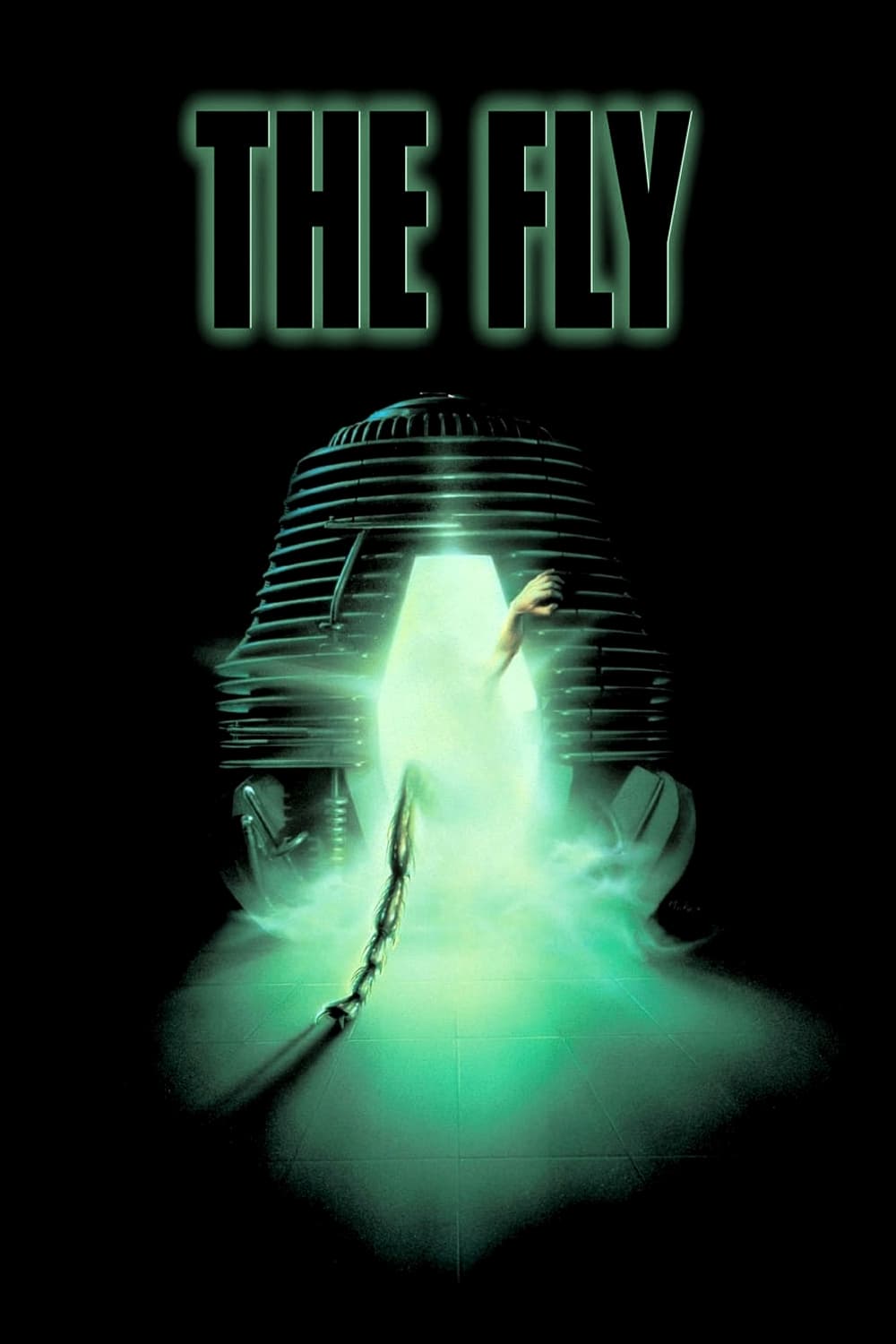
The Fly
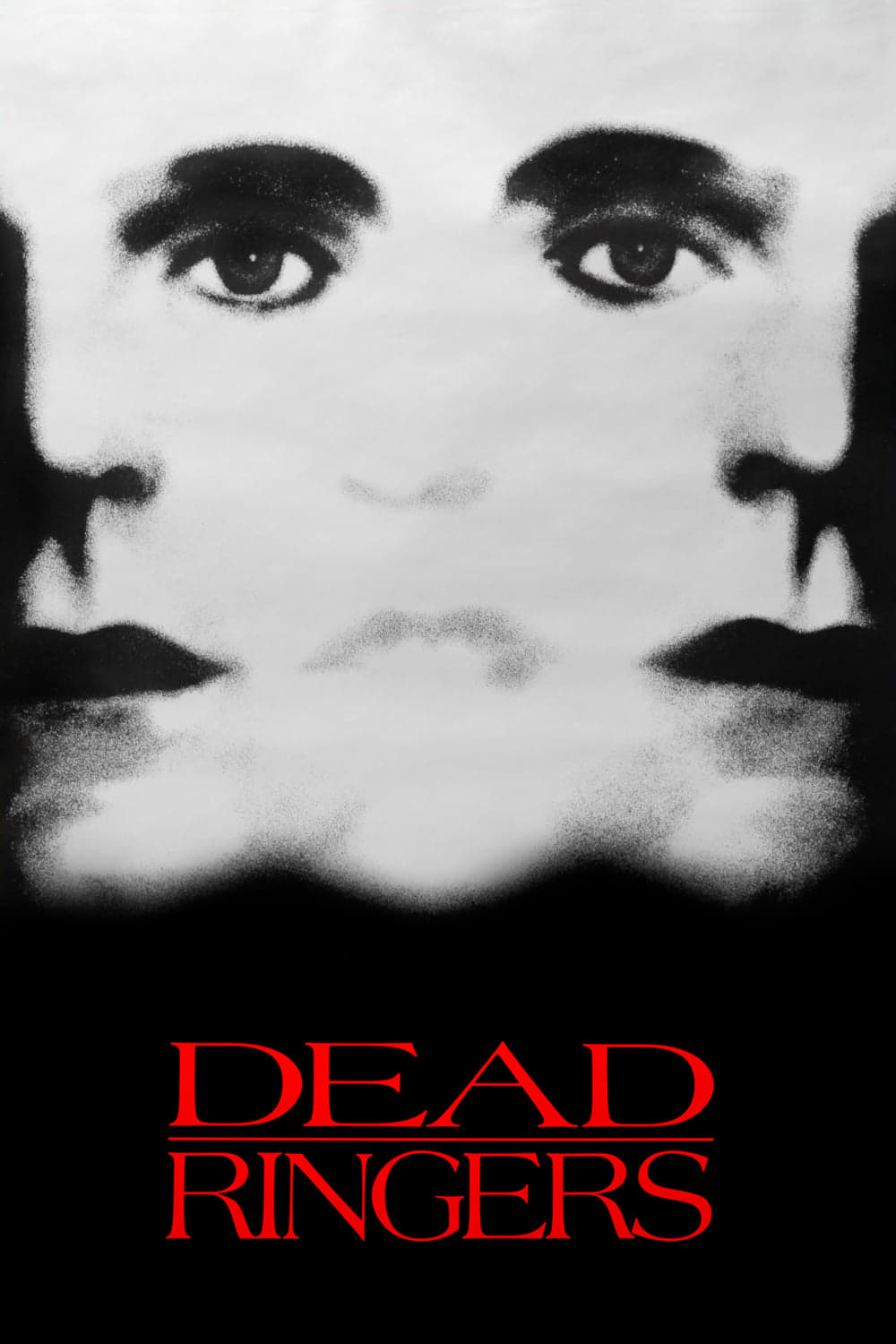
Dead Ringers
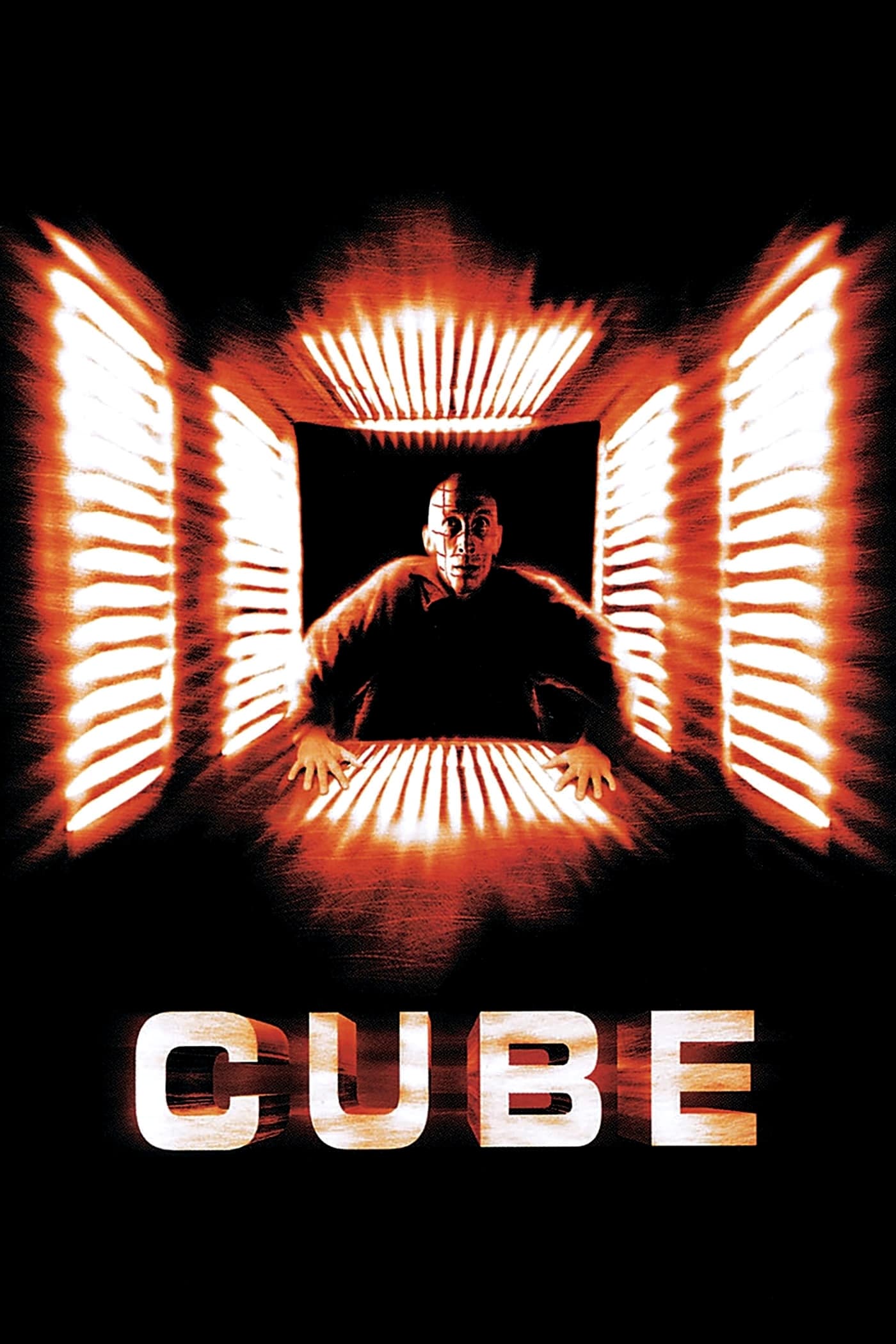
Cube
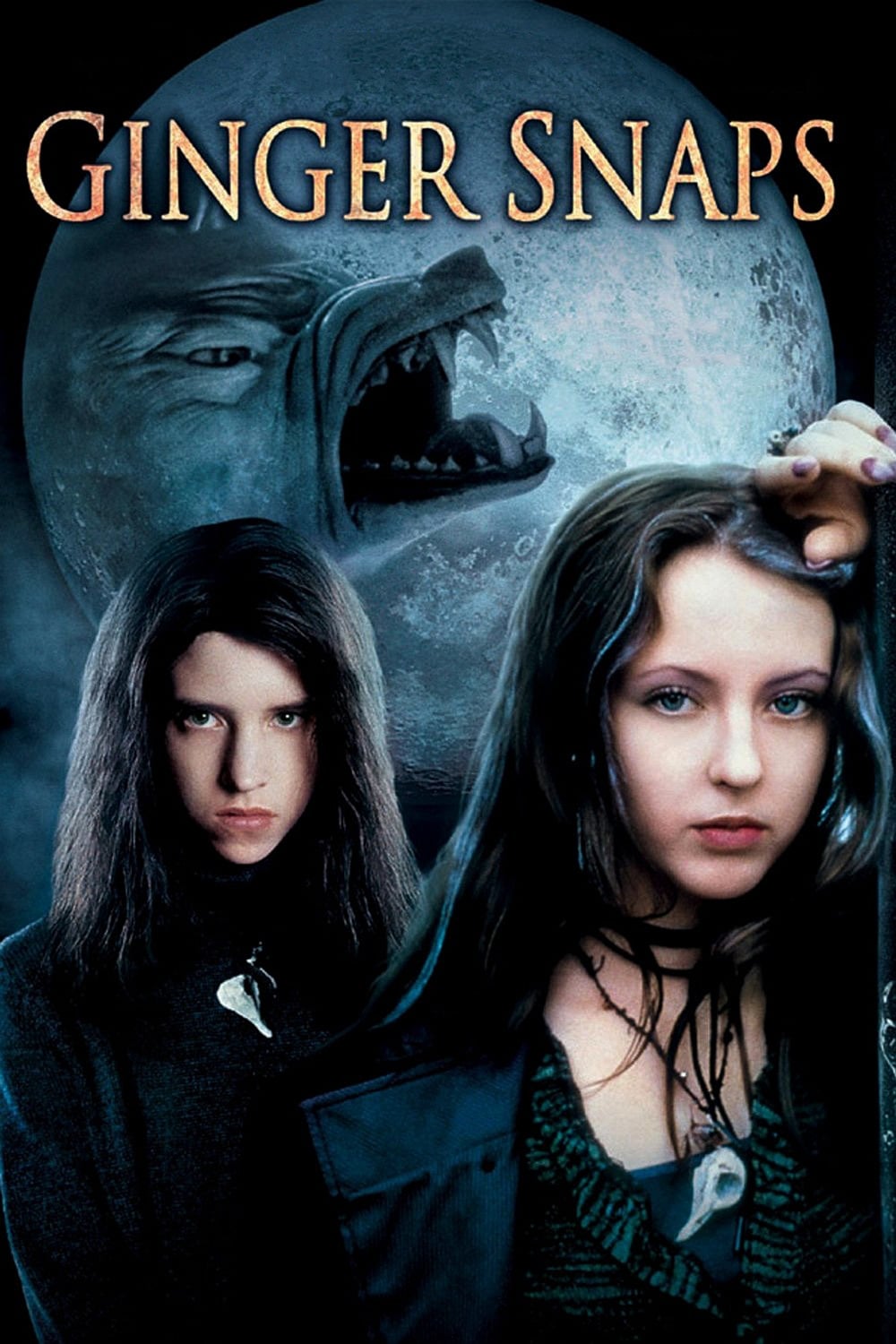
Ginger Snaps
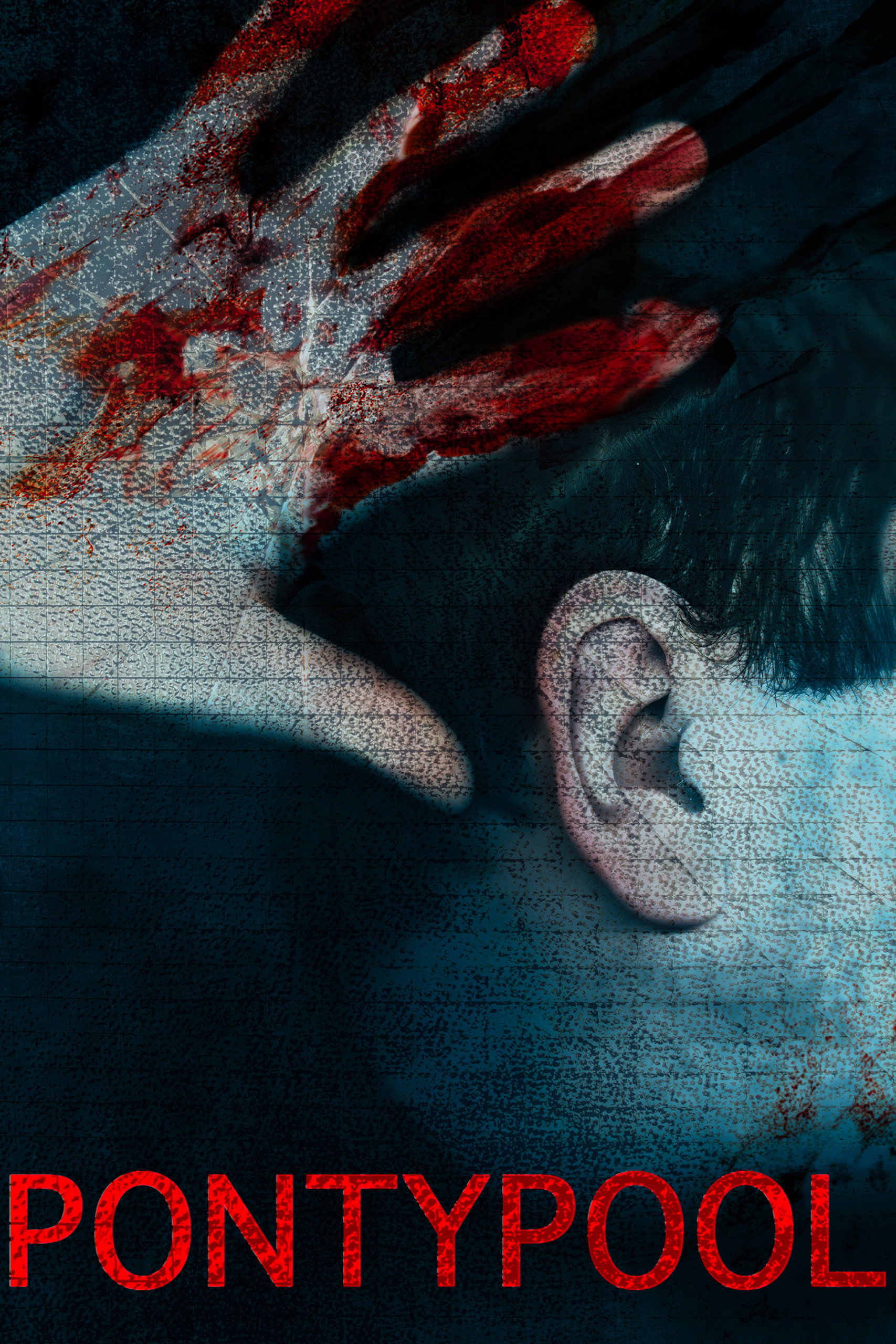
Pontypool
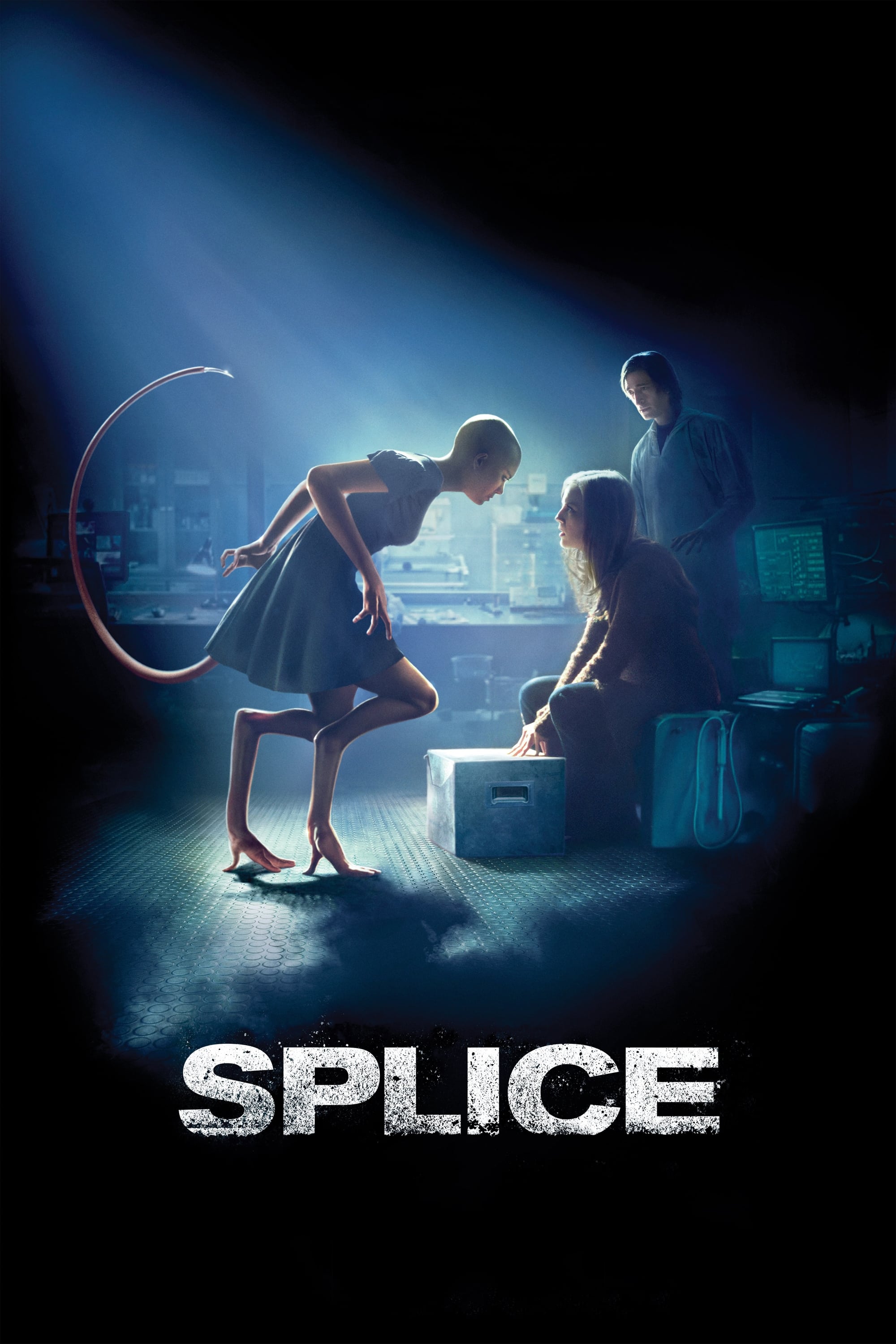
Splice

American Mary
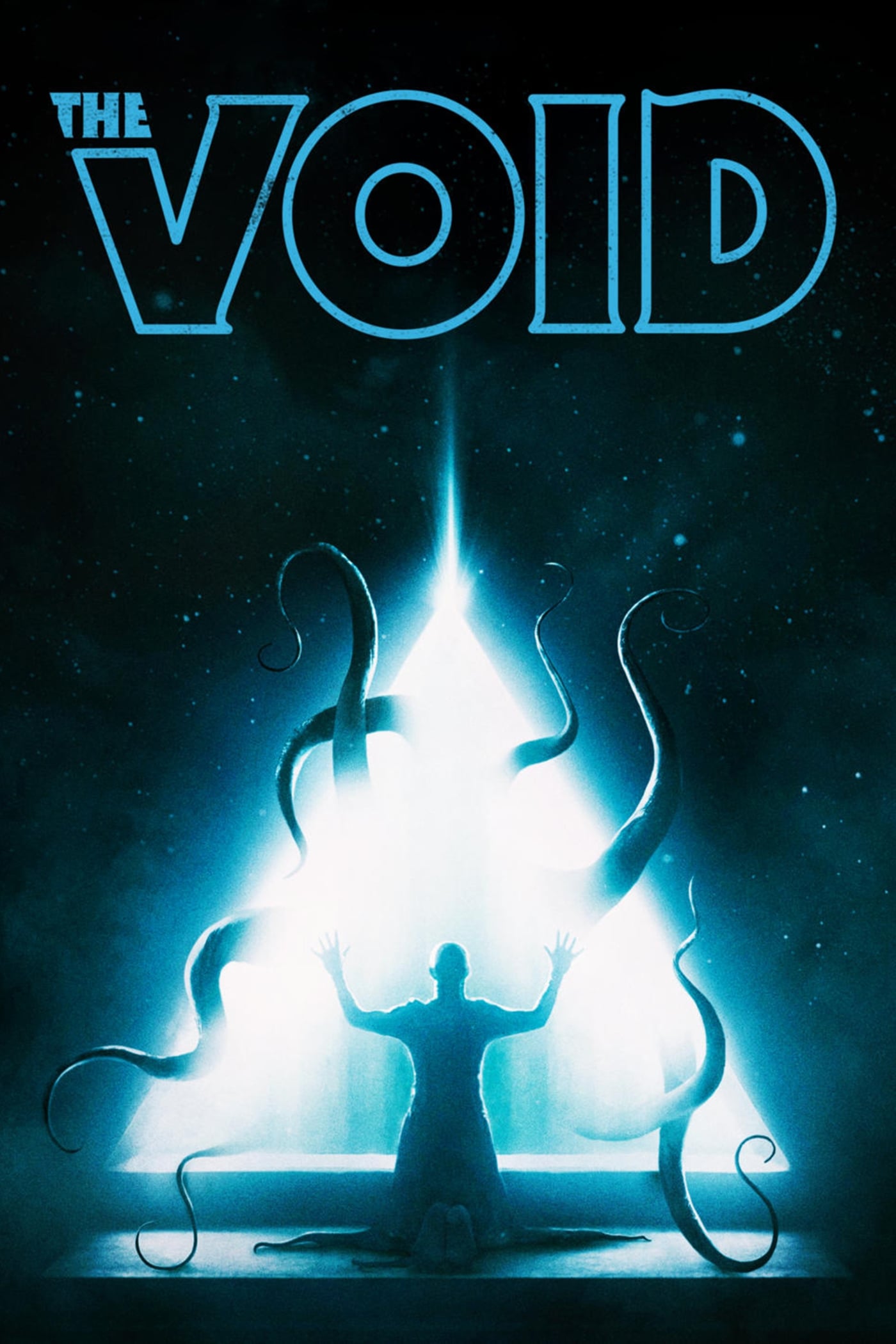
The Void
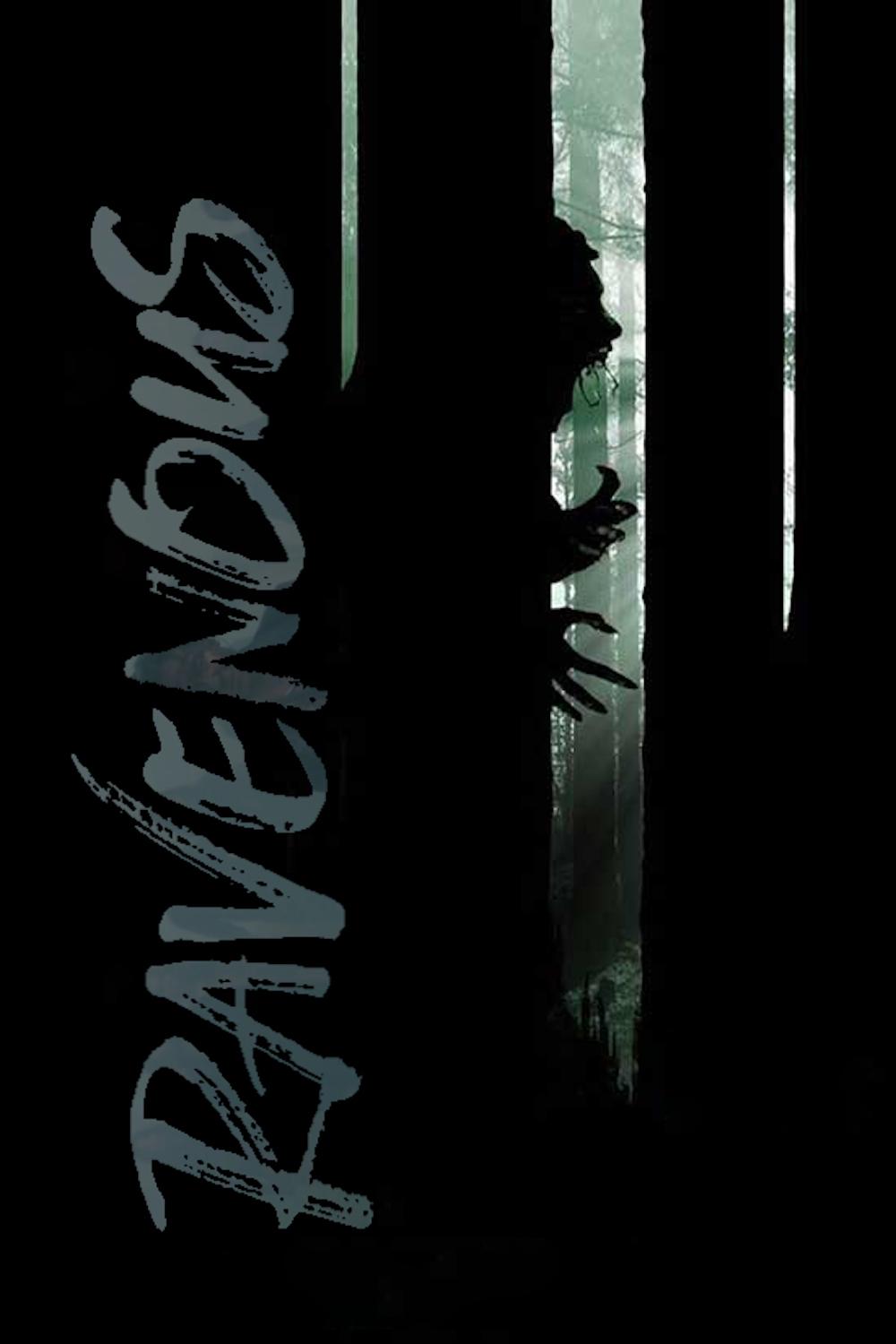
Ravenous
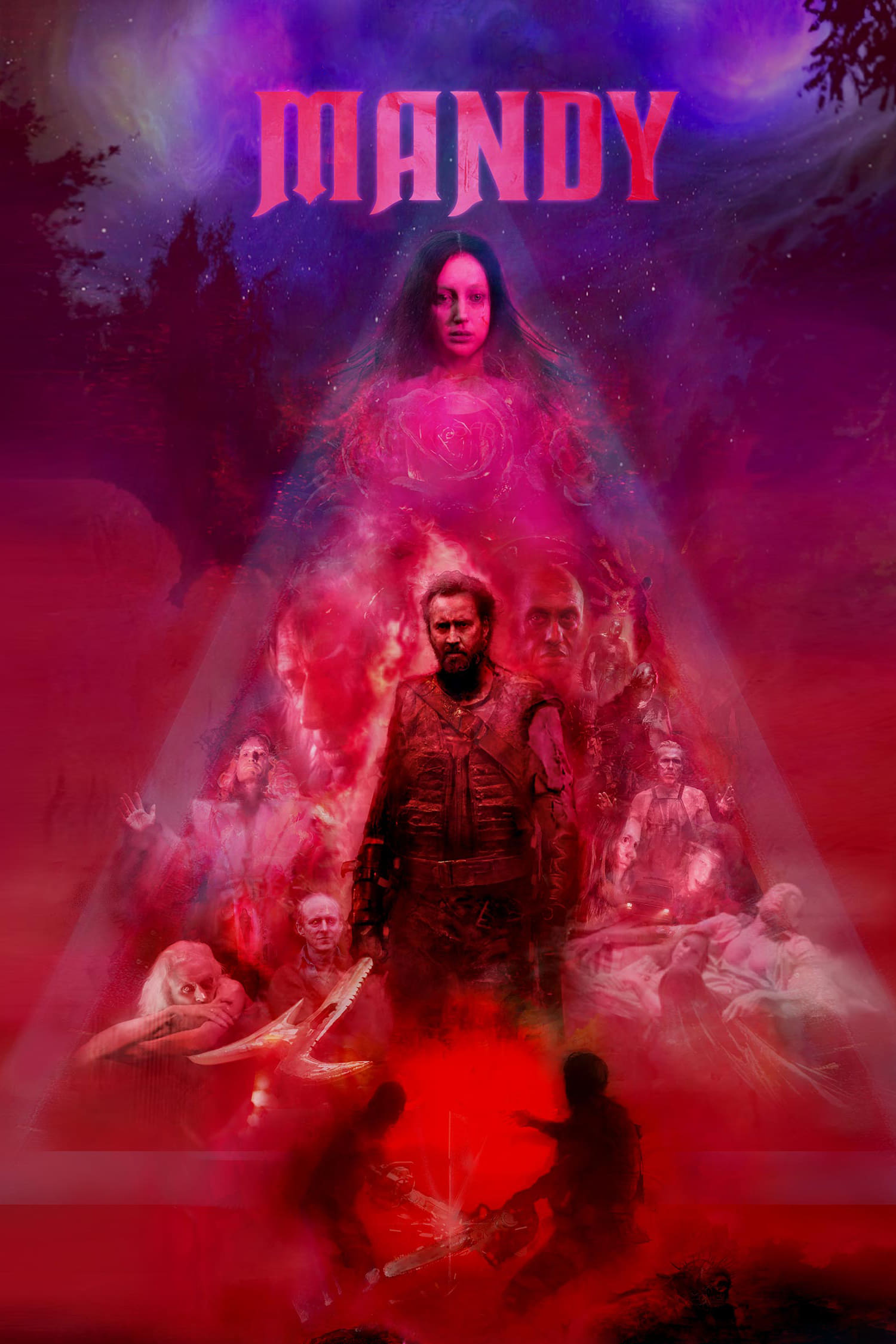
Mandy
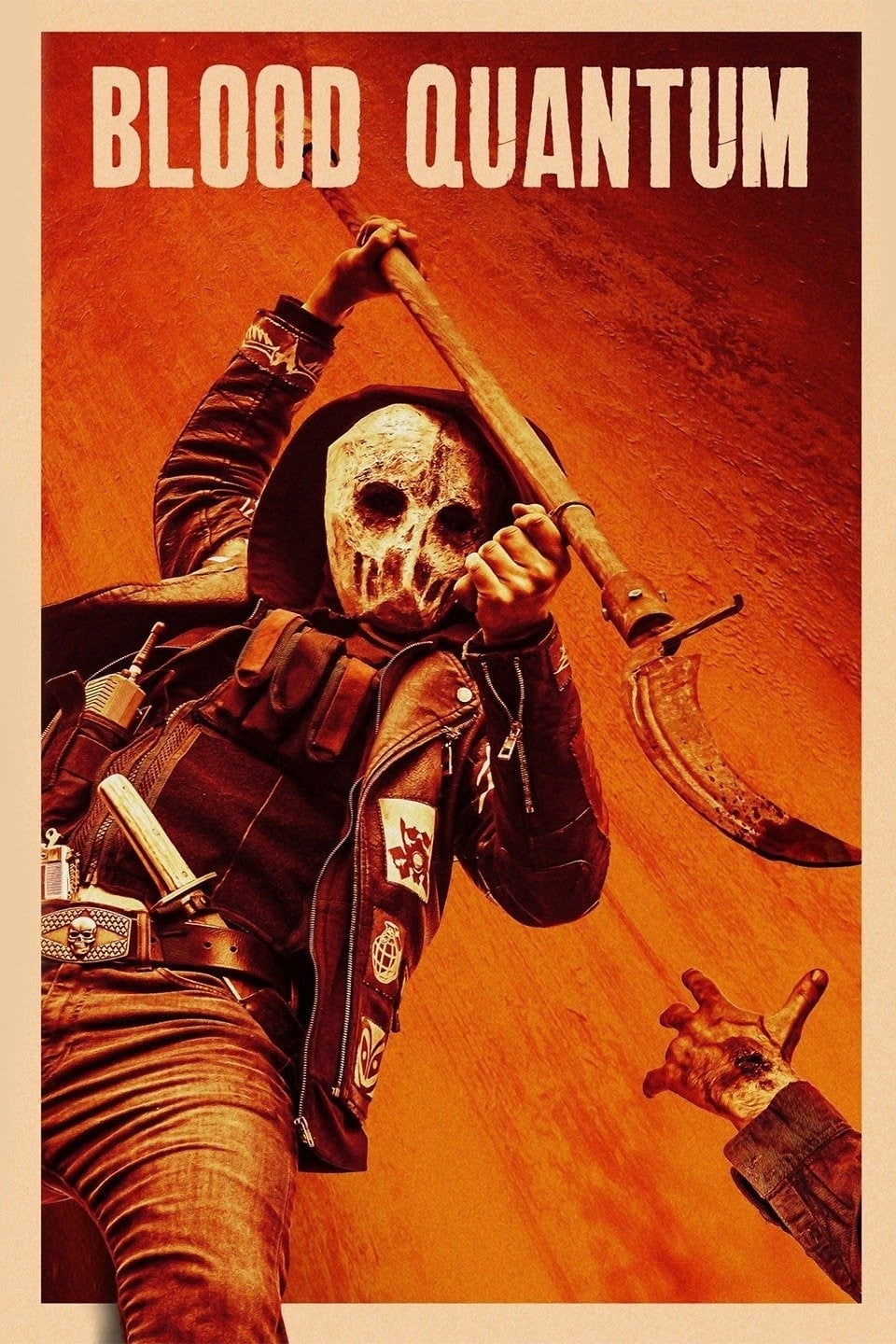
Blood Quantum

Possessor

Infinity Pool
Statistics
Top Subgenres
Popularity by Decade
Share of each decade's horror films classified as Canada horror. Counts films with at least 5 TMDB ratings, so very obscure titles are not represented.