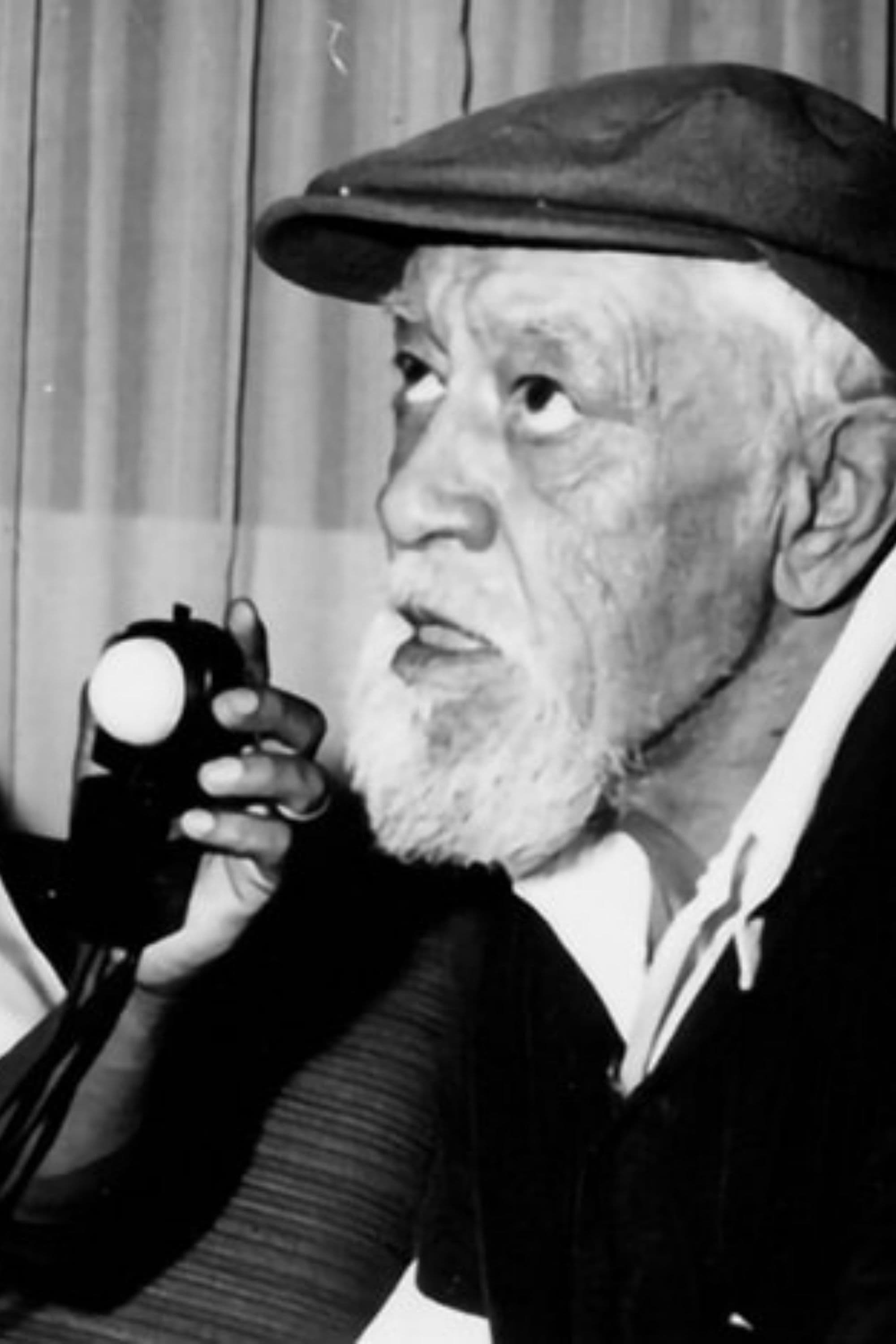
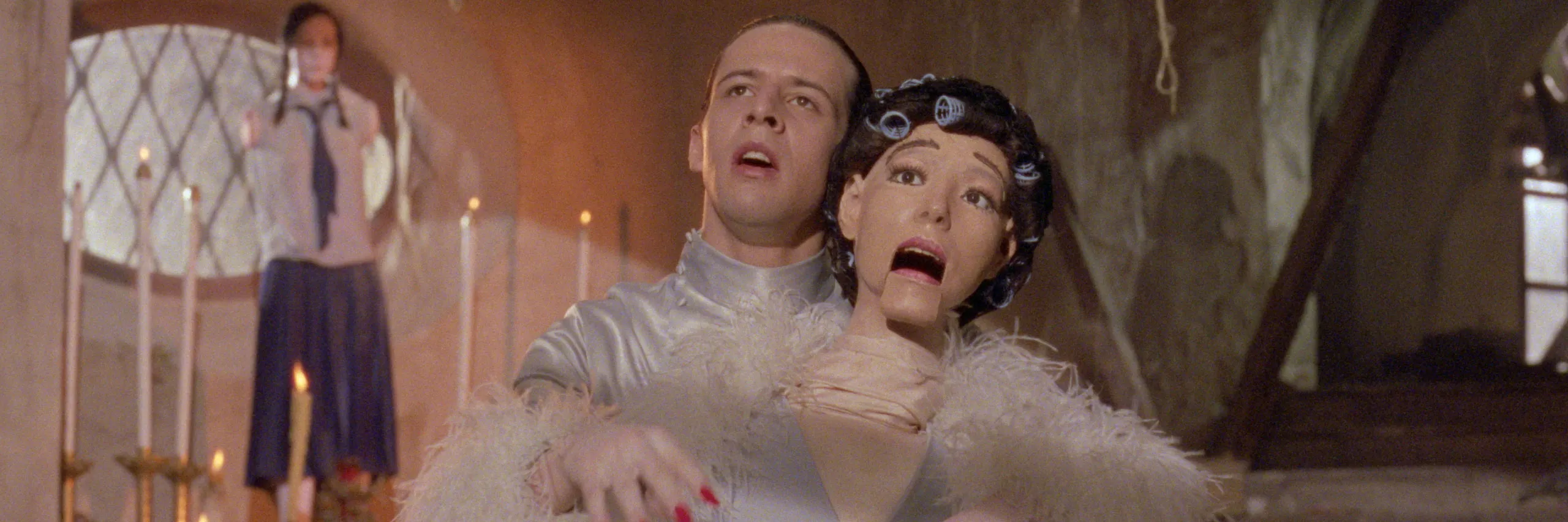
 Santa Sangre (1989)
🇲🇽Mexico
Vampires, Aztec mummies, and masked wrestlers battling the supernatural — Mexican horror built its own mythology rather than borrowing anyone else's.
History
Mexican horror cinema drew from the country's deep relationship with death and its synthesis of pre-Columbian mythology with Catholic colonial culture. The 1930s produced a small cycle of films that mixed local folklore with conventions borrowed from Universal's monster movies: The Crying Woman (1933) adapted the ancient legend of La Llorona — the weeping woman searching for her lost children — while Dos monjes (1934) and El fantasma del convento (1934) explored madness and the supernatural within monastery settings. These early works established horror's roots in Mexican identity — indigenous legends, Catholic guilt, and the baroque relationship with mortality that would define the genre — but sustained production would not begin for another two decades.
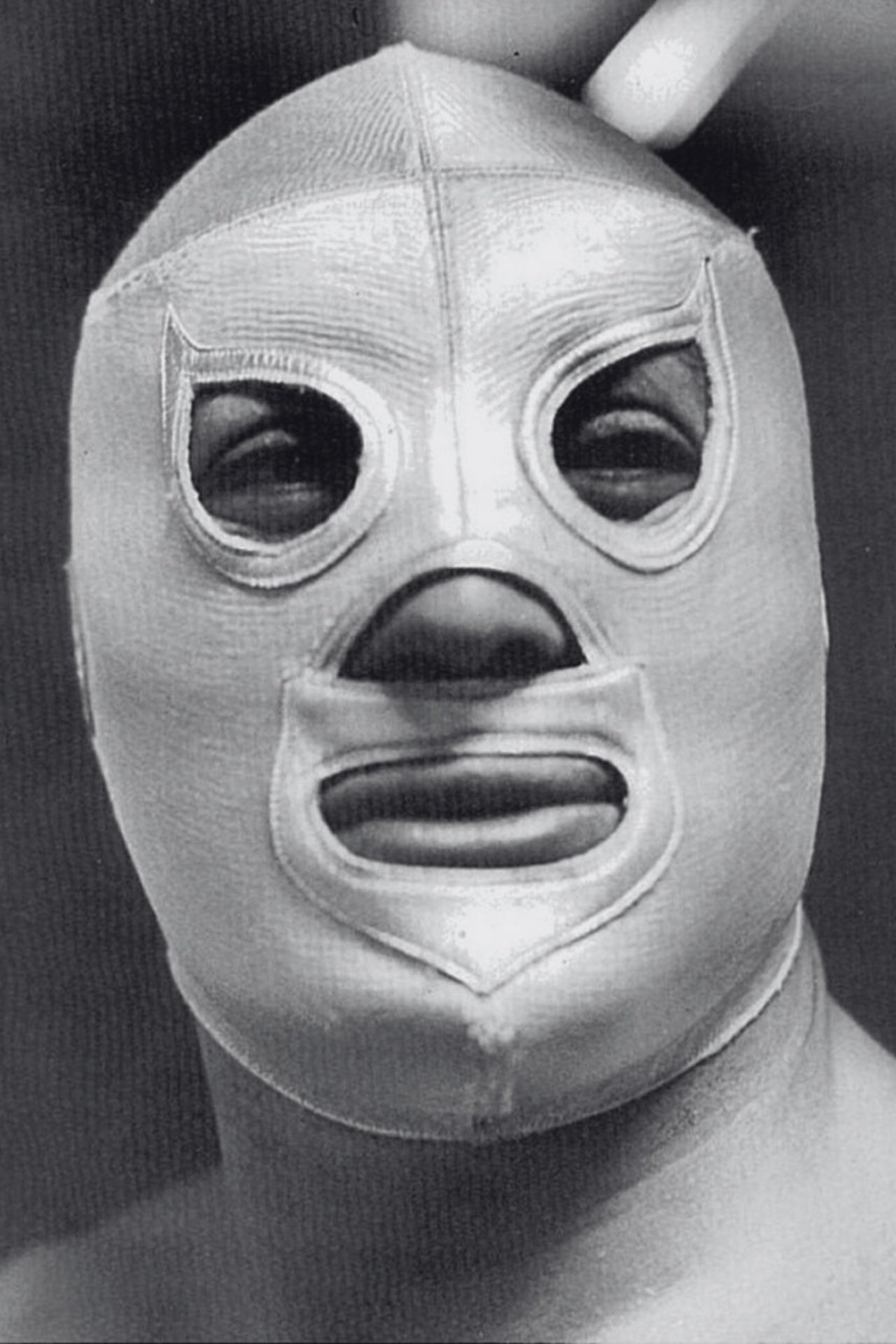
Mexican horror's golden age began in 1957 with Fernando Méndez's The Vampire (1957), starring Germán Robles as the sophisticated Count Lavud — a performance that made Robles Mexico's premier horror star. Producer Abel Salazar became the driving force behind the industry, producing an extraordinary volume of films including the Aztec Mummy trilogy that began with The Curse of the Aztec Mummy (1957), creating a uniquely Mexican monster rooted in pre-Columbian culture. Directors like Chano Urueta — whose credits included The Brainiac (1962) and La cabeza viviente (1963) — and Rafael Portillo contributed to a prolific output that blended European Gothic conventions with local mythology. Carlos Enrique Taboada emerged as the era's foremost Mexican Gothic auteur, releasing a quartet of corpus-canonical psychological horrors over two decades — Even the Wind Is Afraid (1968), The Book of Stone (1969), Blacker Than the Night (1975), and Poison for the Fairies (1986) — all centred on women, children, and the supernatural pressures of strict Catholic households. Juan López Moctezuma pushed further into transgression with The Mansion of Madness (1973), a Poe adaptation, and Alucarda (1977), a convent-set demonic-possession film whose hysterical excess has become a cornerstone of the cult Mexican Gothic canon. Running parallel to all of this was the lucha libre horror film, in which masked wrestlers battled supernatural threats. El Santo — silver-masked, white-suited, never unmasked in over fifty films from 1952 until his death in 1984 — became a national icon whose appeal transcended genre, while Blue Demon and Mil Máscaras joined him in creating a subgenre that had no equivalent anywhere else in world cinema; the cycle even produced its own female-led variant in Doctor of Doom (1963), where two wrestling-women heroines battled a mad scientist.
The cycle faded in the mid-1970s, and Mexican horror lay dormant until Guillermo del Toro's Cronos (1993), an imaginative reinvention of the vampire story that announced a major new talent — though del Toro would make his most celebrated horror films as Spanish productions. Taboada's death in 1997 closed out the gothic-auteur tradition that had carried Mexican horror through its mid-period, and the country produced little of note until the late 2000s.
A new generation has since revived Mexican horror by routing it through contemporary social realities. Jorge Michel Grau's We Are What We Are (2010) used a cannibal family to examine poverty and ritual; Issa López's Tigers Are Not Afraid (2017) channelled the violence of Mexico's drug war through a children's dark fairy tale; Amat Escalante's The Untamed (2016) fused art-house provocation with creature-horror to interrogate sexuality and political violence; Emilio Portes's Belzebuth (2019) brought Catholic possession horror back to the border; and Michelle Garza Cervera's Huesera: The Bone Woman (2023) mapped Mexico's queer-and-motherhood anxieties onto an oppressive folk-horror frame. Contemporary Mexican horror remains connected to the country's rich traditions of supernatural storytelling and its complex, unresolved relationship with death, violence, and the afterlife — themes the genre has engaged since La Llorona first wept on screen in 1933.
Essential Films
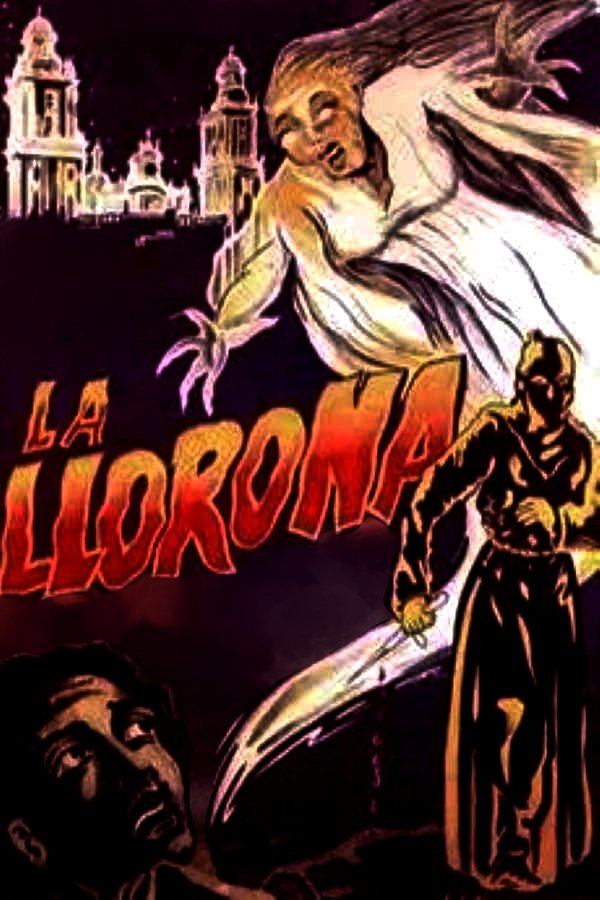
The Crying Woman
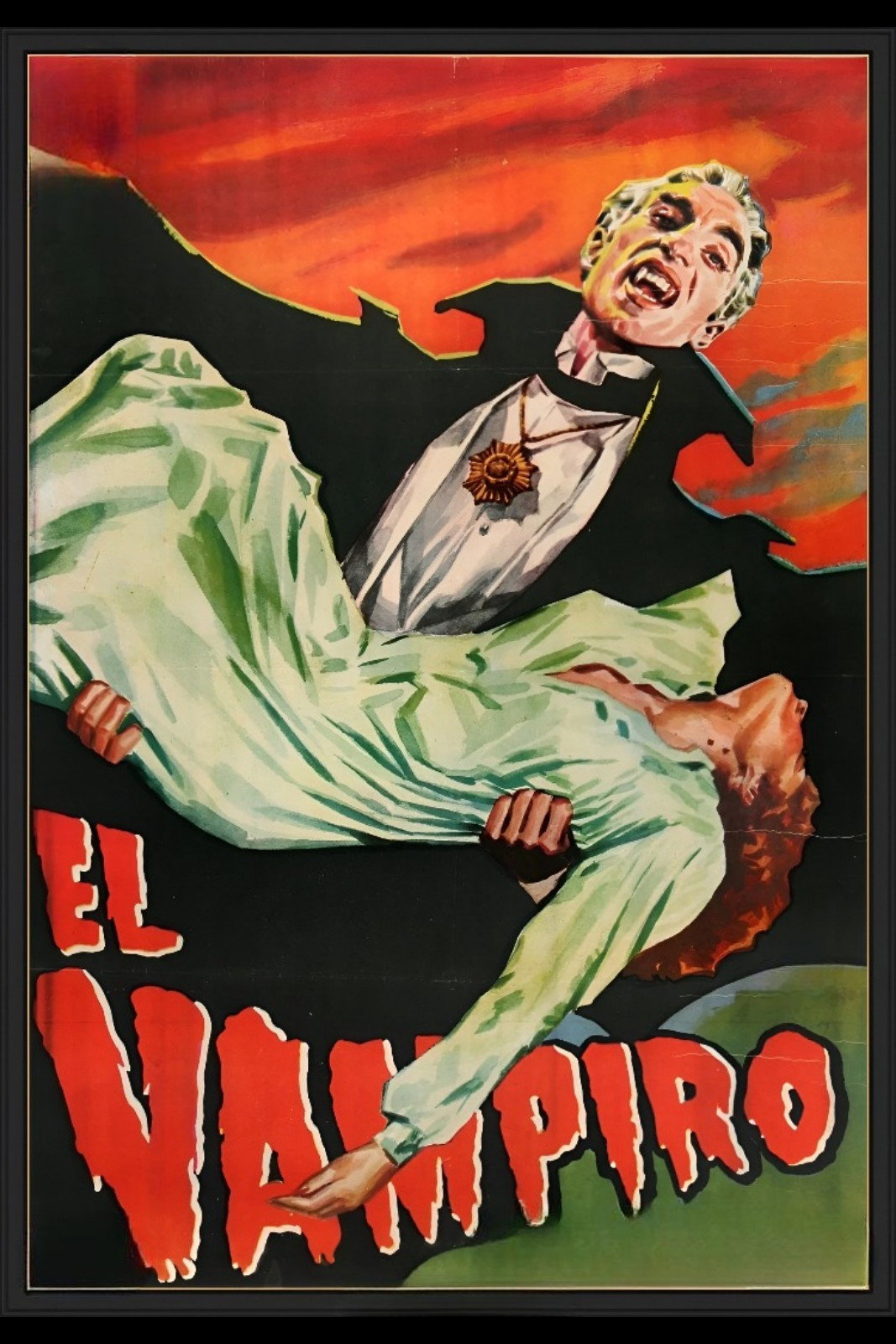
The Vampire
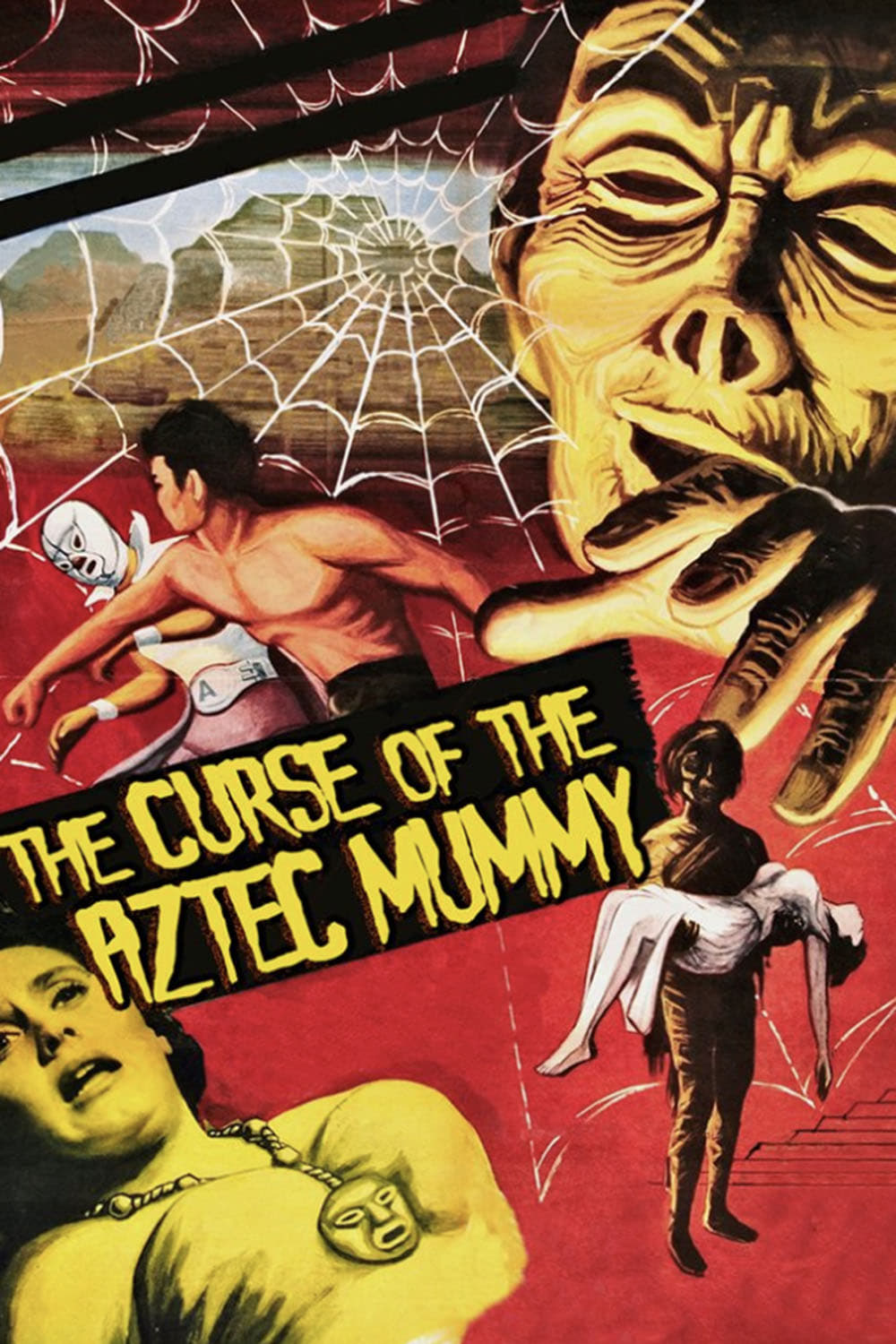
The Curse of the Aztec Mummy
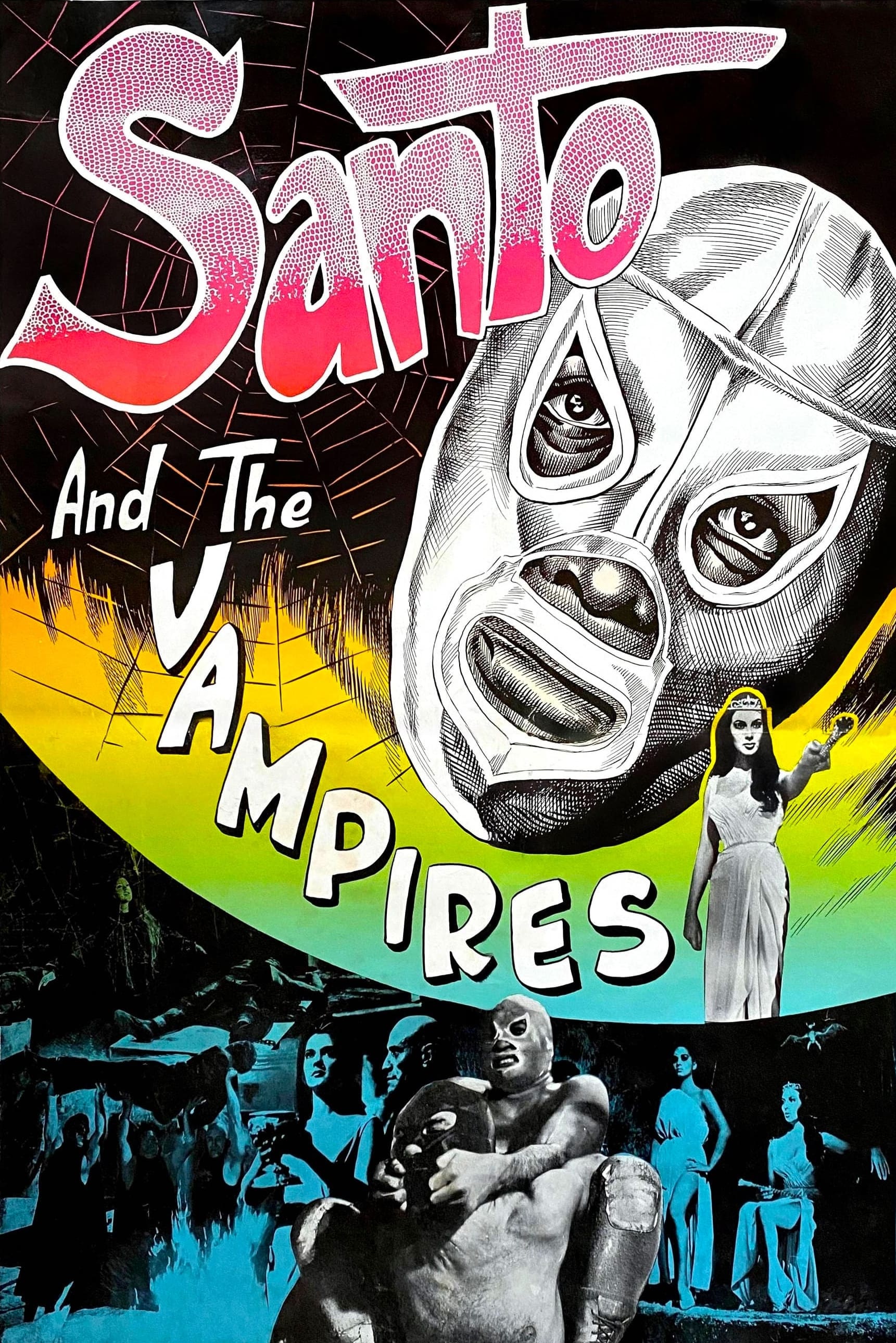
Santo vs. the Vampire Women
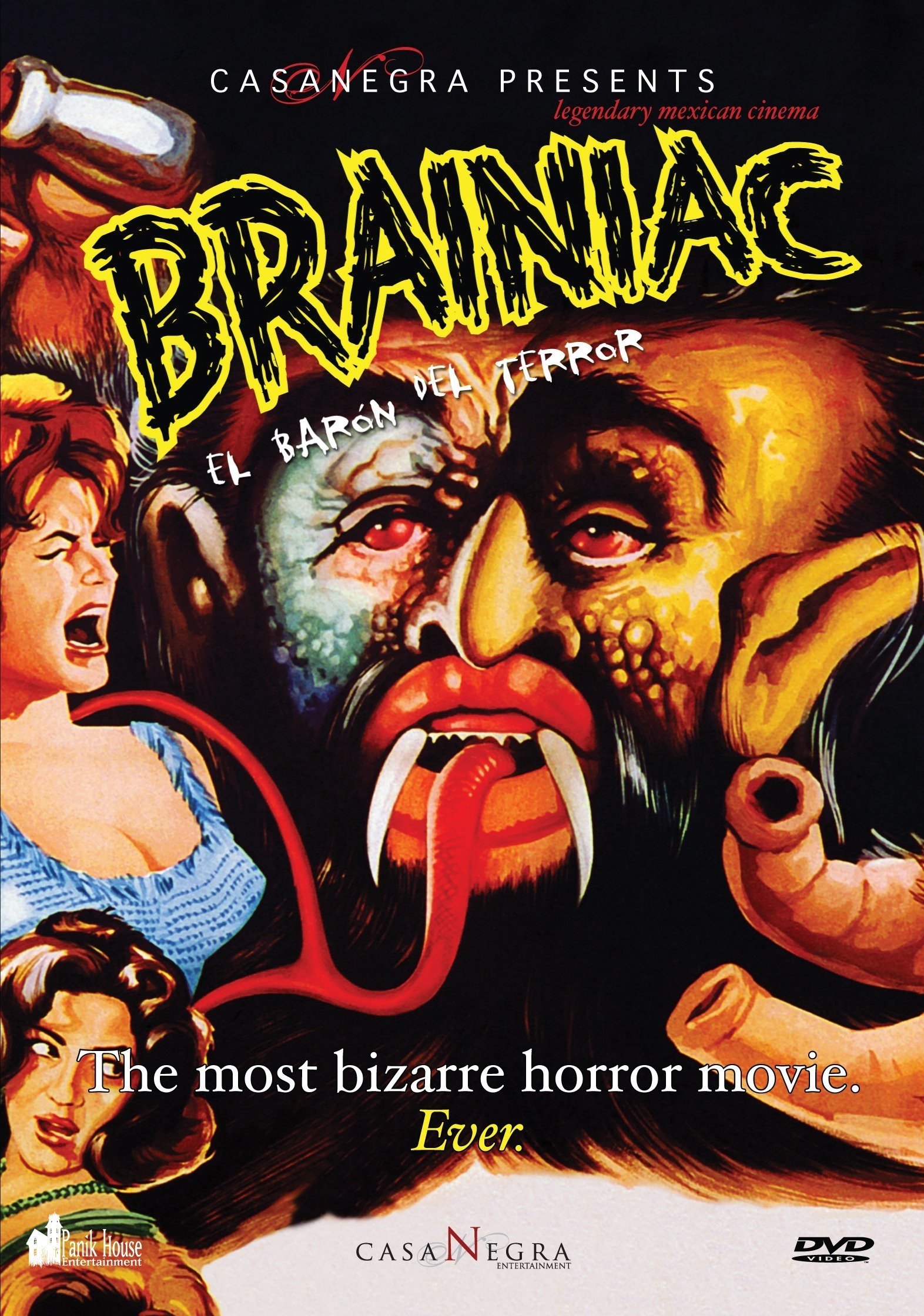
The Brainiac
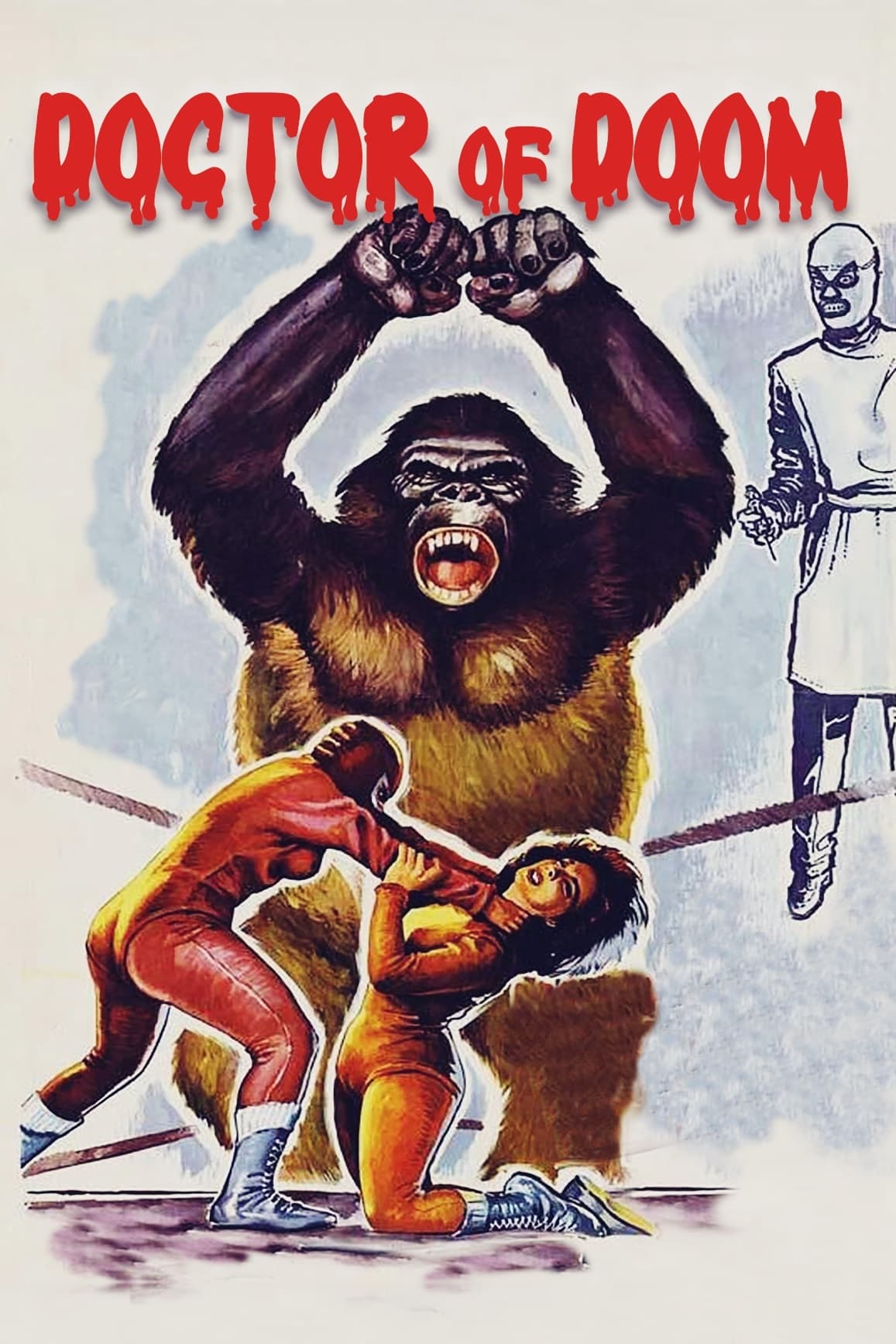
Doctor of Doom
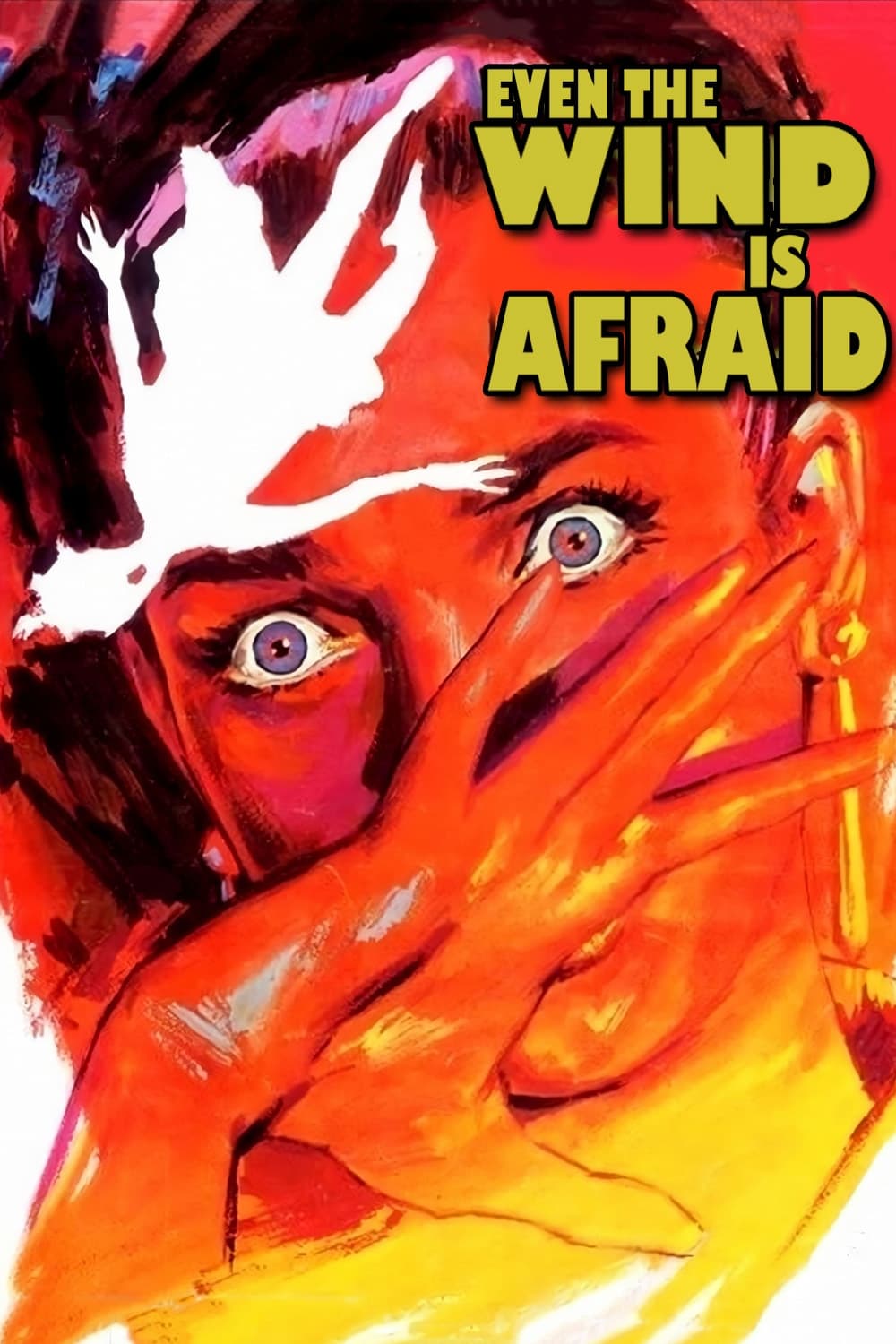
Even the Wind Is Afraid
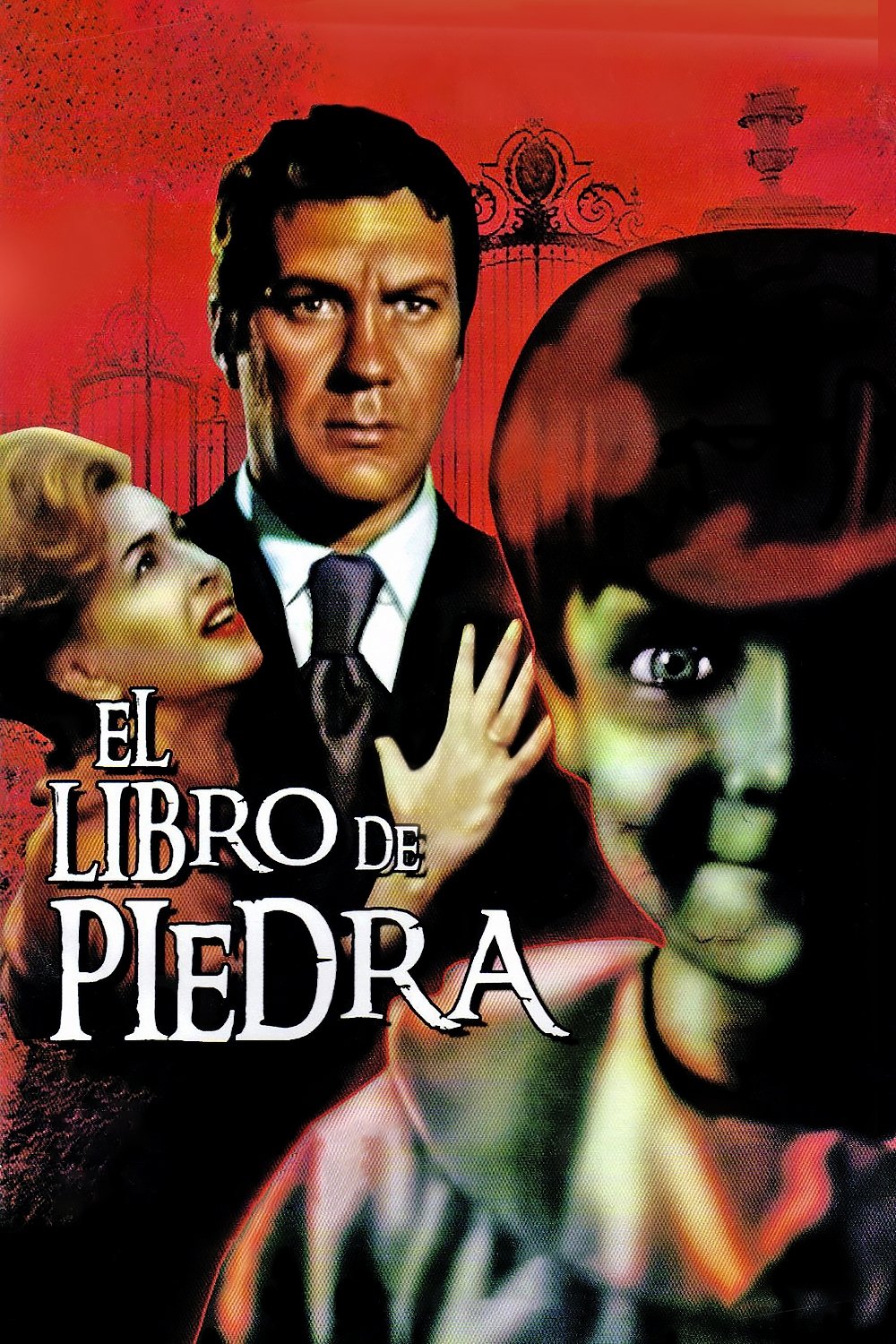
The Book of Stone
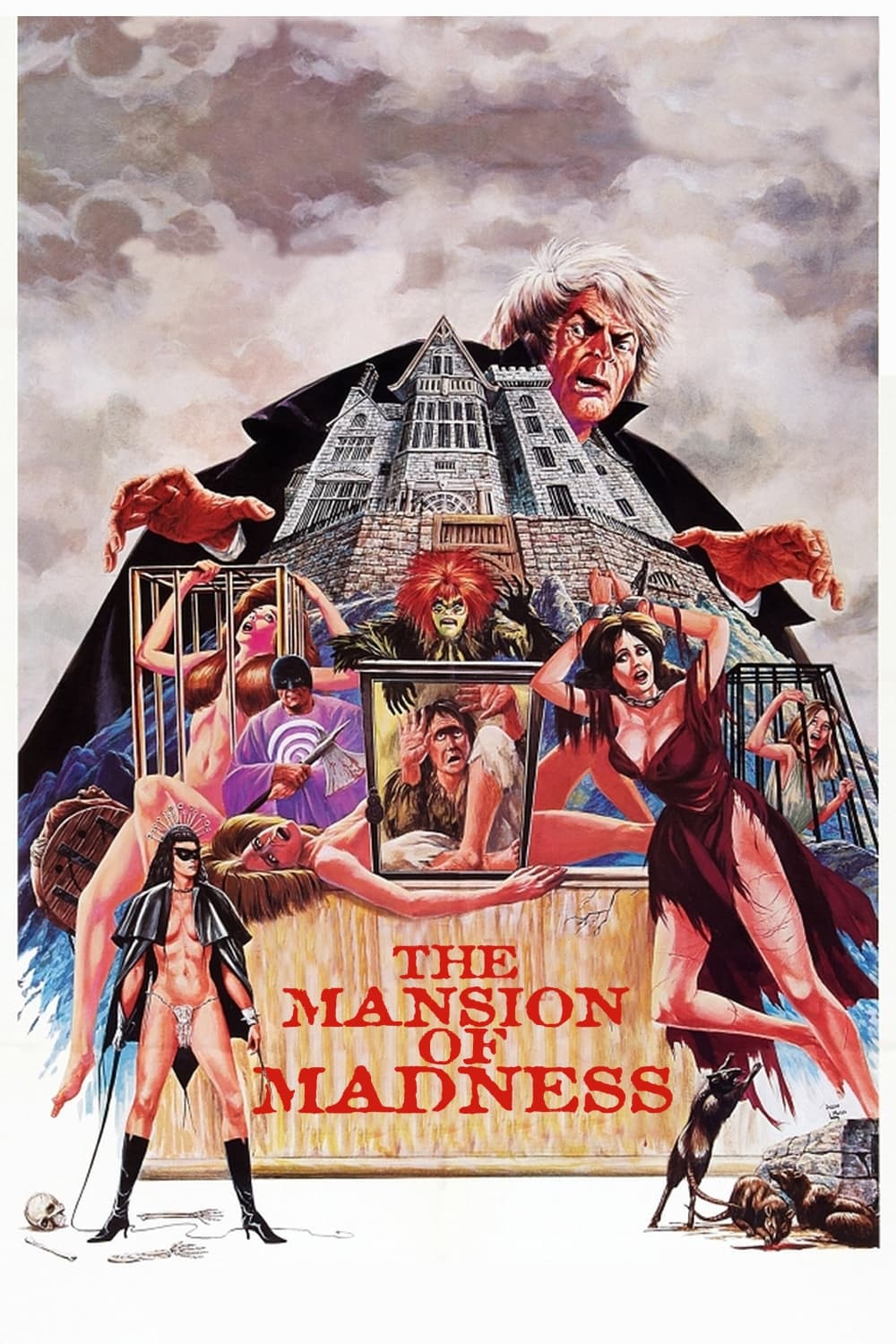
The Mansion of Madness
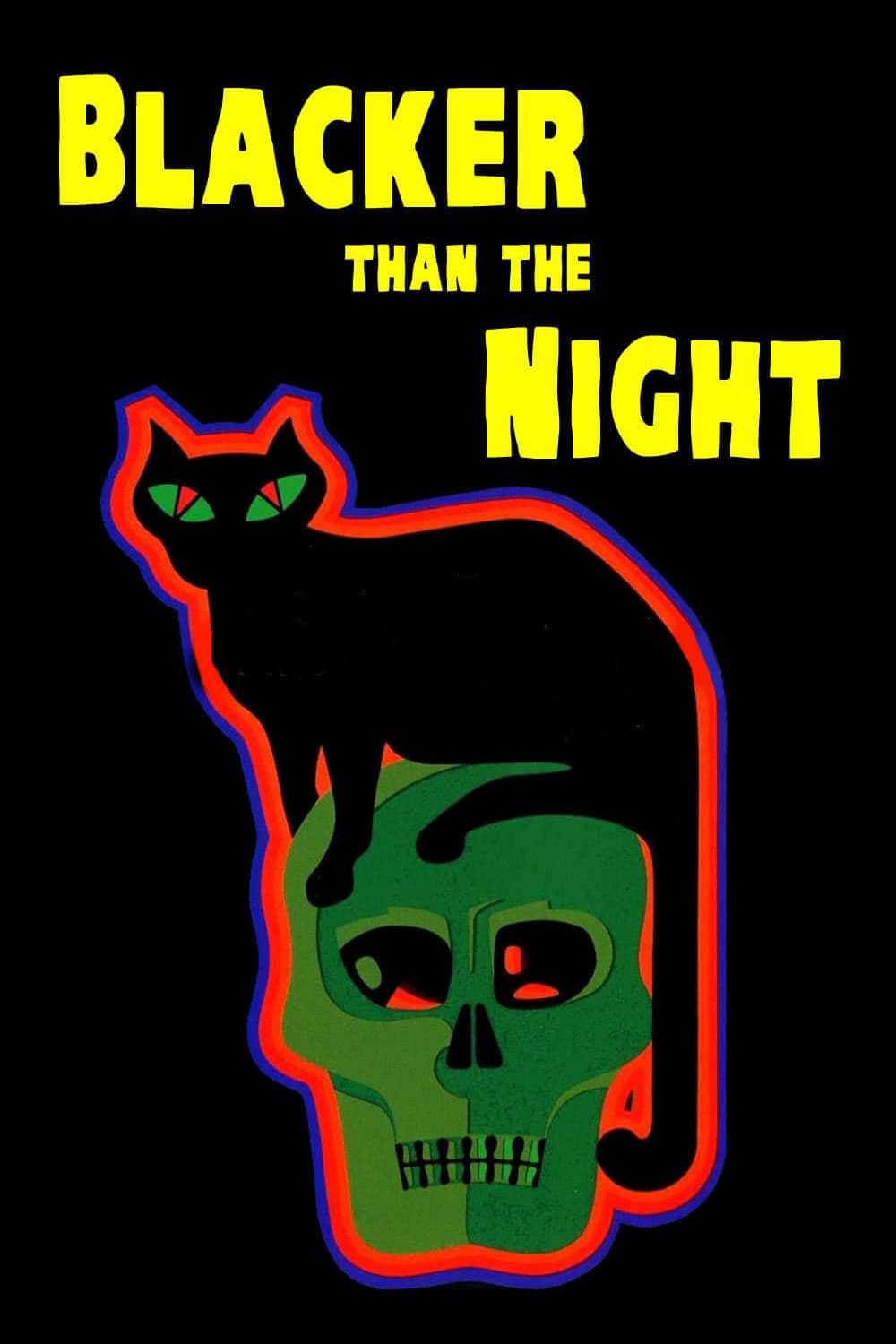
Blacker Than the Night
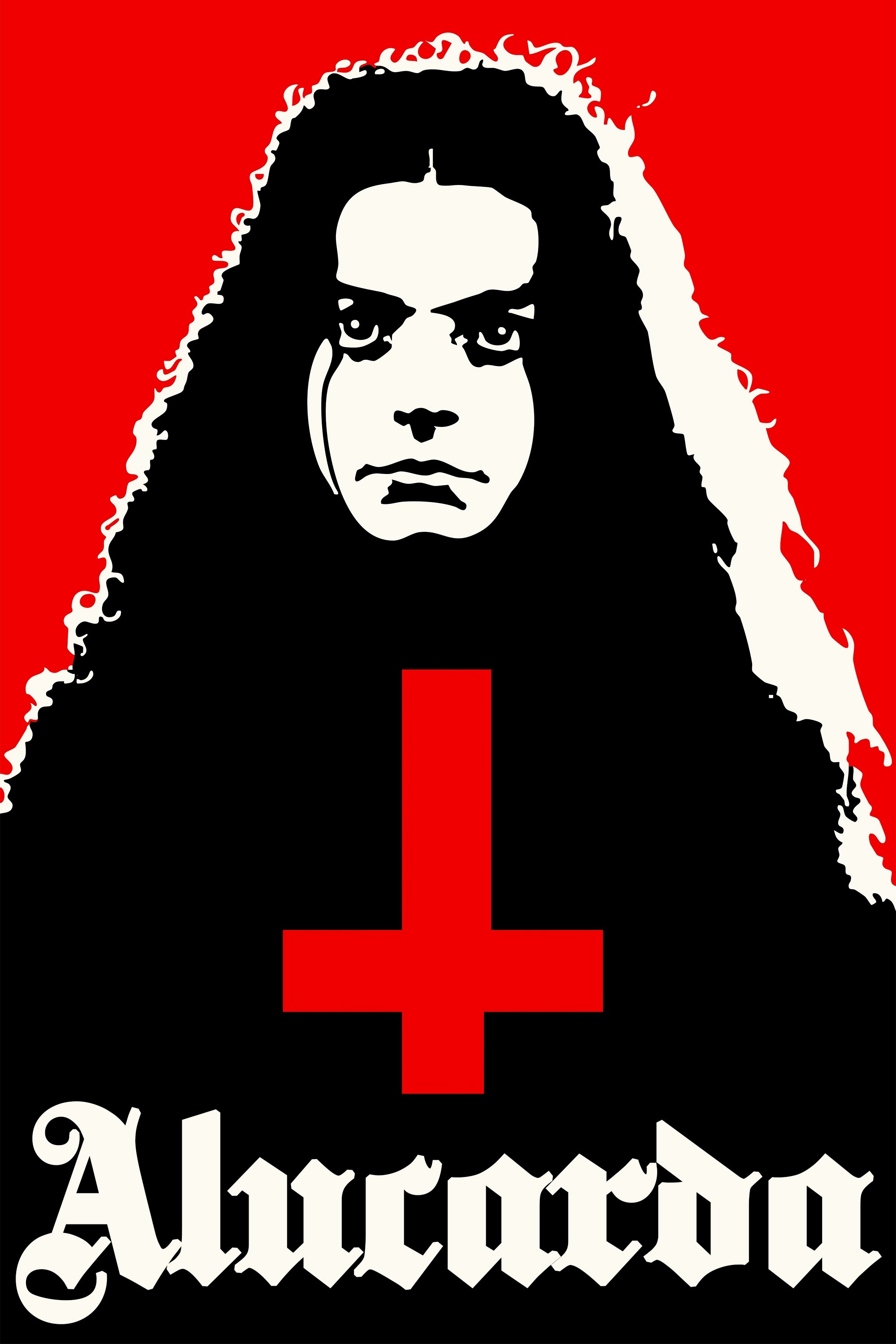
Alucarda
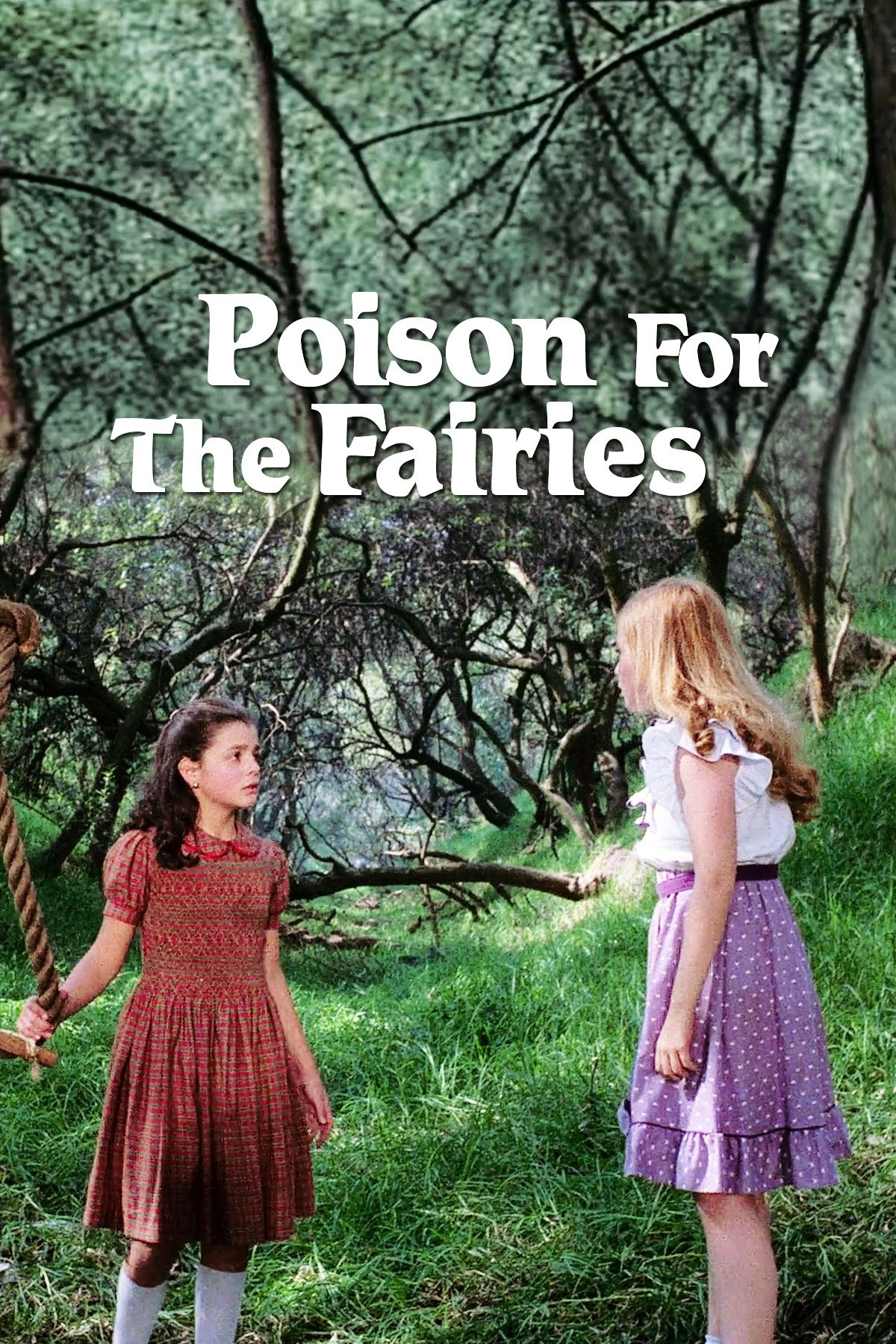
Poison for the Fairies
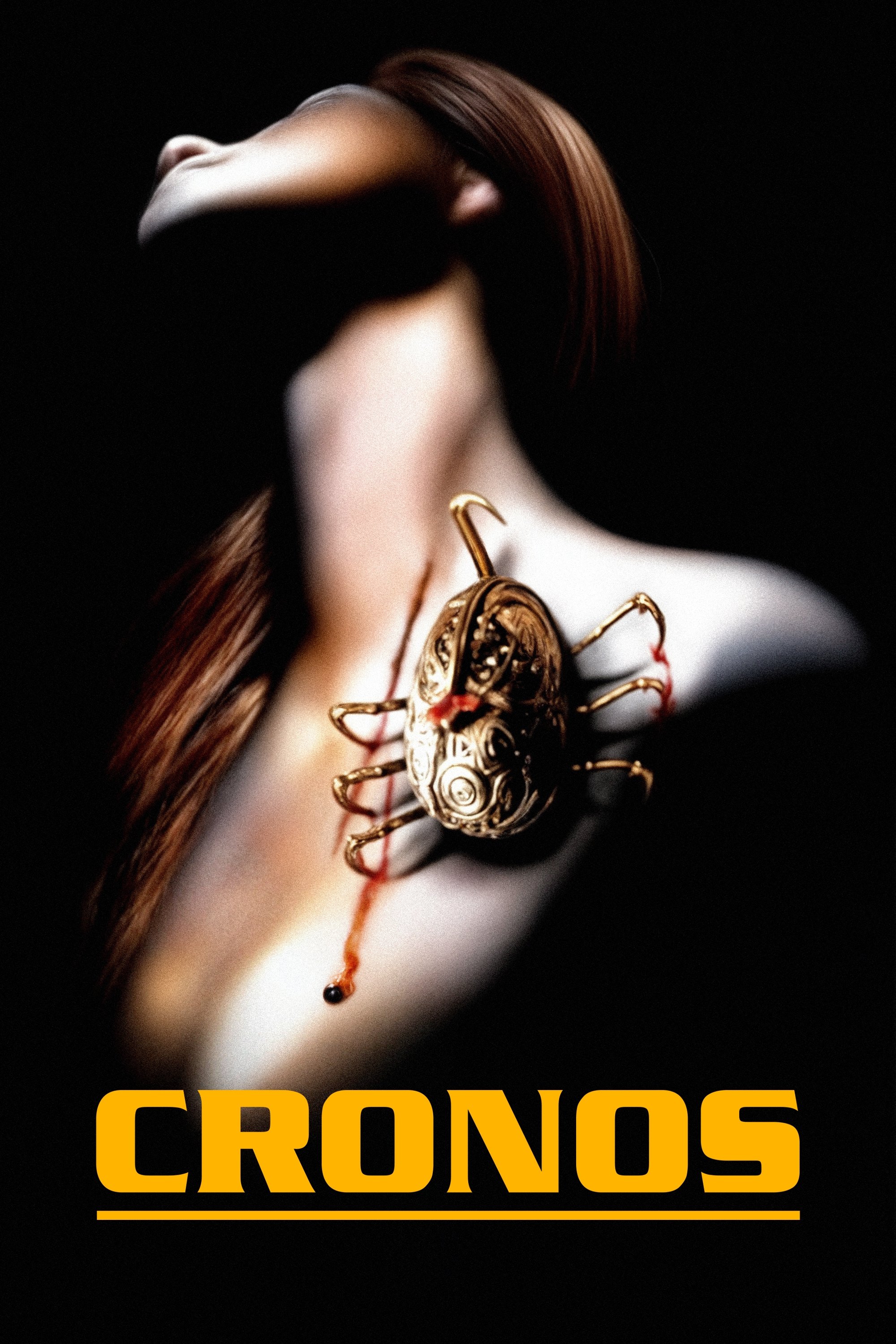
Cronos
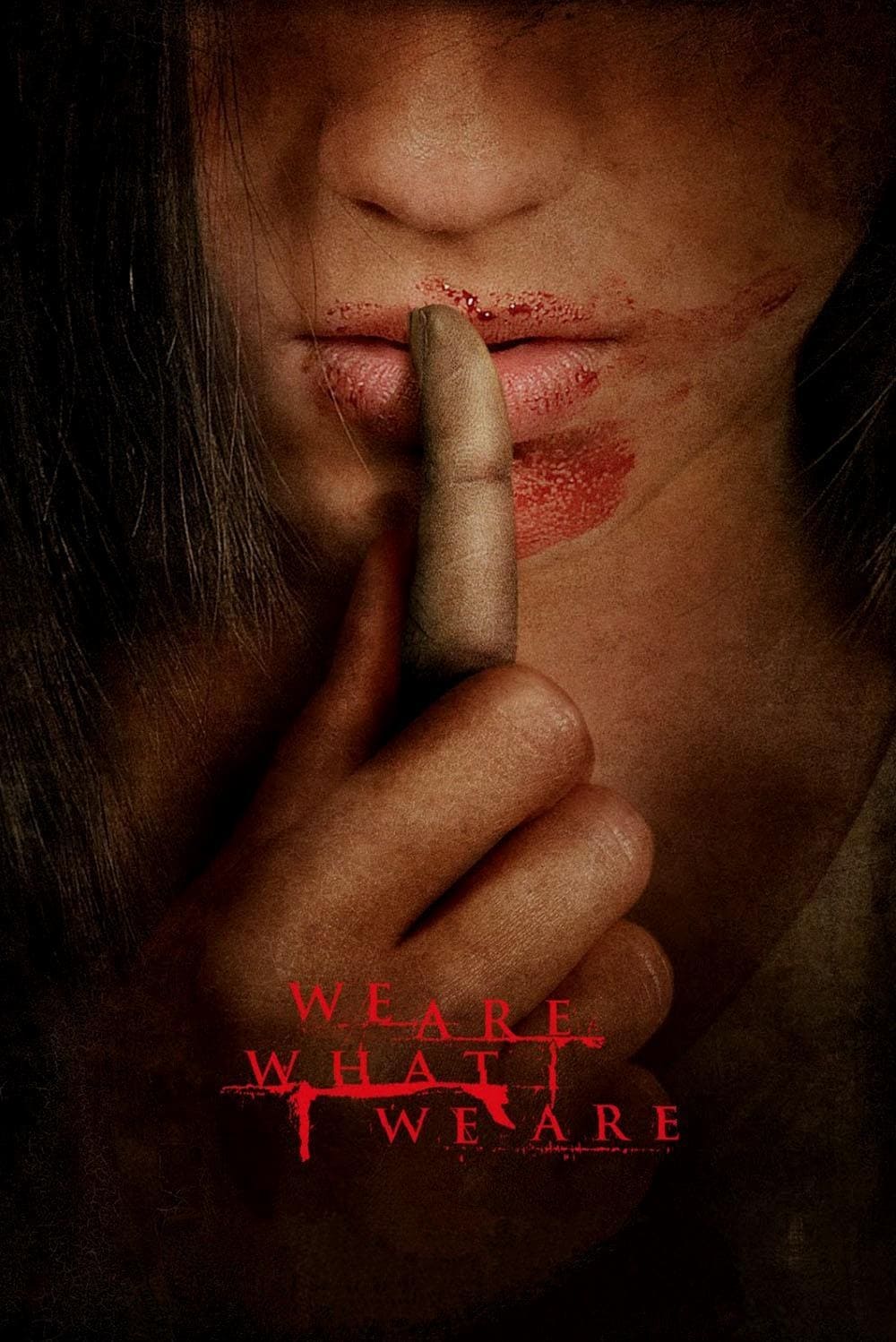
We Are What We Are

The Untamed
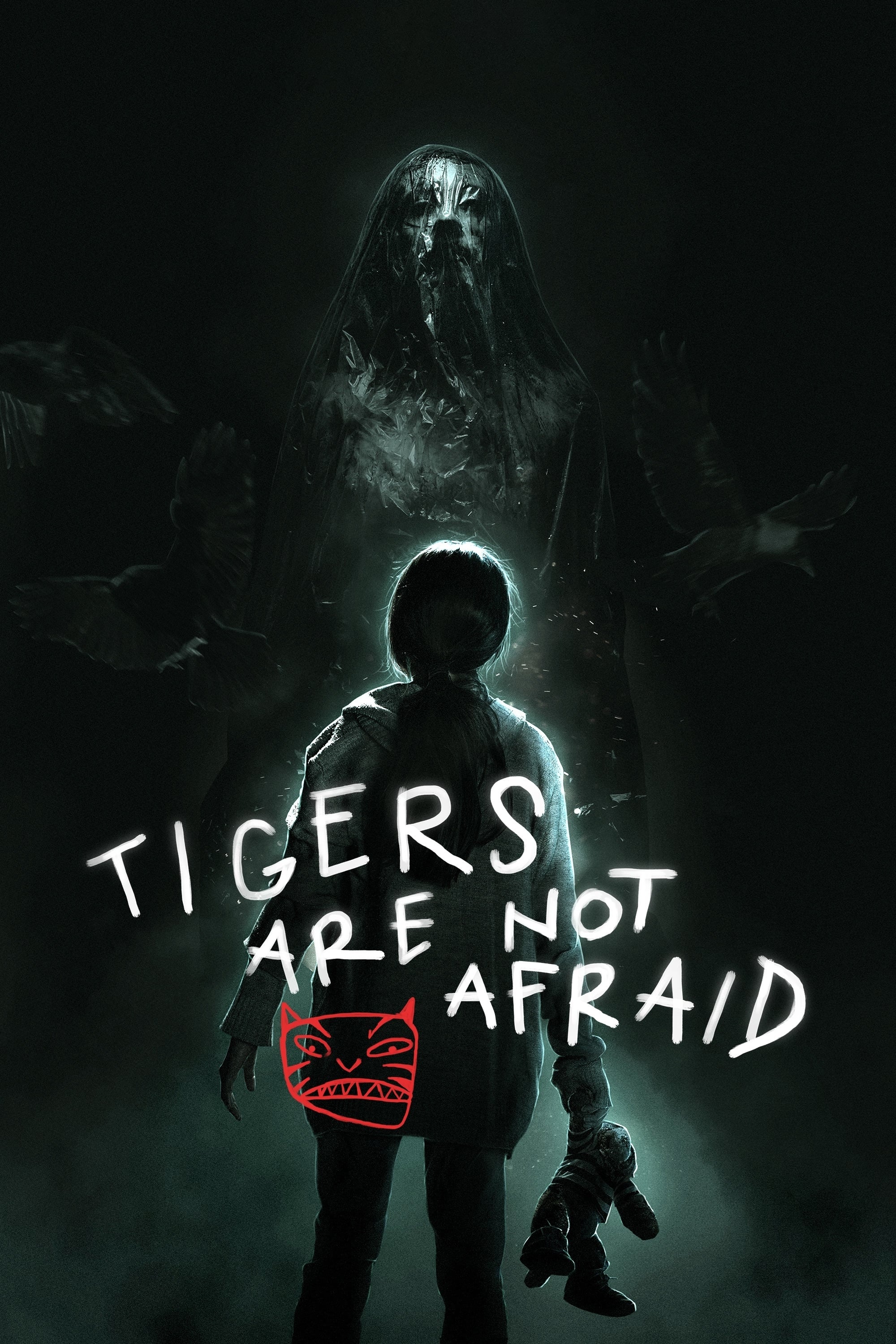
Tigers Are Not Afraid
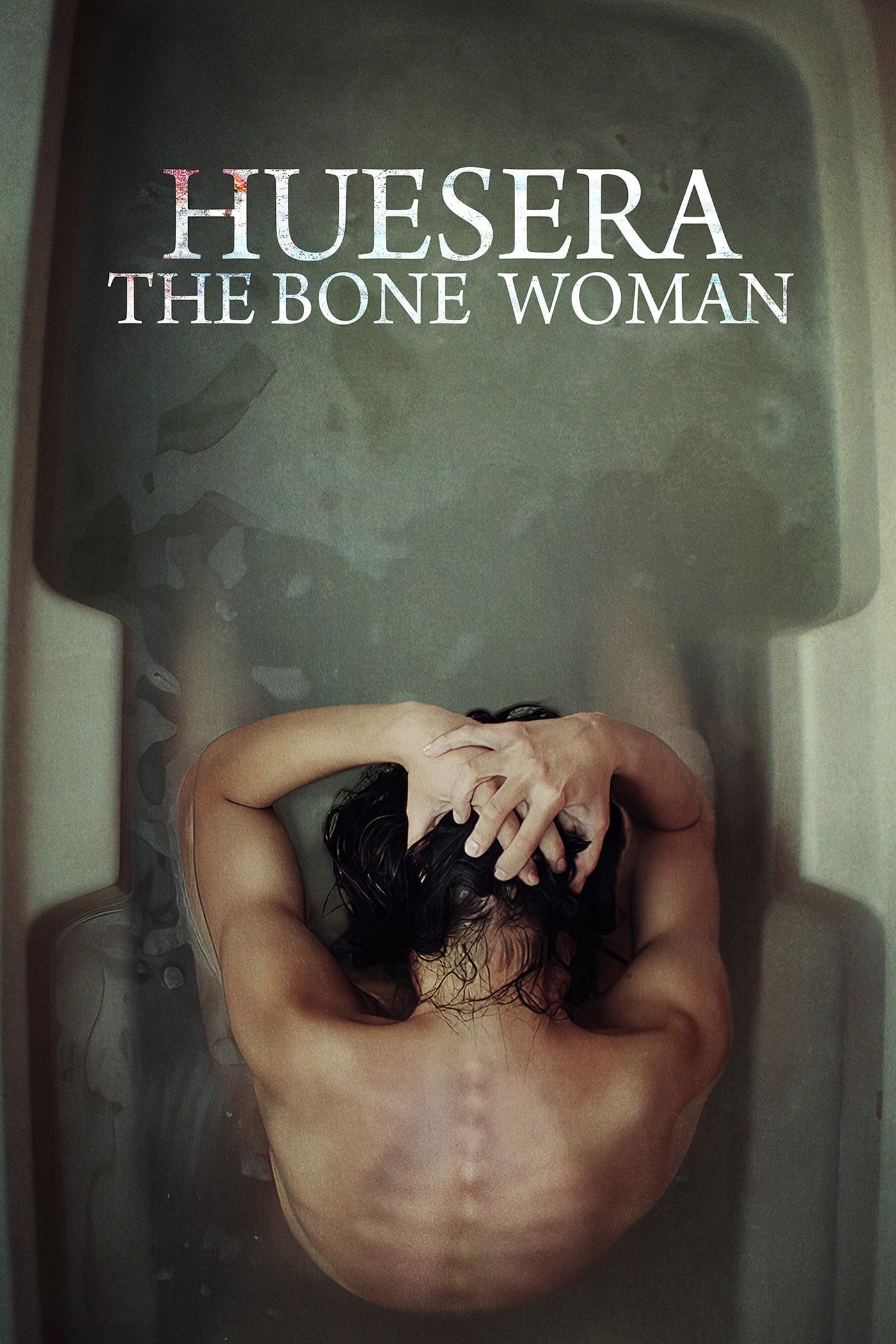
Huesera: The Bone Woman
Statistics
Top Subgenres
Popularity by Decade
Share of each decade's horror films classified as Mexico horror. Counts films with at least 5 TMDB ratings, so very obscure titles are not represented.