Godzilla 1954
1950s
Atomic ants, pod people, and Hammer's Technicolor blood — the decade split horror between Cold War paranoia and Gothic revival.
History
The 1950s marked a seismic shift in horror cinema, as traditional Gothic monsters gave way to threats born from scientific progress and Cold War paranoia. The United States's defining atomic-age horror began with Howard Hawks's The Thing from Another World (1951), then exploded with Eugène Lourié's The Beast from 20,000 Fathoms (1953) — a Ray Harryhausen-effects giant-creature film whose Japanese release directly inspired Ishirō Honda's Godzilla (1954), which transformed nuclear trauma into the genre's most iconic monster in Japan. Jack Arnold's Universal cycle — It Came from Outer Space (1953), Creature from the Black Lagoon (1954), Tarantula (1955) — anchored the studio's transition from Gothic monster to atomic creature, while Them! (1954)'s giant ants and Don Siegel's Invasion of the Body Snatchers (1956)'s pod-people allegory channeled contemporary fears about nuclear warfare, communist infiltration, and the loss of individual identity. In France, Henri-Georges Clouzot's Diabolique (1955) proved so influential that it directly inspired Hitchcock's Psycho and Hammer's entire line of psychological thrillers.
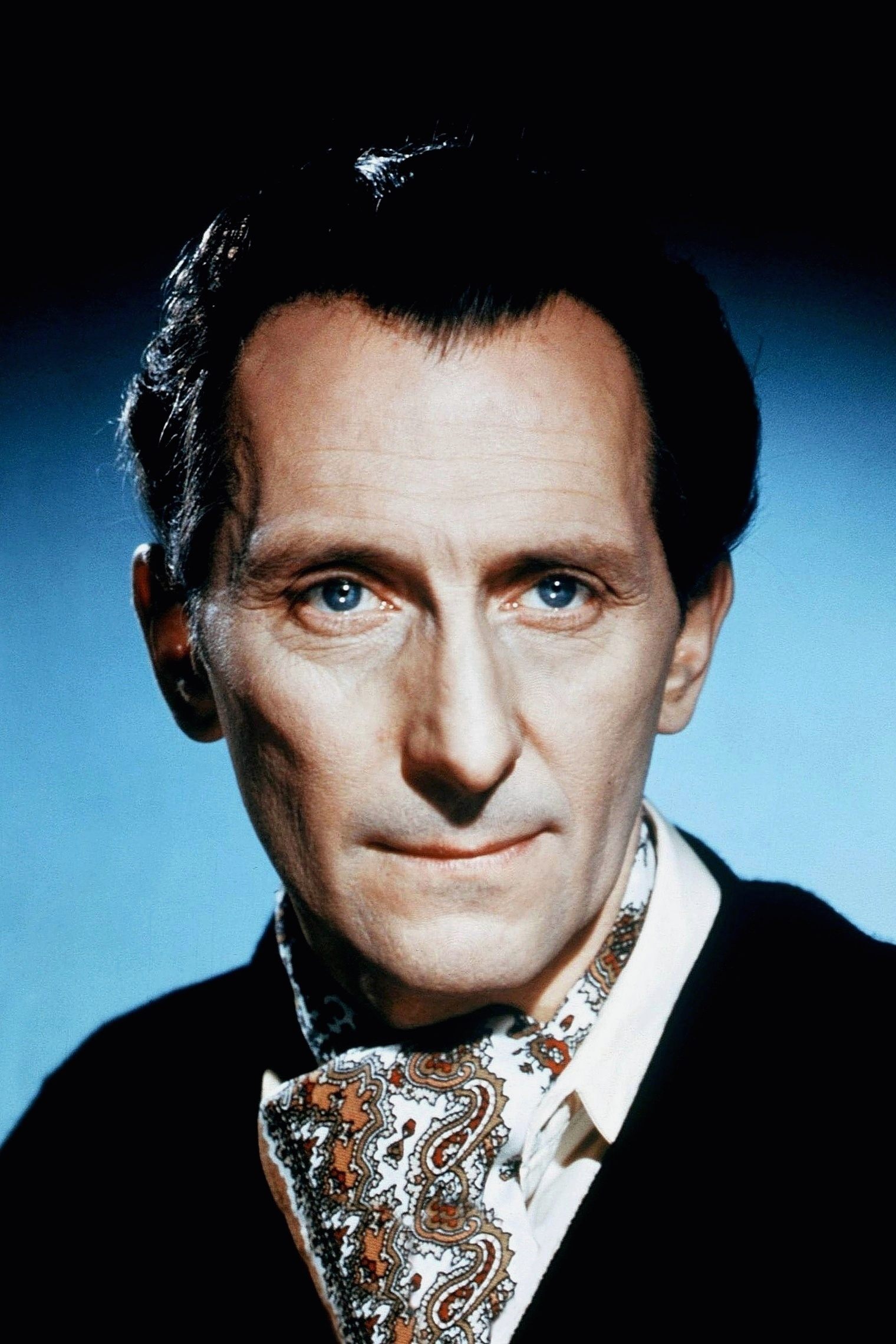
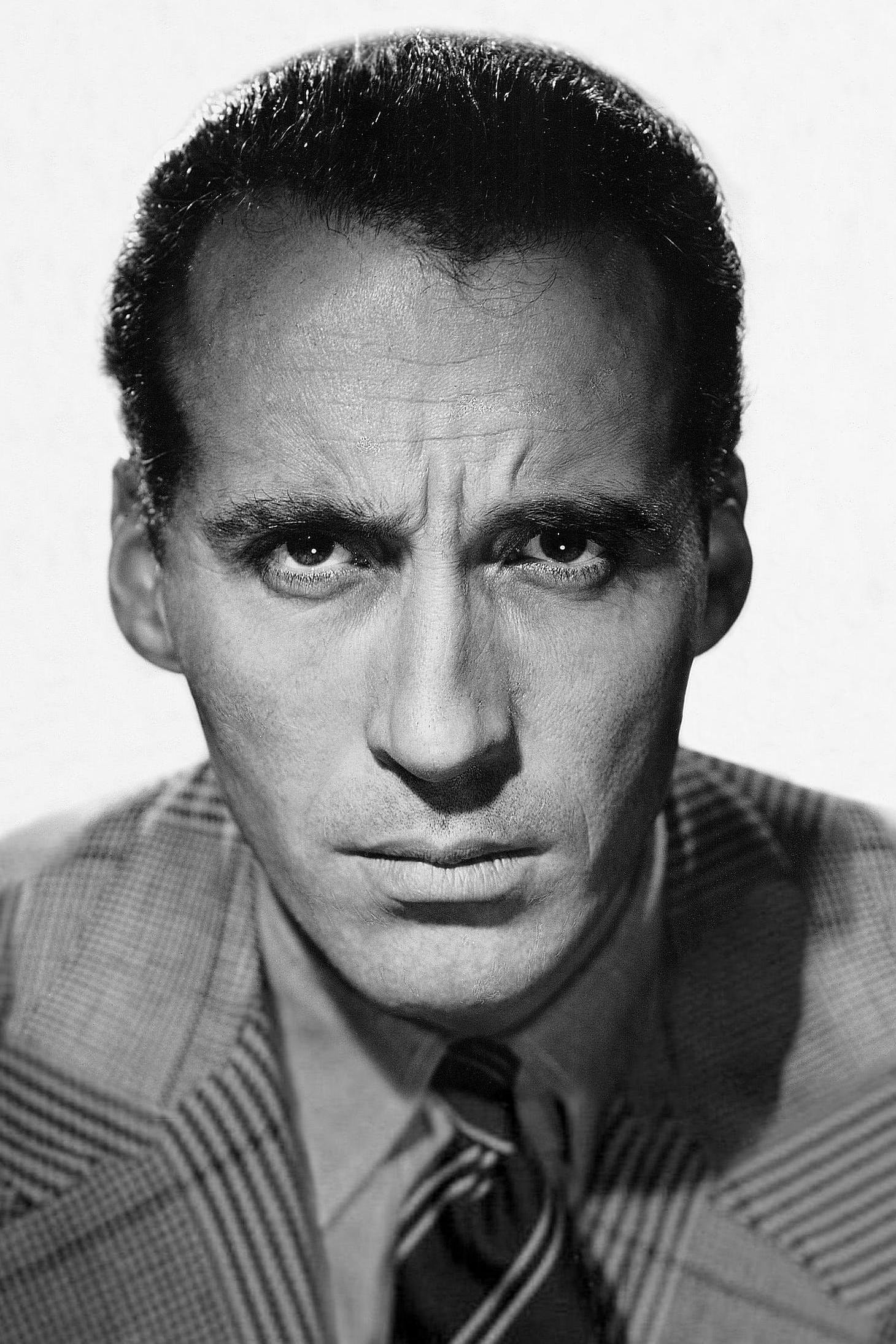
Hammer Film Productions revolutionised Gothic horror by bringing Technicolor blood to classic monsters from Britain. After the unexpected success of Val Guest's The Quatermass Xperiment (1955), adapted from Nigel Kneale's BBC serial, and its sequel Quatermass 2 (1957), Hammer turned to full-blooded Gothic with Terence Fisher's The Curse of Frankenstein (1957) and Dracula (1958). Christopher Lee's sensual, aristocratic Dracula and Peter Cushing's driven Van Helsing redefined these characters for a new generation. Fisher extended the cycle with The Mummy (1959) and the Sherlock-meets-supernatural The Hound of the Baskervilles (1959), while Hammer's lush production values and sexual undertones pushed the boundaries of what horror could depict on screen. Jacques Tourneur's UK-produced Night of the Demon (1957), adapted from M. R. James, represented the era's most accomplished restraint-horror entry — its title-card monster reveal famously imposed against Tourneur's wishes.
The era witnessed the emergence of distinctive American showmen. Roger Corman began building his empire of low-budget genre filmmaking at American International Pictures, closing the decade with the horror-comedy A Bucket of Blood (1959) that prefigured Little Shop of Horrors; William Castle's gimmick-laden productions like House on Haunted Hill (1959) (with skeleton-on-wires "Emergo") and The Tingler (1959) (with theater-seat-buzzer "Percepto") used carnival stunts to create participatory horror viewing. Vincent Price became the era's defining horror star, anchoring both Castle pictures plus House of Wax (1953)'s 3D melodrama. Mervyn LeRoy's The Bad Seed (1956), with its murderous child protagonist, brought psychological horror to mainstream A-picture production, and Kurt Neumann's The Fly (1958) introduced the science-gone-wrong body-horror premise that Cronenberg would later remake. The Blob (1958), with Steve McQueen's debut, became drive-in horror's defining commercial hit.
By decade's end, the foundation was laid for horror's next evolution. The success of Hammer's Gothic revivals proved there was still appetite for classical monsters, while the decade's sci-fi horrors demonstrated cinema's power to externalize societal anxieties. The simultaneous 1959 releases — The Tingler, House on Haunted Hill, The Mummy, The Hound of the Baskervilles, A Bucket of Blood — set up the Hitchcock-Bava-Powell triple watershed of 1960 directly. Japan had announced itself as a major horror-producing nation, France had produced one of the genre's most influential thrillers, and atomic horror had given the genre its first truly modern subject matter. This dual legacy — the persistence of the Gothic alongside the emergence of contemporary fears — would define horror's trajectory into the revolutionary 1960s.
Essential Films
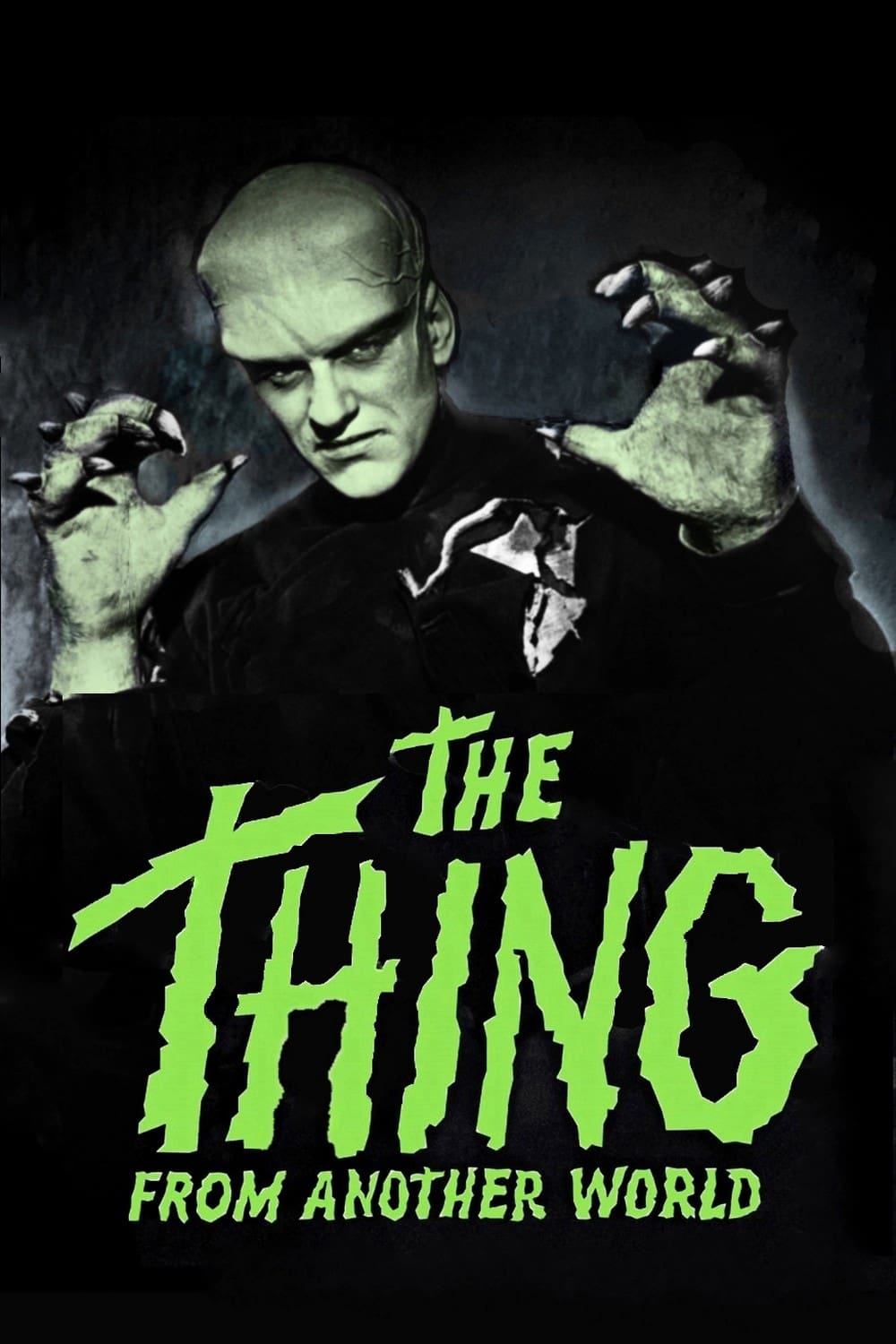
The Thing from Another World
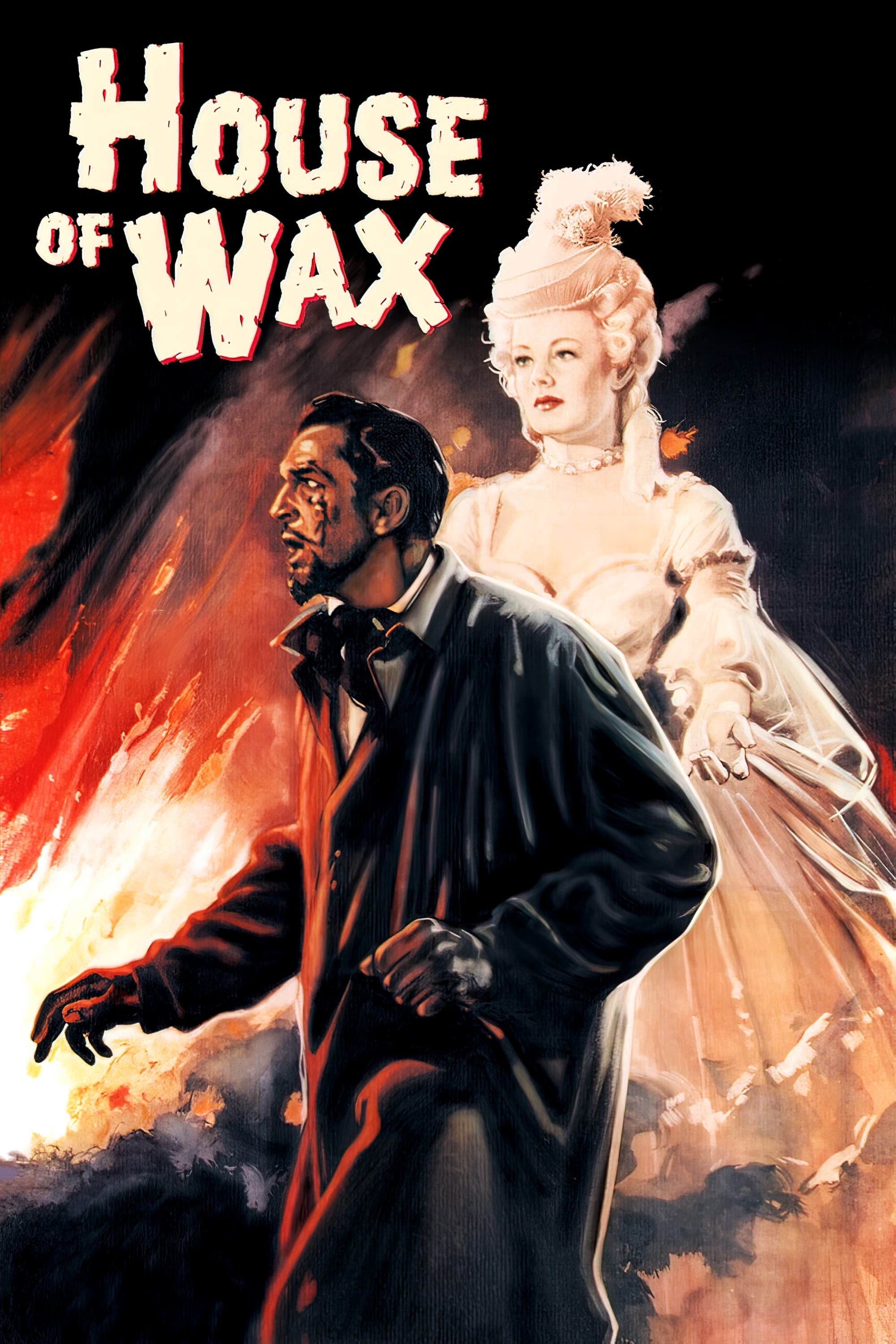
House of Wax
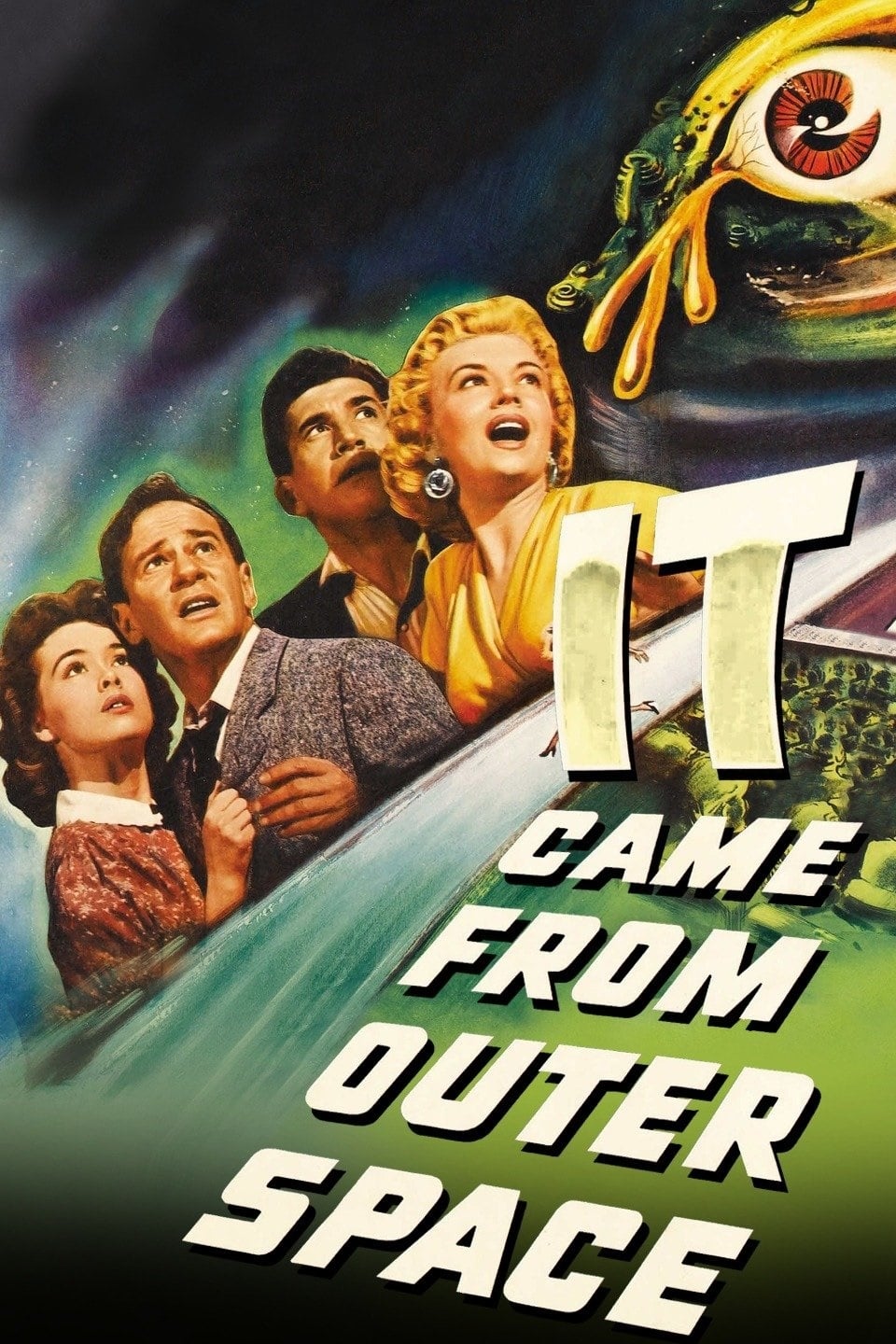
It Came from Outer Space
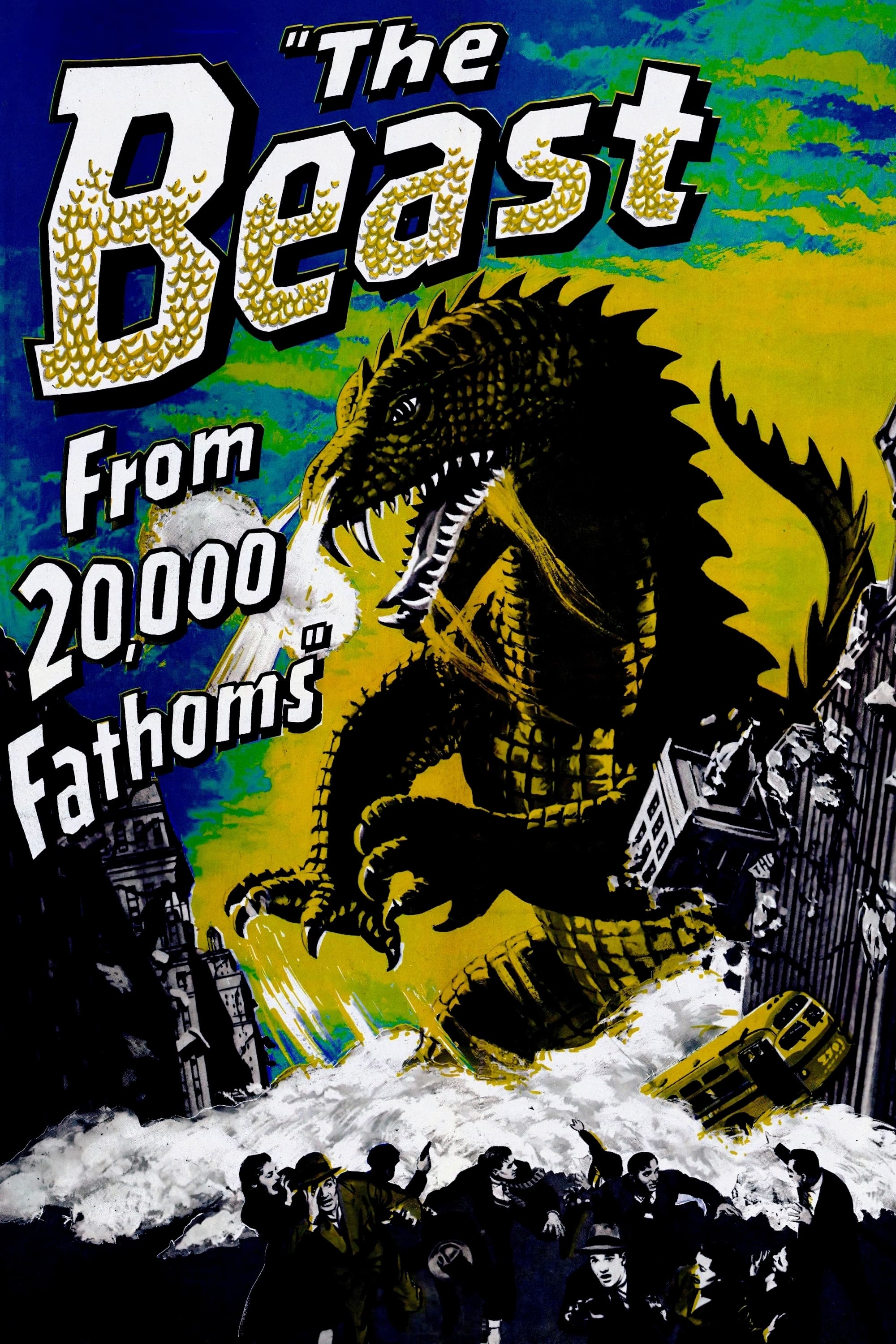
The Beast from 20,000 Fathoms
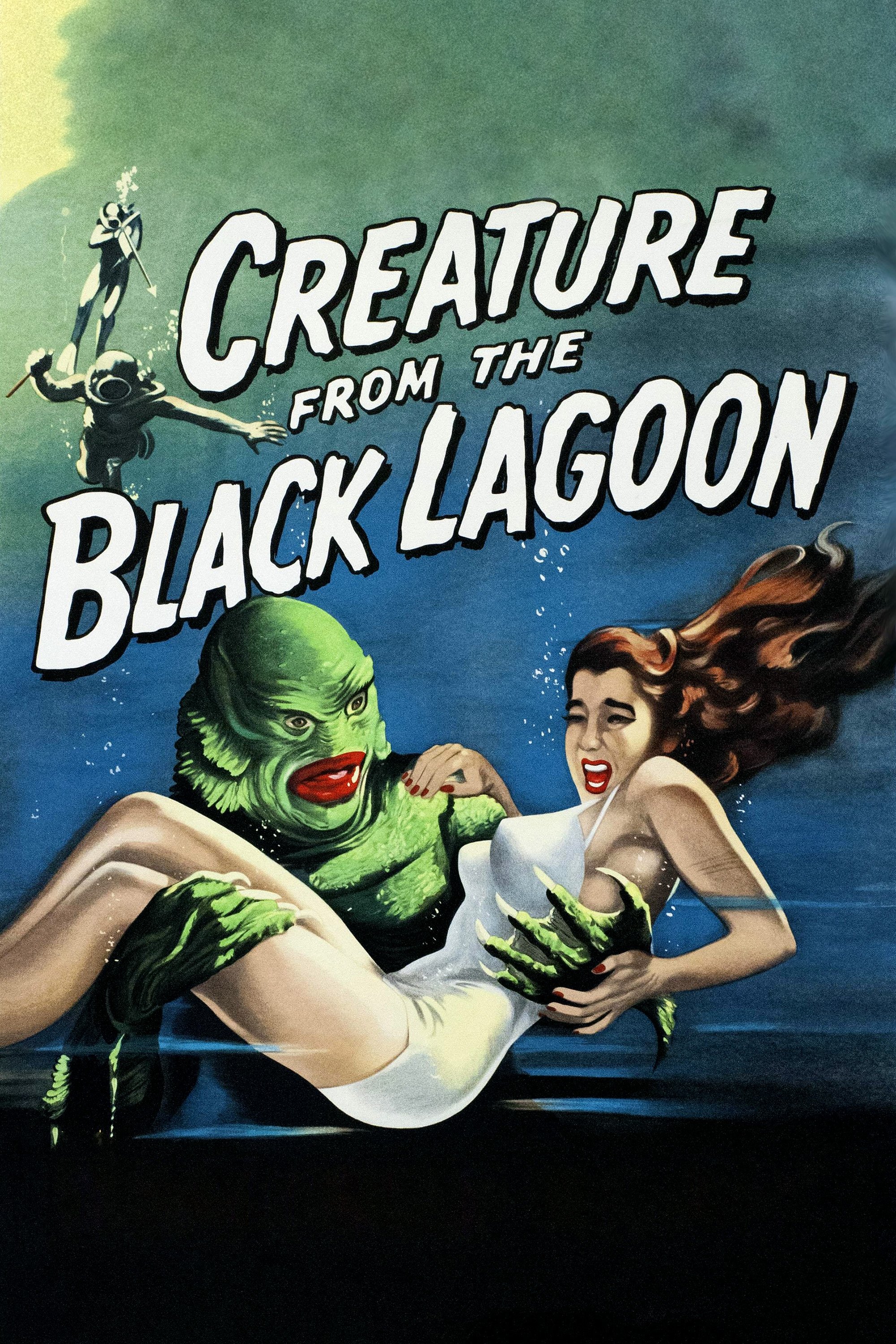
Creature from the Black Lagoon
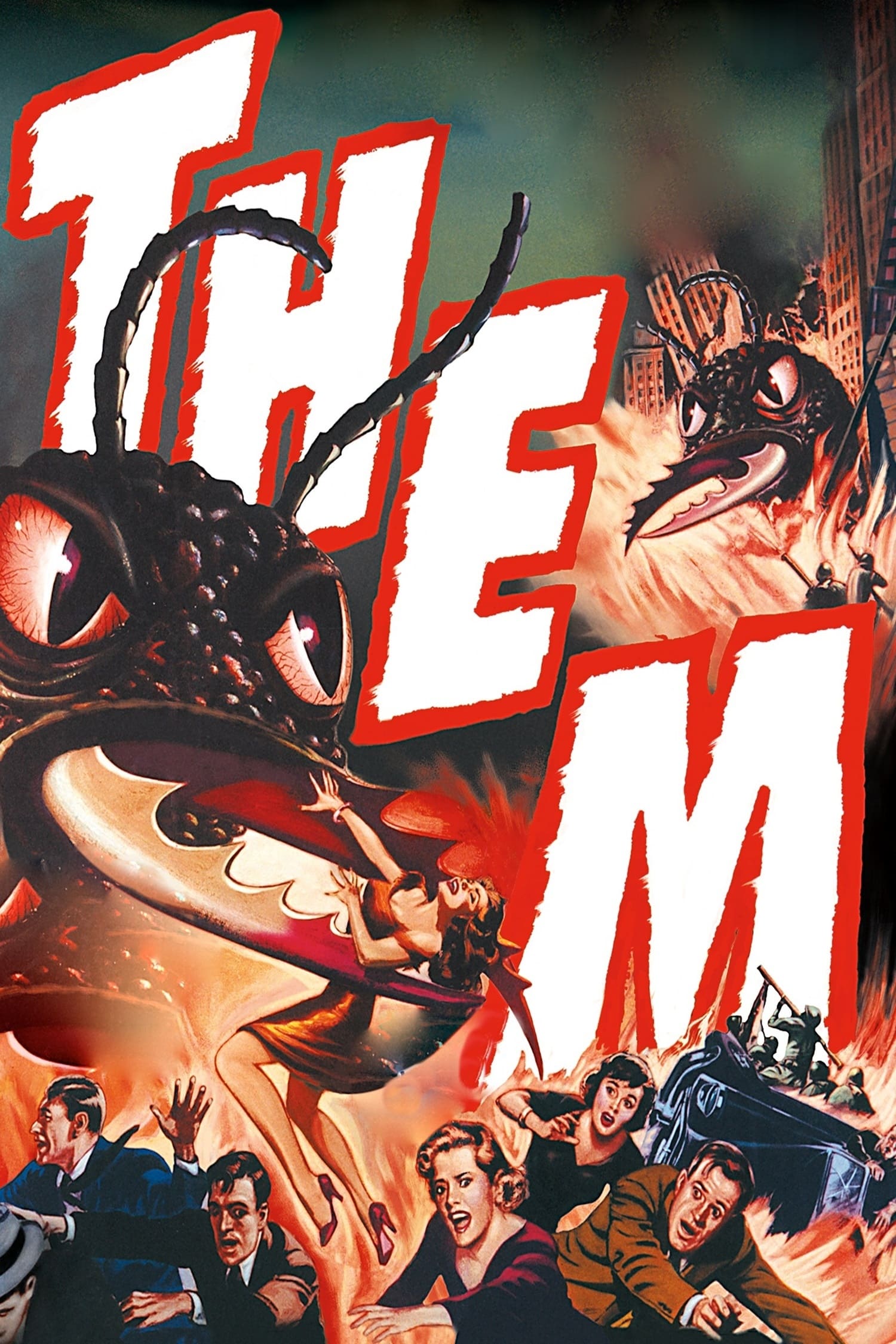
Them!
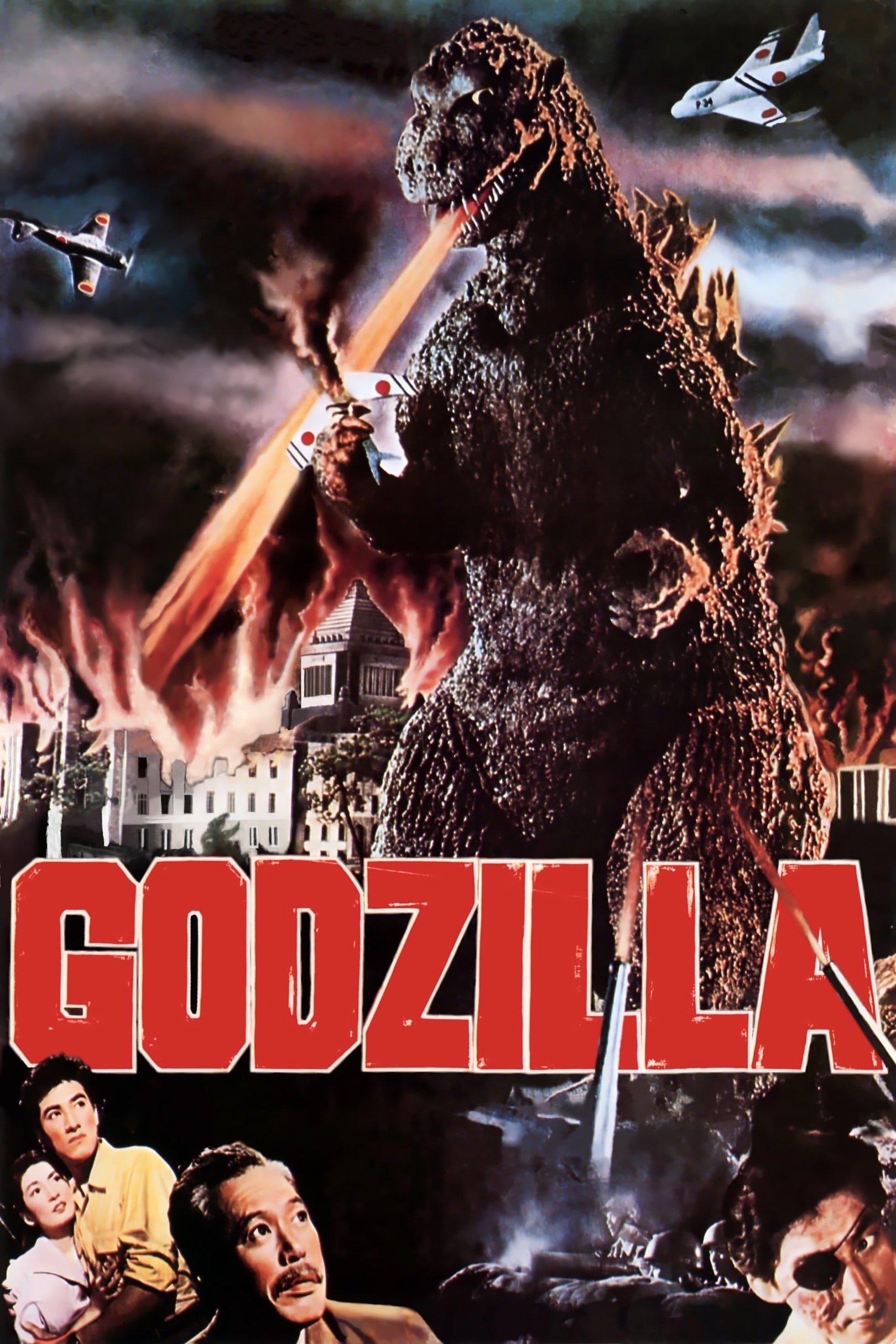
Godzilla
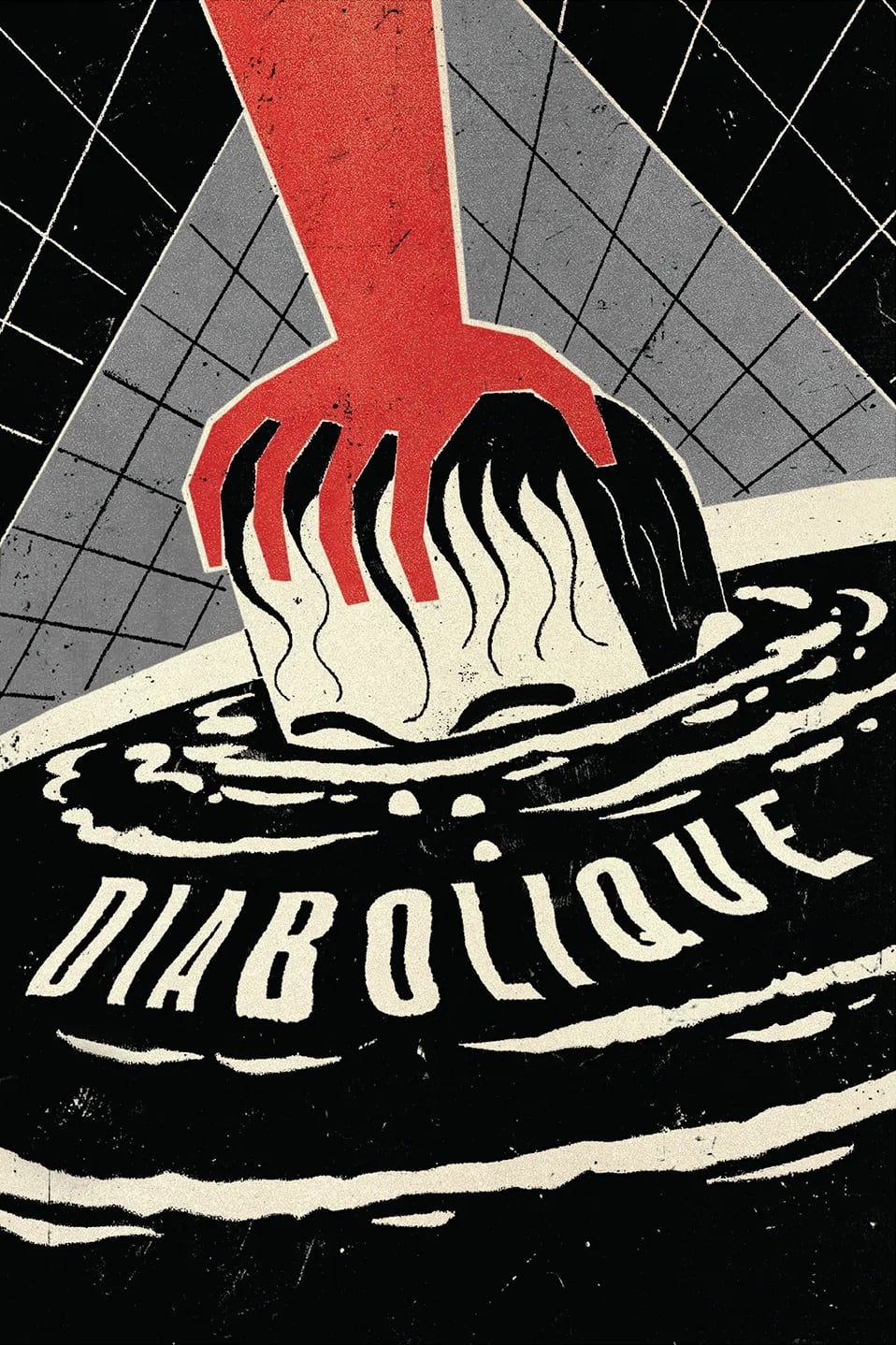
Diabolique
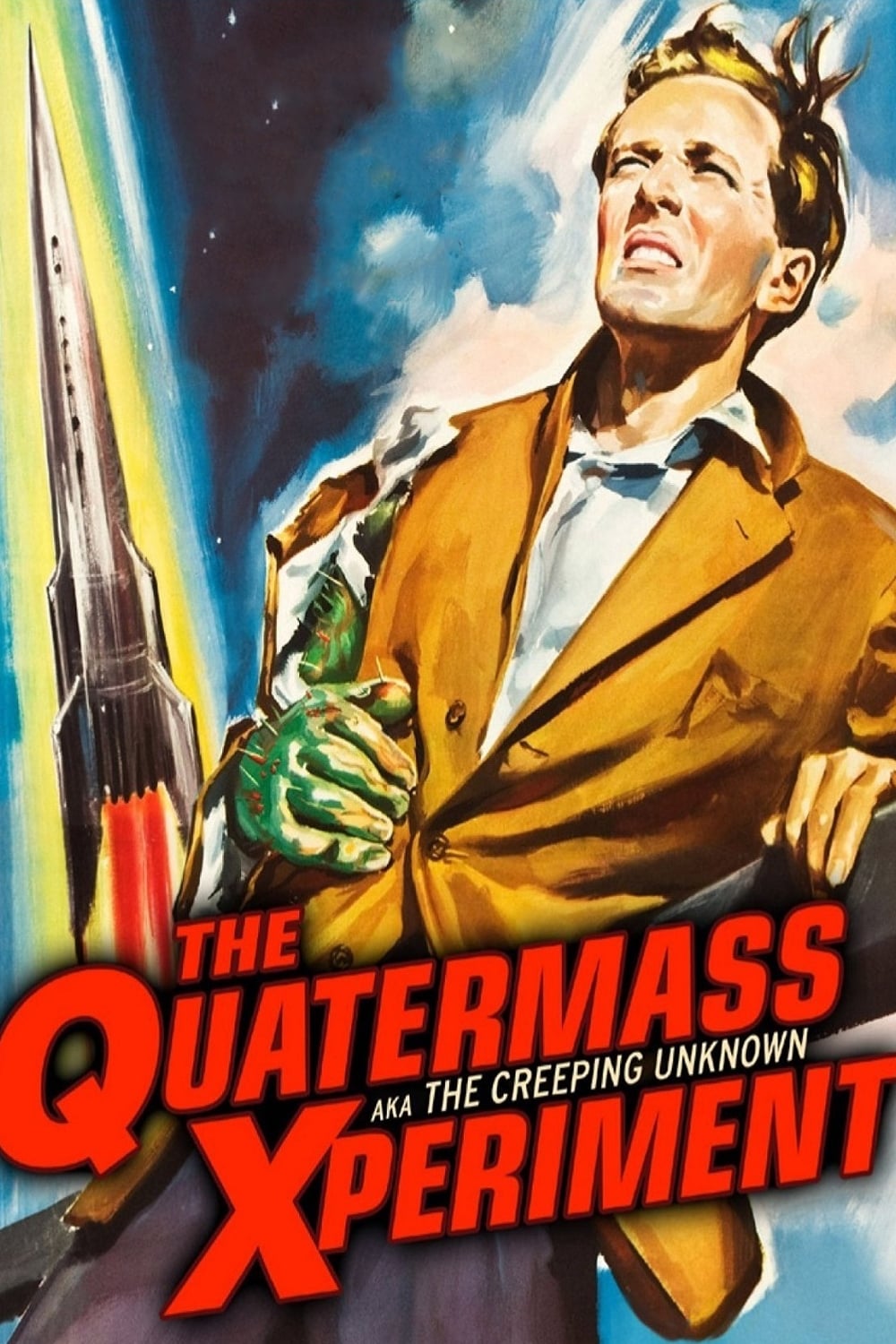
The Quatermass Xperiment
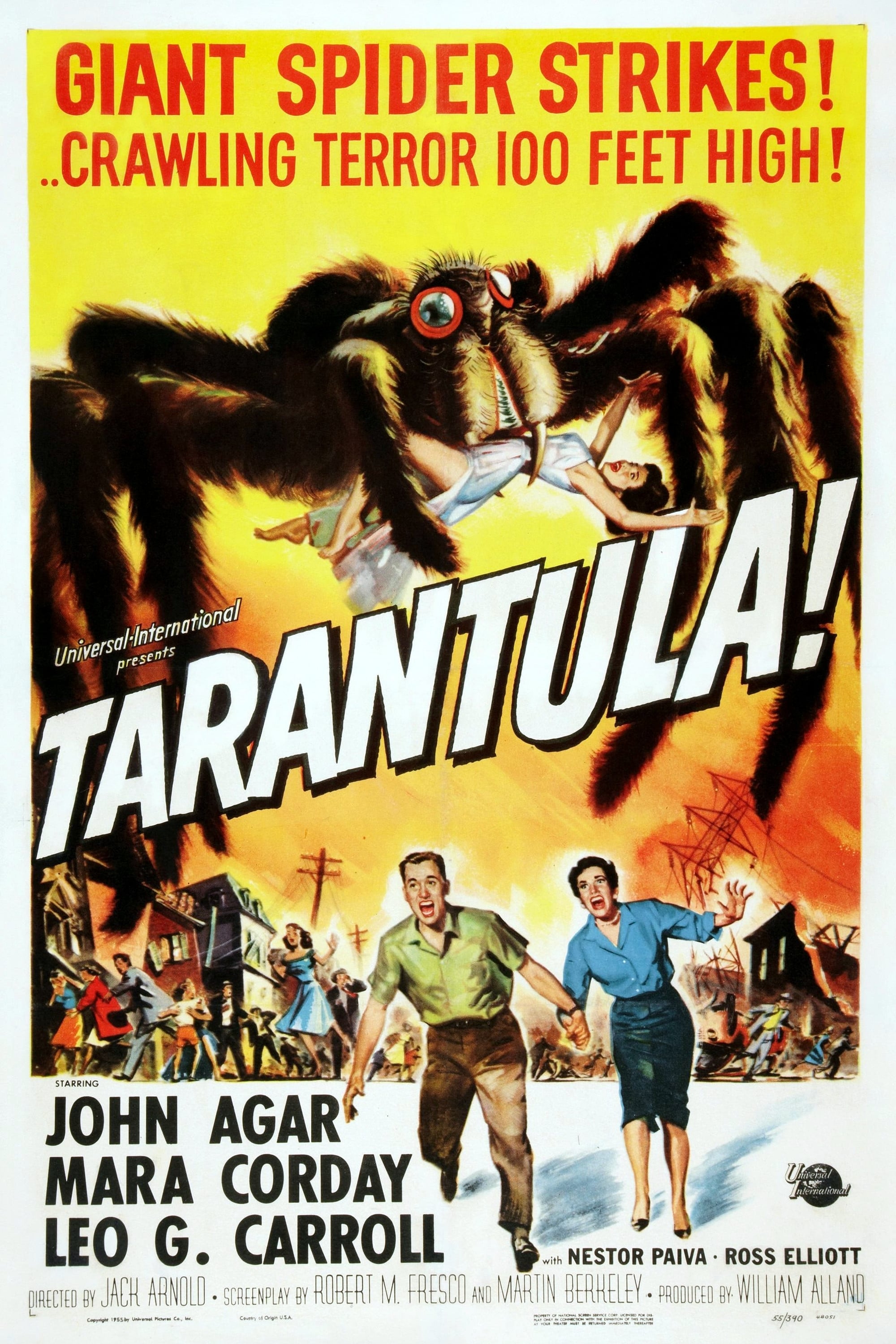
Tarantula
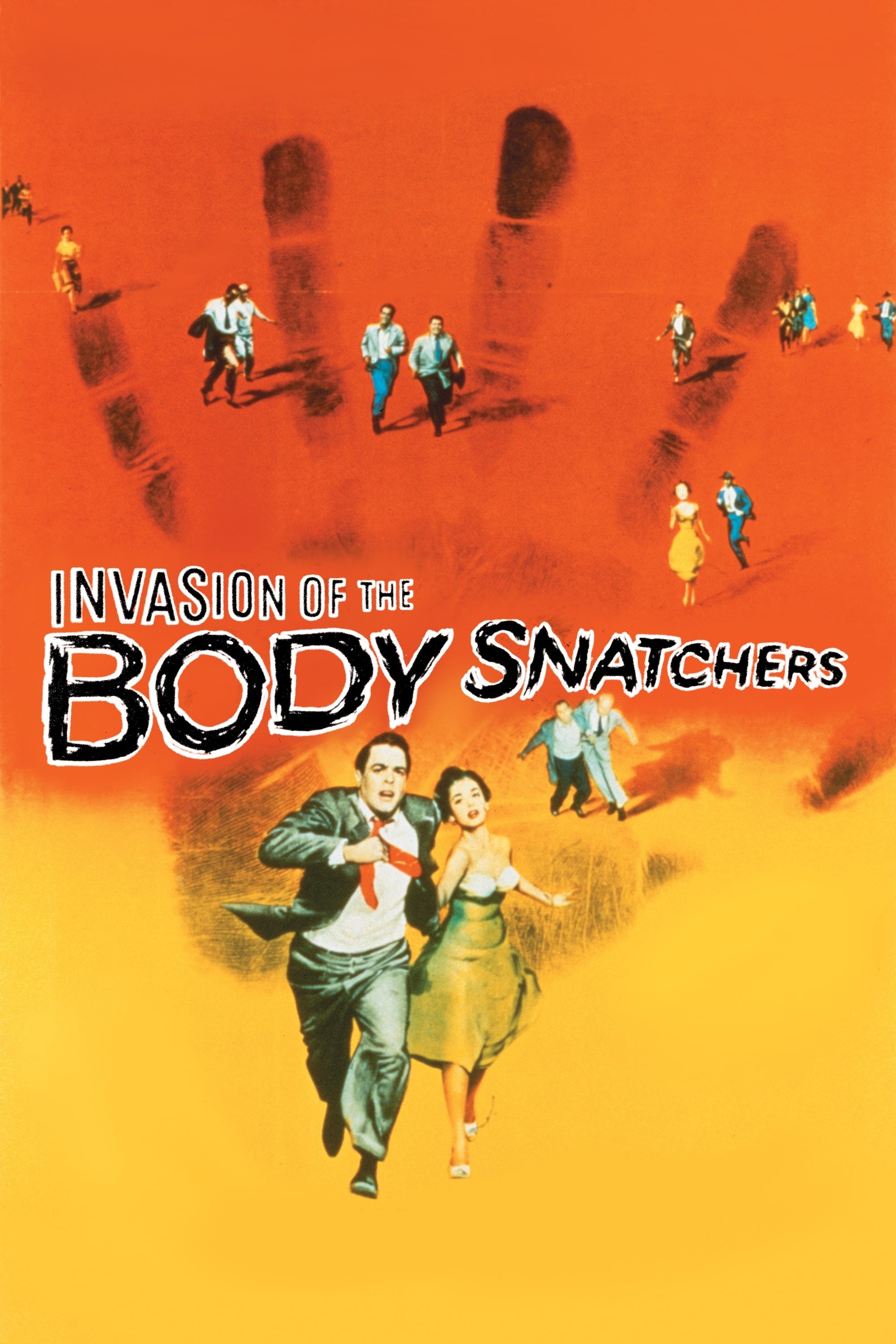
Invasion of the Body Snatchers
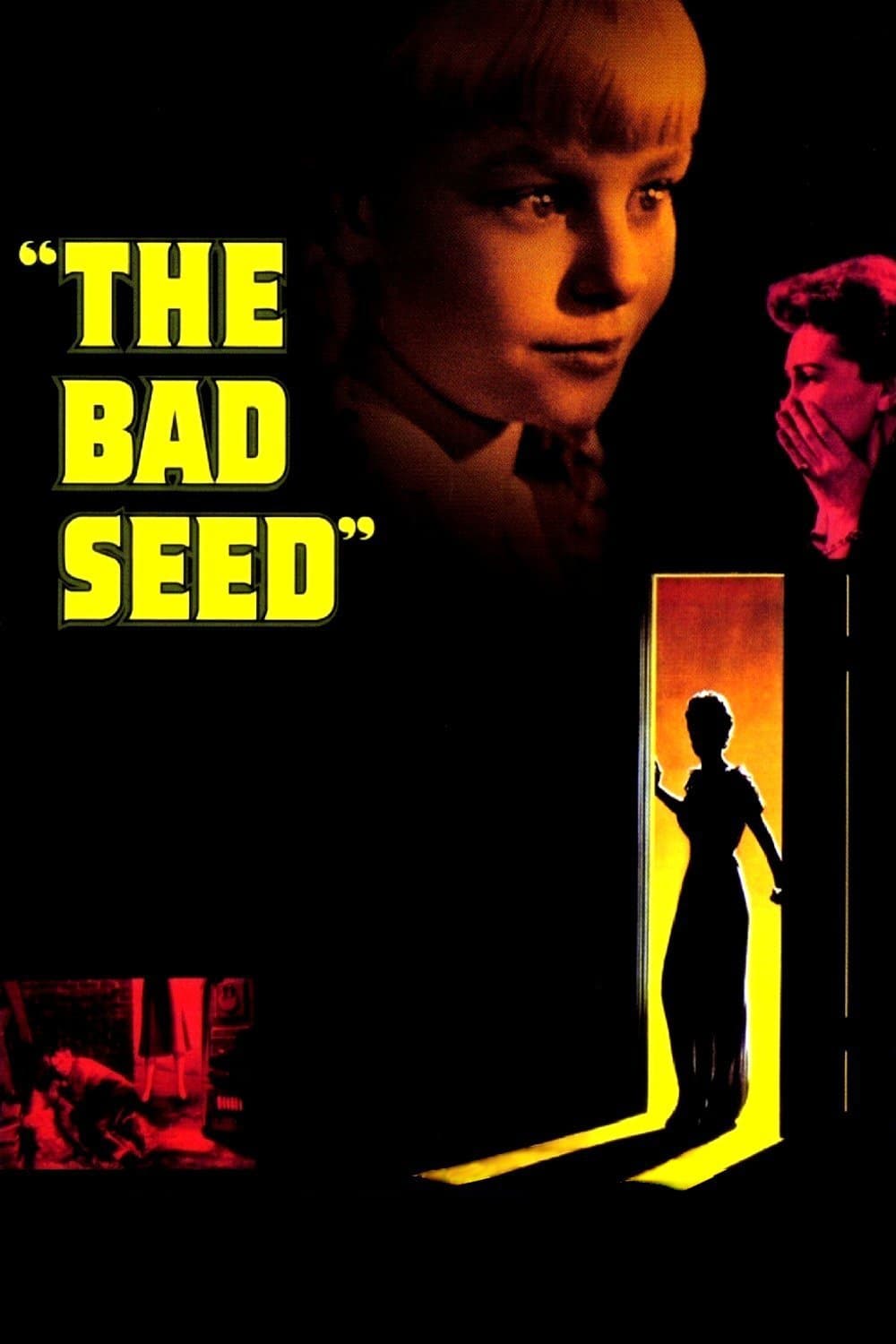
The Bad Seed
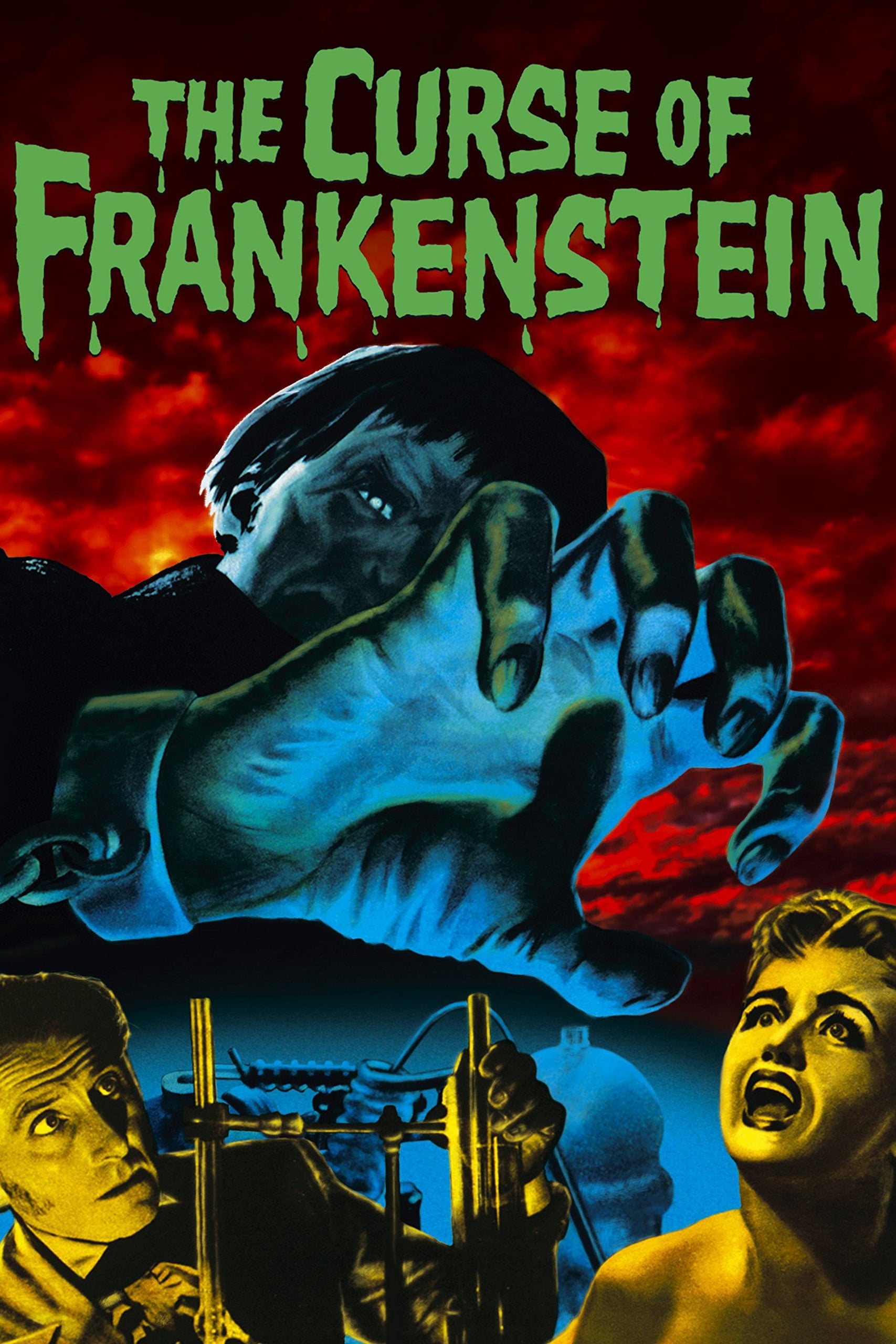
The Curse of Frankenstein
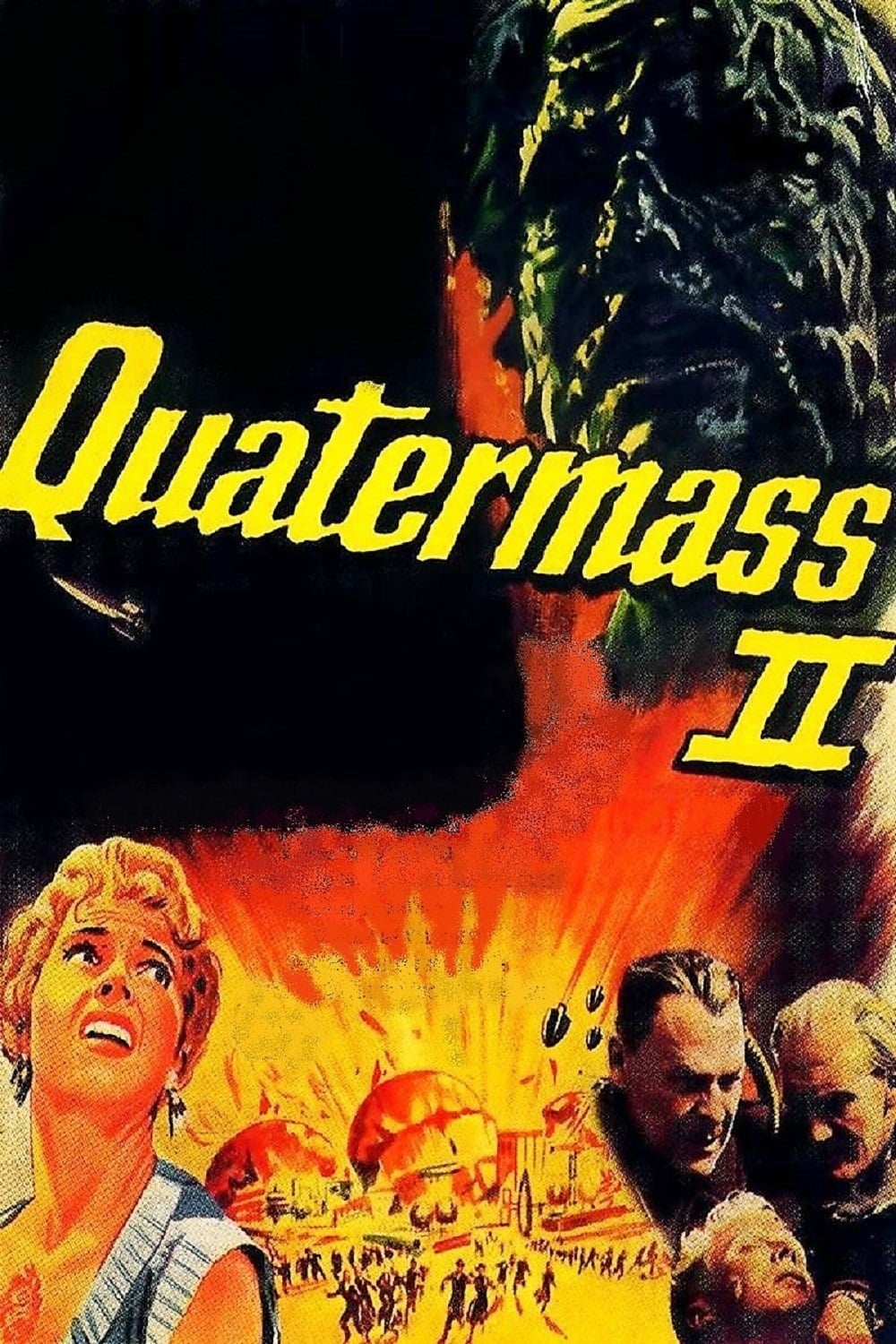
Quatermass 2
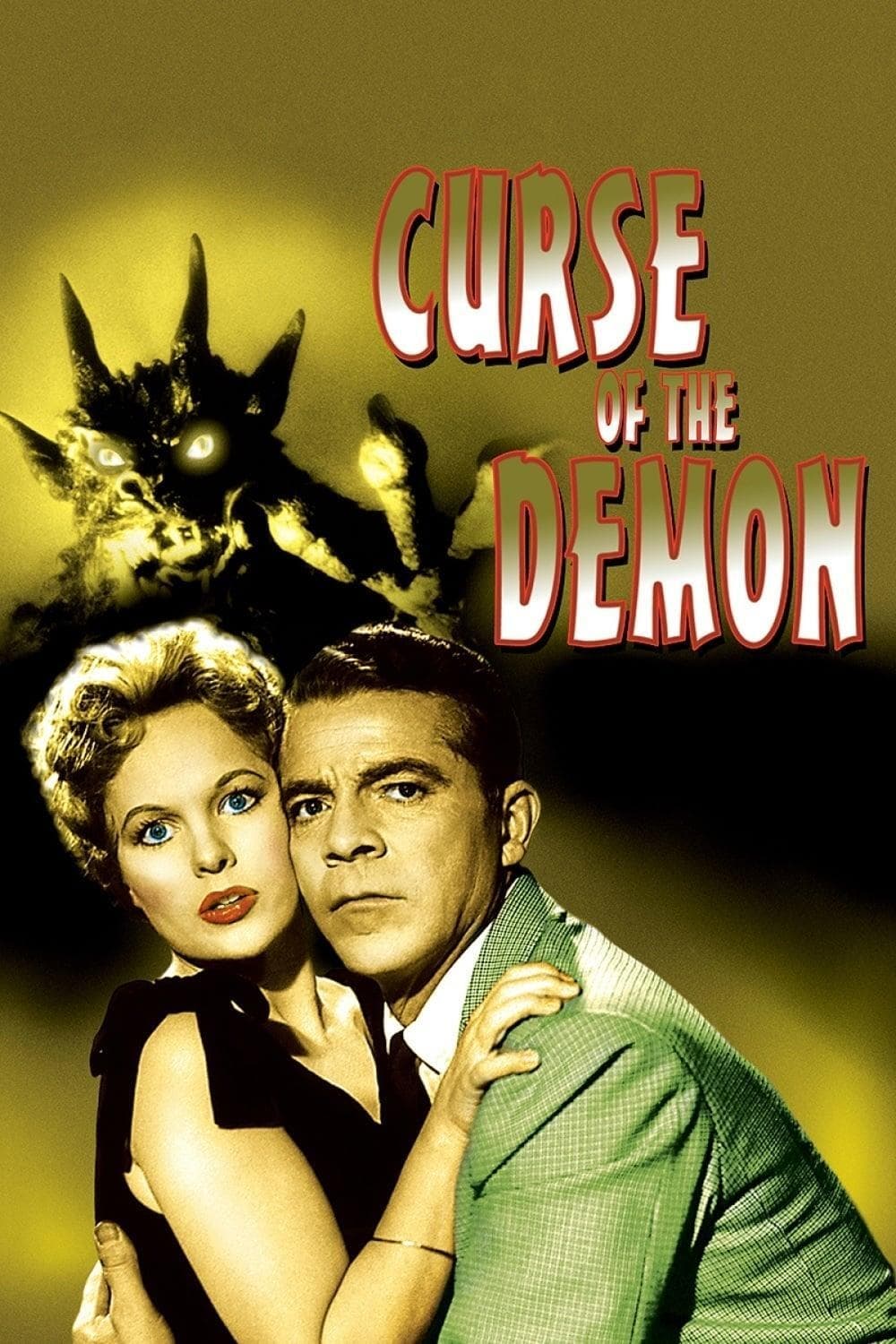
Night of the Demon
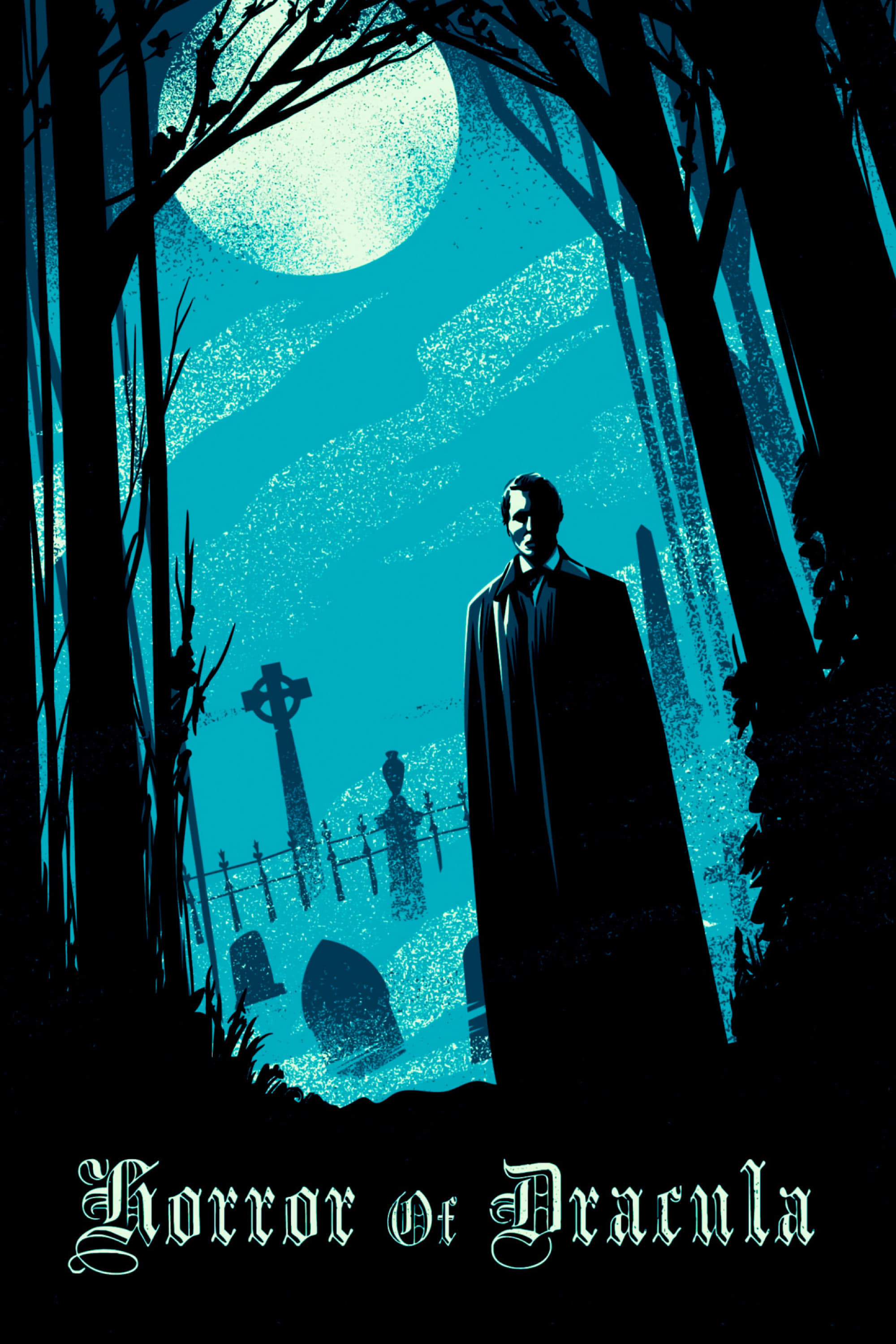
Dracula
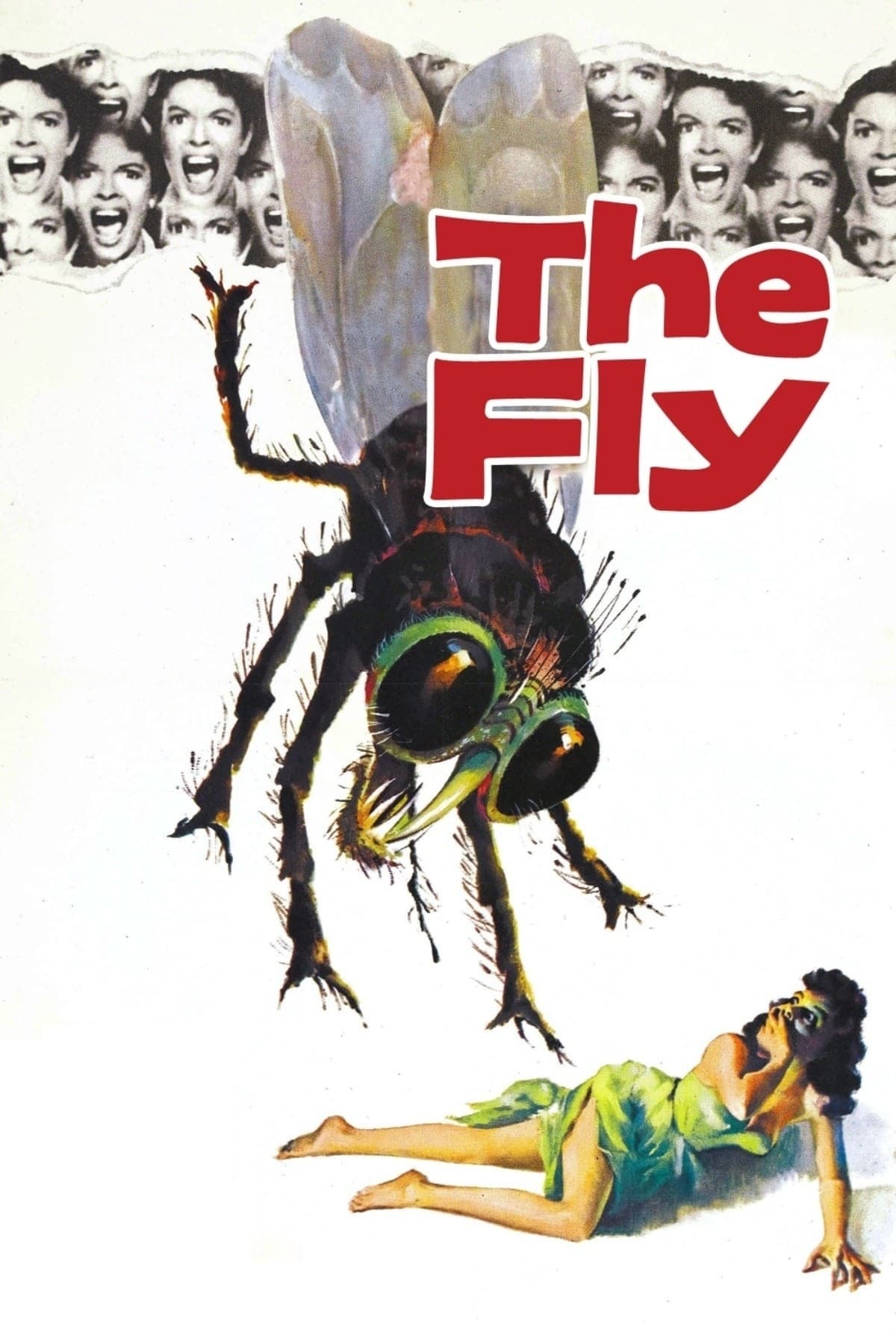
The Fly
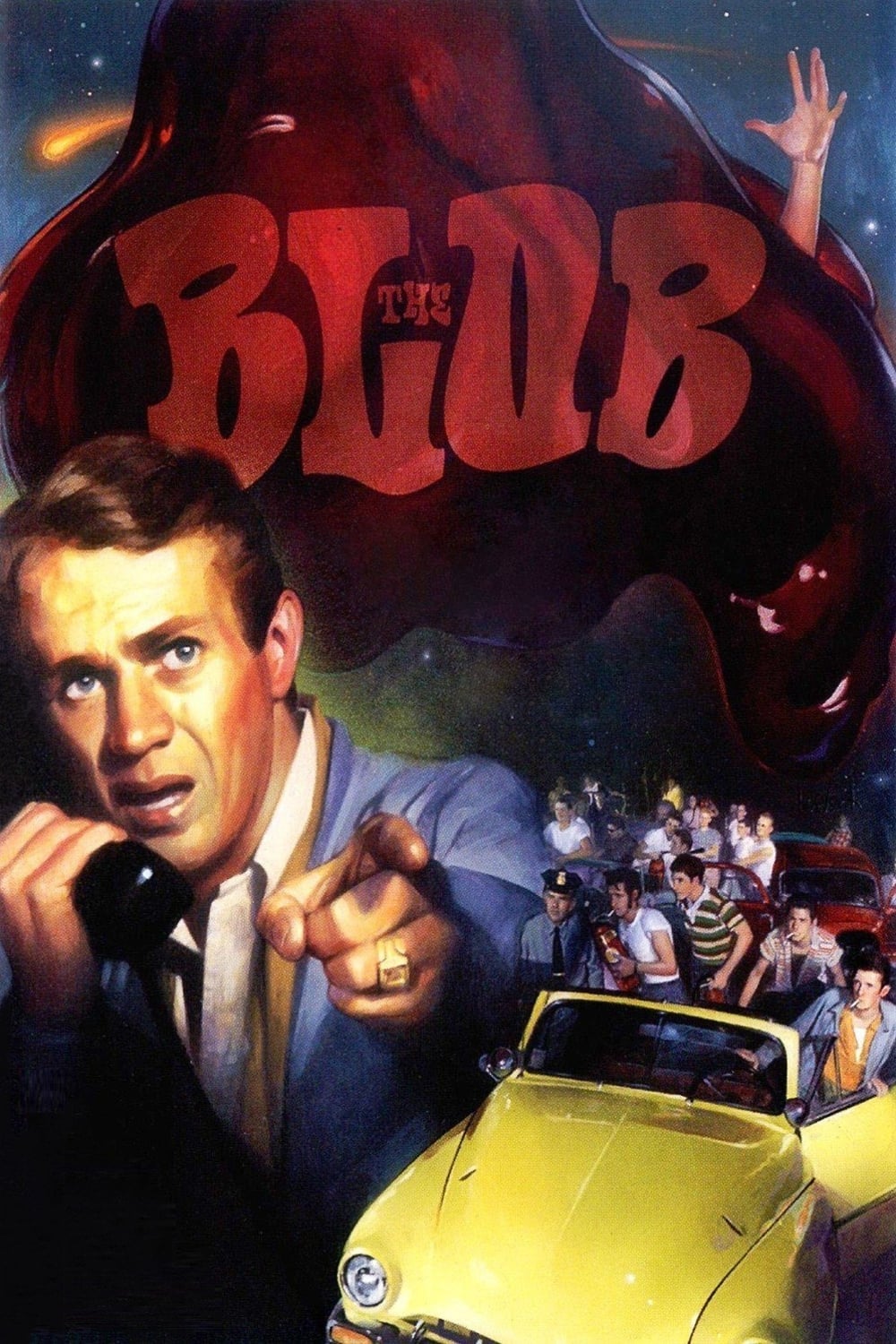
The Blob
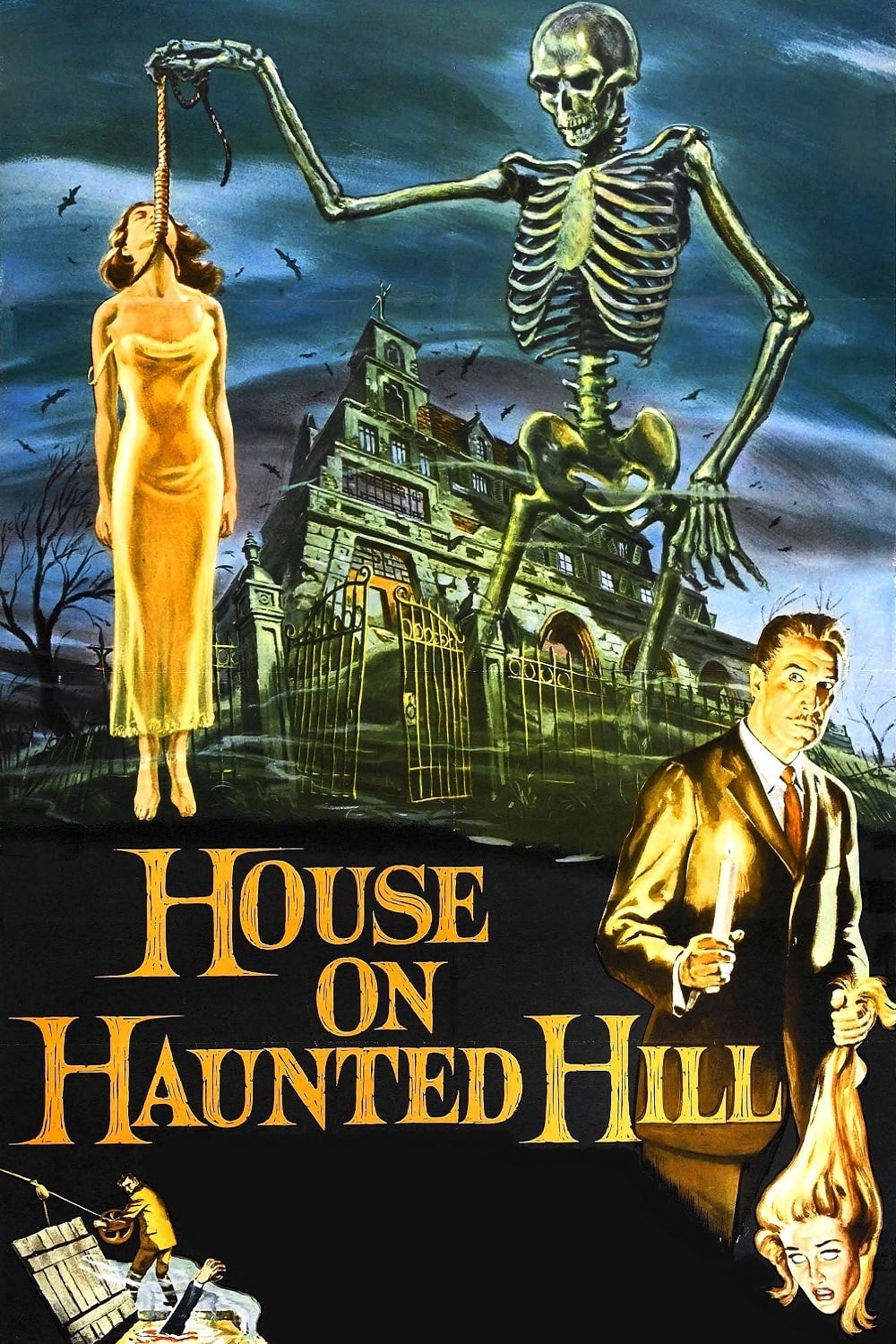
House on Haunted Hill
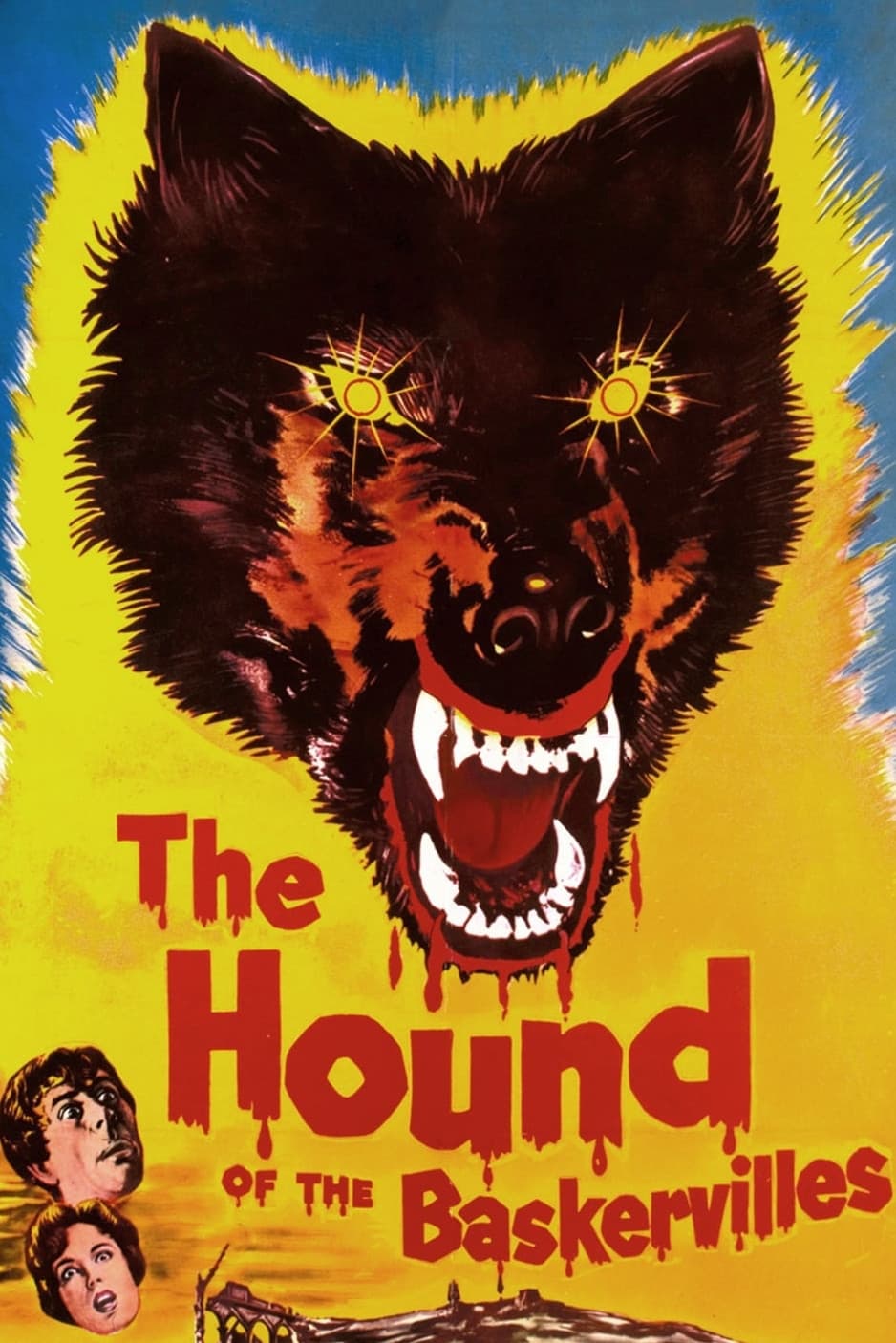
The Hound of the Baskervilles
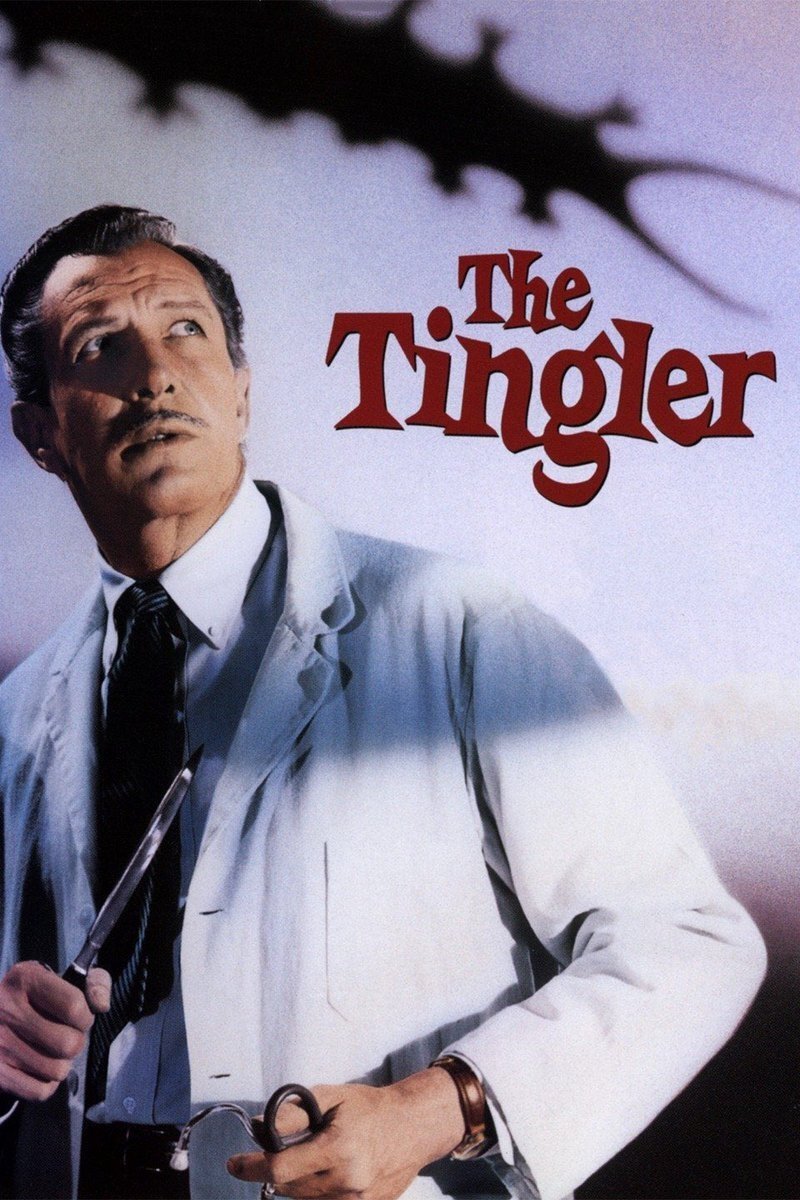
The Tingler
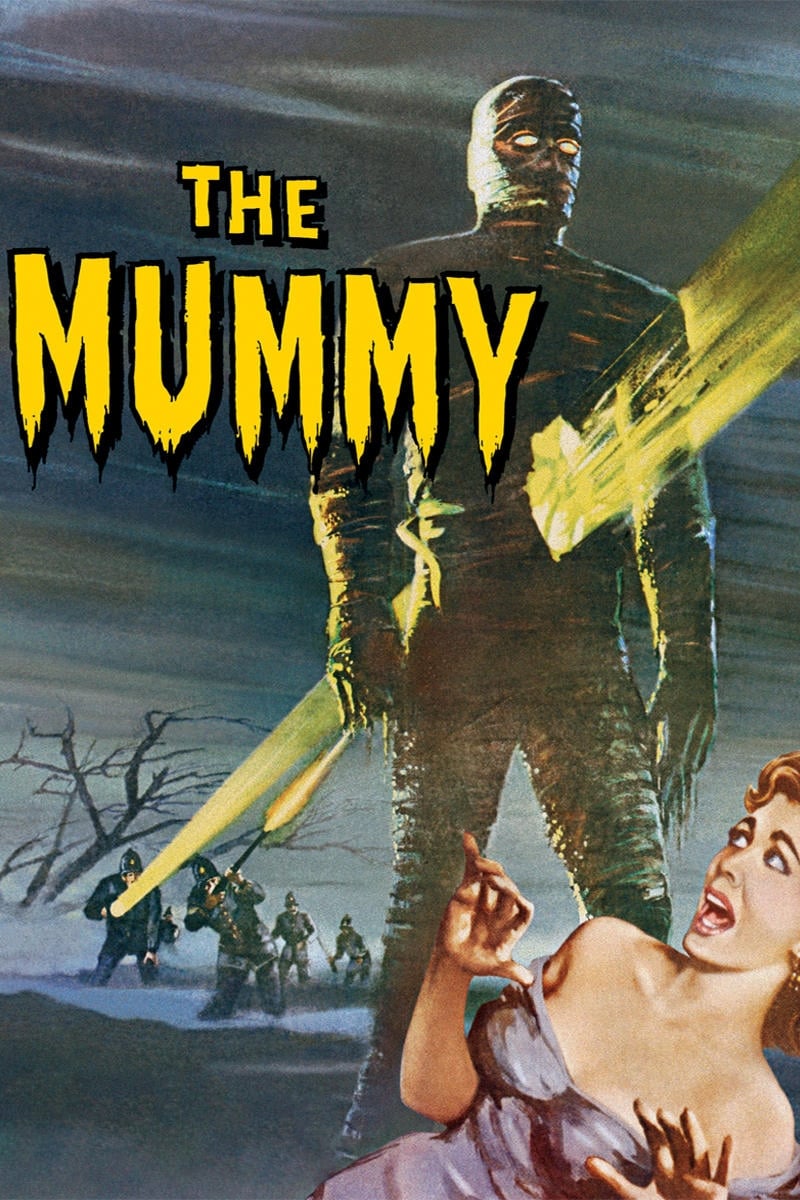
The Mummy
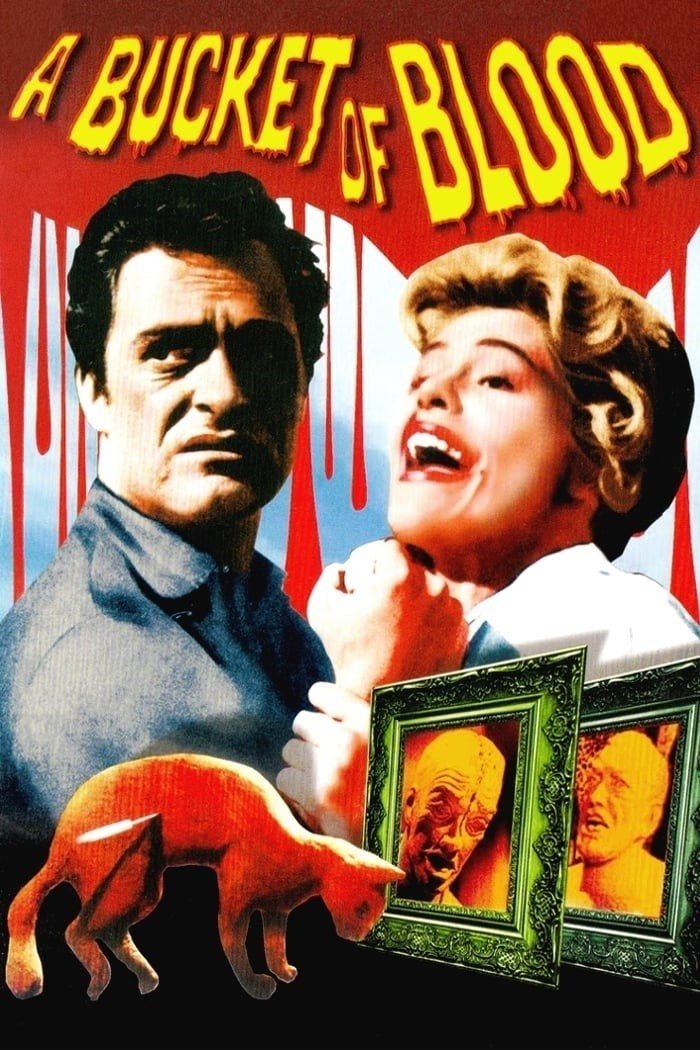
A Bucket of Blood
Statistics
Top Subgenres
Top Countries
Percentage of 1950s horror films by country of production.