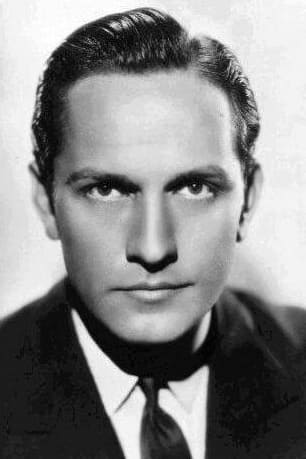
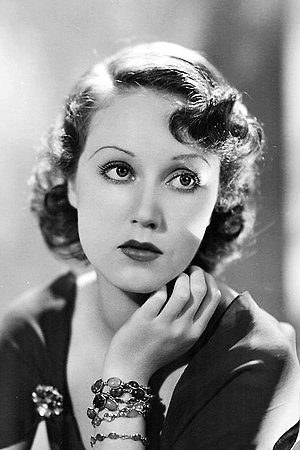
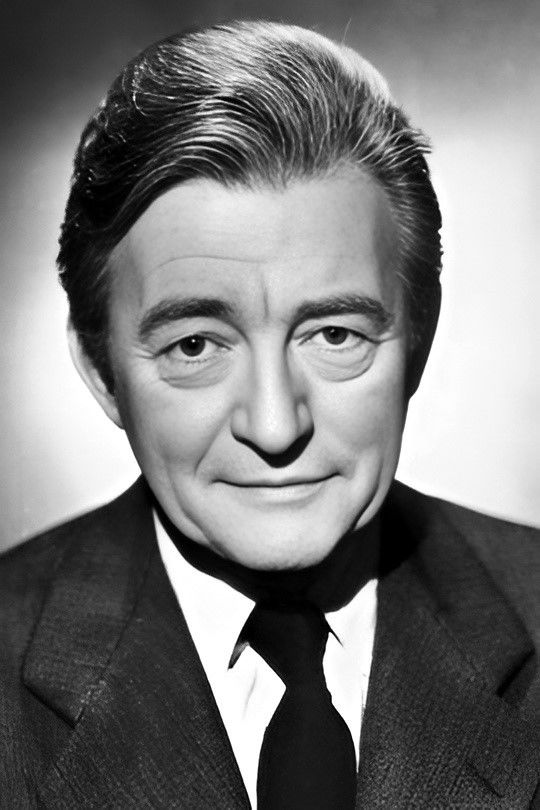
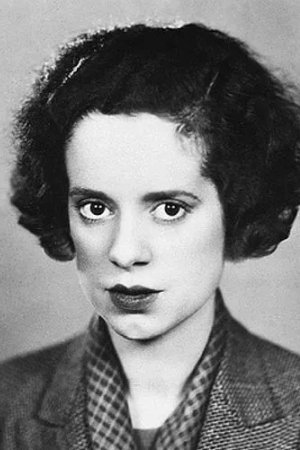
 Dracula (1931)
1930s
Universal bet on monsters and won. Dracula, Frankenstein, and the Invisible Man turned horror into Hollywood's most reliably profitable gamble.
History
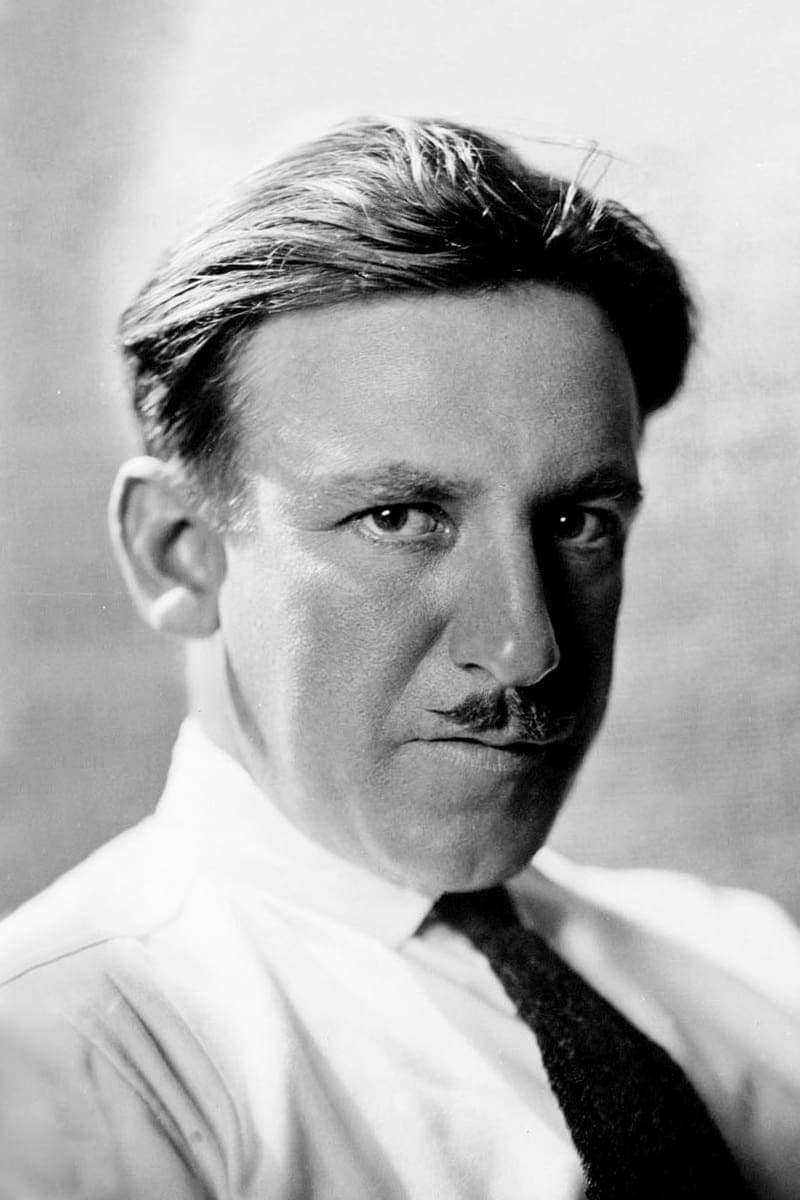
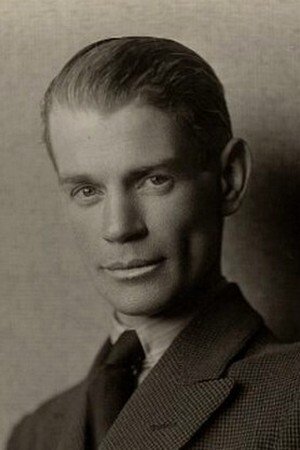
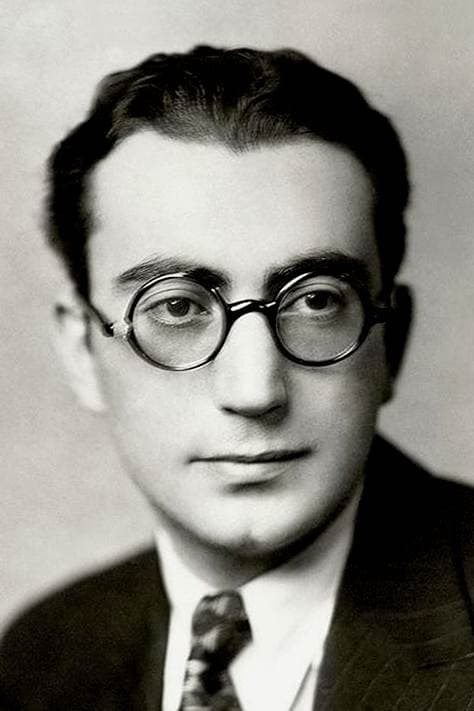
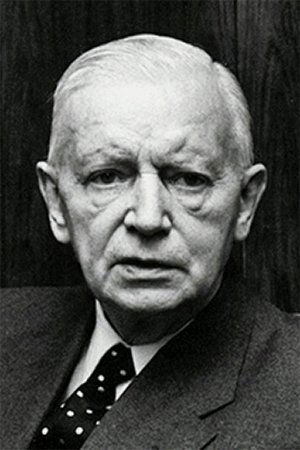
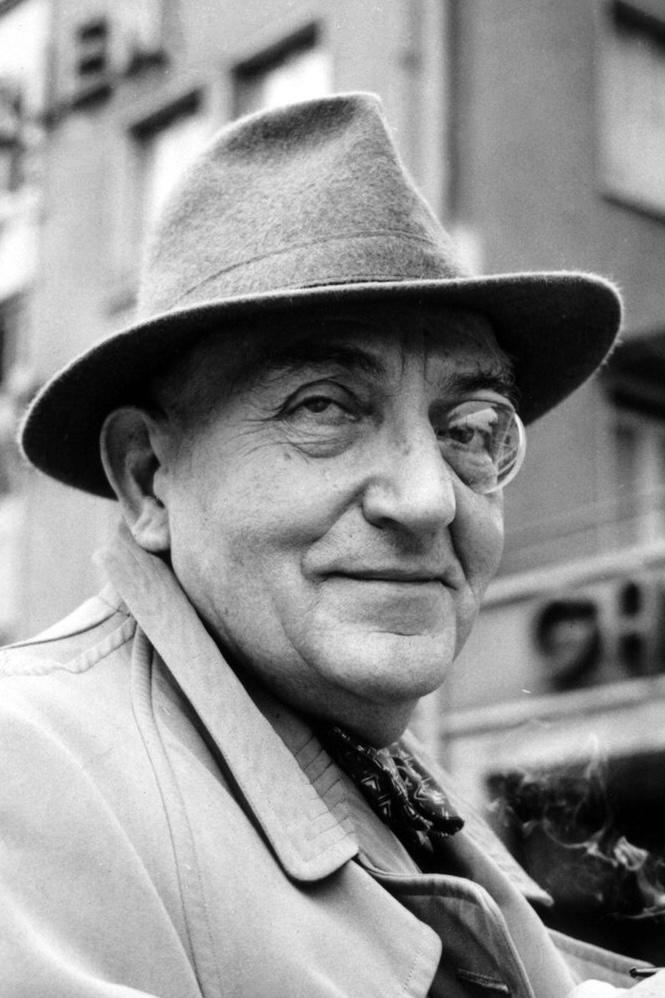
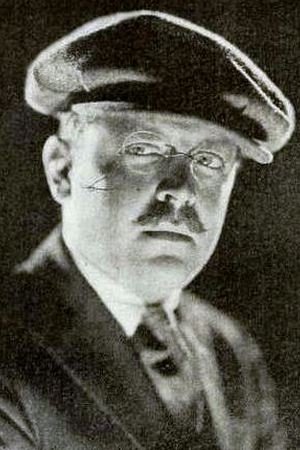
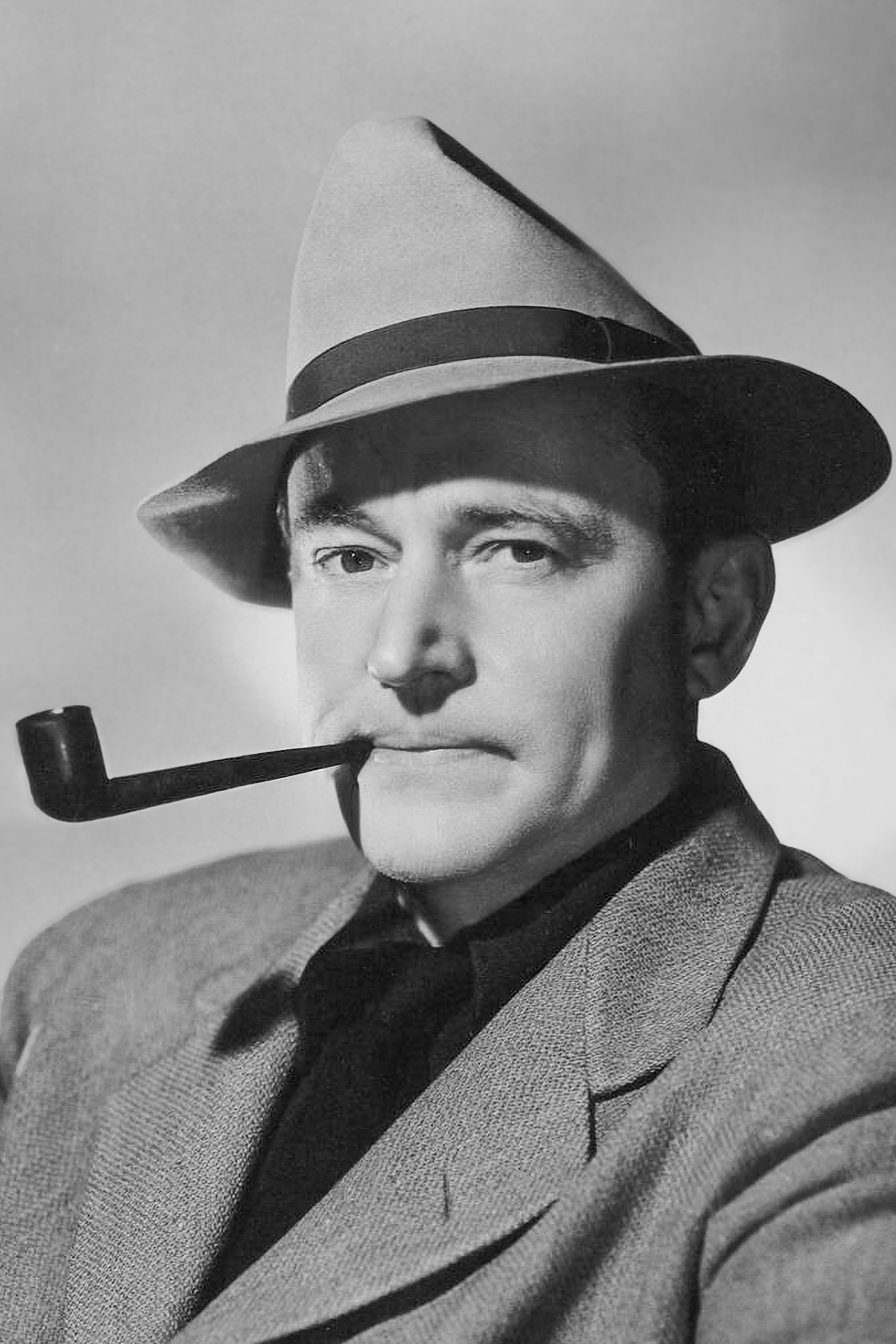
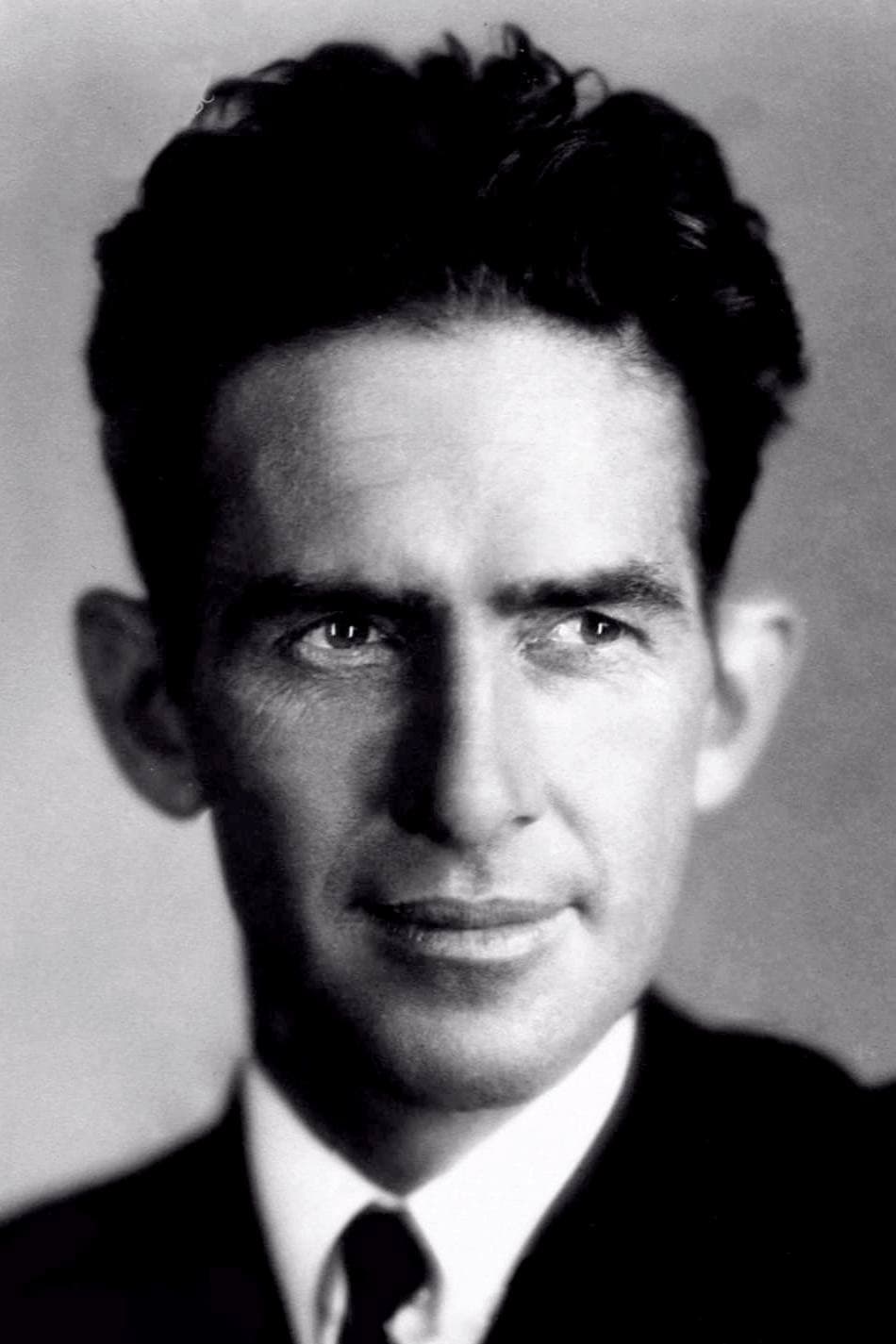
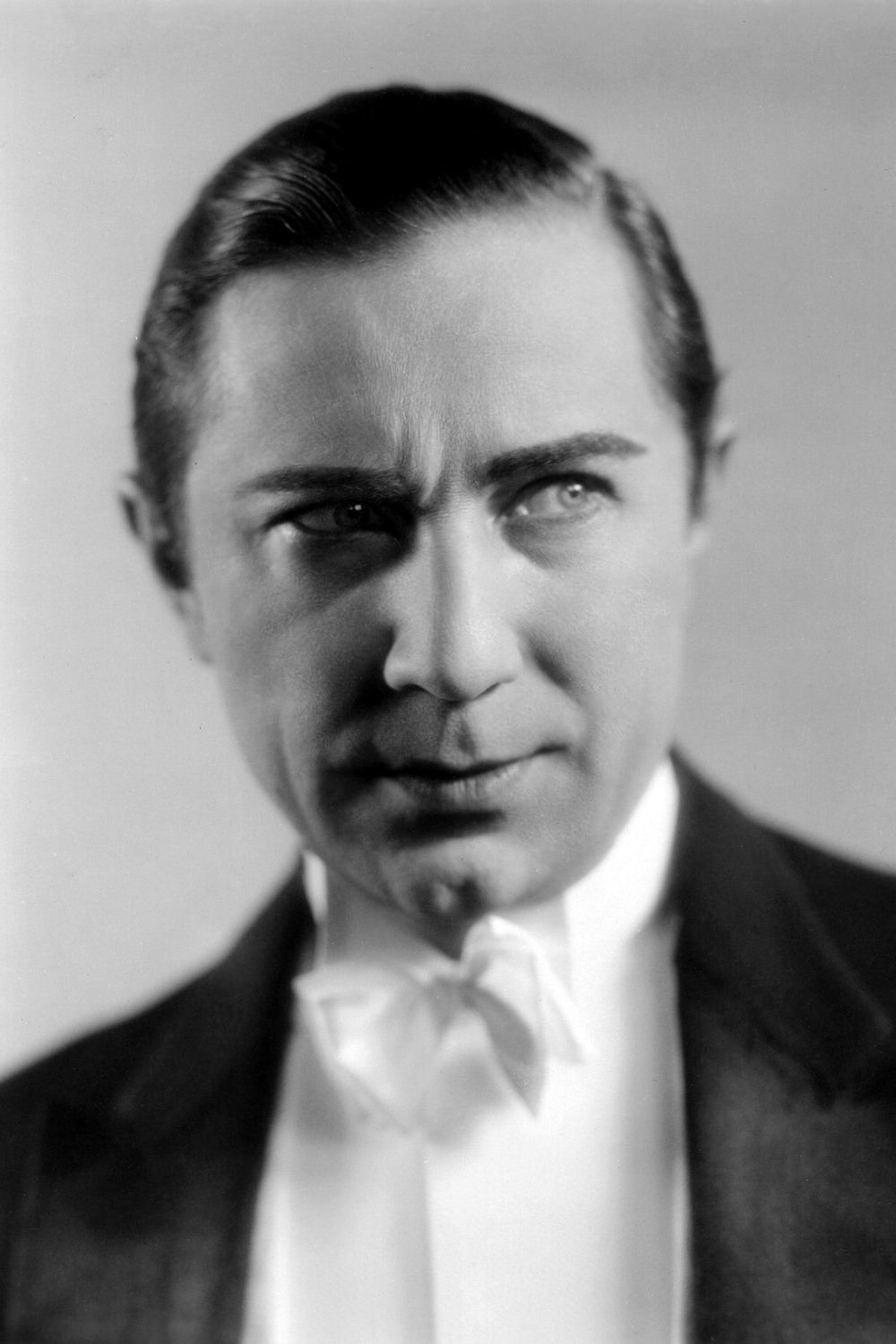
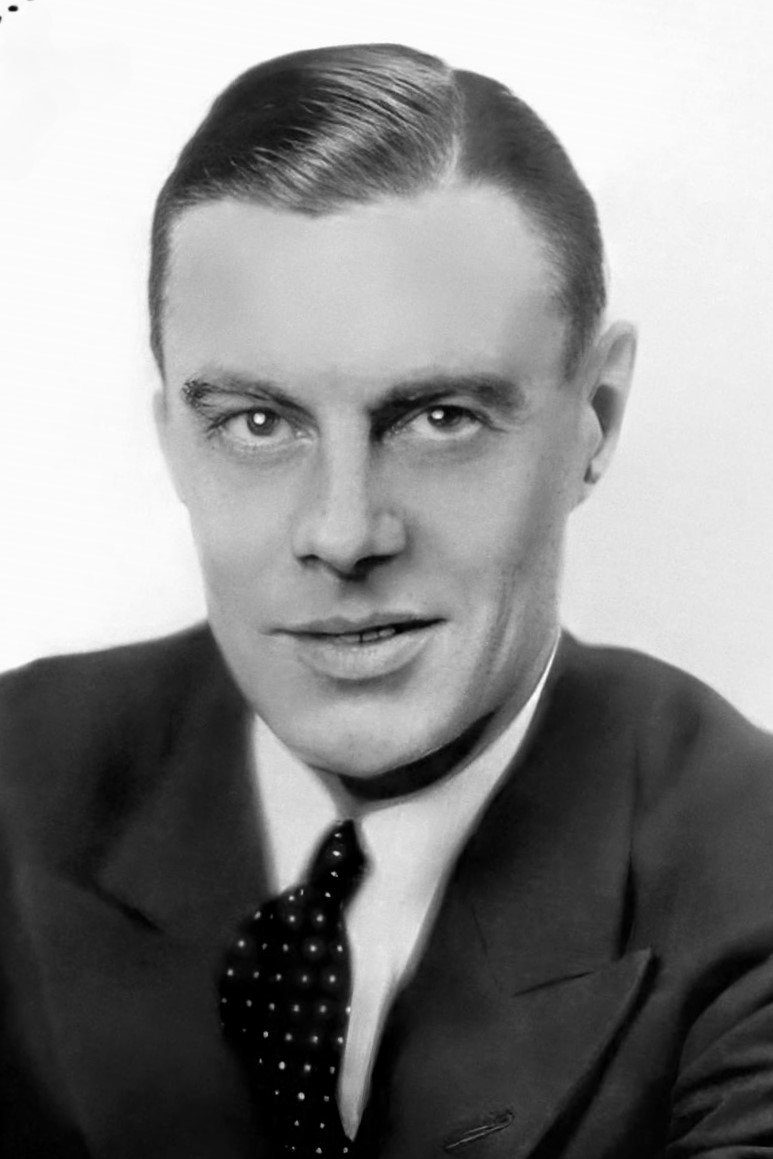
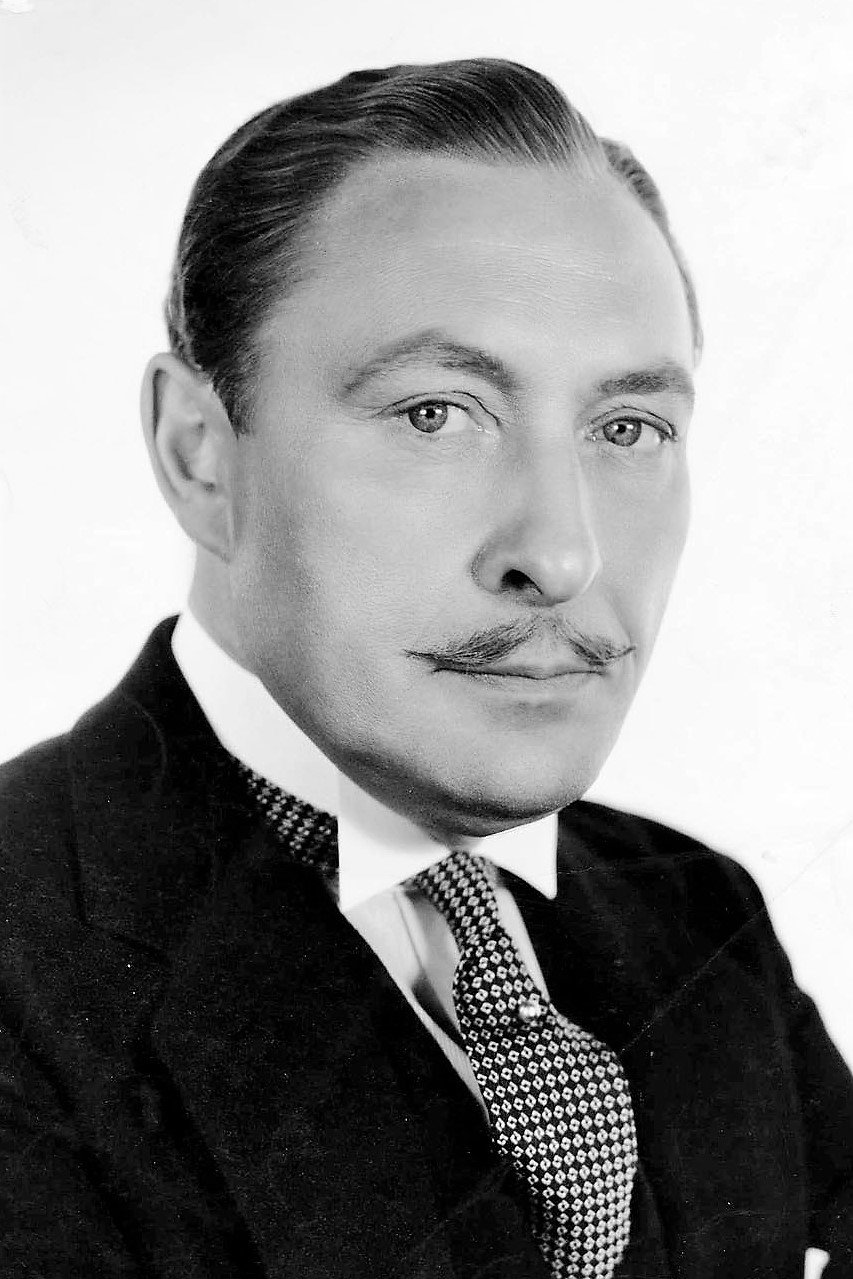
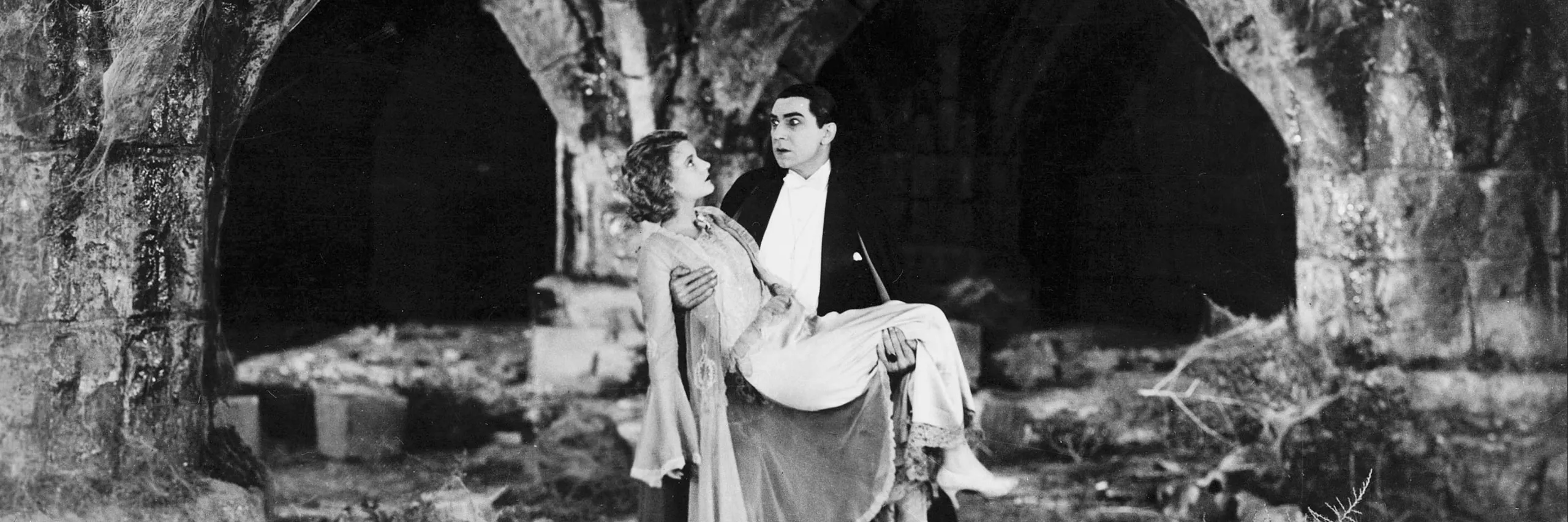
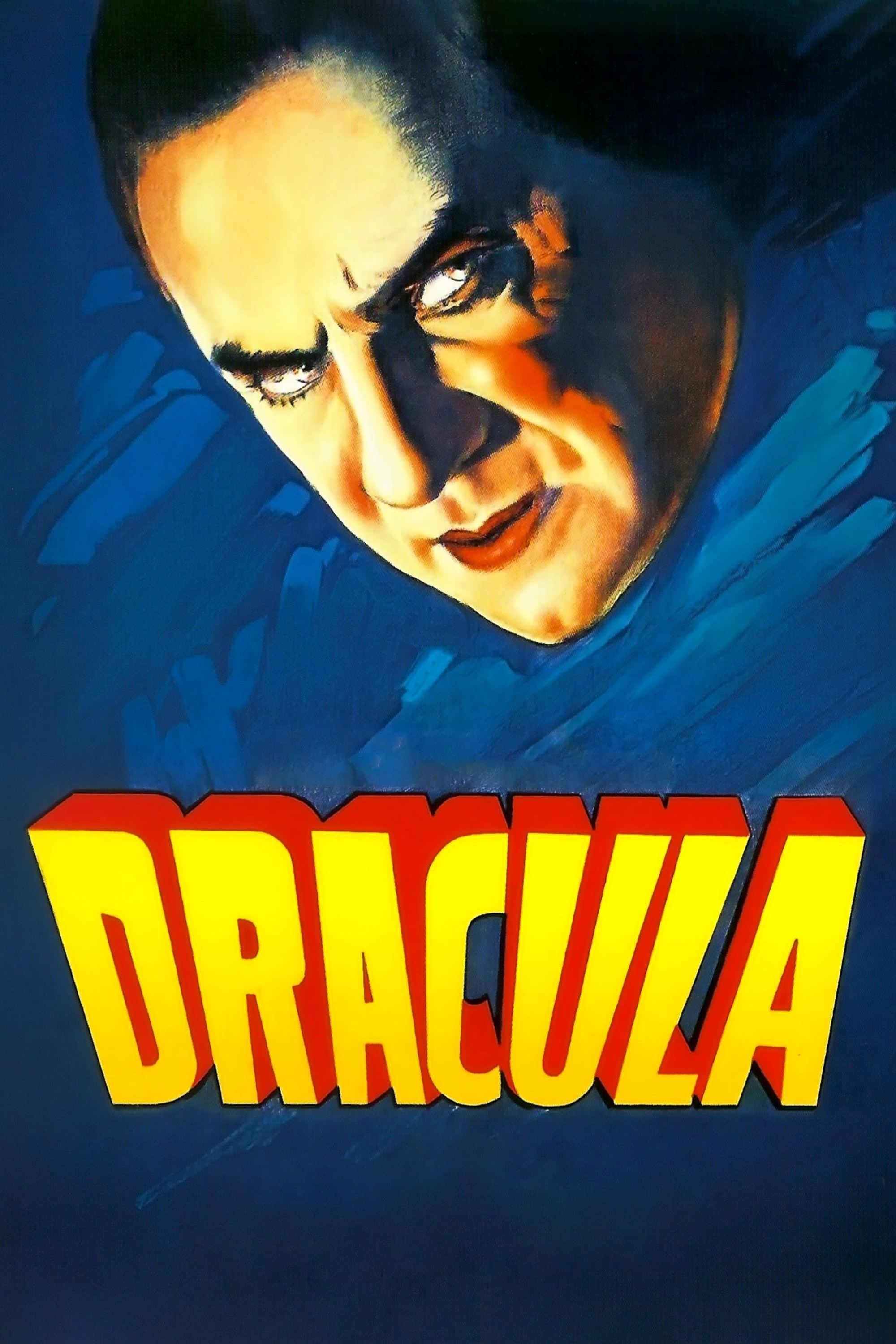
The 1930s marked horror cinema's true coming of age, as Universal Pictures — driven by studio head Carl Laemmle Jr. — recognised the commercial potential of fear and systematically adapted classic Gothic literature for the screen. The decade began with Tod Browning's Dracula (1931), starring Bela Lugosi in the performance that would define screen vampirism for generations. Just months later, James Whale's Frankenstein (1931) introduced Boris Karloff's iconic Monster, a sympathetic creature that transformed horror from mere shock into genuine pathos. Karl Freund's The Mummy (1932) expanded Universal's mythology further, completing the studio's foundational monster trio. Paramount countered with Rouben Mamoulian's Dr. Jekyll and Mr. Hyde (1931), whose dual-role performance earned Fredric March an Academy Award — proving early in the cycle that horror could pursue prestige as well as box office. These films established the template for the studio's monster cycle, proving that audiences would embrace horror as mainstream entertainment rather than carnival curiosity.
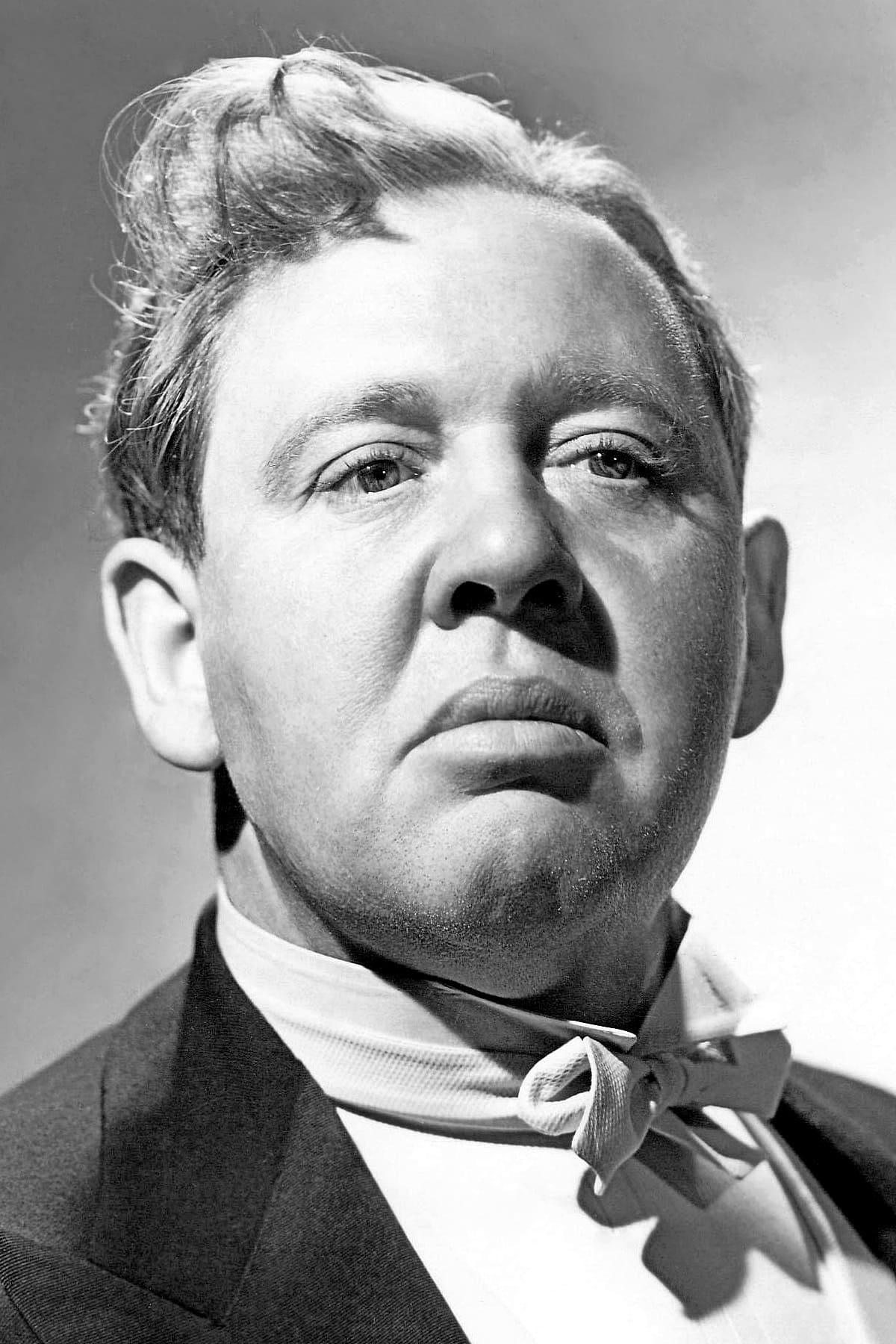
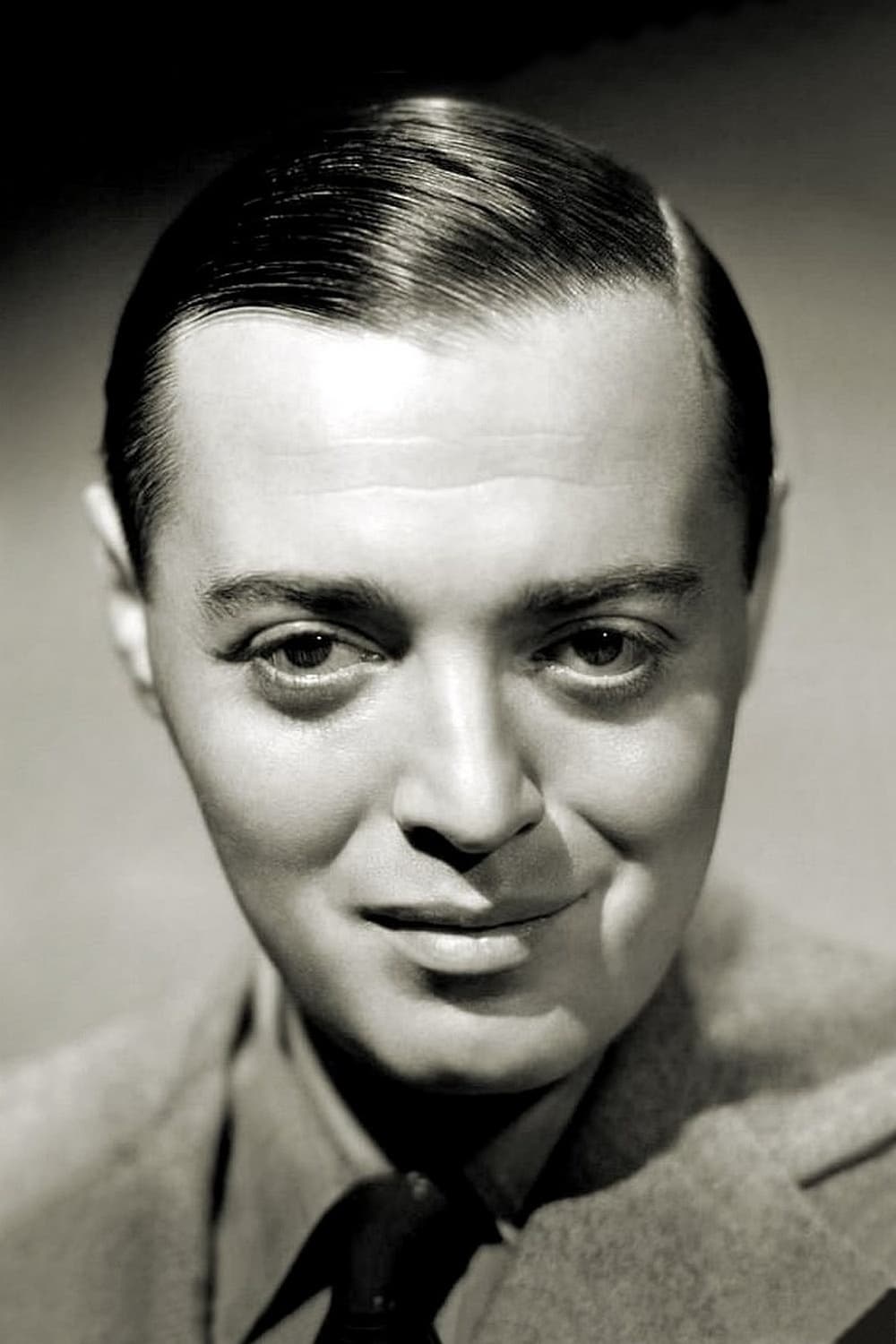
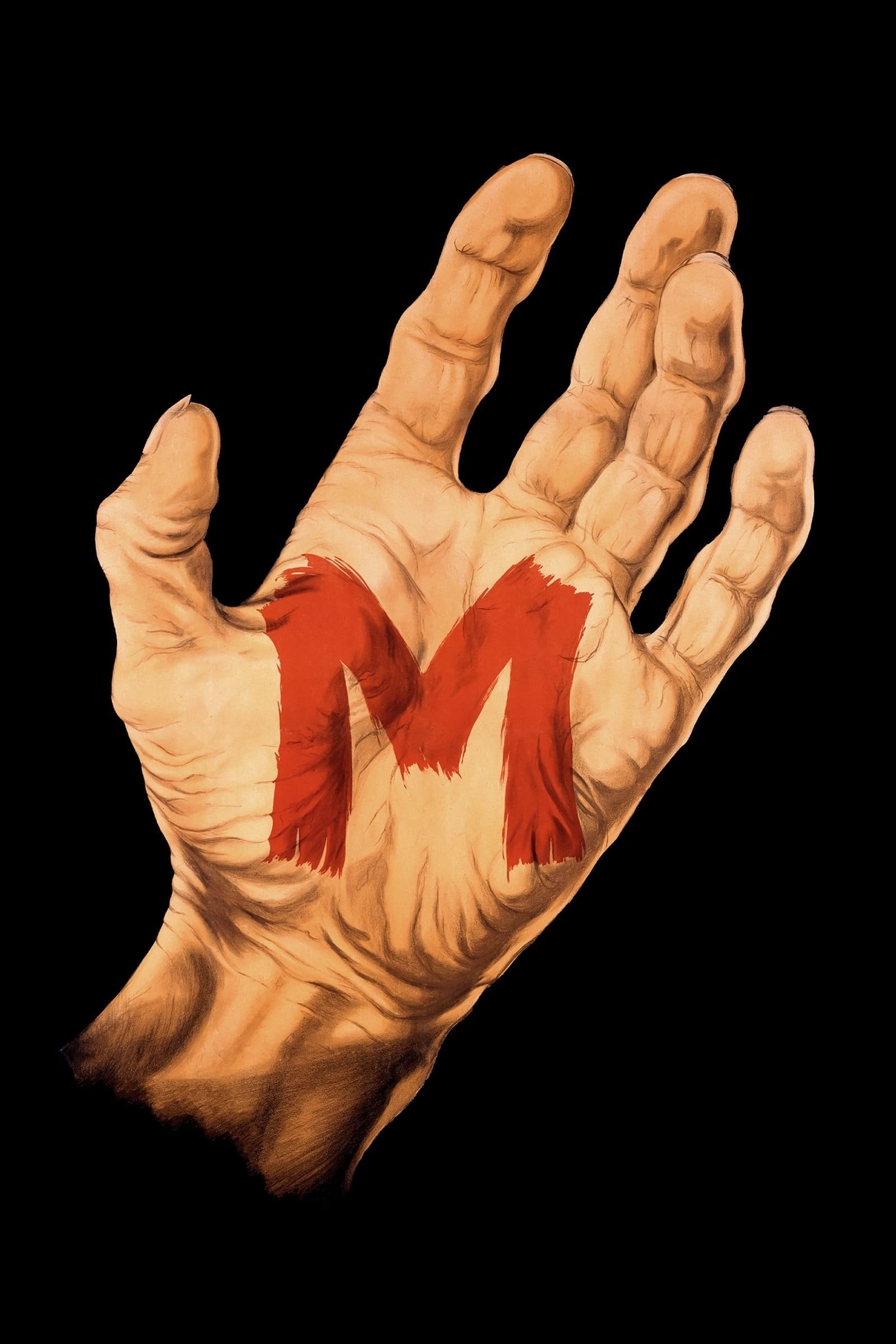
Whale continued to push the boundaries of the genre with The Old Dark House (1932) — a black-comedy haunted-house picture often cited as the first true entry of its kind — and the superior Bride of Frankenstein (1935), which combined Gothic atmosphere with dark humour and sexual undertones that somehow slipped past the newly implemented Production Code. Other studios contributed their own classics: MGM's Freaks (1932) became Tod Browning's controversial masterpiece, banned for decades due to its use of real sideshow performers, and Browning's Mark of the Vampire (1935) and The Devil-Doll (1936) closed his career. Paramount's Erle C. Kenton's Island of Lost Souls (1932), adapted from H. G. Wells with Charles Laughton as Dr. Moreau, brought a level of pre-Code transgression that the post-1934 era couldn't have produced. RKO's Merian C. Cooper and Ernest B. Schoedsack produced King Kong (1933) and The Most Dangerous Game (1932), both anchored by Fay Wray. The decade's most singular international entry came from Denmark: Carl Theodor Dreyer's hallucinatory Vampyr (1932), drawn loosely from Sheridan Le Fanu, dissolved narrative into pure atmospheric dread — and from Germany, Fritz Lang's M (1931) brought serial-killer cinema into existence with Peter Lorre's career-defining performance.
The decade's horror films reflected Depression-era anxieties about science, authority, and social outcasts, often positioning monsters as victims of society's cruelty rather than pure evil. Films like The Invisible Man (1933) and Mad Love (1935) explored themes of isolation and megalomania, while Edgar G. Ulmer's The Black Cat (1934) brought Karloff and Lugosi together for the first time in a Bauhaus-modernist Gothic about a war-traumatised satanic cult leader. Michael Curtiz contributed two-strip Technicolor work to the era with Mystery of the Wax Museum (1933) and the Karloff-led zombie procedural The Walking Dead (1936); the Halperin Brothers' White Zombie (1932), starring Lugosi as a Haitian voodoo master, became the first feature-length zombie film. The emerging popularity of horror double features created a sustainable business model that would define B-movie production for decades.
By decade's end, Universal had created a mythology that transcended individual films, with Son of Frankenstein (1939) reviving both Karloff's Monster and the studio's horror fortunes, while The Hunchback of Notre Dame (1939) starring Charles Laughton became the era's final Gothic landmark before the war redirected American cinema's energies. The 1930s established horror's visual language — expressionistic lighting carried by émigré cinematographers Karl Freund and Karl Struss, fog-shrouded laboratories, and iconic makeup designs by Jack Pierce — while proving that monster movies could be both commercially successful and artistically ambitious, setting the stage for horror's pivot toward suggestion and restraint in the war-torn decade to follow.
Essential Films
Dracula
M
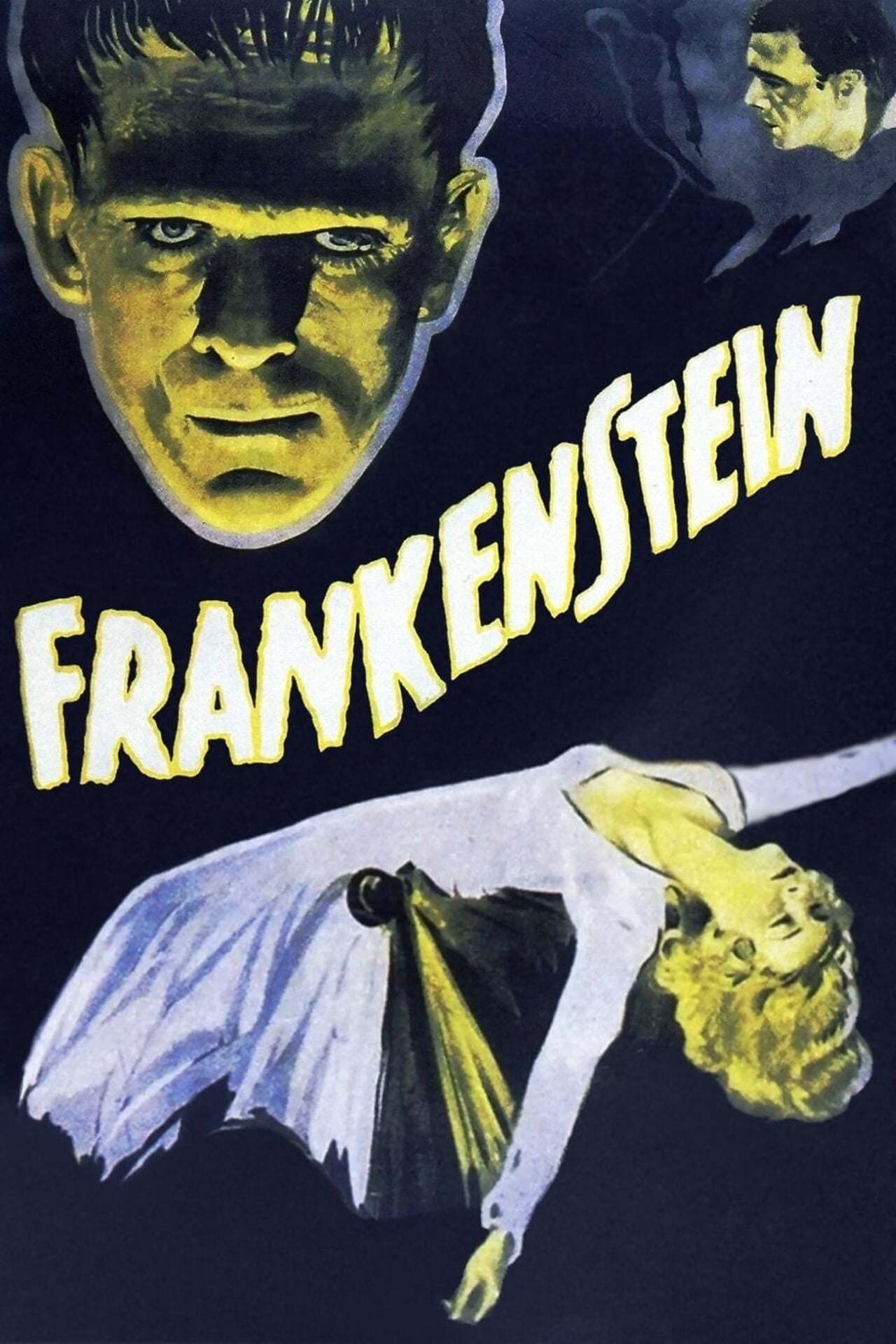
Frankenstein
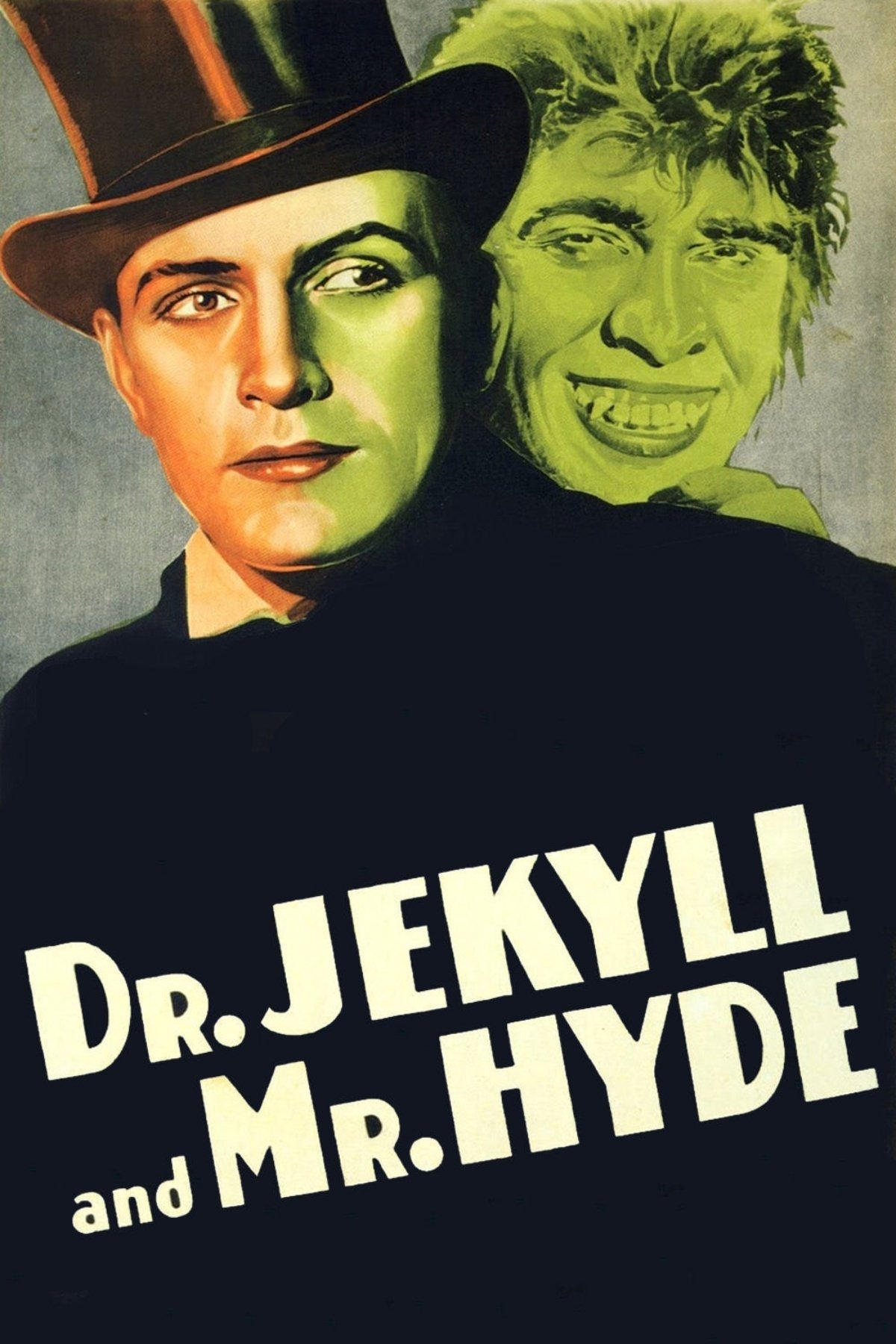
Dr. Jekyll and Mr. Hyde
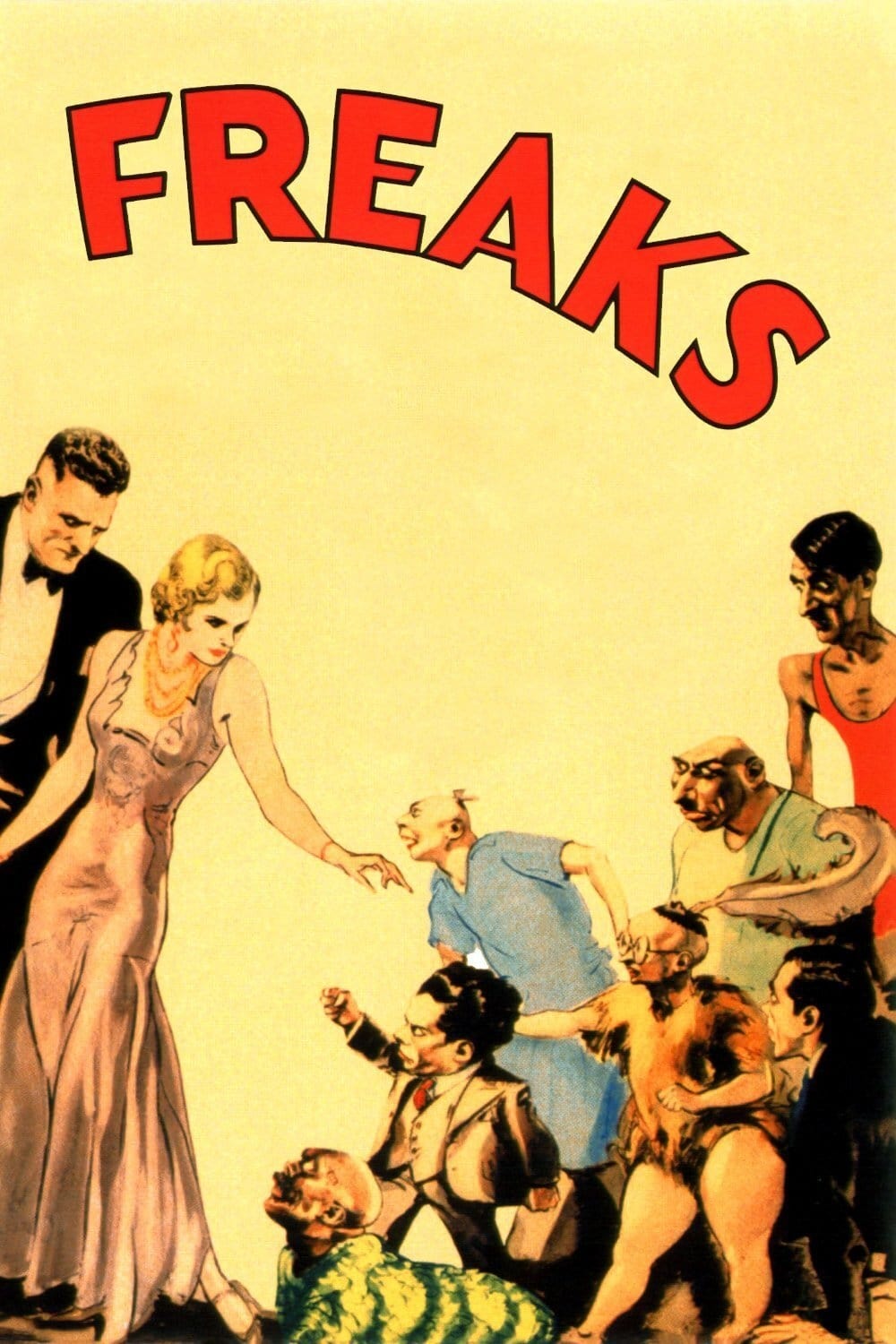
Freaks
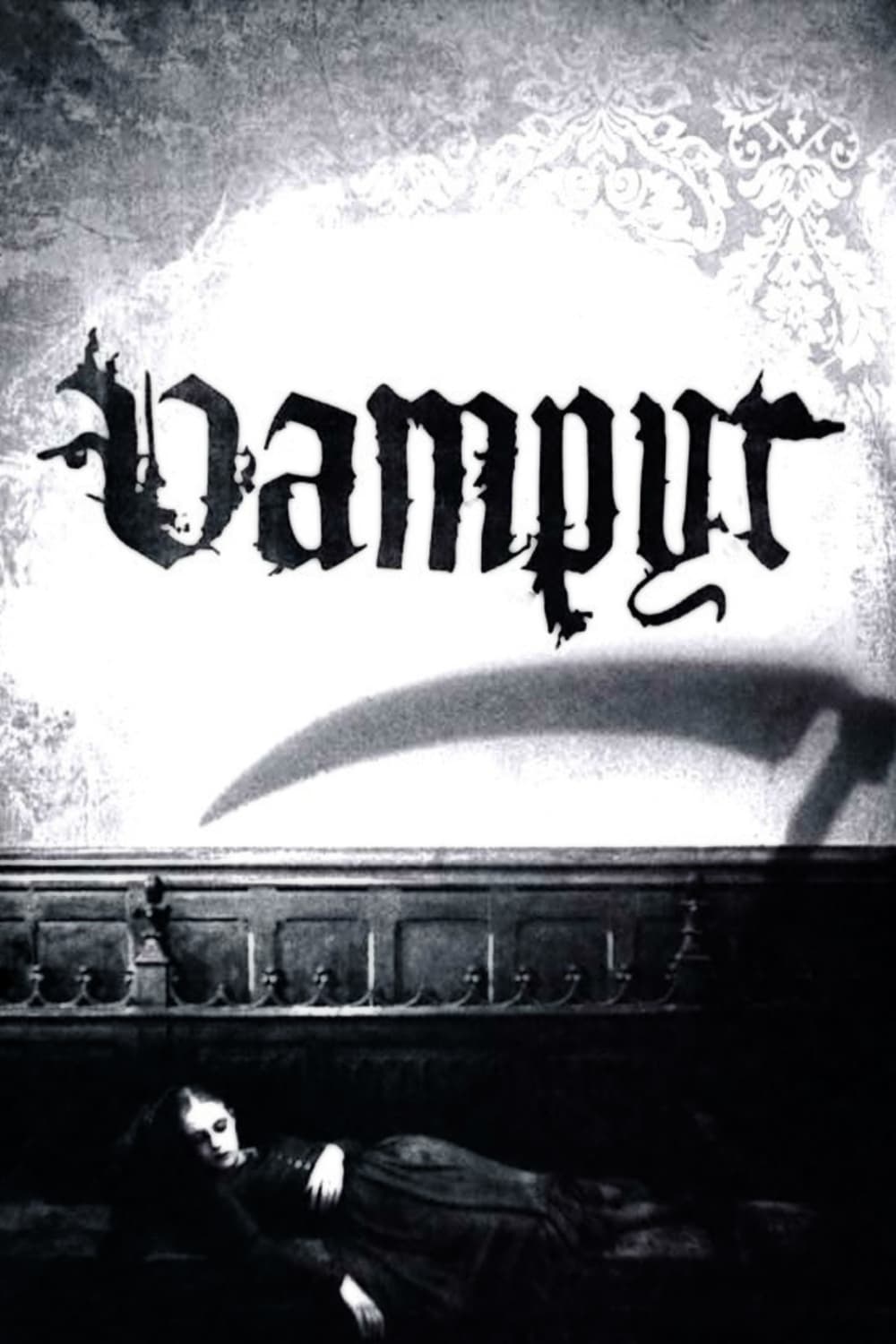
Vampyr
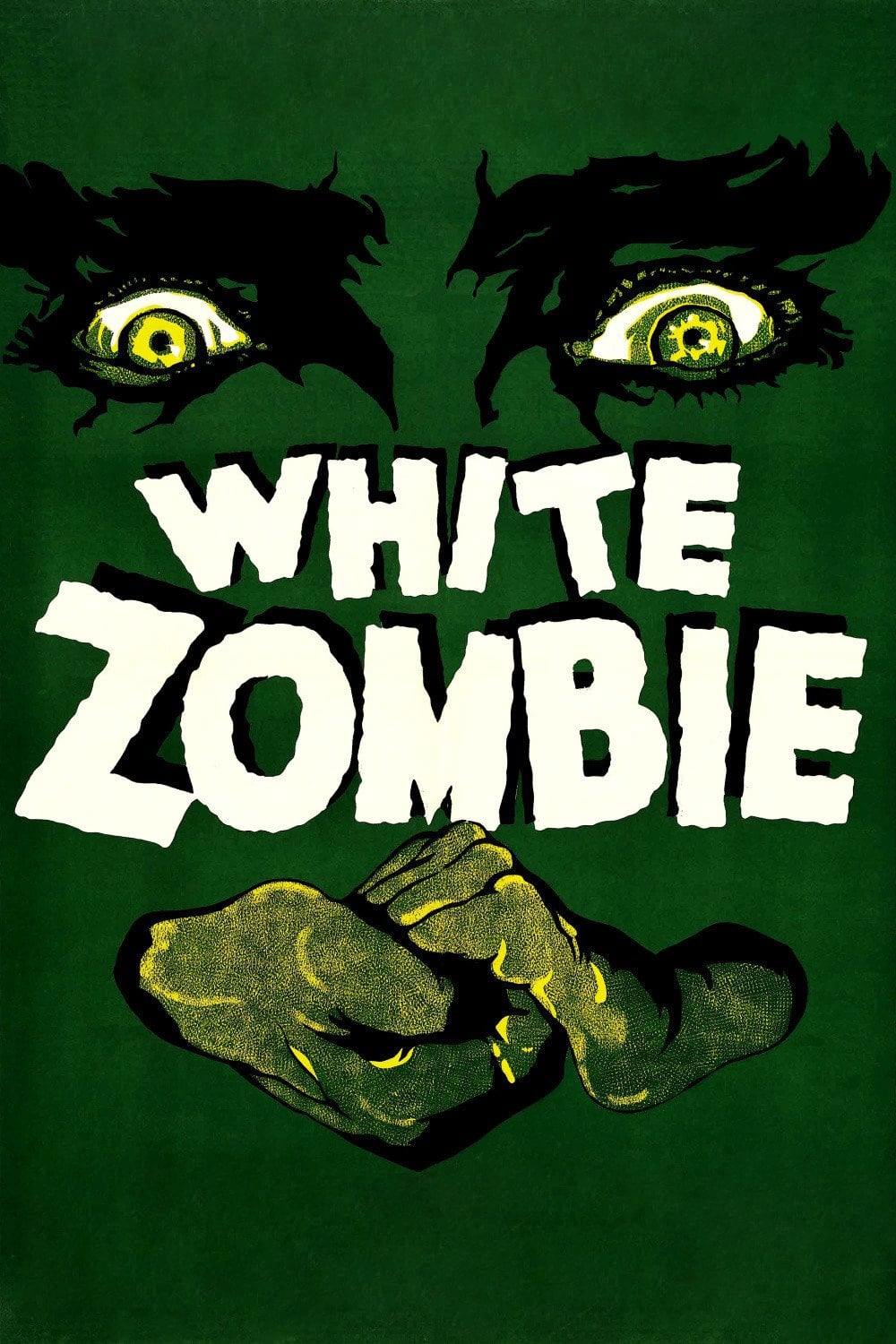
White Zombie

The Most Dangerous Game
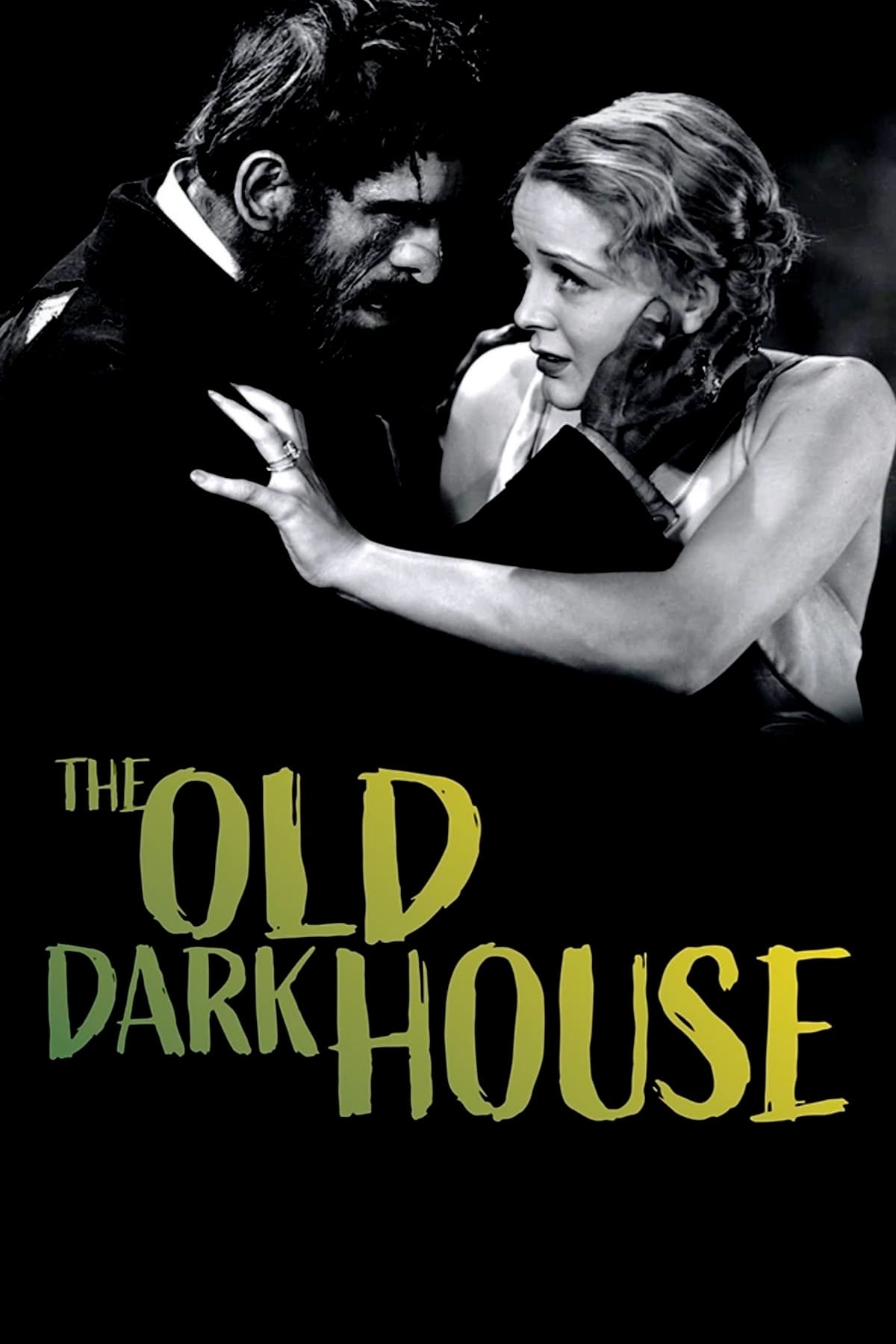
The Old Dark House
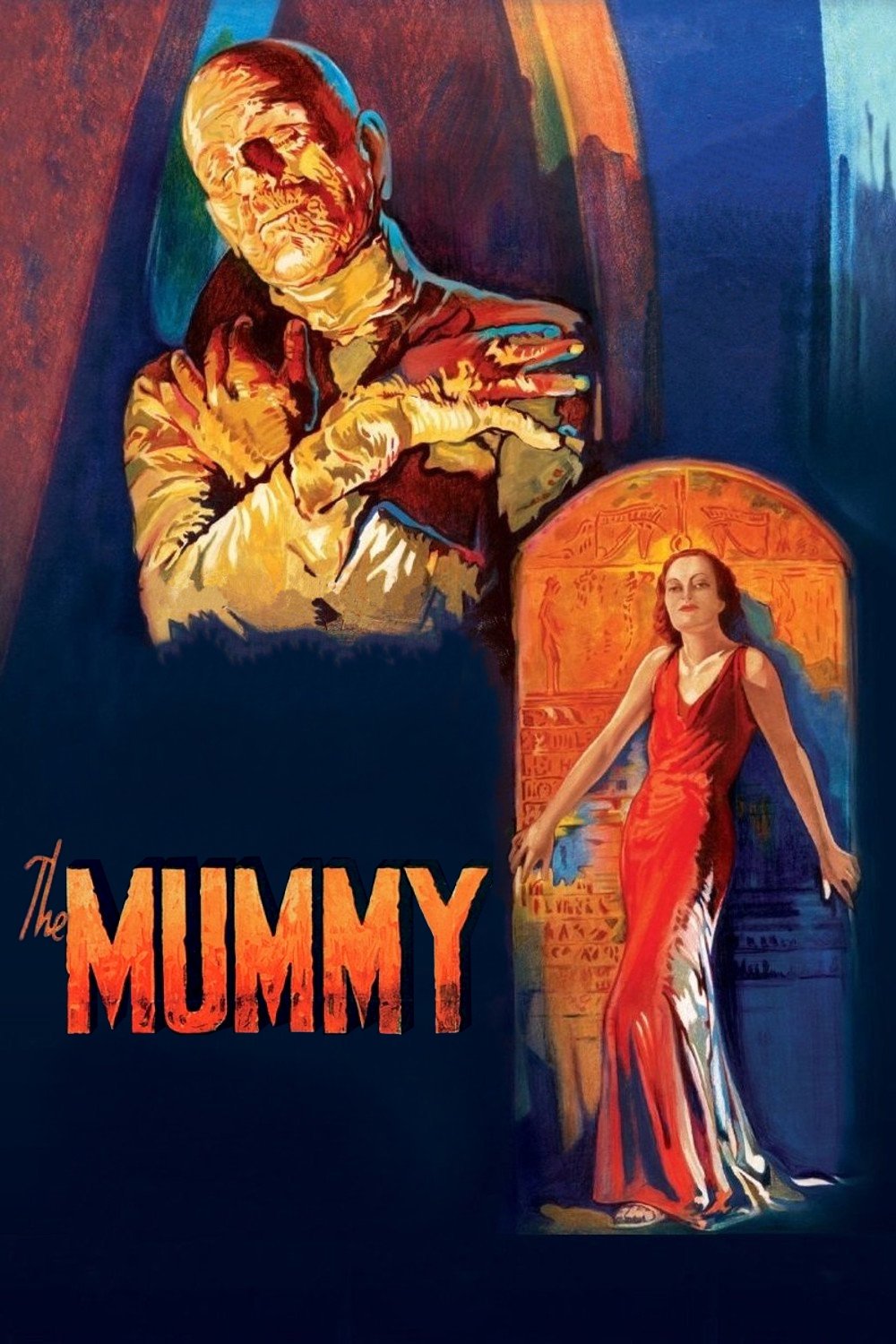
The Mummy
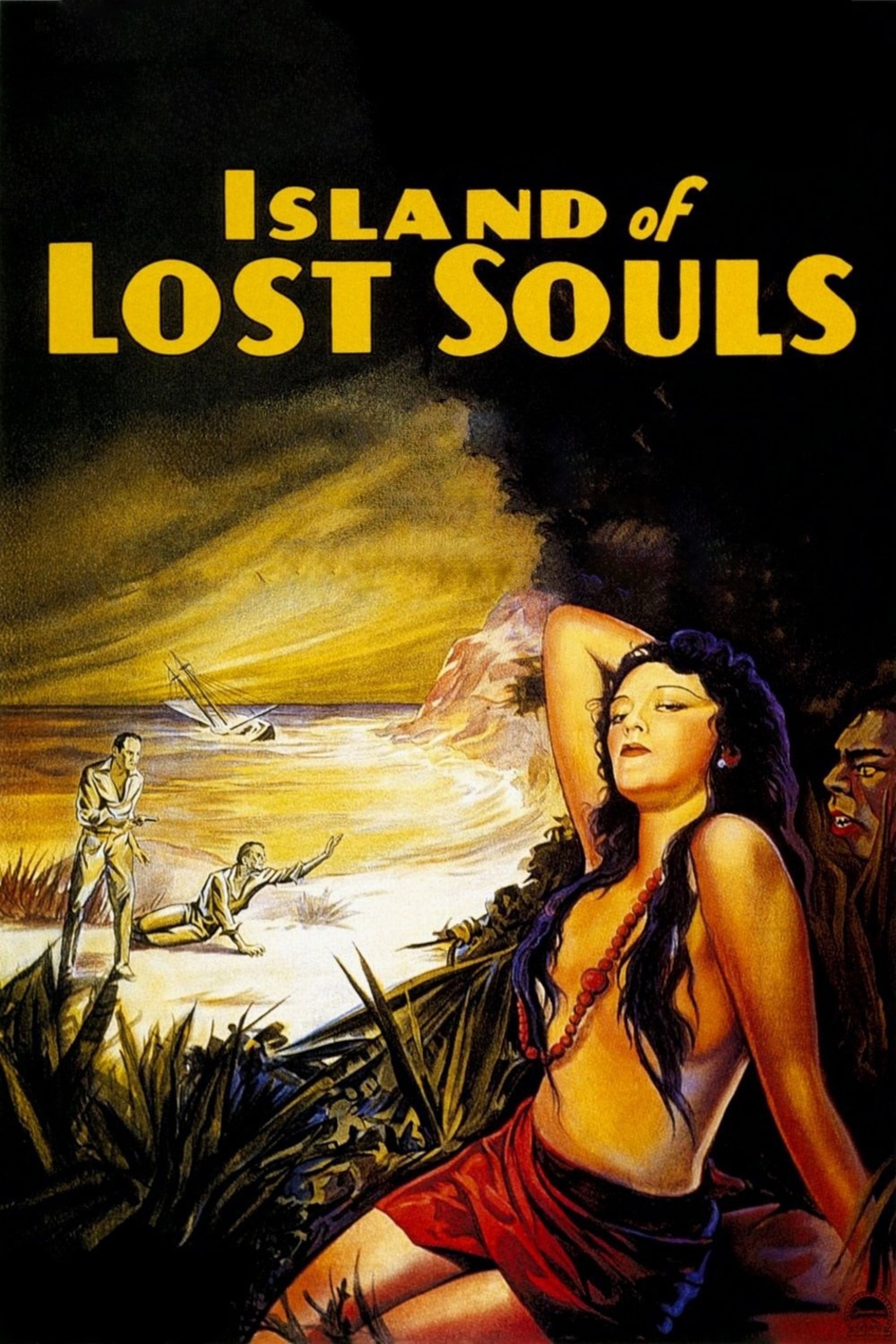
Island of Lost Souls
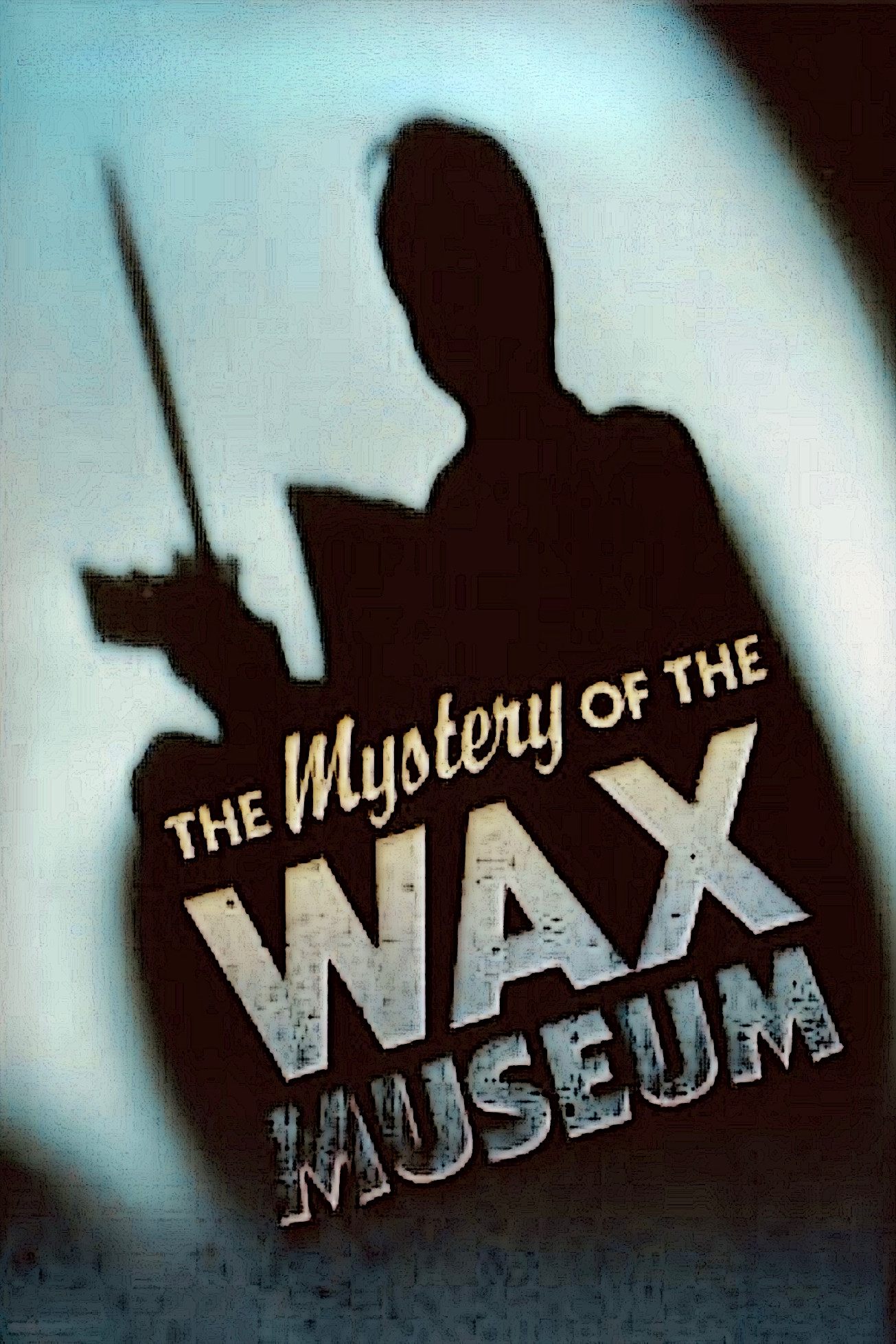
Mystery of the Wax Museum

King Kong
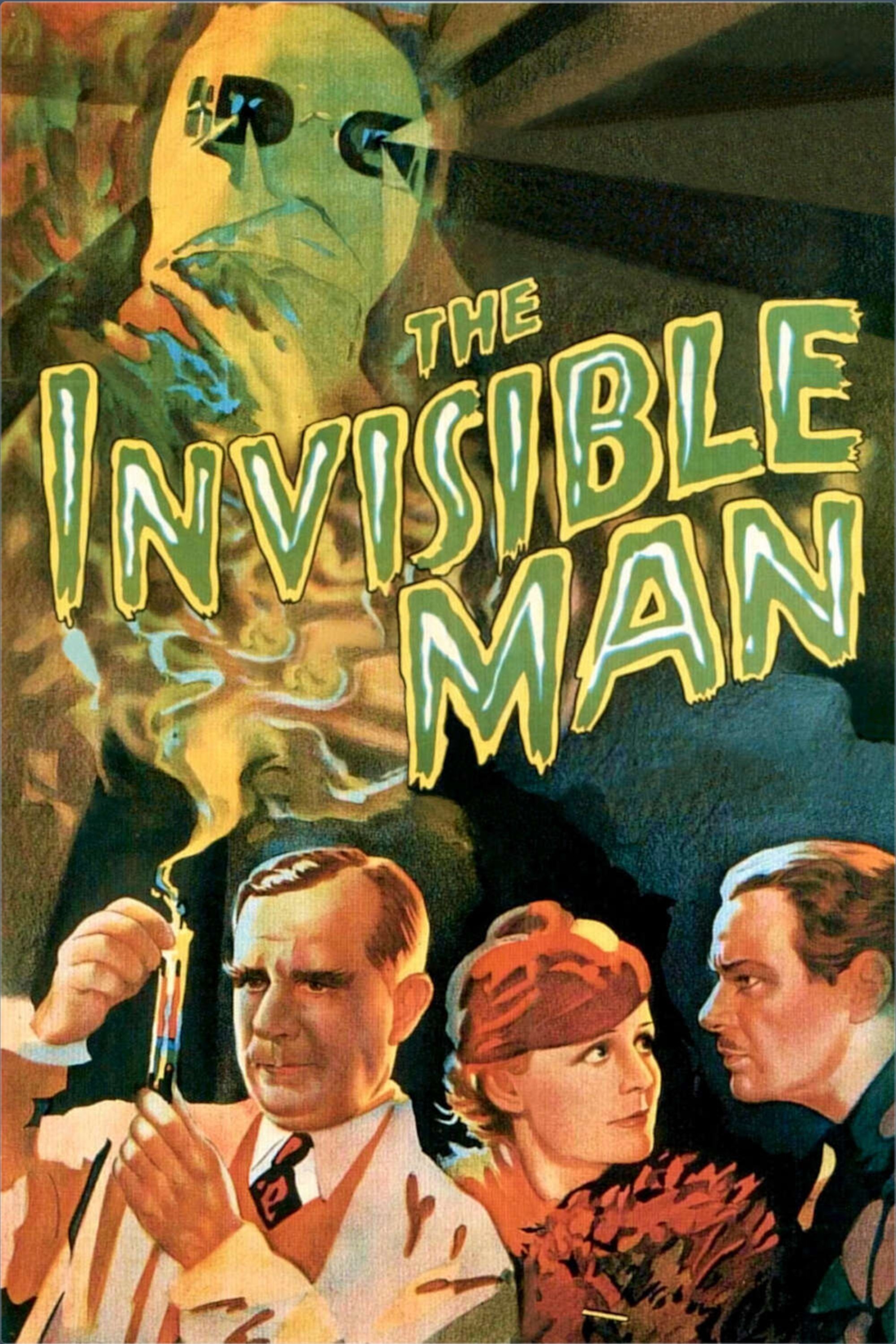
The Invisible Man
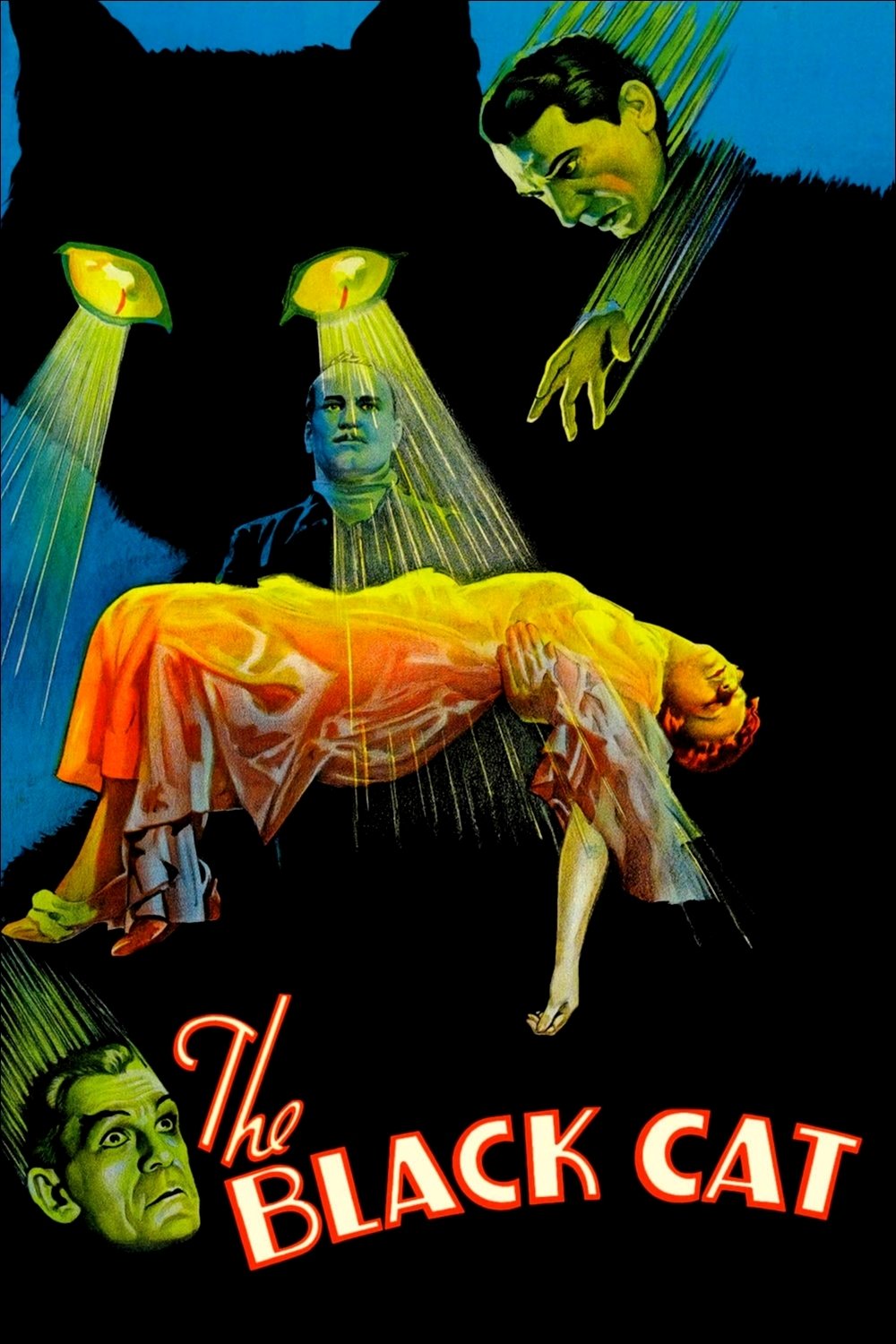
The Black Cat

Bride of Frankenstein
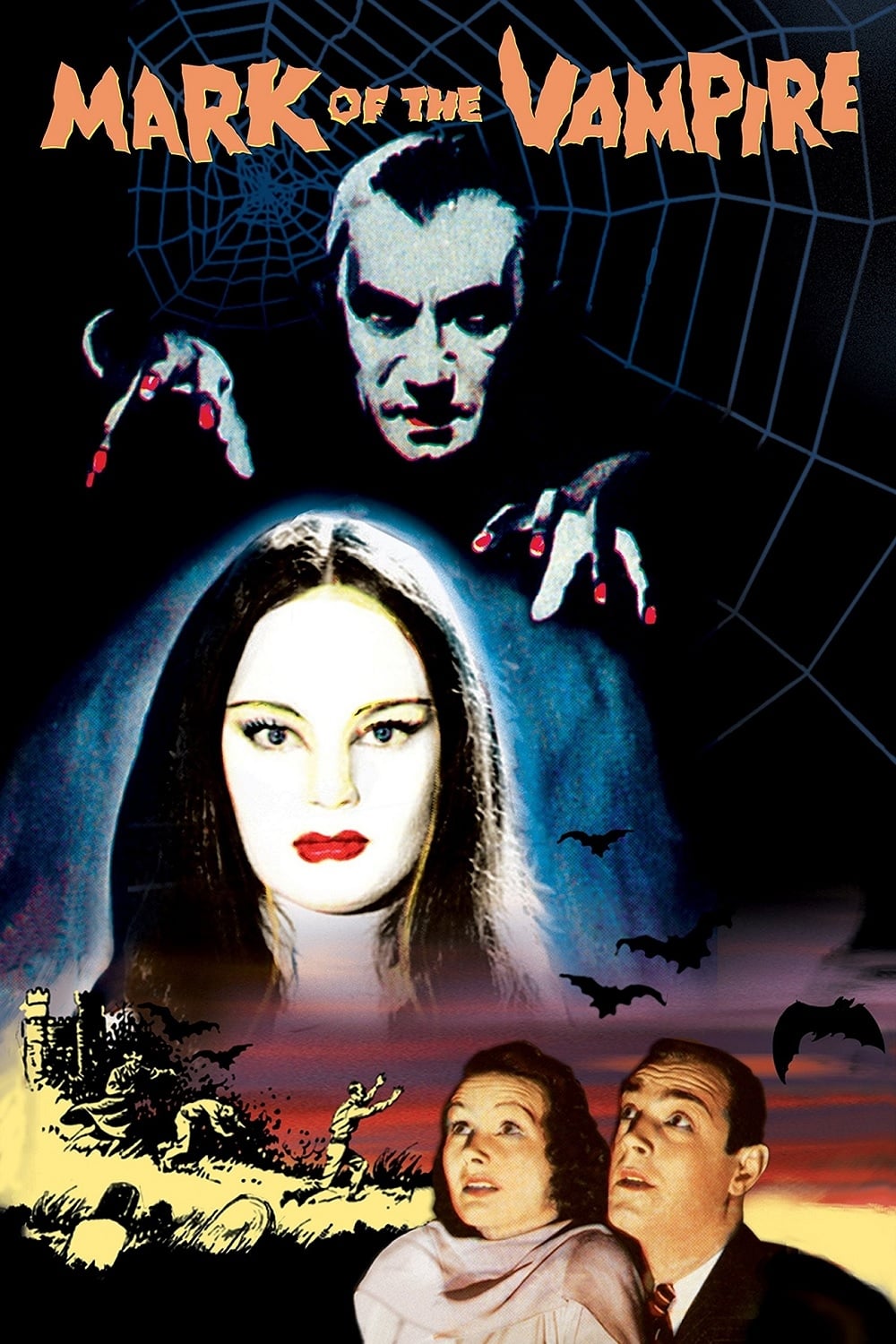
Mark of the Vampire
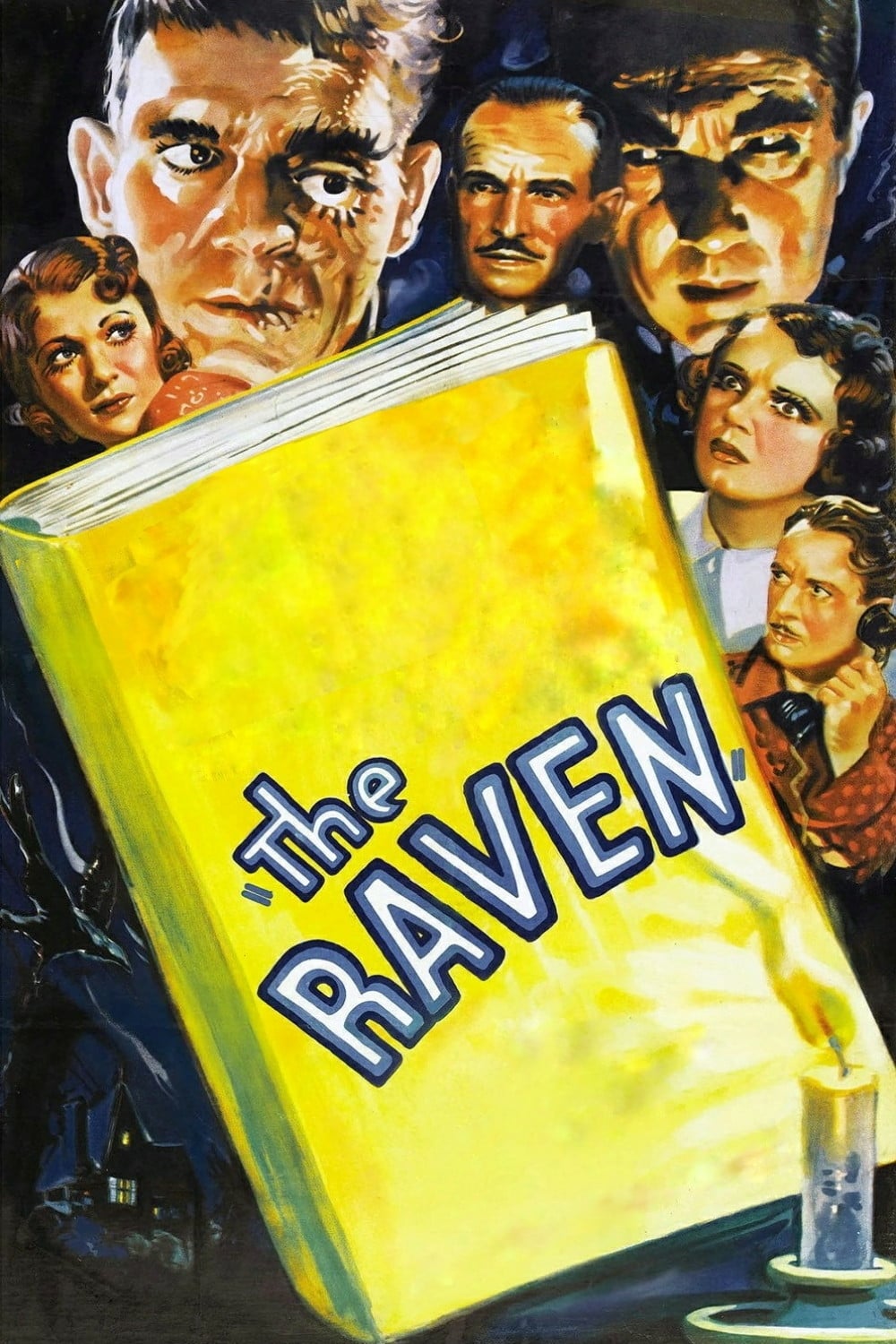
The Raven
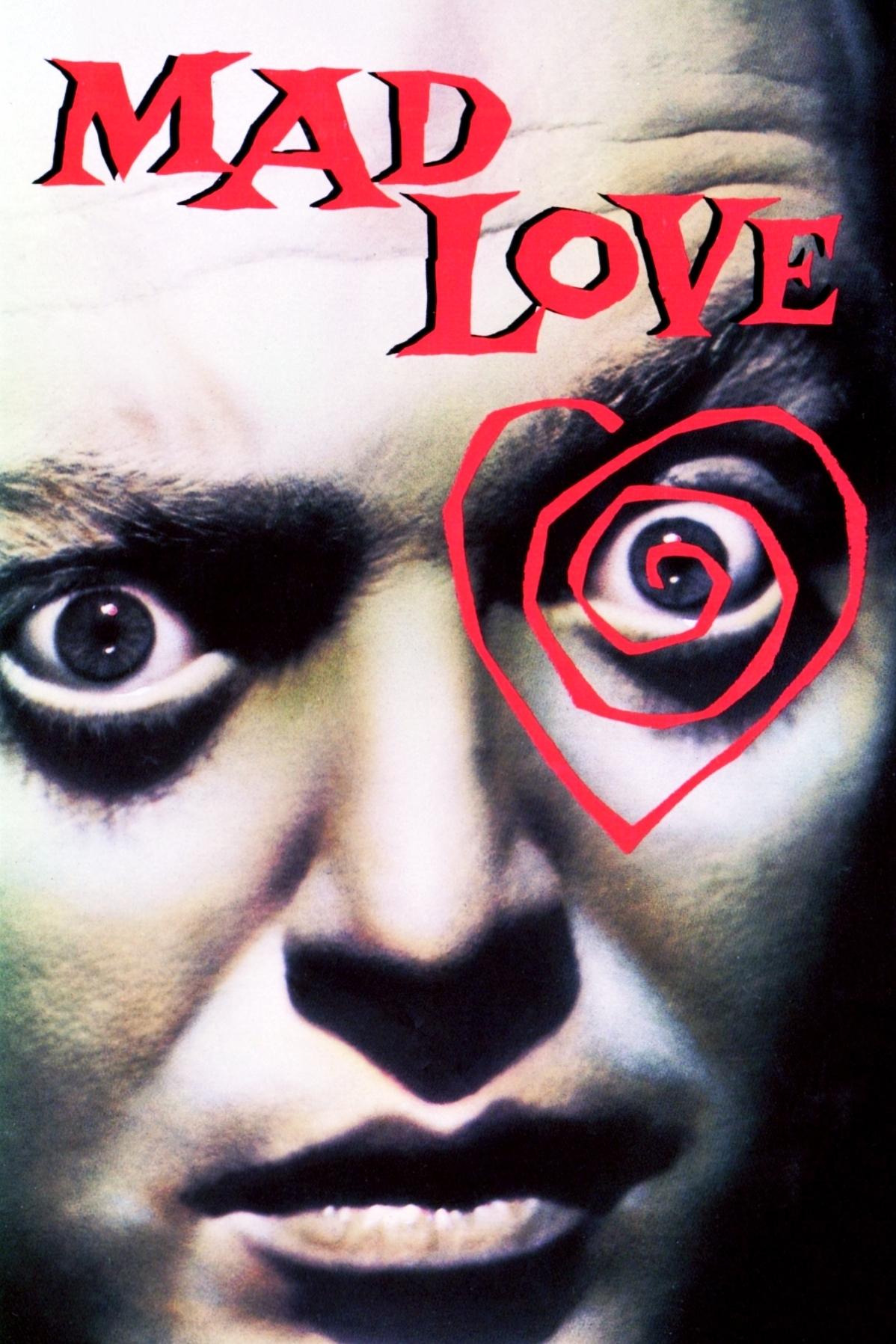
Mad Love
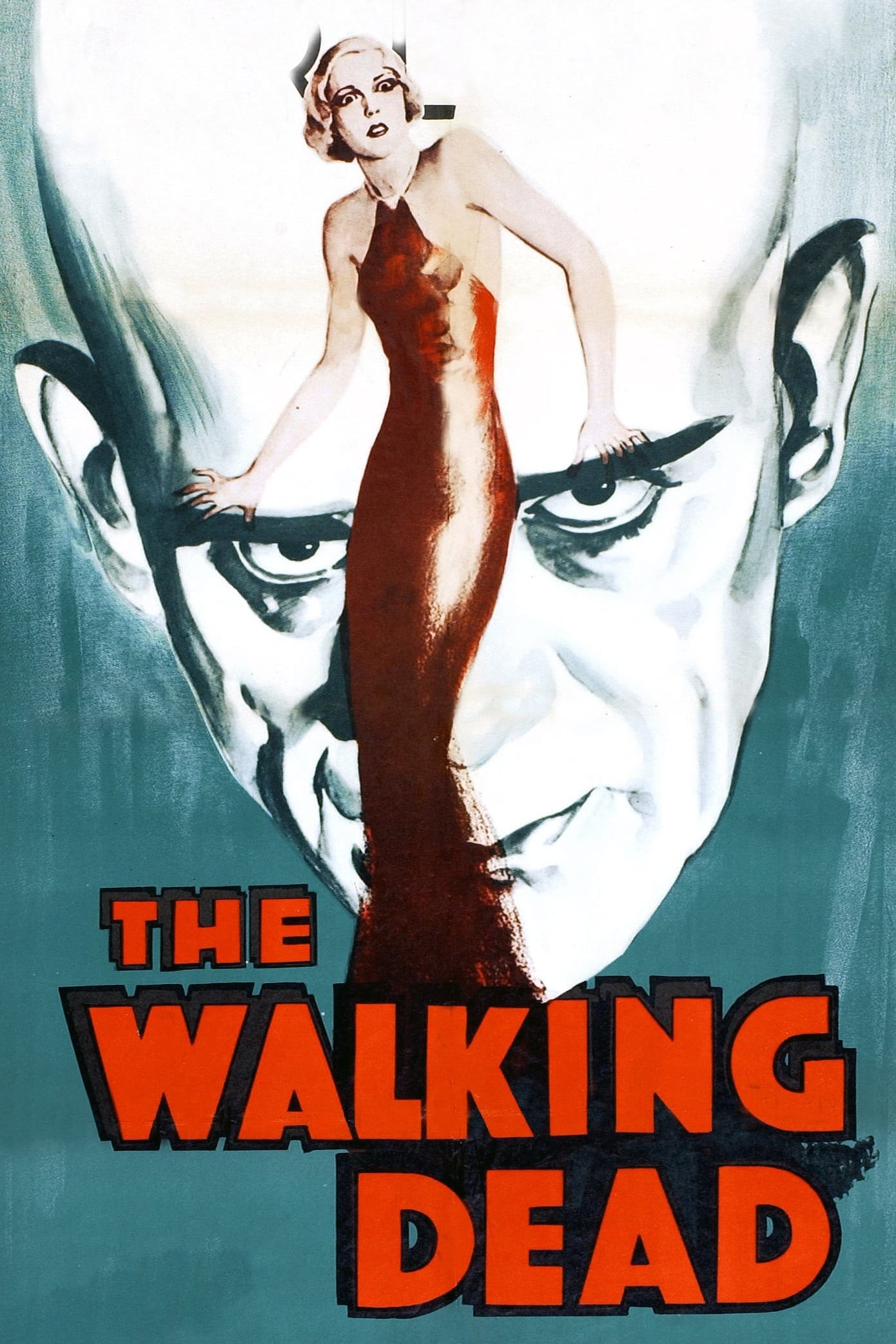
The Walking Dead
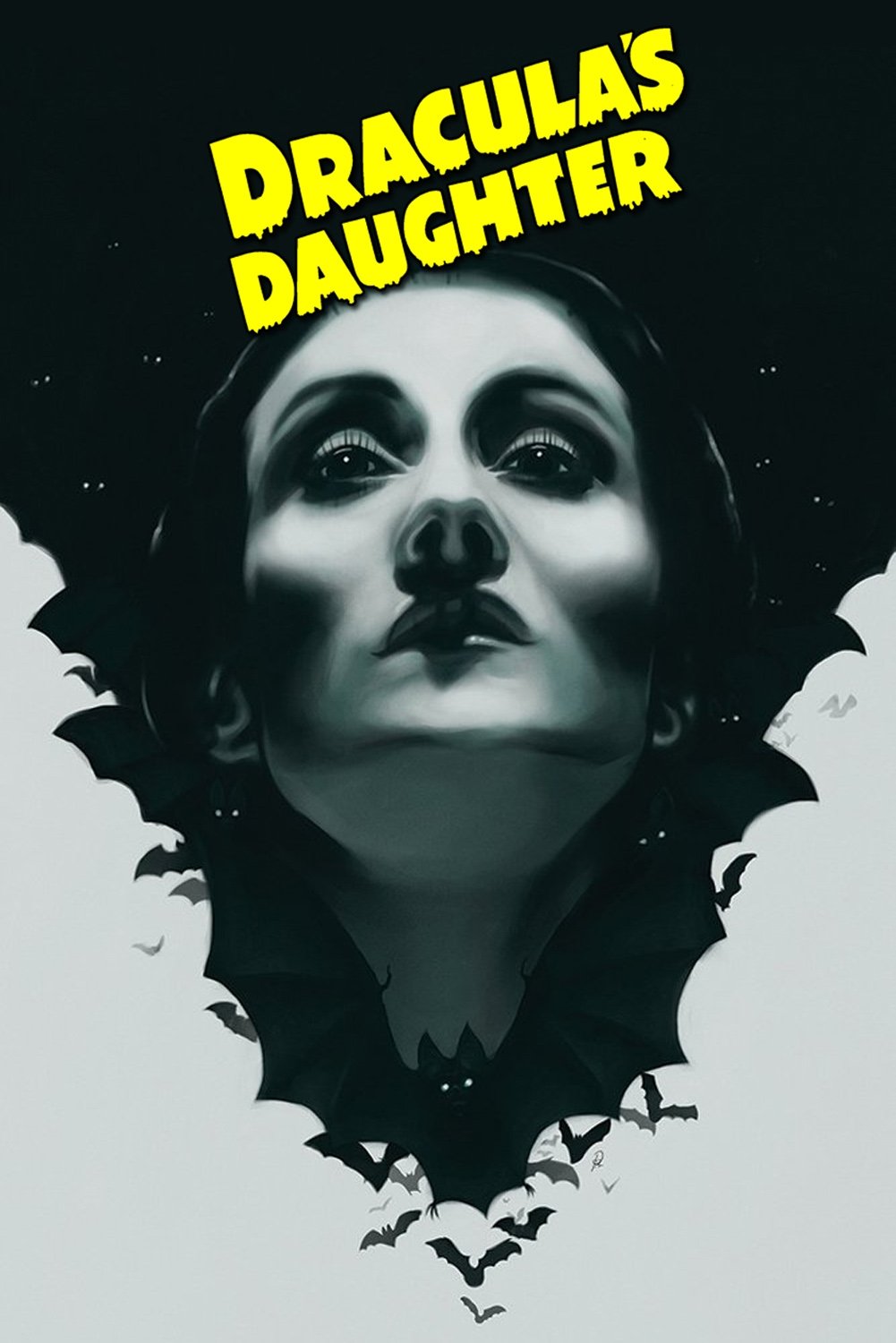
Dracula's Daughter
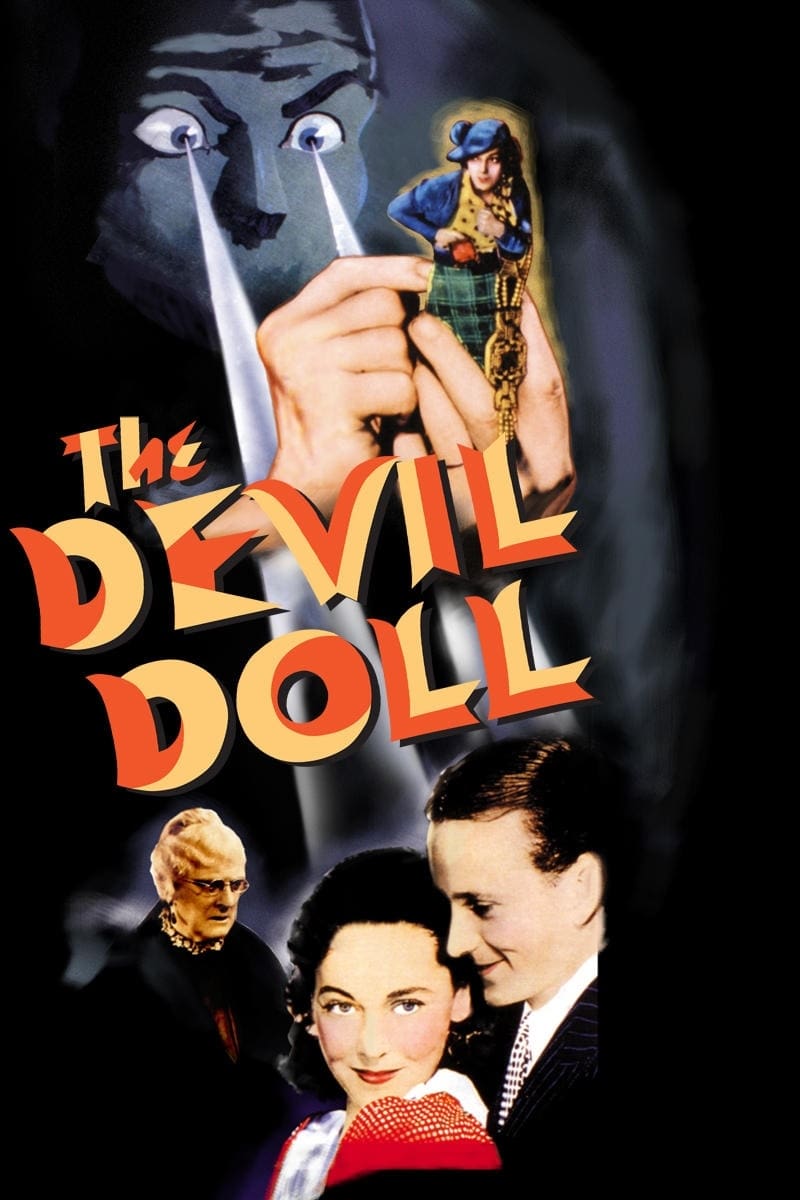
The Devil-Doll
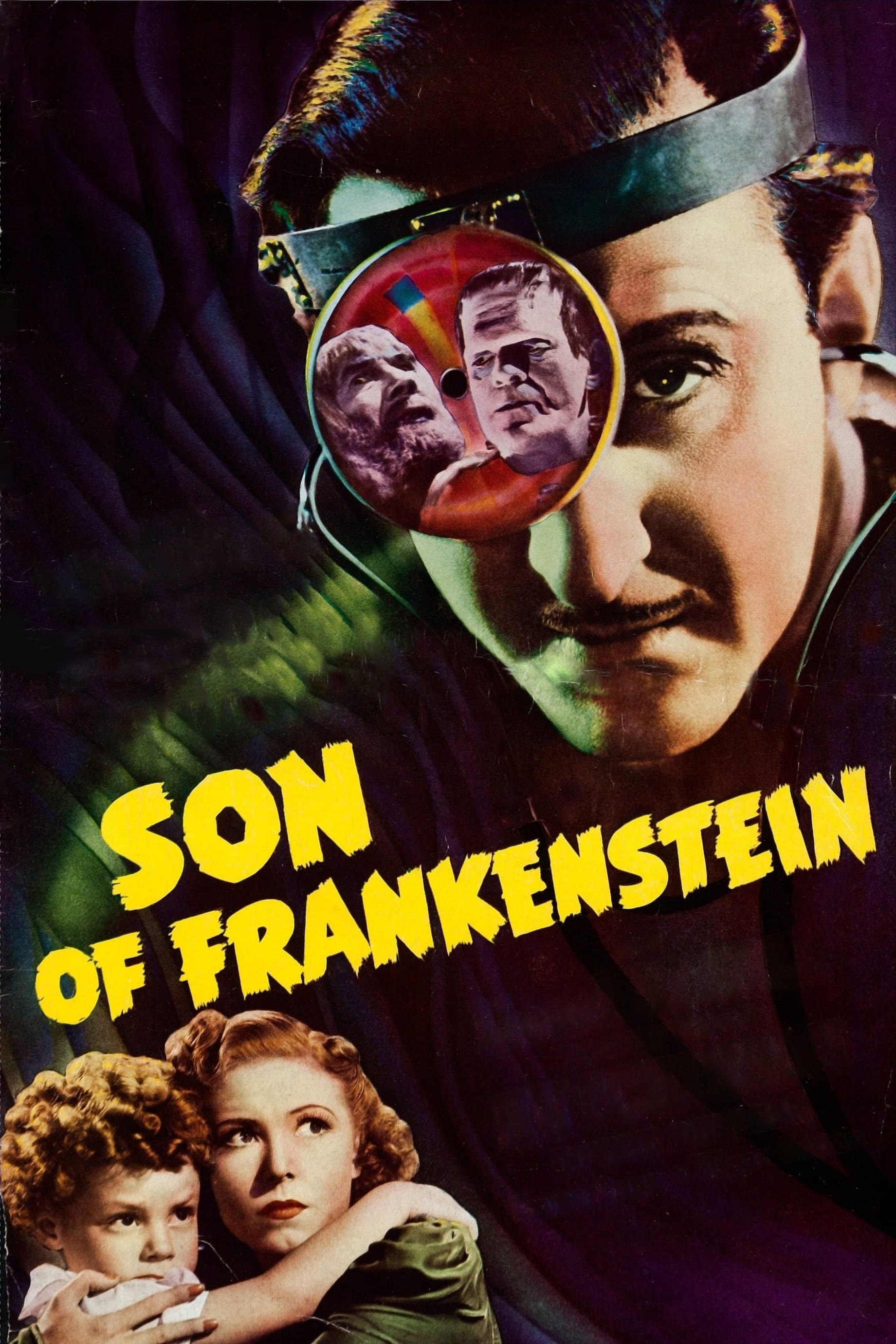
Son of Frankenstein
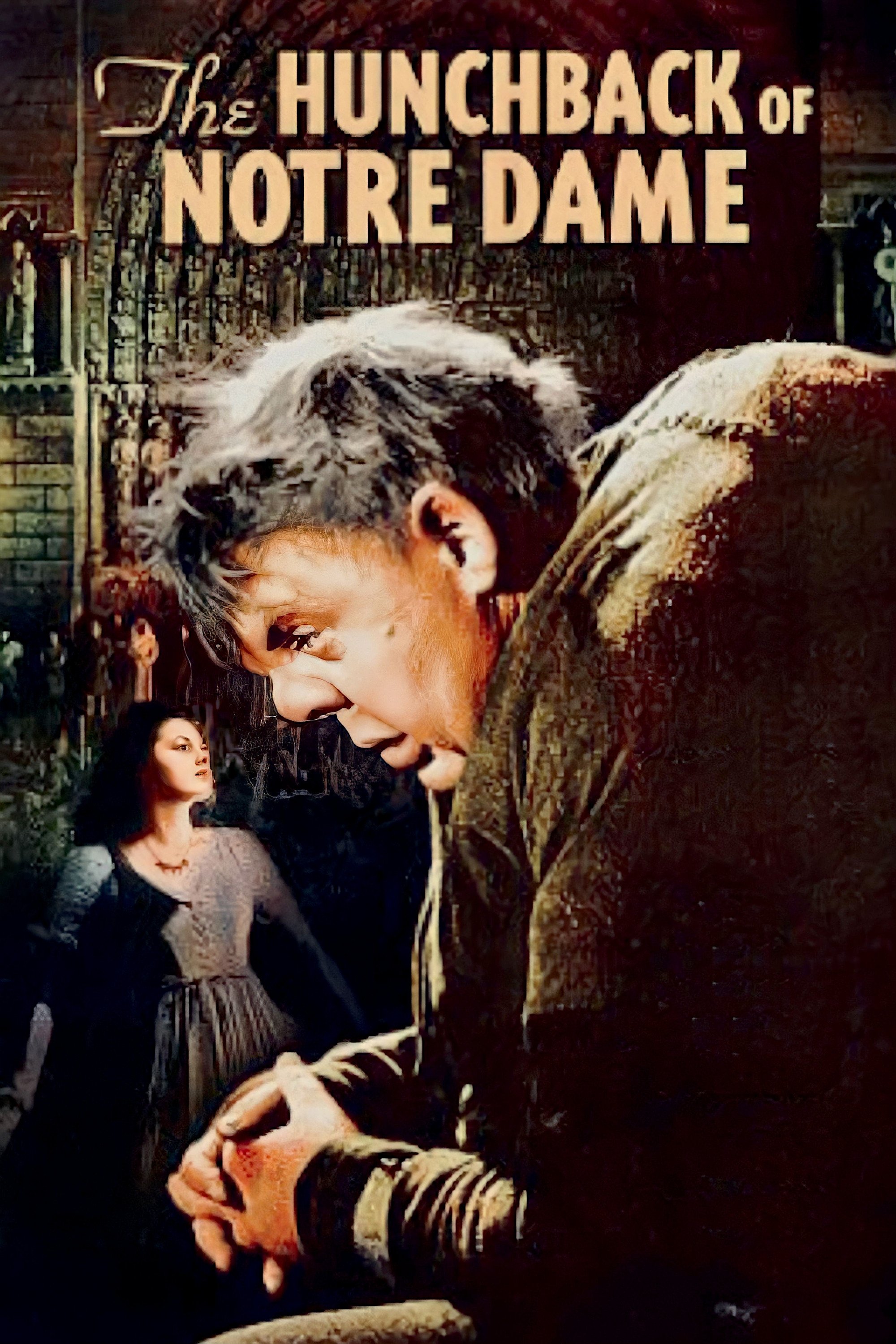
The Hunchback of Notre Dame
Statistics
Top Subgenres
Top Countries
Percentage of 1930s horror films by country of production.