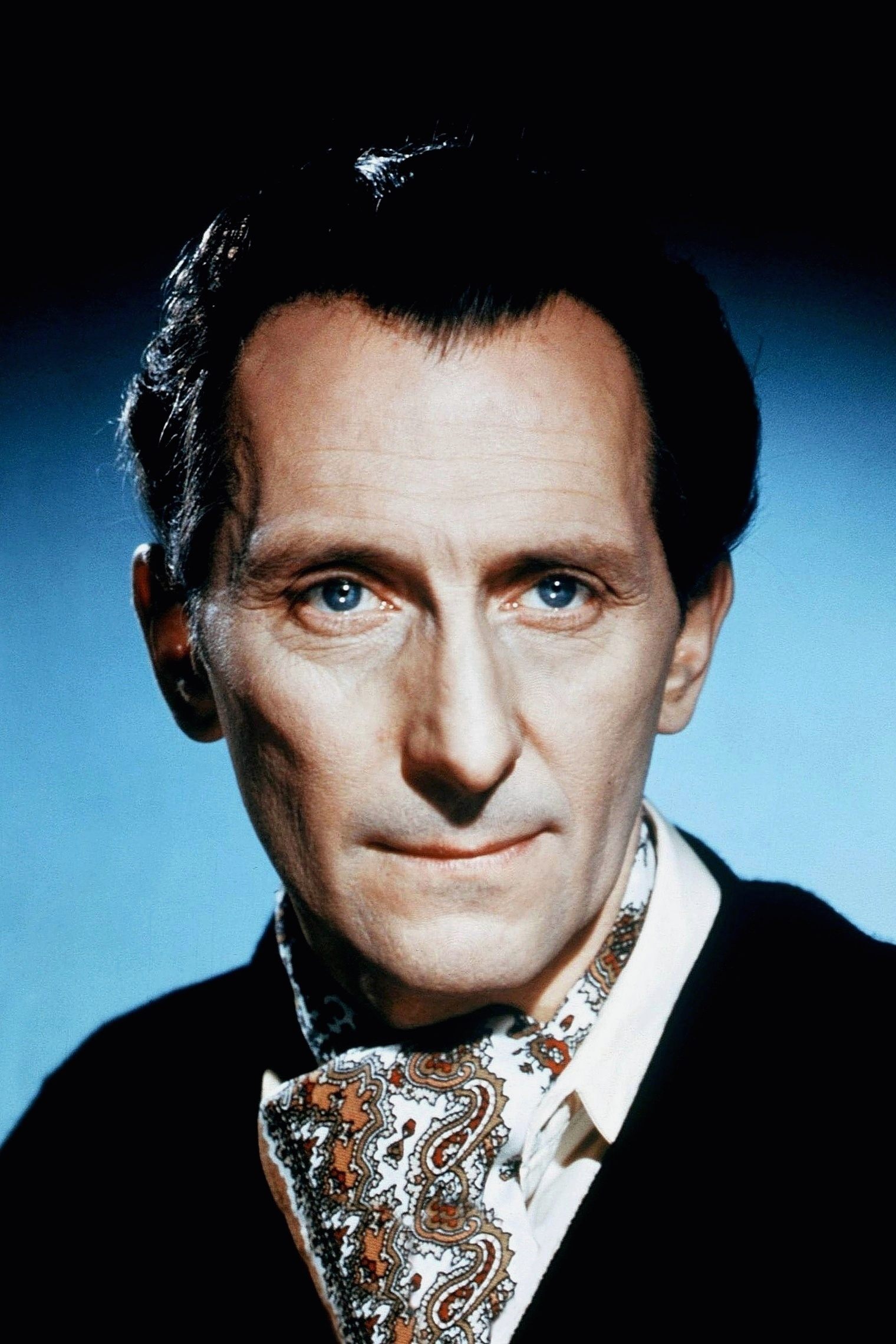
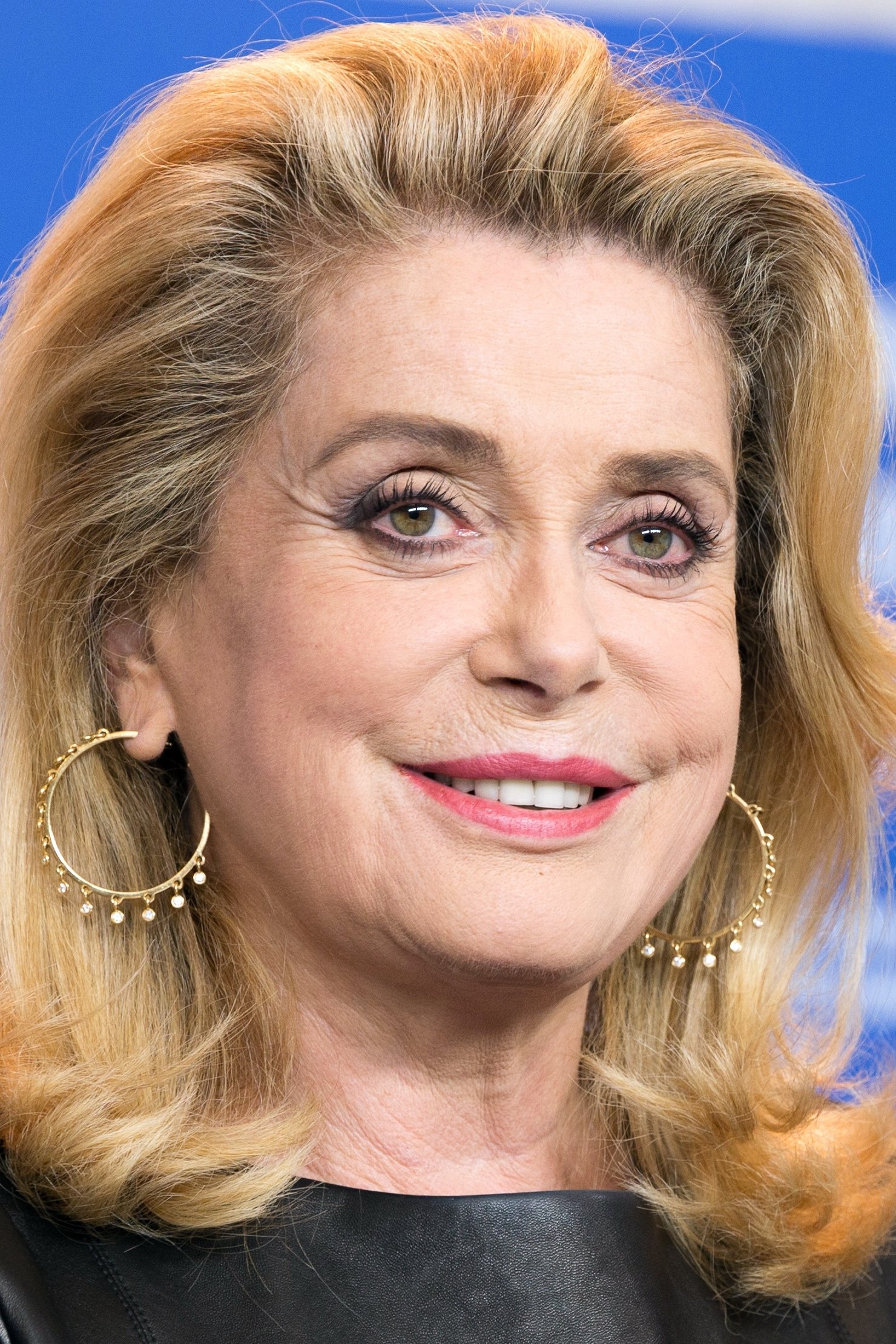
Psycho (1960)
1960s
Psycho demolished the rules. Night of the Living Dead rewrote them. The decade in between changed horror permanently.
History
The 1960s marked horror cinema's most radical transformation, beginning with two films released within weeks of each other that demolished the genre's reliance on supernatural monsters. Alfred Hitchcock's Psycho (1960) relocated terror to a roadside motel and a seemingly ordinary young man — its shower sequence and mid-film killing of the heroine shattered audience expectations permanently. In Britain, Michael Powell's Peeping Tom (1960) examined voyeuristic murder with such clinical precision that it effectively ended the director's career, though it would later be recognised as one of horror's most important films. In France, Georges Franju's Eyes Without a Face (1960) offered a poetic, surgical approach to horror that established an entirely different tradition. And in the United States, Hitchcock followed with The Birds (1963), while Robert Wise's The Haunting (1963) and Herk Harvey's regional independent Carnival of Souls (1962) established the period's restraint-horror counter-tradition.
Hammer Film Productions reached its commercial peak. Terence Fisher's The Plague of the Zombies (1966) and The Devil Rides Out (1968) demonstrated the studio's range beyond its Dracula and Frankenstein franchises, while Roy Ward Baker's Quatermass and the Pit (1967) fused science fiction and ancient evil into the era's most ambitious British horror. Jack Clayton's The Innocents (1961), drawn from Henry James, anchored an art-cinema-meets-Gothic register Hammer couldn't match. But the decade's most consequential European development was the birth of the giallo in Italy. Mario Bava's Black Sunday (1960) launched the Italian Gothic horror cycle, and his Black Sabbath (1963), Blood and Black Lace (1964), and Kill, Baby... Kill! (1966) established the template — black-gloved killers, elaborate murder set pieces, voyeuristic camerawork — that would define Italian horror for the next two decades and directly influence the American slasher film. Roman Polanski's Repulsion (1965), set in London, mapped the same psychological breakdown territory in a clinical Gothic register that prefigured his later Rosemary's Baby (1968). Roger Corman's Edgar Allan Poe adaptations for American International Pictures, particularly House of Usher (1960) and The Masque of the Red Death (1964), both starring Vincent Price, combined literary respectability with baroque visual excess.
Internationally, the decade produced some of horror's most artistically ambitious work. In Japan, Nobuo Nakagawa's hallucinatory Jigoku (1960), Kaneto Shindō's Onibaba (1964), and Masaki Kobayashi's Kwaidan (1965) demonstrated a distinctly Japanese approach to supernatural terror rooted in centuries of folklore. In Mexico, the lucha libre horror cycle reached its peak — with El Santo battling supernatural threats across dozens of films that had no equivalent anywhere else in world cinema — and Chano Urueta's The Brainiac (1962) brought Mexican Gothic to international cult audiences, while Carlos Enrique Taboada's Even the Wind Is Afraid (1968) closed the decade with the first of his four corpus-canonical Mexican-Gothic psychological horrors. In Poland, Jerzy Kawalerowicz's Mother Joan of the Angels (1961) brought black-and-white possession horror to international art cinema, winning the Special Jury Prize at Cannes and establishing the nunsploitation template that The Devils and Alucarda would later inherit. In Sweden, Ingmar Bergman's Hour of the Wolf (1968) externalised artistic madness as demonic visitation in what may be his most explicit horror entry.
The decade's defining moment came with George A. Romero's Night of the Living Dead (1968), an ultra-low-budget independent film that reinvented the zombie and infused horror with unflinching social commentary about race, violence, and institutional failure — released in the same year as Michael Reeves's Witchfinder General (1968), the first entry in the British folk-horror trinity, and Rosemary's Baby, which modernised supernatural horror by grounding it in contemporary urban paranoia. By decade's end, the Production Code's collapse had liberated filmmakers to explore previously taboo subjects, and horror had established itself as a vehicle for social criticism — setting the stage for the extreme, confrontational cinema of the 1970s.
Essential Films
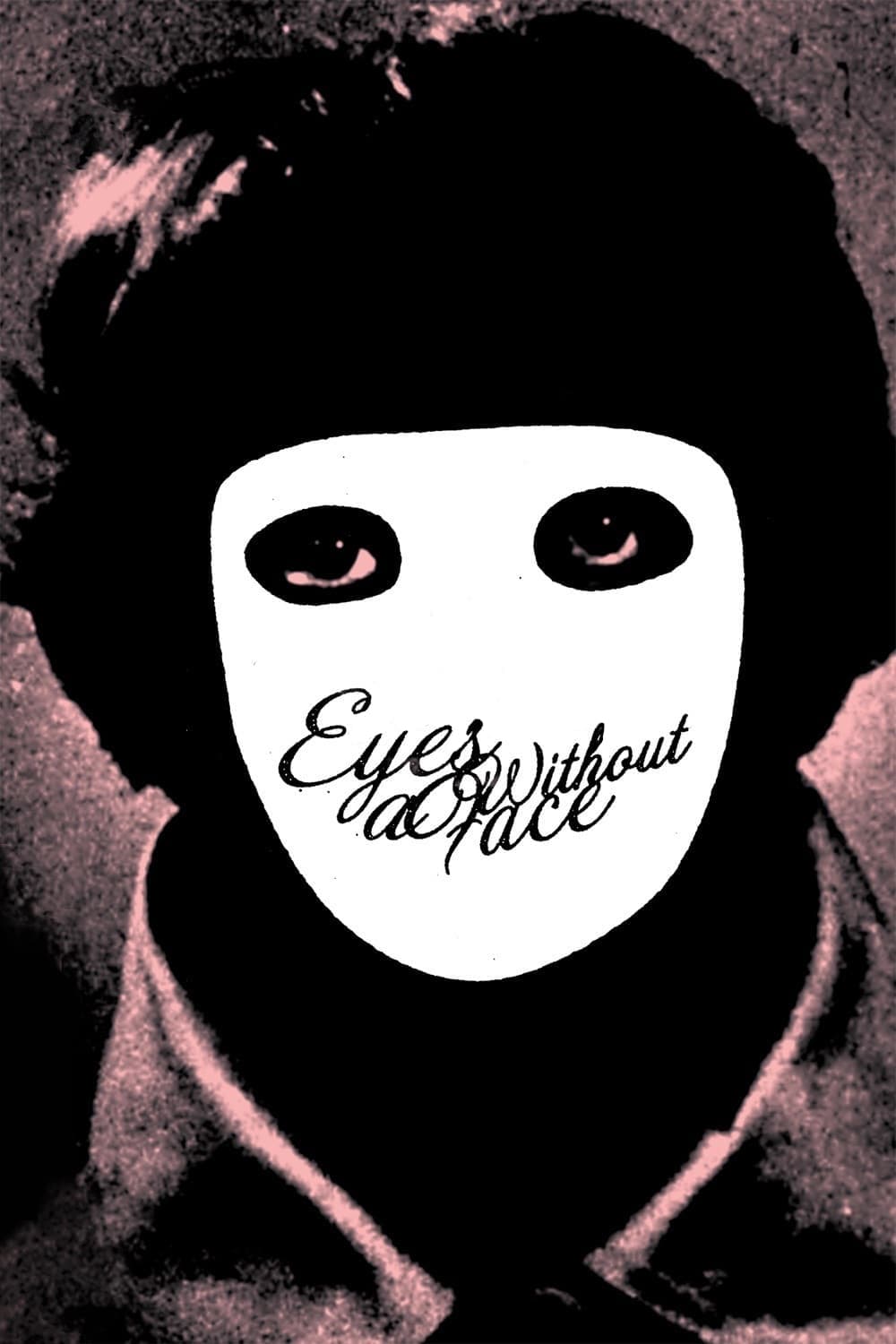
Eyes Without a Face
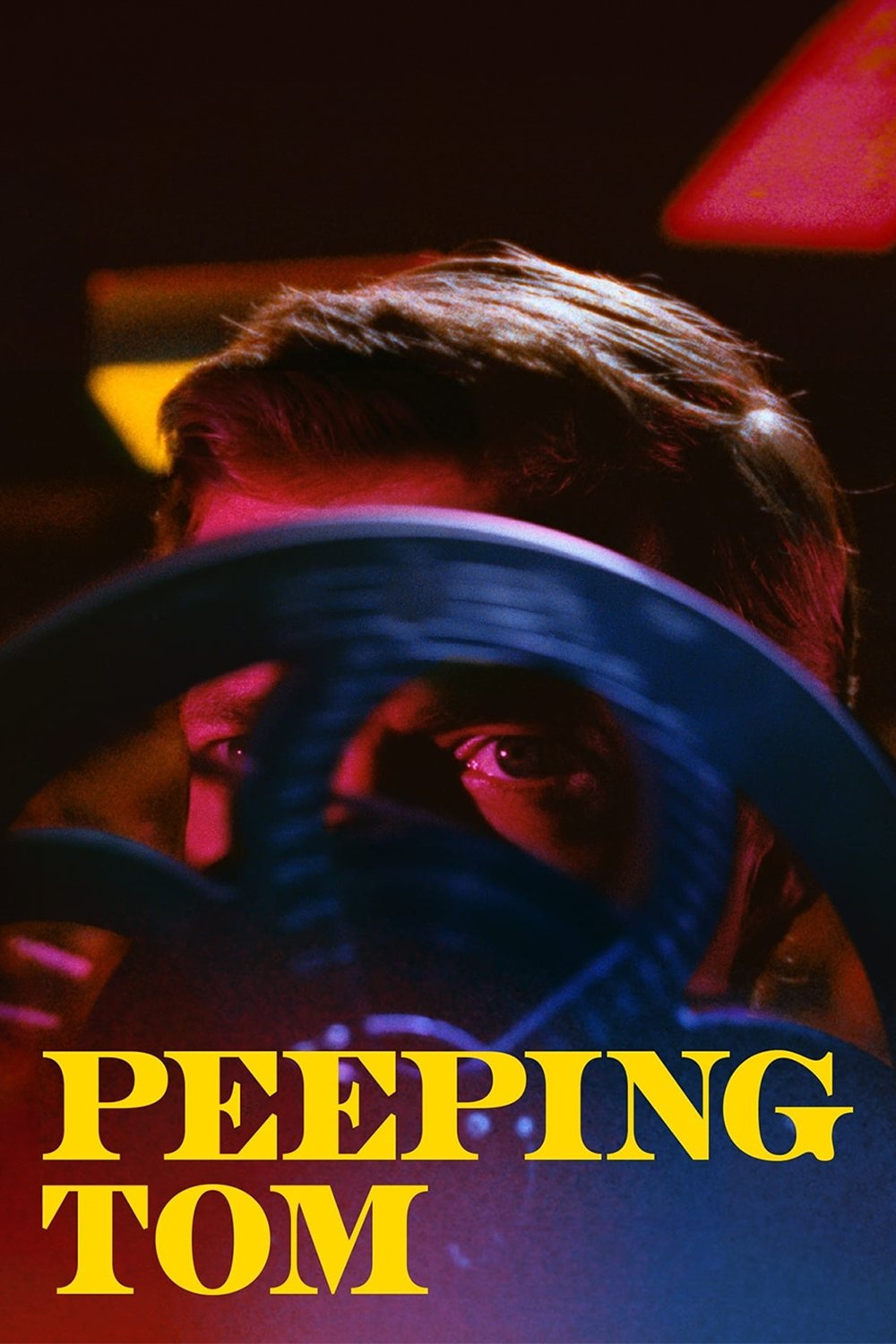
Peeping Tom
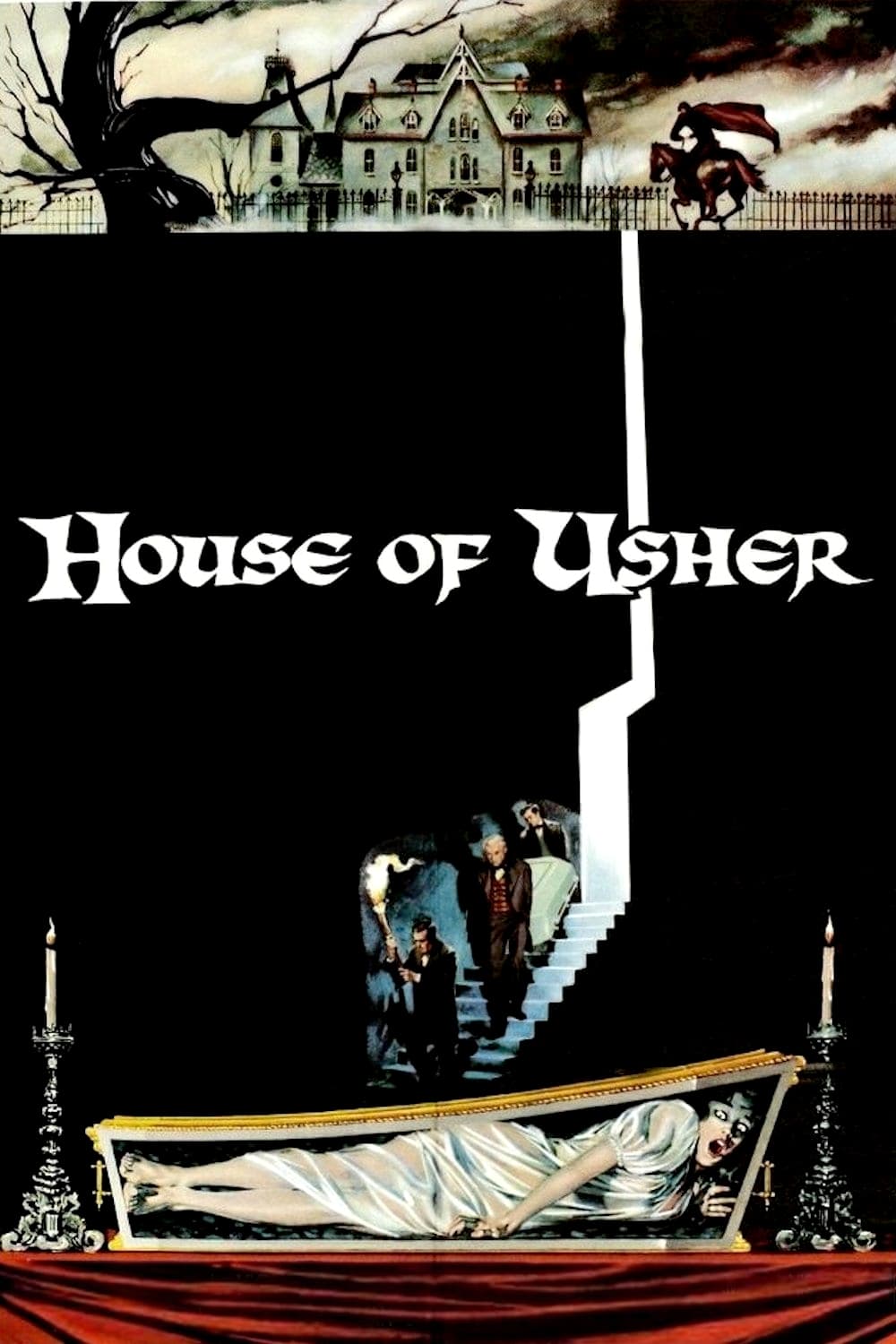
House of Usher
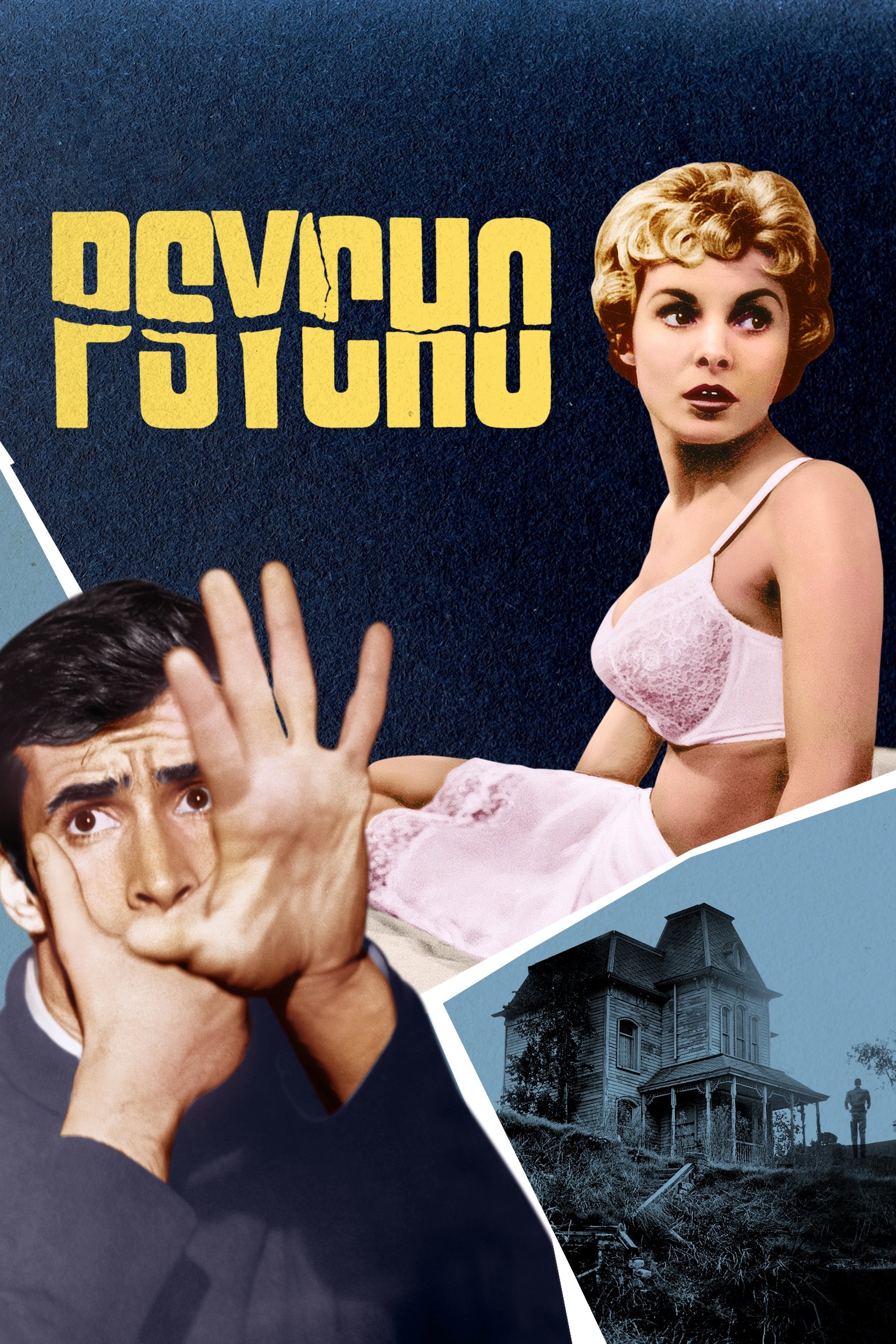
Psycho

Jigoku
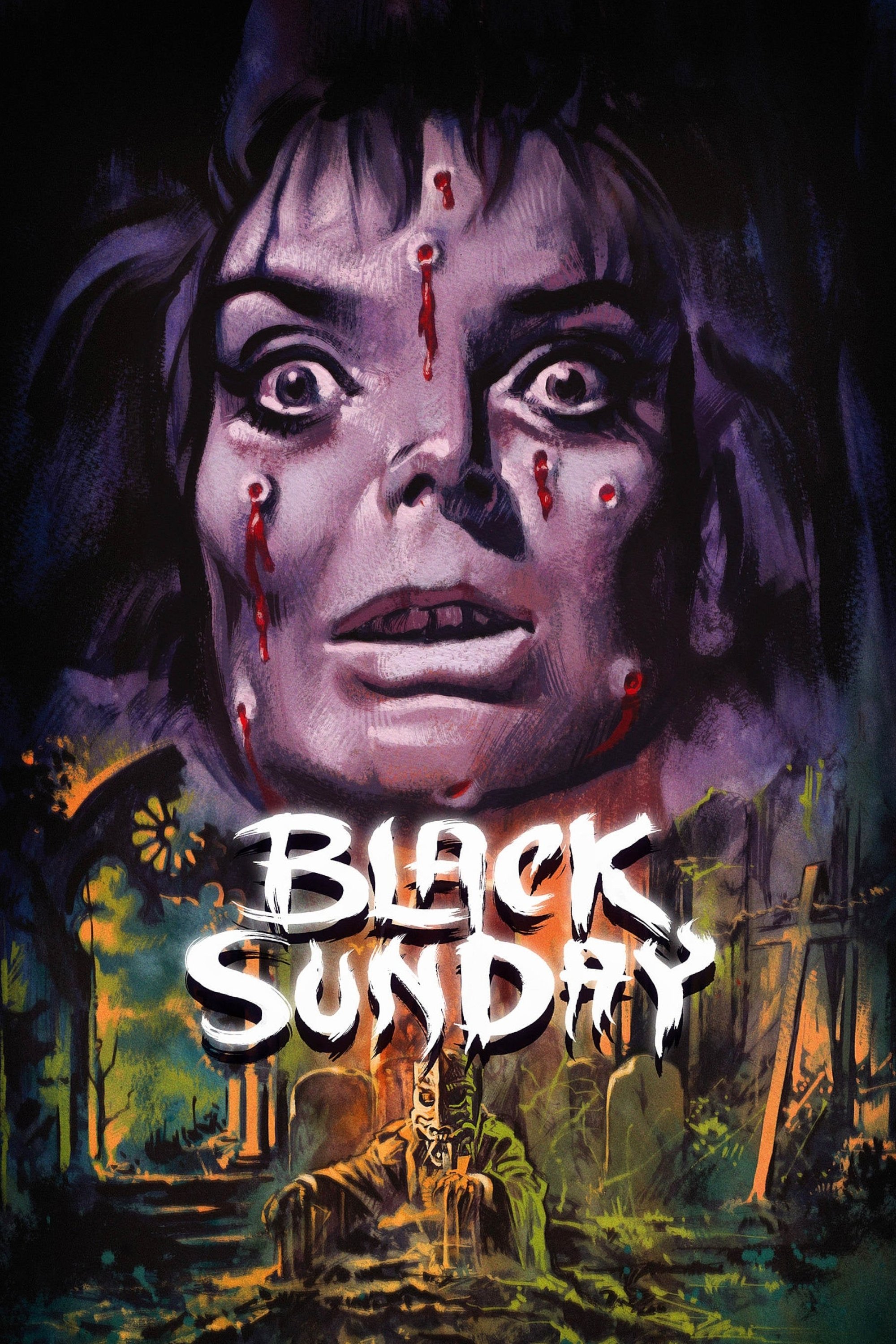
Black Sunday
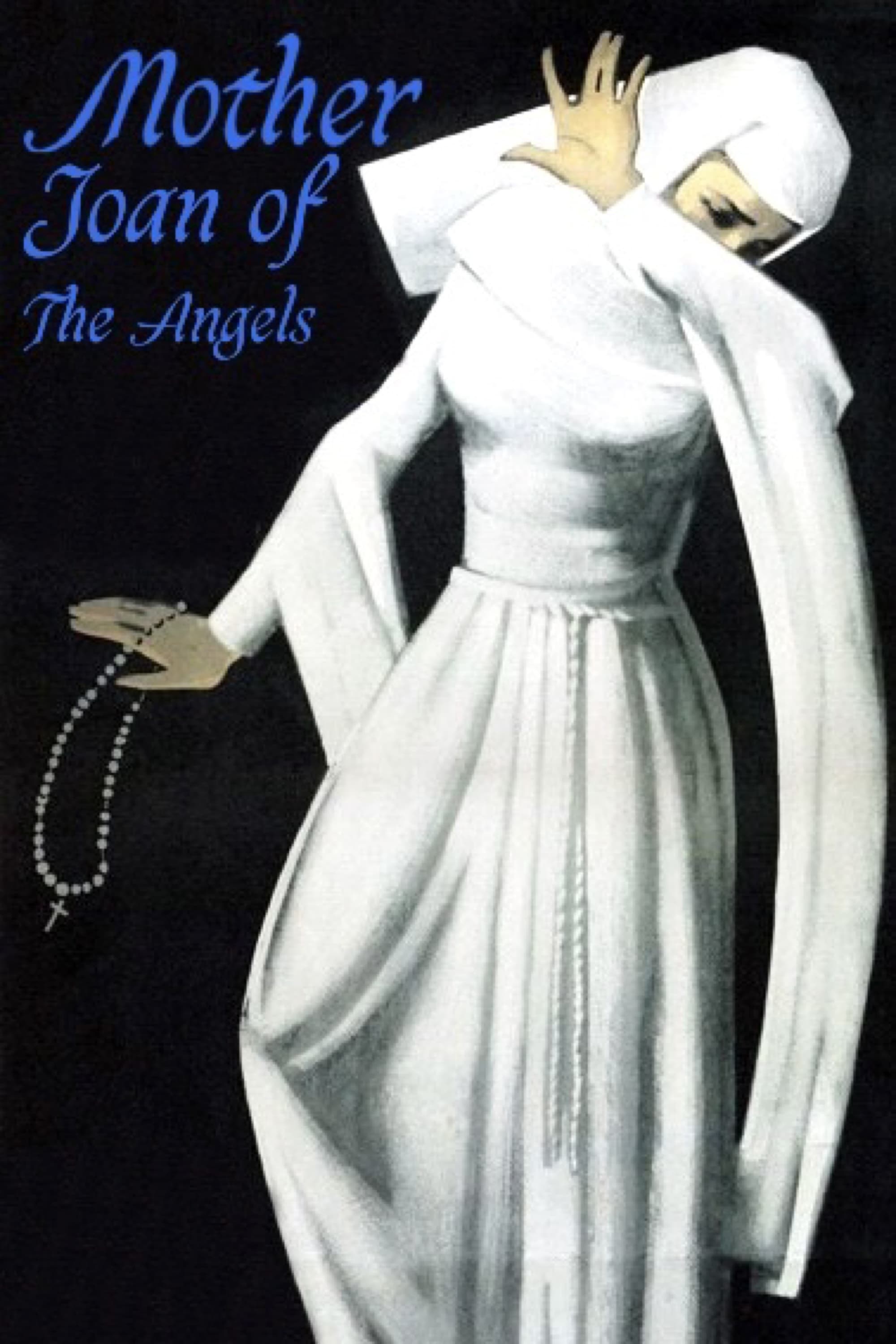
Mother Joan of the Angels
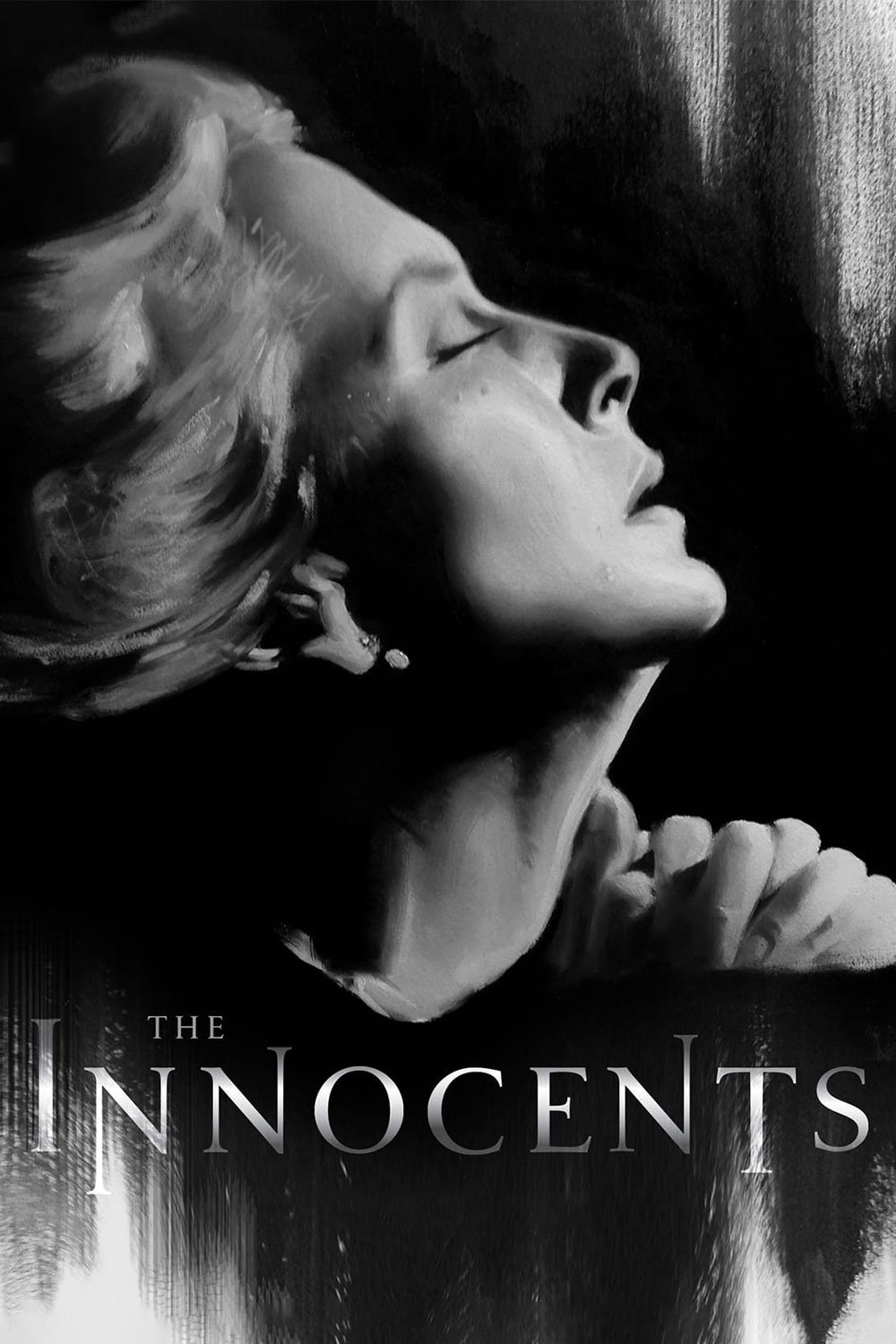
The Innocents
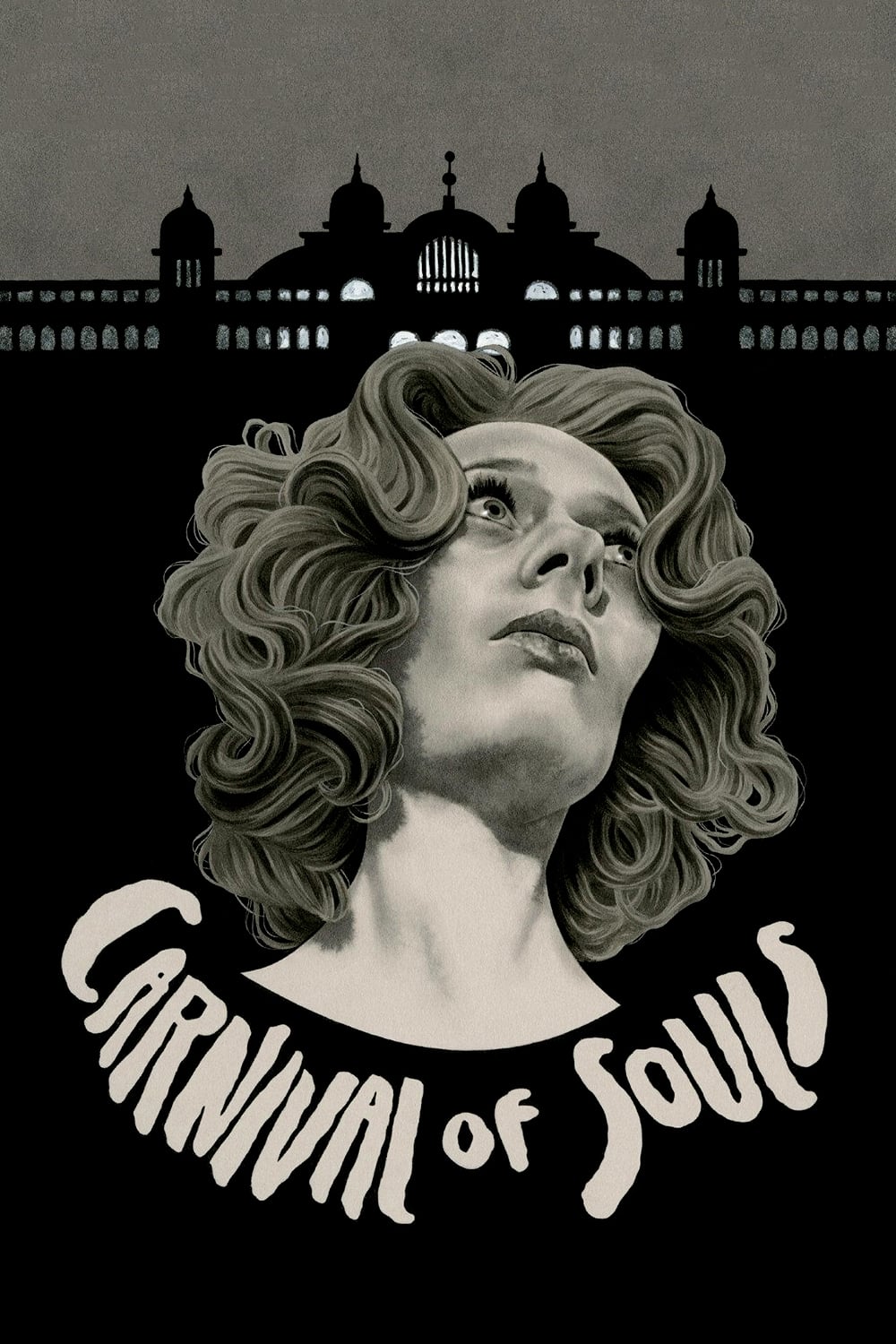
Carnival of Souls
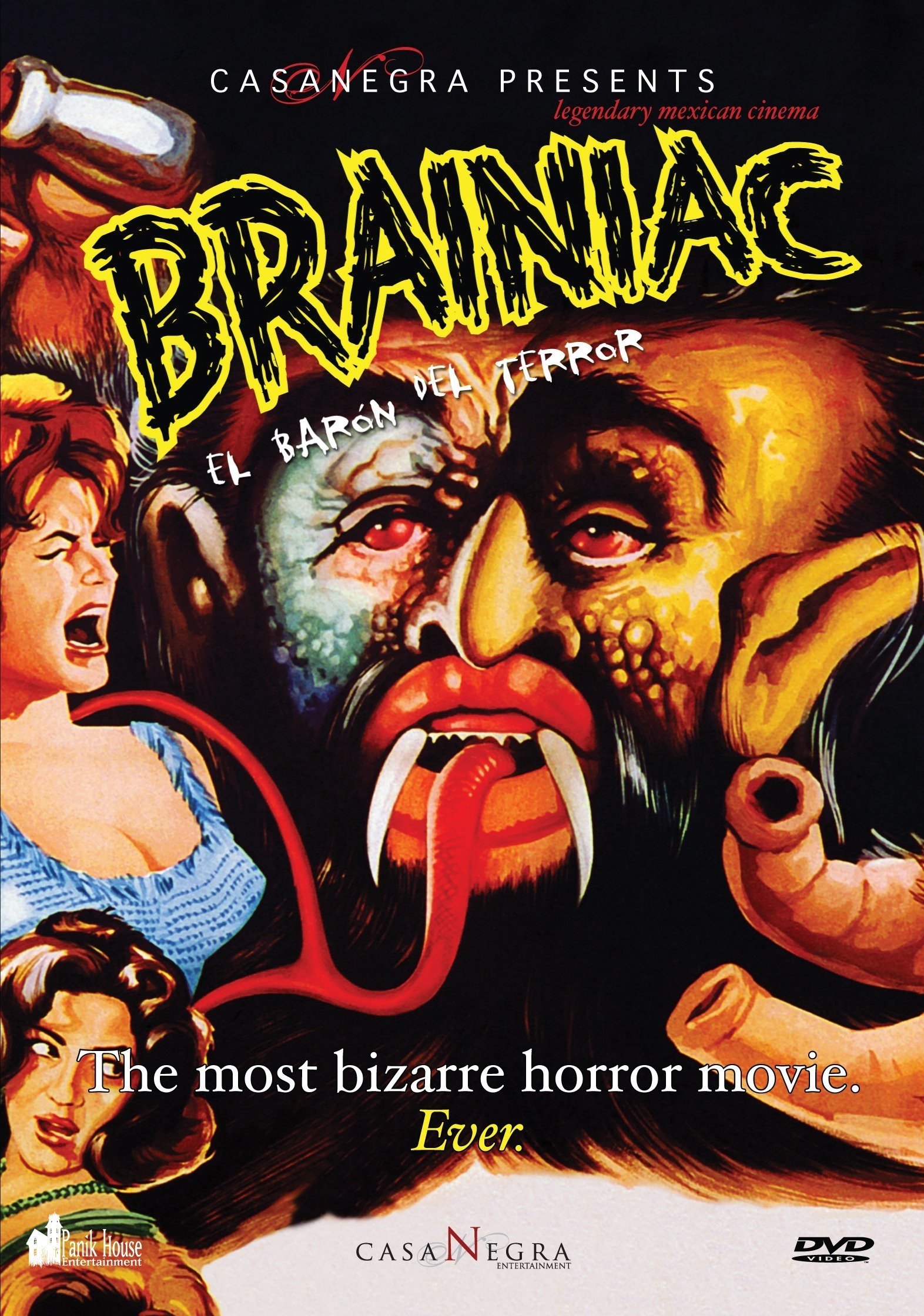
The Brainiac
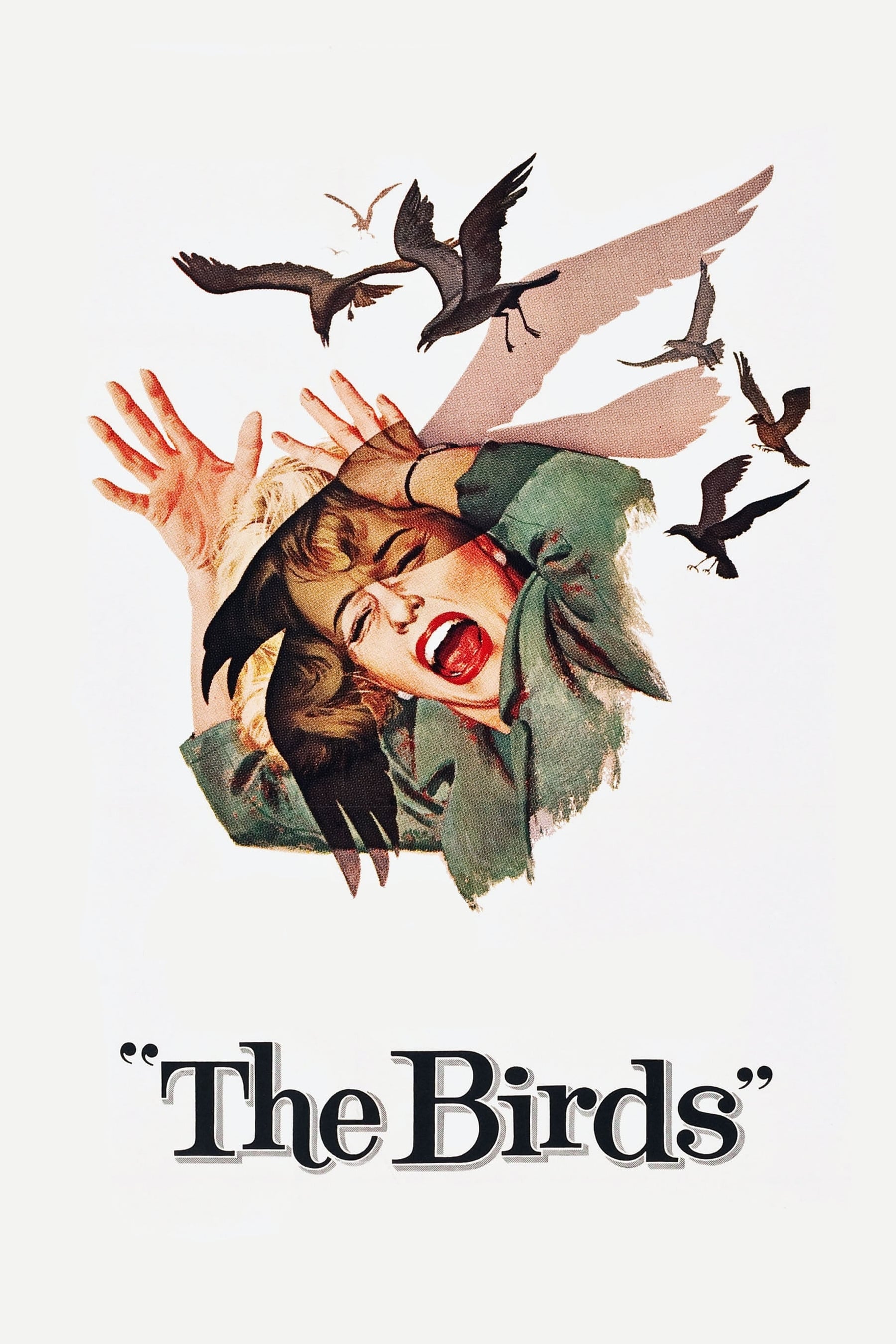
The Birds
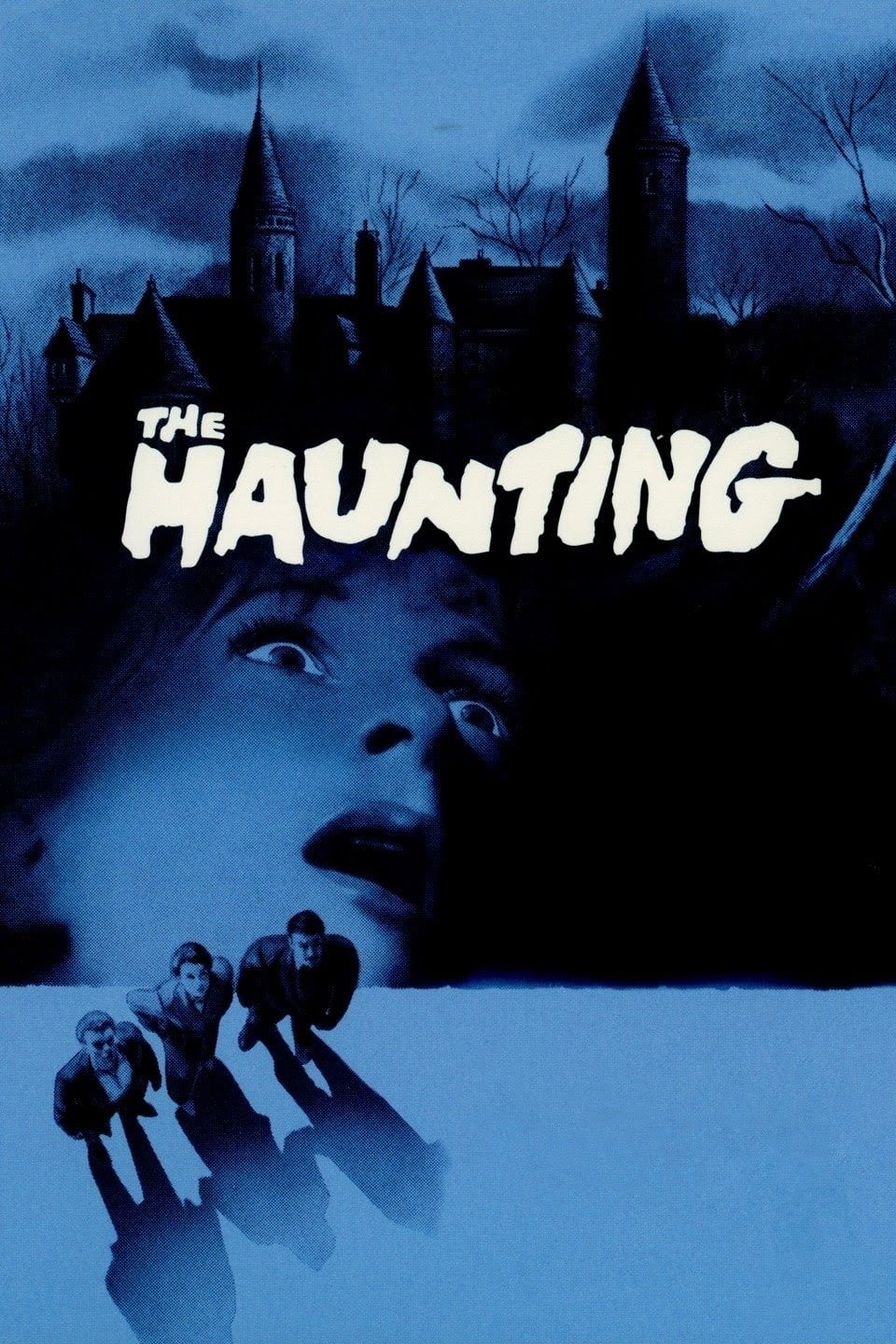
The Haunting
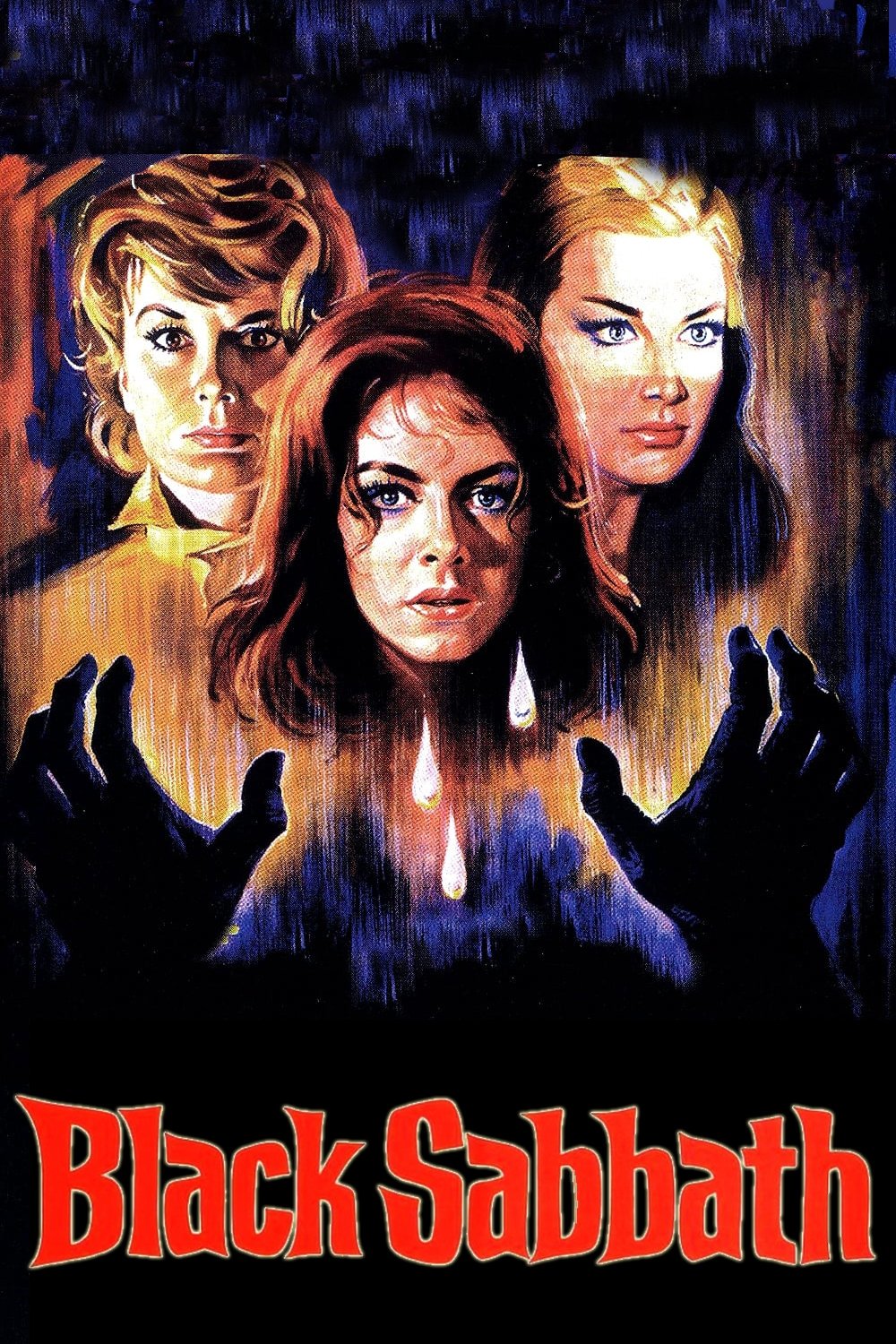
Black Sabbath
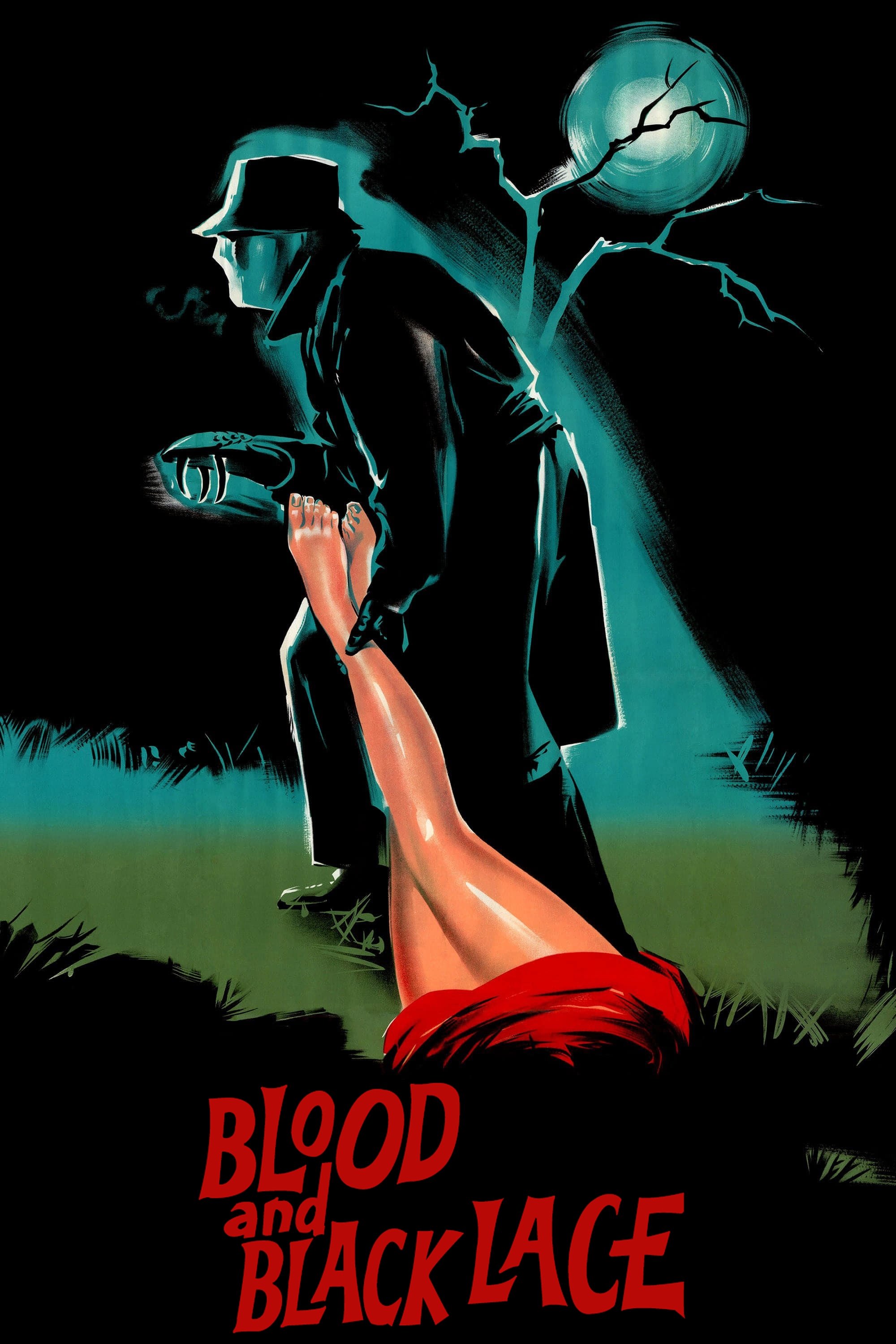
Blood and Black Lace
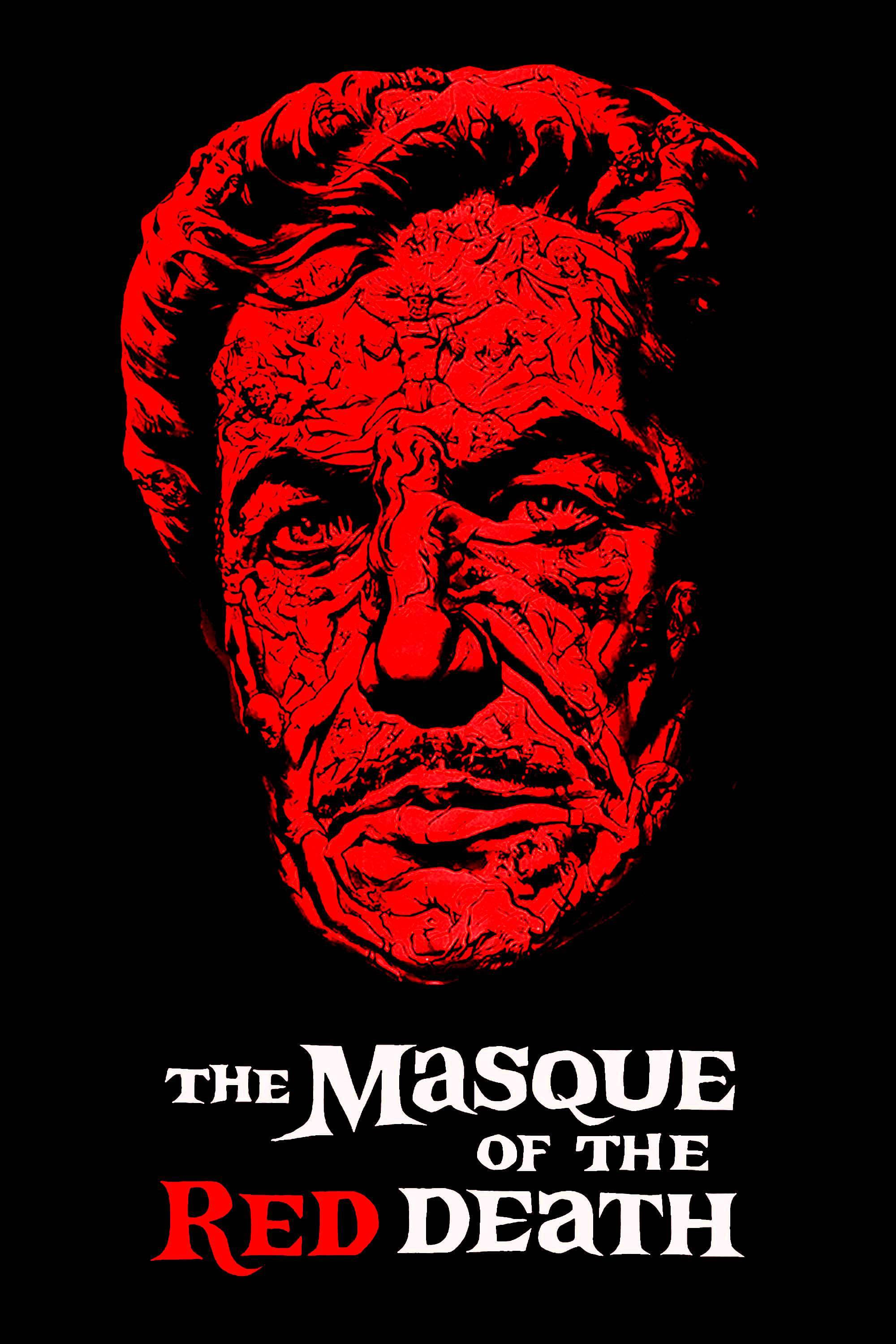
The Masque of the Red Death
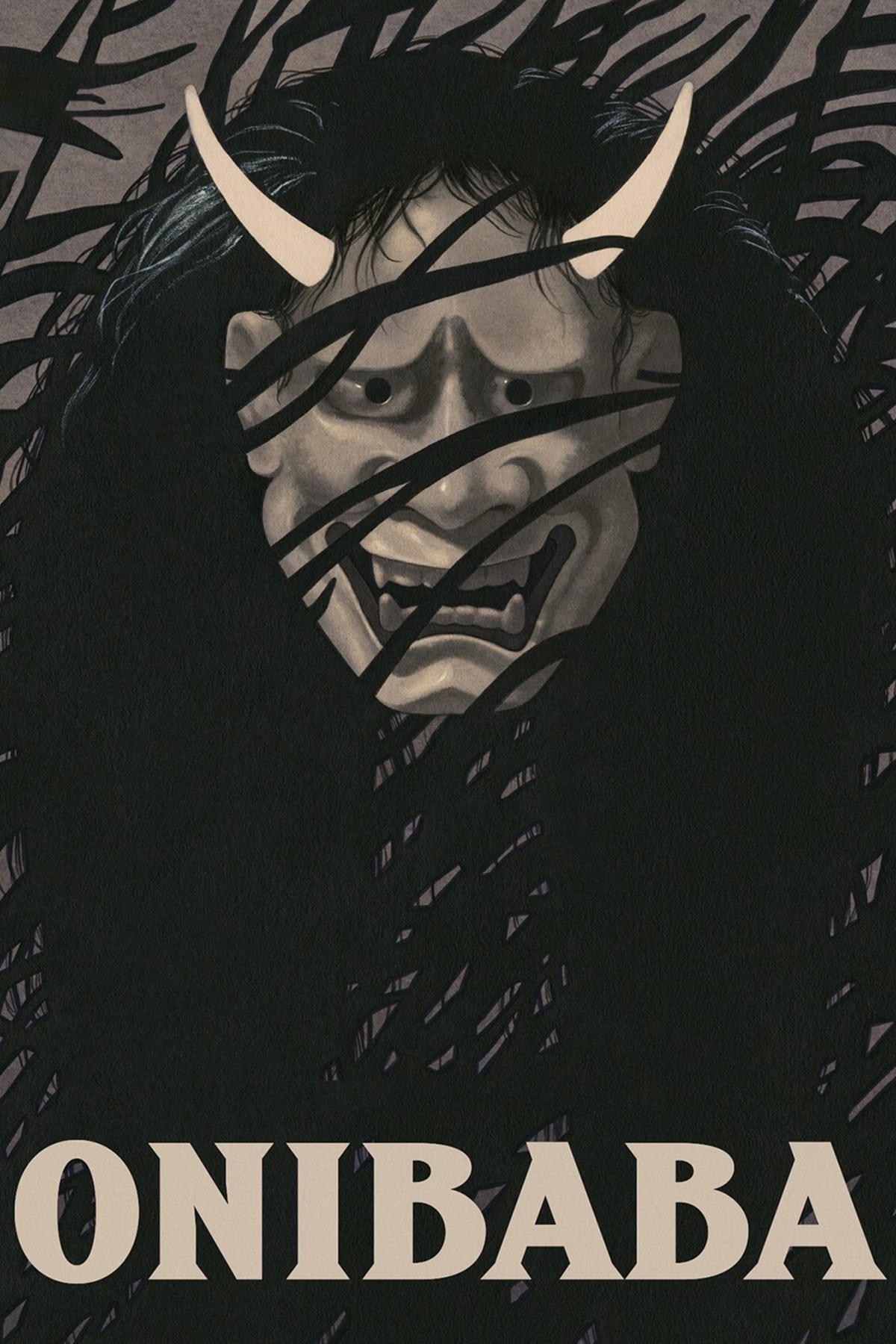
Onibaba

Kwaidan
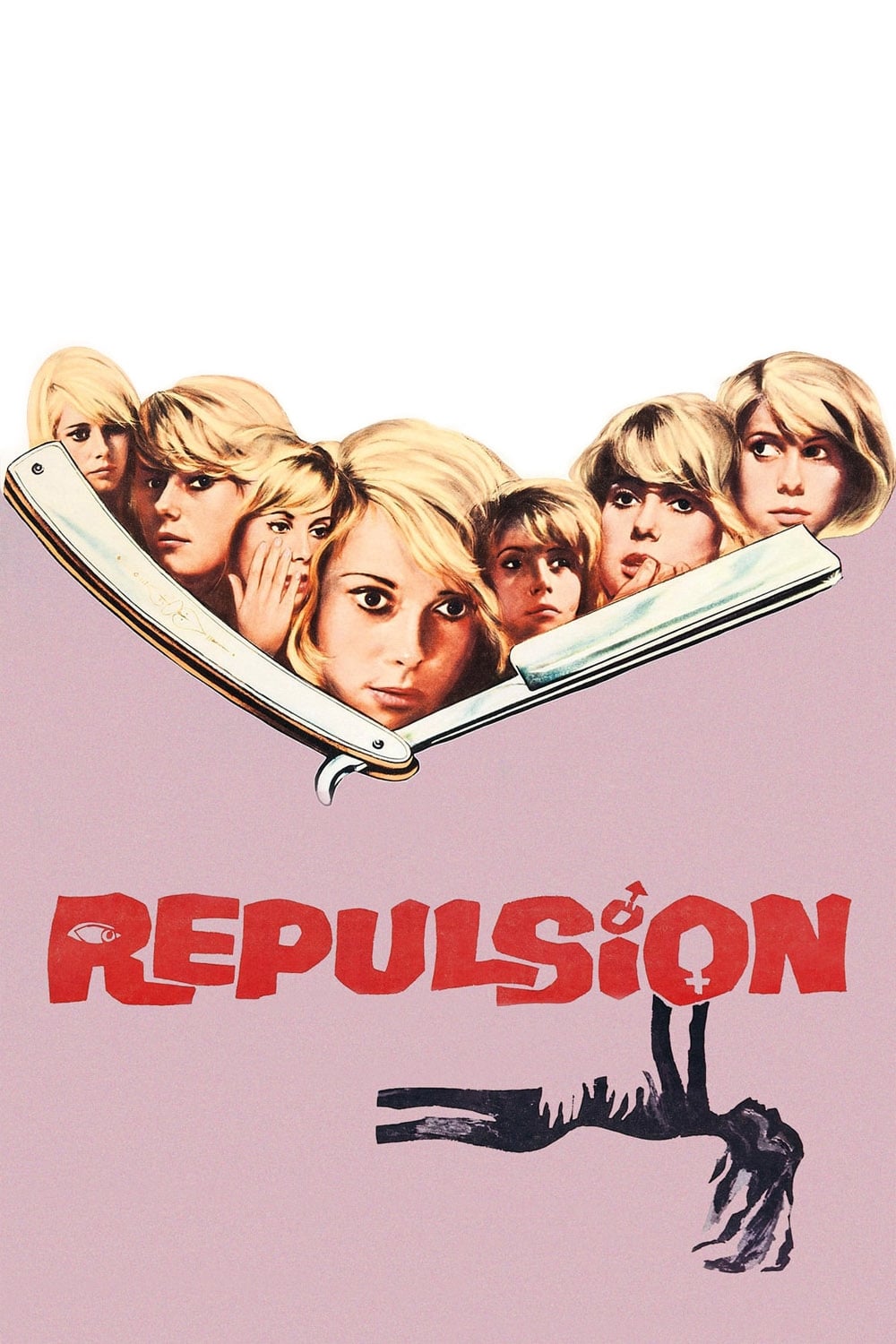
Repulsion
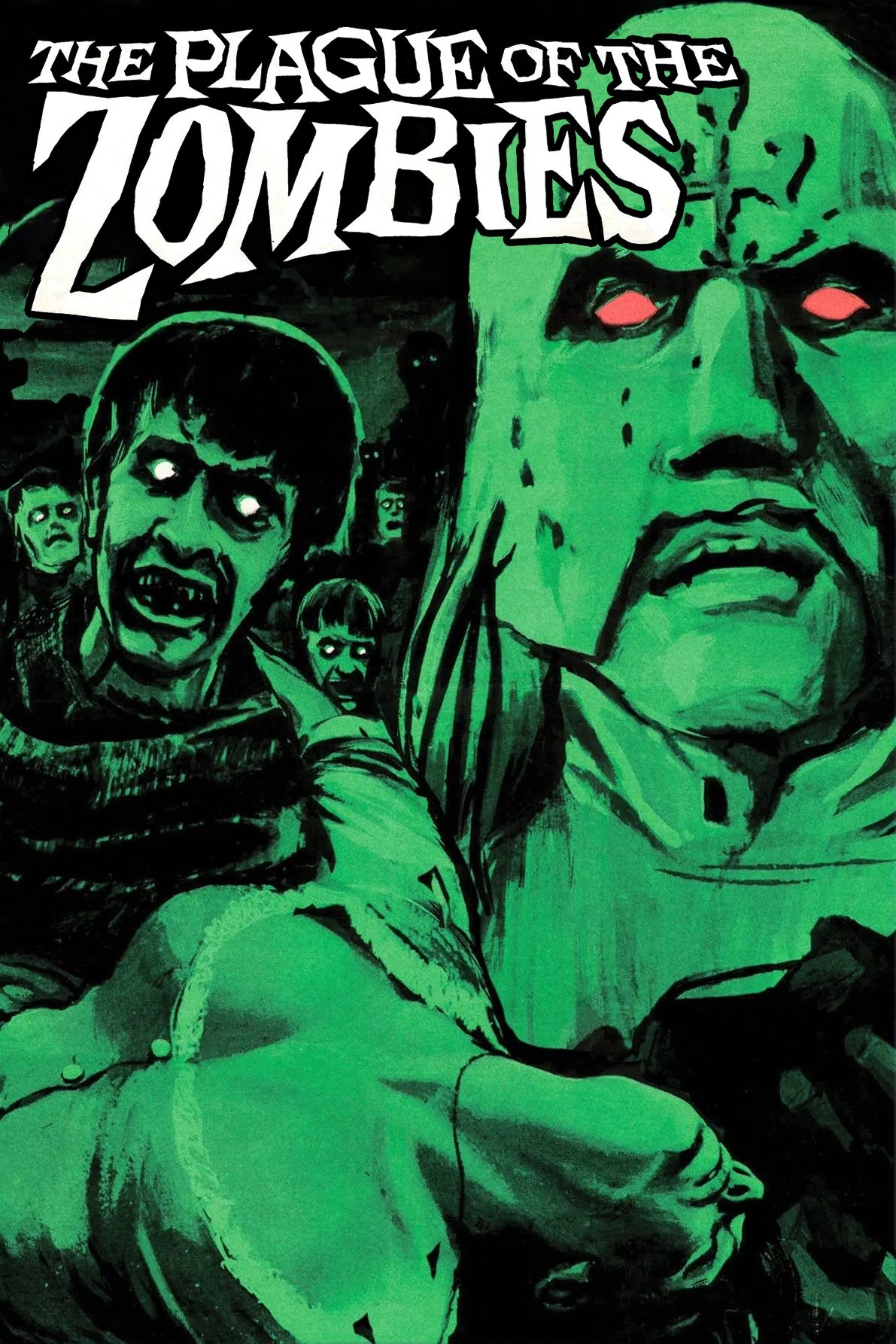
The Plague of the Zombies
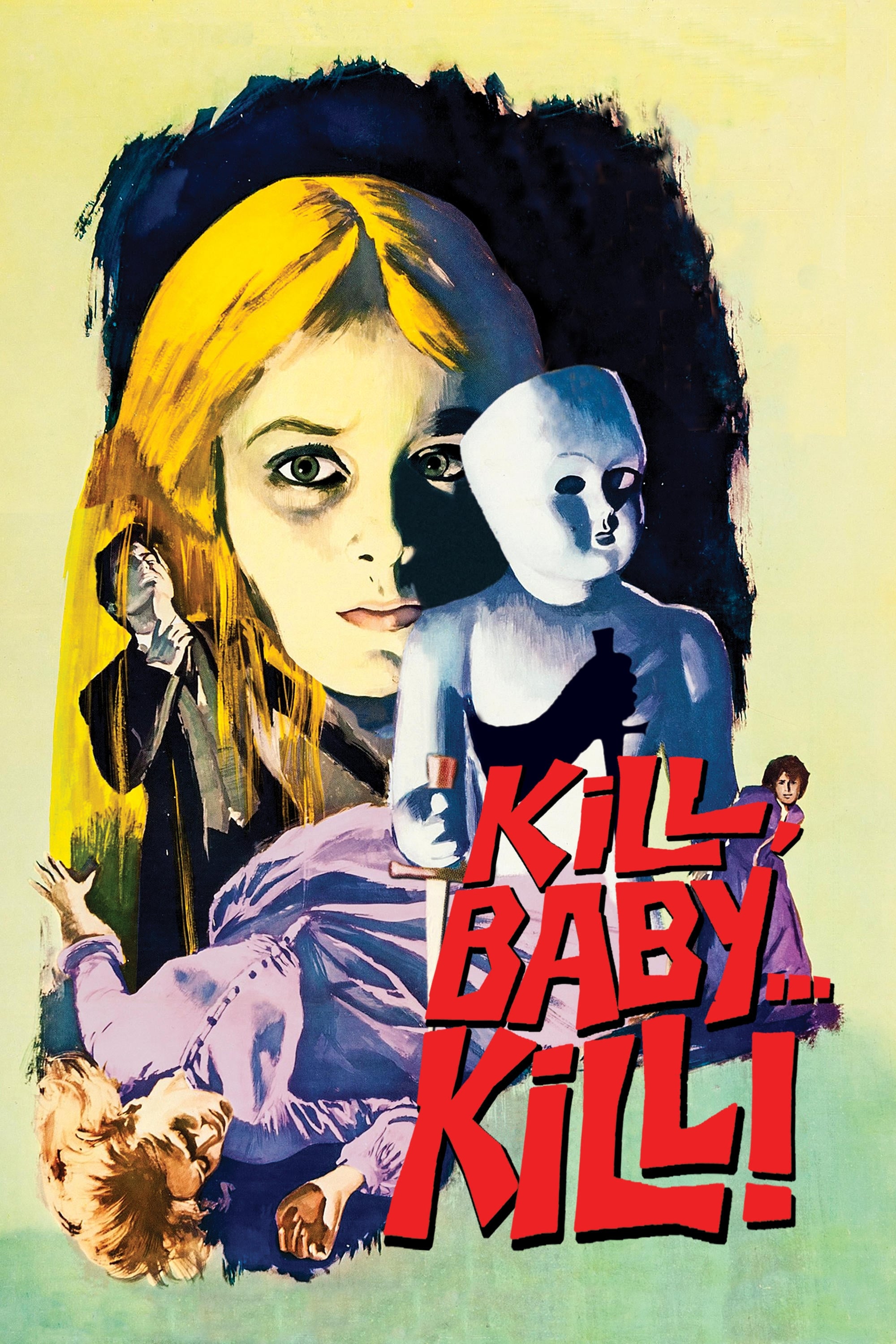
Kill, Baby... Kill!
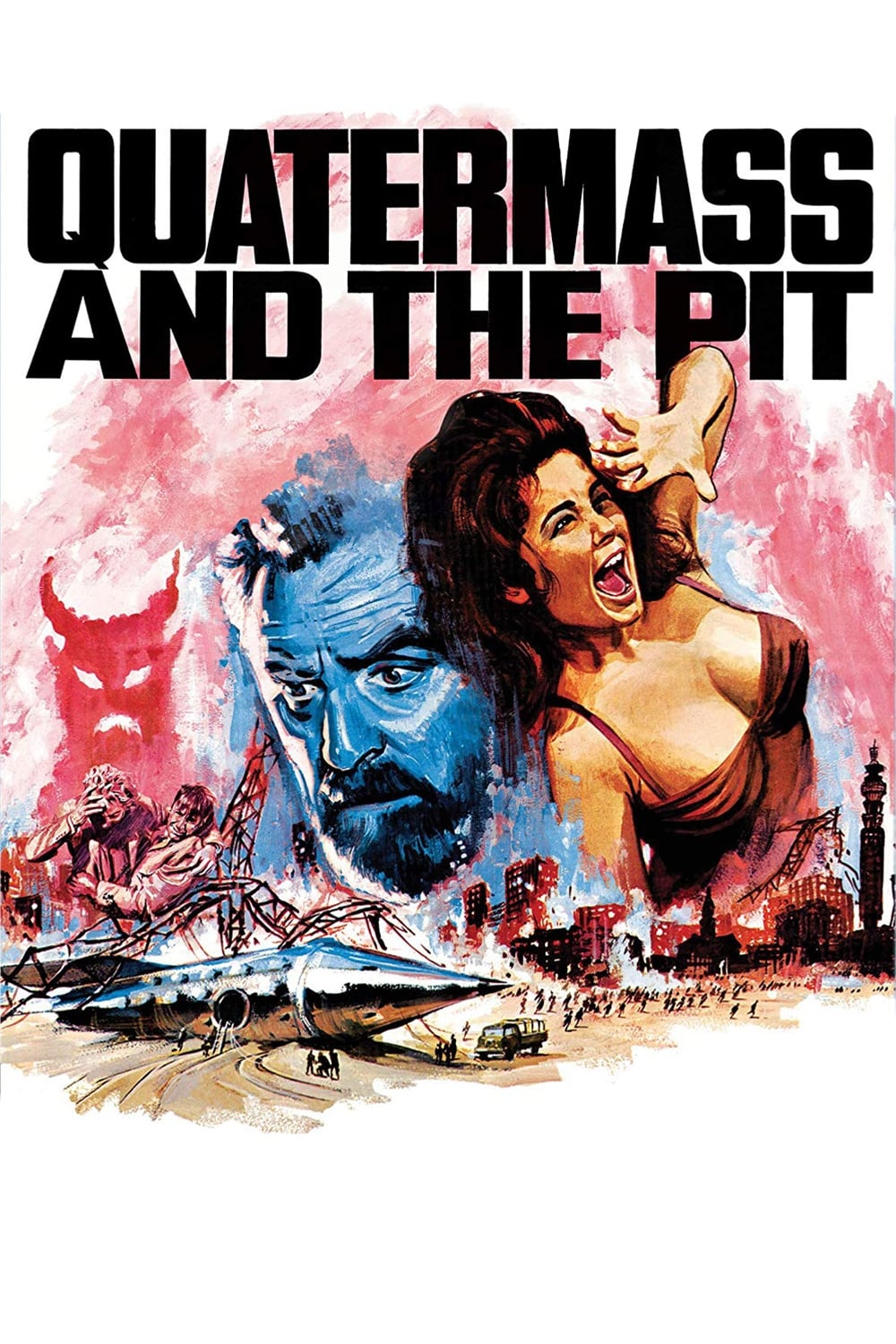
Quatermass and the Pit
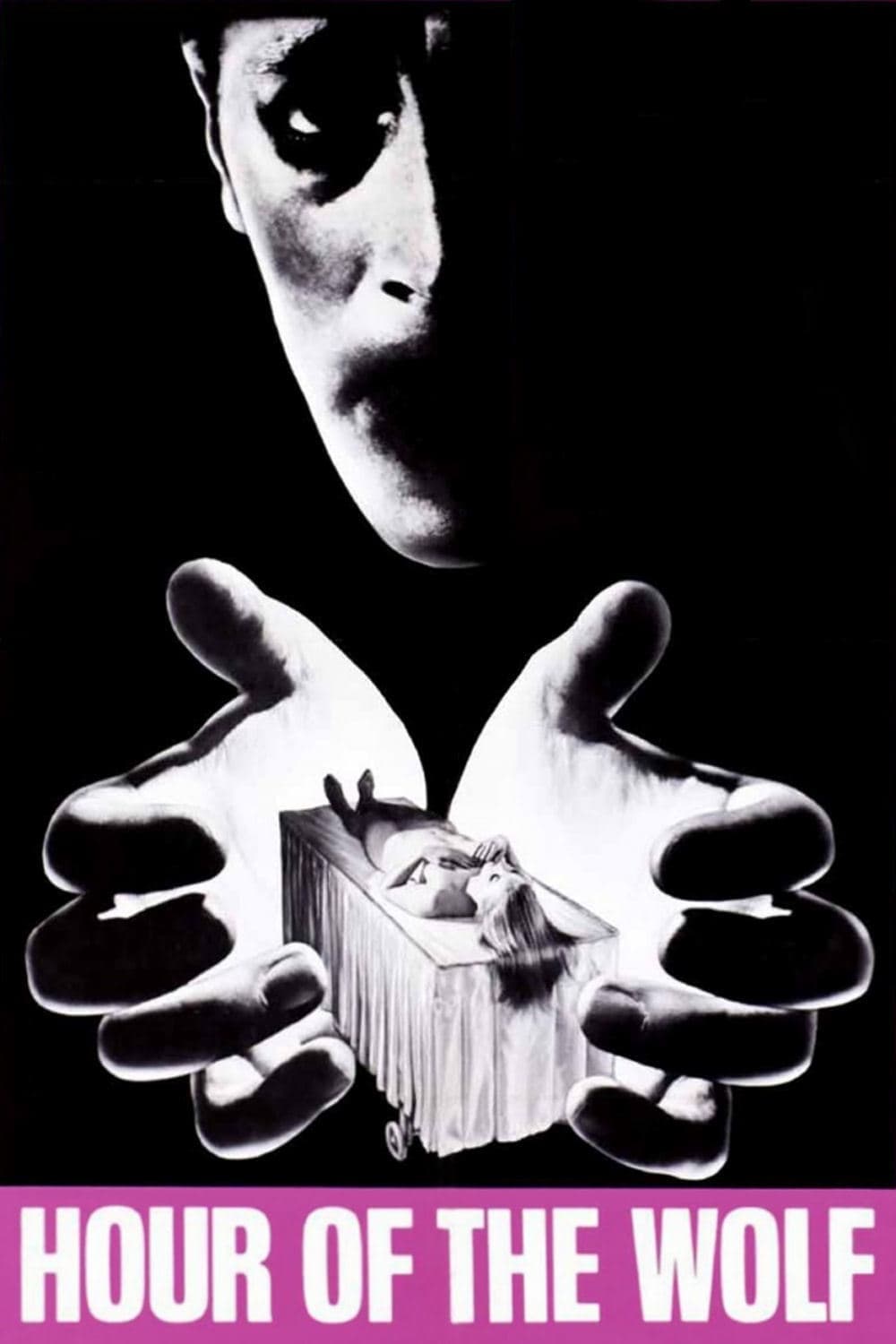
Hour of the Wolf
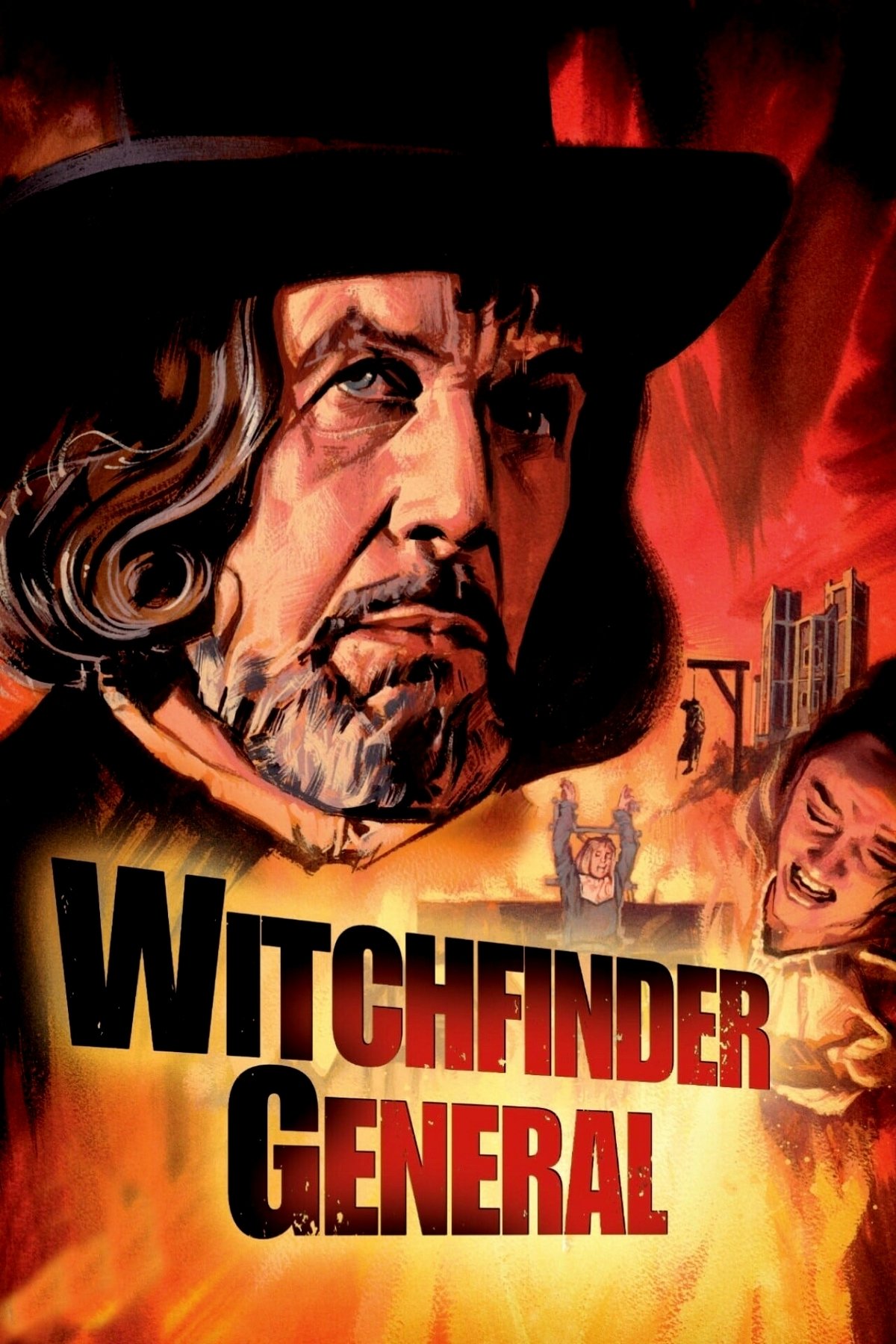
Witchfinder General
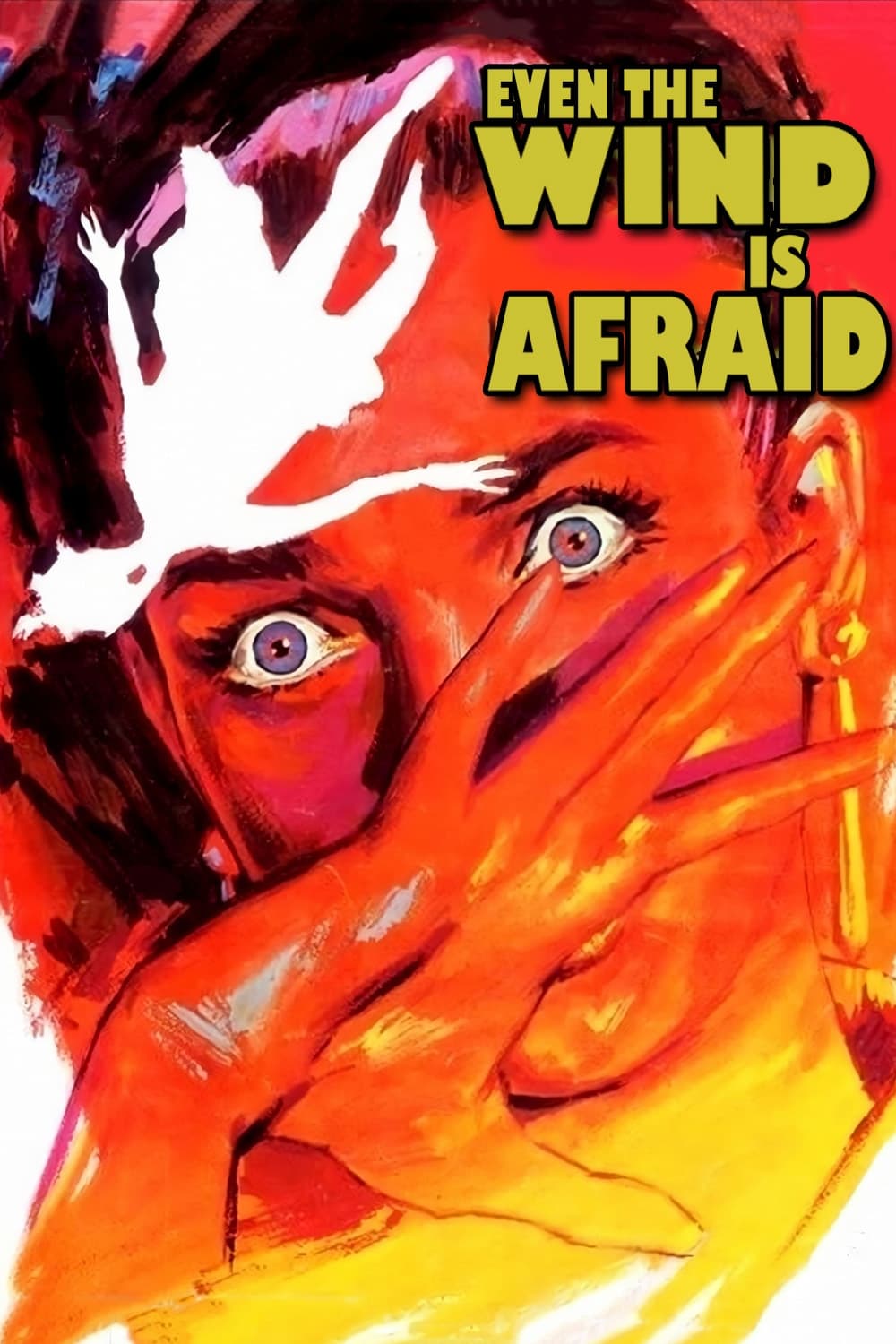
Even the Wind Is Afraid
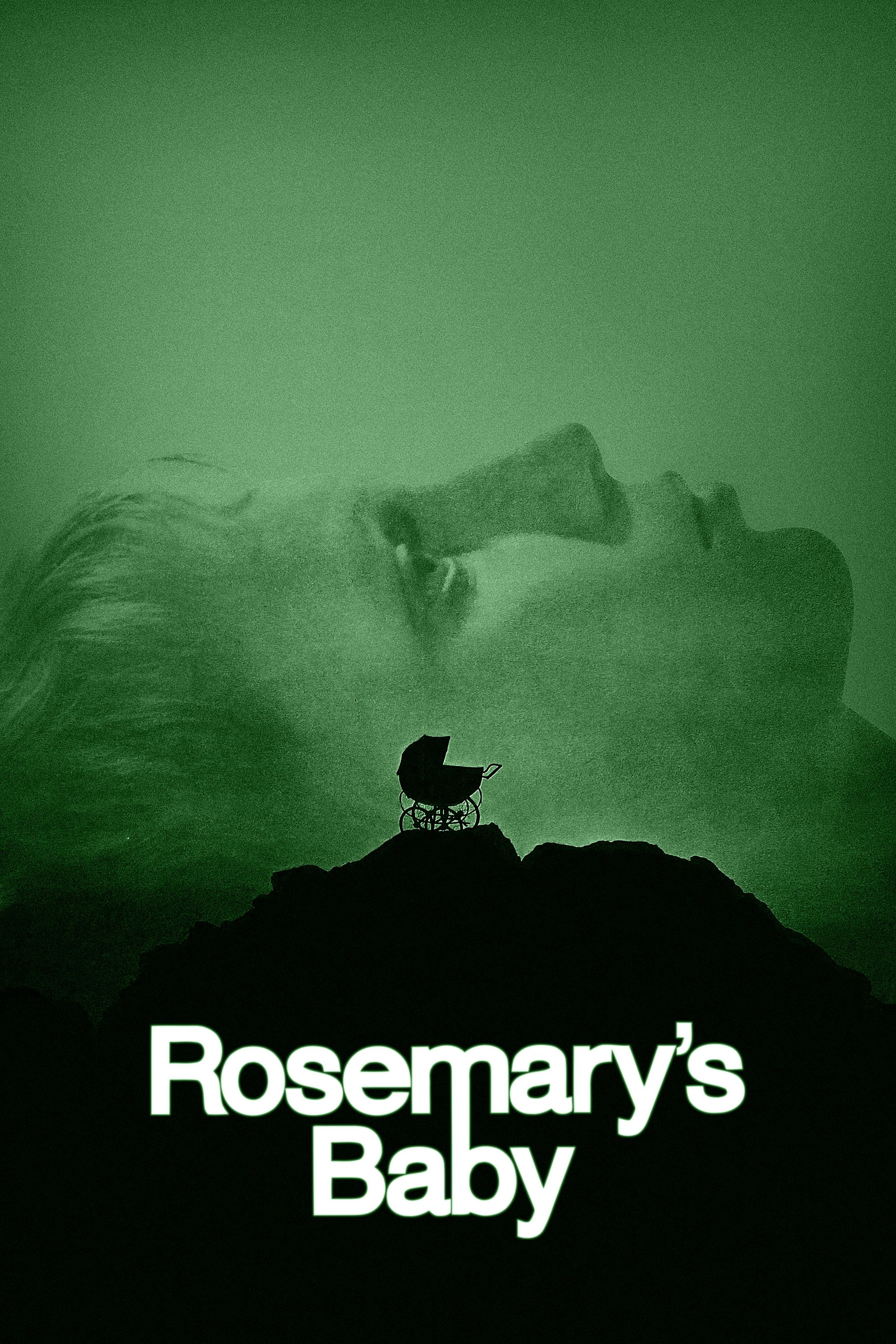
Rosemary's Baby
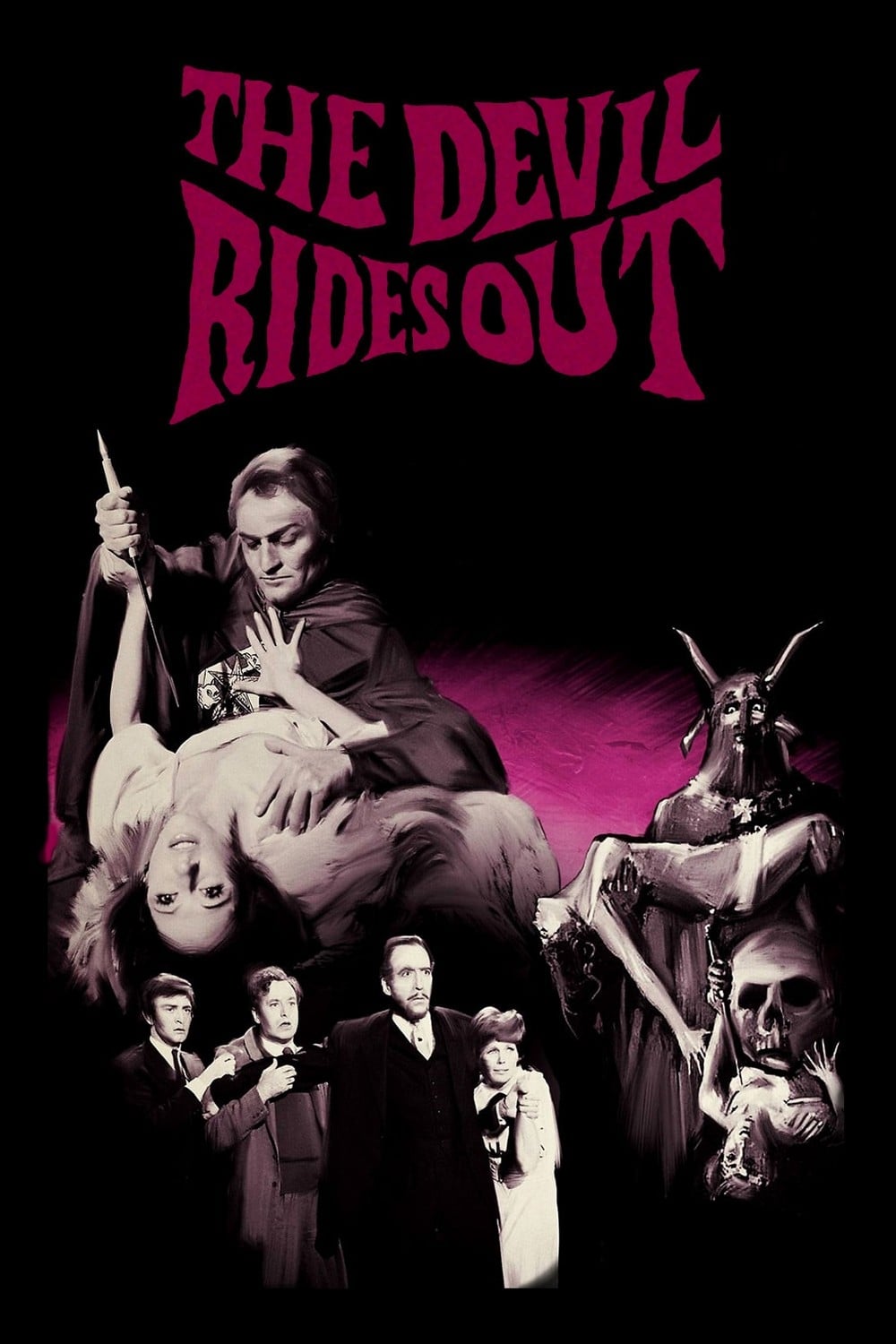
The Devil Rides Out
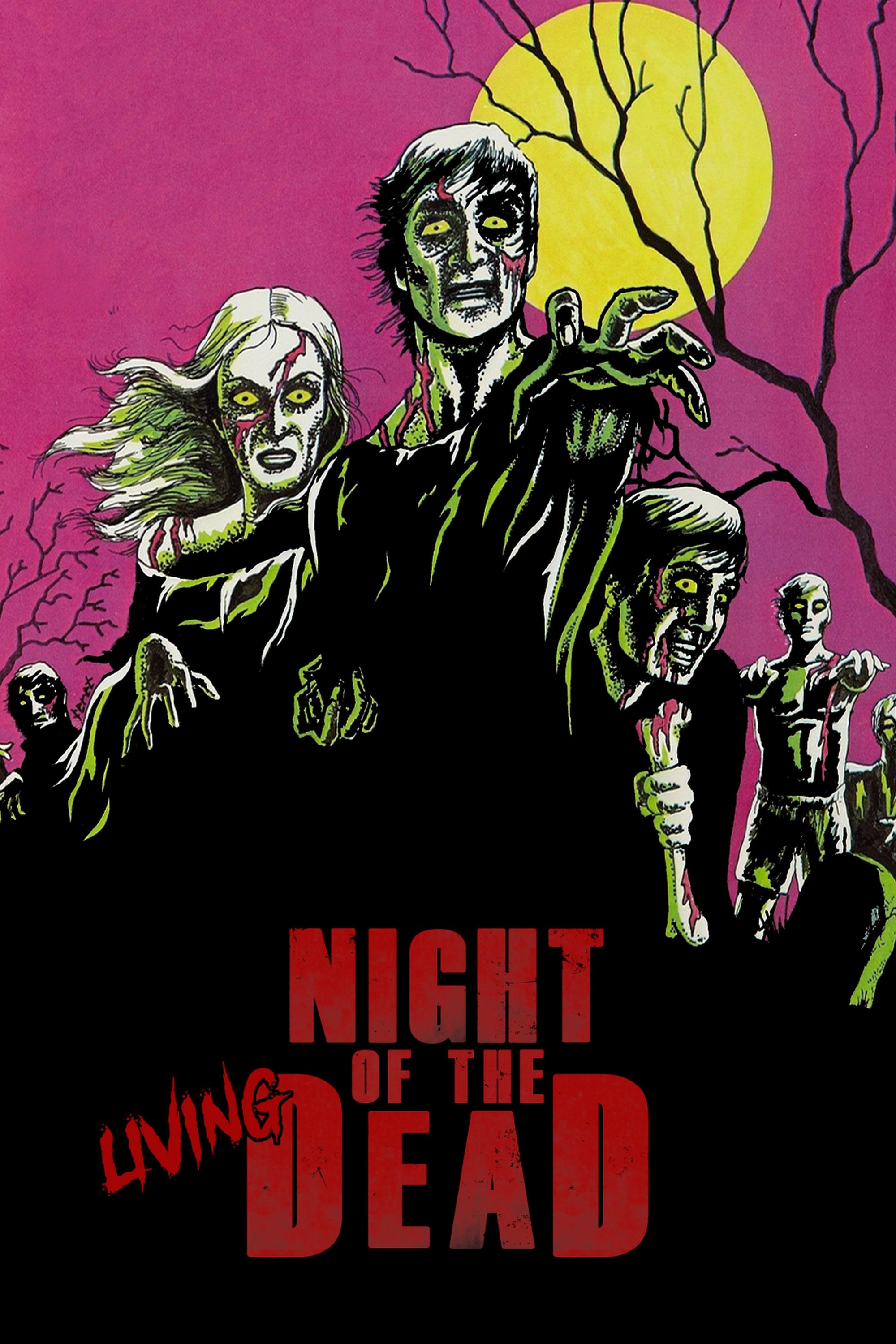
Night of the Living Dead
Statistics
Top Subgenres
Top Countries
Percentage of 1960s horror films by country of production.