 1941
19411940s
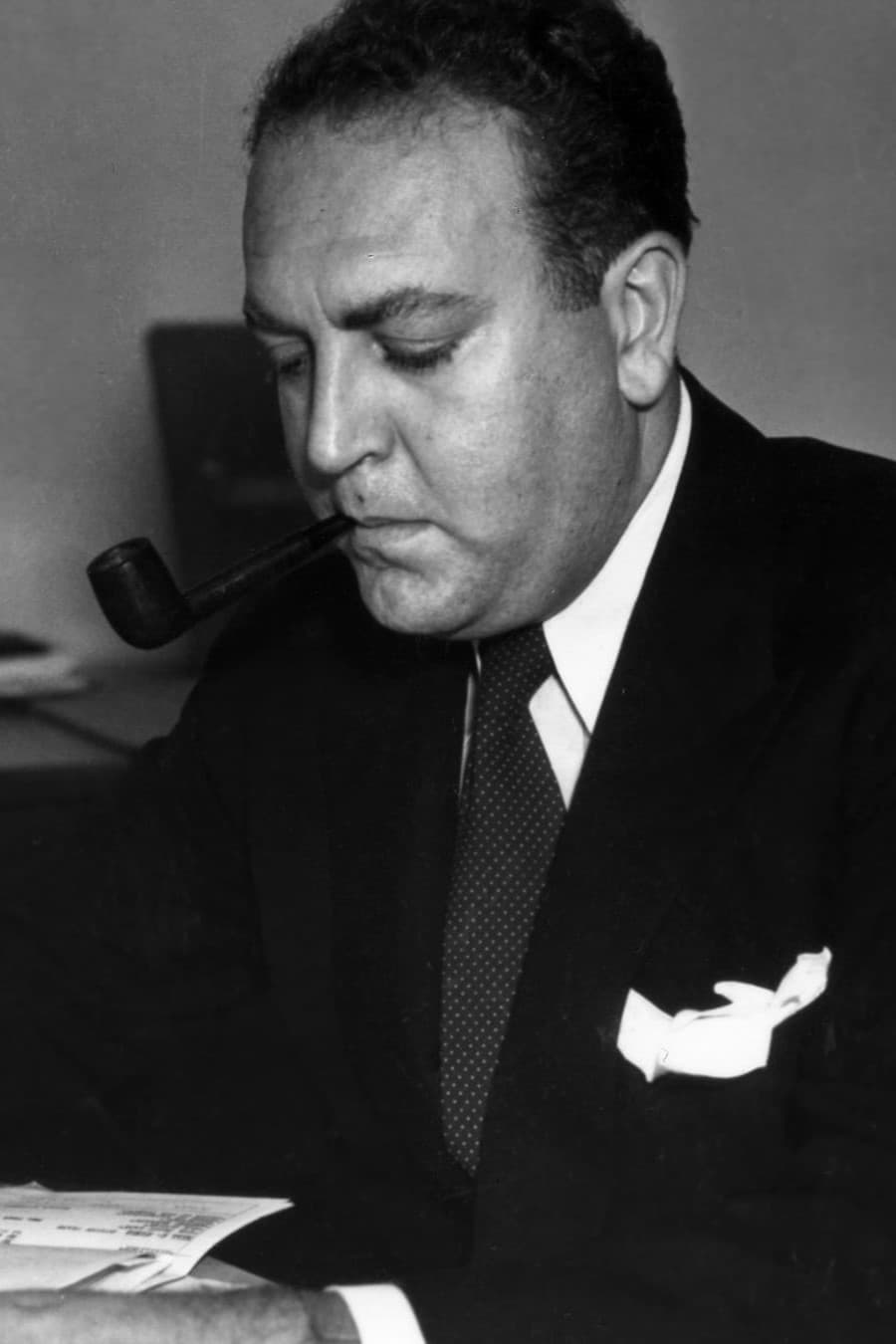
Val Lewton proved that what you don't see is more terrifying than what you do — and transformed horror from spectacle into art.
History
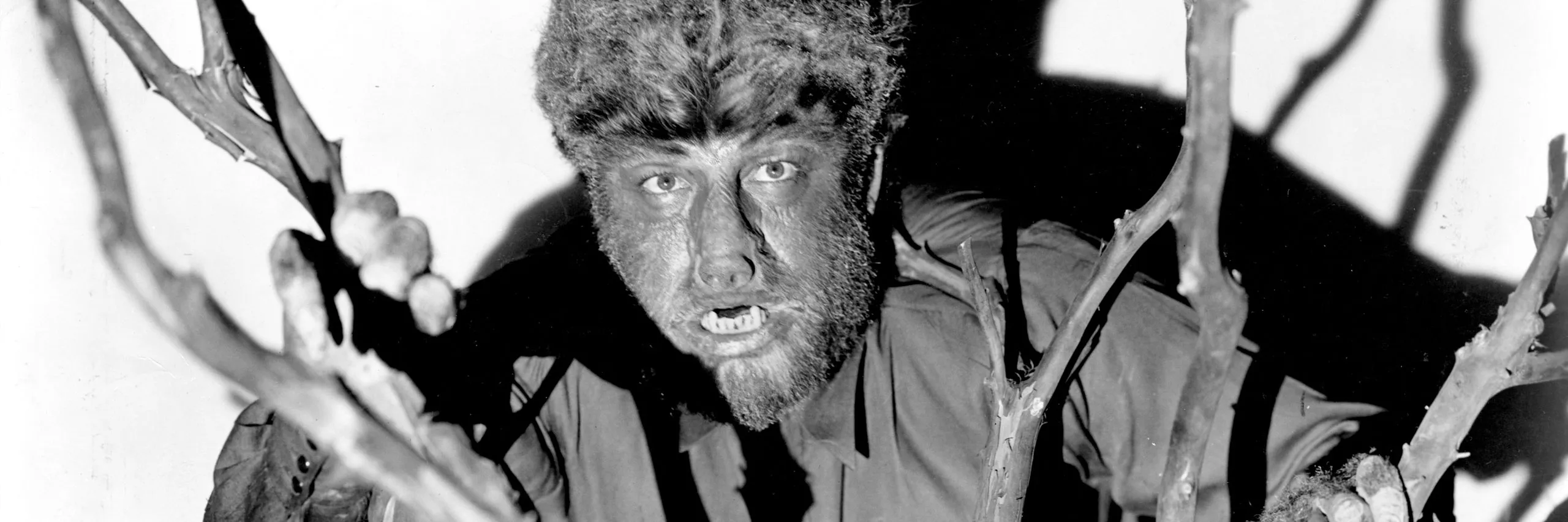
The 1940s opened with Universal Pictures still capitalising on their monster franchises in the United States, producing George Waggner's The Wolf Man (1941) starring Lon Chaney Jr. as Larry Talbot — the studio's last great original monster — and a procession of follow-ups including The Ghost of Frankenstein (1942) and the monster-rally template Frankenstein Meets the Wolf Man (1943), which would expand into House of Frankenstein (1944) and House of Dracula (1945). However, the decade quickly shifted toward more psychologically complex horror as World War II reshaped American culture, and the most influential horror of the period came not from Universal's monster cycle but from a new RKO production unit headed by Russian-born producer Val Lewton.
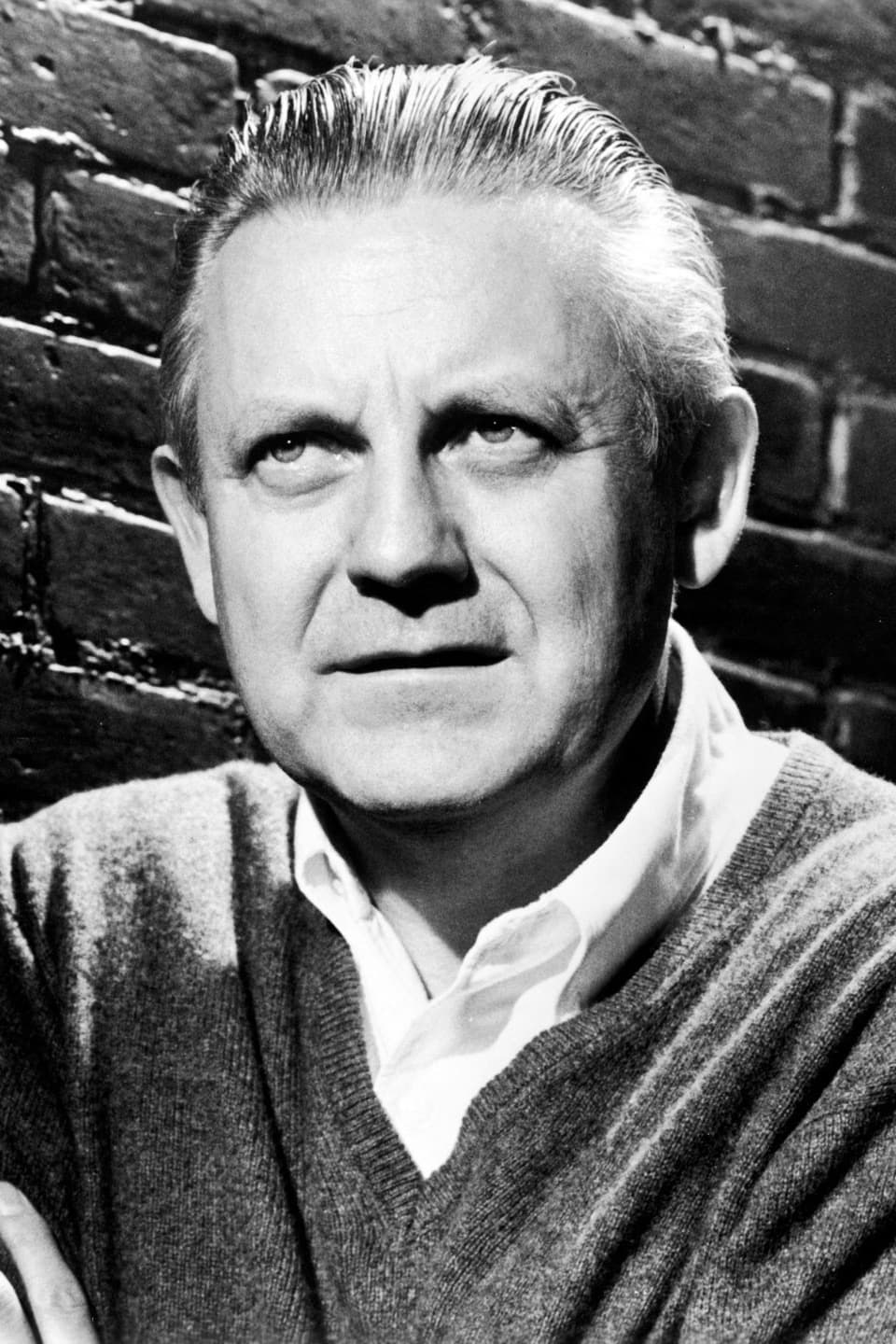
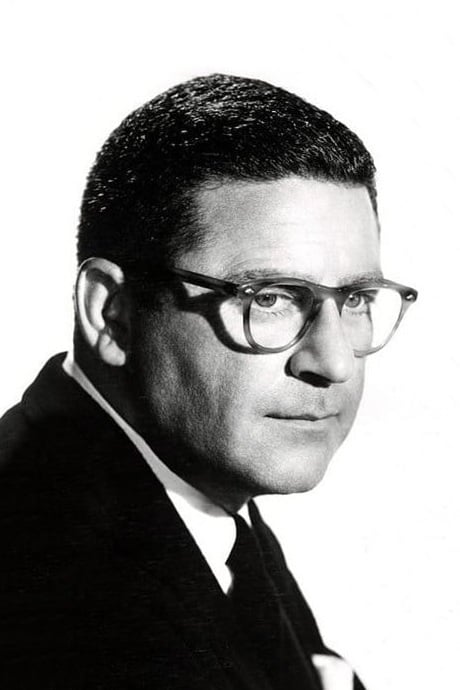
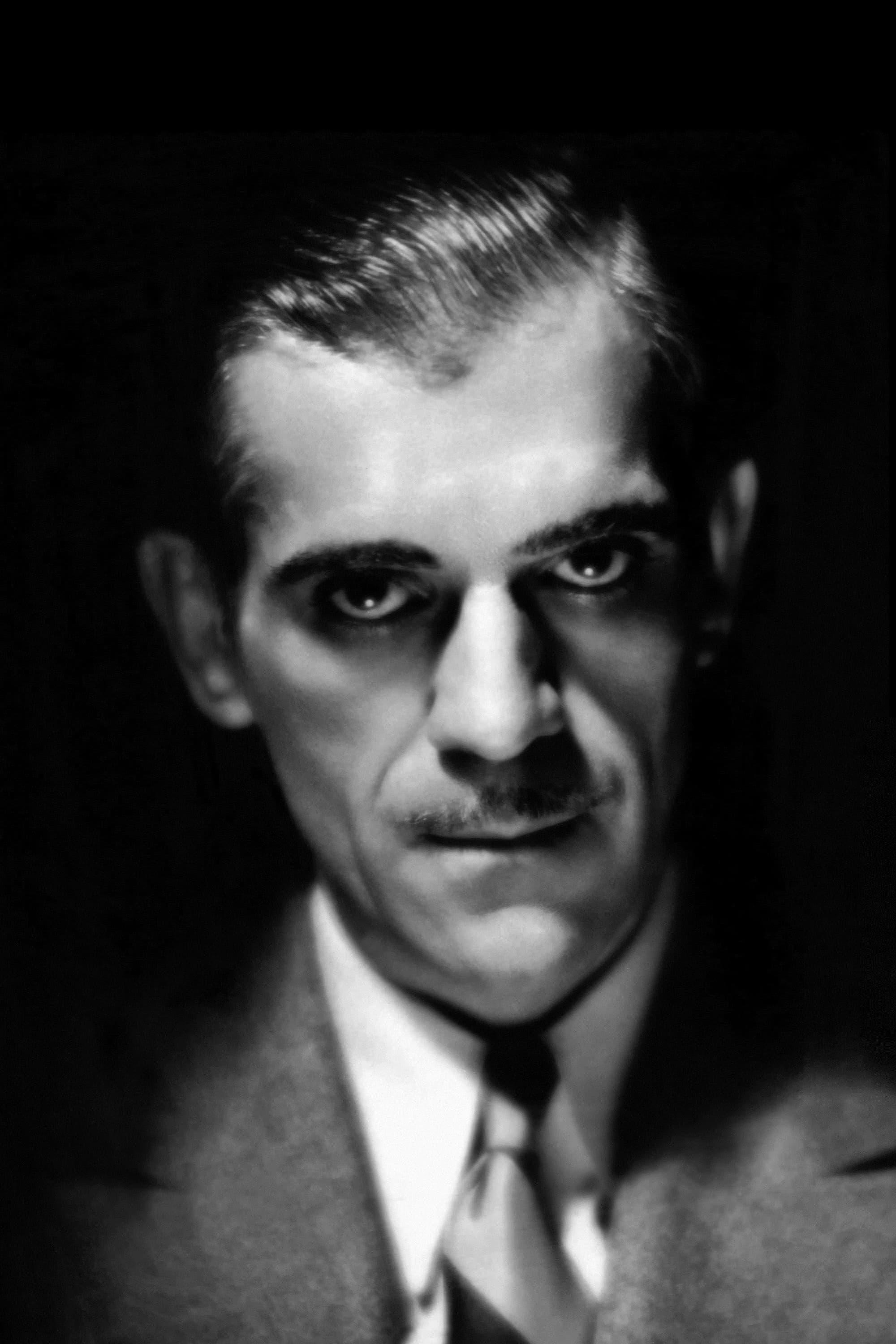
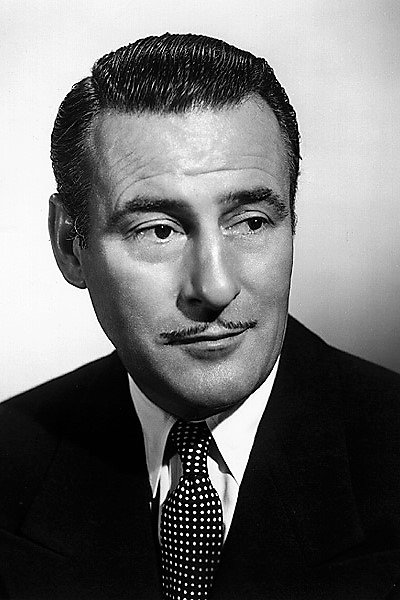
Working with tiny budgets and lurid titles imposed by the studio, Lewton revolutionised the genre with atmospheric, suggestion-based films directed by Jacques Tourneur, Mark Robson, and Robert Wise — all young directors making their debuts under his guidance. Cat People (1942), with its bus-stop "Lewton walk" — often considered the first true jump scare — and I Walked with a Zombie (1943), which relocated Jane Eyre to Haiti, established the unit's signature. The Leopard Man (1943), The Ghost Ship (1943), The Seventh Victim (1943) — about a Manhattan satanic cult anticipating Rosemary's Baby by twenty-five years — and The Curse of the Cat People (1944) extended the cycle. Boris Karloff joined for the unit's late-period highlights: Isle of the Dead (1945), The Body Snatcher (1945), and Bedlam (1946), all proving that Tom Conway's restrained presence and shadows-and-implication staging could outperform Universal's increasingly cartoonish monsters. Lewis Allen's The Uninvited (1944) brought the same restraint to Paramount as the first serious American haunted-house feature. In Britain, Ealing Studios produced Dead of Night (1945), an anthology of ghost stories whose ventriloquist segment remains one of horror's most unsettling sequences.
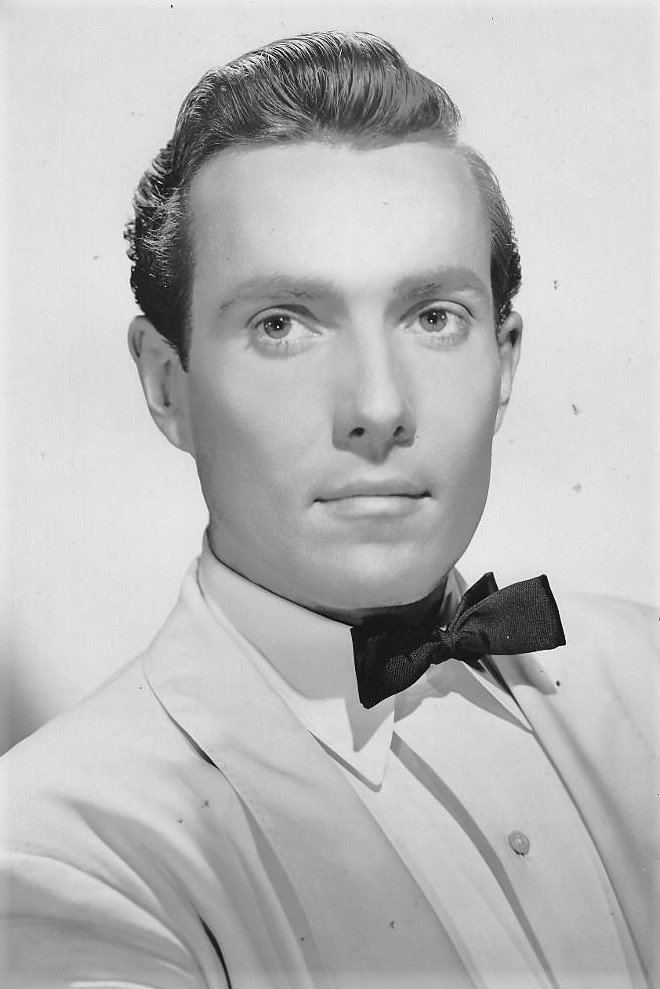
Mid-decade brought a sustained noir/horror crossover. German émigré John Brahm's The Lodger (1944) and Hangover Square (1945) fused expressionist visual design with serial-killer dread, both anchored by the doomed character actor Laird Cregar. Albert Lewin's MGM adaptation of The Picture of Dorian Gray (1945), with Hurd Hatfield's title performance, brought literary Gothic to A-picture polish. Robert Siodmak, another émigré, contributed Son of Dracula (1943) to Universal and then his Gothic-thriller landmark The Spiral Staircase (1946), which prefigured the slasher's killer-stalking-disabled-woman structure by thirty years. The rise of film noir cross-pollinated with horror throughout the decade, creating hybrid works that blended crime stories with supernatural or psychological terror.
By decade's end, Universal's classic monsters were relegated to comedy crossovers like Abbott and Costello Meet Frankenstein (1948), while Lewton's RKO unit collapsed with Bedlam — both signalling the genre's exhaustion before its 1950s atomic-age reinvention. The 1940s had fundamentally transformed horror from spectacle-based entertainment into a more sophisticated art form capable of exploring wartime trauma, urban alienation, and psychological fragmentation — laying crucial groundwork for the genre's evolution in subsequent decades.
Essential Films
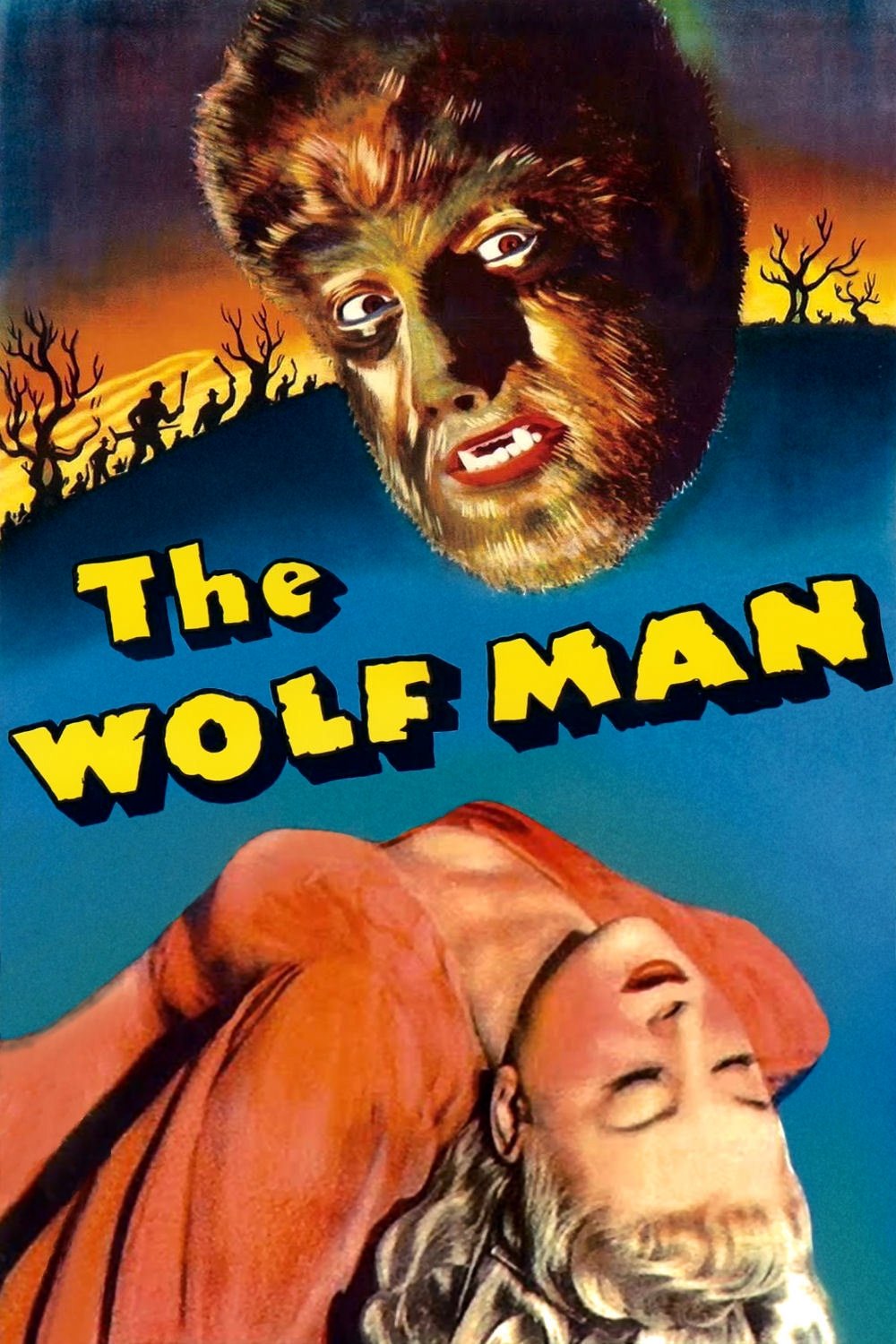
The Wolf Man
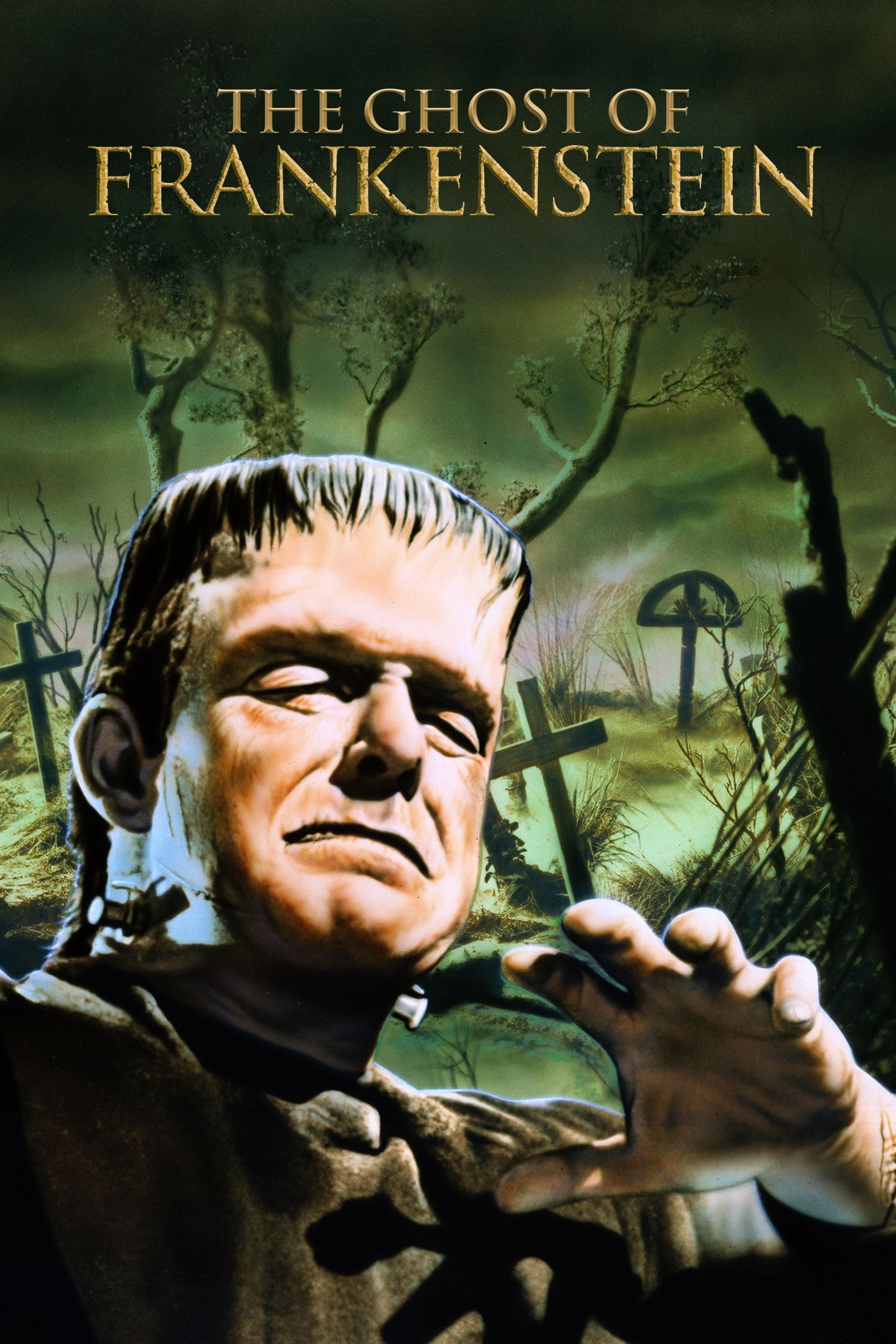
The Ghost of Frankenstein
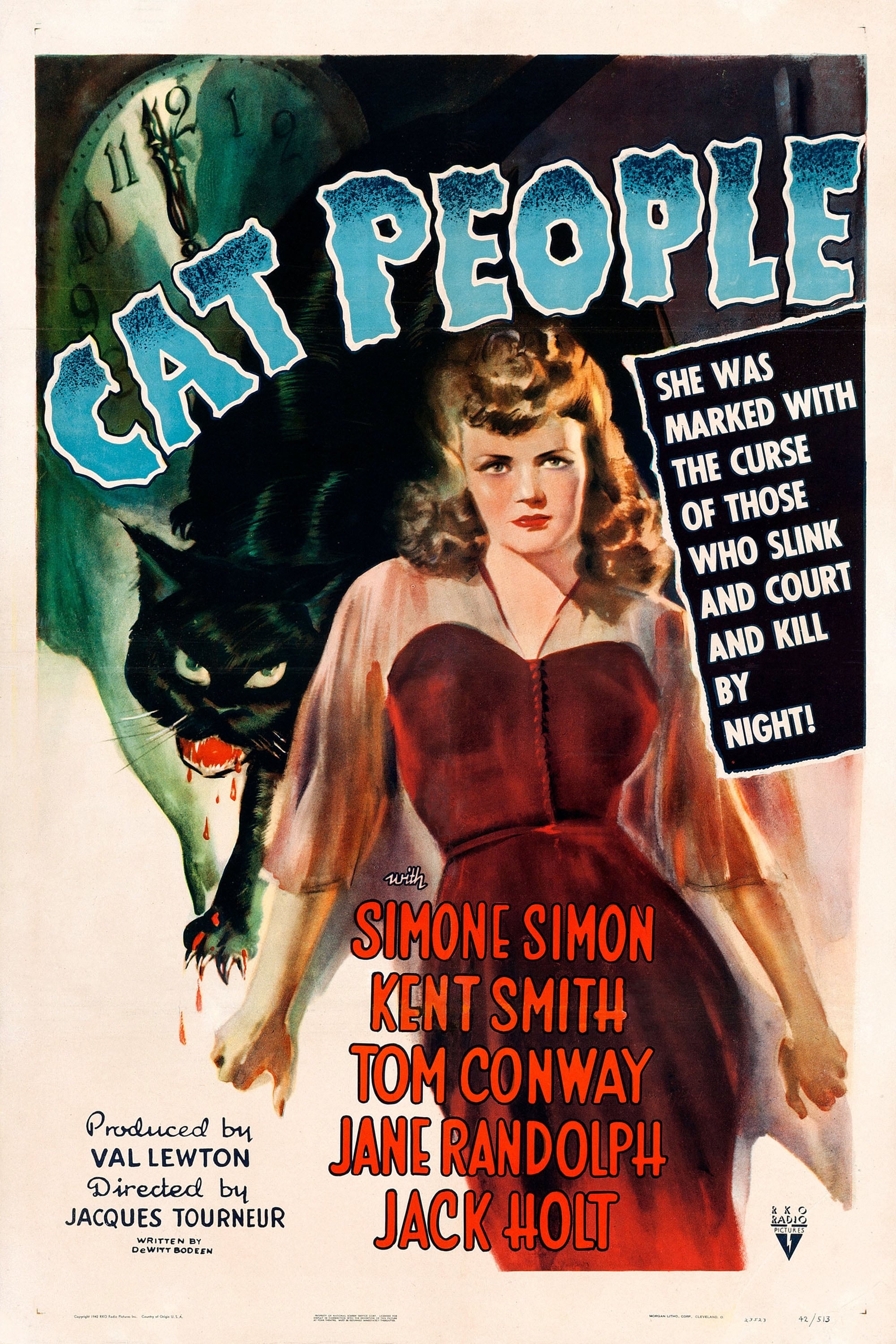
Cat People
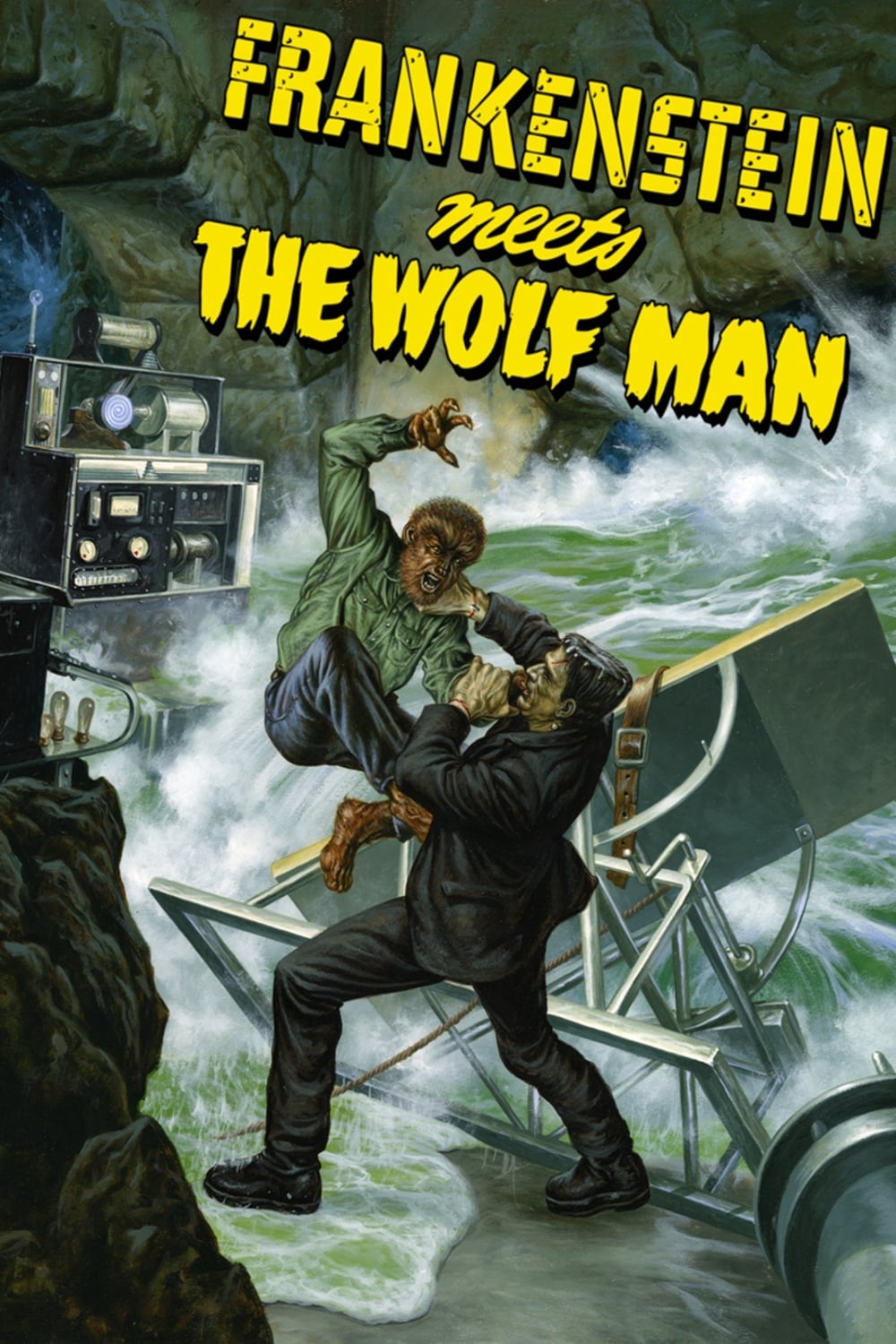
Frankenstein Meets the Wolf Man
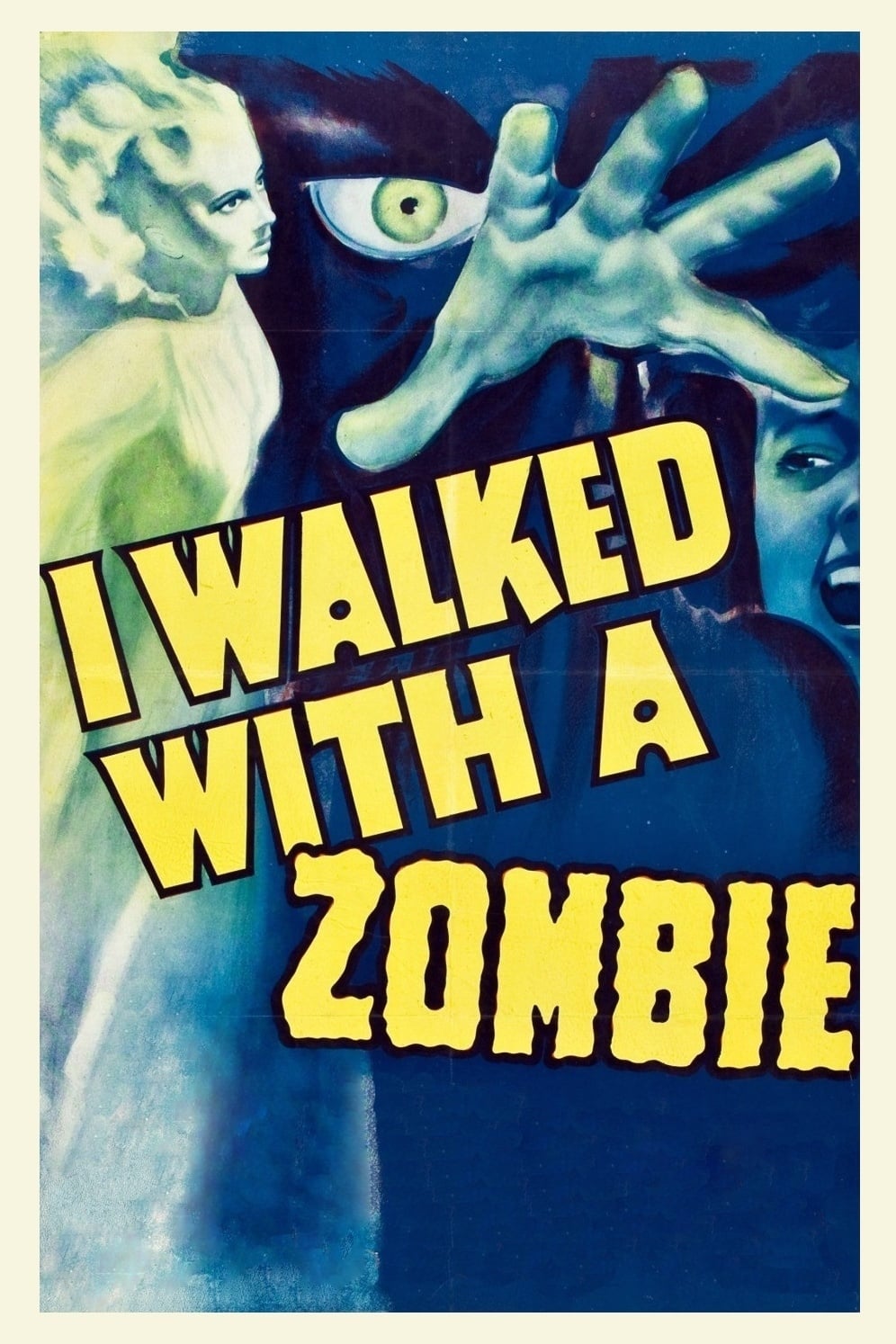
I Walked with a Zombie
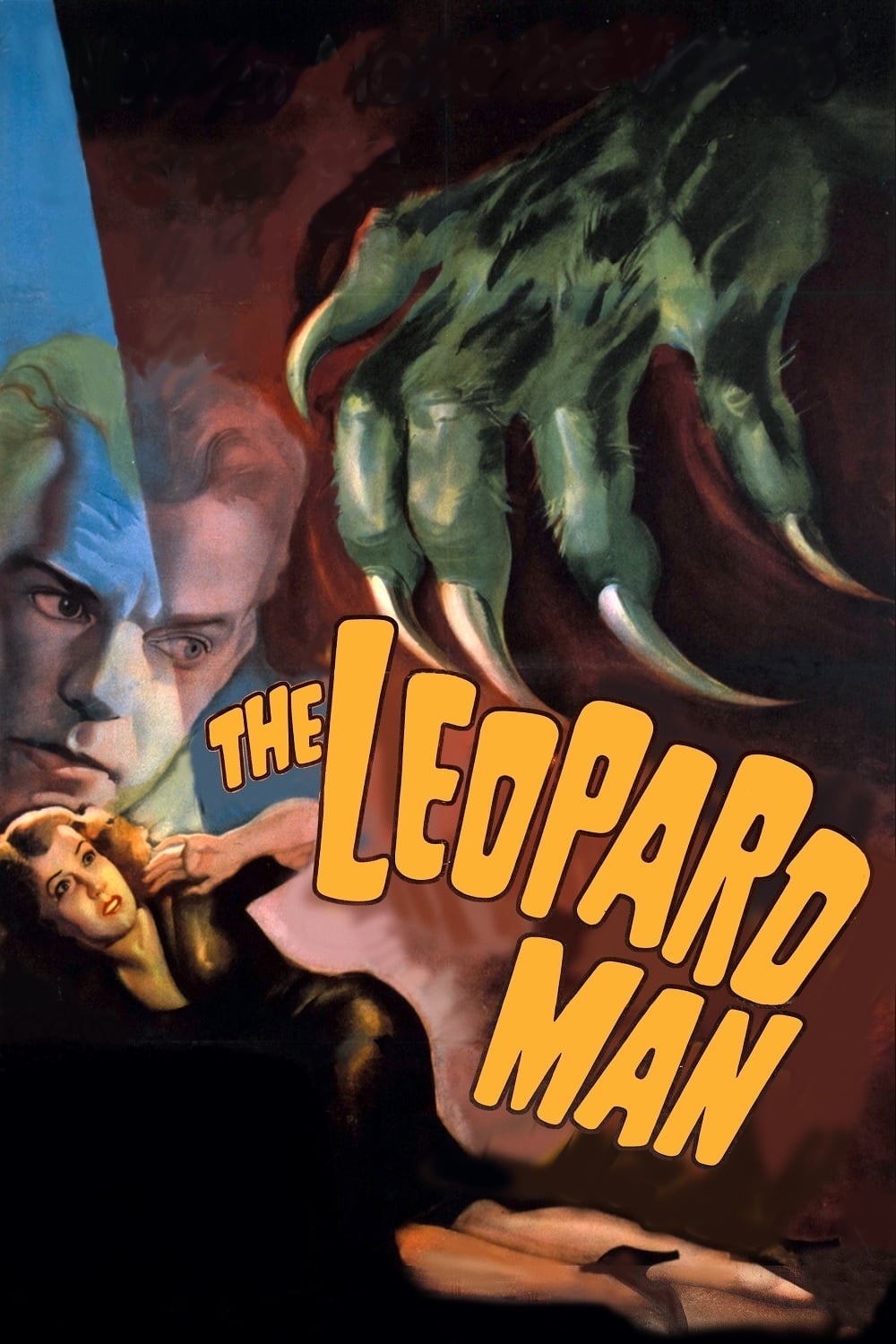
The Leopard Man
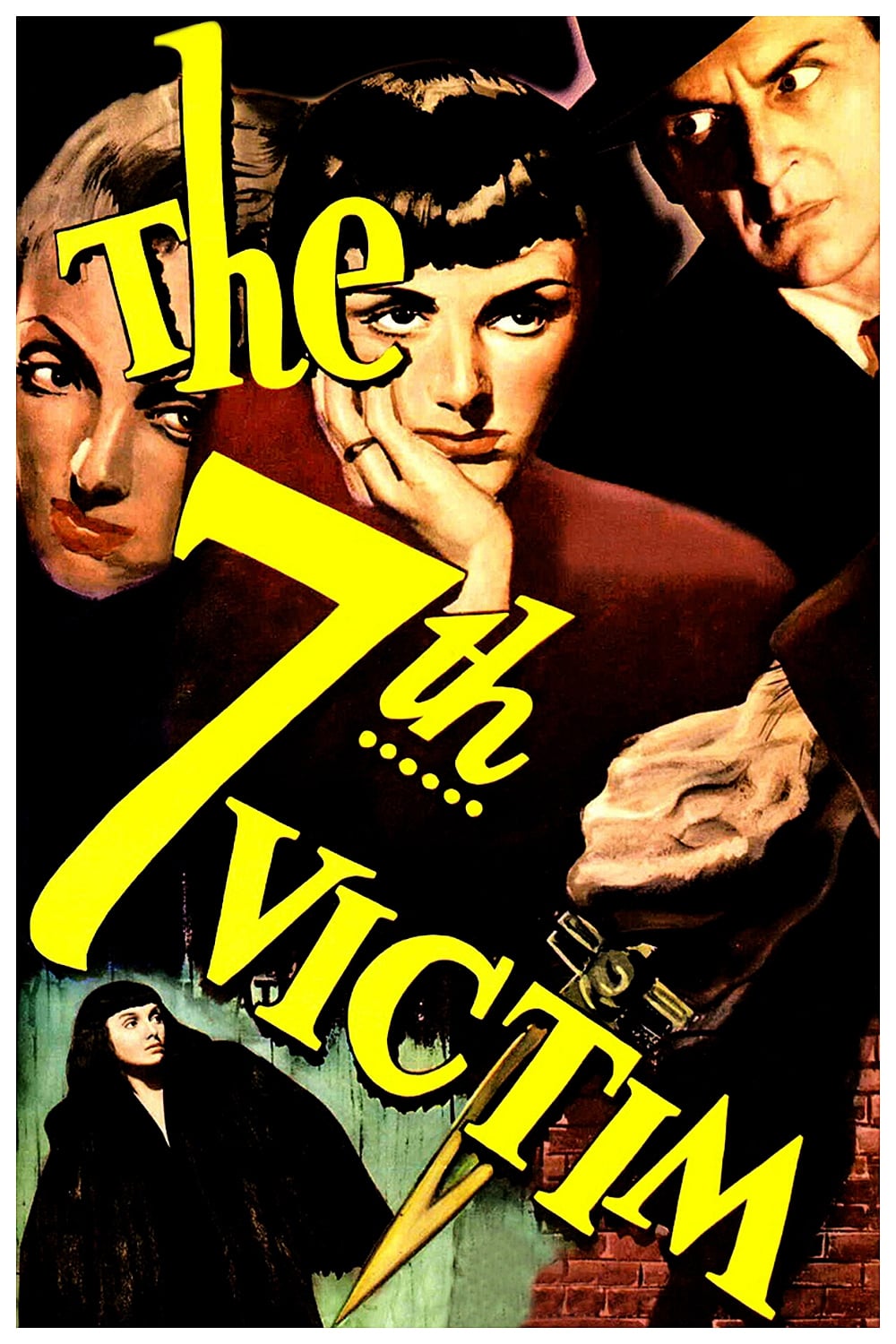
The Seventh Victim
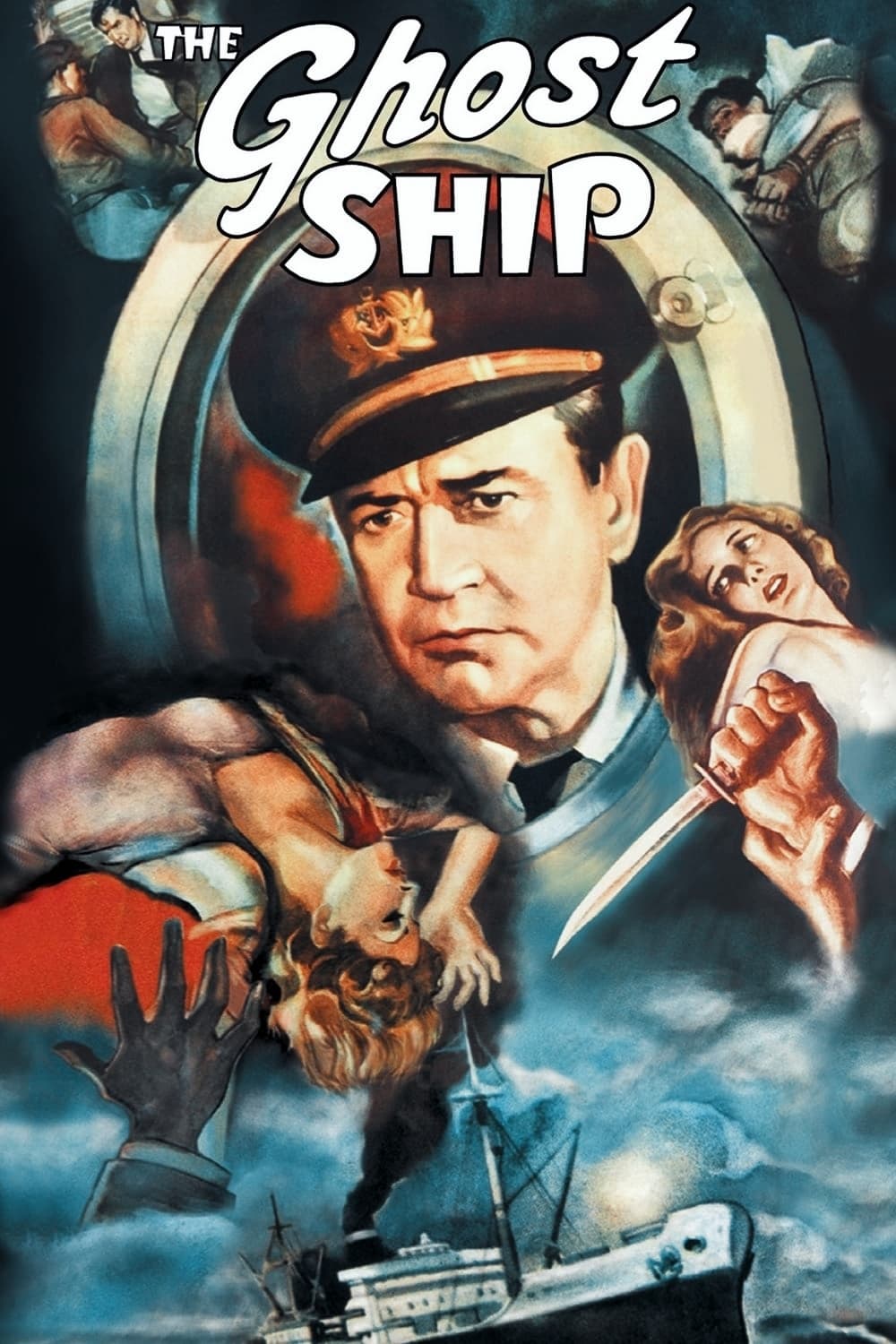
The Ghost Ship
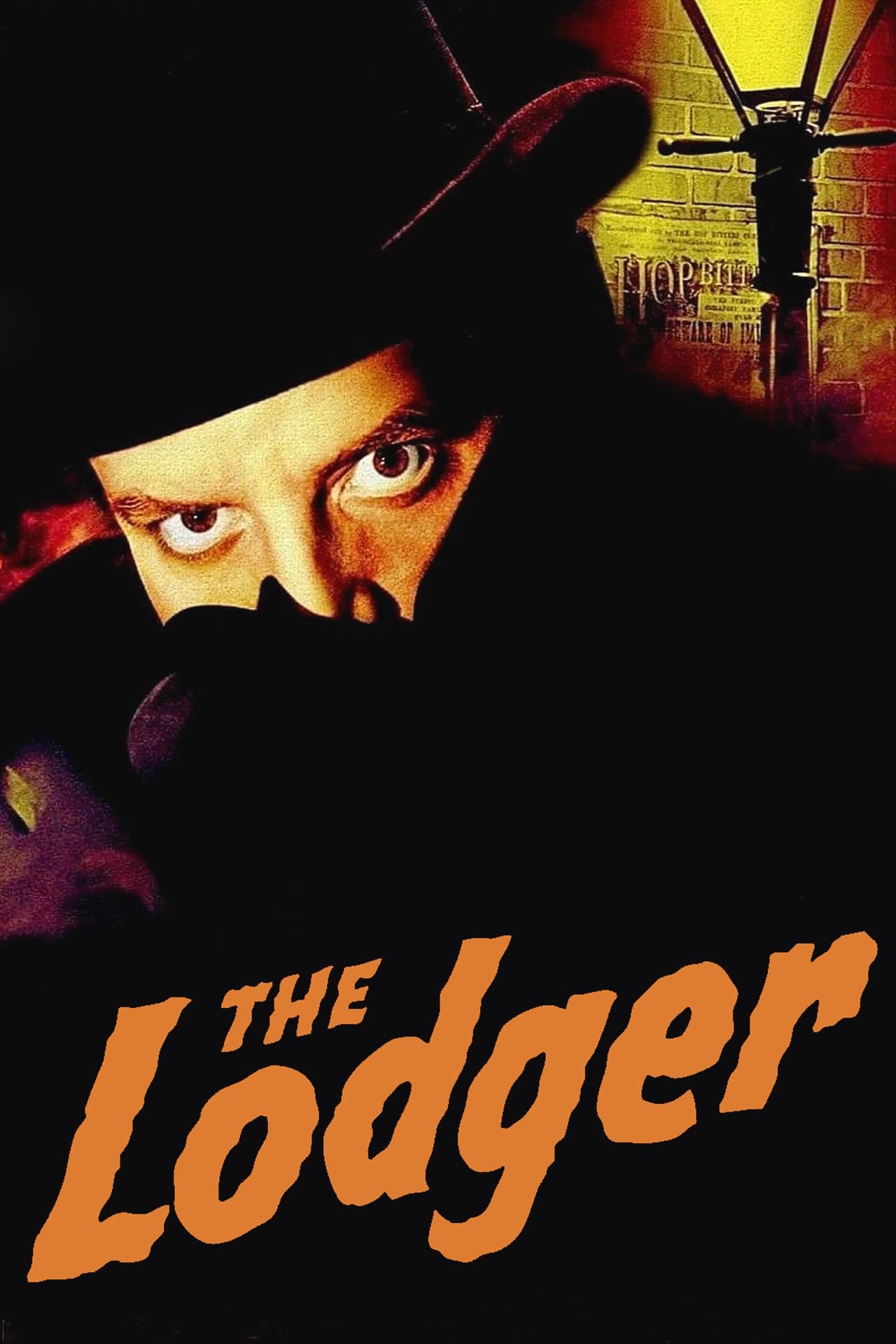
The Lodger
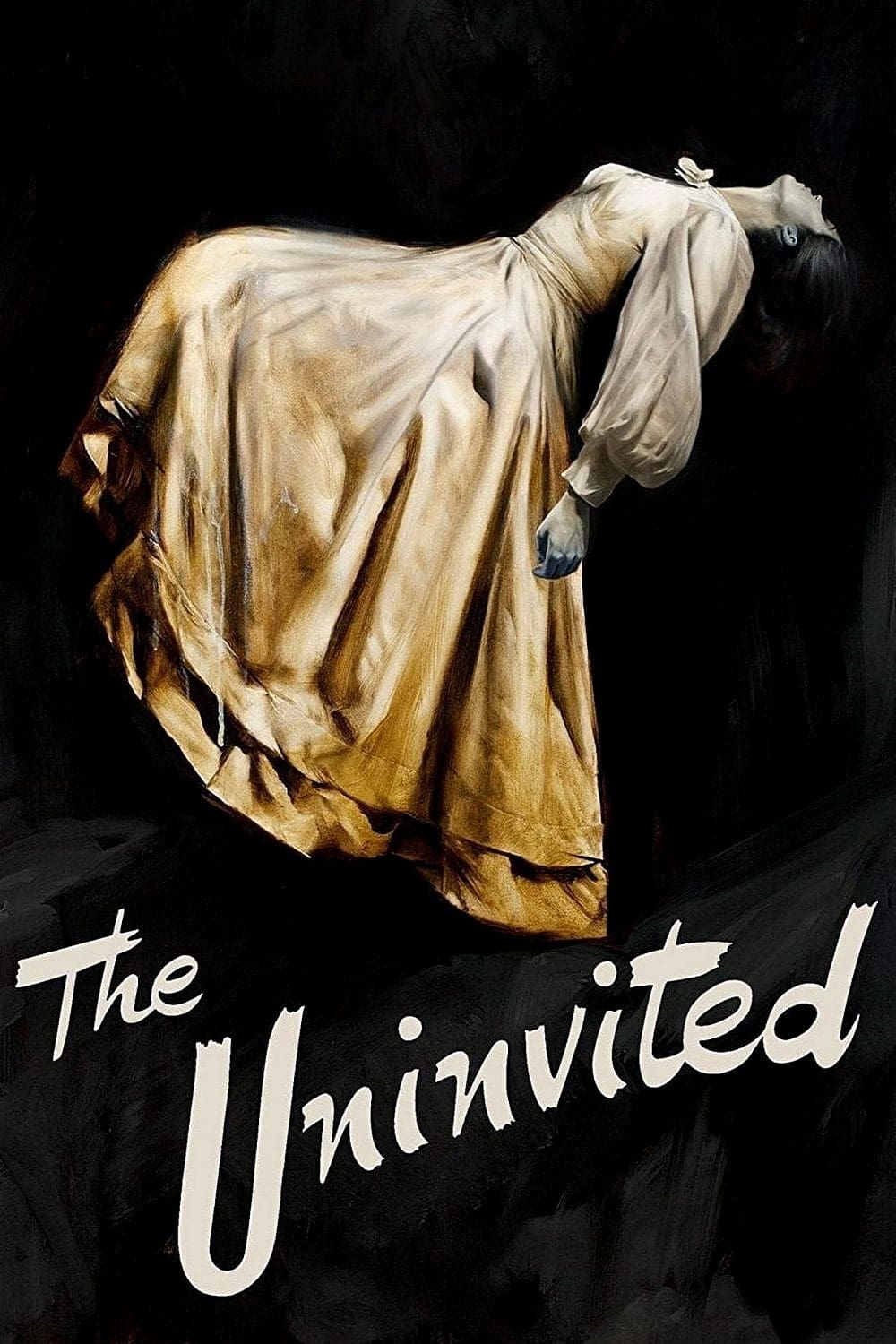
The Uninvited
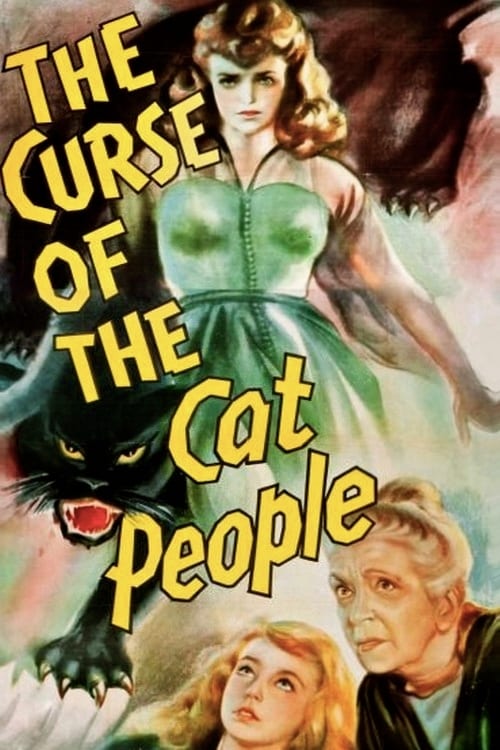
The Curse of the Cat People
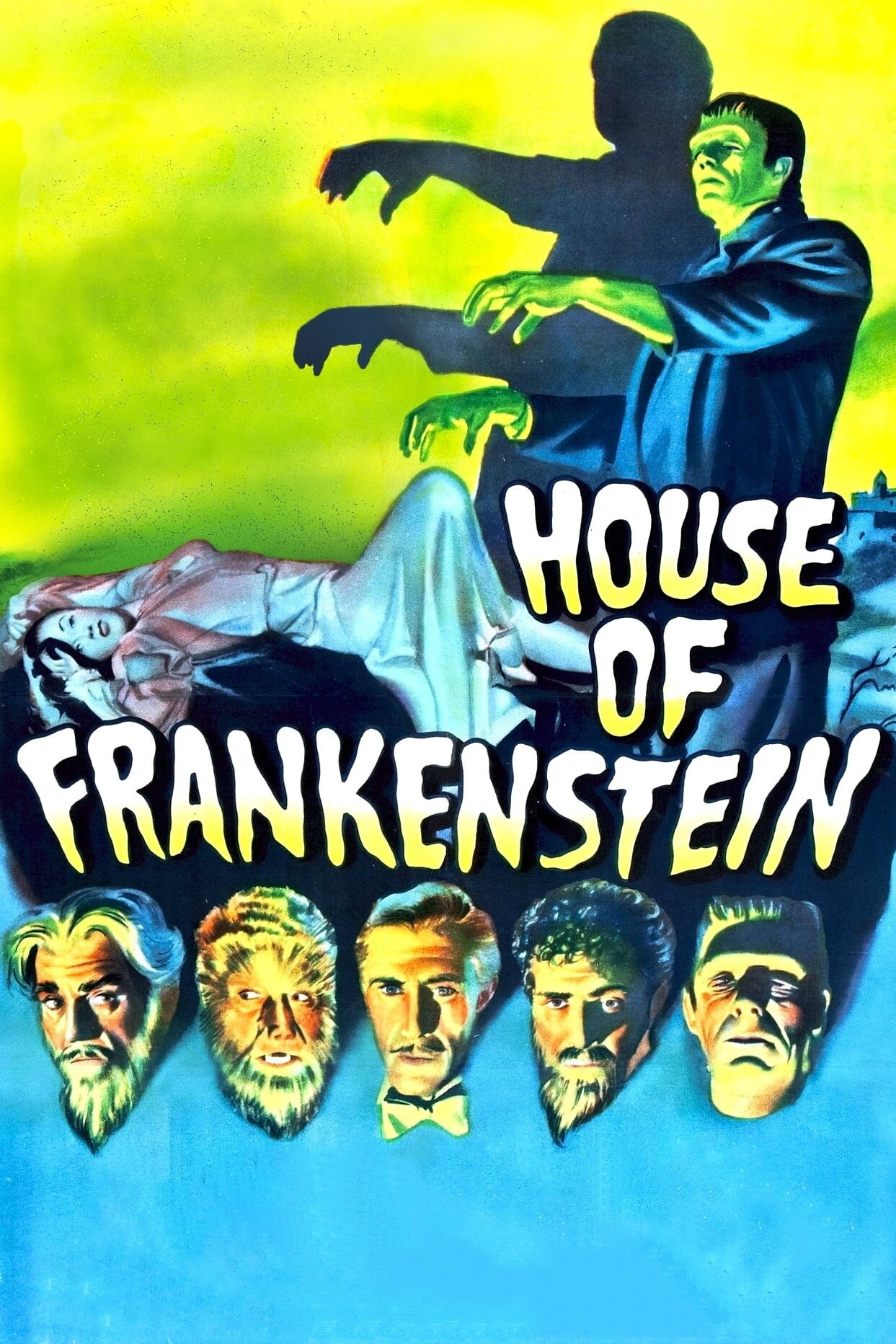
House of Frankenstein

Hangover Square
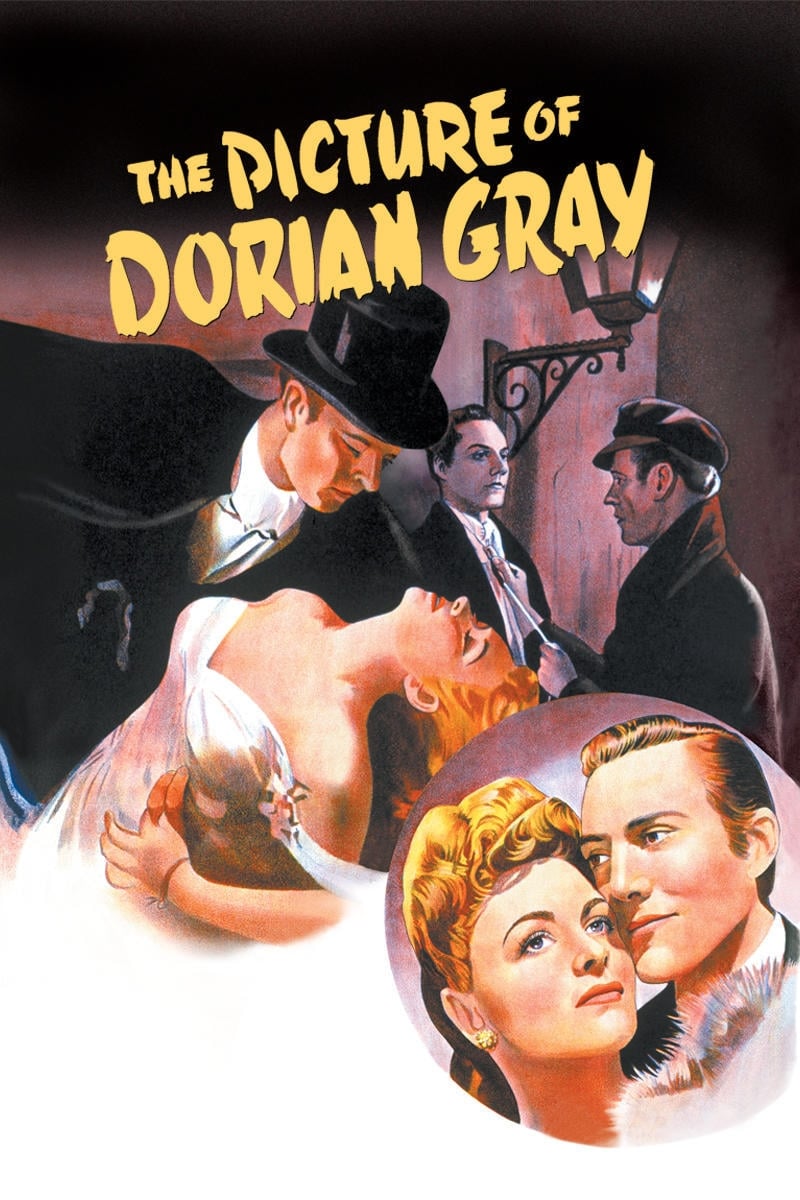
The Picture of Dorian Gray
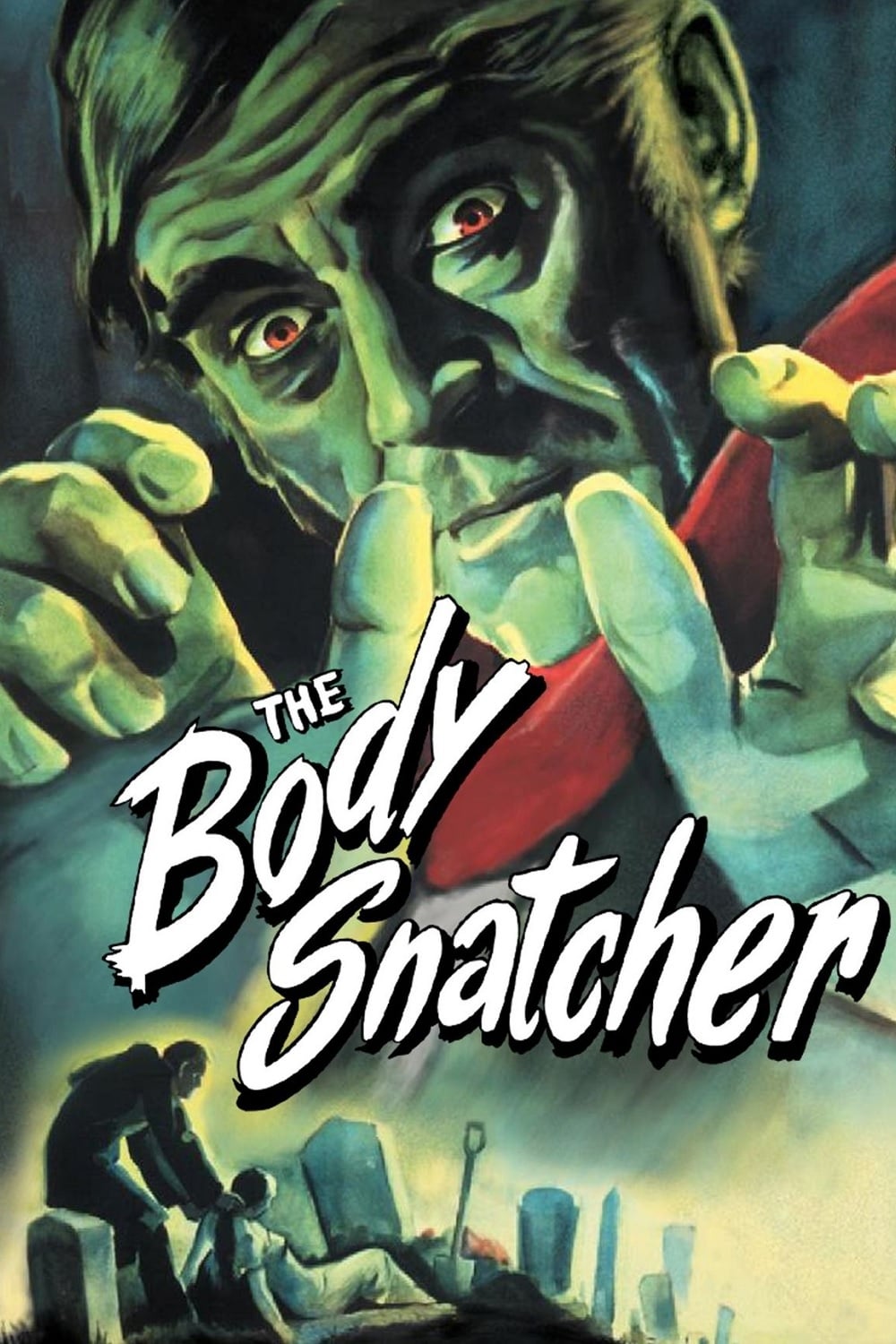
The Body Snatcher
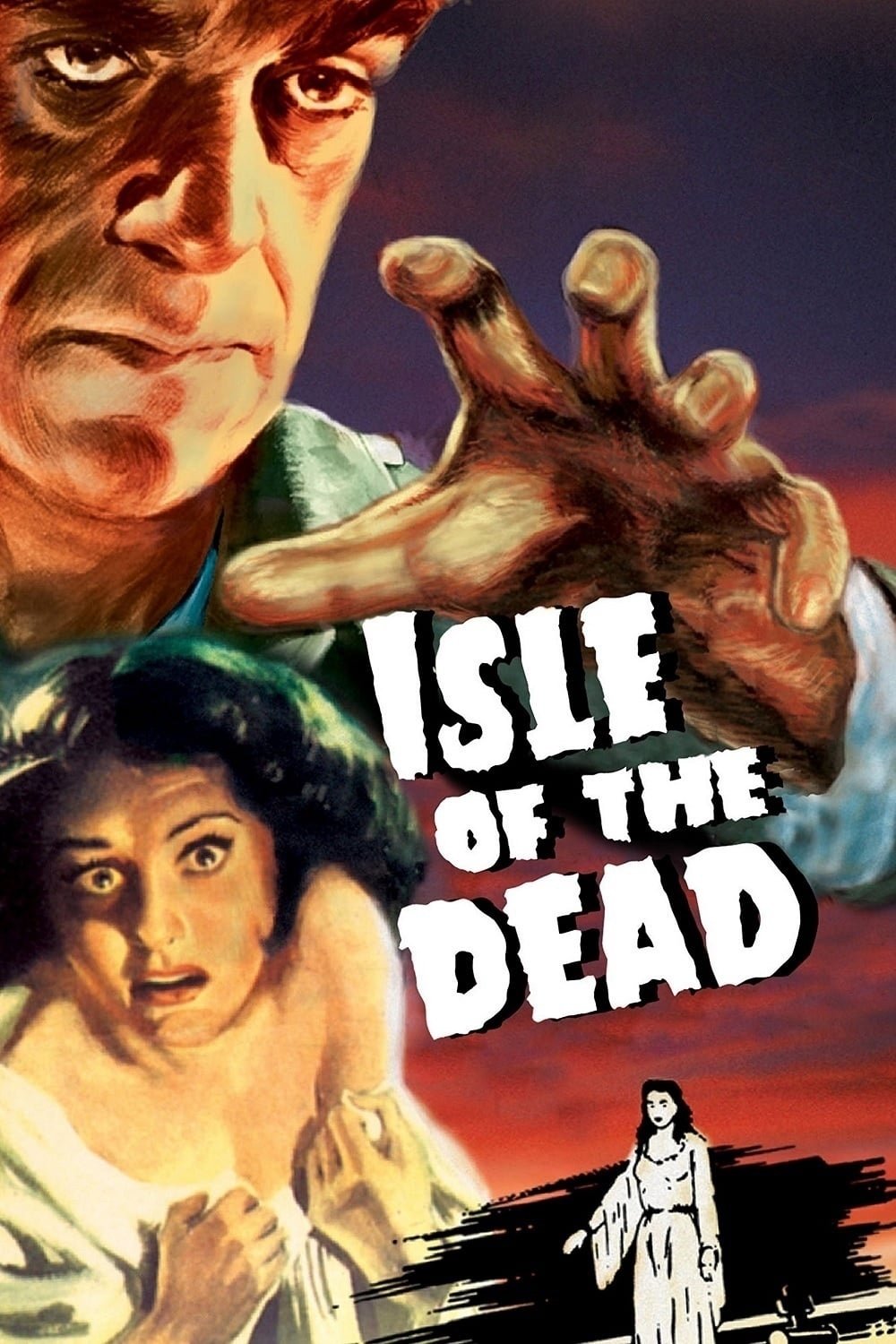
Isle of the Dead
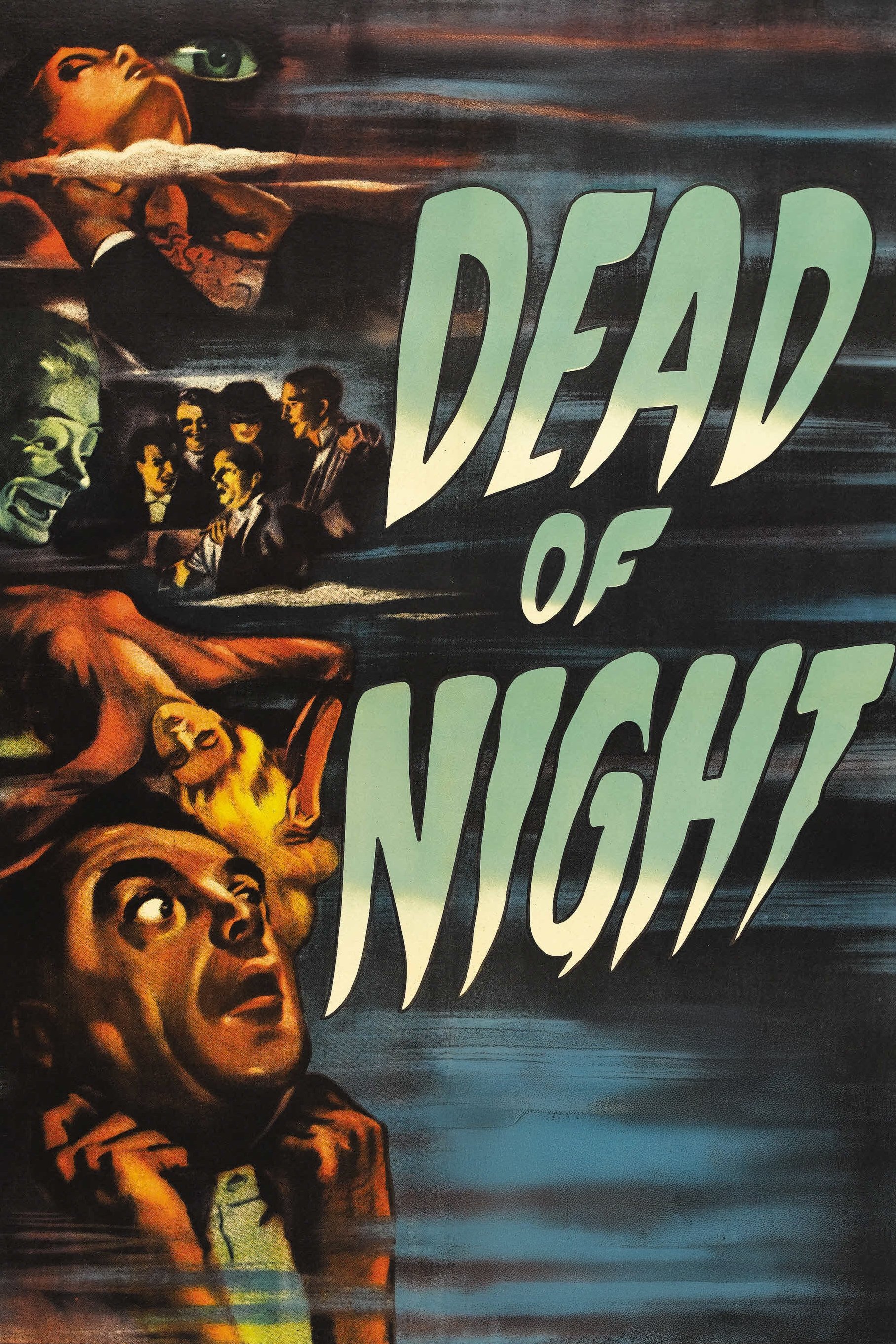
Dead of Night
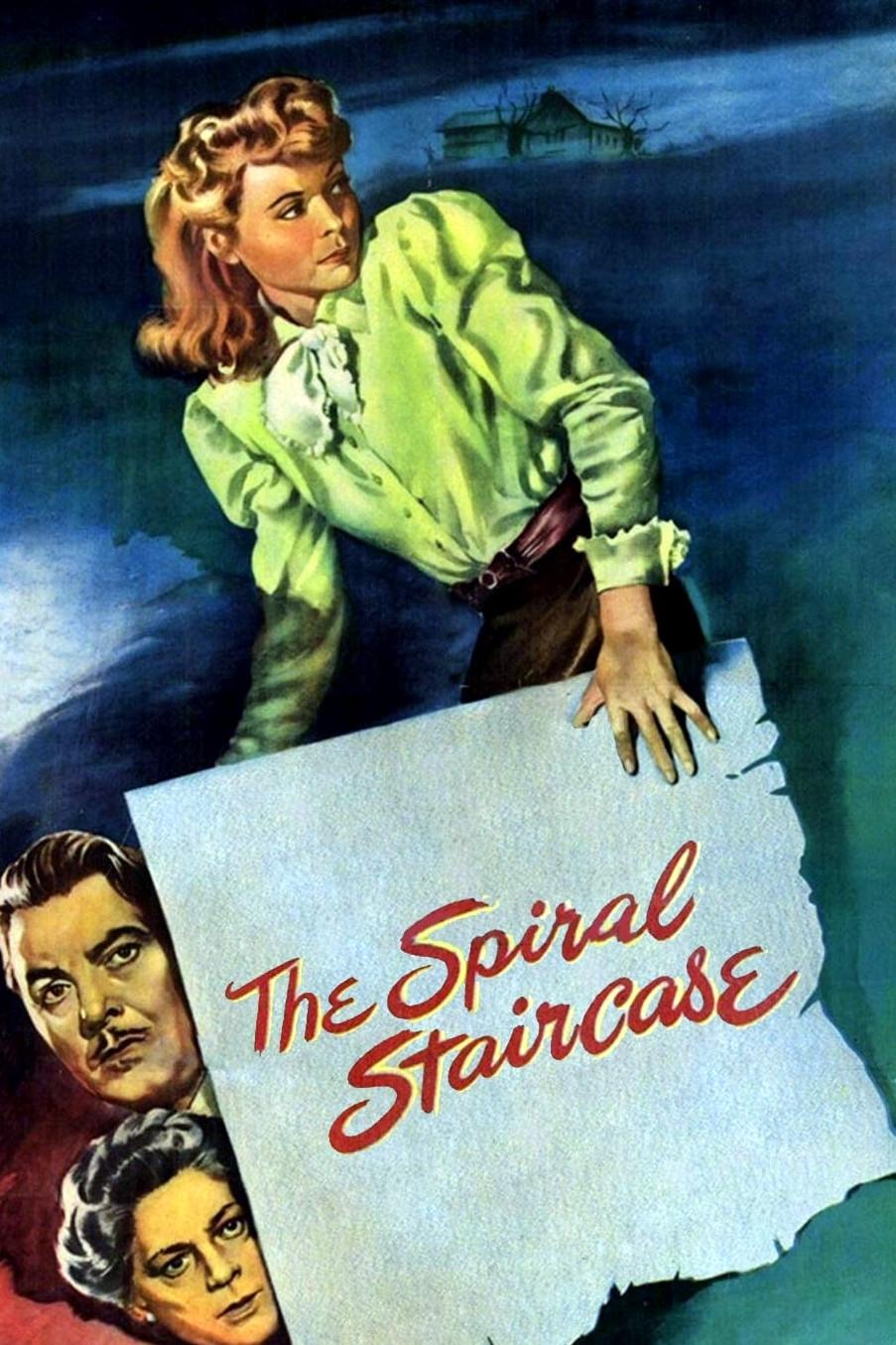
The Spiral Staircase
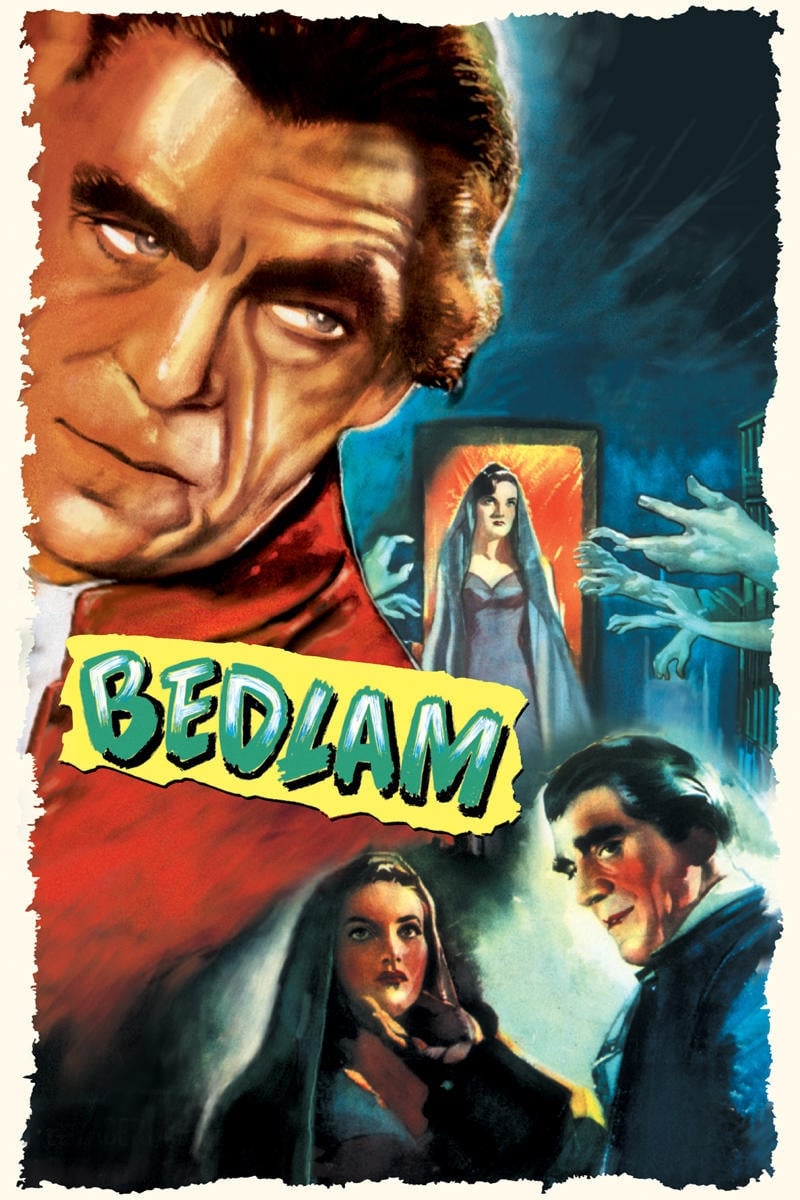
Bedlam
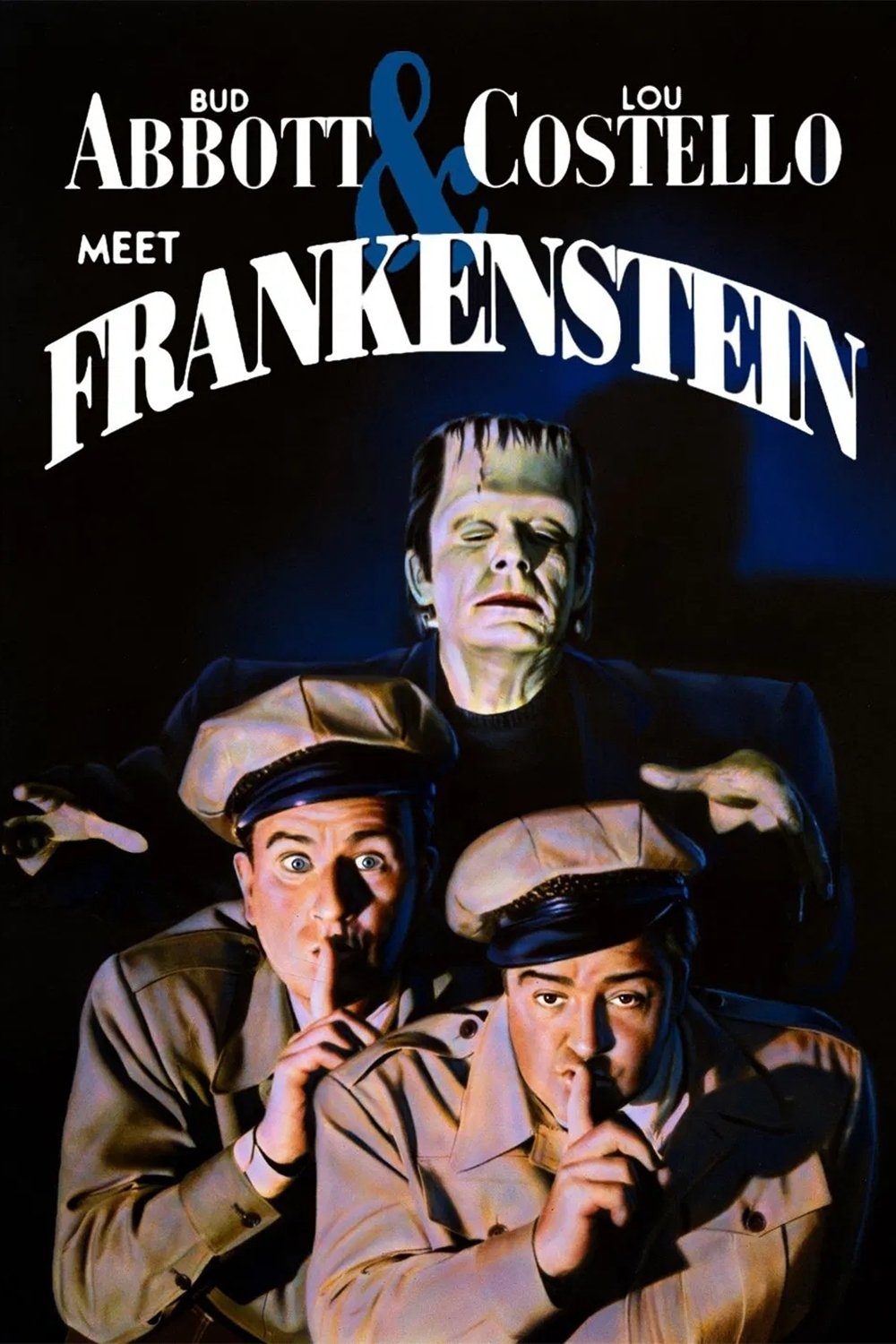
Bud Abbott and Lou Costello Meet Frankenstein
Statistics
Top Subgenres
Top Countries
Percentage of 1940s horror films by country of production.