

Animated
Horror that is hand-drawn, stop-motion, or computer-rendered. Animation removes the limits of live action and the comforts of recognizable physics — anything can transform into anything, and the line between disturbing and beautiful belongs to the artist alone.
History & Origins
Animation has been part of horror cinema since its origins. Méliès's earliest films used trick photography and hand-drawn elements interchangeably. Walt Disney's The Skeleton Dance (1929) — the first Silly Symphony — set four skeletons dancing in a graveyard in a sequence that is unmistakably horror-coded even in its comic intent. The medium has always understood that the uncanny is closer to the line than live action permits. Critic Peter Hutchings notes the trade-off in American commercial animation: targeted at children, its horror imagery tends to come "in an attenuated form or within an unthreatening context" — Disney's witch in Snow White (1937) scared generations of children but lived inside fairy-tale logic, not horror logic.
Japan's animation tradition produced animation's most consistent horror canon, because anime has always been willing to address adult audiences directly. Eiichi Yamamoto's Belladonna of Sadness (1973), made at Tezuka's Mushi Pro, established the form's adult-anime origin with watercolour psychedelia and explicit witch-hunt imagery. Toyoo Ashida's Vampire Hunter D (1985), Yoshiaki Kawajiri's Wicked City (1987), and Hiroyuki Kitakubo's Blood: The Last Vampire (2000) established adult-animation horror as a recognized commercial form. Katsuhiro Otomo's Akira (1988) used animation's freedom to render the dissolution of a human body into infant flesh in a sequence no live-action film could have approached. Satoshi Kon's Perfect Blue (1998) built identity-horror that depended on animation's ability to seamlessly transition between subjective and objective reality — critics Matthew Edwards and Fernando Gabriel Pagnoni Berns describe it as "the ideal giallo-esque film" in their Bloodstained Narratives study. Kawajiri returned with Vampire Hunter D: Bloodlust (2001), completing the form's foundational two-decade run.
Stop-motion has its own horror lineage, branching from puppet animation. Henry Selick and Tim Burton's collaborations — The Nightmare Before Christmas (1993), Corpse Bride (2005), and Coraline (2009) — built a hand-crafted gothic tradition that found mainstream audiences; Burton's Frankenweenie (2012) expanded his 1984 live-action short into a feature-length stop-motion tribute to the Universal Monster cycle. The Laika studio extended the tradition with ParaNorman (2012), a hand-crafted children's horror film that critic Catherine Lester (in Horror Films for Children) singles out for moments of genuine abject horror — a corpse's tongue flopping onto a child's face — rare in family animation. Phil Tippett's Mad God (2021) pushed stop-motion horror to its most extreme — three decades of solo work producing 83 minutes of nightmare anatomy that no other medium could have produced.
The family-tolerant animated horror strand has remained commercially robust. Nick Park's Wallace & Gromit: The Curse of the Were-Rabbit (2005) brought the British Aardman tradition to horror parody; Monster House (2006) demonstrated that motion-capture animation could deliver feature-length suspense pitched at families; Hotel Transylvania (2012) treated the Universal monster pantheon as a kids-movie ensemble cast. These films represent Hutchings's "more consistently comic treatment of horror themes" rather than the genre's harder edge — but they have been the form's commercial spine for two decades.
Adult Western animation has been more uneven, often confined to short-form work. Don Hertzfeldt, John Dilworth, David Firth, and Cyriak have built individual reputations on disturbing animated shorts. Feature-length adult animated horror remains rare — Martin Rosen's Watership Down (1978), with its rabbit-myth violence and atomic-dread imagery, was the last fully-committed-to-horror Western feature for decades. What animation contributes to horror is plasticity. A body in a live-action film can be ripped, burned, or dismembered, but it remains the same body. A body in animation can become something else mid-frame, with no cut and no obvious effect. The medium's freedom is also its commitment to mortality — every drawing exists at the artist's discretion, and the artist's discretion is the only thing keeping anything intact.
Sources: Matthew Edwards and Fernando Gabriel Pagnoni Berns, Bloodstained Narratives (2023); Peter Hutchings, Historical Dictionary of Horror Cinema (2018).
Essential Films
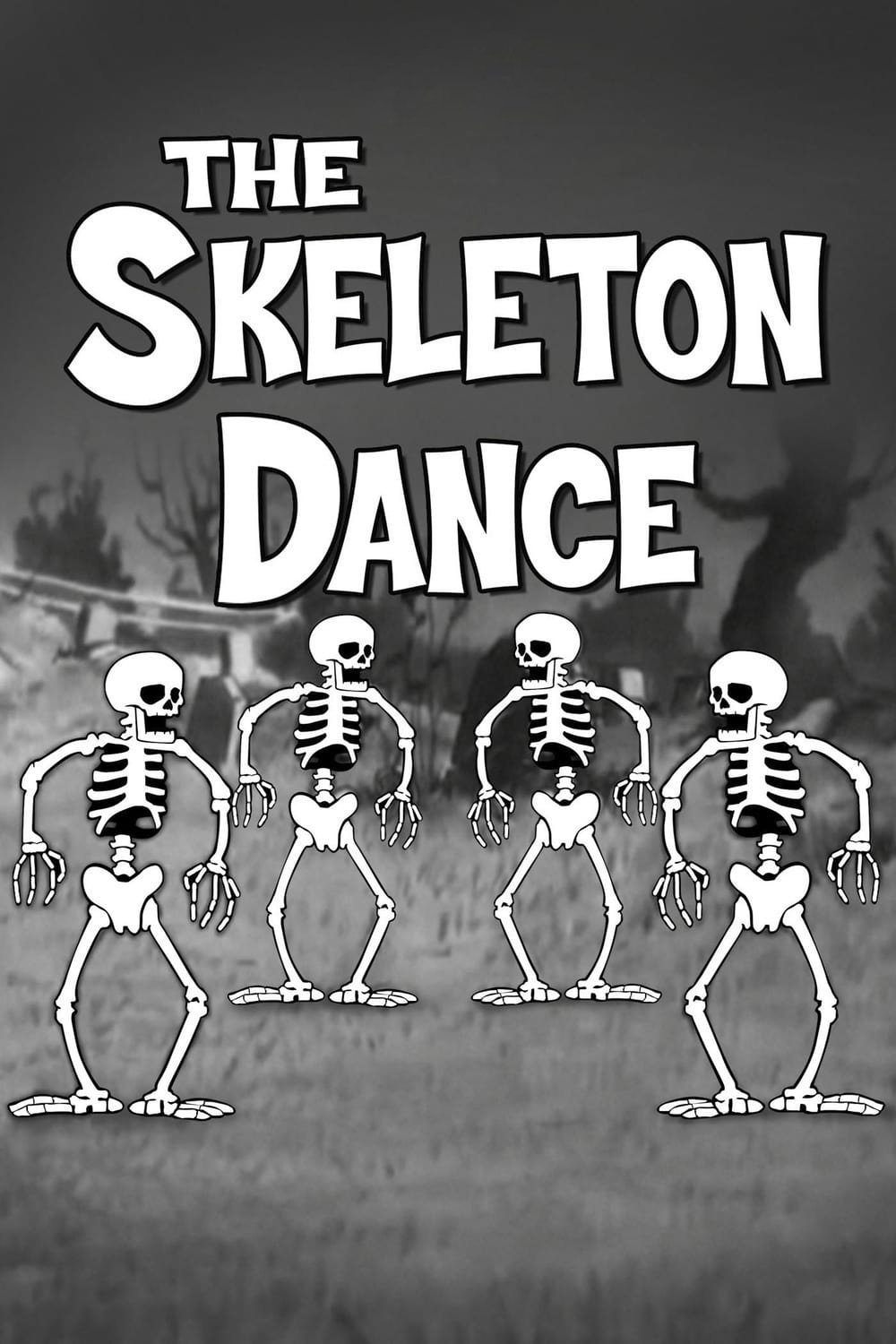
The Skeleton Dance
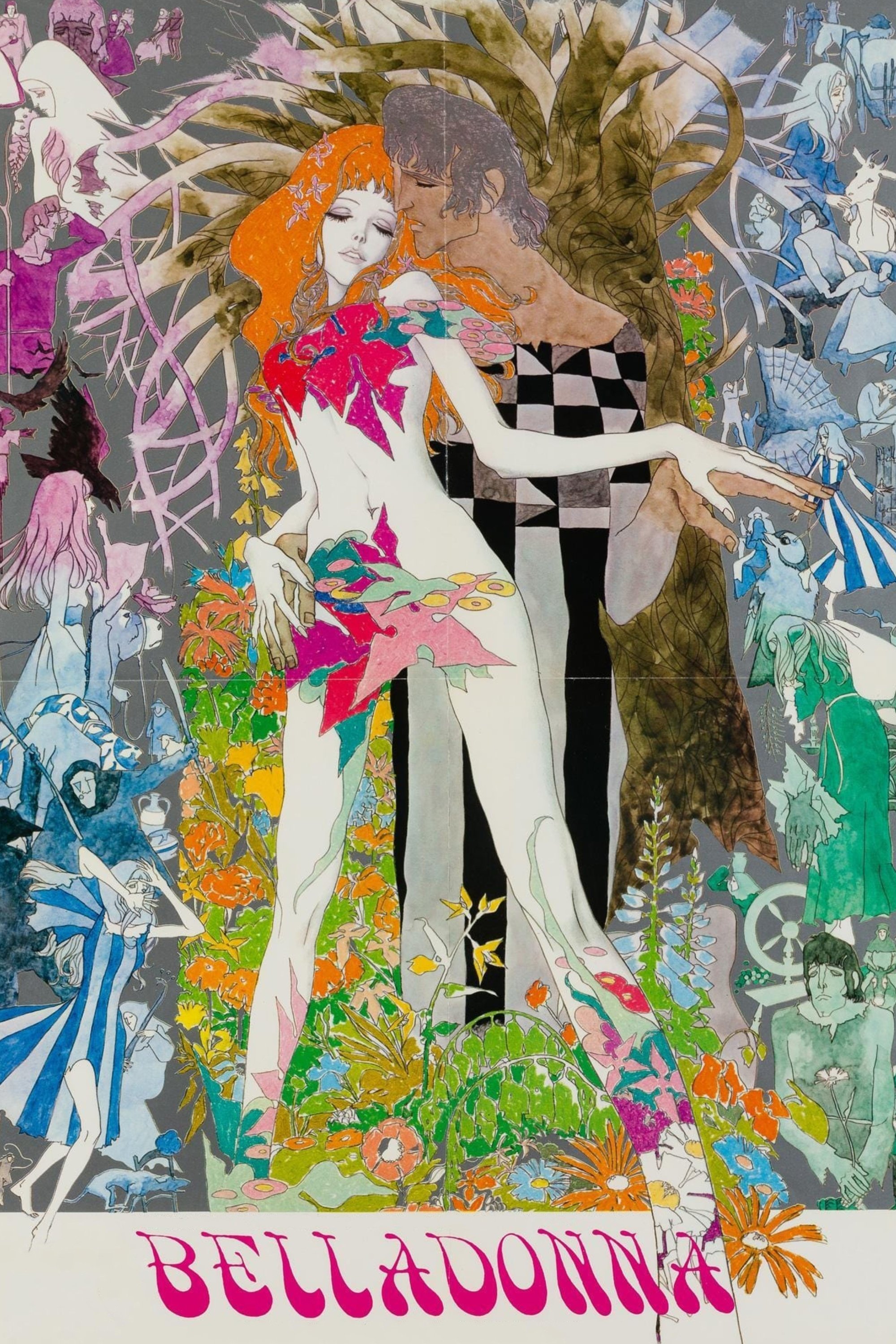
Belladonna of Sadness
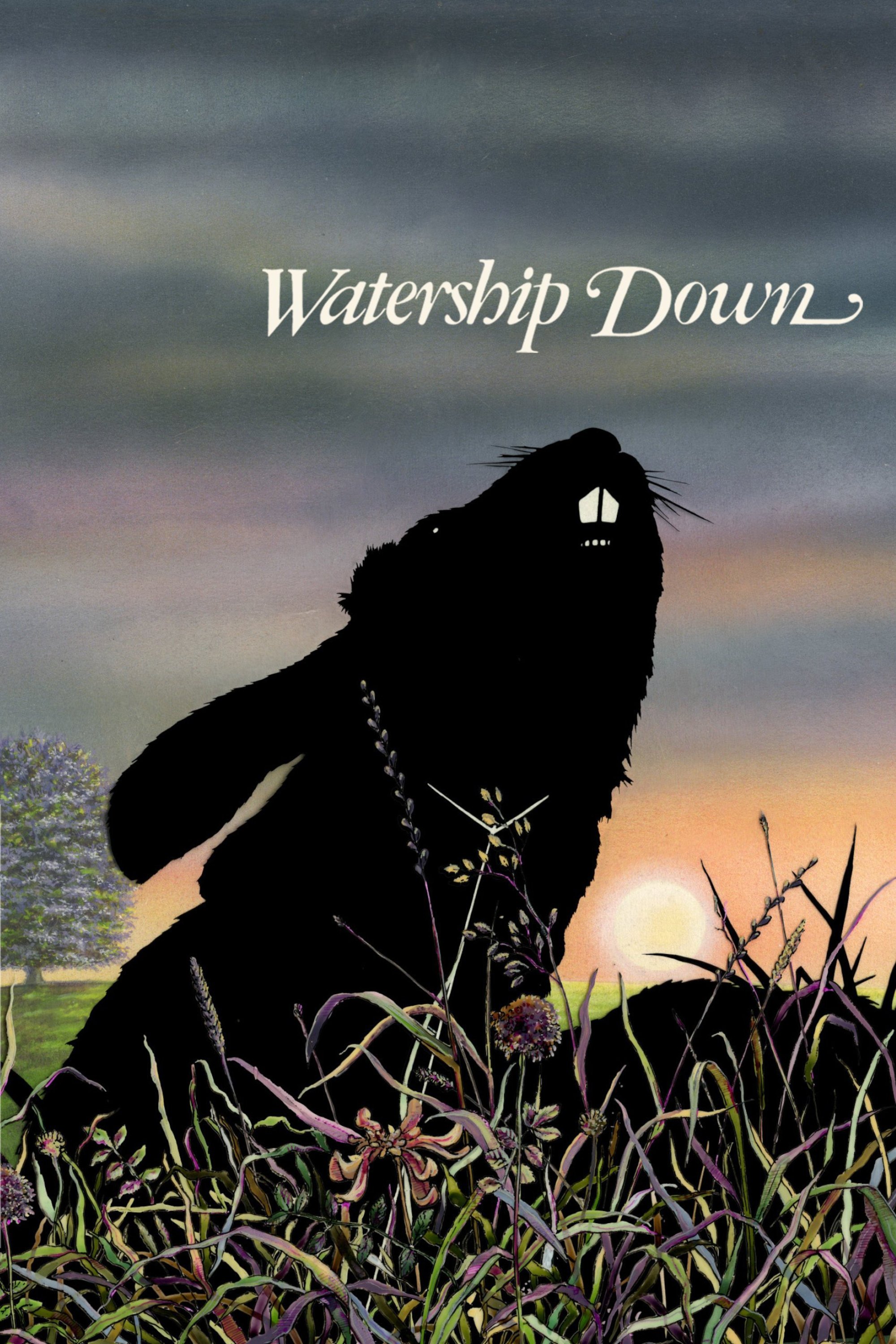
Watership Down
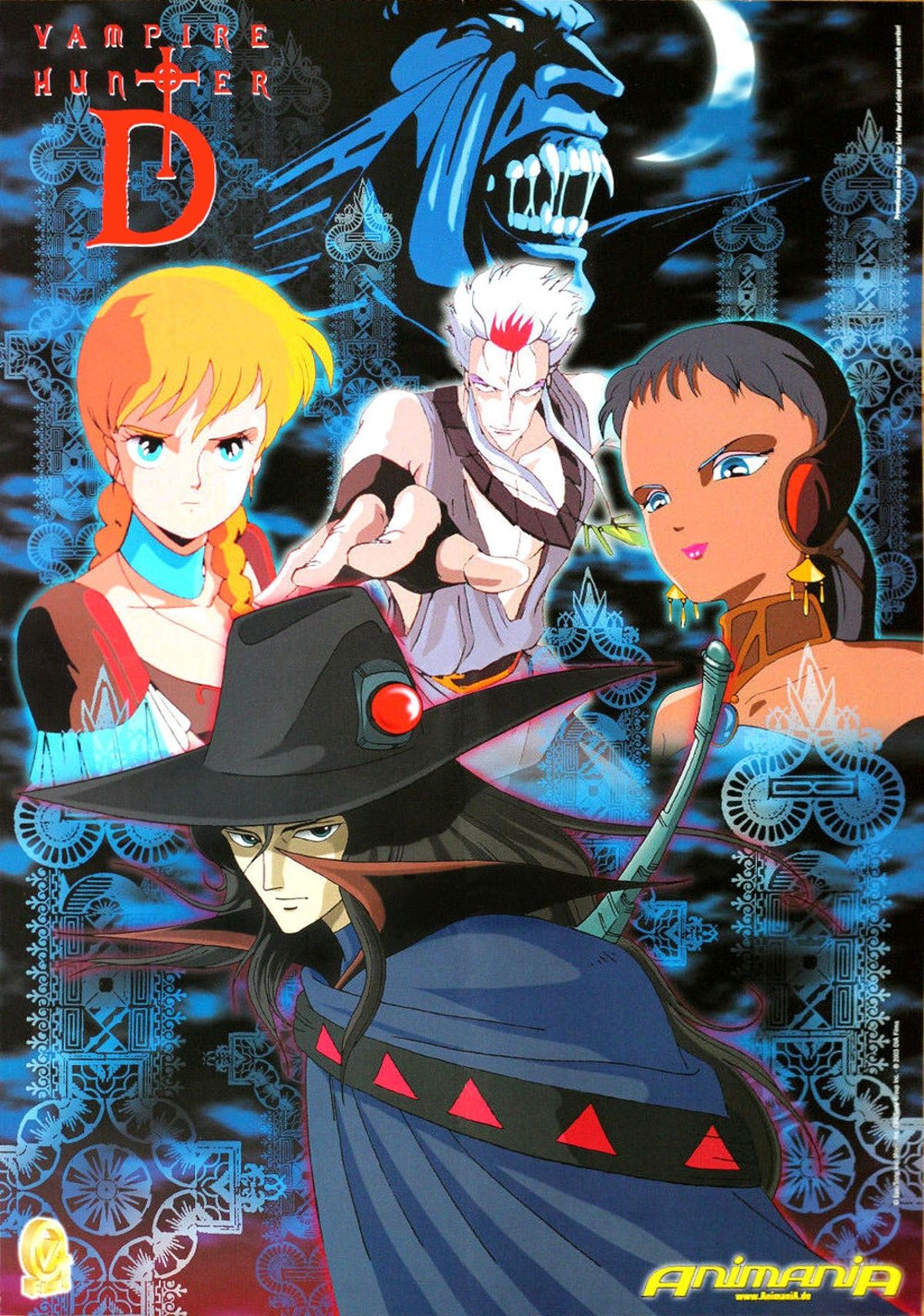
Vampire Hunter D
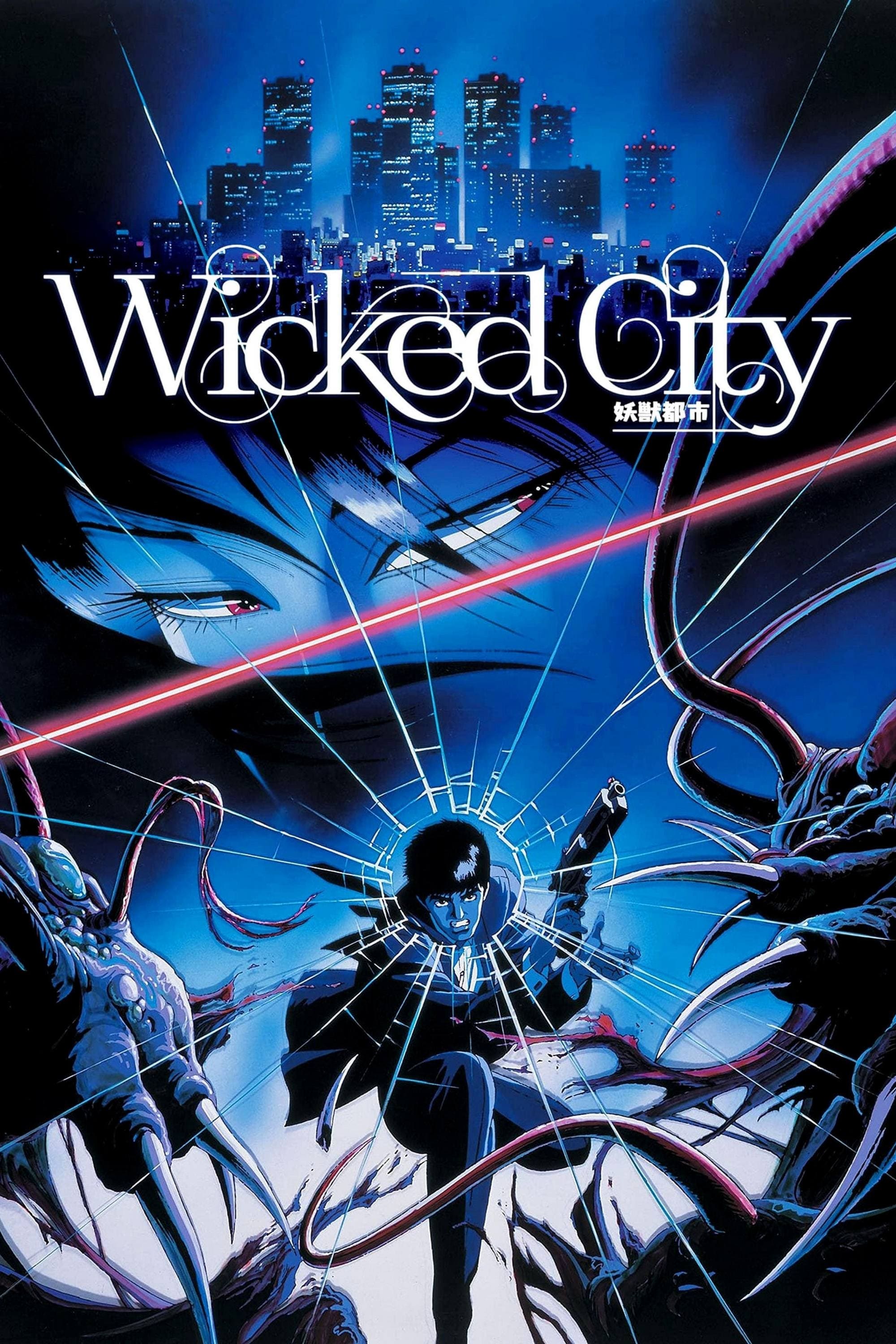
Wicked City
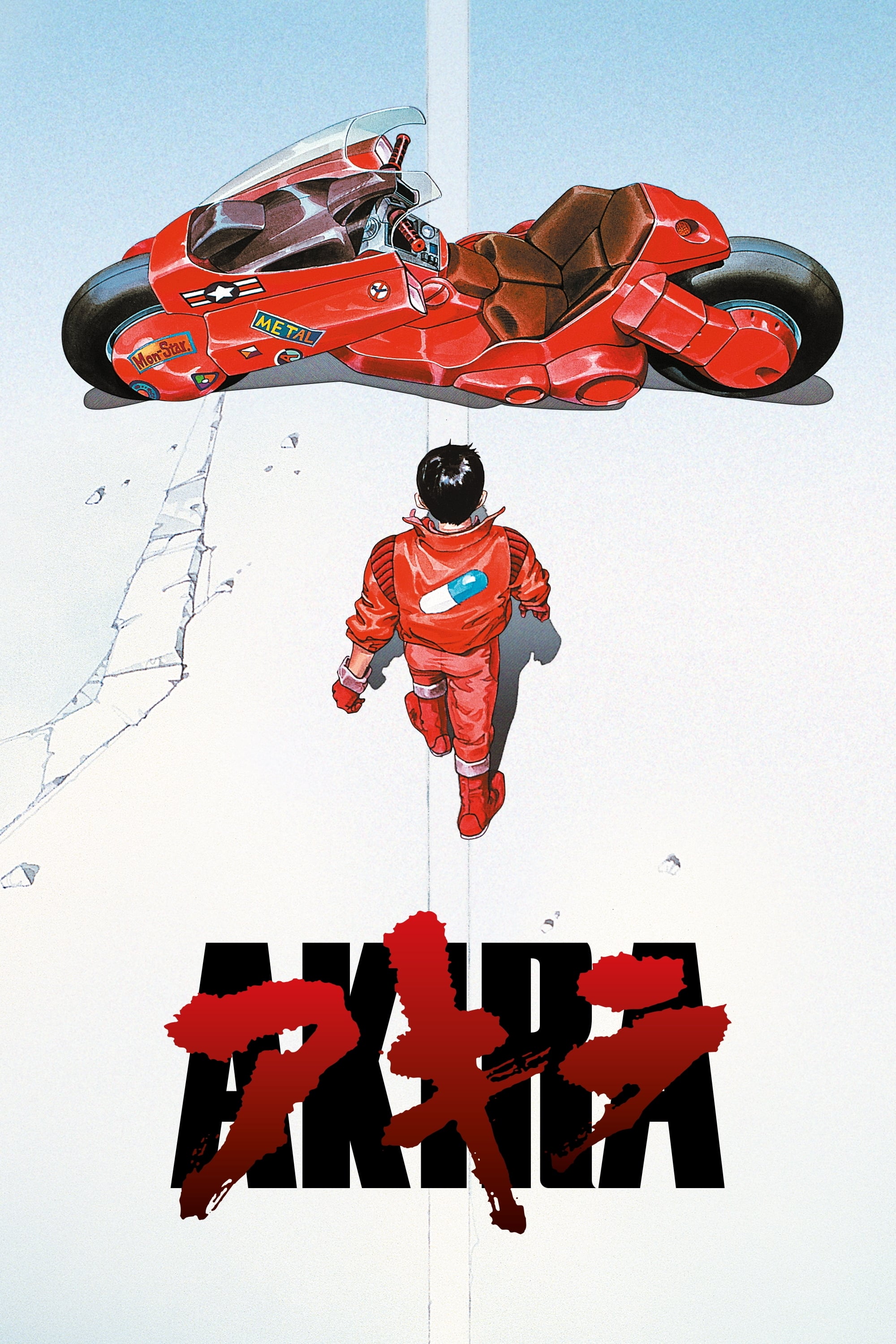
Akira
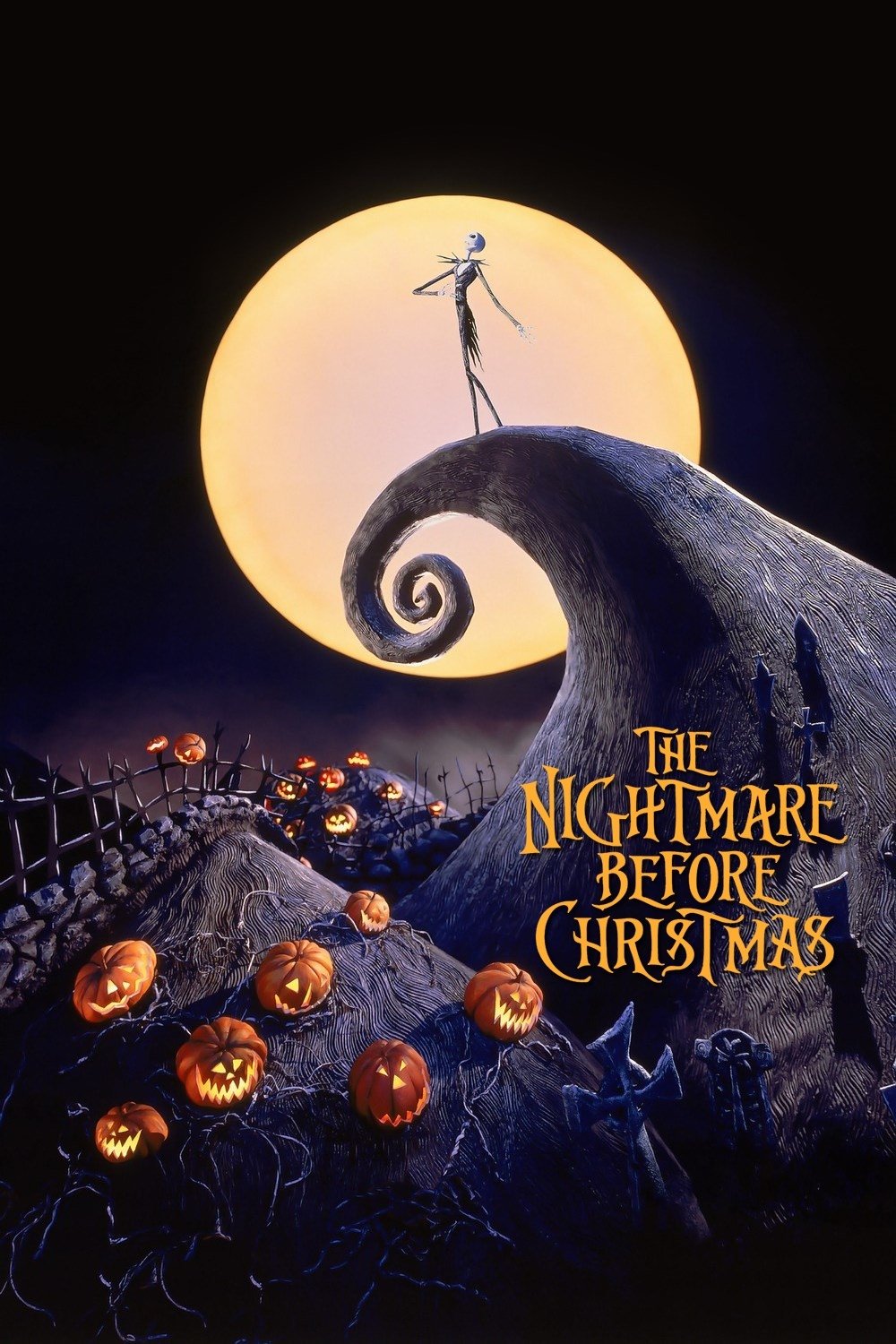
The Nightmare Before Christmas
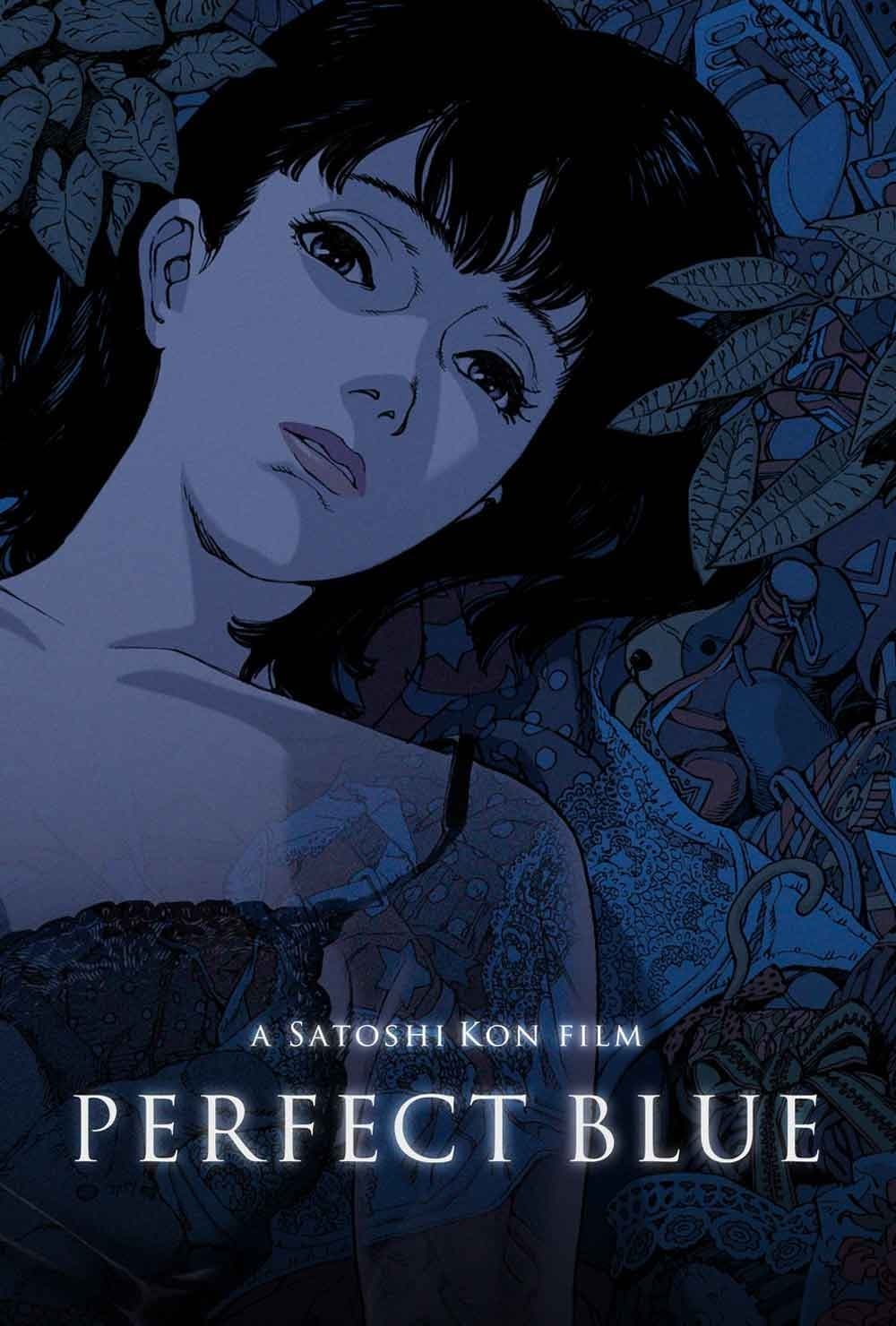
Perfect Blue
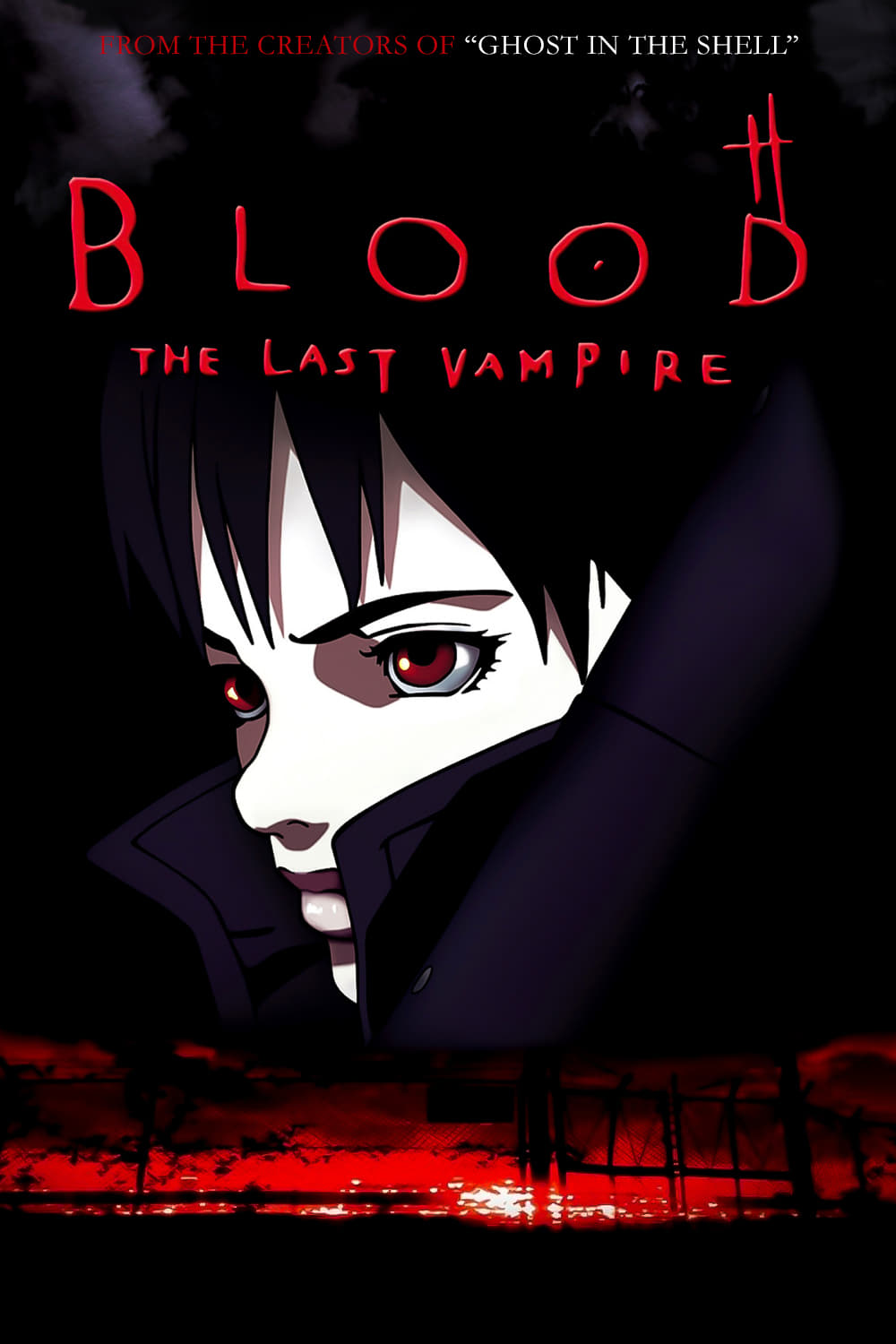
Blood: The Last Vampire
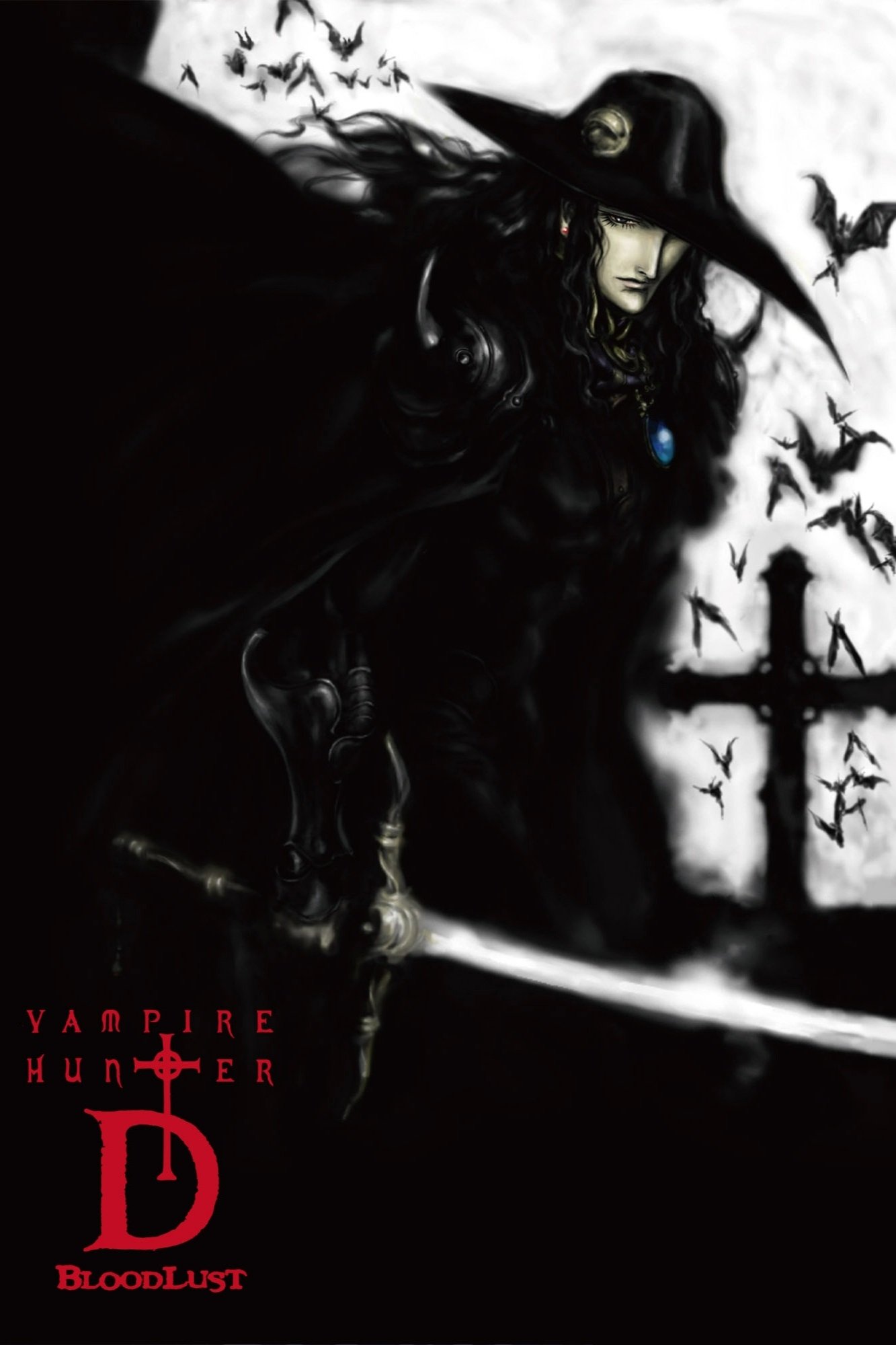
Vampire Hunter D: Bloodlust
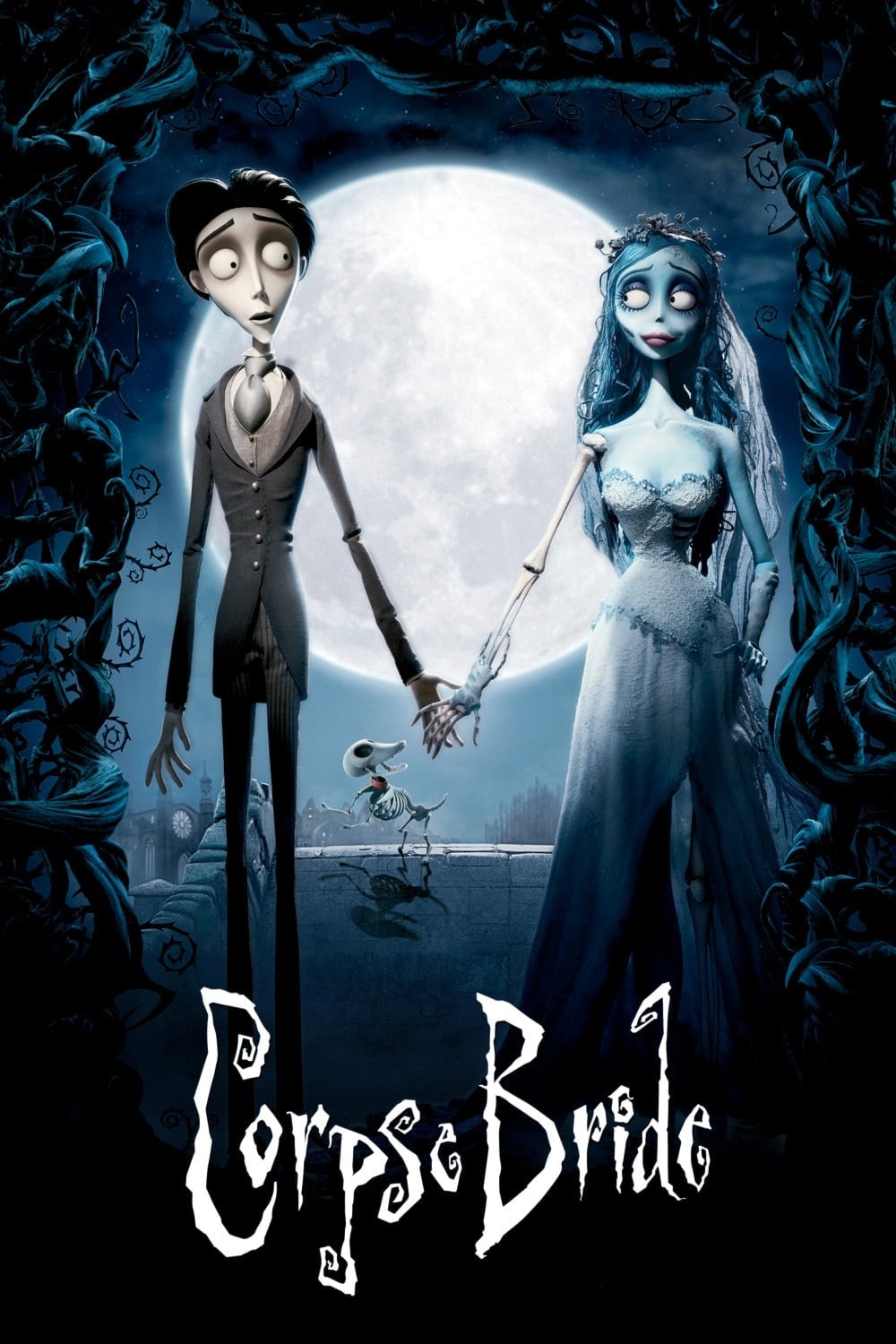
Corpse Bride
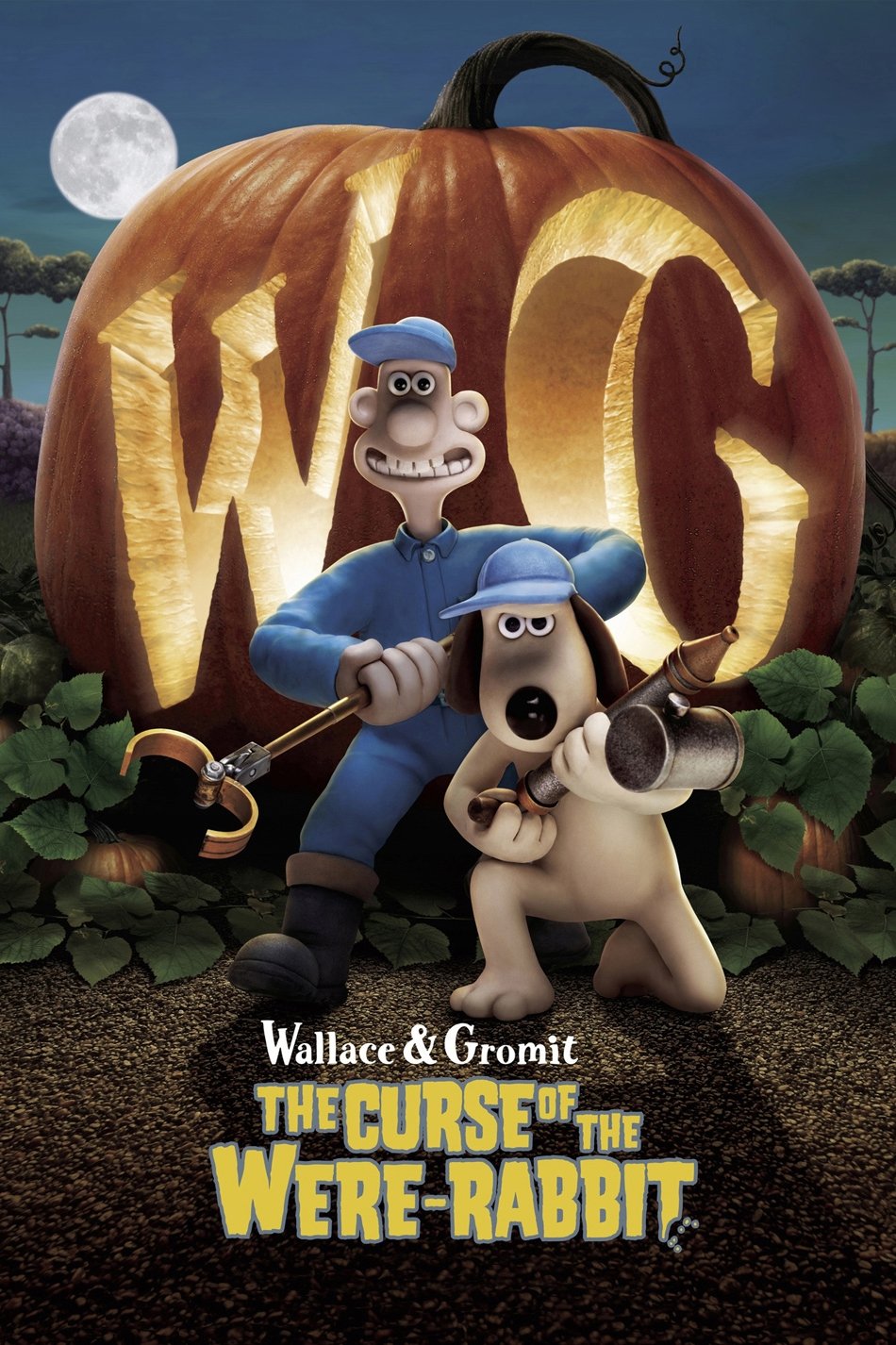
Wallace & Gromit: The Curse of the Were-Rabbit
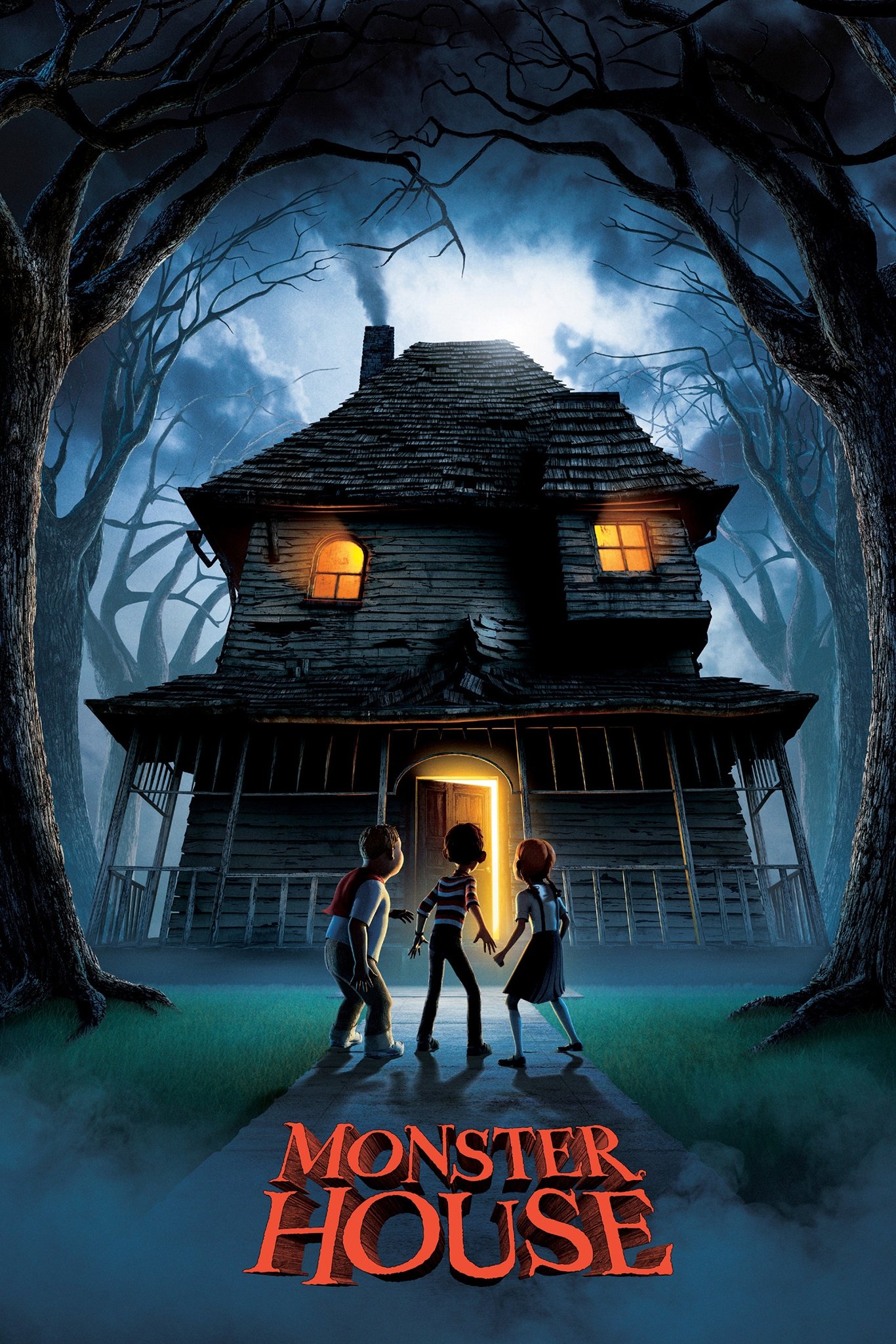
Monster House
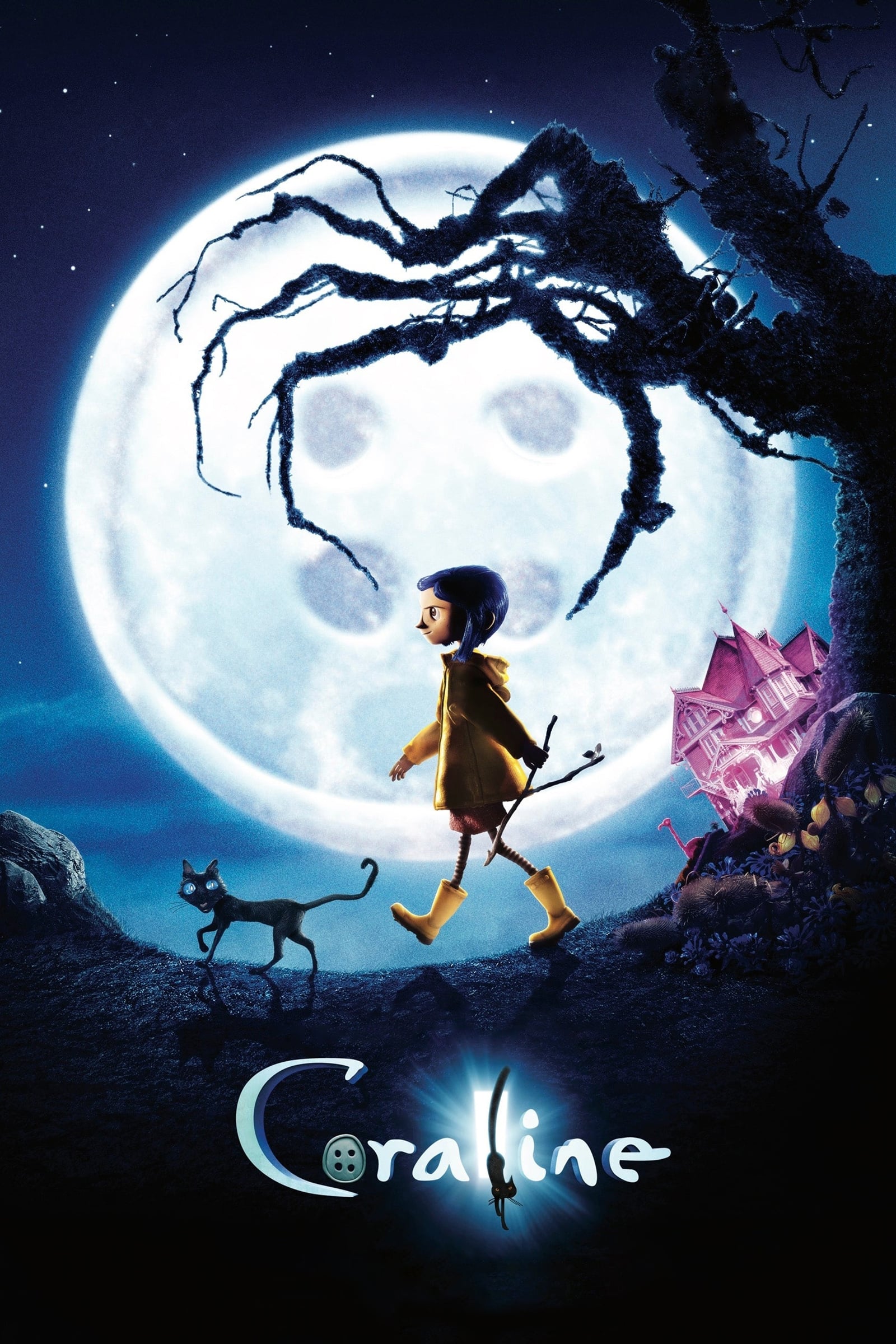
Coraline
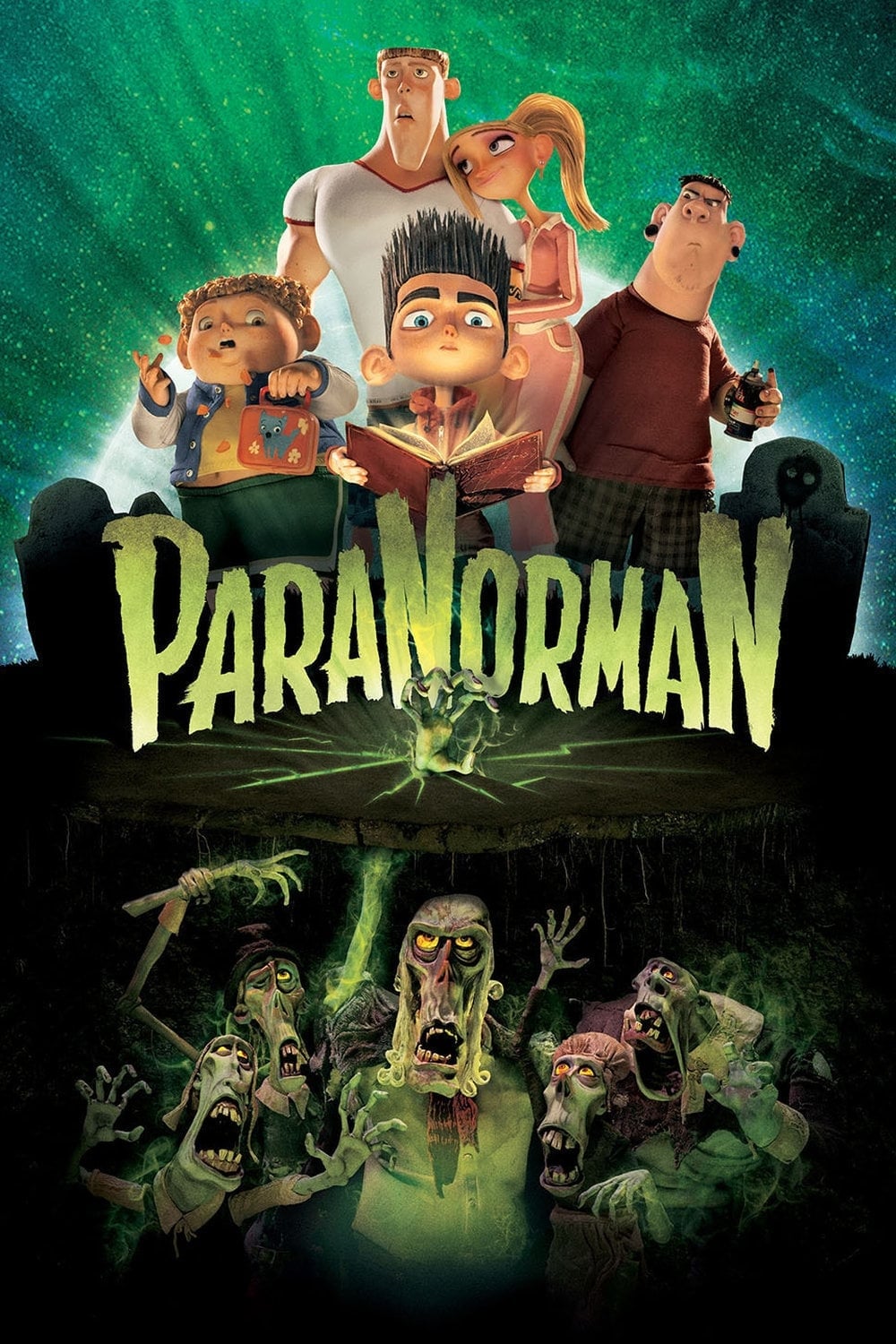
ParaNorman
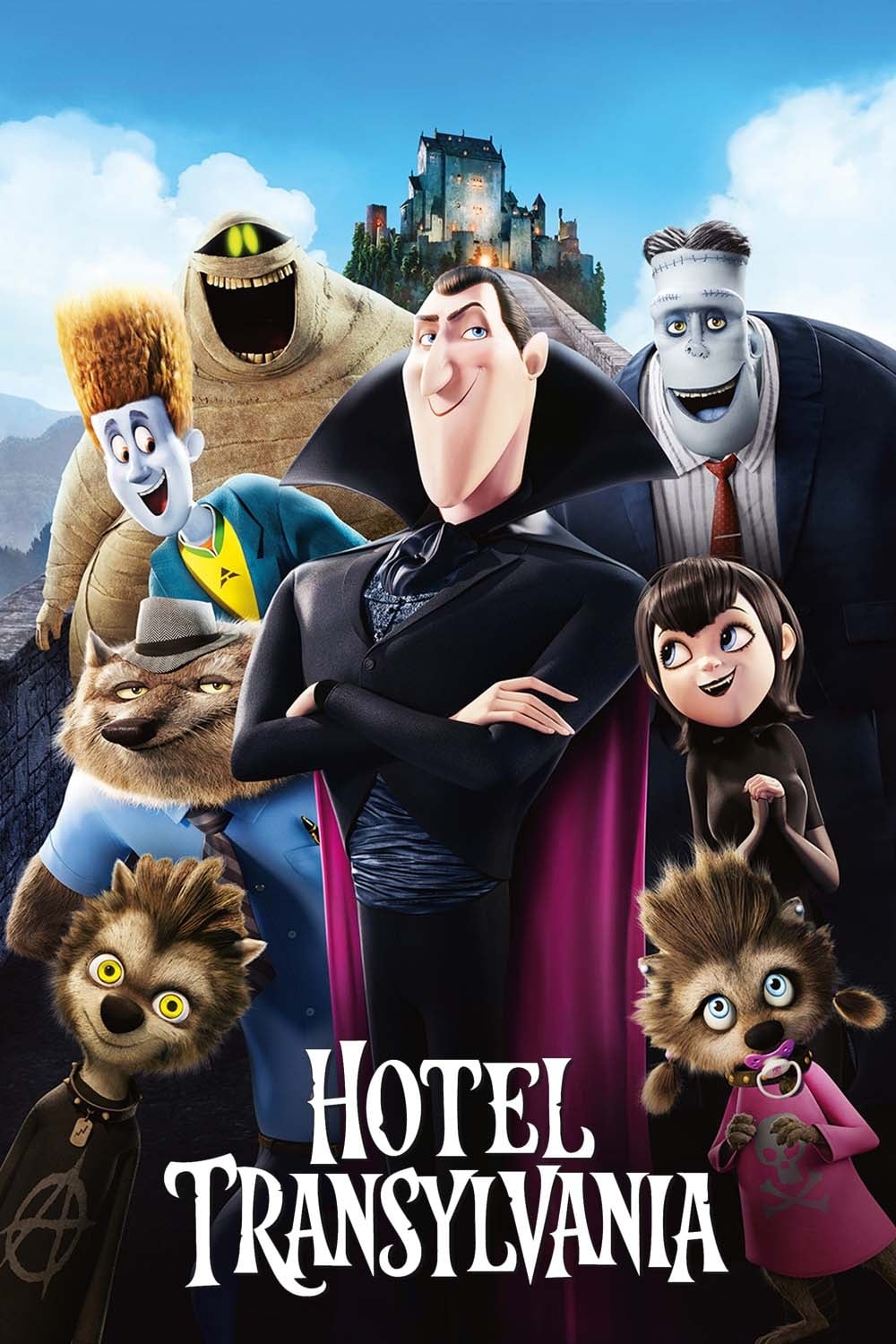
Hotel Transylvania
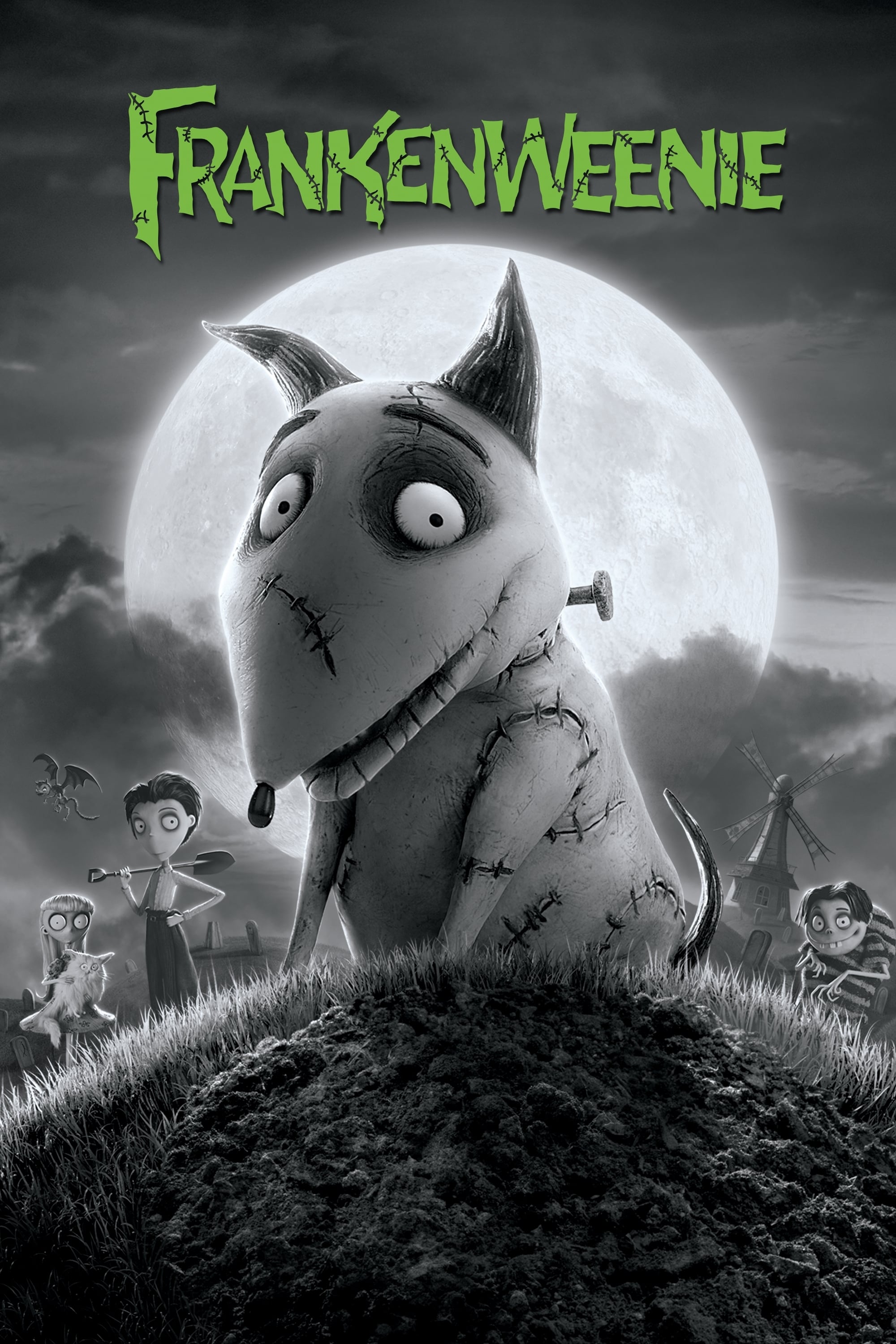
Frankenweenie
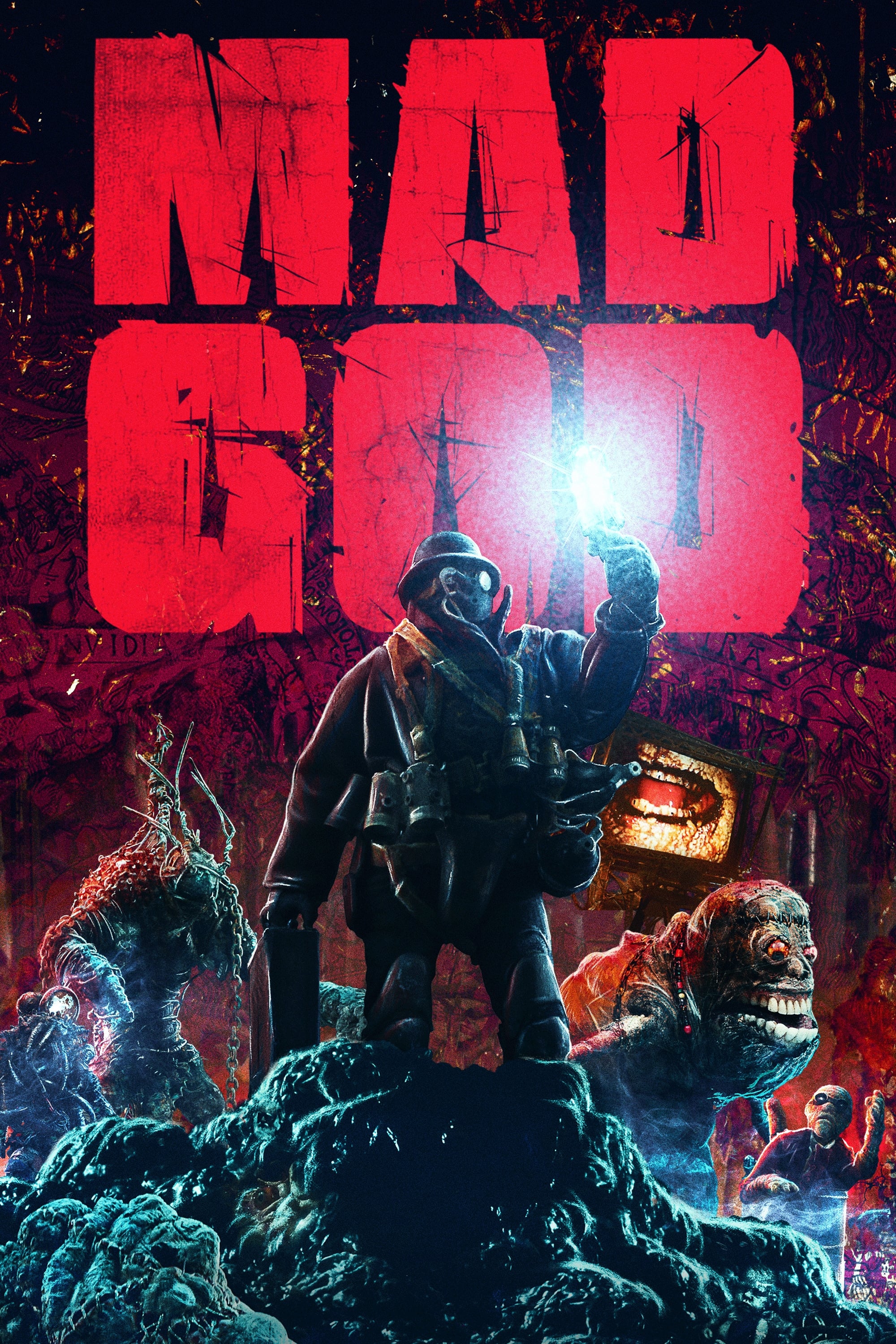
Mad God
Statistics
Popularity by Decade
Share of each decade's horror films classified as Animated. Counts films with at least 5 TMDB ratings, so very obscure titles are not represented.
Popularity by Country
Share of each country's horror output classified as Animated. Counts films with at least 5 TMDB ratings, so very obscure titles are not represented.