

Anthology
Films composed of multiple short horror stories, often connected by a framing device — a host, a place, a single night, a deck of cards. Anthology is horror's oldest narrative form, descended from the campfire and the ghost-story collection, finally adapted to the runtime of a feature.
History & Origins
Horror was born as an anthology genre. Before cinema, the form's natural unit was the short story — Poe's Tales of the Grotesque and Arabesque, M. R. James's ghost stories, the pulp horror magazines of the 1920s and 30s. When horror reached the feature film, it brought the short-story instinct with it. The portmanteau format — the academic name for an anthology — became the way Gothic short fiction reached the screen at all, since most original ghost stories were far too brief to sustain a feature on their own.
The form's first major film expression was Dead of Night (1945), Ealing Studios' five-story portmanteau bound by a recurring dream. The film's final segment — Michael Redgrave's ventriloquist dummy — established the killer-doll tradition single-handed, and the looping frame story prefigured every "did it really happen?" anthology ending that followed. The American Poe-adaptation tradition produced Roger Corman's Tales of Terror (1962) with Vincent Price playing three different doomed figures across three Poe stories. Italy's Mario Bava brought the form to color with Black Sabbath (1963), hosted by Boris Karloff and built from three contrasting tales — pure suspense, period Gothic, contemporary supernatural — that critic Roberto Curti identifies as epitomizing Italian Gothic's range. Japan's upmarket contribution arrived with Masaki Kobayashi's Kwaidan (1965), adapting four Lafcadio Hearn ghost stories with painterly studio compositions and total formal control. France extended the Poe lineage with Spirits of the Dead (1968), a trio directed by Roger Vadim, Louis Malle and Federico Fellini.
The 1960s and 70s saw a sustained wave of British anthology films from Amicus Productions, the studio Milton Subotsky and Max Rosenberg built as a deliberate alternative to Hammer — where Hammer trafficked in period Gothic and never used the format, Amicus made anthology its specialty and set most of its films in the present day. Dr. Terror's House of Horrors (1965) launched the cycle; what followed was an extraordinary decade-long run: Torture Garden (1967), The House That Dripped Blood (1971), Asylum (1972), Tales from the Crypt (1972), The Vault of Horror (1973), and From Beyond the Grave (1974). The framing devices — a fortune teller, a hellish basement, a dead-souls processing room — strung together EC Comics-style "twist of fate" stories that ran too short for individual features and benefited from recurring Hammer stars Peter Cushing and Christopher Lee playing across the cycle.
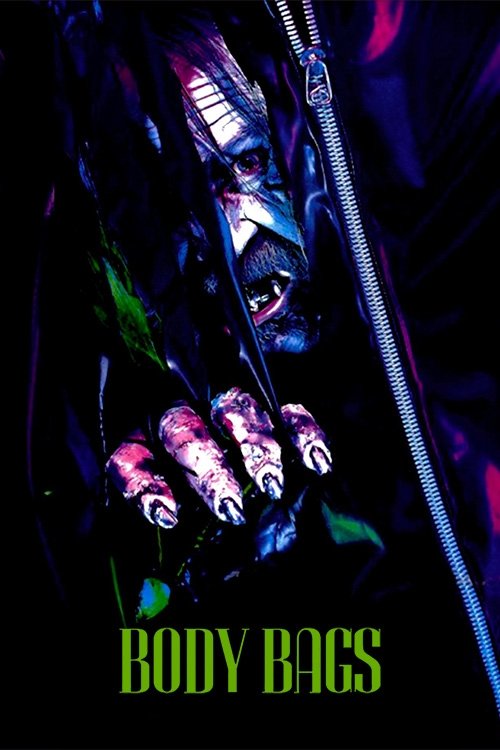
The 1980s American revival came through Stephen King. George A. Romero's Creepshow (1982), with King's original screenplay, was a frank tribute to the EC Comics horror titles both filmmakers had grown up reading — Tales from the Crypt, Vault of Horror, Haunt of Fear. Twilight Zone: The Movie (1983) translated Rod Serling's television anthology to the big screen with four directors (John Landis, Steven Spielberg, Joe Dante, George Miller) taking a segment each. Cat's Eye (1985) adapted three King stories around a wandering cat. John Carpenter and Tobe Hooper brought the format to cable television with Body Bags (1993), Carpenter directing two segments and Hooper one.
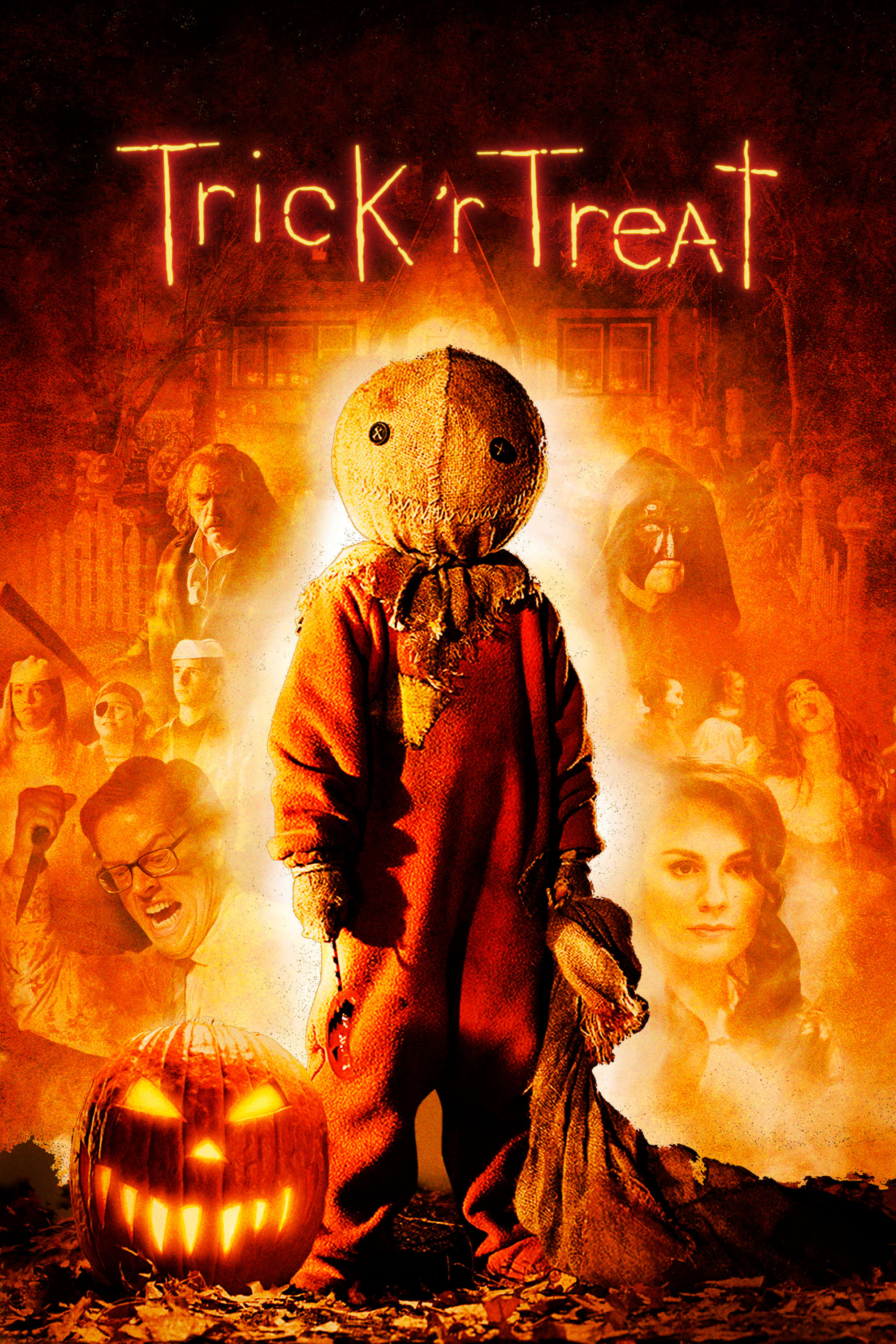
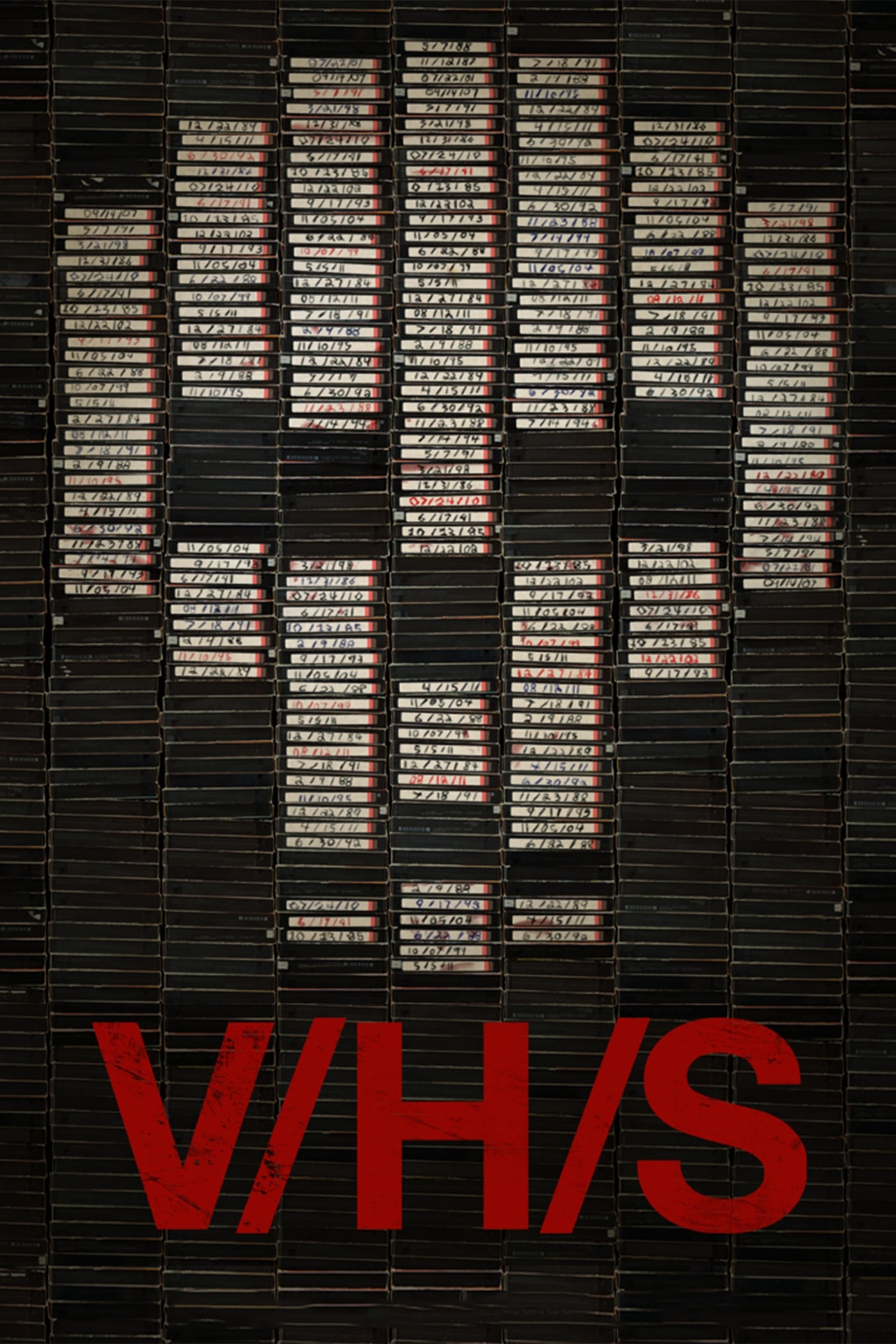
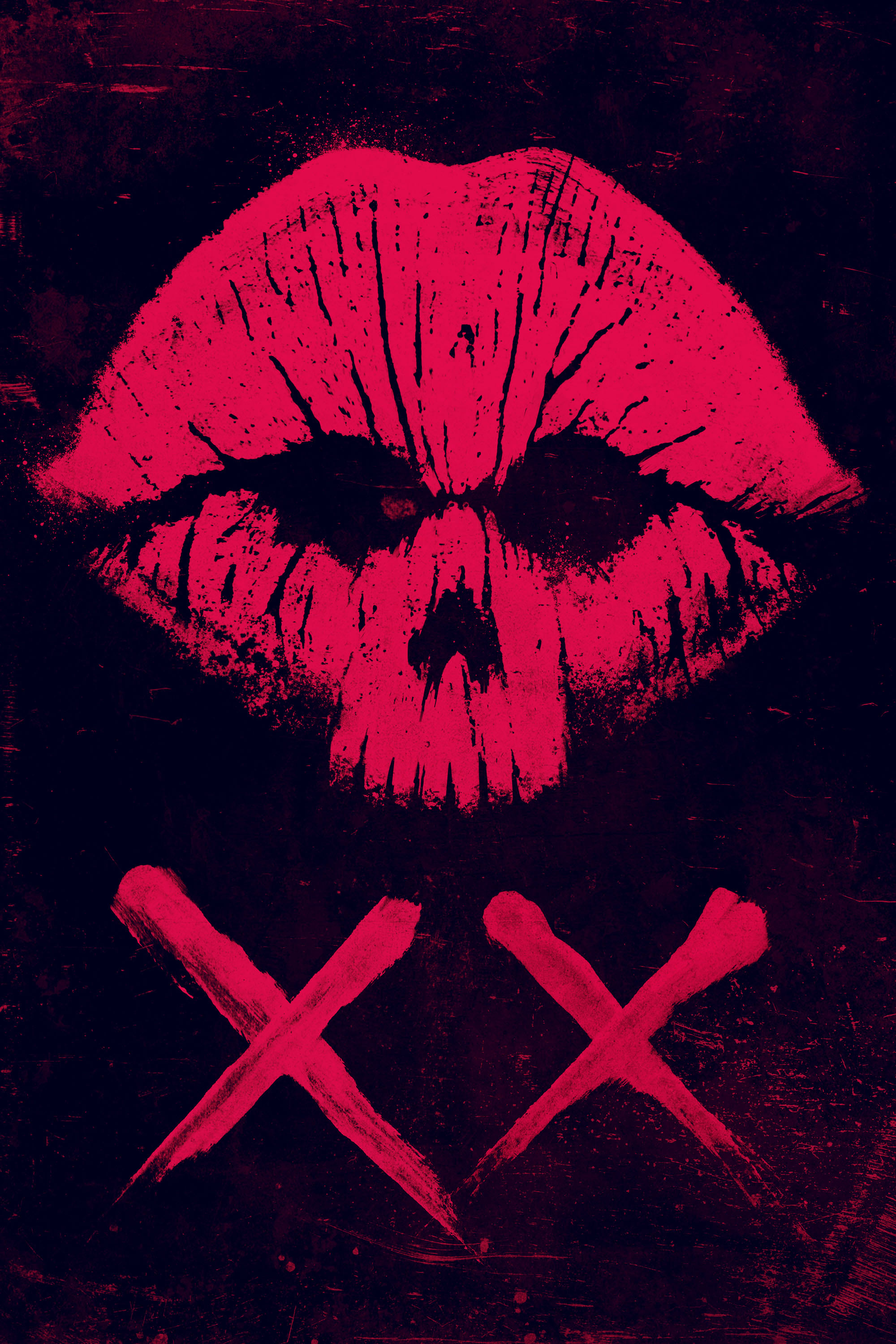
The form found new life in the 2000s. The pan-Asian Three... Extremes (2004) — featuring Fruit Chan, Park Chan-wook and Takashi Miike — brought the anthology to global art-horror audiences. Michael Dougherty's Trick 'r Treat (2007) reset the form as five interwoven Halloween-night stories sharing the same time and town, with a small cloaked figure named Sam tying them together visually. V/H/S (2012) married anthology to found footage and launched the careers of an entire directing collective — Matt Bettinelli-Olpin and Tyler Gillett (later Radio Silence), Adam Wingard, David Bruckner, Ti West. The wave that followed used the format as both directorial showcase and economic structure: The ABCs of Death (2013) commissioned twenty-six directors to make one short each, Southbound (2015) reunited the V/H/S team, and XX (2017) gathered four female directors — Roxanne Benjamin, Karyn Kusama, St. Vincent and Jovanka Vuckovic — for the format's first explicitly female-directed entry. Anthology survives because horror, more than any other genre, rewards concentration over expansion.
Sources: Roberto Curti, Italian Gothic Horror Films, 1957–1969 (2015).
Essential Films
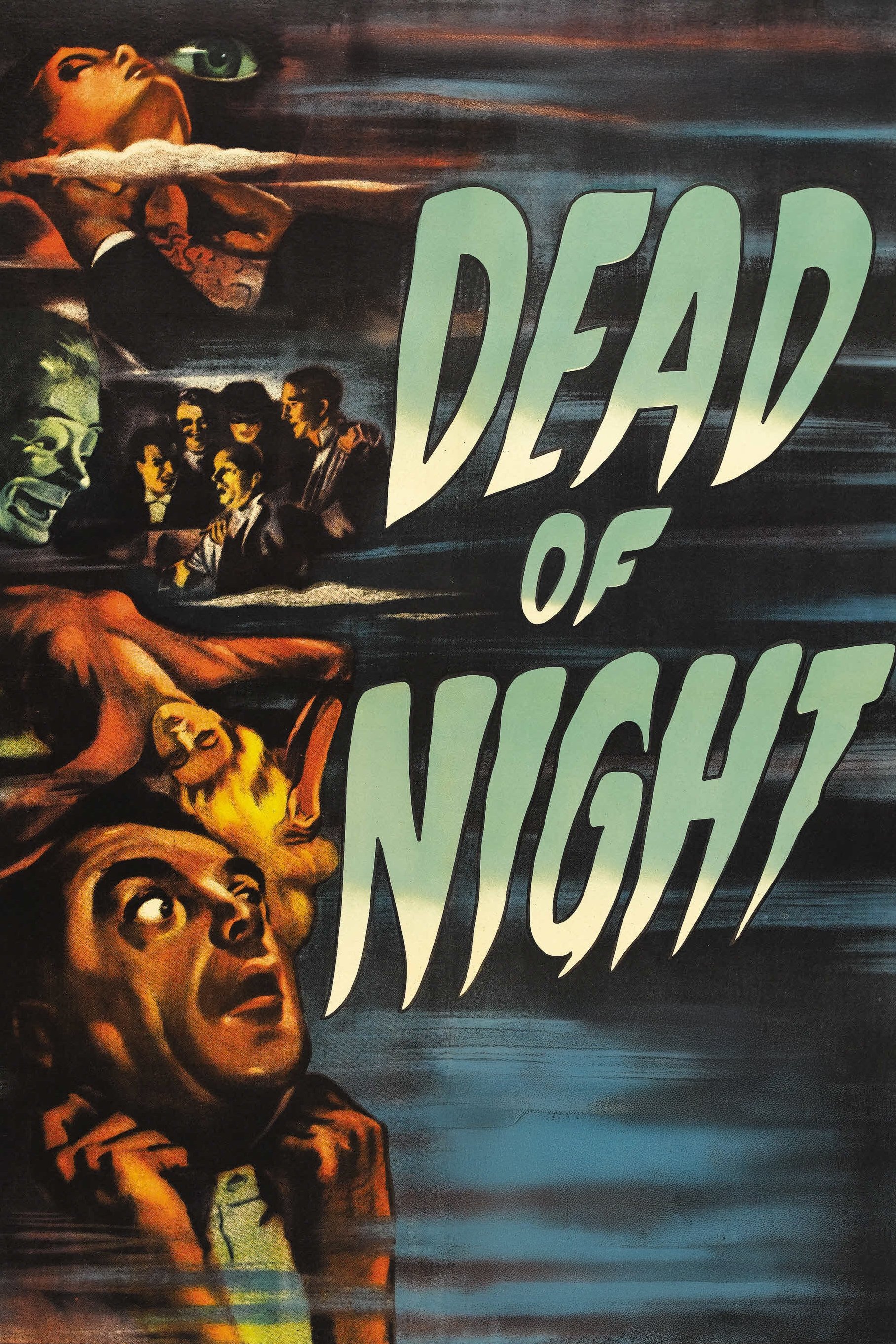
Dead of Night
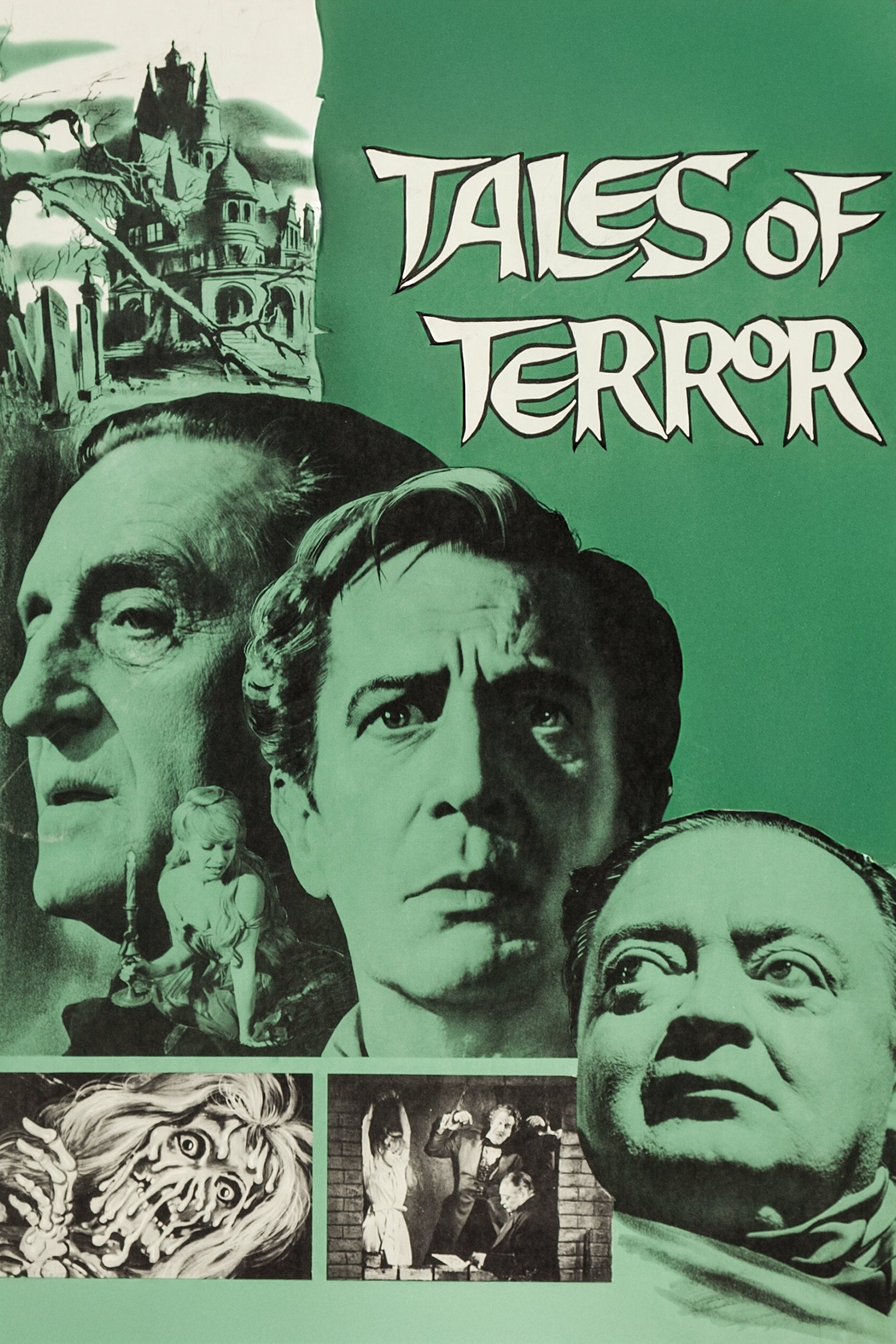
Tales of Terror
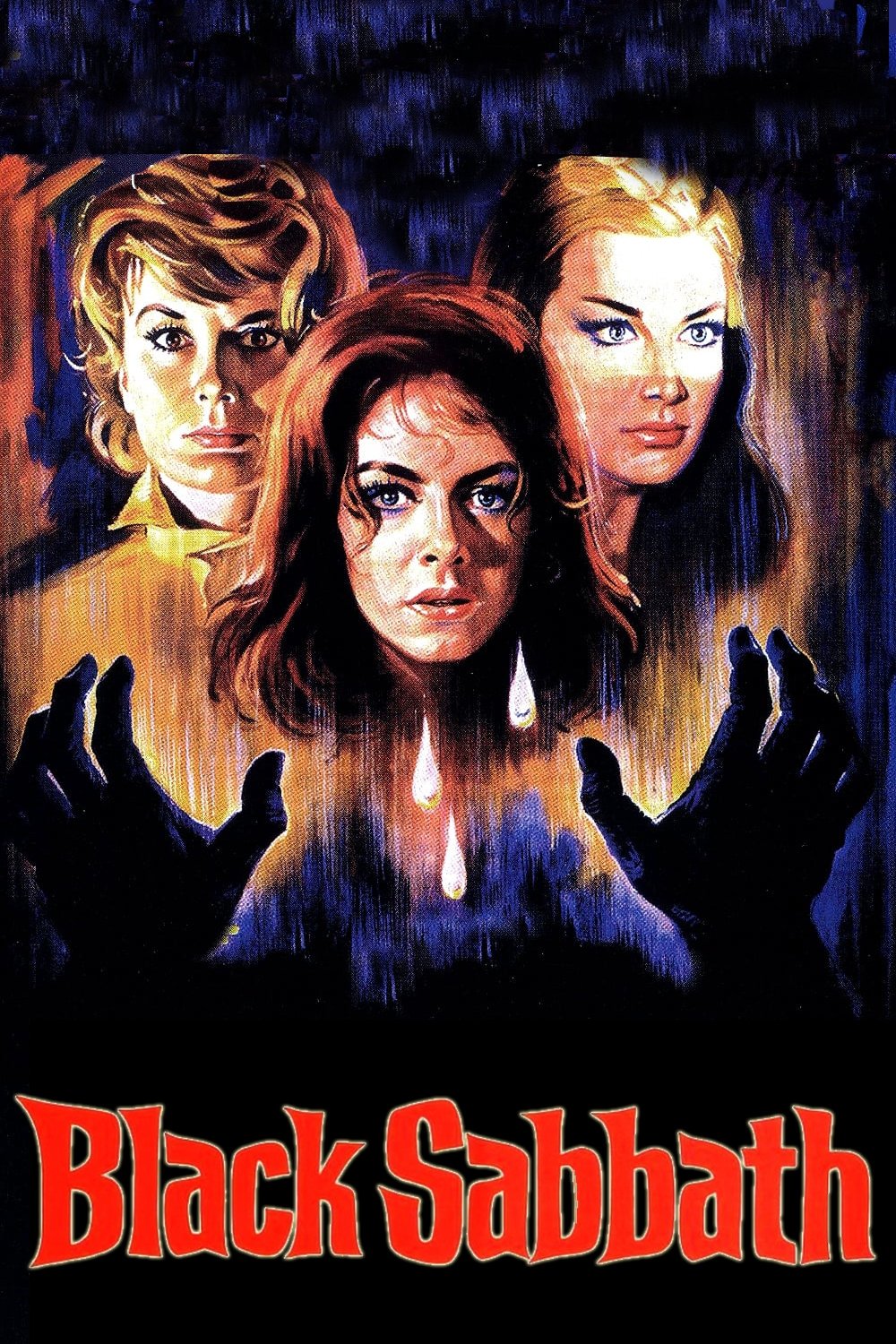
Black Sabbath

Kwaidan

Torture Garden
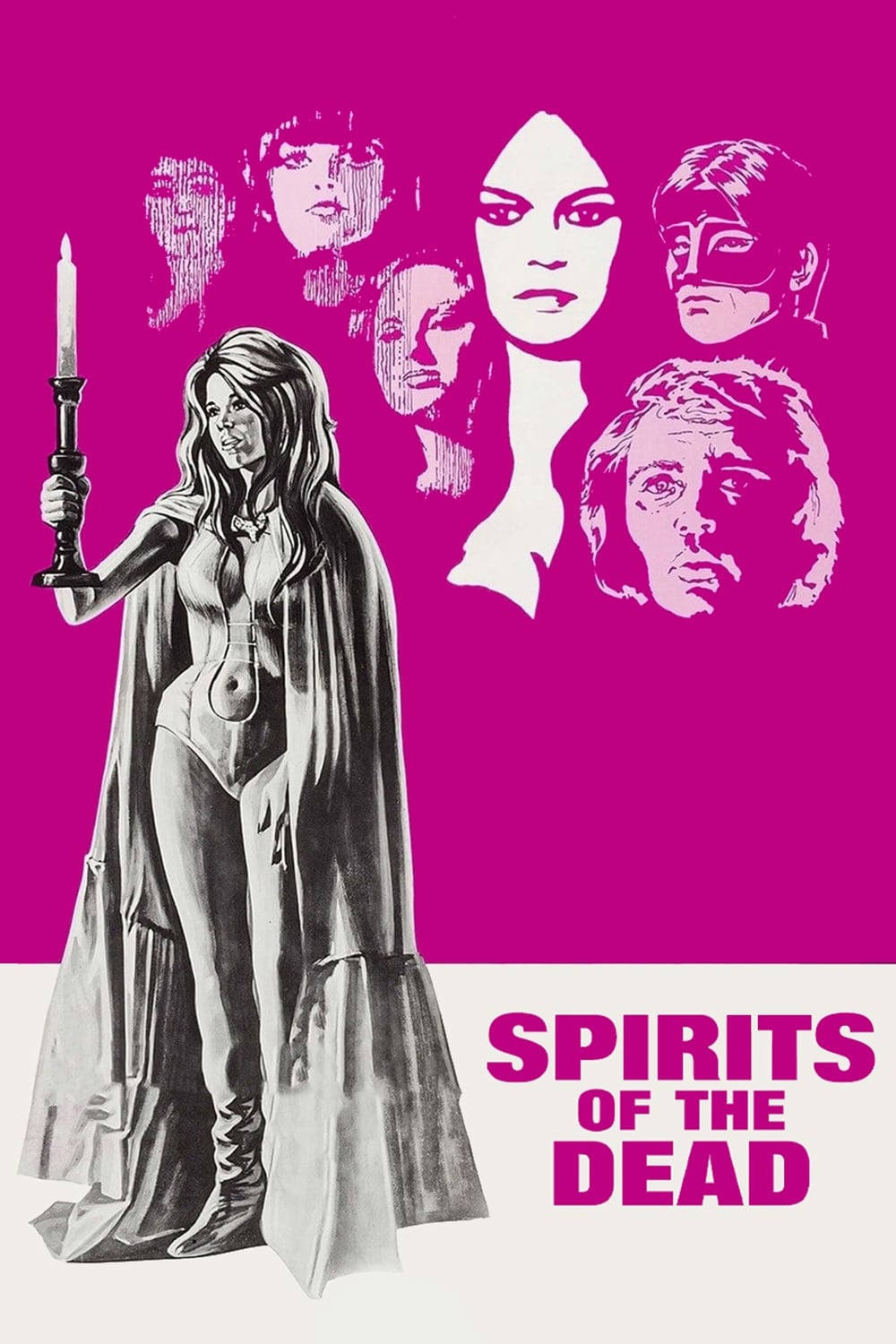
Spirits of the Dead
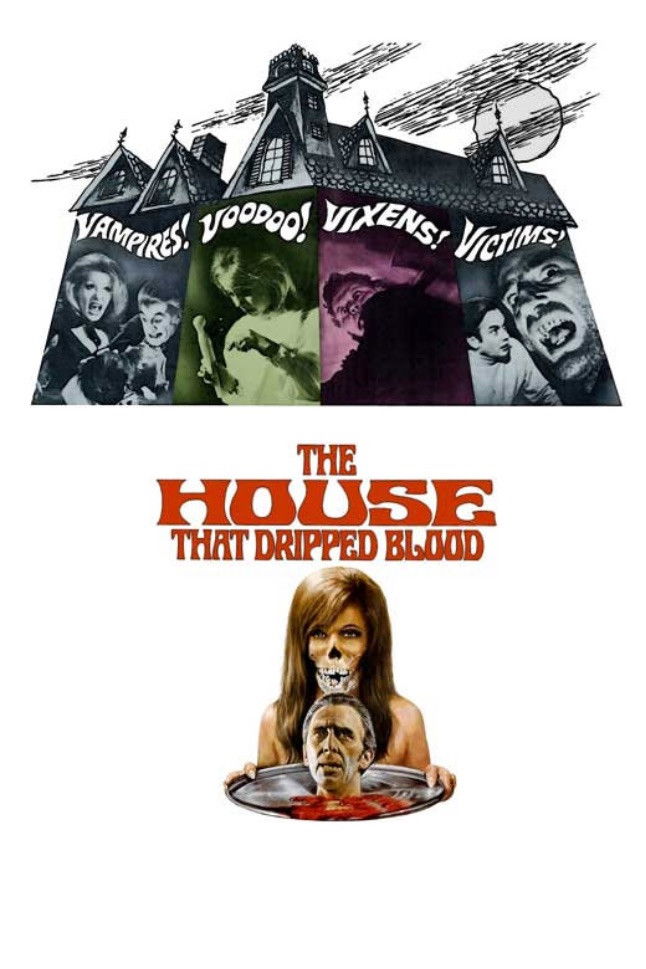
The House That Dripped Blood
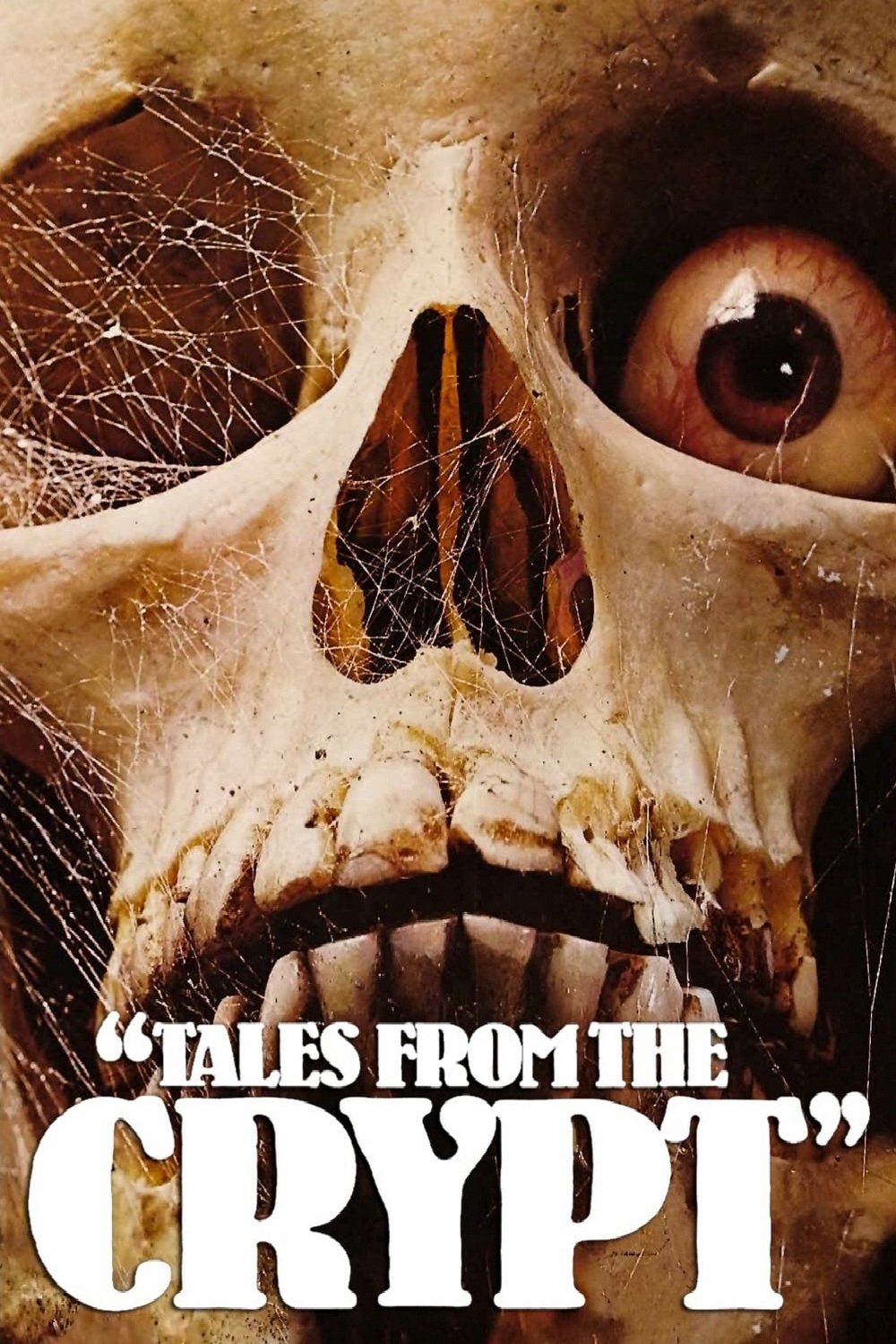
Tales from the Crypt
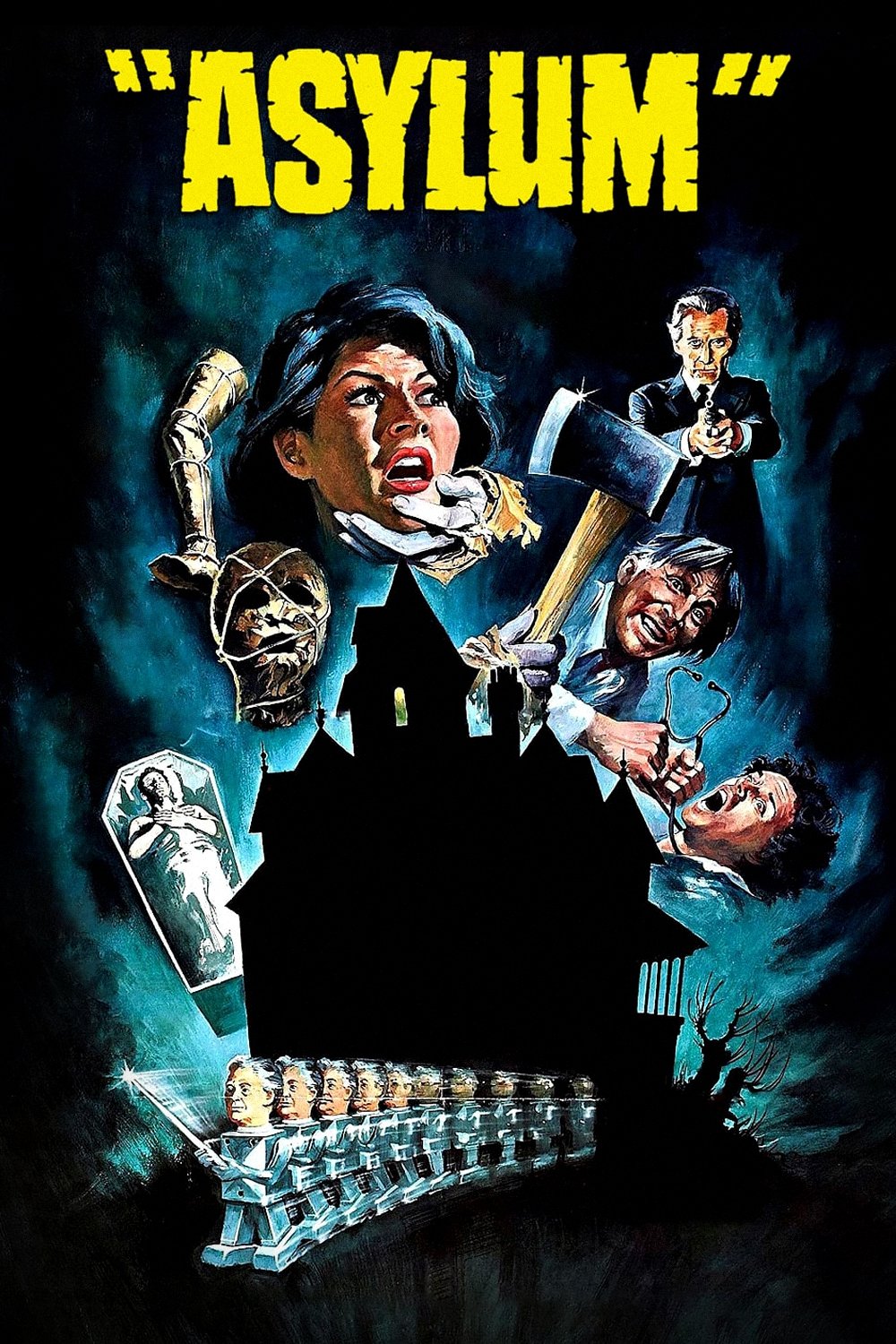
Asylum
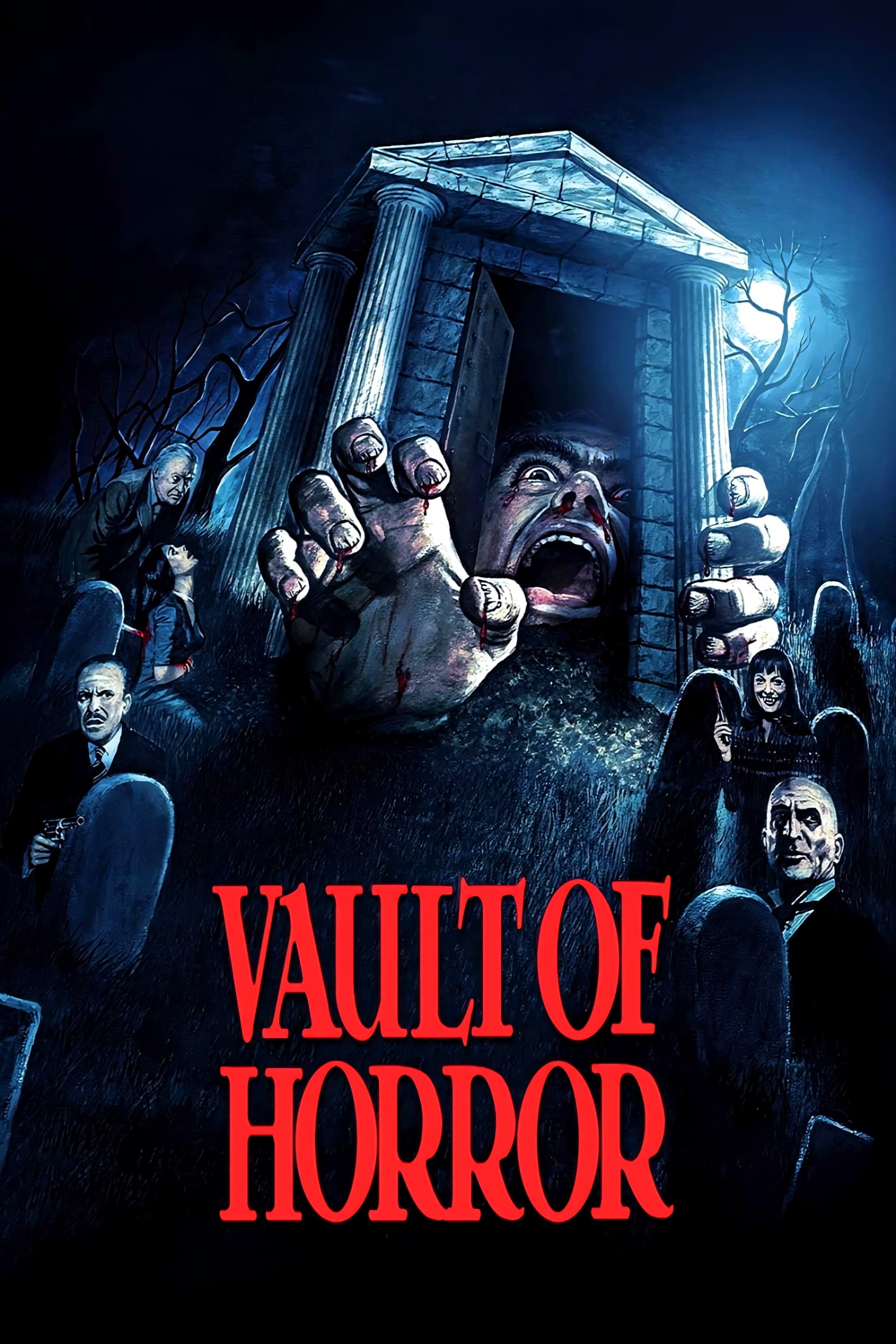
The Vault of Horror
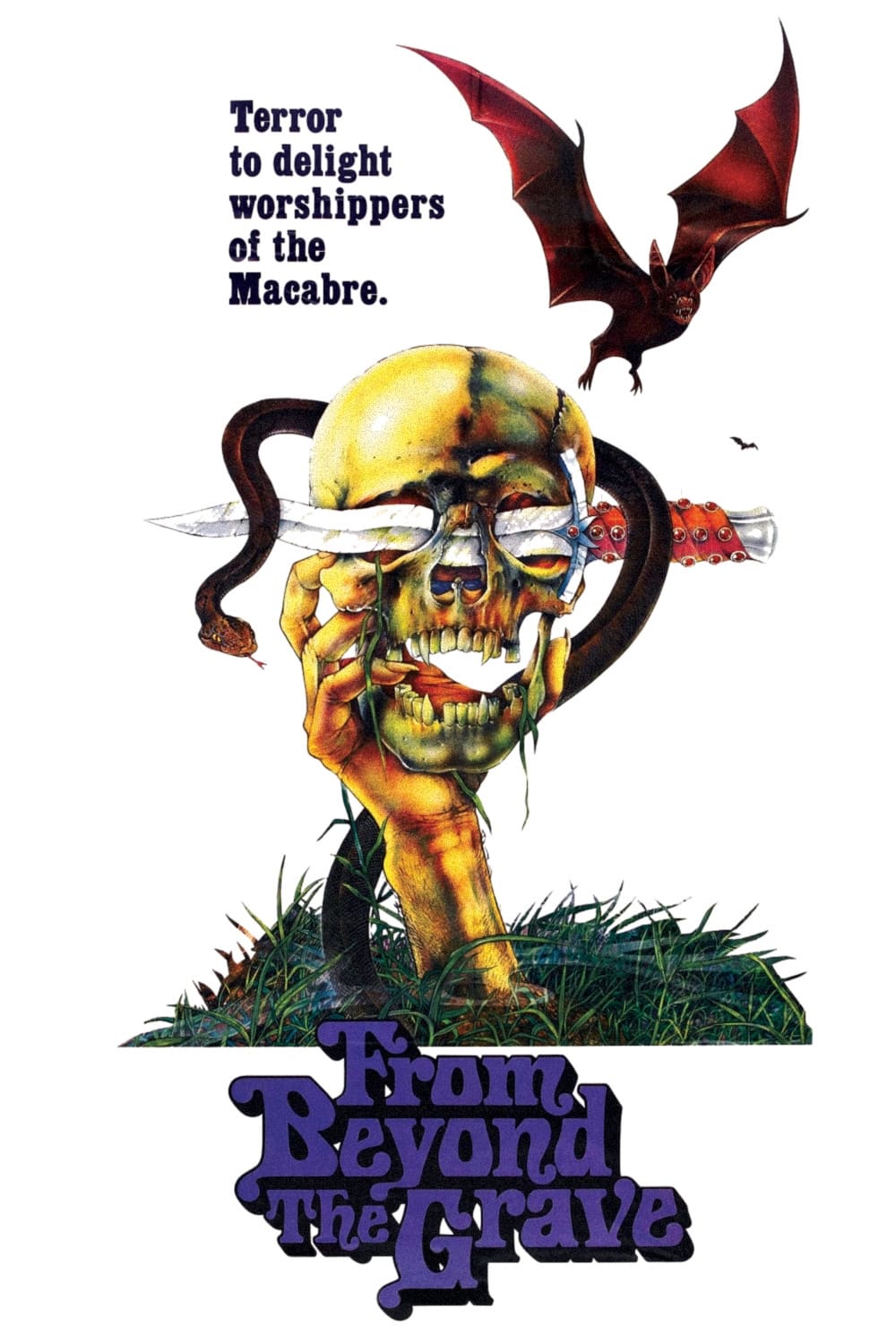
From Beyond the Grave
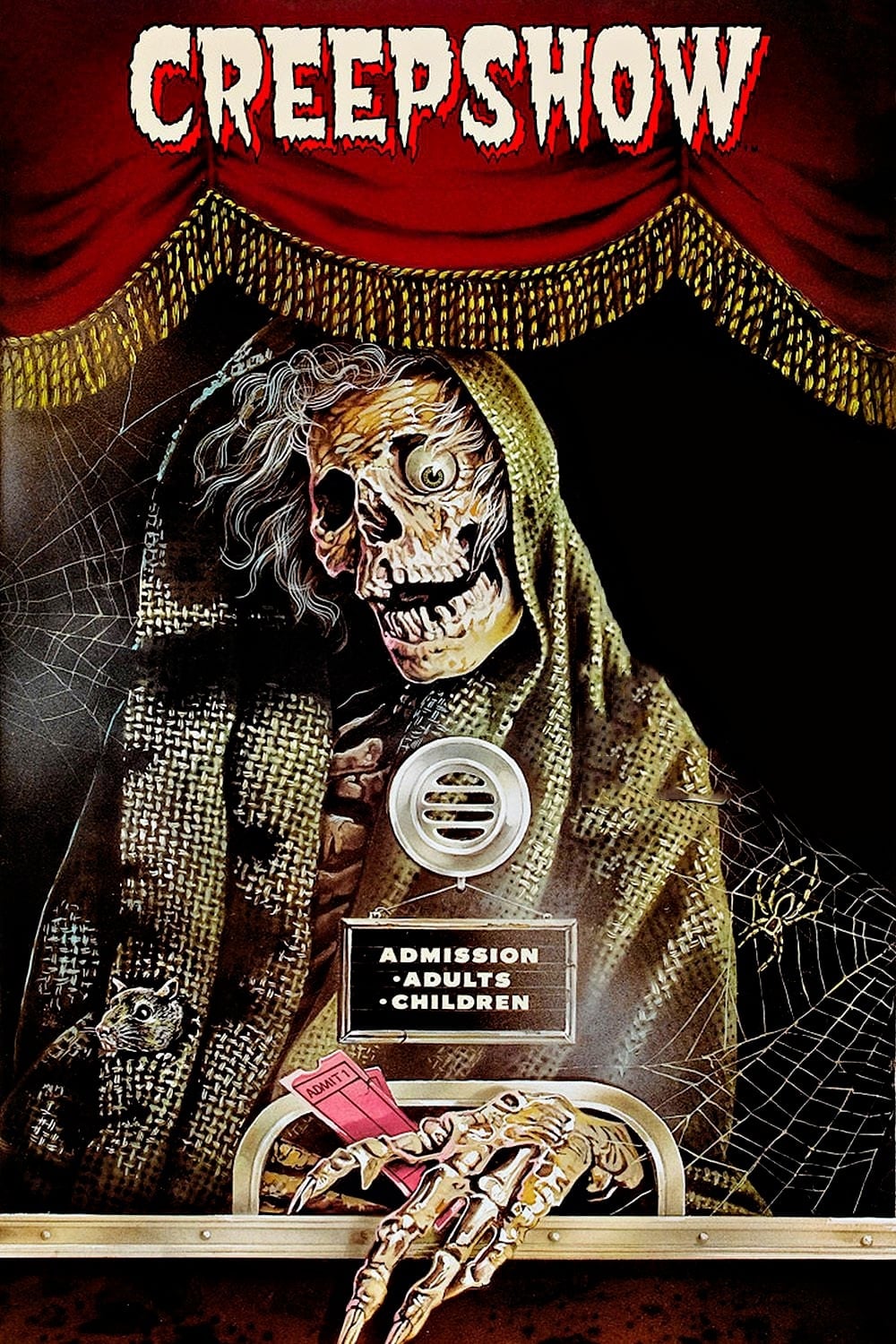
Creepshow
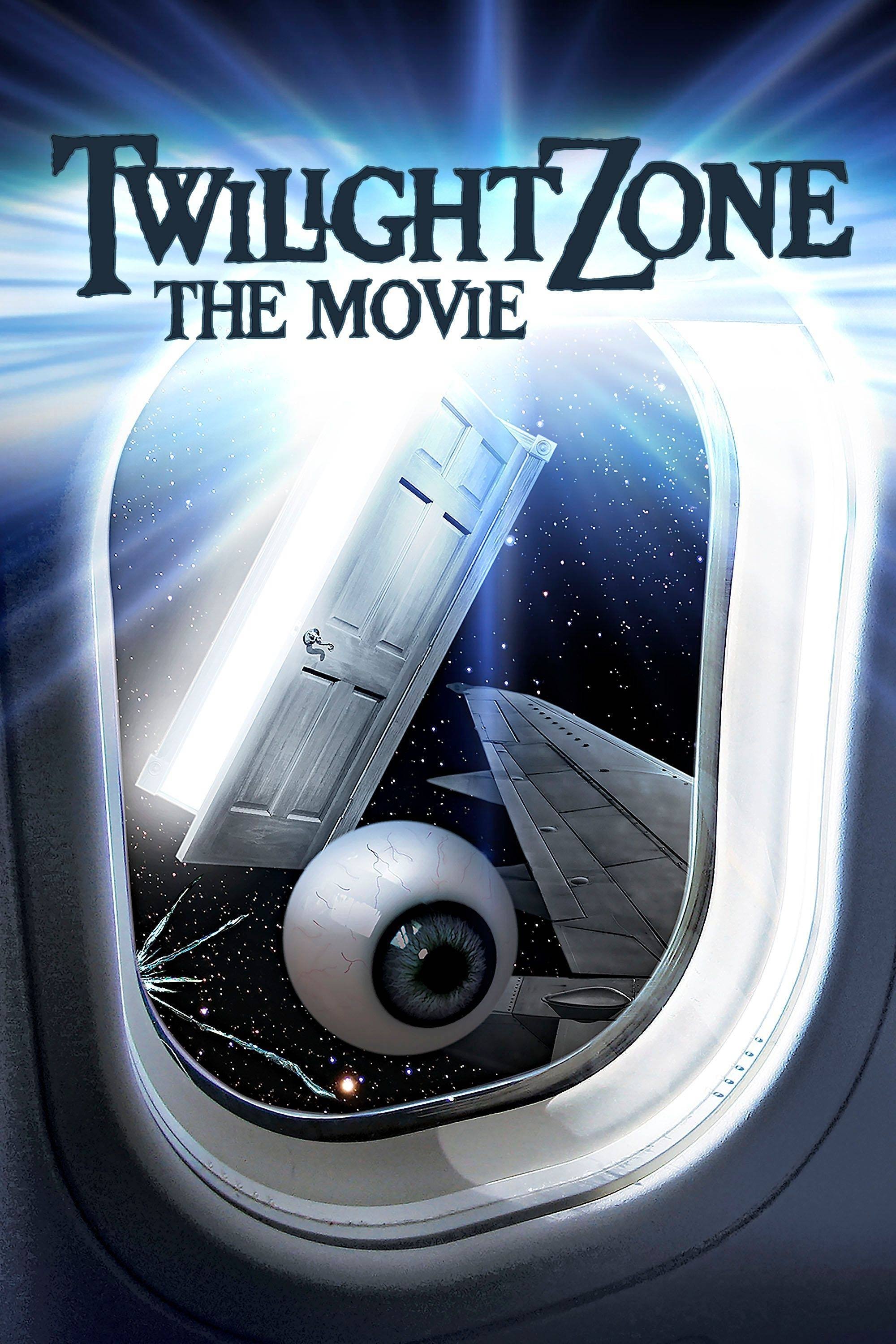
Twilight Zone: The Movie
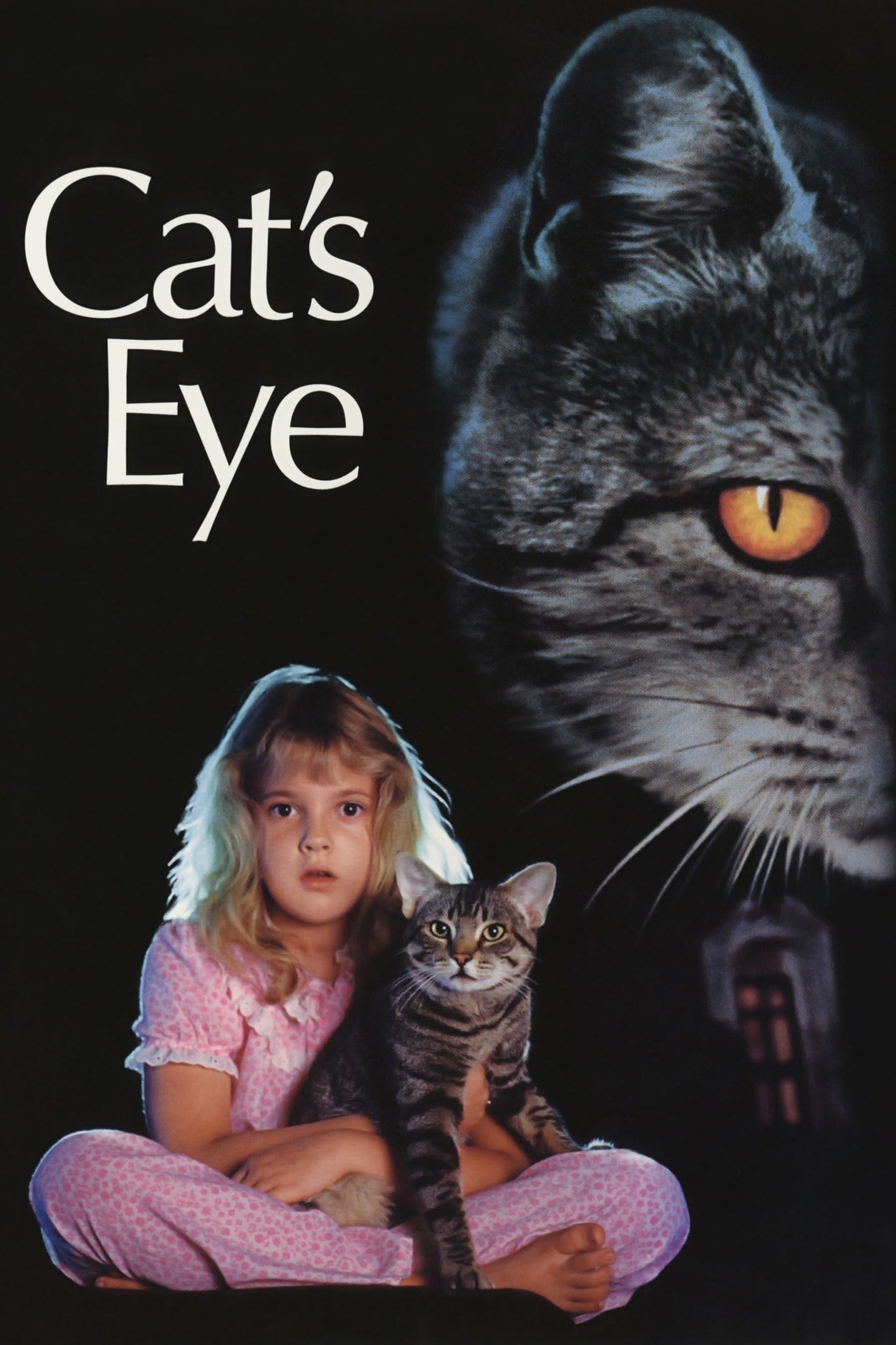
Cat's Eye
Body Bags

Three... Extremes
Trick 'r Treat
V/H/S

Southbound
XX
Statistics
Popularity by Decade
Share of each decade's horror films classified as Anthology. Counts films with at least 5 TMDB ratings, so very obscure titles are not represented.
Popularity by Country
Share of each country's horror output classified as Anthology. Counts films with at least 5 TMDB ratings, so very obscure titles are not represented.