

Documentary
Non-fiction films about horror — the genre's history, its makers, its fans, its franchises, the true crimes that fed it. Where horror cinema looks at the dark, horror documentary looks at horror cinema, building a self-reflexive archive that took the form a century to start assembling.
History & Origins
The horror documentary is a relatively recent invention, born when the genre had accumulated enough history to be worth examining. For its first century, horror was a tradition lived but rarely documented. Critics dismissed the genre as disreputable; mainstream filmmakers ignored it; even horror's own audience was often too preoccupied with the next film to look back at where the form had been. The horror documentary emerged when those audiences began to age into archivists.
A precursor tradition existed but went a different direction. The mondo film or "shockumentary" — beginning with the Italian Mondo Cane (1962) and reaching its commercial extreme in Faces of Death (1978) — presented itself as global travelogue documentary while actually trafficking in staged or repurposed atrocity footage. As David Kerekes and David Slater catalogued in Killing for Culture, the mondo wave's real purpose was "to shock, titillate and entertain" rather than to record. The contemporary horror documentary defined itself partly by contrast: where mondo asked the viewer to gawk, the modern form asks them to look back, to take stock of a genre worth archiving.
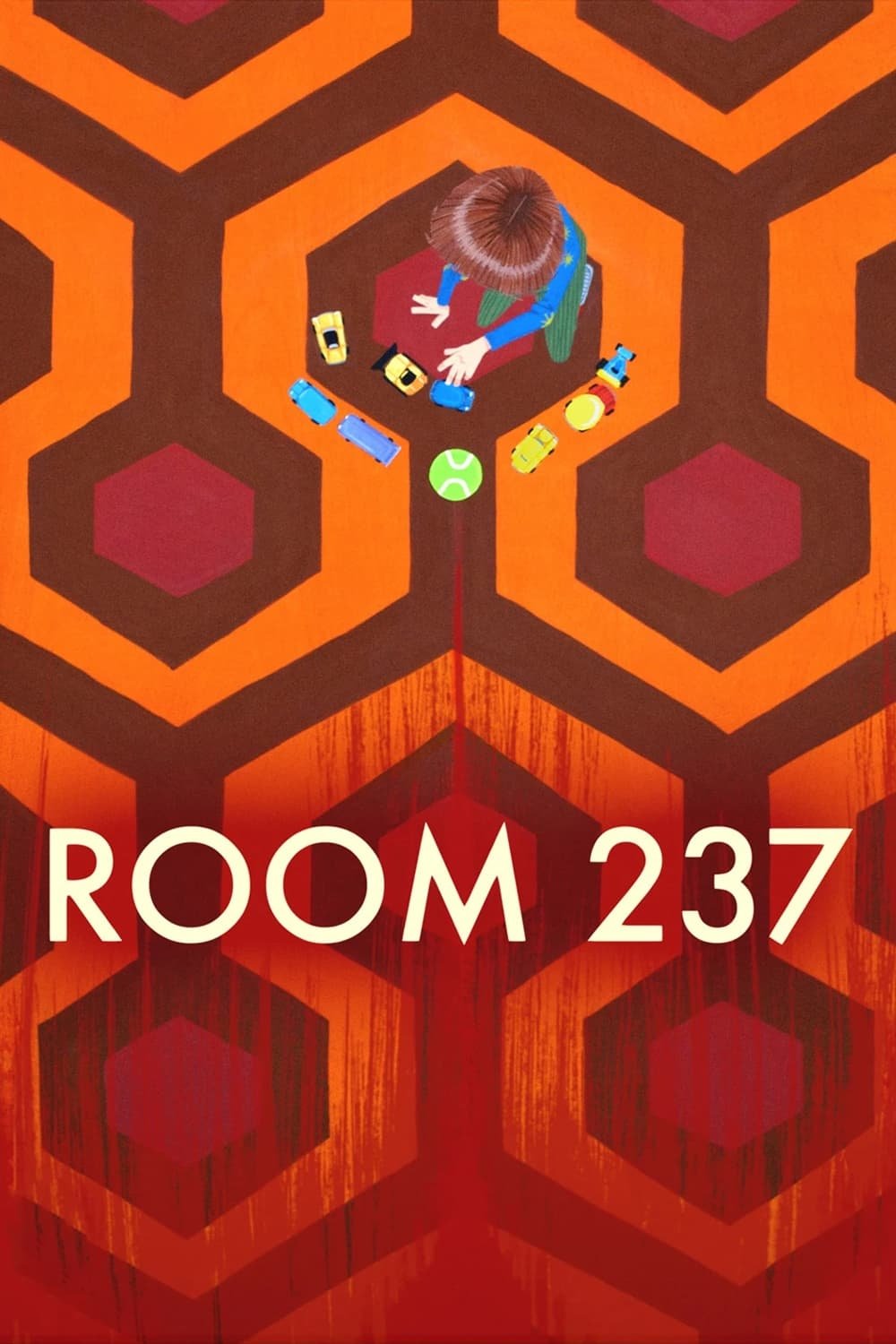
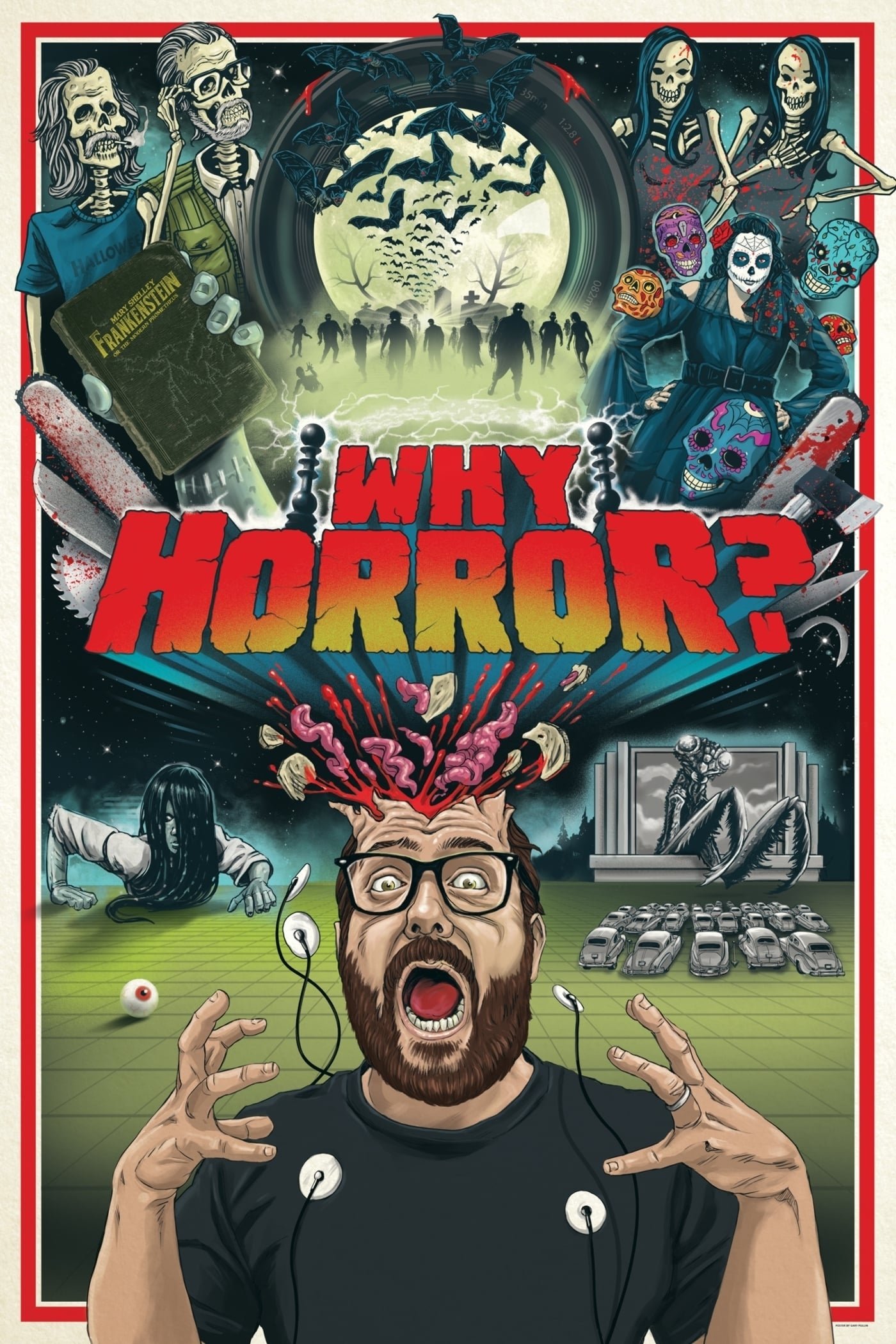
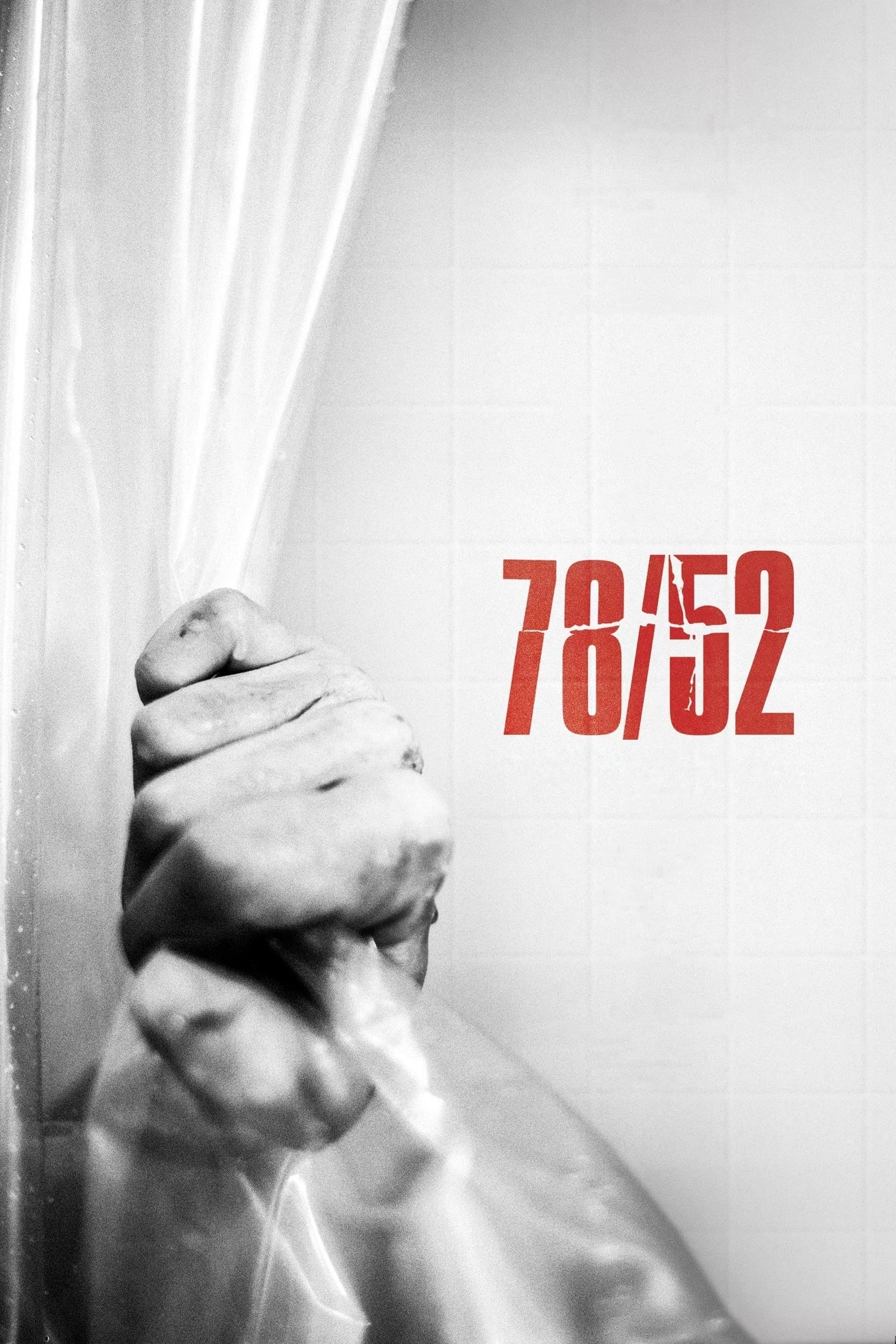
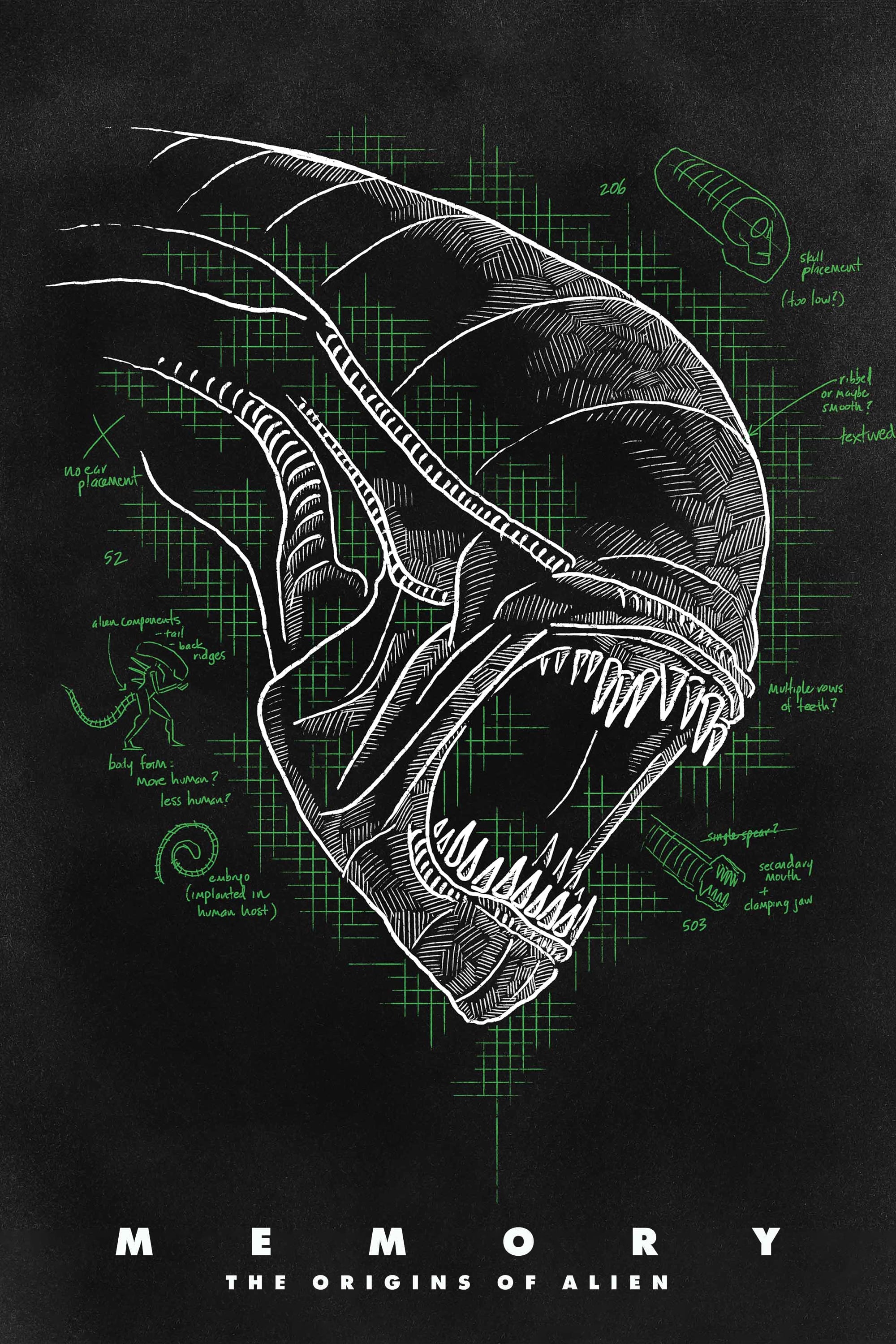
The retrospective documentary's two principal modes emerged in the 2000s. The first is critical retrospective — documentary as film history. Adam Simon's The American Nightmare (2000) framed the great 1970s American horror cycle (Romero, Hooper, Craven, Cronenberg) as a response to Vietnam and Watergate, treating horror as a serious cinematic tradition equal to the New Hollywood with which it overlapped. Jeff McQueen's Going to Pieces: The Rise and Fall of the Slasher Film (2006) traced the slasher's commercial arc; Andrew Monument's Nightmares in Red, White and Blue (2009) extended the cultural-history thesis to span the full American century. Doc of the Dead (2014) surveyed the zombie boom; Why Horror? (2014) took the framing global. Alexandre O. Philippe's 78/52 (2017) and Memory: The Origins of Alien (2019) adapted the form to single-canonical-scene close reading, and Rodney Ascher's Room 237 (2012) pushed the close-reading register toward critical paranoia. Horror Noire (2021), adapted from Robin R. Means Coleman's academic book, treated Black horror cinema as a distinct century-long tradition with its own canon.
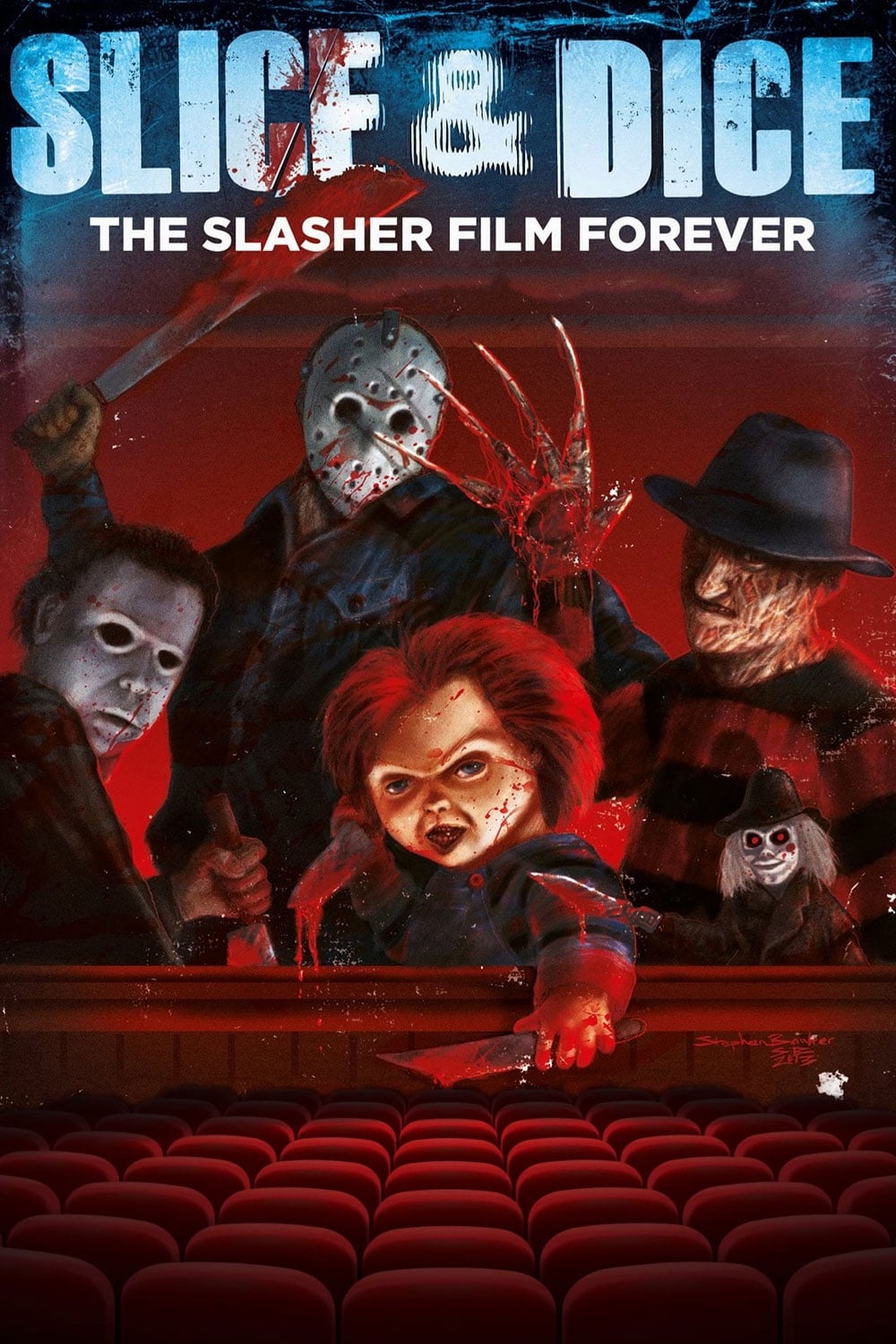
The second mode is the franchise retrospective. Daniel Farrands's Never Sleep Again: The Elm Street Legacy (2010) and His Name Was Jason: 30 Years of Friday the 13th (2010) treated the 1980s American slasher cycles as cultural objects worth the same archival attention given to The Godfather or Star Wars — four-hour talking-head epics built from interviews with every surviving cast and crew member. Pennywise: The Story of 'It' (2021) chronicled the production of the 1990 Stephen King adaptation; Halloween: 25 Years of Terror (2006) and Slice and Dice: The Slasher Film Forever (2012) extended the same archival thoroughness across other 1980s landmarks. The disaster-of-production documentary became its own subgenre with David Gregory's Lost Soul: The Doomed Journey of Richard Stanley's Island of Dr. Moreau (2014), and the practitioner-filmmaking strand reaches back to Roy Frumkes's Document of the Dead (1981), an evolving on-set portrait of George A. Romero begun during Dawn of the Dead and updated for decades.
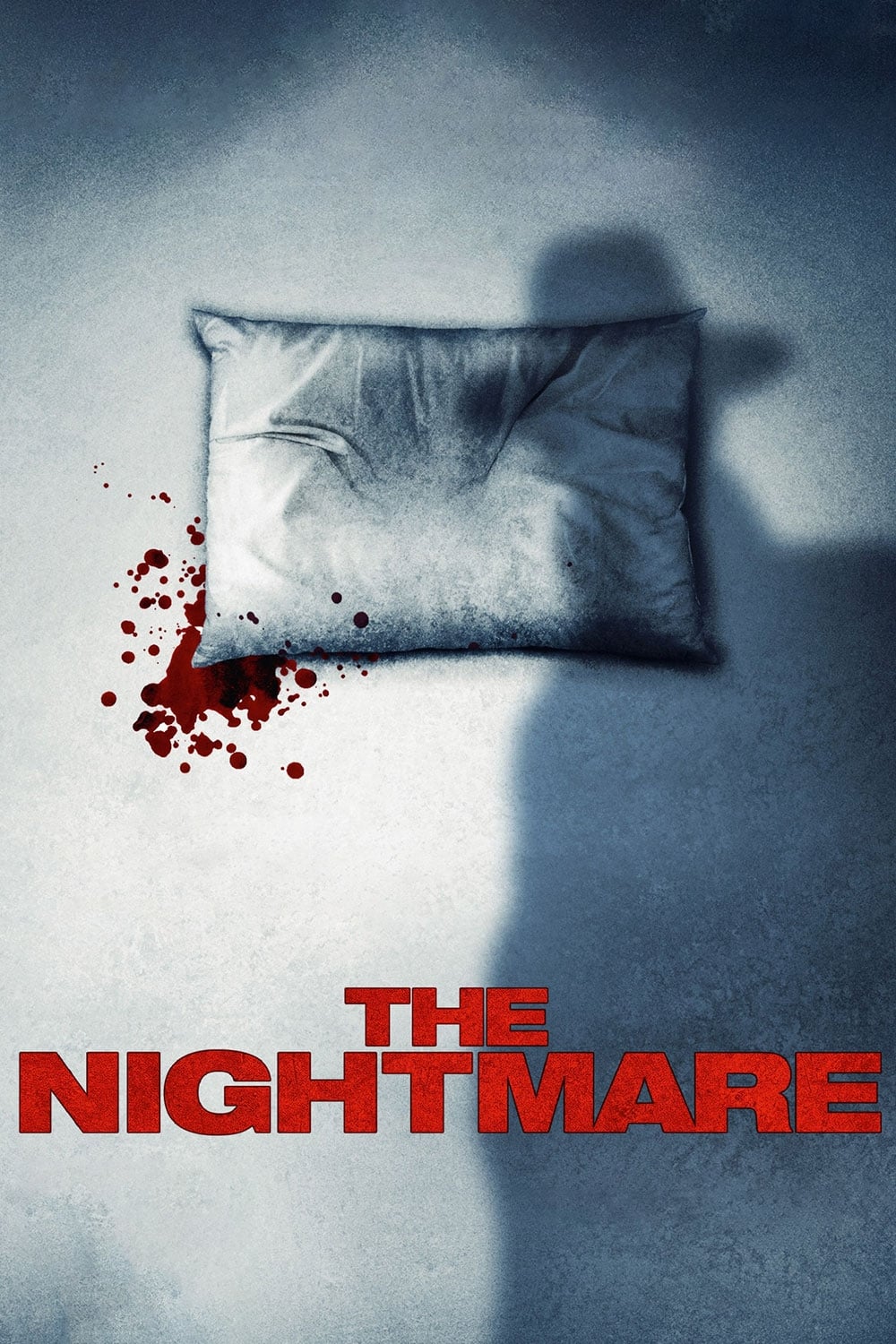
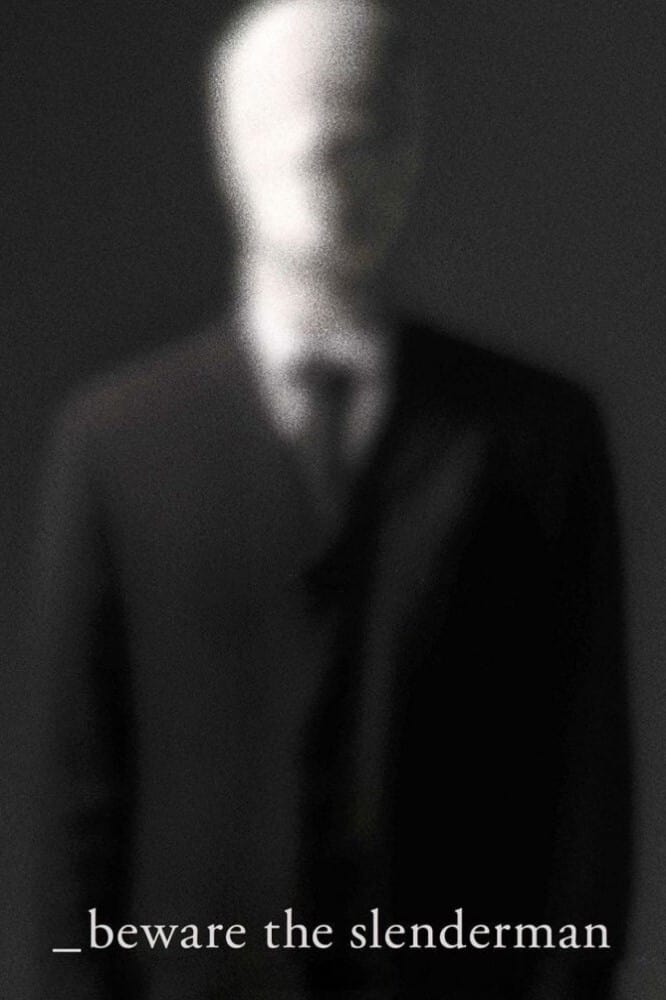
A third strand — horror-adjacent true crime — overlaps with the genre at the level of subject matter. Cropsey (2009) investigates an unsolved series of child disappearances in Staten Island that became local folklore. Beware the Slenderman (2016) traces a fictional internet horror figure to a real-world act of violence. The Nightmare (2015), Rodney Ascher's follow-up to Room 237, dramatized the testimony of sleep paralysis sufferers as a horror film in everything but framing. These documentaries are nominally non-fiction but operate by horror's rules — building dread through limited information, hinting at evil without explaining it away.
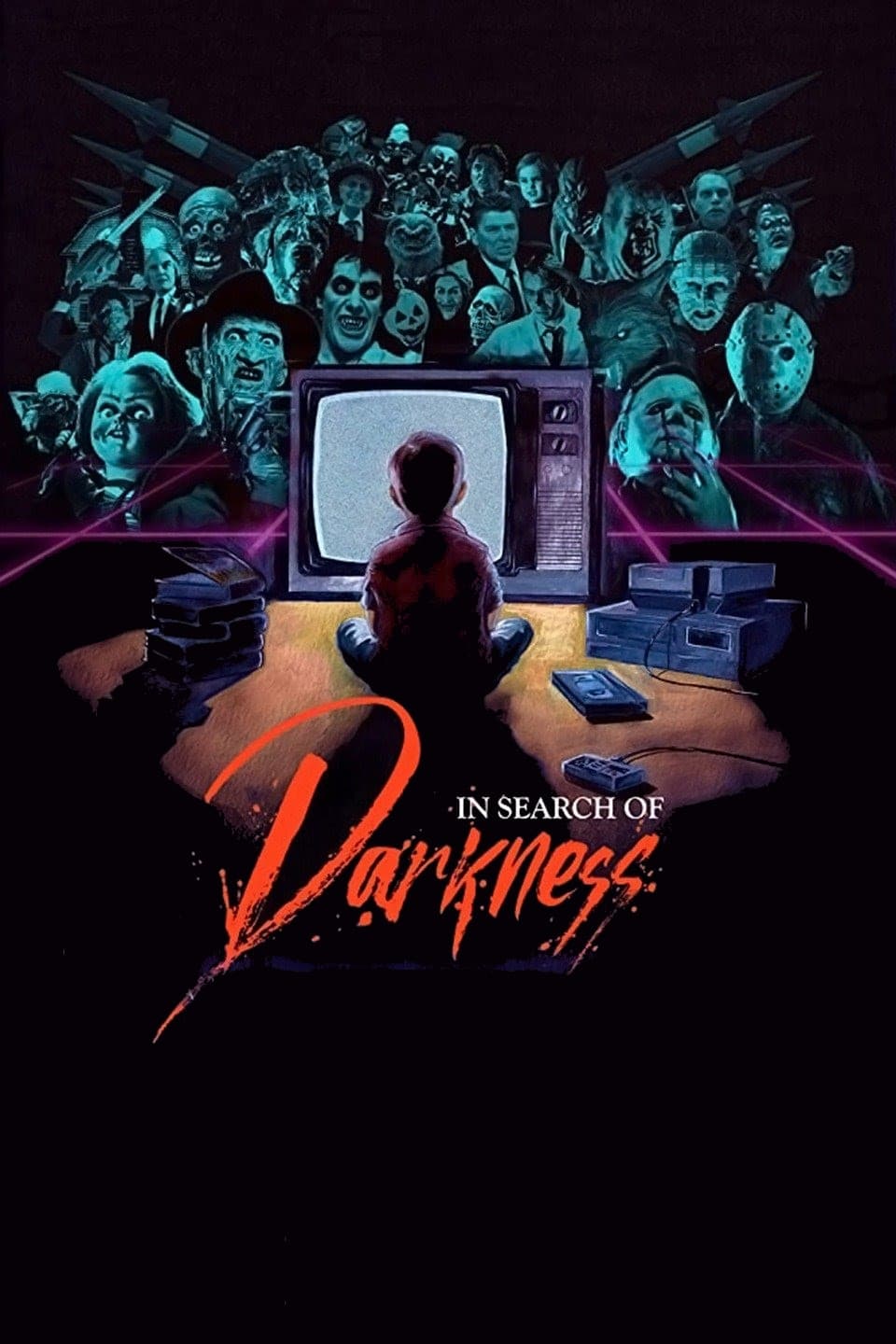
The category is still young, and what counts as horror documentary is contested. Most contemporary horror documentaries are produced by independent boutique labels — Severin, Arrow, Shout Factory, Vinegar Syndrome — for whom the genre's history is their market; In Search of Darkness (2019)'s four-hour 1980s-survey crowdfunded run is the form's clearest commercial template. The horror documentary's emergence is, in some sense, evidence that horror has won: the genre has accumulated enough institutional memory to be worth documenting on its own terms.
Sources: David Kerekes and David Slater, Killing for Culture.
Essential Films
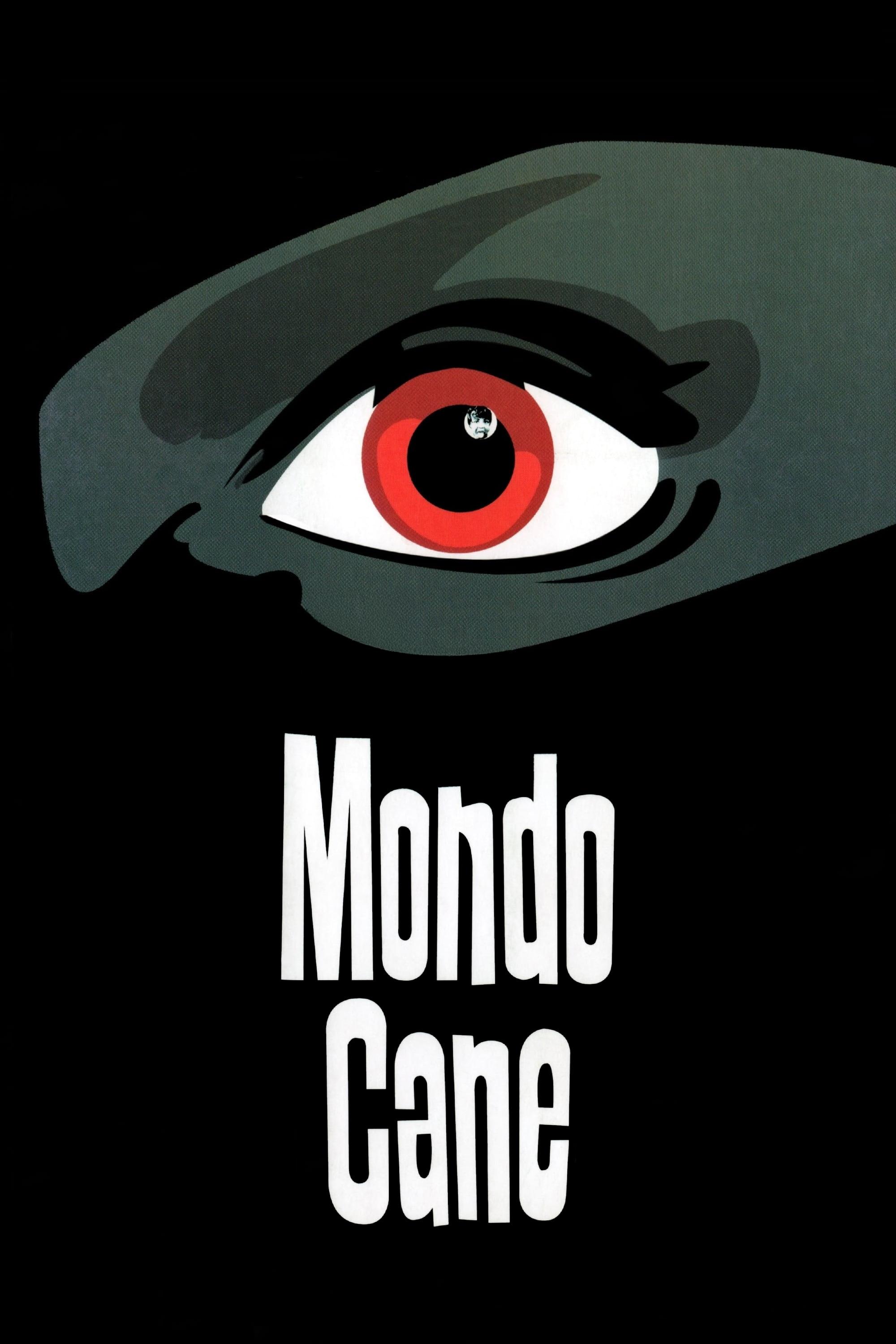
Mondo Cane
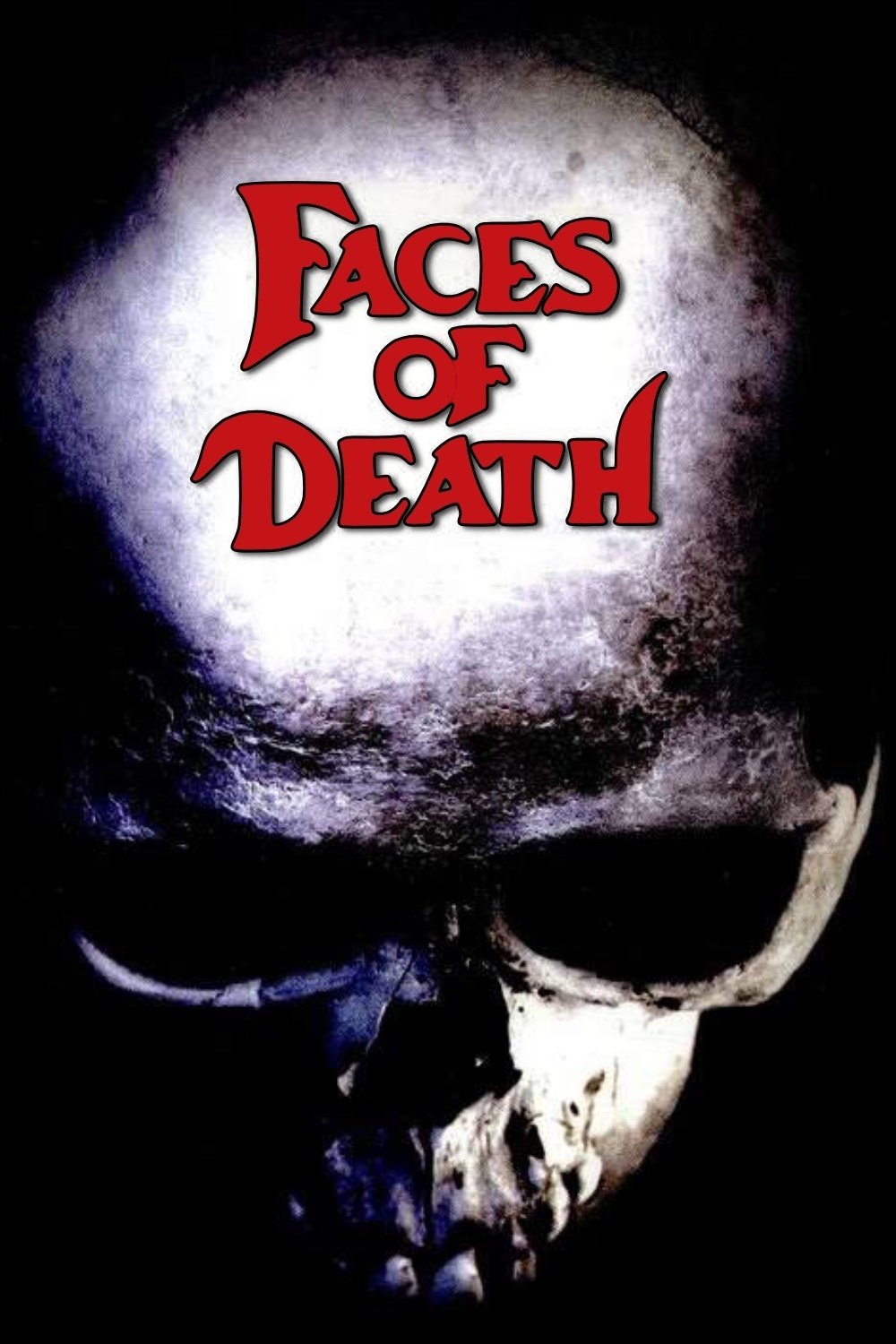
Faces of Death
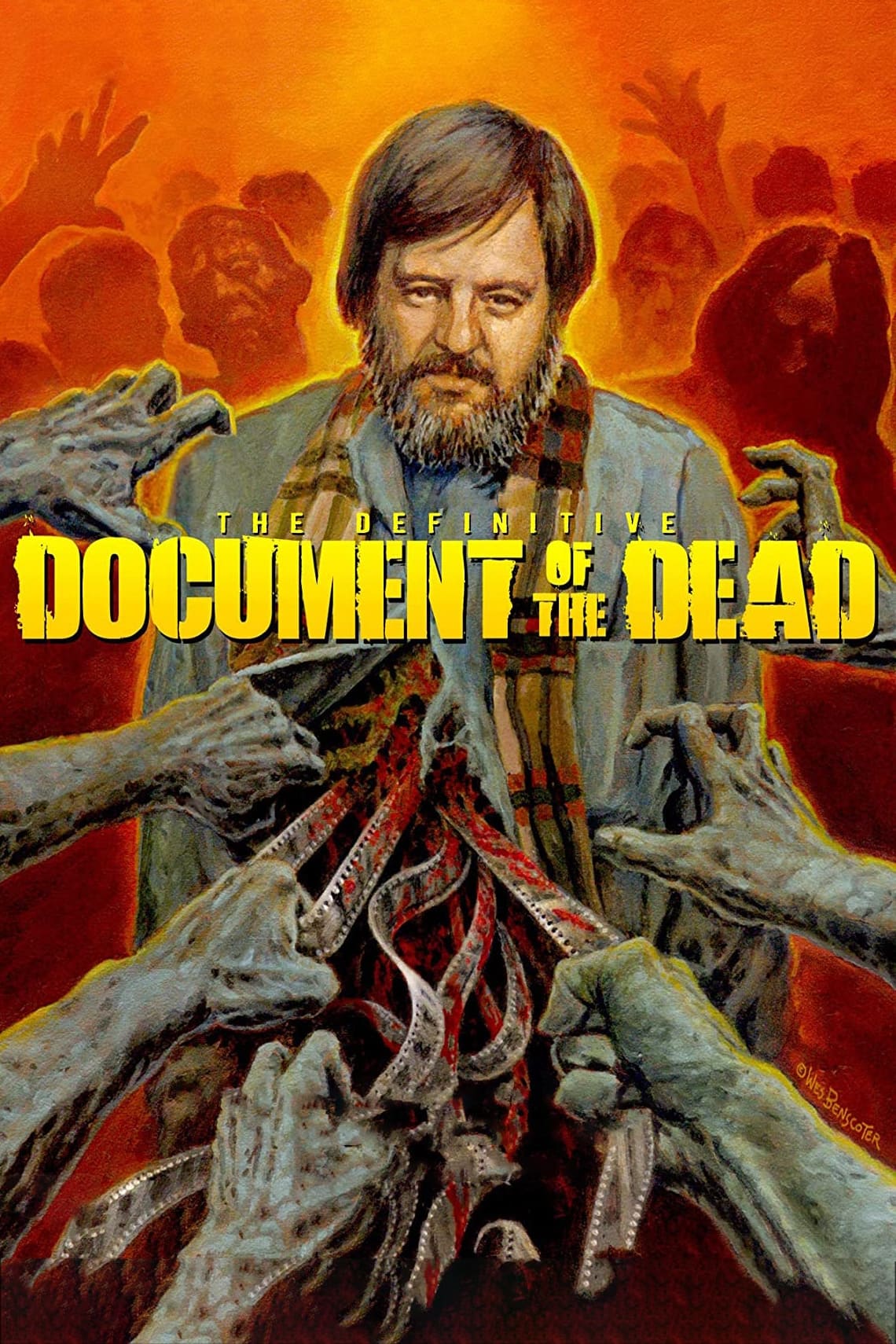
Document of the Dead

The American Nightmare
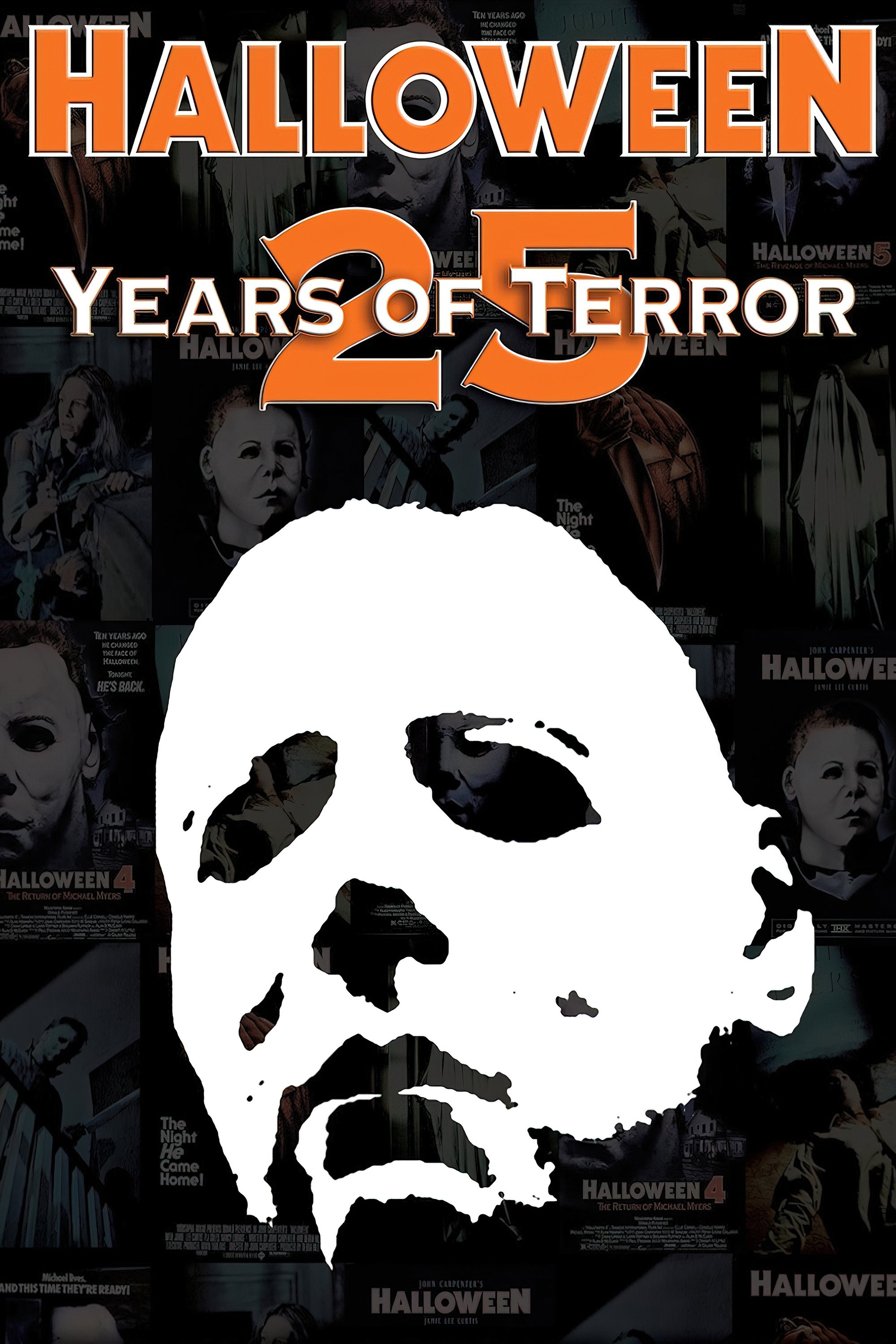
Halloween: 25 Years of Terror
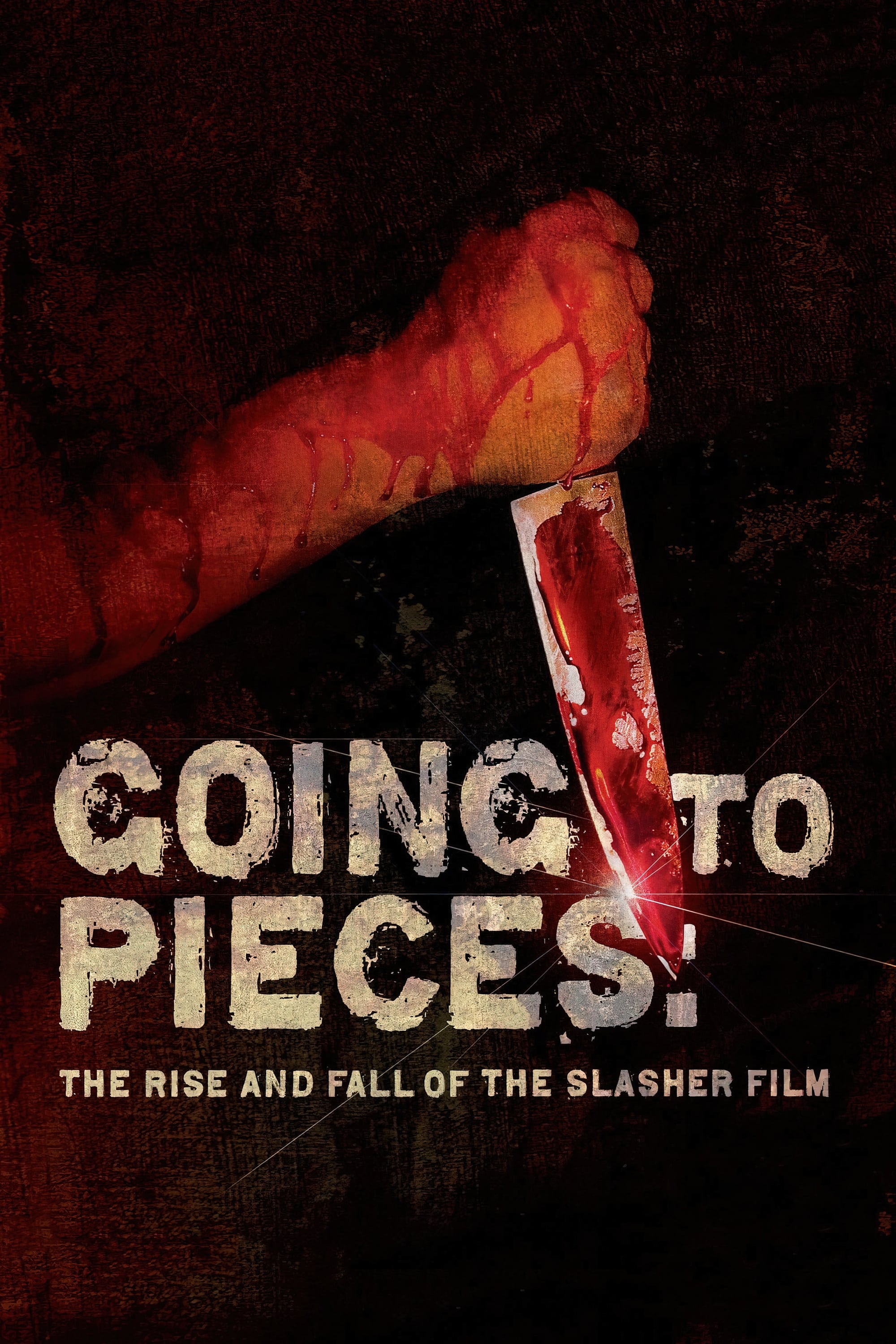
Going to Pieces: The Rise and Fall of the Slasher Film
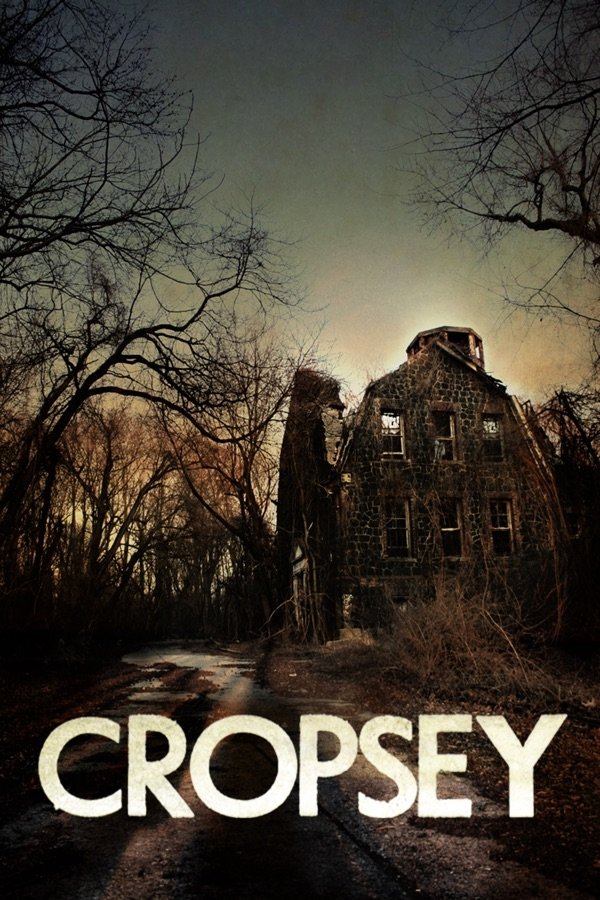
Cropsey
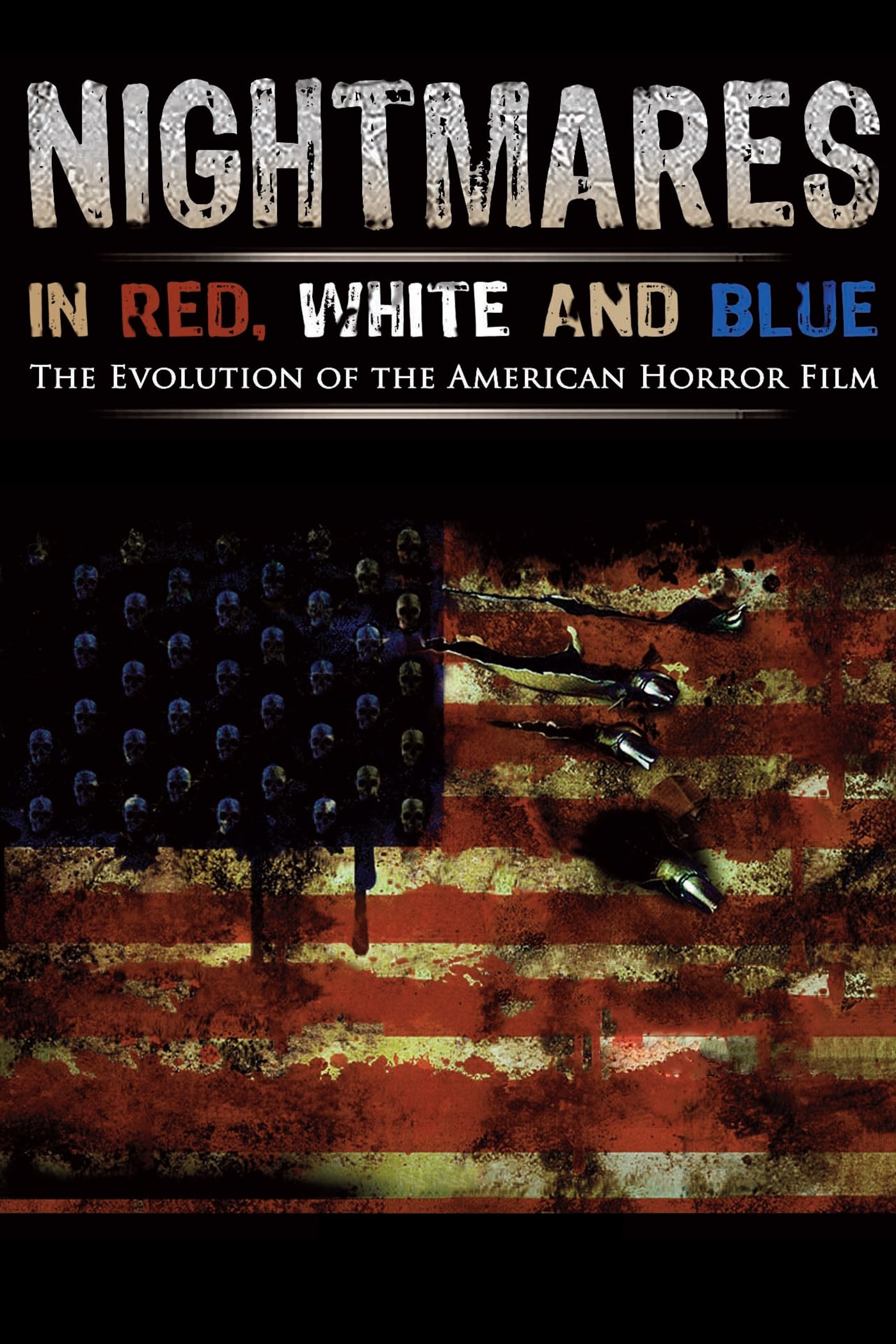
Nightmares in Red, White and Blue

His Name Was Jason: 30 Years of Friday the 13th
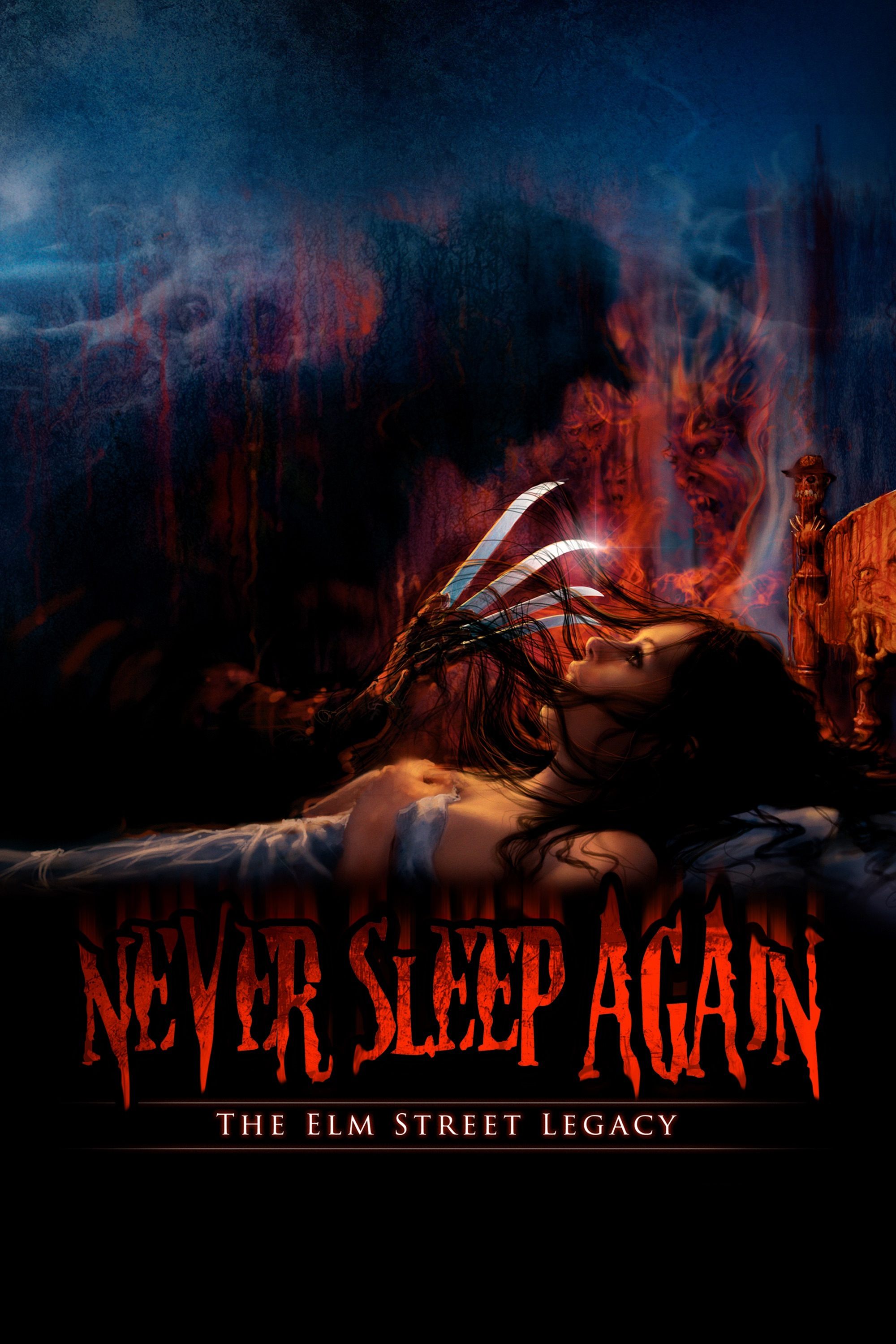
Never Sleep Again: The Elm Street Legacy
Slice and Dice: The Slasher Film Forever
Room 237

Doc of the Dead

Lost Soul: The Doomed Journey of Richard Stanley's Island of Dr. Moreau
Why Horror?
The Nightmare
Beware the Slenderman
78/52
Memory: The Origins of Alien
In Search of Darkness
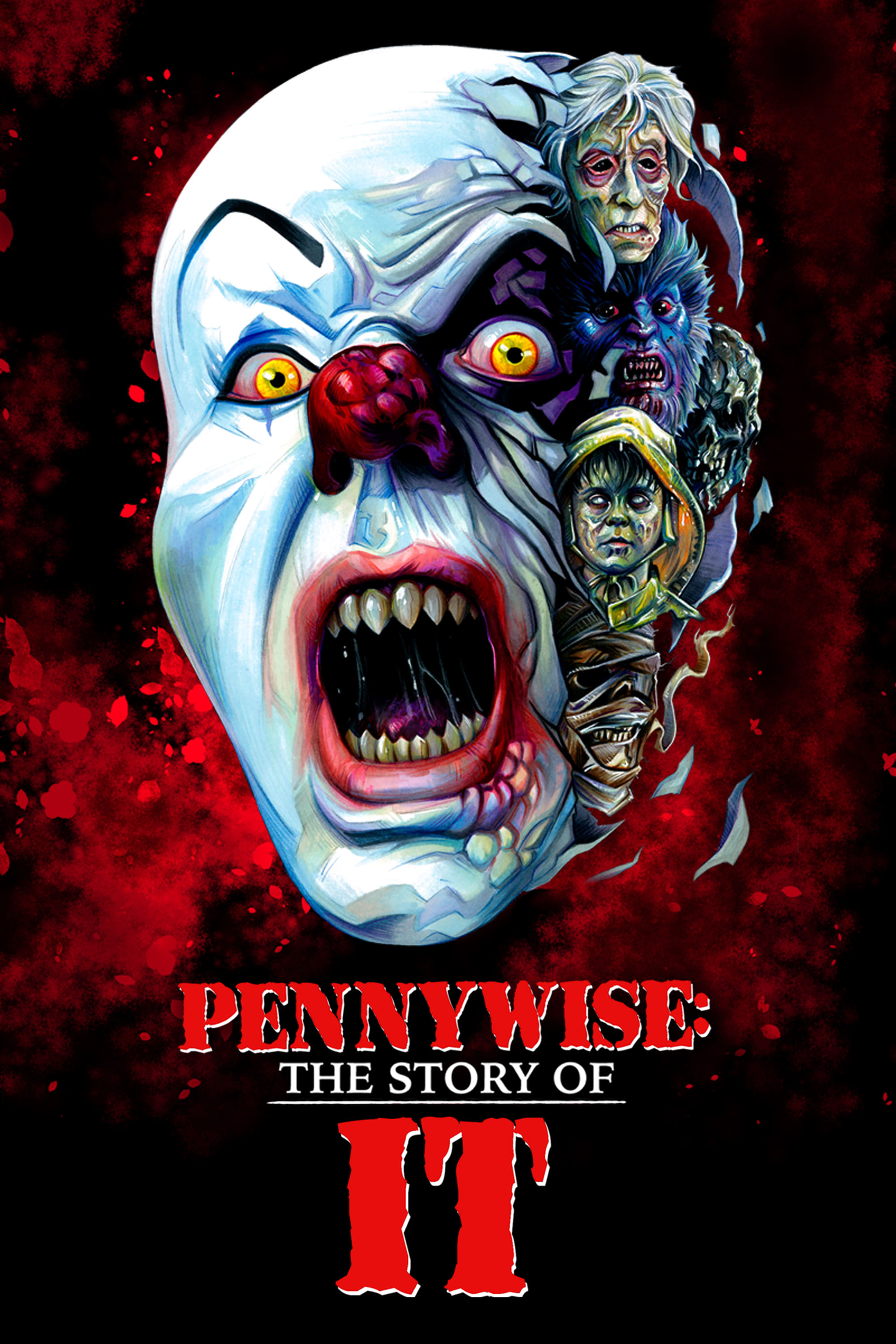
Pennywise: The Story of ‘It’
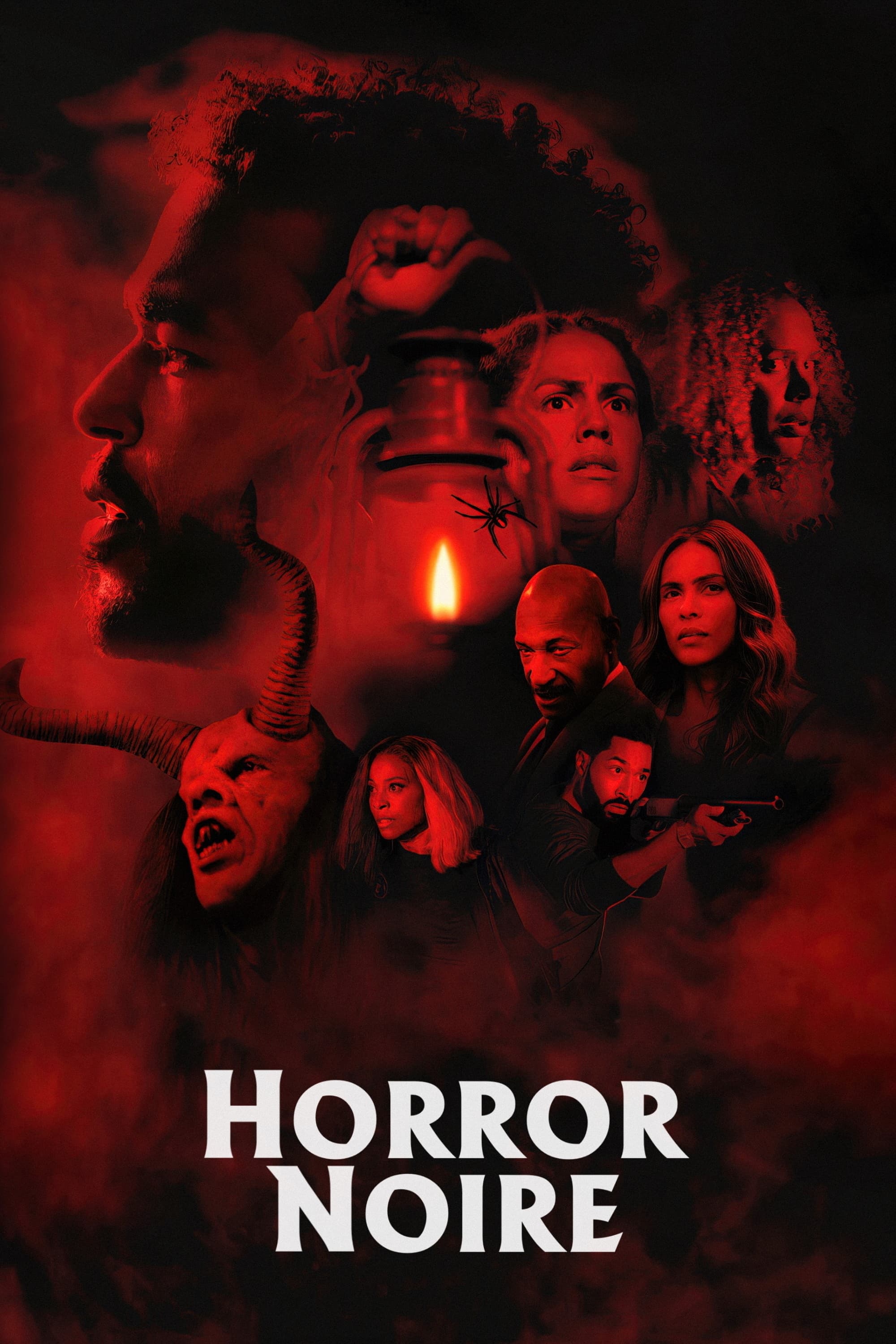
Horror Noire
Statistics
Popularity by Decade
Share of each decade's horror films classified as Documentary. Counts films with at least 5 TMDB ratings, so very obscure titles are not represented.
Popularity by Country
Share of each country's horror output classified as Documentary. Counts films with at least 5 TMDB ratings, so very obscure titles are not represented.