

Kids & Family
Horror calibrated for younger audiences — frights that respect the reality of childhood fear without crossing into trauma. Critic Catherine Lester distinguishes this register from family horror, teen horror, and films that contain frightening moments without belonging to the genre. The genre's onramp, and the format that produces lifelong fans.
History & Origins
Children encounter horror long before they are permitted to watch it. Fairy tales — the original folk horror — are designed to scare. The Brothers Grimm collected stories of ovens, witches, and parental abandonment for the audience that would today be told to skip the R-rated section. The kids-and-family horror film inherits this tradition: it acknowledges that children experience fear as a normal feature of childhood, and that giving them safe vocabulary for that fear is a developmental kindness rather than a corruption. Critic Catherine Lester's Horror Films for Children: Fear and Pleasure in American Cinema (2022) argues for treating these films as a distinct category — not horror that happens to be PG, but horror constructed around a child's point of view and narrative agency.
The Walt Disney Company has produced more children's horror than any other studio, often without acknowledging it. The Watcher in the Woods (1980), with Bette Davis playing the keeper of a supernatural secret, was sufficiently frightening that Disney pulled the original ending after early audiences complained. Something Wicked This Way Comes (1983), adapted from Ray Bradbury, packed enough atmosphere to terrify a generation of children encountering it on Sunday-afternoon television. Hocus Pocus (1993) and The Haunted Mansion (2003) have built a Disney horror canon adjacent to but distinct from the studio's princess output.
The 1980s saw an unusually fertile period for kid-aimed horror, driven by Steven Spielberg's Amblin Entertainment. Joe Dante's Gremlins (1984) is, as critic Barry Keith Grant writes in 100 American Horror Films, "the prime example of family horror — not horror about the family, but horror for the family." Released the same week as Ghostbusters, it would catalyse the creation of the PG-13 rating. Tobe Hooper's Spielberg-produced Poltergeist (1982), Fred Dekker's The Monster Squad (1987), and Tim Burton's Beetlejuice (1988) extended the era's calibration of horror downward — Lester reads The Monster Squad's "Crazyspace" of kid-empowering misadventure as central to the form. Stephen Dolginoff's The Gate (1987) and Nicolas Roeg's adaptation of Roald Dahl's The Witches (1990) brought a darker tonal register that didn't always pass parental committees. These films assumed their child viewers were capable of handling fright as long as the films treated them as audiences rather than children to be protected from themselves.
The 1990s through the 2000s saw the format expand into Disney Channel sitcoms (Are You Afraid of the Dark?, Goosebumps) and big-studio comedies. Henry Selick's The Nightmare Before Christmas (1993) demonstrated that the stop-motion register could deliver the form at theatrical scale; Casper (1995) and The Little Vampire (2000) extended the friendly-monster premise to mainstream feature audiences. The animated wave that began with Selick's Coraline (2009), Burton's Frankenweenie (2012), Laika's ParaNorman (2012), and the Hotel Transylvania (2012) franchise has done more than any live-action work in the last fifteen years to keep the format commercially alive.
The 2010s and 2020s saw a live-action revival driven by literary adaptations. Goosebumps (2015) brought R. L. Stine's books to feature scale with Jack Black playing Stine himself; Eli Roth's The House with a Clock in Its Walls (2018), adapted from John Bellairs's 1973 novel, recovered the Disney register at PG; and André Øvredal's Scary Stories to Tell in the Dark (2019), produced by Guillermo del Toro, was as restrained-yet-genuinely-scary as the Alvin Schwartz illustrated stories that inspired it. The category matters because of what comes after. Most adult horror fans can trace their love of the genre to a kid-aimed entry point — the half-watched Are You Afraid of the Dark?, the Disney Channel marathon, the Goosebumps book left open on a parent's nightstand. Kids and family horror is the long-term recruiting infrastructure of the entire genre.
Sources: Barry Keith Grant, 100 American Horror Films.
Essential Films
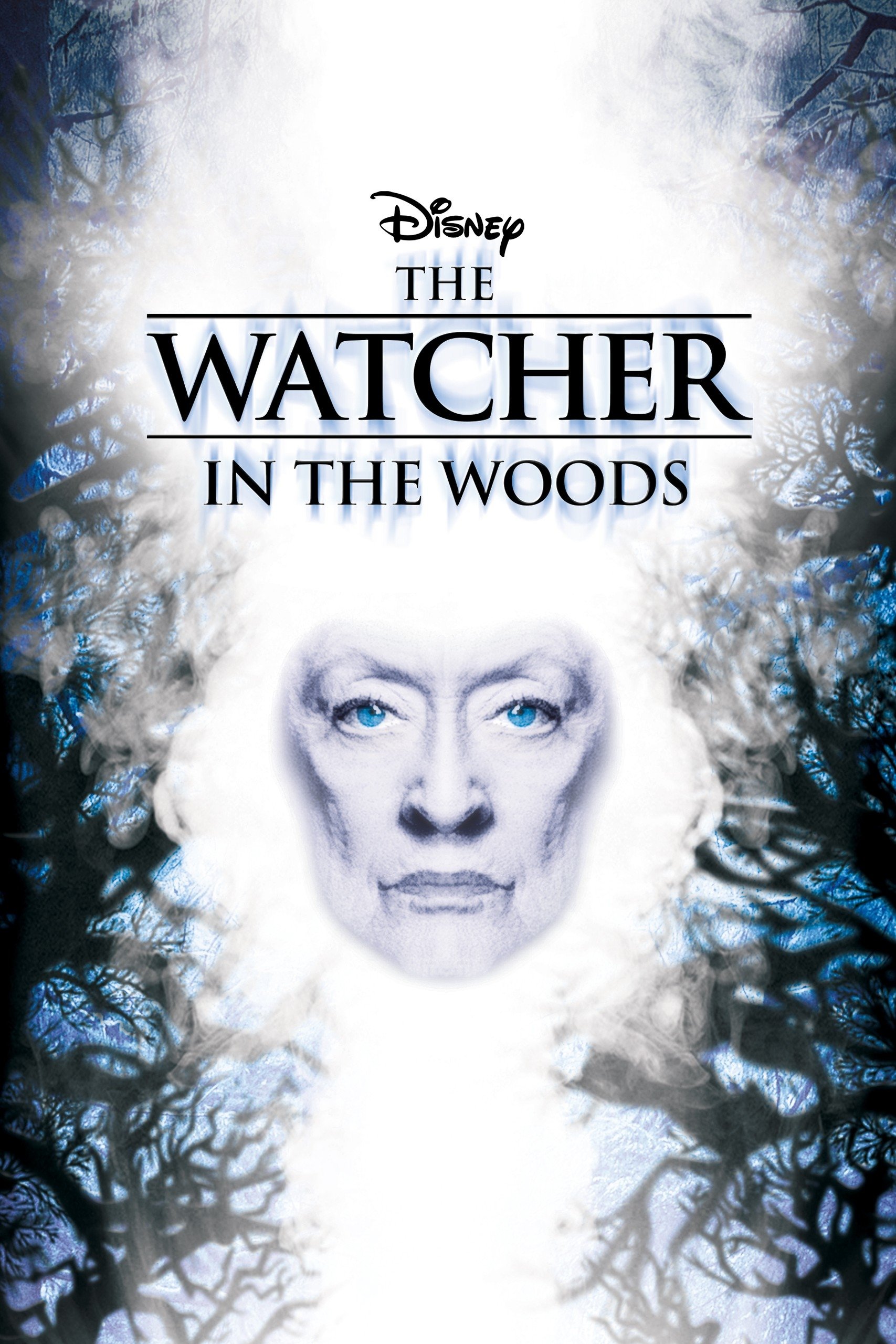
The Watcher in the Woods
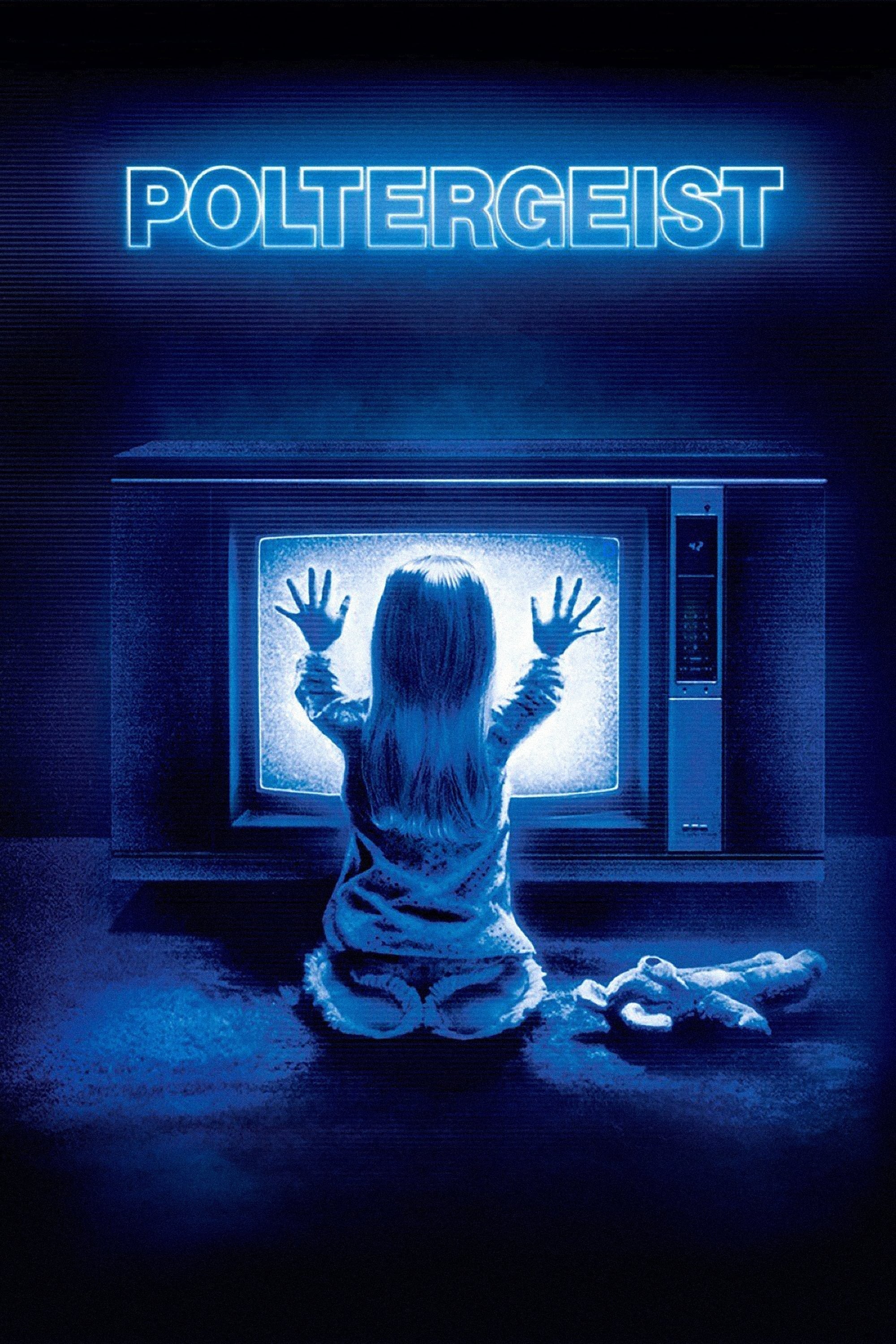
Poltergeist
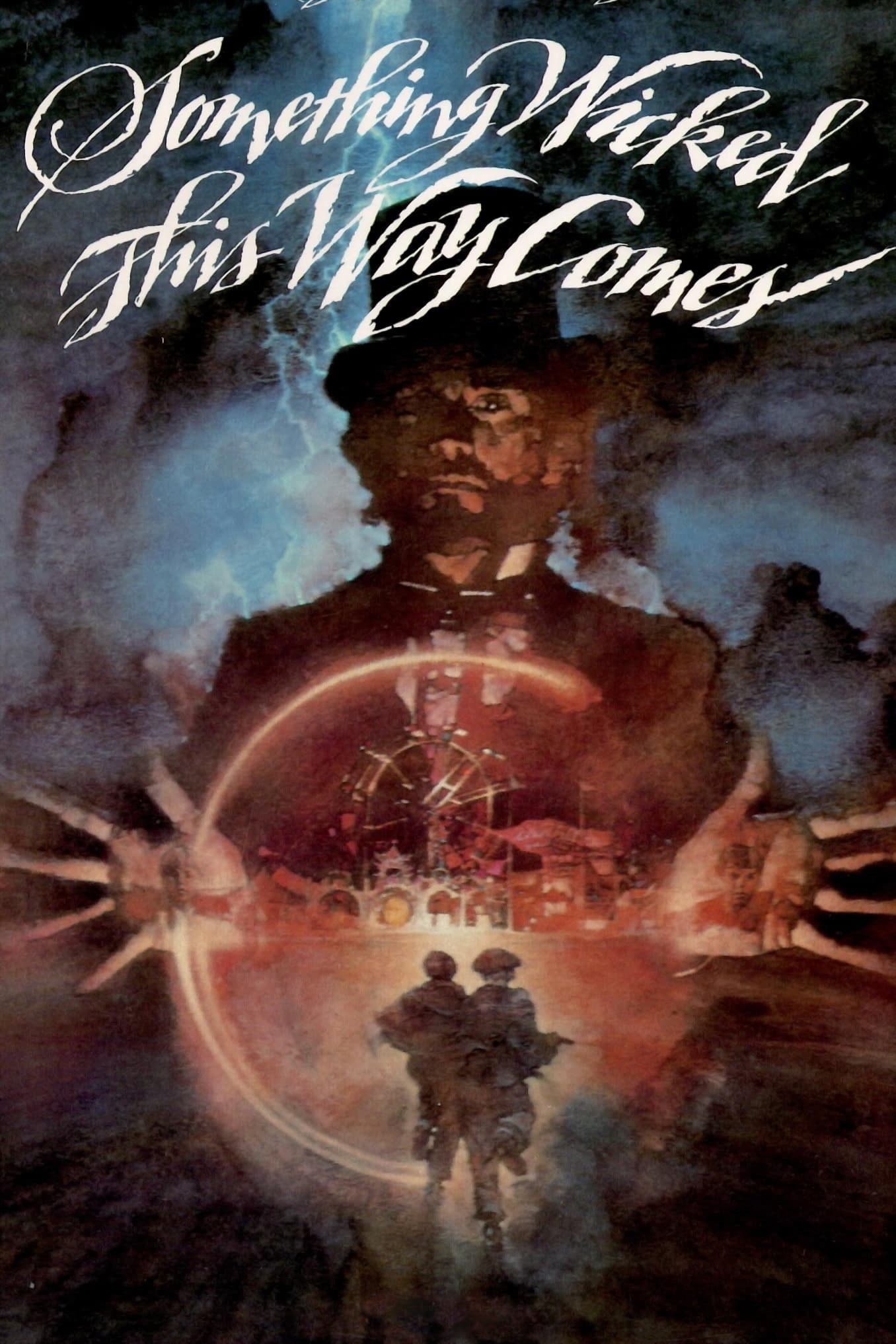
Something Wicked This Way Comes
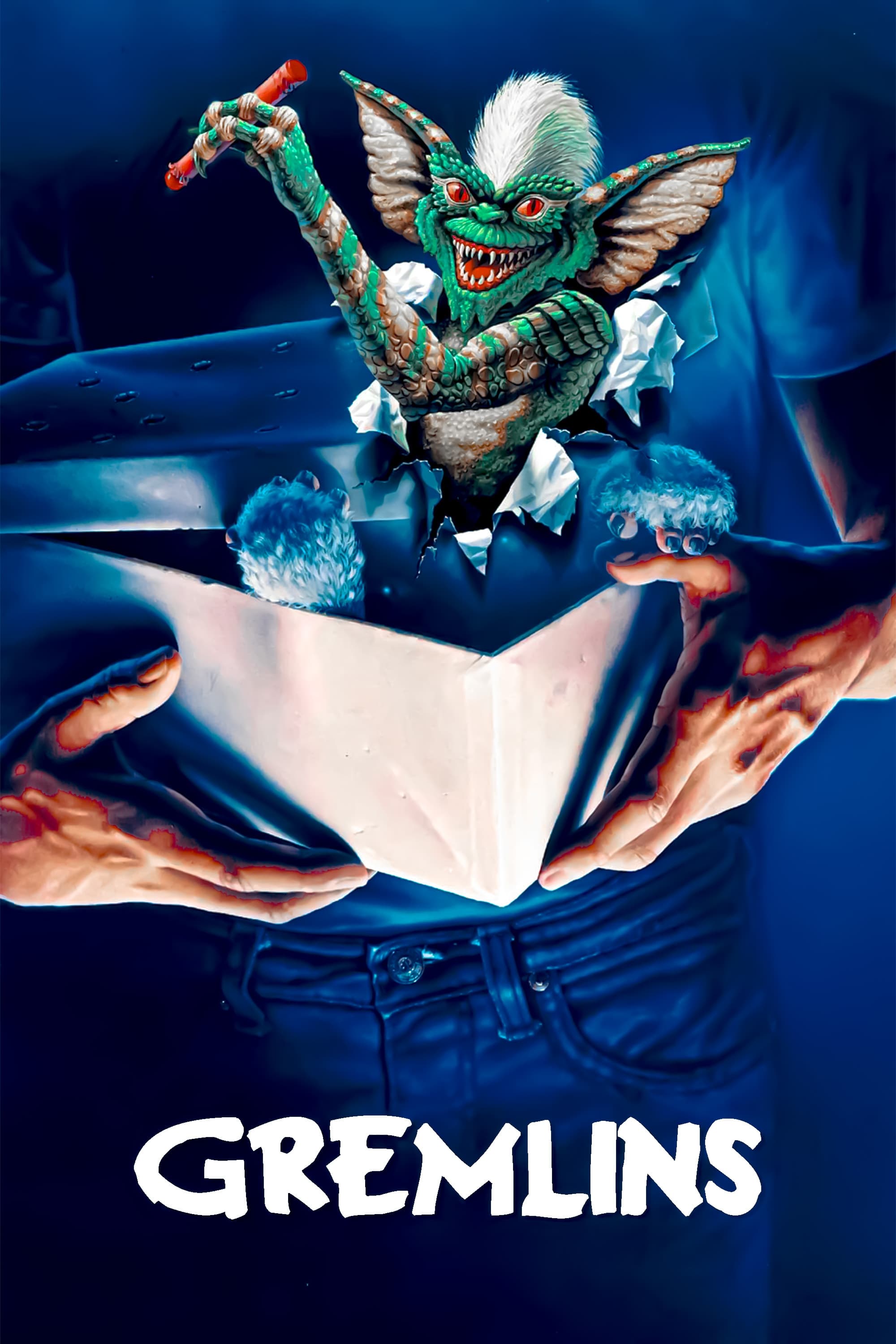
Gremlins
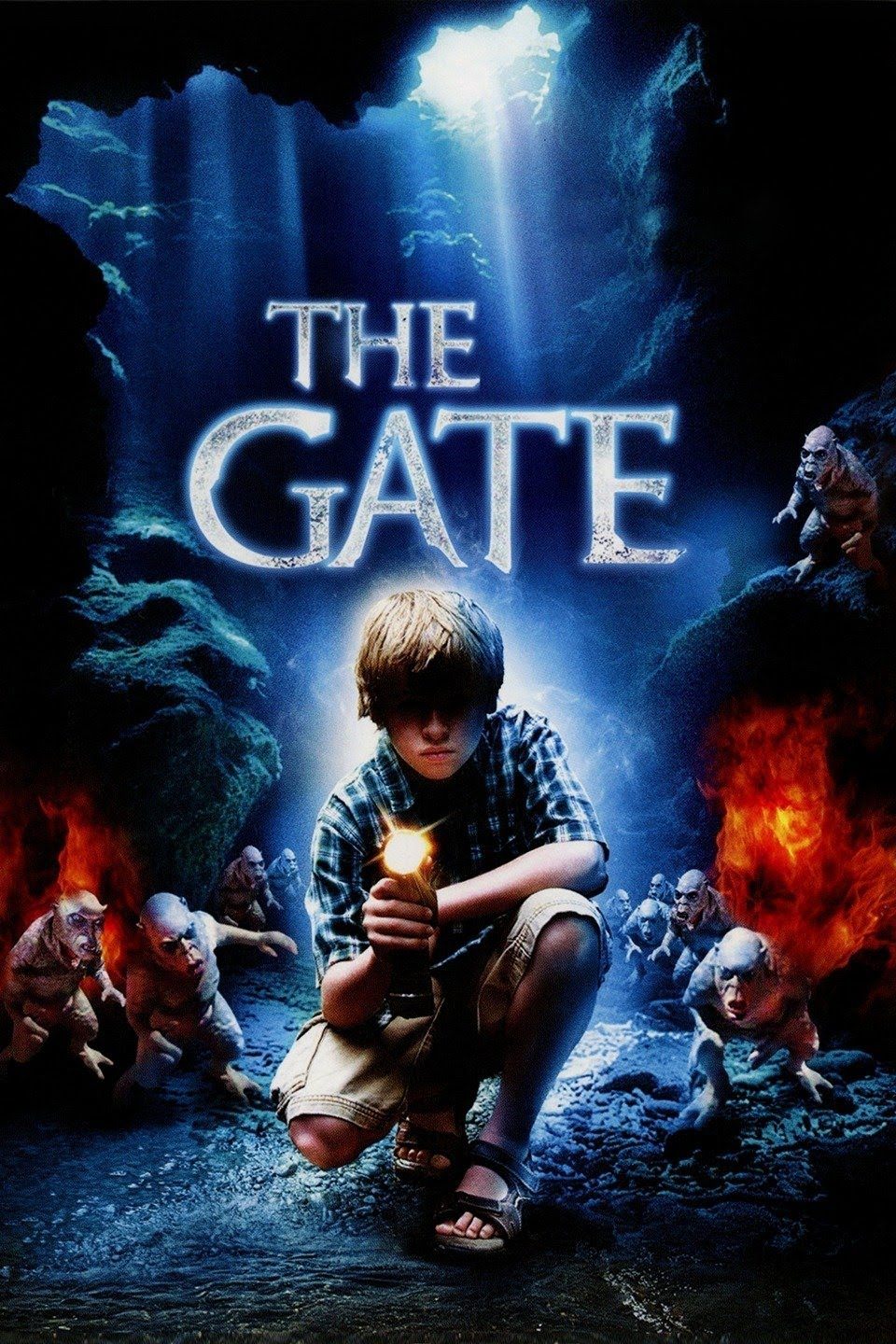
The Gate
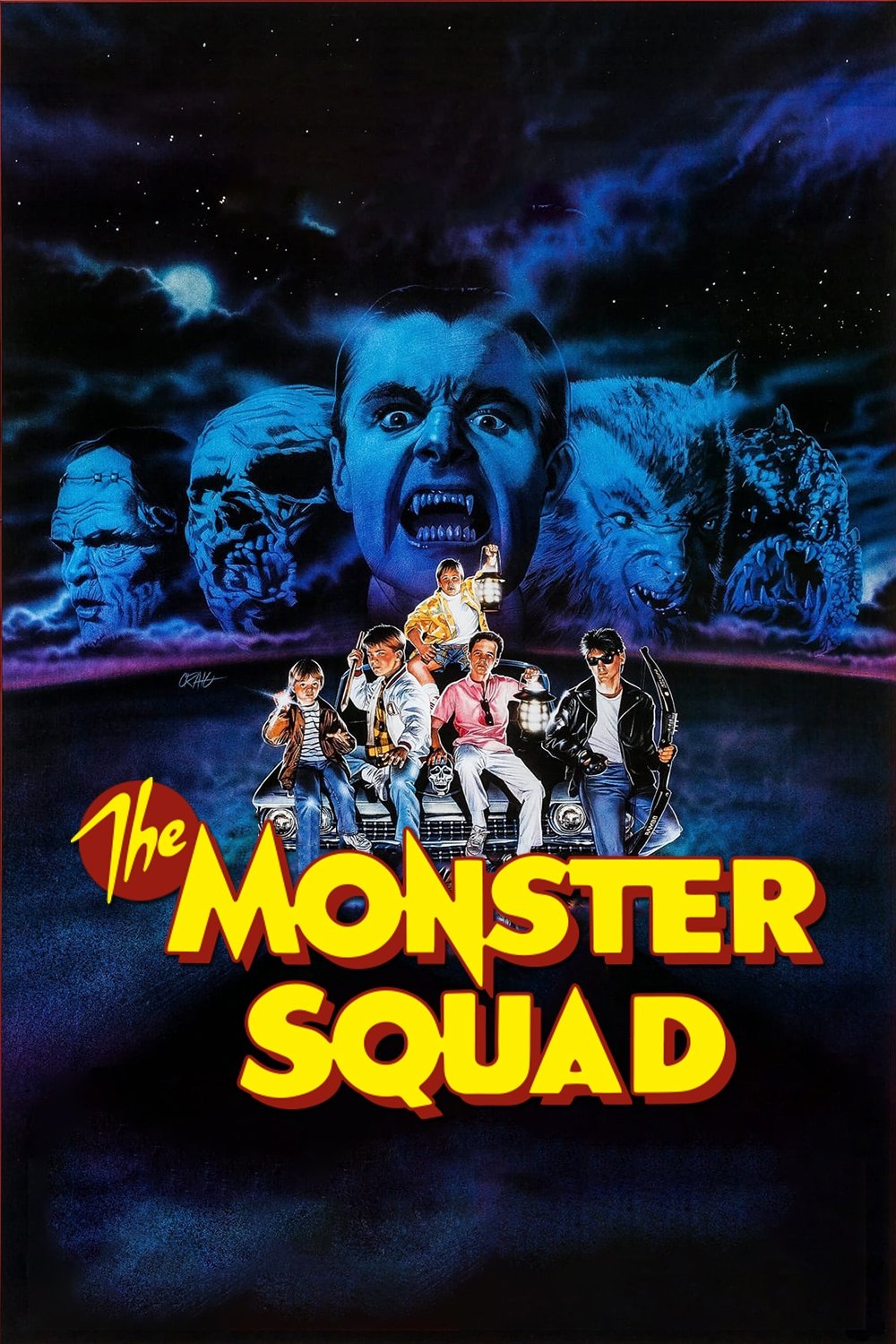
The Monster Squad
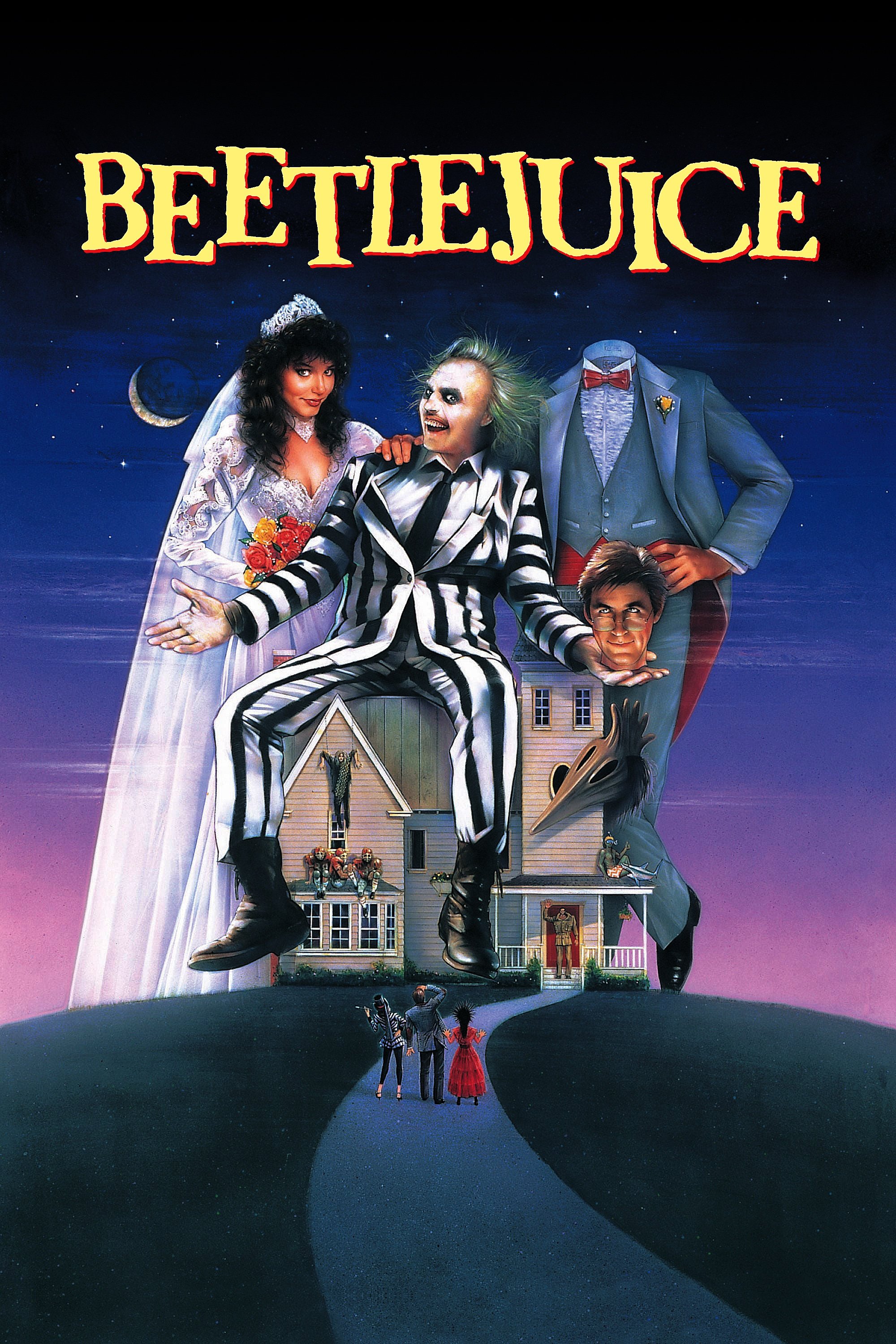
Beetlejuice
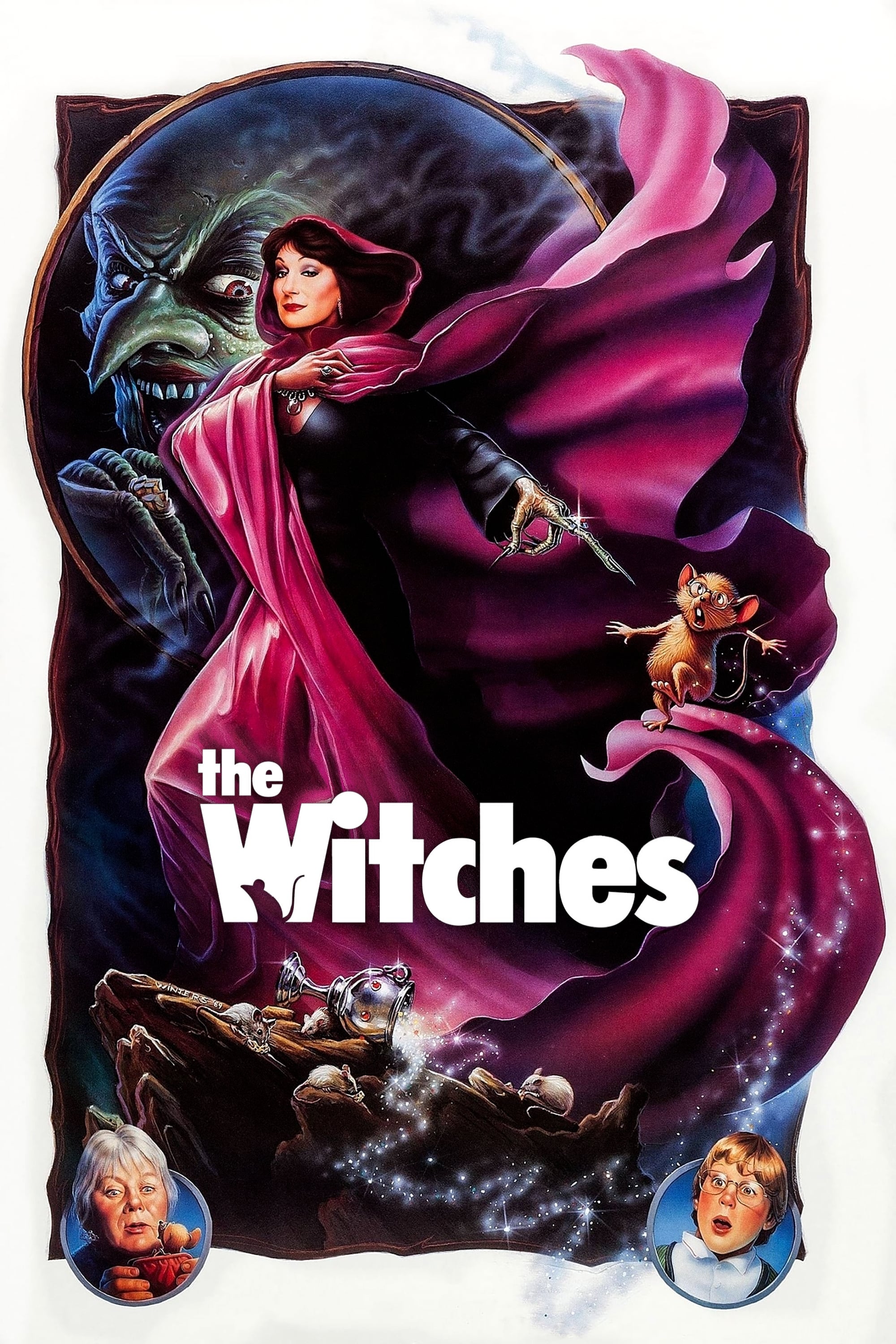
The Witches
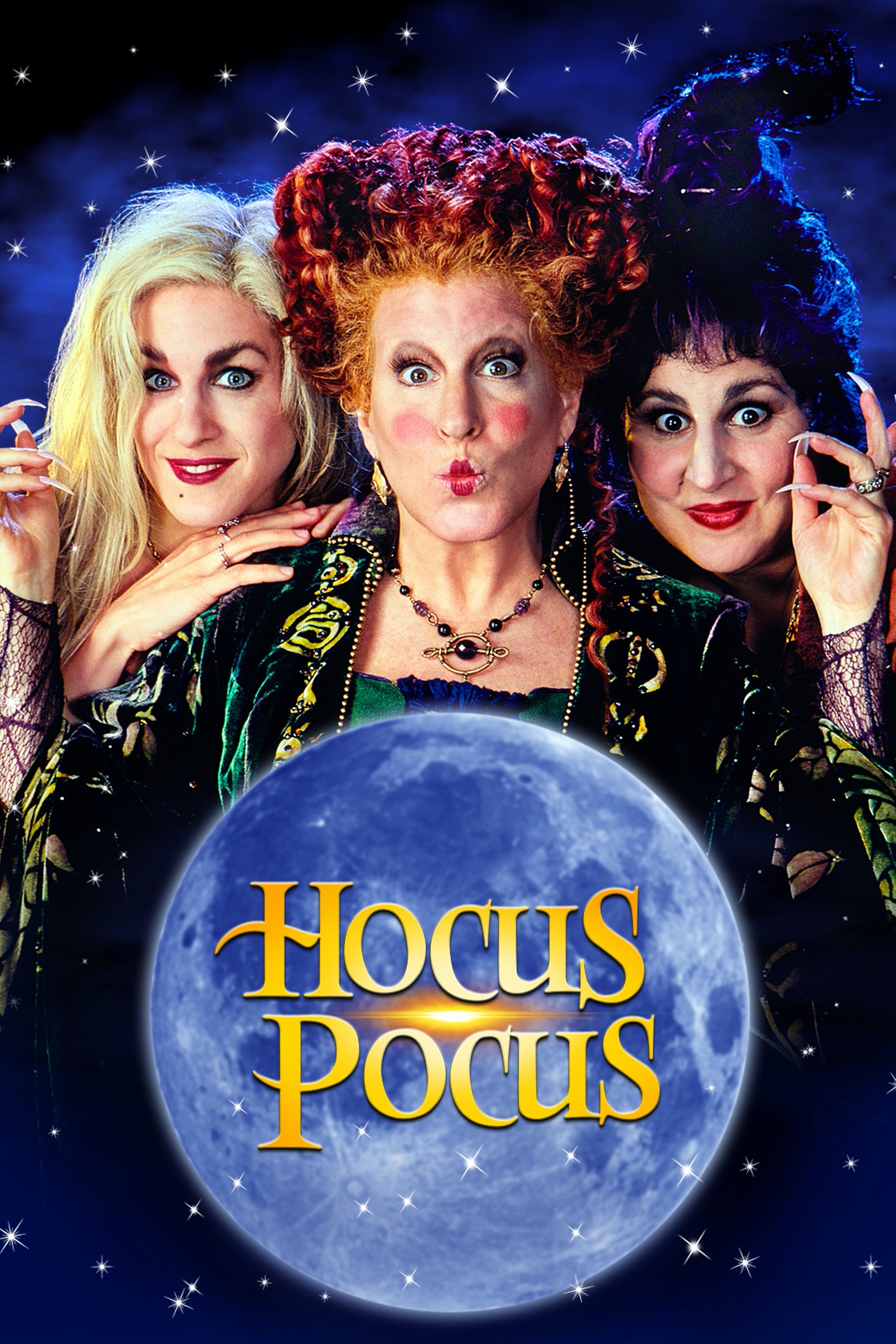
Hocus Pocus
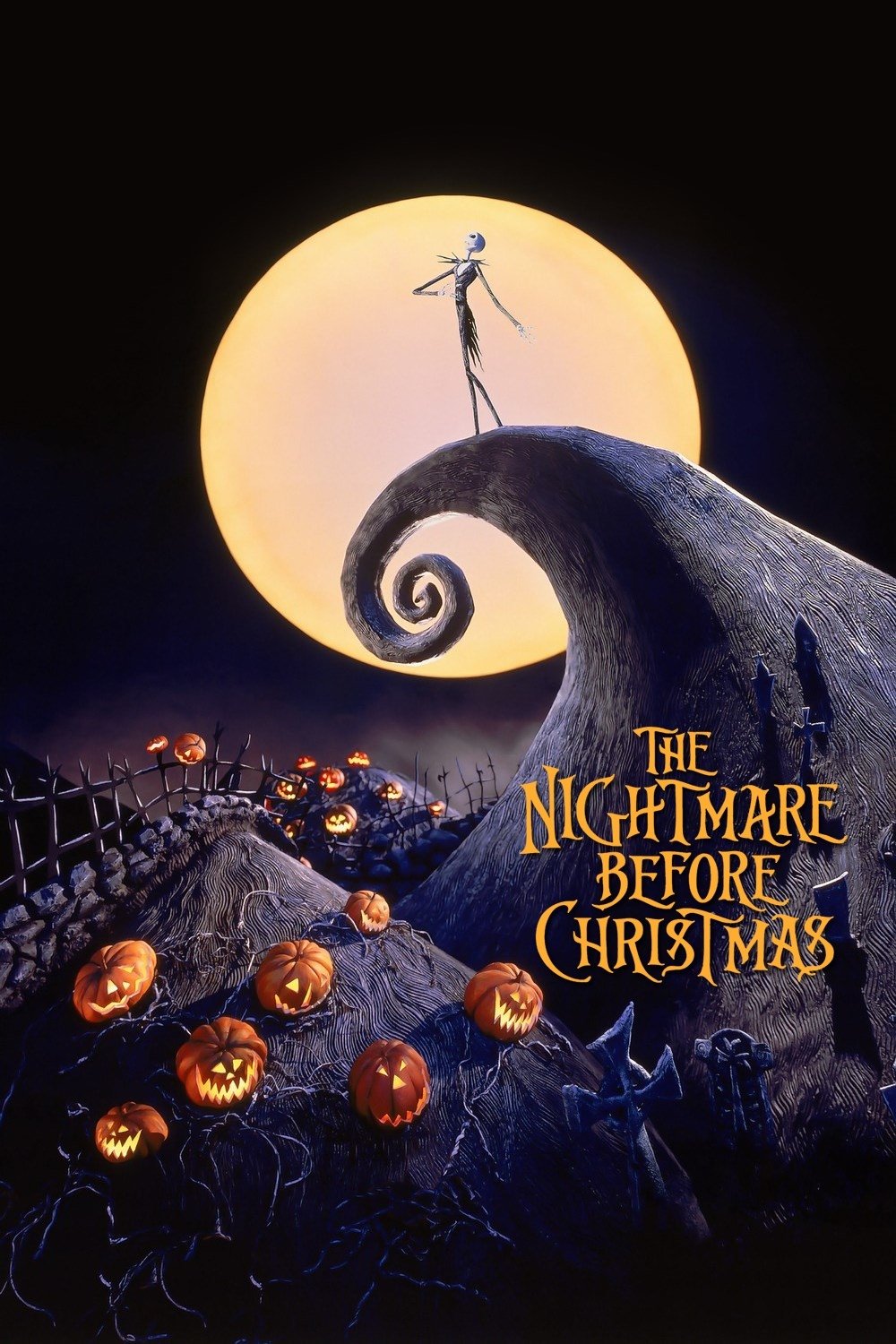
The Nightmare Before Christmas
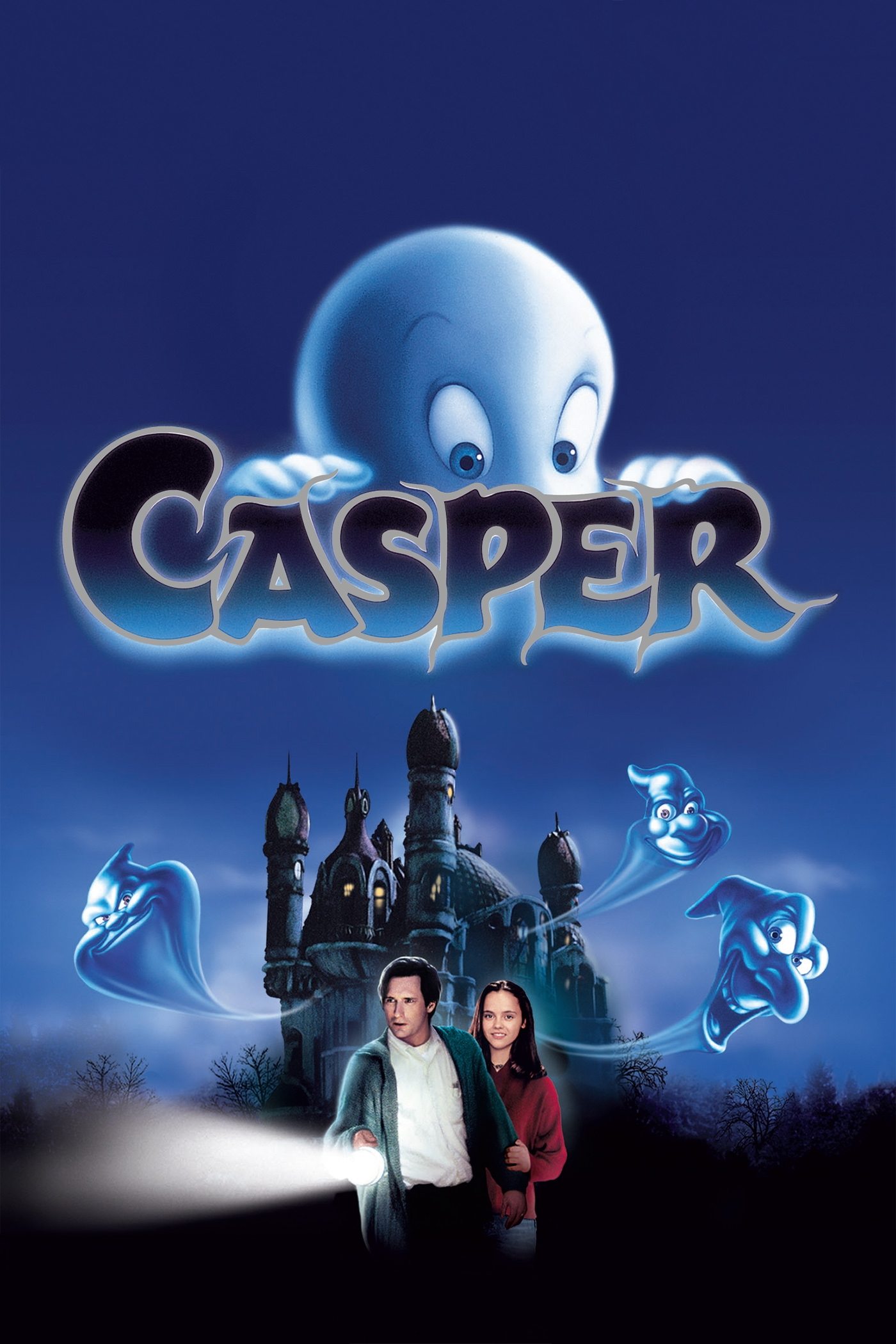
Casper
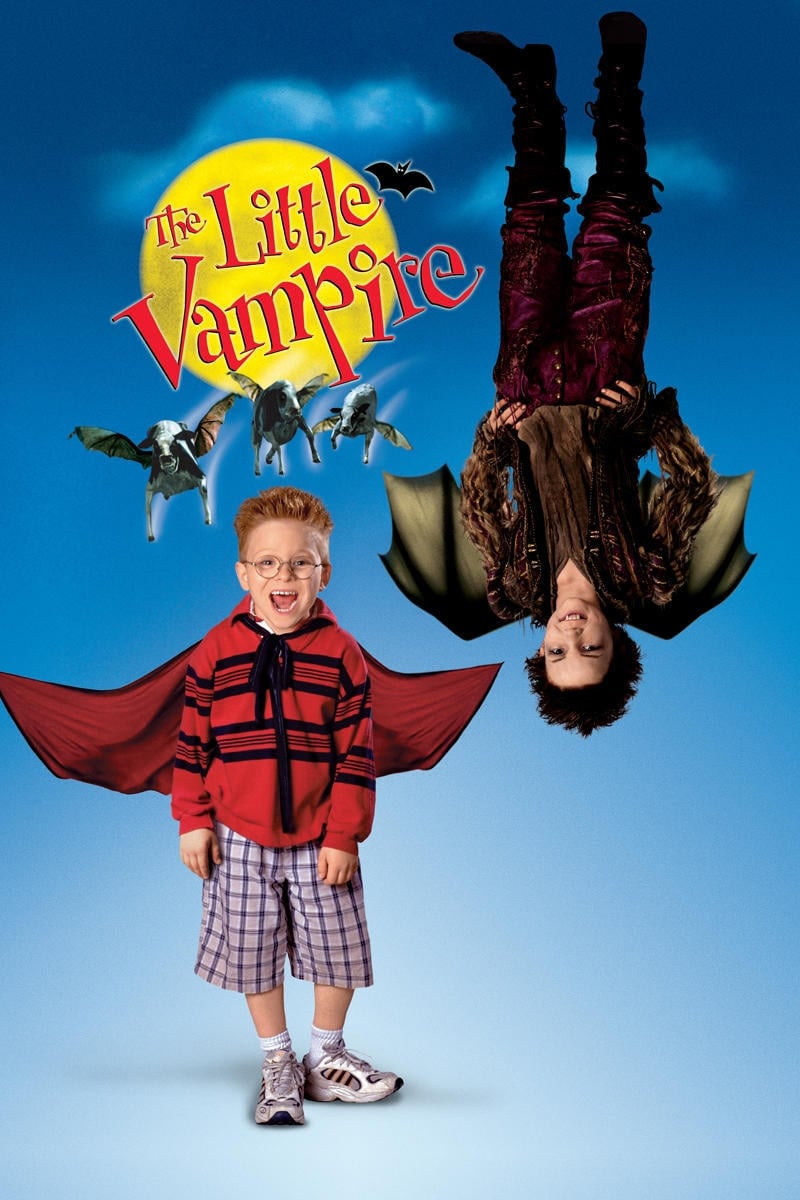
The Little Vampire
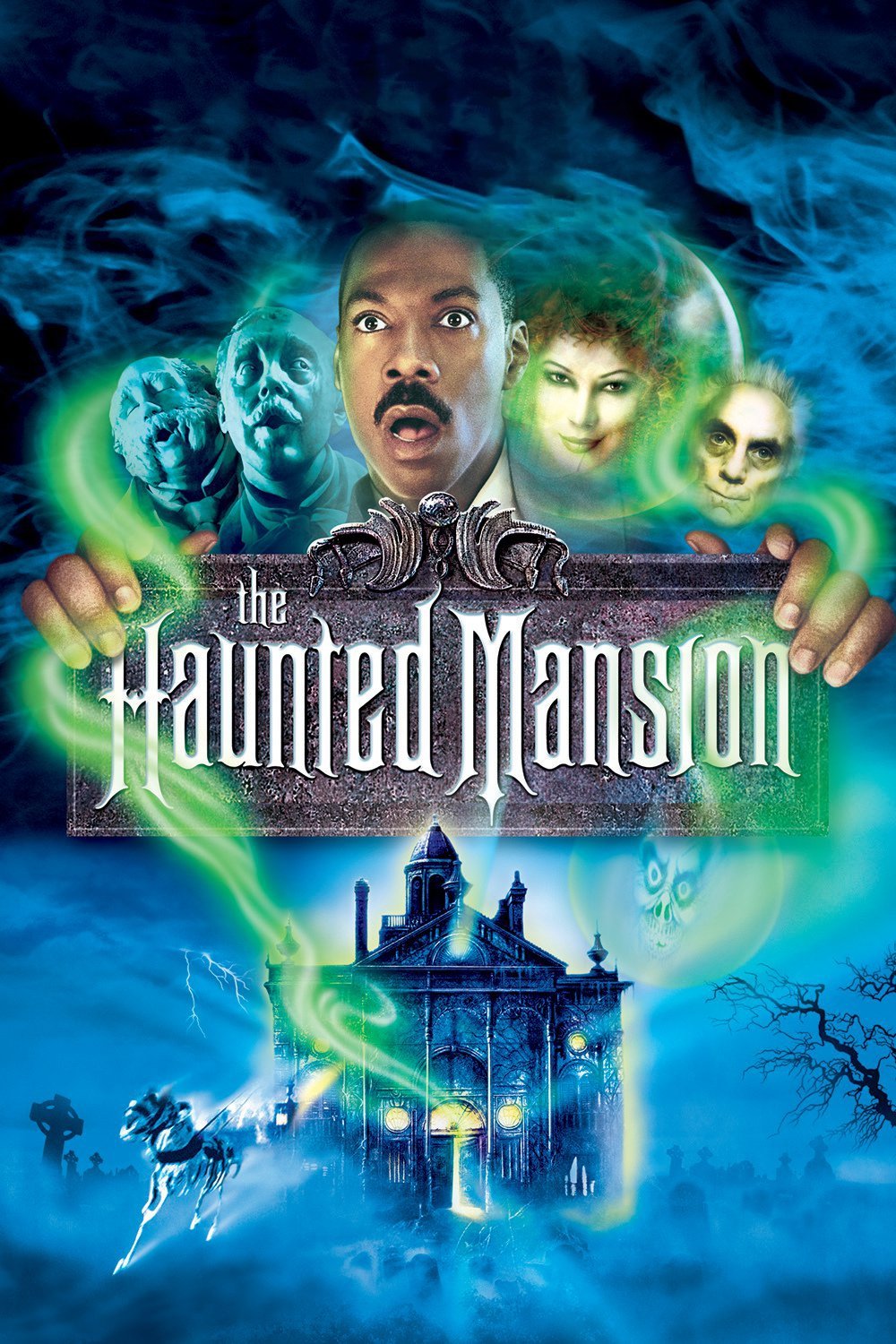
The Haunted Mansion
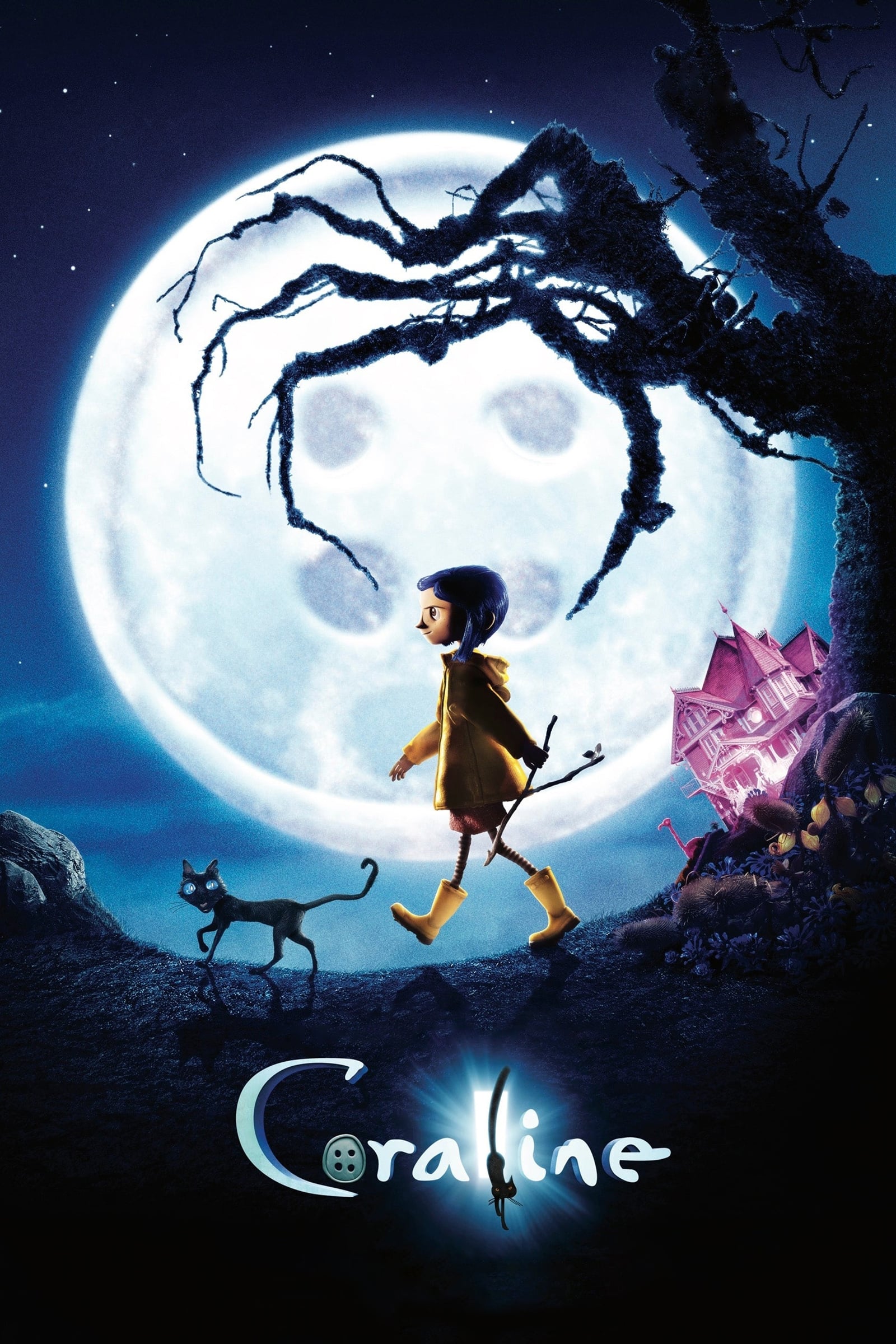
Coraline
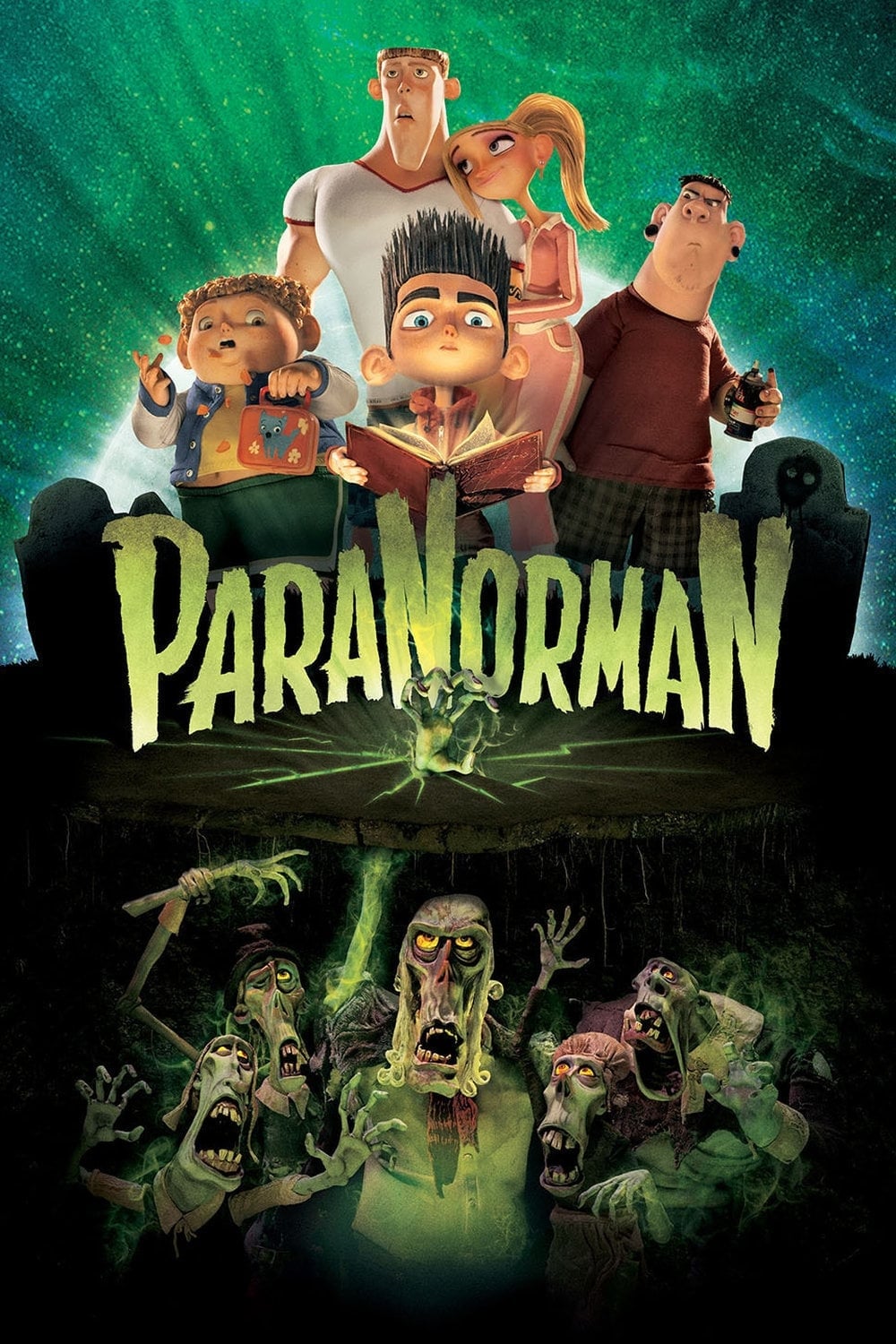
ParaNorman
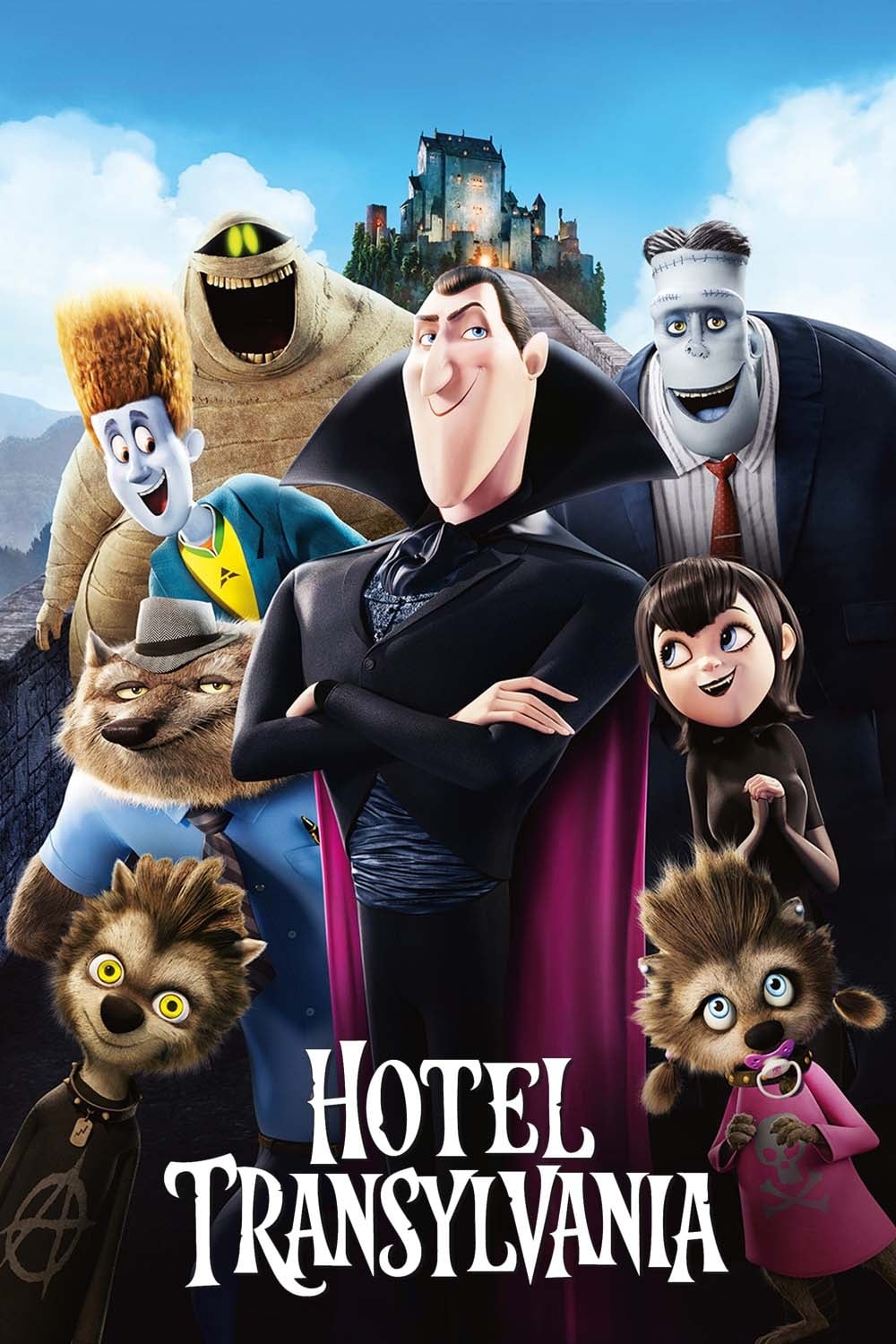
Hotel Transylvania
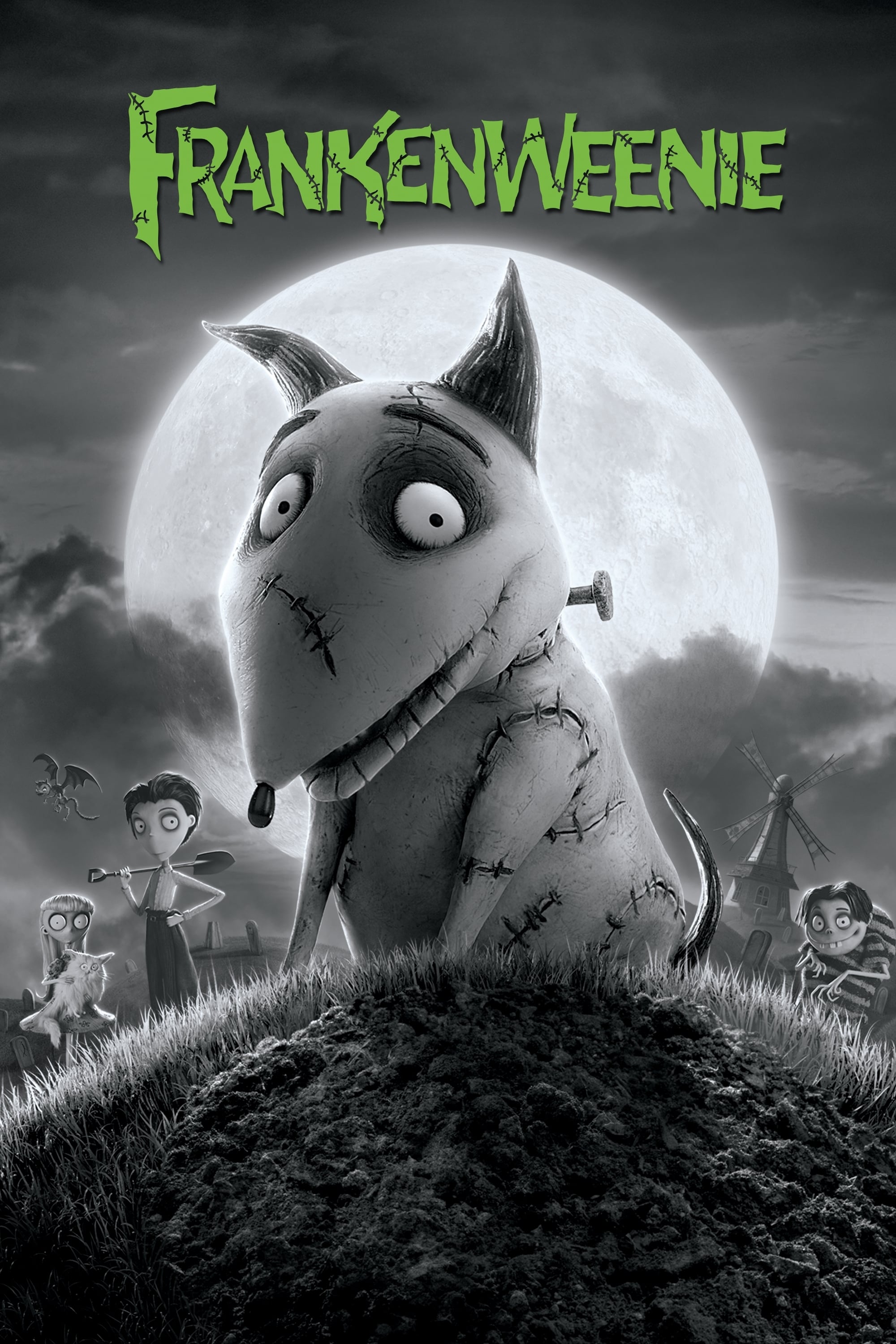
Frankenweenie
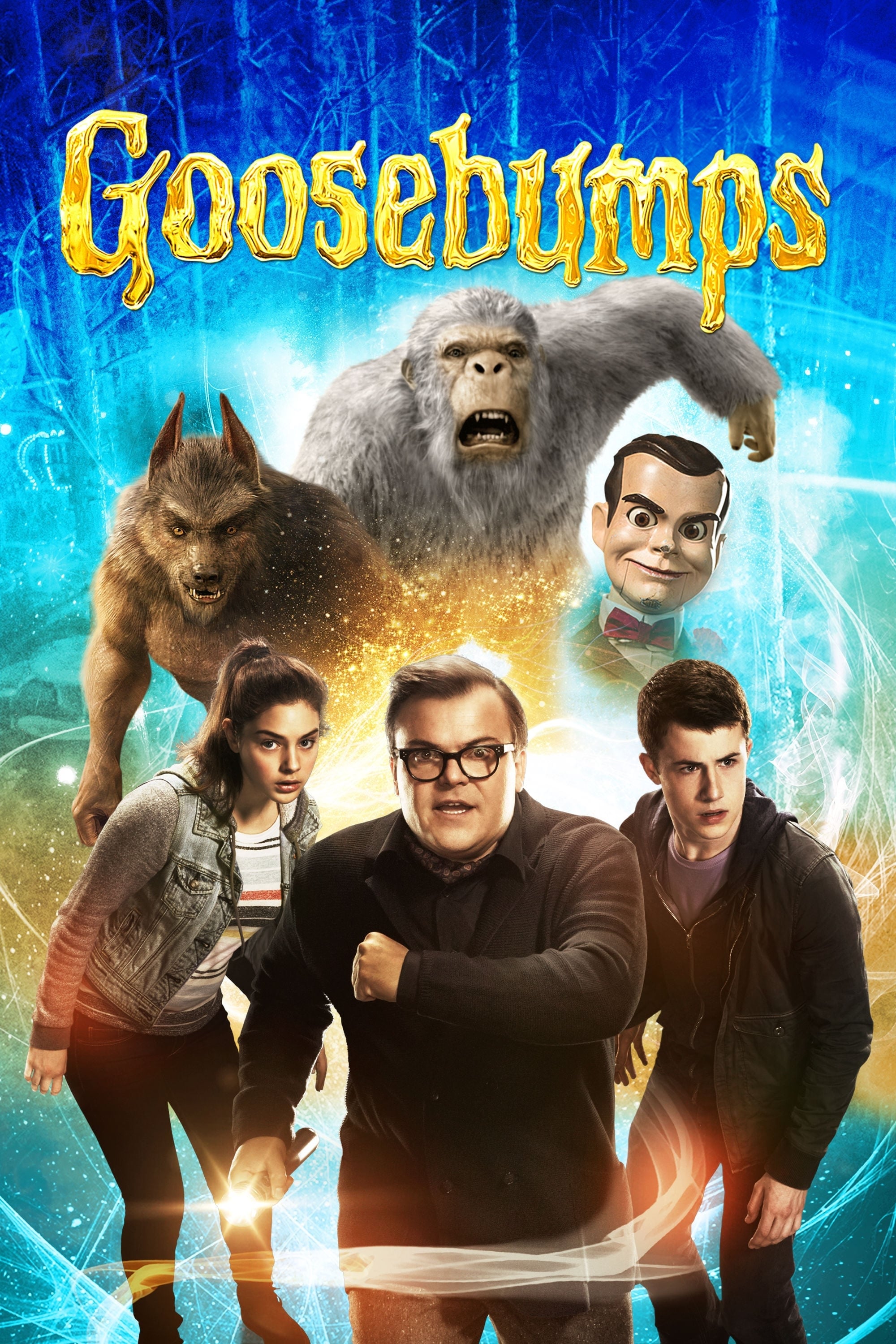
Goosebumps

The House with a Clock in Its Walls
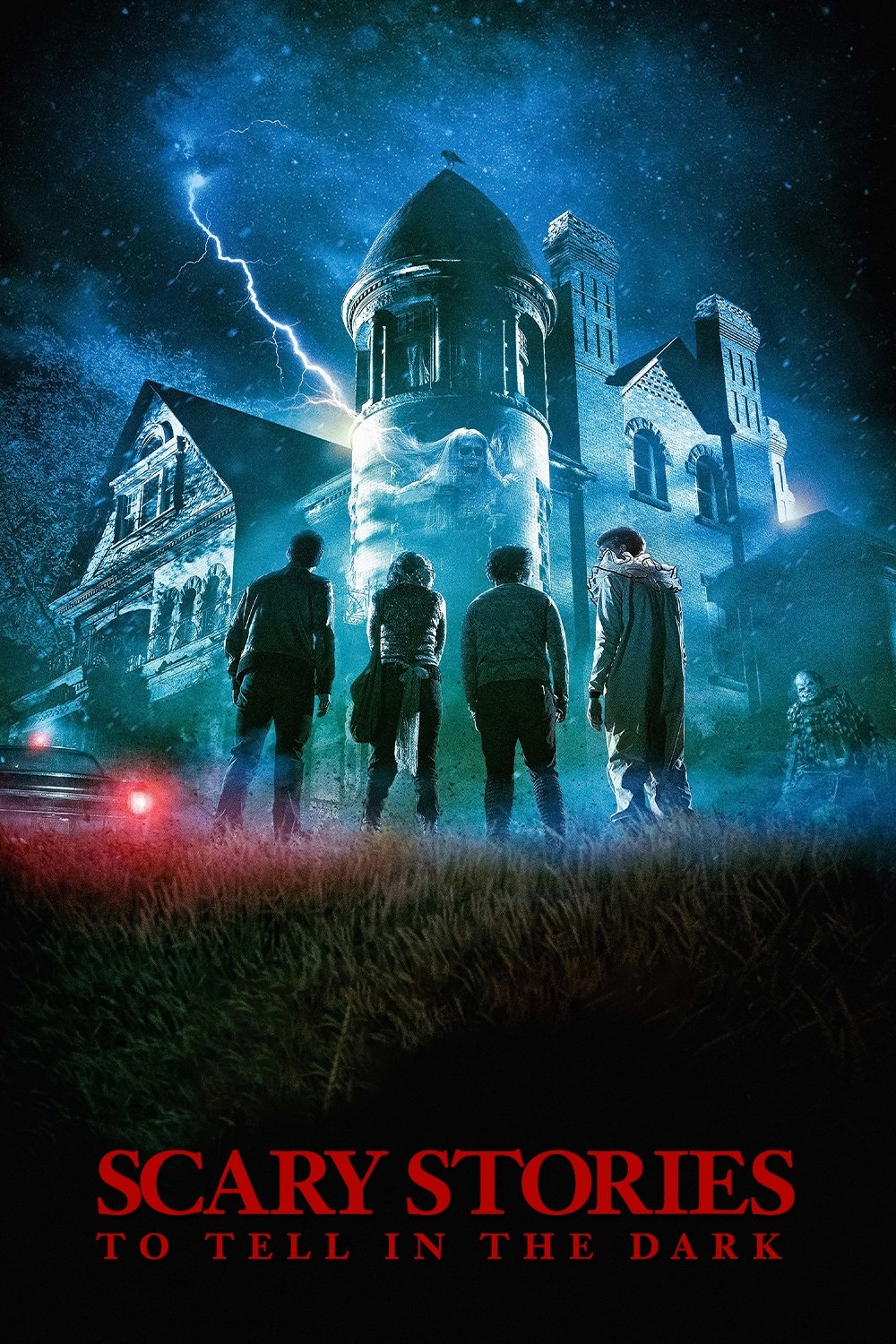
Scary Stories to Tell in the Dark
Statistics
Popularity by Decade
Share of each decade's horror films classified as Kids & Family. Counts films with at least 5 TMDB ratings, so very obscure titles are not represented.
Popularity by Country
Share of each country's horror output classified as Kids & Family. Counts films with at least 5 TMDB ratings, so very obscure titles are not represented.