

Mockumentary
Horror films staged as documentaries — interviews, archival footage, expert testimony, voice-of-god narration — while telling a fictional story. The documentary frame is preserved as artifact, distinguishing the form from found footage, where the camera is the diegesis itself.
History & Origins
Mockumentary asks the audience to evaluate evidence. Where found footage hands the viewer a continuous reel and dares them to believe it, mockumentary hands them a constructed argument — assembled, edited, contextualized — and dares them to find the seam. The form's power comes from documentary's claim to non-fiction. A horror film that adopts that grammar inherits the trust the form has earned, and the unease of suspecting that trust has been weaponized.
The mockumentary tradition in cinema predates its horror use. Peter Watkins's The War Game (1965) imagined a nuclear strike on Britain through a faux-news documentary so convincing the BBC refused to air it. This Is Spinal Tap (1984) established the comedy mockumentary as a genre. Horror borrowed the technique slowly, but two 1992 productions arrived almost simultaneously to set the template: Belgium's Man Bites Dog (1992), a 16mm crew-follows-a-serial-killer black comedy credited to Rémy Belvaux, André Bonzel and Benoît Poelvoorde, and the BBC's Ghostwatch (1992), a live-broadcast haunted-house special whose Halloween-night airing caused enough panic in British viewers — many of whom believed they were watching genuine paranormal investigation — that the corporation effectively shelved it for a decade. The American The Last Broadcast (1998), released a year before The Blair Witch Project, pioneered the investigative-documentary horror frame, examining a public-access TV crew that disappeared in the Pine Barrens.
The form found its definitive expression in Joel Anderson's Lake Mungo (2008), a slow Australian pseudo-documentary about a teenage girl's drowning. Through family interviews, photo analysis, and police footage, the film accumulates dread without a single jump scare. Its commitment to documentary realism — banal interview lighting, hesitant testimony, unresolved threads — made it possible to mistake the film for a true-crime piece. Japan produced its own dedicated mockumentary tradition under Koji Shiraishi, whose Noroi: The Curse (2005) remains the form's most rigorous fake-investigation document; Shiraishi later self-published a Fake Documentary Textbook (2016) codifying his approach. Scott Glosserman's Behind the Mask: The Rise of Leslie Vernon (2006) took the form sideways into slasher metafiction, with a documentary crew tracking the daily life of an aspiring masked killer. The Norwegian mock-doc Trollhunter (2010) and the American The Last Exorcism (2010) pushed the form into mainstream multiplex territory.
The grammar branches in two directions. The investigative mockumentary — Lake Mungo, The Bay (2012), The Sacrament (2014) — presents the film as an after-the-fact reconstruction, with its events already concluded; Ti West's Sacrament adapted the Jonestown massacre into a Vice-style on-the-ground feature. The live broadcast mockumentary — Ghostwatch, Late Night with the Devil (2024) — presents the film as the documentary record of a single event unfolding in real time. Both versions exploit documentary's claim to objectivity — but the second adds the additional pressure that things are still happening when we tune in. Taika Waititi and Jemaine Clement's What We Do in the Shadows (2014), a deadpan vampire-flatmate documentary out of New Zealand, demonstrated that the form's flexibility extends to comedy.
In recent years the form has converged with streaming horror and platform-native variants. The Houses October Built (2014) documented extreme haunted-attraction tourism; Spree (2020) translated the live-broadcast variant to a rideshare driver's algorithm-chasing livestream. What persists across every era is the central tension: every mockumentary asks the viewer to choose between trusting the form they're watching and recognizing it as a trap.
Essential Films
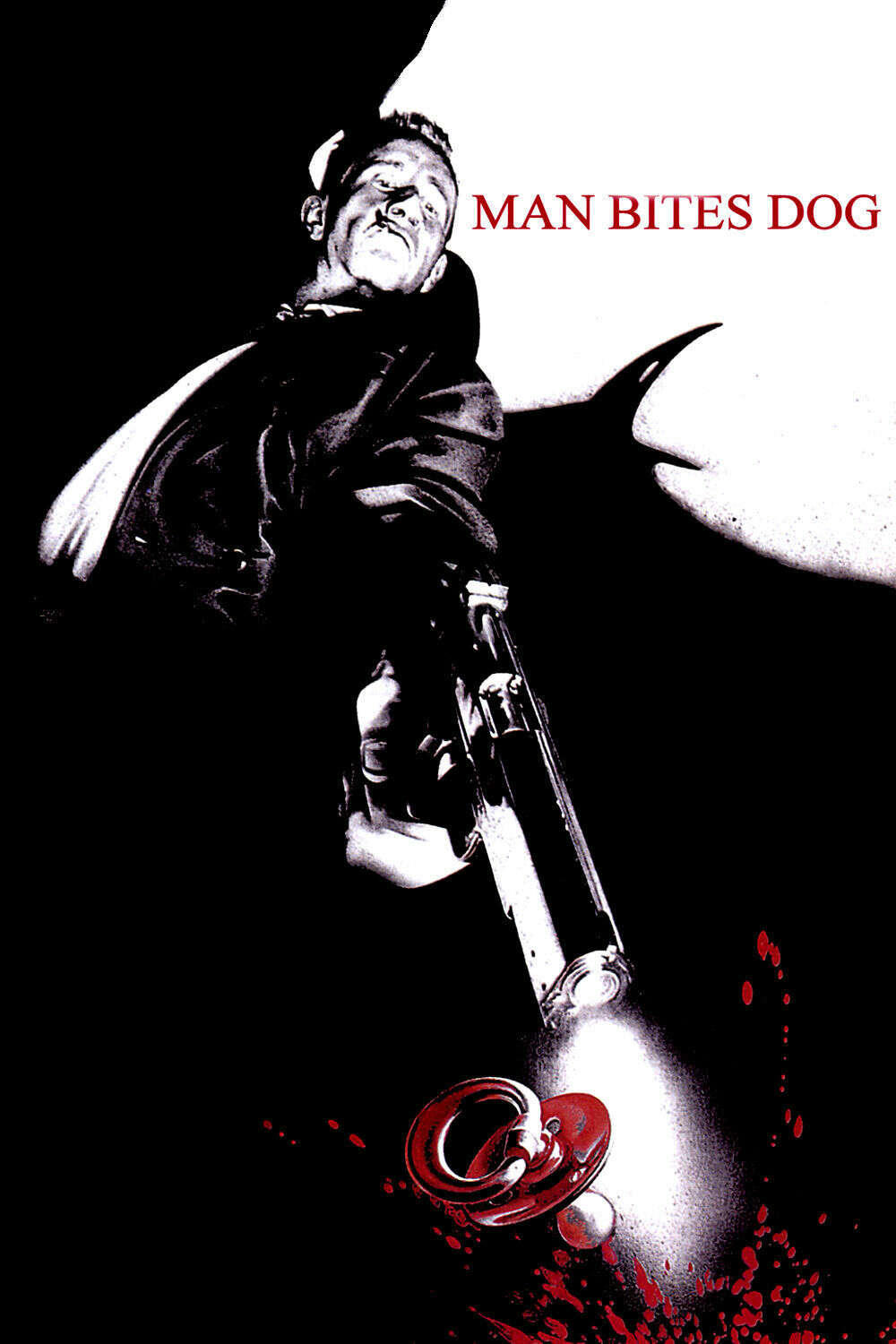
Man Bites Dog
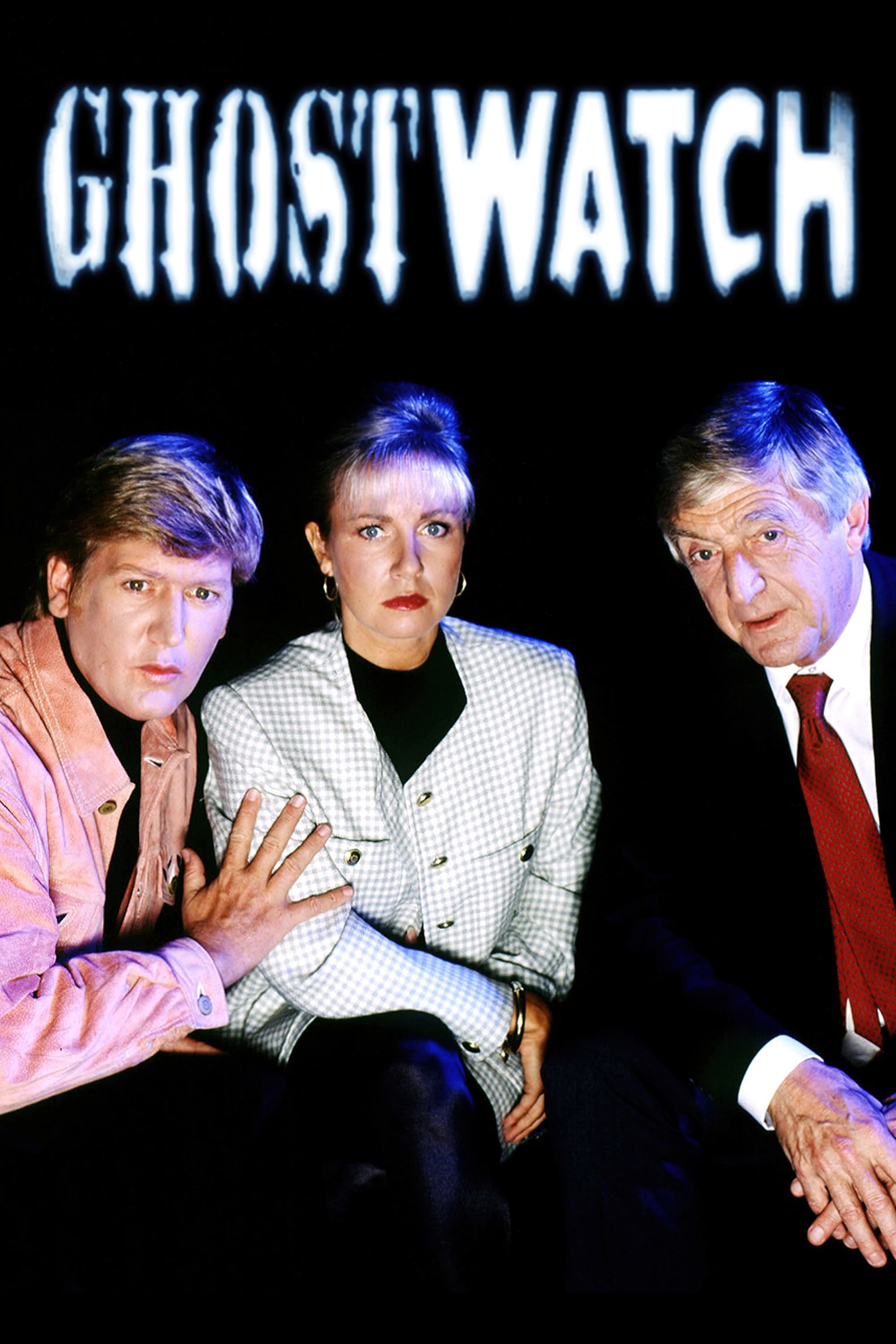
Ghostwatch
The Last Broadcast
Incident at Loch Ness
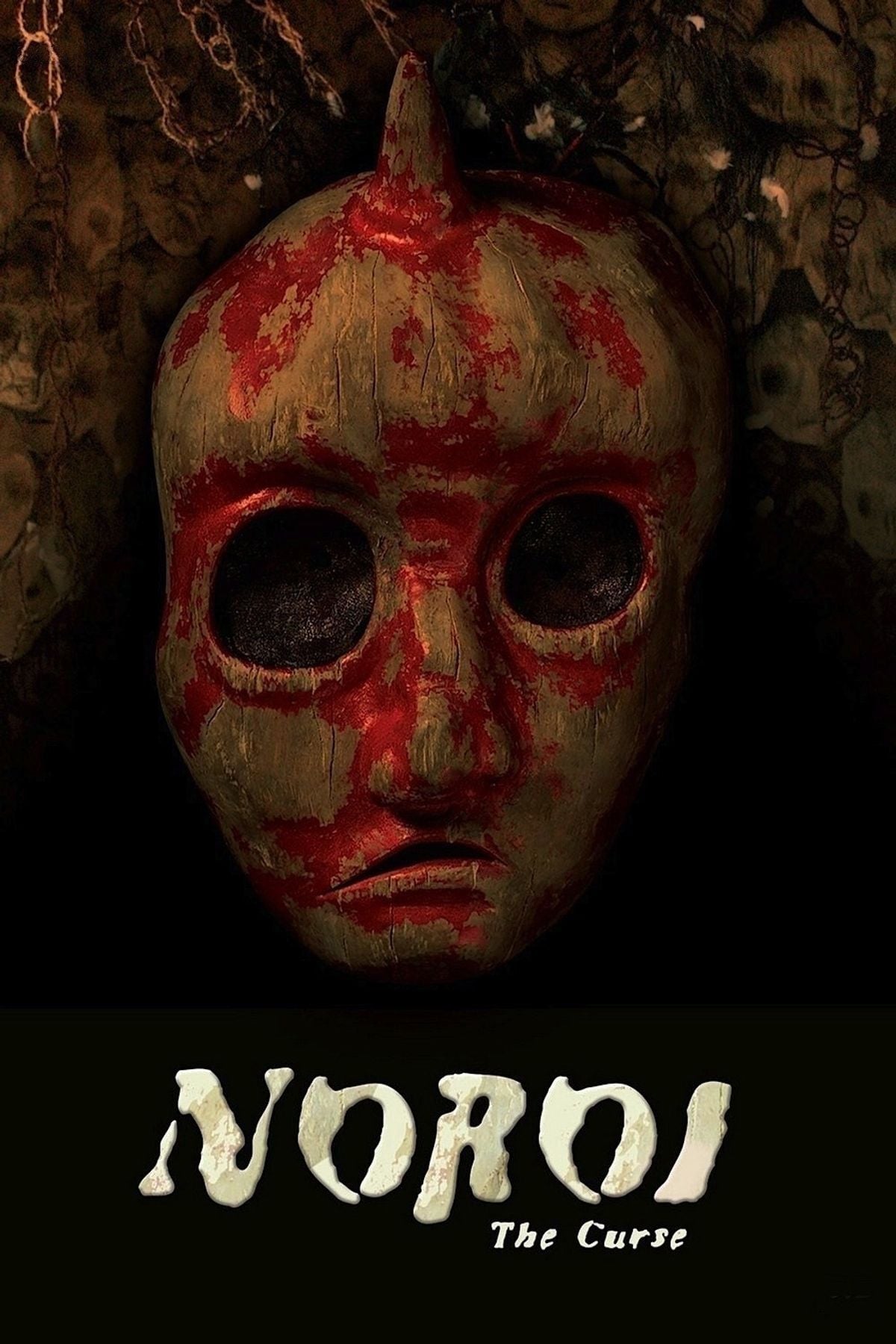
Noroi: The Curse
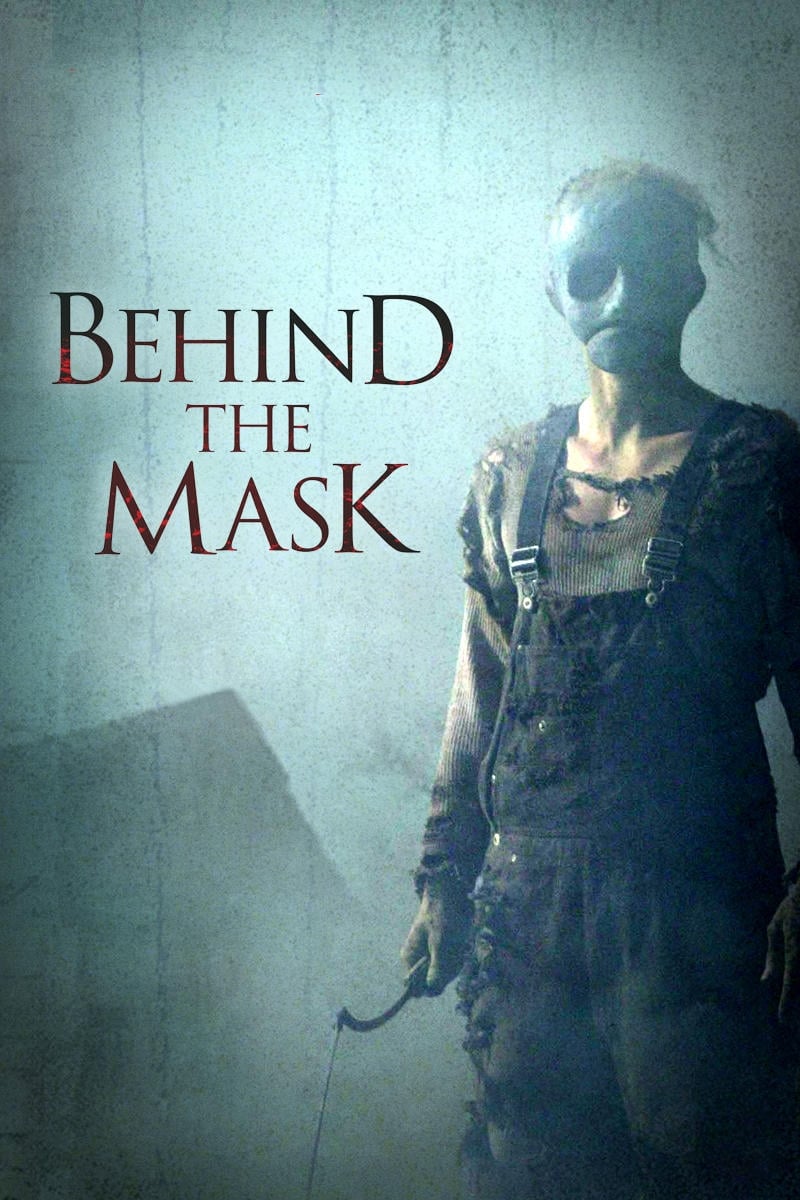
Behind the Mask: The Rise of Leslie Vernon
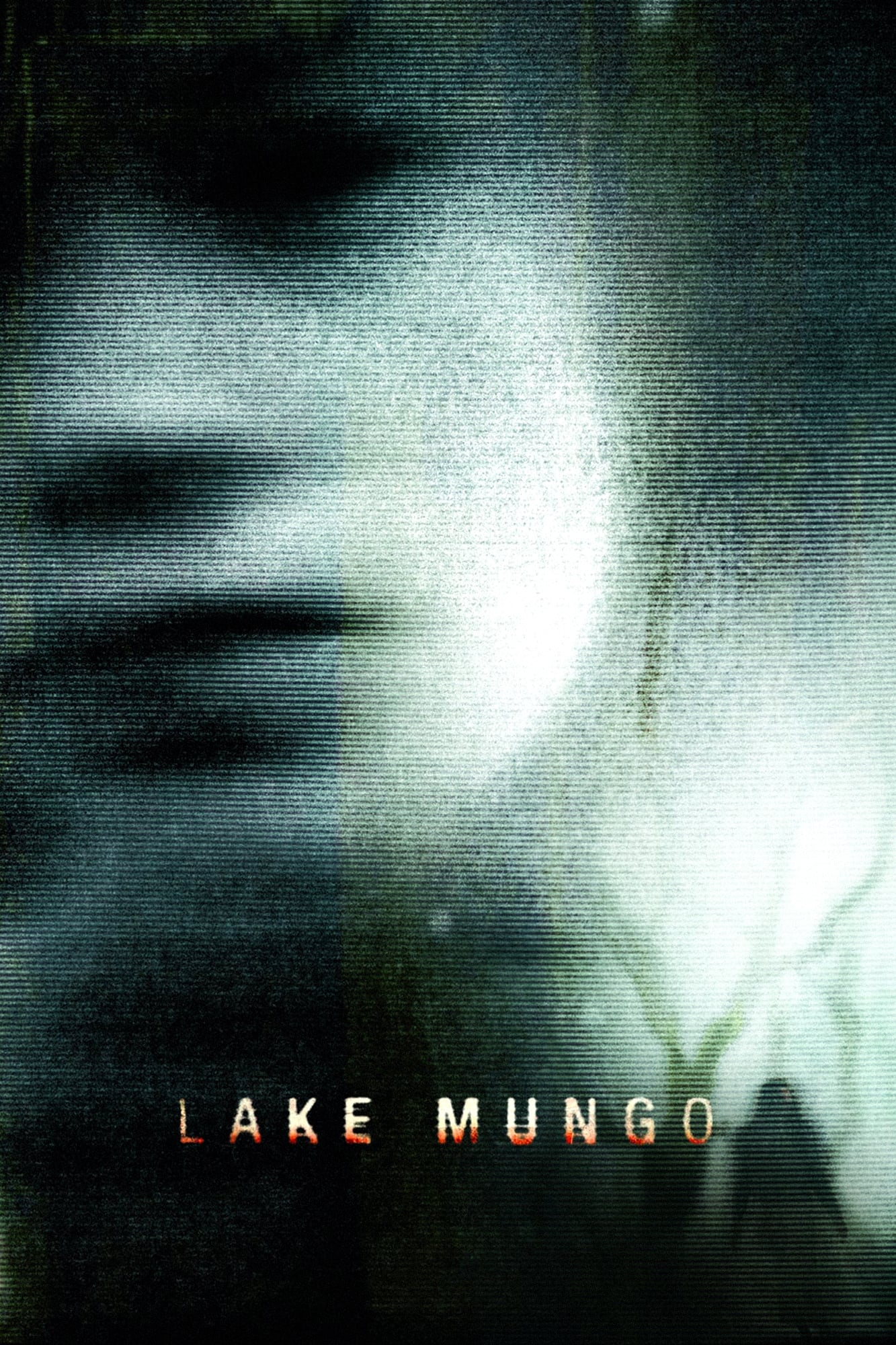
Lake Mungo
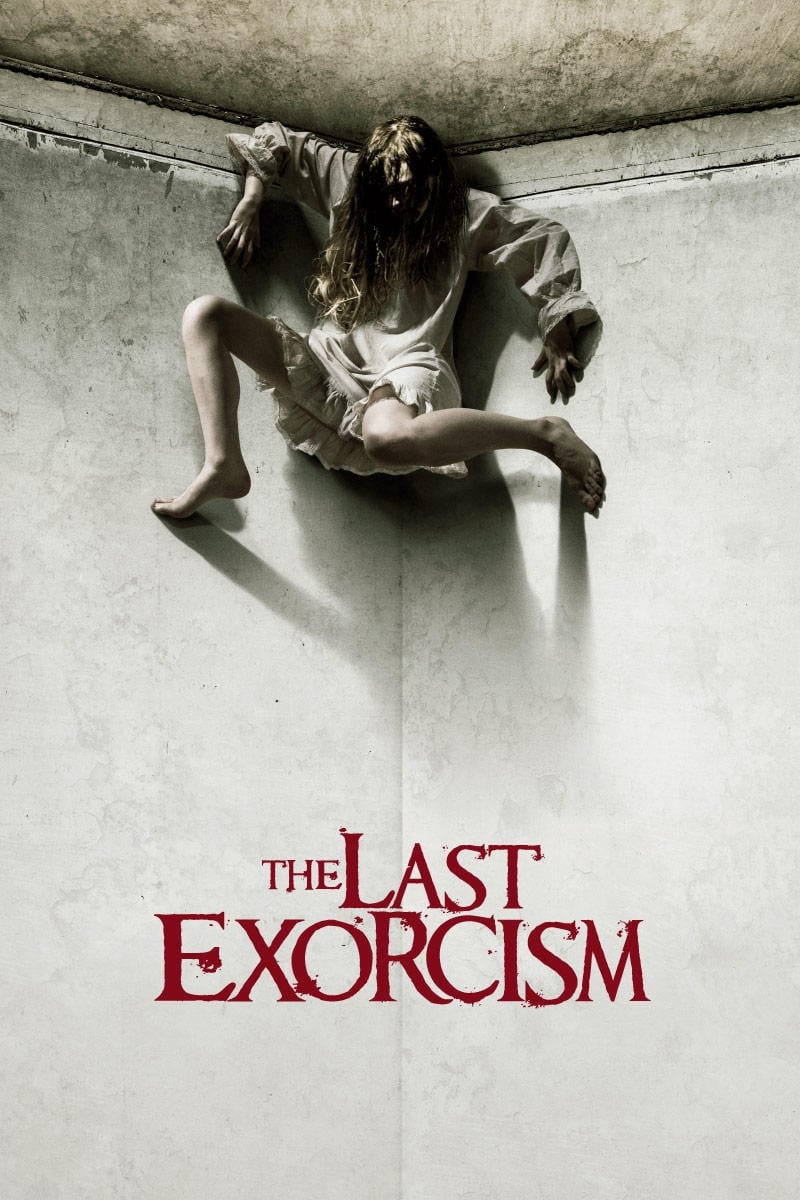
The Last Exorcism
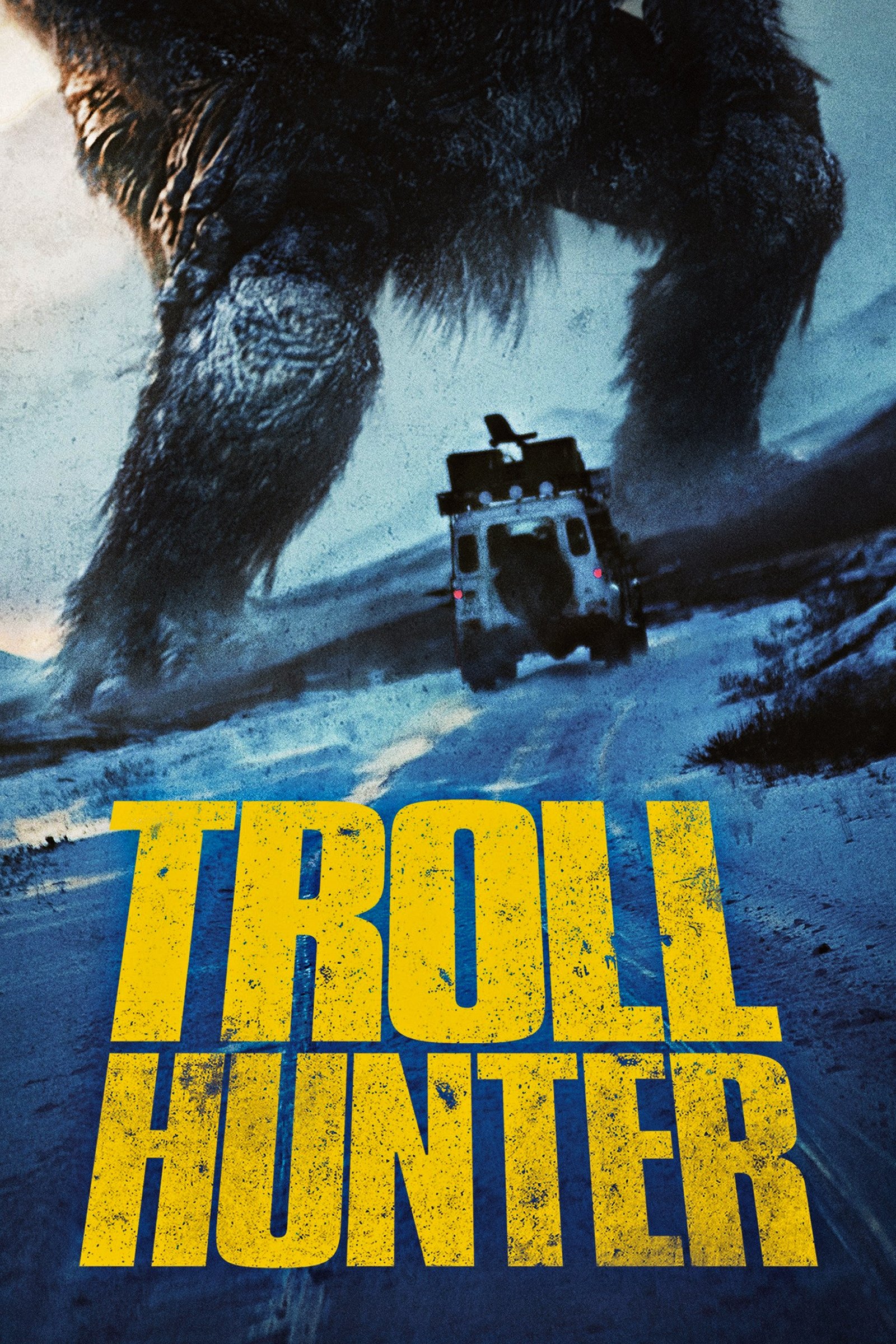
Troll Hunter
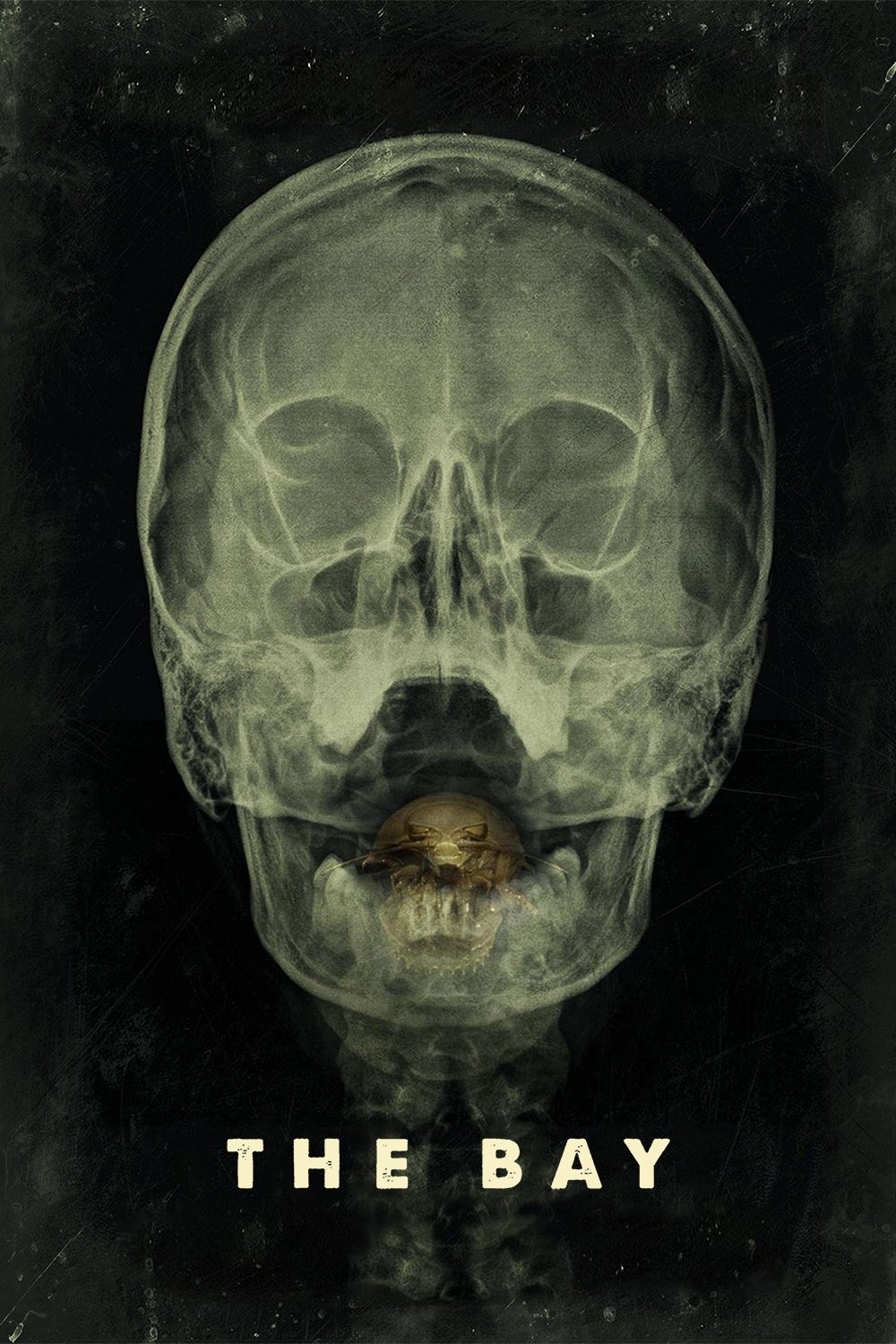
The Bay
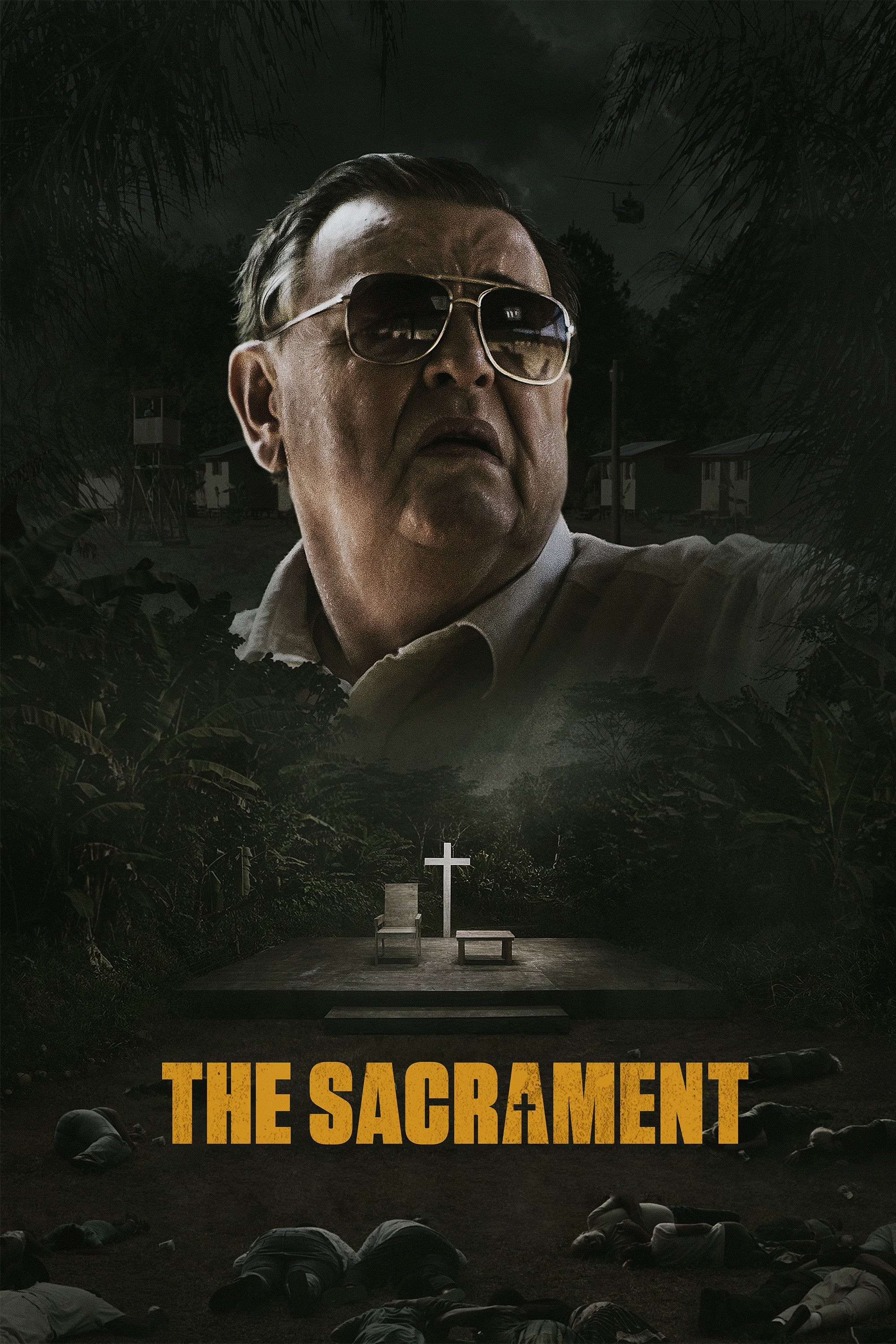
The Sacrament
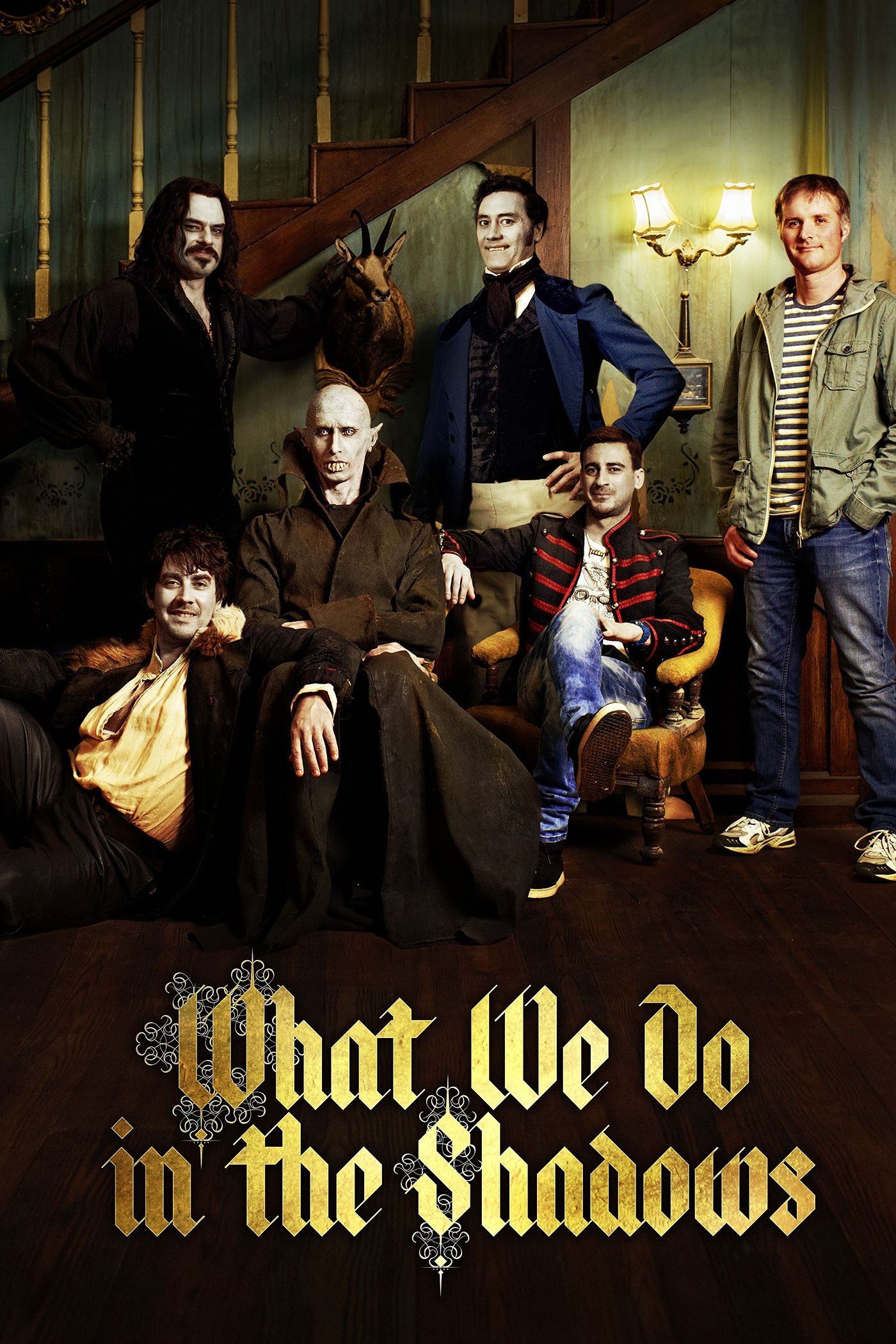
What We Do in the Shadows
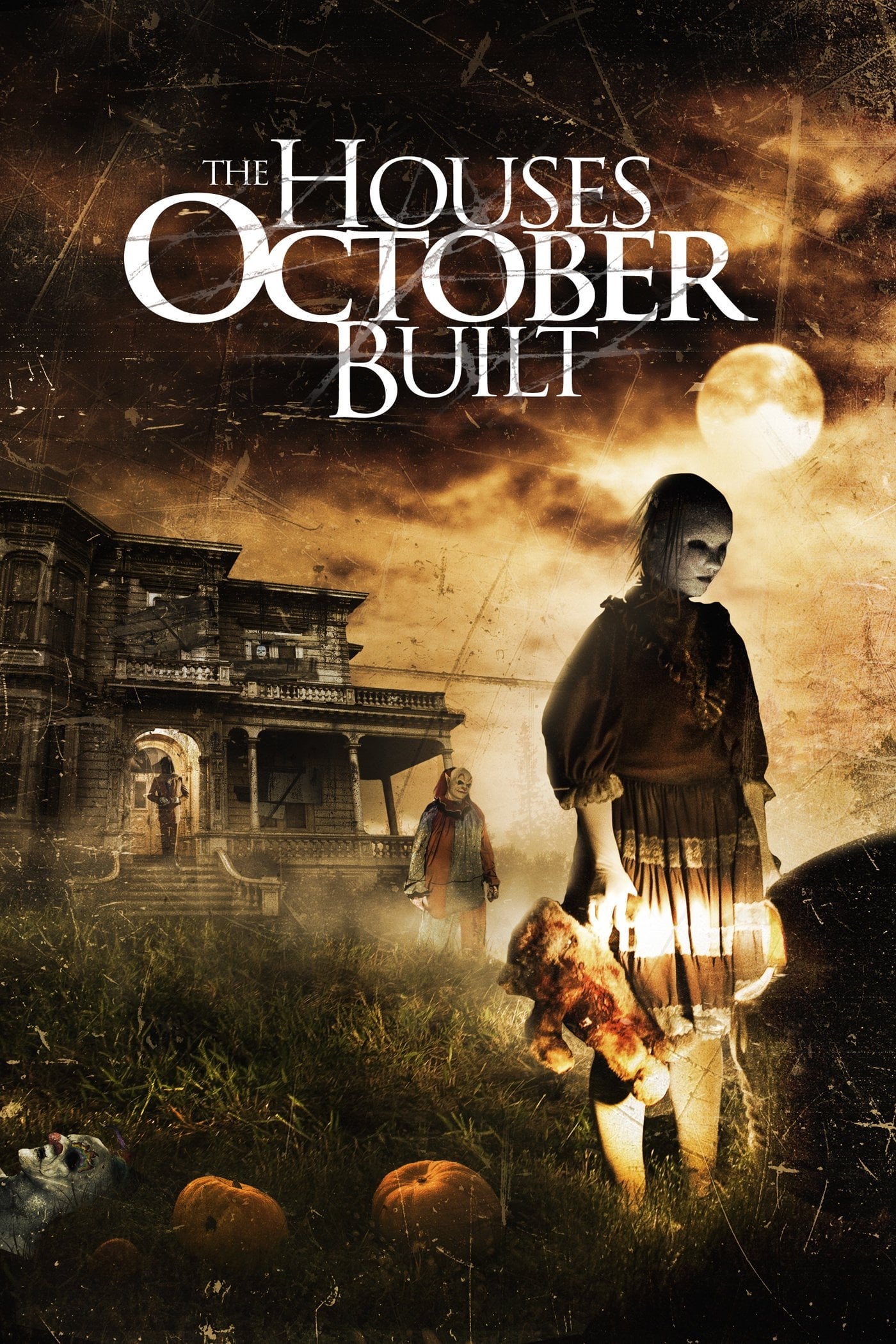
The Houses October Built
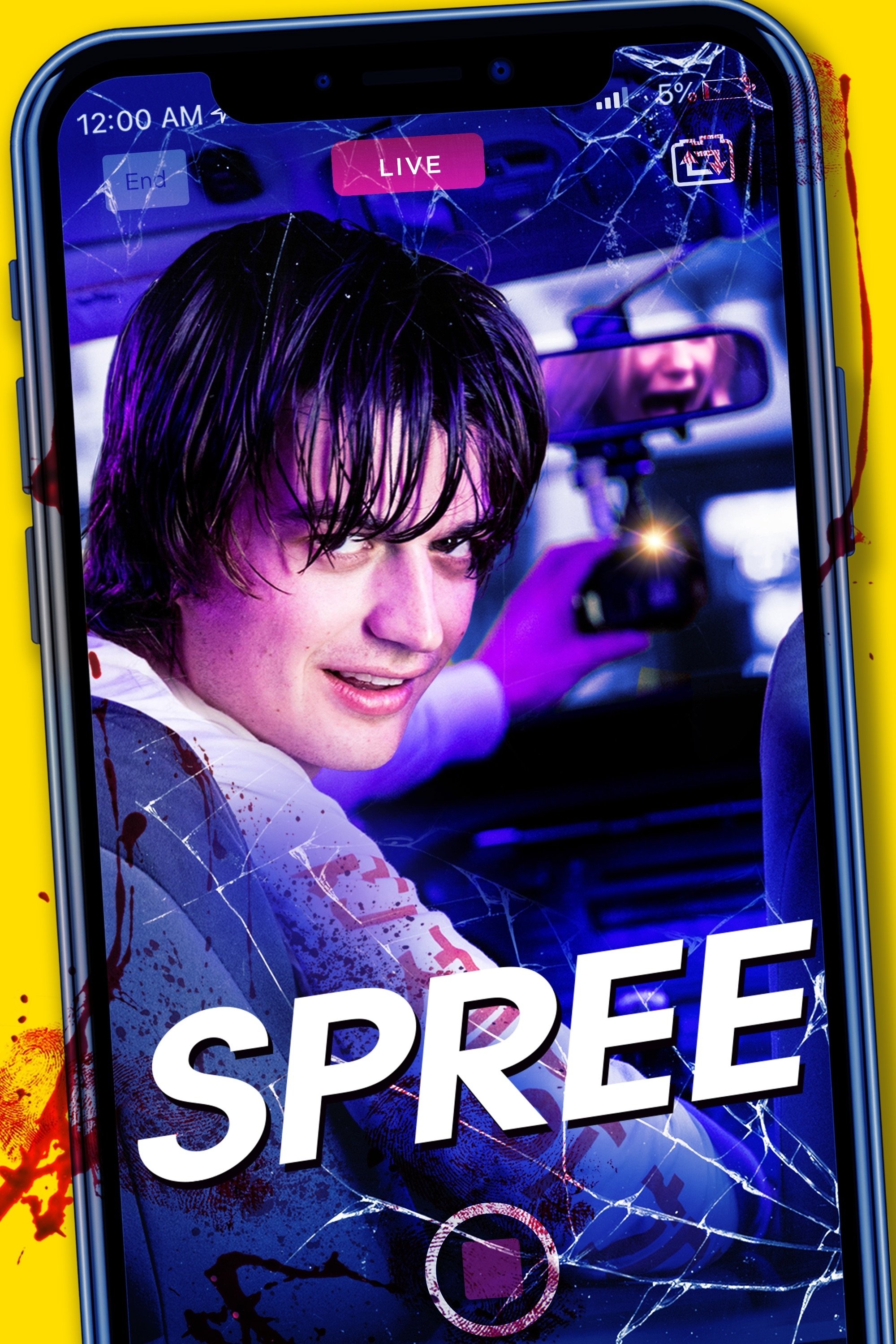
Spree
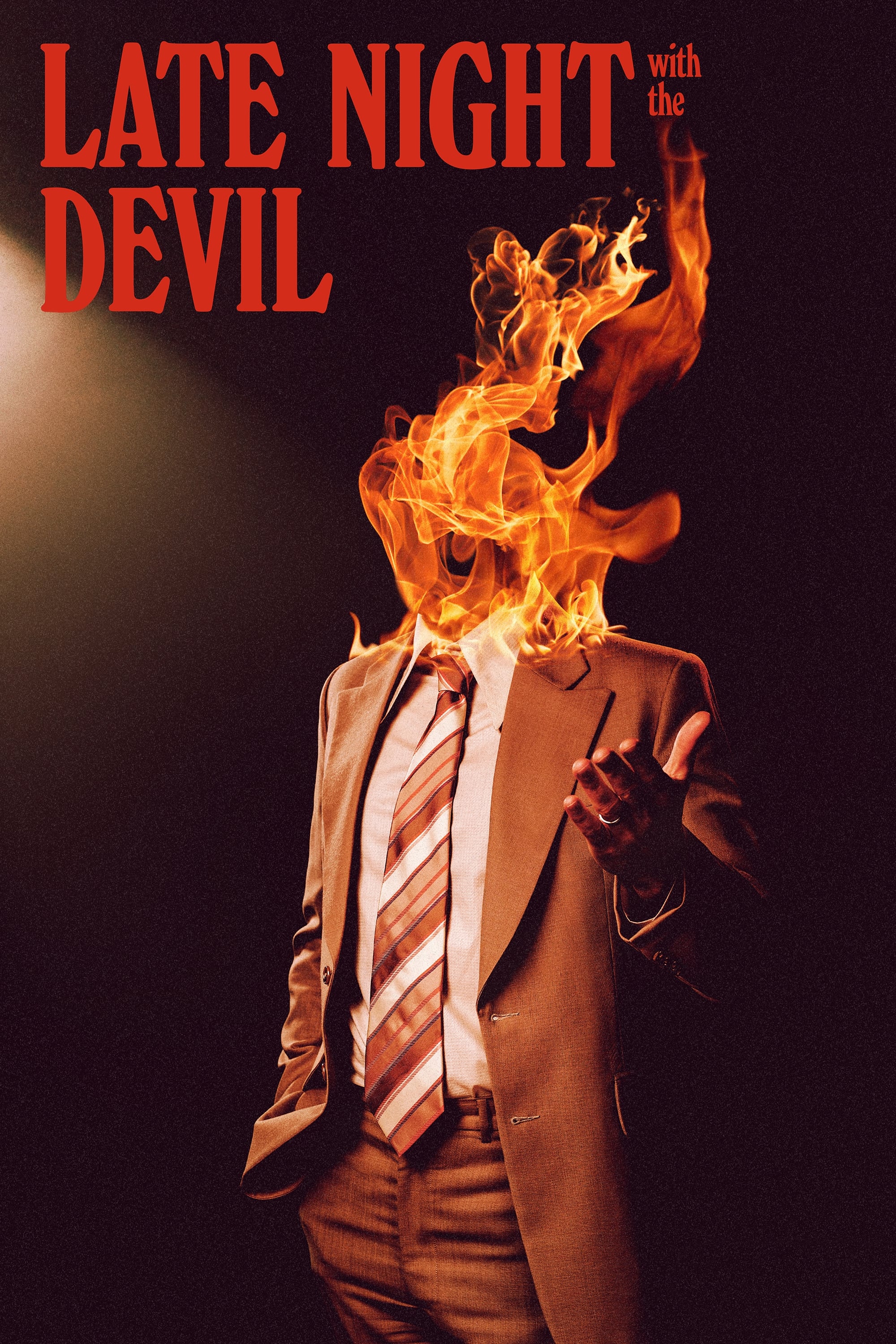
Late Night with the Devil
Statistics
Popularity by Decade
Share of each decade's horror films classified as Mockumentary. Counts films with at least 5 TMDB ratings, so very obscure titles are not represented.
Popularity by Country
Share of each country's horror output classified as Mockumentary. Counts films with at least 5 TMDB ratings, so very obscure titles are not represented.