

Short Film
Horror in compressed form — fewer than 40 minutes, a single sustained idea, no time for the audience to settle. The short film is where horror was born, where new filmmakers test their first ideas, and where the genre finds its purest natively-digital expressions.
History & Origins
Cinema's first horror film was a short. As critic Murray Leeder puts it, "it is likely that the very first motion picture was a horror film" — Georges Méliès's three-minute Le Manoir du diable (1896), with its bat transforming into Mephistopheles and a final crucifix banishment, was "as much a magic trick as it was an effort to produce the first vampire film." The France-born trick-film tradition Méliès established defined the form's earliest decade. Edison Studios's Frankenstein (1910), fourteen minutes long, was the first horror film made in the United States. For the first two decades of film history, horror existed almost entirely in this short form.
The feature-length horror film displaced the short for most of the twentieth century, but the form survived in a few protected corners. American broadcast anthologies — Lights Out, Inner Sanctum, NBC Mystery Theatre's Pickman's Model (1981) — produced thirty-minute Lovecraft and Bloch adaptations for television. Britain's public information films of the 1970s and 80s produced some of the most disturbing minute-long horror cinema ever made — Lonely Water (1973)'s drowning-child PSA and the longer Apaches (1977)'s farm-machinery deaths used the documentary register to deliver more dread than most features. Tim Burton's six-minute Disney stop-motion debut Vincent (1982) and twenty-nine-minute live-action Frankenweenie (1984) demonstrated that the short remained the natural unit for auteur-stylistic experiment. David Lynch's Rabbits (2002), a sitcom-as-existential-horror episode cycle, took the form into pure experimental territory.
The 21st-century festival circuit became the proving ground for first-time horror directors. James Wan and Leigh Whannell's Saw (2003) short — a single Jigsaw-trap proof-of-concept — became the calling card that opened the door to the feature franchise. The pattern repeated with Andy Muschietti's Mamá (2008), David F. Sandberg's Lights Out (2014), and Ramke/Howling's Cargo (2013), each of which built directly into a studio feature within five years. Festival horror shorts had become the genre's primary talent pipeline — Sundance, SXSW, Sitges, Fantasia, and Fantastic Fest each program short blocks that feed directly into the feature-development ecosystem.
The form's central virtue is concentration. A horror short has no time for character backstory, no room for a second act, no margin for an audience to acclimate. Whatever scares the film intends must be delivered with the economy of a poem. This compression is also a discipline — shorts cannot fail in the ways that features routinely do, because shorts cannot pad. A weak idea is exposed in five minutes; a strong idea, sustained, becomes a calling card. Jason Eisener's Treevenge (2008), Bedfellows (2008), Bo Mirosseni's The Smiling Man (2015), Tuck Me In (2014) (a Reddit one-minute viral horror), and Jill Gevargizian's The Stylist (2016) demonstrated the range — from creature-comedy gore to micro-budget child-in-bedroom dread.
The most consequential modern development is native-digital horror. YouTube and Vimeo have become the form's contemporary home. Analog horror series — Local 58, The Mandela Catalogue, Channel 7 — appear as short films released over years, each chapter a tightly compressed unit mimicking VHS rips and PSA broadcasts. TikTok has produced its own micro-horror tradition: 60-second clips designed to be encountered in a feed, exploiting the format's algorithmic ambush to deliver scares before a viewer realises what they're watching. Streaming platforms have begun commissioning short-form horror as well — Marvel's Werewolf by Night (2022), at 55 minutes, was Disney+'s first dedicated horror "special," a deliberate revival of the broadcast-anthology register. What unites every era of the format — from Méliès's Mephistopheles to a viral TikTok ghost — is the same conviction: that horror does not require duration. A single sharp idea, well delivered, is the genre's natural unit.
Essential Films
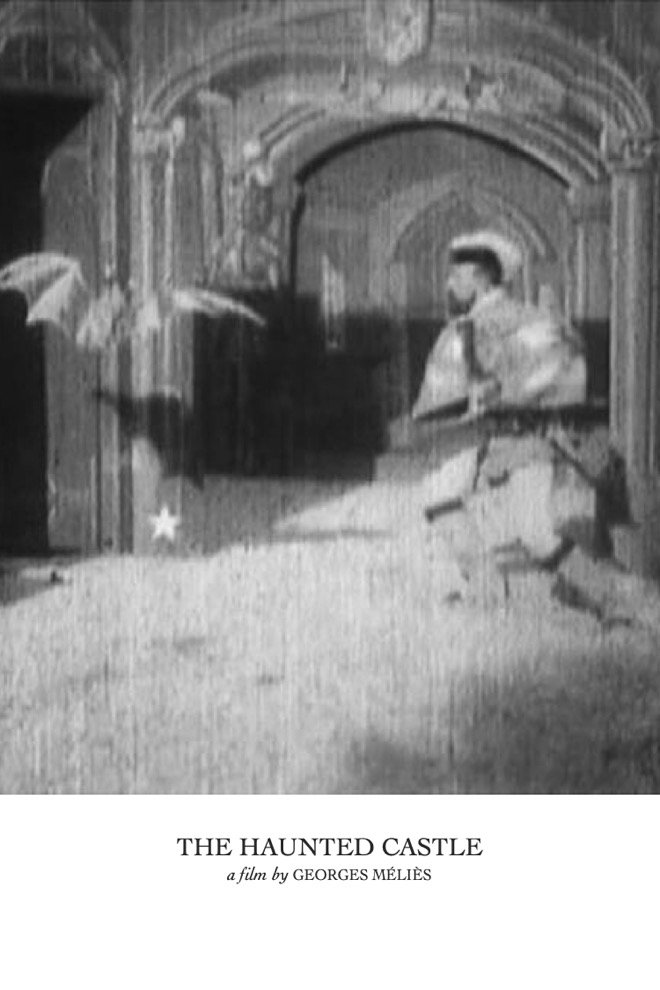
Le manoir du diable
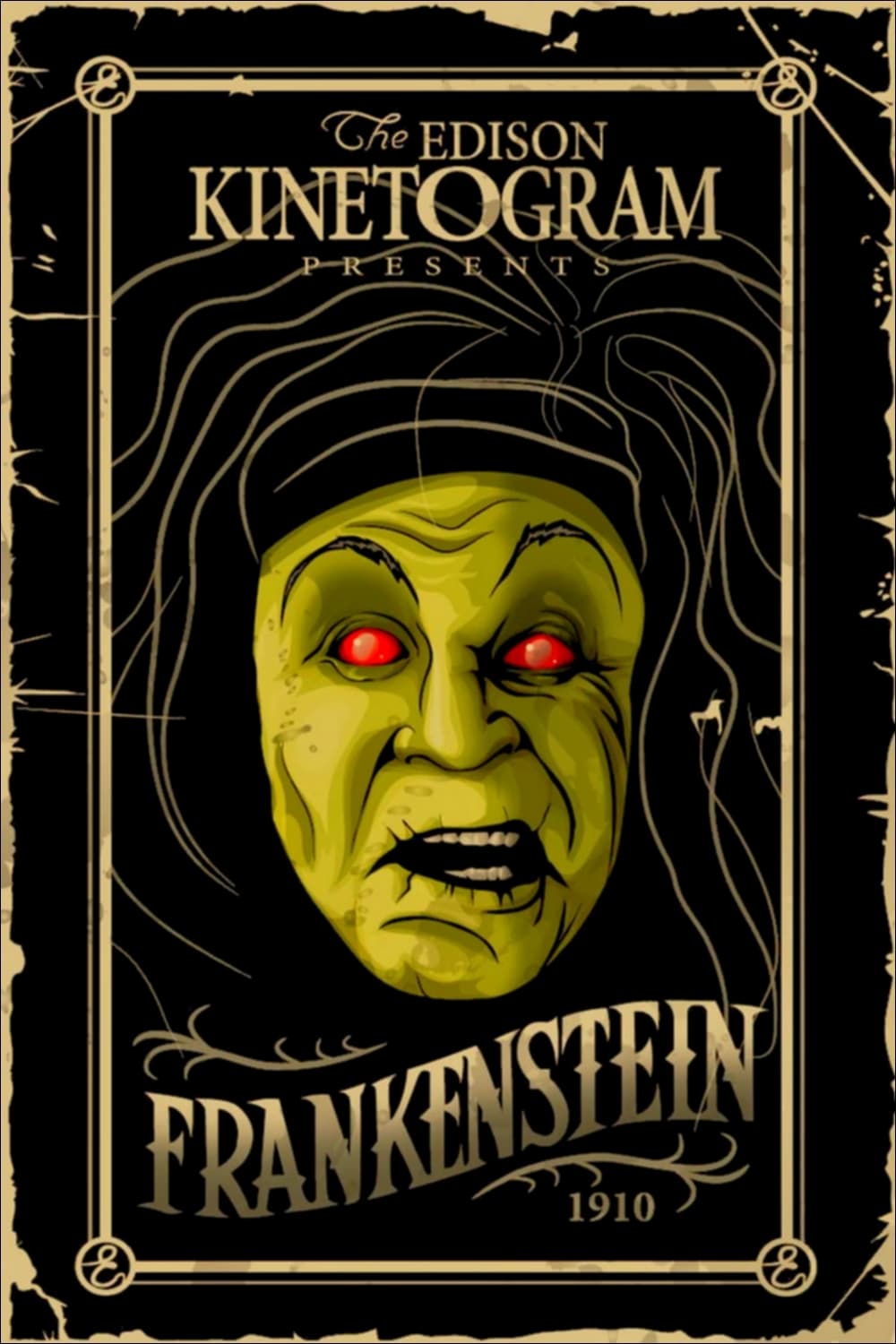
Frankenstein
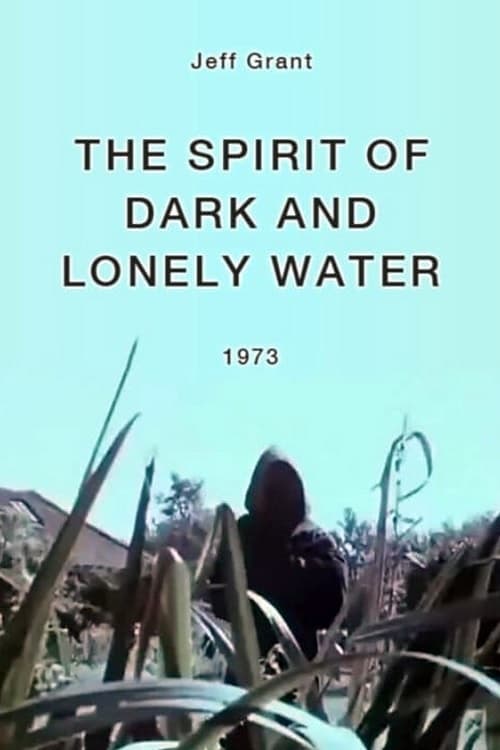
Lonely Water
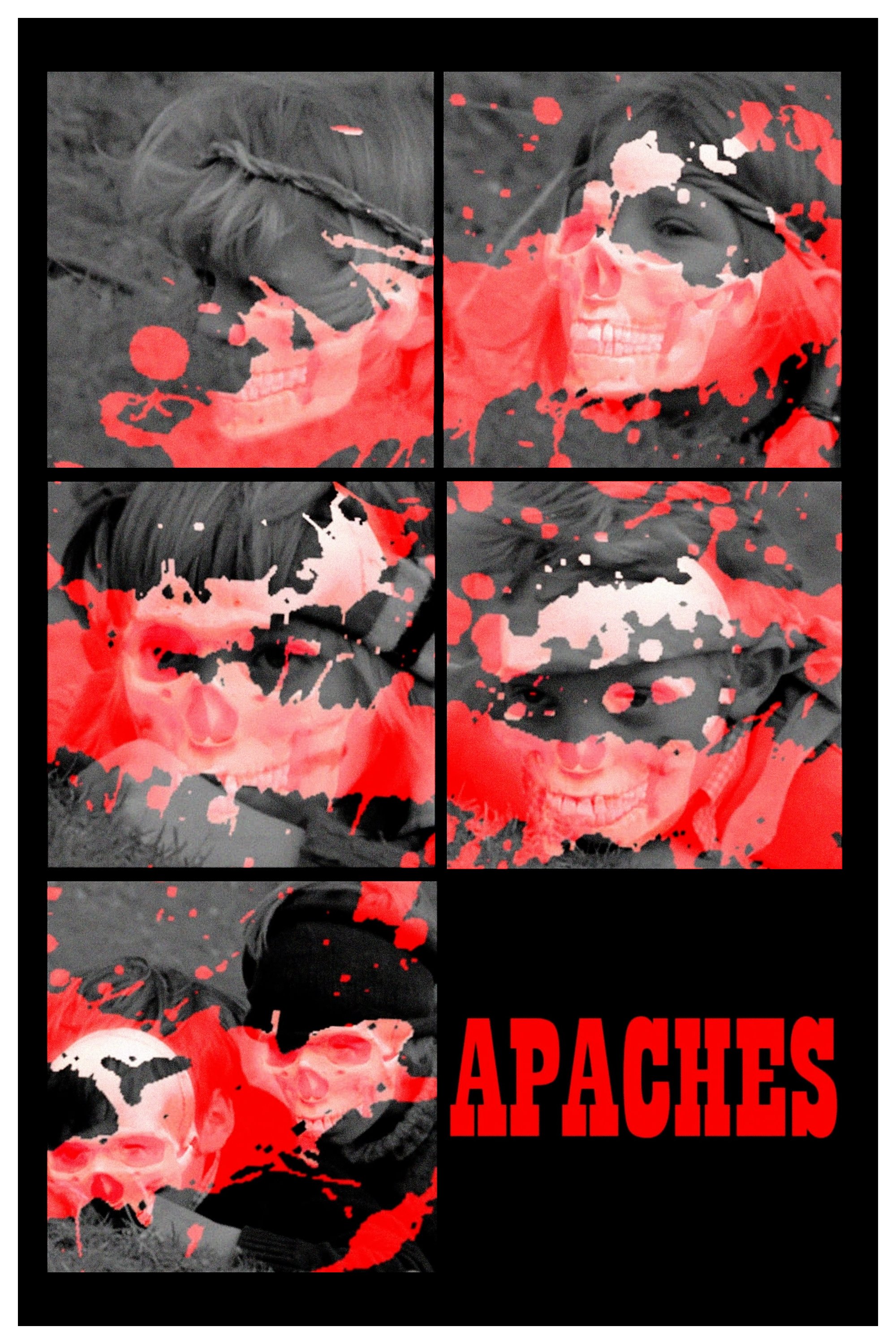
Apaches
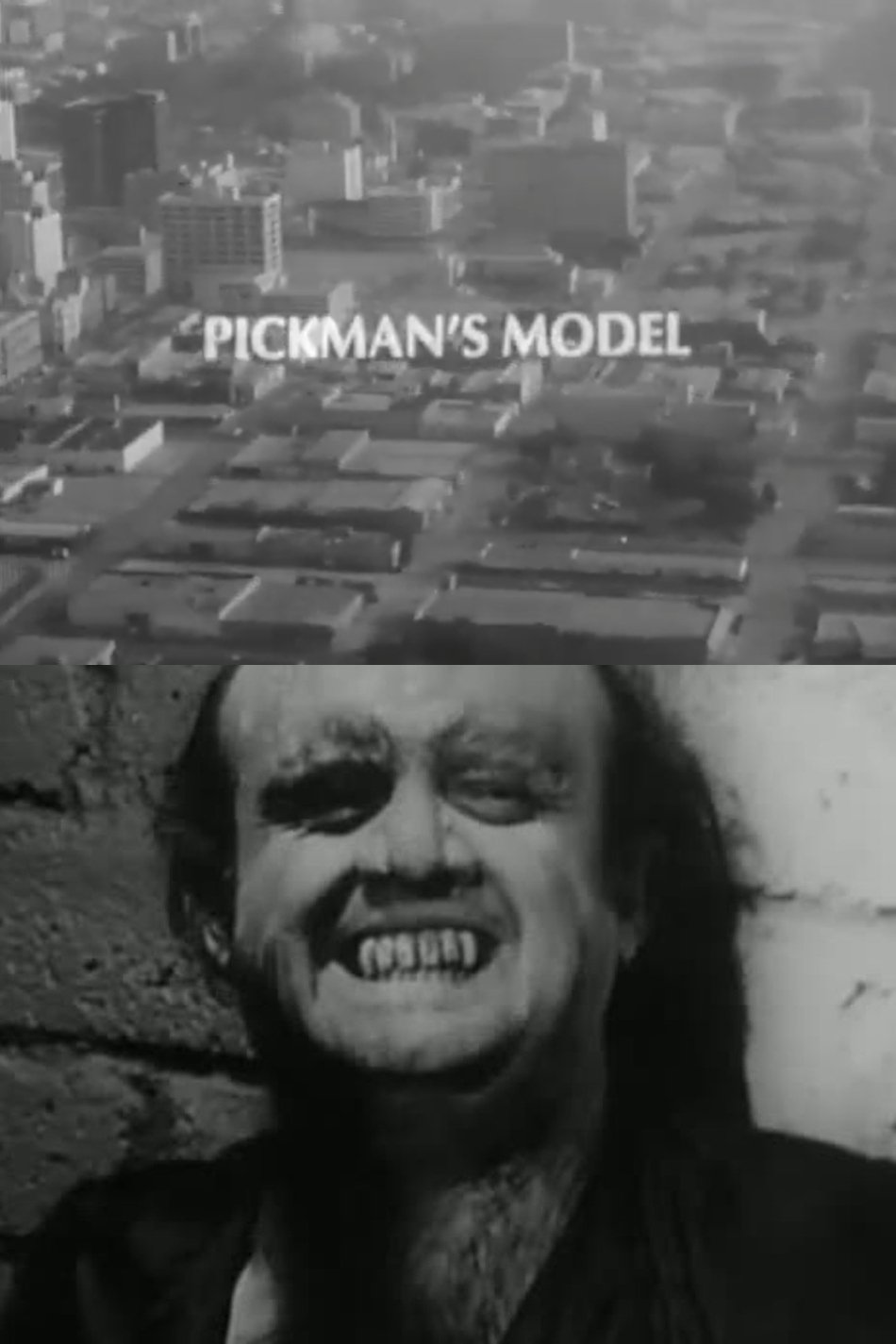
Pickman's Model
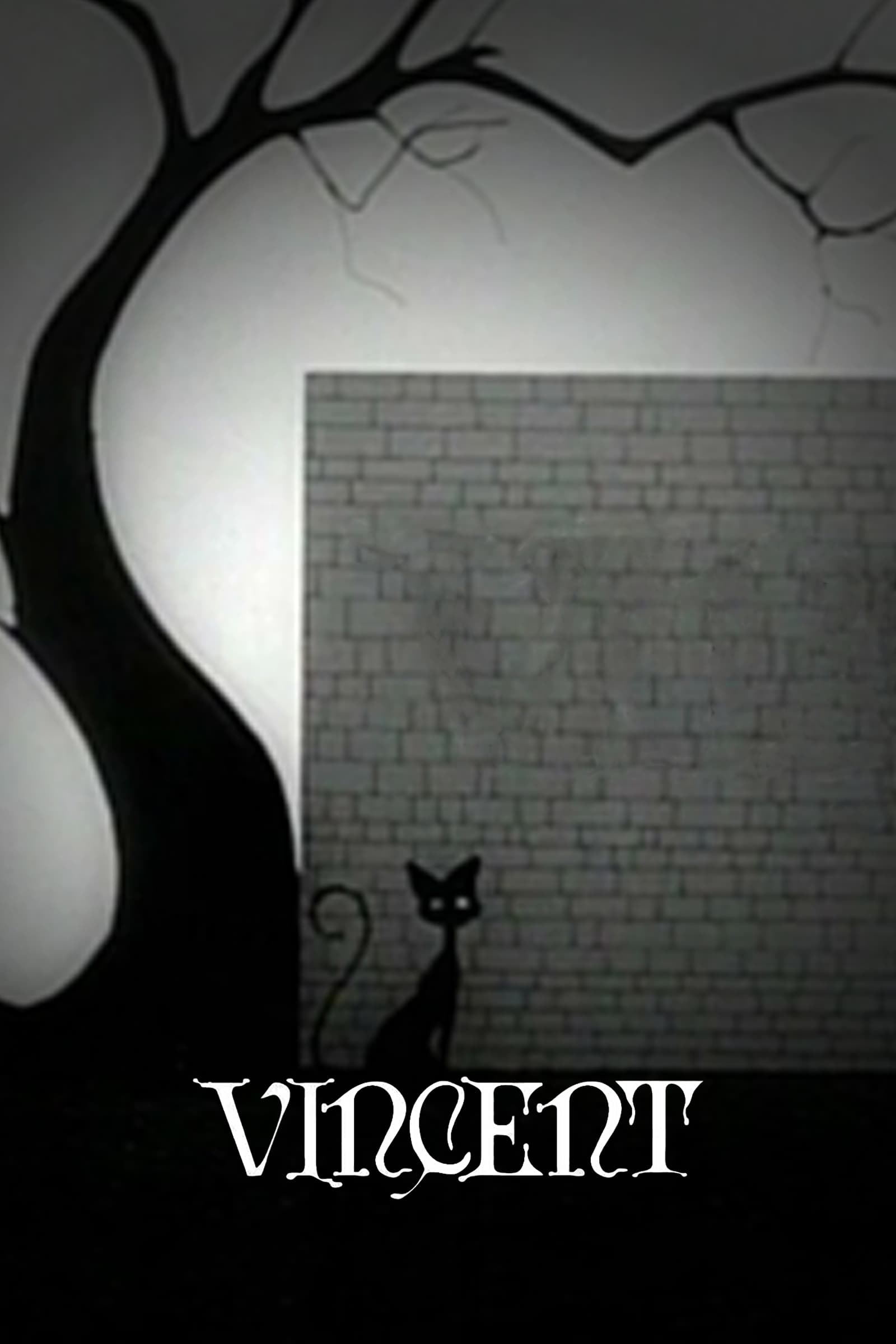
Vincent
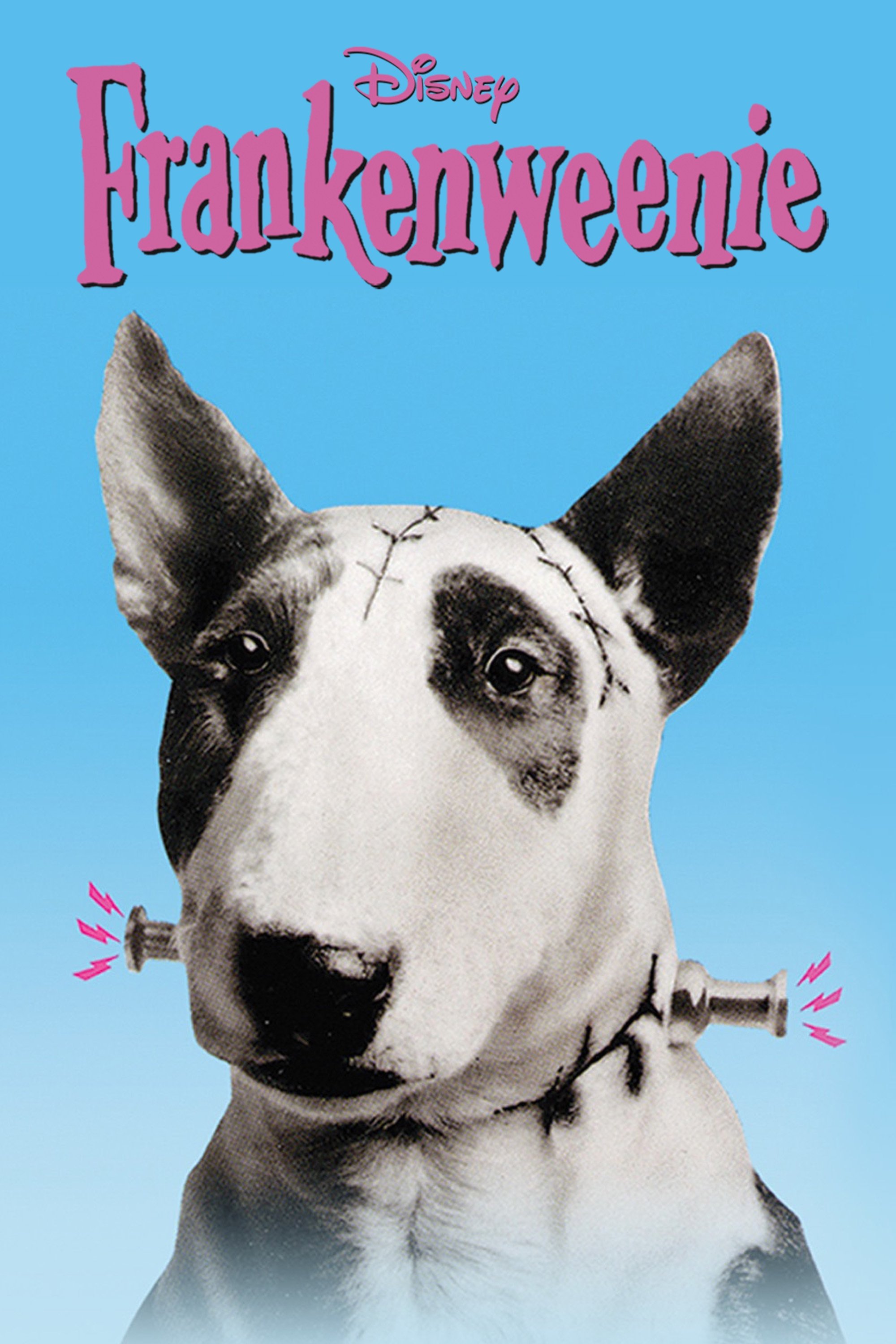
Frankenweenie
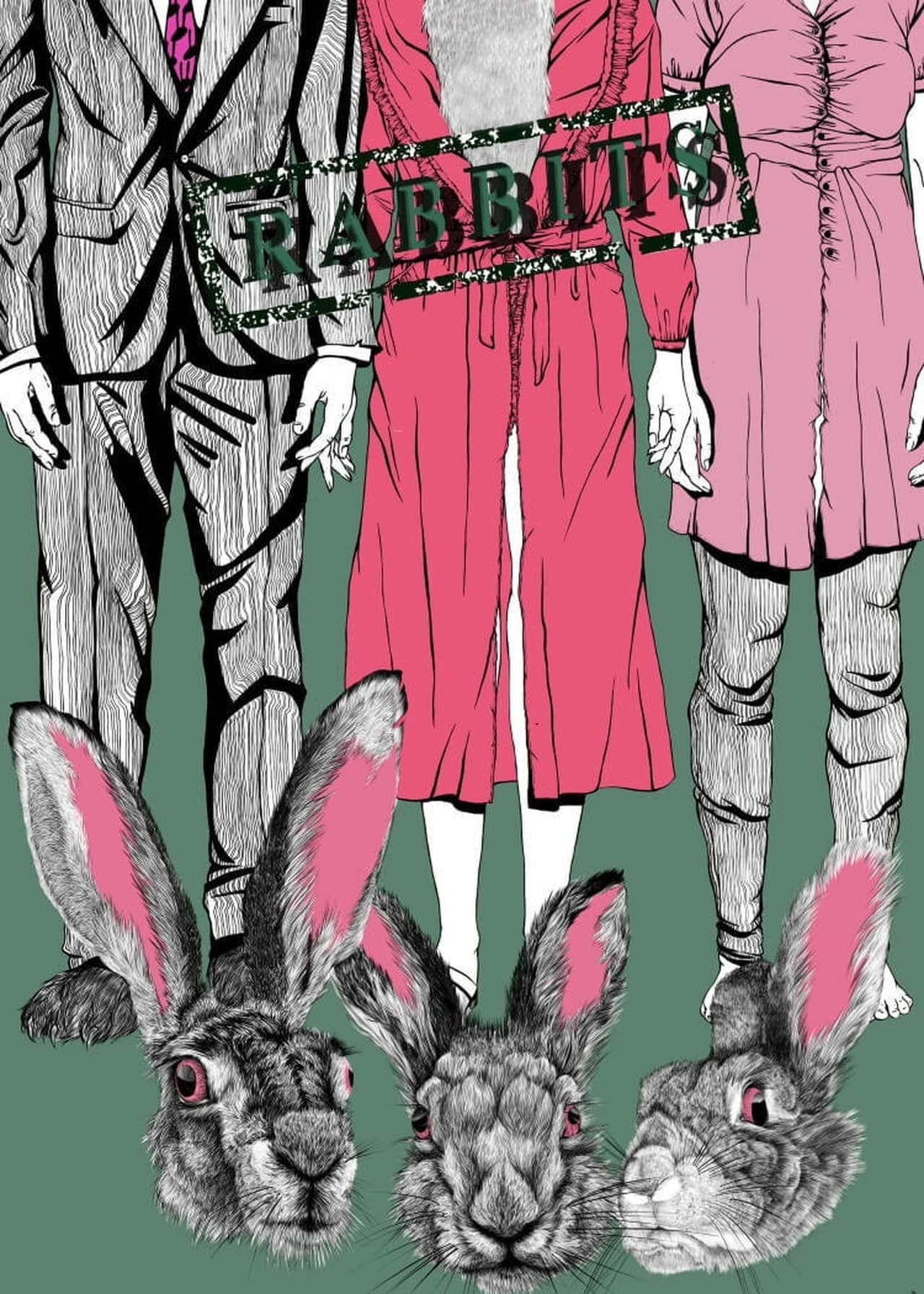
Rabbits
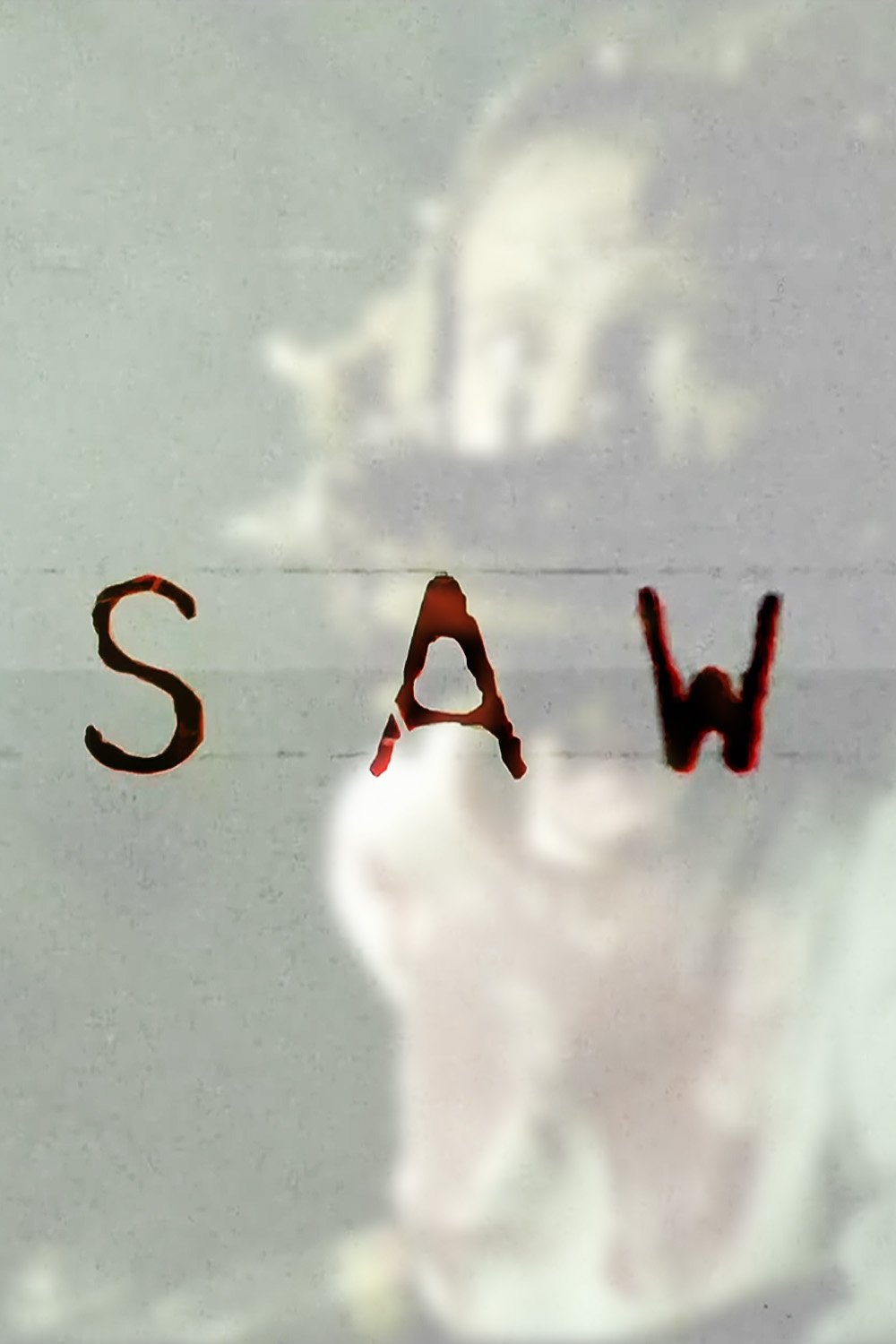
Saw
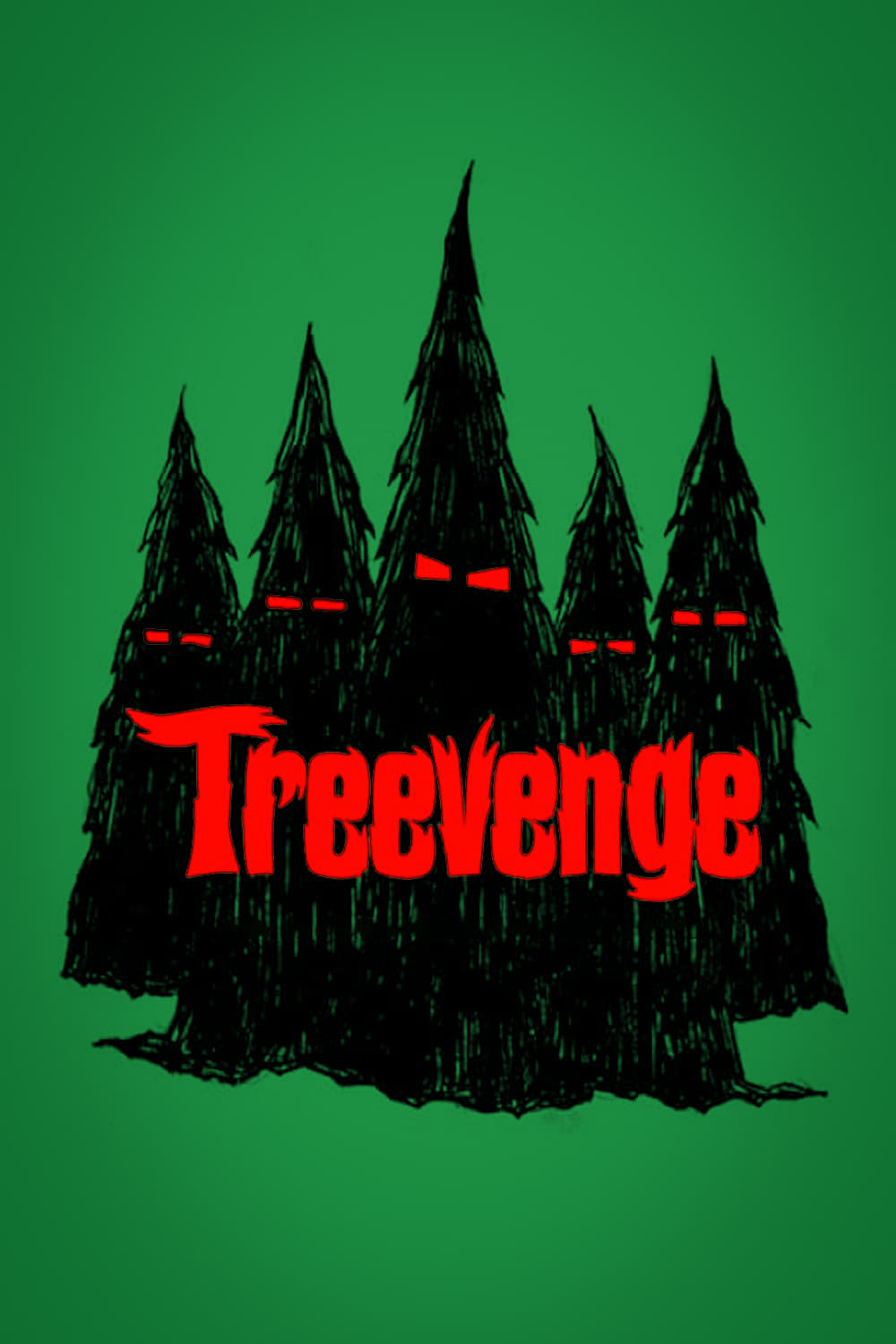
Treevenge
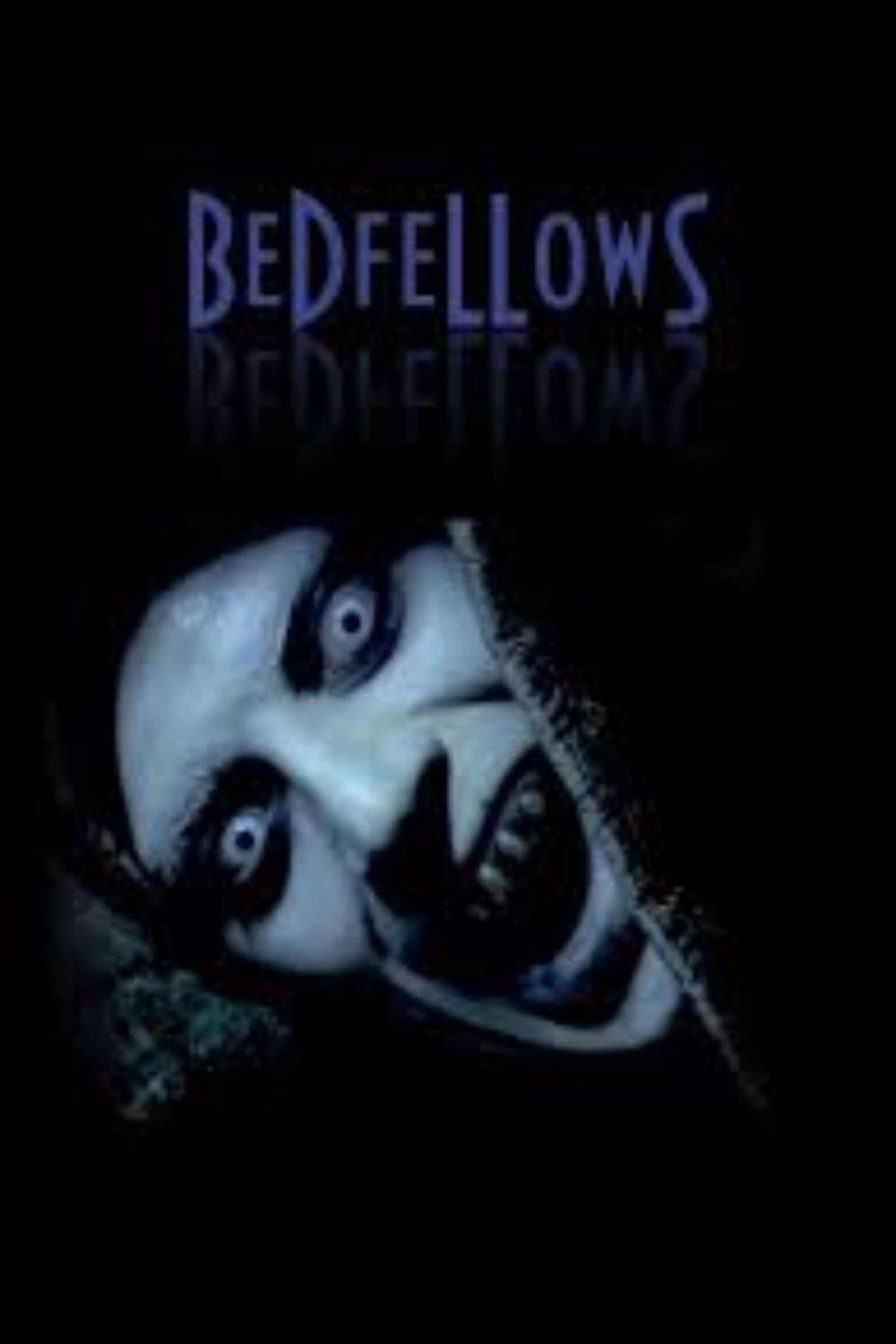
Bedfellows
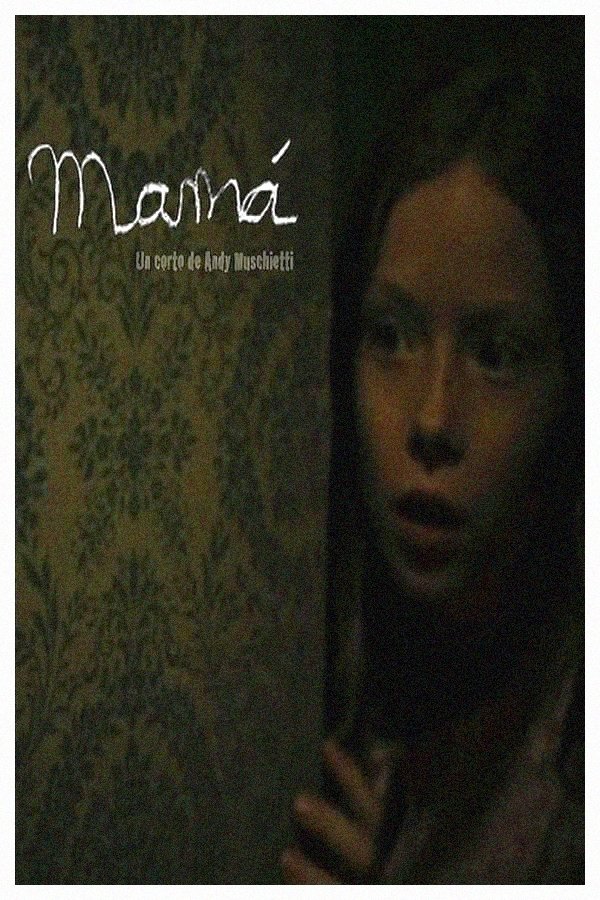
Mamá

The Backwater Gospel
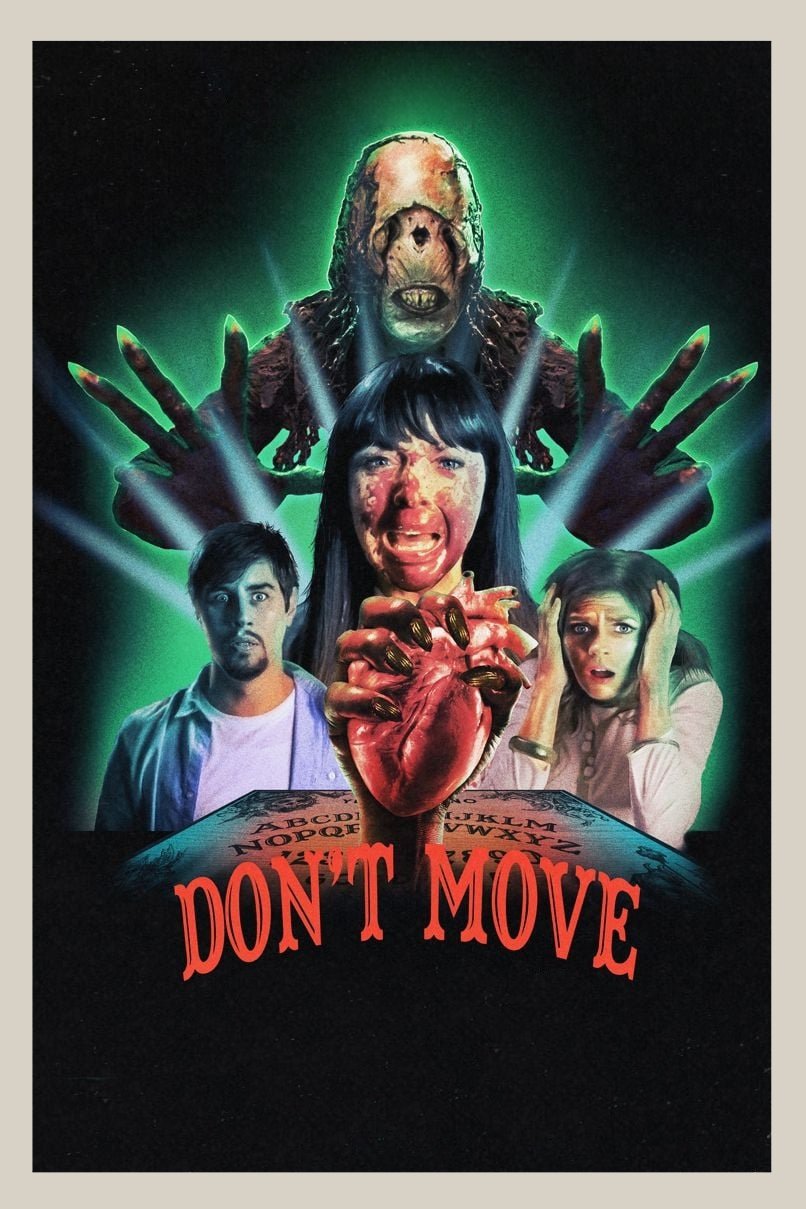
Don't Move
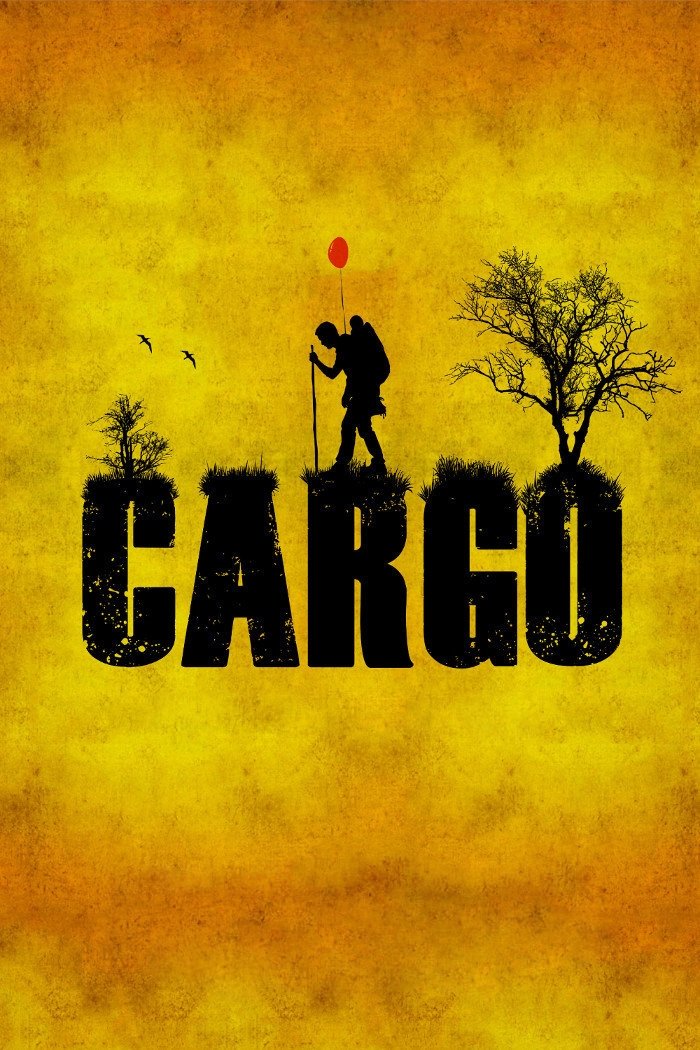
Cargo
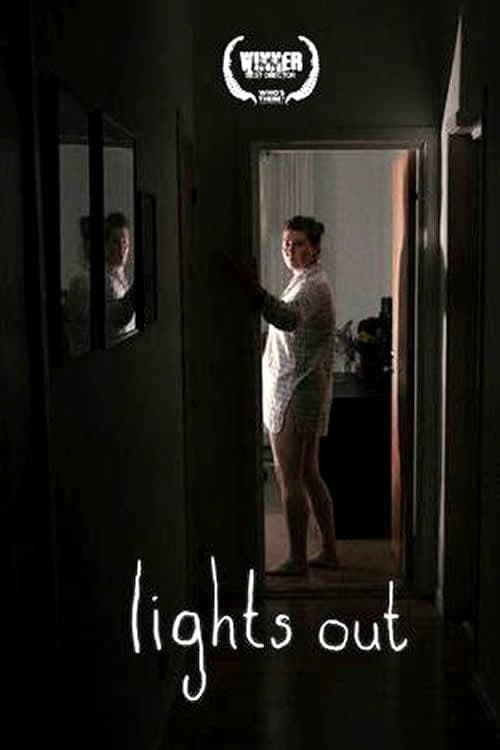
Lights Out
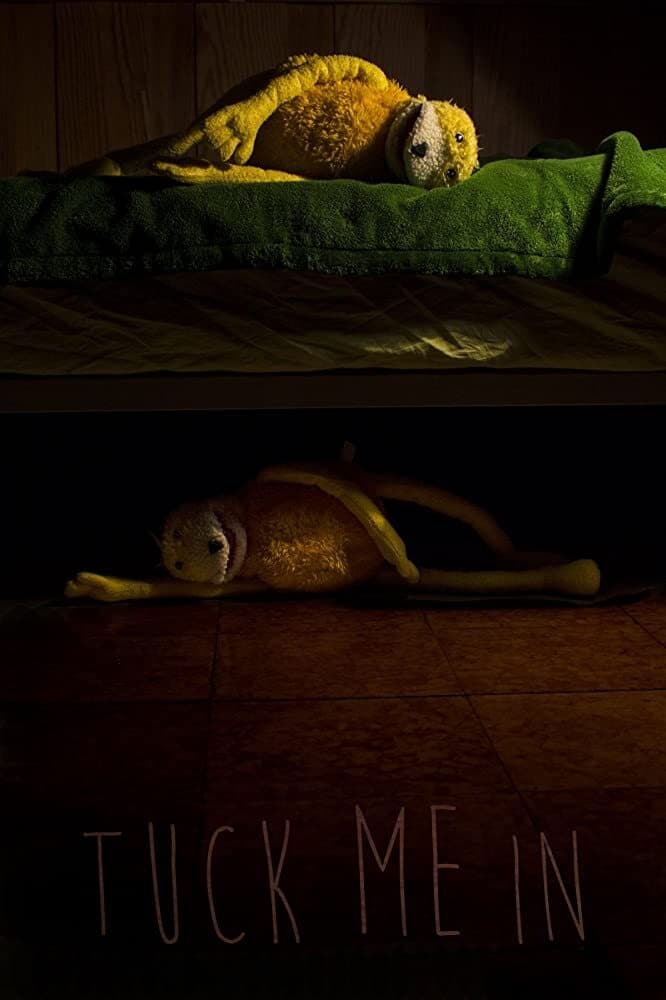
Tuck Me In

The Smiling Man
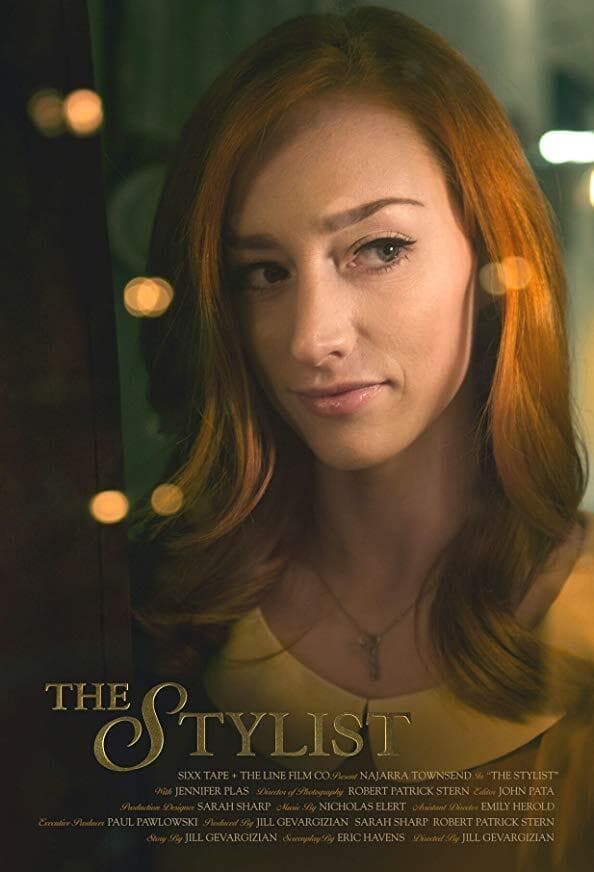
The Stylist
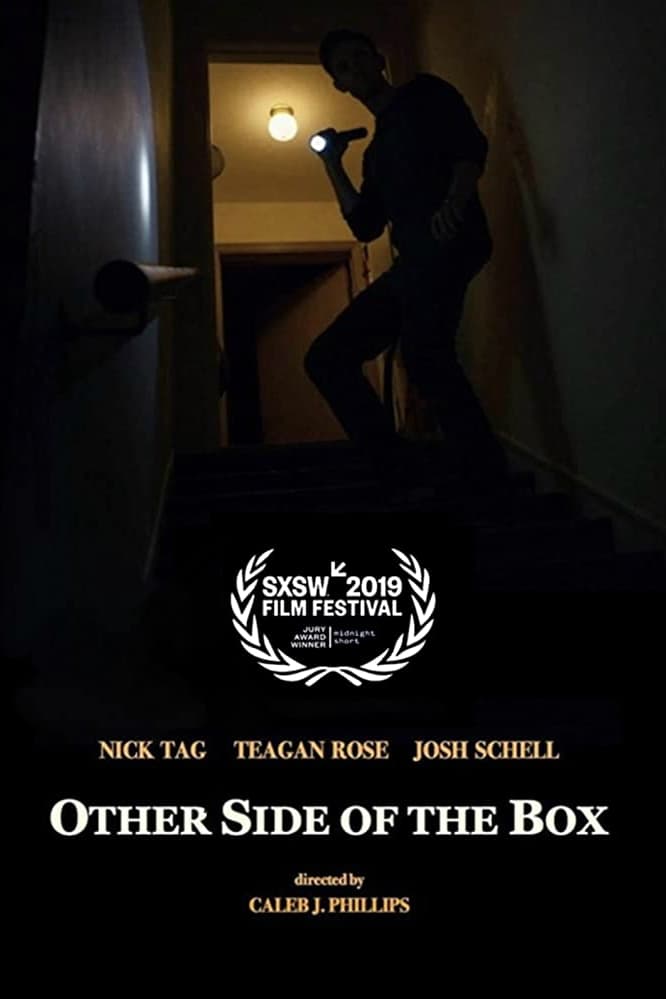
Other Side of the Box
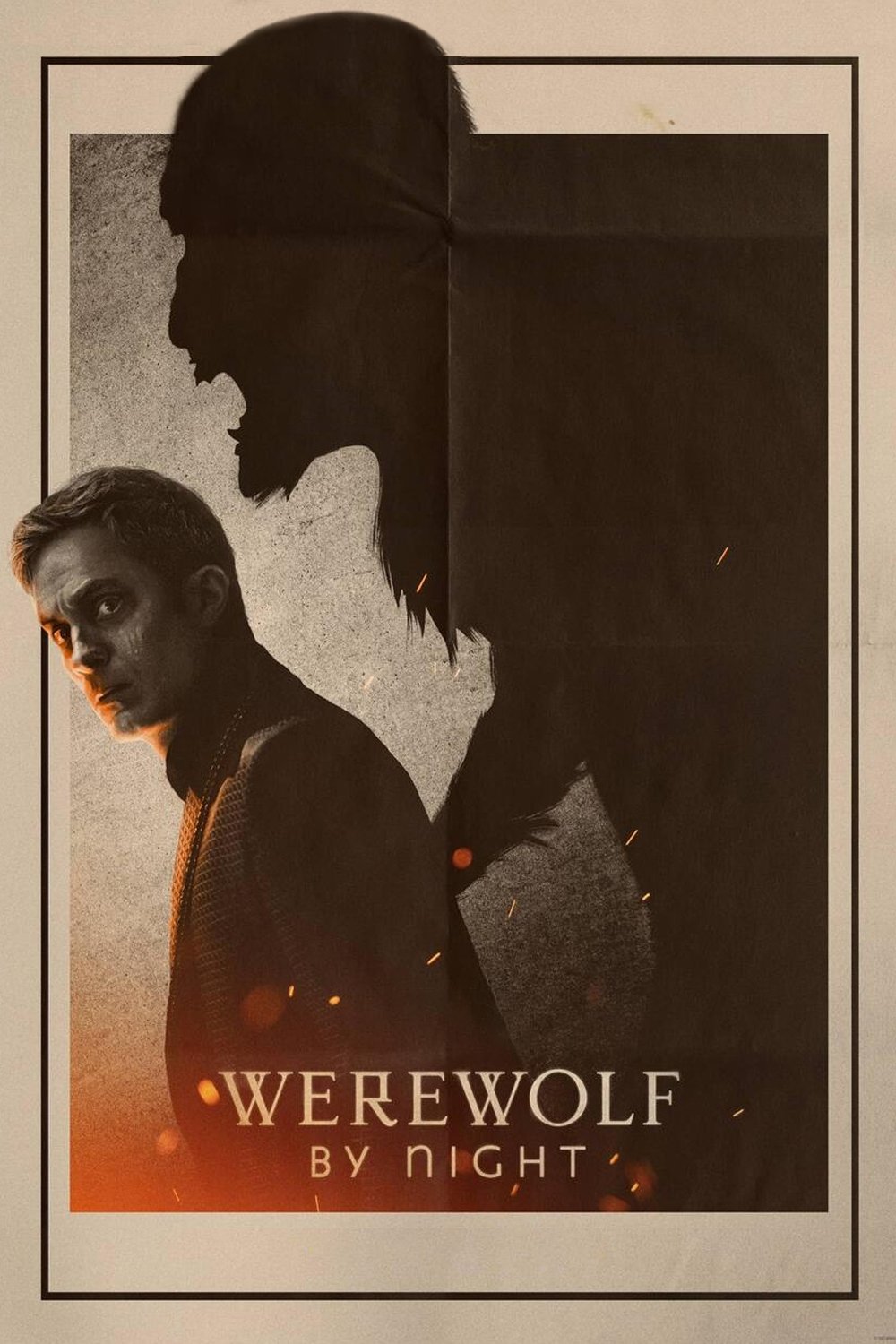
Werewolf by Night
Statistics
Popularity by Decade
Share of each decade's horror films classified as Short Film. Counts films with at least 5 TMDB ratings, so very obscure titles are not represented.
Popularity by Country
Share of each country's horror output classified as Short Film. Counts films with at least 5 TMDB ratings, so very obscure titles are not represented.