

TV Movie
Horror produced for television broadcast — restricted budgets, content limits, runtime tuned to commercial breaks, but no need for theatrical scale. A distinct production tradition with its own aesthetic and conventions, and the form that launched many of the genre's defining careers.
History & Origins
The television movie is a horror format invented by constraint. From the late 1960s through the 1980s, the American TV-movie functioned as a feature-length entertainment delivered to a captive audience between commercials, on a budget a fraction of theatrical horror, with content standards that ruled out explicit gore. The constraints produced an aesthetic — atmospheric tension over splatter, character development over set pieces, lighting and editing doing the work that effects could not. The institutional spine of the form was ABC's Movie of the Week, launched in 1969, which would broadcast over 200 telefeatures across the next seven seasons; critic Amanda Reyes, in Are You in the House Alone: A TV Movie Companion, treats the cycle as a distinct American genre tradition.
The form's heyday ran roughly from 1970 to 1985. Steven Spielberg's Duel (1971), a road-thriller in which a faceless trucker hunts a commuter, was made for ABC and effectively launched Spielberg's feature career; the Richard Matheson teleplay would become a touchstone for minimalist road horror. Dan Curtis emerged as TV horror's defining auteur with The Night Stalker (1972) — introducing Darren McGavin's Carl Kolchak and producing one of the highest-rated TV movies of all time — followed by The Norliss Tapes (1973) and the Karen Black anthology Trilogy of Terror (1975), whose Zuni fetish doll gave American television its most iconic image of horror-movie terror. Crowhaven Farm (1970), When Michael Calls (1972), Don't Be Afraid of the Dark (1973), Killdozer (1974), and Bad Ronald (1974) extended the ABC Movie of the Week run across hauntings, occult possession, killer machines, and home-invasion paranoia. Home for the Holidays (1974) so accurately predicted the slasher beat-by-beat that Reyes calls it a "proto-slasher" — released four years before Halloween. The Initiation of Sarah (1978) and Devil Dog: The Hound of Hell (1978) closed out the decade. The form reached its restrained-Halloween peak with Dark Night of the Scarecrow (1981), an Edward Hume-scripted CBS film about a small-town lynching avenged from beyond the grave.
Tobe Hooper's Salem's Lot (1979) showed what the form could do at its most ambitious — a two-night, three-hour adaptation of Stephen King's vampire novel that found a way around CBS's content rules through atmosphere and implication. The vampire boy floating outside the bedroom window is iconic precisely because of what it does not show; David Konow's Reel Terror credits Hooper with "creating the modern horror miniseries" through it. The King-on-TV cycle that followed — Tommy Lee Wallace's IT (1990), Mick Garris's The Stand (1994), Storm of the Century (1999) — extended the multi-night-event template through the 1990s. Many of the era's most celebrated horror TV movies are remembered for a single image of restrained dread that more permissive features could not have produced.
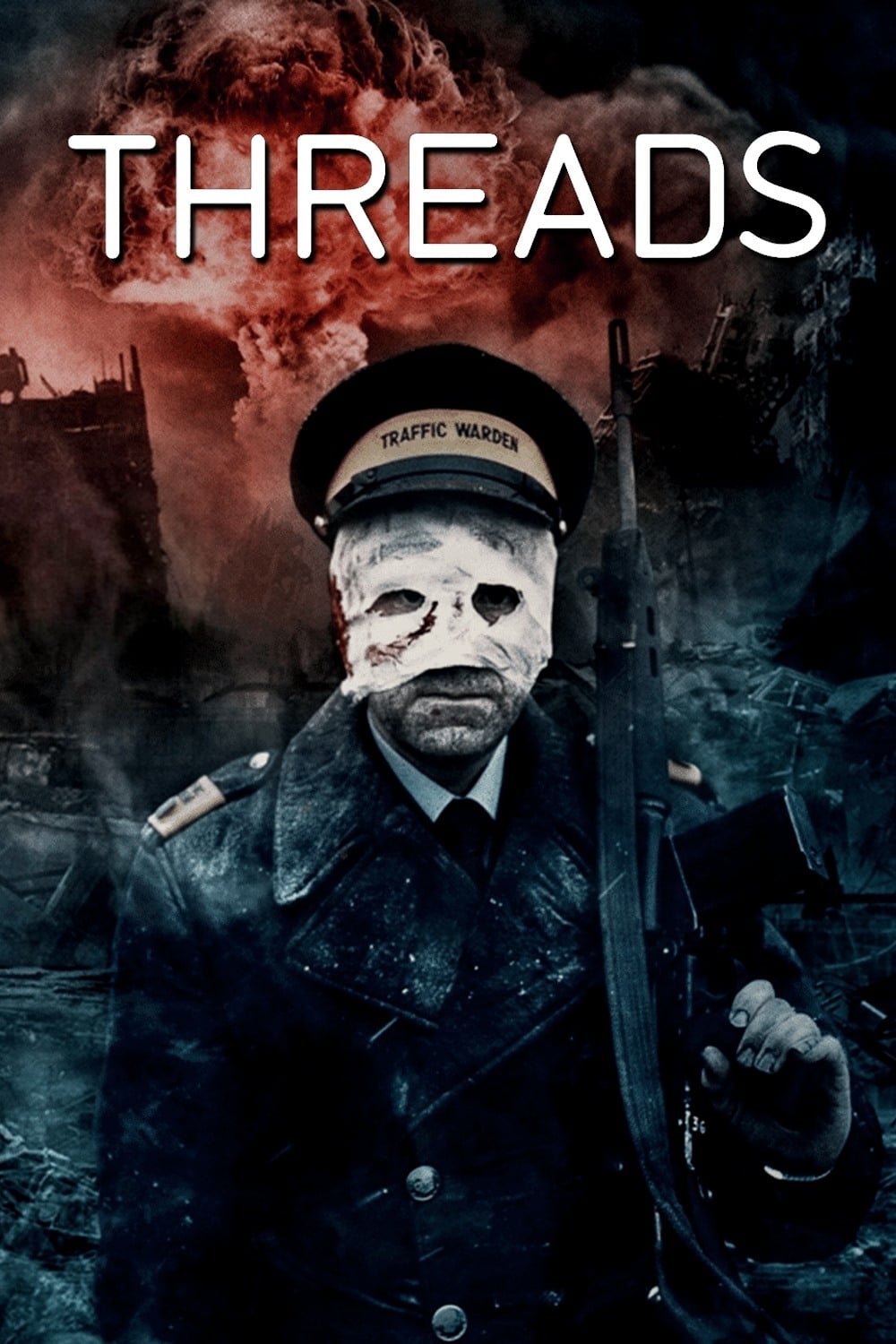
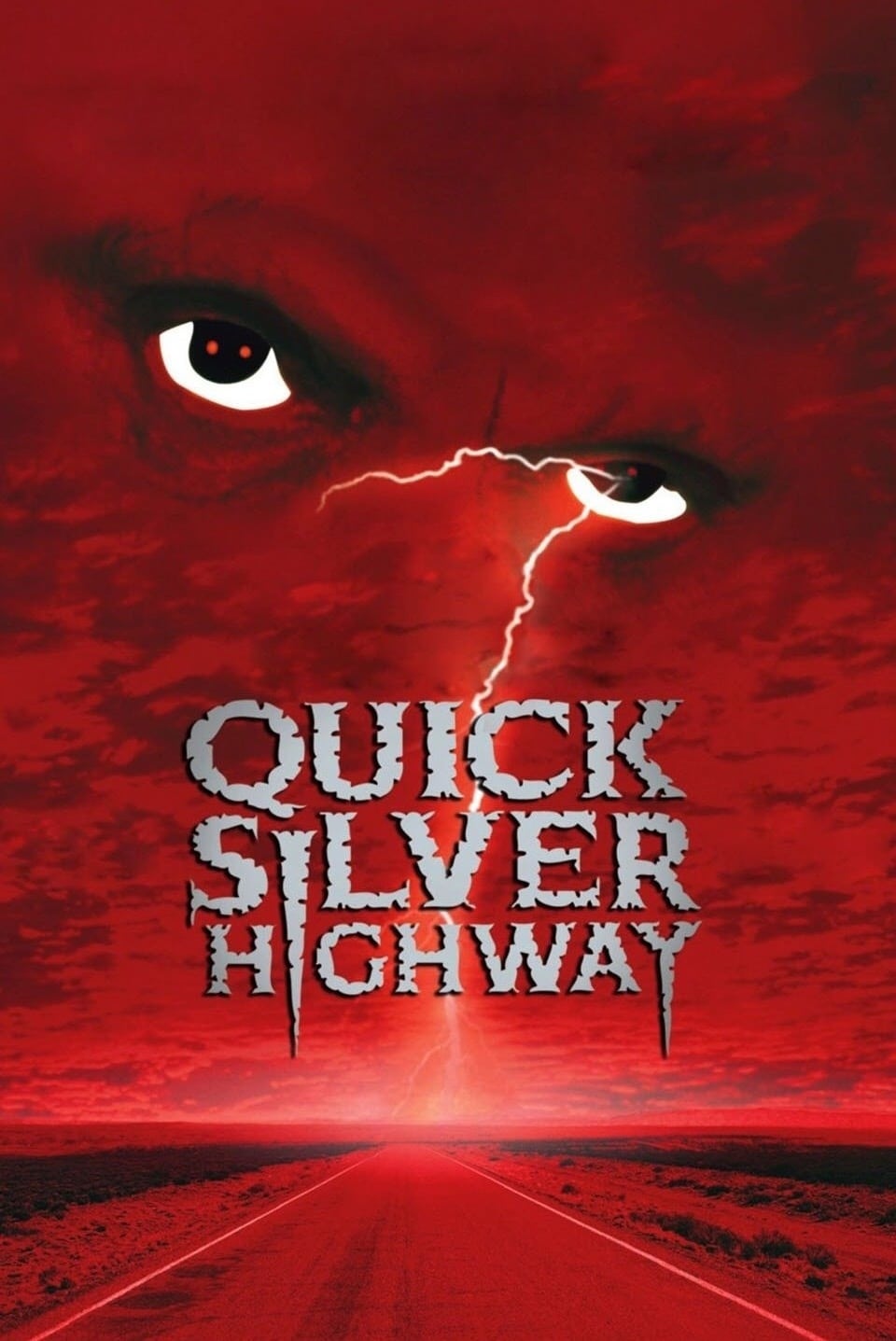
The form's range extended to apocalyptic register. Britain's Threads (1985), Mick Jackson's BBC nuclear-strike drama, used the documentary mode and made-for-TV constraints to deliver one of horror cinema's most devastating works in any format. The American counterpart, Nicholas Meyer's The Day After (1983), reached over 100 million viewers in a single ABC broadcast — the apex of the form's mass-cultural reach. Quicksilver Highway (1997), Mick Garris's King/Clive Barker anthology, was among the last major TV horror movies broadcast on a major network during the genre's golden run.
The form's decline mirrored the rise of cable. By the mid-1990s, premium channels (HBO, Showtime) and basic cable (USA, TNT) had eroded the network audience for the original TV movie. Standards & Practices loosened, but budgets shrank further. SyFy's late-2000s wave of self-aware low-budget films (Sharknado and its imitators) treated the TV movie as ironic camp rather than a serious form. Streaming has revived the format in unexpected directions. Hulu's Into the Dark anthology (2018–2021) produced one feature-length horror film per month, each pegged to a holiday — a structural echo of the 70s holiday-themed TV-movie tradition. Gary Dauberman's Salem's Lot (2024) remake, originally produced for theatrical release before being moved to Max streaming, completed the loop — what Hooper had originally made for television had become a streaming-only theatrical-scale production forty-five years later. The TV movie's lineage is most clearly visible today not on television, but on the small-budget straight-to-streaming horror feature: same constraints, same instincts, different delivery system.
Sources: David Konow, Reel Terror (2012).
Essential Films
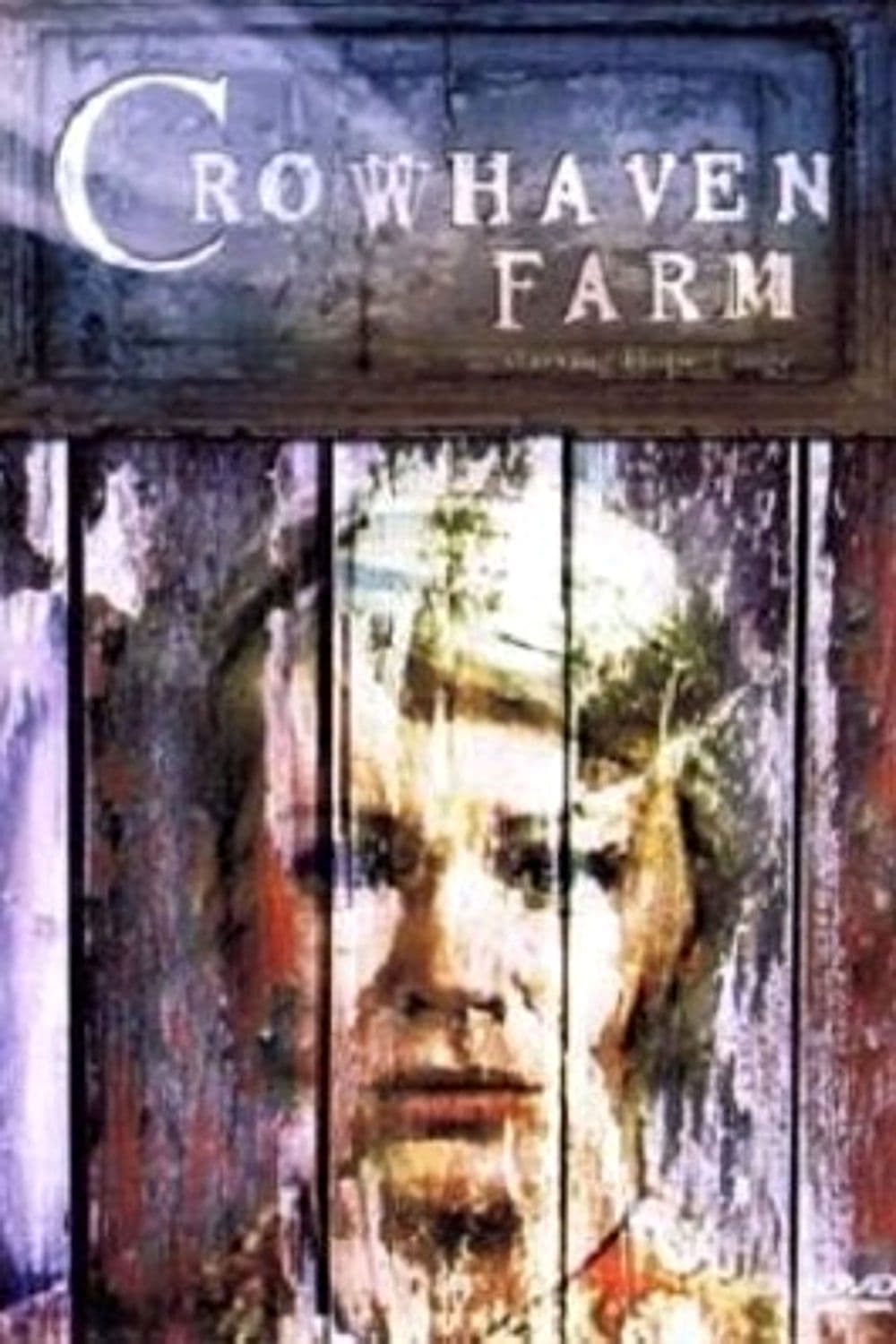
Crowhaven Farm
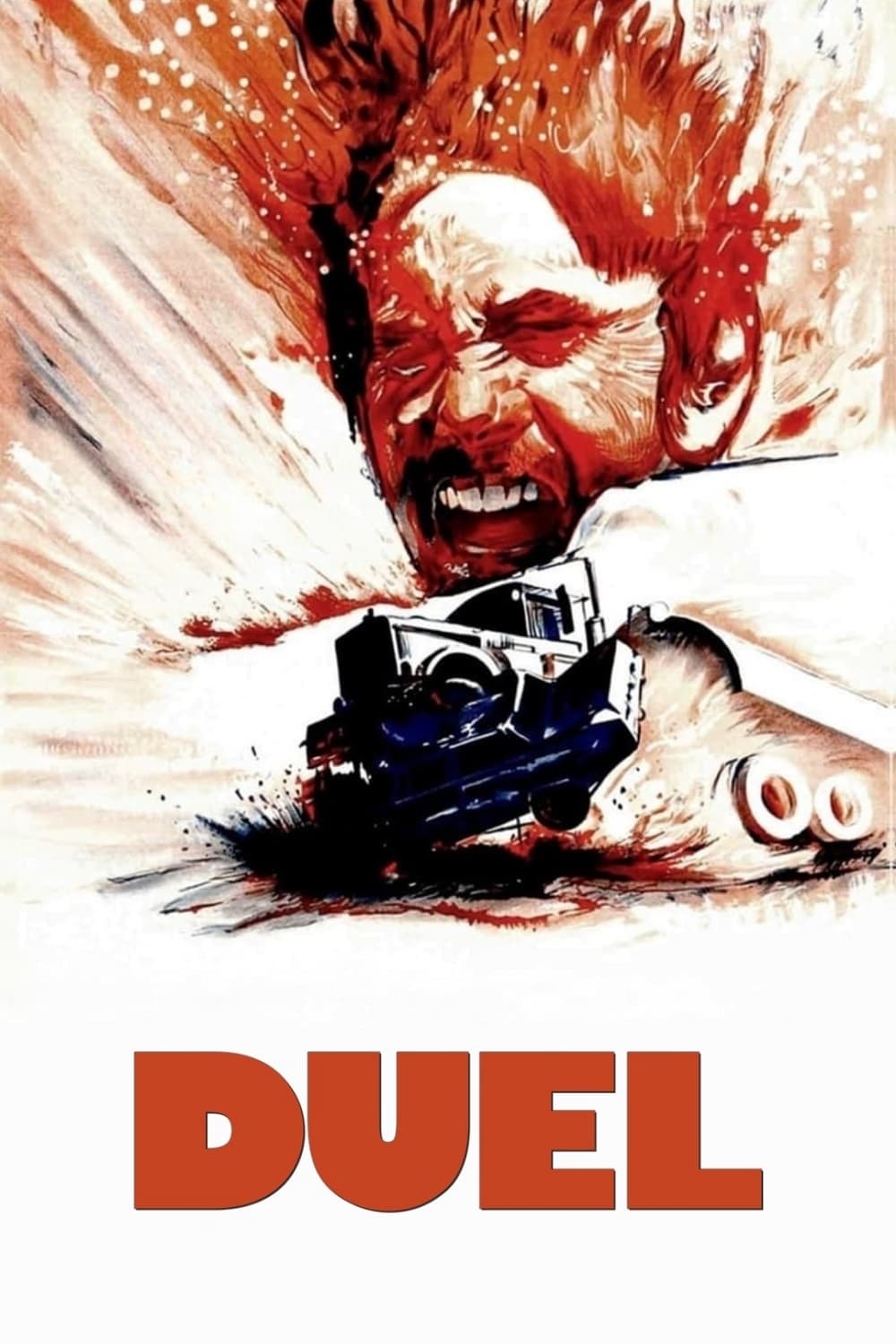
Duel
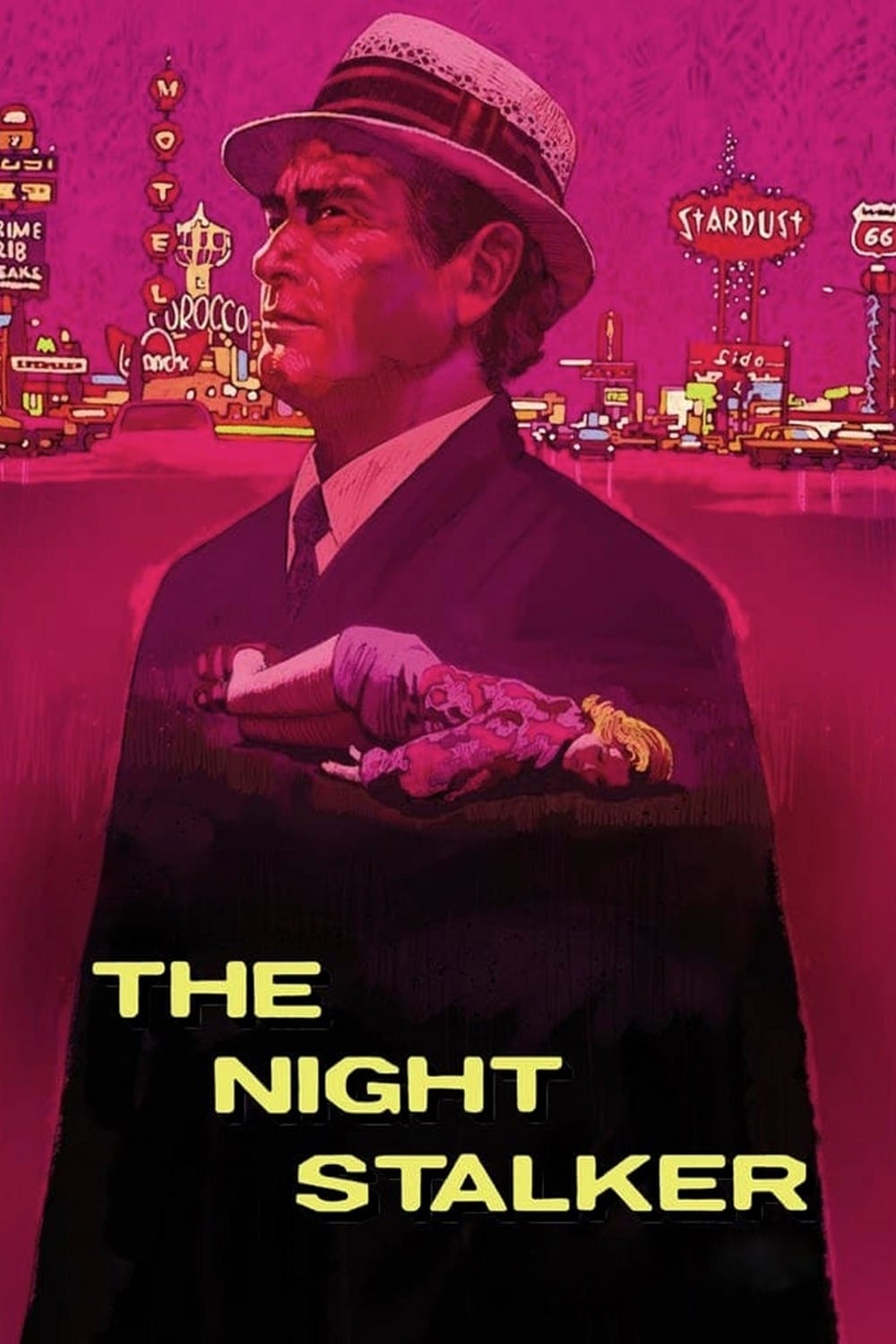
The Night Stalker
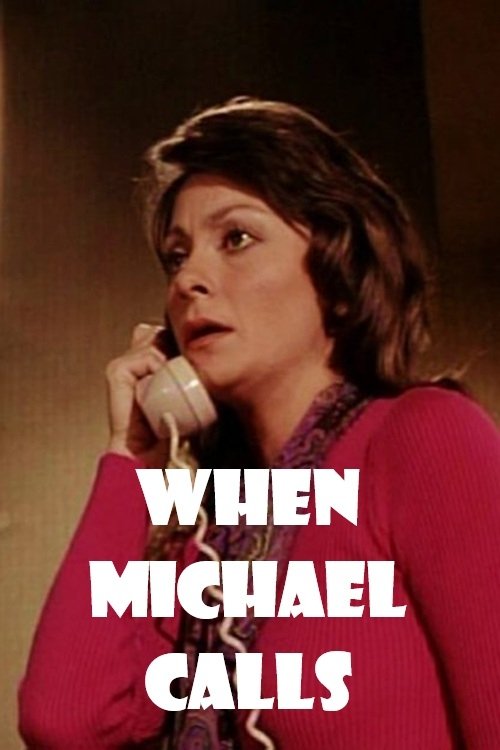
When Michael Calls
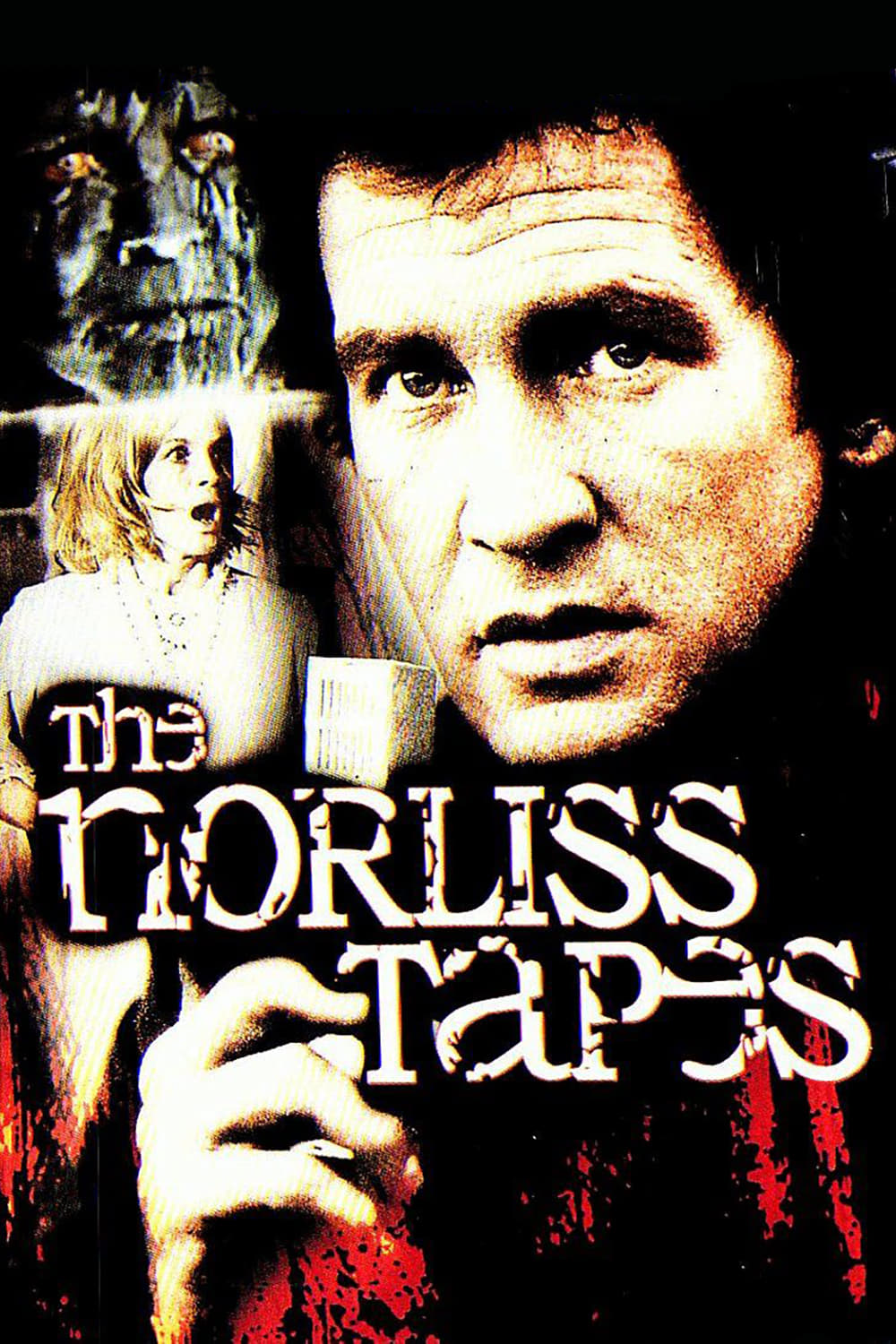
The Norliss Tapes
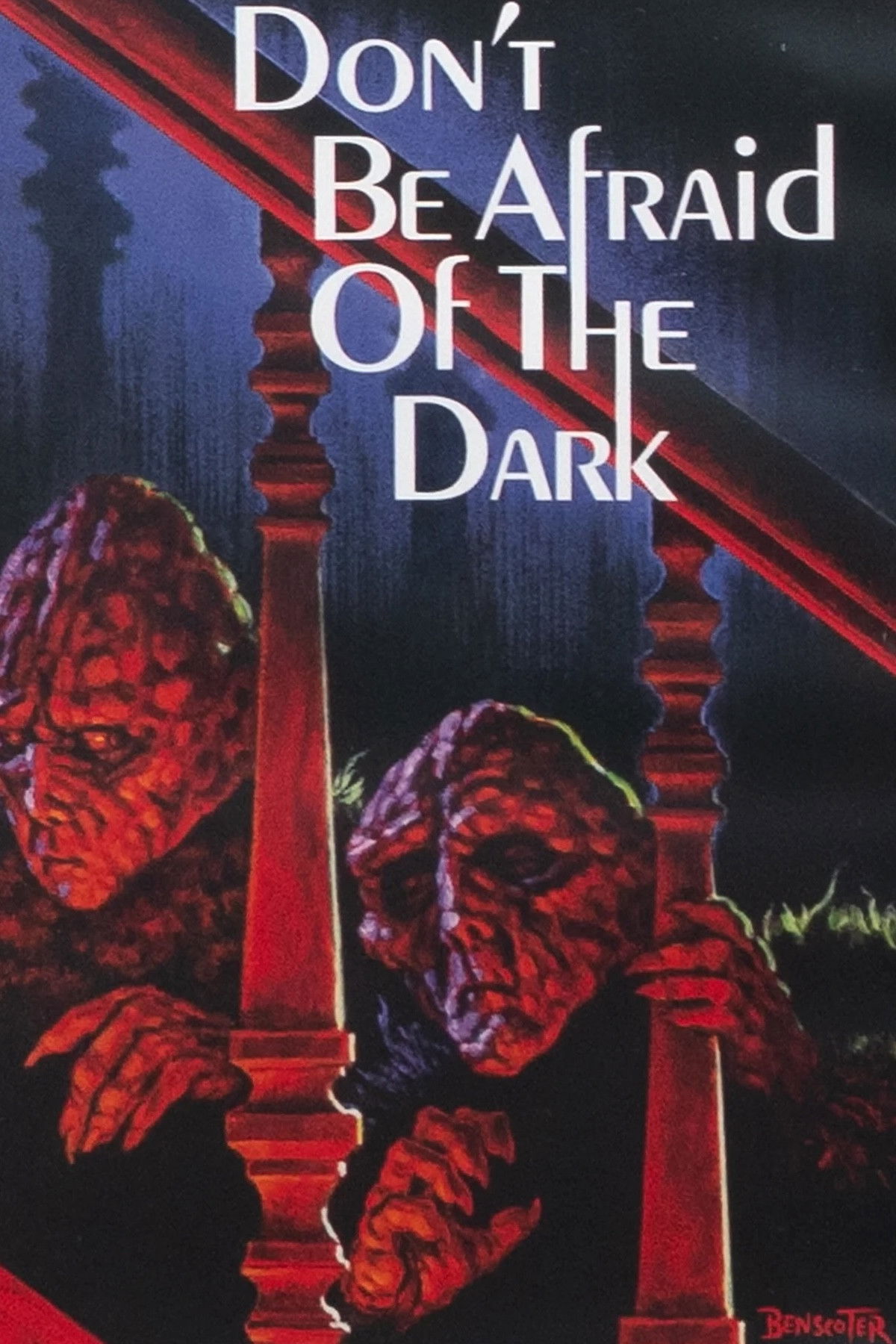
Don't Be Afraid of the Dark
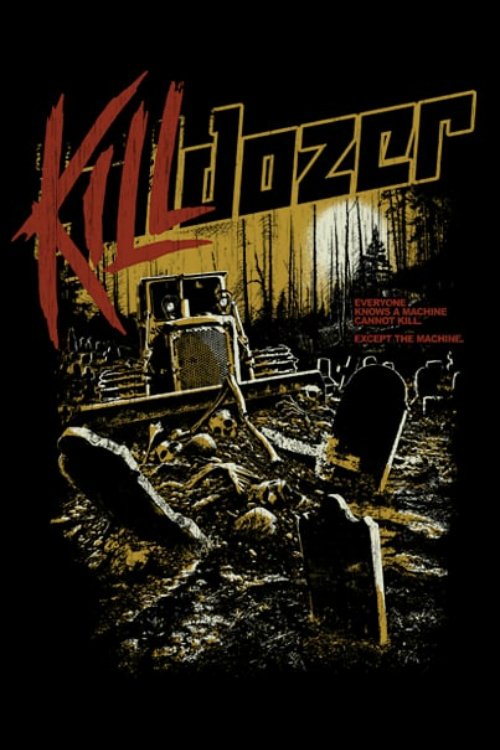
Killdozer
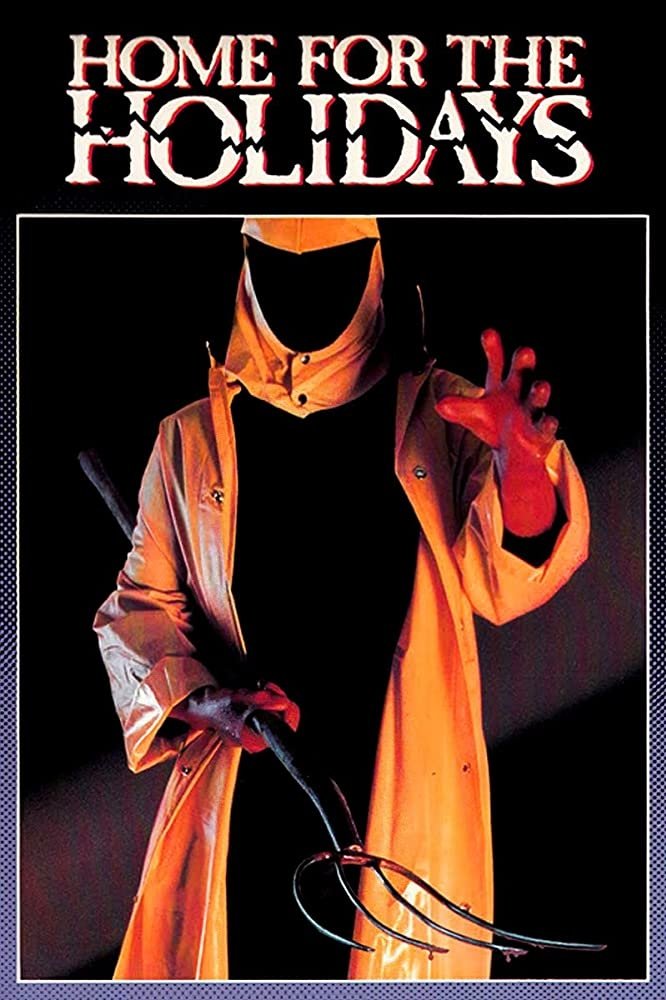
Home for the Holidays
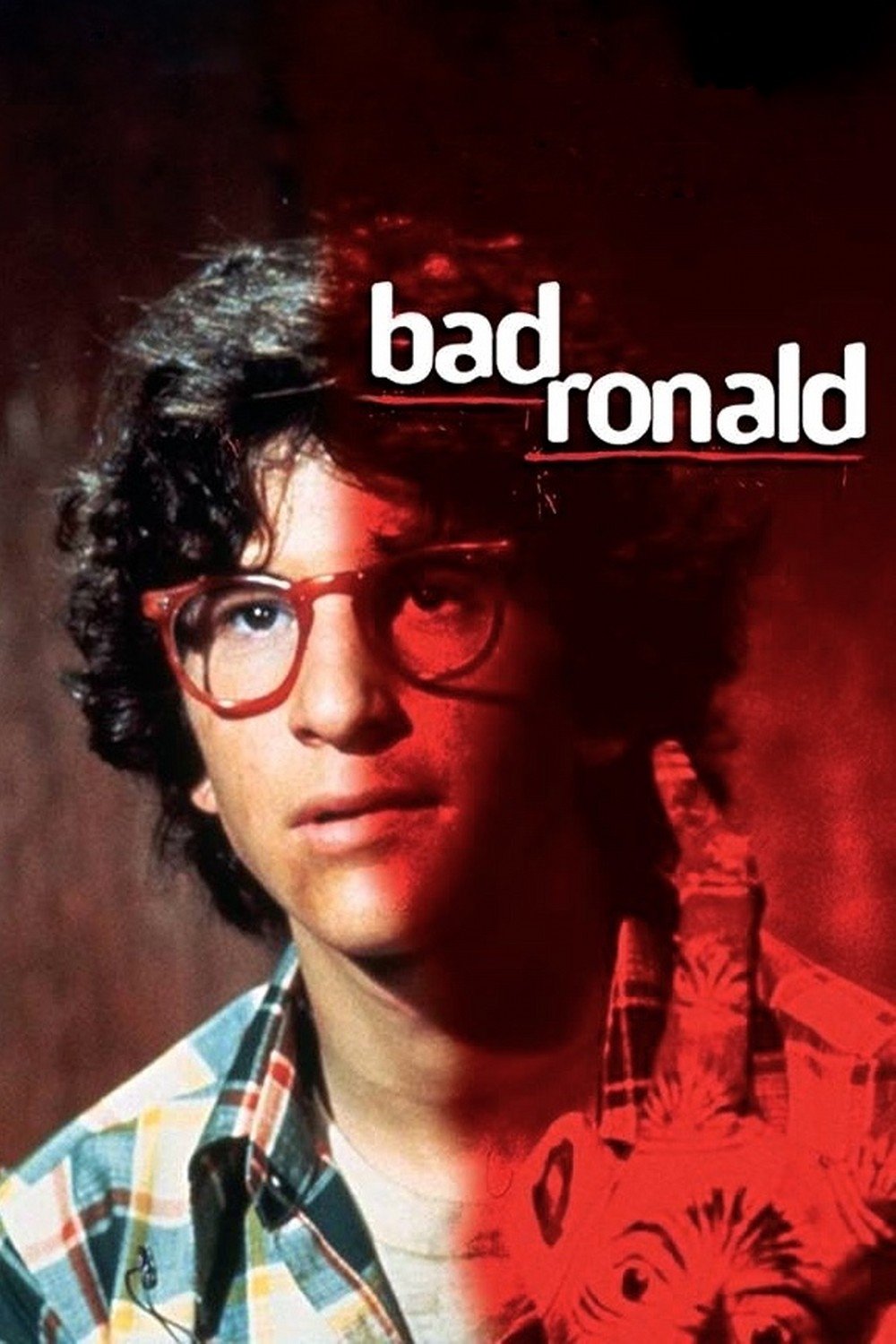
Bad Ronald
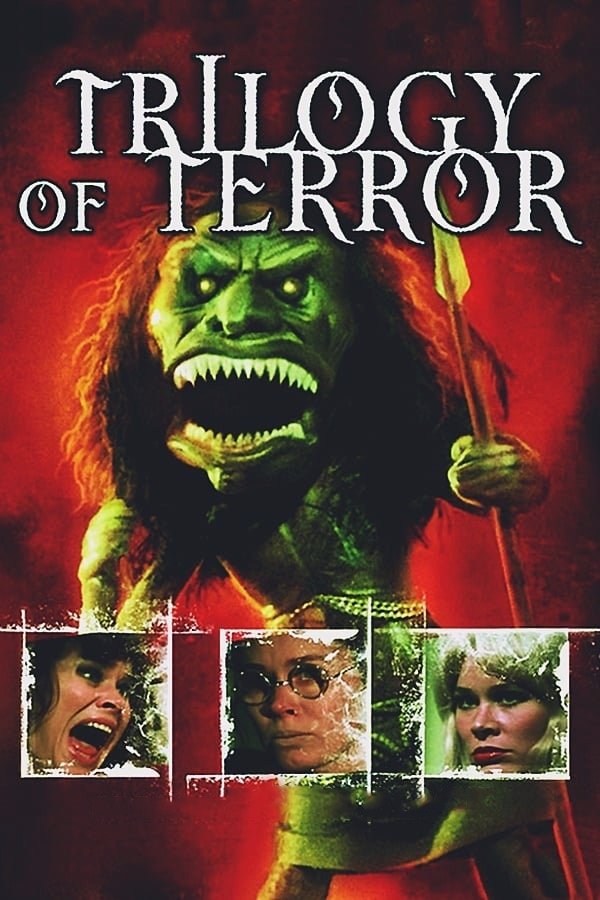
Trilogy of Terror
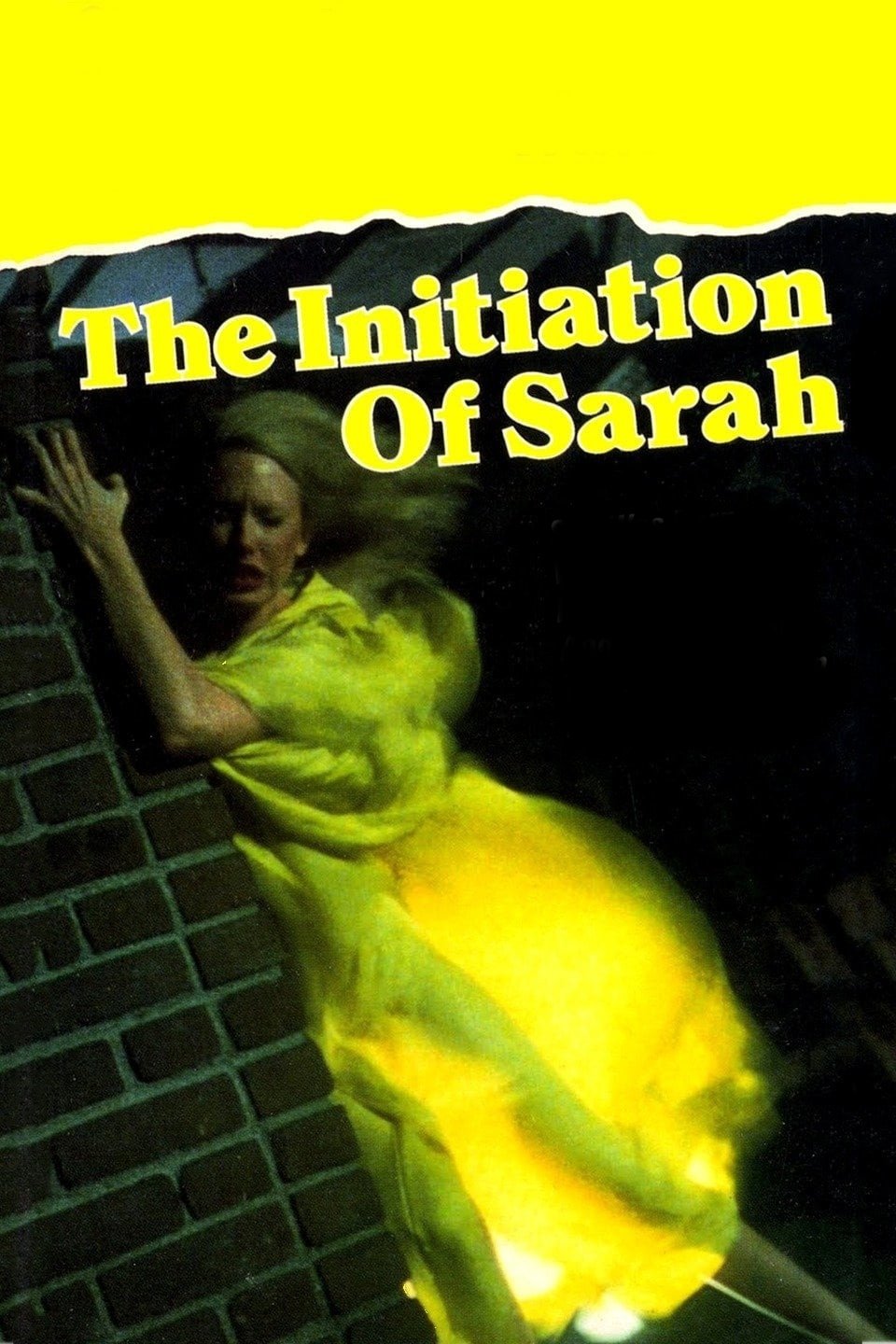
The Initiation of Sarah
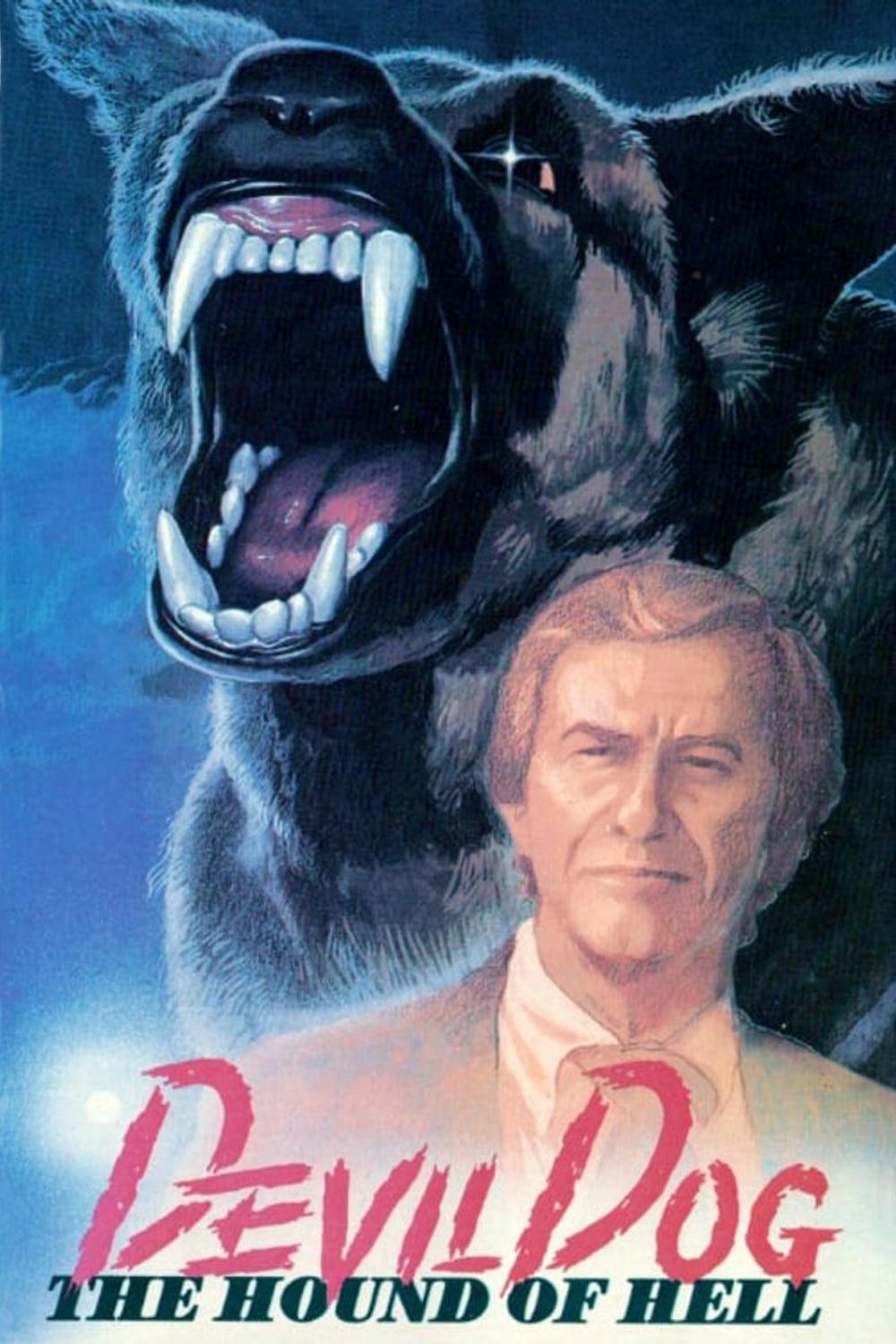
Devil Dog: The Hound of Hell

Dark Night of the Scarecrow
Threads
Quicksilver Highway

Salem's Lot
Statistics
Popularity by Decade
Share of each decade's horror films classified as TV Movie. Counts films with at least 5 TMDB ratings, so very obscure titles are not represented.
Popularity by Country
Share of each country's horror output classified as TV Movie. Counts films with at least 5 TMDB ratings, so very obscure titles are not represented.